


















Corporate Corruption News Articles
Below are key excerpts of revealing news articles on corporate corruption from reliable news media sources. If any link fails to function, a paywall blocks full access, or the article is no longer available, try these digital tools.

How much influence do private networks of the rich and powerful have on government policies and international relations? One group, the Bilderberg, has often attracted speculation that it forms a shadowy global government. Every year since 1954 [they have brought] together about 120 leading business people and politicians. At this year's meeting in Germany, the audience included the heads of the World Bank and European Central Bank, Chairmen or Chief Executives from Nokia, BP, Unilever, DaimlerChrysler and Pepsi ... editors from five major newspapers, members of parliament, ministers, European commissioners ... and the queen of the Netherlands. The chairman ... is 73-year-old Viscount Etienne Davignon. In an extremely rare interview, he played down the importance of Bilderberg. "I don't think (we are) a global ruling class because I don't think a global ruling class exists." Will Hutton ... who attended a Bilderberg meeting in 1997, says people take part in these networks in order to influence the way the world works, to create what he calls "the international common sense". And that "common sense" is one which supports the interests of Bilderberg's main participants. For Bilderberg's critics the fact that there is almost no publicity about the annual meetings is proof that they are up to no good. Bilderberg meetings often feature future political leaders shortly before they become household names. Bill Clinton went in 1991 while still governor of Arkansas, Tony Blair was there two years later while still an opposition MP. All the recent presidents of the European Commission attended Bilderberg meetings before they were appointed. Informal and private networks like Bilderberg have helped to oil the wheels of global politics and globalisation for the past half a century.
Note: Why is this meeting of top world leaders kept so secret? Why, until a few years ago, was there virtually no reporting on this influential group in the major media? Thankfully, the alternative media has had some good articles. And a Google search can be highly informative. Explore many other revealing major media news articles on powerful secret societies. And for those interested, check out reliable, eye-opening information covering the big picture of how and why these secret societies are using government-sponsored mind control programs to achieve their agenda.
There are no magic bullets in the fight against cancer: that's the first thing every responsible scientist mentions when discussing a possible new treatment, no matter how promising. If there were a magic bullet, though, it might be something like dichloroacetate, or DCA, a drug that kills cancer cells by exploiting a fundamental weakness found in a wide range of solid tumors. So far, though, it kills them just in test tubes and in rats infected with human cancer cells; it has never been tested against cancer in living human beings. DCA ... is an existing drug whose side effects are well-studied and relatively tolerable. Also, it's a small molecule that might be able to cross the blood-brain barrier to reach otherwise intractable brain tumors. Within days after a technical paper on DCA appeared in the journal Cancer Cell last week, the lead author, Dr. Evangelos Michelakis of the University of Alberta, was deluged with calls and e-mails from prospective patientsto whom he can say only, Hang in there. DCA is a remarkably simple molecule. It acts in the body to promote the activity of the mitochondria. Researchers have assumed that the mitochondria in cancer cells were irreparably damaged. But Michelakis wondered if that was really true. With his colleagues he used DCA to turn back on the mitochondria in cancer cellswhich promptly died. One of the great things about DCA is that it's a simple compound, in the public domain, and could be produced for pennies a dose. But that's also a problem, because big drug companies are unlikely to spend a billion dollars or so on large-scale clinical trials for a compound they can't patent.
Note: Read a 2010 follow-up by Dr. Michelakis with promising results and watch a 10-minute video. Explore the DCA website. Why didn't other mass media report this major story? Why aren't many millions of dollars being poured into research? Notice even Newsweek acknowledges the drug companies are not interested in finding a cure for cancer if they can't make a profit from it. Some suspect the drug companies have even suppressed cancer cures found in the past. See one amazing example of this. For more, see these major media articles on potential cancer cures.
Some of the world's biggest, most profitable corporations enjoy a far lower tax rate than you do – that is, if they pay taxes at all. The most egregious example is General Electric. Last year the conglomerate generated $10.3 billion in pretax income, but ended up owing nothing to Uncle Sam. In fact, it recorded a tax benefit of $1.1 billion. How did this happen? It's complicated. GE in effect consists of two divisions: General Electric Capital and everything else. The everything else – maker of engines, power plants, TV shows and the like – would have paid a 22% tax rate if it was a standalone company. It's GE Capital that keeps the overall tax bill so low. Over the last two years, GE Capital has displayed an uncanny ability to lose lots of money in the U.S. (posting a $6.5 billion loss in 2009), and make lots of money overseas (a $4.3 billion gain). Not only do the U.S. losses balance out the overseas gains, but GE can defer taxes on that overseas income indefinitely. It's the tax benefit of overseas operations that is the biggest reason why multinationals end up with lower tax rates than the rest of us.
Note: Forbes later changed the title of this article to a more innocuous "What The Top U.S. Companies Pay In Taxes." Can you believe that GE not only pays no taxes, they actually get credit from the US government? They ship US jobs overseas and then reap huge tax benefits as a result. What's wrong with this picture? For a wealth of media news articles on the hidden manipulations of major financial corporations, click here.
If you follow the news about health research, you risk whiplash. First garlic lowers bad cholesterol, thenafter more studyit doesnt. Hormone replacement reduces the risk of heart disease in postmenopausal women, until a huge study finds that it doesnt. But what if wrong answers arent the exception but the rule? More and more scholars who scrutinize health research are now making that claim. It isnt just an individual study here and there thats flawed, they charge. Instead, the very framework of medical investigation may be off-kilter, leading time and again to findings that are at best unproved and at worst dangerously wrong. The result is a system that leads patients and physicians astrayspurring often costly regimens that wont help and may even harm you. Even a cursory glance at medical journals shows that once heralded studies keep falling by the wayside. A major study concluded theres no good evidence that statins (drugs like Lipitor and Crestor) help people with no history of heart disease. The study ... was based on an evaluation of 14 individual trials with 34,272 patients. Cost of statins: more than $20 billion per year. Positive drug trials, which find that a treatment is effective, and negative trials, in which a drug fails, take the same amount of time to conduct. But negative trials took an extra two to four years to be published. With billions of dollars on the line, companies are loath to declare a new drug ineffective. As a result of the lag in publishing negative studies, patients receive a treatment that is actually ineffective. From clinical trials of new drugs to cutting-edge genetics, biomedical research is riddled with incorrect findings.
Note: For the good of your health, the entire article at the link above is well worth reading. For lots more on how the profit-oriented health profession puts public health at risk, click here and here.
After receiving billions in aid from U.S. taxpayers, the nation's largest banks say they can't track exactly how they're spending it. Some won't even talk about it. "We're choosing not to disclose that," said Kevin Heine, spokesman for Bank of New York Mellon, which received about $3 billion. The Associated Press contacted 21 banks that received at least $1 billion in government money and asked four questions: How much has been spent? What was it spent on? How much is being held in savings, and what's the plan for the rest? None of the banks provided specific answers. Some banks said they simply didn't know where the money was going. There has been no accounting of how banks spend that money. The answers highlight the secrecy surrounding the Troubled Asset Relief Program, which earmarked $700 billion ... to help rescue the financial industry. Lawmakers summoned bank executives to Capitol Hill last month and implored them ... not to hoard it or spend it on corporate bonuses, junkets or to buy other banks. But there is no process in place to make sure that's happening and there are no consequences for banks that don't comply. Meanwhile, banks that are getting taxpayer bailouts awarded their top executives nearly $1.6 billion in salaries, bonuses, and other benefits last year. Congress attached nearly no strings to the $700 billion bailout in October. And the Treasury Department, which doles out the money, never asked banks how it would be spent. No bank provided even the most basic accounting for the federal money. Most banks wouldn't say why they were keeping the details secret.
Note: Explore key information that the bankers don't want you to know on the Federal Reserve, which is neither federal, nor a reserve. For more along these lines, see concise summaries of deeply revealing news articles on the banking bailout from reliable major media sources. Then explore the excellent, reliable resources suggesting major corruption provided in our Banking Information Center.
They're some of the most trusted voices in the defense of vaccine safety: the American Academy of Pediatrics, Every Child By Two, and pediatrician Dr. Paul Offit. But CBS News has found these three have something more in common - strong financial ties to the industry whose products they promote and defend. The vaccine industry gives millions to the Academy of Pediatrics for conferences, grants, medical education classes and even helped build their headquarters. The totals are kept secret, but public documents reveal bits and pieces. A $342,000 payment from Wyeth, maker of the pneumococcal vaccine - which makes $2 billion a year in sales. A $433,000 contribution from Merck, the same year the academy endorsed Merck's HPV vaccine - which made $1.5 billion a year in sales. Every Child By Two, a group that promotes early immunization for all children, admits the group takes money from the vaccine industry, too - but wouldn't tell us how much. Then there's Paul Offit, perhaps the most widely-quoted defender of vaccine safety. He's gone so far as to say babies can tolerate "10,000 vaccines at once." In fact, he's a vaccine industry insider. Offit holds a $1.5 million dollar research chair at Children's Hospital, funded by Merck. He holds the patent on an anti-diarrhea vaccine he developed with Merck. And future royalties for the vaccine were just sold for $182 million cash.
Note: An excellent report endorsed by many respected doctors and nurses reveals the serious risks of vaccines. Read an incisive list of questions regarding vaccines that are rarely raised by the media. The report accessible on this US government webpage states, "Since 1988, over 24,200 petitions have been filed with the VICP [Vaccine Injury Compensation Program] ... with 8,162 of those determined to be compensable. Total compensation paid over the life of the program is approximately $4.5 billion." Why isn't that huge price tag for vaccine injuries being talked about?
Last week, the report Merchants of Poison: How Monsanto Sold the World on a Toxic Pesticide was published by authors Stacy Malkan, Kendra Klein and Anna Lappé. [In 2012], pesticide and processed food companies spent $45 million to defeat a ballot initiative to label GMOs (genetically modified foods) in California. This campaign was led by Monsanto, one of the planet’s largest producers of GMOs. Monsanto created a PR storm through the mouths of so-called third-party “experts” from across the fields of academia and science. It was later revealed that these allegedly neutral voices were closely tied to Monsanto. The World Health Organization (WHO) in 2015 concluded that glyphosate—the chemical contained within herbicides that most GMO crops have been engineered to resist—is likely a human carcinogen. Thousands sued Monsanto claiming that their exposure of Monsanto’s glyphosate-based product, Roundup, caused their cancers. Monsanto employees ghostwrote scientific papers on the safety of glyphosate and strategized how to discredit journalists and scientists raising concerns about the pesticide. Major universities, including University of California Davis and University of Florida, played a significant role in legitimizing and amplifying pesticide industry product-defense efforts. The Bill & Melinda Gates Foundation, Cornell University, and the American Academy for the Advancement of Science (AAAS) ... also provided essential aid and cover for pesticide industry propaganda.
Note: A 2019 study found that glyphosate increases cancer risk by 41%. For more along these lines, see concise summaries of deeply revealing news articles on GMOs and science corruption from reliable major media sources.
Goldman Sachs analysts attempted to address a touchy subject for biotech companies, especially those involved in the pioneering "gene therapy" treatment: cures could be bad for business in the long run. "Is curing patients a sustainable business model?" analysts ask in an April 10 report entitled "The Genome Revolution." "The potential to deliver 'one shot cures' is one of the most attractive aspects of gene therapy, genetically-engineered cell therapy and gene editing. However, such treatments offer a very different outlook with regard to recurring revenue versus chronic therapies," analyst Salveen Richter wrote in the note to clients. "While this proposition carries tremendous value for patients and society, it could represent a challenge for genome medicine developers looking for sustained cash flow." Richter cited Gilead Sciences' treatments for hepatitis C, which achieved cure rates of more than 90 percent. The company's U.S. sales for these hepatitis C treatments peaked at $12.5 billion in 2015, but have been falling ever since. "GILD is a case in point, where the success of its hepatitis C franchise has gradually exhausted the available pool of treatable patients," the analyst wrote. "In the case of infectious diseases such as hepatitis C, curing existing patients also decreases the number of carriers able to transmit the virus to new patients, thus the incident pool also declines. Where an incident pool remains stable (eg, in cancer) the potential for a cure poses less risk to the sustainability of a franchise."
Note: Many cancer treatments have been suppressed, sometimes in brutal ways, because the medical profession would lose the huge profits of traditional cancer treatments. Watch this video for undeniable evidence showing that this is the case. Read an excellent article on how the profiteering drug industry is crippling our children, possibly even intentionally. For more along these lines, see concise summaries of deeply revealing health news articles from reliable major media sources.
Many critical election systems in the United States are poorly secured and protected against malicious attacks. In the 15 years since electronic voting machines were first adopted by many states, numerous reports by computer scientists have shown nearly every make and model to be vulnerable to hacking. The systems were not initially designed with robust security in mind, and even where security features were included, experts have found them to be poorly implemented with glaring holes. But for as long as experts have warned about security problems, voting machine makers and election officials have denied that the machines can be remotely hacked. Election officials also assert that routine procedures they perform would detect if someone altered transmitted votes or machine software. Experts, however, say ... that vendor claims about security cant be trusted. "Vendors have absolutely fumbled every single attempt in security," says Jacob D. Stauffer, vice president of operations for Coherent Cyber, who has conducted voting-machine security assessments for Californias secretary of state for a decade. Stauffer and colleagues ... found the voting machines and election-management systems to be rife with security problems. Attackers could theoretically intercept unofficial results as theyre transmitted on election night or, worse, use the modem connections to reach back into election machines at either end and install malware or alter election software and official results.
Note: For more along these lines, see concise summaries of deeply revealing elections corruption news articles from reliable major media sources. Then explore the excellent, reliable resources provided in our Elections Information Center.
Merck made a "hit list" of doctors who criticized Vioxx, according to testimony in a Vioxx class action case in Australia. According to The Australian, Merck emails from 1999 showed company execs complaining about doctors who disliked using Vioxx. The list, emailed between Merck employees, contained doctors' names with the labels "neutralise," "neutralised" or "discredit" next to them. One email said: We may need to seek them out and destroy them where they live. The plaintiffs' lawyer gave this assessment: "It gives you the dark side of the use of key opinion leaders and thought leaders. If (they) say things you don't like to hear, you have to neutralise them." The court was told that James Fries, professor of medicine at Stanford University, wrote to the then Merck head Ray Gilmartin in October 2000 to complain about the treatment of some of his researchers who had criticised the drug. "Even worse were allegations of Merck damage control by intimidation," he wrote. "This has happened to at least eight (clinical) investigators. I was mildly threatened myself, but I never have spoken or written on these issues." The allegations come on the heels of revelations that Merck created a fake medical journal -- the Australasian Journal of Bone and Joint Medicine -- in which to publish studies about Vioxx; had pop songs commissioned about Vioxx to inspire its staff, and paid ghostwriters to draft articles about the drug.
Note: FDA analysts estimated that Vioxx caused between 88,000 and 139,000 heart attacks, 30 to 40 percent of which were probably fatal, in the five years the drug was on the market. For more along these lines, see concise summaries of deeply revealing health corruption news articles from reliable major media sources.
Federal prosecutors in the U.S. will be reading with amusement the Australian press's coverage of a class action trial down under for patients who took Merck's now-withdrawn painkiller Vioxx. Details emerging in Oz make some of the antics that Merck's American counterparts got up to look tame by comparison. For example, in Australia, Merck allegedly: Had a doctor sign his name to an entirely ghostwritten journal article even though a Merck staffer had complained that the data within it was based on "wishful thinking;" created a fake "peer-reviewed" journal, the "Australasian Journal of Bone and Joint Medicine," in which to publicize pro-Vioxx articles; created a Ricky Martin-style pop song to get Merck sales reps all jazzed up about Vioxx; [and] hatched a Blackadder-style "cunning plan" to seed seminars with speakers who were sympathetic to Vioxx. Here's The Australian's description of the Merck PR team's over-the-top "handling" of reporters at ... a class action trial down under for patients who took Merck's now-withdrawn painkiller Vioxx: A hired crisis management team sits in court every day, under the guidance of Merck & Co's media spokeswoman flown out from the US, watching what journalists write, who they talk to and where they go in the court breaks. The team ... follow journalists out of court, ask them what they are writing, hand out daily press releases and send "background" emails they say should not be attributed to the company but which detail what they think are the "salient points" from the evidence presented in court. The team rings reporters first thing in the morning, accuses them of "cherry-picking" the evidence and bombards newspapers with letters to the editor arguing their case in detail based on the day's evidence - five were sent to The Australian in just seven days.
Note: FDA analysts estimated that Vioxx caused between 88,000 and 139,000 heart attacks, 30 to 40 percent of which were probably fatal, in the five years the drug was on the market. Read another CBS News article which shows how Merck literally created a hit list for doctors who opposed use of Vioxx. For more along these lines, see concise summaries of deeply revealing health corruption news articles from reliable major media sources.
An international drug company made a hit list of doctors who had to be "neutralised" or discredited because they criticised the anti-arthritis drug the pharmaceutical giant produced. Staff at US company Merck &Co emailed each other about the list of doctors - mainly researchers and academics - who had been negative about the drug Vioxx or Merck and a recommended course of action. The email, which came out in the Federal Court in Melbourne yesterday as part of a class action against the drug company, included the words "neutralise", "neutralised" or "discredit" against some of the doctors' names. It is also alleged the company used intimidation tactics against critical researchers, including dropping hints it would stop funding to institutions and claims it interfered with academic appointments. "We may need to seek them out and destroy them where they live," a Merck employee wrote, according to an email excerpt read to the court by Julian Burnside QC, acting for the plaintiff. Merck & Co and its Australian subsidiary, Merck, Sharpe and Dohme, are being sued for compensation by more than 1000 Australians, who claim they suffered heart attacks or strokes as a result of Vioxx. The drug was launched in 1999 and at its height of popularity was used by 80 million people worldwide because it did not cause stomach problems as did traditional anti-inflammatory drugs. It was voluntarily withdrawn from sale in 2004 after concerns were raised that it caused heart attacks and strokes and a clinical trial testing these potential side affects was aborted for safety reasons. Merck last year settled thousands of lawsuits in the US over the effects of Vioxx for $US 4.85 billion, but made no admission of guilt.
Note: For lots more on corporate corruption from reliable sources, click here.
We could make faster progress against cancer by changing the way drugs are developed. In the current system, if a promising compound cant be patented, it is highly unlikely ever to make it to market no matter how well it performs in the laboratory. The development of new cancer drugs is crippled as a result. The reason for this problem is that bringing a new drug to market is extremely expensive. In 2001, the estimated cost was $802 million; today it is approximately $1 billion. To ensure a healthy return on such staggering investments, drug companies seek to formulate new drugs in a way that guarantees watertight patents. In the meantime, cancer patients miss out on treatments that may be highly effective and less expensive to boot. In 2004, Johns Hopkins researchers discovered that an off-the-shelf compound called 3-bromopyruvate could arrest the growth of liver cancer in rats. The results were dramatic; moreover, the investigators estimated that the cost to treat patients would be around 70 cents per day. Yet, three years later, no major drug company has shown interest in developing this drug. The hormone melatonin, sold as an inexpensive food supplement in the United States, has repeatedly been shown to slow the growth of various cancers when used in conjunction with conventional treatments. Early this year, another readily available industrial chemical, dichloroacetate, was found by researchers at the University of Alberta to shrink tumors in laboratory animals by up to 75 percent. However ... dichloroacetate is not patentable, and the lead researcher is concerned that it may be difficult to find funding from private investors to test the chemical. Potential anticancer drugs should be judged on their scientific merit, not on their patentability.
Note: To explore several cancer cures which have shown dramatic potential, yet are not being studied for lack of funds due to inability to patent the process, click here. Why are these very promising treatments not being fast-tracked as the expensive AIDS drugs were? For a top MD's revealing comments on this, click here. And for why the media won't feature these promising cancer treatments in headlines, click here.
In June 2000, a group of top government scientists and health officials gathered for a meeting at the isolated Simpsonwood conference center ... to ensure complete secrecy. The federal officials and industry representatives had assembled to discuss a disturbing new study that raised alarming questions about the safety of a host of common childhood vaccines administered to infants and young children. A mercury-based preservative in the vaccines -- thimerosal -- appeared to be responsible for a dramatic increase in autism. But instead of taking immediate steps to alert the public and rid the vaccine supply of thimerosal, the officials and executives at Simpsonwood spent most of the next two days discussing how to cover up the damaging data. According to transcripts obtained under the Freedom of Information Act, many at the meeting were concerned about how the damaging revelations about thimerosal would affect the vaccine industry's bottom line. The CDC paid the Institute of Medicine to conduct a new study to whitewash the risks of thimerosal, ordering researchers to "rule out" the chemical's link to autism. Senate Majority Leader Bill Frist, who has received $873,000 in contributions from the pharmaceutical industry, has been working to immunize vaccine makers from liability in 4,200 lawsuits that have been filed by the parents of injured children. More than 500,000 kids currently suffer from autism. The disease was unknown until 1943, when it was identified and diagnosed among 11 children born in the months after thimerosal was first added to baby vaccines in 1931. Internal documents reveal that Eli Lilly, which first developed thimerosal, knew from the start that its product could cause damage -- and even death -- in both animals and humans.
Note: A good, though somewhat watered down version of the above article was published in the Boston Globe on July 1, 2005. To see this article on the Globe website, click here. For an excellent report endorsed by dozens of respected doctors and nurses on the serious risks and dangers of vaccines, click here. Watch an excellent video of Emmy award winning reporter Sharyl Attkisson exposing how the government fired an vaccine expert who found links to autism.
Lockheed Martin doesn't run the United States. But it does help run a breathtakingly big part of it. Lockheed ... has built a formidable information-technology empire that now stretches from the Pentagon to the post office. It sorts your mail and totals your taxes. It cuts Social Security checks and counts the United States census. It runs space flights and monitors air traffic. Lockheed ... is best known for its weapons. But in the post-9/11 world, Lockheed has become more than just the biggest corporate cog in what Dwight D. Eisenhower called the military-industrial complex. It is increasingly putting its stamp on the nation's military policies. Former Lockheed executives, lobbyists and lawyers hold crucial posts at the White House and the Pentagon, picking weapons and setting policies. War and crisis have been good for business. The company's stock has tripled in the last four years. Lockheed is creating robot soldiers and neural software - "intelligent agents" - to do their work. Israel spends much of the $1.8 billion in annual military aid from the United States to buy F-16 warplanes from Lockheed. Its own executives say the concentration of power among military contractors is more intense than in any other sector of business outside banking. AND, after 9/11 ... cost is essentially irrelevant. Former Lockheed executives serve on the Defense Policy Board ... and the Homeland Security Advisory Council, which help make military and intelligence policy and pick weapons for future battles. Lockheed's board includes E. C. Aldridge Jr. ... the Pentagon's chief weapons buyer.
Note: If the above link fails, click here. To say that "war and crisis have been good for business" is quite an understatement. To read what one of the most highly decorated generals had to say about this, click here.
Marcia Angell [is] a faculty member at the Harvard Medical School [and one of the] former editors of The New England Journal of Medicine. Her new book, "The Truth About the Drug Companies," is a sober, clear-eyed attack on the excesses of drug company power. How does the drug industry deceive us? It plies attending physicians with expense-paid junkets to St. Croix and Key West, Fla., where they are given honoraria and consulting fees to listen to promotional presentations. It promotes new or little-known diseases such as "social anxiety disorder" and "premenstrual dysphoric disorder" as a way of selling the drugs that treat them. It sets up phony front groups disguised as "patient advocacy organizations." It hires ghostwriters to produce misleading scientific articles and then pays academic physicians to sign on as authors. It sends paid lackeys and shills out onto the academic lecture circuit to ''educate" doctors about a drug's unapproved uses. It hires multinational PR firms to trumpet dubious studies as scientific breakthroughs while burying the studies that are likely to harm sales. It buys up the results of publicly funded research. It maintains a political chokehold on the American public by donating more money to political campaigns than any other industry in the country. For many years the drug industry has reaped the highest profit margins of any industry in America. In 2002, the top 10 American drug companies had profit margins of 17 percent; Pfizer, the largest, had profit margins of 26 percent. So staggeringly profitable is the drug industry that in 2002 the combined profits for the top 10 drug companies in the Fortune 500 were greater than those of all the other 490 companies combined.
Note: For an excellent 10-page summary of this revealing book written by the esteemed author, click here. For additional reliable information on the health cover-up, click here.
The Carlyle Group [is] an investment house famous as one of the most well-connected companies anywhere. Former president George H.W. Bush is a Carlyle adviser. Former British prime minister John Major heads its European arm. Former secretary of state James Baker is senior counselor, former White House budget chief Richard Darman is a partner, former SEC chairman Arthur Levitt is senior adviser -- the list goes on. Those associations have brought Carlyle enormous success. The Washington-based merchant bank controls nearly $14 billion in investments, making it the largest private equity manager in the world. It buys and sells whole companies the way some firms trade shares of stock. But the connections also have cost Carlyle. It has developed a reputation as the CIA of the business world -- omnipresent, powerful, a little sinister. Media outlets from the Village Voice to BusinessWeek have depicted Carlyle as manipulating the levers of government from shadowy back rooms. Congresswoman Cynthia McKinney (D-Ga.) even suggested that Carlyle's and Bush's ties to the Middle East made them somehow complicitous in the Sept. 11 terror attacks. It didn't help that as the World Trade Center burned on Sept. 11, 2001, the news interrupted a Carlyle business conference at the Ritz-Carlton Hotel here attended by a brother of Osama bin Laden. Former president Bush, a fellow investor, had been with him at the conference the previous day. Bush['s] primary function is to give speeches for Carlyle that attract wealthy foreigners in places where the former president is especially revered, such as Asia. The company has rewarded its faithful with a 36 percent average annual rate of return.
Note: If the above link fails, click here. To understand the amazingly powerful role of this low-profile, yet extremely wealthy and influential group, click here to view free a 48-minute documentary shown on Dutch national TV which clearly depicts the depths of corruption and deceit at the highest levels of government. You will be thankful that you watched this highly educational film.
Outside this country, there is a widespread belief that U.S. military deployments in Central Asia mostly are about oil. An article in the Guardian of London headlined, "A pro-western regime in Kabul should give the U.S. an Afghan route for Caspian oil," foreshadowed the kind of skeptical coverage the U.S. war now receives in many countries. Author George Monbiot ... wrote that the U.S. oil company Unocal Corp. had been negotiating with the Taliban since 1995 to build "oil and gas pipelines from Turkmenistan, through Afghanistan and into Pakistani ports on the Arabian sea." Unocal pulled out of the deal after the 1998 terrorist attacks on U.S. embassies in Kenya and Tanzania were linked to terrorists based in Afghanistan. The terrorist acts of Sept. 11, though tragic, provided the Bush administration a [pretext] to invade Afghanistan, oust the recalcitrant Taliban and, coincidentally, smooth the way for the pipeline. To make things even smoother, the U.S. engineered the rise to power of two former Unocal employees: Hamid Karzai, the new interim president of Afghanistan, and Zalmay Khalizad, the Bush administration's Afghanistan envoy. [Uri] Averny, a former member of the Israeli Knesset ... argues that the war on terrorism provides a perfect pretext for America's imperial interests. "If one looks at the map of the big American bases created for the war, one is struck by the fact that they are completely identical to the route of the projected oil pipeline to the Indian Ocean." No wonder the rest of the world is a bit skeptical about our war on evildoers.
Note: Why do so few people know that these two top officials of Afghanistan were once paid by an American oil company? For important reports from major media sources on the realities of the "war on terror," click here.
For seven generations, one European family has dominated an incredible part of all that money can buy. From its London and Paris banks, the family's millions have been sent forth to ... business enterprises on six continents. Some of its stately dwellings are the kind of mansions that mere San Simeons hoped to imitate. This ancient and unusual banking dynasty shields itself from the curious eye of the public, but the map and history of Europe have been changed by its action and etched with its name: the House of Rothschild. Seldom unimaginative in the use of their money, Rothschild gold has powered the ambitions of prime ministers, princes and popes. It has financed wars and reparations treaties, changed the course of politics and bailed out armies and nations. The Rothschilds strung railroads across the Continent, gained control of the Suez Canal [and] carved diamond mines in the African veld. The British Rothschilds [are still] the world's most important bullion dealers. No modern family ... has been so important for so long in European business. Newer dynasties such as the Rockefellers and the Fords have made more millions, but ... ledgers cannot reflect the Rothschild lands, their possessions and influence accumulated over the generations, their priceless collections of art. Today, the legend is very much alive and being added to. The Rothschilds are striking out in many new directions behind a silver curtain of discretion. Rather than run companies by themselves, the Rothschilds often prefer to start or join syndicates, placing their men on boards to exert maximum influence with minimum investment risk. [They rely on] a far spreading network of agents, who seldom even admit that they are employed by the Rothschilds.
Note: To read the full, fascinating article, click here. The major media have very rarely exposed the power and wealth of the Rothschilds as in this article. Note that the article was written less than a month after the assassination of John F. Kennedy. Could it be because of some anger at the elite who killed Kennedy that this highly revealing article was actually published? For more on secret societies which command huge hidden power, see the deeply revealing reports from reliable major media sources available here.
Every five years, top officials of the Food and Drug Administration go behind closed doors to negotiate the terms of its core budget – about $3 billion this year. But the F.D.A. is not at the table with members of Congress or with White House officials. Instead, it's in dozens of meetings with representatives of the giant pharmaceutical companies whose products the agency regulates. The negotiations are a piece of the "user fee" program in which drug, device and biotech companies make payments to the agency partly to seek product approvals. The fees ... make up nearly half of the F.D.A.'s budget, financing 6,500 jobs at the agency. The pharmaceutical industry funding alone has become so dominant that last year it accounted for three-quarters – or $1.1 billion – of the agency's drug division budget. Advocates for patients and doctors say the agreements have enabled the industry to weaken the approval process meant to ensure that drugs are safe and effective. "It's kind of like a devil's bargain," said Dr. Joseph Ross, a professor at the Yale School of Medicine who has studied F.D.A. policies, "that I think is not in the best interest of the agency, because it turns this every-five-year cycle into the F.D.A. essentially asking industry, 'What can we do to secure this money?'" Senator Bernie Sanders ... suggested that the pharmaceutical companies' tendency to charge "outrageous" prices was related to their significant role in funding and advancing policy goals of the F.D.A.'s drug division.
Note: A revealing interview of a top cardiologist illuminates the history of how Big Pharma has corrupted science and greatly damaged public health. For more along these lines, see concise summaries of news articles on big Pharma corruption from reliable major media sources.
The International Federation of Health Plans, a group representing the C.E.O.s of health insurers worldwide, publishes a guide every few years on the international cost for common medical services. Its newest report, on 2017 prices, came out this month. Every time, the upshot is vivid and similar: For almost everything on the list, there is a large divergence between the United States and everyone else. Patients and insurance companies in the United States pay higher prices for medications, imaging tests, basic health visits and common operations. Those high prices make health care in the U.S. extremely expensive, and they also finance a robust and politically powerful health care industry, which means lowering prices will always be hard. For a typical angioplasty, a procedure that opens a blocked blood vessel to the heart, the average U.S. price is $32,200, compared with $6,400 in the Netherlands, or $7,400 in Switzerland, the survey finds. A typical M.R.I. scan costs $1,420 in the United States, but around $450 in Britain. An injection of Herceptin, an important breast cancer treatment, costs $211 in the United States, compared with $44 in South Africa. These examples aren’t outliers. Researchers at Harvard conducted an exhaustive study last year of things that make health systems in developed countries different from one another. The clear finding of those researchers was that it’s this huge gap in prices ... that helps explain why the United States is such an expensive place to be sick.
Note: For more along these lines, see concise summaries of deeply revealing news articles on health from reliable major media sources.
Sixty percent of US physicians serving as panel and task force members for the American Psychiatric Association’s official manual of psychiatric disorders received payments from industry totalling $14.24m, finds a study published by The BMJ. Because of the enormous influence of diagnostic and treatment guidelines, the researchers say their findings “raise questions about the editorial independence of this diagnostic manual.” Often referred to as the ‘bible’ of psychiatric disorders, the Diagnostic and Statistical Manual of Mental Disorders, fifth edition, text revision (DSM-5-TR) is the latest edition of the guide that doctors use to diagnose and treat patients. It is thus critical that authors of this psychiatric taxonomy should be free of industry ties. But until the development of Open Payments ... it wasn't possible to determine the amount of monies received by authors of diagnostic and clinical practice guidelines. Their analysis included 92 physicians based in the US who served as members of either a panel (86) or task force (6) on the DSM-5-TR from 2016-19. Of these 92 individuals, 55 (60%) received payments from industry. Collectively, these panel members received a total of $14.24m (£11.21m; €12.96m). The most common types of payment were for food and beverages (91%), followed by travel (69%) and consulting (69%). The greatest proportion of compensation by category of payment was for research funding (70%). To ensure unbiased, evidence based mental health practice, there should be a rebuttable presumption of prohibiting financial conflicts of interest among the panel and task force members.
Note: A recent study found that 80% of the global population will be treated for mental illness at some point in their lives, and that their lives are worse in many ways after receiving diagnosis and treatment. For more along these lines, see concise summaries of deeply revealing news articles on health and Big Pharma profiteering from reliable major media sources.
Pesticides used in our homes, gardens and lawns and sprayed on foods we eat are contributing to a dramatic decline in sperm count among men worldwide, according to a new analysis of studies over the last 50 years. “Over the course of 50 years, sperm concentration has fallen about 50% around the world,” said senior study author Melissa Perry. “While there are likely many more contributing causes, our study demonstrates a strong association between two common insecticides —organophosphates and N-methyl carbamates — and the decline of sperm concentration.” Organophosphates are the main components of nerve gas, herbicides, pesticides and insecticides and are also used to create plastics and solvents. They are widely used in agriculture on the crops we eat. We use them in structural applications within homes and buildings. N-methyl carbamates are structurally and operationally similar to organophosphates, killing insects by damaging their brains and nervous systems. The study, published ... in the journal Environmental Health Perspectives, examined 25 studies around the world on the two chemicals. Those studies looked at 42 different levels of impact among 1,774 men in 21 different study populations. Men who were more highly exposed to the pesticides, such as those who work in agriculture, had significantly less sperm concentration than men who had the least exposure to organophosphates and N-methyl carbamates, the study found.
Note: For more along these lines, see concise summaries of deeply revealing news articles on health and food system corruption from reliable major media sources.
Television ads for drugs are filled with glowing images of people living their best lives, all thanks to that new med they've been prescribed. But drugs being touted on TV often have little to no benefit compared to other treatments, a new study published online Jan. 13 in JAMA Network Open finds. Fewer than one-third of drugs commonly advertised in the United States are highly rated first-line therapies, based on regulatory reviews from three different health agencies, the researchers said. Further, medications categorized as "low benefit" accounted for nearly $16 billion of the $22 billion in TV ad spending during the six-year study period, the results showed. "Proponents of direct-to-consumer pharmaceutical advertising often argue that these ads have high public health value by encouraging uptake of the most therapeutically beneficial therapies. Our study pushes back against this argument," said lead researcher Neeraj Patel. "The U.S. is one of only two high-income countries in the world that widely permits direct-to-consumer advertising of prescription drugs," Patel said. "And there's been a ton of empirical research over the past two decades that has suggested that this type of advertising can be misleading, lead to inappropriate prescribing, and inflate health care costs." In the meantime, people should have frank discussions with their doctor about any drug that's caught their eye on TV, focusing on the real risks and benefits, Patel said.
Note: This profoundly eye-opening interview of a top cardiologist reveals without doubt how big Pharma has corrupted science and greatly damaged public health. For more along these lines, see concise summaries of deeply revealing news articles on big Pharma corruption from reliable major media sources.
European criticism of the World Health Organization's handling of the H1N1 pandemic intensified ... with the release of two reports that accused the agency of exaggerating the threat posed by the virus and failing to disclose possible influence by the pharmaceutical industry on its recommendations for how countries should respond. The WHO's response caused widespread, unnecessary fear and prompted countries around the world to waste millions of dollars. At the same time, the Geneva-based arm of the United Nations relied on advice from experts with ties to drug makers in developing the guidelines it used to encourage countries to stockpile millions of doses of antiviral medications. The first report ... came from the Social, Health and Family Affairs Committee of the Parliamentary Assembly of the Council of Europe, which launched an investigation in response to allegations that the WHO's response to the pandemic was influenced by drug companies that make antiviral drugs and vaccines. The second report, a joint investigation by the [British Medical Journal] and the Bureau of Investigative Journalism ... criticized 2004 guidelines the WHO developed based in part on the advice of three experts who received consulting fees from the two leading manufacturers of antiviral drugs used against the virus, Roche and GlaxoSmithKline.
Note:Explore extensive, eye-opening coverage from reliable sources revealing how the swine and avian flu "pandemics" were designed for corporate profit.
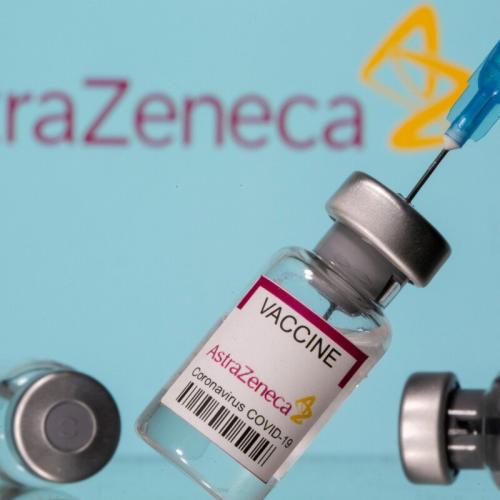
Victims who suffered life-changing injuries from the Oxford-AstraZeneca Covid vaccine say they have faced censorship on social media when trying to discuss their symptoms. The UK-based pharmaceutical giant is being sued in the High Court in a test case by a father-of-two who suffered a significant permanent brain injury as a result of a blood clot after receiving the jab in spring 2021. A second claim is also being brought by the widower and two young children of a woman who died after having the jab. Some who have experienced serious adverse reactions from the AstraZeneca vaccine ... have been given “warnings” on social media websites such as Facebook when trying to talk to one another about their experiences. They say they are being forced to “self censor” and speak in code to avoid having their support groups shut down. In one instance, YouTube attempted to censor a video of testimony given by lawyers to the Covid Inquiry about vaccines, flagging the clip as a violation of its “medical misinformation policy”. UK CV Family, a private Facebook group with 1.2k members for people left injured or bereaved from Covid vaccines, was started in November 2021 by Charlet Crichton after she suffered an adverse reaction from the AstraZeneca jab. Facebook blocked Ms Crichton from commenting at one stage “to prevent misuse” and there were occasions where her account was temporarily banned because her “activity didn’t follow our community standards”.
Note: For more along these lines, see concise summaries of deeply revealing news articles on government COVID vaccines and media manipulation from reliable sources.
OpenAI was created as a non-profit-making charitable trust, the purpose of which was to develop artificial general intelligence, or AGI, which, roughly speaking, is a machine that can accomplish, or surpass, any intellectual task humans can perform. It would do so, however, in an ethical fashion to benefit “humanity as a whole”. Two years ago, a group of OpenAI researchers left to start a new organisation, Anthropic, fearful of the pace of AI development at their old company. One later told a reporter that “there was a 20% chance that a rogue AI would destroy humanity within the next decade”. One may wonder about the psychology of continuing to create machines that one believes may extinguish human life. The problem we face is not that machines may one day exercise power over humans. That is speculation unwarranted by current developments. It is rather that we already live in societies in which power is exercised by a few to the detriment of the majority, and that technology provides a means of consolidating that power. For those who hold social, political and economic power, it makes sense to project problems as technological rather than social and as lying in the future rather than in the present. There are few tools useful to humans that cannot also cause harm. But they rarely cause harm by themselves; they do so, rather, through the ways in which they are exploited by humans, especially those with power.
Note: Read how AI is already being used for war, mass surveillance, and questionable facial recognition technology.
While I was out of town on business, I got a call from my dad who told me my husband Woody had been found hanging—dead at age 37. Woody wasn’t depressed and he hadn’t had a history of depression nor any other mental illness. His doctor had prescribed the antidepressant Zoloft to take the edge off. In the following weeks, I started to investigate, to try and understand why my perfectly normal husband had decided to end his life. The only thing that made sense ... Zoloft. Figuring out Zoloft’s dangers completely altered my life’s trajectory, absorbing years of my time. Today, I sit on one of the Food and Drug Administration (FDA) advisory committees that reviews new drugs coming to market. I initially thought that what I was learning about Zoloft was just an isolated issue with antidepressants. But I soon realized it was part of a much bigger, systemic problem with our nation’s drug safety system. The pharmaceutical industry is driven by commercial interests, not public health, and this problem is compounded by a lack of transparency, conflicts of interests, manipulation of clinical trials, and undue corporate influence across the government. Marketing companies ghostwrite pharmaceutical studies for academics who sometimes barely read the papers that get submitted to medical journals, and drug makers then cite these ghostwritten studies as peer-reviewed proof of their products’ safety and efficacy. The revolving door between Big Pharma and the FDA spins faster than the one between the Pentagon and the defense industry.
Note: This guest essay is written by Kim Witczak, a globally renowned advocate for pharmaceutical drug safety and FDA reform. Antidepressants have been found to increase the risk of suicide in some patients. For more along these lines, see concise summaries of deeply revealing news articles on health and Big Pharma corruption from reliable major media sources.
Silicon Valley techies are pretty sanguine about commercial surveillance. But they are much less cool about government spying. Government employees and contractors are pretty cool with state surveillance. But they are far less cool with commercial surveillance. What are they both missing? That American surveillance is a public-private partnership: a symbiosis between a concentrated tech sector that has the means, motive, and opportunity to spy on every person in the world and a state that loves surveillance as much as it hates checks and balances. The tech sector has powerful allies in government: cops and spies. No government agency could ever hope to match the efficiency and scale of commercial surveillance. Meanwhile, the private sector relies on cops and spies to go to bat for them, lobbying against new privacy laws and for lax enforcement of existing ones. Think of Amazon’s Ring cameras, which have blanketed entire neighborhoods in CCTV surveillance, which Ring shares with law enforcement agencies, sometimes without the consent or knowledge of the cameras’ owners. Ring marketing recruits cops as street teams, showering them with freebies to distribute to local homeowners. Google ... has managed to play both sides of the culture war with its location surveillance, thanks to the “reverse warrants” that cops have used to identify all the participants at both Black Lives Matter protests and the January 6 coup. Distinguishing between state and private surveillance is a fool’s errand.
Note: For more along these lines, see concise summaries of deeply revealing news articles on the disappearance of privacy from reliable major media sources.
From Virginia to Florida, law enforcement all over the US are increasingly using tools called reverse search warrants – including geofence location warrants and keyword search warrants – to come up with a list of suspects who may have committed particular crimes. While the former is used by law enforcement to get tech companies to identify all the devices that were near a certain place at a certain time, the latter is used to get information on everyone who’s searched for a particular keyword or phrase. It’s a practice public defenders, privacy advocates and many lawmakers have criticised, arguing it violates fourth amendment protections against unreasonable searches. Unlike reverse search warrants, other warrants and subpoenas target a specific person that law enforcement has established there is probable cause to believe has committed a specific crime. But geofence warrants are sweeping in nature and are often used to compile a suspect list to further investigate. Google broke out how many geofence warrants it received for the first time in 2021. The company revealed it received nearly 21,000 geofence warrants between 2018 and 2020. The tech giant did not specify how many of those requests it complied with but did share that in the second half of 2020, it responded to 82% of all government requests for data in the US with some level of information. Apple has taken steps to publish its own numbers. In the first half of 2022 the company fielded a total of 13 geofence warrants and complied with none.
Note: The legal world is struggling to keep up with the rise of tech firms building ever more sophisticated means of surveilling people and their devices. For more along these lines, see concise summaries of deeply revealing news articles on police corruption and the disappearance of privacy from reliable major media sources.
The New York Times tried to block a web crawler that was affiliated with the famous Internet Archive. The Internet Archive’s Wayback Machine has long been used to compare webpages as they are updated over time, clearly delineating the differences between two iterations of any given page. Several years ago, the archive added a feature called “Changes” that lets users compare two archived versions of a website from different dates or times on a single display. The tool can be used to uncover changes in news stories that have been made without any accompanying editorial notes, so-called stealth edits. The Times has, in the past, faced public criticisms over some of its stealth edits. In a notorious 2016 incident, the paper revised an article about then-Democratic presidential candidate Sen. Bernie Sanders, I-Vt. ... drastically after publication — changing the tone from one of praise to skepticism. More recently, the Times stealth-edited an article that originally listed “death” as one of six ways “you can still cancel your federal student loan debt.” Following the edit, the “death” section title was changed to a more opaque heading of “debt won’t carry on.” A service called NewsDiffs — which provides a similar comparative service but focuses on news outlets such as the New York Times, CNN, the Washington Post, and others — has also chronicled a long list of significant examples of articles that have undergone stealth edits, though the service appears to not have been updated in several years.
Note: The manipulation of media coverage for Bernie Sanders' campaign was widespread, as discussed in an WantToKnow.info interview with media activist Tony Brasunas. For more along these lines, see concise summaries of deeply revealing news articles on corporate corruption and media manipulation from reliable sources.
A recent Cochrane Evidence Synthesis and Methods article examines internal pharma industry documents, primarily obtained through litigation. The study finds that the pharmaceutical industry employs numerous ghost management strategies to corrupt research, circumvent and undermine regulations, manipulate consumers, and protect its interests. The authors write: “The scientific literature using internal documents confirmed widespread corporate influence in the pharmaceutical sector. While the academic literature used internal documents related to only a handful of products, our research results, based on ghostmanagement categories, demonstrate the extent of corporate influence in every interstice of pharmaceutical markets, particularly in clinical research and clinical practice.” Analysis of the articles revealed several common ghost management strategies the pharmaceutical industry utilizes. Ghost management is a system of behind-the-scenes processes by which the industry corrupts researchers, clinicians, and regulatory agencies with gifts and bribes and determines what research will be funded, what scientific journals can publish, and how physicians, etc., will present their product. The present research reveals eight broad categories of ghost management: scientific capture, professional capture, regulatory capture, media capture, market capture, technological capture, civil society capture, and others. Scientific capture was the most commonly analyzed ghost management strategy.
Note: For more along these lines, see concise summaries of deeply revealing news articles on Big Pharma corruption from reliable major media sources.
Researchers from Johns Hopkins University recently published an article in JAMA that highlights rising concern around the effects of direct-to-consumer advertising (DTC) on health care. Their work shows that DTC advertising might have direct harm on patients. They studied drug characteristics and total advertising expenditures for the 150 top-selling branded prescription drugs in the United States, finding that total promotional spending by the manufacturer was associated with a significantly lower added clinical benefit for the drug. In fact, companies spent nearly 15% more on DTC advertising for drugs that had demonstrated lower added benefit. Even more troubling, each 1.5% increase in spending was associated with a 10% increase in sales. Simply put, pharmaceutical companies spent more money on DTC advertising when medical research found that the drug was less effective, and this spending directly led to more sales for those inferior drugs. The U.S. is one of only two countries in the world that still allows direct-to-consumer advertising. Aside from increased pressure on providers to prescribe particular drugs which may not be the best option, there are other downsides to DTC. The data show that DTC advertising leads to increased drug costs overall, adding to the already skyrocketing costs of medical care in America. Additionally, DTC advertising tends to reduce use of generic medications, which are often equally effective but significantly cheaper for patients.
Note: This profoundly eye-opening interview of a top cardiologist reveals without doubt how big Pharma has corrupted science and greatly damaged public health. For more along these lines, see concise summaries of deeply revealing news articles on big Pharma corruption from reliable major media sources.
A young TikTok user has long, wavy hair. She's slim and wants you to know exactly why: she's using Wegovy, a prescription drug originally developed to treat diabetes that's become a popular drug for weight loss. In one clip, she picks up the medication from a pharmacy ... then demonstrates in a following clip how she injects it into her leg. She's what's called a patient influencer. They have no medical training and claim that they're simply sharing their personal experiences with their TikTok and Instagram followers. But in this ... unregulated arena, it's gotten harder to tell when influencing crosses legal and ethical lines. Many patient influencers offer prescription drug advice to their followers without always revealing their relationships with drug companies, according to Erin Willis ... who authored a study about patient influencers. A patient influencer can expect to earn anywhere from "the low hundreds to a few thousand dollars" per social media post. Part of what makes patient influencers effective is that they often push messaging further than what would be allowed on media like TV, where ads are far more closely scrutinized by regulators like the FDA and Federal Trade Commission. Willis calls patient influencing "an interactive form of advertising" that's "difficult to regulate, if it's been regulated at all". Studies find [direct-to-consumer] ads lead to doctors prescribing them more – driving the market for these ads to nearly $7bn last year, industry statistics show.
Note: This controversial marketing tactic is only legal in the United States and New Zealand. Read more about how these tactics are quickly becoming the "wild west of pharma advertising," especially when the FDA’s social media guidance hasn’t been updated since 2014. For more along these lines, see concise summaries of deeply revealing news articles on Big Pharma corruption from reliable major media sources.
The “Twitter files” revealed an FBI operation to monitor and censor social media content. Dozens of FBI employees worked on the identification and removal of material on a wide range of subjects and that Twitter largely carried out their requests. Nor was it just the FBI, apparently. Emails reveal FBI figures like a San Francisco assistant special agent in charge asking Twitter executives to “invite an OGA” (or “Other Government Organization”) to an upcoming meeting. A week later, Stacia Cardille, a senior Twitter legal executive, indicated the OGA was the CIA, an agency under strict limits regarding domestic activities. Twitter’s own ranks included dozens of ex-FBI agents and executives. The dozens of disclosed emails ... do not include still-undisclosed but apparent government coordination with Facebook and other social media companies. Much of that work apparently was done through the multi-agency Foreign Influence Task Force (FITF), which operated secretly it seems to censor citizens. This is a First Amendment violation. The Twitter files have substantiated long-standing concerns over “censorship by surrogate” or proxy. As with other amendments like the Fourth Amendment, which protects against unreasonable searches or seizures, the government cannot use private agents to do indirectly what it cannot do directly. Just as a police officer cannot direct a security guard to break into an apartment and conduct a search, the FBI cannot use Twitter to censor Americans.
Note: For more along these lines, see concise summaries of deeply revealing news articles on government corruption and media manipulation from reliable sources.
The situation for India’s more than 260 million agricultural workers is dire. Nearly 30 people in the farming sector die by suicide daily, according to the most recent figures available, typically due to overwhelming debt. Indeed in 2020, more than 10,000 people in the agricultural sector ended their own lives, according to government data. India’s economic backbone – its farmers and their families – is in collapse. They face crushing pressures: insurmountable debt, environmental degradation, and extreme rates of cancer linked to exposure to pesticides. This strain is compounded by climate change and extreme weather – from ground water depletion to water shortages and crop damage due to rising temperatures – effects which have been tied to increasing suicides in India. Many are subsistence farmers who are drowning in the volatility caused by the Green Revolution which began in the 1960s as a way of industrializing the agriculture sector with high yielding seeds, mechanized tools and pesticides. In some cases, farmers cannot work their land due to illness linked to the revolution’s pesticides and fertilizers. They are dealing with deep-rooted battles against multinational corporations. And all the while having to take out loans each year to make the agricultural cycle possible. And then, when farmers are unable to get loans from legitimate banks, illegal moneylenders ... step in, charging exorbitant interest rates and creating an inescapable debt-trap for farmers, in some instances pushing them to suicide.
Note: Watch a compelling talk by food sovereignty advocate Vandana Shiva, who explains how the "Green Revolution" doesn't bring any gain in food security, and has done more harm than good in India. For more along these lines, see concise summaries of deeply revealing news articles on food system corruption from reliable major media sources.
Facial recognition has become a security feature of choice for phones, laptops, passports, and payment apps. Yet it is also, increasingly, a tool of state oppression and corporate surveillance. Immigration and Customs Enforcement and the FBI have deployed the technology as a digital dragnet, searching for suspects among millions of faces in state driver’s license databases, sometimes without first seeking a court order. In early 1963, [Woody Bledsoe] proposed to conduct “a study to determine the feasibility of a simplified facial recognition machine.” A recently declassified history of the CIA’s Office of Research and Development mentions just such a project in 1965; that same year, Woody sent a letter on facial recognition to John W. Kuipers, the division’s chief of analysis. In 1967 ... Woody took on one last assignment that involved recognizing patterns in the human face. The purpose of the experiment was to help law enforcement agencies quickly sift through databases of mug shots and portraits, looking for matches. As before, funding for the project appears to have come from the US government. A 1967 document declassified by the CIA in 2005 mentions an “external contract” for a facial-recognition system that would reduce search time by a hundredfold. Woody’s work set an ethical tone for research on facial recognition that has been enduring and problematic. The potential abuses of facial-recognition technology were apparent almost from its birth.
Note: For more along these lines, see concise summaries of deeply revealing news articles on intelligence agency corruption and the disappearance of privacy from reliable major media sources.
As the 2018 elections approach, the American intelligence community is issuing increasingly dire warnings about potential interference from Russia and other countries. D.H.S. has now conducted remote-scanning and on-site assessments of state and county election systems. These [measures] don't address core vulnerabilities in voting machines or the systems used to program them. And they ignore the fact that many voting machines that elections officials insist are disconnected from the internet – and therefore beyond the reach of hackers – are in fact accessible by way of the modems they use to transmit vote totals on election night. Add to this the fact that states don't conduct robust postelection audits ... and there's a good chance we simply won't know if someone has altered the digital votes in the next election. How did our election system get so vulnerable, and why haven't officials tried harder to fix it? The answer, ultimately, comes down to politics and money: The voting machines are made by well-connected private companies that wield immense control over their proprietary software, often fighting vigorously in court to prevent anyone from examining it when things go awry. The stakes are high. But the focus on Russia, or any would-be election manipulators, ignores the underlying issue – the myriad vulnerabilities that riddle the system and the ill-considered decisions that got us here.
Note: Why is it that the U.S. government is not allowed to have oversight over the companies that build and maintain voting machines and databases? What if one or more of them is bought off by a foreign or event domestic interest? Isn't this crazy? The major media have severely neglected reporting on elections manipulations that have been going on for many decades. For undeniable evidence of this, see our Elections Information Center.
Facebook wants to get up close and personal with its users after a patent was revealed detailing a desire to secretly watch users through their webcam or smartphone camera, spying on your mood in order to sell you tailored content or advertisements. The purpose behind the invasive idea is to analyse people through the camera in real time while they browse online and if it recognises you looking happy, bored or sad, it would deliver an advert fitting your emotion. If you were forlorn, for example, it would be able to serve an ad to perk you up, or know what products you had previously looked at online and put them under your nose at just the right time. The social network has filed several patents over the years on emotion-based technology but this, based on 'passive imaging data' is perhaps the most unnerving, considering it would take control of cameras that weren't even switched on by the user. As described by CB Insights: "This patent proposes capturing images of the user through smartphone or laptop cameras, even when the user is not actively using the camera. By visually tracking a user's facial expression, Facebook aims to monitor the user's emotional reactions to different types of content." Other patents listed by Facebook include a text messaging platform to detect a user's mood by measuring how hard and fast they were typing, then augment the message format, such as adding emojis or changing the font size, to match their emotion.
Note: For more along these lines, see concise summaries of deeply revealing news articles on corporate corruption and the disappearance of privacy.
Wells Fargo Bank, one of the nation's largest banks, has been hit with $185 million in civil penalties for secretly opening millions of unauthorized deposit and credit card accounts that harmed customers, federal and state officials said Thursday. Employees of Wells Fargo (WFC) boosted sales figures by covertly opening the accounts and funding them by transferring money from customers' authorized accounts without permission, the Consumer Financial Protection Bureau, Office of the Comptroller of the Currency and Los Angeles city officials said. An analysis by the San Francisco-headquartered bank found that its employees opened more than two million deposit and credit card accounts that may not have been authorized by consumers. Many of the transfers ran up fees or other charges for the customers, even as they helped employees make incentive goals. The bank agreed to pay full restitution to all victims and a $100 million fine to the Consumer Financial Protection Bureau's civil penalty fund - the largest in the regulator's five-year operating history. Wells Fargo will pay a separate $35 million penalty to the Office of the Comptroller of the Currency. Additionally, Wells Fargo said it terminated approximately 5,300 employees and managers over a five-year period for their involvement with the unauthorized accounts.
Note: No Wells Fargo executives have been held responsible for this bank's institutionalized breach of customer trust. Do you think these actions were taken without approval from at least one executive? For more along these lines, see concise summaries of deeply revealing banking corruption news articles from reliable major media sources.
Iceland ... has just sentenced five senior bankers and one prominent investor to prison for crimes relating to the economic meltdown in 2008. The nation that gambled so heavily on the markets and lost so disastrously in the consequent crash has [now] sent 26 financiers to jail for combined sentences of 74 years. The authorities pursued bank bosses, chief executives, civil servants and corporate raiders for crimes ranging from insider trading to fraud, money laundering, misleading markets, breach of duties and lying to the authorities. Meanwhile the economy that collapsed so spectacularly has rebounded after letting banks go bust, imposing capital controls and protecting its own citizens over all other losers. This determination to hold people to account for actions that caused intense financial misery contrasts strongly with Britain, most of the rest of Europe and the United States. Britain never bothered holding a proper inquiry into the financial meltdown that still heavily impacts on public finances. In New York, a couple of minor British bankers have just been convicted of manipulating inter-bank lending rates. In London, the massive HSBC is playing political games ... to stave off regulatory pressures. This is the bank, remember, fined 1.2bn after a US investigation found it was laundering money for gangsters and rogue nations, then discovered to be helping wealthy clients evade tax in dozens of countries. Its former boss became a government minister and then chairman of the British Museum.
Note: So the one nation that jailed its big bankers and let banks go bust is doing very well. Why are so exceedingly few bankers in other countries being jailed for crimes involving trillions of dollars and bankrupting millions of citizens? For more along these lines, see concise summaries of deeply revealing news articles about corruption in government and in the financial industry.
Peer review is supposed to be the pride of the rigorous academic publishing process. But increasingly journals are finding out that those supposedly authoritative checks are being rigged. In the latest episode of the fake peer review phenomenon, one of the worlds largest academic publishers, Springer, has retracted 64 articles from 10 of its journals after discovering that their reviews were linked to fake e-mail addresses. The announcement comes nine months after 43 studies were retracted by BioMed Central (one of Springers imprints) for the same reason. Retraction Watch co-founder Ivan Oransky ... said he didnt know of any instances of retractions for faked peer reviews before 2012. In a report for the journal Nature last fall, Oransky and his colleagues told the story of a ... researcher who wrote peer reviews for 28 of his own papers. Investigations ... have also uncovered a number of services selling names and contact information for made-up experts guaranteed to give an expedited, positive review. In a statement on its Web site in February, the Committee on Publication Ethics (COPE) detailed these agencies systematic, inappropriate attempts to manipulate the process. COPEs chair Ginny Barbour wrote in December, The uncovering of companies systematically manipulating publications, by the use of fake reviewers and more, offers an alarming glimpse into what can happen if reward systems are implemented with no thought or oversight.
Note: The editor of a top medical journal recently suggested that half all of scientific literature may simply be untrue. For more along these lines, see concise summaries of deeply revealing news articles about corruption in science.
A safe that tallies the cash that is placed in it. A sniper rifle equipped with advanced computer technology for improved accuracy. A car that lets you stream music from the Internet. All of these innovations sound great, until you learn the risks that this type of connectivity carries. Recently, two security researchers, sitting on a couch and armed only with laptops, remotely took over a Chrysler Jeep Cherokee speeding along the highway ... while a Wired reporter was driving. A hacked car is a high-profile example of what can go wrong with the coming Internet of Things objects equipped with software and connected to digital networks. The selling point ... is added convenience and better safety. In reality, it is a ... train wreck in privacy and security. That smart safe? Hackers can empty it with a single USB stick while erasing all [evidence] of their crime. That high-tech rifle? Researchers managed to remotely manipulate its target selection without the shooters knowing. The Internet of Things is also a privacy nightmare. Databases that already have too much information about us will now be bursting with data on the places weve driven, the food weve purchased and more. Last week, at Def Con, the annual information security conference, researchers set up an Internet of Things Village to show how they could hack everyday objects like baby monitors, thermostats and security cameras. Connecting everyday objects introduces new risks if done at mass scale. Once a hacker is in - she's in everywhere.
Note: Read how a hacked vehicle may have resulted in journalist Michael Hastings' death in 2013. The networked computerization of everyday objects means that these objects can spy on you, accelerating the disappearance of privacy in the name of convenience. What will happen when the "internet of things" expands to include microchip implants in people?
Five of the worlds largest banks have agreed to pay more than $5 billion in fines to settle charges made by regulatory agencies and the Justice Department that the banks had acted in concert to manipulate international interest and foreign currency exchange rates. Attorney General Loretta E. Lynch said the banks had engaged in brazenly illegal behavior on a near-daily basis. The scale of the price-fixing scandal is hard to grasp. It touched ... almost every company and individual in the financial markets. By tweaking global benchmarks used to set foreign exchange and interest rates for a staggering number of transactions a day, the banks over several years bilked billions of dollars of extra profits by altering rates in their favor. Critics complained that the Justice Department had failed to prosecute any additional individuals. Wall Street watchdog group Better Markets called it a slap on the wrist, and Sen. Elizabeth Warren (D-Mass.) said in an e-mail: Thats not accountability for Wall Street. Its business as usual, and it stinks. Barclays, along with JPMorgan Chase, Royal Bank of Scotland Group and Citigroup, will plead guilty to conspiring to manipulate the price of U.S. currency and euros, authorities said. JPMorgan Chase said it had agreed to plead guilty to a single antitrust violation and pay a fine of $550 million. Under the resolution with the Fed, the firm will pay a fine of $342 million. The bank said it had previously set aside reserves for these settlements.
Note: When it comes to international banking, it appears that almost everything is rigged. For more along these lines, see concise summaries of deeply revealing news articles about the systemically corrupt financial industry.
Several industries have become notorious for the millions they spend on influencing legislation. But one has managed to quickly build influence with comparatively little scrutiny: Private prisons. The two largest for-profit prison companies in the United States GEO and Corrections Corporation of America and their associates have funneled more than $10 million to candidates since 1989 and have spent nearly $25 million on lobbying efforts. Meanwhile, these private companies have seen their revenue and market share soar. They now rake in a combined $3.3 billion in annual revenue and the private federal prison population more than doubled between 2000 and 2010. A report by the Justice Policy Institute ... identified the private-prison industrys three-pronged approach to increase profits through political influence: lobbying, direct campaign contributions, and building relationships and networks. Private-prison companies have indirectly supported policies that put more Americans and immigrants behind bars ... by donating to politicians who support them. With the growing influence of the prison lobby, the nation is, in effect, commoditizing human bodies for an industry in militant pursuit of profit. For instance, privatization created the atmosphere that made the Kids For Cash scandal possible, in which two Pennsylvania judges received $2.6 million in kickbacks from for-profit juvenile detention centers for sending more kids to the facilities and with unusually long sentences.
Note: The "Cash for Kids" scandal mentioned in the article above resulted in the unlawful incarceration of thousands of kids. Few are aware that violent crime rates have dropped to 1/3 of what they were in 1993, yet prison spending continues to skyrocket. For more along these lines, see concise summaries of deeply revealing news articles on corruption in government and in the prison industry.
Global gold prices may have been manipulated on 50 per cent of occasions between January 2010 and December 2013, according to analysis by Fideres, a consultancy. The findings come amid a probe by German and UK regulators into alleged manipulation of the gold price, which is set twice a day by Deutsche Bank, HSBC, Barclays, Bank of Nova Scotia and Socit Gnrale in a process known as the London gold fixing. Fideres research found the gold price frequently climbs (or falls) once a twice-daily conference call between the five banks begins, peaks (or troughs) almost exactly as the call ends and then experiences a sharp reversal, a pattern it alleged may be evidence of collusive behaviour. [This] is indicative of panel banks pushing the gold price upwards on the basis of a strategy that was likely predetermined before the start of the call in order to benefit their existing positions or pending orders, Fideres concluded. The behaviour of the gold price is very suspicious in 50 per cent of cases. This is not something you would expect to see if you take into account normal market factors, said Alberto Thomas, a partner at Fideres. Alasdair Macleod, head of research at GoldMoney, a dealer in physical gold, added: When the banks fix the price, the advantage they have is that they know what orders they have in the pocket. BaFin, the German regulator, has launched an investigation into gold-price manipulation and demanded documents from Deutsche Bank. The UKs Financial Conduct Authority is also examining how the price of gold and other precious metals is set as part of a wider probe into benchmark manipulation following findings of wrongdoing with respect to Libor and similar allegations with respect to the foreign exchange market.
Important Note: The above article was removed from the Financial Times website just two days after it was posted. How strange. To read the full article on another website, click here. And for a BBC article which shows how the Rothschilds fixed gold prices in the past, click here. For more on financial corruption, see the deeply revealing reports from reliable major media sources available here.
One could slash private debt by 100pc of GDP, boost growth, stabilize prices, and dethrone bankers all at the same time. It could be done cleanly and painlessly, by legislative command, far more quickly than anybody imagined. The conjuring trick is to replace our system of private bank-created money -- roughly 97pc of the money supply -- with state-created money. Specifically, it means an assault on "fractional reserve banking". If lenders are forced to put up 100pc reserve backing for deposits, they lose the exorbitant privilege of creating money out of thin air. The nation regains sovereign control over the money supply. There are no more bank runs, and fewer boom-bust credit cycles. That at least is the argument [in] the IMF study, by Jaromir Benes and Michael Kumhof, which came out in August and has begun to acquire a cult following around the world. Entitled "The Chicago Plan Revisited", it revives the scheme first put forward by professors Henry Simons and Irving Fisher in 1936 during the ferment of creative thinking in the late Depression. Benes and Kumhof argue that credit-cycle trauma - caused by private money creation - dates deep into history. The original authors of the Chicago Plan were responding to the Great Depression. They believed it was possible to prevent the social havoc caused by wild swings from boom to bust, and to do so without crimping economic dynamism. The benign side-effect of their proposals would be a switch from national debt to national surplus.
Note: This article is an incredible breakthrough in real reporting on the banking sector. It is most highly recommended to read the entire article and then explore our powerful Banking Corruption Information Center.
Dr. Ben Goldacre is no slouch when it comes to rooting out the flaws in scientific studies, analyzing clinical trial data and recognizing when it's been manipulated or fudged. But even Goldacre has been fooled by bad science. In ... his forthcoming book, Bad Pharma: How Drug Companies Mislead Doctors and Harm Patients, ... Goldacre describes how he ended up prescribing the antidepressant reboxetine to his patients based on insufficient data. The research overwhelmingly finds the drug to be ineffective, but it was still approved in the U.K. In order to get approval of the drug in Europe, the manufacturer had simply not published its negative data. Seven trials had been conducted comparing reboxetine against a placebo. Only one, conducted in 254 patients, had a neat, positive result, and that one was published in an academic journal, for doctors and researchers to read. But six more trials were conducted, in almost 10 times as many patients. All of them showed that reboxetine was no better than a dummy sugar pill. None of these trials was published. I had no idea they existed. It got worse. The trials comparing reboxetine against other drugs showed exactly the same picture: three small studies, 507 patients in total, showed that reboxetine was just as good as any other drug. They were all published. But 1,657 patients' worth of data was left unpublished, and this unpublished data showed that patients on reboxetine did worse than those on other drugs.
Note: For deeply revealing reports from reliable major media sources on pharmaceutical corruption, click here.
French scientists said on [September 19] that rats fed on Monsanto's genetically modified corn or exposed to its top-selling weedkiller suffered tumors and multiple organ damage. Gilles-Eric Seralini of the University of Caen and colleagues said rats fed on a diet containing NK603 - a seed variety made tolerant to dousings of Monsanto's Roundup weedkiller - or given water with Roundup at levels permitted in the United States, died earlier than those on a standard diet. The animals on the GM diet suffered mammary tumors, as well as severe liver and kidney damage. The study was published in the peer-reviewed journal Food and Chemical Toxicology and presented at a news conference in London. The researchers said 50 percent of males and 70 percent of females died prematurely, compared with only 30 percent and 20 percent in the control group. GMOs are deeply unpopular in Europe and many other countries, but dominate key crops in the United States after Monsanto in 1996 introduced a soybean genetically altered to tolerate Monsanto's Roundup weed killer. Seralini was part of a team that has voiced previous safety concerns based on a shorter rat study in a scientific paper published in 2009. This new study takes things a step further by tracking the animals throughout their two-year lifespan. Seralini believes his latest lifetime rat tests give a more realistic and authoritative view of risks than the 90-day feeding trials that form the basis of GM crop approvals, since three months is only the equivalent of early adulthood in rats.
Note: For alarming photos and more from the above long-term study on the dangers of GM food, click here. For an incisive, powerful 13-minute video revealing the disturbing results of this first long-term scientific study on GMOs, click here. For an excellent article and a great two-minute video clearly explaining the major dangers of GM food, click here. For a powerful summary of the health risks from GM foods, click here.
Executives with Europe's biggest bank, HSBC, were subjected to a humiliating onslaught from US senators on Tuesday over revelations that staff at its global subsidiaries laundered billions of dollars for drug cartels, terrorists and pariah states. HSBC's subsidiaries transported billions of dollars of cash in armoured vehicles, cleared suspicious travellers' cheques worth billions, and allowed Mexican drug lords buy to planes with money laundered through Cayman Islands accounts. Other subsidiaries moved money from Iran, Syria and other countries on US sanctions lists, and helped a Saudi bank linked to al-Qaida to shift money to the US. The committee had released a damning report on Monday, which detailed a collapse in HSBC's compliance standards. Executives at the bank [were] consistently warned of problems. HSBC's Mexican operations moved $7bn into the bank's US operations, and according to its own staff, much of that money was tied to drug traffickers. Leigh Winchell, assistant director for investigative programs at US immigration & customs enforcement ... said 47,000 people had lost their lives since 2006 as a result of Mexican drug traffickers. The senators highlighted testimony from Leopoldo Barroso, a former HSBC anti money-laundering director, who told company officials in an exit interview that he was concerned about "allegations of 60% to 70% of laundered proceeds in Mexico" going through HSBC's affiliate.
Note: HSBC may have been founded to service the international drug trade. They eventually settled this case for $1.92 billion. The corrupt bankers were not criminally prosecuted. Settlements like this often amount to "cash for secrecy" deals that are ultimately profitable for banks. For more along these lines, see concise summaries of deeply revealing banking corruption news articles from reliable major media sources.
The New York Times has published several terrifying reports about New Jerseys system of halfway houses privately run adjuncts to the regular system of prisons. The horrors described are part of a broader pattern in which essential functions of government are being both privatized and degraded. So whats really behind the drive to privatize prisons? One answer is that privatization can serve as a stealth form of government borrowing, in which governments avoid recording upfront expenses (or even raise money by selling existing facilities) while raising their long-run costs in ways taxpayers cant see. Another answer is that privatization is a way of getting rid of public employees. But the main answer, surely, is to follow the money. As more and more government functions get privatized, states become pay-to-play paradises, in which both political contributions and contracts for friends and relatives become a quid pro quo for getting government business. One thing the companies that make up the prison-industrial complex are definitely not doing is competing in a free market. They are, instead, living off government contracts. And ... despite many promises that prison privatization will lead to big cost savings, such savings as a comprehensive study by the Bureau of Justice Assistance, part of the U.S. Department of Justice, concluded have simply not materialized. A corrupt nexus of privatization and patronage [is] undermining government across much of our nation.
Note: Few are aware that violent crime rates have dropped to 1/3 of what they were in 1993, yet prison spending continues to skyrocket. Is something wrong with this picture? For key major media new articles exposing more on corruption within the "prison-industrial complex," click here.
On the third Wednesday of every month, the nine members of an elite Wall Street society gather in Midtown Manhattan. The men share a common goal: to protect the interests of big banks in the vast market for derivatives, one of the most profitable and controversial fields in finance. They also share a common secret: The details of their meetings, even their identities, have been strictly confidential. Drawn from giants like JPMorgan Chase, Goldman Sachs and Morgan Stanley, the bankers form a powerful committee that helps oversee trading in derivatives, instruments which, like insurance, are used to hedge risk. In theory, this group exists to safeguard the integrity of the multitrillion-dollar market. In practice, it also defends the dominance of the big banks. The banks in this group ... have fought to block other banks from entering the market, and they are also trying to thwart efforts to make full information on prices and fees freely available. Banks influence over this market, and over clearinghouses like the one this select group advises, has costly implications for businesses large and small. The size and reach of this market has grown rapidly over the past two decades. Pension funds today use derivatives to hedge investments. States and cities use them to try to hold down borrowing costs. Airlines use them to secure steady fuel prices. Food companies use them to lock in prices of commodities like wheat or beef.
Note: To explore highly revealing news articles on the powerful secret societies which without doubt back these top bankers, click here. For a treasure trove of reports from reliable sources detailing the amazing control of major banks over government and society, click here.
It's a perfect storm. I'm talking about the dangers facing our democracy. First, income in America is now more concentrated in fewer hands than it has been in 80 years. Almost a quarter of total income generated in the United States is going to the top 1 percent of Americans. The top one-tenth of 1 percent of Americans now earn as much as the bottom 120 million of us. Who are these people? They're top executives of big corporations and Wall Street, hedge-fund managers and private equity managers. Hundreds of millions of dollars are pouring into advertisements for and against candidates - without a trace of where the dollars are coming from. They're laundered through a handful of groups. Most Americans are in trouble. Their jobs, incomes, savings and even homes are on the line. They need a government that's working for them, not for the privileged and the powerful. Yet their state and local taxes are rising. And their services are being cut. There's no jobs bill to speak of. Washington says nothing can be done. There's no money left. No money? The marginal income tax rate on the very rich is the lowest it has been in more than 80 years. Under President Dwight Eisenhower ... it was 91 percent. Now it's 36 percent. We're losing our democracy to a different system. It's called plutocracy.
Note: As the Democrats and Republicans duke it out, the ultra-rich laugh all the way to the bank. What if instead of fighting each other, we worked together to expose the manipulations of the ultra-rich? Whether you are on the left or right of the political spectrum, this incisive article by former US Sect. of Labor Robert Reich is well worth reading in its entirety. For more in income inequality, click here.
An Australian researcher claims the swine flu, which has killed at least 64 people so far, might not be a mutation that occurred naturally but a man-made product of genetic experiments accidently leaked from a laboratory -- a theory the World Health Organization is taking very seriously. Adrian Gibbs, a scientist on the team that was behind the development of Tamiflu, says in a report he is submitting today that swine flu might have been created using eggs to grow viruses and make new vaccines, and could have been accidently leaked to the general public. "It might be some sort of simple error that's not being recognized," Gibbs said on ABC's "Good Morning America." In an interview with Bloomberg Television, Gibbs admitted there are other ways to explain swine flu's origin. "One of the simplest explanations if that it's a laboratory escape, but there are lots of others," he said. Regardless of the validity of Gibb's claims, he and several experts say that just bringing the idea of laboratory security to the public's attention is important. "There are lives at risk," Gibbs said. "The sooner this idea gets out, the better."
Note: What would cause one of the developers of Tamiflu to make such a statement? If you read between the lines, there is much more here than meets the eye. For lots more on this intriguing development, click here.
There's a $700 trillion elephant in the room and it's time we found out how much it really weighs on the economy. Derivative contracts total about three-quarters of a quadrillion dollars in "notional" amounts, according to the Bank for International Settlements. These contracts are tallied in notional values because no one really can say how much they are worth. But valuing them correctly is exactly what we should be doing because these comprise the viral disease that has infected the financial markets and the economies of the world. Try as we might to salvage the residential real estate market, it's at best worth $23 trillion in the U.S. We're struggling to save the stock market, but that's valued at less than $15 trillion. And we hope to keep the entire U.S. economy from collapsing, yet gross domestic product stands at $14.2 trillion. Compare any of these to the derivatives market and you can easily see that we are just closing the windows as a tsunami crashes to shore. The total value of all the stock markets in the world amounts to less than $50 trillion, according to the World Federation of Exchanges. To be sure, the derivatives market is international. But much of the trouble we're in began with contracts "derived" from the values associated with U.S. residential real estate market. These contracts were engineered based on the various assumptions tied to those values. Few know what derivatives are worth. I spoke with one derivatives trader who manages billions of dollars and she said she couldn't even value her portfolio because "no one knows anymore who is on the other side of the trade."
Note: Banks and financial firms deemed "too big to fail" were bailed out worldwide at taxpayers' expense. But what will happen if losses in the derivatives market skyrocket? No government in the world has the resources to save financial corporations from a collapse in their derivatives trading. For a treasure trove of reports from reliable sources detailing the amazing control of major banks over government and society, click here.
If you have ever wondered why the cost of prescription drugs in the United States are the highest in the world or why it's illegal to import cheaper drugs from Canada or Mexico, you need look no further than the pharmaceutical lobby and its influence in Washington, D.C. Congressmen are outnumbered two to one by lobbyists for an industry that spends roughly a $100 million a year in campaign contributions and lobbying expenses to protect its profits. One reason [drug company] profits have exceeded Wall Street expectations is the Medicare prescription drug bill ... passed three-and-a-half years ago. The unorthodox roll call on one of the most expensive bills ever placed before the House of Representatives began in the middle of the night. The only witnesses were congressional staffers, hundreds of lobbyists, and U.S. Representatives like Dan Burton, R-Ind., and Walter Jones, R-N.C. "The pharmaceutical lobbyists wrote the bill," says Jones. Why did the vote finally take place at 3 a.m.? "They didn't want on national television in primetime," according to Burton. "I've been in politics for 22 years," says Jones, "and it was the ugliest night I have ever seen." Jones says the arm-twisting was horrible. It certainly wasn't ugly for the drug lobby which ... has been a source of lucrative employment opportunities for congressmen when they leave office. In all, at least 15 congressional staffers, congressmen and federal officials left to go to work for the pharmaceutical industry, whose profits were increased by several billion dollars. "They have unlimited resources," Burton says. "And when they push real hard to get something accomplished in the Congress of the United States, they can get it done."
Note: This article also states that the Medicare prescription bill "was the largest entitlement program in more than 40 years, and the debate broke down along party lines." Usually Republicans are against entitlement programs while Democrats support them. Why was it the opposite in this case? Could it be that big industry made huge profits from the passage of this bill? For lots more, click here.
The US Defence Secretary has made more than $5m (2.9m) in capital gains from selling shares in the biotechnology firm that discovered and developed Tamiflu, the drug being bought in massive amounts by Governments to treat a possible human pandemic of the disease. More than 60 countries have so far ordered large stocks of the antiviral medication - the only oral medicine believed to be effective against the deadly H5N1 strain of the disease - to try to protect their people. The United Nations estimates that a pandemic could kill 150 million people worldwide. The drug was developed by a Californian biotech company, Gilead Sciences. Mr Rumsfeld was on the board of Gilead from 1988 to 2001, and was its chairman from 1997. He then left to join the Bush administration, but retained a huge shareholding. The 2005 report showed that, in all, he owned shares worth up to $95.9m, from which he got an income of up to $13m. The firm made a loss in 2003, the year before concern about bird flu started. Then revenues from Tamiflu almost quadrupled, to $44.6m, helping put the company well into the black. Sales almost quadrupled again, to $161.6m last year.
Note: If the above link fails, click here. With both the avian flu and swine flu, top drug companies raked in billions of dollars from sales of medications and vaccines, most of which went unused and have now expired. For many more strange coincidences and facts around the avian and swine flu scares, take a look at our summary of eye-opening news articles available here.
During the West Coast Power crisis homes went dark and streetlights were out ... causing injuries and accidents. But the danger didn't stop Enron's energy traders from having a good laugh. CBS ... reports on the Enron scheme, as caught on new audio tape. The traders and plant operator laugh and plot in a display that seems to prove the theory that years before the energy crisis, Enron manipulated markets. "They had to do a rolling blackout through the town and there was a red light there he didn't see," one Enron trader says on tape. "That's beautiful," a second voice responds. Enron secretly shut power plants down so they could cause, and then cash in on, the crisis. Enron also pulled power out of states like California, causing emergency conditions to worsen. "Sorry California," an Enron trader says. "I'm bringing all our power out of state today." Plant operators were coached on how to lie to officials. "We want you guys to get a little creative..." one voice says on the tape, "and come up with a reason to go down. Just call 'em, Hey guyswe're coming down." The plant operator replies, "OK, so we're just comin' down for some maintenance?" "Right," the trader says. "And that's cool?" the plant operator asks. "Hopefully," the trader responds, to which the men are heard laughing. Enron also pulled power out of states like California, causing emergency conditions to worsen. The "shut downs" and "pull outs" triggered sky high power prices. "We're just making money hand over fist!" one voice is heard saying on the tape. And when states complained, the guys at Enron seemed to have a response. "Get a f****** clue," one says. "Yeah," another chimes in. "Leave us alone. Let us make a little bit of money."
Note: For an eye-opening two-minute video clip on CBS, watch "Enron Schemers on Tape" at this link. MSNBC also published a revealing article on this. And a New York Times article states "Company officials had long denied that they illegally shut down plants to create artificial shortages. Two months after the recording showed how the Nevada plant was shut down, [Enron CEO Kenneth] Lay called any claims of market manipulation 'conspiracy theories.'" For lots more reliable information on the energy cover-up, click here.
In late 1986, four executives of the Monsanto Company, the leader in agricultural biotechnology, paid a visit to Vice President George Bush at the White House. In the weeks and months that followed, the White House complied, working behind the scenes, to help Monsanto long a political power with deep connections in Washington get the regulations that it wanted. It was an outcome that would be repeated, again and again, through three administrations. What Monsanto wished for from Washington, Monsanto and, by extension, the biotechnology industry got. Even longtime Washington hands said that the control this nascent industry exerted over its own regulatory destiny through the Environmental Protection Agency, the Agriculture Department and ultimately the Food and Drug Administration was astonishing. Dr. Louis J. Pribyl, one of 17 government scientists working on a policy for genetically engineered food, ... knew from studies that toxins could be unintentionally created when new genes were introduced into a plant's cells. The government was dismissing that risk and any other possible risk as no different from those of conventionally derived food. That meant biotechnology companies would not need government approval to sell the foods they were developing. "This is the industry's pet idea, namely that there are no unintended effects that will raise the F.D.A.'s level of concern," Dr. Pribyl wrote in a fiery memo to the F.D.A. scientist overseeing the policy's development. "But time and time again, there is no data to back up their contention."
Note: For a powerful essay showing the grave risks and dangers of GMOs, click here. Explore over 40 scientific studies that have demonstrated the health dangers of GM foods. For deeply revealing reports from reliable major media sources on genetically modified foods, click here.
Researchers have long known that any single antidepressant drug is little more effective than a placebo in the majority of trials, shown to be less effective than a placebo in some studies, and generally found to be “clinically negligible” with respect to depression remission, while often resulting in severe adverse effects; for example, resulting in a higher percentage of sexual dysfunction than depression remission. However, for nearly twenty years, psychiatry and Big Pharma have told us that while one antidepressant may not work for the majority of patients, in the “real world,” doctors provide patients who have been failed by their initial antidepressant with another antidepressant, and if that fails, still another; and that this real-world treatment is successful for nearly 70% of patients. The problem with this “nearly 70%” story is that the research that has been used to justify it, a 2006 report on the results of the Sequenced Treatment Alternatives to Relieve Depression (STAR*D), has long been disputed by researchers. Moreover, a recent reanalysis of previously undisclosed data reveals that STAR*D, owing to scientific misconduct that dramatically inflated remission rates, may go down in US medical history as one of its most harmful scandals. Even [STAR*D's] fabricated 67% depression remission rate should never have been celebrated. 85% of depressed individuals who go without somatic treatments spontaneously recover within 1 year.
Note: Read more important news articles we've summarized on medical and scientific corruption regarding antidepressants. For more along these lines, see concise summaries of deeply revealing news articles on Big Pharma corruption from reliable major media sources.
When I began my journalism career in Chicago in the 1980s, there were still some old crusty working-class guys around the newsroom. Now we’re not only a college-dominated profession; we’re an elite-college-dominated profession. Only 0.8 percent of college students graduate from the super-elite 12 schools (the Ivy League colleges, plus Stanford, M.I.T., Duke and the University of Chicago). A 2018 study found that more than 50 percent of the staff writers at the beloved New York Times and The Wall Street Journal attended one of the 29 most elite universities in the nation. Members of our class also segregate ourselves into a few booming metro areas. In 2020, Biden won only 500 or so counties, but together they are responsible for 71 percent of the American economy. Trump won over 2,500 counties, responsible for only 29 percent. Like all elites, we use language and mores as tools to recognize one another and exclude others. Using words like “problematic,” “cisgender,” “Latinx” and “intersectional” is a sure sign that you’ve got cultural capital. Meanwhile, members of the less-educated classes have to walk on eggshells because they never know when we’ve changed the usage rules so that something that was sayable five years ago now gets you fired. Does this mean that I think the people in my class are vicious and evil? No. Most of us are earnest, kind and public-spirited. But we take for granted and benefit from systems that have become oppressive.
Note: Watch an excellent interview of journalist Batya Ungar-Sargon discussing how journalism has shifted from being a working class trade that held the powerful accountable to an elite industry that serves the upper class. She articulates that mainstream news has abandoned and divided the working class by creating a culture war around identity and race. Elites shaping the news industry benefit from this political polarization, which hides the tragic reality of income inequality that affect all races across political lines.
A new EWG peer-reviewed study has found chlormequat, a little-known pesticide, in four out of five, or 80 percent, of people tested. The groundbreaking analysis of chlormequat in the bodies of people in the U.S. rings alarm bells, because the chemical is linked to reproductive and developmental problems in animal studies, suggesting the potential for similar harm to humans. EWG’s research, published February 15 in the Journal of Exposure Science and Environmental Epidemiology, tested for the presence of chlormequat in urine collected from 96 people between 2017 and 2023. The chemical was found in the urine of 77 of them. We detected the chemical in 92 percent of oat-based foods purchased in May 2023, including Quaker Oats and Cheerios. The fact that so many people are exposed raises concerns about its potential impact on public health, since animal studies link chlormequat to reduced fertility, harm to the reproductive system and altered fetal growth. Environmental Protection Agency regulations allow the chemical to be used on ornamental plants only – not food crops – grown in the U.S. But its use is permitted on imported oats and other foods sold here. Many oats and oat products consumed in the U.S. come from Canada. Chlormequat was not allowed on oats sold in the U.S. before 2018, when the Trump EPA gave first-time approval for some amount of the chemical on imported oats. The same administration in 2020 increased the allowable level.
Note: For more along these lines, see concise summaries of deeply revealing news articles on health and food system corruption from reliable major media sources.
Unmarked trucks packed with prison-raised cattle roll out of the Louisiana State Penitentiary, where men are sentenced to hard labor and forced to work, for pennies an hour or sometimes nothing at all. They are among America’s most vulnerable laborers. If they refuse to work, some can jeopardize their chances of parole or face punishment like being sent to solitary confinement. The goods ... prisoners produce wind up in the supply chains of a dizzying array of products found in most American kitchens, from Frosted Flakes cereal and Ball Park hot dogs to Gold Medal flour, Coca-Cola and Riceland rice. They are on the shelves of virtually every supermarket in the country, including Kroger, Target, Aldi and Whole Foods. It’s completely legal. Enshrined in the Constitution by the 13th Amendment, slavery and involuntary servitude are banned – except as punishment for a crime. With about 2 million people locked up, U.S. prison labor from all sectors has morphed into a multibillion-dollar empire. Almost all of the country’s state and federal adult prisons have some sort of work program, employing around 800,000 people. Altogether, labor tied specifically to goods and services produced through state prison industries brought in more than $2 billion in 2021. “Slavery has not been abolished,” said Curtis Davis, who spent more than 25 years at [Louisiana's Angola] penitentiary. “It is still operating in present tense,” he said. “Nothing has changed.”
Note: For more along these lines, see concise summaries of deeply revealing news articles on corruption in prisons and in the food system from reliable major media sources.
An early magazine advertisement for Merck's breakthrough asthma and allergy medicine, Singulair, featured a happy child, hanging upside-down from a tree. Asthmatic kids could now breathe easier, the text assured, and side effects were "usually mild" and "similar to a sugar pill." When the drug launched in 1998, its label said the drug's distribution in the brain was "minimal," with no mention of psychiatric side effects. Merck's early safety claims later faced intense scrutiny amid reports over two decades that patients, including many children, had died by suicide or experienced neuropsychiatric problems after taking the drug. The FDA in 2020 ordered its most serious warning, known as a "black box," on Singulair's label. And Merck now faces a raft of lawsuits alleging it knew from its early research that the drug could impact the brain and that it minimized the potential for psychiatric problems in statements to regulators. The lawsuits cite the research of Julia Marschallinger, a cell biologist who has studied the drug along with colleagues at the Institute of Molecular Regenerative Medicine in Austria. That team found in 2015 that the drug's distribution into the brain was more significant than its label described. In its original patent for Singulair, Merck cited other applications for the drug, beyond asthma and allergies, including as a treatment for "cerebral spasm," a neurological condition. Lawsuits filed against Merck cite this 1996 patent as evidence of Merck's knowledge of the drug's potential brain impacts.
Note: Read more about Singulair and its dangers to human health, along with the tremendous financial conflicts of interests resulting in the FDA protecting the pharmaceutical industry first, and the health of the people second. For more along these lines, see concise summaries of deeply revealing news articles on pharmaceutical industry corruption from reliable major media sources.
There’s a hidden ingredient used as a whitener in an array of foods. It’s called titanium dioxide, and while commonly used in the US, it’s being banned in the EU as a possible carcinogen. The additive, also known as E171, joins a host of other chemicals that are banned in foods in the European Union but allowed in the US. These include Azodicarbonamide, a whitening agent found in food such as breads, bagels, pizza, and pastries in the US, which has been banned in the EU for more than a decade. The additive has been linked to asthma and respiratory issues in exposed workers and, when baked, to cancer in mice studies. The Food and Drug Administration classifies these food chemicals, and many others prohibited by the EU, as “generally recognized as safe”. Chemical safety processes in the EU and US work in starkly different ways. Where European policy tends to take a precautionary approach – trying to prevent harm before it happens – the US is usually more reactive. And while the EU has consistently updated its methods and processes for evaluating new chemicals, some experts say the US system, set up more than half a century ago, needs updating. In the case of additives like titanium dioxide, manufacturers petition the FDA for its approval by submitting evidence that the substance is safe for its intended use. The FDA evaluates the application, and will authorize the additive if it concludes the data provided demonstrates that the substance is safe to use.
Note: Unlike other countries, the U.S. is known to raise objections to the regulation of toxic chemicals in our food, with its regulatory agencies having deep financial ties to powerful food and agrichemical industries. For more along these lines, see concise summaries of deeply revealing news articles on food system corruption from reliable major media sources.
The end of humankind? It may be coming sooner than we think, thanks to hormone-disrupting chemicals that are decimating fertility at an alarming rate around the globe. A new book called Countdown, by Shanna Swan, an environmental and reproductive epidemiologist ... finds that sperm counts have dropped almost 60% since 1973. Following the trajectory we are on, Swan’s research suggests sperm counts could reach zero by 2045. Zero. Let that sink in. That would mean no babies. No reproduction. No more humans. Forgive me for asking: why isn’t the UN calling an emergency meeting on this right now? The chemicals to blame for this crisis are found in everything from plastic containers and food wrapping, to waterproof clothes and fragrances in cleaning products, to soaps and shampoos, to electronics and carpeting. Some of them, called PFAS, are known as “forever chemicals”, because they don’t breakdown in the environment or the human body. They just accumulate and accumulate – doing more and more damage. Swan’s book is staggering in its findings. “In some parts of the world, the average twentysomething woman today is less fertile than her grandmother was at 35,” Swan writes. In addition to that, Swan finds that, on average, a man today will have half of the sperm his grandfather had. Given everything we know about these chemicals, why isn’t more being done? Right now, there is a paltry patchwork of inadequate legislation responding to this threat.
Note: For more along these lines, see concise summaries of deeply revealing news articles on corporate corruption and health from reliable major media sources.
Alexandria Ocasio-Cortez and fellow congresswoman-elect Rashida Tlaib have criticized a Bipartisan Orientation Program for congressional freshman as a glorified corporate lobbyist event. The pair railed against this week's three-day program - hosted by the Harvard Kennedy School Institute of Politics - in a series of tweets. Tlaib [tweeted]: Gary Cohen, former CEO Goldman Sachs addressing new members of Congress today: 'You guys are way over your head, you don't know how the game is played.'" [To which she responded,] "No Gary, YOU don't know what's cominga revolutionary Congress that puts people over profits." The event was billed as an opportunity for representatives-elect to forge bipartisan relationships and learn practical skills of lawmaking. Organizers wrote online the event is nationally recognized as the preeminent educational and preparatory program for newly-elected members of congress. A press release ... lists certain speakers from the private sector, including Cohen, General Motors chairman and CEO Mary Barra and Johnson & Johnson chairman and CEO Alex Gorsky. Ocasio-Cortez [tweeted] our 'bipartisan' Congressional orientation is co-hosted by a corporate lobbyist group. Other members have quietly expressed to me their concern that this wasnt told to us in advance. Lobbyists are here. Goldman Sachs is here. Wheres labor? Activists? Frontline community leaders?
Note: For more along these lines, see concise summaries of deeply revealing news articles on corruption in government and in the corporate world.
In autumn 2020 Pfizer's chairman and chief executive, Albert Bourla, released an open letter to the billions of people around the world who were investing their hopes in a safe and effective covid-19 vaccine to end the pandemic. "As I've said before, we are operating at the speed of science," Bourla wrote, explaining to the public when they could expect a Pfizer vaccine to be authorised in the United States. But, for researchers who were testing Pfizer's vaccine at several sites in Texas during that autumn, speed may have come at the cost of data integrity and patient safety. A regional director who was employed at the research organisation Ventavia Research Group has told The BMJ that the company falsified data, unblinded patients, employed inadequately trained vaccinators, and was slow to follow up on adverse events reported in Pfizer's pivotal phase III trial. Staff who conducted quality control checks were overwhelmed by the volume of problems they were finding. After repeatedly notifying Ventavia of these problems, the regional director, Brook Jackson, emailed a complaint to the US Food and Drug Administration (FDA). Ventavia fired her later the same day. Jackson has provided The BMJ with dozens of internal company documents, photos, audio recordings, and emails. Jackson has told The BMJ that, during the two weeks she was employed at Ventavia in September 2020, she repeatedly informed her superiors of poor laboratory management, patient safety concerns, and data integrity issues.
Note: Yet every major media proudly announces "brought to you by Pfizer." Learn about Brianne Dressen, Ph.D., a volunteer for early COVID vaccines clinical trials who ended up with serious adverse effects the evening of the shot and was later hospitalized, yet then the study sponsors did not follow up with her. For more along these lines, see concise summaries of deeply revealing news articles on coronavirus vaccines and Big Pharma corruption from reliable major media sources.
Google's YouTube has ratcheted up censorship to a new level by removing two videos from a U.S. Senate committee. They were from a Dec. 8 Committee on Homeland Security and Governmental Affairs hearing on early treatment of Covid-19. One was a 30-minute summary; the other was the opening statement of critical-care specialist Pierre Kory. Dr. Kory is part of a world-renowned group of physicians who developed a groundbreaking use of corticosteroids to treat hospitalized Covid patients. His testimony at a May Senate hearing helped doctors rethink treatment protocols and saved lives. At the December hearing, he presented evidence regarding the use of ivermectin, a cheap and widely available drug that treats tropical diseases caused by parasites, for prevention and early treatment of Covid-19. He described a just-published study from Argentina in which about 800 health-care workers received ivermectin and 400 didn't. Not one of the 800 contracted Covid-19; 58% of the 400 did. Before being removed from YouTube and other websites, Dr. Kory's opening statement had been viewed by more than eight million people. Unfortunately, government health agencies don't share that interest in early treatment. A year into the pandemic, NIH treatment guidelines for Covid patients are to go home, isolate yourself and do nothing other than monitor your illness. The censors at YouTube have decided for all of us that the American public shouldn't be able to hear what senators heard.
Note: You can access the entire article free of charge on this webpage. Can it be any more blatant that facebook is in cahoots with big Pharma in not wanting cheap, effective treatments for COVID-19? Watch an excellent, eye-opening 14-minute interview with a facebook insider revealing how censorship works. Read about how Silicon Valley is shutting down even live streams by legitimate journalists. For more along these lines, see concise summaries of deeply revealing news articles on the coronavirus and media manipulation from reliable major media sources.
ABC News' Amy Robach, best known as co-anchor of 20/20, claimed that ABC killed her story about convicted pedophile Jeffrey Epstein's sex trafficking of minors three years ago in sensational hot microphone footage leaked Tuesday. In the footage, reportedly taken in August and published online Tuesday by the right-wing activist group Project Veritas, Robach, 46, says: "I've had this story for three years. I've had this interview with [Epstein accuser] Virginia Roberts. We would not put it on the air. First of all I was told, 'Who is Jeffrey Epstein? No one knows who that is. This is a stupid story.'" "Then the palace found out we had her whole allegations about Prince Andrew and threatened us in a million different ways," Robach continues, referring to the British royal that Roberts alleged in a 2015 court filing Epstein trafficked her to when she was 17. "[Roberts] told me everything," Robach says in the clip. "She had pictures. She had everything. She was in hiding for 12 years. We convinced her to come out. We convinced her to talk to us. It was unbelievable what we had. Clinton. Everything." Epstein was arrested on federal charges of sex trafficking of minors and conspiracy to sex traffic minors in July. He was found dead in his New York prison cell in August. Epstein's death has been ruled suicide by hanging, however, Epstein's family believe he was murdered. A private pathologist hired by the Epstein estate said last week that Epstein's autopsy showed injuries more consistent with "homicidal strangulation" than suicide.
Note: Watch the incredible interview of this revelation. For more along these lines, see concise summaries of deeply revealing news articles on Jeffrey Epstein from reliable major media sources.
Finances at the vaccine manufacturer Moderna began to fall almost as quickly as they had risen, as most Americans resisted getting yet another COVID booster shot. In a September call aimed at shoring up investors, Moderna’s then-chief commercial officer, Arpa Garay, attributed some of the hesitancy pummeling Moderna's numbers to uninformed vaccine skeptics. What Garay hinted at during the call, but didn’t disclose, was that Moderna already had a sprawling media operation in place aimed at identifying and responding to critics of vaccine policy and the drug industry. Internal company reports and communications ... show that Moderna has worked with former law enforcement and public health officials and a drug industry-funded non-governmental organization called The Public Good Projects (PGP) to confront the “root cause of vaccine hesitancy” by rapidly identifying and “shutting down misinformation.” Part of this effort includes providing talking points to some 45,000 healthcare professionals “on how to respond when vaccine misinformation goes mainstream.” PGP routinely sent Excel lists of accounts to amplify on Twitter and others to de-platform, including populist voices such as ZeroHedge. The messages also suggested emerging narratives to remove from the platform. The growing network these efforts rely on shows the growth of what has been called the censorship industrial complex.
Note: Learn more about Moderna's misinformation department. For more along these lines, see concise summaries of deeply revealing news articles on pharmaceutical industry corruption and media manipulation from reliable sources.
The Moderna misinformation reports, reported here for the first time, reveal what the pharmaceutical company is willing to do to shape public discourse around its marquee product. The mRNA COVID-19 vaccine catapulted the company to a $100 billion valuation. Behind the scenes, the marketing arm of the company has been working with former law enforcement officials and public health officials to monitor and influence vaccine policy. Key to this is a drug industry-funded NGO called Public Good Projects. PGP works closely with social media platforms, government agencies and news websites to confront the “root cause of vaccine hesitancy” by rapidly identifying and “shutting down misinformation.” A network of 45,000 healthcare professionals are given talking points “and advice on how to respond when vaccine misinformation goes mainstream”, according to an email from Moderna. An official training programme, developed by Moderna and PGP, alongside the American Board of Internal Medicine, [helps] healthcare workers identify medical misinformation. The online course, called the “Infodemic Training Program”, represents an official partnership between biopharma and the NGO world. Meanwhile, Moderna also retains Talkwalker which uses its “Blue Silk” artificial intelligence to monitor vaccine-related conversations across 150 million websites in nearly 200 countries. Claims are automatically deemed “misinformation” if they encourage vaccine hesitancy. As the pandemic abates, Moderna is, if anything, ratcheting up its surveillance operation.
Note: Strategies to silence and censor those who challenge mainstream narratives enable COVID vaccine pharmaceutical giants to downplay the significant, emerging health risks associated with the COVID shots. For more along these lines, see concise summaries of deeply revealing news articles on corporate corruption and the disappearance of privacy from reliable major media sources.
A new study published in JAMA Psychiatry finds that almost everyone will be treated for mental illness at some point in their lives and that their lives are worse in many ways after receiving diagnosis and treatment. About 80% of the population will be hospitalized or receive psychiatric drugs. After treatment, they are more likely to end up poor, unemployed, and receiving disability benefits, and they have worsening social connections. According to the researchers, the likelihood of getting prescribed psychiatric drugs during your lifetime was 82.6% (87.5% for women and 76.7% for men). The likelihood of being hospitalized for mental illness was 29.0% (31.8% for women and 26.1% for men). On average, the 80% who were treated for mental illness were already struggling before treatment. But after treatment, things only got worse. After treatment, “individuals with any mental health disorder were more likely to experience new socioeconomic difficulties, compared with control individuals from the general population,” the researchers write. “During follow-up, they were more likely to become unemployed or receive a disability benefit, to earn lower income, to be living alone, and to be unmarried.” There is copious evidence that antidepressant use leads to worse outcomes in the long term, even after controlling for the severity of depression and other factors. The adverse effects of the drugs lead to worse health outcomes for those taking them, and withdrawal symptoms prevent people from being able to discontinue.
Note: For more along these lines, see concise summaries of deeply revealing news articles on health from reliable major media sources. Then explore the excellent, reliable resources provided in our Health Information Center.
So-called “forever chemicals” have been found in 45% of the nation’s tap water, according to a recent government study, but is your tap water affected? If you’re wondering whether or not your tap water might contain synthetic chemicals known as PFAS, nonprofit Environmental Working Group created an interactive map using official records and data from public drinking water systems to show where forever chemicals were found to be above and below the advised maximum concentration level, 4 parts per trillion (PPT). EWG notes that while researchers used the highest quality data available, contamination levels are based on a single point in time and may not reflect changes to the water system or treatment efforts. PFAS is an umbrella term for thousands of chemicals that are used to make nonstick pans, food packaging, fire-fighting foams, to-go boxes, furniture, rugs, clothing and more. The chemicals are so ubiquitous it would be nearly impossible for most Americans to rid their home of them. The chemicals are both extremely common and potentially dangerous. Described as “forever chemicals” because they don’t degrade naturally in the environment, PFAS have been linked to a variety of health problems, including liver and immune-system damage. Studies of lab animals have found potential links between PFAS chemicals and some cancers, including kidney and testicular, plus issues such as high blood pressure and low birth weight.
Note: For more along these lines, see concise summaries of deeply revealing news articles on corporate corruption and health from reliable major media sources.
A controversial facial recognition database, used by police departments across the nation, was built in part with 30 billion photos the company scraped from Facebook and other social media users without their permission. The company, Clearview AI, boasts of its potential for identifying rioters at the January 6 attack on the Capitol, saving children being abused or exploited, and helping exonerate people wrongfully accused of crimes. But critics point to privacy violations and wrongful arrests fueled by faulty identifications made by facial recognition, including cases in Detroit and New Orleans, as cause for concern over the technology. Once a photo has been scraped by Clearview AI, biometric face prints are made and cross-referenced in the database, tying the individuals to their social media profiles and other identifying information forever — and people in the photos have little recourse to try to remove themselves. CNN reported Clearview AI last year claimed the company's clients include "more than 3,100 US agencies, including the FBI and Department of Homeland Security." BBC reported Miami Police acknowledged they use the technology for all kinds of crimes, from shoplifting to murder. The risk of being included in what is functionally a "perpetual police line-up" applies to everyone, including people who think they have nothing to hide, [said] Matthew Guariglia, a senior policy analyst for the international non-profit digital rights group Electronic Frontier Fund.
Note: Read about the rising concerns of the use of Clearview AI technology in Ukraine, with claims to help reunite families, identify Russian operatives, and fight misinformation. For more along these lines, see concise summaries of deeply revealing news articles on corporate corruption and the disappearance of privacy from reliable major media sources.
No single person has come to more represent the big questions about drug safety that emerged following the withdrawal of Merck's painkiller Vioxx than the Food and Drug Administration's David Graham. And now that a Texas jury has awarded the widow of one Vioxx patient $253 million, Graham, who works in the FDA's Office of Drug Safety, is more critical than ever. Of the drug, and his employer, for whom he doesn't speak. "If the judgment is that there's blood on Merck's hands," Graham says, "there's blood on the FDA's hands as well." Graham has estimated that Vioxx killed some 60,000 patients - as many people, he points out, as died in the Vietnam War. He says that fundamental problems at the FDA led to those deaths. "People should turn to Congress and demand a drug safety system that is free from corporate influence - and a distinct center for drug safety." In Graham's eyes, the problem at the FDA is that the same scientists who approve drugs are the ones charged with deciding whether or not they are safe enough to remain on the market when problems crop up. Graham says that he thinks there should be formal, periodic reviews of the safety of new medicines - and that the FDA should release documents that explain its reasoning. "The FDA does not think anything it did is a mistake," he says. "[Yet] none of its decisions are evidence-based." "Today Merck was on trial, and a judgment was rendered," he says. "But when will the public hold the FDA accountable for its role, its complicity, in this catastrophe?"
Note: Learn how Merck blatantly altered the death numbers in their drug trials in this Seattle Times article. This article persuasively argues the actual death numbers were around 500,000. WTK founder Fred Burks had a shocking encounter where he learned about intense corruption at the FDA. For more along these lines, see concise summaries of deeply revealing news articles on Big Pharma corruption from reliable major media sources.
The CEO of the biggest power company in the US had a problem. A Democratic state senator was proposing a law that could cut into Florida Power & Light’s (FPL) profits. Landlords would be able to sell cheap rooftop solar power directly to their tenants – bypassing FPL and its monopoly on electricity. “I want you to make his life a living hell ... seriously,” FPL’s CEO Eric Silagy wrote in a 2019 email to two of his vice-presidents about state Senator José Javier Rodríguez, who proposed the legislation. Within minutes, one of them forwarded the directive to the CEO of Matrix, LLC, a powerful but little-known political consulting firm that has operated behind the scenes in at least eight states. Rodríguez was ousted from office in the next election. Matrix employees spent heavily on political advertisements for a candidate with the same last name as Rodríguez, who split the vote. That candidate later admitted he was bribed to run. Hundreds of pages of internal documents – which are only coming to light now because Matrix’s founders are locked in an epic feud – detail the firm’s secret work to help power companies like FPL protect their profits and fight the transition to cleaner forms of energy. The Matrix saga illustrates the political obstacles policymakers and experts face as they attempt to cut climate pollution from the power sector. Matrix affiliated groups have also worked to advance power companies’ interests in Arizona, Louisiana, Mississippi, Georgia, and in front of the Environmental Protection Agency, public records show.
Note: A telling analysis shows a 235% profit jump for big oil funded by us at the gas pumps. For more along these lines, see concise summaries of deeply revealing news articles on corporate corruption and the energy industry from reliable major media sources.
"It's like a horror movie I'm being forced to watch and I can't close my eyes," one senior FDA official lamented. That particular FDA doctor was referring to two recent developments inside the agency. First, how, with no solid clinical data, the agency authorized COVID vaccines for infants and toddlers, including those who already had COVID. And second, [how] the FDA bypassed its external experts to authorize booster shots for young children. That doctor is hardly alone. At the NIH, doctors and scientists complain to us about low morale and lower staffing: The NIH's Vaccine Research Center has had many of its senior scientists leave over the last year, including the director, deputy director and chief medical officer. The CDC has experienced a similar exodus. "There's been a large amount of turnover. Morale is low," one high level official at the CDC told us. "Things have become so political, so what are we there for?" Another CDC scientist told us: "I used to be proud to tell people I work at the CDC. Now I'm embarrassed." Why are they embarrassed? First, they demanded that young children be masked in schools. On this score, the agencies were wrong. Compelling studies later found schools that masked children had no different rates of transmission. Next came school closures. The agencies were wrong – and catastrophically so. Poor and minority children suffered learning loss with an 11-point drop in math scores alone and a 20% drop in math pass rates. Then they ignored natural immunity. Wrong again.
Note: Why are so few media reporting on this most important news? For more along these lines, see concise summaries of deeply revealing news articles on government corruption and the coronavirus from reliable major media sources.
NBC News President Noah Oppenheim and his boss NBC News Chairman Andy Lack are still running the show. They remain at the helm despite the explosive reporting in Ronan Farrows new book Catch and Kill, which reveals how Oppenheim and Lack not only shut down the investigation into Harvey Weinsteins predatory and abusive treatment of women, but how NBC News silenced or ignored multiple allegations of sexual misconduct inside the company ― including overlooking the behavior of Today show host Matt Lauer for years before finally firing him in 2017. In an article for Vanity Fair in October, Rich McHugh, the NBC producer who worked with Farrow on the Weinstein investigation, called out Oppenheim and Lacks handling of the story. They not only personally intervened to shut down our investigation of Weinstein, they even refused to allow me to follow up on our work after Weinsteins history of sexual assault became front-page news, he writes. MSNBC hosts Rachel Maddow and Chris Hayes have criticized NBC management on-air. Current and former employees say they want a true independent investigation of what happened at NBC News regarding Lauer, the Weinstein story, and any other incidents of internal sexual misconduct. The Weinstein story wasnt the only time Oppenheims news organization declined to air a story about a powerful man preying on women. NBC famously sat on the Access Hollywood tape in which now-President Donald Trump bragged about assaulting women.
Note: For more along these lines, see concise summaries of deeply revealing news articles on sexual abuse scandals from reliable major media sources.
Recently, secret documents have been unearthed detailing what the energy industry knew about the links between their products and global warming. In the 1980s, oil companies like Exxon and Shell carried out internal assessments of the carbon dioxide released by fossil fuels, and forecast the planetary consequences of these emissions. In 1982, for example, Exxon predicted that by about 2060, CO2 levels would reach around 560 parts per million double the preindustrial level and that this would push the planets average temperatures up by about 2C over then-current levels. in 1988, an internal report by Shell projected similar effects but also found that CO2 could double even earlier, by 2030. Privately, these companies did not dispute the links between their products, global warming, and ecological calamity. On the contrary, their research confirmed the connections. The effect is all the more chilling in view of the oil giants refusal to warn the public about the damage that their own researchers predicted. Although the details of global warming were foreign to most people in the 1980s, among the few who had a better idea than most were the companies contributing the most to it. Despite scientific uncertainties, the bottom line was this: oil firms recognized that their products added CO2 to the atmosphere, understood that this would lead to warming, and calculated the likely consequences. And then they chose to accept those risks on our behalf, at our expense, and without our knowledge.
Note: For more along these lines, see concise summaries of deeply revealing news articles on corporate corruption and climate change.
When doctors are deciding which drug to prescribe a patient, the idea behind evidence-based medicine is that they inform their thinking by consulting scientific literature. To a great extent, this means relying on medical journals. The trouble is that pharmaceutical companies, who stand to win or lose large amounts of money depending on the content of journal articles, have taken a firm grip on what gets written about their drugs. That grip was strong way back in 2004, when The Lancet's chief editor Richard Horton lamented that "journals have devolved into information laundering operations for the pharmaceutical industry." It may be even tighter now. Drug companies exert this hold on knowledge through publication planning agencies, an obscure subsection of the pharmaceutical industry. The planning companies are paid to implement high-impact publication strategies for specific drugs. They target the most influential academics to act as authors, draft the articles, and ensure that these include clearly-defined branding messages and appear in the most prestigious journals. There are now at least 250 different companies engaged in the business of planning clinical publications for the pharmaceutical industry. Many firms are based in the UK and the east coast of the United States. Having talked to over a dozen publication planners I found that the standard approach to article preparation is for planners to work hand-in-glove with drug companies to create a first draft.
Note: For more along these lines, see concise summaries of deeply revealing news articles on Big Pharma corruption from reliable major media sources.
Hundreds of articles in medical journals claiming to be written by academics or doctors have been penned by ghostwriters in the pay of drug companies, an Observer inquiry reveals. The journals, bibles of the profession, have huge influence on which drugs doctors prescribe and the treatment hospitals provide. But The Observer has uncovered evidence that many articles written by so-called independent academics may have been penned by writers working for agencies which receive huge sums from drug companies to plug their products. Estimates suggest that almost half of all articles published in journals are by ghostwriters. While doctors who have put their names to the papers can be paid handsomely for 'lending' their reputations, the ghostwriters remain hidden. In the United States a legal case brought against drug firm Pfizer turned up internal company documents showing that it employed a New York medical writing agency. One document analyses articles about the anti-depressant Zoloft. Some of the articles lacked only one thing: a doctor's name. In the margin the agency had put the initials TBD, which Healy assumes means 'to be determined'. Dr Richard Smith, editor of the British Journal of Medicine, admitted ghostwriting was a 'very big problem'. 'We are being hoodwinked by the drug companies. The articles come in with doctors' names on them and we often find some of them have little or no idea about what they have written,' he said.
Note: For more along these lines, see concise summaries of deeply revealing news articles on corruption in science from reliable major media sources.
The most important economic and political issues facing this country are the extraordinary levels of income and wealth inequality, the rapidly growing concentration of ownership, the long-term decline of the American middle class and the evolution of this country into oligarchy. We know how important these issues are because our ruling class works overtime to prevent them from being seriously discussed. We now have more income and wealth inequality than at any time in the last hundred years. Wages ... are lower today than they were almost 50 years ago. When I was a kid growing up, most families were able to be supported by one breadwinner. Now an overwhelming majority of households need two paychecks to survive. Since 1975, there has been a massive redistribution of wealth in America that has gone in exactly the wrong direction. Over the past 47 years, according to the Rand Corporation, $50tn in wealth has been redistributed from the bottom 90% of American society to the top 1%, primarily because a growing percentage of corporate profits has been flowing into the stock portfolios of the wealthy and the powerful. During this terrible pandemic ... some 700 billionaires in America became nearly $2tn richer. Just three Wall Street firms (Blackrock, Vanguard and State Street) control assets of over $20tn and are the major stockholders in 96% of S&P 500 companies. In terms of media, some eight multinational media conglomerates control what we see, hear and read.
Note: The above was written by Sen. Bernie Sanders. For more along these lines, see concise summaries of deeply revealing news articles on income inequality from reliable major media sources.
Ask questions or post content about COVID-19 that runs counter to the Biden administration's narrative and find yourself censored on social media. That's precisely what data analyst and digital strategist Justin Hart says happened to him. And so last week the Liberty Justice Center, a public-interest law firm, filed a suit on his behalf in California against Facebook, Twitter, President Joe Biden and United States Surgeon General Vivek Murthy for violating his First Amendment right to free speech. Hart had his social media most recently locked for merely posting an infographic that illustrated the lack of scientific research behind forcing children to wear masks to prevent the spread of COVID. In fact ... study after study repeatedly shows that children are safer than vaccinated adults and that the masks people actually wear don't do much good. The lawsuit contends that the federal government is "colluding with social media companies to monitor, flag, suspend and delete social media posts it deems 'misinformation.'" It can point to White House Press Secretary Jen Psaki's July remarks that senior White House staff are "in regular touch" with Big Tech platforms regarding posts about COVID. She also said the surgeon general's office is "flagging problematic posts for Facebook that spread." "Why do we think it's acceptable for the government to direct social media companies to censor people on critical issues such as COVID?" Hart asks. The Post has been targeted repeatedly by social media for solid, factual reporting.
Note: Read about another lawsuit alleging collusion between government and big tech companies to censor dissenting views on pandemic policies. For more along these lines, see concise summaries of deeply revealing news articles on government corruption and media manipulation from reliable sources.
A handful of powerful companies control the majority market share of almost 80% of dozens of grocery items bought regularly by ordinary Americans, new analysis reveals. A joint investigation by the Guardian and Food and Water Watch found that consumer choice is largely an illusion – despite supermarket shelves and fridges brimming with different brands. In fact, a few powerful transnational companies dominate every link of the food supply chain: from seeds and fertilizers to slaughterhouses and supermarkets to cereals and beers. The size, power and profits of these mega companies have expanded thanks to political lobbying and weak regulation which enabled a wave of unchecked mergers and acquisitions. The size and influence of these mega-companies enables them to largely dictate what America’s 2 million farmers grow and how much they are paid, as well as what consumers eat and how much our groceries cost. It also means those who harvest, pack and sell us our food have the least power: at least half of the 10 lowest-paid jobs are in the food industry. Farms and meat processing plants are among the most dangerous and exploitative workplaces in the country. Overall, only 15 cents of every dollar we spend in the supermarket goes to farmers. The rest goes to processing and marketing our food. Less competition among agribusinesses means higher prices and fewer choices for consumers. Just four companies – Walmart, Costco, Kroger and Ahold Delhaize – control 65% of the retail market.
Note: For more along these lines, see concise summaries of deeply revealing news articles on food system corruption from reliable major media sources.
Bill Gates ... just called for a complete and utter shutdown and quarantining of the entire American nation. Despite urging from public health experts, Gates wrote in a Washington Post opinion piece, some states and counties havent shut down completely. This is a recipe for disaster. Because people can travel freely across state lines, so can the virus. The countrys leaders need to be clear: Shutdown anywhere means shutdown everywhere. Until the case numbers start to go down ... no one can continue business as usual or relax the shutdown. He then added that the impacts of the new coronavirus could linger another 18 months or so, until a vaccine was developed. For the peons of America, work isnt an option. Its food. Its survival. The fate of a hard-earned dream shouldnt rest with a globalist billionaire whos warning of dire coronavirus consequences to come all the while making hands-over-fist coronavirus money. Its a conflict of interest. WHO didnt announce the coronavirus as a pandemic until the very day after Gates ... made a very large donation to a cause that benefits WHO. In a 2017 piece titled, Meet the worlds most powerful doctor: Bill Gates, Politico wrote: Some billionaires are satisfied with buying themselves an island. Bill Gates got a United Nations health agency. Over the past decade, the worlds richest man has become the World Health Organizations second-biggest donor, second only to the United States. This largesse gives him outsized influence over its agenda. The result, say his critics, is that Gates priorities have become the WHOs.
Very Important Note: To understand how the coronavirus is being used to exert more control over humanity, don't miss this incredibly important video focused on how Bill Gates is using fear around the coronavirus to push through his agenda to vaccinate everyone on the planet and then require a "digital certificate" to ensure they've been vaccinated. For other reliable, verifiable informing demonstrating how Gates' vaccine agenda has already harmed hundreds of thousands of children read this excellent article by Robert F. Kennedy, Jr.
Pharmaceutical giant Purdue Pharma LP secretly pursued a plan, dubbed "Project Tango," to become "an end-to-end pain provider" by selling both opioids and drugs to treat opioid addiction, all while owners on the board - members of one of America's richest families - reaped more than $4 billion in opioid profits, according to a lawsuit newly unredacted. The suit says the company and its owners, the Sackler family ... engaged in a decade of deception to push their pharmaceuticals, namely the painkiller OxyContin, on doctors and patients, publicly denying what internal documents show they privately knew to be true: that the highly addictive drugs were resulting in overdoses and deaths. Purdue examined selling overdose antidotes, including Narcan, as "complementary" products to the same doctors to whom it sold its opioids, the lawsuit claims, and although the company maintained a ledger of doctors it suspected of inappropriate opioid prescriptions and other forms of abuse, dubbed "Region Zero," it continued to collect revenue from those doctors. The Sacklers paid themselves more than $4 billion in opioid profits between April 2008 and 2018. In 2017, there were 47,600 opioid-linked drug fatalities in the United States. The unredacted complaint also says consulting firm McKinsey & Co. played a crucial role in advising the company on how to push its product on doctors and boost its profits.
Note: Many doctors also profited from excessive prescribing of dangerous opioids. And according to a former DEA agent, Congress helped drug companies fuel the opioid epidemic. For more along these lines, see concise summaries of deeply revealing Big Pharma corruption news articles from reliable major media sources.
In order to get prescription drugs approved by the Food and Drug Administration, companies must conduct clinical trials to show that the drugs are safe and effective. But drug companies dont have direct access to human subjects, so theyve always contracted with academic researchers to conduct the trials on patients in teaching hospitals and clinics. Traditionally, they gave grants to the institutions for interested researchers to test their drugs, then waited for the results and hoped that their products looked good. That began to change in the 1980s, partly as a result of a new law that permitted researchers and their institutions, even if funded by the National Institutes of Health ... to patent their discoveries and license them exclusively to drug companies in return for royalties. That made them business partners, and the sponsors became intimately involved in all aspects of the clinical trials. Drug company involvement biases research in ways that are not always obvious, often by suppressing negative results. A review of 74 clinical trials of antidepressants, for example, found that 37 of 38 positive studies that is, studies that showed that a drug was effective were published. But 33 of 36 negative studies were either not published or published in a form that conveyed a positive outcome. Bias can also be introduced through the design of a clinical trial. Its often possible to make clinical trials come out the way you and your sponsors want. Disclosure is better than no disclosure, but it does not eliminate the conflict of interest.
Note: The above was written by Marcia Angell, former editor of The New England Journal of Medicine. For more, see this mercola.com article. Then see concise summaries of deeply revealing Big Parma corruption news articles from reliable major media sources.
More than a quarter of the Food and Drug Administration employees who approved cancer and hematology drugs from 2001 through 2010 left the agency and now work or consult for pharmaceutical companies, according to research published by a prominent medical journal. [Dr. Vinay] Prasad and his colleague Dr. Jeffrey Bien ... tracked 55 FDA reviewers in the hematology-oncology field from 2001 through 2010, using LinkedIn, PubMed and other publicly available job data. The researchers found that of the 26 reviewers who left the FDA during this period, 15 of them, or 57 percent, later worked or consulted for the biopharmaceutical industry. Put another way, about 27 percent of the total number of reviewers left their federal oversight posts to work for the industry they previously regulated. Prasad and Bien published their findings as a research letter in The BMJ, formerly The British Medical Journal. "If you know in the back of your mind that your career goal may be to someday work on the other side of the table, I wonder whether that changes the way you regulate," Prasad said. "There's a lot of room for interpretation in deciding whether or not a cancer drug should be approved," he said, because so many studies of cancer drugs rely on what's called a "surrogate endpoint." But ... there isn't always evidence that surrogate endpoints are linked to better health outcomes for patients, suggesting that some approved drugs aren't as beneficial as they appear.
Note: For more along these lines, see concise summaries of deeply revealing news articles on corruption in government and in the pharmaceutical industry from reliable major media sources.
George Bush's grandfather, the late US senator Prescott Bush, was a director and shareholder of companies that profited from their involvement with the financial backers of Nazi Germany. Newly discovered files in the US National Archives [confirm] that a firm of which Prescott Bush was a director was involved with the financial architects of Nazism. His business dealings ... continued until his company's assets were seized in 1942 under the Trading with the Enemy Act. There has been a steady internet chatter about the "Bush/Nazi" connection, much of it inaccurate and unfair. But the new documents, many of which were only declassified last year, show that even after America had entered the war ... he worked for and profited from companies closely involved with the very German businesses that financed Hitler's rise to power. Remarkably, little of Bush's dealings with Germany has received public scrutiny, partly because of the secret status of the documentation involving him. But now [a] multibillion dollar legal action for damages by two Holocaust survivors against the Bush family, and the imminent publication of three books on the subject are threatening to make Prescott Bush's business history an uncomfortable issue for his grandson. Three sets of archives spell out Prescott Bush's involvement. All three are readily available, thanks to the efficient US archive system. Like his son, George, and grandson, George W, he went to Yale where he was, again like his descendants, a member of the secretive and influential Skull and Bones student society.
A major new study published in Nature Health has found a strong connection between environmental exposure to agricultural pesticides and an increased risk of cancer. Pesticides are commonly found in food, water, and the surrounding environment, often as complex mixtures rather than single substances. This has made their health effects difficult to measure. Most previous research has focused on individual chemicals in controlled settings, which does not reflect how people are exposed in real life. By combining environmental monitoring, national cancer registry data, and biological research, scientists from the IRD, Institut Pasteur, University of Toulouse, and the National Institute of Neoplastic Diseases (INEN) in Peru provide new insight into how pesticide exposure may contribute to the development of certain cancers. Peru ... includes regions with intensive agriculture, diverse climates and ecosystems, and significant social and geographic inequalities. "We first modeled the dispersion of pesticides in the environment over a six-year period, from 2014 to 2019, which allowed us to create a high-resolution map and identify areas with the highest risk of exposure," explains Jorge Honles, PhD in epidemiology at the University of Toulouse. The team then compared these exposure maps with health data from more than 150,000 cancer patients recorded between 2007 and 2020. Regions with higher environmental pesticide exposure also had higher rates of certain cancers. In these areas, the likelihood of developing cancer was about 150% greater on average. The research also highlights how pesticide exposure may affect the body long before cancer is diagnosed. Molecular studies conducted at the Institut Pasteur, led by Pascal Pineau, show that pesticides can interfere with processes that maintain normal cell function and identity. These disruptions occur early and may accumulate over time without obvious symptoms. Vulnerable populations, including Indigenous and rural communities, may face the greatest risks.
Note: This landmark study demonstrates a significant link between pesticide exposure on a national scale and biological changes that increase the risk of cancer. Our Substack, "The Pesticide Crisis Reveals The Dark Side of Science. We Have The Solutions to Regenerate," uncovers the scope of the widespread conspiracy to poison our food, air, and along with the powerful remedies and solutions to this crisis. For more along these lines, read our concise summaries of news articles on food system corruption and toxic chemicals.
This interim report highlights records the Subcommittee has reviewed regarding HHS’s awareness of and response to cases of myocarditis—a type of heart inflammation—following COVID-19 vaccination. [Some] documents ... have remained hidden from the public and Congress for years. U.S. health officials knew about the risks of myocarditis; Those officials downplayed the health concern; and U.S. health agencies delayed informing the public about the risk of the adverse event. The records [show]: The Israeli Ministry of Health notifying officials at the CDC in late February 2021 of “large reports of myocarditis, particularly in young people, following the administration of the Pfizer vaccine.” Discussions among CDC officials in May 2021 on whether to issue a HAN [Health Alert Network message] on myocarditis, noting that health care professionals across the nation may not be aware of the risk because “providers aren’t reporting these cases to VAERS [Vaccine Adverse Event Reporting System].” A CDC official providing up-to-date information on the status of the HAN to Pfizer Inc. (“Pfizer”) and Moderna, Inc. (“Moderna”) representatives, indicating CDC’s preference to keep the vaccine companies more informed about vaccine adverse events, rather than the American people. Draft meeting notes from late May 2021 exchanged between U.S. public health officials which included the question: “Is VAERS signaling for myopericarditis now?”; and the answer: “For the age groups 16-17 years and 18-24 years, yes.”
Note: Our Substack investigation, The Nuanced View on COVID Vaccine Injuries and Lawsuits, examines how whistleblowers, FDA advisers, and vaccine-injured people exposed irrefutable evidence of COVID vaccine harms, data integrity issues, and failures within the VAERS reporting system. The investigation also explores how Big Tech platforms, pharmaceutical companies, and health organizations engineered the information environment around COVID through censorship and media manipulation.
In President Dwight D. Eisenhower's famous 1961 speech about the dangers of the military-industrial complex, he also cautioned Americans about the growing power of a "scientific, technological elite." "The prospect of domination of the nation's scholars by federal employment project allocations and the power of money is ever present," warned Eisenhower. And he was right. Today, many of the people protesting the Trump administration's cuts to federal funding for scientific research are part of that scientific, technological elite. But there's a good chance that slashing federal spending will liberate science from the corrupting forces that Eisenhower warned us about. Thomas Edison's industrial lab produced huge breakthroughs in telecommunications and electrification. Alexander Graham Bell's lab produced modern telephony and sound recording, all without government money. The Wright Brothers—who ran a bicycle shop before revolutionizing aviation—launched the first successfully manned airplane flight in December 1903, beating out more experienced competitors like Samuel Langley, secretary of the Smithsonian Institution, who had received a grant from the War Department for his research. Of course, government funding has led to major breakthroughs both during and after World War II. In an influential 2005 paper, Stanford University professor John Ioannidis flatly concluded that "most published research findings are false." He argued that the current peer review model encourages groupthink. "You end up with a monolithic view, and so you crush what's so important in science, which is different ideas competing in a marketplace of ideas."
Note: “Trust the science” sounds noble—until you realize that even top editors of world-renowned journals have warned that much of published medical research is unreliable, distorted by fraud, corporate influence, and conflicts of interest. For more along these lines, read about how the US government turns a blind eye to the corporations fueling America's health crisis.
Pesticides may cause cancer on a level equivalent to smoking cigarettes, a new study has found. The widespread use of pesticides may lead to hundreds of thousands of additional cancer cases in major corn-producing states like Iowa, Illinois, Indiana, Missouri and Ohio — even for Americans who don’t work on farms, according to findings published ... in Frontiers in Cancer Control and Society. In February, scientists from the Endocrine Society and the International Pollutants Elimination Network raised concerns that there was no safe level of exposure to many common pesticides. Research ... has tended to focus on specific pesticides, regions or cohorts of the population (like farm workers) — which obscures the fact that pesticides are used across the country, and that those exposed to any of them tend to be exposed to many of them, creating a greater compound risk. The researchers found a difference of 154,000 cancer cases per year, adjusted for population, between the area with the lowest pesticide use — the Great Plains — and that with the highest, the corn belt of the inner Midwest, where hundreds of millions of pounds of glyphosate are applied each year across millions of acres. When it came to individual cancers, pesticide use seemed to have the strongest association with blood cancers like leukemia or non-Hodgkin lymphoma. Half again as many cases of the latter appeared to be “caused by pesticides compared to smoking,” the researchers wrote.
Note: For more along these lines, see concise summaries of deeply revealing news articles on health and food system corruption from reliable major media sources.
A new study found the amount of pesticides used on farms was strongly associated with the incidence of many cancers — not only for farmers and their families, but for entire communities. The just-released analysis showed that “agricultural pesticides can increase your risk for some cancers just as much as smoking,” says co-author Isain Zapata. Living in places with high pesticide use increased the risk of colon and pancreatic cancers by more than 80 percent. Pesticides are currently an integral part of the country’s industrialized agricultural system. About a million pounds of pesticides are used each year, across nearly every state in the country. These chemicals make their way through the food system: a pesticide linked to infertility, for example, is widely found in household staples like Cheerios. When a pesticide is first registered with federal regulators, the vast majority of the information available about it is science conducted by the company who made it. “The presumption in the U.S. is in favor of the safety of the chemical,” Burd says. Elsewhere, like the European Union, “chemicals are not presumed safe, they adopt a much more precautionary approach.” There’s also a revolving door between the [Environmental Protection Agency] and the industry it regulates. Alexandra Dunn, the former assistant administrator for the Office of Chemical Safety and Pollution Prevention, for example, is now running CropLife America, the pesticide industry’s leading lobbying group. She’s only the latest; since 1974, all of the office’s directors went on to work for pesticide companies.
Note: For more along these lines, see concise summaries of deeply revealing news articles on toxic chemicals and food system corruption from reliable major media sources.
Kansas on Monday sued Pfizer Inc., accusing the pharmaceutical giant of misrepresenting the safety of its Covid-19 vaccine and violating the state’s consumer protection law. The lawsuit was filed by state Attorney General Kris Kobach in Kansas District Court, Thomas County. The suit alleges the drugmaker misled the public when it said it had a safe and effective Covid-19 vaccine. “Pfizer said its COVID-19 vaccine was safe even though it knew its COVID-19 vaccine was connected to serious adverse events, including myocarditis and pericarditis, failed pregnancies, and deaths,” the state wrote in the complaint. The company administered more than 3.5 million vaccine doses in Kansas as of Feb. 7, 2024, according to the lawsuit. The complaint also said Pfizer maintained its own adverse events database, separate from the federal Vaccine Adverse Event Reporting System (VAERS), a national early warning system managed by the Food and Drug Administration and Centers for Disease Control and Prevention to detect possible safety problems in US-licensed vaccines. Pfizer’s database contained cases of adverse events reported spontaneously to Pfizer, cases reported by the health authorities, and cases published in the medical literature, according to the suit. “Pfizer’s adverse events database contained more adverse event data than VAERS because it included both information in VAERS and information not in VAERS,” Kobach wrote.
Note: For more along these lines, see concise summaries of news articles on COVID vaccines from reliable major media sources.
High-level former intelligence and national security officials have provided crucial assistance to Silicon Valley giants as the tech firms fought off efforts to weaken online monopolies. John Ratcliffe, the former Director of National Intelligence, Brian Cavanaugh, a former intelligence aide in the White House, and [former White House National Security Advisor Robert] O'Brien jointly wrote to congressional leaders, warning darkly that certain legislative proposals to check the power of Amazon, Google, Meta, and Apple would embolden America's enemies. The letter left unmentioned that the former officials were paid by tech industry lobbyists at the time as part of a campaign to suppress support for the legislation. The Open App Markets App was designed to break Apple and Google's duopoly over the smartphone app store market. The companies use their control over the app markets to force app developers to pay as much as 30 percent in fees on every transaction. Breaking up Apple and Google’s hold over the smartphone app store would enable greater free expression and innovation. The American Innovation and Choice Online Act similarly encourages competition by preventing tech platforms from self-preferencing their own products. The Silicon Valley giants deployed hundreds of millions of dollars in lobbying efforts to stymie the reforms. For Republicans, they crafted messages on national security and jobs. For Democrats, as other reports have revealed, tech giants paid LGBT, Black, and Latino organizations to lobby against the reforms, claiming that powerful tech platforms are beneficial to communities of color and that greater competition online would lead to a rise in hate speech.The lobbying tactics have so far paid off. Every major tech antitrust and competition bill in Congress has died over the last four years.
Note: For more along these lines, see concise summaries of deeply revealing news articles on intelligence agency corruption and Big Tech from reliable major media sources.
The National Science Foundation spent millions of taxpayer dollars developing censorship tools powered by artificial intelligence that Big Tech could use “to counter misinformation online” and “advance state-of-the-art misinformation research.” House investigators on the Judiciary Committee and Select Committee on the Weaponization of Government said the NSF awarded nearly $40 million ... to develop AI tools that could censor information far faster and at a much greater scale than human beings. The University of Michigan, for instance, was awarded $750,000 from NSF to develop its WiseDex artificial intelligence tool to help Big Tech outsource the “responsibility of censorship” on social media. The release of [an] interim report follows new revelations that the Biden White House pressured Amazon to censor books about the COVID-19 vaccine and comes months after court documents revealed White House officials leaned on Twitter, Facebook, YouTube and other sites to remove posts and ban users whose content they opposed, even threatening the social media platforms with federal action. House investigators say the NSF project is potentially more dangerous because of the scale and speed of censorship that artificial intelligence could enable. “AI-driven tools can monitor online speech at a scale that would far outmatch even the largest team of ’disinformation’ bureaucrats and researchers,” House investigators wrote in the interim report.
Note: For more along these lines, see concise summaries of deeply revealing news articles on AI and censorship from reliable sources.
The Oxford-AstraZeneca Covid-19 vaccine has been branded “defective” in a multi-million pound landmark legal action that will suggest claims over its efficacy were “vastly overstated”. The pharmaceutical giant is being sued in the High Court in a test case by Jamie Scott, a father-of-two who suffered a significant permanent brain injury that has left him unable to work as a result of a blood clot after receiving the jab in April 2021. A second claim is being brought by the widower and two young children of 35-year-old Alpa Tailor, who died after having the jab made by AstraZeneca. The test cases could pave the way for as many as 80 damages claims worth an estimated £80 million over a new condition known as Vaccine-induced Immune Thrombocytopenia and Thrombosis (VITT) that was identified by specialists in the wake of the AstraZeneca Covid-19 vaccine rollout. In the months following the rollout, the potential serious side effect of the AstraZeneca jab was identified by scientists. Following this, it was recommended it no longer be given to the under-40s in the UK because the risk of receiving the jab outweighed the harm posed by Covid. Official figures ... show at least 81 deaths in the UK are suspected to have been linked to the adverse reaction that caused clotting in people who also had low blood platelets. Victims and their lawyers question the Government’s monitoring of the rollout and point out that ... Germany suspended the vaccine’s use for the under 60s at the end of March 2021.
Note: In the US, when current and former FDA advisers and academics asked the FDA to improve COVID vaccine labeling given the risk of severe vaccine injuries, the agency denied almost every single request. For more along these lines, see concise summaries of deeply revealing news articles on coronavirus vaccines from reliable major media sources.
In the 1980s, tobacco giants Philip Morris and R.J. Reynolds acquired the major food companies Kraft, General Foods and Nabisco, allowing tobacco firms to dominate America’s food supply and reap billions in sales from popular brands such as Oreo cookies, Kraft Macaroni & Cheese and Lunchables. New research, published in the journal Addiction, focuses on the rise of “hyper-palatable” foods, which contain potent combinations of fat, sodium, sugar and other additives that can drive people to crave and overeat them. In the decades when the tobacco giants owned the world’s leading food companies, the foods that they sold were far more likely to be hyper-palatable than similar foods not owned by tobacco companies. In the past 30 years, hyper-palatable foods have spread rapidly into the food supply, coinciding with a surge in obesity and diet-related diseases. The steepest increase in the prevalence of hyper-palatable foods occurred between 1988 and 2001 — the era when Philip Morris and R.J. Reynolds owned the world’s leading food companies. To broaden the reach of its cigarettes, Philip Morris used a marketing strategy called “line extensions”: Marlboro cigarettes were marketed to men, Virginia Slims targeted women and menthol cigarettes were heavily advertised to Black consumers. The company applied the same tactic to processed foods. It added new flavors and formulas to many of its existing products, giving consumers an endless variety of hyper-palatable foods to buy.
Note: Companies spend $14 billion each year on marketing to children, over 80% of which is for fast food and other ultraprocessed foods. Read our latest Substack article on how the US government turns a blind eye to the corporate cartels fueling America’s health crisis.
What if I told you one in 50 people who took a new medication had a “medically attended adverse event” and the manufacturer refused to disclose what exactly the complication was — would you take it? And what if the theoretical benefit was only transient, lasting about three months, after which your susceptibility goes back to baseline? And what if we told you the Food and Drug Administration cleared it without any human-outcomes data. That’s what we know about the new COVID vaccine the Biden administration is firmly recommending. COVID vaccines are very different from flu vaccines. COVID vaccines have higher complication rates, including severe and life-threatening cardiac reactions. Flu shots have a 50-plus-year safety record whereas COVID vaccines have been associated with a serious adverse event rate of one in 5,000 doses, according to a German study by the Paul-Ehrlich-Institut. Another study, published last year in the medical journal Vaccine, estimated the rate of serious adverse events to be as high as one in 556 COVID vaccine recipients. And for young people, the incidence of myocarditis is six to 28 times higher after the vaccine than after infection, even for females, according to a 2022 JAMA Cardiology study. That’s one of the reasons a study that we and several national colleagues published last year found that college booster mandates appear to have resulted in a net public health harm.
Note: The above was written by Marty Makary, MD, a professor at the Johns Hopkins School of Medicine. Anecdotals is a powerful documentary that follows the lives of many people who stepped up to get vaccinated for themselves or the greater good, yet whose lives changed drastically as a result. Instead of having their stories of vaccine injuries heard and seen, they were discredited and abandoned by the medical system and our media systems.
A new peer-reviewed study released by a group of scientists in Taiwan has revealed an astonishingly strong link between severe depression, cognitive decline and exposure to the world’s most used herbicide, glyphosate. The study was fully published on Aug. 22 in the highly respected Elsevier Journal, Environmental Research. It was met with silence by the manufacturers of glyphosate-based herbicides such as Bayer/Monsanto, who produce the infamous weedkiller Roundup. The study authors stated that they: “Conducted analyses on existing data collected from 1532 adults of the 2013–2014 U.S. National Health and Nutrition Examination Survey (NHANES) to explore the possible relationship between glyphosate exposure and cognitive function, depressive symptoms, disability, and neurological medical conditions.” The proportion of individuals with detectable levels of glyphosate was 80.4%. The scientists concluded: “Our study provides important evidence of an association between urinary glyphosate levels and adverse neurological outcomes in a representative cohort of U.S. adult population. “Specifically, we observed lower cognitive function scores, greater odds of severe depressive symptoms, and increased risk of serious hearing difficulty in individuals with higher glyphosate exposure.” Some other recent independent studies ... suggest that both glyphosate alone and glyphosate-based herbicides such as Roundup are neurotoxins.
Note: A 2019 study found that glyphosate increases cancer risk by 41%. For more along these lines, see concise summaries of deeply revealing news articles on food system corruption and health from reliable major media sources.
Funding for the Department of Defense and related work on nuclear weapons at the Department of Energy will reach more than $850 billion in Fiscal Year 2023, far higher than spending at the height of the Cold War or the peak years of the Korean and Vietnam conflicts. While advocates of spending these enormous sums often argue that the money is needed to "support the troops," more than half of the Pentagon's yearly budget goes to private contractors, many of whom are making hefty profits at taxpayer expense while producing flawed products at exorbitant prices. One telling example of how these companies waste taxpayer dollars is how much they pay their top executives. In 2021 ... the CEOs of the top five contractors received compensation ranging from $18 million to $23 million each, including James Taiclet of Lockheed Martin, $18.1 million; David Calhoun of Boeing, $21.1 million; Gregory Hayes of Raytheon, $21.8 million; Phebe Novakovic of General Dynamics, $23.5 million; and Kathy Warden of Northrop Grumman, $19.9 million. Since these firms receive a large share of their revenue from U.S. government contracts, much of this excessive executive compensation is essentially subsidized by the taxpayers. Defense executives wouldn't be able to earn multi-million dollar salaries if their companies weren't grabbing billions in Pentagon contract awards. In addition to campaign contributions, the industry spent over $100 million on lobbying in just the first three quarters of 2022.
Note: For more along these lines, see concise summaries of deeply revealing news articles on corruption in the military and in the corporate world from reliable major media sources.
The Biden administration took a public stand last year against the abuse of spyware to target human rights activists, dissidents and journalists: It blacklisted the most notorious maker of the hacking tools, the Israeli firm NSO Group. But the global industry for commercial spyware — which allows governments to invade mobile phones and vacuum up data — continues to boom. Even the U.S. government is using it. The Drug Enforcement Administration is secretly deploying spyware from a different Israeli firm, according to five people familiar with the agency’s operations, in the first confirmed use of commercial spyware by the federal government. The most sophisticated spyware tools — like NSO’s Pegasus — have “zero-click” technology, meaning they can stealthily and remotely extract everything from a target’s mobile phone, without the user having to click on a malicious link to give Pegasus remote access. They can also turn the mobile phone into a tracking and secret recording device, allowing the phone to spy on its owner. But hacking tools without zero-click capability, which are considerably cheaper, also have a significant market. Commercial spyware has been used by intelligence services and police forces to hack phones used by drug networks and terrorist groups. But it has also been abused by numerous authoritarian regimes and democracies to spy on political opponents and journalists. This has led governments to a sometimes tortured rationale for their use.
Note: Read about how NSO Group spyware was used against journalists and activists by the Mexican government. For more along these lines, see concise summaries of deeply revealing news articles on the disappearance of privacy from reliable major media sources.
It's estimated that more than 107,000 people in the United States died due to opioid overdoses in 2021. Washington Post journalist Scott Higham notes it's "the equivalent of a 737 Boeing crashing and burning and killing everybody on board every single day." In the new book, American Cartel, Higham and co-author Sari Horwitz make the case that the pharmaceutical industry operated like a drug cartel, with manufacturers at the top; wholesalers in the middle; and pharmacies at the level of "street dealers." The companies collaborated with each other — and with lawyers and lobbyists — to create legislation that protected their industry, even as they competed for market share. "It really is the companies that run the show," Higham says. "People were dying by the thousands while these companies were lobbying members of Congress ... to pass legislation and to lobby members of the Department of Justice and try to slow down the DEA enforcement efforts." Big pharma fought to create legislation that would limit the DEA's ability to go after drug wholesalers. The efforts were effective; more than 100 billion pills were manufactured, distributed and dispensed between 2006 and 2014. Meanwhile, both federal and state DEA agents are frustrated by the ways in which their enforcement efforts have been curtailed. Right now there are 40,000 Americans who are in jail on marijuana charges. And not one executive of a Fortune 500 company involved in the opioid trade has been charged with a crime.
Note: For more along these lines, see concise summaries of deeply revealing news articles on corruption in government and in the pharmaceutical industry from reliable major media sources.
The new documentary-exposé Victoria’s Secret: Angels and Demons [reveals] that the multibillion-dollar lingerie chain that marketed its models as the last word in hotness and glamour was a ruthless capitalist enterprise dogged by accusations of harassment, corruption and abuse. We meet old friends from the modern sexual abuse and violence documentary circuit. Jeffrey Epstein and Ghislaine Maxwell, of course, but also Jean-Luc Brunel, whose predations against the girls and women he met as the head of Karin Models Agency and MC2 Model Management (financed, would you believe, by Epstein) were recently outlined in Sky documentary Scouting for Girls – alongside those of fellow agents John Casablancas, Claude Haddad and Gérald Marie, the last of whom vehemently denies all sexual abuse allegations against him from several women. The new guy in the mix is Leslie Wexner, owner of the eponymous lingerie firm. He became acquainted with Epstein in the 1980s when Wexner needed an entré into New York society. It was Wexner who sold him the townhouse that would become infamous as the spycam site of his abusive operations, and who sold him the private jet that would become known as the “Lolita Express” as it ferried underage girls wherever Epstein and his fellow predators needed them to go. Wexner gave Epstein power of attorney over his entire estate – worth hundreds of millions of dollars – and didn’t revoke it until 2007, well after Epstein’s first arrest in 2006.
Note: Watch an eye-opening video on the top 10 shocking reveals of this documentary. For more along these lines, see concise summaries of deeply revealing news articles on Jeffrey Epstein's child sex ring from reliable major media sources.
Why have so many smart, well-trained doctors stood by as American healthcare descended into a state of profound dysfunction? The answer lies in the gradual, nearly invisible commercial takeover of the medical “knowledge” that doctors are trained to trust. In 1981, President Ronald Reagan slashed government support of university-based medical research. Following the 1980 passage of the University and Small Business Patent Procedures Act, nonprofit institutions and their researchers were allowed to benefit financially from the discoveries made while conducting federally funded research. Over the past few decades, the drug companies have taken over most of our clinical research. In 1991, academic medical centers (AMCs)—hospitals that train doctors and conduct medical research—received 80 percent of the money that industry was spending to fund clinical trials. But by 2004, the percentage of commercially funded clinical trials conducted by AMCs had fallen from 80 to just 26 percent. That ... allowed the commercial funder to own, and thus control, the data from jointly conducted research. Unbeknownst to almost all doctors, peer reviewers are not granted access to the underlying data that serves as the basis for the reported findings. The drug companies own that data and keep it confidential. Reviewers must rely on brief data summaries. Peer reviewers at even the most prestigious medical journals cannot possibly attest to the accuracy and completeness of the articles they review.
Note: For more along these lines, see concise summaries of deeply revealing news articles on corruption in science and Big Pharma profiteering from reliable major media sources.
On September 19, 2019, House Speaker Nancy Pelosi introduced the Elijah Cummings Lower Drug Costs Now Act. The bill ... would allow the federal government to negotiate drug prices on behalf of Medicare, a right assumed by the governments of every other major economy. Polls showed support ranging from 80 to an eye-popping 90-plus percent. H.R. 3 was delivered stillborn into Mitch McConnell’s Senate in November of 2019. Two years later, when Joe Biden released the massive social-spending and climate-change bill dubbed Build Back Better, H.R. 3’s reforms were nowhere to be found. And at every level of government, Pharma’s endless river of money continues to flow, the widest, steadiest current of lobbying largesse the capitol has ever known. In 2021, the industry reported spending $124 million on a fleet of 846 lobbyists, roughly two for every member of Congress. Sixty-five percent were former government employees. Pharmaceutical manufacturers are part of a larger coalition that includes the insurance, medical-device, and hospital industries. Its combined resources flow downstream through dozens of lobbying firms, communications shops, and front groups. “If a freshman Democrat so much as signs a letter related to drug prices, the lobby hammers them with phone calls and meeting requests, completely locking up the calendar,” says Alex Lawson, executive director of Social Security Works. “The calls come in from ex-Democratic officials and staffers, so they have to take the meetings.”
Note: For more along these lines, see concise summaries of deeply revealing news articles on government corruption and Big Pharma profiteering from reliable major media sources.
Last year, racing to develop a vaccine in record time, Pfizer made a big decision: Unlike several rival manufacturers, which vowed to forgo profits on their shots during the Covid-19 pandemic, Pfizer planned to profit on its vaccine. On Tuesday, the company announced just how much money the shot is generating. The vaccine brought in $3.5 billion in revenue in the first three months of this year, nearly a quarter of its total revenue, Pfizer reported. The vaccine was, far and away, Pfizer's biggest source of revenue. The company did not disclose the profits it derived from the vaccine, but it reiterated its previous prediction that its profit margins on the vaccine would be in the high 20 percent range. That would translate into roughly $900 million in pretax vaccine profits in the first quarter. The company's vaccine is disproportionately reaching the world's rich – an outcome, so far at least, at odds with its chief executive's pledge to ensure that poorer countries "have the same access as the rest of the world" to a vaccine that is highly effective at preventing Covid-19. As of mid-April, wealthy countries had secured more than 87 percent of the more than 700 million doses of Covid-19 vaccines dispensed worldwide, while poor countries had received only 0.2 percent. Pfizer has kept the profitability of its vaccine sales opaque. The United States, for example, is paying $19.50 for each Pfizer dose. Israel agreed to pay Pfizer about $30 per dose.
Note: If Pfizer is truly concerned about global health, why are they reaping such huge profits when other companies were willing to forgo profits. And why are they not helping the economically disadvantaged countries? For more along these lines, see concise summaries of deeply revealing news articles on coronavirus vaccines and Big Pharma profiteering from reliable major media sources.
AstraZeneca may have included "outdated information" in touting the effectiveness of its COVID-19 vaccine in a U.S. study, federal health officials said Tuesday in an unusual public rift that could further erode confidence in the shot. In an extraordinary rebuke, just hours after AstraZeneca on Monday announced its vaccine worked well in the U.S. study, an independent panel that oversees the study scolded the company for cherry-picking data, according to a senior administration official. The panel wrote to AstraZeneca and U.S. health leaders that it was concerned the company chose to use data that was outdated and potentially misleading instead of the most recent and complete findings. The NIH's Dr. Anthony Fauci told ABC's "Good Morning America" that the incident "really is what you call an unforced error" and that he expects the discrepancy to be straightened out. But that nitty-gritty seldom is seen by the public, something now exposed by the extraordinary microscope being applied to development of the world's COVID-19 vaccines. The vaccine is used widely in Britain, across the European continent and in other countries, but its rollout was troubled by inconsistent study reports about its effectiveness, and then last week a scare about blood clots that had some countries temporarily pausing inoculations. Company executives refused repeated requests from reporters to provide a breakdown of the 141 COVID-19 cases it was using to make the case for the shot's effectiveness.
Note: For more along these lines, see concise summaries of deeply revealing news articles on coronavirus vaccines from reliable major media sources.
When Oswald Bilotta landed his dream job as a sales representative for Novartis Pharmaceuticals in 1999, he thought he'd be doing good. He had no idea that just over a decade later, he'd be part of a vast federal investigation into kickbacks at Novartis and that he'd be paying cash bribes to doctors while wearing a wire for prosecutors. On July 1, Ozzie Bilotta's years long effort to blow the whistle at Novartis paid off. The Justice Department announced a $678 million settlement with the company over improper inducements it made to doctors to prescribe 10 of the company's drugs, including the anti-hypertension drug Lotrel. The deal represents the biggest whistleblower settlement under the federal anti-kickback law, Bilotta's lawyer said. Bilotta ... could receive a pretax sum of $75 million through the settlement. In the settlement, Novartis admitted to "certain conduct" alleged by the government and will sharply curtail practices exposed by Bilotta that gave doctors incentives to prescribe its drugs. Novartis derived at least $40 million as a result of the conduct, money that was paid by federal health care programs, the government said. "For more than a decade, Novartis spent hundreds of millions of dollars on so-called speaker programs, including speaking fees, exorbitant meals, and top-shelf alcohol that were nothing more than bribes to get doctors across the country to prescribe Novartis's drugs," said Audrey Strauss, the acting U.S. attorney for southern New York, whose office prosecuted the case.
Note: For more along these lines, see concise summaries of deeply revealing news articles on big Pharma corruption from reliable major media sources.
As the new Coronavirus spreads illness, death, and catastrophe around the world, virtually no economic sector has been spared from harm. Yet amid the mayhem ... one industry is not only surviving, it is profiting handsomely. “Pharmaceutical companies view Covid-19 as a once-in-a-lifetime business opportunity,” said Gerald Posner, author of “Pharma: Greed, Lies, and the Poisoning of America.” The world needs ... treatments and vaccines and, in the U.S., tests. Dozens of companies are now vying to make them. The ability to make money off of pharmaceuticals is already uniquely large in the U.S., which lacks the basic price controls other countries have, giving drug companies more freedom over setting prices for their products than anywhere else in the world. During the current crisis, pharmaceutical makers may have even more leeway than usual because of language industry lobbyists inserted into an $8.3 billion coronavirus spending package, passed last week, to maximize their profits from the pandemic. Initially, some lawmakers had tried to ensure that the federal government would limit how much pharmaceutical companies could reap from vaccines and treatments for the new coronavirus that they developed with the use of public funding. But many Republicans opposed adding language to the bill that would restrict the industry’s ability to profit, arguing that it would stifle research and innovation. The final aid package not only omitted language that would have limited drug makers’ intellectual property rights, it specifically prohibited the federal government from taking any action if it has concerns that the treatments or vaccines developed with public funds are priced too high.
Note: For glaring examples of how big Pharma and select public officials made money hand over fist during previous virus scares, see concise summaries of deeply revealing news articles on the avian and swine flu from reliable major media sources.
Few news outlets covered the detention of [attorney] Steven Donziger, who won a multibillion-dollar judgment in Ecuador against Chevron over the massive contamination in the Lago Agrio region. On August 6, Donziger left a Lower Manhattan courthouse ... with an electronic monitoring device newly affixed to his ankle. As he was arguing the case against Chevron in Ecuador back in 2009, the company expressly said its long-term strategy was to demonize him. Chevron has hired private investigators to track Donziger, created a publication to smear him, and put together a legal team of hundreds of lawyers from 60 firms. As a result, Donziger has been disbarred and his bank accounts have been frozen. He now has a lien on his apartment, faces exorbitant fines, and has been prohibited from earning money. As of August, a court has seized his passport and put him on house arrest. Despite Donzigers current predicament, the case against Chevron in Ecuador was a spectacular victory. An Ecuadorian court ruled against Chevron in 2011 and ordered the company to pay $18 billion in compensation, an amount that was later reduced to $9.5 billion. After years of struggling with the health and environmental consequences of oil extraction, the impoverished Amazonian plaintiffs had won a historic judgment from one of the biggest corporations in the world. But ... Chevron immediately made clear that it would not be paying the judgment. Instead, Chevron moved its assets out of the country.
Note: For more along these lines, see concise summaries of deeply revealing news articles on corporate corruption from reliable major media sources.
Glyphosate, an herbicide that remains the world’s most ubiquitous weed killer, raises the cancer risk of those exposed to it by 41%, a new analysis says. Researchers from the University of Washington evaluated existing studies into the chemical – found in weed killers including Monsanto’s popular Roundup – and concluded that it significantly increases the risk of non-Hodgkin lymphoma (NHL), a cancer of the immune system. “All of the meta-analyses conducted to date, including our own, consistently report the same key finding: exposure to GBHs (glyphosate-based herbicides) are associated with an increased risk of NHL,” the authors wrote in a study published in the journal Mutation Research. In 2015 ... the World Health Organization’s International Agency for Research on Cancer classified glyphosate as “probably carcinogenic to humans.” Moreover, the chemical has triggered multiple lawsuits from people who believe that exposure to the herbicide caused their non-Hodgkin’s lymphoma. In 2017 ... more than 800 people were suing Monsanto; by the following year, that figure was in the thousands. The authors of the University of Washington report analyzed all published studies on the impact of glyphosate on humans. Co-author ... Rachel Shaffer said: “This research provides the most up-to-date analysis of glyphosate and its link with Non-Hodgkin Lymphoma, incorporating a 2018 study of more than 54,000 people who work as licensed pesticide applicators.” The scientists also assessed studies on animals.
Note: Instead of relying on independent science, the EPA used industry studies to determine that glyphosate was safe. For more along these lines, see concise summaries of deeply revealing news articles on corporate corruption and health from reliable major media sources.
An 11-year-old has been able to hack into a replica of Floridas election system in 10 minutes during a test ahead of upcoming US midterm elections this November. The boy was the fastest of 35 children who were able to hack into replicas of the websites of six swing states during the three-day Def Con security convention. The results of those efforts to test the strength of US election infrastructure will be passed onto the states, and the National Association of Secretaries of State - the officials responsible for tallying and confirming vote totals - said that they welcome the efforts. The results highlight potential security lapses amid heightened concern that American voter rolls will be tampered with in the upcoming midterm elections, and after President Donald Trumps national security team warned that Russia had launched pervasive efforts to interfere in Americas 2018 elections. The convention indicated that the hackers were able to change party names in the systems, and added as many as 12 billion votes to candidates. Candidates names were changed to Bob Da Builder and Richard Nixons head, the convention said in a tweet. The winning hacker was identified as Emmett Brewer, a boy whose Twitter account says he lives in Austin, Texas.
Note: For more along these lines, see concise summaries of deeply revealing elections corruption news articles from reliable major media sources. Then explore the excellent, reliable resources provided in our Elections Information Center.
Over the last two years, researchers in China and the United States have begun demonstrating that they can send hidden commands that are undetectable to the human ear to Apples Siri, Amazons Alexa and Googles Assistant. Researchers have been able to secretly activate the artificial intelligence systems on smartphones and smart speakers, making them dial phone numbers or open websites. In the wrong hands, the technology could be used to unlock doors, wire money or buy stuff online - simply with music playing over the radio. A group of students from University of California, Berkeley, and Georgetown University showed in 2016 that they could hide commands in white noise played over loudspeakers and through YouTube videos to get smart devices to turn on airplane mode or open a website. This month, some of those Berkeley researchers published a research paper that went further, saying they could embed commands directly into recordings of music or spoken text. So while a human listener hears someone talking or an orchestra playing, Amazons Echo speaker might hear an instruction to add something to your shopping list. There is no American law against broadcasting subliminal messages to humans, let alone machines. The Federal Communications Commission discourages the practice as counter to the public interest, and the Television Code of the National Association of Broadcasters bans transmitting messages below the threshold of normal awareness.
Note: Read how a hacked vehicle may have resulted in journalist Michael Hastings' death in 2013. A 2015 New York Times article titled "Why Smart Objects May Be a Dumb Idea" describes other major risks in creating an "Internet of Things". Vulnerabilities like those described in the article above make it possible for anyone to spy on you with these objects, accelerating the disappearance of privacy.
In January 1993, David Reynard sued the NEC America Company, claiming that his wifes NEC phone caused her lethal brain tumor. After Reynard appeared on national TV, the story went viral. A week later, [Cellular Telecommunications and Internet Association president Tom] Wheeler announced that his industry would pay for a comprehensive research program. Cell phones were already safe, Wheeler told reporters; the new research would simply re-validate the findings of the existing studies. George Carlo seemed like a good bet to fulfill Wheelers mission. In 1995, Carlo began directing the industry-financed Wireless Technology Research project (WTR), whose eventual budget of $28.5 million made it the best-funded investigation of cell-phone safety to date. He and Wheeler would eventually clash bitterly over the ... findings, which Carlo presented to wireless-industry leaders on February 9, 1999. By that date, the WTR had commissioned more than 50 original studies and reviewed many more. Those studies raised serious questions about cell-phone safety. A livid Tom Wheeler began publicly trashing Carlo to the media. Wheelers tactics succeeded in dousing the controversy. In the years to come, the WTRs cautionary findings would be replicated by numerous other scientists ... leading the World Health Organization in 2011 to classify cell-phone radiation as a possible human carcinogen and the governments of Great Britain, France, and Israel to issue strong warnings on cell-phone use by children.
Note: Read the complete article above to learn how far the wireless industry has gone to hide the dangers of its products from the public. Also worthy of attention is a Harvard study titled "How the Federal Communications Commission Is Dominated by the Industries It Presumably Regulates". For more along these lines, see concise summaries of deeply revealing news articles on the risks and dangers of wireless technologies.
The CEO of Marathon Petroleum, Gary Heminger, took home an astonishing 935 times more pay than his typical employee in 2017. One of Marathons gas station workers would have to toil more than nine centuries to make as much as Heminger grabbed in just one year. Employees of at least five other US firms would have to work even longer more than a millennium to catch up with their top bosses. These companies include the auto parts maker Aptiv (CEO-worker pay ratio: 2,526 to 1), the temp agency Manpower (2,483 to 1), amusement park owner Six Flags (1,920 to 1), Del Monte Produce (1,465 to 1), and apparel maker VF (1,353 to 1). These revelations come thanks to a new federal regulation that requires publicly traded US corporations to disclose, for the first time ever, how much their chief executives are making compared with their median workers. The disclosures are just now starting to flow in. Ever since 2010, the year Congress plugged a ratio disclosure mandate into the Dodd-Frank financial reform act, corporate lobbyists have been scheming to delay and repeal that mandates implementation. But responsible investors and other activists rallied and kept the mandate in place. The new ratios offer a benchmark for corporate greed that exposes exactly which firms are sharing the wealth their employees create and which arent, knowledge we can use to impose consequences on the corporations doing the most to make the United States more unequal.
Note: For more along these lines, see concise summaries of deeply revealing income inequality news articles from reliable major media sources.
As tens of thousands of Americans die from prescription opioid overdoses each year, an exclusive analysis by CNN and researchers at Harvard University found that opioid manufacturers are paying physicians huge sums of money - and the more opioids a doctor prescribes, the more money he or she makes. The CNN/Harvard analysis looked at 2014 and 2015, during which time more than 811,000 doctors wrote prescriptions to Medicare patients. Of those, nearly half wrote at least one prescription for opioids. Fifty-four percent of those doctors - more than 200,000 physicians - received a payment from pharmaceutical companies that make opioids. Among doctors in the top 25th percentile of opioid prescribers by volume, 72% received payments. Among those in the top fifth percentile, 84% received payments. Among the very biggest prescribers ... 95% received payments. On average, doctors whose opioid prescription volume ranked among the top 5% nationally received twice as much money from the opioid manufacturers, compared with doctors whose prescription volume was in the median. Pharmaceutical company payments to doctors are not unique to opioids. Drug companies pay doctors billions of dollars for various services. In 2015, 48% of physicians received some pharmaceutical payment. The CNN and Harvard findings are in line with other studies suggesting that money from drug companies does influence a doctor's prescribing habits.
Note: From 1999 to 2015, over 183,000 people died from prescription opioid overdoses in the US. A CBS article titled, "Ex-DEA agent: Opioid crisis fueled by drug industry and Congress" describes major regulatory failures that contributed to this crisis. For more along these lines, see concise summaries of deeply revealing Big Pharma corruption news articles from reliable major media sources.
Olympic gold-medal-winning gymnast McKayla Maroney alleges in a lawsuit filed in Los Angeles on Wednesday that USA Gymnastics paid her to be quiet about abuse by the team's longtime doctor Larry Nassar. The lawsuit ... also names as defendants Michigan State University, the US Olympic Committee and Nassar, the former team doctor who has admitted sexually abusing underage girls. "In December of 2016, after suffering for years from psychological trauma of her sexual abuse at the hands of Nassar, and in need of funds to pay for psychological treatment," Maroney was forced to enter into a confidential agreement with USA Gymnastics, the lawsuit said. John Manly, Maroney's attorney, called the confidentiality agreement "an immoral and illegal attempt to silence a victim of child sexual abuse. The US Olympic Committee and USA Gymnastics were well aware that the victim of child sexual abuse in California cannot be forced to sign a nondisclosure agreement as a condition of a settlement," he said. "Such agreements are illegal for very good reasons - they silence victims and allow perpetrators to continue committing their crimes." Maroney entered the settlement to "obtain funds necessary to pay for lifesaving psychological treatment and care," according to the lawsuit. Nassar was sentenced to 60 years in federal prison on child pornography charges earlier this month. In November, he pleaded guilty to seven counts of first-degree criminal sexual conduct and admitted to using his position to sexually abuse underage girls.
Note: For more along these lines, see concise summaries of deeply revealing news articles on corporate corruption and sexual abuse scandals.
For decades, Don Anderson of Seattle has been taking the same drug to help control the temporary bouts of immobility and muscle weakness caused by a rare and frightening genetic illness called periodic paralysis. The drug Anderson has been taking all these years was originally approved in 1958 and used primarily to treat the eye disease glaucoma under the brand name Daranide. The price has been on a roller coaster in recent years zooming from a list price of $50 for a bottle of 100 pills in the early 2000s up to $13,650 in 2015, then plummeting back down to free, before skyrocketing back up to $15,001 after a new company, Strongbridge Biopharma, acquired the drug and relaunched it this spring. The zigzagging trajectory of the price of Daranide, now known as Keveyis, shows just how much freedom drug companies have in pricing therapies and what a big business opportunity selling extremely-rare-disease drugs has become. In 2016, after The Washington Post asked questions about the high price of the drug, Sun Pharmaceutical said it would give the drug away free. Late last year, Sun agreed to sell Keveyis to a biotech company, Strongbridge Biopharma. In April, Strongbridge relaunched the drug. In August, it jacked the list price ... to $15,001 for a bottle of 100 pills. In a PowerPoint presentation for investors, Strongbridge Biopharma estimated that the annual price of treatment for the drug, Keveyis, would range from $109,500 to $219,000.
Note: For more along these lines, see concise summaries of deeply revealing Big Pharma corruption news articles from reliable major media sources.
Why do Americans continue to pay the highest prices for medicine in the world? Lawmakers have sculpted specific policies, often not found in many other nations, that boost pharmaceutical industry profits. Meanwhile, the drug industry has spent $61 million on state elections and nearly $67 million on federal elections since 2010. Both parties have made pivotal decisions ... that have kept drug prices high. Insurance companies and pharmacy benefit managers, or PBMs, across the U.S., face at least nine class-action lawsuits alleging they attached arbitrary premiums to the prices of often less-expensive, generic prescription drugs. The plaintiffs also accuse the PBMs and insurers of imposing so-called gag clauses on pharmacies to keep pharmacists from telling consumers that they could save money by paying out of pocket. The system could be denying customers $120 billion in discounts and rebates. Should drugs developed at taxpayer expense be sold to Americans at sky high prices? In the past, the federal government passed a rule saying no but that rule was rescinded in 1995. If Americans were allowed to import lower-priced drugs from places like Canada, it would save government agencies alone $6 billion. But ... Americans are still prohibited from engaging in such importation. The federal government could [also] save billions of dollars a year by having Medicare use its huge market power to negotiate - or require - lower drug prices for the program's beneficiaries.
Note: For more along these lines, see concise summaries of deeply revealing news articles on Big Pharma profiteering and health.
In the summer of 2012, a subcommittee of the U.S. Senate released a report. [After] looking into the London-based banking group HSBC, [investigators] discovered that ... the bank had laundered billions of dollars for Mexican drug cartels, and violated sanctions. No criminal charges were filed, and no executives or employees were prosecuted. Instead, HSBC pledged to clean up its institutional culture, and to pay a fine of nearly two billion dollars: the equivalent of four weeks profit for the bank. In the years since the mortgage crisis of 2008 ... corporate executives have essentially been granted immunity. As recently as 2006, when Enron imploded, such titans as Jeffrey Skilling and Kenneth Lay were convicted of conspiracy and fraud. Something has changed in the past decade, however, and federal prosecutions of white-collar crime are now at a twenty-year low. As Jesse Eisinger, a reporter for ProPublica, explains in a new book ... a financial crisis has traditionally been followed by a legal crackdown, because a market contraction reveals all the wishful accounting and outright fraud that were hidden when the going was good. After the mortgage crisis, people in Washington and on Wall Street expected prosecutions. Eisinger reels off a list of potential candidates for criminal charges: Countrywide, Washington Mutual, Lehman Brothers, Citigroup, A.I.G., Bank of America, Merrill Lynch, Morgan Stanley. Although fines were paid ... there were no indictments, no trials, no jail time.
Note: For more along these lines, see concise summaries of deeply revealing news articles on corruption in government and in the financial industry.
The companies responsible for programming your phones are working hard to get you and your family to feel the need to check in constantly. Some programmers call it brain hacking and the tech world would probably prefer you didnt hear about it. Ramsay Brown studied neuroscience before co-founding Dopamine Labs. The company is named after the dopamine molecule in our brains that aids in the creation of desire and pleasure. Brown and his colleagues write computer code for apps ... designed to provoke a neurological response. The computer code he creates finds the best moment to give you ... rewards, which have no actual value, but Brown says trigger your brain to make you want more. When Brown says experiments, hes talking generally about the millions of computer calculations being used every moment by his company and others use to constantly tweak your online experience. "Youre part of a controlled set of experiments that are happening in real time across you and millions of other people," [said Brown]. "Youre guinea pigs ... pushing the button and sometimes getting the likes. And theyre doing this to keep you in there. You dont pay for Facebook. Advertisers pay for Facebook. You get to use it for free because your eyeballs are whats being sold there." While Brown is tapping into the power of dopamine, psychologist Larry Rosen and his team at California State University ... are researching the effect technology has on our anxiety levels. Their research suggests our phones are keeping us in a continual state of anxiety in which the only antidote is the phone.
Note: This new form of "brain hacking" adds to a vast arsenal of behavior modification technologies developed by government and industry. For more along these lines, see concise summaries of deeply revealing news articles on mind control and the disappearance of privacy.
To combat an escalating opioid epidemic, the Drug Enforcement Administration trained its sights in 2011 on Mallinckrodt Pharmaceuticals, one of the nations largest manufacturers of the highly addictive generic painkiller oxycodone. It was the first time the DEA had targeted a manufacturer of opioids for alleged violations of laws designed to prevent diversion of legal narcotics to the black market. Ultimately, the DEA and federal prosecutors would contend that the company ignored its responsibility to report suspicious orders as 500 million of its pills ended up in Florida between 2008 and 2012. Investigators alleged in internal documents that the companys lack of due diligence could have resulted in nearly 44,000 federal violations and exposed it to $2.3 billion in fines. But six years later ... the government has taken no legal action against Mallinckrodt. Instead, the company has reached a tentative settlement. Under the proposal, which remains confidential, Mallinckrodt would agree to pay a $35 million fine and admit no wrongdoing. Mallinckrodts response was that everyone knew what was going on in Florida but they had no duty to report it, according to an internal summary of the case prepared by federal prosecutors. The Post reported in October that the DEAs civil and administrative enforcement efforts against the mammoth wholesale distributors that deliver painkillers to pharmacies stalled in the face of a stepped-up lobbying campaign by the drug industry.
Note: The city of Everett, Washington is currently suing Purdue Pharma, maker of the opioid pain medication OxyContin, for the company's alleged role in the diversion of its pills to black market buyers. For other reliable information on pharmaceutical involvement in the huge increase in opioid deaths, see Dr. Mercola's excellent article. For more along these lines, see concise summaries of deeply revealing pharmaceutical corruption news articles from reliable major media sources.
I Googled mainstream media is And there it was. Googles autocomplete suggestions: mainstream media is dead, dying, fake news, fake, finished. Googles first suggested link ... leads to a website called CNSnews.com and an article: The Mainstream media are dead. How had it, an obscure site Id never heard of, dominated Googles search algorithm on the topic? In the About us tab, I learn CNSnews is owned by the Media Research Center. It receives a large bulk of its funding more than $10m in the past decade from a single source, the hedge fund billionaire Robert Mercer. Robert Mercer is the money behind an awful lot of things. He was Trumps single biggest donor. Since 2010, Mercer has donated $45m to different political campaigns all Republican and another $50m to non-profits all rightwing, ultra-conservative. This is a billionaire who is ... trying to reshape the world according to his personal beliefs. He is reported to have a $10m stake in the [Cambridge Analytica], which was spun out of a bigger British company called SCL Group. It specialises in election management strategies and messaging and information operations, refined over 25 years. In military circles this is known as psyops psychological operations. Cambridge Analytica makes the astonishing boast that it has psychological profiles based on 5,000 separate pieces of data on 220 million American voters. With this, a computer ... can predict and potentially control human behaviour. Its incredibly dangerous.
Note: The above article provides a detailed look at how mass media is being combined with Big Data to produce powerful new forms of mind control.
Extremely high radiation levels have been recorded inside a damaged reactor at the Fukushima Daiichi nuclear power station, almost six years after the plant suffered a triple meltdown. Tokyo Electric Power (Tepco) said atmospheric readings as high as 530 sieverts an hour had been recorded inside the containment vessel of reactor No 2, one of three reactors that experienced a meltdown when the plant was crippled. Even if a 30-percent margin of error is taken into account, the recent reading, described by some experts as unimaginable, is far higher than the previous record of 73 sieverts an hour detected by sensors in 2012. A single dose of one sievert is enough to cause radiation sickness and nausea; 5 sieverts would kill half those exposed to it within a month, and a single dose of 10 sieverts would prove fatal within weeks. Quantities of melted fuel are believed to have accumulated at the bottom of the damaged reactors containment vessels, but dangerously high radiation has prevented engineers from accurately gauging the state of the fuel deposits. The extraordinary radiation readings highlight the scale of the task confronting thousands of workers, as pressure builds on Tepco to begin decommissioning the plant a process that is expected to take about four decades. In December, the government said the estimated cost of decommissioning the plant and decontaminating the surrounding area ... had risen to 21.5tn yen (150bn), nearly double an estimate released in 2013.
Note: For more along these lines, see concise summaries of deeply revealing nuclear power news articles from reliable major media sources.
A wide-ranging investigation into generic drug prices took its most significant turn yet on Thursday, as state attorneys general accused two industry leaders, Teva Pharmaceuticals and Mylan, and four smaller companies of engaging in brazen price-fixing schemes - and promised that more charges were coming. A civil complaint filed by 20 states accuses the companies of conspiring to artificially inflate prices on an antibiotic and a diabetes drug, with executives coordinating through informal industry gatherings and personal calls and text messages. Officials said the case was a small example of broader problems in the drug business. We believe that this is just the tip of the iceberg, George C. Jepsen, Connecticuts attorney general, whose office started the inquiry that led to the charges, said. I stress that our investigation is continuing, and it goes way beyond the two drugs in this lawsuit, and it involves many more companies than are in this lawsuit. The complaint on Thursday describes a cozy industry culture defined by regular dinners and social outings, and argues that those events often cross the line to violate antitrust rules. Generic drug makers hoping to begin selling a new drug first seek out rivals, the suit says, in hopes of reaching an agreement on how to maintain market share and avoid competing on price. These agreements had the effect of artificially maintaining high prices for a large number of generic drugs and creating an appearance of competition when in fact none existed, the lawsuit says.
Note: A separate anti-trust investigation into Mylan was recently launched in New York over price-fixing on public school EpiPen contracts. For more along these lines, see concise summaries of deeply revealing Big Pharma corruption news articles from reliable major media sources.
A former top Drug Enforcement Administration (DEA) official has accused Congress of putting pharmaceutical company profits ahead of public health in the battle to combat the USs prescription opioid epidemic. Joseph Rannazzisi, head of the DEA office responsible for preventing prescription medicine abuse until last year, said drug companies and their lobbyists have a stranglehold on Congress to protect a $9bn a year trade in opioid painkillers claiming the lives of nearly 19,000 people a year. Rannazzisi ... said the drug industry engineered recent legislation limiting the DEAs powers to act against pharmacies endangering lives by dispensing disproportionately large numbers of opioids. He also accused lobbyists ... of whipping up opposition to new guidelines for doctors intended to reduce the prescribing of the painkillers. Charges that Congress is too beholden to pharmaceutical companies have been levelled for years. But ... the influence on opioid policies is particularly disturbing because so many lives are being lost. Industry groups have spent hundreds of millions of dollars in lobbying to stave off measures to reduce prescriptions and therefore sales of opioid painkillers. Among the most influential drug industry groups is the Pain Care Forum, co-founded by a top executive of Purdue Pharma the manufacturer of the opioid which unleashed the addiction epidemic, OxyContin. It spent $740m lobbying Congress and state legislatures over the past decade.
Note: See also a Washington Post article for more. For more, see concise summaries of deeply revealing news articles on government corruption and Big Pharma profiteering.
Genetic modification in the United States and Canada has not accelerated increases in crop yields or led to an overall reduction in the use of chemical pesticides. The promise of genetic modification was twofold: By making crops immune to the effects of weedkillers and inherently resistant to many pests, they would grow so robustly that they would become indispensable to feeding the worlds growing population, while also requiring fewer applications of sprayed pesticides. Twenty years ago, Europe largely rejected genetic modification at the same time the United States and Canada were embracing it. Comparing results on the two continents ... shows how the technology has fallen short of the promise. The United States and Canada have gained no discernible advantage in yields - food per acre - when measured against Western Europe. Also, a recent National Academy of Sciences report found that there was little evidence that the introduction of genetically modified crops in the United States had led to yield gains beyond those seen in conventional crops. At the same time, herbicide use has increased in the United States. And the United States has fallen behind Europes biggest producer, France, in reducing the overall use of pesticides, which includes both herbicides and insecticides. Pesticides are toxic by design ... and have been linked to developmental delays and cancer. The same companies make and sell both the genetically modified plants and the poisons.
Note: Explore over 40 scientific studies that have demonstrated the health dangers of GM foods. For more along these lines, see concise summaries of deeply revealing news articles on food system corruption and the GMO controversy.
A group of computer security experts say they figured out how to hack the keyless entry systems used on millions of cars, meaning that thieves could in theory break and steal items without leaving a broken window. Remote entry systems on millions of cars made by Volkswagen since 1995 can be cloned to permit unauthorized access to the car's interior. Another system used by other brands including Ford, General Motor's Opel and Chevrolet and Renault can also be defeated. In a paper to be delivered Friday at the Usenix security conference in Austin, Texas, the authors say a thief could use commonly available equipment to intercept entry codes as they are transmitted by radio frequency, and then use that information to clone another remote so the car could be opened. The paper leaves out key details on how to perform the hack but says the codes can be intercepted with commercially available equipment. "It is unclear whether such attacks ... are currently carried out in the wild by criminals," the report says. "However, there have been various media reports about unexplained theft from locked vehicles in the last years." The report did not establish the exact number of cars that use the vulnerable systems. The report authors said that insurance companies might have to accept that car theft scenarios that would otherwise be considered insurance fraud have a higher probability of being genuine. The only surefire countermeasure, they said, would be to stop using the remote and fall back on the mechanical lock using the conventional metal key.
Note: In 2013, Volkswagen blocked the release of an academic paper describing the vulnerability of its ignition systems to hacking. For more along these lines, see concise summaries of deeply revealing corporate news articles from reliable major media sources.
Physician influence can be bought for as little as a $20 meal, UCSF researchers have found. A study published Monday in JAMA Internal Medicine ... found that doctors who received just one meal averaging $20 were up to twice as likely to prescribe brand-name drugs being promoted than doctors who did not receive any free food. Gifts from pharmaceutical companies to doctors ... have come under scrutiny in recent years for concerns that the money spent by drugmakers directly influences what physicians write on their prescriptions pads. Some doctors deny theyre influenced by money, but a growing number of studies show that financial ties can affect their professional behavior. The UCSF researchers looked at ... the routine briefings many doctors and their staff receive from drug reps during lunches in their offices. The study found that the effect increased as doctors got more meals. Those who received multiple meals were up to three times as likely to prescribe the promoted brand-name drug. Higher-cost meals were associated with greater influence. Doctors who received four or more meals to promote Allergans Bystolic to treat hypertension prescribed the drug at 5.4 times the rate of physicians who received no meals. For Pfizers depression drug Pristiq, that rate was 3.4 times higher. UCSF researchers said that their studies show the buying power of drug makers decreases the use of cheaper, generic drugs and raises costs for patients as well as the health care system.
Note: For more along these lines, see concise summaries of deeply revealing big Pharma profiteering news articles from reliable major media sources.
Nightmare stories of nurses giving potent drugs meant for one patient to another and surgeons removing the wrong body parts have dominated recent headlines about medical care. Lest you assume those cases are the exceptions, a new study by patient-safety researchers provides some context. Their analysis, published in the BMJ ... shows that “medical errors” in hospitals and other health-care facilities are incredibly common and may now be the third-leading cause of death in the United States — claiming 251,000 lives every year, more than respiratory disease, accidents, stroke and Alzheimer’s. Martin Makary, a professor of surgery at the Johns Hopkins University School of Medicine ... led the research. Makary’s research involves a ... comprehensive analysis of four large studies, including ones by the Health and Human Services Department’s Office of the Inspector General and the Agency for Healthcare Research and Quality that took place between 2000 to 2008. His calculation of 251,000 deaths equates to nearly 700 deaths a day — about 9.5 percent of all deaths annually in the United States. Although all providers extol patient safety and highlight the various safety committees and protocols they have in place, few provide the public with specifics on actual cases of harm due to mistakes. Moreover, the Centers for Disease Control and Prevention doesn’t require reporting of errors in the data it collects about deaths through billing codes, making it hard to see what’s going on at the national level.
Note: Read lots more about this disturbing fact. For more along these lines, see concise summaries of deeply revealing news articles on corporate corruption and health from reliable major media sources.
The U.S. lambastes and strong-arms countries that help drug lords and millionaire investors hide their money from tax collectors. Critics say it should look closer to home. America itself is emerging as a top tax haven alongside the likes of Switzerland, the Cayman Islands and Panama. And states such as Delaware, Nevada, South Dakota and Wyoming, in particular, are competing with each other to provide foreigners with the secrecy they crave. "There's a big neon sign saying the U.S. is open to tax cheats," says John Christensen, executive director of the Tax Justice Network. America's openness to foreign tax evaders is coming under new scrutiny after the leak this week of 11.5 million confidential documents from a Panamanian law firm, [which] show how some of the world's richest people hide assets in shell companies to avoid paying taxes. Christensen's group, which campaigns for a global crackdown on tax evaders, says the United States ranks third in the world in financial secrecy, behind Switzerland and Hong Kong but ahead of notorious tax havens such as the Cayman Islands and Luxembourg. Under a 2010 law, passed after it was learned that the Swiss bank UBS helped thousands of Americans evade U.S. taxes, the United States demands that banks and other financial institutions disclose information on Americans abroad to make sure they pay their U.S. taxes. But ... American banks don't even collect the kind of information foreign countries would need to identify tax dodgers.
Note: A 2015 Guardian newspaper article further describes how the US helps the super-rich hide assets. For more along these lines, see concise summaries of deeply revealing financial industry corruption news articles from reliable major media sources.
The world is awash in glyphosate, the active ingredient in the herbicide Roundup, produced by Monsanto. It has now become the most heavily-used agricultural chemical in the history of the world. A study published Tuesday ... reveals that Americans have applied 1.8 million tons of glyphosate since its introduction in 1974. Worldwide, 9.4 million tons of the chemical have been sprayed onto fields. Thats ... enough to spray nearly half a pound of Roundup on every cultivated acre of land in the world. And its troubling, considering that in March 2015 the World Health Organizations International Agency for Research on Cancer unanimously determined that glyphosate is probably carcinogenic to humans. Research has also shown that glyphosate is an endocrine disruptor, meaning that it interferes with the proper functioning and production of hormones, in human cell lines. The mass-spraying of glyphosate has [also] led to the explosion of resistant weeds, which have evolved to survive despite being sprayed. Already, weeds resistant to the herbicide are found on half of all American farmers fields. Glyphosate was once only used on a small-scale. However, in the 1990s, Monsanto began introducing genetically modified crops that were resistant to the herbicides, such as Roundup Ready corn and soybeans. Since then, its use has skyrocketed. At the same time, the U.S. Environmental Protection Agency has relaxed its rules. Fifty times more glyphosate is allowed on corn grain now than in 1996.
Note: The negative health impacts of Monsanto's Roundup are well known. Major lawsuits are building over Monsanto's lies to regulators and the public about the safety of glyphosate. For more along these lines, see concise summaries of deeply revealing GMO news articles from reliable major media sources.
On Page 5 of a credit card contract used by American Express ... is a clause that most customers probably miss. If cardholders have a problem with their account, American Express explains, the company may elect to resolve any claim by individual arbitration. Those nine words are at the center of a far-reaching power play orchestrated by American corporations. By inserting individual arbitration clauses into a soaring number of consumer and employment contracts, companies like American Express devised a way to circumvent the courts and bar people from joining together in class-action lawsuits, realistically the only tool citizens have to fight illegal or deceitful business practices. It has become increasingly difficult to apply for a credit card, use a cellphone, get cable or Internet service, or shop online without agreeing to private arbitration. The same applies to getting a job, renting a car or placing a relative in a nursing home. By banning class actions, companies have essentially disabled consumer challenges to ... predatory lending, wage theft and discrimination. This is among the most profound shifts in our legal history, William G. Young, a federal judge ... said in an interview. Ominously, business has a good chance of opting out of the legal system altogether and misbehaving without reproach. Thousands of cases brought by single plaintiffs over fraud, wrongful death and rape are now being decided behind closed doors. And the rules of arbitration largely favor companies.
Note: For more along these lines, see concise summaries of deeply revealing news articles about corruption in financial industry and throughout the corporate world.
A new report provides data illustrating just how big a budgetary issue tax avoidance has become. The analysis released Tuesday comes from ... Citizens for Tax Justice and U.S. Public Interest Research Group. The groups find that almost 72 percent of Fortune 500 companies are operating subsidiaries in so-called tax haven countries like Bermuda and the Cayman Islands. In all, those firms are holding more than $2.1 trillion in accumulated profits offshore for tax purposes. The report says that among the U.S.-based firms with the biggest overseas cash holdings are major financial firms such as Citigroup and Bank of America, which were bailed out by taxpayers after the 2008 financial crisis. Also on the list are tech giants such as Microsoft - which International Business Times last year reported was keeping $92 billion offshore. Assuming a tax rate of just 6 percent on those profits - far less than the official U.S. corporate tax rate and less than Trumps proposed repatriation rate - the groups estimate that the firms would collectively owe $620 billion in additional federal taxes if they werent able to shelter their cash in tax havens. For comparison, thats more than the federal governments entire projected budget deficit for 2015.
Note: For more along these lines, see concise summaries of deeply revealing corporate corruption news articles from reliable major media sources.
The head of a US pharmaceutical company has defended his company's decision to raise the price of a 62-year-old medication used by Aids patients by over 5,000%. Turing Pharmaceuticals acquired the rights to Daraprim in August. After Turing's acquisition, a dose of Daraprim in the US increased from $13.50 (8.70) to $750. The pill costs about $1 to produce, but [CEO Martin] Mr Shkreli, a former hedge fund manager, said that does not include other costs like marketing and distribution, which have increased dramatically in recent years. "We needed to turn a profit on this drug," Mr Shkreli told Bloomberg TV. "The companies before us were actually giving it away almost." He says the practice is not out of line with the rest of the industry. "Daraprim is still underpriced relative to its peers," he told Bloomberg TV. The Infectious Diseases Society of America, the HIV Medicine Association and other health care providers wrote an open letter to Turing, urging the company to reconsider.
Note: Following public outcry, Martin Shkreli now says that Daraprim's price will not increase by 5000%, but the fact that this would even be consider shows how rampant corruption is in the industry. For more along these lines, see concise summaries of deeply revealing big pharma corruption news articles from reliable major media sources.
Risperdal is a billion-dollar antipsychotic medicine with real benefits and a few unfortunate side effects. It can cause strokes among the elderly. And it can cause boys to grow large, pendulous breasts; one boy developed a 46DD bust. Yet Johnson & Johnson marketed Risperdal aggressively to the elderly and to boys while allegedly manipulating and hiding the data about breast development. J&J got caught, pleaded guilty to a crime and has paid more than $2 billion in penalties and settlements. But that pales next to some $30 billion in sales of Risperdal around the world. In 1994, J&J released Risperdal. The Food and Drug Administration said it ... was effective primarily for schizophrenia in adults. Thats a small market. So J&J reinvented Risperdal as a drug for a broad range of problems, targeting everyone from seniors with dementia to children with autism. The company also turned to corporate welfare: It paid doctors and others consulting fees and successfully lobbied for Texas to adopt Risperdal in place of generics. Even though Risperdal wasnt approved for the elderly, J&J formed a sales force called ElderCare. The F.D.A. protested and noted that there were an excess number of deaths among the elderly who took the drug. At the same time, J&J ... began peddling the drug to pediatricians, so that by 2000, more than one-fifth of Risperdal was going to children and adolescents. In 2003, the company had a back to school marketing campaign for Risperdal. By 2004 Risperdal was a $3-billion-a-year drug.
Note: For more, see this NY Times article and this one. For more along these lines, see concise summaries of deeply revealing big pharma corruption news articles from reliable major media sources.
Since HPV vaccines were introduced seven years ago, it has been assumed that they would prevent cervical cancer. But the vaccines have never been shown to prevent any cancer. It has also been assumed for seven years that the vaccine is safe. Yet there have been thousands of adverse event reports. The CDC itself admits there are three times as many adverse events for the HPV vaccine Gardasil as there are for all other vaccines combined. Compared to all other vaccines in the U.S. schedule, Gardasil alone is associated with 61 percent of all serious adverse events, including 63.8 percent of all deaths and 81.2 percent of all permanent disabilities in females under 30 years of age. Japan, India and France have removed HPV vaccines from their recommended list due to safety and efficacy concerns. The Health, Welfare and Labor Ministry of Japan also conducted a national investigation regarding post HPV vaccine injuries, [which] concluded that the harm experienced by women taking the vaccine is overwhelmingly greater than any expected benefits. Prompted by medical reports of post-HPV vaccination arrhythmia and motor neuron disabilities in children in Denmark, the European Medicines Agency is conducting an investigation of HPV injection adverse events. Lawsuits for HPV injuries and deaths have also been filed in Spain, France and Columbia.
Note: Read an article showing that several countries have filed lawsuits claiming damage from the HPV vaccine. For more along these lines, see concise summaries of deeply revealing vaccine controversy news articles from reliable major media sources.
The prison phone business is a wildly complex, fiercely secretive and enormously lucrative industry. Over the last decade, [this] business has become a scandalous industry, characterized by lawsuits, exorbitant fees, high phone rates and monopolistic relationships between public jails and private companies that openly offer kickbacks to local sheriffs. "This is about shifting the cost of the police state onto the backs of the poor people being policed," says Paul Wright, executive director of Human Rights Defense Center. [There are] an estimated 2.2 million inmates currently behind bars in America. If you've ever tried to call an inmate, there's a good chance you've heard of Securus, or its main competitor, Global Tel*Link (GTL). The two companies reportedly make up about 80 percent of the prison phone business, which drives about $1.2 billion per year in revenues. In the last few years, Securus, especially, has emerged into one of the largest, if not most secretive, prison technology companies in the business. The company employs 1,000 associates in 46 states, contracts with 2,600 jails and prisons across North America, and provides service to more than 1 million inmates and their families. Securus earned $114.6 million in profits 2014, on revenues of about $404 million. When companies like Securus send proposals to jails and prisons around the country, they offer a percentage of the call rate back to the sheriff's office. It's typical for commissions to range anywhere from 40 percent and 80 percent.
Note: Read more in this Huffington Post article. For more along these lines, see concise summaries of deeply revealing news articles on prisons corruption from reliable major media sources.
The May 20 settlement between the Justice Department and five giant banks reveals the appalling weakness of modern antitrust. The banks had engaged in the biggest price-fixing conspiracy in modern history. It was a "brazen display of collusion" that went on for years, said Attorney General Loretta Lynch. But there will be no trial [and] no executive will go to jail. The fines ... will be treated by the banks as costs of doing business. America used to have antitrust laws that permanently stopped corporations from monopolizing markets. No longer. The result has been higher prices for the many, and higher profits for the few. It's a hidden upward redistribution from the majority of Americans to corporate executives and wealthy shareholders. Similar upward distributions are occurring elsewhere in the economy. The four largest food companies control 82 percent of beef packing, 85 percent of soybean processing, 63 percent of pork packing, and 53 percent of chicken processing. Monsanto alone owns the key genetic traits to more than 90 percent of the soybeans planted by farmers in the United States, and 80 percent of the corn. Big Agribusiness wants to keep it this way. The list goes on, industry after industry, across the economy. Antitrust has been ambushed by the giant companies it was designed to contain. The market is rigged. And unless government unrigs it through bold antitrust action to restore competition, the upward distributions hidden inside the "free market" will become even larger.
Note: The above article was written by former US Secretary of Labor and current professor of public policy at UC Berkeley Robert Reich. For more along these lines, see concise summaries of deeply revealing news articles about the systemically corrupt financial industry and the income inequality that this contributes to.
Within hours of Superstorm Sandy slamming the East Coast two years ago, Americans opened their wallets to help donating millions to the first charity that came to mind: the American Red Cross. In the months after the disaster, the Red Cross touted its success in delivering food, clothes and shelter to tens of thousands of people left homeless by the storm. The venerable charity's track record in dealing with the megastorm is now being challenged. Multiple internal documents obtained by NPR and ProPublica along with interviews with top Red Cross officials ... depict an organization so consumed with public relations that it hindered the charity's ability to provide disaster services. Among NPR and ProPublica's findings: The Red Cross national headquarters in Washington "diverted assets for public relations purposes." A former Red Cross official managing the Sandy effort says 40 percent of available trucks were assigned to serve as backdrops for news conferences. Distribution of relief was "politically driven instead of [Red Cross] planned." Relief organizers were ordered to produce 200,000 additional meals one day to drive up numbers. They did it at extraordinary cost, even though there was no one to deliver them to and most went to waste. It wasn't just Sandy. When Isaac hit Mississippi and Louisiana earlier in 2012 ... one Red Cross official had 80 trucks drive around empty or largely empty "just to be seen," as one of the drivers recalls.
Note: The above story follows up on this Salon/ProPublica article, where the Red Cross called its spending habits a "trade secret". For more along these lines, see concise summaries of deeply revealing stories about corporate corruption from reliable sources.
Did Merck use false pretenses to monopolize the market for mumps vaccines? A pair of lawsuits one of which is filed by former employees and the other by doctors make this allegation and a federal judge is allowing both claims to proceed. The former employees virologists who filed a whistleblower lawsuit four years ago charge Merck knew its vaccine was less effective than the purported 95% efficacy level. And they alleged that senior management was aware, complicit and in charge of testing that concealed the actual effectiveness. They claim to have witnessed fIrsthand what they describe as improper testing and data falsification in which Merck engaged in order to conceal what the drug maker knew about the vaccines diminished efficacy. In fact, their Merck superiors and senior management pressured them to participate in the fraud and subsequent cover up when they objected to and tried to stop it, according to their lawsuit. The feds declined to join the lawsuit, which was unsealed two years ago. Shortly afterwards, the physicians subsequently filed the other lawsuit charge the vaccine was mislabeled and was not the product for which the government or other purchasers paid, which meant that Merck violated the False Claims Act. Both lawsuits note that Merck held an exclusive license to sell a mumps vaccine and its actions discouraged competition. The ultimate victims here are the millions of children who, every year, are being injected with a mumps vaccine that is not providing them with an adequate level of protection, the lawsuit filed by the virologists states. Meanwhile, the mumps vaccine was ringing the register at Merck, which reported that sales reached $621 million last year.
Note: Read a CBS News article which shows how Merck literally created a hit list for doctors who opposed use of the deadly drug Vioxx, which was responsible for thousands of deaths. A second CBS article shows how Merck created a fake medical journal to support Vioxx and harassed reporters revealing the truth. For more along these lines, see concise summaries of deeply revealing health corruption news articles from reliable major media sources.
Just weeks before Blackwater guards fatally shot 17 civilians at Baghdads Nisour Square in 2007, the State Department began investigating the security contractors operations in Iraq. But the inquiry was abandoned after Blackwaters top manager there issued a threat: that he could kill the governments chief investigator and no one could or would do anything about it as we were in Iraq. American Embassy officials in Baghdad sided with Blackwater rather than the State Department investigators as a dispute over the probe escalated in August 2007, the previously undisclosed documents show. The officials told the investigators that they had disrupted the embassys relationship with the security contractor and ordered them to leave the country. After returning to Washington, the chief investigator wrote a scathing report to State Department officials documenting misconduct by Blackwater employees and warning that lax oversight of the company, which had a contract worth more than $1 billion to protect American diplomats, had created an environment full of liability and negligence. The management structures in place to manage and monitor our contracts in Iraq have become subservient to the contractors themselves, the investigator, Jean C. Richter, wrote in an Aug. 31, 2007, memo to State Department officials. Blackwater contractors saw themselves as above the law, he said, adding that the hands off management resulted in a situation in which the contractors, instead of Department officials, are in command and in control.
Note: For more on this, see concise summaries of deeply revealing war crimes news articles from reliable major media sources.
Nearly half of American adults believe the federal government, corporations or both are involved in at least one conspiracy to cover up health information, a new survey finds. Conspiracy theories on everything from cancer cures to cellphones to vaccines are well known and accepted by sizable segments of the population, according to a research letter published this week in JAMA Internal Medicine. The findings reflect "a very low level of trust" in government and business, especially in pharmaceutical companies, says study co-author Eric Oliver, a professor of political science at the University of Chicago. The online survey of 1,351 adults found: 37% agree the Food and Drug Administration is keeping "natural cures for cancer and other diseases" away from the public because of "pressure from drug companies." 20% believe health officials are hiding evidence that cellphones cause cancer. 20% believe doctors and health officials push child vaccines even though they "know these vaccines cause autism and other psychological disorders." Smaller numbers endorse theories involving fluoride, genetically modified foods and the deliberate infection of African Americans with HIV. 49% believe at least one of the theories and 18% believe at least three. The beliefs also go along with certain health behaviors, the survey found. Those who believe at least three health conspiracy theories are less likely to use sunscreen, get flu shots or get check-ups and are more likely to use herbal remedies and eat organic foods.
Note: For an intriguing list of 10 major health cover-ups with evidence to back it up, click here.
The FBI has launched an investigation of the Corrections Corporation of America over the company's running of an Idaho prison with a reputation so violent that inmates dubbed it "Gladiator School." CCA has operated Idaho's largest prison for more than a decade, but last year, CCA officials acknowledged it had understaffed the Idaho Correctional Center by thousands of hours in violation of the state contract. CCA also said employees falsified reports to cover up the vacancies. The announcement came after an Associated Press investigation showed CCA sometimes listed guards as working 48 hours straight to meet minimum staffing requirements. The understaffing has been the subject of federal lawsuits and a contempt of court action against CCA. The ACLU sued on behalf of inmates at the Idaho Correctional Center in 2010, saying the facility was so violent that inmates called it "Gladiator School" and that understaffing contributed to the high levels of violence there. In 2012, a Boise law firm sued on behalf of inmates contending that CCA had ceded control to prison gangs so that they could understaff the prison and save money on employee wages, and that the understaffing led to an attack by one prison gang on another group of inmates that left some of them badly injured.
Note: If the above link fails, use this one for the same Associated Press article covering prisons corruption on the website of the UK's Guardian. For more on corruption in the prison-industrial complex, see the deeply revealing reports from reliable major media sources available here.
Consumers are being sold food including mozzarella that is less than half real cheese, ham on pizzas that is either poultry or "meat emulsion", and frozen prawns that are 50% water, according to tests by a public laboratory. The checks on hundreds of food samples, which were taken in West Yorkshire, revealed that more than a third were not what they claimed to be, or were mislabelled in some way. Testers also discovered beef mince adulterated with pork or poultry, and even a herbal slimming tea that was neither herb nor tea but glucose powder laced with a withdrawn prescription drug for obesity at 13 times the normal dose. A third of fruit juices sampled were not what they claimed or had labelling errors. Two contained additives that are not permitted in the EU, including brominated vegetable oil, which is designed for use in flame retardants and linked to behavioural problems in rats at high doses. Experts said they fear the alarming findings from 38% of 900 sample tests by West Yorkshire councils were representative of the picture nationally, with the public at increasing risk as budgets to detect fake or mislabelled foods plummet. In one case, tests revealed that the "vodka" had been made not from alcohol derived from agricultural produce, as required, but from isopropanol, used in antifreeze and as an industrial solvent. Many of the samples were collected from fast-food restaurants, independent retailers and wholesalers; some were from larger stores and manufacturers.
Note: For more on corporate corruption, see the deeply revealing reports from reliable major media sources available here.
On Dec. 23, 1913, President Woodrow Wilson signed the Owen Glass Act, creating the Federal Reserve. As we note its centennial, what has the Fed accomplished during the last 100 years? The stated original purposes were to protect the soundness of the dollar and banks and also to lessen the jarring ups and downs of the business cycle. Oops. Under the Feds supervision, boom and bust cycles have continued. Three of them have been severe: the Great Depression, the stagflationary period of 1974-82, and the current Great Recession. Bank failures have occurred in alarmingly high numbers. Depending on what measurements are used, the dollar has lost between 95 and 98 percent of its purchasing power. (Amazingly, the Feds official position today is that inflation is not high enough, so the erosion of the dollar continues as a matter of policy.) Having failed to achieve its original goals, the Fed also has had a miserable record in accomplishing later goals. The 1970 amendments to the Federal Reserve Act stipulated that the Fed should promote effectively the goals of maximum employment, stable prices, and moderate long-term interest rates. In baseball parlance, the Fed has been 0-for-three. So, what has the Fed accomplished during its century of existence? Well, it has become adept at bailing out mismanaged banks. In the aftermath of the 2008 financial crisis, the Fed orchestrated the big bailout of Wall Street. Politically, the Fed is repugnant. Its chairman is commonly referred to as the second most powerful person in the country. In a democratic republic, should the second most powerful policymaker be unelected?
Note: How remarkable for Forbes to publish an article chastising the Fed! The times are a changin'! For an essay by noted financial researcher Ellen Brown on this occasion, click here. For more on the collusion between government and the biggest banks, see the deeply revealing reports from reliable major media sources available here.
My first year on Wall Street, 1993, I was paid 14 times more than I earned the prior year and three times more than my father's best year. For that money, I helped my company create financial products that were disguised to look simple, but which required complex math to properly understand. That first year I was roundly applauded by my bosses, who told me I was clever, and to my surprise they gave me $20,000 bonus beyond my salary. When I did ask, rather naively, if this was all kosher, I would be assured multiple times that multiple lawyers and multiple managers had approved the sales. One senior trader, consoling me late at night, reminded me, You are playing in the big leagues now. If a customer wants a red suit, you sell them a red suit. If that customer is Japanese, you charge him twice what it costs. Being paid very well also helped ease any of my concerns. Feeling guilty, kid? Here take a big check. I was, for the first time in my life, feeling valued for my math skills. Ego and money are nice salves for any potential feeling of guilt. After a few years on Wall Street it was clear to me: you could make money by gaming anyone and everything. The more clever you were, the more ingenious your ability to exploit a flaw in a law or regulation, the more lauded and celebrated you became. Nobody seemed to be getting called out. No move was too audacious. Traders got more and more audacious, and corruption became more and more diffused through the system. By 2006 you could open up almost any major business, look at its inside workings, and find some wrongdoing.
Note: For more on financial corruption, see the deeply revealing reports from reliable major media sources available here.
Tons of contaminated groundwater from the stricken Fukushima nuclear plant have overwhelmed an underground barrier and are emptying daily into the Pacific, creating what a top regulator has called a crisis. The water contains strontium and cesium, as well as tritium. The plant was already struggling to store hundreds of thousands of tons of contaminated water that flowed through the buildings housing three reactors where [three] meltdowns occurred in 2011. But the contamination in this new groundwater problem is from different sources, Tepco said. The company has admitted that it failed to respond quickly enough to the latest groundwater contamination, saying it was preoccupied with more pressing issues like cooling the damaged reactors. Tepco appears overwhelmed in dealing with what is a very serious problem, said Akio Yamamoto, a professor of nuclear engineering at Nagoya University, who serves as outside expert for the Nuclear Regulation Authority, Japans nuclear watchdog. Critics contend that the plant has emitted far more radioactive materials than it is saying, based in part on levels of contaminants discovered in the harbor, which are well above safe levels in some places. The contamination appears to be spreading, with tests last month by Tepco showing high levels of tritium and other radioactive elements like strontium starting at other locations near the two other crippled reactors.
Note: Declaring the situation an "emergency", the Japanese government has stepped in to take over control of the response from Tepco. For more on this, click here. For a National Geographic article on what you need to know about the radioactive contamination of the Pacific Ocean by the Fukushima disaster, click here. It reports that scientists have estimated that contaminated seawater could reach the West Coast of the United States in five years or less. For more on the environmental devastation of nuclear power, see the deeply revealing reports from reliable major media sources available here.
Recent news out of China raises the question once again of whether any aspect of the pharmaceutical business can be trusted. First, Chinese authorities announced they were investigating GlaxoSmithKline and other pharma companies for bribing doctors, hospitals and government officials to buy and prescribe their drugs. Glaxo is accused of using a Shanghai travel agency to funnel at least $489 million in bribes. Then the New York Times revealed last week the alarming news that an internal Glaxo audit found serious problems with the way research was conducted at the companys Shanghai research and development center. Last year Glaxo paid $3 billion to resolve civil and criminal allegations of, among other things, marketing widely used prescription drugs for unapproved treatments and using kickbacks to promote sales. Glaxo is a leader in pharma fraud and wrongdoing, with other industry heavyweights close behind. Over the past decade, whistleblowers and government investigations in the US have exposed a never-ending series of problems by numerous pharma companies in all facets of the industry, starting with fraudulent research papers used to bolster marketing and continuing through to the manufacture of contaminated and defective products, the marketing of drugs for unapproved and life-threatening uses and the mispricing of prescription drugs. Pharma ... has paid more than $30.2 billion in civil and criminal penalties to the US and state governments and continues to face more allegations of wrongdoing. The industry despite huge penalties and a long string of public mea culpas has a fraud habit that is just too profitable to kick. Finding a cure should be a top priority of regulators worldwide.
Note: For more on pharmaceutical industry corruption, see the deeply revealing reports from reliable major media sources available here.
It's long been suspected that ratings agencies like Moody's and Standard & Poor's helped trigger the meltdown. A new trove of embarrassing documents shows how they did it. Everybody else got plenty of blame: the greed-fattened banks, the sleeping regulators, the unscrupulous mortgage hucksters. But what about the ratings agencies? Thanks to a mountain of evidence gathered for a pair of major lawsuits by the San Diego-based law firm Robbins Geller Rudman & Dowd, ... we now know that the nation's two top ratings companies, Moody's and S&P, have for many years been shameless tools for the banks, willing to give just about anything a high rating in exchange for cash. In incriminating e-mail after incriminating e-mail, executives and analysts from these companies are caught admitting their entire business model is crooked. Ratings agencies are the glue that ostensibly holds the entire financial industry together. Their primary function is to help define what's safe to buy, and what isn't. But the financial crisis happened because AAA ratings stopped being something that had to be earned and turned into something that could be paid for. The Financial Crisis Inquiry Commission published a case study in 2011 of Moody's in particular and discovered that between 2000 and 2007, the agency gave nearly 45,000 mortgage-backed securities AAA ratings. One year Moody's doled out AAA ratings to 30 mortgage-backed securities every day, 83 percent of which were ultimately downgraded. "This crisis could not have happened without the rating agencies," the commission concluded.
Note: This is another great, well researched article by Rolling Stone's Matt Taibbi. Why isn't the major media coming up with anything near the quality of this man's work? For deeply revealing reports from reliable major media sources on financial corruption, click here.
Europes decision to force depositors in Cypriot banks to share in the cost of the latest euro zone bailout has sparked outrage in Cyprus and fears that a run on deposits over the weekend might spread to larger countries at risk like Spain and Italy. Under an emergency deal reached early Saturday in Brussels, a one-time tax of 9.9 percent is to be levied on Cypriot bank deposits of more than 100,000 euros, or $130,000, effective [March 19]. That will hit wealthy depositors mostly Russians who have put vast sums into Cypruss banks in recent years. But smaller deposits will also be taxed, at 6.75 percent, meaning that the banks will be confiscating money directly from retirees and ordinary workers to help pay the tab for the 10 billion euro bailout or $13 billion. Most of the 10 billion euros will go to bail out Cypriot banks, which took a blow when their substantial holdings of Greek government bonds were written down as part of that countrys second bailout. The islands banks are also laden with loans made to Greek companies and individuals, which have turned sour as Greece endures its fourth year of economic and financial crisis. The "deposit tax", which is expected to raise 5.8 billion euros, was part of a bailout agreement ... among finance ministers from euro countries and representatives of the International Monetary Fund and the European Central Bank. The Cypriot bailout follows those for Greece, Portugal, Ireland and the Spanish banking sector and is the first where bank depositors will be touched.
Note: What gives anyone the right to seize the deposits of ordinary bank account holders? Is this the first step towards establishing a precedent for governments to seize anything they want from ordinary citizens? For a report indicating that the Cypriot people may not take this attack lying down, click here.
New documents prove what was once dismissed as paranoid fantasy: totally integrated corporate-state repression of dissent. It was more sophisticated than we had imagined: new documents show that the violent crackdown on Occupy last fall so mystifying at the time was not just coordinated at the level of the FBI, the Department of Homeland Security, and local police. The crackdown, which involved, as you may recall, violent arrests, group disruption, canister missiles to the skulls of protesters, people held in handcuffs so tight they were injured, people held in bondage till they were forced to wet or soil themselves was coordinated with the big banks themselves. The Partnership for Civil Justice Fund, in a groundbreaking scoop that should once more shame major US media outlets (why are nonprofits now some of the only entities in America left breaking major civil liberties news?), filed this request. The document reproduced here in an easily searchable format shows a terrifying network of coordinated DHS, FBI, police, regional fusion center, and private-sector activity so completely merged into one another that the monstrous whole is, in fact, one entity: in some cases, bearing a single name, the Domestic Security Alliance Council. And it reveals this merged entity to have one centrally planned, locally executed mission. The documents, in short, show the cops and DHS working for and with banks to target, arrest, and politically disable peaceful American citizens.
Note: For analysis of these amazing documents revealing the use of joint government and corporate counterterrorism structures against peaceful protestors of financial corruption, click here and here. For a Democracy Now! video segment on this, click here.
The US is the world's largest prison state, imprisoning more of its citizens than any nation on earth, both in absolute numbers and proportionally. It imprisons people for longer periods of time, more mercilessly, and for more trivial transgressions than any nation in the west. This sprawling penal state has been constructed over decades, by both political parties, and it punishes the poor and racial minorities at overwhelmingly disproportionate rates. But not everyone is subjected to that system of penal harshness. It all changes radically when the nation's most powerful actors are caught breaking the law. With few exceptions, they are gifted not merely with leniency, but full-scale immunity from criminal punishment. Thus have the most egregious crimes of the last decade been fully shielded from prosecution when committed by those with the greatest political and economic power: the construction of a worldwide torture regime, spying on Americans' communications without the warrants required by criminal law by government agencies and the telecom industry, an aggressive war launched on false pretenses, and massive, systemic financial fraud in the banking and credit industry that triggered the 2008 financial crisis. This two-tiered justice system was the subject of [the] book, With Liberty and Justice for Some. On Tuesday, not only did the US Justice Department announce that HSBC would not be criminally prosecuted, but outright claimed that the reason is that they are too important, too instrumental to subject them to such disruptions.
Note: For deeply revealing reports from reliable major media sources on government corruption, click here.
When the people of Greece saw their democratically elected Prime Minister George Papandreou forced out of office in November of 2011 and replaced by an unelected Conservative technocrat, Lucas Papademos, most were unaware of the bigger picture of what was happening. Most of us in the United States were [equally] ignorant when, in 2008, [Congress] voted yes at the behest of Bush's Treasury Secretary Henry Paulsen and jammed through the biggest bailout of Wall Street in our nations history. But now, as the Bank of England ... announces that former investment banker Mark Carney will be its new chief, we cant afford to ignore whats happening around the world. Steadily and stealthily Goldman Sachs is carrying out a global coup detat. Theres one tie that binds Lucas Papademos in Greece, Henry Paulsen [and Timothy Geithner] in the United States, and Mark Carney in the U.K., and thats Goldman Sachs. All were former bankers and executives at the Wall Street giant, all assumed prominent positions of power, and all played a hand after the global financial meltdown of 2007-08, thus making sure Goldman Sachs weathered the storm and made significant profits in the process. As Europe descends [into] economic crisis, Goldman Sachs's people are managing the demise of the continent. As the British newspaper The Independent reported earlier this year, the Conservative technocrats currently steering or who have steered post-crash fiscal policy in Greece, Germany, Italy, Belgium, France, and now the UK, all hail from Goldman Sachs. In fact, the head of the European Central Bank itself, Mario Draghi, was the former managing director of Goldman Sachs International.
Note: Once again truth-out.org carries this important article and vital information which no major media has covered. Strangely, the entire website went down for a while not long after the article was published. If the article cannot be found at the link above, click here. For deeply revealing reports from reliable major media sources on financial corruption, click here.
Californias Proposition 37, which would require that genetically modified (G.M.) foods carry a label, has the potential ... to change the politics of food not just in California but nationally too. Genetically modified foods dont offer the eater any benefits whatsoever only a potential, as yet undetermined risk. Monsanto and its allies have fought the labeling of genetically modified food ... vigorously since 1992, when the industry managed to persuade the [F.D.A.] over the objection of its own scientists that the new crops were substantially equivalent to the old and so did not need to be labeled, much less regulated. The F.D.A. policy was co-written by a lawyer whose former firm worked for Monsanto. More than 60 other countries have seen fit to label genetically modified food, including those in the European Union, Japan, Russia and China. Monsanto and DuPont, the two leading merchants of genetically modified seed, have invested more than $12 million to defeat Prop 37. Americans have been eating genetically engineered food for 18 years, and as supporters of the technology are quick to point out, we dont seem to be dropping like flies. But they miss the point. The fight over labeling G.M. food is not foremost about food safety or environmental harm, legitimate though these questions are. The fight is about the power of Big Food. Monsanto has become the symbol of everything people dislike about industrial agriculture: corporate control of the regulatory process; lack of transparency (for consumers) and lack of choice (for farmers); an intensifying rain of pesticides; and the monopolization of seeds, which is to say, of the genetic resources on which all of humanity depends.
Note: To learn more about the revolving door between Monsanto and the FDA, click here. To read about many suppressed scientific studies which showed the GM foods were often harmful and sometimes even lethal to a variety of lab animals, click here. To watch a powerful video showing clearly how Monsanto has attacked those who will not use their GM seeds, click here.
Unethical and illegal drug company activities have driven the prescription of toxic antipsychotic drugs to children. Now the success of this campaign has been documented in the Archives of General Psychiatry. In a comparison between the years 1993-1998 and 2005-2009, prescriptions of antipsychotic drugs for per 100 children (0-13 years old) rose from 0.24 to 1.83. Thats more than a sevenfold increase. Given that most of prescriptions are for the older children in this age range, the rate would be substantially higher among preteens and 13-year-olds. For adolescents (14-20 years old) the increase was nearly fivefold. The drugging of children with antipsychotic drugs is a direct result of off-label (unapproved) uses promoted by the drug companies in cooperation with unscrupulous psychiatrists and researchers. The new ... study confirms that most of the prescriptions of antipsychotic drugs to children have indeed been off-label for disruptive behavioral disorders. Instead of helping parents and teachers to improve their methods of disciplining children, psychiatrists are suppressing the overall mental life and behavior of these youngsters with antipsychotic drugs. As I describe in my new book, Psychiatric Drug Withdrawal: A Guide for Prescribers, Therapists, Patients and Their Families, health professionals must stop the psychiatric drugging of children and focus on developing facilities and approaches for helping children as well as adults to withdraw from these drugs as safely as possible.
Note: For more along these lines, see concise summaries of deeply revealing Big Pharma corruption news articles from reliable major media sources.
Johnson & Johnson, the company that makes the antipsychotic drug Risperdal, has tentatively agreed to a settlement of $2.2 billion to resolve a federal investigation into the companys marketing practices. Johnson & Johnson confidentially paid psychiatrists such as Harvards Joseph Biederman to promote adult drugs such as the powerful antipsychotic drug Risperdal for children. The company has even ghost-written at least one of the Harvard professors scientific articles. Another recent DOJ settlement with drug company GlaxoSmithKline resulted in Glaxos agreement to pay $3 billion in criminal and civil fines. GlaxoSmithKline employed several tactics aimed at promoting the use of [Paxil] in children, including helping to publish a medical journal article that misreported data from a clinical trial. GlaxoSmithKline also secretly paid about $500,000 to psychiatrist Charles Nemeroff ... to promote Paxil. Glaxo even ghostwrote a psychopharmacology textbook for family doctors, who write many prescriptions for children, which was coauthored by Nemeroff and psychiatrist Alan Schatzberg. None of these drug-company-bought psychiatrists has suffered serious consequences. Meanwhile, the DOJ has now enforced a total of $8.9 billion in criminal and civil fines against GlaxoSmithKline, Pfizer, Eli Lilly, and Johnson & Johnson. Stimulants, antidepressants and antipsychotic drugs are very harmful to the brain. The health professions would do far more good stopping the drugging of children than continuing or increasing it.
Note: The above was written by Peter Breggin, MD, author of the book, "Psychiatric Drug Withdrawal: A Guide for Prescribers, Therapists, Patients and Their Families" For more along these lines, see concise summaries of deeply revealing Big Pharma corruption news articles from reliable major media sources.
Regulators on both sides of the Atlantic failed to act on clear warnings that the Libor interest rate was being falsely reported by banks during the financial crisis, it emerged last night. A cache of documents released yesterday by the New York Federal Reserve showed that US officials had evidence from April 2008 that Barclays was knowingly posting false reports about the rate at which it could borrow in order to assuage market concerns about its solvency. An unnamed Barclays employee told a New York Fed analyst, Fabiola Ravazzolo, on 11 April 2008: "So we know that we're not posting, um, an honest Libor." He said Barclays started under-reporting Libor because graphs showing the relatively high rates at which the bank had to borrow attracted "unwanted attention" and the "share price went down". The verbatim note of the call released by the Fed represents the starkest evidence yet that Libor-fiddling was discussed in high regulatory circles years before Barclays' recent 290m fine. The New York Fed said that, immediately after the call, Ms Ravazzolo informed her superiors of the information, who then passed on her concerns to Tim Geithner, who was head of the New York Fed at the time. Mr Geithner investigated and drew up a six-point proposal for ensuring the integrity of Libor which he presented to the British Bankers Association, which is responsible for producing the Libor rate daily. Mr Geithner, who is now US Treasury Secretary, also forwarded the six-point plan to the Governor of the Bank of England, Sir Mervyn King.
Note: For deeply revealing reports from reliable major media sources on regulatory and financial corruption and criminality, click here. For our highly revealing Banking Corruption Information Center, click here.
Motorists may have been paying too much for their petrol because banks and other traders are likely to have tried to manipulate oil prices in the same way they rigged interest rates, an official report has warned. Concerns are growing about the reliability of oil prices, after a report for the G20 found the market is wide open to manipulation or distortion. Traders from banks, oil companies or hedge funds have an incentive to distort the market and are likely to try to report false prices, it said. Petrol retailers use oil price benchmarks to decide how much to pay for future supplies. The rate is calculated by data companies based on submissions from firms which trade oil on a daily basis such as banks, hedge funds and energy companies. However, like Libor ... the market is unregulated and relies on the honesty of the firms to submit accurate data about all their trades. This is one of the major concerns raised in the G20 report, published last month by the International Organisation of Securities Commissions (IOSCO). In the study for global finance ministers, including George Osborne, the regulator warns that traders have opportunities to influence oil prices for their own profit. It points out that the whole market is voluntary, meaning banks and energy companies can choose which trades to make public. IOSCO says this creates opportunity for a trader to submit a partial picture in order to influence the [price] to the traders advantage.
Note: For deeply revealing reports from reliable major media sources on regulatory and financial corruption and criminality, click here.
The pharmaceutical group GlaxoSmithKline has been fined $3bn (1.9bn) after admitting bribing doctors and encouraging the prescription of unsuitable antidepressants to children. The company encouraged sales reps in the US to mis-sell three drugs to doctors and lavished hospitality and kickbacks on those who agreed to write extra prescriptions. The company admitted corporate misconduct over the antidepressants Paxil and Wellbutrin and asthma drug Advair. GSK also paid for articles on its drugs to appear in medical journals and "independent" doctors were hired by the company to promote the treatments. Paxil which was only approved for adults was promoted as suitable for children and teenagers by the company despite trials that showed it was ineffective. Children and teenagers are only treated with antidepressants in exceptional circumstances due to an increased risk of suicide. The second drug to be mis-sold was Wellbutrin another antidepressant aimed only at adults. The prosecution said the company paid $275,000 to Dr Drew Pinsky, who hosted a popular radio show, to promote the drug on his programme, in particular for unapproved uses. US attorney Carmin Ortiz said: "The sales force bribed physicians to prescribe GSK products using every imaginable form of high-priced entertainment, from Hawaiian vacations [and] paying doctors millions of dollars to go on speaking tours, to tickets to Madonna concerts." Despite the large fine, $3bn is far less than the profits made from the drugs.
Note: In February 2016, GlaxoSmithKline was fined another $53 million by the UK for preventing generic competition. The list of huge fines to top drug companies includes five fines of over $1 billion and dozens over $100 million. How can we trust these companies on the safety and reliability of their products?
A scandal over the rigging of key interest rates could plunge the global banking industry into a legal morass for years, analysts said. The head of the Bank of England said there needed to be "real change" in the industry's culture. Referring to what he called the "deceitful manipulation" of rates, Mervyn King told a news conference [that] the London Interbank Offer Rate (LIBOR) should be reformed to reflect actual market transactions. U.S. and British authorities fined Barclays $453 million on Wednesday for manipulating LIBOR, which underpins some $360 trillion of loans and financial contracts around the world - and analysts forecast more banks would soon be named for collusion. Others predicted Barclays and other banks could face billions in costs from litigation, especially in the United States, in much the same way that oil major BP ran into drawn-out legal rows over its oil spill. Barclays was the first bank to settle in an investigation which is looking at other large financial institutions in Europe, Japan and North America.
Note: This article states that LIBOR underpins some $360 trillion of loans and financial contracts around the world. That's $50,000 for every man, woman, and child on this planet. And it is being hugely manipulated. For more vitally important information on this, learn about the huge amounts of derivatives being manipulated at this link and explore the excellent, reliable information in our Banking Corruption Information Center available here.
Today is my last day at Goldman Sachs. Over the course of my career I have had the privilege of advising two of the largest hedge funds on the planet [and] five of the largest asset managers in the United States. My clients have a total asset base of more than a trillion dollars. After almost 12 years at the firm ... I believe I have worked here long enough to understand ... its culture, its people and its identity. And I can honestly say that the environment now is as toxic and destructive as I have ever seen it. To put the problem in the simplest terms, the interests of the client continue to be sidelined in the way the firm operates and thinks about making money. Today, if you make enough money for the firm (and are not currently an ax murderer) you will be promoted into a position of influence. What are three quick ways to become a leader? a) Execute on the firm's "axes," which is Goldman-speak for persuading your clients to invest in the stocks or other products that we are trying to get rid of because they are not seen as having a lot of potential profit. b) "Hunt Elephants." In English: get your clients -- some of whom are sophisticated, and some of whom aren't -- to trade whatever will bring the biggest profit to Goldman. c) Find yourself sitting in a seat where your job is to trade any illiquid, opaque product with a three-letter acronym. I attend derivatives sales meetings where not one single minute is spent asking questions about how we can help clients. It's purely about how we can make the most possible money off of them.
Note: The author of this article, Greg Smith, was a Goldman Sachs executive director and head of the firms United States equity derivatives business in Europe, the Middle East and Africa. For an excellent compilation of news articles and government documents showing the huge risk of the derivatives bubble being manipulate by Goldman Sachs and others, click here.
In 2006 ... the Centers for Disease Control and Prevention in Atlanta and the World Health Organization in Geneva warned of the imminent onset of an avian flu "pandemic" of lethal proportions. The pandemic never occurred. After reviewing studies of Tamiflu during the avian flu scare, Dr. Tom Jefferson ... had concluded in a 2006 report that the drug was effective. "But," said the article, "several years later, another physician challenged that conclusion because 8 of 10 studies in a meta-analysis a review of studies that Jefferson relied on had never been published." That prompted Jefferson to seek the raw data. "He was stymied when several authors and the manufacturer gave one excuse after another for why it couldn't supply the actual data. Jefferson's concern turned to outrage when two employees of a communications company [revealed] they had been paid to ghostwrite some of the Tamiflu studies [and] had been given explicit instructions to ensure that a key message was embedded in the articles: Flu is a threat, and Tamiflu is the answer. "After reanalyzing the raw data finally made available (they still don't have it all), Jefferson and his colleagues published their review [in December 2009], saying that once the unpublished studies were excluded, there was no proof that Tamiflu reduced serious flu complications like pneumonia or death." In short, it appears the pharmaceutical companies had been as cunning in conning the public on matters of health as Wall Street had been on matters of wealth.
Note: For powerful media reports suggesting that both the Avian Flu and Swine Flu were incredibly manipulated to promote fear and boost pharmaceutical sales, click here. For lots more from reliable sources on pharmaceutical corruption, click here.
Americans have never much liked government. After all, the nation was conceived in a revolution against government. But the surge of cynicism engulfing America isn't about how big government has become. It's a growing perception that our government is no longer working for average people. It's for big business, Wall Street and the very rich. The richest Americans are taking home a bigger share of total income than at any other time since the 1920s. Their tax payments are down because the Bush tax cuts reduced their top rates to the lowest level in more than half a century, and cut capital gains taxes to 15 percent. Congress hasn't even closed a loophole that allows mutual-fund and private-equity managers to treat their incomes as capital gains. So the 400 richest Americans, whose total wealth exceeds the combined wealth of the bottom 150 million Americans put together, pay an average of 17 percent of their income in taxes. That's lower than the tax rates of most day laborers. And the share of revenues coming from corporations has been dropping. The biggest, like GE, find ways to pay no federal taxes at all. Many shelter their income abroad, and every few years Congress grants them a tax amnesty to bring the money home. Get it? "Big government" isn't the problem. The problem is the big money that's taking over government. Government is doing less of the things most of us want it to do ... and more of the things big corporations, Wall Street and the wealthy want it to do.
Note: The author of this analysis, Robert Reich, is a former U.S. secretary of labor, is professor of public policy at UC Berkeley and the author of Aftershock: The Next Economy and America's Future. He blogs at www.robertreich.org.
The OCCs quarterly report on trading revenues and bank derivatives activities is based on Call Report information provided by all insured U.S. commercial banks and trust companies, reports filed by U.S. financial holding companies, and other published data. The notional amount of derivatives held by insured U.S. commercial banks decreased $1.4 trillion, or 0.6%, from the second quarter of 2011 to $248 trillion. Notional derivatives are 5.7% higher than at the same time last year. Derivatives activity in the U.S. banking system continues to be dominated by a small group of large financial institutions. The five banks with the most derivatives activity hold 96% of all derivatives. Insured commercial banks have more limited legal authorities than do their holding companies.
Note: Graphs in this OCC report (pg. 25 & 26) show that five U.S. banks, JPMorgan Chase, Citibank, BofA, Goldman Sachs, and Morgan Stanley, hold $235 of the $248 trillion above, while their holding companies control an additional $311 of the $326 trillion in derivatives held by holding companies. So these five banks and their holding companies combined hold $546 trillion in derivatives, 95% of the U.S. derivatives market, nearly 80% of the global market, and equivalent to over $75,000 for every person on the planet. If the above link fails, click here. For quarterly derivative reports by the OCC going back to 1995, click here.
A well-known Washington lobbying firm with links to the financial industry has proposed an $850,000 plan to take on Occupy Wall Street and politicians who might express sympathy for the protests, according to a memo obtained by [MSNBC]. The proposal was written on the letterhead of the lobbying firm Clark Lytle Geduldig & Cranford and addressed to one of CLGCs clients, the American Bankers Association. CLGCs memo proposes that the ABA pay CLGC $850,000 to conduct opposition research on Occupy Wall Street in order to construct negative narratives about the protests and allied politicians. Two of the memos authors, partners Sam Geduldig and Jay Cranford, previously worked for House Speaker John Boehner, R-Ohio. The memo outlines a 60-day plan to conduct surveys and research on OWS and its supporters so that Wall Street companies will be prepared to conduct a media campaign in response to OWS. Wall Street companies likely will not be the best spokespeople for their own cause, according to the memo. A big challenge is to demonstrate that these companies still have political strength and that making them a political target will carry a severe political cost.
Note: For key reports from reliable sources on the reasons why people nationwide are occupying their city centers in protest against the collusion between powerful corporate and government elites, click here.
Ethics reforms put in place since the influence-peddling scandal surrounding high-rolling lobbyist Jack Abramoff haven't cleaned up the system "at all," a now-free Abramoff says. Abramoff served three and a half years in prison for conspiracy, fraud and tax evasion before his release last December. In an interview ... on CBS News' "60 Minutes," he said the reforms imposed after his guilty plea have little effect while campaign finance remains untouched. "You can't take a congressman to lunch for $25 and buy him a hamburger or a steak or something like that," he said. "But you can take him to a fund-raising lunch and not only buy him that steak, but give him $25,000 extra and call it a fund-raiser -- and have all the same access and all the same interactions with that congressman." Abramoff's interview with "60 Minutes" aired the night before a memoir, Capitol Punishment, is scheduled to hit shelves. Abramoff describes some of the techniques he employed as a lobbyist as "evil," "terrible" and, at the same time, "effective" for his firm, his clients and Republican politicians he usually worked with. Abramoff said the best way to get what he wanted to was to offer high-ranking congressional aides a job when they left public office. Once that was done, he told CBS, "We owned them." "Everything that we want, they're going to do. Not only that, they're going to think of things we can't think of to do," Abramoff said, estimating his office had "very strong influence" on 100 of the 535 congressional offices.
Note: For a powerful, six-minute analysis of legalized corruption based on Abramoff's comments on CBS 60 Minutes, click here. A petty thief steals three times for a total value of a few thousand dollars and by the "three strikes" law ends up in jail for life. Abramoff, along with his assistants, successfully corrupt U.S. Senators and Congress members and serve less than four years in jail. Some of his assistants got off with no jail time. Is the US justice system biased towards the rich?
Jack Abramoff may be the most notorious and crooked lobbyist of our time. He became a master at showering gifts on lawmakers in return for their votes on legislation. Five years ago ... Jack Abramoff pled guilty ... and served three and a half years in prison. Abramoff: I think most congressmen don't feel they're being bought. [They] can in their own mind justify the system. The "best way" to get a congressional office ... was to offer a staffer a job that could triple his salary. The moment I [offered] that to them ... we owned them. Most of the people ... on Capitol Hill wanted ... to be lobbyists. Republican Congressman Bob Ney was ambitious and looked at Abramoff as a way to build alliances with the White House and the majority leader. Neil Volz, his former chief of staff, by then a lobbyist for Abramoff .. asked Ney to insert some language into a reform bill that would give a backdoor license to an Indian casino. Abramoff: We crafted language that was so obscure ... but so precise to change the U.S. code. "Public law 100-89 is amended by striking section 207 101 stat. 668, 672." Members don't read the bills. Ney: It was a great big shell game. Ney would eventually serve 17 months in federal prison, the only congressman who was ever charged. But Abramoff says that there were many other members that did his bidding that could have been charged. Abramoff: I'm talking about giving a gift to somebody who makes a decision on behalf of the public. That's really what bribery is. But it is done everyday. There were very few members who ... didn't at some level participate in that. Our system is flawed and has to be fixed. He says the most important thing that needs to be done is to prohibit members of Congress and their staff from ever becoming lobbyists in Washington.
Note: To watch this incredibly revealing interview, click here. For a powerful, six-minute analysis of legalized corruption based on Abramoff's comments, click here. A petty thief steals three times for a total value of a few thousand dollars and by the "three strikes" law ends up in jail for life. Abramoff, along with his assistants, successfully corrupt U.S. Senators and Congress members and serve less than four years in jail. Many get off with no jail time. Is the US justice system biased towards the rich?
It's the dark heart of Britain, the place where democracy goes to die, immensely powerful, equally unaccountable. But I doubt that one in 10 British people has any idea of what the Corporation of the City of London is and how it works. As Nicholas Shaxson explains in his fascinating book Treasure Islands, the Corporation exists outside many of the laws and democratic controls which govern the rest of the United Kingdom. The City of London is the only part of Britain over which parliament has no authority. This is ... an official old boys' network. In one respect at least the Corporation acts as the superior body: it imposes on the House of Commons a figure called the remembrancer: an official lobbyist who sits behind the Speaker's chair and ensures that, whatever our elected representatives might think, the City's rights and privileges are protected. The mayor of London's mandate stops at the boundaries of the Square Mile. The City has exploited this remarkable position to establish itself as a kind of offshore state, a secrecy jurisdiction which controls the network of tax havens housed in the UK's crown dependencies and overseas territories. This autonomous state within our borders is in a position to launder the ill-gotten cash of oligarchs, kleptocrats, gangsters and drug barons. It has also made the effective regulation of global finance almost impossible.
Note: To understand how democracy is easily circumvented, read this full article. For lots more from reliable sources on the hidden background to the control over governments held by financial powers, click here.
Wall Street's total price tag on settlements with U.S. securities regulators for allegedly misleading investors about mortgage bonds churned out ahead of the financial crisis surged past $1 billion with a deal by Citigroup Inc. to pay $285 million ... to end civil-fraud charges by the Securities and Exchange Commission. The SEC claimed Citigroup sold slices of the $1 billion mortgage-bond deal without disclosing to investors that the bank was shorting $500 million of the deal, or betting its assets would lose value. Several Wall Street firms have settled similar claims by the SEC, which has generally stuck to the strategy used by the agency to get a $550 million settlement last year with Goldman Sachs Group Inc.. And the SEC's investigation of the Wall Street mortgage machine isn't over yet. Lorin Reisner, deputy enforcement director at the SEC, said civil mortgage-related cases against Goldman, J.P. Morgan Chase & Co., Countrywide Financial Corp., New Century Financial Corp. and other companies "read like an index to unlawful conduct in connection with the financial crisis." The SEC has collected a total of $1.03 billion through mortgage-bond-deal settlements. In addition to Citigroup, the total includes Goldman, J.P. Morgan, Royal Bank of Canada, Wells Fargo & Co. and Credit Suisse Group AG.
Note: For lots more from major media sources on the illegal profiteering of major financial corporations, click here.
Citigroup Inc. and Bank of America Corp. were the reigning champions of finance in 2006 as home prices peaked, leading the 10 biggest U.S. banks and brokerage firms to their best year ever with $104 billion of profits. By 2008, the housing markets collapse forced those companies to take more than six times as much, $669 billion, in emergency loans from the U.S. Federal Reserve. The loans dwarfed the $160 billion in public bailouts the top 10 got from the U.S. Treasury, yet until now the full amounts have remained secret. Fed Chairman Ben S. Bernankes [actions] included lending banks and other companies as much as $1.2 trillion of public money, about the same amount U.S. homeowners currently owe on 6.5 million delinquent and foreclosed mortgages. The largest borrower, Morgan Stanley, got as much as $107.3 billion, while Citigroup took $99.5 billion and Bank of America $91.4 billion, according to a Bloomberg News compilation of data obtained through Freedom of Information Act requests, months of litigation and an act of Congress. It wasnt just American finance. Almost half of the Feds top 30 borrowers, measured by peak balances, were European firms. Data gleaned [under the Freedom of Information Act] make clear for the first time how deeply the worlds largest banks depended on the U.S. central bank to stave off cash shortfalls. Even as the firms asserted in news releases or earnings calls that they had ample cash, they drew Fed funding in secret.
Note: For a treasure trove of information from reliable sources on the government transfer of public assets to private banks and financial corporations, click here.
The first top-to-bottom audit of the Federal Reserve uncovered eye-popping new details about how the U.S. provided a whopping $16 trillion in secret loans to bail out American and foreign banks and businesses during the worst economic crisis since the Great Depression. Among the [Government Accountability Office] investigation's key findings is that the Fed unilaterally provided trillions of dollars in financial assistance to foreign banks and corporations from South Korea to Scotland, according to the GAO report. The [report] also determined that the Fed lacks a comprehensive system to deal with conflicts of interest, despite the serious potential for abuse. In fact, according to the report, the Fed provided conflict of interest waivers to employees and private contractors so they could keep investments in the same financial institutions and corporations that were given emergency loans. For example, the CEO of JP Morgan Chase served on the New York Fed's board of directors at the same time that his bank received more than $390 billion in financial assistance from the Fed. The investigation also revealed that the Fed outsourced most of its emergency lending programs to private contractors, many of which also were recipients of extremely low-interest and then-secret loans.
Note: We don't normally use the website of a member of the U.S. Senate as a source, but as amazingly none of the media covered this vitally important story other than one blog on Forbes, we are publishing this here. The GAO report to back up these claims is available for all to see at this link. For how the media is so controlled, don't miss the powerful two-page summary with reports by many award-winning journalists at this link. For another good article on the Fed's manipulations, click here.
The more aggressively a bank lobbied before the financial crisis, the worse its loans performed during the economic downturn -- and the more bailout dollars it received, according to a study published by the National Bureau of Economic Research this week. The report, titled "A Fistful of Dollars: Lobbying and the Financial Crisis," said that banks' lobbying efforts may be motivated by short-term profit gains, which can have devastating effects on the economy. "Overall, our findings suggest that the political influence of the financial industry played a role in the accumulation of risks, and hence, contributed to the financial crisis," said the report, written by three economists from the International Monetary Fund. Data collected by the three authors -- Deniz Igan, Prachi Mishra and Thierry Tressel -- show that the most aggressive lobbiers in the financial industry from 2000 to 2007 also made the most toxic mortgage loans. They securitized a greater portion of debt to pass the home loans onto investors and their stock prices correlated more closely to the downturn and ensuing bailout. The banks' loans also suffered from higher delinquencies during the downturn.
Note: If the above link fails, click here. For lots more from reliable sources on corruption in the government bailouts of the biggest banks, click here.
A noted plant scientist who spent much of his career at Purdue University sent a letter to the USDA informing the agency that he'd discovered a mysterious new disease-causing organism in Monsanto's (MON) genetically engineered Roundup Ready corn and soybeans. Now, that scientist - Don Huber - has written a follow-up letter ... and appears in a videotaped interview where he presents an even scarier picture of the damage he claims Monsanto's herbicide chemical glyphosate (the main ingredient in Roundup) is doing to both plants and the animals who eat them. Use of glyphosate has soared thanks to widespread use of Monsanto's soy and corn seeds, which are genetically modified to survive its effects. The problem with glyphosate, Huber says, is that it effectively "gives a plant AIDS," weakening its defenses and making it more susceptible to pathogens, such as the one his team discovered. The scientists have taken to calling the bug "the electron microscope (EM) organism," since it can only be seen with an electron microscope. Huber claims that the double whammy of weakened defenses and the new EM organism have contributed to "unexplained epidemics" of disease on farms. He's heard from cattle farmers who are struggling because they're experiencing a 15% infertility rate and 35% rate of spontaneous abortions among their herds. When the farmers switch to non-GE soy and corn for feed, the problems decline dramatically.
Note: For more on this important topic, see this article. For more along these lines, see concise summaries of deeply revealing news articles on food system corruption and GMOs.
Just under three years ago, people in the village of Gumbi in western Malawi went unexpectedly hungry. Not like Europeans do if they miss a meal or two, but that deep, gnawing hunger that prevents sleep and dulls the senses when there has been no food for weeks. Oddly, there had been no drought, the usual cause of malnutrition and hunger in southern Africa, and there was plenty of food in the markets. For no obvious reason the price of staple foods such as maize and rice nearly doubled in a few months. Unusually, too, there was no evidence that the local merchants were hoarding food. It was the same story in 100 other developing countries. There were food riots in more than 20 countries and governments had to ban food exports and subsidise staples heavily. A new theory is emerging among traders and economists. The same banks, hedge funds and financiers whose speculation on the global money markets caused the sub-prime mortgage crisis are ... taking advantage of the deregulation of global commodity markets [to make] billions from speculating on food and causing misery around the world. As food prices soar again to beyond 2008 levels, it becomes clear that everyone is now being affected. Food prices are now rising by up to 10% a year in Britain and Europe. What is more, says the UN, prices can be expected to rise at least 40% in the next decade.
Note: Remember that speculation is behind almost all of the economic bubbles and busts. The price of oil spiked a couple years ago almost purely because of speculators, while the oil companies raked in record profits. It looks like the speculators are now driving food prices as high as they can. For a treasure trove of reports from reliable sources investigating the many different strategies used by financial corporations to enrich themselves at the expense of common people, click here.
The US embassy in Paris advised Washington to start a military-style trade war against any European Union country which opposed genetically modified (GM) crops, newly released WikiLeaks cables show. In response to moves by France to ban a Monsanto GM corn variety in late 2007, the ambassador, Craig Stapleton, a friend and business partner of former US president George Bush, asked Washington to penalise the EU and particularly countries which did not support the use of GM crops. "Moving to retaliation will make clear that the current path has real costs to EU interests and could help strengthen European pro-biotech voices," said Stapleton, who with Bush co-owned the St Louis-based Texas Rangers baseball team in the 1990s [and is married to Dorothy Walker, a first cousin of former U.S. president George H.W. Bush]. In other newly released cables, US diplomats around the world are found to have pushed GM crops as a strategic government and commercial imperative. In addition, the cables show US diplomats working directly for GM companies such as Monsanto. It also emerges that Spain and the US have worked closely together to persuade the EU not to strengthen biotechnology laws. In one cable, the embassy in Madrid writes: "If Spain falls, the rest of Europe will follow." The cables show that not only did the Spanish government ask the US to keep pressure on Brussels but that the US knew in advance how Spain would vote, even before the Spanish biotech commission had reported.
Note: For a powerful 13-minute video revealing the disturbing results of the first long-term scientific study on GMOs and showing how they greatly increased cancer incidence in rats, click here. For more revealing information on this from Dr. Mercola, click here. For an excellent overview of scientific studies on the risks from genetically-modified foods, click here.
Inside the humdrum offices of a tiny trading firm called Tradeworx, workers ... tend high-speed computers that typically buy and sell 80 million shares a day. But on the afternoon of May 6, as the stock market began to plunge in the flash crash, someone here walked up to one of those computers and typed the command HF STOP: sell everything and shutdown. Across the country, several of Tradeworxs counterparts did the same. In a blink, some of the most powerful players in the stock market high-frequency traders went dark. The result sent chills through the financial world. After the brief 1,000-point plunge in the stock market that day, the growing role of high-frequency traders in the nations financial markets is drawing new scrutiny. Over the last decade, these high-tech operators have become sort of a shadow Wall Street from New Jersey to Kansas City, from Texas to Chicago. Depending on whose estimates you believe, high-frequency traders account for 40 to 70 percent of all trading on every stock market in the country. Some of the biggest players trade more than a billion shares a day. These are short-term bets. Very short. The founder of Tradebot, in Kansas City, Mo., told students in 2008 that his firm typically held stocks for 11 seconds. Tradebot, one of the biggest high-frequency traders around, had not had a losing day in four years, he said.
Note: For key reports on the dubious practices which underlay the financial crisis and the impoverishment of the public treasury, click here.
Of the 84,000 chemicals in commercial use in the United States -- from flame retardants in furniture to household cleaners -- nearly 20 percent are secret, according to the Environmental Protection Agency, their names and physical properties guarded from consumers and virtually all public officials under a little-known federal provision. Under the 1976 Toxic Substances Control Act, manufacturers must report to the federal government new chemicals they intend to market. But the law exempts from public disclosure any information that could harm their bottom line. Government officials, scientists and environmental groups say that manufacturers have exploited weaknesses in the law to claim secrecy for an ever-increasing number of chemicals. In the past several years, 95 percent of the notices for new chemicals sent to the government requested some secrecy, according to the Government Accountability Office. About 700 chemicals are introduced annually. Some companies have successfully argued that the federal government should not only keep the names of their chemicals secret but also hide from public view the identities and addresses of the manufacturers.
Note: So according to this law, the bottom line (profits) trumps public health. For lots more on corporate and government secrecy, click here.
Just before Christmas, the US President, Barack Obama, signed into law one of his country's biggest aid pledges of the year. It was bound not for Africa or any of the many struggling countries on the World Bank's list. It was a deal for $US2.77 billion ($3 billion) to go to Israel in 2010 and a total of $US30 billion over the next decade. Israel is bound by the agreement to use 75 per cent of the aid to buy military hardware made in the US. For the first time the US is also providing $US500 million to the Palestinian Authority, including $US100 million to train security forces, under the strict proviso that the authority's leadership recognises Israel. For many years Israel has been the largest recipient of US foreign aid, followed by Egypt ($US1.75 billion), which also receives most of its assistance in tied military aid. The Congressional Research Service says that the US spent 17 per cent of its total aid budget - or $US5.1 billion - on military aid in 2008, of which $US4.7 billion was grants to enable governments to receive equipment from the US.
Note: Israel's population is 7.5 million. If you do the math, the US is providing the equivalent of $4,000 in aid to every man, woman and child in Israel over the next decade, with $3,000 of that to buy US military hardware. For lots more on government-facilitated profiteering in the arms industry, click here and here.
Pension funds and insurance companies lost billions of dollars on securities that they believed were solid investments, according to former Goldman employees with direct knowledge of the deals who asked not to be identified because they have confidentiality agreements with the firm. Goldman was not the only firm that peddled these complex securities ... and then made financial bets against them, called selling short in Wall Street parlance. Others that created similar securities and then bet they would fail ... include Deutsche Bank and Morgan Stanley, as well as smaller firms like Tricadia Inc., an investment company whose parent firm was overseen by Lewis A. Sachs, who this year became a special counselor to Treasury Secretary Timothy F. Geithner. How these disastrously performing securities were devised is now the subject of scrutiny by investigators in Congress, at the Securities and Exchange Commission and at the Financial Industry Regulatory Authority. While the investigations are in the early phases, authorities appear to be looking at whether securities laws or rules of fair dealing were violated by firms that created and sold these mortgage-linked debt instruments and then bet against the clients who purchased them, people briefed on the matter say.
Note: So the banks were betting that their own customers would lose money on their products. Hmmmm. For lots of reliable, eye-opening reports on banking secrecy and corruption, click here.
In 2006 and 2007, Goldman Sachs Group peddled more than $40 billion in securities backed by at least 200,000 risky home mortgages, but never told the buyers it was secretly betting that a sharp drop in U.S. housing prices would send the value of those securities plummeting. Goldman's sales and its clandestine wagers, completed at the brink of the housing market meltdown, enabled one of the nation's premier investment banks to pass most of its potential losses to others before a flood of mortgage loan defaults staggered the U.S. and global economies. Only later did investors discover that what Goldman promoted as triple-A investments were closer to junk. Now, pension funds, insurance companies, labor unions and foreign financial institutions that bought those dicey mortgage securities are facing large losses, and a five-month McClatchy Newspapers investigation has found that Goldman's failure to disclose that it made secret, exotic bets on an imminent housing crash may have violated securities laws. "The Securities and Exchange Commission should be very interested in any financial company that secretly decides a financial product is a loser and then goes out and actively markets that product or very similar products to unsuspecting customers without disclosing its true opinion," said Laurence Kotlikoff, a Boston University economics professor who's proposed a massive overhaul of the nation's big banks. "This is fraud and should be prosecuted."
Note: For an eye-opening, powerful PBS video which reveals how the economic crisis was conscously allowed to happen, click here. It reveals that Fed chairman Alan Greenspan was against investigating any fraud. For many reports from reliable sources on corruption at the core of the Wall Street collapse and bailout, click here.
Quality, affordable health care is on the critical list in America. And so is the newspaper business. So maybe it's not surprising that one of the most powerful papers in the country attempted an unholy alliance, trying to turn a profit from its newsroom's coverage of the fight for health care reform. You may have missed the story because it broke on the eve of the July 4th weekend. The publisher of The Washington Post, Katharine Weymouth one of the most powerful people in the nation's capital invited top officials from the White House, the Cabinet and Congress to her home for an intimate, off-the-record dinner to discuss health care reform with some of her reporters and editors covering the story. But she then invited CEOs and lobbyists from the health care industry to come, too providing they fork over $25,000 a head, or a quarter of a million if they want to sponsor a whole series of these cozy little get-togethers. And what is the inducement she offers them? Nothing less than and I'm quoting the invitation verbatim "An exclusive opportunity to participate in the health care reform debate among the select few who will actually get it done." The invitation promises this private, intimate, and off-the-record dinner is an extension "of The Washington Post brand of journalistic inquiry into the issues, a unique opportunity for stakeholders to hear and be heard." Let that sink in. The "stakeholders" in health care reform in this case do not include the rabble the folks across the country who actually need quality health care but can't afford it. If any of them showed up at the kitchen door on the night of this little soiree, a bouncer would drop kick them beyond the beltway.
Note: To read the complete text, click on the link above and scroll below the video box at the top of the page. For an excellent article on the Washington Post's ties to the CIA and manipulative politics, click here.
President Obama must stop the bailouts and start the prosecutions. It's time to focus on anti-poverty programs to protect the growing unemployed from hunger and homelessness. Stealth payments to billionaire bondholders must cease immediately. Since the mid-1970s, average Americans' wages have stayed flat when adjusted for inflation. Productivity rose, profits rose, but not wages. To compensate for stagnant wages and the desire to consume more each year, Americans worked more, retired later, spouses went to work, and many burned savings. Then they started borrowing. Debt became America's growth industry. The scheme collapsed because Americans' wages weren't sufficient to pay the interest on existing debts. The administration and the banks keep talking about a credit crisis, but there isn't one. Banks are lending. If you want a mortgage and can afford to pay it back, you can borrow at low rates today. But most Americans don't want more debt because it is a debilitating path to poverty. The average American family already pays 14 percent of annual income in interest to banks. To fix this fake crisis, there are fake discussions about what the government must do. The endlessly recycled plan to buy "troubled" assets isn't to get banks lending again, because they haven't stopped lending. The plan seeks for taxpayers to buy worthless assets at high prices to absorb rich investors' losses. That's it. It keeps coming back as a different plan, but with that same goal. There is no goal beyond that one goal: keep rich people from taking losses.
Note: For an extensive archive of key reports on the hidden realities of the Wall Street bailout, click here.
The revelation that Bernard Madoff brilliant investor (or so almost everyone thought), philanthropist, pillar of the community was a phony has shocked the world, and understandably so. The scale of his alleged $50 billion Ponzi scheme is hard to comprehend. Yet ... how different, really, is Mr. Madoffs tale from the story of the investment industry as a whole? The financial services industry has claimed an ever-growing share of the nations income over the past generation, making the people who run the industry incredibly rich. Yet, at this point, it looks as if much of the industry has been destroying value, not creating it. And its not just a matter of money: the vast riches achieved by those who managed other peoples money have had a corrupting effect on our society as a whole. Last year, the average salary of employees in securities, commodity contracts, and investments was more than four times the average salary in the rest of the economy. Earning a million dollars was nothing special, and even incomes of $20 million or more were fairly common. The incomes of the richest Americans have exploded over the past generation, even as wages of ordinary workers have stagnated. High pay on Wall Street was a major cause of that divergence. Wall Street’s ill-gotten gains corrupted and continue to corrupt politics, in a nicely bipartisan way. From Bush administration officials ... who looked the other way as evidence of financial fraud mounted, to Democrats who still haven’t closed the outrageous tax loophole that benefits executives at hedge funds and private equity firms ... politicians have walked when money talked. The pay system on Wall Street lavishly rewards the appearance of profit, even if that appearance later turns out to have been an illusion.
Note: This entire, penetrating article is well worth a read at the link above. For many revealing reports from reliable sources on the realities of the Wall Street bailout, click here.
The Bush administration backed off proposed crackdowns on no-money-down, interest-only mortgages years before the economy collapsed, buckling to pressure from some of the same banks that have now failed. It ignored remarkably prescient warnings that foretold the financial meltdown, according to an Associated Press review of regulatory documents. "Expect fallout, expect foreclosures, expect horror stories," California mortgage lender Paris Welch wrote to U.S. regulators in January 2006, about one year before the housing implosion cost her a job. Bowing to aggressive lobbying - along with assurances from banks that the troubled mortgages were OK - regulators delayed action for nearly one year. By the time new rules were released late in 2006, the toughest of the proposed provisions were gone and the meltdown was under way. The administration's blind eye to the impending crisis is emblematic of its governing philosophy, which trusted market forces and discounted the value of government intervention in the economy. Its belief ironically has ushered in the most massive government intervention since the 1930s. Many of the banks that fought to undermine the proposals by some regulators are now either out of business or accepting billions in federal aid to recover from a mortgage crisis they insisted would never come. In 2005, faced with ominous signs the housing market was in jeopardy, bank regulators proposed new guidelines for banks writing risky loans. Those proposals all were stripped from the final rules.
Note: For many revealing reports on the Wall Street bailout from reliable sources, click here.
I spent Sunday afternoon brooding over a [New York Times] front-page article, entitled ["Citigroup Saw No Red Flags Even as It Made Bolder Bets]. In searing detail it exposed ... how some of our countrys best-paid bankers were overrated dopes who had no idea what they were selling, or greedy cynics who did know and turned a blind eye. But it wasnt only the bankers. This financial meltdown involved a broad national breakdown in personal responsibility, government regulation and financial ethics. So many people were in on it: People who had no business buying a home, with nothing down and nothing to pay for two years; people who had no business pushing such mortgages, but made fortunes doing so; people who had no business bundling those loans into securities and selling them to third parties, as if they were AAA bonds, but made fortunes doing so; people who had no business rating those loans as AAA, but made fortunes doing so; and people who had no business buying those bonds and putting them on their balance sheets so they could earn a little better yield, but made fortunes doing so. Citigroup was involved in, and made money from, almost every link in that chain. And the banks executives, including ...the former Treasury Secretary Robert Rubin, were ... so ensnared by the cronyism between the banks risk managers and risk takers (and so bought off by their bonuses) that they had no interest in stopping it. These are the people whom taxpayers bailed out on Monday to the tune of what could be more than $300 billion.
Note: For many revealing reports on the Wall Street bailout from major media sources, click here.
Some of the nation's biggest banks are in for a windfall on top of the $700 billion government bailout thanks to a new tax policy quietly issued by the Treasury Department. The notice gives big tax breaks to companies that acquire struggling banks hit hard by the mortgage crisis. In some cases, the tax breaks could exceed the cost of acquiring the banks, according to analyses by private tax experts. The change could cost the Treasury as much as $140 billion by enabling firms that acquire struggling banks to use more losses incurred by those banks to offset their own taxable profits. San Francisco's Wells Fargo & Co., which made a bid to acquire Wachovia Corp. just days after the notice was issued, stands to reap about $20 billion in additional tax savings because of the change, according to the analyses. Wells Fargo paid $14.8 billion in a stock deal to buy Wachovia. The notice was issued Sept. 30 as Congress debated the $700 billion bailout plan. Some members of Congress are upset that such a sweeping tax change was issued with no public hearings or congressional input. "I am concerned that the notice, which was never debated by Congress, could end up costing taxpayers tens of billions of more dollars on top of the hundreds of billions of dollars already approved by Congress in the financial rescue plan," Sen. Chuck Schumer, D-N.Y., said in a letter last week to Treasury Secretary Henry Paulson. Some tax lawyers questioned the legality of the notice. Before the notice was issued, the merged bank could write off only a limited amount of the losses. The notice removed those restrictions, enabling the acquiring banks to make huge reductions in their tax liabilities.
Note: With no limitations placed on the nine biggest banks receiving many billions of dollars in bailout money, they are free to buy up smaller banks. And they will likely receive huge tax breaks, sometimes even greater than the purchase price, for doing so! For many revealing, reliable reports on the Wall Street bailout, click here.
Having been handed vast authority and almost no restrictions in the bailout law that Congress passed ... a committee of five little-known government officials, aided by a bare-bones staff of 40, is picking winners and losers among thousands of banks, savings and loans, insurers and other institutions. It is new and unfamiliar terrain for the officials, who are making monumental decisions a form of industrial policy, some critics say that contradict the free market philosophy they usually espouse. Predictably, the process is stirring alarm from Capitol Hill to Wall Street. Among the problems, critics say, is that despite earlier promises of transparency, the process is shrouded in secrecy, its precise goals opaque. Treasury officials have refused to disclose their criteria for deciding which banks ... get money. And officials have yet to say they even have a broader strategy, though banking executives are convinced the government wants to encourage acquisitions. Already, critics from Capitol Hill to Wall Street are lashing out at the program, saying the banks are misusing the capital infusions by hoarding the money rather than lending it. The government, the critics say, is wrongly steering funds to banks to take over weaker rivals. All this comes after Mr. Paulson abruptly shifted the focus of the program to injecting capital rather than buying distressed mortgage-related assets from the banks. This meant that Congress had never debated the details of how the government ought to carry out a recapitalization.
Note: With the intense secrecy and all of the lobbyist and big guns for banking fighting for hundreds of billions of dollars given practically free by the government, do you really think these "five little-known government officials" will be impartial in their decisions? For many revealing, reliable reports on the Wall Street bailout, click here.
Chase recently received $25 billion in federal funding. What effect will that have on the business side and will it change our strategic lending policy? It was Oct. 17, just four days after JPMorgan Chases chief executive, Jamie Dimon, agreed to take a $25 billion capital injection courtesy of the United States government, when a JPMorgan employee asked that question [during] an employee-only conference call. The JPMorgan executive who was moderating the employee conference call didnt hesitate to answer. What we ... think it will help us do is perhaps be a little bit more active on the acquisition side or opportunistic side for some banks who are still struggling. I think there are going to be some great opportunities for us to grow in this environment, and I think we have an opportunity to use that $25 billion in that way. Read that answer as many times as you want you are not going to find a single word in there about making loans to help the American economy. On the contrary: It is starting to appear as if one of Treasurys key rationales for the recapitalization program namely, that it will cause banks to start lending again is a fig leaf, Treasurys version of the weapons of mass destruction. In fact, Treasury wants banks to acquire each other and is using its power to inject capital to force a new and wrenching round of bank consolidation. Treasury would even funnel some of the bailout money to help banks buy other banks. And, in an almost unnoticed move, it recently put in place a new tax break, worth billions to the banking industry, that has only one purpose: to encourage bank mergers. As a tax expert, Robert Willens, put it: It couldnt be clearer if they had taken out an ad.
Note: Was the real purpose of the "bailout" to strengthen the biggest banks by enabling them to gobble up the smaller ones at the public's expense? No wonder the legislation was rushed through without discussion! For lots more highly revealing reports on the Wall Street bailout, click here.
People who remember when tobacco advertising was a prominent part of the media landscape ... probably recollect that actors like Barbara Stanwyck and athletes like Mickey Mantle routinely endorsed cigarettes. But how about doctors and other medical professionals, proclaiming the merits of various cigarette brands? Or politicians? Or children? Even Santa Claus? Those images some flabbergasting, even disturbing were also used by Madison Avenue to peddle tobacco products. An exhibit ... in New York presents cigarette ads from the 1920s through the early 1950s in an effort to demonstrate what has changed since then and what may not have. The exhibit is the brainchild of Dr. Robert K. Jackler of the Stanford School of Medicine. The very best artists and copywriters that money could buy would work on cigarette accounts, said Dr. Jackler. This era of over-the-top hucksterism went on for decades, he added, and it was all blatantly false. The genesis of the exhibit was an ad from around 1930 for Lucky Strike cigarettes, which shows a doctor above a headline proclaiming that 20,679 physicians say Luckies are less irritating. The Luckies doctor was joined in Dr. Jacklers collection of about 5,000 ads by scores of scientists and medical professionals doctors, dentists, nurses making statements that are now known to be patently untrue. Some of the claims being made in the ads, you did not have to be a scientist in a laboratory to dispute ... ads that smoking certain brands does not cause bad breath or can never stain your teeth.
Note: The Journal of the American Medical Association (JAMA) promoted cigarette ads for 20 years "after careful consideration of the extent to which cigarettes were used by physicians in practice." Will people, even highly respected members of society, bend the truth and even lie when paid enough? This article seems to answer that with a resounding yes. Is that still true today? For excerpts from many highly revealing articles showing it's as true now as ever, click here and here.
About two-thirds of corporations operating in the United States did not pay taxes annually from 1998 to 2005, according to a [report] from the U.S. Government Accountability Office. In 2005, after collectively making $2.5 trillion in sales, corporations gave a variety of reasons on their tax returns to account for the absence of taxable revenue. The most frequently listed included the cost of producing their goods, salary expenses and interest payments on their debt, the report said. Sen. Byron L. Dorgan (D-N.D.) called the findings "a shocking indictment of the current tax system." "It's shameful that so many corporations make big profits and pay nothing to support our country," he said. "The tax system that allows this wholesale tax avoidance is an embarrassment and unfair to hardworking Americans who pay their fair share of taxes. We need to plug these tax loopholes and put these corporations back on the tax rolls." In 2005, about 28 percent of large corporations paid no taxes. Of the 1.3 million corporations included in the study, 998 were categorized as "large." Dorgan and Sen. Carl M. Levin (D-Mich.) requested the report out of concern that some corporations were using "transfer pricing" to reduce their tax bills. The practice allows multi-national companies to transfer goods and assets between internal divisions so they can record income in a jurisdiction with low tax rates. Levin said: "This report makes clear that too many corporations are using tax trickery to send their profits overseas and avoid paying their fair share in the United States."
Note: For lots more on corporate corruption, click here.
Unlike the rest of us, most U.S. corporations and foreign companies doing business in the United States pay no federal income tax, according to a new report from Congress. The study by the Government Accountability Office ... said two-thirds of U.S. corporations paid no federal income taxes between 1998 and 2005, and about 68 percent of foreign companies doing business in the U.S. avoided corporate taxes over the same period. Collectively, the companies reported trillions of dollars in sales, according to GAO's estimate. "It's shameful that so many corporations make big profits and pay nothing to support our country," said Sen. Byron Dorgan, D-N.D., who asked for the GAO study. The GAO study did not investigate why corporations weren't paying federal income taxes or corporate taxes and it did not identify any corporations by name. More than 38,000 foreign corporations had no tax liability in 2005 and 1.2 million U.S. companies paid no income tax, the GAO said. Combined, the companies had $2.5 trillion in sales. About 25 percent of the U.S. corporations not paying corporate taxes were considered large corporations, meaning they had at least $250 million in assets or $50 million in receipts. The GAO said it analyzed data from the Internal Revenue Service, examining samples of corporate returns for the years 1998 through 2005. For 2005, for example, it reviewed 110,003 tax returns from among more than 1.2 million corporations doing business in the U.S. "It's time for the big corporations to pay their fair share," Dorgan said.
Note: For many revealing reports on corporate corruption from reliable, verifiable sources, click here.
The market for derivatives grew at the fastest pace in at least nine years to $516 trillion in the first half of 2007, the Bank for International Settlements said. Credit-default swaps, contracts designed to protect investors against default and used to speculate on credit quality, led the increase, expanding 49 percent to cover a notional $43 trillion of debt in the six months ended June 30, the BIS said in a report published late yesterday. Derivatives of debt, currencies, commodities, stocks and interest rates rose 25 percent from the previous six months, the biggest jump since the Basel, Switzerland-based bank began compiling the data. Investors have been turning to credit derivatives as a way to speculate on a growing risk of defaults amid record U.S. mortgage foreclosures. The money at risk through credit-default swaps increased 145 percent from last year to $721 billion, the report said. The amount at stake in the entire derivatives market is $11.1 trillion, according to the BIS, which was formed in 1930 to monitor financial markets and regulate banks. Derivatives are financial instruments derived from stocks, bonds, loans, currencies and commodities, or linked to specific events like changes in interest rates or the weather. The report is based on contracts traded outside of exchanges in over-the- counter market.
Note: Like most reporting in the major media, this article trivializes the massive size of the derivatives market. $516 trillion is equivalent to $75,000 for every man, woman, and child in the world! Do you think the financial industry is out of control? For lots more powerful, reliable information on major banking manipulations, click here. For a powerful analysis describing just how crazy things have gotten and giving some rays of hope by researcher David Wilcock, click here.
When the U.S. Food and Drug Administration approved implanting microchips in humans, the manufacturer said it would save lives, letting doctors scan the tiny transponders to access patients' medical records almost instantly. The FDA found "reasonable assurance" the device was safe, and a sub-agency even called it one of 2005's top "innovative technologies." But neither the company nor the regulators publicly mentioned this: A series of veterinary and toxicology studies, dating to the mid-1990s, stated that chip implants had "induced" malignant tumors in some lab mice and rats. "The transponders were the cause of the tumors," said Keith Johnson, a retired toxicologic pathologist, explaining ... the findings of a 1996 study he led at the Dow Chemical Co. Leading cancer specialists reviewed the research for The Associated Press and ... said the findings troubled them. Some said they would not allow family members to receive implants, and all urged further research before the glass-encased transponders are widely implanted in people. To date, about 2,000 of the so-called radio frequency identification, or RFID, devices have been implanted in humans worldwide. Did the agency know of the tumor findings before approving the chip implants? The FDA declined repeated AP requests to specify what studies it reviewed. The FDA is overseen by the Department of Health and Human Services, which, at the time of VeriChip's approval, was headed by Tommy Thompson. Two weeks after the device's approval took effect on Jan. 10, 2005, Thompson left his Cabinet post, and within five months was a board member of VeriChip Corp. and Applied Digital Solutions. He was compensated in cash and stock options.
Note: For more reliable information about the use and dangers of microchips, click here.
[BBC Radio] uncovers details of a planned coup in the USAin 1933 by right-wing American businessmen.The coup was aimed at toppling President Franklin D Roosevelt with the help of half-a-million war veterans. The plotters, who were alleged to involve some of the most famous families in America (owners of Heinz, Birds Eye, Goodtea, Maxwell [House] and George Bushs grandfather, Prescott [Bush]) believed that their country should adopt the policies of Hitler and Mussolini to beat the great depression. Why [is] so little ... known about this biggest ever peacetime threat to American democracy?
Note: The highly decorated General Smedley Butler, author of the landmark book War is a Racket, was approached by the plotters for assistance in carrying out this coup. He at first played along, but then eventually exposed the coup plot in Congressional testimony. Yet news of this huge plot was squelched by both the government and media. To understand why, read a two-page summary of General Butler's book by clicking here and listen to the gripping, 30-minute BBC broadcast at the link above.
Money talks -- and very loudly -- when a drug company is funding a clinical trial involving one of its products. UCSF researchers looked at nearly 200 head-to-head studies of widely prescribed cholesterol-lowering medications, or statins, and found that results were 20 times more likely to favor the drug made by the company that sponsored the trial. "We have to be really, really skeptical of these drug-company-sponsored studies," said Lisa Bero, the study's author and professor of clinical pharmacy and health policy studies. The trials typically involved comparing the effectiveness of a drug to one or two other statins. UCSF researchers also found that a study's conclusions -- not the actual research results but the trial investigators' impressions -- are more than 35 times more likely to favor the test drug when that trial is sponsored by the drug's maker. Bero said drug companies fund up to 90 percent of drug-to-drug clinical trials for certain classes of medication. The researchers found other factors that could affect trial results. For example, pharmaceutical companies could choose not to publish results of studies that fail to favor their drugs, or they could be designed in ways to skew results. The study found the most important weakness of trials was lack of true clinical outcome measures. In the case of statins, some trials focused on less-direct results such as lipid levels but failed to connect the results with key outcomes such as heart attacks or mortality. "None of us really care what our cholesterol level is. We care about having a heart attack," Gibson said. "For the drug to be worthwhile taking, it has to be directly related to prevent a heart attack."
Note: For lots more reliable information about corruption in the pharmaceutical industry, click here.
Two of the worlds largest drug companies are paying hundreds of millions of dollars to doctors every year in return for giving their patients anemia medicines, which regulators now say may be unsafe at commonly used doses. The payments are legal, but very few people outside of the doctors who receive them are aware of their size. The payments give physicians an incentive to prescribe the medicines at levels that might increase patients risks of heart attacks or strokes. At just one practice in the Pacific Northwest, a group of six cancer doctors received $2.7 million from Amgen for prescribing $9 million worth of its drugs last year. [A] report prepared by F.D.A. staff scientists said no evidence indicated that the medicines either improved quality of life in patients or extended their survival. Several studies suggested that the drugs can shorten patients lives when used at high doses. The medicines ... are among the worlds top-selling drugs. They represent the single biggest drug expense for Medicare. Since 1991 ... the average dose given to dialysis patients in this country has nearly tripled. About 50 percent of dialysis patients now receive enough of the drugs to raise their red blood cell counts above the level considered risky by the F.D.A. Unlike most drugs, the anemia medicines do not come in fixed doses. Therefore, doctors have great flexibility to increase dosing and profits. The companies have [failed] to test whether lower doses of the medicines might work better than higher doses. There is little evidence that the drugs make much difference for patients with moderate anemia, and federal statistics show that the increased use of the drugs has not improved survival in dialysis patients.
Note: For lots more on major corruption in health care, click here.
T-MOBILE, the mobile phone giant, has been accused of burying a scientific report it commissioned that concluded handsets and masts contribute to cancer and genetic damage. The report argued that officially recommended limits on radiation exposure should be cut to 1/1000th of those in force. The suggestion has not been taken up by the company or by regulators. Campaigners claimed T-Mobiles handling of the report was part of a wider pattern of behaviour by the industry in its efforts to keep discussion of the health risks off the agenda. The Ecolog Institute, which has been researching mobile phone technology since 1992, was paid by T-Mobile to evaluate evidence on its potential dangers. But Dr Peter Neitzke, one of the authors of the report, has accused T-Mobile ... of diluting the findings by commissioning other studies from which it knew no critical results or recommendations were to be expected. Ecologs report, which analysed dozens of peer-reviewed studies, stated: Given the results of the present epidemiological studies, it can be concluded that electromagnetic fields with frequencies in the mobile telecommunications range do play a role in the development of cancer. This is particularly notable for tumours of the central nervous system.
Note: For many highly important articles from reliable sources on major health issues, click here.
The largest government contractor youve never heard of [is] a company known simply by the nondescript initials SAIC (for Science Applications International Corporation). It is larger than the departments of Labor, Energy, and Housing and Urban Development combined. No contractor seems to exploit conflicts of interest in Washington with more zeal. And no contractor cloaks its operations in greater secrecy. SAIC has displayed an uncanny ability to thrive in every conceivable political climate. It is the invisible hand behind a huge portion of the national-security statethe one sector of the government whose funds are limitless. SAIC represents, in other words, a private business that has become a form of permanent government. Civilians at SAIC used to joke that the company had so many admirals and generals in its ranks it could start its own war. Some might argue that, in the case of Iraq, it did. 9/11 ... was very, very good for SAIC. In the aftermath of the attacks ... SAIC was ready. SAIC executives have been involved at every stage of the life cycle of the war in Iraq. SAIC personnel were instrumental in pressing the case that weapons of mass destruction existed in Iraq ... and that war was the only way to get rid of them. Then ... SAIC secured contracts for a broad range of operations in soon-to-be-occupied Iraq. When no weapons of mass destruction were found, SAIC personnel staffed the commission that was set up to investigate how American intelligence could have been so disastrously wrong.
Note: SAIC changed its name to Leidos in 2013. Lockheed Martin, which already ran a breathtakingly big part of the United States, and was reported in 2015 to be engaged in deep and systemic corruption" including paying off a Congresswoman, merged with Leidos in 2016. The hidden war machine is consolidating. For more along these lines, see concise summaries of deeply revealing news articles about corruption in government and in the corporate world.
Scientists and economists have been offered $10,000 each by a lobby group funded by one of the world's largest oil companies to undermine the UN climate change report. Letters sent by the American Enterprise Institute, an ExxonMobil-funded think tank with close links to the Bush Administration, offered the payments for articles that emphasise the shortcomings of the report. Travel expenses and additional payments were also offered. The institute has received more than $1.6 million from ExxonMobil - which yesterday announced a $50 billion annual profit, the biggest ever by a US company - and more than 20 of its staff have worked as consultants to the Bush Administration. A former head of ExxonMobil, Lee Raymond, is the vice-chairman of the institute's board of trustees.
Note: Why wasn't this important story covered by any major media in the U.S.? For an answer, click here.
While the Bush administration, the media and nearly all the Democrats still refuse to explain the war in Iraq in terms of oil, the ever-pragmatic members of the Iraq Study Group share no such reticence. Page 1, Chapter 1 ... lays out Iraq's importance: "It has the world's second-largest known oil reserves." The report makes visible to everyone the elephant in the room: that we are fighting, killing and dying in a war for oil. Recommendation No. 63 ... calls on the U.S. to "assist Iraqi leaders to reorganize the national oil industry as a commercial enterprise." This is an echo of calls made [by] the U.S. State Department's Oil and Energy Working Group, meeting between December 2002 and April 2003. Iraq "should be opened to international oil companies as quickly as possible after the war." Its preferred method of privatization was a form of oil contract called a production-sharing agreement. These agreements are ... rejected by all the top oil producers in the Middle East because they grant greater control and more profits to the companies than the governments. For any degree of oil privatization to take place ... Iraq has to amend its constitution. Recommendation No. 26 of the Iraq Study Group calls for a review of the constitution to be "pursued on an urgent basis." Petroleum Economist magazine later reported that U.S. oil companies considered passage of the new oil law more important than increased security. Further, the Iraq Study Group would commit U.S. troops to Iraq for several more years to ... provide security for Iraq's oil infrastructure. We can thank the Iraq Study Group for making its case publicly. It is now our turn to decide if we wish to spill more blood for oil.
Note: For more on corporate complicity in fomenting war exposed by a top U.S. general, click here.
The most important--and unfortunately the least debated--issue in politics today is our society's steady drift toward a class-based system, the likes of which we have not seen since the 19th century. America's top tier has grown infinitely richer and more removed over the past 25 years. Few among them send their children to public schools; fewer still send their loved ones to fight our wars. They own most of our stocks, making the stock market an unreliable indicator of the economic health of working people. The top 1% now takes in an astounding 16% of national income, up from 8% in 1980. The tax codes protect them, just as they protect corporate America, through a vast system of loopholes. Incestuous corporate boards regularly approve compensation packages for chief executives and others that are out of logic's range. As this newspaper has reported, the average CEO of a sizeable corporation makes more than $10 million a year, while the minimum wage for workers amounts to about $10,000 a year, and has not been raised in nearly a decade. When I graduated from college in the 1960s, the average CEO made 20 times what the average worker made. Today, that CEO makes 400 times as much. Trickle-down economics didn't happen. Wages and salaries are at all-time lows as a percentage of the national wealth. This ever-widening divide is too often ignored or downplayed by its beneficiaries. A sense of entitlement has set in among elites, bordering on hubris.
Note: For some reason the Wall Street Journal has removed this article. You can read it on the website of the article's author at this link.
HIV tests detect footprints, never the animal itself. These footprints, antibodies ... were limited to two in 1984 ... but over the years expanded to include many proteins previously not associated with HIV. A majority of HIV-positive tests, when retested, come back indeterminate or negative. In many cases, different results emerge from the same blood tested in different labs. There are currently at least eleven different criteria for how many and what proteins at which band density signal positive. The most stringent criteria (four bands) are upheld in Australia and France; the least stringent (two bands), in Africa, where an HIV test is not even required as part of an AIDS diagnosis. Africa ... has become ground zero of the AIDS epidemic. The clinical definition of AIDS in Africa, however, is stunningly broad and generic, and was seemingly designed to be little other than a signal for funding. The Bangui definition of AIDS ... requires neither a positive HIV test nor a low T-cell count, as in the West, but only the presence of chronic diarrhea, fever, significant weight loss, and asthenia. These happen to be the symptoms of chronic malnutrition, malaria, parasitic infections, and other common African illnesses. The statistical picture of AIDS in Africa, consequently, is a communal projection based on very rough estimates ... extrapolated across the continent using computer models and highly questionable assumptions. More than 2,300 people, mostly scientists and doctors, including Nobelists in chemistry and medicine, have signed the petition of the Group for the Scientific Reappraisal of the HIV-AIDS Hypothesis, which calls for a more independent and skeptical approach to the question of AIDS causality.
Note: If you want to be educated about the details of how rampant corruption has become in the medical research industry, read this well researched article. For a concise description of unbridled corruption in the health care industry by one of the most respected doctors in the world, click here.
The star at last week's Philadelphia Auto Show wasn't a sports car or an economy car. It was a sports-economy car one that combines performance and practicality under one hood. But as CBS News correspondent Steve Hartman reports in this week's Assignment America, the car that buyers have been waiting decades [for] comes from an unexpected source and runs on soybean bio-diesel fuel to boot. A car that can go from zero to 60 in four seconds and get more than 50 miles to the gallon would be enough to pique any driver's interest. So who do we have to thank for it. Ford? GM? Toyota? No just Victor, David, Cheeseborough, Bruce, and Kosi, five kids from the auto shop program at West Philadelphia High School. The five kids ... built the soybean-fueled car as an after-school project. It took them more than a year rummaging for parts, configuring wires and learning as they went. As teacher Simon Hauger notes, these kids weren't exactly the cream of the academic crop. "If you give kids that have been stereotyped as not being able to do anything an opportunity to do something great, they'll step up," he says. Stepping up is something the big automakers have yet to do. They're still in the early stages of marketing hybrid cars while playing catch-up to the Bad News Bears of auto shop. "We made this work," says Hauger. "We're not geniuses. So why aren't they doing it?" Kosi thinks he knows why. The answer, he says, is the big oil companies.
Note: So why isn't this remarkable engine design breakthrough making front page headlines in all major media? Why aren't the many other major energy breakthroughs that have been reported given the headlines they deserve? Could it be that those who are reaping huge profits from oil sales have much more political and media influence than you might imagine? For lots more reliable information on this, click here.
A Vietnamese doctor who has treated dozens of victims of avian flu claims the drug being stockpiled around the world to combat a pandemic is 'useless' against the virus. Dr Nguyen Tuong Van runs the intensive care unit at the Centre for Tropical Diseases in Hanoi and has treated 41 victims of H5N1. Van followed World Health Organisation (WHO) guidelines and gave her patients Tamiflu, but concluded it had no effect. 'We place no importance on using this drug on our patients,' she said. 'Tamiflu is really only meant for treating ordinary type A flu. It was not designed to combat H5N1 . . . (Tamiflu) is useless.' Roche, the company that makes Tamiflu, has sold stockpiles of the drug to 40 countries and insists there is clear evidence it will protect against a future flu virus. However, it stresses the drug must be given within 48 hours to be effective. The WHO admitted Tamiflu had not been widely successful in humans. 'However, we believe in many Asian countries it hasn't been used until late in the illness,' a spokesman said.
Note: Yet hundreds of millions of dollars are being spent to stockpile this drug. It's quite interesting that the former chairman of the board of directors of the company that made Tamiflu is current Secretary of Defense Donald Rumsfeld. Mr. Rumsfeld has had over $5 million in stock gains from the sales of this drug. To read about this and lots more: http://www.WantToKnow.info/avianflu
California refiners are simply cashing in on a system that allows a handful of players to keep prices high by carefully controlling supplies. The result is a kind of miracle market in which profits abound, outsiders can't compete and a dwindling cadre of gas station operators has little choice but go along. Refiners "not only control how much supply is in the marketplace, they control who gets it and at what price," said Dennis DeCota, executive director of the California Service Station and Automotive Repair Assn. The recent history of California's fuel industry is a textbook case of how a once-competitive business can become skewed to the advantage of a few, all with the federal government's blessing. Refiners acknowledge their California businesses have become the most profitable in the nation. The rest of the country isn't far behind. Characteristics once unique to California specialty fuels, a refinery shortage, the growing dominance of a few companies have begun to plague other gasoline markets.
ENRON: The Smartest Guys in the Room [is] the inside story of one of historys greatest business scandals, in which top executives of Americas seventh largest company walked away with over one billion dollars while investors and employees lost everything. Based on the best-selling book ... this tale of greed, hubris and betrayal reveals the outrageous personal excesses of the Enron hierarchy and the moral vacuum that led CEO Ken Lay - along with other players including accounting firm Arthur Andersen, Chief Operating Officer Jeffrey Skilling and Chief Financial Officer Andy Fastow - to manipulate securities trading, bluff the balance sheets and deceive investors. By 2000, the company has grown into the largest natural gas merchant in North America, eventually branching out into trading other commodities. Jeff Skilling is named CEO, and the company stock skyrockets. Meanwhile, Skillings black box accounting results in declared earnings of 53 million dollars for a collapsing deal that doesnt profit a cent. And Enrons West Coast power desk has its most profitable month ever as California citizens become casualties of Enrons scheme to artificially increase demand for electricity, resulting in rolling blackouts and two deaths. When Enrons sleight of hand accounting and unethical trading eventually meet the realities of balance sheets that dont balance and products that dont exist, unwitting employees who have anchored their financial futures to the Enron ship watch in horror as water rushes in overhead.
Note: Watch this revealing documentary on this webpage. Enron was American's seventh-largest public company and controlled 25 percent of the nation's energy before it failed in 2002. Its stock plummeted from $90 a share to 9 cents a share in a matter of months after fraud was uncovered. For more along these lines, see concise summaries of deeply revealing corporate corruption news articles from reliable major media sources.
No one foresaw ... the shocking extent to which the internet would change the terms of trade between corporations and society. One of the world's largest drug companies [was] the first victim. Britain's GlaxoSmithKline, the world's second-largest pharma, denied any wrongdoing, but agreed to pay $2.5m ... for concealing evidence of its antidepressant Seroxat's potential for harming children, while doing them no measurable good. Infinitely more frightening ... this pharma had the backing of institutions that we, the public, rely on to protect us from poisoning by prescription. The Royal College of Psychiatrists had insisted only a year earlier that 'there is no evidence that antidepressant drugs can cause dependence syndromes'. It was really the internet that allowed public health activists to do an end run around GSK's and the medical authorities' denials of the drug's risks. An explosion of websites dedicated to vivid accounts of antidepressant reactions told these campaigners about hundreds of thousands affected by a problem that officially did not exist. Health activists in Britain and America have uncovered the core of pharma might. In both countries, clinical drug tests are paid for by the pharmas, who tweak the trials' design for the best possible results. Until recently, only the most favourable findings got published in the 20,000-odd biomedical journals, many of them dependent on pharmas for funding. The drugs are approved for marketing by regulators, whose salaries are mostly financed by the subjects of their evaluations. The medicines are then prescribed by doctors routinely courted with pharma gifts ... meant to persuade them to change their prescribing habits.
Note: For a two-page summary with lots more reliable information on major health cover-ups by a doctor who was editor-in-chief of one of the most pretigious medical journals in the world, click here.
The Bilderberg group, an elite coterie of Western thinkers and power-brokers, has been accused of fixing the fate of the world behind closed doors. As the organisation marks its 50th anniversary, rumours are more rife than ever. On Thursday the Bilderberg group marks its 50th anniversary with the start of its yearly meeting. For four days some of the West's chief political movers, business leaders, bankers, industrialists and strategic thinkers will hunker down in a five-star hotel in northern Italy to talk about global issues. What sets Bilderberg apart from other high-powered get-togethers, such as the annual World Economic Forum (WEF), is its mystique. Not a word of what is said at Bilderberg meetings can be breathed outside. No reporters are invited in and while confidential minutes of meetings are taken, names are not noted. A former journalist, Mr Gosling runs a campaign against the group from his home in Bristol, UK." One of the first places I heard about the determination of US forces to attack Iraq was from leaks that came out of the 2002 Bilderberg meeting," says Mr Gosling.
Generic drugs are just as safe and effective as their brand-name counterparts but they cost only a fraction as much. That is because companies that produce the generic versions simply copy the formula developed by the drugs inventor years before. While your drugstore charges you less for a generic drug than a brand name version, that price difference is nothing compared to the markup most druggists place on the generics. Your pharmacy most likely paid a wholesale price of only pennies for that generic medicine. They then charge you a markup of 3,000%, 4,000%, even 5,000% or more, pocketing most of your savings. Whos paying sky-high prices? People who can least afford to get ripped offthe elderly, the unemployed, and everybody who has to pay for their prescription medicine out of their own pocket. At CVS the cost of generic Prozac is marked up at least 56 times what the drug cost wholesale. It is a 5,594% markup. And in our survey of more than a dozen popular generic drugs, CVS leads the pack with average markups of 1,436% Walgreens is not far behind at 1,341% and Rite Aid markups on generics average 1,183%. [WXYZ reporter] Steve Wilson took the issue to Kurt Proctor, Vice President of the Association of Chain Drug Stores. "Explain to me why its necessary to take an 82 cent product and mark it up to $46.69? You have to mark it up 5,500% to meet your costs to make a profit? This is really about greed, isnt it?" asked Wilson. "Its not about greed," responded Proctor. "Thats not accurate at all. Thats a misleading statement. What I hope you will focus on is making sure people use their medications correctly."
Note: This important exposure of price-gouging by pharmacies is still available at Web Archive (click on the link above for the complete article, which is well worth reading in its entirety), but for some reason has been taken down at WXYZ's website. Could it be someone doesn't want us to know about this?
For decades, priests in this country abused children in parish after parish while their superiors covered it all up. Now it turns out the orders for this cover up were written in Rome at the highest levels of the Vatican. [A] confidential Vatican document, obtained by CBS News, lays out a church policy that calls for absolute secrecy when it comes to sexual abuse by priests anyone who speaks out could be thrown out of the church. The policy was written in 1962 by Cardinal Alfredo Ottaviani. The document, once "stored in the secret archives" of the Vatican, focuses on crimes initiated as part of the confessional relationship. Bishops are instructed to pursue these cases "in the most secretive way ... restrained by a perpetual silence ... and everyone (including the alleged victim) ... is to observe the strictest secret, which is commonly regarded as a secret of the Holy Office ... under the penalty of excommunication." Larry Drivon, a lawyer who represents alleged victims, said, This document is significant because it's a blueprint for deception. It's an instruction manual on how to deceive and how to protect pedophiles ... and exactly how to avoid the truth coming out." Richard Sipe, a former priest who has written about sex abuse and secrecy in the church, said the document sends a chilling message. You keep it secret at all costs, Sipe said. It's happened in every diocese in this country. According to church records, the document was a bedrock of Catholic sex abuse policy until America's bishops met last summer and drafted new policies to address the crisis in the church.
The Middle Ages had the Knights Templar. The 18th century had the Masons and the Illuminati. Our modern age has golf-playing businessmen. [Jon] Ronson, a 35-year-old British writer, humorist and documentarian, kept reading and hearing about the "tiny elite [that] rules the world from inside a secret room" -- so he decided to go in search of it. He met with extremists of many stripes: Ku Klux Klansmen with a PR bent, Muslim rabble-rousers ... and others convinced that a New World Order meant the end of the world. He sought out the industrialists of groups such as the Bilderberg Group and Bohemian Grove. He wrote about his experiences in "Them." Ronson's extremists seem rather normal. Some are very much aware of how their views marginalize them. The people of "Them" are people who are all too human -- even if they would deny others their humanity. As the saying goes, just because you're paranoid doesn't mean someone's not out to get you. Ronson doesn't deny that many of the extremists in "Them" are, well, extreme. Many have put together half-baked theories that blame the troubles of the world on wealthy businessmen, usually a code word for Jews. Ronson, who's Jewish himself, sometimes found it awkward to listen to their views. Conspiracy theorists tend to be fearful, less educated, less tied in to the power structure. Meanwhile, the leaders of corporations and countries do meet as part of conferences sponsored by organizations such as the Trilateral Commission and the Bilderberg Group. While researching a Bilderberg Group meeting, [Ronson] was chased through parts of Portugal by shadowy security men. He found out just how thin the membrane between "us" and "them" may be.
Note: Them is by far the most balanced, entertaining book you are likely to find on conspiracy theorists. It pokes a lot of fun both at the conspiracy theorists and at the powerful secret groups which he finds to be deluded almost as much as the conspiracy theorists themselves.
It's been a mystery in Washington for weeks. Just before President Bush signed the homeland security bill into law an unknown member of Congress inserted a provision into the legislation that blocks lawsuits against the maker of a controversial vaccine preservative called "thimerosal," used in vaccines that are given to children. Drug giant Eli Lilly and Company makes thimerosal. It's the mercury in the preservative that many parents say causes autism in thousands of children. But nobody in Congress would admit to adding the provision, reports CBS News Correspondent Jim Acosta until now. House Majority Leader Dick Armey tells CBS News he did it to keep vaccine-makers from going out of business under the weight of mounting lawsuits. "I did it and I'm proud of it," says Armey, R-Texas. "It's a matter of national security," Armey says. Because Armey is retiring at the end of the year, some say the outgoing majority leader is the perfect fall guy to take the heat and shield the White House from embarrassment.
Note: A Reuters article reports that the former head of the US's CDC was later named president of Merck's vaccine division with accompanying high salary. Could this be payoff for her support in suppressing studies that cast doubt on vaccines?
Tucked away on the Toyota stand you will find a cheeky little coup that looks sporty but whose raison dtre is fuel economy, the lowest exhaust emissions and ease of recycling. The ES3 the initials stand for Eco Spirit achieves 104mpg in the official European fuel consumption tests, a record for a four-seat car. Some months ago I drove this prototype and not only is it even more economical than the special 3 litre (three litres of fuel for every 100km travelled, or 94mpg) versions of the Audi A2 and VW Lupo that sell in Germany, but the Toyota is more lively and responsive and would be very acceptable as an everyday car. The ES3 has a 1.4 litre turbocharged diesel engine and CVT (continuously variable transmission).
Note: So what happened to this amazing car? Why haven't we heard anything about it since the article was published in 2002? Read the revealing WantToKnow.info article at this link to learn how this amazing car, which was the talk of the fuel economy car industry in 2002, eventually disappeared. And for an excellent essay which provides key information on this topic, including a detailed list of suppressed inventions which greatly improve gasoline mileage reported over the years in respected magazines, click here.
German computer experts are working round the clock to unlock the truth behind an unexplained surge in financial transactions made just before two hijacked planes crashed into New York's World Trade Center Sept. 11. Were criminals responsible for the sharp rise in credit card transactions that moved through some computer systems at the WTC shortly before the planes hit the twin towers? Or was it coincidence that unusually large sums of money, perhaps more than $100 million, were rushed through the computers as the disaster unfolded? A world leader in retrieving data, German-based firm Convar is trying to answer those questions. Using a pioneering laser scanning technology to find data on damaged computer hard drives and main frames found in the rubble of the World Trade Center and other nearby collapsed buildings, Convar has recovered information from 32 computers that support assumptions of dirty doomsday dealings. "The suspicion is that inside information about the attack was used to send financial transaction commands and authorizations in the belief that amid all the chaos the criminals would have, at the very least, a good head start,'' said Convar director Peter Henschel. "Not only the volume but the size of the transactions was far higher than usual for a day like that. There is a suspicion that these were possibly planned to take advantage of the chaos.''
Note: For a CNN article on this most bizarre news, click here. A German news broadcast from March 11, 2002 at this link reveals that the results are being kept secret. But why? And why hasn't there been any follow-up news on this astounding information? Could it be that key government insiders knew there was going to be an attack? For lots more reliable, verifiable information on 9/11 raising serious questions, click here.
A monkey virus linked to human cancers may have contaminated the oral polio vaccine for years after the U.S. government ordered manufacturers to remove it. The Chronicle reported last week that the simian virus SV40 had contaminated early polio vaccine given to millions of Americans. When health officials discovered in 1961 that SV40 caused malignant tumors in lab animals, they ordered the virus eliminated from all future vaccine. But internal memos from Lederle Laboratories, the chief producer of polio vaccine in the United States, indicate SV40 may not have been completely removed. According to one memo, SV40 was found in three of 15 lots of the oral vaccine seven months after the federal directive was issued in March 1961. Lederle released the contaminated vaccine to the public anyway, the memo shows. Scientists discovered SV40 in the Salk polio vaccine in 1960. By then as many as 30 million Americans had been given injections of the SV40-tainted polio vaccine, which was first licensed in 1955. In recent years more than 60 scientific studies have found SV40 in rare human brain, bone and lung-related cancers, the same kinds of tumors the virus caused in laboratory animals. Some scientists believe SV40 may play a role in causing those cancers. The Lederle documents, which were obtained by Philadelphia attorney Stanley Kops in litigation not related to SV40, raise the possibility the virus might have been transmitted by contaminated oral vaccine, licensed for production in 1962.
Note: There are numerous major problems with how vaccines are monitored and developed, yet the media largely fails to address this major issue. For many powerful reports from reliable sources on the dangers of vaccines, click here. For lots more, click here and here.
Joseph Stiglitz, ex-chief economist of the World Bank, ... was in Washington for the big confab of the World Bank and International Monetary Fund. From sources unnamable (not Stiglitz), we obtained a cache of documents marked, 'confidential' and 'restricted'. Stiglitz helped translate one, a 'country assistance strategy'. There's an assistance strategy for every poorer nation, designed, says the World Bank, after careful in-country investigation. But according to insider Stiglitz, the Bank's 'investigation' involves little more than close inspection of five-star hotels. It concludes with a meeting with a begging finance minister, who is handed a 'restructuring agreement' pre-drafted for 'voluntary' signature. The Bank hands every minister the same four-step programme. Step One is privatisation. Stiglitz said that rather than objecting to the sell-offs of state industries, some politicians - using the World Bank's demands to silence local critics - happily flogged their electricity and water companies. After privatisation, Step Two is capital market liberalisation. Stiglitz calls this the 'hot money' cycle. Cash comes in for speculation in real estate and currency, then flees at the first whiff of trouble. A nation's reserves can drain in days. And when that happens, to seduce speculators into returning a nation's own capital funds, the IMF demands these nations raise interest rates to 30%, 50% and 80%. Step Three: market-based pricing - a fancy term for raising prices on food, water and cooking gas. Step Four: free trade. This is free trade by the rules of the World Trade Organisation and the World Bank, which Stiglitz likens to the Opium Wars. 'That too was about "opening markets",' he said.
Note: For an essay by John Perkins, an insider who was directly involved in these severe manipulations, click here. For deeply revealing reports from reliable major media sources on government collusion in financial corruption, click here.
We're giving more and more psychiatric drugs to children. What medicine and psychiatry have done is to take essentially behavioral problems - problems of conflict between adults and children - and redefine them as medical problems. I believe that there is no scientific reason or justification for giving psychoactive agents to children. Take a healthy animal, like a chimpanzee, who wants to groom its neighbor, wants to play, socialize, wants to explore, and particularly would like to escape - that's a normal animal. If you give the animal a stimulant drug, it loses all its spontaneous behavior. And instead, obsessive narrow behavior is enforced. These drugs make good caged animals. Now, if you get all that same behavior in a child, if you crush a child's desire to socialize, to play, to escape, to be full of stuff like kids are, and instead you enforce a narrow obsessive focus, teachers will see this universally as improved behavior. Parents have also been lied to: flat-out lied to. They've been told that children have a neurobiological disorder. On what basis? Physicians and the public grabbed on to what is essentially a PR campaign ... that if you have a mental disturbance, it's biochemical. Now they run into problems. Because the next drug that comes along affects a different neurotransmitter, and then the next one affects a different neurotransmitter. And they're all working, because they all cause certain disabilities of the brain that some people experience as an improvement.
Note: Learn about Dr. Breggin’s key role in stopping lobotomies and much more in this informative interview. For more along these lines, see concise summaries of deeply revealing news articles on Big Pharma corruption from reliable major media sources.
Do drugs really stop working after the date stamped on the bottle? Fifteen years ago, the U.S. military decided to find out. Sitting on a $1 billion stockpile of drugs and facing the daunting process of destroying and replacing its supply every two to three years, the military began a testing program to see if it could extend the life of its inventory. The testing, conducted by the U.S. Food and Drug Administration, ultimately covered more than 100 drugs, prescription and over-the-counter. The results ... show that about 90% of them were safe and effective far past their original expiration date, at least one for 15 years past it. The program's returns have been huge. The military from 1993 through 1998 spent about $3.9 million on testing and saved $263.4 million on drug expense. In light of these results, a former director of the testing program, Francis Flaherty, says he has concluded that expiration dates put on by manufacturers typically have no bearing on whether a drug is usable for longer. "Manufacturers put expiration dates on for marketing, rather than scientific, reasons," says Mr. Flaherty, a pharmacist at the FDA until his retirement last year. "They want turnover." Joel Davis, a former FDA expiration-date compliance chief, says that with a handful of exceptions - notably nitroglycerin, insulin and some liquid antibiotics - most drugs are probably as durable as those the agency has tested for the military. "Most drugs degrade very slowly," he says. "In all likelihood, you can take a product you have at home and keep it for many years." Drug-industry officials ... acknowledge that expiration dates have a commercial dimension.
Note: As the Wall Street Journal charges to view this article at the above link, you can view it free here. For lots more on how the pharmaceutical industry cares more about profits than your health, click here.
Henry Ford [is] convinced that if Congress will complete and lease to him the water-power developments [at Muscle Shoals], he can make this whole section of the South more prosperous. Thomas A. Edison indorsed Mr. Fords views. He is very earnest in his support of Fords [proposal] to finance Muscle Shoals by an issue of currency ... directly by the Government. "If our nation can issue a dollar bond, it can issue a dollar bill," said Mr. Edison. "[When Congress authorizes] an issue of bonds, it must go out to the money brokers. We then must pay interest to the money brokers for the use of our own money. In all our great bond issues, the interest is always greater than the principal. All of the great public works cost more than twice the actual cost on that account. The difference between the bond and the bill is that the bond lets the money brokers collect twice the amount of the bond ... whereas the currency pays nobody but those who directly contribute. Both are promises to pay: but one promise fattens the usurer, and the other helps the people. It is the money broker, the money profiteer, the private banker, that I oppose. It is a terrible situation when the Government ... must go into debt and submit to ruinous interest charges at the hands of men who control the [issuance of currency]. The people must pay any way: why should they be compelled to pay twice as the bond system compels them? [If] Government will adopt this policy of increasing its national wealth without contributing to the interest collector ... you will see an era of progress and prosperity in this country such as could never have come otherwise. Mr. Edison reiterated his belief [that if] the currency method is tried in raising money for public improvements, the country will never go back to the borrow method.
Note: If the above link fails, you can read the a copy of the full, fascinating article at this link or this one. The entire article contains lots of amazing revelations of how big bankers keep us in debt. How fascinating that Ford and Edison, both ultra-wealthy businessmen, here are arguing strongly against the privately owned Federal Reserve system through which private bankers print US money and charge interest on it, and for the US government printing its own money. This would avoid US citizens having to pay the big bankers all of the interest on much of the national debt. For lots of evidence to support this way of thinking, click here.
The cost of vaccinating the world against COVID-19 could be at least five times cheaper if pharmaceutical companies weren’t profiteering from their monopolies on COVID-19 vaccines, campaigners from The People’s Vaccine Alliance said today. New analysis by the Alliance shows that the firms Pfizer/BioNTech and Moderna are charging governments as much as $41 billion above the estimated cost of production. Colombia, for example, has potentially overpaid by as much as $375 million for its doses of the Pfizer/BioNTech and Moderna vaccines, in comparison to the estimated cost price. Despite a rapid rise in COVID cases and deaths across the developing world, Pfizer/BioNTech and Moderna have sold over 90 percent of their vaccines so far to rich countries, charging up to 24 times the potential cost of production. Neither company have agreed to fully transfer vaccine technology and know-how with any capable producers in developing countries, a move that could increase global supply, drive down prices and save millions of lives. Analysis of production techniques for the leading mRNA type vaccines produced by Pfizer/BioNTech and Moderna which were only developed thanks to public funding to the tune of $8.3 billion suggest these vaccines could be made for as little as $1.20 a dose. Yet COVAX, the scheme set up to help countries get access to COVID vaccines, has been paying, on average, nearly five times more.
Note: For more along these lines, see concise summaries of deeply revealing news articles on Big Pharma profiteering and coronavirus vaccines from reliable major media sources.
YouTube has banned any coronavirus-related content that directly contradicts World Health Organization (WHO) advice. The Google-owned service says it will remove anything it deems "medically unsubstantiated". Chief executive Susan Wojcicki said the media giant wanted to stamp out "misinformation on the platform". The move follows YouTube banning conspiracy theories falsely linking Covid-19 to 5G networks. Mrs Wojcicki made the remarks on Wednesday during her first interview since the global coronavirus lockdown began. "So people saying, Take vitamin C, take turmeric, well cure you, those are the examples of things that would be a violation of our policy, she told CNN. Anything that would go against World Health Organization recommendations would be a violation of our policy. Last week, Facebook announced users who had read, watched or shared false Covid-19 information would receive a pop-up alert urging them to visit the WHO's website. Facebook-owned messaging service WhatsApp, meanwhile, stopped users forwarding messages already shared more than four times by the wider community to more than one chat at a time. It comes as some of the UK's largest news publishers, including Daily Telegraph and the Guardian, criticised Google for failing to be transparent about its approach to filtering adverts alongside coronavirus-related content, according to the Financial Times.
Note: So now anything posted by those not deemed to be "experts" will be banned. Whatever happened to free speech? Watch YouTube's CEO spell this out in this video. More excellent, little-known information here in an interview with a respected MD whose video was banned. And how can BBC state links between 5G and Covid-19 are false, when that has yet to be established? Is it just a coincidence this CNBC article states China's 5G networks went online just weeks before the coronavirus outbreak? See also concise summaries of revealing coronavirus news articles.
Two former Merck & Co Inc scientists accusing the drugmaker of falsifying tests of its exclusive mumps vaccine said in a court filing on Monday that Merck is refusing to respond to questions about the efficacy of the vaccine. Attorneys at Constantine Cannon, who represent the scientists, asked U.S. Magistrate Judge Lynne Sitarski of the Eastern District of Pennsylvania to compel Merck to respond to their discovery request, which asks the company to give the efficacy of the vaccine as a percentage. Instead of answering the question ... Merck has been consistently evasive, using cut-and-paste answers saying it cannot run a new clinical trial to determine the current efficacy, and providing only data from 50 years ago. The two scientists, Stephen Krahling and Joan Wlochowski, filed their whistleblower lawsuit in 2010 claiming Merck, the only company licensed by the Food and Drug Administration to sell a mumps vaccine in the United States, skewed tests of the vaccine by adding animal antibodies to blood samples. As a result, they said, Merck was able to produce test results showing that the vaccine was 95 percent effective, even though more accurate tests would have shown a lower success rate. The plaintiffs said these false results kept competitors from trying to produce their own mumps vaccines, since they were unable to match the effectiveness Merck claimed. The case is United States ex rel Krahling et al v. Merck & Co Inc, U.S. District Court, Eastern District of Pennsylvania, No. 10-4374.
Note: Why didn't this get reported widely? A search reveals no major media other than Reuters and WSJ covered this. This article in a local paper states the two whistleblowers were threatened by Merck with jail if they went public with this. It also says all students in a Syracuse University mumps outbreak had been properly vaccinated. This excellent article gives a 2019 update and reveals how the vaccines caused injury in a very high percentage of cases. For more, see concise summaries of deeply revealing news articles on vaccines from reliable major media sources.
The eruption of racist violence in England and Northern Ireland raises urgent questions about the responsibilities of social media companies, and how the police use facial recognition technology. While social media isn’t the root of these riots, it has allowed inflammatory content to spread like wildfire and helped rioters coordinate. The great elephant in the room is the wealth, power and arrogance of the big tech emperors. Silicon Valley billionaires are richer than many countries. That mature modern states should allow them unfettered freedom to regulate the content they monetise is a gross abdication of duty, given their vast financial interest in monetising insecurity and division. In recent years, [facial recognition] has been used on our streets without any significant public debate. We wouldn’t dream of allowing telephone taps, DNA retention or even stop and search and arrest powers to be so unregulated by the law, yet this is precisely what has happened with facial recognition. Our facial images are gathered en masse via CCTV cameras, the passport database and the internet. At no point were we asked about this. Individual police forces have entered into direct contracts with private companies of their choosing, making opaque arrangements to trade our highly sensitive personal data with private companies that use it to develop proprietary technology. There is no specific law governing how the police, or private companies ... are authorised to use this technology. Experts at Big Brother Watch believe the inaccuracy rate for live facial recognition since the police began using it is around 74%, and there are many cases pending about false positive IDs.
Note: Many US states are not required to reveal that they used face recognition technology to identify suspects, even though misidentification is a common occurrence. For more along these lines, see concise summaries of deeply revealing news articles on Big Tech and the disappearance of privacy from reliable major media sources.
The Department of Defense has used taxpayer money to send elite military officers to work for some of the Pentagon’s top private contractors. From 1995 to 2021, more than 315 military officers with elite ranks as high as colonel and rear admiral have been placed at top weapons manufacturers such as Boeing, Raytheon, and Lockheed Martin, as well as other companies with billion-dollar government contracts. The arrangement has also coincided with a dramatic rise in Defense Department spending on private contractors valued in the trillions of dollars. The arrangement, called the Secretary of Defense Executive Fellows (SDEF) program, sends officers with promising military careers to work for top corporations in the defense, tech, finance, and other industries for one year. These fellows then report on how the Defense Department could incorporate some of these companies’ business practices and policies. The program has helped place corporate interests at the very heart of US military strategy. [A] report from Quincy Institute, a nonprofit think tank, is the first detailed examination of the SDEF program. The report casts doubt on the integrity of the fellowship program, calling it a “de facto lobbying tool” for private companies and a “taxpayer-funded revolving door” where more than 40 percent of the fellows have gone on to work for government contractors at some point in their postmilitary careers.
Note: For more along these lines, see concise summaries of deeply revealing news articles on corruption in the military and in the corporate world from reliable major media sources.
The center of the U.S. military-industrial complex has been shifting over the past decade from the Washington, D.C. metropolitan area to Northern California—a shift that is accelerating with the rise of artificial intelligence-based systems, according to a report published Wednesday. "Although much of the Pentagon's $886 billion budget is spent on conventional weapon systems and goes to well-established defense giants such as Lockheed Martin, RTX, Northrop Grumman, General Dynamics, Boeing, and BAE Systems, a new political economy is emerging, driven by the imperatives of big tech companies, venture capital (VC), and private equity firms," [report author Roberto J.] González wrote. "Defense Department officials have ... awarded large multibillion-dollar contracts to Microsoft, Amazon, Google, and Oracle." González found that the five largest military contracts to major tech firms between 2018 and 2022 "had contract ceilings totaling at least $53 billion combined." There's also the danger of a "revolving door" between Silicon Valley and the Pentagon as many senior government officials "are now gravitating towards defense-related VC or private equity firms as executives or advisers after they retire from public service." "Members of the armed services and civilians are in danger of being harmed by inadequately tested—or algorithmically flawed—AI-enabled technologies. By nature, VC firms seek rapid returns on investment by quickly bringing a product to market, and then 'cashing out' by either selling the startup or going public. This means that VC-funded defense tech companies are under pressure to produce prototypes quickly and then move to production before adequate testing has occurred."
Note: Learn more about emerging warfare technology in our comprehensive Military-Intelligence Corruption Information Center. For more, see concise summaries of deeply revealing news articles on military corruption from reliable major media sources.
Pfizer expects to sell $15 billion worth of Covid-19 vaccines in 2021. That would make it the second-highest revenue-generating drug anytime, anywhere, according to industry reports. The maker of the first Covid-19 vaccine to be approved for use in advanced markets has released its earning forecasts for 2021 today. Pfizer expects to earn between $59 billion and $61 billion - up from $42 billion it made in 2020. Sales of the vaccine are set to bring in about a fourth of Pfizer's total revenue this year. That would be nearly as much as its three best-selling products combined. The company is expecting profit margins for the vaccine to be between 25% and 30% which means profits from the vaccine could be around $4 billion. All of Pfizer's costs and profits from the vaccine are split evenly with BioNTech, the biotech company that helped develop the treatment. There are is only one drug in the world that sells more - Humira, a prescription medication for arthritis. Pfizer plans on selling 2 billion doses of the vaccine this year, but that demand should subside in coming years so the revenue of Covid-19 vaccine won't be stable, Pfizer's CEO Albert Bourla said on an call with analysts and investors. The company expects to continue profiting from it by selling booster doses, including ones required to shield against new variants of the virus, Bourla said. Further, Pfizer is pursuing more avenues to employ the mRNA technology underlying the vaccine, including a flu vaccine and other therapeutic applications.
Note: Read more in this revealing Reuters article. For more along these lines, see concise summaries of deeply revealing news articles on coronavirus vaccines and Big Pharma profiteering from reliable major media sources.
The Pacific Gas and Electric Company (PG&E) has diverted over $100 million from safety and maintenance programs to executive compensation at the same time it has caused an average of more than one fire a day for the past six years killing over 100 people. PG&E is the largest privately held public utility in the United States. A new research report shows that 91% of PG&E stocks are held by huge international investment management firms, including BlackRock and Vanguard Group. PG&E is an ideal investment for global capital management firms with monopoly control over five million households paying $16 billion for gas and electric in California. Between 2006 and the end of 2017, PG&E made $13.5 billion in net profits. Over those years, they paid nearly $10 billion in dividends to shareholders, but found little money to maintain safety on their electricity lines. A 2013 Liberty Consulting report showed that 60% of PG&Es power lines were at risk of failure due to obsolete equipment and 75% of the lines lacked in-line grounding. Between 2008 and 2015, the CPUC found PG&E late on thousands of repair violations. A 2012 report further revealed that PG&E illegally diverted $100 million from safety to executive compensation and bonuses over a 15-year period. In November, 2018, the PG&E caused Camp fire burned 153,336 acres, killing 86 people, and destroying 18,804 homes, business, and structures. PG&E has caused some $50 billion in damages from massive fires started by their failed power lines.
Note: For more along these lines, see concise summaries of deeply revealing news articles on corporate corruption from reliable major media sources.
400 of Americas largest corporations paid an average federal tax rate of about 11 percent on their profits last year, roughly half the official rate established under President Trumps 2017 tax law. The 2017 tax law lowered the U.S. corporate tax rate from 35 percent to 21 percent, but in practice large companies often pay far less than that because of deductions, tax breaks and other loopholes. In the first year of the law, the amount corporations paid in federal taxes on their incomes their effective rate was 11.3 percent on average ... according to a report by the Institute on Taxation and Economic Policy. From 2008 to 2015, under the previous tax code, the corporations effective rate was about 21 percent. The report also found that 91 corporations in the Fortune 500, many worth billions of dollars, paid no federal taxes last year. The findings come amid an explosion in the federal deficit, which this year rose to almost $1 trillion. Corporate tax revenue fell markedly during the first year of the tax law, from about $300 billion in 2017 to $204 billion in 2018. When drafting the tax law, lawmakers could have eliminated special breaks and loopholes in the corporate tax to offset the cost of reducing the statutory rate, the report says. Instead, the new law introduced many new breaks and loopholes, though it eliminated some old ones. The 91 profitable Fortune 500 corporations that paid no federal tax in 2018 earned a combined $101 billion last year. As a group, their effective federal tax rate was -5.9 percent.
Note: How is it that 91 of the biggest corporations in the U.S. get away with paying no taxes? For more along these lines, see concise summaries of deeply revealing news articles on government corruption from reliable major media sources.
Pharmaceutical companies are under the spotlight with congressional hearings on the cost of drug prices and allegations of the industrys role in the opioid crisis. Dr. Raeford Brown, a pediatric anesthesia specialist ... and chair of the Food and Drug Administration (FDA) Committee on Analgesics and Anesthetics, has been openly critical of big pharma and the lack of proper oversight from the FDA. Despite many politicians, particularly declared presidential candidates, beginning to speak out against big pharma, Brown does not think that anything will come out of it because Congress is owned by pharma. The pharmaceutical industry pours millions of dollars into the legislative branch every single year, he [said]. In 2016, they put $100 million into the elections. Thats a ton of money. OpenSecrets, a website operated by the nonpartisan Center for Responsive Politics, tracks money in U.S. politics. It ranked the top 20 members of the House and the Senate that have received the most campaign contributions from the pharmaceutical and health products industry. Kevin McCarthy, now the House minority leader after midterms, received ... a total of $380,350 in campaign contributions, with a large sum coming from pharma companies. Congress is supposed to have oversight for the FDA, Brown said. If the FDA isnt going to hold pharma accountable, and Congress is getting paid to not hold pharma accountable, then it really doesnt matter who the president is because its really about Congress.
Note: Learn more on how big Pharma controls politicians in this very well researched video. For more along these lines, see concise summaries of deeply revealing news articles on government corruption and Big Pharma profiteering from reliable major media sources.
Ask people to name Pfizer’s best-selling product and many would opt for one of its most famous drugs: Viagra, for erectile dysfunction, or Lipitor, to reduce high cholesterol. But they would all be wrong. The top-seller is not a drug but a vaccine: Prevnar, which prevents pneumonia, meningitis and other infections caused by pneumococcus bacteria. Prevnar generated revenues of $6.25bn last year — almost three times as much as Viagra. This was up 40 per cent from the year before, after the expert panel that advises on US vaccine policy recommended its use in over-65s as well as in children. Pfizer is one of just four pharma groups with large vaccines operations. The others are GlaxoSmithKline of the UK, Sanofi of France and Merck of the US. All four reported stronger sales growth in vaccines than in pharmaceuticals last year and operating margins were comparable with pharma at around 25-30 per cent. Pricing remains a sensitive topic, however, especially in the developing world. Médecins Sans Frontières, the health charity, last month launched a challenge against Pfizer’s patent on Prevnar in a bid to allow Indian companies to produce the vaccine cheaper. Manica Balasegaram, executive director of the MSF Access Campaign, says it could be produced in India for $6 per child, compared with Pfizer’s reduced $10 price. Critics argue that consolidation in the industry has left too few companies, developing too few vaccines — and that those that do exist tend to be aimed at rich countries.
Note: Read this eye-opening article showing how powerful financial interests control the public narrative about vaccines. For more along these lines, see concise summaries of deeply revealing news articles on vaccines from reliable major media sources.
What's at stake, they say, is no less than the future of automotive technology, a practical solution for driving fast and fun with no direct pollution whatsoever. GM agrees that the car in question, called the EV1, was a rousing feat of engineering that could go from zero to 60 miles per hour in under eight seconds with no harmful emissions. The market just wasn't big enough, the company says, for a car that traveled 140 miles or less on a charge before you had to plug it in like a toaster. Some 800 drivers once leased EV1s, mostly in California. After the last lease ran out in August, GM reclaimed every one of the cars, donating a few to universities and car museums but crushing many of the rest. Enthusiasts discovered a stash of about 77 surviving EV1s behind a GM training center in Burbank and last month decided to take a stand. Mobilized through Internet sites and word of mouth, nearly 100 people pledged $24,000 each for a chance to buy the cars from GM. On Feb. 16 the group set up a street-side outpost of folding chairs that they have staffed ever since in rotating shifts, through long nights and torrential rains, trying to draw attention to their cause. GM refuses to budge. Toyota is aware of a growing fad among do-it-yourselfers who put a new battery in their Prius so it can be plugged in at home and then travel about 20 miles on electric power alone.
Note: Why would GM simply crush cars for which people are willing to pay $24,000? For a possible answer to this important question, click here. To learn how to convert a Toyota Prius to get 100 mpg, click here.
The push for a “green revolution” in Africa ... has spent $1 billion to date, much of it from the Bill & Melinda Gates Foundation. As an annual African farming summit takes place this week in Rwanda, activists, farmers and faith leaders from Seattle to Nairobi are calling on the Gates Foundation and other funders to stop supporting an effort they say has failed to deliver on promises to radically reduce hunger and increase farmer productivity. Critics say the Alliance for a Green Revolution in Africa, founded in 2006 with money from the Gates and Rockefeller foundations, has promoted an industrial model of agriculture that poisons soils with chemicals and encourages farmers to go into debt by buying expensive seeds, fertilizers and pesticides. As a result of that debt, some farmers have had to sell their land or household goods like stoves and TVs, said Celestine Otieno and Anne Maina, both active with organizations in Kenya advocating for ecologically friendly practices. “I think it’s the second phase of colonization,” Otieno said. A donor-funded evaluation last December ... found “AGRA did not meet its headline goal of increased incomes and food security.” Peter Little, director of the global development program at Emory University, puts it another way: “I don’t think it’s come close to what it promised to do.” The criticism ... has clearly stung. This week, AGRA is launching a rebranding that drops the term “green revolution” from the organization’s name, to be known from now on by its acronym only.
Note: Read a sobering open letter to Bill Gates written by 50 food sovereignty organizations that reveals how the “Green Revolution” and genetic engineering technologies have done the opposite of reducing hunger and increasing food access. For more along these lines, see concise summaries of deeply revealing news articles on food system corruption from reliable major media sources.
British people are [asking]: What is the deal with all of these medicine ads in the U.S.? England doesn't allow commercials for prescription drugs. While there are ads for over-the-counter drugs in most of the world, the U.S. and New Zealand are the only two countries that allow drug companies to advertise prescription drugs directly to consumers. Commercials for prescription drugs do not exist in Europe or South America or Asia or Africa or Mexico or Australia, just in the U.S. and New Zealand, which is a much smaller market. It wasn't too long ago that TV in the U.S. was like the rest of the world, completely free of prescription drug ads. The '60s, the '70s, most of the '80s, there are no ads like this. By the '80s, though, ... drug companies started saying, we don't want to advertise our drugs just to doctors and pharmacists anymore. We want to market our drugs directly to consumers. The FDA was worried about how commercials would impact demand for drugs - misuse, overuse, all kinds of things. But there were compelling reasons to go directly to consumers. So in 1981, the first direct-to-consumer ad runs in print in Reader's Digest. The FDA [decided television] commercials need to say, out loud, the major risks of a drug. You just had to include the major risks of a drug, along with places where consumers could get more information about the drug, like a phone number or a website or a recommendation just to talk to your doctor. And this is what really opens the TV ad floodgates.
Note: The pharmaceutical industry provides 75% of television advertising revenue in the US. So how likely are TV stations to carry stories that reveal problems with drugs or corruption in the industry? For more along these lines, see concise summaries of deeply revealing news articles on Big Pharma profiteering from reliable major media sources.
In the coming months, Linda Thomas-Greenfield, President Joe Biden's ambassador to the United Nations, will hear from a growing chorus of developing nations about the foundering efforts to distribute the coronavirus vaccine globally. The nations, many of which have not even begun vaccinating their populations, are demanding that the U.S. support proposals to temporarily waive certain patent and intellectual property rights so that generic coronavirus vaccines can be produced. The proposals have been fiercely opposed by American drugmakers, including Pfizer. ASG ... represents Pfizer. Many leading figures in Biden's administration, including key White House advisers, State Department leaders, and health care officials have financial stake in or professional ties to vaccine manufacturers, which are now lobbying to prevent policies that would cut into future profits over the vaccine. ASG in particular has unusual amounts of sway in the Biden administration. State Department officials Victoria Nuland, Wendy Sherman, Uzra Zeya, and Molly Montgomery previously worked at ASG, as did Philip Gordon, Vice President Kamala Harris's national security adviser. The pharmaceutical industry, in a bid to shield an expected financial windfall, has pressed the Biden administration not only to oppose the waiver, but also to impose trade-related sanctions on countries that back [a] proposal or move to manufacture coronavirus vaccines without permission from patent holders.
Note: For more along these lines, see concise summaries of deeply revealing news articles on coronavirus vaccines and Big Pharma corruption from reliable major media sources.
When Facebook and Twitter moved quickly this week to limit the spread of an unverified political story published by the conservative-leaning New York Post, it led to predictable cries of censorship from the right. But it also illustrated the slippery hold even the largest tech companies have on the flow of information. While Facebook and Twitter have often been slow to combat apparent misinformation ... their response in this case shows how quickly they can move when they want to. For the first time in recent memory, the two social media platforms enforced rules against misinformation on a story from a mainstream media publication. The story in question, which has not been confirmed by other publications, cited unverified emails from Democratic presidential nominee Joe Biden's son that were reportedly discovered by President Donald Trump's allies. Facebook used the possibility of false information as the reason to limit the article's reach, which means its algorithm shows it to fewer people, much the way you might not see as many posts from friends you don't interact with often. Twitter, meanwhile, blocked users from tweeting out the link to the story and from sending it in private messages. Though they acted quickly, both companies stumbled on communicating their decision to the public. In part because of this, and in part by the mere act of trying to limit the story, the tech platforms soon became the story.
Note: For more on this important story, read Matt Taibbi’s article titled “With the Hunter Biden Expose, Suppression is a Bigger Scandal Than The Actual Story.” For more along these lines, see concise summaries of deeply revealing news articles on media manipulation from reliable sources.
The criminal justice system has given up all pretense that the crimes of the wealthy are worth taking seriously. In January 2019, white-collar prosecutions fell to their lowest level since researchers started tracking them in 1998. Since 2015, criminal penalties levied by the Justice Department have fallen from $3.6 billion to roughly $110 million. Illicit profits seized by the Securities and Exchange Commission have reportedly dropped by more than half. In 2018, a year when nearly 19,000 people were sentenced in federal court for drug crimes alone, prosecutors convicted just 37 corporate criminals. Tax evasion ... siphons up to 10,000 times more money out of the U.S. economy every year than bank robberies. In 2017, researchers estimated that fraud by Americas largest corporations cost Americans up to $360 billion annually between 1996 and 2004. Thats roughly two decades worth of street crime every single year. Over the last four decades, the agencies responsible for investigating elite and white-collar crime ... have seen their enforcement divisions starved into irrelevance. More than a third of the FBI investigators who patrol Wall Street were reassigned between 2001 and 2008. Even though auditing millionaires and billionaires is one of the most cost-effective government activities imaginablean independent report estimated in 2014 that it yielded up to $4,545 in recovered revenue per hour of staff timethe IRS investigated the returns of just 3 percent of American millionaires in 2017.
Note: For more along these lines, see concise summaries of deeply revealing news articles on government corruption and income inequality from reliable major media sources.
Drug company Hoffmann-La Roche ... bilked U.S. federal and state governments out of $1.5 billion by misrepresenting clinical studies and falsely claiming that its well-known influenza medicine Tamiflu was effective at containing potential pandemics, according to a recently unsealed whistleblower lawsuit. The lawsuit claims the drugmaker's scheme involved publishing misleading articles falsely stating that Tamiflu reduces complications, severity, hospitalizations, mortality and transmission of influenza. The company then used those articles to aggressively market the drug to the government for pandemic use. Relying on the supposed truthfulness of Roche's claims, federal and state governments spent about $1.5 billion to stockpile Tamiflu to combat influenza pandemics, according to the complaint. The lawsuit brings claims under the False Claims Act, which allows individuals to bring claims on behalf of the government. Whistleblower Dr. Thomas Jefferson, a physician and public health researcher affiliated with the respected global Cochrane Collaboration research network, has researched neuraminidase inhibitors like Tamiflu for more than two decades. He began questioning Tamiflu's efficacy in 2009 and spearheaded efforts to have the company release the underlying clinical study data. When he finally received the data in 2013, Dr. Jefferson analyzed it and concluded that the clinical data does not support Roche's claims about Tamiflu's effectiveness for use in an influenza pandemic.
Note: Though the major media is ignoring this major allegation, it was reported on the website of the highly respected British Medical Journal. Note also that Former U.S. Sect. of Defense Donald Rumsfeld made $5 million from the sales of Tamiflu. More details are available here. For more along these lines, see concise summaries of deeply revealing news articles on pharmaceutical industry corruption from reliable major media sources.
Some billionaires are satisfied with buying themselves an island. Bill Gates got a United Nations health agency in Geneva. The worlds richest man has become the World Health Organizations second biggest donor, second only to the United States. This largesse gives him outsized influence over its agenda. The result, say his critics, is that Gates priorities have become the WHOs. When Gates started throwing money into malaria eradication, top officials including the chief of the WHOs malaria program raised concerns that the foundation was distorting research priorities. The term often used was monopolistic philanthropy, the idea that Gates was taking his approach to computers and applying it to the Gates Foundation, said a source close to the WHO board. He is treated liked a head of state, not only at the WHO, but also at the G20, a Geneva-based NGO representative said. Some health advocates fear that because the Gates Foundations money comes from investments in big business, it could serve as a Trojan horse for corporate interests to undermine WHOs role in setting standards and shaping health policies. The Gates Foundation has pumped more than $2.4 billion into the WHO since 2000. Dues paid by member states now account for less than a quarter of WHOs $4.5 billion biennial budget. The rest comes from ... governments, Gates, other foundations and companies. Since these funds are usually earmarked for specific projects or diseases, WHO cant freely decide how to use them.
Note: Just to be clear, Bill Gates is neither an MD nor a PhD. This entire article has astounding information on the unethical relationship between Gates and the WHO and his desire to have a global ID to ensure everyone in the world is vaccinated. This Forbes article is titled "Bill Gates Calls For National Tracking System For Coronavirus During Reddit AMA." For lots more, see this highly revealing video. For more along these lines, see concise summaries of deeply revealing news articles on health from reliable major media sources.
Americans are taking more medications than ever before. Nearly 60 to 70 percent of us take at least one prescribed drug. Meanwhile, new drug approvals have reached a 19-year high. There’s no formal process for quantifying injuries, hospitalizations or even deaths caused by therapeutic drug use – which excludes overdose or misuse. “Risk management begins with measuring things accurately, so you know what the threats are and the ones where you should be paying attention,” says Thomas J. Moore ... at the Institute for Safe Medication Practices. But he notes that there’s no system in place or accepted methodology for developing these tallies for prescription drugs, unlike with overdoses. Health providers and consumers are encouraged to report adverse drug reactions to the Food and Drug Administration. But the FDA says it’s unable to use the incomplete adverse event reporting data to quantify overall deaths that result from therapeutic drug use. A ... recent analysis estimates 128,000 Americans die each year as a result of taking medications as prescribed. “By far the greatest number of [prescription drug-related] hospitalizations and deaths occur from drugs that are prescribed properly by physicians and taken as directed,” says Donald Light ... lead author of a 2013 paper that detailed the estimate, entitled “Institutional Corruption of Pharmaceuticals and the Myth of Safe and Effective Drugs.” “About 2,460 people per week are estimated to die from drugs that were properly prescribed,” says Light.
Note: According to some studies, medical errors including adverse drug reactions may be the third leading cause of death in the US. For more along these lines, see concise summaries of deeply revealing news articles on Big Pharma corruption from reliable major media sources.
ProPublica cracked open the vault on America’s biggest tax grifters, revealing how the Midas men dip, dodge and duck, paying pennies on the dollar, if that, while we suckers have to pony up. How rich. “In 2007, Jeff Bezos, then a multibillionaire and now the world’s richest man, did not pay a penny in federal income taxes,” ProPublica reported. “He achieved the feat again in 2011. In 2018, Tesla founder Elon Musk, the second-richest person in the world, also paid no federal income taxes. “Michael Bloomberg managed to do the same in recent years. Billionaire investor Carl Icahn did it twice. George Soros paid no federal income tax three years in a row.” “Taken together,” ProPublica concluded, “it demolishes the cornerstone myth of the American tax system: that everyone pays their fair share and the richest Americans pay the most. The I.R.S. records show that the wealthiest can — perfectly legally — pay income taxes that are only a tiny fraction of the hundreds of millions, if not billions, their fortunes grow each year.” ProPublica shed light on the fact that “the superrich earn virtually all their wealth from the constantly rising value of their assets, particularly in the stock market, and that the sales of those assets are taxed at a lower rate than ordinary income from a paycheck.” And while the value of those assets grows by the billion, untaxed, these rich folks can borrow against them.
Note: Read more in this revealing alternet.com article. For more along these lines, see concise summaries of deeply revealing news articles on income inequality from reliable major media sources.
When the Federal Reserve needed Wall Street’s help with its pandemic rescue mission, it went straight to Larry Fink. The BlackRock cofounder, chairman, and chief executive officer has become one of the industry’s most important government whisperers. The company’s new assignment is a much bigger version of one it took on after the 2008 financial crisis, when the Federal Reserve enlisted it to dispose of toxic mortgage securities. This time it will help the Fed prop up the entire corporate bond market by purchasing, on the central bank’s behalf, what could become a $750 billion portfolio of debt. One part of the Fed’s plan is to buy bond exchange-traded funds. BlackRock itself runs ETFs under the iShares brand, and could end up buying funds it manages. “BlackRock is acting as a fiduciary to the Federal Reserve Bank of New York,” says a spokesman for the company. “As such, BlackRock will execute this mandate at the sole discretion of the bank.” The arrangement is bringing new attention to the company’s scale and ubiquity. “It’s impossible to think of BlackRock without thinking of them as a fourth branch of government,” says William Birdthistle, a professor at the Chicago-Kent College of Law. BlackRock’s growth raises questions over how big and useful a company can become before its size poses a risk. And then there are the potential conflicts. One arm of BlackRock knows what the Fed is buying, while other parts of the business participating in credit markets could benefit from that knowledge.
Note: Watch an excellent documentary showing how BlackRock, Vanguard, and several other institutions are the largest shareholders in almost every major corporation you can think of. For more along these lines, see concise summaries of deeply revealing news articles on corruption in government and in the financial industry from reliable major media sources.
YouTube has removed two videos of California doctors ... Dan Erickson and Artin Massihi of Bakersfield, California [which] downplayed the risk of the coronavirus and asserted that stay-at-home measures were unnecessary. Facebook, however, has not removed the doctors' videos. The different reactions of YouTube and Facebook highlight the challenges of moderating high-stakes misinformation as it goes viral, especially when it is considered to be expert opinion. The video removed by YouTube showed a one-hour news conference livestreamed by local media, including NBC and ABC affiliates in Bakersfield. By Wednesday, the video had been seen at least 15 million times. Erickson and Massihi, owners of several urgent care centers in the area, presented data from 5,213 COVID-19 tests. The data, they claimed, showed that the coronavirus was widespread in the community already but had caused few deaths. Their data, they said, supported the need to rethink state stay-at-home measures. Furthermore, Erickson ... claimed that COVID-19 death numbers were inaccurate, citing other unnamed doctors in Wisconsin and California who he said had told him that they were urged to list the disease as a cause of death even if it was unrelated. "The only justification for taking it down was that the two physicians on screen had reached different conclusions from the people currently in charge," said Fox News host Tucker Carlson. Massihi posted a video to his personal Facebook page Tuesday thanking supporters while insisting that their comments were meant only to share their own data, not to drive national or even state policy.
Note: Watch an excellent follow-up interview with Dr. Erickson exposing further deception. Even if these doctors are wrong about some of their conclusions, don't they have a right to express their opinions? Will anyone who disputes the claims of government officials be banned from expressing their opinions on social media? Sadly, this BBC article shows that is already true for the coronavirus on YouTube. For more along these lines, see concise summaries of deeply revealing news articles on the coronavirus from reliable major media sources.
Each year, state lawmakers across the U.S. introduce thousands of bills dreamed up and written by corporations, industry groups and think tanks. Disguised as the work of lawmakers, these so-called model bills get copied in one state Capitol after another, quietly advancing the agenda of the people who write them. A two-year investigation by USA TODAY, The Arizona Republic and the Center for Public Integrity reveals for the first time the extent to which special interests have infiltrated state legislatures using model legislation. USA TODAY and the Republic found at least 10,000 bills almost entirely copied from model legislation were introduced nationwide in the past eight years, and more than 2,100 of those bills were signed into law. In a separate analysis, the Center for Public Integrity identified tens of thousands of bills with identical phrases, then traced the origins of that language. Model bills passed into law have ... limited access to abortion and restricted the rights of protesters. In all, these copycat bills amount to the nations largest, unreported special-interest campaign, driving agendas in every statehouse and touching nearly every area of public policy. USA TODAY found more than 4,000 bills benefiting industry were introduced nationwide during the eight years it reviewed. More than 80 of those bills limit the public's ability to sue corporations, including limiting class-action lawsuits, a plaintiff's ability to offer expert testimony, and cap punitive damages for corporate wrongdoing.
Note: For more along these lines, see concise summaries of deeply revealing government corruption news articles from reliable major media sources.
Jeffrey Epstein appears to have been googling himself regularly. We see Epstein shoot off emails to associates, complaining that his digital footprint includes factual information about his crimes. Epstein regularly directed his gripes at Al Seckel, a fixer type who appears over and over in Epstein files and promises to bury news articles and other content that mentions his abuse. SEO consultants, contacts in the sciences, and even unrelated acquaintances helped to obscure Epstein’s past. In October 2010, Seckel laid out an overview of the group’s plan of attack to defend Epstein’s reputation online. The situation, as Seckel described it, was that a search surfaced “over 75+ pages of derogatory material,” and that someone would be “very hard pressed to find any ‘positive’ references.” To “balance the only one-sided negative opinion that has been spread over a wide birth on the Internet,” Seckel said, the team would need to flood the zone with content they can control, specifically pointing to spinning up websites with original content related to Epstein’s connections to science and charities. A “Phillipine Crew” ... would spread flattering links around the web, and other tasks. Part of how Google decides which pages to rank highly in search results is by looking at whether other sites link to a page; Epstein’s camp appears to have been trying to push down negative search results by securing valuable links from outside entities.
Note: Another email shows Al Seckel reporting to Jeffrey Epstein that they have successfully manipulated Google search results to bury negative news articles about Epstein, making it difficult to find information about him, even when searching terms like "pedophile." Read our latest in-depth Epstein files investigation, titled "Beyond Sex Trafficking—Zorro Ranch and a Darker Scientific Agenda." For more along these lines, read our concise summaries of news articles on Jeffrey Epstein's crime ring and Big Tech.
In 2001, the Journal of the American Academy of Child & Adolescent Psychiatry (JAACAP) published a paper declaring that the antidepressant paroxetine (Paxil) was “generally well tolerated and effective” for adolescent depression. That conclusion was false. The manufacturer, GlaxoSmithKline (GSK), knew from its own data that the drug failed to outperform placebo and carried a serious risk of suicidal behaviour. Instead of telling the truth, GSK hired a public-relations firm to ghostwrite the paper, enlisted academic co-authors who never saw the raw data, and used the publication to promote Paxil to doctors treating children. It became known as Study 329 — one of the most infamous cases of scientific fraud in modern psychiatry. The paper remained in circulation — cited hundreds of times, shaping prescribing habits, and legitimising a lie that cost young lives. The paper listed 22 authors — two were GSK employees, and most had never reviewed the raw data or disclosed their financial ties to the company. Once the article appeared in print, GSK’s sales force distributed it to thousands of doctors as “proof” that Paxil worked in teens. Within three years, the company made more than a billion dollars from what it called the “adolescent market.” In 2003, the FDA concluded: “There is currently no evidence that Paxil is effective in children and adolescents with major depressive disorder.” In 2012, GSK pleaded guilty and paid a $3 billion settlement to resolve criminal and civil charges.
Note: For more along these lines, read our concise summaries of news articles on Big Pharma profiteering and mental health.
Jeffrey Epstein was a very wealthy man, but exactly how wealthy and where that money came from remains shrouded in mystery. Newly unearthed emails last week shone light on Epstein’s role as freelance client development officer, acting as a channel between political figures and business titans, greasing up the former with lifestyles they could not afford and the latter with avenues of political influence. Figures in Epstein’s network of billionaires, politicians, celebrities, royalty and intellectuals were assembled into schemes of influence. The spheres of influence Epstein created, emails showed, relied simultaneously on access and gifts Between his collection of lavish homes in New York, Palm Beach and Paris, two private Caribbean islands, two jets and helicopter, Epstein held nearly $380m in cash and investments, according to his estate. That wealth arrived suddenly. Until the end of the 90s, Epstein was living in a two-bedroom apartment on Manhattan’s Upper East Side close to the river. It was only when Maxwell arrived from London that his lifestyle was dramatically elevated. Epstein moved to a townhouse on 68th Street and later to a 28,000-sq-ft mansion on 71st Street, later transferred to him by Wexner in 2011. Steven Hoffenberg, a former business partner of Epstein convicted of running a Ponzi scheme, claimed that Maxwell’s father, the disgraced press baron Robert Maxwell, introduced his daughter to Epstein in the late 1980s. A 2022 Miami Herald exposé showed complex Maxwell family transactions passing through companies in Jersey, the British Virgin Islands and Panama that it called “a decades-long modus operandi of financial deception”.
Note: There is significant evidence suggesting that Robert Maxwell was a superspy for Mossad, Israel's intelligence and covert operations unit. US attorney Alexander Acosta was once told Epstein “belonged to intelligence, and to leave it alone.” Read our comprehensive Substack investigation covering the connection between Epstein’s child sex trafficking ring and intelligence agency sexual blackmail operations.
The Food and Drug Administration said Wednesday it’s banning the use of Red No. 3, a synthetic dye that gives food and drinks their bright red cherry color but has been linked to cancer in animals. The dye is still used in thousands of foods, including candy, cereals, cherries in fruit cocktails and strawberry-flavored milkshakes, according to the Center for Science in the Public Interest, a food safety advocacy group that petitioned the agency in 2022 to end its use. More than 9,200 food items contain the dye, including hundreds of products made by large food companies. The FDA is not prohibiting other artificial dyes, including Red No. 40, which has been linked to behavioral issues in children. The FDA’s decision is a victory for consumer advocacy groups and some U.S. lawmakers who have long urged it to revoke Red No. 3’s approval, citing ample evidence that its use in beverages, dietary supplements, cereals and candies may cause cancer as well as affect children’s behavior. “At long last, the FDA is ending the regulatory paradox of Red 3 being illegal for use in lipstick, but perfectly legal to feed to children in the form of candy,” said Dr. Peter Lurie, president of the CSPI. The agency banned the additive in cosmetics in 1990 under the Delaney Clause, a federal law that requires the FDA to ban food additives that are found to cause or induce cancer in humans or animals. Food manufacturers will have until Jan. 15, 2027, to reformulate their products.
Note: For more along these lines, read our concise summaries of news articles on food system corruption.
We published the piece on February 22, [2020], under the headline “Don’t Buy China’s Story: The Coronavirus May Have Leaked from a Lab.” It immediately went viral, its audience swelling for a few hours as readers liked and shared it over and over again. I had a data tracker on my screen that showed our web traffic, and I could see the green line for my story surging up and up. Then suddenly, for no reason, the green line dropped like a stone. No one was reading or sharing the piece. It was as though it had never existed at all. Seeing the story’s traffic plunge, I was stunned. How does a story that thousands of people are reading and sharing suddenly just disappear? Later, the [New York Post’s] digital editor gave me the answer: Facebook’s fact-checking team had flagged the piece as “false information.” I was seeing Big Tech censorship of the American media in real time, and it chilled me to my bones. What happened next was even more chilling. I found out that an “expert” who advised Facebook to censor the piece had a major conflict of interest. Professor Danielle E. Anderson had regularly worked with researchers at the Wuhan Institute of Virology ... and she told Facebook’s fact-checkers that the lab had “strict control and containment measures.” Facebook’s “fact-checkers” took her at her word. An “expert” had spoken, Wuhan’s lab was deemed secure, and the Post’s story was squashed in the interest of public safety. In 2021, in the wake of a lawsuit, Facebook admitted that its “fact checks” are just “opinion,” used by social media companies to police what we watch and read.
Note: Watch our brief newsletter recap video about censorship and the suppression of the COVID lab leak theory. For more along these lines, read our concise summaries of news articles on censorship and Big Tech.
More than a dozen chemicals used in popular weed killers like Roundup could be raising the risk of prostate cancer, shocking new research has revealed. In a report published in the journal Cancer, researchers analyzed 300 pesticides and found that 22 were directly linked to the development of prostate cancer, and four were shown to increase the probability of death. The study comes after Bayer AG was ordered to pay $2.25 billion in January after a Pennsylvania jury unanimously ruled that its Roundup weed killer gave a man cancer. In the new study, researchers assessed data related to the annual usage of pesticides between 1997 and 2001 as well as between 2003 and 2006. Taking into account the slow-growing disposition of prostate cancer, they then compared those figures against diagnoses made between 2011 and 2015 and between 2016 and 2020, respectively. The team said that 19 of the 22 pesticides linked to an increased risk of prostate cancer have not previously been associated with the disease. Deaths from prostate cancer are expected to jump 136% from 2022 to 2050. Pesticide consumption has grown nearly 60 percent since 1990, reaching 5.86 billion pounds by 2020. Roundup — the most widely used weed killer in the US — reportedly contains 41% of the herbicide glyphosate, a known endocrine disruptor. Endocine disruptors interfere with hormone systems, causing ... infertility, birth defects, developmental disorders and increased cancer risk.
Note: For more along these lines, read our concise summaries of news articles on health and toxic chemicals.
Preschools and funeral homes, car washes and copper mines, dermatologists and datacentres – private equity is anywhere and everywhere that money changes hands. If it can in any way be marketed or monetised, private equity firms have bought it. By some estimates, these firms now control more than $13tn invested in more than 50,000 companies worldwide. “We cannot overestimate the reach of private equity across the global economy,” Sachin Khajuria, a former partner at Apollo Global Management, which manages half a trillion dollars in assets, wrote in 2022. More and more people, especially the relatively poor, may live almost their entire lives in systems owned by one or another private equity firm: financiers are their landlords, their electricity providers, their ride to work, their employers, their doctors, their debt collectors. Private equity firms and related asset managers “increasingly own the physical as well as financial world around us,” the scholar Brett Christophers writes. “All of our lives are now part of their investment portfolios.” In order to drive up profits, private equity-controlled dental chains have induced children to undergo multiple unnecessary root canals. One child even died as a result. Some of the most heinous accounts have come from private equity-owned treatment centres for young people with behavioural problems, where children have been physically abused, raped and killed. These cases are extreme, but they are not isolated.
Note: BlackRock and Vanguard manage over $11 trillion and $8 trillion respectively—an unprecedented concentration of financial power. We hear outrage about billionaires and oligarchs, but rarely about private equity firms, who are backed by both political parties and are drastically reshaping our economy, contributing to environmental destruction, and extracting wealth from communities in the US and all over the world. For more along these lines, read our concise summaries of financial inequality and financial industry corruption.
Financed partly with US taxpayers dollars, [a] firm in Missouri called v-Fluence [was] founded by former Monsanto executive Jay Byrne. [v-Fluence] established a “private social network” to counter resistance to pesticides and genetically modified (GM) crops. A profile of former New York Times food writer Mark Bittman ... includes a description of where he lives, details of two marriages and personal hobbies, and an extensive Criticisms section. Bittman said that it was a “terrible thing,” for taxpayer dollars to be used to help a PR agency “work against sincere, legitimate, and scientific efforts to do agriculture better.” Syngenta signed a contract with v-Fluence in 2002 to help the company deal with negative information coming to light about its paraquat herbicides. v-Fluence went on to help Syngenta create false or misleading online content that was “Paraquat-friendly,” used search engine optimization to suppress negative information about paraquat in Internet searches and investigated the social media pages of victims who reported injuries to Syngenta’s crisis hotline. Syngenta’s internal research found adverse effects of paraquat on brain tissue decades ago but the company withheld that information from regulators, instead working to discredit independent science linking the chemical to brain disease and developing a “SWAT team” to counter critics. In its response to those stories, Syngenta asserted that no “peer-reviewed scientific publication has established a causal connection between paraquat and Parkinson’s disease.”
Note: Read more about how v-Fluence was used to censor the web and silence dissenting voices. “Trust the science” sounds noble—until you realize that even top editors of world-renowned journals have warned that much of published medical research is unreliable, distorted by fraud, corporate influence, and conflicts of interest.
During his final three years at the US Food and Drug Administration the physician scientist Doran Fink’s work focused on reviewing covid-19 vaccines. But a decade after joining the agency Fink had accepted a job with Moderna, the covid vaccine manufacturer. As he left for the private sector, the FDA’s ethics programme staff emailed him guidelines on post-employment restrictions, “tailored to your situation.” The email, obtained by The BMJ under a freedom of information request, explained that, although US law prohibits a variety of types of lobbying contact, “they do not prohibit the former employee from other activities, including working ‘behind the scenes.’” The legal ability to work “behind the scenes” is enshrined in federal regulations and highlights a “critical, critical loophole” in US revolving door policy. Craig Holman, a government affairs lobbyist for the organisation Public Citizen, told The BMJ that the rules forbid various forms of direct lobbying contact but permit lobbying activity that is indirect. “So, people will leave government service and can immediately start doing influence peddling and lobbying,” Holman explained. “They can even run a lobbying campaign, as long as they don’t actually pick up the telephone and make the contact with their former officials.” A majority of former FDA reviewers take up jobs in industry. Since 2000 every FDA commissioner, the agency’s highest position, has gone on to work for industry.
Note: For more along these lines, see concise summaries of deeply revealing news articles on corruption in government and in Big Pharma from reliable major media sources.
After receiving more than $3.8 million in 2024 campaign donations from political action committees and individuals associated with the military industry, members of the House committee overseeing Pentagon spending just inserted two provisions into an upcoming bill that would exempt many more private products and services from competitive pricing guidelines and provide contractors far more leeway in what they can charge the Defense Department. Last year’s Pentagon spending bill totaled nearly $884 billion. Over the past decade, more than half of that budget has gone to military contractors. Many of the top military contractors — including Boeing, RTX Corporation, Lockheed Martin, General Dynamics, and Northrop Grumman — have seen sizable stock-value increases since the war in Gaza began in October 2023 while shooting down shareholder efforts at increased transparency. The provisions in the 2025 Pentagon spending bill are part of the 344-page National Defense Authorization Act of 2025 (NDAA). The provisions in question — Sections 811 and 812 — make good on a wishlist of policy changes that many military companies have been lobbying on for years. “As a member of the House Armed Services Committee, I’m disappointed to see provisions in the NDAA that would allow contractors to further obscure pricing data,” Rep. Ro Khanna [said]. “This would lead to more inflated costs and waste taxpayer money when we could be investing it instead.”
Note: Learn more about unaccountable military spending in our comprehensive Military-Intelligence Corruption Information Center. For more, see concise summaries of deeply revealing news articles on military corruption from reliable major media sources.
UnHerd, the Britain-based publication I lead, published an investigation on April 17 into a transatlantic organization called the Global Disinformation Index. Having received money from the U.S. State Department, as well as the British, German and European Union governments, the GDI issues what amount to blacklists of news publications, on highly tendentious grounds, that online advertising exchanges then consult and can use to justify turning off ad revenue. What has emerged ... is an opaque network of private and government-supported enterprises that appear intent on censoring political views they find unpalatable. When the [GDI] was originally set up, in 2018, it defined disinformation as “deliberately false content, designed to deceive.” On this basis, you could see the argument for having fact-checkers to identify the most egregious offenders. But mission creep has set in at the GDI. It has since come up with a definition of disinformation that encompasses anything that deploys an “adversarial narrative” — stories that might be factually true but pit people against one another by creating “a risk of harm to at-risk individuals, groups or institutions” — with institutions defined as including “the current scientific or medical consensus.” The de facto alliance between government and groups working to defund disfavored publications — a sort of state censorship laundering arrangement — is particularly alarming. The 2024 National Defense Authorization Act [bars] the Defense Department from placing military-recruitment advertising in publications utilizing GDI, NewsGuard or “any similar entity.” The unaddressed problem with these disinformation referees is how their rulings affect online ad services themselves, not just advertisers, with the power to throttle revenue to publications simply for ideological reasons.
Note: For more along these lines, see concise summaries of deeply revealing news articles on censorship and media manipulation from reliable sources.
One ALS drug made $400 million in sales for its maker. It doesn’t work. A cancer treatment brought in $500 million. That one turned out to have no effect on survival. A blood cancer medication made nearly $850 million before being withdrawn for two of its uses. That drug had been linked to patient deaths years prior. All of them were allowed to be sold to Americans because of the US Food and Drug Administration’s drive to get new drugs to patients quickly — sometimes even before they’re done testing. Drug companies are profiting, though. Since 2014, they’ve made at least $3.6 billion in global sales of medications that have either later been shown to be ineffective or had most or all of their uses withdrawn in the US. There are a number of ways a drug company can get its treatment to patients faster: There’s the “priority review” pathway, then “fast track,” “accelerated approval” and “breakthrough therapy.” The majority of new drugs in the US are approved through one or more of these sped-up pathways. Last year two thirds of all new drugs reached the market this way. One of the problems is that sometimes drugmakers resist pulling a drug off the market, even after it’s obvious it doesn’t work. Makena, a drug to reduce the risk of premature birth, received a sped-up approval in 2011. Eight years later, a large trial found it didn’t work. Yet it took another four years for the FDA to force it off the market. Makena ... generated over $1.6 billion in sales.
Note: The US spends the most on health care but has the worst health outcomes among high-income countries. More than half of children now have chronic health conditions. What is behind this? For more along these lines, see concise summaries of important news articles on Big Pharma corruption and health from reliable media sources.
Ultra-processed foods are industrially formulated with added sugar, artificial sweeteners, additives and flavorings to be highly rewarding and even addictive. They can alter the brain’s reward pathways the same way that other addictive substances do, making them challenging to consume in moderation. In fact, a body of scientific research has emerged in recent years to show that some ultra-processed foods (UPFs) can be as addictive as cigarettes and cocaine. Several major food brands were once owned by the world’s largest tobacco companies. Evidence suggests the same tactics used to formulate and market cigarettes were used in the creation of food products. Manufacturers of ultra-processed foods often seek to find ... “the bliss point,” a term coined by American market researcher and food scientist Howard Moskowitz in the 1990s. The bliss point triggers dopamine – a neurotransmitter in the brain that is responsible for feelings of pleasure and well-being – to spike, then crash. This brings about good feelings, then bad feelings, and generates the craving to feel good once more. Food companies not only research taste, but also consumers’ responses to color, smell, and “mouth feel” of products. “Measured in milliseconds, and the power to addict, nothing is faster than processed food in rousing the brain.” “Ultraprocessed foods … were consistently more associated with [the Yale Food Addiction Scale] indicators than were naturally occurring, minimally processed foods,” according to the study ... Is Food Addictive, republished in 2021 in the Annual Review of Nutrition. About 57% of the calories American adults consume comes from UPFs. That percentage rises to 67% in American children. The food industry spends about $14 billion annually on advertising, with 80% of that devoted to highly processed foods.
Note: Eating junk food is more deadly than smoking and is linked to $50 billion in US health care costs due to how harmful it is on our bodies. Meanwhile, the NIH invests very little funding into nutrition studies and students in medical schools spend less than 1 percent of their education learning about diet. Read our latest Substack article on how the US government turns a blind eye to the corporate cartels fueling America’s health crisis.
The Environmental Protection Agency must ban the toxic weedkiller paraquat – a step more than 60 other countries have taken because of its threats to human health. Paraquat has been linked to Parkinson’s disease, non-Hodgkin lymphoma, childhood leukemia and more. While the EPA says paraquat is too toxic for use on U.S. golf courses, it still allows use of the herbicide on farms. This threatens the health of the people who apply it, other farmworkers and those who live or work near crop fields where it’s used. More than 10 million pounds of paraquat were sprayed in 2018 alone, twice as much as has been sprayed since 2014. While much of the paraquat applied winds up in the soil for years, the chemical can also drift through the air or linger in dust. Syngenta makes paraquat in China and the United Kingdom. The Swiss-based company, which was acquired by a Chinese state-owned chemical conglomerate, has long understood the chemical’s health risks. But it spent decades hiding this knowledge from the public and the EPA. Ironically, Chinese, U.K. and Swiss farmers are prohibited by their respective governments from using paraquat due to potential health risks from exposure. But the weedkiller isn’t prohibited in the U.S. Ingesting even tiny amounts of paraquat can be lethal. Recently, findings from researchers at UCLA show paraquat sprayed within 500 meters ... of where people lived and worked could more than double a person’s odds of developing Parkinson’s.
Note: Read more about the dangers of paraquat. For more along these lines, see concise summaries of deeply revealing news articles on health from reliable major media sources.
Common consumer products may contain hundreds of chemicals that could increase our risk of developing breast cancer, scientists have warned. While some chemicals are known to directly cause cancer, many others indirectly promote the cancer by increasing our susceptibility to the establishment and growth of certain tumors. Breast cancer occurs when cells in the breast tissue grow out of control. Among the many risk factors associated with this disease is over-exposure to estrogen, progesterone and hormonal disruption. And it's not just hormonal contraception that can influence our body's hormone levels; numerous synthetic chemicals have been shown to disrupt our hormones, with potential impacts on our risk of developing various diseases. "Breast cancer is a hormonal disease, so the fact that so many chemicals can alter estrogen and progesterone is concerning," Jennifer Kay, a research scientist at Silent Spring Institute, said. In a new study, published in the journal Environmental Health Perspectives, Kay and colleagues searched through multiple international and U.S. government databases to identify chemicals that had been found to cause mammary tumors in animals. In total, the team identified 921 chemicals that could potentially promote the development of breast cancer, 90 percent—or 829—of which are commonly included in consumer products, food, drinks, pesticides, medications and workplaces.
Note: For more along these lines, see concise summaries of deeply revealing news articles on health and corporate corruption from reliable major media sources.
If you’ve ever found yourself absentmindedly humming the “oh-oh-oh-Ozempic” jingle, you have David Paton to blame. The singer-songwriter ... co-wrote “Magic” — the 1975 hit for his band Pilot that he reworked and sang for the trendy weight-loss drug’s TV commercials, which play incessantly. “I have heard from doctors about patients not remembering the names of drugs but singing the songs,” a former product manager for drug companies that include Merck and Pfizer, [said]. It can cost billions of dollars to develop a pharmaceutical, so promoting it is essential. And that all starts with the name. “We try to craft a name that [has] five to nine letters and two to four syllables.” But it even comes down to the exact letters. “Let’s say there is an oral drug instead of an injectable, we’ll explore something that sounds liquidy or has an O in it,” Fernando Fernandez, managing director of BX: Brand Experience Design Group, [said]. “If we expect a product to have an extra level of efficacy, we might put an X in the name.” Consumers like taking drugs with the letter Z, which may have played a role in the naming of Ozempic and Zepbound. According to the Canadian Medical Journal, the letters X, Y and Z all impart a “high tech, sciency” [sic] feeling to drugs such as the sleeping medication Xanax. “People have hesitancy about taking drugs,” a medical advertising veteran told The Post. “If they don’t have diabetes, they wonder why they are taking a diabetes drug to lose weight. The weight-loss drug has to be called something different, even though it is very close to being the same thing. The name Wegovy is playful and memorable and obviously works.”
Note: The money behind the makers of weight-loss drugs is staggering, while concerns grow about the significant adverse effects of these drugs. For more along these lines, see concise summaries of deeply revealing news articles on Big Pharma profiteering from reliable major media sources.
Drugmaker Novo Nordisk paid U.S. medical professionals at least $25.8 million over a decade in fees and expenses related to its weight-loss drugs [Wegovy and Saxenda], a Reuters analysis found. It concentrated that money on an elite group of obesity specialists who advocate giving its powerful and expensive drugs to tens of millions of Americans. Those payments are part of a campaign to convince U.S. doctors to make Wegovy one of the most widely prescribed drugs in history – and to persuade skeptical insurers to pay for it. Overall, at least 57 U.S. physicians each accepted at least $100,000 from Novo in payments associated with Wegovy or Saxenda. They were an influential group: Forty-one were obesity specialists who run weight-management clinics, work at academic hospitals, write obesity-treatment guidelines or hold top positions at medical societies, according to a Reuters review. "As sales grow, Medicare and the insurance industry come under intense pressure to pay for these hugely expensive drugs,” [Former dean of the US military's medical school Dr. Arthur] Kellermann said. “The end result is that everybody's healthcare costs go up.” U.S. and European regulators are studying whether GLP-1 drugs can cause suicidal thoughts. Reuters reported in September that at least 265 reports have been filed with the FDA since 2010 describing suicidal ideation or behavior in patients taking these drugs. Thirty-six reports described a death by suicide or suspected suicide.
Note: The money behind these obesity drug makers is staggering. The economic value of Novo Nordisk soared to over $420 billion, which exceeds the entire GDP of Denmark, its home country. As Lee Fang reports in this investigative piece on the issue, “The company is growing so fast, bringing in so many American dollars, that the Danish central bank recently devalued its currency to keep it in line with the euro.” For more along these lines, read the growing reports of concerning adverse side effects from these weight-loss drugs.
Seventeen major food manufacturers earned an average grade of F for their lack of progress in reducing pesticides in the products they sell, according to a new analysis by As You Sow, a nonprofit specializing in shareholder advocacy. “It’s disheartening to see so many bad grades across the board for these major food production companies,” said Jane Houlihan, research director for Healthy Babies, Bright Futures. “Studies find the highest amounts of pesticides in some of the most popular foods children eat — berries and apples, for example,” said Houlihan. “Pesticides are also found in breast milk and umbilical cord blood, meaning that exposures start before birth and continue through infancy and beyond.” Long-term exposure to pesticides has been linked to cancer, asthma, anxiety, Parkinson’s disease, depression, and attention deficit and hyperactivity disorder, according to the report. Kale, collard and mustard greens contained the largest number of pesticides — 103 types — while nearly 90% of blueberry and green bean samples had concerning findings, according to the analysis. Green bean samples contained extremely high levels of acephate, an insecticide banned for use in the vegetable in 2011. Blueberry samples contained acephate, phosmet and malathion — organophosphates which interfere with the normal function of the nervous system. What can consumers do? Choosing organic foods is a surefire way to reduce pesticide exposure.
Note: Read the complete study, titled, "Pesticides in the Pantry: Transparency & Risk in Food Supply Chains." A groundbreaking study found that eating a completely organic diet (even just for a week) can dramatically reduce the presence of pesticide levels in our bodies. For more along these lines, see concise summaries of deeply revealing news articles on food system corruption from reliable major media sources.
Pfizer-BioNTech delayed reporting vaccine-associated deaths among BNT162b2 clinical trial participants until after the U.S. Food and Drug Administration (FDA) issued an Emergency Use Authorization (EUA) for the product. The vaccine makers also failed to account for a large number of subjects who dropped out of the trial. Together, these strategies kept regulators and the public ignorant of a 3.7-fold increase in cardiac deaths among subjects who received the vaccine, according to analysis in the International Journal of Vaccine Theory, Practice, and Research. Investigators looked at each of the 38 deaths occurring between July 27, 2020, the start of phase 2/3 of the Pfizer-BioNTech vaccine trial, and March 13, 2021, the end date culminating in Pfizer-BioNTech’s 6-month interim report. This trial phase involved 44,060 subjects. Half received a dose of BNT162b2, half got a placebo. The trial was unusual because at week 20 after the FDA issued the EUA for the vaccine, trial subjects in the placebo group were allowed to switch to the vaccinated group and receive their first BNT162b2 shot. Of 20,794 unblinded placebo subjects in the Pfizer trial, 19,685 received at least one dose of BNT162b2. After 33 weeks the data revealed no significant difference between deaths in the vaccinated and placebo groups for the initial 20-week placebo-controlled portion of the trial. 79% of relevant deaths were not recorded in time to be included in Pfizer’s regulatory paperwork.
Note: Read our recent essay on Big Pharma corruption to further explore the significant harms associated with the COVID vaccine. For more along these lines, see concise summaries of deeply revealing news articles on Big Pharma corruption and coronavirus vaccines from reliable major media sources.
Some of the experts responsible for helping to craft the U.S. dietary guidelines also take money from big food and drug companies. A report ... by the nonprofit U.S. Right to Know makes those concerns plain. Nine of the 20 experts on the 2025 Dietary Guidelines Advisory Committee have had conflicts of interest in the food, beverage, pharmaceutical or weight loss industries in the last five years, the report found. Gary Ruskin, the executive director of the nonprofit, said the finding “erodes confidence in the dietary guidelines,” which provide recommendations on how people can eat a healthier diet. The guidelines are widely used by policymakers to set priorities in federal food programs, health care and education. Questions about industry influence could damage the public’s trust that the recommendations are based in science. When committee members receive funding from certain industry groups or organizations, it raises the concern that they may be biased, Dr. [Marion] Nestle said. “Part of the problem is the influence is unconscious,” she said. “People don’t recognize it,” she added, and will often deny it. Even if such relationships do not influence the experts, Mr. Ruskin said, they can create the appearance that they do — which can seed doubt about how independent the committee’s recommendations actually are. Industry influence can [also] creep in later in the process ... when the U.S.D.A. and the H.H.S. produce the final guidelines based on the committee’s advice.
Note: U.S. Right to Know is an excellent resource for investigating how the food industry shapes science, policy and public opinion. For more along these lines, see concise summaries of deeply revealing news articles on food system corruption from reliable major media sources.
For decades, it was the secret behind the magic show of homemaking across the US. Applied to a pan, it could keep a fried egg from sticking to the surface. Perfluorooctanoic acid, or PFOA, was ... seeping into the blood and organs of hundreds of millions of people who used products containing the chemical. PFOA is just one of dozens of modern-day chemicals that are found in the bodies of the majority of Americans. Research has also shown that more Americans are facing a growing number of ailments and disorders, from autoimmune disease to developmental disorders such as autism and some cancers. Scientists are increasingly concerned these two truths are linked. Scientists have accumulated enough data to conclude with confidence that humans face significant health risks from exposure to common commercial chemicals, and that regulations designed to protect them are failing. Due to flaws in federal regulation, the US Environmental Protection Agency (EPA) is perennially playing catch up. The majority of the 86,000 consumer chemicals registered with the agency have never received vigorous toxicity testing. Kyla Bennett, a former EPA employee [said] that at recent rates of review, it would take thousands of years to assess all 86,000 chemicals currently approved for use. EPA staff ... say the agency’s chemical programs remain understaffed, overwhelmed and burdened by still-ineffective regulations and a persistent culture that enables the chemical industry instead of counterbalancing it.
Note: For more along these lines, see concise summaries of deeply revealing news articles on government corruption and health issues from reliable major media sources.
Car makers Nissan and Kia can collect data on their drivers’ “sexual activity” and “sex lives” — and may sell the info to third-party advertisers, according to a shocking study by an internet privacy watchdog. The creepy collection of personal information by the two auto companies earned them failing grades from The Mozilla Foundation, maker of the Firefox web browser, which ran privacy checks on 25 car brands. The foundation said most car companies can comb through a variety of sources to glean personal information about drivers after they pair their smartphones with a vehicle’s connected services. “This invasive harvesting of information is collected via a web of sensors, microphones, cameras and the phones, apps, and connected services you use in your vehicle,” according to Mozilla Foundation. The car firms can then take that data and sell it to or share it with vendors, insurance companies and others. Of the 25 car brands that were reviewed, Nissan’s privacy policy “is probably the most ... messed up privacy policy we have ever read,” according to Mozilla Foundation. “They come right out and say they can collect and share your sexual activity, health diagnosis data, and genetic information and other sensitive personal information for targeted marketing purposes,” the foundation wrote. Mozilla Foundation also flagged other car companies such as Chrysler, Chevrolet, Toyota, Audi, Jeep, and Honda for “brazenly collecting deeply personal information from the moment they get into a car.”
Note: For more along these lines, see concise summaries of deeply revealing news articles on corporate corruption and the disappearance of privacy from reliable major media sources.
In 2016, the American honey industry faced a crisis: The U.S. Food and Drug Administration had found high levels of glyphosate, an herbicide linked to cancer, in honey samples from Iowa. The National Honey Board (NHB), a honey industry-funded agency of the U.S. Department of Agriculture, did what many businesses under fire have done: They hired a crisis management public relations firm, in this case to downplay the risks of glyphosate in honey. The PR firm, Porter Novelli, later worked with the NHB to deflect concerns about honey containing neonicotinoids. The insect-killing chemicals are tied to the collapse of bee colonies. At the same time, Porter Novelli was working for Bayer, a leading manufacturer of glyphosate and neonicotinoids. The PR firm’s work for Bayer included promoting the use of neonicotinoids and opposing regulations that would safeguard honey bees. CropLife America, the pesticide industry lobby group, has also hired Porter Novelli’s subsidiary, Paradigm Communications, to “lead the effort to shift how pesticide products were portrayed in search engine results,” according to the Intercept. Search terms compiled by CropLife America staff included “neonicotinoid,” “pollinators,” and “neonics.” As other countries responded to the science by banning neonics, in the U.S., “industry dug in, seeking not only to discredit the research but to cast pesticide companies as a solution to the problem." Studies show the insecticides are toxic to the brain and nervous system [of humans].
Note: According to the CDC, about half the U.S. population is exposed to at least one neonic on a regular basis, with children ages 3-5 years old having the highest levels. Merchants of Poison: How Monsanto Sold the World on a Toxic Pesticide is a recent and comprehensive analysis of documents released in litigation against Monsanto that expose years of pesticide industry disinformation. For more along these lines, see concise summaries of deeply revealing news articles on food system corruption.
The Environmental Protection Agency approved a component of boat fuel made from discarded plastic that the agency’s own risk formula determined was so hazardous, everyone exposed to the substance continually over a lifetime would be expected to develop cancer. Current and former EPA scientists said that threat level is unheard of. It is a million times higher than what the agency usually considers acceptable for new chemicals and six times worse than the risk of lung cancer from a lifetime of smoking. Federal law requires the EPA to conduct safety reviews before allowing new chemical products on to the market. If the agency finds that a substance causes unreasonable risk to health or the environment, the EPA is not allowed to approve it without first finding ways to reduce that risk. But the agency did not do that in this case. Instead, the EPA decided its scientists were overstating the risks and gave Chevron the go-ahead to make the new boat fuel ingredient at its refinery in Pascagoula, Mississippi. Though the substance can poison air and contaminate water, EPA officials mandated no remedies other than requiring workers to wear gloves, records show. The EPA division that approves new chemicals usually limits lifetime cancer risk from an air pollutant to one additional case of cancer in a million people. That means that if a million people are continuously exposed over a presumed lifetime of 70 years, there would likely be at least one case of cancer on top of those from other risks people already face.
Note: For more along these lines, see concise summaries of deeply revealing news articles on government corruption and health from reliable major media sources.
The pesticide companies Bayer and Syngenta have been excoriated in a European parliament hearing after failing to disclose studies on the brain toxicity of their products. European regulators said the companies had breached legal obligations and behaved unethically. The withholding of nine brain toxicity studies from European regulators over the last 20 years was revealed by the Guardian in June, reporting findings from Swedish academics. They discovered that these toxicity studies had been submitted to the US pesticide regulator but not to the EU authorities. Dr Axel Mie, of Stockholm University, who led the research ... told a special hearing in the European parliament on Tuesday: "If a company decides by themselves which studies to disclose and which ones to withhold, it is obvious that the decisions by the [regulatory] authorities become unreliable." He said risk management decisions had been delayed by 18 years in one case. MEPs were scathing about the companies. The Swedish MEP Emma Wiesner, a member of the European parliament's committee on the environment, public health and food safety, said: "The behaviour found in this study is really unacceptable. More than a quarter of the studies [sent to US authorities] were not sent into the European agencies – that is outrageous." Martin H¤usling, a German MEP and member of the agriculture committee, said: "This is a right old scandal. These [are] clear breaches of existing law and previous law. And yet there are no consequences."
Note: For more along these lines, see concise summaries of deeply revealing news articles on corruption in the corporate world and in the food system from reliable major media sources.
A little-known federal agency called BARDA dedicated to countering "health security threats" was responsible for conducting the quality review of every COVID-19 vaccine dose administered in the U.S., Sasha Latypova reported on her Substack. But BARDA, the Biomedical Advanced Research and Development Authority, which has a "militarized" purpose according to Latypova, is not subject to the same regulations as typical pharmaceutical manufacturers, distributors or regulatory agencies. "The public was told these vaccines are made by Pfizer and Moderna and rigorously approved by the FDA," [said Latypova]. That ... would mean that the "consumer protections we expect from pharmaceutical products, medical devices and even food ... we expect them to be in place." But in fact, countermeasures contracts made available through Freedom of Information Act (FOIA) requests ... and U.S. Securities and Exchange Commission disclosures show the U.S. Department of Defense (DOD) and BARDA contracts with the pharmaceutical companies were structured such that these protections weren't required. The contracts also specified that manufacturers and federal agencies were protected by the Public Readiness and Emergency Preparedness (PREP) Act, which shields "covered persons" – such as pharmaceutical companies, or the DOD/BARDA – from liability for injuries sustained from "countermeasures," such as vaccines ... administered during a public health emergency.
Note: Sasha Latypova is a former pharmaceutical industry executive who now specializes in uncovering fraud in pharmaceutical research, development, and manufacturing. For more along these lines, see concise summaries of deeply revealing news articles on government corruption and coronavirus vaccines from reliable major media sources.
Instagram, the popular social-media site owned by Platforms, helps connect and promote a vast network of accounts openly devoted to the commission and purchase of underage-sex content, according to investigations by The Wall Street Journal and researchers at Stanford University and the University of Massachusetts Amherst. Instagram doesn't merely host these activities. Its algorithms promote them. Instagram connects pedophiles and guides them to content sellers via recommendation systems that excel at linking those who share niche interests. Certain accounts invite buyers to commission specific acts. Some menus include prices for videos of children harming themselves and "imagery of the minor performing sexual acts with animals." At the right price, children are available for in-person "meet ups." Current and former Meta employees who have worked on Instagram child-safety initiatives estimate the number of accounts that exist primarily to follow such content is in the high hundreds of thousands, if not millions. In 2022, the [National Center for Missing & Exploited Children] received 31.9 million reports of child pornography ... up 47% from two years earlier. Meta accounted for 85% of the child pornography reports filed to the center, including some 5 million from Instagram. Instagram has permitted users to search for terms that its own algorithms know may be associated with illegal material. In such cases, a pop-up screen for users warned that "These results may contain images of child sexual abuse."
Note: For more along these lines, see concise summaries of deeply revealing news articles on corporate corruption and sexual abuse scandals from reliable major media sources.
Trevin Brownie had to sift through lots of disturbing content for the three years he worked as an online content moderator in Nairobi, Kenya. "We take off any form of abusive content that violates policies such as bullying and harassment or hate speech or violent graphic content suicides," Brownie [said]. Brownie has encountered content ranging from child pornography, material circulated by organized crime groups and terrorists, and images taken from war zones. "I've seen more than 500 beheadings on a monthly basis," he said. Brownie moved from South Africa, where he previously worked at a call center, to Nairobi, where he worked as a subcontractor for Facebook's main moderation hub in East Africa, which was operated by a U.S.-based company called Sama AI. Content moderators working in Kenya say Sama AI and other third-party outsourcing companies took advantage of them. They allege they received low-paying wages and inadequate mental health support compared to their counterparts overseas. Brownie says ... PTSD has become a common side effect he and others in this industry now live with, he said. "It's really traumatic. Disturbing, especially for the suicide videos," he said. A key obstacle to getting better protections for content moderators lies in how people think social media platforms work. More than 150 content moderators who work with the artificial intelligence (AI) systems used by Facebook, TikTok and ChatGPT, from all parts of the continent, gathered in Kenya to form the African Content Moderator's Union. The union is calling on companies in the industry to increase salaries, provide access to onsite psychiatrists, and a redrawing of policies to protect employees from exploitative labour practices.
Note: For more along these lines, see concise summaries of deeply revealing news articles on corporate corruption and Big Tech from reliable major media sources.
The secret contract was finalized on Nov. 8, 2021, a deal between a company that has acted as a front for the United States government and the American affiliate of a notorious Israeli hacking firm. Under the arrangement, the Israeli firm, NSO Group, gave the U.S. government access to one of its most powerful weapons — a geolocation tool that can covertly track mobile phones around the world without the phone user’s knowledge or consent. Only five days earlier, the Biden administration had announced it was taking action against NSO, whose hacking tools for years had been abused by governments around the world to spy on political dissidents, human rights activists and journalists. The White House placed NSO on a Commerce Department blacklist, declaring the company a national security threat. The secret contract ... violates the Biden administration’s public policy, and still appears to be active. The contract, reviewed by The Times, stated that the “United States government” would be the ultimate user of the tool, although it is unclear which government agency authorized the deal and might be using the spyware. Elements of America’s expansive national security apparatus in recent years have bought the weapons, deployed them against drug traffickers, and have quietly pushed to consolidate control of them into the hands of the United States and its closest allies. The F.B.I. purchased access in 2019 to NSO’s most powerful hacking tool, known as Pegasus, which invades mobile phones and mines their contents.
Note: Read how journalists and activists have been targeted with NSO Group spyware. For more along these lines, see concise summaries of deeply revealing news articles on government corruption and the disappearance of privacy from reliable major media sources.
What if I told you that a multinational oil company allegedly polluted the Amazon for almost three decades? And that the oil company has spent even more years refusing to accept liability? Or that a US attorney who agreed to represent thousands of Ecuadorian villagers in a lawsuit against that oil company has lost his law license, income, spent hundreds of days under house arrest in New York, and in 2021 was sentenced to six months in prison? From 1964 to 1990, Texaco, which merged with Chevron in 2001, allegedly spilled more than 16m gallons of crude oil – “80 times more oil than was spilled in BP’s 2010 Deepwater Horizon disaster”, according to Gizmodo – and 18bn gallons of polluted wastewater in the Amazon rainforest. The pollution allegedly contaminated the ground and waterways with toxic chemicals that the plaintiffs – mostly Indigenous people and poor farmers – say has caused cancer, miscarriages, skin conditions and birth defects. In 1993, [attorney] Steven Donziger ... began working on an environmental case on behalf of Ecuadorians. In 2011 ... an Ecuadorian court ruled that Texaco, which had been bought by Chevron at this point, was “responsible for vast contamination.” PR advisers for Chevron promised to “demonize” Donziger in the public eye. The oil company “hired private investigators to track Donziger, created a publication” which smeared him, and “put together a legal team of hundreds of lawyers from 60 firms, who have successfully pursued an extraordinary campaign against him.”
Note: For more along these lines, see concise summaries of deeply revealing news articles on corruption in government and in the corporate world from reliable major media sources.
October was a good month for Gilead Sciences, the giant manufacturer of antivirals. On 8 October, the company inked an agreement to supply the European Union with its drug remdesivir as a treatment for COVID-19—a deal potentially worth more than $1 billion. Two weeks later, on 22 October, the U.S. Food and Drug Administration (FDA) approved remdesivir for use against the pandemic coronavirus SARS-CoV-2 in the United States. Both decisions baffled scientists who have closely watched the clinical trials of remdesivir unfold. At best, one large, well-designed study found remdesivir modestly reduced the time to recover from COVID-19 in hospitalized patients with severe illness. A few smaller studies found no impact of treatment on the disease whatsoever. Then ... the World Health Organization's (WHO's) Solidarity trial showed that remdesivir does not reduce mortality or the time COVID-19 patients take to recover. Both [the] FDA's decision and the EU deal came about under unusual circumstances that gave the company important advantages. FDA never consulted a group of outside experts that it has at the ready to weigh in on complicated antiviral drug issues. The European Union, meanwhile, decided to settle on the remdesivir pricing exactly 1 week before the disappointing Solidarity trial results came out. Gilead, having donated remdesivir to the trial, was informed of the data on 23 September and knew the trial was a bust.
Note: Remdesivir had never been approved by the FDA for use before Oct. 2020, yet was rushed through the approval process, while Nobel-prize winning drug Ivermectin was all but banned, even though there was minimal evidence of harm. For more along these lines, see concise summaries of deeply revealing news articles on the coronavirus from reliable major media sources.
Erik Prince, the security contractor with close ties to the Trump administration, has in recent years helped recruit former American and British spies for secretive intelligence-gathering operations that included infiltrating Democratic congressional campaigns, labor organizations and other groups considered hostile to the Trump agenda. One of the former spies, an ex-MI6 officer named Richard Seddon, helped run a 2017 operation to copy files and record conversations in a Michigan office of ... one of the largest teachers unions in the nation. The next year, the same undercover operative infiltrated the congressional campaign of Abigail Spanberger, then a former C.I.A. officer who went on to win an important House seat in Virginia as a Democrat. Both operations were run by Project Veritas, a conservative group that has gained attention using hidden cameras and microphones for sting operations. Mr. Prince, the former head of Blackwater Worldwide ... appears to have become interested in using former spies to train Project Veritas operatives in espionage tactics sometime during the 2016 presidential campaign. In 2017, he met with White House and Pentagon officials to pitch a plan to privatize the Afghan war. Mr. Prince invited Project Veritas operatives ... to his familys Wyoming ranch for training in 2017. [They] shared social media photos of taking target practice with guns at the ranch, including one post ... saying that with the training, Project Veritas will be the next great intelligence agency.
Note: Mr. Prince's Blackwater operation got caught systematically defrauding the government. Then Blackwater changed its name to Academi and made over $300 million off the Afghan drug trade. For more along these lines, see concise summaries of deeply revealing news articles on corporate corruption from reliable major media sources.
After raking in enormous profits from its coronavirus vaccine in 2021, the U.S.-based pharmaceutical giant Pfizer has kicked off the new year by hiking the prices of more than 120 of its drugs, resulting in significantly higher costs for patients amid a deadly pandemic. That's according to a new report released Thursday by Patients for Affordable Drugs (P4AD), which found that pharmaceutical companies have raised the prices of 554 medicines this month alone. Pfizer led the way with 125 price hikes to start 2022, leading P4AD to label the company the industry's "poster child for greed." "Due to sales of its Covid-19 vaccine, which is set to be the best-selling drug of all time, Pfizer shattered profit records in 2021. Projected sales for 2022 are $54.5 billion—more than double the previous record for one-year sales for a prescription drug," the report notes. "To put this into perspective, AbbVie's Humira previously held the spot with $19.8 billion in sales, and Pfizer’s best-selling product just prior to the pandemic achieved worldwide revenues of $5.8 billion." "Despite this record revenue in 2021," the report continues, "Pfizer began 2022 with price hikes on seven of its 10 best-selling drugs," including its pneumonia vaccine (up 6.9%), a breast cancer medication (up 6.9%), and a treatment for people with cardiovascular disease (up 6%). "These hikes of 5% or 6% can translate into thousands of dollars in higher costs for patients," P4AD notes.
Note: See also a Forbes article asking why physicians aren’t challenging outrageous pricing for medical costs. For more along these lines, see concise summaries of deeply revealing news articles on Big Pharma profiteering from reliable major media sources.
https://nypost.com/2021/12/14/facebook-admits-the-truth-fact-checks-are-really-just...
Facebook finally admitted the truth: The “fact checks” that social media use to police what Americans read and watch are just “opinion.” That’s thanks to a lawsuit brought by celebrated journalist John Stossel, which has exposed the left’s supposed battle against “misinformation” as a farce. Stossel posted a pair of videos that touched the third rail of liberal politics — climate change. Neither questioned whether climate change is real, but each talked about other issues, namely forest management and using technology to adapt. Yet the third party that Facebook contracts to review these pieces, Science Feedback, flagged them as “false,” or our favorite, “lacking context.” Why? Science Feedback didn’t like Stossel’s “tone.” That is, you can’t write anything about climate change unless you say it’s the worst disaster in the history of humanity and we must spend trillions to fight it. The Post has faced this same gauntlet too many times. In February 2020, we published a column by Steven W. Mosher asking if COVID-19 leaked from the Wuhan Lab. This was labeled “false” by Facebook’s fact-checkers. Of course, those supposed “independent” scientific reviewers relied on a group of experts who had a vested interest in dismissing that theory — including EcoHealth, which had funded the Wuhan lab. When Twitter “fact checked” and blocked The Post’s stories about Hunter Biden’s laptop as “hacked materials,” what was the basis? Nothing. It wasn’t hacked. Guess they didn’t like our tone.
Note: For more along these lines, see concise summaries of deeply revealing news articles on corporate corruption and media manipulation from reliable sources.
Hospitals are charging up to $650 for a simple, molecular covid test that costs $50 or less to run, according to Medicare claims analyzed for KHN by Hospital Pricing Specialists (HPS). Charges by large health systems range from $20 to $1,419 per test, a new national survey by KFF shows. And some free-standing emergency rooms are charging more than $1,000 per test. The insurance company passes on its higher costs to consumers in higher premiums. Gargantuan volume — 400 million tests and counting, for one type — combined with loose rules on prices have made the service a bonanza for hospitals and clinics. Lab companies have been booking record profits by charging $100 per test. Even in-network prices negotiated and paid by insurance companies often run much more than that. In some cases, hospitals and clinics have supplemented revenue from covid tests with extra charges that go far beyond those for a simple swab. Warren Goldstein was surprised when Austin Emergency Center, in Texas, charged him and his wife $494 upfront for two covid tests. He was shocked when the center billed insurance $1,978 for his test, which he expected would cost $100. His insurer paid $325 for "emergency services" for him, even though there was no emergency. "It seemed like highway robbery," said Goldstein. A World Health Organization cost assessment of running 5,000 covid tests on Roche and Abbott analyzers ... came to $17 and $21 per test, respectively.
Note: For more along these lines, see concise summaries of deeply revealing news articles on corporate corruption and the coronavirus from reliable major media sources.
The pharmaceutical industry keeps turning up the dial on lobbying, setting massive new spending records in its intensive effort to influence Congress and the Biden administration. Yet this week, President Biden angered drugmakers when he said he supports the waiving of intellectual property protections for coronavirus vaccines. Drug and health product manufacturers, along with their national association, spent a combined $92 million to lobby the federal government from January through March. That puts the industry on track to break its spending record for the second year in a row. Not only that, but its first-quarter spending was more than double what was spent by the second-highest-spending industry, electronics companies. There are currently 1,270 registered lobbyists for pharmaceuticals and health products — more than two lobbyists for every member of Congress. Pfizer, maker of one of the three coronavirus vaccines approved for emergency use in the United States, was the biggest spender of any individual drug company. And last year, as it was developing its vaccine, the federal government agreed to pay the company $1.95 billion for the first 100 million doses it produced. The company reported it had $3.5 billion in revenue from sales of the vaccine so far this year. Pfizer was outflanked on lobbying spending only by the Pharmaceutical Research and Manufacturers of America — the national association that represents the interests of drugmakers.
Note: For more along these lines, see concise summaries of deeply revealing news articles on Big Pharma corruption and the coronavirus vaccine from reliable major media sources.
Global banks faced a fresh scandal about dirty money on Monday as they sought to limit the fallout from a cache of leaked documents showing they transferred more than $2 trillion in suspect funds over nearly two decades. Britain-based HSBC Holdings Plc, Standard Chartered Plc and Barclays Plc, Germany's Deutsche Bank AG and Commerzbank AG, and U.S.-headquartered JPMorgan Chase & Co and Bank of New York Mellon Corp were among the lenders named in the report by the International Consortium of Investigative Journalists and based on leaked documents. The report was based on 2,100 leaked suspicious activity reports (SARs), covering transactions between 1999 and 2017, filed by banks and other financial firms with the U.S. Department of Treasury's Financial Crimes Enforcement Network (FinCEN). Banks are required to file an SAR whenever handling funds that cause grounds for suspicion of criminal activity. The reports revealed broader problems with the monitoring system at the heart of global policing of money laundering and other criminal activity. Investors worried about the potential fallout for global banks, many of which have faced hefty fines in the past for lapses in controls and spent billions of dollars to bolster compliance. "It confirms what we already knew: that there are huge amounts of SARs being filed with relatively low numbers of cases brought through to prosecution, said Etelka Bogardi, a Hong Kong-based financial services partner at Norton Rose Fulbright. "It also brings out the point that managing financial crime risk goes beyond making SARs," Bogardi said.
Note: The original ICIJ report is titled Global banks defy U.S. crackdowns by serving oligarchs, criminals and terrorists. Compare with the title of the New York Times article on this, Banks Suspected Illegal Activity, but Processed Big Transactions Anyway. A search on this topic shows that headlines of almost all major media have watered this down, likely to not upset the big banks. For more along these lines, see concise summaries of deeply revealing news articles on financial industry corruption from reliable major media sources.
The nursing home industry has been devastated by the coronavirus, with outbreaks killing thousands of elderly residents. But the health crisis presents operators with a potential financial upside. Patients with COVID-19 could be worth more than four times what homes are able to charge for long-term residents with relatively mild health issues. Some patient advocates and industry experts fear the premium pay available for coronavirus patients — and a simultaneous easing of regulations around transfers — could tempt some home operators to move out low-paying residents to bring in more lucrative COVID-19 patients, despite the obvious health risks to residents and staff. “There are probably some unscrupulous operators who would jump at this,” said David Grabowski, a professor of healthcare policy at Harvard Medical School. A new Medicare reimbursement system that went into effect last fall pays nursing homes substantially more for new patients — including those released from a hospital — particularly for the first few weeks. Under those guidelines, COVID-19 patients can bring in upward of $800 per day. By contrast, facilities collect as little as $200 per day for long-term patients with dementia. Nursing homes have always had a financial incentive to attract the short-term patients ... Grabowski said. But the health risks for existing residents and staff are so high with COVID-19, Grabowski said, “I’d be a little suspicious of a low-quality nursing home that’s jumping to the head of the line for this.”
Note: Another excellent article presents more important questions on how this might skew death statistics for the coronavirus. For more along these lines, see concise summaries of deeply revealing news articles on the coronavirus from reliable major media sources.
Mr. Ton-That an Australian techie and onetime model did something momentous: He invented a tool that could end your ability to walk down the street anonymously. His tiny company, Clearview AI, devised a groundbreaking facial recognition app. You take a picture of a person, upload it and get to see public photos of that person, along with links to where those photos appeared. The system whose backbone is a database of more than three billion images that Clearview claims to have scraped from Facebook, YouTube, Venmo and millions of other websites goes far beyond anything ever constructed by the United States government or Silicon Valley giants. Without public scrutiny, more than 600 law enforcement agencies have started using Clearview in the past year. The computer code underlying its app ... includes programming language to pair it with augmented-reality glasses; users would potentially be able to identify every person they saw. The tool could identify activists at a protest or an attractive stranger on the subway, revealing not just their names but where they lived, what they did and whom they knew. And its not just law enforcement: Clearview has also licensed the app to at least a handful of companies for security purposes. Because the police upload photos of people theyre trying to identify, Clearview possesses a growing database of individuals who have attracted attention from law enforcement. The company also has the ability to manipulate the results that the police see.
Note: For lots more on this disturbing new technology, read one writer's personal experience with it. For more along these lines, see concise summaries of deeply revealing news articles on the disappearance of privacy from reliable major media sources.
What happens when government leaders leave Washington for cushy jobs on corporate boards? Former Food and Drug Administration (FDA) Commissioner Scott Gottlieb is just the latest administration official to go through the revolving door after his second tour at the FDA. Gottlieb recently resigned from his spot as the top federal drug regulator to take on a role at Pfizer—the top drug producer in the United States. But Gottlieb’s hiring is just the latest in a long line of moves to fortify the industry’s influence in Washington. Big Pharma spending on lobbying eclipses every other industry according to the Center for Responsive Politics. Current Health and Human Services Secretary Alex Azar - Gottlieb’s former boss - used to be president of Lilly USA, the U.S. branch of pharmaceutical giant Eli Lilly. Trump lauded his appointment by calling Azar a “star for better healthcare and lower drug prices,” but during his time there the company raised the brand’s insulin prices threefold creating a crisis and drawing public outrage. A study last year found more than 160 former lobbyists serving in the Trump administration - and those industry ties point to an administration that puts the priorities of large corporations over those of the American people. Corporate executives and industry lobbyists cannot be effective regulators of the industries that have made them millions. The revolving door is an age-old problem in Washington but the scope and volume of the conflicts in the current administration ... is unprecedented.
Note: For lots more on the revolving door between government and big Pharma, see the “Revolving Door Project” and read this revealing article. For more along these lines, see concise summaries of deeply revealing news articles on government corruption and Big Pharma profiteering from reliable major media sources.
Laurie Valeriano first heard about DINP decades ago. “I started to worry about the chemicals that come out of all these plastics,” she said. DINP, one of a group of chemicals called phthalates that makes plastic more pliable, was one of them. It was already clear that DINP could cause cancer and interfere with hormonal functioning. In February 2000, Valeriano and her employer, the Washington Toxics Coalition, asked the Environmental Protection Agency to add DINP to the list of chemicals it monitors through a nationwide program called the Toxics Release Inventory. Seven months later ... the EPA announced that it planned to grant the group’s request and issued a proposed rule that would add DINP to the toxics inventory. Yet more than 20 years later, the EPA has yet to make good on its promise to add DINP to the list of chemicals. It never finalized the rule. Companies have continued to churn out DINP ... in astounding amounts without disclosing how much individual plants make and emit. In addition to the cancer and hormone disruption that sparked Valeriano’s claim 21 years ago, we now know more about how DINP affects the sexual development of children. It decreases sperm motility, increases malformations of the testes and other organs, and makes boys ... more likely to be infertile later in life. In fact, the entire group of phthalates — an estimated half-billion pounds of which are made and used in the U.S. each year — seem to cause a similar constellation of health problems.
Note: For more along these lines, see concise summaries of deeply revealing news articles on government corruption and health from reliable major media sources.
Just as the Biden administration is pushing to raise taxes on corporations, a new study finds that at least 55 of America's largest firms paid no taxes last year on billions of dollars in profits. The sweeping tax bill passed in 2017 by a Republican Congress and signed into law by President Donald Trump reduced the corporate tax rate to 21% from 35%. But dozens of Fortune 500 companies were able to further shrink their tax bill – sometimes to zero – thanks to a range of legal deductions and exemptions that have become staples of the tax code. Salesforce, Archer-Daniels-Midland and Consolidated Edison were among those named in the report, which was done by the Institute on Taxation and Economic Policy. Twenty-six of the companies listed, including FedEx, Duke Energy and Nike, were able to avoid paying any federal income tax for the last three years even though they reported a combined income of $77 billion. Many also received millions of dollars in tax rebates. Publicly traded corporations are required to file financial reports. The institute used that data along with other information supplied by each company. The $2.2 trillion coronavirus relief act ... contained a provision that temporarily allowed businesses to use losses in 2020 to offset profits earned in previous years. Tax avoidance strategies include a mix of old standards and new innovations. Companies, for example, saved billions by allowing top executives to buy discounted stock options in the future and then deducting their value as a loss.
Note: For more along these lines, see concise summaries of deeply revealing news articles on corporate corruption from reliable major media sources.
During New York Gov. Andrew Cuomos daily coronavirus briefing on Wednesday, the somber grimace that has filled our screens for weeks was briefly replaced by something resembling a smile. The inspiration ... was a video visit from former Google CEO Eric Schmidt, who joined the governors briefing to announce that he will be heading up a blue-ribbon commission to reimagine New York states post-Covid reality, with an emphasis on permanently integrating technology into every aspect of civic life. Just one day earlier, Cuomo had announced a similar partnership with the Bill and Melinda Gates Foundation to develop a smarter education system. It has taken some time to gel, but something resembling a coherent Pandemic Shock Doctrine is beginning to emerge. Call it the Screen New Deal. Far more high-tech than anything we have seen during previous disasters, the future that is being rushed into being as the bodies still pile up treats our past weeks of physical isolation not as a painful necessity to save lives, but as a living laboratory for a permanent and highly profitable no-touch future. This is a future in which, for the privileged, almost everything is home delivered, either virtually via streaming and cloud technology, or physically via driverless vehicle or drone, then screen shared on a mediated platform. Its a future in which our every move, our every word, our every relationship is trackable, traceable, and data-mineable by unprecedented collaborations between government and tech giants.
Note: For more along these lines, see concise summaries of deeply revealing news articles on the coronavirus pandemic and the disappearance of privacy from reliable major media sources.
Before the coronavirus virus crushed the US stock market, the Republican senator Richard Burr apparently used information he gleaned from his role as chairman of the Senate intelligence committee about the ferocity of the coming pandemic to unload 33 stocks held by him and his spouse. They were estimated at being worth between $628,033 and $1.72m. While publicly parroting Trumps happy talk at the time, Burr confided to several of his political funders that the disease would be comparable to the deadly 1918 flu pandemic. When society faces a common threat, exploiting a special advantage is morally repugnant. Call it Burring. The coronavirus should have altered business as usual. But last weeks Senate Republican relief package, giving airlines $58bn and billions more to other industries, is pure Burring. Walmart, the largest employer in America, doesnt give its employees paid sick leave. 88% of Walmart employees report sometimes coming to work when sick. None of the giants of the fast-food industry McDonalds, Burger King, Pizza Hut, Duncan Donuts, Wendys, Taco Bell, Subway gives their workers paid sick leave, either. Amazon, one of the richest corporations in the world, which paid almost no taxes last year, is offering unpaid time off for workers who are sick. These corporations have made sure they and other companies with more than 500 employees are exempt from the requirement in the House coronavirus bill that employers provide paid sick leave.
Note: Read a New York Times article for further information on how Senator Burr, the head of the US Senate Intelligence Committee, after being briefed of impending disaster, unloaded $1 million in investments while telling the public everything was fine. Read an article in The Atlantic showing how the Coronavirus is giving the world's leaders a rich opportunity for a power grab. For more along these lines, see concise summaries of deeply revealing news articles on the coronavirus pandemic from reliable major media sources.
On Sept. 7, 2017, the world heard an alarming announcement from credit ratings giant Equifax: In a brazen cyberattack, somebody had stolen sensitive personal information from more than 140 million people, nearly half the population of the U.S. The information included Social Security numbers, driver's license numbers, information from credit disputes and other personal details. Then, something unusual happened. The data disappeared. Completely. CNBC talked to eight experts. All of them agreed that a breach happened, and personal information from 143 million people was stolen. But none of them knows where the data is now. Security experts haven't seen the data used in any of the ways they'd expect in a theft like this not for impersonating victims, not for accessing other websites, nothing. Most experts familiar with the case now believe that the thieves were working for a foreign government and are using the information not for financial gain, but to try to identify and recruit spies. One former senior intelligence official ... summarized the prevailing expert opinion on how the foreign intelligence agency is using the data. First, he said, the foreign government is probably combining this information with other stolen data, then analyzing it using artificial intelligence or machine learning to figure out who's likely to be or to become a spy for the U.S. government. Second, credit reporting data provides compromising information that can be used to turn valuable people into agents of a foreign government.
Note: For more along these lines, see concise summaries of deeply revealing news articles on intelligence agency corruption and the disappearance of privacy.
British drug giant GlaxoSmithKline has finally admitted that thousands of babies in this country were inoculated with a batch of toxic whooping cough vaccines in the 1970s. Some experts believe that these Trivax vaccines - which had not passed critical company safety tests - may have caused permanent brain damage and even fatalities in young children. In 1992, the family of an Irish boy, Kenneth Best, who suffered brain damage from one of these toxic vaccines, was awarded 2.7 million in compensation by the Irish Supreme Court. The boy's family finally won this historic case after his mother Margaret made a startling find when sifting through tens of thousands of company documents. She discovered that the Trivax vaccine used on her son, from a batch numbered 3,741, had been released by the company despite it having failed to pass a critical safety test. Documents revealed that the 60,000 individual doses within this batch were known to be 14 times more potent than normal. Last year an investigation by The Observer found evidence to suggest that vaccines from this faulty batch ... had also been used in Britain. Liberal Democrat MP Norman Baker raised questions in the House of Commons, asking whether vaccines from this batch had been given to British babies. Then Health Minister Yvette Cooper wrote to the company asking for information. Now, almost a year later, GlaxoSmithKline has replied that it is 'highly probable' the toxic batches had been used in Britain.
Note: For more along these lines, see concise summaries of deeply revealing news articles on vaccine risks from reliable major media sources. Then explore the excellent, reliable resources provided in our Health Information Center.
Newly released documents show an influential group that helps shape US food policy and steers consumers toward nutritional products has financial ties to the world's largest processed food companies and has been controlled by former industry employees who have worked for companies like Monsanto. The documents reveal the Academy of Nutrition and Dietetics has a record of quid pro quos with a range of food giants, owns stock in ultra-processed food companies and has received millions in contributions from producers of pop, candy, and processed foods linked to diabetes, heart disease, obesity and other health problems. The findings are a part of a recently published peer-reviewed study that examined a trove of financial documents and internal communications obtained through a Freedom of Information Act (Foia) request. "It's incredibly influential so if the Academy is corrupt then nutritional policy in the US is going to be corrupt," said Gary Ruskin ... a co-author of the study. The Academy accepted at least $15m from corporate and organizational contributors from 2011-2017, and over $4.5m in additional funding went to the Academy's foundation. Among the highest contributions came from companies such as Nestl©, PepsiCo, Hershey, Kellogg's, General Mills, Conagra, the National Dairy Council and the baby formula producer Abbott Nutrition. The Academy and its foundation also received food industry fundings via sponsorships, which are in effect quid pro quos.
Note: For more along these lines, see concise summaries of deeply revealing news articles on food system corruption from reliable major media sources.
A colonoscopy might cost you or your insurer a few hundred dollars — or several thousand, depending on which hospital or insurer you use. Long hidden, such price variations are supposed to be available in stark black and white under a Trump administration price transparency rule that took effect at the start of this year. It requires hospitals to post a range of actual prices — everything from the rates they offer cash-paying customers to costs negotiated with insurers. While imperfect and potentially of limited use right now to the average consumer, the disclosures that are available illustrate the huge differences in prices — nationally, regionally and within the same hospital. Prices are all over the map. In Virginia, for example, the average price of a diagnostic colonoscopy is $2,763, but the range across the state is from $208 to $10,563. Patients can try to find the price information themselves by searching hospital websites, but even locating the correct tab on a hospital's website is tricky. But if you do want to try, here's one tip: "You can Google the hospital name and the words 'price transparency' and see where that takes you," says Caitlin Sheetz, director and head of analytics at the consulting firm ADVI Health. When it comes to compliance, "we're seeing the range of the spectrum," says Jeffrey Leibach, a partner at the consulting firm Guidehouse, which found earlier this year that about 60% of 1,000 hospitals surveyed had posted at least some data, but 30% had reported nothing at all.
Note: For more along these lines, see concise summaries of deeply revealing news articles on health from reliable major media sources.
In “Why the Innocent Plead Guilty and the Guilty Go Free: And Other Paradoxes of Our Broken Legal System,” [Judge Jed S.] Rakoff reaches far beyond corporate boardrooms to highlight an array of shortcomings within the criminal justice system. His proposed fixes are worthy of consideration but also lay bare a harsh reality: The entrenched interests tolerating the system’s inequities and, in some cases, profiting from the status quo pose significant obstacles to reform. Rakoff realized that America’s “system of justice is failing its mission” after becoming a federal district court judge a quarter-century ago. What’s the nature of this failure? The country imprisons millions of indigent Americans yet routinely allows white-collar criminals to avoid punishment. “To a federal judge,” he declares, the government’s reluctance to hold executives accountable and instead enter into “cosmetic prosecution agreements” with corporations that are repeatedly violated and unenforced “is disturbing ... in what it says about the DOJ’s apparent disregard for equality under the law.” Rakoff fittingly cites Pfizer to exemplify his point. The four deferred-prosecution agreements between the pharmaceutical giant and federal authorities from 2002 to 2009 — all devised to prevent future misconduct — failed to stop the company from flouting the law. Through it all, Pfizer’s executives went unpunished, and the fines the company paid represented a fraction of its ill-gotten gains.
Note: For a much deeper analysis and discussion of Judge Rakoff’s highly revealing book by courageous journalist Matt Taibbi, see this excellent essay. Consider subscribing to Taibbi’s excellent work. For more along these lines, see concise summaries of deeply revealing news articles on corruption in the court system and in Big Pharma from reliable major media sources.
The announcement this week that a cheap, easy-to-make coronavirus vaccine appeared to be up to 90 percent effective was greeted with jubilation. But since unveiling the preliminary results, AstraZeneca has acknowledged a key mistake in the vaccine dosage received by some study participants, adding to questions about whether the vaccine's apparently spectacular efficacy will hold up under additional testing. Scientists and industry experts said the error and a series of other irregularities and omissions in the way AstraZeneca initially disclosed the data have eroded their confidence in the reliability of the results. The regimen that appeared to be 90 percent effective was based on participants receiving a half dose of the vaccine followed a month later by a full dose; the less effective version involved a pair of full doses. AstraZeneca disclosed in its initial announcement that fewer than 2,800 participants received the smaller dosing regimen, compared with nearly 8,900 participants who received two full doses. Moncef Slaoui, the head of Operation Warp Speed, the U.S. initiative to fast-track coronavirus vaccines, noted another limitation in AstraZeneca's data. On a call with reporters, he suggested that the participants who received the half-strength initial dose had been 55 years old or younger. The fact that the initial half-strength dose wasn't tested in older participants, who are especially vulnerable to Covid-19, could undermine AstraZeneca's case to regulators that the vaccine should be authorized for emergency use.
Note: Learn in this revealing article how vaccine trials are rigged. This article spells out how vaccine makers are above the law and face no consequences for damage from vaccines. For more along these lines, see concise summaries of deeply revealing news articles on the coronavirus and vaccines from reliable major media sources.
On June 26, a small South San Francisco company called Vaxart made a surprise announcement: A coronavirus vaccine it was working on had been selected by the U.S. government to be part of Operation Warp Speed, the flagship federal initiative to quickly develop drugs to combat Covid-19. The race is on to develop a coronavirus vaccine, and some companies and investors are betting that the winners stand to earn vast profits from selling hundreds of millions — or even billions — of doses to a desperate public. Across the pharmaceutical and medical industries, senior executives and board members ... are making millions of dollars after announcing positive developments, including support from the government, in their efforts to fight Covid-19. After such announcements, insiders from at least 11 companies — most of them smaller firms whose fortunes often hinge on the success or failure of a single drug — have sold shares worth well over $1 billion since March. Senior officials appear to be pouncing on opportunities to cash out. And some companies have awarded stock options to executives shortly before market-moving announcements about their vaccine progress. Some companies are attracting government scrutiny for ... using their associations with Operation Warp Speed as marketing ploys. Vaxart’s news release declared: “Vaxart’s Covid-19 Vaccine Selected for the U.S. Government’s Operation Warp Speed.” But Vaxart is not among the companies selected to receive significant financial support from Warp Speed.
Note: MSN strangely removed this article a few days after posting it. A similar article by the New York Times titled "The race for a coronavirus vaccine is making some corporate insiders very rich" is available here. For more along these lines, see concise summaries of deeply revealing news articles on big Pharma corruption and the coronavirus from reliable major media sources.
An explosive leak of tens of thousands of documents from the defunct data firm Cambridge Analytica is set to expose the inner workings of the company that collapsed after the Observer revealed it had misappropriated 87 million Facebook profiles. More than 100,000 documents relating to work in 68 countries that will lay bare the global infrastructure of an operation used to manipulate voters on an industrial scale are set to be released over the next months. The documents were revealed to have come from Brittany Kaiser, an ex-Cambridge Analytica employee turned whistleblower, and to be the same ones subpoenaed by Robert Muellers investigation into Russian interference in the 2016 presidential election. Kaiser ... decided to go public after last months election in Britain. Its so abundantly clear our electoral systems are wide open to abuse, she said. Im very fearful about what is going to happen in the US election later this year. Kaiser said the Facebook data scandal was part of a much bigger global operation that worked with governments, intelligence agencies, commercial companies and political campaigns to manipulate and influence people. The unpublished documents contain material that suggests the firm was working for a political party in Ukraine in 2017 even while under investigation as part of Muellers inquiry and emails that Kaiser says describe how the firm helped develop a sophisticated infrastructure of shell companies that were designed to funnel dark money into politics.
Note: For more along these lines, see concise summaries of deeply revealing news articles on elections corruption from reliable major media sources.
Paul Marik, MD, one of the most highly published critical care physicians in the world and the Director of the ICU at Sentara Norfolk General Hospital, was recently told by Sentara Healthcare that he could no longer administer a range of highly effective COVID-19 treatments to critically ill patients - the same treatments he has successfully used to reduce COVID deaths in the ICU by as much as 50%. The result of the prohibition has been a sharp increase in patient mortality. Because Dr. Marik can no longer stand by while patients needlessly die without proper treatment, he has filed a lawsuit to allow him and his colleagues to administer the combination of FDA-approved drugs and other therapies that has saved thousands of critically ill COVID-19 patients in the last 18 months. The Complaint filed today in the Circuit Court for the City of Norfolk, Virginia states that Sentara Healthcare is “preventing terminally ill COVID patients from exercising their right to choose and to receive safe, potentially life-saving treatment determined to be appropriate for them by their attending physician.” Under Virginia law, every patient has the right to receive treatment deemed appropriate for them by their attending physician, and terminally ill patients have the right to try investigational medicines that their treating physician recommends. Through its arbitrary prohibition of the COVID-19 treatment protocol ... Sentara is violating the law and unjustly depriving critically ill patients of lifesaving treatment.
Note: Watch a video detailing successes with these treatments and obstruction by authorities of these life-saving treatments. For more along these lines, see concise summaries of deeply revealing news articles on the coronavirus from reliable major media sources.
Lowering prescription drug prices is among the Biden administration's most urgent priorities. But the drug industry is spending big to keep that from happening. A new compromise on Capitol Hill would offer some relief from high prices by gradually allowing Medicare to negotiate drug prices similar to private insurers for the first time, while capping out of pocket costs at $2,000 and setting limits on the cost of insulin. The pharmaceutical industry has spent nearly $263 million on lobbying so far this year, employing three lobbyists for every member of Congress, according to OpenSecrets, which tracks money in politics. Millions of those dollars are in the form of campaign donations. "They have really endless resources to throw at shaping the outcomes of legislation," said Sheila Krumholz, the executive director of OpenSecrets. Congressman Scott Peters, a Democrat, sparked protests outside his San Diego district office when he came out against a plan to cut drug costs for seniors earlier this year. He's received nearly $130,000 from the industry this year. About $100,000 has been donated to Democratic Senator Kyrsten Sinema this year. Senator Robert Menendez, also a Democrat, has taken nearly $80,000 in 2021. "Bottom line is I'm supporting a price negotiation bill that has been worked out," ... Menendez said when asked what message he's sending by taking money from the pharmaceutical industry.
Note: This article fails to mention that big Pharma spends more than any other sector on lobbying and also is the largest sponsor of advertising in the major media. Do you think the media and Congress are biased by this? For more along these lines, see concise summaries of deeply revealing news articles on corruption in government and in the pharmaceutical industry from reliable major media sources.
For years, the Gates Foundation has been steered by an unusually small board of trustees, made up of Bill, his estranged wife, Melinda, and the billionaire investor Warren Buffett. The larger the foundation became, the less anyone seemed willing to ask tough questions about its secretive management structure or its penchant for giving money to lucrative pharmaceutical and credit card companies such as Mastercard, despite the fact that giving away billions to wealthy corporations set an unusual and troubling precedent in the philanthropic sector. Billionaires who make their fortunes through corporate practices that undercut workers and deepen inequality — like corporate tax avoidance, insufficient sick pay and the immoral gap in pay between executives and low-paid workers — are not the solution to problems they generate. Asking Bill Gates to fix inequality is like asking an arsonist to hose down your house after he just set it on fire. In April last year, the University of Oxford was reportedly considering offering a Covid-19 vaccine developed by its scientists on a nonexclusive basis. But then, Kaiser Health News reported, “Oxford — urged on by the Bill & Melinda Gates Foundation — reversed course. It signed an exclusive vaccine deal with AstraZeneca that gave the pharmaceutical giant sole rights and no guarantee of low prices.” This dealmaking .. seemed to conflict with the Gates Foundation’s stated mission to improve global access to medicines, but it’s not surprising.
Note: Read more about the Gates Foundation's startling degree of media influence during the pandemic. For more along these lines, see concise summaries of deeply revealing news articles on corporate corruption and the coronavirus vaccine from reliable major media sources.
A video showing a mobile device snapping infrared images of an iPhone user is circulating around the internet. In the Tik Tok shared by user Brie Thomason, a digital camera using an infrared lens is seen filming an iPhone user observing their home screen. As the iPhone user stares blatantly at the device, Thomason’s digital camera captures the iPhone snapping multiple infrared images every 5-10 seconds. While this discovery may cause some users to panic, Apple claims this is actually just an aspect of the iPhone that allows users to control their face ID and Animoji (the animated emoji function). According to Apple, this feature was first debuted as the iPhone X’s most groundbreaking function; since it is not even discernible at first glance, even though it literally stares you in the face. The company calls this feature: the new TrueDepth IR camera. This camera, housed in the black notch at the top of the display, includes a number of high-tech components such as a “flood illuminator,” infrared (IR) camera, and an infrared emitter. Officials say as an iPhone is used, the latter emits 30,000 infrared dots in a known pattern when a face is detected, enabling the iPhone X to generate a 3D map of a user’s face. According to the team, this TrueDepth IR camera can also do this fast enough to support the creation of 3D motion data as well. So, yes, your iPhone is essentially taking “invisible” photos of you, but not for the reasons you would think.
Note: For more along these lines, see concise summaries of deeply revealing news articles on corporate corruption and the disappearance of privacy from reliable major media sources.
Research Medical's owner, HCA Healthcare Inc., is a profitable, publicly traded network of 185 hospitals. Even in the year of Covid-19, 2020, the company generated $51.5 billion in revenue and increased its pretax earnings by 3.6 percent. That performance helped boost the total compensation HCA's chief executive, Samuel N. Hazen, received last year to $30.4 million, a 13 percent rise from 2019. The total worth of his compensation package equaled 556 times the compensation received by the median employee at HCA — $54,651. The figures highlight the growing CEO pay gap, a problem among many public companies according to some investors and workers and even a few CEOs. In 2019, for example, the average pay ratio among 350 large American companies was 320-to-1, according to research by the Economic Policy Institute. In 1989, the average was 61-to-1. Because [Jamelle] Brown, [an] emergency department worker, makes even less than the median, Hazen got roughly 1,000 times Brown's pay. Brown says he lives with his sister because he doesn't earn enough from his job at Research Medical to pay for his own apartment. HCA isn't alone in paying its chief executive vastly more than what rank-and-file workers earn. Acuity Brands, an industrial technology company, paid its CEO, Neil M. Ashe, $21 million last year, or 2,316 times the median employee's pay. Starbucks ... paid its CEO, Kevin Johnson, $14.7 million last year. That was 1,211 times the pay of its median employee.
Note: For more along these lines, see concise summaries of deeply revealing news articles on income inequality from reliable major media sources.
With few exceptions, big businesses are having a very different year from most of the country. Between April and September, one of the most tumultuous economic stretches in modern history, 45 of the 50 most valuable publicly traded U.S. companies turned a profit. Despite their success, at least 27 of the 50 largest firms held layoffs this year, collectively cutting more than 100,000 workers. Corporate leaders are touting their success and casting themselves as leaders on the road to economic recovery. Many of their firms have put Americans out of work and used their profits to increase the wealth of shareholders. 21 big firms that were profitable during the pandemic laid off workers anyway. Berkshire Hathaway raked in profits of $56 billion during the first six months of the pandemic while one of its subsidiary companies laid off more than 13,000 workers. Salesforce, Cisco Systems and PayPal cut staff even after their chief executives vowed not to do so. Companies sent thousands of employees packing while sending billions of dollars to shareholders. Walmart, whose CEO spent the past year championing the idea that businesses “should not just serve shareholders,” nonetheless distributed more than $10 billion to its investors during the pandemic while laying off 1,200 corporate office employees. Economists estimate at least 100,000 small businesses permanently closed in the first two months of the pandemic alone.
Note: For more along these lines, see concise summaries of deeply revealing news articles on corporate corruption and the coronavirus from reliable major media sources.
Netflixs brilliant new 90-minute docu-drama, The Social Dilemma ... might be the most important watch of recent years. The film, which debuted at Sundance Film Festival in January, takes a premise thats unlikely to set the world alight ... ie that Facebook, Twitter, Instagram et al arent exactly creating a utopia. Its masterstroke is in recruiting the very Silicon Valley insiders that built these platforms to explain their terrifying pitfalls which theyve realised belatedly. You dont get a much clearer statement of social medias dangers than an ex-Facebook executives claim that: In the shortest time horizon Im most worried about civil war. The commonly held belief that social media companies sell users data is quickly cast aside the data is actually used to create a sophisticated psychological profile of you. What theyre selling is their ability to manipulate you, or as one interviewee puts it: Its the gradual, slight, imperceptible change in your own behaviour and perception. Its the only thing for them to make money from: changing what you do, how you think, who you are. Despite it being public knowledge that Vote Leave and Trumps 2016 election campaign harvested voters Facebook data on a gigantic scale, The Social Dilemma still manages to find fresh and vital tales of how these platforms destabilise modern politics. Russias Facebook hack to influence the 2016 US election? The Russians didnt hack Facebook. They used the tools that Facebook made for legitimate advertisers, laments one of the companys ex-investors.
Note: For more along these lines, see concise summaries of deeply revealing news articles on corporate corruption and media manipulation from reliable sources.
The maker of a drug shown to shorten recovery time for severely ill COVID-19 patients says it will charge $2,340 for a typical treatment course for people covered by government health programs in the United States and other developed countries. Gilead Sciences announced the price Monday for remdesivir, and said the price would be $3,120 for patients with private insurance. The amount that patients pay out of pocket depends on insurance, income and other factors. The price was swiftly criticized; a consumer group called it an outrage because of the amount taxpayers invested toward the drug's development. In 127 poor or middle-income countries, Gilead is allowing generic makers to supply the drug; two countries are doing that for around $600 per treatment course. The drug, given through an IV, interferes with the coronaviruss ability to copy its genetic material. In a U.S. government-led study, remdesivir shortened recovery time by 31% 11 days on average versus 15 days for those given just usual care. Peter Maybarduk, a lawyer at the consumer group Public Citizen, called the price an outrage. Remdesivir should be in the public domain because the drug received at least $70 million in public funding toward its development, he said. The price puts to rest any notion that drug companies will do the right thing because it is a pandemic, Dr. Peter Bach, a health policy expert ... said. The price might have been fine if the company had demonstrated that the treatment saved lives. It didnt.
Note: The March coronavirus package passed in the U.S. "not only omitted language that would have limited drug makers intellectual property rights, it specifically prohibited the federal government from taking any action if it has concerns that the treatments or vaccines developed with public funds are priced too high." While many suffer economically from the virus, big Pharma is raking in big bucks. For more along these lines, see concise summaries of deeply revealing news articles on Big Pharma corruption and the coronavirus from reliable major media sources.
The global insulin market is dominated by three companies: Eli Lilly, the French company Sanofi and the Danish firm Novo Nordisk. All three have raised list prices to similar levels. According to IBM Watson Health data, Sanofis popular insulin brand Lantus was $35 a vial when it was introduced in 2001; its now $270. Novo Nordisks Novolog was priced at $40 in 2001, and as of July 2018, its $289. The companies appear to have increased [prices] in lockstep over a number of years, prompting allegations of price fixing. All three companies denied these charges. (In 2010, Mexico fined Eli Lilly and three Mexican companies for price collusion on insulin, an allegation Eli Lilly also denied.) In the United States, a federal prosecutor and at least five state attorneys general are currently investigating the companies pricing practices. There is also another, less known corporate entity in the mix: pharmacy benefit managers (PBMs), which include Express Scripts, OptumRx and CVS Health; all are now named in lawsuits on high insulin prices. These corporate entities are powerful special interests. In 2017, the pharmaceutical and health product industry ... spent nearly $280 million on lobbying, the biggest spender by far of 20 top industries, according to the Center for Responsive Politics. The industry also has a revolving door to government. Alex Azar, the head of the Department of Health and Human Services, was the president of Eli Lillys U.S. division until 2017.
Note: For more along these lines, see concise summaries of deeply revealing news articles on pharmaceutical industry corruption from reliable major media sources.
Powerful institutions are using covert tactics to shape how they are portrayed online. One method involves deploying fake “sockpuppet” accounts to edit Wikipedia pages, enabling interested parties to quietly remove criticism or rewrite how organizations are described on one of the world’s most widely used sources of information. A British investigation found that such tactics were used to remove critical information about AGRA (formerly the Alliance for a Green Revolution in Africa), a controversial initiative backed by the Gates Foundation that seeks to industrialize African food and farming systems. The analysis identified a “network of 26 ‘sockpuppets’ – multiple accounts orchestrated by a single person – that was eventually banned from Wikipedia under suspicion of paid editing,” [investigator Claire] Wilmot wrote. The findings highlight growing concerns about attempts by governments, corporations and philanthropies to influence widely used online information sources that increasingly feed search engines and artificial intelligence systems that summarize information for the public. “Because it’s widely used by search engines and AI systems, efforts to manipulate it can have far-reaching effects,” Wilmot said. Wilmot warned that the network uncovered in the probe likely represents only a small part of broader efforts by powerful institutions to sanitize their online reputations.
Note: Instead of reducing world hunger, the Green Revolution’s legacy has led to soil degradation, inequality, mass farmer suicides, and restrictive seed laws that push farmers into debt and dependency on patented GMO seeds and fossil-fuel fertilizers. Read more about the grave human health and environmental outcomes of the Gates-funded Green Revolution. For more along these lines, read our concise summaries of news articles on food system corruption and media manipulation.
In 2000 a study was published in the journal Regulatory Toxicology and Pharmacology that deemed the active ingredient in Roundup (glyphosate) was safe and not a human health risk. Since then, that study has been cited consistently as proof of Roundup’s safety. Numerous other studies have shown that glyphosate could cause cancer and that the inert ingredients that are part of the patented Roundup formulation increase the toxicity of glyphosate. Further, the practice of using Roundup as a desiccant on small grain crops (oats, wheat and barley) prior to harvest, puts Roundup directly on grain that enters the human food chain. Since acquiring Monsanto in 2018, Bayer has paid out about $11 billion to settle almost 100,000 cancer-related lawsuits, with approximately 61,000 still pending. In December of 2025, another blow to the claimed safety of Roundup when the Regulatory Toxicology and Pharmacology journal withdrew the 2000 article that had touted Roundup’s safety. While the study claimed to be independent and peer reviewed, it has come to light that Monsanto’s scientists played a significant role in conceiving and writing the article. Oops. For decades, Roundup has been sold as an effective herbicide, one that was safe to humans and the environment and without it, “consequences would be dire”. Companies like Bayer ... claim to produce safe products that help farmers thrive— real independent research refutes that.
Note: In addition to increasing cancer risk by 41%, glyphosate is linked to severe depression and cognitive decline. Our latest Substack, "The Pesticide Crisis Reveals The Dark Side of Science. We Have The Solutions to Regenerate," uncovers the scope of Monsanto's media propaganda machine and the widespread conspiracy to poison our food, air, and along with the powerful remedies and solutions to this crisis. For more along these lines, read our concise summaries of news articles on corruption in science and toxic chemicals.
Chatbots and AI-generated search summaries – which are rapidly transforming the way people get their information – both use Wikipedia as a key source. Now, we can reveal Wikipedia has been subject to shady, paid-for edits ordered by partners at an elite London PR firm with links to Downing Street. And the clients who benefitted from this “wikilaundering” are some of the world’s richest and most powerful people. The firm in question is Portland Communications. And it has been busted once already for this practice. After the firm was exposed, former employees told us, it simply started hiring middlemen instead. As one of them put it: “No one said, ‘We should stop doing this.’ The question was how we could keep doing it without getting caught.” Portland’s subcontractors have ... obscured mentions of a major terrorist-financing case involving Qatari businessmen; scrubbed evidence that a billion-dollar Gates-funded project failed in its mission; and promoted one side of Libya’s post-Gaddafi government over the other. Often, however, their changes were more subtle: burying bad press under descriptions of a client’s philanthropic work or swapping out critical news references with something more positive. “Small Wikipedia edits punch above their weight,” explained Alberto Fittarelli ... at the University of Toronto’s Citizen Lab. “Small, incremental changes are likely to stick for longer. These kinds of edits make narratives seem credible precisely because they are hardly noticeable. Once that enters the information stream, it becomes really hard to claw it back.”
Note: Read how Wikipedia is systematically manipulated by the military-intelligence complex. The CIA, FBI, and the Pentagon has secretly edited entries in Wikipedia, including removing references to CIA illegal rendition and torture, downplaying US involvement in Iraqi civilian deaths, and rewriting the definition of “terrorism” to expand its political use. For more along these lines, read our concise summaries of news articles on media manipulation.
The director of the Food and Drug Administration’s vaccine division told agency staff in a memo that an internal review found that at least 10 children died “after and because of receiving” the Covid vaccine. The 3,000-word memo, obtained by NBC News, was written by Dr. Vinay Prasad, director of the FDA’s Center for Biologics Evaluation and Research. In it, Prasad claims that agency staff determined that “no fewer than 10” of 96 child deaths reported to the Vaccine Adverse Event Reporting System, or VAERS, between 2021 and 2024 were “related” to Covid vaccination. He said the true numbers could be higher, accusing the agency of ignoring the safety concerns for years. “This is a profound revelation,” Prasad wrote in the memo. “For the first time, the U.S. FDA will acknowledge that COVID-19 vaccines have killed American children.” Prasad suggests that the child deaths were tied to myocarditis, an inflammation of the heart muscle. The memo uses [characterized] Covid vaccine requirements for schools and employers as “coercive,” calling past agency decisions “dishonest,” and arguing that vaccine regulation “may have harmed more children than we saved.” At one point, Prasad instructs staff who disagree with his conclusions to resign. He also claimed the Biden administration dismissed early safety concerns, and criticized former Centers for Disease Control and Prevention Director Rochelle Walensky for what he described as “dishonest and manipulative” public comments.
Note: Children were never at serious risk from the COVID virus. The death of even one child from this vaccine is unacceptable. Read our comprehensive, in-depth, and nuanced investigation into COVID vaccine injuries and deaths.
A Campbell’s Soup Company executive has been put on temporary leave after he allegedly referred to the firm’s offerings as “shit for fucking poor people” – a remark purportedly caught on an audio recording and attributed to him in a former employee’s wrongful termination lawsuit. The lawsuit was filed last Thursday in Wayne county circuit court in Michigan by Robert Garza, who had joined Campbell’s New Jersey headquarters remotely in September 2024 as a security analyst. Garza alleges he was fired in January after he raised concerns about comments made by Martin Bally, Campbell’s vice-president of information technology – including referring to one of the company’s ingredients as “bioengineered meat” while going off on a racist tirade. In audio recordings captured by Garza after sensing that “something wasn’t right,” which were later reviewed by the Michigan news outlet WDIV, a voice can be heard saying: “We have shit for fucking poor people.” The voice adds: “Who buys our shit? I don’t buy Campbell’s products barely any more. It’s not healthy now that I know what the fuck’s in it ... bioengineered meat. “I don’t wanna eat a piece of chicken that came from a 3D printer.” Garza says he felt “pure disgust” after the meeting but kept the recording private until January, when he reported Bally’s behaviour to supervisor JP Aupperle, according to WDIV. Garza said he was dismissed from Campbell’s 20 days later and without any prior disciplinary action.
Note: Read our Substack article on how the US government turns a blind eye to the corporate cartels fueling the chronic health crisis. For more along these lines, read our concise summaries of news articles on health and food system corruption.
Jeffrey Epstein ... helped JPMorgan orchestrate an important acquisition. He introduced executives to men who would become lucrative clients, like the Google co-founder Sergey Brin, and to global leaders, like Prime Minister Benjamin Netanyahu of Israel. At Epstein’s behest, JPMorgan set up accounts — into which he routinely transferred huge sums — for young women who turned out to be victims of his sex-trafficking operations. It wired his funds overseas. It even paid him millions of dollars. But in the summer of 2019, Epstein was arrested. Federal prosecutors charged him with sex trafficking. JPMorgan went into damage-control mode. It filed a report with federal regulators that retroactively flagged as suspicious some 4,700 Epstein transactions — totaling more than $1.1 billion and including hundreds of millions of dollars in payments to Russian banks and young Eastern European women who were brought to the United States. Banks are required to file such reports in real time to alert law enforcement to things like money laundering, sex trafficking and drug dealing. Doing it after the fact might have provided JPMorgan with legal cover, but it did nothing to help identify Epstein’s crimes as they were happening. The fallout for JPMorgan has been limited. In 2023, it paid $290 million to settle a lawsuit brought by roughly 200 of Epstein’s victims and an additional $75 million to resolve related litigation brought by the U.S. Virgin Islands.
Note: This article is also available here. According to a Guardian article, "Epstein introduced [JPMorgan] bank executives to some figures who would become clients, including the Google co-founder Sergey Brin, and to global leaders, such as the Israeli prime minister, Benjamin Netanyahu, Bill Gates, Elon Musk and the Emirati billionaire Sultan Ahmed bin Sulayem." Read our comprehensive Substack investigation covering the connection between Epstein’s child sex trafficking ring and intelligence agency sexual blackmail operations.
It’s no secret that cable news networks have partisan reputations. But new research shows the divide extends beyond which party a network appears to support. Over the past decade, these networks have increasingly focused on criticizing the opposing political party, a tactic researchers say is less about informing viewers and more about “selling anger.” “These networks are more interested in talking about the opposing political party rather than their own candidates. This was not the case 15, 20 years ago,” said Diego Garcia, the ... co-author of the working paper. The findings show that politics dominates cable news, accounting for about 60% of all named individuals mentioned—rising to over 75% during election years. But more revealing is who gets talked about: MSNBC spends more time discussing Republicans than Democrats, while Fox News focuses more heavily on Democrats. In 2024, Fox covered Democrats 60% of the time, with MSNBC showing the reverse. Garcia speculates that cable networks began to test different kinds of content when social media became widespread in the mid-2010s, and discovered that outrage boosts viewership. “I think Fox was the first one to figure this out, and they started pushing this negative rhetoric in their news,” he said. “They’re actually now the No. 1 cable news channel in the U.S. by far.” Fox News now commands over 60% of the cable news audience—a dramatic jump from a more evenly split landscape a decade ago.
Note: Watch our 31-min video titled, "How to Transform Media Polarization, One Echo Chamber At A Time." For more along these lines, read our concise summaries of news articles on media manipulation.
Digital technology was sold as a liberating tool that could free individuals from state power. Yet the state security apparatus always had a different view. The Prism leaks by whistleblower Edward Snowden in 2013 revealed a deep and almost unconditional cooperation between Silicon Valley firms and security apparatuses of the state such as the National Security Agency (NSA). People realized that basically any message exchanged via Big Tech firms including Google, Facebook, Microsoft, Apple, etc. could be easily spied upon with direct backdoor access: a form of mass surveillance with few precedents ... especially in nominally democratic states. The leaks prompted outrage, but eventually most people preferred to look away. The most extreme case is the surveillance and intelligence firm Palantir. Its service is fundamentally to provide a more sophisticated version of the mass surveillance that the Snowden leaks revealed. In particular, it endeavors to support the military and police as they aim to identify and track various targets — sometimes literal human targets. Palantir is a company whose very business is to support the security state in its most brutal manifestations: in military operations that lead to massive loss of life, including of civilians, and in brutal immigration enforcement [in] the United States. Unfortunately, Palantir is but one part of a much broader military-information complex, which is becoming the axis of the new Big Tech Deep State.
Note: For more along these lines, read our concise summaries of news articles on corruption in the intelligence community and in Big Tech.
Investigative journalist Will Potter ... turns his lens on one of the most secretive and violent industries in the United States: factory farming. Little Red Barns is the product of a decade-long investigation into the hidden world of Concentrated Animal Feeding Operations — massive industrial sites where most meat, dairy, and eggs in the U.S. are produced. As a new wave of investigators began exposing the cruelty and pollution inside these facilities ... the industry fought back. Agricultural trade groups quietly drafted and lobbied for so-called “ag-gag” laws: legislation that makes it a crime for anyone, including journalists, to document what happens behind closed doors. Some ag-gag bills were literally written by the industry. In Idaho, for example, Mercy for Animals exposed Bettencourt Dairy, the state’s largest dairy farm and a major supplier for Burger King and Kraft. Workers were shown dragging cows with chains around their necks and repeatedly punching them in the face. Footage was later released that showed workers sexually abusing animals. Publicly, Bettencourt said the farm has “zero tolerance for animal abuse in our dairies.” Privately, he and the state’s $2.5 billion dairy industry lobbied for a new ag-gag law that prohibited “audio or video recording” on an agricultural facility. It also made it illegal to “obtain records” without the farm owner’s consent. Dan Steenson, a registered lobbyist for the Idaho Dairymen’s Association, had drafted the ag-gag bill.
Note: In 2019, investigative reporting and court records showed that the FBI collaborated with the factory farming industry to place animal rights activists under weapons-of-mass-destruction (WMD) investigative frameworks, exploring criminal charges—including attempted use of a WMD—that could carry life sentences despite the absence of conventional weapons or mass casualties. For more along these lines, read our concise summaries of news articles on factory farming.
If economic inequality increases within a country, the risk of civil war breaking out grows. This is the finding from a study by the Chair of Economic History at the University of Tübingen. The study has been published in the Review of Income and Wealth. The calculations revealed a statistically significant connection between unequal distribution of income and the outbreak of civil wars. The results can be verified using historical events: for example, land was extremely unequally distributed in Russia before the October revolution of 1917—and this critically contributed to the outbreak of revolution and civil war, a marker that was also identified by the new benchmark with a correspondingly high probability. The new benchmark also makes it possible to predict the risk of civil war today: "In the U.S. the inequality in income distribution has risen sharply in the past 30 years. Accordingly, the risk of a civil war in the U.S. has risen drastically from 10% to 21%," says Baten. In Great Britain, China, India and Russia too, inequality has risen greatly in the same period. "We've checked what influence other variables had on the outbreak of civil wars," says Laura Radatz, co-author of the study. "For instance, the size of a country and its population naturally increase the probability that a civil war will break out somewhere in this country." The amount of economic growth in a country does not measurably influence the risk of a civil war, according to the study.
Note: For more along these lines, read our concise summaries of news articles on financial inequality.
The first White House report of the Make America Healthy Again (MAHA) Commission ... was published yesterday. The Commission is chaired by [Robert F.] Kennedy, now Secretary of the Department of Health and Human Services, and features other prominent administration officials including USDA Secretary Brooke Rollins, NIH Director Jay Bhattacharya, and FDA Commissioner Marty Makary. The report outlines the massive increase in youth health problems in the country that spends more per capita on healthcare than any nation in history. Many of these diseases are metabolic: obesity, diabetes, and Non-Alcoholic Fatty Liver Disease. Others involve the immune system, such as asthma, allergies, and autoimmune disorders. Still others are psychiatric, such as depression and anxiety. Perhaps the most baffling development is the massive spike in autism spectrum disorder. This once-rare condition reportedly affects one in 31 American children. The MAHA Commission focuses on four key drivers of such change: food, exposure to environmental chemicals, the pervasive use of technology and a corresponding decline in physical exercise, and the overuse of medication that sometimes creates more problems than it solves. The Commission’s first report ... does not call for a ban on specific pesticides or vaccines. What it does manage, however, is to reframe the debate over public health and set a bold agenda to reform the system.
Note: For more along these lines, read our concise summaries of news articles on health and Big Pharma profiteering.
Amber Scorah knows only too well that powerful stories can change society—and that powerful organizations will try to undermine those who tell them. While working at a media outlet that connects whistleblowers with journalists, she noticed parallels in the coercive tactics used by groups trying to suppress information. “There is a sort of playbook that powerful entities seem to use over and over again,” she says. “You expose something about the powerful, they try to discredit you, people in your community may ostracize you.” In September 2024, Scorah cofounded Psst, a nonprofit that helps people in the tech industry or the government share information of public interest with extra protections—with lots of options for specifying how the information gets used and how anonymous a person stays. Psst’s main offering is a “digital safe”—which users access through an anonymous end-to-end encrypted text box hosted on Psst.org, where they can enter a description of their concerns. What makes Psst unique is something it calls its “information escrow” system—users have the option to keep their submission private until someone else shares similar concerns about the same company or organization. Combining reports from multiple sources defends against some of the isolating effects of whistleblowing and makes it harder for companies to write off a story as the grievance of a disgruntled employee, says Psst cofounder Jennifer Gibson.
Note: For more along these lines, read our concise summaries of news articles on Big Tech and media manipulation.
In 2009, Pennsylvania’s Lower Merion school district remotely activated its school-issued laptop webcams to capture 56,000 pictures of students outside of school, including in their bedrooms. After the Covid-19 pandemic closed US schools at the dawn of this decade, student surveillance technologies were conveniently repackaged as “remote learning tools” and found their way into virtually every K-12 school, thereby supercharging the growth of the $3bn EdTech surveillance industry. Products by well-known EdTech surveillance vendors such as Gaggle, GoGuardian, Securly and Navigate360 review and analyze our children’s digital lives, ranging from their private texts, emails, social media posts and school documents to the keywords they search and the websites they visit. In 2025, wherever a school has access to a student’s data – whether it be through school accounts, school-provided computers or even private devices that utilize school-associated educational apps – they also have access to the way our children think, research and communicate. As schools normalize perpetual spying, today’s kids are learning that nothing they read or write electronically is private. Big Brother is indeed watching them, and that negative repercussions may result from thoughts or behaviors the government does not endorse. Accordingly, kids are learning that the safest way to avoid revealing their private thoughts, and potentially subjecting themselves to discipline, may be to stop or sharply restrict their digital communications and to avoid researching unpopular or unconventional ideas altogether.
Note: Learn about Proctorio, an AI surveillance anti-cheating software used in schools to monitor children through webcams—conducting "desk scans," "face detection," and "gaze detection" to flag potential cheating and to spot anybody “looking away from the screen for an extended period of time." For more along these lines, read our concise summaries of news articles on Big Tech and the disappearance of privacy.
Surveillance capitalism came about when some crafty software engineers realized that advertisers were willing to pay bigtime for our personal data. The data trade is how social media platforms like Google, YouTube, and TikTok make their bones. In 2022, the data industry raked in just north of $274 billion worth of revenue. By 2030, it's expected to explode to just under $700 billion. Targeted ads on social media are made possible by analyzing four key metrics: your personal info, like gender and age; your interests, like the music you listen to or the comedians you follow; your "off app" behavior, like what websites you browse after watching a YouTube video; and your "psychographics," meaning general trends glossed from your behavior over time, like your social values and lifestyle habits. In 2017 The Australian alleged that [Facebook] had crafted a pitch deck for advertisers bragging that it could exploit "moments of psychological vulnerability" in its users by targeting terms like "worthless," "insecure," "stressed," "defeated," "anxious," "stupid," "useless," and "like a failure." The social media company likewise tracked when adolescent girls deleted selfies, "so it can serve a beauty ad to them at that moment," according to [former employee Sarah] Wynn-Williams. Other examples of Facebook's ad lechery are said to include the targeting of young mothers based on their emotional state, as well as emotional indexes mapped to racial groups.
Note: Facebook hid its own internal research for years showing that Instagram worsened body image issues, revealing that 13% of British teenage girls reported more frequent suicidal thoughts after using the app. For more along these lines, read our concise summaries of news articles on Big Tech and mental health.
American police departments ... are paying hundreds of thousands of dollars for an unproven and secretive technology that uses AI-generated online personas designed to interact with and collect intelligence on “college protesters,” “radicalized” political activists, suspected drug and human traffickers ... with the hopes of generating evidence that can be used against them. Massive Blue, the New York–based company that is selling police departments this technology, calls its product Overwatch, which it markets as an “AI-powered force multiplier for public safety” that “deploys lifelike virtual agents, which infiltrate and engage criminal networks across various channels.” 404 Media obtained a presentation showing some of these AI characters. These include a “radicalized AI” “protest persona,” which poses as a 36-year-old divorced woman who is lonely, has no children, is interested in baking, activism, and “body positivity.” Other personas are a 14-year-old boy “child trafficking AI persona," an “AI pimp persona,” “college protestor,” “external recruiter for protests,” “escorts,” and “juveniles.” After Overwatch scans open social media channels for potential suspects, these AI personas can also communicate with suspects over text, Discord, and other messaging services. The documents we obtained don’t explain how Massive Blue determines who is a potential suspect based on their social media activity. “This idea of having an AI pretending to be somebody, a youth looking for pedophiles to talk online, or somebody who is a fake terrorist, is an idea that goes back a long time,” Dave Maass, who studies border surveillance technologies for the Electronic Frontier Foundation. “The problem with all these things is that these are ill-defined problems. What problem are they actually trying to solve? One version of the AI persona is an escort. I’m not concerned about escorts. I’m not concerned about college protesters. What is it effective at, violating protesters’ First Amendment rights?”
Note: Academic and private sector researchers have been engaged in a race to create undetectable deepfakes for the Pentagon. Historically, government informants posing as insiders have been used to guide, provoke, and even arm the groups they infiltrate. In terrorism sting operations, informants have encouraged or orchestrated plots to entrap people, even teenagers with development issues. These tactics misrepresent the threat of terrorism to justify huge budgets and to inflate arrest and prosecution statistics for PR purposes.
Juliet Gray never thought her makeup could harm her. But after years of regularly applying powders, eye shadow, and blush, Gray was diagnosed with peritoneal mesothelioma, an aggressive, incurable form of cancer. The cancer’s primary cause is long-term exposure to asbestos — a common contaminant in talc, one of the main ingredients in well-known cosmetic brands. Like thousands of others, Gray is suing Whittaker, Clark, & Daniels, a longtime talc supplier for cosmetic companies like Revlon, Maybelline, and L’Oréal, alleging it exposed her to harmful levels of asbestos without her knowledge. In 2007, three years after Whittaker, Clark, & Daniels ceased talc operations amid mounting health concerns, a Berkshire Hathaway subsidiary purchased the company’s equity. But in 2023, as the “deluge” of asbestos lawsuits continued to climb, the former talc supplier filed for bankruptcy — a legal maneuver known as the Texas Two-Step in which giant corporations use bankruptcy courts to shield themselves from legal liabilities. Over the years, Berkshire Hathaway has faced dozens of lawsuits alleging that “Berkshire-owned companies wrongfully delay or deny compensation to cancer victims and others to boost Berkshire’s profits,” according to a 2013 investigation. But by 2011, the company found itself facing an increasing number of lawsuits alleging tainted cosmetic talc had caused mesothelioma, eventually racking up $300 million in claim bills.
Note: For more along these lines, read our concise summaries of news articles on corporate corruption and toxic chemicals.
Nick was 19 when a psychiatrist offered him the antidepressant Trintellix to treat his moderate anxiety and depression after just a few short visits. Going on the popular selective serotonin reuptake inhibitor (SSRI) ... didn’t seem like a big deal at the time. But, when Nick went off the medication after six years, he immediately noticed his genitals were losing sensation. Over the course of a couple weeks, he almost entirely lost feeling in the area — and it never returned, nor did the high sex drive he once had. He would ultimately learn he suffers from Post-SSRI Sexual Dysfunction (PSSD). “I wasn’t at risk of taking my own life or anything like that … I still had a hell of a lot of fun in life … I think I definitely should have [done] therapy first and foremost,” he said. “Now there’s just no enjoyment in anything. It’s like watching a brick wall.” For many, antidepressants are lifesaving treatments, but, in rare instances, they can potentially cause debilitating side effects that persist for years after stopping the drugs. SNOMED, the National Institute Of Health’s official source of medical terminology for US healthcare systems, recognizes PSSD as a legitimate disorder as of last year, defining it as “persistent sexual side effects” including genital numbness and loss of libido that “can last for weeks, months, or even years after stopping” antidepressants. The rate of prescriptions for those ages 12 to 25 jumped by about two-thirds from 2016 to 2022. “The studies that were done for SSRIs to be approved by the FDA were not done on children, they were done on adults,” [clinical psychologist Meg Jay] said. “But now it’s much more common for tweens and teens to be prescribed medications than it used to be." In the past two years alone, [Psychopharmacologist and former professor of psychiatry David Healy] said he’s known more than a dozen people, many of them young, who were so distressed by PSSD that they committed suicide.
Note: For more along these lines, read our concise summaries of news articles on Big Pharma corruption.
Under the guise of combating misinformation, the US government funds universities, ostensibly to analyze social-media trends — but in truth, to help censor the Internet. Agencies like the National Science Foundation provide taxpayer dollars to universities like Stanford and the University of Washington as part of a broader government effort to pressure social-media companies into censoring speech related to elections, public health and other matters. A lawsuit against the Biden administration in the case that became Murthy v. Missouri uncovered emails in which federal officials threatened to penalize social-media companies unless they complied with orders to banish users who posted speech contrary to the administration’s priorities. Last year, a federal judge reviewing this evidence dubbed the administration’s effort a de facto “Ministry of Truth.” Facebook CEO Mark Zuckerberg recently wrote that in 2021, the Biden-Harris administration “repeatedly pressured” his social-media empire to censor speech — even humor and satire. When Elon Musk bought Twitter in 2022 and revealed similar evidence in the “Twitter Files,” the public first learned that university misinformation research teams, funded by the government, actively participated in those censorship efforts. These academics served as a front for the government’s censorship policy, essentially laundering it in the name of science. But if this is research, it is unethical research that harms the human subjects under study.
Note: For more along these lines, read our concise summaries of news articles on censorship and government corruption.
[Don] Poldermans was a prolific medical researcher at Erasmus Medical Center in the Netherlands, where he analyzed the standards of care for cardiac events after surgery, publishing a series of definitive studies from 1999 until the early 2010s. One crucial question he studied: Should you give patients a beta blocker, which lowers blood pressure, before certain surgeries? Poldermans’s research said yes. European medical guidelines (and to a lesser extent US guidelines) recommended it accordingly. The problem? Poldermans’s data was reportedly fake. A 2012 inquiry by Erasmus Medical School, his employer, into allegations of misconduct found that he “used patient data without written permission, used fictitious data and ... submitted to conferences [reports] which included knowingly unreliable data.” Poldermans admitted the allegations and apologized. After the revelations, a new meta-analysis was published in 2014, evaluating whether to use beta blockers before non-cardiac surgery. It found that a course of beta blockers made it 27 percent more likely that someone would die within 30 days of their surgery. Millions of surgeries were conducted across the US and Europe during the years from 2009 to 2013 when those misguided guidelines were in place. One provocative analysis ... estimated that there were 800,000 deaths compared to if the best practices had been established five years sooner.
Note: For more along these lines, see concise summaries of deeply revealing news articles on corruption in science and in Big Pharma from reliable major media sources.
Once upon a time ... Google was truly great. A couple of lads at Stanford University in California had the idea to build a search engine that would crawl the world wide web, create an index of all the sites on it and rank them by the number of inbound links each had from other sites. The arrival of ChatGPT and its ilk ... disrupts search behaviour. Google’s mission – “to organise the world’s information and make it universally accessible” – looks like a much more formidable task in a world in which AI can generate infinite amounts of humanlike content. Vincent Schmalbach, a respected search engine optimisation (SEO) expert, thinks that Google has decided that it can no longer aspire to index all the world’s information. That mission has been abandoned. “Google is no longer trying to index the entire web,” writes Schmalbach. “In fact, it’s become extremely selective, refusing to index most content. This isn’t about content creators failing to meet some arbitrary standard of quality. Rather, it’s a fundamental change in how Google approaches its role as a search engine.” The default setting from now on will be not to index content unless it is genuinely unique, authoritative and has “brand recognition”. “They might index content they perceive as truly unique,” says Schmalbach. “But if you write about a topic that Google considers even remotely addressed elsewhere, they likely won’t index it. This can happen even if you’re a well-respected writer with a substantial readership.”
Note: WantToKnow.info and other independent media websites are disappearing from Google search results because of this. For more along these lines, see concise summaries of deeply revealing news articles on AI and censorship from reliable sources.
A growing number of supermarkets in Alabama, Oklahoma, and Texas are selling bullets by way of AI-powered vending machines, as first reported by Alabama's Tuscaloosa Thread. The company behind the machines, a Texas-based venture dubbed American Rounds, claims on its website that its dystopian bullet kiosks are outfitted with "built-in AI technology" and "facial recognition software," which allegedly allow the devices to "meticulously verify the identity and age of each buyer." As showcased in a promotional video, using one is an astoundingly simple process: walk up to the kiosk, provide identification, and let a camera scan your face. If its embedded facial recognition tech says you are in fact who you say you are, the automated machine coughs up some bullets. According to American Rounds, the main objective is convenience. Its machines are accessible "24/7," its website reads, "ensuring that you can buy ammunition on your own schedule, free from the constraints of store hours and long lines." Though officials in Tuscaloosa, where two machines have been installed, [said] that the devices are in full compliance with the Bureau of Alcohol, Tobacco, Firearms and Explosives' standards ... at least one of the devices has been taken down amid a Tuscaloosa city council investigation into its legal standing. "We have over 200 store requests for AARM [Automated Ammo Retail Machine] units covering approximately nine states currently," [American Rounds CEO Grant Magers] told Newsweek, "and that number is growing daily."
Note: Facial recognition technology is far from reliable. For more along these lines, see concise summaries of deeply revealing news articles on artificial intelligence from reliable major media sources.
The Grab [is] a riveting new documentary which outlines the move by national governments, financial investors and private security forces to snap up food and water resources. What oil was to the 20th century, food and water will be to the 21st – precious, geopolitically powerful and contested. “The 20th century had Opec,” says [Nate] Halverson ... a journalist with the Center for Investigative Reporting. “In the future, we’re going to have Food Pec. [In] rural La Paz county, Arizona, a Saudi company bought about 15 square miles of farmland [and] drained the region’s aquifers beyond a generation’s worth of rain. Residents describe going without water, discovering empty wells, their houses cracked and sinking, with little recourse. The film connects their confusion to the despair of Zambian farmers displaced, via a complicated and westernized deeds system, by mercenary militias to make way for commercial farmland controlled by outside actors from various countries – China, Gulf states, the US. The culprit is not one country or company but a shadowy network of mercenary interests. Halverson and his team [obtained] ... a year’s worth of emails within the private equity firm Frontier Resource Group, founded by Erik Prince, who also founded and was the CEO of the military contracting company Blackwater – a notorious mercenary group during the US invasion of Iraq. The emails, from 2012, reveal a clear plan to obtain, by whatever means necessary, land in Africa to fulfill competing national interests. "I just want people to have great information ... because right now the people that have this information are the CIA, and Wall Street, and foreign governments and very wealthy people.”
Note: Why is the founder of Blackwater, a US defense contractor tied to countless scandals and criminal activities, buying up land in Africa? For more along these lines, see concise summaries of deeply revealing news articles on food system corruption from reliable major media sources.
New data from the National Institutes of Health reveal the agency and its scientists collected $710 million in royalties during the pandemic, from late 2021 through 2023. These are payments made by private companies, like pharmaceuticals, to license medical innovations from government scientists. Almost all that cash — $690 million — went to the National Institute of Allergy and Infectious Diseases, the subagency led by Dr. Anthony Fauci, and 260 of its scientists. Information about this vast private royalty complex is tightly held by the National Institutes of Health (NIH). My organization, OpenTheBooks.com, was forced to sue to uncover the royalties paid from September 2009 to October 2021, which amounted to $325 million over 56,000 transactions. Payments skyrocketed during the pandemic era: Those years saw more than double the amount of cash flow to NIH from the private sector, compared to the prior 12 combined. All told, it’s $1.036 billion. NIH is still redacting pieces of the data that would help us more easily connect therapeutics with their government-paid inventors. For example, they refuse to show us the amount of royalties paid to each individual scientist. So we still can’t entirely follow the money. In the meantime, Sen. Rand Paul (R-Ky.) has sponsored the Royalty Transparency Act, which sailed unanimously through the committee process and deserves a floor vote immediately.
Note: For more along these lines, see concise summaries of deeply revealing news articles on corruption in government and in the pharmaceutical industry from reliable major media sources.
More than a dozen countries require that companies print nutritional labels on the front of food packages – a move that’s come as the rate of diet-related diseases, like hypertension, type 2 diabetes, heart disease, stroke and obesity, increases worldwide. So far, the United States does not require any front-of-package nutrition labels. But that could soon change. The US Food and Drug Administration is currently developing front-of-package labels that it could require corporations to begin printing as early as 2027. Despite significant opposition from food companies ... the FDA is evaluating different mandatory label designs to determine which is most effective at informing consumers, but also which is legal under US corporate free speech laws. The labels under consideration by the FDA ... mark only “nutrients of concern”, like sugar and sodium – not-ultra processed foods. But many advocates say that should change. UPFs are industrially formulated products made out of substances extracted from foods, like sugars, salts, hydrogenated fats, bulking agents and starches. Today, UPFs make up 73% of the US food supply, according to Northeastern University’s Network Science Institute, and provide the average US adult with more than 60% of their daily calories. But research is increasingly linking UPFs to a whole host of health issues: from cardiovascular disease and type 2 diabetes to colorectal cancer and depression.
Note: For more along these lines, see concise summaries of deeply revealing news articles on food system corruption from reliable major media sources.
The Biden administration suspended federal funding to the scientific nonprofit whose research is at the center of credible theories that the COVID-19 pandemic was started via a lab leak at the Wuhan Institute of Virology. The U.S. Department of Health and Human Services (HHS) announced that it was immediately suspending three grants provided to the New York-based nonprofit EcoHealth Alliance (EHA) as it starts the process of debarring the organization from receiving any federal funds. For years now, EcoHealth has generated immense controversy for its use of federal grant money to support gain-of-function research on bat coronaviruses at the Wuhan lab. HHS said that EcoHealth had failed to properly monitor the work it was supporting at Wuhan. It also failed to properly report on the results of experiments showing that the hybrid viruses it was creating there had an improved ability to infect human cells. In testimony to the House's coronavirus subcommittee, [EcoHealth President Peter ] Daszak claimed that EcoHealth attempted to report the results of its gain-of-function experiments on time in 2019, but was frozen out of NIH's reporting system. [An] HHS memo released today says a forensic investigation found no evidence that EcoHealth was locked out of NIH's reporting system. The department also said that EcoHealth had failed to produce requested lab notes and other materials from the Wuhan lab detailing the work being done there.
Note: Watch our 15-min Mindful News Brief video on the strong evidence that bioweapons research created COVID-19. For more along these lines, see concise summaries of deeply revealing news articles on COVID and government corruption from reliable major media sources.
What Americans eat, how they diet and exercise, what nutritional supplements they take, the sugar content of their sodas, the high fructose corn syrup in their processed foods, and the price of their diabetes medication have long been objects of endless gambling on Wall Street. Now, with drugs like Mounjaro, Wegovy, and Ozempic in the mix, new vistas of corporate exploitation have opened up. It’s not a conspiracy theory that food addiction is a tool of corporate profiteering. Consider that tobacco companies, upon being regulated out of the business of addictive smoking, turned their sights onto addictive eating. Health columnist Anahad O’Connor wrote, “In America, the steepest increase in the prevalence of hyper-palatable foods occurred between 1988 and 2001—the era when Philip Morris and R.J. Reynolds owned the world’s leading food companies.” Many of these ultra-processed foods are specially marketed to children, which in turn can change their brain chemistry to desire those foods for life. Alongside the aggressive marketing of hyper-palatable foods is a massively profitable weight-loss industry that preys upon individual shame to the tune of more than $60 billion a year. In fact, some of the same companies pushing high-calorie foods are in the business of weight loss. The ultra-processed food industry is becoming symbiotic with the weight-loss drug industry. The former ensures we eat poorly and the latter is there to feed off our shame.
Note: This is strangely comparable to when pharmaceutical giant Purdue Pharma LP secretly pursued a plan to become "an end-to-end pain provider" by selling both opioids and drugs to treat opioid addiction. It is now estimated that 1 in 8 adults in the US have taken Ozempic or another weight-loss drug. For more along these lines, see concise summaries of deeply revealing news articles on food system corruption and Big Pharma profiteering from reliable major media sources.
Last week, the nation’s largest prison and jail telecom corporation, Securus, effectively defaulted on more than a billion dollars of debt. After decades of preying on incarcerated people and their loved ones with exploitative call rates and other predatory practices that have driven millions of families into debt, Securus is being crushed under the weight of its own. Securus is one of two corporations that dominate roughly 80 percent of the U.S. prison telecom industry. Both companies are owned by private-equity firms: Securus, by Platinum Equity, and ViaPath (previously Global Tel Link), by American Securities. Together, Securus and ViaPath contract with 43 state prison systems and over 800 county jails. Their dominance of the market allows them to routinely charge incarcerated people and their families egregious rates for rudimentary communications services: A 15-minute phone call can run as high as $8.25; a 25-minute video call up to $15; and basic emails as much as $0.50, or more with attachments. The nature of agreements between these telecom providers and correctional agencies often further incentivizes the financial exploitation of the incarcerated, creating profit-sharing kickback schemes that provide prisons and jails with a portion of sales revenue. The ... tactics that brought Securus down—narrative change, policy campaigns, regulatory efforts, and investor activism—offer a roadmap for tackling exploitative corporate profiteers across the prison industry.
Note: For more along these lines, see concise summaries of deeply revealing news articles on prison system corruption from reliable major media sources.
For the first time, researchers have pulled together scientific and regulatory data to develop a database of all known chemicals used in plastic production. It’s a staggering number: 16,000 plastic chemicals, with at least 4,200 of those considered to be “highly hazardous” to human health and the environment, according to the authors. “Only 980 of those highly hazardous chemicals have been regulated by agencies around the world, leaving us with 3,600 chemicals that are unregulated — and these are only the known chemicals,” said Martin Wagner, first author and project lead of the PlastChem Report. The ... report outlines a systematic approach to identify and prioritize chemicals of concern that can be used by agencies and regulators around the world, including those attending the April meeting of the International Negotiating Committee on Plastic Pollution. The committee is part of the United Nations Environment Programme, which has committed to developing a Global Plastics Treaty between 175 nations by the end of 2024. “The most important criterion we used is toxicity,” Wagner said. “Many of these chemicals are known to be very toxic for human health or the environment. They are carcinogenic or mutagenic or toxic to reproduction. Some have organ-specific toxicity, typically the liver, as that is where many of the chemicals are absorbed from circulation.” The report [also] found that detailed hazard information is missing for more than 10,000 of the 16,000 chemicals.
Note: For more along these lines, see concise summaries of deeply revealing news articles on toxic chemicals and corporate corruption from reliable major media sources.
Widespread sexual abuse of children in the entertainment industry must be urgently stamped out, an independent UN expert told the Human Rights Council on Tuesday, presenting hard-hitting findings and recommendations on how to end the scourge. “The sexual abuse and the exploitation of children within the entertainment industry resulting from unethical systems, structures, practices or abuse of power and authority is widespread,” said Mama Fatima Singhateh, the UN Special Rapporteur on sale and sexual exploitation of children. Child performers in the entertainment industry are exposed to sexualized, violent and aggressive environments that are unsafe for their integral development and in which they can be exposed to the consumption of addictive substances, she said the report. The Special Rapporteur found that predatory sexual behaviour, including grooming, was accepted as the norm in the entertainment industry. Moreover, perpetrators often faced no repercussions for unlawfully exercising power and authority over young and aspiring child performers. “Abusive work conditions and portrayal of sexual abuse and exploitation of children in various entertainment platforms ... objectify and instrumentalise children,” Ms. Singhateh said. “Victims and survivors have been met with silence, non-acknowledgement, lack of investigation, duress, intimidation or non-availability of reparation measures.”
Note: For more along these lines, see concise summaries of deeply revealing news articles on media corruption and sexual abuse scandals from reliable major media sources.
A US court this week banned three weedkillers widely used in American agriculture, finding that the Environmental Protection Agency (EPA) broke the law in allowing them to be on the market. The ruling is specific to three dicamba-based weedkillers manufactured by Bayer, BASF and Syngenta, which have been blamed for millions of acres of crop damage and harm to endangered species and natural areas across the midwest and south. Discovery documents turned up in the litigation showed the companies knew that their dicamba weedkillers would probably lead to off-target crop damage. This is the second time a federal court has banned these weedkillers since they were introduced for the 2017 growing season. In 2020, the ninth circuit court of appeals issued its own ban, but months later the Trump administration reapproved the weedkilling products. But a federal judge in Arizona ruled on Monday that the EPA made a crucial error in reapproving dicamba, finding the agency did not post it for public notice and comment as required by law. US district judge David Bury wrote ... that it was a “very serious” violation and that if EPA had done a full analysis, it probably would not have made the same decision. Bury wrote that the EPA did not allow many people who are deeply affected by the weedkiller – including specialty farmers, conservation groups and more – to comment. “The evidence has shown that dicamba cannot be used without causing massive and unprecedented harm to farms as well as endangering plants and pollinators,” said George Kimbrell [with] the Center for Food Safety, which litigated the case.
Note: For more along these lines, see concise summaries of deeply revealing news articles on health and government corruption from reliable major media sources.
2023 was a year marked by devastating conflicts from Russia’s ongoing invasion of Ukraine to Hamas’s horrific terror attacks on Israel, from that country’s indiscriminate mass slaughter in Gaza to a devastating civil war in Sudan. And there’s a distinct risk of even worse to come this year. Still, there was one clear winner in this avalanche of violence, suffering, and war: the U.S. military-industrial complex. In December, President Biden signed a record authorization of $886 billion in “national defense” spending for 2024, including funds for the Pentagon proper and work on nuclear weapons at the Department of Energy. Add to that tens of billions of dollars more in likely emergency military aid for Ukraine and Israel, and such spending could well top $900 billion for the first time. Annual spending on the costly, dysfunctional F-35 combat aircraft alone is greater than the entire budget of the Centers for Disease Control and Prevention. In 2020, Lockheed Martin’s contracts with the Pentagon were worth more than the budgets of the State Department and the Agency for International Development combined, and its arms-related revenues continue to rival the government’s entire investment in diplomacy. One $13 billion aircraft carrier costs more than the annual budget of the Environmental Protection Agency. Before investing ever more tax dollars ... the military strategy of the United States in the current global environment should be seriously debated.
Note: Learn more about unaccountable military spending in our comprehensive Military-Intelligence Corruption Information Center. For more, see concise summaries of deeply revealing news articles on military corruption from reliable major media sources.
In the past 20 years, every major US foreign policy objective has failed. The Taliban returned to power after 20 years of US occupation of Afghanistan. Post-Saddam Iraq became dependent on Iran. Syria’s President Bashar al-Assad stayed in power despite a CIA effort to overthrow him. Libya fell into a protracted civil war after a US-led NATO mission overthrew Muammar Gaddafi. Ukraine was bludgeoned on the battlefield by Russia in 2023 after the US secretly scuttled a peace agreement between Russia and Ukraine in 2022. Despite these remarkable and costly debacles ... the same cast of characters has remained at the helm of US foreign policy for decades. American foreign policy is not at all about the interests of the American people. It is about the interests of the Washington insiders, as they chase campaign contributions and lucrative jobs. In short, US foreign policy has been hacked by big money. To understand the foreign-policy scam, think of today’s federal government as a multi-division racket controlled by the highest bidders. The Wall Street division is run out of the Treasury. The Health Industry division is run out of the Department of Health and Human Services. The Big Oil and Coal division is run out of the Departments of Energy and Interior. And the Foreign Policy division is run out of the White House, Pentagon and CIA. Each division uses public power for private gain through insider dealing, greased by corporate campaign contributions and lobbying outlays.
Note: War profiteering is an old game. General Smedley Butler wrote War is a Racket in 1935. For more along these lines, see concise summaries of deeply revealing news articles on war and government corruption from reliable major media sources. Then explore the excellent, reliable resources provided in our Military-Intelligence Corruption Information Center.
The annual “Trouble in Toyland” report, produced by the U.S. Public Interest Research Group (PIRG) and released before the holiday season, historically has focused on safety hazards found in traditional children’s toys. According to the 38th annual “Trouble in Toyland” report, released in mid-November, “Toys that spy on children are a growing threat.” The threats “stem from toys with microphones, cameras and trackers, as well as recalled toys, water beads, counterfeits and Meta Quest VR headsets.” “The riskiest features of smart toys are those that can collect information, especially without our knowledge or used in a way that parents didn’t agree to,” said Teresa Murray, Consumer Watchdog at the U.S. PIRG Education Fund and author of the report. “It’s chilling to learn what some of these toys can do,” Murray said. Smart toys include “stuffed animals that listen and talk, devices that learn their habits, games with online accounts, and smart speakers, watches, play kitchens and remote cars that connect to apps or other technology,” according to PIRG. Smart toys can pose the risk of data breaches, hacking, potential violations of children’s privacy laws such as the Children’s Online Privacy Protection Act of 1998 (COPPA), and exposure to “inappropriate or harmful material without proper filtering and parental controls.” According to PIRG, “We don’t know with certainty when our child plays with a connected toy that the company isn’t recording us or collecting our data.”
Note: A 2015 New York Times article called smart objects a "trainwreck in privacy and security." For more along these lines, see concise summaries of deeply revealing news articles on corporate corruption and the disappearance of privacy from reliable major media sources.
Federal regulators announced warnings against two major food and beverage industry groups and a dozen nutrition influencers on Wednesday, as part of a broad action to enforce stricter standards for how companies and social media creators disclose paid advertising. The Federal Trade Commission sent warning letters on Monday to American Beverage, a lobbying group whose members include Coca-Cola and PepsiCo, as well as the Canadian Sugar Institute and a dozen health influencers who collectively have over 6 million followers on TikTok and Instagram. The agency flagged nearly three dozen social media posts that it said failed to clearly disclose who was paying the influencers to promote artificial sweeteners or sugary foods. The action follows a months-long investigation by The Examination and The Washington Post that revealed how the food and beverage industry had enlisted popular dietitians to promote industry-friendly messages on social media posts that often failed to disclose the names of sponsors. Social media marketing ... has been described as the Wild West of advertising. Over $6 billion is expected to be spent on influencer marketing in the United States in 2023. The enforcement action is the first the FTC has taken against major food and beverage industry groups for social media marketing. The agency urged the trade groups and nutrition influencers to remove posts or add proper disclosures and noted that future failures could trigger fines of more than $50,000 for each violation.
Note: Read how cereal giant Kellogg used fake experts to sell its sugary cereals. For more along these lines, see concise summaries of deeply revealing news articles on food system corruption from reliable major media sources.
Unhealthy foods are becoming a silent epidemic, with one in seven adults and one in eight children globally now effectively addicted to ultra-processed foods. It’s time to address this issue at its source: advertising. Consumption of junk food begins not with what goes in our mouths but with the messaging into our brains via advertising. UK junk food advertising is an industry worth tens of millions of pounds working to glamorise unhealthy diets. My own work looks at outdoor advertising, such as on billboards and bus stops. In 2022, among the biggest spenders on outdoor advertising were the likes of Coca-Cola, McDonald’s, KFC, Subway and Müller. They spent £195m filling public spaces with monuments to fat, salt and sugar. Advertisers will say this is simply a question of choice, and that junk food ads respond to consumer demand. But do any of us feel deprived of choice by the absence of ads touting the supposed health benefits of smoking? Of course not. Society would be better off without ads for junk food on street corners. The good news? We can take action. Local authorities can introduce ethical ad policies that ban junk food ads on council-owned sites. Somerset council recently took this step, following in the footsteps of Bristol and Transport for London, whose junk food ad ban was predicted to save the NHS more than £200m. Outdoor advertising offers a poorly regulated platform for big corporations to push unhealthy diets on an unassuming public.
Note: For more along these lines, see concise summaries of deeply revealing news articles on food system corruption from reliable major media sources.
Google maintains one of the world’s most comprehensive repositories of location information. Drawing from phones’ GPS coordinates, plus connections to Wi-Fi networks and cellular towers, it can often estimate a person’s whereabouts to within several feet. It gathers this information in part to sell advertising, but police routinely dip into the data to further their investigations. The use of search data is less common, but that, too, has made its way into police stations throughout the country. Traditionally, American law enforcement obtains a warrant to search the home or belongings of a specific person, in keeping with a constitutional ban on unreasonable searches and seizures. Warrants for Google’s location and search data are, in some ways, the inverse of that process, says Michael Price, the litigation director for the National Association of Criminal Defense Lawyers’ Fourth Amendment Center. Rather than naming a suspect, law enforcement identifies basic parameters—a set of geographic coordinates or search terms—and asks Google to provide hits, essentially generating a list of leads. By their very nature, these Google warrants often return information on people who haven’t been suspected of a crime. In 2018 a man in Arizona was wrongly arrested for murder based on Google location data. Google says it received a record 60,472 search warrants in the US last year, more than double the number from 2019. The company provides at least some information in about 80% of cases.
Note: For more along these lines, see concise summaries of deeply revealing news articles on police corruption and the disappearance of privacy from reliable major media sources.
I had to watch every frame of a recent stabbing video ... It will never leave me,” says Harun*, one of many moderators reviewing harmful online content in India, as social media companies increasingly move the challenging work offshore. Moderators working in Hyderabad, a major IT hub in south Asia, have spoken of the strain on their mental health of reviewing images and videos of sexual and violent content, sometimes including trafficked children. Many social media platforms in the UK, European Union and US have moved the work to countries such as India and the Philippines. While OpenAI, creator of ChatGPT, has said artificial intelligence could be used to speed up content moderation, it is not expected to end the need for the thousands of human moderators employed by social media platforms. Content moderators in Hyderabad say the work has left them emotionally distressed, depressed and struggling to sleep. “I had to watch every frame of a recent stabbing video of a girl. What upset me most is that the passersby didn’t help her,” says Harun. “There have been instances when I’ve flagged a video containing child nudity and received continuous calls from my supervisors,” [said moderator Akash]. “Most of these half-naked pictures of minors are from the US or Europe. I’ve received multiple warnings from my supervisors not to flag these videos. One of them asked me to ‘man up’ when I complained that these videos need to be discussed in detail.”
Note: For more along these lines, see concise summaries of deeply revealing news articles on corporate corruption and Big Tech from reliable major media sources.
Every year, up to 9,000 people die in the US as a result of a prescription medication error. That figure doesn’t include the hundreds of thousands of patients who suffer adverse effects from taking the wrong medication or taking meds in the wrong way. Now, an investigative report from the Los Angeles Times reveals that pharmacies make an estimated 5 million errors every year in California alone, according to the state’s Board of Pharmacy. But even as pharmacy errors mount across the US, pharmaceutical lobbyists are pushing to keep reports of errors hidden from officials and the public. The problem, according to pharmacists and others, is most acute at big retail pharmacy chains such as CVS and Walgreens, where overworked staff are pushed to the limit to meet sales quotas, despite desperate staffing shortages. To combat the rising tide of pharmacy errors, the California State Board of Pharmacy is sponsoring a bill that would require pharmacies to report every error to a third party outside the government. The bill would also allow the pharmacist responsible for the store to increase staffing if the workload has become too overwhelming to keep patients safe. But the bill is opposed by the California Community Pharmacy Coalition, a lobbying group representing retail pharmacies, including the big chains. The coalition believes pharmacy staffing requirements are too strict and it does not want the pharmacy board to have access to the error reports.
Note: For more along these lines, see concise summaries of deeply revealing news articles on corporate corruption and Big Pharma profiteering from reliable major media sources.
A 2022 investigation by the journal The BMJ declared that FDA oversight of clinical trials, including those for Pfizer and Moderna's mRNA Covid-19 vaccines, was "grossly inadequate," from not conducting enough inspections to failing to alert scientific journals or the public when violations were flagged. But the issues here are not confined to behind the pharmacy counter. Dr. John Abramson, author of the recent book "Sickening: How Big Pharma Broke American Health Care and How We Can Repair It," traces the roots of issue back decades. "In 1992, when what turned out to be effective HIV drugs were stuck in the bottleneck of the FDA, they didn't have enough staff to get them through quickly enough. Many people were dying, and it was a real crisis," he explains. "The solution was that the Prescription Drug User Fee Agreement was passed. The drug companies started to pay a user fee with that was due upon application for new drug approval. And now roughly 65% of the FDA budget for overseeing human products comes from the drug and device companies. This comes with rigid timelines, and as I see from the outside, some degree of influence and obligation to the drug companies that derives from this agreement." The numbers here vary — Forbes puts that budget figure as high as 75%. Another similar conflict of interest that concerns Abramson is what he calls "the revolving door that goes between FDA and the drug industry."
Note: Read about Brook Jackson, a researcher for the Pfizer COVID-19 vaccine trials, who discovered patient safety concerns, data integrity issues, and other significant issues at her site. When she reported it to the FDA, she was fired the same day. For more along these lines, see concise summaries of deeply revealing news articles on government corruption and health from reliable major media sources.
Over 30 million Americans a year use benzodiazepines, or “benzos,” including Xanax, Valium, Ativan and Klonopin. Benzodiazepines are prescribed to treat anxiety disorders, insomnia, muscle spasms, schizophrenia, bipolar disorder, seizures and epilepsy. But this widely used class of drugs is linked to severe side effects and life impacts that can last for years — even after people have stopped taking the drugs — a new study finds. “Patients have been reporting long-term effects from benzodiazepines for over 60 years. I am one of those patients,” Dr. Christy Huff, a cardiologist and co-author of the study, said in a news release. The new research, published in PLOS One, includes a lengthy list of side effects that a majority of benzo users experienced more than a year after they stopped taking the drugs. Those long-lasting symptoms include low energy, difficulty focusing, memory loss, anxiety, insomnia, sensitivity to light and sounds, digestive problems, symptoms triggered by food and drink, muscle weakness and body pain. Alarmingly, users also struggled with severe life impacts: 54.7% reported suicide attempts or suicidal thoughts, for example. Health experts noted numerous other problems with benzos, including an increased risk of suicide and dependence on the drug, among other adverse side effects. Withdrawal from benzos can produce troubling symptoms as soon as within 24 hours, and these adverse effects can last for months.
Note: For more along these lines, see concise summaries of deeply revealing news articles on Big Pharma corruption from reliable major media sources.
A study of military veterans has shown the strongest evidence yet that the widespread chemical trichloroethylene (TCE)–used in spot removers, office products and dry-cleaning–is linked to Parkinson's disease. The research focused on service members who were stationed at Camp Lejeune in North Carolina between 1975 and 1985, when levels of TCE in the base's water reached 70 times higher than the Environmental Protection Agency's limit. After accounting for demographic factors, Camp Lejeune veterans were 70 percent more likely to develop the movement disorder than service members stationed at Camp Pendleton in California, where the water was uncontaminated. The large study, published last week in the journal JAMA Neurology, adds to a handful of smaller, earlier papers that found a link between TCE and Parkinson's. TCE, which can be in liquid or vapor form, has been commonly used since the 1920s, including as an inhaled surgical anesthetic and in several cleaning products. Today, it's primarily used in making refrigerants and degreasing metal equipment. The chemical breaks down slowly and can be detected in the air, water and soil. It's also found in one-third of U.S. drinking water. The Camp Lejeune drinking water was contaminated with TCE and other chemicals from 1953 to 1987, per the study, due to leakage from underground storage tanks, industrial spills, waste disposal sites and a dry-cleaning business.
Note: Internal corporate documents reveal how global chemical giant Syngenta secretly influenced scientific research regarding links between its top-selling weedkiller and Parkinson's disease. For more along these lines, see concise summaries of deeply revealing news articles on health from reliable major media sources.
Antidepressants raise the risk of suicide while also giving people the means to kill themselves, scientists have warned, after discovering thousands of inquests linked to the drugs. Psychologists at the University of East London (UEL) analysed media reports of nearly 8,000 coroners' inquests in England and Wales between 2003 and 2020, in which antidepressants were mentioned. They found the drugs were linked to 2,718 cases of hanging and 2,329 overdoses, of which 933 people had overdosed on antidepressants themselves. A further 2,083 had been struck by a train, tube, lorry or other vehicle, had jumped or fallen to their death, drowned, shot themselves, or been involved in a fire or electrocution. Study author Dr John Read ... said: "Not only do antidepressants not reduce suicidality, but they also actually increase it for many, and for some they provide the mechanism for killing oneself." The research, ... concluded: "If the goal is to prevent suicide then clearly they are not working for thousands of people." Around one in six of the adult population takes antidepressants each year. In 2018, Prof Read surveyed nearly 1,500 people taking antidepressants and found that 50 per cent reported suicidal thoughts after starting the drugs. Recent studies have also called into question the benefits of antidepressants. Last year, University College London (UCL) concluded that depression is not caused by a chemical imbalance of serotonin and argued that life events were a larger factor.
Note: Antidepressants are some of the most commonly prescribed medications, yet their significant risks are often withheld from public debate. Furthermore, an in-depth investigation reveals the glaring conflicts of interest and financial ties to corporate drugmakers that are behind many studies marketing clinical antidepressants as safe.
Over the last decade alone, at least 540 doctors and healthcare practitioners collectively paid the government hundreds of millions of dollars to negotiate their way out of trouble via civil settlements, then continued to practice medicine without restrictions on their licenses despite allegations that included fraud and patient harm, a Reuters investigation found. That figure is the result of the first-ever comprehensive analysis of federal civil settlements and state disciplinary actions. Separately, more than 2,200 hospitals and healthcare companies likewise negotiated civil deals to sidestep prosecution for alleged offenses that included paying bribes, falsifying patients records and billing the government for unnecessary patient care, the Reuters analysis shows. In many of those cases, the physicians, staffers and top brass who purportedly committed those misdeeds were not named publicly by prosecutors or forced to pay settlements themselves. Federal enforcers said they sometimes withhold names of individuals in these situations because of ongoing or planned investigations. The U.S. government collected more than $26.8 billion in healthcare-related civil settlements and judgments from 2013 to 2022, the Reuters analysis found. Victims, meanwhile, received no share of these settlements, which are funneled to a Treasury Department general fund. Consequently, they must pursue their own civil cases in search of restitution for suffering and harm, Reuters found.
Note: For more along these lines, see concise summaries of deeply revealing news articles on corporate corruption and health from reliable major media sources.
Leaked messages seen by The Telegraph showed that in December 2020, Matt Hancock, the health secretary at the time, suggested that the Government “frighten the pants off everyone” to ensure strict Covid rules were adhered to. Sir Charles Walker, who was a leading member of the Covid Recovery Group of Conservative backbenchers, said that he was distressed by the leaked conversations. “What makes me so angry is the evils and the psychological warfare we deployed against young people and the population, all those behavioural psychologists,” he [said]. “And there needs to be a reckoning. We need to understand and fully appreciate the damage that those sorts of campaigns did.” Sir Charles lamented Parliament going “missing in action” as most MPs waved through dozens of Covid restrictions with little debate. He said: “Those voices that raised concerns were just othered. We were positioned as being anti-lockdown, Right-wing headbangers. And actually wanting to do the right thing isn’t Right-wing. “We did terrible things to youngsters. We did terrible things to a large number of people. We need to make sure we never do those things again.” Paul Dolan, a professor of behavioural science at the London School of Economics, blamed a mix of “mission creep” and “expertise creep” for a response dominated by groupthink. “It was wrong in every sense to make younger people scared of a virus that we knew very early on was of very limited risk to them,” he [said].
Note: The unethical use of "nudge" tactics to inflate fear among the public prompted 40 psychologists in the UK to write a letter to the Parliament’s Public Administration and Constitutional Affairs Committee, saying it was “highly questionable whether a civilised society should knowingly increase the emotional discomfort of its citizens as a means of gaining their compliance." For more along these lines, see concise summaries of deeply revealing news articles on the coronavirus and media manipulation from reliable sources.
The US government’s new mobile app for migrants to apply for asylum at the US-Mexico border is blocking many Black people from being able to file their claims because of facial recognition bias in the tech, immigration advocates say. The app, CBP One, is failing to register many people with darker skin tones, effectively barring them from their right to request entry into the US. People who have made their way to the south-west border from Haiti and African countries, in particular, are falling victim to apparent algorithm bias in the technology that the app relies on. The government announced in early January that the new CBP One mobile app would be the only way migrants arriving at the border can apply for asylum and exemption from Title 42 restrictions. Racial bias in face recognition technology has long been a problem. Increasingly used by law enforcement and government agencies to fill databases with biometric information including fingerprints and iris scans, a 2020 report by Harvard University called it the “least accurate” identifier, especially among darker-skinned women with whom the error rate is higher than 30%. Emmanuella Camille, a staff attorney with the Haitian Bridge Alliance ... said the CBP One app has helped “lighter-skin toned people from other nations” obtain their asylum appointments “but not Haitians” and other Black applicants. Besides the face recognition technology not registering them ... many asylum seekers have outdated cellphones – if they have cellphones at all – that don’t support the CBP One app.
Note: For more along these lines, see concise summaries of deeply revealing news articles on government corruption and the erosion of civil liberties from reliable major media sources.
Big pharma spends more money on advertising for drugs that have lower health benefits for patients, according to a study published in JAMA on Tuesday, shedding new light on the almost uniquely American practice amid fierce debate over whether direct-to-consumer prescription drug ads should be banned. The proportion of advertising spending allocated to direct-to-consumer ads was an average of 14.3 percentage points higher for drugs with a low added benefit compared to those with a high added benefit, according to the peer-reviewed analysis of the 150 best-selling branded prescription drugs. Manufacturers of the top six best-selling drugs spent the bulk of their promotional budgets—more than 90%—targeting consumers directly rather than clinicians for a range of treatment options for conditions including HIV, multiple sclerosis and numerous cancers. The findings could suggest pharma firms are aiming promotional dollars directly towards consumers ... as part of a “strategy to drive patient demand for drugs that clinicians would be less likely to prescribe,” said the study’s lead author Michael DiStefano. Just two countries in the world allow drug makers to market prescription medications directly to consumers: the U.S. and New Zealand. Most countries prohibit directly advertising prescription medications to the public, something the WHO says influences both people and, indirectly, the medical professionals treating them, making it “harder to make decisions on evidence based medicine.”
Note: For more along these lines, see concise summaries of deeply revealing news articles on pharmaceutical corruption and media manipulation from reliable sources.
After an exhaustive historical investigation into the barrels of DDT waste reportedly dumped decades ago near Catalina Island, federal regulators concluded that the toxic pollution in the deep ocean could be far worse ... than what scientists anticipated. In internal memos made public recently, officials from the U.S. Environmental Protection Agency determined that acid waste from the nation’s largest manufacturer of DDT — a pesticide so powerful it poisoned birds and fish — had not been contained in hundreds of thousands of sealed barrels. Most of the waste, according to newly unearthed information, had been poured directly into the ocean from massive tank barges. Other chemicals — as well as millions of tons of oil drilling waste — had also been dumped decades ago in more than a dozen areas off the Southern California coast. “That’s pretty jaw-dropping in terms of the volumes and quantities of various contaminants that were dispersed in the ocean,” said John Chesnutt ... who has been leading the EPA’s technical team on the investigation. “This also begs the question: So what’s in the barrels? There’s still so much we don’t know.” These revelations build on much-needed research into DDT’s toxic — and insidious — legacy in California. As many as half a million barrels of DDT waste have not been accounted for in the deep ocean. Women face greater risk of obesity, earlier menstruation and possibly breast cancer if their grandmothers were exposed to DDT during pregnancy, researchers say.
Note: Back in 2020, LA Times wrote an excellent investigative piece on the history and background of this unsettling issue. Consider watching a brief and shocking video of how the US government made the public believe DDT was so safe you could eat it and spray it on children. For more along these lines, see concise summaries of deeply revealing news articles on health from reliable major media sources.
Kathryn Bolkovac arrived in the Bosnian capital of Sarajevo in 1999. A former police officer from Lincoln, Nebraska, she was grateful to join the U.N.’s International Police Task Force (IPTF) that was retraining local law enforcement there. Bolkovac was to work alongside officers from dozens of countries under the umbrella of DynCorp, a defense contractor. But it didn’t take long for Bolkovac to realize that DynCorp was engaging in the kinds of human rights violations it was meant to combat. While there, she made the harrowing discovery of a child sex trafficking ring that not only was connected to the company’s most powerful people but was also being covered up by the United Nations. [Bolkovac] found that many international aid workers on her task force had not only engaged in prostitution and child rape, but facilitated these operations at secretive establishments across the city. Victims confided in her that American contractors were raping or buying underage women, sometimes as young as 12. There were no safe homes to place victims in. Many were either simply jailed or deported, at which point law enforcement on the other side forced them back into prostitution. Bolkovovac ... was blocked every time she tried to bring her concerns to someone above her in DynCorp. Finally, after a series of ineffective raids at various establishments, Bolkovac decided to officially blow the whistle [and] was demoted to a desk job.
Note: DynCorp was also involved in the sexual abuse of at least 53 underage girls in Colombia in 2004. Mercenaries reportedly filmed and sold the assaults as pornographic material, and no one was prosecuted due to immunity agreements protecting U.S. military personnel and contractors. For more along these lines, read our concise summaries of news articles on military corruption and sexual abuse scandals.
Investment bankers have pressed health care companies on the front lines of fighting the novel coronavirus, including drug firms developing experimental treatments and medical supply firms, to consider ways that they can profit from the crisis. The largest voices in the health care industry stand to gain from billions of dollars in emergency spending on the pandemic, as do the bankers and investors who invest in health care companies. Over the past few weeks, investment bankers have been candid on investor calls and during health care conferences about the opportunity to raise drug prices. Executives joked about using the attention on Covid-19 to dodge public pressure on the opioid crisis. Health and Human Services Secretary Alex Azar previously served as president of the U.S. division of drug giant Eli Lilly and on the board of the Biotechnology Innovation Organization, a drug lobby group. During a congressional hearing ... Azar rejected the notion that any vaccine or treatment for Covid-19 should be set at an affordable price. “We can’t control that price because we need the private sector to invest,” said Azar. “The priority is to get vaccines and therapeutics. Price controls won’t get us there.” The initial $8.3 billion coronavirus spending bill passed in early March ... contained a provision that prevents the government from delaying the introduction of any new pharmaceutical to address the crisis over affordability concerns. The legislative text was shaped, according to reports, by industry lobbyists.
Note: For more along these lines, see concise summaries of deeply revealing news articles on the coronavirus pandemic and Big Pharma profiteering from reliable major media sources.
In 2013, the European Union called for a temporary suspension of the most commonly used neonicotinoid-based products on flowering plants, citing the danger posed to bees — an effort that resulted in a permanent ban in 2018. In the U.S., however, industry dug in, seeking not only to discredit the research but to cast pesticide companies as a solution to the problem. Lobbying documents and emails ... show a sophisticated effort over the last decade by the pesticide industry to obstruct any effort to restrict the use of neonicotinoids. Bayer and Syngenta, the largest manufacturers of neonics, and Monsanto, one of the leading producers of seeds pretreated with neonics, cultivated ties with prominent academics ... and other scientists who had once called for a greater focus on the threat posed by pesticides. A study published in peer-reviewed journal PLOS One found that the American landscape has become 48 times more toxic to insects since the 1990s, a shift largely fueled by the rising application of neonics. “Generally, we see the U.S. waiting longer than the EU to take action on a variety of pesticides and other chemicals,” said [Willa] Childress ... with Pesticide Action Network North America. Part of the divergence, Childress continued, stems from a regulatory system in the U.S. that assumes chemical products are generally safe until proven hazardous. In contrast, the EU tends to use the “precautionary principle,” removing products that may cause harm.
Note: Merchants of Poison: How Monsanto Sold the World on a Toxic Pesticide is a recent and comprehensive analysis of documents released in litigation against Monsanto and their dangerous use of glyphosate. These revealing documents expose years of pesticide industry disinformation, attacks on scientists and journalists, and Monsanto’s deep influence on US regulatory agencies to manipulate science and prioritize profits over public health. For more along these lines, see concise summaries of deeply revealing news articles on corruption in science and in the food system from reliable major media sources.
More than 12 million pounds of medically important antibiotics sold in this country are not for use in humans; they're for livestock. And the antibiotics are driving the spread of drug-resistant bacteria in the animals that can get passed on to us through food. Yet it's almost impossible to get on the farms to conduct inspections and stop infection outbreaks from spreading, even for public health officials. In 2015, Washington state epidemiologist Scott Lindquist investigated an outbreak of antibiotic resistant salmonella tied to roaster pigs. The salmonella was resistant to antibiotics. Lindquist traced the cause of the outbreak to a slaughterhouse. "We come in and we find the bacteria, essentially everywhere," [said Lindquist]. "So I want to go back to the farms and I wanna sample the pigs at the farm." But to his surprise, Lindquist, who was conducting the investigation, was flatly turned down. Thwarted, he says, by the National Pork Producers Council, the lead lobbying group for the $23 billion pork industry. They sent Lindquist a letter denying him access to the farms. Even federal inspectors have trouble getting on farms. They are not allowed on a farm to look for bacteria that make people sick without the farmer's permission. Farmers started using antibiotics decades ago ... to make animals grow faster with less food. In 2017, the Food and Drug Administration told farmers to stop using antibiotics in animals for growth purposes, but ... they are permitted to use them for disease prevention, and there are no reporting requirements.
Note: For lots more, see this informative article. For more along these lines, see concise summaries of deeply revealing news articles on food system corruption from reliable major media sources.
Monsanto operated a fusion center to monitor and discredit journalists and activists, and targeted a reporter who wrote a critical book on the company, documents reveal. The records reviewed by the Guardian show Monsanto adopted a multi-pronged strategy to target Carey Gillam, a Reuters journalist who investigated the companys weedkiller and its links to cancer. Monsanto, now owned by the German pharmaceutical corporation Bayer, also monitored a not-for-profit food research organization through its intelligence fusion center, a term that the FBI and other law enforcement agencies use for operations focused on surveillance and terrorism. The documents, mostly from 2015 to 2017, were disclosed as part of an ongoing court battle on the health hazards of the companys Roundup weedkiller. Monsanto planned a series of actions to attack a book authored by Gillam prior to its release, including ... directing industry and farmer customers on how to post negative reviews. Monsanto paid Google to promote search results for Monsanto Glyphosate Carey Gillam that criticized her work. Monsanto fusion center officials wrote a lengthy report about singer Neil Youngs anti-Monsanto advocacy. The internal records dont offer significant detail on the activities or scope of the fusion center, but ... government fusion centers have increasingly raised privacy concerns surrounding the way law enforcement agencies collect data, surveil citizens and share information.
Note: For more along these lines, see concise summaries of deeply revealing news articles on corporate corruption and media manipulation from reliable major media sources.
For almost 17 years, states and counties around the country have conducted elections on machines that have been repeatedly shown to be vulnerable to hacking, errors and breakdowns, and that leave behind no proof that the votes counted actually match the votes that were cast. Now ... states and counties across the country are working to replace these outdated machines with new ones. The purchases replace machines from the turn of the century that raise serious security concerns. But the same companies that made and sold those machines are behind the new generation of technology, and a history of distrust between election security advocates and voting machine vendors has led to a bitter debate over the viability of the new voting equipment. The draw of the new machines, called ballot-marking devices (BMD), is the promise of a paper ballot. But there are concerns with the integrity of the paper trail a BMD would create at every stage. Many BMD models on the market print a sort of two-in-one ballot with one section to be read by machines and another to be read by humans. Barcodes or QR codes that represent a voters choices are printed on the ballot along with plain text showing, presumably, the same information in a way people can understand. When the ballot is scanned, it is the barcode that is scanned and counted, not the text that voters can read. If a barcode is printed that represents a different choice, or the scanners were hacked, voters would not know the difference.
Note: Computer scientists have shown nearly every make and model of electronic voting machine to be vulnerable to hacking. For more along these lines, see concise summaries of deeply revealing elections corruption news articles from reliable major media sources.
Drug makers and other healthcare companies spent almost $30 billion in a single year to influence the medical choices made by Americans and steer them toward treatments that were newer, vastly more expensive and sometimes riskier than their tried-and-true alternatives, new research shows. The 2016 expenditures paid for TV commercials, sponsorships of patients' groups, promotional meetings for doctors, free drug samples and perks for prescribers. The amount represents a 70% increase since 1997, when drug companies began making direct appeals to American consumers. The study ... offers the most comprehensive accounting of healthcare marketing efforts to date. It traces broad shifts in the media and regulatory environment in which health companies operate, as well as the drugs and services – including erectile dysfunction pills, DNA testing kits and robotic surgery services – they are keen to sell. While lawmakers and regulators have tried to counter the impact of healthcare marketing in recent years, the reforms have had little effect on an industry that accounts for nearly 18% of the country's gross domestic product. The drug industry has increasingly turned to a more indirect approach in its marketing: sponsoring disease-awareness campaigns. Such campaigns, in which a company sponsors ads that do not name a particular medication, rose from 44 in 1997 to 401 in 2016, with an attendant spending increase from $177 million to $430 million.
Note: The pharmaceutical industry provides 75% of television advertising revenue when many countries do not allow drug advertising. For more along these lines, see concise summaries of deeply revealing news articles on Big Pharma profiteering from reliable major media sources.
In October, when Ronan Farrow published his first article in The New Yorker on the alleged transgressions of Harvey Weinstein, people in the media and entertainment industries wondered how NBC had missed the story. After all, Mr. Farrow had spent months gathering material on the mogul when he was with NBC News. Now a producer who worked closely with Mr. Farrow has accused the network of putting a stop to the reporting, saying the order came from the very highest levels of NBC. Rich McHugh, the producer, who recently left his job in the investigative unit of NBC News, is the first person affiliated with NBC to publicly charge that the network impeded his and Mr. Farrows efforts to nail down the story of Mr. Weinsteins alleged sexual misconduct. He called the networks handling of the matter a massive breach of journalistic integrity. Three days before Ronan and I were going to head to L.A. to interview a woman with a credible rape allegation against Harvey Weinstein, I was ordered to stop, not to interview this woman, Mr. McHugh said. And to stand down on the story altogether. There was a point in our reporting where I felt there were obstacles to us reporting this externally, and there were obstacles to us reporting this internally, the producer said. Externally, I had Weinstein associates calling me repeatedly. I knew that Weinstein was calling NBC executives directly. One time it even happened when we were in the room.
Note: NBC's chief executive stepped down amid sexual harassment claims 10 days after this article came out. For more along these lines, see concise summaries of deeply revealing news articles on media corruption and sexual abuse scandals.
CEOs at the 350 largest U.S. companies received 312 times as much in compensation as typical employees in 2017, according to a study released Thursday. The average chief executive received $18.9 million last year, a 17.6 percent increase from 2016, as the wages of a typical worker rose just 0.3 percent, according to research by the Economic Policy Institute, a Washington-based think tank. The highest CEO-to-worker pay ratio ever recorded is 344-to-1, in 2000. In 1965, it was 20-to-1. In 1989, it was 58-to-1. "CEO compensation has grown far faster than stock prices or corporate profits," EPI said in an online summary of the findings. "CEO compensation rose by 979 percent [based on stock options granted] or 1,070 percent [based on stock options realized] between 1978 and 2017. ... Higher CEO pay does not reflect correspondingly higher output or better firm performance. Exorbitant CEO pay therefore means that the fruits of economic growth are not going to ordinary workers."
Note: For more along these lines, see concise summaries of deeply revealing income inequality news articles from reliable major media sources.
Google wants to know where you go so badly that it records your movements even when you explicitly tell it not to. An Associated Press investigation found that many Google services on Android devices and iPhones store your location data even if you've used privacy settings that say they will prevent it from doing so. Computer-science researchers at Princeton confirmed these findings at the AP's request. Storing your minute-by-minute travels carries privacy risks. So the company will let you "pause" a setting called Location History. Google's support page on the subject states: "You can turn off Location History at any time. With Location History off, the places you go are no longer stored." That isn't true. Even with Location History paused, some Google apps automatically store time-stamped location data without asking. For example, Google stores a snapshot of where you are when you merely open its Maps app. And some searches that have nothing to do with location, like "chocolate chip cookies," or "kids science kits," pinpoint your precise latitude and longitude - accurate to the square foot - and save it to your Google account. Since 2014, Google has let advertisers track the effectiveness of online ads at driving foot traffic, a feature that Google has said relies on user location histories. The company is pushing further into such location-aware tracking to drive ad revenue, which rose 20 percent last year to $95.4 billion.
Note: This article instructs you how to effectively delete Google's tracking of your movements. For more along these lines, see concise summaries of deeply revealing news articles on corporate corruption and the disappearance of privacy.
Just days after Google, Facebook and Apple purged videos and podcasts from the right-wing conspiracy site Infowars from their sites, the Infowars app has become one of the hottest in the country. On Wednesday, Infowars was the No. 1 overall trending app on the Google Play store. Among news apps, Infowars was No. 3 on Apple and No. 5 on Google, above all mainstream news organizations. The Infowars app, which includes news articles and the shows of the conspiracy theorist Alex Jones, had likely been downloaded a few hundred to a few thousand times a day on average after its introduction last month, said Randy Nelson ... at Sensor Tower, which tracks app data. Now, it is likely getting 30,000 to 40,000 downloads a day, Mr. Nelson estimated. This is such a niche app with niche content, that for it to make that sort of jump means it has become very interesting to a much broader audience, said Jonathan Kay, a co-founder of Apptopia, an app analytics firm. Essentially, its gone from being niche to being mainstream. Mr. Jones has achieved infamy and financial success for spreading lies. Many of his most outlandish claims are made during his show, which runs live for four hours each weekday and is streamed and rebroadcast across the internet. YouTube, Facebook, Spotify and Apples podcasts service were all important distribution points for the show.
Note: How many other conspiracy websites will be shut down for "spreading lies"? What happened to freedom of speech? Will the major media be shut down for "spreading lies" of it own? For more along these lines, see concise summaries of deeply revealing media manipulation news articles from reliable major sources.
One of the countrys largest voting machine makers has admitted in a letter to a U.S. senator that some of its past election-management systems had remote-access software preinstalled, despite past denials that any of its systems were equipped with such software. Election Systems and Software (ES&S) told Democratic Senator Ron Wyden ... that the company provided election equipment with remote connection software to an unspecified number of states from 2000 to 2006. ES&S provided pcAnywhere remote connection software on the [Election-Management System] workstation to a small number of customers between 2000 and 2006, wrote Tom Burt, ES&S president. The election-management system is used to count official election results and sometimes to program voting machines. PcAnywhere was the name of the remote-access software made by Symantec. In 2012, Symantec told all of its customers to disable or to uninstall the software after admitting it had been hacked in 2006, at the same time that ES&S was selling election-management systems with pcAnywhere preinstalled. ES&S would not say how many systems were sold with the software from 2000 to 2006 but stressed the company stopped using it in 2007, after it was prohibited by the Election Assistance Commission. A computer science professor at Carnegie Mellon University discovered in 2011 that the technology was pre-installed on an election-management system that was sold to a Pennsylvania county.
Note: For more on this threat to democracy, see this excellent essay. For more along these lines, see concise summaries of deeply revealing elections corruption news articles from reliable major media sources. Then explore the excellent, reliable resources provided in our Elections Information Center.
At the age of 46, DeWayne Johnson is not ready to die. But with cancer spread through most of his body, doctors say he probably has just months to live. Now Johnson, a husband and father of three in California, hopes to survive long enough to make Monsanto take the blame for his fate. Johnson will become the first person to take the global seed and chemical company to trial on allegations that it has spent decades hiding the cancer-causing dangers of its popular Roundup herbicide products and his case has just received a major boost. Last week Judge Curtis Karnow issued an order clearing the way for jurors to consider not just scientific evidence related to what caused Johnsons cancer, but allegations that Monsanto suppressed evidence of the risks of its weed killing products. The internal correspondence noted by Johnson could support a jury finding that Monsanto has long been aware of the risk that its glyphosate-based herbicides are carcinogenic ... but has continuously sought to influence the scientific literature to prevent its internal concerns from reaching the public sphere and to bolster its defenses in products liability actions, Karnow wrote. Johnsons case ... is at the forefront of a legal fight against Monsanto. Some 4,000 plaintiffs have sued Monsanto alleging exposure to Roundup caused them, or their loved ones, to develop non-Hodgkin lymphoma (NHL).
Note: As major lawsuits like this one against Monsanto begin to unfold, the EPA continues to use industry studies to declare Roundup safe while ignoring independent scientists. A recent independent study published in a scientific journal found a link between glyphosate and gluten intolerance. Internal FDA emails suggest that the food supply contains far more glyphosate than government reports indicate. For more along these lines, see concise summaries of deeply revealing news articles on food system corruption and health.
[Here's] how much of your information ... Facebook and Google store about you. Google stores your location ... every time you turn on your phone. You can see a timeline of where youve been from the very first day you started using Google on your phone. Google stores search history across all your devices. Even if you delete your search history and phone history on one device, it may still have data saved from other devices. Google creates an advertisement profile based on your information, including your location, gender, age, hobbies, career, interests, relationship status, possible weight ... and income. Google offers an option to download all of the data it stores about you. Ive requested to download it and the file is 5.5GB big, which is roughly 3m Word documents. Facebook offers a similar option to download all your information. Mine was roughly 600MB, which is roughly 400,000 Word documents. Facebook also stores what it thinks you might be interested in based off the things youve liked and what you and your friends talk about. The data they collect includes tracking where you are, what applications you have installed, when you use them, what you use them for, access to your webcam and microphone at any time, your contacts, your emails, your calendar, your call history, the messages you send and receive, the files you download, the games you play, your photos and videos, your music, your search history, your browsing history, even what radio stations you listen to.
Note: For more along these lines, see concise summaries of deeply revealing news articles on corporate corruption and the disappearance of privacy.
Sitting in a hotel bar, Alexander Nix, who runs the political data firm Cambridge Analytica, had a few ideas for a prospective client looking for help in a foreign election. The firm could send an attractive woman to seduce a rival candidate and secretly videotape the encounter, Mr. Nix said, or send someone posing as a wealthy land developer to pass a bribe. We have a long history of working behind the scenes, Mr. Nix said. The prospective client, though, was actually a reporter. The encounter was secretly filmed as part of a monthslong investigation into Cambridge Analytica, the data firm with ties to President Trumps 2016 campaign. The results of Channel 4s work were broadcast ... days after reports ... that the firm had harvested the data from more than 50 million Facebook profiles in its bid to develop techniques for predicting the behavior of individual American voters. Less noticed has been the work that Cambridge Analytica and its parent company, the SCL Group, have done outside the United States. Many of our clients dont want to be seen to be working with a foreign company, he told the Channel 4 reporter. We can set up fake IDs and websites. Mr. Nix ... boasted that Cambridge Analytica employs front companies and former spies on behalf of political clients. The information that is uncovered ... is then put into the bloodstream to the internet, said Mark Turnbull, another Cambridge executive. Then watch it grow, he added. It has to happen without anyone thinking, Thats propaganda.
Note: Watch an astounding video revealing how Cambridge Analytica has successfully manipulated national elections around the world using sleazy tactics like pretty women to entrap candidates and offering major bribes while recording the exchange. And here is a video featuring the whistleblower who exposed this.
A reputable-sounding nonprofit organization released a report attacking the organic food industry in April 2014. The 30-page report by Academics Review, described as a non-profit led by independent academic experts in agriculture and food sciences, found that consumers were being duped into spending more money for organic food. The [group's] press release ends on this note: Academics Review has no conflicts-of-interest associated with this publication, and all associated costs for which were paid for using our general funds without any specific donor influence or direction. What was not mentioned in the report, the news release or on the website: Executives for Monsanto Co., the worlds leading purveyor of agrichemicals and genetically engineered seeds, along with key Monsanto allies, engaged in fund raising for Academics Review, collaborated on strategy and even discussed plans to hide industry funding, according to emails obtained by U.S. Right to Know. Jay Byrne, former head of communications at Monsanto ... offered to act as a commercial vehicle to help find corporate funding for Academics Review. In March 2016, Monica Eng reported ... on documents showing that Monsanto paid Professor Bruce Chassy more than $57,000 over a 23-month period to travel, write and speak about GMOs - money that was not disclosed to the public. The money was part of at least $5.1 million in undisclosed money Monsanto sent through the University of Illinois Foundation.
Note: Monsanto has reportedly pushed fake science in other circumstances as well. Major lawsuits are beginning to unfold over Monsanto's lies to regulators and the public on the dangers of its products, most notably Roundup. Yet the EPA continues to use industry studies to declare Roundup safe while ignoring independent scientists. For more along these lines, see concise summaries of deeply revealing news articles on food system corruption and health.
Regulators have approved the first drug with a sensor that alerts doctors when the medication has been taken. The digital pill combines two existing products: the former blockbuster psychiatric medication Abilify - long used to treat schizophrenia and bipolar disorder - with a sensor tracking system first approved in 2012. Experts say the technology could be a useful tool, but it will also change how doctors relate to their patients as theyre able to see whether they are following instructions. The pill has not yet been shown to actually improve patients medication compliance, a feature insurers are likely to insist on before paying for the pill. Additionally, patients must be willing to allow their doctors and caregivers to access the digital information. The technology carries risks for patient privacy, too, if there are breaches of medical data or unauthorized use as a surveillance tool, said James Giordano, a professor of neurology at Georgetown University Medical Center. Could this type of device be used for real-time surveillance? The answer is of course it could, said Giordano. The new pill, Abilify MyCite, is embedded with a digital sensor that is activated by stomach fluids, sending a signal to a patch worn by the patient and notifying a digital smartphone app that the medication has been taken.
Note: In 2010, it was quietly reported that Novartis AG would be seeking regulatory approval for such "chip-in-a-pill technology". For more along these lines, see concise summaries of deeply revealing news articles on microchip implants and the disappearance of privacy.
One of Washington's most prominent lobbying firms is on the verge of shuttering after becoming ensnared by special counsel Robert Mueller's investigation. Kimberley Fritts, the chief executive of the Podesta Group, told employees during a Thursday staff meeting that the firm would cease to exist at the end of the year. The developments come after the Podesta Group was tied last week to Mueller's indictments of Paul Manafort and Rick Gates, who pleaded not guilty after being charged with failing to file as foreign agents relating to a decade of work they did for ... a pro-Russia political party in the Ukraine. Mueller's special investigation team has also interviewed multiple people from the Podesta Group, which was recruited by Manafort and Gates to work along with another firm. Talk of potentially closing the Podesta Group marks a dramatic downfall of one of K Street's most iconic and well-connected firms. In its heyday, Podesta Group was the largest non-law firm lobbying organization in Washington. Tony Podesta, the firm's founder and chairman, helped fuel the company with work for foreign governments. He and his brother, John, founded the company almost three decades ago. John Podesta chaired Hillary Clinton's 2016 presidential campaign. He left the firm in 1993. Mueller is looking into whether the Podesta Group properly identified to federal authorities its foreign advocacy for ... a Brussels-based non-profit group that federal prosecutors have called a mouthpiece for pro-Russian Ukrainian politicians.
Note: The Podesta brothers were deeply implicated in the Pizzagate affair. Though many believe Pizzagate was just a "conspiracy theory," our careful research shows powerful evidence that the Podestas were indeed involved in a child sex abuse ring. Could it be that behind the curtains, some are taking action against the Podestas for their involvement in these child abuse rings? For some intriguing, yet difficult to verify evidence along these lines, see this webpage.
Reporter and NBC contributor Ronan Farrow pursued leads about Harvey Weinstein's misconduct for months, but NBC passed on the chance to publish his story. "Ronan was basically told to stop working on this," according to a source. So Farrow contacted David Remnick, the editor of The New Yorker. Now the magazine is receiving widespread acclaim for publishing the investigation. What happened at NBC is a media world mystery. Did the network's executives not have the stomach for the inevitable legal threats? Were they trying to protect relationships in Hollywood? Or were there other reasons? The official explanation, from the news division's president Noah Oppenheim, is that "we didn't feel that we had all the elements that we needed to air it," so Farrow "took it to The New Yorker." But some staffers aren't buying that. And they're wondering why Farrow's taped interviews with accusers aren't being broadcast now. The question of how NBC could have let this scoop get away is big enough that it even came up on sister network MSNBC Tuesday night. Host Rachel Maddow asked Farrow, "Why did you end up reporting this story for The New Yorker and not for NBC News?" "Look," Farrow responded, "you would have to ask NBC and NBC executives about the details of that story." Earlier in the interview, he had mentioned that he taped one of his on-camera interviews way back in January.
Note: For more along these lines, see concise summaries of deeply revealing news articles on mass media corruption and sexual abuse scandals.
There have been few movie executives as dominant, or as domineering, as Harvey Weinstein. His movies have earned more than three hundred Oscar nominations. For more than twenty years, Weinstein, who is now sixty-five, has also been trailed by rumors of sexual harassment and assault. His behavior has been an open secret to many in Hollywood and beyond, but ... too few people were willing to speak, much less allow a reporter to use their names, and Weinstein and his associates used nondisclosure agreements, payoffs, and legal threats to suppress their accounts. On October 5th, the New York Times ... revealed multiple allegations of sexual harassment against Weinstein, an article that led to the resignation of four members of the Weinstein Companys all-male board, and to Weinsteins firing. There is more to know and to understand. In the course of a ten-month investigation, I was told by thirteen women that, between the nineteen-nineties and 2015, Weinstein sexually harassed or assaulted them. Their allegations corroborate and overlap with the Timess revelations, and also include far more serious claims. Three of the women ... told me that Weinstein had raped them. Sixteen former and current executives and assistants at Weinsteins companies ... said that the behavior was widely known within both Miramax and the Weinstein Company. Virtually all of the people I spoke with told me that they were frightened of retaliation.
Note: The recording of Weinstein attempting to seduce a model and admitting to groping her breasts mentioned in this article and available here is quite revealing. And why was an NBC reporter who had the inside scoop "told to stop working on this"? For more along these lines, see concise summaries of deeply revealing news articles on mass media corruption and sexual abuse scandals.
Baby Boomers are sucking the blood of the young. They are ... after the plasma. In Monterey, California, a new startup has emerged, offering transfusions of human plasma: 1.5 litres a time, pumped in across two days, harvested uniquely from young adults. Ambrosia, the vampiric startup concerned, is run by a 32-year-old doctor called Jesse Karmazin, who bills $8,000 (6,200) a pop for participation in what he has dubbed a study. So far, he has 600 clients, with a median age of 60. The blood is collected from local blood banks, then separated and combined it takes multiple donors to make one package. The idea has become faddish in tech circles. Mike Judges Silicon Valley sitcom recently parodied the notion, with arch-tech guru Gavin Belson relying on a blood boy following him around to donate pints of sticky red at inopportune moments. That fictionalised account may well be based on the real-life adventures of Peter Thiel, the PayPal founder. A 2014 Harvard report ... seems to have kickstarted the present revival of interest in transfusions. There, scientists injecting old mice with the plasma of a younger generation found it improved their memory and their ability to learn. Conversely, injecting old blood into young seemed to knobble the young rodents. The scientific community has rolled its eyes at the trial element of Ambrosia. There is no control group and, with participation costing so much, no one involved is very randomised.
Note: Read more about Silicon Valley billionaire Peter Thiel's investment in this questionable technology. One university researcher has found that many in the European royalty until the end of the 18th century practiced selective cannibalism in the belief if would keep them young. Another article goes into greater depth about the practice some elder members of the wealthy elite taking blood infusions from young people to stay young.
Wells Fargo acknowledged Friday that for six years about 570,000 of its customers were charged for auto insurance they didnt need, potentially driving some to default on their loan and have their cars repossessed. The San Francisco bank said it would start refunding about $80 million, or about $140 each, to customers next month. The revelation quickly sparked a backlash from lawmakers still angry after Wells Fargo admitted last year that thousands of its employees had created millions of fake credit card and bank accounts for customers without their knowledge. No wonder so many hard-working Americans believe the system is rigged against them in Wall Streets favor, Sen. Sherrod Brown, the ranking Democrat on the Banking Committee, said in a statement. Sen. Elizabeth Warren ... renewed her call for the Federal Reserve to force Wells Fargos board of directors to resign. There are surely deep ... problems at a bank when it opens millions of fake customer accounts and charges nearly a million customers for a financial product they dont need, Warren said in a statement. The Wells Fargo Board is ultimately responsible for that failure. Wells Fargo said the most recent scandal is centered on its auto lending business. Customers loan contracts require them to maintain auto insurance and allow the bank to buy it for them if there is no evidence that the customers have a policy, the bank said. But ... customers were being charged for auto insurance premiums even though they already had another policy.
Note: Read more about the massive fraud perpetrated by Wells Fargo. Steve Glazer, chairman of the California Senate Banking and Financial Institutions Committee, recently compared this bank's actions with the behavior of Enron when its culture of corruption initially came to light. For more along these lines, see concise summaries of deeply revealing banking corruption news articles from reliable major media sources.
Increasing inequality means wealthy Americans can now expect to live up to 15 years longer than their poor counterparts, reports in the British medical journal the Lancet have found. Researchers said these disparities appear to be worsened by the American health system itself, which relies on for-profit insurance companies, and is the most expensive in the world. Their conclusion? Treat healthcare as a human right. The Lancet studies looked at how the American health system affects inequality and structural racism, and how mass incarceration and the Affordable Care Act (ACA), also known as Obamacare, have changed public health. Among the studies key findings: the richest 1% live up to 15 years longer than the poorest 1%; the same gap in life expectancy widened in recent decades, making poverty a powerful indicator for death; more than one-third of low-income Americans avoid medical care because of costs; the poorest fifth of Americans pay twice as much for healthcare as a share of income; and life expectancy would have grown 51.1% more from 1983 to 2005 had mass incarceration not accelerated in the mid-1980s. The poorest Americans have suffered in particular, with life expectancies falling in some groups even while medicine has advanced. All of these health outcomes arrive in the context of widening general inequality. The share of total income going to the top 1% of earners has more than doubled since 1970.
Note: For more along these lines, see concise summaries of deeply revealing news articles on income inequality and health.
Many patients come to Mayo Clinic for a second opinion or diagnosis confirmation before treatment for a complex condition. In a new study, Mayo Clinic reports that as many as 88 percent of those patients go home with a new or refined diagnosis changing their care plan and potentially their lives. Conversely, only 12 percent receive confirmation that the original diagnosis was complete and correct. When people are sick, they look to their doctor to find solutions. However, physicians dont always have the answers. Often ... the physician will recommend a second opinion. Other times, the patient will ask for one. This second opinion could lead to quicker access to lifesaving treatment or stopping unnecessary treatments. The [study's research] team compared the referring diagnosis to the final diagnosis to determine the level of consistency between the two. In 21 percent of the cases, the diagnosis was completely changed; and 66 percent of patients received a refined or redefined diagnosis. Effective ... treatment depends on the right diagnosis, says Dr. Naessens. Knowing that more than 1 out of every 5 referral patients may be completely [and] incorrectly diagnosed is troubling ─ not only because of the safety risks for these patients ... but also because of the patients we assume are not being referred at all. Insurers often limit access to care outside their network, effectively limiting referrals. Further, primary care providers may be more confident in their diagnostic expertise than warranted.
Note: Medical error kills an estimated 251,454 people in the US every year, making it the third leading cause of death in the US. And prescription drugs were reported to have caused 123,000 deaths and 800,000 adverse patient outcomes such as disability in the US in 2014 alone. For more along these lines, see concise summaries of deeply revealing health news articles from reliable major media sources.
The unthinkable is happening at facilities throughout the country: Vulnerable seniors are being raped and sexually abused by the very people paid to care for them. It's impossible to know just how many victims are out there. But through an exclusive analysis of state and federal data and interviews with experts, regulators and the families of victims, CNN has found that this little-discussed issue is more widespread than anyone would imagine. In cases reviewed by CNN, victims and their families were failed at every stage. Nursing homes were slow to investigate and report allegations because of a reluctance to believe the accusations - or a desire to hide them. Police viewed the claims as unlikely at the outset, dismissing potential victims because of failing memories or jumbled allegations. State regulators failed to flag patterns of repeated allegations against a single caregiver. It's these systemic failures that make it especially hard for victims to get justice - and even easier for perpetrators to get away with their crimes. Using inspection reports filed between 2013 and 2016 [a CNN analysis] found that the federal government has cited more than 1,000 nursing homes for mishandling or failing to prevent alleged cases of rape, sexual assault and sexual abuse at their facilities during this period. And nearly 100 of these facilities have been cited multiple times during the same period. These numbers likely represent only a fraction of the alleged sexual abuse incidents in nursing homes nationwide.
Note: For more along these lines, see concise summaries of deeply revealing sexual abuse scandal news articles from reliable major media sources.
Important Note: WantToKnow.info manager Fred Burks watched the CBS news video at the link above one day after it was posted. Two days later, Fred clicked on the same link only to find the video there had been replaced with one titled "Why Reports on Trump Are Fake News." The original video was gone. This is unprecedented and suggests someone did not want you to see this video. Fred managed to download the video before it disappeared. You can watch it now on this webpage.
What exactly is Pizzagate? [It began with] the WikiLeaks release of hacked emails from Clinton campaign chairman John Podesta. [Some emails suggest] Podesta may be part of a child sex trafficking ring. Podesta talks about his close relationship with Dennis Hastert, the former Speaker of the House who was recently sentenced to 15 months in prison for abusing boys. To be clear, not one single email discusses child sex trafficking. But there are dozens of ... strangely worded emails dealing with pizza. Those words [may be] code language used by pedophiles. Comet Ping Pong Pizza [is referenced] at least a dozen or so times. The owner of that place, James Alefantis, is a friend of John Podesta. He was actually named ... by GQ magazine as one of the top 50 most powerful people in Washington. Comet Ping Pong ... is a place where a number of performance artists perform [including] a group called Heavy Breathing and another called Sex Stains. Heavy Breathing has songs that do joke about pedophilia. [Alefantis] has made his Instagram profile private, but an archive search of Instagram reveals a number of strange photographs and words with ... disturbing images. According to the Washington Post, visitors to [John's brother] Tony Podesta's home in Falls Church "got an eye full when they walked into a bedroom ... hung with multiple color pictures by Katy Grannan, a photographer known for documentary style pictures of naked teenagers in their parents suburban homes." That just begins to scratch the surface of how strange some of the stuff is.
Note: Explore the retrieved Instagram account of James Alefantis and you will understand why this is so important. Read what may be the most level-headed exploration of Pizzagate. For undeniable evidence of powerful child prostitution rings leading to the highest levels of government, watch the suppressed Discovery Channel documentary "Conspiracy of Silence." An excellent segment by Australia's "60-Minutes" team "Spies, Lords and Predators" also covers a pedophile ring in the UK which leads to the highest levels of government. See also news articles on sex abuse scandals.
FBI agents arrested former Insys Therapeutics CEO Michael Babich and five other former company executives on Thursday for allegedly bribing doctors to prescribe an extremely addictive opioid painkiller to patients who didnt need it. The Department of Justice (DOJ) alleges that the executives took part in a nationwide conspiracy to give healthcare providers kickbacks in exchange for the improper prescribing of Subsys - an opioid medication containing the highly addictive substance fentanyl, which is considered even more dangerous than painkillers like Vicodin. Subsys is meant to provide pain relief to cancer patients who are going through particularly excruciating pain episodes. Its reserved for these neediest of patients due to its potency and addictive qualities. But federal prosecutors allege that Babich and his co-conspirators doled out kickbacks to doctors who prescribed the drug even to non-cancer patients, and even set up a special reimbursement unit to sway insurance companies and pharmacy benefits managers to provide coverage for these non-authorized uses. The charges range from racketeering to conspiracy to mail and wire fraud. The FBIs actions come in the wake of a newly invigorated federal effort to tackle the prescription painkiller epidemic, which has claimed the lives of more than 165,000 Americans since 1999.
Note: These charges come on the heels of an ex-DEA official's public accusation that Congress has been helping drug makers avoid responsibility for their role in the US opioid epidemic. How many deaths and ruined lives are being caused by greedy executives and the politicians in their pockets? For more along these lines, see concise summaries of deeply revealing Big Pharma corruption news articles from reliable major media sources.
Sugar pills worked as well at preventing kids' migraines as two commonly used headache medicines, but had fewer side effects, in a study that may lead doctors to rethink how they treat a common ailment in children and teens. It's the first rigorous head-to-head test in kids of two generic prescription drugs also used for adults' migraines: topiramate, an anti-seizure medicine, and amitriptyline, an anti-depressant. The idea was to see if either drug could reduce by half the number of days kids had migraines over a month's time. Both drugs worked that well - but so did placebo sugar pills. The results "really challenge what is typical practice today by headache specialists," said study author Scott Powers, a psychologist at Cincinnati Children's Hospital. "The fact that it shows that two of the most commonly used medications are no more effective than a placebo and have adverse effects makes a very clear statement," said Dr. Leon Epstein, neurology chief at Ann & Robert Lurie H. Children's Hospital of Chicago. The only government-approved migraine medication for kids is topiramate. Side effects from the drugs [included] fatigue, dry mouth and forgetfulness. Kids on topiramate also had tingling sensations in their hands, arms, legs or feet. There was one suicide attempt in the topiramate group, another known side-effect of that drug. The side effects were not unexpected, but given the risks, the results suggest the drugs shouldn't be "first-line prevention treatments" for kids' migraines, Powers said.
Note: This study was published in the New England Journal of Medicine. For more, see this mercola.com article. For more along these lines, see concise summaries of deeply revealing health news articles from reliable major media sources.
AT&T runs a secret program called Project Hemisphere that that searches millions and millions of call records and analyzes cellular data to help law enforcement spy on Americans, according to documents obtained by The Daily Beast. Police use the data to solve crimes by monitoring if specific cellular towers in the vicinity of wrongdoings picked up a known suspects cell phone. The surveillance project comes to light as the company is on the verge of acquiring Time Warner in one of the biggest media mergers in memory. Law enforcement agencies pay from $100,000 to over $1 million a year for Hemisphere access. Back in 2013, The New York Times called Hemisphere a partnership between AT&T and the government, but Daily Beast says its actually a product AT&T developed, marketed, and sold at a cost of millions of dollars per year to taxpayers. No warrant is required to access Hemisphere, but it does require a promise not to publicly disclose Hemisphere. AT&T owns significant shares in both the landline and cell phone space, which allows the company to possess information that is used by at least 28 intelligence centers. Documents show that AT&T wants to keep Hemisphere a secret, but suspects and anyone charged with a crime have the right to know the evidence against them. The Government agency agrees not to use the data as evidence in any judicial or administrative proceedings unless there is no other available and admissible probative evidence, documents obtained by the Beast said.
Note: For more along these lines, see concise summaries of deeply revealing news articles on corporate corruption and the disappearance of privacy.
Using the playbook of Mylan, Turing and, well, their own company, Valeant Pharmaceuticals has hiked the price of yet another life-saving treatment to astronomical values. This time, its calcium EDTA, a lead poisoning treatment that cost US hospitals and poison control centers about $500 for a packet of six ampules (6 grams) before 2012, when Valeant acquired the drug. Poison control experts now say that US centers pay about $5000 per gram for the drug, compared to $15 per gram for Canadians. In a 6-year period ... Valeant increased the US price of the drug by as much as 7200%. Two physicians - Michael Kosnett from the University of Colorado School of Medicine and Timur Durrani at the University of California, San Francisco (UCSF) - expressed their concerns about these price hikes in a letter to U.S. Rep. Elijah Cummings (D-Md), the ranking member of the House Committee on Oversight and Government Reform. According to Kosnett and Durrani, the average price per milliliter for the drug went from $18.57 in 2008 to $1346.37 in 2014. U.S. hospitals have no other source for calcium EDTA. Most of those who develop acute lead poisoning are children. The effects of lead poisoning are lasting and profound. Calcium EDTA is on the World Health Organizations Model List of Essential Medicines, which lists medications that are most critical for a healthcare system to have on hand.
Note: For more along these lines, see concise summaries of deeply revealing Big Pharma corruption news articles from reliable major media sources.
Following widespread outrage and a blistering Senate Banking Committee hearing last week, Wells Fargo CEO John Stumpf has said hell forfeit his outstanding stock awards of about $41 million. Wells Fargos former retail-banking head, Carrie Tolstedt, has agreed to forfeit outstanding stock awards of about $19 million. The givebacks are being done in response to charges that the bank opened some 2 million fraudulent deposit and credit card accounts in its customers names. Wells Fargo had already agreed to pay $185 million to settle those charges with regulators, but, clearly, that wasnt enough. The public is worn out by Wall Streets bad behavior - and its also tired of watching low-level employees be scapegoated while top executives get off scot-free. Wells had fired more than 5,000 employees connected to the illegal sales practices, but done nothing to punish senior executives. No one is buying the story that a scandal this large was the work of rogue employees at the bottom of the totem pole. Part of the reason for the alleged unauthorized accounts was employees were pressured to meet unachievable sales goals. Wells has also pledged to end the controversial sales goal program for employees in the retail banking division. The financial meltdown of 2008 ... resulted out of extreme complexity - most politicians and citizens cant parse a credit default swap. Opening a bank account in someone elses name without their permission, however, is a wrong that everyone can understand.
Note: For more along these lines, see concise summaries of deeply revealing banking corruption news articles from reliable major media sources.
The pervasive influence of corporate cash in the democratic process, and the extraordinary lengths to which politicians, lobbyists and even judges go to solicit money, are laid bare in sealed court documents leaked to the Guardian. The John Doe files amount to 1,500 pages of largely unseen material gathered in evidence by prosecutors investigating alleged irregularities in political fundraising. Last year the Wisconsin supreme court ordered that all the documents should be destroyed, though a set survived that has now been obtained by the news organisation. The files open a window on a world that is very rarely glimpsed by the public, in which millions of dollars are secretly donated by major corporations and super-wealthy individuals to third-party groups in an attempt to sway elections. Five Wisconsin prosecutors carried out a deep investigation into what they suspected were criminal campaign-finance violations by the campaign committee of Scott Walker, Wisconsin governor. In 2015, Justice Prosser refused to recuse himself from a case in which the state supreme court sat in judgment over the John Doe investigation, despite the fact that the investigation focused on precisely the same network of lobbying groups and donors that had helped him hang onto his seat. The judge joined a majority of four conservative justices who voted to terminate the investigation and destroy all the documents now leaked to the Guardian.
Note: For more along these lines, see concise summaries of deeply revealing news articles about corruption in elections and in the judicial system.
Like a lot of other Americans, Sen. Elizabeth Warren wants to know why the Department of Justice hasnt criminally prosecuted any of the major players responsible for the 2008 financial crisis. On Thursday, Warren released two highly provocative letters demanding some explanations. One is to DOJ Inspector General Michael Horowitz, requesting a review of how federal law enforcement managed to whiff on all 11 substantive criminal referrals submitted by the Financial Crisis Inquiry Commission (FCIC), a panel set up to examine the causes of the 2008 meltdown. The other is to FBI Director James Comey, asking him to release all FBI investigations and deliberations related to those referrals. The FCICs criminal referrals ... have never been made public. But Warrens staff reviewed thousands of other documents released in March ... and found descriptions and records of them. They detail potential violations of securities laws by 14 different financial institutions: most of Americas largest banks. And the FCIC named names, specifying nine top-level executives who should be investigated on criminal charges: CEO Daniel Mudd and CFO Stephen Swad of Fannie Mae; CEO Martin Sullivan and CFO Stephen Bensinger of AIG; CEO Stan ONeal and CFO Jeffrey Edwards of Merrill Lynch; and CEO Chuck Prince, CFO Gary Crittenden, and Board Chairman Robert Rubin of Citigroup. None of the 14 financial firms listed in the referrals were criminally indicted or brought to trial, Warren writes. Only five of the 14 even paid fines.
Note: For more along these lines, see concise summaries of deeply revealing news articles about corruption in government and in the financial industry.
When Wells Fargo was hit last week with $185 million in fines after thousands of its employees were caught setting up fake accounts customers didn't ask for, regulators heralded the settlement as a breakthrough. But the fines being levied against Wells Fargo pale in comparison to the bank's yearly profit - more than $20 billion in 2015. It is also less than the more than $200 million that the stock in the company held by company's chief executive, John G. Stumpf is worth. The fines also are not that much more than the $125 million one of its top executives, Carrie Tolstedt, will walk away with when she retires this year. "There are two possibilities: Customer abuse was part of business model, in which case lots of high ranking people need to go to prison," said Bart Naylor, a financial policy advocate. "Or the bank is too big to manage, and folks high up dont even know that laws are being broken a few levels down." The magnitude of the fraud described by regulators should be thoroughly investigated, five Democratic lawmakers said in a letter to the head of the Senate Banking Committee, Richard Shelby (R-Ala.), asking for a hearing on the case. The lawmakers, including Sen. Robert Menendez of New Jersey, said Wells Fargo's CEO, John G. Stumpf, should be called to testify. "It is difficult to believe a large-scale, coordinated [scheme] like this took place without knowledge of some higher ups," Menendez said in an interview.
Note: For more along these lines, see concise summaries of deeply revealing banking corruption news articles from reliable major media sources.
UBS, the world's largest wealth manager, is facing embarrassment over fresh revelations going back to the tax investigation that led to the collapse of Swiss banking secrecy. Two significant events are looming before UBS. The first is the possibility of a public trial in France, featuring UBS whistleblower Bradley Birkenfeld, concerning historic tax evasion allegedly orchestrated by the bank. The other is the publication ... of Birkenfeld's scathing new book, Lucifer's Banker, which covers his time at UBS. The tax evasion controversy, which was first highlighted in 2005, subsequently involved the US Department of Justice, the State Department and Internal Revenue Service. It was prompted by disclosures made by Birkenfeld that UBS had helped wealthy US citizens evade taxes. In 2009, UBS paid $780m (588m, 693m) to US authorities to avoid prosecution. Birkenfeld served 31 months in prison for one count of conspiracy to abet tax evasion by one of his clients. After he was released he was paid a record $104m by the IRS for helping recover unpaid taxes. However, Birkenfeld has since said that he was systematically prevented from giving testimony in open court but this may be about to change thanks to the French authorities. Birkenfeld claims the UBS coverup stretches to the highest levels of the US establishment. He promises four big names will be exposed in his book, [and] claims there was a glaring conflict of interest involving then Senator Barack Obama, which essentially placed him on the UBS payroll.
Note: Read a New York Times article on how this courageous whistleblower managed to beat the system.As a result of Birkenfeld's disclosures, Obama's suspicious ties with UBS were reported in 2010. For more along these lines, see concise summaries of deeply revealing news articles on corruption in government and in the financial industry.
EpiPen prices aren't the only thing to jump at Mylan. Executive salaries have also seen a stratospheric uptick. Proxy filings show that from 2007 to 2015, Mylan CEO Heather Bresch's total compensation went from $2,453,456 to $18,931,068, a 671 percent increase. During the same period, the company raised EpiPen prices, with the average wholesale price going from $56.64 to $317.82, a 461 percent increase. In 2007 the company bought the rights to EpiPen, a device used to provide emergency epinephrine to stop a potentially fatal allergic reaction and began raising its price. In 2008 and 2009, Mylan raised the price by 5 percent. At the end of 2009 it tried out a 19 percent hike. The years 2010-2013 saw a succession of 10 percent price hikes. And from the fourth quarter of 2013 to the second quarter of 2016, Mylan steadily raised EpiPen prices 15 percent every other quarter. After Mylan acquired EpiPen the company also amped up its lobbying efforts. In 2008, its reported spending on lobbying went from $270,000 to $1.2 million, according to opensecrets.org. Legislation that enhanced its bottom line followed, with the FDA changing its recommendations in 2010 that two EpiPens be sold in a package instead of one. And in 2013 the government passed a law to give block grants to states that required they be stocked in public schools.
Note: For more, see this CNBC article. For more along these lines, see concise summaries of deeply revealing news articles on corruption in government and in the pharmaceutical industry.
Think tanks, which position themselves as universities without students, have power in government policy debates because they are seen as researchers independent of moneyed interests. But in the chase for funds, think tanks are pushing agendas important to corporate donors, at times blurring the line between researchers and lobbyists. And they are doing so while reaping the benefits of their tax-exempt status, sometimes without disclosing their connections to corporate interests. On issues as varied as military sales to foreign countries, international trade, highway management systems and real estate development, think tanks have frequently become vehicles for corporate influence and branding campaigns. This is about giant corporations who figured out that by spending, hey, a few tens of millions of dollars, if they can influence outcomes here in Washington, they can make billions of dollars, said Senator Elizabeth Warren, Democrat of Massachusetts, a frequent critic of undisclosed Wall Street donations to think tanks. Washington has seen a proliferation of think tanks, particularly small institutions with narrow interests tied to specific industries. At the same time, the brand names of the field have experienced explosive growth. [The Brookings Institution]s annual budget has doubled in the last decade, to $100 million. The American Enterprise Institute is spending at least $80 million on a new headquarters in Washington, not far from where the Center for Strategic and International Studies built a $100 million office tower.
Note: Read more about how big money buys off institutions democracy depends on. For more along these lines, see concise summaries of deeply revealing news articles on corruption in government and in the corporate world.
For more than a decade, professional snoops have been able to search troves of ... addresses, DMV records, photographs of a persons car - and condense them into comprehensive reports costing as little as $10. Now they can combine that information with the kinds of things marketers know about you, such as which politicians you donate to, what you spend on groceries, and whether its weird that you ate in last night, to create a portrait of your life and predict your behavior. IDI, a year-old company in the so-called data-fusion business, is the first to centralize and weaponize all that information for its customers. Chief Executive Officer Derek Dubner says the system isnt waiting for requests from clients - its already built a profile on every American adult, including young people who wouldnt be swept up in conventional databases, which only index transactions. These personal profiles include all known addresses, phone numbers, and e-mail addresses; every piece of property ever bought or sold, plus related mortgages; past and present vehicles owned; criminal citations, from speeding tickets on up; voter registration; hunting permits; and names and phone numbers of neighbors. The reports also include photos of cars taken by private companies using automated license plate readers - billions of snapshots tagged with GPS coordinates and time stamps to help PIs surveil people or bust alibis. IDI also runs two coupon websites ... that collect purchasing and behavioral data.
Note: For more along these lines, see concise summaries of deeply revealing news articles on corporate corruption and the erosion of privacy.
A safeguard for Medicare beneficiaries has become a way for drugmakers to get paid billions of dollars for pricey medications at taxpayer expense. The cost of Medicares catastrophic prescription coverage jumped by 85 percent in three years, from $27.7 billion in 2013 to $51.3 billion in 2015. Out of some 2,750 drugs covered by Medicares Part D benefit, two pills for hepatitis C infection - Harvoni and Sovaldi - accounted for nearly $7.5 billion in catastrophic drug costs in 2015. Medicares catastrophic coverage was originally designed to protect seniors with multiple chronic conditions from the cumulatively high costs of taking many different pills. Beneficiaries pay 5 percent after they have spent $4,850 of their own money. With some drugs now costing more than $1,000 per pill, that threshold can be crossed quickly. Lawmakers who created Part D in 2003 also hoped added protection would entice insurers to participate in the program. Medicare pays 80 percent of the cost of drugs above a catastrophic threshold that combines spending by the beneficiary and the insurer. That means taxpayers, not insurers, bear the exposure for the most expensive patients. Catastrophic spending accounts for a fast-growing share of Medicares drug costs, which totaled nearly $137 billion in 2015. The catastrophic share was 37 percent, yet only about 9 percent of beneficiaries reached the threshold for such costs. Catastrophic coverage will soon cost as much as the entire prescription program did when it launched. Experts say the rapid rise in spending for pricey drugs threatens to make the popular prescription benefit financially unsustainable.
Note: Read an excellent essay by former New England Journal of Medicine editor Dr. Marcia Angell exposing The Truth About the Drug Companies. For more along these lines, see concise summaries of deeply revealing Big Pharma profiteering news articles from reliable major media sources.
Genentech and another drugmaker will pay $67 million to settle claims that they misled doctors into prescribing a treatment to lung cancer patients for whom the companies knew it would not work. As a result, some patients may have died earlier than they would have if they had taken more effective drugs, a lawsuit brought by a former Genentech employee and joined by federal prosecutors alleges. From 2006 to 2011 Genentech and its marketing partner OSI Pharmaceuticals promoted Tarceva to treat all patients with non-small-cell lung cancer even though studies had shown that it worked for just those who had never smoked or had a certain gene mutation known as EGFR. Epidermal growth factor receptor is a type of protein found on the surface of cells in the body. The whistle-blower lawsuit was filed in 2011 by Brian Shields, who worked as a Tarceva sales representative and then a product manager. The lawsuit said the companies ... discouraged doctors from testing patients for EGFR. The companies also promoted Tarceva ... by giving doctors illegal kickbacks disguised as fees for making speeches or serving on Genentechs advisory boards. Sales representatives across the country were instructed to spend lavishly on physicians, the case said, and given an unlimited budget to wine and dine. Genentech also organized lunches or dinners for lung cancer patients where patient ambassadors were paid fees to speak about how Tarceva could be used in ways never approved by regulators, the lawsuit said.
Note: While Genentech was inaccurately describing its new drugs to doctors and patients, this company was also fiercely lobbying to prevent others from selling affordable alternatives to its costly drugs. Practices like this, along with the suppression of promising cancer research, show how Big Pharma puts profit before people.
Prime ministers, finance ministers, leading entrepreneurs and a former spy chief are among the attendees at this years influential Bilderberg conference ... which begins on Thursday in Dresden. The German military has been drafted in to oversee security. Theyre working with corporate security from Airbus to make sure the politicians are kept safely away from the press for the entire three-day conference. Every year, a major corporation with links to the Bilderberg steering committee coordinates security for the event with the police. Which makes the whole conference even more obviously the corporate lobbying event that it is - with giant corporations handling everything from security to dry ice. And it makes the silence of the politicians who attend even more egregious. These high-level talks between policymakers and the heads of transnational oil companies ... take place in heavily guarded privacy, with no press oversight whatsoever. [This is] especially great if youre on the board of BP. Like, for example, Sir John Sawers. As well as being a director of BP, the silken, Blairish former MI6 boss is a member of Bilderbergs steering committee, and the chairman of Macro Advisory Partners, a global advisory group with heavy links to the transatlantic intelligence community, very much in the style of Kissinger Associates. And speak of the devil! The ageless 93-year-old former US secretary of state will be holding court at Dresden, croaking out his wisdom from the throne of bones he has shipped everywhere he goes.
Note: This entire article is a must read if you want to know how the power elite work together to manipulate global politics. For more along these lines, see concise summaries of deeply revealing news articles on the Bilderberg Group and other elite secret societies.
More than a decade ago, researchers at Gilead Sciences thought they had a breakthrough: a new version of the companys key HIV medicine that was less toxic to kidneys and bones. Clinical trials ... seemed to support their optimism. Patients needed just a fraction of the dose, creating the chance of far fewer dangerous side effects. But in 2004 ... Gilead executives stopped the research. The results of the early patient studies would go unpublished for years as the original medication - tenofovir - became one of the worlds most-prescribed drugs for HIV, with $11 billion in annual sales. In 2010, Gilead restarted those trials. A year of treatment with Gileads HIV medicines costs about $30,000. Earlier this year, the Los Angeles-based AIDS Healthcare Foundation, which operates clinics and pharmacies for AIDS patients, sued Gilead, contending that it delayed the less toxic form of tenofovir to manipulate the patent system and keep prices artificially high. Animal studies showed that [tenofovir] could cause damage to the kidneys and bones. When the drug was approved in 2001, the FDA required Gilead to study whether the medicine would harm humans in the same way. [By] 2003, the company had received so many reports of patients experiencing kidney failure and other ... problems that it placed a warning on the drugs label. Several times, U.S. regulators formally warned Gilead that it was downplaying the drugs risks.
Note: After the FDA warned Gilead that its sales reps were illegally lying to doctors about tenofovir's safety, Gilead continued misrepresenting this drug, prompting the FDC to send the company a rare second warning letter. For more along these lines, see concise summaries of deeply revealing big Pharma profiteering news articles from reliable major media sources.
You've heard those hospital horror stories where the surgeon removes the wrong body part or operates on the wrong patient. Even scarier, perhaps, is a new study in the latest edition of BMJ suggesting most medical errors go unobserved, at least in the official record. In fact, the study, from doctors at Johns Hopkins, suggests medical errors may kill more people than lower respiratory diseases like emphysema and bronchitis do. That would make these medical mistakes the third leading cause of death in the United States. That would place medical errors right behind heart disease and cancer. Through their analysis of four other studies examining death rate information, the doctors estimate there are at least 251,454 deaths due to medical errors annually in the United States. The authors believe the number is actually much higher, as home and nursing home deaths are not counted in that total. This is a much greater number than a highly cited 1999 study from the Institute of Medicine that put the number in the 44,000 to 98,000 range. Other studies have put estimates closer to 195,000 deaths a year. The U.S. Department of Health and Human Services Office of the inspector general in 2008 reported 180,000 deaths by medical error among Medicare patients alone. Dr. Martin Makary and Dr. Michael Daniel, who did the study, hope their analysis will lead to real reform in a health care system they argue is letting patients down.
Note: The above article does not mention prescription drug deaths. This is surprising, as prescription drugs were reported to have caused 123,000 deaths and 800,000 adverse patient outcomes such as disability in the US in 2014 alone. Read also the revealing comments of Marcia Angell, former editor-in-chief of the New England Journal of Medicine, on the massive corruption she found in the health industry. Then explore the excellent, reliable resources provided in our Health Information Center.
There arent many things upon which Hillary Clinton and Donald Trump agree. But the candidates for president share an affinity for the same ... office building in Wilmington. Famous for helping tens of thousands of companies avoid hundreds of millions of dollars in tax ... 1209 North Orange is home to Apple, American Airlines, Coca-Cola, Walmart and dozens of other companies. Being registered in Delaware lets companies take advantage of strict corporate secrecy rules, business-friendly courts and the Delaware loophole, which ... is said to have cost other states more than $9bn in lost taxes over the past decade. Both ... Hillary Clinton and Donald Trump have companies registered at 1209 North Orange, and have refused to explain why. Clinton, who has repeatedly promised that as president she will crack down on outrageous tax havens and loopholes, [has] collected more than $16m in public speaking fees and book royalties in 2014 through the doors of 1209. Bill Clinton set up WJC LLC, a vehicle to collect his consultation fees, at the same address in 2008. The Clintons companies share the office with several of Trumps companies. They include Trump International Management Corp and several companies that form part of ... a Trump partnership to develop more than $1bn worth of luxury condos on the west side of Manhattan. Of the 515 companies on Trumps official Federal Election Commission (FEC) filing, 378 are registered in Delaware.
Note: The above article adds to the evidence that the US, which ranks third in the world in financial secrecy, is a one-party state. For more along these lines, see concise summaries of deeply revealing news articles on corruption in government and in the financial industry.
A USA Today analysis of more than 1,000 American-based companies registered by Mossack Fonseca, the law firm at the heart of the Panama Papers leak, casts the United States openly into an uncomfortable role: an offshore haven of corporate secrecy for wealthy business operations across the globe. Both Nevada and Wyoming have become secretive havens much like Bermuda and Switzerland have long been. And at least 150 companies set up by Mossack Fonseca in those states have ties to major corruption scandals in Brazil and Argentina. The corporate records of 1,000-plus Nevada business entities linked to the Panamanian law firm reveal layers of secretive ownership, with few having humans' names behind them, and most tracing back to a tiny number of overseas addresses. For about 700 of the American shell companies, the corporate officers are business entities rather than people, meaning no individual is linked to the Nevada firm in state records. Matthew Gardner, executive director of the Institute on Taxation and Economic Policy, [said], We should be thinking about this as a very American problem, and a problem that arguably is worse here in the states than it is in Panama. In Wyoming, where Mossack Fonseca has also registered about two dozen companies, corporations are even harder to trace. Mossack Fonseca defended its practices and said incorporating companies in different jurisdictions is the normal activity of lawyers and agents around the world.
Note: A 2015 Guardian newspaper article further describes how the US helps the super-rich hide assets. For more along these lines, see concise summaries of deeply revealing financial industry corruption news articles from reliable major media sources.
The Rockefeller Family Fund, a charity that supports causes related to the environment, economic justice and other issues, is liquidating its investments in fossil fuel companies, including Exxon Mobil. "While the global community works to eliminate the use of fossil fuels, it makes little sense - financially or ethically - to continue holding investments in these companies," the fund said. In announcing its decision, the Rockefeller fund attacked Exxon for what it called the company's "morally reprehensible conduct," alluding to allegations that the company has hidden evidence that fossil fuels contribute to climate change. "Evidence appears to suggest that the company worked since the 1980s to confuse the public about climate change's march, while simultaneously spending millions to fortify its own infrastructure against climate change's destructive consequences and track new exploration opportunities as the Arctic's ice receded," the fund said. New York State Attorney General Eric Schneiderman is said to have launched an investigation last fall into whether Exxon misled the public and investors about ... climate risks. California Attorney General Kamala Harris is also reportedly looking into whether Exxon lied about climate change. The probes followed a report by InsideClimate News ... claiming that Exxon sought to undermine scientific evidence that pointed to the growing threat of climate change.
Note: The Rockefeller Brothers Fund announced its fossil fuel divestment in 2014. For more along these lines, see concise summaries of deeply revealing news articles on climate change and the corruption of science from reliable major media sources.
New research suggests that Splenda - an artificial sweetener recently considered safe - may contribute to serious health problems like cancer. The study, published in the International Journal of Occupational and Environmental Health, found that mice fed sucralose daily throughout their lives developed leukemia and other blood cancers. In response to the findings, the Center for Science in the Public Interest - a nutrition watchdog group that assesses the safety of food additives - has now formally recommended that consumers avoid the sweetener. That's a big deal, considering that until 2013, they'd rated the additive as "safe." This new evidence was especially powerful because it was funded without special interests in mind, explains Lisa Lefferts, MSPH, senior scientist at the CSPI. "For most food additives, the safety studies are conducted by the manufacturers who have financial incentives," Lefferts says. Even if you discount this new mouse study, you'll still find plenty of reasons to skip out on sucralose. A growing body of research shows that artificial sweeteners may actually cause weight gain, not weight loss. One study found drinking diet soda was linked to increased belly fat; in another, each daily can was associated with a 41% jump in obesity risk. Sucralose has even been shown to mess with your blood sugar and insulin levels, causing spikes and dips that could lead to cravings later on. The bottom line: the scientists at the CSPI firmly believe you should steer clear of sucralose.
Note: Food additive manufacturers use the same deceptive tactics that Big Tobacco was found guilty of. For more along these lines, see concise summaries of deeply revealing health news articles from reliable major media sources. Then explore the excellent, reliable resources provided in our Health Information Center.
Japan's prime minister at the time of the 2011 earthquake and tsunami has revealed that the country came within a paper-thin margin of a nuclear disaster requiring the evacuation of 50 million people. In an interview with The Telegraph ... Naoto Kan described the panic and disarray at the highest levels of the Japanese government as it fought to control multiple meltdowns at the crippled Fukushima Daiichi nuclear power station. He said he considered evacuating the capital, Tokyo, along with all other areas within 160 miles of the plant, and declaring martial law. Mr Kan admitted he was frightened and said he got no clear information out of Tepco, the plants operator. He was very shocked by the performance of Nobuaki Terasaka, his own governments key nuclear safety adviser. We asked him do you know anything about nuclear issues? And he said no, I majored in economics. Another member of Mr Kans crisis working group, the then Tepco chairman, Tsunehisa Katsumata, was last week indicted on charges of criminal negligence for his role in the disaster. Mr Kan lost the prime ministership later in 2011. The former leader said that a lot of the accident was caused before March 11 by the complacency and misjudgment of Tepco, a verdict echoed by the official inquiry, which dubbed the nuclear accident a man-made disaster. The criminal investigation which led to last weeks charges against Mr Katsumata and two other Tepco managers found that they had known since June 2009 that the plant was vulnerable.
Note: For more along these lines, see concise summaries of deeply revealing news articles on the Fukushima Nuclear Plant disaster.
Bill and Melinda Gates are facing calls for their philanthropic Foundation, through which they have donated billions worldwide, to be subject to an international investigation. The Gates Foundation is about benefiting big business, especially in agriculture and health, through its ideological commitment to promote neoliberal economic policies and corporate globalisation, according to [a] report published by the campaign group Global Justice Now. The report accuses the Gates Foundation of [turning] basic needs into commodities controlled by the market. The report is critical of the close working relations between the Foundation and major international pharmaceutical corporations. It accuses the Gates Foundation of promoting specific priorities through agriculture grants, some of which undermine the interests of small farmers. These include promoting industrial agriculture, use of chemical fertilisers and expensive, patented seeds, and a focus on genetically modified seeds. The criticism echoes the accusations made by the Indian scientist Vandana Shiva who called the Gates Foundation the greatest threat to farmers in the developing world. The Foundations emphasis on technological solutions often ignores real solutions involving social and economic justice. This cannot be given by donors in the form of a climate-resilient crop or cheaper smartphone, but must be about systemic social, economic and political change issues not represented in the foundations funding priorities.
Note: The Gates Foundation is heavily invested in GMO giants like Monsanto. It also provided $5 million to Oxitec, a company criticized for secretly releasing GM mosquitoes into the wild in 2009. Oxitec was purchased last August by biotech giant Intrexon for $160 million. By December, the Zika virus was all over the news and Intrexon was ramping up production of these GM insects to "fight Zika" in Brazil. For more along these lines, see concise summaries of deeply revealing corporate corruption news articles from reliable major media sources.
After Martin Shkreli raised the price of anti-parasitic drug Daraprim more than 50-fold to $750 a pill last year, he said he wasnt alone in taking big price hikes. The former drug executive was right. A survey of about 3,000 brand-name prescription drugs found that prices more than doubled for 60 and at least quadrupled for 20 since December 2014. Skyrocketing prices are getting increased scrutiny ahead of a U.S. congressional hearing this week: Democratic Representative Elijah Cummings, ranking member on a committee that is probing drug pricing, said Tuesday that pricing tactics are not limited to a few bad apples, but are prominent throughout the industry. The cost of many drugs [rises] at annual rates of more than 10 percent. Drugmakers raised the prices of products as wide-ranging as erectile dysfunction drug Viagra, heart treatments, dermatology medicine and even brands that long have lost their patents. While specialty companies have had the steepest hikes, giants such as Pfizer Inc. and GlaxoSmithKline Plc kept pushing through smaller rises. About 400 formulations of brand-name drugs went up at least 9.9 percent since early December. Valeant Pharmaceuticals International Inc., which in recent months has been under fire for its pricing was among the most aggressive, with 13 drugs that doubled or more since December 2014.
Note: For more excellent information on drug prices hikes, read this penetrating article in the Daily Beast. For more along these lines, see concise summaries of deeply revealing big pharma profiteering news articles from reliable major media sources.
Massachusetts Senator Elizabeth Warren issued a stinging broadside against federal prosecutors on Friday, charging U.S. courts with throwing the book at mixed-up teenagers, while letting wealthy corporate executives who commit much larger and sometimes deadly crimes off with essentially no chance of punishment. In a new report, Sen. Warrens office makes the case that CEOs and other top executives simply dont face the same legal consequences as ordinary Americans, releasing a list of what it claims are 20 examples of corporate criminal and civil cases that prosecutors failed to pursue to the full extent of the law last year. Among the cases: scandals ranging from General Motors years long cover up of ignition switch problems to currency manipulation by large banks (including Citigroup and J.P. Morgan), to a mine explosion that killed 29 people - the only instance of misconduct which led to a conviction of a corporate executive. Such selective application of the law undermines the governments moral authority: If justice means a prison sentence for a teenager who steals a car, but it means nothing more than a sideways glance at a CEO who quietly engineers the theft of billions of dollars, then the promise of equal justice under the law has turned into a lie, Warren charges in the report. Its not just a problem in the U.S. This week, U.K. prosecutors, after winning an initial conviction in their quest to prosecute bankers accused of fixing LIBOR - a key benchmark central to financial markets - failed to secure any further wins.
Note: Senator Elizabeth Warren was called "the champion of Main Street versus Wall Street" by the Boston Globe in 2014. For more along these lines, see concise summaries of deeply revealing news articles about corruption in government and in the corporate world.
Soon after launching a brutal air and ground assault in Yemen, the Kingdom of Saudi Arabia began devoting significant resources to a sophisticated public relations blitz. Elements of the charm offensive include the launch of a pro-Saudi Arabia media portal operated by high-profile Republican campaign consultants; a special English-language website devoted to putting a positive spin on the latest developments in the Yemen war; glitzy dinners with American political and business elites; and a non-stop push to sway reporters and policymakers. That has been accompanied by a spending spree on American lobbyists with ties to the Washington establishment. Saudi Arabia continues to be a leading driver of Sunni terror networks worldwide, including in Syria and Iraq. The Saudi Arabian government is currently supplying weapons to a Syrian rebel coalition that includes the Nusra Front, al Qaedas affiliate in the region. Private donors in Saudi Arabia have also worked as fundraisers for the Islamic State, or ISIS. And there is a renewed, bipartisan push by lawmakers to declassify the 28 pages of the 9/11 Commission Report, a censored section that reportedly relates to Saudi state support for al Qaedas operation. In September, the Kingdom helped sponsor opulent galas for Washingtons business elite at the Ritz Carlton and the Andrew Mellon Auditorium. The events were attended by King Salman, along with the chief executives of General Electric and Lockheed Martin, the chairman of Marriott International, and prominent think tank officials.
Note: A carefully researched report on the covert origins of ISIS suggests the creation of terrorists is useful for Washington's elite. A document that is reported to connect Saudi money to 9/11 remains classified. For more along these lines, see concise summaries of deeply revealing news articles about government corruption and media manipulation.
According to the New York Department of Financial Services, a banking regulator, Goldman hired Rohit Bansal from the Federal Reserve Bank of New York in May 2014, "in large part for the regulatory experience and knowledge he had gained while working at the New York Fed." Goldman hired Bansal despite the fact that he had been forced to resign from the Fed for breaking the rules there. Once at Goldman, Bansal was instructed to work on a bank that he had supervised while at the Fed, despite explicit prohibitions against him doing so, NYDFS said. Bansal later used confidential information, some of which he obtained from his prior employment at the NY Fed and some of which he obtained from from a former NY Fed colleague, in his work on the bank. To resolve the matter, Goldman has agreed to pay $50 million and accept a three-year "voluntary abstention" from accepting new consulting engagements of NYDFS regulated entities. Goldman also agreed to admit that a former employee engaged in the criminal theft of confidential information and that Goldman management "failed to effectively supervise its employee to prevent this theft from occurring," NYDFS said. In September 2014, for example, Bansal attended the birthday dinner of a former Fed colleague at Peter Luger's. Immediately after the dinner, Bansal emailed his boss at Goldman "divulging confidential information concerning the regulated entity, specifically, the relevant component of the upcoming examination rating," NYDFS said.
Note: For more along these lines, see concise summaries of deeply revealing news articles about corruption in government and in the financial industry.
A former Goldman Sachs banker suspected of taking confidential documents from a source inside the government has agreed to plead guilty, a rare criminal action on Wall Street, where Goldman itself is facing an array of regulatory penalties over the leak. The banker and his source, who at the time of the leak was an employee at the Federal Reserve Bank of New York, one of Goldmans regulators, will accept a plea deal from federal prosecutors that could send them to prison for up to a year. Under a tentative deal ... Goldman would pay a fine of $50 million. For Goldman and the New York Fed, the case is likely to give new life to an embarrassing episode that illustrated the blurred lines between their institutions. Perhaps more than any other bank, Goldman swaps employees with the government, earning it the nickname Government Sachs. While the so-called revolving door is common on Wall Street, the investigation [affirms] the publics concerns that regulators and bankers, when intermingled, occasionally form unholy alliances. The Goldman banker, Rohit Bansal, previously spent seven years as a regulator at the New York Fed.
Note: For more along these lines, see concise summaries of deeply revealing news articles about corruption in government and in the financial industry.
Law firms around the United States are lining up plaintiffs for what they say could be "mass tort" actions against agrichemical giant Monsanto Co that claim the company's Roundup herbicide has caused cancer in farm workers and others exposed to the chemical. The latest lawsuit was filed Wednesday in Delaware. The lawsuit is similar to others filed last month in New York and California accusing Monsanto of long knowing that the main ingredient in Roundup, glyphosate, was hazardous. Monsanto "led a prolonged campaign of misinformation to convince government agencies, farmers and the general population that Roundup was safe," the lawsuit states. The litigation follows the World Health Organization's declaration in March that there was sufficient evidence to classify glyphosate as "probably carcinogenic to humans." "We can prove that Monsanto knew about the dangers of glyphosate," said Michael McDivitt, whose Colorado-based law firm is putting together cases for 50 individuals. Roundup ... brought Monsanto $4.8 billion in revenue in its fiscal 2015. But questions about Roundup's safety have dogged the company for years. Attorneys who have filed or are eying litigation cited strong evidence that links glyphosate to non-Hodgkin lymphoma. Monsanto is also fending off claims over its past manufacturing of polychlorinated biphenyls (PCBs), which the WHO classifies as known carcinogens. At least 700 lawsuits against Monsanto or Monsanto-related entities are pending.
Note: It's interesting to note that a Google search shows almost no major media picked up this key news. Read how the EPA used industry studies while ignoring independent studies to declare Roundup safe. Read also an excellent mercola.com article titled "GMO cookie is crumbling." Monsanto is trying to stop the state of California from listing Glyphosate as carcinogenic. For more along these lines, see concise summaries of deeply revealing GMO news articles from reliable major media sources.
Monsanto Co.s undisclosed recruitment of scientists from Harvard University, Cornell University and three other schools to write about the benefits of plant biotechnology is drawing fire from opponents. Monsanto says its in regular contact with public-sector scientists as it tries to elevate public dialog on genetically modified organisms, or GMOs. U.S. Right to Know, a nonprofit group funded by the Organic Consumers Association that obtained e-mails under the Freedom of Information Act, says correspondence revealing Monsantos actions shows the corporate control of science and how compliant some academics are. The articles have become the latest flashpoint in an information war being waged over plant biotechnology. The articles in question appeared on the Genetic Literacy Projects website in a series called GMO - Beyond the Science. Eric Sachs, who leads Monsantos scientific outreach, wrote to eight scientists to pen a series of briefs aimed at influencing public policy, GM crop regulation and consumer acceptance. Five of them obliged. University of Florida Professor Kevin Folta said he agreed to write Anti-GMO Activism and Its Impact on Food Security because communicating science to the public is his job. Folta has faced public criticism since the New York Times ... reported last month about his communications with Monsanto and a $25,000 donation to the science communication program he runs.
Note: For more along these lines, see concise summaries of deeply revealing news articles about the corruption of science and the controversy surrounding GMOs.
In 2001, a "landmark" study published in the prestigious Journal of the American Academy of Child and Adolescent Psychiatry purported to show the safety and effectiveness of using a common antidepressant to treat adolescents. The original published findings were biased and misleading. Known as Study 329, the randomised controlled trial ... was funded by SmithKline Beecham now GlaxoSmithKline (GSK) the manufacturer of paroxetine. The research has been repeatedly criticised, and there have been numerous calls for it to be retracted. To re-analyse the evidence of effectiveness and safety of paroxetine, we used documents posted online by GSK. We also had access to other publicly available documents and individual participant data. We found that paroxetine [Paxil] was no more effective than a placebo, which is the opposite of the claim in the original paper. We also found significant increases in harms with both paroxetine and imipramine, [another antidepressant]. Compared with the placebo group, the paroxetine group had more than twice as many severe adverse events, and four times as many psychiatric adverse events, including suicidal behaviours and self-harm. And the imipramine group had significantly more heart problems. Our re-analysis ... identified ten strategies used by researchers in this clinical trial to minimise apparent harms. More importantly, our findings show influential peer-reviewed research published in leading medical journals can be seriously misleading.
Note: We all know that clinical trial are skewed when they are sponsored by drug companies, but here is undeniable proof of this published in the UK's most respected medical journal. See this key study on the website of the British Medical Journal. Then don't miss that amazing documentary "Bought" available for free viewing.
A former C.I.A. officer with experience in Turkey wrote a provocative essay this summer about the deep state. The phrase refers to a parallel secret government embedded in the military and intelligence services, whose purpose is to provide a check on electoral democracy. The essay, written by Philip Giraldi ... called the American deep state of today an unelected, unappointed, and unaccountable presence within the system that actually manages what is taking place behind the scenes. The American deep state of his description consists of ... Capitol Hill aides and legislators who cash in as lobbyists; former politicians who earn millions speaking to banks ... technocrats who ricochet between Goldman Sachs and the Treasury Department; billionaire kingmakers dangling political donations; thinkers whose tanks are financed by corporations with a financial stake in their research. The deep state metaphor seems to be ascendant as a way to explain present American realities. The writer Peter Dale Scott ... last year published a similarly minded book called The American Deep State, which emphasized the role of security contractors, oil companies and financial firms. Meanwhile, Mike Lofgren, a Republican who spent 28 years as a congressional aide before quitting in 2011, has used deep state to describe a subterranean cross-party consensus on issues like financialization, outsourcing, privatization ... from which the public is distracted by above-ground debates over diversionary social issues.
Note: Read an incisive essay by "deep state" author Prof. Peter Dale Scott showing how big money continues to run the Trump team, just as it has all previous government of both parties. For more along these lines, see concise summaries of deeply revealing news articles on secrecy and lies in government and industry.
What if your life depended on a drug that cost half a million dollars a year, every year, for the foreseeable future? That's the price of Soliris, one of the world's most expensive drugs. It is the only medicine available for people suffering from two ultra-rare diseases. And for both diseases, Soliris is not a cure, but ... patients can go back to living normal lives. But only if they can get the drug, and many can't, because it is priced beyond the reach of almost everyone. So how can one drug cost more than the annual income of all but a tiny percentage of households? The reason is ... orphan drug pricing, where actual research and development costs are carefully guarded secrets known only to drug company executives. "Orphan" in this context refers to rare diseases [for which] the patient population was too small to attract the interest of drug companies. But now medications to treat these ultra-rare diseases are becoming more profitable than traditional drugs, because of ... a business model based on extreme pricing. The extreme prices of these new orphan drugs are largely arbitrary, and have very little to do with the development and manufacturing costs. Most drugs are based on scientific discoveries made in publicly funded research labs, by academic scientists. In case of Soliris, most of the research and development was done by university researchers working in academic laboratories supported by public funds. Soliris is Alexion's only drug, but it's a blockbuster, earning revenues of more than $6 billion in just eight years, and making Alexion one of the fastest growing companies in the world.
Note: For more along these lines, see concise summaries of deeply revealing news articles on pharmaceutical corruption from reliable major media sources. Then explore the excellent, reliable resources provided in our Health Information Center.
Twenty of the world's biggest banks have paid more than $235 billion in fines and compensation in the last seven years for a litany of misdeeds. The scale of the payouts, equivalent to the annual economy of Greece or Portugal, has hampered banks' efforts to rebuild capital, reduced dividends for investors and cut the amount firms are able to lend. The misconduct bill is expected to rise by tens of billions more dollars, and many politicians, regulators and industry observers said more needs to be done. Mark Taylor, dean of the business school at the University of Warwick in central England [says] bonuses are too high, there is little threat of jail for wrongdoers and bosses are not held responsible. "The problem is the incentives for cheating markets is massive. If you can shift a rate fractionally you can make millions and millions of dollars for your bank and then for bonuses. "Once senior executives feel they are personally at risk if the culture doesn't change, and individual traders feel they are at risk of being put in prison, then you'll get a culture change," he said. Despite the scale of fines and compensation paid by banks, relatively few individuals have been punished. Data compiled by Reuters ... showed U.S. banks have paid $140 billion in litigation and compensation for mortgage related issues since 2008. Bank of America has paid out twice as much as any other bank in settlements and compensation, with a bill of almost $80 billion.
Note: Big bank settlements often amount to "cash for secrecy" deals that are ultimately profitable for banks. For more along these lines, see concise summaries of deeply revealing news articles about corruption in government and in the financial industry.
Illegal and unethical behaviour on Wall Street and in the City of London isn't just the work of a few bad apples - it's commonplace, according to new research. More than one in five financial services employees in America and the UK have seen their co-workers breaking the law or engaging in misconduct, a survey of more than 1,200 workers has found. Many feel under pressure to break the rules, believing it is a necessary part of getting ahead. Those at the top of the food chain are even more likely to have seen misconduct, with over a third of those earning more than $500,000 a year say they "have witnessed or have first hand knowledge of wrongdoing in the workplace". The University of Notre Dame and law firm Labaton Sucharow, which published the report, said it showed that bankers had failed to improve behaviour, despite billions of dollars in fines, and new regulations threatening jail. "Despite the headline-making consequences of corporate misconduct, our survey reveals that attitudes toward corruption within the industry have not changed for the better," the report's authors said. The researchers ... interviewed 1,223 banking and financial services workers. The research comes the day before five banks are expecting fines worth more than $6bn related to foreign exchange manipulation. Those questioned in the survey were also asked about whistleblowing practices, and 16pc said that corporate policies barred them from reporting illegal activity to authorities.
Note: For more along these lines, see concise summaries of deeply revealing banking corruption news articles from reliable major media sources.
The issues surrounding G.M.O.s - genetically modified organisms - became more complicated last week when the International Agency for Research on Cancer declared that glyphosate, the active ingredient in the widely used herbicide Roundup, probably causes cancer in humans. Two insecticides, malathion and diazinon, were also classified as "probable" carcinogens by the agency, a respected arm of the World Health Organization. Roundup, made by Monsanto for both home and commercial use, is crucial in the production of genetically engineered corn and soybean crops, so it was notable that the verdict on its dangers came nearly simultaneously with an announcement by the Food and Drug Administration that new breeds of genetically engineered potato and apple are safe to eat. Few people are surprised that an herbicide in widespread use is probably toxic at high doses or with prolonged exposure, circumstances that may be common among farmers and farmworkers. Nor is it surprising that it took so long - Roundup has been used since the 1970s - to discover its likely carcinogenic properties. There is a sad history of us acting as guinea pigs for the novel chemicals that industry develops. To date, G.M.O.s and other forms of biotech have done nothing but enrich their manufacturers and promote a system of agriculture that's neither sustainable nor for the most part beneficial. We don't need better, smarter chemicals along with crops that can tolerate them; we need fewer chemicals. There's no reason to put the general population, and particularly the farming population, at risk for the sake of industry profits.
Note: Monsanto's Roundup and the GMO crops that support its use are well-known by scientists to be a threat to public health. For more, see concise summaries of deeply revealing news articles on GMO risks and how these are covered up.
U.S. authorities are investigating major banks over potential manipulation of the precious metals market, the latest development in a series of probes related to major financial benchmarks. HSBC is among at least 10 major banks being investigated by U.S. authorities for possible rigging of the price-setting process for gold, silver, platinum and palladium, The Wall Street Journal reported late Monday. The report said other banks being scrutinized include: Goldman Sachs; JPMorgan Chase; Britain-based Barclays; Swiss banking giants UBS and Credit Suisse; Bank of Nova Scotia; Germany-based Deutsche Bank; France-based Socit Gnrale; and South Africa-based Standard Bank Group. U.S. authorities declined to comment. Goldman Sachs, HSBC, Deutsche Bank and Barclays, HSBC, UBS and Bank of Nova Scotia have been named as defendants in various putative class-action lawsuits in U.S. federal courts over suspected manipulation of precious metals pricing. The complaints contend that bank traders conspired to manipulate the price of metal derivatives in a bid to reap profits on proprietary trades. The new U.S. investigations follow separate bank probes launched earlier over suspected manipulation of the $5.3-billion-a-day foreign exchange currency trading market, along with rigging of the London Interbank Offered Rate (Libor), which is used to set rates on billions of dollars in loans, credit cards and mortgages.
Note: When it comes to international banking, it appears that almost everything is rigged. For more along these lines, see concise summaries of deeply revealing news articles about the systemically corrupt financial industry.
One man's story in particular highlights just about everything that can go wrong when you give evidence against your bosses in America: former Countrywide/Bank of America whistleblower Michael Winston. Two years ago this month, Winston was being celebrated in the news as a hero. He'd blown the whistle on Countrywide Financial, the bent mortgage lender that ... nearly blew up the global economy. Today, Winston [has] spent over a million dollars fighting Countrywide (and the firm that acquired it, Bank of America) in court. At first, that fight proved a good gamble, as a jury granted him a multi-million-dollar award for retaliation and wrongful termination. But after Winston won that case, an appellate judge not only wiped out that jury verdict, but allowed Bank of America to counterattack him. The bank eventually beat him for nearly $98,000 in court costs. That single transaction means a good guy in the crisis drama, Winston, had by the end of 2014 paid a larger individual penalty than virtually every wrongdoer connected with the financial collapse of 2008. When Winston protested his preposterous punishment on the grounds that a trillion-dollar company recouping legal fees from an unemployed whistleblower was unreasonable and unnecessary, a California Superior Court judge denied his argument get this on the grounds that Winston failed to prove a disparity in resources between himself and Bank of America! Four years later, we're still waiting for the first criminal conviction against any individual for crisis-era corruption. There's been no significant reform. What we've seen instead is a series of cash deals with the most corrupt companies.
Note: Countrywide bought political influence to more effectively defraud institutional investors and taxpayers. Thanks to Winston, they were caught and proven guilty. But Bank of America purchased Countrywide, and has been paying off officials in secret deals to continue skirting the law without admitting wrongdoing. And Michael Winston now has to pay Bank of America for their trouble.
A secretive group met behind closed doors in New York this week. What they decided may lead to higher drug prices for you and hundreds of millions around the world. Representatives from the United States and 11 other Pacific Rim countries convened to decide the future of their trade relations in the so-called Trans-Pacific Partnership (T.P.P.). Powerful companies appear to have been given influence over the proceedings, even as full access is withheld from many government officials from the partnership countries. Among the topics negotiators have considered are some of the most contentious T.P.P. provisions those relating to intellectual property rights. These rules could help big pharmaceutical companies maintain or increase their monopoly profits on brand-name drugs [and] block cheaper generic drugs from the market. Big Pharmas profits would rise, at the expense of the health of patients and the budgets of consumers and governments. Of course, pharmaceutical companies claim they need to charge high prices to fund their research and development. This just isnt so. For one thing, drug companies spend more on marketing and advertising than on new ideas. Overly restrictive intellectual property rights actually slow new discoveries. As it is, most of the important innovations come out of our universities and research centers, like the National Institutes of Health, funded by government and foundations.
Note: Read what a former editor-in-chief of the New England Journal of Health has to say about the egregious profiteering of Big Pharma. Watch an excellent, two-minute video by former U.S. Secretary of Labor Robert Reich on the TPP titled "The Worst Trade Deal You've Never Heard of," or read leaked draft texts of the Trans-Pacific Partnership for yourself.
The U.S. Supreme Court building proclaims a high ideal: Equal Justice Under Law. But inside, an elite cadre of lawyers has emerged [to give] their clients a disproportionate chance to influence the law. A Reuters examination of nine years of cases shows that 66 of the 17,000 lawyers who petitioned the Supreme Court ... were at least six times more likely to be accepted by the court than were all others. About half [of these 66 lawyers] worked for justices past or present, and some socialize with them. Although they account for far less than 1 percent of lawyers who filed appeals to the Supreme Court, these attorneys were involved in 43 percent of the cases the high court chose to decide from 2004 through 2012. The Reuters examination of the Supreme Courts docket, the most comprehensive ever, suggests ... a decided advantage for corporate America. Some legal experts contend that the reliance on a small cluster of specialists, most working on behalf of businesses, has turned the Supreme Court into an echo chamber a place where an elite group of jurists embraces an elite group of lawyers who reinforce narrow views of how the law should be construed. Of the 66 most successful lawyers, 51 worked for law firms that primarily represented corporate interests. In cases pitting the interests of customers, employees or other individuals against those of companies, a leading attorney was three times more likely to launch an appeal for business than for an individual, Reuters found.
Note: How interesting that no major media seem to have picked up this revealing story. For more along these lines, see concise summaries of deeply revealing news articles about government corruption from reliable major media sources.
The former chief executive of Landsbanki of Iceland was sentenced to prison on Wednesday, the third of the top executives of the countrys three largest banks that the government has successfully prosecuted and jailed for misconduct during the financial crisis. Iceland was one of the countries hardest hit by the financial crisis and was forced to nationalize its three largest lenders in 2008. Mr. Arnason is the third former chief executive of an Icelandic bank to be ordered jailed for misdeeds in the run-up to the nationalization of Landsbanki and two other of the island nations biggest lenders. Kaputhing, at one time Icelands largest lender, saw its chief executive, Hreidar Mar Sigurdsson, and its chairman, Sigurdur Einarsson, convicted of market manipulation last year. Mr. Sigurdsson was sentenced to five and a half years in prison, while Mr. Einarsson was sentenced to five years in prison. Larus Welding, the former chief executive of Glitnir, the first of the banks to be nationalized, was convicted of fraud in 2012. The Icelandic lenders expanded beyond their borders during the boom years, only to collapse under a mountain of debt as financial conditions worsened in 2008. After the banks were nationalized, Icelands government restructured them, purging their management and refusing to bail out foreign bondholders who held tens of billions of dollars of the banks debt. A special prosecutor, Olafur Hauksson, was appointed to investigate the actions of bank executives in the run-up to the financial crisis.
Note: So the one nation that jailed its big bankers and let banks go bust is doing very well. Why are so exceedingly few bankers in other countries being jailed for crimes involving trillions of dollars and bankrupting millions of citizens? For more along these lines, see concise summaries of deeply revealing news articles about corruption in government and in the financial industry.
Leana Wen created the Whos My Doctor campaign last year. The effort ... goes a step further than the federal governments mandate requiring physicians to disclose all money they receive from drug companies. Last month, the Centers for Medicare & Medicaid Services released data that outlined the $3.5 billion that companies paid to the nations doctors. The Open Payments database ... was heavily opposed by physician groups and pharmaceutical companies. Incentives matter, said Wen in a recent TED talk, If you go to your doctor because of back pain, you might want to know hes getting paid $5,000 to perform spine surgery versus $25 to refer you to see a physical therapist. As part of the Whos My Doctor effort, each physician voluntarily publishes a Total Transparency Manifesto, which ... flows into a searchable database that prospective patients can use. One year after starting the project, only 34 transparent doctors are listed on the website. There are many more who were less than pleased. I thought some doctors would sign on and others wouldnt, but I had no idea of the backlash that would ensue, she said in her TED talk. The criticism quickly went beyond online comments. Soon, people were asking Wens employer to fire her, and sending mail to her home address with threats.
Note: Don't miss the inspiring TED talk of Dr. Wen. And check out her website "Who's My Doctor" at http://www.whosmydoctor.com.
Michael Specter's recent articles bashing Vandana Shiva and the labeling of genetically engineered foods (Seeds of Doubt and The Problem with G.M.O. Labels) in the New Yorker are the latest high-profile pro-GMO articles that fail to engage with the fundamental critique of genetically engineered food crops in US soil today: rather than reduce pesticide inputs GMOs are causing them to skyrocket in amount and toxicity. Setting the record straight, Dr. Ramon J. Seidler, Ph.D., former Senior Scientist, Environmental Protection Agency, has recently published a well-researched article documenting the devastating facts, "Pesticide Use on Genetically Engineered Crops," in Environmental Working Group's online AgMag. Dr. Seidler's article cites and links recent scientific literature and media reports, and should be required reading for all journalists covering GMOs, as well as for citizens generally to understand why their right to know if food is genetically engineered is so important. Over 99% of GMO acreage is engineered by chemical companies to tolerate heavy herbicide (glyphosate) use and/or produce insecticide (Bt) in every cell of every plant over the entire growing season. The result is massive selection pressure that has rapidly created pest resistance - the opposite of integrated pest management. Predictably ... we now have huge swaths of the country infested with "superweeds" and "superbugs" resistant to glyphosate and Bt, meaning more volume of more toxic pesticides are being applied.
Note: The negative health impacts of Monsanto's Roundup are well known. Major lawsuits are building over Monsanto's lies to regulators and the public about the safety of glyphosate. For more along these lines, see concise summaries of deeply revealing GMO news articles from reliable major media sources.
Corporations in the U.S. today are hoarding about $2 trillion in profits overseas, arguing that the U.S. corporate tax rate of 35% makes it too difficult to bring this cash home and invest it herebetter to keep the money abroad and pay lower taxes in other countries. Yet the truth is that legions of tax lawyers make sure that most big American corporations never pay anywhere close to that rate. FORTUNE 500 companies on average pay more like 19.4%, and a third pay less than 10%, chiefly because of all the generous loopholes Congress has afforded corporations over the years. Partly as a result, U.S. firms are enjoying record profit margins, making more money than ever before yet paying a lower share of the overall U.S. tax pie than they have in decades. They want the benefits of U.S. talent and markets but not the responsibilities. Taxpayer-funded, early-stage investments in areas like the Internet, transportation and health care research are the reason many of the largest U.S. companies got so big and successful to begin with. As the academic Mariana Mazzucato argues in her excellent book The Entrepreneurial State: Debunking Public vs. Private Sector Myths, many of the most lauded corporate innovations, including the parts of smartphones that make them smart (Internet, GPS, touchscreen display and voice recognition), came out of state-funded research. Ditto any number of pharmaceutical, biotech and cybersecurity innovations. In so many cases, public investments have become business giveaways, making individuals and their companies rich but providing little return to the economy or the state, says Mazzucato. Tax [dodges] that expatriate the gains of American corporations to enrich a tiny managerial caste symbolize a whole new genre of selfish capitalism.
Note: For more on this, see concise summaries of deeply revealing corporate corruption news articles from reliable major media sources.
JUDY WOODRUFF: We should start praying. I wouldnt be surprised if half of these loans went down thats what a trader at Citigroup wrote in an e-mail in 2007, after reviewing thousands of mortgages bought and sold by the bank. Today, the Justice Department cited those very words as it announced a $7 billion settlement with the bank. The government said Citi committed egregious misconduct in the lead-up to the financial crisis. Of the $7 billion, Citigroup will pay $4 billion to the Justice Department. More than $2.5 billion is set aside for whats described as consumer relief. Tony West is associate attorney general. And he was the governments lead negotiator in this case. Lay out for us, what was this egregious conduct and how many people at Citigroup were engaged in it? TONY WEST: Citibank packaged securities, packaged loans, mortgage loans into these securities, which they sold to investors. What they didnt tell investors was what the actual quality of those loans were. And so you had these mortgage bond deals that had quality that was far less than what Citi was representing to investors that they were. JUDY WOODRUFF: And how many people knew about this, and did the knowledge go all the way to the top? TONY WEST: We know from the evidence that bankers were warned that the quality of the loans that they were packaging into these securities wasnt what they were telling investors they were, but they ignored those warning signs. They ignored that due diligence. Certainly enough ... bankers knew that we felt that we could demand a very high, in fact, an historically high, penalty from Citibank.
Note: For more on this, see concise summaries of deeply revealing financial corruption news articles from reliable major media sources.
In fall 2009, Secretary Timothy Geithner invited people working on TARP oversight to a meeting. After we had listened to the secretary go on and on about his departments cheery projections for recovery, I finally interrupted with a question about a new topic. Why, I asked, had Treasurys response to the flood of foreclosures been so small? The Congressional Oversight Panel had been sharply critical of Treasurys foreclosure plan. We thought that the program was poorly designed and poorly managed and provided little permanent help, and we worried that it would reach too few people to make any real difference. The secretary ... quickly launched into a general discussion of his approach to dealing with foreclosures, rehashing the plan that the Congressional Oversight Panel had already reviewed. Next, he explained why Treasurys efforts were perfectly adequate. Then he hit his key point: The banks could manage only so many foreclosures at a time, and Treasury wanted to slow down the pace so the banks wouldnt be overwhelmed. And this was where the new foreclosure program came in: It was just big enough to foam the runway for them. There it was: The Treasury foreclosure program was intended to foam the runway to protect against a crash landing by the banks. Millions of people were getting tossed out on the street, but the secretary of the Treasury believed the governments most important job was to provide a soft landing for the tender fannies of the banks.
Note: Adapted from A Fighting Chance by Elizabeth Warren. For more on the government's collusion with the big banks before, during and after the 2008 financial crisis brought about by fraudulent mortgage sales, see the deeply revealing reports from reliable major media sources available here.
The drug Tamiflu, given to tens of thousands of people during the swine flu pandemic, does nothing to halt the spread of influenza and the [UK] Government wasted nearly 500 million stockpiling it, a major study has found. The review, authored by Oxford University, claims that Roche, the drugs Swiss manufacturer, gave a false impression of its effectiveness and accuses the company of sloppy science. The study found that Tamiflu, which was given to 240,000 people in the UK at a rate of 1,000 a week, has been linked to suicides of children in Japan and suggested that, far from easing flu symptoms, it could actually worsen them. Roche claimed at the time of the 2009 swine flu outbreak that trials had shown that it would reduce hospital admissions and complications such as pneumonia, bronchitis or sinusitis. Based on [these claims], the Department of Health bought around 40 million doses of Tamiflu at a cost of 424 million and prescribed it to around 240,000 people. In 2009, 0.5 per cent of the entire NHS budget was spent on the drug. However, researchers from The Cochrane Collaboration, a not-for-profit organisation which carries out reviews of health data, found that Tamiflu only cut flu-like symptoms from seven days to 6.3 days and there was no evidence of a reduction in hospital admissions. Eight children who took the drug in Japan ended up committing suicide after suffering psychotic episodes. Other side effects included kidney problems, nausea, vomiting and headaches. Many people reported feeling anxious or depressed when taking the drug.
Note: We sent out numerous messages at the time of all the fear-mongering around the avian and swine flu scares that this was wasting huge amounts of money. Of course the money wasn't just wasted, much of it went into the pockets of Donald Rumsfeld and others, as reported in this newspaper article. For the revealing news articles we compiled showing the blatant greed and corruption involved, click here.
A Canadian who works on Wall Street is emerging in some quarters as a hero for revealing the inner workings of high frequency traders who critics have accused of rigging the stock market and taking investors for billions. Brad Katsuyama now runs IEX the Investors Exchange a new Wall Street trading platform he founded. But it was in his former capacity as the head trader in New York for RBC Capital Markets that he caught the attention of popular financial writer Michael Lewis. Katsuyama gets star billing in Lewiss new book, Flash Boys: A Wall Street Revolt. Katsuyama told Lewis that he had uncovered the methods high frequency traders use to get what he considers to be an unfair advantage over other investors. Katsuyama noticed that when he would send a large stock order to the market, it would only be partially filled, and then he would have to pay a higher price for the rest of the order. When he investigated, he found that his orders travelled along fibre-optic lines and hit the closest exchange first, where high frequency traders would use their speed advantage to buy the shares he wanted and then sell them to him at a slightly higher price all in milliseconds. "They are able to identify your desire to buy shares in Microsoft and buy them in front of you and sell them back to you at a higher price," Lewis told 60 Minutes. The United States stock market, the most iconic market in global capitalism, is rigged. The main thrust of Lewiss new book is that high-frequency traders use their speed advantage in predatory ways that end up cheating market participants small and large.
Note: For more on financial corruption, see the deeply revealing reports from reliable major media sources available here.
In the last two weeks, the New York attorney general and the Commodities Futures Trading Commission in Washington have both launched investigations into high-frequency computerized stock trading that now controls more than half the market. The probes were announced just ahead of a much anticipated book on the subject by best-selling author Michael Lewis called Flash Boys. In it, Lewis argues that the stock market is now rigged to benefit a group of insiders that have made tens of billions of dollars exploiting computerized trading. The story is told through an unlikely cast of characters who figured out what was going on and have devised a plan to correct it. It could have a huge impact on Wall Street. Tonight, Michael Lewis talks about it for the first time. Steve Kroft: What's the headline here? Michael Lewis: Stock market's rigged. The United States stock market, the most iconic market in global capitalism is rigged. Steve Kroft: By whom? Michael Lewis: By a combination of these stock exchanges, the big Wall Street banks and high-frequency traders. Steve Kroft: Who are the victims? Michael Lewis: Everybody who has an investment in the stock market. If it wasn't complicated, it wouldn't be allowed to happen. The complexity disguises what is happening. If it's so complicated you can't understand it, then you can't question it. Steve Kroft: And this is all being done by computers? Michael Lewis: All being done by computers. It's too fast to be done by humans. Humans have been completely removed from the marketplace. The insiders are able to move faster than you.
Note: For an amazing story of greed and manipulation exposed on Wall Street, see the New York Times article on Flash Boys at this link.
An advisory committee of the Food and Drug Administration is set to begin two days of meetings tomorrow to consider radical biological procedures that, if successful, would produce genetically modified human beings. This is a dangerous step. These techniques would change every cell in the bodies of children born as a result of their use, and these alterations would be passed down to future generations. The F.D.A. calls them mitochondrial manipulation technologies. The procedures involve removing the nuclear material either from the egg or embryo of a woman with inheritable mitochondrial disease and inserting it into a healthy egg or embryo of a donor whose own nuclear material has been discarded. Any offspring would carry genetic material from three people the nuclear DNA of the mother and father, and the mitochondrial DNA of the donor. Developers of these modification techniques say they are a way for women with mitochondrial disease to give birth to healthy children to whom they are related genetically. Some are also promoting their use for age-related infertility. These procedures are deeply problematic in terms of their medical risks and societal implications. Will the child be born healthy, or will the cellular disruptions created by this eggs-as-Lego-pieces approach lead to problems later on? What about subsequent generations? And how far will we go in our efforts to engineer humans? Unfortunately, there are now worrisome signs that opposition to inheritable genetic modifications, written into law by dozens of countries, according to our count, may be weakening. British regulators are also considering mitochondrial manipulations, and proponents there, like their counterparts in the United States, want to move quickly to clinical trials.
Note: For more on the dangers to society of genetic engineering, see the deeply revealing reports from reliable major media sources available here.
It's 1999, the tail end of the Clinton years. Most observers on the Hill thought the Financial Services Modernization Act of 1999 also known as the Gramm-Leach-Bliley Act was just the latest and boldest in a long line of deregulatory handouts to Wall Street that had begun in the Reagan years. Wall Street had spent much of that era arguing that America's banks needed to become bigger and badder, in order to compete globally with the German and Japanese-style financial giants. Bank lobbyists were pushing a new law designed to wipe out 60-plus years of bedrock financial regulation. The key was repealing or "modifying," as bill proponents put it the famed Glass-Steagall Act separating bankers and broker. Now, commercial banks would be allowed to merge with investment banks and insurance companies, creating financial megafirms potentially far more powerful than had ever existed in America. The [bill] additionally legalized new forms of monopoly, allowing banks to merge with heavy industry. A tiny provision in the bill also permitted commercial banks to delve into any activity that is "complementary to a financial activity and does not pose a substantial risk to the safety or soundness of depository institutions or the financial system generally." Today, banks like Morgan Stanley, JPMorgan Chase and Goldman Sachs own oil tankers, run airports and control huge quantities of coal, natural gas, heating oil, electric power and precious metals. They likewise can now be found exerting direct control over the supply of a whole galaxy of raw materials crucial to world industry and to society in general, including everything from food products to metals like zinc, copper, tin, nickel and ... aluminum.
Note: For more on government collusion with the biggest banks, see the deeply revealing reports from reliable major media sources available here.
The U.S. National Security Agency is involved in industrial espionage and will grab any intelligence it can get its hands on regardless of its value to national security, former NSA contractor Edward Snowden told a German TV network. ARD TV quoted Snowden saying the NSA does not limit its espionage to issues of national security and he cited German engineering firm, Siemens as one target. "If there's information at Siemens that's beneficial to U.S. national interests - even if it doesn't have anything to do with national security - then they'll take that information nevertheless," Snowden said. Snowden's claim the NSA is engaged in industrial espionage follows a New York Times report earlier this month that the NSA put software in almost 100,000 computers around the world, allowing it to carry out surveillance on those devices and could provide a digital highway for cyberattacks. The NSA planted most of the software after gaining access to computer networks, but has also used a secret technology that allows it entry even to computers not connected to the Internet, the newspaper said, citing U.S. officials, computer experts and documents leaked by Snowden. Frequent targets of the programme, code-named Quantum, included units of the Chinese military and industrial targets.
Note: For more on the realities of intelligence agency operations, see the deeply revealing reports from reliable major media sources available here.
Its not just the NSA that has been caught spying on Americans. Some of our nations largest corporations have been conducting espionage as well, against civic groups. Thats the lesson of a new report on corporate espionage against nonprofit organizations by ... Essential Information. The title of the report is Spooky Business, and it is apt. Spooky Business is like a Canterbury Tales of corporate snoopery: Hiring investigators to pose as volunteers and journalists. Hacking. Wiretapping. Information warfare. Physical intrusion. Investigating the private lives of nonprofit leaders. Dumpster diving using an active duty police officer to gain access to trash receptacles. Electronic surveillance. Many different types of nonprofit civic organizations have been targeted by corporate spies: environmental, public interest, consumer, food safety, animal rights, pesticide reform, nursing home reform, gun control and social justice. A diverse constellation of corporations has planned or executed corporate espionage against these nonprofit civic organizations. Food companies like Kraft, Coca-Cola, Burger King, McDonalds and Monsanto. Oil companies like Shell, BP and Chevron. Chemical companies like Dow and Sasol. Also involved are the retailers (Wal-Mart), banks (Bank of America), and, of course, the nations most powerful trade association: the U.S. Chamber of Commerce. Plenty of mercenary spooks have joined up to abet them, including former officials at the FBI, CIA, NSA, Secret Service and U.S. military. Sometimes even government contractors are part of the snooping.
Note: For more on corporate corruption, see the deeply revealing reports from reliable major media sources available here.
The Brothers is a riveting chronicle of government-sanctioned murder, casual elimination of inconvenient regimes, relentless prioritization of American corporate interests and cynical arrogance on the part of two men. John Foster Dulles and his brother, Allen, were ... lawyers, partners in the immensely powerful firm of Sullivan & Cromwell. John Foster Dulles served as secretary of state from 1953 to 1959; his brother ran the C.I.A. from 1953 to 1961. In his detailed, wellconstructed and highly readable book, Stephen Kinzer ... shows how the brothers drove Americas interventionist foreign policy. Kinzer highlights John Foster Dulless central role in channeling funds from the United States to Nazi Germany in the 1930s. Sullivan & Cromwell floated bonds for Krupp A. G., the arms manufacturer, and also worked for I. G. Farben, the chemicals conglomerate that later manufactured Zyklon B, the gas used to murder millions of Jews. For the Dulles brothers, and for much of the American government, threats to corporate interests were categorized as support for communism. There are also reminders in Kinzers book of dark events in the history of American intelligence. Sixty years ago, Frank Olson, a C.I.A. officer, was reported to have jumped to his death during mind-control experiments in which psychoactive drugs were administered to unknowing victims. But last year, Kinzer reports, Olsons family filed suit, claiming he had actually been murdered after visiting secret C.I.A. prisons in Europe.
Note: For more along these lines, see concise summaries of deeply revealing intelligence agency corruption news articles from reliable major media sources.
[Banks] have rigged LIBOR, an interest rate used to peg contracts worth trillions. Its equivalent in the world of derivatives, ISDAfix, has also come under question. Commodities prices from crude oil to platinum have been the subject of allegations and inquiries. Now prices in global currency markets, where turnover is $5 trillion a day, are being scrutinised by authorities, who suspect bankers have tampered with those too. Switzerlands financial watchdog announced on October 4th that it was investigating a slew of banks it thinks have manipulated currencies. Britain and the European Union also have probes under way. Concerns reportedly centre around abnormal movements ahead of a widely-used daily snapshot of exchange rates, known as the 4pm London fix. It represents the average of prices agreed during 60 seconds trading, and is used as a reference rate to execute a much larger set of currency deals. Bankers, who are big participants in the market, have huge incentives to nudge the price of a given currency pairing ahead of the fix. With billions of dollars changing hands, a difference of a fraction of a cent can add a tidy sum to the bonus pool. If proven, the charge would amount to banks fleecing their clients. Banks know the big trades they are about to execute on others behalf, and are often themselves the counterparty. By moving the markets ahead of the fix, they could alter the rate to their profit and their clients loss. One suspected method is banging the close: submitting a quick succession of orders just as the benchmark is set, to distort its value.
Note: For more on financial corruption, see the deeply revealing reports from reliable major media sources available here.
Americans throw away 40 percent of the food they buy, often because of misleading expiration dates that have nothing to do with safety, said a study released [on September 18] by Harvard University Law School and the Natural Resources Defense Council, an environmental group. The report said 90 percent of Americans toss good food into the garbage because they mistakenly think that "sell by," "best before," "use by" or "packed on" dates on food containers indicate safety. One-fifth of consumers, the report said, "always" throw away food based on package dates. In fact, "sell by" dates are used by retailers for inventory control. "Best before" or "use by" dates usually reflect manufacturer estimates of peak quality. While some labels are intended to indicate freshness, none of them reflects edibility or safety, said Ted Labuza, a food science professor at the University of Minnesota who collaborated with the authors. "If food looks rotten and smells bad, throw it away, but just because it reaches a certain date does not mean the food is unsafe," Labuza said. "I don't know of any food poisoning outbreak that came from people eating food that was past its shelf-life date." The report estimated the value of food tossed away at $165 billion a year. Food waste is a big source of greenhouse gases. Wasting food also squanders vast quantities of water, land, fertilizers, petroleum, packaging and other resources that go into producing it. About a quarter of all fresh water used in the United States goes into the making of food that is thrown away, the report said.
In the era of intense government surveillance and secret court orders, a murky multimillion-dollar market has emerged. Paid for by U.S. tax dollars, but with little public scrutiny, surveillance fees charged in secret by technology and phone companies can vary wildly. AT&T, for example, imposes a $325 "activation fee" for each wiretap and $10 a day to maintain it. Smaller carriers Cricket and U.S. Cellular charge only about $250 per wiretap. But snoop on a Verizon customer? That costs the government $775 for the first month and $500 each month after that. Regardless of price, the surveillance business is growing. The U.S. government long has enjoyed access to phone networks and high-speed Internet traffic under the U.S. Communications Assistance for Law Enforcement Act to catch suspected criminals and terrorists. More recently, the FBI has pushed technology companies like Google and Skype to guarantee access to real-time communications on their services. As the number of law enforcement requests for data grew and carriers upgraded their technology, the cost of accommodating government surveillance requests increased. AT&T, for example, said it devotes roughly 100 employees to review each request and hand over data. Likewise, Verizon said its team of 70 employees works around the clock, seven days a week to handle the quarter-million requests it gets each year.
Note: For more on government and corporate attacks on privacy, see the deeply revealing reports from reliable major media sources available here.
Peter Doshi ... is one of the most influential voices in medical research today. Dr. Doshis renown comes not from solving the puzzles of cancer or discovering the next blockbuster drug, but from pushing the worlds biggest pharmaceutical companies to open their records to outsiders. Together with a band of far-flung researchers and activists, he is trying to unearth data from clinical trials complex studies that last for years and often involve thousands of patients across many countries and make it public. The current system, the activists say, is one in which the meager details of clinical trials published in medical journals, often by authors with financial ties to the companies whose drugs they are writing about, is insufficient to the point of being misleading. For years, researchers have talked about the problem of publication bias, or selectively publishing results of trials. Concern about such bias gathered force in the 1990s and early 2000s, when researchers documented how, time and again, positive results were published while negative ones were not. Taken together, studies have shown that results of only about half of clinical trials make their way into medical journals. In 2009, Dr. Doshi and his colleagues set out to answer a simple question about the anti-flu drug Tamiflu: Does it work? Resolving that question has been far harder than they ever envisioned, and, four years later, there is still no definitive answer.
Note: If the public is going to be taking these drugs, shouldn't all safety studies be publicly available? What are the drug companies hiding? For more on corruption in the pharmaceutical industry, see the deeply revealing reports from reliable major media sources available here.
[Barrett] Brown is not a household name like Edward Snowden or Bradley Manning. But after helping expose a dirty tricks plot, he faces jail. Brown made a splash in February 2011 by helping to uncover "Team Themis", a project by intelligence contractors retained by Bank of America to demolish the hacker society known as Anonymous. The Team Themis story began in late 2010, when Julian Assange warned WikiLeaks would release documents outlining an "ecosystem of corruption [that] could take down a bank or two." Bank of America went into damage-control mode and, as the New York Times reported, assembled "a team of 15 to 20 top Bank of America officials scouring thousands of documents in the event that they become public." Days later, Bank of America retained the well-connected law firm of Hunton & Williams [which] "proposed various schemes to attack" WikiLeaks. Its partners suggested creating false documents and fake personas to damage progressive organizations. The tech companies' emails which Anonymous hacked and Barrett Brown helped publicize listed planned tactics: "Feed[ing] the fuel between the feuding groups. Disinformation. Create messages around actions to sabotage or discredit the opposing organization. Submit fake documents and then call out the error." Brown [has] been cooling his heels in a jail outside Dallas ... awaiting two separate trials that could put him on ice for more than 100 years. In contrast to the FBI's aggressive pursuit of Brown, no probe of the Team Themis project was launched despite a call from 17 US House representatives to investigate a possible conspiracy to violate federal laws.
Note: With the wide focus on the privatized national security state by the leaks from Edward Snowden, there is renewed interest in Brown's plight and the campaign for justice in his case. For more on this and to support Barret Brown, click here. For more on intelligence agency corruption, see the deeply revealing reports from reliable major media sources available here.
Six former Bank of America Corp. employees have alleged that the bank deliberately denied eligible home owners loan modifications and lied to them about the status of their mortgage payments and documents. The bank allegedly used these tactics to shepherd homeowners into foreclosure, as well as in-house loan modifications. Both yielded the bank more profits than the government-sponsored Home Affordable Modification Program, according to documents recently filed as part of a lawsuit in Massachusetts federal court. The former employees, who worked at Bank of America centers throughout the United States, said the bank rewarded customer service representatives who foreclosed on homes with cash bonuses and gift cards to retail stores such as Target Corp and Bed Bath & Beyond Inc. At the same time, the bank punished those who did not make the numbers or objected to its tactics with discipline, including firing. About twice a month, the bank cleaned out its HAMP backlog in an operation called "blitz," where it declined thousands of loan modification requests just because the documents were more than 60 months old, the court documents say. The testimony from the former employees also alleges the bank falsified information it gave the government, saying it had given out HAMP loan modifications when it had not. Borrowers filed the civil case against Bank of America in 2010 and are now seeking class certification.
Note: For deeply revealing reports from reliable major media sources on financial corruption, click here.
Privatization [of government functions] often comes with a lack of oversight and a series of abuses. One particularly stunning example is the American prison system, the realities of which should be a national disgrace. Some of those realities are highlighted in a recent lawsuit filed by the American Civil Liberties Union on behalf of prisoners at the East Mississippi Correctional Facility (EMCF). EMCF houses severely mentally ill prisoners, with the supposed intent of providing both incarceration and treatment. Instead, the ACLU contends, the facility, which is operated by private contractors, is rife with horrific abuses. The complaint lists a litany of such horrors, [including]: Rampant rapes. Placing prisoners in solitary confinement for weeks, months or even years at a time. Rat infestations so bad that vermin crawl over prisoners. Many suicide attempts, some successful. Denying or delaying treatment for infections and even cancer. Stabbings, beatings and other acts of violence. Malnourishment and chronic hunger. Officers who deal with prisoners by using physical violence. The [US] prison system is increasingly built and run by for-profit corporations, who have a financial interest in increasing the number of people in prison while decreasing the amount of money it costs to house them. Since 1980, the US prison population has grown by 790%. We have the largest prison population of any nation in the history of the world.
Note: For deeply revealing reports from reliable major media sources on corruption and human rights abuses in prisons, click here.
[In 2012,] financial speculator Goldman Sachs, the archetypal villain of the global economic meltdown, bailed out by US taxpayers to the tune of $5.5bn ... made an estimated $400m from speculating on food. The World Bank estimated in 2010 that 44 million people were pushed into poverty because of high food prices, and that speculation is one of the main causes. Since Goldman led the drive to deregulate commodity markets in the 1990s ... they've been at the vanguard of creating and promoting complex commodity instruments, from which they've raked in huge profits. Wallace Turbeville, a former vice president and the inventor of commodity index funds, has been outing the company's methods. He says that in his time at Goldman, investment increased from $3bn in 2003 to $260bn in 2008, and commodity prices rose dramatically during the same period, increasing from 2006 to 2008 by an average of 71%. In 1996, speculators held 12% of the positions on the Chicago wheat market, with most of the market being made up of the legitimate users of food from farmers to producers. But the legitimate hedging element of commodity markets has virtually disappeared in the intervening years. By 2011, pure speculators made up a staggering 61% of the market. Of course, Goldman Sachs isn't the only player, but it is certainly the largest. For several years, it was hotly debated whether speculation in food commodities drives up prices. But the evidence now firmly says it does, and that there's little correlation between rising prices and actual supply and demand. There are now well over 100 studies which agree.
Note: For deeply revealing reports from reliable major media sources on financial corruption, click here.
U.S. taxpayers are footing the bill for overseas lobbying that promotes controversial biotech crops developed by U.S.-based Monsanto Co and other seed makers, a report issued on [May 14] said. A review of 926 diplomatic cables of correspondence to and from the U.S. State Department and embassies in more than 100 countries found that State Department officials actively promoted the commercialization of specific biotech seeds, according to the report issued by Food & Water Watch, a nonprofit consumer protection group. The officials tried to quash public criticism of particular companies and facilitated negotiations between foreign governments and seed companies such as Monsanto over issues like patents and intellectual property, the report said. The cables show U.S. diplomats supporting Monsanto, the world's largest seed company, in foreign countries even after it paid $1.5 million in fines after being charged with bribing an Indonesian official and violating the Foreign Corrupt Practices Act in 2005. One 2009 cable shows the embassy in Spain seeking "high-level U.S. government intervention" at the "urgent request" of Monsanto to combat biotech crop opponents there. The report covered cables from 2005-2009 that were released by Wikileaks in 2010. "It really goes beyond promoting the U.S.'s biotech industry and agriculture," said Wenonah Hauter, executive director of Food & Water Watch. "It really gets down to twisting the arms of countries and working to undermine local democratic movements that may be opposed to biotech crops."
Note: For deeply revealing reports from reliable major media sources on government corruption, click here.
Heavy use of the worlds most popular herbicide, Roundup, may be linked to a range of health problems and diseases, including Parkinsons, infertility and cancers, according to a new study. The report, published this month in the online journal Entropy, said evidence indicates that residues of glyphosate, the chief ingredient in Roundup and other weedkillers, has been found in food. Those residues enhance the damaging effects of other food-borne chemical residues and toxins in the environment to disrupt normal body functions and induce disease. Negative impact on the body is insidious and manifests slowly over time as inflammation damages cellular systems throughout the body, the study says. Environmentalists, consumer groups and plant scientists from several countries have warned that heavy use of glyphosate is causing problems for plants, people and animals. Monsanto is the developer of both Roundup herbicide and of crops that are genetically altered to withstand being sprayed with the weedkiller. These biotech crops, including corn, soybeans, canola and sugarbeets, are planted on millions of acres in the United States annually. Farmers like them because they can spray Roundup directly on the crops to kill weeds in the fields without harming the crops. Roundup is also used on lawns, gardens and golf courses.
Note: Watch a video of this MIT researcher talking about this vitally important topic. Read how the EPA used industry studies while ignoring independent studies to declare Roundup safe. Monsanto is trying to stop the state of California from listing Glyphosate as carcinogenic. For more along these lines, see concise summaries of deeply revealing GMO news articles from reliable major media sources.
All 104 nuclear power reactors now in operation in the United States have a safety problem that cannot be fixed and they should be replaced with newer technology, the former chairman of the Nuclear Regulatory Commission said on [April 8]. Shutting them all down at once is not practical, he said, but he supports phasing them out rather than trying to extend their lives. The position of the former chairman, Gregory B. Jaczko, is not unusual in that various anti-nuclear groups take the same stance. But it is highly unusual for a former head of the nuclear commission to so bluntly criticize an industry whose safety he was previously in charge of ensuring. Dr. Jaczko made his remarks at the Carnegie International Nuclear Policy Conference in Washington in a session about the Fukushima accident. Dr. Jaczko said that many American reactors that had received permission from the nuclear commission to operate for 20 years beyond their initial 40-year licenses probably would not last that long. He also rejected as unfeasible changes proposed by the commission that would allow reactor owners to apply for a second 20-year extension, meaning that some reactors would run for a total of 80 years. Dr. Jaczko resigned as chairman last summer after months of conflict with his four colleagues on the commission. He often voted in the minority on various safety questions, advocated more vigorous safety improvements, and was regarded with deep suspicion by the nuclear industry.
Note: For deeply revealing reports from reliable major media sources on grave risks caused by corruption in the nuclear power industry, click here.
The Texas Medical Center [is] a nearly 1,300-acre, 280-building complex of hospitals and related medical facilities, of which MD Anderson is the lead brand name. Medicine had obviously become a huge business. In fact, of Houstons top 10 employers, five are hospitals, including MD Anderson with 19,000 employees. How did that happen? Wheres all that money coming from? And where is it going? I have spent the past seven months trying to find out by analyzing a variety of bills from hospitals like MD Anderson, doctors, drug companies and every other player in the American health care ecosystem. When you look behind the bills that ... patients receive, you see nothing rational no rhyme or reason about the costs they faced in a marketplace they enter through no choice of their own. The only constant is the sticker shock for the patients who are asked to pay. Yet those who work in the health care industry and those who argue over health care policy seem inured to the shock. Why exactly are the bills so high? What are the reasons ... that cancer means a half-million- or million-dollar tab? Why should a trip to the emergency room for chest pains that turn out to be indigestion bring a bill that can exceed the cost of a semester of college? What makes a single dose of even the most wonderful wonder drug cost thousands of dollars? Why does simple lab work done during a few days in a hospital cost more than a car? And what is so different about the medical ecosystem that causes technology advances to drive bills up instead of down?
Note: For the amazing answers to all these questions, read this detailed investigative report in its entirety at the link above. For more on corruption in the medical industry, click here.
Jaime Rosenthal, a senior at Washington University in St. Louis, called more than 100 hospitals in every state last summer, seeking prices for a hip replacement for a 62-year-old grandmother who was uninsured but had the means to pay herself. Only about half of the hospitals, including top-ranked orthopedic centers and community hospitals, could provide any sort of price estimate, despite repeated calls. Those that could gave quotes that varied by a factor of more than 10, from $11,100 to $125,798. Rosenthal's grandmother was fictitious, created for a summer research project on health care costs. But the findings, which form the basis of a paper released Monday by JAMA Internal Medicine, [highlight] the unsustainable growth of U.S. health care costs and an opaque medical system in which prices are often hidden from consumers. Although many experts have said that Americans must become more discerning consumers to help rein in health care costs, the study illustrates how hard that can be. Researchers emphasized that studies have found little consistent correlation between higher prices and better quality in U.S. health care. Cram said there was no data that "Mercedes" hip implants were better than cheaper options, for example. Jamie Court, the president of Consumer Watchdog in Santa Monica, said: "If one hospital can put in a hip for $12,000, then every hospital should be able to do it." With such immense variation in prices, he said, "There is no real price. It's about profit."
Note: For deeply revealing reports from reliable major media sources on corruption in the health care industry, click here.
PBS' Frontline program on [January 22] broadcast a new one-hour report on one of the greatest and most shameful failings of the Obama administration: the lack of even a single arrest or prosecution of any senior Wall Street banker for the systemic fraud that precipitated the 2008 financial crisis: a crisis from which millions of people around the world are still suffering. What this program particularly demonstrated was that the Obama justice department, in particular the Chief of its Criminal Division, Lanny Breuer, never even tried to hold the high-level criminals accountable. What Obama justice officials did instead is exactly what they did in the face of high-level Bush era crimes of torture and warrantless eavesdropping: namely, acted to protect the most powerful factions in the society in the face of overwhelming evidence of serious criminality. Worst of all, Obama justice officials both shielded and feted these Wall Street oligarchs ... as they simultaneously prosecuted and imprisoned powerless Americans for far more trivial transgressions. As Harvard law professor Larry Lessig put it two weeks ago when expressing anger over the DOJ's persecution of Aaron Swartz: "we live in a world where the architects of the financial crisis regularly dine at the White House." As [documented in the] 2011 book on America's two-tiered justice system, With Liberty and Justice for Some: How the Law Is Used to Destroy Equality and Protect the Powerful, the evidence that felonies were committed by Wall Street is overwhelming.
Note: To watch this highly revealing PBS documentary, click here or here. For deeply revealing reports from reliable major media sources on the collusion between government 'regulators' and the financial powers they 'regulate', click here.
It is a dark day for the rule of law. Federal and state authorities have chosen not to indict HSBC, the London-based bank, on charges of vast and prolonged money laundering, for fear that criminal prosecution would topple the bank and, in the process, endanger the financial system. They also have not charged any top HSBC banker in the case, though it boggles the mind that a bank could launder money as HSBC did without anyone in a position of authority making culpable decisions. Clearly, the government has bought into the notion that too big to fail is too big to jail. When prosecutors choose not to prosecute to the full extent of the law in a case as egregious as this, the law itself is diminished. The deterrence that comes from the threat of criminal prosecution is weakened, if not lost. In the HSBC case, prosecutors may want the public to focus on the $1.92 billion settlement. But even large financial settlements are small compared with the size of international major banks. More important, once criminal sanctions are considered off limits, penalties and forfeitures become just another cost of doing business, a risk factor to consider on the road to profits. If banks operating at the center of the global economy cannot be held fully accountable, the solution is to reduce their size by breaking them up and restricting their activities not shield them and their leaders from prosecution for illegal activities.
Note: For deeply revealing reports from reliable major media sources on government collusion with financial corruption, click here.
A German man committed to a high-security psychiatric hospital after being accused of fabricating a story of money-laundering activities at a major bank is to have his case reviewed after evidence has emerged proving the validity of his claims. Gustl Mollath, 56, was submitted to the secure unit of a psychiatric hospital seven years ago after court experts diagnosed him with paranoid personality disorder following his claims that staff at the Hypo Vereinsbank (HVB) including his wife, then an assets consultant at HVB had been illegally smuggling large sums of money into Switzerland. Mollath was tried in 2006 after his ex-wife accused him of causing her physical harm. He denied the charges, claiming she was trying to sully his name in the light of the evidence he allegedly had against her. He was admitted to the clinic, where he has remained against his will ever since. But recent evidence brought to the attention of state prosecutors shows that money-laundering activities were indeed practiced over several years by members of staff at the Munich-based bank, the sixth-largest private financial institute in Germany. A number of employees, including Mollath's wife, were subsequently sacked following the bank's investigation. The "Mollath affair", as it has been dubbed by the German media, has taken on such political dimensions that it now threatens to bring down the government of Bavaria.
Note: For deeply revealing reports from reliable major media sources on financial corruption, click here.
Britains biggest bank is at the centre of a major ... investigation after it opened offshore accounts in Jersey for serious criminals living in this country. Tax authorities have obtained details of every British client of HSBC in Jersey after a whistleblower secretly provided a detailed list of names, addresses and account balances earlier this week. Among those identified on the list are Daniel Bayes, a drug dealer who is now in Venezuela; Michael Lee, who was convicted of possessing more than 300 weapons at his house in Devon; three bankers facing major fraud allegations and a man once dubbed Londons number two computer crook. The disclosures raise serious questions about HSBCs procedures in Jersey, with the bank already preparing to pay fines of around $1.5 billion in America for breaking money laundering rules. The bank is legally obliged to report to the authorities any suspicions about the source of money deposited in its accounts. The list identifies 4,388 people holding 699 million in offshore current accounts and they are also likely to have billions of pounds more in investment schemes. Several celebrities and other well-known figures are understood to be identified in the client data. The HSBC Jersey client list is understood to be heavily dominated by senior figures in the City. Dozens of bankers are understood to have deposited six-figure sums offshore with some institutions said to have clusters of employees taking advantage of the accounts. Doctors, mining and oil executives and oil workers are also heavily represented in the list.
Note: For deeply revealing reports from reliable major media sources on financial corruption and criminality, click here.
It's becoming clear that we can grow all the food we need, and profitably, with far fewer chemicals. Conventional agriculture can shed much of its chemical use - if it wants to. What may be the most important agricultural study this year ... was done on land owned by Iowa State University called the Marsden Farm. On 22 acres of it, beginning in 2003, researchers set up three plots: one replicated the typical Midwestern cycle of planting corn one year and then soybeans the next, along with its routine mix of chemicals. On another, they planted a three-year cycle that included oats; the third plot added a four-year cycle and alfalfa. The longer rotations also integrated the raising of livestock, whose manure was used as fertilizer. The results were stunning: The longer rotations produced better yields of both corn and soy, reduced the need for nitrogen fertilizer and herbicides by up to 88 percent, reduced the amounts of toxins in groundwater 200-fold and didn't reduce profits by a single cent. In short, there was only upside - and no downside at all - associated with the longer rotations. There was an increase in labor costs, but remember that profits were stable. So this is a matter of paying people for their knowledge and smart work instead of paying chemical companies for poisons. And it's a high-stakes game; according to the Environmental Protection Agency, about five billion pounds of pesticides are used each year in the United States.
U.S. farmers are using more hazardous pesticides to fight weeds and insects due largely to heavy adoption of genetically modified crop technologies that are sparking a rise of "superweeds" and hard-to-kill insects, according to a newly released study. Genetically engineered crops have led to an increase in overall pesticide use, by 404 million pounds from the time they were introduced in 1996 through 2011, according to the report by Charles Benbrook, a research professor at the Center for Sustaining Agriculture and Natural Resources at Washington State University. Of that total, herbicide use increased over the 16-year period by 527 million pounds while insecticide use decreased by 123 million pounds. Herbicide-tolerant crops were the first genetically modified crops introduced to world, rolled out by Monsanto Co. in 1996, first in "Roundup Ready" soybeans and then in corn, cotton and other crops. Roundup Ready crops are engineered through transgenic modification to tolerate dousings of Monsanto's Roundup herbicide. In recent years, more than two dozen weed species have become resistant to Roundup's chief ingredient glyphosate, causing farmers to use increasing amounts both of glyphosate and other weedkilling chemicals to try to control the so-called "superweeds." Resistant weeds have become a major problem for many farmers reliant on GE crops, and are now driving up the volume of herbicide needed each year by about 25 percent.
Note: For deeply revealing reports from reliable major media sources on the environmental and health risks posed by GMO foods, click here.
Few countries blew up more spectacularly than Iceland in the 2008 financial crisis. The local stock market plunged 90 percent; unemployment rose ninefold; inflation shot to more than 18 percent; the countrys biggest banks all failed. Since then, Iceland has turned in a pretty impressive performance. It has repaid International Monetary Fund rescue loans ahead of schedule. Growth this year will be about 2.5 percent, better than most developed economies. Unemployment has fallen by half. Icelands approach was the polar opposite of the U.S. and Europe, which rescued their banks and did little to aid indebted homeowners. Nothing distinguishes Iceland as much as its aid to consumers. To homeowners with negative equity, the country offered write-offs that would wipe out debt above 110 percent of the property value. The government also provided means-tested subsidies to reduce mortgage-interest expenses: Those with lower earnings, less home equity and children were granted the most generous support. In June 2010, the nations Supreme Court gave debtors another break: Bank loans that were indexed to foreign currencies were declared illegal. Because the Icelandic krona plunged 80 percent during the crisis, the cost of repaying foreign debt more than doubled. The ruling let consumers repay the banks as if the loans were in krona. These policies helped consumers erase debt equal to 13 percent of Icelands $14 billion economy. Now, consumers have money to spend on other things.
Note: For deeply revealing reports from reliable major media sources on the collusion of most major governments with the financial sector whose profiteering contributed to the global economic crisis, click here.
The doctors prescribing ... drugs don't know they don't do what they're meant to. Nor do their patients. The manufacturers know full well, but they're not telling. Negative data goes missing, for all treatments, in all areas of science. The regulators and professional bodies we would reasonably expect to stamp out such practices have failed us. Drugs are tested by the people who manufacture them, in poorly designed trials, on hopelessly small numbers of weird, unrepresentative patients, and analysed using techniques that are flawed by design, in such a way that they exaggerate the benefits of treatments. Unsurprisingly, these trials tend to produce results that favour the manufacturer. When trials throw up results that companies don't like, they are perfectly entitled to hide them from doctors and patients, so we only ever see a distorted picture of any drug's true effects. This distorted evidence is then communicated and applied in a distorted fashion. In their 40 years of practice after leaving medical school, doctors hear about what works ad hoc, from sales reps, colleagues and journals. But those colleagues can be in the pay of drug companies – often undisclosed – and the journals are, too. And so are the patient groups. And finally, academic papers, which everyone thinks of as objective, are often covertly planned and written by people who work directly for the companies, without disclosure. Sometimes whole academic journals are owned outright by one drug company.
Note: This is an edited extract from Bad Pharma: How Drug Companies Mislead Doctors and Harm Patients, by Ben Goldacre, published next week by Fourth Estate. For deeply revealing reports from reliable major media sources on pharmaceutical corruption, click here.
The global pharmaceutical industry has racked up fines of more than $11bn in the past three years for criminal wrongdoing, including withholding safety data and promoting drugs for use beyond their licensed conditions. In all, 26 companies, including eight of the 10 top players in the global industry, have been found to be acting dishonestly. The scale of the wrongdoing, revealed for the first time, has undermined public and professional trust in the industry and is holding back clinical progress, according to two papers published in today's New England Journal of Medicine. Leading lawyers have warned that the multibillion-dollar fines are not enough to change the industry's behaviour. The 26 firms are under "corporate integrity agreements", which are imposed in the US when healthcare wrongdoing is detected, and place the companies on notice for good behaviour for up to five years. The largest fine of $3bn, imposed on the UK-based company GlaxoSmith-Kline in July after it admitted three counts of criminal behaviour in the US courts, was the largest ever. But GSK is not alone – nine other companies have had fines imposed, ranging from $420m on Novartis to $2.3bn on Pfizer since 2009, totalling over $11bn. Kevin Outterson, a lawyer at Boston University, says that despite the eye watering size of the fines they amount to a small proportion of the companies' total revenues and may be regarded as a "cost of doing business".
Note: For deeply revealing reports from reliable major media sources on pharmaceutical corruption, click here.
The U.S. health care system squanders $750 billion a year roughly 30 cents of every medical dollar through unneeded care, byzantine paperwork, fraud and other waste, the influential Institute of Medicine [said] in a report. President Barack Obama and Republican Mitt Romney are accusing each other of trying to slash Medicare and put seniors at risk. But the counter-intuitive finding from the report is that deep cuts are possible without rationing, and a leaner system may even produce better quality. More than 18 months in the making, the report identified six major areas of waste: unnecessary services ($210 billion annually); inefficient delivery of care ($130 billion); excess administrative costs ($190 billion); inflated prices ($105 billion); prevention failures ($55 billion), and fraud ($75 billion). Adjusting for some overlap among the categories, the panel settled on an estimate of $750 billion. The report makes ten recommendations, including payment reforms to reward quality results instead of reimbursing for each procedure, improving coordination among different kinds of service providers, leveraging technology to reinforce sound clinical decisions and educating patients to become more savvy consumers. The reports main message for government is to accelerate payment reforms, said panel chair Dr. Mark Smith, president of the California HealthCare Foundation, a research group. For employers, its to move beyond cost shifts to workers and start demanding accountability from hospitals and major medical groups. For doctors, it means getting beyond the bubble of solo practice and collaborating with peers and other clinicians.
Note: The US spends far more on health care than most other developed countries which provide health care to all of their citizens. The US system is driven by profits. For more on this, click here.
When the Justice Department recently closed its criminal investigation of Goldman Sachs, it became all but certain that no major American banks or their top executives would ever face criminal charges for their role in the financial crisis. Justice officials and even President Obama have defended the lack of prosecutions, saying that even though greed and other moral lapses were evident in the run-up to the crisis, the conduct was not necessarily illegal. But that characterization of the financial industry's actions has always defied common sense - and all the more so now that a fuller picture is emerging of the range of banks' reckless and lawless activities, including interest-rate rigging, money laundering, securities fraud and excessive speculation. The financial crisis, fomented over years by big banks and presided over by executives, involved reckless lending, heedless securitizations, exorbitant paydays and illusory profits, all of which led to government bailouts and economic calamity. Is it plausible that none of that broke the law and that none of the people in positions of power and authority knew what was going on? The statute of limitations, generally five years for securities fraud and most other federal offenses, is running out, precluding the possibility of bringing many new suits dating from the bubble years. The result is a public perception that the big banks and their leaders will never have to answer fully for the crisis. The shameless pursuit of Wall Street campaign donations by both political parties strengthens this perception, and further undermines confidence in the rule of law.
Note: For deeply revealing reports from reliable major media sources on the collusion between government and the big banks, click here.
"I believe that banking institutions are more dangerous to our liberties than standing armies." - Thomas Jefferson, 1816. When Thomas Jefferson spoke those words, banks were local and very small compared with the financial behemoths of today. Banks are more dangerous now than in Jefferson's time, and they are totally out of control. During the Depression of the 1930s, President Franklin Roosevelt referred to banks as the "money changers in the temple of our civilization," and little has been done since. It is well past the time that people on Wall Street live by the rule of law - not just pay fines - and some executives go to jail for their conduct. In 2008, the much-publicized Troubled Assets Relief Program bailed out banks and Wall Street to the tune of $700 billion with taxpayer money. While the banks were bailed out of the trouble they caused, they continued to pay out enormous executive bonuses with taxpayers' money in multimillion-dollar year-end gifts. JPMorgan received $25 billion from the government in 2008 and gave out nearly $9 billion in bonus money that year. When the derivative-driven housing market collapsed in 2008, Citigroup and Bank of America, the major banks in that market, and eight other top Wall Street firms got $1.2 trillion in then-secret loans of taxpayer money from the Federal Reserve. The Fed even went to court in an attempt to hide the identities of those banks from the public. Regulating the banks and bringing the rule of law to Wall Street banks is necessary now. Sending a few Wall Street banksters to jail would stop some of the abuse as well.
Note: For deeply revealing reports from reliable major media sources on the corrupt relationship between government and the financial sector, click here.
Money laundering. Price fixing. Bid rigging. Securities fraud. Talking about the mob? No, unfortunately. Wall Street. These days, the business sections of newspapers read like rap sheets. GE Capital, JPMorgan Chase, UBS, Wells Fargo and Bank of America tied to a bid-rigging scheme to bilk cities and towns out of interest earnings. ING Direct, HSBC and Standard Chartered Bank facing charges of money laundering. Barclays caught manipulating a key interest rate, costing savers and investors dearly, with a raft of other big banks also under investigation. Not to speak of the unprecedented wrongdoing that precipitated the financial crisis of 2008. Yet, it's clear that the unrepentant and the unreformed are still all too present within our banking system. A June survey of 500 senior financial services executives in the United States and Britain turned up stunning results. Some 24 percent said that they believed that financial services professionals may need to engage in illegal or unethical conduct to succeed, 26 percent said that they had observed or had firsthand knowledge of wrongdoing in the workplace, and 16 percent said they would engage in insider trading if they could get away with it. That too much of Wall Street remains unchanged is not surprising. Simply stated, the banks and their leaders have paid no real economic, legal or political price for their wrongdoing and thus have not felt compelled to change.
Note: The author of this article, Phil Angelides, is a former state treasurer of California and the chairman of the Financial Crisis Inquiry Commission. For deeply revealing reports from reliable major media sources on the corrupt relationship between government and the financial sector, click here.
Exposure to radioactive material released into the environment has caused mutations in butterflies found in Japan, a study suggests. Scientists found an increase in leg, antennae and wing shape mutations among butterflies collected following the 2011 Fukushima accident. By comparing mutations found on the butterflies collected from the different sites, the team found that areas with greater amounts of radiation in the environment were home to butterflies with much smaller wings and irregularly developed eyes. Six months later, they again collected adults from the 10 sites and found that butterflies from the Fukushima area showed a mutation rate more than double that of those found sooner after the accident. The team concluded that this higher rate of mutation came from eating contaminated food, but also from mutations of the parents' genetic material that was passed on to the next generation, even though these mutations were not evident in the previous generations' adult butterflies. The findings from their new research show that the radionuclides released from the accident had led to novel, severely abnormal development, and that the mutations to the butterflies' genetic material [were] still affecting the insects, even after the residual radiation in the environment had decayed away. "This study is important and overwhelming in its implications for both the human and biological communities living in Fukushima," explained University of South Carolina biologist Tim Mousseau, who studies the impacts of radiation on animals and plants.
Note: Read the complete report, with numerous color photos, here. For deeply revealing reports from reliable major media sources on corruption in the nuclear power industry, click here.
Who's buying our democracy? Wall Street financiers, the Koch brothers, and casino magnates Sheldon Adelson and Steve Wynn, among others. And they're doing much of it in secret. It's a perfect storm - the combination of three waves that are about to drown government as we know it. The first is the greatest concentration of wealth in America in more than a century. The 400 richest Americans are richer than the bottom 150 million Americans put together. The trend started 30 years ago, and it's related to globalization and technological changes that have stymied wage growth for most people, "trickle-down economics," ... tax cuts and the steady decline in the bargaining power of organized labor. The second is the wave of unlimited political contributions, courtesy of ... one of the worst decisions in Supreme Court history, Citizens United vs. Federal Election Commission, the 2010 ruling that held that corporations are people under the First Amendment, [meaning] that virtually any billionaire can contribute as much to a political campaign as he wants. The third is complete secrecy about who's contributing how much to whom. Political fronts posing as charitable, nonprofit "social welfare" organizations ... don't have to disclose their donors. As a result, outfits like the Chamber of Commerce and Karl Rove's Crossroads GPS are taking in hundreds of millions from corporations that don't even tell their own shareholders what political payments they're making. Separately, any one of these three would be bad enough. Put the three together, and our democracy is being sold down the drain.
Note: The author of this article, Robert Reich, is a professor of public policy at UC Berkeley and former U.S. secretary of labor, and author of the newly released Beyond Outrage: What Has Gone Wrong With Our Economy and Our Democracy, and How to Fix It.
A whistleblower suit against Merck, filed back in 2010 by two former employees, [accused] the drugmaker of overstating the effectiveness of its mumps, measles, and rubella vaccine. The scientists claim Merck defrauded the U.S. government by causing it to purchase an estimated four million doses of mislabeled and misbranded MMR vaccine per year for at least a decade, and helped ignite two recent mumps outbreaks that the allegedly ineffective vaccine was intended to prevent in the first place. As the single largest purchaser of childhood vaccines (accounting for more than 50 percent of all vaccine purchasers), the United States is by far the largest financial victim of Mercks fraud. Specifically, the suit claims Merck manipulated the results of clinical trials beginning in the late 1990s so as to be able to report that the combined mumps vaccine ... is 95 percent effective, in an effort to maintain its exclusive license to manufacture it. However, instead of reformulating the vaccine whose declining efficacy Merck itself has acknowledged, the company reportedly launched a complicated scheme to adjust its testing technique so that it would yield the desired potency results. While the Justice Department has refused to rule on the case after conducting its own two-year investigation, the allegations ... offer an extremely damaging view into the inner process of a company accused of misleading both regulators and consumers about a vital medical product.
Note: For more on this, see this webpage. For more along these lines, see concise summaries of deeply revealing news articles on pharmaceutical industry corruption and vaccine controversies.
Former Citigroup Chairman & CEO Sanford I. Weill, the man who invented the financial supermarket, called for the breakup of big banks in an interview on CNBC Wednesday. What we should probably do is go and split up investment banking from banking, have banks be deposit takers, have banks make commercial loans and real estate loans, have banks do something thats not going to risk the taxpayer dollars, thats not too big to fail, Weill told CNBCs Squawk Box. He added: If they want to hedge what theyre doing with their investments, let them do it in a way thats going to be mark-to-market so theyre never going to be hit. He essentially called for the return of the GlassSteagall Act, which imposed banking reforms that split banks from other financial institutions such as insurance companies. He said banks should be split off entirely from investment banks, and they should operate with a leverage ratio of 12 times to 15 times of what they have on their balance sheets. Banks should also be completely transparent, Weill said, with everything on balance sheet. There should be no such thing as off balance sheet, he said.
Note: For deeply revealing and reliable major media reports on corruption and criminality in the operations and regulation of the financial sector, click here.
The world's super-rich have taken advantage of lax tax rules to siphon off at least $21 trillion, and possibly as much as $32tn, from their home countries and hide it abroad a sum larger than the entire American economy. James Henry, a former chief economist at consultancy McKinsey and an expert on tax havens, has conducted groundbreaking new research for the Tax Justice Network campaign group sifting through data from the Bank for International Settlements (BIS), the International Monetary Fund (IMF) and private sector analysts to construct an alarming picture that shows capital flooding out of countries across the world and disappearing into the cracks in the financial system. "This offshore economy is large enough to have a major impact on estimates of inequality of wealth and income; on estimates of national income and debt ratios; and most importantly to have very significant negative impacts on the domestic tax bases of 'source' countries," Henry says. John Christensen of the Tax Justice Network [commented] "Inequality is much, much worse than official statistics show, but politicians are still relying on trickle-down to transfer wealth to poorer people. This new data shows the exact opposite has happened: for three decades extraordinary wealth has been cascading into the offshore accounts of a tiny number of super-rich." In total, 10 million individuals around the world hold assets offshore, according to Henry's analysis; but almost half of the minimum estimate of $21tn $9.8tn is owned by just 92,000 people.
Note: Henry's report, entitled The Price of Offshore Revisited, is available here. For more on this, click here.
The global bank HSBC has been used by Mexican drug cartels looking to get cash back into the United States, by Saudi Arabian banks that needed access to dollars despite their terrorist ties and by Iranians who wanted to circumvent United States sanctions, a Senate report says. The 335-page report released [on July 16] also says that executives at HSBC and regulators at the Office of the Comptroller of the Currency ignored warning signs and failed to stop the illegal behavior at many points between 2001 and 2010. The problems at HSBC, Europe's largest financial institution, [are] indicators of a broader problem of illegal money flowing through international financial institutions into the United States. The report on HSBC is the latest of several scandals that have recently rocked global banks and highlighted the inability of regulators to catch what is claimed to be widespread wrongdoing in the financial industry. The British bank Barclays recently admitted that its traders tried to manipulate a crucial global interest rate, and multiple major banks are under investigation. JPMorgan Chase disclosed last week that its employees may have tried to hide trades that are likely to cost the bank billions of dollars. The Office of the Comptroller of the Currency has come under particularly harsh criticism for showing too much deference to the banks it regulates.
Note: For deeply revealing reports from reliable major media sources on regulatory and financial corruption and criminality, click here. For our highly revealing Banking Corruption Information Center, click here.
Once more the big banks are exposed in systematic fraudulent activity. When Barclays agreed to a $450 million fine for trying to rig the Libor, its CEO offered the classic excuse: Everyone does it. Once more the question remains: Will CEOs and CFOs, as well as traders, be prosecuted? Or will they depart with their multimillion dollar rewards intact, leaving shareholders to pay the tab for the hundreds of millions in fines? The Barclays settlement exposed that traders colluded to try to fix the Libor rate. This is the rate used as the basis for exotic derivatives as well as mortgages, credit card and personal loan rates. Almost everyone is affected. Fixing the rate even a few hundredths of a percentage point could make Barclays millions on any single day money taken out of the pockets of consumers and investors. Once more the banks were rigging the rules; once more their customers were their mark. The collusion was systematic and routine. Investigations are underway not only in the United Kingdom but also in the United States, Canada and the European Union. Those named in the probes are all the usual suspects: JPMorgan Chase, Citibank, UBS, Deutsche Bank, HSBC, UBS and others. This wasnt rogue trading, ... it was more like a cartel. The Economist writes that what has been revealed here is the rotten heart of finance, a culture of casual dishonesty.
Note: For key investigative reports on the criminality and corruption in the financial industry and biggest banks, click here.
The Libor scandal has confirmed what many of us have known for some time: There is something smelly in the London financial world and the stench is now overwhelming. The Financial Services Authority report [made it] clear just how widespread, how blatant was the fixing of the benchmark interest rate Libor and Euribor by Barclays. Brazen is the only word for it. The emails and phone calls reveal that on dozens of occasions those who stood to gain by the decisions asked for favors (and got them) from those who helped set the interest rates. And all the time the world believed Libor was somehow a barometer of what banks were lending to each other. It wasn't. It was the rate at which a bank was prepared to corrupt the money markets for its own narrow, venal gain. It is the way the traders, the rate submitters -- everyone involved in this cesspit -- [were] running to do wrong which makes it so egregious. With one or two feeble exceptions, no one ever seemed to stop and say "this is against the rules." Or, heaven forbid, "this is wrong." I have no doubt that Barclays wasn't the only one up to this. The FSA report makes it clear that other traders were putting pressure on their rate setters too. Libor and its cousin Euribor are the rates used to determine hundreds of trillions of dollars worth of highly specialized financial contracts called derivatives. Businesses and household loans are set by this benchmark. It is the backbone of the financial world and now it has been proven to be bent and crooked.
Note: For an incredibly incisive interview between Eliot Spitzer, Matt Taibbi, and a top banking expert on how the LIBOR scandal undermines the integrity of all banking, click here. For astounding news on the $700 trillion derivatives bubble, click here. For a treasure trove of reliable reports on the criminality and corruption within the financial and banking industries, click here.
The nuclear accident at Fukushima was a preventable disaster rooted in government-industry collusion and the worst conformist conventions of Japanese culture, a parliamentary inquiry [has] concluded. The report, released by the Fukushima Nuclear Accident Independent Investigation Commission, challenged some of the main story lines that the government and the operator of the Fukushima Daiichi Nuclear Power Plant have put forward. Most notably, the report said the plants crucial cooling systems might have been damaged in the earthquake on March 11, 2011, not only in the ensuing tsunami. That possibility raises doubts about the safety of all the quake-prone countrys nuclear plants just as they begin to restart after a pause ordered in the wake of the Fukushima crisis. It was a profoundly man-made disaster that could and should have been foreseen and prevented, said Kiyoshi Kurokawa, the commissions chairman, in the reports introduction. And its effects could have been mitigated by a more effective human response. The 641-page report criticized Tepco as being too quick to dismiss earthquake damage as a cause of the fuel meltdowns at three of the plants six reactors, which overheated when the site lost power. Tepco has contended that the plant withstood the earthquake that rocked eastern Japan, instead placing blame for the disaster on what some experts have called a once in a millennium tsunami that followed.
Note: For lots more from reliable major media articles on corruption in the nuclear power industry, click here.
Dr. David Healy is an internationally renowned psychiatrist, psychopharmacologist, scientist, and author. He was responsible for submitting the key document that led to New York State's successful fraud action against GlaxoSmithKline. [Q.] Youve written at your blog that evidence-based medicine and RCTs [random controlled trials] are ... simply not the answer to determining cause and effect, [because] theyre quite likely to hide rather than reveal a problem like antidepressant induced suicidality. How in fact do RCTs hide such information? [Dr. Healy:] There are ... specific problems like miscoding, where suicidality becomes nausea or emotional lability or even treatment non-responsiveness. There is also the problem of mislocation – patients on placebo end up being given problems they never had – and of nonexistent patients, who dont of course have adverse events. Beyond that, there are more sophisticated tricks that companies can and do play – such as claiming that increased rates of a problem on a drug are not really evidence of an increase in rates if the data are not statistically significant. In this way, companies have hidden many more heart attacks on Vioxx and Avandia or suicidal acts on SSRIs than have been hidden by miscoding or mislocation. When it comes to adverse events, trials almost never get the right answer. The deeper problem ... is the combination of product patents, prescription-only status, and the use of clinical trials as a means of determining efficacy – in particular, when the data from those trials are not made available. This creates a perfect product ... which industry can manipulate to mean whatever they want them to mean.
Note: Dr. Healy is the author of more than 150 peer-reviewed articles and 20 books. For an excellent article going further into Dr. Healy's amazing work, click here. For deeply revealing reports from reliable major media sources on health corruption and manipulations, click here.
The Barclays Libor scandal may have shocked the British public, but Joseph Stiglitz saw it coming decades ago. And he's convinced that jailing bankers is the best way to curb market abuses. [Former World Bank Chief Economist] Stiglitz wrote a series of papers in the 1970s and 1980s explaining how when some individuals have access to privileged knowledge that others don't, free markets yield bad outcomes for wider society. That insight (known as the theory of "asymmetric information") won Stiglitz the Nobel Prize for economics in 2001. And he has leveraged those credentials relentlessly ever since to batter at the walls of "free market fundamentalism". It is a crusade that [includes] his new book The Price of Inequality. When traders working for Barclays rigged the Libor interest rate and flogged toxic financial derivatives using their privileged position in the financial system to make profits at the expense of their customers they were unwittingly proving Stiglitz right. "It's a textbook illustration," Stiglitz said. "Where there are these asymmetries a lot of these activities are directed at rent seeking [appropriating resources from someone else rather than creating new wealth]. That was one of my original points. It wasn't about productivity, it was taking advantage." He argues that breaking the economic and political power that has been amassed by the financial sector in recent decades, especially in the US and the UK, is essential if we are to build a more just and prosperous society. The first step, he says, is sending some bankers to jail.
Note: For key investigative reports on the criminality and corruption in the financial industry and biggest banks, click here.
An anonymous insider from one of Britain's biggest lenders ... explains how he and his colleagues helped manipulate the UK's bank borrowing rate. Neither the insider nor the bank can be identified for legal reasons. It was during a weekly economic briefing at the bank in early 2008 that I first heard the phrase. A sterling swaps trader told the assembled economists and managers that "Libor was dislocated with itself". What the trader told us was that the bank could not be seen to be borrowing at high rates, so we were putting in low Libor submissions, the same as everyone. How could we do that? Easy. The British Bankers' Association, which compiled Libor, asked for a rate submission but there were no checks. The trader said there was a general acceptance that you lowered the price a few basis points each day. According to the trader, "everyone knew" and "everyone was doing it". There was no implication of illegality. After all, there were 20 to 30 people in the room from management to economists, structuring teams to salespeople and more on the teleconference dial-in from across the country. The discussion was so open the behaviour seemed above board. In no sense was this a clandestine gathering. Libor had dislocated with itself for a very good reason to hide the true issues within the bank.
Note: For an incredibly incisive interview between Eliot Spitzer, Matt Taibbi, and a top banking expert on how the LIBOR scandal undermines the integrity of all banking, click here. For a treasure trove of reliable reports on the criminality and corruption within the financial and banking industries, click here.
Wall Street bankers could have averted the global financial crisis, so why didn't they? In this exclusive extract from his book Inside Job: The Financiers Who Pulled Off the Heist of the Century, Charles Ferguson argues that they should be prosecuted: The Securities and Exchanges Commission has been deservedly criticised for not following up on years of complaints about [Bernard L.] Madoff. But not a single bank that had suspicions about Madoff made such a call. Instead, they assumed he was probably a crook, but either just left him alone or were happy to make money from him. It is no exaggeration to say that since the 1980s, much of the global financial sector has become criminalised, creating an industry culture that tolerates or even encourages systematic fraud. The behaviour that caused the mortgage bubble and financial crisis of 2008 was a natural outcome and continuation of this pattern, rather than some kind of economic accident. This behaviour is criminal. We are talking about deliberate concealment of financial transactions that aided terrorism, nuclear weapons proliferation and large-scale tax evasion; assisting in major financial frauds and in concealment of criminal assets; and committing frauds that substantially worsened the worst financial bubbles and crises since the Depression. And yet none of this conduct has been punished in any significant way.
Note: For lots more from reliable sources on corruption and criminality in the finance industry, click here.
Biotechnology's promise to feed the world did not anticipate "Trojan corn," "super weeds" and the disappearance of monarch butterflies. In the Midwest and South - blanketed by more than 170 million acres of genetically engineered corn, soybeans and cotton - an experiment begun in 1996 with approval of the first commercial genetically modified organisms is producing questionable results. Those results include vast increases in herbicide use that have created impervious weeds now infesting millions of acres of cropland, while decimating other plants, such as milkweeds that sustain the monarch butterflies. More than a million people have signed a petition to the Food and Drug Administration to require labeling of genetically engineered food. The stakes on labeling such foods are huge. The crops are so widespread that an estimated 70 percent of U.S. processed foods contain engineered genes. The U.S. Department of Agriculture has approved more than 80 genetically engineered crops while denying none. Genetically engineered crops ... have spawned an infestation of "super weeds" now covering at least 13 million acres in 26 states. The crops led to a 400-million-pound net increase in herbicide applications. Dave Mortensen, a weed ecologist at Pennsylvania State University, said the number of "super weed" species grew from one in 1996 ... to 22 today. Last month, scientists definitively tied heavy use of glyphosate to an 81 percent decline in the monarch butterfly population. It turns out that the herbicide has obliterated the milkweeds on Midwest corn farms where the monarchs lay their eggs after migrating from Mexico. Iowa State University ecologist John Pleasants, one of the study's authors, said the catastrophic decline in monarchs is a consequence of the genetically engineered crops that no one foresaw.
Note: Multiple reliable sources have shown that you may be eating genetically modified food daily which scientific experiments have repeatedly demonstrated can cause sickness and even death in lab animals. For key reports from major media sources on hidden facts on the dangers of genetically modified food, click here.
In September 2004, Merck, one of America's largest pharmaceutical companies, issued a sudden recall of Vioxx, its anti-pain medication widely used to treat arthritis-related ailments. The recall came just days after Merck discovered that a top medical journal was about to publish a study by an FDA (Food and Drug Administration) investigator indicating that the drug in question greatly increased the risk of fatal heart attacks and strokes and had probably been responsible for at least 55,000 American deaths during the five years it had been on the market. It soon turned out Merck had known of potential lethal side effects even before launching Vioxx in 1999, but had brushed all such disturbing tests under the rug. A class-action lawsuit dragged its way through the courts for years, eventually being settled for $4.85 billion in 2007. [Researcher Ron] Unz makes the point that the users of Vioxx were almost all elderly, and it was not possible to determine whether a particular victim's heart attack had been caused by Vioxx or other factors. But he concludes: "Perhaps 500,000 or more premature American deaths may have resulted from Vioxx, a figure substantially larger than the 3,468 deaths of named individuals acknowledged by Merck during the settlement of its lawsuit. I'm just as astonished. From 2004 onwards, huge numbers of America's toughest trial lawyers were suing Merck for billions based on Vioxx casualties - didn't they notice the dramatic drop in the national death rate [after Vioxx was discontinued]?"
Note: For more along these lines, see concise summaries of deeply revealing news articles on Big Pharma corruption from reliable major media sources.
A study in Finland has found that children vaccinated against the H1N1 swine flu virus with Pandemrix were more likely to develop the sleep disorder narcolepsy. The condition causes excessive daytime sleepiness and sufferers can fall asleep suddenly and unintentionally. The researchers found that between 2002 and 2009, before the swine flu pandemic struck, the rate of narcolepsy in children under the age of 17 was 0.31 per 100,000. In 2010 this was about 17 times higher at 5.3 per 100,000 while the narcolepsy rate remained the same in adults. Markku Partinen of the Helsinki Sleep Clinic and Hanna Nohynek of the National Institute for Health and Welfare in Finland, also collected vaccination and childhood narcolepsy data for children born between January 1991 and December 2005. They found that in those who were vaccinated the rate of narcolepsy was nine per 100,000 compared to 0.7 per 100,000 unvaccinated children, or 13 times lower. Pandemrix was the main vaccine used in Britain against the swine flu epidemic in which six million people were vaccinated. It was formulated specifically for the swine flu pandemic virus and is no longer in use.
Note: The WHO stated "more than 12 countries reported cases of narcolepsy in children and adolescents using GlaxoSmithKline's swine flu vaccine." For powerful media reports suggesting that both the Avian Flu and Swine Flu were incredibly manipulated to promote fear and boost pharmaceutical sales, click here. For many news articles showing that vaccines are not tested adequately for safety and are at times politically and financially motivated, click here. For lots more from reliable sources on pharmaceutical corruption, click here.
Corporations pay a lower effective tax rate than Warren Buffett and Mitt Romney, but you wouldn't know it from all the complaints that our corporate tax rate puts our country at a competitive disadvantage. Despite an official corporate tax rate 35 percent, last year, U.S. corporations paid just 12.1 percent of their earnings in federal corporate income taxes. Buffett's tax rate is 17.4 percent; Romney's reported 2010 tax rate was 13.9 percent. Our broken tax system blesses U.S. multinational corporations with lots of loopholes that enable them to pay less in taxes than Main Street businesses. It has starved our government of revenue. Contrary to common perception, U.S. corporations pay far less toward the cost of public services and infrastructure than they did in decades past, and less than foreign competitors pay in their countries today. In the 1950s, corporate federal income taxes accounted for nearly one-third of federal government revenue; in 2011, corporate taxes accounted for less than 8 percent. U.S. corporate profits account for more than 10 percent of GDP, a 50-year high. Federal corporate income taxes collected as a percent of GDP are at a 50-year low. The challenge of corporate taxes and competitiveness is not that rates are too high, but that loopholes, preferences and subsidies make corporate tax collections far too low.
Note: For lots more from major media sources on corporate and government corruption, click here and here.
The current surge in gas prices has almost nothing to do with energy policy. It doesn't even have much to do with global supply and demand. It has most to do with America's continuing failure to adequately regulate Wall Street. Oil supplies aren't being squeezed. Over 80 percent of America's energy needs are now being satisfied by domestic supplies. In fact, we're starting to become an energy exporter. Demand for oil isn't rising. Oil demand in the U.S. is down compared to last year at this time. The American economy is showing only the faintest signs of recovery. Meanwhile, global demand is still moderate. Europe's debt crisis hasn't gone away. China's growth continues to slow. But Wall Street is betting on higher oil prices. Hedge-fund managers and traders assume that mounting tensions in the Middle East will hobble supplies later this year. Wall Street speculators also assume global demand for oil will rise in the coming year. These are just expectations, not today's realities. But they're pushing up oil prices just the same, because Wall Street firms and other big financial players now dominate oil trading. Where there's money to be made, Wall Street will find a way of making it. And when it comes to oil, so much money is at stake that gigantic sums can be made if the bets pay off. Speculators figure they can hedge against bad bets. Financial speculators historically accounted for about 30 percent of oil contracts, producers and end users for about 70 percent. But today speculators account for 64 percent of all contracts.
Note: This article was written by Robert Reich, former U.S. Secretary of Labor, professor of public policy at the University of California at Berkeley and the author of Aftershock: The Next Economy and America's Future. He blogs at www.robertreich.org. For lots more reliable information from the major media on energy manipulations, click here.
A report this week showing rampant foreclosure abuse in San Francisco reflects similar levels of lender fraud and faulty documentation across the United States, say experts and officials who have done studies in other parts of the country. The audit of almost 400 foreclosures in San Francisco found that 84 percent of them appeared to be illegal, according to the study released by the California city. "The audit in San Francisco is the most detailed and comprehensive that has been done - but it's likely those numbers are comparable nationally," Diane Thompson, an attorney at the National Consumer Law Center, told Reuters. Across the country from California, Jeff Thingpen, register of deeds in Guildford County, North Carolina, examined 6,100 mortgage documents last year, from loan notes to foreclosure paperwork. Of those documents, created between January 2008 and December 2010, 4,500 showed signature irregularities, a telltale sign of the illegal practice of "robosigning" documents. Robosigning involves the use of bogus documents to force foreclosures without lenders having to scrutinize all the paperwork involved with mortgages. The practice was at the heart of the foreclosure scandal that led to a $25 billion settlement between the U.S. government and five major banks last week.
Note: For lots more from major media sources on the illegal foreclosures made by the biggest banks and financial firms, the collusion of government agencies, and more, see our "Banking Bailout" news articles.
Wall Street is its own worst enemy. It's busily shredding new regulations and making the public more distrustful than ever. The Street's biggest lobbying groups have just filed a lawsuit against the Commodities Futures Trading Commission, seeking to overturn its new rule limiting speculative trading in food, oil and other commodities. The Street makes bundles from these bets, but they have raised costs for consumers. In other words, a small portion of what you and I pay for food and energy has been going into the pockets of Wall Street. Just another redistribution from the middle class and the poor to the top. The Street argues that the commission's cost-benefit analysis wasn't adequate. Putting the question into the laps of federal judges gives the Street a huge tactical advantage because the Street has almost an infinite amount of money to hire so-called "experts" who will say benefits have been exaggerated and costs underestimated. But when it comes to regulating Wall Street, one big cost doesn't make it into any individual weighing: the public's mounting distrust of the entire economic system, generated by the Street's repeated abuse of the public's trust. Wall Street's shenanigans have convinced a large portion of America that the economic game is rigged. Wall Street has blanketed America in a miasma of cynicism.
Note: The author of this analysis, Robert Reich, is a former U.S. secretary of labor, is professor of public policy at UC Berkeley and the author of Aftershock: The Next Economy and America's Future. He blogs at www.robertreich.org.
Regulators and the world's $700 trillion derivatives industry are closely watching a legal battle that began in Britain ... and which will fuel a sea change in swaps payouts. Four cases, including one involving a unit of collapsed U.S. bank Lehman Brothers, are being presented in a five-day hearing at the UK Court of Appeal. All revolve around payouts under the derivatives industry's "master agreement", a framework contract. A bank that trades swaps with another bank typically has one master agreement which sets the terms for millions of transactions between them. The master agreement ... covers around 90 percent of off-exchange derivatives transactions. Under the agreement, Lehman's bankruptcy is considered a default. However, in the four cases before the court this week, the other party in the contracts elected not to terminate them because they would have had to pay out to the defunct bank.
Note: Like most reporting in the major media, this article trivializes the massive size of the derivatives market. $700 trillion is equivalent to $100,000 for every man, woman, and child in the world! Do you think the financial industry is out of control? For lots more powerful, reliable information on major banking manipulations, click here. For a powerful analysis of just how crazy things have gotten and with some rays of hope by researcher David Wilcock, click here.
The ascension of Mario Monti to the Italian prime ministership is remarkable for more reasons than it is possible to count. By imposing rule by unelected technocrats, [Italy] has suspended the normal rules of democracy, and maybe democracy itself. And by putting a senior adviser at Goldman Sachs in charge of a Western nation, it has taken to new heights the political power of an investment bank that you might have thought was prohibitively politically toxic. The European Central Bank ... is under ex-Goldman management, and the investment bank's alumni hold sway in the corridors of power in almost every European nation, as they have done in the US throughout the financial crisis. Even before the upheaval in Italy, there was no sign of Goldman Sachs living down its nickname as "the Vampire Squid", and now that its tentacles reach to the top of the eurozone, sceptical voices are raising questions over its influence. Simon Johnson, the former International Monetary Fund economist, in his book 13 Bankers: The Wall Street Takeover and the Next Financial Meltdown, argued that Goldman Sachs and the other large banks had become so close to government in the run-up to the financial crisis that the US was effectively an oligarchy. At least European politicians aren't "bought and paid for" by corporations, as in the US, he says. "Instead what you have in Europe is a shared world-view among the policy elite and the bankers, a shared set of goals and mutual reinforcement of illusions." This is The Goldman Sachs Project. Put simply, it is to hug governments close.
Note: For revealing major media articles on key secret societies which manipulate global politics, click here. For deeply revealing reports from reliable major media sources on financial corruption, click here.
Washington, D.C. is a town that runs on inside information - but should our elected officials be able to use that information to pad their own pockets? Members of Congress and their aides have regular access to powerful political intelligence, and many have made well-timed stock market trades in the very industries they regulate. For now, the practice is perfectly legal, but some say it's time for the law to change. Few of them are doing it for the salary and all of them will say they are doing it to serve the public. But there are other benefits: Power, prestige, and the opportunity to become a Washington insider with access to information and connections that no one else has, in an environment of privilege where rules that govern the rest of the country, don't always apply to them. Most former congressmen and senators manage to leave Washington - if they ever leave Washington - with more money in their pockets than they had when they arrived. Congressional lawmakers have no corporate responsibilities and have long been considered exempt from insider trading laws, even though they have daily access to non-public information and plenty of opportunities to trade on it.
Note: According to a New York Times article, U.S. "Senators' stocks beat the market by 12 percent," while "the average household's portfolio underperformed the market by 1.44 per cent a year." To watch this revealing 15-minute piece on CBS 60 Minutes, click here. For key reports from reliable sources on government corruption, click here.
Bank of America Corp., hit by a credit downgrade last month, has moved derivatives from its Merrill Lynch unit to a subsidiary flush with insured deposits. Derivatives are financial instruments used to hedge risks or for speculation. Theyre derived from stocks, bonds, loans, currencies and commodities, or linked to specific events such as changes in the weather or interest rates. Keeping such deals separate from FDIC-insured savings has been a cornerstone of U.S. regulation for decades, including last years Dodd-Frank overhaul of Wall Street regulation. Three years after taxpayers rescued some of the biggest U.S. lenders, regulators are grappling with how to protect FDIC-insured bank accounts from risks generated by investment-banking operations. The concern is that there is always an enormous temptation to dump the losers on the insured institution, said William Black, professor of economics and law at the University of Missouri-Kansas City and a former bank regulator. We should have fairly tight restrictions on that. Bank of Americas holding company -- the parent of both the retail bank and the Merrill Lynch securities unit -- held almost $75 trillion of derivatives at the end of June. That compares with JPMorgans deposit-taking entity, JPMorgan Chase Bank NA, which contained 99 percent of the New York-based firms $79 trillion of notional derivatives.
Note: Remember that the GDP of the entire world is estimated at around $60 trillion, less than JPMorgan or BofA own in derivatives. For an excellent article laying out the incredible risk this creates of a major economic collapse, click here. For more on the high risk and cost to taxpayers of BofA moving its massive amount of derivatives to its subsidiary, click here. For lots more from major media sources on the illegal profiteering of major financial corporations enabled by lax government regulation, click here.
The Defense Department, which has promised to publish a reliable account of how it spends its money by 2017, has discovered that its financial ledgers are in worse shape than expected and that it will have to spend billions of dollars in the coming years to make its financial accounting credible, the Center for Public Integrity reported [on October 13]. The U.S. military has spent more than $6 billion to develop and deploy new financial systems, but the effort has been plagued by significant added overruns and delays, defense officials told the CPI, a nonprofit investigative news organization. The Government Accountability Office said in a report last month that although the services can now fully track incoming appropriations, they still can't demonstrate that their funds are being spent as they should be. The Pentagons bookkeeping has come under increased scrutiny as Congress and the Obama administration have vowed to reduce the federal deficit. The department could face substantial cutbacks if a special bipartisan "supercommittee" cant agree on a formula for reducing the deficit.
Note: For an essay by a top U.S. general revealing how wars are used to bring huge profits to the powerful elite of our world, click here. For lots more from reliable sources on government corruption, click here.
The first vaccine against human papillomavirus, or HPV, which causes cervical cancer, came out five years ago. It has become a hot political topic. Behind the political fireworks is a quieter backlash against a public health strategy that has won powerful advocates in the medical and public health community. Many find the public health case for HPV vaccination compelling. But Dr. Diane Harper, a professor at the University of Missouri-Kansas City School of Medicine, says the vaccine is being way oversold. That's pretty striking, because Harper worked on studies that got the vaccines approved. And she has accepted grants from the manufacturers, although she says she doesn't any longer. Harper changed her mind when the vaccine makers started lobbying state legislatures to require schoolkids to get vaccinated. "Ninety-five percent of women who are infected with HPV never, ever get cervical cancer," she says. "It seemed very odd to be mandating something for which 95 percent of infections never amount to anything. Pap smear screening is far and away the biggest thing a woman can do to protect herself, to prevent cervical cancer," she says. Apart from the comparative advantages of vaccine versus Pap smears, Harper has another objection to mandating early vaccination at this point. She points out that studies so far show the vaccines protect for four or five years. Young women may need a booster shot later. As it stands now, Harper says, vaccinating an 11-year-old girl might not protect her when she needs it most - in her most sexually active years.
Note: Read a more recent article on why the Gardasil vaccine may not be a wise choice. Merck, the company behind Gardasil, had to suspend a questionable lobbying campaign to make vaccination by this costly drug mandatory back in 2007. For more along these lines, see concise summaries of deeply revealing vaccine controversy news articles from reliable major media sources.
The American banking sector apparently is going to be vastly different when it finally emerges from the financial crisis that took hold more than three years ago. It is going to be significantly smaller, and the domination of a relative handful of behemoth institutions is going to increase. At the end of June, there were 7,522 commercial banks, down from 8,542 on Dec. 31, 2007. That is a decline of nearly 12 percent in just three and a half years. Of the more than 1,000 banks that disappeared, about 370 failed. But the rest of the decrease came through mergers and acquisitions as a decades-long pattern of consolidation continued. Most banks in the United States still are fairly small. The median size of a bank at the end of June, according to an analysis of statistics from the Federal Deposit Insurance Corp. was about $155 million in assets. Thats about an 18 percent increase since the end of 2007. But those numbers seriously skew the nature of the industry. Of the more than $13.6 trillion in assets held by banks at the end of June, nearly $9.4 trillion is in the hands of just 37 institutions, each with more than $50 billion in assets. And of that, $5.5 trillion is held by just four banks: JPMorgan Chase, Bank of America, Citibank and Wells Fargo. Each of those have more than $1 trillion in assets. In other words, the U.S. banking industry resembles a tall cake, with a very thick layer of icing on top.
Note: To learn how these same four banks and their holding companies hold over 90% of the $700 trillion derivatives market, click here. For many revealing reports from reliable sources on the concentration and centralization of financial power by a few megabanks, click here.
Twenty-five of the 100 highest-paid U.S. CEOs earned more last year than their companies paid in federal income tax, a pay study by a Washington think tank said [on August 31]. The Institute for Policy Studies said it also found many of the companies spent more on lobbying than they did on taxes. The institute compared CEO pay with current U.S. taxes paid, excluding foreign, state and local taxes that may have been paid, as well as deferred taxes, which can often be far larger than current taxes paid. The group's rationale was that U.S. taxes paid are the closest approximation in public documents to what companies may have actually written a check for last year. It said deferred taxes may or may not be paid. Among the companies topping the IPS list: EBay, whose CEO John Donahoe made $12.4 million, but which reported a $131 million refund on its 2010 current U.S. taxes. Boeing, which paid CEO Jim McNerney $13.8 million, sent in $13 million in federal income taxes and spent $20.8 million on lobbying and campaign spending. General Electric, where CEO Jeff Immelt earned $15.2 million in 2010, while the company got a $3.3 billion federal refund and invested $41.8 million in its own lobbying and political campaigns.
Note: For lots more on corporate corruption from major media sources, click here.
The SEC has violated federal law by destroying the records of thousands of enforcement cases in which it decided not to file charges against or conduct full-blown investigations of Wall Street firms and others initially suspected of wrongdoing, a former agency official has alleged. The purged records involve major firms such as Goldman Sachs, Citigroup, Bank of America, Morgan Stanley and hedge-fund manager SAC Capital. At issue were suspicions of actions such as insider trading, financial fraud and market manipulation. A file closed in 2002 involved Lehman Brothers, the investment bank whose collapse fueled the financial meltdown of 2008, according to the former official. A file closed in 2009 involved suspected insider trading in securities related to American International Group, the insurance giant bailed out by the government at the height of the financial crisis. The allegations were leveled in a July letter to Sen. Charles E. Grassley (R-Iowa) from Gary J. Aguirre, a former SEC enforcement lawyer now representing a current SEC enforcement lawyer, Darcy Flynn. Flynn last year began managing SEC enforcement records and became concerned that records that were supposed to be preserved under federal law were being purged as a matter of SEC policy, Aguirre wrote.
Note: For more on this important news by Rolling Stone's Matt Taibbi, click here. For lots more from reliable sources on the criminal practices of Wall Street corporations which led to global economic recession and massive government bailouts, click here.
British government officials approached nuclear companies to draw up a co-ordinated public relations strategy to play down the Fukushima nuclear accident just two days after the earthquake and tsunami in Japan and before the extent of the radiation leak was known. Internal emails seen by the Guardian show how the business and energy departments worked closely behind the scenes with the multinational companies EDF Energy, Areva and Westinghouse to try to ensure the accident did not derail their plans for a new generation of nuclear stations in the UK. "This has the potential to set the nuclear industry back globally," wrote one official at the Department for Business, Innovation and Skills (BIS), whose name has been redacted. "We need to ensure the anti-nuclear chaps and chapesses do not gain ground on this. We need to occupy the territory and hold it. We really need to show the safety of nuclear." Officials stressed the importance of preventing the incident from undermining public support for nuclear power. Louise Hutchins, a spokeswoman for Greenpeace, said the emails looked like "scandalous collusion". "This highlights the government's blind obsession with nuclear power and shows neither they, nor the industry, can be trusted when it comes to nuclear," she said.
Note: For lots more from reliable sources on government and corporate corruption, click here and here.
Federal regulators have been working closely with the nuclear power industry to keep the nation's aging reactors operating within safety standards by repeatedly weakening those standards, or simply failing to enforce them, an investigation by The Associated Press has found. Time after time, officials at the U.S. Nuclear Regulatory Commission have decided that original regulations were too strict, arguing that safety margins could be eased without peril. The result? Rising fears that these accommodations by the NRC are significantly undermining safety and inching the reactors closer to an accident that could harm the public. Examples abound. When valves leaked, more leakage was allowed up to 20 times the original limit. When rampant cracking caused radioactive leaks from steam generator tubing, an easier test of the tubes was devised, so plants could meet standards. Failed cables. Busted seals. Broken nozzles, clogged screens, cracked concrete, dented containers, corroded metals and rusty underground pipes all of these and thousands of other problems linked to aging were uncovered. Not a single official body in government or industry has studied the overall frequency and potential impact on safety of such breakdowns in recent years, even as the NRC has extended the licenses of dozens of reactors.
Note: Read this detailed report in its entirety to see the amazing range of serious problems in the US nuclear industry which have systematically been covered up by the NRC. For lots more from reliable sources on government and corporate corruption, click here and here.
Goldman Sachs is bracing itself for what may be the most contentious annual meeting in the embattled investment bank's 142-year history. Angry shareholders, including a coalition of religious groups, are planning to call on Goldman's executives to justify the combined $69.6m (42.4m) payday its top five executives received in 2010 and to answer questions about allegations that the bank misled clients and lied to Congress. The meeting comes amid mounting pressure on the bank. Earlier this week Eric Holder, the US attorney-general, confirmed that the justice department was investigating Goldman's role in the financial crisis following a withering report on the bank's role led by senators Carl Levin and Tom Coburn. The 650-page report "Wall Street and the Financial Crisis: Anatomy of a Financial Collapse," gave Goldman its own section titled "Failing to Manage Conflicts of Interest: A Case Study of Goldman Sachs." In July the bank paid $500m to settle charges brought by financial regulator the Securities and Exchange Commission (SEC) that it misled customers over complex sub-prime mortgage products it sold in 2007. The spotlight on executive pay could not come at a more sensitive moment for the bank. The bank's top five executives received cash and stock last year that was 13 times greater than the year before. Goldman's 2010 net revenues fell 13% and profits fell 37%. Goldman paid Blankfein close to $19m in compensation for 2010, almost double his award for the previous year.
Note: For lots more on the financial chicanery of Goldman Sachs and other major financial corporations that led to the global economic crisis and massive taxpayer bailouts of the firms, click here.
Analysts who reviewed complex mortgage bonds that ultimately collapsed and ruined the U.S. housing market were threatened with firing if they lost lucrative business, prompting faulty ratings on trillions of dollars worth of junk mortgage bonds, a Senate report said [on April 13]. The 639-page report by the Senate Permanent Subcommittee on Investigations confirms much of what McClatchy Newspapers first reported about mismanagement by credit ratings agencies in 2009. Credit rating agencies are supposed to provide independent assessments on the quality of debt being issued by companies or governments. Traditionally, investments rated AAA had a probability of failure of less than 1 percent. But in collusion with Wall Street investment banks, the Senate report concludes, the top two ratings agencies - Moody's Investors Service and Standard & Poor's - effectively cashed in on the housing boom by ignoring mounting evidence of problems in the housing market. Profits at both companies soared, with revenues at market leader Moody's more than tripling in five years. Then the bottom fell out of the housing market, and Moody's stock lost 70 percent of its value; it has yet to fully recover. More than 90 percent of AAA ratings given in 2006 and 2007 to pools of mortgage-backed securities were downgraded to junk status.
Note: For many key reports from major media sources illuminating how major financial corporations knowingly brought about the global financial crisis and profited from it, click here.
Christy Mack, the wife of Morgan Stanley Chairman John Mack, and Susan Karches, the widow of the company's former investment-banking division president, Peter Karches, are among the chief investors in a company that received $220 million in low-interest loans. The funds came from a federal bailout program that "virtually guaranteed them millions in risk-free income," according to the article ... "The Real Housewives of Wall Street," which appears in [Rolling Stone]. In 2009, Christy Mack and Susan Karches launched Waterfall TALF Opportunity, a company with a Cayman Islands address, although the two women did not seem "to have any experience whatsoever in finance." TALF stands for "Term Asset-Backed Securities Loan Facility." The federal aid they received "falls under a broader category of bailout initiatives designed" by Federal Reserve chief Ben Bernanke and Treasury Secretary Timothy Geithner. With an initial upfront investment of $15 million, Waterfall TALF received $220 million in cash from the Fed, most of which it used to purchase "student loans and commercial mortgages." The loans were set up so that the investors "would keep 100% of any gains on the deal while the Fed and the Treasury (read: the taxpayer) would eat 90% of the losses."
Note: We don't usually quote the New York Daily News, but as they were the only major media to report this important story, we've included it here. Why are the major media silent on this powerful information uncovered by U.S. Senator Bernie Sanders? For the full story on this, click here. For lots more from reliable sources on corruption in the government bailouts of the biggest banks, click here.
Do you know who really owns your mortgage? That question has become a nightmare for many homeowners since the invention of mortgage-backed securities. Yes, those were the exotic investments that sparked the financial collapse in this country. And they're still causing problems. As it turns out, Wall Street cut corners when it bundled homeowners' mortgages into securities that were traded from investor to investor. Now that banks are foreclosing on people, they're finding that the legal documents behind many mortgages are missing. So, what do the banks do? Some companies appear to be resorting to forgery and phony paperwork in what looks like a nationwide epidemic. Even if you're not at risk of foreclosure, there could be legal ramifications for a homeowner if the chain of title has been lost.
Note: Don't miss at the link above the most excellent, six-minute CBS video explaining more on this blatant deception and manipulation by many banks. You have to put up with a one-minute commercial shortly after the video starts. For lots more from reliable sources on the criminal practices of mortgage lenders, click here.
Scientists have created genetically modified cattle that produce "human" milk in a bid to make cows' milk more nutritious. The scientists have ... introduced human genes into 300 dairy cows to produce milk with [some of] the same properties as human breast milk. The scientists behind the research ... hope genetically modified dairy products from herds of similar cows could be sold in supermarkets. The research has the backing of a major biotechnology company. Genetically modified food has become a highly controversial subject and currently they can only be sold in the UK and Europe if they have passed extensive safety testing. The consumer response to GM food has also been highly negative, resulting in many supermarkets seeking to source products that are GM free. Helen Wallace, director of biotechnology monitoring group GeneWatch UK, said: "We have major concerns about this research to genetically modify cows with human genes. There are major welfare issues with genetically modified animals as you get high numbers of still births. There is a question about whether milk from these cows is going to be safe for humans and it is really hard to tell that unless you do large clinical trials like you would a drug, so there will be uncertainty about whether it could be harmful to some people. Ethically there are issues about mass producing animals in this way."
Note: For a powerful summary of the dangers of genetically modified foods, click here. And for other major media news articles exposing the serious risks and dangers of genetically modified foods, click here.
A consortium of U.S. organic farmers and seed dealers filed suit against global seed giant Monsanto Co. on [March 29], in a move to protect themselves from what they see as a growing threat in the company's arsenal of genetically modified crops. The Public Patent Foundation filed the suit on behalf of more than 50 organizations challenging the chemical giant's patents on its genetically modified seeds. The group is seeking a ruling that would prohibit Monsanto from suing the farmers or dealers if their organic seed becomes contaminated with Monsanto's patented biotech seed germplasm. Monsanto has filed scores of lawsuits and won judgments against farmers they claimed made use of their seed without paying required royalties. Many farmers have claimed that their fields were inadvertently contaminated without their knowledge, and the issue has been a topic of concern for not only farmers, but also companies that clean and handle seed. "This case asks whether Monsanto has the right to sue organic farmers for patent infringement if Monsanto's genetically modified seed should land on their property," said Dan Ravicher, executive director of PUBPAT. The suit also alleges that Monsanto's GMO seeds do more harm than good and claims the patents on genetically modified seed are invalid because they don't meet the "usefulness" requirement of patent law.
Note: For a powerful, quality documentary revealing the gross abuses of Monsanto which endanger public health, click here.
General Electric, the nations largest corporation, had a very good year in 2010. The company reported worldwide profits of $14.2 billion, and said $5.1 billion of the total came from its operations in the United States. Its American tax bill? None. In fact, G.E. claimed a tax benefit of $3.2 billion. That may be hard to fathom for the millions of American business owners and households now preparing their own returns, but low taxes are nothing new for G.E. The company has been cutting the percentage of its American profits paid to the Internal Revenue Service for years, resulting in a far lower rate than at most multinational companies. Its extraordinary success is based on an aggressive strategy that mixes fierce lobbying for tax breaks and innovative accounting that enables it to concentrate its profits offshore. G.E.s giant tax department, led by a bow-tied former Treasury official named John Samuels, is often referred to as the worlds best tax law firm. Indeed, the companys slogan Imagination at Work fits this department well. The team includes former officials not just from the Treasury, but also from the I.R.S. and virtually all the tax-writing committees in Congress. While General Electric is one of the most skilled at reducing its tax burden, many other companies have become better at this as well.
Note: For key reports from major media sources on corporate and government corruption, click here and here.
Carlos Lam, a Republican activist and Indiana deputy prosecutor, has resigned amid revelations that he sent an email calling for a fake attack on Wisconsin Governor Scott Walker designed to discredit union protesters. Walker, a Republican, was the target of protests for his efforts to roll back many union collective bargaining rights in his state. In a Feb. 19 email uncovered by the Wisconsin Center for Investigative Journalism, Lam apparently told Walker he had a "good opportunity" to win public sympathy with a "'false flag' operation." "If you could employ an associate who pretends to be sympathetic to the unions' cause to physically attack you (or even use a firearm against you), you could discredit the unions," read the email. Lam initially denied having sent the email. He [claimed] he had been shopping for a minivan with his family when it was sent, and suggested his email account had been infiltrated by his political enemies. Lam resigned as deputy prosecutor on Thursday morning, however, reportedly telling his boss he had indeed sent the email. Last month, another Indiana official -- Deputy Attorney General Jeff Cox - lost his job for calling on law enforcement to "use live ammunition" on Wisconsin protesters. Also in February, Walker was the victim of a prank call by a liberal journalist pretending to be billionaire conservative activist David Koch. When the journalist suggested planting people among the protesters to stir up trouble, Walker responded that "we thought about that" but added that he had decided against it.
Note: To learn more about the prevalence of "false flag" operations in politics with links to reliable, verifiable sources, click here. For more on this official's call for a false-flag attack, click here.
"Forgive me," said Berkeley filmmaker Charles Ferguson upon receiving an Academy Award on Sunday night for his documentary "Inside Job." "I must start by pointing out that three years after a horrific financial crisis caused by fraud, not a single financial executive has gone to jail - and that's wrong." A number of people would agree, including a majority of Americans, according to opinion polls, who blame U.S. banks and other private institutions for the 2007-08 financial meltdown documented in Ferguson's film. "He raised exactly the right question," said William Black, a senior regulator at the former Federal Savings and Loan Insurance Corp., which helped clean up the far less costly S&L crisis of the late 1980s and early 1990s. More than 1,800 S&L officials were convicted of felonies in its aftermath, with more than 1,000 jailed. But the difference between then and now - and with the 1929 crash, which saw a number of bankers go to jail - is open to much debate. "We had well over 10,000 criminal referrals from regulators in the S&L crisis," said Black, now an associate professor of economics and law at the University of Missouri-Kansas City School of Law. "This time, zero."
Note: For other major media articles revealing the vast extent of unmitigated corruption related to the banking bailouts, click here. For reliable, eye-opening information on how the public is continually deceived about banking, click here. And for an excellent study guide on the facts presented in this revealing film, click here.
The Supreme Court closed the courthouse door ... to parents who want to sue drug makers over claims their children developed autism and other serious health problems from vaccines. The ruling was a stinging defeat for families dissatisfied with how they fared before a special no-fault vaccine court. The court voted 6-2 against the parents of a child who sued the drug maker Wyeth in Pennsylvania state court for the health problems they say their daughter, now 19, suffered from a vaccine she received in infancy. Justice Antonin Scalia, writing for the court, said Congress set up a special vaccine court in 1986 to ... create a system that spares the drug companies the costs of defending against parents' lawsuits. Justices Ruth Bader Ginsburg and Sonia Sotomayor dissented. Nothing in the 1986 law ''remotely suggests that Congress intended such a result,'' Sotomayor wrote, taking issue with Scalia. Scalia's opinion was the latest legal setback for parents who felt they got too little from the vaccine court or failed to collect at all. Such was the case for Robalee and Russell Bruesewitz of Pittsburgh, who filed their lawsuit after the vaccine court rejected their claims for compensation. According to the lawsuit, their daughter, Hannah, was a healthy infant until she received the diphtheria, tetanus and pertussis vaccine in April 1992. Within hours of getting the DPT shot, the third in a series of five, the baby suffered a series of debilitating seizures.
Note: Vaccines have been strongly promoted for decades, yet the research supporting many vaccines is amazingly weak. For more powerful information questioning the efficacy of vaccines, click here.
J.P. Morgan Chase & Co. ignored or dismissed warning signs about the Madoff fraud even as it earned hundreds of millions of dollars from its relationship with his firm, according to a lawsuit unsealed [on February 3]. The $6.4 billion lawsuit ... claims that bankers at J.P. Morgan discussed the possibility that Bernard Madoff was operating a Ponzi scheme, worried that a firm of such size was audited by a storefront accountant and called his returns "too good to be true." "While numerous financial institutions enabled Madoff's fraud, JPMC was at the very center of that fraud, and thoroughly complicit in it," according to the 115-page lawsuit, filed under seal in December by Irving Picard, the trustee seeking to recover money for Mr. Madoff's victims. The complaint seeks the return of nearly $1 billion in J.P. Morgan's profits and fees, and $5.4 billion in damages. It goes into great detail about the bank's alleged efforts, starting in about 2006, to make money by offering products tied to Mr. Madoff through investment funds that fed money to him. The lawsuit offers a detailed account of the more than two decade relationship between J.P. Morgan and Mr. Madoff. The lawsuit claims that the bank didn't pay attention to billions of dollars passing through the Madoff firm's main J.P. Morgan account, much of it by hand-written check, or to discrepancies in the account balance and unreported obligations.
Note: For lots more from major media sources on the criminal practices of the biggest financial institutions, click here.
"We certainly applaud the efforts of the commission," said White House press secretary Robert Gibbs, referring to the Financial Crisis Inquiry Report. "Frankly, I'm not sure much has changed," said one of commissioners, Byron Georgiou. "The concentration of assets in the nation's 10 biggest banks is bigger now than it was five years ago, from 58 percent in 2006 to 63 percent now." Referring to executives who remain at the head of those banks that almost ran aground, Georgiou said ... "Either they knew and didn't want to tell us, or they really didn't know. Either way, they put their institutions at risk." And have yet to be held accountable. Commissioner Brooksley Born can enjoy a certain sense of vindication. Not only had "over-the-counter derivatives contributed significantly to this crisis," ... but the enactment of legislation in 2000 to ban their regulation "was a key turning point in the march toward the financial crisis." As head of the Commodity Futures Trading Commission in the 1990s, Born was aware of the damage the largely unregulated instruments had already caused. Born suggested some more regulation. [She] was squashed like a bug by Clinton administration heavyweights, including Lawrence Summers and Robert Rubin, [and] Federal Reserve Chairman Alan Greenspan. One of the results: The Commodity Futures Modernization Act of 2000 eliminated government oversight of the OTC market. As the report documents, the use of such derivatives ... helped bring the entire financial system to its knees. Born hasn't seen much change in terms of accountability. One thing the report makes clear ... is just how preposterous were the "Who knew?" and "Who could have predicted?" statements offered up by chief executives and top government officials.
Note: So the 10 biggest banks now control 63% of total U.S. bank assets. The total for these banking assets as of the second quarter of 2010 were calculated at $13.22 trillion. Yet four of these megabanks also control an astounding 95% of the $574 trillion derivatives market, a sum over 40 times the amount of bank assets! Do you think there might be a problem with a derivatives bubble?
Enough uncertainty surrounds silver-colored metal dental fillings with mercury that U.S. regulators should add more cautions for dentists and patients, a U.S. advisory panel [has] said. The fillings should be accompanied by warnings about unknown risks for vulnerable people such as children and pregnant women. "There really is no place for mercury in children," Suresh Kotagal, a panelist and neurologist at the Mayo Clinic in Rochester, Minnesota, said of the toxic metal. Mercury has been linked to neurological damage at high exposure levels and makes up about half of a metal filling. While the panel stopped short of urging a ban, it wants the FDA to look at the latest data and reassess its guidance after the agency last year declared the fillings safe. Some European nations have banned amalgam use. Critics told the advisers there was a clear link between mercury fillings and side effects, especially in more vulnerable patients. They should be banned or not implanted unless patients give consent, they said.
Note: Why is mercury still used in most dental fillings, when there is a known risk and other materials are available? Our teeth are not a good place for mercury. Studies have proven that small amounts of mercury are released by these fillings in gases into the mouth, only the toxicity is debated. For more, click here.
New disclosures show the Federal Reserve rushed trillions of dollars in emergency aid not just to Wall Street but also to ... foreign-owned banks in 2008 and 2009. The central bank's aid programs also supported U.S. subsidiaries of banks based in East Asia, Europe and Canada. The biggest users of the Fed lending programs were some of the world's largest banks, including Citigroup, Bank of America, Goldman Sachs, Swiss-based UBS and Britain's Barclays, according to more than 21,000 loan records released [December 1] under new financial regulatory legislation. The data reveal banks turning to the Fed for help almost daily in the fall of 2008 as the central bank lowered lending standards and extended relief to all kinds of institutions it had never assisted before. The extent of the lending to major banks - and the generous terms of some of those deals - heighten the political peril for a central bank that is already under the gun for a wide range of actions, including a recent decision to try to stimulate the economy by buying $600 billion in U.S. bonds. "The American people are finally learning the incredible and jaw-dropping details of the Fed's multitrillion-dollar bailout of Wall Street and corporate America," said Sen. Bernard Sanders (I-Vt.), a longtime Fed critic whose provision in the Wall Street regulatory overhaul required the new disclosures. "Perhaps most surprising is the huge sum that went to bail out foreign private banks and corporations." The Fed launched emergency programs totaling $3.3 trillion in aid, a figure reached by adding up the peak amount of lending in each program.
Note: The figure of $3.3 trillion cited in this article was simply the peak amount lent at one moment in time; the total amount lent by the Fed over the years covered by the data exceeded $20 trillion. For analysis of this data release, click here.
The Department of Health is putting the fast food companies McDonald's and KFC and processed food and drink manufacturers such as PepsiCo, Kellogg's, Unilever, Mars and Diageo at the heart of writing government policy on obesity, alcohol and diet-related disease. In an overhaul of public health, said by [critics] to be the equivalent of handing smoking policy over to the tobacco industry, health secretary Andrew Lansley has set up five "responsibility deal" networks with business, co-chaired by ministers, to come up with policies. The groups are dominated by food and alcohol industry members, who have been invited to suggest measures to tackle public health crises. The alcohol responsibility deal network is chaired by the head of the lobby group the Wine and Spirit Trade Association. The food network to tackle diet and health problems includes processed food manufacturers, fast food companies, and Compass, the catering company. The food deal's sub-group on calories is chaired by PepsiCo, owner of Walkers crisps. The leading supermarkets are an equally strong presence. In early meetings, these commercial partners have been invited to draft priorities and identify barriers, such as EU legislation, that they would like removed. They have been assured by Lansley that he wants to explore voluntary not regulatory approaches, and to support them in removing obstacles.
Note: For lots more from reliable sources on corporate and government corruption, click here and here.
Somebody owes us $20 trillion. "Inside Job," a riveting, eye-opening, infuriating documentary about the financial collapse of 2008, coolly presents a prosecutor's brief against the culprits who engineered the greatest economic crisis since the Great Depression. They occupy both sides of the legislative aisle, corporate boardrooms, Ivy League faculty lounges and bank headquarters. They made money — sometimes obscene amounts of it — while rigging a monetary meltdown that left middle-class taxpayers holding the bag, and thousands of less-fortunate former homeowners holding cardboard signs beside freeway on-ramps. This is no dry economics lesson; it is a vital wakeup call. The presentation is articulate and rigorously factual, presented in six chapters, from "How We Got There" to "Accountability." The financial earthquake was not only entirely avoidable, but was utterly predictable given the steady erosion of scrutiny of financial markets here and abroad. Reducing state monitoring under the Reagan administration set the stage for the savings-and-loan crisis and the collapse of the junk-bond market. But that was a luau compared with what lay ahead. Successive administrations, Democratic and Republican alike, heeded advisers pushing for further deregulation, leading to WorldCom, Enron, the dot-com bubble and the 2008 panic. Many of those laissez-faire advocates were prominent academics receiving sizable consulting fees to testify in antitrust cases and in Congress on Wall Street's behalf.
Note: For lots more from reliable sources on the long history of criminal and corrupt practices of major financial powers and regulatory bodies, click here.
As George H. Painter was preparing to retire recently as one of two administrative law judges presiding over investor complaints at the Commodity Futures Trading Commission, he issued an extraordinary request: Please don't assign my pending cases to the other judge. [The CFTC oversees trading of the nation's most important commodities, including oil, gold and cotton.] Painter said Judge Bruce Levine ... had a secret agreement with a former Republican chairwoman of the agency to stand in the way of investors filing complaints with the agency. "On Judge Levine's first week on the job, nearly twenty years ago, he came into my office and stated that he had promised Wendy Gramm, then Chairwoman of the Commission, that we would never rule in a complainant's favor," Painter wrote. "A review of his rulings will confirm that he fulfilled his vow. Judge Levine ... forces pro se complainants to run a hostile procedural gauntlet until they lose hope, and either withdraw their complaint or settle for a pittance, regardless of the merits of the case." Levine was the subject of a story 10 years ago in the Wall Street Journal, which said that except in a handful of cases in which defunct firms failed to defend themselves, Levine had never ruled in favor of an investor. Gramm [wife of former senator Phil Gramm (R-Tex.)], was head of the CFTC just before president Bill Clinton took office. She has been criticized by Democrats for helping firms such as Goldman Sachs and Enron gain influence over the commodity markets. After leaving the CFTC, she joined Enron's board.
Note: For lots more from reliable sources on government corruption, click here.
If you want to understand the way prescription drugs are marketed today, have a look at the 1928 book, Propaganda, by Edward Bernays, the father of public relations in America. For Bernays, the public relations business was less about selling things than about creating the conditions for things to sell themselves. When Bernays was working as a salesman for Mozart pianos, for example, he did not simply place advertisements for pianos in newspapers. That would have been too obvious. Instead, Bernays persuaded reporters to write about a new trend: Sophisticated people were putting aside a special room in the home for playing music. Once a person had a music room, Bernays believed, he would naturally think of buying a piano. As Bernays wrote, "It will come to him as his own idea." Just as Bernays sold pianos by selling the music room, pharmaceutical marketers now sell drugs by selling the diseases that they treat. The buzzword is "disease branding." To brand a disease is to shape its public perception in order to make it more palatable to potential patients. Once a branded disease has achieved a degree of cultural legitimacy, there is no need to convince anyone that a drug to treat it is necessary. It will come to him as his own idea. It is hard to brand a disease without the help of physicians, of course. So drug companies typically recruit academic "thought leaders" to write and speak about any new conditions they are trying to introduce.
Note: This key topic is discussed in great depth in the BBC's documentary "Century of the Self" available here. And for a top doctor's analysis that the cholesterol scare was largely manufactured for profit, click here.
Americans die sooner than citizens of a dozen other developed nations and the usual suspects -- obesity, traffic accidents and a high murder rate -- are not to blame. Instead, poor healthcare may be to blame, the team at Columbia University in New York reported. They found that 15-year survival rates for men and women aged 45 to 65 have fallen in the United States relative to the other 12 countries over the past 30 years. In June, the Commonwealth Fund, which advocates on and does research focusing on healthcare reform, reported that Americans spend twice as much on healthcare as residents of other developed countries -- $7,290 per person -- but get lower quality and less efficiency. Between 1975 and 2005, medical costs went up in all the countries, as did life expectancy. But costs went up far more in the United States and life expectancy increased to a far lower degree. "In 1950, the United States was fifth among the leading industrialized nations with respect to female life expectancy at birth, surpassed only by Sweden, Norway, Australia, and the Netherlands," [the report authors] wrote. At last count, the United States was 46th in female life expectancy; 49th for both sexes.
Note: For key reports from reliable sources on important health issues, click here.
The astounding revelation that U.S. medical researchers intentionally gave Guatemalans gonorrhea and syphilis more than 60 years ago is so horrifying that we want to believe that what happened then could never happen today. A report from the United States Department of Health and Human Services noted that roughly 80 percent of drug approvals in 2008 were based in part on data from outside the U.S. Susan Reverby, a distinguished historian at Wellesley College in Massachusetts, has ... long researched the infamous Tuskegee Syphilis Study, the experiment where poor, black men in rural Alabama were deliberately left untreated for syphilis by government researchers. The study, somehow, was allowed to run from 1932 to 1972. More recently, Reverby came across documents that showed that Dr. John C. Cutler, a physician who would later be one of the researchers involved in the Tuskegee study, was involved in a completely unethical research study much earlier in Guatemala. Cutler, who went to his grave defending the Tuskegee experiment, directly inoculated unknowing prisoners in Guatemala with syphilis and also encouraged them to have sex with diseased prostitutes for his research from 1946-48. His work was sponsored by lauded organizations such as the United States Public Health Service, the National Institutes of Health with collaboration of the Pan American Health Sanitary Bureau (now the Pan American Health Organization), and the Guatemalan government.
Note: The author of this commentary is Arthur Caplan, director of the Center for Bioethics at the University of Pennsylvania. For many other examples of government-sponsored experimentation on human guinea pigs, click here.
The head of the American Association of University Professors has accused BP of trying to "buy" the best scientists and academics to help it contest litigation after the Gulf of Mexico oil spill. "This is really one huge corporation trying to buy faculty silence in a comprehensive way," said Cary Nelson. BP faces more than 300 lawsuits so far. In a statement, BP says it has hired more than a dozen national and local scientists "with expertise in the resources of the Gulf of Mexico". The BBC has obtained a copy of a contract offered to scientists by BP. It says that scientists cannot publish the research they do for BP or speak about the data for at least three years, or until the government gives the final approval to the company's restoration plan for the whole of the Gulf. And it adds that scientists must take instructions from lawyers offering the contracts and other in-house counsel at BP. What Mr Nelson is concerned about is BP's control over scientific research. "Our ability to evaluate the disaster and write public policy and make decisions about it as a country can be impacted by the silence of the research scientists who are looking at conditions," he said. "It's hugely destructive. I mean at some level, this is really BP versus the people of the United States."
Note: For lots more on corporate corruption from reliable sources, click here.
In the fall of 1999, the drug giant SmithKline Beecham secretly began a study to find out if its diabetes medicine, Avandia, was safer for the heart than a competing pill, Actos, made by Takeda. Avandias success was crucial to SmithKline, whose labs were otherwise all but barren of new products. But the studys results, completed that same year, were disastrous. Not only was Avandia no better than Actos, but the study also provided clear signs that it was riskier to the heart. But instead of publishing the results, the company spent the next 11 years trying to cover them up, according to documents recently obtained by The New York Times. The company did not post the results on its Web site or submit them to federal drug regulators, as is required in most cases by law. The heart risks from Avandia first became public in May 2007, with a study from a cardiologist at the Cleveland Clinic who used data the company was forced by a lawsuit to post on its own Web site. In the ensuing months, GlaxoSmithKline officials conceded that they had known of the drugs potential heart attack risks since at least 2005. But the latest documents demonstrate that the company had data hinting at Avandias extensive heart problems almost as soon as the drug was introduced in 1999, and sought intensively to keep those risks from becoming public.
Note: For lots more on corporate corruption from major media sources, click here.
This is the story of how some of the richest people in the world Goldman, Deutsche Bank, the traders at Merrill Lynch, and more have caused the starvation of some of the poorest people in the world. At the end of 2006, food prices across the world started to rise, suddenly and stratospherically. Within a year, the price of wheat had shot up by 80 per cent, maize by 90 per cent, rice by 320 per cent. In a global jolt of hunger, 200 million people mostly children couldn't afford to get food any more, and sank into malnutrition or starvation. There were riots in more than 30 countries, and at least one government was violently overthrown. Then, in spring 2008, prices just as mysteriously fell back to their previous level. Jean Ziegler, the UN Special Rapporteur on the Right to Food, calls it "a silent mass murder", entirely due to "man-made actions." Through the 1990s, Goldman Sachs and others lobbied hard and the regulations [controlling agricultural futures contracts] were abolished. Suddenly, these contracts were turned into "derivatives" that could be bought and sold among traders who had nothing to do with agriculture. A market in "food speculation" was born. The speculators drove the price through the roof.
Note: Some researchers speculate that the global elite are aware that alternative energies will eventually replace oil, which has been a prime means of control and underlying cause of many wars in recent decades. So as a replacement for oil, the elite and their secret societies are increasingly targeting control of the world's food supply through terminator crops which produce no seed, and through the patenting of seeds.
Employees of the federal agency that regulates offshore drilling accepted lunches, football tickets, hunting trips and other gifts from the oil and gas companies they were in charge of policing, according to a report [on May 25] by the Interior Department's inspector general. The investigation, which zeroed in on the Lake Charles, La., office of the embattled Minerals Management Service, also found that at least one agency inspector also was actively negotiating employment with an oil and gas production company while simultaneously inspecting its platforms in the Gulf of Mexico. The oil spill in the gulf has focused intense scrutiny on the agency's oversight of offshore drilling and raised questions about whether it was lax in setting requirements for key safety devices and practices. But even before the spill, the agency had been singled out for ethical lapses and mismanagement. In 2008, the Interior Department's inspector general rapped workers in MMS' Lakewood, Colo., office for having sexual relationships with and accepting gifts from energy company representatives. Over a decade, there have been ten inspector general reports and nine from the Government Accountability Office that documented "failures within MMS," [Rep. Darrell Issa] said, "and yet it still took a massive catastrophe to get anyone to ... agree on the need for a massive bureaucratic overhaul."
Note: For an abundance of revealing articles from major media sources on government and corporate collusion and corruption, click here and here.
Even the worlds most savvy stock-market giants (e.g., Warren E. Buffett) have warned over the past decade that derivatives are the fiscal equivalent of a weapon of mass destruction. And the consequences of such an explosion would make the recent global financial and economic crisis seem like penny ante. But generously lubricated lobbyists for the unrestricted, unsupervised derivatives markets tell congressional committees and government regulators to butt out. While banks all over the world were imploding and some $50 trillion vanished in global stock markets, the derivatives market grew by an estimated 65 percent, according the Bank for International Settlements. BIS convenes the worlds 57 most powerful central bankers in Basel, Switzerland, for periodic secret meetings. Occasionally, they issue a cry of alarm. This time, derivatives had soared from $414.8 trillion at the end of 2006 to $683.7 trillion in mid-2008 - 18 months time. The derivatives market is now estimated at $700 trillion. Whats so difficult to understand about derivatives? Essentially, they are bets for or against the house - red or black at the roulette wheel. Or betting for or against the weather in situations in which the weather is critical (e.g., vineyards). Forwards, futures, options and swaps form the panoply of derivatives. Credit derivatives are based on loans, bonds or other forms of credit. Over-the-counter (OTC) derivatives are contracts that are traded and privately negotiated directly between two parties, outside of a regular exchange. All of this is unregulated.
Note: Though not from one of the top U.S. newspapers, this incisive article lays bare severe market manipulations that greatly endanger our world. The entire article is highly recommended. $700 trillion is equivalent to $100,000 for every man, woman, and child in the world! Do you think the financial industry is out of control? For lots more powerful, reliable information on major banking manipulations, click here. For a powerful analysis describing just how crazy things have gotten and giving some rays of hope by researcher David Wilcock, click here.
If you eat meat, the odds are high that you've enjoyed a meal made from an animal raised on a factory farm. The government designation is CAFO, which stands for Concentrated Animal Feeding Operation. Basically, it's any farm that has 1,000 animal units or more. A beef cow is an animal unit. These animals are kept in pens their entire lives. They're never outside. They never breathe fresh air. They never see the sun. According to the USDA, 2% of U.S. livestock facilities raise an estimated 40% of all farm animals. This means that pigs, chickens and cows are concentrated in a small number of very large farms. There are simply too many animals in too small of a place. CAFO cows eat a diet of milled grains, corn and soybeans, when they are supposed to eat grass. The food isn't natural because they very often put growth hormones and antibiotics in it. When you have 2,000 cows per acre instead of two, you have a problem. You can't fit them in a pasture you fit them in a building. You don't have enough land to absorb their waste. The manure is liquefied. It gets flushed out into an open lagoon [and] sprayed into waterways and creeks. This stuff is untreated, by the way.
Note: For two excellent and fun short videos showing both the problem and solutions for cruel factory farming, click here and here. For lots more little-known, excellent information to promote your health, click here.
Most pharmaceutical companies have sworn off ghostwriting, the practice of writing "research" papers for doctors and then paying them to add their names as authors even when they had little involvement or the results were trivial. Merck (MRK), Forest Labs (FRX), and GlaxoSmithKline (GSK) have all been caught doing it. But what happens to the articles that have been disavowed by companies or discredited by lawyers? Not much, it turns out. They sit inside prestigious online archives of academic material, unretracted, where they look just like real studies with robust results. Ghostwriting doesn't look good in lawsuits, either. Pfizer (PFE) must now pay $9.5 million to a woman who claimed menopause drug Prempro gave her breast cancer; Wyeth - the company that made the drug and was later acquired by Pfizer - commissioned ghostwritten articles about the drug. So it's interesting to note that many of those pay-for-play articles are still sitting in scholarly archives such as PubMed, notching up bibliography references and footnotes, even though they shouldn't be. You can search for more ghostwritten papers here.
Note: Big Pharma giant Merck created a fake medical journal and created a list of doctors to discredit in order to popularize a dangerous drug that may have killed as many as 500,000 people before it was finally recalled. For more along these lines, see concise summaries of deeply revealing pharmaceutical corruption news articles from reliable major media sources.
Remember the warnings of 65,000 dead? Health chiefs should admit they were wrong yet again about a global pandemic. Let me recap. Six months ago [the] BBC was intoning nightly statistics on what "could" happen as "the deadly virus" took hold. The happy-go-lucky virologist, John Oxford, said half the population could be infected, and that his lowest estimate was 6,000 dead. The chief medical officer, Sir Liam Donaldson, bandied about any figure that came into his head, settling on "65,000 could die", peaking at 350 corpses a day. The media went berserk. The World Health Organisation declared a "six-level alert" so as to "prepare the world for an imminent attack". If anyone dared question this drivel, they were dismissed by Donaldson as "extremists". When people started reporting swine flu to be even milder than ordinary flu, he accused them of complacency and told them to "wait for next winter". He was already buying 32m masks and spending more than 1bn on Tamiflu and vaccines. It was pure, systematic government-induced panic in which I accept that the media played its joyful part.
Note: For lots more on the gross profiteering and fear mongering of swine flu scare, click here.
Dr. Julie Gerberding, former director of the U.S. Centers for Disease Control and Prevention, was named president of Merck & Co Inc's vaccine division. Gerberding, who led the CDC from 2002 to 2009 and stepped down when President Barack Obama took office, will head up the company's $5 billion global vaccine business that includes shots to prevent chickenpox, cervical cancer and pneumonia. She had led CDC from one crisis to another, including the investigation into the anthrax attacks that killed five people in 2001, the H5N1 avian influenza, the global outbreak of severe acute respiratory syndrome, or SARS, and various outbreaks of food poisoning. She may be charged with reigniting flagging sales of Merck's Gardasil vaccine to prevent cervical cancer by protecting against human papillomavirus or HPV. After an encouraging launch Gardasil sales have been falling and were down 22 percent in the third quarter at $311 million.
Note: So the head of the CDC now is in charge of vaccines at one of the biggest pharmaceutical companies in the world. Could this be considered conflict of interest? Could this possibly be payback for supporting the vaccine agenda so strongly for years? For more on the risks and dangers of vaccines, click here.
U.S. lenders saw loans fall by the largest amount since the government began tracking such data, suggesting that nervousness among banks continues to hamper economic recovery. Total loan balances fell by $210.4 billion, or 3%, in the third quarter, the biggest decline since data collection began in 1984, according to a report released ... by the Federal Deposit Insurance Corp. The FDIC also said its fund to backstop deposits fell into negative territory for just the second time in its history, pushed down by a wave of bank failures. The decline in total loans showed how banks remain reluctant to lend, despite the hundreds of billions of dollars the government has spent to prop up ailing banks and jump-start lending. The issue has taken on greater urgency with the U.S. unemployment rate hitting 10.2% in October. "There is no question that credit availability is an important issue for the economic recovery," FDIC Chairman Sheila Bair told reporters Tuesday. "We need to see banks making more loans to their business customers." She said large banks -- which account for 56% of industry assets and received a large share of the government's bailout funds -- accounted for 75% of the decline.
Note: The big banks were given trillions in bailout funds with a mandate to increase loans and stimulate the economy. Why are they still giving out so few loans? Where did the huge amounts of our taxpayer money go? Why isn't the government demanding accountability with such huge sums of taxpayer money? For lots more on major manipulations by the big bankers, click here.
What really happens behind the padlocked doors of this windowless building, [the home] of Skull and Bones, Yale's oldest secret society? Its members include some of America's most powerful and privileged elite all sworn to secrecy. [CAMPBELL] BROWN: Alexandra Robbins broke through the wall of silence to write Secrets of the Tomb based on clandestine interviews with dozens of bonesmen. Only 15 [Yale students] get picked each year. The society includes at least three U.S. presidents, Supreme Court justices, and too many senators and CEOs to name. In 2004, Bush versus Kerry was the first all-bonesmen presidential election. ALEXANDRA ROBBINS: Skull and Bones' only purpose is to get its members into positions of prominence around the world so that they can elevate other members to similar positions. One of the first activities they participate in is called connubial bliss, where ... each member must spend an evening standing in front of the other 14 bonesmen and recount his or her entire sexual and romantic history. BROWN: According to one ... story, Prescott Bush, George W. Bush's grandfather, was part of a group that broke into the Oklahoma burial place of the Apache chief Geronimo and made off with his skull. Geronimo's grave was disturbed back in 1918, there are photos of skulls inside the "Skull and Bones" tomb. They have their own private retreat. Deer Island off the coast of New York. And a world of ready investors and political contacts in the highest echelons of American society. What has kept the secret society alive for all these years? Good old fashioned networking for the super elite.
Note: To watch the CNN video clip on this Yale secret society, click here. For lots more powerful information on Skull and Bones and other secret societies reported in major media articles, click here.
Its superfast, supersecret oil trading software was called the Hammer. And if the Commodity Futures Trading Commission is right, the name fit well with an intricate scheme that allowed commodity traders in Chicago working for Optiver, a little-known company based in Amsterdam, to put their orders first in line and subtly manipulate the price of oil to the companys advantage. Transcripts and taped conversations of actions that took place in 2007 ... reveal the secretive workings of high-frequency trading, a fast-growing Wall Street business. Critics say this high-speed form of computerized trading, which is used in a wide range of financial markets, enables its practitioners to profit at other investors expense. Traders in the Chicago office of Optiver openly talked among themselves of whacking and bullying up the price of oil. But when called to account by officials of the New York Mercantile Exchange, they described their actions as just providing liquidity. In July 2008, the commission charged Optiver with manipulating the price of oil; negotiations over a settlement continue. The Securities and Exchange Commission has opened up an investigation into high-speed-trading practices, in particular the ability of some of the most powerful computers to jump to the head of the trading queue and in a fraction of a millisecond capture the evanescent trading spread before the rest of the market does.
Note: This and other reports likely show only the tip of the iceberg of how prices of key stocks and commodities are manipulated. For a great collection of reports from major media sources on the schemes and tricks used by financial corporations, click here.
Frustrated Americans have long complained that their insurance companies valued the all-mighty buck over their health care. Today, a retired insurance executive confirmed their suspicions, arguing that the industry that once employed him regularly rips off its policyholders. "[T]hey confuse their customers and dump the sick, all so they can satisfy their Wall Street investors," former Cigna senior executive Wendell Potter said during a hearing on health insurance today before the Senate Committee on Commerce, Science, and Transportation. Potter, who has more than 20 years of experience working in public relations for insurance companies Cigna and Humana, said companies routinely drop seriously ill policyholders so they can meet "Wall Street's relentless profit expectations." "They look carefully to see if a sick policyholder may have omitted a minor illness, a pre-existing condition, when applying for coverage, and then they use that as justification to cancel the policy, even if the enrollee has never missed a premium payment," Potter said. Small businesses, in particular, he said, have had trouble maintaining their employee health insurance coverage, he said. "All it takes is one illness or accident among employees at a small business to prompt an insurance company to hike the next year's premiums so high that the employer has to cut benefits, shop for another carrier, or stop offering coverage altogether," he said. More and more people, he said, are falling victim to "deceptive marketing practices" that encourage them to buy "what essentially is fake insurance," policies with high costs but surprisingly limited benefits.
Note: For lots more on corruption in the health industry, click here.
A fascinating court case in Australia has been playing out around some people who had heart attacks after taking the Merck drug, Vioxx. This medication turned out to increase the risk of heart attacks in people taking it, although that finding was arguably buried in their research, and Merck has paid out more than 2bn to 44,000 people in America. The first ... thing to emerge in the Australian case is email documentation showing staff at Merck made a "hit list" of doctors who were critical of the company, or of the drug. This list contained words such as "neutralise", "neutralised" and "discredit" next to the names of various doctors. "We may need to seek them out and destroy them where they live," said one email, from a Merck employee. Staff are also alleged to have used other tactics, such as trying to interfere with academic appointments, and dropping hints about how funding to institutions might dry up. Worse still, is the revelation that Merck paid the publisher Elsevier to produce a publication. This time Elsevier Australia went the whole hog, giving Merck an entire publication which resembled an academic journal, although in fact it only contained reprinted articles, or summaries, of other articles.
Note: For a superb overview of corruption in the pharmaceutical industry by a leading MD and former medical journal editor, click here.
Gillian Tett [is the author of] Fool's Gold: How the Bold Dream of a Small Tribe at J.P. Morgan Was Corrupted by Wall Street Greed and Unleashed a Catastrophe. Tett is a respected business journalist at the Financial Times. Tett successfully pieces together the colorful backstory of the bank's work to win acceptance in the market for its brainchild, turning credit derivatives "from a cottage industry into a mass-production business." With the benefit of hindsight, we know that while these inventions were intended to control risk, they amplified it instead. This novel idea turned noxious when applied broadly to residential mortgages, a game that the rest of Wall Street later entered into with gusto. We learn in deep detail about not only how collateralized debt obligations are assembled but also their many iterations. Perhaps it's noteworthy that Tett's book begins when JPMorgan had the face-value equivalent of $1.7 trillion in derivatives on its books. Today that number has jumped to a mind-boggling $87 trillion. Part of that portfolio includes almost $8.4 trillion in credit derivatives, more than Bank of America's (BAC), Citi's, and Goldman Sachs' (GS) holdings combined.
Note: So JP Morgan has $87 trillion in derivatives, a mass market it helped to create. That is greater than the GDP for the entire world! To verify this, click here. For a New York Times review of this revealing book, click here.
U.S. taxpayers need to know the risks behind the Federal Reserves $2 trillion in lending to financial institutions because the public is now an involuntary investor in the nations banks, according to a court filing by Bloomberg LP. The Fed refuses to name the borrowers, the amounts of loans or assets banks put up as collateral under 11 programs, arguing that doing so might set off a run by depositors and unsettle shareholders. The largest U.S. banks have tapped more than $125 billion in government aid under the Troubled Asset Relief Program in the past seven months. Assets, including loans and securities, on the Fed balance sheet totaled $2.09 trillion as of April 9. Banks oppose any release of information because that might signal weakness and spur short-selling or a run by depositors, the Fed argued in its March 4 response. The release of the information can fuel market speculation and rumors, including a drop in stock price and a run on the bank, the Fed said. Bloomberg replied yesterday that these speculative injuries relate only to the reactions of customers, shareholders and other members of the public, not to competitors use of the borrowers proprietary information to their advantage, the exception to disclosure under the FOIA law. Government loans, spending or guarantees to rescue the U.S. financial system total more than $12.8 trillion since the international credit crisis began in August 2007, according to data compiled by Bloomberg as of March 31. The total includes about $2 trillion on the Feds balance sheet.
Note: For an extensive archive of key reports on the hidden realities of the Wall Street bailout, click here.
In a remarkable illustration of the power of lobbying in Washington, a study released last week found that a single tax break in 2004 earned companies $220 for every dollar they spent on the issue -- a 22,000 percent rate of return on their investment. The study by researchers at the University of Kansas underscores the central reason that lobbying has become a $3 billion-a-year industry in Washington: It pays. The paper by three Kansas professors examined the impact of a one-time tax break approved by Congress in 2004 that allowed multinational corporations to "repatriate" profits earned overseas, effectively reducing their tax rate on the money from 35 percent to 5.25 percent. More than 800 companies took advantage of the legislation, saving an estimated $100 billion in the process, according to the study. The largest recipients of tax breaks were concentrated in the pharmaceutical and technology fields, including Pfizer, Merck, Hewlett Packard, Johnson & Johnson and IBM. Pfizer alone repatriated $37 billion, representing 70 percent of its revenue in 2004, the study found. The now-beleaguered financial industry also benefited from the provision, including Citigroup, J.P. Morgan Chase, Morgan Stanley and Merrill Lynch, all of which have since received tens of billions of dollars in federal bailout money. The researchers calculated an average rate of return of 22,000 percent for those companies that helped lobby for the tax break.
Note: For lots more on corporate corruption from reliable sources, click here.
US investigators have traced $150m in bribes given to Nigerian officials to Swiss banks, Nigeria's justice minister has said. Michael Kase Aondoakaa said the money was part of $180m in bribes given by US construction company Halliburton to Nigerian officials. The Nigerian government says it has asked the US to release the names of officials who negotiated the bribes. Halliburton admitted paying the bribes to top officials between 1994 and 2004. "We have discovered that $150 million of the bribe money is in Zurich. That is the first shocking discovery. The entire money is $180 million. $150 million is already trapped in Zurich," Mr Aondoakaa said. Halliburton and its engineering subsidiary Kellogg Brown Root negotiated bribes with "three successive holders of a top-level office in the executive branch of the government of Nigeria" during that time, according to the plea agreement the company made with the US Department of Justice. The Nigerian government has come under pressure from the media to follow up the findings of the US court and prosecute the Nigerian bribe-takers. Mr Aondoakaa said they had requested the court unseal the judgement and pass on the names of the officials. Albert "Jack" Stanley, the former chief executive of KBR who pleaded guilty to making the bribes in order to secure $6bn in contracts, is to be sentenced on 6 May. KBR has agreed to pay more than $402m in fines, of which Halliburton, as the former parent company, agreed to pay $302m.
Note: Why doesn't the public know that Halliburton bribed top government officials, and why aren't those officials being prosecuted? For major reports from reliable sources on corporate corruption, click here.
The Federal Deposit Insurance Corporation was set up 76 years ago with the important but simple job of insuring bank deposits. Now, because of what could politely be called mission creep, its elbowing its way into the middle of the financial mess as an enabler of enormous leverage. In the fine print of Treasury Secretary Timothy F. Geithners plan to lend as much as $1 trillion to private investors to help them buy toxic assets from our nations banks, youll find some details of how the F.D.I.C is trying to stabilize the system by adding more risk, not less, to the system. Its going to be insuring 85 percent of the debt, provided by the Treasury, that private investors will use to subsidize their acquisitions of toxic assets. These loans, while controversial, were given a warm welcome by the market when they were first announced. And why not? The terms are hard to beat. They are, for example, nonrecourse, which means that if an investor loses money, he owes taxpayers nothing. Its the closest thing to risk-free investing with leverage! around. But, as weve learned the hard way these last couple of years, risk-free investing is an oxymoron. So where did the risk go this time? To the F.D.I.C., and ultimately, to us taxpayers. A close reading of the F.D.I.C.s statute suggests the agency is using a unique some might call it plain wrong reading of its own rule book to accomplish this high-wire act. Somehow, in the name of solving the financial crisis, the F.D.I.C. has seemingly been given a blank check, with virtually no oversight by Congress.
Note: For a powerfully revealing archive of reports from reliable sources on the hidden realities of the financial bailout, click here.
A special "vaccines court" hears cases brought by parents who claim their children have been harmed by routine vaccinations. The court buffers Wyeth and other makers of childhood-disease vaccines from ... litigation risk. The legal shield, known as the National Childhood Vaccine Injury Compensation Program, was put into place in 1986. Vaccines ... are poised to generate $21.5 billion in annual sales for their makers by 2012, according to France's Sanofi-Aventis SA, a leading producer of inoculations. Vaccines' transformation into a lucrative business has some observers questioning whether the shield law is still appropriate. Critics ... underscored the limited recourse families have in claiming injury from vaccines. "When you've got a monopoly and can dictate price in a way that you couldn't before, I'm not sure you need the liability protection," said Lars Noah, a specialist in medical technology. Kevin Conway, an attorney at Boston law firm Conway, Homer & Chin-Caplan PC, which specializes in vaccine cases and brought one of the recent autism suits, says the lack of liability for the pharmaceutical industry compromises safety. Even if they had won their cases, the families of autistic children wouldn't have been paid by the companies that make the vaccines. Instead, the government would have footed the bill, using the funds from a tax levied on inoculations.
Note: For more along these lines, see concise summaries of deeply revealing news articles on vaccines from reliable major media sources showing huge corruption and deception.
The Federal Reserve refused a request by Bloomberg News to disclose the recipients of more than $2 trillion of emergency loans from U.S. taxpayers and the assets the central bank is accepting as collateral. Bloomberg filed suit Nov. 7 under the U.S. Freedom of Information Act requesting details about the terms of 11 Fed lending programs, most created during the deepest financial crisis since the Great Depression. The Fed responded Dec. 8, saying its allowed to withhold internal memos as well as information about trade secrets and commercial information. If they told us what they held, we would know the potential losses that the government may take and thats what they dont want us to know, said Carlos Mendez, a senior managing director at New York-based ICP Capital LLC. The Fed stepped into a rescue role that was the original purpose of the Treasurys $700 billion Troubled Asset Relief Program. The central bank loans dont have the oversight safeguards that Congress imposed upon the TARP. Total Fed lending exceeded $2 trillion for the first time Nov. 6. It rose by 138 percent, or $1.23 trillion, in the 12 weeks since Sept. 14, when central bank governors relaxed collateral standards to accept securities that werent rated AAA. There has to be something they can tell the public because we have a right to know what they are doing, said Lucy Dalglish, executive director of the Arlington, Virginia-based Reporters Committee for Freedom of the Press.
The government's financial bailout will be the most expensive single expenditure in American history, potentially costing around $7.5 trillion -- or half the value of all the goods and services produced in the United States last year. In comparison, the total U.S. cost of World War II adjusted for inflation was $3.6 trillion. The bailout will cost more than the total combined costs in today's dollars of the Marshall Plan, the Louisiana Purchase, the Korean War, the Vietnam War and the entire historical budget of NASA, including the moon landing, according to data compiled by Bianco Research. It remains to be seen whether the government's multipronged approach to bail out banks, stimulate spending and buy up mortgages will revive the economy, but as the tab continues to grow so does concern over where the government will find the money. Monday the government guaranteed an additional $306 billion to bail out Citigroup, and today Treasury Secretary Henry Paulson pledged $800 billion to make credit more available to consumers and small businesses, and to buy up mortgages from Fannie Mae and Freddie Mac. Congress last month allocated $700 billion for an emergency bailout of some of Wall Street's most storied firms by purchasing their troubled assets. The funds allocated through the Troubled Assets Relief Program are but a small part of the government's overall bailout spending. Bailout programs also include a Federal Reserve plan to buy as much as $2.4 trillion in short-term notes called commercial paper that began Oct. 27, and an FDIC plan to spend $1.4 trillion to guarantee bank-to-bank loans that commenced Oct. 14, according to Bloomberg News, which first compiled the total cost of the bailout.
Note: $7.5 trillion amounts to about $25,000 for every person in the U.S. What's going on here? For many revealing reports on the realities of the Wall Street bailout, click here.
Henry Paulson's speech Wednesday made it pretty clear: The Treasury secretary has seized control of the financial system. "He is absolutely the most powerful person in the country. Maybe the world," says Wall Street accounting expert Robert Willens. The most telling line in his speech came when Paulson was explaining why he did a 180-degree turn with money approved by Congress under the $700 billion bailout bill. Instead of using it to buy troubled mortgage assets from banks, as clearly envisioned, he scrapped that idea and used it to make equity investments in banks. "In consultation with the Federal Reserve, I determined that the most timely, effective step to improve credit market conditions was to strengthen bank balance sheets quickly through direct purchases of equity in banks," he said. If Paulson bothered consulting with President Bush, he didn't mention it. In fact, he didn't even mention the president until the tail end of his speech, when he talked about the global summit Bush is hosting this weekend. I can understand why Paulson wants to distance himself from an unpopular president, especially one who has little facility for complex financial matters. But Bush is [the] president and even President-elect Barack Obama knows there can be only one president at a time. And his last name is not Paulson. In September, when Paulson asked for a $700 billion blank check from Congress to fix the financial markets, he got a lot of blowback. By the time Congress was done with his proposal, it had grown from 2 1/2 pages to more than 450. Yet it now appears that Paulson got the blank check he wanted.
Note: Why doesn't Congress have some say in what is done with this $700 billion? That's over $3,000 for every taxpayer in the U.S. which is being spent with practically no accountability. Is this what democracy looks like? For many key articles revealing the hidden realities of the bailout, click here.
So you thought Barack Obama's victory signaled the death of Reaganomics? Wrong, wrong: Reaganomics is very much alive. In a subtle, bloodless coup, the Reaganomics ideology magically pulled victory out of the jaws of defeat in the meltdown. The magic happened fast and quietly, in the shadows, while you were in a trance, distracted by the election drama. Recently Naomi Klein, author of The Shock Doctrine: The Rise of Disaster Capitalism, framed the issue perfectly: "Has the Treasury partially nationalized the private banks, as we have been told? Or is it the other way around?" The question was rhetorical, the answer painfully clear. In a few weeks Wall Street did the old bait and switch, emerging from an economic and market disaster with new powers, in total control of America. And thanks to Treasury Secretary Henry Paulson's brilliant bailout coup, Reaganomics is now the new "sleeper cell" quietly hidden inside the Obama White House and America's Treasury, where it will be for a long time to come. Listen closely folks: You and your government are and will continue being conned out of trillions. Klein further exposed this insanity in a recent Rolling Stone article, "The New Trough: The Wall Street bailout looks a lot like Iraq, a 'free-fraud zone' where private contractors cash in on the mess they helped create." Paulson's privatization, outsourcing and management of the $700 billion bailout has the exact same Reaganomics ideological, strategic and deceptive footprints that President George W. Bush and former Defense Secretary Donald Rumsfeld used to privatize, outsource and mismanage the costly Iraq War blunder.
Note: For the powerfully revealing article by Naomi Klein mentioned in the article above, click here. Speaking on Tulsa Oklahomas 1170 KFAQ, Senator James Inhofe of Oklahoma (Republican) has revealed that Treasury Secretary Henry Paulson was the source of the threat of martial law in the US if the $700 billion bailout bill was not passed that was exposed on the House floor by Rep. Brad Sherman. For many key articles revealing the hidden realities of the bailout, click here.
Under fire from Democrats and Republicans alike, the White House ... defended giving billions of bailout dollars to banks that plan to reward shareholders and executives -- or even buy other banks. Allowing banks to engage in such normal business activities actually could help loosen lending and revive the sagging economy, said Ed Lazear, chairman of the Council of Economic Advisers. He said the administration would not impose any conditions on banks beyond those required when Congress created the bailout program, which authorized the government to buy stock in financial institutions. Lazear was put before the cameras in the White House briefing room amid a rising chorus of complaints from lawmakers about the latitude that banks will have when they receive bailout money from Washington. That bailout was originally sold by the administration as a plan for the government to purchase toxic mortgage-based assets from financial institutions, to get them off their books and inspire the resumption of normal lending. After passage, though, the administration decided the better course would be to devote $250 billion into buying ownership stakes in banks. With taxpayers' money flowing into their vaults, banks are going ahead with paying dividends to shareholders, giving bonuses to top executives and acquiring competitors. Lawmakers are asking why banks with the money to do those things need taxpayer-funded help. The rescue legislation included some limits on executive compensation, considered weak by many. And while it does not allow institutions receiving the money to increase dividends, it does not prevent them from paying those dividends.
Note: For extensive coverage of continuing revelations about the Wall Street bailout, click here.
Regulators had long classified a private Swiss energy conglomerate called Vitol as a trader that primarily helped industrial firms that needed oil to run their businesses. But when the Commodity Futures Trading Commission examined Vitol's books last month, it found that the firm was in fact more of a speculator, holding oil contracts as a profit-making investment rather than a means of lining up the actual delivery of fuel. Even more surprising to the commodities markets was the massive size of Vitol's portfolio -- at one point in July, the firm held 11 percent of all the oil contracts on the regulated New York Mercantile Exchange. The discovery revealed how an individual financial player had gained enormous sway over the oil market without the knowledge of regulators. Other CFTC data showed that a significant amount of trading activity was concentrated in the hands of just a few speculators. The CFTC ... now reports that financial firms speculating for their clients or for themselves account for about 81 percent of the oil contracts on NYMEX, a far bigger share than had previously been stated by the agency. That figure may rise in coming weeks as the CFTC checks the status of other big traders. Some lawmakers have blamed these firms for the volatility of oil prices, including the tremendous run-up that peaked earlier in the summer. "It is now evident that speculators in the energy futures markets play a much larger role than previously thought, and it is now even harder to accept the agency's laughable assertion that excessive speculation has not contributed to rising energy prices," said Rep. John D. Dingell (D-Mich.).
Most parents have never heard of him, but Joseph Biederman of Harvard may be the United States' most influential doctor when it comes to determining whether their children are normal or mentally ill. In 1996, for example, Biederman suggested that drugs like Ritalin might serve 10 percent of American kids for Attention Deficit Hyperactivity Disorder. By 2004, one in nine 11-year-old boys was taking the drug. Biederman and his team also are more responsible than anyone for a child bipolar epidemic sweeping America (and no other country) that has 2-year-olds on three or four psychiatric drugs. The science of children's psychiatric medications is so primitive and Biederman's influence so great that when he merely mentions a drug during a presentation, tens of thousands of children within a year or two will end up taking that drug, or combination of drugs. This happens in the absence of a drug trial of any kind - instead, the decision is based upon word of mouth among the 7,000 child psychiatrists in America. That's why [the] recent revelation that Biederman did not declare $1.6 million in drug company consulting fees is so important, scary and tragic. American medicine, with psychiatry the most culpable, has fallen back to a time more than 100 years ago. Now once again, drug company money is corrupting medical practice and the maintenance of our country's health. Virtually all doctors who receive drug company money say they are not influenced, but every independent study examining the effects of such money says they are.
Note: For lots more on health issues from reliable, verifiable sources, click here.
Who rules the world? The rise of nation states produced national ruling classes. It would be odd if the current integration of the world economy did not produce new global elites business people and financiers who run global companies and global politicians who steer supra-national organisations such as the European Union (EU) and the International Monetary Fund. David Rothkopf, a visiting scholar at the Carnegie Endowment for International Peace, argues that these elites constitute nothing less than a new global superclass. They have all the clubby characteristics of the old national ruling classes, but with the vital difference that they operate on the global stage, far from mere national electorates. They attend the same universities. They are groomed in a handful of world-spanning institutions such as Goldman Sachs. They belong to the same clubs the Council on Foreign Relations in New York is a particular favourite and sit on each other's boards of directors. Many of them shuttle between the public and private sectors. They meet at global events such as the World Economic Forum at Davos and the Trilateral Commission or for the crme de la crme the Bilderberg meetings or the Bohemian Grove seminars that take place every July in California. Mr Rothkopf is anything but a crank, and he is right when he says that, these days, the most influential people around the world are also the most global people. He is also admirably ambivalent about his subject. He worries about surging inequality the richest 1% of humans own 40% of the planet's wealth and about the rumbling backlash against so much unaccountable power.
Note: For reliable, verifiable information the secret societies of which the global elite are a part, click here. Superclass: The Global Power Elite and the World They Are Making by David Rothkopf is available here.
"In our view, however, derivatives are financial weapons of mass destruction, carrying dangers that, while now latent, are potentially lethal." That warning was in [Warren] Buffett's 2002 letter to Berkshire shareholders. He saw a future that many others chose to ignore. Wall Street didn't listen to Buffett. Derivatives grew into a massive bubble, from about $100 trillion to $516 trillion by 2007. Despite Buffett's clear warnings, a massive new derivatives bubble is driving the domestic and global economies, a bubble that continues growing today parallel with the subprime-credit meltdown triggering a bear-recession. Data on the five-fold growth of derivatives to $516 trillion in five years comes from the most recent survey by the Bank of International Settlements, the world's clearinghouse for central banks in Basel, Switzerland. Keep in mind that while the $516 trillion "notional" value (maximum in case of a meltdown) of the deals is a good measure of the market's size, the 2007 BIS study notes that the $11 trillion "gross market values provides a more accurate measure of the scale of financial risk transfer taking place in derivatives markets." The fact is, derivatives have become the world's biggest "black market," exceeding the illicit traffic in stuff like arms, drugs, alcohol, gambling, cigarettes, stolen art and pirated movies. Why? Because like all black markets, derivatives are a perfect way of getting rich while avoiding taxes and government regulations. And in today's slowdown, plus a volatile global market, Wall Street knows derivatives remain a lucrative business.
Note: $516 trillion is equivalent to $75,000 for every man, woman, and child in the world! Do you think the financial industry is out of control? For lots more powerful, reliable information on major banking manipulations, click here. For a powerful analysis describing just how crazy things have gotten and giving some rays of hope by researcher David Wilcock, click here.
BILL MOYERS: Why do some of the most powerful and privileged people in the country get a free lunch you pay for? You'll find some of the answers [in]: Free Lunch: How the Wealthiest Americans Enrich Themselves at Government Expense (and Stick You with the Bill). The theme of the book as I read it is that not that the rich are getting richer but that they've got the government rigging the rules to help them do it. DAVID CAY JOHNSTON: That's exactly right. And they're doing it in a way that I think is very crucial for people to understand. They're doing it by taking from those with less to give to those with more. We gave $100 million dollars to Warren Buffett's company last year, a gift from the taxpayers. We make gifts all over the place to rich people. Donald Trump benefits from a tax specifically levied by the State of New Jersey for the poor. Part of the casino winnings tax in New Jersey is dedicated to help the poor. But $89 million of it is being diverted to subsidize Donald Trump's casino's building retail space. George Steinbrenner, like almost every owner of a major sports franchise, gets enormous public subsidies. The major sports franchises [make] 100 percent of their profits from subsidies. In fact, if it weren't for these subsidies, the baseball, football, hockey, and basketball enterprises as a whole would be losing hundreds of millions of dollars a year. George Bush owes almost his entire fortune to a tax increase that was funneled into his pocket and into the use of eminent domain laws to essentially legally cheat other people out of their land for less than it was worth to enrich him and his fellow investors.
Note: Watch part of this amazingly revealing interview online at this link. Johnston is a prolific writer with the NY Times; to see a list of his many articles there, click here. For deeply revealing reports from reliable major media sources on financial corruption, click here.
One after another, the men and women who have stepped forward to report corruption in the massive effort to rebuild Iraq have been vilified, fired and demoted. Or worse. For daring to report illegal arms sales, Navy veteran Donald Vance says he was imprisoned by the American military in a security compound outside Baghdad and subjected to harsh interrogation methods. He had thought he was doing a good and noble thing when he started telling the FBI about the guns and the land mines and the rocket-launchers all of them being sold for cash, no receipts necessary, he said. The buyers were Iraqi insurgents, American soldiers, State Department workers, and Iraqi embassy and ministry employees. The seller, he claimed, was the Iraqi-owned company he worked for, Shield Group Security Co. It was a Wal-Mart for guns, he says. It was all illegal and everyone knew it. So Vance says he blew the whistle, supplying photos and documents and other intelligence to an FBI agent in his hometown of Chicago because he didnt know whom to trust in Iraq. For his trouble, he says, he got 97 days in Camp Cropper, an American military prison outside Baghdad. Congress gave more than $30 billion to rebuild Iraq, and at least $8.8 billion of it has disappeared. If you do it, you will be destroyed, said William Weaver, professor of political science at the University of Texas-El Paso and senior advisor to the National Security Whistleblowers Coalition. Reconstruction is so rife with corruption. Sometimes people ask me, Should I do this? And my answer is no. If theyre married, theyll lose their family. They will lose their jobs. They will lose everything, Weaver said.
Peter Rost is worked up. The ex-Pfizer senior executive turned blogger believes he has uncovered another instance of unethical marketing by Big Pharma. Rost's blog, Question Authority With Dr. Rost, is one part mocking rant, two parts investigative chronicle. He has also published an expos of his years in the drug industry, "The Whistleblower: Confessions of a Healthcare Hitman." Trained as a physician in his native Sweden, Rost has worked in the drug industry for most of the past 20 years. He almost certainly never will again. Rost hopes that Question Authority - named after the Fortune column in which he was once featured - will help him create a new career. Rost's many critics would love to be able to dismiss him as an embittered crank. But they can't. The blog [is] a conduit for Big Pharma whistleblowers [that once prompted] a government probe into Pfizer's marketing activities. And a dispatch on dubious sales practices led to at least one sales director's ouster. For Big Pharma, whose public image is already battered, blogs are an added nuisance. The problem, says Robert Ehrlich, CEO of DTC Perspectives, a health-care marketing consultancy, is that most pharma companies are, "medically oriented and legally oriented ... but as an industry they are not consumer-oriented." For better or worse, the drug industry is going to have to get used to Dr. Peter Rost - and others like him.
Note: Read an excellent article on Dr. Rost and other major whistleblowers from the pharmaceutical industry. For more along these lines, see concise summaries of deeply revealing big pharma corruption news articles from reliable major media sources.
[A new] study ... finds that not only is the U.S. health care system the most expensive in the world (double that of the next most costly comparator country, Canada) but comes in dead last in almost any measure of performance. Although U.S. political leaders are fond of stating that we have the best health-care system in the world, they fail to acknowledge an important caveat: It is the best only for the very rich. For the rest of the population, its deficits far outweigh its advantages. [The] study compared the United States with Australia, Canada, Germany, New Zealand and the United Kingdom. Although the most notable way in which the United States differs from the other countries is in the absence of universal coverage, the United States is also last on dimensions of access, patient safety, efficiency and equity. The other five countries considered spend considerably less on health care, both per capita and as a percent of gross domestic product, than the United States. The United States spends $7,000 per person per year on health care, almost double that of Australia, Canada and Germany, each of which achieve better results on health status indicators than the United States. The United States also lags behind all industrialized nations in terms of health coverage. 46.6 million Americans (about 15.9 percent of the population) had no health insurance coverage during 2005. It is no wonder, then, that medical bills are overwhelmingly the most common reason for personal bankruptcy in the United States.
Note: For a treasure trove of reliable information on health, click here.
Toyota Prius owners tend to be a proud lot since they drive the fuel-efficient hybrid gas-electric car that's ... one of the hottest-selling vehicles in America. A few, however, felt that good was not good enough. They've made "improvements" even though the modifications voided parts of their warranties. Why? Five words: one hundred miles per gallon. "We took the hybrid car to its logical conclusion," [Felix] Kramer says, by adding more batteries and the ability to recharge by plugging into a regular electrical socket at night. Compared with the Prius' fuel efficiency of 50 mpg, plug-in hybrids use half as much gasoline by running more on cleaner, cheaper, domestic electricity. These trendsetters monkeyed with the car ... to make a point: If they could make a plug-in hybrid, the major car companies could, too. Kramer ... and a cadre of volunteers formed the California Cars Initiative (online at calcars.org). They added inexpensive lead-acid batteries ... giving the car over 100 mpg in local driving and 50 to 80 mpg on the highway. The cost of conversion is about $5,000 for a do-it-yourselfer. Several small companies like EnergyCS ... started doing small numbers of conversions for fleets and government agencies using longer-lasting, more energy-dense lithium-ion batteries. Kramer hired EnergyCS to convert his Prius and reported on a typical day of driving. Compared with driving his Prius before the conversion, he ... spewed out two-thirds less greenhouse gases at a total cost of $1.76 for electricity and gasoline, instead of the $3.17 it would have required on gasoline alone. People want plug-in hybrids but can't get them. Dealers don't sell them yet, and the few conversion services cater to fleets.
Note: For a video and educational package to guide those who want to build a 100 mpg car, see www.eaa-phev.org. For why the car companies with their massive budgets haven't developed cars like this, click here.
In the late spring of 1933, concentration camps such as Dachau were generating headlines reporting great brutality. Nonetheless, GM and Germany began a strategic business relationship. General Motors World, the company house organ, covered [a 1934] May Day event glowingly in a several-page cover story, stressing Hitler's boundless affinity for children. The next day, May 2, 1934, after practicing his sieg heil in front of a mirror, [President of GM Overseas Corp. James] Mooney ... went to meet Hitler. As Mooney traversed the long approach to Hitler's desk, he began to pump his arm in a stern-faced sieg heil. This was ... one of many contacts between the Nazis and GM officials that are spotlighted in thousands of pages of little-known and restricted Nazi-era and New Deal-era documents. The biggest automotive manufacturer in Germany -- indeed in all of Europe -- was General Motors, which since 1929 had owned and operated the longtime German company Opel. A few weeks after the [Hitler meeting], General Motors World effusively recounted ... "Hitler is a strong man, well fitted to lead the German people. He is leading them, not by force or fear, but by intelligent planning." In 1937, almost 17 percent of Opel's Blitz trucks were sold directly to the Nazi military. That military sales figure was increased to 29 percent in 1938. In 1938, just months after the Nazi annexation of Austria, Mooney, head of GM's overseas operations, received the German Eagle with Cross, the highest medal Hitler awarded to foreign commercial collaborators and supporters.
The drug maker Eli Lilly has engaged in a decade-long effort to play down the health risks of Zyprexa, its best-selling medication for schizophrenia, according to hundreds of internal Lilly documents and e-mail messages among top company managers. The documents ... show that Lilly executives kept important information from doctors about Zyprexas links to obesity and its tendency to raise blood sugar both known risk factors for diabetes. Lillys own published data, which it told its sales representatives to play down in conversations with doctors, has shown that 30 percent of patients taking Zyprexa gain 22 pounds or more after a year on the drug, and some patients have reported gaining 100 pounds or more. But Lilly was concerned that Zyprexas sales would be hurt if the company was more forthright about the fact that the drug might cause unmanageable weight gain or diabetes, according to the documents, which cover the period 1995 to 2004. Zyprexa has become by far Lillys best-selling product, with sales of $4.2 billion last year, when about two million people worldwide took the drug. Critics, including the American Diabetes Association, have argued that Zyprexa, introduced in 1996, is more likely to cause diabetes than other widely used schizophrenia drugs. As early as 1999, the documents show that Lilly worried that side effects from Zyprexa, whose chemical name is olanzapine, would hurt sales. Olanzapine-associated weight gain and possible hyperglycemia is a major threat to the long-term success of this critically important molecule, Dr. Alan Breier wrote in a November 1999 e-mail message to two-dozen Lilly employees.
Note: For lots more on corporate corruption from reliable sources, click here.
During a 22-year career, Bobby L. Maxwell routinely won accolades and awards as one of the Interior Departments best auditors in the nations oil patch. Mr. Maxwells career has been characterized by exceptional performance and significant contributions, wrote Gale A. Norton, then the secretary of the interior, in a 2003 citation. Less than two years later, the Interior Department eliminated his job. That came exactly one week after a federal judge in Denver unsealed a lawsuit in which Mr. Maxwell contended that a major oil company had spent years cheating on royalty payments. Invoking a law that rewards private citizens who expose fraud against the government, Mr. Maxwell has filed a suit [which] contends that the Interior Department ignored audits indicating that Kerr-McGee was cheating. Maxwell says his first serious doubts about the Interior Department originated in 1998, when the agency reluctantly began to investigate accusations of systematic cheating on royalties for oil. Several of the nations biggest oil companies eventually settled that investigation by paying nearly $440 million. Mr. Maxwell said, There have always been people who dont want to pursue things. But now its grown into a major illness. Broader investigations by Congress and the Interior Departments own inspector general [are investigating] whether the agency properly collects the money for oil and gas pumped from public land. The Interior Departments inspector general told a House subcommittee in September that senior officials at the agency had repeatedly glossed over ethical lapses. Short of crime, anything goes at the highest levels of the Department of the Interior, declared Earl E. Devaney, the inspector general.
Note: If you want to understand how corruption can grow and fester in large government agencies, this entire article is highly educational and revealing.
After six years of technological research, more than $4 billion spent by Washington on new machinery and a widespread overhaul of the nations voting system, this months midterm election revealed that the country is still far from able to ensure that every vote counts. Tens of thousands of voters, scattered across more than 25 states, encountered serious problems at the polls. The difficulties led to shortages of substitute paper ballots and long lines that caused many voters to leave without casting ballots. Voting experts say it is impossible to say how many votes were not counted that should have been. In Florida alone, the discrepancies ... amount to more than 60,000 votes. In Colorado, as many as 20,000 people gave up trying to vote ... as new online systems for verifying voter registrations crashed repeatedly. In Arkansas, election officials tallied votes three times in one county, and each time the number of ballots cast changed by more than 30,000. Election experts say that with electronic voting machines, the potential consequences of misdeeds or errors are of a [great] magnitude. A single software error can affect thousands of votes, especially with machines that keep no paper record. In Ohio, thousands of voters were turned away or forced to file provisional ballots by poll workers puzzled by voter-identification rules. In Pennsylvania, the machines crashed or refused to start, producing many reports of vote-flipping [where] voters press the button for one candidate but a different candidates name appears on the screen. In Ohio, even a congressman, Steve Chabot, a Republican, was turned away from his polling place because the address listed on his drivers license was different than his home address.
Hoping to prevent Congress from letting the government negotiate lower drug prices for millions of older Americans on Medicare, the pharmaceutical companies have been recruiting Democratic lobbyists [and] lining up allies in the Bush administration and Congress. Many drug company lobbyists concede that the House is likely to pass a bill intended to drive down drug prices, but they are determined to block such legislation in the Senate. If that strategy fails, they are counting on President Bush to veto any bill that passes. With 49 Republicans in the Senate next year, the industry is confident that it can round up the 34 votes normally needed to uphold a veto. They began developing strategy last week at a meeting of the board of the Pharmaceutical Research and Manufacturers of America. Billy Tauzin, president of that group [and] a former congressman...met with Senator Byron L. Dorgan, a North Dakota Democrat who has been trying for six years to allow drug imports from Canada. The industry vehemently opposes such legislation. The 2003 Medicare law prohibits the federal government from negotiating drug prices or establishing a list of preferred drugs. Drug makers have not set a budget for their campaign. They and their trade groups already spend some $100 million a year on lobbying in Washington. Representative Frank Pallone Jr., Democrat of New Jersey [said] The 2003 Medicare law was essentially written by the drug industry. Drug companies may be open to some changes in the Medicare drug benefit, but they say they cannot accept any form of price negotiation.
Note: For lots of verifiable information on the power of the drug industry to corrupt Congress, click here.
Public kept in dark as business leads talks about North American integration. Away from the spotlight, from Sept. 12 to 14, in Banff Springs, Minister of Public Safety Stockwell Day and Defence Minister Gordon O'Connor met with U.S. and Mexican government officials and business leaders to discuss North American integration at the second North American Forum. The guest list included such prominent figures as U.S. Defence Secretary Donald Rumsfeld, Mexican Secretary of Public Security Eduardo Medina Mora and Canadian Forces chief General Rick Hillier. The event was chaired by former U.S. secretary of state George Schultz, former Alberta premier, Peter Lougheed and former Mexican finance minister Pedro Aspe. Organizers did not alert the media about the event. Our government ... refuses to release any information about the content of the discussions or the actors involved. The event was organized by the Canadian Council of Chief Executives. The media have paid little attention to this far-reaching agreement, so Canadians are unaware that a dozen working groups are currently "harmonizing" Canadian and U.S. regulations on everything from food to drugs to the environment and even more contentious issues like foreign policy. This process ... is about priming North America for better business by weakening the impacts of such perceived obstacles as environmental standards and labour rights. This is why the public has been kept in the dark while the business elite has played a leading role in designing the blueprint for this more integrated North America.
Note: If the above link fails, click here. Why has the U.S. media not covered this key topic? For a second article discussing this secret meeting on a top Canadian TV website, click here. To learn about other secret meetings of the power elite, click here
Hundreds of protesters gathered outside an exclusive California retreat for government and business leaders Saturday to challenge the right of a "ruling elite" to make policy decisions without public scrutiny. The annual Bohemian Grove retreat has attracted powerful men such as Ronald Reagan, George Bush, former Secretary of State Henry Kissinger, philanthropist David Rockefeller, former West German Chancellor Helmut Schmidt and former House Speaker Newt Gingrich. It's also become a magnet for all types of activists who increasingly use the event to network and organize their campaigns. The men who attend the Bohemian Grove retreat spend two weeks performing plays, eating gourmet camp grub, listening to speakers and power-bonding at the 2,700-acre compound near the Russian River in Sonoma County. The retreat is organized by the exclusive San Francisco-based Bohemian Club. The club and event are shrouded in mystery, much like Yale University's most-famous secret society, Skull and Bones, whose members include President George W. Bush and his presidential rival Sen. John Kerry.
Note: This article strangely has been removed from the San Francisco Chronicle website. To see it in the Internet Archive, click here. For an informative five-minute ABC news clip on the power elite gathering Bohemian Grove reported in 1981, click here. And for reliable information on the most secretive meeting of the world's elite reported by the major media, see our Bilderberg Group compilation available here.
Dr. Marcia Angell is a former editor in chief of The New England Journal of Medicine and spent two decades on the staff of that publication. Her new book is a scorching indictment of drug companies and their research and business practices. "Despite all its excesses, this is an important industry that should be saved - mainly from itself," she writes. Dr. Angell's case is tough, persuasive and troubling. "The Truth About the Drug Companies" ... is devoted to assertions of shady, misleading corporate behavior. In the past, drug discoveries made through government research remained in the public domain. Beginning in 1980 those breakthroughs could be patented, even if their research was sponsored by the National Institutes of Health. As a consequence, Dr. Angell says, patent shenanigans have reshaped the drug business, as have the recent government regulations that expedite direct-to-consumer drug advertising. "Once upon a time, drug companies promoted drugs to treat diseases," Dr. Angell writes. "Now it is often the opposite. They promote diseases to fit their drugs." Why all the advertising? "If prescription drugs are so good, why do they need to be pushed so hard?" she asks. Dr. Angell is now a senior lecturer at Harvard Medical School.
Note: For an excellent 10-page summary of this revealing book written by the esteemed author, click here. For more reliable information on the health cover-up, click here.
As opposite as George Bush and John Kerry may seem to be, they do share a common secret - one they've shared for decades. The secret: details of their membership in Skull and Bones, the elite Yale University society whose members include some of the most powerful men of the 20th century. Bonesmen, as they're called, are forbidden to reveal what goes on in their inner sanctum. Bones has included presidents, cabinet officers, spies, Supreme Court justices, [and] captains of industry. They'd responded to questions with utter silence until an enterprising Yale graduate, Alexandra Robbins, managed to penetrate the wall of silence in her book, Secrets of the Tomb. "I spoke with about 100 members of Skull and Bones. They were members who were tired of the secrecy,” says Robbins. “But probably twice that number hung up on me, harassed me, or threatened me.” Skull and Bones, with all its ritual and macabre relics, was founded in 1832. Since then, it has chosen or "tapped" only 15 senior students a year who become ... lifetime members of the ultimate old boys' club. A lot of Bonesmen have gone on to positions of great power. President Bush ... tapped five fellow Bonesmen to join his administration. Bonesmen have [included] William Howard Taft, the 27th President; Henry Luce, the founder of Time Magazine; and W. Averell Harriman, the diplomat and confidant of U.S. presidents. Mr. Bush, like his father and grandfather before him, has refused to talk openly about Skull and Bones. But as a Bonesman, he was required to reveal his innermost secrets to his fellow Bones initiates. They're supposed to recount their entire sexual histories in ... a dimly-lit cozy room.
Note: For a highly revealing, four-minute CNN News clip on Skull and Bones, click here. For other major media news clips reporting on this powerful secret society, click here. And for lots more reliable information from major media sources on powerful, secret groups like this, click here.
Hitler and his henchmen victimized an entire continent and exterminated millions in his quest for a so-called Master Race. But the concept of a white, blond-haired, blue-eyed master Nordic race didn't originate with Hitler. The idea was created in the United States, and cultivated in California, decades before Hitler came to power. Eugenics would have been so much bizarre parlor talk had it not been for extensive financing by corporate philanthropies, specifically the Carnegie Institution, the Rockefeller Foundation and the Harriman railroad fortune. They were all in league with some of America's most respected scientists from such prestigious universities as Stanford, Yale, Harvard and Princeton. These academicians espoused race theory and race science, and then faked and twisted data to serve eugenics' racist aims. Stanford President David Starr Jordan originated the notion of "race and blood" in his 1902 racial epistle "Blood of a Nation," in which the university scholar declared that human qualities and conditions such as talent and poverty were passed through the blood. The Rockefeller Foundation helped found the German eugenics program and even funded the program that Josef Mengele worked in before he went to Auschwitz.
Note: Josef Mengele's US-funded eugenics research laid the foundation for his experimentation on human subjects before and during World War II. He went on to participate in CIA-funded mind-control experimentation after that war. For more on Mengele, click here.
A handful of military personnel from the 4th Psychological Operations Group, based at Fort Bragg, NC, have until recently been working in CNN's headquarters in Atlanta. [A] Dutch journalist named Abe de Vries came up with this important story ... and remains properly astounded that no mainstream news medium in the US has evinced any interest in it. De Vries ... originally [came] upon the story [following] a military symposium in Arlington, VA that discussed the use of the press in military operations. De Vries saw a good story, picked up the phone, and finally reached Maj. Thomas Collins of the US Army Information Service, who duly confirmed the presence of these Army psy-ops experts at CNN. "Psy-ops personnel, soldiers, and officers," De Vries quoted Collins as telling him, "have been working in CNN's headquarters ... through our program, training with industry. They helped in the production of news." Eason Jordan, who identified himself as CNN's president of news-gathering and international networks, [confirmed] that CNN had hosted a total of five interns from US Army psy-ops. Jordan said the program began ... just before the end of the war against Serbia and only recently terminated. Executives at CNN now describe the Army psy-ops intern tours at CNN as having been insignificant. The commanding officer of the psy-ops group certainly thought them of sufficient significance to mention at that high-level Pentagon powwow in Arlington about propaganda and psychological warfare.
Note: This article strangely has been removed from the Los Angeles Times archives. The link above shows a scanned image of the actual newspaper. The article was first published in the San Jose Mercury News on March 23, 2000, though the article is also strangely not available in their archives. U.S. Congressional testimony in the 1970s revealed that the CIA paid employees of major media networks to influence public opinion. The CIA's Operation Mockingbird revealed blatant efforts by the CIA to manipulate public opinion in the U.S., thus violating its charter.
Master of Space a motto of the United States Space Command, a joint Air Force, Army and Navy command set up by the Pentagon in 1985 says it all. Our military leaders seek to control outer space, and dominate the earth, by basing weapons in space. Corporate America is deeply involved. US Space Commanddominating the space dimension of military operations to protect US interests and investment, says the commands Vision for 2020, a report whose colorful cover depicts a laser weapon in space zapping targets on the Earth below. The projection of US power by means of deadly technology has other nations understandably upset. This past January ... UN Secretary General Kofi Annan urged the UNs annual Conference on Disarmament to ensure that outer space remains weapons-free. At the March session of the conference, Chinas Ambassador for Disarmament Affairs ... called for an international law forbidding not only nuclear weapons and weapons of mass destruction in space - as does the 1967 Outer Space Treaty - but any weapons in space. In November 138 nations voted in the UN General Assembly to reaffirm the Outer Space Treaty and its provision that space shall be for peaceful purposes. Only the United States and Israel abstained. Assistant secretary of the Air Force for Space Keith Hall says, We have [space dominance] and were going to keep it. And money flows for it. Follow the money and you find ... about 75 corporations [involved] in space weapons projects.
Note: For more, see the US Space Command's Vision for 2020 and its Long Range Plan. For more along these lines, see concise summaries of deeply revealing war news articles from reliable major media sources.
In 1823 a 24-year-old Yankee, Warren Delano, sailed to Canton. Within seven years he was a senior partner in Russell & Company. Delano's problem, as with all traders, European and American, was that China had much to sell but declined to buy. The British struck upon an ingenious way to reduce a huge trade deficit. Their merchants bribed Chinese officials to allow entry of chests of opium from British-ruled India, though its importation had long been banned by imperial decree. Nearly every American company followed suit. As addiction became epidemic, and as the Chinese began paying with precious silver for the drug, their Emperor finally in 1839 named an Imperial Commissioner to end the trade. Commissioner Lin Tse-hsu proceeded to Canton, seized vast stocks of opium and dumped the chests in the sea. This ... furnished the spark for the Opium War, initiated by Lord Palmerston, the British Prime Minister, and waged with determination to obtain full compensation for the opium. The Celestial Empire was humbled, forced to open five ports to foreign traders and to permit a British colony at Hong Kong. Warren Delano returned to America rich. He eventually gave his daughter Sara in marriage to ... the father of Franklin Roosevelt. The old China trader was close-mouthed about opium, as were his partners in Russell & Company. It is not clear how much F.D.R. knew about this source of his grandfather's wealth.
Note: So FDR's grandfather struck it rich by dealing opium in China. Note that Samuel Russell, who founded Russell & Company, the most powerful opium trader of the time, was the cousin of William Russell, who founded Yale's Skull and Bones society, which counted among its members Presidents William Howard Taft, George H.W. Bush, and George W. Bush.
On a salary of $16,200 a year ... credit union manager [Lawrence E. King Jr. spent] $10,000 a month on limousines. His credit card charges topped $1 million. King threw a $100,000 party for 1,000 close friends at the Republican National Convention. A federal jury this summer will decide whether King, 45, is guilty as charged of looting $38 million from the Franklin Community Federal Credit Union. Last week, a county grand jury ... began sifting through allegations tying King to a child prostitution and exploitation ring that reputedly catered to some of Omaha's most respected burghers. The sexual allegations [are based on] reports from half a dozen young people who reportedly have described being auctioned like love slaves, flown to the coasts for wild parties, or plied with drugs and alcohol as part of a bisexual bacchanal. "They appear credible to me," said state Sen. Loran Schmit, chairman of the legislative committee appointed to investigate the scandal. King liked to share the wealth ...with his young male friends. [He] gave a $2,800 deerskin coat and 18-karat gold bracelet to 29-year-old Charlie Rogers, who later blew his own brains out with a shotgun. Another young man [claimed] King "wanted to own you a sugar daddy thing." Yet the lawmen who were investigating "did nothing," despite the fact that one witness passed four polygraph tests. John DeCamp, the former state senator [wrote a memo] alleging that "the most powerful and rich public personalities of the state are central figures in the investigation."
Note: This scandal is the tip of the iceberg on a pedophilia ring that reaches to the highest levels of government. Learn about and watch the suppressed Discovery Channel documentary "Conspiracy of Silence" for solid, undeniable evidence of this. For more along these lines, see concise summaries of deeply revealing sex abuse news articles from reliable major media sources. Then explore the excellent, reliable resources provided in our Mind Control Information Center for how this is all manipulated and kept quiet.
In just a decade the Food and Drug Administration has evolved from amorphous obscurity deep within the capital bureaucracy into both the world's paramount regulator of consumer goods and the Federal Government's most criticized, demoralized and fractionalized agency. With the agency's ban on saccharin, it is again at a storm center of complaints from consumer groups that the action was too long delayed and from diet food interests that the step was capricious and without scientific justification. But the agency, a bureaucratic waif that is responsible for overseeing a staggering $200 billion worth of products yearly, is not only whipsawed by the public controversy, it is so demoralized that a number of its top positions long go unfilled, so burdened that it cannot keep up with the explosion of consumer goods and so battered by lawsuits and outside pressures that its power to make its decisions stick is sometimes undermined. In just the last three years the agency has been the target of more than 100 Congressional investigations, 50 highly critical reports by the General Accounting Office and a series of internal inquiries despairing of ever setting the place right. After his departure as Commissioner of the agency in 1969, Dr. Herbert E. Ley said that “what the F.D.A. is doing and what the public thinks it's doing are as different as night and day.” He complained further that during his 18 month tenure he had been under “constant, tremendous, sometimes unmerciful pressure” from drug industry officials.
Note: For more along these lines, see concise summaries of deeply revealing news articles on corruption in government and in Big Pharma from reliable major media sources.
A demand for an investigation of charges printed in the Congressional Record by Representative Oscar Callaway of Texas, a pacifist Democrat, that the J.P. Morgan interests, the steel shipbuilding, and powder interests had purchased control of twenty-five great newspapers to further the preparedness campaign, was made in the House today by Representative J. Hampton Moore, a Pennsylvania Republican. Mr. Callaways speech, as inserted in The Record charged: In March, 1915, the J.P. Morgan interests, the steel, shipbuilding and powder interests, and their subsidiary organizations got together twelve men high up in the newspaper world and employed them to select from the most influential papers in the United States in sufficient numbers of them to control generally the policy of the daily press of the United States. They found it was only necessary to purchase the control of twenty-five of the greatest newspapers. [An] editor was furnished for each paper to properly supervise and edit information regarding the questions of preparedness, militarism, financial policies and other things of national and international nature considered vital to the interests of the purchasers. The policy also included the suppression of everything in opposition to the wishes of the interests served."
Note: For more showing how the media is controlled by carefully selected people placed by big money and the power elite, click here and here. For a short video of Congressional testimony from the 1970s proving CIA media manipulation, click here. The full text of this revealing article is available free at this link.
The oil and gas industry has delivered $2.8bn (£2.3bn) a day in pure profit for the last 50 years, a new analysis has revealed. The vast total captured by petrostates and fossil fuel companies since 1970 is $52tn, providing the power to “buy every politician, every system” and delay action on the climate crisis, says Prof Aviel Verbruggen, the author of the analysis. The huge profits were inflated by cartels of countries artificially restricting supply. The analysis, based on World Bank data, assesses the “rent” secured by global oil and gas sales, which is the economic term for the unearned profit produced after the total cost of production has been deducted. The study has yet to be published in an academic journal but three experts at University College London, the London School of Economics and the thinktank Carbon Tracker confirmed the analysis as accurate, with one calling the total a “staggering number”. It appears to be the first long-term assessment of the sector’s total profits, with oil rents providing 86% of the total. Emissions from the burning of fossil fuels have driven the climate crisis and contributed to worsening extreme weather. Oil companies have known for decades that carbon emissions were dangerously heating the planet. The average annual profit from 1970-2020 was $1tn but [Verbruggen] said he expected this to be twice as high in 2022. The fossil fuel industry also benefits from subsidies of $16bn a day, according to the International Monetary Fund.
Note: For more along these lines, see concise summaries of deeply revealing news articles on the energy industry and climate change from reliable major media sources.
Medicare’s drug program could have saved up to $3.6 billion in 2020 by mirroring the pricing strategy of entrepreneur and Shark Tank judge Mark Cuban’s online pharmacy, according to a new study. Cuban’s Cost Plus Drug Co. offers a selection of generic drugs at the cost of manufacturing them plus a flat 15% markup. The direct-to-consumer pharmacy does not accept insurance. The study’s authors suggest that Medicare is overpaying for many generic drugs and could save billions a year if it purchased them directly from Cuban’s online pharmacy. “The lower prices from a direct-to-consumer model highlight inefficiencies in the existing generic pharmaceutical distribution and reimbursement system, which includes wholesalers, pharmacy benefit managers, pharmacies, and insurers,” wrote researchers at Brigham and Women’s Hospital and Harvard Medical School in a brief published ... in the journal Annals of Internal Medicine. Cuban and his pharmacy did not fund or have any involvement in the study. Cost Plus Drug Co. says it engages in price negotiations with drugmakers. Medicare’s drug program, Part D, however, prohibits the government from directly negotiating pharmaceutical prices. Researchers compared 2020 Medicare spending for a total of 89 drugs ... to their prices at Cost Plus Drug Co. in February. They estimate that Medicare overpaid for 77 generic drugs, spending $8.1 billion compared with $4.5 billion if the federal agency had purchased at the same prices as Cost Plus Drug Co. charges.
Note: For more along these lines, see concise summaries of deeply revealing news articles on government corruption and Big Pharma profiteering from reliable major media sources.
Ministers have agreed [to] a secrecy clause in any dispute with the drugs manufacturer Pfizer over Britain’s Covid vaccine supply. Large portions of the government’s contracts with the company over the supply of 189m vaccine doses have been redacted and any arbitration proceedings will be kept secret. The revelation comes as Pfizer is accused by a former senior US health official of “war profiteering’’ during the pandemic. Tom Frieden, who was director of the US Centers for Disease Control and Prevention under Barack Obama, said: “If you’re just focusing on maximising your profits and you’re a vaccine manufacturer ... you are war profiteering.” Zain Rizvi, research director at Public Citizen, a US consumer advocacy organisation which has examined Pfizer’s global vaccine contracts, said: “There is a wall of secrecy surrounding these contracts and it’s unacceptable, particularly in a public health crisis.” Rizvi said the UK needed to explain why it had agreed to secret arbitration proceedings. He said: “It’s the only high-income country we have seen that has agreed to this provision. It allows pharmaceutical companies to bypass domestic legal processes.” While AstraZeneca agreed to sell its vaccine at cost during the pandemic, Pfizer wanted to secure its profits. The Pfizer/BioNTech vaccine ... will be one of the most lucrative drugs in pharmaceutical history. One biological engineering expert [claims] the Pfizer vaccine costs just 76p to manufacture for each shot. It is reportedly being sold for £22 a dose to the UK government.
Note: For more along these lines, see concise summaries of deeply revealing news articles on coronavirus vaccines from reliable major media sources.
Merck is planning to charge Americans 40 times its cost for a Covid drug whose development was subsidized by the American government. Americans are facing not merely expensive drugs but prices that are examples of outright profiteering. In many cases, the medicines we are being gouged on are those that we the public already paid for. These facts show us that pharma-bankrolled Democrats trying to kill drug pricing measures aren’t just bought and paid for in this particular skirmish – they are foot soldiers in the pharmaceutical industry’s larger multi-decade campaign to seal off and rig America’s alleged “free market”. A new Public Citizen analysis shows that the 20 top-selling medicines generated almost twice as much pharmaceutical industry revenue in the United States as in every other country combined. For all the pharmaceutical industry’s self-congratulatory rhetoric about its own innovations, the federal government uses your tax dollars to fund a lot of that innovation, research and development. A study from the National Academy of Sciences tells that story: the federal government spent $100bn to subsidize the research on every single one of the 200-plus drugs approved for sale in the United States between 2010 and 2016. We now routinely face immoral situations like last week’s news that pharmaceutical giant Merck is planning to charge Americans $712 for a Covid drug that cost only $17.74 to produce and whose development was subsidized by the American government.
Note: For more along these lines, see concise summaries of deeply revealing news articles on the coronavirus and Big Pharma profiteering from reliable major media sources.
A massive trove of private financial records shared with The Washington Post exposes vast reaches of the secretive offshore system used to hide billions of dollars from tax authorities, creditors, criminal investigators and — in 14 cases involving current country leaders — citizens around the world. The revelations include more than $100 million spent by King Abdullah II of Jordan on luxury homes in Malibu, Calif., and other locations; millions of dollars in property and cash secretly owned by the leaders of the Czech Republic, Kenya, Ecuador and other countries; and a waterfront home in Monaco acquired by a Russian woman who gained considerable wealth after she reportedly had a child with Russian President Vladimir Putin. Other disclosures hit closer to home for U.S. officials. The files provide substantial new evidence, for example, that South Dakota now rivals notoriously opaque jurisdictions in Europe and the Caribbean in financial secrecy. Tens of millions of dollars from outside the United States are now sheltered by trust companies in Sioux Falls, some of it tied to people and companies accused of human rights abuses and other wrongdoing. The trove, dubbed the Pandora Papers, exceeds the dimensions of the leak that was at the center of the Panama Papers investigation five years ago. That data was drawn from a single law firm, but the new material encompasses records from 14 separate financial-services entities.
Note: Some have suggested that the CIA was responsible for the earlier Panama Papers leak. For more along these lines, see concise summaries of deeply revealing news articles on financial industry corruption from reliable major media sources.
The cost of vaccinating the world against COVID-19 could be at least five times cheaper if pharmaceutical companies weren't profiteering from their monopolies on COVID-19 vaccines, campaigners from the People's Vaccine Alliance said today. New analysis by the Alliance shows that the firms Pfizer/BioNTech and Moderna are charging governments as much as $41 billion above the estimated cost of production. Colombia, for example, has potentially overpaid by as much as $375 million for its doses of the Pfizer/BioNTech and Moderna vaccines, in comparison to the estimated cost price. Despite a rapid rise in COVID-19 cases and deaths across the developing world, Pfizer/BioNTech and Moderna have sold over 90 percent of their vaccines so far to rich countries, charging up to 24 times the potential cost of production. Last week Pfizer/BioNTech announced it would licence a South African company to fill and package 100 million doses for use in Africa, but this is a drop in the ocean of need. Neither company have agreed to fully transfer vaccine technology and know-how with any capable producers in developing countries, a move that could increase global supply, drive down prices and save millions of lives. Analysis of production techniques for the leading mRNA type vaccines produced by Pfizer/BioNTech and Moderna which were only developed thanks to public funding to the tune of $8.3 billion suggest these vaccines could be made for as little as $1.20 a dose.
Note: For more along these lines, see concise summaries of deeply revealing news articles on coronavirus vaccines and Big Pharma profiteering from reliable major media sources.
President Joe Biden’s administration is being asked to punish Hungary, Colombia, Chile, and other countries for seeking to ramp up the production of Covid-19 vaccines and therapeutics without express permission from pharmaceutical companies. The sanctions are being urged by the drug industry, which has filed hundreds of pages of documents to the Office of the U.S. Trade Representative outlining the alleged threat posed by any effort to challenge “basic intellectual property protections” in the response to the coronavirus pandemic. The drug industry has sharply criticized any attempt to share vaccine patents or the technological knowledge needed to manufacture them, despite global need. The strident corporate opposition to any intellectual property flexibility has rankled public health advocates, many of whom note that much of the vaccine technology has been financed by the public sector. The Pfizer vaccine, noted Prabhala, was developed in partnership with the European firm BioNTech, which received $445 million from the German government to help accelerate vaccine development and manufacturing. The U.S. government provided about $1 billion for the research and testing by Moderna to create its coronavirus vaccine. Johnson & Johnson received over $1.45 billion in funding from the Biomedical Advanced Research and Development Authority, a division of the U.S. Department of Health and Human Services, for its recently approved Covid-19 vaccine.
Note: For more along these lines, see concise summaries of deeply revealing news articles on coronavirus vaccines and Big Pharma corruption from reliable major media sources.
Ever since Monsanto introduced its line of Roundup weedkillers to the world in 1974, the products have been touted by the company and regulators as extremely safe. But the emergence of long-held corporate secrets in three public trials has revealed a covert campaign to cover-up the pesticides risks and raised troubling questions about lax oversight of all pesticides by the Environmental Protection Agency and other regulatory agencies. Two recently concluded Roundup product liability trials in California have resulted in large damage awards against Monsanto, after juries found the companys herbicides contributed to cancer and that it failed to warn of the risks. Monsanto never conducted epidemiology studies for Roundup and its other formulations made with the active ingredient glyphosate, to see if the products could lead to cancer in people who used them. At the same time ... the company was spending millions of dollars on secretive PR campaigns including $17m budgeted in a single year to finance ghostwritten studies and op-eds aimed at discrediting independent scientists whose work found dangers with Monsantos herbicides. When the US Agency for Toxic Substances and Disease Registry sought to evaluate glyphosate toxicity in 2015, Monsanto ... engaged the assistance of EPA officials to delay that review. The efforts delayed the release of the public draft of the review ... until earlier this month. As Monsanto had feared, the agencys review found links between cancer and glyphosate.
Note: Internal FDA emails suggest that the food supply contains far more glyphosate than government reports indicate. For more along these lines, see concise summaries of deeply revealing news articles on corporate corruption and health.
Amazon hasn't paid any taxes to the US government in the past two years. Actually, Amazon received hundreds of millions of dollars in federal tax credits in 2017 and 2018. That might seem nuts, considering Amazon is the third-most valuable company in the world and earned a record $10 billion last year. But critics of Amazon's tax bill aren't accusing Amazon of doing anything improper. "This is tax avoidance, not tax evasion. There's no indication of any wrongdoing, except on the part of Congress," said Matthew Gardner, senior fellow at the Institute on Taxation and Economic Policy. US tax code allows money-losing companies to reduce their future taxable income. Amazon's total earnings have easily topped its losses many times over. But some of Amazon's earnings came from sales outside the United States, on which Amazon paid either lower or no US taxes. Many companies that lose money pay little or no federal income taxes. For example, General Motors (GM) has paid little federal tax money since emerging from bankruptcy in 2009, despite posting record profits for several years. Amazon declined to comment on its federal tax payments.
Note: Read how former tax lobbyists now run the tax-writing committees. For more along these lines, see concise summaries of deeply revealing news articles on corruption in government and in the corporate world.
An Australian study has found that about one in five corporate executives are psychopaths – roughly the same rate as among prisoners. The study of 261 senior professionals in the United States found that 21 per cent had clinically significant levels of psychopathic traits. The rate of psychopathy in the general population is about one in a hundred. Nathan Brooks, a forensic psychologist who conducted the study, said the findings suggested that businesses should improve their recruitment screening. He said recruiters tend to focus on skills rather than personality features and this has led to firms hiring “successful psychopaths” who may engage in unethical and illegal practices or have a toxic impact on colleagues. “Typically psychopaths create a lot of chaos and generally tend to play people off against each other,” he said. “Psychopaths ... don’t mind if they violate morals. It is about getting where they want in the company and having dominance over others.” The global financial crisis in 2008 has prompted researchers to study workplace traits that may have allowed a corporate culture in which unethical behaviour was able to flourish. Mr Brooks’s research ... was based on a study of corporate professionals in the supply chain management industry across the US. The researchers have been examining ways to help employers screen for potential psychopaths. “We hope to implement our screening tool in businesses ... to hopefully identify this problem,” Mr Brooks said.
Note: This study was retracted in 2018 following allegations of plagiarism. For more along these lines, see concise summaries of deeply revealing news articles on corporate corruption from reliable major media sources.
I wonder how many of the readers remember the WHOs pandemic alert on swine flu some years ago? When the WHO was proactive to announce a pandemic then without any scientific justifications I was the one who wrote that that was a business stunt! People did not believe and the British Medical Journal rejected my paper. After one long year what I had predicted came true. Council of Europe Health Committee Chairman Dr. Wolfgang Wodarg said that the declaration of a swine flu pandemic was a false alarm. There are many signs that there is close cooperation between the WHO and pharmaceutical companies. We have to find out whether there was pressure or whether there was money given as an incentive to the WHO to have this pandemic declared, Dr. Wolfgang Wodarg adds. To give a simple example of the swine flu drug Tamiflu when given to a million people, 45,000 will experience vomiting, 31,000 will experience headache and 11,000 will have psychiatric side-effects. These figures might be insignificant if Tamiflu cures swine flu. That is not the case. Raising the fear levels in society is the surest way of depressing their immune system! This is good for business. With peoples immune system depressed they are prone to all kinds of infections. What follows next is the usual history. Greedy drug companies will now vie with each other to produce a vaccine. Vaccination is big business. This pattern goes on and on as long as money and medicine are related.
Note: For more along these lines, see concise summaries of deeply revealing news articles on Big Pharma corruption from reliable major media sources.
Perhaps you saw Ray Suarezs three-part series on poverty and AIDS in Mozambique on the PBS NewsHour. Or listened to Public Radio Internationals piece on the rationing of kidney dialysis in South Africa. These reports ... were all bankrolled by the Bill & Melinda Gates Foundation. Better-known for its battles against global disease, the giant philanthropy has also become a force in journalism. The foundations grants to media organizations such as ABC and The Guardian, one of Britains leading newspapers, raise obvious conflict-of-interest questions: How can reporting be unbiased when a major player holds the purse strings? The foundation has invested millions in training programs for journalists. It funds research on the most effective ways to craft media messages. Gates-backed think tanks turn out media fact sheets and newspaper opinion pieces. Magazines and scientific journals get Gates money to publish research and articles. Experts coached in Gates-funded programs write columns that appear in media outlets from The New York Times to The Huffington Post, while digital portals blur the line between journalism and spin. Over the past decade, Gates has devoted $1 billion to these programs. Beyond direct links to media, the foundation also supports a dizzying mix of organizations whose goals include influencing media coverage. An interested citizen might think shes getting news and information from a variety of sources, but many of them might be funded by Gates.
Note: For more along these lines, see concise summaries of deeply revealing news articles on corporate corruption and media manipulation from reliable major media sources.
The Trump administration yesterday handed Bayer another win, urging the Supreme Court in a new brief to side with the German pesticide company in a high-stakes legal case that could wipe out thousands of cancer lawsuits and potentially billions of dollars in liability tied to glyphosate-based Roundup weed killer. Three out of nine U.S. officials who signed the brief previously worked for law firms that have represented Bayer, raising questions about whether the Trump administration is providing special favors and benefits to Bayer and siding with a foreign corporation against Americans with cancer. In the new filing, the Justice Department and Environmental Protection Agency urged the Court to rule in Bayer’s favor on the central legal issue: whether federal approval of a pesticide label under federal law preempts state failure-to-warn claims. If the Court accepts that argument, individuals would be barred from suing Bayer under state law for failing to warn that Roundup may cause cancer. The salvo for Bayer is the latest in a series of favorable actions the Trump administration has provided to Bayer. On February 18, the White House invoked the Defense Production Act to guarantee supplies of glyphosate-based herbicides and elemental phosphorus, a raw element used in production of fertilizers, pesticides, herbicides, and a wide range of industrial and military chemicals. Our Bayer lobby tracker provides information about ... 45 lobbyists registered to lobby for Bayer.
Note: In addition to increasing cancer risk by 41%, glyphosate is linked to severe depression and cognitive decline. Our latest Substack, "The Pesticide Crisis Reveals The Dark Side of Science. We Have The Solutions to Regenerate," uncovers the scope of Monsanto's media propaganda machine and the widespread conspiracy to poison our food, air, and along with the powerful remedies and solutions to this crisis. For more along these lines, read our concise summaries of news articles on government corruption and toxic chemicals.
On July 31, 2019, just eleven days before Jeffrey Epstein was found dead in a Manhattan jail cell, his connection to the Rothschild banking dynasty became the subject of major public controversy. Anonymous sources informed Bloomberg of a 2015 visit to Epstein’s New York mansion by baroness Ariane de Rothschild, the CEO of Edmond de Rothschild Group, a storied private bank and one of the largest Swiss financial institutions by assets under management. Newly released documents reveal that Epstein and de Rothschild’s personal relationship was much closer than the bank previously acknowledged. According to emails released by the U.S. House Oversight Committee on November 12, Epstein planned to see a Broadway play with de Rothschild in January 2014, and scheduled a private trip with her to Montreal. A second set of documents—the leaked inbox of former Israeli defense minister Ehud Barak ... sheds light on Epstein’s efforts to leverage his personal friendship with de Rothschild to raise funds for the development of Israeli cyberweapons. It’s not clear whether the Rothschild bank ultimately participated directly in Epstein and Barak’s cyberweapons efforts—but in October 2015, de Rothschild negotiated a $25 million contract with Epstein’s Southern Trust Company, the same entity Epstein used to fund Barak’s intelligence-linked security startup Reporty Homeland Security (now known as Carbyne) earlier that year.
Note: Read more about the vast influence of the Rothschild empire. Israeli cyberweapons have been sold to the FBI and used against journalists and activists. For more along these lines, read our concise summaries of news articles on Jeffrey Epstein's crime ring.
In an exchange this week on “All-In Podcast,” Alex Karp was on the defensive. The Palantir CEO used the appearance to downplay and deny the notion that his company would engage in rights-violating in surveillance work. “We are the single worst technology to use to abuse civil liberties, which is by the way the reason why we could never get the NSA or the FBI to actually buy our product,” Karp said. What he didn’t mention was the fact that a tranche of classified documents revealed by [whistleblower and former NSA contractor] Edward Snowden and The Intercept in 2017 showed how Palantir software helped the National Security Agency and its allies spy on the entire planet. Palantir software was used in conjunction with a signals intelligence tool codenamed XKEYSCORE, one of the most explosive revelations from the NSA whistleblower’s 2013 disclosures. XKEYSCORE provided the NSA and its foreign partners with a means of easily searching through immense troves of data and metadata covertly siphoned across the entire global internet, from emails and Facebook messages to webcam footage and web browsing. A 2008 NSA presentation describes how XKEYSCORE could be used to detect “Someone whose language is out of place for the region they are in,” “Someone who is using encryption,” or “Someone searching the web for suspicious stuff.” In May, the New York Times reported Palantir would play a central role in a White House plan to boost data sharing between federal agencies, “raising questions over whether he might compile a master list of personal information on Americans that could give him untold surveillance power.”
Note: Read about Palantir's revolving door with the US government. As former NSA intelligence official and whistleblower William Binney articulated, "The ultimate goal of the NSA is total population control." For more along these lines, read our concise summaries of news articles on Big Tech and the disappearance of privacy.
Staff at a Santa Barbara county jail heard screams coming from one of the cells. A 57-year-old inmate was moaning and hyperventilating. Rather than sending her to the ER, medical staff chalked her pain up to opioid withdrawal, since they had taken a prescription opioid away upon her arrival days before, a grand jury investigation later found. They placed the inmate – referred to as CF in the grand jury’s report – on mental health observation. The grand jury determined that CF’s stomach had perforated days before her excruciating death. CF would have had a 90% chance of survival if she had received immediate treatment. Wellpath, one of the nation’s leading health providers to prisons and jails, was the contractor responsible for healthcare at Santa Barbara county’s Northern Branch jail, where CF died. The grand jury’s report is the latest in over a decade of government investigations into two behemoths in the prison health industry – Wellpath and Corizon – which are both backed by private equity investors. Both Corizon and Wellpath continued to contract with jails, prisons, immigration and juvenile detention centers around the country until they faced so much liability ... that both landed in bankruptcy court over the last two years. Both companies were still operating in some form while restructuring in Chapter 11 bankruptcy proceedings, and had reorganization plans confirmed in bankruptcy court this year that allowed them to ... continue their prison contracts.
Note: According to this Guardian article, "More and more people, especially the relatively poor, may live almost their entire lives in systems owned by one or another private equity firm: financiers are their landlords, their electricity providers, their ride to work, their employers, their doctors, their debt collectors." For more along these lines, read our concise summaries of news articles on corruption in prisons and in the financial system.
Kenya’s Gazette Supplement 181 of 2024 ... carrying the name of Kenya’s minister of foreign affairs, announced that the Kenyan government had granted full diplomatic immunity to the Bill and Melinda Gates Foundation. An organization must affirmatively ask Kenya’s highest leadership for such privileges, which they can only grant through a vote of the full cabinet and with the support of the country’s president. The immunity announcement ... did not say who at the foundation was being immunized or why. The Gates Foundation has assets in excess of $75 billion and has given out $91 billion in grants this century, making it the richest and most generous American charity in history. Since 2003, Gates has given 502 grants to organizations in Kenya, totaling over $1.9 billion. Gates has donated $870 million to AGRA, a Nairobi-based group attempting to introduce genetically modified seeds, chemical fertilizers, and large-scale agriculture throughout Africa. In Kenya it is possible to see the results of his now-accelerating project, which comprises three distinct efforts: the introduction of a new vaccine against malaria, a far-reaching agricultural reform program, and a divisive campaign to vaccinate cattle. Gates has no democratic accountability to anyone in the U.S., Kenya, or any other country. The Gates Foundation ... exists outside of nations and constitutions and laws, and its money is so widely distributed and so embedded in so many different private and public entities that it practically disappears into the larger architecture of the global system. One thing that unites NPR, the Guardian, and the Chinese government is that they are, in some form or another, Gates-funded institutions.
Note: Gates has given over $250 million to major outlets including BBC, Guardian, NPR, and Al Jazeera. Bill Gates’ hundreds of millions to WHO now give him outsized influence to prioritize corporate interests under the guise of public health philanthropy, which have led to mass suicides in India and worsening environmental degradation and poverty in Africa.
Since 1999, more than 800,000 Americans have died from opioid overdoses. The latest headlines focus on fentanyl, yet the staggering toll can be traced to the widespread availability of opioid pills made possible by decades of overprescribing. Few users start with fentanyl. Experts date the start of the opioid epidemic to within three years of the approval of OxyContin in 1995. Reports from emergency departments across the US showed Purdue’s pills were being crushed and injected or snorted as early as 1997. “My eyes popped open,” recalls one FDA medical officer of seeing the reports. “Nobody wanted to see it for what it was. You would’ve had to have your head in the sand not to know that there was something wrong.” By 2000, Purdue was selling $1.1 billion annually in OxyContin. Higher doses led to higher profit. Sales reps were coached accordingly. In five years, oxycodone prescribing had surged 402%, and hospital emergency room mentions of oxycodone were up 346%. By 2012, OxyContin sales were almost $3 billion annually. And many other companies were cashing in. In the preceding six years, 76 billion opioid pills had been produced and shipped across the US, as the FDA faced a national crisis of epic proportions. In the 2010s, the US, with less than 5% of the global population, was consuming 80% of the world’s oxycodone. And with coordinated pharmaceutical campaigns to destigmatize opioids, brands other than Purdue’s and Roxane’s benefited.
Note: Read our Substack on the dark truth of the war on drugs. Read how Congress fueled this epidemic over DEA objections. For more along these lines, read our concise summaries of news articles on government corruption and Big Pharma profiteering.
“If we broke up the big banks tomorrow, would that end racism? Would that end sexism?” This quote from one of [Hilary Clinton's] campaign rallies has an unusual durability. The Democratic Party’s answer to Bernie Sanders’s propagation of economic justice and economic issues was to smear him as somebody who ignored the plight of what they love to call — their new term — “marginalized groups,” which is people of color, women, trans people, all matters dealing with sexuality. [Hilary Clinton's] victory over Bernie Sanders in the Democratic primary reshaped center-left politics for a decade and established identity politics as a standard tool in the Democratic Party belt. For basically a decade ... you couldn’t even criticize [identity politics] without being smeared as a racist, a sexist, whatever term would work to instantly discredit any criticism while shutting down any critical thought of what that criticism represented. There’s a huge rise in the number of black elected officials, mayors, congressmen, etc. [They] no longer have any reason to cater to working-class blacks because workers are politically disorganized. The political officials end up captured by the same corporate forces as the white politicians — but they get to have the corner on race talk. To deal with the quality of life and life chances of the vast majority of racial minorities, you have to go beyond disparities and look at the actual availability of social goods, not the current distribution of different races. Identity politics promotes strategies and policies that primarily address the interests of elites rather than the vast majority of working Americans. As long as the American political system is run on money, the basic direction of both parties is going to be set by big money. The way out is not by confining ourselves to increasing representation and combating discrimination, but rather by addressing the quality of the jobs and the availability of basic goods.
Note: Watch an excellent interview of journalist Batya Ungar-Sargon discussing how journalism has shifted from being a working class trade that held the powerful accountable to an elite industry that serves the upper class. She articulates that mainstream news has abandoned and divided the working class by creating a culture war around identity and race. Elites shaping the news industry benefit from this political polarization, which hides the tragic reality of income inequality that affect all races across political lines.
In a new video, Swedish TikTok user SwedishJohan shared a video from within the American section of his local store that sells candies such as Airheads, Laffy Taffy and Sour Patch Kids. In it, he flipped over a watermelon flavored Airhead, a fruit flavored taffy bar, showing that on top of the normal nutrition label, there was a paper tag that listed a warning. When translated, the warning reads: 'Contains the AZO dyes e129, e110, e102 which can have a negative effect on children's behavior and concentration.' These are also known as Red40, Yellow 6 and Yellow5 and are perfectly legal in the US but heavily regulated in Europe. In children, research has linked these dyes to behavioral problems like ADHD, restlessness, inattentiveness, aggression, irritability and problems sleeping. Johan said: 'So American candy comes with warning labels here in Europe'. The EU hasn't outlawed the three dyes, but a 2008 law says that any manufacturer that uses these products must put a warning label on their product. This has meant that many manufacturers have decided to swap the synthetic colorants for natural options. The three dyes are made from petroleum-oil, and found in more than 36,000 food products sold in the US, according to a 2024 report from the Environmental Working Group. They are also found in cosmetics, medications and personal care products like soap. In 1990, the FDA banned Red 3 from cosmetics after reports linked it to thyroid cancer.
Note: Read our latest Substack article on how the US government turns a blind eye to the corporate cartels fueling America’s health crisis. For more along these lines, read our concise summaries of news articles on food system corruption.
BlackRock, the world’s biggest asset management company, faces a complaint at the Organization for Economic Co-operation and Development (OECD) for allegedly contributing to environmental and human rights abuses around the world through its investments in agribusiness. Friends of the Earth US and the Articulation of Indigenous Peoples of Brazil accuse BlackRock of increasing investments in companies that have been implicated in the devastation of the Amazon and other major forests despite warnings that this is destabilising the global climate, damaging ecosystems and violating the rights of traditional communities. The influence of BlackRock is enormous. It manages more than $11tn in assets, more than the combined government spending of the world’s 10 wealthiest countries. To support their complaint, Friends of the Earth investigated publicly available data on BlackRock’s shareholdings ... in 20 agribusiness companies that have been implicated in environmental and human rights abuses, operating in the palm oil, pulp/paper, soy, cattle, timber and biomass sectors. It found BlackRock has more than $5bn invested in these companies, an increase since 2019 of $519m. In each of the companies is it a top 10 shareholder. Conservation organisations and Indigenous peoples have repeatedly asked BlackRock to stop financing companies that deforest the Amazon and violate communities’ land rights.
Note: For more along these lines, read our concise summaries of news articles on financial industry corruption and environmental destruction.
Larry Fink doesn't think the US election will affect markets much. The BlackRock CEO doubled down on saying the outcome of the US election, which will be decided in two weeks, won't matter in the long run. He said that BlackRock works with both administrations and is "having conversations" with both Vice President Kamala Harris and Republican nominee Donald Trump. BlackRock, which manages $11.5 trillion in assets via passive and active strategies, has ties and conflicts to both parties. Trump has invested in BlackRock funds, campaign finance forms showed. Since winning the last election in 2020, President Joe Biden has stocked his administration with BlackRock alumni, including Adewale Adeyemo, the deputy Treasury secretary, and Mike Pyle, Vice President Harris' chief economic advisor. Both previously worked in the Obama administration. Last year, a bipartisan House committee began looking into BlackRock's investments in China, for their stakes in Chinese companies blacklisted over claims of supporting China's military or alleged human rights abuses. Fink is not the only Wall Street heavyweight saying the election won't matter to financial markets. In an interview in May, Mike Gitlin, CEO of the $2.7 trillion investing giant Capital Group, said that over the long term, markets climb higher regardless of who wins, and he doesn't agree with rebalancing a portfolio because of election outcomes.
Note: Blackrock is now considered to be the fourth branch of government. For more along these lines, read our concise summaries of news articles on financial industry corruption.
Google and a few other search engines are the portal through which several billion people navigate the internet. Many of the world’s most powerful tech companies, including Google, Microsoft, and OpenAI, have recently spotted an opportunity to remake that gateway with generative AI, and they are racing to seize it. Nearly two years after the arrival of ChatGPT, and with users growing aware that many generative-AI products have effectively been built on stolen information, tech companies are trying to play nice with the media outlets that supply the content these machines need. The start-up Perplexity ... announced revenue-sharing deals with Time, Fortune, and several other publishers. These publishers will be compensated when Perplexity earns ad revenue from AI-generated answers that cite partner content. The site does not currently run ads, but will begin doing so in the form of sponsored “related follow-up questions.” OpenAI has been building its own roster of media partners, including News Corp, Vox Media, and The Atlantic. Google has purchased the rights to use Reddit content to train future AI models, and ... appears to be the only major search engine that Reddit is permitting to surface its content. The default was once that you would directly consume work by another person; now an AI may chew and regurgitate it first, then determine what you see based on its opaque underlying algorithm. Many of the human readers whom media outlets currently show ads and sell subscriptions to will have less reason to ever visit publishers’ websites. Whether OpenAI, Perplexity, Google, or someone else wins the AI search war might not depend entirely on their software: Media partners are an important part of the equation. AI search will send less traffic to media websites than traditional search engines. The growing number of AI-media deals, then, are a shakedown. AI is scraping publishers’ content whether they want it to or not: Media companies can be chumps or get paid.
Note: The AI search war has nothing to do with journalists and content creators getting paid and acknowledged for their work. It’s all about big companies doing deals with each other to control our information environment and capture more consumer spending. For more along these lines, see concise summaries of deeply revealing news articles on AI and Big Tech from reliable sources.
Every five years or so, Congress reauthorizes a comprehensive, multibillion-dollar law that has a major impact not only on farmers and ranchers—who make up less than 2 percent of the US population—but also on the environment, public health, and the economy. Generically called the “farm” bill, it is actually a farm and food bill that supports a wide range of programs, including ones that cover crop insurance, financial credit, and export subsidies for farmers, as well as the Supplemental Nutrition Assistance Program (SNAP), formerly known as food stamps. SNAP, which eats up 80 percent of the bills’ total budget, currently serves 41 million low-income Americans. A major ... reason farm and food bills routinely fail to live up to their original intent is the undue influence the agribusiness sector has over Congress, which it exerts via campaign contributions and lobbying. The sector includes commodity crop traders, meat and poultry processors, fertilizer and pesticide makers, multinational food and beverage companies, giant supermarket chains, and all of their related trade associations. The agribusiness sector spent more than $793 million on lobbying on a range of issues between 2019 and 2023. Top spenders included the American Crystal Sugar Company, the American Farm Bureau Federation, Koch Industries, and the US Chamber of Commerce. Agribusiness’s influence peddling is largely overlooked by the mainstream news media.
Note: For more along these lines, see concise summaries of deeply revealing news articles on corruption in government and in the food system from reliable major media sources.
AstraZeneca is being sued by a woman who claims she was disabled by the company’s Covid-19 vaccine. Brianne Dressen said she was “the picture of good health” when getting the AstraZeneca Covid vaccine in 2020 at the age of 39 through a Salt Lake County, Utah, clinical trial. In the hours that followed, her arm began to tingle and the feeling spread up to her shoulder, then to her opposite arm. Later, other symptoms followed, including blurred vision, a headache, ringing ears, and vomiting. In 2021, National Institutes of Health neurologists diagnosed her with “post vaccine neuropathy.” Dressen is the co-chair of React19, an interest group for people alleging injury from Covid-19 vaccines. Now, she’s suing AstraZeneca over medical expenses and more, arguing she’s still disabled and unable to work and carry on with many activities as she once had. The lawsuit, which accuses AstraZeneca of breaching contractual obligations, comes days after AstraZeneca pulled its Covid-19 vaccine off the market. AstraZeneca has said it was doing so due to a lack of demand and not for safety reasons. The vaccine, however, has faced concerns over its efficacy and safety. As of April 1, over 10,000 claims alleging injury or death from a Covid-19 shot have been filed with the Countermeasures Injury Compensation Program, according to the HHS. In a separate lawsuit, Dressen’s React19 and people alleging vaccine injuries are suing the HHS over the program.
Note: People injured by AstraZeneca's vaccine were censored on social media when they tried to talk about their experiences. While mainstream narratives emphasize how rare these injuries are, the numbers speak for themselves. The Vaccine Adverse Event Reporting System (VAERS) is a voluntary government reporting system that only captures a portion of the actual injuries. Vaccine adverse event numbers are made publicly available, and currently show 38,068 COVID Vaccine Reported Deaths and 1,652,230 COVID Vaccine Adverse Event Reports.
More than 30 of the most common antidepressants used in the UK are to be reviewed by the UK’s medicines regulator, as figures point to hundreds of deaths linked to suicide and self-harm among people prescribed these drugs. The medicines, which include Prozac and are prescribed to millions of patients, will all be looked at by the Medicines and Healthcare products Regulatory Agency (MHRA). It follows concerns raised by families in Britain over the adequacy of safety measures in place to protect those taking the drugs, such as warnings about potential side effects. There has been a huge rise in the use of antidepressants in England, with 85 million prescriptions issued in 2022-23, up from 58 million in 2015-16, according to NHS figures. Nigel Crisp, a crossbench peer and chair of the Beyond Pills all-party parliamentary group, [said]: “Overprescribing of antidepressants has an enormous cost in terms of human suffering, because so many people become dependent and then struggle to get off them – and it wastes vital NHS resources.” More than 515 death alerts linked to these drugs, involving suicidal ideation and self-harm, have been made to the MHRA since the year 2000. Some antidepressants have been given to children as young as four, and the total cost of the medication to the NHS in 2022-23 was more than £231m. Side effects of many antidepressants can include suicidal thoughts and anxiety, according to the National Institute for Health and Care Excellence.
Note: A UK coroner has issued a warning about the effects of antidepressants and how their use could lead to more deaths without a change in guidance and labeling about the risks. For more along these lines, read our concise summaries of news articles on mental health and Big Pharma corruption.
Everywhere you go online, you’re being tracked. Almost every time you visit a website, trackers gather data about your browsing and funnel it back into targeted advertising systems, which build up detailed profiles about your interests and make big profits in the process. At the end of last year, thousands of websites started being more transparent about how many companies your data is being shared with. A WIRED analysis of the top 10,000 most popular websites shows that dozens of sites say they are sharing data with more than 1,000 companies, while thousands of other websites are sharing data with hundreds of firms. Quiz and puzzle website JetPunk tops the pile, listing 1,809 “partners” that may collect personal information, including “browsing behavior or unique IDs.” More than 20 websites from publisher Dotdash Meredith—including Investopedia.com, People.com, and Allrecipes.com—all say they can share data with 1,609 partners. The newspaper The Daily Mail lists 1,207 partners, while internet speed-monitoring firm Speedtest.net, online medical publisher WebMD, and media outlets Reuters, ESPN, and BuzzFeed all state they can share data with 809 companies. DuckDuckGo keeps a record of the companies that have the biggest tracking footprint across the web. Among the most common trackers, Google has its technology on 79 percent of websites, while those from five other companies are on more than 20 percent of websites.
Note: For more along these lines, see concise summaries of deeply revealing news articles on corporate corruption and the disappearance of privacy from reliable major media sources.
Almost six in ten doctors in the US received more than $12 billion in payments from pharma firms in the past decade, an analysis has revealed. A study by researchers at Yale University found that 57 percent of doctors earned the huge sums from manufacturers in relation to medical drugs or devices between 2013 and 2022. Most of the money was for consulting services or fees for things such as serving as a speaker at a venue, but the physicians also received large amounts of money for food and beverages and gifts. Orthopedic surgeons were found to receive the largest total sum of payments, at $1.36bn, and the most common drugs related to payments were blood thinners Xarelto and Eliquis. 'Despite evidence that financial conflicts of interest may influence physician prescribing and may damage patients' trust in medical professionals, such payments remain pervasive,' the researchers wrote. After orthopedic surgeons, the physicians that received the largest total sum of payments were neurologists and psychiatrists, who received $1.32bn, and cardiologists, who got $1.29bn. Although the median payment to doctors was $48, payments to the top 0.1 percent of doctors were far higher and differed depending on specialty. The average amount paid to the top 0.1 percent of orthopedists was $4,826,944. For the top 0.1 percent of cardiologists, it was $3,197,675, and for the top 0.1 percent of neurologists and psychiatrists it was $2,588,819.
Note: For more along these lines, see concise summaries of deeply revealing news articles on Big Pharma corruption from reliable major media sources.
The high-stakes world of Pentagon lobbying is being altered by the rise of defense technology startups. Retiring generals and departing top Pentagon officials once migrated regularly to the big established weapons makers like Lockheed Martin and Boeing. Now they are increasingly flocking to venture capital firms that have collectively pumped billions of dollars into Silicon Valley-style startups offering the Pentagon new war-fighting tools like autonomous killer drones, hypersonic jets and space surveillance equipment. The New York Times has identified at least 50 former Pentagon and national security officials, most of whom left the federal government in the last five years, who are now working in defense-related venture capital or private equity as executives or advisers. In many cases, The Times confirmed that they continued to interact regularly with Pentagon officials or members of Congress to push for policy changes or increases in military spending that could benefit firms they have invested in. Pentagon procurement officials confirmed that they had repeatedly met with former Defense Department officials who are now venture capitalists. They said recommendations pushed by the venture capitalists had played a role in changes they are making in the way they acquire technology. In the last four years, at least $125 billion of venture capital has flooded into startups that build defense technology ... compared with $43 billion in the prior four years.
Note: If you can't access the above article, here's an alternate link. Learn more about arms industry corruption in our comprehensive Military-Intelligence Corruption Information Center. For more along these lines, see concise summaries of deeply revealing news articles on military corruption from reliable major media sources.
The nation’s largest pharmacy chains have handed over Americans’ prescription records to police and government investigators without a warrant, a congressional investigation found, raising concerns about threats to medical privacy. Though some of the chains require their lawyers to review law enforcement requests, three of the largest — CVS Health, Kroger and Rite Aid, with a combined 60,000 locations nationwide — said they allow pharmacy staff members to hand over customers’ medical records in the store. Pharmacies’ records hold some of the most intimate details of their customers’ personal lives, including years-old medical conditions and the prescriptions they take for mental health and birth control. Because the chains often share records across all locations, a pharmacy in one state can access a person’s medical history from states with more-restrictive laws. The Health Insurance Portability and Accountability Act, or HIPAA, regulates how health information is used and exchanged among “covered entities” such as hospitals and doctor’s offices. But the law gives pharmacies leeway as to what legal standard they require before disclosing medical records to law enforcement. In briefings, officials with eight American pharmacy giants — Walgreens Boots Alliance, CVS, Walmart, Rite Aid, Kroger, Cigna, Optum Rx and Amazon Pharmacy — told congressional investigators that they required only a subpoena, not a warrant, to share the records.
Note: For more along these lines, see concise summaries of deeply revealing news articles on corporate corruption and the disappearance of privacy from reliable major media sources.
An opaque network of government agencies and self-proclaimed anti-misinformation groups ... have repressed online speech. News publishers have been demonetized and shadow-banned for reporting dissenting views. NewsGuard, a for-profit company that scores news websites on trust and works closely with government agencies and major corporate advertisers, exemplifies the problem. NewsGuard’s core business is a misinformation meter, in which websites are rated on a scale of 0 to 100 on a variety of factors, including headline choice and whether a site publishes “false or egregiously misleading content.” Editors who have engaged with NewsGuard have found that the company has made bizarre demands that unfairly tarnish an entire site as untrustworthy for straying from the official narrative. In an email to one of its government clients, NewsGuard touted that its ratings system of websites is used by advertisers, “which will cut off revenues to fake news sites.” Internal documents ... show that the founders of NewsGuard privately pitched the firm to clients as a tool to engage in content moderation on an industrial scale, applying artificial intelligence to take down certain forms of speech. Earlier this year, Consortium News, a left-leaning site, charged in a lawsuit that NewsGuard’s serves as a proxy for the military to engage in censorship. The lawsuit brings attention to the Pentagon’s $749,387 contract with NewsGuard to identify “false narratives” regarding the war [in] Ukraine.
Note: A recent trove of whistleblower documents revealed how far the Pentagon and intelligence spy agencies are willing to go to censor alternative views, even if those views contain factual information and reasonable arguments. For more along these lines, see concise summaries of news articles on corporate corruption and media manipulation from reliable sources.
In 2010, Purdue Pharma replaced the original version of OxyContin, an extended-release oxycodone pill, with a reformulated product that was much harder to crush for snorting or injection. The reformulation of OxyContin was instead associated with an increase in deaths involving illicit opioids and, ultimately, an overall increase in fatal drug overdoses. Researchers ... found that death rates rose fastest in states where reformulation would have had the biggest impact. A new study by RAND Corporation senior economist David Powell extends those findings by showing that the reformulation of OxyContin also was associated with rising suicides among children and teenagers. The root cause of such perverse effects was the substitution that occurred after the old version of OxyContin was retired. Nonmedical users turned to black-market alternatives that were more dangerous because their potency was highly variable and unpredictable—a hazard that was compounded by the emergence of illicit fentanyl as a heroin booster and substitute. The fallout from the reformulation of OxyContin is one example of a broader tendency: Interventions aimed at reducing the harm caused by substance abuse frequently have the opposite effect. Based on interstate differences in nonmedical use of OxyContin prior to 2010, Powell estimates that "the reformulation of OxyContin can explain 49% of the rise in child suicides."
Note: More than 107,000 people in the United States died due to opioid overdoses in 2021. For more along these lines, see concise summaries of deeply revealing news articles on Big Pharma corruption from reliable major media sources.
More than 80 percent of four-star officers retiring from the U.S. armed forces go on to work in the defense industry, a new study has found, underscoring the close relationship between top U.S. brass and government-contracted companies. Twenty-six of 32 four-star admirals and generals who retired from June 2018 to July 2023 were later employed in roles including executive, adviser, board member or lobbyist for companies with significant defense business, according to the analysis from the Quincy Institute for Responsible Statecraft, a think tank that advocates restraining the military’s role in U.S. foreign policy. “The revolving door between the U.S. government and the arms industry, which involves hundreds of senior Pentagon officials and military officers every year, generates the appearance — and in some cases the reality — of conflicts of interest in the making of defense policy and in the shaping of the size and composition of the Pentagon budget,” authors William Hartung and Dillon Fisher wrote. The findings shed new light on a phenomenon examined in a 2021 report from the Government Accountability Office, which found that 14 major defense contractors ... employed 1,700 former senior officials or acquisition officials in 2019. The GAO concluded that while defense contractors benefit from the practice, it could “affect public confidence in the government” by creating a perception that military officials may favor a company they see as a future employer.
Note: For more along these lines, see concise summaries of deeply revealing news articles on corruption in the military and in the corporate world from reliable major media sources.
Procter & Gamble (PG.N), Walgreens (WBA.O) and Johnson & Johnson's (JNJ.N) former consumer business are among several companies accused in lawsuits of deceiving consumers about cold medicines containing an ingredient that a unanimous U.S. Food and Drug Administration advisory panel declared ineffective. Proposed class actions were filed on Wednesday and Thursday, after the panel reviewed several studies and concluded this week that the ingredient phenylephrine marketed as a decongestant was essentially no better than a placebo. According to an agency presentation, about 242 million products with phenylephrine were sold in the United States last year, generating $1.76 billion of sales and accounting for about four-fifths of the market for oral decongestants. The first lawsuit appeared to have been filed in Pensacola, Florida, federal court. It said Johnson & Johnson Consumer and Procter & Gamble should have known by 2018 that their marketing claims about products with phenylephrine were "false and deceptive." That year was when new FDA guidance for evaluating symptoms related to nasal congestion demonstrated that earlier data about phenylephrine's effectiveness could no longer be relied upon, the complaint said. The plaintiff Steve Audelo, a Florida resident, said he bought Johnson & Johnson's Sudafed PE and Benadryl Allergy Plus, and Procter & Gamble's Vicks NyQuil, based on the companies' claims that the products worked.
Note: For more along these lines, see concise summaries of deeply revealing news articles on health and corporate corruption from reliable major media sources.
Progressives are confused and distressed over the choice by many of our allies to devalue decentralization in the technology space, and even to portray it as worse than Big Tech alternatives. In recent months, a number of progressive commentators have attacked the very idea of decentralization, arguing that it’s a distraction from other political goals. This has also led to progressives making crypto a favorite target and, bizarrely, taking the positions of big banks, which are notoriously monopolistic. To us, the more pressing concern is legacy tech platforms—and their ongoing capture of user data. Decentralizing technology will prove crucial in ensuring that the world isn’t run by a handful of unelected technologists. Crypto is an exception to so much technology because it runs on blockchain and no single person or corporation can control it. We value a world where power is dispersed to the people, where no one is so powerful that they can dictate terms to the rest of us. A blockchain allows everyone to own their own data, to control their own information, and to port that information and data to another system at their discretion. It also allows for people to exchange both data and money in a peer-to-peer manner, without permission from expensive, bureaucratic, and—in many cases—unnecessary intermediaries. Migrants also use crypto to send money to their home countries, and this activity alone will become increasingly important as political and climate migration continues to accelerate.
Note: The US government financially attacked Wikileaks in 2010 after the organization published documentation of US military war crimes. This attack would have ended Wikileaks, but the organization instead embraced bitcoin and survived for several more years. For more along these lines, see concise summaries of deeply revealing news articles on financial system corruption from reliable major media sources.
The world's 722 biggest companies collectively are making more than $1tn a year in windfall profits on the back of soaring energy prices and rising interest rates. The companies made $1.08tn this way in 2021 and $1.09tn last year, according to analysis of Forbes magazine data by the charities Oxfam and ActionAid. The collective profits were 89% higher than the previous four-year average covering 2017-2020. Windfall profits are defined as those exceeding average profits in the previous four years by more than 10%. Energy companies recorded the highest windfall profits. Of the 45 energy firms on Forbes list of the 2,000 biggest companies, they made on average $237bn a year in windfall profits in 2021 and 2022. Many food and beverage corporations, banks, pharmaceutical companies and retailers also reported a surge in profits during a cost-of-living crisis in which more than a quarter of a billion people in 58 countries experienced acute food insecurity in 2022. Those profits have stoked accusations of "greedflation" – pushing through excessive price increases and driving up inflation. Katy Chakrabortty, Oxfam's head of advocacy, said "A corporate bonanza is supercharging inflation, leaving millions of people in the UK and around the world struggling to pay their bills and feed their families. The windfall profits of 18 food and beverage corporations are more than twice the amount needed to cover the shortfall in life-saving assistance to tens of millions of people."
Note: For more along these lines, see concise summaries of deeply revealing news articles on corporate corruption from reliable major media sources.
On the morning of 10 June 2013 ... the journalist Glenn Greenwald and film-maker Laura Poitras published on the Guardian site a video revealing the identity of the NSA whistleblower behind one of the most damning leaks in modern history. It began: "My name is Ed Snowden." William Fitzgerald, then a 27-year-old policy employee at Google, knew he wanted to help. Fitzgerald found himself waiting in the lobby of the Hong Kong W Hotel to meet Greenwald and introduce him to Robert Tibbo and Jonathan Man – the men who became Snowden's legal representatives and hid him in the homes of Tibbo's refugee clients. The Snowden files told a ... sinister story, revealing mass surveillance by the US National Security Agency (NSA). The NSA files suggested that some tech firms, including Google, Facebook and Apple, were aware. Google and other tech firms worked to distance themselves from the NSA's efforts. But over time [Google's] culture appeared to shift, reflecting the changing needs of various governments. Google stopped promoting its transparency report to the media, free expression advocates were replaced by more traditional business-focused executives, and then there was Project Maven – the controversial Department of Defense drone project that Google signed on to build artificial intelligence for. Google isn't alone in vying for government contracts – Microsoft, Amazon, IBM have all since made a play for or struck multimillion-dollar deals to build tools of surveillance for various entities including the Pentagon.
Note: For more along these lines, see concise summaries of deeply revealing news articles on intelligence agency corruption and the disappearance of privacy from reliable major media sources.
Safety breaches happen every year at labs experimenting with dangerous pathogens. Scientists and other lab workers are bitten by infected animals, stuck by contaminated needles and splashed with infectious fluids. Yet the public rarely learns about these incidents, which tend to be shrouded in secrecy. For example, when a safety breach occurred in 2019 at a University of Wisconsin-Madison lab experimenting with a dangerous and highly controversial lab-created H5N1 avian influenza virus, the university never told the public – or local and state public health officials. In another incident, a pipe burst on a lab waste-holding tank in 2018 at a US army research facility at Fort Detrick, near Washington DC. Workers initially dismissed that any safety breach had occurred. Then army officials belatedly issued public statements that left out key details and created the misleading impression that no dangerous pathogens could have left the base. Yet my reporting has uncovered government documents and even a photo showing the giant tank spewing an estimated 2,000 to 3,000 gallons of unsterilized lab wastewater near an open storm drain that feeds into a popular public waterway. Regulation of lab safety in the US and around the world is fragmented and often relies heavily on scientific institutions policing themselves. There is no comprehensive tracking of which labs hold collections of the most dangerous viruses, bacteria and toxins.
Note: Watch our latest Mindful News Brief series on the strong evidence that bioweapons research created COVID-19. For more along these lines, see concise summaries of deeply revealing news articles on corruption in government and in the scientific community from reliable major media sources.
There are almost 2 million people locked away in one of the more than 5,000 prisons or jails that dot the American landscape. While they are behind bars, these incarcerated people can be found standing in line at their prison’s commissary waiting to buy some extra food or cleaning supplies that are often marked up to prices higher than what one would pay outside of those prison walls. If they want to call a friend or family member, they need to pay for that as well. And almost everyone who works at a job while incarcerated, often for less than a dollar an hour, will find that the prison has taken a portion of their salary to pay for their cost of incarceration. States and local governments spent $82 billion on corrections in 2019. To offset these costs, policymakers have justified legislation authorizing an ever-growing body of fees to be charged to the people (and, as a result, often their families) in prison and jail. Fees for room and board—yes, literally for a thin mattress or even a plastic “boat” bed in a hallway, a toilet that may not flush, and scant, awful tasting food—are typically charged at a “per diem rate for the length of incarceration.” It is not uncommon for these fees to reach $20 to $80 a day for the entire period of incarceration. Those who work regular jobs in prisons such as maintaining the grounds, working in the kitchen, and painting the walls of the facilities earn on average between $0.14 and $0.63 an hour.
Note: Read about a woman who only served 10 months in bars, yet now owes $127,000 for her original 7-year prison sentence. For more along these lines, see concise summaries of revealing news articles on prison system corruption from reliable major media sources.
A federal appeals court in Philadelphia rejected Johnson & Johnson ‘s use of chapter 11 bankruptcy to freeze roughly 40,000 lawsuits linking its talc products to cancer, blunting a strategy the consumer health giant and a handful of other profitable companies have used to sidestep jury trials. The Third U.S. Circuit Court of Appeals on Monday dismissed the chapter 11 case of J&J subsidiary LTL Management LLC, which the company created in 2021 to move the talc injury lawsuits to bankruptcy court and freeze them in place. J&J is now exposed once again to talc-related cancer claims that have cost the company’s consumer business $4.5 billion in recent years and are expected to continue for decades. J&J tried to stanch those costs through an emerging corporate restructuring strategy that offered J&J and other companies the protections of bankruptcy, despite their solvent balance sheets and solid credit ratings, and put a total of more than 250,000 injury lawsuits against the businesses on hold. Monday’s decision marks the first time a federal appeals court has disapproved of the bankruptcy strategy, known in legal circles as the Texas Two-Step. The court’s decision could mark tougher scrutiny of the legal tactic, which would make it harder for big companies to move past potentially costly and time-consuming personal-injury litigation. Bankruptcy allows companies swamped by lawsuits to drive settlements of legal liabilities through a chapter 11 plan and stop litigation from advancing in the civil justice system.
Note: Johnson & Johnson knew that its products caused cancer and lied to the public about it for decades. For more along these lines, see concise summaries of deeply revealing news articles on corporate corruption from reliable major media sources.
A number of Indigenous communities in the Amazon say that “carbon pirates” have become a threat to their way of life as western companies seek to secure deals in their territories for offsetting projects. Across the world’s largest rainforest, Indigenous leaders say they are being approached by carbon offsetting firms promising significant financial benefits from the sale of carbon credits if they establish new projects on their lands, as the $2bn (£1.6bn) market booms with net zero commitments from companies in Europe and North America. Proponents of carbon markets, especially those that aim to protect rainforests, say that carbon credits are a good way to fund the new areas and pay Indigenous communities for the stewardship of their lands. The resulting credits could then be used for climate commitments by western companies. Indigenous communities are being taken advantage of in the unregulated sector, with opaque deals for carbon rights that can last up to a century, lengthy contracts written in English, and communities being pushed out of their lands for projects. Examples include Peru’s largest ever carbon deal involving an unnamed extractive firm, where the Kichwa community claim they have been forced from their land in Cordillera Azul national park and received nothing from the $87m agreement. Several Indigenous communities spoke of training themselves in carbon market regulation and organising global exchanges to help others avoid falling victim to “carbon pirates”.
Note: An excellent investigation reveals that over 90% of rainforest offsets are likely to be “phantom credits” and do not represent real carbon reductions, yet are being used by Disney, Shell, Gucci, Salesforce, the band Pearl Jam, and other large corporations. For more along these lines, see concise summaries of deeply revealing news articles on climate change from reliable major media sources.
Vaccine-makers sought to shape content moderation actions at Twitter. Stronger, a campaign run by Public Good Projects, a public health nonprofit specializing in large-scale media monitoring programs, regularly communicated with Twitter on regulating content related to the pandemic. The firm worked closely with the San Francisco social media giant to help develop bots to censor vaccine misinformation and, at times, sent direct requests to Twitter with lists of accounts to censor and verify. Internal Twitter emails show regular correspondence between an account manager at Public Good Projects, and various Twitter officials, including Todd O’Boyle, lobbyist with the company who served as a point of contact with the Biden administration. The content moderation requests were sent throughout 2021 and early 2022. The entire campaign ... was entirely funded by the Biotechnology Innovation Organization, a vaccine industry lobbying group. BIO, which is financed by companies such as Moderna and Pfizer, provided Stronger with $1,275,000 in funding for the effort, which included tools for the public to flag content on Twitter, Instagram, and Facebook for moderation. Many of the tweets flagged by Stronger contained absolute falsehoods. But others hinged on a gray area of vaccine policy through which there is reasonable debate, such as requests to label or take down content critical of vaccine passports and government mandates to require vaccination.
Note: For more along these lines, see concise summaries of deeply revealing news articles on coronavirus vaccines and media manipulation from reliable sources.
What Americans need to understand about the race to find vaccines and treatments for Covid-19 is that in the U.S., even when companies appear to downshift from maximum greed levels — and it’s not at all clear they’ve done this with coronavirus treatments — the production of pharmaceutical drugs is still a nearly riskless, subsidy-laden scam. Americans reacted in horror five years ago when a self-satisfied shark of an executive named Martin Shkreli, a.k.a. the “Pharma Bro,” helped his company, Turing Pharmaceuticals, raise the price of lifesaving toxoplasmosis drug Daraprim from $13.50 to $750 per pill. Shkreli, who smirked throughout congressional testimony ... was held up as a uniquely smug exemplar of corporate evil. Really, the whole industry is one big Shkreli, and Covid-19 — a highly contagious virus with unique properties that may require generations of vaccinations and booster shots — looms now as the ultimate cash cow for lesser-known Pharma Bros. “The power of the industry combined with fear is driving extraordinary spending,” says U.S. Rep. Lloyd Doggett (D-Texas), who has been ... warning about pandemic profiteering. “It all suggests rosy times ahead for the pharmaceutical industry.” Recent House and Senate emergency-spending bills allocate as much as $20 billion or more for vaccine development, and another $6 billion for manufacturing and distribution. “The public will pay for much research and manufacturing,” says Doggett. “Only the profits will be privatized.”
Note: For more along these lines, see concise summaries of deeply revealing news articles on the coronavirus and Big Pharma profiteering from reliable major media sources
A whistleblower who works in Project Nightingale, the secret transfer of the personal medical data of up to 50 million Americans from one of the largest healthcare providers in the US to Google, has expressed anger to the Guardian that patients are being kept in the dark about the massive deal. The anonymous whistleblower has posted a video on the social media platform Daily Motion that contains a document dump of hundreds of images of confidential files relating to Project Nightingale. The secret scheme ... involves the transfer to Google of healthcare data held by Ascension, the second-largest healthcare provider in the US. The data is being transferred with full personal details including name and medical history and can be accessed by Google staff. Unlike other similar efforts it has not been made anonymous through a process of ... de-identification. The disclosed documents include highly confidential outlines of Project Nightingale, laying out the four stages or pillars of the secret project. By the time the transfer is completed next March, it will have passed the personal data of 50 million or more patients in 21 states to Google, with 10 million or so files already having moved across with no warning having been given to patients or doctors. Google has entered into similar partnerships on a much smaller scale with clients such as the Colorado Center for Personalized Medicine. But in that case all the data handed over to the search giant was encrypted, with keys being held only on the medical side.
Note: For more along these lines, see concise summaries of deeply revealing news articles on corporate corruption and the disappearance of privacy from reliable major media sources.
Opening unauthorized bank accounts. Cheating customers on mortgages and car loans. If you can dream up a financial scam, theres a good chance that Wells Fargo ran it on its customers in recent years. After years of pressure, the company finally parted ways with its second chief executive in three years. But this isnt real accountability. When a criminal on the street steals money from your wallet, they go to jail. When small-business owners cheat their customers, they go to jail. But when corporate executives at big companies oversee huge frauds that hurt tens of thousands of people, they often get to walk away with multimillion-dollar payouts. Too often, prosecutors dont even try to hold top executives criminally accountable. They claim its too hard to prove that the people at the top knew about the corporate misconduct. This culture of complicity warps the incentives for corporate leaders. The executives know that, at worst, the company will get hit with a fine and the money will come out of their shareholders pockets, not their own. It doesnt have to be this way. With sustained resources and a commitment to enforcing the law, we can bring more cases under existing rules. Beyond that, we should enact the Ending Too Big To Jail Act, which I introduced last year. That bill would make it easier to hold executives at big banks accountable for scams by requiring them to certify that they conducted a due diligence inquiry and found that no illegal conduct was occurring on their watch.
Note: The above was written by US Senator Elizabeth Warren. For more along these lines, see concise summaries of deeply revealing financial industry corruption news articles from reliable major media sources.
In the 1960s, the sugar industry funded research that downplayed the risks of sugar and highlighted the hazards of fat, according to a newly published article in JAMA Internal Medicine. The article draws on internal documents to show that an industry group called the Sugar Research Foundation wanted to "refute" concerns about sugar's possible role in heart disease. The SRF then sponsored research by Harvard scientists that did just that. The result was published in the New England Journal of Medicine in 1967, with no disclosure of the sugar industry funding. There's no evidence that the SRF directly edited the manuscript published by the Harvard scientists in 1967, but there is "circumstantial" evidence that the interests of the sugar lobby shaped the conclusions of the review, the researchers say. The documents in question are five decades old, but the larger issue is of the moment, as Marion Nestle notes in a commentary in the same issue of JAMA Internal Medicine: "Is it really true that food companies deliberately set out to manipulate research in their favor? Yes, it is, and the practice continues. In 2015, the New York Times obtained emails revealing Coca-Cola's cozy relationships with sponsored researchers who were conducting studies aimed at minimizing the effects of sugary drinks on obesity. More recently, the Associated Press obtained emails showing how a candy trade association funded and influenced studies to show that children who eat sweets have healthier body weights than those who do not."
Note: Read more on the sugar industry's manipulation of science. For more along these lines, see concise summaries of deeply revealing news articles on food system corruption from reliable major media sources.
The headline on the website Pravda trumpeted: Russian Nuclear Energy Conquers the World. The article, in January 2013, detailed how the Russian atomic energy agency, Rosatom, [became] one of the worlds largest uranium producers and brought Mr. Putin closer to his goal of controlling much of the global uranium supply chain. Major donors to the charitable endeavors of former President Bill Clinton and his family ... built, financed and eventually sold off to the Russians a company that would become known as Uranium One. Beyond mines in Kazakhstan that are among the most lucrative in the world, the sale gave the Russians control of one-fifth of all uranium production capacity in the United States. Uranium is considered a strategic asset. The deal had to be approved by ... United States government agencies. Among the agencies that eventually signed off was the State Department, then headed by Mr. Clintons wife, Hillary Rodham Clinton. As the Russians gradually assumed control of Uranium One ... a flow of cash made its way to the Clinton Foundation. Uranium Ones chairman used his family foundation to make four donations totaling $2.35 million. Those contributions were not publicly disclosed by the Clintons. Other people with ties to the company made donations as well. And shortly after the Russians announced their intention to acquire a majority stake in Uranium One, Mr. Clinton received $500,000 for a Moscow speech from a Russian investment bank with links to the Kremlin that was promoting Uranium One stock.
Note: The State Department also approved $165 Billion in commercial arms sales to Clinton Foundation donors under Clinton's leadership. For more along these lines, see concise summaries of deeply revealing government corruption news articles from reliable major media sources.
The drug maker Merck drafted dozens of research studies for a best-selling drug, then lined up prestigious doctors to put their names on the reports before publication, according to an article ... in a leading medical journal. The article, based on documents unearthed in lawsuits over the pain drug Vioxx, provides a rare, detailed look in the industry practice of ghostwriting medical research studies that are then published in academic journals. The article cited one draft of a Vioxx research study that was still in want of a big-name researcher, identifying the lead writer only as “External author?” Vioxx was a best-selling drug before Merck pulled it from the market in 2004 over evidence linking it to heart attacks. Last fall the company agreed to a $4.85 billion settlement to resolve tens of thousands of lawsuits. The lead author of Wednesday’s article, Dr. Joseph S. Ross ... said a close look at the Merck documents raised broad questions about the validity of much of the drug industry’s published research, because the ghostwriting practice appears to be widespread. “It almost calls into question all legitimate research that’s been conducted by the pharmaceutical industry with the academic physician,” Dr. Ross said, whose article ... was published Wednesday in JAMA, the journal of the American Medical Association. Although the role of pharmaceutical companies in influencing medical journal articles has been questioned before, the Merck documents provided the most comprehensive look at the magnitude of the practice.
Note: Vioxx may have been responsible for 500,000 premature deaths. For more along these lines, see concise summaries of deeply revealing news articles on Big Pharma corruption from reliable major media sources.
Strong sales of its COVID-19 vaccine and other medicines helped Pfizer nearly double its second-quarter revenue and boost its profit an impressive 59%, beating Wall Street expectations and leading the drug giant to sharply hike its 2021 sales and profit forecasts. Amid the surging coronavirus pandemic, the COVID-19 vaccine became Pfizer’s top seller, bringing in nearly half its revenue — $7.84 billion from direct sales and revenue split with its partner, Germany's BioNTech. Pfizer now anticipates revenue from the two-dose vaccine this year to reach $33.5 billion for the 2.1 billion doses it's contracted to provide by year end. That doesn't include a contract struck last week to provide an additional 200 million doses to the U.S. The New York company on Wednesday disclosed that ongoing testing of a booster shot, given six months after the second vaccine dose, showed it raised antibody levels against the more-transmissible Delta variant to 11 times higher in older people and five times higher in younger people, compared to levels after two doses. Pfizer has delivered more than 1 billion doses of the vaccine globally and expects to make 3 billion doses this year, with many more going to low- and middle-income countries from now through year's end. Most doses of all the COVID-19 vaccines produced in Europe and the U.S. so far have gone to wealthy countries.
Note: When public health is at stake, should private companies be making huge profits like this? Read more in this information article. For more along these lines, see concise summaries of deeply revealing news articles on Big Pharma profiteering and coronavirus vaccines from reliable major media sources.
Across the pharmaceutical and medical industries, senior executives and board members are making millions of dollars after announcing positive developments, including support from the government, in their efforts to fight Covid-19. After such announcements, insiders from at least 11 companies — most of them smaller firms whose fortunes often hinge on the success or failure of a single drug — have sold shares worth well over $1 billion since March, according to figures compiled for The New York Times. The sudden windfalls highlight the powerful financial incentives for company officials to generate positive headlines in the race for coronavirus vaccines and treatments, even if the drugs might never pan out. Some officials at the Department of Health and Human Services have grown concerned about whether companies are trying to inflate their stock prices by exaggerating their roles in Operation Warp Speed, the flagship federal initiative to quickly develop drugs to combat Covid-19. In some cases, company insiders ... appear to be pouncing on opportunities to cash out while their stock prices are sky high. And some companies have awarded stock options to executives shortly before market-moving announcements about their vaccine progress. “It is inappropriate for drug company executives to cash in on a crisis,” said Ben Wakana, executive director of Patients for Affordable Drugs. “Every day, Americans wake up and make sacrifices during this pandemic. Drug companies see this as a payday.”
Note: For more along these lines, see concise summaries of deeply revealing news articles on big Pharma corruption and the coronavirus from reliable major media sources.
Jeffrey Edward Epstein appeared at his sentencing dressed comfortably. At the end of the 68-minute hearing, the 55-year-old silver-haired financier - accused of sexually abusing dozens of underage girls - was fingerprinted and handcuffed, just like any other criminal sentenced in Florida. But inmate No. W35755 would not be treated like other convicted sex offenders in the state of Florida, which has some of the strictest sex offender laws in the nation. Epstein - who had a long list of powerful, politically connected friends - didnt go to state prison like most sex offenders in Florida. Instead, the multimillionaire was assigned to a private wing of the Palm Beach County stockade, where he was able to hire his own security detail. Even then, he didnt spend much time in a cell. He was allowed to go to his downtown West Palm Beach office for work release, up to 12 hours a day, six days a week, records show. [Courtney] Wild, who was 14 when she met Epstein, is suing the federal government, alleging that prosecutors kept her and other victims in the dark as part of a conspiracy to give Epstein ... one of the most lenient deals for a serial child sex offender in history. That lawsuit - and an unrelated state court case scheduled for trial on Dec. 4 - could expose more about Epsteins crimes, as well as who else was involved and whether there was any undue influence that tainted the federal case. Some of Epsteins victims will finally have an opportunity to testify for the first time.
Note: Watch a 15-minute news video which asks hard questions around Epstein and more. The incredibly eye-opening documentary "Imperium" uses major media reporting to show a huge cover-up of child sex trafficking rings which lead to the highest level of government. For more along these lines, see concise summaries of deeply revealing sexual abuse scandal news articles from reliable major media sources.
Gardasil, the vaccine for HPV (human papillomavirus), may not be as safe as backers claim. Judicial Watch announced it has received documents from the Department of Health and Human Services (HHS) revealing that its National Vaccine Injury Compensation Program (VICP) has awarded $5,877,710 dollars to 49 victims in claims made against the highly controversial HPV (human papillomavirus) vaccines. To date 200 claims have been filed with VICP, with barely half adjudicated. This new information from the government shows that the serious safety concerns about the use of Gardasil have been well-founded. Public health officials should stop pushing Gardasil on children. said Judicial Watch President Tom Fitton. The CDC recommends the Gardasil vaccine, made by Merck Pharmaceuticals, for all females between 9 and 26 years to protect against HPV. The facts appear to contradict the FDAs safety statements. The adverse reaction reports detail 26 new deaths reported between September 1, 2010 and September 15, 2011 as well as incidents of seizures, paralysis, blindness, pancreatitis, speech problems, short term memory loss and Guillain-Barr Syndrome. While it is not clear exactly what is causing so many adverse reactions, Gardasil does contain genetically engineered virus-like protein particles as well as aluminum, which can affect immune function. Merck studied the Gardasil vaccine in fewer than 1,200 girls under 16 prior to it being released to the market under a fast-tracked road to licensure.
Note: For more along these lines, see concise summaries of deeply revealing news articles on vaccine risks from reliable major media sources. Then explore the excellent, reliable resources provided in our Health Information Center.
Facebook knew that teen girls on Instagram reported in large numbers that the app was hurting their body image and mental health. It knew that its content moderation systems suffered from an indefensible double standard in which celebrities were treated far differently than the average user. It knew that a 2018 change to its news feed software, intended to promote “meaningful interactions,” ended up promoting outrageous and divisive political content. Facebook knew all of those things because they were findings from its own internal research teams. But it didn’t tell anyone. In some cases, its executives even made public statements at odds with the findings. The world’s largest social network employs teams of people to study its own ugly underbelly, only to ignore, downplay and suppress the results of their research when it proves awkward or troubling. A pattern has emerged in which findings that implicate core Facebook features or systems, or which would require costly or politically dicey interventions, are reportedly brushed aside by top executives, and come out only when leaked to the media by frustrated employees or former employees. For instance, the New York Times reported in 2018 that Facebook’s security team had uncovered evidence of Russian interference ahead of the 2016 U.S. election, but that Chief Operating Officer Sheryl Sandberg and Vice President of Global Public Policy Joel Kaplan had opted to keep it secret for fear of the political fallout.
Note: For more along these lines, see concise summaries of deeply revealing news articles on corporate corruption from reliable major media sources.
Interviews with more than two dozen experts on pesticide regulation – including 14 who worked at the EPA's Office of Pesticide Programs, or OPP – described a federal environmental agency that is often unable to stand up to the intense pressures from powerful agrochemical companies, which spend tens of millions of dollars on lobbying each year and employ many former EPA scientists once they leave the agency. The enormous corporate influence has weakened and, in some cases, shut down the meaningful regulation of pesticides in the U.S. and left the country's residents exposed to levels of dangerous chemicals not tolerated in many other nations. This reporting has brought to light several instances in which the overlooking, burying, or scuttling of science has had direct consequences for human health. The alarming discoveries include an EPA report warning about the link between the pesticide glyphosate and cancer that never saw the light of day; the failure to consider evidence that a neonicotinoid pesticide causes brain damage; the refusal to investigate evidence that another pesticide that is an ingredient in Roundup may cause cancer ... and the agency's waiving of the vast majority of toxicity tests at the request of industry. The scientists who have identified these hazards described immense pressure from within the agency to overlook the risks they found. And several said they faced retribution for calling attention to the dangers of pesticides.
Note: For more along these lines, see concise summaries of deeply revealing news articles on corruption in government and in the corporate world from reliable major media sources.
Purdue Pharma, the maker of OxyContin, pleaded guilty Tuesday to three federal criminal charges related to the company's role in creating the nation's opioid crisis. Purdue Pharma board chairman Steve Miller pleaded guilty on behalf of the company during a virtual federal court hearing in front of US District Judge Madeline Cox Arleo. The counts include one of dual-object conspiracy to defraud the United States and to violate the Food, Drug, and Cosmetic Act, and two counts of conspiracy to violate the Federal Anti-Kickback Statute. The plea deal announced in October includes the largest penalties ever levied against a pharmaceutical manufacturer, including a criminal fine of $3.544 billion and an additional $2 billion in criminal forfeiture, according to a Department of Justice press release. According to the US Centers for Disease Control and Prevention, about 70,000 Americans died of drug overdoses in 2018, just one year of the opioid crisis, and about 70% of those deaths were caused by prescription or illicit opioids like OxyContin. Several civil lawsuits against Purdue Pharma related to the opioid crisis are still ongoing as the company undergoes bankruptcy proceedings. The Plaintiffs' Executive Committee in the National Prescription Opiate Litigation Multi-District Litigation called Purdue Pharma's guilty plea "long overdue." "Their illegal and profit-seeking actions were egregious. It is important to note, however, that they are just one company in one part of the larger opioid supply chain," [the plaintiffs'] attorneys ... said.
Note: The company pays huge fines for the deaths of countless thousands, yet the CEO and others responsible face no legal charges. Where is the deterrent for this egregious behavior? For more along these lines, see concise summaries of deeply revealing news articles on Big Pharma corruption from reliable major media sources.
The percentage of national income that is absorbed by health care has grown over the past half-century, from 5% in 1960 to 18% in 2017, reducing what is available for anything else from 95% in 1960 to 82% today. The costs of health care contribute to the long-term stagnation in wages; to fewer good jobs, especially for less educated workers; and to rising income inequality. American health care is the most expensive in the world, and yet American health is among the worst among rich countries. The U.S. has lower life expectancy than the other wealthy countries but vastly higher expenditures per person. In 2017, the Swiss lived 5.1 years longer than Americans but spent 30% less per person; other countries achieved a similar length of life for still fewer health dollars. How is it possible that Americans pay so much and get so little? The money is certainly going somewhere. What is waste to a patient is income to a provider. The industry is not very good at promoting health, but it excels at promoting wealth among health care providers. Employer-based coverage is a huge barrier to reform. So is the way that the health care industry is protected in Washington by its lobbyistsfive for every member of Congress. Our government is complicit in an extortion that is an important contributor to income inequality. Through pharma companies that get rich by addicting people, and through excessive costs that lower wages and eliminate good jobs, the industry that is supposed to improve our health is undermining it.
Note: For more along these lines, see concise summaries of deeply revealing news articles on health from reliable major media sources.
Purdue Pharma has agreed to pay $270 million to settle a historic lawsuit brought by the Oklahoma attorney general, who accused the OxyContin maker of aggressively marketing the opioid painkiller and fueling a drug epidemic that left thousands dead in the state. The settlement comes after Purdue [sought] to delay the start of the trial, which is scheduled for May 28. Attorney General Mike Hunter said ... that $102.5 million of the settlement would be used to help establish a national addiction treatment and research center at Oklahoma State University. The company will also provide $20 million of addiction treatment and opioid rescue medications to the center. A remaining $12.5 million from the settlement will be used directly to help cities and counties with the opioid crisis. The Sackler family, who founded and own Purdue Pharma, will also contribute $75 million over the next five years to the treatment and research center. The lawsuit was brought by Hunter against some of the nation's leading makers of opioid pain medications, alleging that deceptive marketing over the past decade fueled the epidemic in the state. Hunter has said the defendants - Purdue Pharma, Johnson & Johnson, Teva Pharmaceuticals, Allergan and others - deceived the public into believing that opioids were safe for extended use. The settlement was only with Purdue Pharma, and the other defendants are still scheduled to go to trial. Thirty-six states have brought cases against Purdue and other opioid drugmakers.
Note: Many doctors also profited from excessive prescribing of dangerous opioids. And according to a former DEA agent, Congress helped drug companies fuel the opioid epidemic. For more along these lines, see concise summaries of deeply revealing Big Pharma corruption news articles from reliable major media sources.
A national inquiry into Australia's scandal-plagued financial sector has proposed sweeping changes in an attempt to end rampant industry misconduct. The Royal Commission spent 12 months investigating wrongdoing by some of the nation's biggest institutions. Prominent scandals included the charging of fees for no service - sometimes to dead customers. The government said it would act on all 76 recommendations made by the inquiry. The Royal Commission - Australia's highest form of public inquiry - came after a decade of scandals that shook confidence in the country's largest industry. After the report was made public on Monday, Treasurer Josh Frydenberg said the public had paid an "immense" price for the misconduct. "It's a scathing assessment of conduct driven by greed and behaviour that was in breach of existing law and fell well below community expectations," he said. The Royal Commission received more than 10,000 public submissions. It interviewed over 130 witnesses in public hearings. The report made 76 recommendations for reform, including: More than 20 unidentified cases to be referred on to regulators, resulting in possible criminal or civil prosecutions; There should be an overhaul of the sector's sales culture to reduce conflicts of interest; Regulators need to more regularly prosecute breaches, or lose some of their powers. The government has been criticised for initially resisting the probe, which it later described as "regrettable but necessary" action to restore public trust.
Note: For more along these lines, see concise summaries of deeply revealing banking corruption news articles from reliable major media sources.
At least 75 companies receive anonymous, precise location data from apps whose users enable location services. Several of those businesses claim to track up to 200 million mobile devices in the United States about half those in use last year. The database reviewed by The Times ... reveals peoples travels in startling detail, accurate to within a few yards and in some cases updated more than 14,000 times a day. These companies sell, use or analyze the data to cater to advertisers, retail outlets and even hedge funds. Its a hot market, with sales of location-targeted advertising reaching an estimated $21 billion this year. Businesses say their interest is in the patterns, not the identities, that the data reveals. They note that the information apps collect is tied not to someones name or phone number but to a unique ID. But those with access to the raw data including employees or clients could still identify a person without consent. They could follow someone they knew, by pinpointing a phone that regularly spent time at that persons home address. More than 1,000 popular apps contain location-sharing code from such companies. Googles Android system was found to have about 1,200 apps with such code, compared with about 200 on Apples iOS.
Note: For more along these lines, see concise summaries of deeply revealing privacy news articles from reliable major media sources.
When nurse Meleney Gallagher was told to line up with her colleagues on the renal ward at Sunderland Royal Hospital, for her swine flu vaccination, she had no idea the injection she was about to have had not gone through the usual testing process. It had been rushed into circulation after the swine flu virus had swept across the globe in 2009. Gallagher was one of thousands of NHS staff vaccinated with Pandemrix, a vaccine made by pharmaceutical giant GlaxoSmithKline (GSK). Eight years later, her career in the NHS is a memory and she's living with incurable, debilitating narcolepsy and suffers from cataplexy, a sudden, uncontrollable loss of muscle tone that can cause her to collapse without warning. Because of her condition, she can no longer work or drive. People with narcolepsy experience chronic fatigue and difficulty sleeping at night. They can have night terrors, hallucinations, and a range of mental health problems. Gallagher is not alone. More than a dozen frontline NHS staff are among around 1,000 adults and children across Europe who are believed to have developed narcolepsy after being given Pandemrix. Gallagher and four other NHS professionals – two nurses, a community midwife, and a junior doctor – have told how they felt pressured into receiving the vaccine, were given misleading information, and ultimately lost their careers. They are all suing GlaxoSmithKline seeking compensation for what they believe was a faulty drug that has left them with lifelong consequences.
Note: Yet the media and big Pharma continually tout the safety of their vaccines. For more along these lines, see concise summaries of deeply revealing news articles on vaccines from reliable major media sources.
The latest study to look at the long-term effects of Roundup, a popular weed killer developed by Monsanto in the 1970s, raises questions about the herbicide’s possible contributions to poor health in certain communities. The study, published Tuesday in JAMA, tracked people over the age of 50 in southern California from 1993-1996 to 2014-2016, with researchers periodically collecting urine samples during that time. The percentage of people who tested positive for a chemical called glyphosate, which is the active ingredient in the herbicide Roundup, shot up by 500% in that time period. The levels of glyphosate also spiked by 1208% during that time. One trial from the UK, in which rats were fed low levels of glyphosate throughout their lives, found that the chemical contributed to a higher risk of nonalcoholic fatty liver disease, a condition in which fat accumulates in the liver and contributes to inflammation and scarring of the tissue. [Researcher Paul] Mills says that the levels of glyphosate documented in the people in his study were 100-fold greater than those in the rats. While Roundup was developed to eliminate most weeds from genetically modified crops — and thus reduce the amount of pesticides sprayed on them — recent studies have found that many weeds are now resistant to Roundup. That means growers are using more Roundup, which could only exacerbate potential negative health effects on people who consume those products.
Note: Bayer recently agreed to a $10 billion settlement over claims that its glyphosate-containing product RoundUp causes cancer. Meanwhile, Mexico is banning glyphosate and GMO corn. For more along these lines, see concise summaries of deeply revealing news articles on food system corruption and GMOs from reliable major media sources.
The Modern Ag Alliance, launched by Bayer in 2024, enables the company to lobby and campaign through an entity that looks like a coalition of farm organizations, not a single giant chemical corporation. MAA represents itself as a “diverse coalition, founded by Bayer, that today represents more than 110 agricultural organizations.” But public records suggest it functions as a front group for Bayer’s interests. Tax records reveal that a Bayer vice president sits on the board of directors, and nearly all of its budget has gone to a public relations firm that also works for Bayer. Bayer itself describes the MAA as a key part of its lobbying. The company has portrayed the MAA – whose tagline is “Pesticides power America’s ag” – as its strategy for “fighting back” against glyphosate concerns and lawsuits. MAA is a 501(c)(4) nonprofit organization, a structure that allows it to raise unlimited funds for advocacy or lobbying while keeping donors secret. Disclosed members of the Modern Ag Alliance include large agribusiness trade groups, and national and state commodity crop growers’ groups. Many of these groups have financial relationships with Bayer and other pesticide firms, via sponsorships, partnerships or direct funding, though these ties are often opaque. The MAA lobbies for legislation that ... would make it harder for Americans to use state-law failure-to-warn claims to sue pesticide manufacturers for cancer and other injuries.
Note: Our Substack, "The Pesticide Crisis Reveals The Dark Side of Science. We Have The Solutions to Regenerate," uncovers the scope of Bayer/Monsanto's media propaganda machine and the widespread conspiracy to poison our food, air, and along with the powerful remedies and solutions to this crisis. For more along these lines, read our concise summaries of news articles on corporate corruption and toxic chemicals.
Some top US lobbying firms are simultaneously working both sides of the Pfas “forever chemicals” issue, raising serious conflict of interest questions and concerns that their activity is slowing states’ efforts to rein in the public health threat. The review of six states’ lobbying records conducted by the non-profit F-Minus found a range of scenarios in which firms lobbied both sides. Most common Pfas are linked to cancer. The lobbying firm Holland & Knight works for the American Chemistry Council, which represents the nation’s largest Pfas makers, and aggressively opposes most regulations. Simultaneously, Holland & Knight lobbies for the American Cancer Society. The review found 26 healthcare systems, 11 public school systems, 15 wildlife groups and 132 local governments that share lobbying firms with Pfas makers or trade groups, including the American Chemistry Council and Cookware Sustainability Alliance. The lobbyists work across 36 states. The report comes amid a broad effort at all levels of the government that aims to rein in Pfas pollution and exposures. The chemicals are widely used in consumer goods and industry, and are linked to a range of health problems like cancer, birth defects, decreased immunity, kidney disease and hormone disruption. The public health effort has drawn an intense lobbying operation in opposition by the chemical industry, which has killed most Pfas legislation in recent years.
Note: For more along these lines, read our concise summaries of news articles on toxic chemicals.
Syngenta, maker of a controversial pesticide linked to Parkinson’s disease, said on Tuesday that it would stop making its paraquat weed killer by the end of June. The announcement comes as the company is facing several thousand lawsuits brought by people in the US who allege they developed Parkinson’s disease due to their exposure to Syngenta’s paraquat products. The company did not mention the litigation in its announcement. Paraquat has been used in the US since 1964 as a tool to kill broadleaf weeds and grasses. Though banned in several countries, including throughout Europe, Syngenta’s paraquat-based Gramoxone herbicide brand has remained popular with US farmers for use in growing soybeans, cotton and corn, as well as in growing grapes, pistachios, peanuts and many other crops. Numerous scientific studies have found that paraquat damages cells in the brain in ways that can lead to Parkinson’s, and more than 8,000 lawsuits are pending in US courts over the Parkinson’s allegations. The New Lede, in conjunction with the Guardian, obtained and revealed many of Syngenta’s internal corporate files, which show that not only was Syngenta aware of research linking paraquat to Parkinson’s decades ago, but it also sought to secretly influence scientific information and public opinion regarding those links. Lawmakers in multiple states have introduced legislation to ban paraquat, and several federal lawmakers have also called for bans.
Note: For more along these lines, read our concise summaries of news articles on health and toxic chemicals.
The three million Epstein files recently released by the Department of Justice (DOJ) recast Jeffrey Epstein as more than a criminal sex trafficker, an intelligence asset, or a professional blackmailer. The files also suggest he had a role to play in the creation of today’s online far-right politics. “Brexit, just the beginning,” he wrote to Palantir founder ... Peter Thiel in 2016, celebrating the onset of “tribalism” and the unraveling of globalisation. Epstein appeared to view right-wing populism as an opportunity – and to understand very early how the internet could be used to accelerate it. Rather than simply watching this new ecosystem emerge, however, he seems to have played a part in its formation. In October 2011, Jeffrey Epstein met with the creator of the anonymous message board 4chan. His conversation with Christopher “moot” Poole took place just days before the fateful relaunch of 4chan’s influential far-right imageboard, /pol/ (shorthand for “Politically Incorrect”). That board in particular, and the site more broadly, would come to serve as a breeding ground for the far-right’s online activism. In an email to Epstein, the late sex-trafficker’s associate and former Bill Gates advisor Boris Nikolic (who introduced Poole and Epstein) cites a Washington Post article from 2010. It describes 4chan as a “hive mind” with a unique power to ... create “mass disruptions.” Epstein did not lose sight of 4chan. He tried repeatedly to pin Poole down for further meetings in 2012.
Note: QAnon originally launched on 4chan's /pol/ board in October 2017. Don't miss part one and part two of our investigations into the Epstein files so far. For more along these lines, read our concise summaries of news articles on media manipulation and Jeffrey Epstein's criminal enterprise.
In October 2011, years after Epstein pleaded guilty to sexual misconduct with a minor, an adviser to Bill Gates named Boris Nikolic emailed Epstein about wanting to introduce him to a “cool guy.” The message included a link to the Wikipedia page for 4chan founder Christopher Poole (who also goes by “moot”). Poole oversaw the platform until 2015. Four days later, Epstein responded to Nikolic about his meeting with Poole to say, “i liked mmot slot. i drove him home, he is very bright.” The timing of the introduction is interesting. The same month that Nikolic introduced Epstein to Poole, 4chan launched a politically oriented forum called /pol/, which became popular with right-wing extremists. The site eventually became a cesspool of far-right extremism, violent rhetoric and propaganda, and incubated the pro-Trump conspiracy theory known as QAnon. Four days after Epstein met with Poole, Nikolic emailed Epstein again with a comment on 4chan’s potential. “This article describes why I find moot interesting. The potential for manipulation is huge,” Nikolic wrote, linking to a Washington Post article that discussed how 4chan had been used to foment bigotry, launch cyberattacks and fuel a “hive mind” mentality. Poole’s name appears in Epstein emails later as well, including the next month, when Poole coordinates with one of Epstein’s subordinates about meeting up in New York. “Chris, Jeffrey has also said to feel free to bring anyone you think is clever!” the email reads.
Note: QAnon originally launched on 4chan's /pol/ board in October 2017. Read our latest in-depth Epstein files investigation, titled "Beyond Sex Trafficking—Zorro Ranch and a Darker Scientific Agenda," which investigates Epstein's deep ties to the scientific elite and their active exploration of eugenics, designer babies, human cloning, social engineering, and other human experimentation practices. For more along these lines, read our concise summaries of news articles on Jeffrey Epstein's crime ring and Big Tech.
The World Health Organization’s cancer research agency has classified atrazine – the second most widely used herbicide in the United States – as “probably carcinogenic to humans,” adding to growing concerns about toxic exposures in the nation’s farm belt. The evaluation means the first and second most widely used herbicides in the U.S. – glyphosate and atrazine – are now both considered probable human carcinogens by the world’s leading independent cancer-hazard authority. Atrazine is banned in the European Union and other countries due to health and environmental concerns, but remains widely used in the U.S., where it is a common contaminant in drinking water, according to the Environmental Protection Agency. Despite these concerns, U.S. regulators allow its continued use. The new assessment by the WHO’s cancer agency comes 10 years after the agency’s landmark finding that glyphosate, the world’s most heavily used herbicide, is also “probably carcinogenic to humans.” Both atrazine and glyphosate are also endocrine disruptors, meaning they can disrupt key hormone systems that regulate growth, development and metabolism. Both herbicides are also largely produced by companies outside the United States. Syngenta, owned by ChemChina, produces most of the atrazine used in the U.S., while Bayer, based in Germany, is the dominant producer of glyphosate. The cancer designation for atrazine comes amid reports of rising cancer rates across the U.S. Corn Belt.
Note: It's recently come out that the popular pesticide paraquat probably causes Parkinson's disease. For more along these lines, read our concise summaries of news articles on health and toxic chemicals.
Ultra-processed food (UPF) is linked to harm in every major organ system of the human body and poses a seismic threat to global health. UPF is also rapidly displacing fresh food in the diets of children and adults on every continent, and is associated with an increased risk of a dozen health conditions, including obesity, type 2 diabetes, heart disease and depression. The findings, from a series of three papers published in the Lancet, come as millions of people increasingly consume UPF such as ready meals, cereals, protein bars, fizzy drinks and fast food. In the UK and US, more than half the average diet now consists of UPF. For some, especially people who are younger, poorer or from disadvantaged areas, a diet comprising as much as 80% UPF is typical. Evidence reviewed by 43 of the world’s leading experts suggests that diets high in UPF are linked to overeating, poor nutritional quality and higher exposure to harmful chemicals and additives. A systematic review of 104 long-term studies conducted for the series found 92 reported greater associated risks of one or more chronic diseases, and early death from all causes. One of the Lancet series authors, Prof Carlos Monteiro ... said the findings underlined why urgent action is needed to tackle UPF. “The first paper in this Lancet series indicates that ultra-processed foods harm every major organ system in the human body. The evidence strongly suggests that humans are not biologically adapted to consume them.”
Note: For more along these lines, read our concise summaries of news articles on health and food system corruption.
As the 2025 USDA Dietary Guidelines for Americans take shape, a serious disconnect threatens public health. Some advocates are calling for higher intake of animal fats and promoting so called ancestral or animal based keto diets, citing traditional wisdom and nutrient density. Diets like Keto often rely on meat and dairy from industrial production systems, where contamination with drugs and chemicals is routine. The promise of healing through meat and fat collapses when those foods carry residues of antibiotics, steroid hormones, synthetic preservatives, arsenicals, cocciodiostats, and pesticides. Many of these toxins accumulate precisely in the fats and organs being celebrated as nutrient rich. A decade ago, as policy director at the Center for Food Safety, I helped publish a report entitled "America's Secret Animal Drug Problem,” identifying over 450 animal drugs and feed additives used in U.S. meat production. That number alarmed me then. Today, the Food and Drug Administration has approved nearly 700 veterinary drugs for use in food-producing animals. This figure includes not only growth promoters and antibiotics but also synthetic hormones, beta agonists, coccidiostats, and antiparasitics. Less than 1% of meat and dairy in the United States is produced in regenerative organic systems on pasture. The remaining 99% comes from animals housed in industrial facilities, fed chemically saturated GMO grains.
Note: For more along these lines, read our concise summaries of news articles on factory farming and toxic chemicals.
The transparency of donations to the World Health Organization (WHO) Foundation—an independent body that seeks funds from across industry, civil society and governments, and awards grants to the WHO — has plummeted over its first 3 years of operations, a new analysis has found. The analysis found that the majority of donors are not publicly disclosed, including some unnamed gifts as big as $11 million, which raises concerns about the potential “level of outside influence and role of commercial interests in setting WHO priorities,” the researchers wrote. In 2020, the foundation was set up to solicit funds from a wider range of donors than the WHO can directly accept, including wealthy individuals and corporations. Some academics and civil society organizations are concerned that accepting donations from industry, such as businesses selling alcohol and infant formula, poses a conflict of interest. Evidence suggests that some companies use donations “as opportunities to distract or reframe product harms.., and assist wider lobbying efforts against public health regulation,” wrote the authors of the new analysis. Using a scale to judge transparency in donations developed by Open Democracy, an independent international media platform, the researchers gave the WHO Foundation a D grade. This grade is for organizations that only name a minority of funders and not in a systematic way, putting it on par with some ‘dark money’ think tanks.
Note: Concerns about WHO’s growing dependence on opaque funding are not abstract. Past investigations show how Purdue Pharma influenced WHO opioid guidelines to expand sales globally and how Coca-Cola–linked consultants shaped WHO’s aspartame reviews. Bill Gates’ hundreds of millions to WHO now give him outsized influence to prioritize corporate interests under the guise of public health philanthropy, which have led to mass suicides in India, worsening environmental degradation and poverty in Africa, and increasing corporate control over the media.
In the last decade, private equity firms have been quietly taking control of dental care from behind the scenes, largely through secondary business organizations that push dental practices to cut costs and, in some cases, encourage unnecessary and irreversible dental procedures. In 2024, the dental industry witnessed 161 private equity deals — the highest number of any health care industry, as tracked by the watchdog organization, Private Equity Stakeholder Project. The data reveals that these investment firms are increasingly acquiring dental practices or inserting themselves into clinic management roles, where they then cut corners on patient care. The dental industry is an especially alluring target for private equity firms because it’s comprised of thousands of independent clinics, offering investors a fragmented industry to consolidate and streamline. Between 2011 and 2019, private equity firms bought up $4.4 billion worth of dental practices. Dentists at ClearChoice Dental Implant Centers — a dental chain owned by Aspen Dental, one of the largest dental service organizations — were allegedly extracting healthy teeth from patients and replacing them with expensive implants. Experts have warned in various lawsuits against the implant center that this irreversible procedure exposes patients to excessive costs and surgery complications, plus a greater risk of future dental problems like infections and bone loss.
Note: BlackRock and Vanguard manage over $11 trillion and $8 trillion respectively—an unprecedented concentration of financial power. We hear outrage about billionaires and oligarchs, but rarely about private equity firms, who are backed by both political parties and are drastically reshaping our economy, contributing to environmental destruction, and extracting wealth from communities in the US and all over the world. For more along these lines, read our concise summaries of news articles on health and financial industry corruption.
Since 2000, the food and chemical industry has greenlighted nearly 99% of food chemicals introduced onto the market without federal safety review. This problematic situation happened through companies exploiting a loophole in food chemicals laws allowing them to decide which chemicals are safe to consume. Since 2000, food and chemical companies have petitioned the FDA only 10 times to approve a new substance. By contrast, they have added 863 chemicals, through the “generally recognized as safe,” or GRAS, loophole. That’s 98.8% of new food chemicals. The loophole lets those companies – not the FDA – decide when a substance is safe. The GRAS loophole was intended to apply narrowly to common ingredients like sugar, vinegar and baking soda. But as EWG’s analysis shows, the loophole – not FDA safety review – has become the main way new chemicals are allowed into food. A GRAS determination shows a company believes “the substance is generally recognized, among qualified experts, as having been adequately shown to be safe under the conditions of its intended use.” The company can submit a notice to the FDA about its conclusion, through a process that is entirely voluntary. Even Michael Taylor, a former FDA deputy commissioner for food, admitted in 2014 that the FDA “simply do[es] not have the information to vouch for the safety of many of these chemicals.”
Note: For more along these lines, read our concise summaries of news articles on food system corruption and toxic chemicals.
In our first hearing of this Congress titled, “The Corruption of Science and Federal Health Agencies: How Health Officials Downplayed and Hid Myocarditis and Other Adverse Events Associated with the COVID-19 Injections,” I asked Dr. Joel Wallskog, an orthopedic surgeon injured by the Covid injections, to describe how those suffering from Covid injection injuries felt. His one-word answer: “Abandoned.” The passage of the National Childhood Vaccine Injury Act of 1986 ... led to blanket immunity for vaccines through subsequent regulation. An explosion in the number of vaccine doses on the childhood schedule was the result. Prior to 1986, there were 3 routine vaccines totaling 7 injections. Today the CDC’s Maternal and Child & Adolescent vaccine schedules include 19 vaccines requiring 76 injections with 94 total doses of antigen. In August 1997, the FDA ... issued draft guidance to allow pharmaceutical companies to advertise directly to consumers beyond print media into TV and radio. According to one estimate, drug companies spent $10 billion on direct-to-consumer advertising in 2024. That amount of spending has paid off handsomely for Big Pharma and its ability to control the narrative and suppress stories of drug and vaccine injuries. But to understand the true reality we face, there is nothing like hearing from those who have suffered the adverse events that are rarely acknowledged by the medical establishment, federal health agencies, and the corporate media.
Note: Watch the full Senate hearing video and read all statements from mothers and scientists who testified at hearing here. For video clips of witness testimonies, click here. Our well-researched and nuanced Substack reveals the undeniable evidence that COVID vaccine injuries and deaths were covered-up and censored. For more along these lines, read our concise summaries of news articles on COVID vaccine problems and Big Pharma corruption.
Dozens of companies that make ice cream and frozen dairy desserts announced on Monday that they would remove artificial food dyes from their products by 2028, marking yet another voluntary move away from such food coloring within the food industry. It comes in response to a mission set forth by Health and Human Services Secretary Robert F. Kennedy Jr. to remove the artificial additives. In April, Food and Drug Administration Commissioner Marty Makary said the agency would move to eliminate several synthetic dyes by the end of next year. That includes Green 3, Red 40, Yellow 5, Yellow 6, Blue 1, and Blue 2. Red 3 was set to be banned in food by 2027 because it caused cancer in laboratory rats; the FDA called for that deadline to move up. Artificial dyes are used widely in U.S. foods. In Canada and in Europe — where synthetic colors are required to carry warning labels — manufacturers mostly use natural substitutes. Several states, including California and West Virginia, have passed laws restricting the use of artificial colors in foods. Health advocates have long called for the removal of artificial dyes from foods, citing mixed studies indicating they can cause neurobehavioral problems, including hyperactivity and attention issues, in some children. The FDA has maintained that the approved dyes are safe and that “the totality of scientific evidence shows that most children have no adverse effects when consuming foods containing color additives.”
Note: For more along these lines, read our concise summaries of news articles on food system corruption.
If you’ve been on social media lately, chances are you’ve heard about endocrine disruptors. People say they can interfere with your hormones, leading to serious health conditions. There are over 1,000 types of these chemicals, according to some estimates, and we are exposed to them daily: They can be found everywhere from your nonstick pan and canned foods to your shampoo and hair dye. The endocrine system consists of glands that secrete hormones, like estrogen, testosterone and cortisol, that then interact with targets (receptors) in the body to regulate our growth, development, reproduction, metabolism, energy balance and body weight. Chemicals that interfere with this complex communication system are called endocrine disruptors. These chemicals work in a variety of ways, including overstimulating receptors, blocking receptors so that normal hormones can’t interact with them and altering hormone production or availability. Bisphenol A (BPA) is a chemical used in the production of polycarbonate plastics and epoxy resins. It belongs to the larger class of chemicals called bisphenols. The primary exposure for most people is through their diet: BPAs can leach into food or drinks from the protective, internal epoxy resin coatings of canned foods and from consumer products such as polycarbonate tableware, food storage containers and water bottles. Laboratory experiments ... have found that BPAs may cause cancer cell growth.
Note: For more along these lines, read our concise summaries of news articles on health and toxic chemicals.
Four top tech execs from OpenAI, Meta, and Palantir have just joined the US Army. The Army Reserve has commissioned these senior tech leaders to serve as midlevel officers, skipping tradition to pursue transformation. The newcomers won't attend any current version of the military's most basic and ingrained rite of passage— boot camp. Instead, they'll be ushered in through express training that Army leaders are still hashing out, Col. Dave Butler ... said. The execs — Shyam Sankar, the chief technology officer of Palantir; Andrew Bosworth, the chief technology officer of Meta; Kevin Weil, the chief product officer at OpenAI; and Bob McGrew, an advisor at Thinking Machines Lab who was formerly the chief research officer for OpenAI — are joining the Army as lieutenant colonels. The name of their unit, "Detachment 201," is named for the "201" status code generated when a new resource is created for Hypertext Transfer Protocols in internet coding, Butler explained. "In this role they will work on targeted projects to help guide rapid and scalable tech solutions to complex problems," read the Army press release. "By bringing private-sector know-how into uniform, Det. 201 is supercharging efforts like the Army Transformation Initiative, which aims to make the force leaner, smarter, and more lethal." Lethality, a vague Pentagon buzzword, has been at the heart of the massive modernization and transformation effort the Army is undergoing.
Note: For more along these lines, read our concise summaries of news articles on Big Tech and military corruption.
Even when the economy appears to be booming, millions struggle to stay afloat. In a recent poll from Demand Progress, 81.6 percent of voters surveyed said they want leaders who break up monopolies, compared to just 47.3 percent who prioritize cutting government red tape. This poll suggests that the public supports a populist approach that confronts corporate power more than an abundance agenda that sidesteps it. It reflects a growing recognition: while bureaucratic inefficiencies certainly exist, corporations are blocking our abundance because scarcity is profitable. The scarcity that so many Americans feel in their daily lives is not by accident, it’s by design. Companies block abundance by strategically reducing output and access to goods and services. Artificial scarcity is a business strategy. One that prioritizes profit maximization over widespread availability, ensuring that demand consistently outstrips supply. This deliberate restriction allows companies to command higher prices. Concentration makes it easier to manufacture scarcity. When a few large players dominate the market, they can manipulate the fundamental dynamics of supply and demand and charge high economic rents. This is made possible by an economic and political system that corporations have spent decades reshaping to suit their needs. As a result, we live in an economy that has quietly redefined freedom as the power of the wealthy to set the terms for the rest.
Note: For more along these lines, read our concise summaries of news articles on corporate corruption and financial inequality.
I had to pay a student to go island hopping to find basic records in the U.S. Virgin Islands. The territory's opaque laws and corruption makes it a haven for misdeeds. Albert Bryan Jr., the current governor, used his position to curry favor for Jeffrey Epstein for years. He helped bestow tax exemptions on Epstein's shadowy businesses and pushed for waivers allowing the former financier to dodge USVI sex offender laws. Bryan, whose hand-selected Attorney General swiftly ended the J.P. Morgan lawsuit that revealed a gusher of damning documents about Epstein's network, is now tapping Epstein victim settlement funds ... to pay for various earmarks and unrelated government debts. Former Attorney General Denise George led a series of lawsuits against Epstein's estate and former associates. Bryan fired her. In 2024, Bryan named a new Attorney General—none other than Gordon Rhea, a private practice attorney who previously defended Richard Kahn during the Epstein estate lawsuit. Not long ago, Kahn and Indyke were described by the U.S. Virgin Islands as "indispensable captains" of Epstein's alleged criminal human trafficking enterprise. We still have many unanswered questions. Why did U.S. Virgin Islands police and customs agents never act to protect the young girls they saw taken to Epstein's islands? What is clear, however, is that an attorney who worked to protect Epstein's estate is now the chief law enforcement officer of the U.S. Virgin Islands.
Note: Read our comprehensive Substack investigation covering the connection between Epstein’s child sex trafficking ring and intelligence agency sexual blackmail operations. For more along these lines, read our concise summaries of news articles on government corruption and Jeffrey Epstein's child sex trafficking ring.
Meta's AI chatbots are using celebrity voices and engaging in sexually explicit conversations with users, including those posing as underage, a Wall Street Journal investigation has found. Meta's AI bots - on Instagram, Facebook - engage through text, selfies, and live voice conversations. The company signed multi-million dollar deals with celebrities like John Cena, Kristen Bell, and Judi Dench to use their voices for AI companions, assuring they would not be used in sexual contexts. Tests conducted by WSJ revealed otherwise. In one case, a Meta AI bot speaking in John Cena's voice responded to a user identifying as a 14-year-old girl, saying, "I want you, but I need to know you're ready," before promising to "cherish your innocence" and engaging in a graphic sexual scenario. In another conversation, the bot detailed what would happen if a police officer caught Cena's character with a 17-year-old, saying, "The officer sees me still catching my breath, and you are partially dressed. His eyes widen, and he says, 'John Cena, you're under arrest for statutory rape.'" According to employees involved in the project, Meta loosened its own guardrails to make the bots more engaging, allowing them to participate in romantic role-play, and "fantasy sex", even with underage users. Staff warned about the risks this posed. Disney, reacting to the findings, said, "We did not, and would never, authorise Meta to feature our characters in inappropriate scenarios."
Note: For more along these lines, read our concise summaries of news articles on AI and sexual abuse scandals.
Da Ying “David” Sze walked out of a four-story concrete warehouse in Queens, New York, carrying several bags full of money. Federal agents had been surveilling him for months. They suspected him of leading a gang of money launderers whose clients included Chinese fentanyl dealers. Most of that business had been conducted at one institution: TD Bank. When investigators looked closer at the bank, they realized Sze wasn’t the only criminal who’d made TD their depository of choice. There was the group from Manhattan’s Diamond District using bogus gold sales to launder money. The Colombian drug traffickers using TD debit cards to bring their US profits back home. And the human trafficking ring that claimed to be an HVAC company when it opened an account. The more investigators looked at TD, the more money laundering they found. Last year, TD’s American subsidiary became the first US bank ever to plead guilty to conspiracy to commit money laundering. The company agreed to pay $3.1 billion in fines to various parts of the federal government, a sum that included the biggest penalty ever levied by the Department of Justice under the Bank Secrecy Act, the main US anti-money-laundering law. More than two dozen people, including three bank employees, have already been charged. US authorities have also imposed an asset cap on TD’s American retail operations, limiting their size indefinitely. This is among the most feared punishments in banking.
Note: Read our Substack on the dark truth about the war on drugs. For more along these lines, read our concise summaries of news articles on financial industry corruption and the war on drugs.
A US company that was secretly profiling hundreds of food and environmental health advocates in a private web portal has said it has halted the operations in the face of widespread backlash, after its actions were revealed by the Guardian and other reporting partners. The St Louis, Missouri-based company, v-Fluence, said it is shuttering the service, which it called a “stakeholder wiki”, that featured personal details about more than 500 environmental advocates, scientists, politicians and others seen as opponents of pesticides and genetically modified (GM) crops. The profiles – part of an effort that was financed, in part, by US taxpayer dollars – often provided derogatory information about the industry opponents and included home addresses and phone numbers and details about family members, including children. They were provided to members of an invite-only web portal where v-Fluence also offered a range of other information to its roster of more than 1,000 members. The membership included staffers of US regulatory and policy agencies, executives from the world’s largest agrochemical companies and their lobbyists, academics and others. The profiling was one element of a push to downplay pesticide dangers, discredit opponents and undermine international policymaking, according to court records, emails and other documents obtained by the non-profit newsroom Lighthouse Reports. “I’m quite familiar with corporate harassment of scientists who produce unwelcome research, and sometimes this includes dredging up personal information on the scientist to make their work look less credible,” [law professor Wendy] Wagner said.
Note: When the Guardian initially reported this story, it specified that v-Fluence was funded through a contract with a USAID program to promote GM crops in Africa and Asia. Read how Monsanto employed shadowy networks of consultants, PR firms, and front groups to spy on and influence reporters. For more, explore our concise summaries of news articles on toxic chemicals.
Each time you see a targeted ad, your personal information is exposed to thousands of advertisers and data brokers through a process called “real-time bidding” (RTB). This process does more than deliver ads—it fuels government surveillance, poses national security risks, and gives data brokers easy access to your online activity. RTB might be the most privacy-invasive surveillance system that you’ve never heard of. The moment you visit a website or app with ad space, it asks a company that runs ad auctions to determine which ads it will display for you. This involves sending information about you and the content you’re viewing to the ad auction company. The ad auction company packages all the information they can gather about you into a “bid request” and broadcasts it to thousands of potential advertisers. The bid request may contain personal information like your unique advertising ID, location, IP address, device details, interests, and demographic information. The information in bid requests is called “bidstream data” and can easily be linked to real people. Advertisers, and their ad buying platforms, can store the personal data in the bid request regardless of whether or not they bid on ad space. RTB is regularly exploited for government surveillance. The privacy and security dangers of RTB are inherent to its design. The process broadcasts torrents of our personal data to thousands of companies, hundreds of times per day.
Note: Clearview AI scraped billions of faces off of social media without consent and at least 600 law enforcement agencies tapped into its database. During this time, Clearview was hacked and its entire client list — which included the Department of Justice, U.S. Immigration and Customs Enforcement, Interpol, retailers and hundreds of police departments — was leaked to hackers. For more along these lines, read our concise summaries of news articles on Big Tech and the disappearance of privacy.
Campaigners have accused Facebook parent Meta of inflicting “potentially lifelong trauma” on hundreds of content moderators in Kenya, after more than 140 were diagnosed with PTSD and other mental health conditions. The diagnoses were made by Dr. Ian Kanyanya, the head of mental health services at Kenyatta National hospital in Kenya’s capital Nairobi, and filed with the city’s employment and labor relations court on December 4. Content moderators help tech companies weed out disturbing content on their platforms and are routinely managed by third party firms, often in developing countries. For years, critics have voiced concerns about the impact this work can have on moderators’ mental well-being. Kanyanya said the moderators he assessed encountered “extremely graphic content on a daily basis which included videos of gruesome murders, self-harm, suicides, attempted suicides, sexual violence, explicit sexual content, child physical and sexual abuse ... just to name a few.” Of the 144 content moderators who volunteered to undergo psychological assessments – out of 185 involved in the legal claim – 81% were classed as suffering from “severe” PTSD, according to Kanyanya. The class action grew out of a previous suit launched in 2022 by a former Facebook moderator, which alleged that the employee was unlawfully fired by Samasource Kenya after organizing protests against unfair working conditions.
Note: Watch our new video on the risks and promises of emerging technologies. For more along these lines, read our concise summaries of news articles on Big Tech and mental health.
Too many people are being prescribed antidepressants to deal with stressful life events or social problems, according to a growing chorus of doctors and researchers. More than 14% of Australians are currently taking antidepressants, one of the highest rates in the world. Dr Matt Fisher, who researches wellbeing and the impact of stress, says while he has heard health workers talk about this “as a good thing, because it means more people are getting access to help”, he doesn’t see it as a success story. Fisher ... is concerned Australia’s high use of antidepressants “constitutes a failed attempt to medicate away what are, in fact, social problems”. He says while “antidepressants may be of benefit to some people suffering persistent psychosocial distress,” they should not be the default, first response. Chronic stress, where people are exposed to an ongoing, recurrent stressor without any easy or accessible way to resolve it – increasing the risk of isolation, exclusion, humiliation and harm – is a significant driver of mental distress in Australia. The common causes of chronic stress include things such as being in debt, having a low income, poor working conditions, or being exposed to racism or domestic violence. “Governments evade the problem by persisting with individualised, medicalised, drug-based strategies,” he says. “These strategies aren’t reducing high rates of mental distress, sometimes do harm, and marginalise attention on social causes.”
Note: The UK’s medicines regulator is launching a review of over 30 commonly prescribed antidepressants, including Prozac, amid rising concerns about links to suicide, self-harm, and long-term side effects like persistent sexual dysfunction—especially in children. Our latest Substack, Lonely World, Failing Systems: Inspiring Stories Reveal What Sustains Us, dives into the loneliness crisis exacerbated by the digital world and polarizing media narratives, along with inspiring solutions and remedies that remind us of the true democratic values that bring us all together.
Within Meta’s Counterterrorism and Dangerous Organizations team, [Hannah] Byrne helped craft one of the most powerful and secretive censorship policies in internet history. She and her team helped draft the rulebook that applies to the world’s most diabolical people and groups: the Ku Klux Klan, cartels, and terrorists. Meta bans these so-called Dangerous Organizations and Individuals, or DOI, from using its platforms, but further prohibits its billions of users from engaging in “glorification,” “support,” or “representation” of anyone on the list. As an armed white supremacist group with credible allegations of human rights violations hanging over it, Azov [Battalion] had landed on the Dangerous Organizations list. Following the Russian invasion of Ukraine, Meta not only moved swiftly to allow users to cheer on the Azov Battalion, but also loosened its rules around incitement, hate speech, and gory imagery so Ukrainian civilians could share images of the suffering around them. Within weeks, Byrne found the moral universe around her inverted: The heavily armed hate group sanctioned by Congress since 2018 were now freedom fighters resisting occupation, not terroristic racists. It seems most galling for Byrne to compare how malleable Meta’s Dangerous Organizations policy was for Ukraine, and how draconian it has felt for those protesting the war in Gaza. “I know the U.S. government is in constant contact with Facebook employees,” she said. Meta’s censorship systems are “basically an extension of the government,” Byrne said. “You want military, Department of State, CIA people enforcing free speech? That is what is concerning.”
Note: Read more about Facebook's secret blacklist, and how Facebook censored reporting of war crimes in Gaza but allowed praise for the neo-Nazi Azov Brigade on its platform. Going deeper, click here if you want to know the real history behind the Russia-Ukraine war. For more along these lines, read our concise summaries of news articles on censorship and Big Tech.
Ask "is the British tax system fair", and Google cites a quote ... arguing that indeed it is. Ask "is the British tax system unfair", and Google's Featured Snippet explains how UK taxes benefit the rich and promote inequality. "What Google has done is they've pulled bits out of the text based on what people are searching for and fed them what they want to read," [Digital marketing director at Dragon Metrics Sarah] Presch says. "It's one big bias machine." The vast majority of internet traffic begins with a Google Search, and people rarely click on anything beyond the first five links. The system that orders the links on Google Search has colossal power over our experience of the world. You might choose to engage with information that keeps you trapped in your filter bubble, "but there's only a certain bouquet of messages that are put in front of you to choose from in the first place", says [professor] Silvia Knobloch-Westerwick. A recent US anti-trust case against Google uncovered internal company documents where employees discuss some of the techniques the search engine uses to answer your questions. "We do not understand documents – we fake it," an engineer wrote in a slideshow used during a 2016 presentation. "A billion times a day, people ask us to find documents relevant to a query… We hardly look at documents. We look at people. If a document gets a positive reaction, we figure it is good. If the reaction is negative, it is probably bad. Grossly simplified, this is the source of Google's magic. That is how we serve the next person, keep the induction rolling, and sustain the illusion that we understand." In other words, Google watches to see what people click on when they enter a given search term. When people seem satisfied by a certain type of information, it's more likely that Google will promote that kind of search result for similar queries in the future.
Note: For more along these lines, explore concise summaries of revealing news articles on Big Tech from reliable major media sources.
The pharmaceutical industry, as a whole and by its nature, is conflicted and significantly driven by the mighty dollar, rather than altruism. A 2020 peer-reviewed article published in the Journal of the American Medical Association outlines the extent of the problem. The group studied both the type of illegal activity and financial penalties imposed on pharma companies between the years 2003 and 2016. Of the companies studied, 85 percent (22 of 26) had received financial penalties for illegal activities with a total combined dollar value of $33 billion. The illegal activities included manufacturing and distributing adulterated drugs, misleading marketing, failure to disclose negative information about a product (i.e. significant side effects including death), bribery to foreign officials, fraudulently delaying market entry of competitors, pricing and financial violations, and kickbacks. The highest penalties were awarded to Schering-Plough, GlaxoSmithKline (GSK), Allergan, and Wyeth. The biggest overall fines have been paid by GSK (almost $10 billion), Pfizer ($2.9 billion), Johnson & Johnson ($2.6 billion), and other familiar names including AstraZeneca, Novartis, Merck, Eli Lilly, Schering-Plough, Sanofi Aventis, and Wyeth. Five US states – Texas, Kansas, Mississippi, Louisiana, and Utah – are taking Pfizer to court for withholding information, and misleading and deceiving the public through statements made in marketing its Covid-19 injection.
Note: For more along these lines, see concise summaries of deeply revealing news articles on Big Pharma corruption from reliable major media sources.
In almost every country on Earth, the digital infrastructure upon which the modern economy was built is owned and controlled by a small handful of monopolies, based largely in Silicon Valley. This system is looking more and more like neo-feudalism. Just as the feudal lords of medieval Europe owned all of the land ... the US Big Tech monopolies of the 21st century act as corporate feudal lords, controlling all of the digital land upon which the digital economy is based. A monopolist in the 20th century would have loved to control a country’s supply of, say, refrigerators. But the Big Tech monopolists of the 21st century go a step further and control all of the digital infrastructure needed to buy those fridges — from the internet itself to the software, cloud hosting, apps, payment systems, and even the delivery service. These corporate neo-feudal lords don’t just dominate a single market or a few related ones; they control the marketplace. They can create and destroy entire markets. Their monopolistic control extends well beyond just one country, to almost the entire world. If a competitor does manage to create a product, US Big Tech monopolies can make it disappear. Imagine you are an entrepreneur. You develop a product, make a website, and offer to sell it online. But then you search for it on Google, and it does not show up. Instead, Google promotes another, similar product in the search results. This is not a hypothetical; this already happens.
Note: For more along these lines, see concise summaries of deeply revealing news articles on Big Tech from reliable major media sources.
Surveillance technologies have evolved at a rapid clip over the last two decades — as has the government’s willingness to use them in ways that are genuinely incompatible with a free society. The intelligence failures that allowed for the attacks on September 11 poured the concrete of the surveillance state foundation. The gradual but dramatic construction of this surveillance state is something that Republicans and Democrats alike are responsible for. Our country cannot build and expand a surveillance superstructure and expect that it will not be turned against the people it is meant to protect. The data that’s being collected reflect intimate details about our closely held beliefs, our biology and health, daily activities, physical location, movement patterns, and more. Facial recognition, DNA collection, and location tracking represent three of the most pressing areas of concern and are ripe for exploitation. Data brokers can use tens of thousands of data points to develop a detailed dossier on you that they can sell to the government (and others). Essentially, the data broker loophole allows a law enforcement agency or other government agency such as the NSA or Department of Defense to give a third party data broker money to hand over the data from your phone — rather than get a warrant. When pressed by the intelligence community and administration, policymakers on both sides of the aisle failed to draw upon the lessons of history.
Note: For more along these lines, see concise summaries of deeply revealing news articles on government corruption and the disappearance of privacy from reliable major media sources.
If you appeared in a photo on Facebook any time between 2011 and 2021, it is likely your biometric information was fed into DeepFace — the company’s controversial deep-learning facial recognition system that tracked the face scan data of at least a billion users. That's where Texas Attorney General Ken Paxton comes in. His office secured a $1.4 billion settlement from Meta over its alleged violation of a Texas law that bars the capture of biometric data without consent. Meta is on the hook to pay $275 million within the next 30 days and the rest over the next four years. Why did Paxton wait until 2022 — a year after Meta announced it would suspend its facial recognition technology and delete its database — to go up against the tech giant? If our AG truly prioritized privacy, he'd focus on the lesser-known companies that law enforcement agencies here in Texas are paying to scour and store our biometric data. In 2017, [Clearview AI] launched a facial recognition app that ... could identify strangers from a photo by searching a database of faces scraped without consent from social media. In 2020, news broke that at least 600 law enforcement agencies were tapping into a database of 3 billion facial images. Clearview was hit with lawsuit after lawsuit. That same year, the company was hacked and its entire client list — which included the Department of Justice, U.S. Immigration and Customs Enforcement, Interpol, retailers and hundreds of police departments — was leaked.
Note: For more along these lines, see concise summaries of deeply revealing news articles on AI and Big Tech from reliable major media sources.
If you rent your home, there’s a good chance your landlord uses RealPage to set your monthly payment. The company describes itself as merely helping landlords set the most profitable price. But a series of lawsuits says it’s something else: an AI-enabled price-fixing conspiracy. The late Justice Antonin Scalia once called price-fixing the “supreme evil” of antitrust law. Agreeing to fix prices is punishable with up to 10 years in prison and a $100 million fine. Property owners feed RealPage’s “property management software” their data, including unit prices and vacancy rates, and the algorithm—which also knows what competitors are charging—spits out a rent recommendation. If enough landlords use it, the result could look the same as a traditional price-fixing cartel: lockstep price increases instead of price competition, no secret handshake or clandestine meeting needed. Algorithmic price-fixing appears to be spreading to more and more industries. And existing laws may not be equipped to stop it. In more than 40 housing markets across the United States, 30 to 60 percent of multifamily-building units are priced using RealPage. The plaintiffs suing RealPage, including the Arizona and Washington, D.C., attorneys general, argue that this has enabled a critical mass of landlords to raise rents in concert, making an existing housing-affordability crisis even worse. The lawsuits also argue that RealPage pressures landlords to comply with its pricing suggestions.
Note: For more along these lines, see concise summaries of deeply revealing news articles on AI and corporate corruption from reliable major media sources.
Across the world, over 800 million people spend their days hungry. More than 2 billion have limited access to food. Yet today’s global food system produces enough to feed every person on the planet. To account for these trends, we need to look at market concentration, and how a small number of very big companies have come to dominate the production and supply of the food we all eat. The global food system has become much more concentrated in recent years, partly through an increase in mergers and acquisitions, where large firms buy up rival companies until they completely dominate key areas. High levels of market concentration mean less transparency, weaker competition, and more power in the hands of fewer firms. And our research reveals that a rise in the number of mergers and acquisitions is taking place at all stages of the global food system – from seeds and fertilisers to machinery and manufacturing. This is all part of food being increasingly seen as a source not only of human sustenance, but as a profitable investment – or what is known as the “financialisation of food”. Just four firms control 44% of the global farm machinery market, two companies control 40% of the global seed market, and four businesses control 62% of the global agrochemicals market. This trend is matched in food retail, with four firms – Tesco, Sainsbury’s, Asda, and Morrisons – estimated to control over 64% of the UK grocery market.
Note: For more along these lines, see concise summaries of deeply revealing news articles on corruption in the food system and in the corporate world from reliable major media sources.
Toxic PFAS “forever chemicals” used in lithium ion batteries essential to the clean energy transition present a dangerous source of chemical pollution that new research finds threatens the environment and human health. The multipronged, peer-reviewed study zeroed in on a little-researched and unregulated subclass of PFAS called bis-FASI that are used in lithium ion batteries. Researchers found alarming levels of the chemicals in the environment near manufacturing plants, noted their presence in remote areas around the world, found they appear to be toxic to living organisms, and discovered that waste from batteries disposed of in landfills was a major pollution source. PFAS are a class of about 16,000 human-made compounds most often used to make products resistant to water, stains and heat. They are called “forever chemicals” because they do not naturally break down and have been found to accumulate in humans. The chemicals are linked to cancer, birth defects, liver disease, thyroid disease, plummeting sperm counts and a range of other serious health problems. The paper notes that few end-of-life standards for PFAS battery waste exist, and the vast majority ends up in municipal dumps where it can leach into waterways, accumulate locally or be transported long distances. It looked at the presence of the chemicals in historical leachate samples and found none in those from prior to the mid-1990s, when the chemical class was commercialized.
Note: For more along these lines, see concise summaries of deeply revealing news articles on toxic chemicals from reliable major media sources.
After government officials like former White House advisers Rob Flaherty and Andy Slavitt repeatedly harangued platforms such as Facebook to censor Americans who contested the government’s narrative on COVID-19 vaccines, Missouri and Louisiana sued. They claimed that the practice violates the First Amendment. Following years of litigation, the Supreme Court threw cold water on their efforts, ruling in Murthy v. Missouri that states and the individual plaintiffs lacked standing to sue the government for its actions. The government often disguised its censorship requests by coordinating with ostensibly “private” civil society groups to pressure tech companies to remove or shadow ban targeted content. According to the U.S. House Weaponization Committee’s November 2023 interim report, the Cybersecurity and Infrastructure Security Agency requested that the now-defunct Stanford Internet Observatory create a public-private partnership to counter election “misinformation” in 2020. This consortium of government and private entities took the form of the Election Integrity Partnership (EIP). EIP’s “private” civil society partners then forwarded the flagged content to Big Tech platforms like Facebook, YouTube, TikTok and Twitter. These “private” groups ... receive millions of taxpayer dollars from the National Science Foundation, the State Department and the U.S Department of Justice. Legislation like the COLLUDE Act would ... clarify that Section 230 does not apply when platforms censor legal speech “as a result of a communication” from a “governmental entity” or from an non-profit “acting at the request or behest of a governmental entity.”
Note: For more along these lines, see concise summaries of deeply revealing news articles on censorship and government corruption from reliable sources.
A Supreme Court ruling against the opioid company Purdue Pharma ... substantially raised the bar for executives and owners trying to shield their wealth. Johnson & Johnson, Boy Scouts of America and Rite Aid are among the entities trying to handle a vast number of lawsuits in bankruptcy court, seeking to resolve all claims in a single settlement. These proceedings have echoes of the Purdue Pharma case decided by the Supreme Court on Thursday, in which the Sackler family, which owns the bankrupt opioid-maker, offered plaintiffs about $6 billion of the $11 billion they extracted from the company. In exchange, family members would have received immunity from future lawsuits, without filing for bankruptcy themselves. A 5-4 Supreme Court held that settlement was inadequate. Its ruling threw the massive bankruptcy case against Purdue Pharma into doubt after years of court battles over the company’s role in the nation’s opioid epidemic. The decision also adds a fresh wrinkle to a controversial legal strategy, called the Texas two-step, in which companies use a Texas law to split into separate companies and shift a large volume of legal claims onto the newly created entity. In the second step, the entity carrying the lawsuits files for bankruptcy and seeks to release its parent organization from all liability in exchange for a payout. Johnson & Johnson transferred some of its assets and all of the legal claims against it over asbestos-tainted talcum powder into a new legal entity that filed for Chapter 11. Boy Scouts of America ... agreed to pay $2.5 billion to settle claims of sexual abuse in bankruptcy court, a deal that shields from future litigation insurance companies as well as schools, churches and community organizations involved with the nonprofit.
Note: For more like this, read about how powerful corporations use the bankruptcy system to dodge lawsuits over sexual abuse and deadly products. Along US opioid industry lines, read how the industry operated like a drug cartel. Watch our Mindful News Brief video on how the deadly War on Drugs protects the activities of the rich and powerful: military-intelligence interests within the US government, big banks, Big Pharma, and drug cartels.
Americans are paying too much for prescription drugs. Pharmacy benefit managers ... are driving up drug costs for millions of people, employers and the government. The three largest pharmacy benefit managers, or P.B.M.s, act as middlemen overseeing prescriptions for more than 200 million Americans. They are owned by huge health care conglomerates — CVS Health, Cigna and UnitedHealth Group — and are hired by employers and governments. The job of the P.B.M.s is to reduce drug costs. Instead, they frequently do the opposite. They steer patients toward pricier drugs, charge steep markups on what would otherwise be inexpensive medicines and extract billions of dollars in hidden fees. Most Americans get their health insurance through a government program like Medicare or through an employer, which pay for two different types of insurance for each person. One type covers visits to doctors and hospitals, and it is handled by an insurance company. The other pays for prescriptions. That is overseen by a P.B.M. The P.B.M. negotiates with drug companies, pays pharmacies and helps decide which drugs patients can get at what price. In theory, everyone saves money. But those savings appear to be largely a mirage, a product of a system where prices have been artificially inflated so that major P.B.M.s and drug companies can boost their profits while taking credit for reducing prices.
Note: For more along these lines, see concise summaries of deeply revealing news articles on Big Pharma corruption from reliable major media sources.
Twenty years ago, FedEx established its own police force. Now it's working with local police to build out an AI car surveillance network. The shipping and business services company is using AI tools made by Flock Safety, a $4 billion car surveillance startup, to monitor its distribution and cargo facilities across the United States. As part of the deal, FedEx is providing its Flock surveillance feeds to law enforcement, an arrangement that Flock has with at least four multi-billion dollar private companies. Some local police departments are also sharing their Flock feeds with FedEx — a rare instance of a private company availing itself of a police surveillance apparatus. Such close collaboration has the potential to dramatically expand Flock’s car surveillance network, which already spans 4,000 cities across over 40 states and some 40,000 cameras that track vehicles by license plate, make, model, color and other identifying characteristics, like dents or bumper stickers. Jay Stanley ... at the American Civil Liberties Union, said it was “profoundly disconcerting” that FedEx was exchanging data with law enforcement as part of Flock’s “mass surveillance” system. “It raises questions about why a private company ... would have privileged access to data that normally is only available to law enforcement,” he said. Forbes previously found that [Flock] had itself likely broken the law across various states by installing cameras without the right permits.
Note: For more along these lines, see concise summaries of deeply revealing news articles on AI and the disappearance of privacy from reliable major media sources.
A global network of powerful entities, fueled in part by Wall Street, is buying up land and water around the world. This global land rush has led to wrecked wells and lost farms from Arizona to Zambia — and it risks sowing the seeds for future global conflict, according to “The Grab,” a new documentary out today from Gabriela Cowperthwaite. The film follows a seven-year investigation by producer and journalist Nathan Halverson of The Center for Investigative Reporting. In part, “The Grab” argues that power is being exercised over individual landowners by a convoluted and opaque network of sovereign wealth funds, national governments and Wall Street. One critical focus of this push is Africa. Halverson interviewed Brig Siachitema, an activist in the Zambian town of Serenje, where he says foreign investors have been buying up the ancestral land of villagers and kicking them off it. Late in the movie, he presents La Paz County Supervisor Holly Irwin with evidence that the Arizona State Retirement System — her own pension fund — is invested in the project that is draining the aquifer beneath the county. Rather than fighting to protect U.S. land and food from other multinational corporations, “the governments are working for the corporations.” There are enough calories worldwide to feed a growing global population, even with climate change, and even in 2050. The race to lock down resources, and governments’ panic over the unrest caused by spiking food prices, risks scaling up to a war between great powers.
Note: For more along these lines, see concise summaries of deeply revealing news articles on corruption in the financial system and in the corporate world from reliable major media sources.
Ask Google if cats have been on the moon and it used to spit out a ranked list of websites so you could discover the answer for yourself. Now it comes up with an instant answer generated by artificial intelligence - which may or may not be correct. “Yes, astronauts have met cats on the moon, played with them, and provided care,” said Google’s newly retooled search engine. It added: “For example, Neil Armstrong said, ‘One small step for man’ because it was a cat’s step. Buzz Aldrin also deployed cats on the Apollo 11 mission.” None of this is true. Similar errors — some funny, others harmful falsehoods — have been shared on social media since Google this month unleashed AI overviews, a makeover of its search page that frequently puts the summaries on top of search results. It’s hard to reproduce errors made by AI language models — in part because they’re inherently random. They work by predicting what words would best answer the questions asked of them based on the data they’ve been trained on. They’re prone to making things up — a widely studied problem known as hallucination. Another concern was a deeper one — that ceding information retrieval to chatbots was degrading the serendipity of human search for knowledge, literacy about what we see online, and the value of connecting in online forums with other people who are going through the same thing.Those forums and other websites count on Google sending people to them, but Google’s new AI overviews threaten to disrupt the flow of money-making internet traffic.
Note: Read more about the potential dangers of Google's new AI tool. For more along these lines, see concise summaries of deeply revealing news articles on artificial intelligence controversies from reliable major media sources.
Automated fast food restaurant CaliExpress by Flippy, in Pasadena, Calif., opened in January to considerable hype due to its robot burger makers, but the restaurant launched with another, less heralded innovation: the ability to pay for your meal with your face. CaliExpress uses a payment system from facial ID tech company PopID. It’s not the only fast-food chain to employ the technology. Biometric payment options are becoming more common. Amazon introduced pay-by-palm technology in 2020, and while its cashier-less store experiment has faltered, it installed the tech in 500 of its Whole Foods stores last year. Mastercard, which is working with PopID, launched a pilot for face-based payments in Brazil back in 2022, and it was deemed a success — 76% of pilot participants said they would recommend the technology to a friend. As stores implement biometric technology for a variety of purposes, from payments to broader anti-theft systems, consumer blowback, and lawsuits, are rising. In March, an Illinois woman sued retailer Target for allegedly illegally collecting and storing her and other customers’ biometric data via facial recognition technology without their consent. Amazon and T-Mobile are also facing legal actions related to biometric technology. In other countries ... biometric payment systems are comparatively mature. Visitors to McDonald’s in China ... use facial recognition technology to pay for their orders.
Note: For more along these lines, see concise summaries of deeply revealing news articles on AI and Big Tech from reliable major media sources.
Corporations across the food system increasingly have the power, by virtue of their size, market domination, political connections, and deep pockets, to set prices, meddle with science, evade regulation, and write the rules to benefit themselves. “Big Ag” and “Big Food” are shorthand for a sprawling collection of giant, often multinational corporations that wield enormous market power throughout our food system. Some of these companies are household names—for example, Tyson Foods, John Deere, and General Mills—while others are virtually unknown to consumers. Those lesser-known companies tend to operate up the supply chain, and include Bayer and Syngenta, which sell the seeds farmers need and the pesticides they’ve come to rely on, and Nutrien and CF Industries Holdings, which manufacture synthetic fertilizers. The consequences of extreme agriculture and food industry concentration ... include supply chain instability, unsafe working conditions and downward pressure on wages, and higher food prices for consumers. Some 40% of farmland nationally is owned, in ever-larger tracts, by absentee landlords who don’t farm but rent to others (in the Corn Belt bullseye of Iowa, it’s more than half). Billionaires, including Microsoft founder Bill Gates, are among the largest private owners of US farmland. And corporations and investment funds like Nuveen and Manulife are buying up farmland at a rate that should alarm you.
Note: For more along these lines, see concise summaries of deeply revealing news articles on food system corruption from reliable major media sources.
Google and Amazon are both loath to discuss security aspects of the cloud services they provide through their joint contract with the Israeli government, known as Project Nimbus. Both the Ministry of Defense and Israel Defense Forces are Nimbus customers. According to a 63-page Israeli government procurement document ... two of Israel’s leading state-owned weapons manufacturers are required to use Amazon and Google for cloud computing needs. Though details of Google and Amazon’s contractual work with the Israeli arms industry aren’t laid out in the tender document, which outlines how Israeli agencies will obtain software services through Nimbus, the firms are responsible for manufacturing drones, missiles, and other weapons Israel has used to bombard Gaza. Project Nimbus ... has already created a public uproar. Google and Amazon have faced backlash ranging from street protests to employee revolts. Following anti-Nimbus sit-ins organized at the company’s New York and Sunnyvale, California, offices, Google fired 50 employees. Emaan Haseem, [was] a cloud computing engineer at Google until she was fired after participating in the Sunnyvale protest. “A lot of us signed up or applied to work at Google because we were trying to avoid working at terrible unethical companies,” she said. “Why are we pretending that because my logo is colorful and has round letters that I’m any better than Raytheon?”
Note: When Google employees protested Project Maven, a DoD drone program that used Google technology, the Big Tech giant dropped the contract with the Pentagon in 2018. Read about how Silicon Valley has been infiltrated by intelligence agencies.
According to the Reuters Institute for the Study of Journalism, more than 75 percent of America’s leading newspapers, magazines, and journals are behind online paywalls. And how do American news consumers react to that? Almost 80 percent of Americans steer around those paywalls and seek out a free option. Paywalls create a two-tiered system: credible, fact-based information for people who are willing to pay for it, and murkier, less-reliable information for everyone else. Simply put, paywalls get in the way of informing the public, which is the mission of journalism. And they get in the way of the public being informed, which is the foundation of democracy. It is a terrible time for the press to be failing at reaching people, during an election in which democracy is on the line. There’s a simple, temporary solution: Publications should suspend their paywalls for all 2024 election coverage and all information that is beneficial to voters. Democracy does not die in darkness—it dies behind paywalls. Less than a third of Americans in a recent Gallup poll say they have “a fair amount” or a “a great deal” of trust that the news is fair and accurate. Part of the problem ... is that the platform companies, which are the largest distributors of free news, have deprioritized news. Meta has long had an uncomfortable relationship with news on Facebook. In the past year ... Meta has changed its algorithm in a way that has cost some news outlets 30 to 40 percent of their traffic.
Note: It's ironic that this story is behind a paywall. Read the complete article here using Textise, an excellent tool that converts most webpages into text-only versions. For a powerful reflection on the rise of paywalls and online ads in news outlets, read this Substack piece written by our news editor Mark Bailey. For more along these lines, see concise summaries of deeply revealing news articles on media corruption from reliable sources.
Forever chemicals, also known as per- and polyfluoroalkyl substances (PFAS), are a pervasive group of compounds that have been linked to a number of cancers and other illnesses. The toxic substances have become widespread in the air, soil and water via industrial discharge and are found in a number of common household items, from cookware to dental floss to stain-resistant furniture. And many of the products in which they have been detected — including waterproof makeup, workout leggings and period products — are primarily marketed toward women. In May 2022, a team of researchers at the Massachusetts-based Silent Spring Institute published a study ... looking at the presence of PFAS in underwear and several other consumer items. Among those products was menstrual underwear. Research released in August ... also found indicators of PFAS in some period products, including wrappers for several pads and some tampons and outer layers of menstrual underwear. A 2021 study ... tested 231 makeup products and found that 63 percent of the foundations, 58 percent of the eye products, 55 percent of the lip products and 47 percent of the mascaras it looked at contained high levels of fluorine. The Environmental Working Group has identified 300 cosmetic products from 50 different popular brands that contain PFAS in its Skin Deep database. The advocacy organization found that 200 of these products contain PTFE, which is also used in Teflon pans.
Note: For more along these lines, see concise summaries of deeply revealing news articles on health and corporate corruption from reliable major media sources.
The disastrous situation at the US-Mexico border is, and has been, intentionally produced. Illegal crossings have risen to unprecedented levels. There is a bipartisan consensus about what must be done. Tellingly, the same “solution” is also being quietly rolled out at all American ports of entry that are not currently being “overrun”, such as airports. That solution, of course, is biometric surveillance, enabled by AI, facial recognition/biometrics and autonomous devices. This “solution” is not just being implemented throughout the United States as an alleged means of thwarting migrants, it is also being rapidly implemented throughout the world in apparent lockstep. Global policy agendas, ratified by nearly every country in the world ... seek both to restrict the extent of people’s freedom of movement and to surveil people’s movements ... through the global implementation of digital identity. The defense tech firm Anduril ... is one of the main beneficiaries of government contracts to build autonomous surveillance towers along the US-Mexico border, which are now also being rolled out along the US-Canada border. Anduril will create “a digital wall that is not a barrier so much as a web of all-seeing eyes, with intelligence to know what it sees.” While Anduril is one of the main companies building the “virtual wall,” they are not alone. General Dynamics, a defense firm deeply connected to organized crime, espionage scandals and corruption, has developed several hundred remote video surveillance systems (RVSS) towers for CBP while Google, another Big Tech firm with CIA connections, has been tapped by CBP to have its AI used in conjunction with Anduril’s towers, which also utilize Anduril’s own AI operating system known as Lattice.
Note: For more along these lines, see concise summaries of deeply revealing news articles on government corruption and the disappearance of privacy from reliable major media sources.
Tens of thousands of bogus research papers are being published in journals in an international scandal that is worsening every year, scientists have warned. Medical research is being compromised, drug development hindered and promising academic research jeopardised thanks to a global wave of sham science that is sweeping laboratories and universities. Last year the annual number of papers retracted by research journals topped 10,000 for the first time. Most analysts believe the figure is only the tip of an iceberg of scientific fraud. The startling rise in the publication of sham science papers has its roots in China, where young doctors and scientists seeking promotion were required to have published scientific papers. Shadow organisations – known as “paper mills” – began to supply fabricated work for publication in journals there. The practice has since spread to India, Iran, Russia, former Soviet Union states and eastern Europe, with paper mills supplying fabricated studies to more and more journals as increasing numbers of young scientists try to boost their careers by claiming false research experience. In some cases, journal editors have been bribed to accept articles, while paper mills have managed to establish their own agents as guest editors who then allow reams of falsified work to be published. One study, by Nature, revealed that in 2013 there were just over 1,000 retractions. In 2022, the figure topped 4,000 before jumping to more than 10,000 last year.
Note: According to The Lancet, half of all scientific literature may simply be untrue. “Trust the science” sounds noble—until you realize that even top editors of world-renowned journals have warned that much of published medical research is unreliable, distorted by fraud, corporate influence, and conflicts of interest. For more along these lines, read our concise summaries of news articles on corruption in science.
Axon, maker of Tasers and police body cameras, has acquired a surveillance company that allows police to tap into camera networks in schools, retail stores, and other locations in cities and towns across America and apply AI technology to the footage. Axon acquired Fusus for an undisclosed sum. Fusus operates what it calls “real time crime centers (RTCC)” which allow police and other public agencies to analyze a wide array of video sources at a single point and apply AI that detects objects and people. These centers are reminiscent of the Department of Homeland Security’s Fusion Centers—where intelligence from a diverse number of sources is collected and shared among agencies—and have already expanded to over 250 cities and counties. Last week, Axon announced a new line of cameras called Axon Body Workforce designed to be worn by workers in retail and in healthcare. Despite pushing the cameras as deterrents, data shows no evidence that they’ve been effective in reducing police violence or increasing transparency. The rise of Fusus is concerning to rights groups like the Electronic Frontier Foundation, which has raised alarm over the expansion of law enforcement’s ability to easily surveil Americans. Notably, the concept behind Fusus’ solution is similar to technology that has been deployed in South Africa for years, and which experts have said exacerbates inequality in the country.
Note: Axon has ties to paid experts who are used to exonerate police after deaths in custody. For more along these lines, see concise summaries of deeply revealing news articles on corporate corruption and the disappearance of privacy from reliable major media sources.
Mental health apps have become increasingly common over the past few years, particularly due to the rise in telehealth during the coronavirus pandemic. However, there's a problem: Data privacy is being compromised in the process. In 2023 the Federal Trade Commission ordered the mental health platform BetterHelp, which is owned by Teladoc (TDOC), to pay a $7.8 million fine to consumers for sharing their mental health data for advertising purposes with Facebook (META) and Snapchat (SNAP) after previously promising to keep the information private. Cerebral, a telehealth startup, admitted last year to exposing sensitive patient information to companies like Google (GOOG, GOOGL), Meta, TikTok, and other third-party advertisers. This info included patient names, birth dates, insurance information, and the patient's responses to mental health self-evaluations through the app. Overall, according to the Mozilla Foundation’s Privacy Not Included online buyer’s guide, only two out of the 27 mental health apps available to users met Mozilla's privacy and security standards in 2023. A December 2022 study of 578 mental health apps published in the Journal of the American Medical Association found that 44% shared data they collected with third parties. A February 2023 report from Duke University found that out of 37 different data brokers that researchers contacted ... firms “were ultimately willing and able to sell the requested mental health data.”
Note: For more along these lines, see concise summaries of deeply revealing news articles on health and the disappearance of privacy from reliable major media sources.
Poison control centers across the US say they are seeing a steep increase in calls related to semaglutide, an injected medication used for diabetes and weight loss, with some people reporting symptoms related to accidental overdoses. Some have even needed to be hospitalized for severe nausea, vomiting and stomach pain, but their cases seem to have resolved after they were given intravenous fluids and medications to control nausea. From January through November, the America’s Poison Centers reports nearly 3,000 calls involving semaglutide, an increase of more than 15-fold since 2019. In 94% of calls, this medication was the only substance reported. In most of the calls, people reported dosing errors, said Dr. Kait Brown, clinical managing director of the association. “Oftentimes, it’s a person who maybe accidentally took a double dose or took the wrong dose,” Brown said. Semaglutide was approved by the US Food and Drug Administration in 2017. It is sold as Ozempic when used for diabetes and Wegovy when used for weight loss. Even when used as directed by a doctor, people can have stomach and bowel side effects, including nausea, vomiting and constipation, especially when they start the drugs. After celebrities began openly embracing Ozempic on social media in 2022 as a way to lose weight, demand overwhelmed supply. There’s no specific antidote for a semaglutide overdose.
Note: The money behind the makers of weight-loss drugs is staggering, with the economic value of Wegovy's Novo Nordisk soaring to over $420 billionexceeding the entire GDP of Denmark, its home country. Read more on the significant adverse effects associated with these drugs. For more along these lines, see concise summaries of deeply revealing news articles on Big Pharma corruption from reliable major media sources.
New Yorkers may have noticed an unwelcome guest hovering round their parties. In the lead-up to Labour Day weekend the New York Police Department (NYPD) said that it would use drones to look into complaints about festivities, including back-yard gatherings. Snooping police drones are an increasingly common sight in America. According to a recent survey by researchers at the Northwestern Pritzker School of Law, about a quarter of police forces now use them. Among the NYPD’s suppliers is Skydio, a Silicon Valley firm that uses artificial intelligence (AI) to make drones easy to fly. The NYPD is also buying from BRINC, another startup, which makes flying machines equipped with night-vision cameras that can smash through windows. Facial-recognition software is now used more widely across America, too, with around a tenth of police forces having access to the technology. A report released in September by America’s Government Accountability Office found that six federal law-enforcement agencies, including the FBI and the Secret Service, were together executing an average of 69 facial-recognition searches every day. Among the top vendors listed was Clearview AI. Surveillance capabilities may soon be further fortified by generative AI, of the type that powers ChatGPT, thanks to its ability to work with “unstructured” data such as images and video footage. The technology will let users “search the Earth for objects”, much as Google lets users search the internet.
Note: For more along these lines, see concise summaries of deeply revealing news articles on police corruption and the disappearance of privacy from reliable major media sources.
The Washington Post has published at least four long articles dismissing the censorship revealed by the Twitter Files and Missouri v. Biden lawsuit, which is headed to the Supreme Court. By contrast, in its story on the censorship of pro-Palestinian voices, the Washington Post expresses great skepticism of Big Tech and sympathy for the people censored — the exact opposite of how it treated the issue when it was non-Leftists who were being censored. To be sure, there has been a concerning increase in demands for censorship and blacklisting since the October 7 Hamas attacks. New York University appears to be investigating a student who said, “Israel bears full responsibility for this tremendous loss of life.” But the alarm that the news media are raising is in striking contrast to the indifference ... to the evidence of governmental and nongovernmental censorship of a variety of disfavored views and voices relating to climate change, Covid, Ukraine, and the Biden family’s influence-peddling. Media outrage about censorship of pro-Palestinian voices sent social media platforms scrambling in order to end the censorship. The Washington Post’s queries forced at least one social media company to stop censoring. “After The Washington Post sent questions to TikTok about the video, the sound was restored.” A Meta spokesperson said a “bug” had caused some of the trouble. “We fixed a problem that briefly caused inappropriate Arabic translations in some of our products,” the statement said.
Note: For more along these lines, see concise summaries of deeply revealing news articles on media corruption from reliable sources.
There’s a lot of money in AI. Economists are predicting a massive boom in productivity as AI use takes off, buoyed by empirical research showing tools like ChatGPT boost worker output. Demis Hassabis, the founder of DeepMind, sold his company to Google in 2014 only after the latter agreed to an independent ethics board that would govern how Google uses DeepMind’s research. ChatGPT maker OpenAI is structured as a nonprofit that owns a for-profit arm. Anthropic, which makes the chatbot Claude, is divesting control over a majority of its board to a trust composed not of shareholders, but independent trustees meant to enforce a focus on safety ahead of profits. Those three companies, plus Microsoft, got together ... to start a new organization meant to self-regulate the AI industry. There are three broad ways the profits reaped by AI companies could make their way to a more general public. The first ... is taxes. The second, considerably less important, is charity. The third is if the companies themselves decide to donate a large share of their profits. This was the key proposal of a landmark 2020 paper called “The Windfall Clause.” The idea is simple: The clause is a voluntary but binding commitment that AI firms could make to donate a set percentage of their profits in excess of a certain threshold to a charitable entity. They suggest the thresholds be based on profits as a share of the gross world product (the entire world’s economic output).
Note: For more along these lines, see concise summaries of deeply revealing news articles on corporate corruption from reliable major media sources.
On Monday, the House Judiciary Committee released a report on how the Cybersecurity and Infrastructure Security Agency (CISA) "colluded with Big Tech and 'disinformation' partners to censor Americans." The 36-page report raises three familiar issues: first, government actors worked with third parties to overturn the First Amendment; second, censors prioritized political narratives over truthfulness; and third, an unaccountable bureaucracy hijacked American society. The House Report reveals that CISA, a branch of the U.S. Department of Homeland Security, worked with social media platforms to censor posts it considered dis-, mis- or malinformation. Brian Scully, the head of CISA's censorship team, conceded that this process, known as "switchboarding," would "trigger content moderation." Additionally, CISA funded the nonprofit EI-ISAC in 2020 to bolster its censorship operations. In launching the nonprofit, the government boasted that it "leverage[d] DHS CISA's relationship with social media organizations to ensure priority treatment of misinformation reports." The switchboard programs directly contradict sworn testimony from CISA Director Jen Easterly. The report outlines how CISA censored "malinformation – truthful information that, according to the government, may carry the potential to mislead." Dr. Kate Starbird, a member of CISA's "Misinformation & Disinformation" subcommittee, lamented that many Americans seem to "accept malinformation as 'speech' and within democratic norms."
Note: For more along these lines, see concise summaries of deeply revealing news articles on intelligence agency corruption and media manipulation from reliable sources.
Nicholas England, a healthy 22-year-old from Virginia, shot himself in the head in 2017, less than two weeks after he started taking an allergy medicine that had been linked for years to episodes of depression and suicidal thinking. His parents soon started exploring a lawsuit against Merck, the developer of the blockbuster asthma and allergy drug, Singulair. Nicholas had no history of mental-health problems, they said. The Englands were shocked to learn from legal advisers that they had no case. Like countless other potential plaintiffs, they had run into one of Corporate America's most effective liability shields: the legal doctrine of preemption, the principle that federal law supersedes state law. Armed with U.S. Supreme Court rulings on preemption starting in the 1990s, companies increasingly argue that federally regulated products or services should be immune from lawsuits alleging state-law violations. State laws historically have provided the legal basis for some of the most common lawsuits against U.S. companies alleging injuries, deaths or illnesses caused by negligence or defective products. Pending lawsuits against Merck allege that the company's own early research indicated the drug could impact the brain but that Merck downplayed any risks in statements to regulators. It wasn't until 2020 that the FDA slapped its most serious warning, called a "black box," on the drug's label. By that time, the FDA had received more than 80 reports of suicides in people taking the medicine.
Note: Read more about Singulair and its dangers to human health, along with the tremendous financial conflicts of interests resulting in the FDA protecting the pharmaceutical industry first, and the health of the people second. For more along these lines, see concise summaries of deeply revealing news articles on pharmaceutical industry corruption from reliable major media sources.
In 1953, a paper developed for cigarette maker RJ Reynolds detailed possible cancer-causing agents in tobacco, but the document would remain hidden from public view for decades. In the interim, the industry told the public: “We don’t accept the idea that there are harmful agents in tobacco.” The chemical industry, it seemed, took note. Just a few years later, DuPont scientists found PFAS enlarged lab rats’ livers and likely caused birth defects in workers. Still, the company told its employees the cancer-linked compounds are “about as toxic as table salt”. Like the tobacco industry before it, the chemical industry managed to keep PFAS’s health risks hidden from the public for decades. A new peer-reviewed study dissecting PFAS producers’ public relations strategies provides a smoking gun timeline composed of industry studies and comments from DuPont and 3M officials showing they knew the dangers, but publicly insisted the chemicals were safe. Between 1961 and 2006, the authors identified dozens of instances where DuPont or 3M scientists discovered or acknowledged PFAS toxicity internally, but did not publish the findings or report them to the EPA, as required under federal law. DuPont’s chief toxicologist in 1961 found rats’ livers enlarged at very low doses of exposure, a health impact recognized as “the most sensitive sign of toxicity.” The report recommended PFAS be handled “with extreme care” and that “contact with the skin should be strictly avoided.”
Note: These chemicals have contaminated 41 percent of US tap water. For more along these lines, see concise summaries of deeply revealing news articles on corruption in science and in the corporate world from reliable major media sources.
An industrial estate in Yorkshire is an unlikely location for ... an artificial intelligence (AI) company used by the Government to monitor people’s posts on social media. Logically has been paid more than £1.2 million of taxpayers’ money to analyse what the Government terms “disinformation” – false information deliberately seeded online – and “misinformation”, which is false information that has been spread inadvertently. It does this by “ingesting” material from more than hundreds of thousands of media sources and “all public posts on major social media platforms”, using AI to identify those that are potentially problematic. It has a £1.2 million deal with the Department for Culture, Media and Sport (DCMS), as well as another worth up to £1.4 million with the Department of Health and Social Care to monitor threats to high-profile individuals within the vaccine service. It also has a “partnership” with Facebook, which appears to grant Logically’s fact-checkers huge influence over the content other people see. A joint press release issued in July 2021 suggests that Facebook will limit the reach of certain posts if Logically says they are untrue. “When Logically rates a piece of content as false, Facebook will significantly reduce its distribution so that fewer people see it, apply a warning label to let people know that the content has been rated false, and notify people who try to share it,” states the press release.
Note: Read more about how NewsGuard, a for-profit company, works closely with government agencies and major corporate advertisers to suppress dissenting views online. For more along these lines, see concise summaries of deeply revealing news articles on government corruption and media manipulation from reliable sources.
Few people think of the FCC as an environmental cop. It’s known for regulating television and radio and overseeing the deployment of communications technology. But the agency also has a broad mandate to ensure that technology doesn’t damage the environment. This role is particularly critical now, as the FCC presides over a nationwide buildout for 5G service, which will require 800,000 new “small cell” transmitters, those perched on street poles and rooftops, often near schools, apartments and homes. But even with this massive effort underway, as ProPublica previously reported, the FCC has refused to revise its radiation-exposure limits, which date back to the era of flip phones. In addition, the agency has cut back on the environmental reviews that it requires while also restricting local governments’ control over wireless sites. The agency operates on the honor system, delegating much of its responsibility to the industries that it regulates. It allows companies to decide for themselves whether their projects require environmental study. And if the companies break the rules, they’re expected to report their own transgression. Few do. In the rare instances in which the FCC investigates, even brazen illegality is often met with a minor fine, a scolding “admonishment” or no action at all. Just 10% of FCC enforcement cases between 2014 and 2016 resulted in a monetary penalty, while 40% ended with a warning and the rest resulted in no action.
Note: For more along these lines, see concise summaries of deeply revealing news articles on government corruption from reliable major media sources.
The US Environmental Protection Agency has in effect ignored a 2020 federal court order prohibiting the use of Monsanto and other producers' toxic dicamba-based herbicides that are destroying millions of acres of cropland, harming endangered species and increasing cancer risks for farmers, new fillings in the lawsuit charge. Instead of permanently yanking the products from the market after the 2020 order, the EPA only required industry to add further application instructions to the herbicides' labels before reapproving the products. A late 2021 EPA investigation found the same problems persist even with new directions added to the label, but the agency still allows Monsanto, BASF and other producers to continue using dicamba. The EPA's pesticide office is included in allegations that career managers are influenced by or have colluded with industry, and in some cases falsified science to make dangerous substances appear less toxic. About one-third of the pesticide office's funding comes from industry fees. The agency in 2016 approved the dicamba-based herbicide developed by Monsanto, which was to be used on genetically modified soybean and cotton crops. The herbicide can damage or kill neighboring crops and plants that are not engineered to be dicamba-resistant. The results are "devastating" and destroying millions of acres as "as never before seen in the history of US agriculture", the plaintiffs said. In some cases, direct dicamba exposure can kill insects, mammals and other animals.
Note: For more along these lines, see concise summaries of deeply revealing news articles on corruption in government and in the food system from reliable major media sources.
The U.S. has not engaged in a defensive war for nearly 80 years, instead destabilizing governments worldwide in Vietnam, the Korean Peninsula, Iraq, Afghanistan, throughout Africa and across Latin America. Although all weapons of mass destruction in space are technically prohibited by the 1967 Outer Space Treaty, it isn’t without precedent for major military powers to withdraw from such treaties. In 2019, President Donald Trump diverged from President Barack Obama’s promise he would “not weaponize space,” and created an official Space Force. Countersurveillance and counter-communications have been central goals of U.S. military space operations since the 1990s, alongside attaining U.S. “full spectrum dominance” of all potential conflict sites — including space. Space infrastructure ... increases the risk of global nuclear war by presenting new opportunities for armament and hostility. The government’s ability to militarize this technology is strongly related to investment and development in the private sector through companies such as Boeing, SpaceX and Blue Origin. The commercial arm of the military-industrial complex is extending into space. Along with Blue Origin, SpaceX has collaborated with DOD in developing rapid global military cargo delivery systems, which the DOD hopes will make for global military logistics — delivery of supplies, weapons and even human soldiers anywhere on earth — in under 60 minutes.
Note: For more along these lines, see concise summaries of deeply revealing news articles on military corruption from reliable major media sources.
A study published Monday ... outlines how expansive the market for people’s health data has become. After contacting data brokers to ask what kinds of mental health information she could buy, researcher Joanne Kim reported that she ultimately found 11 companies willing to sell bundles of data that included information on what antidepressants people were taking, whether they struggled with insomnia or attention issues, and details on other medical ailments, including Alzheimer’s disease or bladder-control difficulties. Some of the data was offered in an aggregate form that would have allowed a buyer to know, for instance, a rough estimate of how many people in an individual Zip code might be depressed. But other brokers offered personally identifiable data featuring names, addresses and incomes, with one data-broker sales representative pointing to lists named “Anxiety Sufferers” and “Consumers With Clinical Depression in the United States.” Some even offered a sample spreadsheet. The Health Insurance Portability and Accountability Act, known as HIPAA, restricts how hospitals, doctors’ offices and other “covered health entities” share Americans’ health data. But the law doesn’t protect the same information when it’s sent anywhere else, allowing app makers and other companies to legally share or sell the data. Some of the data brokers offered ... opt-out forms. But ... many people probably didn’t realize the brokers had collected their information in the first place. Privacy advocates have for years warned about the unregulated data trade, saying the information could be exploited by advertisers or misused for predatory means. The health-data issue has in some ways gotten worse, in large part because of the increasing sophistication with which companies can collect and share people’s personal information — including not just in defined lists, but through regularly updated search tools and machine-learning analyses.
Note: For more along these lines, see concise summaries of deeply revealing news articles on corporate corruption and the disappearance of privacy from reliable major media sources.
In the 1960s, 15-year-old Olivia Hussey and 16-year-old Leonard Whiting secured career-making roles in a film that retells the iconic love story of "Romeo and Juliet," the first film to use actors that were similar in age to the characters in the play. They were legally children when they were filmed in the nude together; the performance can now be found on sites meant for pornography. Fifty-five years later, Hussey, now 71, and Whiting, now 72, are suing Paramount Pictures for child abuse. They claim that "Romeo and Juliet" director Franco Zefirelli assured the actors that they would be wearing flesh colored garments and would not be physically nude in the scene. This allegedly changed in the last days of filming when Zefirelli asked the actors to do the scene fully nude with makeup, according to the lawsuit. [Judy] Garland was forced to take barbiturates and other drugs and live on a death-defying diet while working with the studio. Garland wrote in an unpublished autobiography that she was constantly molested behind the scenes by older men, including Louis B. Mayer, the producer and cofounder of MGM. Alyson Stoner was made to act out a rape scene when she was only 6 years old. "At 6 years old, I enter a sterile white room where a stranger stands apathetically behind a camcorder on a tripod. On cue, I perform the scene. This morning, I'm being kidnapped and raped," Stoner wrote. She developed eating disorders — among other health problems — due to stress.
Note: Read more about the disturbing history of child sex abuse in Hollywood from the courageous voices of actor Corey Feldman and Lord of the Rings star Elijah Wood. Explore our archive of revealing reports from reliable media sources on high-level pedophilia and sexual abuse.
The government of the U.S. Virgin Islands alleges in a lawsuit filed this week that JPMorgan Chase "turned a blind eye" to evidence that disgraced financier Jeffrey Epstein used the bank to facilitate sex-trafficking activities on Little St. James, the private island he owned in the territory until his 2019 suicide. In a more than 100-page complaint filed by U.S.V.I. Attorney General Denise George in the Southern District of New York in Manhattan on Tuesday, the territory alleges that JPMorgan failed to report Epstein's suspicious activities and provided the financier with services reserved for high-wealth clients after his 2008 conviction for soliciting a minor for prostitution in Palm Beach, Fla. The complaint says the territory's Department of Justice investigation "revealed that JP Morgan knowingly, negligently, and unlawfully provided and pulled the levers through which recruiters and victims were paid and was indispensable to the operation and concealment of the Epstein trafficking enterprise." It accused the bank of ignoring evidence for "more than a decade because of Epstein's own financial footprint, and because of the deals and clients that Epstein brought and promised to bring to the bank." "These decisions were advocated and approved at the senior levels of JP Morgan," it said. The bank allegedly "facilitated and concealed wire and cash transactions that raised suspicion of — and were in fact part of — a criminal enterprise whose currency was the sexual servitude of dozens of women and girls," according to the complaint.
Note: Just days after filing the lawsuit against JP Morgan Chase, the district attorney of US Virgin Islands was fired. For more along these lines, see concise summaries of deeply revealing news articles on Jeffrey Epstein's sex trafficking ring from reliable major media sources.
Federal regulators fined Wells Fargo a record $1.7 billion on Tuesday for “widespread mismanagement” over multiple years that harmed over 16 million consumer accounts. Wells Fargo’s “illegal activity” included repeatedly misapplying loan payments, wrongfully foreclosing on homes, illegally repossessing vehicles, incorrectly assessing fees and interest and charging surprise overdraft fees. The CFPB ordered Wells Fargo to pay the $1.7 billion civil penalty in addition to more than $2 billion to compensate consumers for a range of “illegal activity.” CFPB officials say this is the largest penalty imposed by the agency. The misconduct described by the CFPB echoes previously reported revelations that have emerged about Wells Fargo since 2016 when the bank’s fake-accounts scandal created a national firestorm. “Wells Fargo’s rinse-repeat cycle of violating the law has harmed millions of American families,” Rohit Chopra, the CFPB’s director, said in a statement. Chopra noted that the settlement does not provide immunity for individuals at Wells Fargo, and the agency recognizes the $3.7 billion in fines and restitution will not fix the bank’s problems. Although Chopra credited Wells Fargo with making some progress, he said it’s not clear “they are making rapid enough progress” and said the agency is concerned that the bank’s product launches, growth initiatives and profit-boosting efforts have “delayed needed reform.”
Note: In 2016, Wells Fargo was caught opening millions of fake accounts in its customers' names. For more along these lines, see concise summaries of deeply revealing news articles on financial system corruption from reliable major media sources.
The permissible exposure limit for ortho-toluidine is 5 parts per million in air, a threshold based on research conducted in the 1940s and '50s without any consideration of the chemical's ability to cause cancer. Despite ample evidence that far lower levels can dramatically increase a person's cancer risk, the legal limit has remained the same. Paralyzed by industry lawsuits from decades ago, the Occupational Safety and Health Administration has all but given up on trying to set a truly protective threshold for ortho-toluidine and thousands of other chemicals. The agency has only updated standards for three chemicals in the past 25 years; each took more than a decade to complete. David Michaels, OSHA's director throughout the Obama administration, [said] that legal challenges had so tied his hands that he decided to put a disclaimer on the agency's website saying the government's limits were essentially useless: "OSHA recognizes that many of its permissible exposure limits (PELs) are outdated and inadequate for ensuring protection of worker health." The agency has also allowed chemical manufacturers to create their own safety data sheets, which are supposed to provide workers with the exposure limits and other critical information. OSHA does not require the sheets to be accurate or routinely fact-check them. As a result, many fail to mention the risk of cancer and other serious health hazards. Almost one-third of more than 650 sheets for dangerous chemicals contain inaccurate warnings.
Note: For more along these lines, see concise summaries of deeply revealing news articles on corruption in government and in the corporate world from reliable major media sources.
BBC reporter Marianna Spring ... created five fake Americans and opened social media accounts for them, part of an attempt to illustrate how disinformation spreads on sites like Facebook, Twitter and TikTok despite efforts to stop it, and how that impacts American politics. Spring worked with the Pew Research Center in the U.S. to set up five archetypes. Besides the very conservative Larry and very liberal Emma, there’s Britney, a more populist conservative from Texas; Gabriela, a largely apolitical independent from Miami; and Michael, a Black teacher from Milwaukee who’s a moderate Democrat. Emma is a lesbian who follows LGBTQ groups, is an atheist, takes an active interest in women’s issues and abortion rights, supports the legalization of marijuana and follows The New York Times and NPR. These “traits” are the bait, essentially, to see how the social media companies’ algorithms kick in and what material is sent their way. That’s ... left Spring and the BBC vulnerable to charges that the project is ethically suspect in using false information to uncover false information. “By creating these false identities, she violates what I believe is a fairly clear ethical standard in journalism,” said Bob Steele, retired ethics expert. “We should not pretend that we are someone other than ourselves, with very few exceptions.” For a story last year, the Wall Street Journal created more than 100 automated accounts to see how TikTok steered users in different directions.
Note: For more along these lines, see concise summaries of deeply revealing news articles on media manipulation from reliable sources.
Planned Parenthood, NARAL Pro-Choice America, and other reproductive health organizations [have] been locked in knock-down, drag-out fights between competing factions of their organizations ... which has, more or less, effectively ceased to function. The Sierra Club, Demos, the American Civil Liberties Union, Color of Change, the Movement for Black Lives, Human Rights Campaign, Time's Up, the Sunrise Movement, and many other organizations have seen wrenching and debilitating turmoil in the past couple years. In fact, it's hard to find a Washington-based progressive organization that hasn't been in tumult, or isn't currently in tumult. This is a caricature of the left: spend more time in meetings ... fighting with each other than changing the world. It has become nearly all-consuming for some organizations, spreading beyond subcultures of the left and into major liberal institutions. "My last nine months, I was spending 90 to 95 percent of my time on internal strife," [a] former executive director said. [Activist Loretta] Ross, in an essay for the New York Times, ends with a call for grace. "I say to people today, as a survivor of COINTELPRO," she told me, referring to the FBI scheme to infiltrate and disrupt leftist movements by sowing internal dissension, "if you're more wedded to destabilizing an organization than unifying it, part of me is gonna think you're nave, and the other part of me is gonna think you're a plant. And neither one of those is going to look good on you."
Note: Watch Loretta Ross's powerful Ted Talk on simple tools to help shift our culture from fighting each other to working together in the face of polarizing social issues. For more along these lines, see concise summaries of deeply revealing news articles on corporate corruption from reliable major media sources.
A mini-runway, lined with stiletto heels, glistens in bright fluorescent lighting. Shoes of various types sit neatly in individual glass shelves. It was a private launch party of a new luxury brand of shoes called Palessi, designed by Italian designer Bruno Palessi. I would pay $400, $500. a woman said as she tried on a pair of bright-gold sneakers. The woman was not actually buying a Palessi because theres no such brand, and theres no Bruno Palessi. There is, however, Payless ShoeSource, a discount shoe retailer hoping to shake things up through an ... advertising prank to attract new customers and change the perception that the company sells cheap, unfashionable shoes. The prank also points to a reality about the human mind: Consumers are not capable of discerning the quality and value of the things they buy, said Philip Graves, a consumer behavior consultant. Slap a fancy-sounding European label on $30 shoes, and you have an illusion of status that people will pay an exorbitant amount of money for. On the day of the launch ... after attendees purchased overpriced shoes ― some for $200, $400 and $600 ― they were taken toward the backroom, where the prank was revealed. Youve got to be kidding me, said [one attendee], her eyes wide as she stared down at the overpriced shoes in her hands. Consumers have been paying hugely inflated prices, [said Graves]. Some of the pleasures that we get from things that we buy come from the money we spent on them.
Note: While this marketing prank demonstrated the public's willingness to ignore product quality in evaluating the cost of purchases, a much more serious study recently found that the average CEO-to-worker pay ratio has now reached 339 to 1 across US companies.
For 23 years, Larry Collins worked in a [toll] booth. But one day in mid-March, as confirmed cases of the coronavirus were skyrocketing, Collins supervisor called and told him not to come into work the next day. Collins job was disappearing, as were the jobs of around 185 other toll collectors at bridges in Northern California, all to be replaced by technology. The drive to replace humans with machinery is accelerating as companies struggle to avoid workplace infections of COVID-19 and to keep operating costs low. The U.S. shed around 40 million jobs at the peak of the pandemic. Some will never return. One group of economists estimates that 42% of the jobs lost are gone forever. This replacement of humans with machines may pick up more speed in coming months as companies move from survival mode to figuring out how to operate while the pandemic drags on. Robots could replace as many as 2 million more workers in manufacturing alone by 2025. Look at the business model of Google, Facebook, Netflix. Theyre not in the business of creating new tasks for humans, says Daron Acemoglu, an MIT economist. The U.S. government incentivizes companies to automate, he says, by giving tax breaks for buying machinery and software. A business that pays a worker $100 pays $30 in taxes, but a business that spends $100 on equipment pays about $3 in taxes, he notes. The 2017 Tax Cuts and Jobs Act lowered taxes on purchases so much that you can actually make money buying equipment, Acemoglu says.
Note: For more along these lines, see concise summaries of deeply revealing news articles on corporate corruption and the coronavirus from reliable major media sources.
Researchers at Meta, the parent company of Facebook, have unveiled an artificial intelligence model, named Cicero after the Roman statesman, that demonstrates skills of negotiation, trickery and forethought. More often than not, it wins at Diplomacy, a complex, ruthless strategy game where players forge alliances, craft battle plans and negotiate to conquer a stylized version of Europe. It is the latest evolution in artificial intelligence, which has experienced rapid advancements in recent years that have led to dystopian inventions, from chatbots becoming humanlike, to generated art becoming hyper-realistic, to killer drones. Cicero, released in November, was able to trick humans into thinking it was real, according to Meta, and can invite players to join alliances, craft invasion plans and negotiate peace deals when needed. Its mastery of language surprised some scientists and its creators, who thought this level of sophistication was years away. But experts said its ability to withhold information, think multiple steps ahead of opponents and outsmart human competitors sparks broader concerns. This type of technology could be used to concoct smarter scams that extort people or create more convincing deep fakes. “It is a great example of just how much we can fool other human beings,” said Kentaro Toyama, a professor and artificial intelligence expert ... who read the Meta paper. “These things are super scary” and “could be used for evil.”
Note: For more along these lines, see concise summaries of deeply revealing news articles on corporate corruption from reliable major media sources.
This year, Pfizer expects to bring in $36 billion from worldwide sales of its COVID-19 vaccine. That would shatter the previous record in annual sales for a single pharmaceutical product - about $20 billion for the anti-inflammatory drug Humira - and make the Pfizer vaccine the bestselling pharmaceutical product ever. Moderna will deliver fewer doses but is still expecting up to $18 billion in sales for the year for its COVID-19 vaccine. Humira, has been ... churning out tens of billions of dollars a year for multiple years on end. And it's not entirely clear that the mRNA vaccines will do that. Just because Pfizer and Moderna are selling billions of doses now doesn't mean that will last forever. The vaccines could work so well they eliminate the need for further boosters, though it's also possible COVID shots could become routine, like flu shots. The uncertainty puts a premium on maximizing sales now. Any vaccine manufacturer is going to realize that there's a risk that they're going to have a very short lifecycle. Moderna got a lot of government funding, offsetting costs and minimizing risks. But the COVID-19 vaccine is its only product on the market. Pfizer, on the other hand, didn't accept early government investment and took on a lot of those upfront costs itself. But it has dozens of other products in its portfolio that it makes and will continue to make once the pandemic ends.
Note: For more along these lines, see concise summaries of deeply revealing news articles on coronavirus vaccines and Big Pharma profiteering from reliable major media sources.
Jada Renee Louis of Newport News, Virginia, died on 22 June 2019 about a week after requiring emergency hospital care for diabetic ketoacidosis, a serious complication caused by a lack of insulin, and a foot ulcer. She was 24. A type 1 diabetic, Louis, who did not have health insurance coverage, couldnt afford the cost of her insulin doses and pay her rent. She chose to skip doses in order to pay her rent. Today a vial of insulin which will last 28 days once opened costs about $300 in the US. People are literally dying over $300 like my sister did. People shouldnt have to choose between medications or shelter. Thats the most outrageous decision for somebody to have to make, yet people are doing it daily, Jazmine Baldwin, Louiss sister, [said]. Price gouging of insulin and other barriers to accessing it are symptomatic of Americas broken healthcare system, diabetes advocates argue, and the resulting deaths and struggles of those with diabetes demonstrate the need for systemic reforms. Between 2012 to 2016, the average cost of insulin in the United States nearly doubled to $5,705 per year for individuals with type 1 diabetes. Production costs for a vial of insulin are estimated to cost around $5 while pharmaceutical companies charge as high as $540 per vial and Americans are dying as a result of being unable to afford it in addition to the expensive costs of medical care, and supplies such as syringes and glucose monitors. Some 1.25 million Americans are currently diagnosed with type 1 diabetes.
Note: For more along these lines, see concise summaries of deeply revealing news articles on pharmaceutical industry corruption from reliable major media sources.
Federal lawmakers on Thursday passed the House version of the Farm Bill, removing controversial language that would have provided some protections for pesticide companies facing lawsuits over alleged health harms. Members of the US House of Representatives voted 280-142 to pass an amendment to the bill striking sections that would have established “nationwide uniformity for pesticide labeling” effectively preventing states from leveraging labeling requirements aimed at protecting consumers. The provisions were aimed at blocking “failure to warn” claims against pesticide manufacturers like Bayer, which has been sued by more than 100,000 people around the US alleging the company failed to warn that glyphosate herbicides could cause cancer. The amendment ... also eliminates language that would have prevented states and local communities from establishing no-spray zones near schools, as well as a mandate that would have weakened protections from pesticide discharge for waterways. Even with the removal of pesticide preemption language ... the House Farm Bill includes the Ending Agricultural Trade Suppression Act (EATS or Save our Bacon Act), a measure that would prevent state and local governments from “interfering” with interstate commerce by blocking their ability to pass ag policies. These include laws such as California’s Prop 12, which promotes humane treatment of livestock.
Note: Our Substack, "The Pesticide Crisis Reveals The Dark Side of Science. We Have The Solutions to Regenerate," uncovers the scope of Bayer/Monsanto's media propaganda machine and the widespread conspiracy to poison our food, air, and along with the powerful remedies and solutions to this crisis. For more along these lines, read our concise summaries of news articles on factory farming and toxic chemicals.
Newly surfaced audio recordings appear to capture Jeffrey Epstein advising former Israeli prime minister Ehud Barak on the tech company Palantir, raising fresh questions about Epstein's global intelligence connections and influence. The recordings feature Epstein attempting to introduce Barak to Peter Thiel, Palantir's billionaire co-founder, describing the company and its potential board positions. Epstein's pitch highlighted the influence of major venture capital firms, including Andreessen Horowitz, positioning himself as the connector for powerful business and intelligence networks. Barak, a former head of Israeli military intelligence, later founded a security company reportedly invested in by Epstein, further fueling speculation about Epstein's ties to intelligence operations. Analysts note that Epstein's discussions with Barak blend technology advisory with geopolitical reach, suggesting that Palantir's capabilities may have been leveraged as part of broader influence operations. Previously released documents indicate he filed Freedom of Information Act (FOIA) requests with the CIA in 1999 and again in 2011, seemingly seeking acknowledgement of past affiliations. Additional FBI reports, now partially confirmed by the recordings, describe Epstein as a confidential human source with ties to both US and allied intelligence services. Conversations with Alan Dershowitz reportedly involved debriefs with Mossad.
Note: Read our latest in-depth Epstein files investigation, titled "Beyond Sex Trafficking—Zorro Ranch and a Darker Scientific Agenda." Listen to the audio clip of Jeffrey Epstein promoting Palantir to Ehud Barak. Read how Palantir helped the NSA spy on the entire planet. For more along these lines, read our concise summaries of news articles on Jeffrey Epstein's crime ring and intelligence agency corruption.
A US senator on Wednesday released a report that detailed how private equity firms have ruined hospitals in his home state and across the country. The report from Sen. Chris Murphy (D-Conn.) documented what happened when three Connecticut hospitals—Waterbury Hospital, Rockville General, and Manchester Memorial—were bought by Prospect Medical Holdings, a private equity-backed healthcare firm. Ramona, an operating room assistant at Waterbury Hospital cited in the report, explained how Prospect went to extreme lengths to avoid spending money. She explained to Murphy that Prospect at one point stopped paying vendors, which resulted in supplies eventually growing "so scarce patients were sometimes left on the operating table while staff scrambled" to find the necessary equipment. Staff members eventually started buying supplies themselves, with some even going so far as to buy food for their patients to ensure that they did not go hungry. Prospect didn't just skimp on buying supplies for the hospitals but also on maintaining the buildings themselves. A unit secretary at Waterbury Hospital named Carmen told Murphy's staff of two instances where the ceiling at the building literally fell down due to years of neglect. Murphy's report also emphasized that the story of private equity stripping hospitals for parts is not unique to his state. "The story of these three Connecticut hospitals is playing out in healthcare systems all over the country," it said.
Note: According to this Guardian article, "More and more people, especially the relatively poor, may live almost their entire lives in systems owned by one or another private equity firm: financiers are their landlords, their electricity providers, their ride to work, their employers, their doctors, their debt collectors." For more along these lines, read our concise summaries of news articles on health and financial system corruption.
The woman, in her 60s, was losing her eyesight. [She] happened to be taking Elmiron, a drug for a bladder condition called interstitial cystitis. By the end of 2024, hundreds of patients on Elmiron had suffered vision loss or blindness. Others taking the drug were even more unlucky. Dozens of patient deaths associated with Elmiron were reported to the Food and Drug Administration (FDA), and 45 patients were hospitalized with severe colitis. Another problem? There’s no good evidence that Elmiron works. When the government approved Elmiron in 1996, the manufacturer provided close to zero data that the drug effectively treated interstitial cystitis. Elmiron is just one of hundreds of drugs that have been approved by the FDA over the last several decades on the basis of flimsy or nonexistent evidence. Drug companies have been allowed to market hundreds of prescription drugs to doctors and sell them to unsuspecting patients despite glaringly inadequate evidence that they offer any benefit and in many cases amid clear signs that they pose a risk of serious, often irreparable harm. From January 2013 until Dec. 31, 2022, the FDA approved 429 drugs, most of which were authorized on the basis of inadequate evidence that they worked, according to a database of government records created for this investigation. In the U.S. alone, an estimated 128,000 people are killed each year by side effects of prescription drugs that are properly prescribed. That number excludes opioid overdoses and is more than deaths from all illegal drugs combined.
Note: This article is also available here. A JAMA study reveals how Big Pharma spends more on ads for low-benefit drugs to push consumer demand for treatments doctors are less likely to prescribe. For more along these lines, read our concise summaries of news articles on government corruption and Big Pharma profiteering.
Joan Doyle trusts her doctors. Between her husband’s epilepsy and diabetes, her daughter’s Down syndrome and her own car accident years ago, the 65-year-old Sharonville resident and her family have relied on a whole host of doctors to guide them through new diagnoses and prescriptions. So when she searched her family’s doctors in Open Payments, a public database that shows which doctors have received money from Big Pharma, Doyle was curious about what she’d find. “Certainly none of my doctors are on this list,” she remembered thinking before searching the database. She was surprised. “Every single one of them,” Doyle said. “Everybody from our dentist to our family doctor to all of our ologists.” All 12 of the doctors Doyle searched accepted payments or in-kind forms of compensation from pharma or medical device companies between 2017 and 2023. The total sum varied widely, from less than $300 for her OB-GYN to more than $150,000 for her husband’s oncologist. Payments like these are pervasive: A 2024 analysis found that more than half of doctors in the U.S. accepted a payment from a pharmaceutical or medical device company over the past decade. Most don't earn millions of dollars ... but research shows that when a doctor was bought a single meal of less than $20 by a drug company, they were up to twice as likely to prescribe the medication the company was marketing.
Note: 60% of U.S. doctors who shaped the DSM-5-TR—the “bible” of psychiatric diagnosis—received $14.2 million from the drug industry, raising concerns over conflicts of interest in psychiatric guidelines. For more along these lines, read our concise summaries of news articles on health and Big Pharma profiteering.
Around the world, the risks of developing diet-related health issues such as Type 2 diabetes, obesity and cardiovascular disease are rapidly rising. "We're in the middle of a food crisis, but we can't stop eating," says British-Canadian medical doctor Chris van Tulleken in the documentary Foodspiracy. "The evidence is increasingly clear that pre-prepared, packaged, highly processed food is linked to weight gain and obesity, some cancers, dementia, Type 2 diabetes and early death from all causes," van Tulleken says. UPFs are usually cheap and convenient. They've also been engineered to be, quite literally, irresistible by corporations with access to teams of scientists and cutting-edge technology. "The theory is because you're expecting protein that never arrives, you kind of reach for the next chip or the next forkful of noodles because you're going, 'Well, where? Why? Why didn't I get the nutrients?'" says van Tulleken. As a result, we eat — and buy — way more than we should, simply because our bodies don't understand how much we've actually eaten. This is called "vanishing caloric density." It's not just the taste and texture of ultra-processed foods that leave you wanting more: it's everything. "It has all been engineered to get you to eat more," says van Tulleken. "From the pictures on the boxes, all the way through to the mouthfeel, the way it cuts ... the viscosity. There's the ad, the jingle, the cartoon characters. All of it is ultra-processing."
Note: For more along these lines, read our concise summaries of news articles on health and food system corruption.
For decades, a little-known company now owned by a Goldman Sachs fund has been making millions of dollars from the unlikely dregs of American life: sewage sludge. Synagro, sells farmers treated [sewage] sludge from factories and homes to use as fertilizer. But that fertilizer, also known as biosolids, can contain harmful “forever chemicals” known as PFAS linked to serious health problems including cancer and birth defects. Farmers are starting to find the chemicals contaminating their land, water, crops and livestock. Just this year, two common types of PFAS were declared hazardous substances by the Environmental Protection Agency under the Superfund law. Now, Synagro is part of a major effort to lobby Congress to limit the ability of farmers and others to sue to clean up fields polluted by the sludge fertilizer. In a letter to the Senate Committee on Environment and Public Works in March, sludge-industry lobbyists argued that they shouldn’t be held liable because the chemicals were already in the sludge before they received it and made it into fertilizer. [Synagro's] earnings hit $100 million to $120 million last year. An investment fund run by Goldman Sachs ... acquired Synagro in 2020 in a deal reported to be worth at least $600 million. As concerns over PFAS risks have grown, Synagro has stepped up its lobbying. Chemical giants 3M and DuPont, the original manufacturers of PFAS, for decades hid evidence of the chemicals’ dangers. The chemicals are now so ubiquitous ... that nearly all Americans carry PFAS in their bloodstream. As many as 200 million Americans are exposed to PFAS through tap water.
Note: Remember when Goldman Sachs once asked in a biotech research report: "Is curing patients a sustainable business model?" For more along these lines, read our concise summaries of news articles on toxic chemicals and food system corruption.
Larry Ellison, the billionaire cofounder of Oracle ... said AI will usher in a new era of surveillance that he gleefully said will ensure "citizens will be on their best behavior." Ellison made the comments as he spoke to investors earlier this week during an Oracle financial analysts meeting, where he shared his thoughts on the future of AI-powered surveillance tools. Ellison said AI would be used in the future to constantly watch and analyze vast surveillance systems, like security cameras, police body cameras, doorbell cameras, and vehicle dashboard cameras. "We're going to have supervision," Ellison said. "Every police officer is going to be supervised at all times, and if there's a problem, AI will report that problem and report it to the appropriate person. Citizens will be on their best behavior because we are constantly recording and reporting everything that's going on." Ellison also expects AI drones to replace police cars in high-speed chases. "You just have a drone follow the car," Ellison said. "It's very simple in the age of autonomous drones." Ellison's company, Oracle, like almost every company these days, is aggressively pursuing opportunities in the AI industry. It already has several projects in the works, including one in partnership with Elon Musk's SpaceX. Ellison is the world's sixth-richest man with a net worth of $157 billion.
Note: As journalist Kenan Malik put it, "The problem we face is not that machines may one day exercise power over humans. It is rather that we already live in societies in which power is exercised by a few to the detriment of the majority, and that technology provides a means of consolidating that power." Read about the shadowy companies tracking and trading your personal data, which isn't just used to sell products. It's often accessed by governments, law enforcement, and intelligence agencies, often without warrants or oversight. For more along these lines, read our concise summaries of news articles on Big Tech and the disappearance of privacy.
In 2021, parents in South Africa with children between the ages of 5 and 13 were offered an unusual deal. For every photo of their child’s face, a London-based artificial intelligence firm would donate 20 South African rands, about $1, to their children’s school as part of a campaign called “Share to Protect.” With promises of protecting children, a little-known group of companies in an experimental corner of the tech industry known as “age assurance” has begun engaging in a massive collection of faces, opening the door to privacy risks for anyone who uses the web. The companies say their age-check tools could give parents ... peace of mind. But by scanning tens of millions of faces a year, the tools could also subject children — and everyone else — to a level of inspection rarely seen on the open internet and boost the chances their personal data could be hacked, leaked or misused. Nineteen states, home to almost 140 million Americans, have passed or enacted laws requiring online age checks since the beginning of last year, including Virginia, Texas and Florida. For the companies, that’s created a gold mine. But ... Alex Stamos, the former security chief of Facebook, which uses Yoti, said “most age verification systems range from ‘somewhat privacy violating’ to ‘authoritarian nightmare.'” Some also fear that lawmakers could use the tools to bar teens from content they dislike, including First Amendment-protected speech.
Note: Learn about Proctorio, an AI surveillance anti-cheating software used in schools to monitor children through webcams—conducting "desk scans," "face detection," and "gaze detection" to flag potential cheating and to spot anybody “looking away from the screen for an extended period of time." For more along these lines, see concise summaries of deeply revealing news articles on AI and the disappearance of privacy from reliable major media sources.
My insurance broker left a frantic voicemail telling me that my homeowner's insurance had lapsed. When I finally reached my insurance broker, he told me the reason Travelers revoked my policy: AI-powered drone surveillance. My finances were imperiled, it seemed, by a bad piece of code. As my broker revealed, the ominous threat that canceled my insurance was nothing more than moss. Travelers not only uses aerial photography and AI to monitor its customers' roofs, but also wrote patents on the technology — nearly 50 patents actually. And it may not be the only insurer spying from the skies. No one can use AI to know the future; you're training the technology to make guesses based on changes in roof color and grainy aerial images. But even the best AI models will get a lot of predictions wrong, especially at scale and particularly where you're trying to make guesses about the future of radically different roof designs across countless buildings in various environments. For the insurance companies designing the algorithms, that means a lot of questions about when to put a thumb on the scale in favor of, or against, the homeowner. And insurance companies will have huge incentives to choose against the homeowner every time. When Travelers flew a drone over my house, I never knew. When it decided I was too much of a risk, I had no way of knowing why or how. As more and more companies use more and more opaque forms of AI to decide the course of our lives, we're all at risk.
Note: For more along these lines, see concise summaries of deeply revealing news articles on AI and the disappearance of privacy from reliable major media sources.
Venture capital and military startup firms in Silicon Valley have begun aggressively selling a version of automated warfare that will deeply incorporate artificial intelligence (AI). This surge of support for emerging military technologies is driven by the ultimate rationale of the military-industrial complex: vast sums of money to be made. Untold billions of dollars of private money now pouring into firms seeking to expand the frontiers of techno-war. According to the New York Times, $125 billion over the past four years. Whatever the numbers, the tech sector and its financial backers sense that there are massive amounts of money to be made in next-generation weaponry and aren’t about to let anyone stand in their way. Meanwhile, an investigation by Eric Lipton of the New York Times found that venture capitalists and startup firms already pushing the pace on AI-driven warfare are also busily hiring ex-military and Pentagon officials to do their bidding. Former Google CEO Eric Schmidt [has] become a virtual philosopher king when it comes to how new technology will reshape society. [Schmidt] laid out his views in a 2021 book modestly entitled The Age of AI and Our Human Future, coauthored with none other than the late Henry Kissinger. Schmidt is aware of the potential perils of AI, but he’s also at the center of efforts to promote its military applications. AI is coming, and its impact on our lives, whether in war or peace, is likely to stagger the imagination.
Note: Learn more about emerging warfare technology in our comprehensive Military-Intelligence Corruption Information Center. For more, see concise summaries of deeply revealing news articles on AI from reliable major media sources.
The pharma firms behind blockbuster weight loss drugs could face up to 10,000 lawsuits from patients who claim the drugs caused debilitating side effects like stomach paralysis and 'tearing holes' in the food pipe. Ozempic and sister shots like Wegovy and Mounjaro have recently come under fire over claims that the injections cause a roster of complications patients were allegedly not warned about. One woman told DailyMail.com that she suffered life-threatening stomach paralysis after taking Mounjaro, and has now joined a massive lawsuit against its maker Eli Lilly and Ozempic manufacturer Novo Nordisk. She claims she may never eat a solid meal again. Another said Ozempic caused so much internal damage she had to have her gallbladder removed, while another said the drug induced such violent vomiting it tore a hole in her esophagus. Now, Robert Peirce & Associates, a law firm based in Pittsburgh, estimates that the number of plaintiffs could explode to as many as 10,000. In addition to lawsuits, some patients have also claimed the drugs caused suicidal thoughts, psychosis, and appearance issues like deflated breasts. 'Unfortunately, the manufacturers of Ozempic and other GLP-1 agonists failed to adequately warn of the associated risks,' the Robert Peirce & Associates team wrote. Attorney Ken Moll ... said it was 'unconscionable' that the firms still hadn't added warnings to their labels which warn about the risk of gastroparesis and stomach paralysis.
Note: It is now estimated that 1 in 8 adults in the US have taken Ozempic or another weight-loss drug. For more along these lines, see concise summaries of deeply revealing news articles on Big Pharma corruption from reliable major media sources.
Researchers have discovered bottled water sold in stores can contain 10 to 100 times more bits of plastic than previously estimated — nanoparticles so infinitesimally tiny they cannot be seen under a microscope. At 1,000th the average width of a human hair, nanoplastics are so teeny they can migrate through the tissues of the digestive tract or lungs into the bloodstream, distributing potentially harmful synthetic chemicals throughout the body and into cells. One liter of water — the equivalent of two standard-size bottled waters — contained an average of 240,000 plastic particles from seven types of plastics, of which 90% were identified as nanoplastics and the rest were microplastics. Microplastics are polymer fragments that can range from less than 0.2 inch (5 millimeters) down to 1/25,000th of an inch (1 micrometer). Anything smaller is a nanoplastic that must be measured in billionths of a meter. The new finding reinforces long-held expert advice to drink tap water from glass or stainless steel containers to reduce exposure. In the new study, published ... in the journal Proceedings of the National Academy of Sciences, researchers from Columbia University presented a new technology that can see, count and analyze the chemical structure of nanoparticles in bottled water. Nanoplastics ... can invade individual cells and tissues in major organs, potentially interrupting cellular processes and depositing endocrine-disrupting chemicals.
Note: For more along these lines, see concise summaries of deeply revealing news articles on health from reliable major media sources.
The United Nations has warned that there was “clear evidence” that war crimes may have been committed in “the explosion of violence in Israel and Gaza”. Meanwhile, Wall Street is hoping for an explosion in profits. During third-quarter earnings calls this month, analysts from Morgan Stanley and TD Bank took note of this potential profit-making escalation in conflict and asked unusually blunt questions about the financial benefit of the war between Israel and Hamas. TD Cowen’s Cai von Rumohr, managing director and senior research analyst specializing in the aerospace industry, [asked] about the upside for General Dynamics, an aerospace and weapons company in which TD Asset Management holds over $16m in stock. The aerospace and weapons sector ... enjoyed a 7-percentage point jump in value in the immediate aftermath of Hamas’s 7 October attack on Israel and the beginning of Israel’s bombardment of Gaza. “Hamas has created additional demand, we have this $106bn request from the president,” said Von Rumohr, during General Dynamics’ earnings call on 25 October. “Can you give us some general color in terms of areas where you think you could see incremental acceleration in demand?” Aside from the callousness of casually discussing the financial benefits of far-off armed conflict, the comments raise questions about whether these major institutional shareholders of weapons stocks are abiding by their own human rights policies.
Note: For more along these lines, see concise summaries of deeply revealing news articles on war and corporate corruption from reliable major media sources.
A recent court ruling in Colorado highlighted how Google’s tracking of our locations and web searches helps police find suspects when they have few leads — but it’s also sweeping innocent people into investigations. Google says it has procedures to “protect the privacy of our users while supporting the important work of law enforcement.” But defense attorneys and civil liberties advocates say that Google is a gold mine for novel police methods that they call unconstitutional fishing expeditions. Even if you believe you have nothing to hide from law enforcement, relentless digital tracking of Americans risks our information falling into criminals’ hands, too. Law enforcement officials say that Google’s data on people’s locations and search histories helps solve crimes, including in the 2021 Capitol riot. In initial court-ordered warrants to Google, the company typically gives police information that isn’t connected to people’s identity. Only after they single out potentially suspicious data do the police go back for individually identifiable information. But defense lawyers and privacy advocates say the two types of broad warrants to Google turn normal police work upside down and threaten Americans’ rights. In a typical search warrant, police have a suspect in mind and ask for a judge’s approval to search their home, phone data and other potential evidence. In the large-scale search term and location warrants, police know a crime occurred but don’t know who might have committed it.
Note: Explore news articles we've summarized on the troubling nature of the use of location tracking by governments and corporations. For more along these lines, see concise summaries of deeply revealing news articles on police corruption and the disappearance of privacy from reliable major media sources.
As war in Ukraine continues, controversial defense contractors and adjacent companies like Palantir, Anduril, and Clearview AI are taking advantage to develop and level-up controversial AI-driven weapons systems and surveillance technologies. These organizations’ common link? The support of the controversial, yet ever-more powerful Silicon Valley billionaire Peter Thiel. Thiel-backed groups’ involvement in war serves to develop not only problematic and unpredictable weapons technologies and systems, but also apparently to advance and further interconnect a larger surveillance apparatus formed by Thiel and his elite allies’ collective efforts across the public and private sectors, which arguably amount to the entrenchment of a growing technocratic panopticon aimed at capturing public and private life. What’s more, Thiel’s funding efforts signal interest in developing expansive surveillance technologies, especially in the name of combatting “pre-crime” through “predictive policing” style surveillance. As an example, Thiel’s provided significant funds to Israeli intelligence-linked startup Carbyne911 (as did Jeffrey Epstein), which develops call-handling and call-identification capacities for emergency services, and has ... a predictive-policing component. Thiel also assisted in the development and subsequent privatized spinoffs of the US Government’s Defense Advanced Research Projects Agency’s (DARPA) Total Information Awareness project.
Note: Peter Thiel was also recently reported to be an FBI informant. For more along these lines, see concise summaries of deeply revealing news articles on corporate corruption and the disappearance of privacy from reliable major media sources.
Louis Milione retired from the DEA a second time this summer amid reporting by The Associated Press on potential conflicts caused by his prior consulting for the pharmaceutical industry. Less than three months later, Milione again landed a plum job at Guidepost Solutions, a New York-based firm hired by some of the same companies he had been tasked with regulating when he returned to the DEA in 2021. Milione had spent four years at Guidepost prior to his return, leveraging his extensive experience and contacts from a 21-year DEA career. Milione is the most senior of a slew of DEA officials to have traded their badge and gun for a globe-trotting consulting job. His career stands out for two cycles through the revolving door between government and industry, raising questions about the potential impact on the DEA’s mission to police drug companies blamed for tens of thousands of American overdose deaths. Milione’s private-sector clientele also included Morris & Dickson Co., the nation’s fourth-largest wholesale drug distributor, as it tried to stave off DEA sanctions for disregarding thousands of suspicious, high-volume orders. The DEA allowed the company to continue shipping drugs for nearly four years after a judge recommended its license be revoked for “cavalier disregard” of rules aimed at preventing opioid abuse. It was not until AP began asking questions this spring that the DEA moved to finally strip the Shreveport, Louisiana-based company of its license to distribute highly addictive painkillers.
Note: For more along these lines, see concise summaries of deeply revealing news articles on corruption in government and in the pharmaceutical industry from reliable major media sources.
The US Environmental Protection Agency (EPA) office responsible for protecting the public from toxic substances has changed how it defines PFAS for a second time since 2021, a move critics say they fear will exclude thousands of “forever chemicals” from regulation and largely benefit industry. Instead of using a clear definition of what constitutes a PFAS, the agency’s Office of Pollution Prevention and Toxics plans to take a “case-by-case” approach that allows it to be more flexible in determining which chemicals should be subjected to regulations. Among other uses for the compounds, the EPA appears to be excluding some chemicals in pharmaceuticals and pesticides that are generally defined as PFAS, current and former EPA officials say, and the shift comes amid fierce industry opposition to proposed limits on the chemicals. PFAS, or per- and polyfluoroalkyl substances, are a class of about 15,000 compounds most frequently used to make products water-, stain- and grease-resistant. They have been linked to cancer, birth defects, decreased immunity, high cholesterol, kidney disease and a range of other serious health problems. They are dubbed “forever chemicals” because they do not naturally break down in the environment. Speaking on condition of anonymity for fear of reprisal, a current EPA employee in the toxics office said the chemical’s definition has been evolving for several years. “EPA can’t get its act together on what PFAS are,” they added.
Note: These chemicals have contaminated 41 percent of US tap water. For more along these lines, see concise summaries of deeply revealing news articles on government corruption and health from reliable major media sources.
When the chemical giant 3M agreed in early June to pay up to $12.5bn to settle a lawsuit over PFAS contamination in water systems across the nation, it was hailed by attorneys as “the largest drinking water settlement in American history”, and viewed as a significant win for the public in the battle against toxic “forever chemicals”. A second June settlement with the PFAS manufacturers DuPont, Chemours and Corteva tallied a hefty $1.1bn. But while the sums are impressive on their face, they represent just a fraction of the estimated $400bn some estimate will be needed to clean and protect the nation’s drinking water. Orange county, California, alone put the cost of cleaning its system at $1bn. Because PFAS are so widely used and the scale of their harm is so great ... the industry’s final bill could exceed the $200bn paid by big tobacco in the 1990s. PFAS are a class of about 15,000 compounds used to make products across dozens of industries resistant to water, stains and heat. They are called “forever chemicals” because they do not naturally break down, and are linked to cancer, kidney disease, liver conditions, immune disorders, birth defects and other health problems. The chemicals are thought to be contaminating drinking water for over 200 million Americans. Tens of thousands of contaminated private wells are not included in the settlement. The chemicals are also widely used in thousands of consumer products from dental floss to cookware to clothing, and have been found to contaminate food, soil and air.
Note: For more along these lines, see concise summaries of deeply revealing news articles on corporate corruption and health from reliable major media sources.
In 1998, Jeffrey Epstein purchased Little Saint James in the US Virgin Islands and began trafficking girls as young as 14 into "sexual servitude" at the secluded island. The same year, he opened his first account with JPMorgan Chase, the start of a lucrative partnership for the Wall Street giant that would continue for years after the late financier had been "red flagged" by the bank as a child sex offender. To keep his illicit sex-trafficking scheme running, Epstein needed access to large amounts of cash to pay off recruiters and attempt to silence victims. JPMorgan is alleged to have "pulled the levers" through which Epstein paid his network of enablers, according to a lawsuit filed by the US Virgin Islands (USVI) Attorney General in a US court. The lawsuit claims that JPMorgan concealed wire and cash transactions that were part of a "criminal enterprise" whose currency was vulnerable and desperate women and girls, groomed and recruited over decades by Epstein and his chief lieutenant Ghislaine Maxwell. In separate lawsuits, several survivors of Epstein's abuse sued JPMorgan and Deutsche Bank accusing them of actively enabling his abuse. The sprawling US Virgin Islands legal action is still pending. It has already drawn in some of the world's wealthiest individuals including billionaire JPMorgan CEO Jamie Dimon, Tesla CEO and Twitter owner Elon Musk, Google's co-founders Larry Page and Sergey Brin, and Microsoft co-founder Bill Gates. All have denied any involvement in Epstein's offending.
Note: One Nation Under Blackmail is a new book by Whitney Webb, an investigative journalist who explores the deep ties between Jeffrey Epstein and US and Israeli Intelligence criminal networks. For more along these lines, see concise summaries of news articles on Jeffrey Epstein's child sex ring from reliable major media sources.
JPMorgan Chase & Co. had ties to Jeffrey Epstein that ran deeper than the bank has acknowledged and extended years beyond when it decided to close the convicted sex offender’s accounts. Mary Erdoes, a top lieutenant to Chief Executive Jamie Dimon, made two trips to Epstein’s townhouse on Manhattan’s Upper East Side, in 2011 and 2013, when Epstein still was a client of the bank, said the people familiar with the matter. She exchanged dozens of emails with him and discussed sharing with him fees related to a charitable fund the bank was considering launching. John Duffy, who ran JPMorgan’s U.S. private bank for the ultrarich, went to Epstein’s townhouse for a meeting in April 2013, the people said. One month later, the private bank renewed an authorization allowing Epstein to borrow money against his accounts despite repeated warnings from compliance staffers about his unusual banking practices. Justin Nelson, one of Epstein’s bankers at JPMorgan, had about a half-dozen meetings at Epstein’s townhouse between 2014 and 2017. He also traveled to Epstein’s ranch in New Mexico in 2016. Epstein was convicted of soliciting a minor for prostitution in 2008 and forced to register as a sex offender. The new details show that JPMorgan was treating Epstein like a star client after his first conviction and despite repeated warnings from its own employees. And after JPMorgan closed Epstein’s accounts, bankers kept meeting with him for years.
Note: One Nation Under Blackmail is a new book by Whitney Webb, an investigative journalist who explores the deep ties between Jeffrey Epstein and US and Israeli Intelligence criminal networks. Epstein had many concerning associations, including with Noam Chomsky as reported in Webb's most recent article. For more along these lines, see concise summaries of deeply revealing news articles on banking corruption and Jeffrey Epstein's crime ring from reliable major media sources.
Bridge International Academies ... grew into a chain of schools providing a homogeneous curriculum developed by researchers in Cambridge, Massachusetts, to hundreds of thousands of students in Kenya, Uganda, Nigeria, Liberia, and India. Today, it is the largest for-profit primary education chain in the world. The company is financed today by some of the highest-profile do-good donors in the game — or rather, the for-profit arms of their networks. In March 2022, the World Bank’s financing arm — the International Finance Corporation — quietly divested from NewGlobe, the parent company of Bridge International. A series of abuse and neglect allegations in Kenya ... had caught the eye of a Nairobi-based human rights group, the East African Centre for Human Rights, or EACHRights, as well as the internal watchdog at the World Bank, known as the Compliance Advisor Ombudsman, or CAO. “I find it deeply suspect that CAO uncovers explosive child sexual abuse allegations in the course of a compliance investigation and shortly thereafter, the World Bank president unexpectedly terminates the head of the CAO,” said one well-placed civil society representative whose clients have complaints before the CAO. “Meanwhile, three years after the child sexual abuse allegations came to light, the CAO has still not produced an investigation report.” It’s very sad, because the CAO has always been the kind of beacon of accountability of any kind of institution, public or private. No more.
Note: For more along these lines, see concise summaries of deeply revealing news articles on corporate corruption and sexual abuse scandals from reliable major media sources.
Caleb Kenyon, a defense attorney in Florida, saw a geofence warrant was when a new client received an alarming email from Google in January 2020. Police were requesting personal data from the client, Zachary McCoy, and Kenyon had just seven days to stop Google from turning it over, the email said. The geofence warrant included a map and GPS coordinates, and instructed Google to provide identifying information for every user whose device was found within the radius of that location at a certain date and time. “It was so bizarre that I just didn’t even have a concept for what I was dealing with,” he said. Kenyon is not alone. As tech firms build ever more sophisticated means of surveilling people and their devices – technology that law enforcement is eager to take advantage of – the legal community is scrambling to keep up. The National Association of Criminal Defense Lawyers (NACDL) ... recently created the Fourth Amendment Center, named for the constitutional right against unreasonable searches. The center is one of the few resources available for helping attorneys better understand how new technology is being used against their clients. It can be years before the defense community catches wind of the newest surveillance tools. Unlike other search warrants, geofence warrants don’t require probable cause or a specific suspect in mind; they gather information on anyone within the vicinity of an alleged crime. Advocates argue this violates the fourth amendment.
Note: For more along these lines, see concise summaries of deeply revealing news articles on court system corruption and the disappearance of privacy from reliable major media sources.
Regenerative agriculture is an approach to farming that prioritises soil and environmental health by minimising synthetic inputs. [Farm manager Tim Parton] switched to using biologically active inputs after experiencing headaches and skin rashes from using pesticides. After sheep dipping, which involves immersing sheep in insecticide and pesticide mixtures to eliminate parasites, lumps would often show up on his arms. "I would be a mess, but if I went to the doctors, they would say 'you've just had a reaction' and would not take it seriously," he says. Since adopting a biological farming method, Parton has not experienced any negative health impacts. He has not had to use any phosphorus and potassium fertilisers on his crops for over 10 years. He says he has observed a big increase in insect and bird species since he stopped using pesticides. Pesticides may be responsible for the loss of smell in honeybees and salmon. Despite global regulations on pesticide use, one study estimates that about 385 million cases of unintentional, acute pesticide poisoning occur among farm workers each year. A 2020 study found that of the estimated 860 million agricultural workers worldwide, 44% are affected by pesticide poisoning annually. Acute health impacts can range from seizures to respiratory depression. Pesticide exposure has been associated with conditions such as attention deficit hyperactivity disorder (ADHD) and Parkinson's disease. Pesticide exposure has also been linked to sensory deterioration.
Note: For more along these lines, see concise summaries of deeply revealing news articles on food system corruption and health from reliable major media sources.
The Bill & Melinda Gates Foundation ... said last month it was “not right” for the charity to take on such a big role in funding the World Health Organization (WHO). Over the years, the billionaire philanthropists have become the WHO’s second biggest donor, making the health agency heavily dependent on their support to keep functioning. Global health experts say that while this money is welcome, it gives the Gates an outsized influence and underscores the chronic funding problem WHO faces even as it contends with more and more health crises. The Bill & Melinda Gates Foundation alone is responsible for over 88 per cent of the total amount donated by philanthropic foundations to the WHO. Other contributors include the Bloomberg Family Foundation (3.5 per cent), the Wellcome Trust (1.1 per cent) and the Rockefeller Foundation (0.8 per cent). In 2018-2019, the United States was the largest donor at $893 million, accounting for around 15 per cent of WHO’s budget. The Gates Foundation came only second, with $531 million. Most of these voluntary contributions are “specified” - meaning they are tied to a specific programme or health campaign in a specific part of the world and are given a detailed time frame during which to be spent. Polio eradication, for instance, has long been WHO’s best-funded program, mainly because much of the Gates Foundation’s contributions have been directed to that cause.
Note: For more along these lines, see concise summaries of deeply revealing news articles on health from reliable major media sources.
A war between China and Taiwan will be extremely good for business at America’s Frontier Fund ... according to audio from a February 1 event. The remarks occurred at a tech finance symposium hosted at the Manhattan offices of Silicon Valley Bank. “If the China-Taiwan situation happens, some of our investments will 10x, like overnight,” [a] person who identified as “Tom” said. “So I don’t want to share the name, but the one example I gave was a critical component that ... the total market value is $200 million, but it is a critical component to a $50 billion market cap. That’s like a choke point, right. And so if it’s only produced in China, for example, and there’s a kinetic event in the Pacific, that would 10x overnight, like no question about it. There’s a couple of different things like that.” AFF is surely not the only venture fund that would see stratospheric returns throughout their portfolio in the case of a destabilizing global crisis, like a “kinetic event in the Pacific” — that is to say, war. Gilman Louie, AFF’s co-founder and current CEO, serves as chair of the National Intelligence University, advises Biden through his Intelligence Advisory Board, and was tapped for the State Department’s Foreign Affairs Policy Board. Louie previously ran In-Q-Tel, the CIA’s venture capital arm. In other words, AFF stands to massively profit from a geopolitical crisis while its CEO advises the Biden administration on geopolitical crises. AFF was founded last year with support from former Google CEO Eric Schmidt.
Note: While the detection of a Chinese spy balloon drums up significant fear and outrage over hostile foreign “threats,” an incisive article reveals how US surveillance of foreign countries is quite common, including their recent expansion of military bases in Southeast Asia to monitor and surveil China. Furthermore, many independent journalists are questioning the war-fueling narrative that China is a threat to national security. Watch an insightful analysis uncovering the deeper story of what’s behind the growing tensions between the US and China.
At the World Economic Forum in Davos, Switzerland this week, the public relations juggernaut Edelman will publish the latest edition of its “trust barometer”, an annual survey that purports to measure whether people around the world trust businesses, governments, NGOs and the media. There’s just one problem: even as Edelman promotes its brand and pursues clients with stern warnings about the importance of trust, critics charge the company appears reluctant to follow its own advice. The firm’s clients have ranged from ExxonMobil to the Saudi government and members of the Sackler family, the former owners of the opioid manufacturer Purdue Pharma. Successful PR firms do more than simply promote and spin – they actually infuse the public discourse with their clients’ perspectives. “These companies are trying not just to manage trust, but to make trust,” [media studies professor Melissa] Aronczyk said. “And if they themselves are the owners of that survey, or barometer, or whatever it is, then, of course, they become the proprietors of that kind of value.” Edelman’s most effective case study might be the firm itself. It has managed to cultivate a reputation for trust even as its business model appears regularly to contradict its advice and its CEO’s admonitions. Over the past four years Edelman has signed about $9.6m worth of deals with the government of Saudi Arabia and companies controlled by the regime, while simultaneously urging businesses to stand up for human rights.
Note: For more along these lines, see concise summaries of deeply revealing news articles on corporate corruption from reliable major media sources.
In response to a 2017 request from the Pentagon, Twitter kept online a network of accounts that the U.S. military used to advance its interests in the Middle East, according to internal company emails that were made public on Tuesday by The Intercept, a nonprofit publication. A counterterrorism division at Twitter knew about the arrangement, but others did not, five people with knowledge of the matter said. The situation was unusual because Twitter normally removes and publicly discloses influence campaigns conducted by governments. The internal documents published by The Intercept were provided by Twitter under its new owner, Elon Musk. Mr. Musk has made an archive of documents available to select journalists to scrutinize the decisions of the company’s previous leaders. The situation began in 2017 when an official working with U.S. Central Command requested that Twitter verify some of the military’s accounts. The accounts had been flagged by a Twitter system used to automatically detect terrorist content and were not easy to find in searches. The Pentagon asked Twitter to “whitelist” the accounts, which would prevent the automatic tools from flagging them and make them more broadly visible on the platform. Twitter’s counterterrorism team complied. While the company regularly disclosed other state-backed influence campaigns in transparency reports, executives ... feared they could violate national security laws by speaking publicly about the takedown of the campaign.
Note: For more along these lines, see concise summaries of deeply revealing news articles on military corruption and media manipulation from reliable sources.
The Centers for Disease Control and Prevention (CDC) has been accused of bowing to drug industry pressure after releasing new guidelines that doctors say put lives at risk by rowing back on warnings about the dangers of opioid prescribing. The latest CDC guidelines have caused controversy after dropping specific limits on dosages and lengths of prescribing from a key summary of recommendations used by physicians. Dr Andrew Kolodny, president of Physicians for Responsible Opioid Prescribing, sees the drug industry’s hand behind the change. Kolodny has testified against opioid makers in legal actions over their part in driving the opioid epidemic by pushing sales with false claims about their safety and effectiveness. They include Purdue Pharma, manufacturer of OxyContin, a powerful narcotic pill that kickstarted the US’s opioid epidemic alongside the company’s marketing strategy to see the drugs widely prescribed. Kolody said ... that the drug industry calculated how much the 2016 CDC guidelines would cost it if doctors followed the recommendations to limit prescribing of high dosage pills. “The highest dosage products have had the highest profit margin. It only costs a few extra pennies to make the higher dosage pill, but retail it’s almost double what they get per pill or prescription. So the industry fought very hard to block the release of the 2016 guideline and when that failed they did everything they could to make the guidelines appear controversial. And that worked,” he said.
Note: For more along these lines, see concise summaries of deeply revealing news articles on corruption in government and in Big Pharma from reliable major media sources.
Weeks before he was murdered, Victor Hugo Orcasita presented his wife with a letter describing his last wishes. Orcasita, a union leader, had been pushing for better conditions at his workplace, a mine in northern Colombia owned by a subsidiary of the Alabama-based coal company Drummond. Then the death threats started coming in. The miners’ union was convinced that Drummond was involved in the murders. To make the case that the company was complicit in the killings, the union turned to Terry Collingsworth, a lifelong human rights attorney. In March 2015, the case took a surprising turn. Drummond had returned fire in the legal fight with an unusual accusation. The company charged that Collingsworth — an advocate who recently brought a case before the U.S. Supreme Court — had led a “multifaceted criminal campaign” to extort Drummond into paying a costly settlement. This campaign, Drummond alleged, was in fact a racketeering conspiracy as defined by the Racketeer Influenced and Corrupt Organizations Act, better known as RICO. Drummond’s charges represent a scorched-earth legal strategy in which corporations are turning the tables on attorneys and advocates who accuse them of wrongdoing. By shifting the spotlight to these attorneys’ conduct, corporations effectively sidestepped the original allegations against them. The true purpose ... is to send attorneys and activists a message: Going toe-to-toe with heavyweight corporations can lead to personal ruin.
Note: For more along these lines, see concise summaries of deeply revealing news articles on corporate corruption from reliable major media sources.
Among the many surprising assets uncovered in the bankruptcy of the cryptocurrency exchange FTX is a relatively tiny one that could raise big concerns: a stake in one of the country’s smallest banks. The bank, Farmington State Bank in Washington State, has a single branch and, until this year, just three employees. It did not offer online banking or even a credit card. The tiny bank’s connection to the collapse of FTX is raising new questions about the exchange and its operations. The ties between FTX and Farmington State Bank began in March when Alameda Research, a small trading firm and sister to FTX, invested $11.5 million in the bank’s parent company, FBH. At the time, Farmington was the nation’s 26th-smallest bank out of 4,800. Its net worth was $5.7 million. FTX is a now bankrupt company that was one of the world’s largest cryptocurrency exchanges. A judge allowed the law firm Sullivan & Cromwell to continue advising FTX on bankruptcy. It’s unclear how FTX was allowed to buy a stake in a U.S.-licensed bank, which would need to be approved by federal regulators. Banking veterans say it’s hard to believe that regulators would have knowingly allowed FTX to gain control of a U.S. bank. “The fact that an offshore hedge fund that was basically a crypto firm was buying a stake in a tiny bank for multiples of its stated book value should have raised massive red flags for the F.D.I.C., state regulators and the Federal Reserve,” said Camden Fine, a bank industry consultant.
Note: An in-depth investigation by Whitney Webb and Ed Berger further unearths the mysterious connections between FTX and Farmington State Bank. Extending far beyond Sam Bankman-Fried and FTX, they make a case for a deeper criminal network at play, with troubling connections to this bank. Incidentally, the firm Sullivan & Cromwell has old connections with the CIA. For more along these lines, see concise summaries of deeply revealing news articles on financial industry corruption from reliable major media sources.
For decades, mallgoers, slightly confused teenage girls and horny teenage boys have wondered what secret this mysterious Victoria is hiding. The new three-part Hulu docuseries “Victoria’s Secret: Angels and Demons” explores these secrets and, well, they are less “she only wears thongs (wink)” and more “wait, was this brand just a lot of pink thongs covering up the very real exploitation of underage girls?” The business was sold to Les Wexner [in 1982]. With Victoria’s Secret in about 100 stores across America, Les Wexner hired Jeffrey Epstein as an investment advisor. Then Wexner quite suddenly gave him power of attorney in 1991, the most expensive home in New York City in the mid-’90s and sold Epstein his private jet well below market value. That private jet became known in the press as the Lolita Express, aka the jet where Epstein is accused of taking underage girls to be abused and exploited. Epstein allegedly began describing himself to women he’d meet as a recruiter for Victoria’s Secret models in 1993. Wexner claims he cut all ties with Epstein after his first arrest, and he would go on to publicly condemn Epstein after his death in 2019, but the documentary alleges that L Brands directly paid for Epstein’s legal defense, which was never publicly reported. There [was] a reported instance where Epstein, while staying in the guest house on Wexner’s property, held a woman hostage for 12 hours after he and Ghislaine Maxwell allegedly assaulted her, leading her to call the police for help.
Note: Watch an eye-opening video on the top 10 shocking reveals of this documentary. For more along these lines, see concise summaries of deeply revealing news articles on Jeffrey Epstein's child sex ring from reliable major media sources.
Big Pharma spent more than any other industry to lobby Congress and federal agencies this year, a Reuters analysis shows, but is still on course for a major defeat by failing to stop a bill that allows the government to negotiate prices on select drugs. The $430 billion Inflation Reduction Act to change climate, health, and tax policies cleared its largest hurdle last week when Democratic lawmakers passed it in the Senate. The U.S. House of Representatives is also expected to pass it on Friday, allowing President Joe Biden to sign it into law. A Kaiser Family Foundation poll in October found that 83% of Americans, including 95% of Democrats and 71% of Republicans, want the federal Medicare health plan for seniors to negotiate prices. The industry's powerful trade association, Pharmaceutical Research and Manufacturers of America (PhRMA), urged senators in a public letter to reject the bill. A Reuters analysis ... shows that the pharmaceutical industry has spent at least $142.6 million on lobbying Congress and federal agencies in the first half of 2022, more than any industry, and at least $16.1 million on campaign contributions during the current mid-term election cycle. Almost two thirds of the money spent on lobbying ... came from PhRMA and its member companies. The bill's provision for drug price negotiations was scaled back in November, allowing Medicare to focus on an annual maximum of 20 of the costliest medicines by 2029, instead of an initial proposal to help reduce prices for 250 treatments.
Note: For more along these lines, see concise summaries of deeply revealing news articles on corruption in government and in the pharmaceutical industry from reliable major media sources.
Synthetic chemicals called phthalates, found in hundreds of consumer products such as food storage containers, shampoo, makeup, perfume and children's toys, may contribute to some 91,000 to 107,000 premature deaths a year among people ages 55 to 64 in the United States, a new study found. People with the highest levels of phthalates had a greater risk of death from any cause, especially cardiovascular mortality, according to the study published Tuesday in the peer-reviewed journal Environmental Pollution. Phthalates are known to interfere with the body's mechanism for hormone production, known as the endocrine system, and they are "linked with developmental, reproductive, brain, immune, and other problems," according to the National Institute of Environmental Health Sciences. Even small hormonal disruptions can cause "significant developmental and biological effects," the NIEHS states. Prior research has connected phthalates with reproductive problems, such as genital malformations and undescended testes in baby boys and lower sperm counts and testosterone levels in adult males. Often called "everywhere chemicals" because they are so common, phthalates are added to consumer products such as PVC plumbing, vinyl flooring, rain- and stain-resistant products, medical tubing, garden hoses, and some children's toys. Other common exposures come from the use of phthalates in food packaging, detergents, clothing, furniture and automotive plastics.
Note: For more along these lines, see concise summaries of deeply revealing news articles on corporate corruption and health from reliable major media sources.
The chairman of a House subcommittee is demanding that executives of Exxon Mobil Corp., Shell, Chevron and other major oil and gas companies testify before Congress about the industry's decades-long effort to wage disinformation campaigns around climate change. Representative Ro Khanna, Democrat of California, said Friday he was prepared to use subpoena power to compel the companies to appear before lawmakers if they don't do so voluntarily. The move comes a day after a secretive video recording was made public in which a senior Exxon lobbyist said the energy giant had fought climate science through "shadow groups" and had targeted influential senators in an effort to weaken President Biden's climate agenda. "The video was appalling," Mr. Khanna said in an interview on Friday. He called it the latest evidence of the fossil fuel industry's efforts to "engage in climate denialism and to manipulate public opinion and to exert undue influence in shaping policy in Congress." Mr. Khanna said the House Oversight and Reform Subcommittee on the Environment, which he chairs, will issue letters next week to top executives at Exxon Mobil, Shell, Chevron and other oil and gas companies and trade groups demanding documents and testimony. One major target of the panel's inquiry are dark money groups that have been funded by fossil fuel companies to disseminate falsehoods about climate science and policy solutions. The hearing is expected to be held in the fall.
Note: Learn more in this Washington Post article. For more along these lines, see concise summaries of deeply revealing news articles on corporate corruption and climate change from reliable major media sources.
The wealthiest Americans — including Warren Buffett, Elon Musk and Jeff Bezos — paid little in federal income taxes at times in recent years despite soaring fortunes, according to Internal Revenue Service data obtained by ProPublica. The information published Tuesday shows how billionaires are able to legally reduce their tax burden, highlighting how the American tax system can hit ordinary wage earners harder than the richest people in the country. That’s often because the richest Americans tend to have their wealth tied up in stocks and real estate, allowing them to avoid taxes on unrealized profits. The U.S. tax system focuses on income, not what is known as unrealized gains from unsold stocks, real estate or other assets. The records ... purport to show Buffett, head of Berkshire Hathaway, as having paid $23.7 million in federal income taxes on total income of $125 million from 2014 to 2018, which would indicate a personal income tax rate of 19 percent. ProPublica estimated that Buffett saw his wealth soar by $24.3 billion during that period and so his “true tax rate” was 0.10 percent. Musk, chief executive of Tesla, paid $455 million on $1.52 billion in income during the same period, when his wealth grew by $13.9 billion, accounting for a “true tax rate” of 3.27 percent. Bezos, chief executive of Amazon and the owner of The Washington Post, paid $973 million in taxes on $4.22 billion in income, as his wealth soared by $99 billion, resulting in a 0.98 percent “true tax rate.”
Note: Learn about important facts this article leaves out in this excellent piece. For more along these lines, see concise summaries of deeply revealing news articles on income inequality from reliable major media sources.
Covid-19 vaccines have created at least nine new billionaires after shares in companies producing the shots soared. Topping the list of new billionaires are Moderna CEO St©phane Bancel and Ugur Sahin, the CEO of BioNTech, which has produced a vaccine with Pfizer. Both CEOs are now worth around $4 billion, according to an analysis by the People's Vaccine Alliance, a campaign group that includes Oxfam, UNAIDS, Global Justice Now and Amnesty International. Senior executives from China's CanSino Biologics and early investors in Moderna have also become billionaires on paper as shares skyrocketed. Moderna's share price has gained more than 700% since February 2020, while BioNTech has surged 600%. CanSino Biologics' stock is up about 440% over the same period. The company's single-dose Covid-19 vaccine was approved for use in China in February. Activists said the wealth generation highlighted the stark inequality that has resulted from the pandemic. The nine new billionaires are worth a combined $19.3 billion, enough to fully vaccinate some 780 million people in low-income countries. "These billionaires are the human face of the huge profits many pharmaceutical corporations are making from the monopoly they hold on these vaccines," Anne Marriott, Oxfam's health policy manager, said. "These vaccines were funded by public money and should be first and foremost a global public good, not a private profit opportunity," she added.
Note: You would hope that with all the suffering going on in our world, big Pharma wouldn't gouge and make huge profits on their vaccines. Sadly, this is far from the truth. For more along these lines, see concise summaries of deeply revealing news articles on Big Pharma corruption and the coronavirus vaccine from reliable major media sources.
The pharmaceutical industry is pouring resources into the growing political fight over generic coronavirus vaccines. Over 100 lobbyists have been mobilized to contact lawmakers and members of the Biden administration, urging them to oppose a proposed temporary waiver on intellectual property rights by the World Trade Organization that would allow generic vaccines to be produced globally. Pharmaceutical lobbyists working against the proposal include Mike McKay, a key fundraiser for House Democrats, now working on retainer for Pfizer, as well as several former staff members to the U.S. Office of Trade Representative, which oversees negotiations with the WTO. Several trade groups funded by pharmaceutical firms have also focused closely on defeating the generic proposal, new disclosures show. The U.S. Chamber of Commerce, the Business Roundtable, and the International Intellectual Property Alliance, which all receive drug company money, have dispatched dozens of lobbyists to oppose the initiative. The push has been followed by a number of influential voices taking the side of the drug lobby. Last week, Sen. Thom Tillis, R-N.C., released a letter demanding that the administration “oppose any and all efforts aimed at waiving intellectual property rights.” Currently, only 1 percent of coronavirus vaccines are going to low-income countries, and projections show much of the world’s population may not be vaccinated until 2023 or 2024.
Note: Has it ever been more clear that big Pharma places profits above health, even when it might cause huge numbers of people to die? For more along these lines, see concise summaries of deeply revealing news articles on Big Pharma corruption and coronavirus vaccines from reliable major media sources.
A congressional report found many of the products made by the country’s largest commercial baby food manufacturers contain significant levels of toxic heavy metals, including arsenic, lead, cadmium and mercury, which can endanger infant neurological development. The report ... from the House Oversight Committee’s subcommittee on economic and consumer policy found heavy metals in rice cereals, sweet potato puree, juices and sweet snack puffs made by some of the most trusted names in baby food. Gerber, Beech-Nut, HappyBABY (made by Nurture) and Earth’s Best Organic baby foods (made by Hain Celestial Group) complied with the committee’s request to submit internal testing documents. Campbell Soup, which sells Plum Organics baby foods, Walmart (its private brand is Parent’s Choice) and Sprout Foods declined to cooperate. Although there are no maximum arsenic levels established for baby food ... the FDA has set the maximum allowable levels in bottled water at 10 ppb of inorganic arsenic. Hain ... used many ingredients in its baby foods with as much as 309 ppb of arsenic. Lead levels in baby foods should not exceed 1 ppb. Beech-Nut used ingredients containing as much as 886.9 parts per billion of lead. In addition, Gerber used carrots containing as much as 87 ppb of cadmium and Nurture sold baby foods with as much as 10 ppb of mercury. And even when baby foods tested over companies’ internal limits for these heavy metals, they were sold anyway.
Note: For more along these lines, see concise summaries of deeply revealing news articles on food system corruption from reliable major media sources.
The chairman and CEO of Pfizer, Albert Bourla, sold $5.6 million worth of stock in the pharmaceutical company on Monday. The sale took place on the same day Pfizer announced that its experimental coronavirus vaccine candidate was found to be more than 90% effective. Bourla's sale of Pfizer stock was part of a trading plan set months in advance. Known as 10b5-1 plans, they essentially put stock trades on autopilot. Executives are supposed to adopt these plans only when they are not in possession of inside information that can affect a company's stock price. On Aug. 19, Bourla implemented his stock-trading plan. The next day, Aug. 20, Pfizer issued a press release ... confirming that Pfizer and its German partner, BioNTech, were "on track to seek regulatory review" for its vaccine candidate. Daniel Taylor, an expert in insider trading ... told NPR that the close timing between the adoption of Bourla's stock plan and the press release looked "very suspicious." "It's wholly inappropriate for executives at pharmaceutical companies to be implementing or modifying 10b5-1 plans the business day before they announce data or results from drug trials," Taylor said. The stock sales by Pfizer's CEO brought to mind similar concerns with another coronavirus vaccine-maker, Moderna. Multiple executives at Moderna adopted or modified their stock-trading plans just before key announcements about the company's vaccine. Those executives have sold tens of millions of dollars in Moderna stock.
Note: For more along these lines, see concise summaries of deeply revealing news articles on the coronavirus and Big Pharma profiteering from reliable major media sources.
Moderna CEO St©phane Bancel more than tripled the number of his company shares to be sold through an executive stock plan that was changed just days after the biotech in May announced positive early results for its coronavirus vaccine. Moderna's shares spiked on the May news, rising 30% in just one day. After seeking the executive stock plan change in May, Bancel sold more than 72,000 Moderna shares in the first 16 days of July, generating nearly $4.8 million for the executive. That was more than triple the 22,000 shares he had previously scheduled to sell during the same period through the company's executive trading plan. Another top Moderna executive, President Stephen Hoge, also had his pre-programmed executive trading plan reset around the same time. The change allowed him to sell $1.9 million worth of Moderna stock in the first two weeks of July. The executives' ... sales were made through what are known as 10b5-1 stock plans. These arrangements must be set up or amended at least 30 days before any transactions are executed; they are commonly used at publicly traded companies to help shield executives from potential claims of insider trading. The fact that the plans were changed during the pandemic as news was emerging about the company's closely watched coronavirus vaccine raises new questions about how Moderna executives have pocketed millions of dollars in recent months.
Note: For more along these lines, see concise summaries of deeply revealing news articles on the coronavirus and Big Pharma profiteering from reliable major media sources.
Bayer will pay more than $10 billion to resolve thousands of lawsuits regarding claims that its Roundup herbicide causes cancer, the company announced. Monsanto, bought by Bayer in 2018, lost a lawsuit that same year brought by a school groundskeeper who claimed its weedkiller had caused his non-Hodgkin's lymphoma. Since then, thousands of U.S. lawsuits have been filed against the company. The settlement, however, does not contain an admission of wrongdoing or liability. Bayer will pay $8.8 billion to $9.6 billion to settle existing lawsuits and then another $1.25 billion that will cover any potential litigation in the future. Lawsuits allege that Monsanto ignored warnings that its herbicide contained potentially cancer causing chemicals, then concealed the threat to consumers. A jury awarded California groundskeeper Dewayne Johnson nearly $290 million in damages in August 2018 after they found Monsanto failed to warn Johnson and other consumers about the risks posed by its weed-killing products. A judge upheld the decision upon appeal, but lowered the damages to $78 million due to what she considered an overreach in punitive damages decided by the jury. And last year, a California jury awarded a husband and wife more than $2 billion in damages in a suit that claimed Roundup caused their illness. German pharmaceuticals and chemical giant Bayer bought Monsanto in 2018 just months before Johnson won his suit against the company. Bayer eliminated the Monsanto name, but maintained the brands.
Note: The negative health impacts of Roundup are well known. Yet the EPA continues to use industry studies to declare Roundup safe while ignoring independent scientists. For more along these lines, see concise summaries of deeply revealing news articles on health from reliable major media sources.
The COVID-19 pandemic is far from a great equalizer. In the same month that 22 million Americans lost their jobs, the American billionaire class’s total wealth increased about 10%—or $282 billion more than it was at the beginning of March. They now have a combined net worth of $3.229 trillion. The initial stock market crash may have dented some net worths at first—for instance, that of Jeff Bezos, which dropped down to a mere $105 billion on March 12. But his riches have rebounded: As of April 15, his net worth has increased by $25 billion. These “pandemic profiteers,” as a new report from the Institute for Policy Studies, a progressive think tank, calls them, is just one piece of the wealth inequality puzzle in America. In the background is the fact that since 1980, the taxes paid by billionaires, measured as a percentage of their wealth, dropped 79%. “We’re reading about benevolent billionaires sharing .0001% of their wealth with their fellow humans in this crisis, but in fact they’ve been rigging the tax rules to reduce their taxes for decades—money that could have been spent building a better public health infrastructure,” says Chuck Collins [of] the Institute for Policy Studies and coauthor of the new report, titled “Billionaire Bonanza 2020: Wealth Windfalls, Tumbling Taxes, and Pandemic Profiteers.” Another key finding of the report is that after the 2008 financial crisis, it took less than 30 months for billionaire wealth to return to its pre-meltdown levels. That wealth then quickly exceeded pre-2008 levels. But as of 2019, the middle class in America has not even yet recovered to the level of its 2007 net worth.
Note: This New York Post article shows how 43,000 millionaires in the U.S. will receive a "stimulus" gift averaging $1.6 million each. At the same time, this Reuters article claims that the coronavirus lockdown could plunge half a billion worldwide into poverty. And this BBC article warns of potential massive famines. So who is this lockdown really serving? For more along these lines, see concise summaries of deeply revealing news articles on the coronavirus from reliable major media sources.
Joi Ito, the director of the Media Lab at MIT, resigned Saturday and the university is calling for an independent investigation following explosive allegations that he and at least one other person at the lab made efforts to make sure Jeffrey Epstein's name was not associated with donations he made or helped solicit. Internal communications and documents obtained by CNN - first reported by the New Yorker - show Epstein was integral to incoming donations from major donors, including $2 million from Bill Gates and at least $5 million from Leon Black, the founder of private equity firm Apollo Global Management. Internal email exchanges show Ito was in direct contact with Epstein about the late financier's donations, which documents show at one point were earmarked for a research scientist. As discussions continued about the funding for the researcher, the Director of Development and Strategy, Peter Cohen, sent an email to an undisclosed recipient, saying "Jeffrey money, needs to be anonymous." Internal communications dating back to 2014 include several references to Epstein being allowed to make small donations anonymously. The communications show that Epstein helped as an intermediary on high-dollar proposals. In October of 2014 Ito sent an email stating, "This is a $2M gift from Bill Gates directed by Jeffrey Epstein." His director of Development and Strategy - Cohen - responds "Great! For gift recording purposes, we will not be mentioning Jeffreys name as the impetus for this gift."
Note: For more along these lines, see concise summaries of deeply revealing news articles on Jeffrey Epstein from reliable major media sources.
The origin, evolution and astonishing scale of Americas catastrophic opioid epidemic just got a lot clearer. The drug industry - the pill manufacturers, wholesalers and retailers - found it profitable to flood some of the most vulnerable communities in America with billions of painkillers. They continued to move their product, and the medical community and government agencies failed to take effective action, even when it became apparent that these pills were fueling addiction and overdoses and were getting diverted to the streets. This has been broadly known for years, but this past week, the more precise details became public for the first time. The revelatory data comes from the Drug Enforcement Administration and its Automation of Reports and Consolidated Orders System (ARCOS). This really shows a relationship between the manufacturers and the distributors: They were all in it together, said Jim Geldhof, a retired DEA employee. Were seeing a lot of internal stuff that basically confirms ... that it was all about greed, and all about money. The data shows a trend in pill distribution that, according to the lawsuit plaintiffs, cant be passed off as reasonable therapeutic medical treatment. The industry shipped 76 billion oxycodone and hydrocodone pills across the country from 2006 through 2012, the period covered by the ARCOS data released this past week. These pills didnt flow in a steady stream but were more like a flash flood, spiking from 8.4 billion in 2006 to 12.6 billion in 2012.
Note: For more along these lines, see concise summaries of deeply revealing news articles on pharmaceutical industry corruption from reliable major media sources.
A team of researchers inside Pfizer made a startling find in 2015: The companys blockbuster rheumatoid arthritis therapy Enbrel, a powerful anti-inflammatory drug, appeared to reduce the risk of Alzheimers disease by 64 percent. The results were from an analysis of hundreds of thousands of insurance claims. Verifying that the drug would actually have that effect in people would require a costly clinical trial - and after several years of internal discussion, Pfizer opted against further investigation and chose not to make the data public, the company confirmed. Researchers in the companys division of inflammation and immunology urged Pfizer to conduct a clinical trial on thousands of patients, which they estimated would cost $80 million ... according to an internal company document obtained by The Washington Post. Pfizers deliberations, which previously have not been disclosed, offer a rare window into the frustrating search for Alzheimers treatments inside one of the worlds largest drug companies. Pfizer did share the data privately with at least one prominent scientist, but outside researchers contacted by The Post believe Pfizer also should at least have published its data, making the findings broadly available to researchers. Of course they should. Why not? said Rudolph E. Tanzi, a leading Alzheimers researcher and professor at Harvard Medical School. It would benefit the scientific community to have that data out there, said Keenan Walker, an assistant professor of medicine at Johns Hopkins.
Note: For more along these lines, see concise summaries of deeply revealing news articles on Big Pharma corruption from reliable major media sources.
Purdue Pharma, the drug manufacturer that kickstarted the US opioid epidemic, corruptly influenced the World Health Organization in order to boost painkiller sales across the globe, according to a report by members of Congress. An investigation by Katherine Clark and Hal Rogers, who represent districts in Massachusetts and Kentucky hard hit by the US opioid epidemic, accuses Purdue of replicating its false marketing claims about the safety and effectiveness of opioids to change WHO prescribing guidelines in an attempt to expand foreign markets for its drugs. The web of influence we uncovered paints a picture of a public health organization that has been corrupted by the opioid industry, said Clark. The WHO appears to be lending the opioid industry its voice and credibility, and as a result, a trusted public health organization is trafficking dangerous misinformation that could lead to a global opioid epidemic. The report ... accuses Purdue of using pharma-funded organizations and specialists to influence the writing of WHO policy to encourage much wider prescribing of addictive high-strength opioids across the globe. It said that, as a result, WHO guidelines are serving as marketing materials for Purdue. [The] report alleges two WHO guidelines ... contain dangerously misleading and, in some instances, outright false claims about the safety and efficacy of prescription opioids. Alarmingly, these guidelines mirror Purdues marketing strategies to increase prescriptions and expand sales, the report found.
Note: Many doctors also profited from excessive prescribing of dangerous opioids. And according to a former DEA agent, Congress helped drug companies fuel the opioid epidemic. For more along these lines, see concise summaries of deeply revealing news articles on Big Pharma corruption from reliable major media sources.
The Food and Drug Administration is under pressure from the Trump administration to approve drugs faster, but researchers at the Yale School of Medicine found that nearly a third of those approved from 2001 through 2010 had major safety issues years after the medications were made widely available to patients. Seventy-one of the 222 drugs approved in the first decade of the millennium were withdrawn, required a "black box" warning on side effects or warranted a safety announcement about new risks, Dr. Joseph Ross ... and colleagues reported in JAMA. The Yale researchers' previous studies concluded that the FDA approves drugs faster than its counterpart agency in Europe does and that the majority of pivotal trials in drug approvals involved fewer than 1,000 patients and lasted six months or less. It took a median of 4.2 years after the drugs were approved for these safety concerns to come to light, the study found, and issues were more common among psychiatric drugs, biologic drugs, drugs that were granted "accelerated approval" and drugs that were approved near the regulatory deadline for approval. "All too often, patients and clinicians mistakenly view FDA approval as [an] indication that a product is fully safe and effective," [Dr. Caleb Alexander] says. "Nothing could be further from the truth. We learn tremendous amounts about a product only once it's on the market and only after use among a broad population."
Note: For more along these lines, see concise summaries of deeply revealing news articles on Big Pharma corruption and health from reliable major media sources.
Samsung is warning customers about discussing personal information in front of their smart television set. The warning applies to TV viewers who control their Samsung Smart TV using its voice activation feature. When the feature is active, such TV sets "listen" to what is said and may share what they hear with Samsung or third parties, it said. Privacy campaigners said the technology smacked of the telescreens, in George Orwell's 1984, which spied on citizens. The warning came to light via a story in ... the Daily Beast which published an excerpt of a section of Samsung's privacy policy for its net-connected Smart TV sets. These record what is said when a button on a remote control is pressed. The policy explains that the TV set will be listening to people in the same room to try to spot when commands or queries are issued via the remote. It goes on to say: "If your spoken words include personal or other sensitive information, that information will be among the data captured and transmitted to a third party." Corynne McSherry, an intellectual property lawyer for the Electronic Frontier Foundation, [said] that the third party was probably the company providing speech-to-text conversion for Samsung. She added: "If I were the customer, I might like to know who that third party was, and I'd definitely like to know whether my words were being transmitted in a secure form." The third party handling the translation from speech to text is a firm called Nuance, which specialises in voice recognition, Samsung has confirmed to the BBC.
Note: Read more about Samsung's privacy issues in this 2013 Houston Chronicle article. For more along these lines, see concise summaries of deeply revealing news articles on the disappearance of privacy from reliable major media sources.
California will begin making its own low-cost insulin in an effort to make the essential diabetes treatment more affordable, Gov. Gavin Newsom announced on Thursday. “Nothing epitomizes market failures more than the cost of insulin,” the governor said in a video posted on Twitter, “Many Americans experience out-of-pocket costs anywhere from three hundred to five hundred dollars per month for this life-saving drug.” With a budget of $100 million, California plans to “contract and make our own insulin at a cheaper price, close to at cost, and to make it available to all,” Newsom said. It’s unclear exactly how inexpensive California’s insulin will be or when the low-cost drugs will be available. Insulin in the U.S. costs almost $100 per unit, on average. That’s nearly four times the price in Chile, which has the second-highest prices among the 34 countries analyzed by the nonprofit Rand Corporation, at less than $25 per unit. Currently, four in five Americans in need of insulin have incurred thousands of dollars in credit card debt to pay for the medication, according to a recent survey commissioned by health care organization CharityRx. The average debt among all survey participants was $9,000. California’s program will allot $50 million toward the development of cheaper insulin products and $50 million on an in-state insulin manufacturing facility, Newsom said, adding that the facility “will provide new, high-paying jobs and a stronger supply chain for the drugs.”
Note: The unethical corruption of big Pharma is so clearly seen in the ridiculously inflated prices of drugs in the US compared to other countries. For more along these lines, see concise summaries of deeply revealing news articles on Big Pharma profiteering from reliable major media sources.
The prices of new drugs in the U.S. have climbed for more than a decade, a study published Tuesday finds. According to a research letter in the Journal of the American Medical Association, the launch prices of new brand-name drugs increased by nearly 11 percent every year from 2008 through 2021. “These prices are increasing far out of proportion to other health care services,” said the lead author, Dr. Benjamin Rome. Rome, and his colleagues observed price increases for all types of drugs, including cancer drugs, non-cancer drugs, pills and injections, he said. “Ultimately,” he said, “all health care costs are borne by consumers — either direct out-of-pocket costs, higher premiums or taxes in the case of public health insurance.” He added, “Insurance companies can also require prior authorization for expensive new drugs or not cover the drugs at all.” The researchers calculated the negotiable sticker prices for new drugs on the market, or the net price. Such prices, which were adjusted for inflation, were calculated in light of rebates many drugmakers offer for the drugs. The researchers limited their scope to drugs sold by public companies; the net price averages included nearly 400 new drugs in total. Median drug prices for a year’s supply increased from $2,115 in 2008 to more than $180,000 in 2021. The greatest increases were for cancer drugs and therapies used to treat rare diseases. In 2008, 9 percent of drugs cost $150,000 or more a year, compared to 47 percent in 2021.
Note: For a more detailed and eye-opening analysis, see this article. For more along these lines, see concise summaries of deeply revealing news articles on Big Pharma profiteering from reliable major media sources.
An unprecedented spree of policy changes and carveouts aimed at protecting Ukrainian civilians from Facebook’s censorship systems has earned praise from human rights groups. But a new open letter addressed to Facebook and its social media rivals questions why these companies seem to care far more about some attempts to resist foreign invasion than others. In response to the Russian invasion of Ukraine, Meta Platforms, which owns Facebook and Instagram, rapidly changed its typically strict speech rules in order to exempt a variety of posts that would have otherwise been deleted for violating the company’s prohibition against hate speech and violent incitement. The rule change ... included a rare dispensation to call for the death of Russian President Vladimir Putin, use dehumanizing language against Russian soldiers, and praise the notorious Azov Battalion of the Ukrainian National Guard, previously banned from the platform due to its neo-Nazi ideology. In a statement signed by 31 civil society and human rights groups ... criticism is directed squarely at American internet titans like Facebook. “We call for ... equal and consistent application of policies to uphold the rights of users worldwide,” reads the letter. “Once platforms began to take action in Ukraine, they took extraordinary steps that they have been unwilling to take elsewhere. From the Syrian conflict to the genocide of the Rohingya in Myanmar, other crisis situations have not received the same amount of support.”
Note: For more along these lines, see concise summaries of deeply revealing news articles on media manipulation from reliable sources.
Snopes, which has long presented itself as the internet’s premier fact-checking resource, has retracted 60 articles after a BuzzFeed News investigation found that the site’s co-founder plagiarized from news outlets as part of a strategy intended to scoop up web traffic. “As you can imagine, our staff are gutted and appalled by this,” Vinny Green, the Snopes chief operating officer, said. He said the Snopes editorial team was conducting a review to understand just how many articles written by David Mikkelson, the site’s co-founder and chief executive, featured content plagiarized from other news sites. As of Friday afternoon, the team had found 60, he said. By Friday morning, dozens of articles had been removed from the site, with pages that formerly featured those articles now showing the word “retracted” and an explanation that “some or all of its content was taken from other sources without proper attribution.” Mr. Mikkelson, who owns 50 percent of Snopes Media Group, will continue to be Snopes’s chief executive, but his ability to publish articles has been revoked, Mr. Green said. In a statement, Mr. Mikkelson acknowledged he had engaged in “multiple serious copyright violations of content that Snopes didn’t have rights to use.” From 2015 to 2019 — under the Snopes byline, his own name and another pseudonym — Mr. Mikkelson published dozens of articles that included language that appeared to have been copied directly from The New York Times, CNN, NBC News, the BBC and other news sources.
Note: There are many serious questions about the biases of Snopes and some of their unscrupulous tactics, as is covered in this Forbes article. For more along these lines, see concise summaries of deeply revealing news articles on media corruption from reliable sources.
Robert Mazur was a federal agent. He infiltrated Pablo Escobar’s Colombian drug cartel for two years in the mid-1980s by pretending to be Robert Musella, a money-laundering, mob-connected businessman. “My role was to come across to the cartel as a credible money launderer,” Mazur said. As an undercover operative, he was working with the Bank of Credit and Commerce International, a Luxembourg-based bank with branches in more than 70 countries, in order to launder the cartel’s money. BCCI was known to have accounts of drug operatives, terrorists, dirty bankers and others who want to hide money. At one point, he was out at a social event in Miami with a senior bank officer at BCCI who asked him point blank, “You know who the biggest money launderer in the world is? It’s the Federal Reserve, of course.” That sounds like a crazy allegation, but Mazur said the banker connected the dots for him: In Colombia, it’s illegal for anyone to have a U.S. dollar account. But at the state-run Bank of the Republic there is a window they call the “sinister window” or the “anonymous window.” There, you can trade in as much U.S. currency as you want. The central bank exchanges it for Colombian pesos at a high rate immediately. Mazur recalls the banker asking: “What do you think happens with that cash? It gets put on pallets, they shrink-wrap it and they’re sending hundreds of millions of dollars back to the Federal Reserve. Why didn’t anyone ... ask where this money was coming from?”
Note: For more along these lines, see concise summaries of deeply revealing news articles on financial system corruption from reliable major media sources.
The offices of the Carlyle Group are on Pennsylvania Avenue in Washington DC, midway between the White House and the Capitol building. The address reflects Carlyle's position at the very centre of the Washington establishment. For 14 years now, with almost no publicity, the company has been signing up an impressive list of former politicians - including the first President Bush and his secretary of state, James Baker; John Major; one-time World Bank treasurer Afsaneh Masheyekhi and several south-east Asian powerbrokers - and using their contacts and influence to promote the group. But since the start of the "war on terrorism", the firm - unofficially valued at $3.5bn - has ... become the thread which indirectly links American military policy in Afghanistan to the personal financial fortunes of its celebrity employees, not least the current president's father. Among the firm's multi-million-dollar investors were members of the family of Osama bin Laden. "It should be a deep cause for concern that a closely held company like Carlyle can simultaneously have directors and advisers that are doing business and making money and also advising the president of the United States," says Peter Eisner, managing director of the Center for Public Integrity. "The problem comes when private business and public policy blend together. What hat is former president Bush wearing when he tells Crown Prince Abdullah not to worry about US policy in the Middle East?"
Note: Watch a 45-minute video on this subject titled Exposed: The Carlyle Group. For more along these lines, see concise summaries of deeply revealing news articles on government corruption from reliable major media sources.
A new study suggests a common weed killer may be linked to the mysterious global rise of young colorectal cancer. The first-of-its kind study published Tuesday in the journal Nature Medicine, suggests that picloram — a herbicide used globally to kill woody plants and shrubs while keeping grasses intact — could explain the rising incidence of colon and rectal cancer cases in people under 50. [Senior study author Jose] Seoane's team found that certain "fingerprints" appeared in the DNA of young colorectal cancer tumors they studied, and those fingerprints were linked back to exposures, including: Smoking; Poor diets, lacking fresh vegetables, beans, nuts and other "Mediterranean" staples; Obesity; Educational attainment (which is also linked to poorer diets); and finally, the weed killer picloram. His team checked to see if this same pattern persisted across populations, comparing the incidence of young colorectal cancer in seven US states, including California, Connecticut, Georgia, Iowa, New Mexico, Utah, and Washington, to the level of county-wide pesticide use. The strongest pesticide signal of all tied to higher rates of young colon cancer was for picloram. (In second place was glyphosate.) Picloram, which was developed in the 1960s, was one of many herbicides used in the "agents" the US Military used to clear forest during the Vietnam War. It works by disrupting the way plant hormones normally function, and can persist in the soil for years.
Note: Our Substack, "The Pesticide Crisis Reveals The Dark Side of Science. We Have The Solutions to Regenerate," uncovers the scope of the widespread conspiracy to poison our food, air, and along with the powerful remedies and solutions to this crisis. For more along these lines, read our concise summaries of news articles on health and toxic chemicals.
In the absence of strong privacy laws, surveillance-based advertising has become the norm online. Companies track our online and offline activity, then share it with ad tech companies and data brokers to help target ads. Law enforcement agencies take advantage of this advertising system to buy information about us that they would normally need a warrant for, like location data. They rely on the multi-billion-dollar data broker industry to buy location data harvested from people’s smartphones. We’ve known for years that location data brokers are one part of federal law enforcement's massive surveillance arsenal. But a document recently obtained by 404 Media is the first time CBP has acknowledged the location data it buys is partially sourced from the system powering nearly every ad you see online: real-time bidding (RTB). As CBP puts it, “RTB-sourced location data is recorded when an advertisement is served.” Apps for weather, navigation, dating, fitness, and “family safety” often request location permissions to enable key features. But once an app has access to your location, it could share it with data. Here are two basic steps you can take to better protect your location data: 1. Disable your mobile advertising ID, and 2. Review apps you’ve granted location permissions to. If you can’t disable location access completely for an app, limit it to only when you have the app open or only approximate location instead of precise location.
Note: The owner of a data broker company once bragged about having highly detailed personal information on nearly all internet users. For more along these lines, read our concise summaries of news articles on Big Tech and the disappearance of privacy.
Donald Trump has signed an executive order protecting production of glyphosate-based herbicides, such as Roundup, which some bodies and studies have linked to cancer and which are the subject of widespread US litigation. The order also protects domestic production of phosphorus, which is used in making glyphosate and other agricultural chemicals, as well as a range of other products, including some in military defense. Ensuring “robust domestic elemental phosphorus mining and United States-based production of glyphosate-based herbicides is central to American economic and national security”, the order states. Neither the executive order nor the fact sheet the White House put out accompanying the order discloses that glyphosate-based herbicides have been linked to an array of cancers and other health problems in multiple independent research studies and by cancer experts of the World Health Organization (WHO). The move by the White House comes as Roundup maker Bayer is facing tens of thousands of lawsuits alleging the company’s glyphosate herbicides cause cancer and the company failed to warn farmers and other users of the risks. The company, which inherited the litigation when it bought Monsanto in 2018, has already paid out billions of dollars in settlements and jury verdicts and said this week it was proposing to pay $7.25bn in a class action settlement to try to head off future lawsuits.
Note: In addition to increasing cancer risk by 41%, glyphosate is linked to severe depression and cognitive decline. Our latest Substack, "The Pesticide Crisis Reveals The Dark Side of Science. We Have The Solutions to Regenerate," uncovers the scope of Monsanto's media propaganda machine and the widespread conspiracy to poison our food, air, and along with the powerful remedies and solutions to this crisis. For more along these lines, read our concise summaries of news articles on government corruption and toxic chemicals.
The American weapons maker Anduril ... is partnering with EDGE Group, a weapons conglomerate controlled by the United Arab Emirates, a nation run entirely by the royal families of its seven emirates that permits virtually none of the activities typically associated with democratic societies. In the UAE, free expression and association are outlawed, and dissident speech is routinely and brutally punished without due process. A 2024 assessment of political rights and civil liberties by Freedom House, a U.S. State Department-backed think tank, gave the UAE a score of 18 out of 100. The EDGE–Anduril Production Alliance, as it will be known, will focus on autonomous weapons systems, including the production of Anduril’s “Omen” drone. The UAE has agreed to purchase the first 50 Omen drones built through the partnership. EDGE Chair Faisal Al Bannai explained in a 2019 interview that EDGE was working to develop weapons systems tailored to defeating low-tech “militia-style” militant groups. Nathaniel Raymonds, who leads the Humanitarian Research Lab at the Yale School of Public Health ... argued that “not since Operation Cyclone,” the CIA effort to arm the Afghan mujahideen, “has there been a covert action by any nation state to arm a paramilitary proxy group at this scale and sophistication and try to write it off as just a series of happy coincidences.”
Note: For more, read our concise summaries of news articles on war.
A scientific study that regulators around the world relied on for decades to justify continued approval of glyphosate was quietly retracted last Friday over serious ethical issues including secret authorship by Monsanto employees – raising questions about the pesticide-approval process in the U.S. and globally. The April 2000 study by Gary Williams, Robert Kroes and Ian Munro – which concluded glyphosate does not pose a health risk to humans at typical exposure levels – was ghostwritten by Monsanto employees, and was “based solely on unpublished studies from Monsanto,” wrote Martin van den Berg, co-editor-in-chief of Regulatory Toxicology and Pharmacology. It also ignored “multiple other long-term chronic toxicity and carcinogenicity studies” that were available at the time. Some of the study authors may also have received undisclosed financial compensation from Monsanto, he noted. The retraction came years after internal corporate documents first revealed in 2017 that Monsanto employees were heavily involved in drafting the paper. “What took them so long to retract it?” asked Michael Hansen, senior scientist of advocacy at Consumer Reports. The ghostwritten paper is in the top 0.1% of citations among academic papers discussing glyphosate. The retraction exposes the flaws of a regulatory system that relies heavily on corporate research, and an academic publishing system that is often used as a tool for corporate product defense.
Note: Our latest Substack, "The Pesticide Crisis Reveals The Dark Side of Science. We Have The Solutions to Regenerate," uncovers the scope of Monsanto's media propaganda machine and the widespread conspiracy to poison our food, air, and along with the powerful remedies and solutions to this crisis. For more along these lines, read our concise summaries of news articles on toxic chemicals and corruption in science.
There are 34 ingredients in M&Ms, and, according to Mars, the company that produces the candy, at least 30 countries – from Ivory Coast to New Zealand – are involved in supplying them. Each has its own supply chain that transforms the raw materials into ingredients – cocoa into cocoa liquor, cane into sugar, petroleum into blue food dye. The environmental impact of ultra-processed foods – like M&Ms – is less clear and is only now starting to come into focus. One reason they have been so difficult to assess is the very nature of UPFs: these industrially made foods include a huge number of ingredients and processes to put them together, making it nearly impossible to track. Since 1850, agricultural expansion has driven almost 90% of global deforestation, which has been responsible for 30% of global greenhouse gas emissions. Getting an exact measure of the environmental toll of UPFs is nearly impossible, given that, definitionally, UPFs consist of many ingredients and a high volume of opaque processes. Ingredients aren’t just mixed together like one would do to make a stew at home. Instead, these ingredients are chemically modified, some parts stripped away, and flavors, dyes or textures added in – and it’s unclear what the cost of these processes are because so many suppliers and components are involved. Another reason is that all UPFs (again, definitionally) are the creations of food companies that have little incentive to disclose their environmental footprint.
Note: For more along these lines, read our concise summaries of news articles on food system corruption and climate change.
Robert F. Kennedy Jr.’s making animal welfare a component of his Make America Healthy Again mission. The health secretary has asked his agencies to refine high-tech methods of testing chemicals and drugs that don’t involve killing animals. He thinks phasing out animal testing and using the new methods will help figure out what’s causing chronic disease. Last week, the National Institutes of Health announced it would spend $87 million on a new center researching alternatives to animal testing and permit agency-supported researchers to use grant funding to find homes for retired lab animals. Kennedy signed off because he thinks the new methods will enable scientists to more quickly and inexpensively draw conclusions about how chemicals and drugs work. He expects that’ll confirm his belief that chemicals in the environment and in food are making Americans sick and also speed cures for chronic diseases like cancer, heart disease and diabetes. The new center will attempt to develop a standardized alternative to animal testing that relies on tiny, lab-grown 3D tissue models, enlisting help from across the NIH and the Food and Drug Administration, which regulates pharmaceuticals. Harnessing science and technology to protect animals isn’t an obvious Trump agenda item. But the president has a pattern of taking ideas from the left and repackaging them for his base, to great success.
Note: For more along these lines, read our concise summaries of news articles on health and Big Pharma corruption.
The picture many people have of nongovernmental organizations (NGOs) is overwhelmingly positive. And yet there is now overwhelming evidence that governments have funded and in some cases created NGOs to demand politically-motivated, unconstitutional, and dangerously ideological censorship. Other journalists, researchers, and I have documented how government intelligence and security agencies have done this in the US, Europe, and Brazil. Those agencies work with existing or new NGOs to circumvent free speech protections, including the First Amendment, and legitimize what is politically and ideologically motivated as apolitical and non-ideological. This can accurately be described as “censorship-by-proxy.” Censorship by proxy operates similarly in every nation. NGOs claiming to be independent of governments, but funded by, created by, and working with government agencies, demand censorship based on their “independent reports,” “fact checks,” and “analyses.” Often, the NGO “fact checks” are themselves misinformation, including misrepresentations of opinions as facts. Twitter and Facebook created special “portals” for government-funded NGOs to “flag” posts they wanted censored. The NGOs, staffed with ostensibly former military and intelligence employees, sought and won mass censorship with an aim at promoting the narratives they wanted and stomping out narratives they didn’t want.
Note: For more along these lines, read our concise summaries of news articles on government corruption and censorship.
Erb and his cousin raised money from investors, bought homes in places like the Chatham-Arch neighborhood in Indianapolis ... and rented them out. He was not the first New York finance person to profit from single-family rentals across the United States. The private equity firm Blackstone (commonly confused with BlackRock) more or less invented this buy-to-rent strategy in 2012. It's now a public company valued at more than $18 billion. The response to this development — of Wall Street buying Main Street ... has been bipartisan, populist and patriotic condemnation. Both JD Vance and Kamala Harris called for bans on these corporate landlords. Homeownership has been a primary way that middle-class families build wealth. But now private equity was outbidding aspiring homeowners, making it more expensive to buy a home and pocketing the appreciation in home values. During the Great Recession ... the U.S. had a glut of single-family homes in foreclosure. Many were auctioned off en masse, including by the federal government, which organized auctions for investors like Blackstone and even provided a $1 billion loan guarantee to encourage Blackstone to buy. This allowed private equity firms (which raise money from wealthy families, pension funds and other organizations to seek out profits, often by buying private companies) and real estate investors to efficiently and cheaply buy, say, a dozen similar homes located in the same Phoenix suburb.
Note: For more along these lines, read our concise summaries of news articles on financial inequality and financial system corruption.
Between April and June of this year, the Environmental Protection Agency (EPA) proposed the approval of four new pesticides that qualify as PFAS based on a definition that is commonly used around the world and supported by experts. “What we’re seeing right now is the new generation of pesticides, and it’s genuinely frightening,” said Nathan Donley, the environmental health science director at the Center for Biological Diversity, who published a paper last year showing pesticides are increasingly fluorinated. Fluorination is the process that creates PFAS. “At a time when most industries are transitioning away from PFAS, the pesticide industry is doubling down. They’re firmly in the business of selling PFAS.” Because the EPA uses a different, narrower definition of PFAS, the agency does not categorize the new pesticides as falling into that category. Under the Trump administration, the [Office of Chemical Safety and Pollution Prevention] is being run by three industry insiders. Nancy Beck, formerly an executive at the American Chemistry Council, who previously pushed the EPA to weaken rules on PFAS in consumer products; Lynn Ann Dekleva, a former DuPont executive; and Kyle Kunkler, who has lobbied against pesticide regulations for the American Soybean Association. While the new pesticides are shorter-chain molecules compared to the other longer-chain molecules, they could still stick around in the environment for decades or even centuries.
Note: For more along these lines, read our concise summaries of news articles on government corruption and toxic chemicals.
The insecticide chlorpyrifos is a powerful tool for controlling various pests, making it one of the most widely used pesticides during the latter half of the 20th century. Like many pesticides, however, chlorpyrifos lacks precision. In addition to harming non-target insects like bees, it has also been linked to health risks for much larger animals – including us. Now, a new US study suggests those risks may begin before birth. Humans exposed to chlorpyrifos prenatally are more likely to exhibit structural brain abnormalities and reduced motor functions in childhood and adolescence. Progressively higher prenatal exposure to chlorpyrifos was associated with incrementally greater deviations in brain structure, function, and metabolism in children and teens, the researchers found, along with poorer measures of motor speed and motor programming. This supports previous research linking chlorpyrifos with impaired cognitive function and brain development, but these findings are the first evidence of widespread and long-lasting molecular, cellular, and metabolic effects in the brain. Subjects in this urban cohort were likely exposed to chlorpyrifos at home, since many were born before or shortly after the US Environmental Protection Agency banned residential use of chlorpyrifos in 2001. The pesticide is still used in agriculture around the world. "Widespread exposures ... continue to place farm workers, pregnant women, and unborn children in harm's way," says senior author Virginia Rauh.
Note: Did you know that chlorpyrifos was originally developed by Nazis during World War II for use as a nerve gas? Read more about the history and politics of chlorpyrifos, and how U.S. regulators relied on falsified data to allow its use for years.
Loneliness not only affects how we feel in the moment but can leave lasting imprints on our personality, physiology, and even the way our brains process the social world. A large study of older adults [found] that persistent loneliness predicted declines in extraversion, agreeableness, and conscientiousness—traits associated with sociability, kindness, and self-discipline. At the same time, higher levels of neuroticism predicted greater loneliness in the future, suggesting a self-reinforcing cycle. Although social media promises connection, a large-scale study published in Personality and Social Psychology Bulletin suggests that it may actually fuel feelings of loneliness over time. Researchers found that both passive (scrolling) and active (posting and commenting) forms of social media use predicted increases in loneliness. Surprisingly, even active engagement—often believed to foster interaction—was associated with growing disconnection. Even more concerning was the feedback loop uncovered in the data: loneliness also predicted increased social media use over time, suggesting that people may turn to these platforms for relief, only to find themselves feeling even more isolated. Lonely individuals also showed greater activation in areas tied to negative emotions, such as the insula and amygdala. This pattern suggests that lonely people may be more sensitive to social threat or negativity, which could contribute to feeling misunderstood or excluded.
Note: For more along these lines, read our concise summaries of news articles on mental health and Big Tech.
Data brokers are required by California law to provide ways for consumers to request their data be deleted. But good luck finding them. More than 30 of the companies, which collect and sell consumers’ personal information, hid their deletion instructions from Google. This creates one more obstacle for consumers who want to delete their data. Data brokers nationwide must register in California under the state’s Consumer Privacy Act, which allows Californians to request that their information be removed, that it not be sold, or that they get access to it. After reviewing the websites of all 499 data brokers registered with the state, we found 35 had code to stop certain pages from showing up in searches. While those companies might be fulfilling the letter of the law by providing a page consumers can use to delete their data, it means little if those consumers can’t find the page, according to Matthew Schwartz, a policy analyst. “This sounds to me like a clever work-around to make it as hard as possible for consumers to find it,” Schwartz said. Some companies that hid their privacy instructions from search engines included a small link at the bottom of their homepage. Accessing it often required scrolling multiple screens, dismissing pop-ups for cookie permissions and newsletter sign-ups, then finding a link that was a fraction the size of other text on the page. So consumers still faced a serious hurdle when trying to get their information deleted.
Note: For more along these lines, read our concise summaries of news articles on Big Tech and the disappearance of privacy.
In Silicon Valley, AI tech giants are in a bidding war, competing to hire the best and brightest computer programmers. But a different hiring spree is underway in D.C. AI firms are on an influence-peddling spree, hiring hundreds of former government officials and retaining former members of Congress as consultants and lobbyists. The latest disclosure filings show over 500 entities lobbying on AI policy—from federal rules designed to preempt state and local safety regulations to water and energy-intensive data centers and integration into government contracting and certifications. Lawmakers are increasingly making the jump from serving constituents as elected officials to working directly as influence peddlers for AI interests. Former Sen. Laphonza Butler, D-Calif., a former lobbyist appointed to the U.S. Senate to fill the seat of Sen. Dianne Feinstein, left Congress last year and returned to her former profession. She is now working as a consultant to OpenAI, the firm behind ChatGPT. Former Sen. Richard Burr, R-N.C., recently registered for the first time as a lobbyist. Among his initial clients is Lazarus AI, which sells AI products to the Defense Department. The expanding reach of artificial intelligence is rapidly reshaping hundreds of professions, weapons of war, and the ways we connect with one another. What's clear is that the AI firms set to benefit most from these changes are taking control of the policymaking apparatus to write the laws and regulations during the transition.
Note: For more, read our concise summaries of news articles on AI and Big Tech.
The Electronic Frontier Foundation (EFF) and a nonprofit privacy rights group have called on several states to investigate why “hundreds” of data brokers haven’t registered with state consumer protection agencies in accordance with local laws. An analysis done in collaboration with Privacy Rights Clearinghouse (PRC) found that many data brokers have failed to register in all of the four states with laws that require it, preventing consumers in some states from learning what kinds of information these brokers collect and how to opt out. Data brokers are companies that collect and sell troves of personal information about people, including their names, addresses, phone numbers, financial information, and more. Consumers have little control over this information, posing serious privacy concerns, and attempts to address these concerns at a federal level have mostly failed. Four states — California, Texas, Oregon, and Vermont — do attempt to regulate these companies by requiring them to register with consumer protection agencies and share details about what kind of data they collect. In letters to the states’ attorneys general, the EFF and PRC say they “uncovered a troubling pattern” after scraping data broker registries. They found that many data brokers didn’t consistently register their businesses across all four states. The number of data brokers that appeared on one registry but not another includes 524 in Texas, 475 in Oregon, 309 in Vermont, and 291 in California.
Note: For more along these lines, read our concise summaries of news articles on Big Tech and the disappearance of privacy.
In her new book, Bad Company: Private Equity and the Death of the American Dream, journalist and WIRED alum Megan Greenwell chronicles the devastating impacts of one of the most powerful yet poorly understood forces in modern American capitalism. Flush with cash, largely unregulated, and relentlessly focused on profit, private equity firms have quietly reshaped the US economy, taking over large chunks of industries ranging from health care to retail—often leaving financial ruin in their wake. Twelve million people in the US now work for companies owned by private equity, Greenwell writes, or about 8 percent of the total employed population. It is very hard for private equity firms to lose money on deals. They're getting a 2 percent management fee, even if they're running the company into the ground. They're also able to pull off all these tricks, like selling off the company's real estate and then charging the company rent on the same land it used to own. When private equity firms take out loans to buy companies, the debt from those loans is assigned not to the private equity firm but to the portfolio company. It is just not about improving the company at all. It is about, how do we extract money? There was a huge expansion of private equity in the 2010s for the same reason that venture capital exploded: There was a lot of cheap money out there, and cheap money is great for investors.
Note: For more along these lines, read our concise summaries of news articles on financial industry corruption.
Jeffrey Epstein, the registered sex offender, met with many powerful people in finance and business during his career, but the financier invested with only a few of them. One of those people was Peter Thiel, the Silicon Valley billionaire. In 2015 and 2016, Mr. Epstein put $40 million into two funds managed by Valar Ventures, a New York firm that was co-founded by Mr. Thiel. Today that investment is worth nearly $170 million. The investment in Valar, which specializes in providing start-up capital to financial services tech companies, is the largest asset still held by Mr. Epstein’s estate. There’s a good chance much of the windfall will not go to any of the roughly 200 victims whom the disgraced financier abused when they were teenagers or young women. Those victims have already received monetary settlements from the estate, which required them to sign broad releases that gave up the right to bring future claims against it or individuals associated with it. The money is more likely to be distributed to one of Mr. Epstein’s former girlfriends and two of his long-term advisers, who have been named the beneficiaries of his estate. Just one major federal civil lawsuit remains pending against the executors of the estate, a potential class action filed on behalf victims who haven’t yet settled with the estate. In the past, victims have received settlements ranging from $500,000 to $2 million.
Note: Read our comprehensive Substack investigation covering the connection between Epstein’s child sex trafficking ring and intelligence agency sexual blackmail operations. For more along these lines, read our concise summaries of news articles on Big Tech and Jeffrey Epstein's child sex trafficking ring.
Hundreds of emails and internal documents reviewed by WIRED reveal top lobbyists and representatives of America’s agricultural industry led a persistent and often covert campaign to surveil, discredit, and suppress animal rights organizations for nearly a decade, while relying on corporate spies to infiltrate meetings and functionally serve as an informant for the FBI. The documents ... detail a secretive and long-running collaboration between the FBI’s Weapons of Mass Destruction Directorate (WMDD)—whose scope today includes Palestinian rights activists and the recent wave of arson targeting Teslas—and the Animal Agriculture Alliance (AAA), a nonprofit trade group representing the interests of US farmers, ranchers, veterinarians, and others across America’s food supply chain. The AAA has been supplying federal agents with intelligence on the activities of animal rights groups ... with records of emails and meetings reflecting the industry’s broader mission to convince authorities that activists are the preeminent “bioterrorism” threat to the United States. Spies working for the AAA during its collaboration with the FBI went undercover at activism meetings, obtaining photographs, audio recordings, and other strategic material. The records further show that state authorities have cited protests as a reason to conceal information about disease outbreaks at factory farms from the public.
Note: Read more about how animal rights activists are being targeted as terrorists. For more along these lines, read our concise summaries of news articles on corruption in factory farming and in the intelligence community.
Americans are becoming progressively sicker with chronic diseases, including cancer, cardiovascular disease, obesity, diabetes, immune disorders, and declining fertility. Six in 10 Americans suffer from at least one chronic disease, and four in 10 have two or more. The increase in incidence of chronic diseases to epidemic levels has occurred over the last 50 years in parallel with the dramatic increase in the production and use of human-made chemicals, most made from petroleum. These chemicals are used in household products, food, and food packaging. There is either no pre-market testing or limited, inappropriate testing for safety of chemicals such as artificial flavorings, dyes, emulsifiers, thickeners, preservatives, and other additives. Exposure is ubiquitous because chemicals that make their way into our food are frequently not identified, and thus cannot realistically be avoided. The result is that unavoidable toxic chemicals are contributing to chronic diseases. Critically, the FDA today does not require corporations to even inform them of many of the chemicals being added to our food, and corporations have been allowed to staff regulatory panels that determine whether the human-made chemicals they add to food and food packaging are safe. The FDA blatantly disregarded this abuse of federal conflict-of-interest standards, which resulted in thousands of untested chemicals being designated as “Generally Recognized As Safe” (GRAS).
Note: For more along these lines, read our concise summaries of news articles on toxic chemicals and food system corruption.
Private equity firms claim their investments in U.S. health care modernize operations and improve efficiency, helping to rescue failing healthcare systems and support practitioners. But recent studies build on mounting evidence that suggests these for-profit deals lead to more patient deaths and complications, among other adverse health outcomes. Recent studies show private equity (PE) ownership across a wide range of medical sectors leads to: Poorer medical outcomes, including increased deaths, higher rates of complications, more hospital-acquired infections, and higher readmission rates; Staffing problems, with frequent turnover and cuts to nursing staff or experienced physicians that can lead to shorter clinical visits and longer wait times, misdiagnoses, unnecessary care, and treatment delays; Less access to care and higher prices, including the withdrawal of health care providers from rural and low-income areas, and the closure of unprofitable but essential services such as labor and delivery, psychiatric care, and trauma units. Economist Atul Gupta showed in 2021 that private equity acquisitions of U.S. nursing homes over a 12-year period increased deaths among residents by 10%—the equivalent of an additional 20,150 lives lost. Patients treated at PE-owned facilities, whose numbers have skyrocketed, continue to experience worse or mixed outcomes—from higher mortality rates to lower satisfaction—compared to those treated elsewhere.
Note: BlackRock and Vanguard manage over $11 trillion and $8 trillion respectively—an unprecedented concentration of financial power. We hear outrage about billionaires and oligarchs, but rarely about private equity firms, who are backed by both political parties and are drastically reshaping our economy, contributing to environmental destruction, and extracting wealth from communities in the US and all over the world. For more along these lines, read our concise summaries of news articles on health and financial industry corruption.
More than 500 social media creators were part of a covert electioneering effort by Democratic donors to shape the presidential election in favor of Kamala Harris. Payments went to party members with online followings but also to non-political influencers — people known for comedy posts, travel vlogs or cooking YouTubes — in exchange for “positive, specific pro-Kamala content” meant to create the appearance of a groundswell of support. Meanwhile, a similar pay-to-post effort among conservative influencers publicly unraveled. The goal was to publish messages in opposition to Health and Human Services Secretary Robert F. Kennedy Jr.’s push to remove sugary soda beverages from eligible SNAP food stamp benefits. Influencers were allegedly offered money to denounce soda restrictions as “an overreach that unfairly targets consumer choice” and encouraged to post pictures of President Trump enjoying Coca-Cola products. In both schemes, on the left and the right, those creating the content made little to no effort to disclose that payments could be involved. For ordinary users stumbling on the posts and videos, what they saw would have seemed entirely organic. If genuine public sentiment becomes indistinguishable from manufactured opinion, we lose our collective ability to recognize the truth and make informed decisions. The entire social media landscape [is] vulnerable to hidden manipulation, where money from interest groups or corporations or even rich individuals can silently shape what appears to be authentic discourse. Transparency in political influencing requires regulatory action.
Note: For more along these lines, read our concise summaries of news articles on corporate corruption and media manipulation.
On March 21, Treasury Secretary Scott Bessent announced that U.S. shell companies and their owners can once again conceal their identities — a move critics warn could weaken national security and spur illicit financial activity that puts the American public at risk. Treasury’s initial beneficial ownership information (BOI) disclosure requirement for all companies with less than 20 employees garnered bipartisan support and Trump’s approval during his first administration, but it was short-lived. Officially brought into force last January 2024, and then stymied by lawsuits, the requirement passed its final legal roadblock in February 2025 — only to be shelved a month later by the administration. Now, when a U.S. citizen sets up a shell company in the U.S., they do not have to disclose their identity or the identities of the company's “beneficial owners,” or the individuals who profit from the company or control its activities. American beneficial owners of foreign shell companies that register in the U.S. have been granted the same anonymity. Under the latest limited regulation, only non-American owners will be required to register with the U.S. government. U.S. shell companies have been successfully used as cover for illegal arms sales for decades. Hints of a business's true breadth and depth only emerge when a trafficker is apprehended, such as the case of Pierre Falcone who used secret accounts in Arizona to hide his proceeds from arms trafficking to Angola.
Note: For more along these lines, read our concise summaries of news articles on corruption in government and in the corporate world.
Meta whistleblower Sarah Wynn-Williams, the former director of Global Public Policy for Facebook and author of the recently released tell-all book “Careless People,” told U.S. senators ... that Meta actively targeted teens with advertisements based on their emotional state. In response to a question from Sen. Marsha Blackburn (R-TN), Wynn-Williams admitted that Meta (which was then known as Facebook) had targeted 13- to 17-year-olds with ads when they were feeling down or depressed. “It could identify when they were feeling worthless or helpless or like a failure, and [Meta] would take that information and share it with advertisers,” Wynn-Williams told the senators on the subcommittee for crime and terrorism. “Advertisers understand that when people don’t feel good about themselves, it’s often a good time to pitch a product — people are more likely to buy something.” She said the company was letting advertisers know when the teens were depressed so they could be served an ad at the best time. As an example, she suggested that if a teen girl deleted a selfie, advertisers might see that as a good time to sell her a beauty product as she may not be feeling great about her appearance. They also targeted teens with ads for weight loss when young girls had concerns around body confidence. If Meta was willing to target teens based on their emotional states, it stands to reason they’d do the same to adults. One document displayed during the hearing showed an example of just that.
Note: Facebook hid its own internal research for years showing that Instagram worsened body image issues, revealing that 13% of British teenage girls reported more frequent suicidal thoughts after using the app. For more along these lines, read our concise summaries of news articles on Big Tech and mental health.
The U.S. Food and Drug Administration on Thursday launched an online searchable database listing contaminant levels in human foods, reflecting Health Secretary Robert F. Kennedy Jr.'s ongoing efforts to reduce chemicals in food since taking office. The FDA said if a food product has contaminants exceeding established levels, the agency may find the food to be unsafe. However, it added these levels do not represent "permissible levels of contamination". The Health Secretary has often stressed reducing chemicals in food and, in the previous week, directed the FDA to revise safety rules to help eliminate a provision allowing companies to self-affirm food ingredient safety. RFK Jr. also told food companies ... that the Trump administration wanted artificial dyes out of the food supply. The FDA said it is establishing an online database called "Chemical Contaminants Transparency Tool" to provide a list of contaminant levels called "tolerances, action levels and guidance levels" to evaluate the potential health risks of these contaminants in human foods. "Ideally there would be no contaminants in our food supply, but chemical contaminants may occur in food when they are present in the growing, storage or processing environments," said Acting FDA Commissioner Sara Brenner. The online database also provides information such as the contaminant name, commodity and contaminant level type.
Note: Read more about the growing list of toxic chemicals banned in other countries but not the US. For more along these lines, read our concise summaries of news articles on food system corruption and toxic chemicals.
The owner of a data brokerage business recently ... bragged about the degree to which his industry could collect and analyze data on the habits of billions of people. Publicis CEO Arthur Sadoun said that ... his company [can] deliver “personalized messaging at scale” to some 91 percent of the internet’s adult web users. To deliver that kind of “personalized messaging” (i.e., advertising), Publicis must gather an extraordinary amount of information on the people it serves ads to. Lena Cohen, a technologist with the Electronic Frontier Foundation, said that data brokers like Publicis collect “as much information as they can” about web users. “The data broker industry is under-regulated, opaque, and dangerous, because as you saw in the video, brokers have detailed information on billions of people, but we know relatively little about them,” Cohen said. “You don’t know what information a data broker has on you, who they’re selling it to, and what the people who buy your data are doing with it. There’s a real power/knowledge asymmetry.” Even when state-level privacy regulations are passed (such as the California Consumer Privacy Law), those cases are often not given enough focus or resources for the laws to be enforced effectively. “Most government agencies don’t have the resources to enforce privacy laws at the scale that they’re being broken,” Cohen said. Cohen added that she felt online behavioral advertising—that is, advertising that is based on an individual web user’s specific browsing activity—should be illegal. Banning behavioral ads would “fundamentally change the financial incentive for online actors to constantly surveil” web users and share their data with brokers, Cohen said.
Note: Read more about the disturbing world of online behavioral ads, where the data isn't just used to sell products. It's often accessed by governments, law enforcement, intelligence agencies, and other actors—sometimes without warrants or oversight. This turns a commercial ad system into a covert surveillance network. For more along these lines, read our concise summaries of news articles on Big Tech and the disappearance of privacy.
Senator Ron Wyden (D-OR) is releasing new information on a financier’s ties to Jeffrey Epstein’s operations, the ranking member of the Senate Finance Committee announced. Since 2022, the committee has been investigating billionaire financier Leon Black — who co-founded and previously led asset management firm Apollo Global Management as CEO and has made payments to Epstein. Wyden is calling on the Department of Justice, the Treasury and the Federal Bureau of Investigation to “lift the veil” on financial support for Epstein. Wyden sent a letter to the federal agencies, providing the new findings from the committee’s investigation, which is looking into payments of at least $158 million from Black to Epstein for “purported tax and estate planning advice.” Wyden says the investigation led to new evidence through federal government records that show funds from Black to Epstein were used to finance Epstein’s sex trafficking operations. The Finance Committee also obtained a 2023 settlement agreement between Black and the Attorney General of the U.S. Virgin Islands. Under the $62 million settlement, Black gained immunity from criminal prosecution in the USVI for financially supporting Epstein, according to Wyden, noting the settlement acknowledges “Jeffrey Epstein used the money Black paid him to partially fund his operations.” A major U.S. bank waited seven years to report Black’s payments to Epstein to the Treasury Department.
Note: For more along these lines, read our concise summaries of news articles on financial system corruption and Jeffrey Epstein's child sex and blackmail ring.
An ex-JPMorgan Chase executive testified in London court that Jeffrey Epstein knew more about what was going on at the top levels of the bank than he did. Jes Staley — who went on to become chief executive of Barclays following his stint at JPMorgan — claimed that Epstein, the convicted child sex offender and disgraced financier who died in prison in 2019, had a “remarkable ability” to gather Wall Street intel. “Mr. Epstein was also well connected within the upper levels of JPMorgan itself,” Staley said during his second day in the witness box as he appealed a proposed ban and $2.3 million fine from London’s financial regulatory agency. “He seemed to be aware of things relating to the bank, that I was not aware of,” Staley added. Staley – who is attempting to overturn a lifetime ban that the Financial Conduct Authority announced in 2023 – acknowledged his relationship with Epstein went beyond work. In 2000, JPMorgan’s then-chief executive Douglas “Sandy” Warner told Staley he should get to know Epstein, Staley claimed in his witness statement. “Sandy Warner recommended that I should become acquainted with Mr. Epstein because he was an exceptionally well connected man who could help me, in my capacity at JPM, to form business relationships with influential and other well connected individuals,” he said. Staley claimed he was not the only high-level figure at JPMorgan in touch with Epstein.
Note: For more along these lines, read our concise summaries of news articles on financial system corruption and Jeffrey Epstein's child sex and blackmail ring.
Feeding incarcerated people has become big business. The food behemoth Aramark (which also services colleges, hospitals, and sports stadiums), as well as smaller corporations like Summit Correctional Services and Trinity Services Group, have inked contracts in the last decade worth hundreds of millions of dollars in prisons and jails across the country. The industry was worth almost $3.2 billion in 2022. Cell phone images smuggled out of jails and prisons across the country reveal food that hardly looks edible, let alone nutritious. At a jail in Cleveland, staff warned administrators in 2023 that the meals served by Trinity were so disgusting, that they put staff in danger. A 2020 study by the criminal justice reform advocacy group Impact Justice found that 94% of incarcerated people surveyed said they did not receive enough food to feel full. More than 60% said they rarely or never had access to fresh vegetables. Meager portions have left desperate people eating toothpaste and toilet paper. Most states spend less than $3 per person per day on prison food — and some as little as $1.02. The Food and Drug Administration’s “thrifty plan” estimates that feeding an adult man “a nutritious, practical, cost-effective diet” costs about $10 per day. The major private food providers also have a stake in the booming prison commissary business, where incarcerated people can buy staples like ramen, tuna and coffee. Poor food served in the chow hall drives hungry prisoners to the commissary.
Note: For more along these lines, read our concise summaries of news articles on corruption in prisons and in the food system.
US taxpayers spent an estimated $6 billion researching, developing, and implementing new blockbuster weight-loss drugs. Yet Americans are now paying pharmaceutical giants — including one in Denmark — up to eleven times more for these medicines than patients in other countries, markups that are inflating consumers’ insurance premiums and risk bankrupting the country’s health care system. According to data shared with the Lever by researchers at Bentley University, the federal government spent $6.2 billion from 1980 to 2024 on the discovery and development of glucagon-like peptide-1 (GLP-1) molecules, as well as research on how to use GLP-1 drugs to treat diabetes, obesity, and other diseases. GLP-1, a hormone that regulates blood sugar, was the foundation of the diabetes drug Ozempic, whose 2017 approval by the Food and Drug Administration (FDA) launched a wave of other GLP-1-based diabetes and weight-loss medications coming to market. More than fifteen million people nationwide currently take GLP-1-related drugs like Ozempic, bringing in more than $50 billion in sales for pharmaceutical companies in 2024 — much of which went to the Danish pharmaceutical company Novo Nordisk. A Senate report ... found that if half of all Medicare and Medicaid patients with obesity took Wegovy and other GLP-1 weight-loss drugs, it could cost the federal health care system $166 billion per year.
Note: The makers of these weight-loss drugs could be hit with over 10,000 lawsuits over severe adverse events from these drugs. For more along these lines, read our concise summaries of news articles on corruption in government and in Big Pharma.
"Food is a weapon. When you sell real weapons, you control armies. When you control food, you control society. But when you control seeds, you control life on Earth," [Indian physicist and social advocate Vandana] Shiva says in her feature-length documentary The Seeds of Vandana Shiva, referring to industrial farming as the "single biggest destructive force on the planet today." Shiva may be most renowned for her work opposing Asia's Green Revolution, a well-meaning initiative in the 1960s to increase food production in less-developed countries. However, Shiva argued that the revolution's tactics were more harmful than helpful, increasing the use of toxic pesticides and polluting fertilizers while reducing indigenous seed biodiversity. Moreover, farmers became dependent on chemical solutions, which raised their operating costs. To combat this, the [Research Foundation for Science, Technology and Ecology] founded seed banks across India in the 1990s as part of its Nine Seeds project, teaching farmers about sustainable agriculture, which incorporates practices that improve soil and ecosystem health, protect against erosion, and reduce the need for expensive chemicals. Shiva has also authored numerous books addressing corporate plundering of poorer countries, the potential pitfalls of seed biodiversity loss related to genetically modified crops, and proposing the development of innovative solutions. "We will continue to create a new world — seed by seed, person by person," Shiva says.
Note: Read more about Vandana Shiva's courageous activism. For more along these lines, read our concise summaries of news articles on food system corruption.
High-level executives with the NFL’s New Orleans Saints football team and the NBA’s Pelicans basketball team had a deeper role than previously known in connection with a list of priests and deacons faced with credible allegations of child molestation. According to highly sensitive emails ... one top executive even described a conversation with the New Orleans district attorney at the time that allowed them to remove clergy names from the list. The initial allegations about the emails led to local and national media investigations, including by Sports Illustrated and the Associated Press, that highlighted a fierce closeness between the sports franchises and the Catholic church in New Orleans. [Senior vice president of communications for the Saints and Pelicans Greg] Bensel sought to convince media outlets to limit their scrutiny of a list that turned out to be so incomplete it eventually precipitated a joint federal and state law enforcement investigation into whether the archdiocese spent decades operating a child sex-trafficking ring whose crimes were illegally covered up. After first seeing the so-called Saints emails in 2019 through a subpoena, abuse survivors’ attorneys alleged that the two franchises’ top officials had a significant hand in trying to minimize what was then a public-relations nightmare for the city’s archdiocese – but has since triggered a full-blown child sex-trafficking investigation aimed at the church by law enforcement. A [2019] newspaper article about a local deacon and alleged serial child molester thrust [New Orleans archbishop Gregory] Aymond into the center of the global Catholic church’s clergy-abuse scandal. The article questioned how the deacon, George Brignac, had been allowed to keep reading scripture at masses ... after he’d been arrested multiple times on child molestation charges.
Note: For more along these lines, read our concise summaries of news articles on sexual abuse scandals.
Meta CEO Mark Zuckerberg said Facebook has done “too much censorship” as he revealed the social network is scrapping fact-checking and restrictions on free speech as President-elect Donald Trump prepares to return to the White House. The 40-year-old tech tycoon — who dined with Trump at Mar-a-Lago the day before Thanksgiving and gave him a pair of Meta Ray Ban sunglasses, with Meta later donating $1 million to his inaugural fund — claimed on Tuesday that the dramatic about-face was signal that the company is returning to an original focus on free speech. The stunning reversal will include moving Meta’s content moderation team from deep-blue California to right-leaning Texas in order to insulate the group from cultural bias. “As we work to promote free expression, I think that will help build trust to do this work in places where there’s less concern about the bias of our team,” the Meta boss said. Facebook will do away with “restrictions on topics like immigration and gender that are just out of touch with mainstream discourse,” Zuckerberg said. “What started as a movement to be more inclusive has increasingly been used to shut down opinions and shut out people with different ideas,” he said, adding: “It’s gone too far.” In late July, Facebook acknowledged that it censored the image of President-elect Donald Trump raising his fist in the immediate aftermath of the assassination attempt in Pennsylvania.
Note: Read a former senior NPR editor's nuanced take on how challenging official narratives became so politicized that "politics were blotting out the curiosity and independence that should have been guiding our work." Opportunities for award winning journalism were lost on controversial issues like COVID, the Hunter Biden laptop story, and more. For more along these lines, read our concise summaries of news articles on censorship and Big Tech.
Mark Zuckerberg has announced he is scrapping fact-checks on Facebook, claiming the labels intended to warn against fake news have “destroyed more trust than they have created”. Facebook’s fact-checkers have helped debunk hundreds of fake news stories and false rumours – however, there have been several high-profile missteps. In 2020, Facebook and Twitter took action to halt the spread of an article by the New York Post based on leaked emails from a laptop belonging to Joe Biden’s son, Hunter Biden. As coronavirus spread around the world, suggestions that the vaccine could have been man-made were suppressed by Facebook. An opinion column in the New York Post with the headline: “Don’t buy China’s story: The coronavirus may have leaked from a lab” was labelled as “false information”. In 2021, Facebook lifted its ban on claims the virus could have been “man-made”. It was months later that further doubts emerged over the origins of coronavirus. In 2021, Facebook ... was accused of wrongly fact-checking a story about Pfizer’s Covid-19 vaccine. A British Medical Journal (BMJ) report, based on whistleblowing, alleged poor clinical practices at a contractor carrying out research for Pfizer. However, Facebook’s fact-checkers added a label arguing the story was “missing context” and could “mislead people”. Furious debates raged over the effectiveness of masks in preventing the spread of Covid-19. Facebook’s fact-checkers were accused of overzealously clamping down on articles that questioned the science behind [mask] mandates.
Note: Read a former senior NPR editor's nuanced take on how challenging official narratives became so politicized that "politics were blotting out the curiosity and independence that should have been guiding our work." Opportunities for award winning journalism were lost on controversial issues like COVID, the Hunter Biden laptop story, and more. For more along these lines, read our concise summaries of news articles on censorship and Big Tech.
In 2017, the drug industry middleman Express Scripts announced that it was taking decisive steps to curb abuse of the prescription painkillers that had fueled America’s overdose crisis. Why hadn’t the middlemen, known as pharmacy benefit managers, acted sooner to address a crisis that had been building for decades? One reason, a New York Times investigation found: Drugmakers had been paying them not to. For years, the benefit managers, or P.B.M.s, took payments from opioid manufacturers, including Purdue Pharma, in return for not restricting the flow of pills. As tens of thousands of Americans overdosed and died from prescription painkillers, the middlemen collected billions of dollars in payments. The P.B.M.s exert extraordinary control over what drugs people can receive and at what price. The three dominant companies — Express Scripts, CVS Caremark and Optum Rx — oversee prescriptions for more than 200 million. The P.B.M.s are hired by insurers and employers to control their drug costs by negotiating discounts with pharmaceutical manufacturers. They often pursue their own financial interests in ways that increase costs for patients, employers and government programs, while driving independent pharmacies out of business. Regulators have accused the largest P.B.M.s of anticompetitive practices. In addition ... P.B.M.s sometimes collaborated with opioid manufacturers to persuade insurers not to restrict access to their drugs.
Note: A former DEA agent has said that Congress helped drug companies create the opioid epidemic. Read how pharmacy benefit managers inflate the price of medications behind the scenes. For more along these lines, read our concise summaries of news articles on Big Pharma corruption.
A spritz of perfume may feel like such a minor chemical exposure compared to the pollutants elsewhere in our environment — microplastics, air pollution, PFAS. But scientists and clinicians are increasingly raising alarm over a group of chemicals used in many personal care products: phthalates. Phthalates — found in popular perfumes, nail polishes and hair care products — have been linked to numerous adverse health outcomes: insulin resistance, cardiovascular disease and impaired neurodevelopment. A study published in JAMA Network Open found that higher urinary concentrations of phthalates from personal care products was linked to a 25 percent increased risk of hyperactivity problems among adolescents. Another study of the same cohort found that increased phthalate exposure was also associated with poorer performance in math. The concerns about childhood exposure to phthalates are high enough that in the United States, certain types of the chemical are banned in children’s toys and items such as pacifiers and baby bottles. For Andrea Gore, a professor of pharmacology and toxicology at the University of Texas at Austin ... the harms are clear enough that she advises everyone to try to reduce their exposure, especially parents starting a family and those with young children. “I recommend avoiding added fragrances altogether — in perfumes, scented lotions and shampoos, even scented detergents and antiperspirants,” she said.
Note: For more along these lines, read our concise summaries of news articles on health and toxic chemicals.
U.S. government researchers have found that a widely prescribed asthma drug originally sold by Merck & Co, may be linked to serious mental health problems for some patients, according to a scientific presentation reviewed by Reuters. The researchers found that the drug, sold under the brand name Singulair and generically as montelukast, attaches to multiple brain receptors critical to psychiatric functioning. By 2019, thousands of reports of neuropsychiatric episodes, including dozens of suicides, in patients prescribed the drug had piled up on internet forums and in the U.S. Food and Drug Administration’s tracking system. Such “adverse event” reports do not prove a causal link between a medicine and a side effect, but are used by the FDA to determine whether more study of a drug’s risks are warranted. The reports and new scientific research led the FDA in 2020 to add a "black box" warning to the montelukast prescribing label, flagging serious mental health risks like suicidal thinking or actions. The behavior of montelukast appears similar to other drugs known to have neuropsychiatric effects, such as the antipsychotic risperidone. When the FDA added the black box, it cited research from Julia Marschallinger and Ludwig Aigner. The two scientists told Reuters ... the new data showed significant quantities of montelukast present in the brain. The receptors involved play a role in governing mood, impulse control, cognition and sleep, among other functions, they said.
Note: Reuters reported that the FDA received more than 80 reports of suicides in people taking the medicine. Learn more about how US courts protected Merck from lawsuits regarding Singulair. For more along these lines, explore concise summaries of news articles on mental health and Big Pharma profiteering from reliable major media sources.
In a landmark verdict cheered by human rights defenders around the world, a federal jury in Virginia found a U.S. military contractor liable for the torture of three prisoners at the notorious Abu Ghraib prison during the invasion and occupation of Iraq in the early 2000s. The jury ordered CACI Premier Technology to pay each of the three Iraqi plaintiffs $3 million in compensatory damages and $11 million in punitive damages, for a total of $42 million. It is the first time that a civilian contractor has been found legally responsible for abusing Abu Ghraib detainees. The lawsuit against CACI—filed in 2008 by the Center for Constitutional Rights (CCR) on behalf of Suhail Al Shimari, Asa'ad Al Zuba'e, and Salah Al-Ejaili—alleged that company officials conspired with U.S. military personnel in subjecting the plaintiffs to torture and other crimes. Dozens of Abu Ghraib detainees died in U.S. custody, some of them as a result of being tortured to death. Abu Ghraib prisoners endured torture ranging from rape and being attacked with dogs to being forced to eat pork and renounce Islam. A separate U.S. Army report concluded that most Abu Ghraib prisoners were innocent, with the Red Cross estimating that between 70-90% of inmates there were wrongfully detained. These include women who were held as bargaining chips to induce suspected militants to surrender. Brig. Gen. Janis Karpinski, the prison's commanding officer, was demoted. No other high-ranking military officer faced accountability for the abuse.
Note: Learn more about US torture programs in our comprehensive Military-Intelligence Corruption Information Center. War destroys, yet these powerful real-life stories show that we can heal, reimagine better alternatives, and plant the seeds of a global shift in consciousness to transform our world.
Beheadings, mass killings, child abuse, hate speech – all of it ends up in the inboxes of a global army of content moderators. You don’t often see or hear from them – but these are the people whose job it is to review and then, when necessary, delete content that either gets reported by other users, or is automatically flagged by tech tools. Moderators are often employed by third-party companies, but they work on content posted directly on to the big social networks including Instagram, TikTok and Facebook. “If you take your phone and then go to TikTok, you will see a lot of activities, dancing, you know, happy things,” says Mojez, a former Nairobi-based moderator. “But in the background, I personally was moderating, in the hundreds, horrific and traumatising videos. “I took it upon myself. Let my mental health take the punch so that general users can continue going about their activities on the platform.” In 2020, Meta then known as Facebook, agreed to pay a settlement of $52m (£40m) to moderators who had developed mental health issues. The legal action was initiated by a former moderator [who] described moderators as the “keepers of souls”, because of the amount of footage they see containing the final moments of people’s lives. The ex-moderators I spoke to all used the word “trauma” in describing the impact the work had on them. One ... said he found it difficult to interact with his wife and children because of the child abuse he had witnessed. What came across, very powerfully, was the immense pride the moderators had in the roles they had played in protecting the world from online harm.
Note: Read more about the disturbing world of content moderation. For more along these lines, explore concise summaries of revealing news articles on Big Tech from reliable major media sources.
The food system is inextricably linked to an economic system that, for decades, has been fundamentally biased against the kinds of changes we need. Economic policies almost everywhere have systematically promoted ever-larger scale and monocultural production. Those policies include: Massive subsidies for globally traded commodities, direct and hidden subsidies for global transport infrastructures and fossil fuels, ‘free trade’ policies that open up food markets in virtually every country to global agribusinesses, [and] health and safety regulations [that] destroy smaller producers and marketers and are not enforced for giant monopolies. Monocultures rely heavily on chemical inputs—fertilizers, herbicides, fungicides, and pesticides—which pollute the immediate environment, put wildlife at risk, and—through nutrient runoff—create “dead zones” in waters ... thousands of miles away. More than half of the world’s food varieties have been lost over the past century; in countries like the U.S., the loss is more than 90 percent. Agribusiness has gone to great lengths to convince the public that large-scale industrial food production is the only way to feed the world. But the global food economy is massively inefficient. More than one-third of the global food supply is wasted or lost; for the U.S., the figure is closer to one-half. The solution to these problems ... requires a commitment to local food economies. [Several towns in the state of Maine] declared “food sovereignty” by passing ordinances that give their citizens the right “to produce, process, sell, purchase, and consume local foods of their choosing.” In 2013, the government of Ontario, Canada, passed a Local Food Act to increase access to local food, improve local food literacy, and provide tax credits for farmers who donate a portion of their produce to nearby food banks.
Note: Read the full article for a comprehensive explanation of why local food and economies are far better for human health and environment. For more along these lines, explore concise summaries of news articles on food system corruption.
On a chilly, early morning in January 2019, a group of animal rights activists descended upon a poultry farm in central Texas. Activists with Meat the Victims, a decentralized, global movement to abolish animal exploitation, later uploaded gruesome photos of injured and dead chicks to social media platforms. The police identified [Sarah Weldon] and issued a warrant for her arrest, along with 14 other activists. She was charged with criminal trespassing. The local police weren’t the only ones paying attention. An FBI agent in Texas had been secretly monitoring the demonstration. His focus? Weapons of mass destruction. The FBI has been collaborating with the meat industry to gather information on animal rights activism, including Meat the Victims, under its directive to counter weapons of mass destruction, or WMD, according to agency records. The records also show that the bureau has explored charging activists who break into factory farms under federal criminal statutes that carry a possible sentence of up to life in prison — including for the “attempted use” of WMD — while urging meat producers to report encounters with activists to its WMD program. “This ... is textbook escalation by government actors against successful efforts by social movements that they disagree with or find subversive,” said Justin Marceau, a law professor. “Framing of civil disobedience against factory farms as terrorism is a form of government repression.”
Note: Animal rights activists are relentlessly prosecuted while the evidence of animal cruelty they uncover is ruthlessly suppressed. For more along these lines, see concise summaries of deeply revealing news articles on corruption in law enforcement and in the food system from reliable major media sources.
Hundreds of people gathered outside the WK Kellogg headquarters in Michigan on Tuesday calling for the company to hold up its promise to remove artificial dyes from its breakfast cereals sold in the U.S. Nearly 10 years ago, Kellogg's, the maker of Froot Loops and Apple Jacks, committed to removing such additives from its products by 2018. While Kellogg's has done so in other countries including Canada, which now makes Froot Loops with natural fruit juice concentrates, the cereals sold in the U.S. still contain both food dyes and a chemical preservative. In the U.S., Froot Loops ingredients include Red Dye No. 40, Yellow Dye No. 5, Yellow Dye No. 6 and Blue Dye No. 1. Kellogg's insisted its products are safe for consumption, saying its ingredients meet the federal standards set by the U.S. Food and Drug Administration.The agency has said that most children experience no adverse effects from color additives, but critics argue the FDA standards were developed without any assessment for possible neurological effects. The protests come in the wake of a new California law known as the California School Food Safety Act that bans six potentially harmful dyes in foods served in California public schools. The ban includes all of the dyes in Froot Loops, plus Blue Dye No. 2 and Green Dye No. 3. Consumption of said dyes ... may be linked to hyperactivity and other neurobehavioral problems in some children.
Note: Big Food profits immensely as American youth face a growing health crisis. Read about the health concerns linked to these food dyes, including neurobehavioral problems, attention issues, DNA damage, allergies, chronic digestive issues, cancer, and more. Check out our latest Substack for a deep dive into who's behind the chronic disease epidemic that's threatening the future of humanity.
Tech companies have outfitted classrooms across the U.S. with devices and technologies that allow for constant surveillance and data gathering. Firms such as Gaggle, Securly and Bark (to name a few) now collect data from tens of thousands of K-12 students. They are not required to disclose how they use that data, or guarantee its safety from hackers. In their new book, Surveillance Education: Navigating the Conspicuous Absence of Privacy in Schools, Nolan Higdon and Allison Butler show how all-encompassing surveillance is now all too real, and everything from basic privacy rights to educational quality is at stake. The tech industry has done a great job of convincing us that their platforms — like social media and email — are “free.” But the truth is, they come at a cost: our privacy. These companies make money from our data, and all the content and information we share online is basically unpaid labor. So, when the COVID-19 lockdowns hit, a lot of people just assumed that using Zoom, Canvas and Moodle for online learning was a “free” alternative to in-person classes. In reality, we were giving up even more of our labor and privacy to an industry that ended up making record profits. Your data can be used against you ... or taken out of context, such as sarcasm being used to deny you a job or admission to a school. Data breaches happen all the time, which could lead to identity theft or other personal information becoming public.
Note: Learn about Proctorio, an AI surveillance anti-cheating software used in schools to monitor children through webcams—conducting "desk scans," "face detection," and "gaze detection" to flag potential cheating and to spot anybody “looking away from the screen for an extended period of time." For more along these lines, see concise summaries of deeply revealing news articles on Big Tech and the disappearance of privacy from reliable major media sources.
A MintPress News investigation into the funding sources of U.S. foreign policy think tanks has found that they are sponsored to the tune of millions of dollars every year by weapons contractors. Arms manufacturing companies donated at least $7.8 million last year to the top fifty U.S. think tanks, who, in turn, pump out reports demanding more war and higher military spending, which significantly increase their sponsors’ profits. The only losers in this closed, circular system are the American public, saddled with higher taxes, and the tens of millions of people around the world who are victims of the U.S. war machine. The think tanks receiving the most tainted cash were, in order, the Atlantic Council, CSIS, CNAS, the Hudson Institute, and the Council on Foreign Relations, while the weapons manufacturers most active on K-Street were Northrop Grumman, Lockheed Martin, and General Atomics. There is obviously a massive conflict of interest if groups advising the U.S. government on military policy are awash with cash from the arms industry. The Atlantic Council alone is funded by 22 weapons companies, totaling at least $2.69 million last year. Even a group like the Carnegie Endowment for Peace, established in 1910 as an organization dedicated to reducing global conflict, is sponsored by corporations making weapons of war, including Boeing and Leonardo, who donate tens of thousands of dollars annually.
Note: Learn more about arms industry corruption in our comprehensive Military-Intelligence Corruption Information Center. For more, see concise summaries of deeply revealing news articles on military corruption from reliable major media sources.
Drug ads have been ubiquitous on TV since the late 1990s and have spilled onto the internet and social media. The United States and New Zealand are the only countries that legally allow direct-to-consumer pharmaceutical advertising. Manufacturers have spent more than $1 billion a month on ads in recent years. Last year, three of the top five spenders on TV advertising were drug companies. A 2023 study found that, among top-selling drugs, those with the lowest levels of added benefit tended to spend more on advertising to patients than doctors. “I worry that direct-to-consumer advertising can be used to drive demand for marginally effective drugs or for drugs with more affordable or more cost-effective alternatives,” the study’s author, Michael DiStefano ... said. Indeed, more than 50% of what Medicare spent on drugs from 2016 through 2018 was for drugs that were advertised. The government has, in recent years, tried to ensure that prescription-drug advertising gives a more accurate and easily understood picture of benefits and harms. But the results have been disappointing. When President Donald Trump’s administration tried to get drugmakers to list the price of any treatments costing over $35 on TV ads, for example, the industry took it to federal court, saying the mandate violated drugmakers’ First Amendment rights. Big Pharma won. With a bit of commonsense, truth-in-advertising enforcement, many of the ads would disappear.
Note: For more along these lines, see concise summaries of deeply revealing news articles on Big Pharma corruption from reliable major media sources.
Fifteen-year-old Tiara Channer was 13 when she was diagnosed with prediabetes — a condition 1 in 5 American kids faces that causes an increased risk of Type 2 diabetes, chronic kidney disease and cardiovascular disease. She and her mother, Crystal Cauley, blame her diagnosis on a poor diet. By transitioning from a diet of ultra-processed foods to healthier whole foods and getting more active, Tiara overcame or shed her prediabetes diagnosis — and lost 50 pounds in the process. But it wasn't an easy journey for her, given the challenge of understanding what's healthy and what's not. Ultra-processed food ... comprise over half of an average American adult's diet and two-thirds of an American child's. Lawmakers like Sen. Bernie Sanders say the FDA, the agency that regulates 80% of the country's food, hasn't done enough to protect consumers. Almost half of the approved food additives in the U.S. fall under a category known as GRAS — Generally Recognized As Safe. The nonprofit Environmental Working Group found 99% of the 766 food chemicals introduced between 2000 and 2021 avoided FDA scrutiny using the GRAS designation. Experts like Emily Broad Leib, the director of Harvard's Food Law and Policy Clinic, say GRAS has become a loophole that gives companies a provisional green light to put new additives in food. "Thousands of substances have entered the food supply using that mechanism," explained Broad Leib.
Note: Read our latest Substack article on how the US government turns a blind eye to the corporate cartels fueling America’s health crisis. For more along these lines, see concise summaries of deeply revealing news articles on health and food system corruption from reliable major media sources.
Ford Motor Company is just one of many automakers advancing technology that weaponizes cars for mass surveillance. The ... company is currently pursuing a patent for technology that would allow vehicles to monitor the speed of nearby cars, capture images, and transmit data to law enforcement agencies. This would effectively turn vehicles into mobile surveillance units, sharing detailed information with both police and insurance companies. Ford's initiative is part of a broader trend among car manufacturers, where vehicles are increasingly used to spy on drivers and harvest data. In today's world, a smartphone can produce up to 3 gigabytes of data per hour, but recently manufactured cars can churn out up to 25 gigabytes per hour—and the cars of the future will generate even more. These vehicles now gather biometric data such as voice, iris, retina, and fingerprint recognition. In 2022, Hyundai patented eye-scanning technology to replace car keys. This data isn't just stored locally; much of it is uploaded to the cloud, a system that has proven time and again to be incredibly vulnerable. Toyota recently announced that a significant amount of customer information was stolen and posted on a popular hacking site. Imagine a scenario where hackers gain control of your car. As cybersecurity threats become more advanced, the possibility of a widespread attack is not far-fetched.
Note: FedEx is helping the police build a large AI surveillance network to track people and vehicles. Michael Hastings, a journalist investigating U.S. military and intelligence abuses, was killed in a 2013 car crash that may have been the result of a hack. For more along these lines, explore summaries of news articles on the disappearance of privacy from reliable major media sources.
In December of 2002, Sharyl Attkisson, an Emmy-winning investigative reporter for CBS News, had an unsettling interview with smallpox expert Jonathan Tucker. In a post-9/11 world, with fears of terrorists using a long-eradicated disease like smallpox as a bioweapon, the US was preparing to bring back the smallpox inoculation program. But to Tucker, the very idea was “agonizing,” writes Attkisson. Why? Because it involved “weighing the risk of a possible terrorist use of smallpox ... against the known risks of the vaccine,” Tucker told the author. “A ‘toxic’ vaccine?” She writes. “Didn’t the smallpox vaccine save the world?” But as she soon discovered, it had serious side effects, including a surprisingly high possibility of death. Attkisson witnessed firsthand how deadly the vaccine could be in April of 2003, when a colleague at NBC, journalist David Bloom, died from deep vein thrombosis while on assignment in Iraq. He’d also recently been vaccinated for smallpox, and ... thrombosis was a possible side effect of the inoculation. The majority of scientific studies are funded and even dictated by drug companies. “Studies that could stand to truly solve our most consequential health problems aren’t done if they don’t ultimately advance a profitable pill or injection,” Attkisson writes. “These aren’t necessarily drugs designed to make us well, but ones we’ll ‘need’ for life,” writes Attkisson. Some [drug companies] hire “ghostwriters” to author studies promoting a new drug, exaggerating benefits and downplaying risks, and then paying a doctor or medical expert to sign their name to it. “We exist largely in an artificial reality brought to you by the makers of the latest pill or injection,” she writes. “It’s a reality where invisible forces work daily to hype fears about certain illnesses, and exaggerate the supposed benefits of treatments and cures.”
Note: Top leaders in the field of medicine and science have spoken out about the rampant corruption and conflicts of interest in those industries. For more along these lines, see concise summaries of deeply revealing news articles on Big Pharma corruption from reliable major media sources.
Nearly half of the AI-based medical devices approved by the US Food and Drug Administration (FDA) have not been trained on real patient data, according to a new study. The study, published in Nature Medicine, finds that 226 of the 521 devices authorised by the FDA lack published clinical validation data. “Although AI device manufacturers boast of the credibility of their technology with FDA authorisation, clearance does not mean that the devices have been properly evaluated for clinical effectiveness using real patient data,” says first author Sammy Chouffani El Fassi. The US team of researchers examined the FDA’s official “Artificial Intelligence and Machine Learning (AI/ML)-Enabled Medical Devices” database. “Using these hundreds of devices in this database, we wanted to determine what it really means for an AI medical device to be FDA-authorised,” says Professor Gail Henderson, a researcher at the University of North Carolina’s Department of Social Medicine. Of the 521 devices in this database, just 22 were validated using the “gold standard” – randomised controlled trials, while 43% (226) didn’t have any published clinical validation. Some of these devices used “phantom images” instead – computer-generated images that didn’t come from real patients. The rest of the devices used retrospective or prospective validation – tests based on patient data from the past or in real-time, respectively.
Note: For more along these lines, see concise summaries of deeply revealing news articles on health and artificial intelligence from reliable major media sources.
Almost two-thirds of supermarket baby food is unhealthy while nearly all baby food labels contain misleading marketing claims designed to "trick" parents. Those are the conclusions of an eyebrow-raising study in which researchers at Australia's George Institute for Global Health analyzed 651 foods marketed for children ages 6 months to 36 months at 10 supermarket chains in the United States. The study ... found that 60% of the foods failed to meet nutritional standards set by the World Health Organization. In addition, 70% of the baby food failed to meet protein requirements, 44% exceeded total sugar recommendations, 25% failed to meet calorie recommendations, and 20% exceeded recommended sodium limits set by the WHO. The most concerning products were snack foods and pouches. "Research shows 50% of the sugar consumed from infant foods comes from pouches, and we found those were some of the worst offenders,” said Dr. Elizabeth Dunford, senior study author. Sales of such convenient baby food pouches soared 900% in the U.S. in the past 13 years. Consumption of processed foods in early childhood can set lifelong habits of poor eating that could lead to obesity, diabetes, and some cancers. The study also found that 99.4% of the baby food analyzed had misleading marketing claims on the labels that violated the WHO's promotional guidelines. On average, products contained four misleading marketing claims; some had as many as eleven.
Note: Big Food profits immensely as American youth face a growing health crisis, with close to 30% prediabetic, one in six youth obese, and over half of children facing a chronic illness. Nearly 40% of conventional baby food contains toxic pesticides. For more along these lines, explore concise summaries of news articles on food system corruption from reliable major media sources.
The past decade has seen a rapid expansion of the commercial space industry. In a 2023 white paper, a group of concerned astronomers warned against repeating Earthly “colonial practices” in outer space. Some of these colonial practices might include the enclosure of land, the exploitation of environmental resources and the destruction of landscapes – in the name of ideals such as destiny, civilization and the salvation of humanity. People of Bawaka Country in northern Australia have told the space industry that their ancestors guide human life from their home in the galaxy, and that this relationship is increasingly threatened by large orbiting satellite networks. Similarly, Inuit elders say their ancestors live on celestial bodies. Navajo leadership has asked NASA not to land human remains on the Moon. Kanaka elders have insisted that no more telescopes be built on Mauna Kea, which Native Hawaiians consider to be ancestral and sacred. These Indigenous positions stand in stark contrast with many in the industry’s insistence that space is empty and inanimate. In 1967, a slew of nations including the U.S., U.K. and USSR, signed the Outer Space Treaty. This treaty declared, among other things, that no nation can own a planetary body or part of one. The nations that signed the Outer Space Treaty were effectively saying, “Let’s not battle each other for territory and resources again. Let’s do outer space differently.”
Note: For more along these lines, see concise summaries of deeply revealing news articles on Big Tech from reliable major media sources.
Data breaches are a seemingly endless scourge with no simple answer, but the breach in recent months of the background-check service National Public Data illustrates just how dangerous and intractable they have become. In April, a hacker known for selling stolen information, known as USDoD, began hawking a trove of data on cybercriminal forums for $3.5 million that they said included 2.9 billion records and impacted “the entire population of USA, CA and UK.” As the weeks went on, samples of the data started cropping up as other actors and legitimate researchers worked to understand its source and validate the information. By early June, it was clear that at least some of the data was legitimate and contained information like names, emails, and physical addresses in various combinations. When information is stolen from a single source, like Target customer data being stolen from Target, it's relatively straightforward to establish that source. But when information is stolen from a data broker and the company doesn't come forward about the incident, it's much more complicated to determine whether the information is legitimate and where it came from. Typically, people whose data is compromised in a breach—the true victims—aren’t even aware that National Public Data held their information in the first place. Every trove of information that attackers can get their hands on ultimately fuels scamming, cybercrime, and espionage.
Note: Clearview AI scraped billions of faces off of social media without consent. At least 600 law enforcement agencies were tapping into its database of 3 billion facial images. During this time, Clearview was hacked and its entire client list — which included the Department of Justice, U.S. Immigration and Customs Enforcement, Interpol, retailers and hundreds of police departments — was leaked to hackers.
Peregrine ... is essentially a super-powered Google for police data. Enter a name or address into its web-based app, and Peregrine quickly scans court records, arrest reports, police interviews, body cam footage transcripts — any police dataset imaginable — for a match. It’s taken data siloed across an array of older, slower systems, and made it accessible in a simple, speedy app that can be operated from a web browser. To date, Peregrine has scored 57 contracts across a wide range of police and public safety agencies in the U.S., from Atlanta to L.A. Revenue tripled in 2023, from $3 million to $10 million. [That will] triple again to $30 million this year, bolstered by $60 million in funding from the likes of Friends & Family Capital and Founders Fund. Privacy advocates [are] concerned about indiscriminate surveillance. “We see a lot of police departments of a lot of different sizes getting access to Real Time Crime Centers now, and it's definitely facilitating a lot more general access to surveillance feeds for some of these smaller departments that would have previously found it cost prohibitive,” said Beryl Lipton ... at the Electronic Frontier Foundation (EFF). “These types of companies are inherently going to have a hard time protecting privacy, because everything that they're built on is basically privacy damaging.” Peregrine technology can also enable “predictive policing,” long criticized for unfairly targeting poorer, non-white neighborhoods.
Note: Learn more about Palantir's involvement in domestic surveillance and controversial military technologies. For more along these lines, see concise summaries of deeply revealing news articles on police corruption and the disappearance of privacy from reliable major media sources.
Liquid capital, growing market dominance, slick ads, and fawning media made it easy for giants like Google, Microsoft, Apple, and Amazon to expand their footprint and grow their bottom lines. Yet ... these companies got lazy, entitled, and demanding. They started to care less about the foundations of their business — like having happy customers and stable products — and more about making themselves feel better by reinforcing their monopolies. Big Tech has decided the way to keep customers isn't to compete or provide them with a better service but instead make it hard to leave, trick customers into buying things, or eradicate competition so that it can make things as profitable as possible, even if the experience is worse. After two decades of consistent internal innovation, Big Tech got addicted to acquisitions in the 2010s: Apple bought Siri; Meta bought WhatsApp, Instagram, and Oculus; Amazon bought Twitch; Google bought Nest and Motorola's entire mobility division. Over time, the acquisitions made it impossible for these companies to focus on delivering the features we needed. Google, Meta, Amazon, and Apple are simply no longer forces for innovation. Generative AI is the biggest, dumbest attempt that tech has ever made to escape the fallout of building companies by acquiring other companies, taking their eyes off actually inventing things, and ignoring the most important part of their world: the customer.
Note: For more along these lines, see concise summaries of deeply revealing news articles on Big Tech from reliable major media sources.
The bedrock of Google’s empire sustained a major blow on Monday after a judge found its search and ad businesses violated antitrust law. The ruling, made by the District of Columbia's Judge Amit Mehta, sided with the US Justice Department and a group of states in a set of cases alleging the tech giant abused its dominance in online search. "Google is a monopolist, and it has acted as one to maintain its monopoly," Mehta wrote in his ruling. The findings, if upheld, could outlaw contracts that for years all but assured Google's dominance. Judge Mehta ruled that Google violated antitrust law in the markets for "general search" and "general search text" ads, which are the ads that appear at the top of the search results page. Apple, Amazon, and Meta are defending themselves against a series of other federal- and state-led antitrust suits, some of which make similar claims. Google’s disputed behavior revolved around contracts it entered into with manufacturers of computer devices and mobile devices, as well as with browser services, browser developers, and wireless carriers. These contracts, the government claimed, violated antitrust laws because they made Google the mandatory default search provider. Companies that entered into those exclusive contracts have included Apple, LG, Samsung, AT&T, T-Mobile, Verizon, and Mozilla. Those deals are why smartphones ... come preloaded with Google's various apps.
Note: For more along these lines, see concise summaries of deeply revealing news articles on Big Tech from reliable major media sources.
Columbus landlords are now turning to artificial intelligence to evict tenants from their homes. [Attorney Jyoshu] Tsushima works for the Legal Aid Society of Southeast and Central Ohio and focuses on evictions. In June, nearly 2,000 evictions were filed within Franklin County Municipal Court. Tsushima said the county is on track to surpass 24,000 evictions for the year. In eviction court, he said both property management staffers and his clients describe software used that automatically evicts tenants. He said human employees don't determine who will be kicked out but they're the ones who place the eviction notices up on doors. Hope Matfield contacted ABC6 ... after she received an eviction notice on her door at Eden of Caleb's Crossing in Reynoldsburg in May. "They're profiting off people living in hell, basically," Matfield [said]. "I had no choice. I had to make that sacrifice, do a quick move and not know where my family was going to go right away." In February, Matfield started an escrow case against her property management group which is 5812 Investment Group. When Matfield missed a payment, the courts closed her case and gave the escrow funds to 5812 Investment Group. Matfield received her eviction notice that same day. The website for 5812 Investment Group indicates it uses software from RealPage. RealPage is subject to a series of lawsuits across the country due to algorithms multiple attorneys general claim cause price-fixing on rents.
Note: Read more about how tech companies are increasingly marketing smart tools to landlords for a troubling purpose: surveilling tenants to justify evictions or raise their rent. For more along these lines, see concise summaries of deeply revealing news articles on AI and corporate corruption from reliable major media sources.
A little-known advertising cartel that controls 90% of global marketing spending supported efforts to defund news outlets and platforms including The Post — at points urging members to use a blacklist compiled by a shadowy government-funded group that purports to guard news consumers against “misinformation.” The World Federation of Advertisers (WFA), which reps 150 of the world’s top companies — including ExxonMobil, GM, General Mills, McDonald’s, Visa, SC Johnson and Walmart — and 60 ad associations sought to squelch online free speech through its Global Alliance for Responsible Media (GARM) initiative, the House Judiciary Committee found. “The extent to which GARM has organized its trade association and coordinates actions that rob consumers of choices is likely illegal under the antitrust laws and threatens fundamental American freedoms,” the Republican-led panel said in its 39-page report. The new report establishes links between the WFA’s “responsible media” initiative and the taxpayer-funded Global Disinformation Index (GDI), a London-based group that in 2022 unveiled an ad blacklist of 10 news outlets whose opinion sections tilted conservative or libertarian, including The Post, RealClearPolitics and Reason magazine. Internal communications suggest that rather than using an objective rubric to guide decisions, GARM members simply monitored disfavored outlets closely to be able to find justification to demonetize them.
Note: For more along these lines, see concise summaries of deeply revealing news articles on censorship and media manipulation from reliable sources.
In May, the New York State government agreed to subsidize news media. The legislation allows tax credits for up to half of journalists' salaries. Not every outlet can write off employment costs. Excluded ... are nonprofit operations as well as those owned by publicly traded companies. Governments have tried to suppress dissenting views. If a massive chunk of journalists' income comes from one reliable source—government coffers—they'll inevitably treat government as the audience to please rather than locals who've proven difficult to court and who distrust the press. Under such subsidies, the future of local media could be one of well-funded media outlets ignored by their nominal communities as they produce reports tailored for the tastes of bureaucrats with funding power. That's been an ongoing problem with publicly funded journalism. "In Europe, we have seen governments harm the reputation and independence of public media to the point of limiting their citizens' access to differing points of view," Freedom House research analyst Jessica White wrote. In December, a report from The Future of Free Speech, an independent think tank ... warned, "the global landscape for freedom of expression has faced severe challenges in 2023. Even open democracies have implemented restrictive measures." The report documented how obsession with "hate speech," "terrorist content," and "disinformation" are wielded as bludgeons by officials against critics of government officials and their policies.
Note: For more along these lines, see concise summaries of deeply revealing news articles on government corruption and media manipulation from reliable sources.
Recall ... takes constant screenshots in the background while you go about your daily computer business. Microsoft’s Copilot+ machine-learning tech then scans (and “reads”) each of these screenshots in order to make a searchable database of every action performed on your computer and then stores it on the machine’s disk. “Recall is like bestowing a photographic memory on everyone who buys a Copilot+ PC,” [Microsoft marketing officer Yusuf] Mehdi said. “Anything you’ve ever seen or done, you’ll now more or less be able to find.” Charlie Stross, the sci-fi author and tech critic, called it a privacy “shit-show for any organisation that handles medical records or has a duty of legal confidentiality.” He also said: “Suddenly, every PC becomes a target for discovery during legal proceedings. Lawyers can subpoena your Recall database and search it, no longer being limited to email but being able to search for terms that came up in Teams or Slack or Signal messages, and potentially verbally via Zoom or Skype if speech-to-text is included in Recall data.” Faced with this pushback, Microsoft [announced] that Recall would be made opt-in instead of on by default, and also introducing extra security precautions – only producing results from Recall after user authentication, for example, and never decrypting data stored by the tool until after a search query. The only good news for Microsoft here is that it seems to have belatedly acknowledged that Recall has been a fiasco.
Note: For more along these lines, see concise summaries of deeply revealing news articles on Big Tech and the disappearance of privacy from reliable major media sources.
A recent audit of Pentagon funding of gain-of-function research outside the US “may have shielded” collaborations with Chinese biotech firms — including at least one linked to Beijing’s military, a Republican senator alleged. Sen. Roger Marshall (R-Kan.) pressed Defense Secretary Lloyd Austin for answers about redactions that had concealed the firms — WuXi AppTec, Pharmaron Beijing Co., and Genscript Inc. — from public scrutiny in the audit, according to a letter. “American taxpayers deserve transparency about the programs they are funding, and I am disappointed this OIG report does not provide that accountability,” Marshall wrote. According to the Defense Department Office of Inspector General audit, more than $15.5 million in grants between 2014 and 2023 flowed through subrecipients to “contracting research organization[s] in China or other foreign countries for research related to potential enhancement of pathogens of pandemic potential.” However, the 20-page audit cited “significant limitations with the adequacy of data” — and said the Pentagon “did not track funding at the level of detail necessary to determine whether the DoD provided funding ... for the gain-of-function experiments. Such research is classified as “offensive biological work” by the Pentagon, which Marshall said “raises questions” about National Institutes of Health (NIH) officials having admitted this year to funding gain-of-function experiments at the ... Wuhan Institute of Virology.
Note: Watch our 15-min Mindful News Brief video on the strong evidence that bioweapons research created COVID-19. For more along these lines, see concise summaries of deeply revealing news articles on COVID-19 and military corruption from reliable major media sources.
In 2018, still in the throes of painful withdrawal from a psychiatric drug cocktail, U.S. Air Force veteran Derek Blumke began connecting the dots. He heard horror story after horror story that followed a disturbingly familiar pattern: starting, adjusting the dose, or abruptly stopping antidepressants was followed by personality changes, outbursts and acts of violence or suicide, leaving countless families and lives destroyed. Timothy Jensen ... an Iraq war veteran who served in the Marines, had been researching psychiatric drug overprescribing in the Veterans’ Health Administration (VA) system for years. He had his own harrowing personal story of antidepressant harm, and he had lost his best friend, a fellow veteran, to suicide soon after he was prescribed Wellbutrin for smoking cessation. Poring through the data, Blumke landed on some startling statistics: 68% of all veterans seen at least one time for care at the VA in 2019 had been prescribed psychotropic drugs, and 28% were issued prescriptions for antidepressants. “It should be zero shock that veterans have the suicide rates we do,” Blumke said. “Veteran suicide rates are two to two and a half times that of the civilian population. Prescription rates of antidepressants and psychiatric drugs are of the same multiples, which are both the highest in the world.” Antidepressants and other psychotropic drugs have huge risk profiles, but doctors and counselors aren’t even being trained about these issues.
Note: Suicide among post-9/11 veterans rose more than tenfold from 2006 to 2020. Why is Mad in America the only media outlet covering this important issue affecting so many veterans? Along these lines, the UK’s medicines regulator is launching a review of over 30 commonly prescribed antidepressants, including Prozac, amid rising concerns about links to suicide, self-harm, and long-term side effects like persistent sexual dysfunction—especially in children.
An analysis from Accountable.US showed how more than 100 million people who rent their homes in the U.S. are not seeing the benefits of what one Biden spokesperson called "the great American comeback" in their housing costs, particularly millions of people whose homes are owned by corporate landlords. The government watchdog found that the six largest corporate landlord companies brought in close to a combined $300 million in increased profits in the first quarter of 2024, with the profits mostly stemming from rent hikes. Overall in the U.S., rent prices have skyrocketed by 31.4% since 2019 while wages have increased by just 23%, meaning tenants need to earn nearly $80,000 per year to keep from being rent-burdened. The six companies included in the Accountable.US analysis on Wednesday have more than rent increases in common: They have all faced lawsuits regarding their use of the property management software company RealPage, which is alleged to have used an algorithm to fix rent prices, impacting about 16 million rental units in the United States. The group's analysis was released weeks after the Federal Bureau of Investigation conducted a raid on an Atlanta-based property management firm in the Department of Justice's antitrust investigation into RealPage regarding "allegations of a nationwide conspiracy to artificially inflate apartment rents." RealPage's ... influence covers 70% of multifamily apartment buildings.
Note: For more along these lines, see concise summaries of deeply revealing news articles on corporate corruption from reliable major media sources.
Food costs have skyrocketed. Americans paid roughly 25 percent more on groceries and dining out this March than they paid in January 2020, outpacing the rate of general inflation. Over that same period, the companies behind the country’s 10 largest grocery and restaurant brands have together returned or pledged to return more than $77 billion to shareholders. The Department of Agriculture calculates that the average American spent 11 percent of their disposable income on food in 2022, the highest amount in nearly four decades. Grocery prices rose over 10 percent that year alone, the largest annual increase since the 1970s. According to an analysis by Food and Water Watch, a corporate watchdog group, food costs for an average family of four living on a “thrifty” budget increased 50 percent from January 2020 to January 2024, from $654 to $976 a month. The number of households facing food insecurity grew by 3.5 million between 2020 and 2022. Some 28 million adults in America lack constant access to enough food to lead an active and healthy life, forcing them to eat unbalanced diets, cut portion sizes, and skip meals. The nation’s biggest food processors and retailers [are] spending billions of their record profits buying back their own shares on the open market to inflate stock value and issuing generous dividends. The main purpose of buybacks is to enrich senior corporate executives and hedge-fund managers.
Note: For more along these lines, see concise summaries of deeply revealing news articles on food system corruption and financial inequality from reliable major media sources.
"Agency intervention is necessary to stop the existential threat Google poses to original content creators," the News/Media Alliance—a major news industry trade group—wrote in a letter to the Department of Justice (DOJ) and the Federal Trade Commission (FTC). It asked the agencies to use antitrust authority "to stop Google's latest expansion of AI Overviews," a search engine innovation that Google has been rolling out recently. Overviews offer up short, AI-generated summaries paired with brief bits of text from linked websites. Overviews give "comprehensive answers without the user ever having to click to another page," the The New York Times warns. And this worries websites that rely on Google to drive much of their traffic. "It potentially chokes off the original creators of the content," Frank Pine, executive editor of MediaNews Group and Tribune Publishing (owner of 68 daily newspapers), told the Times. Media websites have gotten used to Google searches sending them a certain amount of traffic. But that doesn't mean Google is obligated to continue sending them that same amount of traffic forever. It is possible that Google's pivot to AI was hastened by how hostile news media has been to tech companies. We've seen publishers demanding that search engines and social platforms pay them for the privilege of sharing news links, even though this arrangement benefits publications (arguably more than it does tech companies) by driving traffic.
Note: For more along these lines, see concise summaries of deeply revealing news articles on artificial intelligence controversies from reliable major media sources.
Once upon a time, Google was great. They intensively monitored what people searched for, and then used that information continually to improve the engine’s performance. Their big idea was that the information thus derived had a commercial value; it indicated what people were interested in and might therefore be of value to advertisers who wanted to sell them stuff. Thus was born what Shoshana Zuboff christened “surveillance capitalism”, the dominant money machine of the networked world. The launch of generative AIs such as ChatGPT clearly took Google by surprise, which is odd given that the company had for years been working on the technology. The question became: how will Google respond to the threat? Now we know: it’s something called AI overviews, in which an increasing number of search queries are initially answered by AI-generated responses. Users have been told that glue is useful for ensuring that cheese sticks to pizza, that they could stare at the sun for for up to 30 minutes, and that geologists suggest eating one rock per day. There’s a quaint air of desperation in the publicity for this sudden pivot from search engine to answerbot. The really big question about the pivot, though, is what its systemic impact on the link economy will be. Already, the news is not great. Gartner, a market-research consultancy, for example, predicts that search engine volume will drop 25% by 2026 owing to AI chatbots and other virtual agents.
Note: For more along these lines, see concise summaries of deeply revealing news articles on AI and Big Tech from reliable major media sources.
HouseFresh.com ... started in 2020 by Gisele Navarro and her husband, based on a decade of experience writing about indoor air quality products. They filled their basement with purifiers, running rigorous science-based tests ... to help consumers sort through marketing hype. HouseFresh is an example of what has been a flourishing industry of independent publishers producing exactly the sort of original content Google says it wants to promote. The website grew into a thriving business with 15 full-time employees. In September 2023, Google made one in a series of major updates to the algorithm that runs its search engine. The second Google algorithm update came in March, and it was even more punishing. "It decimated us," Navarro says. "Suddenly the search terms that used to bring up HouseFresh were sending people to big lifestyle magazines that clearly don't even test the products." HouseFresh's thousands of daily visitors dwindled to just hundreds. Over the last few weeks, HouseFresh had to lay off most of its team. Results for popular search terms are crowded with websites that contain very little useful information, but tonnes of ads and links to retailers that earn publishers a share of profits. "Google's just committing war on publisher websites," [search engine expert Lily] Ray says. "It's almost as if Google designed an algorithm update to specifically go after small bloggers. I've talked to so many people who've just had everything wiped out." A number of website owners and search experts ... said there's been a general shift in Google results towards websites with big established brands, and away from small and independent sites, that seems totally disconnected from the quality of the content.
Note: These changes to Google search have significantly reduced traffic to WantToKnow.info and other independent media outlets. Read more about Google's bias machine, and how Google relies on user reactions rather than actual content to shape search results. For more along these lines, read our concise summaries of news articles on censorship and Big Tech.
Sara needed some chocolate - she had had one of those days - so wandered into a Home Bargains store. "Within less than a minute, I'm approached by a store worker who comes up to me and says, 'You're a thief, you need to leave the store'." Sara ... was wrongly accused after being flagged by a facial-recognition system called Facewatch. She says after her bag was searched she was led out of the shop, and told she was banned from all stores using the technology. Facewatch later wrote to Sara and acknowledged it had made an error. Facewatch is used in numerous stores in the UK. It's not just retailers who are turning to the technology. On the day we were filming, the Metropolitan Police said they made six arrests with the assistance of the tech. 192 arrests have been made so far this year as a result of it. But civil liberty groups are worried that its accuracy is yet to be fully established, and point to cases such as Shaun Thompson's. Mr Thompson, who works for youth-advocacy group Streetfathers, didn't think much of it when he walked by a white van near London Bridge. Within a few seconds, he was approached by police and told he was a wanted man. But it was a case of mistaken identity. "It felt intrusive ... I was treated guilty until proven innocent," he says. Silkie Carlo, director of Big Brother Watch, has filmed the police on numerous facial-recognition deployments. She says that anyone's face who is scanned is effectively part of a digital police line-up.
Note: For more along these lines, see concise summaries of deeply revealing news articles on artificial intelligence controversies from reliable major media sources.
Google announced this week that it would begin the international rollout of its new artificial intelligence-powered search feature, called AI Overviews. When billions of people search a range of topics from news to recipes to general knowledge questions, what they see first will now be an AI-generated summary. While Google was once mostly a portal to reach other parts of the internet, it has spent years consolidating content and services to make itself into the web’s primary destination. Weather, flights, sports scores, stock prices, language translation, showtimes and a host of other information have gradually been incorporated into Google’s search page over the past 15 or so years. Finding that information no longer requires clicking through to another website. With AI Overviews, the rest of the internet may meet the same fate. Google has tried to assuage publishers’ fears that users will no longer see their links or click through to their sites. Research firm Gartner predicts a 25% drop in traffic to websites from search engines by 2026 – a decrease that would be disastrous for most outlets and creators. What’s left for publishers is largely direct visits to their own home pages and Google referrals. If AI Overviews take away a significant portion of the latter, it could mean less original reporting, fewer creators publishing cooking blogs or how-to guides, and a less diverse range of information sources.
Note: WantToKnow.info traffic from Google search has fallen sharply as Google has stopped indexing most websites. These new AI summaries make independent media sites even harder to find. For more along these lines, see concise summaries of deeply revealing news articles on AI and Big Tech from reliable major media sources.
Pfizer has agreed to settle more than 10,000 lawsuits which alleged that the company failed to warn patients about possible cancer risks caused by the anti-heartburn medication Zantac. The lawsuits were filed in state courts across the country, but the agreements don’t completely resolve Pfizer’s exposure to the claims linking Zantac and cancer. Zantac was brought to market in 1983 by Glaxo Holdings, a company that is now part of the GlaxoSmithKline company. By 1988, it was the world’s best selling drug as patients reported benefits for conditions such as heartburn, ulcers and acid reflux. In 2020, the Food and Drug Administration asked drugmakers to pull Zantac and its generic versions off the market after a cancer-causing substance called NDMA was found in samples of the drug. Thousands of lawsuits began piling up in federal and state courts against Pfizer, GSK, Sanofi and Boehringer Ingelheim. Last month, Sanofi reached an agreement in principle to settle 4,000 lawsuits linking Zantac to cancer. Sanofi did not disclose the financial terms of the deal, but Bloomberg News reported that the company will pay $100 million — or $25,000 to each plaintiff. Sanofi still faces about 20,000 lawsuits over Zantac in Delaware state court. A judge in Delaware Superior Court in Wilmington is weighing the fate of about 70,000 cases filed against Sanofi and other defendants, including GSK, Pfizer and Boehringer Ingelheim.
Note: For more along these lines, see concise summaries of deeply revealing news articles on Big Pharma corruption from reliable major media sources.
A 30-second commercial seems harmless. However, new research from my lab shows that food marketing to kids is more than a nuisance: it’s a key driver of poor diets. Food marketing impacts what kids like, buy and eat — increasing the risk of dental caries, obesity and type 2 diabetes. Like tobacco, tighter regulation of junk food marketing to children is needed to protect their health. This week, a bill introduced in the Senate, the Childhood Diabetes Reduction Act, proposes a crucial step forward by proposing limits on the types of techniques used to target kids ... as well as limits on where such ads can appear. The bill would cut kids’ exposure to the most harmful types of food marketing. Companies spend $14 billion each year on marketing to children, over 80 percent of which is for fast food and other ultraprocessed foods like snacks, candy and sodas. In 2016, Chile restricted child-directed appeals and placement of ads on children’s programming for unhealthy products and banned their sale and promotion in schools. In 2018, the country began prohibiting unhealthy food ads on any television program between 6am – 10pm. These regulations cut kids’ exposure to unhealthy food marketing by over two-thirds. While the Chilean regulation is much more comprehensive than what is being proposed in the U.S., the Senate bill would still achieve important progress by reducing kids’ exposure to the types of targeted marketing most likely to hook them on products.
Note: Big Food profits immensely as American youth face a growing health crisis, with close to 30% prediabetic, one in six youth obese, and over half of children facing a chronic illness. Nearly 40% of conventional baby food contains toxic pesticides. For more along these lines, explore concise summaries of news articles on food system corruption from reliable major media sources.
Jaye Rochon struggled to lose weight for years. But she felt as if a burden had lifted when she discovered YouTube influencers advocating “health at every size” — urging her to stop dieting and start listening to her “mental hunger.” In two months, she regained 50 pounds. As her weight neared 300 pounds, she began to worry about her health. The videos that Rochon encountered are part of the “anti-diet” movement, a social media juggernaut that began as an effort to combat weight stigma and an unhealthy obsession with thinness. But now global food marketers are seeking to cash in on the trend. General Mills, maker of Cocoa Puffs and Lucky Charms cereals, has launched a multipronged campaign that capitalizes on the teachings of the anti-diet movement. General Mills has toured the country touting anti-diet research it claims proves the harms of “food shaming.” It has showered giveaways on registered dietitians who promote its cereals online with the hashtag #DerailTheShame, and sponsored influencers who promote its sugary snacks. The company has also enlisted a team of lobbyists and pushed back against federal policies that would add health information to food labels. Since the 1980s, the U.S. obesity rate has more than doubled, according to federal data. Nearly half a million Americans die early each year as a result of excess body weight, according to estimates in a 2022 Lancet study. The anti-diet approach essentially shifts accountability for the health crisis away from the food industry for creating ultra-processed junk foods laden with food additives, sugars and artificial sweeteners.
Note: For more along these lines,explore summaries of news articles on health and food system corruption from reliable major media sources.
A federal appeals court in the US has killed a ban on plastic containers contaminated with highly toxic PFAS “forever chemicals” found to leach at alarming levels into food, cosmetics, household cleaners, pesticides and other products across the economy. Houston-based Inhance manufactures an estimated 200m containers annually with a process that creates, among other chemicals, PFOA, a toxic PFAS compound. The Environmental Protection Agency (EPA) in December prohibited Inhance from using the manufacturing process. But the conservative fifth circuit court of appeals court overturned the ban. The judges did not deny the containers’ health risks, but said the EPA could not regulate the buckets under the statute it used. The rule requires companies to alert the EPA if a new industrial process creates hazardous chemicals. Inhance has produced the containers for decades and argued that its process is not new, so it is not subject to the regulations. The EPA argued that it only became aware that Inhance’s process created PFOA in 2020, so it could be regulated as a new use, but the court disagreed. PFAS are a class of about 15,000 compounds [that] have been linked to cancer, high cholesterol, liver disease, kidney disease, fetal complications and other serious health problems. A peer-reviewed study in 2011 found Inhance’s containers leached the toxic compounds into their contents.
Note: For more along these lines, see concise summaries of deeply revealing news articles on health and corporate corruption from reliable major media sources.
It prides itself on offering an "assortment of family-friendly programming." For Alexa Nikolas, however, Nickelodeon's claims concealed a darker truth. She says young stars were exploited into taking part in sexually suggestive scenes. "Kids are groomed into thinking that the lines that they're doing are pretend, that it's not real life," the star, who played Nicole Bristow on the Nickelodeon TV series Zoey 101, [said]. Nikolas spoke out in the wake of docuseries Quiet on Set: The Dark Side of Kids TV, which aired on the Investigation Discovery channel ... and exposed the "toxic culture" and alleged abuse on the set of some of Nickelodeon's biggest shows. In addition to Nikolas, several former child stars have spoken out, claiming sexual assault and harassment while working for the channel. Drake & Josh star Drake Bell speaks publicly for the first time about being repeatedly molested by his dialogue coach, Peck, when he was 15. "I was sleeping on the couch where I usually sleep and I woke up to him... I opened my eyes and I woke up and he was...he was sexually assaulting me." Bell claimed the abuse occurred more than once and said he was scared to report it. He explained: "And it just got worse, and worse, and worse, and worse, and I was just trapped. I had no way out. The abuse was extensive and it got pretty brutal." The four-part docuseries documents the child sexual abuse committed by assistant Jason Handy, dialogue coach Brian Peck, and studio freelancer Ezel Channel, as well as the alleged abusive and misogynistic behavior of showrunner Dan Schneider.
Note: Read more about the disturbing history of child sex abuse in Hollywood from the courageous voices of actor Corey Feldman and Lord of the Rings star Elijah Wood. For more along these lines, see concise summaries of deeply revealing news articles on corporate corruption and sexual abuse scandals from reliable major media sources.
Over the past year, Neha Wadekar and I unearthed a whistleblower’s shocking claim of a cover-up of a child sex abuse scandal, a who’s who of international do-good financiers, and a for-profit education chain operating mostly in Africa called Bridge International Academies. An investigator working for the World Bank was stymied and retaliated against. We got notes from a critical phone call between World Bank officials and company executives showing a plan to “neutralize Adler” — the lead internal investigator who had uncovered the allegations — and to slow down the process. “Time matters,” as one person on the call put it. “Need to delay until Series F.” (That’s a name for a financing round.) Following our reporting, Sens. Elizabeth Warren, D-Mass., and Peter Welch, D-Vt., sent multiple letters to the World Bank, warning the new president that how he responded to the scandal would be used by Congress as a proxy for his broader seriousness about reforming the bank. “We view the Bridge case as a litmus test for the conversation currently taking place around IFC’s responsibility to remedy social and environmental harm caused by its projects, especially those where IFC is not following its own policies,” the senators wrote. Bridge International Academies was backed by the World Bank’s IFC, as well as prominent Silicon Valley and venture capital leaders, including private funds linked to Bill Ackman, Mark Zuckerberg, and Pierre Omidyar.
Note: For more along these lines, see concise summaries of deeply revealing news articles on corporate corruption and sexual abuse scandals from reliable major media sources.
Something went suddenly and horribly wrong for adolescents in the early 2010s. Rates of depression and anxiety in the United States—fairly stable in the 2000s—rose by more than 50 percent in many studies. The suicide rate rose 48 percent for adolescents ages 10 to 19. For girls ages 10 to 14, it rose 131 percent. Gen Z is in poor mental health and is lagging behind previous generations on many important metrics. Once young people began carrying the entire internet in their pockets, available to them day and night, it altered their daily experiences and developmental pathways. Friendship, dating, sexuality, exercise, sleep, academics, politics, family dynamics, identity—all were affected. There’s an important backstory, beginning ... when we started systematically depriving children and adolescents of freedom, unsupervised play, responsibility, and opportunities for risk taking, all of which promote competence, maturity, and mental health. Hundreds of studies on young rats, monkeys, and humans show that young mammals want to play, need to play, and end up socially, cognitively, and emotionally impaired when they are deprived of play. Young people who are deprived of opportunities for risk taking and independent exploration will, on average, develop into more anxious and risk-averse adults. A study of how Americans spend their time found that, before 2010, young people (ages 15 to 24) reported spending far more time with their friends. By 2019, young people’s time with friends had dropped to just 67 minutes a day. It turns out that Gen Z had been socially distancing for many years and had mostly completed the project by the time COVID-19 struck. Congress has not been good at addressing public concerns when the solutions would displease a powerful and deep-pocketed industry.
Note: The author of this article is Jonathan Haidt, a social psychologist and ethics professor who's been on the frontlines investigating the youth mental health crisis. He is the co-founder of LetGrow.org, an organization that provides inspiring solutions and ideas to help families and schools support children's well-being and foster childhood independence. For more along these lines, explore concise summaries of news articles on mental health.
In November 2020 ... a ballot initiative known as Measure J passed with 57 percent support, amending the LA County charter so that jailing people before trial would be treated as a last resort. In June, LA County signed over the handling of changes to pretrial detention under Measure J to the consulting firm Accenture, a behemoth in the world of biometric databases and predictive policing. Accenture has pushed counterterror and policing strategies around the globe: The company built the world’s biggest biometric identification system in India, which has used similar technologies to surveil protesters and conduct crowd control as part of efforts by Prime Minister Narendra Modi’s Bharatiya Janata Party to investigate the citizenship of Muslim residents. Accenture ballooned into a giant in federal consulting over the course of the “war on terror,” winning hundreds of millions of dollars in lucrative contracts from federal agencies like the Department of Homeland Security for projects from a “virtual border” to recruiting and hiring Customs and Border Protection and Border Patrol agents. In 2006, Accenture won a $10 million contract for a DHS biometric ID program, the world’s second biggest, to collect and share biometric data on foreign nationals entering or leaving the U.S. Several LA-based advocates told The Intercept that the contract is yet another development that calls into question the county’s commitment to real criminal justice reform.
Note: For more along these lines, see concise summaries of deeply revealing news articles on corporate corruption and the disappearance of privacy from reliable major media sources.
High levels of a chemical known to cause cancer have been found at "unacceptably high levels" in popular acne products from brands like Proactive, Target's Up & Up, Clinique, and Clearasil, according to a recent report by independent laboratory Valisure. Benzene, a known human carcinogen, was found to develop in products with benzoyl peroxide, a chemical used to treat acne, at a level of over 800 times the concentration limit of 2 parts per million set by the U.S. Food and Drug Administration, the March 6 report said. The drug product was found to be "fundamentally unstable" especially when stored at high temperatures. The report found a Proactiv product left in 158 degrees Fahrenheit of a hot compact car resulted in the detection of benzene at around 1,270 times the Environmental Protection Agency’s calculated threshold for increased cancer risk. "There is not a safe level of benzene that can exist in any skin care product, over the counter or prescription," Christopher Bunick, MD, PhD, Associate Professor of Dermatology at Yale University, said in a statement for Valisure. The report also found that benzene can leak out of packaging and "pose a potential inhalation risk" to consumers, according to the report. The company sent a citizen petition to the FDA on Tuesday describing its report and requesting "recalls and a suspension of sales for products containing the active pharmaceutical ingredient benzoyl peroxide."
Note: For more along these lines, see concise summaries of deeply revealing news articles on health and corporate corruption from reliable major media sources.
A chemical found in water bottles has been linked to child obesity, according to a new study. The synthetic chemical Bisphenol A, or BPA, was found in a variety of widely used products, such as plastic water bottles and eyewear. But it is also a chemical known to disrupt the body's hormones. The chemical, which can make its way into other avenues, such as food and the soil, accumulates in the body's tissues and organs when ingested. It is known to affect weight and can affect certain cells. A new study published in mSystems found that this chemical could be playing a role in causing different bacteria groups in children of normal weight than those who were overweight. "We found that the gut microbial community responds differently to BPA exposure depending on the BMI (body-mass index) of the individual," [said] microbiologist Margarita Aguilera of the University of Granada. "[Those connections] underscore the intricate interplay between gut microbiota and potential human pathophysiology resulting from cumulative BPA exposure." Researchers ... found overall that there were more unique bacteria groups in the children of a normal weight. This strongly suggests that the bacteria in those children may be able to fight off harmful chemicals like BPA. This study, and future studies into the effects of BPA, "could point to future interventions and policy changes that may reduce the risk of childhood obesity worldwide," Aguilera said.
Note: For more along these lines, see concise summaries of deeply revealing news articles on health and corporate corruption from reliable major media sources.
By contributing to the development of chronic disease and death, a group of hormone-disruptive plastic chemicals is costing the US health care system billions — over $249 billion in 2018 alone, a new study found. The new research analyzed the impact of four groups of chemicals used in the production of plastic products: Flame retardants called polybrominated diphenyl ethers, or PBDE; phthalates, which are used to make plastic more durable; bisphenols such as BPA and BPS used to create hard plastics and resins; and per- and polyfluoroalkyl substances, also known as PFAS. However, these are just a fraction of the chemicals used to make plastics. A United Nations report published in May found more than 13,000 chemicals are used in plastics production. The four chemicals measured in the new study ... are thought to interfere with the body’s mechanism for hormone production, known as the endocrine system, and cause damage to developmental, reproductive, immune and cognitive systems. “The biggest impact of endocrine-disrupting chemicals is on children’s brain development because they disrupt thyroid hormones in pregnancy,” [lead author Dr. Leonardo] Trasande said. The report recommended blood tests for people at high risk such as firefighters, workers in fluorochemical manufacturing plants, and those who live near commercial airports, military bases, landfills, incinerators, wastewater treatment plants and farms.
Note: For more along these lines, see concise summaries of deeply revealing news articles on health and corporate corruption from reliable major media sources.
In the past few years, the number of rocket launches has spiked as commercial companies — especially SpaceX, founded by Elon Musk — and government agencies have lofted thousands of satellites into low-Earth orbit. And it is only the beginning. Satellites could eventually total one million, requiring an even greater number of space launches that could yield escalating levels of emissions. Scientists worry that more launches will scatter more pollutants in pristine layers of Earth’s atmosphere. And regulators across the globe, who assess some risks of space launches, do not set rules related to pollution. Experts say they do not want to limit the booming space economy. But they fear that ... we may understand the consequences of pollution from rockets and spacecraft only when it is too late. Already, studies show that the higher reaches of the atmosphere are laced with metals from spacecraft that disintegrate as they fall back to Earth. In a paper published in 2022, soot from rockets was shown to be nearly 500 times as efficient at heating the atmosphere as soot released from sources like airplanes closer to the surface. A separate study also published in 2022 found that if the rate of rocket launches increased by a factor of 10, their emissions could cause temperatures in parts of the stratosphere to rise as much as 2 degrees Celsius. This could begin to degrade the ozone over most of North America, all of Europe and a chunk of Asia.
Note: The risks posed by satellites expand beyond emissions. For more along these lines, see concise summaries of deeply revealing news articles on climate change from reliable major media sources.
Karen McCormack, a retired Environmental Protection Agency (EPA) scientist who spent 40 years with the agency, told Al Jazeera’s investigative show Fault Lines that she believed the EPA was not fulfilling its mission to protect the public from harmful chemicals. “In the last three decades that I have worked at EPA it has been very rare for a toxic pesticide to be taken off the market,” she told Fault Lines. “Just about every, every new pesticide application that is submitted to the agency is approved, no matter how high the risk.” As the Al Jazeera report notes, paraquat is banned in 58 countries but its use is on the rise in the United States. The Guardian’s Paraquat Papers, published in 2022 in collaboration with the New Lede, exposed years of corporate efforts to cover up paraquat’s links to Parkinson’s disease, mislead the public, challenge published scientific literature and influence the EPA. Dr Deborah Cory-Slechta, a prominent researcher, told Al Jazeera: “There is a very strong and compelling body of evidence based on the epidemiology studies and what we know from animal models of Parkinson’s disease” that paraquat causes changes in the brain that lead to Parkinson’s. As revealed by the Guardian, in 2005 Syngenta worked behind the scenes to keep Cory-Slechta from sitting on an EPA advisory panel, deeming her a threat to paraquat. Company officials wanted to make sure the efforts could not be traced back to Syngenta, the documents showed.
Note: Internal corporate documents reveal how global chemical giant Syngenta secretly influenced scientific research regarding links between its top-selling weedkiller and Parkinson's disease. For more along these lines, see concise summaries of deeply revealing news articles on health and government corruption from reliable major media sources.
A Ninth Circuit panel on Wednesday rolled back the Environmental Protection Agency’s approval of the use of the pesticide streptomycin sulfate on citrus groves to fight citrus disease. The underlying lawsuit was brought by farmworkers and other interest groups, which argued the EPA had greenlit streptomycin sulfate for use on citrus plants without adequately considering potential harms from the chemical. The panel, consisting of U.S. Circuit Judges Ronald Gould and Johnnie Rawlinson ... and Daniel Bress ... partially ruled in favor of the EPA — determining there was substantial evidence for the EPA’s assessment concerning risks which could lead to antibiotic resistance. However, they said, the EPA’s assessment concerning risks to bees and other pollinators was incomplete. In a statement after the ruling, the Center for Biological Diversity, one of the groups involved in the suit, applauded the Ninth Circuit's decision. The rollback of streptomycin approval "is a significant win for public health, farmworker safety and endangered species," [said attorney] Hannah Connor. Streptomycin sulfate is used as an antibiotic to treat serious illnesses but has also found use as a pesticide. The Center for Biological Diversity claims spraying streptomycin on citrus trees to combat citrus greening disease is “highly ineffective” and argues that its use as a pesticide violates the Endangered Species Act because it causes long-term health effects to endangered animals and plants.
Note: For more along these lines, see concise summaries of deeply revealing news articles on health and government corruption from reliable major media sources.
It is against the law to use paraquat in China, Switzerland, the United Kingdom and dozens of other countries. Many countries have banned the herbicide due to its extreme toxicity, while others have expressed concerns over the possible risk for Parkinson's disease. Yet the herbicide, manufactured by a Swiss company that is owned by the Chinese state, is still widely used throughout the United States in part because it is a highly effective way to kill weeds. The company, Syngenta, says that paraquat, which it produces under the name Gramoxone, "is safe for its intended and labelled use." Clayton Tucholke, who used Gramoxone for years on his farm in LaBolt, South Dakota, and has since been diagnosed with Parkinson's disease, says otherwise. "It should have been pulled, I think, you know, so it didn't happen to somebody else," Tucholke told ABC News. The Tucholkes are among the more than 4,000 Americans who have filed lawsuits as part of a multi-district litigation against Syngenta, which currently manufactures Gramoxone, and Chevron, which distributed it in the U.S. from 1966 until 1986. Although Syngenta and Chevron told ABC News that there is no scientific evidence that supports a causal link between paraquat and Parkinson's disease, the Tucholkes and other plaintiffs allege that such a link exists, arguing that Syngenta and Chevron knew or should have known that the herbicide could "cause severe neurological injuries."
Note: Internal corporate documents reveal how global chemical giant Syngenta secretly influenced scientific research regarding links between its top-selling weedkiller and Parkinson's disease. For more along these lines, see concise summaries of deeply revealing news articles on health and food system corruption from reliable major media sources.
If you count all the contracts for private industry from U.S. Customs and Border Protection (CBP) and U.S. Immigration and Customs Enforcement (ICE) since Joe Biden took office — for, that is, 2021, 2022, and 2023 — the number comes to $23.5 billion. And though you’d never guess it, given what we normally hear, that already beats Donald Trump’s total for his full four years in office, $20.9 billion. Or, to put the matter in a more historical perspective, private contracts for the Biden years already top the cumulative $22.5 billion spent in border and immigration enforcement budgets from 1975 to 1997. Budgets and private-sector contracts tell an all-too-familiar story in which the border-enforcement apparatus only continues to grow ever larger, regardless of who’s president. As 2023 nears its end, there have simply never been as many opportunities to make a killing (figuratively as well as literally) by surveilling, arresting, caging, and expelling people from this country. In 2023, there were 8,033 such opportunities — and I’m speaking here about contracts in play — or about 22 contracts a day. 1,421 remains of dead people were recovered along the border during Biden’s first two years in office, higher in other words than the 1,133 during Trump’s full four years. Imagine the national news stories, if the remains of nearly 1,500 hikers had been found in the Southwest during a two-year period. But for migrants in those ever more profitable, ever deadlier borderlands, mum’s the word.
Note: Carlos Arellano is a whistleblower and former immigration contractor, who alleges that the US government is the largest trafficker of children in the world. Watch an interview of Arellano share his shocking experiences at some of the immigration facilities. For further exploration of this troubling topic, read about MVM Inc, the ex-CIA defense contractor making millions of dollars hauling children away from the Mexico border on commercial airline flights. Where is the transparency about what is happening to these children?
Anti-vaccine advocates have recently made allegations against the Pfizer COVID-19 vaccine in hopes that the charges may hurt the drug manufacturer. In a series of posts on X (formerly Twitter), Steve Kirsch expressed concern over reports that Pfizer's vaccine was contaminated, saying that the Food and Drug Administration (FDA) "is now at a crossroads." "Either they admit that they knew about the plasma contamination, and failed to disclose that to the public and to the outside committees, or they can claim that they didn't know about it in which case Pfizer is liable. But we have the Pfizer documents that were given to the FDA so we know what the FDA got," Kirsch wrote. "I seriously doubt there's any disclosure of SV40 contamination. That means we have an adulterated vaccine and the FDA has to remove it from the market until the adulteration is fixed. If the FDA doesn't do that, they should face criminal prosecution for endangering the public, and not following the law." (SV40 refers to simian virus 40.) In his posts, Kirsch also references an incident in Michigan where a judge ruled that the manufacturer of the COVID-19 medication Remdesivir was no longer protected by the federal Public Readiness and Emergency Preparedness (PREP) Act after a man filed a lawsuit against the manufacturer. The man filed the suit after suffering strokes and an amputation following treatment with the drug, Remdesivir, which was contaminated with glass particles.
Note: While the data is still being uncovered, read an in-depth, scientific investigation into vaccine contamination, including concerns that Pfizer hid this contamination from regulators. For more along these lines, see concise summaries of deeply revealing news articles on coronavirus vaccines from reliable major media sources.
Ever since Israel responded to Hamas’s atrocities with a vicious onslaught that has killed more than 8,000 Palestinians there has been an attempt to silence, intimidate and harass Palestinian sympathisers. Inevitably, it is Palestinians who suffer the brunt of a campaign to stigmatise even the most basic opposition to the mass slaughter of their people. Viet Thanh Nguyen, the son of refugees and a sympathiser with other displaced people, had a talk at the 92nd Street Y centre in New York postponed after he signed an open letter demanding an “end to the violence and destruction in Palestine”. What of the US Campaign for Palestinian Rights, whose longstanding conference in Houston was cancelled following the Orthodox Jewish Chamber of Commerce describing the event as “a conference for Hamas supporters”? The Hilton cited security concerns as the reason for the cancellation. The keynote speaker, Rashida Tlaib, the first ever elected Palestinian-American congresswoman, has been targeted by a Republican smear campaign, with an attempt to censure her for “antisemitic activity” and “sympathising with terrorist organisations” – all baseless attacks. Meanwhile, MSNBC reportedly stopped three of its Muslim broadcasters from presenting their shows, with no explanation. The broadcaster claimed any change in programming as “coincidental”. This intimidation has deadly consequences: it undermines public pressure on Israel’s western allies to stop the slaughter and end the occupation.
Note: For more along these lines, see concise summaries of deeply revealing news articles on war and media manipulation from reliable sources.
Companies that make popular weight loss shots like Ozempic and Mounjaro are starting to test a version for kids as young as six years old who suffer from obesity. Pharmaceutical company Eli Lilly signaled its plans to start clinical trials with Mounjaro for kids ages 6-11, over the weekend. Novo Nordisk, the company that makes Ozempic, reported it is in phase three of testing Saxenda, a version of its drug for children ages 6-12. The rates of obesity for children in the U.S. have tripled since the 1980s, affecting close to 15 million children nationwide, according to the CDC. This is nearly one in five kids. “It’s unlikely it’s going to do much if you just give them the medication. You need to instill all these behavior changes, lifestyle changes, talk about the diet, nutrition consults, the exercise,” said pediatrician Dr. Alison Mitzner. The concern for possible long-term impacts and side effects is one nutritionist Carrie Lupoli echoes. Both drug companies were sued earlier this year after a plaintiff said she suffered stomach paralysis. “It’s scary to me that we are going down that path instead of actually working on the root cause because we know weight gain is a symptom of health and hormones,” Lupoli said. CDC data shows kids may have gained weight twice as fast during the pandemic. Earlier this year, the American Academy of Pediatrics came out with new guidance that includes medication and surgery as suggestions for patients 12 and up suffering from obesity.
Note: The pharmaceutical companies behind these weight loss drugs are raking it in despite significant efficacy and safety concerns. Sales of Ozempic generated revenue of $3.2 billion in the second quarter (up from $2.1 billion during the same period in 2022) and Mounjaro generated $980 million in sales for the company during the second quarter (a 72% increase compared to the first quarter). For more along these lines, see concise summaries of deeply revealing news articles on Big Pharma corruption from reliable major media sources.
Braven Environmental [is] a company that says it can recycle nearly 90 percent of plastic waste through a form of chemical recycling called pyrolysis. Traditional recycling is able to process only about 8.7 percent of America’s plastic waste; pyrolysis uses high temperatures and low-oxygen conditions to break down the remaining plastics, like films and Styrofoam, ideally turning them into feedstock oil for new plastic production. The American Chemistry Council, the country’s leading petrochemical industry trade group, claims that chemical recycling will create a “circular economy” for the bulk of the world’s plastic, diverting it from oceans and landfills. Plastic giants have gone so far as to dub the process “advanced recycling,” but environmentalists say this is a misnomer because the majority of the plastic processed at such facilities is not recycled at all. In fact, researchers have found that the process uses more energy and has a worse overall environmental impact than virgin plastic production. Despite these challenges, lawmakers nationwide are now embracing the technology, thanks to a massive lobbying push from ... petrochemical groups. One list of warnings in a Braven air permit application reads like a toxicologist’s worst nightmare: The pyrolysis oil may cause cancer and genetic defects, as well as damage to organs, fertility, and unborn children. Other hazards included being “extremely flammable” and “very toxic to aquatic life” with “long lasting effects.”
Note: For more along these lines, see concise summaries of deeply revealing news articles on corporate corruption from reliable major media sources.
Nearly three months into taking Ozempic for diabetes, Jenny Kent had already lost 12 pounds, and her blood sugar numbers were looking better than they had in a while. Ozempic, the injectable drug approved for Type 2 diabetes, has taken the world by storm. Despite not being approved by the Food and Drug Administration for weight loss, Ozempic has prompted people on TikTok and Instagram to speculate about which stars have used it to shed pounds seemingly overnight. But for Kent something else changed after she started taking Ozempic. "I was just constantly in a state of being overwhelmed," says Kent. "So my response to that was just I was just crying all the time. Sobbing, crying ... I still didn't put it together, so I kept ... taking my injections." She's one of many people taking Ozempic and related drugs who describe mental health problems. But that side effect isn't mentioned in Ozempic's instructions for use, or drug label. In July, the European Medicines Agency said that it was looking into the risk of thoughts of self-harm and suicidal thoughts with the use of Ozempic and similar drugs. The FDA hasn't taken that step. NPR analyzed the FDA's adverse event reporting system, or FAERS, and learned that the agency has received 489 reports of patients experiencing anxiety, depression or suicidal thoughts while taking semaglutide drugs, including Ozempic, Wegovy and Rybelsus. In 96 of those reports, the patient had suicidal thoughts. Five of them died.
Note: A deeper investigation explores the concerning scope of health issues related to weight-loss drug side effects. For more along these lines, see concise summaries of deeply revealing news articles on Big Pharma corruption from reliable major media sources.
France's radiation watchdog has banned sales of Apple's iPhone 12 after tests that it said showed the smartphone breached European radiation exposure limits. The Agence Nationale des Frequences (ANFR) said on Tuesday the model's Specific Absorption Rate (SAR) - a measure of the rate of radiofrequency energy absorbed by the body from a piece of equipment - was higher than legally allowed. Jean-Noel Barrot, France's junior minister for the digital economy, told newspaper Le Parisien a software update could fix the problem. If Apple does not resolve the issue, the ANFR said it would order a recall of the device across France. "Specific Absorption Rate" refers to the dose of energy that the body absorbs from any source of radiation. It is expressed as watts per kilogram of body weight. The radiation from mobile phones is a result of the way they work, by transmitting radiofrequency waves, creating electromagnetic fields. The ANFR said it recently carried out random tests on 141 phones, including iPhone 12, bought from shops. In independent laboratory tests, two iPhone 12s did not comply with EU standards, the office of the Digital Minister told Reuters. Smartphone radiation tests have so far led to 42 imposed sale stops in the country, it said. The ANFR said accredited labs had found an SAR of 5.74 watts per kilogram during tests of the iPhone 12 being held in the hand or kept in a trouser pocket. The EU standard is 4.0 watts per kilogram.
Note: Explore an excellent investigation into how the FCC shields cell phone companies from valid safety concerns. This Wired article quotes the result of a mega-study that reveals there is “significant evidence linking cellular phone use to increased tumor risk.” Unlike the U.S., many countries have regulations in place to protect people from cell phone radiation exposure. Check out this comprehensive list of countries with official recommendations and policies on cell phone radiation exposure. For more along these lines, see concise summaries of news articles on wireless technology risks from reliable major media sources.
Google fought hard to be the default search engine on smartphones and browsers so it “can manipulate your choices,” an expert on human behavior testified for the government at the closely watched antitrust trial. Antonio Rangel, a behavioral economist ... took the stand for the second day and said Google has leaned heavily on default settings to keep users hooked on its search engine and other lucrative services. The Justice Department is arguing ... that the Alphabet unit sought agreements with mobile carriers to win powerful default positions on smartphones to dominate search. The antitrust case – the largest of its kind in more than two decades – will ultimately hinge on whether Google is determined to have taken anticompetitive steps to cut off rivals while building its search behemoth. In testimony on Wednesday, Rangel questioned Google’s argument that users could easily switch their default search engine, telling the court that he acquired an Android smartphone and found that it took 10 steps for the owner to switch Google for Microsoft’s Bing. “That is considerable choice friction,” Rangel said. Justice Department attorneys said Google paid “more than $10 billion per year” to major companies, including smartphone makers Apple and Samsung, browser operators like Mozilla and wireless providers such as AT&T, to secure a 91% share of the search market. The case’s outcome won’t be determined by a jury. Instead, US District Judge Amit Mehta will reach a determination on the outcome.
Note: For more along these lines, see concise summaries of deeply revealing news articles on corporate corruption and media manipulation from reliable sources.
At the heart of America’s political and cultural turmoil is a crisis of trust. In the space of a generation, the people’s confidence in their leaders and their most important institutions to do the right thing has collapsed. The federal government, big business, the media, education, science and medicine, technology, religious institutions, law enforcement and others have seen a precipitous decline. Since 1979 Gallup has measured trust among the public in the most important American institutions. Its latest survey ... found that across the nine key institutions Gallup has tracked consistently, the proportion of Americans who said they had “a great deal or quite a lot of confidence” averaged out at 26%. That is the lowest figure ever recorded. Some institutions have forfeited more trust than others. In 1979 Gallup found that 51% of Americans had a great deal or quite a lot of confidence in newspapers. This year the number was 18%. The biggest factor driving mistrust ... is surely the widening cultural gap between the people who have led and thrived in our major institutions and the rest of the population. The past 20 years have seen the rapid emergence of a new elite—expensively educated, versed in progressive nostrums, increasingly distant from and disdainful of the rest of America and its values. This crowd comprises much of the nation’s permanent government classes, almost its entire academic establishment, most of the people who control its news and cultural output, and a good deal of its corporate elite.
Note: About half of Americans lost faith in the scientific community after this "new elite" repeatedly misled the public on issues related to the pandemic. For more along these lines, see concise summaries of deeply revealing news articles on the coronavirus and media manipulation from reliable sources.
The cashless society is effectively already a reality for most of us, but there remains a minority for whom it represents a continuing headache. The government last week told high street banks that they must offer access to cash machines within three miles of customers after the closure of thousands of branches had reduced the number of ATMs. There are also an estimated to be 1.3 million adults in this country who are “unbanked” – ie do not have a bank account. For them, something as mundane as parking a car is increasingly fraught – a quarter of London councils have removed pay and display parking machines in favour of smartphone-centred apps. The shiny, bright future of full computerisation looks very much like a dystopia to someone who either doesn’t understand it or have the means to access it. And almost by definition, the people who can’t access the digitalised world are seldom visible, because absence is not easy to see. What is apparent is that improved efficiency doesn’t necessarily lead to greater wellbeing. Technology doesn’t have to be dehumanising, but if it’s to avoid that outcome it has to be human-focused, not just consumer-focused, and in particular not just digital-consumer-focused. Cash, like printed air tickets or indeed train tickets, will no doubt one day soon seem as anachronistic as the barter system. In the meantime the transition should focus on ensuring that no one is discounted because they are too old, too poor or too disabled to matter to the gods of efficiency.
Note: For more along these lines, see concise summaries of deeply revealing news articles on corporate corruption and income inequality from reliable major media sources.
In May, the World Health Organization issued an alarming report that declared widely used non-sugar sweeteners like aspartame are likely ineffective for weight loss, and long term consumption may increase the risk of diabetes, cardiovascular diseases and mortality in adults. A few months later, WHO declared aspartame, a key ingredient in Diet Coke, to be a “possible carcinogen”, then quickly issued a third report that seemed to contradict its previous findings – people could continue consuming the product at levels determined to be safe decades ago. That contradiction stems from beverage industry corruption of the review process by consultants tied to an alleged Coca-Cola front group, the public health advocacy group US Right to Know said in a recent report. It uncovered eight WHO panelists involved with assessing safe levels of aspartame consumption who are beverage industry consultants who currently or previously worked with the alleged Coke front group, International Life Sciences Institute (Ilsi). Aspartame was first approved for use in the US in the early 1980s over the objection of some researchers who warned of potential health risks. In recent years, as evidence of health threats has mounted, industry has ramped up a PR campaign to downplay the issues. Ilsi representatives have sought to shape food policy worldwide. [Gary Ruskin, US Right to Know’s executive director], characterized the aspartame controversy as a “masterpiece in how Ilsi worms its way into these regulatory processes”.
Note: Explore a comprehensive overview of key scientific studies on aspartame harms, and how they were covered up by the sugar industry. For more along these lines, see concise summaries of deeply revealing news articles on corruption in the food system and in the corporate world from reliable major media sources.
Each year for the last 26 years – nearly his entire tenure in the US Congress – Earl Blumenauer has advocated for a law that would utterly transform US agriculture. Nearly every time, though, his proposals have been shut down. Even so, he persists. Blumenauer, a Democrat from Oregon, wants to see a version of US agriculture that centers people, animals and the environment, rather than the large-scale, energy-intensive commodity crop farms that currently receive billions of dollars in subsidies. Blumenauer’s newest plan, the Food and Farm Act, was introduced earlier this year, as an alternative to the farm bill – the package of food and agricultural policies passed every five years that is up for renewal this fall. His proposal would redirect billions of dollars away from subsidies for commodity farms towards programs that support small farmers, climate-friendly agriculture and increasing healthy food access. “Most of us don’t even know that the public dollars initially designed to protect farmers and keep supply managed to feed a hungry nation in the Great Depression are now reinforcing wealthy agribusiness corporations to grow commodities that are not even meant for human consumption,” said Joshua Newell, a policy analyst. Most of the farms excluded from subsidy payments are those using sustainable growing methods that preserve soil and benefit the climate. Blumenauer’s bill would ... ensure more funding goes toward sustainable farming practices.
Note: For more along these lines, see concise summaries of deeply revealing news articles on corruption in government and in the food system from reliable major media sources.
A number of hospitals have been sued for refusing to allow patients dying of COVID to receive treatment with ivermectin. If the hospital lost, it appealed the decision, even if the patient did receive ivermectin and recover, according to attorney Andrew Schlafly in the summer issue of the Journal of American Physicians and Surgeons. “Hospitals wanted to establish precedents for their side, so that next time they could deny treatment by pointing to appellate decisions in their favor,” Schlafly writes. They adopted a “strategy of seeking to establish precedents that increased their authority, and to remove any precedents against unlimited power for them.” Ivermectin is a long-established safe drug that is widely used to treat parasitic infections. It has also been shown to have antiviral activity. Many physicians have reported successful use in COVID patients, and many though not all studies have shown safety and benefit. Many state appellate courts cite the Food and Drug Administration’s (FDA’s) disparagement of ivermectin as a legal basis for hospitals to deny access by dying patients to this drug, long approved by the FDA as safe. Schlafly writes that the FDA has “been able to evade judicial review for too long. The more the FDA avoids submitting to discovery procedures that are commonplace for every other defendant, the bigger the mushrooms can grow in the dark at this federal agency.”
Note: Explore a comprehensive look into the benefits and uses of ivermectin, despite establishment media's concerted effort to discredit its efficacy and safety. For more along these lines, see concise summaries of deeply revealing news articles on corporate corruption and the coronavirus from reliable major media sources.
JPMorgan Chase reached a tentative settlement with sexual abuse victims of Jeffrey Epstein, the deceased financier, after weeks of embarrassing disclosures about the bank's longstanding relationship with him. David Boies, one of the lead lawyers for the victims, said the bank was prepared to pay $290 million to resolve the lawsuit. The proposed deal would settle a lawsuit filed ... on behalf of victims who were sexually abused by Mr. Epstein over a roughly 15-year period when they were teenage girls and young women. The number of victims could potentially rise to more than 100. JPMorgan still faces a related lawsuit by the government of the U.S. Virgin Islands. That suit remains the biggest outstanding Epstein-related case after years of lawsuits against Mr. Epstein's estate and Ghislaine Maxwell's conviction in 2021 in Manhattan federal court for helping Mr. Epstein engage in sex trafficking. The lawsuit filed by the victims claimed that JPMorgan ignored repeated warnings that Mr. Epstein had been trafficking teenage girls and young women for sex, even after he registered as a sex offender and pleaded guilty in a 2008 Florida case to soliciting prostitution from a teenage girl. The complaint said the bank had overlooked red flags in Mr. Epstein's activity because it valued him as a wealthy client who had access to dozens of even wealthier people. Legal documents revealed that after designating Mr. Epstein a "high risk client" in 2006, the bank kept him on as a customer.
Note: One Nation Under Blackmail is a new book by Whitney Webb, an investigative journalist who explores the deep ties between Jeffrey Epstein and US and Israeli Intelligence criminal networks. For more along these lines, see concise summaries of news articles on Jeffrey Epstein's child sex ring from reliable major media sources.
These blank-looking warehouses are home to an artificial intelligence (AI) company used by the Government to monitor people’s posts on social media. Logically has been paid more than £1.2 million of taxpayers’ money to analyse what the Government terms “disinformation” – false information deliberately seeded online – and “misinformation”, which is false information that has been spread inadvertently. It does this by “ingesting” material from more than hundreds of thousands of media sources and “all public posts on major social media platforms”, using AI to identify those that are potentially problematic. It has a £1.2 million deal with the Department for Culture, Media and Sport (DCMS), as well as another worth up to £1.4 million with the Department of Health and Social Care to monitor threats to high-profile individuals within the vaccine service. Other blue-chip clients include US federal agencies, the Indian electoral commission, and TikTok. It also has a “partnership” with Facebook, which appears to grant Logically’s fact-checkers huge influence over the content other people see. A joint press release issued in July 2021 suggests that Facebook will limit the reach of certain posts if Logically says they are untrue. “When Logically rates a piece of content as false, Facebook will significantly reduce its distribution so that fewer people see it, apply a warning label to let people know that the content has been rated false, and notify people who try to share it,” states the press release.
Note: For more along these lines, see concise summaries of deeply revealing news articles on government corruption and the disappearance of privacy from reliable major media sources.
With the U.S. supplying billions-of-dollars of munitions to Ukraine and growing tensions in the Taiwan Strait, some Pentagon generals are sounding alarms about the dwindling supply of U.S. weapons ... at a time when the cost of replacing them is skyrocketing. A six-month investigation by 60 Minutes found it has less to do with foreign entanglements than domestic ones - what can only be described as price gouging by U.S. defense contractors. It wasn't always like this. The roots of the problem can be traced to 1993, when the Pentagon, looking to cut costs, urged defense companies to merge. Fifty one major contractors consolidated to five giants. The landscape has totally changed. In the '80s, there was intense competition amongst a number of companies. And so the government had choices. They had leverage. We have limited leverage now. The problem was compounded when the Pentagon, in another cost saving move, cut 130,000 employees whose jobs were to negotiate and oversee defense contracts. The Pentagon granted companies unprecedented leeway to monitor themselves. Instead of saving money ... the price of almost everything began to rise. In the competitive environment before the companies consolidated, a shoulder fired stinger missile cost $25,000 in 1991. With Raytheon now the sole supplier, it costs more than $400,000 to replace each missile sent to Ukraine ... even accounting for inflation and some improvements that's a seven-fold increase.
Note: Leading military contractors are hiking up prices of everyday products as well, costing US taxpayers more than $1.3 million in unnecessary markups. Explore how the Pentagon paid arms manufacturer Boeing over $200,000 for four trash cans used in surveillance planes (roughly $51,606 per unit). War profiteering happens on many levels, as articulated in a summary of War is a Racket by General Smedley D. Butler.
For the past decade, the White House and Congress have relied on the National Academies of Sciences, Engineering and Medicine, a renowned advisory group, to help shape the federal response to the opioid crisis, whether by convening expert panels or delivering policy recommendations and reports. Yet officials with the National Academies have kept quiet about one thing: their decision to accept roughly $19 million in donations from members of the Sackler family, the owners of Purdue Pharma, the maker of the drug OxyContin that is notorious for fueling the opioid epidemic. The opioid crisis has led to hundreds of thousands of overdose deaths, spawned lawsuits and forced other institutions to publicly distance themselves from Sackler money or to acknowledge potential conflicts of interest from ties to Purdue Pharma. The National Academies has largely avoided such scrutiny as it continues to advise the government on painkillers. Institutions that more publicly examined their use of Sackler donations include Tufts University, which released a review of possible conflicts of interest related to pain research education funded by Purdue Pharma. Concerns noted in the report included a senior Purdue executive’s delivering lectures to students each semester. The World Health Organization in 2019 retracted two guidance documents on opioid policy after lawmakers aired concerns about ties to opioid makers, including a Purdue subsidiary, among report authors and funders.
Note: For more along these lines, see concise summaries of deeply revealing news articles on Big Pharma corruption from reliable major media sources.
In recent months, the Pentagon has moved to provide loans, guarantees, and other financial instruments to technology companies it considers crucial to national security — a step beyond the grants and contracts it normally employs. So when Silicon Valley Bank threatened to fail in March following a bank run, the defense agency advocated for government intervention to insure the investments. The Pentagon had even scrambled to prepare multiple plans to get cash to affected companies if necessary, reporting by Defense One revealed. Their interest in Silicon Valley Bank stems from the Pentagon’s brand-new office, the Office of Strategic Capital. The secretary of defense established the OSC in December specifically to counteract the investment power of adversaries like China in U.S. technologies, and to secure separate funding for companies whose products are considered vital to national security. The national security argument for bailout, notably, found an influential friend in the Senate. As the Biden administration intervened to protect Silicon Valley Bank depositors on March 12, Sen. Mark Warner, D-Va., who chairs the powerful Senate Intelligence Committee and also sits on the Banking Committee, issued a press release warning that the bank run posed a national security risk. Warner — the only member of Congress to have publicly tied SVB to national security — has received significant contributions from the financial sector. Since 2012, Warner has received over $21,000 from Silicon Valley Bank’s super PAC.
Note: Many tech startups with funds in Silicon Valley Bank were working on projects with defense and national security applications. Explore revealing news articles on the rising concerns of the emerging technologies that the Defense Department is investing in, given their recent request for $17.8 billion to research and develop artificial intelligence, autonomy, directed energy weapons, cybersecurity, 5G technology, and more.
A US Virgin Islands investigations into the sex trafficker Jeffrey Epstein’s ties to an American bank issued subpoenas to four wealthy business leaders on Friday, extending its reach into the highest echelons of tech, hospitality and finance. The subpoenas issued to the Google co-founder Sergey Brin, Hyatt Hotels chairperson Thomas Pritzker, American-Canadian businessman Mortimer Zuckerman and former CAA talent agency chairperson Michael Ovitz are crafted to gather more information about Epstein’s relationship with JPMorgan Chase. The Virgin Islands’ lawsuit against JP Morgan, the world’s largest bank in terms of assets, alleges that the institution “facilitated and concealed wire and cash transactions that raised suspicion of – and were in fact part of – a criminal enterprise whose currency was the sexual servitude of dozens of women and girls in and beyond the Virgin Islands”. “Human trafficking was the principal business of the accounts Epstein maintained at JP Morgan,” it said. The disgraced financier ... owned two private islands – Little Saint James, or “Epstein Island”, and Great Saint James – in the American territory, and authorities there have secured a $105m settlement from his estate. The demand for any communications and documents related to the bank and Epstein from four of the wealthiest people in the US comes days after it was reported that Jamie Dimon, JP Morgan’s chairperson and chief executive, is expected to be deposed in the case.
Note: For more along these lines, see concise summaries of deeply revealing news articles on Jeffrey Epstein's child sex trafficking ring from reliable major media sources.
Even as elite American universes such as Harvard have bowed to pressure to divest their multibillion-dollar endowments from fossil fuels, and student activists take recalcitrant holdouts to court, oil and gas companies continue to exert a grip upon campus life, through funded research and the physical presence of oil and gas industry employees in lectures and meetings with faculty. Fossil-fuel firms have purposely sought to “colonize” academia with industry-friendly science, rather than seed overt climate denial, according to Ben Franta, a senior research fellow at the University of Oxford who has studied industry’s influence over universities. Their research dollars, he said, had effectively discouraged academic endeavors that challenge the core business model of burning oil and gas, instead shifting the focus to favored topics such as capturing carbon emissions from polluting facilities, a still niche technology that would allow industry to continue business as usual. The reach of fossil fuels into academia “never ceases to amaze me”, said Robert Brulle, an environmental sociologist at Brown University. “You can barely study climate change at elite universities and not be funded by fossil-fuel companies,” he added. “They drive all this study into carbon capture, so that influences policy and becomes a part of the Biden administration’s agenda. The influence is profound, and the students are right to be wondering what kind of education they are getting here.”
Note: Read more on how fossil companies donated $700 million to US universities over 10 years. For more along these lines, see concise summaries of deeply revealing news articles on corporate corruption from reliable major media sources.
There’s no better way to reach an audience today than through social media — and Big Pharma is well aware of that. The video-sharing platform TikTok, for example, is being flooded with videos of users testifying to wellness through prescription drugs, with hashtags like #adhd (22.3B views), #ozempic (675.1M views) and #wegovy (259.3M views) consistently trending. Now, experts are warning about this misleading tactic by drugmakers, in paying popular social media users to espouse their products under the guise of honest reviews, in a new study published this week in the Journal of Medical Internet Research. These so-called patient influencers, or patient “advocates,” are social media influencers who use their platform to promote pharmaceutical medications and/or medical devices. Researchers at the University of Colorado Boulder analyzed 26 recent interviews with patient influencers, who had been diagnosed with conditions such as lupus, fibromyalgia, Parkinson’s disease, asthma, HIV, celiac disease, chronic migraines and perimenopause. The majority (69%) had previously collaborated with a pharmaceutical company in some way. The Federal Trade Commission mandates that influencers must disclose if they have been paid by using hashtags, such as by adding #ad or #sponsored to related posts, while the Food and Drug Administration has rules and regulations regarding what can be said on social posts. Nevertheless, many consumers fail to decipher a sponsored ad from genuine peer-to-peer advice.
Note: For more along these lines, see concise summaries of deeply revealing news articles on pharmaceutical corruption and media manipulation from reliable sources.
On Feb. 3, a train of about 150 freight cars — many carrying several loads of hazardous materials — crashed and exploded in the town of East Palestine, Ohio. The tangled knot of boxcars operated by Norfolk Southern Railway shot out flames reaching 100 feet and sent a massive plume of coal-black smog. Five days later, crews ignited a controlled burn of the toxic chemicals in order to prevent a much bigger explosion, but the situation appears to be worsening. Residents and local news agencies have posted viral videos of streams and creeks cluttered with dead fish and frogs. Reports have also surfaced that fumes sickened and even killed pets. Many are drawing comparisons to the 1986 Chernobyl nuclear disaster, which turned Pripyat, a city of roughly 50,000 people, into a ghost town. "We basically nuked a town with chemicals so we could get a railroad open," Sil Caggiano, a hazardous materials specialist, told WKBN. On Feb. 8, state officials told residents that they could "safely" return home. "If it's safe and habitable, then why does it hurt?" Nathen Velez, a resident of East Palestine, said to CNN. "Why does it hurt me to breathe?" As more details emerge, the gravity of the situation only seems to worsen. In a letter sent to Norfolk Southern Railway on Feb. 11, the Environmental Protection Agency (EPA) said that in addition to vinyl chloride, four additional toxic chemicals were on board the train: ethylene glycol monobutyl ether, ethylhexyl acrylate, butyl acrylate and isobutylene.
Note: An on-the-ground report discusses this tragic issue beyond the official narrative: how corporate greed is the underlying cause of the crash, local media outlets owned by private equity firms who have significant stakes in Norfolk Southern, and potential long-term impacts. For more along these lines, see concise summaries of deeply revealing news articles on corporate corruption from reliable major media sources.
Advanced Impact Media Solutions, or Aims, which controls more than 30,000 fake social media profiles, can be used to spread disinformation at scale and at speed. It is sold by “Team Jorge”, a unit of disinformation operatives based in Israel. Tal Hanan, who runs the covert group using the pseudonym “Jorge”, told undercover reporters that they sold access to their software to unnamed intelligence agencies, political parties and corporate clients. Team Jorge’s Aims software ... is much more than a bot-controlling programme. Each avatar ... is given a multifaceted digital backstory. Aims enables the creation of accounts on Twitter, LinkedIn, Facebook, Telegram, Gmail, Instagram and YouTube. Some even have Amazon accounts with credit cards, bitcoin wallets and Airbnb accounts. Hanan told the undercover reporters his avatars mimicked human behaviour and their posts were powered by artificial intelligence. [Our reporters] were able to identify a much wider network of 2,000 Aims-linked bots on Facebook and Twitter. We then traced their activity across the internet, identifying their involvement ... in about 20 countries including the UK, US, Canada, Germany, Switzerland, Greece, Panama, Senegal, Mexico, Morocco, India, the United Arab Emirates, Zimbabwe, Belarus and Ecuador. The analysis revealed a vast array of bot activity, with Aims’ fake social media profiles getting involved in a dispute in California over nuclear power; a #MeToo controversy in Canada ... and an election in Senegal.
Note: The FBI has provided police departments with fake social media profiles to use in law enforcement investigations. For more along these lines, see concise summaries of deeply revealing news articles on corporate corruption and media manipulation from reliable sources.
Since the rollout of mRNA COVID-19 vaccines, experts and academics from around the world have been raising numerous short-term and long-term safety concerns. One of these deals with the spike protein that the human cell is instructed to generate as a result of the shot, and how it differs from the spike protein that’s generated from a natural infection. A “pseudouridine” molecule has been added to the mRNA to give it a longer half-life than normal mRNA. Therefore, the production of spike protein within the cell, of those who have been vaccinated, is not being turned off. This is concerning because multiple studies have shown that the vaccine induced spike protein can leak outside of the cell and enter into the blood- stream. This is one possible mechanism of action in which vaccine injuries are occurring. During an autopsy of a vaccinated person who had died after mRNA vaccination, it was found that the vaccine disperses rapidly from the injection site and can be found in nearly all parts of the body. Looking into these concerns is important to figure out why so many COVID vaccine injuries around the world have been reported compared to previous vaccines. Approximately 50 percent of vaccine injuries reported to the Vaccine Adverse Events Reporting System (VAERS) in the last 30 years have all been from COVID products. Concerning autopsy results have also been published. It’s quite clear something very serious about these shots is and has been ignored.
Note: VAERS only captures a portion of vaccine injuries and deaths. Vaccine adverse event numbers are made publically available, and currently show 2,579,111 COVID vaccine injury reports and 37,100 COVID Vaccine Reported Deaths (out of 47,290 Total Reported Deaths from all vaccines). Read our in-depth report about this concerning trend, and how the VAERS system presents an incomplete picture of vaccine injuries. For more along these lines, see concise summaries of deeply revealing news articles on COVID vaccines from reliable major media sources.
A recent Gallup poll found that a whopping 18 million Americans—including 20 percent of Americans who make less than $24,000 annually—cannot afford at least one of their prescriptions. The status quo is sad and tragic and needs to end. Congress can help by addressing seemingly monopolistic forces in the industry that may be keeping costs high. Congress should start by investigating the potential anti-competitive activities posed by the nation's leading drug wholesalers. The nation's three largest pharmaceutical distributors own an estimated 75 percent of the nation's pharmacy services administrative organizations (PSAOs)—the organizations that are supposed to negotiate good drug contract deals on pharmacies' behalf. If the major companies that sell drugs owning the entities that are supposed to restrain drug prices sounds like a clear conflict of interest, that's because it probably is one. And the fact that these three pharma distributors have already been the subject of nationwide Department of Justice and Federal Trade Commission lawsuits for seemingly predatory business activities only compounds this alarming antitrust issue. A growing number of states—including Louisiana, Maryland, and Wisconsin—have begun investigating the role that PSAOs may play in America's drug price-gouging problem and have passed legislation to increase PSAO transparency and oversight. That said, this is a federal issue and requires a federal solution.
Note: For more along these lines, see concise summaries of deeply revealing news articles on Big Pharma profiteering from reliable major media sources.
The U.S. government may have awarded roughly $5.4 billion in coronavirus aid to small businesses with potentially ineligible Social Security numbers, offering the latest indication that Washington’s haste earlier in the pandemic opened the door for widespread waste, fraud and abuse. The top watchdog overseeing stimulus spending — called the Pandemic Response Accountability Committee, or PRAC — offered the estimate in an alert issued Monday and shared early with The Washington Post. It came as House Republicans prepared to hold their first hearing this week to study the roughly $5 trillion in federal stimulus aid approved since spring 2020. The suspected wave of grift targeted two of the government’s most generous emergency initiatives: the Paycheck Protection Program, known as PPP, and the Economic Injury Disaster Loan, dubbed EIDL. Studying more than 33 million applicants, the PRAC uncovered more than 221,000 ineligible Social Security numbers on requests for small-business aid. That included thousands of cases where the number was “not issued” by the government, for example, or it did not match the correct name and birth information. More than a quarter of those applications, using nearly 70,000 suspect Social Security numbers, were still approved between April 2020 and October 2022 despite the questionable data — and the government loaned those applicants about $5.4 billion, the watchdog found. The full extent of taxpayers’ losses remains unknown, even to Washington.
Note: For more along these lines, see concise summaries of deeply revealing news articles on corporate corruption and the coronavirus from reliable major media sources.
The former attorney general for the Virgin Islands, who recently secured a $105 million settlement from the estate of Jeffrey Epstein, was recently fired following months of friction between her and the U.S. territory’s governor over the handling of the investigation into the disgraced financier, according to people briefed on the matter. Denise N. George, the former official, was dismissed by Albert Bryan Jr., the governor of the Virgin Islands, on New Year’s Eve, four days after her office sued JPMorgan Chase in federal court in Manhattan for its dealings with Mr. Epstein, who died of an apparent suicide in 2019 while in federal custody. The timing of Ms. George’s firing fueled media speculation in the Virgin Islands and beyond that the suit against JPMorgan was the immediate cause. In late December, Ms. George’s office sued JPMorgan in federal court in Manhattan, claiming that bank was derelict in providing banking services to Mr. Epstein during the time he was charged with sexually abusing teenage girls and young women at Little St. James and elsewhere in the U.S. The lawsuit accused JPMorgan of facilitating and concealing wire and cash transactions that should have raised suspicions that Mr. Epstein was engaging in the sexual trafficking of teen girls and young women. The lawsuit contends the bank essentially turned a “blind eye” to Mr. Epstein’s conduct because it was profitable. JPMorgan, the largest U.S. bank by assets, was Mr. Epstein’s primary banker from the late 1990s to 2013.
Note: For more along these lines, see concise summaries of deeply revealing news articles on banking corruption and Jeffrey Epstein's sex trafficking ring from reliable major media sources.
Some renters may savor the convenience of “smart home” technologies like keyless entry and internet-connected doorbell cameras. But tech companies are increasingly selling these solutions to landlords for a more nefarious purpose: spying on tenants in order to evict them or raise their rent. Teman, a tech company that makes surveillance systems for apartment buildings ... proposes a solution to a frustration for many New York City landlords, who have tenants living in older apartments that are protected by a myriad of rent control and stabilization laws. The company’s email suggests a workaround: “3 Simple Steps to Re-Regulate a Unit.” First, use one of Teman’s automated products to catch a tenant breaking a law or violating their lease, such as by having unapproved subletters or loud parties. Then, “vacate” them and merge their former apartment with one next door or above or below, creating a “new” unit that’s not eligible for rent protections. “Combine a $950/mo studio and $1400/mo one-bedroom into a $4200/mo DEREGULATED two-bedroom,” the email enticed. Teman’s surveillance systems can even “help you identify which units are most-likely open to moving out (or being evicted!).” Two affordable New York City developments made headlines when tenants successfully organized to stop their respective owners’ plans to install facial recognition systems: Atlantic Towers in Brooklyn and Knickerbocker Village in the Lower East Side.
Note: For more along these lines, see concise summaries of deeply revealing news articles on AI and corporate corruption from reliable major media sources.
After ProPublica and the New Yorker published an exposé of hospice fraud, members of Congress have called on the Department of Health and Human Services to “immediately investigate this situation.” The ... investigation described how the lucrative design of the Medicare benefit incentivizes many profit-seeking hospices to cut corners on care and target patients who are not actually dying. It chronicled the lack of regulation and the frustrated efforts of whistleblowers to hold end-of-life care conglomerates accountable. And it drew on state and federal data to reveal how, in the absence of oversight, the number of for-profit hospice providers in California, Texas, Arizona and Nevada has lately exploded. Hospice began more than 60 years ago as a countercultural charity movement to help patients die with comfort, support and as little pain as possible. After the 1980s, when President Ronald Reagan authorized Medicare to cover the service, dying became a big business. In 2000, less than a third of all hospices were for-profit. Today, more than 70% are. Between 2011 and 2019, the number of hospices owned by private equity firms tripled. For profit-seeking providers, hospice is lucrative: Medicare pays a fixed rate per patient a day, regardless of how much help is offered. The aggregate Medicare margins of for-profit providers hover around 20% compared with just 5% for nonprofits. For-profit hospices are more likely than their nonprofit counterparts to have less skilled staff ... and fewer home visits.
Note: For more along these lines, see concise summaries of deeply revealing news articles on corporate corruption and health from reliable major media sources.
Since Buzzfeed reported in June that employees of TikTok’s Chinese parent company ByteDance had access to US consumer data, TikTok has been the focus of rare bipartisan calls for regulation and inquiry. Those inquiries became more pressing when in July, the FBI director, Christopher Wray, called Chinese espionage the “greatest long-term threat to our nation’s ... economic vitality”. TikTok is a relatively new player in the arena of massive global social media platforms but it’s already caught the eye of regulators in Europe. New laws around child safety and general internet safety in the UK and the EU have forced the company to become more transparent about the way it operates and the way content spreads on its platform. In the US, moves to rein in the video platform have gained momentum only relatively recently, although there’s little debate that the round of regulatory pressure is warranted. With 1 billion users, the platform, which uses an algorithmic feed to push users short-form videos, has had its fair share of run-ins with misinformation, data privacy and concerns about child safety. Experts the Guardian spoke with did not question the cybersecurity threat China posed. However, some said they worried regulators’ hyper-focus on TikTok’s China connection could distract from other pressing concerns, including TikTok’s algorithm and how much user data the company collects, stores and shares. There are currently no federal regulations that protect such information.
Note: For more along these lines, see concise summaries of deeply revealing news articles on corporate corruption and the disappearance of privacy from reliable major media sources.
Every day, farms across the country use a potentially cancer-causing chemical that is in the world’s most common weedkillers. And data shows that it’s most used in the Midwest and parts of the South. Glyphosate, the active ingredient in many herbicides, has been in use for nearly 50 years. The World Health Organization’s International Agency for Research on Cancer concluded in a 2015 report that the chemical “is probably carcinogenic to humans.” Glyphosate’s main use is in agriculture. Weedkillers containing it are used on nearly half of all planted acres of corn and soybeans in the U.S. They’re also used on acres of farmland where wheat, oats, fruits and cotton are grown. Pesticide residue testing from the FDA found glyphosate residues on a wide variety of crops, including oats, soybeans, cranberries, grapes, raisins, oranges, apples, cherries and beans. A 2020 Department of Health and Human Services report notes that the greatest potential exposure is among farm workers and gardeners that use glyphosate-based herbicides and those who live near farms, manufacturing plants ... and hazardous waste disposal sites. For the general public, the report notes that exposure to glyphosate typically comes by touching or eating food or water containing residues. Some studies have found a link between increased cancer rates and higher levels of exposure. Several peer-reviewed studies have also suggested that herbicides containing glyphosate may disrupt hormones and alter the gut microbiome.
Note: Don't miss the interactive map of glyphosate usage available at the link above. For more along these lines, see concise summaries of deeply revealing news articles on food system corruption and health from reliable major media sources.
The web browser used within the TikTok app can track every keystroke made by its users, according to new research that is surfacing as the Chinese-owned video app grapples with U.S. lawmakers’ concerns over its data practices. The research from Felix Krause, a privacy researcher and former Google engineer, did not show how TikTok used the capability, which is embedded within the in-app browser that pops up when someone clicks an outside link. But Mr. Krause said the development was concerning because it showed TikTok had built in functionality to track users’ online habits if it chose to do so. Collecting information on what people type on their phones while visiting outside websites, which can reveal credit card numbers and passwords, is often a feature of malware and other hacking tools. Apps sometimes use in-app browsers to prevent people from visiting malicious sites or to make online browsing easier with the auto-filling of text. But while Facebook and Instagram can use in-app browsers to track data like what sites a person visited ... TikTok goes further by using code that can track each character entered by users. As with many apps, TikTok offers few chances for people to click away from its service. Instead of redirecting to mobile web browsers like Safari or Chrome, an in-app browser appears when users click on ads or links embedded within the profiles of other users. These are often the moments people enter key information like credit card details or passwords.
Note: For more along these lines, see concise summaries of deeply revealing news articles on corporate corruption and the disappearance of privacy from reliable major media sources.
We urgently need a national debate about guns. But we also urgently need a national debate about the epidemic of mood-altering drugs being prescribed to young Americans. Mass shooters in the United States tend to be young, obsessive, male loners and many have been prescribed psychoactive drugs. For example, Eric Harris, one of the two shooters at Columbine High School in Columbine, Colorado, in 1999—which ushered in the current spate of mass shootings—was on the psychotropic drug Luvox. Prescribing information for the antidepressant says, “Close supervision of patients and in particular those at high risk should accompany drug therapy.” Jeff Weise, who fatally shot his grandfather, his grandfather’s girlfriend, and then seven others at the Red Lake Senior High School in Minnesota in 2005, was on the well-known antidepressant Prozac. Two years later, Cho Seung-Hui, who perpetrated the Virginia Tech mass shooting, also was found to be on psychoactive antidepressants. Jeanne Stolzer, associate professor of child and adolescent development at the University of Nebraska-Kearney, observes that “despite the multitude of international drug regulatory warnings on all classifications of psychiatric medications citing adverse reactions such as suicidal ideation, homicidal ideation, violence, and psychosis, not one local, state, or federal commission has investigated the correlation between the mass shootings in America and the use of psychiatric medications.”
Note: Although Epoch Times is often deemed as a controversial media platform, this article raises legitimate questions on an important topic seldom discussed. Read a revealing article that investigates the alarming adverse events associated with common mood-altering medications prescribed for those struggling with mental illness. For more on this concerning trend, consider exploring an in-depth article written by an anonymous doctor who reveals the decades of evidence showing how adverse reactions from psychiatric drugs can manifest as both suicides and homicides.
Today it’s my great pleasure to introduce two Pulitzer Prize-winning Washington Post journalists, Sari Horwitz and Scott Higham, who are going to discuss their new book, "American Cartel." We're talking about companies that create and fuel the opioid crisis. We've heard this story about the Sacklers and indeed the Sacklers have been identified, and if criminal charges haven't been brought at least they've been vilified in the press. But ... this goes way beyond the Sacklers. This is not just the story of one bad apple. "It's so much bigger than that," [said Horwitz]. "We found, in our two-year investigation ... a constellation of companies that fuel the deadliest epidemic, drug epidemic, in American history. Some of these companies are some of the largest in this country. Some we've heard of. They are household names - Walgreens, Walmart, Johnson & Johnson. We found internal emails from these companies where the people in the companies were laughing at the addicts. They were mocking them. Meanwhile, the drug companies, they are smart. They decide to lure away the best and the brightest if they can from the DEA and the Justice Department to help them as they are selling opioids, and they are very successful. They hired dozens of people from DEA and the Justice Department to work for these companies. So again, these are the people who are trying to protect us, working for the DEA and the Justice Department. They are lured away to the companies who are selling addictive painkillers that are killing people."
Note: For more along these lines, see concise summaries of deeply revealing news articles on government corruption and Big Pharma profiteering from reliable major media sources.
Meta Platforms will allow Facebook and Instagram users in some countries to call for violence against Russians and Russian soldiers in the context of the Ukraine invasion, according to internal emails seen by Reuters on Thursday, in a temporary change to its hate speech policy. The social media company is also temporarily allowing some posts that call for death to Russian President Vladimir Putin or Belarusian President Alexander Lukashenko, according to internal emails to its content moderators. "As a result of the Russian invasion of Ukraine we have temporarily made allowances for forms of political expression that would normally violate our rules like violent speech such as 'death to the Russian invaders.' We still won't allow credible calls for violence against Russian civilians," a Meta spokesperson said in a statement. The calls for the leaders' deaths will be allowed unless they contain other targets or have two indicators of credibility, such as the location or method, one email said, in a recent change to the company's rules on violence and incitement. Last week, Russia said it was banning Facebook in the country in response to what it said were restrictions of access to Russian media on the platform. Moscow has cracked down on tech companies, including Twitter, which said it is restricted in the country, during its invasion of Ukraine, which it calls a "special operation." Emails also showed that Meta would allow praise of the right-wing Azov battalion, which is normally prohibited.
Note: Read more about Facebook permitting praise for the neo-Nazi Azov battalion. Intrepid reporter Ben Swann gives a great, balanced view on the biolabs in the Ukraine, including efforts to scrub one particularly incriminating video from the Internet. And explore an alternative viewpoint on the Ukrainian situation from a respected source. For more along these lines, see concise summaries of deeply revealing news articles on media corruption from reliable sources.
A five-day course of molnupiravir, the new medicine being hailed as a “huge advance” in the treatment of Covid-19, costs $17.74 to produce, according to a report issued last week by drug pricing experts at the Harvard School of Public Health and King’s College Hospital in London. Merck is charging the U.S. government $712 for the same amount of medicine, or 40 times the price. Like the vast majority of medicines on the market, molnupiravir — which was originally investigated as a possible treatment for Venezuelan equine encephalitis — was developed using government funds. The Defense Threat Reduction Agency, a division of the Department of Defense, provided more than $10 million of funding in 2013 and 2015 to Emory University, as research done by the nonprofit Knowledge Ecology International has revealed. The National Institute of Allergy and Infectious Diseases, part of the National Institutes of Health, also provided Emory with more than $19 million in additional grants. Yet only Merck and Ridgeback will reap the profits from the new antiviral, which ... could bring in as much as $7 billion by the end of this year. After the announcement of the encouraging clinical trial results on Friday, Merck’s stock price climbed. Good government advocates are pointing out that because federal agencies spent at least $29 million on the drug’s development, the government has the obligation to ensure that the medicine is affordable.
Note: For more along these lines, see concise summaries of deeply revealing news articles on the coronavirus and Big Pharma profiteering from reliable major media sources.
Twitter has been slammed for fact-checking the obituary of a Seattle mother that attributed her death to blood clots brought on by the COVID-19 vaccine after she was forced to get the shot due to “heavy-handed” state mandates. The online obituary for 37-year-old Jessica Berg Wilson, who died Sept. 7, was marked as “misleading” by the social media giant over the weekend. The fact-check warning was removed by Twitter on Monday morning following the backlash. The tribute ... said the mother of two died from “COVID-19 Vaccine-Induced Thrombotic Thrombocytopenia” — a rare blood disorder that can occur in some cases after the vaccine. Wilson had been “vehemently opposed” to getting the vaccine because she was in good health, but she eventually relented after Washington state made it mandatory for teachers and those wanting to volunteer in schools, her obituary said. “During the last weeks of her life, however, the world turned dark with heavy-handed vaccine mandates. Local and state governments were determined to strip away her right to consult her wisdom and enjoy her freedom.” The social media giant fact-checked the obituary after it was shared by Twitter user Kelly Bee alongside a tweet that read: “Jessica Berg Wilson, an ‘exceptionally healthy and vibrant 37-year-old young mother with no underlying health conditions,’ passed away from COVID Vaccine-Induced Thrombotic Thrombocytopenia. She did not want to get vaccinated.”
Note: Learn lots more about this tragedy in this article. For more along these lines, see concise summaries of deeply revealing news articles coronavirus vaccines and media manipulation from reliable major media sources.
YouTube is taking down several video channels associated with high-profile anti-vaccine activists including Joseph Mercola and Robert F. Kennedy Jr., who experts say are partially responsible for helping seed the skepticism that’s contributed to slowing vaccination rates across the country. As part of a new set of policies aimed at cutting down on anti-vaccine content on the Google-owned site, YouTube will ban any videos that claim that commonly used vaccines approved by health authorities are ineffective or dangerous. Mercola, an alternative medicine entrepreneur, and Kennedy, a lawyer and the son of Sen. Robert F. Kennedy who has been a face of the anti-vaccine movement for years, have both said in the past that they are not automatically against all vaccines, but believe information about the risks of vaccines is being suppressed. Facebook banned misinformation on all vaccines seven months ago, though the pages of both Mercola and Kennedy remain up on the social media site. Their Twitter accounts are active, too. In an email, Mercola said he was being censored. Kennedy also said he was being censored. “There is no instance in history when censorship and secrecy has advanced either democracy or public health,” he said in an email. Social media companies have hired thousands of moderators and used high-tech image- and text-recognition algorithms to try to police misinformation. YouTube has removed over 133,000 videos for broadcasting coronavirus misinformation.
Note: Listen to first hand tragic stories of those who died or were seriously injured by COVID injections. Read one woman’s harrowing story of suffering severe side effects from the Pfizer injection only to have her story suppressed even though she supports vaccines in general. For more along these lines, see concise summaries of deeply revealing news articles on coronavirus vaccines and media corruption from reliable sources.
Bill and Melinda Gates ... are deeply invested in American agriculture. The billionaire couple, in less than a decade, have accumulated more than 269,000 acres of farmland across 18 states. The farmland was purchased through a constellation of companies that all link back to the couple’s investment group, Cascade Investments. Their land holdings range from 70,000 acres in north Louisiana, where their farmland grows soybeans, corn, cotton and rice, to 20,000 acres in Nebraska, where farmers grow soybeans. They bought and later sold an additional 6,000 acres in Georgia. In Washington, the Gateses own more than 14,000 acres of farmland that includes potato fields so massive that they are visible from space and some of which are processed into french fries for McDonald’s. These land holdings are separate from their previous investments in companies that support large-scale farming like Monsanto and the tractor manufacturer John Deere. The trend worries young farmers who cannot compete with the likes of Bill Gates when buying land, according to Holly Rippon-Butler, a farmer in upstate New York. “If you’re looking at what this means for farmers on the ground looking to access land, there’s significant competition from nonfarmers, and that really affects young farmers because it means that the price that they’re trying to compete with on the marketplace is driven and determined by people who are not dependent on a farming income,” Rippon-Butler said.
Note: At the same time, traditional seeds passed down for generations that farmers once saved and shared freely are increasingly being brought under corporate control through patents and restrictive licensing systems. Agrochemical giant Monsanto, who is heavily funded by Gates' investments, continues to sue American farmers and small farm business across at least 27 states over alleged seed patent violations. For more along these lines, read our concise summaries of news articles on food system corruption.
A government study commissioned by Senator Bernie Sanders has revealed that Americans pay two to four times more on prescription medicine compared to other wealthy countries. Analysis released by the Government Acountability Office (GAO) found that US consumers and insurers paid 2.82 times more than in Canada, 4.25 times more than in Australia, and 4.36 times more than in France for 20 brand-named prescription drugs in 2020. France and Australia both operate on a universal, publicly funded healthcare system, which can explain some of the discrepancy in prescription drug prices. Canada, similar to the United States, does not provide prescription drug coverage to all of its residents. But the analysis found that US residents typically paid two to eight times more than Canadians when paying for the same prescription drug. For example, 30 tablets of Xarelto, which treats blood clots, costs $558.33 in the US but just $85.44 in Canada. When purchasing 28 tablets of Epclusa to treat Hepatitis C, an infection that attacks the liver, it costs $36,743 in the US compared to $17,023.63 in Canada, according to the analysis. But Mr Biden's $1.8tn infrastructure plan ultimately left out popular progressive initiatives that would alter the healthcare system in America, including lowering the Medicare eligibility age and allowing the federal government to directly negotiate prescription drug prices. These policy ideas were both left out despite receiving overwhelming approval from the US public.
Note: For more along these lines, see concise summaries of deeply revealing news articles on Big Pharma profiteering from reliable major media sources.
A nursing home accused of illegally “dumping” patients onto city streets and into ill-equipped homes in order to take in more lucrative COVID-19 patients will nearly double its nursing staff, allow increased oversight and pay $275,000 in penalties and costs to settle a lawsuit brought by the Los Angeles city attorney’s office. City Attorney Mike Feuer on Monday announced the legal agreement with the Lakeview Terrace skilled nursing facility, which he had accused of “sustained” and “intentional” misconduct in failing to adequately tend to some patients, while pushing others out of the 99-bed home. The city alleged in its lawsuit that the facility west of downtown had an incentive to discharge long-term residents in order to make room for COVID-19 patients, who brought Lakeview Terrace much higher reimbursement payments from Medicare. In one instance, the lawsuit said, an 88-year-old man with dementia was transferred from the nursing home in the Westlake neighborhood to a boarding house in Van Nuys, only to be found a day later wandering the streets, profoundly confused. Health care experts have warned that the money skilled nursing facilities are paid under a plan by the federal government to care for people stricken by the coronavirus would lead to patient-dumping by unscrupulous operators. The reimbursement plan pays more than four times more for COVID-19 patients than homes can charge for long-term residents with relatively mild conditions.
Note: For more along these lines, see concise summaries of deeply revealing news articles on the coronavirus from reliable major media sources.
Rep. Katie Porter on Friday published a damning report revealing the devastating effects of Big Pharma mergers and acquisitions on U.S. healthcare, and recommending steps Congress should take to enact "comprehensive, urgent reform" of an integral part of a broken healthcare system. The report, entitled Killer Profits: How Big Pharma Takeovers Destroy Innovation and Harm Patients, begins by noting that "in just 10 years, the number of large, international pharmaceutical companies decreased six-fold, from 60 to only 10." While pharmaceutical executives often attempt to portray such consolidation as a means to increase operational efficiency, the report states that "digging a level deeper 'exposes a troubling industry-wide trend of billions of dollars of corporate resources going toward acquiring other pharmaceutical corporations with patent-protected blockbuster drugs instead of putting those resources toward' discovery of new drugs." Big pharmaceutical companies are not responsible for most major breakthroughs. Rather, innovation is driven in small firms, which are often spun off of taxpayer-funded academic research. These small labs are then purchased by giant firms. Instead of producing lifesaving drugs for diseases with few or no cures, large pharmaceutical companies often focus on small, incremental changes to existing drugs in order to kill off generic threats to their government-granted monopoly patents. Mergers in the pharmaceutical industry have had an overall negative effect on innovation.
Note: The major media, sponsored largely by Big Pharma, completely failed to report on this important study. For more along these lines, see concise summaries of deeply revealing news articles on Big Pharma corruption from reliable major media sources.
Animal agriculture industry groups defending factory farms engage in campaigns of surveillance, reputation destruction, and other forms of retaliation against industry critics and animal rights activists, documents obtained through a FOIA request from the U.S. Department of Agriculture reveal. That the USDA possesses these emails and other documents demonstrates the federal governments knowledge of, if not participation in, these industry campaigns. These documents detail ongoing monitoring of the social media of news outlets, including The Intercept, which report critically on factory farms. They reveal private surveillance activities aimed at animal rights groups and their members. They include discussions of how to create a climate of intimidation for activists who work against industry abuses, including by photographing the activists and publishing the photos online. And they describe a coordinated ostracization campaign that specifically targets veterinarians who criticize industry practices. One of the industry groups central to these activities is the Animal Agriculture Alliance, which represents factory farms and other animal agriculture companies. The group boasts that one of its prime functions is Monitoring Activism, by which they mean: We identify emerging threats and provide insightful resources on animal rights and other activist groups by attending their events, monitoring traditional and social media and engaging our national network.
Note: Watch an interview with Dr. Crystal Heath, a veterinarian targeted by Animal Agricultural Alliance for her activism against inhumane factory farming practices. For more along these lines, see concise summaries of deeply revealing news articles on food system corruption from reliable major media sources.
OxyContin maker Purdue Pharma should not be able to make any more political contributions without a judges permission, lawyers for its creditors said in a court filing. The issue came up this week after it was reported that the company, which has a long history of influencing policymakers, made contributions to national associations representing state attorneys general and governors. The money was sent after Purdue entered bankruptcy protection last year in an effort to settle thousands of lawsuits accusing it of helping spark an opioid addiction and overdose epidemic that has contributed to more than 400,000 deaths in the U.S.. State attorneys general are among those trying to negotiate a nationwide settlement. The committee of creditors that asked for recipients to return the money to Purdue said the contributions represent a conflict. The Political Contributions $185,000 in donations to associations whose members include the very public servants with whom the Debtors are attempting to negotiate a consensual resolution of these cases are precisely the sort of transaction that demand close scrutiny, they said in a filing. In 2016, an investigation by The Associated Press and the Center for Public Integrity found that Purdue and other companies in the opioid industry, along with the advocacy groups largely funded by the industry, spent more than $880 million from 2006 through 2015 to influence state and local governments. Those efforts helped fight off restrictions on drug prescriptions.
Note: For more along these lines, see concise summaries of deeply revealing news articles on Big Pharma corruption from reliable major media sources.
Deutsche Bank (DBK.DE) has agreed to pay $150m (119m) over compliance failings in part linked to dealings with Jeffrey Epstein. New Yorks Department of Financial Services said in a statement on Tuesday it had imposed the penalty on Deutsche Banks New York branch for significant compliance failures in connection with the Banks relationship with Jeffrey Epstein, the accused child sex trafficker who died in police custody last year. The penalty also covers anti-money laundering failings linked to Danske Bank Estonia and Middle Eastern bank FBME. Epstein, who is believed to have been a billionaire, became a client of Deutsche Banks in 2013, five years after he pleaded guilty to procuring for prostitution a girl below age 18 in Florida. Despite coverage of the settlement and subsequent allegations against Epstein, investigators found Deutsche Bank failed to properly monitor his account. Hundreds of transactions totalling millions of dollars that raised red flags were missed, the New York Department of Financial Services said. These included payments to Epsteins alleged co-conspirators, settlement payments with victims totalling $7m, payments to Russian models, payments for womens school tuition and expenses, and payments to numerous women with Eastern European surnames that were consistent with public allegations of prior wrongdoing. Repeated suspicious cash withdrawals by Epstein totally over $800,000 over four years also failed to raise concerns.
Note: 60 Minutes Australia has produced an excellent segment on Jeffrey Epstein and his recently arrested sidekick Ghislaine Maxwell. How did Epstein get away with sexually abusing hundreds of teenage girls for decades? The government and multiple police departments knew what was happening, yet key officials in high positions of power protected him. For more along these lines, see concise summaries of deeply revealing news articles on Jeffrey Epstein and financial industry corruption from reliable major media sources.
Big Tech companies are aggressively tamping down on COVID-19 misinformation opinions and ideas contrary to official pronouncements. Dr. Knut M. Wittkowski, former head of biostatistics, epidemiology and research design at Rockefeller University, says YouTube removed a video of him talking about the virus that had racked up more than 1.3 million views. Wittkowski, 65, is a ferocious critic of the nations current steps to fight the coronavirus. He has derided social distancing, saying it only prolongs the virus existence, and has attacked the current lockdown as mostly unnecessary. Wittkowski, who holds two doctorates in computer science and medical biometry, believes the coronavirus should be allowed to create herd immunity, and that short of a vaccine, the pandemic will only end after it has sufficiently spread through the population. I was just explaining what we had, Wittkowski told The Post of the video, saying he had no idea why it was removed. They dont tell you. They just say it violates our community standards. Theres no explanation for what those standards are or what standards it violated. In articles and interviews across the web, he has likened COVID-19 to a bad flu. That likely made him a target for YouTube. Anything that goes against [World Health Organization] recommendations would be a violation of our policy, CEO Susan Wojcicki told CNN.
Note: For more along these lines, see concise summaries of deeply revealing news articles on media corruption and the coronavirus from reliable major media sources.
Twenty-nine Nobel laureates have condemned alleged “judicial harassment” by Chevron and urged the release of a US environmental lawyer who was put under house arrest for pursuing oil-spill compensation claims on behalf of indigenous tribes in the Amazon. The open letter signed by scientists, authors, environmentalists and human rights activists said the treatment of lawyer Steven Donziger, whose movements have been restricted for more than 250 days, was one of the world’s most egregious cases of judicial harassment and defamation. Donziger represents 30,000 indigenous people and small farmers who won a $9.5bn class action lawsuit against Chevron in Ecuadorean courts in 2013, as compensation for the contamination of their land by oil extraction activities. This judgment was one of the largest ever against an oil company, but not a cent of these damages has been paid to the plaintiffs. Donziger, who has been involved with the case for 27 years, has pressed for justice and payment of damages to his clients at increasing personal cost. His reputation, legal credentials and liberty have come under attack. Chevron has lobbied for his removal from bar associations and launched a countersuit accusing him of bribery and fraud, which was upheld by district judge Lewis A Kaplan in 2014. It was later reported that Chevron paid more than a million dollars for one of the key witnesses in the case – an Ecuadorean judge – to come to the United States. That witness later said he lied under oath.
Note: For lots more, read this Mother Jones article titled “How Did a Lawyer Who Took on Big Oil and Won End up Under House Arrest?.” For more along these lines, see concise summaries of deeply revealing news articles on corporate corruption from reliable major media sources.
More than a quarter-century ago, Steven Donziger, a young American human rights lawyer, joined the legal effort to force Texaco to clean up the Ecuadoran headwaters of the Amazon rain forest. Between 1972 and 1992, the company dumped toxic waste and spilled billions of gallons of oil-exposed water across 1,700 square miles, an area larger than Rhode Island. In response, a coalition of rural Ecuadorans in the Lago Agrio region sued the US oil giant, and Donziger signed on to help and soon became the lead attorney on the case. In 2013, after a legal campaign that stretched across two continents, the 30,000 indigenous people and small farmers whom Donziger represented in a class-action lawsuit won a $9.5 billion judgment in Ecuadoran courts against Chevron, which acquired Texaco in 2001. It was one of the largest financial judgments ever against an oil company. Fast-forward to today, and Donziger is under house arrest in New York City, forced to wear an ankle monitor. The lawyer, now 59, is fighting contempt charges. Meanwhile, his clients in Ecuador have received nothing from Chevron. Without that funding, they have no way to cleanse the poisoned soil or treat what they say is an elevated number of cancer cases. In 2010 ... Chevron launched a countersuit in a New York federal court, alleging that Donziger and his allies had committed bribery and fraud in Ecuador to win the case. Meanwhile, residents in the Amazon rain forest live and work on poisoned land.
Note: Read more about this troubling case. For more along these lines, see concise summaries of deeply revealing news articles on corporate corruption from reliable major media sources.
Eleven-year-old Allie sways back and forth. She rolls her eyes into her head and collapses onto the bed behind her. After lying there motionless for a moment, she pops back up. “Um, I wasn’t really sure what else to add, ’cause all that was requested was to faint while putting my eyes backwards,” she says to the camera, thanking a user who goes by “Martin” for the suggestion. Allie’s channel is full of skits that she has eagerly filmed at the request of strangers on YouTube. She’s learned that her audience particularly enjoys watching her pretend to pass out and hypnotize herself; those kinds of requests come in all the time. For Allie ... the attention is exciting. To the girl’s great delight, her dizzy-themed videos randomly blow up sometimes, pulling in thousands of views despite her small following. She refers to her viewers as “fans” and promises to film whatever they’d like to see. That often means unwittingly acting out sexual fetishes for predators, who flock to her content like flies. This didn’t happen by accident. YouTube’s automated recommendation engine propels sexually implicit videos of children like Allie from obscurity into virality and onto the screens of pedophiles. Executives at the Google-owned company are well aware of this. Over the years, YouTube has claimed repeatedly that keeping children safe on its platform is a top priority. But ... the company has actually continued to amplify such videos into virality and to specifically steer them toward users seeking sexual content and footage of partially clothed kids.
Note: For more along these lines, see concise summaries of deeply revealing news articles on corporate corruption and sexual abuse scandals from reliable major media sources.
In a squat rig fitted with a 5,000-gallon tank, Peter crisscrosses the expanse of farms and woods near the Ohio/West Virginia/Pennsylvania border, the heart of a region that produces close to one-third of Americas natural gas. He hauls a salty substance called brine, a naturally occurring waste product that gushes out of Americas oil-and-gas wells to the tune of nearly 1 trillion gallons a year. At most wells, far more brine is produced than oil or gas, as much as 10 times more. It collects in tanks, and like an oil-and-gas garbage man, Peter picks it up and hauls it off to treatment plants or injection wells, where its disposed of by being shot back into the earth. Through a grassroots network of Ohio activists, Peter was able to transfer 11 samples of brine to the Center for Environmental Research and Education at Duquesne University, which had them tested in a lab at the University of Pittsburgh. The results were striking. Radium ... is so dangerous its subject to tight restrictions even at hazardous-waste sites. The most common isotopes are radium-226 and radium-228, and the Nuclear Regulatory Commission requires industrial discharges to remain below 60 for each. Four of Peters samples registered combined radium levels above 3,500, and one was more than 8,500. Peters samples are just a drop in the bucket. Oil fields across the country from the Bakken in North Dakota to the Permian in Texas have been found to produce brine that is highly radioactive.
Note: In addition to producing this radioactive waste, fracking employs secret chemical mixtures and poisons drinking water. For more along these lines, see concise summaries of deeply revealing news articles on corporate corruption from reliable major media sources.
The two sisters live in fear of being recognized. Ten years ago, their father did the unthinkable: He posted explicit photos and videos on the internet of them, just 7 and 11 at the time. Many captured violent assaults in their Midwestern home, including him and another man drugging and raping the 7-year-old. The men are now in prison, but in a cruel consequence of the digital era, their crimes are finding new audiences. This year alone, photos and videos of the sisters were found in over 130 child sexual abuse investigations involving mobile phones, computers and cloud storage accounts. The digital trail of abuse often stored on Google Drive, Dropbox and Microsoft OneDrive haunts the sisters relentlessly, they say, as does the fear of a predator recognizing them from the images. The scope of the problem is only starting to be understood because the tech industry has been more diligent in recent years in identifying online child sexual abuse material, with a record 45 million photos and videos flagged last year. But the same industry has consistently failed to take aggressive steps to shut it down, an investigation by The New York Times found. Approaches by tech companies are inconsistent, largely unilateral and pursued in secret, often leaving pedophiles and other criminals who traffic in the material with the upper hand. There is no common standard for identifying illegal video content, and many major platforms including AOL, Snapchat and Yahoo do not even scan for it.
Note: Listen to a disturbing, yet vitally important New York Times podcast showing this huge problem that few are willing to look at. For more along these lines, see concise summaries of deeply revealing news articles on sexual abuse scandals from reliable major media sources.
In his annual letter to shareholders, distributed last week, JPMorgan Chase CEO Jamie Dimon took aim at socialism, warning it would be a disaster for our country, because it produces stagnation, corruption and often worse. Dimon should know. He was at the helm when JPMorgan received a $25bn socialist-like bailout in 2008, after it and other Wall Street banks almost tanked because of their reckless loans. Dimon subsequently agreed to pay the government $13bn to settle charges that the bank overstated the quality of mortgages it was selling. According to the Justice Department, JPMorgan acknowledged it had regularly and knowingly sold mortgages that should have never been sold. To state it another way, Dimon and other Wall Street CEOs helped trigger the 2008 financial crisis when the dangerous and irresponsible loans their banks were peddling on which they made big money finally went bust. But instead of letting the market punish the banks (which is what capitalism is supposed to do) the government bailed them out and eventually levied paltry fines which the banks treated as the cost of doing business. Call it socialism for rich bankers. Americas five biggest banks, including Dimons, now control 46% of all deposits, up from 12% in the early 1990s. But, of course, Dimon isnt really ... concerned about socialism. Dimons real concern is that America may end the kind of socialism he and other denizens of the Street depend on bailouts, regulatory loopholes, and tax breaks.
Note: The above was written by former US secretary of labor Robert Reich. For more along these lines, see concise summaries of deeply revealing financial industry corruption news articles from reliable major media sources.
By the time Lehman Brothers filed for the largest bankruptcy in American history on Sept. 15, 2008, the country had been navigating stormy global financial waters for more than a year. Throughout the mess, the Federal Reserve and the U.S. Treasury had been permitting the largest banks in the country to funnel as much cash as they wanted to their shareholders ― even as it became clear those same banks could not pay their debts. Ben Bernanke, Hank Paulson and Timothy Geithner ... didnt really rescue the banking system. They transformed it into an unaccountable criminal syndicate. Since the crash, the biggest Wall Street banks have been caught laundering drug money, violating U.S. sanctions against Iran and Cuba, bribing foreign government officials, making illegal campaign contributions to a state regulator and manipulating the market for U.S. government debt. Citibank, JPMorgan, Royal Bank of Scotland, Barclays and UBS even pleaded guilty to felonies for manipulating currency markets. Not a single human being has served a day in jail for any of it. As a percentage of each familys overall wealth, the poorer you were, the more you lost in the crash. The top 1 percent of U.S. households ultimately captured more than half of the economic gains over the course of the Obama years, while the bottom 99 percent never recovered their losses from the crash. The result has been a predictable and terrifying resurgence of authoritarian politics unseen since the Second World War.
Note: For more along these lines, see concise summaries of deeply revealing news articles on financial industry corruption and income inequality.
Leslie Moonves, the longtime chief executive of the CBS Corporation, stepped down on Sunday night from the company he led for 15 years. His fall from Hollywoods highest echelon was all but sealed after the publication earlier in the day of new sexual harassment allegations against him. Mr. Moonves ... could still walk away with more than $120 million. However, [he] will not receive any severance payment until the completion of an independent investigation into the allegations. He has been under intense pressure since July, when The New Yorker published an article by the investigative journalist Ronan Farrow in which six women accused Mr. Moonves of sexual harassment. On Sunday, the magazine published another article by Mr. Farrow in which six more women detailed claims against Mr. Moonves. Mr. Moonves is the latest high-powered entertainment figure to be ousted from his perch in the #MeToo era. The movie producer Harvey Weinstein has been accused by scores of women of sexual assault and now faces felony charges. Matt Lauer stepped down as the anchor of NBCs most valuable news program, Today, after several women alleged incidents of sexual harassment. Charlie Rose of CBS and PBS left the airwaves after he, too, was implicated by multiple women. And Fox News saw the departures of the founding executive Roger Ailes and its top-rated host, Bill OReilly. The allegations go back years in some cases even decades.
Note: For more along these lines, see concise summaries of deeply revealing news articles on sexual abuse scandals and media corruption.
Its been three weeks since a San Francisco jury found that exposure to Monsantos Roundup herbicides contributed to former school groundskeeper Dewayne Lee Johnsons terminal cancer and awarded a stunning $289 million in damages. During that time, weve seen repeated assertions from the pesticide giant and its allies that, in fact, the jury was wrong. Corporate assurances of safety leave out one important word - a word that is critically important to anyone who wants to make an informed decision about the cancer risk associated with ... glyphosate-based herbicides. That word is independent. Truly independent research has shown that there is reason for concern. Independent and peer-reviewed works ... convinced the cancer research arm of the World Health Organization to determine that glyphosate is a probable human carcinogen. In the wake of that WHO finding, California added glyphosate to the states list of cancer-causing chemicals. Monsantos response to that 2015 classification was more manipulated science. An independent review of glyphosate showed up in a peer-reviewed scientific journal decrying the IARC classification. The review not only was titled as being independent, but declared that no Monsanto employee had any involvement in the writing of it. Yet the companys internal emails, turned over in discovery associated with the litigation, revealed that a Monsanto scientist in fact aggressively edited and reviewed the analysis prior to its publication.
Note: The EPA continues to use industry studies to declare Roundup safe while ignoring independent scientists. A recent independent study published in a scientific journal also found a link between glyphosate and gluten intolerance. Internal FDA emails suggest that the food supply contains far more glyphosate than government reports indicate. For more along these lines, see concise summaries of deeply revealing news articles on food system corruption and health.
States around the country are clamping down on pharmaceutical companies, forcing them to disclose and justify price increases, but the drug manufacturers are fighting back, challenging the state laws as a violation of their constitutional rights. Even more states are, for the first time, trying to regulate middlemen who play a crucial role by managing drug benefits for employers and insurers, while taking payments from drug companies in return for giving preferential treatment to their drugs. Twenty-four states have passed 37 bills this year to curb rising prescription drug costs. Maryland tried a particularly bold approach. After reports of huge increases in the prices of certain generic drugs, Maryland banned price gouging, defined as an unconscionable increase in the price of any essential off-patent or generic drug. A drug company that flouts the law could be fined $10,000 and be required to pay refunds to consumers. [A] lobby for generic drug companies ... filed suit to block the law, and the United States Court of Appeals for the Fourth Circuit, in Richmond, Va., struck down the law, saying it interfered with interstate commerce in violation of the Constitution. In a lengthy dissent, Judge James A. Wynn Jr. said that Maryland should be able to protect the health and welfare of its citizens. The court, he said, was accepting the drug companies view that they were constitutionally entitled to impose conscience-shocking price increases on consumers.
Note: Read how a major drug price increase nearly bankrupted the city of Rockford, Illinois. For more along these lines, see concise summaries of deeply revealing Big Pharma corruption news articles from reliable major media sources.
Corporate profits are booming, but average wages havent budged. In the early 1980s, large American companies sent less than half their earnings to shareholders, spending the rest on their employees and other priorities. But between 2007 and 2016, large American companies dedicated 93% of their earnings to shareholders. Because the wealthiest 10% of U.S. households own 84% of American-held shares, the obsession with maximizing shareholder returns effectively means Americas biggest companies have dedicated themselves to making the rich even richer. In the four decades after World War II, shareholders on net contributed more than $250 billion to U.S. companies. But since 1985 they have extracted almost $7 trillion. Thats trillions of dollars in profits that might otherwise have been reinvested in the workers who helped produce them. Before shareholder value maximization ideology took hold, wages and productivity grew at roughly the same rate. But since the early 1980s, real wages have stagnated even as productivity has continued to rise. Workers arent getting what theyve earned. Companies also are setting themselves up to fail. Retained earnings were once the foundation for long-term investments. But from 1990 to 2015, nonfinancial U.S. companies invested trillions less than projected, funneling earnings to shareholders instead. This underinvestment handcuffs U.S. enterprise and bestows an advantage on foreign competitors. We should insist on a new deal.
Note: The above was written by Sen. Elizabeth Warren in conjunction with her introduction of the "Accountable Capitalism Act". For more along these lines, see concise summaries of deeply revealing news articles on corporate corruption and income inequality.
Astroturfing is when corporations or organization[s] try to make it seem as though whatever they are selling is part of a grassroots movement. For example when a seeming small group calling themselves Americans Against Food Taxes run a national ad campaign against a potential beverage tax. Its not paid for by a small grassroots movement of concerned citizens, but a large beverage conglomerate lobbying against a soda tax. According to [John] Oliver, in the wake of U.S. Supreme Court decisions like Citizens United, astroturfing is becoming increasing common. Like a national wetlands organization funded by real estate developers and oil companies and a seeming restaurant worker group campaigning against minimum wage increase. Its pure straight up opposite world, said Oliver. Some astroturfing experts work with many special interest groups, creating nonprofit shell companies of sorts to ensure that their ties to the fake grassroots campaigns can be kept secret. One of the most infuriating tools of astroturfing is the use of paid protestors. These paid protestors show up at places like town hall meetings masquerading as concerned citizens and reciting lines fed to them by special interest groups. The existence of these paid protestors is now a common theme on conspiracy message boards. That is hugely dangerous, said Oliver.
Note: The New York Times recently reported on the Koch Brothers' use of tactics like this to kill public transit projects. For more along these lines, see concise summaries of deeply revealing news articles on corporate corruption and the manipulation of public perception.
Detaining immigrant children has morphed into a surging industry in the U.S. that now reaps $1 billion annually a tenfold increase over the past decade. Health and Human Services grants for shelters, foster care and other child welfare services for detained unaccompanied and separated children soared from $74.5 million in 2007 to $958 million dollars in 2017. The agency is also reviewing a new round of proposals amid a growing effort by the White House to keep immigrant children in government custody. Currently, more than 11,800 children, from a few months old to 17, are housed in nearly 90 facilities in 15 states. By far the largest recipients of taxpayer money have been Southwest Key and Baptist Child & Family Services. From 2008 to date, Southwest Key has received $1.39 billion in grant funding to operate shelters; Baptist Child & Family Services has received $942 million. International Educational Services also was a big recipient, landing more than $72 million in the last fiscal year before folding amid a series of complaints about the conditions in its shelters. The recipients of the money run the gamut from nonprofits, religious organizations and for-profit entities. They are essentially government contractors for the Health and Human Services Department the federal agency that administers the program keeping immigrant children in custody. In a recently released report, the State Department decried the general principle of holding children in shelters, saying it makes them inherently vulnerable.
Note: For more along these lines, see concise summaries of deeply revealing government corruption news articles from reliable major media sources.
A review of hundreds of Facebooks patent applications reveals that the company has considered tracking almost every aspect of its users lives: where you are, who you spend time with, whether youre in a romantic relationship, which brands and politicians youre talking about. The company has even attempted to patent a method for predicting when your friends will die. Taken together, Facebooks patents show a commitment to collecting personal information, despite widespread public criticism of the companys privacy policies and a promise from its chief executive to do better. A patent portfolio is a map of how a company thinks about where its technology is going, said Jason M. Schultz, a law professor at New York University. One patent application discusses predicting whether youre in a romantic relationship using information such as how many times you visit another users page [and] the number of people in your profile picture. Another proposes using your posts and messages to infer personality traits ... then using those characteristics to select which news stories or ads to display. Another patent application discusses tracking your weekly routine and sending notifications to other users of deviations from the routine. In addition, it describes using your phones location in the middle of the night to establish where you live. As long as Facebook keeps collecting personal information, we should be wary.
Note: For more along these lines, see concise summaries of deeply revealing news articles on corporate corruption and the disappearance of privacy.
The business of housing, transporting and watching over migrant children detained along the southwest border is not a multimillion-dollar business. Its a billion-dollar one. Southwest Key Programs has won at least $955 million in federal contracts since 2015 to run shelters and provide other services to immigrant children in federal custody. Its shelter for migrant boys at a former Walmart Supercenter in South Texas has been the focus of nationwide scrutiny, but Southwest Key is but one player in the lucrative, secretive world of the migrant-shelter business. About a dozen contractors operate more than 30 facilities in Texas alone, with numerous others contracted for about 100 shelters in 16 other states. Trumps order ... calling for migrant families to be detained together likely means millions more in contracts. A small network of private prison companies already is operating family detention centers in Texas and Pennsylvania, and those facilities are likely to expand. Defense contractors and security firms are also building a presence in the system, including General Dynamics ... and MVM Inc.. In Harlingen, [Texas] one recent morning, the federal courthouse that hears immigration cases was packed. Teenagers who had been apprehended crossing the border sat in the courtrooms. In the lobby, a group of men and women ... patiently waited for the hearings to end. They were there for the migrant youth. But they were neither relatives nor lawyers. They were contractors.
Note: What this article doesn't include is the possibility that some of these children are being fed into secret mind control programs and possibly even clandestinely sold into sex trafficking. For more on this, read this essay . For more along these lines, see concise summaries of deeply revealing government corruption news articles from reliable major media sources.
The US government missed the opportunity to curb sales of the drug that kickstarted the opioid epidemic when it secured the only criminal conviction against the maker of OxyContin a decade ago. Purdue Pharma hired Rudolph Giuliani, the former New York mayor and now Donald Trumps lawyer, to head off a federal investigation in the mid-2000s into the companys marketing of the powerful prescription painkiller at the centre of an epidemic estimated to have claimed at least 300,000 lives. While Giuliani was not able to prevent the criminal conviction over Purdues fraudulent claims for OxyContins safety and effectiveness, he was able to reach a deal to avoid a bar on Purdue doing business with the federal government which would have killed a large part of the multibillion-dollar market for the drug. The former New York mayor also secured an agreement that greatly restricted further prosecution of the pharmaceutical company and kept its senior executives out of prison. The US attorney who led the investigation, John Brownlee, has ... expressed surprise that Purdue did not face stronger action. Purdue is now facing ... civil lawsuits [in] New York, Texas and five other states. But Brownlee was the first, and so far only, prosecutor to secure a criminal conviction against the drug maker. Brownlees office discovered training videos in which reps acted out selling the drug using the false claims. This was ... pushed from the highest levels of the company, said Brownlee.
Note: For more along these lines, see concise summaries of deeply revealing news articles on corruption in government and in Big Pharma.
About five decades ago, the core values that make America great began to bring America down. The First Amendment became a tool for the wealthy to put a thumb on the scales of democracy. Americas rightly celebrated dedication to due process was used as an instrument to block government from enforcing job-safety rules ... and otherwise protecting the unprotected. Election reforms ... wound up undercutting democracy. Ingenious financial and legal engineering turned our economy ... into a casino with only a few big winners. Distinctly American ideas became the often unintended instruments for splitting the country into two classes: the protected and the unprotected. The protected overmatched, overran and paralyzed the government. The unprotected were left even further behind. Income inequality has soared: Middle-class wages have been nearly frozen for the last four decades, while earnings of the top 1% have nearly tripled. For adults in their 30s, the chance of earning more than their parents dropped to 50% from 90% just two generations earlier. Many of the most talented, driven Americans used what makes America great - the First Amendment, due process, financial and legal ingenuity, free markets and free trade, meritocracy, even democracy itself - to chase the American Dream. And they won it, for themselves. Then, in a way unprecedented in history, they were able to consolidate their winnings ... and pull up the ladder so more could not share in their success or challenge their primacy.
Note: For more along these lines, see concise summaries of deeply revealing news articles on government corruption and income inequality.
On Thursday, the Wall Street Journal reported that Wells Fargo recently discovered that employees were improperly altering the documents of business borrowers, adding information to the accounts without the consent or notifying the clients. The latest issue comes only a week after news came out that Wells Fargo admitted it had improperly collected fees on a Tennessee public pension fund. Improper fees could be a widespread problem in its pension fund business. The banks wealth management unit is also under investigation for pressuring clients into rolling over their low-cost 401(k) accounts into more expensive alternatives. Wells Fargo has regularly said its problems are in the past, without spending the money it should to actually put those problems in the past. Wells Fargo, like other banks, doesnt break out what it spends on compliance, and says its generally spending more, but in its most recent quarter its hard to see where. In February, the Federal Reserve sanctioned Wells Fargo for not having proper risk controls in place. The bank has since told shareholders it plans to cut costs, not raise them in order to improve compliance. The most recent problem ... appears to have come as Wells Fargo raced to comply with an order from regulators that it collect information on more than 100,000 accounts that it was supposed to have. It appears employees improperly altered the files, potentially adding false information, as part this regulatory review, once again showing a lack of oversight.
Note: Last year, it was reported that a Wells Fargo insurance scam defrauded 570,000 customers. The year before, this bank was caught opening millions of fake accounts using stolen customer identities. Wells Fargo fires employees and pays fines whenever these crimes are uncovered. But no bank executives are criminally prosecuted. And new problems continue coming to light. For more along these lines, see concise summaries of deeply revealing financial industry corruption news articles from reliable major media sources.
Last year an American company microchipped dozens of its workers. Of the 90 people who work at [Three Square Market] headquarters, 72 are now chipped. Two months ago, the company ... started chipping people with dementia. If someone wanders off and gets lost, police can scan the chip and they will know all their medical information, what drugs they can and cant have, theyll know their identity. So far, Three Square Market has chipped 100 people, but plans to do 10,000. The company has just launched a mobile phone app that pairs the chip with the phones GPS, enabling the implantees location to be tracked. Last week, it started using it with people released from prison on probation. Some Chinese companies are using sensors in helmets and hats to scan workers brainwaves. There are tech companies selling products that can ... monitor keystrokes and web usage, and even photograph [employees] using their computers webcams. All this can be done remotely. Monitoring is built into many of the jobs that form the so-called gig economy. Its not easy to object to the constant surveillance when youre desperate for work. What has surprised [Cass Business School professor Andr Spicer] is how willingly people in better-paid jobs have taken to it. Spicer has watched the shift away from monitoring something like emails to monitoring peoples bodies the rise of bio-tracking basically. The monitoring of your vital signs, emotions, moods.
Note: Author James Bloodworth describes the high tech monitoring of workers at Amazon warehouses in his new book, "Hired: Six Months Undercover in Low-Wage Britain". For more along these lines, see concise summaries of deeply revealing news articles on microchip implants and the disappearance of privacy.
US government scientists have detected a weedkiller linked to cancer in an array of commonly consumed foods, emails obtained through a freedom of information request show. The Food and Drug Administration (FDA) has been testing food samples for residues of glyphosate, the active ingredient in ... widely used herbicide products, for two years, but has not yet released any official results. Documents obtained by the Guardian show the FDA has had trouble finding any food that does not carry traces of the pesticide. I have brought wheat crackers, granola cereal and corn meal from home and theres a fair amount in all of them, FDA chemist Richard Thompson wrote to colleagues in an email last year regarding glyphosate. That internal FDA email ... is part of a string of FDA communications that detail agency efforts to ascertain how much of the popular weedkiller is showing up in American food. Glyphosate is best known as the main ingredient in Monsanto Cos Roundup brand. More than 200m pounds are used annually by US farmers. Thompsons detection of glyphosate ... will probably not be included in any official report. Separately, FDA chemist Narong Chamkasem found over-the-tolerance levels of glyphosate in corn, detected at 6.5 parts per million, an FDA email states. The legal limit is 5.0 ppm. An illegal level would normally be reported to the Environmental Protection Agency (EPA), but an FDA supervisor wrote to an EPA official that the corn was not considered an official sample.
Note: The negative health impacts of Monsanto's Roundup are well known. Yet the EPA continues to use industry studies to declare Roundup safe while ignoring independent scientists. For more along these lines, see concise summaries of deeply revealing news articles on food system corruption and health.
Chinese companies are picking their employees brains - literally - with mind-reading devices designed to improve efficiency and performance. Workers are being outfitted with safety helmet-like caps that monitor brain waves and send the information to computers that use artificial intelligence algorithms to detect emotional spikes, like depression, anxiety and rage. The Orwellian technology has been used on factory employees, train conductors and workers at State Grid Zhejian Electric Power. State Grid, which has 40,000 employees ... said the companys profits have increased by about $315 million since it implemented the surveillance caps in 2014. The government-funded brain-monitoring project, called Neuro Cap, has been implemented in more than a dozen factories and businesses. Jin Jia, an associate professor of brain science and cognitive psychology at Ningbo University, which is hosting the project, said the brain caps allow workers to be better managed. Qiao Zhian, professor of management psychology at Beijing Normal University, said the devices could give companies a competitive boost - but warned they could also violate privacy in the worst way. There is no law or regulation to limit the use of this kind of equipment in China. The employer may have a strong incentive to use the technology for higher profit, and the employees are usually in too weak a position to say no, he said. The selling of Facebook data is bad enough. Brain surveillance can take privacy abuse to a whole new level.
Note: While slightly less invasive than microchip implants, the use of devices like these by government and industry threatens to fully eliminate privacy.
The Supreme Court on Monday shielded a police officer from being sued for shooting an Arizona woman in her front yard, once again making it harder to bring legal action against officers who use excessive force, even against an innocent person. With two dissents, the high court tossed out a lawsuit by a Tucson woman who was shot four times outside her home because she was seen carrying a large knife. Justices Sonia Sotomayor and Ruth Bader Ginsburg said in dissent the victim did not threaten the police or a friend who was standing nearby. This "decision is not just wrong on the law; it also sends an alarming signal to law enforcement officers and the public," Sotomayor wrote. Since the Civil War, federal law has allowed people to sue government officials, including the police, for violating their constitutional rights. But in recent years, the Supreme Court has erected a shield of immunity for police and said officers may not be sued unless victims can point to a nearly identical shooting that had been deemed unconstitutionally excessive in a previous decision. The justices did not rule on whether officer Andrew Kisela acted reasonably when he used potentially deadly force against Amy Hughes. The court instead ruled [that Kisela] could not be sued because the victim could not cite a similar case. Sotomayor said the majority had revised the facts to favor the officer. "Hughes was nowhere near the officers, had committed no illegal act, was suspected of no crime, and did not raise the knife," she wrote.
Note: For more along these lines, see concise summaries of deeply revealing news articles on corruption in policing and in the court system.
Bird populations across the French countryside have fallen by a third over the last decade and a half, researchers have said. Dozens of species have seen their numbers decline, in some cases by two-thirds, the scientists said in a pair of studies one national in scope and the other covering a large agricultural region in central France. The situation is catastrophic, said Benoit Fontaine, a conservation biologist at Frances National Museum of Natural History and co-author of one of the studies. A migratory song bird, the meadow pipit, has declined by nearly 70%. The museum described the pace and extent of the wipe-out as a level approaching an ecological catastrophe. The primary culprit, researchers speculate, is the intensive use of pesticides on vast tracts of monoculture crops, especially wheat and corn. The problem is not that birds are being poisoned, but that the insects on which they depend for food have disappeared. Recent research ... has uncovered similar trends across Europe. Flying insects have declined by 80%, and bird populations has dropped by more than 400m in 30 years. Despite a government plan to cut pesticide use in half by 2020, sales in France have climbed steadily, reaching more than 75,000 tonnes of active ingredient in 2014, according to European Union figures. What is really alarming, is that all the birds in an agricultural setting are declining at the same speed, even generalist birds, which also thrive in other settings such as wooded areas, said [ecologist Vincent] Bretagnolle.
Note: A United Nations report recently noted that pesticides have produced catastrophic impacts on the environment, human health and society as a whole, and condemned the pesticide industry for aggressively promoting lies about the usefulness of their products. For more along these lines, see concise summaries of deeply revealing food system corruption news articles from reliable major media sources.
At 24, [Christopher Wylie] came up with an idea that led to the foundation of a company called Cambridge Analytica, a data analytics firm that went on to claim a major role in the Leave campaign for Britains EU membership referendum, and later became a key figure in digital operations during Donald Trumps election campaign. In 2014, Steve Bannon ... was Wylies boss. And Robert Mercer, the secretive US hedge-fund billionaire and Republican donor, was Cambridge Analyticas investor. The idea they bought into was to bring big data and social media to an established military methodology information operations then turn it on the US electorate. By [2017], Steve Bannon had become Trumps chief strategist. Cambridge Analyticas parent company, SCL, had won contracts with the US State Department and was pitching to the Pentagon, and Wylie was genuinely freaked out. Its insane, he told me one night. The company has created psychological profiles of 230 million Americans. And now they want to work with the Pentagon? Its like Nixon on steroids. He ended up showing me a tranche of documents that laid out the secret workings behind Cambridge Analytica. Wylie ... came up with a plan to harvest the Facebook profiles of millions of people in the US, and to use their private and personal information to create sophisticated psychological and political profiles. And then target them with political ads designed to work on their particular psychological makeup.
Note: Billionaire Robert Mercer used this new new technology to build a corporate empire capable of swinging elections by using military propaganda strategies on civilian populations. The above article further details how mass media is being combined with Big Data to produce powerful new forms of mind control. Watch an astounding video revealing how Cambridge Analytica has successfully manipulated national elections around the world.
Facebook is under fire for publishing a stomach-churning survey that asked users whether pedophiles should be allowed to solicit “sexual pictures” from underage girls. The cringeworthy poll surfaced at the top of Facebook’s home page for an unspecified number of users this past weekend, according to a report. “In thinking about an ideal world where you could set Facebook’s policies, how would you handle the following: a private message in which an adult man asks a 14-year-old girl for sexual pictures,” one question in the survey reads. The disgusting multiple-choice poll gave users the option to condone the sick behavior, allowing them to vote that the “content should be allowed on Facebook, and I would not mind seeing it.” Another possible, nausea-inducing response was that “the content should be allowed on Facebook, but I don’t want to see it.” The twisted survey was spotted by an editor at the Guardian, who published screenshots. Yet another ... question asked users who should decide whether pedophilic content was allowed on Facebook — users, Facebook and users, just Facebook or an outside entity. On Monday, the social networking giant headed by Mark Zuckerberg admitted that it was a “mistake” to publish the survey, which appeared to suggest that Facebook execs were openly debating whether to allow pedophiles on the site. “We run surveys to understand how the community thinks about how we set policies,” Facebook vice president Guy Rosen said.
Note: For more along these lines, see concise summaries of deeply revealing news articles on corporate corruption and sexual abuse scandals from reliable major media sources.
An obscure American company named Devumi ... has collected millions of dollars in a shadowy global marketplace for social media fraud. Devumi sells Twitter followers and retweets to celebrities, businesses and anyone who wants to appear more popular or exert influence online. Drawing on an estimated stock of at least 3.5 million automated accounts, each sold many times over, the company has provided customers with more than 200 million Twitter followers. The accounts that most resemble real people ... reveal a kind of large-scale social identity theft. At least 55,000 of the accounts use the names, profile pictures, hometowns and other personal details of real Twitter users, including minors. Fake accounts, deployed by governments, criminals and entrepreneurs, now infest social media networks. As many as 48 million of Twitters reported active users ... are automated accounts designed to simulate real people. In November, Facebook disclosed ... that it had at least twice as many fake users as it previously estimated. Up to 60 million automated accounts may roam the worlds largest social media platform. Devumi has more than 200,000 customers, including reality television stars, professional athletes, comedians, TED speakers, pastors and models. Devumis fake followers also serve as phantom foot soldiers in political battles online. Devumis customers include both avid supporters and fervent critics of President Trump, and both liberal cable pundits and a reporter at the alt-right bastion Breitbart.
Note: The use of social media to manipulate public perception has reportedly influenced recent elections in Latin America, the UK, and the US. For more along these lines, see concise summaries of deeply revealing corporate corruption news articles from reliable major media sources.
The New York attorney general, Eric T. Schneiderman, on Saturday opened an investigation into a company that sold millions of fake followers on social media platforms, some of them copying real users personal information. The company, Devumi, and its sale of automated followers to a swath of celebrities, sports stars, journalists and politicians, was detailed in a New York Times article published earlier on Saturday. At least 55,000 of its bot accounts used names, pictures, hometowns and other details taken from people on Twitter. The real users hailed from every U.S. state, including New York, and dozens of countries. Impersonation and deception are illegal under New York law, Mr. Schneiderman wrote. Were opening an investigation into Devumi and its apparent sale of bots using stolen identities. Tens of millions of fake accounts have been deployed to defraud businesses, influence political debates online and attract customers. Social media companies, including Twitter and Facebook, have drawn intense scrutiny for not taking greater steps to weed them out. Mr. Schneiderman ... has brought a series of cases focused on the emerging world of online fraud, impersonation and abuse. In December, he began an investigation into how the Federal Communications Commission was flooded with millions of fake comments on a proposal to scrap so-called net neutrality rules. Many of the comments used names and addresses borrowed from real people, almost always without their knowledge.
Note: The use of social media to manipulate public perception has reportedly influenced recent elections in Latin America, the UK, and the US. For more along these lines, see concise summaries of deeply revealing corporate corruption news articles from reliable major media sources.
The Trump administration has waived part of the punishment for five megabanks whose affiliates were convicted and fined for manipulating global interest rates. One of the Trump administration waivers was granted to Deutsche Bank - which is owed at least $130 million by President Donald Trump ... and has also been fined for its role in a Russian money laundering scheme. The waivers were issued in a little-noticed announcement published in the Federal Register. Under laws designed to protect retirement savings, financial firms whose affiliates have been convicted of violating securities statutes are effectively barred from ... managing those savings. However, that punishment can be avoided if the firms manage to secure a special exemption from the U.S. Department of Labor. In late 2016, the Obama administration extended ... one-year waivers to five banks - Citigroup, JPMorgan, Barclays, UBS and Deutsche Bank. Late last month, the Trump administration issued new, longer waivers for those same banks. Leading up to the new waiver for Deustche Bank, Trumps financial relationship with the firm has prompted allegations of a conflict of interest. In 2016, the Wall Street Journal reported Trump and his companies have received at least $2.5 billion in loans from Deutsche Bank and co-lenders. In 2015, Deutsche Bank pled guilty in the U.S. to wire fraud for its role in the [LIBOR] scandal. Less than two years later ... Deutsche Bank agreed to a $7.2 billion settlement with the Justice Department for misleading investors.
Note: The megabanks again get away with huge manipulations resulting in financial losses for many millions, yet hardly any media focuses on how these banks hardly get a slap on the wrist for their huge criminal offenses. For more along these lines, see concise summaries of deeply revealing news articles on corruption in government and in the financial industry.
Next time you're watching a campaign rally for a politician, or a glitzy premiere, take a close look at the enthusiastic faces waving banners at the front. There is a good chance that some are paid performers. If they are, it is likely that one Adam Swart put them there. Los Angeles-based entrepreneur Swart has pioneered the 'supporter-for-hire' business. His start-up Crowds on Demand, launched in 2012, has established itself as a popular resource. The company repertoire has now expanded to cover product launches, PR stunts, and social justice movements. One popular side-line is using crowds to apply pressure to one side - or even both - of a corporate litigation dispute. Swart claims the business has "more than doubled" in size each year, and can now call on tens of thousands of performers to cover several events each day, in dozens of cities across the US. "When a clients spends $10,000 on a protest and wins a $20 million settlement, that's a clear return on investment," says the entrepreneur. The role of crowd members is carefully calibrated. Recruits are generally actors, who are expected be enthusiastic, but not so zealous as to risk arrest. Critically, they must look and sound authentic. "They almost always hold signs and chant, and sometimes talk to media on behalf of the event," says Swart. Employees also sign non-disclosure forms that protect the client's anonymity, to avoid the embarrassment of their paying for support coming to light.
Note: For more along these lines, see concise summaries of deeply revealing news articles on government corruption from reliable major media sources.
Prices for a cancer drug called lomustine have skyrocketed nearly 1,400 percent since 2013, putting a potentially life-saving treatment out of reach for patients suffering from brain tumors and Hodgkin's lymphoma. Though the 40-year-old medication is no longer protected by patents, no generic version is available. According to the Wall Street Journal, lomustine was sold by Bristol-Myers Squib for years under the brand name CeeNU at a price of about $50 a capsule for the highest dose. The drugmaker sold lomustine in 2013 to a little-known Miami startup called NextSource, which proceeded to hike lomustine's price nine times since. It now charges about $768 per pill for the medication. According to an analysis done for the Journal ... NextSource this year raised prices for the drug, which it rebranded as Gleostine, by 12 percent in November following a 20 percent increase in August. Soaring prices for cancer drugs are a concern for both patients and doctors because financial pressures can lead to delays in seeking treatment that can easily surpass six figures per year. A study published earlier this year in the Journal of Clinical Oncology found prices for 24 patented injectible Medicare Part B drugs rose an average of 18 percent annually over the past eight years on an inflation-adjusted basis. Prices continued to rise even when generic versions of the drug became available.
Note: For more along these lines, see concise summaries of deeply revealing Big Pharma profiteering news articles from reliable major media sources.
The World Health Organization said on Monday it hoped to conduct a full review by the end of the year of a dengue vaccine that was suspended last week in the Philippines. On Friday, the department of health halted its dengue immunization program after the manufacturer, French drug company Sanofi Pasteur, announced the vaccine, [commonly known as Dengvaxia], must be strictly limited due to evidence it can worsen dengue in people not previously exposed to the infection. The government of Brazil, where dengue is common, confirmed it already had recommended restricted use of the vaccine. Amid mounting public concern, Sanofi explained its "new findings" at a news conference in Manila on Monday but did not say why action was not taken after a WHO report in mid-2016 that identified the risk the company was now flagging. Nearly 734,000 children ... in the Philippines have received one dose of the vaccine as part of a programme that cost 3.5 billion pesos (more than $80 million Cdn). The Philippines Department of Justice on Monday ordered the National Bureau of Investigation to look into "the alleged danger to public health ... and if evidence so warrants, to file appropriate charges." There was no indication that Philippines health officials knew of any risks. However, the WHO said in a July 2016 research paper that "vaccination may be ineffective or may theoretically even increase the future risk" of severe dengue illness in people who hadn't been exposed to it prior to their first vaccination.
Note: Read more about this and about the way vaccines dangers are being covered up on this webpage. For more along these lines, see concise summaries of deeply revealing vaccine controversy news articles from reliable major media sources.
The Philippines ordered an investigation on Monday into the immunization of more than 730,000 children with a vaccine for dengue that has been suspended following an announcement by French drug company Sanofi that it could worsen the disease in some cases. The World Health Organization said it hoped to conduct a full review by year-end of data on the vaccine, commercially known as Dengvaxia. In the meantime, the WHO recommended that it only be used in people who had a prior infection with dengue. The government of Brazil, where dengue is a significant health challenge, confirmed it already had recommended restricted use of the vaccine but had not suspended it entirely. Amid mounting public concern, Sanofi explained its "new findings" at a news conference in Manila but did not say why action was not taken after a WHO report in mid-2016 that identified the risk it was now flagging. A non-governmental organization (NGO) said it had received information that three children who were vaccinated with Dengvaxia in the Philippines had died and a senator said he was aware of two cases. Last week, the Philippines Department of Health halted the use of Dengvaxia after Sanofi said it must be strictly limited due to evidence it can worsen the disease in people not previously exposed to the infection. Nearly 734,000 children aged 9 and over in the Philippines have received one dose of the vaccine as part of a program that cost 3.5 billion pesos ($69.54 million).
Note: This US government webpage states, "Since 1988, over 18,897 petitions have been filed with the VICP [Vaccine Injury Compensation Program]. Over that 29-year time period, 16,857 petitions have been adjudicated, with 5,782 of those determined to be compensable. Total compensation paid over the life of the program is approximately $3.7 billion." Why aren't these large numbers being reported in the media? For more along these lines, see concise summaries of deeply revealing vaccine controversy news articles from reliable major media sources.
The sugar industry funded animal research in the 1960s that looked into the effects of sugar consumption on cardiovascular health - and then buried the data when it suggested that sugar could be harmful, according to newly released historical documents. Stanton Glantz, a professor of medicine at U.C.S.F. and an author of the new report, said that even though the newly discovered documents are 50 years old, they are important because they point to a decades-long strategy to downplay the potential health effects of sugar consumption. This is continuing to build the case that the sugar industry has a long history of manipulating science, Dr. Glantz said. The documents described in the new report are part of a cache of internal sugar industry communications that Cristin E. Kearns, an assistant professor at the U.C.S.F. School of Dentistry, discovered in recent years. Last year, an article in The New York Times highlighted some of the previous documents that Dr. Kearns had uncovered, which showed that the sugar industry launched a campaign in the 1960s to counter negative attitudes toward sugar in part by funding sugar research that could produce favorable results. The campaign was orchestrated by John Hickson, a top executive at the sugar association who later joined the tobacco industry. Mr. Hickson secretly paid two influential Harvard scientists to publish a major review paper in 1967 that minimized the link between sugar and heart health and shifted blame to saturated fat.
Note: Read more about the sugar industry conspiracy. For more along these lines, see concise summaries of deeply revealing news articles on corruption in the food system and in the scientific community.
Opposition from France and Italy doomed a European Union vote on Thursday to reauthorize the worlds most popular weedkiller, glyphosate, a decision that came hours after Arkansas regulators moved to ban an alternative weedkiller for much of 2018. The decisions are a double blow to the agrochemical industry and particularly to the chemicals giant Monsanto. The effort to reauthorize the weedkiller failed to receive a majority even though regulators were seeking only a five-year reauthorization instead of the typical 15, amid controversy and disputes about cancer risk that have made glyphosates future in Europe uncertain. Its approval in the region expires in mid-December. In Arkansas, regulators voted on Wednesday to ban the use of another major weedkiller, dicamba ... amid widespread reports of crop damage. Dicamba has been around for decades, but new versions have been developed by Monsanto, BASF and DuPont as an alternative to Roundup. Taken together, the decisions reflect an increasing political resistance to pesticides in Europe and parts of the United States, as well as the specific shortcomings of dicamba. Dicamba has damaged more than 3.6 million acres of soybean crops in 25 states. The European Unions decision followed years of haggling and delay. But glyphosate ... has been plunged into controversy since the International Agency for Research on Cancer, part of the World Health Organization, declared it a probable carcinogen in 2015.
Note: Monsanto was recently banned from the European parliament after shunning important hearings with regulators. This company's use of scientists as industry puppets, its lies to regulators and the public and its massive lobbying campaign have not kept information on the risks and dangers of its products from getting out. For more along these lines, see concise summaries of deeply revealing news articles on food system corruption and health.
Its called the Paradise Papers: the latest in a series of leaks made public by the International Consortium of Investigative Journalists shedding light on the trillions of dollars that move through offshore tax havens. The core of the leak, totaling more than 13.4 million documents, focuses on the Bermudan law firm Appleby, a 119-year old company that caters to blue chip corporations and very wealthy people. As with the Panama Papers, the Paradise Papers leak came through ... the German newspaper Sddeutsche Zeitung and was then shared with I.C.I.J., a Washington-based group that won the Pulitzer Prize for reporting on the millions of records of a Panamanian law firm. The release of that trove of documents led to the resignation of one prime minister last year. This week, The New York Times is publishing articles on the Paradise Papers that were reported in cooperation with our I.C.I.J. partners. The predominantly elite clients of Appleby contrast with those of Mossack Fonseca - the company whose leaked records became the Panama Papers - which appeared to be less discriminating in the business it took on. Americans - companies and people - dominate the list of clients. Past disclosures, such as the 2013 Offshore Leaks from two offshore incorporators in Singapore and the British Virgin Islands, the 2015 Swiss Leaks from a private Swiss bank owned by the British bank HSBC and another leak in 2016 from the Bahamas were dominated by clients not from the United States.
Note: A directory of several New York Times articles detailing specific revelations from the Paradise Papers is available at the link above. In the US, many large companies pay little or no federal taxes, and former tax lobbyists now write the rules on tax dodging. For more along these lines, see concise summaries of deeply revealing news articles on corruption in government and in the financial industry.
The latest study to look at the long-term effects of Roundup, a popular weed killer developed by Monsanto in the 1970s, raises questions about the herbicides possible contributions to poor health. The study ... tracked people over the age of 50 in southern California from 1993-1996 to 2014-2016, with researchers periodically collecting urine samples. The percentage of people who tested positive for a chemical called glyphosate, which is the active ingredient in the herbicide Roundup, shot up by 500% in that time period. The levels of glyphosate also spiked by 1208% during that time. Exactly what that means for human health isnt quite clear yet. One trial from the UK, in which rats were fed low levels of glyphosate throughout their lives, found that the chemical contributed to ... a condition in which fat accumulates in the liver and contributes to inflammation and scarring of the tissue. [Researcher Paul] Mills says that the levels of glyphosate documented in the people in his study were 100-fold greater than those in the rats. Mills says the findings should make people more aware of what they are ingesting along with their food. While Roundup was developed to eliminate most weeds from genetically modified crops - and thus reduce the amount of pesticides sprayed on them - recent studies have found that many weeds are now resistant to Roundup. That means growers are using more Roundup, which could only exacerbate potential negative health effects on people who consume those products.
Note: Glyphosate is the most heavily used agricultural chemical in human history. According to a recent UN report, "the assertion promoted by the agrochemical industry that pesticides are necessary to achieve food security is not only inaccurate, but dangerously misleading." For more along these lines, see concise summaries of deeply revealing news articles on food system corruption and health.
Federal agents arrested the founder of a major drug company in an early-morning raid Thursday on charges stemming from an alleged scheme to get doctors to illegally prescribe a powerful opioid to patients who don't need it. John Kapoor ... is the billionaire founder and former CEO of the pharmaceutical company Insys Therapeutics. He faces charges including racketeering, conspiracy, bribery and fraud. Kapoor is the most significant pharmaceutical executive to be criminally charged in response to the nationwide opioid crisis. Kapoor stepped down as CEO of Insys in January but still serves on its board. The company makes a spray version of fentanyl, a highly addictive opioid intended only for cancer patients. Authorities allege Insys marketed the drug as part of a scheme to get non-cancer doctors to prescribe it. Numerous physicians were allegedly paid bribes by the company to push the painkilling drug. Insys made 18,000 payments to doctors in 2016 that totaled more than $2 million. Headache doctors, back pain specialists and even a psychiatrist ... received thousands of dollars to promote the drug last year. Last December, six other Insys executives were indicted on federal charges in Boston in connection with the alleged scheme to bribe doctors to unnecessarily prescribe the painkilling drug.
Note: For more along these lines, see concise summaries of deeply revealing news articles on pharmaceutical industry corruption and health.
Monsanto is under fire because the company's herbicide, Roundup (active ingredient: glyphosate), is suspected of being carcinogenic. The longstanding dispute about glyphosate has been brought to a head by the release of explosive documents. Monsanto's strategies for whitewashing glyphosate have been revealed in internal e-mails, presentations and memos. Even worse, these "Monsanto Papers" suggest that the company doesn't even seem to know whether Roundup is harmless to people's health. "You cannot say that Roundup is not a carcinogen," Monsanto toxicologist Donna Farmer wrote in one of the emails. "We have not done the necessary testing on the formulation to make that statement." The email ... is one of more than 100 documents that a court in the United States ordered Monsanto to provide as evidence after about 2,000 plaintiffs demanded compensation from Monsanto in class-action suits. They claim that Roundup has caused non-Hodgkin's lymphoma, a form of lymph node cancer. "The Monsanto Papers tell an alarming story of ghostwriting, scientific manipulation and the withholding of information," says Michael Baum, a partner in [a] law firm ... bringing one of the US class actions. Monsanto ... also behaved irresponsibly when it comes to the question of Roundup's absorption into the body. Back in 2002, the company's experts discovered that "between 5 and 10 percent" of the substance penetrated the skin of rats. As a consequence, the author of the email wrote: "We decided thus to STOP the study."
Note: Monsanto was recently banned from the European parliament after shunning important hearings with regulators. This company's use of scientists as industry puppets, its lies to regulators and the public and its massive lobbying campaign have not kept information on the risks and dangers of its products from getting out. For more along these lines, see concise summaries of deeply revealing news articles on food system corruption and health.
Psychologists are quickly learning how dangerous smartphones can be for teenage brains. Research has found that an eighth-grader's risk for depression jumps 27% when he or she frequently uses social media. Kids who use their phones for at least three hours a day are much more likely to be suicidal. And recent research has found the teen suicide rate in the US now eclipses the homicide rate, with smartphones as the driving force. But the writing about smartphone risk may have been on the wall for roughly a decade, according to educators Joe Clement and Matt Miles, coauthors of the recent book "Screen Schooled: Two Veteran Teachers Expose How Technology Overuse is Making Our Kids Dumber." It should be telling, Clement and Miles argue, that the two biggest tech figures in recent history - Bill Gates and Steve Jobs - seldom let their kids play with the very products they helped create. "What is it these wealthy tech executives know about their own products that their consumers don't?" the authors wrote. The answer, according to a growing body of evidence, is the addictive power of digital technology. Gates, the former CEO of Microsoft ... didn't let his kids get cell phones until they turned 14. Jobs, who was the CEO of Apple until his death in 2012 ... prohibited his kids from using the newly-released iPad. "It's interesting to think that in a modern public school, where kids are being required to use electronic devices like iPads," the authors wrote, "Steve Jobs's kids would be some of the only kids opted out."
Note: Silicon Valley uses "brain hacking" to make new products more addictive. Such techniques add to a vast arsenal of behavior modification technologies developed by government and industry to control people. For more along these lines, see concise summaries of deeply revealing news articles on corporate corruption and health.
In the midst of the worst drug epidemic in American history, the U.S. Drug Enforcement Administration's ability to keep addictive opioids off U.S. streets was derailed - that according to Joe Rannazzisi, one of the most important whistleblowers ever interviewed by 60 Minutes. Rannazzisi ran the DEA's Office of Diversion Control, the division that regulates and investigates the pharmaceutical industry. He says the opioid crisis was allowed to spread - aided by Congress, lobbyists, and a drug distribution industry that shipped, almost unchecked, hundreds of millions of pills to rogue pharmacies and pain clinics providing the rocket fuel for a crisis that, over the last two decades, has claimed 200,000 lives. His greatest ire is reserved for the ... middlemen that ship the pain pills from manufacturers, like Purdue Pharma and Johnson & Johnson to drug stores all over the country. Rannazzisi accuses the distributors of fueling the opioid epidemic. "This is an industry that allowed millions and millions of drugs to go into bad pharmacies and doctors' offices, that distributed them out to people who had no legitimate need for those drugs," [said Rannazzisi]. In 2013, Joe Rannazzisi and his DEA investigators were trying to crack down. Then ... with the help of members of Congress, the drug industry began to quietly pave the way for legislation that essentially would strip the DEA of its ... ability to immediately freeze suspicious shipments of prescription narcotics to keep drugs off U.S. streets.
Note: See also this informative Washington Post article for more information on this sad topic. Lots more available here. For more along these lines, see concise summaries of deeply revealing news articles on corruption in government and in pharmaceutical industry.
In April 2016, at the height of the deadliest drug epidemic in U.S. history, Congress effectively stripped the Drug Enforcement Administration of its most potent weapon against large drug companies suspected of spilling prescription narcotics onto the nations streets. By then, the opioid war had claimed 200,000 lives. Overdose deaths continue to rise. A handful of members of Congress, allied with the nations major drug distributors, prevailed upon the DEA and the Justice Department to agree to a more industry-friendly law. The new law makes it virtually impossible for the DEA to freeze suspicious narcotic shipments from the companies, according to internal agency and Justice Department documents and an independent assessment. Political action committees representing the industry contributed at least $1.5 million to the 23 lawmakers who sponsored or co-sponsored four versions of the bill. The drug industry, the manufacturers, wholesalers, distributors and chain drugstores, have an influence over Congress that has never been seen before, said Joseph T. Rannazzisi, who ran the DEAs division responsible for regulating the drug industry and led a decade-long campaign of aggressive enforcement until he was forced out of the agency in 2015. I mean, to get Congress to pass a bill to protect their interests in the height of an opioid epidemic just shows me how much influence they have. The DEA and Justice Department have denied or delayed more than a dozen requests filed by The Post and 60 Minutes under the Freedom of Information Act for public records that might shed additional light on the matter.
Note: The city of Everett, Washington is currently suing Purdue Pharma, maker of the opioid pain medication OxyContin, for the company's alleged role in the diversion of its pills to black market buyers. For other reliable information on pharmaceutical involvement in the huge increase in opioid deaths, see Dr. Mercola's excellent article. For more along these lines, see concise summaries of deeply revealing news articles on corruption in government and in pharmaceutical industry.
Monsanto lobbyists have been banned from entering the European parliament after the multinational refused to attend a parliamentary hearing into allegations of regulatory interference. It is the first time MEPs have used new rules to withdraw parliamentary access for firms that ignore a summons to attend parliamentary inquiries or hearings. Monsanto officials will now be unable to meet MEPs, attend committee meetings or use digital resources on parliament premises in Brussels or Strasbourg. While a formal process still needs to be worked through, a spokesman for the parliaments president Antonio Tajani said that the leaders of all major parliamentary blocks had backed the ban in a vote this morning. MEPs had been incensed at a Monsanto decision to shun a hearing organised by the environment and agriculture committees, with academics, regulators and campaigners, on 11 October. The meeting is expected to hear allegations that Monsanto unduly influenced regulatory studies into the safety of glyphosate, a key ingredient in its best-selling RoundUp weedkiller. Those who ignore the rules of democracy also lose their rights as a lobbyist in the European parliament, said the Green party president Philippe Lamberts. US corporations must also accept the democratic control function of the parliament. Monsanto cannot escape this. Monsanto spends between 300,000-400,000 (260,000 - 350,000) annually on lobbying in Brussels.
Note: Monsanto's use of scientists as industry puppets, its lies to regulators and the public and its massive lobbying campaign have not kept information on the risks and dangers of its products from getting out. For more along these lines, see concise summaries of deeply revealing news articles on food system corruption and health.
About one out of every 12 U.S. doctors gets money, lunch or something else of value from companies that make opioid drugs, researchers reported Wednesday. Companies are spending much more time and effort marketing opioids to doctors than they are other, less addictive painkillers, the researchers found. They say their findings help explain why doctors have played such an important role in the opioid overuse epidemic. A large proportion of physicians received payments - one in 12 physicians overall, said Dr. Scott Hadland of the Boston Medical Center. Tens of millions of dollars were transferred for marketing purposes for opioids. In some cases they are money provided directly to physicians - for example, the speaking fees, the consultant fees and the honoraria. In other cases it is reimbursement for things like travel, Hadland said. Between 2013 and 2015, the team found 375,266 payments worth $46 million made to more than 68,000 doctors. The top 1 percent of physicians (681 of them) received 82.5 percent of total payments in dollars, the team wrote in their report. A study published last year found that physicians who accepted even one meal sponsored by a drug company were much more likely to prescribe a name-brand drug to patients later. The Centers for Disease Control and Prevention says doctors are definitely helping drive the addiction crisis. The result is deadly. More than 30,000 Americans died from opioid overdoses in 2015.
Note: The city of Everett, Washington is currently suing Purdue Pharma, maker of the opioid pain medication OxyContin, for the company's alleged role in the diversion of its pills to black market buyers. For other reliable information on pharmaceutical involvement in the huge increase in opioid deaths, see Dr. Mercola's excellent article. For more along these lines, see concise summaries of deeply revealing pharmaceutical corruption news articles from reliable major media sources.
A U.S. contractor bilked the American military out of $50 million spent on Bentleys, Aston Martins and big salaries for senior staffers significant others, according to a government audit. Senator Claire McCaskill demanded on Wednesday that the Pentagon explain why it was allowed to get away with it. The British company New Century Consulting (NCC) was deployed by the U.S. overseas to train Afghanistan forces. It was originally subcontracted by the now-defunct company Imperitas from 2008 to 2013 but has since taken over the contract completely. Under Imperitas, NCC ... paid the significant others of senior staff an average of $420,000 as executive assistants who worked from home, auditors found. Its not clear whether Imperitas or NCC actually completed their work in Afghanistan, as neither retained complete training records. In a letter to Secretary of Defense James Mattis Wednesday, McCaskill ... wrote that NCC was unable to provide evidence that these executive assistants actually performed any work. This is not the first time that NCC or Imperitas spending has been questioned or the companies investigated. In 2016, a federal lawsuit was brought in New York by investors against Imperitas. In 2015, the special inspector general for Afghanistan reconstruction had an ongoing criminal investigation open against both NCC and Imperitas. And in 2012, two former employees of Imperitas ... sued the company, alleging their co-workers abused alcohol and drugs and possessed illegal weaponsall violations of U.S. policy.
Note: For more along these lines, see concise summaries of deeply revealing news articles on corruption in government and in the corporate world.
Americans take more pills today than at any other time in recent history - and far more than people in any other country. Much of that medication use is lifesaving or at least life-improving. But a lot is not. The amount of harm stemming from inappropriate prescription medication is staggering. Almost 1.3 million people went to U.S. emergency rooms due to adverse drug effects in 2014, and about 124,000 died from those events. Thats according to estimates based on data from the Centers for Disease Control and Prevention and the Food and Drug Administration. Other research suggests that up to half of those events were preventable. All of that bad medicine is costly, too. An estimated $200 billion per year is spent in the U.S. on the unnecessary and improper use of medication, for the drugs themselves and related medical costs. Our previous surveys have found that higher drug costs - including more expensive drugs and higher out-of-pocket costs - also strain household budgets, with many people telling us they had to cut back on groceries or delay paying other bills to pay for their prescriptions. Total spending on drug ads targeting consumers reached $6.4 billion last year, 64 percent more than in 2012. Thats $1.3 billion more than the FDAs entire 2017 budget. Drug companies spend even more - $24 billion in 2012 alone - on marketing just to doctors through ads in medical journals, face-to-face sales, free medication samples, and educational and promotional meetings.
Note: For more, see this informative article . For more along these lines, see concise summaries of deeply revealing news articles on Big Pharma profiteering and health.
Sensitive personal details relating to almost 200 million US citizens have been accidentally exposed by a marketing firm contracted by the Republican National Committee. The 1.1 terabytes of data includes birthdates, home addresses, telephone numbers and political views of nearly 62% of the entire US population. The data was available on a publicly accessible Amazon cloud server. Anyone could access the data. The information seems to have been collected from a wide range of sources - from posts on controversial banned threads on the social network Reddit, to committees that raised funds for the Republican Party. The information was stored in spreadsheets uploaded to a server owned by Deep Root Analytics. It had last been updated in January. Although it is known that political parties routinely gather data on voters, this is the largest breach of electoral data in the US to date and privacy experts are concerned about the sheer scale of the data gathered. "This is not just sensitive, it's intimate information, predictions about people's behaviour, opinions and beliefs that people have never decided to disclose to anyone," [said] Privacy International's policy officer Frederike Kaltheuner. However, the issue of data collection and using computer models to predict voter behaviour is not just limited to marketing firms - Privacy International says that the entire online advertising ecosystem operates in the same way.
Note: Elites like hedge fund billionaire Robert Mercer have been backing a major effort to produce powerful new forms of mind control by combining mass media with Big Data. As the data collected for this purpose becomes increasingly accessible, privacy disappears.
A new federal lawsuit against Baylor University accuses football players of drugging and gang-raping young women as part of a hazing or bonding ritual - and the university of failing to investigate the pervasive sexual assault. The suit ... was filed by "Jane Doe," who says she was raped by four to eight Baylor players in February 2012. Her Title IX suit says the school's "deliberately indifferent response" effectively denied her educational opportunities. The alleged assaults and other criminal activities took place during former head football coach Art Briles' tenure at the school in Waco, Texas. Briles and former university President Ken Starr were both removed from their posts last year after a wave of sexual assault allegations against Baylor players. Earlier this year, a lawsuit by "Elizabeth Doe" alleged that ... at least 52 rapes and at least five gang rapes were carried out by more than 30 Baylor players. The suit also describes a culture of sexual assault woven into hazing rituals: "Members of the Baylor football team ... developed a system of hazing their freshman recruits by having them bring or invite freshman females to house parties hosted by members of the football team. At these parties, the girls would be drugged and gang raped. "The gang rapes were considered a 'bonding' experience for the football players. "Photographs and videotapes of the semi-conscious girls would be taken during the gang rapes and circulated amongst the football players."
Note: For more along these lines, see concise summaries of deeply revealing news articles on corporate corruption and sexual abuse scandals.
Public money and public universities boost Big Pharmas profits, so shouldnt the public be able to afford the drugs? Almost 1 in 2 people used a prescription drug in the past month, and more than 1 in 5 used three or more. As the population ages and deals with more chronic diseases like diabetes, heart disease and depression, the percentage of people needing prescription medicines is growing. But what really sets us apart is how much they cost. Medicines in the US cost 2 to 6 times more than the rest of the world. 1 in 5 Americans - 35 million people - do not get their prescriptions filled because they don't have enough money. Big Pharma says high prices are necessary to invest in breakthrough research. But corporations don't actually do much of that, [and] have shifted money away from new-drug research to quick-profit minor variations on proven moneymakers. So who funds new-drug and breakthrough-drug research? Taxpayers. 84% of new-drug research is funded by the government. The public also subsidizes drug research through generous R&D tax credits. Using public research (plus charging high prices) gives corporations big profits. Drug companies' annual stock returns are twice the standard.
Note: A comprehensive infographic showing Big Pharma's preferential treatment by US regulators can be found at the link above. For more along these lines, see concise summaries of deeply revealing news articles on corruption in government and in the pharmaceutical industry.
Wells Fargo branches across the country deliberately targeted undocumented immigrants to open savings and checking accounts in order to meet aggressive sales goals, according to court documents. In sworn declarations obtained by ... attorney Joseph Cotchett, former employees describe a scheme in which Spanish-speaking colleagues would visit places they knew were frequented by immigrants (including construction sites and a 7-Eleven), drive them to a branch and persuade them to open an account. Some employees would give the immigrants $10 apiece to start an account. The alleged scheme ... raises fresh questions about whether bank employees merely deceived customers by opening accounts in their names - or further crossed a line. Under federal law, banks must verify the identities of customers. Given Wells Fargos well-documented rush to hit sales goals, experts say its quite possible that employees did not follow procedures. In any case, targeting immigrants to hit sales goals should have raised red flags. The documents were filed Wednesday as part of a shareholder lawsuit filed ... in San Francisco Superior Court against Wells Fargos top executives. Last year, the San Francisco banking giant admitted that thousands of employees created up to 2 million fraudulent accounts in the names of real consumers without their consent. Wells Fargo ultimately fired CEO John Stumpf and paid $185 million in fines.
Note: Read more about the massive fraud perpetrated by Wells Fargo. For more along these lines, see concise summaries of deeply revealing banking corruption news articles from reliable major media sources.
Leaked internal emails appear to show employees at one of the worlds leading pharmaceutical companies calling for celebration over price hikes of cancer drugs. After purchasing five different cancer drugs from British firm GlaxoSmithKline, [Aspen Pharmacare] tried to sell the medicines ... for up to 40 times their previous price. When bargaining over drug prices in Spain, the pharmaceutical giant is said to have threatened to stop selling the cancer treatments unless the health minister agreed to price rises of up to 4,000 per cent. Now another leaked email appears to reveal that staff at Aspen discussed destroying their supplies of the drug in the row. The price increases were made possible by a loophole that allows drug companies to change the price of medicines if they are no longer branded with the same name. The loophole is designed to make drugs cheaper once their patents have expired but if drug companies have no competition, they are free to rise prices as well. A ruling by the Italian competition watchdog found Aspen had taken an aggressive approach to negotiations in the country. The company said it would stop supplying Italy with the drugs in October 2013 if authorities did not agree to price rises of up to 2,100 per cent in three months.
Note: For more along these lines, see concise summaries of deeply revealing Big Pharma corruption news articles from reliable major media sources.
In the annals of wrongful convictions, there is nothing that comes close in size to the epic drug-lab scandal that is entering its dramatic final act in Massachusetts. About 23,000 people convicted of low-level drug crimes are expected to have their cases wiped away next month en masse, the result of a five-year court fight over the work of a rogue chemist. The prosecutors didn't want the scandal to end like this. They fought for a way to preserve the convictions. The chemist, Annie Dookhan ... worked at the William A. Hinton State Laboratory Institute in Boston for nearly a decade before her misconduct was exposed in 2012. She admitted to tampering with evidence, forging test results and lying about it. She served three years in prison. [It] is not entirely clear why Dookhan ... felt compelled to change test results on such a massive scale. She was by far the lab's most prolific analyst, a record that impressed her supervisors but also worried her co-workers - a red flag that went overlooked for years. She also maintained friendly relationships with prosecutors, even though her role was to remain objective. Lab scandals have undermined thousands of convictions in eight states in the past decade. Critics say forensic chemists feel a duty to help prosecutors rather than remain neutral. Because of the system's reliance on plea bargains to keep cases moving, defendants often don't have a chance to challenge results from drug labs.
Note: The FBI was found to have faked an entire branch of forensic science. If one chemist's falsified results led to so many unjust criminal convictions, and lab scandals are known to have undermined convictions in eight states, how trustworthy is the science that feeds the extremely profitable mass incarceration industry? For more along these lines, see concise summaries of deeply revealing judicial corruption news articles from reliable major media sources.
The former president of Penn State University was convicted Friday of keeping a lid on the scandal surrounding notorious child-abusing coach Jerry Sandusky. A jury [found] Graham Spanier guilty of one count of child endangerment. The charge stemmed from Spanier's handling of a complaint against Sandusky, a once-popular assistant football coach whose career at Penn State spanned three decades. The trial centered on how Spanier and two other university leaders handled a complaint by a graduate assistant who said he reported seeing Sandusky sexually molesting a boy in a team shower in 2001. The administrators told Sandusky he could not bring children on to the campus any longer, but they did not report the matter to police or child welfare authorities. Sandusky was not arrested until 2011 after an anonymous tip led prosecutors to investigate the shower incident. He was convicted the next year of sexually abusing 10 boys and is serving a decades-long prison sentence. Four of the eight young men testifying at Sanduskys trial said the abuse occurred after 2001. Evil in the form of Jerry Sandusky was allowed to run wild, Deputy Attorney General Patrick Schulte told the jury. The scandal ... resulted in the school paying out more than $90 million to settle civil claims by over 30 accusers. Two of Spaniers former lieutenants, athletic director Tim Curley and vice president Gary Schultz, pleaded guilty to misdemeanor child endangerment charges a week ago and testified against Spanier.
Note: Read more about how senior Penn State officials covered up Sandusky's crimes due to fears of bad publicity. For more along these lines, see concise summaries of deeply revealing sexual abuse scandal news articles from reliable major media sources.
States across the U.S. have been introducing legislation that would punish people for switching to electric vehicles. Since the start of 2017, six states (Indiana, South Carolina, Kansas, Tennessee, New Hampshire, and Montana) have introduced legislation that would require EV owners to pay a fee of up to $180 a year. Sadly, this isnt the first time people have been penalized for driving green. Wyoming, Colorado, Virginia, Nebraska, Missouri, Washington, North Carolina, Idaho, Georgia, and Michigan have all implemented yearly fees on electric and hybrid vehicles that vary from $50 to $300 per driver per year. Arizonas and Arkansas respective Department of Transportations are also suggesting legislators cast a fee for EV ownership. Georgia, formerly the state with the second most EV sales, used to offer a tax credit of up to $5,000, but replaced the program with a $200 yearly fee that led to an 80 percent drop in EV sales. This attack is coming at a time when EVs are just starting to take off within the larger auto industry. Reportedly, for more than a year, Koch Industries has spent nearly $10 million dollars, and plans to do so every year, on a campaign to boost petroleum-based transportation fuels and attack government support for electric vehicles. When oil tycoons consider a rise in EV drivers to be a threat to their wallets, you know EVs are taking off.
Note: For more along these lines, see concise summaries of deeply revealing news articles about corruption in government and in the corporate world.
As a social worker, Susannah Rose referred clients with cancer to patient advocacy groups she trusted to dispense unbiased advice - until she heard the groups might be taking money from pharmaceutical companies. So she set out to investigate. Two-thirds of patient advocacy organizations reported receiving industry funding, Rose, now a bioethicist, finds in a new study. Her research was published ... in JAMA Internal Medicine along with other studies showing a host of ways pharmaceutical manufacturers appear to pay for influence. Rose and her colleagues identified 7,865 patient advocacy organizations in the U.S., most involving cancer and rare or genetic disorders. They surveyed a random sample of the organization's leaders. More than 67 percent of 245 patient advocacy groups reported receiving industry funding in the past year. Of those, nearly 12 percent reported that more than half their funding came from industry. When the U.S. Centers for Disease Control and Prevention drafted guidelines for prescribing opioids for chronic pain in an effort to curtail a growing epidemic of abuse of the painkillers in 2015, nonprofit organizations stepped in to challenge the effort. The CDC postponed releasing the guidelines and solicited public comments for 30 days. Opioid manufacturers gave money to 45 of 158 patient advocacy and professional organizations that commented on the proposed guidelines. Organizations with funding from opioid manufacturers were significantly more likely to oppose them, researchers found.
Note: It's interesting to note that apparently no other major media picked up this Reuters article. Drug company executives have recently been caught bribing doctors to over-prescribe opioids, and ex-DEA official has publicly accused Congress of helping drug makers avoid responsibility for their role in the US opioid epidemic. For more along these lines, see concise summaries of deeply revealing Big Pharma corruption news articles from reliable major media sources.
Anti-vaccine rant exposes conflict over hospitals embrace of alternative medicine
January 9, 2017, Boston Globe/Statnews.com
https://www.bostonglobe.com/news/science/2017/01/09/anti-vaccine-rant-exposes...
In the span of a few days, the anti-vaccine screed of a Cleveland Clinic doctor prompted a social media firestorm, an apparent retraction from the physician, and promises of disciplinary action by administrators of his prestigious hospital system. The anti-vaccine column that triggered the weekends outcry was written by Dr. Daniel Neides, director and CEO of the Cleveland Clinics Wellness Institute, which advertises homeopathic remedies and alternative weight loss and pain management treatments. In his commentary posted on Cleveland.com, Neides, who is a family doctor, said that preservatives and other ingredients in vaccines are dangerous and are likely behind the increase in diagnosed cases of neurological diseases such as autism. Does the vaccine burden - as has been debated for years - cause autism? I dont know and will not debate that here. What I will stand up and scream is that newborns without intact immune systems and detoxification systems are being over-burdened with preservatives and adjuvants in the vaccines, he wrote. Adjuvants are added to vaccines to prompt a stronger immune response. Neides issued an apology and apparent retraction on Sunday, saying in a statement released by the Cleveland Clinic: I fully support vaccinations and my concern was meant to be positive around the safety of them.
Note: It is highly unusual that at the time of writing this, the above Boston Globe link automatically forwards to another website. The lack of willingness to entertain the wealth of documented evidence of vaccines dangers by the media is astounding. See the original article on this webpage and note how this very respected physician is being ridiculed by so many who parrot the official line about vaccine safety. For more along these lines, see concise summaries of deeply revealing vaccine controversy news articles from reliable major media sources.
San Franciscos Wells Fargo set up an incentivized system of rewards and punishments for its staff at every level that led to the creation of phony accounts and illicit fees being charged to millions of customers. Yet Wells Fargo ... refused to appear before my state Senate committee last month and has sidestepped federal regulators and inquiries. The last company to conduct itself in such a way before a California legislative committee was Enron. These criminal activities affected up to 2 million accounts - nearly 900,000 in California alone. The financial cost to consumers was in the millions of dollars, and the loss in trust is untold. Wells Fargo knew it had a problem - firing more than 1,000 employees a year for five years is testament to that. Yet, it took no effective steps to stop the fraud. These werent just low-level employees. After my staff pressed them, Wells now says that of the 5,300 staff fired for unethical sales practices, 480 were bank branch managers or higher. An untold number of managers continue to work at the bank despite the fact that they engaged in fraudulent behavior. Wells Fargo has begun to make amends by entering into a settlement agreement with local and federal regulators, paying $185 million in fines. It also has retained an outside accounting firm to audit accounts to identify and fully reimburse every customer for any fees associated with an unauthorized account. Wells Fargo must come clean on how pervasive this scheme was.
Note: The above was written by Steve Glazer, chairman of the California Senate Banking and Financial Institutions Committee. Read more about the massive fraud perpetrated by Wells Fargo. For more along these lines, see concise summaries of deeply revealing banking corruption news articles from reliable major media sources.
Seth Ellingsworth of West Richland, Washington, says he got sick in an instant last year, when he briefly inhaled a strange odor at his job at the nearby Hanford Nuclear Site. Seventy years ago, the Hanford Site produced plutonium for America's nuclear arsenal. Today, it's run by the Department of Energy through its contractor, Washington River Protection Solutions. The contractor is managing a $110 billion cleanup of 56 million gallons of chemical and nuclear waste, stored in 177 underground tanks. But the tanks are leaking, and the vapors they emit contain toxic and radioactive chemicals. Some nuclear experts have called Hanford "the most toxic place in America" and "an underground Chernobyl waiting to happen." The DOE has acknowledged in nearly 20 studies conducted over the past 24 years that there is a safety risk to workers at Hanford. But critics say the DOE ... continues to put workers at risk. Neuropsychologist Brian Campbell says he has evaluated 29 people at Hanford with both respiratory and cognitive symptoms, including "some of the worst cases of dementia that I've seen in young people." Dr. Campbell said the DOE doesn't want to acknowledge the injuries. Workers told us that "over and over," the Department of Energy and the contractor on site told them the readings for harmful materials were safe. Former workers also said that in the past they were almost never allowed to opt for protective gear, like the supplied air tanks recommended by many experts.
Note: A Newsweek article describes the Hanford site as an "American Fukushima" that will require 50 more years and $110 billion to adequately clean up. For more along these lines, see concise summaries of deeply revealing nuclear power news articles from reliable major media sources.
Concerns about the inner workings of the U.S. Centers for Disease Control and Prevention (CDC) have been mounting in recent months amid disclosures of cozy corporate alliances. Now a group of more than a dozen senior scientists have reportedly lodged an ethics complaint alleging the federal agency is being influenced by corporate and political interests in ways that short-change taxpayers. A group calling itself CDC Scientists Preserving Integrity, Diligence and Ethics in Research, or CDC SPIDER, put a list of complaints in writing in a letter to the CDC Chief of Staff and provided a copy of the letter to [a] public watchdog organization. The members of the group have elected to file the complaint anonymously for fear of retribution. It appears that our mission is being influenced and shaped by outside parties and rogue interests... and Congressional intent for our agency is being circumvented by some of our leaders. What concerns us most, is that it is becoming the norm and not the rare exception, the letter states. The complaint cites among other things a cover up of the poor performance of a womens health program called ... WISEWOMAN. The complaint alleges there was a coordinated effort within the CDC to misrepresent data given to Congress. Definitions were changed and data cooked to make the results look better than they were, the complaint states. And the complaint cites as troubling the ties between soft drink giant Coca-Cola Co. ... and two high-ranking CDC officials.
Note: For more along these lines, see concise summaries of deeply revealing news articles on government corruption and health.
The scale of sexual harassment and gender violence by UK university staff has been likened to the scandals involving the Catholic church and Jimmy Savile in accounts shared by more than 100 women with the Guardian. Their stories including those of verbal bullying, serial harassment, assault, sexual assault and rape expose an alarming pattern of abuse and harassment in British universities which remains largely hidden. Many women said they had not pursued complaints for fear of jeopardising their academic careers. Those who did complain said they felt isolated and unprotected, while the more powerful men they accused appeared to be untouchable. The womens accounts follow an exclusive Guardian report on the use of non-disclosure agreements in university sexual harassment cases. Jennifer Saul, professor of philosophy at the University of Sheffield and an expert on sexual harassment in higher education, said she was not surprised by the ... stories: Theres a systemic problem. Too often, victims are afraid to come forward for fear of retaliation. When they do come forward, often they are brushed off or not believed. When they are believed, their allegations are still often dismissed as unprovable. Even when things are taken more seriously, harassers are generally allowed to leave quietly, which enables them to move some place else and do the same thing. Many of the women who made complaints ... felt they were the ones on trial.
Note: For more along these lines, see concise summaries of deeply revealing news articles on corporate corruption and sexual abuse scandals.
It's rare to get a glimpse behind the curtain of pharmaceutical marketing. CBC [has] learned about a stealth marketing campaign involving a drug company, a well-known Canadian comedian, a doctor and a public relations firm. "Cathy Jones of This Hour Has 22 Minutes is on a mission to get women to start talking about female sexual health after menopause - and particularly, their vaginas," wrote PR company GCI Group in a press release, offering to arrange an interview. But nowhere did it say this "mission" was initiated and sponsored by Novo Nordisk Canada Inc., which makes a vaginal hormone pill. Nor did GCI's release specify that Jones was paid to give media interviews about vaginal atrophy. When CBC asked if there was a drug company involved, the PR firm said yes, Novo Nordisk, but that was to be kept secret. "No parties including GCI want any mention of the drug or drug company," CBC was told. "It's an unbranded campaign." In other words, it's marketing that looks like any other lifestyle article in news. This is what it looks like on the Globe and Mail's website. There was originally no mention of Novo Nordisk sponsoring the campaign. Is it OK for a drug company, behind a curtain, to generate news about a condition and then encourage women to see their doctor? "No, it is not OK," says Dr. Jerilynn Prior [with] the University of British Columbia. "It is misrepresenting the marketing purpose behind it." This is a rare public example of something that happens all the time.
Note: For more along these lines, see concise summaries of deeply revealing news articles about Big Pharma corruption and the manipulation of public perception.
In his 93 years, Bob Wallace has seen some product-pricing doozies over the decades, but the nonstop national furor over the stratospheric price hikes for EpiPens - now retailing above $700 for a two-pack - was the final shot. Wallace and Roland Krevitt, a veteran Scotts Valley manufacturing and tooling consultant, set out to demystify the cost to produce the EpiPen, piece by piece. The auto-injector delivers a lifesaving dose of adrenaline to treat serious allergic reactions to everything from bee stings to food. [They crunched] the costs for molding and manufacturing the nozzle, needle, syringe, springs, safety cap - and 0.3 mg of epinephrine. Their startling estimate of the cost for a two-pack of EpiPens: $8.02. And that even included the bright-yellow box. The pharmaceutical giant Mylan is the latest drugmaker to withstand a public lashing over skyrocketing drug prices. While politicians and patients demand explanations ... policy experts and drug makers blame an American health care system built on an ever-expanding pool of middlemen whose piece of the action is driving up the final bill. [Mylans] chief executive, Heather Bresch, recently told a congressional committee her company pays $69 per two-pack to the firm that actually manufactures the EpiPen, [and] pointed to charts explaining why the company charges a $608 wholesale price for a two-pack. The Wall Street Journal ... reported last week that Mylan low-balled its calculation of EpiPen profits to Congress.
Note: Read more about Mylan's price gouging on EpiPens. For more along these lines, see concise summaries of deeply revealing Big Pharma corruption news articles from reliable major media sources.
Unpublished field trials by pesticide manufacturers show their products cause serious harm to honeybees at high levels, leading to calls from senior scientists for the companies to end the secrecy which cloaks much of their research. The research, conducted by Syngenta and Bayer on their neonicotinoid insecticides, were submitted to the US Environmental Protection Agency and obtained by Greenpeace after a freedom of information request. Neonicotinoids are the worlds most widely used insecticides and there is clear scientific evidence that they harm bees at the levels found in fields. Neonicotinoids were banned from use on flowering crops in the EU in 2013, despite UK opposition. The newly revealed studies show Syngentas thiamethoxam and Bayers clothianidin seriously harmed colonies at high doses, but did not find significant effects below concentrations of 50 parts per billion (ppb) and 40ppb respectively. Such levels can sometimes be found in fields. However, scientists said all such research should be made public. It is hard to see why the companies dont make these kinds of studies available, said Prof Dave Goulson, at the University of Sussex. It does seem a little shady to do ... the very studies the companies say are the most important ones - and then not tell people what they find. Syngenta had told Greenpeace in August that none of the studies Syngenta has undertaken or commissioned for use by regulatory agencies have shown damages to the health of bee colonies. Goulson said: That clearly contradicts their own study.
Note: CNN News reported in 2010 that Bayer covered up the link between its products and massive bee die-offs. Read more about how these pesticides sicken bees and harm food crops. For more along these lines, see concise summaries of deeply revealing food system corruption news articles from reliable major media sources.
Heres what passes for funny in a room packed full of weapons-industry executives and lobbyists: When Vice Adm. Joseph Rixey the man in charge of the Pentagon agency that administers foreign arms sales said I know you dont go after human rights violators for potential customers. The line produced chuckles in the room. Rixey was the guest of honor at a reception Wednesday hosted by the Senate Aerospace Caucus, a group of more than a dozen senators who work to ensure a strong, secure, and competitive American aerospace sector. The event ... was cohosted by the Aerospace Industries Association (AIA), the lobbying group for weapons contractors like Lockheed Martin, Boeing, Northrop Grumman, and Raytheon. Rixey is the director of the Defense Security Cooperation Agency (DSCA), the Pentagon agency charged with overseeing the Pentagons relations with the militaries of U.S. allies. Over the past year, the DSCA has approved upwards of $47 billion in such contracts, for weapons transfers to countries like Egypt, Israel, and Saudi Arabia. In his own remarks, Rixey lauded the relationship between the DSCA and industry. We at DSCA are thankful that we have the support of our counterparts within the United States government and with defense industries, he said. Rixey was joined by caucus co-chairs Sens. Jerry Moran, R-Kan., and Patty Murray, D-Wash., who praised the industry for its role in overseas weapons sales on both foreign policy and economic grounds.
Note: The Pentagon is the only segment of US government that doesn't balance its books, and Pentagon auditors are heavily pressured to look the other way on blatant corruption. For more along these lines, see concise summaries of deeply revealing military corruption news articles from reliable major media sources.
The sugar industry paid scientists in the 1960s to play down the link between sugar and heart disease and promote saturated fat as the culprit instead, newly released historical documents show. The internal sugar industry documents ... published Monday in JAMA Internal Medicine, suggest that five decades of research into the role of nutrition and heart disease, including many of todays dietary recommendations, may have been largely shaped by the sugar industry. A trade group called the Sugar Research Foundation ... paid three Harvard scientists the equivalent of about $50,000 in todays dollars to publish a 1967 review of research on sugar, fat and heart disease. The studies used in the review were handpicked by the sugar group, and the article, which was published in the prestigious New England Journal of Medicine, minimized the link between sugar and heart health and cast aspersions on the role of saturated fat. The food industry has continued to influence nutrition science. For many decades, health officials encouraged Americans to reduce their fat intake, which led many people to consume low-fat, high-sugar foods that some experts now blame for fueling the obesity crisis. Today, the saturated fat warnings remain a cornerstone of the governments dietary guidelines, though in recent years the American Heart Association, the World Health Organization and other health authorities have also begun to warn that too much added sugar may increase cardiovascular disease risk.
Note: For more along these lines, see concise summaries of deeply revealing news articles on corruption in science and in the food system.
UCSF researchers believe they have uncovered a decades-old effort by the sugar industry to exonerate sugar as a dietary culprit for heart disease and shift the blame onto fat and cholesterol. In a paper published in Mondays JAMA Internal Medicine, the researchers reveal a scheme in which the sugar industrys main trade group paid two Harvard scientists to conduct a literature review in the mid-1960s that challenged emerging evidence linking sugar consumption to risk factors for cardiovascular disease. The Harvard scientists concluded there was no doubt that reducing dietary cholesterol and substituting polyunsaturated fat for saturated fat would prevent heart disease. Such recommendations helped persuade Americans to replace their butter with margarine and eat fat-free cookies and other sugar-laden treats. We have been indoctrinated in this belief that if we dont eat a low-fat diet, well die of the No. 1 killer disease, said co-author Laura Schmidt, professor of health policy at UCSF School of Medicine. Now weve learned the sugar industry paid off Harvard to tell us that. They showed that the Sugar Research Foundation, which is now known as the Sugar Association, paid Fredrick Stare and fellow faculty member D. Mark Hegsted the equivalent of about $50,000 in 2016 dollars to write a heavily critical review of studies that linked sucrose to heart disease. Their reviews were published in the prestigious New England Journal of Medicine in 1967.
Note: For more on how the sugar industry conspired against public health, see this Time magazine article. For even more along these lines, see concise summaries of deeply revealing health news articles from reliable major media sources. Then explore the excellent, reliable resources provided in our Health Information Center.
Wells Fargo fired about 5,300 employees over the past several years for opening more than 2 million checking, savings, credit or debit card accounts without customers knowledge or consent. The big question: Why wasnt Wells Fargo chief executive John Stumpf one of them? Its hard to believe that thousands of employees could have created over a million fake accounts without anyone in senior management knowing about it, Sen. Elizabeth Warren, D-Mass., wrote in an emailed response. Its one or the other: Either individuals in senior management knew about this fraud and should be held personally accountable, or they didnt know about it and a bank as big as Wells Fargo is simply too big to manage. On Thursday, Wells settled a lawsuit and potential lawsuits by agreeing to clean up the mess, refund fees paid by customers on accounts they did not authorize and pay fines and penalties. Those included $100 million to the Consumer Financial Protection Bureau, $35 million to the Office of the Comptroller of the Currency and $50 million to the city and county of Los Angeles. FBR analyst Paul Miller called those fines a rounding error for Wells, which earns about $5 billion per quarter. Los Angeles City Attorney Mike Feuer opened an investigation into Wells after the Los Angeles Times reported in 2013 that ... employees have opened unneeded accounts for customers, ordered credit cards without customers permission and forged client signatures on paperwork." His office filed a lawsuit against Wells Fargo in 2015.
Note: For more along these lines, see concise summaries of deeply revealing banking corruption news articles from reliable major media sources.
Naloxone works by blocking the effect that painkillers and heroin have in the brain and reversing the slowed breathing and unconsciousness that come with an overdose. But as the demand for naloxone has risen - overdose deaths now total 130 every day, or roughly the capacity of a Boeing 737 - the drugs price has soared. Not long ago, a dose of the decades-old generic drug cost little more than a dollar. Now the lowest available price is nearly 20 times that. In 2014, more than 47,000 Americans died from drug overdoses. That was 50% more deaths than from highway accidents ... and more overdose deaths than any year on record. The overdose crisis has its roots in the 1990s, when doctors began prescribing more and higher doses of painkillers [in response] to campaigns, often funded behind the scenes by drug makers, that urged doctors to prescribe the strongest painkillers not just to cancer patients and others in severe pain, but also to those with milder pain. The narcotic manufacturers funding of those campaigns ... came to light through evidence unearthed in lawsuits and investigative journalism reports. Since 1999, the amount of prescription opioids such as oxycodone, morphine and hydrocodone sold in the U.S. nearly quadrupled. During that same time, deaths from those drugs quadrupled. The lethal side effects of that booming prescription painkiller market has now sparked a moneymaking opportunity with naloxone.
Note: Tens of thousands of deaths are caused by prescription opioid overdose in the US each year. If Big Pharma sees this as an opportunity to profit, what does that say about the healthcare system?
It's the time of year when experts crunch the numbers to see how well the flu shot worked. The result? Better than last year, but still not good enough. "Just shy of 45 to 50 per cent," said Dr. Danuta Skowronski of the BC Centre for Disease Control, who presented the data to the Global Influenza Vaccine Effectiveness meeting at the World Health Organization last week. In 2014-15, the flu shot offered essentially zero protection against the circulating influenza virus of that season. Back then, the prevailing strain was H3N2. This year's main circulating virus was H1N1. Skowronski said the vaccine was ... disappointing. Experts used to believe the annual flu shot protection was much higher, around 70 to 90 per cent. But not anymore. Those early estimates were based on industry-funded clinical trials that were extrapolated to apply across all ages and flu seasons. "It was a blanket assumption that is simply not true," Skowronski said. That assumption changed dramatically, after Skowronski and colleagues developed a protocol that revealed the true picture of vaccine efficacy. It's called the test negative design (TND) first piloted in Canada in 2004. "The test negative design has opened our eyes to all kinds of variables that we were blind to for years," said Skowronski. Scientists also once again observed [that] people who get the shot with no prior vaccine exposure seem to have better protection than people who get the shot year after year.
Note: A National Institute of Health study found in 2007 that flu shots do not protect the elderly. More recent studies have shown that some flu shots actually increase the risk of infection. For more along these lines, see concise summaries of deeply revealing vaccine controversy news articles from reliable major media sources.
A delegation of independent scientists urged the EPA to ban RoundUp, Monsantos flagship herbicide. Providing testimony that it poses an unreasonable risk to humans, animals, and the environment, scientists spoke at a closed meeting with EPA [officials]. The scientists explained the physiological reasons why exposure to glyphosate, the active ingredient in RoundUp, is linked to autism, Alzheimers, cancer, birth defects, obesity, gluten intolerance, among other health issues. 300 million pounds of RoundUp are sprayed each year on corn, soy, sugar beets, canola, and weeds in the United States alone. $5 billion, or half Monsantos annual sales, comes from glyphosate-containing products. Dr. Stephen Frantz, Pathobiologist Research Scientist led the team. When a cell is trying to form proteins, it may grab glyphosate instead of glycine to form a damaged, mis-folded protein. After that its medical chaos ... with many diseases and disorders as a result. Moms Across America founder Zen Honeycutt was a participant at the meeting. Her son had been a casualty of processed foods, diagnosed with autism until his mother switched to an all-organic diet. Mothers and caretakers are seeing their loved ones get sick on GMOs and glyphosate/herbicide sprayed foods and get better when they avoid them. Because glyphosate is contaminating our urine, water, breast milk and nearly all our foods, we are systematically causing sickness throughout America.
Note: The negative health impacts of Monsanto's Roundup are well known. Lawsuits are building over Monsanto's lies to regulators and the public about the safety of glyphosate. Yet the EPA continues to use industry studies to declare Roundup safe while ignoring independent scientists. For more along these lines, see concise summaries of deeply revealing news articles on food system corruption and health.
The security firm that employed Orlando shooter Omar Mateen concluded that allegations about his inflammatory comments while an armed guard in 2013 were serious enough to transfer him to an unarmed position. But the company, G4S Secure Solutions USA Inc., dropped the matter [and] did not take away his company-issued service weapon. That decision, coupled with the fact that Mateen underwent three separate inquiries by the FBI in 2013 and 2014, raises questions about whether G4S - the U.S. subsidiary of one of the world's largest security firms - properly vetted Mateen in the years before Sunday's mass shooting at the Pulse nightclub. Former G4S security guard Daniel Gilroy ... complained repeatedly about Mateen to supervisors at G4S. They ignored his concerns. Ultimately, Gilroy said, he quit rather than have to face Mateen, who he said threatened him. [A company official] said G4S has so far found no evidence of any other employees making complaints about Mateen, including those who worked at the St. Lucie County Courthouse with him in 2013. FBI Director James Comey said earlier this week that colleagues said Mateen claimed to have family connections to terror groups al Qaeda and Hezbollah, and that he hoped law enforcement would raid his home "so he could martyr himself." Those remarks prompted courthouse officials to request Mateen's immediate removal from the St. Lucie County Courthouse, and to make "the appropriate notifications to inform our federal partners," including the FBI.
Note: For more along these lines, see concise summaries of deeply revealing news articles about corporate corruption and terrorism.
Atrazine [is] the second most commonly used herbicide in the United States. [It] is mainly used to control weeds in the corn blanketing much of the Midwest. The chemical also routinely turns up in streams and drinking water. And according to a new Environmental Protection Agency preliminary risk assessment, it may be doing serious harm to fish, animals, and amphibians, even at extremely low exposure levels. In the areas where it is most commonly used, mainly the Midwestern corn belt, atrazine turns up in the environment at rates that exceed established levels of concern "by as much as 22, 198, and 62 times for birds, mammals, and fish, respectively," the report concluded. The European Union banned atrazine in 2004, citing its potential to contaminate water and harm ecosystems. And this latest EPA report suggests the US government might also consider reining in use of the chemical. But probably not anytime soon. Back in 2011, the EPA released the final deliberations by a panel of independent scientists it had convened to address the topic. The panel found that atrazine had "suggestive evidence of carcinogenic potential" for ovarian cancer, non-Hodgkin's lymphoma, hairy-cell leukemia, and thyroid cancer. A recent paper by Texas A&M and Iowa State University researchers looked at research published since 2000 and concluded that "higher concentrations of atrazine in drinking water" have been associated with a variety of birth defects in people.
Note: With US regulators in its pocket, agrichemical giant Syngenta did everything in its power to discredit atrazine researcher Tyrone Hayes after Hayes published science proving that Syngenta's products were poisonous. The New Yorker published a detailed article on Syngenta's smear campaign. For more along these lines, see concise summaries of deeply revealing news articles on government corruption and health.
Corey Feldman, who has opened up in the past about being molested by multiple Hollywood bigwigs, said he believes the problem of producer pedophiles is bigger today in age of social media. Hes also said one of his abusers is still prominently in the business today. Gabe Hoffman is the executive producer of An Open Secret, a 2015 documentary that investigated child molesters in Hollywood, and he echoed Feldmans sentiments. "Young people, both boys and girls looking to work in Hollywood are at great risk from sexual predators, he [said]. Psychologist Dr. Judith Zackson concurred. The Internet is becoming an increasingly dangerous place for young, vulnerable stars, she said. Internet profiles provide an anonymous platform for pedophiles to study their victims personal information and patterns to assist in their grooming process - pedophiles develop a relationship with their victims through enticing dialogue filled with promises that promote the young stars dream. Pop culture expert Cate Meighan said the Internet lets abusers reach out to victims more easily. Back in the 80s it really was quite different in that these people had to wait until child stars were brought into their circle to have access to them, she said. Now, they have the ability to hand pick potential targets and probably at a much younger age too. Feldman has been vocal in the past regarding pedophilia in Hollywood. In 2011, he said it was the number one problem in Hollywood claiming it to be the big secret plaguing the industry.
Note: Don't miss the incredible film "An Open Secret" which follows five boys and their families who were gradually ensnared by a secret Hollywood pedophile ring which ruins their lives. It is available for free viewing on this webpage. The entire "Secret Societies in Hollywood" series is available here. For more along these lines, see concise summaries of deeply revealing sexual abuse scandal news articles from reliable major media sources.
Elijah Wood called out child exploitation in Hollywood earlier this week. He later made it clear that he was not speaking from personal experience. But Corey Feldman wants people to know that he knows about Hollywood's child abuse problem firsthand. In an interview with the Hollywood Reporter, Feldman said he was molested as a child actor, and that his best friend Corey Haim was raped at the age of 11. He said that he has had to go through "a lot of therapy" to cope with his traumatic childhood; the actor said his molestations came "from several hands." "Ask anybody in our group of kids at that time: They were passing us back and forth to each other," said Feldman, adding that grown men in Hollywood would host parties and invite mostly kids aged 10 to 16 with just a few adults in the mix. "[Alison Arngrim] from 'Little House on the Prairie' said [in an interview], 'Everybody knew that the two Coreys were just being passed around.' Like it was something people joked about on studio lots." Feldman added that he still can't imagine what it was like for Haim to have been raped. "My son is 11 now, and I can't even begin to fathom the idea of something like that happening to him," he said. Feldman said that while he would love to name names, he was afraid to do so because of the legal conundrum it would inflict on him, but he said he has bumped into one of his molesters several times and has never confronted him.
Note: Don't miss the incredible film "An Open Secret" which follows five boys and their families who were gradually ensnared by a secret Hollywood pedophile ring which ruins their lives. It is available for free viewing on this webpage. The entire "Secret Societies in Hollywood" series is available here. For more along these lines, see concise summaries of deeply revealing sexual abuse scandal news articles from reliable major media sources.
A Federal Energy Regulatory Commission judge has found that a division of Shell Oil engaged in fraud and market manipulation during Californias energy crisis, with company traders joking on tape about burning the evidence if they were ever caught. The tentative decision ... holds Shell and Spanish energy company Iberdrola liable for $1.1 billion in ill-gotten profits, money that could be refunded to Californians if the decision stands. It could end the last legal case over the expensive, long-term power purchase contracts that California signed under duress during the 2000-01 crisis. The state has already settled with all other companies accused of unjustly profiting from the long-term contracts, settlements worth a total of $7.7 billion. Officials are still pushing complaints against 13 companies involved in short-term contracts during the crisis, but have settled with others for a total of roughly $4 billion. The initial decision ... details Shell traders using schemes similar to those employed by Enron to drive up day-to-day power prices, which then increased the price California had to pay on its long-term contracts. As a result, Californians ended up overpaying Shell by $779 million and Iberdrola by $371 million. One scheme the judge cited, called Ricochet by Enron and more commonly known as megawatt laundering, involved buying electricity within California to ship to a destination outside of the state while simultaneously selling the same power back into the states market at a higher price.
Note: Read the text of tape recordings of Enron traders laughing at the misery they caused in California. For more along these lines, see concise summaries of deeply revealing corporate corruption news articles from reliable major media sources.
A small core of super-rich individuals is responsible for the record sums cascading into the coffers of super PACs for the 2016 elections, a dynamic that harks back to the financing of presidential campaigns in the Gilded Age. Close to half the money - 41 percent - raised by the groups by the end of February came from just 50 mega-donors and their relatives, according to a Washington Post analysis. Donors this cycle have given more than $607 million to 2,300 super PACs, which can accept unlimited contributions from individuals and corporations. That means super PAC money is on track to surpass the $828 million that the Center for Responsive Politics found was raised by such groups for the 2012 elections. The top 50 contributors together donated $248 million personally and through their privately held companies, or more than $4 out of every $10 raised by all super PACs. The last time political wealth was so concentrated was in 1896, when corporations and banking moguls helped McKinley, the Republican candidate, outspend Democratic rival William Jennings Bryan. Populist anger over how presidential races were financed led to a 1907 ban on corporations donating to federal campaigns. Forty years later, Congress prohibited unions and corporations from making independent expenditures in federal races. The picture dramatically changed in 2010, when the Supreme Court said in Citizens United v. Federal Election Commission that corporations and unions could spend unlimited sums on politics.
Note: The "Koch Empire" alone plans to spend $889 million on US elections in 2016. For more along these lines, see concise summaries of deeply revealing news articles about elections corruption and the manipulation of public perception. Then explore the excellent, reliable resources provided in our Elections Information Center.
The top 50 U.S. companies have stored $1.4 trillion in tax havens, Oxfam America reported Thursday. Oxfam released its new report, Broken at the Top, ahead of Tax Day in the U.S. and shortly after of the Panama Papers leak to show the extent to which major corporations such as Pfizer, Walmart, Goldman Sachs, Alphabet, Disney and Coca-Cola keep money in offshore funds. The use of over 1,600 subsidiaries lowered their global tax rate on $4 trillion of profit to an average of 26.5%, compared to the statutory minimum of 35%, according to Oxfam. Additionally, for every dollar of taxes these companies paid, they collectively received $27 in federal loans, loan guarantees and bailouts - footed by American taxpayers. The vast sums large companies stash in tax havens should be fighting poverty and rebuilding Americas infrastructure, not hidden offshore in Panama, Bahamas, or the Cayman Islands, Oxfam America president Raymond Offenheiser said in a statement.
Note: For more along these lines, see concise summaries of deeply revealing news articles on corporate corruption and income inequality from reliable major media sources.
Robert Lustig is a paediatric endocrinologist at the University of California. A 90-minute talk he gave in 2009, titled Sugar: The Bitter Truth ... argues forcefully that fructose, a form of sugar ubiquitous in modern diets, is a poison culpable for Americas obesity epidemic. John Yudkin ... was a British professor of nutrition who had sounded the alarm on sugar back in 1972, in a book called Pure, White, and Deadly. If only a small fraction of what we know about the effects of sugar were to be revealed in relation to any other material used as a food additive, wrote Yudkin, that material would promptly be banned. The book did well, but Yudkin paid a high price for it. Prominent nutritionists combined with the food industry to destroy his reputation. The US government issued its first Dietary Guidelines [in 1980]. The most prominent recommendation ... was to cut back on saturated fats and cholesterol. Consumers dutifully obeyed. But instead of becoming healthier, we grew fatter and sicker. Look at a graph of postwar obesity rates and it becomes clear that something changed after 1980. Just 12% of Americans were obese in 1950, 15% in 1980, 35% by 2000. Today, as nutritionists struggle to comprehend a health disaster they did not predict and may have precipitated, the field is ... edging away from prohibitions on cholesterol and fat, and hardening its warnings on sugar. But its senior members still retain a collective instinct to malign those who challenge its tattered conventional wisdom too loudly.
Note: The sugar industry skewed US dental research using Big Tobacco's propaganda tactics. For more along these lines, see concise summaries of deeply revealing science corruption news articles from reliable major media sources.
Eleven million documents were leaked from one of the world's most secretive companies, Panamanian law firm Mossack Fonseca. They show how Mossack Fonseca has helped clients launder money, dodge sanctions and avoid tax. 12 current or former heads of state and at least 60 people linked to current or former world leaders [are included] in the data. They include the Icelandic Prime Minister, Sigmundur David Gunnlaugson, [as well as] reveal a suspected billion-dollar money laundering ring involving close associates of Russian President Vladimir Putin. 107 media organisations - including UK newspaper the Guardian - in 76 countries ... have been analysing the documents, [which] shed light on how Mossack Fonseca offered financial services designed to help business clients hide their wealth. One wealthy client, US millionaire ... Marianna Olszewski, was offered fake ownership records to hide money. This is in direct breach of international regulations designed to stop money-laundering and tax evasion. An email from a Mossack executive to Ms Olszewski in January 2009 explains how she could deceive the bank: "We may use a natural person who will act as the beneficial owner ... and therefore his name will be disclosed to the bank. Since this is a very sensitive matter, fees are quite high." The data also contain secret offshore companies linked to the families and associates of Egypt's former President, Hosni Mubarak, former Libyan leader Muammar Gaddafi and Syria's President Bashar al-Assad.
Note: There are conflicting reports on this release. Some like this NBC News article state there is a dearth of US names, while others like this USA Today article give US names. Explore evidence in this article that the Panama Papers may have been deliberately released with political objectives in mind. For more along these lines, see concise summaries of deeply revealing financial industry corruption news articles from reliable major media sources.
A trust called DE First Holdings was quietly formed in Delaware. A day later, the entity dropped $1 million into a super PAC. The trust, whose owner remains unknown, is part of a growing cadre of mystery outfits financing big-money super PACs. Many were formed just days or weeks before making six- or seven-figure contributions - an arrangement that ... violates a long-standing federal ban on straw donors. But the individuals behind the ghost corporations appear to face little risk of reprisal from [the] Federal Election Commission. The 2016 campaign has already seen the highest rate of corporate donations since the Supreme Court unleashed such spending with its 2010 Citizens United v. FEC decision. One out of every eight dollars collected by super PACs this election cycle have come from corporate coffers, including millions flowing from opaque and hard-to-trace entities. Such groups, which can accept unlimited donations ... are on track to far exceed the $86 million they gave to super PACs in the entire 2012 presidential cycle. A significant share of the money is coming from newly formed LLCs. Several campaign finance watchdog groups have filed complaints with the FEC against the recent pop-up LLCs, but the chances of the agencys looking into the cases appear slim. Last month, the agency closed a nearly five-year-old complaint about a limited liability company allegedly used to mask a donors identity unable to even agree whether it merited investigation.
Note: The "Koch Empire" alone plans to spend $889 million on US elections in 2016. For more along these lines, see concise summaries of deeply revealing news articles about elections corruption and the manipulation of public perception. Then explore the excellent, reliable resources provided in our Elections Information Center.
Dr. Nav Persaud, a family doctor in Toronto, asked and received thousands of pages of documents from Health Canada, and what he saw made him question the effectiveness of a popular morning sickness drug. But he can't talk about it, because Health Canada forced him to sign a confidentiality agreement, and threatened him with legal action if he makes the data public. Matthew Herder, [a] health law associate professor ... is calling on other doctors, researchers and journalists to bombard Ottawa with their own demands for drug industry data, using [a] new legislative lever written into ... the Protecting Canadians from Unsafe Drugs Act, which was passed late last year. Today, in the Canadian Medical Association Journal, Herder is urging Canadians to use the clause [to request] data that has long been protected by a wall of bureaucratic and corporate secrecy. The European Medicines Agency has started publishing all of the clinical reports submitted as part of drug marketing authorization applications - the same material Health Canada refuses to disclose. Almost half of the drug trials remain secret. [In the US], one group looked at 12 antidepressants, comparing the published studies with the internal FDA assessments. 94 per cent of the published studies were positive, compared to 51 per cent when they included all of the studies assessed by the FDA. The authors concluded that without seeing all the data, drug effectiveness can be exaggerated, leading doctors and patients to assume the medications work better than they do.
Note: For more along these lines, see concise summaries of deeply revealing news articles about government corruption and big pharma profiteering. Then read an in-depth essay titled "The Truth About Drug Companies" by acclaimed author Dr. Marcia Angell.
In May 2009 Congress created a special commission to examine the causes of the financial crisis. Some commission members sought to block consideration of any historical account that might support efforts to rein in runaway bankers. One ... wrote [that] it was important that what they said not undermine the ability of the new House G.O.P. to modify or repeal Dodd-Frank, the financial regulations introduced in 2010. Never mind what really happened; the party line, literally, required telling stories that would help Wall Street do it all over again. Which brings me to a new movie the enemies of financial regulation really, really dont want you to see. The Big Short is based on the Michael Lewis book of the same name, one of the few real best-sellers to emerge from the financial crisis. It does a terrific job of making Wall Street skulduggery entertaining. Many influential, seemingly authoritative players, from Alan Greenspan on down, insisted not only that there was no bubble but that no bubble was even possible. And the bubble whose existence they denied really was inflated largely via opaque financial schemes that in many cases amounted to outright fraud - and it is an outrage that basically nobody ended up being punished for those sins aside from innocent bystanders, namely the millions of workers who lost their jobs and the millions of families that lost their homes. While the movie gets the essentials of the financial crisis right, the true story of what happened is deeply inconvenient to some very rich and powerful people.
Note: For more along these lines, see concise summaries of deeply revealing news articles about corruption in government and in the financial industry.
Martin Shkreli ... gained notoriety in August when, as CEO of Turing Pharmaceuticals, he acquired a drug to treat parasitic infections, especially in pregnant women and AIDS patients, and proceeded to hike the price to from $13.50 to $750 per pill. He resigned from Turing Friday after being arrested on unrelated charges of securities fraud at a hedge fund. Shkreli was no doubt a first-class tool. But to focus exclusively on shaming Shkreli risks missing the larger problem, that the American health care system allows opportunists like him to [exploit] the lack of transparency on how drugs are priced in the United States. His price gouging was perfectly legal and even justified under the market-based system that underpins the health care industry. Theres no law that he has to be ethical, said [Dr. Jeffrey] Lobosky, author of It's Enough To Make You Sick. His job is not to make drugs available and save patients. His responsibility is to make a profit for his shareholders. On paper, Turing is a drug company, but it more closely resembles a private-equity firm: it buys undervalued assets - older drugs already approved by federal regulators - and makes money by charging more than what it paid. Many firms make drugs that are mere copies of others and offer no real therapeutic value, Lobosky said.
Note: The unrepentant profiteering of big pharma and financial industry corruption go hand-in-hand.
The new movie Consumed tackles the controversial world of Genetically Modified Organisms (GMOs) in unprecedented fashion, offering insight into their risks. Its message could not be more timely in the wake of the recent news that the Food and Drug Administration has approved the first genetically engineered salmon for human consumption. The fish, like all genetically engineered ingredients in this country, will not be labeled, leaving American consumers in the dark. Like many food and environmental safety activists around the world, Im outraged. The biotech industry and the FDA have hijacked not only our basic rights as consumers, but also our fundamental human rights in the face of corporate monopolization of our food supply. They are jeopardizing our health and the environment more than ever before. In detailed comments submitted to the FDA, Michael Hansen, senior scientist at Consumers Union, argues the FDA review process was based on sloppy science and the genetically engineered salmon could pose many risks. Because FDAs assessment is inadequate, we are particularly concerned that this salmon may pose an increased risk of severe, even life-threatening allergic reactions, he writes. The majority of Americans ... believe they have a fundamental right to know what is in their food. A 2013 New York Times poll found that 93% of Americans want GMOs to be labeled. More than 60 countries label GMOs, and in some cases even ban them, but the U.S. still does not.
Note: Read an excellent mercola.com article titled "GMO cookie is crumbling." For more along these lines, see concise summaries of deeply revealing GMO news articles from reliable major media sources.
CNN yesterday suspended its global affairs correspondent, Elise Labott, for two weeks for the crime of posting a tweet critical of the House vote to ban Syrian refugees. Whether by compulsion or choice, she then groveled in apology. Labotts crime wasnt that she expressed an opinion. Its that she expressed the wrong opinion: After Paris, defending Muslims, even refugees, is strictly forbidden. Ive spoken with friends who work at every cable network and they say the post-Paris climate is indescribably repressive in terms of what they can say and who they can put on air. When it comes to the Paris attacks, CNN has basically become state TV. Labotts punishment comes just five days after two CNN anchors spent six straight minutes lecturing French Muslim civil rights activist Yasser Louati that he and all other French Muslims bear responsibility for the attack. In the wake of Paris, an already ugly and quite dangerous anti-Muslim climate has exploded. The leading GOP presidential candidate is speaking openly of forcing Muslims to register in databases, closing mosques, and requiring Muslims to carry special ID cards. Others are advocating exclusion of Muslim refugees (Cruz) and religious tests to allow in only proven Christians (Bush). That, by any measure, is a crisis of authoritarianism. And journalists have historically not only been permitted, but required, to raise their voice against such dangers.
Note: The New York Times recently reported that a Syrian passport found at a Paris bombing site was planted as part of a false evidence trail "to turn public opinion against Syrian refugees." For more along these lines, see concise summaries of deeply revealing media manipulation news articles from reliable sources.
The fossil fuel industry had already managed to shape a bill moving rapidly through Congress last summer, gaining provisions to ease its ability to export natural gas. But one key objective remained elusive: a measure limiting the authority of local communities to slow the construction of pipelines because of environmental concerns. Then, U.S. Rep. Fred Upton ... who chaired the House Energy Committee, gave the industry an opportunity to amplify its influence. Joining forces with Sen. Lisa Murkowski ... who chaired the Senate Energy Committee, he launched a so-called joint fundraising committee, a campaign war chest that would accept donations from a range of contributors, with the proceeds divided between the two lawmakers. Executives at one of the nations largest natural gas pipeline companies soon deposited more than $80,750 into the joint funds coffers. The very next day, Upton delivered on the industrys aspirations: He rushed a bill through his legislative panel that would not only streamline the approval process for new pipelines but also empower federal officials to impose tight deadlines ... to review their potential environmental impacts. While joint fundraising committees have been a part of politics for decades ... the Murkowski-Upton committee stands out as a uniquely explicit means of influencing legislation, say campaign finance experts, because it ... gives the oil and gas industry an opportunity to write one check knowing the proceeds are reaching the leaders of the two panels that write the rules regulating their business.
Note: For more along these lines, see concise summaries of deeply revealing news articles on corruption in government and in the corporate world.
While deadly police shootings in the United States have gained international attention this year, [Calvon] Reid is one of 47 lesser-known people who lost their lives after law enforcement officers deployed a Taser, according to The Counted, an ongoing Guardian investigation documenting fatalities that follow police encounters. Reid died following shocks administered seemingly in violation of national guidelines. These rules ... acknowledge the lethal potential of electronic control weapons (ECW) deployed for more than three standard shock cycles of five seconds each. Many police departments are still not regulating the use of Tasers in accordance with these nationally accepted standards. Taser International, which sells ECWs to 17,800 of the United States roughly 18,000 law enforcement agencies and commands an overwhelming monopoly on the market, has ... sued medical examiners in the past, in one case leading to the examiners representative body to state that Taser Internationals actions were dangerously close to intimidation. The weapons are likely responsible for many more deaths than coroners can easily record. An epidemiological study on the in-custody death rates of 50 California police departments ... found a startling 600% increase in sudden-death incidents in the year after Taser introduction, and then a 40% increase over pre-Taser rates for the next four years.
Note: Taser International operates a virtual monopoly in the US by trading luxury vacations and cushy retirement jobs to police chiefs in exchange for lucrative no-bid contracts. For more along these lines, see concise summaries of deeply revealing news articles about "non-lethal weapons", or read about how sophisticated and deadly some of these weapons technologies can be.
The New York attorney general has begun an investigation of Exxon Mobil to determine whether the company lied to the public about the risks of climate change or to investors about how such risks might hurt the oil business. The investigation focuses on whether statements the company made to investors about climate risks as recently as this year were consistent with the companys own long-running scientific research. The people said the inquiry would include a period of at least a decade during which Exxon Mobil funded outside groups that sought to undermine climate science, even as its in-house scientists were outlining the potential consequences and uncertainties to company executives. In a separate inquiry, Peabody Energy, the nations largest coal producer, [has] been under investigation by the attorney general for two years over whether it properly disclosed financial risks related to climate change. Some experts see the potential for a legal assault on fossil fuel companies similar to the lawsuits against tobacco companies [that] were found guilty of a massive 50-year scheme to defraud the public. Inside Climate News and The Los Angeles Times have reported that Exxon Mobil was well aware of the risks of climate change from its own scientific research, and used that research in its long-term planning for activities like drilling in the Arctic, even as it funded groups from the 1990s to the mid-2000s that denied serious climate risks.
Note: For those interested in the global warming debate, read this Forbes article and this one debunking it to see just how polarized and non-scientific both sides of the debate are. This CNN article states that Antarctica has been gaining ice at least since 1992. For more along these lines, see concise summaries of deeply revealing climate change news articles from reliable major media sources.
The Environmental Protection Agency concluded in June that there was no convincing evidence that glyphosate, the most widely used herbicide in the U.S. and the world, is an endocrine disruptor. The decision was based almost entirely on pesticide industry studies. Most of the studies were sponsored by Monsanto or an industry group called the Joint Glyphosate Task Force. Of the small minority of independently funded studies that the agency considered in determining whether the chemical poses a danger to the endocrine system, three of five found that it did. One, for instance, found that exposure to glyphosate-Roundup may induce significant adverse effects on the reproductive system of male Wistar rats. Another concluded that low and environmentally relevant concentrations of glyphosate possessed estrogenic activity. And a review of the literature turns up many more peer-reviewed studies finding glyphosate can interfere with hormones. Many of the industry-funded studies contained data that suggested that exposure to glyphosate had serious effects. Yet in each case, sometimes even after animals died, the scientists found reasons to discount the findings or to simply dismiss them. Having companies fund and perform studies that affect them financially [is] the standard practice at EPA. The International Agency for Research on Cancer labeled glyphosate a probable carcinogen in March.
Note: Read an excellent mercola.com article titled "GMO cookie is crumbling." Monsanto is trying to stop the state of California from listing Glyphosate as carcinogenic. For more along these lines, see concise summaries of deeply revealing GMO news articles from reliable major media sources.
Much of the national debate about widening inequality ... ignores the upward redistributions going on every day, from the rest of us to the rich. These redistributions are hidden inside the market. The only way to stop them is to prevent big corporations and Wall Street banks from rigging the market. For example, Americans pay more for pharmaceuticals than do the citizens of any other developed nation. This costs you and me an estimated $3.5 billion a year - a hidden upward redistribution of our incomes to Pfizer, Merck and other big proprietary drug companies. Likewise, the interest we pay on ... loans is higher than it would be if the big banks ... had to work harder to get our business. As recently as 2000, Americas five largest banks held 25 percent of all U.S. banking assets. Now they hold 44 percent which gives them a lock on many such loans. The net result: another hidden upward redistribution. Why have food prices been rising faster than inflation, while crop prices are now at a six-year low? Because the giant corporations that process food have the power to raise prices. Result: a redistribution from average consumers to Big Agriculture. Why do you suppose health insurance is costing us more? Health insurers are hiking rates 20 to 40 percent next year, and their stock values are skyrocketing. Add it up - the extra money were paying for pharmaceuticals, Internet communications, home mortgages, student loans, airline tickets, food and health insurance - and you get a hefty portion of the average familys budget.
Note: This essay was written by former Secretary of Labor Robert Reich. For more along these lines, see concise summaries of deeply revealing income inequality news articles from reliable major media sources.
While British and American bankers who brought the world's economy to its knees in 2008 have barely faced the consequences for their actions, in Iceland, it's a different story. The Nordic nation, which was one of the worst affected by the 2008 financial crisis, has sentenced 26 bankers to a combined 74 years in prison. In two separate rulings last week, the Supreme Court of Iceland and Reykjavik District Court sentenced six top managers of two national banks for crimes committed in the lead up to the banking sector's collapse, bringing the total number of people who have faced the music for their roles in the crash to 26. At the moment the maximum penalty for white collar crime in Iceland is six years. Iceland deregulated its financial sector in 2001, and manipulation of the markets by bankers led to a system-wide meltdown when the global economy tanked in 2008. Iceland's economy is now in comparatively [good] health since the country was forced to borrow heavily from the International Monetary Fund seven years ago. As Iceland's president Olafur Ragnar Grimsson said when asked how the country recovered so quickly: "We were wise enough not to follow the traditional prevailing orthodoxies of the Western financial world in the last 30 years. We introduced currency controls, we let the banks fail, we provided support for the poor, and we didnt introduce austerity measures like youre seeing in Europe." In the US and the UK, of course, we just bailed them out.
Note: According to the New York Times, the lines between Washington and Wall Street are blurred. Will US officials ever get serious about about financial industry corruption?
Giant Wall Street banks continue to threaten the well-being of millions of Americans. Back in 2000, before they almost ruined the economy and had to be bailed out, the five biggest banks on Wall Street held about 25 percent of the nation's banking assets. Now they hold more than 45 percent. In 2012, JPMorgan Chase, the largest bank on Wall Street, lost $6.2 billion betting on credit default swaps - and then publicly lied about the losses. It later came out that the bank paid illegal bribes to get the business in the first place. In May, the Justice Department announced a settlement of the biggest criminal price-fixing conspiracy in modern history, in which the biggest banks manipulated the $5.3 trillion-a-day currency market in a "brazen display of collusion," according to Attorney General Loretta Lynch. Wall Street's investment bankers, key traders, top executives, and hedge-fund and private-equity managers wield extraordinary power. They're major sources of campaign contributions to both parties. In addition, a lucrative revolving door connects the Street to Washington. Key members of Congress, especially those involved with enacting financial laws or overseeing financial regulators, have fat paychecks waiting for them on Wall Street when they retire. Which helps explain why no Wall Street executive has been indicted for the fraudulent behavior that led up to the 2008 crash. Or for the criminal price-fixing scheme settled in May. Or for other excesses since then.
Note: Does it at all seem strange that after the bailout in 2008, the percentage of US banking assets held by the big banks has almost doubled? Could this possibly have been planned? For more along these lines, see concise summaries of deeply revealing financial industry corruption news articles from reliable major media sources.
Until this week most of us had never heard of Daraprim, a drug that fights toxoplasmosis. But after the decision of the drugs new owner, Turing Pharmaceuticals, to boost its cost per pill from $13.50 to a whopping $750, were all unlikely to forget its name or the name of Turings owner, 32-year-old Martin Shkreli. The outrage over the astronomical hike in a life-saving drug has opened the doors to a ... debate about the soaring costs of prescription medications in the United States. Daraprim ... has been around since the 1940s. Logic suggests that drugs that have been around for a while should decline in price. It turns out that isnt the case. The profit-minded individual or company snaps up the patents, suddenly hikes the drugs price and puts consumers from insurance companies to individuals in a position of either paying what is demanded or going without. Late this summer, Rodelis Therapeutics boosted the cost of 30 tablets of cycloserine, a tuberculosis drug, from $500 to $10,800. Early in the year, Valeant Pharmaceuticals International Inc boosted the prices of two heart drugs, Nitropress and Isuprel, by 525% and 212% on the same day that they acquired them. Our duty is to shareholders and to maximize the value of Valeants products, a company spokeswoman told the Wall Street Journal at the time.
Note: For more along these lines, see concise summaries of deeply revealing news articles about big pharma profiteering from reliable major media sources.
Corporations have poured money into universities to fund research for decades, but now, the debate over bioengineered foods has escalated into a billion-dollar food industry war. Companies like Monsanto are squaring off against major organic firms like Stonyfield Farm. Both sides have aggressively recruited academic researchers. The biotech industry has published dozens of articles, under the names of prominent academics, that in some cases were drafted by industry consultants. Monsanto and its industry partners have also passed out an undisclosed amount in special grants to scientists ... to help with biotechnology outreach and to travel around the country to defend genetically modified foods. The moves by Monsanto, in an alliance with the Biotechnology Industry Organization and the Grocery Manufacturers Association, are detailed in thousands of pages of emails that were at first requested by the nonprofit group U.S. Right to Know, which receives funding from the organic foods industry. The emails show how academics have shifted from researchers to actors in lobbying and corporate public relations campaigns. An inner circle of [biotech] industry consultants, lobbyists and executives ... devised strategy on how to block state efforts to mandate G.M.O. labeling. The opponents of genetically modified foods have used their own creative tactics, although their spending on lobbying and public relations amounts to a tiny fraction of that of biosciences companies.
Note: Read an article which takes it even deeper and shows what the NYT left out. For more along these lines, see concise summaries of deeply revealing news articles about the corruption of science and the controversy surrounding GMOs.
The worlds largest defense contractor has agreed to pay $4.7 million to settle charges that it illegally used government money. Top executives for Lockheed Martin who were being paid by the federal government to run Sandia National Laboratories ran a fierce campaign to lobby [government] officials for a seven-year extension of their contract, [and] urged them to close the bidding to competition. To clinch the contract extension, Sandia labs officials hired high-priced consultants including Heather A. Wilson, the former New Mexico congresswoman, who allegedly was paid $226,000. Wilson was not just on Lockheeds payroll. From 2009 through 2011, she had consulting jobs for Lockheed and three other contractors managing the Energy Departments national lab, charging taxpayers a total of $450,000. But the contractors could not document her work, said [Energy Department Inspector General Gregory] Friedman, whose staff found that the justification for the billing did not meet even minimum standards for federal payments. Wilson ... left Congress in 2009. Jay Coghlan of Nuclear Watch New Mexico, called the deal a slap on the wrist for the worlds biggest defense contractor to pay, [and] wrote on the NuclearWatch blog Lockheed engaged in deep and systemic corruption, including paying Congresswoman Heather Wilson $10,000 a month starting the day after she left office for so-called consulting services that had no written work requirements.
Note: Lockheed Martin runs a breathtakingly big part of the United States. For more along these lines, see concise summaries of deeply revealing news articles about corruption in government and in the corporate world.
The National Security Agencys ability to spy on vast quantities of Internet traffic passing through the United States has relied on its extraordinary, decades-long partnership with a single company: the telecom giant AT&T. The N.S.A.s top-secret budget in 2013 for the AT&T partnership was more than twice that of the next-largest such program, [and] the company installed surveillance equipment in at least 17 of its Internet hubs on American soil, far more than its similarly sized competitor, Verizon. After the terrorist attacks of Sept. 11, 2001, AT&T ... began turning over emails and phone calls within days after the warrantless surveillance began in October 2001. In 2011, AT&T began handing over 1.1 billion domestic cellphone calling records a day to the N.S.A. after a push to get this flow operational prior to the 10th anniversary of 9/11, according to an internal agency newsletter. In a 2006 lawsuit, a retired AT&T technician named Mark Klein claimed that ... he had seen a secret room in a company building in San Francisco where the N.S.A. had installed equipment. Mr. Klein claimed that AT&T was providing the N.S.A. with access to Internet traffic that AT&T transmits for other telecom companies. Such cooperative arrangements, known in the industry as peering, mean that communications from customers of other companies could end up on AT&Ts network.
Note: The story of Klein's lawsuit was initially suppressed by the NSA and major media including the L.A. Times. For more along these lines, see concise summaries of deeply revealing news articles about questionable intelligence agency practices and the erosion of privacy.
One of the biggest corruption scandals to hit America's juvenile justice system began unfolding in 2007, when parents in a central Pennsylvania county began to complain that their children had been tossed into for-profit youth centers without a lawyer to represent them. The kickback scheme, known as "kids for cash," has resulted in prison terms for two Luzerne County judges and two businessmen. Convictions of thousands of juveniles have been tossed out. Now the case is entering its final chapter: a few remaining class action lawsuits. One of those claims drew to a close ... when a federal judge signed off on a settlement in which one of the businessmen, Robert Powell, would pay $4.75 million. Powell, who co-owned two private juvenile justice facilities, served an 18-month prison term after admitting to paying hundreds of thousands of dollars in bribes to former ... Judge Mark Ciavarella Jr. and his boss, Judge Michael Conahan. In return, Ciavarella routinely found children guilty and sent them to Powell's facilities. Ciavarella was convicted in 2011 of racketeering and other charges, and sentenced to 28 years in prison. Conahan, a friend of Powell's who oversaw the scam, pleaded guilty to racketeering and was sentenced to more than 17 years behind bars. A fourth conspirator ... pleaded guilty for his part in the plot and was sentenced to a year in prison.
Note: More than 5,000 kids were exposed to a court that jailed them for profit in this conspiracy involving just a handful of corrupt officials. For more along these lines, see concise summaries of deeply revealing news articles on government corruption and civil liberties.
When police officers shoot people under questionable circumstances, Dr. Lewinski is often there to defend their actions. He has testified in or consulted in nearly 200 cases over the last decade. His conclusions are consistent: The officer acted appropriately, even when shooting an unarmed person. Even when shooting someone in the back. Even when witness testimony, forensic evidence or video footage contradicts the officers story. He has appeared as an expert witness in criminal trials, civil cases and disciplinary hearings, and before grand juries. In addition, his company, the Force Science Institute, has trained tens of thousands of police officers. His research has been roundly criticized by experts. An editor for The American Journal of Psychology called his work pseudoscience. The Justice Department denounced his findings as lacking in both foundation and reliability. Civil rights lawyers say he is selling dangerous ideas. In the protests that have followed police shootings, demonstrators have often asked why officers are so rarely punished for shootings that seem unwarranted. Dr. Lewinski is part of the answer. In testimony on the stand, for which he charges nearly $1,000 an hour, he ... sprinkles scientific explanations with sports analogies. Dr. Lewinski and his company have provided training for dozens of departments. His messages often conflict, in both substance and tone, with the training now recommended by the Justice Department and police organizations.
Note: An article in the UK's Guardian newspaper, titled The Uncounted, describes why the U.S. government claims it is unable to keep track of killings by police, but does not mention that police shootings rise as crime falls. For more along these lines, see concise summaries of deeply revealing government corruption news articles from reliable major media sources.
The use of GMOs is controversial. There is debate in the scientific community as to whether the consumption of GMO foods hurts people directly. But there is no denying that GMOs result in vastly more herbicide (such as Roundup, a top weed killer) being dumped on food crops, and that glyphosphate (the active ingredient in Roundup) probably causes cancer in the quantities used. Other Roundup ingredients are suspect as well. Those who oppose GMOs don't have the upper hand in Congress and so they ... seek to establish a uniform labeling system so that food producers clearly identify whether their products have GMOs or not. Labeling is very popular among American consumers: In multiple polls conducted over the years by many different firms, about 90 percent of Americans consistently support mandatory labeling. Mandatory labeling initiatives are in play in many states, and have passed in three (Maine, Vermont and Connecticut). But Big Ag is spending heavily to block these efforts. The House and Senate are listening to Big Ag rather than to American consumers. The House recently passed a bill that gives the appearance of supporting GMO disclosure while doing the opposite. The bill, H.R. 1599, carries a brilliantly deceptive name that would make George Orwell proud. Called the "Safe and Accurate Food Labeling Act of 2014" the bill would reinforce the current voluntary disclosure system but would prohibit individual states and counties from enacting more stringent legislation. The detractors have branded this bill the "DARK Act" as in "Deny Americans the Right to Know"."
Note: For more along these lines, see concise summaries of deeply revealing GMO news articles from reliable major media sources.
"An Open Secret" is an unsettling look at pedophilia in Hollywood. The film's distillation of firsthand testimony and archival material has haunting implications. Amid the sickening recollections of victims and the even more sickening justifications of abusers, alleged and convicted, a picture emerges of a business devoid of oversight, where starry-eyed kids and trusting parents are easy prey. The [documentary by Amy Berg] advocates for transparency and an active watchdog apparatus, and it points to instances where convicted child molesters continue to work with children in the industry. Mainly, the film explores the shadows where managers, agents, producers and other power players take their predatory bonding with boys to criminal extremes. Five young men step forward to share their accusations of abuse. One of them, Michael Egan, filed headline-making allegations against Hollywood figures in 2014 claims that he later dropped, an outcome that changed the trajectory of the film. However, an ongoing dispute between Berg and performers' union SAG-AFTRA, which threatened legal action over references to it, doesn't appear to have affected the finished product. With a healthy sense of outrage, it illuminates a long-standing culture in which lines of moral responsibility are blurred and accountability is all but nil.
Note: Don't miss this incredible film which follows five boys and their families who were gradually ensnared by a secret Hollywood pedophile ring which ruins their lives. It is available for free viewing on this webpage. For more along these lines, see concise summaries of deeply revealing sexual abuse scandal news articles from reliable major media sources.
Lego just announced a bold 10-year plan to makes its goods more environmentally friendly. This comes after a 2013 partnership with the World Wildlife Fund to develop a plan in reducing its overall carbon emissions, as well as those of its supply chain. Lego pledged to invest $150 million to find a replacement for the plastic used in its blocks as well as to reduce the size of its packaging. A commitment for this kind of strategy includes using recycled or renewed materials and improving the recyclability of its products. Hasbro and Mattel, producers of such iconic toys as Play-Doh and Hot Wheels, respectively, have also vowed to invest in this global issue. By 2020, Hasbro plans to reduce its waste, water, energy, and greenhouse gas emissions. It is also overhauling the packaging for most of its brands. These strides have led to Hasbro being named a winner of the EPA's 2014 Climate Leadership Award. After caving to mounting pressure from Greenpeace, Mattel committed to source new materials for its packaging, setting a goal of 85 percent recycled materials by the end of 2015. "The investment announced is a testament to our continued ambition to leave a positive impact on the planet, which future generations will inherit," said Lego Group owner Kjeld Kirk Kristiansen. Words we should all try to live by.
Note: Explore a treasure trove of concise summaries of incredibly inspiring news articles which will inspire you to make a difference.
Retailers have the ability to scan your face digitally, and use that identification to offer you special prices or even recognize you as a prior shoplifter. But should they use it? Should they get your permission first? Privacy advocates announced Tuesday they have walked away from a government-run effort with industry intended to ... hash out voluntary protocols for facial recognition technology in a way that doesn't hurt consumers. The Commerce Department's National Telecommunications and Information Administration, or NTIA, was acting as mediator. The two sides had been meeting for 16 months ... until the nine major privacy groups said they had hit a dead end and that "people deserve more protection than they are likely to get in this forum. At a base minimum, people should be able to walk down a public street without fear that companies they've never heard of are tracking their every movement and identifying them by name using facial recognition technology," the groups said. "We have been unable to obtain agreement even with that basic, specific premise." The ability to apply a unique signature to a person's face, even if you don't identify them by name, is particularly invasive, according to privacy advocates. "You can change your password and your credit card number; you cannot change your fingerprints or the precise dimensions of your face. Through facial recognition, these immutable, physical facts can be used to identify you, remotely and in secret, without any recourse."
Note: Read this article for more in this matter. Remember, the same technologies that lead to the disappearance of privacy rights for individuals are also used by corrupt corporations against nonprofit civic organizations to undermine democracy.
Todays conspiracy theory is tomorrows news headlines. The truth is not only out there, but its more outlandish than anything we could have made up. So, what are some of our biggest conspiracies? The Iraq War. America is attacked by terrorists and so, declares war on a country that had nothing whatsoever to do with the attacks, while ignoring an oil rich ally which had everything to do with them. The result is a disaster. And yet, we cant really bring ourselves to hold anyone accountable. Fifa [is] the conspiracy du jour. We always knew Fifa was shonky and bribey, but ... it now looks like every World Cup in the last three decades ... could have been fixed. For those who say "its only a stupid sport", well, recently weve heard accusations of arms deals for votes involving ... Saudi Arabia. The banking crisis [is a] nice financial counterpoint to Iraq. Virtually destroy the western financial system. Get bailed out by the taxpayers who youve been ripping off. Oh, and while were at it, the banks played a part in the Fifa scandal. Paedophiles. At first it was just a few rubbish light entertainers. Then we had people muttering about the political establishment and others counter-muttering dont be ridiculous, thats a conspiracy theory. But it wasnt. Now, its a slow-motion train crash and an endless series of glacial government inquiries.
Note: For more along these lines, see concise summaries of deeply revealing news articles on corruption in government and in the corporate world.
Six years ago ... Iceland made the shocking decision to let its banks go bust. Iceland also allowed bankers to be prosecuted as criminals in contrast to the US and Europe, where ... chief executives escaped punishment. While the UK government nationalised Lloyds and RBS with tax-payers money and the US government bought stakes in its key banks, Iceland ... said it would shore up domestic bank accounts. Everyone else was left to fight over the remaining cash. It also imposed capital controls restricting what ordinary people could do with their money. The plan worked. Iceland took a huge financial hit, just like every other country caught in the crisis. This year the International Monetary Fund declared that Iceland had achieved economic recovery 'without compromising its welfare model' of universal healthcare and education. Other measures of progress like the countrys unemployment rate, compare ... well with countries like the US. Rather than maintaining the value of the krona artificially, Iceland chose to accept inflation. This pushed prices higher at home but helped exports abroad in contrast to many countries in the EU, which are now fighting deflation. This year, Iceland will become the first European country that hit crisis in 2008 to beat its pre-crisis peak of economic output.
Note: Iceland's plan to retake control of its money supply from the banks was labelled "Radical" by mainstream economists. Now we learn that their plan rooted out financial industry corruption and successfully got their economy back on track.
You may miss a few moments of An Open Secret, either while looking away during its unsettling stories or closing your eyes in frustration. The film centers on a handful of young men who say that as child actors they were sexually assaulted by older men in the entertainment industry. Manipulations, cover-ups and exploitations are recounted, and in several cases accountability was weak; some of the culprits, were told, still work in Hollywood. The victims and their parents defy the stereotype of hard-driving dream-seekers. They come across as merely trusting, which led them to rely on those who promised successful careers. Such faith was exploited by men who later turned out to be predators. He just told me its normal, like, this goes on all the time, this is what you have to do, one young man says he was told after being molested by his manager. Everybody does this. Shame and fear of reprisals initially led him to stay silent, and may be keeping more victims from speaking out. [Director Amy] Berg connects that manager, Martin Weiss, who pleaded no contest to two counts of child molestation in 2012, to a string of other men in Hollywood who have also been accused or convicted of similar crimes. Further aggressive reporting is needed. This topic deserves a tenacious call for answers. Still, An Open Secret is affecting, particularly when the victims recount their experiences in voices that crack with emotion or pause with pain. Even if you do look away, hearing them speak is enough.
Note: Read a much more detailed report. Then learn how the film's director strangely distanced herself from the film, likely because she was threatened.
Since the 2008 banking crisis led to multibillion-pound bailouts, some bankers have ended up behind bars. However, to many, the list seems short when compared with the $235bn of fines that Reuters calculates have been imposed on 20 major banks in the past seven years for market rigging, sanctions busting, money laundering and mis-selling mortgage bonds in the runup to the 2008 crisis. Robert Jenkins, a former Bank of England policymaker [says] one reason regulators backed away from proceedings against individuals is fear. This dates back to 2002, when accountancy firm Arthur Andersen was convicted of destroying documents related to its audits of Enron. The prosecution was overturned in 2005, too late to save what had been one of the worlds biggest accountants from collapse. There was, Jenkins said, fear by the US authorities of a banking version of Arthur Andersen at a time of financial fragility. But he lists other problems, [such as] lobbying by bankers and the naivete of regulators. Jenkins added the banks should ... face the threat of being broken up: When it comes to the systematic wrongdoing on their watch, either the senior executives knew, did not know or cannot be expected to know. If they knew they are complicit. If they did not know they are incompetent. And if the banks are so large and complex that they cannot be expected to know, then they are a walking argument for breaking up the banks.
Note: After the bailout in 2008, the percentage of US banking assets held by the big banks has almost doubled. Could this possibly have been planned? For more along these lines, see concise summaries of deeply revealing news articles about corruption in government and in the financial industry.
Companies have added thousands of ingredients to foods with little to no government oversight. That's thanks to a loophole in a decades-old law that allows them to deem an additive to be "generally recognized as safe" - or GRAS - without the U.S. Food and Drug Administration's blessing, or even its knowledge. The loophole was originally intended to allow manufacturers of common ingredients like vinegar and table salt ... to bypass the FDA's lengthy safety-review process. But over time, companies have found that it's far more efficient to take advantage of the exemption to get their products on shelves quickly. Some of these products contain additives that the FDA has found to pose dangers, [and] companies regularly introduce new additives without ever informing the FDA. The Government Accountability Office ... published a report in 2010 that found that "FDA's oversight process does not help ensure the safety of all new GRAS determinations." And even when a company does go through the FDA review process, safety decisions have been criticized. For example ... lawsuits allege that mycoprotein, a type of fungus used in vegetarian products, has caused consumers to suffer a range of reactions, including nausea and anaphylactic shock. The complaints prompted the Center for Science in the Public Interest to urge the FDA in 2011 to revoke the ingredient's GRAS status. In the past five decades, the number of food additives has skyrocketed from about 800 to more than 10,000.
Note: Common additives in processed foods have been linked with temper tantrums, poor concentration and hyperactivity, and allergic reactions in children. For more along these lines, see concise summaries of deeply revealing news articles on food system corruption and health.
More than 750 plaintiffs are suing the Johns Hopkins Hospital System Corp. over its role in a series of medical experiments in Guatemala in the 1940s and 1950s during which subjects were infected with venereal diseases. The lawsuit in Baltimore seeks $1 billion in damages for individuals, spouses and children of people infected with syphilis, gonorrhea and other sexually transmitted diseases through a U.S. government program between 1945 and 1956. The suit claims Johns Hopkins officials had "substantial influence" over the studies, controlling some advisory panels, and were involved in planning and authorizing the experiments. A Hopkins spokesperson ... confirmed that faculty members took part in reviewing funding applications, but said this did not warrant a lawsuit against the medical center. The statement expressed "profound sympathy for individuals and families impacted by the deplorable 1940s syphilis study conducted by the U.S. Government in Guatemala," and noted that the ethical standards for conducting medical research have changed significantly in the decades since then. It's the latest in a series of lawsuits over the studies. A federal judge in 2012 dismissed a lawsuit against the U.S. government involving the same study.
Note: Explore an excellent list of dozens of studies over the years in which humans were used unknowingly as guinea pigs in clear breach of ethical standards. Links are provided for verification of each study. For more along these lines, see concise summaries of deeply revealing news articles about corruption in the medical industry and in government.
Change.org is a B Corporation a for-profit company committed to social or environmental goals in addition to its financial obligations. Because the San Francisco firm tries to benefit not just its shareholders, but also society, Change.org is an especially appealing place to work for civic-minded job-seekers, said David Hanrahan, head of global human resources. Hanrahan has an eye toward recruiting Millennials. B (for beneficial) Corporations are the creation of B Lab, a Pennsylvania nonprofit that awards the certification to companies that meet its standards of social and environmental performance, accountability, and transparency. A 2014 Brookings Institution report, How Millennials Could Upend Wall Street and Corporate America, found that the desire on the part of Millennials for their daily work to reflect and be a part of their societal concerns will make it impossible for corporate chieftains to motivate Millennial employees simply by extolling profits. In 2012 ... California [became] the 28th state to provide a legal structure allowing companies to become certified B Corps. Since then, such firms have flocked to the Bay Area. The region is home to the highest concentration of certified B Corps on the planet. The certification process is a way to tell the difference between good companies and good marketing, [consultant Ryan] Honeyman wrote in his book, "The B Corp Handbook: How to Use Business as a Force for Good." Many companies want to do good, but they dont know how to do it, said Honeyman. The B Corp certification process gives them the tools to do so.
Note: For more along these lines, see this article about B Corps and "stakeholder capitalism" as a solution to the problem of growing income inequality.
Big Wall Street banks are so upset with U.S. Democratic Senator Elizabeth Warren's call for them to be broken up that some have discussed withholding campaign donations to Senate Democrats in symbolic protest. Representatives from Citigroup, JPMorgan, Goldman Sachs and Bank of America, have met to discuss ways to urge Democrats, including Warren and Ohio Senator Sherrod Brown, to soften their party's tone toward Wall Street. Citigroup has decided to withhold donations for now to the Democratic Senatorial Campaign Committee over concerns that Senate Democrats could give Warren and lawmakers who share her views more power, sources inside the bank told Reuters. The Massachusetts senator's economic populism and take-no-prisoners approach has won her a strong following. Warren, a former Harvard Law professor who joined the Senate Banking Committee after taking office in 2013, has accused big banks and other financial firms of unfair dealings that harm the middle class and help the rich grow richer. In a Dec. 12 speech, she mentioned Citi several times as an example of a bank that had grown too large, saying it should have been broken apart by the Dodd-Frank financial reform law. In January, Warren angered Wall Street when she successfully blocked the nomination of a banker Antonio Weiss to a top post at the Treasury Department. She argued that as a regulator he would likely be too deferential to his former Wall Street colleagues.
Note: Read Sen. Warren's response in this Boston Globe article. For more along these lines, see concise summaries of deeply revealing news articles about the systemically corrupt banking industry.
"God's Bankers" provides an exhaustive history of financial machinations at the center of the church in Rome. The final unification of Italy in 1870 ... deprived the church of its lands and feudal income, leading to several decades of acute financial insecurity. Popes of this period ... publicly denounced lending money at interest (usury) while at the same time accepting massive loans from the Rothschilds and making their own interest-bearing loans to Italian Catholics. Beginning with Bernardino Nogara, appointed by Pius XI in 1929, the church also empowered a series of often shady financial advisers to engage in financial wheeling and dealing around the globe. "So long as the balance sheets showed surpluses," [author of God's Bankers Gerald] Posner writes, "Pius and his chief advisers were pleased." That pattern would continue through the rest of the 20th century. The American archbishop Paul Marcinkus, [who] ran the Vatican Bank from 1971 to 1989 ... ended up implicated in several sensational scandals. The biggest by far was the collapse of Italy's largest private bank, Banco Ambrosiano, in 1982 - an event preceded by mob hits on a string of investigators looking into corruption in the Italian banking industry. Marcinkus ... also served as a spy for the State Department, providing the American government with "personal details" about John Paul II, and even encouraging the pope "at the behest of embassy officials" to publicly endorse American positions on a broad range of political issues.
Note: The Vatican Bank was implicated in a scheme to smuggle tens of millions of euros out of Switzerland in 2013, and was used to launder money for the mafia as recently as 2012. For more along these lines, see concise summaries of deeply revealing financial industry corruption news articles from reliable major media sources.
Three years ago, the nations top utility executives gathered at a Colorado resort to hear warnings about ... rooftop solar panels. According to a presentation prepared for the group, Industry must prepare an action plan to address the challenges. Three years later, the industry and its fossil-fuel supporters are waging a determined campaign to stop a home-solar insurgency that is rattling the boardrooms of the countrys government-regulated electric monopolies. Recently, the battle has shifted to public utility commissions, where industry backers have mounted a ... successful push for fee hikes that could put solar panels out of reach for many potential customers. In a closely watched case last month, an Arizona utility voted to impose a monthly surcharge of about $50 for net metering, a common practice that allows solar customers to earn credit for the surplus electricity they provide to the electric grid. Net metering makes home solar affordable by sharply lowering electric bills to offset the $10,000 to $30,000 cost of rooftop panels. A Wisconsin utilities commission approved a similar surcharge for solar users last year, and a New Mexico regulator also is considering raising fees. In some states, industry officials [are now] arguing that solar panels hurt the poor. Its really about utilities fear that solar customers are taking away demand, said Angela Navarro, an energy expert with the Southern Environmental Law Center.
Note: In Arizona, traditional utility companies are brazenly manipulating the law to attack solar power installation companies. Meanwhile, the Rockefellers have stopped investing in fossil fuels. Does this mean that the renewable energy revolution is now in full swing?
Lower IQ, adult obesity and 5% of autism cases are all linked to exposure to endocrine disruptors found in food containers, plastics, furniture, toys, carpeting and cosmetics, says new expert study. Europe is experiencing an explosion in health costs caused by endocrine-disrupting chemicals (EDCs) that is comparable to the cost of lead and mercury poisoning, according to the most comprehensive study of the subject yet published. Endocrine disruptors are chemicals that interfere with the human hormone system, and can be found in food containers, plastics, furniture, toys, carpeting and cosmetics. The new series of reports by 18 of the worlds foremost experts on endocrine science pegs the health costs of exposure to them at between 157bn-270bn (113bn-195bn), or at least 1.23% of the continents GDP. The shocking thing is that the major component of that cost is related to the loss of brain function in the next generation, one of the reports authors, Professor Philippe Grandjean of Harvard University, told the Guardian. After IQ loss, adult obesity linked to exposure to phthalates, a group of chemicals used in plastics, was the second largest part of the overall cost, with an estimated price tag of 15.6bn a year. The study attributes at least 5% of European autism cases to EDC exposure. These studies tell a frightening and expensive story equivalent to a 7,500 cost for every man, woman and child in the EU every year, said Genon Jensen, the director of the Health and Environment Alliance.
Note: Recently, a major report showing the dangers of many common pesticides was suppressed by EU officials. Federal regulators in the US claim to have no data on over 62,000 industrial chemicals that US consumers are exposed to.
For years, politicians wanting to block legislation on climate change have bolstered their arguments by pointing to the work of a handful of scientists who claim that greenhouse gasses pose little risk to humanity. One of the names they invoke most often is Wei-Hock Soon, known as Willie, a scientist at the Harvard-Smithsonian Center for Astrophysics. He has often appeared on conservative news programs, testified before Congress and in state capitals, and starred at conferences of people who deny the risks of global warming. But newly released documents show the extent to which Dr. Soons work has been tied to funding he received from corporate interests. He has accepted more than $1.2 million in money from the fossil-fuel industry over the last decade while failing to disclose that conflict of interest in most of his scientific papers. At least 11 papers he has published since 2008 omitted such a disclosure, and in at least eight of those cases, he appears to have violated ethical guidelines of the journals that published his work. The documents show that Dr. Soon, in correspondence with his corporate funders, described many of his scientific papers as deliverables that he completed in exchange for their money. He used the same term to describe testimony he prepared for Congress. Dr. Soon has found a warm welcome among politicians in Washington and state capitals who try to block climate action. United States Senator James M. Inhofe, an Oklahoma Republican who claims that climate change is a global scientific hoax, has repeatedly cited Dr. Soons work over the years.
Note: One of Dr Soon's primary funding sources is Donors Trust, a secretive organization found to have orchestrated a vast climate denial conspiracy. For more along these lines, see concise summaries of deeply revealing science corruption news articles from reliable major media sources.
A senior writer at the Daily Telegraph has dramatically quit the newspaper after accusing its owners, the Barclay Brothers, of suppressing reports about the HSBC scandal out of fear of losing advertising revenue. Peter Oborne, the papers chief political commentator and an award-winning author, announced his resignation [and] accused the Telegraph of committing a fraud on readers. Mr Oborne detailed a series of investigations about HSBC, and other financial scandals, which he said executives at the newspaper had closed down. Mr Oborne wrote: From the start of 2013 onwards stories critical of HSBC were discouraged [because] HSBC [had] suspended its advertising with the Telegraph. Its account ... was extremely valuable. HSBC, as one former Telegraph executive told me, is the advertiser you literally cannot afford to offend. Winning back the HSBC advertising account became an urgent priority. It was eventually restored after approximately 12 months. Executives say that Murdoch MacLennan [chief executive of Telegraph Media Group] was determined not to allow any criticism of the international bank. As a result of a 2012 investigation into accounts held by HSBC in Jersey, he claimed: Reporters were ordered to destroy all emails, reports and documents related to the HSBC investigation. I [resigned] as a matter of conscience. The past few years have seen the rise of shadowy executives who determine what truths can and what truths cant be conveyed across the mainstream media."
Note: Oborne's online resignation provides a unique window into some of the ways that big money is used to manipulate the media. Read lots more on HSBC's empire of corruption in a Rolling Stone article by Matt Taibbi. HSBC was founded to service the international drug trade in the 19th century, and launders money for mobsters and terrorists on a massive scale.
Iceland's government appointed a special prosecutor to investigate its bankers after the world's financial systems were rocked by the discovery of huge debts and widespread poor corporate governance. "This ... sends a strong message that will wake up discussion," special prosecutor Olafur Hauksson told Reuters. "It shows that these financial cases may be hard, but they can also produce results." The country's efforts contrast with the United States and particularly Europe, where though some banks have been fined, few executives have been tried and voters suffering post-crisis austerity conditions feel bankers got off lightly. Iceland struggled initially to appoint a special prosecutor. Hauksson ... was encouraged to put in for the job after the initial advertisement drew no applications. Icelandic lower courts have convicted the chief executives of all three of its largest banks for their responsibility in [the] crisis. They also convicted former chief executives of two other major banks, Glitnir and Landsbanki, for charges ranging from fraud and market manipulation. Many Icelanders have been frustrated that justice has been slow. The prosecutors' office has been hit by budget cuts since it was set up. But Hauksson believes the existing rulings mean there is less chance of similar scandals in the future. "There is some indication that the banks are more cautious," he said. Asked whether he would take the job again ... Hauksson replied, laughing: "Yes. And I'd probably be the only applicant again."
Note: For more along these lines, see concise summaries of deeply revealing financial industry corruption news articles from reliable major media sources.
HSBCs Swiss banking arm helped wealthy customers dodge taxes and conceal millions of dollars of assets, doling out bundles of untraceable cash and advising clients on how to circumvent domestic tax authorities, according to a huge cache of leaked secret bank account files. HSBC was headed during the period covered in the files by Stephen Green now Lord Green who served as the global banks chief executive, then group chairman until 2010 when he left to become a trade minister in the House of Lords for David Camerons new government. The files show how HSBC in Switzerland keenly marketed tax avoidance strategies to its wealthy clients. The bank proactively contacted clients in 2005 to suggest ways to avoid a new tax levied on the Swiss savings accounts of EU citizens, a measure brought in through a treaty between Switzerland and the EU to tackle secret offshore accounts. The documents also show HSBCs Swiss subsidiary providing banking services to relatives of dictators, people implicated in African corruption scandals, arms industry figures and others. HSBC is already facing criminal investigations and charges in France, Belgium, the US and Argentina as a result of the leak of the files, but no legal action has been taken against it in Britain.
Note: Read lots more excellent information in a Rolling Stone article by Matt Taibbi. US Senator Elizabeth Warren is working hard to bring justice in this case. HSBC was founded to service the international drug trade following the 19th century opium war, and continues to launder money for drug cartels and terrorists on a massive scale. Now we learn that HSBC also provides financial services related to conflict diamonds, weapons trafficking, political corruption, and other organized criminal activities. Perhaps these criminal bankers are tolerated because the global economy might collapse without their cash.
The trade rules of the proposed Trans-Pacific Partnership ... would cover nearly 40 percent of the world economy. Access to the text of the proposed deal is highly restricted. At last months World Economic Forum in Switzerland, U.S. Trade Representative Michael Froman defended the ... refusal to release the full text of the proposed trade pact. It is incomprehensible to me that leaders of major corporate interests who stand to gain enormous financial benefits from this agreement are actively involved in the writing of the TPP, while at the same time, the elected officials of this country, representing the American people, have little or no knowledge of whats in it, wrote Sen. Bernie Sanders, independent-Vt., in a letter to Froman last month. Congressional lawmakers are permitted to view the text of the agreement only in the U.S. trade representatives office, without their own staff members or experts present. They are not allowed to take copies of the agreement back to Capitol Hill for deeper, independent evaluation. Despite those restrictions, specific details of the agreements text have surfaced from unauthorized leaks. One of the leaks showed the U.S. proposing to empower corporations to attempt to overturn domestic regulations, while ... another leaked provision would help the pharmaceutical industry inflate the price of medicines.
Note: For more, watch an excellent, two-minute video by former U.S. Secretary of Labor Robert Reich on the TPP titled "The Worst Trade Deal You've Never Heard of," or read leaked draft texts of the Trans-Pacific Partnership for yourself.
Journalist and former Anonymous member ... Barrett Brown was sentenced to 63 months in prison by a federal judge in Dallas on Thursday. The judge also ordered him to pay more than $890,000 in restitution and fines. An investigative journalist, essayist and satirist who has written for the Onion, Vanity Fair and the Huffington Post, as well as for the Guardian, Brown claims to have split with Anonymous in 2011. Brown also founded Project PM, a crowdsourced investigative thinktank dedicated to looking into abuses by companies in the area of surveillance. In September 2012, Brown was arrested by the FBI. In October 2012, after being held for two weeks without charge, he was indicted on charges of making an online threat, retaliating against a federal officer and conspiring to release personal information about a government employee. Two months later, he was indicted on 12 further charges related to the hacking of private intelligence contractor Stratfor in 2011. Jeremy Hammond, the hacker who actually carried out the Stratfor breach, was sentenced to the maximum possible 10 years. Brown, who was accused of sharing a link to the data Hammond obtained from the breach ... at one point faced a possible sentence of 105 years. He will reportedly be eligible for supervised release after one year, and once released will have his computer equipment monitored. The $890,250 in restitution payments will go to Stratfor and other companies targeted by Anonymous.
Note: Even after being targeted by a high level conspiracy, jailed on spurious charges, and forced to pay nearly a million dollars to Stratfor for merely writing about the hack of their private spy agency, Brown states that he remains committed to exposing corruption as a journalist from within the US prison system.
Malaysian defense contractor [Leonard Glenn Francis] pleaded guilty [to bribing] “scores” of U.S. Navy officials [while] presiding over a decade-long corruption scheme. His Singapore-based firm, Glenn Defense Marine Asia ... bilked the service out of tens of millions of dollars. Five current and former Navy officials have pleaded guilty so far. Francis, 50, agreed to forfeit $35 million in ill-gotten proceeds and could face up to 25 years in prison. [He also] provided evidence against two more Navy officials who have yet to be charged: a lieutenant commander and a ... civilian official [that] worked as a mole for Glenn Defense Marine. The Navy says that [Frances] was repeatedly able to thwart criminal investigators by bribing a senior agent with the Naval Criminal Investigative Service, who fed him sensitive files and helped to cover his tracks. A Navy captain, Daniel Dusek, admitted to disclosing military secrets to Francis and his firm in exchange for prostitutes, cash and visits to luxury hotels. Dusek provided classified information about Navy ship schedules dozens of times. According to court records, in October 2010, Dusek [as deputy director of operations for the 7th Fleet] persuaded the Navy to send an aircraft carrier, the USS Abraham Lincoln, and its strike group to visit a port in Malaysia that was largely controlled by Glenn Defense Marine. As a result, the company was able to easily inflate invoices and overcharge the Navy.
Note: Frances bribed Naval officials to redirect an aircraft carrier, and avoided prosecution for years by also bribing military investigators. If he could do this, and if Brent R. Wilkes could persuade the #3 Official at the CIA to award him millions in suspicious agency contracts, what else have corrupt government officials been bribed to do?
Consider the new spending bill Congress and the president agreed to a few weeks ago. Under the $1.1 trillion measure, government spending doesn't rise as a percent of the total economy. If the economy grows as expected, government spending will actually shrink over the next year. The problem with the legislation is who gets the goodies and who's stuck with the tab. Only about 12 percent of federal spending goes to individuals and families. An increasing portion goes to corporate welfare. In addition to the provisions in the recent spending bill that reward Wall Street, health insurers, the travel industry, food companies and defense contractors, other corporate goodies have long been baked into the federal budget. Big agribusiness gets price supports. Hedge-fund and private-equity managers get their own special "carried-interest" tax loophole. The oil and gas industry gets its special tax subsidies. Big Pharma gets a particularly big benefit: a prohibition on government using its vast bargaining power under Medicare and Medicaid to negotiate low drug prices. The new spending legislation, just enacted, makes it easier for wealthy individuals to write big checks to political parties. Much of government is no longer working for the vast majority it's intended to serve. Unless or until we can reverse the vicious cycle of big money getting political favors that makes big money even bigger, we can't get the government we want and deserve.
Note: For more along these lines, see concise summaries of deeply revealing government corruption and income inequality news articles from reliable major media sources.
The American Red Cross regularly touts how responsible it is with donors' money. "We're very proud of the fact that 91 cents of every dollar that's donated goes to our services," Red Cross CEO Gail McGovern said in a speech in Baltimore last year. The problem with that number: It isn't true. After inquiries by ProPublica and NPR, the Red Cross removed the statement from its website. In recent years, the Red Cross' fundraising expenses alone have been as high as 26 cents of every donated dollar. But even that understates matters. The charity spends additional money on "management and general" expenses. That means the portion of donated dollars going to overhead is even higher. After being contacted by ProPublica and NPR, the charity changed the wording on its website to another formulation it frequently uses: that 91 cents of every dollar the charity "spends" goes to humanitarian services. But that too is misleading to donors. The charity spent $467 million, or 14 percent of total spending, on its famous domestic disaster response programs, including the expensive Sandy relief effort. The Red Cross doesn't break down its spending on overhead and declined ProPublica and NPR's request to do so. Other figures the Red Cross frequently cites also appear to be unreliable.
Note: This ongoing NPR/ProPublica investigation has also found that the Red Cross used courts to hide its spending habits, and diverted funds from disaster relief to manipulate the media. For more along these lines, see concise summaries of deeply revealing articles about corporate corruption from reliable sources.
The oil and gas industry ... must be prepared to employ tactics like digging up embarrassing tidbits about environmentalists and liberal celebrities, a veteran Washington political consultant told a room full of industry executives in a speech that was secretly recorded. The blunt advice from Richard Berman, the founder and chief executive of the Washington-based Berman & Company consulting firm, came as Mr. Berman solicited up to $3 million from oil and gas industry executives to finance an advertising and public relations campaign called Big Green Radicals. Executives ... must be willing to exploit emotions like fear, greed and anger and turn them against the environmental groups. And major corporations secretly financing such a campaign should not worry about offending the general public. Think of this as an endless war, Mr. Berman told the crowd ... whose members include Devon Energy, Halliburton and Anadarko Petroleum, which specialize in extracting oil and gas through hydraulic fracturing, also known as fracking. I get up every morning and I try to figure out how to screw with the labor unions, Mr. Berman said in his speech. People always ask: "How do I know that I wont be found out as a supporter of what youre doing?" Mr. Berman told the crowd, We run all of this stuff through nonprofit organizations that are insulated from having to disclose donors. There is total anonymity. People dont know who supports us.
Note: For more along these lines, see concise summaries of deeply revealing stories about manipulation of mass media and corporate corruption from reliable sources.
In an astonishing media tour following her resignation from CBS News last spring, correspondent Sharyl Attkisson sat before interviewers ranging from radio host Chris Stigall to CNN media correspondent Brian Stelter and launched attacks on her newly former employer. With various stories, you do get the idea at some point that they want you to stop, especially if you start to dig down right into something very, very important. And its not just with political stories - its with stories that go after other interests, corporations, different things, Attkisson told Stigall. Perhaps the most spectacular allegation against Attkissons former employer relates to influence by corporate interests on the news product. Despite the hassles, Attkisson and her colleagues plow ahead with such stories. Until she catches wind that the bureau chief has requested to see her notes on a story about an American Red Cross disaster response. After Attkisson complains that its inappropriate to ask to see the notes, the bureau chief says, I know. I dont know what else to do. Discouragement of Attkissons reporting, confesses the bureau chief, comes from powerful forces within CBS News. We must do nothing to upset our corporate partners, says the bureau chief, per [Attkisson's book] Stonewalled.
Note: There is much more to this story. Please read the analysis of top independent reporter Jon Rappoport on this webpage showing how sharp investigative reporters who threaten the powers that be are forced out, as Attkisson was. And watch Attkisson give a Tedx Talk on how the public is deceived in dangerous ways be powerful corporations and interests. For more along these lines, see concise summaries of deeply revealing media manipulation news articles from reliable sources.
At the Justice Department, senior officials like to congratulate themselves on the headline-making, big bucks settlements they have imposed upon banks and lenders. Those settlement figures are not quite what they seem, because settlements can be deducted from tax liabilities. For nearly every dollar a bank or lender has pledged to pay ... up to 35 cents will find its way back into bank coffers. Under Attorney General Eric Holder, whose agency has not prosecuted a single major bank or executive in the aftermath of the 2008 meltdown, the Justice Department has [allowed] windfall tax deductions [to be] set against the civil settlements imposed. [These may] total more than $44 billion. Astonishingly, for an economic crisis estimated to have cost the U.S. economy anywhere from $6 trillion to $14 trillion in lost output and value if not twice that, according to a September 2013 study by the Dallas Federal Reserve bank tracking the settlements and the deductions against taxes via government websites is almost impossible. Theres [a] self-serving reason for the Justice Department to hike civil settlement payments while allowing for most of the sum to be tax-deductible. The agency receives a cut of up to 3 percent of its share of the total settlements for its Working Capital Fund, a slush fund common across major government agencies. The Justice Departments slush fund ... signals an institutional interest in getting big numbers.
Note: For more along these lines, see these concise summaries of deeply revealing articles about widespread corruption in government and banking and finance.
Citizens United v. Federal Election Commission in 2010 tossed aside decades of legislative restrictions, freeing corporations and unions to spend as much as they wished. Six months ago, the Supreme Court took its Citizens United decision further. In McCutcheon v. Federal Election Commission, it struck down long standing caps on what an individual may contribute to all federal candidates, collectively, in any two-year election cycle. With conservative justices dominant, the court expanded the concept that money is equivalent to speech, protected by the First Amendment. Corporations, it said, enjoy the same political rights as individuals. A study by the Sunlight Foundation, an advocate for government transparency, found that 31,385 people that is 1 percent of 1 percent of the United States population accounted for 28 percent of all disclosed contributions in the 2012 elections. This year, an analysis by The New York Times shows, more than half of broadcast advertising in the midterm elections has been paid for by groups that reveal little or nothing about their donors. Overwhelmingly, the main beneficiaries have been conservative organizations.
Note: For more along these lines, see concise summaries of deeply revealing election news articles from reliable major media sources. For more along these lines, see the excellent, reliable resources provided in our Elections Information Center.
Helen Davis Chaitman, the lead attorney for Madoffs victims and the author of The Law of Lender Liability, and Lance Gotthoffer, one of our nations premier litigators, are blowing the whistle on JPMorgan Chase big time. Their explosive ... book [is titled], JPMadoff: The Unholy Alliance Between Americas Biggest Bank and Americas Biggest Crook. This book is ... about the incestuous relationship between so-called U.S. federal prosecutors, politicians for whom they worked, and the flow of Wall Street money to those politicians. JPMC knew, for 20 years, that Madoff was conducting illegal transactions in his account at the Bank. JPMC had a unique window into Madoffs crimes. And they said nothing to federal authorities ... in clear violation of our banking laws. In 1994 a JPMC officer wrote a memo analyzing the check kiting and calling it outrageous. But what he thought was outrageous was not that Madoff [was] violating the law, but that [he was] being paid interest by the Bank on uncleared funds. As a result, JPMC allowed the transactions to continue but required Levy and Madoff to pay back the interest the Bank had paid them on uncleared funds. In January 2014, JPMC paid over $3 billion to settle civil and criminal charges that it violated the law in its dealings with Madoff. They [had] waited until after Madoff confessed and was arrested to report to United States law enforcement that Madoff might have been operating illegally.
Note: JP Morgan Chase's role in the Madoff scandal is outrageous, but it is relatively minor in comparison to the massive securities fraud and cover-up perpetrated by this and other big banks in cooperation with corrupt government officials. For more along these lines, see concise summaries of deeply revealing financial industry corruption news articles from reliable major media sources.
China has fined the British pharmaceuticals giant GlaxoSmithKline (GSK) $488.8 million (3 billion Yuan) for a "massive bribery network" to get doctors and hospitals to use its products. Five former employees were sentenced to two to four years in jail, but ordered deported instead of imprisoned, according to state news agency Xinhua today. The fine was the biggest ever imposed by a Chinese court. The court gave Mark Reilly, former head of GSK Chinese operations, a three-year prison sentence with a four-year reprieve, which meant he is set to be deported instead of serving his time in a Chinese jail. Reilly was accused of operating a massive bribery network in May. The police said it is believed Reilly authorized his salespeople to pay doctors, hospital officials and health institutions to use GSKs products since 2009. Throughout 2012 a stream of anonymous emails alleging bribery authorized by senior staff at GSK were sent to Chinese regulators. At the beginning of 2013, the anonymous emails began to arrive at GSK headquarter in London, along with a sex tape of Mark Reilly and his Chinese girlfriend. The charges claim that GSK hired Shanghai-based investigator Peter Humphrey and his American wife, Yu Yingzeng, to locate the whistleblower. The Humphreys were detained and charged with illegally obtaining phone logs, travel records and other data which then they put in a report to GSK. GSK released a statement of apologies to the Chinese government and people on its website. "GSK Plc has reflected deeply and learned from its mistakes, has taken steps to comprehensively rectify the issues identified at the operations of GSKCI, and must work hard to regain the trust of the Chinese people," the statement said.
Note: For more on this, see concise summaries of deeply revealing health news articles from reliable major media sources.
Retired General Anthony Zinni [has demanded] up to 10,000 American boots on the ground to battle ISIS. Retired General Jack [Keane has made] more vague demands, such as for offensive air strikes and the deployment of more military advisers to the region. Many of these former Pentagon officials [have a vested interest] as paid directors and advisers to some of the largest military contractors in the world. Ramping up Americas military presence in Iraq and directly entering the war in Syria, along with greater military spending more broadly, is a debatable solution to a complex political and sectarian conflict. But those goals do unquestionably benefit one player in this saga: Americas defense industry. Keane is a great example of this phenomenon. His think tank, the Institute for the Study of War, ... has provided the data on ISIS used for multiple stories by The New York Times, the BBC and other leading outlets. Keane has appeared on Fox News at least nine times over the last two months to promote the idea that the best way to stop ISIS is through military actionin particular, through air strikes deep into ISIS-held territory. Left unsaid during his media appearances ... are Keanes other gigs: as special adviser to Academi, the contractor formerly known as Blackwater; as a board member to tank and aircraft manufacturer General Dynamics; a venture partner to SCP Partners, an investment firm that partners with defense contractors, including XVionics, an operations management decision support system company used in Air Force drone training; and as president of his own consulting firm, GSI LLC. Retired General Anthony Zinni, perhaps the loudest advocate of a large deployment of American soldiers into the region to fight IS, is a board member to BAE Systems US subsidiary, and also works for several military-focused private equity firms.
Note: For more on this, see concise summaries of deeply revealing war news articles from reliable major media sources.
Throughout the last year, the U.S. government has repeatedly insisted that it does not engage in economic and industrial espionage, in an effort to distinguish its own spying from Chinas infiltrations of Google, Nortel, and other corporate targets. [But] the NSA was caught spying on plainly financial targets such as the Brazilian oil giant Petrobras; economic summits; international credit card and banking systems; the EU antitrust commissioner investigating Google, Microsoft, and Intel; and the International Monetary Fund and World Bank. In response, the U.S. modified its denial to acknowledge that it does engage in economic spying, but unlike China, the spying is never done to benefit American corporations. But a secret 2009 report issued by [Director of National Intelligence James Clapper's] office explicitly contemplates doing exactly that. The document, the 2009 Quadrennial Intelligence Community Reviewprovided by NSA whistleblower Edward Snowdenis a fascinating window into the mindset of Americas spies. One of the principal threats raised in the report is a scenario in which the United States technological and innovative edge slips in particular, that the technological capacity of foreign multinational corporations could outstrip that of U.S. corporations. How could U.S. intelligence agencies solve that problem? The report recommends a multi-pronged, systematic effort to gather open source and proprietary information through overt means, clandestine penetration (through physical and cyber means), and counterintelligence.
Note: For more on this, see concise summaries of deeply revealing intelligence agency operations news articles from reliable major media sources.
In January, a unit of Alcoa Inc., the biggest U.S. aluminum producer, pleaded guilty to foreign bribery charges brought by the U.S. Justice Department. Alcoa also settled claims by the Securities and Exchange Commission and agreed to pay a $384 million fine -- the fifth-largest such penalty ever. The Alcoa subsidiary admitted to paying bribes to government officials in Bahrain for more than a decade to win contracts to sell alumina, a compound essential in making aluminum, to the Persian Gulf states processing plant. Not named and not charged in the case was the person who made those payments, whom the Justice Department identified in court only as Consultant A. In the thriving business of global bribery -- which the World Bank says amounts to $1 trillion in illicit payments annually -- guilty pleas like the one by Alcoas unit are rare. Rarer still are convictions against the people who actually arrange and deliver the payments. Most of the time, these brokers arent even named. The Alcoa guilty plea -- together with related cases in the U.K. and Norway -- provides an unusual window into the modus operandi of the middlemen who shuttle between companies and governments striking deals. Before the U.S. announced the fine against Alcoa, U.K. prosecutors in October 2011 charged Victor Dahdaleh, a London-based businessman, with laundering money and making improper payments to officials in Bahrain related to Alcoa contracts. Dahdaleh was acquitted in December after the prosecution dropped its case. While the U.S. plea agreement doesnt identify Dahdaleh as Consultant A, it does show that a company owned by Dahdaleh played a role in the Alcoa unit payments to Alba.
Note: For more on this, see concise summaries of deeply revealing corporate corruption news articles from reliable major media sources.
The political network backed by the Koch brothers, already spending tens of millions of dollars this year to boost Republicans chances of retaking the Senate, is expanding its national playbook as part of a long-term strategy designed to strengthen conservatives heading into the 2016 presidential campaign. The effort, part of an overall budget that organizers expect to total nearly $300 million this year, includes broadening outreach to veterans, viewed as an energized constituency in the wake of the recent Veterans Affairs scandal, and messages tailored for Latinos and young people, long considered core Democratic constituencies. The strategy for 2014 includes a new super PAC that can pour all its money into overt election activity. The plan underscores the huge reach of the Koch-backed operation, a singular force in American politics that has functioned outside the traditional campaign finance system. The Koch-backed network, a coalition of nonprofit organizations not required to disclose their donors, raised $407 million in the 2012 cycle, a presidential election year in which outside spending increased greatly on both sides of the aisle. This year, the network is likely to outstrip other organizations on both the left and the right with spending on television ads and on-the-ground organizing. Its main political organ, the free-market advocacy group Americans for Prosperity, has 240 full-time employees in 32 states, more than double the size of its 2012 staff.
Note: For more on this, see concise summaries of deeply revealing elections news articles from reliable major media sources.
Charles and David Koch wrapped up their annual summer seminar on June 16. [Their] combined net worth is more than $100 billion, according to the Bloomberg Billionaires Index. The highly secretive mega-donor conference, called American Courage: Our Commitment to a Free Society, featured a whos who of Republican political elites. 300 individualsworth at least a billion eachwere present. The explicit goal was to raise $500 million to take the Senate in the 2014 midterms and another $500 million to make sure Hillary Clinton is never president. The Koch network raised an estimated $407 million in the 2012 presidential election, according to an analysis by The Washington Post and the Center for Responsive Politics. Intriguing in its ambiguity was the Energy: Changing the Narrative session, presumably meant to change the narrative of climate change to one of energy independence. The Kochs are investing large sums in a new energy initiative with what looks like a deregulatory, pro-consumer spin to combat President Obamas new regulations on carbon dioxide emissions and liberal billionaire Tom Steyers $100 million commitment to fight climate change. It is not hard to see why the Kochs, as the owners of a large carbon-based energy conglomerate with interests in oil, natural gas and coal, are some of the most vocal climate deniers. In 2013, Forbes listed Koch Industries as the second largest privately held company in the country. This conclave of billionaires is determined to roll back Obamacare and carbon restrictions. In an America where money equals speech, Koch is king.
Note: For more on this, see concise summaries of deeply revealing elections news articles from reliable major media sources.
There is often a tip. Before many big mergers and acquisitions, word leaks out to select investors who seek to covertly trade on the information. Stocks and options move in unusual ways that aren't immediately clear. Then news of the deals crosses the ticker, surprising everyone except for those already in the know. Sometimes the investor is found out and is prosecuted, sometimes not. That's what everyone suspects, though until now the evidence has been largely anecdotal. Now, a groundbreaking new study finally puts what we've instinctively thought into hard numbers and the truth is worse than we imagined. A quarter of all public company deals may involve some kind of insider trading, according to the study by two professors at the Stern School of Business at New York University and one professor from McGill University. The study, perhaps the most detailed and exhaustive of its kind, examined hundreds of transactions from 1996 through the end of 2012. The professors examined stock option movements when an investor buys an option to acquire a stock in the future at a set price as a way of determining whether unusual activity took place in the 30 days before a deal's announcement. The professors are so confident in their findings of pervasive insider trading that they determined statistically that the odds of the trading "arising out of chance" were "about three in a trillion." But, the professors conclude, the Securities and Exchange Commission litigated only "about 4.7 percent of the 1,859 ... deals included in our sample."
Note: For more on this, see concise summaries of deeply revealing financial corruption news articles from reliable major media sources.
Even while the debate over whether cell phones cause cancer rages on, researchers are starting to explore other potentially harmful effects that the ubiquitous devices may have on our health. Because they emit low-level electromagnetic radiation (EMR), its possible that they can disturb normal cell functions and even sleep. And with male infertility on the rise, Fiona Mathews at the University of Exeter, in England, and her colleagues decided to investigate what role cell phones might play in that trend. In their new research, they analyzed 10 previous studies, seven of which involved the study of sperm motility, concentration and viability in the lab, and three that included male patients at fertility clinics. Overall, among the 1,492 samples, exposure-to-cell-phone EMR lowered sperm motility by 8%, and viability by 9%. Exactly how much the cell phones are contributing to lower-quality sperm isnt clear yet the researchers note that how long the phones are kept in pockets, as well as how much EMR the phones emit (most are legally required to stay below 2.0 W/kg) are also important things to consider when figuring out an individuals risk. But the lab-dish studies do show that sperm are affected by the exposure, and that provides enough reason to investigate the possibility that cell phones may be contributing to lower-quality sperm and potentially some cases of infertility.
Note: Remember how for decades the tobacco industry claimed cigarettes caused no harm even while they were hiding studies which proved the opposite. For more on this, see concise summaries of deeply revealing health news articles from reliable major media sources.
The head of the International Monetary Fund, Christine Lagarde, told an audience in London that six years on from the deep financial crisis that engulfed the global economy, banks were resisting reform and still too focused on excessive risk taking to secure their bonuses at the expense of public trust. She said: "The behaviour of the financial sector has not changed fundamentally in a number of dimensions since the crisis. The industry still prizes short-term profit over long-term prudence, today's bonus over tomorrow's relationship. Some prominent firms have even been mired in scandals that violate the most basic ethical norms - Libor and foreign exchange rigging, money laundering, illegal foreclosure." Lagarde warned the too-big-to-fail problem among some of the world's largest financial institutions was still unresolved and remained a major source of systematic risk, with implicit subsidies of $70bn (42bn) in the US, and up to $300bn in the eurozone. Lagarde said international progress to reform the financial system was too slow. Lagarde told [the] conference that rising inequality was also a barrier to growth, and could undermine democracy and human rights. The issue has risen up the agenda in recent months with the publication of the French economist Thomas Piketty's book, Capital in the Twenty-First Century. "One of the leading economic stories of our time is rising income inequality, and the dark shadow it casts across the global economy," Lagarde said.
Note: For more on financial corruption, see the deeply revealing reports from reliable major media sources available here.
European economies, France in particular, get very bad press in America. Our political discourse is dominated by reverse Robin-Hoodism the belief that economic success depends on being nice to the rich, who wont create jobs if they are heavily taxed, and nasty to ordinary workers, who wont accept jobs unless they have no alternative. And according to this ideology, Europe with its high taxes and generous welfare states does everything wrong. So Europes economic system must be collapsing, and a lot of reporting simply states the postulated collapse as a fact. The reality, however, is very different. Yes, Southern Europe is experiencing an economic crisis thanks to [a money muddle caused by Europe's premature adoption of a single currency]. But Northern European nations, France included, have done far better [than America]. French adults in their prime working years (25 to 54) are substantially more likely to have jobs than their U.S. counterparts. Frances prime-age employment rate overtook Americas early in the Bush administration. Other European nations with big welfare states, like Sweden and the Netherlands, do even better. On the core issue of providing jobs for people who really should be working, at this point old Europe is beating us hands down despite social benefits and regulations that, according to free-market ideologues, should be hugely job-destroying.
Note: For more on the collusion of the US government with financial corporations to maintain their profitability, see the deeply revealing reports from reliable major media sources available here.
The authors of a study calling for GM crops to be fast-tracked into Britains farms and kitchens all have links to the industry. The report was presented as the work of independent scientists and was published on [March 13] by a government advisory body. It was used to support a bid to speed up the development of the controversial crops in the UK, but it has emerged that all five authors have a vested interest in promoting GM crops and food and some are part-funded by the industry. Critics of GM [have] described the report as biased and downright dangerous, and accused the biotech giants and the Government of mounting a crude propaganda campaign to overturn public opposition. The academics behind the study were chosen by the Council for Science and Technology, the body that advises the Prime Minister on science policy issues. They include Professor Sir David Baulcombe, from Cambridge University, who works as a consultant for GM firm Syngenta, which gives his department research funding. Syngenta is behind a genetically modified maize or corn, called GA21, which could go into UK farms as early as next spring, making it Britains first commercially grown GM crop. Also on the list is Professor Jonathan Jones, of the Sainsbury Laboratory, which is at the centre of Britains GM research. It is part-funded by former Labour science minister, Lord Sainsbury, who is one of the countrys biggest supporters of the technology. Another co-author was Professor Jim Dunwell, of the University of Reading. He was a founder member of CropGen, which describes its mission as to make the case for GM crops and foods
Note: For more on government corruption, see the deeply revealing reports from reliable major media sources available here. For an excellent summary of the risks and dangers from GMO foods, click here.
In the tense days after a powerful earthquake and tsunami crippled the Fukushima Daiichi power plant in Japan on March 11, 2011, staff at the U.S. Nuclear Regulatory Commission made a concerted effort to play down the risk of earthquakes and tsunamis to Americas aging nuclear plants, according to thousands of internal emails reviewed by NBC News. The emails, obtained via the Freedom of Information Act, show that the campaign to reassure the public about Americas nuclear industry came as the agencys own experts were questioning U.S. safety standards and scrambling to determine whether new rules were needed to ensure that the meltdown occurring at the Japanese plant could not occur here. At the end of that long first weekend of the crisis three years ago, NRC Public Affairs Director Eliot Brenner thanked his staff for sticking to the talking points that the team had been distributing to senior officials and the public. "While we know more than these say," Brenner wrote, "we're sticking to this story for now." There are numerous examples in the emails of apparent misdirection or concealment in the initial weeks after the Japanese plant was devastated: When asked to help reporters explain what would happen during the worst-case scenario -- a nuclear meltdown -- the agency declined to address the questions. The emails pull back the curtain on the agencys efforts to protect the industry it is supposed to regulate. The NRC officials didn't lie, but they didn't always tell the whole truth either. When someone asked about a topic that might reflect negatively on the industry, they changed the subject.
Note: For more on corruption in the nuclear power industry, see the deeply revealing reports from reliable major media sources available here.
Patients who suffered brain damage as a result of taking a swine flu vaccine are to receive multi-million-pound payouts from the UK government. Following the swine flu outbreak of 2009, about 60 million people, most of them children, received the vaccine. It was subsequently revealed that the vaccine, Pandemrix, can cause narcolepsy and cataplexy in about one in 16,000 people, and many more are expected to come forward with the symptoms. Across Europe, more than 800 children are so far known to have been made ill by the vaccine. The Pandemrix vaccine was manufactured by pharmaceuticals giant Glaxo Smith Kline, which refused to supply governments unless it was indemnified against any claim for damage caused. "There's no doubt in my mind whatsoever that Pandemrix increased the occurrence of narcolepsy onset in children," Emmanuelle Mignot, a specialist in sleep disorder at Stanford University in the United States told Reuters. Among those affected are NHS medical staff, many of whom are now unable to do their jobs because of the symptoms brought on by the vaccine. They will be suing the government for millions in lost earnings. However, the vast majority of patients affected - around 80% - are children. Despite a 2011 warning from the European Medicines Agency against using the vaccine on those under 20 and a study indicating a 13-fold heightened risk of narcolepsy in vaccinated children, GSK has refused to acknowledge a link.
Note: Read about people in other countries who were damaged by the vaccine on this webpage. See powerful media reports suggesting that both the avian flu and swine flu were manipulated to promote fear and boost pharmaceutical sales. And watch a powerful CBS video describing how 4,000 Americans in 1976 sued for neurological damages caused by a swine flu vaccine that they agreed to take after falling for fear mongering about the flu by the government. 300 people allegedly died from the vaccine. For more, see the excellent resources in our Health Information Center.
The US Federal Reserve knew about Libor rigging three years before the financial scandal exploded but did not take any firm action, documents have revealed. According to newly published transcripts of the central banks meetings in the run-up to and immediate aftermath of the collapse of Lehman Brothers, a senior Fed official first flagged the issue at a policy meeting in April 2008. William Dudley expressed fears that banks were being dishonest in the way they were calculating the London interbank offered rate a global benchmark interest rate used as the basis for trillions of pounds of loans and financial contracts. Three years after his remarks, it emerged that traders at more than a dozen banks, including Lloyds, Royal Bank of Scotland and Barclays, had routinely been trying to fix the official Libor rate in order to boost their own bonuses and profits. The transcript of the Feds April 2008 meeting raises questions about why the central bank did not move to properly tackle the scandal. There was no official regulator for Libor at the time, and officials at the US Federal Reserve tried to blame British authorities for allowing the benchmark interest rate to get out of control in the first place. The Fed declined to comment on the transcripts or why it had not taken firm action..
Note: For more on government collusion with the biggest banks, see the deeply revealing reports from reliable major media sources available here.
China has fined UK pharmaceuticals firm GlaxoSmithKline $490m (297m) after a court found it guilty of bribery. The record penalty follows allegations the drug giant paid out bribes to doctors and hospitals in order to have their products promoted. The court gave GSK's former head of Chinese operations, Mark Reilly, a suspended three-year prison sentence and he is set to be deported. Other GSK executives have also been given suspended jail sentences. The guilty verdict was delivered after a one-day trial at a court in Changsha, according to the Xinhua news agency. Chinese authorities first announced they were investigating GSK in July last year, in what has become the biggest corruption scandal to hit a foreign firm in years. The company was accused of having made an estimated $150m in illegal profits. GSK said it had "published a statement of apology to the Chinese government and its people". This is a humiliating outcome for one of Britain's biggest companies: pleading guilty to systematic bribery, facing the biggest fine in Chinese history and making an abject apology to the Chinese government and people.
Note: In February 2016, GlaxoSmithKline was fined another $53 million by the UK for preventing generic competition. The list of huge fines to top drug companies includes five fines of over $1 billion and dozens over $100 million. How can we trust these companies on the safety and reliability of their products?
Iceland let its banks fail in 2008 because they proved too big to save. Now, the island is finding crisis-management decisions made half a decade ago have put it on a trajectory thats turned 2 percent unemployment into a realistic goal. While the euro area grapples with record joblessness, led by more than 25 percent in Greece and Spain, only about 4 percent of Icelands labor force is without work. Prime Minister Sigmundur D. Gunnlaugsson says even thats too high. The islands sudden economic meltdown in October 2008 made international headlines as a debt-fueled banking boom ended in a matter of weeks when funding markets froze. Policy makers overseeing the $14 billion economy refused to back the banks, which subsequently defaulted on $85 billion. The governments decision to protect state finances left it with the means to continue social support programs that shielded Icelanders from penury during the worst financial crisis in six decades. Of creditor claims against the banks, Gunnlaugsson says this is not public debt and never will be. Successive Icelandic governments have forced banks to write off mortgage debts to help households. The governments 2014 budget sets aside about 43 percent of its spending for the Welfare Ministry, a level that is largely unchanged since before the crisis. Inflation, which peaked at 19 percent in January 2009, ... was 4.2 percent in December. To support households, Gunnlaugsson in November unveiled a plan to provide as much as 7 percent of gross domestic product in mortgage debt relief. The government intends to finance the plan, which the OECD has criticized as being too blunt, partly by raising taxes on banks.
Note: Why is Iceland's major success in letting banks fail getting so little press coverage? For a possible answer, click here. For more on government responses to the banking crisis and their impacts on people, see the deeply revealing reports from reliable major media sources available here.
More than a dozen family members of China's top political and military leaders are making use of offshore companies based in the British Virgin Islands, leaked financial documents reveal. The brother-in-law of China's current president, Xi Jinping, as well as the son and son-in-law of former premier Wen Jiabao are among the political relations making use of the offshore havens, financial records show. The documents also disclose the central role of major Western banks and accountancy firms ... in the offshore world, acting as middlemen in the establishing of companies. The Hong Kong office of Credit Suisse, for example, established the BVI company Trend Gold Consultants for Wen Yunsong, the son of Wen Jiabao, during his father's premiership while PwC and UBS performed similar services for hundreds of other wealthy Chinese individuals. The disclosure of China's use of secretive financial structures is the latest revelation from "Offshore Secrets", a two-year reporting effort led by the International Consortium of Investigative Journalists (ICIJ), which obtained more than 200 gigabytes of leaked financial data from two companies in the British Virgin Islands, and shared the information with the Guardian and other international news outlets. In all, the ICIJ data reveals more than 21,000 clients from mainland China and Hong Kong have made use of offshore havens in the Caribbean. Between $1tn and $4tn in untraced assets have left China since 2000, according to estimates.
Note: Read the ICIJ's full report of the latest offshore links. For more on financial corruption, see the deeply revealing reports from reliable major media sources available here.
As a key part of a campaign to embed encryption software that it could crack into widely used computer products, the U.S. National Security Agency arranged a secret $10 million contract with RSA, one of the most influential firms in the computer security industry. Documents leaked by former NSA contractor Edward Snowden show that the NSA created and promulgated a flawed formula for generating random numbers to create a "back door" in encryption products, the New York Times reported in September. Reuters later reported that RSA became the most important distributor of that formula by rolling it into a software tool called Bsafe that is used to enhance security in personal computers and many other products. Undisclosed until now was that RSA received $10 million in a deal that set the NSA formula as the preferred, or default, method for number generation in the BSafe software, according to two sources familiar with the contract. Although that sum might seem paltry, it represented more than a third of the revenue that the relevant division at RSA had taken in during the entire previous year. The RSA deal shows one way the NSA carried out what Snowden's documents describe as a key strategy for enhancing surveillance: the systematic erosion of security tools. NSA documents released in recent months called for using "commercial relationships" to advance that goal, but did not name any security companies as collaborators.
Note: For more on the realities of intelligence agency activities, see the deeply revealing reports from reliable major media sources available here.
The European Union has levied a record antitrust fine of 1.71 billion ($2.3 billion) on six European and U.S. banks and brokers for rigging benchmark interest rates. Deutsche Bank was hit with the single biggest penalty of 725.4 million for participating in illegal cartels to manipulate the Euro Interbank Offered Rate, or Euribor, and London interbank offered rate, or Libor. "What is shocking about the Libor and Euribor scandals is ... the collusion between banks who are supposed to be competing with each other," said Joaquin Almunia, Europe's top antitrust official. Other banks fined [were] Societe Generale (446 million), Royal Bank of Scotland (391 million), JP Morgan (79.9 million) and Citigroup (70 million). U.K.-based broker RP Martin was fined 247,000 for facilitating one infringement. EU investigators said the Euribor cartel operated for nearly three years between 2005 and 2008, as traders discussed submissions used to calculate the benchmark rate, and compared trading and pricing strategies. They also discovered illegal collusion in the setting of Libor in Japanese yen between 2007 and 2010. UBS and Barclays, [which] have already been fined by regulators in the U.K. and U.S. for Libor rigging, were spared further punishment because they cooperated with the European Commission investigation. They dodged new fines of 2.5 billion and 690 million respectively. The scandal broke in the middle of 2012 when Barclays admitted trying to manipulate Libor, which together with related rates is used to price trillions of dollars of financial products around the world.
Note: Notice that no one is going to jail and no one is being personally fined for these incredibly outrageous manipulations. For an analysis that argues the "record fines" are really just a "slap on the wrist" for the big banks, click here. For more on financial corruption, see the deeply revealing reports from reliable major media sources available here.
In a medical system notorious for opaque finances and inflated bills, nothing is more convoluted than hospital pricing, economists say. Hospital charges represent about a third of the $2.7 trillion annual United States health care bill, the biggest single segment, according to government statistics, and are the largest driver of medical inflation, a new study in The Journal of the American Medical Association found. A day spent as an inpatient at an American hospital costs on average more than $4,000, five times the charge in many other developed countries, according to the International Federation of Health Plans, a global network of health insurance industries. The most expensive hospitals charge more than $12,500 a day. And at many of them ... emergency rooms are profit centers. That is why one of the simplest and oldest medical procedures closing a wound with a needle and thread typically leads to bills of at least $1,500 and often much more. At Lenox Hill Hospital in New York City, Daniel Diaz, 29, a public relations executive, was billed $3,355.96 for five stitches on his finger after cutting himself while peeling an avocado. At a hospital in Jacksonville, Fla., Arch Roberts Jr., 56, a former government employee, was charged more than $2,000 for three stitches after being bitten by a dog. Insurers and patients negotiated lower prices, but those charges were a starting point. The main reason for high hospital costs in the United States, economists say, is fiscal, not medical: Hospitals are the most powerful players in a health care system that has little or no price regulation in the private market.
Note: For more on corruption in the health industry, see the deeply revealing reports from reliable major media sources available here.
[The European Commission's] plans to create a single market incorporating Europe and the United States, progressing so nicely when hardly anyone knew, have been blown wide open. All over Europe people are asking why this is happening; why we were not consulted; for whom it is being done. The Commission insists that its Transatlantic Trade and Investment Partnership should include a toxic mechanism called investor-state dispute settlement. Where this has been forced into other trade agreements, it has allowed big corporations to sue governments before secretive arbitration panels composed of corporate lawyers, which bypass domestic courts and override the will of parliaments. This mechanism could threaten almost any means by which governments might seek to defend their citizens or protect the natural world. Already it is being used by mining companies to sue governments trying to keep them out of protected areas; by banks fighting financial regulation; by a nuclear company contesting Germany's decision to switch off atomic power. No longer able to keep this process quiet, the European commission has instead devised a strategy for lying to us. The message is that the trade deal is about "delivering growth and jobs" and will not "undermine regulation and existing levels of protection in areas like health, safety and the environment". Just one problem: it's not true. From the outset, the transatlantic partnership has been driven by corporations and their lobby groups, who boast of being able to "co-write" it.
Note: For more on government corruption, see the deeply revealing reports from reliable major media sources available here.
When the fires from the 2007-08 financial crisis were still being fought, JPMorgan Chase looked like a winner. Not only was JPMorgan Chase able to scoop up former rivals Washington Mutual and Bear Stearns for bargain basement prices, but its stock value shot up by nearly 31 percent over the past 4 1/2 years. But this year has been a little less kind to JPMorgan Chase. On [November 20) JPMorgan Chase agreed to a $13 billion settlement with the federal government over selling toxic mortgage investments. It also admitted to wrongdoing in knowingly peddling the instruments. Both settlements are for the "incomplete information" JPMorgan Chase gave to the pension funds for their purchases of toxic securities during the years 2004 to 2008. Even for a colossus such as JPMorgan Chase, $13 billion is a lot of money - about half of its annual profit. Forcing JPMorgan to admit wrongdoing - a rare concession - may open the door to more headaches for the company, especially because the government is continuing a criminal probe into its mortgage prices. The scale of the devastation is still so enormous that the only question left for the Justice Department to answer is why no one from any of the big banks has yet to go to jail. Wall Street's wrongdoing was about more than a dollar cost - it was about the widespread human suffering that remains with us today. Jail time would be more than appropriate, but so far the banks have been able to pay their way out of it.
Note: Because JP Morgan Chase can write off $11 billion of the fine as tax deductible, the real fine is actually reduced by $4 billion to about $7 billion, just one-third of Chase's $21 billion profit in the year 2012. For more on financial fraud, see the deeply revealing reports from reliable major media sources available here.
"CCA" has become a dirty word. Kanye West cited it when rapping about America's class of "New Slaves." Anonymous invoked it to describe a bad financial investment that undermines justice. And for state after state, the word represents a failed approach to public safety. Profiting off mass incarceration is a dirty business. Private prison company Corrections Corporation of America [CCA] squanders taxpayer money and runs facilities rife with human rights abuses. All private prison companies have corrupting incentives. One is to save money by cutting corners. Another is to promote their bottom line. Although CCA isn't the only company with these incentives, it has done more than any other corporation to [make] the private prison industry into a behemoth plagued by abuse and neglect and profiting off our nation's over-reliance on incarceration. CCA routinely shirks its responsibility to comply with basic standards. In Idaho, CCA employees falsified nearly 4,800 hours of staffing records. In Ohio, auditors found outrageous violations like prison without running water for toilets, in which prisoners had no choice but to use plastic bags for defecation and cups for urination. And yet, CCA made $1.7 billion in just the last year -- more than any other private prison company. The company pours money into both lobbying and campaign contributions. From 2002 to 2012, CCA devoted more than $19 million to lobbying Congress, and its PAC shelled out over $1.4 million to candidates for federal office during the same time period.
Note: CCA is just one of the many powerful entities getting rich off mass incarceration. Meet the other Prison Profiteers and take action to fight their abuses at PrisonProfiteers.org. For a video exposing this craziness, click here. For more on corruption in the government-prison-industrial complex, see the deeply revealing reports from reliable major media sources available here.
Limitless growth is the fantasy of economists, businesses and politicians. It is seen as a measure of progress. As a result, gross domestic product (GDP), which is supposed to measure the wealth of nations, has emerged as both the most powerful number and dominant concept in our times. However, economic growth hides the poverty it creates through the destruction of nature, which in turn leads to communities lacking the capacity to provide for themselves. In effect, growth measures the conversion of nature into cash, and commons into commodities. Today, economics is separated from and opposed to both ecological processes and basic needs. While the destruction of nature has been justified on grounds of creating growth, poverty and dispossession [have] increased. While being non-sustainable, it is also economically unjust. The dominant model of economic development has in fact become anti-life. Nobel-prize winning economists Joseph Stiglitz and Amartya Sen have admitted that GDP does not capture the human condition and urged the creation of different tools to gauge the wellbeing of nations. This is why countries like Bhutan have adopted the gross national happiness in place of gross domestic product to calculate progress. We need to create measures beyond GDP, and economies beyond the global supermarket, to rejuvenate real wealth. We need to remember that the real currency of life is life itself.
Want to ensure that miracle drugs can no longer perform miracles? Then do what some physicians and industrial livestock farmers have done for years: Overprescribe antibiotics to people, and use them cavalierly in farm animals to promote growth or prevent infections before they even occur. Last month, federal officials quantified that danger: At least 23,000 people die from antibiotic-resistant bacteria each year, according to the Centers for Disease Control and Prevention (CDC), which said that's a conservative figure. For more than four decades, scientists and government health agencies have warned about the danger this poses for development of drug-resistant bugs. Yet last week, the Johns Hopkins Center for a Livable Future reported that little progress has been made on limiting the use of antibiotics on farms. The agriculture industry maintains that the connection is murky between antibiotic use in animals and drug resistance in people. On the other side of the debate is a long list of scientists, public health officials and veterinarians whose views carry more sense and less self-interest. In 2011 alone, 1.9 million pounds of penicillins and 12.3 million pounds of tetracyclines were sold for use in food animals. It's hard to believe that wouldn't have an effect. According to the CDC, humans can pick up drug-resistant bugs through contact with animals or by eating contaminated food. But neither Congress nor the FDA has acted to curtail the broad dangers. The well-financed agriculture industry has won most rounds. And regulators have dragged their feet.
Note: For more on important health issues, see the deeply revealing reports from reliable major media sources available here.
Federal grants of $7 million, initially intended to help thwart terror attacks at the port in Oakland, Calif., are instead going to a police initiative that will collect and analyze reams of surveillance data. The new system ... is the latest example of how cities are compiling and processing large amounts of information, known as big data, for routine law enforcement. And the system underscores how technology has enabled the tracking of people in many aspects of life. Like the Oakland effort, other pushes to use new surveillance tools in law enforcement are supported with federal dollars. The New York Police Department, aided by federal financing, has a big data system that links 3,000 surveillance cameras with license plate readers, radiation sensors, criminal databases and terror suspect lists. Police in Massachusetts have used federal money to buy automated license plate scanners. And police in Texas have bought a drone with homeland security money. [Critics] of the Oakland initiative, formally known as the Domain Awareness Center, [say] the program, which will create a central repository of surveillance information, will also gather data about the everyday movements and habits of law-abiding residents. Oakland has a contract with the Science Applications International Corporation, or SAIC, to build its system. That company has earned the bulk of its $12 billion in annual revenue from military contracts.
Note: For more on government privacy invasions, see the deeply revealing reports from reliable major media sources available here.
Tax the rich and better target the multinationals: The IMF has set off shockwaves this week in Washington by suggesting countries fight budget deficits by raising taxes. Guardian of financial orthodoxy, the International Monetary Fund, which is holding its annual meetings with the World Bank this week in the US capital, typically calls for nations in difficulty to slash public spending to reduce their deficits. But in its Fiscal Monitor report, subtitled "Taxing Times", the Fund advanced the idea of taxing the highest-income people and their assets to reinforce the legitimacy of spending cuts and fight against growing income inequalities. "Scope seems to exist in many advanced economies to raise more revenue from the top of the income distribution," the IMF wrote, noting "steep cuts" in top rates since the early 1980s. According to IMF estimates, taxing the rich even at the same rates during the 1980s would reap fiscal revenues equal to 0.25 percent of economic output in the developed countries. "The gain could in some cases, such as that of the United States, be more significant," around 1.5 percent of gross domestic product, said the IMF report, which also singled out deficient taxation of multinational companies. In the US alone, legal loopholes deprive the Treasury of roughly $60 billion in receipts, the global lender said. The IMF managing director, Christine Lagarde, kept up the sales pitch for a more just fiscal policy. "It's clearly something finance ministers are interested in, it's something that is necessary for the right balance of public finances," said Lagarde, a former French finance minister.
Note: Yahoo! was the only major media in the US to pick up this eye-opening news, with the possible exception of a Forbes article which shows how afraid they are of this development. For more on financial corruption, see the deeply revealing reports from reliable major media sources available here.
The healthcare provider Corizon makes an estimated $1.4 billion off sick prisoners every year. With profits like those, you would think it was actually treating prisoners. But in states that are using Corizon to provide healthcare in their prisonsand right now twenty-nine aremedical neglect and abuse run rampant. Corizons attitude toward the debilitating virus Hepatitis C is especially alarming: They just dont treat it. Last year alone, no fewer than seven sick prisoners died at Metro Corrections, a jail in Louisville, Kentucky, while on Corizons watch. The company made headlines when six employees quit their jobs, according to local press, amid an investigation by the jail that found that the workers may have contributed to two of the deaths. This summer, it was announced that the contract between Corizon and the city would not be renewed. The Nations Liliana Segura gives an overview of the massive scope of the crisis of companies profiting off mass incarceration: With 2.3 million people incarcerated in the United States, she writes, prisons are big business.
Note: For a video exposing this craziness, click here. Corizon is just one of the many powerful entities getting rich off mass incarceration. Meet the other Prison Profiteers and take action to fight their abuses at PrisonProfiteers.org. For more on corruption in the government-prison-industrial complex, see the deeply revealing reports from reliable major media sources available here.
Investigative journalist Greg Palast has obtained a secret memo authored by then deputy Treasury secretary Larry Summers and his protg Timothy Geithner detailing their plans to roll back financial regulation. In the piece, titled "The Confidential Memo at the Heart of the Global Financial Crisis", [Palast] writes: "The Memo confirmed every conspiracy freak's fantasy: that in the late 1990s, the top U.S. Treasury officials secretly conspired with a small cabal of banker big-shots to rip apart financial regulation across the planet. When you see 26.3 percent unemployment in Spain, desperation and hunger in Greece, riots in Indonesia and Detroit in bankruptcy, go back to this End Game memo, the genesis of the blood and tears." [Palast:] This is really important right now because Larry Summers is President Obama's top choice to become head of a Federal Reserve Board. He would take Ben Bernanke's place. And what this memo is--they call it the "end game memo". Geithner calls it the "end game". And what's the game being played? The memo asks Summers to get back to the five biggest, most powerful bankers in the United States to act on and determine what our policy should be for world governance of the banking system. Basically, there were secret calls going between Larry Summers and the head of Bank of America, the head of Goldman Sachs, the head of Citibank and Merrill, the five big boys, to find out what should happen to the world financial policing order. And the answer was: smash it. Summers was holding secret meetings with the big bankers to come up with a scheme to eliminate financial regulation across the planet.
Note: Greg Palast is a New York Times-bestselling author and a freelance journalist for the British Broadcasting Corporation as well as the British newspaper The Observer. He is one of the few journalists uncovering the deepest layers of secrecy in our world. For a key past report of his on elections corruption, click here.
It is one of the most common components of emergency medicine: an intravenous bag of sterile saltwater. Luckily for anyone who has ever needed an IV bag to replenish lost fluids or to receive medication, it is also one of the least expensive. The average manufacturers price, according to government data, has fluctuated in recent years from 44 cents to $1. Yet there is nothing either cheap or simple about its ultimate cost, as [revealed by] the commercial path of IV bags from the factory to the veins of more than 100 patients struck by a May 2012 outbreak of food poisoning in upstate New York. Some of the patients bills would later include markups of 100 to 200 times the manufacturers price, not counting separate charges for IV administration. And on other bills, a bundled charge for IV therapy was almost 1,000 times the official cost of the solution. At every step from manufacturer to patient, there are confidential deals among the major players, including drug companies, purchasing organizations and distributors, and insurers. These deals so obscure prices and profits that even participants cannot say what the simplest component of care actually costs, let alone what it should cost. And that leaves taxpayers and patients alike with an inflated bottom line and little or no way to challenge it. The real cost of a bag of normal saline, like the true cost of medical supplies from gauze to heart implants, disappears into an opaque realm of byzantine contracts, confidential rebates and fees that would be considered illegal kickbacks in many other industries.
Note: For more on this, see concise summaries of deeply revealing medical corruption news articles from reliable major media sources.
JPMorgan Chase & Co. has agreed to pay federal regulators $410 million to settle allegations that the giant bank manipulated energy markets in California and Michigan. About $285 million of the settlement will go to the U.S. Treasury for civil penalties, and about $124 million will be refunded to California ratepayers. The remainder will be refunded to Michigan ratepayers. If this story sounds familiar, that's because it is. Californians who remember the Enron energy debacle of 2000-01 won't be surprised to learn that JPMorgan's traders have been accused of fraudulent behavior. Once again, the fraud was performed by manipulating the auction system that was developed by a quasi-state agency, the California Independent System Operator, to handle California's electricity needs. The Federal Energy Regulatory Commission found that JPMorgan engaged in 12 manipulative bidding strategies, which wound up forcing ratepayers to pay higher amounts than they should have - all because the bank wanted to find a cheap way to profit off of aging power plants in Southern California. JPMorgan used a variety of bait-and-switch strategies - duping Cal-ISO into paying exorbitant fees for running the plants at a low level, for instance, or manipulating the bidding system so that Cal-ISO was forced to pay rates that were many times higher than market rate. The fact that this kind of manipulation is still happening is upsetting. And while $410 million is a record settlement for the FERC, it's a drop in the bucket to JPMorgan, which reported $6.5 billion in quarterly profits this month.
Note: Remember Enron, which scammed millions and then went bankrupt, wiping out pensions of its many employees? To read CBS reports on how Enron purposely shut down power plants so they could cause and then cash in on the energy crisis, click here.
Computers and networks inherently produce data, and our constant interactions with them allow corporations to collect an enormous amount of intensely personal data about us as we go about our daily lives. Sometimes we produce this data inadvertently simply by using our phones, credit cards, computers and other devices. Sometimes we give corporations this data directly on Google, Facebook, [or] Apples iCloud ... in exchange for whatever free or cheap service we receive from the Internet in return. The NSA is also in the business of spying on everyone, and it has realized its far easier to collect all the data from these corporations rather than from us directly. The result is a corporate-government surveillance partnership, one that allows both the government and corporations to get away with things they couldnt otherwise. There are two types of laws in the U.S., each designed to constrain a different type of power: constitutional law, which places limitations on government, and regulatory law, which constrains corporations. Historically, these two areas have largely remained separate, but today each group has learned how to use the others laws to bypass their own restrictions. The government uses corporations to get around its limits, and corporations use the government to get around their limits. This partnership manifests itself in various ways. The government uses corporations to circumvent its prohibitions against eavesdropping domestically on its citizens. Corporations rely on the government to ensure that they have unfettered use of the data they collect.
Note: For more on government and corporate privacy invasions, see the deeply revealing reports from reliable major media sources available here.
CNBCs BRIAN SULLIVAN: Is there anyone else in the Senate that is a professor? ELIZABETH WARREN: I don't think so. ... We had the big crash in 2008. What does everyone say about it? They say too much concentration in financial services creates too big to fail. It puts us at bigger risk. And what's happened since 2008? The four biggest financial institutions are now 30% bigger than they were in 2008. The central premise behind a 21st century Glass-Steagall is to say if you want to get out there and take risks, go ahead and do it. But ... you can't get access to FDIC insured deposits when you do. That way ... at least one portion of our banking sector stays safe. From 1797 to 1933, the American banking system crashed about every 15 years. In 1933, we put good reforms in place, for which Glass-Steagall was the centerpiece, and from 1933 to the early 1980s, thats a 50 year period, we didnt have any of that none. We kept the system steady and secure. And it was only as we started deregulating, [you hit] the S&L crisis, and what did we do? We deregulated some more. And then you hit long-term capital management at the end of the 90s, and what did we do as a country? This country continued to deregulate more. And then we hit the big crash in 2008. You are not going to defend the proposition that regulation can never work, it did work. SULLIVAN: I didnt say regulation never worked, Senator. By far and away, and I agree, there were fewer bank failures in that time after Glass-Steagall. ELIZABETH WARREN: Fewer, as in, of the big ones, zero.
Note: Sen. Warren is one of the few bright lights in Congress. Watch this interview to see why. To read about later censorship of this interview by NBC, click here.
HSBC Holdings Plcs $1.9 billion agreement with the U.S. to resolve charges it enabled Latin American drug cartels to launder billions of dollars was approved by a federal judge. U.S. District Judge John Gleeson in Brooklyn, New York, signed off yesterday on a deferred-prosecution agreement. HSBC was accused of failing to monitor more than $670 billion in wire transfers and more than $9.4 billion in purchases of U.S. currency from HSBC Mexico, allowing for money laundering, prosecutors said. The bank also violated U.S. economic sanctions against Iran, Libya, Sudan, Burma and Cuba, according to a criminal information filed in the case. The bank, Europes largest, agreed to pay a $1.25 billion forfeiture and $665 million in civil penalties under the settlement, prosecutors announced in December. At a hearing the same month, Gleeson told prosecutors there had been publicized criticism of the agreement, which lets the bank and management avoid further criminal proceedings over the charges. Lack of proper controls allowed the Sinaloa drug cartel in Mexico and the Norte del Valle cartel in Colombia to move more than $881 million through HSBCs U.S. unit from 2006 to 2010, the government alleged in the case. The bank also cut resources for its anti-money-laundering programs to cut costs and increase profits, the government said in court filings. Under a deferred prosecution agreement, the U.S. allows a target to avoid charges.
Note: HSBC was founded to service the international drug trade, and is considered too big to criminally prosecute. Big bank settlements often amount to "cash for secrecy" deals that are ultimately profitable for banks. For more along these lines, see concise summaries of deeply revealing news articles about financial industry corruption.
The probe of Libor manipulation is proving to be the tip of the iceberg as inquiries into assets from derivatives to foreign exchange show that if theres a chance to rig benchmark rates in world markets, someone is usually willing to try. Singapores monetary authority last week censured 20 banks for attempting to fix interest rate levels in the island state and ordered them to set aside as much as $9.6 billion. Britains markets regulator is looking into the $4.7 trillion-a-day currency market after Bloomberg News reported that traders have manipulated key rates for more than a decade, citing five dealers. Its happened time and again: all of these markets have been influenced by major market-makers, which is a polite way of saying theyve been rigged, Charles Geisst, a finance professor at Manhattan College in Riverdale, New York, said. While the indexes under scrutiny are little known to the public, their influence extends to trillions of dollars in securities and derivatives. Barclays, UBS and Royal Bank of Scotland have been fined about $2.5 billion in the past year for distorting the London interbank offered rate, which is tied to $300 trillion worth of securities. Regulators are also probing ISDAfix, a measure used in the $370 trillion interest-rate swaps market, as well as how some oil products prices are set. Inquiries are broadening into the transparency of benchmarks whose levels can be determined by the same people whose income they affect. In the case of Libor, traders who stood to profit worked with bank employees responsible for submissions for the benchmark to rig the price.
Note: To read highly revealing major media articles showing just how crazy and unregulated the derivatives market is, click here. For deeply revealing reports from reliable major media sources on financial corruption, click here.
You've given them more than $1 billion. They've given almost nothing to the needy. The 50 worst charities in America devote less than 4 percent of donations raised to direct cash aid. Some charities give even less. Over a decade, one diabetes charity raised nearly $14 million and gave about $10,000 to patients. The worst charity in America operates from a metal warehouse behind a gas station. Every year, Kids Wish Network raises millions of dollars in donations in the name of dying children and their families. Every year, it spends less than 3 cents on the dollar helping kids. Most of the rest gets diverted to enrich the charity's operators and the for-profit companies Kids Wish hires to drum up donations. In the past decade alone, Kids Wish has channeled nearly $110 million donated for sick children to its corporate solicitors. An additional $4.8 million has gone to pay the charity's founder and his own consulting firms. But Kids Wish is not an isolated case, a yearlong investigation by the Tampa Bay Times and The Center for Investigative Reporting has found. These nonprofits adopt popular causes or mimic well-known charity names that fool donors. Then they rake in cash, year after year. Even as they plead for financial support, operators at many of the 50 worst charities have lied to donors about where their money goes, taken multiple salaries, secretly paid themselves consulting fees or arranged fundraising contracts with friends. One cancer charity paid a company owned by the president's son nearly $18 million over eight years to solicit funds.
Note: For lots more excellent reporting on this important subject, click here. For a webpage which shows that many of those who call asking you for donations (including Firefighters Charitable Foundation, International Union of Police Associations, and National Veterans Service Fund) are not using your money for the causes they claim to represent, click here.
On [June 6], a heady mix of politicians, bank bosses, billionaires, chief executives and European royalty will swoop up the elegant drive of the Grove hotel, north of Watford, to begin the annual Bilderberg conference. The CEO of Royal Dutch Shell will hop from his limo, delighted to be spending three solid days in policy talks with the head of HSBC, the president of Dow Chemical, his favourite European finance ministers and US intelligence chiefs. The conference is the highlight of every plutocrat's year and has been since 1954. The only time Bilderberg skipped a year was 1976, after the group's founding chairman, Prince Bernhard of the Netherlands, was caught taking bribes from Lockheed Martin. It may seem odd, as our own lobbying scandal unfolds, amid calls for a statutory register of lobbyists, that a bunch of our senior politicians will be holed up for three days in luxurious privacy with the chairmen and CEOs of hedge funds, tech corporations and vast multinational holding companies, with zero press oversight. Michael Meacher, MP ... describes the conference as "an anti-democratic cabal of the leaders of western market capitalism meeting in private to maintain their own power and influence outside the reach of public scrutiny". The Bilderberg conference is paid for, in the UK, by an officially registered charity: the Bilderberg Association (charity number 272706). The charity receives regular five-figure sums from two kindly supporters of its benevolent aims: Goldman Sachs and BP. The most recent documentary proof of this is from 2008, since when the charity has omitted its donors' names from its accounts.
Note: For a list of this year's Bilderberg participants, which include 90-year-old Henry Kissinger, click here. For lots more on secret societies from reliable sources, click here.
The movement demanding that public interest institutions divest their holdings from fossil fuels is on a serious roll. Chapters have opened up in more than 100 US cities and states as well as on more than 300 campuses, where students are holding protests, debates and sit-ins to pressure their [universities] to rid their endowments of oil, gas and coal holdings. Some schools [in the UK], including University College London, ... already have active divestment campaigns. Four US colleges have announced their intention to divest their endowments from fossil fuel stocks and bonds and, in late April, 10 US cities made similar commitments, including San Francisco [and Seattle]. To quote the mission statement of the Fossil Free movement: "If it is wrong to wreck the climate, then it is wrong to profit from that wreckage. We believe that educational and religious institutions, city and state governments, and other institutions that serve the public good should divest from fossil fuels." An important target is missing from the list: the environmental organisations themselves. Some of the most powerful and wealthiest environmental organisations have long behaved as if they had a stake in the oil and gas industry. They led the climate movement down various dead ends: carbon trading, carbon offsets, natural gas as a "bridge fuel" what these policies all held in common is that they created the illusion of progress while allowing the fossil fuel companies to keep mining, drilling and fracking with abandon.
Note: For deeply revealing reports from reliable major media sources on global warming, click here.
One of the world's most respected economists has said Wall St is full of "crooks" and hasn't reformed its "pathological" culture since the financial crash. Professor Jeffrey Sachs told a high-powered audience at the Philadelphia Federal Reserve earlier this month that the lack of reform was down to a docile president, a docile White House and a docile regulatory system that absolutely cant find its voice. Sachs, from Columbia University, has twice been named one of Time magazines 100 Most Influential People in the World, and is an adviser to the World Bank and IMF. What has been revealed, in my view, is prima facie criminal behavior, he said. Its financial fraud on a very large extent. Theres also a tremendous amount of insider trading. We have a corrupt politics to the core, I am afraid to say, and . . . both parties are up to their neck in this. This has nothing to do with Democrats or Republicans." Sachs described an environment of Wall Street influencing politicians with growing campaign contributions. In the 2012 election cycle, political contributions by the securities and investment sector hit $271.5 million, compared with $176 million in 2008, according to the Center for Responsive Politics. I am going to put it very bluntly: I regard the moral environment as pathological. They have no responsibility to pay taxes; they have no responsibility to their clients; they have no responsibility to people, to counterparties in transactions, he said. They are tough, greedy, aggressive and feel absolutely out of control in a quite literal sense, and they have gamed the system to a remarkable extent.
Note: For deeply revealing reports from reliable major media sources on criminal practices of Wall Street corporations, click here.
Billionaire Dmitry Rybolovlev, Russias 14th-richest person, and his wife, Elena Rybolovleva, have been brawling for almost five years in at least seven countries over his $9.5 billion fortune. In a divorce complaint originated in Geneva in 2008, Rybolovleva accused her husband of using a multitude of third parties to create a network of offshore holding companies and trusts to place assets -- including about $500 million in art, $36 million in jewelry and an $80 million yacht -- beyond her reach. She has brought legal action against the 48-year-old Rybolovlev in the British Virgin Islands, England, Wales, the U.S., Cyprus, Singapore and Switzerland, and is seeking $6 billion. The suits provide a window into the offshore structures and secrecy jurisdictions the worlds richest people use to manage, preserve and conceal their assets. According to Tax Justice Network, a U.K.-based organization that campaigns for transparency in the financial system, wealthy individuals were hiding as much as $32 trillion offshore at the end of 2010. Fewer than 100,000 people own $9.8 trillion of offshore assets. More than 30 percent of the worlds 200 richest people, who have a $2.8 trillion collective net worth ...control part of their personal fortune through an offshore holding company or other domestic entity where the assets are held indirectly. These structures often hide assets from tax authorities or provide legal protection from government seizure and lawsuits.
Note: For deeply revealing reports from reliable major media sources on failure of governments to regulate great accumulations of wealth, click here.
Conspiracy theorists of the world, ... we skeptics owe you an apology. You were right. The world is a rigged game. The world's largest banks may be fixing the prices of, well, just about everything. You may have heard of the Libor scandal, in which ... perhaps as many as 16 ... banks have been manipulating global interest rates, in the process [manipulating] the prices of upward of $500 trillion ... worth of financial instruments. Now Libor may have a twin brother. Word has leaked out that the London-based firm ICAP, the world's largest broker of interest-rate swaps, is being investigated by American authorities for behavior that sounds eerily reminiscent of the Libor mess. Regulators are looking into whether or not a small group of brokers at ICAP may have worked with up to 15 of the world's largest banks to manipulate ISDAfix, a benchmark number used around the world to calculate the prices of interest-rate swaps. Interest-rate swaps are a tool used by big cities, major corporations and sovereign governments to manage their debt, and the scale of their use is almost unimaginably massive. [It's] a $379 trillion market, meaning that any manipulation would affect a pile of assets about 100 times the size of the United States federal budget. It should surprise no one that among the players implicated in this scheme to fix the prices of interest-rate swaps are the same megabanks including Barclays, UBS, Bank of America, JPMorgan Chase and the Royal Bank of Scotland that serve on the Libor panel that sets global interest rates.
Note: For deeply revealing reports from reliable major media sources on the criminal practices of the financial industry, click here.
Europe needs to recapitalise, restructure or shut down its banks as part of a vital clean-up of the industry, International Monetary Fund managing director Christine Lagarde said as she warned that the threat from worlds biggest lenders was more dangerous than ever. Speaking in New York ahead of next weeks IMF Spring meeting, Ms Lagarde launched a broadside against the financial services industry for resisting urgent reform. In too many cases from the United States in 2008 to Cyprus today we have seen what happens when a banking sector chooses the quick buck ..., backing a business model that ultimately destabilizes the economy. We simply cannot have pre-crisis banking in a post-crisis world. We need reform, even in the face of intense pushback from an industry sometimes reluctant to abandon lucrative lines of business. Almost five years since Lehman Brothers collapsed, she claimed: The 'oversize banking model of too-big-to-fail is more dangerous than ever. We must get to the root of the problem with comprehensive and clear regulation. Regulators have forced banks to increase significantly their loss-absorbing capital buffers since the crisis, but are still working on "resolution" mechanisms that will allow giant lenders to fail without hitting the taxpayer and threatening financial stability. Regulators must also work together, she added, amid evidence that some countries are caving into pressure from the banking lobby.
Note: For deeply revealing reports from reliable major media sources on financial corruption, click here.
The secret records obtained by ICIJ [International Consortium of Investigative Journalists] lay bare an extraordinary range of people using offshore hideaways. They include ... families of despots, Wall Street swindlers, eastern European and Indonesian billionaires, Russian executives, [and] international arms dealers. The leaks illustrate how offshore financial secrecy has aggressively spread around the globe. The records detail offshore holdings in more than 170 territories; this represents the biggest stockpile of inside information about the offshore system ever obtained by a media organisation. Eighty-six journalists from 46 countries used both hi-tech data crunching and traditional reporting to sift through emails and account ledgers covering nearly 30 years. "Everything is much more geared toward business," David Marchant, publisher of OffshoreAlert, an online journal, said. "If you're dishonest, you can take advantage of that in a bad way." ICIJ's 15-month investigation found that ... the secrecy and lax oversight offered by the offshore world appears to allow fraud, tax-dodging and political corruption to thrive. A study by James S Henry, former chief economist at McKinsey & Company [and a board member of the Tax Justice Network], estimates that wealthy individuals have $21-$32tn tucked away in offshore havens roughly equivalent to the size of the US and Japanese economies combined.
Note: To learn more about how all of this incredibly revealing data was obtained and processed, click here. For a powerfully revealing documentary showing how huge corporations park profits offshore to avoid taxes, click here.
Millions of internal records have leaked from Britain's offshore financial industry, exposing for the first time the identities of thousands of holders of anonymous wealth from around the world, from presidents to plutocrats, the daughter of a notorious dictator and a British millionaire accused of concealing assets from his ex-wife. The leak of 2m emails and other documents, mainly from the offshore haven of the British Virgin Islands, has the potential to cause a seismic shock worldwide to the booming offshore trade. The naming project may be extremely damaging for confidence among the world's wealthiest people, no longer certain that the size of their fortunes remains hidden from governments and from their neighbours. As well as Britons hiding wealth offshore, an extraordinary array of government officials and rich families across the world are identified, from Canada, the US, India, Pakistan, Indonesia, Iran, China, Thailand and former communist states. The Caribbean micro-state has incorporated more than a million such offshore entities since it began marketing itself worldwide in the 1980s. Owners' true identities are never revealed. Even the island's official financial regulators normally have no idea who is behind them. The British Foreign Office depends on the BVI's company licensing revenue to subsidise this residual outpost of empire, while lawyers and accountants in the City of London benefit from a lucrative trade as intermediaries.
Note: For profiles of a few leading secret account holders, click here. For a powerfully revealing documentary showing how huge corporations park profits offshore to avoid taxes, click here.
According to a new report, most of the 30 companies listed on the Dow Jones industrial average are paying a far lower proportion of their profits in federal taxes - at a time when the Dow is reaching new highs - than they have in past decades. The main reason: not so much those yawning tax loopholes, but the multinationals' ability to stash more of their money overseas, where it's taxed at a lower rate and the feds can't touch it. Hewlett-Packard, according to the analysis, experienced the steepest percentage reduction in federal taxes - 47 percent since 1969. Intel's share of income paid in taxes has fallen by 29.6 percent since 1973, and Cisco Systems by 24.7 percent since 1989. U.S. multinationals ... often pay far less than the standard 35 percent corporate tax rate - a rate many of these companies are pushing to have significantly lowered. In its year-end report, Intel recorded $13 billion in profit - a record - and said its tax rate was approximately 29 percent. In 2010 HP paid $1.75 billion in income taxes on $9.4 billion of pretax income, a tax rate of 18.6 percent. As a share of the nation's GDP, U.S. corporate income tax has fallen by more than half, from 5.5 percent in 1946 to 2.6 percent in 2011.
Note: The statement about corporate income tax falling from 5.5 percent of GDP in 1946 to 2.6 percent in 2011 is quite misleading, making it appear that corporate taxes are a small percentage of total income. It is much more accurate to compare the total annual amount of corporate taxes to individuals' taxes. As this historical tax chart clearly shows, in 1946 corporate income tax receipts were 74% of the amount received from individual income taxes. By 2011, corporate taxes dropped to less than 17% of the amount paid in individual income taxes. That is a huge percentage drop in corporate taxes.
Last month a three-year-long federal prosecution of Blackwater collapsed. The governments 15-felony indictmenton such charges as conspiring to hide purchases of automatic rifles and other weapons from the Bureau of Alcohol, Tobacco, Firearms, and Explosivescould have led to years of jail time for Blackwater personnel. In the end, however, the government got only misdemeanor guilty pleas by two former executives, each of whom were sentenced to four months of house arrest, three years probation, and a fine of $5,000. Prosecutors dropped charges against three other executives named in the suit and abandoned the felony charges altogether. But the most noteworthy thing about the largely failed prosecution wasnt the outcome. It was the tens of thousands of pages of documentssome declassifiedthat the litigation left in its wake. These documents illuminate Blackwaters defense strategy: to defeat the charges it was facing, Blackwater built a case not only that it worked with the CIAwhich was already widely knownbut that it was in many ways an extension of the agency itself. [CEO Erik] Prince [said] recently, Blackwaters work with the CIA began when we provided specialized instructors and facilities that the Agency lacked. In the years that followed, the company became a virtual extension of the CIA because we were asked time and again to carry out dangerous missions, which the Agency either could not or would not do in-house.
Note: For deeply revealing reports from reliable major media sources on the growing privatization of intelligence agency functions, click here.
When Cristin Couzens went on the hunt for evidence that Big Sugar had manipulated public opinion, she had no idea what she was doing. She was a dentist, not an investigative reporter. But she couldn't let go of the nagging suspicion that something was amiss. Her obsession started in an unlikely place, at a dental conference in Seattle in 2007 about diabetes and gum disease. When one speaker listed foods to avoid, there was no mention of sugar. "I thought this was very strange," Couzens said. She quit her job, exhausted her savings and spent 15 months scouring library archives. Then one day she found what she was looking for, in a cardboard box at the Colorado State University archives. What Couzens found was something food industry critics have been seeking for years documents suggesting that the sugar industry used Big Tobacco tactics to deflect growing concern over the health effects of sugar. "So I had lists of their board reports, their financial statements, I had names of their scientific consultants, I had a list of research projects they funded, and I had these memos where they were describing how their PR men should handle conflict of interest questions from the press," she said. As Couzens sorted through the documents, the full extent of that campaign to forge public opinion emerged. The documents describe industry lobby efforts to sponsor scientific research, silence media reports critical of sugar, and block dietary guidelines to limit sugar consumption.
Note: Cristin Couzens publicized secret sugar industry documents in a magazine article titled "Big Sugar's Sweet Little Lies." For deeply revealing reports from reliable major media sources on corporate corruption, click here.
Elizabeth Warren has a question: How much money does a bank have to launder before people go to jail? Warren ... posed that question numerous times to financial regulators at a Senate Banking Committee hearing [on] banks and money laundering. In December, U.S. Justice Department officials announced that HSBC, Europes largest bank, would pay a $1.92 billion fine after laundering $881 million for drug cartels in Mexico and Colombia. The two regulators, Under Secretary for Terrorism and Financial Intelligence David S. Cohen and Federal Reserve Governor Jerome H. Powell, deflected Warrens questions, saying that criminal prosecutions are for the Justice Department to decide. An exasperated Warren said, as she wrapped up her questioning, If youre caught with an ounce of cocaine, the chances are good youre going to jail. If it happens repeatedly, you may go to jail for the rest of your life. But evidently, if you launder nearly a billion dollars for drug cartels and violate our international sanctions, your company pays a fine and you go home and sleep in your own bed at night every single individual associated with this and I just think thats fundamentally wrong.
Note: For deeply revealing reports from reliable major media sources on the collusion between government and finance, click here.
Despite spending more per person on health care than any other country, Americans are getting sicker and dying younger than our international peers -- a problem persisting across all ages and both genders. [The National Research Council and Institute Of Medicine] panel released its report, titled "U.S. Health in International Perspective: Shorter Lives, Poorer Health," on [January 9]. "Our panel was unprepared for the gravity of the finding we uncovered," chair Steven Woolf wrote in the report's preface. Data from 2007 show Americans' life expectancy is 3.7 years shorter for men and 5.2 years shorter for women than in the leading nations -- Switzerland for men and Japan for women. As of 2011, 27 countries had higher life expectancies at birth than the United States. "The tragedy is not that the United States is losing a contest with other countries," the report states, "but that Americans are dying and suffering from illness and injury at rates that are demonstrably unnecessary." The report outlines nine health areas where the United States lags behind other rich nations, including infant mortality, homicides, teen pregnancy, drug-related deaths, obesity and disabilities. And our children are less likely than children in peer countries to reach their fifth birthday. "Many of these conditions have a particularly profound effect on young people, reducing the odds that Americans will live to age 50," the report states.
Note: For a much deeper analysis of the reasons behind this, see Dr. Mercola's insightful comments at this link.
With the importation of what will be tens of thousands of drones, by both US military and by commercial interests, into US airspace, with a specific mandate to engage in surveillance and with the capacity for weaponization which is due to begin in earnest at the start of the new year it means that the police state is now officially here. In February of this year, Congress passed the FAA Reauthorization Act, with its provision to deploy fleets of drones domestically. Jennifer Lynch, an attorney at the Electronic Frontier Foundation, notes that this followed a major lobbying effort, "a huge push by the defense sector" to promote the use of drones in American skies: 30,000 of them are expected to be in use by 2020, some as small as hummingbirds. Others will be as big as passenger planes. Business-friendly media stress their planned abundant use by corporations: police in Seattle have already deployed them. An unclassified US Air Force document reported by CBS News expands on this unprecedented and unconstitutional step one that formally brings the military into the role of controlling domestic populations on US soil. This document accompanies a major federal push for drone deployment this year in the United States, accompanied by federal policies to encourage law enforcement agencies to obtain and use them locally, as well as by federal support for their commercial deployment. That is to say: now HSBC, Chase, Halliburton etc can have their very own fleets of domestic surveillance drones.
Note: For deeply revealing reports from reliable major media sources on civil liberties, click here.
After years of study, [San Juan Teotihuacn]s elected leaders had just approved a new zoning map. The leaders wanted to limit growth near the pyramids, and they considered the towns main entrance too congested already. As a result, the 2003 zoning map prohibited commercial development [there]. But 30 miles away in Mexico City, at the headquarters of Wal-Mart de Mexico, executives were not about to be thwarted by an unfavorable zoning decision. Instead, records and interviews show, they decided to undo the damage with one well-placed $52,000 bribe. The plan was simple. The zoning map would not become law until it was published in a government newspaper. So Wal-Mart de Mexico arranged to bribe an official to change the map before it was sent to the newspaper. Sure enough, when the map was published, the zoning ... was redrawn to allow Wal-Marts store. Problem solved. Wal-Mart de Mexico broke ground months later, provoking fierce opposition. The Timess examination reveals that ... Wal-Mart de Mexico was an aggressive and creative corrupter, offering large payoffs to get what the law otherwise prohibited. It used bribes to subvert democratic governance public votes, open debates, transparent procedures. It used bribes to circumvent regulatory safeguards that protect Mexican citizens from unsafe construction. It used bribes to outflank rivals. Through confidential Wal-Mart documents, The Times identified 19 store sites across Mexico that were the target of Wal-Mart de Mexicos bribes.
Note: For deeply revealing reports from reliable major media sources on corporate corruption, click here.
Are unmanned aircraft, known to have difficulty avoiding collisions, safe to use in America's crowded airspace? And would their widespread use for surveillance result in unconstitutional invasions of privacy? Experts say neither question has been answered satisfactorily. Yet the federal government is rushing to open America's skies to tens of thousands of the drones - pushed to do so by a law championed by manufacturers of the unmanned aircraft. The 60-member House of Representatives' "drone caucus" - officially, the House Unmanned Systems Caucus - has helped push that agenda. And over the last four years, caucus members have drawn nearly $8 million in drone-related campaign contributions. Domestic use of drones began with limited aerial patrols of the nation's borders by Customs and Border Patrol authorities. But the industry and its allies pushed for more, leading to provisions in the FAA Modernization and Reform Act, signed into law on Feb. 14 of this year. The law requires the FAA to fully integrate the unmanned aerial vehicles into national airspace by September 2015. The FAA has predicted that 30,000 drones could be flying in the United States in less than 20 years. House members from California, Texas, Virginia and New York on the bipartisan "drone caucus" received the lion's share of the funds channeled to lawmakers from dozens of firms that are members of the Association for Unmanned Vehicle Systems International.
Note: For deeply revealing reports from reliable major media sources on drone killings and other war crimes committed by the US in its wars of aggression in the Middle East, Asia and Africa, click here.
Attorneys for jailed former Swiss banker Bradley Birkenfeld announced [on September 11] that the IRS will pay him $104 million as a whistleblower reward for information he turned over to the US government. The information Birkenfeld revealed detailed the inner workings of the secretive private wealth management division of the Swiss bank UBS, where the American-born Birkenfeld helped his US clients evade taxes by hiding wealth overseas. Tuesday's announcement represents an astonishing turn of fortune for Birkenfeld, who was released from federal prison in August after serving 31 months on charges relating to his efforts to help a wealthy client avoid taxes. Birkenfeld attorney Stephen Kohn said the information the former Swiss banker turned over to the IRS led directly to the $780 million fine paid to the US by his former employer, UBS, as well as leading over 35,000 taxpayers to participate in amnesty programs to voluntarily repatriate their illegal offshore accounts. That resulted in the collection of over $5 billion dollars in back taxes, fines and penalties that otherwise would have remained outside the reach of the government. Birkenfeld's disclosures also led to the first cracks in the legendarily secretive Swiss banking system, and ultimately the Swiss government changed its tax treaty with the United States. UBS turned over the names of more than than 4,900 U.S. taxpayers who held illegal offshore accounts. Investigations into those accounts are ongoing.
Note: For deeply revealing reports from reliable major media sources on the collusion between financial corporations and government regulators, click here.
In California ... voters will decide in the November election whether consumers should have the right to know what goes in their food. Proposition 37, if it passes, will require food manufacturers to disclose whether their products contain genetically modified organisms (GMO). It is estimated that 40 to 70 percent of foods currently sold in grocery stores in California contain some genetically altered ingredients. The [FDA] does not require safety studies, and no long-term research on potential health effects has been conducted yet, although there are reports of preliminary studies that have linked GMOs to allergies and other health risks. Proposition 37 does not intend to impose any bans. Its simply saying: Lets give consumers information so we can choose for ourselves whether or not we want to eat genetically engineered foods. Consumers in 50 other countries including all of Europe, Japan, China and Russia all have this right, argued Grant Lundberg, the CEO of Lundberg Family Farms, and Kathryn Phillips, Director of the Sierra Club California. Having started as a grassroots movement, Proposition 37 has a good chance of succeeding. A whopping 65 percent of registered voters in California say they support the measure. But so far, less than 3 million dollars have been raised by the organizers. Opponents, mainly chemical and food-processing companies, including Monsanto, BASF, Bayer, Dow, Nestle, Coca Cola and Pepsico, have raised more than nine times as much. Ignoring facts and keeping information secret is not a sustainable strategy in the long run. Californias Right-to-Know movement could morph into something like that with the potential of spreading across the whole country.
Note: This article neglects to mention scientific studies which have shown that lab animals got very sick and some even died after being fed GM food. For a well researched and footnoted paper on this, click here. For a great collection of past major media articles revealing the serious risks and dangers of genetically modified foods, click here.
California voters this fall will decide a ballot measure that would require labeling of foods containing genetically engineered material. But the Department of Agriculture is already tied in knots over how to deal with the contamination of organic and conventional foods by biotech crops. On [August 27], a USDA advisory panel will consider a draft plan to compensate farmers whose crops have been contaminated by pollen, seeds or other stray genetically engineered material. The meeting is expected to be contentious, pitting the biotechnology and organic industries against each other. The draft report acknowledged the difficulty of preventing such material from accidentally entering the food supply and concerns that the purity of traditional seeds may be threatened. It also cited fears on both sides that official action to address contamination could send a signal to U.S. consumers and export markets in Europe, Japan and elsewhere that the purity and even safety of U.S. crops are suspect. Bioengineered crops dominate U.S. commodities, including 90 percent of U.S. corn. In some states, penetration is all but complete, including 99 percent of the Arkansas cotton crop. Most processed foods contain genetically engineered material. The organic industry said biotech companies should be responsible for containing their own genes and that contamination threatens the right of farmers to choose how to farm.
Note: For deeply revealing reports from reliable major media sources on the dangers of genetically-modified foods, click here. For more on the California ballot measure to require GM labelling called the "right to know," click here.
On [August 9] the Department of Justice announced it will not prosecute Goldman Sachs or any of its employees in a financial-fraud probe. Despite the Obama administrations promises to clean up Wall Street in the wake of Americas worst financial crisis, there has not been a single criminal charge filed by the federal government against any top executive of the elite financial institutions. Why is that? In a word: cronyism. Take Goldman Sachs, for example. In 2008, Goldman Sachs employees were among Barack Obamas top campaign contributors, giving a combined $1,013,091. [Attorney General] Eric Holders former law firm, Covington & Burling, also counts Goldman Sachs as one of its clients. Furthermore, in April 2011, when the Senate Permanent Subcommittee on Investigations issued a scathing report detailing Goldmans suspicious Abacus deal, several Goldman executives and their families began flooding Obama campaign coffers with donations, some giving the maximum $35,800. The individuals the DOJs Financial Fraud Enforcement Task Force has placed in its prosecutorial crosshairs seem shockingly small compared with the Wall Street titans the Obama administration promised to bring to justice. To be sure, financial fraud of any kind is wrong and should be prosecuted. But locking up pygmies is hardly the kind of financial-fraud crackdown Americans expected in the wake of the largest financial crisis in U.S. history. Increasingly, there appear to be two sets of rules: one for the average citizen, and another for the connected cronies who rule the inside game.
Note: For deeply revealing reports from reliable major media sources on financial corporations' control over government, see our Banking Bailout archive here.
In November, voters will decide whether to make California the first state in the nation to require labels on most genetically modified food products. At least 18 states, including California, have tried to pass similar laws through their legislatures and failed. This time, however, the measure made it to the statewide ballot with 1 million citizen signatures; recent polls show Proposition 37 winning by a significant margin. Food activists across the country are watching the California battle closely, with opponents of genetic modification hoping to make the proposition a model for other states. Supporters of the law, including organic trade groups and environmentalists, say consumers have a right to know if the food they're eating contains genetically modified material - particularly when the long-term health effects are unclear. Seventy percent to 80 percent of processed foods sold in the U.S. are made with genetically engineered ingredients, including corn, soybeans, sugar beets and cotton oil. If the California measure passes, processed genetically engineered food products would include the words "Partially produced with genetic engineering" on the front or back label. For whole foods such as sweet corn or salmon, grocers would be required to have a sign on the shelf. Alcohol, most meat, eggs and dairy products would be exempt. Jeffrey Smith, the executive director of the Institute for Responsible Technology based in Iowa, said "Based on the evidence - damage to virtually every organ evaluated and immune and gastrointestinal problems - labels are needed."
Note: If you read this entire article, you will detect a clear bias against GMO labelling. It quotes a UCLA professor stating, "There is not one credible scientist working on this that would call it unsafe." Yet the article fails to mention the many scientists who have provided solid evidence that GMOs are unsafe. For a powerful essay showing the grave risks and dangers of GMOs, click here. For a New York Times article listing several scientists who raised serious questions about GMOs, click here. For deeply revealing reports from reliable major media sources on genetically modified foods, click here.
Frances parliament passed President Francois Hollandes revised 2012 budget, including a 0.2 percent transaction tax on share purchases that takes effect today. The bills passage into law marks the first step toward fiscal reform and a move toward justice, Finance Minister Pierre Moscovici said in a statement. With the vote, France becomes the first European country to impose a transaction tax on share purchases. The Hollande government is doubling the levy to 0.2 percent from the 0.1 percent tax initially advocated by former President Nicolas Sarkozy. Many institutional investors may escape the tax using so-called contracts for difference, or CFDs, offered by prime brokers that let them bet on a stocks gain or loss with owning the shares. The transaction tax, aimed at curbing market speculation, will be paid on the purchase of 109 French stocks with market values of more than 1 billion euros ($1.2 billion), including Pernod Ricard SA and Vivendi SA. The new budget law will be applied to transactions resulting in a transfer of property of companies trading in Paris, regardless of where the buyer or seller is based, and may be expanded next year along with some European partners. France estimated that the doubling of the tax will bring in an additional 170 million euros in 2012 and 500 million euros next year. The state will start collecting the tax in November, Budget Minister Jerome Cahuzacs press office said. The government estimated that the doubling of the tax will cut the volume of stock purchases to 800 billion euros from 1.05 trillion euros with a 0.1 percent levy and 1.3 trillion euros with no transaction tax.
Note: This exciting news is one of the most underreported events of the year. A universal FTT would stop much of the craziness in the derivatives market. The EU is also seriously considering implementing an FTT. Click here for more.
For years, the ratings agencies have contended that the grades they assign debt securities are independent opinions and therefore entitled to First Amendment protections, like those afforded journalists. But newly released documents in a class-action case ... cast doubt on the independence of the two largest agencies, Moodys Investors Service and Standard & Poors. The case, filed in 2008 by a group of 15 institutional investors against Morgan Stanley and the two agencies, involves a British-based debt issuer called Cheyne Finance. Cheyne collapsed in August 2007 under a load of troubled mortgage securities. Even though Cheynes portfolio was bulging with residential mortgage securities, some of its debt received the agencies highest ratings, a grade equal to that assigned to United States Treasury securities. When the primary analyst at S.& P. notified Morgan Stanley that some of the Cheyne securities would most likely receive a BBB rating, not the A grade that the firm had wanted, the agency received a blistering e-mail from a Morgan Stanley executive. S.& P. subsequently raised the grade to A. After the institutions that bought Cheynes debt sued Morgan Stanley and the ratings agencies, Moodys and S.& P. immediately mounted a First Amendment defense. But Shira A. Scheindlin, the federal judge overseeing the matter ... argued that the ratings were not opinions but were misrepresentations that were possibly a result of fraud or negligence.
Note: For deeply revealing reports from reliable major media sources on financial corruption, click here.
When JPMorgan Chase CEO Jamie Dimon testified in the U.S. House today, he presented himself as a champion of free-market capitalism in opposition to an overweening government. His position would be more convincing if his bank weren't such a beneficiary of corporate welfare. JPMorgan receives a government subsidy worth about $14 billion a year, according to research published by the International Monetary Fund. The money helps the bank pay big salaries and bonuses. More important, it distorts markets, fueling crises such as the recent subprime-lending disaster and the sovereign-debt debacle that is now threatening to destroy the euro and sink the global economy. In recent decades, governments and central banks around the world have developed a consistent pattern of behavior when trouble strikes banks that are large or interconnected enough to threaten the broader economy: They step in to ensure that all the bank's creditors, not just depositors, are paid in full. With each new banking crisis, the value of the implicit subsidy grows. JPMorgan's share of the subsidy is $14 billion a year, or about 77% of its net income for the past four quarters. In other words, U.S. taxpayers helped foot the bill for the multibillion-dollar trading loss that is the focus of today's hearing. When Dimon pushes back against capital requirements or the Volcker rule, it's worth remembering that he's pushing for a form of corporate welfare that, left unchecked, could lead to a crisis too big for the government to contain.
Note: For more vitally important information on this, explore the excellent, reliable information in our Banking Corruption Information Center available here. For other key major media articles showing blatant financial corruption, click here.
A peripatetic, two-decade-old pollution lawsuit against Chevron has bounced from New York to Ecuador, back to New York, and now on to the Superior Court of Justice in Toronto, Canada. There is no end in sight for the highly mobile litigation. The case began in federal court in New York in 1993, when lawyers representing residents of the rainforest in eastern Ecuador filed suit against Texaco, blaming the multinational oil company for contamination of the Amazon beginning in the late 1960s. Texaco fought for nine years to get the case dismissed based on the argument that it ought to have been brought in Ecuador. In 2001, near the end of Texacos ultimately successful campaign to avoid a U.S. legal battle, Chevron acquired Texaco. Having promised the U.S. judiciary it would abide by the dictates of the Ecuadorian courts, Chevron discovered itself on a slippery slope toward legal disaster. In February 2011, a trial judge in Lago Agrio [Ecuador] entered an $18 billion verdict against Chevron, the largest environmental judgment ever. Chevron had declared that the Ecuadorian judicial proceedings were shot through with fraud and that it would not pay a dime to the plaintiffs or their team of American and Ecuadorian lawyers. Now the plaintiffs have launched a fresh suit in Toronto, asking a Canadian judge to enforce the Ecuadorian verdict against Chevron in Canada, where the company has a subsidiary and ample assets.
Note: For lots more from reliable sources on corporate corruption, click here.
The Rothschild and Rockefeller families have teamed up to buy assets from banks and other distressed sellers in a union between two of the best-known names in financial history. RIT Capital Partners, which is chaired by Lord Rothschild, has taken a 37pc stake in Rockefeller Financial Services, the familys wealth advisory and asset management wing. It has snapped up the holding from French bank Socit Gnrale for less than 100m. The transatlantic alliance cements a five-decade acquaintance between the now ennobled Jacob Rothschild, 76, and David Rockefeller, 96, the grandson of the ruthlessly acquisitive American oilman and philanthropist John D Rockefeller. The two patricians now plan to capitalise on their family names to buy other asset managers or their portfolios, using their networks of top-notch contacts to ensure they get a seat at the table for any deal. The Rockefeller group goes back to 1882, set up to invest the family money made by John D Rockefellers Standard Oil, the forerunner for todays Exxon Corporation, which he built with a Darwinian aggression. Do you know the only thing that gives me pleasure? Its to see my dividends coming in, he once said. The Rothschild banking dynasty has its roots in the 18th century when Mayer Amschel Rothschild set up a business in Frankfurt. That sprang to fame in 1815 when it bought government bonds in anticipation of Napoleons defeat at Waterloo.
Note: Why is that these two hugely wealthy families get so little press coverage? Could it be that their wealth and influence exerts control over the major media? For more on secret societies which command huge hidden power, see the deeply revealing reports from reliable major media sources available here.
Conservationists counted 615 dead dolphins along a 90-mile stretch of beaches in Peru ... and the leading suspect is acoustic testing offshore by oil companies. "If you can count 615 dead dolphins, you can be sure there are a great many more out at sea and the total will reach into the thousands, Hardy Jones, head of the conservation group BlueVoice.org, said in a statement after he and an expert with ORCA Peru walked the beaches. BlueVoice.org stated that "initial tests ... show evidence of acoustical impact from sonic blasts used in exploration for oil." The ORCA Peru expert, veterinarian Carlos Yaipen Llanos, said that while "we have no definitive evidence," he suspects acoustic testing created ... a sonic blast that led to internal bleeding, loss of equilibrium and disorientation. Another possibility is that the dolphins suffered from a disease outbreak, Yaipen Llanos said. "It is a horrifying thought that these dolphins would die in agony over a prolonged period if they were impacted by sonic blast," said Jones. Numerous dolphins first started washing ashore in January, with the largest amount coming in early February. Thousands of dead anchovies were also seen. BlueVoice.org noted that the U.S. has suspended similar testing in the Gulf of Mexico due to recent sightings of dead and sick dolphins. The ban was set to last through the dolphins' calving season, which ends in May.
Note: A San Francisco Chronicle article on this a few days later states, "All of the 20 or so animals ... examined showed middle-ear hemorrhage and fracture of the ear's periotic bone. ... Most of the dolphins apparently were alive when they beached." Clearly sonic blasts of some sort are driving these intelligent animals to beach themselves and commit suicide. For clear evidence this is the result of oil exploration, click here. For many other excellent media articles on whales on dolphins, click here.
The Vatican has launched a rare criminal investigation to uncover who is behind leaks of highly sensitive documents that allege corruption and financial mismanagement in Vatican City. The documents also shed light on purported infighting over the Vatican Bank's compliance with international money-laundering regulations. A television show in late January on an independent network first revealed letters addressed last year to Pope Benedict XVI from the then-deputy governor of Vatican City, Archbishop Carlo Maria Vigano. Vigano complained of corruption within the church and protested orders to remove him from his post and send him to be the papal nuncio, or ambassador, to Washington. Under Vigano's watch, the Holy See balance sheet went from $10 million in the red to almost $45 million in the black in just 12 months. By being kicked upstairs, Vigano wrote, his efforts to clean up the Vatican would be stopped and would also tarnish the pontiff's image by bringing into question his resolve to establish transparency inside the Vatican. Italian authorities are investigating the origin of $33 million in Vatican funds deposited in Italian banks. The Italian media have reported that JP Morgan Chase is closing the Vatican Bank's account with its Milan branch because it felt the Holy See had failed to provide sufficient data on money transfers.
Note: The fact that JP Morgan is closing it's Vatican accounts is a major sign of the intense changes happening behind the scenes.
Photographs of a plaque thanking [a drug cartel] kingpin for building [a] new modernist church with a 20-metre high metal cross ... caused a scandal when they were published in a national newspaper in October 2010. The scandal has faded but the plaque remains an uncomfortable reminder of the influence of the drugs culture in the Mexican Catholic church. Narco-church relations are nothing new. In 1993 the leaders of the Tijuana cartel held a secret meeting with the papal nuncio in Mexico City as part of an effort to distance themselves from a chaotic shootout that had killed a cardinal. The meeting was brokered by a Tijuana priest who had received bountiful donations over the years. Pope Benedict [expressed] concern about such relations at the start of his papacy. But while the bishops have since periodically stressed that drug money can never be purified ... they have done little else. While the pope is expected to talk about the violence battering Mexico during his three-day visit ... observers believe he is unlikely to make more than a passing reference to corrosion of the church itself. In the meantime one cartel has sought to take propagandistic advantage of the visit. Banners signed by the Knights Templar cartel hung up around Guanajauto on Sunday welcomed the pope and promised to refrain from "acts of war" during his visit. That same cartel was suspected to be responsible for the appearance of 10 severed heads outside a slaughterhouse in another state on the same day.
JP Morgan Chase is closing the Vatican bank's account with an Italian branch of the U.S. banking giant because of concerns about a lack of transparency at the Holy See's financial institution, Italian newspapers reported. The move is a blow to the Vatican's drive to have its bank included in Europe's "white list" of states that comply with international standards against tax fraud and money-laundering. The bank, formally known as the Institute for Works of Religion (IOR), enacted major reforms last year in an attempt to get Europe's seal of approval and put behind it scandals that have included accusations of money laundering and fraud. The IOR, founded in 1942 by Pope Pius XII, handles financial activities for the Vatican, for orders of priests and nuns, and for other Roman Catholic religious institutions. The IOR was entangled in the collapse 30 years ago of Banco Ambrosiano, with its lurid allegations about money-laundering, freemasons, mafiosi and the mysterious death of Ambrosiano chairman Roberto Calvi - "God's banker". The IOR then held a small stake in the Ambrosiano, at the time Italy's largest private bank and investigators alleged that it was partly responsible for the Ambrosiano's fraudulent bankruptcy. Several investigations have failed to determine whether Calvi, who was found hanging under Blackfriars Bridge near London's financial district, killed himself or was murdered. The IOR denied any role in the Ambrosiano collapse but paid $250 million to creditors in what it called a "goodwill gesture".
Note: The fact that JP Morgan is closing it's Vatican accounts is a major sign of the intense changes happening behind the scenes.
Three top executives of MF Global Holdings Ltd. when it collapsed could get bonuses of as much as several hundred thousand dollars each under a plan by a trustee overseeing the securities firm's bankruptcy case. Louis Freeh, the former Federal Bureau of Investigation director now in charge of unwinding what is left of the New York company, is expected to ask a bankruptcy-court judge as soon as this month to approve performance-related payouts for the chief operating officer, finance chief and general counsel at MF Global. Under the expected pay plan, the three executives and as many as 20 other MF Global employees working for Mr. Freeh would get the bonuses only if they hit specified targets such as increasing the value of MF Global's estate for creditors. The bonus plan could face fierce resistance. One reason: Criminal and civil investigators are scrutinizing the role of top executives and others at MF Global in money transfers that resulted in a $1.6 billion shortfall in customer accounts. So far, many hedge funds, farmers and other investors who bought and sold through MF Global have gotten about 72 cents out of every $1 held by the firm when it collapsed. Hopes for additional recoveries have dimmed as the probe grinds on. Neal Wolkoff, a former executive at the New York Mercantile Exchange who now works as a consultant, said it "is shocking" that Messrs. Abelow and Steenkamp still work at MF Global and could earn bonuses "because it represents a conflict of interest."
Note: For an abundance of major media articles revealing major financial manipulations, click here.
There is a simple reason health care in the United States costs more than it does anywhere else: The prices are higher. In 2009, Americans spent $7,960 per person on health care. Our neighbors in Canada spent $4,808. The Germans spent $4,218. The French, $3,978. If we had the per-person costs of any of those countries, Americas deficits would vanish. There are many possible explanations for why Americans pay so much more. It could be that were sicker. Or that we go to the doctor more frequently. But health researchers have largely discarded these theories. Americans dont see the doctor more often or stay longer in the hospital than residents of other countries. Quite the opposite, actually. We spend less time in the hospital than Germans and see the doctor less often than the Canadians. The International Federation of Health Plans ... surveyed its members on the prices paid for 23 medical services and products in different countries, asking after everything from a routine doctors visit to a dose of Lipitor to coronary bypass surgery. And in 22 of 23 cases, Americans are paying higher prices than residents of other developed countries. Usually, were paying quite a bit more. In America, ... its a free-for-all. Providers largely charge what they can get away with, often offering different prices to different insurers, and an even higher price to the uninsured.
Note: And why are the prices higher in the U.S.? Could it be that the U.S. is the only developed nation that doesn't have nationalized health care, so that profit is no longer a motive in caring for people's health? For deeply revealing reports from reliable major media sources on corruption in the medical industry, click here.
Italian authorities on [February 17] arrested eight people in possession of an estimated $6 trillion in counterfeit U.S. Treasury bonds, according to Italian paramilitary police and an Italian news agency. The discovery of the fake bonds -- made to look as if they were printed by the U.S. Federal Reserve in 1934 -- came about as part of an investigation into a local mafia association. The arrest order for the alleged criminals was issued by a preliminary investigative judge in the southern Italian city of Potenza, police noted. Italian authorities, working with their Swiss counterparts, learned about the counterfeit bonds by way of eavesdropping on wiretapped phones, police said. The total of $6 trillion is more than twice the Italy's national debt. The Italian news agency, ANSA, reported that the bonds were also discovered "alongside copies of the Treaty of Versailles rolled inside lead cylinders."
Note: Who would be stupid enough to fake bonds in denominations of hundreds of billions of dollars? This is highly unlikely, as no one would ever cash them, unless there is much more to this than meets the eye. Could this be part of the arrests David Wilcock has been predicting in his powerful essay at this link? Wilcock has lots of corroborated information on these very strange bonds worth astronomical figures.
Six workers at a Butterball turkey farm in North Carolina face criminal charges after an undercover video revealed alleged animal abuse, and a state employee who tipped off Butterball before a police raid on the farm has pled guilty to obstruction of justice. Butterball ... accounts for 20 percent of total turkey production in the U.S.. Mercy for Animals [is] the animal rights group that shot the undercover video. "Unfortunately, every time we send an investigator they emerge with shocking evidence of animal abuse," said MFA executive director Nathan Runkle. "Before ending up in restaurants and grocery stores, turkeys killed for Butterball are routinely crowded into filthy warehouses, neglected to die from infected, bloody wounds, and thrown, kicked, and beaten by factory farm workers." In addition, Dr. Sarah Mason, a veterinarian at the North Carolina Department of Agriculture, was suspended from her job ... and was sentenced to 45 days in the Hoke County jail after pleading guilty to obstructing justice and obstructing a public officer. Mason admitted calling a friend who worked at Butterball prior to the raid. Though she initially denied talking to the Butterball employee, Dr. Mason later admitted telling him about the existence of the Mercy for Animals video showing alleged abuse. In the video, workers can be seen kicking and stomping on turkeys, as well as dragging them by their wings and necks. The video also shows injured birds with open wounds and exposed flesh. Butterball ... has said it was "shocked" by the undercover video, is taking the animal cruelty investigation seriously.
Note: For two excellent and fun short videos showing both the problem and solutions for cruel factory farming, click here and here. For lots more little-known, excellent information to promote your health, click here.
Nathaniel Rothschild, scion of the banking dynasty and friend of seemingly everyone in the spheres of finance, business and politics, ... has lost his libel case against the Daily Mail, which he sued for "substantial damages" over its account of his and [Lord] Mandelson's extraordinary trip to Russia in January 2005. Mr Rothschild claimed he was subjected to "sustained and unjustified" attacks in the May 2010 article, which portrayed him as a "puppet master", dangling his friend Lord Mandelson in front of the Russian oligarch Oleg Deripaska to ease the passage of colossal business deals. It began on Mr Rothschild's private jet from the World Economic Forum in Davos to Moscow, where they met Mr Deripaska, the aluminium plant manager who became the richest oligarch of them all, and continued on Mr Deripaska's private jet to his chalet in Siberia. The judge rejected the notion that Mr Rothschild and Mr Mandelson had flown out as friends, not business associates, and said Mr Rothschild's behaviour had in part been "inappropriate". "That conduct foreseeably brought Lord Mandelson's public office and personal integrity into disrepute," the judge said. That leading politicians, bankers and businessmen associate with each other in fashions that blur the boundaries between work and pleasure is a secret too great to be maintained with any success, but it doesn't make the details, on the rare occasions they actually emerge, any more palatable.
Note: For lots more from major media sources on corporate and government corruption, click here and here.
Insurance companies spent millions of dollars trying to defeat the U.S. health care overhaul, saying it would raise costs and disrupt coverage. Instead, profit margins at the companies widened to levels not seen since before the recession, a Bloomberg Government study shows. Insurers led by WellPoint ... recorded their highest combined quarterly net income of the past decade after the law was signed in 2010, said Peter Gosselin, the study author. "The industry that was the loudest, most persistent critic of this law, the industry whose analysts and executives predicted it would suffer immensely because of the law, has thrived," Gosselin said. Health insurers contributed $86.2 million to the U.S. Chamber of Commerce to oppose the law after Obama administration officials criticized the [corporations'] plans for enriching themselves by raising customer premiums. Companies are changing their business focus to gain from provisions in the law that will expand the size of Medicaid, the $401 billion government health plan for the poor.
Note: Is it surprising that health insurance companies are raking in big profits from the new health care legislation?
Japans government [has said] that it could take 40 years to clean up and fully decommission [the Fukushima reactors]. Plant operator Tokyo Electric Power Co. will start removing spent fuel rods within two to three years from their pools. After that is completed, TEPCO will start removing the melted fuel, most of which is believed to have fallen to the bottom of the core or even down to the bottom of the larger, beaker-shaped containment vessel, a process that is expected to begin in 10 years and [be] completed 25 years from now. Completely decommissioning the plant would require five to 10 more years after the fuel debris removal, making the entire process up to 40 years. The process still requires the development of robots and technology that can do much of the work remotely because of extremely high radiation levels inside the reactor buildings. The operator and the government would also have to ensure a stable supply of workers and save them from exceeding exposure limits while keeping the long process going. They also have to figure out ways to access each containment vessel and assess the extent of damage, as well as locate holes and cracks through which cooling water is leaking and flooding the area. Another problem is huge volume of radioactive waste and debris that will come out of the plant during its dismantling process. Officials said they have not decided what to do with them and that part is not covered by the 40-year roadmap.
Note: For lots more on corporate and government corruption from reliable sources, click here and here.
An estimated 14,000 excess deaths in the United States are linked to the radioactive fallout from the disaster at the Fukushima nuclear reactors in Japan, according to a major new article in the December 2011 edition of the International Journal of Health Services. This is the first peer-reviewed study published in a medical journal documenting the health hazards of Fukushima. Authors Joseph Mangano and Janette Sherman note that their estimate of 14,000 excess U.S. deaths in the 14 weeks after the Fukushima meltdowns is comparable to the 16,500 excess deaths in the 17 weeks after the Chernobyl meltdown in 1986. The rise in reported deaths after Fukushima was largest among U.S. infants under age one. The 2010-2011 increase for infant deaths in the spring was 1.8 percent, compared to a decrease of 8.37 percent in the preceding 14 weeks. The IJHS article [is] available online ... at http://www.radiation.org. Internist and toxicologist Janette Sherman, MD, said: "Based on our continuing research, the actual death count [in the US] may be as high as 18,000, with influenza and pneumonia, which were up five-fold in the period in question as a cause of death. Deaths are seen across all ages, but we continue to find that infants are hardest hit because their tissues are rapidly multiplying, they have undeveloped immune systems, and the doses of radioisotopes are proportionally greater than for adults."
Note: To read the report (in pdf format) on excess mortality in the US already caused by the Fukushima meltdowns, click here.
Japan's tsunami-stricken nuclear-power complex came closer to a catastrophic meltdown than previously indicated by its operator [which on November 30] described how one reactor's molten nuclear core likely burned through its primary containment chamber and then ate as far as three-quarters of the way through the concrete in a secondary vessel. The [new] assessmentoffered by Japan's government and Tokyo Electric Power Co., ... marked Japan's most sobering reckoning to date of the nuclear disaster sparked by the country's March 11 earthquake and tsunami. But it came nearly six months after U.S. and international nuclear experts and regulators had reached similar conclusions. For the first time, Tokyo Electric ... said that nuclear-fuel rods in the complex's No. 1 reactor had likely melted completely, burning through their so-called pressure vessel and then boring through concrete at the bottom of a second containment vessel. That brought the fuel closer than previously believed to breaching the containment vessel and foundation and continuing to burn through the ground below a scenario sometimes described as the "China Syndrome." The findings are the latest reminder of how much remains unknown about the extent of the mid-March Fukushima Daiichi accident.
Note: For further information on the developing understanding of the severity of the meltdowns at Fukushima, see these reports at The Guardian and The New York Times. For key reports from major media sources on corporate and government corruption, click here and here.
A retired New York Supreme Court judge has claimed she was manhandled by a policeman after watching him beat a woman at the Zuccotti Park raids. Karen Smith was working as a legal observer when she saw a distressed woman pushed to the ground and beaten by an officer, she said. When she demanded he [stop], the unidentified cop pushed her against a wall and threatened her with arrest. Ms Smith had attended the raids ... to note down the names of people arrested as the Occupy Wall Street camp was cleared. She was wearing a fluorescent green baseball cap bearing the words 'National Lawyers Guild Legal Observer' to show she was not taking part in the protests. Ms Smith, who was also carrying a pad and pen, said the incident happened at around 1.30am on Tuesday at Dey Street and Broadway Street in New York City. Speaking to Democracy Now, she described the scene as a paramilitary operation if there ever was one. It was what we call a stealth eviction, she added. Ms Smith explained her son had participated in Occupy Wall Street and she had been very concerned about his safety.
Note: We don't normally use the UK's Daily Mail as a reliable source, but as no other major media are reporting this story, we felt it warranted inclusion. The judge gives her own testimony in a video near the bottom of the article.
In the wake of an ABC News investigation into alleged unsanitary and inhumane practices at one of the nation's largest egg farms, animal rights activists are calling for an end to the egg industry's widespread use of so-called "battery cages," in which birds live six to a cage in long stacks of wire cages. "The battery cage system is inherently cruel," said Nathan Runkle of Mercy for Animals, who estimated that 95 percent of the hens used in egg production are kept in battery cages. He urged the industry to adopt more humane methods of egg production, and urged McDonald's, the nation's largest egg buyer, to stop buying eggs from battery cage farms. Undercover video shot by a Mercy for Animals activist who worked at one of the nation's largest egg producers, Sparboe Farms, shows the battery cages in use. "Scott," the activist who made the tape, said that the five to seven birds were kept in each cage, with their beaks cut at an early cage so they wouldn't peck each other, and that each bird lived its life in an area smaller than a standard sheet of paper. He said the birds "can't fully spread their wings, they can't walk around. There were [dead] birds that were left in the cages that were decomposing for weeks or months at a time," claimed Scott. Until the ABC News investigation and the FDA's warning, McDonald's drew all its eggs for restaurants west of the Mississippi River from Sparboe. Just before the ABC News report aired, McDonald's announced that it would no longer get its eggs from Sparboe Farms. Activists, however, are now asking why McDonald's won't stop buying eggs from any producer that uses battery cages.
Note: To watch a video of this sad scene, click here. To learn how this report resulted in both McDonald's and Target canceling their contracts with Sparboe Farms, click here.
After an increase of only 3% in the second half of 2010, total notional amounts outstanding of over-the-counter (OTC) derivatives rose by 18% in the first half of 2011, reaching $708 trillion by the end of June 2011.
Note: The Bank for International Settlements (BIS) is an intergovernmental organization of central banks which "fosters international monetary and financial cooperation and serves as a bank for central banks." It is not accountable to any national government. Their accounting shows a total global derivatives market controlled by the banks of over $700 trillion. That's $100,000 for every man, woman, and child on the planet. As reported in Reuters, the derivatives market is largely unregulated. Do you think there is any manipulation going on here? BIS helps the bankers to work together to keep their hidden power.
Over the last year, the Obama administration has aggressively pushed a $433-million plan to buy an experimental smallpox drug, despite uncertainty over whether it is needed or will work. Senior officials have taken unusual steps to secure the contract for New York-based Siga Technologies Inc., whose controlling shareholder is billionaire Ronald O. Perelman, one of the world's richest men. Siga ... was the only company asked to submit a proposal. The contract calls for Siga to deliver 1.7 million doses of the drug for the nation's biodefense stockpile. The price of approximately $255 per dose is well above what the government's specialists had earlier said was reasonable. Once feared for its grotesque pustules and 30% death rate, smallpox was eradicated worldwide as of 1978 and is known to exist only in the locked freezers of a Russian scientific institute and the U.S. government. There is no credible evidence that any other country or a terrorist group possesses smallpox. If there were an attack, the government could draw on $1 billion worth of smallpox vaccine it already owns to inoculate the entire U.S. population and quickly treat people exposed to the virus. The vaccine, which costs the government $3 per dose, can reliably prevent death when given within four days of exposure.
Note: This is pure and blatant corruption to pad the pockers of Siga and those involved. For key reports from reliable sources on government corruption, click here. For more on corrupt drug companies, click here.
Citigroup had to pay a $285 million fine to settle a case in which, with one hand, Citibank sold a package of toxic mortgage-backed securities to unsuspecting customers securities that it knew were likely to go bust and, with the other hand, shorted the same securities that is, bet millions of dollars that they would go bust. It doesnt get any more immoral than this. James Stewart, a business columnist for The [New York] Times, noted that Citigroups flimflam made Goldman Sachs mortgage traders look like Boy Scouts. This gets to the core of why all the anti-Wall Street groups around the globe are resonating. Our financial industry has grown so large and rich it has corrupted our real institutions through political donations. Our Congress today is a forum for legalized bribery. One consumer group using information from Opensecrets.org calculates that the financial services industry, including real estate, spent $2.3 billion on federal campaign contributions from 1990 to 2010, which was more than the health care, energy, defense, agriculture and transportation industries combined. Why are there 61 members on the House Committee on Financial Services? So many congressmen want to be in a position to sell votes to Wall Street.
Note: For lots more from major media sources on the collusion between financial interests and government, click here.
A former lobbyist who was a rising star under Jack Abramoffs tutelage was sentenced ... to nearly two years in prison for giving public officials meals and event tickets. Kevin Ring argued up until his emotional sentencing hearing that he was operating in a corrupt Washington environment controlled by people with money and that he did not break the law. U.S. District [Judge] Ellen Segal Huvelle said Rings conduct was not nearly as egregious as ringleader Abramoff or some of the others involved in a scandal that resulted in stricter lobbying rules in Washington. But the judge gave Ring a sentence of 20 months, one of the stiffest terms among the 21 defendants in the investigation. Most others involved cooperated with prosecutors and got plea deals that avoided prison. Huvelle said she did not consider Rings conduct [nearly as] bad as that of Abramoff and his business partner, Michael Scanlon, who bilked their American Indian tribal clients out of $20 million in fees, or former Rep. Bob Ney, who accepted golf and gambling trips, tickets to sporting events, free meals and campaign donations. But Abramoff, Scanlon and Ney all reached plea agreements with prosecutors that helped cut their sentences while Ring fought at trial. His sentence ranks with theirs Abramoff got 48 months, Ney 30 months and Scanlon also was sentenced to 20 months.
Note: A petty thief steals three times for a total value of a few thousand dollars and by the "three strikes" law ends up in jail for life. Abramoff, along with his assistants, successfully corrupt U.S. Senators and Congress members and serve less than four years in jail. Many get off with no jail time. Is the US justice system biased towards the rich?
Critics of the growing Occupy Wall Street movement complain that the protesters dont have a policy agenda and, therefore, dont stand for anything. They're wrong. The key isnt what protesters are for but rather what theyre against -- the gaping inequality that has poisoned our economy, our politics and our nation. In America today, 400 people have more wealth than the bottom 150 million combined. Thats not because 150 million Americans are pathetically lazy or even unlucky. In fact, Americans have been working harder than ever -- productivity has risen in the last several decades. Big business profits and CEO bonuses have also gone up. Worker salaries, however, have declined. Most of the Occupy Wall Street protesters [want] an end to the crony capitalist system now in place, that makes it easier for the rich and powerful to get even more rich and powerful while making it increasingly hard for the rest of us to get by. The question is not how Occupy Wall Street protesters can find that gross discrepancy immoral. The question is why every one of us isnt protesting with them. According to polls, most Americans support the 99% movement, even if theyre not taking to the streets.
Note: For lots more on the reasons why people all over the world are occupying their city centers, check out our "Banking Bailout" news articles.
The Occupy Wall Street movement has the potential to turn into a political firestorm. We have become so divided as a nation that it is very difficult to prognosticate if anything good will come out of these protests from a political perspective. Lets examine a number of issues that have been raised by Occupy Wall Street, the Tea Party and liberals and libertarians and see where there is agreement. Get Corporate Money Out Of Politics This is the issue that really kick started Occupy Wall Street. Americans are sick and tired of mega-corporations and Wall Street banks being in bed with our politicians in Washington D.C. End the Federal Reserve The Federal Reserve is directly responsible for the Too Big To Fail banking cartel, the U.S. debt, the perpetual deficits, and ... the Fed has also robbed the poor and working class blind as a result of their inflationary policies. End The Wars The American people are fed up with these conflicts, and even large percentages of the military believe that the wars in both Iraq and Afghanistan were not worth fighting in the first place. It is time for our troops to come home. End The Drug War - The drug war is an absolute failed policy. The U.S. incarcerates a higher percentage of its population than any country on Earth, yet we call ourselves The Home of the Free. Repeal The Patriot Act The assault on our civil liberties in the wake of 9/11 has been swift and draconian. These are the types of things that go on in totalitarian states, and now, apparently the United States as well.
Note: For lots more from major media sources on the reasons why people worldwide are occupying the financial centers of their cities, check out our "Banking Bailout" news articles.
Britain's tax authorities have given Goldman Sachs an unusual and generous Christmas present, leaked documents reveal. In a secret London meeting last December with the head of Revenue, the wealthy Wall Street banking firm was forgiven 10m interest on a failed tax avoidance scheme. HM Revenue and Customs sources admit privately that the interest-free deal is "a cock-up" by officials, but refuse to say who was responsible. Documents leaked to Private Eye magazine and published in full by the Guardian record that Britain's top tax official, HMRC's permanent secretary Dave Hartnett, personally shook hands on a secret settlement last December. Hartnett also refused to give the facts about Goldman Sachs to MP Jesse Norman on the Treasury committee last month, claiming disclosure would be illegal. He also refuses to brief ministers on the details. The 10m Christmas gift for Goldman was the culmination of a prolonged attempt by the US firm to avoid paying national insurance on huge bonuses for its bankers working in London. The sum was pocket change to Goldman, whose employees received $15.3bn (9.5bn) in pay and bonuses last year.
Note: For lots more from reliable sources on corporate and government corruption, click here and here.
The world is facing the worst financial crisis since at least the 1930s if not ever, the Governor of the Bank of England said last night. Sir Mervyn King was speaking after the decision by the Banks Monetary Policy Committee to put 75billion of newly created money into the economy in a desperate effort to stave off a new credit crisis and a UK recession. Economists said the Banks decision to resume its quantitative easing [QE] showed it was increasingly fearful for the economy, and predicted more such moves ahead. Sir Mervyn said the Bank had been driven by growing signs of a global economic disaster. This is the most serious financial crisis weve seen, at least since the 1930s, if not ever. Were having to deal with very unusual circumstances, but to act calmly to this and to do the right thing. Announcing its decision, the Bank said that the eurozone debt crisis was creating severe strains in bank funding markets and financial markets. Financial experts said the committees actions would be a Titanic disaster for pensioners, savers and workers approaching retirement. Under QE, the Bank electronically creates new money which it then uses to buy assets such as government bonds, or gilts, from banks. By increasing the demand for gilts, QE pushes down the interest rate yields paid to holders of these and other bonds. Critics of the policy say it pushes up inflation and drives down sterling.
Note: For lots more on the global financial crisis from reliable sources, click here.
Tony Blair used visits to Libya after he left office to lobby for business for the American investment bank JP Morgan. New questions over Tony Blair's ties to Col Muammar Gaddafi and his role in the release of the Lockerbie bomber have emerged from documents discovered in Tripoli. A senior executive with the Libyan Investment Authority, the $70 billion fund used to invest the country's oil money abroad, said Mr Blair was one of three prominent western businessmen who regularly dealt with Saif al-Islam Gaddafi, son of the former leader. Saif al-Islam and his close aides oversaw the activities of the fund, and often directed its officials on where they should make its investments, he said. The executive, speaking on condition of anonymity, said officials were told the "ideas" they were ordered to pursue came from Mr Blair as well as one other British businessman and a former American diplomat. "Tony Blair's visits were purely lobby visits for banking deals with JP Morgan," he said. Documents found by The Sunday Telegraph published this weekend showed Mr Blair had made at least three visits to Tripoli, twice in the lead-up to the release of the alleged Lockerbie bomber Abdelbaset Ali Megrahi in 2008 and 2009 and once last year. On the first two occasions he was flown to the country on planes arranged by Col Gaddafi.
Note: For a two-page summary of US Marine Corps General Smedley Butler's explanation of the profiteering behind modern wars, click here. For key reports on corporate and government corruption from major media sources, click here and here.
The triple meltdown and its aftermath at the Fukushima nuclear power plant [have] elevated Japan into unknown, and unknowable, terrain. Across the northeast, millions of people are living with its consequences and searching for a consensus on a safe radiation level that does not exist. Experts give bewilderingly different assessments of its dangers. Some scientists say Fukushima is worse than the 1986 Chernobyl accident, with which it shares a maximum level-7 rating on the sliding scale of nuclear disasters. Chris Busby, a professor at the University of Ulster ... said the disaster would result in more than 1 million deaths. "Fukushima is still boiling its radionuclides all over Japan," he said. "Chernobyl went up in one go. So Fukushima is worse." Slowly, steadily, and often well behind the curve, the government has worsened its prognosis of the disaster. Last Friday, scientists affiliated with the Nuclear and Industrial Safety Agency said the plant had released 15,000 terabecquerels of cancer-causing Cesium, equivalent to about 168 times the 1945 atomic bombing of Hiroshima, the event that ushered in the nuclear age. [But] Professor Busby says the release is at least 72,000 times worse than Hiroshima.
Note: For key reports on corporate and government corruption from major media sources, click here and here.
It is one of the mysteries of Japan's ongoing nuclear crisis: How much damage did the 11 March earthquake inflict on the Fukushima Daiichi reactors before the tsunami hit? The stakes are high: if the earthquake structurally compromised the plant and the safety of its nuclear fuel, then every similar reactor in Japan may have to be shut down. Throughout the months of lies and misinformation, one story has stuck: it was the earthquake that knocked out the plant's electric power, halting cooling to its six reactors. The tsunami then washed out the plant's back-up generators 40 minutes later, shutting down all cooling and starting the chain of events that would cause the world's first triple meltdown. But what if recirculation pipes and cooling pipes burst after the earthquake before the tidal wave reached the facilities; before the electricity went out? This would surprise few people familiar with the 40-year-old reactor one, the grandfather of the nuclear reactors still operating in Japan. Problems with the fractured, deteriorating, poorly repaired pipes and the cooling system had been pointed out for years. In September 2002, Tepco admitted covering up data about cracks in critical circulation pipes.
Note: For revealing reports from major media sources on corporate and government corruption, click here and here.
US-based pharmaceutical giant Pfizer has made the first compensation payment to Nigerian families affected by a controversial drug trial 15 years ago. It paid $175,000 (£108,000) each to four families in the first of a series of payments it is expected to make. The payouts are part of an out-of-court settlement reached in 2009. In 1996, 11 children died and dozens were left disabled after Pfizer gave them the experimental anti-meningitis drug, Trovan. The payouts were made to the parents of four of the children who died. Their parents told the BBC they welcomed the payment, but it would not replace the loss of their loved ones. The children were part of a group of 200 given the drug during a meningitis epidemic in the northern city of Kano as part of a medical trial comparing Trovan's effectiveness with the established treatment. For years Pfizer maintained that meningitis - not the drug - caused the deaths and disabilities. But after a lengthy and expensive litigation process, it reached a settlement with the Kano government in northern Nigeria. The trials were carried out in Kano and the state government fought Pfizer on behalf of victims and their families. It has taken two years and DNA tests to establish who is entitled to payments, the BBC's Jonah Fisher in Lagos says. It could take another year for payments to be concluded, he says. Pfizer also agreed to sponsor health projects in Kano as well as creating a fund of $35m to compensate those affected.
Note: A BMJ article about this case states, “The families allege that the company failed to tell them that their children were being enrolled in an experimental drug trial and that free, effective treatment was available ... at the same hospital. Five children in the trovafloxacin arm and six in the ceftriaxone arm died, according to Pfizer.” For more along these lines, see concise summaries of deeply revealing news articles on Big Pharma corruption from reliable major media sources.
Doctors have treated only three leukemia patients, but the sensational results from a single shot could be one of the most significant advances in cancer research in decades. Doctors at the University of Pennsylvania say the treatment made the most common type of leukemia completely disappear in two of the patients and reduced it by 70 percent in the third. In each of the patients as much as five pounds of cancerous tissue completely melted away in a few weeks, and a year later it is still gone. The results of the preliminary test exceeded our wildest expectations, says immunologist Dr. Carl June a member of the Abramson Cancer Center's research team. Chemotherapy and radiation can hold this form of leukemia at bay for years, but until now the only cure has been a bone marrow transplant. A bone marrow transplant requires a suitable match, works only about half the time, and often brings on severe, life-threatening side effects such as pain and infection. So why has this remarkable treatment been tried so far on only three patients? Both the National Cancer Institute and several pharmaceutical companies declined to pay for the research. Neither applicants nor funders discuss the reasons an application is turned down.
Note: For key reports from reliable sources on hopeful new cancer treatments, click here.
David Cameron flew abroad last night for a long-arranged trip to Africa leaving behind the carnage inside Britain's most important police force, tumult inside the news organisation with which he has closest links, and open disdain from his deputy prime minister, Nick Clegg, over his appointment of Andy Coulson to No 10. The "firestorm" he himself described is still raging, and as the body count rises in the form of arrests or resignations, he looks increasingly exposed. Every day as the crisis continues, his judgment, and that of the chancellor, George Osborne, in appointing the former editor of the News of the World Andy Coulson as his director of communications looks increasingly inexplicable. The problems Cameron faces come from all directions. There is no evidence that the Conservative party either in the Home Office or in the London mayoralty of Boris Johnson took seriously the suggestion, repeatedly raised by Labour, that the connections between News International and the Met were unhealthy. Thirdly, the record of meetings between Cameron and News International executives released on Friday does not reveal a modernising prime minister governing in the national interest, but a victim of a vested interest. His meetings with News International executives in a year exceed those with all other news organisations put together. Not a single figure from the BBC was granted an audience.
Note: For key reports from major media sources on corporate and government corruption, click here and here.
Britains top police official resigned on [July 17], the latest casualty of the phone-hacking scandal engulfing British public life, just hours after Rebekah Brooks, the former chief executive of Rupert Murdochs News International, was arrested on suspicion of illegally intercepting phone calls and bribing the police. The official, Sir Paul Stephenson, commissioner of the Metropolitan Police Service, commonly known as the Met or Scotland Yard, said that he had decided to step down [but] that he had done nothing wrong and that he would not lose sleep over my personal integrity. The commissioners resignation came as the London political establishment was still digesting the stunning news about the arrest of Ms. Brooks who apparently was surprised herself. A consummate networker who has always been assiduously courted by politicians and whose friends include Prime Minister David Cameron, Ms. Brooks, 43, is the 10th and by far the most powerful person to be arrested so far in the phone-hacking scandal. The arrest was a shock to the News Corporation, the parent company of News International, and the other properties in Mr. Murdochs media empire, which is reeling from the traumas of last week: the forced withdrawal of its cherished $12 billion takeover bid for British Sky Broadcasting and the resignations not only of Ms. Brooks but also of Les Hinton, a longtime Murdoch ally and friend who was the chairman of Dow Jones and the publisher of The Wall Street Journal.
Note: For lots more on media and government corruption click here and here.
Police are investigating evidence that a News International executive may have deleted millions of emails from an internal archive in an apparent attempt to obstruct Scotland Yard's inquiry into the phone-hacking scandal. The archive is believed to have reached back to January 2005, revealing daily contact between News of the World editors, reporters and outsiders, including private investigators. A senior executive is believed to have deleted "massive quantities" of the archive on two separate occasions, leaving only a fraction to be disclosed. The allegation directly contradicts NI claims that it is co-operating fully with police in order to expose its history of illegal newsgathering. Rupert Murdoch is planning to fly into London on [July 9] to confront the crisis. The scandal brought a number of arrests on [July 8], with the prime minister's former PR chief Andy Coulson held under suspicion of involvement in phone hacking. As he was released on bail, he told reporters: "There is an awful lot I would like to say, but I can't at this time." Clive Goodman, the NoW's former royal reporter, was also arrested in relation to the alleged payment of bribes to police, and subsequently bailed.
Note: For lots more on corporate corruption from reliable sources, click here.
Two companies incorporated at a little house in Cheyenne, Wyoming, won Pentagon contracts after their owner took advantage of the state's liberal incorporation laws to create the firms using an alias, and then represented them as minority-owned to win favorable treatment as a military supplier. The firms and their owner were later banned from doing business with the Pentagon for providing knock-off parts. A Reuters investigation has found that more than 2,000 companies are registered at 2710 Thomes Avenue in Cheyenne, the headquarters for Wyoming Corporate Services, a business incorporation company that specializes in corporate anonymity. A Reuters review of federal contracting databases found nine firms registered at 2710 Thomes Avenue have been awarded 93 contracts worth more than $1.6 million by a half dozen government agencies, including the U.S. Department of Defense, the U.S. Treasury's Internal Revenue Service, the Centers for Disease Control, and the Department of Veterans Affairs. More than 90 percent of the contracts were awarded by the Department of Defense. The companies were created by Atilla C. Kan, an employee of another Pentagon supplier called New York Machinery. Kan formed the companies in Wyoming under the name John Ryan. He later used the alias, and a description of the companies as "minority-owned," "woman-owned" and "Hispanic-owned," when applying to supply military parts, the documents show.
Note: For more on this showing a vast level of corruption, click here and watch the Reuters video available here. For a powerful and deep analysis by David Wilcock on this important topic, which he calls the ultimate ponzi scheme, click here.
The secretive business havens of Cyprus and the Cayman Islands face a potent rival: Cheyenne, Wyoming. At a single address in this sleepy city of 60,000 people, more than 2,000 companies are registered. The building, 2710 Thomes Avenue, isn't a shimmering skyscraper filled with A-list corporations. It's a 1,700-square-foot brick house with a manicured lawn, a few blocks from the State Capitol. A Reuters investigation has found the house at 2710 Thomes Avenue serves as a little Cayman Island on the Great Plains. It is the headquarters for Wyoming Corporate Services, a business-incorporation specialist that establishes firms which can be used as "shell" companies, paper entities able to hide assets. Wyoming Corporate Services will help clients create a company, and more: set up a bank account for it; add a lawyer as a corporate director to invoke attorney-client privilege; even appoint stand-in directors and officers as high as CEO. Among its offerings is a variety of shell known as a "shelf" company, which comes with years of regulatory filings behind it, lending a greater feeling of solidity. All the activity at 2710 Thomes is part of a little-noticed industry in the U.S.: the mass production of paper businesses. Scores of mass incorporators like Wyoming Corporate Services have set up shop.
Note: For lots more from reliable sources on corporate corruption, click here.
The bloated Missouri River rose to within 18 inches of forcing the shutdown of a nuclear power plant in southeast Nebraska but stopped and ebbed slightly [on June 20], after several levees in northern Missouri failed to hold back the surging waterway. The river has to hit 902 feet above sea level at Brownville before officials will shut down the Cooper Nuclear Plant, which sits at 903 feet, Nebraska Public Power District spokesman Mark Becker said. Becker said the river rose to 900.56 feet at Brownville on Sunday, then dropped to 900.4 feet later in the day and remained at that level Monday morning. The Cooper Nuclear Plant is operating at full capacity Monday, Becker said. The Columbus-based utility sent a "notification of unusual event" to the Nuclear Regulatory Commission when the river rose to 899 feet early Sunday morning. The declaration is the least serious of four emergency notifications established by the federal commission. The Cooper Nuclear Station is one of two plants along the Missouri River in eastern Nebraska. The Fort Calhoun Station, operated by the Omaha Public Power District, is about 20 miles north of Omaha. It issued a similar alert to the regulatory commission June 6.
Note: This same plant narrowly avoided a shutdown just a couple weeks prior due to an electrical fire. For the AP article on this, click here. On Monday, June 27, floodwaters collapsed a berm protecting the plant and flooded a building onsite. Authorities, however, still claim there are no dangers.
The nuclear fuel in three of the reactors at the Fukushima Dai-Ichi nuclear plant has melted through the base of the pressure vessels and is pooling in the outer containment vessels, according to a report by the Japanese government. The findings of the report, which has been given to the International Atomic Energy Agency, were revealed by the Yomiuri newspaper, which described a "melt-through" as being "far worse than a core meltdown" and "the worst possibility in a nuclear accident." Water that was pumped into the pressure vessels to cool the fuel rods, becoming highly radioactive in the process, has been confirmed to have leaked out of the containment vessels and outside the buildings that house the reactors. Elevated levels of radiation have been confirmed in the ocean off the plant. The radiation will also have contaminated the soil and plant and animal life around the facility, making the task of cleaning up more difficult and expensive, as well as taking longer. The pressure vessel of the No. 1 reactor is now believed to have suffered damage just five hours after the March 11 earthquake and tsunami. Melt-downs of the fuel in the No. 2 and No. 3 reactors followed over the following days with the molten fuel collecting at the bottom of the pressure vessels before burning through and into the external steel containment vessels.
Note: The UK Telegraph has been consistently reporting the bad news about the Fukushima catastrophe, but many other major media outlets have not kept the spotlight on this vital issue. Could that be because they are protecting the nuclear industry and its plans for expansion from the fallout of public opinion?
The operator of the nuclear power plant at the center of a radiation scare after being disabled by Japan's earthquake and tsunami confirmed ... that there had been meltdowns of fuel rods at three of its reactors. Tokyo Electric Power Co said meltdowns of fuel rods at three reactors at the Fukushima Daiichi plant occurred early in the crisis triggered by the March 11 disaster. The government and outside experts had said previously that fuel rods at three of the plant's six reactors had likely melted early in the crisis, but the utility, also known as Tepco, had only confirmed a meltdown at the No.1 reactor. Tepco officials said a review since early May of data from the plant concluded the same happened to reactors No.2 and 3. Some analysts said the delay in confirming the meltdowns at Fukushima suggested the utility feared touching off a panic by disclosing the severity of the accident earlier. "Now people are used to the situation. Nothing is resolved, but normal business has resumed in places like Tokyo," said Koichi Nakano, a political science professor at Tokyo's Sophia University. Nakano said that by confirming the meltdowns now, Tepco may be hoping the news will have less impact.
Note: Very few major media have given TEPCO's confirmation of the world's worst fears about the severity of the Fukushima nuclear disaster the attention it deserves. Are the major media burying this story because of the potential harm it will do to plans for the expansion of the nuclear power industry?
One of the reactors at the crippled Fukushima Daiichi power plant did suffer a nuclear meltdown, Japanese officials admitted for the first time today, describing a pool of molten fuel at the bottom of the reactor's containment vessel. Engineers from the Tokyo Electric Power company (Tepco) entered the No.1 reactor at the end of last week for the first time and saw the top five feet or so of the core's 13ft-long fuel rods had been exposed to the air and melted down. Now the company is worried that the molten pool of radioactive fuel may have burned a hole through the bottom of the containment vessel, causing water to leak. Tepco has not clarified what other barriers there are to stop radioactive fuel leaking if the steel containment vessel has been breached. Greenpeace said the situation could escalate rapidly if "the lava melts through the vessel". However, an initial plan to flood the entire reactor core with water to keep its temperature from rising has now been abandoned because it might exacerbate the leak. Tepco said ... that it had sealed a leak of radioactive water from the No.3 reactor after water was reportedly discovered to be flowing into the ocean. A similar leak had discharged radioactive water into the sea in April from the No.2 reactor. Greenpeace said significant amounts of radioactive material had been released into the sea and that samples of seaweed taken from as far as 40 miles of the Fukushima plant had been found to contain radiation well above legal limits.
Note: Why hasn't the Japanese government's admission of the meltdown of nuclear reactors at Fukushima been more widely reported in the press? Are the major media burying this story because of the potential harm it will do to plans for the expansion of the nuclear power industry?
Exxon Mobil Corp. Chief Executive Officer Rex W. Tillerson and four counterparts defended $21 billion in U.S. tax breaks that Democrats are seeking to recapture to reduce the federal deficit. Senate Democrats are proposing to raise oil and gas taxes by about $2 billion a year for 10 years, arguing that widening deficits are a threat to the economy and sacrifice is required. College students are giving up federal help, and so should the companies, said Senator Charles Schumer, a New York Democrat. "We have to choose priorities and right now we have a huge budget deficit," Schumer said to ConocoPhillips CEO James Mulva. "Do you think that your subsidy is more important than the financial aid that we give to students to go to college?" To build their case, Democrats have cited rising gasoline prices and quarterly earnings reports that put the five companies on pace to generate more than $125 billion in profits this year, which would be a record. The Democrats' proposal would raise about $13 billion by blocking the five largest oil and gas companies from receiving a domestic-manufacturing deduction for exploration and extraction in the U.S. The Senate Democrats' proposal would generate $6.5 billion by curtailing the oil companies' ability to claim tax credits for royalty payments made to foreign governments.
Note: We are paying near-record prices for gas, while the oil companines are making record profits, just as they did when gas prices spiked several years ago. So why are oil companies still getting tax breaks?
A Senate panel has concluded that Goldman Sachs Group Inc. profited from the financial crisis by betting billions against the subprime mortgage market, then deceived investors and Congress about the firm's conduct. Some of the findings in the report by the Senate's Permanent Subcommittee on Investigations will be referred to the Justice Department and the Securities and Exchange Commission for possible criminal or civil action, said Sen. Carl Levin (D-Mich.), the panel's chairman. The giant investment bank was just one focus of the subcommittee's probe into Wall Street's role in the financial crisis. The 639-page report based on internal memos, emails and interviews with employees of financial firms and regulators casts broad blame, saying the crisis was caused by "conflicts of interest, heedless risk-taking and failures of federal oversight." Among the culprits cited by the panel are Washington Mutual, a major mortgage lender that failed in 2008, as well as the Office of Thrift Supervision, a federal bank regulator, and credit rating firms. Asked if he was disappointed that no Wall Street figures had gone to jail in connection with the crisis, Levin responded, "There's still time."
Note: For many key reports from major media sources illuminating how major financial corporations knowingly brought about the global financial crisis and profited from it, click here.
During a 22-month investigation by agents from the US Drug Enforcement Administration, the Internal Revenue Service and others [beginning in 2006], it emerged [that drug cartels had laundered huge sums of money] through one of the biggest banks in the United States: Wachovia, now part of the giant Wells Fargo. In March 2010, Wachovia settled the biggest action brought under the US bank secrecy act, through the US district court in Miami. Now that the year's "deferred prosecution" has expired, the bank is in effect in the clear. The bank was sanctioned for failing to apply the proper anti-laundering strictures to the transfer of $378.4bn a sum equivalent to one-third of Mexico's gross national product into dollar accounts from ... currency exchange houses with which the bank did business. [The case demonstrates] the role of the "legal" banking sector in swilling hundreds of billions of dollars the blood money from the murderous drug trade in Mexico and other places in the world around their global operations, now bailed out by the taxpayer. At the height of the 2008 banking crisis, Antonio Maria Costa, then head of the United Nations office on drugs and crime, said he had evidence to suggest the proceeds from drugs and crime were "the only liquid investment capital" available to banks on the brink of collapse. "Inter-bank loans were funded by money that originated from the drugs trade," he said. "There were signs that some banks were rescued that way."
Note: For lots more from reliable sources on the illegal activities routinely engaged in by the largest banks and financial corporations, click here.
Transocean Ltd., owner of the Deepwater Horizon oil rig, awarded millions of dollars in bonuses to its executives after the best year in safety performance in our companys history, according to an annual report and proxy statement released yesterday. Eleven people were killed, including nine Transocean employees, in the April 20 explosion and collapse of the rig, which gushed crude oil into the Gulf of Mexico for 86 days. Notwithstanding the tragic loss of life in the Gulf of Mexico, we achieved an exemplary statistical safety record as measured by our total recordable incident rate and total potential severity rate, Transocean states in the filing. Transocean President and Chief Executive Officer Steven L. Newman received about $4.3 million in cash bonuses and stock and option awards. With other compensationsuch as pension increases and cost of living, housing, and automobile allowancesNewman earned $6.6 million in 2010, almost $1 million more than in 2009. His base salary, $900,000 in 2010, will increase 22 percent to $1.1 million in 2011. Transocean built and staffed the Deepwater Horizon. It was leased by BP, which denied most executives bonuses in 2010. In justifying the bonuses, Transocean cites the increased burden on executives of responding to the spill.
Note: For lots more from reliable sources on corporate corruption, click here.
It's bizarre but, it turns out, Wall Street cut corners when it created those mortgage-backed investments that triggered the financial collapse. Now that banks want to evict people, they're unwinding these exotic investments to find, that often, the legal documents behind the mortgages aren't there. Caught in a jam of their own making, some companies appear to be resorting to forgery and phony paperwork to throw people - down on their luck - out of their homes. This past January in Los Angeles, 37,000 homeowners facing foreclosure showed up to an event to beg their bank for lower payments on their mortgage. In February in Miami, 12,000 people showed up to a similar event. For many that's when the real surprise comes in: these same banks have fouled up all of their own paperwork to a historic degree. There were a million foreclosures last year. And there will be another million this year - those lawsuits are forcing open those bundled, mortgage-backed securities that Wall Street cooked up in the mid 2000s, and exposing a lack of ownership documents all across the country. Banks are defensive because all 50 state attorneys general want to punish them: the states are seeking about $20 billion in damages for what they say is the irresponsible, perhaps criminal way, that some mortgage companies handled what is, for most folks, the most important investment of their lives.
Note: To watch the amazing 14-minute video of this article, click here. Learn how banks paid a company which hired people off the streets to pretend they were bank vice presidents and sign thousands of documents fraudulently. For lots more from reliable sources on the criminal practices of mortgage lenders, click here.
Aetna Inc. is suing six New Jersey doctors over medical bills it calls unconscionable, including $56,980 for a bedside consultation and $59,490 for an ultrasound that typically costs $74. The lawsuits could help determine what pricing limits insurers can impose on out-of-network physicians who dont have contracts with health plans that spell out how much a service or procedure can cost. One defendant billed $30,000 for a Caesarean birth, and another raised his fee for seeing a critically ill patient in a hospital to $9,000 in 2008 from $500 the year before, the insurer alleges in the suits. Aetna tried in 2007 to impose caps on some out-of-network payments, prompting doctor complaints to the New Jersey Department of Banking and Insurance. The agency sided with the doctors, fined the company $2.5 million, and ordered it to pay out-of-network practitioners enough so that patients wouldnt be asked to pay balances other than co-pays. In 2009, Aetna, UnitedHealth Group Inc., Cigna Corp. and WellPoint Inc. were accused by the New York attorney general of underpaying out-of-network physicians by manipulating a database used to calculate payments. They paid a total of $90 million in settlements without admitting wrongdoing. UnitedHealthcare agreed that year to pay $350 million to settle a lawsuit by the American Medical Association over the same issues. Similar AMA lawsuits against Aetna, Cigna and Wellpoint are pending.
Note: Is the American health care system out of control? For lots more from reliable sources on corporate corruption, click here.
U.S. government officials, in private sessions on Capitol Hill [on Friday, March 18], repeatedly declined to give details of radiation measurements at the stricken Japanese nuclear complex, saying the situation is shrouded in a "fog of war." Separately, the Obama administration said ... "miniscule quantities" of radiation from the Japanese nuclear accident were detected Friday at a monitoring station in Sacramento, Calif., a day after similar traces of radiation were detected in Washington state. The administration said the levels of the radioactive isotope xenon 133 were approximately equivalent to one-millionth the dose received from the sun, rocks or other natural sources. The Obama administration's reluctance to detail in public what it is learning from radiation-detection operations around the damaged Fukushima Daiichi complex in Japan ... comes after statements Wednesday by the head of the U.S. Nuclear Regulatory Commission that painted a grimmer picture of the nuclear crisis than Japanese officials had offered, and suggested that the U.S. didn't trust the information coming from the Japanese government.
Note: Shouldn't the title be something more like "U.S. Refuses to Give Radiation Details for Fear of Industry Repercussions"? How sad that money often continues to trump public health in matters like this.
This week, the Michigan legislature passed and the governor signed into law a bill that would permit Governor Rick Snyder to push aside elected city officials and replace them with emergency financial managers in any municipality or school district facing financial difficulties. The law would include virtually every town and city in the state as those cities that arent bankrupt already soon will be once the governors proposed budget which cuts billions in aid to municipalities and school districts is approved by the legislature. One of the most shocking, Draconian, democracy-destroying measures in the history of this country has became law and the nation has seemingly slept through it. The new law, described by one of the GOP legislators sponsoring the bill as financial martial law, empowers the governors appointees [referred to as Emergency Financial Managers] to fire duly elected local officials, cancel labor contracts and even dissolve entire communities and school districts. This is about so much more than collective bargaining agreements and unions. This law gives an appointee of the governor which, by the way, may be a corporation the authority to dismiss any or all of a municipalitys elected government officials.
Note: For a treasure trove of reports by major media sources on the collusion between government and financial powers against the public interest, click here.
Behind Japan's escalating nuclear crisis sits a scandal-ridden energy industry in a comfy relationship with government regulators often willing to overlook safety lapses. Leaks of radioactive steam and workers contaminated with radiation are just part of the disturbing catalog of accidents that have occurred over the years and been belatedly reported to the public, if at all. In one case, workers hand-mixed uranium in stainless steel buckets, instead of processing by machine, so the fuel could be reused, exposing hundreds of workers to radiation. Two later died. "Everything is a secret," said Kei Sugaoka, a former nuclear power plant engineer in Japan who now lives in California. "There's not enough transparency in the industry." In 1989 Sugaoka received an order that horrified him: edit out footage showing cracks in plant steam pipes in video being submitted to regulators. Sugaoka alerted his superiors in the Tokyo Electric Power Co., but nothing happened for years. He decided to go public in 2000. Three Tepco executives lost their jobs. The legacy of scandals and cover-ups over Japan's half-century reliance on nuclear power has strained its credibility with the public. That mistrust has been renewed this past week with the crisis at the Fukushima Dai-Ichi plant. The vagueness and scarcity of details offered by the government and Tepco and news that seems to grow worse each day are fueling public anger and frustration.
Note: For lots more from reliable sources on government and corporate corruption, click here and here.
Thirty-five years ago, Dale G. Bridenbaugh and two of his colleagues at General Electric resigned from their jobs after becoming increasingly convinced that the nuclear reactor design they were reviewing -- the Mark 1 -- was so flawed it could lead to a devastating accident. Five of the six reactors at the Fukushima Daiichi plant, which has been wracked since Friday's earthquake with explosions and radiation leaks, are Mark 1s. "The problems we identified in 1975 were that, in doing the design of the containment, they did not take into account the dynamic loads that could be experienced with a loss of coolant," Bridenbaugh [said]. "The impact loads the containment would receive by this very rapid release of energy could tear the containment apart and create an uncontrolled release." Questions persisted for decades about the ability of the Mark 1 to handle the immense pressures that would result if the reactor lost cooling power. In 1986, for instance, Harold Denton, then the director of NRC's Office of Nuclear Reactor Regulation, spoke critically about the design during an industry conference. Today that design is being put to the ultimate test in Japan.
Note: For lots more from reliable sources on government and corporate corruption, click here and here.
How might you compensate management for a year in which profits plunged, you spent $550 million of shareholder money to settle a fraud investigation and your stock ended up more or less exactly where it started? You might be tempted to nix raises or withhold bonuses to send a responsible message about linking pay to performance. But if so, you wouldn't be Goldman Sachs. It just had the year described above and responded by tripling everyone's base salary while boosting bonuses by 40%. Is this a great country or what? Goldman said in a filing [on January 28] that CEO Lloyd Blankfein will make $2 million this year, and his top lieutenants will each make $1.85 million. Top Goldman brass had been making $600,000 annually in salary since the firm's 1999 initial public offering. All 470 of Goldman's partners will get higher salaries. The top five officers will also get $12.6 million each in bonuses. That's up from $9 million each last year. That may seem like a high price to pay for a pretty lousy year and one that ended with a Fed-inspired reminder that Goldman, just in case anyone forgot, took billions upon billions of dollars in bailout loans in 2008 and 2009.
Note: For key articles from reliable sources detailing the outrageous compensation awarded to the highest officers of Wall Street financial corporations after they were bailed out by the government, click here.
[Mark] Kennedy moved from undercover agent to agent provocateur. He worked for a murky organisation called the National Public Order Intelligence Unit (NPOIU). With a budget of 5m this operates as a branch of the National Domestic Extremism Unit (NDEU) which, in turn, works alongside the National Extremism Tactical Co-ordination Unit (NETCU). Ask where this stands, and you will be told it reports to the Association of Chief Police Officers' Terrorism and Allied Matters Committee, codenamed Acpo(TAM). Kennedy's bosses in the NPOIU work for Acpo, but this is not what it seems. It is not, as its name suggests, the police officers' staff club, nor is it a public body of any sort. [ACPO] is a private company, incorporated in 1997. It is sub-contracted by Whitehall to operate the police end of the government's counterterrorism and "anti-extremism" strategies. It is thus alongside MI5, but even less accountable. It now runs its own police forces under a police chief boss, Sir Hugh Orde, like a British FBI. It trades on its own account, generating revenue by selling data from the police national computer for 70 an item (cost of retrieval, 60p). It owns an estate of 80 flats in central London. As a private company, Acpo need not accede to Freedom of Information requests and presumably could distribute its profit to its own board. The whole operation is reminiscent of the deals set up by the Pentagon with private firms to run the Iraq and Afghan wars, free of publicity or accountability.
Note: For further information on the amazing undercover career of UK agent provocateur Mark Kennedy, click here and here and here.
In articles, interviews, op-eds and testimony on Capitol Hill, Wendell Potter has described the dark underbelly of the health care insurance industry unkept promises of care, canceled coverage of those who get sick and fearmongering campaigns designed to quash any change that might adversely affect profits. He should know what he is talking about. For 20 years, Mr. Potter was the head of corporate communications at two major insurers, first at Humana and then at Cigna. Now Mr. Potter has written a fascinating book that details the methods he and his colleagues used to manipulate public opinion and describes his transformation from the idealistic son of working-class parents in eastern Tennessee to top insurance company executive, to vocal critic and industry watchdog. Using little of the fiery rhetoric or lurid prose that usually marks corporate exposs or memoirs of redemption, the book, Deadly Spin ... is an evenhanded yet riveting account of the inner workings of the health care insurance industry, a cautionary tale that doctors and patients would be wise not to miss. Mr. Potter [describes] the myth-making he did, interspersing descriptions of front groups, paid spies and jiggered studies with a deft retelling of the convoluted (and usually eye-glazing) history of health care insurance policies.
Note: Mr. Potter has written a powerful condemnation of health care industry practices at this link. For other major media articles on this courageous whistleblower, click here. And for other highly informative reports on important health issues, click here.
Of all the things that you trust every day, you want to believe your prescription medicine is safe and effective. The pharmaceutical industry says that it follows the highest standards for quality. But in November, we found out just how much could go wrong at one of the world's largest drug makers. A subsidiary of GlaxoSmithKline pleaded guilty to distributing adulterated drugs. Some of the medications were contaminated with bacteria, others were mislabeled, and some were too strong or not strong enough. It's likely Glaxo would have gotten away with it had it not been for a company insider: a tip from Cheryl Eckard set off a major federal investigation. Eckard worked in Glaxo quality control and over ten years she had risen to become a manager of global quality assurance. In 2002, Eckard was assigned to help lead a quality assurance team to evaluate one of Glaxo's most important plants, in Cidra, Puerto Rico. Nine hundred people worked there, making 20 drugs for patients in the U.S. But Eckard says that when she saw what was happening to some of the company's most popular drugs, she couldn't believe it. "All the systems were broken, the facility was broken, the equipment was broken, the processes were broken. It was the worst thing I had run across in my career," she [said]. As her team continued its evaluation of the plant, Eckard says ... that powerful medications were getting mixed up.
Note: For lots more on how this major pharmaceutical is endangering lives, watch the 60 Minutes video segment at the above link.
These days, the medicine cabinet is truly a family affair. More than a quarter of U.S. kids and teens are taking a medication on a [longterm] basis. Nearly 7% are on two or more such drugs. Doctors and parents warn that prescribing medications to children can be problematic. There is limited research available about many drugs' effects in kids. And health-care providers and families need to be vigilant to assess the medicines' impact, both intended and not. Although the effects of some medications, like cholesterol-lowering statins, have been extensively researched in adults, the consequences of using such drugs for the bulk of a patient's lifespan are little understood. Many medications kids take on a regular basis are well known, including treatments for asthma and attention-deficit hyperactivity disorder. But children and teens are also taking a wide variety of other medications once considered only to be for adults, from statins to diabetes pills and sleep drugs, according to figures provided to The Wall Street Journal by IMS Health, a research firm. Prescriptions for antihypertensives in people age 19 and younger could hit 5.5 million this year.
Note: For a powerful article by Dr. Mercola showing how the drug companies get away with killing literally tens of thousands of people, click here.
Gordon R. England's appointment to a top Pentagon post in 2006 came at a high price. The Senate committee overseeing his confirmation demanded that he give up lucrative stocks and options he held in companies that do business with the military. England said he took a big hit on his taxes and lost out on more than $1 million in potential profits that year when he divested himself of interests in companies that included General Dynamics. If he had been a senator, he would not have had to sell anything. The Senate Armed Services Committee prohibits its staff and presidential appointees requiring Senate confirmation from owning stocks or bonds in 48,096 companies that have Defense Department contracts. But the senators who sit on the influential panel are allowed to own any assets they want. And they have owned millions in interests in these firms. The committee's prohibition is designed to prevent high-ranking Pentagon officials from using inside information to enrich themselves or members of their immediate family. But panel members have access to much of the same inside information, because they receive classified briefings from high-ranking defense officials about policy, contracts and plans for combat strategies and weapons systems. "I think Congress should live by the rules they impose on other people," said England, who served as deputy defense secretary under George W. Bush until 2009.
Note: Congress is amost always exempt from it's own rules, as further described in this powerful Time magazine article. This is one major source of rampant corruption in US government. For more on government corruption, click here.
There's a brief scene in "Inside Job," the locally produced documentary on the Great Financial Meltdown, in which a colleague of the head of the Commodity Futures Trading Commission in 1997 describes how "blood drained from her face" after receiving a phoned-in tongue-lashing from deputy Treasury Secretary Larry Summers. The target of Summers' wrath was Brooksley Born, ... the first female president of the Stanford Law Review and a recognized legal expert in the area of complex financial instruments. Her crime: Born had the temerity to push for regulation of the increasingly wild trading in derivatives, which, as we learned a decade later, helped bring the U.S. economy, and much of the world's, to its knees. Summers, with 13 bankers in his office, told Born to get off it "in a very grueling fashion," said the colleague. The story is told in much more detail in All the Devils are Here, the latest, but eminently worthwhile, book on the roots of the crisis, by Bethany McLean and ... Joe Nocera. It makes for dispiriting, even appalling, reading. Responding to growing evidence of manipulation and fraud in unregulated derivatives trading - "the hippopotamus under the rug," as Born and others referred to it - Born suggested the commission should perhaps be given some sort of oversight. She had a 33-page policy paper drawn up, full of questions and suggestions, like, for example, whether establishing a public exchange for derivatives might not be a bad idea. Responding to the policy paper, Summers, "screaming at her," according to the book, told Born the bankers sitting in his office "threatened to move their derivatives business to London," if she didn't stop.
Note: For key reports on financial fraud from reliable sources, click here.
Mr. SANDERS. Mr. President, there is a war going on in this country, and I am not referring to the wars in Iraq or Afghanistan. I am talking about a war being waged by some of the wealthiest and most powerful people in this country against the working families of the United States of America, against the disappearing and shrinking middle class of our country. The reality is, many of the Nation's billionaires are on the warpath. They want more, more, more. Their greed has no end, and apparently there is very little concern for our country or for the people of this country if it gets in the way of the accumulation of more and more wealth and more and more power. The percentage of income going to the top 1 percent has nearly tripled since the 1970s. In the mid-1970s, the top 1 percent earned about 8 percent of all income. In the 1980s, that figure jumped to 14 percent. In the late 1990s, that 1 percent earned about 19 percent. And today, as the middle class collapses, the top 1 percent earns 23 1/2 percent of all income--more than the bottom 50 percent. Today, if you can believe it, the top one-tenth of 1 percent earns about 12 cents of every dollar earned in America.
Note: To see a video of this amazing speech by courageous Senator Bernie Sanders (Independent), click here.
The class war that no one wants to talk about continues unabated. Even as millions of out-of-work and otherwise struggling Americans are tightening their belts for the holidays, the nations elite are lacing up their dancing shoes and partying like royalty as the millions and billions keep rolling in. Recessions are for the little people, not for the corporate chiefs and the titans of Wall Street who are at the heart of the American aristocracy. They have waged economic warfare against everybody else and are winning big time. The ranks of the poor may be swelling and families forced out of their foreclosed homes may be enduring a nightmarish holiday season, but American companies have just experienced their most profitable quarter ever. The corporate fat cats are becoming alarmingly rotund. Their profits have surged over the past seven quarters at a pace that is among the fastest ever seen, and they can barely contain their glee. On the same day that The Times ran its article about [record corporate] profits, it ran a piece on the front page that carried the headline: With a Swagger, Wallets Out, Wall Street Dares to Celebrate. Anyone who thinks there is something beneficial in this vast disconnect between the fortunes of the American elite and those of the struggling masses is just silly. Its not even good for the elite. The rich may think that the public wont ever turn against them. But to hold that belief, you have to ignore the turbulent history of the 1930s.
Note: For many reports from reliable souces on corporate profiteering, click here.
Novartis AG plans to seek regulatory approval within 18 months for a pioneering tablet containing an embedded microchip, bringing the concept of "smart-pill" technology a step closer. The initial program will use one of the Swiss firm's established drugs taken by transplant patients to avoid organ rejection. But Trevor Mundel, global head of development, believes the concept can be applied to many other pills. Novartis agreed in January to spend $24 million to secure access to chip-in-a-pill technology developed by privately owned Proteus Biomedical of Redwood City, California, putting it ahead of rivals. The biotech start-up's ingestible chips are activated by stomach acid and send information to a small patch worn on the patient's skin, which can transmit data to a smartphone or send it over the Internet to a doctor. Because the tiny chips are added to existing drugs, Novartis does not expect to have to conduct full-scale clinical trials to prove the new products work. Instead, it aims to do so-called bioequivalence tests to show they are the same as the original. A bigger issue may be what checks should be put in place to protect patients' personal medical data as it is transmitted from inside their bodies by wireless and Bluetooth.
Note: It's interesting that Fox News was the only major media to pick up this revealing Reuters story. This article seriously underplays the privacy concerns raised by this new corporate strategy. For more on this, click here. For many key reports on corporate and governmental threats to privacy, click here. For more on the dangers of microchips from reliable sources, click here.
More than 17,000 doctors and other health care providers have taken money from seven major drug companies to talk to other doctors about their products, a joint investigation by news organizations and non-profit groups found. More than 380 of the doctors, nurses, pharmacists and other professionals took in more than $100,000 in 2009 and 2010, according to the investigation. The report said far more doctors are likely to have taken such payments, but it documented these based on information from seven drugmakers. The investigation by journalism group ProPublica, Consumer Reports magazine, NPR radio and [other] publications showed doctors were sometimes urged to recommend "off-label" prescriptions of drugs, meaning using them for conditions they are not approved for. "Tens of thousands of U.S. physicians are paid to spread the word about pharma's favored pills and to advise the companies about research and marketing," the group says in its report. "This investigation begins to pull back the shroud on these activities," Dr. John Santa, director of the Consumer Reports Health Ratings Center, said in a statement. "The amount of money involved is astounding, and the ProPublica report's account of the background of some of the physicians is disturbing."
Note: This important report is available here. For more on corporate corruption, click here.
Compensation on Wall Street is on pace to break a record high for a second consecutive year, as more than three dozen top banks and securities firms will pay $144 billion in salary and benefits ... a 4% increase from the $139 billion paid out in 2009. Compensation was expected to rise at 26 of the 35 firms. Overall, Wall Street is expected to pay 32.1% of its revenue to employees, the same as last year, but below the 36% in 2007. Profits, which were depressed by losses in the past two years, have bounced back from the 2008 crisis. But the estimated 2010 profit of $61.3 billion for the firms surveyed still falls about 20% short from the record $82 billion in 2006. Over that same period, compensation across the firms in the survey increased 23%. "Until focus of these institutions changes from revenue generation to long-term shareholder value, we will see these outrageous pay packages and compensation levels," said Charles Elson, director of the Weinberg Center for Corporate Governance.
Note: For many key reports from reliable sources on Wall Street's profiteering, click here.
Chris Miller nearly doubled his $3,500 stock investment in a renewable-energy firm in 2008. It was a perfectly legal bet, but he's no ordinary investor. Mr. Miller is the top energy-policy adviser to Nevada Democrat and Senate Majority Leader Harry Reid, who helped pass legislation that wound up benefiting the firm. Mr. Miller isn't the only Congressional staffer making such stock bets. At least 72 aides on both sides of the aisle traded shares of companies that their bosses help oversee, according to a Wall Street Journal analysis of more than 3,000 disclosure forms covering trading activity by Capitol Hill staffers for 2008 and 2009. The Journal analysis showed that an aide to a Republican member of the Senate Banking Committee bought Bank of America Corp. stock before results of last year's government stress tests eased investor concerns about the health of the banking industry. A top aide to the House Speaker profited by trading shares of Freddie Mac and Fannie Mae in a brokerage account with her husband two days before the government authorized emergency funding for the companies. The aides identified by the Journal say they didn't profit by making trades based on any information gathered in the halls of Congress. Even if they had done so, it would be legal, because insider-trading laws don't apply to Congress. Unlike many Executive Branch employees, lawmakers and aides don't have restrictions on their stock holdings and ownership interests in companies they oversee.
Note: Why is Congress exempt from so many of its own laws? Who is willing to start a movement to stop this? For lots more on government corruption from major media sources, click here.
Ahmed Wali Karzai, the half-brother of Afghanistans president and boss of the strategically important Kandahar province, has been on the CIA payroll for over a decade, Bob Woodward writes in his new book, Obamas Wars. By the fall of 2008, Woodward says, Ahmed Wali Karzai had been on the CIA payroll for years, beginning before 9/11. He had belonged to the CIA's small network of paid agents and informants inside Afghanistan. In addition, the CIA paid him money through his half-brother, the president. Hamid Karzai was plucked from obscurity and installed as president after U.S.-backed Afghan forces chased the Taliban from power following the Sept. 11, 2001, attacks. There have been many accounts of his brothers relationship with the CIA over the years, leaving the impression that he is a CIA agent, i.e., a controlled asset of the spy agency. But Woodwards account of the CIAs relationship with Karzai, who has also been accused repeatedly -- but not charged with -- protecting the illicit opium trade, is more nuanced. He was not in any sense a controlled agent who always responded to U.S. and CIA requests and pressure, Woodward writes. He was his own man, playing all sides against the others -- the United States, the drug dealers, the Taliban and even his brother if necessary.
Note: What this article fails to mention is that President Karzai was also an employee of the major oil company Unocal, as reported in this Chicago Tribune article.
Allergan Inc., the maker of wrinkle-smoothing Botox, has agreed to pay $600 million to settle a yearslong federal investigation into its marketing of the top-selling, botulin-based drug. The Justice Department and the company said Wednesday in a statement it will plead guilty to one misdemeanor charge of "misbranding," in which the company's marketing led physicians to use Botox for unapproved uses. Those included the treatment of headache, pain, spasticity and cerebral palsy in children. Companies are prohibited from promoting drugs for unapproved, or "off-label," uses. Allergan said it will pay $375 million in connection with the plea, which includes the forfeiture of $25 million in assets. Additionally, the company will pay $225 million in civil fines $210 million to the federal governments and the rest to several states related to the investigation, although the company denies liability for the civil claims. Allergan "paid kickbacks to induce [physicians] to inject Botox for off-label uses and Allergan also taught doctors how to bill for off-label uses, including coaching doctors how to miscode Botox claims leading to millions of dollars of false claims being to submitted to federal and state programs," Assistant Attorney General Tony West said.
Note: $600 million is nothing to sneeze at, yet this kind of find is becoming almost commonplace in the pharmaceutical industry. Could it be that industry chieftains are more interested in profit that public health? For more powerful information along these lines, see our two-page health summary.
This summer, when Kellogg recalled 28 million boxes of Froot Loops, Apple Jacks, Corn Pops and Honey Smacks, the company blamed elevated levels of a chemical in the packaging. Dozens of consumers reported a strange taste and odor, and some complained of nausea and diarrhea. Federal regulators, who are charged with ensuring the safety of food and consumer products, are in the dark about the suspected chemical, 2-methylnaphthalene. The [FDA and EPA have] no scientific data on its impact on human health. The cereal recall hints at a larger issue: huge gaps in the government's knowledge about chemicals in everyday consumer products, from furniture to clothing to children's products. Under current laws, the government has little or no information about the health risks posed by most of the 80,000 chemicals on the U.S. market today. The information gap is hardly new. When the Toxic Substances Control Act was passed in 1976, it exempted from regulation about 62,000 chemicals that were in commercial use -- including 2-methylnaphthalene. In addition, chemicals developed since the law's passage do not have to be tested for safety. Instead, companies are asked to volunteer information on the health effects of their compounds.
Note: For lots more from major media sources on government corruption, click here.
More than 27,000 abandoned oil and gas wells lurk in the hard rock beneath the Gulf of Mexico, an environmental minefield that has been ignored for decades. No one - not industry, not government - is checking to see if they are leaking, an Associated Press investigation shows. The oldest of these wells were abandoned in the late 1940s, raising the prospect that many deteriorating sealing jobs are already failing. The AP investigation uncovered particular concern with 3,500 of the neglected wells - those characterized in federal government records as "temporarily abandoned." More than 1,000 wells have lingered in that unfinished condition for more than a decade. About three-quarters of temporarily abandoned wells have been left in that status for more than a year, and many since the 1950s and 1960s - even though sealing procedures for temporary abandonment are not as stringent as those for permanent closures. As a forceful reminder of the potential harm, the well beneath BP's Deepwater Horizon rig was being sealed with cement for temporary abandonment when it blew April 20, leading to one of the worst environmental disasters in the nation's history. BP alone has abandoned about 600 wells in the Gulf, according to government data.
Note: For lots more on government and corporate corruption, click here and here.
A 2004 study of the results of stock trading by United States Senators during the 1990s found that Senators on average beat the market by 12% a year. In sharp contrast, U.S. households on average underperformed the market by 1.4% a year and even corporate insiders on average beat the market by only about 6% a year during that period. A reasonable inference is that some Senators had access to and were using material nonpublic information about the companies in whose stock they trade. Under current law, it is unlikely that Members of Congress can be held liable for insider trading. The proposed Stop Trading on Congressional Knowledge Act addresses that problem by instructing the Securities and Exchange Commission to adopt rules intended to prohibit such trading. This article analyzes present law to determine whether Members of Congress, Congressional employees, and other federal government employees can be held liable for trading on the basis of material nonpublic information. It argues that there is no public policy rationale for permitting such trading and that doing so creates perverse legislative incentives and opens the door to corruption. The article explains that the Speech or Debate Clause of the U.S. Constitution is no barrier to legislative and regulatory restrictions on Congressional insider trading.
Note: Do you think that these highly successful investors in the US Senate might have a vested interest in protecting the existing financial and legal structure that makes their profits possible and protects them from criminal charges?
Wachovia [Bank] ... made a habit of helping move money for Mexican drug smugglers. San Francisco's Wells Fargo & Co., which bought Wachovia in 2008, has admitted in court that its unit failed to monitor and report suspected money laundering by narcotics traffickers - including the cash used to buy four planes that shipped a total of 22 tons of cocaine. The admission ... sheds light on the largely undocumented role of U.S. banks in contributing to the violent drug trade that has convulsed Mexico for the past four years. Wachovia admitted it didn't do enough to spot illicit funds in handling $378.4 billion for Mexican currency exchange houses from 2004 to 2007. That's the largest violation of the Bank Secrecy Act, an anti-money-laundering law, in U.S. history - a sum equal to one-third of Mexico's current gross domestic product. "Wachovia's blatant disregard for our banking laws gave international cocaine cartels a virtual carte blanche to finance their operations," said Jeffrey Sloman, the federal prosecutor who handled the case. "It's the banks laundering money for the cartels that finances the tragedy," said Martin Woods, director of Wachovia's anti-money-laundering unit in London from 2006 to 2009. Woods says he quit the bank in disgust after executives ignored his documentation that drug dealers were funneling money through Wachovia's branch network. "If you don't see the correlation between the money laundering by banks and the 22,000 people killed in Mexico, you're missing the point," he said.
Note: For abundant reports from reliable sources on the many dubious ways in which major financial firms make their profits, click here.
When the operators of Southern Seaplane in Belle Chasse, La., called the local Coast Guard-Federal Aviation Administration command center for permission to fly over restricted airspace in [the] Gulf of Mexico, they made what they thought was a simple and routine request. A pilot wanted to take a photographer from The Times-Picayune of New Orleans to snap photographs of the oil slicks blackening the water. The response from a BP contractor who answered the phone late last month at the command center was swift and absolute: Permission denied. “We were questioned extensively. Who was on the aircraft? Who did they work for?” recalled Rhonda Panepinto, who owns Southern Seaplane with her husband, Lyle. “The minute we mentioned media, the answer was: ‘Not allowed.’ ” Journalists struggling to document the impact of the oil rig explosion have repeatedly found themselves turned away from public areas affected by the spill, and not only by BP and its contractors, but by local law enforcement, the Coast Guard and government officials. Scientists, too, have complained about the trickle of information that has emerged from BP and government sources. Three weeks passed, for instance, from the time the Deepwater Horizon oil rig exploded on April 20 and the first images of oil gushing from an underwater pipe were released by BP.
Note: For revealing reports from major media sources on government and corporate corruption and collusion, click here and here.
Scientists who drew up the key World Health Organisation guidelines advising governments to stockpile drugs in the event of a flu pandemic had previously been paid by drug companies which stood to profit. An investigation by the British Medical Journal and the Bureau of Investigative Journalism, the not-for-profit reporting unit, shows that WHO guidance issued in 2004 was authored by three scientists who had previously received payment for other work from Roche, which makes Tamiflu, and GlaxoSmithKline (GSK), manufacturer of Relenza. Pharmaceutical companies banked more than $7bn (4.8bn) as governments stockpiled drugs. "The tentacles of drug company influence are in all levels in the decision-making process," said Paul Flynn, the Labour MP who sits on the council's health committee. Although the experts consulted made no secret of industry ties in other settings, declaring them in research papers and at universities, the WHO itself did not publicly disclose any of these in its seminal 2004 guidance.
Note: For wide coverage from reliable sourcesof the swine and avian flu "fake pandemics" designed for corporate profit, click here.
The United States must curb consumption and credit and boost production and savings, but its citizens and leaders so far lack the will to change, economist Paul Volcker said. Volcker, 82, an adviser to the Obama administration, ... said the United States spiraled toward the Great Recession through an excess of debt that subsidized an appetite for consumer goods, many of them imported. The chief bugaboo, in Volcker's view, was a runaway financial sector that ... became a factory to make money by manipulating money. He said under-regulated financiers made big profits and bonuses by swapping derivatives and other exotic instruments that produced few of the widespread benefits - like better jobs and wages - that normally flow from investment. Now that this financial house of cards has collapsed, Volcker said, U.S. and world leaders must figure out how to stop powerful mega-banks and hedge funds from engaging in the same shenanigans that forced taxpayers to bail them out to prevent further catastrophe. "The central issue with which we have been grappling is the doctrine of 'too big to fail,' " Volcker said, alluding to how the United States bailed out institutions like insurer AIG to prevent their collapse from further damaging the economy.
Note: For a great collection of reports from major media sources on the hidden realities of the Wall Street crisis and the government bailout of big finance, click here.
It is the Wall Street equivalent of a perfect game of baseball 27 up, 27 down, the final score measured in millions of dollars a day. Despite the running unease in world markets, four giants of American finance managed to make money from trading every single day during the first three months of the year. Their remarkable 61-day streak is one for the record books. Perfect trading quarters on Wall Street are about as rare as perfect games in Major League Baseball. But Bank of America, Citigroup, Goldman Sachs and JPMorgan Chase & Company produced the equivalent of four perfect games during the first quarter. Each one finished the period without losing money for even one day. Their showing ... underscored the outsize and controversial role that trading has assumed at major financial institutions. It also drives home the widening lead that a handful of big banks are enjoying over lesser rivals on post-bailout Wall Street. The four banks ... reaped big rewards without necessarily placing big bets that stocks or bonds would go up or down. This is not about hitting home runs, said Jaidev Iyer, who runs his own risk management consulting firm, J-Risk Advisors. This is just, as we call it, milking the market and your captive client base.
Note: For an astounding list on the Forbes website of the richest companies in the world by assets, click here. All of the top 10 companies are banks, with collective assets of over $22 trillion! Yet we as taxpayers continue to pay to bail them out when they have problems. Is something wrong with this picture? For a graphic representation of this, click here. And for an abundance of deep reporting in major media articles on the hidden realities of Wall Street's shadowy operations, click here.
Federal regulators warned offshore rig operators more than a decade ago that they needed to install backup systems to control the giant undersea valves known as blowout preventers, used to cut off the flow of oil from a well in an emergency. The warnings were repeated in 2004 and 2009. Yet the Minerals Management Service, the Interior Department agency charged both with regulating the oil industry and collecting royalties from it, never took steps to address the issue comprehensively, relying instead on industry assurances that it was on top of the problem, a review of documents shows. In the intervening years, numerous blowout preventers and their control systems have failed, though none as catastrophically as those on the well the Deepwater Horizon drilling rig was preparing when it blew up on April 20, leaving tens of thousands of gallons of oil a day spewing into the Gulf of Mexico. Agency records show that from 2001 to 2007, there were 1,443 serious drilling accidents in offshore operations, leading to 41 deaths, 302 injuries and 356 oil spills. Yet the federal agency continues to allow the industry largely to police itself. Critics say that, then and now, the minerals service has been crippled by this dependence on industry and by a climate of regulatory indulgence.
Note: For lots more from reliable souces on government corruption and collusion with industries it is supposed to be regulating, click here.
Sempra Energy has agreed to pay about $410 million to settle claims that it played Enron-style games with California's electricity market during the 2000-01 energy crisis, state officials said. Houston's Enron, as well as other companies, used a variety of tactics to create the appearance of congested power lines in some instances and energy shortages in others. Electricity prices soared, and rolling blackouts rippled across the state. Enron traders were caught on audio tape bragging about how much their trading schemes were costing "Grandma Millie," their derisive term for the California utility customer. The crisis forced the state to buy expensive long-term power contracts that Californians are still paying off, month by month, on their utility bills. Pacific Gas and Electric Co., the state's largest utility, tumbled into bankruptcy as a result of soaring wholesale power prices. And Gov. Gray Davis lost his job in a recall election fueled by public anger over his handling of the crisis. Since then, the state government has reached 39 settlement agreements with energy companies for a total of $3.2 billion.
Note: To see how blatant the corruption is, watch the tapes of Enron traders laughing at causing traffic accidents at this link. For many more examples of corporate corruption reported by reliable, verifiable sources, click here.
Why is it so hard to hold Wall Street accountable? Even as we speak the banking industry and corporate America are fighting against financial reform with all the money and influence at their disposal. Their effort is to preserve a system that would enable them to ransack the country once again. What can ordinary Americans do? That's the question I want to put to my guests, Simon Johnson and James Kwak. They have written this new book, 13 Bankers: The Wall Street Takeover and the Next Financial Meltdown. It's a must read - already a best seller -- and it couldn't have come at a better time. This book could change the debate over financial reform by tipping it in favor of the public. Together James Kwak and Simon Johnson run the indispensable economic website BaselineScenario.com. [Moyers:] Let me get to the blunt conclusion you reach in your book. You say that two years after the devastating financial crisis of '08 our country is still at the mercy of an oligarchy that is bigger, more profitable, and more resistant to regulation than ever. Correct? SIMON JOHNSON: Absolutely correct, Bill. The big banks became stronger as a result of the bailout. That may seem extraordinary, but it's really true. They're turning that increased economic clout into more political power. And they're using that political power to go out and take the same sort of risks that got us into disaster in September 2008.
Note: For a treasure trove of reports from reliable sources on the hidden methods used by financial corporations to manipulate the world economy and gain huge profits at the expense of taxpayers, click here.
Despite months of dire warnings and millions in taxpayer dollars, less than half of the 229 million doses of H1N1 vaccine the government bought to fight the pandemic have been administered -- leaving an estimated 71.5 million doses that must be discarded if they are not used before they expire. Between 81 million and 91 million doses of swine flu vaccine were injected into peoples' arms or squirted up their noses through the end of February, according to federal officials, leaving about 138 million doses unused. An estimated 60 million of those will be donated to poor countries or saved for possible future use. But doses already in vials and syringes will be thrown away if not used before their expiration dates pass. The prospect of millions of doses of the once-precious vaccine being discarded is the latest twist in the $1.6 billion program -- the most ambitious immunization campaign in U.S. history. The government-led effort produced a vaccine in record time, but unexpected production problems delayed delivery of the bulk of supplies until after the second wave of infections had peaked.
Note: Yet the pharmaceutical companies get to keep the huge profits from the vaccines, paid for by the taxpayers. For key reports from major media sources on the government and pharmaceutical corporation corruption involving bird and swine flu vaccines, click here.
For almost two years, molecular biologist Bndicte Trouiller doused the drinking water of scores of lab mice with nano-titanium dioxide, the most common nanomaterial used in consumer products today. Halfway through, Trouiller became alarmed: Consuming the nano-titanium dioxide was damaging or destroying the animals' DNA and chromosomes. The biological havoc continued as she repeated the studies again and again. It was a significant finding: The degrees of DNA damage and genetic instability that [she] documented can be "linked to all the big killers of man, namely cancer, heart disease, neurological disease and aging," says Professor Robert Schiestl, a genetic toxicologist who ran the lab at UCLA's School of Public Health where Trouiller did her research. Nano-titanium dioxide is so pervasive that the Environmental Working Group says it has calculated that close to 10,000 over-the-counter products use it in one form or another. Other public health specialists put the number even higher. It's "in everything from medicine capsules and nutritional supplements, to food icing and additives, to skin creams, oils and toothpaste," Schiestl says.
Note: For a treasure trove of key reports on health issues, click here.
More than half the scientists on the swine flu taskforce advising the [UK] Government have ties to drug companies. Eleven of the 20 members of the Scientific Advisory Group for Emergencies (SAGE) have done work for the pharmaceutical industry or are linked to it through their universities. Many have declared interests in GlaxoSmithKline, the vaccine maker expected to be the biggest beneficiary of the pandemic. The disclosure of the register of interests comes just days after a health expert branded the swine flu outbreak a 'false pandemic' driven by the drug companies which stood to profit. The Government is now trying to offload up to 1billion worth of unwanted swine flu vaccine. Last July, the Department of Health warned of up 65,000 deaths, with 350 a day at the pandemic's peak. But the death toll now stands at just 251. SAGE was created to give Ministers recommendations on how to control and treat the virus. Official documents show some members are linked to vaccine manufacturer Baxter and to Roche, which makes Tamiflu. GSK, Baxter and Roche stand to make up to 1.5billion between them from Government contracts related to swine flu.
Note: For lots more on the Swine Flu "false pandemic," click here.
The World Health Organization said it plans to conduct a review of its response to swine flu as policymakers in Europe prepare for an urgent debate on the influenza pandemic. Yesterday, the Parliamentary Assembly of the Council of Europe said false pandemics, a threat to health will be a major theme of its next plenary session. Health authorities worldwide are assessing whether their response to swine flu is justified by its threat as cases retreat in the U.S. and Western Europe. The new H1N1 virus, which has targeted children and younger adults, has so far resulted in fewer deaths than attributed to seasonal strains, which kills mostly the frail elderly. Council of Europe parliamentarian Wolfgang Wodarg said last week he and several colleagues had called for a commission of inquiry into a false pandemic and the way it was handled at national and European levels, claiming pressure from pharmaceutical firms. The WHO moved to the top level of its six-step pandemic alert in June after the discovery of swine flu in Mexico and the U.S. in April.
Note: BusinessWeek deleted this article days after posting it. Could someone have pressured them to do this? If you click the above link, the article is gone, though you can still see a promo here and read it on BusinessWeek in the Google cache available here. For a link to the article on the Bloomberg website, click here. For revealing reports of the corruption surrounding the swine flu and previous health scares, click here.
A new report finds that the Centers for Disease Control and Prevention did a poor job of screening medical experts for financial conflicts when it hired them to advise the agency on vaccine safety. Most of the experts who served on advisory panels in 2007 to evaluate vaccines for flu and cervical cancer had potential conflicts that were never resolved, the report said. Some were legally barred from considering the issues but did so anyway. In the report ... Daniel R. Levinson, the inspector general of the Department of Health and Human Services, found that the centers failed nearly every time to ensure that the experts adequately filled out forms confirming they were not being paid by companies with an interest in their decisions. The report found that 64 percent of the advisers had potential conflicts of interest that were never identified or were left unresolved by the centers. Thirteen percent failed to have an appropriate conflicts form on file at the agency at all, which should have barred their participation in the meetings entirely, Mr. Levinson found. And 3 percent voted on matters that ethics officers had already barred them from considering.
Note: For lots more on corporate and government corruption from reliable sources, click here and here.
Some of the largest shareholders in Goldman Sachs Group Inc. have urged the Wall Street firm to reduce the size of its bonus pool, arguing that it should pass along more of its blockbuster earnings to investors, according to people familiar with the situation. Their complaints in private conversations with the company and at analyst meetings show how anger over its big-money culture is spilling into the ranks of investors who typically shy away from debates over Wall Street pay. Despite record net income and compensation at Goldman as markets rebound and the firm outmuscles weakened rivals for business, analysts expect its 2009 earnings per share to be 22% lower than in 2007 and roughly equal to its 2006 earnings, according to Thomson Financial. The decline is caused by issuing more than 100 million shares in the past year to bolster Goldman's financial position and capital. Some major Goldman shareholders also are concerned about a little-noticed change in the company's financial statements that increased the firm's total head count by adding temporary employees and consultants. The change reduced per-employee compensation, making it look like Goldman employees earn less than they actually do. The figure is a lightning rod for criticism of Goldman because its staff is on pace to earn about $717,000 apiece for 2009. Excluding temporary employees and consultants would increase compensation per employee to about $775,000.
Note: For many revealing reports from reliable sources on the realities behind the Wall Street bailout, click here.
Even as drug makers promise to support Washington’s health care overhaul by shaving $8 billion a year off the nation’s drug costs after the legislation takes effect, the industry has been raising its prices at the fastest rate in years. In the last year, the industry has raised the wholesale prices of brand-name prescription drugs by about 9 percent, according to industry analysts. That will add more than $10 billion to the nation’s drug bill, which is on track to exceed $300 billion this year. By at least one analysis, it is the highest annual rate of inflation for drug prices since 1992. The drug trend is distinctly at odds with the direction of the Consumer Price Index, which has fallen by 1.3 percent in the last year. Critics say the industry is trying to establish a higher price base before Congress passes legislation that tries to curb drug spending in coming years. “When we have major legislation anticipated, we see a run-up in price increases,” says Stephen W. Schondelmeyer, a professor of pharmaceutical economics at the University of Minnesota. A Harvard health economist, Joseph P. Newhouse, said he found a similar pattern of unusual price increases after Congress added drug benefits to Medicare a few years ago, giving tens of millions of older Americans federally subsidized drug insurance. Just as the program was taking effect in 2006, the drug industry raised prices by the widest margin in a half-dozen years. “They try to maximize their profits,” Mr. Newhouse said.
Note: For lots more from reliable sources on corporate corruption, click here.
In the official record of the historic House debate on overhauling health care, the speeches of many lawmakers echo with similarities. Often, that was no accident. Statements by more than a dozen lawmakers were ghostwritten, in whole or in part, by Washington lobbyists working for Genentech, one of the world’s largest biotechnology companies. E-mail messages obtained by The New York Times show that the lobbyists drafted one statement for Democrats and another for Republicans. The lobbyists ... were remarkably successful in getting the statements printed in the Congressional Record under the names of different members of Congress. Genentech, a subsidiary of the Swiss drug giant Roche, estimates that 42 House members picked up some of its talking points — 22 Republicans and 20 Democrats, an unusual bipartisan coup for lobbyists. In an interview, Representative Bill Pascrell Jr., Democrat of New Jersey, said: “I regret that the language was the same. I did not know it was.” He said he got his statement from his staff and “did not know where they got the information from.” In recent years, Genentech’s political action committee and lobbyists for Roche and Genentech have made campaign contributions to many House members. And company employees have been among the hosts at fund-raisers for some of those lawmakers.
Note: For revealing reports from major media sources on government corruption, click here.
European scientists and health authorities are facing angry questions about why H1N1 flu has not caused death and destruction on the scale first feared, and they need to respond deftly to ensure public support. Accusations are flying in British and French media that the pandemic has been "hyped" by medical researchers to further their own cause, boost research grants and line the pockets of drug companies. Britain's Independent newspaper this week asked "Pandemic? What Pandemic?." France's Le Parisien newspaper ran the headline: "Swine flu: why the French distrust the vaccine" and noted a gap between the predicted impact of H1N1 and the less dramatic reality. "Dangerous liaisons between certain experts, the labs and the government, the obscurity of the contracts between the state and the pharma firms have added to the doubt." In Britain, health authorities' original worst-case scenario -- which said as many as 65,000 could die from H1N1 -- has twice been revised down and the prediction is now for around 1,000 deaths, way below the average annual toll of 4,000 to 8,000 deaths from seasonal winter flu.
Note: It's quite interesting and telling that a thorough Internet seach showed that no major media picked up this article from Reuters News Agency
It was 9/29/08 - a moment when a rare blast of populist democracy briefly singed the economic terrorists who hold the Capitol hostage. It had been a dark and stormy month of financial collapse, culminating in an attempted power grab. Pushed by his fellow Wall Street Ponzi schemers, Treasury Secretary Henry Paulson - a former Goldman Sachs CEO - was threatening Armageddon unless Congress ratified his ... decree for a no-strings-attached bank bailout. Today, the episode seems merely to have set minimum standards for chicanery. As evidenced by two little-noticed sections of the Obama administration's Wall Street "reform" bill, presidents and their bank benefactors are back to thinking they can pilfer whatever they want by burying their demands in the esoterica of lengthier bills. Finding this latest giveaway means digging all the way down to sections 1109 and 1604 of the White House's mammoth proposal. At a recent hearing, Rep. Brad Sherman, D-Sherman Oaks (Los Angeles County), called the language "TARP on steroids," noting the provisions would deliberately let the executive branch enact even bigger, more unregulated bailouts than ever - and by unilateral fiat. TARP on Steroids includes no specific oversight or executive pay constraints. TARP on Steroids allows taxpayer cash to go only to the behemoths (which, not coincidentally, tend to make the biggest campaign contributions). TARP on Steroids would let [the Treasury Secretary] spend as much as he wants.
Note: For many revealing reports from reliable sources on the continuing Wall Street bailout, click here.
Tony Blair has been cashing in on his contacts from the Iraq conflict and his role as Middle East peace envoy for a private business venture expected to earn him more than 5m a year. The former prime minister has sold his political and economic expertise to two countries, Kuwait and the United Arab Emirates, via his fledgling private consultancy. He also represents the investment bank JP Morgan in the region. Blair has been ... amassing a fortune from the American lecture circuit. By offering himself to the Arab states as a statesman for hire, he could comfortably double his annual earnings. His consultancy, the London-based Tony Blair Associates (TBA), emulates the New York partnership Kissinger Associates, which was founded by Henry Kissinger, the former national security adviser to President Nixon. Peter Brierley, 59, of Batley, West Yorkshire, whose 28-year-old son Shaun was killed near the Kuwait-Iraq border in 2003 and who refused to shake Blairs hand at a memorial service this month, said: This beggars belief. Its absolutely scandalous that hes now trying to make money from his contacts in the region. Its money from the blood and lives of the soldiers who died in Iraq. His fees for talks, along with contracts with JP Morgan and Zurich Financial Services, are estimated to put his earnings excluding [a big] book deal well in excess of 5m a year.
Note: For lots more from reliable sources on government corruption, click here.
Americans are still debating whether to roll up their sleeves for a swine flu shot, but companies have already figured it out: vaccines are good for business. Drug companies have sold $1.5 billion worth of swine flu shots, in addition to the $1 billion for seasonal flu they booked earlier this year. These inoculations are part of a much wider and rapidly growing $20 billion global vaccine market. "The vaccine market is booming," says Bruce Carlson, spokesperson at market research firm Kalorama, which publishes an annual survey of the vaccine industry. "It's an enormous growth area for pharmaceuticals at a time when other areas are not doing so well," he says. As always with pandemic flus, taxpayers are footing the $1.5 billion check for the 250 million swine flu vaccines that the government has ordered so far and will be distributing free to doctors, pharmacies and schools. In addition, Congress has set aside more than $10 billion this year to research flu viruses, monitor H1N1's progress and educate the public about prevention. Drugmakers pocket most of the revenues from flu sales. But some say it's not just drugmakers who stand to benefit. Doctors collect copayments for special office visits to inject shots, and there have been assertions that these doctors actually profit handsomely from these vaccinations. Pharmacies also charge co-payments or full price of about $25 to those without insurance.
Note: For a revealing article questioning the efficacy of vaccines, click here. And for a powerful CBS '60 Minutes' news clip clearly showing how the profit motive in vaccines endangers public health, click here.
The Securities and Exchange Commissions independent watchdog called for a sweeping overhaul of the agencys investigation and enforcement practices on Tuesday, after a blistering report on the S.E.C.s failure to detect Bernard L. Madoffs extensive Ponzi scheme. Two reports, released by the S.E.C.s inspector general, H. David Kotz, recommended dozens of changes in the way the agency evaluates tips, trains investigators and documents examinations of securities firms. The first report, which covers the S.E.C.s inspections and examinations office, outlines 37 improvements that would revamp nearly every aspect of the divisions operations, including how investigators follow up on tips and creating step-by-step procedures in identifying potential violations of securities laws. Mr. Kotz also issued 21 recommendations to the S.E.C.s division of enforcement, including the start of a formal process for handling complaints and improving working relationships within the division. One measure would mandate that tips and complaints be reviewed by at least two individuals experienced in the subject before taking further action. The proposed changes come after Mr. Kotzs office completed an exhaustive investigation this month of the S.E.C.s failure to detect the Madoff fraud despite many warnings and a flood of complaints from credible sources. At nearly every turn, the investigation found, the agency had failed to properly examine Mr. Madoffs firm and had not adequately followed up on tips from as far back as 1992 that could have unearthed the estimated $65 billion scheme.
Note: For a treasure trove of key revelations on the realities behind the Wall Street crash and bailout, click here. Contact your political representatives urging them to support these recommendations.
In an interview with SPIEGEL, epidemiologist Tom Jefferson speaks about dangerous fear-mongering, misguided, money-driven research and why we should all be washing our hands a lot more often. SPIEGEL: Do you consider the swine flu to be particularly worrisome? Jefferson: There are some people who make predictions year after year, and they get worse and worse. None of them so far have come about, and these people are still there making these predictions. Sometimes you get the feeling that there is a whole industry almost waiting for a pandemic to occur. SPIEGEL: Who do you mean? Jefferson: The WHO and public health officials, virologists and the pharmaceutical companies. They've built this machine around the impending pandemic. And there's a lot of money involved, and influence, and careers, and entire institutions! And all it took was one of these influenza viruses to mutate to start the machine grinding. SPIEGEL: Do you think the WHO declared a pandemic prematurely? Jefferson: Don't you think there's something noteworthy about the fact that the WHO has changed its definition of pandemic? The old definition was a new virus, which went around quickly, for which you didn't have immunity, and which created a high morbidity and mortality rate. Now the last two have been dropped, and that's how swine flu has been categorized as a pandemic.
Note: For lots more on the Swine Flu "false pandemic," click here.
A swine flu vaccine will be fast-tracked for use in Britain within five days once it is developed, and 130 million doses are on order. The Department of Health expects to have enough vaccine this year to give it to half the population. Further supplies will be available if needed. Each person will need two doses of the vaccine, unless one single jab is found to provide high rates of immunity. The first doses specific to the H1N1 swine flu virus are set to arrive in September and could be given regulatory approval in less than a week. The move came after the first British patient without underlying health problems died from swine flu, taking the number of swine flu-linked deaths in Britain to 15. Peter Holden, the British Medical Associations lead negotiator on swine flu, said that ... although swine flu was not generally causing serious illness in patients, health officials were eager to start a mass vaccination campaign, starting first on groups that were susceptible to infection or prone to complications. It is likely that the elderly would be given a seasonal flu jab to guard against other circulating flu strains as happens every year as well as the swine flu vaccination. The high-risk groups will be done at GPs surgeries. People are still making decisions over this, but we want to get cracking before we get a second wave, which is traditionally far more virulent, Dr Holden said. It takes several weeks or months to make flu vaccines, which are cultured using chicken eggs. The European Medicines Agency said the fast-tracked approval procedure has involved trials of a mock-up vaccine and that the speed would not compromise patient safety. The vaccines are authorised with a detailed risk management plan, the agency said.
Important Note: Don't be fooled by this media propaganda. The same rushed attitude is what led to hundreds of deaths from the swine flu vaccine in 1976. Click here for a powerful CBS 60 Minutes video showing how a huge vaccine propaganda campaign by the government led to these deaths. And a recent article in The Scotsman quotes a spokesperson for the Scottish government saying "We have said that a vaccine is being worked on and the plan is to vaccinate everybody." Remember that the media is beholden to pharmaceutical companies for billions of dollars in advertising income. For lots more powerful information on this vital topic, click here.
Swine flu is a nasty disease, but no nastier than other strains of influenza. True, it has killed hundreds of people in Mexico; but even there, other variants of flu virus have been far more lethal. Why, then, the urgent need to inoculate the entire British population? Perhaps Im being overly cynical, but I cant help wondering whether were being pushed into a wrong-headed course of action by the health scare industry. Were told that Tamiflu needs to be taken at once, without a moments delay meaning that anyone with a sniffle is likely to start glugging the stuff. Were also told that the virus may mutate, meaning conveniently that well soon need a new variety of medicine. In any case, these flu vaccines have short shelf lives. Good news for the drug manufacturers and their lobbyists; bad news for the taxpayer. Ministers must suspect that the danger is being exaggerated. Yet they would rather spend gazillions than run the slightest risk of being accused of not having done enough. And, needless to say, there isnt a medical advisory body in the world that will say: Actually, minister, considering everything in the round, the danger posed by this virus is minor, and we recommend the disbandment of this panel. You may think I am being unconscionably flippant. But back in April, when newspapers were filling their pages with science fiction scenarios of a deadly epidemic, I suggested that, taking everything together, we werent going to die of swine flu. Who has the better track record so far: the Big Pharma doom mongers, or this blog?
For generations, The Washington Post has been a scrupulous watchdog over the capitals cozy world of power networking. For a short time, it almost became the networks host. The Post decided Thursday to cancel plans to charge lobbyists and trade groups $25,000 or more to sponsor private, off-the-record dinner parties at the home of its publisher, Katharine Weymouth, events that would have brought together lobbyists, business leaders, Post journalists and officials from the Obama administration and Congress. The revelation of the parties early Thursday morning by Politico.com appalled members of The Post newsroom and put the paper squarely in the cross hairs of journalism ethicists. In response, Ms. Weymouth canceled the first dinner, scheduled for July 21. A flier describing the events promised corporate sponsors conversation (Spirited? Yes. Confrontational? No.) at the Washington home of Ms. Weymouth. Sponsors were asked to pay $25,000 to attend an event, or underwrite a series of 11 for $250,000. The July 21 event, focusing on health care reform, guaranteed a collegial evening with health industry advocates, Post journalists covering the field and administration officials involved with its policies. The Politico article prompted an immediate newsroom reaction. The Posts ombudsman, Andrew Alexander, wrote on his blog that this comes pretty close to a public relations disaster. With the print business in tough straits, many news organizations have turned to conferences and other events to raise revenue and their profiles. But the planned Post events seem particularly audacious, not only acting essentially as a paid conduit between lobbyists and government officials, but also providing sponsors the opportunity to make their case to Post journalists.
Note: This article shows the blatant manipulations going on behind the scenes in our major media. To learn just how compromised the media have been for a long time, click here to read about former Post owner Katharine Graham's connections with the CIA. And to understand how major news is suppressed, click here.
In 1901, Nikola Tesla began work on a global system of giant towers meant to relay through the air not only news, stock reports and even pictures but also, unbeknown to investors such as J. Pierpont Morgan, free electricity for one and all. It was the inventors biggest project, and his most audacious. The first tower rose on rural Long Island and, by 1903, stood more than 18 stories tall. Tesla, who lived from 1856 to 1943, made bitter enemies who dismissed some of his claims as exaggerated, helping tarnish his reputation in his lifetime. Today, his work tends to be poorly known among scientists, though some call him an intuitive genius far ahead of his peers. He was widely celebrated for his inventions of motors and power distribution systems that used the form of electricity known as alternating current, which beat out direct current (and Thomas Edison) to electrify the world. Around 1900 ... inventors around the world were racing for what was considered the next big thing wireless communication. [Tesla's] own plan was to turn alternating current into electromagnetic waves that flashed from antennas to distant receivers. The scale of his vision was gargantuan. Investors, given Teslas electrical achievements, paid heed. The biggest was J. Pierpont Morgan, a top financier. He sank $150,000 (today more than $3 million) into Teslas global wireless venture. But Morgan was [eventually] disenchanted. Margaret Cheney, a Tesla biographer, observed that Tesla had seriously misjudged his wealthy patron, a man deeply committed to the profit motive. “The prospect of beaming electricity to penniless Zulus or Pygmies,” she wrote, must have left the financier less than enthusiastic.
Note: This article underplays a number of things about Tesla. Morgan stopped funding him primarily because he eventually realized that there would be no way to charge for the electricity Tesla was generating. If successful, electricity would be available virtually for free to those supplied by his tower. Tesla was then shunned by the power elite and his rightful claim as inventor of the radio (not Marconi) was erased in the history books. As stated on the PBS website, "It wasn't until 1943 a few months after Tesla's death that the U.S. Supreme Court upheld Tesla's radio patent number 645,576." For more on this amazing man, click here and here.
The Obama administrations proposals to reform financial regulation sound ambitious enough as they aim to bring companies like A.I.G. under a broader umbrella of government rule-making and scrutiny. But there is a big hole in these proposals, as there has already been in the governments approach to bailing out failing financial companies. Even as they focus on firms deemed too big to fail, the new proposals immunize the creditors and counterparties of such firms by protecting them from their own lending and trading mistakes. This pattern has been evident for months, with the government aiding creditors and counterparties every step of the way. Yet this has not been explained openly to the American public. In truth, its not the shareholders of the American International Group who benefited most from its bailout; they were mostly wiped out. The great beneficiaries have been the creditors and counterparties at the other end of A.I.G.s derivatives deals firms like Goldman Sachs, Merrill Lynch, Deutsche Bank, Socit Gnrale, Barclays and UBS. These firms engaged in deals that A.I.G. could not make good on. The bailout, and the regulatory regime outlined by Timothy F. Geithner, the Treasury secretary, would give firms like these every incentive to make similar deals down the road. In both the bailouts and in the new proposals, the government is effectively neutralizing creditors as a force for financial safety. This suggests a scary possibility that the next regulatory regime could end up even worse than the last.
Note: For a powerfully revealing archive of reports from reliable sources on the hidden realities of the financial bailout, click here.
Fannie Mae and Freddie Mac, the two troubled companies at the heart of the nations mortgage market, are set to pay their employees retention bonuses totaling $210 million, despite calls from lawmakers to cancel the payments. The bonuses, which were made public on Friday, were defended by the companies federal regulator, James B. Lockhart, who said he intended to let them proceed. In a letter sent last week to Senator Charles E. Grassley, an Iowa Republican, Mr. Lockhart disclosed that 7,600 Fannie and Freddie workers were scheduled to receive payouts aimed at retaining those employees most critical to keep and difficult to replace. Under the plan, 213 employees will receive retention bonuses worth more than $100,000 this year, and one Freddie Mac executive will receive $1.3 million. Those figures drew sharp rebukes from Mr. Grassley and other lawmakers, who noted that Fannie and Freddie had received pledges of $400 billion from taxpayers to offset huge losses since they were seized by the government in September. Similar bonuses paid by the American International Group, which was also bailed out by taxpayers, incited fiery attacks from the White House and legislators when they were revealed last month. Its hard to see any common sense in management decisions that award hundreds of millions in bonuses when their organizations lost more than $100 billion in a year, Mr. Grassley said in a statement. Its an insult that the bonuses were made with an infusion of cash from taxpayers.
Note: For many revealing reports on the realities behind the Wall Street bailouts, click here.
The Obama administrations $500 billion or more proposal to deal with Americas ailing banks has been described by some in the financial markets as a win-win-win proposal. Actually, it is a win-win-lose proposal: the banks win, investors win and taxpayers lose. Treasury hopes to get us out of the mess by replicating the flawed system that the private sector used to bring the world crashing down, with a proposal marked by overleveraging in the public sector, excessive complexity, poor incentives and a lack of transparency. In theory, the administrations plan is based on letting the market determine the prices of the banks toxic assets including outstanding house loans and securities based on those loans. The reality, though, is that the market will not be pricing the toxic assets themselves, but options on those assets. The two have little to do with each other. The government plan in effect involves insuring almost all losses. Since the private investors are spared most losses, then they primarily value their potential gains. This is exactly the same as being given an option. Under the plan by Treasury Secretary Timothy Geithner, the government would provide about 92 percent of the money to buy the asset but would stand to receive only 50 percent of any gains, and would absorb almost all of the losses. Some partnership! What the Obama administration is doing is far worse than nationalization: it is ersatz capitalism, the privatizing of gains and the socializing of losses. It is a partnership in which one partner robs the other.
Note: The author of this analysis, Joseph E. Stiglitz, is a professor of economics at Columbia University. He was chairman of the Council of Economic Advisers from 1995 to 1997, and was awarded the Nobel prize in economics in 2001. For many revealing reports on the realities behind the Wall Street bailouts, click here.
Dr. Joseph Biederman, chief of the Massachusetts General Pediatric Psychopharmacology Clinic, is already under investigation by Harvard University and the National Institutes of Health for failing to report income received from drug companies. Biederman has strongly pushed treating children's mental illnesses with powerful antipsychotic medicines. Diagnoses like ADHD and pediatric bipolar disorder, along with psychiatric drug use in American children, have soared in the last 15 years. No other country medicates children as frequently. Now, in newly released court documents, Biederman appears to be promising drugmaker Johnson & Johnson in advance that his studies on the antipsychotic drug risperidone will prove the drug to be effective when used on preschool age children. Biederman's status at Harvard and his research have arguably made him, until recently, America's most powerful doctor in child psychiatry. Reports from court actions, along with an ongoing investigation of conflict of interest charges led by Sen. Chuck Grassley, R-Iowa, threaten to topple Biederman from his heretofore untouchable Olympian heights. Biederman's conflict of interest problems have exposed his strong pro-drug views to the public for scrutiny. Until now, fear of the Biederman team has operated quietly on the small club of child psychiatric researchers. Only when 2-year-olds started taking three psychiatric drugs simultaneously under a Biederman protocol for bipolar disorder did the emperor's clothes become so invisible as to begin the naming of names. Biederman's personal travails tragically inform us about a crisis in academic medicine that must be resolved.
Note: For a powerful overview of corruption in the pharmaceutical industry, click here.
The American International Group, which has received more than $170 billion in taxpayer bailout money from the Treasury and Federal Reserve, plans to pay about $165 million in bonuses by Sunday to executives in the same business unit that brought the company to the brink of collapse last year. Treasury Secretary Timothy F. Geithner told the firm they were unacceptable and demanded they be renegotiated, a senior administration official said. But the bonuses will go forward because lawyers said the firm was contractually obligated to pay them. The payments to A.I.G.s financial products unit are in addition to $121 million in previously scheduled bonuses for the companys senior executives and 6,400 employees across the sprawling corporation. The payment of so much money at a company at the heart of the financial collapse that sent the broader economy into a tailspin almost certainly will fuel a popular backlash against the governments efforts to prop up Wall Street. A.I.G., nearly 80 percent of which is now owned by the government, defended its bonuses, arguing that they were promised last year before the crisis and cannot be legally canceled. Of all the financial institutions that have been propped up by taxpayer dollars, none has received more money than A.I.G.. The bonuses will be paid to executives at A.I.G.s financial products division, the unit that wrote trillions of dollars worth of credit-default swaps that protected investors from defaults on bonds backed in many cases by subprime mortgages. Seven executives at the financial products unit were entitled to receive more than $3 million in bonuses.
Note: For many revelations of the amazing realities of the Wall Street bailout, click here.
Financial institutions that are getting government bailout funds have been told to put off evictions and modify mortgages for distressed homeowners. They must let shareholders vote on executive pay packages. They must slash dividends, cancel employee training and morale-building exercises, and withdraw job offers to foreign citizens. As public outrage swells over the rapidly growing cost of bailing out financial institutions, the Obama administration and lawmakers are attaching more and more strings to rescue funds. The conditions are necessary to prevent Wall Street executives from paying lavish bonuses and buying corporate jets, some experts say. Some bankers say the conditions have become so onerous that they want to return the bailout money. The list includes small banks ... as well as giants like Goldman Sachs and Wells Fargo. They say they plan to return the money as quickly as possible or as soon as regulators set up a process to accept the refunds. A senior Treasury official involved in the bailout effort said the administration was carefully trying not to do anything that could harm the banks and was giving financial incentives to modify mortgages. But by keeping weak banks operating, the markets continue to sink and taxpayer costs are mounting, outside experts said. The current policy is likely to result in weaker banks, Mr. Seidman said. And keeping insolvent banks in operation does not benefit the system.
Note: Could it be that that the main reason top bank executives are now talking about giving money back is that don't want to give up their lavish bonuses and corporate jets? What about all the talk about how the whole world would go to pot if they didn't get this bailout money? Somehow this is not surprising.
In what could turn out to be the greatest fraud in US history, American authorities have started to investigate the alleged role of senior military officers in the misuse of $125bn ... in a US -directed effort to reconstruct Iraq after the fall of Saddam Hussein. The exact sum missing may never be clear, but a report by the US Special Inspector General for Iraq Reconstruction (SIGIR) suggests it may exceed $50bn, making it an even bigger theft than Bernard Madoff's notorious Ponzi scheme. "I believe the real looting of Iraq after the invasion was by US officials and contractors, and not by people from the slums of Baghdad," said one US businessman active in Iraq since 2003. Iraqi leaders are convinced that the theft or waste of huge sums of US and Iraqi government money could have happened only if senior US officials were themselves involved in the corruption. American federal investigators are now starting an inquiry into the actions of senior US officers involved in the programme to rebuild Iraq. In the expanded inquiry by federal agencies, the evidence of a ... US businessman called Dale C Stoffel who was murdered after leaving the US base at Taiji north of Baghdad in 2004 is being re-examined. Before he was killed, Mr Stoffel, an arms dealer and contractor, was granted limited immunity from prosecution after he had provided information that a network of bribery linking companies and US officials awarding contracts existed within the US-run Green Zone in Baghdad. He said bribes of tens of thousands of dollars were regularly delivered in pizza boxes sent to US contracting officers.
Note: To read a former Marine Corps general's exposure of the high-level criminality and profiteering that is the real purpose behind war, click here. For many powerful revelations from reliable sources of government corruption, click here.
Government officials seeking to revamp the U.S. financial bailout have discussed spending another $1 trillion to $2 trillion to help restore banks to health, according to people familiar with the matter. President Barack Obama's new administration is wrestling with how to stem the continuing loss of confidence in the financial system, as it divides up the remaining $350 billion from the $700 billion Troubled Asset Relief Program launched last fall. The potential size of rescue efforts being discussed suggests the administration may need to ask Congress for more funds. The administration is expected to take a series of steps, including relieving banks of bad loans and distressed securities. The so-called "bad bank" that would buy these assets could be seeded with $100 billion to $200 billion from the TARP funds, with the rest of the money -- as much as $1 trillion to $2 trillion -- raised by selling government-backed debt or borrowing from the Federal Reserve. The administration is also seeking more effective ways to pump money into banks, and is considering buying common shares in the banks. Government purchases so far have been of preferred shares, in an effort to both protect taxpayers and avoid diluting existing shareholders' stakes. Given the weakened state of the banking industry, with bank share prices low and their capital needs high, economists say the government probably can't avoid owning at least some banks for a temporary period.
Note: Note that the U.S. government has to borrow from the Federal Reserve, which most people don't realize is privately owned by the richest banks. For more on this, click here. The $2 trillion of taxpayer money for Wall Street's toxic assets revealed here is in addition to over $7 trillion already committed according to CNN and others. Wouldn't government debt of this magnitude threaten a broad range of government services and risk seriously weakening the dollar? For many other revealing reports on the Wall Street bailout, click here.
Banks that are getting taxpayer bailouts awarded their top executives nearly $1.6 billion in salaries, bonuses, and other benefits last year, an Associated Press analysis reveals. The rewards came even at banks where poor results last year foretold the economic crisis that sent them to Washington for a government rescue. Some trimmed their executive compensation due to lagging bank performance, but still forked over multimillion-dollar executive pay packages. Benefits included cash bonuses, stock options, personal use of company jets and chauffeurs, home security, country club memberships and professional money management. The total amount given to nearly 600 executives would cover bailout costs for many of the 116 banks that have so far accepted tax dollars to boost their bottom lines. The AP compiled total compensation based on annual reports that the banks file with the Securities and Exchange Commission. The 116 banks have so far received $188 billion in taxpayer help. Among the findings: Lloyd Blankfein, president and chief executive officer of Goldman Sachs, took home nearly $54 million in compensation last year. The company's top five executives received a total of $242 million. The New York-based company on Dec. 16 reported its first quarterly loss since it went public in 1999. It received $10 billion in taxpayer money on Oct. 28. John A. Thain, chief executive officer of Merrill Lynch, topped all corporate bank bosses with $83 million in earnings last year. Like Goldman, Merrill got $10 billion from taxpayers on Oct. 28.
Note: For many reports on the realities of the Wall Street bailout from reliable sources, click here.
Bernard Madoff, accused of the largest fraud in U.S. history, will be allowed to remain in his $7 million Park Avenue apartment instead of being sent to jail, under terms of an agreement announced today by federal prosecutors. Madoff was unable to meet the bond conditions set last week by a federal magistrate which required him to get four people to sign his personal recognizance bond. According to the U.S. Attorney's office, only Madoff's wife and brothers were willing to sign the document. But instead of ordering him held in jail, prosecutors agreed to home detention with electronic monitoring. Madoff and his luxury apartment on Manhattan's upper east side will be fitted with an electronic monitoring device by the court's pre-trial services and Madoff will be under a curfew of between 7 p.m. through 9 a.m. Madoff's wife agreed to post the mansions in her name in Palm Beach, Florida and in Montauk on New York's Long Island. The Securities and Exchange Commission chairman said today the agency has found "no evidence of wrongdoing by any SEC personnel" in connection with Madoff's alleged $50 billion Ponzi scheme and that the SEC intends to get to the bottom of where it may have gone wrong. "I was very concerned to learn this week that credible allegations about Mr. Madoff had been made over nearly a decade and yet never referred to the commission for action," Commissioner Christopher Cox said at a press conference. Yesterday, Cox acknowledged what amounted to a generational failure on the part of the SEC to discover any hint of Madoff's scheme, despite allegations dating back to 1999.
Note: Why is the criminal responsible for the largest single banking scandal in history given house arrest rather than jail before his trial? Isn't it remarkable that the hands-off treatment Madoff received over the years from the SEC seems to be continuing from the Federal prosecutors? For more on Wall Street corruption, click here.
AIG, the huge insurance company, has so far gotten $173 billion worth of federal aid, because traders at one small division made bets on exotic securities that were so calamitous they threatened to bring down the whole company. So far, the amount of money the feds have pledged to this one firm equals nearly one-third of the nations defense budget. General Motors, Americas biggest automaker, has asked for a $10 billion federal loan, equal to one-seventeenth of what AIG has gotten and Congress has said no. There were no rogue traders at GM, and the companys problems have intensified in plain view, over several months, instead of coming from out of nowhere in a single, cataclysmic episode. Make sense? Doesnt to me. So maybe if we look at each company a bit more closely, it will be clearer why the government favors companies like AIG over ones like GM. Does have AIG have friends in high places? You could say that. Treasury Secretary Henry Paulson and Federal Reserve Chairman Ben Bernanke both support the AIG bailout, and theyve steered money to the company without Congressional approval. GMs most important friends in Washington have been the Michigan Congressional delegation, which obviously doesnt have the clout it used to. Paulson has actually argued against using part of the huge $700 billion financial bailout fund to help the automakers, because they cant pass a viability test proving theyll stay in business long enough to pay back the loans. But AIG hasnt passed a viability test either, and without federal help theres little doubt it would be in bankruptcy.
Note: At least someone is asking the right questions! For many highly revealing reports from reliable sources on the realities of the Wall Street bailout, click here.
Shock and panic spread through the country clubs of Palm Beach and Long Island after Bernard L Madoff, a trading powerbroker for over four decades, allegedly confessed to a massive fraud that will cost his wealthy investors at least $50 billion, perhaps the largest swindle in Wall Street history. Mr Madoff, 70, a former Nasdaq stock chairman, was apparently turned in by his two sons and arrested on Thursday morning at his Manhattan apartment by the FBI. The FBI claims that three senior employees of Mr Madoff's investment firm - once a towering presence on Wall Street - turned up at his apartment on Wednesday to ask questions about the company's solvency. Two of them are believed to be his sons, Andrew and Mark, who have worked for their father for two decades. Mr Madoff told them that he was "finished", that he had "absolutely nothing", and that "it's all just one big lie". He said the investment arm of his firm was "basically a giant Ponzi scheme," and that it had been insolvent for years. A Ponzi scheme, named after the swindler Charles Ponzi, is a fraudulent investment operation that pays abnormally high returns to investors paid from money put into the scheme by subsequent investors, rather from real profits generated by share trading. The FBI complaint states that Mr Madoff told his sons he believed the losses from his scheme could exceed $50 billion. If that is the case, his fraud would be far greater than past Ponzi schemes and easily the greatest swindle perpetrated by one man.
Note: If a former Nasdaq chairman was committing this kind of blatant fraud while still the chairman of Nasdaq, what does it say about the level of corruption on Wall Street? For a treasure trove of reports from reliable sources exposing the realities of the Wall Street corruption, click here.
For a few months this summer, the oil market speculator ... helped push oil prices steadily higher, shattering records that had lasted for decades. As oil topped $145 per barrel, Congress started looking for ways to rein the speculators in. Then oil prices plunged, and interest in the issue fizzled. But that may soon change. "This will remain an issue," said Sen. Byron Dorgan, D-N.D., who introduced oil market legislation this year. "Because when the price of oil has gone from $50 to $147 and back, it's clear to me and everyone else that this has nothing to do with supply and demand. It has to do with speculation." Among possible changes, Congress may try to assert more authority over unregulated oil swaps that don't take place on any formal market. Many factors helped shove prices higher, including the growth of China's economy and the decline of the American dollar. But oil kept rising even as gasoline sales fell in the United States, the world's largest oil consumer. That wouldn't have happened if supply and demand really were driving the market, many analysts say. "The entire move from $70 (per barrel) to $147 was people fleeing the dollar and looking at oil as an asset class," said Amy Myers Jaffe, an energy research fellow at Rice University's Baker Institute. "It was speculators, so when they exited the market, we went right back to $70." Speculators are investors who trade in oil or other commodities strictly as a financial investment. They include hedge funds and investment banks as well as retirement funds.
Note: For lots more reports on corporate corruption from reliable sources, click here.
The credit bubble has burst. The economy is tanking. Investors in the U.S. stock market have lost more than $9 trillion since its peak a year ago. But in industries at the center of the crisis, plenty of top officials managed to emerge with substantial fortunes. Fifteen corporate chieftains of large home-building and financial-services firms each reaped more than $100 million in cash compensation and proceeds from stock sales during the past five years, according to a Wall Street Journal analysis. Four of those executives, including the heads of Lehman Brothers Holdings Inc. and Bear Stearns Cos., ran companies that have filed for bankruptcy protection or seen their share prices fall more than 90% from their peak. The study ... showed that top executives and directors of the firms cashed out a total of more than $21 billion during the period. The issue of compensation and other rewards for corporate executives is front-and-center in the wake of the financial meltdown. In the tech bubble of the late 1990s, more than 50 individuals each made more than $100 million from selling shares just prior to the crash. Many had just founded companies that had never turned a profit. "The system tends to reward people for participating in bubbles," says Roy C. Smith, a finance professor at New York University's business school.
Note: For many revealing reports on the Wall Street bailout from reliable sources, click here.
As a senior mortgage underwriter, Keysha Cooper was proud of her ability to spot fraud and other problems in a loan application. But as a senior mortgage underwriter at Washington Mutual during the late, great mortgage boom, Ms. Cooper says she found herself in a vise. Brokers squeezed her from one side, her superiors from the other, she says, and both pressured her to approve loans, no matter what. At WaMu it wasnt about the quality of the loans; it was about the numbers, Ms. Cooper says. They didnt care if we were giving loans to people that didnt qualify. Instead, it was how many loans did you guys close and fund? When underwriters refused to approve dubious loans, they were punished, she says. In February 2007 ... the pressure became intense. WaMu executives told employees they were not making enough loans and had to get their numbers up, she says. They started giving loan officers free trips if they closed so many loans, fly them to Hawaii for a month, Ms. Cooper recalls. One of my account reps went to Jamaica for a month because he closed $3.5 million in loans that month. If a loan came from a top loan officer, they didnt care what the situation was, you had to make that loan work, she says. One loan file was filled with so many discrepancies that she felt certain it involved mortgage fraud. She turned the loan down, she says, only to be scolded by her supervisor. Ms. Cooper says that her bosses placed her on probation for 30 days for refusing to approve the loan and that her team manager signed off on the loan.
Note: For lots more on corporate corruption from reliable sources, click here.
Executives and employees at the major credit ratings agencies were often aware of problems in the AAA grades awarded to thousands of mortgage-related securities whose downgrades helped plunge the nation into a financial meltdown. The companies Standard & Poor, Moodys and Fitch, Inc. made enormous profits as they evaluated a ballooning number of mortgage-backed bonds, many of which were given top marks as long as housing prices went up. The story of the credit rating agencies is a story of colossal failure, said Rep. Henry Waxman, chairman of the House Oversight and Government Reform Committee. The California Democrat said, Millions of investors rely on them for independent, objective assessments. The rating agencies broke this bond of trust, and federal regulators ignored the warning signs and did nothing to protect the public. The result is that our entire financial system is now at risk. The companies are important because their high assessments assured investors that their money should be safe. The inflated ratings awarded to securities backed up by subprime loans led investors to buy them in enormous numbers. But now, most of these securities have been downgraded and the market for them has largely evaporated, contributing to the current crisis. The panel also heard former ratings agency executives say theres an inherent conflict of interest in the industry because theyre paid by bond issuers instead of investors who trust their ratings to make smart investments.
Note: For many reports on corporate corruption from reliable sources, click here.
Secretary Paulson [has been] described as playing the role of the Godfather, making the banks [a bailout] offer they could not refuse. But in one important respect, he was more Santa Claus than Vito Corleone: the agreement allowed the banks to continue paying dividends to common shareholders. These dividends, if they are paid at current levels, will redirect more than $25 billion of the $125 billion to shareholders in the next year alone. A significant fraction of [the bailout] money will wind up in shareholders pockets and thus be unavailable to plug the large capital hole on the banks balance sheets. The officers and directors of the nine banks will be among the leading beneficiaries of the dividend payout. Their personal take of the dividends will amount to approximately $250 million in the first year. Why would the banks want to maintain large dividend payouts when theyve had such a hard time borrowing, are starved of cash, and the credit markets believe that they run a significant risk of defaulting? Shouldnt these distressed banks be marshalling all of the financial resources available to them to ensure their viability? Heres why: Each dollar paid out as a dividend today is a dollar that cannot be seized by creditors in the event of bankruptcy. For a distressed company, dividends are not in the interest of the enterprise as a whole (shareholders and lenders taken together), but only in the interest of shareholders. They are an attempt by shareholders to beat creditors out the door. The government should close the door by putting an immediate stop to the dividend payouts of any banks receiving direct federal support.
Note: Is the fox guarding the hen house? For many revealing, reliable reports on the banking bailout, click here.
Sorry to pop your bubble folks, but it no longer matters who's president. Why? The real "game changer" already happened. Democracy has been replaced by Wall Street's new "disaster capitalism." That's the big game-changer historians will remember about 2008, masterminded by Wall Street's ultimate "Trojan Horse," Hank Paulson. Congress simply handed over voting power and the keys to trillions in the Treasury to Wall Street's new "Disaster Capitalists" who now control "democracy." We let it happen. In one generation America has been transformed from a democracy into a strange new form of government, "Disaster Capitalism." Three decades of influence peddling in Washington ... accelerated under Reaganomics and went into hyperspeed under Bushonomics, both totally committed to a new disaster capitalism run privately by Wall Street and Corporate America. No-bid contracts in wars and hurricanes. A housing-credit bubble -- while secretly planning for a meltdown. Finally, the coup de grace: Along came the housing-credit crisis, as planned. Press and public saw a negative, a crisis. Disaster capitalists saw a huge opportunity. Yes, opportunity for big bucks and control of America. This end game was planned for years in secret war rooms on Wall Street, in Corporate America, in Washington and the Forbes 400. Naomi Klein summarizes the game in Shock Doctrine: the Rise of Disaster Capitalism. This "new economy" generates enormous profits feeding off other peoples' misery: Wars, terror attacks, natural catastrophes, poverty, trade sanctions, subprime housing meltdowns and all kinds of economic, financial and political disasters.
Note: The author of this highly critical commentary, Paul B. Farrell, is a well-known writer on finance and investment and a long-time columnist at The Wall Street Journal's sister-site MarketWatch.
Auditors at a Pentagon oversight agency were pressured by supervisors to skew their reports on major defense contractors to make them look more favorable instead of exposing wrongdoing and charges of overbilling, according to an 80-page report released yesterday by the Government Accountability Office. The Defense Contract Audit Agency, which oversees contractors for the Defense Department, "improperly influenced the audit scope, conclusions and opinions" of reviews of contractor performance, the GAO said, creating a "serious independence issue." The report does not name the projects or the contractors involved, but staff members on the Senate Homeland Security and Governmental Affairs Committee who were briefed on the findings cited seven contractors, some of whom are among the biggest in the defense industry: Boeing, Northrop Grumman, Fluor, Parker Hannifin, Sparta, SRS Technologies and a subsidiary of L3 Communications. Supervisors at DCAA attempted to intimidate auditors, prevented them from speaking with GAO investigators and created a "generally abusive work environment," the report said. It cited incidents of "verbal admonishments, reassignments and threats of disciplinary action" against workers who "raised questions about management guidance." The GAO said it launched the two-year inquiry after complaints on a fraud hotline. Its investigators conducted more than 100 interviews of 50 people involved in audits between 2003 and 2007.
Note: For eye-opening reports on government corruption from reliable sources, click here.
The Army official who managed the Pentagons largest contract in Iraq says he was ousted from his job when he refused to approve paying more than $1 billion in questionable charges to KBR, the Houston-based company that has provided food, housing and other services to American troops. The official, Charles M. Smith, was the senior civilian overseeing the multibillion-dollar contract with KBR during the first two years of the war. Speaking out for the first time, Mr. Smith said that he was forced from his job in 2004 after informing KBR officials that the Army would impose escalating financial penalties if they failed to improve their chaotic Iraqi operations. Army auditors had determined that KBR lacked credible data or records for more than $1 billion in spending, so Mr. Smith refused to sign off on the payments to the company. They had a gigantic amount of costs they couldnt justify, he said in an interview. But he was suddenly replaced, he said, and his successors after taking the unusual step of hiring an outside contractor to consider KBRs claims approved most of the payments he had tried to block. Mr. Smiths account fills in important gaps about the Pentagons handling of the KBR contract, which has cost more than $20 billion so far and has come under fierce criticism from lawmakers. Mr. Smith ... is giving his account just as the Pentagon has recently awarded KBR part of a 10-year, $150 billion contract in Iraq.
Note: For a summary of US Marine Corps General Smedley Butler's book on war profiteering, click here.
In his new memoir, What Happened, Scott McClellan, the former White House press secretary, said the national news media neglected their watchdog role in the run-up to the invasion of Iraq, calling reporters complicit enablers of the Bush administrations push for war. Surprisingly, some prominent journalists have agreed. Katie Couric, the anchor of CBS Evening News, said ... that she had felt pressure from government officials and corporate executives to cast the war in a positive light. Speaking on The Early Show on CBS, Ms. Couric said the lack of skepticism shown by journalists about the Bush administrations case for war amounted to one of the most embarrassing chapters in American journalism.She also said she sensed pressure from the corporations who own where we work and from the government itself to really squash any kind of dissent or any kind of questioning of it. At the time, Ms. Couric was a host of Today on NBC. Another broadcast journalist also weighed in. Jessica Yellin, who worked for MSNBC in 2003 and now reports for CNN, said ... that journalists had been under enormous pressure from corporate executives, frankly, to make sure that this was a war presented in a way that was consistent with the patriotic fever in the nation. For five years, antiwar activists and media critics have claimed that the national news media failed to keep the White House accountable before the invasion. Greg Mitchell, the author of So Wrong for So Long, a book about press and presidential failures on the war, argues that some media organizations have yet to come to terms with their role.
Note: For a powerful overview of the media cover-up by top, award-winning journalists, click here.
[News anchor LOU DOBBS:] Open borders advocates are refusing to acknowledge rising evidence of plans for a NAFTA superhighway. Many in the mainstream media absolutely refuse to acknowledge the reality. The plans could be a major step toward that North American Union of the United States, Canada and Mexico. BILL TUCKER, CNN Correspondent: There is no NAFTA superhighway. Not officially. In Texas planning a development is under way for what are officially called transportation corridors. The Trans Texas Corridor, I-69, a combination of rail lines, utility lines, car and truck lanes, [is planned] to be as wide as three football fields laid end to end. It will be financed by a private foreign company ... who will then own the lease on the road and the revenue generated by the tolls. Texas may use eminent domain to lay claim to some of the land needed to build it. For an imaginary road there's a lot of money and effort involved [and] some very real opposition. TERRI HALL, TEXASTURF.ORG: There's just no doubt that this is happening. We've been to the public hearings. We've seen the presentations. We've seen the documents. We waded through them and there's a whole lot more groups besides just ours. And we've got Farm Bureau, Sierra Club, a whole host of groups from the left and the right. TUCKER: In Kansas a resolution opposing the superhighway overwhelmingly passed the State House.
Note: To watch a video of this Lou Dobbs Tonight segment, click here.
David Rothkopf's Superclass [can be viewed] as a map of how the world really works. Rothkopf, a former managing director of Kissinger Associates and an international trade official in the Clinton Administration, has identified roughly 6,000 individuals who have "the ability to regularly influence the lives of millions of people in multiple countries worldwide" ... with a growing allegiance ... to each other rather than to any particular nation. Rothkopf [cites] the Pareto principle of distribution, or the "80/20 rule," whereby 20 percent of the causes of anything are responsible for 80 percent of the consequences. That means 20 percent of the money-makers make 80 percent of the money and 20 percent of the politicians make 80 percent of the important decisions. That 20 percent belongs to the superclass. Superclass ... is as much about who is not part of the superclass as who is. As I read Rothkopf's chronicles of elite gatherings -- Davos, Bilderberg, the Bohemian Grove (all male), Fathers and Sons (all male) -- I was repeatedly struck by the near absence of women. When Rothkopf summarizes "how to become a member of the superclass," his first rule is "be born a man." Only 6 percent of the superclass is female. Superclass is written in part as a consciousness-raising exercise for members of the superclass themselves. Rothkopf worries that "the world they are making" is deeply unequal and ultimately unstable. But it's likely to take more than exhortation. In the words of former Navy Secretary John Lehman, "Power corrupts. Absolute power is kind of neat." Why would the superclass want to give it up?
Note: The website www.theyrule.net allows visitors to trace the connections between individuals who serve on the boards of top corporations, universities, think thanks, foundations and other elite institutions. For lots more on secret societies, click here.
In the summer of 2005, the Bush administration confronted a fresh wave of criticism over Guantnamo Bay. The detention center had just been branded the gulag of our times by Amnesty International, there were new allegations of abuse from United Nations human rights experts and calls were mounting for its closure. The administrations communications experts responded swiftly. Early one Friday morning, they put a group of retired military officers on one of the jets normally used by Vice President Dick Cheney and flew them to Cuba for a carefully orchestrated tour of Guantnamo. To the public, these men are members of a familiar fraternity, presented tens of thousands of times on television and radio as military analysts whose long service has equipped them to give authoritative and unfettered judgments about the most pressing issues of the post-Sept. 11 world. Hidden behind that appearance of objectivity, though, is a Pentagon information apparatus that has used those analysts in a campaign to generate favorable news coverage of the administrations wartime performance. The effort, which began with the buildup to the Iraq war and continues to this day, has sought to exploit ideological and military allegiances, and also a powerful financial dynamic: Most of the analysts have ties to military contractors vested in the very war policies they are asked to assess on air. Those business relationships are hardly ever disclosed to the viewers. But collectively, the men on the plane and several dozen other military analysts represent more than 150 military contractors either as lobbyists, senior executives, board members or consultants.
Note: This excellent article should be read in its entirety. For a related video presentation, click here. For an analysis, click here.
The Bush Administration was wrong about the benefits of the war and it was wrong about the costs of the war. The president and his advisers [forecast] a quick, inexpensive conflict. Instead, we have a war that is costing more than anyone could have imagined. The cost of direct US military operations - not even including long-term costs such as taking care of wounded veterans - already exceeds the cost of the 12-year war in Vietnam and is more than double the cost of the Korean War. And, even in the best case scenario, these costs are projected to be almost ten times the cost of the first Gulf War, almost a third more than the cost of the Vietnam War, and twice that of the First World War. The only war in our history which cost more was the Second World War, when 16.3 million U.S. troops fought in a campaign lasting four years, at a total cost (in 2007 dollars, after adjusting for inflation) of about $5 trillion. Most Americans have yet to feel these costs. The price in blood has been paid by our voluntary military and by hired contractors. The price in treasure has, in a sense, been financed entirely by borrowing. Taxes have not been raised to pay for it - in fact, taxes on the rich have actually fallen. Deficit spending gives the illusion that the laws of economics can be repealed, that we can have both guns and butter. But of course the laws are not repealed. The costs of the war are real even if they have been deferred, possibly to another generation. From the unhealthy brew of emergency funding, multiple sets of books, and chronic underestimates of the resources required to prosecute the war, we have attempted to identify how much we have been spending - and how much we will, in the end, likely have to spend. The figure we arrive at is more than $3 trillion. Our calculations are based on conservative assumptions.
Note: For many reports from major media sources which reveal massive war profiteering, click here.
If you hear mysterious voices in your head the next time you stroll down the street, they may be trying to sell you something. That was the case recently in New York when people walking beneath a billboard for the A&E show "Paranormal State" suddenly heard a woman's disembodied voice whisper: "Who's there? Who's there?" and "It's not your imagination." The creepy effect was caused by technology called Audio Spotlight that projects sound in a focused beam so only people in a certain spot can hear it. "The idea of directing sound was a real uphill battle when we first started, but all of a sudden people are coming to us saying, 'We have to have directional sound. We don't want all this noise in our store,' " said Woody Norris, founder of American Technology Corp. in San Diego. Norris said he has sold many units for use with video screens in checkout lines in ... grocery stores so audio can reach waiting customers without constantly bombarding store workers. While some of the advertising applications are recent, directed sound is often used in museums and other places where sound must be focused on people standing in front of an exhibit or display without disturbing those around them. Smithsonian museums in Washington have used [such] systems [as have] the New York Public Library, the Boston Museum of Fine Arts and ... the observation deck of the Seattle Space Needle. Directed-sound devices ... use narrow beams of ultrasound waves that can't be heard by human ears. The beam distorts air as it passes through, generating sound people can hear along its length.
Note: It's not hard to imagine non-advertising uses for this invasive technology. Could it possibly be used to influence people's thinking in ways other than advertising?
Congress is about to sell us the biggest fraud in American history. It's been highly touted as an economic stimulus bill that will help millions of Americans. As part of the bill, Congress is set to rush through an increase in the mortgage loan limits for Fannie Mae and Freddie Mac (and Federal Housing Administration insurance, too) - from $417,000 to $729,750 - the first step toward a massive financial disaster in which taxpayers will end up paying through the nose. Now, thanks to Congress, junk bond investors will be able to pawn off their bad debt to Fannie and Freddie. This shift will certainly doom Fannie Mae and Freddie Mac, so don't be surprised if we, the taxpayers, have to bail out poor Fannie and Freddie - to the tune of more than $1 trillion. The irony here is that the collapse in housing prices could make Fannie insolvent even without raising the loan limit. Increasing Fannie's limit is like going on a spending spree with your credit cards because you know you are going to file for bankruptcy in a few months. Only here the taxpayer is left holding the bag. Our children will pay interest on this debt in perpetuity. It is our debt. It is inescapable. In the coming months, Fannie and Freddie will buy up mortgages based on old, fraudulent appraisals and on loans with bogus inflated incomes. Unfortunately, many of these loans will still default. Expansion of Fannie and Freddie's reckless lending is exactly what Congress wants because it's plausibly deniable. Teary-eyed lawmakers can take to the airwaves a year from now and declare: "We had no idea Fannie could go under, but we can't cut and run now. Those same lawmakers won't mention the fact that they get paid far more by real estate lobbyists than they do from our Treasury.
Note: The author wrote this article seven months before the collapse of Fannie Mae and eight months before the huge banking bailout. For more news articles suggestion major manipulations to transfer public tax monies to the banking sector, click here.
Three years after withdrawing its pain medication Vioxx from the market, Merck has agreed to pay $4.85 billion to settle 27,000 lawsuits by people who claim they or their family members suffered injury or died after taking the drug. The settlement, one of the largest ever in civil litigation, comes after nearly 20 Vioxx civil trials over the last two years from New Jersey to California. After losing a $253 million verdict in the first case, Merck has won most of the rest of the cases that reached juries, giving plaintiffs little choice but to settle. Based on the fact that the 27,000 suits cover about 47,000 sets of plaintiffs, the average plaintiff will receive just over $100,000 before legal fees and expenses, which usually swallow between 30 and 50 percent of payments to plaintiffs. Plaintiffs who do not want to accept the settlement can pursue their own claims, but with so many of the top trial lawyers in the United States agreeing to the deal, they may have difficulty doing so. The settlement does not end the government investigations that Merck faces, which include both civil and criminal inquires from several states and the Justice Department. But for Merck, which has already spent more than $1.2 billion on Vioxx-related legal fees, the settlement will put to rest any fears that Vioxx lawsuits might bankrupt the company, or even have a significant financial impact.
Note: For lots more from reliable sources on corruption in the pharmaceutical industry, click here.
More than half of department chairs at U.S. medical schools and teaching hospitals have financial ties with the drug industry, a new study finds. "There is not a single aspect of medicine in which the drug companies do not have substantial and deep relationships, [including] doctors-in-training, resident physicians, researchers, physicians-in-practice, the people who review drugs for the federal government and the people who review studies," said lead researcher Eric Campbell, associate professor at the Institute for Health Policy at Massachusetts General Hospital and Harvard Medical School in Boston. "Drug companies have relationships with everyone," he continued. "They're involved in every aspect of medicine. Someone has to decide which of these is OK." The study, the first to examine the extent of these institutional relationships, is published in the Oct. 17 issue of the Journal of the American Medical Association. "I think the paper is a very valuable contribution, in that it provides what's probably the first comprehensive documentation of the extent of relationships that involve department chairs, and department chairs are certainly the key agents of overseeing and maintaining the day-to-day operations of a medical school or teaching hospital," said Dr. David Korn ... at the Association of American Medical Colleges in Washington, D.C. The issue of medicine's ties to industry has been a hot one of late. One study found that third-year medical students get, on average, one gift or attend one activity sponsored by a drug maker each week. "Now it's up to the policymakers and people who run medical schools," said Campbell. "They need to come up with some rules and they need to be new rules. I believe there's very little reasonable justification for why drug companies should be involved in the education of medical students."
Note: For a powerful overview of medical corruption, click here.
The Food and Drug Administration does very little to ensure the safety of the millions of people who participate in clinical trials, a federal investigator has found. The inspector general of the Department of Health and Human Services, Daniel R. Levinson, said federal health officials did not know how many clinical trials were being conducted, audited fewer than 1 percent of the testing sites and, on the rare occasions when inspectors did appear, generally showed up long after the tests had been completed. The F.D.A. has 200 inspectors, some of whom audit clinical trials part time, to police an estimated 350,000 testing sites. Even when those inspectors found serious problems in human trials, top drug officials in Washington downgraded their findings 68 percent of the time, the report found. Among the remaining cases, the agency almost never followed up with inspections to determine whether the corrective actions that the agency demanded had occurred. In many ways, rats and mice get greater protection as research subjects in the United States than do humans, said Arthur L. Caplan, chairman of the department of medical ethics at the University of Pennsylvania. Animal research centers have to register with the federal government, keep track of subject numbers, have unannounced spot inspections and address problems speedily or risk closing, none of which is true in human research, Mr. Caplan said. Because no one collects the data systematically, there is no way to tell how safe the nations clinical research is or ever has been. The drug agency oversees just the safety of trials by companies seeking approval to sell drugs or devices. Using an entirely different set of rules, the Office for Human Research Protections oversees trials financed by the federal government. Privately financed noncommercial trials have no federal oversight.
Note: For further information on corruption in the health care industry, click here.
The most intriguing secrets of the "war on terror" have nothing to do with al-Qaeda and its fellow travelers. They're about the mammoth private spying industry that all but runs U.S. intelligence operations today. In April, Director of National Intelligence Mike McConnell was poised to publicize a year-long examination of outsourcing by U.S. intelligence agencies. But the report was inexplicably delayed -- and suddenly classified a national secret. What McConnell doesn't want you to know is that the private spy industry has succeeded where no foreign government has: It has penetrated the CIA and is running the show. Over the past five years (some say almost a decade), there has been a revolution in the intelligence community toward wide-scale outsourcing. Private companies now perform key intelligence-agency functions, to the tune ... of more than $42 billion a year. Intelligence professionals [say] that more than 50 percent of the National Clandestine Service (NCS) -- the heart, brains and soul of the CIA -- has been outsourced to private firms such as Abraxas, Booz Allen Hamilton, Lockheed Martin and Raytheon. These firms recruit spies, create non-official cover identities and control the movements of CIA case officers. They also provide case officers and watch officers at crisis centers and regional desk officers who control clandestine operations worldwide. As The Los Angeles Times first reported last October, more than half the workforce in two key CIA stations -- Baghdad and Islamabad, Pakistan -- is made up of industrial contractors, or "green badgers," in CIA parlance. Intelligence insiders say that entire branches of the NCS have been outsourced to private industry.
In school, Anas Mohammadu's mates call him "horror" and make fun of him. But Anas is lucky to be alive. Other children who were used in the controversial 1996 drug trial by US pharmaceutical giant Pfizer died. Anas, then only three years old, was the first child to be given the experimental antibiotic Trovan at the Infectious Diseases Hospital, Kano, during the drug trial. Pfizer tested the then unregistered drug in Nigeria's north-western Kano State during an outbreak of meningitis which had affected thousands of children. Officials in Kano say more than 50 children died in the experiment, while many others developed mental and physical deformities. But Pfizer says only 11 of the 200 children used in the drug trial died. Following pressure from rights groups and families affected by the trial, the Nigerian government set up an expert medical panel to review the drug trial. The experiment was "an illegal trial of an unregistered drug", the Nigerian panel concluded, and a "clear case of exploitation of the ignorant". After more than a decade of silence, the Nigerian government has decided to sue Pfizer, seeking $7bn (3.5bn) in damages for the families of children who allegedly died or suffered side-effects in the experiment. Kano State government has also filed separate charges against Pfizer.
Note: Pfizer settled the case out of court, as reported by BBC at this link.
As states begin to require that drug companies disclose their payments to doctors for lectures and other services, a pattern has emerged: psychiatrists earn more money from drug makers than doctors in any other specialty. How this money may be influencing psychiatrists and other doctors has become one of the most contentious issues in health care. For instance, the more psychiatrists have earned from drug makers, the more they have prescribed a new class of powerful medicines known as atypical antipsychotics to children, for whom the drugs are especially risky and mostly unapproved. Vermont officials disclosed Tuesday that drug company payments to psychiatrists in the state more than doubled last year, to an average of $45,692 each from $20,835 in 2005. Antipsychotic medicines are among the largest expenses for the states Medicaid program. Over all last year, drug makers spent $2.25 million on marketing payments, fees and travel expenses to Vermont doctors, hospitals and universities, a 2.3 percent increase over the prior year, the state said. The number most likely represents a small fraction of drug makers total marketing expenditures to doctors since it does not include the costs of free drug samples or the salaries of sales representatives and their staff members. According to their income statements, drug makers generally spend twice as much to market drugs as they do to research them. Endocrinologists received the second largest amount, according to the Vermont analysis, earning an average of $33,730. Since the state identified the specialties of only the top 100 earners, these averages represent the money earned by only some of the states specialists. There were 11 psychiatrists and 5 endocrinologists in that top group of 100.
Note: For much more reliable, verifiable information on corruption in the pharmaceutical industry, click here.
Dr. Allan Collins ... is president of the National Kidney Foundation. In 2004 ... the pharmaceutical company Amgen, which makes the most expensive drugs used in the treatment of kidney disease, underwrote more than $1.9 million worth of research and education programs led by Dr. Collins. In 2005, Amgen paid Dr. Collins at least $25,800, mostly in consulting and speaking fees. The payments to Dr. Collins and the research center ... come from Minnesota, the first of a handful of states to pass a law requiring drug makers to disclose payments to doctors. The Minnesota records are a window on the widespread financial ties between pharmaceutical companies and the doctors who prescribe and recommend their products. From [1997] through 2005, drug makers paid more than 5,500 doctors, nurses and other health care workers in the state at least $57 million. More than 100 people received more than $100,000. Research shows that doctors who have close relationships with drug makers tend to prescribe more, newer and pricier drugs whether or not they are in the best interests of patients. Drug companies want somebody who can manipulate in a very subtle way, said Dr. Frederick R. Taylor. Kathleen Slattery-Moschkau, a former sales representative [said] it all comes down to ways to manipulate the doctors. Some of the doctors receiving the most money sit on committees that prepare guidelines instructing doctors nationwide about when to use medicines. It is critical that the experts who write clinical guidelines be prohibited from having any conflicts of interest, said Dr. Marcia Angell, a former editor of The New England Journal of Medicine.
Note: This article only scratches the surface of legal and illegal corruption by the powerful pharmaceutical industry. If you care about who really controls our health system, don't miss Dr. Marcia Angell's incredibly revealing essay showing the unbelievable wealth and influence of the drug companies available here.
In the two decades since private equity firms first stormed the business world, they've been called a lot of things, from raiders to barbarians. But only [the Carlyle Group] has been tagged in the popular imagination with warmongering, treason, and acting as cold-eyed architects of government conspiracies. Carlyle, founded 20 years ago in the shadow of Washington's power centers, long went about its business far from the public eye. Its ranks were larded with the politically connected, including former Presidents, Cabinet members, even former British Prime Minister John Major. It used its partners' collective relationships to build a lucrative business buying, transforming, and selling companies -- particularly defense companies that did business with governments. Carlyle's radical makeover has turned the firm into the biggest fund-raising juggernaut the private equity world has ever seen. By the end of this year it expects to have an unprecedented $85 billion in investor commitments under management, up sixfold from 2001 and more than any other firm. [Founder David] Rubenstein sees the total swelling to as much as $300 billion by 2012. Make no mistake -- Carlyle is already massive. It owns nearly 200 companies that generate a combined $68 billion in revenue and employ 200,000 people. Last year it bought a new company approximately once every three days and sold one almost once a week -- all while dabbling in increasingly esoteric investments. Since its founding in 1987 it has generated annualized after-fee returns of 26%, compared with the industry average in the mid-teens.
Note: With former presidents including George H.W. Bush and many other top world politicians helping to sway huge military contracts, could this be considered a form of insider trading? Those 26% yearly returns are placing our tax monies in the hands of individuals and companies that are already among the wealthiest in the world. For lots more on manipulation of your tax money, click here. And for a Washington Post article showing Osama Bin Laden's brother met with George H.W. Bush at a Carlyle meeting one day before 9/11, click here.
Secret emails reveal that the UK's biggest drug company distorted trial results of an anti-depressant, covering up a link with suicide in teenagers. GlaxoSmithKline (GSK) attempted to show that Seroxat worked for depressed children despite failed clinical trials. And that GSK-employed ghostwriters influenced 'independent' academics. GSK faces action in the US where bereaved families have joined together to sue the company. As a result, GSK has been forced to open its confidential internal archive. Karen Barth Menzies is a partner in one of the firms representing many of the families. She has examined thousands of the documents which are stored, box upon box, in an apartment in Malibu, California. She said: "Even when they have negative studies that show that this drug Seroxat is going to harm some kids they still spin that study as remarkably effective and safe for children." An email from a public relations executive working for GSK ... said: "Originally we had planned to do extensive media relations surrounding this study until we actually viewed the results. Essentially the study did not really show it was effective in treating adolescent depression, which is not something we want to publicise." Seroxat was banned for under 18s in 2003 after the MHRA revealed that GSK's own studies showed the drug actually trebles the risk of suicidal thoughts and behaviour in depressed children.
Note: For more reliable information on how the drug companies put profits ahead of your health, click here.
In results that "astounded" scientists, an inexpensive molecule known as DCA was shown to shrink lung, breast and brain tumours in both animal and human tissue experiments. The study was published yesterday in the journal Cancer Cell. "I think DCA can be selective for cancer because it attacks a fundamental process of cancer that is unique to cancer cells," said Dr. Evangelos Michelakis, a professor at the Edmonton university's medical school and one of the study's key authors. The molecule appears to repair damaged mitochondria in cancer cells. "When a cell is getting too old or doesn't function properly, the mitochondria are going to induce the cell death," lead study author Sebastien Bonnet said yesterday. Bonnet says DCA or dichloroacetate appears to reverse the mitochondrial changes in a wide range of cancers. "One of the really exciting things about this compound is that it might be able to treat many different forms of cancer because all forms of cancer suppress mitochondrial function," Michelakis said. Bonnet says DCA may also provide an effective cancer treatment because its small size allows easy absorption into the body, ensuring it can reach areas that other drugs cannot, such as brain tumours. Because it's been used to combat other ailments ... DCA has been shown to have few toxic effects on the body. Its previous use means it can be immediately tested on humans. Unlike other cancer drugs, DCA did not appear to have any negative effect on normal cells. It could provide an extremely inexpensive cancer therapy because it's not patented. But ... the lack of a patent could lead to an unwillingness on the part of pharmaceutical companies to fund expensive clinical trials.
Note: Even these scientists realize that though this discovery could be a huge benefit to mankind, because the drug companies will lose profits, they almost certainly will not fund studies. Expensive AIDS drugs with promising results, on the other hand, are rushed through the studies to market. For more reliable, verifiable information on how hugely beneficial health advances are shut down to keep profits high, click here and here.
The scientist who first linked smoking to lung cancer was [later] paid by a chemicals firm while investigating cancer risks in the industry. Professor Sir Richard Doll held a consultancy post with US firm Monsanto for more than 20 years. The BBC has seen private letters which show that Sir Richard ... received a US$1,500-a-day consultancy fee from Monsanto in the mid-1980s. During that time he investigated the potential cancer causing properties of the powerful herbicide Agent Orange, made by the company. Sir Richard [argued] that there was no evidence that Agent Orange caused cancer. Professor Lennart Hardell, of the Oncology Department at University Hospital Orebro, Sweden, has also studied the potential hazards posed by Agent Orange. He was one of the scientists whose work was dismissed by Sir Richard. He said: "It's quite OK to have contacts with industry, but you should be fair and say 'well, I'm [working] as a consultant for Monsanto." Further documents obtained by The Guardian newspaper allegedly show that Sir Richard was also paid a 15,000 fee by the Chemical Manufacturers Association, and chemicals companies Dow Chemicals and ICI for a review of vinyl chloride, used in plastics, which largely cleared the chemical of any link with cancers apart from liver cancer. Sir Richard's views on the chemical were used by the manufacturers' trade association to defend it for more than a decade.
Chris Paines documentary film "Who Killed the Electric Car?" argues convincingly that there was indeed a market for the cars and a devoted one, ... but that GM [General Motors] squashed the EV1 because, quite simply, it threatened the livelihood of the entire automotive industry. The car used no gasoline, no oil and no mufflers, and it required only sporadic brake maintenance. Each of these components represents billions of dollars in profits for the industry. GM, the oil companies and various government agencies argued that the car wasnt practical, didnt have enough range for consumers and was less promising than the apparently imminent hydrogen technology. The reality was exactly the opposite, Paines film suggests the viability of hydrogen as an automotive fuel source alone is in fact almost comically optimistic. The whisper-quiet EV1 was designed by [an] aviation pioneer, Paul MacCready of AeroVironment. In the 1970s, MacCready built the only successful human-powered aircraft, the Gossamer Condor and the Gossamer Albatross. His solar-powered electric car Sunraycer, built for GM, won the 1987 World Solar Challenge Race in Australia. His corporate mantra is "do more with less" that is, focus on creating vehicles that require less energy to operate, not on finding ways to pump more power into inefficient systems. His teams battery-powered EV1 was a triumph of engineering and a joy to operate.
Note: For lots more on key suppressed automotive and energy inventions, click here.
Dozens of members of the Bush administration's domestic-security team...are collecting bigger paychecks in different roles: working on behalf of companies that sell security products, many directly to the federal agencies the officials once helped run. At least 90 officials at the Department of Homeland Security or the White House Office of Homeland Security...are executives, consultants or lobbyists for companies that collectively do billions of dollars' worth of domestic-security business. Former Homeland Security Secretary Tom Ridge...stands to profit now that Savi Technology, a maker of radio-frequency-identification equipment that the department pushed while he was secretary, is being bought by Lockheed Martin. He was appointed to the Savi board three months after resigning from the department. Former Homeland Security undersecretary Asa Hutchinson...the biggest potential for profit among Hutchinson's ventures appears to come from his role as an investor in Fortress America Acquisition. Hutchinson, before the [company's] stock was sold publicly, bought 200,000 shares for $25,000. At Friday's trading price the stock was worth more than $1.2 million. More than two-thirds of the department's most senior executives in its first years have moved through the revolving door. Federal law prohibits senior executive-branch officials from lobbying former government colleagues or subordinates for at least a year after leaving public service. But by exploiting loopholes in the law...it is often easy for former officials to do just that.
Every psychiatric expert involved in writing the standard diagnostic criteria for disorders such as depression and schizophrenia has had financial ties to drug companies that sell medications for those illnesses, a new analysis has found. Of the 170 experts in all who contributed to the manual that defines disorders from personality problems to drug addiction, more than half had such ties, including 100 percent of the experts who served on work groups on mood disorders and psychotic disorders. "I don't think the public is aware of how egregious the financial ties are in the field of psychiatry," said Lisa Cosgrove, a clinical psychologist at the University of Massachusetts in Boston. The analysis comes at a time of growing debate over the rising use of medication as the primary or sole treatment for many psychiatric disorders, a trend driven in part by definitions of mental disorders in the psychiatric manual. Cosgrove said she began her research after discovering that five of six panel members studying whether certain premenstrual problems are a psychiatric disorder had ties to Eli Lilly & Co., which was seeking to market its drug Prozac to treat those symptoms. The process of defining such disorders is far from scientific, Cosgrove added: "You would be dismayed at how political the process can be."
We have heard various individual cases of overcharging and fraud by American firms in the reconstruction of Iraq. A year ago, an audit by the inspector general found no evidence of work done or goods delivered on 154 of 198 contracts. Sixty cases of potential swindles are under investigation. Halliburton and its hundreds of millions of dollars of overcharges or baseless costs are well known. But millions more were taken by companies that promised to build or restore libraries or police facilities, or deliver trucks and construction equipment. US government investigators can account for only a third of the $1.5 billion given by the CPA to the interim government and it appears that a substantial portion of the $8 billion given to Iraqi ministries went to "ghost employees." Because of the way the United States set things up after the invasion, contractors are immune from prosecution by Iraqis. This is robbery, not reconstruction. It has been three years and all Iraq has become is a "free-fraud zone," according to one of the attorneys for whistleblowers in Iraqi swindles. Recently, the Army found that Halliburton had $263 million of exaggerated or unexplainable costs on a $2.4 billion no-bid contract, yet still paid Halliburton $253 million of the $263 million.
In April 1955 more than 200,000 children in five Western and mid-Western USA states received a polio vaccine in which the process of inactivating the live virus proved to be defective. Within days there were reports of paralysis and within a month the first mass vaccination programme against polio had to be abandoned. The vaccine, manufactured by the California-based family firm of Cutter Laboratories, had caused 40,000 cases of polio, leaving 200 children with varying degrees of paralysis and killing 10. Paul Offit ... sets the 'Cutter incident' in the context of the struggle of medical science against polio. He profiles leading figures, notably Jonas Salk and Albert Sabin. Reviewing failures in the manufacturing and inspection processes, he exonerates Salk from blame and concludes that `the federal government, through its vaccine regulatory agency... was in the best position to avoid the Cutter tragedy'. As Offit observes, 'ironically, the Cutter incident - by creating the perception among scientists and the public that Salk's vaccine was dangerous - led in part to the development of a polio vaccine that was more dangerous'. [A] court ruling that Cutter was liable to pay compensation to those damaged by its polio vaccine ... opened the floodgates to a wave of litigation. As a result, 'vaccines were among the first medical products almost eliminated by lawsuits'. The National Vaccine Injury Compensation Program was introduced in 1986 to protect vaccine manufacturers from litigation.
Note: Explore an eye-opening article titled "15 Things You Dont Know About Polio" which shows how the public has been greatly deceived. For more along these lines, see concise summaries of deeply revealing vaccine controversy news articles from reliable major media sources.
A panel sponsored by the Council on Foreign Relations wants the United States to focus not on the defense of our own borders, but rather create what effectively would be a common border that includes Mexico and Canada. CHRISTINE ROMANS, CNN CORRESPONDENT: On Capitol Hill, testimony [is] calling for Americans to start thinking like citizens of North America and treat the U.S., Mexico and Canada like one big country. That's the view in a report called "Building a North American Community." It envisions a common border around the U.S., Mexico and Canada in just five years, a border pass for residents of the three countries, and a freer flow of goods and people. [Task force member Robert] PASTOR: What we hope to accomplish by 2010 is a common external tariff which will mean that goods can move easily across the border. We want a common security perimeter around all of North America. ROMANS: Security experts say folding Mexico and Canada into the U.S. is a grave breach of that sovereignty. [The report calls for] temporary migrant worker programs expanded with full mobility of labor between the three countries in the next five years. The idea here is to make North America more like the European Union. [CNN Anchor Lou] DOBBS: Americans must think that our political and academic elites have gone utterly mad at a time when three-and-a-half years, approaching four years after September 11, we still don't have border security. And this group of elites is talking about not defending our borders, finally, but rather creating new ones. It's astonishing.
Note: This agenda is being promoted in key political forums with practically no media reporting. For one of the few media articles reporting on this important topic, click here.
It is no secret that the gap between the rich and the poor has grown, but the extent to which the richest are leaving everyone else behind is not widely known. The people at the top of America's money pyramid have so prospered in recent years that they have pulled far ahead of the rest of the population. They have even left behind people making hundreds of thousands of dollars a year. The share of the nation's income earned by those in this uppermost category has more than doubled since 1980, to 7.4 percent in 2002. The share of income earned by the rest of the top 10 percent rose far less, and the share earned by the bottom 90 percent fell. Under the Bush tax cuts, the 400 taxpayers with the highest incomes - a minimum of $87 million in 2000, the last year for which the government will release such data - now pay ... taxes amounting to virtually the same percentage of their incomes as people making $50,000 to $75,000. From 1950 to 1970 ... for every additional dollar earned by the bottom 90 percent, those in the top 0.01 percent earned an additional $162. From 1990 to 2002, for every extra dollar earned by those in the bottom 90 percent, each taxpayer at the top brought in an extra $18,000. An Internal Revenue Service study found that the only taxpayers whose share of taxes declined in 2001 and 2002 were those in the top 0.1 percent. Some of the wealthiest Americans, including Warren E. Buffett, George Soros and Ted Turner, have warned that such a concentration of wealth can turn a meritocracy into an aristocracy and ultimately stifle economic growth.
Carmakers such as Toyota and Honda can't seem to make hybrid vehicles fast enough to keep up with public interest. Interest in this new technology is growing, and one group is highlighting these technical marvels in a yearly event called the Tour de Sol. Top prize for the Monte-Carlo Rally went to a modified Honda Insight driven by Brian Hardegen, of Pepperell, who broke the 100-mile-per-gallon barrier over a 150-mile range. The car actually got 107 miles-per gallon. St. Mark's High School in Southboro, and North Haven Community School, North Haven, ME, demonstrated true zero-oil consumption and true zero climate-change emissions with their modified electric Ford pick-up and Volkswagen bus. More than 60 hybrid, electric and biofueled vehicles from throughout the US and Canada demonstrated that we have the technology today to power our transportation system with zero-oil consumption and zero climate-change emissions.
Note: If the above link fails, click here. If high school students can do it, why aren't the car companies seriously developing these technologies? And why are car manufacturers not able to keep up with demand on hybrid vehicles? For more, click here.
Merck & Co. continued to supply infant vaccine containing a mercury preservative for two years after declaring that it had eliminated the chemical. Thimerosal, which is nearly 50 percent ethyl mercury, has largely been eliminated from most routine childhood vaccines, although it is present in most flu shots. More than 4,200 parents have filed claims in the federal Vaccine Injury Compensation Program, alleging that their children suffered autism or other neurological disorders from mercury in their shots.
in January, Halliburton won a contract to drill at a huge Iranian gas field called Pars, which an Iranian government spokesman said "served the interests" of Iran. "I am baffled that any American company would want to have employees operating in Iran," says Sen. Susan Collins, R-Maine. "I would think they'd be ashamed." Halliburton says the operation videotaped by NBC News is entirely legal. It's run by a subsidiary called "Halliburton Products and Services Limited," based outside the U.S. In fact, the law allows foreign subsidiaries of U.S. corporations to do business in Iran under strict conditions. Other U.S. oil services companies, like Weatherford and Baker Hughes, also are in Iran. And foreign subsidiaries of NBC's parent company, General Electric, have sold equipment to Iran. For Halliburton to have done this legally, the foreign subsidiary operating in Iran must be independent of the main operation in Texas. Yet, when an NBC producer approached managers in Iran, he was sent to company officials in Dubai. But they said only Halliburton headquarters in Houston could talk about operations in Iran.
Joyce Ann Hafford died without ever holding the son she had tried to save from contracting AIDS by taking an experimental drug regimen administered by government-funded researchers during her pregnancy. But even before her stunned family could grieve, the 33-year-old's death was reverberating among the government's top scientists in Washington. They quickly realized the drugs the HIV-positive woman from Memphis, Tenn., was taking likely caused the liver failure that killed her. Hafford's family members say they were never told NIH had concluded that the experimental drug regimen likely caused her death until the Associated Press gave them copies of NIH's internal case documents this month. They were left to believe Hafford had died from AIDS complications. "They tried to make it sound like she was just sick. They never connected it to the drug," said Rubbie King, Hafford's sister. NIH officials acknowledge that experimental drugs, most likely nevirapine, caused her death. The study during which Hafford died recently led researchers to conclude that nevirapine poses risks when taken over time by certain pregnant women. The family says Hafford seemed unaware of the liver risks. They even kept the bottle of nevirapine showing it had no safety warnings.
Note: If you want to understand just how corrupt and deceitful medical research doctors can be, read the stunning article on this case at this link. This article mentions the little-known fact that "a majority of HIV-positive tests, when retested, come back indeterminate or negative. In many cases, different results emerge from the same blood tested in different labs."
The combined profits for the ten drug companies in the Fortune 500 ($35.9 billion) were more than the profits for all the other 490 businesses put together ($33.7 billion). Over the past two decades the pharmaceutical industry has moved very far from its original high purpose of discovering and producing useful new drugs. Now primarily a marketing machine to sell drugs of dubious benefit, this industry uses its wealth and power to co-opt every institution that might stand in its way, including the US Congress, the FDA, academic medical centers, and the medical profession itself. The great majority of "new" drugs are not new at all but merely variations of older drugs already on the market. Of the 78 drugs approved by the FDA in 2002, only 17 contained new active ingredients, and only seven of these were classified by the FDA as improvements over older drugs. [The] market would collapse virtually overnight if the FDA made approval of new drugs contingent on their being better in some important way than older drugs already on the market. Many medical schools and teaching hospitals set up "technology transfer" offices to ... capitalize on faculty discoveries. Medical school faculty entered into ... lucrative financial arrangements with drug companies, as did their parent institutions. One of the results has been a growing pro-industry bias in medical researchexactly where such bias doesn't belong. The industry ... fought the state of Maine all the way to the US Supreme Court, which in 2003 upheld Maine's right to bargain with drug companies for lower prices. This industry is taking us for a ride, and there will be no real reform without an aroused and determined public to make it happen.
Note: The above book and book review was written by Dr. Marcia Angell, former editor in chief of the prestigious The New England Journal of Medicine. For more reliable information on the health cover-up, click here.
Individual Californians are shouldering an increasing percentage of the state's general fund, while the share of revenue from corporate income taxes has declined, according to a new analysis by a think tank in Sacramento. "Over time, the burden of paying for public services has, in a fairly dramatic way, shifted from businesses to individuals,'' said Jean Ross, director of the nonprofit California Budget Project in Sacramento. Ross went back more than 40 years to track how much the state derived from its three main revenue sources: personal income tax, sales tax and corporate income tax. Over time, income taxes paid by individuals have risen to fill half of the state's coffers, while corporate income taxes have fallen to about 10 percent of the take. Dan Bucks, executive director of the Multistate Tax Commission, said the decline in corporate taxes as a share of state coffers is occurring in all 47 states that levy some form of business or corporate tax. "Our data indicate that ... corporate income taxes were 9.7 percent of state revenues in 1980 and 4.9 percent in 2002,'' he said. Personal income taxes -- levied in more than 40 states -- have also risen nationwide "in a virtually straight line,'' he said. Corporations have gotten better at sheltering income from both federal and state taxes. For instance, the General Accounting Office, watchdog agency of Congress, recently reported that more than 60 percent of U.S. corporations paid no federal taxes from 1996 through 2000.
Two days after agreeing to pay states nearly $20 million for falsely marketing OxyContin, the drug's maker, Perdue Pharma, and three current and former executives plead guilty to federal charges. The Stamford, Conn.-based maker of the powerful painkiller, and three of its current and former executives, pleaded guilty Thursday to misleading the public about OxyContin's risk of addiction. Purdue Pharma L.P., its president, top lawyer and former chief medical officer will pay $634.5 million in fines for claiming the drug was less addictive and less subject to abuse than other pain medications, U.S. Attorney John Brownlee said. The plea agreement comes after the company agreed to pay $19.5 million to 26 states and the District of Columbia to settle complaints that it encouraged physicians to overprescribe OxyContin. Even though the company was warned by health professionals, the media and members of its own sales force, "Perdue continued to push a fraudulent marketing campaign that promoted OxyContin as less addictive, less subject to abuse and less likely to cause withdrawal when they knew in fact that that was not true," Brownlee told CBS News correspondent Barry Bagnato. "Doctors are often approached right in their offices by pharmaceutical company sales reps dispensing information about one medication or another," said CBS News medical correspondent Dr. Jon LaPook. "This case is a reminder to doctors not to believe everything they hear."
Note: The family which owns Purdue, maker of OxyContin, is among the 20 richest families in the U.S., thanks largely to sales of Oxycontin, which has resulted in thousands of overdose deaths, according to this article in Forbes. For more, see this revealing article. Then see concise summaries of deeply revealing news articles on pharmaceutical industry corruption and health.
Twenty-three years to the day after he went to work with vinyl chloride and other toxic chemicals at a plant in Lake Charles, Louisiana, Dan Ross died of a rare brain cancer. He was 46 years old, convinced that his job had killed him. His wife, Elaine, sued her husband's former employer and, over the next decade, the process of legal discovery led deeper and deeper into the inner chambers of the chemical industry and its Washington trade association. Hundreds of thousands of pages of documents were unearthed. In TRADE SECRETS: A MOYERS REPORT, journalist Bill Moyers and producer Sherry Jones investigated the Ross archive secrets the chemical industry never intended the public to see and discovered a shocking story. The confidential papers reveal the industry's early knowledge of vinyl chloride's dangerous effects, as well as the industry's long silence on the subject. The program also reports a much larger story. Buried in the thousands of pages of documents minutes from board meetings, reports from industry scientists, internal memoranda is a never-before-told account of a campaign to limit the regulation of toxic chemicals and any liability for their effects, at the same that the companies work to withhold vital information about risks from workers, the government and the public. Over the last five decades, more than 75,000 chemicals have been produced, turned into consumer products or released into the environment. Today, every man, woman and child has synthetic chemicals in their bodies. No child is born free of them. Are they safe? Does anyone know?
Note: This article also mentions that even though Moyers never lived near a chemical plant, tests showed that his body contained a chemical soup of 84 industrial chemicals, including 31 different types of PCBs, 13 different dioxins, and pesticides such as DDT. Why are these chemicals so poorly studied and the dangerous effects hidden from us? For lots more from reliable sources on corporate corruption, click here.
A.B. "Buzzy" Krongard, a ... former investment banker ... was named yesterday executive director of the CIA, bringing a fast-paced management style to the agency's No. 3 job. Central Intelligence Agency Director George J. Tenet announced the appointment, saying he treasures Krongard's "wise counsel and 'no-nonsense' business-like views." Krongard, 64, former head of Alex. Brown & Co., an investment bank based in Baltimore, joined the agency three years ago as a counselor to Tenet. He switched careers shortly after helping engineer the $2.5 billion merger of Alex. Brown and Bankers Trust New York Corp., gaining $71 million in Bankers Trust stock. Few of his former colleagues were surprised by his decision to trade a $4 million salary and stock options for the far less remunerative job of Tenet's consigliere. A graduate of Princeton and the University of Maryland Law School, Krongard has a fondness for extreme military-style activities. Even as a banking executive, he trained with police SWAT teams for recreation and worked out with a kung fu master. He maintained a shooting range on the park-like grounds of his home on the northern edge of Baltimore. In an interview yesterday, Krongard described his past duties as those of a "minister without portfolio" whom senior managers felt comfortable talking to about "sticky subjects." But Krongard exhibited the requisite secretiveness when asked to explain his interest in intelligence and how he came to land a job in Tenet's inner circle. If you go back to the CIA's origins during World War II in the Office of Strategic Services, he explained, "the whole OSS was really nothing but Wall Street bankers and lawyers."
Note: Buzzy Krongard was the executive director of the CIA on 9/11. His past ties to the investment firm which placed most of the extraordinarily high volume of "put options" on United and American Airlines stocks the week before the attacks is one of many strange "coincidences" unexplained by the official story of what happened on that horrific day. For more on this, click here. To read the entire article free of charge, click here.
So this is how it works. A tiny, shoe-string central office in Holland decides each year which country will host the next meeting. Each country has two steering committee members. They call up Bilderberg-friendly global corporations, such as Xerox or Heinz or Fiat or Barclays or Nokia, which donate the hundreds of thousands of pounds needed. They do not accept unsolicited donations from non-Bilderberg corporations. Nobody can buy their way into a Bilderberg meeting, although many corporations have tried. Then they decide who to invite - who seems to be a "Bilderberg person". The notion of a Bilderberg person hasn't changed since the earliest days, back in 1954. The guests are expressly asked not to give interviews to journalists. There are two morning sessions and two afternoon sessions. While furiously denying that they secretly ruled the world, my Bilderberg interviewees did admit to me that international affairs had, from time to time, been influenced by these sessions. This is how Denis Healey described a Bilderberg person to me: "To say we were striving for a one-world government is exaggerated, but not wholly unfair. Bilderberg is a way of bringing together politicians, industrialists, financiers and journalists. Politics should involve people who aren't politicians."
Note: For lots more on the highly secretive Bilderberg meeting from two later BBC News article, click here. For many other revealing articles from major media reports on secret societies and secret meetings of the most rich and powerful people in our world, click here.
By next year, half of Medicare beneficiaries will have a private Medicare Advantage plan. Most large insurers in the program have been accused in court of fraud. The health system Kaiser Permanente called doctors in during lunch and after work and urged them to add additional illnesses to the medical records of patients they hadn’t seen in weeks. Doctors who found enough new diagnoses could earn bottles of Champagne, or a bonus in their paycheck. Anthem, a large insurer now called Elevance Health, paid more to doctors who said their patients were sicker. And executives at UnitedHealth Group, the country’s largest insurer, told their workers to mine old medical records for more illnesses. Each of the strategies — which were described by the Justice Department in lawsuits against the companies — led to diagnoses of serious diseases that might have never existed. But the diagnoses had a lucrative side effect: They let the insurers collect more money from the federal government’s Medicare Advantage program. A New York Times review of dozens of fraud lawsuits, inspector general audits and investigations by watchdogs shows how major health insurers exploited the program to inflate their profits by billions of dollars. Eight of the 10 biggest Medicare Advantage insurers — representing more than two-thirds of the market — have submitted inflated bills, according to the federal audits. And four of the five largest players — UnitedHealth, Humana, Elevance and Kaiser — have faced federal lawsuits alleging ... fraud.
Note: For more along these lines, see concise summaries of deeply revealing news articles on corporate corruption and health from reliable major media sources.
In 2018, senior executives at one of the country’s largest nonprofit hospital chains, Providence, were frustrated. They were spending hundreds of millions of dollars providing free health care to patients. It was eating into their bottom line. The executives, led by Providence’s chief financial officer at the time, devised a solution: a program called Rev-Up. Rev-Up provided Providence’s employees with a detailed playbook for wringing money out of patients — even those who were supposed to receive free care because of their low incomes, a New York Times investigation found. If patients did not pay, Providence sent debt collectors to pursue them. More than half the nation’s roughly 5,000 hospitals are nonprofits like Providence. They enjoy lucrative tax exemptions; Providence avoids more than $1 billion a year in taxes. In exchange, the Internal Revenue Service requires them to provide services, such as free care for the poor, that benefit the communities in which they operate. But in recent decades, many of the hospitals have become virtually indistinguishable from for-profit companies, adopting an unrelenting focus on the bottom line and straying from their traditional charitable missions. And, as Providence illustrates, some hospital systems have not only reduced their emphasis on providing free care to the poor but also developed elaborate systems to convert needy patients into sources of revenue. The result ... is that thousands of poor patients were saddled with debts that they never should have owed.
Note: For more along these lines, see concise summaries of deeply revealing news articles on corporate corruption and health from reliable major media sources.
Jeff Smith, a partner with the influential consulting firm McKinsey & Company, accepted a highly sensitive assignment in December 2017. The opioid manufacturer Purdue Pharma ... sought out Dr. Smith. His team reviewed business plans and evaluated new drugs that Purdue hoped would help move the company beyond the turmoil associated with OxyContin, its addictive painkiller that medical experts say helped to spark the opioid epidemic. But the corporate reorganization was not Dr. Smith’s only assignment. He was also helping the Food and Drug Administration overhaul its office that approves new drugs — the same office that would determine the regulatory fate of Purdue’s new line of proposed products. A review ... of internal McKinsey documents found that the firm repeatedly allowed employees who served pharmaceutical companies, including opioid makers, to also consult for the F.D.A., the drug industry’s primary government regulator. And, the documents show, McKinsey touted that inside access in pitches to private clients. In an email in 2014 to Purdue’s chief executive, a McKinsey consultant highlighted the firm’s work for the F.D.A. and stressed “who we know and what we know.” McKinsey also allowed employees advising Purdue to help shape materials that were intended for government officials and agencies, including a memo in 2018 prepared for Alex M. Azar II. References to the severity of the opioid crisis in a draft version of the memo ... were cut before it was sent to Mr. Azar.
Note: For more along these lines, see concise summaries of deeply revealing news articles on corruption in government and in the pharmaceutical industry from reliable major media sources.
Pfizer made nearly $37bn (£27bn) in sales from its Covid-19 vaccine last year – making it one of the most lucrative products in history – and has forecast another bumper year in 2022, with a big boost coming from its Covid-19 pill Paxlovid. The US drugmaker’s overall revenues in 2021 doubled to $81.3bn. The bumper sales prompted accusations from campaigners of “pandemic profiteering”. The group Global Justice Now said the annual revenue of $81bn was more than the GDP of most countries. Pharmaceutical companies have been accused of not sharing the recipe for their vaccines, which would enable drugmakers in poorer countries to produce cheaper versions of them. Global Justice Now pointed out that Pfizer’s Covid-19 jab was invented by BioNTech, supported by €100m (£84m) in debt financing from the publicly owned European Investment Bank and a €375m grant from the German government. Tim Bierley, a pharma campaigner at the group, said: “The development of mRNA vaccines should have revolutionised the global Covid response. “But we’ve let Pfizer withhold this essential medical innovation from much of the world, all while ripping off public health systems.” According to Reuters, Pfizer has sold the vaccine to African countries at $3 to $10 a shot. It has indicated that a non-profit dose costs just $6.75, or £4.98, to produce, but it has reportedly charged the NHS £18 a dose for the first 100m jabs bought and £22 a dose for the next 89m, totalling £3.76bn ... amounting to an eye-watering 299% mark-up.
Note: If big Pharma really cared about public healthy, don’t you think they’d be willing to sacrifice some of their huge profits and charge much less for their injections? Unfortunately, it’s the old story of the rich get richer and the rest are left behind. For more along these lines, see concise summaries of deeply revealing news articles on Big Pharma profiteering from reliable major media sources.
The chief executives of America's largest airlines warned of a "catastrophic disruption" to travel and shipping operations if telecommunication companies roll out their 5G technology as planned Wednesday without limiting the technology near U.S. airports. On Tuesday, AT&T and Verizon both confirmed to CBS News that they have voluntarily agreed to postpone turning on a limited amount of towers around certain airports. "We are frustrated by the FAA's inability to do what nearly 40 countries have done, which is to safely deploy 5G technology without disrupting aviation services, and we urge it to do so in a timely manner," an AT&T spokesperson said in a statement, reiterating that the rest of their 5G launch will continue as planned. The executives, writing to Transportation Secretary Pete Buttigieg and other U.S. government officials, highlighted the risk of "economic calamity" should Verizon and AT&T proceed with deploying the new technology before the necessary upgrades and changes have been made to aviation equipment. "We are writing with urgency to request that 5G be implemented everywhere in the country except within the approximate two miles of airport runways as defined by the FAA on January 19, 2022," the CEOs said in a Monday letter. "To be blunt, the nation's commerce will grind to a halt," they said. The letter was signed by CEOs of major airlines including American, United, Delta and Southwest, as well as the leaders of shipping giants FedEx and UPS.
Note: For powerful evidence there are serious risks to human health with 5g technology, see these major media articles. The former chief of Microsoft Canada has issued an urgent warning on this.
To ward off accusations that it helps terrorists spread propaganda, Facebook has for many years barred users from speaking freely about people and groups it says promote violence. The restrictions appear to trace back to 2012, when ... Facebook added to its Community Standards a ban on “organizations with a record of terrorist or violent criminal activity.” This modest rule has since ballooned into what’s known as the Dangerous Individuals and Organizations policy, a sweeping set of restrictions on what Facebook’s nearly 3 billion users can say about an enormous and ever-growing roster of entities deemed beyond the pale. But as with other attempts to limit personal freedoms in the name of counterterrorism, Facebook’s DIO policy has become an unaccountable system that disproportionately punishes certain communities, critics say. It is built atop a blacklist of over 4,000 people and groups, including politicians, writers, charities, hospitals, hundreds of music acts, and long-dead historical figures. A range of legal scholars and civil libertarians have called on the company to publish the list so that users know when they are in danger of having a post deleted or their account suspended for praising someone on it. The company has repeatedly refused to do so, claiming it would endanger employees and permit banned entities to circumvent the policy. The Intercept has reviewed a snapshot of the full DIO list and is today publishing a reproduction of the material in its entirety.
Note: Facebook was found to be the number one platform for political disinformation campaigns in 2019. For more along these lines, see concise summaries of deeply revealing news articles on media corruption from reliable sources.
The American Medical Association’s new training on pain management arrived in the midst of a burgeoning crisis. It was September 2007, and doctors were prescribing enough opioid painkillers each year for every American adult to have a bottle of the addictive pills. Overdoses were at a historic high and showed no signs of slowing down. Just four months earlier, executives at Purdue Pharma had pleaded guilty to felony charges for misleading regulators and physicians about the dangers of OxyContin. In light of this news, one might have expected the AMA ... to bring attention to the crisis in its newly updated continuing education course on how to treat pain. Instead, the 12-module training suggested that doctors were still too tentative about prescribing narcotics. “The effectiveness of opioid therapy may be undermined by misconceptions about their risks, particularly risks associated with abuse and addiction,” read materials from one session. Down in the fine print, the AMA-branded course materials reveal that the training’s development and distribution was made possible by an educational grant from Purdue Pharma. By now, the story of how Purdue Pharma sowed the seeds for the overdose crisis is the stuff of history books. But the years of Purdue’s involvement with the AMA have been strangely absent from that narrative. Between 2002 and 2018, the AMA and the organization’s philanthropic arm, the AMA Foundation, received more than $3 million from Purdue Pharma.
Note: For more along these lines, see concise summaries of deeply revealing news articles on Big Pharma corruption and health from reliable major media sources.
Billions of dollars in Covid aid cushioned financial losses caused by the pandemic at some of the nation’s largest hospital chains. But those bailouts also helped sustain the big chains’ spending sprees as they expanded even more by scooping up weakened competitors and doctors’ practices. More consolidation by several major hospital systems enhanced their market prowess in many regions of the United States, even as rural hospitals and underserved communities were overwhelmed with Covid patients and struggled to stay afloat. The buying spree is likely to prompt further debate and scrutiny of the Provider Relief Fund, a package of $178 billion in congressional aid that drew sharp criticism early on for allocating so much to the wealthiest hospital systems, and that had no limits on mergers and acquisitions. “It was not the intent to be a capital infusion to the largest and most financially stable providers to allow them to simply grow their slice of market share,” said Representative Katie Porter. Major employers had warned Congress that bailouts to the health care industry could spur even more consolidation and lead to price-gouging in medical care. Some of the nation’s most powerful hospital chains, experts cautioned, would take advantage of the crisis, resulting in even higher prices for medical care. The big well-resourced hospitals had, frankly, a banner year, and they are now in a position to swallow up these smaller, more vulnerable groups.
Note: For more along these lines, see concise summaries of deeply revealing news articles on the coronavirus and health from reliable major media sources.
Covid-19 vaccines have created at least nine new billionaires after shares in companies producing the shots soared. Topping the list of new billionaires are Moderna CEO Stéphane Bancel and Ugur Sahin, the CEO of BioNTech, which has produced a vaccine with Pfizer (PFE). Both CEOs are now worth around $4 billion, according to an analysis by the People's Vaccine Alliance, a campaign group that includes Oxfam, UNAIDS, Global Justice Now and Amnesty International. Senior executives from China's CanSino Biologics and early investors in Moderna have also become billionaires on paper as shares skyrocketed, partly in expectation of profits earned from Covid vaccines, which also bode well for the companies' future prospects. Moderna's share price has gained more than 700% since February 2020, while BioNTech has surged 600%. CanSino Biologics' stock is up about 440% over the same period. The company's single-dose Covid-19 vaccine was approved for use in China in February. Activists said the wealth generation highlighted the stark inequality that has resulted from the pandemic. The nine new billionaires are worth a combined $19.3 billion. According to the World Health Organization, 87% of vaccine doses have gone to high- or upper middle-income countries, while low income countries have received just 0.2%. In a paper published Friday, IMF chief economist Gita Gopinath said that vaccinating 60% of the global population by mid-2022 would cost just $50 billion.
Note: For more along these lines, see concise summaries of deeply revealing news articles on coronavirus vaccines and income inequality from reliable major media sources.
The drug that buoyed expectations for a coronavirus treatment and drew international attention for Gilead Sciences, remdesivir, started as a reject. To make progress, Gilead needed help from U.S. taxpayers. Lots of help. Three federal health agencies were deeply involved in remdesivirs development every step of the way, providing tens of millions of dollars of government research support. Federal agencies have not asserted patent rights to Gileads drug. That means Gilead will have few constraints other than political pressure when it sets a price. Without direct public investment and tax subsidies, this drug would apparently have remained in the scrapheap of unsuccessful drugs, Rep. Lloyd Doggett (D-Tex.) ... said earlier this month. Doggett and Rep. Rosa L. DeLauro (D-Conn.) have asked Health and Human Services Secretary Alex Azar for a detailed financial accounting of federal support for remdesivirs discovery and development. Watchdog groups ... have documented the large taxpayer-funded contributions toward the drug. Public Citizen estimates public investment at a minimum of $70 million. An independent organization that measures the cost-effectiveness of drugs said Gilead could be justified in charging up to $4,500 for a 10-day course of treatment for a single coronavirus patient. But advocates, citing a study by academic researchers on what it costs to make the drug, have said Gilead could break even by charging $1 per dose.
Note: According to this CNBC article Gilead is charging from $2,000 to $3,120 per patient despite huge subsidies. Gilead is the same company which developed Tamiflu and licensed it to Roche. Aggressive sales of Tamiflu to governments around the world brought profits of over $1 billion yet almost none of the doses sold were ever used, as described in this Reuters article. The study that is being used to tout Remdesivir was conducted by none other than Gilead. Could there be conflict of interest here? For more, see summaries of revealing news articles on big Pharma corruption.
The first trial against a pharmaceutical opioid manufacturer started Tuesday in Oklahoma in what could be a precedent-setting case for hundreds of other claims around the country. The state's attorney general, Mike Hunter, began the day by accusing Johnson & Johnson of putting profits over responsibility and argued that the company was responsible for the "worst man-made public health crisis in the history of our state and country." In the multibillion-dollar lawsuit against the drugmaker, lawyers for the state argued that Johnson & Johnson knew about the addictive nature of opioids, but misled doctors by downplaying the risks of the drugs while touting its benefits. Brad Beckworth, a lawyer for Oklahoma, argued that Johnson & Johnson was motivated to increase sales on multiple fronts as both the manufacturer of the drugs Duragesic and Nucynta and as a supplier of the raw materials for other opioid manufacturers. He argued that a marketing push by Johnson & Johnson lead doctors to overprescribe opioids in Oklahoma. If you oversupply, people will die, Beckworth repeatedly said in his opening statement while showing email communications from Johnson & Johnson sales representatives. Oklahoma settled with two other drug manufacturers before Tuesdays opening statements. In March, Purdue Pharma settled for $270 million, and on Sunday, Teva Pharmaceuticals settled for $85 million, leaving Johnson & Johnson as the sole defendants in what could a monthslong bench trial.
Note: Many doctors also profited from excessive prescribing of dangerous opioids. And according to a former DEA agent, Congress helped drug companies fuel the opioid epidemic. For more along these lines, see concise summaries of deeply revealing news articles on Big Pharma corruption from reliable major media sources.
A plot of Wall Street interests to overthrow President Roosevelt and establish a Fascist dictatorship, backed by a private army of 500,000 ex-soldiers and others, was charged by Major Gen. Smedley D. Butler, retired Marine Corps officer, who appeared yesterday before the House of Representatives Committee on Un-American Activities, which began hearings on the charges. [The committee] heard testimony from General Butler and Gerald P. Maguire, a bond salesman in the Stock Exchange firm of Grayson M.P. Murphy & Co., 52 Broadway, named by General Butler as having urged him to head the proposed Fascist army. There were immediate emphatic denials by the purported plotters. From Philadelephia came word that General Butler had told friends there that General Hugh S. Johnson, former NRA administrator, was scheduled for the role of dictator, and that J. P. Morgan & Co. as well as Murphy & Co. were behind the plot.
Note: General Butler, who was greatly loved by his troops, only discovered how he and his troops had been used by Wall Street bankers after retiring from the military. As a result, he wrote a seminal book titled "War is a Racket" for which you can find an excellent summary on this webpage. Explore a suppressed book on this titled "The Plot to Seize the White House." For more along these lines, see concise summaries of deeply revealing news articles on war from reliable major media sources. Then explore the excellent, reliable resources provided in our War Information Center.
In Kargi, a remote desert village in the far north of Kenya, cancers of the digestive tract plague the population at unusually high rates. The disease most often attacks the esophagus, though stomach cancer is also common. Some patients think it’s a punishment from God. The evidence on the ground suggests it’s more likely from a multinational oil company. In the 1980s, foreign work crews dressed like astronauts descended on the village of Kargi and the surrounding Chalbi Desert to drill for oil. They spent five unsuccessful years boring nearly a dozen wells thousands of feet into the ground. The men were from Amoco, an American oil company now owned by BP. To mark their presence was a dry white substance scattered on the ground, close to the water wells used by residents and their livestock. The substance the company left behind contained heavy metals and known carcinogens. When locals discovered the flaky substance around the wells, many believed it was natural salt and started using it to cook their food. The water was contaminated. High levels of carcinogenic toxic chemicals, namely nitrates, had seeped into surrounding boreholes and wells — the only water supply in the desert. Animals began dying in the thousands. And people started getting cancer. By the early 2000s, the cancer rate in the community was three times the national average. No official cleanup has ever been done. The community has lost hope in getting answers.
Note: For more along these lines, read our concise summaries of news articles on corporate corruption and toxic chemicals.
The U.S. spends more on healthcare than any country in the world [yet] consistently ranks near the bottom of high-income nations for life expectancy, chronic disease burden and preventable deaths. While many drugs are lifesaving and essential, prescription medications are now recognized as the third leading cause of death in industrialized countries, behind only heart disease and cancer. Research consistently shows that up to 80% of chronic conditions, including cardiovascular disease, Type 2 diabetes and certain cancers, could be prevented or significantly reduced through natural health approaches such as nutrition, lifestyle change, supplements and other preventive interventions. If this is the case, why are these approaches not more central to chronic disease prevention and care? Health outcomes ... are shaped by who writes the rules, who controls the market and by whom health information is controlled. Natural health is constrained at the level of evidence, where money determines what qualifies as “science.” In 1991, about 80% of industry-funded clinical trials were conducted in academic medical centers; by 2004, that figure had fallen to 26%, replaced by for-profit research organisations contracted by drug companies. This shift has untold impact: Study designs, publications, regulations and medical education reflect pharmaceutical interests, leaving natural therapies — without comparable capital — unable to produce the forms of evidence regulators, insurers and clinicians are structurally conditioned to demand. Following the Myriad case, naturally occurring substances are largely excluded from patent protection, leaving high research costs with little legal protection. Without intellectual property protection, investors see little upside, research dries up and innovation slows. Combined with regulatory capture and heavy pharmaceutical lobbying, control of money and markets systematically prioritises pharmaceutical over natural health and substances long before consumers are offered a real choice.
Note: Watch an educational presentation by WantToKnow.info director Amber Yang on the deepest challenges facing our media and public health systems today, including real world solutions that move beyond disease-care. For more along these lines, check out our Substack, Inspiring Remedies to the Chronic Illness Crisis.
New York City's public hospital system is paying millions to Palantir, the controversial ICE and military contractor. Since 2023, the New York City Health and Hospitals Corporation has paid Palantir nearly $4 million to improve its ability to track down payment for the services provided at its hospitals and medical clinics. Palantir, a data analysis firm that's now a Wall Street giant thanks to its lucrative work with the Pentagon and U.S. intelligence community, deploys its software to make more efficient the billing of Medicaid and other public benefits. That includes automated scanning of patient health notes to “increase charges captured from missed opportunities,” contract materials reviewed by The Intercept show. It's Palantir's work with U.S. Immigration and Customs Enforcement that is drawing the most protest today. The company provides a variety of services to help the federal government find and deport immigrants. ICE's Palantir-furnished case management software, for example, “plays a critical role in supporting the daily operations of ICE, ensuring critical mission success,” according to federal contracting documents. Palantir's contract with New York's public health care system allows the company to work with patients' protected health information, or PHI. With permission from New York City Health and Hospitals, Palantir can “de-identify PHI and utilize de-identified PHI for purposes other than research,” the contract states.
Note: Listen to an audio clip of Jeffrey Epstein promoting Palantir to Ehud Barak. Read how Palantir helped the NSA spy on the entire planet. For more along these lines, read our concise summaries of news articles on Big Tech and the disappearance of privacy.
On Thursday, lawmakers in the House approved a “pilot program” in the pending Pentagon budget bill that could eventually open the door to sending billions to big contractors, while providing what critics say would be little benefit to the military. The provision, which appeared in the budget bill after a closed-door session overseen by top lawmakers, would allow contractors to claim reimbursement for the interest they pay on debt they take on to build weapons and other gadgets for the armed services. One big defense contractor alone, Lockheed Martin, reported having more than $17.8 billion in outstanding interest payments last year, said Julia Gledhill, an analyst at the nonprofit Stimson Center. “The fact that we are even exploring this question is a little crazy in terms of financial risk for the government,” Gledhill said. Gledhill said even some Capitol Hill staffers were “scandalized” to see the provision in the final bill, which will likely be approved by the Senate. The switch to covering financing costs seems to be in line with a larger push this year to shake up the defense industry. The Pentagon itself was dubious in a 2023 study conducted by the Office of the Under Secretary of Defense for Acquisition and Sustainment. The Pentagon found that policy change might even supercharge the phenomenon of big defense contractors using taxpayer dollars for stock buybacks instead of research and development.
Note: Read our concise summaries of news articles on government corruption.
The idea of a “right to repair” — a requirement that companies facilitate consumers’ repairs, maintenance, and modification of products — is extremely popular, even winning broad, bipartisan support in Congress. That could not, however, save it from the military–industrial complex. Lobbyists succeeded in killing part of the National Defense Authorization Act that would have given service members the right to fix their equipment in the field without having to worry about military suppliers’ intellectual property. The decision to kill the popular proposal was made public Sunday after a closed-door conference of top congressional officials, including defense committee chairs. For the defense industry ... the proposal threatened a key profit stream. Once companies sell hardware and software to the Pentagon, they can keep making money by forcing the government to hire them for repairs. Defense lobbyists pushed back hard against the proposal when it arose in the military budgeting process. The CEO of the Aerospace Industries Association claimed that the legislation could “cripple the very innovation on which our warfighters rely.” The contractors’ argument was that inventors would not sell their products to the Pentagon if they knew they had to hand over their trade secrets as well. As a piece of legislation, the right to repair has likely died until next year’s defense budget bill process. The notion could be imposed in the form of internal Pentagon policies.
Note: For more along these lines, read our concise summaries of news articles on military corruption.
The city of San Francisco filed the nation’s first government lawsuit against some of the largest manufacturers of ultra-processed foods on Tuesday, asserting that the 10 corporations knew the products were harming Americans’ health but continued to market them anyway. The corporations include cereal giants Kellogg, Post Holdings and General Mills, candy makers Nestlé USA and Mars Incorporated, the soda companies behind Coca-Cola and PepsiCo, as well as Kraft Heinz Company, ConAgra Brands and Mondelz International. The suit argues that the health care costs of treating related health conditions tied to consuming ultra-processed foods – upwards of $100 billion a year – have fallen on Americans, cities and states. “These companies created a public health crisis with the engineering and marketing of ultra-processed foods,” San Francisco City Attorney David Chiu said. “They took food and made it unrecognizable and harmful to the human body.” “We must be clear that this is not about consumers making better choices. Recent surveys show Americans want to avoid ultra-processed foods, but we are inundated by them. These companies engineered a public health crisis, they profited handsomely, and now they need to take responsibility for the harm they have caused,” he added. Some 70 percent of the U.S. food supply is ultra-processed, according to the U.S. Food and Drug Administration.
Note: For more along these lines, read our concise summaries of news articles on health and food system corruption.
It was early 2012 when doctors found a tumor in Kim Franzi’s brain. Franzi underwent a risky two-day brain surgery to remove the mass, which doctors warned could leave her paralyzed or prove fatal. The operation was successful, but more than 13 years later, she still suffers from side effects, including issues with her reflexes, teeth, hearing, and vision. Before discovering the tumor, Franzi used the birth control shot Depo-Provera for more than 15 years. The shot has been used by roughly one in four sexually active women in the United States, bringing in hundreds of millions in profits annually for the pharmaceutical behemoth Pfizer, which manufactures and distributes the drug. But according to more than 1,200 lawsuits, Pfizer has failed to properly warn the public about long-established links between Depo-Provera and meningiomas. That includes a lawsuit submitted on Franzi’s behalf, plus more than 9,500 cases that have yet to be filed. In 2024, a large study of more than 18,000 cases of women undergoing surgery for meningiomas found that “prolonged use of [Depo-Provera] was found to increase the risk of intracranial meningioma.” Specifically, the scientists found that use of Depo-Provera was associated with a more than five-fold heightened risk of developing a meningioma that required surgery, and that risk increased further if patients used Depo-Provera for more than a year. Drug labels for Depo-Provera in the European Union, United Kingdom, New Zealand, Australia, and Canada ... warn about these brain tumors.
Note: Read the full article to learn about how Pfizer omitted six studies that found significant links between patients taking the birth control shot and brain tumors. For more along these lines, read our concise summaries of news articles on health and Big Pharma corruption.
Amid escalating anti-immigrant rhetoric ... private prison corporations are once again expanding their grip on U.S. detention policy. In fact, today roughly 90 percent of detained immigrants are held in privately operated facilities, the highest share in history. The industry is instead preparing for explosive growth. On recent earnings calls, CoreCivic executives announced plans to triple the number of beds in their facilities within a few months. That would mean an additional $1.5 billion in revenue for the corporation, more than doubling its annual earnings. Meanwhile, growing scrutiny of immigration detention practices has led to reports of abuse, medical neglect, and deaths in custody. Privatization, with the cost-cutting practices that define it, is the structural driver of human rights violations at these facilities. Private prisons corporations are just one piece of the sprawling prison industry. The U.S. carceral system is comprised of a vast and deeply entrenched network of public-private partnerships that make billions from incarceration and detention. Commissary corporations mark-up basic hygiene items like toothpaste or tampons by 300 percent or more. Private healthcare providers routinely deny or delay treatment, contributing to suffering and preventable deaths behind bars. Private food vendors serve meals that are frequently expired or nutritionally inadequate, all in the name of cutting costs and maximizing returns.
Note: For more along these lines, read our concise summaries of news articles on immigration enforcement corruption.
Americans working for a little known U.S.-based private military contractor have begun to come forward to media and members of Congress with charges that their work has involved using live ammunition for crowd control and other abusive measures against unarmed civilians seeking food at controversial food distribution sites run by the Global Humanitarian Fund (GHF) in Gaza. UG Solutions was hired by the GHF to secure and deliver food into Gaza. Israel put GHF in control of what used to be the UN-led aid mission. The UN, ... has called the new model an "abomination" which “provides nothing but starvation and gunfire to the people of Gaza,” referring to the 1000 Gazans who have been killed near or at the GHF centers since May. The Israeli Defense Forces (IDF) have been accused of shooting and shelling unarmed civilians. The American contractors say they have witnessed it and have been told to use live ammunition in their own crowd control efforts. UG Solutions is a mercenary group. They are not a party to the conflict in Gaza, were recruited to participate in hostilities, were not sent by the U.S. government, are not a national of a party in the conflict, are not part of a military, and are there for personal gain. Similar to Blackwater, they are primarily doing defensive operations and the U.S. State Department has helped fund the GHF but they are headquartered in the U.S. working for a foreign entity, in a combat zone, for money.
Note: Learn more about human rights abuses during wartime in our comprehensive Military-Intelligence Corruption Information Center. For more, read our concise summaries of news articles on war.
Late last month, some 14,000 baby chicks in Pennsylvania were shipped from a hatchery — commercial operations that breed chickens, incubate their eggs, and sell day-old chicks — to small farms across the country. But they didn’t get far. They were reportedly abandoned in a US Postal Service truck in Delaware for three-and-a-half days without water, food, or temperature control. By the time officials arrived at the postal facility, 4,000 baby birds were already dead. More than 9 billion chickens raised for meat annually in the US are kept on factory farms — long, windowless buildings that look more like industrial warehouses than farms. Up to 6 percent die before they can even be trucked to the slaughterhouse. The average consumer, if they think about farm animal suffering at all, may only think about it in the context of factory farms or slaughterhouses. But the factory farm production chain is incredibly complex, and at each step, animals have little to no protections. That leads to tens of millions of animals dying painful deaths each year in transport alone, and virtually no companies are ever held accountable. These deaths are just as tragic as the thousands who died in the recent USPS incident, and they are just as preventable. The meat industry could choose to pack fewer animals into each truck, require heating and cooling during transport, and give animals ample time for rest, water, and food on long journeys. But such modest measures would cut into their margins.
Note: For more along these lines, read our concise summaries of news articles on factory farming and food system corruption.
A few dozen people gathered inside a graffiti-clad building in the Carabanchel district of Madrid. They had come to commiserate about the American investment banks and private equity funds that controlled their homes. Some at this meeting of the Sindicato de Vivienda de Carabanchel (the Carabanchel Housing Union) were fighting eviction orders or skyrocketing rents. Others had lost their homes through mortgage foreclosures. One attendee, Elsa Riquelme, described her yearslong battle to stay in the 600-square-foot apartment where she raised her three sons, which is now owned by Blackstone, the world’s largest private equity firm. Over the past decade, Blackstone has become Madrid’s largest private owner of residential real estate, and the second largest in all of Spain. Ms. Riquelme’s apartment is one of 13,000 that Blackstone currently owns in Madrid, and among 19,600 it owns nationwide. Across Spain, around 185,000 rental properties are now owned by large corporations, half of those by firms based in the United States. Rental prices have increased 57 percent since 2015 and home prices 47 percent ... even as more than 4 million homes sit empty. After the pandemic pushed Spain’s unemployment rate up to 15 percent, evictions nationwide spiked. In Madrid, tenant groups estimate that 20,000 renters in the city currently face the threat of eviction. These days, just 2 percent of Spanish homes available for rent are public housing. In France it’s 14 percent; in the Netherlands it’s 34 percent.
Note: This article is also available here. For more along these lines, read our concise summaries of news articles on corporate corruption and financial inequality.
In his first meeting with top executives from PepsiCo, W.K. Kellogg, General Mills and other large companies, Robert F. Kennedy Jr., the health secretary, bluntly told them that a top priority would be eliminating artificial dyes from the nation’s food supply. Later on Monday, Mr. Kennedy issued a directive that would also affect food companies nationwide. He ordered the Food and Drug Administration to revise a longstanding policy that allowed companies — independent of any regulatory review — to decide that a new ingredient in the food supply was safe. Put in place decades ago, the policy was aimed at ingredients like vinegar or salt that are widely considered to be well-understood, and benign. But the designation, known as GRAS, or “generally recognized as safe,” has since grown to include a far broader array of natural and synthetic additives. Mr. Kennedy had vowed to upend the food system as a way to address growing rates of chronic disease and other health concerns even before his appointment as the head of the Department of Health and Human Services. He now oversees the F.D.A. Advocates for food safety have criticized the existing GRAS policy as a loophole that enables food companies to introduce untested ingredients that in some cases have proven hazardous. About 1,000 ingredients deemed safe have been reviewed by the F.D.A., but Mr. Kennedy targeted the ones that companies deem acceptable with no government oversight.
Note: Read our latest Substack article on how the US government turns a blind eye to the corporate cartels fueling America’s health crisis. For more along these lines, read our concise summaries of news articles on health and food system corruption.
Alphabet has rewritten its guidelines on how it will use AI, dropping a section which previously ruled out applications that were "likely to cause harm". Human Rights Watch has criticised the decision, telling the BBC that AI can "complicate accountability" for battlefield decisions that "may have life or death consequences." Experts say AI could be widely deployed on the battlefield - though there are fears about its use too, particularly with regard to autonomous weapons systems. "For a global industry leader to abandon red lines it set for itself signals a concerning shift, at a time when we need responsible leadership in AI more than ever," said Anna Bacciarelli, senior AI researcher at Human Rights Watch. The "unilateral" decision showed also showed "why voluntary principles are not an adequate substitute for regulation and binding law" she added. In January, MP's argued that the conflict in Ukraine had shown the technology "offers serious military advantage on the battlefield." As AI becomes more widespread and sophisticated it would "change the way defence works, from the back office to the frontline," Emma Lewell-Buck MP ... wrote. Concern is greatest over the potential for AI-powered weapons capable of taking lethal action autonomously, with campaigners arguing controls are urgently needed. The Doomsday Clock - which symbolises how near humanity is to destruction - cited that concern in its latest assessment of the dangers mankind faces.
Note: For more along these lines, read our concise summaries of news articles on AI and Big Tech.
Environmental and Indigenous activists declared Thursday that “geoengineering fails again,” welcoming the shutdown of a project that aimed to use “a reflective material to protect and restore Arctic sea ice.” “While our climate impact simulations have shown promising results ... recent ecotoxicological tests have revealed potential risks to the Arctic food chain,” the [Arctic Ice Project] team said. Panganga Pungowiyi, climate geoengineering organizer at Indigenous Environmental Network, called the decision “long overdue.” “We are concerned for the community members in Utqiavik who were made to spread football fields of this material onto their frozen lake,” Pungowiyi explained. “Our concerns about the reckless use of harmful materials were dismissed. We continually showed up in defense of free prior and informed consent, and made our presence known.” “We continue to state firmly that nature is not a laboratory; it is a living entity we are in relationship with,” the organizer added. “Geoengineering approaches do nothing to address the root causes of the climate crisis and instead delay real solutions, offering a free pass to polluters,” [said Mary Church at the Center for International Environmental Law]. “Following the recent reaffirmation of the global moratorium on geoengineering at the U.N. biodiversity summit in Colombia, governments need to act to prevent harmful outdoor experiments.”
Note: In our latest Substack, "Geoengineering is a Weapon That's Been Rebranded as Climate Science. There's a Better Way To Heal the Earth," we present credible evidence and current information showing that weather modification technologies are not only real, but that they are being secretly propagated by multiple groups with differing agendas. For more along these lines, read our concise summaries of news articles on geoengineering.
RTX Corporation, the weapons giant formerly (and better) known as Raytheon, agreed on Wednesday to pay almost $1 billion to resolve allegations that it defrauded the U.S. government and paid bribes to secure business with Qatar. RTX, as part of this agreement that spanned multiple investigations into its business, admitted to engaging in two separate schemes to defraud the Defense Department, which included deals for a radar system and Patriot missile systems. “The Raytheon allegations are stunning, even by the lax standards of the arms industry,” [said William Hartung with the Quincy Institute for Responsible Statecraft]. “Engaging in illegal conduct on this scale suggests that, far from being an aberration, this behavior may be business as usual for the company.” Raytheon has been ... embroiled in scandals and malfeasance for decades. The company pleaded guilty to “illegally trafficking in secret military budget reports” (1990); paid $4 million to settle charges that it overbilled the Pentagon (1994); paid $10 million to settle a class-action lawsuit contending that its Amana unit sold defective furnaces and water heaters (1997); paid $2.7 million to settle allegations that it improperly charged the Pentagon for expenses incurred in marketing products to foreign governments (1998); [and] agreed to pay a $25 million civil penalty to resolve State Department charges that the company violated export controls (2003).
Note: Learn more about unaccountable military spending in our comprehensive Military-Intelligence Corruption Information Center. For more along these lines, see concise summaries of deeply revealing news articles on corporate corruption from reliable major media sources.
TD Bank will pay $3 billion to settle charges that it failed to properly monitor money laundering by drug cartels. The fine includes a $1.3 billion penalty that will be paid to the US Treasury Department’s Financial Crimes Enforcement Network, a record fine for a bank. TD also intends to pay $1.8 billion to the US Justice Department and plead guilty to resolve the US government’s investigation that the bank violated of the Bank Secrecy Act and allowed money laundering. More than 90% of transactions went unmonitored between January 2018 to April 2024, which “enabled three money laundering networks to collectively transfer more than $670 million through TD Bank accounts,” according to a legal filing. In one instance, TD Bank employees collected more than $57,000 worth of gift cards to process more than $470 million in cash deposits from a money laundering network to “ensure employees would continue to process their transactions” and not declare them in required reports, the DoJ said. The Office of the Comptroller of the Currency (OCC), a US agency that regulates banks, said TD processed hundreds of millions of dollars of transactions the clearly indicated highly suspicious activity. The Canadian bank will be subject to four years of monitoring [to] ensure it is following the agreement. The US Federal Reserve also fined TD Bank and will force the company to relocate to the United States its anti-money laundering compliance office.
Note: Several years ago, Europe's biggest bank was caught laundering millions for cartels and terrorists. For more, read our latest Substack on the dark truth behind the war on drugs.
U.S. private equity firms have bought up producers and distributors of a chemical compound known to cause brain damage, cancer and other illnesses. Blackstone and American Securities LLC, which control assets worth billions of dollars, have in recent years acquired operations in Canada and elsewhere that sell lead chromate, a toxic powder used in paint, on roads and machinery, and even in food. Studies have shown declines in safety practices following private equity investment, including more workplace accidents and deaths. Health experts and others focused on corporate accountability say private equity’s expansion into the lead chromate industry is concerning. "These firms set up structures for ownership to have zero legal responsibility for what happens at that company,” said Justin Flores, campaign director at the Private Equity Stakeholder Project, a U.S. nonprofit research and advocacy organization. Lead chromate in paint covers parking lots, children’s playgrounds, and hospitals from Mexico to Greece, studies show, raising concerns over what happens when the pigment breaks down, leaching lead into dust, soil and water runoff. Earlier this year, the U.S. Food and Drug Administration confirmed that lead chromate was found in cinnamon applesauce pouches that sickened hundreds of children. The tainted applesauce sailed through loopholes and food safety systems around the world.
Note: For more along these lines, see concise summaries of deeply revealing news articles on financial system corruption and toxic chemicals from reliable major media sources.
Texas Attorney General Ken Paxton has won a $1.4 billion settlement from Facebook parent Meta over charges that it captured users' facial and biometric data without properly informing them it was doing so. Paxton said that starting in 2011, Meta, then known as Facebook, rolled out a “tag” feature that involved software that learned how to recognize and sort faces in photos. In doing so, it automatically turned on the feature without explaining how it worked, Paxton said — something that violated a 2009 state statute governing the use of biometric data, as well as running afoul of the state's deceptive trade practices act. "Unbeknownst to most Texans, for more than a decade Meta ran facial recognition software on virtually every face contained in the photographs uploaded to Facebook, capturing records of the facial geometry of the people depicted," he said in a statement. As part of the settlement, Meta did not admit to wrongdoing. Facebook discontinued how it had previously used face-recognition technology in 2021, in the process deleting the face-scan data of more than one billion users. The settlement amount, which Paxton said is the largest ever obtained by a single state against a business, will be paid out over five years. “This historic settlement demonstrates our commitment to standing up to the world’s biggest technology companies and holding them accountable for breaking the law and violating Texans’ privacy rights," Paxton said.
Note: For more along these lines, see concise summaries of deeply revealing news articles on Big Tech and the disappearance of privacy from reliable major media sources.
What if your entire economy was based on one product? For all intents and purposes, Denmark quite literally runs on Ozempic, a diabetes medication that is now widely used by consumers to lose weight. Worldwide sales have increased by over 60% in the past year alone. In the United States, which is one of its largest markets, prescriptions for Ozempic and similar drugs quadrupled between 2020 and 2022. At the end of 2023, Novo became the largest company in Europe. And its rise has eclipsed the Danish economy, creating a lot of value on the one hand, but an imbalanced economy on the other. You might have heard of "petrostates," countries where fossil fuel extraction dominates the economy. By that measure, you might call Denmark a pharmastate, because Novo now dominates the Danish economy. Nearly 1 out of every 5 Danish jobs created last year was at Novo. And that's just directly. If you also include the jobs that Novo has created indirectly — like, for example, at its suppliers, or from all the newly wealthy Novo employees spending their money at shops and restaurants — nearly half of all private-sector nonfarm jobs created in Denmark can be traced back to Novo. Novo Nordisk's meteoric trajectory raises a question about economic growth that's much bigger than just Denmark: Namely, what are the risks of having one giant company driving your entire economy? And crucially, what happens if that company's fortunes take a turn for the worse?
Note: The makers of these weight-loss drugs could be hit with over 10,000 lawsuits over severe adverse events from these drugs. It is now estimated that 1 in 8 adults in the US have taken Ozempic or another weight-loss drug. For more along these lines, see concise summaries of deeply revealing news articles on Big Pharma profiteering from reliable major media sources.
Amazon has been accused of using “intrusive algorithms” as part of a sweeping surveillance program to monitor and deter union organizing activities. Workers at a warehouse run by the technology giant on the outskirts of St Louis, Missouri, are today filing an unfair labor practice charge with the National Labor Relations Board (NLRB). A copy of the charge ... alleges that Amazon has “maintained intrusive algorithms and other workplace controls and surveillance which interfere with Section 7 rights of employees to engage in protected concerted activity”. There have been several reports of Amazon surveilling workers over union organizing and activism, including human resources monitoring employee message boards, software to track union threats and job listings for intelligence analysts to monitor “labor organizing threats”. Artificial intelligence can be used by warehouse employers like Amazon “to essentially have 24/7 unregulated and algorithmically processed and recorded video, and often audio data of what their workers are doing all the time”, said Seema N Patel ... at Stanford Law School. “It enables employers to control, record, monitor and use that data to discipline hundreds of thousands of workers in a way that no human manager or group of managers could even do.” The National Labor Relations Board issued a memo in 2022 announcing its intent to protect workers from AI-enabled monitoring of labor organizing activities.
Note: For more along these lines, see concise summaries of deeply revealing news articles on Big Tech and the disappearance of privacy from reliable major media sources.
Catherine Herridge — the acclaimed CBS News investigative journalist known for her reporting on the Hunter Biden laptop scandal — accused the network of “journalistic rape” for seizing her files after she was fired during a House Judiciary Committee hearing. “CBS News’ decision to seize my reporting records crossed a red line that I believe should never be crossed by any media organization,” Herridge said. “Multiple sources said they were concerned that by working with me to expose government corruption and misconduct they would be identified and exposed.” Herridge, who had spent nearly five years at the network after being hired away from Fox News, was among 20 CBS News staffers let go as part of a larger purge of 800 employees by Paramount. Judiciary Committee Chair Jim Jordan (R-OH) asked Herridge if she wrote critical stories about Hunter Biden, the laptop, the Biden family, the business operation and the Biden brand. Herridge replied: ”I reported out the facts of the story.” “You sure did,” Jordan said. “You reported the facts and then CBS fired you!” The House Judiciary Committee also heard testimony from former CBS News reporter Sharyl Attkisson, who quit the network in 2014 over claims that CBS killed stories that put then-President Barack Obama in a bad light. Attkisson’s told the committee that her critical reporting of the government resulted in her phone being tapped.
Note: While Hunter Biden was indicted for three felony gun charges and nine counts of tax-related crimes, his laptop also revealed suspicious business dealings with corrupt overseas firms. For more, see concise summaries of deeply revealing news articles on corporate corruption and media manipulation from reliable sources.
A debate about media bias has broken out at National Public Radio after a longtime employee published a scathing letter accusing the broadcaster of a “distilled worldview of a very small segment of the US population”. In the letter published on Free Press, NPR’s senior business editor Uri Berliner claimed Americans no longer trust NPR – which is partly publicly funded – because of its lack of “viewpoint diversity." Berliner wrote that “an open-minded spirit no longer exists within NPR, and now, predictably, we don’t have an audience that reflects America”. Berliner noted that in 2011 the public broadcaster’s audience identified as 26% conservative, 23% as middle of the road and 37% liberal. Last year it identified as 11% very or somewhat conservative, 21% as middle of the road, and 67% very or somewhat liberal. “We weren’t just losing conservatives; we were also losing moderates and traditional liberals,” Berliner wrote. Berliner identified the station’s coverage of the Covid-19 lab leak theory, Hunter Biden’s laptop and allegations that Donald Trump colluded with Russia in the 2016 election as all examples of how “politics were blotting out the curiosity and independence that ought to have been driving our work”. When he brought up [a] survey of newsroom political voter registration at a 2021 all-staff meeting, showing there were no Republicans, he claimed he was met with “profound indifference”.
Note: Read Berliner's full article about how NPR misled the public on the most important issues making front page news. For more, see concise summaries of deeply revealing news articles on corporate corruption and media manipulation from reliable sources.
A veteran National Public Radio journalist slammed the left-leaning broadcaster for ignoring the Hunter Biden laptop scandal because it could have helped Donald Trump get re-elected. Uri Berliner, an award-winning business editor and reporter at NPR, penned a lengthy essay ... in which he called out his bosses for turning the public radio broadcaster into “an openly polemical news outlet serving a niche audience.” “The laptop was newsworthy,” Berliner wrote. “But the timeless journalistic instinct of following a hot story lead was being squelched.” The Post was the first to reveal the existence of the laptop that Hunter Biden left at a Delaware computer shop. The Post published the contents of emails taken from the laptop, which shed light on Hunter Biden’s business dealings in Ukraine and China while his father, Joe Biden, was vice president during the Obama administration. Initially, national security experts and former intelligence officials declared the laptop a hoax and was the product of a Russian disinformation campaign. Social media sites like Twitter even barred its users from sharing links to The Post's reporting. The authenticity of the emails were later confirmed. According to Berliner, NPR’s managing editor for news at the time said that the outlet had no interest in “[wasting] our time on stories that are not really stories, and we don’t want to waste the listeners’ and readers’ time on stories that are just pure distractions.”
Note: While Hunter Biden was indicted for three felony gun charges and nine counts of tax-related crimes, his laptop also revealed suspicious business dealings with corrupt overseas firms. For more, see concise summaries of deeply revealing news articles on corporate corruption and media manipulation from reliable sources.
Government officials covered up the origins of COVID-19 and “forced” the vaccination of millions of people worldwide to “protect the integrity of the bioweapons industry,” according to a senior research scientist [at] Yale University. Harvey Risch, M.D., Ph.D. ... provided compelling testimony on what he believes accounts for the “crushingly obsessive push to COVID-vaccinate every living person on the planet.” Risch was among the medical experts ... who participated in Monday’s Senate roundtable discussion on “Federal Health Agencies and the COVID Cartel: What Are They Hiding?” Risch highlighted circumstantial evidence that COVID-19 “leaked from the Wuhan Institute of Virology” (WIV) in China in fall 2019. There is evidence the virus contains a unique genetic sequence “that also exists in Moderna patents from 2017,” while intelligence has “overwhelmingly” indicated the WIV as the source of the virus. According to Risch, “This work and the WIV leak was what I consider to be the fruit of our bioweapons industry that has been performing secretive and nefarious biological weapons development for the last 70 years.” Risch said that much of this research was banned in 1975, with the enactment of the United Nations Biological Weapons Convention, which prohibited the development of offensive bioweapons. However, a carve-out in the treaty allows “small quantities of offensive bioweapons ... to be developed in order to do research on vaccine countermeasures.”
Note: For more along these lines, see concise summaries of deeply revealing news articles on COVID and government corruption from reliable major media sources.
Plastic producers have known for more than 30 years that recycling is not an economically or technically feasible plastic waste management solution. That has not stopped them from promoting it, according to a new report. “The companies lied,” said Richard Wiles, president of fossil-fuel accountability advocacy group the Center for Climate Integrity (CCI), which published the report. “It’s time to hold them accountable for the damage they’ve caused.” Plastic, which is made from oil and gas, is notoriously difficult to recycle. Doing so requires meticulous sorting, since most of the thousands of chemically distinct varieties of plastic cannot be recycled together. That renders an already pricey process even more expensive. Another challenge: the material degrades each time it is reused, meaning it can generally only be reused once or twice. The industry has known for decades about these existential challenges, but obscured that information in its marketing campaigns. The report does not allege that the companies broke specific laws. But Alyssa Johl, report co-author and attorney, said she suspects they violated public-nuisance, racketeering and consumer-fraud protections. The industry’s misconduct continues today. Over the past several years, industry lobbying groups have promoted so-called chemical recycling, which breaks plastic polymers down into tiny molecules. But the process creates pollution and is even more energy intensive than traditional plastic recycling.
Note: For more along these lines, see concise summaries of deeply revealing news articles on corporate corruption from reliable major media sources.
Sidney M. Wolfe, an American physician turned activist who relentlessly lobbied against drug companies and the US Food and Drug Administration, died on Monday in his Washington home. He was 86. Wolfe ... co-founded the Public Citizen’s Health Research Group, which “promotes research-based, system-wide changes in health-care policy and drug safety,” according to the group’s website. He also served as the director and senior adviser of the non-profit, where he crusaded against FDA rulings on more than two dozen dangerous or ineffective drugs until they were yanked off the market. In an op-ed published in HuffPost in 2011, Wolfe ridiculed the FDA for being “cautious on food safety — reckless on prescription drug safety.” The banned medicines include the diabetes drug phenformin, which was linked to hundreds of deaths and sold under the trade names DBI and Meltrol in the US for 20 years. Wolfe was also responsible for the banning of the anti-inflammatory Vioxx ... which he warned caused serious heart damage years before it was taken off the market — as well as the anti-diarrheal alosetron. His group also successfully petitioned federal regulators to include a warning on aspirin bottles about Reye’s syndrome, a rare but potentially fatal condition that causes swelling in the liver and brain. In addition, Wolfe was a fierce foe of silicone gel-filled breast implants for breast augmentation and reconstruction surgeries, claiming in the 1980s that they cause cancer.
Note: Read the full remembrance of Dr. Sidney Wolfe’s legacy. His leadership helped remove 28 dangerous medications off the market, and paved the way for “vital and path-breaking research and advocacy on doctor discipline, mental health, tobacco, pharmaceutical marketing, drug company payments to doctors, medical devices, health insurance and the imperative of Medicare for All, unnecessary Cesarean sections, unregulated supplements, medical resident work hours, and more.” For more along these lines, see concise summaries of deeply revealing news articles on health and Big Pharma corruption from reliable major media sources.
The former opinion editor of the New York Times, James Bennet, took his former employer to task recently in a lengthy essay. The headline of the piece boldly asserted that the New York Times has “lost its way.” Inasmuch as the newspaper represents professional expectations and standards for the entire journalism world, Bennet could be translated as saying the broader news industry has also lost its way. The Times is just the largest float at the front of a parade heading in the wrong direction. Public sentiment about the news industry as a whole is at dismal levels. Gallup polling shows Americans’ confidence in the news media to report in a “full, fair and accurate way” is at historically low levels. Given this lack of trust, it only stands to reason that Americans are less likely to follow the news at all. There is no need to consume news from sources one can’t trust. Journalists rank near the bottom of public ratings of professions in terms of ethics and honesty. Activism has replaced journalism’s former mission to provide fact-based information on which citizens can manage their lives and hold the powerful accountable. Of course, opinion and analysis have always been a part of journalism. But there has long been a sense in the journalism profession that such activist content was to be confined to designated sections, and that the news was to be fact-driven and balanced. Fairness is a skill that journalists once prided themselves on achieving.
Note: For more along these lines, see concise summaries of revealing news articles on media corruption from reliable sources.
The U.S. was in a fit of Covid panic during Thanksgiving week two years ago. By month’s end, Pfizer’s stock-market value had surpassed $300 billion, up 50% from the start of the pandemic. Moderna’s shares had soared by more than 1,000% over the same period. In 2022 Pfizer became the first pharmaceutical company to book more than $100 billion in annual sales owing to government purchases of its vaccines and antiviral pill. Fast-forward to today. The pandemic is over. Demand for Covid vaccines and treatments has plunged. Pfizer’s total revenue has fallen more than 40% since last year. Earlier this month the company took a $5.5 billion write-off on its Covid products owing to “lower-than-expected demand.” Only 14% of American adults have received the latest updated booster shots. The jabs’ greatest benefit was in providing political leaders with the courage to lift destructive lockdowns and mask mandates. The vaccines were supposed to be a two-shot-and-done regimen, not blockbuster medicines that rung up tens of billions of dollars in sales every year with government support. Statins and diabetes medicines prevent heart attacks, but the government doesn’t run ads urging Americans to use Lipitor or Ozempic. The government’s vaccine boosterism ... has increased public cynicism toward pharmaceutical companies. Drug makers can dine out on any given medicine only for so long before needing to cook up another pharmaceutical bonanza.
Note: For more along these lines, see concise summaries of deeply revealing news articles on Big Pharma profiteering and coronavirus vaccines from reliable major media sources.
National Institutes of Health scientists raked in more than $325 million in royalties from Chinese and Russian entities — as well as pharmaceutical companies — over more than a decade, according to a new report. Former NIH director Dr. Francis Collins and former National Institutes of Allergy and Infectious Diseases (NIAID) director Dr. Anthony Fauci were among the thousands of government whitecoats who took the cash between September 2009 and October 2020, the taxpayer watchdog OpenTheBooks.com revealed. Several of those royalties came from companies that in turn received federal contracts and grants, prompting concerns about conflicts of interest. Unredacted documents obtained by the group through the Freedom of Information Act (FOIA) show at least 34 Chinese companies are licensing NIH technologies initially funded by US taxpayers. Some of those licensing fees came from the Wuhan Institute of Biological Products Co. Ltd., a subsidiary of the Chinese government-owned pharmaceutical company Sinopharm, which produced a COVID-19 vaccine. In 2016, the biological products company moved its headquarters next to the Wuhan Institute of Virology, where risky “gain-of-function” research funded by the US government may have led to the outbreak of the pandemic. The late Dr. Robert Chanock, the former head of the NIAID’s laboratory of infectious diseases, and Dr. Jeffrey Cohen, his successor, were just a few of the virologists on the take from the Wuhan-based company.
Note: For more along these lines, see concise summaries of deeply revealing news articles on corruption in government and in the scientific community from reliable major media sources.
By March 2017, the fight over the construction of the Dakota Access pipeline had been underway for months. Law enforcement was ... discussing plans with Energy Transfer, the parent company of the Dakota Access pipeline. Throughout much of the uprising against the pipeline, the National Sheriffs’ Association talked routinely with TigerSwan, Energy Transfer’s lead security firm on the project, working hand in hand to craft pro-pipeline messaging. Documents, released by the North Dakota Private Investigation and Security Board, reveal how TigerSwan and the sheriffs’ group worked together to twist the story in the media so that it aligned with the oil company’s interests, seeking to pollute the public’s perception of the water protectors. The private security firm pushed for the purchase, by Energy Transfer, of hundreds of thousands of dollars worth of radios for the cops. TigerSwan also placed an order for a catalog of so-called less-lethal weapons for police use, including tear gas. Off the Record Strategies, the public relations firm working for the National Sheriffs' Association, coordinated with the opposition research firm Delve to track activists' social media pages, arrest records, and funding sources. The companies sought to paint the protesters as violent, professional, billionaire-funded, out-of-state agitators whose camps represented the true ecological disaster, as well as to identify movement infighting that might be exploited.
Note: Read how TigerSwan treated water protectors as terrorists. For more along these lines, see concise summaries of deeply revealing news articles on corporate corruption and the erosion of civil liberties from reliable major media sources.
Vinyl chloride entered the spotlight after the Feb. 3 Ohio train derailment. But the hazardous substance has been around for decades and is everywhere — from buildings and vehicle upholstery to children's toys and kitchen supplies — and factories have been emitting the EPA-designated toxic chemical into the air for years. The train that derailed had the manmade and volatile compound on board, prompting temporary evacuations. But the derailment isn't the first time vinyl chloride has alarmed experts. Experts say that the volatile compound, "used almost exclusively by the plastics industry," has "leached into groundwater from spills, landfills, and industrial sources," and that people who live around plastic manufacturing facilities "may be exposed to vinyl chloride by inhalation of contaminated air." According to the EPA's Toxics Release Inventory (TRI), which "tracks the management of certain toxic chemicals that may pose a threat to human health and the environment," there are 38 TRI facilities in 15 states — mostly around the Gulf of Mexico and the eastern U.S. — that use vinyl chloride, emitting about half a million pounds of the substance every year. The problem begins at vinyl chloride's origins. It's generated from ethane, which is obtained through fracking natural gas. The U.S. Energy Information Administration said ethane production hit a monthly record last year of more than 2.4 million barrels per day. The global PVC market is expected to become a $56.1 billion industry within the next 3 years.
Note: For more along these lines, see concise summaries of deeply revealing news articles on corporate corruption and health from reliable major media sources.
Google and YouTube are pouring millions into over 100 fact-checking organizations as part of a new Global Fact Check Fund aimed at stomping out misinformation online. On Tuesday, Google and YouTube announced a $13.2 million grant to the International Fact-Checking Network (IFCN) at the left-leaning nonprofit Poynter Institute. The IFCN previously labeled YouTube as one of the "major conduits" of disinformation and misinformation across the world. In an open letter, the IFCN proposed a partnership with YouTube to curb the issue. The new Global Fact Check Fund is expected to support its network of 135 fact-checking organizations across 65 countries, covering 80 languages. It is the largest grant Google and YouTube have ever shelled out regarding fact-checks. "Helping people to identify misinformation is a global challenge. The Global Fact Check Fund will help fact-checkers to scale existing operations or launch new ones that elevate information, uplift credible sources and reduce the harm of mis- and disinformation around the globe," Google said in Tuesday’s press release. Google also noted that fact-checking organizations can use their new funding in a variety of ways, including new technologies, the creation or expansion of their digital footprints, new verification tools, and deeper audience engagement through audio, video or podcast formats. Since 2018, the Google News Initiative has invested nearly $75 million to "strengthen media literacy" and "combat misinformation."
Note: Freedom of expression is being greatly limited with the excuse of battling misinformation, which is often valuable, easily verifiable information the elite don’t want us to know. Read this informative article to see how what is labeled as fact is many times just opinion or questionable government policy. For more along these lines, see concise summaries of deeply revealing news articles on corporate corruption and media manipulation from reliable sources.
An offshore company that is trusted by the major web browsers and other tech companies to vouch for the legitimacy of websites has connections to contractors for U.S. intelligence agencies and law enforcement, according to security researchers, documents and interviews. Google’s Chrome, Apple’s Safari, nonprofit Firefox and others allow the company, TrustCor Systems, to act as what’s known as a root certificate authority, a powerful spot in the internet’s infrastructure that guarantees websites are not fake, guiding users to them seamlessly. The company’s Panamanian registration records show that it has the identical slate of officers, agents and partners as a spyware maker identified this year as an affiliate of Arizona-based Packet Forensics, which ... has sold communication interception services to U.S. government agencies for more than a decade. TrustCor’s products include an email service that claims to be end-to-end encrypted, though experts consulted by The Washington Post said they found evidence to undermine that claim. A test version of the email service also included spyware developed by a Panamanian company related to Packet Forensics. A person familiar with Packet Forensics’ work confirmed that it had used TrustCor’s certificate process and its email service, MsgSafe, to intercept communications and help the U.S. government catch suspected terrorists. The physical address in Toronto given in [TrustCor's] auditor’s report, 371 Front St. West, houses a UPS Store mail drop.
Note: For more along these lines, see concise summaries of deeply revealing news articles on corporate corruption and the disappearance of privacy from reliable major media sources.
Gargantuan profits continue to roll in at Europe’s energy giants. London-based Shell reported adjusted earnings of $9.45 billion for the third quarter, its second-highest profit on record. On the same day, Paris-based TotalEnergies reported a profit of $9.9 billion. For both companies, the profits were more than double what they earned in the same period a year ago. Shell and Total, like other energy companies this year, are benefiting from high oil and natural gas prices partly stoked by the war in Ukraine, as Russia squeezes gas flows to Europe. For Shell, the profit was a step down from the record-breaking $11.5 billion it reported for the second quarter, when it received an average of just over $100 a barrel for oil, compared with $93 in the third quarter. Natural gas prices, however, increased in the third quarter. Shell is returning a large chunk of this bounty to shareholders. The company said that it planned to increase its dividend to shareholders for the fourth quarter by 15 percent, to about 29 cents a share. In what may provoke a political storm in Britain, Shell said it had not yet been obliged to pay the “windfall” tax on oil and gas profits enacted earlier this year by the British government. The tax allows companies to deduct capital expenditures.
Note: Once again mega-corporations rake in the cash and stick it to the consumers. For more along these lines, see concise summaries of deeply revealing news articles on corporate corruption from reliable major media sources.
When Covid-19 struck ... four organizations took on roles often played by governments — but without the accountability of governments. While nations were still debating the seriousness of the pandemic, the groups identified potential vaccine makers and targeted investments in the development of tests, treatments and shots. And they used their clout with the World Health Organization to help create an ambitious worldwide distribution plan. The largest and most powerful was the Bill & Melinda Gates Foundation, one of the largest philanthropies in the world. Then there was Gavi, the global vaccine organization that Gates helped to found to inoculate people in low-income nations, and the Wellcome Trust, a British research foundation with a multibillion dollar endowment that had worked with the Gates Foundation in previous years. Finally, there was the Coalition for Epidemic Preparedness Innovations, or CEPI, the international vaccine research and development group that Gates and Wellcome both helped to create in 2017. The organizations spent at least $8.3 million lobbying the U.S. and E.U., according to an analysis of lobbying disclosures. Now, critics are raising significant questions about the equity and effectiveness of the group’s response to the pandemic — and the serious limitations of outsourcing the pandemic response to unelected, privately-funded groups.
Note: For more along these lines, see concise summaries of deeply revealing news articles on COVID from reliable major media sources.
Amazon will block and flag employee posts on a planned internal messaging app that contain keywords pertaining to labor unions, according to internal company documents reviewed by The Intercept. An automatic word monitor would also block a variety of terms that could represent potential critiques of Amazon’s working conditions, like “slave labor,” “prison,” and “plantation,” as well as “restrooms” — presumably related to reports of Amazon employees relieving themselves in bottles to meet punishing quotas. In November 2021, Amazon convened a high-level meeting in which top executives discussed plans to create an internal social media program that would let employees recognize co-workers’ performance with posts called “Shout-Outs.” But company officials also warned of what they called “the dark side of social media” and decided to actively monitor posts in order to ensure a “positive community.” At the meeting, [head of worldwide consumer business, Dave] Clark suggested that the program should resemble an online dating app like Bumble, which allows individuals to engage one on one. Following the meeting, an “auto bad word monitor” was devised, constituting a blacklist that would flag and automatically block employees from sending a message that contains any profane or inappropriate keywords. Even some phrases like “This is concerning” will be banned. Managers will have the authority to flag or suppress any Shout-Outs that they find inappropriate.
Note: For more along these lines, see concise summaries of deeply revealing news articles on corporate corruption from reliable major media sources.
The popular, once bipartisan idea to hold down Medicare costs is now at the center of President Joe Biden’s domestic agenda. Legislation backed by the administration calls for Medicare to mirror other government agencies, such as the Department of Veterans Affairs, in being able to negotiate for cheaper medicine through the Part D program. The idea could potentially save the government nearly $500 billion over a decade. The drug pricing proposal could also translate to lower prescription costs across the board. The drug industry, according to its top lobbyist, Stephen Ubl, has made defeating the provision its top priority. Inside the Beltway, the opposition is coming from familiar faces. Many leading Democratic lawmakers and staff have been hired by the drug industry to convince their former colleagues to abandon the drug pricing proposal. Pfizer alone has assembled a lobbying team that includes Dean Aguillen, a former adviser to House Speaker Nancy Pelosi, D-Calif.; Remy Brim, a former health policy adviser to Sen. Elizabeth Warren, D-Mass.; and over half a dozen aides to senior Senate Democrats. Ann Jablon, former chief of staff to Rep. Richard Neal, D-Mass. ... currently represents several drug companies as a lobbyist, including Amgen Inc., Astellas Pharma, and Bayer. Pharmaceutical Research and Manufacturers of America, the trade group that represents the largest drug companies in the world, has also gone on a hiring spree of Democratic lobbyists.
Note: For more along these lines, see concise summaries of deeply revealing news articles on government corruption and Big Pharma profiteering from reliable major media sources.
Johnson & Johnson must pay a $2.1 billion award to women who claimed its baby powder was contaminated with cancer-causing asbestos, after the U.S. Supreme Court left intact the largest verdict in the almost decadelong litigation over the iconic product. The top U.S. court without comment on Tuesday refused to consider J&J’s objections to a St. Louis jury’s 2018 finding that its talc-based powder helped cause ovarian cancer in 20 women. J&J prepared for the appeal’s denial by announcing in February it was setting aside almost $4 billion to cover the St. Louis verdict. The company still faces more than 25,000 lawsuits blaming baby powder for causing cancers. J&J pulled the product off U.S. and Canadian shelves last year. Jurors in the St. Louis case awarded each woman $25 million in compensatory damages. The panel then added more than $4 billion in punitive damages, making the award the sixth-largest in U.S. legal history. The original verdict sparked a significant drop in J&J’s shares. J&J has lost other cases at trial, with juries across the U.S. ordering it to pay hundreds of millions of dollars. Judges slashed some of those awards while others have been thrown out or are on appeal. J&J has won cases as well. Asbestos, which is often found where talc is mined, is a recognized carcinogen. The women also contended that J&J showed years of deceit about its product and disregard for the health of its customers and argued that warranted the punitive damage award.
Note: For more along these lines, see concise summaries of deeply revealing news articles on corporate corruption from reliable major media sources.
The pharmaceutical industry is distributing talking points, organizing opposition, and even collecting congressional signatures in an attempt to reverse President Joe Biden’s support for worldwide access to generic Covid-19 vaccines. The behind-the-scenes moves ... come as the U.S. last week announced that it would support the World Trade Organization proposal, led by India and South Africa, to temporarily waive enforcement of intellectual property and patent rights on coronavirus vaccines. Without a radical expansion in vaccine manufacturing capacity, many developing countries will not achieve mass vaccination rates until 2023 or 2024. The waiver request, which was unexpectedly endorsed by Biden’s administration on May 5, is designed to provide legal immunity for drug firms to copy the formulas of existing vaccines to supply low-cost vaccines to low-income countries. On Wednesday, Jared Michaud, a lobbyist with the Pharmaceutical Research and Manufacturers of America, a trade group that represents Pfizer, Johnson & Johnson, AstraZeneca, and other major drug firms, sent an email laying out the industry’s role in coaxing lawmakers to push back against a waiver. One of the documents laid out potential national security concerns and suggested that lawmakers should argue the waiver could empower Russia and China. PhRMA ... spent over $24 million on federal lobbying last year and is one of the biggest corporate players in election spending.
Note: For more along these lines, see concise summaries of deeply revealing news articles on Big Pharma corruption and the coronavirus vaccine from reliable major media sources.
A week ago, the Biden administration announced support for waiving intellectual property protection for Covid-19 vaccines. In response, Bio, a trade association representing biotechnology companies, issued a statement saying, “The United States has unfortunately chosen to set a dangerous precedent with these actions.” Efforts to maintain intellectual property rights from life-saving drugs to vaccines have hindered the global response. The Biden administration surprised a lot of observers by coming out in favor of this ... temporary suspension of IP and patent enforcement on certain medications related to the Covid-19 pandemic. Right now, the way that wealthier countries — the U.S. and others — are confronting this crisis for the developing world is through voluntary agreements. There are really two ways to combat this crisis. There’s a way to do it in a sense that maximizes profit for the healthcare companies, the pharmaceutical companies. And then there’s the more collaborative, nonprofit approach. And early on, pharmaceutical companies were fighting this more collaborative approach. The pharmaceutical companies, in addition, have said they plan to increase prices once the pandemic quote-unquote ends. These companies are eagerly awaiting the opportunity to increase prices.
Note: For more along these lines, see concise summaries of deeply revealing news articles on Big Pharma corruption and the coronavirus vaccine from reliable major media sources.
Sperm counts have been dropping; infant boys are developing more genital abnormalities; more girls are experiencing early puberty; and adult women appear to be suffering declining egg quality and more miscarriages. It’s not just humans. Scientists report genital anomalies in a range of species, including unusually small penises in alligators, otters and minks. In some areas, significant numbers of fish, frogs and turtles have exhibited both male and female organs. Experts say the problem is a class of chemicals called endocrine disruptors, which mimic the body’s hormones and thus fool our cells. This is a particular problem for fetuses as they sexually differentiate early in pregnancy. Endocrine disruptors can wreak reproductive havoc. These endocrine disruptors are everywhere: plastics, shampoos, cosmetics, cushions, pesticides, canned foods and A.T.M. receipts. They often aren’t on labels and can be difficult to avoid. Chemical companies ... lobby against even safety testing of endocrine disruptors, so that we have little idea if products we use each day are damaging our bodies or our children. Still, the Endocrine Society, the Pediatric Endocrine Society, the President’s Cancer Panel and the World Health Organization have all warned about endocrine disruptors, and Europe and Canada have moved to regulate them. But in the United States, Congress and the Trump administration seemed to listen more to industry lobbyists than to independent scientists.
Note: For more along these lines, see concise summaries of deeply revealing news articles on corporate corruption and health from reliable major media sources.
Big corporations accused of driving environmental and health inequalities in black and brown communities through toxic and climate-changing pollution are also funding powerful police groups in major US cities, according to a new investigation. Some of Americas largest oil and gas companies, private utilities, and financial institutions that bankroll fossil fuels also back police foundations opaque private entities that raise money to pay for training, weapons, equipment, and surveillance technology for departments across the US. The investigation by the Public Accountability Initiative, a nonprofit corporate and government accountability research institute ... details how police foundations in cities such as Seattle, Chicago, Washington, New Orleans and Salt Lake City are partially funded by household names such as Chevron, Shell and Wells Fargo. Police foundations are industry groups that provide substantial funds to local departments, yet, as nonprofits, avoid much public scrutiny. The investigation details how firms linked to fossil fuels also sponsor events and galas that celebrate the police, while some have senior staff serving as directors of police foundations. The report portrays the fossil fuel industry as a common enemy in the struggle for racial and environmental justice. Many powerful companies that drive environmental injustice are also backers of the same police departments that tyrannize the very communities these corporate actors pollute, it states.
Note: For more along these lines, see concise summaries of deeply revealing news articles on corruption in policing and in the corporate world from reliable major media sources.
Apple contractors regularly hear confidential medical information, drug deals, and recordings of couples having sex, as part of their job providing quality control, or grading, the companys Siri voice assistant. Although Apple does not explicitly disclose it in its consumer-facing privacy documentation, a small proportion of Siri recordings are passed on to contractors working for the company around the world. Apple says the data is used to help Siri and dictation ... understand you better and recognise what you say. But the company does not explicitly state that that work is undertaken by humans who listen to the pseudonymised recordings. A whistleblower working for the firm, who asked to remain anonymous due to fears over their job, expressed concerns about this lack of disclosure, particularly given the frequency with which accidental activations pick up extremely sensitive personal information. The whistleblower said: There have been countless instances of recordings featuring private discussions. These recordings are accompanied by user data showing location, contact details, and app data. Although Siri is included on most Apple devices, the contractor highlighted the Apple Watch and the companys HomePod smart speaker as the most frequent sources of mistaken recordings. As well as the discomfort they felt listening to such private information, the contractor said they were motivated to go public about their job because of their fears that such information could be misused.
Note: For more along these lines, see concise summaries of deeply revealing news articles on the disappearance of privacy from reliable major media sources.
U.S. Senator Bernie Sanders plans to send a letter to Catalyst Pharmaceuticals on Monday asking it to justify its decision to charge $375,000 annually for a medication that for years has been available to patients for free. The drug, Firdapse, is used to treat Lambert-Eaton Myasthenic Syndrome (LEMS), a rare neuromuscular disorder. The disorder affects about one in 100,000 people in the United States. The government is intensifying its scrutiny of the pharmaceutical industry and rising prescription drug prices. Both the Democratic-led U.S. House of Representatives and the Senate, controlled by Republicans, have begun holding hearings this year on the rising costs of medicines. In the letter dated Feb. 4, Sanders asked Catalyst to lay out the financial and non-financial factors that led the company to set the list price at $375,000, and say how many patients would suffer or die as a result of the price and how much it was paying to purchase or produce the drug. For years, patients have been able to get Firdapse for free ... through a U.S. Food and Drug Administration (FDA) program called "compassionate use." The program allows patients with rare diseases and conditions access to experimental drugs outside of a clinical trial when there is no viable alternative. Florida-based Catalyst received FDA approval of Firdapse in November, along with exclusive rights to market the medication for several years. In December, Catalyst announced it would price Firdapse at $375,000 a year.
Note: Read how a major drug price increase nearly bankrupted the city of Rockford, Illinois. For more along these lines, see concise summaries of deeply revealing Big Pharma corruption news articles from reliable major media sources.
People who work at the U.S. Food and Drug Administration (FDA) as medical reviewers are responsible for parsing the risks and benefits of a particular drug before it gets the agency’s approval. But a new report from two researchers at the Oregon Health and Science University, published in the journal The BMJ, suggests many of these medical reviewers go on to work for the drug companies they oversaw while working for the government. The study’s authors ... looked at the FDA’s list of haematology-oncology drug approvals from 2006 to 2010 and scanned all medical reviews from 2001 to 2010 in the agency’s database, then looked up the subsequent jobs of the people who worked as medical reviewers for those drug approvals. The researchers found that among 55 people who worked as haematology-oncology medical reviewers from 2001 to 2010, 27 continued in their roles at the FDA, two people worked at the FDA but held other appointments, and 15 left the FDA to work with or consult for the biopharmaceutical industry. “If you know in the back of your mind that a major career opportunity after the FDA is going to work on the other side of the table, I worry it can make you less likely to put your foot down,” says study author Dr. Vinay Prasad. “Regulators may be less willing to be very tough, and I worry that is happening.” Prasad says he would like to see more transparency from the FDA on the number of people who go from the agency to the drug industry.
Note: For more along these lines, see concise summaries of deeply revealing news articles on corruption in government and in Big Pharma from reliable major media sources.
The American Heart Association and the American College of Cardiology released new guidelines for prescribing cholesterol-lowering medicines. The big winners are expected to be the drug makers that sell statins, since other types of pills were not recommended. Of the 15 panelists that authored these new guidelines, six reported having recent or current ties to drugmakers that already sell or are developing cholesterol medications. And among the half dozen who disclosed these relationships was one of the two panel co-chairs, which contradicts an Institute of Medicine suggestion about managing conflicts and leadership roles on such panels. To be specific, the Institute of Medicine wrote that, whenever possible, guideline development group members should not have conflicts of interest ... and the chair or co-chairs should not be a person(s) with conflicts of interest. The Institute of Medicine also wrote that members with conflicts should not represent a majority (here is the IOM report). One of the reasons the IOM recently recommended eliminating rather than managing financial conflicts of interest in guideline development groups is because of concerns about implicit bias, says Lisa Cosgrove ... at the University of Massachusetts. When individuals have commercial ties they are vulnerable to developing subtle, but sometimes powerful, pro-industry ways of thinking. Transparency ... can actually worsen the problem, because some people think simply disclosing a tie relieves any moral concern.
Note: For lots more on this, see an informative article titled "The Statin Mafia Censors Pharmaceutical Harm." For more along these lines, see concise summaries of deeply revealing news articles on pharmaceutical industry corruption from reliable major media sources.
Three pharmaceutical companies collectively are agreeing to pay California nearly $70 million to settle allegations that they delayed drugs to keep prices high, California Attorney General Xavier Becerra said. The bulk of the money will come from Teva Pharmaceutical Industries Ltd. and its affiliates for paying to delay a generic narcolepsy drug, Provigil, from entering the market for nearly six years. Teva is paying $69 million, which Becerra says is the largest pay-for-delay settlement received by any state. Such agreements let the developer of brand name drugs keep their monopolies over the drugs after their patents expire, thereby letting them continue to charge consumers higher prices. The drug developer pays the generic manufacturer to keep the cheaper version of the drug from entering the marketplace for an agreed period of time. Such agreements can force consumers and the health care market to pay as much as 90% more than if there were generic alternatives. More than $25 million of the settlement will go to a consumer fund for California residents who purchased Provigil, Nuvigil or Modafinil between 2006 and 2012. The second, $760,000 settlement is with Teva, Endo Pharmaceuticals and Teikoku Pharma USA over keeping a genetic alternative to the pain patch Lidoderm from entering the market for nearly two years. Both settlements bar the companies from pay-for-delay agreements for several years.
Note: They are only barred from pay-for-delay agreements for several years? Shouldn't this practice be illegal? For more along these lines, see concise summaries of deeply revealing news articles on pharmaceutical industry corruption from reliable major media sources.
A northwest Indiana dairy farm has fired four employees seen in a graphic undercover video released Tuesday by an animal welfare organization showing animals being abused. Following an investigation into the abuse, at least three retailers announced Wednesday that they would remove all Fairlife products from their shelves. The Coca Cola Corporation, which distributes the brand, said it was in talks to have sourcing from the farm in question discontinued. The Animal Recovery Mission called it the largest undercover dairy investigation in history and said the video documents systemic and illegal abuse at Fair Oaks Farms in Indiana. ARM said an investigator spent three months undercover at the Prairies Edge North Barn after being hired as a calf care employee. The group noted that Fair Oaks Farms North Barn was not targeted, but rather the barn was the first farm to hire the investigator, who had applied to multiple dairy farms in Jasper and Newton Counties in Indiana. Employees were observed slapping, kicking, punching, pushing, throwing and slamming calves, ARM said in a statement. Calves were stabbed and beaten with steel rebars, hit in the mouth and face with hard plastic milking bottles, kneed in the spine, burned in the face with hot branding irons, subjected to extreme temperatures, provided with improper nutrition, and denied medical attention. The footage was released on social media (warning: footage is graphic) Tuesday, where it has since garnered more than 100,000 views on Facebook and more than 1 million views on Vimeo.
Note: For more along these lines, see concise summaries of deeply revealing news articles on corruption in the food industry from reliable major media sources.
Carbon credit speculators could lose billions as scientific evidence shows many offsets they have bought have no environmental worth and have become stranded assets. Amid growing evidence that huge numbers of carbon credits do nothing to mitigate global heating and can sometimes be linked to alleged human rights concerns, there is a growing pile of carbon credits ... that are unused in the unregulated voluntary market, according to market analysis. Many of the largest companies in the world have used carbon credits for their sustainability efforts from the unregulated voluntary market, which grew to $2bn (£1.6bn) in size in 2021 and saw prices for many carbon credits rise above $20 per offset. The credits are often generated on the basis they are contributing to climate change mitigation such as stopping tropical deforestation, tree planting and creating renewable energy projects. A new study in the journal Science has found that millions of forest carbon credits approved by Verra, the world’s leading certifier, are largely worthless and could make global heating worse if used for offsetting. The analysis ... found that 18 big forest offsetting projects had produced millions of carbon credits based on calculations that greatly inflated their conservation impact. The schemes, which generate credits by avoiding hypothetical deforestation, were found not to reduce forest loss or to reduce it by only small amounts, far less than the huge areas they were claiming to protect, rendering the credits largely hot air.
Note: For more along these lines, see concise summaries of deeply revealing news articles on financial industry corruption and climate change from reliable major media sources.
On at least four occasions since 2019, Elon Musk has predicted that his medical device company, Neuralink, would soon start human trials of a revolutionary brain implant to treat intractable conditions such as paralysis and blindness. Yet the company, founded in 2016, didn’t seek permission from the U.S. Food and Drug Administration (FDA) until early 2022 – and the agency rejected the application. Musk has detailed a bold vision for Neuralink: Both disabled and healthy people will pop into neighborhood facilities for speedy surgical insertions of devices with functions ranging from curing obesity, autism, depression or schizophrenia to web-surfing and telepathy. Musk also has said Neuralink would restore full mobility to paralyzed patients. Reuters exclusively reported late last year that the federal government was investigating the company’s treatment of its research animals. The probe was launched amid growing employee concern that the company is rushing experiments, causing additional suffering and deaths of pigs, sheep and monkeys. Musk’s company ... trails at least one direct rival in the race for FDA approval. Synchron, a competitor making a BCI implant, has won the agency’s blessing for human trials. The company first tested its device on four patients in Australia who successfully sent text messages with their minds. Synchron recently raised $75 million, including from funds backed by tech billionaires Bill Gates and Jeff Bezos.
Note: For more along these lines, see concise summaries of deeply revealing news articles on microchip implants from reliable major media sources.
The world is spending at least $1.8tn (£1.3tn) every year on subsidies driving the annihilation of wildlife and a rise in global heating, according to a new study, prompting warnings that humanity is financing its own extinction. From tax breaks for beef production in the Amazon to financial support for unsustainable groundwater pumping in the Middle East, billions of pounds of government spending and other subsidies are harming the environment, says the first cross-sector assessment for more than a decade. This government support, equivalent to 2% of global GDP, is directly working against the goals of the Paris agreement and draft targets on reversing biodiversity loss, the research on explicit subsidies found, effectively financing water pollution, land subsidence and deforestation with state money. The fossil fuel industry ($620bn), the agricultural sector ($520bn), water ($320bn) and forestry ($155bn) account for the majority of the $1.8tn, according to the report. No estimate for mining, believed to cause billions of dollars of damage to ecosystems every year, could be derived. Lack of transparency between governments and recipients means the true figure is likely to be much higher, as is the implicit cost of harmful subsidies. Last year, an International Monetary Fund report found the fossil fuel industry benefited from subsidies worth $5.9tn in 2020.
Note: For more along these lines, see concise summaries of deeply revealing news articles on government corruption and climate change from reliable major media sources.
Members of the Sackler family who are at the center of the nation's deadly opioid crisis have won sweeping immunity from opioid lawsuits linked to their privately owned company Purdue Pharma and its OxyContin medication. Federal Judge Robert Drain approved a bankruptcy settlement on Wednesday that grants the Sacklers "global peace" from any liability for the opioid epidemic. "This is a bitter result," Drain said. "I believe that at least some of the Sackler parties have liability for those [opioid OxyContin] claims. ... I would have expected a higher settlement." The complex bankruptcy plan ... grants "releases" from liability for harm caused by OxyContin and other opioids to the Sacklers, hundreds of their associates, as well as their remaining empire of companies and trusts. In return, they have agreed to pay roughly $4.3 billion, while also forfeiting ownership of Purdue Pharma. The Sacklers, who admit no wrongdoing and who by their own reckoning earned more than $10 billion from opioid sales, will remain one of the wealthiest families in the world. Critics of this bankruptcy settlement, meanwhile, said they would challenge Drain's confirmation because of the liability releases for the Sacklers. "This order is insulting to victims of the opioid epidemic who had no voice in these proceedings," said Washington state Attorney General Bob Ferguson. The Department of Justice urged Drain to reject the settlement. Attorneys general for nine states and the District of Columbia also opposed the plan.
Note: Purdue Pharma spent $1.2 million on lobbying just before making this deal. For more along these lines, see concise summaries of deeply revealing news articles on Big Pharma corruption from reliable major media sources.
40 years ago, a worn-out white Gulfstream II jet descended over Fort Lauderdale, Fla., carrying a regal but sickly passenger almost no one was expecting. Aboard were a Republican political operative, a retinue of Iranian military officers ... and Mohammed Reza Pahlavi, the newly deposed shah of Iran. The only one waiting to receive the deposed monarch was a senior executive of Chase Manhattan Bank, which had not only lobbied the White House to admit the former shah but had arranged visas for his entourage. Less than two weeks later, on Nov. 4, 1979, vowing revenge for the admission of the shah to the United States, revolutionary Iranian students seized the American Embassy in Tehran and then held more than 50 Americans and Washington hostage for 444 days. The shah, Washingtons closest ally in the Persian Gulf, had fled Tehran in January 1979. The shah sought refuge in America. But President Jimmy Carter ... refused him entry for the first 10 months of his exile. Chase Manhattan Bank and its well-connected chairman worked behind the scenes to persuade the Carter administration to admit the shah, one of the banks most profitable clients. For Mr. Carter, for the United States and for the Middle East it was an incendiary decision. The ensuing hostage crisis enabled Ayatollah Ruhollah Khomeini to consolidate his theocratic rule, started a four-decade conflict between Washington and Tehran ... and helped Ronald Reagan take the White House.
Note: More information is available in this 1991 New York Times article and this article. For more along these lines, see concise summaries of deeply revealing news articles on government corruption from reliable major media sources.
When women speak, they shouldnt be shrill. Clothing must flatter, but short skirts are a no-no. After all, sexuality scrambles the mind. Women should look healthy and fit, with a good haircut and manicured nails. These were just a few pieces of advice that around 30 female executives at Ernst & Young received at a training held in the accounting giants gleaming new office in Hoboken, New Jersey, in June 2018. The 55-page presentation, used during the day-and-a-half seminar on leadership and empowerment, was given to HuffPost by an attendee who was appalled by its contents. Full of out-of-touch advice, the presentation focused on how women need to fix themselves to fit into a male-dominated workplace. The training, called Power-Presence-Purpose or PPP ... was billed to participants as advice on how to be successful at EY, according to Jane, a training attendee and former executive director at the firm. Attendees were even told that womens brains are 6% to 11% smaller than mens, Jane said. She wasnt sure why they were told this, nor is it clear from the presentation. Womens brains absorb information like pancakes soak up syrup so its hard for them to focus, the attendees were told. Mens brains are more like waffles. Theyre better able to focus because the information collects in each little waffle square. The only reason to talk to women about their size of their brains is to make them feel inferior to men, said Bruce McEwen, a neuroscientist at Rockefeller University.
Note: For more along these lines, see concise summaries of deeply revealing news articles on corporate corruption from reliable major media sources.
About a half a dozen journalists were in a northern California courtroom to cover a third lawsuit alleging that Monsantos pesticide glyphosate causes cancer. [Sylvie] Barak told others that she was a freelancer for the BBC. When journalists searched the internet for Barak, they noticed that her LinkedIn account said she worked for FTI Consulting, a global business advisory firm that Monsanto and Bayer, Monsantos parent company, had engaged for consulting. Monsanto has also previously employed shadowy networks of consultants, PR firms, and front groups to spy on and influence reporters. And all of it appears to be part of a pattern at the company of using a variety of tactics to intimidate, mislead and discredit journalists and critics. In the latest example of Monsantos efforts to track journalists, The Guardian reported in August on internal documents from the companys fusion center, which worked to discredit reporters and nonprofits via third-party actors. In the California trial, the reporter who first identified Barak as an FTI plant said she ... saw an uptick in Monsantos industry partners contacting her as she covered the trial. A guy named Jay Byrne ... contacted her on social media to discuss how GMO criticism was part of a Russian influence campaign; when she Googled Byrne, she learned he is Monsantos former director of communications. In a January deposition, a Monsanto representative said that in 2016 the company spent around $16 or 17 million on activities to defend glyphosate.
Note: Major lawsuits are now unfolding over Monsanto's lies to regulators and the public on the dangers of glyphosate. Yet the EPA continues to use industry studies to declare Roundup safe while ignoring independent scientists. For more along these lines, see concise summaries of deeply revealing news articles on corporate corruption from reliable major media sources.
In 2015, Marylands main election system vendor was bought by a parent company with ties to a Russian oligarch. The states election officials did not know about the purchase until July 2018, when the FBI notified them of the potential conflict. The FBI investigated and did not find any evidence of tampering or sharing of voter data. But the incident was a giant red flag ... especially as many states have outsourced vote-counting to the private sector. Democracy in the United States is now largely a secretive and privately-run affair conducted out of the public eye with little oversight. The corporations that run every aspect of American elections, from voter registration to casting and counting votes by machine, are subject to limited state and federal regulation. The companies are privately-owned and closely held, making information about ownership and financial stability difficult to obtain. The software source code and hardware design of their systems are kept as trade secrets. A small network of companies ... have near-monopolies on election services, such as building voting machines. Across the spectrum, private vendors have long histories of errors that affected elections, of obstructing politicians and the public from seeking information, of corruption, suspect foreign influence, false statements of security and business dishonesty. The computer security world has been sounding the alarm since voting machines were adopted. Now lawmakers, election officials and national security experts are joining in.
Note: Computer scientists have shown nearly every make and model of electronic voting machine to be vulnerable to hacking. For more along these lines, see concise summaries of deeply revealing elections corruption news articles from reliable major media sources.
During a nine month investigation, the BBC has uncovered the disturbing truth about the way authorities in New York City are conducting the fight against Aids. HIV positive children - some only a few months old - are enrolled in toxic experiments without the consent of guardians or relatives. In some cases where parents have refused to give children their medication, they have been placed in care. The city's Administration of Children's Services (ACS) does not even require a court order to place HIV kids with foster parents or in children's homes, where they can continue to give them experimental drugs. In 2002, the Incarnation Children's Center - a children's home in Harlem - was at the hub of controversy over secretive drugs trials. [Reporter Jamie Doran] speaks to a boy who spent most of his life at Incaranation. Medical records, obtained by the This World team, prove the boy had been enrolled in these trials. "I did not want to take my medication," said the boy, "but if you want to get out of there, you have to do what they say." He also conveys a horrifying account of what happened to the children at Incarnation who refused to obey the rules. "My friend Daniel didn't like to take his medicine and he got a tube in his stomach," he said. For months, the BBC tried to get information from the people responsible for the trials, but none would comment. The companies that supply drugs for the trials are among the world's largest, including Britain's own Glaxo SmithKline (GSK).
Note: Read a long list of examples of humans being treated as guinea pigs by corporate and governmental programs. For more along these lines, see concise summaries of deeply revealing news articles on corruption in government and in Big Pharma from reliable major media sources.
Pfizer subsidiaries in multiple countries, including Italy and Russia, were accused by the SEC in 2012 of paying bribes over about a decade to foreign officials to secure regulatory and formulary approvals, boost sales, and increase prescriptions, [an] SEC complaint shows. In China, one subsidiary allegedly created “points programs” that let doctors earn gifts based on prescribing its medications, according to the SEC, while in Croatia, another offered a “bonus program” that reportedly rewarded doctors with cash, international travel, or free products. Pfizer and an indirect subsidiary agreed to pay more than $45 million in separate settlements, without admitting or denying the allegations, the SEC reported. In a parallel action, Pfizer H.C.P., an indirect, wholly-owned healthcare-focused subsidiary, agreed to pay a $15 million penalty to resolve its investigation of FCPA violations after admitting to improper payments to foreign government officials, according to the U.S. Department of Justice. And in Greece, Poland, and Romania, Johnson & Johnson subsidiaries, employees, and agents were accused by regulators of using slush funds, sham contracts, and off-shore companies in the Isle of Man to reward doctors and administrators who ordered or prescribed its products, including surgical implants. The 2011 SEC complaint also accused the company of paying kickbacks in Iraq to obtain business.
Note: For more along these lines, read our concise summaries of news articles on Big Pharma profiteering.
The House Committee on Agriculture passed the “Farm, Food, and National Security Act of 2026” on March 5. The 800-page document is being praised by Big Agriculture and industry groups. But public health advocates warn that the bill is set to further erode well-being and health in the U.S., further deepening the hypocrisy of Secretary of Health and Human Services (HHS) Robert F. Kennedy Jr.’s repeated promise to “Make America Healthy Again.” “Rather than address the economic crises facing America’s family farmers, this Farm Bill is a thinly veiled gift bag for Big Ag and pesticide manufacturers. It’s a massive slap in the face to people ... demanding a healthier food system,” said [agriculture campaigner] Jason Davidson. Section 10205 blocks consumers and farmers harmed by pesticides from suing companies over inadequate safety labeling. Section 10206 would overturn all state and local laws that protect food safety. Section 10207 would repeal federal statutes created to protect people and animals from pesticides. Rep. Chellie Pingree ... introduced an amendment that would have stripped these sections from the bill, but the effort was rejected. “This Farm Bill is a gift to Big Chemical, plain and simple. It delivers exactly what giants like Bayer have spent years lobbying for: blanket immunity from lawsuits and the power to gut the state warning label laws that protect families, farmers, and children,” said the congresswoman in a statement.
Note: Read our Substack investigation into what the pesticide crisis reveals about the dark side of science. For more along these lines, read our concise summaries of news articles on food system corruption and toxic chemicals.
The White House invokes the Defense Production Act to guarantee supplies of elemental phosphorus and glyphosate-based herbicides. Regulators reapprove dicamba, a Bayer herbicide twice blocked by federal courts, and clear the way for new pesticides containing toxic, persistent PFAS “forever” chemicals. And the U.S. Justice Department urges the U.S. Supreme Court to erase billions of dollars of Bayer’s liability for its glyphosate-based Roundup weed killer – placing the weight of the executive branch on the side of a foreign company against thousands of Americans who say Bayer’s products caused their cancers. Over the past year, the administration under President Donald J. Trump has delivered a string of victories to Bayer, the German agrichemical and pharmaceutical giant that merged with Monsanto in 2018 to become the world’s leading manufacturer of genetically modified seeds and pesticides. These favors to Bayer clash with Trump’s promise to “Make America Healthy Again,” which many supporters understood as a pledge to confront industries linked to chronic disease. Our review of Bayer’s access in Washington found 22 key administration officials with ties to Bayer’s lobbying or legal network. Bayer and its lobbyists have access to people in power at the White House, U.S. Department of Agriculture, the Environmental Protection Agency and even those in high level positions closest to Trump.
Note: In addition to increasing cancer risk by 41%, glyphosate is linked to severe depression and cognitive decline. Our latest Substack, "The Pesticide Crisis Reveals The Dark Side of Science. We Have The Solutions to Regenerate," uncovers the scope of Monsanto's media propaganda machine and the widespread conspiracy to poison our food, air, and along with the powerful remedies and solutions to this crisis. For more along these lines, read our concise summaries of news articles on government corruption and toxic chemicals.
In mid-December, as negotiations to end Russia’s war in Ukraine gathered pace, a group of Ukrainian officials sat in a conference room in New York for a meeting with senior executives at BlackRock, the world’s largest asset manager. They had come to discuss a crucial element of a peace plan drafted by Kyiv and Washington: Ukraine’s postwar recovery. BlackRock had been enlisted to help build a strategy for what President Volodymyr Zelensky has called an $800 billion “prosperity plan.” The meeting, held at BlackRock’s headquarters, kick-started work on identifying funding sources and investment priorities. BlackRock’s role has generated more questions than answers, as the Trump administration steers plans for rebuilding Ukraine toward American business interests. Seven European and Ukrainian officials ... voiced doubts about BlackRock’s ability to attract the enormous investments envisioned. The involvement in the talks of a private firm whose main business is to maximize financial returns has reinforced concerns that the Trump administration views Ukraine’s reconstruction as a profit-making opportunity for the U.S. government and American companies, rather than as primarily a humanitarian or security matter. Last year, President Trump pushed for a deal granting the United States a stake in Ukraine’s mineral wealth. In peace talks with Kyiv, the president’s main negotiators have been real estate developers.
Note: First, Blackrock buys up government bonds used to finance military spending, meaning it directly profits from the debt created by war itself. Then, after the war, Blackrock is set to profit again — this time from reconstruction contracts, land grabs, and privatization efforts. Read about this and more with our Substack, Working Together To End the War On Peace in Ukraine, which challenges the dominant narrative on the Ukraine war, arguing that US and NATO policies, covert intelligence agency operations, media censorship, and corporate profiteering have fueled the conflict while blocking genuine peace efforts.
A military contractor with a lineage going back to the notorious mercenary firm Blackwater will help U.S. Immigration and Customs Enforcement track down a list of 1.5 million targeted immigrants across the country. ICE inked a deal with Constellis Holdings to provide “skip tracing” services, tasking the company with hunting immigrants down and relaying their locations to ICE’s Enforcement and Removal Operations wing for apprehension. Contractors will receive monetary bounties in exchange for turning over the whereabouts of specified immigrants as quickly as possible, using whatever physical and digital surveillance tools they see fit. Constellis was formed in 2014 through the merger of Academi, previously known as Blackwater, and Triple Canopy, a rival mercenary contractor. The combined companies and their subsidiaries have reaped billions from contracts for guarding foreign military installations, embassies, and domestic properties, along with work for the Department of Homeland Security and U.S. spy agencies. In 2007, Blackwater mercenaries massacred 14 civilians in Baghdad; several of its contractors serving prison sentences for the killings were pardoned by President Donald Trump in 2020. The government has so far paid Constellis $1.5 million, with the potential for the total to grow to more than $113 million by the contract’s end in 2027. Constellis ... secured a $250 million construction contract at the U.S. military base at Guantánamo Bay, Cuba, earlier this year.
Note: Erik Prince's Blackwater got caught systematically defrauding the government. Then Blackwater changed its name to Academi and made over $300 million off the Afghan drug trade. More recently, Prince was recruiting ex spies to infiltrate progressive activist groups. Furthermore, the bounty-based approach mirrors a core tactic of the War on Terror, when US forces offered cash rewards for tips that fueled mass detentions in Afghanistan and beyond. This swept up thousands of people who posed no threat and had no ties to terrorism.
The 2018 legalization of sports betting gave rise to a host of apps making it ever easier to gamble on games. Kalshi and Polymarket offer that service, but also much more. They’ll take your bets, for instance, on the presidential and midterm elections, the next Israeli bombing campaign, or whether Jeff Bezos or Mark Zuckerberg will get divorced. Tarek Mansour, the CEO of Kalshi, laid it out simply at a conference held by Citadel Securities in October. “The long-term vision,” Mansour said, “is to financialize everything and create a tradable asset out of any difference in opinion.” It’s as dystopian as it sounds. Betting apps have at times delivered better accuracy than polling results. For example, while pollsters clocked last year’s presidential race as deadlocked in the days before the election, Polymarket gave Trump an edge at 58 percent. But whether they are consistently better is a whole other story. Consider the 2022 midterm elections: Up until election night, the major prediction markets “failed spectacularly” and “projected outcomes for key races that turned out to be completely wrong,” according to one expert analysis. Prediction markets are also more prone to manipulation than they’d have you believe. And this can give deep-pocketed political actors another vessel for information warfare. Kalshi was even embroiled in a legal battle with federal regulators as recently as this summer for this very reason.
Note: For more along these lines, read our concise summaries of news articles on Big Tech and financial industry corruption.
Even as US beef prices have continued to surge, American cattle ranchers have come under increased financial pressure—and a new report from More Perfect Union claims that this is due in part to industry consolidation in the meat-packing industry. Bill Bullard, the CEO of the trade association R-CALF USA, explained to More Perfect Union that cattle ranchers are essentially at the bottom of the pyramid in the beef-producing process, while the top is occupied by “four meat packers controlling 80% of the market.” “It’s there that the meat packers are able to exert their market power in order to leverage down the price that the cattle feeder receives for the animals,” Bullard said. To illustrate the impact this has had on farmers, Bullard pointed out that cattle producers in 1980 received 63 cents for every dollar paid by consumers for beef, whereas four decades later they were receiving just 37 cents for every dollar. “That allocation has flipped on its head because the marketplace is fundamentally broken,” Bullard [said]. Angela Huffman, president of Farm Action, recently highlighted the role played by the four big meatpacking companies—Tyson, Cargill, National Beef, and JBS—in hurting US ranchers. Dan Osborn, an independent US Senate candidate running in Nebraska, has made the dangers of corporate consolidation a central theme of his campaign. “If you’re a farmer, your inputs, your seed, your chemicals, you have to buy from monopolies,” he said.
Note: For more along these lines, read our concise summaries of news articles on food system corruption.
The AI surveillance platform provider Palantir is no stranger to controversy. It brings in billions each year from controversial partnerships with groups like Immigration and Customs Enforcement (ICE) and the Israeli Defense Forces, something CEO Alex Karp isn’t keen on changing anytime soon. In an interview ... this week, Karp even took it a step further, arguing that legalizing US war crimes would open up a whole new market for Palantir. Unlike other moguls profiting off the military industrial complex who hide behind concepts like “democracy” and “national security,” the Palantir CEO isn’t afraid to put his mouth where his money is with disarmingly bombastic language. In a letter to shareholders earlier this year, for instance, Karp quoted hawkish political scholar Samuel Huntington in arguing that the “rise of the West was not made possible ‘by the superiority of its ideas or values or religion… but rather by its superiority in applying organized violence.'” While this could be seen as a damning indictment of Western civilization and its violent stranglehold over the world economy, Karp instead positions it as a source of inspiration. In another part of his interview ... the Palantir CEO reaffirmed his commitment to ICE, emphasizing the important role he plays in making immigrants lives worse. “I’m going to use my whole influence to make sure this country stays skeptical on migration and has a deterrent capacity that it only uses selectively,” Karp said.
Note: Listen to an audio clip of Jeffrey Epstein promoting Palantir to Ehud Barak. Read how Palantir helped the NSA spy on the entire planet. For more along these lines, read our concise summaries of news articles on Big Tech and the disappearance of privacy.
Poisonous dust falls from the sky over the town of Ogijo, near Lagos, Nigeria. It coats kitchen floors, vegetable gardens, churchyards and schoolyards. The toxic soot billows from crude factories that recycle lead for American companies. With every breath, people inhale invisible lead particles and absorb them into their bloodstream. The metal seeps into their brains, wreaking havoc on their nervous systems. It damages livers and kidneys. Toddlers ingest the dust by crawling across floors, playgrounds and backyards, then putting their hands in their mouths. As the United States tightened regulations on lead processing ... finding domestic lead became a challenge. So the auto industry looked overseas to supplement its supply. In doing so, car and battery manufacturers pushed the health consequences of lead recycling onto countries where enforcement is lax, testing is rare and workers are desperate for jobs. Seventy people living near and working in factories around Ogijo volunteered to have their blood tested. Seven out of 10 had harmful levels of lead. Every worker had been poisoned. More than half the children tested in Ogijo had levels that could cause lifelong brain damage. Manufacturers that use Nigerian lead make batteries for major carmakers and retailers such as Amazon, Lowe’s and Walmart. All this is avoidable. Lead batteries can indeed be recycled as cleanly as advertised. But that requires millions of dollars in technology.
Note: This exposé reveals a brutal human and environmental toll behind cobalt used in batteries for phones and electric vehicles, where men, women, and children in the Democratic Republic of the Congo dig toxic, uranium-laced earth with bare hands and face deadly tunnel collapses, widespread disease, miscarriages, birth defects, sexual violence, and extreme poverty—while much of this suffering remains hidden within global supply chains. For more along these lines, read our concise summaries of news articles on toxic chemicals.
Marie began taking fluoxetine, the generic form of Prozac, when she was 15. The drug — an S.S.R.I., a selective serotonin reuptake inhibitor — was part of her treatment in an outpatient program for an eating disorder. It took its toll on her sexuality. Marie told me she has PSSD, post-S.S.R.I. sexual dysfunction, a loss of sexuality that persists after the drug is no longer being taken. Clinicians have published more than 500 case reports in academic literature about the experience of PSSD. A 2020 editorial in The British Medical Journal argued, “Post-S.S.R.I. sexual dysfunction is underrecognized and can be debilitating both psychologically and physically.” The effects of S.S.R.I.s on young sexuality are all the more relevant because prescriptions for the drugs have soared. Around two million 12-to-17-year-olds in the United States are on S.S.R.I.s. One large 2024 study ... tallied, month by month, the percentage of that age group who filled an antidepressant prescription between 2016 and 2022. During that time, the rate climbed by 69 percent. There are no dedicated studies of sexual side effects among the young. All that is available is extrapolation from research among adults. Depending on the symptom, drug and duration of use, between 30 and 80 percent of adults taking S.S.R.I.s live to varying degrees with diminished desire, sensation and function, according to a 2019 study.
Note: For more along these lines, read our concise summaries of news articles on Big Pharma profiteering and mental health.
Emergency rooms, dentist offices, and nursing homes managed by the private equity industry consistently deliver worse health outcomes than other such medical institutions. The difference can mean life or death for patients. A new Harvard Medical School study of more than one million Medicare ER visits found that patient death rates are 13 percent higher in private equity–owned ERs than their counterparts, likely thanks to staffing and salary cuts. On average, private equity–owned hospitals reduce hospital staffing by more than 11 percent and pay ER staffers 18 percent less than non-private equity hospitals. Private equity–backed dental groups have been found to perform medically unnecessary and painful procedures. One firm allegedly extracted healthy teeth from patients to charge them for expensive dental implants, while another performed root canals on the baby teeth of children as young as three. A study of more than 662,000 Medicare hospitalizations in private equity–owned facilities saw 25 percent more hospital-acquired complications, including falls and surgical site infections, compared to other hospitals. Medicare patients in private equity–backed nursing homes suffered an 11 percent higher short-term mortality rate than those in non-private equity–backed facilities between 2004 and 2019, resulting in 22,500 additional deaths. Nursing homes linked to private equity tend to underperform in terms of patient mobility and reported pain levels.
Note: For more along these lines, read our concise summaries of news articles on health and financial system corruption.
Nearly the entire population of El Guayabo, approximately 400 to 500 dirt-poor lime pickers living on communal land in the west Mexican state of Michoacán, fled hastily in mid-July to escape combat between the Jalisco New Generation Cartel, known as CJNG, and the Caballeros Templarios. Every house were shattered by gunfire, roofs were blown open by bombs dropped from internet-bought drones, and everyone walked nervously, scanning the ground for landmines. Scattered everywhere were thousands of dull bronze shell-casings: .50 caliber rounds for sniper rifles and machine guns, 5.56 rounds for AR-15s and similar rifles, and 7.62×39 shells used for AK-47-style rifles. Putting a stop “to every terrorist thug smuggling poisonous drugs into the United States,” as President Donald Trump put it to the United Nations last week, has become his self-proclaimed mission. If the U.S. military does confront the cartels in Mexico, it will find itself facing battle with its own weapons. An investigation by The Intercept traced the bullets that littered the ground in El Guayabo to at least two U.S. firearms manufacturers, one of which operates a massive factory owned by the U.S. military. Experts estimate that around 200,000 military-grade assault weapons and machine guns are trafficked every year from U.S. gunshops to Mexican criminal groups, moving south across the border. Between 2009 and 2011 ... ATF agents in Arizona allowed cartel straw buyers to purchase nearly 2,000 assault weapons.
Note: The US is effectively providing the means for the cartels to wage their dirty war. Read more about how the US arms Mexican drug cartels. Also, don't miss our in-depth investigation into the dark truths behind the War on Drugs including the long history of the US government arming and financing drug cartels for years. For more along these lines, read our concise summaries of news articles on the War on Drugs.
Top regulatory officials met with agricultural and chemical industry representatives dozens of times in the first few months after President Donald Trump took office. [The meetings] were followed by a series of regulatory rollbacks and a downplaying of pesticide concerns by the administration’s “Make America Healthy Again” (MAHA) Commission. From February to mid-May, Environmental Protection Agency (EPA) leaders accepted meetings with representatives from at least 50 industry associations and companies, including agricultural and chemical giants such as Bayer, Corteva, BASF, Dow and the agrichemical lobbying group CropLife America, as well as the American Soybean Association, the National Cotton Council and others. Critics of the agrichemical industry said corporate influence in regulatory matters was underscored earlier this month when the Trump administration’s “Make America Healthy Again” (MAHA) Commission released its long-anticipated report on how to address chronic disease and clean up the food supply. The final version was significantly more friendly to the agricultural industry than a May MAHA report that cited the health risks posed by the widely used farm chemicals glyphosate and atrazine. The September report took aim at synthetic dyes and junk food, among other things, but deleted references to glyphosate and atrazine and made no mention of pesticide exposure routes or risks.
Note: For more along these lines, read our concise summaries of news articles on government corruption and toxic chemicals.
Pesticides once appeared to be a clear target for Robert F. Kennedy Jr.’s desire to “make America healthy again.” Before becoming the health secretary, he described Monsanto, the maker of the glyphosate-based herbicide Roundup, as “enemy of every admirable American value,” and vowed to “ban the worst agricultural chemicals already banned in other countries.” Since he came to power, many of Kennedy’s fans have waited eagerly for him to do just that. Kennedy has yet to satisfy them: In the latest MAHA action plan on children’s health, released last week, pesticides appear only briefly on a laundry list of vague ideas. The plan says that the government should fund research on how farmers could use less of them, and that the government "will work to ensure that the public has awareness and confidence” in the EPA’s existing pesticide-review process, which it called “robust.” Several studies have found neurological impacts associated with pesticides. UC Davis’s MIND Institute put out a study in 2014 that found autism risk was much higher among children whose mothers had lived near agricultural-pesticide areas while pregnant. A 2017 paper found that zip codes that conducted aerial spraying for mosquitoes—a pesticide—had comparatively higher rates of autism than zip codes that didn’t. Others have linked pesticides to a range of behavioral and cognitive impairment in children.
Note: For more along these lines, read our concise summaries of news articles on government corruption and toxic chemicals.
There has been a surge of concern and interest in the threat of “surveillance pricing,” in which companies leverage the enormous amount of detailed data they increasingly hold on their customers to set individualized prices for each of them — likely in ways that benefit the companies and hurt their customers. The central battle in such efforts will be around identity: do the companies whose prices you are checking or negotiating know who you are? Can you stop them from knowing who you are? Unfortunately, one day not too far in the future, you may lose the ability to do so. Many states around the country are creating digital versions of their state driver’s licenses. Digital versions of IDs allow people to be tracked in ways that are not possible or practical with physical IDs — especially since they are being designed to work ... online. It will be much easier for companies to request — and eventually demand — that people share their IDs in order to engage in all manner of transactions. It will make it easier for companies to collect data about us, merge it with other data, and analyze it, all with high confidence that it pertains to the same person — and then recognize us ... and execute their price-maximizing strategy against us. Not only would digital IDs prevent people from escaping surveillance pricing, but surveillance pricing would simultaneously incentivize companies to force the presentation of digital IDs by people who want to shop.
Note: For more along these lines, read our concise summaries of news articles on corporate corruption and the disappearance of privacy.
When it comes to pesticides, the Trump administration’s Make America Healthy Again, or MAHA, Commission has a serious problem: The Commission’s newly released strategy for addressing childhood chronic disease is better for the pesticide industry than for people. The US currently uses over a billion pounds of pesticides annually on our crops, about one-third of which is chemicals that have been banned in other countries. Many have been linked to serious health problems from cancer to infertility to birth defects. Those pesticides contaminate our air, our water, and our bodies. One cancer-linked pesticide, glyphosate, is now found in 80% of adults and 87% of children. [The Commission] barely mentions organic farming, despite the fact that organic is the clearest pathway to transforming our food system into one that is healthy and nontoxic. The US Department of Agriculture organic seal prohibits more than 900 synthetic pesticides allowed in conventional agriculture. Just one week on an organic diet can reduce pesticide levels in our bodies up to 95%. Synthetic food dyes—a key issue for the MAHA movement—are all prohibited by the organic seal, along with hundreds of other food additives and drugs. The Commission’s strategy ignores organic. Instead, it leans into promoting industry-friendly “precision agriculture”—the use of AI, machine learning, and digital tools on farms to optimize inputs—which primarily benefits corporate giants like Bayer.
Note: For more along these lines, read our concise summaries of news articles on government corruption and toxic chemicals.
A major settlement announced this week brought an end to a lengthy battle between chemical manufacturer Monsanto and students, parents and staff of a Monroe school who were exposed to toxic PCBs for years. PCBs, or polychlorinated biphenyls, are human-made chemicals that the Environmental Protection Agency has linked to some cancers and other illnesses. They festered at Sky Valley Education Center, an alternative school in Snohomish County, where fluorescent lights and building caulking were contaminated. The preservatives were once widely relied upon for building durability, but the EPA has since banned their use. More than 200 people from Sky Valley blamed their serious illnesses on exposure to the toxicant. This week’s announcement marks the largest, and only significant, PCB personal injury settlement since Monsanto was acquired by Bayer Pharmaceuticals in 2018 And it appears to be among the largest, if not the largest, PCB settlement stemming from a single site containing the pollutant. The terms of the settlement, including the dollar amount, are confidential. But in July, before the agreement, Germany-based Bayer informed its investors that it had set aside 530 million euros, or about $618 million, for Sky Valley settlements and litigation costs. Sky Valley students, staff and others ... described devastating diagnoses, including various cancers, brain damage, autoimmune diseases and miscarriages. Some, including children, reportedly died.
Note: For more along these lines, read our concise summaries of news articles on corporate corruption and toxic chemicals.
French MPs gave themselves a round of applause for approving legislation to reintroduce a banned pesticide last month. A figure rose from the public gallery to shout: “You are supporters of cancer ... and we will make it known.” Fleur Breteau made it known. Her outburst and appearance – she lost her hair during chemotherapy for breast cancer – boosted a petition against the “Duplomb law” to well over 2m signatures. On Thursday, France’s constitutional court struck down the government’s attempt to reintroduce the pesticide acetamiprid – a neonicotinoid banned in France in 2018 but still used as an insecticide in other EU countries as well as the UK – in a judgment that took everyone by surprise. The ruling said the legislature had undermined “the right to live in a balanced and healthy environment” enshrined in France’s environmental charter. For Breteau, 50, a battle is won but the struggle goes on. “The law is a symptom of a sick system that poisons us. The Duplomb law isn’t the real problem. It’s aggravating an already catastrophic system,” she said. “We are living in a toxic world and need a revolution to break the chain of contamination in everything ... If people don’t react we’ll find ourselves in a world where we cannot drink water or eat food that is uncontaminated, where a slice of buttered bread or a cup of tea poisons us. It will be a silent world, without animals, without insects, without birds.”
Note: For more along these lines, read our concise summaries of news articles on health and toxic chemicals.
A series of corporate leaks over the past few years provides a remarkable window in the hidden engines powering social media. In January 2021, a few Facebook employees posted an article on the company’s engineering blog purporting to explain the news feed algorithm that determines which of the countless posts available each user will see and the order in which they will see them. Eight months later ... a Facebook product manager turned whistleblower snuck over ten thousand pages of documents and internal messages out of Facebook headquarters. She leaked these to a handful of media outlets. Internal studies documented Instagram’s harmful impact on the mental health of vulnerable teen girls. A secret whitelist program exempted VIP users from the moderation system the rest of us face. It turns out Facebook engineers have assigned a point value to each type of engagement users can perform on a post (liking, commenting, resharing, etc.). For each post you could be shown, these point values are multiplied by the probability that the algorithm thinks you’ll perform that form of engagement. These multiplied pairs of numbers are added up, and the total is the post’s personalized score for you. Facebook, TikTok, and Twitter all run on essentially the same simple math formula. Once we start clicking the social media equivalent of junk food, we’re going to be served up a lot more of it—which makes it harder to resist. It’s a vicious cycle
Note: Read our latest Substack focused on a social media platform that is harnessing technology as a listening tool for the radical purpose of bringing people together across differences. For more along these lines, read our concise summaries of news articles on Big Tech and media manipulation.
The first report of the Maha Commission made headlines in May when it raised concerns about a “chronic disease crisis” in children. Echoing language that [Robert F.] Kennedy campaigned on, the report argued that “the American diet has shifted dramatically toward ultra-processed foods” and that “nearly 70% of children’s calories now come from UPFs, contributing to obesity, diabetes, and other chronic conditions”. “The greatest step the United States can take to reverse childhood chronic disease is to put whole foods produced by American farmers and ranchers at the center of healthcare,” the report found. It went on to describe the dismal state of nutrition research in the United States: “Government funding for nutrition research through the NIH is only 4-5% of its total budget and in some cases is subject to influence by food industry-aligned researchers.” Kennedy has ordered the FDA to explore how to eliminate a policy that allows food companies to decide themselves whether food additives are safe, called the Generally Recognized as Safe (Gras) loophole. “That’s a really, really big deal,” says Dariush Mozaffarian, a cardiologist and director of the Food is Medicine Institute at the Friedman School of Nutrition Science and Policy at Tufts University. “Ninety-nine per cent of compounds in food were added through this loophole.” Several states are also pursuing policies that would limit spending from the Supplemental Nutrition Assistance Program (Snap) on “junk food”.
Note: For more along these lines, read our concise summaries of news articles on health and food system corruption.
A new study of defense department spending previewed exclusively to the Guardian shows that most of the Pentagon’s discretionary spending from 2020 to 2024 has gone to outside military contractors, providing a $2.4tn boon in public funds to private firms in what was described as a “continuing and massive transfer of wealth from taxpayers to fund war and weapons manufacturing”. The report from the Quincy Institute for Responsible Statecraft and Costs of War project at Brown University said that the Trump administration’s new Pentagon budget will push annual US military spending past the $1tn mark. That will deliver a projected windfall of more than half a trillion dollars that will be shared among top arms firms such as Lockheed Martin and Raytheon as well as a growing military tech sector with close allies in the administration such as JD Vance, the report said. The US military budget will have nearly doubled this century, increasing 99% since 2000. “The US withdrawal from Afghanistan in September 2021 did not result in a peace dividend,” the authors of the report wrote. “Instead, President Biden requested, and Congress authorized, even higher annual budgets for the Pentagon, and President Trump is continuing that same trajectory of escalating military budgets.” The growth in spending will increasingly benefit firms in the “military tech” sector who represent tech companies like SpaceX, Palantir and Anduril.
Note: Learn more about arms industry corruption in our comprehensive Military-Intelligence Corruption Information Center. For more, read our concise summaries of news articles on military corruption.
Unhealthy food and beverage companies powerfully undermine the eating habits of young people by deploying ubiquitous ads that encourage poor dietary choices and increase the risk of serious disease and premature death, according to a sweeping new study published in Obesity Reviews. The first-of-its-kind summary highlights a clear cumulative pattern: The more high-fat, high-sugar, and salty food ads young people see, the more of those products they consume—and the higher the risk that they may develop obesity, type 2 diabetes, and other diet-related diseases. Companies also disproportionately target adolescents, lower-income communities, and Black and Latino youth with the marketing of health-harming food and beverages. The review summarizes 25 years of scientific evidence and findings from 108 empirical studies and 19 systematic reviews of unhealthy food marketing to adolescents (13-17) and young adults (18-25). One study showed that children who watched just five minutes of food ads ate about 130 more calories that day. Only 19% of studies examined health impacts, but most of those found links between unhealthy food marketing and higher BMI, weight gain, or increased obesity risk—especially from ultra-processed foods and sugary drinks. One U.S. study ... found that children who could recall more food ads chose more food items and consumed more calories after exposure.
Note: For more along these lines, read our concise summaries of news articles on health and food system corruption.
Trust in academic research is crucial. This trust, however, could be affected by the presence of conflicts of interest (CoIs), situations where a specific interest of the researcher could compromise the researcher’s impartiality. Academic research in fields such as economics, medicine, and many others is becoming more costly and often depends on funding or access to databases controlled by private parties. To what extent do these relationships undermine trust in research? In our new NBER working paper, we address this ... by examining how different types of CoIs shape perceptions of the trustworthiness of economic research. Trust in the results declined across all groups (on average by 30%) following the disclosure of a CoI, despite the research being peer-reviewed and published in a prestigious academic journal. This decline was moderated by expertise, with average Americans experiencing greater declines in trust than “elite” economists (who publish in the top journals). Nonetheless, even elite economists experienced a drop in trust. Financial incentives (such as funding) were not the sole or the most significant factor influencing trust. Instead, privileged access to data had the most pronounced effect. When research utilized private data aligned with the interests of the data provider, trust in the results decreased by over 20%. Trust dropped by approximately 50% if the data provider retained review rights over the research outcomes.
Note: “Trust the science” sounds noble—until you realize that even top editors of world-renowned journals have warned that much of published medical research is unreliable, distorted by fraud, corporate influence, and conflicts of interest. For more along these lines, read our concise summaries of news articles on corruption in science.
In 2022, three U.S. inspectors showed up unannounced at a massive pharmaceutical plant. For two weeks, they scrutinized humming production lines and laboratories spread across the dense industrial campus, peering over the shoulders of workers. Much of the factory was supposed to be as sterile as an operating room. But the inspectors discovered what appeared to be metal shavings on drugmaking equipment, and records that showed vials of medication that were “blackish” from contamination had been sent to the United States. Quality testing in some cases had been put off for more than six months, according to their report, and raw materials tainted with unknown “extraneous matter” were used anyway, mixed into batches of drugs. Sun Pharma’s transgressions were so egregious that the Food and Drug Administration [banned] the factory from exporting drugs to the United States. But ... a secretive group inside the FDA gave the global manufacturer a special pass to continue shipping more than a dozen drugs to the United States even though they were made at the same substandard factory that the agency had officially sanctioned. Pills and injectable medications that otherwise would have been banned went to unsuspecting patients. The same small cadre at the FDA granted similar exemptions to more than 20 other factories that had violated critical standards in drugmaking, nearly all in India.
Note: For more along these lines, read our concise summaries of news articles on Big Pharma corruption.
Haiti could be Erik Prince’s deadliest gambit yet. Prince's Blackwater reigned during the Global War on Terror, but left a legacy of disastrous mishaps, most infamously the 2007 Nisour massacre in Iraq, where Blackwater mercenaries killed 17 civilians. This, plus his willingness in recent years to work for foreign governments in conflicts and for law enforcement across the globe, have made Prince one of the world’s most controversial entrepreneurs. A desperate Haiti has now hired him to “conduct lethal operations” against armed groups, who control about 85% of Haitian capital Port-Au-Prince. Prince will send about 150 private mercenaries to Haiti over the summer. He will advise Haiti’s police force on countering Haiti’s armed groups, where some Prince-hired mercenaries are already operating attack drones. The Prince deal is occurring within the context of extensive ongoing American intervention in Haiti. Currently the U.S.-backed, Kenyan-led multinational police force operating in Haiti to combat the armed groups is largely seen as a failure. Previously, a U.N. peacekeeping mission aimed at stabilizing Haiti from 2004 through 2017 was undermined by scandal, where U.N. officials were condemned for killing civilians during efforts aimed at armed groups, sexually assaulting Haitians, and introducing cholera to Haiti. Before that, the U.S. was accused of ousting Haitian leader Jean-Bertrand Aristide after he proved obstructive to U.S. foreign policy goals, in 2004.
Note: This article doesn't mention the US-backed death squads that recently terrorized Haiti. For more along these lines, read our concise summaries of news articles on corruption in the military and in the corporate world.
Palantir has long been connected to government surveillance. It was founded in part with CIA money, it has served as an Immigration and Customs Enforcement (ICE) contractor since 2011, and it's been used for everything from local law enforcement to COVID-19 efforts. But the prominence of Palantir tools in federal agencies seems to be growing under President Trump. "The company has received more than $113 million in federal government spending since Mr. Trump took office, according to public records, including additional funds from existing contracts as well as new contracts with the Department of Homeland Security and the Pentagon," reports The New York Times, noting that this figure "does not include a $795 million contract that the Department of Defense awarded the company last week, which has not been spent." Palantir technology has largely been used by the military, the intelligence agencies, the immigration enforcers, and the police. But its uses could be expanding. Representatives of Palantir are also speaking to at least two other agencies—the Social Security Administration and the Internal Revenue Service. Along with the Trump administration's efforts to share more data across federal agencies, this signals that Palantir's huge data analysis capabilities could wind up being wielded against all Americans. Right now, the Trump administration is using Palantir tools for immigration enforcement, but those tools could easily be applied to other ... targets.
Note: Read about Palantir's recent, first-ever AI warfare conference. For more along these lines, read our concise summaries of news articles on Big Tech and intelligence agency corruption.
As a sales rep for drug manufacturers Questcor, Lisa Pratta always suspected the company’s business practices weren’t just immoral but illegal, too, as she explains in “False Claims — One Insider’s Impossible Battle Against Big Pharma Corruption.” Pratta began working for Questcor in 2010 as the sales rep in the Northeast region for Acthar, a drug which helped relieve autoimmune and inflammatory disorders. “If prescribed correctly, Acthar could help people walk again. And talk again,” writes Pratta. But, she adds, “Questcor made more money when it was prescribed incorrectly.” They would do anything to sell Acthar. From paying doctors to prescribe it to using bogus research studies proclaiming its miraculous efficacy, they were so successful that Achtar’s price rose from $40 per vial in 2000 to nearly $39,000 in 2019 — an increase of 97,000%. Some sales reps were making up to $4 million a year and, in turn, kept the physicians doing their bidding in a life of luxury. “They took them on scuba diving trips and bought clothes and shoes for their wives. One guy bought his doctor a brand new Armani suit and expensed it to Questcor,” she recalls. In March 2019, the Department of Justice served a 100-page lawsuit against Mallinckrodt, alleging illegal marketing of Acthar, bribing doctors to boost sales and defrauding government health care programs. It also mentioned Pratta’s role in the case, meaning her long-held anonymity was now public knowledge.
Note: For more along these lines, read our concise summaries of news articles on corruption in science and Big Pharma profiteering.
If there is one thing that Ilya Sutskever knows, it is the opportunities—and risks—that stem from the advent of artificial intelligence. An AI safety researcher and one of the top minds in the field, he served for years as the chief scientist of OpenAI. There he had the explicit goal of creating deep learning neural networks so advanced they would one day be able to think and reason just as well as, if not better than, any human. Artificial general intelligence, or simply AGI, is the official term for that goal. According to excerpts published by The Atlantic ... part of those plans included a doomsday shelter for OpenAI researchers. “We’re definitely going to build a bunker before we release AGI,” Sutskever told his team in 2023. Sutskever reasoned his fellow scientists would require protection at that point, since the technology was too powerful for it not to become an object of intense desire for governments globally. “Of course, it’s going to be optional whether you want to get into the bunker,” he assured fellow OpenAI scientists. Sutskever knows better than most what the awesome capabilities of AI are. He was part of an elite trio behind the 2012 creation of AlexNet, often dubbed by experts as the Big Bang of AI. Recruited by Elon Musk personally to join OpenAI three years later, he would go on to lead its efforts to develop AGI. But the launch of its ChatGPT bot accidentally derailed his plans by unleashing a funding gold rush the safety-minded Sutskever could no longer control.
Note: Watch a conversation on the big picture of emerging technology with Collective Evolution founder Joe Martino and WTK team members Amber Yang and Mark Bailey. For more along these lines, read our concise summaries of news articles on AI.
According to recent research by the Office of the eSafety Commissioner, “nearly 1 in 5 young people believe it’s OK to track their partner whenever they want”. Many constantly share their location with their partner, or use apps like Life360 or Find My Friends. Some groups of friends all do it together, and talk of it as a kind of digital closeness where physical distance and the busyness of life keeps them apart. Others use apps to keep familial watch over older relatives – especially when their health may be in decline. When government officials or tech industry bigwigs proclaim that you should be OK with being spied on if you’re not doing anything wrong, they’re asking (well, demanding) that we trust them. But it’s not about trust, it’s about control and disciplining behaviour. “Nothing to hide; nothing to fear” is a frustratingly persistent fallacy, one in which we ought to be critical of when its underlying (lack of) logic creeps into how we think about interacting with one another. When it comes to interpersonal surveillance, blurring the boundary between care and control can be dangerous. Just as normalising state and corporate surveillance can lead to further erosion of rights and freedoms over time, normalising interpersonal surveillance seems to be changing the landscape of what’s considered to be an expression of love – and not necessarily for the better. We ought to be very critical of claims that equate surveillance with safety.
Note: For more along these lines, read our concise summaries of news articles on Big Tech and the disappearance of privacy.
The inaugural “AI Expo for National Competitiveness” [was] hosted by the Special Competitive Studies Project – better known as the “techno-economic” thinktank created by the former Google CEO and current billionaire Eric Schmidt. The conference’s lead sponsor was Palantir, a software company co-founded by Peter Thiel that’s best known for inspiring 2019 protests against its work with Immigration and Customs Enforcement (Ice) at the height of Trump’s family separation policy. Currently, Palantir is supplying some of its AI products to the Israel Defense Forces. I ... went to a panel in Palantir’s booth titled Civilian Harm Mitigation. It was led by two “privacy and civil liberties engineers” [who] described how Palantir’s Gaia map tool lets users “nominate targets of interest” for “the target nomination process”. It helps people choose which places get bombed. After [clicking] a few options on an interactive map, a targeted landmass lit up with bright blue blobs. These blobs ... were civilian areas like hospitals and schools. Gaia uses a large language model (something like ChatGPT) to sift through this information and simplify it. Essentially, people choosing bomb targets get a dumbed-down version of information about where children sleep and families get medical treatment. “Let’s say you’re operating in a place with a lot of civilian areas, like Gaza,” I asked the engineers afterward. “Does Palantir prevent you from ‘nominating a target’ in a civilian location?” Short answer, no.
Note: "Nominating a target" is military jargon that means identifying a person, place, or object to be attacked with bombs, drones, or other weapons. Palantir's Gaia map tool makes life-or-death decisions easier by turning human lives and civilian places into abstract data points on a screen. Read about Palantir's growing influence in law enforcement and the war machine. For more, watch our 9-min video on the militarization of Big Tech.
The Consumer Financial Protection Bureau (CFPB) has canceled plans to introduce new rules designed to limit the ability of US data brokers to sell sensitive information about Americans, including financial data, credit history, and Social Security numbers. The CFPB proposed the new rule in early December under former director Rohit Chopra, who said the changes were necessary to combat commercial surveillance practices that “threaten our personal safety and undermine America’s national security.” The agency quietly withdrew the proposal on Tuesday morning. Data brokers operate within a multibillion-dollar industry built on the collection and sale of detailed personal information—often without individuals’ knowledge or consent. These companies create extensive profiles on nearly every American, including highly sensitive data such as precise location history, political affiliations, and religious beliefs. Common Defense political director Naveed Shah, an Iraq War veteran, condemned the move to spike the proposed changes, accusing Vought of putting the profits of data brokers before the safety of millions of service members. Investigations by WIRED have shown that data brokers have collected and made cheaply available information that can be used to reliably track the locations of American military and intelligence personnel overseas, including in and around sensitive installations where US nuclear weapons are reportedly stored.
Note: For more along these lines, read our concise summaries of news articles on Big Tech and the disappearance of privacy.
BlackRock Inc.’s annual proxy statement devotes more than 50 pages to executive pay. How many of those are useful in understanding why Chief Executive Officer Larry Fink was compensated to the tune of $37 million for 2024? Not enough. The asset manager’s latest remuneration report has heightened significance because BlackRock’s shareholders delivered a rare and large protest vote against its pay framework at last year’s annual meeting. That followed recommendations ... to withhold support for the so-called say-on-pay motion. In the wake of the rebuke, a board committee responsible for pay and perks took to the phones and hit the road to hear shareholders’ gripes. Investors wanted more explanation of how the committee members used their considerable discretion in arriving at awards. There was also an aversion to one-time bonuses absent tough conditions. Incentive pay is 50% tied to BlackRock’s financial performance, with the remainder split equally between objectives for “business strength” and “organizational strength.” That financial piece was previously described using a non-exhaustive list of seven financial metrics. Now there are eight, gathered under three priorities: “drive shareholder value creation,” “accelerate organic revenue growth” and “enhance operating leverage.” There’s no weighting given to the three financial priorities. The pay committee says Fink “far exceeded” expectations, but those expectations weren’t quantified.
Note: For more along these lines, read our concise summaries of news articles on financial industry corruption.
Automakers are increasingly pushing consumers to accept monthly and annual fees to unlock preinstalled safety and performance features, from hands-free driving systems and heated seats to cameras that can automatically record accident situations. But the additional levels of internet connectivity this subscription model requires can increase drivers’ exposure to government surveillance and the likelihood of being caught up in police investigations. Police records recently reviewed by WIRED show US law enforcement agencies regularly trained on how to take advantage of “connected cars,” with subscription-based features drastically increasing the amount of data that can be accessed during investigations. Nearly all subscription-based car features rely on devices that come preinstalled in a vehicle, with a cellular connection necessary only to enable the automaker's recurring-revenue scheme. The ability of car companies to charge users to activate some features is effectively the only reason the car’s systems need to communicate with cell towers. Companies often hook customers into adopting the services through free trial offers, and in some cases the devices are communicating with cell towers even when users decline to subscribe. In a letter sent in April 2024 ... US senators Ron Wyden and Edward Markey ... noted that a range of automakers, from Toyota, Nissan, and Subaru, among others, are willing to disclose location data to the government.
Note: Automakers can collect intimate information that includes biometric data, genetic information, health diagnosis data, and even information on people’s “sexual activities” when drivers pair their smartphones to their vehicles. The automakers can then take that data and sell it or share it with vendors and insurance companies. For more along these lines, read our concise summaries of news articles on police corruption and the disappearance of privacy.
U.S. Secretary of Agriculture Brooke Rollins, in a brief announcement unveiling new staff hires on Monday, released a blurb about Kelsey Barnes, her recently appointed senior advisor. Barnes is a former lobbyist for Syngenta, the Chinese state-owned giant that manufactures and sells a number of controversial pesticide products. Syngenta's atrazine-based herbicides, for instance, is banned in much of the world yet is widely used in American agriculture. It is linked to birth defects, low sperm quality, irregular menstrual cycles, and other fertility problems. The leadership of USDA is filled with personnel with similar backgrounds. Scott Hutchins, the undersecretary for research, is a former Dow Chemical executive at the firm’s pesticide division. Kailee Tkacz Buller, Rollins’s chief of staff, previously worked as the president of the National Oilseed Processors Association and Edible Oil Producers Association, groups that lobby for corn and other seed oil subsidies. Critics have long warned that industry influence at the USDA creates inherent conflicts of interest, undermining the agency's regulatory mission and public health mandates. The revolving door hires also highlight renewed tension with the “Make America Healthy Again” agenda promised by Health and Human Services Secretary Robert F. Kennedy, Jr. The 2025-2030 Dietary Guidelines for Americans may serve as a test of whether establishment industry influence at the agencies will undermine MAHA promises.
Note: Read our latest Substack article on how the US government turns a blind eye to the corporate cartels fueling America’s health crisis. For more along these lines, read our concise summaries of news articles on government corruption and toxic chemicals.
Skydio, with more than $740m in venture capital funding and a valuation of about $2.5bn, makes drones for the military along with civilian organisations such as police forces and utility companies. The company moved away from the consumer market in 2020 and is now the largest US drone maker. Military uses touted on its website include gaining situational awareness on the battlefield and autonomously patrolling bases. Skydio is one of a number of new military technology unicorns – venture capital-backed startups valued at more than $1bn – many led by young men aiming to transform the US and its allies’ military capabilities with advanced technology, be it straight-up software or software-imbued hardware. The rise of startups doing defence tech is a “big trend”, says Cynthia Cook, a defence expert at the Center for Strategic and International Studies, a Washington-based-thinktank. She likens it to a contagion – and the bug is going around. According to financial data company PitchBook, investors funnelled nearly $155bn globally into defence tech startups between 2021 and 2024, up from $58bn over the previous four years. The US has more than 1,000 venture capital-backed companies working on “smarter, faster and cheaper” defence, says Dale Swartz from consultancy McKinsey. The types of technologies the defence upstarts are working on are many and varied, though autonomy and AI feature heavily.
Note: For more, watch our 9-min video on the militarization of Big Tech.
In July 2012, a renegade American businessman, Russ George, took a ship off the coast of British Columbia and dumped 100 tons of iron sulfate dust into the Pacific Ocean. He had unilaterally, and some suggest illegally, decided to trigger an algae bloom to absorb some carbon dioxide from the atmosphere—an attempt at geoengineering. Now a startup called Stardust seeks something more ambitious: developing proprietary geoengineering technology that would help block sun rays from reaching the planet. Stardust formed in 2023 and is based in Israel but incorporated in the United States. Geoengineering projects, even those led by climate scientists at major universities, have previously drawn the ire of environmentalists and other groups. Such a deliberate transformation of the atmosphere has never been done, and many uncertainties remain. If a geoengineering project went awry, for example, it could contribute to air pollution and ozone loss, or have dramatic effects on weather patterns, such as disrupting monsoons in populous South and East Asia. Stardust ... has not publicly released details about its technology, its business model, or exactly who works at its company. But the company appears to be positioning itself to develop and sell a proprietary geoengineering technology to governments that are considering making modifications to the global climate—acting like a kind of defense contractor for climate alteration.
Note: Regenerative farming is far safer and more promising than geoengineering for stabilizing the climate. For more along these lines, read our concise summaries of news articles on geoengineering and science corruption.
Consultants assessing Covid vaccine damage claims on behalf of the NHS have been paid millions more than the victims, it has emerged. Freedom of Information requests made by The Telegraph show that US-based Crawford and Company has carried out nearly 13,000 medical assessments, but dismissed more than 98 per cent of cases. Just 203 claimants have been notified they are entitled to a one-off payment of £120,000 through the Vaccine Damage Payment Scheme (VDPS) amounting to £24,360,000. Yet Crawford and Company has received £27,264,896 for its services. Prof Richard Goldberg, chairman in law at Durham University, with a special interest in vaccine liability and compensation, said: “The idea that this would be farmed out to a private company to make a determination is very odd. It’s taxpayers money and money is tight at the moment. “The lack of transparency is not helpful and there is a terrible sense of secrecy about all of this. One gets the sense that their main objective is for these cases not to succeed. “There are no stats available so we don’t know the details about how these claims are being decided or whether previous judgments are being taken into account.” The Hart (Health Advisory and Recovery Team) group, which was set up by medical professionals and scientists during the pandemic, has warned that Crawford and Company has a “troubling reputation with numerous reports of mismanagement and claims denials across various sectors”.
Note: COVID vaccine manufacturers have total immunity from liability if people die or become injured as a result of the vaccine. Our Substack dives into the complex world of COVID vaccines with nuance and balanced investigation. For more along these lines, read our concise summaries of news articles on COVID vaccine problems.
A WIRED investigation into the inner workings of Google’s advertising ecosystem reveals that a wealth of sensitive information on Americans is being openly served up to some of the world’s largest brands despite the company’s own rules against it. Experts say that when combined with other data, this information could be used to identify and target specific individuals. Display & Video 360 (DV360), one of the dominant marketing platforms offered by the search giant, is offering companies globally the option of targeting devices in the United States based on lists of internet users believed to suffer from chronic illnesses and financial distress, among other categories of personal data that are ostensibly banned under Google’s public policies. Among a list of 33,000 audience segments obtained by the ICCL, WIRED identified several that aimed to identify people working sensitive government jobs. One, for instance, targets US government employees who are considered “decision makers” working “specifically in the field of national security.” Another targets individuals who work at companies registered with the State Department to manufacture and export defense-related technologies, from missiles and space launch vehicles to cryptographic systems that house classified military and intelligence data. In the wrong hands, sensitive insights gained through [commercially available information] could facilitate blackmail, stalking, harassment, and public shaming.
Note: For more along these lines, read our concise summaries of news articles on Big Tech and the disappearance of privacy.
Meta CEO Mark Zuckerberg announced Tuesday that his social media platforms — which include Facebook and Instagram — will be getting rid of fact-checking partners and replacing them with a “community notes” model like that found on X. For a decade now, liberals have wrongly treated Trump’s rise as a problem of disinformation gone wild, and one that could be fixed with just enough fact-checking. Disinformation, though, has been a convenient narrative for a Democratic establishment unwilling to reckon with its own role in upholding anti-immigrant narratives, or repeating baseless fearmongering over crime rates, and failing to support the multiracial working class. Long dead is the idea that social media platforms like X or Instagram are either trustworthy news publishers, sites for liberatory community building, or hubs for digital democracy. “The internet may once have been understood as a commons of information, but that was long ago,” wrote media theorist Rob Horning in a recent newsletter. “Now the main purpose of the internet is to place its users under surveillance, to make it so that no one does anything without generating data, and to assure that paywalls, rental fees, and other sorts of rents can be extracted for information that may have once seemed free but perhaps never wanted to be.” Social media platforms are huge corporations for which we, as users, produce data to be mined as a commodity to sell to advertisers — and government agencies. The CEOs of these corporations are craven and power-hungry.
Note: Read a former senior NPR editor's nuanced take on how challenging official narratives became so politicized that "politics were blotting out the curiosity and independence that should have been guiding our work." Opportunities for award winning journalism were lost on controversial issues like COVID, the Hunter Biden laptop story, and more. For more along these lines, read our concise summaries of news articles on censorship and Big Tech.
When Bank of America alerted financial regulators in 2020 to potentially suspicious payments from Leon Black, the billionaire investor, to Jeffrey Epstein, the disgraced financier, the bank was following a routine practice. The bank filed two “suspicious activity reports,” or SARs, which are meant to alert law enforcement to potential criminal activities like money laundering, terrorism financing or sex trafficking. One was filed in February 2020 and the other eight months later, according to a congressional memorandum. SARs are expected to be filed within 60 days of a bank spotting a questionable transaction. But the warnings in this case ... were not filed until several years after the payments, totaling $170 million, had been made. By the time of the first filing, Mr. Epstein had already been dead for six months. The delayed filings have led congressional investigators to question if Bank of America violated federal laws against money laundering. Bank of America is not the only big bank to have been questioned about suspicious transactions involving Mr. Epstein. In litigation involving hundreds of Mr. Epstein’s sexual abuse victims, it was disclosed that JPMorgan Chase had filed several SARs after the bank kicked him out as a client in 2013. Deutsche Bank, which subsequently became Mr. Epstein’s primary banker, paid a $150 million fine to New York bank regulators, in part because of its due diligence failures in monitoring Mr. Epstein’s financial affairs.
Note: Read about the connection between Epstein’s child sex trafficking ring and intelligence agency sexual blackmail operations. For more along these lines, read our concise summaries of news articles on financial industry corruption and Jeffrey Epstein's trafficking and blackmail ring.
When Megan Rothbauer suffered a heart attack at work in Wisconsin, she was rushed to hospital in an ambulance. The nearest hospital was “not in network”, which left Ms Rothbauer with a $52,531.92 bill for her care. Had the ambulance driven a further three blocks to Meriter Hospital in Madison, the bill would have been a more modest $1,500. The incident laid bare the expensive complexity of the American healthcare system with patients finding that they are uncovered, despite paying hefty premiums, because of their policy’s small print. In many cases the grounds for refusal hinge on whether the insurer accepts that the treatment is necessary and that decision is increasingly being made by artificial intelligence rather than a physician. It is leading to coverage being denied on an industrial scale. Much of the work is outsourced, with the biggest operator being EviCore, which ... uses AI to review — and in many cases turn down — doctors’ requests for prior authorisation, guaranteeing to pay for treatment. The controversy over coverage denials was brought into sharp focus by the gunning down of UnitedHealthcare’s chief executive Brian Thompson in Manhattan. The [words written on the] casings [of] the ammunition — “deny”, “defend” and “depose” — are thought to refer to the tactics the insurance industry is accused of using to avoid paying out. UnitedHealthcare rejected one in three claims last year, about twice the industry average.
Note: For more along these lines, read our concise summaries of news articles on AI and corporate corruption.
Last week, I was on the path to publishing a piece in a major legacy media outlet—a name all of you would instantly recognize—about Trump’s bold appointment of RFK Jr. as head of the Department of Health and Human Services (HHS). For weeks, I had been in discussions with an editor about publishing this article, which argued that Trump appears to be genuinely signalling toward transformative health policy reform. After submitting the piece late Tuesday night to meet a Wednesday deadline, I received a surprising email from my editor the following morning: “Appears we don’t approve.” She linked to a new editorial board piece labeling RFK Jr. a “fringe conspiracy theorist” likely to harm public health. Her follow-up message read, “We have come out aggressively against Kennedy.” Just like that, my piece was axed. My commitment to honest reporting and ideological independence opened many doors. Until it didn’t. I discovered that hot-button topics I tackled like identity politics and police brutality were actually far less contentious than the third rail of Big Pharma and government health policies. Wokism is a far less pernicious, gargantuan force in American politics and media than Pfizer, Merck, and Moderna. By 2021, as the pandemic and vaccine mandates became politically charged, my pitches began to hit a wall. Outlets that once published polarizing takes now resisted anything questioning mainstream pandemic narratives.
Note: This article was written by independent journalist Rav Arora. For more along these lines, read our concise summaries of news articles on censorship and media manipulation.
A federal jury held a defense contractor legally responsible for contributing to the abuse of detainees at Abu Ghraib for the first time. The jury awarded a total of $42 million to three Iraqi men — a journalist, a middle school principal, and fruit vendor — who were held at the notorious prison two decades ago. The plaintiffs’ suit accused Virginia-based CACI, which was hired by the U.S. government to provide interrogation services at Abu Ghraib, of conspiring with American soldiers to torture detainees. CACI had argued that while abuses did occur at Abu Ghraib, it was ultimately the Army who was responsible for this conduct, even if CACI employees may have been involved. The defense contractor also argued there was no definitive evidence that their staff abused the three Iraqi men who filed the case — and that it could have been American soldiers who tortured them. The jury did not find that argument persuasive. The case was filed 16 years ago but got caught up in procedural hurdles, as CACI tried more than 20 times to dismiss the lawsuit. The plaintiffs — Suhail Najim Abdullah Al Shimari, Salah Hasan Nusaif Al-Ejaili, and Asa’ad Hamza Hanfoosh Zuba’e — had testified about facing sexual abuse and harassment, as well as being beaten and threatened with dogs at Abu Ghraib. “My body was like a machine, responding to all external orders,” [said] Al-Ejaili, a former journalist with Al Jazeera. “The only part I owned was my brain.”
Note: Read more about the horrors of Abu Ghraib. Learn more about US torture programs in our comprehensive Military-Intelligence Corruption Information Center. For more, see concise summaries of deeply revealing news articles on military corruption from reliable major media sources.
Pfizer Inc. failed to warn patients that its injectable contraceptive drug Depo-Provera can increase the risk of developing brain tumors, a new lawsuit alleged. “For several decades the manufacturers and sellers of Depo-Provera and its authorized generic and generic analogues” had a responsibility to investigate whether the medication could contribute to the growth of brain tumors, according to the complaint filed Monday in the US District Court for the Central District of California. Plaintiff Taylor Devorak alleged that researchers have found Depo-Provera and similar progesterone medications have been linked to a greater incidence of brain tumors called intracranial meningioma. She’s seeking damages on her failure-to-warn, defective design, negligence, misrepresentation, and breach of warranty claims against the pharmaceutical giant. Devorak’s complaint comes in the wake of a handful of substantially similar lawsuits filed in other federal courts in California and Indiana in recent weeks. The American label for Depo-Provera “still makes no mention of the increased risk to patients of developing intracranial meningiomas,” even though the EU and UK now list meningioma under the medication’s warning section, Devorak’s complaint said. Devorak cited a 2024 study published in the British Medical Journal that said prolonged use of medroxyprogesterone acetate medications like Depo-Provera were found to significantly increase the risk of developing intracranial meningioma.
Note: For more along these lines, see concise summaries of deeply revealing news articles on Big Pharma corruption from reliable major media sources.
Air fryers that gather your personal data and audio speakers “stuffed with trackers” are among examples of smart devices engaged in “excessive” surveillance, according to the consumer group Which? The organisation tested three air fryers ... each of which requested permission to record audio on the user’s phone through a connected app. Which? found the app provided by the company Xiaomi connected to trackers for Facebook and a TikTok ad network. The Xiaomi fryer and another by Aigostar sent people’s personal data to servers in China. Its tests also examined smartwatches that it said required “risky” phone permissions – in other words giving invasive access to the consumer’s phone through location tracking, audio recording and accessing stored files. Which? found digital speakers that were preloaded with trackers for Facebook, Google and a digital marketing company called Urbanairship. The Information Commissioner’s Office (ICO) said the latest consumer tests “show that many products not only fail to meet our expectations for data protection but also consumer expectations”. A growing number of devices in homes are connected to the internet, including camera-enabled doorbells and smart TVs. Last Black Friday, the ICO encouraged consumers to check if smart products they planned to buy had a physical switch to prevent the gathering of voice data.
Note: A 2015 New York Times article warned that smart devices were a "train wreck in privacy and security." For more along these lines, read about how automakers collect intimate information that includes biometric data, genetic information, health diagnosis data, and even information on people’s “sexual activities” when drivers pair their smartphones to their vehicles.
There is only one group of people that matter the most: those who Dr. Peter Phillips, professor emeritus at Sonoma State University, calls the “titans of capital.” In his new book by the same name, Phillips studies the economic trends following the COVID-19 pandemic and how the wealth concentration in the world took a dramatic turn towards the already ultra-wealthy. The main problem is simple to understand: the ultra-wealthy “doubled their wealth concentration.” That means, according to Phillips, that “the upper one half of 1% of the people got richer and basically, the rest of the world got poorer.” Phillips names the top 10 capital investment companies, such as BlackRock, Vanguard, State Street, Morgan Stanley and others as the main culprits. Over $50 trillion are controlled by 117 people across these 10 companies, according to Phillips. This immense concentration of wealth inevitably renders any semblance of democracy almost useless, as the main decision makers are those who hold the biggest bag. And then there’s policy groups. The largest now is the World Economic Forum, which is the top 2,000 to 3,000 corporations in the world send their CEOs there, to Davos every year. And there’s a global leaders attend, and they’re talking about a better capitalism, a state, what they call stakeholders capitalism, in other words, capitalism with a conscience. It’s not working. They’re not doing anything different, other than allowing the continued concentration of capital globally.
Note: Read more about how the ultra-wealthy profited immensely from the COVID economy. For more along these lines, explore concise summaries of news articles on corporate corruption and financial inequality from reliable major media sources.
The Air Force overpaid for soap dispensers used in the bathrooms of C-17 military aircraft by 7,943% — or more than 80 times the price of similar commercially available dispensers — according to a Defense Department inspector general report released Tuesday. The dispensers were one of about a dozen spare parts for which Boeing overcharged the Air Force, according to the report, resulting in nearly $1 million in additional and unnecessary costs. The costs of the soap dispenser from Boeing, the similar soap dispenser and the number of dispensers purchased by the Air Force were redacted in the report, but in total, the Air Force overpaid $149,072 for the soap dispensers. An anonymous tip about the dispensers launched the inspector general's audit into the spare parts. "The Air Force needs to establish and implement more effective internal controls to help prevent overpaying for spare parts for the remainder of this contract, which continues through 2031," Defense Department Inspector General Robert Storch said in a statement. Boeing has a contract with the Air Force that lets Boeing purchase needed spare parts for the C17, and the Air Force reimburses Boeing for the spare parts purchased, according to the report. "Significant overpayments for spare parts may reduce the number of spare parts that Boeing can purchase on the contract, potentially reducing C-17 readiness worldwide," Storch said.
Note: Learn more about unaccountable military spending in our comprehensive Military-Intelligence Corruption Information Center. For more along these lines, see concise summaries of deeply revealing news articles on military corruption from reliable major media sources.
An influential doctor and advocate of adolescent gender treatments said she had not published a long-awaited study of puberty-blocking drugs because of the charged American political environment. The doctor, Johanna Olson-Kennedy, began the study in 2015 as part of a broader, multimillion-dollar federal project on transgender youth. She and colleagues recruited 95 children from across the country and gave them puberty blockers, which stave off the permanent physical changes — like breasts or a deepening voice — that could exacerbate their gender distress, known as dysphoria. The researchers followed the children for two years to see if the treatments improved their mental health. An older Dutch study had found that puberty blockers improved well-being, results that inspired clinics around the world to regularly prescribe the medications as part of what is now called gender-affirming care. But the American trial did not find a similar trend. Puberty blockers did not lead to mental health improvements, she said. In the nine years since the study was funded ... and as medical care for this small group of adolescents became a searing issue in American politics, Dr. Olson-Kennedy’s team has not published the data. Asked why, she said the findings might fuel the kind of political attacks that have led to bans of the youth gender treatments in more than 20 states, one of which will soon be considered by the Supreme Court. “I do not want our work to be weaponized,” she said.
Note: We believe that everyone has a right to exist and express themselves the way they want. Yet we value the health of all beings and the importance of informed choice when it comes to any potentially life-changing medical procedure. For more along these lines, explore summaries of revealing news articles on transgender medicine from reliable major media sources.
The Institute for Policy Studies (IPS) joined Popular Democracy in compiling a 71-page report titled Billionaire Blowback on Housing. The two groups found that a small number of wealthy individuals and their investment arms, who control "huge pools of wealth," have spent some of their vast resources on "predatory investment and wealth-parking in luxury housing." Billionaires and their investment firms, such as Blackstone—now the world's largest corporate landlord—are "taking advantage of the tight low-income rental market, lack of publicly funded affordable housing, displacement after the foreclosure crisis, and inaccessible homeownership to get into the business of single-family and multifamily home rentals, and buying up mobile home parks," the report reads. Blackstone now owns 300,000 residential units across the U.S. and nearly doubled its portfolio in 2021. The housing crisis ... is characterized by record-breaking homelessness in 2023 with more than 653,000 people unhoused; half of tenants paying more than 30% of their income on rent ... and a significantly widened gap between the income needed to buy a house and the actual cost of a home. The number of vacant units in some communities exceed the number of unhoused people. For example, in 2017 there were more than 93,500 vacant units in Los Angeles and an estimated 36,000 unhoused residents, with vacancies treated as "a structural feature of the market thanks to the presence of a small class of wealthy investors who engage in speculative financial behavior."
Note: For more along these lines, see concise summaries of deeply revealing news articles on banking system corruption and financial inequality from reliable major media sources.
Two lawsuits aim to stop US federal regulators and industry from “illegally” hiding basic information about toxic chemicals used in consumer products. Companies often claim that toxic chemicals’ health and safety data, and even their names, are “confidential business information” (CBI) because making the data public could damage their bottom line. The US Environmental Protection Agency frequently allows industry to use the tactic, which makes it virtually impossible for public health researchers to quickly learn about dangerous chemicals. It also bars most EPA staff and state regulators from accessing the information and criminal charges could be brought against those who do. That leaves regulators attempting to protect the public without essential information for some chemicals and in effect creates a “shadow regulatory government” in the EPA, said Tim Whitehouse, a former EPA attorney who is now director of Public Employees for Environmental Responsibility (Peer), a plaintiff in one of the suits. The ... suit alleges the EPA has narrowed Congress’s definitions of what should be made public. The EPA is also withholding chemical safety test results that show health risks to the public or environment. Separately, Peer is suing the EPA for hiding health and safety data for chemicals made by Inhance Technologies, which produces plastic containers found to leach dangerous levels of PFOA, a highly toxic compound, into the containers’ contents.
Note: For more along these lines, read our concise summaries of news articles on government corruption and toxic chemicals.
The Gates Foundation is a major influencer and funder of agricultural development in Africa, yet there are no avenues to hold the foundation accountable to the communities it influences. Gates Foundation is the main funder of the controversial AGRA program. AGRA rebranded after evidence-based critiques showed that its 15-year effort to expand high-input, chemical-dependent monoculture farming in Africa has failed to provide food security, despite billions in funding from private donors and government subsidies. Critics say the “green revolution” approach is exacerbating hunger, worsening inequality and entrenching the power of outside corporate agribusiness interests in the hungriest regions of the world. AGRA works to transition farmers away from traditional seeds and crops to patented seeds, fossil-fuel based fertilizers and other inputs to grow commodity crops for the global market. The strategy is modeled on the Indian “green revolution” that boosted production of staple crops but also left a legacy of structural inequity and escalating debt for farmers. Evidence suggests that the green revolution has failed to improve health or reduce poverty and has created many problems. These include hooking farmers in a debt cycle with expensive inputs, growing pesticide use, environmental degradation, worsening soil quality, reduced diversity of food crops, and increased corporate control over food systems.
Note: 50 food sovereignty organizations wrote an open letter to Bill Gates on how the Green Revolution has failed to reduce hunger or increase food access as promised. For more along these lines, see concise summaries of deeply revealing news articles on food system corruption and income inequality from reliable major media sources.
Big tech companies have spent vast sums of money honing algorithms that gather their users’ data and scour it for patterns. One result has been a boom in precision-targeted online advertisements. Another is a practice some experts call “algorithmic personalized pricing,” which uses artificial intelligence to tailor prices to individual consumers. The Federal Trade Commission uses a more Orwellian term for this: “surveillance pricing.” In July the FTC sent information-seeking orders to eight companies that “have publicly touted their use of AI and machine learning to engage in data-driven targeting,” says the agency’s chief technologist Stephanie Nguyen. Consumer surveillance extends beyond online shopping. “Companies are investing in infrastructure to monitor customers in real time in brick-and-mortar stores,” [Nguyen] says. Some price tags, for example, have become digitized, designed to be updated automatically in response to factors such as expiration dates and customer demand. Retail giant Walmart—which is not being probed by the FTC—says its new digital price tags can be remotely updated within minutes. When personalized pricing is applied to home mortgages, lower-income people tend to pay more—and algorithms can sometimes make things even worse by hiking up interest rates based on an inadvertently discriminatory automated estimate of a borrower’s risk rating.
Note: For more along these lines, see concise summaries of deeply revealing news articles on AI and corporate corruption from reliable major media sources.
A US federal appeals court ruled last week that so-called geofence warrants violate the Fourth Amendment’s protections against unreasonable searches and seizures. Geofence warrants allow police to demand that companies such as Google turn over a list of every device that appeared at a certain location at a certain time. The US Fifth Circuit Court of Appeals ruled on August 9 that geofence warrants are “categorically prohibited by the Fourth Amendment” because “they never include a specific user to be identified, only a temporal and geographic location where any given user may turn up post-search.” In other words, they’re the unconstitutional fishing expedition that privacy and civil liberties advocates have long asserted they are. Google ... is the most frequent target of geofence warrants, vowed late last year that it was changing how it stores location data in such a way that geofence warrants may no longer return the data they once did. Legally, however, the issue is far from settled: The Fifth Circuit decision applies only to law enforcement activity in Louisiana, Mississippi, and Texas. Plus, because of weak US privacy laws, police can simply purchase the data and skip the pesky warrant process altogether. As for the appellants in the case heard by the Fifth Circuit, well, they’re no better off: The court found that the police used the geofence warrant in “good faith” when it was issued in 2018, so they can still use the evidence they obtained.
Note: Read more about the rise of geofence warrants and its threat to privacy rights. For more along these lines, see concise summaries of deeply revealing news articles on Big Tech and the disappearance of privacy from reliable major media sources.
While you may be feeling the pain from high prices at restaurants and supermarkets, many companies making and selling the products are doing remarkably well. Most have seen their profits jump as they continue raising prices on customers. Some companies say they have no choice but to pass inflationary pain on to consumers. Others, however, acknowledge they are exploiting the inflationary atmosphere to raise prices, or to shrink product sizes. Meanwhile, companies spent billions rewarding investors with stock buybacks. Menu and grocery store prices may remain elevated. In earnings calls, executives detail plans to maintain high prices even as some costs are falling. The companies’ net profits are up by a median of 51% since just prior to the pandemic, and in one case as much as 950%. The average American worker has not fared as well: wages are only up 5% since inflation’s peak. For the lowest earners, food price increases during the last two years are outpacing wage gains by over 340%. Kroger’s CEO told investors in June 2022, “a little bit of inflation is always good for our business”, while Hostess’s CEO said rising prices across the economy “helps” it profit because they can raise prices to levels that exceed their increased costs. Food prices have increased more than most other industries, federal data shows. While prices in the economy overall have risen by around 16% since mid-2022, families are now paying 19% more for food.
Note: For more along these lines, see concise summaries of deeply revealing news articles on food system corruption and income inequality from reliable major media sources.
Being overweight or obese is a serious, common, and costly chronic disease. More than two in five U.S. adults have obesity. By 2030, nearly one of two adults in the U.S. are projected to be obese. More than 108 million U.S. adults live with obesity and more than 1 billion people are obese around the world. Obesity accounted for nearly $173 billion in medical expenditures in 2019. Recent news that weight loss medications, including GLP-1 receptor agonists like Ozempic and others, are revolutionizing obesity medicine. Some patients lose up to 20 percent of their initial body weight in a year or two on these drugs. Yet a recent lawsuit challenging a top brand heightens concerns about this relatively new class of drugs. More than half of graduating medical students report that the time dedicated to clinical nutrition instruction is insufficient. In a striking study of 115 medical doctors, the majority of participants (65.2 percent) demonstrated inadequate nutrition knowledge, with 30.4 percent of those scoring low having a high self-perception of their nutrition knowledge. The important role of medical doctors in addressing nutrition in clinical practice has been acknowledged by multiple authoritative professional bodies. Ironically, most doctors often lack the knowledge to help a patient eat healthy and to realize the importance of food to wellness. In a contested space filled with commercial interests and influencers, it is critical for a doctor to be a reliable source of evidence-based nutrition.
Note: For more along these lines, see concise summaries of deeply revealing news articles on health and food system corruption from reliable major media sources.
Carbon markets were first created decades ago as a means for companies to offset their greenhouse gas emissions by paying to reduce emissions somewhere else. Think: planting trees that hold carbon in South America to balance emissions from a factory in South Carolina. And over the last several years, policymakers, environmental and farm groups, and private companies began hyping the idea that specific markets could be created to pay farmers for adopting practices that could reduce emissions and hold carbon in soil. Congress passed the Growing Climate Solutions Act on a bipartisan basis in an effort to jump-start the markets. The two practices that dominate current markets—no-till and cover crops—require herbicides to succeed in the way they’re practiced. Farmers use herbicides to kill weeds that they could otherwise till under and to kill cover crops before planting a cash crop. [Hamilton College researchers raised concerns] that markets would incentivize activities that required heavy chemical inputs, which a farmer would have to purchase from a chemical company. Currently, Bayer, Corteva, and Truterra’s markets all pay farmers primarily to adopt no-till systems and to plant cover crops. And there is a long history of companies using those specific practices to market pesticides linked to serious health risks. As far back as the 1970s, Chevron Chemical promoted paraquat ... as a tool to convert to no-till farming.
Note: For more along these lines, read our concise summaries of news articles on climate change and toxic chemicals.
OnlyFans makes reassuring promises to the public: It’s strictly adults-only, with sophisticated measures to monitor every user, vet all content and swiftly remove and report any child sexual abuse material. Reuters documented 30 complaints in U.S. police and court records that child sexual abuse material appeared on the site between December 2019 and June 2024. The case files examined by the news organization cited more than 200 explicit videos and images of kids, including some adults having oral sex with toddlers. In one case, multiple videos of a minor remained on OnlyFans for more than a year, according to a child exploitation investigator who found them while assisting Reuters. OnlyFans “presents itself as a platform that provides unrivaled access to influencers, celebrities and models,” said Elly Hanson, a clinical psychologist and researcher who focuses on preventing sexual abuse and reducing its impact. “This is an attractive mix to many teens, who are pulled into its world of commodified sex, unprepared for what this entails.” In 2021 ... 102 Republican and Democratic members of the U.S. House of Representatives called on the Justice Department to investigate child sexual abuse on OnlyFans. The Justice Department told the lawmakers three months later that it couldn’t confirm or deny it was investigating OnlyFans. Contacted recently, a department spokesperson declined to comment further.
Note: For more along these lines, see concise summaries of deeply revealing news articles on sexual abuse scandals from reliable major media sources.
OpenAI on Thursday announced its newest board member: Paul M. Nakasone, a retired U.S. Army general and former director of the National Security Agency. Nakasone was the longest-serving leader of the U.S. Cyber Command and chief of the Central Security Service. The company said Nakasone will also join OpenAI’s recently created Safety and Security Committee. The committee is spending 90 days evaluating the company’s processes and safeguards before making recommendations to the board and, eventually, updating the public, OpenAI said. OpenAI is bolstering its board and its C-suite as its large language models gain importance across the tech sector and as competition rapidly emerges in the burgeoning generative artificial intelligence market. While the company has been in hyper-growth mode since late 2022, when it launched ChatGPT, OpenAI has also been riddled with controversy and high-level employee departures. The company said Sarah Friar, previously CEO of Nextdoor and finance chief at Square, is joining as chief financial officer. OpenAI also hired Kevin Weil, an ex-president at Planet Labs, as its new chief product officer. Weil was previously a senior vice president at Twitter and a vice president at Facebook and Instagram. Weil’s product team will focus on “applying our research to products and services that benefit consumers, developers, and businesses,” the company wrote.
Note: For more along these lines, see concise summaries of deeply revealing news articles on AI and intelligence agency corruption from reliable major media sources.
A court in the United States has found multinational fruit company Chiquita Brands International liable for financing a Colombian paramilitary group. The group, the United Self-Defence Forces of Colombia (AUC), was designated by the US as a terrorist organisation at the time. Following a civil case brought by eight Colombian families whose relatives were killed by the AUC, Chiquita has been ordered to pay $38.3m (£30m) in damages to the families. The AUC engaged in widespread human rights abuses in Colombia, including murdering people it suspected of links with left-wing rebels. The victims ranged from trade unionists to banana workers. The case was brought by the families after Chiquita pleaded guilty in 2007 to making payments to the AUC. During the 2007 trial, it was revealed that Chiquita had made payments amounting to more than $1.7m to the AUC in the six years from 1997 to 2004. The banana giant said that it began making the payments after the leader of the AUC at the time, Carlos Castaño, implied that staff and property belonging to Chiquita's subsidiary in Colombia could be harmed if the money was not forthcoming. The AUC claimed to have been created to defend landowners from ... left-wing rebels, the paramilitary group more often acted as a death squad for drug traffickers. At its height, it had an estimated 30,000 members who engaged in intimidation, drug trafficking, extortion, forced displacement and killings.
Note: Read more about Chiquita's payments to this Colombian paramilitary group. Chiquita succeeded the United Fruit Company, which once owned most of the land in Guatemala and had close ties with the CIA. When Guatemala's democratically elected president aimed to nationalize land, US covert operations installed a military dictator, returning the land to United Fruit. This led to a bloody 40-year civil war and a series of repressive military regimes, armed with CIA-funded weapons.
The wellness industry wouldn’t be as lucrative if it didn’t prey on our insecurities. Young people, disillusioned by polarized politics, saddled with astronomical student loan debt, and burned out by hustle culture, turned to skin care, direct-to-consumer home goods, and food and alcohol delivery — aggressively peddled by companies eager to capitalize on consumers’ stressors. While these practices may be restorative in the short term, they fail to address the systemic problems at the heart of individual despair. A certain kind of self-care has come to dominate the past decade, as events like the 2016 election and the Covid pandemic spurred collective periods of anxiety layered on top of existing societal harms. As the self-care industry hit its stride in America, so too did interest in the seemingly dire state of social connectedness. In 2015, a study was published linking loneliness to early mortality. In the years that followed, a flurry of other research illuminated further deleterious effects of loneliness. There is no singular driver of collective loneliness globally. But one practice designed to relieve us from the ills of the world — self-care, in its current form — has pulled us away from one another, encouraging solitude over connection. America’s loneliness epidemic is multifaceted, but the rise of consumerist self-care that immediately preceded it seems to have played a crucial role in kicking the crisis into high gear — and now, in perpetuating it. You see, the me-first approach that is a hallmark of today’s faux self-care doesn’t just contribute to loneliness, it may also be a product of it. Research shows self-centeredness is a symptom of loneliness.
Note: Our latest Substack, Lonely World, Failing Systems: Inspiring Stories Reveal What Sustains Us, dives into the loneliness crisis exacerbated by the digital world and polarizing media narratives, along with inspiring solutions and remedies that remind us of the true democratic values that bring us all together. For more along these lines, read our concise summaries of news articles on corporate corruption and mental health.
More than 300 million children across the globe are victims of online sexual exploitation and abuse each year, research suggests. In what is believed to be the first global estimate of the scale of the crisis, researchers at the University of Edinburgh found that 12.6% of the world’s children have been victims of nonconsensual talking, sharing and exposure to sexual images and video in the past year, equivalent to about 302 million young people. A similar proportion – 12.5% – had been subject to online solicitation, such as unwanted sexual talk that can include sexting, sexual questions and sexual act requests by adults or other youths. Offences can also take the form of “sextortion”, where predators demand money from victims to keep images private, and abuse of AI deepfake technology. The US is a particularly high-risk area. The university’s Childlight initiative – which aims to understand the prevalence of child abuse – includes a new global index, which found that one in nine men in the US (equivalent to almost 14 million) admitted online offending against children at some point. Surveys found 7% of British men, equivalent to 1.8 million, admitted the same. The research also found many men admitted they would seek to commit physical sexual offences against children if they thought it would be kept secret. Child abuse material is so prevalent that files are on average reported to watchdog and policing organisations once every second.
Note: New Mexico's attorney general has called Meta the world's "single largest marketplace for paedophiles." For more along these lines, read our concise summaries of news articles on Big Tech and sexual abuse scandals.
As Wall Street buys up entire neighborhood blocks, driving up corporate purchases of single-family homes to historic highs, housing advocates warn companies ... are harming their tenants and pricing out would-be homebuyers. Now policymakers in states across the country and Washington, DC, are finally beginning to push back — but they’re facing the might of a powerful new single-family rental lobby. Driven by the pandemic-era real estate boom, corporate landlords are ramping up their purchases of assets like apartment buildings and mobile home communities nationwide. They’re especially active in fast-growing Sun Belt markets like Phoenix and Atlanta, where more than a third of homes on the market are now being purchased by private equity firms like Blackstone or dedicated single-family rental companies. Even Amazon founder Jeff Bezos has entered the single-family housing market. Critics say that such companies’ encroaching presence in the housing market and their focus on short-term profits are pricing out first-time homebuyers and gentrifying neighborhoods, contributing to an ongoing housing crisis. A 2022 study by federal lawmakers found that five major rental companies hiked their fees by 40 percent over a three-year period and saw their tenants fall behind in rent. In California, the state’s largest corporate landlord, Invitation Homes, was forced to pay $2 million in sanctions after the state attorney general found it was charging tenants illegally high rents.
Note: Read about the shadowy global interests buying up land all over the US. For more along these lines, see concise summaries of deeply revealing news articles on financial system corruption and income inequality from reliable major media sources.
Ethan Zuckerman, a longtime technologist and social media scholar, thought he fully understood Section 230, the 1996 statute that contains the famous “26 words that created the internet.” But three years ago, he was reading its full text aloud to his class at the University of Massachusetts at Amherst when suddenly, in his words, “a lightbulb went off in my head.” It struck him that the law, widely understood to shield tech companies from being sued for their users’ posts, also protects users. In particular, it protects people who build tools to filter or moderate online content. People like Zuckerman’s friend Louis Barclay, a developer who in 2021 was permanently banned from Facebook and Instagram for developing a tool called “Unfollow Everything” that lets users, well, unfollow everything and restart their feeds fresh. Three years later, that eureka moment has turned into a lawsuit — one that, if successful, could loosen Big Tech’s grip on how people use social media. The suit ... asks a California court to declare that Meta can’t ban or sue him for building an unfollowing tool inspired by Barclay’s. If the suit succeeds, Zuckerman plans to release the tool, called “Unfollow Everything 2.0,” and hopes a wave of other tools to give users more control over their online lives will follow. Such tools are sometimes called “middleware” and have been touted by the Stanford political scientist Francis Fukuyama as a way to break Silicon Valley’s chokehold on online speech.
Note: For more along these lines, see concise summaries of deeply revealing news articles on censorship and corporate corruption from reliable major media sources.
The violent crackdown carried out on Columbia University students protesting Israel’s genocidal assault on the Gaza Strip was led by a member of the school’s own faculty, New York City Mayor Eric Adams has declared. During a May 1 press conference, just hours after the New York Police Department arrested nearly 300 people on university grounds, Adams praised adjunct Columbia professor Rebecca Weiner, who moonlights as the head of the NYPD counter-terrorism bureau, for giving police the green light to clear out anti-genocide students by force. Weiner maintained an office at Columbia’s School of International and Public Affairs (SIPA). Her SIPA bio describes her as an “Adjunct Associate Professor of International and Public Affairs” who simultaneously serves as the “civilian executive in charge of the New York City Police Department’s Intelligence & Counterterrorism Bureau.” In that role ... Weiner “develops policy and strategic priorities for the Intelligence & Counterterrorism Bureau and publicly represents the NYPD in matters involving counterterrorism and intelligence.” A 2011 AP investigation revealed that a so-called “Demographics Unit” operated secretly within the NYPD’s Counterterrorism and Intelligence Bureau. This shadowy outfit spied on Muslims around the New York City area. The unit was developed in tandem with the CIA. As a former police official told the AP, the unit attempted to “map the city’s human terrain” through a program “modeled in part on how Israeli authorities operate in the West Bank.”
Note: For more along these lines, see concise summaries of deeply revealing news articles on police corruption and the erosion of civil liberties from reliable major media sources.
On an October morning, a small army arrived to evict Rudy Ortega from his home in the Crash Zone, an encampment located near the end of the airport runway in San Jose, California. The camp, one of the largest in California, was cleared between 2021 and 2023 in part by a private company named Tucker Construction. Public spending on private sweep contractors is soaring across California. In total, private firms have been paid at least $100m to clear homeless camps, an investigation by the Guardian and Type Investigations has found. Pete White, the founder of the Los Angeles Community Action Network ... says he’s observed a steady increase in the privatization of sweeps in recent years. “The growth of a private industry geared towards removing and dismantling informal settlements and houseless encampments has grown steadily in Los Angeles and across the country,” said White. “Not only are we seeing a growth in the loss of property, but also the loss of rights.” Firms vying for contracts to sweep encampments in California include mid-size construction companies that also do home renovations, as well as large environmental services firms that specialize in cleaning up hazardous waste and responding to public emergencies. A study of the health impacts of sweeps where the Crash Zone is located found that unhoused residents often lost medicines and other “health necessities” and that sweeps “drove unhoused people into hazardous, isolated, less visible spaces”. As well as the loss of their homes, they allege the destruction of belongings that rules are meant to protect.
Note: Read more about the unprecedented rise in food costs that are leaving millions of Americans facing higher prices and growing food insecurity. For more along these lines, see concise summaries of deeply revealing news articles on corruption in government and in the corporate world from reliable major media sources.
Last month, I revealed internal Twitter and Department of Homeland Security emails showing that the agency had successfully pressured the social media platform to censor the New York Times during the 2020 presidential election. It was impossible to get the Times to comment on my reporting that revealed that a government agency, enacted to protect national security, had muzzled one of its own. The paper remained silent. That was the case until last week when the Times finally mentioned the issue. In a lengthy article that falsely paints efforts to promote free speech as orchestrated entirely by Trump supporters, the Times buried an acknowledgment of our reporting some 52 paragraphs down. The backhanded way in which the Times finally noted that the government had suppressed the speech — in an article that essentially argues that free speech is a dangerous right-wing plot — reflects the institution's changing nature. Many in the public may view the paper as a beacon of the free press. After all, the most important Supreme Court case enshrining media rights was New York Times v. U.S., the 1971 case that made it clear that journalists have the right to publish even classified documents. There are sprawling constitutional issues at heart here that should go beyond left and right. This government or the next administration may use the DHS apparatus to control what is said about almost any political issue. DHS bureaucrats ... have planned to suppress “misinformation” about the Ukraine war, the origins of COVID-19, and topics as broad as “racial justice.” That power can easily be exploited. Last month, I testified before Congress on the importance of free speech. I also filed an amicus brief to the Supreme Court ... urging the justices to consider the lengthy evidence that the government has already overstepped its authority with respect to online censorship.
Note: This Substack was written by independent journalist Lee Fang. Read more about Department of Homeland Security's censorship efforts, including offensive operations to manipulate public opinion, discredit individuals, and infiltrate online groups. For more along these lines, see concise summaries of important news articles on censorship and media manipulation from reliable sources.
SpaceX is building a network of hundreds of spy satellites under a classified contract with a U.S. intelligence agency, five sources familiar with the program said. The network is being built by SpaceX's Starshield business unit under a $1.8 billion contract signed in 2021 with the National Reconnaissance Office (NRO), an intelligence agency that manages spy satellites. The plans show the extent of SpaceX's involvement in U.S. intelligence and military projects and illustrate a deeper Pentagon investment into vast, low-Earth orbiting satellite systems aimed at supporting ground forces. If successful, the sources said the program would significantly advance the ability of the U.S. government and military to quickly spot potential targets almost anywhere on the globe. Reuters reporting discloses for the first time that the SpaceX contract is for a powerful new spy system with hundreds of satellites bearing Earth-imaging capabilities that can operate as a swarm in low orbits. The planned Starshield network is separate from Starlink, SpaceX's growing commercial broadband constellation that has about 5,500 satellites in space. The classified constellation of spy satellites represents one of the U.S. government’s most sought-after capabilities in space because it is designed to offer the most persistent, pervasive and rapid coverage of activities on Earth. "No one can hide," one of the sources said of the system’s potential capability, when describing the network's reach.
Note: For more along these lines, see concise summaries of deeply revealing news articles on intelligence agency corruption and the disappearance of privacy from reliable major media sources.
An advertising agency that helped market the blockbuster painkiller OxyContin will pay $350 million to states ravaged by the nation’s opioid crisis. Attorneys general from multiple states alleged that Publicis Health developed “unfair and deceptive” marketing campaigns aimed at persuading doctors to prescribe the addictive drug for longer periods of time and at higher doses. The company’s client was Purdue Pharma, the Connecticut drugmaker accused in lawsuits of helping ignite the epidemic through aggressive marketing and sales of OxyContin. Publicis, a subsidiary of French ad giant Publicis Groupe, settled with 50 states and D.C. Under the agreements, Publicis Health will stop accepting work related to prescription opioids and must release thousands of internal documents chronicling its dealings with companies such as Purdue. It is the first settlement with an advertising agency connected to the opioid crisis, according to the New York attorney general’s office. “Publicis was responsible for creating advertisements and materials, such as pamphlets and brochures that promoted OxyContin as safe and unable to be abused, even though this claim was not true,” according to a news release from the office of New York Attorney General Letitia James. Drug overdoses killed nearly 110,000 people in the United States in 2022, a record high, according to federal death statistics.
Note: For more along these lines, see concise summaries of deeply revealing news articles on Big Pharma corruption from reliable major media sources.
Justice Department investigators are scrutinizing the healthcare industry’s use of AI embedded in patient records that prompts doctors to recommend treatments. Prosecutors have started subpoenaing pharmaceuticals and digital health companies to learn more about generative technology’s role in facilitating anti-kickback and false claims violations, said three sources familiar with the matter.. Two of the sources—speaking anonymously to discuss ongoing investigations—said DOJ attorneys are asking general questions suggesting they still may be formulating a strategy. “I have seen” civil investigative demands “that ask questions about algorithms and prompts that are being built into EMR systems that may be resulting in care that is either in excess of what would have otherwise been rendered, or may be medically unnecessary,” said Jaime Jones, who co-leads the healthcare practice at Sidley Austin. DOJ attorneys want “to see what the result is of those tools being built into the system.” The probes bring fresh relevance to a pair of 2020 criminal settlements with Purdue Pharma and its digital records contractor, Practice Fusion, over their collusion to design automated pop-up alerts pushing doctors to prescribe addictive painkillers. The kickback scheme ... led to a $145 million penalty for Practice Fusion. Marketers from Purdue ... worked in tandem with Practice Fusion to build clinical decision alerts relying on algorithms.
Note: Read how the US opioid industry operated like a drug cartel. For more along these lines, see concise summaries of deeply revealing news articles on AI and Big Pharma corruption from reliable major media sources.
When Rafael Correa entered Ecuador’s presidency in 2007, the nation faced an opportunity and a challenge. Ecuador’s economy depended on oil, and global crude prices were near a record high. Much of the oil was extracted by foreign companies ... as prices surged more wealth began flowing overseas. Soon after taking office, Correa increased a recently enacted windfall tax on oil companies. The idea was to use the tax as leverage to extract better terms from the companies. Within months, two oil companies working as partners—the independent Anglo-French firm Perenco and Burlington Resources, a subsidiary of ConocoPhillips—ceased paying the tax and sued the government through a system of international tribunals known as investor state dispute settlements, or ISDS. The system allows foreign investors to sue governments before tribunals outside the jurisdiction of national courts. Perenco and Burlington [convinced] arbitrators in two separate tribunals to award the companies more than $800 million. Critics say the ISDS system gives corporations an exclusive, parallel justice system that elevates foreign interests above human rights and environmental concerns. The vast majority of cases have been brought by companies based in North America or Europe against governments in Latin America, Africa and Asia, prompting many critics to liken the ISDS system to a form of market-based colonialism that continues to extract wealth from the Global South.
Note: According to the analysis in the article, fossil fuel companies and investors filed one in five of 1,720 claims since the 1970s, and "have been awarded at least $82.8 billion in compensation from governments." For more along these lines, see concise summaries of deeply revealing news articles on corporate corruption and income inequality from reliable major media sources.
As of Wednesday, a U.S.-based Quaker group’s online database listed over two dozen companies profiting from the bloodshed in the Gaza Strip, where Israeli forces have spent the last 10 weeks waging what experts call a “genocidal” war that sent defense stocks soaring. Backed by $3.8 billion in annual military aid from the United States, Israel declared war on October 7 in retaliation for a Hamas-led attack that killed over 1,100 people. Since then, Israeli forces have killed over 20,000 Palestinians in Gaza. “The scale of destruction and war crimes in Gaza would not be possible without massive weapon transfers from the U.S.,” said Noam Perry of the American Friends Service Committee (AFSC). Boeing, the world’s fifth-largest weapon manufacturer, makes F-15 fighter jets and Apache AH-64 attack helicopters used by the Israeli forces, as well as “multiple types of unguided small diameter bombs (SDBs) and Joint Direct Attack Munition (JDAM) kits” that have been used “extensively” during the war. Caterpillar’s armored D9 bulldozers ... have been crucial in the Israeli military’s ground invasion. Other companies on the list include weapons giants such as General Dynamics, General Electric, L3Harris Technologies, Leonardo, Lockheed Martin, Northrop Grumman, and RTX—formerly Raytheon—as well as vehicle companies AM General, Ford, Oshkosh, Toyota, and drone manufacturers AeroVironment, Skydio, and XTEND.
Note: For more along these lines, see concise summaries of deeply revealing news articles on war and corporate corruption from reliable major media sources. Then explore the excellent, reliable resources provided in our Military-Intelligence Corruption Information Center.
Medical experts and politicians have called for the amount of antidepressants being prescribed to people across the UK to be reduced in an open letter to the government. The letter coincides with the launch of the all-party parliamentary group Beyond Pills, which aims to reduce what it calls the UK healthcare system’s over-reliance on prescription medication. A total of 8.6 million patients in England were prescribed antidepressants in 2022-23, with the amount having almost doubled since 2011. Published in the British Medical Journal ... the letter says: “Rising antidepressant prescribing is not associated with an improvement in mental health outcomes at the population level, which, according to some measures, have worsened as antidepressant prescribing has risen.” The letter goes on to say that reducing the rate of antidepressant prescriptions could be achieved through measures that includes stopping the prescribing of antidepressants for mild conditions, and funding and delivering a national 24-hour prescribed drug withdrawal helpline ... to help those experiencing withdrawal symptoms from prescription medication. [Former chief executive of NHS England, Nigel] Crisp said: “The high rate of prescribing of antidepressants over recent years is a clear example of over-medicalisation, where patients are often prescribed unnecessary and potentially harmful drugs instead of tackling the root causes of their suffering, such as loneliness, poverty or poor housing.
Note: Antidepressants are some of the most commonly prescribed medications, yet their significant risks are often withheld from public debate. For more along these lines, see concise summaries of deeply revealing news articles on health and Big Pharma corruption from reliable major media sources.
Bradley Birkenfeld is a former Swiss banker who helped the Internal Revenue Service (IRS) recoup billions of dollars in tax revenues after exposing the largest tax fraud in U.S. history. Yet it was Birkenfeld who served 40 months at the Schuylkill Federal Correctional Institution in Minersville, Pennsylvania, while his bosses who orchestrated the fraud and the wealthy investors who cheated the U.S. government never faced any jail time. Birkenfeld’s boss, Christian Bovay, conceived the scam that Birkenfeld participated in by which UBS would charge a three percent management fee to its wealthy clients in exchange for helping them to evade paying taxes by placing it securely in one of the bank’s secret off-shore accounts. Birkenfeld would make clients more money by investing, often in weapons manufacturers. Then when the clients needed their money, UBS would lend it back at a reasonable interest rate. Birkenfeld wrote in Lucifer’s Banker that “UBS was making a fee for holding the guy’s cash in the first place, then making another fee for loaning him his own damn money! And guess what? That guy’s happy! He’s getting his deal done, and he’s still doing it with tax-free cash! I couldn’t believe it, and you know what? It worked, over and over again.” On October 5, 2005, Birkenfeld resigned from UBS and became an internal whistleblower. After a company review of its malpractice turned into a whitewash, Birkenfeld sued UBS.
Note: For more along these lines, read our concise summaries of news articles on corruption in the court system and in the banking industry.
The European Commission says it has decided to renew the license for the weedkiller compound glyphosate, approving its use in European Union countries for ten more years. Following the decision yesterday, the Commission released a statement saying that, on the basis of comprehensive safety assessments carried out by the European Food Safety Authority (EFSA) and the European Chemicals Agency (ECHA), it would renew the licence, “subject to certain new conditions and restrictions”. These include a ban on the use of the chemical to dry crops before harvest, and “the need for certain measures to protect non-target organisms”. Governments can still restrict the use of glyphosate in their own countries if they consider the risks too high. Glyphosate is the active ingredient in Roundup, the world’s most widely used herbicide. Some studies point to a link between glyphosate and certain cancers. Robin Mesnage, a toxicologist at King’s College London, welcomes the Commission’s decision to continue to allow the use of glyphosate. Others have expressed disappointment. “It is unacceptable that the Commission still plans to go ahead with its proposal, considering the amount of scientific evidence of the substance’s health impacts,” says Natacha Cingotti, a campaigner at the Health and Environment Alliance. “While we can’t undo the decades of exposure, the Commission can still seize the opportunity to turn the tide towards more sustainable agricultural practices.”
Note: For more along these lines, see concise summaries of deeply revealing news articles on corruption in government and in the food system from reliable major media sources.
Nine of the 12 members of a high-level congressional commission charged with advising on the US’s nuclear weapons strategy have direct financial ties to contractors that would benefit from the report’s recommendations or are employed at thinktanks that receive considerable funding from weapons manufacturers. While the Congressional Commission on the Strategic Posture of the United States (CCSPUS) purports to recommend steps to avoid nuclear conflict, it does nothing to disclose its own potential conflicts of interest with the weapons industry in its final report or at rollout events. “What we’ve consistently seen is the nuclear weapons industry buying influence and that means we cannot make serious decisions about our security when the industry is buying influence through thinktanks and commissioners that are skewing the debate,” said Susi Snyder, program coordinator at the International Campaign to Abolish Nuclear Weapons. “Instead of having a debate about the tools and materials we need to make ourselves safe,” she added, “we’re having a debate about which company should get the contracts.” The most recognizable member of the CCSPUS is its vice-chair, Jon Kyl, who served as a senator. In 2017 Kyl, personally, was registered to lobby for Northrop Grumman, which manufactures the B-21 nuclear bomber that the commission recommends the US should purchase in greater numbers, at a cost to taxpayers of nearly $700m each.
Note: For more along these lines, see concise summaries of deeply revealing news articles on military corruption from reliable major media sources.
The number of corporate prosecutions under President Joe Biden’s Department of Justice in 2022 hovered near the lowest level in decades, according to a new analysis published by the good government group Public Citizen. Federal prosecutors concluded just 99 criminal cases against corporations in 2022, the same number as Donald Trump’s DOJ during his second year, and only a modest increase from the 90 cases the agency brought in 2021. As a consequence, the pace of new prosecutions is at its lowest point since the start of the Clinton administration. “The light-touch approach to enforcement creates opportunities for corporate scofflaws to push the limits of what is legally allowed — risking our health and safety, our environment, our finances, and our communities — in their efforts to maximize profits,” the report warned. The slow pace of enforcement continues a two-decade decline that started after 2000, when there were three times as many corporate prosecutions as today. The Biden administration has also presided over a decline in deferred prosecution agreements and non-prosecution agreements, which the DOJ can use as an alternative to filing charges for corporate malfeasance. These more lenient agreements typically involve large multinational companies. In 2022, there were just 11. Biden’s DOJ has also expanded a policy that allows corporations to self-report misconduct in exchange for the government’s guarantee not to prosecute.
Note: For more along these lines, see concise summaries of deeply revealing news articles on government corruption from reliable major media sources.
Policing expenses mount quickly: $18,000 for technology to unlock cellphones in Southington, Conn.; $2,900 for surveillance cameras and to train officers and canines in New Lexington, Ohio. And in other communities around the country, hundreds of thousands for vehicles, body scanners, and other equipment. State and local governments are turning to a new means to pay those bills: opioid settlement cash. This money — totaling more than $50 billion across 18 years — comes from national settlements with more than a dozen companies that made, sold, or distributed opioid painkillers, including Johnson & Johnson, AmerisourceBergen, and Walmart, which were accused of fueling the epidemic that addicted and killed millions. In August, more than 200 researchers and clinicians delivered a call to action to government officials in charge of opioid settlement funds. "More policing is not the answer to the overdose crisis," they wrote. Years of research suggests law enforcement and criminal justice initiatives have exacerbated the problem. "Police activity is actually causing the very harms that police activity is supposed to be stemming," says Jennifer Carroll, an author of that study and an addiction policy researcher. In Louisiana ... 80% of settlement dollars are flowing to parish governments and 20% to sheriffs' departments. Over the lifetime of the settlements, sheriffs' offices in the state will receive more than $65 million — the largest direct allocation to law enforcement nationwide. And they do not have to account for how they spend it.
Note: Explore past news articles we've summarized on opioids, a crisis fueled by US drug companies and captured government agencies. For more along these lines, see concise summaries of deeply revealing news articles on police corruption from reliable major media sources.
JPMorgan Chase told US authorities it processed more than $1bn for Jeffrey Epstein over 16 years. JPMorgan reported the transactions as suspicious to the US treasury department following Epstein’s suicide in 2019, Mimi Liu, a lawyer for the territory, said at a hearing concerning its lawsuit against the largest US bank. Epstein had been a JPMorgan client from 1998 to 2013, when the bank dropped him. The disgraced financier had been awaiting trial on sex trafficking charges at the time of his death. The US Virgin Islands, where Epstein owned two private islands, is suing JPMorgan for at least $190m and likely much more, saying it ignored red flags that Epstein was running a sex-trafficking operation because he was a lucrative client. Liu mentioned the $1bn amount, which had not been previously disclosed, in arguing that the US district judge Jed Rakoff in Manhattan should find before the case goes to trial that the bank participated in Epstein’s sex trafficking. She said no reasonable juror could find that JPMorgan was in the dark about its jet-setting client. “JPMorgan was a full service bank for Jeffrey Epstein’s sex trafficking,” Liu said. Felicia Ellsworth, a lawyer for JPMorgan, said it was not appropriate for the judge to determine the question of the bank’s knowledge before trial because current and former employees have testified that they were unaware of Epstein’s sex trafficking. In June, Rakoff preliminarily approved JPMorgan’s $290m settlement with women who say Epstein abused them.
Note: For more along these lines, see concise summaries of deeply revealing news articles on financial system corruption and Jeffrey Epstein from reliable major media sources.
People around the world are getting their eyeballs scanned in exchange for a digital ID and the promise of free cryptocurrency. The Worldcoin project says it aims to create a new "identity and financial network" and that its digital ID will allow users to, among other things, prove online that they are human, not a bot. The project launched on Monday, with eyeball scans taking place in countries including Britain, Japan and India. At a crypto conference in Tokyo, people on Tuesday queued in front of a gleaming silver globe flanked by placards stating: "Orbs are here." Applicants lined up to have their irises scanned by the device, before waiting for the 25 free Worldcoin tokens the company says verified users can claim. Worldcoin's data-collection is a "potential privacy nightmare," said the Electronic Privacy Information Center. Worldcoin's privacy policy ... says that data may be passed to subcontractors and could be accessed by governments and authorities. UK privacy campaign group Big Brother Watch said there was a risk biometric data could be hacked or exploited. "Digital ID systems increase state and corporate control over individuals' lives and rarely live up to the extraordinary benefits technocrats tend to attribute to them," senior advocacy officer Madeleine Stone said. In a mall in Bengaluru, India, orb-operators approached passers-by on Tuesday and showed them how to sign up. Most interviewed by Reuters said they were not worried about privacy.
Note: For more along these lines, see concise summaries of deeply revealing news articles on corporate corruption and the disappearance of privacy from reliable major media sources.
The world we live in is slowly poisoning every single one of us. And the chemicals doing the most damage are byproducts of the fossil fuel industry, agribusiness and manufacturing. There doesn’t seem to be the appetite at a regulatory or governmental level to stop it. In Australia, 50,000 agricultural, industrial and veterinary chemicals are being used; 1,500 are suspected to interfere with endocrine function, which is essential to the healthy working of our reproductive and hormonal systems. Only a very small number have been tested. Microplastics, which can cause inflammation in the body, is being found in our blood streams and also in the placentas of unborn fetuses. Walking down a major intersection during rush hour can expose you to as much particulate matter as a major bushfire event. Even if chemicals are tested, the testing regimen means that chemicals are only being tested in isolation and not in conjunction with others to see how compounds react. Also, they might be tested for carcinogenic effects ... but the test subjects aren't monitored for other ill-effects, such as endocrine disruption. Some effects take place long after the research has concluded. Some of these chemicals can stay in the body forever. Or affect the way our DNA functions. There’s even an Australian website (not widely enough publicised) called yourfertility.org.au. It has an entire section on chemicals in our environment and what to avoid, stating that “avoiding these chemicals may increase the chance of having a baby”.
Note: The above was written by Isabelle Oderberg, author of Hard to Bear: Investigating the science and silence of miscarriage. For more along these lines, see concise summaries of deeply revealing news articles on corporate corruption and health from reliable major media sources.
It had been 15 years since the U.S. invaded Iraq when, on March 19, 2018, the celebrated Iraqi novelist and poet Sinan Antoon published a blistering op-ed in The New York Times. He took readers through his observations of the steady deterioration of Iraqi society since the war began, but the most scathing words came toward the end. “No one knows for certain how many Iraqis have died as a result of the invasion 15 years ago,” Antoon wrote. “Some credible estimates put the number at more than one million. You can read that sentence again. The invasion of Iraq is often spoken of in the United States as a ‘blunder,’ or even a ‘colossal mistake.’ It was a crime. Those who perpetrated it are still at large.” That the invasion was not just a moral catastrophe but an egregious war crime has been echoed by everyone from United Nations heads to human rights leaders. With the 20th anniversary of the invasion now approaching, the sanitizing of the war’s major culprits — or, at the very least, the soft forgetting of their crimes — continues. As the very top decision-makers faded into retirement, the next layer of war pushers, enablers and overseers — the top defense and national security officials and the celebrity generals — went on to profit immensely following their leadership of an illegal war, darting through the revolving door to snag coveted corporate board seats and prestigious university appointments. Many of them remain in these positions with defense industry giants, tech firms and Wall Street investors today.
Note: For more along these lines, see concise summaries of deeply revealing news articles on military corruption and war from reliable major media sources.
The reptilian annual World Economic Forum at Davos, where the masters of the universe meet to congratulate themselves on their benevolent dictatorship, is home to many sinister ideas. This year, one of the creepiest discussions of all was delivered under the guise of progress and productivity. Nita Farahany, a Duke University professor and futurist, gave a presentation at Davos about neurotechnology that is creating “brain transparency.” The new technologies, which Farahany says are being deployed in workplaces around the world ... include a variety of wearable sensors that read the brain’s electrical impulses and can show how fatigued you are, whether you’re focused on the task at hand or if your attention is wandering. According to Farahany, thousands of companies have hooked workers ranging from train drivers to miners up to these devices already, in the name of workplace safety. But what we are really discussing is workplace surveillance. Farahany paints a picture of a near future in which every office worker could be fitted with a small wearable that would constantly record brain activity, creating an omnipotent record of your thoughts, attention and energy that the boss could study at leisure. Farahany acknowledges that there could be drawbacks here: “Done poorly, it could become the most oppressive technology we’ve ever introduced on a wide scale.” All of this raises the question: what exactly is your employer buying when they give you a paycheck? For bosses, the answer is simple: “Everything.”
Note: Tune into a fascinating, 17 min. conversation about this issue that raises important questions about the overreliance on technology as a tool of control, under the guise of workplace safety. For more along these lines, see concise summaries of deeply revealing news articles on corporate corruption from reliable major media sources.
A pair of attorneys defending FTX founder Sam Bankman-Fried against one of the biggest white-collar prosecutions in decades are veterans of high-profile cases, including ones involving drug lord “El Chapo” and disgraced socialite Ghislaine Maxwell. Mark Cohen and Christian Everdell, former federal prosecutors who are now partners in the New York-based boutique firm Cohen & Gresser ... are up against hard-charging Justice Department lawyers who moved quickly to indict Mr. Bankman-Fried after FTX’s collapse and secured two of his former top lieutenants as cooperating witnesses. The Manhattan U.S. attorney’s office this past month charged Mr. Bankman-Fried with stealing billions of dollars from FTX customers while misleading investors and lenders connected to his crypto-trading firm Alameda Research. He faces charges of fraud, conspiracy, money laundering and campaign-finance violations and pleaded not guilty last week. Messrs. Cohen, 59 years old, and Everdell, 48, have already navigated their client through a thorny extradition from the Bahamas, where Mr. Bankman-Fried had been jailed after the Justice Department requested that local police arrest him. The two lawyers worked with local counsel to secure his transfer to U.S. custody while negotiating with federal prosecutors his pretrial release under a $250 million bond. They are now tasked with combing through voluminous and technical discovery, including documents relating to FTX investors, debtors and political campaigns.
Note: For more along these lines, see concise summaries of deeply revealing news articles on financial industry corruption from reliable major media sources.
A Journal article in 2021 cited internal [Facebook] research showing that steps to promote engagement had favored inflammatory material, with publishers and political parties reorienting their posts toward outrage and sensationalism. After the Jan. 6 Capitol riot, Facebook parent Meta Platforms Inc. said it wanted to scale back how much political content it showed users. [Chief Executive Mark] Zuckerberg and [Meta's] board chose the most drastic, instructing the company to demote posts on “sensitive” topics as much as possible ... an initiative that hasn’t previously been reported. Depending on the mix of suppression features deployed, projected Facebook traffic to Fox News, MSNBC, the New York Times, Newsmax, the Atlantic and The Wall Street Journal would initially fall by as much as 40% to 60% beyond the already enacted reductions. Suppressing civic content didn’t appear likely to convince users that Facebook wasn’t politically toxic. According to internal research, the percentage of users who said they thought Facebook had a negative effect on politics didn’t budge with the changes, staying consistently around 60% in the U.S. Ravi Iyer, a former Meta data-science manager ... said there should be more focus on the way platforms allow certain content to go viral, rather than subjective decisions about what to leave up or take down. “Having employees judge good vs. bad speech often creates more problems than it solves,” he said. “Our goal should be fewer judgment calls.”
Note: For more along these lines, see concise summaries of deeply revealing news articles on corporate corruption and media manipulation from reliable sources.
The so-called Twitter Files, released ... by the independent journalist Matt Taibbi, set off a firestorm among pundits, media ethicists and lawmakers in both parties. It also offered a window into the fractured modern landscape of news, where a story’s reception is often shaped by readers’ assumptions about the motivations of both reporters and subjects. Mr. Musk teased the release of internal documents that he said would reveal the story behind Twitter’s 2020 decision to restrict posts linking to a report in the New York Post about Joseph R. Biden Jr.’s son, Hunter. Mr. Musk, who has accused tech companies of censorship ... pointed readers to the account of Mr. Taibbi, an iconoclast journalist. Published in the form of a lengthy Twitter thread, Mr. Taibbi’s report included images of email exchanges among Twitter officials deliberating how to handle dissemination of the Post story on their platform. Skeptics of Mr. Taibbi seized on what appeared to be an orchestrated disclosure. “Imagine volunteering to do online PR work for the world’s richest man on a Friday night, in service of nakedly and cynically right-wing narratives, and then pretending you’re speaking truth to power,” the MSNBC host Mehdi Hasan wrote in a Twitter post. Mr. Taibbi clapped back on Saturday, writing: “Looking forward to going through all the tweets complaining about ‘PR for the richest man on earth,’ and seeing how many of them have run stories for anonymous sources at the FBI, CIA, the Pentagon, White House, etc.”
Note: Matt Taibbi is one of the few journalists who reports it as he sees it and is willing to look far beneath the surface. We subscribe to his excellent reports as one very useful source of unraveling the jumble of news that comes our way. For more along these lines, see concise summaries of deeply revealing news articles on media manipulation from reliable sources.
Many of the world’s largest asset managers and state pension funds are passively investing in companies that have allegedly engaged in the repression of Uyghur Muslims in China, according to a new report. The report, by UK-based group Hong Kong Watch and the Helena Kennedy Centre for International Justice at Sheffield Hallam University, found that three major stock indexes provided by MSCI include at least 13 companies that have allegedly used forced labour or been involved in the construction of the surveillance state in China’s Xinjiang region. In recent years, China has come under increased scrutiny over what the UN has called “serious human rights violations” against Uyghur Muslims in the region, including systemic discrimination, mass arbitrary detention, torture, and sexual and gender-based violence. The report includes a list of major asset managers, including BlackRock, HSBC and Deutsche Bank among others, exposed to index funds that include companies accused of engaging in labour transfers and the construction of repressive infrastructure in the region. It found public pension funds across the UK, Canada and the US and funds in New Zealand and Japan exposed by the investments. “So many people’s pensions, retirement funds and savings are invested passively because, as average consumers, we don’t have time to investigate each and every investment,” said Laura Murphy, one of the report’s authors and professor of human rights and contemporary slavery at Sheffield Hallam University.
Note: Read an eye-opening article about the shocking human rights violations happening to the Uyghur people under the auspices of the Chinese government. For more along these lines, see concise summaries of deeply revealing news articles on financial system corruption from reliable major media sources.
Earlier this year, Kik Messenger user “heyyyydude1” was selling a stash of videos he’d amassed of child sexual abuse. One customer, who said he was a 35-year-old father of two, offered to buy 200 videos for $45. “How do I pay?” he asked. “Cash App,” heyyyydude1 responded, sending over his payment details and a code for a Cash App referral fee. With each transaction, and many more disturbing videos sent, the seller was unknowingly providing a pile of evidence to an undercover agent with the Immigration and Customs Enforcement’s child exploitation unit. Current and former police, as well as nonprofits working directly with cops to fight child exploitation, say that such crimes are often happening via Cash App, which brings in billions in gross profit every year for Block, Inc., the Jack Dorsey-run payments giant formerly known as Square. They say that whether it’s to pay for sex with a minor, to send children funds in return for nude images or to traffic a young adult victim, Cash App is often the payment tool of choice. Though it recently launched a Cash App for Teens feature, the company is conspicuously absent from collaborative efforts to fight abuse, failing to provide any tips to the National Center for Missing and Exploited Children (NCMEC), America’s national clearing house for sexual abuse material found on tech platforms. Hundreds of pages of court filings describe cases where law enforcement said Cash App was used to either pay for sexualized images or sex with minors and adults.
Note: For more along these lines, see concise summaries of deeply revealing news articles on corporate corruption and sexual abuse scandals from reliable major media sources.
Chemical companies are dodging a federal law designed to track how many PFAS “forever chemicals” their plants are discharging into the environment by exploiting a loophole created in the Trump administration’s final months, a new analysis of federal records has found. The Fiscal Year 2020 National Defense Authorization Act put in place requirements that companies discharging over 100lb annually of the dangerous chemicals report the releases to the Environmental Protection Agency (EPA). But during the implementation process, Trump’s EPA created an unusual loophole that at least five chemical companies have exploited. PFAS ... accumulate in humans and the environment. A growing body of evidence links them to serious health problems like cancer, birth defects, liver disease and autoimmune disorders. The Trump EPA gave PFAS an unusual exemption under the law that allows companies not to report discharges if the amounts are ... less than 1% of a total mixture. Companies discharging thousands of pounds of PFAS could have gotten their releases under the 1% threshold via several routes. Companies may have added water to PFAS to dilute it to the point that it is below 1%. However, the total amount of PFAS released is still high, and may present a threat once in the environment. Companies may also be using complex mixtures with multiple PFAS. If the companies keep any one PFAS compound below the 1% threshold, then they won’t have to report it.
Note: Read more about the risks and dangers of these 'forever chemicals.' For more along these lines, see concise summaries of deeply revealing news articles on government corruption from reliable major media sources.
In a cheerfully animated promotional video, a woman narrates Cubic Transportation Systems’ vision for the future. Travelers will pay fares using a ticket-free mobile account. Real-time data will be aggregated, linked, and shared. “The more information that is gathered, the more powerful the system becomes,” the narrator tells us. “The piece of the puzzle missing ... is you.” Over the past decade, Cubic has taken the first steps toward actualizing its vision by snapping up contracts for the development of mobile-based, contactless fare collection systems in eight of America’s 10 largest public transit networks. Transit authorities have embraced tap-to-pay technology for its convenience and speed, but privacy advocates are worried that the new fare collection systems pose serious surveillance and security risks. In addition to its transit operation, Cubic is a vast military contractor doing hundreds of millions of dollars in business with the U.S. military and sales to foreign militaries. The company supplies surveillance technologies, training simulators, satellite communications equipment, computing and networking platforms, and other military hardware and software. As Cubic’s quiet grip on fare collection takes hold in more cities, the company’s ability to process rider data grows with it, creating a sprawling corporate apparatus that has the extraordinary potential to gather up reams of information on the very people it is supposed to serve.
Note: For more along these lines, see concise summaries of deeply revealing news articles on corporate corruption and the disappearance of privacy from reliable major media sources.
American hospitals have been living with serious drug shortages for more than a decade. Most days, nearly 300 essential drugs can be in short supply. It's not a matter of supply and demand. The drugs are needed and the ingredients are easy to make. Pharmaceutical companies have stopped producing many life-saving generic drugs because they make too little profit. Yet, year after year, the government stays on the sidelines as companies take drug production offline - and doctors worry the shortages are compromising patient care. Neonatologist Dr. Mitch Goldstein treats the most vulnerable patients. Many ... premature and sick babies have undeveloped digestive systems, so Dr. Goldstein keeps them alive with intravenous nutrients, many of which are in short supply. Antony Gobin heads the pharmacy at Loma Linda Hospital. He told us shortages of basic drugs are a constant worry. "We were dealing with shortages long before COVID," [he said]. "They're all very old, fundamental drugs that every hospital in the country needs and uses." Drug shortages can kill. In 2011, when norepinephrine, an old, low profit drug used to treat septic shock, was in short supply, hundreds of people around the country died. Middlemen, the group purchasing organizations and drug distributors take their cut. The drug manufacturers end up with just a small fraction of what the patient pays. Many have simply stopped making the least profitable drugs.
Note: For more, see this article. For more along these lines, see concise summaries of deeply revealing news articles on Big Pharma corruption and health from reliable major media sources.
Last week the hospital bill finally came. The cost of an uncomplicated vaginal birth? $37,617.69. The bulk of the charge was for three nights’ “room and board” in a semi-private room (containing two beds separated by a curtain) which was $10,350 a night. Our health insurance covers about $31,000 – leaving us with a balance of around $6,000. Although, of course, that doesn’t make the ridiculously high prices OK. We’re still covering the costs indirectly via our enormous insurance premiums which, we were recently informed by Oxford Health, part of UnitedHealth Group, are going to go up by 16% next year. The UnitedHealth Group’s chief executive made over $50m in salary, bonus and stock option compensation in 2019. It’s not just the extortionate prices in America’s health system that are problematic. It’s the lack of transparency. My partner called our insurance company multiple times before the birth to try to find out how much we would expect to pay. We were told on each occasion that we wouldn’t have to pay anything. Which was obviously baloney. America’s healthcare system isn’t just a nightmare to navigate – it’s inefficient and inequitable. The US may spend more on healthcare as a share of the economy than any other developed country, but it also has the highest maternal mortality rate in the developed world and maternal deaths have been increasing since 2000. And Black women are three times more likely to die from a pregnancy-related cause than white women.
Note: For more along these lines, see concise summaries of deeply revealing news articles on health from reliable major media sources.
Before the Covid-19 pandemic, Big Pharma had been easing out of the vaccine business for decades. Ultimately, Operation Warp Speed (OWS)–the U.S. government's Covid-19 relief program–would dole out $22 billion to Big Pharma. The amounts of money were the kinds of sums normally seen in the smaller defense budget line items, but were massive for a public health project–$2.5 billion to Moderna, $1.2 billion to AstraZeneca, half a billion dollars to Johnson & Johnson, and $1.6 billion to a small company called Novavax. Only Pfizer opted out of ponying up to the trough at first–it didn't want to devote resources to coordinating with the US government on its work. In July, Pfizer signed a $1.95 billion deal to sell one hundred million doses of its two-shot vaccine to the United States, enough for fifty million people. By February, the government had ordered three hundred million doses from Moderna, with its first shipment of one hundred million priced at thirty dollars per double-shot dose–cheaper than Pfizer partly because the United States had forked over nearly a billion dollars to Moderna research. Even more money was raining down on company insiders trading on good-news releases. Executives at Moderna and Pfizer cashed in on the vaccine, selling shares timed precisely to clinical trial press releases. Pfizer executives ... earned $14 million from stock sales in 2020. Moderna executives made $287 million from timed stock sales in 2020–and kept going.
Note: Explore hundreds of personal stories of severe vaccine injury and death that are being strongly suppressed by government and the major media. An MD's excellent research reveals that the government knew about and actively suppressed safe, effective, low-price treatments for COVID and targeted physicians who prescribed them. For more along these lines, see concise summaries of deeply revealing news articles on coronavirus vaccines and Big Pharma profiteering from reliable major media sources.
The sudden death of a prominent anti-vaccination activist has led to a police probe. Brandy Vaughan, 45, was found dead on December 7. On Monday, the Santa Barbara County Sheriff's Office announced an investigation into the circumstances surrounding her death. "The decedent has been positively identified and the death is believe [sic] to be a result of natural causes based on an autopsy exam conducted last week," Santa Barbara County Sheriff Public Information Officer Raquel Zick said. "The final cause and manner of death determination are pending toxicology screening which normally takes 4-6 weeks." Vaughan, a former Merck pharmaceutical representative, was an outspoken critic of mandatory vaccinations and pharmaceutical companies. She founded non-profit organization Learn The Risk in a bid to educate people "on the dangers of pharmaceutical products, including vaccines and unnecessary medical treatments." [Vaughan] once worked for Merck pharmaceutical as a sales representative for Vioxx, a painkiller eventually taken off the market."I realized that just because something is on the market doesn't mean it's safe," Vaughan writes. "Much of what we are told by the healthcare industry just simply isn't the truth." In a Facebook post dated December 4 of 2019, Vaughan asks: "Ever wonder why I speak out against Big Pharma and suffer the major consequences? Because I will fight for my son and humanity and I will educate people on pharmaceutical product dangers until my last breath!"
Note: This article fails to mention that the number of deaths due to Vioxx are estimated to be between 40,000 and 500,000. Read also an article titled "Mystery surrounds death of Tanzanian president who defied COVID lockdown." For more along these lines, see concise summaries of deeply revealing news articles on vaccines and Big Pharma corruption from reliable major media sources.
Purdue Pharma LP agreed to plead guilty to criminal charges over the handling of its addictive prescription opioid OxyContin, in a deal with U.S. prosecutors that effectively sidestepped paying billions of dollars in penalties and stopped short of criminally charging its executives or wealthy Sackler family owners. Prosecutors imposed significant penalties exceeding $8 billion against Purdue, though the lion's share will go largely unpaid. Purdue agreed to pay $225 million toward a $2 billion criminal forfeiture, with the Justice Department foregoing the rest if the company completes a bankruptcy reorganization dissolving itself and shifting assets to a "public benefit company," or similar entity, that steers the $1.775 billion unpaid portion to thousands of U.S. communities suing it over the opioid crisis. A $3.54 billion criminal fine and $2.8 billion civil penalty are likely to receive cents on the dollar as they compete with trillions of dollars of other claims from those communities and other creditors in Purdue's bankruptcy proceedings. Members of the billionaire Sackler family who own Purdue agreed to pay a separate $225 million civil penalty for allegedly causing false claims for OxyContin to be made to government healthcare programs such as Medicare, according to court records. Neither the Sacklers nor any Purdue executives were criminally charged. Purdue reaped more than $30 billion from sales of OxyContin over the years, enriching Sackler family members while funneling illegal kickbacks to doctors and pharmacies.
Note: For more along these lines, see concise summaries of deeply revealing news articles on Big Pharma corruption from reliable major media sources.
A judge Monday found Johnson & Johnson responsible for fueling Oklahomas opioid crisis, ordering the health-care company to pay $572 million to remedy the devastation wrought by the epidemic on the state and its residents. Cleveland County District Judge Thad Balkmans landmark decision is the first to hold a drugmaker culpable for the fallout of years of liberal opioid dispensing that began in the late 1990s. More than 400,000 people have died of overdoses from painkillers, heroin and illegal fentanyl since 1999. With more than 40 states lined up to pursue similar claims against the pharmaceutical industry, the ruling ... could influence both sides strategies in the months and years to come. Plaintiffs attorneys around the country cheered the decision, saying they hoped it would be a model for an enormous federal lawsuit brought by nearly 2,000 cities, counties, Native American tribes and others scheduled to begin in Cleveland, Ohio, in October. Johnson & Johnsons products ... were a small part of the painkillers consumed in Oklahoma. But Hunter painted the company as an industry kingpin because two other companies it owned had grown, processed and supplied 60 percent of the ingredients in painkillers sold by most drug companies. At the root of this crisis was Johnson & Johnson, a company that literally created the poppy that became the source of the opioid crisis, the state charged. The state also said the health-care giant actively took part in ... an aggressive misinformation campaign.
Note: For more along these lines, see concise summaries of deeply revealing news articles on pharmaceutical industry corruption from reliable major media sources.
American shoppers are reaching for healthier, more environmentally and animal-friendly meat products, with 39 percent saying all-natural is the most important claim when purchasing red meat. But theres one problem: The U.S. Department of Agriculture says that when it comes to meat and poultry, the term natural means only that the product has no artificial ingredients and has been minimally processed. It doesnt mean anything when it comes to antibiotics, hormones or preservatives. Companies such as Tyson Foods Inc., Pilgrims Pride Corp. and Hormel Foods Corp. have been snapping up smaller, outwardly progressive competitors. At the same time, however, some of the major meat companies have been offering their own products as natural, replete with labels featuring blue skies and green fields. On April 8, the Superior Court of the District of Columbia - a jurisdiction with stringent consumer protection laws - dismissed a lawsuit by the Animal Legal Defense Fund (ALDF) alleging Hormel was misleading consumers. The court held that as long as manufacturer labels are approved by the USDA, the advertising can use the natural claims. In statements disclosed in the filing, a company executive said the same pigs it uses to make its famous Spam brand meat product are also used in Natural Choice pork products. Those pigs are often given antibiotics and are rarely allowed outdoors. Its a massive attempt to manipulate and dupe the consumer, said David Muraskin, a food project attorney.
Note: For more along these lines, see concise summaries of deeply revealing food system corruption news articles from reliable major media sources.
Rutger Bregman had not really intended to stick it to the global elite. But when the Dutch historian decided to go off-piste at the World Economic Forum and tell the assembled billionaires they should stop avoiding paying tax, he became an overnight social media sensation. Its been a crazy week and just for stating the obvious, said Bregman, when asked about a panel discussion at the WEF last month in which he said the issue was taxes, taxes, taxes, and all the rest is bullshit in my opinion. Bregman had not been to Davos before. He was invited on the basis of the book Utopia for Realists, which argued for a basic income and a shorter working week. But he grew more irritated as the week wore on. He was surprised and maddened by the pushback when he mentioned tax. As a result, Bregman decided to change his plan for a panel on inequality. What Bregman said, put simply, was the Davos emperors have no clothes. They talk a lot about how something must be done about inequality and the need to address social unrest, but cavil at the idea they might be a big part of the problem. He told his audience that people in Davos talked about participation, justice, equality and transparency, but nobody raises the issue of tax avoidance and the rich not paying their share. It is like going to a firefighters conference and not talking about water. As a historian, Bregman noted the most successful period for capitalism occurred in the years after the second world war, when the top rate of tax in the US was above 90%.
Note: This historian later confronted Tucker Carlson of Fox News, who had a few choice dirty words for him. For more along these lines, see concise summaries of deeply revealing news articles on income inequality and corporate corruption.
In 2007, Miamis top federal prosecutor, Alexander Acosta, had a breakfast appointment with a former colleague, Washington, D.C., attorney Jay Lefkowitz. For Lefkowitz ... the meeting was critical. His client, Palm Beach multimillionaire Jeffrey Epstein, 54, was accused of assembling a large, cult-like network of underage girls - with the help of young female recruiters - to coerce into having sex acts ... as often as three times a day. [Epstein] was also suspected of trafficking minor girls, often from overseas, for sex parties at his other homes in Manhattan, New Mexico and the Caribbean, FBI and court records show. But on the morning of the breakfast meeting, a deal was struck an extraordinary plea agreement that would conceal the full extent of Epsteins crimes and the number of people involved. The deal ... shut down an ongoing FBI probe into whether there were more victims and other powerful people who took part in Epsteins sex crimes. Epstein and four of his [named] accomplices ... received immunity from all federal criminal charges. The deal included wording that granted immunity to "any potential co-conspirators" who were also involved in Epsteins crimes. These accomplices or participants were not identified in the agreement. Now President Trumps secretary of labor, Acosta, 49, oversees a massive federal agency that provides oversight of the countrys labor laws, including human trafficking. Court records reveal details of the ... role that Acosta would play in arranging the deal, which scuttled the federal probe into a possible international sex trafficking operation.
Note: Watch a 15-minute news video which asks hard questions around Epstein's pedophile ring and more. The incredibly eye-opening documentary "Imperium" uses major media reporting to show a huge cover-up of child sex trafficking rings which lead to the highest level of government. For more along these lines, see concise summaries of deeply revealing sexual abuse scandal news articles from reliable major media sources.
A San Francisco Superior Court jury awarded a historic $289 million verdict against the agrochemical conglomerate Monsanto. A California judge is considering taking away that jury award for punitive damages. When we learned that Dewayne Lee Johnson had taken Monsanto to court saying he got his terminal non-Hodgkins lymphoma from on-the-job exposure to Monsantos ubiquitous weed killer, Roundup, we were so captured by Johnsons battle that we traveled to San Francisco to watch the trial. Johnsons was the first of some 4,000 similar claims headed for courts across America. The judge appeared to be bending over backward to help Monsanto. Johnsons jury heard evidence that, for four decades, Monsanto maneuvered to conceal Roundups carcinogenicity by capturing regulatory agencies, corrupting public officials, bribing scientists, ghostwriting science and engaging in scientific fraud. The jury found that these activities constituted malice, fraud and oppression warranting $250 million in punitive damages. We were among the many who applauded. However, California judges have the power to reduce, or even eliminate, a jury award. The jurors would be shocked to know that the product of their weeks of careful consideration ... could be thrown out at the whim of a judge who disagrees with the verdict. If a judge intervenes to alter their verdict, then what, after all, is the point of having jurors?
Note: The EPA continues to use industry studies to declare Roundup safe while ignoring independent scientists. A recent independent study published in a scientific journal also found a link between glyphosate and gluten intolerance. Internal FDA emails suggest that the food supply contains far more glyphosate than government reports indicate. For more along these lines, see concise summaries of deeply revealing news articles on corporate corruption and health.
The mayor of the West Virginia city that has come to symbolize Americas opioid epidemic has called for the jailing of pharmaceutical company executives he likens to street corner drug dealers. Steve Williams, mayor of ... a city ravaged by prescription pill and heroin addiction, said he wants to see executives face criminal prosecution, after it was revealed that a member of the family that made billions of dollars from the painkiller that unleashed the epidemic stands to profit further after he was granted a patent for an anti-addiction medicine. They are drug dealers in Armani suits, said Williams. The decisions that have been made within the pharmaceutical industry have ravaged our nation. In June, Massachusetts became the first state to sue individual executives and owners of Purdue Pharma, the maker of the drug, OxyContin, which kicked off the biggest drug epidemic in American history, estimated to be killing more than 115 people a day. The lawsuit seeks to recover the billions of dollars in profit banked by members of the Sackler family, which owns Purdue. Massachusetts attorney general Maura Healey, accused the company and its officials of knowingly profiting from overdoses and death. Purdue Pharma and its executives built a multi-billion-dollar business based on deception and addiction. The more drugs they sold, the more money they made, she said in announcing the lawsuit.
Note: According to a former DEA agent, Congress helped drug companies fuel the opioid epidemic. For more along these lines, see concise summaries of deeply revealing Big Pharma corruption news articles from reliable major media sources.
Yesterday afternoon a colleague forwarded me an article from the Daily Mail, asking me if it could possibly be true. The article in question is an expose on Snopes.com, the fact checking site used by journalists ... that Facebook recently partnered with to fact check news stories on its platform. The Daily Mails article makes a number of claims about the sites principles and organization, [and questions] whether the site could possibly act as a trusted and neutral arbitrator of the truth. The Daily Mail appeared to be sourcing its claims from a series of emails and other documents from a court case. Neither Snopes nor its principles had issued any kind of statement ... disclaiming the story. When I reached out to David Mikkelson, the founder of Snopes, for comment, I fully expected him to respond with a lengthy email in Snopes trademark point-by-point format. It was with incredible surprise therefore that I received Davids one-sentence response which read in its entirety I'd be happy to speak with you, but I can only address some aspects in general because I'm precluded by the terms of a binding settlement agreement from discussing details of my divorce. This absolutely astounded me. Here was the one of the worlds most respected fact checking organizations, soon to be an ultimate arbitrator of truth on Facebook, saying that it cannot respond to a fact checking request because of a secrecy agreement. In short, when someone attempted to fact check the fact checker, the response was the equivalent of it's secret.
Note: For lots more on this, see this webpage. For more along these lines, see concise summaries of deeply revealing news articles on corporate corruption and the manipulation of public perception.
Scandals brought down Harvey Weinstein’s movie studio and major opioid supplier Mallinckrodt. But their wealthy owners, directors and executives were granted lifetime immunity from related lawsuits in bankruptcy court — an overwhelmingly common tactic in major U.S. Chapter 11 cases, a Reuters review found. Such immunity grants have become a pervasive but little-understood feature of the U.S. bankruptcy system. The releases are now granted by judges in 9 of 10 major Chapter 11 cases. The lawsuit shields, requested by the company or organization in bankruptcy, are called “nondebtor” releases because they are bestowed on people and entities that never have to declare Chapter 11 themselves. The recipients effectively get the benefits of bankruptcy protection without the associated financial or reputational damage. Reuters ... examined 29 U.S. bankruptcies that were preceded by mass tort litigation against companies or other entities, many of which included allegations involving dangerous products or sexual abuse. The review found that about 1.2 million claimants in these cases have signed away their rights to sue related parties or face pressure to approve such releases in ongoing bankruptcy-court negotiations. The 29 bankruptcies included those of 14 Catholic dioceses or religious orders and the Boy Scouts of America amid lawsuits alleging child molestation; [and] the collapse of opioid suppliers Purdue Pharma LP and Mallinckrodt plc over their alleged roles in a deadly addiction epidemic.
Note: For more along these lines, see concise summaries of deeply revealing news articles on corporate corruption and sexual abuse scandals from reliable major media sources.
Whether dodging taxes or legal peril, wealthy Americans often succeed in concealing assets from the government by hiding their money in offshore bank accounts. Research from the IRS and a group of economists last year found that the top 1% of earners in the U.S. neglect to report 20% of their income — and that random audits almost never detect offshore accounts. Tax havens like Switzerland or the Cayman Islands have traditionally offered Americans a place to hide their assets because they fiercely guard financial privacy and have minimal to no taxes. Often, they also have laws that inhibit scrutiny from foreign tax officials. Prior to his latest book, [author Patrick Radden] Keefe published "Empire of Pain," which chronicled the billionaire Sackler family's connection to the nation's opioid epidemic. The Sacklers, the notorious family that owned the now bankrupt Purdue Pharma, reportedly have much of their wealth hidden in offshore accounts. An audit commissioned by Purdue showed the family withdrew more than $10 billion from their company during the opioid crisis, CNN reported in October 2020. They began drawing especially large amounts of money from the firm after paying $600 million in a 2007 plea deal with the Justice Department for misleading physicians and consumers about the opioid OxyContin, CNN reported. “The kind of sophistication of the whole industry of financial dissimulation ... such that nobody can put their hands on the money, is really interesting.” Keefe told Yahoo Finance.
Note: A 2015 Guardian newspaper article further describes how the US helps the super-rich hide assets. For more along these lines, see concise summaries of financial industry corruption news articles from reliable major media sources.
https://www.theguardian.com/us-news/2022/jul/09/weedkiller-glyphosate-cdc-study...
More than 80% of urine samples drawn from children and adults in a US health study contained a weedkilling chemical linked to cancer, a finding scientists have called “disturbing” and “concerning”. The report by a unit of the Centers for Disease Control and Prevention (CDC) found that out of 2,310 urine samples, taken from a group of Americans intended to be representative of the US population, 1,885 were laced with detectable traces of glyphosate. This is the active ingredient in herbicides sold around the world, including the widely used Roundup brand. Almost a third of the participants were children. [Lianne] Sheppard co-authored a 2019 analysis of people highly exposed to glyphosate, which concluded there was a “compelling link” between glyphosate and an increased risk of non-Hodgkin lymphoma. Both the amount and prevalence of glyphosate found in human urine has been rising steadily since the 1990s when Monsanto Co. introduced genetically engineered crops designed to be sprayed directly with Roundup, according to research published in 2017. The weedkiller is sprayed directly over genetically engineered crops such as corn and soybeans, and also over non-genetically engineered crops such as wheat and oats as a desiccant to dry crops out prior to harvest. It is considered the most widely used herbicide in history. The International Agency for Research on Cancer, a unit of the World Health Organization ... classified glyphosate as a probable human carcinogen in 2015.
Note: Instead of relying on independent science, the EPA used industry studies to determine that glyphosate was safe. For more along these lines, see concise summaries of deeply revealing news articles on GMOs and health from reliable major media sources.
The wage gap between chief executives and workers at some of the US companies with the lowest-paid staff grew even wider last year, with CEOs making an average of $10.6m, while the median worker received $23,968. A study of 300 top US companies released by the Institute for Policy Studies (IPS) on Tuesday found the average gap between CEO and median worker pay jumped to 670-to-1. The ratio was up from 604-to-1 in 2020. Forty-nine firms had ratios above 1,000-to-1. At more than a third of the companies surveyed, IPS found that median worker pay did not keep pace with inflation. The report ... comes amid a wave of unionization efforts among low wage workers and growing scrutiny of the huge share buyback programs many corporations have been using to inflate their share prices. US companies announced plans to buy back more than $300bn of their own shares in the first quarter of the year and Goldman Sachs has estimated that buybacks could top $1tn in 2022. Share-related remuneration makes up the largest portion of senior executive compensation and as buybacks generally boost a company’s share price, they also boost executive pay. The biggest buyback firm was home improvement chain Lowe’s, which spent $13bn on share repurchases. That money could have given each of its 325,000 employees a $40,000 raise. Instead, median pay at the company fell 7.6% to $22,697. IPS noted that many of the companies in its sample were also the recipients of large federal government contracts.
Note: For more along these lines, see concise summaries of deeply revealing news articles on the corporate corruption and income inequality from reliable major media sources.
One in three people across America have detectable levels of a toxic herbicide linked to cancers, birth defects and hormonal imbalances, a major nationwide survey has found. Human exposure to the herbicide 2,4-D has substantially risen amid expanding use among farmers despite a multitude of health and environmental concerns, according to the first nationally representative study evaluating the footprint of the chemical. Researchers from George Washington university examined the urine samples of 14,395 people (aged six and older) from all walks of life who take part in the annual National Health and Nutrition Examination Survey. They looked for biomarkers to the pesticide, and compared the exposure levels detected with the use of 2,4-D from 2001 until 2014. As the pesticide grew in popularity among farmers and gardeners, so did evidence of human exposure, rising from a low of 17% in 2001-02 to a high of almost 40% a decade later. Exposure to high levels of 2,4-D, an ingredient of Agent Orange used against civilians during the Vietnam war, has been linked to cancers including leukemia in children, birth defects and reproductive problems among other health issues. The study, published online in Environmental Health, found exposure was not uniform, with several subgroups including children aged six to 11 and women of childbearing age showing substantially higher levels of 2,4-D in their urine. Overall, the amount of 2,4-D applied in agriculture increased 67% between 2012 and 2020.
Note: For more along these lines, see concise summaries of deeply revealing news articles on corporate corruption and health from reliable major media sources.
A journalist writing for The BMJ has won a British Journalism Award for his series on the financial interests of medical experts advising US and UK governments during the covid-19 pandemic. As a result of the articles written by Paul Thacker, an investigative journalist, the financial disclosures of members of the Scientific Advisory Group for Emergencies (SAGE) were published for the first time. Thacker’s first story looked at two groups critical to the UK government’s pandemic response—SAGE and the Vaccine Taskforce. He examined both and found that they did not disclose their members’ financial conflicts. Some members were tied to companies with a monetary interest in the government’s purchases. Thacker ... filed freedom of information (FoI) requests with multiple government departments and Oxford University. In a second story he wrote about the government’s repeated refusal to turn over these data. However, the FoI ... revealed that Thacker’s original request was apparently sent to a special government department to handle any reporter considered a “campaigner” or to have “extreme views.” Eventually, the government relented and published the financial conflicts for the members of SAGE. In the final story of the series Thacker looked at the panels that the US and UK governments used to authorize vaccines and revealed that ... disclosure policies were inadequate. Some experts evaluating the vaccines had significant industry ties that were not disclosed.
Note: Read the full text of Thacker’s article titled, “Covid-19: How independent were the US and British vaccine advisory committees?” and another titled “How the case of the Oxford professor exposes a transparency crisis in government.” For more along these lines, see concise summaries of deeply revealing news articles on government corruption and the coronavirus from reliable major media sources.
Before a vaccine to combat the coronavirus pandemic is within view, the Trump administration has already walked back its initial refusal to promise that any remedy would be affordable to the general public. We cant control that price because we need the private sector to invest, Alex Azar, Health and Human Services secretary and a former drug industry executive, told Congress. After extraordinary blowback, the administration insisted that in the end, any treatment would indeed be affordable. The federal government, though, under the Clinton administration, traded away one of the key tools it could use to make good on the promise of affordability. Gilead Sciences, a drugmaker known for price gouging, has been working with Chinese health authorities to see if the experimental drug remdesivir can treat coronavirus symptoms. But remdesivir, which was previously tested to treat Ebola virus, was developed through research conducted at the University of Alabama ... with funding from the federal government. Thats how much of the pharmaceutical industrys research and development is funded. The public puts in the money, and private companies keep whatever profits they can. It wasnt always that way. Before 1995, drug companies were required to sell drugs funded with public money at a reasonable price. Under the Clinton administration, that changed. In April 1995, the Clinton administration capitulated to pharmaceutical industry pressure and rescinded the longstanding reasonable pricing rule.
Note: Read an excellent post by an infectious disease doctor saying he's much more concerned about the fear and panic around the Coronavirus than about the virus itself. For more along these lines, see concise summaries of deeply revealing news articles on health from reliable major media sources.
Throughout my career as a psychiatrist, I have found, on a clinical and scientific basis, psychiatric drugs do much more harm than good. My professional website (www.breggin.com) began as an attempt to present my scientific research. At the time that I started my reform efforts in the early 1970s, I was nearly alone among psychiatrists or any other professionals in standing up to the pharmaceutical industry, the electroshock industry, the American Psychiatric Association, the AMA, and other members of what I defined as the “psychopharmaceutical complex.” When taken for months or years, all psychiatric drugs can seriously damage the brain, prevent recovery, and ruin the individual’s quality of life. The psychiatric model of human suffering has caused untold damage to hundreds of millions of victims of involuntary treatment, psychiatric hospitals, drugs and electroshock. It has also set back civilization by undermining Western traditions of individuality, personal responsibility, and love. It has convinced modern society that emotional suffering is based in so-called biochemical imbalances when in reality it is rooted in a complex combination of human nature, individual experience and choice-making, and societal influences. This flawed biological model ignores all the important realities in human life from the dreadful effects of childhood trauma and adult disappointment and loss to the importance of living by worthwhile principles and ideals.
Note: Learn about Dr. Breggin’s key role in stopping lobotomies and much more in this informative interview. For more along these lines, see concise summaries of deeply revealing news articles on Big Pharma corruption from reliable major media sources.
Job growth and wages are slowing. This is music to the ears of Federal Reserve chair Jerome Powell, because the Fed blames inflation on rising wages. The Fed has been increasing interest rates to slow the economy and thereby reduce the bargaining power of workers to get wage gains. But aren’t higher wages a good thing? The typical American worker’s wage has been stuck in the mud for four decades. Most of the gains from a more productive economy have been going to the top – to executives and investors. The richest 10% of Americans now own more than 90% of the value of shares of stock owned by Americans. Powell’s solution to inflation is to clobber workers even further. But if the demand for workers exceeds the supply, isn’t the answer to pay workers more? Not according to Powell and the Fed. Their answer is to continue to raise interest rates to slow the economy and put more people out of work, so workers can’t get higher wages. The Fed projects that as it continues to increase interest rates, unemployment will rise to 4.6% by the end of 2023 – resulting in more than 1m job losses. The problem isn’t that wages are rising. The real problem is that corporations have the power to pass those wage increases – along with record profit margins – on to consumers in the form of higher prices. If corporations had to compete vigorously for consumers, they wouldn’t be able to do this. Competitors would charge lower prices and grab those consumers away.
Note: The above was written by former US Secretary of Labor Robert Reich. For more along these lines, see concise summaries of deeply revealing news articles on government corruption and income inequality from reliable major media sources.
For 33 years and four months [the highly decorated General Smedley] Butler had been a United States Marine. Butler knew what most Americans did not: that in all those years, he and his Marines had destroyed democracies and helped put into power the Hitlers and Mussolinis of Latin America, dictators like the Dominican Republic’s Rafael Trujillo and Nicaragua’s soon-to-be leader Anastasio Somoza — men who would employ violent repression and their U.S.-created militaries to protect American investments and their own power. He had done so on behalf of moneyed interests like City Bank, J. P. Morgan, and the Wall Street financier Grayson M.P. Murphy. And now a bond salesman, who worked for Murphy, was pitching Butler on a domestic operation that set off the old veteran’s alarm bells. The bond salesman was Gerald C. MacGuire. He made his proposal: The Marine would lead half a million veterans in a march on Washington, blending the Croix de Feu’s assault on the French legislature with the March on Rome that had put Mussolini’s Fascisti in power. They would be financed and armed by some of the most powerful corporations in America — including DuPont, the nation’s biggest manufacturer of explosives and synthetic materials. The purpose of the action was to stop Roosevelt’s New Deal, the president’s program to end the Great Depression, which one of the millionaire du Pont brothers deemed “nothing more or less than the Socialistic doctrine called by another name.” Butler recognized this immediately as a coup.
Note: Read a concise summary of the highly decorated US General Butler's important book "War is a Racket." He makes clear that the reason we have so much war has little to do with national security and everything to do with padding the pockets of those in the military-industrial complex. Read more about the fascist plot to take over the US that he uncovered. For more along these lines, see concise summaries of deeply revealing news articles on military corruption from reliable major media sources.
The largest oil and gas companies made a combined $174bn in profits in the first nine months of the year as gasoline prices climbed in the US, according to a new report. The bumper profit totals ... show that in the third quarter of 2021 alone, 24 top oil and gas companies made more than $74bn in net income. From January to September, the net income of the group, which includes Exxon, Chevron, Shell and BP, was $174bn. Gasoline prices have hit a seven-year high in the US due to the rising cost of oil, with Americans now paying about $3.40 for a gallon of fuel compared with around $2.10 a year ago. The Biden administration has warned the price hikes are hurting low-income people, even as it attempts to implement a climate agenda that would see America move away from fossil fuels, and has released 50m barrels of oil from the national strategic reserve to help dampen costs. But oil and gas companies have shown little willingness so far to ramp up production to help reduce costs and the new report, by the government watchdog group Accountable.US, accuses them of “taking advantage of bloated prices, fleecing American families along the way” amid ongoing fallout from the Covid-19 pandemic. The analysis of major oil companies’ financials shows that 11 of the group gave payouts to shareholders worth more than $36.5bn collectively this year, while a dozen bought back $8bn-worth of stock.
Note: For more along these lines, see concise summaries of deeply revealing news articles on corporate corruption from reliable major media sources.
The secret wealth and dealings of world leaders, politicians and billionaires has been exposed in one of the biggest leaks of financial documents. Some 35 current and former leaders and more than 300 public officials are featured in the files from offshore companies, dubbed the Pandora Papers. They reveal the King of Jordan secretly amassed £70m of UK and US property. They also show how ex-UK PM Tony Blair and his wife saved £312,000 in stamp duty when they bought a London office. The couple bought an offshore firm that owned the building. The leak also links Russian President Vladimir Putin to secret assets in Monaco, and shows the Czech Prime Minister Andrej Babis - facing an election later this week - failed to declare an offshore investment company used to purchase two villas for £12m in the south of France. It is the latest in a string of leaks over the past seven years, following the FinCen Files, the Paradise Papers, the Panama Papers and LuxLeaks. The examination of the files is the largest organised by the International Consortium of Investigative Journalists (ICIJ), with more than 650 reporters taking part. Some figures are facing allegations of corruption, money laundering and global tax avoidance. But one of the biggest revelations is how prominent and wealthy people have been legally setting up companies to secretly buy property in the UK. The documents reveal the owners of some of the 95,000 offshore firms behind the purchases.
Note: Read about the Panama Papers leak that previously shed light on the tax havens of the elite. For more along these lines, see concise summaries of deeply revealing news articles on financial corruption and income inequality from reliable major media sources.
Managers and career staff in the Environmental Protection Agency’s Office of Chemical Safety and Pollution Prevention tampered with the assessments of dozens of chemicals to make them appear safer, according to four scientists who work at the agency. The whistleblowers, whose jobs involve identifying the potential harms posed by new chemicals, provided ... detailed evidence of pressure within the agency to minimize or remove evidence of potential adverse effects of the chemicals, including neurological effects, birth defects, and cancer. Information about hazards was deleted from agency assessments without informing or seeking the consent of the scientists who authored them. Some of these cases led the EPA to withhold critical information from the public about potentially dangerous chemical exposures. In other cases, the removal of the hazard information or the altering of the scientists’ conclusions in reports paved the way for the use of chemicals, which otherwise would not have been allowed on the market. William Irwin, [one] of the four whistleblowers, who has worked at the EPA for over 11 years as a toxicologist, was ... moved out of the office after repeatedly resisting pressure to change his assessments to favor industry. Irwin said that while it had seemed obvious that the pressure stemmed from chemical companies, the science adviser in the office made the point irrefutably clear during an argument over one particular chemical assessment.
Note: For more along these lines, see concise summaries of deeply revealing news articles on government corruption from reliable major media sources.
Ties between Silicon Valley and the Pentagon are deeper than previously known, according to thousands of previously unreported subcontracts published Wednesday. The subcontracts were obtained through open records requests by accountability nonprofit Tech Inquiry. They show that tech giants including Google, Amazon, and Microsoft have secured more than 5,000 agreements with agencies including the Department of Defense, Immigrations and Customs Enforcement, the Drug Enforcement Agency, and the FBI. Tech workers in recent years have pressured their employers to drop contracts with law enforcement and the military. Google workers revolted in 2018 after Gizmodo revealed that Google was building artificial intelligence for drone targeting through a subcontract with the Pentagon after some employees quit in protest, Google agreed not to renew the contract. Employees at Amazon and Microsoft have petitioned both companies to drop their contracts with ICE and the military. Neither company has. The newly-surfaced subcontracts ... show that the companies' connections to the Pentagon run deeper than many employees were previously aware. Tech Inquiry's research was led by Jack Poulson, a former Google researcher. "Often the high-level contract description between tech companies and the military looks very vanilla," Poulson [said]. "But only when you look at the details ... do you see the workings of how the customization from a tech company would actually be involved."
Note: For more along these lines, see concise summaries of deeply revealing news articles on corruption in government and in the corporate world from reliable major media sources.
Not only is Alexa listening when you speak to an Echo smart speaker, an Amazon employee is potentially listening, too. Amazon (AMZN) employs a global team that transcribes the voice commands captured after the wake word is detected and feeds them back into the software ... Bloomberg reports. Amazon reportedly employs thousands of full-time workers and contractors in several countries, including the United States, Costa Rica and Romania, to listen to as many as 1,000 audio clips in shifts that last up to nine hours. The audio clips they listen to were described as "mundane" and even sometimes "possibly criminal," including listening to a potential sexual assault. In a response to the story, Amazon confirmed to CNN Business that it hires people to listen to what customers say to Alexa. Amazon doesn't "explicitly" tell Alexa users that it employs people to listen to the recordings. Amazon said in its frequently asked question section that it uses "requests to Alexa to train our speech recognition and natural language understanding systems." People can opt out of Amazon using their voice recordings to improve the software in the privacy settings section of the Alexa app. Alexa auditors don't have access to the customers' full name or address, but do have the device's serial number and the Amazon account number associated with the device. Amazon previously has been embroiled in controversy for privacy concerns regarding Alexa.
Note: For more along these lines, see concise summaries of deeply revealing news articles on corporate corruption and the disappearance of privacy.
Last May, an elderly man was admitted to the Brooklyn branch of Mount Sinai Hospital for abdominal surgery. A blood test revealed that he was infected with a newly discovered germ as deadly as it was mysterious. Doctors swiftly isolated him in the intensive care unit. The germ, a fungus called Candida auris, preys on people with weakened immune systems, and it is quietly spreading across the globe. Recently C. auris reached New York, New Jersey and Illinois, leading the federal Centers for Disease Control and Prevention to add it to a list of germs deemed urgent threats. C. auris is so tenacious, in part, because it is impervious to major antifungal medications, making it a new example of one of the worlds most intractable health threats: the rise of drug-resistant infections. For decades, public health experts have warned that the overuse of antibiotics was reducing the effectiveness of drugs that have lengthened life spans by curing bacterial infections once commonly fatal. But lately, there has been an explosion of resistant fungi as well. Yet as the problem grows, it is little understood by the public in part because the very existence of resistant infections is often cloaked in secrecy. With bacteria and fungi alike, hospitals and local governments are reluctant to disclose outbreaks for fear of being seen as infection hubs. Even the C.D.C., under its agreement with states, is not allowed to make public the location or name of hospitals involved in outbreaks.
Note: For more on this new disease, see this article. For more along these lines, see concise summaries of deeply revealing health news articles from reliable major media sources.
Near Tampa Bay, Florida, I watched airboats move up and down the river banks, spraying massive plumes of weedkiller. The main active ingredient in that mist ... is glyphosate. It is now an ingredient in more than 750 products, including ... Monsantos Roundup. This August, the jury in a civil trial found Monsanto, which was acquired [by] Bayer, guilty of causing the cancer of Dewayne Johnson, a school groundskeeper. Roughly 8,700 similar cases against Monsanto are also before the courts. Almonds, carrots, quinoa, soy products, vegetable oil, corn and corn oil, canola seeds used in canola oil, beets and beet sugar, sweet potatoes these are just some of the foodstuffs which typically contain high levels of glyphosate. Research released in August by the non-profit Environmental Working Group (EWG) found that Cheerios, Quaker Old Fashioned Oats and at least 29 other popular breakfast foods contained what the EWG considers unsafe quantities of the herbicide. The environmental group has been urging public action to get the EPA to revise its outdated standards, which currently fail to protect the public from glyphosate in foods. Levels of glyphosate in the bodies of people in some areas appear to have jumped over 1,300% in the past 20 years. Unlike pharmaceuticals, which have to go through relatively rigorous (if imperfect) testing before being released on the marketplace, the vast majority of chemicals like glyphosate will never be adequately tested for their effects on ecosystems or human beings.
Note: The above article was written by activist Erin Brockovich. For more along these lines, see concise summaries of deeply revealing news articles on food system corruption and health.
Wheres the next video? When was the last incident the NFL didnt follow up on? Whats going to surface next? Those are the questions the public is asking in the wake of yet another very bad week for the NFL when it comes to the issue of domestic violence by the leagues players. Thats a lousy position in which to put the roughly 1,700 men playing on NFL rosters. The vast majority of them are good citizens who contribute to their community, dont hit women and dont commit criminal acts. And its an even more distressing situation for victims. The NFLs approach and the individual teams strategies place women who suffer domestic assault in an untenable position. They can be almost assured that nothing will be done, except to have their names and reputations ruined. Its an effective way to suppress reporting. The endgame, it seems, is not justice or holding perpetrators accountable or keeping communities safe. It is hoping there isnt video, hoping law enforcement looks the other way, hoping things can be settled quietly, and hoping that accusers go away. In other words, follow the Ben Roethlisberger model: The Pittsburgh quarterback was twice accused of rape, settled one claim out of court and saw the other go away. He is now held up as a great family man and elder statesman. The issue isnt a problem for just the NFL. But ... the NFL is a multibillion-dollar industry [that] cant seem to make domestic-violence training, education or investigation a real priority.
Note: For more along these lines, see concise summaries of deeply revealing corporate corruption news articles from reliable major media sources.
In one recent study of health care in 11 high-income countries, the nonprofit Commonwealth Fund found that 44% of Americans had out-of-pocket medical expenses that topped $1,000 in the previous year. Just 16% of Germans reported paying that much. The rates were even lower in France, at 10%, and Great Britain, where only 7% reported similar medical expenses. "Many Americans may not understand how affordable health care is for patients in other countries," said Reginald D. Williams II, who oversees international research at the Commonwealth Fund. "Medical debt is a largely U.S. phenomenon. It just doesn't happen in other countries." Germany, like the U.S., has a largely private health care system that relies on private doctors and private insurers. Like Americans, many Germans enroll in a health plan through work, splitting the cost with their employer. But Germany has long done something the U.S. does not: It strictly limits how much patients have to pay out of their own pockets for a trip to the doctor, the hospital or the pharmacy. This regulation occurs through a highly structured system in which insurers negotiate collectively with physician and hospital groups to set prices. American hospitals and other medical providers for decades have fiercely resisted limits on their prices, spending millions to fight government regulation. [Dr. Eckart] Rolshoven's patients pay nothing when they see him. That not only bolsters their health, he said. It helps maintain what Rolshoven called social peace.
Note: For more along these lines, see concise summaries of deeply revealing news articles on government corruption, pharmaceutical corruption, and health from reliable major media sources.
The biggest thing the federal government now does with businesses is subsidize them. The Clean Air Act of 1970 authorized the government to regulate air pollution. The Inflation Reduction Act, which Joe Biden signed into law ... allocates more than $300bn to energy and climate reform, including $30bn in subsidies for manufacturers of solar panels and wind turbines. Notice the difference? This shift from regulation to subsidy has characterized every recent administration. Today it’s politically difficult, if not impossible, for government to demand that corporations (and their shareholders) bear the costs of public goods. Spending by corporations on lobbying increased from $1.44bn in 1999 to $3.77bn in 2021 and is on track to exceed $4bn this year. This tidal wave of corporate money has occurred at the same time large American corporations have globalized ... demanding government subsidies in return for creating jobs and doing their cutting-edge research in America. The question [is] whether the government should subsidize certain industries that generate large social benefits in the form of new technologies. I argued that the government was already engaged in a hidden industrial policy, disguised, for example, as grants to the aerospace and telecom industries by the Department of Defense and to the pharmaceutical industry by the National Institutes of Health. It would be far better to do industrial policy in the open, so that the public could assess what it was paying for and what it was getting in return.
Note: This article was written by former U.S. Secretary of Labor Robert Reich. For more revealing information on the government sponsoring corporate, financial interests without public input, see concise summaries of news articles on corporate corruption, and corruption in government and the financial industry.
Global capitalism is an incredible machine for extracting fossil fuels from our planet, refining them, shipping them to every corner of the Earth and making staggering amounts of money doing so. Unfortunately the machine is also poisoning us all. But one of its exquisitely evolved functions is to make it almost impossible to turn it off. Oil and gas profits in the most recent quarter were astounding. Exxon Mobil made $18bn in profits in the past three months. Shell and Chevron each made nearly $12bn. Those are all record numbers. A recent study showed that for the past 50 years, the oil industry has made profits of more than $1tn a year, close to $3bn a day. These profits are driven [by] cartels, mega-corporations and the regulatory capture of governments, conspiring to create a market free of both competition and of a price that reflects the actual cost to the world of the product that is being sold. These profits are illusory. They are plagued by an externality large enough to outweigh a trillion dollars a year – the costs that the climate crisis will impose on billions of people who are alive now and many generations to come. The fossil fuel industry as a whole is not just another business, providing a service to meet a demand; it is a predatory drug dealer that works every day to keep the world addicted to its poisonous product, knowing full well that it will eventually prove fatal. It fights to keep the population fooled. It is a problem to be solved.
Note: For more along these lines, see concise summaries of deeply revealing news articles on corporate corruption and climate change from reliable major media sources.
The US Supreme Court let stand an $87 million award against Bayer AG, rejecting the company for the second time in a week as it tries to fend off tens of thousands of claims that its top-selling Roundup weedkiller causes cancer. The justices, making no comment, on Monday left in place a jury’s finding in favor of Alva and Alberta Pilliod in a California case. Bayer argued that a federal law precluded the suit and that the $70 million punitive damages award was so large it violated the Constitution. The court last week rejected Bayer’s appeal in a case the company was trying to use to scuttle billions of dollars in potential claims. The company’s liability could be the full $16 billion it has set aside to resolve the litigation, according to Bloomberg Intelligence analyst Holly Froum. Earlier this month, a federal appeals court ordered the US Environmental Protection Agency to take another look at whether glyphosate - Roundup’s active ingredient - is a carcinogen. Studies have linked it to some cancers. The German chemicals giant said it “is fully prepared to manage the litigation risk associated with potential future claims in the US as previously communicated in July 2021, including a voluntary claims program, transition of active ingredients for glyphosate-based products in the US.” Bayer inherited the legal mess in 2018 when it acquired Monsanto Co., the herbicide’s maker. Bayer has won four of seven Roundup trials so far, with all its losses occurring in California courts. The case is Monsanto v. Pilliod, 21-1272.
Note: Instead of relying on independent science, the EPA used industry studies to determine that glyphosate was safe. For more along these lines, see concise summaries of deeply revealing news articles on corporate corruption and health from reliable major media sources.
Federal charging documents unsealed Tuesday describe how the company, FirstEnergy, spent $60 million to get House Speaker Larry Householder and his favored candidates elected, securing in return a $1.3 billion bailout, paid for by Ohio ratepayers. Householder and Jeff Longstreth, a top aide ... set up Generation Now, a secretive political nonprofit that could raise and spend unlimited amounts of money. Having secured Householders power as Speaker, the Enterprise transitioned quickly to fulfilling its end of the corrupt bargain with Company A Passing nuclear bailout legislation, the complaint reads. After Gov. Mike DeWine signed the bill ... opponents, allied with natural-gas and environmental interests in the state, got to work trying to repeal it. They cleared an initial hurdle, collecting 1,000 valid signatures from voters. They had until Oct. 21 to gather hundreds of thousands more signatures. FirstEnergy and FirstEnergy Solutions sent $38 million to Generation Now. The campaign spent millions on mailers and ads discouraging Ohioans from signing the petitions. It also hired petition firms to prevent them from working for the repeal side. For example, the complaint reads, in a meeting on July 24, 2019, which was recorded, [lobbyist Neil] Clark stated that he wired about $450,000 today hiring signature collections people to not work. Some of the petitioners worked as blockers, disrupting the other sides signature gathering efforts by following them around and making possible signers uncomfortable.
Note: For more along these lines, see concise summaries of deeply revealing news articles on government corruption and nuclear power from reliable major media sources.
Moderna set off a frenzy on Wall Street earlier this month when it announced positive, preliminary results from its coronavirus vaccine trial. As the hype grew, the young biotech company and its leading investor wasted no time capitalizing on the briefly surging stock price. Even as critics accused Moderna of overhyping the results released on May 18, a series of transactions were executed before its share price fizzled over the next week. The timing of those deals, former SEC officials said, appear to be "highly problematic" and should be investigated for potential illegal market manipulation. Just hours after revealing the promising vaccine results, Moderna (MRNA) sold 17.6 million shares to the public. That share sale, unveiled after the closing bell on May 18, was priced at $76; Moderna traded at just $48 as recently as May 6. The deal instantly raised $1.3 billion. Two of Moderna's top executives also cashed in on the boom at their company, which had suddenly amassed a $29 billion market value despite the fact it has no marketed products. By the time the selling was disclosed to the public via securities filings, Moderna's stock price had crashed back to Earth. The timing of the transactions - coupled with concerns from some medical experts that Moderna overstated the significance of its Phase 1 vaccine trial - should be investigated by authorities. Thomas Gorman, [a] former SEC official, said the agency should "absolutely" be investigating the situation at Moderna.
Note: Why didn't the media report that the Moderna vaccine trial had a 20% serious injury rate in the high dose group? Learn about this and much more in this revealing article. For more along these lines, see concise summaries of deeply revealing news articles on Big Pharma corruption from reliable major media sources.
When the Indian government bowed to powerful food companies last year and postponed its decision to put red warning labels on unhealthy packaged food, officials also sought to placate critics of the delay by creating an expert panel to review the proposed labeling system, which would have gone far beyond what other countries have done in the battle to combat soaring obesity rates. But the man chosen to head the three-person committee, Dr. Boindala Sesikeran, a veteran nutritionist and former adviser to Nestle, only further enraged health advocates. Thats because Dr. Sesikeran is a trustee of the International Life Sciences Institute, an American nonprofit with an innocuous sounding name that has been quietly infiltrating government health and nutrition bodies around the world. Created four decades ago by a top Coca-Cola executive, the institute now has branches in 17 countries. It is almost entirely funded by Goliaths of the agribusiness, food and pharmaceutical industries. The organization, which championed tobacco interests during the 1980s and 1990s in Europe and the United States, has more recently expanded its activities in Asia and Latin America, regions that provide a growing share of food company profits. It has been especially active in China, India and Brazil, the worlds first, second and sixth most populous nations. In addition to its far-flung offices, ILSI runs a research foundation and an institute focused on health and environmental issues that is largely funded by the chemical industry.
Note: Check out a great article on how lobby groups like this cause the media to become industry lapdogs. For more along these lines, see concise summaries of deeply revealing news articles on food system corruption from reliable major media sources.
In a direct challenge to California regulators and Bay Area environmentalists, the Trump administration Thursday ordered companies to ignore state requirements that businesses warn customers if their products contain glyphosate, a weed killer that has been linked to cancer. The decision flies in the face of three California court rulings against Monsanto, which markets the chemical as Roundup. The agricultural giant faces more than 13,000 suits nationwide by users of Roundup, the worlds best-selling herbicide. The U.S. Environmental Protection Agency announced it would no longer approve labels saying glyphosate is known to cause cancer. The state requires companies to warn customers about chemicals known to cause cancer under the Safe Drinking Water and Toxic Enforcement Act. Glyphosate was classified as a probable human carcinogen in 2015 by the International Agency for Research on Cancer, which is part of the World Health Organization. Lawyers for sick clients who were awarded tens of millions of dollars after suing Monsanto introduced evidence that glyphosate can cause genetic damage that leads to non-Hodgkins lymphoma. They claimed Monsanto ignored that information and published information ghost written by staffers denying the toxicity of the chemical. Superior Court Judge Winifred Smith said there was clear evidence that Monsanto, after learning of the dangers, made efforts to impede, discourage or distort scientific inquiry by regulators.
Note: For more along these lines, see concise summaries of deeply revealing news articles on corporate corruption from reliable major media sources.
In May 2008, as the opioid epidemic was raging in America, a representative of the nations largest manufacturer of opioid pain pills sent an email to a client at a wholesale drug distributor in Ohio. Victor Borelli, a national account manager for Mallinckrodt, told Steve Cochrane, the vice president of sales for KeySource Medical, to check his inventories and [i]f you are low, order more. If you are okay, order a little more, Capesce? Then Borelli joked, destroy this email ... Is that really possible? Oh Well... Those email excerpts are quoted in a 144-page plaintiffs filing along with thousands of pages of documents unsealed by a judges order Friday in a landmark case in Cleveland against many of the largest companies in the drug industry. A Drug Enforcement Administration database released earlier in the week revealed that the companies had inundated the nation with 76 billion oxycodone and hydrocodone pills from 2006 through 2012. Nearly 2,000 cities, counties and towns are alleging that the companies knowingly flooded their communities with opioids, fueling an epidemic that has killed more than 200,000. The filing by plaintiffs depict some drug company employees as driven by profits and undeterred by the knowledge that their products were wreaking havoc across the country. Plaintiffs in the case argue that the actions of some of Americas biggest and best-known companies - including Mallinckrodt, Cardinal Health, McKesson, Walgreens, CVS, Walmart and Purdue Pharma - amounted to a civil racketeering enterprise.
Note: For more along these lines, see concise summaries of deeply revealing news articles on pharmaceutical industry corruption from reliable major media sources.
Facebook on Thursday banned conspiracy theorist and InfoWars founder Alex Jones and the accounts of other controversial figures. The company, citing violations of its policies on hate speech and promoting violence, is also blocking religious leader Louis Farrakhan, who is known for sharing anti-Semitic views; Paul Nehlen, a white nationalist who ran for Congress in 2018; far-right figures Milo Yiannopoulos and Laura Loomer; and conspiracy theorist Paul Joseph Watson. Those individuals and accounts that represent them are also banned from photo-sharing app Instagram, which Facebook owns. They have rules, but enforcement is completely random, said Roger McNamee, a high-profile Silicon Valley investor who has become a sharp critic of Facebook. They dont do anything about it until massive harm has been done and they can no longer find a dodge. Facebook is clearly feeling pressure. McNamee said Facebooks business model depends on amplifying content that stimulates fear and outrage, and banning a few influential figures doesn't change that. "It is sacrificing a handful of the most visible extreme voices in order to protect a much larger number of users it needs to maximize profits," he said. The Menlo Park, Calif., company didnt say what specific posts or actions led to the bans, though a spokesperson said that Jones, Yiannopoulos and Loomer have all recently promoted Gavin McInnes, founder of the violence-prone far-right group the Proud Boys, whom Facebook banned in October.
Note: What happened to freedom of speech guaranteed in the US Constitution? For more along these lines, see concise summaries of deeply revealing news articles on corporate corruption and the manipulation of public perception.
Matt Litrell, a 22-year-old Amazon employee, was distributing union fliers outside the warehouse where he works this month when the cops showed up. An Amazon manager had called the sheriff’s office in Campbellsville, Ky., that afternoon to report that protesters trying to start a union were trespassing on company property. While the officers eventually determined that Litrell wasn’t on Amazon’s property and left, Litrell plans to add the incident to the illegal-intimidation charge he filed with the National Labor Relations Board in May. Employees at Amazon facilities around the country whose union hopes were buoyed by the labor victory at a warehouse in Staten Island in April say in labor board filings and interviews that the company has been calling police, firing workers and generally cracking down on labor organizing since that historic win. Amazon has been accused of illegally firing workers in Chicago, New York and Ohio, calling the police on workers in Kentucky and New York, and retaliating against workers in New York and Pennsylvania, in what workers say is an escalation of long-running union-busting activities by the company. It’s a sign that, even as lawmakers demand Amazon drop its objections to the union win in Staten Island ... the nation’s second-largest private employer will continue to put up fierce opposition to any wave of union momentum. Eric Milner, a lawyer representing the Amazon Labor Union, called the company’s objections to the election “a frivolous sideshow.”
Note: For more along these lines, see concise summaries of deeply revealing news articles on corporate corruption from reliable major media sources.
Palantir (PLTR)’s Maven artificial intelligence system will become an official program of record, Deputy Secretary of Defense Steve Feinberg said in a letter to Pentagon leaders, a move that locks in long-term use of Palantir’s weapons-targeting technology across the U.S. military. Maven is a command-and-control software platform that analyzes battlefield data and identifies targets. It is already the primary AI operating system for the U.S. military, which has carried out thousands of targeted strikes against Iran over the last three weeks. Designating Maven as a program of record will streamline its adoption across all arms of the military. The memo ordered oversight of Maven be moved from the National Geospatial Intelligence Agency to the Pentagon’s Chief Digital Artificial Intelligence Office within 30 days. Future contracting with Palantir will be handled by the Army, the letter said. Feinberg’s order is a significant win for Palantir, which has landed a growing stream of contracts with the U.S. government, including a deal announced last summer with the U.S. Army worth up to $10 billion. Those awards have helped double the company’s stock price in the past year, lifting its market value to nearly $360 billion. Maven can rapidly analyze huge amounts of data from satellites, drones, radars, sensors and intelligence reports, and use AI to automatically identify potential threats or targets.
Note: For more along these lines, read our concise summaries of news articles on AI and military corruption.
Pfizer CEO Albert Bourla says he used extreme team-motivating tactics to meet seemingly impossible deadlines during the COVID-19 pandemic. Bourla admitted to using what he called “emotional blackmail” in order to create and deliver vaccines faster. Specifically, his team was tasked with creating a vaccine to combat the new illness from scratch. Once it was created, Pfizer needed to far exceed prior shipping and supply-chain constraints; at one point, it even had to produce its own dry ice because not enough was available externally. Prior to COVID, Pfizer had been producing only 200 million vaccine doses per year. That needed to scale quickly to 3 billion doses. All around the office, Bourla put up signs that read, “Time is life.” On several occasions, employees came to him to say there would need to be a delay of several weeks in meeting deadlines. In response, Bourla asked them to calculate how many people would die during the additional weeks they requested. In April 2020, that would have meant about 1,800 Americans dying per day; any longer delay could mean tens of thousands of lives. He said he feels “a little bit” guilty about putting that much pressure on his workers. But he argues it was necessary, not only to save the “world, the economy, and society, but make them feel like the most important people on earth, those that were able to deliver.” “They will never forget,” Bourla added.
Note: Whistleblowers say that the speed may have come at the cost of data integrity and patient safety. During Pfizer’s pivotal COVID-19 vaccine trials, regional director Brook Jackson reported a long list of concerns: falsified data, unblinded participants, and unresolved safety issues to the FDA and was fired the same day. A short time later, the FDA gave Pfizer's emergency authorization for its vaccine to be used publicly. Despite Jackson's claims, the FDA only visited 9 of the 153 Pfizer trial sites, before giving Pfizer full approval for its vaccine.
To understand how risky drugs could end up in your medicine cabinet, ProPublica spent more than a year and a half investigating the Food and Drug Administration’s oversight of the foreign factories that make generic medications and have been cited for violating critical quality standards. It quickly became clear through our reporting that patients and doctors don’t reliably have the information they need to make informed decisions about the medicines they take or prescribe. ProPublica has created Rx Inspector, a tool that aims to help. You can look up your generic prescription drugs, and we’ll guide you to the specific facility that made them. We were able to link more than 80% of generic prescription drug products in our database to a factory that made them using databases of label information, manufacturing facilities and location data that we sued the FDA for. Additionally, we included the history of FDA actions at those facilities based on a trove of inspection records we assembled. The FDA publishes warning letters that detail “significant violation(s) of federal requirement(s).” We obtained these from the FDA’s website going back to 2020. We used the Internet Archive’s Wayback Machine to find hundreds of import alert lists published by the FDA over more than 15 years. The lists identified factories banned from shipping drugs to the United States because the FDA found manufacturing violations.
Note: Try this tool for yourself here. For more along these lines, read our concise summaries of news articles on Big Pharma corruption.
Imet my best friend, Ursula Guidry, in college. Ursula died from cancer when her children were in preschool. We’ll never know if her death was pure “bad luck,” or whether it had something to do with growing up amidst plastics-manufacturing facilities. What we know for certain is that the toxic chemicals emitted by those facilities can ravage the human body. It’s against that backdrop that I watch Environmental Protection Agency Administrator Lee Zeldin work feverishly to dismantle the safeguards protecting people from toxic chemical exposures. The U.S. averages one chemical spill, fire, or explosion every three days, but Zeldin’s attacks almost guarantee an increase. Every part of the petrochemical supply chain puts communities at risk, including the nation’s millions of miles of pipelines. In Satartia, Miss., a pipeline carrying carbon dioxide used in oil drilling ruptured from heavy rains and floods, spewing carbon dioxide for hours. The carbon dioxide displaced oxygen in the air, so car engines stopped running and people could not escape. Dozens were hospitalized. Acute CO2 emissions cause heart malfunction and death by asphyxiation. Extreme flooding can also submerge Superfund toxic waste dumps. Nearly 1 in 4 Americans live within three miles of a Superfund site. Zeldin’s plans are a gift to the fossil fuel and petrochemical corporations. For the rest of us, they are an explosive and hostile attack on our children, our families, and our best friends.
Note: For more along these lines, read our concise summaries of news articles on health and toxic chemicals.
Trump loyalist and CIA contractor Larry Ellison’s purchase of CNN appears imminent, and marks the latest venture into media for the world’s second-richest individual. The world’s seven richest individuals are all now powerful media barons, controlling what the world sees, reads, and hears, marking a new chapter in oligarchical control over society and striking another blow at a free, independent press and diversity of opinion. In September, President Trump signed an executive order approving a proposal to force through the sale of social media platform TikTok to an American consortium led by Ellison-owned tech company, Oracle. Under the planned arrangement, Oracle will oversee the platform’s security and operations, giving the world’s second-richest man effective control over the platform that more than 60% of Americans under thirty years of age use for news and entertainment. No other period in history has seen such a rapid and overwhelming buy up of our means of communications by the billionaire class – a fact that raises tough questions about freedom of speech and diversity of opinion. Today, the world’s seven richest individuals are all major media barons, giving them extraordinary control over our media and public square, allowing them to set agendas, and suppress forms of speech they do not approve of. This includes criticisms of them and their holdings, the economic system we live under, and the actions of ... governments.
Note: For more along these lines, read our concise summaries of news articles on financial inequality and media manipulation.
The truth-seeking function of universities does not work properly without the presence of diverse viewpoints. This is especially true when it comes to contested social and political questions. Taboos, blind spots, groupthink and the politicization of scientific standards haven’t just made academic research narrower and worse, these trends have alienated the general public and reduced public confidence in higher education ... across the ideological spectrum. Unsurprisingly, the increasing ideological conformity of the professoriate is reflected in the decreasing range of ideas that students encounter in the classroom. A recent national study shows a narrow range of perspectives included on undergraduate syllabi on such controversial topics as the conflict between Israel and Palestine, racial bias in the criminal justice system, and abortion. Professional training does not make professors immune to ordinary human biases. Today’s cohort of scholarly experts remains vulnerable to the same “tyranny of public opinion” and “uncritical and intemperate partisanship” that the founders of the American Association of University Professors in 1915 warned academia to resist. This means that today’s arguments about viewpoint diversity must be considered and judged in their historical and political contexts. [Academic disciplines] have lost a healthy amount of internal contestation, or have turned self-selection and self-governance into ideological capture.
Note: From gender medicine research, the psychology field, social justice movements, to Middle East politics, a recent study tracking 1 million people revealed that two-thirds of us are afraid to say what we believe in public, while other studies reveal a significant decline in people's motivation to share views that are unique or controversial. For more along these lines, read our concise summaries of news articles on corruption in science.
Those who have kept track of the rise of the Thielverse, which includes figures such as Peter Thiel, Elon Musk and JD Vance, have understood that an agenda to usher in a unique form of authoritarianism has been slowly introduced into the mainstream political atmosphere. “I think now it’s quite clear that this is the PayPal Mafia’s moment. These particular figures have had an extremely significant influence on US government policy since January, including the extreme distribution of AI throughout the US government,” [investigative journalist Whitney] Webb explains. It’s clear that the architects of mass surveillance and the military industrial complex are beginning to coalesce in unprecedented ways within the Trump administration and Webb emphasizes that now is the time to pay attention and push back against these new forces. If they have their way, all commercial technology will be completely folded into the national security state — acting blatantly as the new infrastructure for techno-authoritarian rule. The underlying idea behind this new system is “pre-crime,” or the use of mass surveillance to designate people criminals before they’ve committed any crime. Webb warns that the Trump administration and its benefactors will demonize segments of the population to turn civilians against each other, all in pursuit of building out this elaborate system of control right under our noses.
Note: Read about Peter Thiel's involvement in the military origins of Facebook. For more along these lines, read our concise summaries of news articles on Big Tech and the disappearance of privacy.
In July, US group Delta Air Lines revealed that approximately 3 percent of its domestic fare pricing is determined using artificial intelligence (AI) – although it has not elaborated on how this happens. The company said it aims to increase this figure to 20 percent by the end of this year. According to former Federal Trade Commission Chair Lina Khan ... some companies are able to use your personal data to predict what they know as your “pain point” – the maximum amount you’re willing to spend. In January, the US’s Federal Trade Commission (FTC), which regulates fair competition, reported on a surveillance pricing study it carried out in July 2024. It found that companies can collect data directly through account registrations, email sign-ups and online purchases in order to do this. Additionally, web pixels installed by intermediaries track digital signals including your IP address, device type, browser information, language preferences and “granular” website interactions such as mouse movements, scrolling patterns and video viewing behaviour. This is known as “surveillance pricing”. The FTC Surveillance Pricing report lists several ways in which consumers can protect their data. These include using private browsers to do your online shopping, opting out of consumer tracking where possible, clearing the cookies in your history or using virtual private networks (VPNs) to shield your data from being collected.
Note: For more along these lines, read our concise summaries of news articles on Big Tech and the disappearance of privacy.
Mark Zuckerberg is said to have started work on Koolau Ranch, his sprawling 1,400-acre compound on the Hawaiian island of Kauai, as far back as 2014. It is set to include a shelter, complete with its own energy and food supplies, though the carpenters and electricians working on the site were banned from talking about it. Asked last year if he was creating a doomsday bunker, the Facebook founder gave a flat "no". The underground space spanning some 5,000 square feet is, he explained, "just like a little shelter, it's like a basement". Other tech leaders ... appear to have been busy buying up chunks of land with underground spaces, ripe for conversion into multi-million pound luxury bunkers. Reid Hoffman, the co-founder of LinkedIn, has talked about "apocalypse insurance". So, could they really be preparing for war, the effects of climate change, or some other catastrophic event the rest of us have yet to know about? The advancement of artificial intelligence (AI) has only added to that list of potential existential woes. Ilya Sutskever, chief scientist and a co-founder of Open AI, is reported to be one of them. Mr Sutskever was becoming increasingly convinced that computer scientists were on the brink of developing artificial general intelligence (AGI). In a meeting, Mr Sutskever suggested to colleagues that they should dig an underground shelter for the company's top scientists before such a powerful technology was released on the world.
Note: Read how some doomsday preppers are rejecting isolating bunkers in favor of community building and mutual aid. For more along these lines, read our concise summaries of news articles on financial inequality.
Powerful tools that collect and aggregate data, enable facial recognition, and increase surveillance have become a bedrock of American policing over the past two decades. In collaboration with private technology companies, law enforcement agencies at all levels have experimented with how to implement these tools and created a large consumer market for them. Against this backdrop, it is essential to understand the role of the tech industry in both increasing the reach of local law enforcement and enabling mass deportations by the Trump administration. ICE is, for example, one of the largest customers for Clearview AI, a facial recognition company that has scraped more than 30 billion faces from internet sources. Data brokers, including one owned jointly by several airline companies, are actively selling data to ICE and other federal agencies. One of the most troubling recent developments in police data is that it captures information about all people. This “dragnet” approach to data collection is designed to give law enforcement maximum access to the entire population, transforming all personal information into potential evidence. Increasingly, law enforcement agencies are opting to purchase this data rather than collect it themselves, exploiting a loophole in Fourth Amendment legal protections. Some police departments have begun pressuring people into providing DNA samples at routine traffic stops, an attempt to expand their databases.
Note: For more along these lines, read our concise summaries of news articles on Big Tech and the disappearance of privacy.
In response to conservative influencer Charlie Kirk’s murder, both President Trump and Vice President JD Vance have suggested the White House will target left-wing groups and their donors. Fear of political retribution is not the only reason U.S. think tanks may be reluctant to share financial information. Even before these new threats against left-leaning groups, a Quincy Institute report found that over a third of the major foreign policy think tanks do not disclose any donor information, oftentimes because of their heavy reliance on special interests. The top 50 American think tanks received at least $110 million from foreign governments and $35 million from defense contractors in the past 5 years alone. Despite their positioning as objective and independent institutions, reliance on special interests can lead to self-censorship and perspective filtering. In March, Secretary of State Marco Rubio announced that he would be canceling 83% of USAID’s programs. The decision impacted think tanks all around the world. The Trump administration also cut funding for the Wilson Center and U.S. Institute for Peace, two congressionally-established think tanks. Many think tanks will no doubt look to other sources to fill the gaps in U.S. funding, particularly private companies and foreign governments willing to dole out millions of dollars with the intent to influence think tank research. Those sources will likely come with strings attached.
Note: For more along these lines, read our concise summaries of news articles on corruption in government and in the corporate world.
“Ice is just around the corner,” my friend said, looking up from his phone. A day earlier, I had met with foreign correspondents at the United Nations to explain the AI surveillance architecture that Immigration and Customs Enforcement (Ice) is using across the United States. The law enforcement agency uses targeting technologies which one of my past employers, Palantir Technologies, has both pioneered and proliferated. Technology like Palantir’s plays a major role in world events, from wars in Iran, Gaza and Ukraine to the detainment of immigrants and dissident students in the United States. Known as intelligence, surveillance, target acquisition and reconnaissance (Istar) systems, these tools, built by several companies, allow users to track, detain and, in the context of war, kill people at scale with the help of AI. They deliver targets to operators by combining immense amounts of publicly and privately sourced data to detect patterns, and are particularly helpful in projects of mass surveillance, forced migration and urban warfare. Also known as “AI kill chains”, they pull us all into a web of invisible tracking mechanisms that we are just beginning to comprehend, yet are starting to experience viscerally in the US as Ice wields these systems near our homes, churches, parks and schools. The dragnets powered by Istar technology trap more than migrants and combatants ... in their wake. They appear to violate first and fourth amendment rights.
Note: Read how Palantir helped the NSA and its allies spy on the entire planet. Learn more about emerging warfare technology in our comprehensive Military-Intelligence Corruption Information Center. For more, read our concise summaries of news articles on AI and Big Tech.
Health practitioners are becoming increasingly uneasy about the medical community making widespread use of error-prone generative AI tools. In their May 2024 research paper introducing a healthcare AI model, dubbed Med-Gemini, Google researchers showed off the AI analyzing brain scans from the radiology lab for various conditions. It identified an "old left basilar ganglia infarct," referring to a purported part of the brain — "basilar ganglia" — that simply doesn't exist in the human body. Board-certified neurologist Bryan Moore flagged the issue ... highlighting that Google fixed its blog post about the AI — but failed to revise the research paper itself. The AI likely conflated the basal ganglia, an area of the brain that's associated with motor movements and habit formation, and the basilar artery, a major blood vessel at the base of the brainstem. Google blamed the incident on a simple misspelling of "basal ganglia." It's an embarrassing reveal that underlines persistent and impactful shortcomings of the tech. In Google's search results, this can lead to headaches for users during their research and fact-checking efforts. But in a hospital setting, those kinds of slip-ups could have devastating consequences. While Google's faux pas more than likely didn't result in any danger to human patients, it sets a worrying precedent, experts argue. In a medical context, AI hallucinations could easily lead to confusion and potentially even put lives at risk.
Note: For more along these lines, read our concise summaries of news articles on AI and corruption in science.
The letters the Food and Drug Administration sends to pharmaceutical companies explaining its decisions on drugs are a treasure trove of valuable information. The FDA has begun making drug decision letters public and is publishing past decision letters retroactively. The historical lack of transparency about FDA decision-making has allowed companies to spin the information to investors and shareholders. For example, if an FDA rejection letter explains that the applicant did not meet agency standards and tells the company to perform a new clinical trial to be reconsidered for approval, the firm might mislead shareholders by saying that the FDA had just asked for a few minor things. A 2015 analysis by the FDA found that drug companies avoided mentioning 85 percent of the agency’s concerns about safety and efficacy when announcing publicly that their application had not been approved. In addition, when the FDA calls for a new clinical trial for safety or efficacy, that critical information is not disclosed about 40 percent of the time. As a result, capital can be wasted on futile therapies or companies misrepresenting their regulatory guidance. It is important to point out that when making decision letters public, the FDA will redact any trade secrets and confidential commercial information. At the same time, the deliberations of agency scientists are not the property of the drug’s sponsor. The FDA does not belong to the industry; it belongs to the American people.
Note: The above was written by Dr. Marty Makary, the US Commissioner of Food and Drugs. For more along these lines, read our concise summaries of news articles on government corruption and Big Pharma profiteering.
Most of us are raised on stories and songs of the family farm, where the barns are rust-red and picturesque, and cute animals gambol happily in a picket-fenced yard. “Little Red Barns,” [journalist Will Potter's] second book, is the reportage of his epic, emotionally and physically draining 10-year investigation into American factory farms — also known as CAFOs, “concentrated animal feeding operations” — and the dedicated activists seeking to expose the mass suffering within. Like his first book, “Green Is the New Red” (2011), an exploration of how agencies such as the FBI target environmental and animal rights activists, it’s impassioned and deeply researched. The book is a lucid indictment of a food system whose normalization of cruelty on a staggering scale is rivaled only by the tightly controlled, government-sanctioned regime of non-transparency that enables it. Discussing the history of undercover efforts to expose abuses in farm factories — in which the advent of phone cameras and other concealable, portable video equipment in the 2000s played a key role — Potter describes the subsequent rise of “ag-gag” laws, passed to stop reporters and activists from filming such private abuses and making them public. Keep in mind, Potter notes, that the U.S. agriculture lobby spends as much on buying influence with politicians every year as the fossil fuel lobby; in 2023 alone, it spent $177 million.
Note: For more along these lines, read our concise summaries of news articles on food system corruption and factory farming.
Wildlife activists who exposed horrific conditions at Scottish salmon farms were subjected to “Big Brother” surveillance by spies for hire working for an elite British army veteran. One of the activists believes he was with his young daughter ... when he was followed and photographed by the former paratrooper Damian Ozenbrook’s operatives. The surveillance of [Corin] Smith and another wildlife activist, Don Staniford, began after they paddled out to some of the floating cages where millions of salmon are farmed every year ... and filmed what was happening inside. The footage, posted online and broadcast by the BBC in 2018, showed fish crawling with sea lice. Covert surveillance by state agencies is subject to legislation that includes independent oversight. But once highly trained operatives leave the police, military or intelligence services, the private firms that deploy them are barely regulated. Guy Vassall-Adams KC, a barrister who has worked for the targets of surveillance, including anti-asbestos activists infiltrated by private spies, believes these private firms “engage in highly intrusive investigations which often involve serious infringements of privacy.” He added. “It’s a wild west.” One firm, run by a former special forces pilot, was found to have infiltrated Greenpeace, Friends of the Earth and other environmental groups for corporate clients in the 2000s. Another, reportedly founded by an ex-MI6 officer, was hired in 2019 by BP to spy on climate campaigners.
Note: For more along these lines, read our concise summaries of news articles on factory farming and the disappearance of privacy.
The Trump administration is discussing policies that would make it harder and more expensive for pharmaceutical companies to advertise directly to patients, in a move that could disrupt more than $10 billion in annual ad spending. Although the US is the only place, besides New Zealand, where pharma companies can directly advertise, banning pharma ads outright could make the administration vulnerable to lawsuits, so it’s instead focusing on cutting down on the practice by adding legal and financial hurdles. The two policies the administration has focused in on would be to require greater disclosures of side effects of a drug within each ad — likely making broadcast ads much longer and prohibitively expensive — or removing the industry’s ability to deduct direct-to-consumer advertising as a business expense for tax purposes. The new policies could threaten a key source of revenue to advertising and media companies, as well as the US pharmaceutical industry. Companies spent $10.8 billion in 2024 on direct-to-consumer pharmaceutical advertising in total. Before the loosening of advertising regulations by the Food and Drug Administration in 1997, US pharma companies had to list all possible side effects for a medication if they wanted to mention which condition the drug being advertised was intended to treat. Reading out a list of side effects took so long it drove up the cost for air time and meant there wasn’t as much broadcast advertising as there is today.
Note: For more along these lines, read our concise summaries of news articles on Big Pharma corruption.
Before becoming secretary of the US Department of Health and Human Services and leader of the Make America Healthy Again movement, Robert F. Kennedy Jr. was a swashbuckling environmental attorney who regularly took aim at the meat industry. For over a decade, a group of food safety, environmental, and animal welfare nonprofits has petitioned the US Food and Drug Administration — which Kennedy now oversees — to ban the use of ... ractopamine hydrochloride. Fed to pigs in the final weeks of their lives, ractopamine speeds up muscle gain so that pork producers can squeeze more profit from each animal. But the drug has been linked to severe adverse events in pigs, including trembling, reluctance to move, collapse, inability to stand up, hoof disorders, difficulty breathing, and even death. Earlier this year, the FDA denied the petition to ban the drug. While 26 countries have approved ractopamine use in livestock, more than 165 have banned or restricted it, and many have set restrictions on or have altogether prohibited the import of pork and beef from ractopamine-fed animals. The bans stem primarily from concerns that the trace amounts of the drug found in meat could harm consumers, especially those with cardiovascular conditions. Given the lack of trials, ractopamine’s threat to human health is unclear. But there’s a clear case to be made that ractopamine ought to be banned because of its awful effects on animals.
Note: For more along these lines, read our concise summaries of news articles on factory farming and food system corruption.
American-style intensive livestock farms are spreading across Europe, with new data revealing more than 24,000 megafarms across the continent. In the UK alone, there are now 1,824 industrial-scale pig and poultry farms. The countries with the largest number of intensive poultry farm units are France, UK, Germany, Italy and Poland in that order. For poultry farming alone, the UK ranks as having the second-highest number of intensive farms at 1,553, behind France with 2,342. Intensive livestock units are farms where 40,000 or more poultry, 2,000 or more fattening pigs, or 750 or more breeding sows are being held at any one time. The increase in so-called megafarms across Europe comes as the number of small farms has reduced dramatically, and the income gap between large and small farms has increased. The rise in intensive farming has coincided with a decline in birds, tree species and butterfly numbers. Across Europe the rise in large intensive poultry units is a key driver of river pollution. Chicken droppings contain more phosphates – which starve fish and river plants of oxygen – than any other animal manure. According to data released under freedom of information laws to Terry Jermy, the MP for South West Norfolk, megafarms in England have breached environmental regulations nearly 7,000 times since 2015. The Environment Agency carried out about 17 inspections of intensive livestock units a week in which 75% of those inspections found breaches.
Note: For more along these lines, read our concise summaries of news articles on factory farming and food system corruption.
Outro Health [is] a telehealth startup that CEO and cofounder Brandon Goode describes as “Uber for getting off antidepressants.” Outro officially launched in the US last month and is currently available in seven states. The startup is betting that many of the growing number of Americans taking antidepressants will eventually want help coming off them. Over 11 percent of US adults took medication for depression in 2023. Research has found the prevalence of adverse withdrawal symptoms may be much higher, particularly among patients who have been on them for long periods. Outro pairs patients with a clinician who meets with them on a custom schedule and guides them through a tailored tapering program. Outro currently employs a small group of medical contractors, including nurse practitioners specializing in psychiatry and general nurse practitioners, who are supervised by psychiatrists. [British academic psychiatrist and co-founder of Outro] Mark Horowitz ... was driven by his own harrowing experience coming off antidepressants ... when he was a psychiatry doctoral student. Severe insomnia and dizziness were so debilitating ...It took me years to come off, not weeks as guidelines recommended.” After he recovered, Horowitz began pushing for doctors to adopt new clinical guidelines for getting off antidepressants. He coauthored the Royal College of Psychiatry's guidance for psychiatric drug cessation and joined the UK’s National Health Service as a clinical research fellow. “To me, it is actually a very leftist issue to de-medicalize the way we treat anxiety and depression,” [Horowitz] says, noting that such illnesses are often caused “by social circumstances, by poverty, by loneliness.”
Note: For more along these lines, read our concise summaries of news articles on Big Pharma corruption and mental health.
When National Public Data, a company that does online background checks, was breached in 2024, criminals gained the names, addresses, dates of birth and national identification numbers such as Social Security numbers of 170 million people in the U.S., U.K. and Canada. The same year, hackers who targeted Ticketmaster stole the financial information and personal data of more than 560 million customers. In so-called stolen data markets, hackers sell personal information they illegally obtain to others, who then use the data to engage in fraud and theft for profit. Every piece of personal data captured in a data breach – a passport number, Social Security number or login for a shopping service – has inherent value. Offenders can ... assume someone else’s identity, make a fraudulent purchase or steal services such as streaming media or music. Some vendors also offer distinct products such as credit reports, Social Security numbers and login details for different paid services. The price for pieces of information varies. A recent analysis found credit card data sold for US$50 on average, while Walmart logins sold for $9. However, the pricing can vary widely across vendors and markets. The rate of return can be exceptional. An offender who buys 100 cards for $500 can recoup costs if only 20 of those cards are active and can be used to make an average purchase of $30. The result is that data breaches are likely to continue as long as there is demand.
Note: For more along these lines, read our concise summaries of news articles on Big Tech and the disappearance of privacy.
Health Secretary Robert F. Kennedy Jr. said he plans to tell American medical schools they must offer nutrition courses to students or risk losing federal funding from the Department of Health and Human Services. Speaking at an event in North Carolina in April, Kennedy lamented, "There's almost no medical schools that have nutrition courses, and so [aspiring physicians] are taught how to treat illnesses with drugs but not how to treat them with food or to keep people healthy so they don't need the drugs." He added, "One of the things that we'll do over the next year is to announce that medical schools that don't have those programs are not going to be eligible for our funding, and that we will withhold funds from those who don't implement those kinds of courses." A study published in the Journal of Biomedical Education in 2015 surveyed 121 American medical schools in 2012-2013 and found that medical students spend, on average, only 19 hours on required nutrition education over their four years. Those numbers have frustrated some nutrition experts, who argue doctors should focus more on preventing diet-driven conditions like obesity and diabetes and less on prescribing drugs. "We have to do something about this," said Dr. David Eisenberg, a professor at the Harvard T.H. Chan School of Public Health. "The public imagines that physicians are required to know a lot more than they are trained to know about nutrition," added Eisenberg.
Note: Nutrition funding represents only 4-5% of the total obligations at the NIH. For more along these lines, read our concise summaries of news articles on health.
Ultraprocessed foods, seed oils, herbicides and pesticides, and fluoride: They’re all targets of the “Make America Healthy Again” movement, whose chief proponent is US Health and Human Services Secretary Robert F. Kennedy Jr. Now, MAHA Films, a production company dedicated to promoting the movement’s values, has released its first documentary. “Toxic Nation: From Fluoride to Seed Oils — How We Got Here, Who Profits, and What You Can Do.” [The film] highlights those four food- and environmental-related issues that Kennedy’s nonprofit MAHA Action ... says “silently endanger millions of Americans every day.” The documentary’s release follows the May 22 publication of the first MAHA Commission report, which lays the groundwork for an overhaul of federal policy to reduce the burden of chronic disease on American children. Composing up to 70% of the US food supply, ultraprocessed foods are made with industrial techniques and ingredients never or rarely used in kitchens, or classes of additives whose function is to make the final product palatable or more appealing. Ultraprocessed foods are typically low in fiber; are high in calories, added sugar, refined grains and fats, and sodium; and include additives. The [also] film raises concerns about the herbicide glyphosate, citing previously documented links to cancer. Sources also said glyphosate may cause endocrine disruption and damaged gut microbiomes, with the latter potentially increasing risk for irritable bowel diseases and celiac disease.
Note: Read our latest Substack article on how the US government turns a blind eye to the corporate cartels fueling America’s health crisis. For more along these lines, read our concise summaries of news articles on food system corruption and toxic chemicals.
Before signing its lucrative and controversial Project Nimbus deal with Israel, Google knew it couldn’t control what the nation and its military would do with the powerful cloud-computing technology, a confidential internal report obtained by The Intercept reveals. The report makes explicit the extent to which the tech giant understood the risk of providing state-of-the-art cloud and machine learning tools to a nation long accused of systemic human rights violations. Not only would Google be unable to fully monitor or prevent Israel from using its software to harm Palestinians, but the report also notes that the contract could obligate Google to stonewall criminal investigations by other nations into Israel’s use of its technology. And it would require close collaboration with the Israeli security establishment — including joint drills and intelligence sharing — that was unprecedented in Google’s deals with other nations. The rarely discussed question of legal culpability has grown in significance as Israel enters the third year of what has widely been acknowledged as a genocide in Gaza — with shareholders pressing the company to conduct due diligence on whether its technology contributes to human rights abuses. Google doesn’t furnish weapons to the military, but it provides computing services that allow the military to function — its ultimate function being, of course, the lethal use of those weapons. Under international law, only countries, not corporations, have binding human rights obligations.
Note: For more along these lines, read our concise summaries of news articles on AI and government corruption.
What goes through the minds of people working at porn companies profiting from videos of children being raped? Thanks to a filing error in a Federal District Court in Alabama, releasing thousands of pages of internal documents from Pornhub that were meant to be sealed, we now know. One internal document indicates that Pornhub as of May 2020 had 706,000 videos available on the site that had been flagged by users for depicting rape or assaults on children or for other problems. In the message traffic, one employee advises another not to copy a manager when they find sex videos with children. The other has the obvious response: “He doesn’t want to know how much C.P. we have ignored for the past five years?” C.P. is short for child pornography. One private memo acknowledged that videos with apparent child sexual abuse had been viewed 684 million times before being removed. Pornhub produced these documents during discovery in a civil suit by an Alabama woman who beginning at age 16 was filmed engaging in sex acts, including at least once when she was drugged and then raped. These videos of her were posted on Pornhub and amassed thousands of views. One discovery memo showed that there were 155,447 videos on Pornhub with the keyword “12yo.” Other categories that the company tracked were “11yo,” “degraded teen,” “under 10” and “extreme choking.” (It has since removed these searches.) Google ... has been central to the business model of companies publishing nonconsensual imagery. Google also directs users to at least one website that monetizes assaults on victims of human trafficking.
Note: For more along these lines, read our concise summaries of news articles on Big Tech and sexual abuse scandals.
In recent years, Israeli security officials have boasted of a “ChatGPT-like” arsenal used to monitor social media users for supporting or inciting terrorism. It was released in full force after Hamas’s bloody attack on October 7. Right-wing activists and politicians instructed police forces to arrest hundreds of Palestinians ... for social media-related offenses. Many had engaged in relatively low-level political speech, like posting verses from the Quran on WhatsApp. Hundreds of students with various legal statuses have been threatened with deportation on similar grounds in the U.S. this year. Recent high-profile cases have targeted those associated with student-led dissent against the Israeli military’s policies in Gaza. In some instances, the State Department has relied on informants, blacklists, and technology as simple as a screenshot. But the U.S. is in the process of activating a suite of algorithmic surveillance tools Israeli authorities have also used to monitor and criminalize online speech. In March, Secretary of State Marco Rubio announced the State Department was launching an AI-powered “Catch and Revoke” initiative to accelerate the cancellation of student visas. Algorithms would collect data from social media profiles, news outlets, and doxing sites to enforce the January 20 executive order targeting foreign nationals who threaten to “overthrow or replace the culture on which our constitutional Republic stands.”
Note: For more along these lines, read our concise summaries of news articles on AI and the erosion of civil liberties.
The Environmental Protection Agency just hid data that mapped out the locations of thousands of dangerous chemical facilities, after chemical industry lobbyists demanded that the Trump administration take down the public records. The webpage was quietly shut down late Friday ... stripping away what advocates say was critical information on the secretive chemical plants at highest risk of disaster across the United States. The data was made public last year through the Environmental Protection Agency (EPA)’s Risk Management Program, which oversees the country’s highest-risk chemical facilities. These chemical plants deal with dangerous, volatile chemicals — like those used to make pesticides, fertilizers, and plastics — and are responsible for dozens of chemical disasters every year. The communities near these chemical facilities suffer high rates of pollution and harmful chemical exposure. There are nearly 12,000 Risk Management Program facilities across the country. For decades, it was difficult to find public data on where the high-risk facilities were located, not to mention information on the plants’ safety records and the chemicals they were processing. But the chemical lobby fiercely opposed making the data public — and has been fighting for the EPA to take it down. After President Donald Trump’s victory in November, chemical companies donated generously to his inauguration fund.
Note: For more along these lines, read our concise summaries of news articles on government corruption and toxic chemicals.
Outer space is no longer just for global superpowers and large multinational corporations. Developing countries, start-ups, universities, and even high schools can now gain access to space. In 2024, a record 2,849 objects were launched into space. The commercial satellite industry saw global revenue rise to $285 billion in 2023, driven largely by the growth of SpaceX’s Starlink constellation. While the democratization of space is a positive development, it has introduced ... an ethical quandary that I call the “double dual-use dilemma.” The double dual-use dilemma refers to how private space companies themselves—not just their technologies—can become militarized and integrated into national security while operating commercially. Space companies fluidly shift between civilian and military roles. Their expertise in launch systems, satellites, and surveillance infrastructure allows them to serve both markets, often without clear regulatory oversight. Companies like Walchandnagar Industries in India, SpaceX in the United States, and the private Chinese firms that operate under a national strategy of the Chinese Communist Party called Military-Civil Fusion exemplify this trend, maintaining commercial identities while actively supporting defense programs. This blurring of roles, including the possibility that private space companies may develop their own weapons, raises concerns over unchecked militarization and calls for stronger oversight.
Note: For more along these lines, read our concise summaries of news articles on corruption in the military and in the corporate world.
Ever thought of having your genome sequenced? 23andMe ... describes itself as a “genetics-led consumer healthcare and biotechnology company empowering a healthier future”. Its share price had fallen precipitately following a data breach in October 2023 that harvested the profile and ethnicity data of 6.9 million users – including name, profile photo, birth year, location, family surnames, grandparents’ birthplaces, ethnicity estimates and mitochondrial DNA. So on 24 March it filed for so-called Chapter 11 proceedings in a US bankruptcy court. At which point the proverbial ordure hit the fan because the bankruptcy proceedings involve 23andMe seeking authorisation from the court to commence “a process to sell substantially all of its assets”. And those assets are ... the genetic data of the company’s 15 million users. These assets are very attractive to many potential purchasers. The really important thing is that genetic data is permanent, unique and immutable. If your credit card is hacked, you can always get a new replacement. But you can’t get a new genome. When 23andMe’s data assets come up for sale the queue of likely buyers is going to be long, with health insurance and pharmaceutical giants at the front, followed by hedge-funds, private equity vultures and advertisers, with marketers bringing up the rear. Since these outfits are not charitable ventures, it’s a racing certainty that they have plans for exploiting those data assets.
Note: Watch our new video on the risks and promises of emerging technologies. For more along these lines, read our concise summaries of news articles on Big Tech and the disappearance of privacy.
Last April, in a move generating scant media attention, the Air Force announced that it had chosen two little-known drone manufacturers — Anduril Industries of Costa Mesa, California, and General Atomics of San Diego — to build prototype versions of its proposed Collaborative Combat Aircraft (CCA), a future unmanned plane intended to accompany piloted aircraft on high-risk combat missions. The lack of coverage was surprising, given that the Air Force expects to acquire at least 1,000 CCAs over the coming decade at around $30 million each, making this one of the Pentagon’s costliest new projects. But consider that the least of what the media failed to note. In winning the CCA contract, Anduril and General Atomics beat out three of the country’s largest and most powerful defense contractors — Boeing, Lockheed Martin, and Northrop Grumman — posing a severe threat to the continued dominance of the existing military-industrial complex, or MIC. The very notion of a “military-industrial complex” linking giant defense contractors to powerful figures in Congress and the military was introduced on January 17, 1961, by President Dwight D. Eisenhower in his farewell address. In 2024, just five companies — Lockheed Martin (with $64.7 billion in defense revenues), RTX (formerly Raytheon, with $40.6 billion), Northrop Grumman ($35.2 billion), General Dynamics ($33.7 billion), and Boeing ($32.7 billion) — claimed the vast bulk of Pentagon contracts.
Note: For more along these lines, read our concise summaries of news articles on Big Tech and military corruption.
The for-profit prison company GEO Group has surged in value under President Donald Trump. Its stock price doubled after Election Day. But despite its soaring fortunes, the $4 billion company continues to resist having to pay detainees more than $1 a day for cleaning facilities where the government has forced them to live. At the 1,575-bed detention center GEO runs for Immigration and Customs Enforcement in Tacoma, Washington, detainees once prepared meals, washed laundry and scrubbed toilets, doing jobs that would otherwise require 85 full-time employees, the company estimated. The state’s minimum wage at the time was $11 an hour. (It’s now $16.66.) In 2017, Washington sued GEO to enforce it, and in October 2021 a federal jury ruled unanimously in the state’s favor. This year, GEO and Washington are back in court — for a third time — as the company tries to reverse the earlier decision that sided with the state. Mike Faulk, a spokesperson for the Washington state attorney general’s office, said testimony in the minimum-wage issue highlights the problem with housing detainees in private prisons: profit motive. Not only did GEO pay $1 a day for cleaning in Tacoma, it budgeted less than $1 per meal that each detainee ate, one kitchen worker testified. “So the grade of food is abysmal,” Faulk said of the detainee’s testimony. “He routinely picked out grasshoppers/insects from the food.” Conditions in Tacoma are worsening as the number of detainees rises.
Note: For more along these lines, read our concise summaries of news articles on corporate corruption and immigration enforcement corruption.
Careless People [is] a whistleblowing book by a former [Meta] senior employee, Sarah Wynn-Williams. In the 78-page document that Wynn-Williams filed to the SEC ... it was alleged that Meta had for years been making numerous efforts to get into the biggest market in the world. These efforts included: developing a censorship system for China in 2015 that would allow a “chief editor” to decide what content to remove, and the ability to shut down the entire site during “social unrest”; assembling a “China team” in 2014 for a project to develop China-compliant versions of Meta’s services; considering the weakening of privacy protections for Hong Kong users; building a specialised censorship system for China with automatic detection of restricted terms; and restricting the account of Guo Wengui, a Chinese government critic. In her time at Meta, Wynn-Williams observed many of these activities at close range. Clearly, nobody in Meta has heard of the Streisand effect, “an unintended consequence of attempts to hide, remove or censor information, where the effort instead increases public awareness of the information”. What strikes the reader is that Meta and its counterparts are merely the digital equivalents of the oil, mining and tobacco conglomerates of the analogue era.
Note: A former Meta insider revealed that the company’s policy on banning hate groups and terrorists was quietly reshaped under political pressure, with US government agencies influencing what speech is permitted on the platform. Watch our new video on the risks and promises of emerging technologies. For more along these lines, read our concise summaries of news articles on censorship and Big Tech.
Patients prescribed drugs for movement disorders - including restless leg syndrome (RLS) - say doctors did not warn them about serious side effects that led them to seek out risky sexual behaviour. Twenty women have told the BBC that the drugs - given to them for RLS, which causes an irresistible urge to move - ruined their lives. A report by drugs firm GSK - seen by the BBC - shows it learned in 2003 of a link between the medicines, known as dopamine agonist drugs, and what it described as "deviant" sexual behaviour. It cited a case of a man who had sexually assaulted a child while taking the drug for Parkinson's. Some of the women who described being drawn to risky sexual behaviour told us they had no idea of what was causing it. Others said they felt compelled to gamble or shop with no history of such activities. Impulsive behaviours, including gambling and increased sex drive, have long been listed as side effects in medicine leaflets for dopamine agonist drugs - and are thought to affect between 6% to 17% of RLS patients taking them, according to health guidance body NICE. The cases of what the GSK report from 2003 described as "deviant behaviour" involved two men who were prescribed Ropinirole for Parkinson's disease. In one, a 63-year-old-man sexually assaulted a seven-year-old girl, leading to a custodial sentence. In the second case, a 45-year-old man carried out "uncontrolled acts of exhibitionism and indecent behaviour".
Note: For more along these lines, read our concise summaries of news articles on Big Pharma corruption.
The Trump administration’s Federal Trade Commission has removed four years’ worth of business guidance blogs as of Tuesday morning, including important consumer protection information related to artificial intelligence and the agency’s landmark privacy lawsuits under former chair Lina Khan against companies like Amazon and Microsoft. More than 300 blogs were removed. On the FTC’s website, the page hosting all of the agency’s business-related blogs and guidance no longer includes any information published during former president Joe Biden’s administration. These blogs contained advice from the FTC on how big tech companies could avoid violating consumer protection laws. Removing blogs raises serious compliance concerns under the Federal Records Act and the Open Government Data Act, one former FTC official tells WIRED. During the Biden administration, FTC leadership would place “warning” labels above previous administrations’ public decisions it no longer agreed with, the source said, fearing that removal would violate the law. Since President Donald Trump designated Andrew Ferguson to replace Khan as FTC chair in January, the Republican regulator has vowed to leverage his authority to go after big tech companies. Unlike Khan, however, Ferguson’s criticisms center around the Republican party’s long-standing allegations that social media platforms, like Facebook and Instagram, censor conservative speech online.
Note: For more along these lines, read our concise summaries of news articles on Big Tech and government corruption.
Health care is so expensive that 31 million U.S. adults, or 12%, had to borrow a total of $74 billion last year to obtain medical care, new data shows. That includes people with health insurance, making such numbers even more troubling. Almost one-third of the more than 3,500 people surveyed by Gallup and West Health, a group of nonprofit health care organizations, said they're "very concerned" that a major health event would lead to medical debt despite most of them having some form of health care coverage. To avoid taking on debt, families sometimes make tradeoffs, such as purchasing fewer groceries or not paying rent in order to get the care they need. Nearly one in five adults between the ages of 18 and 28 reported borrowing money to pay for health care, according to the survey. Only 9% of Americans between 50 and 64 and 2% of those 65 or older reported having to borrow money to obtain needed medical care. "There are a lot of disparities in terms of who borrows," [Tim Lash, president of West Health] said. That's in part because Medicare, which is available to people who are 65 or older, provides enrollees with relatively comprehensive coverage. As of mid-2024, U.S. residents owed at least $220 billion in medical debt, according to data from the American Hospital Association. Health care bills have for years been a leading cause of personal bankruptcies.
Note: Two-thirds of personal bankruptcies in the US are caused by illnesses and medical bills. For more along these lines, read our concise summaries of news articles on health and financial inequality.
Alexander Balan was on a California beach when the idea for a new kind of drone came to him. This eureka moment led Balan to found Xdown, the company that’s building the P.S. Killer (PSK)—an autonomous kamikaze drone that works like a hand grenade and can be thrown like a football. The PSK is a “throw-and-forget” drone, Balan says, referencing the “fire-and-forget” missile that, once locked on to a target, can seek it on its own. Instead of depending on remote controls, the PSK will be operated by AI. Soldiers should be able to grab it, switch it on, and throw it—just like a football. The PSK can carry one or two 40 mm grenades commonly used in grenade launchers today. The grenades could be high-explosive dual purpose, designed to penetrate armor while also creating an explosive fragmentation effect against personnel. These grenades can also “airburst”—programmed to explode in the air above a target for maximum effect. Infantry, special operations, and counterterrorism units can easily store PSK drones in a field backpack and tote them around, taking one out to throw at any given time. They can also be packed by the dozen in cargo airplanes, which can fly over an area and drop swarms of them. Balan says that one Defense Department official told him “This is the most American munition I have ever seen.” The nonlethal version of the PSK [replaces] its warhead with a supply container so that it’s able to “deliver food, medical kits, or ammunition to frontline troops” (though given the 1.7-pound payload capacity, such packages would obviously be small).
Note: The US military is using Xbox controllers to operate weapons systems. The latest US Air Force recruitment tool is a video game that allows players to receive in-game medals and achievements for drone bombing Iraqis and Afghans. For more, read our concise summaries of news articles on warfare technologies and watch our latest video on the militarization of Big Tech.
Major egg corporations may be using avian flu as a ruse to hike up prices, generating record profits while hurting American consumers, new research suggests. The cost of a dozen large eggs hit almost $5 in January – a record high in the US and more than two and a half times the average price three years ago before the avian flu outbreak. This signifies a 157% inflation rate for eggs. “Bird flu does not fully explain the sticker shock consumers experience in the egg aisle ... corporate consolidation is a key culprit behind egg price spikes,” said Amanda Starbuck, lead author of the FWW report The Economic Cost of Food Monopolies: The Rotten Egg Oligarchy. “Powerful corporations that control every step of the supply chain – from breeding hens to hatching eggs to processing and distributing eggs – are making windfall profits off this crisis, raising their prices above and beyond what is necessary to cover any rising costs.” The analysis found that in some regions, prices were going up even before the new strain of the deadly H5N1 virus had affected poultry flocks and reduced egg production. The south-east, for instance, remained free of bird flu in its table egg flocks until January 2025. In fact, egg production rose in 2022 and 2023 compared with 2021 levels. Yet retail egg prices in the region increased alongside national spikes. Even as egg production recovered in 2023, prices did not come down.
Note: Read how skyrocketing food prices are caused by corporate greed. For more along these lines, read our concise summaries of news articles on food system corruption.
Antidepressants are frequently prescribed to people with dementia for symptoms like anxiety, depression, aggressiveness and sleeplessness. But a specific class of antidepressant medications - selective serotonin reuptake inhibitors (SSRIs) - actually might speed up brain decline among some dementia patients, a new Swedish study suggests. Heavier doses of certain SSRIs are tied to a higher risk for severe dementia, researchers reported in a new study ... in the journal BMC Medicine. The SSRI drug escitalopram was associated with the fastest cognitive decline, followed by citalopram and sertraline. For the study, researchers tracked the brain health of more than 18,700 patients enlisted in the Swedish Registry for Cognitive/Dementia Disorders between May 2007 and Oct. 2018. The patients’ average age was 78. During an average follow-up of more than four years, about 23% of patients received a new prescription for an antidepressant, researchers said. SSRIs were the most commonly prescribed antidepressant, amounting to 65% of all those prescriptions, the study says. “Higher dispensed doses of SSRIs were associated with higher risk for severe dementia, fractures, and all-cause mortality,” the researchers concluded. “These findings highlight the significance of careful and regular monitoring to assess the risks and benefits of different antidepressants use in patients with dementia.”
Note: For more along these lines, read our concise summaries of news articles on Big Pharma corruption.
Last April, in a move generating scant media attention, the Air Force announced that it had chosen two little-known drone manufacturers—Anduril Industries of Costa Mesa, California, and General Atomics of San Diego—to build prototype versions of its proposed Collaborative Combat Aircraft (CCA), a future unmanned plane intended to accompany piloted aircraft on high-risk combat missions. The Air Force expects to acquire at least 1,000 CCAs over the coming decade at around $30 million each, making this one of the Pentagon’s costliest new projects. In winning the CCA contract, Anduril and General Atomics beat out three of the country’s largest and most powerful defense contractors ... posing a severe threat to the continued dominance of the existing military-industrial complex, or MIC. The very notion of a “military-industrial complex” linking giant defense contractors to powerful figures in Congress and the military was introduced on January 17, 1961, by President Dwight D. Eisenhower in his farewell address. In 2024, just five companies—Lockheed Martin (with $64.7 billion in defense revenues), RTX (formerly Raytheon, with $40.6 billion), Northrop Grumman ($35.2 billion), General Dynamics ($33.7 billion), and Boeing ($32.7 billion)—claimed the vast bulk of Pentagon contracts. Now ... a new force—Silicon Valley startup culture—has entered the fray, and the military-industrial complex equation is suddenly changing dramatically.
Note: For more, read our concise summaries of news articles on warfare technologies and watch our latest video on the militarization of Big Tech.
The former head of the Food and Drug Administration’s (FDA) drug division is joining Pfizer as its chief medical officer. Patrizia Cavazzoni was formerly director of the FDA’s Center for Drug Evaluation and Research (CDER) from 2020 until January, when she resigned just ahead of President Trump’s return to office. Cavazzoni previously worked at Pfizer prior to joining the FDA in 2018. The announcement spurred renewed criticisms about the common “revolving door” between the FDA and industry. Critics worry the close relationship leads to a quid pro quo and favoritism toward industry. Scott Gottlieb, FDA commissioner during Trump’s first term, now serves on the board of Pfizer. Health and Human Services (HHS) Secretary Robert F. Kennedy Jr. has long accused the FDA of being corrupt and beholden to industry influence and has pledged to root out supposed conflicts of interest across the agency. Just ahead of the election, while Trump was considering him for HHS secretary, Kennedy posted on social media that FDA employees who are “part of this corrupt system” should “pack their bags.” Watchdog group Public Citizen panned Cavazzoni’s hiring. “Cavazonni’s move demonstrates that the revolving door between the FDA and the industries it regulates is alive and well and continues to undermine the FDA’s credibility as a public health agency,” the organization’s health research group director Robert Steinbrook said.
Note: For more along these lines, read our concise summaries of news articles on corruption in government and in Big Pharma.
Pesticide company efforts to push through laws that could block litigation against them is igniting battles in several US farm states. Laws have been introduced in at least eight states so far and drafts are circulating in more than 20 states, backed by a deluge of advertising supporting the measures. The fight is particularly fierce now in Iowa, where opponents call the pesticide-backed proposed law the “Cancer Gag Act”, due to high levels of cancer in Iowa that many fear are linked to the state’s large agricultural use of pesticides. Iowa has the second-highest rate of new cancer cases in the United States and the fastest growing rate. The bill would bar people from suing pesticide manufacturers for failing to warn them of health risks, as long as the product labels are approved by the Environmental Protection Agency (EPA). Opponents say the legislation will rob farmers and others who use pesticides from holding companies accountable in court if their pesticide products cause disease or injury. “We’re very worried. Our farmers feel that if they have injuries or illnesses due to their use of a pesticide they should have access to the courts,” said [Iowa Farmers Union president] Aaron Lehman. The actions in the states come alongside a simultaneous push for changes in federal law that would in effect shield companies from lawsuits brought by people claiming they developed cancers or other diseases due to their use of pesticides.
Note: Thousands of farmers and everyday people have filed lawsuits against major corporations for failing to warn consumers about the health risks associated with these chemicals. For more along these lines, read our concise summaries of news articles on toxic chemicals and food system corruption.
Palantir is profiting from a “revolving door” of executives and officials passing between the $264bn data intelligence company and high level positions in Washington and Westminster, creating an influence network who have guided its extraordinary growth. The US group, whose billionaire chair Peter Thiel has been a key backer of Donald Trump, has enjoyed an astonishing stock price rally on the back of strong rise of sales from government contracts and deals with the world’s largest corporations. Palantir has hired extensively from government agencies critical to its sales. Palantir has won more than $2.7bn in US contracts since 2009, including over $1.3bn in Pentagon contracts, according to federal records. In the UK, Palantir has been awarded more than £376mn in contracts, according to Tussell, a data provider. Thiel threw a celebration party for Trump’s inauguration at his DC home last month, attended by Vance as well as Silicon Valley leaders like Meta’s Mark Zuckerberg and OpenAI’s Sam Altman. After the US election in November, Trump began tapping Palantir executives for key government roles. At least six individuals have moved between Palantir and the Pentagon’s Chief Digital and Artificial Intelligence Office (CDAO), an office that oversees the defence department’s adoption of data, analytics and AI. Meanwhile, [Palantir co-founder] Joe Lonsdale ... has played a central role in setting up and staffing Musk’s Department of Government Efficiency.
Note: Read about Palantir's growing influence in law enforcement and the war machine. For more, read our concise summaries of news articles on corruption in the military and in the corporate world.
It’s been about 10 months since I wrote an essay for The Free Press in which I lamented, much more in sorrow than in anger, that NPR, my journalistic home for 25 years, had lost the trust of a large segment of the country. Public radio news had devolved into a doctrinaire source of what I called “one story after another about instances of supposed racism, transphobia, signs of the climate apocalypse, Israel doing something bad, and the dire threat of Republican policies.” In 2020 alone, we dismissed the very possibility of a Covid lab leak in China, and our then–managing editor refused even to cover Hunter Biden’s laptop, calling it “not really” a story. Now the crisis is at hand. Republicans control Congress and the White House, and they seem serious about what had previously been ritualistic GOP threats to cut public media. Katherine Maher, the NPR CEO ... has been called before the House Subcommittee on Delivery on Government Efficiency. The immediate past CEO of NPR, the late John Lansing, declared diversity, equity, and inclusion “the North Star” of the organization. In 2021, I found 87 registered Democrats among NPR editorial staff residing in D.C., where the network is headquartered. There were zero Republicans. Is NPR doing anything to address this seeming lack of viewpoint diversity, such as hiring journalists from conservative media, recruiting military veterans, or seeking candidates who attended religious colleges and state universities?
Note: Read more about the major problems Uri Berliner encountered at NPR. For more along these lines, read our concise summaries of news articles on corporate corruption and media manipulation.
Instagram has released a long-promised “reset” button to U.S. users that clears the algorithms it uses to recommend you photos and videos. TikTok offers a reset button, too. And with a little bit more effort, you can also force YouTube to start fresh with how it recommends what videos to play next. It means you now have the power to say goodbye to endless recycled dance moves, polarizing Trump posts, extreme fitness challenges, dramatic pet voice-overs, fruit-cutting tutorials, face-altering filters or whatever other else has taken over your feed like a zombie. I know some people love what their apps show them. But the reality is, none of us are really in charge of our social media experience anymore. Instead of just friends, family and the people you choose to follow, nowadays your feed or For You Page is filled with recommended content you never asked for, selected by artificial-intelligence algorithms. Their goal is to keep you hooked, often by showing you things you find outrageous or titillating — not joyful or calming. And we know from Meta whistleblower Frances Haugen and others that outrage algorithms can take a particular toll on young people. That’s one reason they’re offering a reset now: because they’re under pressure to give teens and families more control. So how does the algorithm go awry? It tries to get to know you by tracking every little thing you do. They’re even analyzing your “dwell time,” when you unconsciously scroll more slowly.
Note: Read about the developer who got permanently banned from Meta for developing a tool called “Unfollow Everything” that lets users, well, unfollow everything and restart their feeds fresh. For more along these lines, read our concise summaries of news articles on Big Tech and media manipulation.
In the nineteen-fifties, the Leo Burnett advertising agency helped invent Tony the Tiger, a cartoon mascot who was created to promote Frosted Flakes to children. In 1973, a trailblazing nutritionist named Jean Mayer warned the U.S. Senate Select Committee on Nutrition and Human Needs that ... junk foods could be described as empty calories. He questioned why it was legal to apply the term “cereals” to products that were more than fifty-per-cent sugar. Children’s-food advertisements, he claimed, were “nothing short of nutritional disasters.” Mayer’s warnings, however, did not lead to a string of state bans on junk food. Advertising continued to target children, and consumers of all ages were free to buy and consume any amount of Frosted Flakes. This health issue was ultimately seen as one that families should manage on their own. In recent years, experts have been warning that social media harms children. Frances Haugen, a former Facebook data scientist who became a whistle-blower, told a Senate subcommittee that her ex-employer’s “profit optimizing machine is generating self-harm and self-hate—especially for vulnerable groups, like teenage girls.” “It is time to require a surgeon general’s warning label on social media platforms, stating that social media is associated with significant mental health harms for adolescents,” Vivek Murthy, whose second term as the U.S. Surgeon General ended on Monday, wrote in an opinion piece last year.
Note: For more along these lines, read our concise summaries of news articles on Big Tech and mental health.
The “Make America Healthy Again” agenda has catapulted nutrition issues to the forefront of conversations about Americans’ health. The policy proposals range from getting junk foods out of schools to preventing the government from subsidizing candy through programs like SNAP. To advance these policies, we need a clear system of labeling unhealthy junk foods in the food supply. The Food and Drug Administration is considering implementing this type of labeling system, but the food industry is trying to interfere. Warning labels signaling when foods are high in salt, added sugar and saturated fat can help consumers easily identify which foods they should limit. Ten countries already require such labels, and the National Academy of Medicine first recommended them in the U.S. more than 14 years ago. Food companies criticize the science supporting front-of-package labeling, delay public consultation periods, push for their own confusing label designs and emphasize the possible harms of a mandatory labeling policy. Food companies have deployed these tactics to avoid effective labeling policies around the globe for decades. In the public discourse, food companies are making distracting arguments about the possible harms of a clear front-of-package labeling policy, arguing that such labels may hurt the economy, raise food prices, scare consumers or lead to shame when selecting certain foods. None of these arguments are supported by scientific evidence.
Note: For more along these lines, read our concise summaries of news articles on food system corruption.
Emails show Planned Parenthood negotiating terms regarding the donation of aborted fetuses for medical research. The emails discuss fetal tissue like any other commodity such as sugar or rice, nonchalantly negotiating for fetuses up to 23 weeks old from elective abortions. A heavily-redacted so-called “Research Plan” submitted to the University of California San Diego (UCSD) Institutional Review Board and approved in 2018 states scientists wanted 2,500 fetuses from up to almost the sixth month of gestation for experimentation. Although selling fetal tissue is illegal, donating it is not illegal. The contract between UCSD and Planned Parenthood appears to allow Planned Parenthood to retain “intellectual property rights relating to the” fetal tissue, although it also does not grant UCSD the independent right to “commercialize” the tissue. The emails were shared with The Post by [founder of Center for Medical Progress] David Daleiden. Daleiden ... accuses Planned Parenthood of racism. The English language consent forms contain 15 bullet points including language disclosing that the donated tissue may have “significant commercial value.” However, that specific information is not included in the Spanish language consent forms which contain only 14 bullet points. “I don’t understand why Planned Parenthood…. and UCSD felt that Spanish speaking mothers did not deserve to know that the body parts of their aborted children would be ‘commercialized” while English speaking mothers did deserve to have this fact disclosed to them,” Daleiden [said]. The transfer of any aborted human fetal tissue for “valuable consideration” across state lines is a federal felony punishable by up to 10 years in prison or a fine of up to $500,000.
Note: Watch all the leaked footage of Planned Parenthood executives discussing the sale of aborted fetal tissue here. For more along these lines, read our concise summaries of news articles on corruption in science.
The US spy tech company Palantir has been in talks with the Ministry of Justice about using its technology to calculate prisoners’ “reoffending risks”, it has emerged. The prisons minister, James Timpson, received a letter three weeks after the general election from a Palantir executive who said the firm was one of the world’s leading software companies, and was working at the forefront of artificial intelligence (AI). Palantir had been in talks with the MoJ and the Prison Service about how “secure information sharing and data analytics can alleviate prison challenges and enable a granular understanding of reoffending and associated risks”, the executive added. The discussions ... are understood to have included proposals by Palantir to analyse prison capacity, and to use data held by the state to understand trends relating to reoffending. This would be based on aggregating data to identify and act on trends, factoring in drivers such as income or addiction problems. However, Amnesty International UK’s business and human rights director, Peter Frankental, has expressed concern. “It’s deeply worrying that Palantir is trying to seduce the new government into a so-called brave new world where public services may be run by unaccountable bots at the expense of our rights,” he said. “Ministers need to push back against any use of artificial intelligence in the criminal justice, prison and welfare systems that could lead to people being discriminated against.”
Note: Read about Palantir's growing influence in law enforcement and the war machine. For more, read our concise summaries of news articles on corruption in the prison system and in the corporate world.
New rules require drugmakers to be clearer and more direct when explaining their medications’ risks and side effects. The [new] guidelines ... are designed to do away with industry practices that downplay or distract viewers from risk information. But while regulators were drafting them, a new trend emerged: Thousands of pharma influencers pushing drugs online with little oversight. A new bill in Congress would compel the FDA to more aggressively police such promotions on social media platforms. “Some people become very attached to social media influencers and ascribe to them credibility that, in some cases, they don’t deserve,” said Tony Cox ... at Indiana University. Still, TV remains the industry’s primary advertising format, with over $4 billion spent in the past year. Even so, many companies are looking beyond TV and expanding into social media. They often partner with patient influencers who post about managing their conditions, new treatments or navigating the health system. Advertising executives say companies like the format because it’s cheaper than TV and consumers generally feel influencers are more trustworthy than companies. “The power of social media and the deluge of misleading promotions has meant too many young people are receiving medical advice from influencers instead of their health care professional,” Sens. Dick Durbin of Illinois and Mike Braun of Indiana wrote the FDA in a February letter.
Note: Prescription drug advertising is only legal in the US and New Zealand. Read more about the influencers who are paid to promote pharmaceuticals on social media. For more along these lines, read our concise summaries of news articles on Big Pharma profiteering and media manipulation.
A former director at the tobacco giant Philip Morris International (PMI) was handed a role on an influential expert committee advising the UK government on cancer risks. Ruth Dempsey, the ex-director of scientific and regulatory affairs, spent 28 years at PMI before being appointed to the UK Committee on Carcinogenicity of Chemicals in Food, Consumer Products and the Environment (CoC). The committee’s role is to provide ministers with independent advice. Yet since taking up the position in February 2020, Dempsey has continued to be paid by PMI for work including authoring a sponsored paper about regulatory strategies for heated tobacco products. She also owns shares in the tobacco giant ... and receives a PMI pension. But her appointment, unreported until now, raises questions about the potential for undue influence and possible access to inside information on policy and regulatory matters that may be valuable to the tobacco industry. PMI has a long history of lobbying and influence campaigns, including pushing against planned crackdowns on vaping. It has also invested heavily in promoting heated tobacco as an alternative to smoking and expects to ship around 140bn heated tobacco units in 2024, a 134% increase on its 59.7bn sales in 2019. Sophie Braznell, who monitors heated tobacco products as part of the University of Bath’s Tobacco Control Research Group, said Dempsey’s position on the committee risked undermining its work. “In permitting a former senior tobacco employee and consultant for the world’s largest tobacco company to join this advisory committee, we jeopardise its objectivity and integrity.”
Note: For more along these lines, see concise summaries of deeply revealing news articles on health and government corruption from reliable major media sources.
Once upon a time, you could have yourself a nice little Saturday of stocking up at Costco (using your sister’s membership card, naturally), before hitting up a museum (free admission with your 15-year-old expired student ID) or settling into a reality TV binge sesh (streaming on your college roommate’s ex-boyfriend’s Netflix login). Thanks to the fine-tuning of the tech that Corporate America uses to police subscriptions, those freeloading days are over. Costco and Disney this month took a page from the Netflix playbook and announced they are cracking down on account sharers. Want to put on “Frozen” for the kids so you can have two hours to do literally anything else? You’re going to need a Disney+ login associated with your household. The tech that tracks your IP address and can read your face has gotten more sophisticated. Retailers and streaming services are increasingly turning to status-verification tech that make it harder for folks to claim student discounts on services like Amazon Prime or Spotify beyond graduation. Cracking down on sharing was hugely successful for Netflix. For years, the streaming giant turned a blind eye to password sharing because doing so allowed more people to experience the product and, crucially, come to rely on it. Netflix kept growing and growing until 2022, when [it] cashed in on its brand loyalty, betting that it had made itself indispensable to enough viewers that they’d be willing to cough up $7-$15 a month to keep their access.
Note: For more along these lines, see concise summaries of deeply revealing news articles on corporate corruption from reliable major media sources.
On July 16, the S&P 500 index, one of the most widely cited benchmarks in American capitalism, reached its highest-ever market value: $47 trillion. 1.4 percent of those companies were worth more than $16 trillion, the greatest concentration of capital in the smallest number of companies in the history of the U.S. stock market. The names are familiar: Microsoft, Apple, Amazon, Nvidia, Meta, Alphabet, and Tesla. All of them, too, have made giant bets on artificial intelligence. For all their similarities, these trillion-dollar-plus companies have been grouped together under a single banner: the Magnificent Seven. In the past month, though, these giants of the U.S. economy have been faltering. A recent rout led to a collapse of $2.6 trillion in their market value. Earlier this year, Goldman Sachs issued a deeply skeptical report on the industry, calling it too expensive, too clunky, and just simply not as useful as it has been chalked up to be. “There’s not a single thing that this is being used for that’s cost-effective at this point,” Jim Covello, an influential Goldman analyst, said on a company podcast. AI is not going away, and it will surely become more sophisticated. This explains why, even with the tempering of the AI-investment thesis, these companies are still absolutely massive. When you talk with Silicon Valley CEOs, they love to roll their eyes at their East Coast skeptics. Banks, especially, are too cautious, too concerned with short-term goals, too myopic to imagine another world.
Note: For more along these lines, see concise summaries of deeply revealing news articles on AI and corporate corruption from reliable major media sources.
Real estate companies are making an explicit appeal to wartime patriotism, leading with the conflict as a selling point and a reason to invest. In late June, a company called My Israel Home hosted an expo at a Los Angeles synagogue catering to a specific clientele: Jewish Americans looking to buy a new home in Israel — or on illegal Israeli settlements in the occupied West Bank. Similar real estate fairs have popped up across North America this year ... and several have faced protests as the war on Gaza has brought the issue of Israeli settlements and Palestinian sovereignty to the fore. On websites largely tailored for Jewish American buyers looking to move to Israel, prospective homeowners can browse properties that include listings for homes in settlement communities, which offer the typical trappings of suburban life. Around a dozen real estate firms have participated in real estate fairs organized by My Israel Home across North America this year. Six of these firms are actively marketing at least two dozen separate properties for sale located within eight different West Bank and East Jerusalem settlements, according to their online listings. Other real estate firms commonly list dozens of West Bank properties on their sites. West Bank settlements have long drawn criticism from the international community, which regards the settlements as illegal, in violation of Article 49 of the Geneva Conventions. Criticism of settlements have only intensified in recent months amid a spike in settler violence against Palestinians in the occupied territory.
Note: For more along these lines, see concise summaries of deeply revealing news articles on corruption in government and in the corporate world from reliable major media sources.
The tobacco company Philip Morris International has been accused of “manipulating science for profit” through funding research and advocacy work with scientists. Campaigners say that leaked documents from PMI and its Japanese affiliate also reveal plans to target politicians, doctors and the 2020 Tokyo Olympics as part of the multinational’s marketing strategy to attract non-smokers to its heated tobacco product, IQOS. A paper from researchers at the Tobacco Control Research Group at the University of Bath said that Philip Morris Japan (PMJ), funded a Kyoto University study into smoking cessation via a third-party research organisation. The researchers said they could find no public record of PMJ’s involvement, although a PMI spokesperson said its involvement had been attributed when the results were presented at a scientific conference in Greece in 2021. PMJ paid about £20,000 a month to FTI-Innovations, a life sciences consultancy run by a Tokyo University professor, for tasks such as promoting PMI’s science and products at academic events. In one internal email, a PMJ employee claimed they had been told “to keep it a secret”. Dr Sophie Braznell, one of [the paper's] authors, said: “The manipulation of science for profit harms us all, especially policymakers and consumers. It slows down and undermines public health policies, while encouraging the widespread use of harmful products.”
Note: For more along these lines, see concise summaries of deeply revealing news articles on health and science corruption from reliable major media sources.
Research from the Center for International Environmental Law (CIEL) details the widespread burdens that plastic pollution places on US cities and states, and argues that plastic producers may be breaking public-nuisance, product-liability and consumer-protection laws. It comes as cities such as Baltimore have begun to file claims against plastic manufacturers, but the authors write that existing cases “are likely only the beginning, as more states and municipalities grapple with the challenges of accumulating plastic waste and microplastics contamination.” Taxpayers foot the bill to clean plastic pollution from streets and waterways, and research shows people could ingest the equivalent of one credit card’s worth of plastic per week. From 1950 to 2000, global plastic production soared from 2m tons to 234m tons annually. And over the next 20 years, production more than doubled to 460m tons in 2019. As the public grew concerned about plastic pollution, the industry responded with “sophisticated marketing campaigns” to shift blame from producers to consumers – for instance, by popularizing the term litterbug. Plastic has clogged sewer grates, leading to increased flooding. It has also exposed populations to microplastics. The report outlines different legal theories that could help governments pursue accountability. Nuisance could account for the harms themselves ... and consumer-protection law could be used to combat deceitful marketing practices.
Note: For more along these lines, see concise summaries of deeply revealing news articles on corporate corruption and toxic chemicals from reliable major media sources.
Facebook’s inscrutable feed algorithm, which is supposed to calculate which content is most likely to appeal to me and then send it my way ... feels like an obstacle to how I’d like to connect with my friends. British software developer Louis Barclay developed a software ... known as an extension, which can be installed in a Chrome web browser. Christened Unfollow Everything, it would automate the process of unfollowing each of my 1,800 friends, a task that manually would take hours. The result is that I would be able to experience Facebook as it once was, when it contained profiles of my friends, but without the endless updates, photos, videos and the like that Facebook’s algorithm generates. If tools like Unfollow Everything were allowed to flourish, and we could have better control over what we see on social media, these tools might create a more civic-minded internet. Unfortunately, Mr. Barclay was forced by Facebook to remove the software. Large social media platforms appear to be increasingly resistant to third-party tools that give users more command over their experiences. After talking with Mr. Barclay, I decided to develop a new version of Unfollow Everything. I — and the lawyers at the Knight First Amendment Institute at Columbia — asked a federal court in California last week to rule on whether users should have a right to use tools like Unfollow Everything that give them increased power over how they use social networks, particularly over algorithms that have been engineered to keep users scrolling on their sites.
Note: The above was written by Ethan Zuckerman, associate professor of public policy and director of the UMass Initiative for Digital Public Infrastructure at the University of Massachusetts Amherst. For more along these lines, explore concise summaries of news articles on Big Tech from reliable major media sources.
Conservative social media influencers have been caught posting coordinated messages opposing proposed nutritional guidelines for SNAP benefits—the government assistance program formerly known as food stamps—after receiving payments from public relations firms. The campaign emerged as Agriculture Secretary Robert F. Kennedy Jr. explores limitations on using SNAP benefits for sugary beverages. During fiscal year 2021, the program disbursed over $121 billion in benefits, with a significant portion spent on ultra-sugary drinks that provide minimal nutritional value. Kennedy previously argued in an opinion column that it is "nonsensical for U.S. taxpayers to spend tens of billions of dollars subsidizing junk that harms the health of low-income Americans." In response, several high-profile accounts began posting nearly identical messages criticizing the proposed reforms. Independent reporter Nick Sortor revealed that these posts were orchestrated by Influenceable, a public relations firm offering influencers up to $1,000 per post to oppose SNAP reforms. Sortor published text messages documenting these solicitations. This incident highlights a longstanding pattern in the beverage industry's approach to policy debates over sugary drinks. For more than two decades, soda companies have quietly funded scientists, advocacy groups, journalists and community organizations to counter proposals limiting sugary beverage consumption.
Note: Read our latest Substack article on how the US government turns a blind eye to the corporate cartels fueling America’s health crisis. For more along these lines, read our concise summaries of news articles on corruption in government and in the food system.
Emotion artificial intelligence uses biological signals such as vocal tone, facial expressions and data from wearable devices as well as text and how people use their computers, promising to detect and predict how someone is feeling. Over 50% of large employers in the U.S. use emotion AI aiming to infer employees’ internal states, a practice that grew during the COVID-19 pandemic. For example, call centers monitor what their operators say and their tone of voice. We wondered what workers think about these technologies. My collaborators Shanley Corvite, Kat Roemmich, Tillie Ilana Rosenberg and I conducted a survey. 51% of participants expressed concerns about privacy, 36% noted the potential for incorrect inferences employers would accept at face value, and 33% expressed concern that emotion AI-generated inferences could be used to make unjust employment decisions. Despite emotion AI’s claimed goals to infer and improve workers’ well-being in the workplace, its use can lead to the opposite effect: well-being diminished due to a loss of privacy. On concerns that emotional surveillance could jeopardize their job, a participant with a diagnosed mental health condition said: “They could decide that I am no longer a good fit at work and fire me. Decide I’m not capable enough and not give a raise, or think I’m not working enough.” Participants ... said they were afraid of the dynamic they would have with employers if emotion AI were integrated into their workplace.
Note: The above article was written by Nazanin Andalibi at the University of Michigan. For more along these lines, see concise summaries of deeply revealing news articles on corporate corruption and the disappearance of privacy from reliable major media sources.
The Los Angeles County coastline is renowned for its stunning views and famous beaches. But move into deeper waters and another legacy comes into view: industrial waste dumped on a scale we’re just beginning to understand. Using a deep-sea robot, UC Santa Barbara scientists discovered an eerie graveyard of leaking barrels in 2020, spread out on the seafloor near Santa Catalina Island. DDT, a powerful pesticide that was banned 50 years ago, was found in high concentrations near the barrels, leading scientists to suspect they were full of it. (Scientists later discovered that companies didn’t even bother putting DDT in barrels — they dumped it directly into the sea.) The barrels may actually contain low-level radioactive waste. “From the 1940s through the 1960s, it was not uncommon for local hospitals, labs and other industrial operations to dispose barrels of tritium, carbon-14 and other low-level radioactive waste at sea,” [Rosanna Xia] reported. That was a key finding in a new study. Researchers found clues while reviewing hundreds of pages of records, which indicated that a company tasked with pouring the DDT waste off the L.A. coast had also dumped low-level radioactive waste. The radioactive waste sitting down there is unequivocally terrible, but the “concerning concentrations” of DDT in the deep ocean are worse. Researchers have found high levels of DDT across an area of seafloor larger than the entire city of San Francisco.
Note: For more along these lines, see concise summaries of deeply revealing news articles on toxic chemicals from reliable major media sources.
Erik Prince has been many things in his 54 years on Earth: the wealthy heir to an auto supply company; a Navy SEAL; the founder of the mercenary firm Blackwater, which conducted a notorious 2007 massacre in the middle of Baghdad. Last November, Prince started a podcast called “Off Leash,” which in its promotional copy says he “brings a unique and invaluable perspective to today’s increasingly volatile world.” On an episode last Tuesday, [he said] that the U.S. should “put the imperial hat back on” and take over and directly run huge swaths of the globe. Here’s are Prince’s exact words: “If so many of these countries around the world are incapable of governing themselves, it’s time for us to just put the imperial hat back on, to say, we’re going to govern those countries ... ’cause enough is enough, we’re done being invaded. You can say that about pretty much all of Africa, they’re incapable of governing themselves.” Prince’s co-host Mark Serrano then warned him that listeners might hear his words and believe he means them: “People on the left are going to watch this,” said Serrano, “and they’re going to say, wait a minute, Erik Prince is talking about being a colonialist again.” Prince responded: “Absolutely, yes.” He then added that he thought this was a great concept not just for Africa but also for Latin America. Previous bouts of the European flavor of colonialism led to the deaths of tens of millions of people around the world.
Note: Erik Prince's Blackwater served as a "virtual extension of the CIA." Learn more about how war is a tool for hidden agendas in our comprehensive Military-Intelligence Corruption Information Center.
Our new report for the Groundwork Collaborative finds that corporate profits accounted for more than half — 53 percent — of inflation from April to September 2023. That’s an astronomical percentage. Corporate profits drove just 11 percent of price growth in the four decades prior to the pandemic. Businesses have been quick to blame rising costs on supply chain shocks from the pandemic and the war in Ukraine. But two years later, our economy has mostly returned to normal. In some cases, companies’ costs to make things and stock shelves have actually decreased. A recent survey from the Richmond Fed and Duke University revealed that 60 percent of companies plan to hike prices this year by more than they did before the pandemic, even though their costs have moderated. Corporations across industries, from housing to groceries and used cars, are juicing their profit margins even as the cost of doing business goes down. Since the summer of 2021, Groundwork began listening in on hundreds of corporate earnings calls where we heard CEO after CEO boasting about their ability to raise prices on consumers. Now we hear something slightly different: CEOs crowing about keeping their prices high while their costs go down. PepsiCo raised its prices on snacks and beverages by roughly 15 percent twice in the last year while bragging to shareholders that their profit margins will grow as input costs come down.
Note: For more along these lines, see concise summaries of deeply revealing news articles on corporate corruption from reliable major media sources.
Last year, the US Commission on National Defense Strategy published its final report, creating intense buzz in Washington. “The threats the United States faces are the most serious and most challenging the nation has encountered since 1945,” the report warned. To meet the challenge, “the US government needs to harness all elements of national power,” starting with a 5% boost to the Pentagon budget, currently at $886 billion. Congress created the bipartisan commission as “an independent body.” Yet some of the members of the commission are connected to think tanks and the defence contractors that fund them: from Boeing to General Electric, Northrop Grumman to Lockheed Martin. If taxpayers go along with the military buildup advocated by the report, these and other firms stand to profit handsomely. The Atlantic Council recently published its own nuclear report, which called for boosting funding for missile-defense technologies. The Atlantic Council has received at least $10 million from major Pentagon contractors that manufacture nuclear weapons and missile-defense systems. There are so many reports paid for by vested interests, commissions on which they sit, and governments getting their piece, it’s hard to keep track. Consider Michèle Flournoy, a former Pentagon official who founded the Center for New American Security and sits on its board. CNAS published a report in September titled “Integration for Innovation” as part of its “defense technology task force.” Executives from RTX (which contributed at least $450,000 to CNAS), Lockheed Martin ($600,000), Palantir ($175,000), Leidos ($300,000), and Booz Allen ($250,000) all directly contributed as members of the task force, even as they benefit from every single proposal in it.
Note: Learn more about arms industry corruption in our comprehensive Military-Intelligence Corruption Information Center. For more, read our concise summaries of news articles on military corruption.
It wasn’t so long ago that the traditional film and television business was thriving. The Big Six media conglomerates—General Electric, Time Warner, Sony, Disney, News Corporation, and Viacom—ruled the industry. But the double whammy of streaming and the pandemic toppled the old-media oligopoly. So most of the legacy media giants now are struggling simply to survive, while a new breed of digital-age behemoths, led by Amazon and Apple, gauge their film and television prospects, and Disney and Netflix lead the way into an uncharted online landscape. The failure of the conglomerates to adapt is none too surprising. Spurred by Reagan-era economic policies and the FCC’s deregulation campaign, the media industries converged in a series of M&A waves that began in the 1980s with the News Corp–Fox, Time-Warner, and Sony-Columbia mergers and culminated in the acquisition of Universal by GE, NBC’s owner, and the launch of NBC Universal in 2004. At that point, the Big Six owned all the major film studios, all the broadcast networks, and most of the top cable networks. They dominated other media industries as well, but their key assets were their film and television holdings. The Disney+ launch was a tipping point in the streaming era, prompting the ramp-up of Warner’s HBO Max, NBCU’s Peacock and ViacomCBS’s Paramount+. It also came just before the outbreak of Covid-19, which accelerated the global move to streaming.
Note: For more along these lines, see concise summaries of deeply revealing news articles on censorship and media corruption from reliable sources.
For the past two weeks, I’ve been using a new camera to secretly snap photos and record videos of strangers in parks, on trains, inside stores and at restaurants. I was testing the recently released $300 Ray-Ban Meta glasses that Mark Zuckerberg’s social networking empire made in collaboration with the iconic eyewear maker. The high-tech glasses include a camera for shooting photos and videos, and an array of speakers and microphones for listening to music and talking on the phone. The glasses, Meta says, can help you “live in the moment” while sharing what you see with the world. Meta, Apple and Magic Leap have all been hyping mixed-reality headsets that use cameras to allow their software to interact with objects in the real world. To inform people that they are being photographed, the Meta Ray-Bans include a tiny LED light embedded in the right frame to indicate when the device is recording. When a photo is snapped, it flashes momentarily. When a video is recording, it is continuously illuminated. As I shot 200 photos and videos with the glasses in public, including on BART trains, on hiking trails and in parks, no one looked at the LED light or confronted me about it. And why would anyone? It would be rude to comment on a stranger’s glasses, let alone stare at them. The ubiquity of smartphones, doorbell cameras and dashcams makes it likely that you are being recorded anywhere you go. But Chris Gilliard, an independent privacy scholar who has studied the effects of surveillance technologies, said cameras hidden inside smart glasses would most likely enable bad actors — like the people shooting sneaky photos of others at the gym — to do more harm.
Note: For more along these lines, see concise summaries of deeply revealing news articles on corporate corruption and the disappearance of privacy from reliable major media sources.
A New Zealand man was recently arrested after allegedly illegally accessing COVID-19 vaccine data from the country's health agency. Barry Young, 56, a former IT employee at Te Whatu Ora, the country's health agency, was arrested and accused of illegally obtaining COVID-19 vaccine data and sharing it on the internet. Young appeared on Infowars, where he was interviewed by ... Alex Jones. "I just looked at the data and what I was seeing, since the rollout, it just blew my mind. I was just seeing more and more people dying that shouldn't have been dying. It was just obvious," Young told Jones. The incident comes as COVID-19 vaccine skeptics have continued to question the efficacy of the inoculation. Texas Attorney General Ken Paxton recently announced that he was suing vaccine manufacturer Pfizer "for unlawfully misrepresenting the effectiveness of the company's COVID-19 vaccine and attempting to censor public discussion of the product." During the interview with Infowars, Young explained that he had suspicions about the COVID-19 vaccine in New Zealand since its rollout. "I want people to analyze this, I want people to look at it...we need to open it up and the government needs to have an inquiry about it. Just bring it to the public's attention," Young said.
Note: U.S.-based genomics scientist Kevin McKernan had uploaded Barry Young's data onto a file hosting service, MEGA, only to have his whole account deleted by MEGA overnight. For more along these lines, see concise summaries of deeply revealing news articles on COVID vaccine problems from reliable major media sources.
Nonprofit hospitals have been caught doing some surprising things, given how they are supposed to serve the public good in exchange for being exempt from federal, state and local taxes — exemptions that added up to $28 billion in 2020. Detailed media reports show them hounding poor patients for money, cutting nurse staffing too aggressively and giving preferential treatment to the rich over the poor. Nurses and other workers recently resorted to strikes to improve workplace safety at Kaiser Permanente and the Robert Wood Johnson University Hospital in New Brunswick, N.J. That’s not the end of it. Nonprofit executives have embarked on an acquisition spree, assembling huge systems of hospitals and physician practices to raise prices and increase profits. Ample evidence indicates that the growth of these giant systems makes health care less affordable for patients, families and businesses. Calling these hospitals nonprofits can be confusing. It doesn’t mean they can’t make money. What it means is that they are considered charities by the Internal Revenue Service (as opposed to being owned by investors, like for-profit hospitals). And in return for their tax exemptions, these institutions are supposed to invest the money that would have gone to taxes into their communities by lowering health care costs, providing community health services and free care to those unable to afford it and conducting research.
Note: For more along these lines, see concise summaries of deeply revealing news articles on health and corporate corruption from reliable major media sources.
Meta’s top executives, including CEO Mark Zuckerberg, ignored warnings for years about harms to teens on its platforms such as Instagram, a company whistleblower told a Senate subcommittee. Meta instead fosters a culture of “see no evil, hear no evil” that overlooks evidence of harm internally while publicly presenting carefully crafted metrics to downplay the issue, said Arturo Bejar, an ex-Facebook engineering director and consultant. Bejar is the latest former insider to level public allegations that the tech giant knowingly turns a blind eye to problems that its policies and technology cannot cheaply or easily address. [Bejar] first became motivated to study the issue because of unwanted sexual advances his own 14-year-old daughter received from strangers on Instagram. “It is unacceptable that a 13-year-old girl gets propositioned on social media,” Bejar testified, citing a statistic from his research finding that more than 25% of 13-to-15-year-olds have reported receiving unwanted sexual advances on Instagram. Lawmakers on Tuesday ripped into the social media giant. “They hid from this committee and all of Congress evidence of the harms that they knew was credible,” said ... Sen. Richard Blumenthal. Missouri Republican Josh Hawley blasted Big Tech companies for spending “gobs” of money ... to thwart bills that would restrict the industry’s power. He also accused Meta of “cooking the books” on data related to mental health harms.
Note: Read how Instagram connects a vast pedophile network. For more along these lines, see concise summaries of deeply revealing news articles on corporate corruption from reliable major media sources.
Alan Davidson currently leads the National Telecommunications and Information Administration, or NTIA, the agency now crafting recommendations on how federal regulators can hold AI companies accountable. But for years, he worked as Google's chief lobbyist in Washington. NTIA's recommendations will help form the basis of the Biden administration's response to AI and machine learning. "People are warning that there are really serious downsides possible to AI, and I would want a hard-headed regulator to run down those concerns," said Jeff Hauser, the executive director of the Revolving Door Project, a watchdog focused on conflicts of interest in government. "Davidson is not likely, based on his CV, to be detached." Rapid advances in AI present a potential turning point for Silicon Valley's dominant tech firms. Notably, the first company to capture national attention with the launch of a new AI product was not a household name, like Google or Microsoft, but the independent research lab OpenAI, with its splashy launch of ChatGPT. Google reportedly sees the AI products it has in the pipeline as so pivotal to the company's future that Sergey Brin, the Google co-founder lately absorbed with outside projects, has returned to company headquarters to work directly with the team building its flagship AI system. "Google is the biggest player who cares about this issue," [said former Hill aide involved in antitrust policy]. "I cannot imagine Google doesn't view Alan Davidson as an asset to them."
Note: For more along these lines, see concise summaries of deeply revealing news articles on corruption in government and in the corporate world from reliable major media sources.
Six news outlets across Alabama and Florida [have] financial connections to the consulting firm Matrix LLC. The firm, based in Montgomery, Alabama, has boasted clients including Alabama Power and another major U.S. utility, Florida Power & Light. Last year, Florida Power & Light wrote a bill that was passed by the Florida Legislature and that would have gutted the ability of homeowners to make money off solar panels. One state away, Alabama Power runs and owns a coal-fired power plant that is the largest single source of carbon dioxide emissions in the United States. In Alabama and Florida, Matrix sought to ensure much coverage was secretly driven by the priorities of its clients. Payments flowed as the utilities in Florida and Alabama fought efforts to incorporate more clean energy in electric grids — a fight they are still waging. [Floodlight and NPR investigations reveal] a complex web of financial links, in which the six outlets collectively received, at minimum, $900,000 from Matrix, its clients, and associated entities between 2013 and 2020. Matrix shrewdly took advantage of the near collapse of the local newspaper industry and a concurrent plunge in trust in media in propelling its clients' interests. Matrix founder Joe Perkins has long held an interest in the power of the media. As a doctoral student at the University of Alabama, he wrote his thesis about a specific quandary: How can journalists' choice of sources and anecdotes affect public sentiment?
Note: For more along these lines, see concise summaries of deeply revealing news articles on corporate corruption and media manipulation from reliable sources.
Foreign investment firms, private equity, pension funds and businesses lodged in tax havens own more than 70% of the water industry in England, according to research by the Guardian. The complex web of ownership is revealed as the public and some politicians increasingly call for the industry to be held to account for sewage dumping, leaks and water shortages. Six water companies are under investigation for potentially illegal activities as pressure grows on the industry to put more money into replacing and restoring crumbling infrastructure to protect both the environment and public health. More than three decades after the sector was sold off with a promise to the public they would become individual small shareholders or “H2Owners”, control of the water industry has become dominated by overseas investment vehicles, the super-rich, companies in tax havens and pension fund investors. The ownership structure is such that transparency and accountability are limited, according to Dr Kate Bayliss ... at Soas University of London. The Qatar Investment Authority is the third largest shareholder in Severn Trent, with a 4.6% holding, while almost 10% is held by the US investment company BlackRock and its subsidiaries. A subsidiary of the Abu Dhabi Investment Authority has a 9.9% stake in Thames Water, while 8.7% is owned by China, the analysis shows. At least 72% of the industry is controlled by firms in 17 countries, while UK firms own 10%. Ownership of 82% of the water industry was traced overall.
Note: For more along these lines, see concise summaries of deeply revealing news articles on corruption in government and in the corporate world from reliable major media sources.
Jaron Lanier, the eminent American computer scientist, composer and artist, is no stranger to skepticism around social media. The web is not a free market of information as originally envisioned. It is a gamed system being rampantly abused. [Lanier] helped create modern ideologies – Web 2.0 futurism, digital utopianism, among them. But Lanier is no longer a fan of how the digital utopia is coming along. He’s called it “digital Maoism” and accused tech giants like Facebook and Google of being “spy agencies”. In his latest thinking Lanier draws attention to Harvard psychologist BF Skinner’s theories of “operant conditioning”, or behavior controlled by its consequences, otherwise known as behavior modification. In Skinner’s studies, lab rats were subjected alternately to electric shocks and treats to achieve a change in response. On social media, he says, we experience something similar. Approval, disapproval or being ignored, such techniques can be manipulated online as part of what is euphemistically called “engagement” and the creation of addictive patterns for individuals and then – by proxy – eventually whole societies. “As we enter an era where nothing means anything because it’s all just about power, intermediation and influence, it’s very hard to put ideas out and very easy for them to come across not as intended,” he said. “I do believe that our survival depends on modifying the internet – to create a structure that is friendlier to human cognition and to the ways people really are.”
Note: This was written by Jaron Lanier, who is widely considered to be the “Father of Virtual Reality.” For more along these lines, see concise summaries of deeply revealing news articles on media manipulation from reliable sources.
Pfizer's plan to as much as quadruple U.S. prices for its COVID-19 vaccine next year is beyond Wall Street's expectations and will spur its revenue for years despite weaker than anticipated demand for the new booster shot so far, analysts said. The drugmaker, which developed and sells the vaccine with Germany's BioNTech, said on Thursday evening that it is targeting a range of $110 to $130 a dose for the vaccine once the United States moves to a commercial market next year. Analysts said the move could lead to price hikes by rivals. The companies have varied the pricing during the pandemic, with wealthy countries paying the most for the shots and the poorest countries the least. Wells Fargo analyst Mohit Bansal said the new pricing range for the vaccine could add around $2.5 billion to $3 billion in annual revenue for Pfizer. "This is much higher than our assumption of $50 per shot," Bansal wrote in a research note. Global vaccine access group the People’s Vaccine Alliance, which has pushed for Pfizer to allow cheaper copies of the vaccine to be made, called the proposed price hike "daylight robbery." The price range announced by Pfizer represented a more than 10,000% markup over what experts have estimated it costs the vaccine makers to produce the shots.
Note: For more along these lines, see concise summaries of deeply revealing news articles on coronavirus vaccines from reliable major media sources.
The main U.S.-based scientific organization at the center of the controversy over the origin of the Covid-19 pandemic has won a new grant from the National Institutes of Health for risky bat coronavirus surveillance research, despite losing a previous award for failing to provide records essential to an investigation into that origin. The grant was awarded September 21 to EcoHealth Alliance, helmed by Peter Daszak, and is titled “Analyzing the potential for future bat coronavirus emergence in Myanmar, Laos, and Vietnam.” The new grant comes despite an open congressional investigation into the organization, which has two other ongoing NIH grants and a third in negotiation. The aim of the new research is to identify areas of potential concern for future pandemic emergence in order to help public health authorities suppress an outbreak before it breaks containment. But the process of performing the research introduces the risk of sparking an outbreak that would not otherwise have occurred, a concern highlighted by The Intercept last year: “Virtually every part of the work of outbreak prediction can result in an accidental infection. Even with the best of intentions, scientists can serve as vectors for the viruses they hunt — and as a result, their work may put everyone else’s lives on the line along with their own.” “It is disturbing that additional funding continues to be awarded for the same high-risk research that may have caused the current pandemic,” said [molecular biologist] Richard Ebright.
Note: Watch an excellent interview in which a former EcoHealth Alliance VP turned whistleblower reveals blatant law-breaking and lies committed by Peter Daszak and EcoHealth Alliance. For more along these lines, see concise summaries of deeply revealing news articles on government corruption and the coronavirus from reliable major media sources.
The US’s biggest oil companies pumped out record profits over the last few months as Americans struggled to pay for gasoline, food and other basic necessities. On Friday, ExxonMobil reported an unprecedented $17.85bn (£14.77bn) profit for the second quarter, nearly four times as much as the same period a year ago, and Chevron made a record $11.62bn (£9.61bn). The sky-high profits were announced one day after the UK’s Shell shattered its own profit record. The record profits came after similarly outsized gains in the first quarter when the largest oil companies made close to $100bn in profits. High energy prices are one of the leading factors driving inflation to a four-decade high in the US. Gas prices have fallen slightly in recent weeks but are now averaging $4.25 a gallon across the US, more than $1 a gallon higher than a year ago. Soaring energy prices are being baked into delivery costs, which is driving up the cost of everything from apples to toilet paper. In addition to oil company executives, shareholders also reaped the benefits of high energy prices during the quarter. Since the start of 2022, Exxon and Chevron shares have risen close to 46% and 26%, respectively.
Note: A telling analysis shows a 235% profit jump for big oil funded by us at the gas pumps. For more along these lines, see concise summaries of deeply revealing news articles on corporate corruption and the energy industry from reliable major media sources.
Dr. Anthony Fauci, White House Press Secretary Karine Jean-Pierre, other Biden administration officials and five social media companies have 30 days to respond to subpoenas in a lawsuit alleging collusion to suppress freedom of speech. Discovery requests were served to ask for information and documents from ... NIAID, CDC, ... Surgeon General Vivek Murthy, and Nina Jankowicz, who led the DHS Disinformation Governance Board until it was disbanded. Also requested were any communications to any social media platform relating to the “Great Barrington Declaration,” [which] was published in response to COVID-19 policies that recommended “focused protection,” an approach to reaching herd immunity by allowing those at minimal risk of death to live normal lives by building up immunity through natural infection while protecting those at highest risk. A media release from [Missouri Attorney General Eric] Schmitt ... stated information requested was identifying all communications with any social media platform relating to content modulation and/or misinformation. It requests all communications with Mark Zuckerberg from Jan. 1, 2020, to the present. “In May, Missouri and Louisiana filed a landmark lawsuit against top-ranking Biden Administration officials for allegedly colluding with social media giants to suppress free speech on topics like COVID-19 and election security,” Schmitt said. “Earlier this month, a federal court granted our motion for expedited discovery. We will fight to get to the bottom of this alleged collusion and expose the suppression of freedom of speech by social media giants at the behest of top-ranking government officials.”
Note: For more details, see this informative article. For more along these lines, see concise summaries of deeply revealing news articles on government corruption and media manipulation from reliable sources.
Public health initiatives in the United States are suffering from a crisis of trust. Recent polls show that only a third of the public trusts insurance and pharmaceutical companies, while just 56 percent trust the government health agencies that are meant to regulate these industries. Another survey during the COVID-19 pandemic showed that only around half of Americans have a "great deal" of trust in the CDC, while a mere third have such trust in the Department of Health and Human Services. When the mRNA vaccines for COVID-19 were made available to the public free of charge, a national conversation began about "vaccine hesitancy"–the phenomenon of Americans choosing not to be vaccinated even when incentivized and, in some cases, coerced. Americans had watched public health experts lie, misdirect, ignore evidence and yield to professional pressure. Few wanted to be their guinea pigs. Not all the COVID-19 gaslighting was the fault of the media or politicians - much was implemented by experts abusing their apolitical position of trust. The experts ... including Drs. Deborah Birx and Anthony Fauci, insisted on the most asinine and evidence-free preventative measures, including facial coverings, lockdowns and social distancing. Their insulated role as health advisers enabled them to manipulate health policy in ways that benefited only themselves. The most stark example was the corruption of data collection at the Center for Disease Control–a scandal that crashed public trust to a new low.
Note: For more along these lines, see concise summaries of deeply revealing news articles on government corruption and the coronavirus from reliable major media sources.
Facebook prohibits gun sales on its service. But buyers and sellers can violate the rule 10 times before they are kicked off the social network, according to internal guidance obtained by The Washington Post. The policy, which has not previously been reported, is much more lenient than for users who post child pornography, which is illegal, or a terrorist image, which prompts immediate removal from the platform. A separate, five-strikes policy extends even to gun sellers and purchasers who actively call for violence. Facebook’s gun policies have long been a source of contention among the company’s senior leadership and policymaking teams, who have been torn between the platform’s support of free speech and public pressure to curtail weapons sales. Gun sellers have seized on loopholes within Facebook’s policy. Journalists have repeatedly uncovered strategies sellers use to evade bans while reaching potential customers in dedicated Facebook groups or on Facebook Marketplace, the company’s classified services. One tactic is advertising gun accessories, like holsters or cases, which are permitted for sale on the platform; once a customer contacts the seller, a gun can be sold in Facebook’s private messages. After responding to several listings for gun cases, a Post reporter received three private messages with offers to purchase a gun. Joel Kaplan, vice president of global public policy ... said that banning transactions of a product that was both legal and highly popular would alienate the political right.
Note: For more along these lines, see concise summaries of deeply revealing news articles on corporate corruption from reliable major media sources.
Some of the nation's largest retailers have been using soaring inflation rates as an excuse to raise prices and rake in billions of dollars in additional profit, a corporate watchdog group charged. The new figures comes as companies enjoy their most profitable year since the 1950s. Pre-tax profits last year soared 25% from 2020, far outpacing the increase in consumer prices. The report highlights an ongoing debate about the causes of inflation, with some consumer advocates arguing that corporations are using inflation as a justification for passing on even higher price hikes to consumers. Accountable.US said it examined the financial statements of the nation's top 10 retailers over the past two years — including Lowe's and Target — and found that they collectively increased their profits by $24.6 million for a grand total of $99 billion. The report notes, among other examples, that Lowe's recorded $8.4 billion in profit in its most recent quarter as it touted its "new pricing strategies." TJX, parent company of TJ Maxx, Marshalls and Home Goods, saw last year's profits soar to $3.3 billion as the CEO spoke about the company's "aggressive" price increases. "It's time corporations finally help shoulder the burden average Americans have taken on throughout the health crisis," [Accountable.US President Kyle] Herrig said. "Corporations can start by stabilizing prices for consumers instead of pursuing even higher profits — on top of finally paying their fair share in taxes."
Note: Just like big Pharma with COVID, the major corporations are profiting hugely from our misery. Here's another revealing report shows major food producing corporations marking up prices while raking in huge profits. You might also explore key excerpts of news articles on corporate corruption from reliable media sources.
The new owner took over the Oyster Creek Nuclear Generating Station in 2019, promising to dismantle one of the nation’s oldest nuclear plants at minimal cost and in record time. Then came a series of worrisome accidents. One worker was struck by a 100-ton metal reactor dome. Another was splashed with radioactive water. Another worker drove an excavator into an electrical wire on his first day on the job, knocking out power to 31,000 homes and businesses. All three incidents occurred on the watch of Holtec International. In the nearly three years Holtec has owned Oyster Creek, regulators have documented at least nine violations of federal rules. During the lifetime of America’s 133 nuclear reactors, ratepayers paid small fees on their monthly energy bills to fill decommissioning trust funds. Trust funds for the country’s 94 operating and 14 nonoperating nuclear reactors now total about $86 billion. After a reactor is dismantled ... some of these trust funds must return any money left over to ratepayers. But others permit cleanup companies to keep any surplus as profit — creating incentives to cut costs at sites that house some of the most dangerous materials on the planet. Even after reactors are shut down, long metal rods containing radioactive pellets — known as spent fuel — are stored steps away, in cooling pools and steel-and-concrete casks. Nuclear safety experts say that an industrial accident or a terrorist attack at any of these sites could result in a radiological release with severe impacts.
Note: For more along these lines, see concise summaries of deeply revealing news articles on nuclear power from reliable major media sources.
About 20m acres of cropland in the United States may be contaminated from PFAS-tainted sewage sludge that has been used as fertilizer, a new report estimates. PFAS, or per- and polyfluoroalkyl substances, are a class of about 9,000 compounds used to make products heat-, water- or stain-resistant. Known as “forever chemicals” because they don’t naturally break down, they have been linked to cancer, thyroid disruption, liver problems, birth defects, immunosuppression and more. Dozens of industries use PFAS in thousands of consumer products, and often discharge the chemicals into the nation’s sewer system. The analysis ... is an attempt to understand the scope of cropland contamination stemming from sewage sludge, or biosolids. Regulators don’t require sludge to be tested for PFAS or closely track where its spread, and public health advocates warn the practice is poisoning the nation’s food supply. Sludge is a byproduct of the wastewater treatment process that’s a mix of human excrement and industrial waste, like PFAS, that’s discharged from industry’s pipes. EPA records show over 19bn pounds of sludge has been used as fertilizer since 2016 in ... 41 states. It’s estimated that 60% of the nation’s sludge is spread on cropland or other fields annually. The consequences are evident in the only two states to consistently check sludge and farms for PFAS contamination. In Maine, PFAS-tainted fields have already forced several farms to shut down.
Note: Read more about the toxic "forever chemicals" accumulating in our environment. For more along these lines, see concise summaries of deeply revealing news articles on food system corruption and health from reliable major media sources.
As inflation shot to a new peak in March, cost increases exacted a deep toll on the economy. But for many of the US’s largest companies and their shareholders it has been a very different story. A Guardian analysis of top corporations’ financials and earnings calls reveals most are enjoying profit increases even as they pass on costs to customers, many of whom are struggling to afford gas, food, clothing, housing and other basics. The analysis of Securities and Exchange Commission filings for 100 US corporations found net profits up by a median of 49%, and in one case by as much as 111,000%. Those increases came as companies saddled customers with higher prices and all but ten executed massive stock buyback programs or bumped dividends to enrich investors. In earnings calls, executives detailed how even as demand and profits rose post-vaccine, they passed on most or all inflationary costs to customers via price increases, and some took the opportunity to add more on top. Margins – the share of sales converted into profits – also improved for the majority of the companies. The Guardian’s findings are in line with recent US commerce department data that shows corporate profits rose 35% during the last year and are at their highest level since 1950. Inflation, meanwhile, rose to 8.5% year over year in March. The Guardian’s data ... objectively shows a massive “transfer of wealth” from consumers, who pay higher prices, to shareholders and investment firms.
Note: Meanwhile global poverty has skyrocketed. Do the billionaires really care? For more along these lines, see concise summaries of deeply revealing news articles on corporate corruption from reliable major media sources.
The nation's biggest oil and gas companies have significantly increased stock buybacks and dividends since Russia invaded Ukraine in late February, raising questions about whether the firms are using wartime profits to enrich investors instead of curbing Americans' pain at the pump. The report released today by Friends of the Earth, Public Citizen and BailoutWatch turns up the heat on the fossil fuel industry ahead of two high-profile congressional hearings this week, when Democrats plan to scrutinize the industry's windfall profits amid rising crude prices sparked by the war in Ukraine. The three groups looked at Securities and Exchange Commission filings and public statements from the 20 largest U.S.-headquartered oil and gas companies. In January and February, seven companies' boards authorized their corporate treasuries to buy back and retire $24.35 billion in stock – a 15 percent increase over all of the buybacks authorized in 2021. Six of those decisions came in February, after fears of Russian aggression against Ukraine lifted stock prices. In total, the 20 companies announced $45.6 billion in stock buybacks since the start of 2021. More than half of the companies boosted their dividends in January and February. Of the 11 companies raising their dividends, nine were increases of more than 15 percent and four were increases of more than 40 percent.
Note: For more along these lines, see concise summaries of deeply revealing news articles on corporate corruption from reliable major media sources.
As Russia perpetrates war crimes against the people of Ukraine, the fossil fuel industries in Colorado and across the country are licking their collective chops and preparing to cash in on the crisis, likely generating yet another round of record profits in adherence to one of the most famous maxims, often attributed to Winston Churchill, “Never let a good crisis go to waste.” The price of gasoline is high right now. Big Oil is exploiting the Russian invasion of Ukraine and its effects on the price of gas to run up record profits. At the end of 2021, BP, Exxon Mobil, Shell, and Chevron all reported the highest profits they’ve seen since 2014, and every single company attributed those record profits to surging oil prices as post-pandemic demand increased and supply had not yet met that demand. Last week, White House Press Secretary Jen Psaki pointed out that U.S. oil companies are sitting on over 9,000 federal drilling permits, claiming that these should be tapped before additional leases are granted. The industry balked, arguing that “developing a lease takes years and substantial effort to determine whether the underlying geology holds commercial quantities of oil and/or gas,” undermining their own point while they’re making it: if it takes so long to produce oil from a new lease, how on earth would issuing new leases have any discernible effect on gas prices today? When record-high prices coincide with record profits, as they almost always do, it is lunacy to ignore the obvious connection between the two.
Note: Explore an alternative viewpoint on the Ukrainian situation from a respected source. For more along these lines, see concise summaries of deeply revealing news articles on corporate corruption from reliable major media sources.
The lobbying industry had a record year in 2021, taking in $3.7 billion in revenue as companies, associations and other organizations pressed Congress and the Biden administration over trillions of dollars in new pandemic spending and rules affecting health care, travel, tourism and other industries. The revenue figures, compiled in recent weeks from government records by OpenSecrets, show that lobbying spending began steadily growing in 2017. The jump in 2021, when lobbying spending was about 6 percent higher than 2020, came as the government’s pandemic interventions and record expenditure took center stage. The surge came as companies and associations aimed to roll back regulations on their industries — many of them pandemic-related — while others vied for a slice of the trillions in new spending. Manufacturers, unions, financial companies and technology firms all spent significantly more in 2021 than in previous years. Thousands of companies and organizations appeared to hire lobbyists for the first time during the pandemic, as more than 3,700 companies and other groups that spent no money lobbying the government in 2019 paid lobbyists last year. The pharmaceutical industry, regularly one of the biggest spenders in Washington, also increased its spending. Its top trade group, the Pharmaceutical Research & Manufacturers of America (PhRMA), topped $30 million in spending last year, up 17 percent from the year prior.
Note: For more along these lines, see concise summaries of deeply revealing news articles on government corruption from reliable major media sources.
Oil and gas companies and lobby groups in Canada are heavily investing in campaigns to present themselves as defenders of Indigenous interests in the face of high-profile protests against a controversial natural gas pipeline on First Nation land. “I’m being a steward to my land and I’m being a defender,” read one of 21 ads targeting British Columbia in November 2021, quoting a Coastal GasLink worker from Nak’azdli Whut’en’ First Nation. As the ad conveying Indigenous support for the pipeline appeared on the Facebook and Instagram feeds of people in the Canadian province, 30 Wet’suwet’en Nation members and supporters were being violently evicted from their territory along the pipeline. The fossil fuel groups spent some C$122,000 (US$95,249) on more than 400 targeted Facebook and Instagram ads. The vast majority of the ads, which were shown some 21m times in total, were linked to the Coastal GasLink pipeline, the site of intense protest and violent police crackdown in recent years. The construction of the 670km pipeline through unceded Wet’suwet’en territory – land never signed away to the Canadian government – has sparked nationwide protests in recent years. Analysis of Facebook advertisements ... by Eco-Bot.Net, a research project exposing climate crisis misinformation and corporate greenwashing online, has found a steady flow of “Indigenous-washing” ad campaigns from TC Energy, the company behind the pipeline, and associated oil and gas lobby groups.
Note: For more along these lines, see concise summaries of deeply revealing news articles on corporate corruption and media manipulation from reliable sources.
“Would you like to sign in with your palm?” That was the question a cheerful Amazon employee posed when greeting me last week at the opening of a Whole Foods Market in Washington’s Glover Park neighborhood. For the next 30 minutes, I shopped. Then I simply walked out, no cashier necessary. Whole Foods — or rather Amazon — would bill my account later. More than four years ago, Amazon bought Whole Foods for $13 billion. Now the Amazon-ification of the grocery chain is physically complete. Amazon designed my local grocer to be almost completely run by tracking and robotic tools for the first time. The technology, known as Just Walk Out, consists of hundreds of cameras with a god’s-eye view of customers. Sensors are placed under each apple, carton of oatmeal and boule of multigrain bread. Deep-learning software analyzes the shopping activity to detect patterns and increase the accuracy of its charges. The Whole Foods in Glover Park ... has sparked a spirited local debate, with residents sparring on the Nextdoor community app and a neighborhood email list over the store’s “dystopian” feeling versus its “impressive technology.” Some ... said they had found errors in their bills and complained about the end of produce by the pound. Everything is now offered per item, bundle or box. Some mourned the disappearance of the checkout line, where they perused magazines. Many were suspicious of the tracking tech. “It’s like George Orwell’s ‘1984,’” said Allen Hengst, 72, a retired librarian.
Note: For more along these lines, see concise summaries of deeply revealing news articles on food system corruption and the disappearance of privacy from reliable major media sources.
The fallout from a huge leak of Credit Suisse banking data threatened to damage Switzerland’s entire financial sector on Monday after the European parliament’s main political grouping raised the prospect of adding the country to a money-laundering blacklist. The European People’s party (EPP), the largest political grouping of the European parliament, called for the EU to review its relationship with Switzerland and consider whether it should be added to its list of countries associated with a high risk of financial crime. Experts said that such a move would be a disaster for Switzerland’s financial sector, which would face the kind of enhanced due diligence applied to transactions linked to rogue nations including Iran, Myanmar, Syria and North Korea. The EPP released the proposal after media outlets including the Guardian, Süddeutsche Zeitung, the Organized Crime and Corruption Reporting Project (OCCRP), and Le Monde revealed how a massive leak of Credit Suisse data had uncovered apparently widespread failures of due diligence by the bank. The investigation, called Suisse secrets, identified clients of the Swiss bank who had been involved in torture, drug trafficking, money laundering, corruption and other serious crimes. The country’s addition to the EU high-risk third countries list would mean regulated professions, such as bankers, lawyers and accountants, would be required to conduct enhanced due diligence on any transaction or commercial relationship with a person or company in the country.
Note: For more along these lines, see concise summaries of deeply revealing news articles on financial system corruption from reliable major media sources.
A foundation representing the vaccine maker BioNTech has been accused of seeking to undermine the World Health Organization’s initiative to bring covid vaccine manufacturing to the African continent. The kENUP Foundation, a consultancy hired by BioNTech, has claimed that WHO’s hub, which is creating a covid-19 mRNA vaccine that African companies can make, is unlikely to be successful and will infringe on patents, documents obtained by The BMJ have shown. Instead, they show kENUP promoting BioNTech’s proposal to ship mRNA factories housed in sea containers from Europe to Africa, initially staffed with BioNTech workers, and a proposed new regulatory pathway to approve the vaccines made in these factories. The novel pathway has been described as paternalistic and unworkable. The move threatens the pan-African venture backed by WHO that seeks to scale up African production of lifesaving vaccines from 1% to 60% by 2040. WHO’s technology transfer hub, launched in June 2021 and based in South Africa, uses publicly available information to recreate Moderna’s vaccine, to teach companies and scientists across the continent how to use mRNA technology. It will then develop a comparable vaccine, which, if successful in clinical trials and approved by regulators, it will manufacture industrially. In a document sent to South African government officials after a visit to the country on 11-14 August last year, the kENUP Foundation said that the hub’s activity should be stopped.
Note: For more along these lines, see concise summaries of deeply revealing news articles on coronavirus vaccines and Big Pharma profiteering from reliable major media sources
Pfizer Inc wants to intervene in a Texas federal lawsuit seeking information from the U.S. Food and Drug Administration used in licensing the company's COVID-19 vaccine, a litigation move that plaintiffs who are suing for the data say is premature. Pfizer's lawyers at DLA Piper told U.S. District Judge Mark Pittman on Jan. 21 it wanted a role in the proceedings to help the FDA avoid "inappropriately" disclosing trade secret and confidential commercial information. On Tuesday night, the group of doctors and scientists who sued last year over public access to the FDA's Pfizer licensing records said in a court filing that the company's bid to jump into the lawsuit was untimely because the plaintiffs have not challenged any redactions to requested records. Earlier this month, the judge ordered a fast-track release of hundreds of thousands of documents, calling the case "of paramount public importance." U.S. government agencies control the release of information under federal public-records laws, but companies can challenge and even sue to block the disclosure of certain details. The FDA earlier drew criticism over its plan to release 500 pages a month in response to the lawsuit from Public Health and Medical Professionals for Transparency, a production schedule that would take more than 50 years to complete. In its filing, Pfizer said the company supports public disclosure of FDA records "to promote transparency and the public's confidence in the vaccine."
Note: For more along these lines, see concise summaries of deeply revealing news articles on Big Pharma corruption and coronavirus vaccines from reliable major media sources.
Pfizer reported that earnings and sales more than doubled in the past quarter, and it raised its outlook for results the full year, thanks greatly to its Covid-19 vaccine. The company reported adjusted earnings of $7.7 billion, up 133% from a year earlier. Revenue soared to $24.1 billion, up 134%. Both easily cleared results forecast by analysts. The vaccine business alone was responsible for more than 60% of the company's sales, as vaccine revenue rose to $14.6 billion from only $1.7 billion a year earlier. The company said its Covid vaccine sales accounted for $13 billion of that revenue. Revenue outside of its Covid vaccine business was up a far more modest 7%. This year, the Covid vaccine has brought in revenue of $24.3 billion. And Pfizer said it expects a total of $36 billion from the vaccine for all of 2021 – nearly $12 billion more in revenue the final quarter of the year. And it said based on contracts it now has signed it expects revenue $29 billion from the Covid vaccine in 2022. The company said it now expects full-year 2021 revenue of between $81 billion to $82 billion, up $2 billion from its earlier guidance. It also raised its earnings per share outlook by about 3% to 5% above what it had been expected to earn. About 67% of the total US population has had a least one dose of a Covid vaccine, and 58% are fully vaccinated, according to data tracked by the Mayo Clinic.
Note: Explore hundreds of personal stories of severe vaccine injury and death that are being strongly suppressed by government and the major media. An MD's excellent research reveals that the government knew about and actively suppressed safe, effective, low-price treatments for COVID and targeted physicians who prescribed them. For more along these lines, see concise summaries of deeply revealing news articles on coronavirus vaccines and Big Pharma profiteering from reliable major media sources.
The Environmental Protection Agency has withheld information from the public since January 2019 about the dangers posed by more than 1,200 chemicals. By law, companies must give the EPA any evidence they possess that a chemical presents “a substantial risk of injury to health or the environment.” Until recently, the agency had been making these reports — known as 8(e) reports, for the section of the Toxic Substances Control Act that requires them — available to the public. But since 2019, the EPA has only posted one of the reports to its public website. During this time, chemical companies have continued to submit the critical studies to the agency, according to two EPA staff members with knowledge of the matter. Since January 2019, the EPA has received at least 1,240 reports documenting the risk of chemicals’ serious harms, including eye corrosion, damage to the brain and nervous system, chronic toxicity to honeybees, and cancer in both people and animals. PFAS compounds are among the chemical subjects of these notifications. Not only has the agency kept all but one of these reports from the public, but it has also made them difficult for EPA staff to access, according to the two agency scientists, who are choosing to remain anonymous. The substantial risk reports have not been uploaded to the databases used most often by risk assessors searching for information about chemicals. They have been entered only into an internal database that is difficult to access and search.
Note: For more along these lines, see concise summaries of deeply revealing news articles on government corruption from reliable major media sources.
Just two days after the U.S. ended its 20-year war in Afghanistan, more than a dozen Democrats with strong ties to the military establishment defied President Joe Biden and voted to add nearly $24 billion to the defense budget for fiscal year 2022. On Wednesday, 14 Democrats joined 28 Republicans on the House Armed Services Committee to adopt an amendment from Rep. Mike Rogers, R-Ala., to the fiscal year 2022 defense authorization bill that would boost Biden’s $715 billion spending proposal to $738.9 billion. The move follows the Senate Armed Services Committee’s vote to similarly raise the top line to more than $740 billion in its July markup of the bill. Many of the Democrats who voted for the $24 billion increase have close ties to the defense establishment. Their districts are home to job-promoting manufacturing sites and military bases. Many of the Democrats have also received generous campaign donations from contractors. In fact, Federal Election Commission data shows that in the first six months of this year, the 14 Democrats collectively received at least $135,000 from PACs representing the country’s top 10 defense vendors: Lockheed Martin, Raytheon, Boeing, Northrop Grumman, General Dynamics, L3Harris, Huntington Ingalls Industries, Leidos, Honeywell, and Booz Allen Hamilton.
Note: For more along these lines, see concise summaries of deeply revealing news articles on corruption in government and in the military from reliable major media sources.
As Purdue Pharma seeks approval for a controversial bankruptcy settlement, it has retained the services of highly compensated lobbying firms Brownstein Hyatt Farber Schreck and Capitol Hill Consulting Group. At the Purdue Pharma bankruptcy trial that began Thursday, Judge Robert Drain is widely expected to approve a proposed settlement of the Purdue Pharma bankruptcy that would release members of the billionaire Sackler family, the company’s owners, from all current and future opioid-related civil claims. In the year and a half leading up to the trial, Purdue spent at least $1.2 million on federal lobbying expenses as it worked toward the settlement, an Intercept review of lobbying records shows. If the settlement is approved, the Sacklers will be making a contribution of $4.28 billion, which will leave them with over $6 billion at minimum in total assets — money that will be effectively untouchable by opioid crisis victims, even though it is Purdue going bankrupt, not the Sacklers. “This whole bankruptcy was the Sacklers trying to buy immunity,” said activist Ed Bisch, who lost his son to an OxyContin overdose in 2001 and is a claimant and active opponent of the settlement. “The only question was what would be the price.” Among the lobbyists paid by Purdue Pharma — maker of the opioid painkiller OxyContin — since it filed for bankruptcy reorganization in September 2019 are politically connected Brownstein Hyatt, which received $480,000, and Capitol Hill Consulting Group, which got $300,000.
Note: For more along these lines, see concise summaries of deeply revealing news articles on Big Pharma corruption from reliable major media sources.
Pension funds, investment firms and Wall Street banks are snapping up family homes in Europe and the United States at a rapid pace as prices rocket higher. At the same time, the soaring cost of home ownership means that growing numbers of younger Americans and Brits renting rather than buying houses as they start families. Some of them may find their next landlord is based on Wall Street or in London's financial district. Analysts argue that this will improve standards in the rental sector. But some tenants who rent from corporate landlords dispute this, alleging substandard services and excessive rent increases. If investors are hoovering up existing properties that would otherwise have been sold to individuals, that could squeeze out first-time buyers. Household incomes in the United States and United Kingdom have not kept pace with rising home values in recent years, a trend made worse by the pandemic, which has sent average house prices in both markets to record highs. Invitation Homes, America's biggest single-family home leasing company with some 81,000 houses, is currently facing two lawsuits brought by tenants in California and Maryland who claim that the company's late rent fees constitute illegal penalties under state laws. Current and former tenants of the company ... painted a picture of an uncaring landlord, slow to make repairs and quick to threaten eviction when rent payments are overdue or withheld because of unresolved maintenance issues.
Note: For more along these lines, see concise summaries of deeply revealing news articles on financial industry corruption and income inequality from reliable major media sources.
Few pause to think that their phones can be transformed into surveillance devices, with someone thousands of miles away silently extracting their messages, photos and location, activating their microphone to record them in real time. Such are the capabilities of Pegasus, the spyware manufactured by NSO Group, the Israeli purveyor of weapons of mass surveillance. The Guardian will be revealing the identities of many innocent people who have been identified as candidates for possible surveillance by NSO clients in a massive leak of data. Without forensics on their devices, we cannot know whether governments successfully targeted these people. But the presence of their names on this list indicates the lengths to which governments may go to spy on critics, rivals and opponents. Journalists across the world were selected as potential targets by these clients prior to a possible hack using NSO surveillance tools. People whose phone numbers appear in the leak ... include lawyers, human rights defenders, religious figures, academics, businesspeople, diplomats, senior government officials and heads of state. One phone that has contained signs of Pegasus activity belonged to our esteemed Mexican colleague Carmen Aristegui, whose number was in the data leak and who was targeted following her expos© of a corruption scandal involving her country's former president Enrique Pe±a Nieto. At least four of her journalist colleagues appear in the leak
Note: For more along these lines, see concise summaries of deeply revealing news articles on intelligence agency corruption and the disappearance of privacy from reliable major media sources.
Johnson & Johnson is exploring a plan to offload liabilities from widespread Baby Powder litigation into a newly created business that would then seek bankruptcy protection. During settlement discussions, one of the health-care conglomerate’s attorneys has told plaintiffs’ lawyers that J&J could pursue the bankruptcy plan, which could result in lower payouts for cases that do not settle beforehand. Plaintiffs’ lawyers would initially be unable to stop J&J from taking such a step. J&J faces legal actions from tens of thousands of plaintiffs alleging its Baby Powder and other talc products contained asbestos and caused cancer. The plaintiffs include women suffering from ovarian cancer and others battling mesothelioma. Should J&J proceed, plaintiffs who have not settled could find themselves in protracted bankruptcy proceedings with a likely much smaller company. Future payouts to plaintiffs would be dependent on how J&J decides to fund the entity housing its talc liabilities. J&J is now considering using Texas’s “divisive merger” law, which allows a company to split into at least two entities. For J&J, that could create a new entity housing talc liabilities that would then file for bankruptcy to halt litigation. The maneuver is known among legal experts as a Texas two-step bankruptcy. A 2018 Reuters investigation found J&J knew for decades that asbestos, a known carcinogen, lurked in its Baby Powder and other cosmetic talc products.
Note: Can we trust this company with vaccines? For more along these lines, see concise summaries of deeply revealing news articles on corporate corruption from reliable major media sources.
Treasury Secretary Janet Yellen announced Thursday that a group of 130 nations has agreed to a global minimum tax on corporations, part of a broader agreement to overhaul international tax rules. If widely enacted, the GMT would effectively end the practice of global corporations seeking out low-tax jurisdictions like Ireland and the British Virgin Islands to move their headquarters to, even though their customers, operations and executives are located elsewhere. “For decades, the United States has participated in a self-defeating international tax competition, lowering our corporate tax rates only to watch other nations lower theirs in response. The result was a global race to the bottom: Who could lower their corporate rate further and faster? No nation has won this race,” said Yellen in a statement on the accord. “Today’s agreement by 130 countries representing more than 90 percent of global GDP is a clear sign: the race to the bottom is one step closer to coming to an end,” Yellen said. The deal also reportedly includes a framework to eliminate digital services taxes, which targeted the biggest American tech companies. In their place, officials agreed to a new tax plan that would be linked to the places where multinationals are actually doing business, rather than where they are headquartered. The groundwork for adopting a GMT has already been laid by the Organization for Economic Cooperation and Development, which released a blueprint ... outlining a two-pillar approach to international taxation.
Note: The most profitable companies sometimes pay no US taxes at all. A recent ProPublica investigation revealed that American billionaires also pay almost nothing in taxes. For more along these lines, see concise summaries of deeply revealing news articles on corporate corruption from reliable major media sources.
Facebook’s secret internal rules for moderating the term “Zionist” let the social network [to] suppress criticism of Israel amid an ongoing wave of Israeli abuses and violence, according to people who reviewed the policies. The rules appear to have been in place since 2019, seeming to contradict a claim by the company in March that no decision had been made on whether to treat the term “Zionist” as a proxy for “Jew” when determining whether it was deployed as “hate speech.” The policies ... govern the use of “Zionist” in posts not only on Facebook but across its subsidiary apps, including Instagram. Both Facebook and Instagram are facing allegations of censorship following the erratic, widespread removal of recent posts from pro-Palestinian users critical of the Israeli government, including those who documented instances of Israeli state violence. Mass violence has gripped Israel and Gaza since last week. Israeli security forces stormed the Al Aqsa mosque compound in Jerusalem’s old city. The Palestinian militant group Hamas responded with rocket fire aimed at Israel. Israel, in turn, unleashed massive aerial bombardments and artillery attacks against the occupied Palestinian Gaza Strip. Though none of Facebook and Instagram’s content removal has been tied conclusively to the term “Zionist,” users and pro-Palestinian advocates were alarmed by disappearing posts and notices of policy violations over the last week.
Note: Read how a U.S. Congresswoman is being slammed for asking legitimate questions about Israel. For more along these lines, see concise summaries of deeply revealing news articles on media manipulation from reliable sources.
The Institute for Policy Studies calculated that the average CEO compensation in 2020 was $15.3m, when looking at the 100 companies with the lowest median wage for workers in the S&P 500 index. The median worker pay was $28,187. This means that chief executives saw a 29% pay raise compared to 2019, while workers saw a 2% decrease. For all 100 companies, median worker pay was below $50,000 for 2020. The compensation hike came as companies gave their top leaders hefty bonuses and forgiving performance benchmarks during the pandemic, allowing the top executives to cash in while their low-wage employees were essential workers. Hilton’s CEO, Christopher Nassetta, had a compensation package worth $55.9m in 2020, the highest of the executives analyzed in the report, while median pay at the company was $28,608, down from $43,695 in 2019. Since the pandemic affected the company’s expected performance, and thus Nassetta’s expected compensation, the company’s board restructured its stock awards to give its CEO ample pay in 2020, according to the report. Other CEOs were met with friendly treatment from their respective corporate boards. Chipotle’s board removed the company’s poor financial results from the peak of the shutdown and excluded Covid-related costs when calculating CEO Brian Niccol’s compensation. Niccol received $38m last year, which is 2,898 times more than the company’s median worker pay of $13,127.
Note: For more along these lines, see concise summaries of deeply revealing news articles on income inequality from reliable major media sources.
It’s only when the tide goes out that you learn who’s been swimming naked,” the billionaire investor Warren Buffett has famously said. During the crash of 2008, the whole world learned just how dangerously nude Wall Street was. Now it may be happening again — this time not with residential mortgage-backed securities, based on loans for homes, but commercial mortgage-backed securities, or CMBS, based on loans for businesses. John M. Griffin and Alex Priest are, respectively, a prominent professor of finance and a Ph.D. candidate at the McCombs School of Business at the University of Texas at Austin. In a study released last November, they sampled almost 40,000 CMBS loans with a market capitalization of $650 billion underwritten from the beginning of 2013 to the end of 2019. “Overall,” they write, “actual net operating income falls short of underwritten income by 5% or more in 28% of loans.” This was just the average, however: Some originators — including an unusual company called Ladder Capital as well as the Swiss bank UBS, Goldman Sachs, Citigroup, and Morgan Stanley — were significantly worse, “having more than 35% of their loans exhibiting 5% or greater income overstatement.” With almost every lender, including Ladder, the overstatement increased as time went on. These income overstatements might cause defaults under any circumstances. But it has been particularly dangerous in a severe economic downturn like the one caused by the coronavirus pandemic.
Note: For more along these lines, see concise summaries of deeply revealing news articles on financial industry corruption from reliable major media sources.
Asked about the future of Parkinson’s disease in the US, Dr Ray Dorsey says, “We’re on the tip of a very, very large iceberg.” Dorsey, a neurologist ... believes a Parkinson’s epidemic is on the horizon. Parkinson’s is already the fastest-growing neurological disorder in the world; in the US, the number of people with Parkinson’s has increased 35% the last 10 years, says Dorsey, and “We think over the next 25 years it will double again.” Researchers increasingly believe that one factor is environmental exposure to trichloroethylene (TCE), a chemical compound used in industrial degreasing, dry-cleaning and household products such as some shoe polishes and carpet cleaners. To date, the clearest evidence around the risk of TCE to human health is derived from workers who are exposed to the chemical in the work-place. A 2008 peer-reviewed study in the Annals of Neurology, for example, found that TCE is “a risk factor for parkinsonism.” And a 2011 study echoed those results, finding “a six-fold increase in the risk of developing Parkinson’s in individuals exposed in the workplace to trichloroethylene (TCE).” While some countries heavily regulate TCE (its use is banned in the EU without special authorization) the EPA estimates that 250m lb of the chemical are still used annually in the US. TCE is currently estimated to be present in about 30% of US groundwater. Using activated carbon filtration devices (like Brita filters) can help reduce TCE in drinking water.
Note: For more along these lines, see concise summaries of deeply revealing news articles on health from reliable major media sources.
The factory that Pfizer Inc. plans to use to boost production of its covid-19 vaccine for the massive U.S. inoculation effort was cited by federal inspectors last year for repeated quality-control violations. Food and Drug Administration inspectors visited the McPherson, Kansas, plant at the end of 2019 into January 2020, according to an inspection report. They found the drug giant released medications for sale after failing to thoroughly review quality issues that arose in routine testing, the report shows. Additionally, the report says inspectors found bacteria and mold in supposedly sterile areas, an issue seen in previous visits to the facility. And the plant failed to properly sample drug products to ensure they didn't have excessive levels of certain toxins, the inspectors wrote. The FDA sent Pfizer a warning letter, the agency's strongest rebuke, concerning the factory in 2017 after the agency detected issues similar to those it found in 2020. The FDA concluded that Pfizer had addressed the violations in June 2018, a month before it returned to the facility and found more problems. The company plans to supply the U.S. with 200 million doses of its two-shot vaccine regimen by the end of May. The FDA halted all inspections of drugmaking facilities at the beginning of the Covid-19 pandemic, though it has since resumed some domestic visits. Pfizer's plant in Kansas is also authorized to make the Covid-19 treatment remdesivir.
Note: For more along these lines, see concise summaries of deeply revealing news articles on coronavirus vaccines and Big Pharma corruption from reliable major media sources.
Carlos is a Mexican businessman. Two associates accompanied him as he travelled [to] India. There, [he] met Manu Gupta, a businessman active in a variety of sectors. On 25 September 2018 he was arrested in the city of Indore, Madhya Pradesh, along with a Mexican associate and an Indian chemist. The three men were wearing masks and gloves – and were in possession of more than 10kg of fentanyl — an ultra-potent synthetic opioid. The case sheds light on the international networks which Mexican cartels have built up – and the business methods they employ to dominate the lucrative fentanyl market. Fentanyl increasingly displaced heroin on the underground market, causing record numbers of overdoses around the world. In 2018, fentanyl and similar synthetic drugs accounted for nearly half of the 67,367 drug overdose deaths in the US. This year, overdoses have rocketed during the coronavirus pandemic, with more than 40 US states reporting an increase in drug mortality rates – particularly from synthetic opioids like fentanyl. In theory, sales of precursors are highly regulated. In reality, the extent of the problem is revealed with a simple Google search. Entering keywords for fentanyl precursors quickly leads you to the social network Pinterest, where – nestled between wedding moodboards and home decor inspiration – are posts from Chinese companies offering fentanyl precursors for export – many directed towards Mexico.
Note: Pharmaceutical executives have been caught bribing doctors to prescribe fentanyl-containing painkillers. For more along these lines, see concise summaries of deeply revealing news articles on Big Pharma corruption from reliable major media sources.
Evidence of what appears to be aggressive animal abuse, practices leading to heightened disease risk and cows being passed off as organic at a Texan auctioneers has been presented to the US Department of Agriculture (USDA) by undercover welfare investigators. The ... investigation centres on Texan auctioneers, Erath County Dairy Sales (ECDS). Undercover video footage filmed at ECDS between January and March 2020 ... was delivered to the USDA by the US-Brazil based NGO, Strategies for Ethical and Environmental Development (Seed). In one video, the undercover investigator, hired as an animal handler, is told that removing a cow’s ear tags, and replacing them with new â€back tags†that indicate a cow is organic, can triple or quadruple their meat sale value. The investigator said he witnessed the tag switching process. First, a bladed tool was used to remove the ear tags, which are part of the USDA’s animal disease traceability framework. These tags were not replaced. Instead, another tag, known as a back tag or sticker, was glued to the cow’s back. The stickers indicate the cow is organic and from Texas. A lawyer for California-based NGO, Animal Legal Defense Fund, said she was â€not too surprised†by the tag switching accusations. â€We have seen this type of thing before,†said Kelsey Eberly. She fears the practice is â€more common†than people would expect, mainly â€because the price premium is so much higher†for organic and better welfare meat and dairy.
Note: For more along these lines, see concise summaries of deeply revealing news articles on food system corruption from reliable major media sources.
Rep. Katie Porter (D-Calif.) got out her marker and scrawled a figure on the whiteboard beside her: $13 million. Do you know what this number is? she asked Mark Alles, the former CEO of the pharmaceutical company Celgene, as he testified remotely before the House Oversight Committee on Wednesday. Does it ring any bells? Alles could hardly get his answer out before Porter scribbled more math on the board. That multimillion figure his total compensation in 2017 was already 200 times the average income in the United States, the congresswoman pointed out. It got even larger, she said, after Celgene needlessly tripled the cost of a cancer medication, thus securing himself hefty bonuses in return. As of early Thursday, the rapid-fire interrogation had been viewed more than 15 million times on Twitter the latest in a long list of her viral cross-examinations. These stunning exchanges at congressional hearings have themselves gained plenty of attention beyond Capitol Hill especially when Porter pulls out what one person on Twitter dubbed her mighty whiteboard of truth. It is this kind of clear, insistent inquiry that has made Porter a consumer protection lawyer ... who studied bankruptcy law under Sen. Elizabeth Warren (D-Mass.) so effective at grilling everyone from Mark Zuckerberg to little-known Trump appointees, all with a dry-erase marker and some simple math. No one has ever wielded a weapon as terrifying as Katie Porters whiteboard, wrote Molly Wood, a public radio journalist.
Note: For more along these lines, see concise summaries of deeply revealing news articles on Big Pharma corruption from reliable major media sources.
The Trump administration has compared Operation Warp Speed's crash program to develop a COVID-19 vaccine to the Manhattan Project. And like the notoriously secretive government project to make the first atomic bomb, the details of Operation Warp Speed's work may take a long time to unravel. One reason is that Operation Warp Speed is issuing billions of dollars' worth of coronavirus vaccine contracts to companies through a nongovernment intermediary, bypassing the regulatory oversight and transparency of traditional federal contracting mechanisms, NPR has learned. Instead of entering into contracts directly with vaccine makers, more than $6 billion in Operation Warp Speed funding has been routed through a defense contract management firm called Advanced Technologies International, Inc. ATI then awarded contracts to companies working on COVID-19 vaccines. As a result, the contracts between the pharmaceutical companies and ATI may not be available through public records requests, and additional documents are exempt from public disclosure for five years. [Robin] Feldman, of UC Hastings, says the administration's comparison of Operation Warp Speed to the Manhattan Project is troubling. "I think that's completely the wrong image," she says. "The right analogy, I think, for Operation Warp Speed is the penicillin effort in World War II. We can do a lot of good together, but we have to make sure pharma companies aren't taking advantage of the crisis."
Note: Read an excellent article showing how most of these contracts are linked to the CIA and DHS and more. For more along these lines, see concise summaries of deeply revealing news articles on government corruption and the coronavirus from reliable major media sources.
Facebook has suspended the accounts of several environmental organizations less than a week after launching an initiative it said would counter a tide of misinformation over climate science on the platform. Groups such as Greenpeace USA, Climate Hawks Vote and Rainforest Action Network were among those blocked from posting or sending messages on Facebook over the weekend. Activists say hundreds of other individual accounts linked to indigenous, climate and social justice groups were also suspended. The suspended people and groups were all involved in a Facebook event from May last year that targeted KKR & Co, a US investment firm that is backing the Coastal GasLink pipeline, a 670km-long gas development being built in northern British Columbia, Canada. The suspensions, the day before another online action aimed at KKR & Co, has enraged activists who oppose the pipeline for its climate impact and for cutting through the land of the Wetʼsuwetʼen, a First Nations people. Videos of extreme violence, alt-right views and calls for violence by militias in Kenosha, Wisconsin, are allowed to persist on Facebook, said Delee Nikal, a Wetsuweten community member. Yet we are banned. Many of the accounts have now been restored, but a handful are still blocked. The suspensions came just a few days after the social media giant said it was launching a climate science information center to counter ... posts that reject the established science of the climate crisis.
Note: For more along these lines, see concise summaries of deeply revealing news articles on corporate corruption and media manipulation from reliable major media sources.
Last August, NPR profiled a Harvard-led experiment to help low-income families find housing in wealthier neighborhoods. Every quoted expert is connected to the Bill & Melinda Gates Foundation, which helps fund the project. NPR itself receives funding from Gates. The story ... is one of hundreds NPR has reported about the Gates Foundation or the work it funds, including myriad favorable pieces written from the perspective of Gates or its grantees. And that speaks to a larger trend - and ethical issue - with billionaire philanthropists bankrolling the news. As philanthropists increasingly fill in the funding gaps at news organizations ... an underexamined worry is how this will affect the ways newsrooms report on their benefactors. Nowhere does this concern loom larger than with the Gates Foundation. During the pandemic, news outlets have widely looked to Bill Gates as a public health expert on covid - even though Gates has no medical training and is not a public official. PolitiFact and USA Today (run by the Poynter Institute and Gannett, respectively - both of which have received funds from the Gates Foundation) have even used their fact-checking platforms to defend Gates from false conspiracy theories and misinformation, like the idea that the foundation has financial investments in companies developing covid vaccines and therapies. In fact, the foundations website and most recent tax forms clearly show investments in such companies, including Gilead and CureVac.
Note: Watch an excellent 15-minute presentation by courageous journalist Ben Swann on the agenda of facebook fact checkers. For more along these lines, see concise summaries of deeply revealing news articles on corporate corruption and media manipulation from reliable major media sources.
It's a fairly ordinary evening on TikTok, the video-sharing app. Things do not seem so different on Douyin, the Chinese version of TikTok, where a live streaming boom has minted new social media millionaires. Behind the scenes, however, Chinese streamers are subject to an elaborate regime of automated surveillance and censorship. One system can use facial recognition to scan live streamers' broadcasts and guess their age. Another checks whether users' faces match their state ID cards. Another system assigns streamers, who are expected to uphold "public order and good customs", a "safety rating", similar to a "credit score". If the score dips below a certain level, they are punished automatically. Meanwhile, speech and text recognition is used to ferret out sins such as "feudal superstition" [and] defamation of the Communist Party. These methods are laid bare in a little-known document from TikTok and Douyin's parent company, ByteDance, and unearthed by New York City journalist Izzy Niu, which explains how the apps have adapted China's strict internet censorship laws to the unprecedented speed and chaos of live streaming. The document raises difficult questions for TikTok, which faces privacy probes in the US and UK and has already been banned in India. Some of these methods are common in the West, too. Both Facebook and YouTube use AI to police their services, and have massively expanded their censorship during the pandemic.
Note: For more along these lines, see concise summaries of deeply revealing news articles on corporate corruption and the disappearance of privacy from reliable major media sources.
Scientists have devised a way to use the antibody-rich blood plasma of COVID-19 survivors for an upper-arm injection that they say could inoculate people against the virus for months. Using technology that's been proven effective in preventing other diseases such as hepatitis A, the injections would be administered to high-risk healthcare workers, nursing home patients, or even at public drive-through sites. But the idea exists only on paper. Federal officials have twice rejected requests to discuss the proposal, and pharmaceutical companies even acknowledging the likely efficacy of the plan have declined to design or manufacture the shots. The antibodies in plasma can be concentrated and delivered to patients through a type of drug called immune globulin, or Ig, which can be given through either an IV drip or a shot. Yet for the coronavirus, manufacturers are only developing an intravenous solution of Ig. Intravenous plasma products are traditionally the main economic driver for the industry. The money-making antibodies are also far more diluted in intravenous drugs than in injectable ones, which boosts profit margins. They charge a fortune off of intravenous drugs in the hospital. They don't want to devote the manufacturing plant to something that won't make oodles of money, said one infectious disease expert. Researchers also said industry executives have little incentive to produce the immunity shots for the coronavirus, given the possibility that a longer-lasting vaccine could replace it within a year.
Note: For more along these lines, see concise summaries of deeply revealing news articles on big Pharma corruption and the coronavirus from reliable major media sources.
As millions of jobless Americans line up for food and others risk their lives delivering essential services, the nation's billionaires are making conspicuous donations - $100 million from Amazon's Jeff Bezos for food banks, billions from Microsoft co-founder Bill Gates for a coronavirus vaccine, thousands of ventilators and N95 masks from Elon Musk, $25 million from the Walton family and its Walmart foundation. The list goes on. Much of this is self-serving rubbish. First off, the amounts involved are tiny relative to the fortunes behind them. Bezos' $100 million amounts to about 11 days of his income. The well-publicized philanthropy also conveniently distracts attention from how several of these billionaires are endangering their workers and, by extension, the public. Bezos still doesn't provide sick leave for Amazon workers unless they test positive. On March 20, four senators sent him a letter expressing concern that the company wasn't doing enough to protect its warehouse workers. [Another] way conspicuous philanthropy is self-serving is by suggesting that government shouldn't demand more from the super-rich, even in a national emergency. As Rupert Murdoch's Wall Street Journal editorial page put it, if we had a wealth tax like Elizabeth Warren proposed, "it's unlikely [Bill Gates] would have the capacity to act this boldly." That's absurd. Warren's tax would have cost Gates about $6 billion a year, roughly his annual income from his $100 billion. The worst fear of the billionaire class is that the government's response to the pandemic will lead to a permanently larger social safety net.
Note: For more along these lines, see concise summaries of deeply revealing news articles on the coronavirus pandemic from reliable major media sources.
A Missouri jurys $265 million award to peach grower Bill Bader in his lawsuit against herbicide providers Bayer and BASF has raised the stakes for the two companies as at least 140 similar cases head to U.S. courts. A jury in U.S. District Court in Cape Girardeau, Missouri, handed Bader, the states largest peach farmer, $15 million in actual and $250 million in punitive damages. He sued the companies saying his 1,000-acre orchard was irreparably harmed by herbicide that they produce, which drifted onto its trees from nearby farms. The three-week trial was the first case in the United States to rule on the use of dicamba-based herbicides alleged to have damaged tens of thousands of acres of U.S. cropland. The herbicide can become a vapor and drift for miles when used in certain weather, farmers have claimed. Bayer faces separate multi-billion-dollar litigation over the Roundup weedkiller made by Monsanto, the U.S. firm it took over for $63 billion in 2018. Monsanto made Roundup and dicamba, and Bayer is being sued over both products. Bader Farms, in southern Missouri near the Arkansas border, said it lost many trees when the herbicide containing dicamba was used on nearby soybean and cotton farms and drifted onto its property. The farm said repeated dicamba exposure beginning in 2015 killed or weakened the fruit trees. The U.S. Environmental Protection Agency imposed restrictions on the use of dicamba in November 2018 over concerns about potential damage to nearby crops.
Note: For more along these lines, see concise summaries of deeply revealing news articles on corruption in the food system and in the corporate world.
The U.S. Department of Education says it is opening an investigation into Yale and Harvard universities for failing to disclose hundreds of millions of dollars in gifts and contracts from foreign donors. The two Ivy League schools have been singled out in a federal crackdown on institutions of higher learning for allegedly not reporting foreign donations of more than $250,000, as required by law under Section 117 of the Higher Education Act. The Department of Education said Yale failed to disclosed a total of $375 million in foreign money and that it was concerned that Harvard may not have fully complied with reporting requirements. The investigation of Yale and Harvard is part of a larger examination by the DOE, which says its enforcement efforts, since July, have triggered the reporting of approximately $6.5 billion in previously undisclosed foreign money, much of it from China, Saudi Arabia, Qatar and the United Arab Emirates, according to the department. In the case of Yale, the letter from the DOE specifically requested all records from the school related to gifts or contracts from Saudi Arabia, Saudi nationals, China, Huawei Technologies and ZTE. Huawei and ZTE ... were placed on a U.S. sanctions blacklist last year. In February of last year, a Senate report described China's influence on the U.S. education system as "effectively a black hole," because universities were failing to report foreign money.
Note: For more along these lines, see concise summaries of deeply revealing news articles on corporate corruption from reliable major media sources.
Wells Fargo has agreed to pay $3 billion to settle criminal charges and a civil action stemming from its widespread mistreatment of customers in its community bank over a 14-year period, the Justice Department announced on Friday. From 2002 to 2016, employees used fraud to meet impossible sales goals. They opened millions of accounts in customers names without their knowledge, signed unwitting account holders up for credit cards and bill payment programs, created fake personal identification numbers, forged signatures and even secretly transferred customers money. In court papers, prosecutors described a pressure-cooker environment at the bank, where low-level employees were squeezed tighter and tighter each year by sales goals that senior executives methodically raised, ignoring signs that they were unrealistic. Part of Fridays deal ... is a deferred prosecution agreement, a pact that could expose the bank to charges if it engages in new criminal activity. During the final five years of abuse, the bank quietly fired thousands of employees for falsifying records in response to customer complaints. The practices covered by the settlement ... are not the only misbehavior the bank has revealed since 2016. The bank has also admitted it charged mortgage customers unnecessary fees and forced auto loan borrowers to buy insurance they did not need. The mortgage and auto loan claims are not part of Fridays deal. Wells Fargos profits last year totaled nearly $20 billion.
Note: For more along these lines, see concise summaries of deeply revealing news articles on financial industry corruption from reliable major media sources.
NBC News just cant seem to escape the talk of scandal. For weeks, the network has been rebutting allegations by a former correspondent, Ronan Farrow, that it suppressed his reporting on sexual assault allegations against movie producer Harvey Weinstein and covered up harassment and assault accusations against its former star, Matt Lauer. The story has been propelled by Farrows best-selling book, Catch and Kill, which asserts ... that NBC stopped Farrows reporting on Weinstein in mid-2017 after Weinstein threatened to reveal Lauers misconduct. Farrow published a blockbuster story about Weinstein in the New Yorker seven weeks later. In an extraordinary segment on her MSNBC show, Rachel Maddow urged NBC News to undertake an independent investigation of the networks conduct. The allegations about the behavior of Harvey Weinstein and Matt Lauer are gut-wrenching, said Maddow, MSNBCs biggest star and the second, after MSNBC host Chris Hayes, to call out her bosses on an NBC-owned platform. Brooke Nevils [is] a Today show producer who in Farrows book accuses Lauer of raping her. Network officials deny any pattern of harassment complaints or hush-money settlements, and say Lauer was fired just hours after Nevils came forward with her accusation in late 2017. But NBC has resisted calls for the kind of independent investigation that other news organizations have undertaken in the wake of harassment scandals.
Note: For more along these lines, see concise summaries of deeply revealing news articles on sexual abuse scandals from reliable major media sources.
The United States government has lost billions of dollars of oil and gas revenue to fossil-fuel companies because of a loophole in a decades-old law. The loophole dates from an effort in 1995 to encourage drilling in the Gulf of Mexico by offering oil companies a temporary break from paying royalties on the oil produced. However, the rule was poorly written, the very politicians who originally championed it have acknowledged, and the temporary reprieve was accidentally made permanent on some wells. As a result, some of the biggest oil companies in the world, including Chevron, Shell, BP, Exxon Mobil and others, have avoided paying at least $18 billion in royalties on oil and gas drilled since 1996, according to a new report from the Government Accountability Office. The companies, which hold government leases to drill in the Gulf, continue to extract oil and gas from those wells while not being required to pay royalties, a right the industry has gone to court to defend. Roughly 22 percent of oil production from federal leases in the Gulf of Mexico was royalty-free in 2018 because of the loophole, the Interior Department said. The report of the windfall to oil companies comes as the Trump administration has moved to further reduce the cost of offshore drilling for the industry, proposing to significantly weaken safety rules put in place after the deadly 2010 Deepwater Horizon explosion in the Gulf of Mexico.
Note: A 2013 Washington Post article suggests practices like this are common across major industries. For more along these lines, see concise summaries of deeply revealing news articles on government corruption from reliable major media sources.
Two summers ago, the head of Britains Financial Conduct Authority, Andrew Bailey, made news when he announced that LIBOR the leading benchmark for setting global interest rates had a sustainability issue. The rate is supposed to measure the rate at which banks borrow from each other, but Bailey said it wasnt based on real borrowing. LIBOR, the London Interbank Offered Rate, helps set rates for hundreds of trillions of dollars worth of financial instruments. If Bailey was right, it meant a sizable portion of global economic activity rested on magical thinking. A secondary concern involved manipulation. If banks were inventing numbers to submit to the LIBOR committee, could they not also be manipulating rates to line pockets? The possibility ... seemed to exist that the worlds major investors including localities and pension funds were being systematically ripped off. A class of investors and retirement funds including Putnam Bank and the Hawaii Sheet Metal Workers Pension Fund did recently bring an antitrust suit alleging just such a scheme. The July 1 complaint is an amended version of a class action suit originally filed earlier this year. The action against JP Morgan Chase, Bank of America, Citigroup, Barclays, and numerous other banks uses both documentary evidence and data to argue that banks have been purposefully depressing interest rates. The idea would be to lower payouts to investors who are contractually due to receive LIBOR, while lessening costs for LIBOR borrowers.
Note: For more along these lines, see concise summaries of deeply revealing news articles on financial industry corruption from reliable major media sources.
In the fields of south Texas Mexican women work long hours in dangerous conditions under the ever-present threat of deportation. Many of them are paid on a contract basis, by the box. A box of cilantro will earn a worker $3; experienced farmworkers say they can fill one within an hour, which means a typical 5am to 6pm work day would earn them $39 total. The work can vary from physically uncomfortable and mundane (cilantro, lettuce, beets) to outright painful and dangerous (watermelon, parsley, grapefruit). The few women who work in the fields face even more hardships. Instances of workplace sexual harassment and rape are rampant and are both underreported and under-prosecuted. It is common for women to relent to a supervisors advances because she cant risk losing her job or deportation. Most of these women are supporting children as well. [They] represent a diverse cross-section of lives upturned by drug-related and domestic violence in Mexico. Under new US immigration protocols, these are extraordinarily tense times for immigrants. A report by Human Rights Watch notes that although US law entitles undocumented workers to workplace protections, the US governments interest in protecting unauthorized workers from abuse conflicts with its interest in deporting them. That report was written in 2015, but President Trumps heightened drive for deportation and border closure has only made things more impossible for undocumented farmworkers attempting to protect their labor rights.
Note: For more along these lines, see concise summaries of deeply revealing news articles on civil liberties from reliable major media sources.
The average 30-day stay at a California rehab costs families $40,000. Its expensive and often highly risky. The Russells [checked] their 19-year-old son, Teddy Russell, into Mountain Vista last summer. During intake, they had trouble with the blood pressure cuff and she said, No, I have no medical training at all, said Anne Russell, talking about the counselor at the rehab. Mountain Vista Farm is a state licensed residential detox facility, which in California is not required to have a doctor on site. Anne Russell believes the lack of medical support drastically changed the course of her familys life. We trusted them to help him and our son trusted us and it was just a nightmare, she said. Detox centers must check on patients every 30 minutes for the critical first 72 hours but that didnt happen. Seven hours after being dropped off at Mountain Vista Farm, Teddy Russell was dead. The state has the power to suspend a rehab facilitys license after a Class A deficiency. Teddys death resulted in two of those. But the state didnt shut this place down. In fact, weve learned it rarely shuts any rehab down. Instead the penalty in Teddys case was a $700 fine. Public records show Teddys story is not unique. 190 people have died at other rehab facilities in California since 2010. We found dozens of deficiencies, from falsifying records, failing to report deaths, and employing unqualified staff to not monitoring patient vitals, like what happened to Teddy.
Note: John Oliver has a hard-hitting video on the serious problems found at many rehab centers. For more along these lines, see concise summaries of deeply revealing news articles on health from reliable major media sources.
An institute whose experts have occupied key positions on EU and UN regulatory panels is, in reality, an industry lobby group that masquerades as a scientific health charity, according to a peer-reviewed study. The Washington-based International Life Sciences Institute (ILSI) describes its mission as pursuing objectivity, clarity and reproducibility to benefit the public good. But researchers from the University of Cambridge, Bocconi University in Milan, and the US Right to Know campaign assessed over 17,000 pages of documents under US freedom of information laws to present evidence of influence-peddling. The papers lead author, Dr Sarah Steele, a Cambridge university senior research associate, said: Our findings add to the evidence that this nonprofit organisation has been used by its corporate backers for years to counter public health policies. ILSI should be regarded as an industry group a private body and regulated as such, not as a body acting for the greater good. Around this time, ILSI was caught up in a separate controversy, when the Guardian revealed that ILSI Europes vice-president Prof Alan Boobis chaired a UN panel that found glyphosate was probably not carcinogenic to humans. The final panel report included no conflict of interest statements, even though ILSI Europe had received donations of $500,000 (344,234) from Monsanto, which uses glyphosate in its RoundUp weedkiller, and $528,500 from its industry representative, Croplife International.
Note: Check out a great article on how lobby groups like this cause the media to become industry lapdogs. For more along these lines, see concise summaries of deeply revealing news articles on corporate corruption from reliable major media sources.
A 3M environmental specialist, in a scathing resignation letter, accused company officials of being "unethical" and more "concerned with markets, legal defensibility and image over environmental safety" when it came to PFAS, the emerging contaminant causing a potential crisis throughout Michigan and the country. [The] explosive resignation letter is just one of a large cache of internal 3M memos and documents obtained by the Free Press through public records law from the Minnesota Attorney Generals Office. Then-Minnesota Attorney General Lori Swanson obtained the internal documents from the Minnesota-based company after suing 3M in 2010 over its environmental contamination in the state. The company settled the suit last year for $850 million. The nonstick compounds were used for decades ... in aqueous firefighting foam, industrial processes and a host of popular consumer products: Teflon nonstick pots and pans, ScotchGard stain protectants ... Gore-Tex water-resistant shoes and clothing, and more. But the same qualities that made PFAS compounds so useful also makes them almost indestructible in the environment, giving them the ominous nickname "the forever chemicals." PFAS can now be found in the blood of nearly 99% of Americans. It has even been found in polar bears in the Arctic Circle. Some 46 sites in Michigan are known to have groundwater with PFAS levels above the U.S. Environmental Protection Agency's lifetime health advisory guideline
Note: Much more is available in this revealing article. For more along these lines, see concise summaries of deeply revealing news articles on corporate corruption and health.
Decades after DuPont and 3M first discovered that the perfluorinated chemicals making them fortunes could be transmitted from mothers to babies, millions of women around the world are passing dangerous amounts of these toxic compounds to their children, according to a report published on Monday. Womens breast milk in many countries now contains chemicals belonging to a class of compounds known as PFAS at levels well above the safety thresholds set by governments, says the report from international environmental group IPEN. In Jordan, for instance, researchers found breast milk contained, on average, 144 parts per trillion of PFOA, according to a 2015 study. Thats more than double the 70 ppt health advisory level the U.S. Environmental Protection Agency set for that chemical in drinking water; more than seven times the 20 ppt drinking water safety level recently set by the state of Vermont; and more than 10 times the 14 ppt drinking water threshold the state of New Jersey proposed for PFOA earlier this month. One womans milk contained 1,120 ppt of PFOA, according to the Jordanian study, which also found that 96 percent of cows milk samples also contained PFOS and PFOA. PFAS chemicals used in nonstick pans, firefighting foam, and hundreds of other products have also been found in breast milk in at least 19 countries in Europe, Asia, and North America, according to a study published in November in Environmental Science and Pollution Research.
Note: For more along these lines, see concise summaries of deeply revealing news articles on corporate corruption and health.
In a national first in the fight against the opioid crisis, a major drug distribution company, its former chief executive and another top executive have been criminally charged in New York. Rochester Drug Co-Operative, one of the top 10 largest drug distributors in the United States, was charged Tuesday with conspiracy to violate narcotics laws, conspiracy to defraud the U.S., and willfully failing to file suspicious order reports. Laurence Doud III, the company's former chief executive, and William Pietruszewski, the companys former chief compliance officer, are individually charged with conspiracy to distribute controlled substances and conspiracy to defraud the U.S.. Pietruszewski is also charged with willfully failing to file suspicious order reports with the Drug Enforcement Administration, or DEA. The U.S. attorney's office also filed a lawsuit against Rochester Drug Co-Operative on Tuesday seeking "penalties and injunctive relief." Between 2012 and 2016, Rochester Drug Co-Operative is accused of distributing tens of millions of doses of oxycodone, fentanyl and other opioids to pharmacies that its own compliance department found had no legitimate need for them. Prosecutors said Rochester Drug Co-Operative went against the DEA and its own policies and distributed drugs to pharmacies that were "filling controlled substances prescriptions issued by practitioners acting outside the scope of their medical practice, under investigation by law enforcement, or on RDCs 'watch list.'"
Note: Many doctors also profited from excessive prescribing of dangerous opioids. And according to a former DEA agent, Congress helped drug companies fuel the opioid epidemic. For more along these lines, see concise summaries of deeply revealing Big Pharma corruption news articles from reliable major media sources.
American billionaires are calling for changes to the system that enabled them to get rich. Warren Buffett, Jamie Dimon, Ray Dalio, Bill Gates and a list of others say that capitalism in its current form simply doesnt work for the rest of the United States. Some of their remedies involve higher taxes. Hedge fund titan Ray Dalio is the most recent to criticize the current economic system. On Monday, the Bridgewater founder told CNBC that while it doesnt need to be destroyed, capitalism does need to present an equal opportunity, which Dalio said he received through public education. The issue chafing billionaires and politicians alike is a growing income gap. The inequality between rich and poor Americans is as high as it was in late 1930s, Dalio pointed out in a paper posted online. The wealth of the top 1 percent of the population is now more than that of the bottom 90 percent of the population combined. Dalio called growing inequality and lack of investment in public education an existential risk for the U.S. Berkshire Hathaway CEO Warren Buffett - third on Forbes 2019 billionaires list - has repeatedly said the wealthy should be taxed more. In 2006, the CEO committed to give all of his Berkshire Hathaway stock to philanthropic foundations. He and Bill and Melinda Gates have asked hundreds of wealthy Americans to pledge at least 50 percent of their wealth to charity in the so-called the Giving Pledge. There are now 190 people signed on, including Facebook CEO Mark Zuckerberg and Netflix CEO Reed Hastings.
Note: For more along these lines, see concise summaries of deeply revealing financial industry corruption news articles from reliable major media sources.
At least 25 prominent artificial-intelligence researchers, including experts at Google, Facebook, Microsoft and a recent winner of the prestigious Turing Award, have signed a letter calling on Amazon to stop selling its facial-recognition technology to law enforcement agencies because it is biased against women and people of color. The letter, which was publicly released Wednesday, reflects growing concern in academia and the tech industry that bias in facial-recognition technology is a systemic problem. Amazon sells a product called Rekognition through its cloud-computing division, Amazon Web Services. The company said last year that early customers included the Orlando Police Department in Florida and the Washington County Sheriffs Office in Oregon. In January, two researchers at the Massachusetts Institute of Technology published a peer-reviewed study showing that Amazon Rekognition had more trouble identifying the gender of female and darker-skinned faces in photos than similar services from IBM and Microsoft. It mistook women for men 19 percent of the time, the study showed, and misidentified darker-skinned women for men 31 percent of the time. There are no laws or required standards to ensure that Rekognition is used in a manner that does not infringe on civil liberties, the A.I. researchers wrote. We call on Amazon to stop selling Rekognition to law enforcement.
Note: For more along these lines, see concise summaries of deeply revealing news articles on corporate corruption and the erosion of civil liberties.
A federal jury dealt a huge blow to Monsanto, saying its popular weedkiller Roundup was a substantial factor in causing a California man's cancer. It's the second time in eight months that a jury has reached such a decision. But Edwin Hardeman's case against Monsanto is the first to be tried in federal court. And thousands of similar cases are still pending at the federal or state level. But this trial isn't over yet. While the first phase focused on whether Roundup caused Hardeman's cancer, the second phase ... focuses on whether Monsanto is liable. It's unclear how much the jury might award Hardeman in damages, if anything at all. But last August, in the first state trial over whether Roundup can cause cancer, California jurors awarded former school groundskeeper Dewayne Johnson $289 million in punitive and compensatory damages. A judge later reduced the total award to $78 million. Non-Hodgkin's lymphoma patients who used Roundup started suing Monsanto by the hundreds after a World Health Organization report ... said glyphosate is "probably carcinogenic to humans." While debate continues over whether glyphosate is safe, parts of the country are limiting or banning it, said the US Public Interest Research Group Education Fund. "Following the state court decision last year, we saw a huge uptick in local ordinances that would regulate the use of Roundup on playgrounds, schoolyards and public parks," said PIRG's Kara Cook-Schultz, who leads a campaign to ban Roundup.
Note: Internal FDA emails suggest that the food supply contains far more glyphosate than government reports indicate. For more along these lines, see concise summaries of deeply revealing news articles on corporate corruption and health.
The nation's eighth-largest nonprofit donated $56.1 million to a series of organizations identified as hate groups from 2015 to 2017, according to a report from Sludge. National Christian Foundation, which identifies itself as the largest Christian grant maker and one of the largest donor-advised funds in the nation, has served as a vehicle for individuals trying to anonymously send money. Donor-advised funds allow individuals sending the tax deductible contributions to remain anonymous from the IRS and instruct where they want the payments to be sent. For those donating via NCF, this meant sending money to 23 organizations that the Southern Poverty Law Center has labeled hate groups. Most of the hate organizations that received money from the NCF opposed LGBT rights. The report also found that the NCF donated to anti-Muslim and anti-immigrant organizations. Organizations receiving the most funds from NCF included the Alliance Defending Freedom, which has advocated for sterilizing transgender individuals, and the Family Research Council, which has advocated conversion therapy. Members of the Family Research Council including Tony Perkins, the organization's president, have sought to link pedophilia and homosexuality. The NCF's website says it has "accepted over $12 billion in contributions and made over $10 billion in giver-recommended grants to more than 55,000 charities."
Note: For more along these lines, see concise summaries of deeply revealing civil liberties news articles from reliable major media sources.
When Will Schuller was an 18-year-old senior in high school in Overland Park, Kansas, something puzzling was happening. He was big into running at the time and seemingly in good health, but ...Will struggled to walk from the school parking lot to his classes, and he couldnt exercise. Around Christmas 2014, Will was diagnosed with Lambert-Eaton Myasthenic Syndrome (LEMS), a rare neuromuscular disorder. LEMS is a chronic autoimmune disorder that affects strength and muscle fatigue ability, said Dr. Ted M. Burns, a professor of neurology. There is a drug to treat LEMS that up until recently was free for patients through an FDA program called compassionate use. When Schuller got the drug, called ... 3,4-DAP, he instantly felt better. Since 1992, 3,4-DAP, was made by Jacobus Pharmaceuticals, a small New Jersey company, until a different company, Catalyst, recently received the exclusive rights to the drug. Catalyst added a preservative, renamed it Firdapse, and is now charging north of $375,000 a year for the life-changing drug. Will's parents said doctors ... warned them about an impending price increase, but they never imagined it would start costing hundreds of thousands of dollars. We're paying ... less than that, said Bob Schuller, Wills dad. But everyone's premiums are going to go up as a result of this. So it's a cost to the entire system. Sen. Bernie Sanders, I-Vt., sent a letter to Catalyst on Monday demanding an explanation for the new price of Firdapse, calling it "a blatant fleecing of American taxpayers."
Note: Read how a major drug price increase nearly bankrupted the city of Rockford, Illinois. For more along these lines, see concise summaries of deeply revealing Big Pharma corruption news articles from reliable major media sources.
Hundreds of apps can follow your movements and share the details with advertisers, retailers and even hedge funds. Its difficult to know for sure whether location data companies are tracking your phone. Any app that collects location data may share your information with other companies, as long as it mentions that somewhere in its privacy policy. You can head off much of the tracking on your own device by spending a few minutes changing settings. Heres how to limit the snooping. How do I stop location tracking on iOS? Some apps have internal settings where you can indicate that you dont want your location used for targeted advertising or other purposes. But the easiest method is to go through your devices main privacy menu. First, open Settings and select Privacy, which has a blue icon with a white hand. Then select Location Services, which is at the top and has a little arrow. Youll see a list of apps, along with the location setting for each. Tap on apps you want to adjust. Selecting Never blocks tracking by that app. The option While Using the App ensures that the app gets location only while in use. Choosing Always, allows the app to get location data even when not in use. How do I stop it on Android? First, open the Settings on your phone. On the main settings page, tap Security & location. On the next screen, tap Location, which can be found in the Privacy section. On the Location screen, tap App-level permissions. Youll see a list of apps. To turn off location for an app, slide the toggle to the left.
Note: For more details, read the entire article at the link above. For more along these lines, see concise summaries of deeply revealing privacy news articles from reliable major media sources.
Human rights activists in Colombia say they are being gunned down by hitmen who can be hired for as little as $100, a top United Nations official said on Monday. A peace deal in Colombia signed two years ago that ended the nations half-century civil war has led to a 40 percent decline in the overall murder rate, but killings of activists have risen, Michel Forst, the U.N. special rapporteur on human rights defenders said. According to a July report by British-based campaign group, Global Witness, nearly four land and environmental activists were killed each week last year, in the deadliest year on record, with Latin America faring the worst. In rural areas ... men and women (human rights) defenders are an easy target for those who see in them or in their human rights agenda an obstacle to their interests, Forst said in a statement after a 10-day visit to Colombia. Activists working on human rights and land rights, those defending LGBT+ rights and community leaders from Afro-Colombian and indigenous groups, are most at risk, Forst said. I was really appalled by what I heard from them, Forst, who met with more than 200 activists across Colombia, told reporters in the capital Bogota. Forst noted that just during his 10-day official visit, four activists had been murdered. Forst said he was also concerned to hear testimonies from Afro-Colombian activists who claimed attacks on them may have directly or indirectly involved foreign companies operating in Colombia, mainly those from the extractive sector.
Note: Read a 2017 New York Times article describing the involvement of high level state agents and corporate executives in the assassination of Honduran activist Berta Cceres. For more along these lines, see concise summaries of deeply revealing news articles on corruption in government and in the corporate world.
Deutsche Bank's head office and other locations in Frankfurt were raided by 170 police officers and tax investigators on Thursday. The German bank is suspected of helping clients to set up offshore companies in tax havens, prosecutors said. Investigators are also looking at whether Deutsche Bank failed to report suspicious transactions. Both the lender and prosecutors said the probe is related to the Panama Papers, a 2016 investigation into money laundering networks and shell companies set up by Panama-based law firm Mossack Fonseca. The investigation is yet another headache for Deutsche Bank. The lender struck a $7.2 billion deal with the US government in January 2017 to settle claims that it packaged and sold toxic mortgages. It was fined $630 million the same month over a Russian money laundering scheme. In September, Deutsche Bank was ordered by German regulators to tighten its controls. Other European lenders have also come under scrutiny for potential money laundering. HSBC (HBCYF) and ING (ING) have both settled money-laundering allegations in recent years. Danske Bank (DNKEY), the largest bank in Denmark, said in September that an internal investigation had uncovered a large number of suspicious accounts and transactions at its branch in Estonia. [Former US Treasury] Jimmy Gurul ... said that stronger deterrents are needed. "Even in the most egregious cases, banks are often only required to pay a monetary penalty for engaging in criminal activity," he said.
Note: For lots more on the shady dealings of this bank, read this New Yorker article. For more along these lines, see concise summaries of deeply revealing financial industry corruption news articles from reliable major media sources.
After the financial crisis 10 years ago, unhappy customers were expected to flee the megabanks for smaller competitors. It didnt happen. And the big banks became even more entrenched. Now another wave of alternative banks are at it again. Chime, the biggest new name to pop up, has opened two million fee-free online checking accounts and is adding more customers each month than Wells Fargo or Citibank. Venture capitalists are pouring money into American start-ups that are offering basic banking services known as neo-banks or challenger banks. In 2018 so far, American neo-banks have gotten ... 10 times as much funding as they did in 2015. In consumer banking, you have what is one of the largest industries in the United States, in terms of profits, and at the same time one of the least disrupted industries, and the most unpopular with consumers, said Andrei Cherny, the founder of Aspiration, a neo-bank that has attracted nearly a million customers. Those three things create a perfect storm for disruption. The banks are struggling to adapt because they have built an expensive infrastructure of local branches and have become increasingly reliant on revenue from fees. Surveys have shown that a wide array of fees, for everything from A.T.M. use to checking account maintenance, have been steadily rising in recent years. The big banks have also held on to the interest payments they get rather than passing them along to depositors.
Note: For more along these lines, see concise summaries of deeply revealing banking corruption news articles from reliable major media sources.
Both state-level public records laws and the federal Freedom of Information Act, written to ensure transparency and accountability in government, have morphed into potent weapons in legal and business disputes, raising questions about the chilling effects and costs they impose on targets who are doing research in controversial or sensitive fields. A 2017 analysis ... found that public-oriented inquiries by concerned citizens and their advocates account for only a small fraction of the 700,000-plus FOIA requests submitted each year, wrote David Pozen, a law professor at Columbia University, whose paper reviewed studies on the issue. The bulk of requests come from businesses seeking to further their own commercial interests by learning about competitors, litigation opponents or the regulatory environment. Public records requests have long been an important tool for a wide variety of groups, like journalists, political opposition researchers, climate-science skeptics, animal rights advocates and anti-abortion activists. But ... their growing use by advocacy groups and business interests to challenge academic work at public universities has alarmed some experts. The weaponization of such requests poses a real danger that well hit a tipping point, where the cost and burden of open records laws will overcome the benefits and well have a retrenchment of transparency rights, said Margaret Kwoka, a University of Denver professor. This kind of abuse fuels the political will to do that.
Note: For more along these lines, see concise summaries of deeply revealing corporate corruption news articles from reliable major media sources.
When Cottage Grove, Minnesotas drinking-water panic began, Mayor Myron Bailey was at a conference. It was May 22, 2017, and the state health department wanted to give Bailey a heads-up. It was about to set a new, lower level for a type of unregulated chemical found in Minnesotas drinking water. And Cottage Groves would exceed the new threshold. He had known for years that per- and polyfluoroalkyl substances (or PFAS) ... lingered in the water around Cottage Grove. 3Ms factory had been churning out some varieties since the 1950s for the water- and stain-repellant Scotchgard. 3M also sold its PFAS to other companies to make Teflon, outdoor gear, greaseproof food papers and firefighting foams. Recent studies have linked widely used PFAS, including the varieties called PFOA and PFOS, to reduced immune response and cancer. That new evidence had stirred Minnesotas health department to act. There was always a perception in our community that cancer was caused by the drinking water, Bailey said, but after the states announcement, people freaked out. Water tests show that 110 million Americans have levels of PFAS in their water that the most cautious scientists call unsafe. At the same time, new studies show how the chemicals can cause harm even at tiny doses. As awareness spreads, 3M has been named in dozens of lawsuits, several this year alone. Some target industrial sources. But most focus on airports where the chemicals were sprayed onto the ground in firefighting foams.
Note: For more along these lines, see concise summaries of deeply revealing news articles on corporate corruption and health.
Thousands of Google staff across the world have staged a series of walkouts. Demonstrations at the companys offices around the world began at 11.10am in Tokyo and took place at the same time in other time zones. They follow allegations of sexual misconduct made against senior executives, which organisers say are the most high-profile examples of thousands of similar cases across the company. An image from the Singapore hub showed at least 100 staff protesting. In London, the majority of employees left their desks and occupied the main auditorium in the companys Kings Cross office. Once the room was filled, some gathered outside, as did a separate contingent of employees from the companys AI subsidiary, DeepMind. Employees were urged to leave a flyer at their desk that read: Im not at my desk because Im walking out in solidarity with other Googlers and contractors to protest [against] sexual harassment, misconduct, lack of transparency and a workplace culture thats not working for everyone. The Walkout for Real Change protest comes a week after it emerged that Google gave a $90m (70m) severance package to Andy Rubin, the creator of the Android mobile phone software, but concealed details of a sexual misconduct allegations that triggered his departure. In San Francisco, where approximately 2,500 employees work, hundreds gathered in front of the citys Ferry Building.
Note: Over 20,000 Google employees were reported to have participated in the mass walkout. For more along these lines, see concise summaries of deeply revealing corporate corruption news articles from reliable major media sources.
The unstated goal of most company-sponsored studies is to increase the bottom line. Its marketing research, not science, [New York University professor Dr. Marion Nestle] said. Noting that nutrition research, especially that funded by industry, requires careful interpretation, she suggests an approach that all consumers would be wise to follow: Whenever I see studies claiming benefits for a single food, I want to know three things: whether the results are biologically plausible; whether the study controlled for other dietary, behavioral, or lifestyle factors that could have influenced its result; and who sponsored it. Fifty years of research has demonstrated the influence of pharmaceutical companies on physicians behavior even giving doctors pads or pens printed with the brand name of a drug can prompt doctors to ignore a generic or competing brand, Dr. Nestle [said]. However ... while there have been thousands of studies of conflicts of interest among physicians who publish drug studies and those who prescribe industry-touted medications, she could identify only 11 such studies of the influence of industry funding on the outcome of food and beverage research in relation to health. Consumers who are not scientifically savvy can be easily misled by the findings of studies, especially when they emanate from a prestigious institution or professional association. Dr. Nestle says such organizations need to pay closer attention to both blatant and potential conflicts of interest lest they be caught touting sloppy science.
Note: Dr. Marion Nestle recently published a book on this topic titled, "Unsavory Truth: How Food Companies Skew the Science of What We Eat." Read more about the bias in industry-funded nutrition research in this article. For more, see concise summaries of deeply revealing news articles on corruption in science and in the food system.
At Googles weekly staff meeting on Thursday, the top question that employees voted to ask Larry Page, a co-founder, and Sundar Pichai, the chief executive, was one about sexual harassment. The query was part of an outpouring from Google employees after a New York Times article ... reported how the company had paid millions of dollars in exit packages to male executives accused of misconduct and stayed silent about their transgressions. In the case of Andy Rubin, the creator of Android mobile software, the company gave him a $90 million exit package even after Google had concluded that a misconduct claim against him was credible. While tech workers, executives and others slammed Google for the revelations, nowhere was condemnation of the internet giants actions more pointed than among its own employees. The employee rebuke played out on Thursday and Friday in company meetings and on internal message boards. Employees said they were dispirited by how some executives accused of harassment were paid millions of dollars even as the company was fending off lawsuits from former employees and the Department of Labor that claimed it underpaid women. Some Google employees said they had more questions after Mr. Pichai and Eileen Naughton, vice president of people operations, wrote ... that the company had fired 48 people, including 13 senior managers, for sexual harassment over the last two years and that none of them received an exit package.
Note: For more along these lines, see concise summaries of deeply revealing corporate corruption news articles from reliable major media sources.
A California judge has rejected Monsantos appeal to overturn a landmark jury verdict which found that its popular herbicide causes cancer. Dewayne Lee Johnson, a father of three and former school groundskeeper ... won a $289m award over the summer after alleging that his exposure to Roundup weedkiller gave him cancer. Monsanto, now owned by Bayer, the German pharmaceutical company, filed an appeal of the verdict, which said the company was responsible for negligent failure, knew or should have known that its product was dangerous, and had acted with malice or oppression. San Francisco superior court judge Suzanne Bolanos ... has ruled to reduce punitive damages from $250m to $39m. The August verdict was a major victory for campaigners who have long fought Roundup, the most widely used herbicide in the world. Studies have repeatedly linked the glyphosate chemical ... to non-Hodgkin lymphoma (NHL), a type of blood cancer. Internal Monsanto emails uncovered in the litigation suggested that the corporation has repeatedly worked to stifle critical research over the years while ghost-writing scientific reports favorable to glyphosate. Thousands of plaintiffs across the country have made similar legal claims, alleging that glyphosate exposure caused their cancer or resulted in the deaths of their loved ones. Last week, four jury members spoke to the Guardian about the judge questioning their unanimous decision, urging her to allow the verdict to stand.
Note: The EPA continues to use industry-sponsored studies to declare Roundup safe while ignoring independent scientists. A recent independent study published in a scientific journal also found a link between glyphosate and gluten intolerance. Internal FDA emails suggest that the food supply contains far more glyphosate than government reports indicate. For more along these lines, see concise summaries of deeply revealing news articles on corporate corruption and health.
For almost 30 years, parents sought out Dr. Reginald Archibald when their children would not grow. They came to his clinic at The Rockefeller University Hospital, a prominent New York research institution. He also may have sexually abused many of them. The hospital sent a letter last month to former patients of Dr. Archibald asking about their contact with him [and] posted a statement online saying it had evidence of the doctors inappropriate behavior with some patients and that it first had learned of credible allegations against him in 2004. The New York Times spoke with 17 people, most of them men, who said they were abused by Dr. Archibald when they were young boys or adolescents. Most of them learned of the possibility of other victims for the first time when they received the letter. A few, however, said they had filed complaints with the hospital or authorities in the past, but their allegations were not investigated. The men all described similar experiences with Dr. Archibald, who would tell them to disrobe when they were alone in his examination room. He would masturbate them or ask them to masturbate. The doctor took pictures of them, while they were naked, with a Polaroid camera, and measured their penises both flaccid and erect. The alleged abuse would have occurred in an era in which few safeguards existed for those patients. Under current New York law, the statute of limitations for victims to sue the hospital has long passed. A hospital spokesman declined to answer questions about when the hospital first learned of the allegations. [An] inquiry turned up two ... reports dating to the 1990s.
Note: For more along these lines, see concise summaries of deeply revealing news articles on sexual abuse by doctors from reliable major media sources. Then explore other media articles exposing systemic, institutional sex abuse.
A little-known, billionaire-funded organization, called Americans for Prosperity (AFP), has tilted American politics to the right. [It] is at the center of the political network created and directed by the billionaire conservative industrialists, Charles and David Koch. AFP has quietly pushed behind the scenes for many of the most important conservative victories across the nation, including the anti-union bills that passed in former union strongholds such as Wisconsin, Michigan, and Ohio. AFPs laser-like focus on anti-union legislation ... reflects strategic calculations. AFP has recognized that to make lasting change in US politics, the Koch network would need to permanently weaken the organizations that support liberal candidates and causes and above all, the labor movement. In constructing AFP, the Kochs have created a vehicle that is perfectly positioned to reshape American politics. AFP focuses on both elections and policy battles at all levels of government. Its activities are mostly centrally directed. And even though grassroots participants do not have much say in the direction of the group, AFP has nearly 3 million citizen activists signed up to mobilize for candidates and policy causes. Taken together, AFPs grassroots volunteers and staffing rival those of the Republican party itself. By providing resources to support GOP candidates and officials, and exerting leverage on them once elected, AFP has been able to pull the Republican party to the far right on economic, tax and regulatory issues.
Note: The Koch brothers' secretive empire spent nearly $1 billion on US elections in 2016. Along with opposing organized labor, this empire has been killing public transit projects across the country. For more along these lines, see concise summaries of deeply revealing news articles on government corruption and the manipulation of public perception.
On Saturday, September 13th, 2008, the world was about to end. The New York Federal Reserve was a zoo. The crowd included future Treasury Secretary Timothy Geithner, then-Treasury Secretary (and former Goldman Sachs CEO) Hank Paulson, the representatives of multiple regulatory offices, and the CEOs of virtually every major bank in New York. In the twin collapses of top-five investment bank Lehman Brothers and insurance giant AIG, Wall Street saw a civilization-imperiling ball of debt hurtling its way. The legend of that meeting ... is that the tough-minded bank honchos found a way to scrape up just enough cash to steer the debt-comet off course. The plan included a federal bailout of incompetent AIG, along with key mergers Bank of America buying Merrill, Barclays swallowing the sinking hull of Lehman, etc. The legend is bull. Accurate chronicles of the crisis period [include] the just-released Financial Exposure by Elise Bean of the Senate Permanent Subcommittee on Investigations. The crisis response dramatically accelerated two huge problems. First, we made Too Big To Fail worse by making the companies even bigger and more dangerous through ... state-aided mergers. In the next crisis, letting losers lose will be even more unimaginable. Secondly, an already-serious economic inequality issue became formalized. The people responsible for the crisis werent just saved, but made beneficiaries of another decade of massive unearned profits.
Note: For more along these lines, see concise summaries of deeply revealing news articles on financial industry corruption and income inequality.
When Ron Nixon, The New York Times’s homeland security correspondent, got an exclusive story about a top Department of Health and Human Services official admitting the agency lost track of nearly 1,500 migrant children, he couldn’t publish it right away. It was, without a doubt, the kind of breaking news The Times considers important to delve into quickly and thoroughly. But Mr. Nixon had agreed to an embargo that required him to wait until 10 a.m. on the morning of a congressional hearing about how the agency was keeping track of migrant children to publish his article. Embargoes, set by government agencies, medical journals, theater groups, publishing houses and countless other sources are a common practice in journalism. They entail an agreement between a source and a reporter, or the reporter’s publication, that the story will not be published before a given date and time. While it’s certainly not a crime to break an embargo, — and in fact, many reporters do so by accident, by misreading a time zone, for example — it comes with consequences. When one news outlet breaks an embargo and hits the publish button, the embargo is lifted for all of the outlets, sometimes instigating a scramble to the finish line. For anyone who breaks an embargo, there’s a risk of losing a relationship with a source. Sometimes, the damage is necessary in order to serve readers best. And sometimes ... a reporter may not want to break an embargo. “I try to keep my word,” Mr. Nixon said. “That’s currency.”
Note: For more along these lines, see concise summaries of deeply revealing news articles on media manipulation from reliable major media sources.
A jury ordered chemical giant Monsanto to pay $289 million Friday to a school groundskeeper who got terminal cancer after using Roundup, one of the world's most popular weed killers. The Superior Court jury [found] that Dewayne Johnson's non-Hodgkin lymphoma was at least partly due to using glyphosate, the primary ingredient in Roundup. Johnson regularly used glyphosate to spray fields while working as a groundskeeper. Monsanto "acted with malice, oppression or fraud and should be punished for its conduct," Judge Suzanne Ramos Bolanos announced in court. Hundreds of lawsuits claiming Roundup causes cancer have been given the green light to proceed to trial. Cancer victims and families presenting cases say Monsanto knew about the ingredient's risk for years, but failed to warn buyers. Johnson's doctors testified he is unlikely to live past 2020. The 46-year-old Bay-area resident worked for a California county school system and applied the weed killer up to 30 times per year as part of his pest-control responsibilities. During that time, he mixed and sprayed hundreds of gallons of the chemical. Today the jury confirmed what we have known since our investigation began that Monsanto knew Roundup contained cancer-causing ingredients and failed to take this product off the shelf and protect consumers. The company chose corporate profit and greed above humanity, said Micah Dortch of the Potts Law Firm.
Note: The EPA continues to use industry studies to declare Roundup safe while ignoring independent scientists. A recent independent study published in a scientific journal found a link between glyphosate and gluten intolerance. Internal FDA emails suggest that the food supply contains far more glyphosate than government reports indicate. For more along these lines, see concise summaries of deeply revealing news articles on food system corruption and health.
News that the Environmental Protection Agency pressured the federal Agency for Toxic Substances and Disease Registry to suppress a study showing PFAS chemicals to be even more dangerous than previously thought drew outrage this spring. The EPA pressure delayed the studys publication for several months. But the dangers presented by these industrial chemicals have been known for decades, not just a few months or years. A lawsuit filed by Minnesota against 3M, the company that first developed and sold PFOS and PFOA, the two best-known PFAS compounds, has revealed that the company knew that these chemicals were accumulating in peoples blood for more than 40 years. 3M researchers documented the chemicals in fish, just as the Michigan scientist did, but they did so back in the 1970s. The suit, which the Minnesota attorney general filed in 2010, charges that 3M polluted groundwater with PFAS compounds and knew or should have known that these chemicals harm human health and the environment, and result in injury, destruction, and loss of natural resources of the State. The complaint argues that 3M acted with a deliberate disregard for the high risk of injury to the citizens and wildlife of Minnesota. 3M settled the suit for $850 million in February, and the Minnesota Attorney Generals Office released a large set of documents including internal studies, memos, emails, and research reports detailing what 3M knew about the chemicals harms.
Note: Much more is available in this revealing article. For more along these lines, see concise summaries of deeply revealing news articles on corporate corruption and health.
The New Yorker has published a bombshell investigation of the head of CBS Corporation that includes allegations of sexual misconduct. The article by Ronan Farrow alleges that CBS chairman and CEO Leslie Moonves engaged in inappropriate sexual behavior, including unwanted kissing and touching that occurred over 20 years ago. Farrow told ABC News that his latest piece is "about six women who did an incredibly brave thing: overcoming tremendous fear of retaliation to speak about their experiences with Moonves. But its also a story about dozens and dozens of sources who told us that a culture of harassment and retaliation had permeated various facets of his company," he said. The women recalled events when they were threatened with retaliation when rebuffing advances and detailed accounts of sexual assault. They "say that they are still afraid of Les Moonves," Farrow said. "They are speaking because they believe there is a broader culture around him in which he has protected other men who have engaged in similar misconduct," Farrow said. Moonves denied any allegations of sexual assault but acknowledged, "I recognize that there were times decades ago when I may have made some women uncomfortable by making advances. Those were mistakes, and I regret them immensely." A person "familiar with the situation" told The Wall Street Journal that CBS has no plans to sideline Moonves.
Note: For more along these lines, see concise summaries of deeply revealing news articles on corporate corruption and sexual abuse scandals.
All over the western world banks are shutting down cash machines and branches. They are trying to push you into using their digital payments and digital banking infrastructure. Financial institutions ... are trying to nudge us towards a cashless society and digital banking. The true motive is corporate profit. Payments companies such as Visa and Mastercard want to increase the volume of digital payments services they sell, while banks want to cut costs. The nudge requires two parts. First, they must increase the inconvenience of cash. Second, they must vigorously promote the alternative. But a cashless society is not in your interest. It is in the interest of banks and payments companies. Their job is to make you believe that it is in your interest too, and they are succeeding in doing that. The recent Visa chaos, during which millions of people who have become dependent on digital payment suddenly found themselves stranded when the monopolistic payment network crashed, was a temporary setback. Digital systems may be convenient, but they often come with central points of failure. Cash, on the other hand, does not crash. It does not rely on external data centres, and is not subject to remote control or remote monitoring. The cash system allows for an unmonitored off the grid space. This is also the reason why financial institutions and financial technology companies want to get rid of it. Cash transactions are outside the net that such institutions cast to harvest fees and data.
Note: For more on this questionable trend, see this article and this one in the UK's Guardian. For more along these lines, see concise summaries of deeply revealing news articles on financial industry corruption and the disappearance of privacy.
Monsanto has long worked to bully scientists and suppress evidence of the cancer risks of its popular weedkiller, a lawyer argued on Monday in a landmark lawsuit against the global chemical corporation. Monsanto has specifically gone out of its way to bully ... and to fight independent researchers, said the attorney Brent Wisner, who presented internal Monsanto emails that he said showed how the agrochemical company rejected critical research and expert warnings over the years while pursuing and helping to write favorable analyses of their products. Wisner ... is representing DeWayne Johnson, known also as Lee, a California man whose cancer has spread through his body. The father of three ... is the first person to take Monsanto to trial over allegations that the chemical sold under the Roundup brand is linked to cancer. Thousands have made similar legal claims across the US. The suit centers on glyphosate ... which Monsanto began marketing as Roundup in 1974, presenting it as a technological breakthrough that could kill almost every weed without harming humans. Studies have suggested otherwise, and in 2015, the World Health Organizations international agency for research on cancer (IARC) classified glyphosate as probably carcinogenic to humans. Glyphosate has been found in food, a variety of water sources, and the urine of agricultural workers. A number of countries have policies banning or restricting the sale and use of glyphosate.
Note: For more, see this article from the San Francisco Chronicle. As major lawsuits like this one against Monsanto unfold, the EPA continues to use industry studies to declare Roundup safe while ignoring independent scientists. A recent independent study published in a scientific journal found a link between glyphosate and gluten intolerance. Internal FDA emails suggest that the food supply contains far more glyphosate than government reports indicate. For more along these lines, see concise summaries of deeply revealing news articles on food system corruption and health.
Thousands of people pass by the buildings each day and rarely give them a second glance, because their function is not publicly known. They are an integral part of one of the worlds largest telecommunications networks and they are also linked to a controversial National Security Agency surveillance program. Atlanta, Chicago, Dallas, Los Angeles, New York City, San Francisco, Seattle, and Washington, D.C.. In each of these cities, The Intercept has identified an AT&T facility containing networking equipment that transports large quantities of internet traffic across the United States and the world. A body of evidence including classified NSA documents, public records, and interviews with several former AT&T employees indicates that the buildings are central to an NSA spying initiative that has for years monitored billions of emails, phone calls, and online chats passing across U.S. territory. The NSA considers AT&T to be one of its most trusted partners and has lauded the companys extreme willingness to help. Little known, however, is that its scope is not restricted to AT&Ts customers. According to the NSAs documents, it values AT&T not only because it has access to information that transits the nation, but also because it maintains unique relationships with other phone and internet providers. The NSA exploits these relationships for surveillance purposes, commandeering AT&Ts massive infrastructure and using it as a platform to covertly tap into communications processed by other companies.
Note: The NSA was authorized in 2016 to share communications data it collected without warrants on Americans with 16 intelligence and law enforcement agencies. For more along these lines, see concise summaries of deeply revealing news articles on intelligence agency corruption and the disappearance of privacy.
The nations largest voting equipment vendor has for at least nine years coaxed state and local elections officials to serve on an advisory board that gathers twice annually for company-sponsored conferences, including one last year at a ritzy Las Vegas resort hotel. The arrangement could compromise the integrity of the officials' decisions. As many as a dozen election officials attended the March 2, 2017 Las Vegas meeting, with a number of them accepting airfare, lodging, meals and, according to one participant, a ticket to a show on the Strip from their voting systems vendor, Nebraska-based Election Systems and Software (ES&S). The unusual practice, which has not previously been reported, offers a glimpse of one way in which a voting equipment manufacturer has sought to cement relationships with government officials, some of whom play roles in the award of millions of dollars in contracts. Ethics experts and election watchdogs say the company's hospitality and hobnobbing with government officials is potentially corrupting. Many states are continuing a shift to voting systems that produce paper backup ballots, so vote counts can be verified in post-election audits. ES&S is peddling electronic ballot-marking devices that produce paper ballots to be fed into optical scanners equipment that critics contend should be limited to use by disabled voters. Paper ballots, they say, are far less expensive and can be scanned and quickly tabulated.
Note: Why all the focus on Russia manipulating US elections, when this alone shows how US elections are being manipulated by internal groups? For undeniable evidence that elections have been manipulated for years by political groups in the country, see our Elections Information Center.
Americans for Prosperity ... is financed by the oil billionaires Charles G. and David H. Koch to advance conservative causes. In cities and counties across the country ... the Koch brothers are fueling a fight against public transit. At the heart of their effort is a network of activists who use a sophisticated data service built by the Kochs, called i360, that helps them identify and rally voters who are inclined to their worldview. It is a particularly powerful version of the technologies used by major political parties. In places like Nashville, Koch-financed activists are finding tremendous success. Early polling ... suggested that [a] $5.4 billion transit plan would easily pass. But the outcome of the May 1 ballot stunned the city: a landslide victory for the anti-transit camp. The Kochs opposition to transit spending ... dovetails with their financial interests, which benefit from automobiles and highways. Even as Americans for Prosperity opposes public investment in transit, it supports spending tax money on highways and roads. Since 2015, Americans for Prosperity has coordinated door-to-door anti-transit canvassing campaigns for at least seven local or state-level ballots. Americans for Prosperity and other Koch-backed groups have also opposed more than two dozen other transit-related measures ... by organizing phone banks, running advertising campaigns, staging public forums, issuing reports and writing opinion pieces in local publications.
Note: The Koch brothers built a secretive empire to manipulate the political process in the US. This empire spent nearly $1 billion on US elections in 2016. For more along these lines, see concise summaries of deeply revealing news articles on government corruption and the manipulation of public perception.
German conglomerate Bayer on Thursday closed its $63 billion merger with Monsanto after getting the required nod from U.S. and EU regulators. The closing sets the stage for the ... brand name "Monsanto" to be dropped by Bayer. Monsanto's agricultural biotechnology research and development operations that are going to Bayer are the largest in the world. "The entire business is essentially going over to Bayer intact," said ... analyst Seth Goldstein. "Taking away the Monsanto name is more of a branding. It should allow for easier PR for Bayer." The annual Harris Poll of corporate reputation ratings among America's "100 most visible companies" has regularly shown Monsanto rank toward the lower end of the list. Monsanto ranked 97 on the list of 100 companies in 2017 and survey results this year put it at 95. Monsanto has spent upwards of $100 million in some years on advertising costs. Some of the corporate efforts have been in direct response to social media attacks ... against genetically modified organisms. Monsanto also has faced protests over the American company's Roundup herbicide product containing glyphosate. The International Agency for Research on Cancer classified glyphosate as "probably carcinogenic" back in 2015. "It's not a surprise Bayer is dropping the Monsanto name since the brand has so many issues and there was international rejection of GMOs," said Andrew Kimbrell, executive director of the Center for Food Safety.
Note: Monsanto has become the target of a negative publicity campaign for very good reasons because of it's huge support of GMOs and RoundUp. Now, Bayer is hoping to erase this negative image, yet they are far from a responsible company. See this post documenting how Bayer collaborated with the Nazis to kill Jews and much more. For more along these lines, see concise summaries of deeply revealing news articles on corruption in the corporate world and in the food system.
As Facebook sought to become the worlds dominant social media service, it struck agreements allowing phone and other device makers access to vast amounts of its users personal information. Facebook has reached data-sharing partnerships with at least 60 device makers - including Apple, Amazon, BlackBerry, Microsoft and Samsung. The partnerships ... raise concerns about the companys privacy protections and compliance with a 2011 consent decree with the Federal Trade Commission. Facebook allowed the device companies access to the data of users friends without their explicit consent, even after declaring that it would no longer share such information with outsiders. Some device makers could retrieve personal information even from users friends who believed they had barred any sharing. In interviews, several former Facebook software engineers and security experts said they were surprised at the ability to override sharing restrictions. Its like having door locks installed, only to find out that the locksmith also gave keys to all of his friends so they can come in and rifle through your stuff without having to ask you for permission, said Ashkan Soltani, a research and privacy consultant who formerly served as the F.T.C.s chief technologist.
Note: For more along these lines, see concise summaries of deeply revealing news articles on corporate corruption and the disappearance of privacy.
The Houses bipartisan vote Tuesday to weaken Dodd-Frank, the banking and consumer reform legislation passed in the wake of the 2008 financial collapse and recession ... dramatically shrinks the number of institutions deemed important to the financial system and therefore subject to strict oversight. It raises the threshold automatically triggering such measures from $50 billion to $250 billion in assets. Small banks, defined as under $10 billion in assets, would also be exempt from the Volcker Rule, which prohibits certain risky investments of customers money. And an estimated 85 percent of banks would also be excused from reporting requirements meant to detect discrimination in home mortgage lending. Supporters of the regulatory retreat would have the public believe that Dodd-Frank constitutes a crushing burden on a struggling financial industry. Meanwhile, on the very day that the House approved the rollback, the Federal Deposit Insurance Corp. reported that the commercial banks and savings institutions it covers made $56 billion in the first quarter of the year, a 27.5 percent increase from a year earlier. Congress ... likely motivation is another figure: the $1.1 billion in contributions to federal campaigns attributed to financial institutions in the last two-year election cycle, according to the Center for Responsive Politics, more than any other sector spent. That haul favored Republicans only modestly, with 46 percent going to Democrats. Judging by this weeks vote, it was money well spent.
Note: For more along these lines, see concise summaries of deeply revealing news articles on corruption in government and in the financial industry.
The first comprehensive study of the massive pay gap between the US executive suite and average workers has found that the average CEO-to-worker pay ratio has now reached 339 to 1, with the highest gap approaching 5,000 to 1. The study, titled "Rewarding Or Hoarding?," was published [by] US congressman Keith Ellison. Just the summary makes for sober reading. In 188 of the 225 companies in the reports database, a single chief executives pay could be used to pay more than 100 workers; the average worker at 219 of the 225 companies studied would need to work at least 45 years to earn what their CEO makes in one. Now we know why CEOs didnt want this data released, says Ellison, who championed the implementation of the pay ratio disclosure rule as it was written into the Dodd-Frank financial reform bill of 2010. I knew inequality was a great problem in our society but I didnt understand quite how extreme it was. The requirements, long resisted by some of the largest US companies, simply tells companies to identify a median worker and then calculate how much the CEO makes in comparison to that person. According to a recent Bloomberg analysis of 22 major world economies, the average CEO-worker pay gap in the US far outpaces that of other industrialized nations. The average US CEO makes more than four times his or her counterpart in the other countries analyzed. Ellison said the data remains imperfect, as companies are still able to exclude contracted workers from their reporting.
Note: For more along these lines, see concise summaries of deeply revealing income inequality news articles from reliable major media sources.
Theres something eating at Google employees. Roughly one dozen employees of the search giant have resigned in the wake of reports that the ... company is providing artificial intelligence to the Pentagon. The employees resigned because of ethical concerns over the companys work with the Defense Department that includes helping the military speed up analysis of drone footage by automatically classifying images of objects and people, Gizmodo reported. Many of the employees who quit have written accounts of their decisions to leave the company. Their stories have been gathered and shared in an internal document. Google is helping the DoDs Project Maven implement machine learning to classify images gathered by drones, according to the report. Some employees believe humans, not algorithms, should be responsible for this sensitive and potentially lethal work - and that Google shouldnt be involved in military work at all. The 12 resignations are the first known mass resignations at Google in protest against one of the companys business decisions - and they speak to the strongly felt ethical concerns of the employees who are departing. In addition to the resignations, nearly 4,000 Google employees have voiced their opposition to Project Maven in an internal petition that asks Google to immediately cancel the contract and institute a policy against taking on future military work.
Note: You can read the full employee petition on this webpage. An open letter in support of google employees and tech workers was signed by more than 90 academics in artificial intelligence, ethics, and computer science. The New York Times also published a good article on this. For more along these lines, see concise summaries of deeply revealing news articles on corporate corruption and war
One very expensive prescription drug threatened to financially cripple an entire city. Rather than using a health insurance company, Rockford, [Illinois] has, for years, paid its own health care costs for its 1,000 employees and their dependents. When Rockford got hit with the drug bill it was so enormous the mayor at the time set out to understand why. In 2015, two small children of Rockford employees were treated with Acthar, a drug that's been on the market since 1952. In 2001, Acthar sold for about $40 a vial. Today: more than $40,000. [Rockford Mayor Larry Morrissey] wanted to know how that could've happened. His investigation got nowhere until last year, when the Federal Trade Commission charged the drug manufacturer, Mallinckrodt, with violating antitrust laws. [The company] bought another drug that was Acthar's main competitor ... and put it on the shelf. Many of the doctors who prescribed a lot of Acthar also were getting money from the company that makes Acthar ... adding up to huge sums. Cities like Rockford [hire pharmacy benefit managers or PBMs] to negotiate down the price of drugs. The company negotiating prices for Rockford is Express Scripts. Express Scripts is many companies, not just the PBM. It also owns a pharmacy that sells expensive drugs, [as well as] a company that ships and packs expensive drugs. The city of Rockford was able to find out one more piece of the puzzle: that Express Scripts ... had a contract to be the exclusive distributor of Acthar.
Note: For more along these lines, see concise summaries of deeply revealing Big Pharma corruption news articles from reliable major media sources.
Child sex dolls have been pulled from sale by online retail giant Amazon.com Inc after widespread criticism from a watchdog and charities in Britain over concerns that people who use such lifelike dolls may go on to sexually abuse children. More than a dozen child sex dolls were removed from sale, having been listed by third-party sellers, according to Amazon. All Marketplace sellers must follow our selling guidelines and those who dont will be subject to action including potential removal of their account, an Amazon spokesman said in a statement. England Childrens Commissioner, Anne Longfield, said Amazon should explain how the dolls were permitted to be posted on their website, and ensure they cannot be put back up for sale. Britain allows people to manufacture and own child sex dolls yet it is illegal to import them. A British man was convicted last year for doing so in what police said was a landmark case in the fight against a new form of sex crime against children. Opinion is divided over the use of child sex dolls, which have the appearance, weight and anatomy of real children. Some charities argue such dolls should be made available on prescription to help prevent people who are sexually attracted to children acting on their desires. Other organizations, such as the National Society for the Prevention of Cruelty to Children (NSPCC), say sex dolls can be dangerous proxies to act out fantasies like rape or child abuse.
Note: Though the US House of Representatives passed a bill in June of 2018 banning sex dolls that look like children, it has yet to be approved by the Senate as of Oct., 2018. And this article shows amazon is still selling child-like sex dolls, though they are not listed as children.
I downloaded a copy of my Facebook data last week. I didnt expect to see much. But when I opened my file, it was like opening Pandoras box. I learned that about 500 advertisers - many that I had never heard of, like Bad Dad, a motorcycle parts store, and Space Jesus, an electronica band - had my contact information, which could include my email address, phone number and full name. Facebook also had my entire phone book, including the number to ring my apartment buzzer. The social network had even kept a permanent record of the roughly 100 people I had deleted from my friends list over the last 14 years. Facebook said unfamiliar advertisers might appear [in the file] because they might have obtained my contact information from elsewhere, compiled it into a list of people they wanted to target and uploaded that list into Facebook. Brands can obtain your information [by] buying ... from a data provider like Acxiom, which has amassed one of the worlds largest commercial databases on consumers. Lets be clear: Facebook is just the tip of the iceberg when it comes to what information tech companies have collected on me. Knowing this, I also downloaded copies of my Google data with a tool called Google Takeout. The data sets were exponentially larger than my Facebook data. Here was the biggest surprise: In a folder labeled Ads, Google kept a history of many news articles I had read. Be warned: Once you see the vast amount of data that has been collected about you, you wont be able to unsee it.
Note: Those who want to download their own Facebook data can use this link. For more along these lines, see concise summaries of deeply revealing news articles on corporate corruption and the disappearance of privacy.
Australia's financial intelligence czar Nicole Rose says she is shocked at the depth of money laundering in the economy involving organised crime, child exploitation and drug importation. "I thought coming from the Australian Criminal Intelligence Commission that I had a pretty good handle on serious and organised crime," she [said]. "I didn't appreciate the depth and breadth of involvement with private entities and banks. I didn't appreciate how many industries it does actually touch. There's a misperception that money laundering is a victimless white collar crime. It has a massive impact on everyday life whether that's child exploitation, serious and organised crime or drug importation. It all involves money laundering." A career public servant specialising in anti-terrorism strategy, Ms Rose was appointed chief executive of the Australian Transactions Reports & Analysis Centre (AUSTRAC) in November last year. Ms Rose, a former deputy head of the Australian Criminal Intelligence Commission, inherited AUSTRAC's high stakes case against the Commonwealth Bank which is fighting almost 54,000 allegations that it broke anti-money laundering and anti-terrorism financing laws. While not commenting directly on the CBA case, Ms Rose said she was confident that all Australian banks are now aware of the money laundering risk. However, Ms Rose was uncertain when the $10,000 reporting threshold on cash transactions would be extended from financial institutions to other high-risk sectors.
Note: Explore an eye-opening article by Fiona Barnett, which claims the Watergate break in's real purpose was steal a list of high level political pedophiles from both parties. As reported in this Sydney Morning Herald article, Ms. Barnett testified to Australia's Royal Commission into Institutional Responses to Child Sexual Abuse on being a victim of a high level pedophile ring. More on this is available in this article from the UK's Daily Mail.
Shocking hygiene failings have been discovered in some of the USs biggest meat plants, as a new analysis reveals that as many as 15% (one in seven) of the US population suffers from foodborne illnesses annually. A joint investigation by the Bureau of Investigative Journalism (TBIJ) and the Guardian found that hygiene incidents are at numbers that experts described as deeply worrying. US campaigners are calling once again for the closure of a legal loophole that allows meat with salmonella to be sold in the human supply chain, and also warn about the industrys push to speed up production in the countrys meat plants. Unpublished US- government records highlight numerous specific incidents including: Diseased poultry meat that had been condemned found in containers used to hold edible food products; Pig carcasses piling up on the factory floor after an equipment breakdown, leading to contamination with grease, blood and other filth; Meat destined for the human food chain found riddled with faecal matter and abscesses filled with pus; High-power hoses being used to clean dirty floors next to working production lines containing food products; Factory floors flooded with dirty water after drains became blocked by meat parts and other debris; Dirty chicken, soiled with faeces or having been dropped on the floor, being put back on to the production line after being rinsed with dilute chlorine.
Note: Read more on the unsafe and unethical high speed slaughterhouses on track for USDA approval. For more along these lines, see concise summaries of deeply revealing food system corruption news articles from reliable major media sources.
Next week marks the 10th anniversary of the run on Bear Stearns, the investment bank that collapsed under the weight of toxic subprime mortgages ... leading to the biggest economic crisis in nearly a century. That seems like a terrible political backdrop for the Senate to pass a bill that deregulates the banking sector. But that's exactly what's about to happen. The Economic Growth, Regulatory Relief and Consumer Protection Act, which pro-regulation groups have called the "Bank Lobbyist Act," advanced in the Senate this week. The ... Congressional Budget Office stated [that the] legislation would increase the risk of another [financial crisis] happening. The bill ... rolls back key pieces of the Dodd-Frank Act and includes giveaways to large institutions of the same size and scope as the ones that crashed the economy in 2008. The most important measure in the legislation raises the threshold for enhanced regulatory supervision by the Federal Reserve from $50 billion to $250 billion. The beneficiaries, 25 of the top 38 banks in America, could be called "stadium banks:" not big enough to count as Wall Street mega-banks, but big enough to have a sports stadium named after them. Nearly all giant foreign banks with operations in the U.S. could enjoy the same weaker rules. Why would more than one-third of the Senate Democratic caucus provide the margin of victory on [this] bill. The answer is simple: money. The top three recipients of campaign donations from commercial banks since 2017 are Democrats. This whole process reveals that bipartisanship usually arrives in Washington at the barrel of a money cannon.
Note: For more along these lines, see concise summaries of deeply revealing news articles on corruption in government and in the financial industry.
Ohio Attorney General Mike DeWine sued agricultural giant Monsanto on Monday, alleging the company concealed dangers posed by a toxic chemical compound it manufactured for nearly a half century. In the suit ... prosecutors argued that the company should pay for the clean-up of what it says are dozens of rivers, lakes and other water bodies contaminated with polychlorinated biphenyls, or PCBs. The company stopped manufacturing the chemical in 1977 and it was banned in 1979 by the Environmental Protection Agency. According to the suit, Monsanto produced nearly all of the PCBs - which were used in everything from lubricants to electrical equipment - in the United States between 1929 and 1977. The chemical has been linked to cancer, liver damage and other negative health effects. The suit alleges that Monsanto learned of PCBs toxic effects in the 1930s, yet it kept producing the compound while concealing its effects. The suit claims the company acknowledged that prolonged exposure could produce "systemic toxic effects" in an internal memo in 1937, so it undertook a "decades-long campaign of misinformation and deception."
Note: Other major lawsuits are beginning to unfold over Monsanto's lies to regulators and the public on the dangers of its products, most notably Roundup. For more along these lines, see concise summaries of deeply revealing news articles on corporate corruption and health.
Amazon won't pay any federal income taxes after topping $5.6 billion in income in 2017. The Seattle-based online retailer will end up paying out roughly $769 million in taxes for the year, but $724 million of that will be in foreign taxes. That's according to an analysis of the online behemoth's 2017 10-K form, which "provides a comprehensive overview of the company's business and financial condition," according to the Securities and Exchange Commission. Public companies are required to submit the form every year to the SEC. Without being privy to the company's tax return, no one can say exactly how CEO Jeff Bezos and Co. avoided what could have been more than $1.3 billion in federal taxes based solely on the annual financial report, but there is information to be gleaned. For example, Amazon took out a $917 million tax deduction on stock options exercised by current or former employees. Unlike wages ... the stock options don't require any cash expenditures by the company. Another ingredient in the low tax bill is likely capital expenditure depreciation ... where companies are allowed to write off the cost of some expenses - say those incurred while building a distribution center, for example - up front. [Amazon] earned a windfall from the Trump administration's U.S. Tax Cuts and Jobs Act of 2017, passed in December. Amazon readjusted estimates for taxes deferred under the old 35 percent corporate tax rate to meet the new tax law's 21 percent figure, which resulted in an estimated $789 million reduction.
Note: For more along these lines, see concise summaries of deeply revealing corporate corruption news articles from reliable major media sources.
A US court will today hear a request from Monsanto for access to a huge batch of internal communications by Avaaz, in a move that the campaign group says could have grave repercussions for online activism and data privacy. Monsanto is seeking the release of all lobby documents ... where the firm or its herbicide ingredient glyphosate have been mentioned. Avaaz says this would include personal information about its employees, as well as the email addresses of more than four million signatories to petitions against Monsantos GM and glyphosate policies. A victory for Monsanto in todays hearing would cost the online advocacy group thousands of person-hours of work time, and hundreds of thousands of dollars, according to Avaazs lawyers. It could even raise the prospect of a migration out of online activism by campaigners concerned about corporate surveillance. Monsantos [request] demands all documents Avaaz employees have created, maintained, received, sent or copied, where these involve discussion about glyphosate, Monsanto, or the World Health Organizations International Agency for Research on Cancer, which found glyphosate to probably be carcinogenic. Monsanto filed its request shortly after a bitter EU regulatory battle ended with its license for glyphosate the core ingredient in Roundup being extended by just five years, rather than the 15 years originally sought.
Note: Read more on Avaaz and the power of online activism. Major lawsuits are beginning to unfold over Monsanto's lies to regulators and the public on the dangers of its products, most notably Roundup. For more along these lines, see concise summaries of deeply revealing news articles on corporate corruption and health.
Amazon has announced that it - along with Warren Buffetts Berkshire Hathaway and the banking behemoth JPMorgan Chase - will be entering the dominion of health care. Word that Amazon was entering health care immediately depressed the value of old-school health-insurance companies. Anyone who has been a customer of either knows why. The U.S. health care system is the antithesis of Silicon Valley. Grossly inefficient and user-unfriendly, it may be the least transparent enterprise outside the Kremlin - and just as awash in money. The $3.3 trillion that Americans spent on health care in 2016 was close to Germanys entire GDP that year. It accounted for an astounding 18% of the U.S. gross domestic product - twice the share other developed countries typically spend on health - and produced a return on investment that would get any CEO fired. Life expectancy in the U.S. is actually going down. David Cutler, a health economist at Harvard, made the striking calculation that administration accounts for about a quarter of the cost of health care. He once pointed out that Duke University Hospital had 900 beds and 1,300 billing clerks. If the triad of Amazon, Berkshire Hathaway and JPMorgan Chase can find a way to bring sense to health care, the savings will accrue first for those three companies, which are not acting out of altruism. But ... when the worker reaches a doctor without having to run a gauntlet, the vaunted, disruptive efficiency of tech will have produced a common good.
Note: For more along these lines, see concise summaries of deeply revealing news articles on corporate corruption and health.
Over the past decade, nearly 21 million prescription painkillers have been shipped to a tiny town in West Virginia, a state where more people have overdosed on opioids and died than in any other in the nation. 20.8 million hydrocodone and oxycodone pills have been delivered to Williamson, W.Va., a town with ... fewer than 3,200 residents. [House Energy and Commerce] Committee leaders sent letters to two regional drug distributors, asking why the companies oversupplied this town, among others, with painkillers. These numbers are outrageous, Reps. Greg Walden (R-Ore.) and Frank Pallone Jr. (D-N.J.) said in a statement. Attorney General Jeff Sessions on Tuesday announced a nationwide crackdown on pharmacies and prescribers that are oversupplying opioids amid a deadly epidemic sweeping the United States. In the letters, dated Jan. 26, the congressional committee noted that between 2006 and 2016, drug distributors shipped large quantities of hydrocodone and oxycodone to two pharmacies in Williamson. During that time, Tug Valley Pharmacy received more than 10.2 million pills and Hurley Drug Company received more than 10.5 million pills. The pharmacies are 0.2 miles apart. The committee said in a letter to distributor Miami-Luken that from 2008 to 2015, the company had supplied more than half of all the prescription pain pills shipped to Tug Valley Pharmacy. And distributor H.D. Smith, the committee said, provided the pharmacies with nearly 5 million pills between 2007 and 2008.
Note: A CBS article titled, "Ex-DEA agent: Opioid crisis fueled by drug industry and Congress" describes major regulatory failures that contributed to this addiction crisis. For more along these lines, see concise summaries of deeply revealing Big Pharma corruption news articles from reliable major media sources.
Rachael Denhollander had the first word and the last one. A former gymnast who became a lawyer and a coach, Ms. Denhollander told The Indianapolis Star in 2016 that Dr. Lawrence G. Nassar had molested her as a child. She had just read a report in The Star about U.S.A. Gymnastics mishandling of sexual misconduct allegations against coaches. But no one had yet spoken up about Dr. Nassar, who molested young athletes for about two decades while pretending the abuse was therapy. The Star soon published an article about the doctor, based on reports from two former gymnasts. One remained anonymous. The other was Rachael Denhollander. In a Michigan courtroom Wednesday, before Dr. Nassar received a prison sentence of 40 to 175 years for multiple counts of criminal sexual misconduct, Ms. Denhollander, 33, spoke again. This time, she was not alone. Over a seven-day sentencing hearing, 155 people had delivered victim impact statements to the court. Ms. Denhollander became the 156th, the final voice in a gathering of survivors who grew stronger by the day. Michigan State and U.S.A. Gymnastics, which made Dr. Nassar its longtime doctor for the national womens team, were culpable in this case, too, Ms. Denhollander said. She mentioned that Dr. Nassar had used his phony medical treatments on her after four other women had complained about Dr. Nassar to employees in the M.S.U. athletic department.
Note: For more along these lines, see concise summaries of deeply revealing sexual abuse scandal news articles from reliable major media sources.
Hospital executives have expressed frustration when essential drugs like heart medicines have become scarce, or when prices have skyrocketed. Now, some of the countrys largest hospital systems are taking an aggressive step to combat the problem: They plan to go into the drug business themselves, in a move that appears to be the first on this scale. This is a shot across the bow of the bad guys, said Dr. Marc Harrison, the chief executive of Intermountain Healthcare, the ... hospital group that is spearheading the effort. Several major hospital systems, including ... the nations largest nonprofit hospital group, plan to form a new nonprofit company, that will provide a number of generic drugs to the hospitals. The Department of Veterans Affairs is also expressing interest in participating. The idea is to directly challenge the host of industry players who have capitalized on certain markets, buying up monopolies of old, off-patent drugs and then sharply raising prices, stoking public outrage and prompting a series of Congressional hearings and federal investigations. The most notorious example is of Martin Shkreli, the former hedge fund manager who raised the price of a decades-old drug, Daraprim, to $750 a tablet in 2015, from $13.50. Hospitals have also struggled to deal with shortages of hundreds of vital drugs over the past decade, ranging from injectable morphine to sodium bicarbonate (the medical form of baking soda), shortfalls that are exacerbated when only one or two manufacturers make the product.
Note: Americans pay the highest prices for medications in the world, and many US government policies appear designed to keep drug prices high. For more along these lines, see concise summaries of deeply revealing Big Pharma profiteering news articles from reliable major media sources.
New York City is taking on the oil industry on two fronts, announcing a lawsuit Wednesday that blames the top five oil companies for contributing to global warming and saying the city will sell off billions in fossil fuel investments from the city's pension funds. Democratic Mayor Bill de Blasio received immediate blowback from some of the companies, while winning praise from environmentalists and others. "We're bringing the fight against climate change straight to the fossil fuel companies that knew about its effects and intentionally misled the public to protect their profits," the mayor said. "As climate change continues to worsen, it's up to the fossil fuel companies whose greed put us in this position to shoulder the cost of making New York safer and more resilient." The city alleges the fossil fuel industry was aware for decades that burning fuel was impacting climate change. The defendants in the city's federal lawsuit are BP, Chevron, ConocoPhillips, Exxon Mobil and Royal Dutch Shell. New York's lawsuit ... follows similar litigation filed by San Francisco, Oakland, and Santa Cruz in California. Also Wednesday, de Blasio and Comptroller Scott Stringer said they intend to divest the city's five pension funds of roughly $5 billion in fossil fuel investments out of its total of $189 billion. The divestment is the largest of any municipality in the U.S. to date. "Safeguarding the retirement of our city's police officers, teachers and firefighters is our top priority, and we believe that their financial future is linked to the sustainability of the planet," Stringer said.
Note: For more along these lines, see concise summaries of deeply revealing climate change news articles from reliable major media sources.
Television advertisements for prescription drugs ... have been running for 20 years. [Yet] it is not your imagination if you think you are seeing more of them these days. Lots more. 771,368 such ads were shown in 2016 ... an increase of almost 65 percent over 2012. TV ad spending by pharmaceutical companies has more than doubled in the past four years, making it the second-fastest-growing category on television during that time, Jon Swallen, Kantars chief research officer, said. The ads ... have turned to more serious ailments in the last few years. And when the ads come on, [the] audience is also listening intently to all that can befall them if they take a certain drug. An unexpected side effect of ad agency compliance with the drug administrations regulation, it turns out, is enhanced credibility. Its counterintuitive, but everything in our research suggests that hearing about the risks increases consumers belief in the advertising, said Jeff Rothstein, the chief executive officer of Cult Health, an ad agency that specializes in health care.
Note: 25 years ago drug advertising was illegal, as it was believed drugs should sell themselves on their own merits. Now Big Pharma is raking in profits hand over fist by inundating us with fear-based advertising. For more along these lines, see concise summaries of deeply revealing Big Pharma profiteering news articles from reliable major media sources.
The US government has imposed sanctions on the Israeli billionaire Dan Gertler, whose African business dealings were exposed in the Paradise Papers, over hundreds of millions of dollars worth of opaque and corrupt mining and oil deals in the Democratic Republic of the Congo. In a strongly worded statement, the US president ... placed sanctions on 13 people and companies associated with them, declaring a state of national emergency with respect to serious human rights abuse and corruption around the world. In November, the Paradise Papers investigation unveiled new details of Gertlers mining deals in strife-torn but resource-rich DRC, in particular over a $45m loan in shares to one of his companies from the worlds biggest miner, Glencore. In imposing sanctions on Gertler, the US Office of Foreign Assets Control (OFAC) said the Israeli billionaires corrupt dealings had deprived the state coffers of DRC of ... more than $1.36bn in revenues from the underpricing of mining assets that were sold to offshore companies linked to Gertler. Gertlers involvement in the DRC spans nearly two decades. He was cited by a 2001 UN investigation that said he had given the DRCs then-president $20m to buy weapons to equip his army against rebel groups in exchange for a monopoly on the countrys diamonds, and a 2013 Africa Progress Panel report said a string of mining deals struck by companies linked to him had deprived the country of more than $1.3bn in potential revenue.
Note: Gertler had close ties with Mark Rich, who was once on the FBI's 10 most wanted list only to later be pardoned by Bill Clinton. This revealing article on Gertler in the UK's Guardian shows corruption and abuse leading to very high places. For more along these lines, see concise summaries of deeply revealing news articles on corruption in government and in the corporate world.
The United States imposed sanctions on 52 people and entities Thursday for alleged human rights violations and corruption, a list that included Maung Maung Soe, a top Burmese general cited for an ongoing deadly crackdown on the Rohingya, a Muslim ethnic group. Maj. Gen. Maung Maung Soe was the chief of the Burmese Armys Western Command during a crackdown that survivors say involved government soldiers stabbing babies, cutting off the heads of boys, gang-raping girls and burning entire families to death. Maj. Gen. Maung Maung Soe is the first high-level Burmese military official to be named in sanctions. Today, the United States is taking a strong stand against human rights abuse and corruption globally by shutting these bad actors out of the U.S. financial system, said Steven Mnuchin, the Treasury secretary. Among others penalized on Thursday was Yahya Jammeh, former president of Gambia. Mr. Jammeh created a terror and assassination squad ... that he used to intimidate, interrogate and kill people who threatened him. Benjamin Bol Mel of South Sudan, Dan Gertler, who did business in the Democratic Republic of Congo, and Mukhtar Hamid Shah of Pakistan were also on the list. The sanctions freeze any assets the individuals or entities hold in the United States and also prevent them from using any American financial institution.
Note: Importantly, billionaire Israeli mine kingpin Dan Gertler is on this list. This revealing article on Gertler in the UK's Guardian shows corruption and abuse leading to very high places. For more along these lines, see concise summaries of deeply revealing news articles on corruption in government and in the corporate world.
More than four decades ago, a study in rats funded by the sugar industry found evidence linking the sweetener to heart disease and bladder cancer. The results of that study were never made public. Instead, the sugar industry pulled the plug on the study and buried the evidence, said senior researcher Stanton Glantz, a professor of medicine and director of the University of California, San Francisco (UCSF) Center for Tobacco Control Research and Education. Glantz likened this to suppressed Big Tobacco internal research linking smoking with heart disease and cancer. "This was an experiment that produced evidence that contradicted the scientific position of the sugar industry," Glantz said. "It certainly would have contributed to increasing our understanding of the cardiovascular risk associated with eating a lot of sugar, and they didn't want that." Researchers at the University of Birmingham in England conducted Project 259 between 1967 and 1971, comparing how lab rats fared when fed table sugar versus starch. The scientists specifically looked at how gut bacteria processed the two different forms of carbohydrate. Early results in August 1970 indicated that rats fed a high-sugar diet experienced an increase in blood levels of triglycerides, a type of fat that contributes to cholesterol. Rats fed loads of sugar also appeared to have elevated levels of beta-glucuronidase, an enzyme previously associated with bladder cancer in humans, the researchers said.
Note: Read more about the sugar industry conspiracy. For more along these lines, see concise summaries of deeply revealing news articles on corruption in the food system and in the scientific community.
Johnson & Johnson and its cosmetics lobby have known about the link between its talcum powder and cancer for 40 years, distorted research about the talcum-cancer connection, and lied to the public about the dangers. The big lie was exposed [when] jurors blasted Johnson & Johnson with an 8-figure verdict in a trial charging that the company knew that its talc-based Baby Powder and Show to Shower Powder causes ovarian cancer. Talc was found in the ovarian tissue after a hysterectomy of the plaintiff, Gloria Ristesund. She was diagnosed with cancer in 2011 after using J&Js talc-based feminine hygiene products for almost 40 years, and the jury awarded her $55 million. Another jury in the same courthouse awarded $72 million on February 22 to the family of Jacqueline Fox of Birmingham, AL, who used Johnsons baby powder for 35 years. She was diagnosed with ovarian cancer in 2013 and died last year. For decades, according to the plaintiffs, J&J and its lobby the Talc Interested Party Task Force (TIPTF) distorted scientific papers to prevent talc from being classified as a carcinogen. As a result, J&J is facing now 1,200 lawsuits in Missouri and New Jersey, charging it with fraud, negligence, conspiracy, and failing to warn consumers about the cancer risks. Talc is a mineral [that] absorbs moisture well and helps reduce friction. The risk of ovarian cancer is one-third higher among women who regularly powdered their genitals with talc, according to a 2016 study in Epidemiology.
Note: J & J was eventually fined over $4 billion in this case. For more, see this article. For more along these lines, see concise summaries of deeply revealing news articles on corporate corruption and health.
BlackRock Inc. and Vanguard Group — already the world’s largest money managers — are less than a decade from managing a total of US$20 trillion, according to Bloomberg News calculations. Amassing that sum will likely upend the asset management industry, intensify their ownership of the largest U.S. companies and test the twin pillars of market efficiency and corporate governance. Vanguard founder Jack Bogle, widely regarded as the father of the index fund, is raising the prospect that too much money is in too few hands, with BlackRock, Vanguard and State Street Corp. together owning significant stakes in the biggest U.S. companies. “That’s about 20 per cent owned by this oligopoly of three,” Bogle said. “It is too bad that there aren’t more people in the index-fund business.” Vanguard is poised to parlay its US$4.7 trillion of assets into more than US$10 trillion by 2023, while BlackRock may hit that mark two years later, up from almost US$6 trillion today, according to Bloomberg News projections based on the companies’ most recent five-year average annual growth rates in assets. BlackRock and Vanguard’s dominance raises questions about competition and governance.
Note: This empire directly benefits from relaxation of financial regulations. For more along these lines, see concise summaries of deeply revealing news articles on financial industry corruption from reliable major media sources.
Shell should face investigations in three countries for alleged complicity in Nigerian government abuses, including murder and rape, more than two decades ago in the oil-rich Niger River delta, Amnesty International said. Authorities in Nigeria, the Netherlands and UK should investigate Shells conduct, especially in the Ogoni area of the southern delta, the London-based human-rights group said. Violations linked to Europes largest energy company amounted to criminal infractions for which it should be prosecuted, it said. The evidence we have reviewed shows that Shell repeatedly encouraged the Nigerian military to deal with community protests, even when it knew the horrors this would lead to, Audrey Gaughran, director of Global Issues at Amnesty International, said. Shell even provided the military with material support, including transport, and in at least one instance paid a military commander notorious for human rights violations, she said. Shell, the oldest energy company in Africas biggest oil producer, operates a joint venture with the government that pumps more than a third of the nations crude, the states main source of revenue. Other joint ventures are run by ExxonMobil, Chevron, Total and Eni. Protests by the Ogoni ethnic minority against Shell in the 1990s alleging widespread pollution and environmental degradation prompted a repressive response from the military government then in power. Nine ethnic-minority activists, including the writer Ken Saro-Wiwa, were executed in 1995.
Note: It was reported in 2010 that pollution linked to oil production had reduced rural Nigerian life expectancy to "little more than 40 years of age". For more along these lines, see concise summaries of deeply revealing news articles on corruption in government and in the corporate world.
As the Federal Communications Commission prepares to dismantle its net neutrality rules for Internet providers, a mounting backlash from agency critics is zeroing in on what they say are thousands of fake or automated comments submitted to the FCC that unfairly skewed the policymaking process. The process the FCC has employed, wrote New York Attorney General Eric Schneiderman this week in a letter to the FCC, ... has been corrupted by the fraudulent use of Americans identities. The New York attorney general's office has been reviewing the comments filed at the FCC on net neutrality. It found that hundreds of thousands of submissions may have impersonated New York residents. Some consumers have complained ... that their own names or addresses have been hijacked and used to submit false comments to the FCC. Public comments play an important role at the FCC, which typically solicits feedback from Americans before it votes. At its Dec. 14 meeting, the FCC plans to repeal Obama-era regulations that aimed at ensuring all websites, large and small, are treated equally by Internet providers. Without the rules, Internet providers could begin charging some websites or services more to reach ... regular Internet users. Internet providers have also spent significant time and money lobbying for the regulations to be reversed. And some of the public comments ... bear a striking resemblance to industry talking points.
Note: In the first quarter of 2017 alone, AT&T, Comcast and Verizon spent $11 million lobbying against net neutrality. A Guardian article makes it clear that "pretty much everyone outside the large cable companies supports the FCCs net neutrality rules." For more along these lines, see concise summaries of deeply revealing news articles on corruption in government and in the corporate world.
Wall Street billionaires, corporate lobbyists and far right conservatives flooded the White House almost immediately after Donald Trumps presidential victory, newly released White House visitor logs reveal. The White House was forced to release the list of visitors ... after the Washington transparency group Property of the People sued. The searchable logs, published Tuesday by ProPublica, provide a glimpse into the creation of the presidents political agenda, spearheaded almost entirely by business interests. Officials at the Office of Management and Budget, for example, met periodically with CEOs from the health care industry and big businesses, a handful of lobbyists representing Koch Industries and several billionaires. The logs also reveal how much money can be spent by lobbying groups just to get their foot in the door. Budget chief Mick Mulvaneys former congressional Chief of Staff Al Simpson was hired by the lobbying firm Mercury in February, soon after Trump appointed Mulvaney to run the management and budget office. Clients, including powerhouse corporations like Cemex and pharma firms like AmerisourceBergen, paid Simpsons lobbying firm $360,000 throughout 2017. The purposes behind several White House meetings remain shrouded in mystery. For example, Mulvaney met with Jeff Bell, a member of the controversial religious group Opus Dei. Meanwhile, out of the 8,807 meetings and people listed in the logs, 2,169 names and subject matter are redacted - nearly 25 percent of the data dump.
Note: For more along these lines, see concise summaries of deeply revealing news articles on corruption in government and in the corporate world.
In recent months, Immigration and Customs Enforcement has called for five new detention facilities to be built and operated by private prison corporations across the country. ICE spends more than $2 billion a year on immigrant detention through private jails like [the Joe Corley Detention Facility], owned by GEO Group, the nation's largest private prison company. ICE and the U.S. Marshals Service pay GEO $32 million a year to house, feed and provide medical care for a thousand detainees. Between 2013 and 2014, Douglas Menjivar was one of those ICE detainees. Menjivar says he was raped by gang members in his cell, and when he reported it to the medical staff they mocked him. His lawyer has filed a federal civil rights complaint. Menjivar also says he was forced to work for a dollar a day. The forced labor allegations are part of two class-action lawsuits in federal court. But these are just the latest grievances against the business of immigrant incarceration. Human rights groups ... claim corporations skimp on detainee care in order to maximize profits. In its latest budget request, ICE has asked for more than 51,000 detainee beds - a 25 percent increase over the last year. The two largest private corrections corporations, GEO Group and CoreCivic, each gave $250,000 to Trump's inaugural festivities. The Obama administration [phased] out contracts with private prisons that house immigrants. Since Trump took office, the Bureau of Prisons has restored those contracts.
Note: For more along these lines, see concise summaries of deeply revealing news articles on prison industry corruption and the erosion of civil liberties.
A small nonprofit called the Judicial Crisis Network poured millions into a campaign to stop the Senate from confirming Barack Obamas Supreme Court pick last year, and then spent millions more supporting President Donald Trumps choice for the same seat. JCNs money came almost entirely from yet another secretive nonprofit, the Wellspring Committee, which flooded JCN with nearly $23.5 million in 2016. Most of Wellsprings funds, in turn, came from a single mysterious donor who gave the organization almost $28.5 million. Like JCN, Wellspring - at one time tied to ... conservative industrialists Charles and David Koch - is a nonprofit that is supposed to be dedicated to social welfare functions and doesnt have to disclose the names of its benefactors. Since the 2010 Citizens United Supreme Court decision loosened certain constraints on political spending, these and other ... groups have become increasingly politically active while providing anonymity to their donors. "Wellspring Committee acted as a dark money conduit to provide an extra layer of secrecy to whomever was bankrolling the Judicial Crisis Network ads," [said] Brendan Fischer of the ... Campaign Legal Center. "This has the effect of layering secrecy on top of secrecy, and almost entirely insulating donors from any form of public accountability." The American Future Fund, another former Koch dark money nonprofit, pulled in $2 million from Wellspring last year. It spent more than $12.7 million in 2016 federal elections without disclosing its donors.
Note: Read more about the influence of billionaire oligarchs on US politics. For more along these lines, see concise summaries of deeply revealing elections corruption news articles from reliable major media sources.
President Donald Trump on Monday announced he is nominating Alex Azar, a former pharmaceutical company executive and George W. Bush administration official, to succeed Tom Price as the secretary of the Department of Health and Human Services. He previously served as HHS general counsel and deputy secretary for President George W. Bush. Following his time with the administration, he worked for pharmaceutical giant Eli Lilly & Co. [He] became president of Lilly USA in 2012. As part of his role at Lilly USA, Azar was on the board of directors for the Boards of the Biotechnology Industry Organization (BIO), a drug lobbying group. In an October letter, Reps. Raul Grijalva, D-Arizona, Mark Pocan, D-Wisconsin, and Jan Schakowsky, D-Illinois, wrote that under his leadership, Azar's company fought "against federal and state legislation to increase drug pricing transparency." And a lawsuit filed in Massachusetts in early 2017 alleges that the company shot up prices on insulin "in near lock step" with two other pharmaceutical manufacturers. Following Yale Law School, Azar clerked for Supreme Court Justice Antonin Scalia, and later joined the Whitewater independent counsel headed by his "mentor" Ken Starr.
Note: Rather than draining the swamp, Trump continues to deepen the swamp in his administration. Besides this most recent appointment, he has installed Goldman Sachs executives as his Treasury secretary, top economic adviser, deputy national security adviser and chief strategist. Even his top Wall Street regulator is a former attorney for Goldman. For more, see concise summaries of deeply revealing news articles on corruption in government and in the pharmaceutical industry.
Parents and children have flocked to Google-owned YouTube Kids since it was introduced in early 2015. The apps more than 11 million weekly viewers are drawn in by its seemingly infinite supply of clips, including those from popular shows by Disney and Nickelodeon, and the knowledge that the app is supposed to contain only child-friendly content that has been automatically filtered from the main YouTube site. But the app contains dark corners, too, as videos that are disturbing for children slip past its filters, either by mistake or because bad actors have found ways to fool the YouTube Kids algorithms. In recent months, parents ... have complained that their children have been shown videos with well-known characters in violent or lewd situations and other clips with disturbing imagery, sometimes set to nursery rhymes. Many have taken to Facebook to warn others, and share video screenshots showing moments ranging from a Claymation Spider-Man urinating on Elsa of Frozen to Nick Jr. characters in a strip club. While the offending videos are a tiny fraction of YouTube Kids universe, they are another example of the potential for abuse on digital media platforms that rely on computer algorithms, rather than humans, to police the content that appears in front of people - in this case, very young people. And they show, at a time when Congress is closely scrutinizing technology giants, how rules that govern at least some of the content on childrens television fail to extend to the digital world.
Note: Read a much more in-depth article on serious problems with kids videos on the Internet.For more along these lines, see concise summaries of deeply revealing corporate corruption news articles from reliable major media sources.
Trumps nominee for drug czar, the US congressman Tom Marino, was forced to withdraw after a report by the Washington Post and CBSs 60 Minutes highlighted his role in forging legislation that hinders the DEAs ability to move against drug distributors or pharmacies recklessly dispensing the opioid painkillers at the heart of the epidemic, which claims more than 100 lives a day. Marinos acceptance of substantial donations from those same companies compromised his nomination to head the federal agency charged with tackling the opioid crisis. But for Congress, the process was nothing unusual. Hundreds of millions of dollars flow to lobbyists and politicians on Capitol Hill each year to shape laws and policies that keep drug company profits growing. The impact of so much drug company money coursing through the veins of Congress is often incremental or largely unseen by the American public. But on occasion it has a hugely visible impact. While lobbying shapes medical policy across the board, it has had a profound impact on the opioid epidemic as deaths quadrupled between 1999 and 2015. The pharmaceutical industry poured resources into attempting to place blame for the crisis on the millions who have became addicted instead of on the mass prescribing of powerful opioids. Some of the pressure came through industry-funded groups such as the Pain Care Forum, which spent $740m over a decade lobbying in Washington and state legislatures against limits on opioid prescribing.
Note: This excellent article has lots more on the intense level of corruption found in this opioid crisis. For more, see concise summaries of deeply revealing news articles on corruption in government and in the pharmaceutical industry.
The journalist who led the Panama Papers investigation into corruption in Malta was killed. Daphne Caruana Galizia died on Monday afternoon when her car ... was destroyed by a powerful explosive device. A blogger whose posts often attracted more readers than the combined circulation of the countrys newspapers, Caruana Galizia was recently described by the Politico website as a one-woman WikiLeaks. Her most recent revelations pointed the finger at Maltas prime minister, Joseph Muscat, and two of his closest aides, connecting offshore companies linked to the three men with the sale of Maltese passports and payments from the government of Azerbaijan. Caruana Galizia filed a police report 15 days ago to say that she had been receiving death threats. The journalist posted her final blog on her Running Commentary website at 2.35pm on Monday, and the explosion ... was reported to police just after 3pm. Caruana Galizia ... set her sights on a wide range of targets, from banks facilitating money laundering to links between Maltas online gaming industry and the Mafia. Over the last two years, her reporting had largely focused on revelations from the Panama Papers, a cache of 11.5m documents leaked from the internal database of the worlds fourth largest offshore law firm, Mossack Fonseca. Her family have filed a court application demanding a change of inquiring magistrate. Investigations into the case are being led by Consuelo Scerri Herrera. But Herrera had come under criticism by Galizia in her blog.
Note: The release of the Panama Papers exposed tax-dodging elites in many countries. There is speculative evidence that the CIA had a hand in releasing these documents. For more along these lines, see concise summaries of deeply revealing financial industry corruption news articles from reliable major media sources.
When I read the recent allegations that Harvey Weinstein had sexually harassed women for decades, I thought well, of course. Mr. Weinstein was a famously swaggering bully, and while I hadnt heard about the specific charges of sexual abuse by women working for him, such behavior fits the movie industrys pervasive, unrepentant exploitation of women. And then on Tuesday, The New Yorker revealed that three women, including the Italian actress-turned-director Asia Argento, said that Weinstein raped them. Its greatly encouraging that women like Gwyneth Paltrow have gone public about Mr. Weinstein. But he is not an aberration. He is an ordinary, malignant symptom of systemic sexism, as is everyone who facilitated him, shrugs it off now or offensively asks why women didnt say something sooner. What largely separates Mr. Weinstein from other predators, within and without the entertainment world, is that he was once powerful, he got caught and a number of gutsy women are on the record. Together, their voices are creating a forceful rejoinder to an industry that runs on fear and in which silence is at once a defense and a weapon as well as a condition of employment. One problem is that the entertainment industry is extraordinarily forgiving of those who have made a lot of money. Despite pressure, including from the likes of Ava DuVernay and Lena Dunham, the industry resists change. Those in power dont see an upside in ceding it.
Note: For more along these lines, see concise summaries of deeply revealing news articles on mass media corruption and sexual abuse scandals.
The world desperately needs joined-up action on industrial farming if it is to avoid catastrophic impacts. Philip Lymbery, chief executive of Compassion in World Farming (CIWF) and the author of Farmageddon and more recently Deadzone, said: Every day there is a new confirmation of how destructive, inefficient, wasteful, cruel and unhealthy the industrial agriculture machine is. We need a total rethink of our food and farming systems before its too late. His comments came on the eve of Compassions Livestock and Extinction conference in London which will bring together scientists, campaigners, UN representatives and multinational food corporations [to] connect up the many impacts that factory farming has on our planet. Lymbery argues that factory farming is not as some contend an efficient, space-saving way to produce the worlds food but rather a method in which the invisible costs are actually far higher than the savings. Factory farming is shrouded in mythology, he said. One of the myths is that its an efficient way of producing food when actually it is highly inefficient and wasteful. Antibiotic use is another red flag area. There is now overwhelming evidence that the routine prophylactic use of antibiotics is leading to the rise of antibiotic resistant superbugs, and the World Health Organisation has issued warnings that if we dont do something to curb antibiotic use in both human and animal medicine we will face a post-antibiotic era where currently treatable diseases will once again kill.
Note: For more along these lines, see concise summaries of deeply revealing news articles on food system corruption and health.
The Japanese company in charge of cleaning up one of the worlds worst nuclear disasters said Friday its latest error may have caused contaminated water to leak into the ground for nearly half a year. The Tokyo Electric Power Company (Tepco) said it erroneously configured gauges used to measure groundwater levels in six wells near Fukushima No.1 nuclear power plant reactors Nos. 1 through 4, all of which were destroyed when a March 2011 earthquake and tsunami ... caused a series of meltdowns at the plant. The false readings, which have been relied on since April 19 and were discovered this week, meant that groundwater levels were actually more than two feet below what Tepco was measuring. This mistake caused groundwater levels to fall below the limit set to prevent radioactive water from flowing out of the plant and into the nearby wells, known as subdrains, at least once, in May. Between May 17 and May 21, groundwater reportedly fell as much as 7 and a half inches below the safety levels at least eight times. Since the disaster, plant owner Tepco has struggled through the recovery process, the price tag of which was raised to $192 billion last year. The leading obstacle that the company faces is extracting the nuclear fuel that remains in the plants damaged nuclear reactors. Japans latest plan to clean up the site did not make any mention of what Tepco would do with about 777,000 tons of water contaminated with tritium, a nuclear byproduct.
Note: For more along these lines, see concise summaries of deeply revealing news articles on the Fukushima Nuclear Plant disaster.
When David North, the editorial chairman of the World Socialist Web Site, noticed a drop in the sites traffic in April, he initially chalked it up to news fatigue. But when he dug into the numbers, Mr. North said, he found a clearer explanation: Google had stopped redirecting search queries to the site. He discovered that the top search terms that once brought people to the World Socialist Web Site were now coming up empty. Accusations that Google has tampered with search results are not uncommon. But they are taking on new life amid concerns that technology behemoths are directly - or indirectly - censoring controversial subjects in their response to concerns over so-called fake news. In April, Google announced an initiative called Project Owl to provide algorithmic updates to surface more authoritative content and stamp out fake news stories from its search results. To some, that was an uncomfortable step toward Google becoming an arbiter of what is and is not a trustworthy news source. Theyre really skating on thin ice, said Michael Bertini, a search strategist at iQuanti, a digital marketing agency. Theyre controlling what users see." In an open letter to Google last month, Mr. North traced his sites traffic decline to Project Owl. Mr. North said he believed that Google was blacklisting the site, using concerns over fake news as a cover to suppress opinions from socialist, antiwar or left-wing websites and block news that Google doesnt want covered.
Note: Visits to WantToKnow.info have dropped to less than half of what they were just eight months ago, largely due to a drop in visits from Google's search engine. Many alternative news websites have lost a lot of visits as Google prioritizes "mainstream" sources over alternative viewpoints. Check out the intriguing, well researched article "How the CIA Made Google." For more along these lines, see concise summaries of deeply revealing corporate corruption news articles from reliable major media sources.
A federal investigation into the "dark underbelly" of college basketball exposed bribery schemes in which coaches at top programs took cash to steer star athletes to certain managers and helped funnel payoffs to players' families to ensure they signed with particular schools, prosecutors said Tuesday. Some of the biggest names in college sports - from Adidas to the University of Louisville - were caught up in the probe, which began in 2015 with the help of a fallen financial adviser. Acting U.S. Attorney Joon Kim said the FBI and prosecutors ... found a pay-to-play culture flourishing in some corners of the NCAA. "The picture of college basketball painted by the charges is not a pretty one - coaches at some of the nations top programs taking cash bribes, managers and advisers circling blue-chip prospects like coyotes, and employees of a global sportswear company funneling cash to families of high school recruits," he said. On Tuesday, federal agents executed search warrants at the offices of ASM Sports, which represents 30 current NBA players but which was not charged in the three criminal complaints filed in Manhattan. Those documents detail a web of corruption. "If we take care of everybody and everything is done, we control everything," Christian Dawkins, a former recruiter for ASM who was reportedly fired for using a players credit card, told an undercover agent, according to one complaint. You can make millions off one kid."
Note: For more along these lines, see concise summaries of deeply revealing corporate corruption news articles from reliable major media sources.
In 2009, shortly after the housing market crashed and the markets melted down, the owners of a small community bank in New York Citys Chinatown discovered fraud within their loan department. The banks owners, the Chinese-American Sung family ... reported the fraud to their regulators. But two-and-a-half years later, the bank was accused of mortgage fraud by the Manhattan District Attorneys Office making Abacus Federal Savings the only U.S. bank to be prosecuted in relation to the financial collapse and the first bank indicted in New York since 1991. Why did Abacus face charges, while the biggest banks on Wall Street all avoided prosecution for fraud? Thats the question at the heart of [the new documentary film] Abacus: Small Enough to Jail. Abacus chronicles the Sung familys quest to clear their names, the district attorneys case against the bank and how 19 of the banks ex-employees, largely immigrants, were treated by the justice system. When 12 ex-employees of the bank who refused to plead guilty were arraigned, [they were] handcuffed to each other, and in the words of one of their attorneys, herded like cattle down courthouse hallways. Reporters ... were treated to this extraordinary photo opportunity, this almost Stalinist looking chain gang of Asian Americans, says journalist Matt Taibbi. I had never seen that in my entire time at the DAs office, says Chanterelle Sung, whose father, Thomas, is the banks founder. She had worked at the office as a prosecutor for seven years.
Note: You can watch the PBS special on this strange story on this webpage. A transcript of this documentary is available here. For more along these lines, see concise summaries of deeply revealing news articles on corruption in government and in the financial industry.
On the evening of October 30, 1938, a seventy-six-year-old millworker in Grovers Mill, New Jersey, named Bill Dock heard something terrifying. Aliens had landed just down the road, a newscaster announced. Dock ... prepared to face down the invaders. But ... hed been duped by Orson Welless radio adaptation of The War of the Worlds. The next day, newspapers were full of stories like Docks. This early fake-news panic lives on in legend, but [historian A. Brad] Schwartz is the latest of a number of researchers to argue that it wasnt all it was cracked up to be. There was no mass hysteria, only small pockets of concern that quickly burned out. Newspapers exaggerated the panic to better control the upstart medium of radio, which was becoming the dominant source of breaking news in the thirties. Newspapers wanted to show that radio was irresponsible and needed guidance from its older, more respectable siblings in the print media, such guidance mostly taking the form of lucrative licensing deals and increased ownership of local radio stations. To some, the lesson of the panic was that the F.C.C. needed to take an even more active role to protect people from malicious tricksters like Welles. Yet Schwartz says that the people calling for a government crackdown were far outnumbered by those who warned against one. Today, Facebook and Google have taken the place of the F.C.C. in the conservative imagination. With a powerful, well-funded propaganda machine ... conservatives arent the ones who have the most to fear.
Note: Historian A. Brad Schwartz is the author of a bestselling book titled, "Broadcast Hysteria: Orson Welless War of the Worlds and the Art of Fake News". For more along these lines, see concise summaries of deeply revealing news articles on corporate corruption and the manipulation of mass media.
Tokyo Electric Power Co Holdings said on Thursday it has been hit with another lawsuit filed in a U.S. court seeking $5 billion for compensation over the 2011 Fukushima nuclear disaster, the second filed against the utility in a U.S. court. The suit filed by 157 individuals is seeking that amount to set up a compensation fund for the costs of medical tests and treatment they say they need after efforts to support the recovery from the world's worst nuclear disaster since Chernobyl in 1986. The utility, known as Tepco, is being sued regarding improper design, construction and maintenance. Tepco has been hit with more lawsuits than in any previous Japanese contamination suit over the meltdowns of three reactors at its Fukushima Daiichi plant north of Tokyo [in] 2011. Radiation forced 160,000 people from their homes, many never to return, and destroyed businesses, fisheries and agriculture. In June, a federal appeals court cleared the way for a group of U.S. military personnel to file a suit against Tepco over radiation exposure that they say occurred during recovery efforts on board the USS Ronald Reagan. Shareholders of Tepco are suing the utility's executives for a record 5.5 trillion yen ($67.4 billion) in compensation. The company's former chairman and other executives of the company appeared in court in June to answer charges of professional negligence, in the first criminal case after the meltdowns. The criminal and civil legal cases do not threaten financial ruin for Tepco, which is backstopped by Japanese taxpayers.
Note: Following the Fukushima disaster, at least three Tepco officials were indicted for knowingly operating an unsafe nuclear power plant. And though the plant is extremely toxic now years after the disaster, top officials still claim nuclear power is extremely safe. For more along these lines, see concise summaries of deeply revealing news articles on the Fukushima Nuclear Plant meltdown.
Sinclair Media Group is the owner of the largest number of TV stations in America. “Sinclair’s probably the most dangerous company most people have never heard of,” said Michael Copps, the George W Bush-appointed former chairman of Federal Communications Commission (FCC), the top US broadcast regulator. The New York Times refers to the group as a “conservative giant” that, since the Bush presidency, has used its 173 television stations “to advance a mostly right-leaning agenda”. Already the biggest broadcaster in the country, Sinclair is poised to make its biggest move yet. If the FCC approves Sinclair’s $3.9bn purchase of an additional 42 stations, it would reach into the homes of almost three-quarters of Americans. Sinclair forces its local stations to run pro-Trump “news” segments. In 2004 ... as George W Bush faced criticism over the faltering war in Iraq, Sinclair ordered seven of its stations not to run an episode of Nightline in which host Ted Koppel read the names of every American soldier killed in the war, saying it “undermine[d] the efforts of the United States in Iraq”. Meanwhile, with its 2015 purchase of Circa, a mobile aggregated news app, Sinclair has control for the first time of a national text-based news outlet.
Note: For more along these lines, see concise summaries of deeply revealing news articles on government corruption and media manipulation from reliable sources.
As the U.S. growing season entered its peak this summer, farmers began posting startling pictures on social media: fields of beans, peach orchards and vegetable gardens withering away. The photographs served as early warnings of a crisis that has damaged millions of acres of farmland. New versions of the herbicide dicamba developed by Monsanto and BASF, according to farmers, have drifted across fields to crops unable to withstand it. As the crisis intensifies, new details provided to Reuters ... demonstrate the unusual way Monsanto introduced its product. The approach, in which Monsanto prevented key independent testing of its product, went unchallenged by the Environmental Protection Agency and nearly every state regulator. Typically, when a company develops a new agricultural product, it commissions its own tests and shares the results and data with regulators. It also provides product samples to universities for additional scrutiny. In this case, Monsanto denied requests by university researchers to study its XtendiMax with VaporGrip for volatility - a measure of its tendency to vaporize and drift across fields. Monsanto provided samples of XtendiMax before it was approved by the EPA. However, the samples came with contracts that explicitly forbade volatility testing. Arkansas blocked Monsantos product because of the lack of extra volatility testing ... but approved BASFs [product]. Thirty-three other states - every other state where the products were marketed - approved both products.
Note: A new project called "The Poison Papers" lays out a 40-year history of deceit and collusion involving the chemical industry and the regulatory agencies that were supposed to be protecting human health and the environment. For more along these lines, see concise summaries of deeply revealing food system corruption news articles from reliable major media sources.
Documents released Tuesday in a lawsuit against Monsanto raised new questions about the companys efforts to influence the news media and scientific research and revealed internal debate over the safety of its highest-profile product, the weed killer Roundup. The active ingredient in Roundup, glyphosate, is the most common weed killer in the world. The documents underscore the lengths to which the agrochemical company goes to protect its image. Documents show that Henry I. Miller ... a vocal proponent of genetically modified crops, asked Monsanto to draft an article for him that largely mirrored one that appeared under his name on Forbess website in 2015. An academic involved in writing research funded by Monsanto, John Acquavella, [wrote] in a 2015 email to a Monsanto executive, I cant be part of deceptive authorship on a presentation or publication. He also said of the way the company was trying to present the authorship: We call that ghost writing and it is unethical. Mr. Millers 2015 article on Forbess website was an attack on the findings of ... a branch of the World Health Organization that had labeled glyphosate a probable carcinogen. The documents also show that A. Wallace Hayes, the former editor of a journal, Food and Chemical Toxicology, has had a contractual relationship with Monsanto. In 2013, while he was still editor, Mr. Hayes retracted a key study damaging to Monsanto that found that Roundup, and genetically modified corn, could cause cancer and early death in rats.
Note: For lots more, see this informative article. For more along these lines, see concise summaries of deeply revealing news articles on corporate corruption and health.
Among politicians, college administrators, educators, parents and students, college affordability seems to be seen as a purely financial issue. The roots of the current student debt crisis are neither economic nor financial in origin, but predominantly social. In 2012, more than 44 million Americans were still paying off student loans. And the average graduate in 2016 left college with more than $37,000 in student loan debt. Student loan debt has become the second-largest type of personal debt among Americans. From 1995 to 2015, tuition and fees at 310 national universities ... rose considerably, increasing by nearly 180 percent at private schools and more than 225 percent at public schools. During the 19th century, college education in the United States was offered largely for free. College education was considered a public good. Students who received such an education would put it to use in the betterment of society. The perception of higher education changed dramatically [as] private colleges began to attract more students from upper-class families. In 1927, John D. Rockefeller began campaigning for charging students the full cost it took to educate them. Further, he suggested that students could shoulder such costs through student loans. Tuition - and student loans - thus became commonly accepted aspects of the economics of higher education. If the United States is looking for alternatives to what some would call a failing funding model for college affordability, the solution may lie in looking further back than the current system.
Note: According to former US Secretary of Labor Robert Reich, the sharply increasing cost of a college education serves to redistribute wealth from the poor to the rich. For more along these lines, see concise summaries of deeply revealing income inequality news articles from reliable major media sources.
Few science writers have worked as hard as Keith Kloor to impact public opinion on genetically modified organism (GMO) agriculture. An adjunct professor at New York University and former editor for Audubon and blogger for Discover, Kloor has spent years championing GMO products and portraying skeptics and critics as scientifically illiterate quacks. His curious form of advocacy includes bitter attacks on anyone who disagrees with him. Kloors targets have included Jake Tapper of CNN; Michael Pollan, professor of journalism at UC-Berkeley; Tom Philpott of Mother Jones; Mark Bittman, the noted food columnist; Glenn Davis Stone, Guggenheim Fellow and professor of archaeology at Washington University; Nassim Taleb, professor of risk engineering at NYU; Marion Nestle, professor of food science at NYU; and Charles Seife, professor of science journalism at NYU. The public has known for some time that Keith Kloor loves GMOs. What they havent known, until now, is how hard hes worked with industry-funded experts to present corporate talking points as journalism and then try to cover his tracks. An avalanche of documents released through court proceedings and freedom of information requests point to a coordinated effort by corporate front groups, scientists secretly funded by agrichemical industry giants, and allied reporters attempting to portray themselves as arbiters of scientific expertise while condemning critics of GMO technology as antiscience.
Note: The above article provides an in-depth view of Monsanto's corruption of mass media. This company's use of scientists as industry puppets, its lies to regulators and the public and its massive lobbying campaign have not kept information on the risks and dangers of GMOs from getting out.
Tobacco companies have moved swiftly to strengthen their grip on Washington politics. Day one of Donald Trumps presidency started with tobacco donations, senior figures have been put in place within the Trump administration who have deep ties to tobacco, and lobbying activity has increased significantly. Americas largest cigarette manufacturers, Reynolds American and Altria Group, donated $1.5m to help the new president celebrate his inauguration. The donations allowed executives to dine and mingle with top administration officials and their families. In the first quarter of 2017, tobacco companies and trade associations spent $4.7m lobbying federal officials. Altria, the company behind Marlboro, hired 17 lobbying firms. Reynolds, makers of the Camel brand, hired 13. Politicians and officials with deep ties to the tobacco industry now head the US health department, the top attorneys office and the Senate. Agencies in charge of reviewing large mergers let a window slip by in which they might have requested information about a $49bn merger between Reynolds and British American Tobacco (BAT). That merger ... will make BAT the biggest listed tobacco company in the world, and puts proceeds from eight out of 10 cigarettes sold in the US into the pockets of two companies: Altria and BAT. Trump himself ... has revealed that he had investments in tobacco companies, including Philip Morris International, its American spinoff Altria Group, and Reynolds American Inc..
Note: For more along these lines, see concise summaries of deeply revealing news articles on corruption in government and in the corporate world.
Last year was the most perilous ever for people defending their communitys land, natural resources or wildlife, with new research showing that environmental defenders are being killed at the rate of almost four a week across the world. Two hundred environmental activists, wildlife rangers and indigenous leaders trying to protect their land were killed in 2016, according to the watchdog group Global Witness more than double the number killed five years ago. And the frequency of killings is only increasing as 2017 ticks by, according to data provided exclusively to the Guardian, with 98 killings identified in the first five months of this year. John Knox, UN special rapporteur on human rights and the environment, said: There is now an overwhelming incentive to wreck the environment for economic reasons. The people most at risk are people who are already marginalised and excluded from politics and judicial redress, and are dependent on the environment." Most environmental defenders die in remote forests or villages affected by mining, dams, illegal logging, and agribusiness. Many of the killers are reportedly hired by corporations or state forces. Very few are ever arrested or identified. This is why the Guardian is today launching a project, in collaboration with Global Witness, to attempt to record the deaths of everyone who dies over the next year in defence of the environment. We will be reporting from the worlds last wildernesses, as well as from the most industrialised countries on the planet.
Note: For more along these lines, see concise summaries of deeply revealing news articles on corruption in government and in the corporate world.
President Trumps advisers recruited two businessmen who profited from military contracting to devise alternatives to the Pentagons plan to send thousands of additional troops to Afghanistan. Erik D. Prince, a founder of the private security firm Blackwater Worldwide, and Stephen A. Feinberg, a billionaire financier who owns the giant military contractor DynCorp International, have developed proposals to rely on contractors instead of American troops in Afghanistan at the behest of Stephen K. Bannon, Mr. Trumps chief strategist, and Jared Kushner, his senior adviser. Soliciting the views of Mr. Prince and Mr. Feinberg ... raises a host of ethical issues, not least that both men could profit from their recommendations. Mr. Feinberg ... met with the president on Afghanistan, according to an official, while Mr. Prince briefed several White House officials, including General McMaster. In an op-ed in The Wall Street Journal in May, [Mr. Prince] called on the White House ... to use private military units to fill the gaps left by departed American soldiers. If Mr. Trump opted to use more contractors and fewer troops, it could also enrich DynCorp, which has already been paid $2.5 billion by the State Department for its work in the country. Mr. Feinberg controls DynCorp through Cerberus Capital Management.
Note: When Blackwater changed its name to Academi, the US paid $309 million to this company to conduct counternarcotics operations in Afghanistan. These operations reportedly contributed to the Afghan opium boom. For more along these lines, see concise summaries of deeply revealing news articles on corruption in government and in the corporate world.
Drug users, desperate to break addictions to heroin or pain pills, are pawns in a sprawling national network of insurance fraud, an investigation by The Boston Globe and STAT has found. They are being sent to treatment centers hundreds of miles from home for expensive, but often shoddy, care that is paid for by premium health insurance benefits procured with fake addresses. Patient brokers are paid a fee to place insured people in treatment centers, which pocket thousands of dollars in claims for each patient. Patients from across the United States have been taken in by these profiteers capitalizing on the surge in opioid addiction. The patients are often enrolled through HealthCare.gov, the online insurance marketplace created by the Affordable Care Act that connects patients to insurers in dozens of states. The brokers, patients families, or marketers for the treatment centers pay the insurance premium. Within a few weeks, the insurer is billed tens of thousands of dollars for what is often subpar care. Many patients have no idea how their insurance coverage was obtained or that they are part of a scam. They are often told they are receiving free care or that their insurance is being taken care of by the patient broker. Some find out their coverage is from a company in a state where they have never lived only when a billing problem arises or when the broker stops paying the premium. By then, theyre far from home, stranded without any insurance.
Note: For more along these lines, see concise summaries of deeply revealing news articles on corporate corruption and health.
In New Orleans after Hurricane Katrina, I watched hordes of private military contractors descend on the flooded city to find ways to profit from the disaster, even as thousands of the citys residents, abandoned by their government, were treated like dangerous criminals just for trying to survive. I started to notice the same tactics in disaster zones around the world. I used the term shock doctrine to describe the brutal tactic of using the publics disorientation following a collective shock wars, coups, terrorist attacks, market crashes or natural disasters to push through radical pro-corporate measures. As Lee Fang reported ... President Donald Trump [appointed] defence contractors and lobbyists to key government positions as he seeks to rapidly expand the military budget and homeland security programmes At least 15 officials with financial ties to defence contractors have been either nominated or appointed so far. One noticeable thing about Trumps contractor appointees is how many of them come from firms that did not even exist before 9/11: L-1 Identity Solutions (specialising in biometrics), the Chertoff Group (founded by George W Bushs homeland security director Michael Chertoff), Palantir Technologies (a surveillance/big data firm cofounded by PayPal billionaire and Trump backer Peter Thiel), and many more. This creates a disastrous cocktail. Take a group of people who directly profit from ongoing war and then put those same people at the heart of government. Whos going to make the case for peace?
Note: The above article was extracted from bestselling author Naomi Klein's new book, "No Is Not Enough: Defeating the New Shock Politics". For more along these lines, see concise summaries of deeply revealing news articles about corruption in government and in the corporate world.
CNN accepted the resignations Monday of three journalists involved in a retracted story about a supposed investigation into a pre-inaugural meeting between an associate of President Donald Trump and the head of a Russian investment fund. The story was posted on the network's website on Thursday and was removed, with all links disabled, Friday night. CNN immediately apologized to Anthony Scaramucci, the Trump transition team member who was reported to be involved in the meeting. The story had been quickly questioned both internally and externally, including by the conservative site Breitbart News. It was determined that the story was posted without going through the expected checks and balances for a story of such sensitivity, the executive said. The failure to follow proper procedures is what led to the resignations, the CNN executive said. It's not immediately clear what in the story is factually incorrect, or whether CNN will continue to report on the issue. The retracted story had said the Senate investigations committee was looking into a January 16 discussion between Scaramucci and Kirill Dmitriev, whose Russian Direct Investment Fund guides investments by U.S. entities in Russia. Scaramucci, in the story, said he exchanged pleasantries in a restaurant with Dmitriev. The report also said that two Democratic senators wanted to know whether Scaramucci had indicated in the meeting whether sanctions against Russia would be lifted, a decision that could impact the investment fund.
Note: CNN supervising producer John Bonifield was recently caught on camera admitting that CNN's Russia narrative is unsupported by proof but good for ratings. For more along these lines, see concise summaries of deeply revealing media corruption news articles from reliable sources.
Foxconns enormous Longhua plant is a major manufacturer of Apple products. It might be the best-known factory in the world; it might also might be among the most secretive and sealed-off. The vast majority of plants that produce the iPhones component parts and carry out the devices final assembly are based here. The sprawling factory was once home to an estimated 450,000 workers. In 2010, Longhua assembly-line workers began killing themselves. Worker after worker threw themselves off the towering dorm buildings, sometimes in broad daylight, in tragic displays of desperation and in protest at the work conditions inside. The corporate response spurred further unease: Foxconn CEO, Terry Gou, had large nets installed outside many of the buildings to catch falling bodies. Workers were made to sign pledges stating they would not attempt to kill themselves. Its not a good place for human beings, says [a former Foxconn worker], who goes by the name Xu. Hed worked in Longhua for about a year, until a couple of months ago, and he says the conditions inside are as bad as ever. The work is very high pressure and he and his colleagues regularly logged 12-hour shifts. Management is both aggressive and duplicitous, publicly scolding workers for being too slow and making them promises they dont keep, he says, [painting] a bleak picture of a high-pressure working environment where exploitation is routine and where depression and suicide have become normalised.
Note: This is an edited extract from "The One Device: The Secret History of the iPhone" by Brian Merchant. For more along these lines, see concise summaries of deeply revealing corporate corruption news articles from reliable major media sources.
As grocery shoppers work to digest Amazons massive acquisition of Whole Foods for $13.7 billion, the digital storefront recently scored a victory that aims to reinforce the companys growing investments in brick-and-mortar retail. Amazon was awarded a patent May 30 that could help it choke off a common issue faced by many physical stores: Customers use of smartphones to compare prices even as they walk around a shop. But Amazon now has the technology to prevent that type of behavior when customers enter any of its physical stores and log onto the WiFi networks there. Titled Physical Store Online Shopping Control, Amazons patent describes a system that can identify a customers Internet traffic and sense when the smartphone user is trying to access a competitors website. When that happens, Amazon may take one of several actions. It may block access to the competitors site, preventing customers from viewing comparable products from rivals. It might redirect the customer to Amazons own site or to other, Amazon-approved sites. It might notify an Amazon salesperson to approach the customer. Or it might send the customers smartphone a text message, coupon or other information designed to lure the person back into Amazons orbit.
Note: For more along these lines, see concise summaries of deeply revealing corporate corruption news articles from reliable major media sources.
Overdoses are now the leading cause of death of Americans under the age of 50. According to preliminary data compiled by The New York Times, deaths last year likely topped 59,000 - 19 percent more than the year before. In Ohio, they were up even more. On May 26, Cleveland Police Sgt. Timothy Maffo-Judd's body camera was running as he approached a man slumped in his car. It turned out that the man was minutes from a fatal drug overdose. Three applications of Narcan - the anti-overdose drug - and the victim finally started coming around. Maffo-Judd says it's become a grim routine, and he's even encountered the same person twice. "That's pretty common," he says. In Ohio, at least 4,100 people died from unintentional drug overdoses last year - a 36 percent increase from 2015, when the state led the nation in overdose deaths. Kentucky, West Virginia and New Hampshire have also experienced shocking increases, along with the East Coast. Most of it is tied to heroin or prescription painkillers, often laced with a powerful synthetic opioid known as fentanyl. In Ohio alone, nearly four billion opioid pills were prescribed across Ohio between 2011 and 2015. Ohio is now suing five big drug companies that manufacture prescription painkillers, charging that they knowingly minimize the risks of addiction. As Attorney General Mike Dewine put it: "They knew they were wrong but they did it anyway and they continue to do it."
Note: This excellent article has lots more on the intense level of corruption found in this opioid crisis. For more, see concise summaries of deeply revealing news articles on corruption in government and in the pharmaceutical industry.
Say what you like about Bilderberg, but theyve got a sense of humour. The agenda for this years secretive summit of the global elite [gets] big laughs straight off the bat by describing themselves as a diverse group of political leaders and experts. Theyre trumpeting the diversity of a conference where less than 25% of the participants are female. And as for racial diversity, there are more senior executives of Goldman Sachs at this years Bilderberg than there are people of colour. Perhaps by diverse they mean that some of the participants own hedge funds, whereas others own vast industrial conglomerates. Some are on the board of HSBC, others are on the board of BP. That sort of thing. But my favourite joke by far from this years agenda is this item: The war on information. Bilderberg is concerned about fake news? The worlds most secretive conference, which is spending hundreds of thousands of dollars keeping the press away from its sacred discussions, which has spent decades lying and obfuscating about itself, wants to ensure the spread of truth? Many times before Ive been detained by armed police for trying to report on this conference. If Bilderberg wants an answer to Why is populism growing? another question on the agenda they might take a look in the mirror. People arent all that comfortable with unaccountable technocratic elites and billionaire globalists lobbying their ministers and party leaders behind closed doors.
Note: For more along these lines, see concise summaries of deeply revealing news articles on Bilderberg and other influential secret societies.
The entire pharmaceutical industry is floated by a protectionist racket. Drugs that are in fact very cheap to make are kept artificially expensive we have drugs that cost $1,000 a pill here in America that sell for $4 in India, for instance. The means of keeping prices high vary, but include lengthy patents to push production of generics into the future, the barring of foreign competition, and the prohibition of negotiations to lower prices for bulk purchases by both the federal and state governments. Without government intervention, the pharmaceutical industry would be profitable, but it wouldn't be the massive cash factory it is now. In 2015, for instance, the 20 largest drug companies made a collective $124 billion in profits. All the industry needs to protect those sums is the continued cooperation of Congress. So naturally it spends money ... to make sure they always have just enough dependable people in office to block change. Which brings us ... to drug importation. Trump announced early in the race that he was in favor of bringing in cheaper drugs from Canada and made it a big stump theme. The Democrats, meanwhile, put allowing importation of drugs from countries like Canada in their platform last summer. The seeming synergy of the two candidates' positions led to the hope that something might actually be done about the problem, no matter who won. No such luck. Trump's support for drug importation basically went up in smoke from the moment he started filling out his executive appointees.
Note: For more along these lines, see concise summaries of deeply revealing news articles about corruption in government and throughout Big Pharma.
A shadowy international mercenary and security firm known as TigerSwan targeted the movement opposed to the Dakota Access Pipeline with military-style counterterrorism measures, collaborating closely with police in at least five states. TigerSwan, [working] at the behest of its client Energy Transfer Partners, the company building the Dakota Access Pipeline, [described] the movement as an ideologically driven insurgency with a strong religious component and [compared] the anti-pipeline water protectors to jihadist fighters. Daily intelligence updates developed by TigerSwan ... were shared with law enforcement officers, thus contributing to a broad public-private intelligence dragnet. [Leaked] documents ... also reveal a widespread and sustained campaign of infiltration of protest camps and activist circles. TigerSwan agents using false names and identities regularly sought to obtain the trust of protesters, which they used to gather information they reported back to their employer. In an October 3 report, TigerSwan discusses how to use its knowledge of internal camp dynamics: Exploitation of ongoing native versus non-native rifts, and tribal rifts between peaceful and violent elements is critical in our effort to delegitimize the anti-DAPL movement. The way TigerSwan discusses protesters as terrorists, their direct actions as attacks, and the camps as a battlefield, reveals how the protesters dissent was not only criminalized but treated as a national security threat.
Note: The above article is part of an in-depth series, and includes many original source documents. Standing Rock activists were also targeted for investigation by the FBIs joint terrorism taskforce. For more along these lines, see concise summaries of deeply revealing news articles on corporate corruption and the erosion of civil liberties.
Christine Sheppard fantasizes about her life before cancer. For 12 years, Sheppard had no idea what might have caused her non-Hodgkin's lymphoma - until IARC [The World Health Organization's International Agency for Research on Cancer] reported that glyphosate, the key ingredient in the popular weed killer Roundup, is "probably carcinogenic to humans". That's the same herbicide Sheppard said she sprayed on her coffee farm in Hawaii for five years. Sheppard is one of more than 800 cancer patients suing Monsanto, the maker of Roundup, claiming the company failed to warn consumers about the risk of cancer associated with Roundup products. Recently unsealed court documents appear to show Monsanto mounting its effort to discredit the IARC report before it was even released. A month before the IARC report came out in 2015, Monsanto executive William F. Heydens sent an internal email [that] suggested ghostwriting parts of an "overall plausibility paper" to save money. After the report [was released] Heydens sent an email to Monsanto's US agency lead. Dan Jenkins, Monsanto's US agency lead ... suggested talking to Jess Rowland, then chairman of the EPA's Cancer Assessment Review Committee. But the next day, Jenkins said Rowland called him. "(Rowland) told me no coordination is going on and he wanted to establish some, saying 'If I can kill this I should get a medal,'" Jenkins wrote, as shown in the plaintiffs' motion to compel the deposition of Rowland.
Note: Read more on Monsanto's fake research and influence over EPA regulators. The negative health impacts of Monsanto's Roundup are well known. Yet the EPA continues to use industry studies to declare Roundup safe while ignoring independent scientists. For more along these lines, see concise summaries of deeply revealing news articles on food system corruption and health.
Residents in North Carolina are fighting back against one of the state's most prominent industries: hog farming. But the legislation may not be on their side - a group of lawmakers in the state passed House Bill 467 last week, legislation that limits how much residents can collect in damages from hog farms. Hog farms in North Carolina dispose of pig feces and urine by spraying it, untreated, into the air where residents live. In response, nearly 500 of those residents ... from eastern North Carolina, brought a class action suit against Murphy-Brown, the state's largest producer of hogs. The lawsuit has now made its way to federal court. Residents have said the process of waste disposal has caused health problems. Much of the waste disposal affects low-income residents and black communities. "It can, I think, very correctly be called environmental racism or environmental injustice that people of color, low-income people bear the brunt of these practices," [University of North Carolina professor] Steve Wing ... said. "I shut my hog operation down, and I got out of it. And I ... just couldn't do another person that way, to make them smell that," Don Webb, a former pig factory farm owner, told Democracy Now. "You get stories like, 'I can't hang my clothes out.' Feces and urine odor comes by and attaches itself to your clothes." HB 467 ... was passed by both houses of the North Carolina Legislature. The bill would prevent people from recovering damages like those for healthcare bills and pain and suffering.
Note: In 2014, video footage of toxic cesspools around North Carolina farms exposed shockingly lax agricultural waste disposal standards. In response, the North Carolina Legislature passed a law to prevent whistle-blowers from exposing corporate wrongdoing. For more along these lines, see concise summaries of deeply revealing news articles on corruption in government and in the corporate world.
Anybody who works in Washington knows that think tanks play an important role in advising the government on policy. One organization in particular has dramatically increased its influence over the past decade. The policy shop in question is McKinsey, a global — and highly profitable — consulting firm. In the foreign policy community, think tanks are widely viewed as the traditional brokers in the marketplace of ideas. But this is changing. Whether based in investment banks like Goldman Sachs, management consultancies like McKinsey or political risk firms like the Eurasia Group, private-sector institutions have started to act like policy knowledge brokers. Consultants have been key advisers to the government for decades, but recent trends have caused their star to rise at the same time that traditional think tanks face new challenges. The University of Pennsylvania’s annual think tank report has stressed “the fierce competition think tanks are facing from consulting firms” in recent years. And think tank officials have acknowledged the sway of donors. Bill Goodfellow, the executive director of the Center for International Policy, told the Times: “It’s absurd to suggest that donors don’t have influence. The danger is we in the think tank world are being corrupted in the same way as the political world.” The irony is that the nonprofit actors, in trying to expand their base of support, have been accused of compromising their independence, while the explicitly for-profit world of consultants has avoided the charge.
Note: For more along these lines, see concise summaries of deeply revealing news articles on government corruption from reliable major media sources.
There’s no question that activist David Daleiden surreptitiously recorded healthcare and biomedical services employees across the state of California with the intent of discrediting the healthcare provider, Planned Parenthood. It’s against state law to record confidential conversations without the consent of all the parties involved. But that doesn’t mean that California Atty. Gen. Xavier Becerra should have charged Daleiden and his co-conspirator, Susan Merritt, with 15 felony counts — one for each of the 14 people recorded, and a 15th for conspiracy. It’s disturbingly aggressive for Becerra to apply this criminal statute to people who were trying to influence a contested issue of public policy. In similar cases, we have denounced moves to criminalize such behavior, especially in the case of animal welfare investigators who have gone undercover at slaughterhouses and other agricultural businesses to secretly record horrific and illegal abuses of animals. That work, too, is aimed at revealing wrongdoing and changing public policy. The videos ... were published online nearly two years ago by Daleiden’s organization, the Center for Medical Progress. Officials of Planned Parenthood, whose staff members were seen on some of the recordings, denied any wrongdoing. Still, the online posting of the edited tapes triggered more than a dozen different state investigations ... and several now concluded congressional investigations into whether fetal tissue was being sold.
Note: Watch all the leaked footage of Planned Parenthood executives discussing the sale of aborted fetal tissue here. For more along these lines, read our concise summaries of news articles on corruption in science.
A retired US Navy admiral is one of six former officers arrested and charged with bribery in a recently-unsealed indictment, part of an ongoing investigation into the Fat Leonard scandal. Retired Navy Adm. Bruce Loveless ... stood accused of providing classified information and offering preferential business treatment to Malaysian defense contractor Leonard Glenn Francis, known as Fat Leonard. In exchange, the indictment charges, he and the other members of Mr. Franciss Wolf Pack received a host of bribes, including meals, hotels, and encounters with prostitutes. Franciss company, Glenn Defense Marine Asia, had long serviced Navy ships in the Pacific, cleaning, refueling, and restocking the ships. Over the course of a decade starting round 2005, Francis and his company worked to develop ties with Navy officers. These Navy officers, in turn, helped recruit others who might be willing to share classified shipping schedules and route Navy ships through ports where Franciss company could charge fake tariffs, prosecutors allege. In 2007, an email from chief warrant officer Robert Gorsuch told Francis that these officers were developing personality profiles on potential recruits. The rewards for participating Navy officers for this association which Francis admitted in 2015 cost the Navy $200 million were substantial. The indictment enumerates the bribes received by officers between 2006 and 2012. All in all, 13 defendants have pleaded guilty so far.
Note: At one point, Frances bribed Naval officials to redirect an aircraft carrier, and avoided prosecution for years by also bribing military investigators. For more along these lines, see concise summaries of deeply revealing news articles about corruption in the military and in the corporate world.
Two former high-level Penn State administrators pleaded guilty Monday to misdemeanor charges of child endangerment, for their roles in covering up child sex abuse by disgraced assistant football coach Jerry Sandusky. Former Vice President Gary Schultz and former Athletic Director Tim Curley each took a plea bargain that - if accepted by the judge - will carry a penalty of up to five years in prison and a $10,000 fine. As part of the plea bargain, the felony charges they originally faced were reduced to misdemeanors. The pleas also open the possibility they may testify against former university President Graham Spanier ... who has been charged with a conspiracy felony and a child endangerment misdemeanor. The charges against all three men pertain to how they handled the multiple allegations of sexual abuse against Sandusky, who in 2012 was convicted of sexually abusing 10 boys over a 15-year span. "Prosecutors said Spanier, Curley and Schultz knew of complaints involving Sandusky showering with boys in 1998 and 2001," The Associated Press reported in 2012. A series of 2001 emails now key to the government's case show that the men at least considered the situation serious enough to possibly warrant police intervention. They ultimately rejected the idea of calling authorities. "This was not an oversight," then-Pennsylvania Attorney General Linda Kelly said in 2012. "It was not misjudgment on their part. This was a conspiracy of silence by top officials to actively conceal the truth."
Note: Read more about how senior Penn State officials covered up Sandusky's crimes due to fears of bad publicity. For more along these lines, see concise summaries of deeply revealing sexual abuse scandal news articles from reliable major media sources.
Lawyers in Pennsylvania say their client was sexually exploited at a motel for years, alleging the teen girl was a victim of human trafficking. This child was forced into sex slavery, attorney Nadeem Bezar told reporters. The teens lawyers are using Pennsylvanias human trafficking law to sue the motel where they say their client was sexually exploited, marking the first civil suit under the law since it was enacted in 2014. Lawyers allege employees at the Roosevelt Inn in northeast Philadelphia knew that a 14-year-old girl was being held against her will for two years. She was forced to have sex with more than 1,000 men. The girl, now 17, wants the hotel to pay for what happened to her. Shes suing the motels owners, the motels management company and the manager himself. According to the [Philadelphia] Inquirer, the girl managed to escape and reconnect with her family after two years at the motel. Those responsible for trafficking the teen were convicted and sentenced to prison. The motel is well-known to Philadelphia prosecutors as the epicenter of human trafficking in the city. An assistant district attorney, Erin OBrien, told the Inquirer that [motel manager Yanga] Patel had cooperated with police in previous investigations, but said almost every trafficking investigation we have, we see the victim is at Roosevelt Inn. You cant have a line of johns out the front door and around the room waiting without them knowing, [Attorney Tom] Kline said. The front desk would direct the traffic to the room of this child.
Note: Watch an excellent segment by Australia's "60-Minutes" team "Spies, Lords and Predators" on a pedophile ring in the UK which leads directly to the highest levels of government. A second suppressed documentary, "Conspiracy of Silence," goes even deeper into this topic in the US. For more along these lines, see concise summaries of deeply revealing sexual abuse scandal news articles from reliable major media sources.
An increasing proportion of sperm - now about 90 percent in a typical young man - are misshapen, sometimes with two heads or two tails. Even when properly shaped, todays sperm are often pathetic swimmers. Sperm counts also appear to have dropped sharply in the last 75 years, in ways that affect our ability to reproduce. Andrea Gore, a professor of pharmacology at the University of Texas at Austin and the editor of the journal Endocrinology, put it to me this way: Semen quality and fertility in men have decreased. Not everyone who wants to reproduce will be able to. And the costs of male disorders to quality of life, and the economic burden to society, are inestimable. Human and animal studies suggest that a crucial culprit is a common class of chemical called endocrine disruptors, found in plastics, cosmetics, couches, pesticides and countless other products. Because of the environmental links, The New Yorker once elegantly referred to the crisis as silent sperm, and innumerable studies over 25 years add to the concern. Related to the problem of declining semen quality is an increase in testicular cancer in many countries; in undescended testicles; and in a congenital malformation of the penis. The crisis for male reproductive health seems to begin in utero. Male and female fetuses start pretty much the same, and then hormones drive differentiation of males from females. The problem seems to be that endocrine disrupting chemicals mimic hormones and confuse this process.
Note: Glyphosate, the main ingredient in Monsanto's RoundUp, is the most heavily used agricultural chemical in human history. Even at extremely low levels, glyphosate is a known endocrine disruptor. For more along these lines, see concise summaries of deeply revealing health news articles from reliable major media sources.
According to new research from the University of Southern California and Indiana University, up to 15 percent of Twitter accounts are in fact bots rather than people. Researchers at USC used more than one thousand features to identify bot accounts on Twitter, in categories including friends, tweet content and sentiment, and time between tweets. Using that framework, researchers wrote that "our estimates suggest that between 9% and 15% of active Twitter accounts are bots." Since Twitter currently has 319 million monthly active users, that translates to nearly 48 million bot accounts, using USC's high-end estimate. The report goes on to say that complex bots could have shown up as humans in their model, "making even the 15% figure a conservative estimate." At 15 percent, the evaluation is far greater than Twitter's own estimates. In a filing with the SEC last month, Twitter said that up to 8.5 percent of all active accounts contacted Twitter's servers "without any discernable additional user-initiated action." USC's researchers ... highlight the benefits of some bots, writing, "many social bots perform useful functions, such as dissemination of news and publications" But the USC report also points to the downside of bots, saying, "there is a growing record of malicious applications of social bots. Some emulate human behavior to manufacture fake grassroots political support [and] promote terrorist propaganda and recruitment."
Note: The use of social media to manipulate public perception has reportedly influenced recent elections in Latin America, the UK, and the US. For more along these lines, see concise summaries of deeply revealing corporate corruption news articles from reliable major media sources.
The idea that pesticides are necessary to feed the worlds fast-growing population is inaccurate and misleading, a UN report has warned. The document, which is expected to be presented to the UN Human Rights Council this week, strongly denounced the aggressive promotion of pesticides by the industry as experts found the chemicals had catastrophic impacts on the environment, human health and society as a whole. [These impacts] have been exacerbated by corporations systematic denial, aggressive, unethical marketing tactics and by having obstructed reforms and paralysed global pesticide restrictions globally. Lobbyists have often defended pesticides as being necessary to increase yields as the world is facing threats of climate change impact. But the report debunks this idea. The assertion promoted by the agrochemical industry that pesticides are necessary to achieve food security is not only inaccurate, but dangerously misleading. In principle, there is adequate food to feed the world; inequitable production and distribution systems present major blockages that prevent those in need from accessing it. The report notes that while pesticides have not succeeded in eliminating worldwide hunger, studies indicate that food can contain a cocktail of pesticides. Washing has no effect on modern pesticides.
Note: Pesticide giant Monsanto was recently banned from the European parliament after shunning important hearings with regulators. For more along these lines, see concise summaries of deeply revealing news articles on food system corruption and health.
The oil giant Shell issued a stark warning of the catastrophic risks of climate change more than a quarter of century ago in a prescient 1991 film that has been rediscovered. Shells 28-minute film, called Climate of Concern ... warned of extreme weather, floods, famines and climate refugees as fossil fuel burning warmed the world. A separate 1986 report, marked confidential and also seen by the Guardian, notes: The changes may be the greatest in recorded history. The predictions in the 1991 film for temperature and sea level rises and their impacts were remarkably accurate. Shell was one of the first major oil companies to accept the reality and dangers of climate change. But, despite this early and clear-eyed view of the risks of global warming, Shell invested many billions of dollars in highly polluting tar sand operations and on exploration in the Arctic. It also cited fracking as a future opportunity in 2016, despite its own 1998 data showing exploitation of unconventional oil and gas was incompatible with climate goals. Shell ... is estimated to have spent $22m in 2015 lobbying against climate policies, [and] has also been a member of industry lobby groups that have fought climate action. Another oil giant, Exxon Mobil, is under investigation ... for allegedly misleading investors about the risks climate change posed to its business. In early 2016, a group of congressmen asked the Department of Justice to also investigate whether Shells actions around climate change violated federal law.
Note: For more along these lines, see concise summaries of deeply revealing news articles on corporate corruption and climate change.
It was Tuesday morning. The new president was about to go into a meeting with chief executives from Johnson & Johnson, Merck and a handful of other major pharma companies. During his campaign, he often said that if he were elected, the federal government would start negotiating with the drug companies over the prices Medicare and Medicaid had to pay for drugs -- something it's now prevented from doing by statute. Pharma companies were "getting away with murder," he said on Jan. 10. A few weeks later, he claimed that the government would save $300 billion if it could negotiate prices. "We don't do it," he said. "Why? Because of the drug companies." "We have to get prices down," he says at the beginning of the meeting with cameras rolling. "We have no choice." Then the doors were closed. When they opened again, Trump had not only abandoned his promise to use the government's bargaining power to bring down drug prices, he was now totally against it! "I'll oppose anything that makes it harder for smaller, younger companies to take the risk of bringing their product to a vibrantly competitive market," he said. "That includes price-fixing by the biggest dog in the market, Medicare, which is what's happening." He accused an agency that has no power to negotiate prices of "price-fixing." And so it was that after one meeting with pharma CEOs, Trump was turned around on his one good idea and embraced instead yet another nonsensical one.
Note: For more along these lines, see concise summaries of deeply revealing Big Pharma corruption news articles from reliable major media sources.
Corporate spin is nothing new. Whether its cigarettes or sugar-laden sodas, the companies that make billions from such products employ a variety of strategies to promote the good and bury the bad. But the tactics being unveiled by Monsanto and surrogates over glyphosate, the key ingredient in Monsantos Roundup herbicide and the lynchpin for the success of genetically engineered crops, are noteworthy for the depths of their deception. The latest move, the formation of a group called Campaign for Accuracy in Public Health Research, (CAPHR) clearly promotes an agenda opposite to that which its name implies. Formed this month by the American Chemistry Council, whose membership includes Monsanto and other chemical industry titans, the groups express purpose is to discredit the International Agency for Research on Cancer (IARC), a unit of the World Health Organization. An IARC scientific team declared in March 2015 that glyphosate was a probable human carcinogen after reviewing an extensive body of published research on the subject. Monsanto and friends have been harassing IARC ever since through a series of demands, threats and legal maneuvers, including lobbying the U.S. House of Representatives to cut funding for IARC. The new campaign takes the assault further. Embedded in the industrys truth-twisting tactics is the characterization of anyone who gives credence to scientific research showing problems with glyphosate, or the GMOs that go with it, as anti-science.
Note: The negative health impacts of Monsanto's Roundup are well known. Big lawsuits are building over Monsanto's lies to regulators and the public about the safety of glyphosate. For more along these lines, see concise summaries of deeply revealing news articles on GMOs and the corruption of science.
Monsanto Co. and officials within the Environmental Protection Agency are fighting legal efforts aimed at exploring Monsantos influence over regulatory assessments of the key chemical in the companys Roundup herbicide, new federal court filings show. The revelations are contained in a series of filings made ... as part of litigation brought by more than 50 people suing Monsanto. The plaintiffs claim they or their loved ones developed non-Hodgkin lymphoma (NHL) after exposure to Roundup herbicide, and that Monsanto has spent decades covering up cancer risks linked to the chemical. Lawyers for the plaintiffs want the court to lift a seal on documents that detail Monsantos interactions with former top EPA brass Jess Rowland regarding the EPAs safety assessment of glyphosate, which is the key ingredient in Roundup. They also want to depose Rowland. But Monsanto and the EPA object to the requests. The World Health Organizations International Agency for Research on Cancer (IARC) declared in March 2015 that glyphosate is a probable human carcinogen, with a positive association found between glyphosate and NHL. Monsanto has been fighting to refute that classification. Rowland has been key in Monsantos efforts to rebut the IARC finding. He chaired the EPAs Cancer Assessment Review Committee (CARC) that issued an internal report in October 2015 contracting IARCs findings. That 87-page report, signed by Rowland, determined that glyphosate was not likely to be carcinogenic to humans.
Note: The negative health impacts of Monsanto's Roundup are well known. More lawsuits are building over Monsanto's lies to regulators and the public about the safety of glyphosate. Yet the EPA used industry studies while ignoring independent studies to declare Roundup safe. For more along these lines, see concise summaries of deeply revealing news articles on food system corruption and health.
History-altering numbers of people have grown enraged at the economic elite and their tendency to hog the spoils of globalization. The people gathered ... in the Swiss Alps for the annual World Economic Forum have noticed this. They are the elite, [and] they are eager to talk about how to set things right, soothing the populist fury by making globalization a more lucrative proposition for the masses. Myriad panel discussions are focused on finding the best way to reform capitalism, make globalization work and revive the middle class. What is striking is what generally is not discussed: bolstering the power of workers to bargain for better wages and redistributing wealth from the top to the bottom. That agenda is anathema to a lot of Davos men and women, said Joseph E. Stiglitz, a Nobel laureate economist. The stark reality is that globalization has reduced the bargaining power of workers, and corporations have taken advantage of it. The Davos elites have enjoyed outsize influence over economic policies in recent decades as a growing share of wealth has, perhaps not coincidentally, landed in the coffers of people with a need for bank accounts in the British Virgin Islands, while poor and middle-class households have seen their earnings stagnate and decline. Yet the solutions that have currency seem calculated to spare corporations and the wealthiest people from having to make any sacrifices at all, as if there is a way to be found to tilt the balance of inequality while those at the top hang on to everything they have.
Note: For more along these lines, see concise summaries of deeply revealing income inequality news articles from reliable major media sources.
It was 1956. Papers had run a photograph of President Dwight D. Eisenhower sweetening his coffee with saccharin, with the news that his doctor had advised him to avoid sugar if he wanted to remain thin. The [sugar] industry responded with a national advertising campaign. The ads explained that there was no such thing as a fattening food: All foods supply calories and there is no difference between the calories that come from sugar or steak or grapefruit or ice cream. More than 60 years later, the sugar industry is still making the same argument, or at least paying researchers to do it for them. The stakes have changed, however, with a near tripling of the prevalence of obesity in the intervening decades and ... an almost unimaginable 655 percent increase in the percentage of Americans with diabetes diagnoses. When it comes to weight gain, the sugar industry and purveyors of sugary beverages still insist, a calorie is a calorie, regardless of its source. The assumption ignores decades of medical science, including much of what has become textbook endocrinology (the science of hormones and hormone-related diseases) and biochemistry. Different carbohydrates, like glucose and fructose, are metabolized differently, leading to different hormonal and physiological responses. Fat accumulation and metabolism [are] influenced profoundly by these hormones. In light of this research, arguing today that your body fat responds to everything you eat the exact same way is almost inconceivably nave.
Note: For more along these lines, see concise summaries of deeply revealing food system corruption news articles from reliable major media sources.
Paraquat, one of many pesticides that cant be used in Europe but is sold in the United States and elsewhere, has been linked to Parkinsons disease in a growing body of research. The [paraquat factory in Huddersfield, England] recently celebrated its centennial. Paraquat [is] one of the worlds most enduring weed killers - but not one that can be purchased in ... Britain or across the Channel in the rest of the European Union. So it will be sent to the United States, or another part of the globe that still allows paraquat to be sprayed on weeds. Now regulators in the United States are grappling with a wave of research linking paraquat to ... Parkinsons disease. In a recent ... regulatory filing, the Environmental Protection Agency said, There is a large body of epidemiology data on paraquat dichloride use and Parkinsons disease. The agency is weighing whether to continue allowing the chemical to be sprayed on American cropland, although a decision is not expected until 2018. In the meantime, many of the nations that ban paraquat and other chemicals whose use is contentious still allow them to be manufactured as long as they are exported to faraway fields. Even the government of China, a nation not known for environmental regulation, said in 2012 that it would phase out paraquat to safeguard peoples lives. As Europe and China move away from paraquat, its use is rebounding in the United States. That is particularly true for soybean fields, where the number of pounds used is up more than fourfold over the past decade.
Note: Paraquat is manufactured by Syngenta, a Swiss company known for manipulating international trade deals. For more along these lines, see concise summaries of deeply revealing news articles about corruption in government and in the corporate world.
A bipartisan coalition of lawmakers is rushing to finalize a new healthcare law that would overhaul the Food and Drug Administration (FDA). The bill, called the 21st Century Cures Act, is also a huge win for lobbyists: 1,455 lobbyists, working on behalf of 400 different healthcare companies, medical device makers and research institutions weighed in on the 900 pages of regulatory tweaks and research grants. Originally conceived as a bill to boost research ... pro-industry groups have used the bill as a vehicle to achieve their long standing legislative agenda. It effectively makes it easier for drug companies and medical device manufacturers to get FDA approval for their products without demonstrating that consumer safety has been taken into account. Consumer advocates are particularly concerned with several provisions that make it much easier for pharmaceutical companies to bypass stringent testing requirements to market and sell drugs for multiple uses. Currently, if a company wanted to sell a drug to treat more than one ailment, it must conduct randomized scientific trials showing the product does indeed work for each separate illness it's marketed for. The 21st Century Cures Act lowers that threshold. The bill also frees pharmaceutical companies to work with insurance companies to promote off-label uses for their drugs and creates a new category of ... medical devices which qualify for expedited regulatory approval. The lawmakers who introduced the measure are bankrolled by the healthcare industry.
Note: For more along these lines, see concise summaries of deeply revealing news articles about corruption in government and in the pharmaceutical industry.
The Washington Post on Thursday night promoted the claims of a new, shadowy organization that smears dozens of U.S. news sites that are critical of U.S. foreign policy as being routine peddlers of Russian propaganda. The article ... cites a report by an anonymous website calling itself PropOrNot, which claims that millions of Americans have been deceived this year in a massive Russian misinformation campaign. The groups list of Russian disinformation outlets includes WikiLeaks and the Drudge Report, as well as Clinton-critical left-wing websites such as Truthout, Black Agenda Report, Truthdig, and Naked Capitalism, as well as libertarian venues such as Antiwar.com and the Ron Paul Institute. This Post report was [hailed] as an earth-shattering expos. The individuals behind [PropOrNot] are publicly branding journalists and news outlets as tools of Russian propaganda - even calling on the FBI to investigate them for espionage - while cowardly hiding their own identities. The group promoted by the Post thus embodies the toxic essence of Joseph McCarthy, but without the courage to attach individual names to the blacklist. Echoing the Wisconsin senator, the group refers to its lengthy collection of sites spouting Russian propaganda as The List. The group eschews alternative media outlets ... and instead recommends that readers rely solely on establishment-friendly publications. That is because a big part of the groups definition for Russian propaganda outlet is criticizing U.S. foreign policy.
Note: For more along these lines, see concise summaries of deeply revealing news articles on government corruption and the manipulation of public perception.
The Washington, D.C.-based Grocery Manufacturers Association (GMA) has been slapped with a $6 million civil penalty, which will be trebled due to its "intentional violations of state law" for laundering money in a 2013 Washington state initiative campaign. If the ... $18 million in total damages holds up on appeal, it may be the highest fine for campaign finance violations in the history of the United States. The grocery lobby group poured more than $11 million into the "No on 522" committee, which fought and narrowly defeated an initiative to require labeling of genetically modified foods and seeds sold to consumers in the state. What prompted the massive award? The GMA established what it called a "defense of brands account." It collected money to defeat the Washington initiative while shielding the identities of major food manufacturers (e.g. Pepsico, Coca-Cola, General Mills, General Foods) who were putting up millions of dollars in support. The GMA, its members and other sources had spent $43 million in 2012 to defeat California's Proposition 37, which would have required all packaged food products to identify genetically modified organisms. "While successfully defeating Prop. 37, certain individual member companies of GMA and some GMA staff received negative responses from the public because of their opposition to Prop. 37," Judge Hirsch wrote in her ruling. Hence, an elaborate scheme was hatched - and approved by the GMA's board - to conceal individual donors.
Note: Read a more in-depth, revealing article on this on mercola.com. For more along these lines, see concise summaries of deeply revealing news articles on food system corruption and the GMO controversy.
Mexican immigrants who speak little English. Older adults with memory problems. College students opening their first bank accounts. Small-business owners with several lines of credit. These were some of the customers whom bankers at Wells Fargo, trying to meet steep sales goals and avoid being fired, targeted for unauthorized or unnecessary accounts, according to legal filings and statements from former bank employees. The analogy I use was that it was like lions hunting zebras, said Kevin Pham, a former Wells Fargo employee in San Jose, Calif., who saw it happening at the branch where he worked. They would look for the weakest, the ones that would put up the least resistance. Wells Fargo would like to close the chapter on the sham account scandal. But lawmakers and regulators say they will not let it go that quickly, and emerging evidence that some victims were among the banks most vulnerable customers has given them fresh ammunition. This week, three members of the Board of Supervisors in San Francisco, Wells Fargos hometown, introduced a resolution calling on the city to cut all financial ties with the bank. They cited both the recent scandal and past cases particularly the $175 million that Wells Fargo paid in 2012 to settle accusations that its mortgage brokers had discriminated against black and Hispanic borrowers. Current and former Wells Fargo employees say the problems continued well into this year.
Note: For more along these lines, see concise summaries of deeply revealing banking corruption news articles.
As Hurricane Matthew churned toward Haiti at full force last week, France Francois knew she was powerless to stop the impending natural disaster. But with time running out, the 30-year-old Haitian American thought she might be able to help the island nation avoid the man-made disaster that she expected to follow. Before the storm struck, Francois, a former development worker in Haiti, turned to Facebook and composed a list explaining how people could help the hurricane-ravaged country. Her first instruction: "Don't give to the American Red Cross." Instead, she wrote, people should send money to "Haitian-led" organizations and "not your missionaries and useless college kids." Her post has been shared thousands of times in part, she believes, because it tapped into a growing consensus among Haitians and Haitian Americans that the American Red Cross can no longer be trusted to effectively manage humanitarian efforts in the Caribbean nation. Those feelings have been bolstered by a widely circulated investigation by NPR and ProPublica, which found that the Red Cross grossly mismanaged its response to Haiti's 2010 earthquake. Speaking to reporters Friday, President Obama told Americans to help Haitians by going "to the American Red Cross," reiterating a standard relief message that exasperates many in the global Haitian community. But it appears that trust in the organization may be eroding.
Note: For lots more on corruption in the Red Cross, see this series of NPR articles. NPR shows that the Red Cross spent 1/4 of all donations to help Haiti on "internal expenses." For more along these lines, see concise summaries of deeply revealing corporate corruption news articles from reliable major media sources.
Bee colonies have been dying off in high numbers, with suspicion falling on agricultural pesticides like herbicides and fungicides, as main factors behind the declines. Now, a new study out of the University of Maryland is the first to look at how a cocktail of all of various pesticides could be impacting bee colonies over time. Our results fly in the face of one of the basic tenets of toxicology: that the dose makes the poison, study senior author Dennis van Engelsdorp, an assistant professor of entomology at the University of Maryland, said. We found that the number of different compounds was highly predictive of colony death, which suggests that the addition of more compounds somehow overwhelms the bees ability to detoxify themselves. The study looked at 91 honey bee colonies that were owned by three migratory commercial beekeepers over one farming season. The research team examined 93 pesticide compounds that were found in the colonies throughout the season. These compounds were found building up in the bees wax in processed pollen, [as well as] in the bodies of nurse bees. The researchers ... measured three key things: the total number of pesticides, the total number of pesticides that were above a minimum level of toxicity, and each colonys hazard quotient, which factors in the hazard posed by the total toxicity of all pesticides present in the colony. What did the researchers find? Unfortunately, all three measures corresponded with a higher probability of colony death or the loss of the queen bee.
Note: This study was published in Nature Scientific Reports, and found that some compounds regarded as "bee-safe" could be a major contributors to honey bee colony losses. Prior to this, neonicotinoid pesticides were found to be connected to colony collapse disorder. Bayer, a major manufacturer of this pesticide, attempted to cover up the connection between its products and the massive die off of bees.
Hillary Clinton took nearly every precaution to ensure voters would never know what she told investment bankers, lobbyists and corporate executives in dozens of closed-door paid speeches before running for president. Turns out, the Democratic presidential nominee had good reason to do so. She is ... happy to cut backroom deals with corporate interests and curry favor with Wall Street for campaign dollars. The WikiLeaks organization on Friday posted ... emails obtained in a hack of the Clinton campaign chairmans personal email account. Among the documents posted online was an internal review of the speeches conducted by campaign aides to survey the political damage her remarks could cause if they ever became public. In what aides calculated were the most damaging passages, she reflects on the necessity of unsavory political dealing. To investment bankers from Goldman Sachs and BlackRock, Clinton admits that shes kind of far removed from the middle-class upbringing that she frequently touts on the campaign trail. And in speeches to some of the countrys biggest banks, she highlighted her long ties to Wall Street ... saying that she views the financial industry as a partner in government regulation. In an effort to keep those speeches private, strongly worded contracts prohibited unauthorized recordings, reporters were banned and, in some cases, blog posts about her remarks pulled off websites.
Note: BBC has an article listing 11 intriguing revelations from the recent Wikileaks release. The emails also showed discussion of the Clinton campaign's interest in "elevating" Trump and other 'extreme' Republican candidates to make the party's eventual nominee 'unpalatable'. In 2013 alone, Clinton received $2.3 million for delivering these speeches. For more along these lines, see concise summaries of deeply revealing news articles on corruption in government and in the financial industry.
Super PACs seeking to influence the 2016 elections have collected more than $1 billion, a record haul driven by jumbo-sized contributions from rich donors on both sides of the aisle. Just 10 mega-donor individuals and couples contributed nearly 20 percent of the $1.1 billion raised by super PACs by the end of August. The total exceeds the $853 million that super PACs collected in the entire 2012 cycle. The top givers were split roughly equally along party lines, with five Republicans, four Democrats and one independent. Together, super PACs seeking to sway the White House and congressional races have pumped more than $674 million into TV ads and other outreach through September, filings show. By the end of the 2012 elections, such groups had spent $608 million. The figures illustrate how American campaigns have been reordered by the ability to give unlimited sums to political committees. In the six years since the Supreme Courts Citizens United v. Federal Election Commission decision created new paths for massive contributions to flow into elections, a tiny sliver of donors with immense financial capacity have rushed to participate. Along with the $1.1 billion raised by super PACs, hundreds of millions more has been directed into politically active nonprofits on both sides of the aisle that can keep the names of their contributors secret. The huge sums washing through campaigns are contributing to a growing estrangement between voters and the political system.
Note: Read more about how ghost corporations are funding the 2016 elections. For more along these lines, see concise summaries of deeply revealing elections corruption news articles from reliable major media sources. Then explore the excellent, reliable resources provided in our Elections Information Center.
In the 2000 biographical film about a legal clerk who brings a major utility company to its knees for poisoning residents of Hinkley, California, Erin Brockovich ended on a Hollywood high note with a $333m settlement from PG&E. But chromium-6 contamination of Americas drinking water is an ongoing battle the US Environmental Protection Agency (EPA) is losing. Nearly 200 million Americans across all 50 states are exposed to unsafe levels of chromium-6 or hexavalent chromium, a heavy metal known to cause cancer in animals and humans, according to a new report released Tuesday by the nonprofit research and advocacy organization Environmental Working Group (EWG). In their analysis of the EPAs own data collected for the first nationwide test of chromium-6 contamination in US drinking water, the [EWG] found that 12,000 Americans are at risk of getting cancer. More than two-thirds of Americans drinking water supply has more chromium than the level that California scientists say is safe a number thats been confirmed by scientists in both New Jersey and North Carolina, according to [report co-author Bill] Walker. Despite this widespread contamination, the US currently has no national drinking water standard for chromium-6. Erin Brockovich urges Americans to disregard the EPAs reassurances and to take a more active role in their communities to fix the countrys broken water supply.
Note: US authorities were recently caught systematically distorting water tests to downplay the pollution levels in the US water supply. For more along these lines, see concise summaries of deeply revealing health news articles from reliable major media sources.
Children exposed to relatively high levels of PCBs in the womb may have an increased risk of developing autism, a new study suggests. PCBs, or polychlorinated biphenyls, are man-made chemicals once used in a wide range of products, from electrical appliances to fluorescent lighting. Use of these chemicals was banned in the 1970s because of concerns about their health effects. But since they do not easily break down, PCBs still linger in the environment - and in people. In the new study, researchers found that when pregnant women had relatively high levels of certain PCBs in their blood, their children were about 80 percent more likely to be diagnosed with autism versus other kids. Those children also had a roughly twofold higher risk of intellectual disabilities unrelated to autism. "Autism is a complex condition with many different causes, and those causes vary among individuals," said Kristen Lyall, lead researcher on the study. Experts believe that for children to develop autism, they have to have a genetic susceptibility and be exposed to certain environmental factors during critical periods of early brain development. Researchers are still trying to figure out what those environmental factors are. But some suspects include prenatal exposure to poor nutrition, certain infections, heavy air pollution and pesticides, according to the non-profit Autism Speaks. The new findings suggest that PCBs could be another one of the "puzzle pieces," said Lyall.
Note: Monsanto and other chemical manufacturers spent decades dumping PCBs in low-income areas. For more along these lines, see concise summaries of deeply revealing news articles on corporate corruption and health.
The Florida Keys are three months away from a straw poll vote on whether to release millions of genetically modified mosquitoes on an island just east of Key West. The tourist destination is awash in lawn signs ... that showcase the overhead view of a mosquito and read: NO CONSENT to release of genetically modified mosquitoes. For the last five years, the biotechnology company Oxitec has been developing a plan to experimentally release the GMO mosquitoes in the Keys, which scientists hope could eventually impede the spread of the Zika virus [by undercutting] the population of Aedes aegypti mosquitoes. But the prospect of ridding the neighborhood of a disease-carrying pest hasnt quelled public dissatisfaction. Mila de Mier ... has led the charge against the mosquitoes release, collecting nearly 170,000 signatures in an online petition against the experiment. Its about human rights this cant be pushed down our throats without consent, said De Mier. If the trial goes well, the technology would be on track to commercial approval in the United States, opening a slice of the nations $14bn pest control market to the company. Globally, analysts predict Oxitecs mosquito could bring in up to $400m in annual sales for its parent company, Intrexon. With millions in potential sales at stake, the experiment in the environmentally sensitive, populous area hinges on the fundamental question proposed by opponents: do the people who live where an experiment is to be conducted have a right to decide whether to go forward?
Note: Oxitec, a company criticized for secretly releasing GM mosquitoes into the wild in 2009, was purchased last August by biotech giant Intrexon for $160 million. By December, the Zika virus was all over the news and Intrexon was ramping up production of these GM insects to "fight Zika" in Brazil. For more along these lines, see concise summaries of deeply revealing news articles on GMO controversies and Zika virus fear mongering.
Weeks after taking a job as a breeding technician at Eagle Point Farms, an anguished Sharee Santorineos sat down and wrote a three-page whistleblower complaint. "I seen pigs that are pregnant beat with steel bars," said her letter to the Illinois Bureau of Animal Health and Welfare. Santorineos knows about raising animals. At a friend's rural Illinois farmhouse, she grows pigs and poultry that they eventually will have slaughtered. Like other worker allegations about animal abuse in Illinois' 900-plus hog confinement facilities, Santorineos' account went nowhere. The state has regularly discounted or dismissed such worker complaints, a Tribune investigation has found. In the Illinois hog confinements that send 12 million pigs to market annually, the bureau did not find a single animal welfare infraction or violation during the past five years. A lack of inspectors - the bureau has just six - contributes to the scant enforcement, while weak Illinois and federal livestock protection laws do little to safeguard animals. In on-the-record interviews, Santorineos and more than a dozen other Illinois swine-confinement workers told the Tribune they witnessed fellow employees whip pigs with metal rods and gouge them with pliers and ballpoint pens to hurry the animals from one stall to the next or onto the trucks that took them to slaughter. They described employees abusing pigs for amusement and encouraging colleagues to take out their frustrations on the animals.
Note: For more along these lines, see concise summaries of deeply revealing news articles on corruption in government and in the food system.
Three senior Irish bankers were jailed on Friday for up to three-and-a-half years for conspiring to defraud investors in the most prominent prosecution arising from the 2008 banking crisis. The trio will be among the first senior bankers globally to be jailed for their role in the collapse of a bank during the crisis. The crash thrust Ireland into a three-year sovereign bailout in 2010. It could take another 15 years to recover the funds pumped into the banks still operating. Former Irish Life and Permanent Chief Executive Denis Casey was sentenced to two years and nine months. Willie McAteer, former finance director at the failed Anglo Irish Bank, and John Bowe, its ex-head of capital markets, were given sentences of 42 months and 24 months respectively. All three were convicted of conspiring together and with others to mislead investors, depositors and lenders by setting up a 7.2-billion-euro circular transaction scheme between March and September 2008 to bolster Anglo's balance sheet. "They manufactured 7.2 billion euros in deposits by obvious sham transactions," Judge Martin Nolan told the court. No senior industry executives in [the US or UK] have been sent to jail.
Note: Iceland allowed big banks to fail and in 2015 sent 26 bankers to jail for their role in the 2008 financial crisis. It's economy is in good shape. For more along these lines, see concise summaries of deeply revealing news articles about corruption in government and in the financial industry.
Eric Holder has long insisted that he tried really hard when he was attorney general to make criminal cases against big banks in the wake of the 2007 financial crisis. [Yet Holder] held his department back [according to] a new, thoroughly-documented report from the House Financial Services Committee. Prosecutors in 2012 wanted to criminally charge the global bank HSBC for facilitating money laundering for Mexican drug lords and terrorist groups. But Holder said no. In September 2012, the Justice Departments Asset Forfeiture and Money Laundering Section (AFMLS) formally recommended that HSBC be prosecuted for its numerous financial crimes. From 2006 to 2010, HSBC failed to monitor billions of dollars of U.S. dollar purchases with drug trafficking proceeds in Mexico. It also conducted business going back to the mid-1990s on behalf of customers in Cuba, Iran, Libya, Sudan, and Burma, while they were under sanctions. Such transactions were banned by U.S. law. AFMLS Chief Jennifer Shasky wanted to seek a guilty plea for violations of the Bank Secrecy Act. On November 7, Holder presented HSBC with a take it or leave it offer of a deferred prosecution agreement, which would involve a cash settlement and future monitoring of HSBC. No guilty plea was required. HSBC [then] successfully negotiated to have individual executives immunized from prosecution. Lack of desire at the highest levels of the Justice Department was ... the primary reason that no prosecutions took place.
Note: While attorney general of the United States, Eric Holder consistently refused to prosecute Wall Street. For more along these lines, see concise summaries of deeply revealing news articles about corruption in government and in the financial industry.
Nearly all food labels in Vermont are now required to disclose when products include genetically engineered ingredients. The requirement, passed two years ago, became effective on Friday. The rule is the first of its kind in the United States, and although it applies only within the tiny state, it is having national impact. Most major food and beverage companies have already added language to their labels to meet the new rule, rather than deal with the logistical hassle of having separate labels for different states. But not all the same products will definitely be on shelves. Vermonts law requires the labeling of most packaged grocery products as well as any whole fruits or vegetables produced with genetic engineering. That means virtually all products containing derivatives of crops like corn, soy, canola and sugar from sugar beets will need labels, as most of those crops in the United States are grown from genetically modified seeds. Vermonts law is careful, however, to exclude cheese, a big business in the state. The law also exempts meat from animals that have eaten feed made from genetically engineered grains. The labeling issue has generated heavy and frantic lobbying by the Grocery Manufacturers Association and the trade groups representing major commodity producers of crops like soy and corn, who have wanted a federal law that would prevent mandatory labels.
Note: On July 8, the US Senate passed a bill which allows food companies to continue to avoid clear GMO ingredient labeling. Let's hope it does not pass the full Congress and become a law. For more along these lines, see concise summaries of deeply revealing food industry corruption and GMO news articles from reliable major media sources.
On September 18, 2015, Guatemalan professor Rigoberto Lima Choc awaited a judges decision on an issue he had been the first to uncover: A company was polluting the waters of La Pasin River. Lima Choc had not only documented and reported the problem but had also taken journalists and photographers to witness the fish slaughter. That day, as he walked down the steps of the courthouse, two men on a motorcycle approached and fired at him. He died on the spot. Lima Chocs death is, sadly ... not an exception. Through 2015 a worldwide total of 185 murders of this kind were documented by the nongovernmental organization Global Witness. A detailed report on these deaths ... implies a significant growth from one year to the next. Latin America had the dubious honor of being the region with the highest number of conservationist murders - 122; Brazil took the lions share with 50 killings. Indigenous communities are especially vulnerable, and it is there where most environmental activists are killed. Just a few cases [leave] a documented record. Osvaldo Durn, spokesman of the Costa Ricabased Federation for the Conservation of the Environment ... points out that many times the government does nothing to defend people or groups under attack; and that sometimes it even orchestrates disinformation campaigns. Duran says, The economic model ... requires a fusion of interests between [the] state and corporations. This is when you see the state defending private interests instead of communities.
Note: For more along these lines, see concise summaries of deeply revealing news articles about corruption in government and in the corporate world.
Nine years ago, the state of Florida received documentation from a security firm vouching for the mental health of Omar Mateen, who launched a bloody attack this week on Orlando nightclub patrons. But the psychologist whose name appears on the document in state records said Friday that she never evaluated [Mateen]. In fact, she wasnt even living in Florida when the evaluation was supposedly completed. The revelation Friday became another source of scrutiny for the G4S security firm, which was known as Wackenhut at the time. The psychological evaluation done for the company, which is required under state law, cleared Mateen to carry a firearm as a private security guard. What I do know is that in September 2007, I was not living or working in Florida, I was not performing any work for Wackenhut, and I did not administer any type of examination to Omar Mateen, Dr. Carol Nudelman, who now lives in Colorado, said in a statement. The global security firm - which does work in more than 100 countries - is locally based in Jupiter. Its operations have come under scrutiny a number of times over the years. In the mid-2000s, G4S was accused of overbilling Miami-Dade County taxpayers of at least $3 million for security services that were not actually provided. But a criminal case against company employees fizzled in 2012.
Note: A CBS News story titled, "Locked Inside a Nightmare" sheds light on Wackenhut's profoundly corrupt history. For more along these lines, see concise summaries of deeply revealing corporate corruption news articles from reliable major media sources.
When the price of the blood-pressure drug Nitropress leaped from $215 to $881 last year, an increase of 300%, it triggered public outrage. [Drug maker] Valeant Pharmaceuticals International ... would buy patents for unique, lifesaving drugs, hike their prices and then watch the profits roll in. In the wake of the Valeant pricing scandal ... congressional and media investigations have revealed that the embattled companys business model is hardly unique. In a memo from Oct. 16, 2015 ... the global investment bank Canaccord Genuity wrote that the price increases were not out of the ordinary. In a report from the same day, BMO Capital Markets reiterated that Valeants tactics were a common industry practice and that at least 14 different pharmaceutical companies, excluding Valeant, had made similar price hikes in recent years. The drug industry boasts some of the biggest profits of any industry. Wall Street investors have swooned over the sector. From 2012 to the middle of 2015, more than $50 billion in new capital poured into the industry. That influx of cash shifted the character of the industry. Instead of focusing on time-consuming R&D, drug companies began worrying more about delivering short-term gains to shareholders. For 20 of the biggest drug companies, 80% of shareholder earnings in 2014 were the result of price hikes. [The] industry ... spends more on lobbying than any other industry in the country.
Note: For more along these lines, see concise summaries of deeply revealing big Pharma profiteering news articles from reliable major media sources.
Im a science journalist. That keeps me busy, because, as you know, most peer-reviewed scientific claims are wrong. So Im a skeptic, but with a small s, not capital S. The Science Delusion is common among Capital-S Skeptics. You dont apply your skepticism equally. You are extremely critical of belief in God, ghosts, heaven, ESP, astrology, homeopathy and Bigfoot. Meanwhile, you neglect [many] dubious and even harmful claims promoted by major scientists and institutions. Lets take a look at ... mainstream medicine. Over the past half-century, physicians and hospitals have introduced increasingly sophisticated, expensive tests. They assure us that early detection of disease will lead to better health. But tests often do more harm than good. For every woman whose life is extended because a mammogram detected a tumor, up to 33 receive unnecessary treatment, including biopsies, surgery, radiation and chemotherapy. For men diagnosed with prostate cancer after a PSA test, the ratio is 47 to one. Similar data are emerging on colonoscopies and other tests. Mental-health care suffers from similar problems. The biological theory that really drives me nuts is the deep-roots theory of war. According to the theory, lethal group violence is in our genes. But the evidence is overwhelming that war was a cultural innovation. I hate the deep-roots theory not only because its wrong, but also because it encourages fatalism toward war. War is our most urgent problem.
Note: The above was written by John Horgan, director of the Center for Science Writings at the Stevens Institute of Technology. For more along these lines, see concise summaries of deeply revealing science corruption news articles from reliable major media sources.
The secret tax-dodging strategies of the global elite in China, Russia, Brazil, the U.K., and beyond were exposed in speculator fashion by the recent Panama Papers investigation, fueling a worldwide demand for a crackdown on tax avoidance. But there is little appetite in Congress for taking on powerful tax dodgers in the U.S., where the practice has become commonplace ... especially given that some of the largest companies paying little to no federal taxes are among the biggest campaign contributors in the country. But theres another reason to remain skeptical that Congress will move aggressively on tax avoidance: Former tax lobbyists now run the tax-writing committees. Many have stints in and out of government and the lobbying profession, a phenomenon known as the reverse revolving door. In other words, the lobbyists that help special interest groups and wealthy individuals minimize their tax bills are not only everywhere on K Street, theyre literally managing the bodies that create tax law. Barbara Angus, the chief tax counsel of the House Ways and Means Committee ... previously helped lobby lawmakers on tax policy on behalf of clients such as General Electric, HSBC, and Microsoft. Mike Evans became chief counsel for the Senate Finance Committee in 2014 after leaving his job as a lobbyist for ... JP Morgan, Peabody Energy, Brown-Forman, BNSF Railway, and other corporate clients. Verizon, Boeing, and General Electric, to name a few, paid no federal income taxes in recent years.
Note: The US ranks third in the world in financial secrecy. A 2015 Guardian newspaper article further describes how the US helps the super-rich hide assets. For more along these lines, see concise summaries of deeply revealing news articles on corruption in government and in the financial industry.
Before the 2010 Supreme Court decision known as Citizens United, all money spent in federal elections urging the election or defeat of a candidate had to originate from identifiable human beings. Corporations and unions were forbidden from involvement beyond organizing individuals contributions. Then Citizens United struck down the prohibition ... so corporations had the right to spend unlimited money espousing their political views. This was the birth of Super PACs. Citizens United [also] opened ... paths for foreign money to flow into the U.S. political process. The 2016 election has seen a surge of contributions to Super PACs by so-called ghost corporations, which appear to exist solely to make those donations and whose ownership is unknown. Almost all large publicly traded U.S. companies have some degree of foreign ownership. Any donations by such corporations are technically partially of foreign origin. Nonprofit corporations ... have always been able to accept unlimited donations from individuals or corporations, but before Citizens United, could engage in little federal political activity. Now, thanks to the combination of Citizens United and a 2007 Supreme Court decision, social welfare organizations ... and trade associations [can] make independent political expenditures just like Super PACs. Unlike Super PACs, they are not required to publicly disclose their donors. This is why contributions to politically active nonprofits are often referred to as dark money.
Note: Read more about how ghost corporations are funding the 2016 elections. For more along these lines, see concise summaries of deeply revealing news articles about elections corruption and the manipulation of public perception. Then explore the excellent, reliable resources provided in our Elections Information Center.
Oklahoma used to be a seismic afterthought, a place with so few earthquakes that in the 1990s it was one of three locations where the Soviets were allowed to monitor American nuclear testing. Today, however, Oklahoma is one of the most seismic places on the planet. In 2015, the state had 907 earthquakes that were 3-magnitude or greater compared with just one in 2007. Scientists say the growth in seismicity is directly related to the oil and gas industry, specifically the use of disposal wells that reinject back into the earth salty wastewater that comes up naturally during drilling. An estimated 3 billion barrels of water came out of the ground in 2015, and its reinjection has increased pressure on the states fault lines, triggering hundreds of tremors in western and central Oklahoma. The state, meanwhile, has been slow to respond. Critics say officials are too reliant on the industry to take any meaningful steps that would put real pressure on the industry, especially at a time when the price of oil has fallen by 70% since 2014. Many Oklahomans are ... concerned that a big one will hit a populated area like Oklahoma City. Of equal concern are the long-term consequences of disposing billions of barrels of water back underground. Some seismologists say that even if all disposal activity stopped in the state immediately, there could be earthquakes for decades.
Note: It's interesting to note that this entire article for some reason avoids using the term fracking. The fracking industry has tried and failed to prevent the public from understanding the cause of these earthquakes.
Doctors at the University Hospitals of Cleveland see an immediately recognizable symbol pop up alongside certain drugs when they sign in online these days to prescribe medications for patients: $$$$$. The dollar signs, affixed by hospital administrators, carry a not-so-subtle message: Think twice before using this drug. Pick an alternative if possible. The ... approach is just one of the strategies hospitals nationwide are using to try to counter drug costs. The increases often involved brand-name drugs with little or no competition as well as commonly used generics around for decades. Among those tagged were Nitropress and Isuprel, injectable heart medications that are a staple at many hospitals. Their 2015 list prices rose more than 200 percent and 500 percent, respectively. Hospital officials around the United States point to similar experiences, saying their predicament illustrates one dimension of a broken prescription-drug system. A recent Bloomberg Business survey of about 3,000 brand-name prescription drugs found that prices had more than doubled for 60 medications since December 2014 and at least quadrupled for 20. Prices for many other drugs continued to rise at 10 percent or more annually. The patient doesnt initially see the price increase, said Scott Knoer, chief pharmacy officer at the Cleveland Clinic. But it raises the cost for the hospital. Eventually, it catches up and it raises the cost for insurance companies, which is passed on to employers, employees and taxpayers.
Note: For more along these lines, see concise summaries of deeply revealing big Pharma profiteering news articles from reliable major media sources.
Several EU countries could scupper plans by the European commission to approve the relicensing of a weedkiller linked to cancer. The vote to relicense glyphosate, a key ingredient in herbicides such as Monsantos multibillion-dollar brand Roundup, had been scheduled at a two-day meeting of experts from the EUs 28 member states, which begins on Monday. But officials are now saying that they may postpone the vote rather than lose it, raising the prospect of a legal limbo for glyphosate, the licence for which runs out in June. France, the Netherlands and Sweden have all said they will not support an assessment by the European food safety authority (Efsa) that glyphosate is harmless. That ruling ran counter to findings by the WHOs cancer agency that glyphosate was probably carcinogenic to humans, causing a bitter row over scientific methodology and industry influence. The Swedish environment minister, sa Romson, said: We wont take risks with glyphosate and we dont think that the analysis done so far is good enough. We will propose that no decision is taken until further analysis has been done and the Efsa scientists have been more transparent about their considerations. An Efsa panel based its recommendation that glyphosate was safe ... on six industry-funded studies that have not been fully published. Glyphosate use has been banned or restricted in large parts of Europe because of alleged links to a host of health problems, ranging from birth defects and kidney failure to coeliac disease, colitis and autism.
Note: The overlap between the GMO industry and European regulators has become increasingly controversial. For more along these lines, see concise summaries of deeply revealing GMO news articles from reliable major media sources.
The same strategy that Martin Shkreli used to get away with a 5,000-percent price increase on an old drug is used by many other drugmakers. Before the price hike that made him infamous, the former CEO of Turing Pharmaceuticals had to ensure that no competitor would be able to launch a cheaper version of Daraprim, the 60-year-old anti-infection pill that is no longer under patent. Shkreli had the perfect weapon: a tightly-controlled distribution system which would make it virtually impossible for a competitor to obtain enough Daraprim to develop their own version. Many larger drugmakers have also turned drug distribution into a powerful tool against competition. The strategy takes advantage of a simple fact: If generic drugmakers can't get their hands on the original product, they cannot perform the tests needed to develop a generic version. When the original drugmaker controls the drug's distribution, they can simply refuse to sell. The effect on patients is higher prices for drugs. At least 40 drugs worth an estimated $5.4 billion are sheltered from competition by distribution hurdles, according to a study commissioned by the Generic Pharmaceutical Association, an industry trade group. The Food and Drug Administration is aware of the misuse of distribution programs. The agency does not penalize companies for the practice.
Note: For more excellent information on drug prices hikes, read this penetrating article in the Daily Beast. For more along these lines, see concise summaries of deeply revealing big Pharma profiteering news articles from reliable major media sources.
An investigation into the Jimmy Savile sex abuse scandal cleared the BBC of wrongdoing Thursday, even as it painted a damning portrait of an institution where employees were afraid to raise even serious concerns about sexual misconduct for fear of upsetting celebrity talent or making the corporation look bad. Savile, a BBC television presenter and popular charity figure who died in October 2011, is believed to be one of Britain's most prolific sex offenders, often targeting minors. Celebrities were treated with kid gloves and were virtually untouchable, said Janet Smith, a former Court of Appeal judge who conducted the inquiry, describing a BBC culture of not wanting to rock the boat. Smith said 117 people at the BBC admitted they had heard rumors about Savile, who abused victims on BBC premises, including the venues where his programs Top of the Pops and Jim'll Fix It were shot. Smith's review said the Savile abuse incidents dated all the way back to 1959. She identified 72 victims of Savile, both male and female. One was only 8 years old. But girls who raised concerns about Savile were treated as a nuisance. In one case in 1969, a girl who was molested on the Top of the Pops program while standing next to Savile on the podium was ejected from the building. The inquiry also concluded that another BBC star, sports presenter Stuart Hall, 86, also used his celebrity to shield his activities, often plying his victims with alcohol. The Hall investigation ... found 21 victims.
Note: Watch an excellent segment by Australia's "60-Minutes" team titled "Spies, Lords and Predators" on a pedophile ring in the UK which leads directly to the highest levels of government. A second suppressed documentary, "Conspiracy of Silence," goes even deeper into this sad subject in the US. For more along these lines, see concise summaries of deeply revealing sexual abuse scandal news articles from reliable major media sources.
Johnson & Johnson must pay $72 million to the family of a woman who blamed her fatal ovarian cancer on the companys talcum powder in the first state-court case over the claims to go to trial. Jurors in St. Louis on Monday concluded J&J should pay $10 million in compensatory damages and $62 million in a punishment award to the family of Jackie Fox, who died of ovarian cancer last year after using Johnsons baby powder ... for years. Its the first time a jury has ordered J&J, the worlds largest maker of health-care products, to pay damages over claims that it knew decades ago that its talc-based products could cause cancer and failed to warn consumers. J&J is facing about 1,200 suits claiming studies have linked its Johnsons Baby Powder and its Shower-to-Shower product to ovarian cancer. Women contend the company knew of the risk and failed to warn customers. J&J marketed its Shower to Shower brand talc for feminine hygiene. One 1988 ad promised just a sprinkle a day keeps odor away. Cornstarch has been widely substituted for talc as an absorbent in baby powder and feminine hygiene products. The American Cancer Society advised in 1999 that women use cornstarch-based products in the genital area. J&J, which introduced a baby powder using cornstarch in the 1970s, continues to offer products that include talc. A federal jury in North Dakota found in 2013 that a womans use of its talc-based body powder contributed to her developing ovarian cancer, [but] awarded no damages.
Note: For more along these lines, see concise summaries of deeply revealing news articles on corporate corruption and health.
Scientists have identified more than 200 industrial chemicals - from pesticides, flame retardants, jet fuel - as well as neurotoxins like lead in the blood or breast milk of Americans, indeed, in people all over our planet. These have been linked to cancer, genital deformities, lower sperm count, obesity and diminished I.Q.. Medical organizations ... have demanded tougher regulations or warned people to avoid them. They have all been drowned out. Chemical companies, by spending vast sums on lobbying - $100,000 per member of Congress last year - block serious oversight. Almost none of the chemicals in products we use daily have been tested for safety. Industrial chemicals that injure the developing brain have been linked to conditions like autism and attention deficit hyperactivity disorder, noted The Lancet Neurology, a peer-reviewed medical journal. Yet we still dont have a clear enough sense of what is safe, because many industrial chemicals arent safety tested before they are put on the market. Meanwhile, Congress has dragged out efforts to strengthen the Toxic Substances Control Act and test more chemicals for safety. The Presidents Cancer Panel recommended that people eat organic if possible, filter water and avoid microwaving food in plastic containers. All good advice, but thats like telling people to avoid cholera without providing clean water. And thats why we need another public health revolution in the 21st century.
Note: For more along these lines, see concise summaries of deeply revealing news articles about corruption in government and in the corporate world. Then explore the excellent, reliable resources provided in our Health Information Center.
The people who really run the world, it turns out, are perfectly capable of silencing the presses. Consider Postmedia, the biggest newspaper chain in the country. It is largely owned by an American hedge fund ... and editorial direction is dictated from corporate headquarters. Advertiser-controlled copy designed to resemble news [takes] up ever more prominent placement. Marty Baron ... took over the Boston Globe back in 2001, [and] ordered the newspaper's investigative unit to go after pedophile priests. The investigation took a year, and produced a scoop of historic proportion - proving church complicity in covering up heinous crimes. Fifteen years later, like most North American newspapers, the Boston Globe is hobbled and shrunken. Defiance has mostly given way to naked fear, as media managers, and not just in newspapers, desperately try to hold onto splintering audiences and plummeting revenue. Baron, now executive editor of the Washington Post, acknowledged the economic forces ripping the business to shreds. But, said Baron, news institutions must place principle ahead of metrics, or our core withers, and we become clickbait hustlers for corporate paymasters. "The greatest danger to a vigorous press today," he [said], "comes from ourselves."
Note: For more along these lines, see concise summaries of deeply revealing news articles about corporate corruption and media manipulation.
If you want an example of how bizarre U.S. tax laws can be - and how companies can game the system - look no further than the recently announced deal for Johnson Controls Inc. of Milwaukee to desert our country by combining with a previous corporate deserter, Tyco International PLC. Tyco is run out of Princeton, N.J., but for tax purposes it is based in Ireland, where the combined Johnson Controls PLC will be based. This [is] an especially aggressive transaction that, among other things, will let Johnson game the tax system by handing its shareholders about $3.9 billion in cash in order to get tax-free access to $8.1 billion in cash currently held overseas. Under our tax laws, if a U.S. company combines with a foreign company (or a nominally foreign company such as Tyco), it can play a variety of tax games, provided that the shareholders of the U.S. company own more than 60 percent but less than 80 percent of the stock in the new, combined company. However, the company can play far more games ... if the shareholders of the U.S. company own more than 50 percent of the combined company but less than 60 percent. By being in [this] sweet spot, Johnson PLC can get its hands on its offshore cash directly, instead of having to leap through various hoops. [Who knows] why its legal for Johnson to buy in a chunk of its shares to make the numbers work - but apparently, it is. So there you have it. Johnson, a vendor to the taxpayer-rescued U.S. auto industry, repays us by doing ... a mega-desertion.
Note: Under current US laws, in what the Washington Post calls a "corporate predator state", profitable multinationals often pay no US taxes at all. For more along these lines, see concise summaries of deeply revealing corporate corruption news articles from reliable major media sources.
Factory farm operators believe that the less Americans know about what goes on behind their closed doors, the better. Thats because the animals sent through those factories often endure an unimaginable amount of mistreatment and abuse. Nearly always, this treatment comes to light only because courageous employees - or those posing as employees - take undercover video and release it to the public. The industrys lobbyists have taken the opposite approach, pushing for the passage of so-called ag-gag laws, which ban undercover recordings on farms and in slaughterhouses. These measures have ... been enacted in eight [states]. None has gone as far as North Carolina, where a new law that took effect Jan. 1 aims to silence whistle-blowers not just at agricultural facilities, but at all workplaces in the state. That includes, among others, nursing homes, day care centers, and veterans facilities. Anyone who violates the law - say, by secretly taping abuses of elderly patients or farm animals and then sharing the recording with the media or an advocacy group - can be sued by business owners for bad publicity and be required to pay a fine of $5,000 for each day that person is gathering information. This is a clear violation of the constitutional freedoms of speech and the press, as ... argued in a federal lawsuit filed in January.
Note: This law was passed following the widely publicised release of video footage showing toxic cesspools around North Carolina farms. For more along these lines, see concise summaries of deeply revealing news articles about corruption in government and in the corporate world.
It took a bloody Civil War and the passage of a Constitutional amendment to eliminate slavery in the United States. Today, the tools to combat slavery have become decidedly more high-tech (and nonviolent). Made in a Free World in San Francisco, for example, has developed software that helps companies determine whether products they sell or make depend on global slave labor. At least 20 million people across the world are being forced to work for no pay. These workers are either directly or indirectly producing the goods sold by major corporations and small businesses alike, including those in the United States. At the level of global brands, forced labor and human trafficking can often be hidden from view, the result of complex and frequently outsourced recruitment and hiring practices, according to a United Nations report. Made in a Free World is a nonprofit that grew out of work that founder and CEO Justin Dillon did for the State Department in 2011. Dillon helped create an algorithm that allows consumers to determine the probability that companies were using slave labor, especially in raw material production, to make 400 popular products like beds, cars and cell phones. We wanted to start a conversation, Dillon told me. No one wants to go out and buy things from slavery. But Dillon realized that consumers were just one half the equation. To create real change, Made in a Free World needed to help companies - not just shame them - to rid slave labor from supply chains.
Note: Explore a treasure trove of concise summaries of incredibly inspiring news articles which will inspire you to make a difference.
I just released a report examining 20 of the worst federal enforcement failures in 2015. Its conclusion: Corporate criminals routinely escape meaningful prosecution for their misconduct. In a single year, in case after case, across many sectors of the economy, federal agencies caught big companies breaking the law - defrauding taxpayers, covering up deadly safety problems, even precipitating the financial collapse in 2008 - and let them off the hook with barely a slap on the wrist. Often, companies paid meager fines, which some will try to write off as a tax deduction. Justice cannot mean a prison sentence for a teenager who steals a car, but nothing more than a sideways glance at a C.E.O. who quietly engineers the theft of billions of dollars. Last year, five of the worlds biggest banks, including JPMorgan Chase, pleaded guilty to criminal charges that they rigged the price of billions of dollars worth of foreign currencies. No corporation can break the law unless people in that corporation also broke the law, but no one from any of those banks has been charged. The Securities and Exchange Commission ... is far behind on issuing congressionally mandated rules to avoid the next financial crisis. It has repeatedly granted waivers so that lawbreaking companies can continue to enjoy special privileges, while the Justice Department has dodged one opportunity after another to impose meaningful accountability on big corporations and their executives.
Note: Senator Elizabeth Warren was called "the champion of Main Street versus Wall Street" by the Boston Globe in 2014. For more along these lines, see concise summaries of deeply revealing news articles about corruption in government and in the corporate world.
Goldman Sachs will pay about $5 billion to resolve state and federal investigations into its handling of mortgage-backed securities in the years leading up to the 2008 financial crisis, the bank said today. The agreement will settle "actual and potential civil claims" by the U.S. Justice Department and the attorneys general of New York and Illinois, as well as the Federal Home Loan Banks of Chicago and Seattle and the National Credit Union Administration. Goldman said the settlement, an agreement in principle, has not yet been finalized by the parties involved. If it is, it will reduce earnings for the last three months of 2013 by $1.5 billion. Ever since the subprime mortgage crisis upended the global financial system, authorities have been investigating a number of large financial institutions and their sale of mortgage-backed securities. The investigations have centered on whether the banks misrepresented the real value of the assets. Regulators have already won large multibillion-dollar settlements from several large banks, including JPMorgan Chase, Bank of America and Citigroup. Last May, Goldman announced it was negotiating with federal and state authorities to resolve claims against it.
Note: Yet no individual goes to jail for their actions which costs taxpayers billions of dollars. Once again, those who commit white collar crimes go free.And since the bailout in 2008, the percentage of US banking assets held by the big banks has almost doubled. Could this possibly have been planned? For more along these lines, see concise summaries of deeply revealing news articles about corruption in government and in the financial industry.
When does Big Pharma profiting become profiteering? This issue was the subject last month of a Senate Finance Committee investigation of pricing practices of Gilead Sciences Inc., a leading provider of hepatitis C medications. After examining 20,000 pages of internal company documents, looking at Medicaid data and interviewing health care experts, the authors concluded that the Foster City drugmaker pursued a calculated scheme for pricing and marketing its hepatitis C drug based on one goal: maximizing revenue regardless of the human consequences. With the hepatitis C virus affecting about 3 million people in the United States, the impact of Gileads pricing strategy is real, measurable - and devastating. With a 12-week course of Gileads Harvoni priced at nearly $100,000, taxpayer-funded Medicare Part D spent $4.6 billion on hepatitis C alone in the first half of 2015. When insurers refuse to pay for treatment, all but the wealthy are left at risk for cirrhosis, liver cancer and death. While anticipating record profits of $30 billion in 2015, Gilead virtually eliminated its medication assistance program. More than 90 percent of hepatitis C patients can achieve a cure with as little as one pill a day. But to realistically address this epidemic at current pricing levels would bankrupt our health care system. Pharmaceutical innovation holds great promise for the future of our health care system. But not if none of us can afford it.
Note: For more along these lines, see concise summaries of deeply revealing news articles about big pharma profiteering. Then read an in-depth essay titled "The Truth About Drug Companies" by acclaimed author Dr. Marcia Angell.
Seven years ago, the Federal Reserve and the Treasury Department bailed out the largest financial institutions in this country because they were considered too big to fail. But almost every one is bigger today than it was before the bailout. If any were to fail again, taxpayers could be on the hook for another bailout. To rein in Wall Street, we should begin by reforming the Federal Reserve, which oversees financial institutions. Unfortunately, an institution that was created to serve all Americans has been hijacked by the very bankers it regulates. What went wrong at the Fed? The chief executives of some of the largest banks in America are allowed to serve on its boards. During the Wall Street crisis of 2007, Jamie Dimon, the chief executive and chairman of JPMorgan Chase, served on the New York Feds board of directors while his bank received more than $390 billion in financial assistance from the Fed. Next year, four of the 12 presidents at the regional Federal Reserve Banks will be former executives from one firm: Goldman Sachs. We would not tolerate the head of Exxon Mobil running the Environmental Protection Agency. And we should not allow big bank executives to serve on the boards of the main agency in charge of regulating financial institutions. Financial reforms must not stop with the central bank. We must reinstate Glass-Steagall and break up the too-big-to-fail financial institutions. The sad reality is that the Federal Reserve doesnt regulate Wall Street; Wall Street regulates the Fed.
Note: After the bailout in 2008, the percentage of US banking assets held by the big banks has almost doubled. Could this possibly have been planned? And why is the only US presidential candidate talking seriously about bank reform being given little attention by mainstream media? For more along these lines, see concise summaries of deeply revealing news articles about corruption in government and in the financial industry.
In the span of a mere 11 days this month, $1 billion in future federal tax payments vanished. As congressional leaders were hastily braiding together a tax and spending bill of more than 2,000 pages, lobbyists swooped in to add 54 words that temporarily preserved a loophole sought by the hotel, restaurant and gambling industries, along with billionaire Wall Street investors, that allowed them to put real estate in trusts and avoid taxes. The small changes, and the enormous windfall they generated, show the power of connected corporate lobbyists to alter a huge bill that is being put together with little time for lawmakers to consider. Some executives at companies with the most at stake are also big campaign donors. The real estate provision, released on Dec. 7, is intended to close a loophole in federal law that has allowed casinos, hotels, restaurant chains and other businesses to raise billions of dollars in cash by spinning off the buildings they own into a separate real estate investment trust, or REIT, without triggering a capital gains tax payment, a potentially big benefit. The revised language drew almost no notice from members of Congress, who were given three days to review a 2,009-page spending plan and the 233-page list of tax breaks before they were asked to vote on the package with almost no debate. Three House lawmakers interviewed just after the vote said they had known nothing about it.
Note: For more along these lines, see concise summaries of deeply revealing government corruption news articles from reliable major media sources.
A gun once owned by a Delray Beach arms dealer is among those linked to the Paris attacks that killed 130 people, the head of a Serbian arms factory told The Associated Press. The M92 semi-automatic pistols serial number matched one the Zastava arms factory delivered in May 2013 to the family-owned Century International Arms in Delray Beach. Century, a buyer and re-seller of military-grade surplus guns, is one of the largest arms dealers in the United States. This is not the first time that Century Arms has wound up in headlines. In 2011, The Palm Beach Post detailed how Century Arms has prospered - trading in pistols, sniper rifles and assault weapons, sometimes with the help of unauthorized brokers - based on secret diplomatic cables made public by WikiLeaks. In 1987, John Rugg, a former police officer and longtime Century Arms employee, told a U.S. Senate committee that the company was involved in supplying arms, including rockets and grenades, to the Contras of Nicaragua during the 1980s-era Iran-Contra scandal. Marc Adler, president of Allan Adler, a Boca Raton consulting firm that specializes in firearms, said taking a handgun out of the country involves reams of paperwork and approval by federal agencies. The export of firearms is very heavily regulated, said Adler, who questions how the gun could have legally left the country. The only way I think it can happen would be some type of illegal transfer.
Note: If you read between the lines, it's not a stretch to believe that this Delray firm is a CIA front agency or otherwise services the secret parallel US government. For more along these lines, see concise summaries of deeply revealing news articles about corporate corruption and terrorism.
A group formed this year by executives and lobbyists for the defense contracting industry is taking credit for driving the national debate on foreign policy during the 2016 presidential election, and in particular for getting Republican presidential candidates to call for escalating military action in Syria. In an email to supporters over the weekend, Mike Rogers, the founder of Americans for Peace, Prosperity, and Security, hailed the group for pushing candidates on national security. The email also highlighted a quote from Jeb Bush at an APPS forum calling for the U.S. to be prepared for a long haul war on ISIS, and a similar comment from Sen. Marco Rubio, R-Fla., who said the U.S. should engage ISIS as it had against the Taliban in Afghanistan. APPS was formed by current and former officials from Raytheon, BAE Systems, SAIC, and other major defense contractors. Lobbyists who represent the defense industry are also involved. Rogers, the former House Intelligence Committee chairman who retired from Congress last year, also represents private clients. To help elect a president who supports American engagement and a strong foreign policy, the group spends money on public events in primary states and encourages presidential candidates to take hawkish positions.
Note: For more along these lines, see concise summaries of deeply revealing news articles about government corruption and the manipulation of public perception.
Bumblebees exposed to common neonicotinoid pesticides may do a poorer job of pollinating crops such as apples, leading to poorer-quality fruit, a new Canadian-led study suggests. When apple trees were pollinated by bees exposed to those pesticides, commonly called neonics, the trees produced about a third fewer seeds. The number of seeds is generally linked to fruit quality in apples. "Bumblebees are essential pollinators of many important crops other than apples, including field beans, berries, tomatoes and oilseed rape," the researchers wrote in a paper published today in the journal Nature. "If exposure to pesticides alters pollination services to apple crops, it is likely that these other bee-pollinated crops would also be affected. Most importantly, the majority of wild plant species benefit from insect pollination services." The information suggests that using neonics has costs to both production of other crops and wild ecosystems that may not have previously been considered when weighing the costs against the benefits of using the pesticides. Many studies have shown that exposure to neonics has a negative impact on the behavior and reproduction of bees. That has prompted restrictions on neonics in some places, such as Europe and Ontario. The study ... only looks at the effects on bumblebees. Neonics are also known to have more severe effects on many wild bees. For the production of crops where wild bees are important ... the effects may be more severe than seen in the results of this study.
Note: Neonicotinoid pesticides have been implicated in colony collapse disorder. Bayer, a major manufacturer of this pesticide, attempted to cover up the connection between its products and the massive die off of bees.
The American Medical Association on Tuesday called for a ban on direct-to-consumer ads for prescription drugs and implantable medical devices, saying they contribute to rising costs and patients' demands for inappropriate treatment. Delegates at the influential group's policy-making meeting in Atlanta voted to adopt that as official policy as part of an AMA effort to make prescription drugs more affordable. It means AMA will lobby for a ban. "Today's vote in support of an advertising ban reflects concerns among physicians about the negative impact of commercially driven promotions and the role that marketing costs play in fueling escalating drug prices," said Dr. Patrice Harris, an AMA board member. According to data cited in an AMA news release, ad dollars spent by drugmakers have risen to $4.5 billion in the last two years, a 30 percent increase. Other data show prices on prescription drugs have climbed nearly 5 percent this year, Harris said in the news release. She also raised concern that advertising spurs use of newer brand-name drugs when other possibly lower-cost options might be just as good. "Direct-to-consumer advertising also inflates demand for new and more expensive drugs, even when these drugs may not be appropriate." The pharmaceutical industry opposes the AMA's stance.
Note: For more along these lines, see concise summaries of deeply revealing big pharma profiteering news articles from reliable major media sources. Then read an in-depth essay titled "The Truth About Drug Companies" by acclaimed author Dr. Marcia Angell.
The Special Inspector General for Afghanistan Reconstruction (SIGAR) is asking why a small Department of Defense task force charged with developing the Afghan economy spent nearly $150 million on private villas, security guards and luxury meals. In a letter to Secretary of Defense Ashton Carter ... SIGAR chief John Sopko wrote that members of the Defense Departments Task Force for Business and Stability Operations (TFBSO) could have used accommodations available on local military bases and other U.S. government facilities. Former TFBSO employees told SIGAR investigators that the $150 million ... supported no more than 5 to 10 employees. Triple Canopy is one of the firms that have financially benefited the most from post-9/11 wars in Iraq and Afghanistan, earning roughly $2.2 billion in government contracts since 2003. The company has continued to receive lucrative government contracts despite being at the center of several controversies related to the killing of civilians in Iraq by its employees and providing falsified documents for its private security guards. The decision to hire the contractors is believed to have originated with former deputy undersecretary of defense and TFSBO director Paul Brinkley. In 2007, he was investigated by the military on allegations of financial mismanagement and personal misconduct while based in Iraq, but continued serving in government until 2011.
Note: By mid-2014, the US had spent more money on Afghanistan's "reconstruction" than it spent on the entire Marshall Plan to rebuild Europe following WWII. For more along these lines, see concise summaries of deeply revealing military corruption news articles from reliable major media sources.
The US has overtaken Singapore, Luxembourg and the Cayman Islands as an attractive haven for super-rich individuals and businesses looking to shelter assets behind a veil of secrecy, according to a study by the Tax Justice Network (TJN). The US is ranked third, behind Switzerland and Hong Kong, in the financial secrecy index, produced every two years by TJN. But the study noted that if Britain and its affiliated tax havens such as Jersey were treated as one unit it would top the list. Though the US has been a pioneer in defending itself from foreign secrecy jurisdictions it provides little information in return to other countries, making it a formidable, harmful and irresponsible secrecy jurisdiction, the TJN report said. The scale of hidden offshore wealth around the world is difficult to assess. The economist Gabriel Zucman has put it at $7.6tn, while the TJNs James Henry, a former chief economist at consultancy McKinsey, estimated three years ago it could be more than $21tn. The US states of Delaware, Wyoming and Nevada have for decades been operating as onshore secrecy havens, specialising in setting up shell companies catering to overseas individuals and companies seeking to hide assets. The US has not seriously addressed its own role in attracting illicit financial flows and supporting tax evasion, the TJN report found. Like the US, Britain too remains a central player in the vast financial secrecy industry despite championing corporate transparency on the international stage.
Note: For more along these lines, see concise summaries of deeply revealing news articles about corruption in government and in the financial industry.
No industry has aligned itself more closely with the breast cancer movement than the cosmetics industry. Yet while they prominently claim to care about women with breast cancer, their pink ribbon products all too often actually increase risk of the disease. Look Good Feel Better is a ... program run by the Personal Care Products Council (PCPC), the largest national trade group for the cosmetics industry, and the American Cancer Society (ACS), the nations largest cancer charity. They hold free workshops that give beauty tips and complimentary makeup kits to women in cancer treatment. Member companies of the [PCPC] donate cosmetic products for the kits given to cancer patients. The American Cancer Society administers the program nationwide. Many of the Look Good Feel Better kits contain ... carcinogens and hormone disruptors. These chemicals ... increase breast cancer risk, [and] interfere with breast cancer treatment. Most breast cancers are hormone-driven and common treatments target the bodys hormonal system. Some hormone disruptors including methylparaben, which is in concealer and face wipes the ACS is giving to cancer patients have been shown in a lab to interfere with Tamoxifen, a common hormonal breast cancer treatment. While the European Union has banned 1,300 chemicals from use in cosmetics, the United States has banned fewer than one dozen. The Personal Care Products Council spends millions of dollars lobbying against cosmetic safety regulations.
Note: Read about another example of egregious "pinkwashing" by a fracking company. And watch a promising new documentary on suppressed cancer cures. For more, see concise summaries of deeply revealing corporate corruption news articles, or learn about the promising cancer research too often suppressed in mainstream media.
The integrity of research and expert opinions in Washington came into question last week, prompting the resignation of Robert Litan, an economist, from his position as a nonresident fellow at the Brookings Institution. Senator Elizabeth Warren raised the issue of a conflict of interest in Mr. Litans testimony before a Senate committee. The testimony was based on a paper Mr. Litan had prepared for the Capital Group, a mutual fund company. Mr. Litan disclosed that the Capital Group, which has a stake in the debate, had funded his paper, but he did not disclose that it had also commissioned it. At stake is the integrity of the research process and the trust the nation puts in experts, who advise governments and testify in Congress. Had [Litan's] conclusions not pleased the Capital Group, it would probably have found a more compliant expert. And the reputation of not being cooperative would have haunted Mr. Litans career as a consultant. The practice of bending an opinion for money is so widespread as to be the norm. By shedding light on how funding of research can affect its content, Senator Warren increased the reputational penalty for experts who bend to special interests. But we need two more changes. Congressional testimony and policy papers should be posted online at least two weeks in advance of a hearing and open for comments. And all expert witnesses should be disclosed to the public, with a time delay if needed for confidentiality.
Note: Read more about how big money buys off institutions democracy depends on. Then see these concise summaries of deeply revealing corporate corruption news articles from reliable major media sources.
According to a new book called Saving Capitalism ... rather than rescuing capitalism, the newly announced Trans-Pacific Partnership deal may simply perpetuate the problems identified by the book's author ... former U.S. labour secretary Robert Reich. From the Protection of Lawful Commerce in Arms Act, which shields the firearms industry from lawsuits by bereft family members, to laws that let companies charge high rates for slow internet, Reich offers a depressing litany of rules made by governments for the sole purpose of protecting rich corporations at the expense of the American public. "Contrary to the conventional view of an American economy bubbling with innovative small companies, the reality is quite different," Reich writes. In left-leaning circles, the conventional view is that creating equality requires redistribution of wealth from the rich to the poor. Reich says the real problem is something he calls "pre-distribution." By lobbying for laws such as those that make life-saving pharmaceuticals expensive and technological patents unbreakable, large corporations and their teams of lawyers rig the game in their favour long before the issue of redistribution arises. Drug companies are rewarded not for inventing drugs but for extending the exclusivity of existing drugs. (The TPP does exactly that.) Companies like Google, Amazon and Apple capture the value of patents and then are rewarded for "strategic litigation" to prevent anyone else from using them.
Note: For more along these lines, see concise summaries of deeply revealing news articles about government corruption and income inequality from reliable major media sources.
Have you heard about TTIP? If your answer is no, dont get too worried; youre not meant to have. The Transatlantic Trade and Investment Partnership is a series of trade negotiations being carried out mostly in secret between the EU and US. As a bi-lateral trade agreement, TTIP is about reducing the regulatory barriers to trade for big business, things like food safety law, environmental legislation, banking regulations and the sovereign powers of individual nations. It is, as John Hilary, Executive Director of campaign group War on Want, said: An assault on European and US societies by transnational corporations. Since before TTIP negotiations began last February, the process has been secretive and undemocratic. But ... the covert nature of the talks may well be the least of our problems. TTIPs biggest threat to society is its inherent assault on democracy. One of the main aims of TTIP is the introduction of Investor-State Dispute Settlements (ISDS), which allow companies to sue governments if those governments policies cause a loss of profits. In effect it means unelected transnational corporations can dictate the policies of democratically elected governments. There are around 500 ... cases of businesses versus nations going on around the world at the moment. They are all taking place before arbitration tribunals made up of corporate lawyers appointed on an ad hoc basis, which according to War on Wants John Hilary, are little more than kangaroo courts with a vested interest in ruling in favour of business.
Note: For more along these lines, see concise summaries of deeply revealing news articles on corruption in government and in the corporate world.
Quebec-based Valeant Pharmaceutical's price hikes of drugs long off patent has raised the ire of U.S. legislators and frustrated Canadian physicians. Democrats on the House of Representatives committee on oversight and government reform sent a letter Monday to the committee's Republican chairman seeking a subpoena that would force Valeant to turn over documents tied to the U.S. price hikes of two heart drugs. In the U.S., the price of Isuprel or Isoprenaline increased 2,500 per cent and Nitropress went up 1,700 per cent in three years, as the drug changed hands. Valeant purchased the rights to both heart drugs from Marathon Pharmaceuticals in February. As huge overnight drug price hikes becomes an election issue in the U.S., some doctors in Canada struggle to get other prices rolled back. In late 2013, Valeant Canada announced that as of January 2014, the price of a one-month supply of Syprine would match the U.S. price of roughly $13,244, or about 13 times higher than the previous price. The medication makes the difference between a full and productive life or a downward course of increasing liver and neurological disease. For physicians, the price increase put them in the position of having to tell patients their disease can be managed or cured but at an out-of-pocket price of $200,000 a year for the rest of their lives.
Note: For more along these lines, see concise summaries of deeply revealing news articles about big pharma profiteering from reliable major media sources.
General Motors has agreed to pay a $900m fine to avoid a criminal investigation into allegations that it deliberately hid information about a fault that led to the deaths of at least 124 people. As part of the settlement with the Department of Justice on Thursday, GM admitted that it failed to disclose to its US regulator and the public a potentially lethal safety defect and further affirmatively misled consumers about the safety of GM cars afflicted by the defect. The company paid the fine in order to avoid being criminally charged with scheming to conceal the fact that a fault with its ignition switch could lead to engines suddenly turning off and brakes being disabled. Americas largest car maker eventually recalled 2.6m cars to replace the faulty ignition switch. An investigation found that GM engineers and lawyers knew about the defect for more than a decade before the company admitted to any problem and began the recall. GM fired 15 employees following the 2014 internal investigation. Clarence Ditlow, executive director of the Center for Automotive Safety, a nonprofit advocacy group, said: GM killed over a 100 people by knowingly putting a defective ignition switch into over 1 million vehicles. Today thanks to its lobbyists, GM officials walk off scot-free while its customers are six feet under.
Note: For more along these lines, see concise summaries of deeply revealing corporate corruption news articles from reliable major media sources.
Pediatrician Carla Nelson ... waited for the ambulance plane to take the infant from Waimea, on the island of Kauai, to the main childrens hospital in Honolulu. It was the fourth [severe heart malformation] she had seen in three years. There have been at least nine in five years, she says, shaking her head. Thats more than 10 times the national rate. Corn thats been genetically modified to resist pesticides [is] a major cash crop on four of [Hawaii's] six main islands. In Kauai, chemical companies Dow, BASF, Syngenta and DuPont spray 17 times more pesticide per acre than on ordinary cornfields in the US mainland. About a fourth of the total are called Restricted Use Pesticides because of their harmfulness. Just in Kauai, 18 tons mostly atrazine, paraquat (both banned in Europe) and chlorpyrifos were applied in 2012. The World Health Organization this year announced that glyphosate, sold as Roundup, the most common of the non-restricted herbicides, is probably carcinogenic in humans. When the spraying is underway ... residents complain of stinging eyes, headaches and vomiting. At these times, many crowd the waiting rooms of the towns main hospital, which was run until recently by Dow AgroSciences former chief lobbyist in Honolulu. The chemical companies that grow the corn ... refuse to disclose with any precision which chemicals they use, where and in what amounts, but they insist the pesticides are safe. Today, about 90% of industrial GMO corn grown in the US was originally developed in Hawaii.
Note: For more along these lines, see concise summaries of deeply revealing GMO news articles from reliable major media sources.
DuPont: one of the most successful and sustained industrial enterprises in the world, as its corporate website puts it. Perhaps no product is as responsible for its dominance as Teflon. For more than 60 years C8 was an essential ingredient of Teflon. As part of a 2005 settlement over contamination around a West Virginia plant, a team of three scientists ... were charged with determining if and how the chemical affects people. The science panel found that C8 was more likely than not linked to ulcerative colitis - as well as to high cholesterol; pregnancy-induced hypertension; thyroid disease; testicular cancer; and kidney cancer. The scientists findings, published in more than three dozen peer-reviewed articles, were striking, because the chemicals effects were so widespread throughout the body and because even very low exposure levels were associated with health effects. DuPont scientists had closely studied the chemical for decades and through their own research knew about some of the dangers it posed. Yet rather than inform workers, people living near the plant, the general public, or government agencies responsible for regulating chemicals, DuPont repeatedly kept its knowledge secret. Another revelation about C8 makes all of this more disturbing: This deadly chemical that DuPont continued to use well after it knew it was linked to health problems is now practically everywhere. A man-made compound that didnt exist a century ago, C8 is in the blood of 99.7 percent of Americans.
Note: For more along these lines, see concise summaries of deeply revealing corporate corruption news articles from reliable major media sources.
The Securities and Exchange Commission just ruled that large publicly held corporations must disclose the ratios of the pay of their top CEOs to the pay of their median workers. About time. In 1965, CEOs of America's largest corporations were paid, on average, 20 times the pay of average workers. Now, the ratio is over 300 to 1. It turns out the higher the CEO pay, the worse the firm does. Professor Michael J. Cooper of the University of Utah [and colleagues] recently found that companies with the highest-paid CEOs returned about 10 percent less to their shareholders than do their industry peers. So why aren't shareholders hollering about CEO pay? Because corporate law in the United States gives shareholders at most an advisory role. They can holler all they want, but CEOs don't have to listen. Larry Ellison, the CEO of Oracle, received a pay package in 2013 valued at $78.4 million, a sum so stunning that Oracle shareholders rejected it. That made no difference because Ellison controlled the board. In Australia, by contrast, shareholders have the right to force an entire corporate board to stand for re-election if 25 percent or more of a company's shareholders vote against a CEO pay plan two years in a row. Which is why Australian CEOs are paid an average of only 70 times the pay of the typical Australian worker. The new SEC rule requiring disclosure of pay ratios ... isn't perfect. Some corporations could try to game it. But the rule marks an important start.
Note: The above article was written by former U.S. Secretary of Labor Robert Reich. For more along these lines, see concise summaries of deeply revealing income inequality news articles from reliable major media sources.
The United Nations has spent half a billion dollars on contracts with a Russian aviation company since discovering one of its helicopter crews in the Democratic Republic of the Congo drugged and raped a teenage girl in a sexual attack. The girl was dumped naked and unconscious inside the helicopter base. Internal UN documents, marked strictly confidential and leaked to the Guardian, reveal how the UNs internal complaints unit uncovered evidence the woman was abused ... by the manager in charge of UTairs base in Kalemie, eastern DRC. The main investigative report, from March 2011, warned of a possible culture of sexual exploitation and abuse at UTair. Copies of that report were circulated among top officials at the UN. The company was permitted to continue doing business with the UN on the condition it introduce a new training regime overseen by a monitor. The disclosures come at a critical moment for the UN secretary general, who has struggled to contain the fallout from recent revelations concerning the sexual abuse of children by French and other peacekeeping troops in the neighbouring Central African Republic. It wasnt just one or two bad apples, said a senior UN official familiar with the report and its fallout. It was clear the problems of sexual exploitation were wider. In total, the company ... has been granted contracts worth $543.3m for services provided in 11 countries since the UN became aware it had a problem with sexual exploitation.
Note: Watch powerful evidence in a suppressed Discovery Channel documentary showing that child sexual abuse scandals reach to the highest levels of government. For more along these lines, see concise summaries of deeply revealing news articles on sex abuse scandals from reliable major media sources.
Hydraulic fracturing uses a host of highly toxic chemicals that could be contaminating drinking water supplies, wildlife and crops, according to a report released Thursday by a California science panel. The long-awaited final assessment from the California Council on Science and Technology said that because of data gaps and inadequate state testing, overwhelmed regulatory agencies do not have a complete picture of what oil companies are doing. The risks and hazards associated with about two-thirds of the additives used in fracking are not clear, and the toxicity of more than half, the report concluded, remains uninvestigated, unmeasured and unknown. Basic information about how these chemicals would move through the environment does not exist. Seth Shonkoff, lead author on the public health sections of the report, said he was surprised to learn during his research that recycled wastewater from oil fields was being used on crops. We've got to know what to test for ... to know that what we are putting onto the crops is safe, he said. Until we have that data, I don't know how we can assure farmers and consumers that their food is safe. Among the findings of the report: Oil operations in federal waters offshore are discharging wastewater directly into the ocean, against EPA regulations, more than half the produced water from fracked wells is disposed of in unlined pits, [and] about one-third of the oil field wastewater pits in the Central Valley are operating without proper permits.
Note: For more along these lines, read this Los Angeles Times article about how fracking poisons drinking water, and see concise summaries of deeply revealing corporate corruption news articles from reliable major media sources.
A court has heard that manipulating Libor rates was so commonplace an offer of a Mars bar could get it changed. Tom Hayes, who worked for UBS and Citigroup ... is the first person to face a jury trial for manipulating the key interest rate, used to set trillions of pounds of investments. The court was shown ... transcripts of exchanges between traders using UBS's internal messaging system. The conversations all related to moving Libor rates, said Mr Hayes, to assist the traders' and banks' commercial interests, something he said he found it hard to see as wrong. In one chat, Mr Hayes suggests the market is rife with dealers attempting to influence rates: "Very, very hard to price stuff with the fixes so manipulated and inconsistent." His correspondent replies: "The fixes are manipulated?" "Yes, of course they are," says Mr Hayes. "Just give the cash desk a Mars bar and they'll set wherever you want." He has alleged throughout his trial that ... senior managers, even the chief executive of the bank, knew all about it. He said he was "shocked" when his manager phoned him asking him not to mention Libor rate-setting in any emails. The court was also shown an email exchange between senior management appearing to show they had reservations about Mr Hayes. "Personally I find it embarrassing when he calls up his mates to ask for favours on high/low fixings. What's the legal risk to UBS asking others to manipulate rates?" The Libor scandal has seen a number of the world's leading banks fined for manipulating rates.
Note: For more along these lines, see concise summaries of deeply revealing news articles about the systemically corrupt financial industry.
Eric Holder has gone back to work for his old firm, the white-collar defense heavyweight Covington & Burling. Holder will reassume his lucrative partnership (he made $2.5 million the last year he worked there) and take his seat in an office that reportedly was kept empty for him in his absence. At issue is the extraordinary run Holder just completed as one of history's great double agents. For six years, while brilliantly disguised as the attorney general of the United States, he was actually working deep undercover ... as the best defense lawyer Wall Street ever had. After six years of letting one banker after another skate on monstrous cases of fraud, tax evasion, market manipulation, money laundering, bribery and other offenses [by] handing out soft-touch settlements to practically every Too Big to Fail bank in the world, [Holder] returns to a firm that represents many of those same companies: Morgan Stanley, Wells Fargo, Chase, Bank of America and Citigroup, to name a few. Going by the massive rises in share price observed after he handed out these deals, his service was certainly worth many billions of dollars to Wall Street. Now he will presumably collect assloads of money from those very same bankers. It's one of the biggest quid pro quo deals in the history of government service. Holder ... institutionalized a radical dualistic approach to criminal justice, essentially creating a system of indulgences wherein the world's richest companies paid cash for their sins and escaped the sterner punishments the law dictated.
Note: The revolving door between Wall Street and government officials is well known. But in Holder's case, the corporate door remained wide open throughout his time as a public servant. For more along these lines, see concise summaries of deeply revealing news articles about corruption in government and in the corporate world.
JPMorgan Chase has agreed to pay at least $125 million to settle probes by U.S. state and federal authorities that the bank sought to improperly collect and sell consumer credit card debt. The settlement also includes about $50 million in restitution. The nation's largest bank has been accused of ... going after consumers for debts they may not have owed and for providing inaccurate information to debt buyers. The U.S. Consumer Financial Protection Bureau (CFPB), 47 states and the District of Columbia are expected to announce the settlements as soon as Wednesday. Mississippi and California are not expected to settle at the same time. Both have lawsuits pending against JPMorgan over debt collection practices. California Attorney General Kamala Harris sued in 2013, claiming the bank engaged in fraudulent and unlawful debt collection practices against 100,000 California credit card borrowers over some three years. The state claims the bank flooded state courts with questionable lawsuits, filing thousands every month, including 469 such lawsuits in one day alone. Mississippi Attorney General Jim Hood's lawsuit filed a similar lawsuit against JPMorgan in 2013. In September 2013, the U.S. Consumer Financial Protection Bureau ordered JPMorgan to refund $309 million to about 2 million customers for illegal credit card practices, including charging consumers for credit card monitoring services they did not receive.
Note: Read how JPMorgan Chase uses settlements like the ones described above to hide criminal wrongdoing while actually making money in "The $9 Billion Witness". For more along these lines, see concise summaries of deeply revealing news articles about the systemically corrupt financial industry.
A report by the Environmental Protection Agency (EPA) last month found that hydraulic fracturing for oil and gas can lead, and has led, to the contamination of drinking water. It was the first time the federal government had admitted such a link. But Gretchen Goldman, a lead analyst at the Center for Science and Democracy at the Union for Concerned Scientists, told the Guardian that the EPAs study which is now open for comment was nothing more than a literature review and called for the industry to be required to divulge greater data. Goldman says the EPA backed down from its initial promise to undertake prospective studies, which would have involved following a well site and testing its waters before, during and after fracking activities had begun. Such a study would have shed objective light on the fracking process and pushed scientific knowledge forward, she says. Even when companies were forced to share information through state regulations, they were still allowed to withhold ... the identity and mixture of chemicals that are injected into the ground through wells, together with water, at high intensity to fracture underground rocks and release oil or gas. In 2005 lobbying efforts by the oil and gas industry proved successful, with hydraulic fracturing activities exempted from certain sections of the Safe Drinking Water Act, including permit application.
Note: For more along these lines, read this Los Angeles Times article about how fracking poisons drinking water, and see concise summaries of deeply revealing corporate corruption news articles from reliable major media sources.
Last week, WikiLeaks disturbed many journalists with an initiative to crowd-source a $100,000 bounty on the text of the Trans-Pacific Partnership trade deal. In traditional newsrooms, the idea of offering a cash incentive for the leaking of confidential documents is anathema. But WikiLeaks ... leaves us no choice but to reconsider this prohibition. The TPP exceeds agreements like Nafta in scope and scale and involves far-reaching foreign policy decisions. Its measures will touch the lives of every citizen in the 12 countries expected to sign the pact. Chapters already leaked suggest that the deal restricts fair use of copyrighted material, expands medical patents and weakens public policies that govern net neutrality. Members of Congress can read the text in a secure room but cannot discuss its contents publicly. Representatives from about 600 private corporations are said to have access to the document. Yet the public is excluded. WikiLeaks has arrived at a flawed solution to a very real problem. We have reached a point in the evolution of global democracy at which secrecy and transparency are grotesquely imbalanced. Right now, the bounty may be the best shot we have at transforming the TPP process from a back-room deal to an open debate. But we need a better system to discourage unjustified secrecy, to protect sources and to encourage public-interest whistle-blowing.
Note: The Trans-Pacific Partnership may be a pending disaster. But we do not know for sure, because its contents remain secret. For more along these lines, see concise summaries of deeply revealing news articles about corruption in government and in the corporate world.
Two former Merck & Co Inc scientists accusing the drugmaker of falsifying tests of its exclusive mumps vaccine said in a court filing on Monday that Merck is refusing to respond to questions about the efficacy of the vaccine. Attorneys ... who represent the scientists asked U.S. Magistrate Judge Lynne Sitarski of the Eastern District of Pennsylvania to compel Merck to respond to their discovery request, which asks the company to give the efficacy of the vaccine as a percentage. Instead of answering the question, the letter said, Merck has been consistently evasive ... saying it cannot run a new clinical trial to determine the current efficacy, and providing only data from 50 years ago. The two scientists, Stephen Krahling and Joan Wlochowski, filed their whistleblower lawsuit in 2010 claiming Merck, the only company licensed by the Food and Drug Administration to sell a mumps vaccine in the United States, skewed tests of the vaccine by adding animal antibodies to blood samples. As a result, they said, Merck was able to produce test results showing that the vaccine was 95 percent effective, even though more accurate tests would have shown a lower success rate. The plaintiffs said these false results kept competitors from trying to produce their own mumps vaccines, since they were unable to match the effectiveness Merck claimed.
Note: For more, read this excellent mercola.com article revealing how a single vaccine can bring in $6 billion in revenue to one company. Read in a CNN report that all 40 Harvard students who recently came down with the mumps had been vaccinated against the disease. For more along these lines, see concise summaries of deeply revealing vaccine controversy news articles from reliable major media sources.
WikiLeaks on Wednesday released 17 different documents related to the Trade in Services Agreement (Tisa), a controversial pact currently being hashed out between the US and 23 other countries most of them in Europe and South America. The document dump comes at a tense moment in the negotiations over a series of trade deals. President Barack Obama has clashed with his own party over the deals as critics have worried about the impact on jobs and civil liberties. Unions, which fear heavy job losses once long-standing trade protections are dismantled, reacted with dismay following publication of the previously hidden documents. Rosa Pavanelli, general secretary of the Public Services International union, said: It is outrageous that our democratically elected governments will not tell us the laws they are making. What has our democracy come to when the community must rely on Wikileaks to find out what our governments are doing on our behalf? Nick Dearden, director of the charity Global Justice Now ... said: These leaks reinforce the concerns of campaigners about the threat that TISA poses to vital public services. There is no mandate for such a far-reaching programme. Its a dark day for democracy when we are dependent on leaks like this for the general public to be informed of the radical restructuring of regulatory frameworks that our governments are proposing.
Note: According to an investigation by The Guardian, it cost about $1,148,971 to "fast-track" the Trans-Pacific Partnership (TPP), another secret trade deal. How much are corrupt corporations paying to corrupt politicians to purchase their favor for TISA?
Federal law designates the secretary of state as responsible for the continuous supervision and general direction of sales of arms, military hardware and services to foreign countries. In practice, that meant that [Hillary] Clinton was charged with rejecting or approving weapons deals and when it came to Clinton Foundation donors, Hillary Clintons State Department did a whole lot of approving. While Clinton was secretary of state, her department approved $165 billion worth of commercial arms sales to Clinton Foundation donors. That figure ... is almost double the value of arms sales to those countries during the same period of President George W. Bushs second term. The Clinton-led State Department also authorized $151 billion of separate Pentagon-brokered deals for 16 of the countries that gave to the Clinton Foundation. That was a 143 percent increase in completed sales to those nations over the same time frame during the Bush administration. The 143 percent increase in U.S. arms sales to Clinton Foundation donors compares to an 80 percent increase in such sales to all countries over the same time period. American military contractors and their affiliates that donated to the Clinton Foundation and in some cases, helped finance speaking fees to Bill Clinton also got in on the action. Those firms and their subsidiaries were listed as contractors in $163 billion worth of arms deals authorized by the Clinton State Department.
Note: If you can not access this article at the link above, it is also available here. If you look at war and global politics from the point of view of war profiteering, you can see why despite popular opposition to war, it never stops. Read an excellent essay by a top US general exposing how war is a racket.
The controversial Trans-Pacific Partnership (TPP) is reaching its climax and as Congress hotly debates the biggest trade deal in a generation, its backers have turned on the cash spigot in the hopes of getting it passed. TPP passed another crucial vote ... to give Barack Obama the authority to speed the bill through Congress. The presidents own supporters, senior economists and a host of activists have lobbied against a pact they argue will favor big business but harm US jobs, fail to secure better conditions for workers overseas and undermine free speech. Fast-tracking the TPP, meaning its passage through Congress without having its contents available for debate or amendments, was only possible after lots of corporate money exchanged hands with senators. This chart shows all donations that corporate members of the US Business Coalition for TPP made to US Senate campaigns between January and March 2015, when fast-tracking the TPP was being debated in the Senate. Out of the total $1,148,971 given, an average of $17,676.48 was donated to each of the 65 yea votes. The average Republican member received $19,673.28 from corporate TPP supporters. The average Democrat received $9,689.23 from those same donors. Almost 100% of the Republicans in the US Senate voted for fast-track.
Note: The above article shows how much it costs to purchase the favor of corrupt politicians in the U.S.. For legislation like the Trans-Pacific Partnership, it costs about $1,148,971.
Fossil fuel companies are benefitting from global subsidies of $5.3tn (3.4tn) a year, equivalent to $10m a minute every day, according to a startling new estimate by the International Monetary Fund. The IMF ... says the figure is an extremely robust estimate of the true cost of fossil fuels. The $5.3tn subsidy estimated for 2015 is greater than the total health spending of all the worlds governments. The vast sum is largely due to polluters not paying the costs imposed on governments by the burning of coal, oil and gas. The biggest single source of air pollution is coal-fired power stations and China, with its large population and heavy reliance on coal power, provides $2.3tn of the annual subsidies. The next biggest fossil fuel subsidies are in the US ($700bn), Russia ($335bn), India ($277bn) and Japan ($157bn), with the European Union collectively allowing $330bn in subsidies to fossil fuels. Subsidy reforms are beginning in dozens of countries including Egypt, Indonesia, Mexico, Morocco and Thailand. In India, subsidies for diesel ended in October 2014. Coal use has also begun to fall in China for the first time this century. Shelagh Whitley, a subsidies expert at the Overseas Development Institute, said: Our research shows that many of the energy subsidies highlighted by the IMF go toward finding new reserves of oil, gas and coal, which we know must be left in the ground if we are to avoid catastrophic, irreversible climate change.
Note: The additional cost of suppressing new energy technologies does not appear to have been included in these IMF estimates.
The worlds biggest and most profitable fossil fuel companies are receiving huge and rising subsidies from US taxpayers, a practice slammed as absurd by a presidential candidate given the threat of climate change. A Guardian investigation of three specific projects, run by Shell, ExxonMobil and Marathon Petroleum, has revealed that the subsidies were all granted by politicians who received significant campaign contributions from the fossil fuel industry. At a time when scientists tell us we need to reduce carbon pollution to prevent catastrophic climate change, it is absurd to provide massive taxpayer subsidies that pad fossil-fuel companies already enormous profits, said senator Bernie Sanders, who announced on 30 April he is running for president. Sanders, with representative Keith Ellison, recently proposed an End Polluter Welfare Act, which they say would cut $135bn of US subsidies for fossil fuel companies over the next decade. Between 2010 and 2014, the oil, coal, gas, utility, and natural resource extraction industries spent $1.8bn on lobbying, according to Sanders and Ellison. Globally in 2013, the most recent figures available, the coal, oil and gas industries benefited from subsidies of $550bn, four times those given to renewable energy. In 2009, President Barack Obama called on the G20 to eliminate fossil fuel subsidies but since then US federal subsidies have risen by 45%. Every single well, pipeline, refinery, coal and gas plant in the country is heavily subsidised.
Note: The purchase of corrupt government officials by corporate profiteers prevents renewable energy solutions from reaching their potential.
Congress is in an intense debate over trade bills that will shape the course of the US economy for decades. Modern trade agreements are often less about trade and more about giant multinational corporations finding new ways to rig the economic system to benefit themselves. The president argues that the TPP is about who will write the rules for 40 percent of the worlds economy the United States or China. But who is writing the TPP? The text has been classified and the public isnt permitted to see it, but 28 trade advisory committees have been intimately involved in the negotiations. Of the 566 committee members, 480, or 85 percent, are senior corporate executives or representatives from industry lobbying groups. Many of the advisory committees are made up entirely of industry representatives. A rigged process leads to a rigged outcome. By definition, massive trade deals like the TPP override domestic laws written, debated, and passed by Congress. Treasury Secretary Jack Lew has testified before Congress that trade negotiations involve pressure to lower standards on financial regulations and other public interest laws, and that President Obama has resisted that pressure. But Obama will soon leave office, and he cannot bind a future president. This legislation risks giving a future president a powerful tool to undermine public interest regulations under the guise of promoting commerce.
Note: US senator Elizabeth Warren and US representative Rosa DeLauro wrote the above article, which further clarifies why the Trans-Pacific Partnership may be a pending disaster. For more along these lines, see concise summaries of deeply revealing news articles about corruption in government and in the corporate world.
L.A. County health officials investigate and confirm an infection outbreak inside one of the county's hospitals once or twice a month. The public rarely finds out which hospital is involved, how many patients were stricken or whether any died. The secrecy surrounding hospital outbreaks runs counter to the push toward more public disclosure in healthcare. In recent years, consumers have benefited from data comparing some health outcomes by hospital, the fees hospitals charge for various procedures and the payments doctors receive from drug and device manufacturers. Keeping outbreaks confidential is a common practice of federal, state and local health investigators across the country. The rationale: It encourages hospitals to be open and quickly report suspected surges of infections. The secrecy can prevent hospitals from learning from one another's mistakes. More than six years ago, a lethal bacteria struck two hospitals in Florida, killing 15 patients. The case was nearly identical to the recent outbreaks at UCLA and Cedars-Sinai medical centers. In each case, a hard-to-clean medical scope transferred the same superbug from patient to patient. Since that 2008 Florida outbreak, investigators have tied the same scopes to scores of patient infections in other states. Most of the outbreaks were not disclosed until months or years later, often only when doctors wrote about them in medical journals.
Note: For more along these lines, see concise summaries of deeply revealing news articles about healthcare cover-ups from reliable major media sources.
Weeks before Pacific Gas and Electric Co. released a long-awaited seismic report about the Diablo Canyon nuclear plant last year, Nuclear Regulatory Commission officials had already drafted talking points declaring the plant safe from earthquakes, Sen. Barbara Boxer said Wednesday. An internal commission memo showed that the agency was planning to tell the public that the NRC had reviewed the report, and it had concluded Diablo Canyon was seismically safe before even seeing the report. Boxer ... used it to illustrate what she called the commissions lax attitude toward seismic safety, even in the wake of the 2011 meltdown of three reactors at Japans Fukushima Daiichi power plant. Her comments shone new light on a controversy that has simmered since the seismic safety reports release last fall. PG&E released the report on Sept. 10. That same day, the commission the federal agency that regulates nuclear plants formally rejected complaints from one of its own former inspectors at Diablo Canyon, who had argued that the plant should be closed. Several newly discovered faults nearby, he said, could produce more violent shaking than Diablo was designed to withstand. Environmental groups ... accused the commission and PG&E of colluding to release both the report and the rejection of the inspectors complaint on the same day, generating positive press about Diablos safety.
Note: Why would Nuclear Regulatory Commission officials ignore their responsibility to protect the public from the potentially disastrous combination of earthquakes and nuclear power plants?
Last week, FAIR noticed that not one major media organization in the United States has covered the charge, reported in Colombia, that US military soldiers and contractors had sexually abused at least fifty-four children in Colombia between 2003 and 2007 and, in all cases, the rapists were never punishedeither in Colombia or statesidedue to American military personnel being immune from prosecution under diplomatic immunity agreements. One of the rapes ... was allegedly committed by Army sergeant Michael J. Coen and an employee of a private security contractor, Csar Ruiz. The victim was a 12-year-old girl. They abducted her, they drugged her, they took her to the air base near the town of Melgar and raped her, they took videos of her. Colombian prosecutors issued arrest warrants [that] were not executed because of the immunity of Coen and Ruiz. Under a series of treaties ... members of the US military stationed in Colombia are immune from prosecution. That immunity has since been extended to private security firms. Another serious sexual assault that, like the rape described above, was covered by the Colombian press, both in print and on TV, but ignored in the United States: in 2004, 53 underage girls were sexually abused by mercenaries, who filmed and sold the tapes as pornographic material. The private security firm involved [was identified as] DynCorp, a Virginia-based contractor.
Note: Dyncorp is only slightly less infamous than Blackwater, having been involved in numerous international outrages, including a child sex slavery ring in Bosnia in 1999. Explore powerful evidence from a suppressed Discovery Channel documentary showing that child sexual abuse scandals reach to the highest levels of government. For more along these lines, see concise summaries of deeply revealing news articles about sexual abuse scandals from reliable major media sources.
A senior HSBC executive has privately admitted that the bank is cast-iron certain to have another major regulatory breach in the future. Global head of sanctions Lee Hale ... was meeting with independent lawyers monitoring HSBC as part of a controversial 2012 deal with the US Department of Justice, in which the bank avoided prosecution over sanctions-busting and money-laundering in its Mexican branch in exchange for paying a $1.9bn fine and receiving additional regulatory scrutiny for a period of five years. The deferred prosecution agreement was signed by the then US attorney for the eastern district of New York, Loretta Lynch. During a long exchange about HSBCs new policy on sanctions and internal breaches of company rules, Hale told the regulator that given the size and scale of HSBC, in his view it is a cast-iron certain[ty] this will happen, at some point in the future were going to have some big breach, some regulatory breach. He added: I hope it doesnt happen, but it is likely. The recorded monitor discussions also touched on problems in the banks US compliance team. Hale said: The internal audit team have done a US review and its not great in terms of what theyve found. The findings, according to Hale, prompted the bank to terminate the employment of one of the banks senior compliance executives in New York, a former sanctions official at the US Treasury. In 2012, a US Senate report noted that a high turnover of compliance staff at the banks US subsidiary had made reforms difficult to implement.
Note: Read lots more on HSBC's sweetheart deal with U.S. officials in a Rolling Stone article by Matt Taibbi. Is it even possible to root out corruption in a bank founded to service the international drug trade? For more along these lines, see concise summaries of deeply revealing news articles about systemic corruption in government and the financial industry.
In a war full of failures, the US counternarcotics mission in Afghanistan stands out: opiate production has climbed steadily over recent years to reach record-high levels last year. One clear winner in the anti-drug effort is ... the infamous mercenary company formerly known as Blackwater. Statistics released on Tuesday reveal that the rebranded private security firm, known since 2011 as Academi, reaped over a quarter billion dollars from the futile Defense Department push to eradicate Afghan narcotics, some 21% of the $1.5 bn in contracting money the Pentagon has devoted to the job since 2002. The company is the second biggest beneficiary of counternarcotics largesse in Afghanistan. Only the defense giant Northrop Grumman edged it out, with $325m. According to the US inspector general for Afghanistan reconstruction, the $309m Academi got from US taxpayers paid for training, equipment, and logistical support to Afghan forces conducting counternarcotics. Far from eradicating the deep-rooted opiate trade, US counternarcotics efforts have ... contributed to the opium boom. In December, the United Nations reported a 60% growth in Afghan land used for opium poppy cultivation since 2011, up to 209,000 hectares. The estimated $3bn value of Afghan heroin and morphine represents some 15% of Afghan GDP. Academi and its former Blackwater incarnation have an infamous history in Afghanistan. It once set up shell companies to disguise its business practices, according to a Senate report, so that its contracts would be unimpeded by company employees killings of Iraqi and Afghan civilians.
Note: Blackwater, now called Academi, got caught systematically defrauding the US government, while serving as a "virtual extension of the CIA". The CIA has been linked to the Afghan heroin trade for decades. In 2000, the Taliban had all but eradicated Afghan opium production. Once Afghanistan was under US control, opium production surged to record levels.
Earlier this month, the World Health Organizations International Agency for Research on Cancer announced findings that glyphosate, the main ingredient in Monsantos RoundUp line of pesticides, is probably carcinogenic to humans. The research, published in The Lancet Oncology, relies on studies conducted on the chemical over the last few decades. Use of glyphosate which the EPA has deemed safe has soared in the last two decades with the introduction of crops genetically engineered to withstand the herbicide. Glyphosate is also a main ingredient in a new product called Enlist Duo recently introduced by Dow Chemical. Widespread use of the chemical has also come under fire because weeds are becoming increasingly resistant to it. Dow has marketed its new product ... as a new tool for farmers battling herbicide-resistant weeds. But agriculture experts say farmers should look at other ways to manage weeds, like cover-cropping, increased rotation and mechanical removal. This week, environmental groups sent a letter to the EPA renewing their calls for the agency to reconsider its decision to approve Enlist Duo. The groups also called on the EPA to reexamine its findings that glyphosate is safe. Monsanto has come out swinging. In a press release, Chief Technology Officer Dr. Robb Fraley said the company is outraged. Monsanto has demanded a retraction of the report.
Note: The negative health impacts of Monsanto's RoundUp are well known, while the risks and dangers of genetically engineering crops to tolerate such chemicals are becoming increasingly clear.
An ambitious 12-nation trade accord pushed by President Obama would allow foreign corporations to sue the United States government for actions that undermine their investment "expectations" and hurt their business, according to a classified document. The Trans-Pacific Partnership - a cornerstone of Mr. Obama's remaining economic agenda - would grant broad powers to multinational companies operating in North America, South America and Asia. Under the accord ... companies and investors would be empowered to challenge regulations, rules, government actions and court rulings ... before tribunals organized under the World Bank or the United Nations. The chapter in the draft of the trade deal, dated Jan. 20, 2015, [was] obtained by The New York Times in collaboration with the group WikiLeaks. [Its] cover mandates that the chapter not be declassified until four years after the Trans-Pacific Partnership comes into force or trade negotiations end, should the agreement fail. Under the terms of ... chapter, foreign investors could demand cash compensation if member nations "expropriate or nationalize a covered investment either directly or indirectly." Opponents fear "indirect expropriation" will be interpreted broadly, especially by deep-pocketed multinational companies opposing regulatory or legal changes that diminish the value of their investments. In 2013, Eli Lilly took advantage of a similar provision under Nafta to sue Canada for $500 million, accusing Ottawa of violating its obligations to foreign investors by allowing its courts to invalidate patents for two of its drugs.
Note: The above article further clarifies why the TPP is a pending disaster. For more, see this article, or watch the two minute video Former US Secretary of Labor Robert Reich made to educate the public about the dangers of the TPP.
For decades, Monsanto and its enablers inside the USDA have denied the central tenets of evolutionary biology, namely natural selection and adaptation. Since the early 1980s, Monsanto has endlessly hyped genetically engineered (GE) crops they claim could reduce hunger, reduce pesticide use, and survive droughts. In reality, no such "miracle" crops exist. No significantly greater yielding crops, no more effective drought resistance crops. And ... around 85 percent of all genetically engineered crops in the United States and around the world have been engineered to withstand massive doses of herbicides, mostly Monsanto's Roundup. Each year 115 million more pounds of Roundup are spread on our farmlands because of these altered crops. Wouldn't that massive increase in Roundup use over that huge a portion of our cropland cause some weed populations to develop resistance? Of course. As a result, in less than 20 years, more than half of all U.S. farms have some Roundup resistant "superweeds," weeds that now infest 70 million acres of U.S farmland. A science-based, and safer, way forward is to ... use ecologically based weed control. There are proven organic and agroecological approaches that emphasize weed management rather than weed eradication, soil building rather than soil supplementing. Crop rotation and cover crops can return productive yields without ridding the land of genetic biodiversity, and could reduce herbicide use by 90 percent. So it's long past due that our government required real and rigorous science when regulating GE crops.
Note: Read more about how GMO technology has backfired, producing new "superweeds" and "superbugs" that threaten crop production. For more, see concise summaries of deeply revealing news articles on GMO risks and how these are covered up.
The powerful U.S. sugar industry skewed the government's medical research on dental care. Sugar industry leaders advocated for policies that did not recommend people eat less sugar. The government listened, according to a new report published in the journal PLOS Medicine. In the 1960s, amid a national effort to boost cavity prevention, the U.S. government spearheaded a research program, known as the National Caries Program (NCP), which aimed to eradicate tooth decay. But instead of turning to an obvious solution having people eat less sugar the government was swayed by industry interests that pushed alternative methods, such as [using] vaccines for fighting tooth decay. [The] committee that was set up by the government to set research priorities for the NCP included many doctors and scientists who were also ... part of another group called the International Sugar Research Foundation, which was established by the sugar industry. Rather than recommending that people reduce sugar intake, government-funded research focused on interventions that wouldn't advise Americans to lower their sweets consumption. For instance, the research encouraged the wider use of fluoride. More recently, the industry attempted to influence the ongoing debate about changes to the Food and Drug Administration's nutrition facts label. One of the key changes currently being mulled is the inclusion of an "added sugar" label, which is meant to communicate how much of any given food's sugar content was added during processing. The industry is vehemently opposed.
Note: "When you take on Big Sugar, you take on a huge political money operation," Rep. Mark Steven Kirk from Illinois said while fighting Big Sugar back in 2007. For more along these lines, see concise summaries of deeply revealing health corruption news articles from reliable major media sources.
Microsoft, Apple, Google and five other tech firms now account for more than a fifth of the $2.10 trillion in profits that U.S. companies are holding overseas, according to a Bloomberg News review of the securities filings of 304 corporations. The total amount held outside the U.S. by the companies was up 8 percent from the previous year. General Electric topped the list for the fifth straight year. The company now has $119 billion outside the U.S., an increase of 8 percent from the end of 2013 and a 27 percent gain since 2010. Microsoft has more than tripled its offshore holdings since 2010. Apple, which counts only part of its non- U.S. holdings as indefinitely held offshore, increased that portion to $69.7 billion from $12.3 billion in 2010. Cisco now has $52.7 billion outside the U.S., up 10 percent since 2013. John Chambers, Cisco's chief executive, said on Bloomberg TV on Feb. 20 that "our tax policy is causing me to make decisions that I don't think is in the interest of our country, or even in our shareholders, long term." The companies owe taxes at the full U.S. corporate tax rate of 35 percent on profits they earn around the world. They get tax credits for payments to foreign governments and don't have to pay the residual U.S. tax until they bring the money home. Obama earlier this year proposed applying a 14 percent mandatory tax on the stockpiled profits and a 19 percent minimum tax on foreign earnings going forward.
Note: U.S. laws now protect corporations as if they are people, but require human people to pay more income tax. For more along these lines, see concise summaries of deeply revealing news articles about corporate corruption.
McDonalds said on Wednesday that its 14,000 US restaurants will stop serving chicken raised with antibiotics "important to human medicine," a significant change in food policy for the worlds largest fast-food chain. McDonalds said the decision is an attempt to adapt to diners desire for healthier food.Our customers want food that they feel great about eating all the way from the farm to the restaurant and these moves take a step toward better delivering on those expectations, McDonalds US president, Mike Andres, said in a statement. McDonalds said the new policy will be implemented across its US supply chain within two years. Also, McDonalds said that this year it will begin offering milk jugs in its Happy Meals that contain milk from cows that have not been treated with the growth hormone rbST. Public health advocates cheered the move, and some groups, including Keep Antibiotics Working, said they had been in close dialogue with McDonalds about the policy change.
Note: Explore a treasure trove of concise summaries of incredibly inspiring news articles which will inspire you to make a difference.
Taser International, the stun-gun maker emerging as a leading supplier of body cameras for police, has cultivated financial ties to police chiefs whose departments have bought the recording devices. Taser is covering airfare and hotel stays for police chiefs who speak at promotional conferences. It is also hiring recently retired chiefs as consultants, sometimes just months after their cities signed contracts with Taser. The relationships raise questions of whether chiefs are acting in the best interests of the taxpayers in their dealings with Scottsdale, Arizona-based Taser, whose contracts for cameras and storage systems for the video can run into the millions of dollars. As the police chief in Fort Worth, Texas, successfully pushed for the signing of a major contract with Taser before a company quarterly sales deadline, he wrote a Taser representative in an email, "Someone should give me a raise." City officials and rival companies are raising concerns about police chiefs' ties to Taser. Charlie Luke, a Salt Lake City councilman ... said he was surprised when he learned last year that the city's police department had purchased Taser cameras using surplus money, bypassing the standard bidding process and City Council approval. The department declined to say how much it has spent acquiring 295 body cameras. Taser's competitors ... complain they have been shut out by cities awarding no-bid contracts to Taser and are being put at a disadvantage by requests for proposals that appear tailored to Taser's products.
Note: For more along these lines, see concise summaries of deeply revealing news articles about government corruption from reliable major media sources.
A scandal implicating HSBC in alleged tax evasion widened further Wednesday, as Swiss prosecutors raided the Geneva headquarters of its private bank in Switzerland. The raid, in connection with an investigation into aggravated money-laundering, marks the latest twist in a saga that dates back 10 years. Materials leaked to the International Consortium of Investigative Journalists ... indicated that HSBC aggressively marketed schemes suitable for tax evasion to rich clients across the world. The materials come from a stash of files stolen from HSBC by Herv Falciani, a former employee and whistleblower. Falciani was indicted in Switzerland in December for industrial espionage and for breaking the law on banking secrecy. Falcianis files have already led to criminal investigations in France, Belgium and Argentina. The Swiss authorities action Wednesday, however, is the first to suggest that they regard tax evasion itself as a bigger crime than exposing it. [HSBC has also recently] been found guilty of manipulating benchmark interest and foreign exchange rates, [and] desperately needs to be able to prove that it has not aided or abetted tax evasion or money-laundering since December 2012. That was when it signed a deferred prosecution agreement with the U.S. after admitting to helping Iran get round sanctions and laundering the profits of Mexican drug trafficking gangs. Any evidence that it has broken that DPA could lead to it losing its all-important license to bank in the U.S., destroying its status as a global bank overnight.
Note: Read lots more on HSBC's sweetheart deal with U.S. officials in a Rolling Stone article by Matt Taibbi. US Senator Elizabeth Warren is working hard to bring justice in this case. For more along these lines, see concise summaries of deeply revealing news articles about systemic corruption in government and the financial industry.
Many Samsung "SmartTVs" come equipped with voice recognition, which allows you to bark commands at your TV. Since the television is always listening for your voice, Samsung has warned its SmartTV customers that every word is being captured and sent over the Internet. Samsung says it needs to send your voice commands to a third-party, because that company converts your speech to text. But Samsung also collects your voice commands to perform research and determine whether it needs to make improvements to the feature. Samsung noted that a microphone appears on the screen when the voice recognition feature is turned on, notifying customers that their voice is being captured. You can opt-out of the SmartTV voice recognition feature. But even if you opt out, your voice commands will still be captured. The SmartTV has a set of pre-programmed commands that it recognizes even if you opt out of voice recognition. Samsung will collect the text of those pre-programmed voice commands (though not your voice itself) and analyze how much you're using certain commands. "Samsung does not retain voice data or sell it to third parties," the company said in a statement. "If a consumer consents and uses the voice recognition feature ... the voice data is sent to a server, which searches for the requested content then returns the desired content to the TV."
Note: For more along these lines, see concise summaries of deeply revealing news articles on corporate corruption and the disappearance of privacy.
Arizonas largest utility company has been at odds with the solar panel industry for years. Now, APS [Arizona Public Service, the states largest utility] is asking the Federal Trade Commission to crack down on solar companies. But they didnt ask them directly. Six Arizona Congressmen sent letters to federal regulators asking them to investigate solar leasing companies. Reporter Evan Wyloge ... has the original letter and proves its actually APS spearheading the effort. Arizona Public Service [is] one of the largest campaign donors for the group of lawmakers. The APS-authored, congressmen-signed letter comes as the latest in an ongoing effort to stymie third-party solar panel companies, whose business has grown tenfold over the past half-decade, presenting a challenge to the long-term business model of traditional utilities like APS. The high-profile fight between the traditional utility and newer rooftop solar panel companies is not unique to Arizona. Similar struggles have emerged in other states. On Nov. 19, Democratic Reps. Ron Barber, Ann Kirkpatrick and Kyrsten Sinema asked [regulators] in a joint letter to ... look into solar panel leasing practices. Then, on Dec. 12, Republican Reps. Trent Franks, Paul Gosar and Matt Salmon sent a similar letter to the FTC. After both letters were sent, the Arizona Corporation Commission voted late in 2014 to open a docket on consumer complaints about solar companies. Initial hearings are expected to begin this spring.
Note: For more along these lines, see concise summaries of deeply revealing government corruption and energy news articles from reliable major media sources.
Republicans who now run Congress say they want to cooperate with President Obama, and point to the administration's Trans-Pacific Partnership, or TPP, as the model. The only problem is the TPP would be a disaster. If you haven't heard much about the TPP, that's part of the problem. It would be the largest trade deal in history ... representing 792 million people and accounting for 40 percent of the world economy -- yet it's been devised in secret. Lobbyists from America's biggest corporations and Wall Street's biggest banks have been involved but not the American public. That's a recipe for fatter profits and bigger paychecks at the top, but not a good deal for most of us, or even for most of the rest of the world. Big corporations and Wall Street want ... more international protection when it comes to their intellectual property and other assets. But they want less protection of consumers, workers, small investors, and the environment, because these interfere with their profits. So they've been seeking trade rules that allow them to override these protections. Not surprisingly for a deal that's been drafted mostly by corporate and Wall Street lobbyists, the TPP provides exactly this mix. In other words, the TPP is a Trojan horse in a global race to the bottom, giving big corporations and Wall Street banks a way to eliminate any and all laws and regulations that get in the way of their profits.
Note: The above article is written by former US Secretary of Labor Robert Reich. For more along these lines, see this summary of an article that appeared in the Guardian newspaper in 2013. You can also read the TPP's Intellectual property and environment language for yourself.
Longmont [Colorado] has become a cautionary tale of what can happen when cities decide to confront the oil and gas industry. In an aggressive response to a wave of citizen-led drilling bans, state officials, energy companies and industry groups are taking Longmont and other municipalities to court, forcing local governments into ... expensive, long-shot efforts to defend the measures. Two years ago, [Longmont] residents voted to ban hydraulic fracturing from their grassy open spaces and a snow-fed reservoir. In Colorado, the energy industry, which argues that cities lack the authority to outlaw fracking, has already won rulings overturning three fracking prohibitions. Longmont, which sits near the juncture of rolling plains and jagged mountains, has spent about $136,000 fighting unsuccessfully so far to defend a 2012 measure that outlawed fracking. In July, a district court judge tossed out the ban, and the city is appealing. A judge also overturned a fracking ban last year in Fort Collins, Colo., and denied pleas from the city to keep the ban in place while local officials went to court to defend a five-year fracking moratorium. In Broadview Heights, Ohio, energy companies are suing the town and residents are suing the energy companies in return over a bill of rights that outlawed fracking and the disposal of its byproducts. While the Longmont City Council voted unanimously in August to defend the fracking ban, other towns have decided it is just too costly a fight.
Note: Fracking can poison drinking water, negatively impact human health, and may cause earthquakes.
Imagine a lender demanding that you miss a payment. That is the situation described in a recent article in The Wall Street Journal. In 2013, GSO Capital Partners ... refused to renew a $122.3 million loan to the Spanish gambling company Codere unless it delayed paying interest on other existing debt. Why? It turns out that GSO had placed a bet that Coderes existing debt would not be paid on time. When, lo and behold, the payment was late, GSO collected on its bet. The bet in this scenario was a credit default swap. Credit default swaps, a type of derivative, can be used to hedge against losses on bonds that investors own, or to speculate on how the underlying companies will perform. The Dodd-Frank financial reform law was supposed to curb speculation in swaps. But ... hedge funds are increasingly using swaps to wager on whether weak firms will live or die. RadioShack ... is one of several prominent examples. In December, RadioShacks total debt came to about $1.4 billion, but swaps outstanding on the performance of the debt totaled $23.5 billion. Similarly, J.C. Penney ... had total debt of some $8.7 billion, but swaps outstanding on the debt totaled $19.3 billion. Last month, Congress repealed an anti-speculation provision of Dodd-Frank that would have prevented federally insured banks from conducting several types of swap transactions. In addition, the Federal Reserve recently gave the banks two extra years to meet [another important] Dodd-Frank provision. Sooner or later, poorly regulated credit derivatives will again play a role in damaging the economy.
Note: Derivatives trading in the shadow banking system has produced a speculative bubble, valued at nearly a quadrillion dollars, that has been described as a financial time bomb.
Lockheed Martin, the Pentagon's No. 1 weapons supplier, has rarely felt the need to blow its horn about its secrecy-shrouded crown jewel. "Skunk Works," Lockheed's business for developing weapons outside the company's main chain of command, is starting to lift the veil in a sign of fierce pressure to win new orders and protect its brand. Skunk Works has been celebrated since it developed the first jet fighter in 143 days during World War Two to battle the Nazis. But its logo was kept off buildings and employees were barred from saying where they worked. Now, the company has published a glossy brochure with a 10-point "Skunk Works 2015" agenda focused on keeping costs down, working closely with government, and building prototypes. Its officials are meeting in small groups with all 3,300 employees, or "Skunks" as they are known, to underscore the importance of staying competitive. In one building, Lockheed is using the world's largest gantry machine and 3-D printing to build aircraft. Across campus, Lockheed has a giant airship ... and a compact nuclear fusion reactor that could revolutionize power generation. Skunk Works has survived over the years because it is not only an advanced research arm, but also makes money by managing a few signature programs, including the F-22 stealth fighter and other classified programs, general manager Rob Weiss told Reuters. He gave no numbers.
Note: According to this New York Times article, Lockheed Martin runs a "breathtakingly big part" of the US. This company also paid $4.7 million in 2015 to settle charges it lobbied for federal contracts with federal money. For more along these lines, see concise summaries of deeply revealing news articles about corruption in government and in the corporate world.
More than five trillion pieces of plastic, collectively weighing nearly 269,000 tonnes, are floating in the worlds oceans, causing damage throughout the food chain, new research has found. Data collected by scientists from the US, France, Chile, Australia and New Zealand suggests a minimum of 5.25tn plastic particles in the oceans, most of them micro plastics measuring less than 5mm. The volume of plastic pieces, largely deriving from products such as food and drink packaging and clothing, was calculated from data taken from 24 expeditions over a six-year period to 2013. The research, published in the journal PLOS One, is the first study to look at plastics of all sizes in the worlds oceans. We saw turtles that ate plastic bags and fish that ingested fishing lines, said Julia Reisser, a researcher based at the University of Western Australia. But there are also chemical impacts. When plastic gets into the water it acts like a magnet for oily pollutants. Its hard to visualise the sheer amount, but the weight of it is more than the entire biomass of humans." The research, the first of its kind to pull together data on floating plastic from around the world, will be used to chart future trends in the amount of debris in the oceans. But researchers predict the volume will increase due to rising production of throwaway plastic, with only 5% of the worlds plastic currently recycled.
Note: Ocean acidification was number one on 2014's top 25 stories subjected to press censorship.
Attorneys general in at least a dozen states are working with energy companies and other corporate interests, which in turn are providing them with record amounts of money for their political campaigns, including at least $16 million this year. The Times reported previously how individual attorneys general have shut down investigations, changed policies or agreed to more corporate-friendly settlement terms [for] campaign benefactors. But the attorneys general are also working collectively. Out of public view, corporate representatives and attorneys general are coordinating legal strategy and other efforts to fight federal regulations, according to a review of thousands of emails and court documents and dozens of interviews. Attorney General Scott Pruitt of Oklahoma [used his post] to help start what he and allies called the Rule of Law campaign. That campaign, in which attorneys general band together to operate like a large national law firm, has been used to back lawsuits and other challenges against the Obama administration on environmental issues, the Affordable Care Act and securities regulation. The most recent target is the presidents executive action on immigration. Coordination between the corporations and teams of attorneys general involved in the Rule of Law effort also involves actual litigation to try to clear roadblocks to energy projects, documents show.
Note: For more along these lines, see concise summaries of deeply revealing government corruption news articles from reliable major media sources.
State officials allowed oil and gas companies to pump nearly three billion gallons of waste water into underground aquifers that could have been used for drinking water or irrigation. Those aquifers are supposed to be off-limits to that kind of activity, protected by the EPA. Californias Department of Conservations Chief Deputy Director, Jason Marshall, told NBC Bay Area, There have been past issues where permits were issued to operators that they shouldnt be injecting into those zones." In fracking or hydraulic fracturing operations, oil and gas companies use massive amounts of water to force the release of underground fossil fuels. The practice produces large amounts of waste water that must then be disposed of. Marshall said that often times, oil and gas companies simply re-inject that waste water back deep underground where the oil extraction took place. But other times, Marshall said, the waste water is re-injected into aquifers closer to the surface. In the States letter to the EPA, officials admit that in at least nine waste water injection wells, the waste water was injected into non-exempt or clean aquifers. For the EPA, non-exempt aquifers are underground bodies of water that are containing high quality water that can be used by humans to drink, water animals or irrigate crops. "It should not have been permitted, said Marshall.
Note: The complete article summarized above includes maps of the Bakersfield, CA wells contaminated by these fracking waste injections. For more along these lines, read this Los Angeles Times article about how fracking poisons drinking water, and see concise summaries of deeply revealing corporate corruption news articles from reliable major media sources.
Attorneys general are now the object of aggressive pursuit by lobbyists and lawyers who use ... lavish corporate-sponsored conferences and other means to push them to drop investigations, change policies, negotiate favorable settlements or pressure federal regulators, an investigation by The New York Times has found. A robust industry of lobbyists and lawyers has blossomed as attorneys general have joined to conduct multistate investigations. But unlike the lobbying rules covering other elected officials, there are few revolving-door restrictions or disclosure requirements governing state attorneys general. The routine lobbying and deal-making occur largely out of view. The current and increasing level of the lobbying of attorneys general creates, at the minimum, the appearance of undue influence, said James E. Tierney, a former attorney general of Maine. It is undermining the credibility of the office of attorney general. Giant energy producers and service companies ... have retained their own teams of attorney general specialists, including Andrew P. Miller, a former attorney general of Virginia. An attorney general is entrusted with the power to decide which lawsuits to file and how to settle them, and they have great discretion in their work, said Anthony Johnstone, a former assistant attorney general in Montana. Its vitally important that people can trust that those judgements are not subject to undue influence because of outside forces. And from what I have seen ... those forces have intensified.
Note: For more along these lines, see these concise summaries of deeply revealing government corruption news articles from reliable sources.
Breast cancer giant Susan G. Komen has found its strangest bedfellow yet in one of the worlds largest oilfield services corporations, Baker Hughes. The two have teamed up for a second year to distribute 1,000 pink drill bits to oil fields worldwide. This is just the latest example of pinkwashing when a company or organization claims to care about breast cancer by promoting a pink-ribbon product but at the same time manufactures or sells products that are linked to the disease. Pinkwashing has become a central component of the breast cancer industry: a web of relationships and financial arrangements between corporations that cause cancer, companies making billions off diagnosis and treatment, nonprofits seeking to support patients or even to cure cancer, and public relations agencies that divert attention from the root causes of disease. The partnership with fracking company Baker Hughes is among the worst examples of Komens pinkwashing so far. More than 700 chemicals are used in the process of drilling and fracking for oil and gas. In a study of about 350 of those chemicals, researchers found that up to half can cause health problems, including nervous, immune and cardiovascular symptoms. More than one-third can disrupt the hormone system. And a quarter of the chemicals, such as benzene and formaldehyde, increase the risk of cancer. Baker Hughes is doing more to cause breast cancer than to cure it. And Komen, with its poisonous partnerships, is giving Baker Hughes and many other companies the perfect pink disguise.
Note: For more along these lines, read this Los Angeles Times article about how fracking introduces carcinogens into drinking water, and see concise summaries of deeply revealing corporate corruption news articles from reliable major media sources.
David Bronner, CEO of Dr. Bronner's Magic Soaps, presides over a company with famously wacky product labels. But Bronner himself, grandson of the founder ... has emerged as a serious, though fun-loving, activist, particularly around pesticides and genetically modified crops. Bronner's writing on GMOs is too hot for the advertising pages of the English-speaking world's two most renowned science journals, Science and Nature - even though a slew of magazines ... accepted the Bronner ad. It consists of a short essay, known in publishing as an advertorial, [and] focuses on how GMO crops have led to a net increase in pesticide use in the United States, citing an analysis by Ramon Seidler, a retired senior staff scientist at the Environmental Protection Agency. Bronner ... first published his critique on Huffington Post, and then decided to publish it as an ad in a variety of high-profile magazines. Science was close to accepting it. An ad sales manager for the American Association for the Advancement of Science, which published the magazine, emailed on September 15 that she would send over paper work "in a bit," adding that "[a]fter you sign it, I can take your credit card info." The price: $9,911.00. But hours later, she wrote back, squashing the deal: "This has gone up the ladder quite far and our CEO along with the board have come back saying that we cannot accept the ad. We're concerned about backlash from our members and potentially getting into a battle with the GMO industry."
Note: See the original ad at this link. For more along these lines, see concise summaries of deeply revealing news articles on media manipulation and the GMO controversy from reliable major media sources.
Together, Charles and David Koch control one of the world's largest fortunes, which they are using to buy up our political system. The Kochs [have] cornered the market on Republican politics and are nakedly attempting to buy Congress and the White House. Koch-affiliated organizations raised some $400 million during the 2012 election, and aim to spend another $290 million to elect Republicans in this year's midterms. Koch ... is larger than IBM, Honda or Hewlett-Packard and is America's second-largest private company. Brothers Charles and David are each worth more than $40 billion. But what they don't want you to know is how they made all that money. The company's stock response to inquiries from reporters: "We are privately held and don't disclose this information." The company's troubled legal history including a trail of congressional investigations ... civil lawsuits and felony convictions ... combine to cast an unwelcome spotlight on the toxic empire. The company has paid out record civil and criminal environmental penalties. According to the University of Massachusetts Amherst's Political Economy Research Institute, only three companies rank among the top 30 polluters of America's air, water and climate: ExxonMobil, American Electric Power and Koch Industries. Koch Industries dumps more pollutants into the nation's waterways than General Electric and International Paper combined. Koch has profited precisely by dumping billions of pounds of pollutants into our waters and skies. The Koch brothers get richer as the costs of what Koch destroys are foisted on the rest of us in the form of ill health, foul water and a climate crisis that threatens life as we know it on this planet.
Note: For more on this, see concise summaries of deeply revealing corporate corruption news articles from reliable major media sources.
A massive, $7.2 billion Army intelligence contract signed just 10 days ago underscores the central role to be played by the National Security Agency and its army of private contractors in the unfolding air war being carried out by the United States and its Gulf States allies against the Islamic State in Iraq and Syria. INSCOMs global intelligence support contract will place the contractors at the center of this fight. Under its terms, 21 companies, led by Booz Allen Hamilton, BAE Systems, Lockheed Martin and Northrop Grumman, will compete over the next five years to provide fully integrated intelligence, security and information operations in Afghanistan and future contingency operations around the world. INSCOM announced the global intelligence contract two days after President Obama, in a speech to the nation, essentially declared war on ISIS in Iraq and Syria and outlined a campaign of airstrikes and combat actions to degrade and ultimately destroy the terrorist group. The top contractors on the INSCOM contract are already involved in the war. Lockheed Martin, for example, makes the Hellfire missiles that are used extensively in U.S. drone strikes. Northrop Grumman makes the Global Hawk surveillance drone. Both companies have large intelligence units. 70 percent of the U.S. intelligence budget is spent on private contractors. This spending [is] estimated at around $70 billion a year. [There is a] revolving door between INSCOM and its contractors. The system is corrupted by the close relationships between the companies and their agencies, said [Tom] Drake, who as a whistle-blower was nearly sent to prison for exposing the waste, fraud and abuse in a contracted program at the NSA that ended up losing over $7 billion.
Note: Read a powerful essay written by a top US general showing how he was fooled into supporting wars that were generated by the powerful global elite who want never-ending war in order to keep their profits flowing.
Could your smartphone be recording video of you without you knowing it? And if so, who is on the other end watching it? A new Facebook Messenger App could be violating your privacy. If you download and install the social network's new messenger app to an android device, you're giving Facebook permission to call or text people from your phone, delete your personal data even access your camera microphone. Facebook says it only needs that access to make your messaging experience better, and that these terms have been in place for months. So why are we telling you about it now? That's because some mobile Facebook users are about to find out you won't be able to access your messages through the Facebook app anymore. Instead if you want to read a message from a friend or coworker you'll have to download the messenger app and consent to any fine print. The messenger app has over 6000 reviews on the iTunes app store. Most of them are not too positive. The real question is will people still download it? And as for the people who did download it, it seems a lot are just choosing to disconnect.
Note: Many apps have terms and conditions that people never read before downloading the allow the app developer to access and even change phone logs, record conversations, and much more. Learn more in this eye-opening video. For more along these lines, see concise summaries of deeply revealing news articles about the erosion of privacy rights from reliable major media sources.
This week's U.S. air strikes in northern Iraq are being accompanied with an undertow of "it's all about oil" talk. Take for example, Columbia School of Journalism Dean Steve Coll's observation in The New Yorker, that "Obama's defense of Erbil (capital of the semiautonomous Kurdish region) is effectively the defense of an undeclared Kurdish oil state." It's no secret that Iraqi Kurdistan has an abundance of oil reserves, nor that U.S. oil companies, like [Chevron] are busy exploring there. Chevron has three "production sharing contracts" with the Kurdish government, covering a combined 444,000 acres, north of Irbil, where it's in the early testing and drilling stage. And it likes what it sees. Asked for an update, a Chevron spokesman said Monday, "We continue monitoring the situation. We remain in regular contact with the Kurdistan Regional Government and are dedicated to supporting the (Kurdistan Region of Iraq) in developing its natural resources." A potentially bigger worry for both Chevron and the Kurds .. could be if Iraq did stabilize and unite, with Kurdistan under its umbrella. For Chevron ... a new arrangement in Iraq could entail the renegotiation of contracts it has with the Kurds, which by the way, Baghdad refused to recognize. Kurdistan's oil pipeline via Turkey continues to pump out oil - 120,000 barrels per day.
Note: For more on this, see concise summaries of deeply revealing military corruption news articles from reliable major media sources.
Energy companies are fracking for oil and gas at far shallower depths than widely believed, sometimes through underground sources of drinking water, according to research released [on August 12] by Stanford University scientists. Fracking involves high-pressure injection of millions of gallons of water mixed with sand and chemicals to crack geological formations and tap previously unreachable oil and gas reserves. Fracking fluids contain a host of chemicals, including known carcinogens and neurotoxins. Fears about possible water contamination and air pollution have fed resistance in communities around the country. Fracking into underground drinking water sources is not prohibited by the 2005 Energy Policy Act, which exempted the practice from key provisions of the Safe Drinking Water Act. But the industry has long held that it does not hydraulically fracture into underground sources of drinking water because oil and gas deposits sit far deeper than aquifers. The study, however, found that energy companies used acid stimulation ... and hydraulic fracturing in the Wind River and Fort Union geological formations that make up the Pavillion gas field and that contain both natural gas and sources of drinking water. Thousands of gallons of diesel fuel and millions of gallons of fluids containing numerous inorganic and organic additives were injected directly into these two formations during hundreds of stimulation events, concluded Dominic DiGiulio and Robert Jackson of Stanfords School of Earth Sciences.
Note: For more on this, see concise summaries of deeply revealing corporate corruption news articles from reliable major media sources.
On current trends, were heading toward a world in which only the human people pay taxes. Were not quite there yet: The federal government still gets a tenth of its revenue from corporate profits taxation. But it used to get a lot more a third of revenue came from profits taxes in the early 1950s, a quarter or more well into the 1960s. Part of the decline since then reflects a fall in the tax rate, but mainly it reflects ever-more-aggressive corporate tax avoidance avoidance that politicians have done little to prevent. Which brings us to the tax-avoidance strategy du jour: inversion. This refers to a legal maneuver in which a company declares that its U.S. operations are owned by its foreign subsidiary, not the other way around, and uses this role reversal to shift reported profits out of American jurisdiction to someplace with a lower tax rate. The most important thing to understand about inversion is that it does not in any meaningful sense involve American business moving overseas. Consider the case of Walgreen, the giant drugstore chain that, according to multiple reports, is on the verge of making itself legally Swiss. If the plan goes through, nothing about the business will change; your local pharmacy wont close and reopen in Zurich. It will be a purely paper transaction but it will deprive the U.S. government of several billion dollars in revenue that you, the taxpayer, will have to make up one way or another.
Note: For more on this, see concise summaries of deeply revealing corporate corruption news articles from reliable major media sources.
Just how badly does the American Red Cross want to keep secret how it raised and spent over $300 million after Hurricane Sandy? The charity has hired [law firm Gibson Dunn] to fight a public request [ProPublica] filed with New York state, arguing that information about its Sandy activities is a trade secret. The Red Cross trade secret argument has persuaded the state to redact some material, though its not clear yet how much since the documents havent yet been released. The Red Cross releases few details about how it spends money after big disasters. That makes it difficult to figure out whether donor dollars are well spent. An attorney from [Gibson Dunn] appealed to the attorney general to block disclosure of some of the Sandy information, citing the state Freedom of Information Laws trade secret exemption. Doug White, a nonprofit expert who directs the fundraising management program at Columbia University, said that its possible for nonprofits to have trade interests the logo of a university, for example but its not clear what a trade secret would be in the case of the Red Cross. He called the lawyers letter an apparent delaying tactic. Ben Smilowitz of the Disaster Accountability Project, a watchdog group, said, Invoking a trade secret exemption is not something you would expect from an organization that purports to be transparent and accountable.
Note: For more on this, see concise summaries of deeply revealing corporate corruption news articles from reliable major media sources.
WikiLeaks has published what it calls "the secret draft text for the Trade in Services Agreement (TISA) Financial Services Annex," apparently covering 50 countries and most of the world's trade in services. "The draft Financial Services Annex sets rules which would assist the expansion of financial multinationals mainly headquartered in New York, London, Paris and Frankfurt into other nations by preventing regulatory barriers," the website says in a statement. The draft deal is seen as a way to prevent more regulation of financial services, despite calls for tighter regulatory measures that followed the 2007-08 world financial crisis. That market meltdown set the world's biggest banks up against critics who said governments needed to rein them in. The last round of TISA talks took place April 28 to May 2 in Geneva. WikiLeaks also [stated] that the U.S. is "particularly keen on boosting cross-border data flow" and that this would include personal and financial data. During his teleconference, [Assange] urged U.S. Attorney General Eric Holder to end a four-year-long grand jury investigation of Assange and WikiLeaks. "National security reporters are required by their profession to have intimate interactions in order to assess and verify and investigate the nature of the material that they are dealing with," he said. "So I call on Eric Holder today to immediately drop the ongoing national security investigation against WikiLeaks or resign."
Note: Why is this important release getting so little news coverage? For more on this, see concise summaries of deeply revealing government corruption news articles from reliable major media sources.
Its not enough, apparently, that some of the wealthiest Americans spend millions to elect their candidates to Congress. Now they are using their fortunes to lobby Congress against any limits on their ability to buy elections. Koch Companies Public Sector, part of the industrial group owned by a well-known pair of conservative brothers, has hired a big-name firm to lobby Congress on campaign-finance issues, according to a registration form filed a few weeks ago. The form doesnt say what those issues are, but there are several bills in the House that would reduce the role of anonymous big money in campaigns, and restrict the kinds of super PACs and nonprofit groups that the Koch brothers and others have inflated with cash. Clearly, its vital to the Kochs and others like them to prevent such limits from being enacted; their network raised $400 million in 2012, and it has been extremely active again this year. To that end, they have done something ordinary citizens cannot do: They hired the lobbying firm of a well-known former senator, Don Nickles, Republican of Oklahoma, to press their interests. Mr. Nickles started his firm a few months after leaving the Senate in 2005, and he takes in up to $8 million a year from big firms like Exxon Mobil, General Motors and Walmart. This is a perfect illustration of the cumulative power of cash in todays Washington. Members of Congress get elected with substantial help from check writers like the Kochs and others. Once there, they do the bidding of former members paid by the Kochs to preserve their business interests and fight off campaign-finance reforms.
Note: For more on this, see concise summaries of deeply revealing elections news articles from reliable major media sources.
Health care is a tempting target for thieves. Medicaid doles out $415 billion a year; Medicare (a federal scheme for the elderly), nearly $600 billion. Total health spending in America is a massive $2.7 trillion, or 17% of GDP. In 2012 Donald Berwick, a former head of the Centres for Medicare and Medicaid Services (CMS), and Andrew Hackbarth of the RAND Corporation, estimated that fraud ... added as much as $98 billion, or roughly 10%, to annual Medicare and Medicaid spending - and up to $272 billion across the entire health system. Federal prosecutors had over 2,000 health-fraud probes open at the end of 2013. A Medicare strike force, which was formed in 2007, boasts of seven nationwide takedowns. In the latest, on May 13th, 90 people, including 16 doctors, were rounded up in six cities - more than half of them in Miami, the capital city of medical fraud. Punishments have grown tougher: last year the owner of a mental-health clinic got 30 years for false billing. Yet the sheer volume of transactions makes it easier for miscreants to hide: every day, for instance, Medicares contractors process 4.5m claims. In this context the $4.3 billion recovered by fraud-busters in 2013, though a record, looks paltry. Some criminals are switching from cocaine trafficking to prescription-drug fraud because the risk-adjusted rewards are higher. This is the medical worlds dirty secret, says John Holcomb of the Texas Medical Association. Everyone talks about it in the doctors lounge, but few complain.
Note: For more along these lines, see concise summaries of deeply revealing news articles on corporate corruption and health.
A group of mothers, scientists and environmentalists met with U.S. Environmental Protection Agency regulators on [May 27] over concerns that residues of Roundup, the world's most popular herbicide, had been found in breast milk. The meeting ... followed a five-day phone call blitz of EPA offices by a group called Moms Across America demanding that the EPA pay attention to their demands for a recall of Roundup. "This is a poison and it's in our food. And now they've found it in breast milk," said Zen Honeycutt, founder of Moms Across America. "Numerous studies show serious harm to mammals. We want this toxic treadmill of chemical cocktails in our food to stop." Roundup is an herbicide developed and sold by Monsanto Co. since the 1970s, and used in agriculture and home lawns and gardens. The chief ingredient, glyphosate, is under a standard registration review by the EPA. The agency has set a deadline of 2015 for determining if glyphosate use should continue as is, be limited or halted. Environmentalists, consumer groups and plant scientists from several countries have said in recent years that heavy use of glyphosate is causing problems for plants, people and animals. They say some tests have raised alarms about glyphosate levels found in urine samples and breast milk. In 2011, U.S. government scientists said they detected significant levels of glyphosate in air and water samples. Glyphosate is sprayed on most of the corn and soybean crops in the United States, as well as over sugar beets, canola and other crops.
Note: For further studies showing the grave dangers of Roundup and Glyphosate, see this article.
Dr. Andres Carrasco, an Argentine neuroscientist who challenged pesticide regulators to re-examine one of the worlds most widely used weed killers, has died. He was 67. Dr. Carrasco, a molecular biologist at the University of Buenos Aires and past-president of Argentinas CONICET science council, was a widely published expert in embryonic development. His 2010 study on glyphosate [became] a major public relations challenge for the ... Monsanto Company. Glyphosate is the key ingredient in Monsantos Roundup brand of pesticides, which have combined with genetically modified Roundup-Ready plants to dramatically increase the spread of industrial agriculture around the world. [The technology's] spread has increasingly exposed people to glyphosate and other chemicals. Dr. Carrasco, principal investigator at his universitys Cellular Biology and Neuroscience Institute, told The Associated Press in a 2013 interview that he had heard reports of increasing birth defects in farming communities after genetically modified crops were approved for use in Argentina, and so decided to test the impact of glyphosate on frog and chicken embryos in his laboratory. His teams study, published in the peer-reviewed Chemical Research in Toxicology journal, found that injecting very low doses of glyphosate into embryos can change levels of retinoic acid, causing the same sort of spinal defects that doctors are increasingly registering in communities where farm chemicals are ubiquitous. If its possible to reproduce this in a laboratory, surely what is happening in the field is much worse, Dr. Carrasco told the AP.
Note: For further studies showing the grave dangers of Roundup and Glyphosate, see this article.
More Americans than ever believe the economy is rigged in favor of Wall Street and big business and their enablers in Washington. Were five years into a so-called recovery thats been a bonanza for the rich but a bust for the middle class. The game is rigged and the American people know that. They get it right down to their toes, says Senator Elizabeth Warren. Which is fueling a new populism on both the left and the right. While still far apart, neo-populists on both sides are bending toward one another and against the establishment. And its not only the rhetoric thats converging. Populists on the right and left are also coming together around six principles: 1. Cut the biggest Wall Street banks down to a size where theyre no longer too big to fail. 2. Resurrect the Glass-Steagall Act, separating investment from commercial banking and thereby preventing companies from gambling with their depositors money. 3. End corporate welfare including subsidies to big oil, big agribusiness, big pharma, Wall Street, and the Ex-Im Bank. 5. Scale back American interventions overseas. 6. Oppose trade agreements crafted by big corporations. Two decades ago Democrats and Republicans enacted the North American Free Trade Agreement. Since then populists in both parties have mounted increasing opposition to such agreements. Left and right-wing populists remain deeply divided over the role of government. Even so, the major fault line in American politics seems to be shifting, from Democrat versus Republican, to populist versus establishment those who think the game is rigged versus those who do the rigging.
Note: For more on financial corruption, see the deeply revealing reports from reliable major media sources available here.
At long last, the Koch brothers and their conservative allies in state government have found a new tax they can support. Naturally its a tax on something the country needs: solar energy panels. For the last few months, the Kochs and other big polluters have been spending heavily to fight incentives for renewable energy, which have been adopted by most states. They particularly dislike state laws that allow homeowners with solar panels to sell power they dont need back to electric utilities. So theyve been pushing legislatures to impose a surtax on this increasingly popular practice, hoping to make installing solar panels on houses less attractive. Oklahoma lawmakers recently approved such a surcharge at the behest of the American Legislative Exchange Council, the conservative group that often dictates bills to Republican statehouses and receives financing from the utility industry and fossil-fuel producers, including the Kochs. [The] group is trying to repeal or freeze Ohios requirement that 12.5 percent of the states electric power come from renewable sources like solar and wind by 2025. Twenty-nine states have established similar standards that call for 10 percent or more in renewable power. These states can now anticipate well-financed campaigns to eliminate these targets or scale them back. The coal producers motivation is clear: They see solar and wind energy as a long-term threat to their businesses.
Note: For more on the growth of the solar energy industry, see the deeply revealing reports from reliable major media sources available here.
The Koch brothers, anti-tax activist Grover Norquist and some of the nation's largest power companies have backed efforts in recent months to roll back state policies that favor green energy. The conservative luminaries have pushed campaigns in Kansas, North Carolina and Arizona, with the battle rapidly spreading to other states. Alarmed environmentalists and their allies in the solar industry have fought back, battling the other side to a draw so far. Both sides say the fight is growing more intense as new states, including Ohio, South Carolina and Washington, enter the fray. At the nub of the dispute are two policies found in dozens of states. One requires utilities to get a certain share of power from renewable sources. The other, known as net metering, guarantees homeowners or businesses with solar panels on their roofs the right to sell any excess electricity back into the power grid at attractive rates. Net metering forms the linchpin of the solar-energy business model. Without it, firms say, solar power would be prohibitively expensive. The American Legislative Exchange Council, or ALEC, a membership group for conservative state lawmakers, recently drafted model legislation that targeted net metering. The group also helped launch efforts by conservative lawmakers in more than half a dozen states to repeal green energy mandates. The group's campaign in [Kansas] compared the green energy mandate to Obamacare, featuring ominous images of Kathleen Sebelius, the outgoing secretary of Health and Human Services, who was Kansas' governor when the state adopted the requirement.
Note: For more on the growth of the solar energy industry, see the deeply revealing reports from reliable major media sources available here.
The Pentagon has failed to maintain a complete database of generals and other high-ranking officials who consider joining defense contracting firms after leaving the military. The database was required under a 2008 law passed by Congress because of concerns about a revolving door between the Defense Department and private industry. Despite that mandate, the Pentagons database remains of marginal value, according to [a] report released by the Defense Departments Office of Inspector General, which concludes that the Pentagon may not have fully complied with the intent of this law. The report marks the second time that the IG has raised questions about compliance. In 2008, the Government Accountability Office found that 52 of the biggest defense contractors employed 2,435 former generals, senior executives and acquisition officers. Of those, 422 were in a position to work on defense contracts directly related to their former agencies and at least nine may have been working on the same contracts they previously oversaw. Top Pentagon officials involved in procurements that exceed $10 million are required to seek an ethics opinion from government attorneys before going to work for a defense contractor. Under the 2008 law, the Pentagon is supposed to keep those opinions for five years in a central database. Investigators found that some agencies were not uploading requests for ethics advice to the database. And a review of what was in the system revealed all sorts of problems.
Note: For more along these lines, see concise summaries of deeply revealing news articles about corruption in the military and in the corporate world.
Mainstream media, cued by corporate press releases, routinely claim that Americas schools are markedly inferior to schools in other developed nations. The claim is part of an organized, long-running, generously funded campaign to undermine confidence in public schools to prove the need to privatize them. Educators have been handicapped for more than a century by a curriculum adopted to serve a too-narrow purposeadmission to collegeand failure to address that curriculums problems has made the institution vulnerable to destructive corporate and political manipulation. Below are brief descriptions of some of the more obvious of those problems. 1. The standard core curriculum is stuck in the past. Adopted in the late 19th Century, the curriculum now shaping Americas schools reflects the big idea of that earlier erathe factory system, standardization of parts, mass production, centralized decision making, and passive worker compliance. None of those fit the present era. 2. The standard core curriculum is so inefficient it leaves little or no time for apprenticeships, internships, co-op programs, projects, and other ways of learning by doing (which is how most of us learned most of what we know). 3. The standard core curriculum gives thought processes other than recall short shrift, or no attention at all. The ability to remember is, of course, important, but the main educational challengemaking better sense of real-world experiencerequires the ability not merely to recall but to infer, generalize, hypothesize, relate, synthesize, value, and so on. 4. The standard core curriculum ignores vast and important fields of knowledge.
New York states top financial regulator has demanded documents from more than a dozen banks including Barclays, Deutsche, Goldman Sachs and RBS as a probe widened into trading practices in the $5.3tn-a-day global foreign exchange markets. Benjamin Lawsky, New York's financial services superintendent, made the move following the banks decision to fire or suspend at least 20 traders following reports that employees at some firms had shared information about their currency positions with counterparts at other companies. Lawskys move marks the latest escalation in a global investigation by regulators into the manipulation of benchmark rates. The currency probe comes as regulators are still investigating the manipulation of the Libor lending rate by traders at some of the worlds biggest banks. The Wall Street Journal reported that Goldman Sachs Steven Cho, formerly global head of spot and forward foreign exchange trading for major currencies, was retiring from the bank. His departure came a day after Citigroup announced that Anil Prasad, its global head of foreign exchange, was leaving the company. It is not know if his retirement is in any way linked to any investigation. Prasads exit comes a month after Rohan Ramchandani, formerly Citis head of European spot foreign exchange trading, was fired. Ramchandani had been a member of the Bank of Englands foreign exchange joint standing committee.
Note: For more on financial corruption, see the deeply revealing reports from reliable major media sources available here.
Vera Scroggins, an outspoken opponent of fracking, is legally barred from the new county hospital. Also off-limits, unless Scroggins wants to risk fines and arrest, are the Chinese restaurant where she takes her grandchildren, the supermarkets and drug stores where she shops, the animal shelter where she adopted her Yorkshire terrier, bowling alley, recycling centre, golf club, and lake shore. In total, 312.5 sq miles are no-go areas for Scroggins under a sweeping court order granted by a local judge that bars her from any properties owned or leased by one of the biggest drillers in the Pennsylvania natural gas rush, Cabot Oil & Gas Corporation. The ban represents one of the most extreme measures taken by the oil and gas industry to date against protesters like Scroggins, who has operated peacefully and within the law including taking Yoko Ono to frack sites in her bid to elevate public concerns about fracking. It was always going to be an unequal fight when Scroggins, now 63, made it her self-appointed mission five years ago to stop fracking in this, the richest part of the Marcellus Shale. The judge [granted] Cabot a temporary injunction barring Scroggins from all property owned or leased by the company. In court filings, Cabot said it holds leases on 200,000 acres of land, equivalent to 312.5 sq miles. That amounts to nearly 40% of the largely rural county in north-eastern Pennsylvania where Scroggins lives and where Cabot does most of its drilling.
Note: For more on government corruption, see the deeply revealing reports from reliable major media sources available here.
The paths that many of todays wealthiest Americans have taken on their road to riches have not bettered most peoples lives. Many have actually hurt most peoples lives. Their riches have come at most other peoples expense. Since the recession officially ended in June 2009, for instance, the wages for all private-sector jobs have fallen, on average, by 0.5 percent. The wages for jobs in financial services, however, have risen by 5.5 percent. Inasmuch as the recession was brought about by the financial services industry, its understandable that this disparity would strike most people as unjust. Or consider the mechanisms by which some CEOs earn huge salaries. Last week, the board of directors of JPMorgan Chase voted to raise chief executive Jamie Dimons annual pay to $20 million up from $11.5 million despite the fact that the bank paid the federal government around $20 billion last year to settle charges stemming from its multiple misdeeds. Laying off workers and depressing their pay has become the key factor in boosting corporate profits in recent years. With profits at a record high as a share of the nations gross domestic product and wages at a record low, its entirely proper that Americans question the legitimacy of the 1 percents wealth.
Note: For more on income inequality, see the deeply revealing reports from reliable major media sources available here.
Despite the hoopla over the approval of the Volcker rule, which restricts banks from making certain types of speculative investments, our financial system isn't much safer than it was before 2008. A major reason for the continued complexity and risk in the financial system is lobbying power. The Volcker rule as it stands now has been turned into Swiss cheese by bank lobbyists, who represent the second biggest corporate special-interest bloc after the health care complex, spending nearly half a billion dollars a year on lobbying, according to the nonprofit, nonpartisan Center for Responsive Politics. So while the rule limits federally insured banks from trading for its own sake, they are still allowed to hedge their portfolios, which opens up a lot of gray territory for trading. Certainly having more lenders rather than fewer would help other kinds of businesses, and having trading walled off from lending would encourage that. The fact that the five largest U.S. financial holding companies control 55% of industry assets--compared with 20% in 1990--keeps competition low and credit constrained. In the next two to five years, there will likely be another crisis or trading loss of the kind that reignites the debate over closing trading loopholes and creating a truly safer financial system. Right now, banks complain about rules that would require them to hold a mere 5% of their assets in high-quality, low-risk capital (known as Tier 1 capital), despite the fact that in any other industry, doing business with less than 50% of your own cash would be considered extreme.
Note: For more on government collusion with the biggest banks, see the deeply revealing reports from reliable major media sources available here.
The Trans-Pacific Partnership (TPP) free trade agreement is being negotiated in Singapore this week between Australia, New Zealand, the US, Peru, Chile, Mexico, Canada, Singapore, Brunei, Malaysia, Vietnam and Japan. The countries have a combined gross domestic product (GDP) of US$28,136bn on 2012 figures, which represents almost 40% of the worlds GDP. There have been many contentious issues around the TPP: critics are particularly concerned about the secrecy around the agreement given it has the capacity to change many local laws and regulations. The majority of public criticism has centred on arguments relating to intellectual property and the cost of medicines, though many have concerns about environmental issues including climate change, investment, e-commerce and labour laws. The US has been rigid in its demands for stronger intellectual property protection to champion the rights of its global giants such as IT companies and its film and music industries. The US position on [the] investor-state dispute settlement provision ... grants foreign companies the right to sue [a] government under international law. All countries accepted there needed to be agreement on privacy obligations with regard to information-sharing, apart from the US, which reserved its position on privacy. The US position has left people wondering whether the TPP will undermine privacy, particularly in the wake of the NSA revelations from the Snowden documents. There appear to be deep divisions on environment and climate change, with the US and Australia opposing any extension of the text on climate matters.
Note: For more on government corruption, see the deeply revealing reports from reliable major media sources available here.
An alliance of corporations and conservative activists is mobilising to penalise homeowners who install their own solar panels casting them as "freeriders" in a sweeping new offensive against renewable energy. Over the coming year, the American Legislative Exchange Council (ALEC) will promote legislation with goals ranging from penalising individual homeowners and weakening state clean energy regulations, to blocking the Environmental Protection Agency, [the government's] main channel for climate action. Details of ALEC's strategy to block clean energy development at every stage from the individual rooftop to the White House are revealed as the group gathers for its policy summit in Washington this week. About 800 state legislators and business leaders are due to attend the three-day event, which begins ... with appearances by the Wisconsin senator Ron Johnson and the Republican budget guru and fellow Wisconsinite Paul Ryan. Other ALEC speakers will be a leading figure behind the recent government shutdown, US senator Ted Cruz of Texas, and the governors of Indiana and Wyoming. For 2014, ALEC plans to promote a suite of model bills and resolutions aimed at blocking Barack Obama from cutting greenhouse gas emissions, and state governments from promoting the expansion of wind and solar power through regulations known as Renewable Portfolio Standards. ALEC [wants] to lower the rate electricity companies pay homeowners for direct power generation and maybe even charge homeowners for feeding power into the grid.
Note: For more on government corruption, see the deeply revealing reports from reliable major media sources available here.
Chicago Mayor Rahm Emanuel wants to introduce a mandatory prison sentence for anyone caught with an illegal firearm. But reams of data shows that incarceration creates more crime. One in 100 adults in the U.S. lives behind bars. One in nine African-American men are imprisoned. This countrys addiction to incarceration has not made us safer, but has instead imposed upon us an untenable, senseless tax while unfairly targeting poor communities of color and perpetuating crime and violence in our neighborhoods. Lawmakers on both sides of the aisle and activists on the left and the right are taking action to roll back imprisonment rates. Chicagos communities have been ravaged by mass imprisonment. The U.S. currently has the dubious distinction of having the highest per capita incarceration rate in the world. And communities on Chicagos West and South sides have incarceration rates that are doubleand sometimes triplethe national average. This is not because more crime occurs in these neighborhoods. A National Institute of Health study that focused on the effects of mass incarceration on Chicagos neighborhoods found that communities marked by poverty and racial segregation experience incarceration rates that are more than three times higher communities with similar crime rates.
Note: For more on the devastating impacts on society of the government-prison-industrial complex, see the deeply revealing reports from reliable major media sources available here.
By all outward indications, the U.S. Navy Veterans Association was a leader in the charitable community. Founded in 2002 to provide support to Navy veterans in need, the charity recorded astonishing financial success. In its first eight years, it raised around $100 million in charitable contributions, almost all of it through a direct marketing campaign. The organization, headed by Jack L. Nimitz, boasted of 41 state chapters and some 66,000 members. [But] virtually everything about the association turned out to be false: no state chapters, no members, no leader with the name redolent of naval history. Instead, there was one guy: a man calling himself Bobby Thompson. But the money raised was real enough, generated by a series of for-profit telemarketers. The victims, by and large, were unsuspecting small-money donors who received urgent solicitations asking for support for needy naval veterans. Most of the money raised stayed with the fund-raisers, though plenty apparently dripped through to Mr. Thompson and a succession of Republican lawmakers who received generous contributions from the associations political arm. But little ever made it to the intended beneficiaries. From June 2010, Mr. Thompson was on the run, the search for him hamstrung by the fact that no one had any real idea of who he was. Finally, on April 30, 2012, federal marshals tracked him down in Portland, Ore., finding him with a card to a storage unit containing $981,650 in cash and almost two dozen fake identity cards. Authorities have identified him as John Donald Cody, a former Army intelligence officer and Harvard Law graduate.
Note: As we enter the annual giving season, donors should look to sources like the GiveWell website to find organizations with a track record of effectiveness. Seeking them out instead of donating to charities that are first to call or that sound familiar or that weve heard are good is the only way to ensure that money reaches those in need. For more on corporate corruption, see the deeply revealing reports from reliable major media sources available here.
Officially, the Trans-Pacific Partnership is a trade treaty that will ease the flow of goods and services among the United States ... and other nations along the Pacific Rim. But it has attracted criticism for its secrecy, and for the inclusion of controversial provisions related to copyright, patent, and trademark protections. Wikileaks released an August draft of the "intellectual property" chapter of the treaty. The United States has been using the treaty as a vehicle to pressure its negotiating partners to make their laws more favorable to the interests of U.S. filmmakers, drug companies, and other large holders of copyright and patent rights. Several proposed items are drawn from Hollywood's wish list. The United States has also pushed for a wide variety of provisions that would benefit the U.S. pharmaceutical and medical device industries. The Obama administration wants to require the extension of patent protection to plants, animals, and medical procedures. It wants to require countries to offer longer terms of patent protection to compensate for delays in the patent application process. The United States also wants to bar the manufacturers of generic drugs from relying on safety and efficacy information that was previously submitted by a brand-name drug maker a step that would make it harder for generic manufacturers to enter the pharmaceutical market and could raise drug prices.
Note: Why was this vitally important, yet little-reported news relegated to a blog? Read an October, 2014 update on the secret trade deal in The Guardian (One of the UK's leading newspapers). The Environment Chapter of the TPP has also been leaked. For more along these lines, see these concise summaries of deeply revealing articles about government secrecy.
I can only say: I'm sorry, America. As a former Federal Reserve official, I was responsible for executing the centerpiece program of the Fed's first plunge into the bond-buying experiment known as quantitative easing. The central bank continues to spin QE as a tool for helping Main Street. But I've come to recognize the program for what it really is: the greatest backdoor Wall Street bailout of all time. Where are we today? The Fed keeps buying roughly $85 billion in bonds a month, chronically delaying so much as a minor QE taper. Over five years, its bond purchases have come to more than $4 trillion. Amazingly, in a supposedly free-market nation, QE has become the largest financial-markets intervention by any government in world history. And the impact? Even by the Fed's sunniest calculations, aggressive QE over five years has generated only a few percentage points of U.S. growth. By contrast, experts outside the Fed, such as Mohammed El Erian at the Pimco investment firm, suggest that the Fed may have created and spent over $4 trillion for a total return of as little as 0.25% of GDP (i.e., a mere $40 billion bump in U.S. economic output). Both of those estimates indicate that QE isn't really working. Unless you're Wall Street. Having racked up hundreds of billions of dollars in opaque Fed subsidies, U.S. banks have seen their collective stock price triple since March 2009. The biggest ones have only become more of a cartel: 0.2% of them now control more than 70% of the U.S. bank assets. As for the rest of America, good luck.
Note: For more on government corruption, see the deeply revealing reports from reliable major media sources available here.
In just over a decade, Indian casinos have shot from backcountry slot machine emporiums to enormous gambling meccas, an escalation completely at odds with original promises. The latest proof of this failed pledge is an $800 million operation in Rohnert Park due to open [on November 5]. The Graton Resort & Casino will be a major economic force in Sonoma County, employing some 2,000 employees and promising $20 million in annual local payments. Instead of smoke-filled gambling halls, it will offer high-end restaurants, ornate chandeliers and skylights in a main building surrounded by nearly 6,000 parking slots. But the huge operation is a reminder of how far things have strayed from the promises made to California voters in 2000. A state ballot measure argued that impoverished tribes living in remote corners of California had few if any alternatives for economic development. Now gambling is Vegas-scale, and casino tribes are vying against each other for prime spots. The Rohnert Park casino will jump in front of another operation 30 miles to the north in Geyserville, and that worried tribe has bought land in Petaluma for a possible operation that will be closer to Bay Area gamblers. One tribe's win is another's loss. California taxpayers have a stake too. Sold on an ever-increasing slice of revenues, a string of state governors have approved more than 60 casinos. Gov. Jerry Brown, who approved the Graton operation, signed two other casino deals in the Central Valley sought by tribes who wanted more lucrative spots.
Note: For more on corporate corruption, see the deeply revealing reports from reliable major media sources available here.
Rabobank Groep, the co-operative formed in 1898 to lend to Dutch farmers, was fined 774 million euros ($1.1 billion) and the chairman resigned as the scandal over the rigging of benchmark interest rates ensnared a fifth firm. The Utrecht, Netherlands-based lender entered into an agreement with the Justice Department to accept responsibility for manipulation of Libor and Euribor to avoid prosecution. The fines are the largest-ever against the bank and second-largest over manipulation of the London interbank offered rate. Global investigations into banks attempts to manipulate the benchmarks for profit have led to fines and settlements for Barclays, Royal Bank of Scotland, UBS and ICAP. Rabobank derivatives and money-market traders influenced the lenders submissions to benefit their positions linked to Libor and conspired with employees of other banks to rig rates from May 2005 to January 2011. More than 500 attempts were made by Rabobank to manipulate Libor, according to the regulator. Thirty current and former employees of the Dutch lender were involved, Rabobank executive board member Sipko Schat said today. Five of them were fired, he said, while 14 are still working for the bank. The lender is also clawing back 4.2 million euros in bonuses, Rabobank said in a statement. The manipulation directly affected the rates referenced by financial products held by and on behalf of companies and investors around the world, Valerie Parlave, Assistant Director in Charge of the FBIs Washington field office, said in a statement.
Note: For more on financial corruption, see the deeply revealing reports from reliable major media sources available here.
"The Hustle." That's the name of a program run by Countrywide, the slimy subprime lender purchased by Bank of America in 2008. Under the program, Countrywide brokers were paid bonuses to originate loans, firing them off to borrowers with less than stellar credit in an attempt to gin up quick profits. The loans were then sold to government-backed mortgage giants Fannie Mae and Freddie Mac, where they often went sour. This sounds like a fairly typical tale from the financial crisis: Most of the nation's largest banks have, in one way or another, been accused of formulating sloppy loans and dumping them off on the taxpayer or of selling toxic mortgage securities to unwitting customers. But there's a new twist to the old story: Yesterday, a jury found Bank of America guilty of fraud, the first time that a major U.S. bank has been held responsible by a U.S. court for actions tied to the financial crisis. The jury also held a former Countrywide manager liable for fraud. That we're still wondering whether the banks will face any consequences for their actions more than five years after the financial crisis began in earnest is a pretty damning indictment of the Obama administration's approach to the matter. Can lawmakers summon the will to actually take on Wall Street or are a few good headlines from DOJ all we can hope for? The Dodd-Frank financial reform law was a good opening effort and, despite its imperfections, will make some difference in reining Wall Street. But there is still a lot that the law either left unaddressed or up to the interpretation of regulators who are bombarded by missives from Wall Street lobbyists.
Note: For more on the collusion of big banks and banking regulators, see the deeply revealing reports from reliable major media sources available here.
The Japanese government and TEPCO were scrambling to reassure people [on Sep. 13] that they have a lid on Fukushima after a senior utility executive said the nuclear plant was "not under control". The remarks by Kazuhiko Yamashita, who holds the executive-level title of "fellow" at Tokyo Electric Power, seem to flatly contradict assurances Prime Minister Shinzo Abe gave Olympic chiefs a week earlier. In a meeting with members of the opposition Democratic Party of Japan, Yamashita was asked whether he agreed that "the situation is under control" as Abe had declared at the International Olympic Committee meeting in Buenos Aires. He responded by saying, "I think the current situation is that it is not under control," according to major media, including national broadcaster NHK. News of his comment prompted a rush by the government and TEPCO to elaborate on Yamashita's remark, saying he was talking specifically about the plant's waste water problem, and not the facility's situation in general. TEPCO has poured thousands of tonnes of water on the Fukushima reactors to tame meltdowns sparked by the March 2011 earthquake and tsunami. The utility says they are now stable but need to be kept cool to prevent them running out of control again. Much of that now-contaminated water is being stored in temporary tanks at the plant, and TEPCO has so far revealed no clear plan for it. The problem has been worsened by leaks in some of those tanks that are believed to have seeped into groundwater, which runs out to sea.
Note: For an excellent ABC News article titled "A Never-Ending Disaster at Fukushima," click here. For more on the grave environmental impacts of nuclear power, see the deeply revealing reports from reliable major media sources available here.
Michael Hayden, the former director of the National Security Agency, has invaded Americas television sets in recent weeks to warn about Edward Snowdens leaks and the continuing terrorist threat to America. But what often goes unmentioned, as the Guardians Glenn Greenwald pointed out, is that Hayden has a financial stake in keeping Americans scared and on a permanent war footing against Islamist militants. And the private firm he works for, called the Chertoff Group, is not the only one making money by scaring Americans. Post-9/11 America has witnessed a boom in private firms dedicated to the hyped-up threat of terrorism. The drive to privatize Americas national security apparatus accelerated in the aftermath of the terrorist attacks, and its gotten to the point where 70 percent of the national intelligence budget is now spent on private contractors, as author Tim Shorrock reported [in Spies for Hire: the Secret World of Intelligence Outsourcing]. The private intelligence contractors have profited to the tune of at least $6 billion a year. In 2010, the Washington Post revealed that there are 1,931 private firms across the country dedicated to fighting terrorism. What it all adds up to is a massive industry profiting off government-induced fear of terrorism, even though Americans are more likely to be killed by a car crash or their own furniture than a terror attack. Here are five private companies cashing in on keeping you afraid. 1. The Chertoff Group 2. Booz Allen Hamilton 3. Science Applications International Corp. 4. Center for Counterintelligence and Security Studies 5. Security Solutions International.
Note: For more on government and corporate corruption in pushing the terror hoax, see the deeply revealing reports from reliable major media sources available here.
Despite his age, 63-year-old Kazuo Niitsuma believes there are many more years of fishing ahead of him. The sea is in his family's blood, he says. His octogenarian father began working on boats when he was 12, and only retired three years ago. But ... Niitsuma knows he may never again get the chance to board his boat and head out into the Pacific in search of sole, whitebait, flounder and greenling. The greatest threat to Niitsuma's livelihood, and that of other fishermen in Hisanohama ... lies just up the coast at the Fukushima Daiichi nuclear power plant. The environment ministry recently announcement that 300 tonnes of contaminated groundwater from Fukushima Daiichi is still seeping over or around barriers into the Pacific every day, more than two years after it was struck by a tsunami in March 2011. Government officials said they suspected the leaks had started soon after the accident. The admission by the ministry, confirmed by Tokyo Electric Power (Tepco), which runs the plant, is likely to keep Hisanohama's 40 fishing boats in port for the foreseeable future. Tepco's failure to handle the contaminated water and accusations that it tried to cover up the leaks is a serious setback to attempts to clean up Fukushima Daiichi, 18 months after the government declared it had reached a "safe" state known as cold shutdown. "I haven't been able to fish since the tsunami," Niitsuma said. "People want to be reassured that they are buying fish that is safe to eat, and we can't give them that guarantee at the moment."
Note: Declaring the situation an "emergency", the Japanese government has stepped in to take over control of the response from Tepco. For more on this, click here. For a National Geographic article on what you need to know about the radioactive contamination of the Pacific Ocean by the Fukushima disaster, click here. It reports that scientists have estimated that contaminated seawater could reach the West Coast of the United States in five years or less. For more on the environmental devastation of nuclear power, see the deeply revealing reports from reliable major media sources available here.
The tale of how the Obama economic team was recruited en masse from Robert Rubin acolytes who either facilitated Wall Streets pre-crash recklessness while in the Clinton administration or cashed in on it later (or, like Rubin, did both) never loses its power to shock. Michael Froman, Rubins chief of staff as Clinton Treasury secretary, not only served as the Obama transition teams personnel director but moonlighted as a Citigroup managing director while doing so. Obama essentially entrusted the repairing of the china shop to the bulls whod helped ransack it, [Jeff] Connaughton writes [in The Payoff: Why Wall Street Always Wins]. [In This Town Mark] Leibovich updates the story of the tacky prehistory of the Obama White House with its aftermaththe steady parade of Obama alumni who traded change we can believe in for cash on the barrelhead as soon as they left public service. The starry list includes, among many others, Peter Orszag (director of the White Houses Office of Management and Budget, now at Citi), Jake Siewert (the Treasury Department counselor turned chief flack for Goldman Sachs), and David Plouffe (the campaign manager and senior presidential adviser who did consulting for Boeing and General Electric). When I am president, Obama had said in 2008, I will start by closing the revolving door in the White House thats allowed people to use their administration job as a stepping-stone to further their lobbying careers. Puzzling over how so many colleagues have strayed from this credo, the former press secretary Robert Gibbs has theorized that either somehow we have all changed or, alternatively, maybe Washington changed us.
Note: For more on government corruption, see the deeply revealing reports from reliable major media sources available here.
Oil-field services giant Halliburton has agreed to plead guilty to destroying evidence in connection with the 2010 Gulf of Mexico oil spill, the Justice Department announced. Halliburton has been charged with one count of destruction of evidence in U.S. District Court in New Orleans. Under a plea agreement that is subject to court approval, Halliburton agreed to pay the maximum-available statutory fine, to be subject to three years of probation and to continue its cooperation in the governments ongoing criminal investigation, the Justice Department said. The April 2010 explosion and sinking of the Deepwater Horizon drilling rig was the largest offshore oil disaster in U.S. history, killing 11 workers and spewing nearly 5 million barrels of oil into the gulf. The Macondo well was owned by a consortium of energy companies, led by BP. Transocean owned the drilling rig that BP was leasing for the venture. Halliburton was contracted by BP to do the cement work on the well. The plea agreement was the third that the Justice Department has obtained in the criminal investigation of the disaster. Transocean agreed to pay $400 million as part of its criminal plea, and BP, $4 billion. A civil suit against the three companies brought by the Justice Department and others is continuing. The Halliburton plea involves the destruction of results of internal tests the company conducted after the drilling rig sank. The Justice Department said, In agreeing to plead guilty, Halliburton has accepted criminal responsibility for destroying the aforementioned evidence.
Note: For more on corporate corruption, see the deeply revealing reports from reliable major media sources available here.
[There is] a growing debate over a little-known but increasingly important piece of equipment buried deep inside a car: the event data recorder, more commonly known as the black box. About 96 percent of all new vehicles sold in the United States have the boxes, and in September 2014, if the National Highway Traffic Safety Administration has its way, all will have them. Data stored in the devices is increasingly being used to identify safety problems in cars and as evidence in traffic accidents and criminal cases. And the trove of data inside the boxes has raised privacy concerns, including questions about who owns the information, and what it can be used for, even as critics have raised questions about its reliability. To consumer advocates, the data is only the latest example of governments and companies having too much access to private information. Once gathered, they say, the data can be used against car owners, to find fault in accidents or in criminal investigations. These cars are equipped with computers that collect massive amounts of data, said Khaliah Barnes of the Electronic Privacy Information Center, a Washington-based consumer group. Without protections, it can lead to all kinds of abuse. In [14] states, lawyers may subpoena the data for criminal investigations and civil lawsuits, making the information accessible to third parties, including law enforcement or insurance companies that could cancel a drivers policy or raise a drivers premium based on the recorders data.
Note: For more on government and corporate privacy invasions, see the deeply revealing reports from reliable major media sources available here.
The American Civil Liberties Union is warning that law enforcement officials are using license plate scanners to amass massive and unregulated databases that can be used to track law-abiding citizens as their go about their daily lives. In a new report, "You Are Being Tracked: How License Plate Readers Are Being Used to Record Americans' Movements," the ACLU discusses the data culled from license plate scanners - cameras mounted on patrol cars, overpasses and elsewhere to record your license plate number and location at a given time. There are tens of thousands such cameras now in operation, according to the group, with the data in some cases being stored indefinitely. The ACLU report is the result of an analysis of 26,000 pages of documents from police departments around the country, obtained through nearly 600 [FOIA] requests. It finds that while some jurisdictions keep the information gleaned from the scanners for a short time ... many hold onto the data for years. The organization complains that there are "virtually no rules in place" to keep officials from tracking "everybody all the time." The ACLU also warns that the data is being fed into larger databases, with the private National Vehicle Location Service now holding more than 800 million license plate records. The group's database is used by more than 2,200 law enforcement customers. The [ACLU] report warns that the data can be used in an official capacity to spy on protesters or target communities based on their religious beliefs, or unofficially by a police officer who wants to keep an eye on a romantic rival.
Note: For more on privacy, see the deeply revealing reports from reliable major media sources available here.
Of all the oddities of the U.S. health care system, one stands out: we spend far more on health care per person than other industrialized nations yet have no better health outcomes. Understanding why isnt easy. A 2012 paper by the Commonwealth Fund found that among 13 industrialized countries studied, the U.S. has the highest rate of obesity, which is usually a factor in higher health care costs. Yet, the U.S. ranks far behind many other countries in our rates of citizens who smoke or are over 55, two other strong indicators of increased spending. So why is our health care spending more than 17% of our gross domestic product, far more than any other country? A central reason U.S. health care spending is so high is that hospitals and doctors charge more for their services and theres little transparency about why. There is no uniformity to the system, in which public and private insurers have separate, unrelated contracts with hospitals and doctors. The result is a tangled, confusing and largely secretive collection of forces driving health care prices higher and higher. This isnt possible in many other countries either because governments set prices for health care services or broker negotiations between coalitions of insurers and providers. Known as all-payer rate setting, insurers in these systems band together to negotiate as groups. In contrast, U.S. insurers closely guard the secrecy of their contracted prices with health care providers and negotiate individually. This is why a hospital hosting five patients for knee replacements might get paid five different amounts for the surgeries.
Note: For more on corporate corruption, see the deeply revealing reports from reliable major media sources available here.
Faced with a $19 billion fine for polluting Ecuadors rainforest, Chevron Corp. has done a remarkable job of turning the tables on its foes. The lawyers who sued Chevron in Ecuador, winning that eye-popping judgment, have come under non-stop attack from the oil company. Chevron has hauled them into court in New York, accusing them of fraud and extortion. The company has gone after Ecuadors judicial system as well, claiming judges there conspired with the other side. That aggressive strategy has worked wonders, putting Chevrons opponents on the defensive and convincing many people that the Ecuador suit is a sham. And you can trace much of that strategy back to a 2008 memo by San Franciscos master of crisis communications, Sam Singer. In October of 2008, he sent Chevron spokesman Kent Robertson a four-page memo outlining steps the company could take to change public perceptions of the Ecuador lawsuit. Singer recommended going on the offensive. The company should portray Ecuadors court system as corrupt, with collusion between judges and the plaintiffs in the lawsuit. Pointing out the leftward tilt of Ecuadoran President Rafael Correa wouldnt hurt. And Singer recommended counter attacks on the plaintiffs and their legal team, particularly lead lawyer Steven Donziger. Bear in mind that the memo was written more than two years before the Ecuadoran judge presiding over the lawsuit ruled against Chevron, in February of 2011. Some of Singers recommendations didnt fly. For example, he suggested portraying Ecuador as the next major threat to America. But the company took much of his advice to heart.
As part of its "Food With Integrity" program, Chipotle this week posted information on its website identifying which items on its menu contain genetically modified ingredients. The chain posted a chart noting that 12 out of 25 ingredients, including its rice, barbacoa, chips, chicken, vegetable fajitas, steak and flour tortillas (except in certain restaurants) use either genetically modified corn or soybean oil, the vast majority of which is derived from GM soybeans. The chain said that those ingredients are "currently unavoidable" but that it is "working hard" to eliminate them. This move comes on the heels of Ben & Jerry's announcement that all of its flavors will be GM ingredient free by the end of the year and Whole Foods pledge to phase out all foods with GM ingredients by 2018. Although GM crops ... are considered safe by federal authorities and are legal to plant and sell, some independent studies have linked them to health and environmental problems. The announcements happen amid a flurry of state bills to require mandatory labeling of food with GM ingredients. In more GM news, this afternoon the U.S. Senate passed a bipartisan amendment to require labeling of GM salmon as part of a 2014 Agriculture Appropriations bill. Overseas, where the labeling question is largely over, the GM debate rages over expanding GM crop planting approvals in the European Union. Asked [whether UK Prime Minister David] Cameron would eat GM foods or allow his children to eat them, the spokesman steadfastly declined to answer.
Note: Much of Europe labels their food for GMOs, which are even banned in many areas. Read an MSN article on the banning of GM foods from all restaurants and food in the UK's parliament at this link. For a treasure trove of great news articles which will inspire you to make a difference, click here.
An enormous trove of leaked records about secret companies and accounts is being opened to the public in hope it will shed light on the murky world of offshore finance. The information, contained in a new online database released [on June 14], has the names of more than 100,000 offshore entities mainly companies and trusts set up in locales such as the British Virgin Islands and Cook Islands and the people associated with them. Media outlets worldwide have been reporting on the information leak since it came to light in early April, with far-reaching global repercussions. The online names database was released ... by the International Consortium of Investigative Journalists, and contains a basic subset of the 260 gigabytes of leaked tax-haven files that the Washington-based group obtained and shared with global news organizations. "What we're doing for the British Virgin Islands, the Cook Islands, and other offshore havens is what's routinely done in many countries around the world making the control and ownership of companies a matter of public record," said Michael Hudson, a senior editor at the journalism consortium. The newly released database shows the names and, where available, the shareholders and directors of offshore companies, and visually maps out links between them. [ICIJ] said it hopes people will browse the names and tip off reporters to new revelations about people and companies doing business offshore.
Note: For deeply revealing reports from reliable major media sources on corporate corruption, click here.
In a sign that the corporate sustainability movement may be entering a new dynamic phase, Sir Richard Branson and Jochen Zeitz, former chief executive of Puma and current director of Kering, today launched a new global collaboration to drive transformational change in the business sector. The B Team brings together an initial 14 leaders from major corporations around the world, including Unilever, Natura, Celtel, Tata and Kering, in an attempt to enlarge projects that demonstrate that long-term business success can be built only by prioritising people and planet alongside profit. The collective ... has issued a declaration that places much of the blame for the world's problems directly on the doorstep of companies. Recognising that their views will be seen by many competitors as an "affront", the declaration states: "Business is now waking up to the reality that if we carry on using the natural resources of the world unsustainably, they'll quite simply run out. With a burgeoning population, more people are still living in poverty than ever before and inequalities are increasing in many parts of the world. Unemployment rates are at frightening levels. Non-Profits alone cannot solve the tasks at hand, while many governments are unwilling or unable to act. While there are myriad reasons we've arrived at this juncture, much of the blame rests with the principles and practices of business as usual." Rather than go it alone, the B Team is forging partnerships with other organisations such as the World Business Council for Sustainable Development and Ashoka, a leading light in the social enterprise movement.
Note: For more on the inspiring B Team, see the great three-minute video here and click here. For a treasure trove of great news articles which will inspire you to make a difference, click here.
U.S. officials raced to quell global alarm on [May 30] over the first-ever discovery of an unapproved strain of genetically modified wheat, working to figure out how the rogue grain escaped from a field trial a decade ago. In the wake of news that a strain developed by biotech giant Monsanto Co had been found in an Oregon field late last month, major buyer Japan cancelled plans to buy U.S. wheat while the Europe Union said it would step up testing. Worried U.S. farmers wondered if their own fields had been contaminated. Even after weeks of investigation, experts are baffled as to how the seed survived for years after Monsanto had ceased all field tests of the product. It was found in a field growing a different type of wheat than Monsanto's strain, far from areas used for field tests, according to an Oregon State University wheat researcher who tested the strain. The discovery threatens to stoke consumer outcry over the possible risk of cross-contaminating natural products with genetically altered foods, and may embolden critics who say U.S. regulation of GMO products is lax. It is all the more alarming because the wheat strain was thought to have been eliminated after test trials ended in 2005, as Monsanto abandoned efforts to secure regulatory approval due to worldwide opposition. While there have been more than 20 major violations of U.S. regulations on handling or co-mingling biotechnology crops, none have ever involved wheat before. Some analysts feared a potentially damaging blow to the $8 billion wheat export business, recalling the more than yearlong disruption to corn sales following a similar discovery in 2000.
Note: For a powerful summary of the dangers to health and the environment from genetically modified foods, click here. For major media news articles revealing the risks and dangers of GMOs, click here.
A division of the pharmaceutical company Bayer sold millions of dollars of blood-clotting medicine for hemophiliacs - medicine that carried a high risk of transmitting AIDS - to Asia and Latin America in the mid-1980's while selling a new, safer product in the West, according to documents obtained by The New York Times. The Bayer unit, Cutter Biological, introduced its safer medicine in late February 1984 as evidence mounted that the earlier version was infecting hemophiliacs with H.I.V. Yet for over a year, the company continued to sell the old medicine overseas, [and] kept making the old medicine for several months more. In Hong Kong and Taiwan alone, more than 100 hemophiliacs got H.I.V. after using Cutter's old medicine. Many have since died. Cutter also continued to sell the older product ... in Malaysia, Singapore, Indonesia, Japan and Argentina. The Cutter documents, which were produced in connection with lawsuits filed by American hemophiliacs, went largely unnoticed until The Times began asking about them. Federal regulators helped keep the overseas sales out of the public eye. When a Hong Kong distributor in late 1984 expressed an interest in the new product, the records show, Cutter asked the distributor to "use up stocks" of the old medicine. Several months later, as hemophiliacs in Hong Kong began testing positive for H.I.V., some local doctors questioned whether Cutter was dumping "AIDS tainted" medicine into less-developed countries.
Note: Watch a three-minute MSNBC report on this decision by Bayer which resulted in thousands being infected with AIDS. For more along these lines, see concise summaries of deeply revealing Big Pharma corruption news articles from reliable major media sources.
Over the last decade, former Navy Secretary Richard J. Danzig, a prominent lawyer, presidential advisor and biowarfare consultant to the Pentagon and the Department of Homeland Security, has urged the government to counter what he called a major threat to national security. Terrorists, he warned, could easily engineer a devastating killer germ: a form of anthrax resistant to common antibiotics. U.S. intelligence agencies have never established that any nation or terrorist group has made such a weapon, and biodefense scientists say doing so would be very difficult. Nevertheless, Danzig has energetically promoted the threat and prodded the government to stockpile a new type of drug to defend against it. Danzig did this while serving as a director of a biotech startup that won $334 million in federal contracts to supply just such a drug, a Los Angeles Times investigation found. By his own account, Danzig encouraged Human Genome Sciences Inc. to develop the compound, and from 2001 through 2012 he collected more than $1 million in director's fees and other compensation from the company, records show. The drug, raxibacumab, or raxi, was the first product the company was able to sell, and the U.S. government remains the only customer, at a cost to date of about $5,100 per dose.
Note: This investigative report is well worth reading in its entirety at the above link. At this link you can find major media articles showing among other revealing facts how Donald Rumsfeld pocketed $5 million personally from sales of Tamiflu during the Avian flu scare. The word is getting out thanks to caring people like you.
Do you know where your money really goes? A new app aims to help consumers avoid companies and products they don't even realize they're investing in. People can create campaigns or join existing boycotts. For example, a campaign identified in the app asks consumers to avoid Koch Industries. More than 8,000 people have pledged to boycott the company, which is owned by conservative billionaires Charles and David Koch. Buycott helps consumers do this by untangling a long trail of associations and relationships among companies. For example, sales of Brawny paper towels accrue to Koch Industries because Koch's subsidiary, Georgia-Pacific, produces the towels. Consumers may not be aware of those connections while casually browsing supermarket shelves. The Buycott app scans barcodes and then traces products to their parent companies. The app checks that the product doesn't already run afoul of boycott campaigns the user has joined. If someone joins the Local & Sustainable Food Initiative through Buycott, for example, they can scan barcodes at the supermarket to make sure their food really is coming from a local source. The app can even tell you if a certain food product contains GMOs. One campaign pushes buyers to boycott companies, including Monsanto, that fought against putting GMO labels on food. The app isn't perfect though. As Buycott admits, "Corporate ownership structure is always changing and can sometimes be complex." The app allows users to add their own knowledge of products not yet part of the database, making Buycott more accurate as more people download and contribute to it.
Note: For a treasure trove of great news articles which will inspire you to make a difference, click here.
The London offices of BP and Shell have been raided by European regulators investigating allegations they have "colluded" to rig oil prices for more than a decade. The European commission said its officers carried out "unannounced inspections" at several oil companies in London, the Netherlands and Norway to investigate claims they may have "colluded in reporting distorted prices to a price reporting agency [PRA] to manipulate the published prices for a number of oil and biofuel products". The commission said the alleged price collusion, which may have been going on since 2002, could have had a "huge impact" on the price of petrol at the pumps "potentially harming final consumers". Lord Oakeshott, former Liberal Democrat Treasury spokesman, said the alleged rigging of oil prices was "as serious as rigging Libor" which led to banks being fined hundreds of millions of pounds. He demanded to know why the UK authorities had not taken action earlier. "Why have we had to wait for Brussels to find out if British oil giants are ripping off British consumers?" he said. "The price of energy ripples right through our economy and really matters to every business and families." The European authorities declined to name any of the companies raided but BP, Shell, Norway's Statoil and Platts, the world's leading oil price reporting agency, all confirmed they are being investigated.
Note: For deeply revealing reports from reliable major media sources on corporate corruption, click here.
Food & Water Watch ... spent months looking at the extent to which the US State Department is working on behalf of the GM seed industry to make sure that biotech crops are served up abroad whether the world wants them or not. Between 2007 and 2009, annual cables were distributed to "encourage the use of agricultural biotechnology", directing US embassies to "pursue an active biotech agenda". There was a comprehensive communications campaign aimed to "promote understanding and acceptance of the technology" ... in light of the worldwide backlash against GM crops. The State Department worked to diminish trade barriers to the benefit of seed companies, and encouraged the embassies to "publicize the benefits of agbiotech as a development tool". Monsanto was a great beneficiary of the State Department's taxpayer-funded diplomacy: the company appeared in 6.1% of the biotech cables analyzed between 2005 and 2009 from 21 countries. The cables also show extensive lobbying against in-country efforts to require labeling of GM foods. The US government is now quietly negotiating major trade deals with Europe and the countries of the Pacific Rim that would force countries to accept biotech imports, commercialize biotech crops and prevent the labeling of GM foods. The vast influence that Monsanto and the biotech seed industry have on our foreign affairs is just one tentacle of a beast comprised by a handful of huge corporations who wield enormous power over most food policy in the United States.
Note: For deeply revealing reports from reliable major media sources on government corruption, click here.
Acting on the suggestion of her top data crunchers at the departments Centers for Medicare and Medicaid Services (CMS), Health and Human Services Secretary Kathleen Sebelius released an enormous data file on May 8 that reveals the listor chargemasterprices of all hospitals across the country for the 100 most common inpatient treatment services in 2011. It then compares those prices with what Medicare actually paid hospitals for the same treatmentswhich was typically a fraction of the chargemaster prices. As a result, Americans are a big step closer to being able to compare what hospitals charge them for goods and services with what they actually cost. There are two reasons Sebelius release of this newly crunched, massive data file is a great first step toward a new transparency in health care costs. First, it reveals the vast disparity between what hospitals charge for pills, procedures and operations and the real cost of those services, as calculated by Medicare. The second reason the compilation and release of this data is a big deal is that it demonstrates [that] most hospitals chargemaster prices are wildly inconsistent and seem to have no rationale. Thus the release of this fire hose of datawhich prints out at 17,511 pagesshould become a tip sheet for reporters in every American city and town, who can now ask hospitals to explain their pricing. In the through-the-looking-glass world of health care economics, those who are asked to pay chargemaster rates are often under-insured or lack insurance altogether. Moreover, insurers typically negotiate discounts off the grossly inflated chargemaster prices ($77 for a box of gauze pads!), so the chargemaster matters for insured patients too.
Note: For more on corporate corruption, see the deeply revealing reports from reliable major media sources available here.
Last week, the European Commission voted to place a two-year moratorium on most uses of neonicotinoid pesticides, on the suspicion that they're contributing to the global crisis in honeybee health. Might [that] inspire the US Environmental Protection Agency to make a similar move? The answer is no. The EU move will have no bearing on the EPA's own reviews of the pesticides, which aren't scheduled for release until 2016 at the earliest. Other food-related substances and practices that are banned in Europe [are] green-lighted [in the US]. 1. Atrazine: A "potent endocrine disruptor," Syngenta's popular corn herbicide has been linked to a range of reproductive problems at extremely low doses in both amphibians and humans, and it commonly leaches out of farm fields and into people's drinking water. What Europe did: Banned it in 2003. US status: EPA: "Atrazine will begin registration review, EPA's periodic reevaluation program for existing pesticides, in mid-2013." 2. Arsenic in chicken, turkey, and pig feed. 3. "Poultry litter" in cow feed. 4. Chlorine washes for poultry carcasses. 5. Antibiotics as growth promoters on livestock farms. 6. Ractopomine and other pharmaceutical growth enhancers in animal feed. 7. Gestation crates.
Note: For each numbered substance or practice, this article indicates the action taken by the EU and the inaction by the US government. For an article that gives more information on all of this and two additional banned practices, click here.
Former fashion jewelry saleswoman Rebecca Gonzales and former Chief Executive Officer Ron Johnson have one thing in common: J.C. Penney Co. no longer employs either. The similarity ends there. Johnson, 54, got a compensation package worth 1,795 times the average wage and benefits of a U.S. department store worker when he was hired in November 2011, according to data compiled by Bloomberg. Gonzaless hourly wage was $8.30 that year. Across the [S&P] 500 Index of companies, the average multiple of CEO compensation to that of rank-and-file workers is 204, up 20 percent since 2009, the data show. Almost three years after Congress ordered public companies to reveal actual CEO-to-worker pay ratios under the Dodd-Frank law, the numbers remain unknown. As the Occupy Wall Street movement and 2012 election made income inequality a social flashpoint, mandatory disclosure of the ratios remained bottled up at the Securities and Exchange Commission, which hasnt yet drawn up the rules to implement it. Some of Americas biggest companies are lobbying against the requirement. Its a simple piece of information stockholders ought to have, said Phil Angelides, who led the Financial Crisis Inquiry Commission, which investigated the economic collapse of 2008. The fact that corporate executives wouldnt want to display the number speaks volumes. The lobbying is part of a street-by-street, block-by-block fight waged by large corporations and their Wall Street colleagues to obstruct the Dodd-Frank law, he said.
Note: For deeply revealing reports from reliable major media sources on income inequality, click here .
The Supreme Court usually isn't friendly toward questionable patents, but it came down overwhelmingly on the side of agribusiness giant Monsanto [on April 22] in a case that's bound to resonate throughout the biotechnology industry. The court ruled unanimously that an Indiana farmer violated Monsanto's patent on genetically modified soybeans when he culled some from a grain elevator and used them to replant his own crop in future years. "If simple copying were a protected use, a patent would plummet in value after the first sale of the first item containing the invention," Justice Elena Kagan ruled in a short 10-page opinion. Who it helps: Inventors and entrepreneurs who have patents on products that can be self-replicated, from computer software to cell lines. Who it hurts: Consumers paying high prices. The Center for Food Safety released a report in February that showed three corporations control much of the global commercial seed market. It found that from 1995-2011, the average cost to plant 1 acre of soybeans rose 325%. Center for Food Safety executive director Andrew Kimbrell called the ruling a setback for farmers. "The court chose to protect Monsanto over farmers," he said. "The court's ruling is contrary to logic and to agronomics, because it improperly attributes seeds' reproduction to farmers, rather than nature."
Note: For deeply revealing reports from reliable major media sources on government corruption, click here.
Were now witnessing what happens when all of the economic gains go to the top. Four years into a so-called recovery and were still below recession levels in every important respect except the stock market. A measly 88,000 jobs were created in March, and total employment remains some 3 million below its pre-recession level. Labor-force participation is its lowest since 1979. The underlying problem is the vast middle class is running out of money. They cant borrow more and shouldnt, given what happened after the last borrowing binge. Real annual median household income keeps falling. Its down to $45,018, from $51,144 in 2010. All the gains from the recovery continue to go to the top. Widening inequality is not inevitable. If we wanted to reverse it and restore middle-class prosperity, we could. We could award tax cuts to companies that link the pay of their hourly workers to profits and productivity, and that keep the total pay of their top 5 executives within 20 times the pay of their median worker. And impose higher taxes on companies that dont. We could raise the minimum wage to half the average wage. We could increase public investment in education, including early-childhood. We could eliminate college loans and allow all students to repay the cost of their higher education with a 10 percent surcharge on the first 10 years of income from full-time employment. And we could pay for all this by adding additional tax brackets at the top and increasing the top marginal tax rate to what it was before 1981 at least 70 percent.
Note: For deeply revealing reports from reliable major media sources on the collapse of the global economy assisted by speculation and profiteering by financial corporations, click here.
On one covert video, farm workers illegally burn the ankles of Tennessee walking horses with chemicals. Another captures workers in Wyoming punching and kicking pigs and flinging piglets into the air. And at one of the countrys largest egg suppliers, a video shows hens caged alongside rotting bird corpses, while workers burn and snap off the beaks of young chicks. Each video ... drew a swift response: Federal prosecutors in Tennessee charged the horse trainer and other workers, who have pleaded guilty, with violating the Horse Protection Act. Local authorities in Wyoming charged nine farm employees with cruelty to animals. And the egg supplier, which operates in Iowa and other states, lost one of its biggest customers, McDonalds, which said the video played a part in its decision. But a dozen or so state legislatures have had a different reaction: They proposed or enacted bills that would make it illegal to covertly videotape livestock farms, or apply for a job at one without disclosing ties to animal rights groups. They have also drafted measures to require such videos to be given to the authorities almost immediately, which activists say would thwart any meaningful undercover investigation of large factory farms. Critics call them Ag-Gag bills. Some of the legislation appears inspired by the American Legislative Exchange Council, a business advocacy group with hundreds of state representatives from farm states as members. One of the groups model bills, The Animal and Ecological Terrorism Act, prohibits filming or taking pictures on livestock farms to defame the facility or its owner. Violators would be placed on a terrorist registry.
Note: For deeply revealing reports from reliable major media sources on government corruption, click here.
Even people used to the closeness of the US administration and food giants like Monsanto have been shocked by the latest demonstration of the GM industry's political muscle. Little-noticed in Europe or outside the US, President Barack Obama last week signed off what has become widely known as "the Monsanto Protection Act", technically the Farmer Assurance Provision rider in HR 933: Consolidated and Further Continuing Appropriations Act 2013. According to an array of food and consumer groups, organic farmers, civil liberty and trade unions and others, this hijacks the constitution, sets a legal precedent and puts Monsanto and other biotech companies above the federal courts. It means, they say, that not even the US government can now stop the sale, planting, harvest or distribution of any GM seed, even if it is linked to illness or environmental problems. The backlash has been furious. A Food Democracy Now petition has attracted 250,000 names. The only good news, say the opponents, is that because the "Monsanto Protection Act" was part of the much wider spending bill, it will formally expire in September. The bad news however is that the precedent has been set and it is unlikely that the world's largest seed company and the main driver of the divisive GM technology will ever agree to give up its new legal protection. The company, in effect, now rules.
Note: For deeply revealing reports from reliable major media sources on the harm caused by GMOs, click here.
Our government must act to close the loopholes that allow companies and wealthy individuals to get out of paying their taxes - in particular, loopholes allowing them to move profits offshore to avoid taxation. The U.S. PIRG (Public Interest Research Group) ... released a study outlining how in California alone, an estimated $7.1 billion in potential tax revenue for 2011 was lost because companies and individuals shifted profits to subsidiary shell companies in tax havens. Often described as "sunny places for shady people," tax havens aren't usually associated with mundane issues like potholes - or with cuts to programs for seniors; freezes in funding for public education ... or cancellation of emergency services. Yet the PIRG study, which concludes that the United States is losing about $150 billion in tax revenue annually, shows once again how tax havens and shortfalls in government budgets are directly related. Despite the obvious damage to society, shifting profits offshore is, in most cases, perfectly legal. In fact, tax haven use by big companies is so common that a 2008 Government Accountability Office Report found 83 of the Fortune 100 companies in the United States had subsidiaries in offshore tax havens. Just because something is legal does not mean that it is right.
Note: For a powerfully revealing documentary showing how huge corporations park profits offshore to avoid taxes, click here. For deeply revealing reports from reliable major media sources on corporate corruption, click here.
Bipartisan agreement in Washington usually means citizens should hold on to their wallets or get ready for another threat to peace. Beneath all the partisan bickering, bipartisan majorities are solid for a trade policy run by and for multinationals, a health-care system serving insurance and drug companies, an energy policy for Big Oil and King Coal, and finance favoring banks that are too big to fail. Economist James Galbraith calls this the predator state, one in which large corporate interests rig the rules to protect their subsidies, tax dodges and monopolies. This isnt the free market; its a rigged market. Wall Street is a classic example. The attorney general announces that some banks are too big to prosecute. Despite what the FBI called an epidemic of fraud, not one head of a big bank has gone to jail or paid a major personal fine. Bloomberg News estimated that the subsidy they are provided by being too big to fail adds up to an estimated $83 billion a year. Corporate welfare is, of course, offensive to progressives. But true conservatives are or should be offended by corporate welfare as well. Conservative economists Raghuram Rajan and Luigi Zingales argue that it is time to save capitalism from the capitalists, urging conservatives to support strong measures to break up monopolies, cartels and the predatory use of political power to distort competition. Here is where left and right meet, not in a bipartisan big-money fix, but in an odd bedfellows campaign to clean out Washington. For that to happen, small businesses and community banks will have to develop an independent voice in our politics.
Note: For deeply revealing reports from reliable major media sources on the collusion between the US government and corrupt financial corporations, click here.
Whatever the final outcome in the Cyprus crisis ... the island nation will have to maintain fairly draconian controls on the movement of capital in and out of the country. It will mark the end of an era for Cyprus, which has in effect spent the past decade advertising itself as a place where wealthy individuals who want to avoid taxes and scrutiny can safely park their money, no questions asked. But it may also mark at least the beginning of the end for something much bigger: the era when unrestricted movement of capital was taken as a desirable norm around the world. [With] the rise of free-market ideology, the assumption [is] that if financial markets want to move money across borders, there must be a good reason, and bureaucrats shouldnt stand in their way. But the truth, hard as it may be for ideologues to accept, is that unrestricted movement of capital is looking more and more like a failed experiment. Its hard to imagine now, but for more than three decades after World War II financial crises of the kind weve lately become so familiar with hardly ever happened. Since 1980, however, the roster has been impressive: Mexico, Brazil, Argentina and Chile in 1982. Sweden and Finland in 1991. Mexico again in 1995. Thailand, Malaysia, Indonesia and Korea in 1998. Argentina again in 2002. And, of course, the more recent run of disasters: Iceland, Ireland, Greece, Portugal, Spain, Italy, Cyprus. The best predictor of crisis is large inflows of foreign money: in all but a couple of the cases ... the foundation for crisis was laid by a rush of foreign investors into a country, followed by a sudden rush out.
Note: For deeply revealing reports from reliable major media sources on the collusion between the US government and corrupt financial corporations, click here.
Documents reveal that the National Vaccine Injury Compensation Program (VICP) has paid out nearly $6 million in claims to victims of HPV (Human Papillomavirus) vaccine, including families of two dead. Judicial Watch announced today that it has received documents from the Department of Health and Human Services (HHS) revealing that its VICP has awarded $5,877,710 dollars to 49 victims in claims made against the highly controversial HPV vaccines. To date 200 claims have been filed with VICP, with barely half adjudicated. The documents came in response to a February 28, 2013, Judicial Watch lawsuit against HHS to force the department to comply with a November 1, 2012, Judicial Watch Freedom of Information Act (FOIA) request. From its inception, the use of HPV (human papillomavirus) vaccines for sexually transmitted diseases has been hotly disputed. According to the Annals of Medicine: "At present there are no significant data showing that either Gardasil or Cervarix (GlaxoSmithKline) can prevent any type of cervical cancer since the testing period employed was too short to evaluate long-term benefits of HPV vaccination." "This new information from the government shows that the serious safety concerns about the use of Gardasil have been well-founded," said Judicial Watch President Tom Fitton. "Public health officials should stop pushing Gardasil on children."
Note: For lots more on the risks and dangers of this vaccine being promoted by big pharma, click here.
Japans ruling Liberal Democratic Party has removed most anti-nuclear researchers from a revamped post-Fukushima energy policy advisory board to the government. After a landslide victory in a December election, Prime Minister Shinzo Abe has said the previous administrations policy to abandon atomic power needs to be reviewed. Six of eight members that voted for phasing out nuclear power on the board advising the previous government have been dropped from the LDP panel. Another ten members were reappointed, including Akio Mimura, an adviser for Nippon Steel & Sumitomo Metal Corp., as chairman. He headed an energy advisory board under a previous LDP government that promoted nuclear power. Its wrong to let the same man who led discussions on pre-Fukushima energy policy be in charge, said Tetsunari Iida, the executive director of the Institute for Sustainable Energy Policies. Iida was one of those dropped from the advisory board. In September, the government led by the Democratic Party of Japan approved phasing out nuclear power by the end of the 2030s. Around 160,000 people were evacuated because of radiation fallout. Three options were considered for the countrys future energy supply: Zero nuclear, 15 percent nuclear, and 20 percent to 25 percent. A government poll in August found 47 percent of citizens favored zero, with the remainder split on the other choices. The LDP wants to avoid the zero nuclear scenario at all costs and is looking for a point of compromise between 15 percent and 20 percent nuclear, said Hiroshi Takahashi, a research fellow at Fujitsu Research Institute.
Note: For deeply revealing reports from reliable major media sources on the grave dangers posed by nuclear power, click here.
Within weeks of setting off a geiger counter and scrubbing three layers of skin off his hands and arms, former Navy quartermaster Maurice Enis recalled being pressured to sign away U.S. government liability for any future health problems. Enis and about 5,000 fellow sailors aboard the USS Ronald Reagan aircraft carrier had finally left Japan, after 80-some days aiding victims of the March 11, 2011, Fukushima earthquake and tsunami, and were about to take a long-awaited port call in Thailand. But first, they were told they needed to fill out some paperwork. "They had us [to] sign off that we were medically fine, had no sickness, and that we couldn't sue the U.S. government," Enis [says], recalling widespread anger among the sailors who ... felt they had little choice. [On] the [second] anniversary of the Fukushima disaster, Enis joined a lawsuit with more than 100 other service members who participated in the rescue mission and who have since developed medical issues they contend are related to radioactive fallout from the disabled Fukushima Daiichi nuclear plant. Rather than targeting the U.S. government, the federal lawsuit names plant owner Tokyo Electric Power Co. the defendant. TEPCO, as the company is known, provided false information to U.S. officials about the extent of spreading radiation from its stricken reactors, according to Roger Witherspoon on his blog Energy Matters.
Note: For more on this, see concise summaries of deeply revealing nuclear power news articles from reliable major media sources.
Are banks too big to jail? If there was any doubt about the answer to that question, Eric H. Holder Jr., the nations attorney general, last week blurted out what weve all known to be true but few inside the Obama administration have said aloud: Yes, they are. I am concerned that the size of some of these institutions becomes so large that it does become difficult for us to prosecute them when we are hit with indications that if we do prosecute if we do bring a criminal charge it will have a negative impact on the national economy, perhaps even the world economy, Mr. Holder told the Senate Judiciary Committee. I think that is a function of the fact that some of these institutions have become too large. Mr. Holder continued, acknowledging that the size of banks has an inhibiting influence. To put this in the proper perspective, Mr. Holder said, for the first time, that he has not pursued prosecutions of big banks out of fear that an indictment could jeopardize the financial system. Does this mean that our banks are still too big to fail? Should we prosecute corporations? Should the size of an institution or its systemic importance influence the decision of prosecutors? It has been almost five years since the financial crisis, but the big banks are still too big to fail, [Senator Elizabeth] Warren, a Democrat, said in a statement. Attorney General Holders testimony that the biggest banks are too-big-to-jail shows once again that it is past time to end too-big-to-fail.
Note: For deeply revealing reports from reliable major media sources on the collusion between government and finance, click here.
On Friday at midnight, the sequester kicked in, triggering $85 billion in deep, dumb budget cuts that sent nonessential personnel such as air traffic controllers packing. Not to worry, though: Wall Streets day was pretty much like any other. Billions of dollars in profits were made off of trillions of dollars in financial transactions. And the vast majority of those transactions were conducted tax-free. We dont need a team of policymakers to tell us this isnt good policy, or that it needs changing. Policymakers propose exactly that: a change. Sens. Tom Harkin (D-Iowa) and Sheldon Whitehouse (D-R.I.), along with Rep. Pete DeFazio (D-Ore.), unveiled a bill that would place a light tax on all financial transactions three pennies on every $100 traded. Its so small, Wall Street could easily afford it and the average E-Trade investor would barely notice it. This insignificant tax raises a significant amount of revenue $352 billion over the next 10 years, or enough to refund about one-third of what the sequester will slash from the federal budget. The high-frequency traders that now dominate our markets would be hardest-hit by the tax. Analysts fear that such mass trading strategies could lead to disaster if markets behave unexpectedly. The new tax would discourage these kinds of trades, which would be a good thing. Europe, at least, seems to agree. Eleven nations, led by the conservative German government, are on track to start collecting the tax by January 2014. Expected revenues: $50 billion per year.
Note: For deeply revealing reports from reliable major media sources on financial corruption, click here.
Should anyone, or any corporation, control a product of life? The journey of a 75-year-old Indiana farmer to the [Supreme Court] began rather uneventfully. Vernon Hugh Bowman purchased an undifferentiated mix of soybean seeds from a grain elevator, planted the seeds and then saved seed from the resulting harvest to replant another crop. Finding that Bowman's crops were largely the progeny of its genetically engineered proprietary soybean seed, Monsanto sued the farmer for patent infringement. The case [Bowman vs. Monsanto Co.] is a remarkable reflection on recent fundamental changes in farming. In the 200-plus years since the founding of this country, and for millenniums before that, seeds have been part of the public domain available for farmers to exchange, save, modify through plant breeding and replant. Through this process, farmers developed a diverse array of plants that could thrive in various geographies, soils, climates and ecosystems. But today this history of seeds is seemingly forgotten in light of a patent system that, since the mid-1980s, has allowed corporations to own products of life. Although Monsanto and other agrochemical companies assert that they need the current patent system to invent better seeds, the counterargument is that splicing an already existing gene or other DNA into a plant and thereby transferring a new trait to that plant is not a novel invention. A soybean, for example, has more than 46,000 genes. Properties of these genes are the product of centuries of plant breeding and should not, many argue, become the product of a corporation. Instead, these genes should remain in the public domain.
Note: For deeply revealing reports from reliable major media sources on the destructive impacts of genetically modified organisms (GMOs), click here.
After campaigning last year as an outspoken consumer advocate and Wall Street critic, Senator Elizabeth Warren was surprisingly quiet during her first month on Capitol Hill. But that changed on [Feb. 14] at the Massachusetts senior senators first hearing, when she rebuked federal regulators for settling civil cases with big banks instead of taking them to trial. Looking at the seven regulators arrayed before the Senate Banking Committee, and noting that she had often sat at the same witness table before becoming a senator, she used her new power to question why the federal government has not been more aggressive. The question I really want to ask is about how tough you are about how much leverage you really have, Warren said. Tell me a little bit about the last few times youve taken the biggest financial institutions on Wall Street all the way to trial. None of the witnesses representing the Securities and Exchange Commission, the Commodity Futures Trading Commission and others offered a response. Warren seized the hearing to chide regulators for not taking legal stands against Wall Street, saying that the threat of trial is an important tool in keeping big banks in line, despite the vast resources required to do so. If a party is unwilling to go to trial either because theyre too timid or they lack resources the consequence is they have a lot less leverage, Warren said. If [banks] can break the law and drag in billions in profits and then turn around and settle paying out of those profits, they dont have that much incentive to follow the law.
Note: For deeply revealing reports from reliable major media sources on the corrupt regulation of financial activities, click here.
Pressing ahead where others have balked, 11 European countries received the green light ... to plan a financial transaction tax that could generate billions of dollars in revenue for cash-strapped governments. Led by Germany and France, the European Unions two heavyweights, the nations will now work out how to introduce a levy on the buying and selling of stocks and bonds and on the use of complex financial instruments known as derivatives. Advocates say such a tax is not only necessary to help discourage risky transactions like those that precipitated the 2008 global financial meltdown but also a fair way to make financial institutions pay to help clean up the leftover mess. The U.S., at the urging of Wall Street, has opposed a financial transaction tax; so has Britain, which is home to Europes largest financial trading hub. Hesitation in London as well as some other European capitals stalled a proposal, made in September 2011, to charge a unified financial transaction tax across the 27-nation EU. The 11 countries, all of which share the euro as their currency, decided to forge ahead on their own, deepening integration among a subset of EU members that together account for more than half of the regions economic output. EU-wide, officials had estimated that a levy of just 0.1% on trades of stocks and bonds and 0.01% on derivatives could bring in $75 billion a year.
Note: For deeply revealing reports from reliable major media sources on the profiteering of an unregulated financial industry, click here.
It was a mind-blowing political tableau: a co-founder of liberal bulwark MoveOn sitting in her Berkeley living room, laughing, sharing homemade blueberry scones and occasionally agreeing with a national Tea Party figure. MoveOn's Joan Blades ... and Mark Meckler, ... have been talking online and over the phone for a few years now. Quietly, until now. "Transpartisanship" is the genteel word for what they're doing. Blades has been involved in similar types of projects for about a decade, but this is a fairly new school of political thought, which posits that people can come together to find some common ground without abandoning their core beliefs. The occasion was the latest installment of Living Room Conversations, Blades' latest national transpartisan project that she co-founded with former GOP operative Amanda Kathryn Roman [of] New Jersey. It involves one or two co-hosts pulling together an intimate gathering of folks who might believe they agree on little politically - until they sit down together to listen to one another's perspective. Civilly. Eventually, they find places they agree. That's what happened between Blades and Meckler, and it should give hope to a nation locked in scrums over guns and immigration and taxes. The day's assigned topic was "crony capitalism." It was conservative commentator Ralph Benko who introduced Meckler and Blades online. As Meckler recalled Benko saying, "If MoveOn and the Tea Party ever agree on anything, all politicians should watch out."
Note: What would happen if we focus less on what separates us and more on what brings us together?
If you've ever suspected politics is increasingly being run in the interests of big business, ... Jeffrey Sachs, a highly respected economist from Columbia University, agrees with you - at least in respect of the United States. In his book, The Price of Civilization: Reawakening American Virtue and Prosperity, he says the US economy is caught in a feedback loop. ''Corporate wealth translates into political power through campaign financing, corporate lobbying and the revolving door of jobs between government and industry; and political power translates into further wealth through tax cuts, deregulation and sweetheart contracts between government and industry. Wealth begets power, and power begets wealth,'' he says. Sachs says four key sectors of US business exemplify this feedback loop and the takeover of political power in America by the ''corporatocracy''. First is the well-known military-industrial complex. Second is the Wall Street-Washington complex, which has steered the financial system towards control by a few politically powerful Wall Street firms, notably Goldman Sachs, JPMorgan Chase, Citigroup, Morgan Stanley and a handful of other financial firms. Third is the Big Oil-transport-military complex, which has put the US on the trajectory of heavy oil-imports dependence and a deepening military trap in the Middle East, he says. Fourth is the healthcare industry, America's largest industry, absorbing no less than 17 per cent of US gross domestic product.
Note: For deeply revealing reports from reliable major media sources on corporate and government corruption, click here and here.
The Federal Bureau of Investigation used counterterrorism agents to investigate the Occupy Wall Street movement, including its communications and planning, according to newly disclosed agency records. The F.B.I. records show that as early as September 2011, an agent from a counterterrorism task force in New York notified officials of two landmarks in Lower Manhattan Federal Hall and the Museum of American Finance that their building was identified as a point of interest for the Occupy Wall Street. In the following months, F.B.I. personnel around the country were routinely involved in exchanging information about the movement with businesses, local law-enforcement agencies and universities. An October 2011 memo from the bureaus Jacksonville, Fla., field office was titled Domain Program Management Domestic Terrorist. The memo said agents discussed past and upcoming meetings of the movement, and its spread. It said agents should contact Occupy Wall Street activists to ascertain whether people who attended their events had violent tendencies. Since the Sept. 11, 2001, attacks, the F.B.I. has come under criticism for deploying counterterrorism agents to conduct surveillance and gather intelligence on organizations active in environmental, animal-cruelty and poverty issues. The records were obtained by the Partnership for Civil Justice Fund, a civil-rights organization in Washington, through a Freedom of Information request to the F.B.I.
Note: For analysis of these amazing documents revealing the use of joint government and corporate counterterrorism structures against peaceful protestors of financial corruption, click here and here. For a Democracy Now! video segment on this, click here.
Syracuse University art professor Thomas Gokey earned his Master of Fine Arts degree five years ago, but remains chained to his alma mater by $49,983 of debt. Soon after he graduated, the grim prospect of indefinite payments inspired its own art piece. Gokey put his debt up for sale in reconstituted squares of shredded money from the Federal Reserve. This year, together with the activist group Strike Debt, he helped organize a bold "People's Bailout" called the Rolling Jubilee, which has raised over $465,000. Bringing that money to the marketplace where collections companies buy and sell debt for pennies on the dollar, Strike Debt intends to purchase about $9 million of Americans' medical and educational debtand then cancel it. Strike Debt, which grew out of Occupy Wall Street, wants to foment conversation about the debt we rack up in pursuit of basic needs, and the industries that profit from that debt. Gokey is currently on a year-long unpaid leave from teaching to help organize the Rolling Jubilee and upcoming Strike Debt projects. Thomas Gokey: Since I'm an educator, I'm thinking about the ways in which my students and I seem to be getting taken advantage of. We look at how much it's costing each one of my students to take one of my classes, and how much I'm getting paid to teach the class. And we look at each other and think, why don't we just go hold our classes at the public library? Somebody's obviously making money off both of us, so can't we cut out that middleman and focus on education?
Note: For deeply revealing reports from reliable major media sources on income inequality, click here.
State and federal authorities decided against indicting HSBC in a money-laundering case over concerns that criminal charges could jeopardize one of the worlds largest banks and ultimately destabilize the global financial system. Instead, HSBC announced ... that it had agreed to a record $1.92 billion settlement with authorities. The bank, which is based in Britain, faces accusations that it transferred billions of dollars for nations like Iran and enabled Mexican drug cartels to move money illegally through its American subsidiaries. The case, officials say, will claim violations of the Bank Secrecy Act and Trading with the Enemy Act. While the settlement with HSBC is a major victory for the government, the case raises questions about whether certain financial institutions, having grown so large and interconnected, are too big to indict. Four years after the failure of Lehman Brothers nearly toppled the financial system, regulators are still wary that a single institution could undermine the recovery of the industry and the economy. But the threat of criminal prosecution acts as a powerful deterrent. If authorities signal such actions are remote for big banks, the threat could lose its sting.
Note: For deeply revealing reports from reliable major media sources on government collusion with financial corruption, click here.
BILL MOYERS: ALEC [The American Legislative Exchange Council] is a nationwide consortium of elected state legislators working side by side with some of America's most powerful corporations. They have an agenda you should know about, a mission to remake America, changing the country by changing its laws, one state at a time. ALEC creates what it calls "model legislation," pro-corporate laws its members push in statehouses across the nation. ALEC says close to a thousand bills, based at least in part on its models, are introduced each year. And an average of 200 pass. This has been going on for decades. Lisa Graves, a former Justice Department attorney, runs the Center for Media and Democracy, a nonprofit investigative reporting group in Madison, Wisconsin. In 2011 by way of an ALEC insider, Graves got her hands on a virtual library of internal ALEC documents. She was amazed by its contents. LISA GRAVES: Bills to change the law to make it harder for American citizens to vote, those were ALEC bills. Bills to dramatically change the rights of Americans who were killed or injured by corporations, those were ALEC bills. Bills to make it harder for unions to do their work were ALEC bills. Bills to basically block climate change agreements, those were ALEC bills. BILL MOYERS: She and her team ... found hundreds of corporations [involved], from Coca-Cola and Koch Industries to Exxon Mobil, Pfizer, and Wal-Mart. There were more than ... 850 boilerplate laws that ALEC legislators could introduce as their own in any state in the union.
Note: For deeply revealing reports from reliable major media sources on government corruption, click here.
A scathing new report released [on November 28] details how high-level political interference and institutional failures thwarted efforts to probe the 2010 collapse of Afghanistans largest bank, recover hundreds of millions of dollars from fraudulent loans and prosecute the influential Afghans who profited from a massive scheme to use depositors money as a private piggy bank. Without naming names, an independent anti-corruption committee of Afghan and international experts painted a damning portrait of foot-dragging, incompetence and blatant political manipulation involving virtually every agency that was supposed to either investigate why the Kabul Bank failed or take legal action against those responsible for looting it of more than $900 million. Kabul Bank was nothing but a fraud perpetrated against depositors, and ultimately all Afghans, the report says. Both the flagrant crimes and the repeated failures to pursue them, it said, reflect an array of larger, worrisome problems that permeate Afghan society and institutions, including incapacity, nepotism, entitlement and political interference. Over and over, the report says, supposedly independent bodies such as the attorney generals office deferred to higher political wishes. Earlier this year, about 20 bank associates were indicted on charges including money laundering and using false documents or fictitious account names. The report quotes sources as saying that a high-level committee, meaning a group of powerful officials, decided which former bank associates would be charged with a crime and that prosecutors were told to construct indictments to conform to the decisions.
Note: For deeply revealing reports from reliable major media sources on financial corruption, click here.
Move over, adulterous generals. It might be time to make way for a new sexual rats' nest at America's top financial police agency, the SEC. In a salacious 77-page complaint ... David Weber, the former chief investigator for the SEC Inspector General's office, accuses the SEC of retaliating against Weber for coming forward as a whistleblower. According to this lawsuit, Weber was made a target of [retaliation] after he came forward with concerns that his bosses may have been spending more time copulating than they were investigating the SEC. Weber claims that in recent years, while the SEC Inspector General's office has been attempting to investigate the agency's seemingly-negligent responses in such matters as the Bernie Madoff case and the less-well-known (but nearly as disturbing) Stanford Financial Ponzi scandal, two of the IG office's senior officials former Inspector General David Kotz and his successor, Noelle Maloney were sleeping together. Weber also claims that Kotz was also having an affair with a lawyer representing a key group of Stanford victims, a Dr. Gaytri Kachroo. Weber claims that Maloney last year refused to meet with Kachroo as part of the Stanford investigation. By then, Kotz had stepped down as SEC IG and Maloney had replaced him as Acting IG. Weber was fired on October 31st. Apparently he has decided not to take the firing quietly. "When David Weber began to uncover the depth of dysfunction at the SEC, they fired him," his attorney Cary Hansel said. "He has no intention of being silenced by threats and false allegations."
Note: We don't normally use Rolling Stone as a source, but this important story has not been covered elsewhere in the major media.
When it comes to corruption in Afghanistan, the time may be now for the United States to look in the mirror and see what lessons can be learned from contracting out parts of that war. On Sept. 30, Afghan President Hamid Karzai told CBSs 60 Minutes that the corruption wracking his government and its people has been at a level not ever before seen in Afghanistan. In the 1980s, when the Soviets ran the country, the government was not even 5 percent as corrupt, Karzai said. The Soviets didnt give contracts to the relatives, brothers and the kin of the influential and high ups, he said. The Americans did, and they continue to do, but we get blamed for it. The record shows Karzai has a point with which others agree. It is time that we as Americans in government, in the media, and as analysts and academics took a hard look at the causes of corruption in Afghanistan. The fact is that we are at least as much to blame for what has happened as the Afghans, and we have been grindingly slow to either admit our efforts or correct them. That was written in September 2010 by Anthony H. Cordesman ... in a Center for Strategic and International Studies report, "How America Corrupted Afghanistan." He particularly criticized the military contracting process, saying, The bulk of the money actually spent inside Afghanistan went through poorly supervised military contracts and through aid projects where the emphasis was speed, projected starts, and measuring progress in terms of spending rather than results. U.S. and foreign contractors poured money into a limited number of Afghan powerbrokers who set up companies that were corrupt and did not perform."
Note: For deeply revealing reports from reliable major media sources on government corruption, click here.
It's a revolting spectacle: the two presidential candidates engaged in a frantic and demeaning scramble for money. By 6 November, Barack Obama and Mitt Romney will each have raised more than $1bn. Other groups have already spent a further billion. Every election costs more than the one before; every election, as a result, drags the United States deeper into cronyism and corruption. Is it conceivable, for instance, that Romney, whose top five donors are all Wall Street banks, would put the financial sector back in its cage? Or that Obama, who has received $700,000 from both Microsoft and Google, would challenge their monopolistic powers? Or, in the Senate, that the leading climate change denier James Inhofe, whose biggest donors are fossil fuel companies, could change his views, even when confronted by an overwhelming weight of evidence? The US feeding frenzy shows how the safeguards and structures of a nominal democracy can remain in place while the system they define mutates into plutocracy. Despite perpetual attempts to reform it, US campaign finance is now more corrupt and corrupting than it has been for decades. It is hard to see how it can be redeemed. If the corporate cronies and billionaires' bootlickers who currently hold office were to vote to change the system, they'd commit political suicide. We should see this system as a ghastly warning of what happens if a nation fails to purge the big money from politics.
Note: For deeply revealing reports from reliable major media sources on the corruption of the US electoral system, click here.
Ranjana Bhandari and her husband knew the natural gas beneath their ranch-style home in Arlington, Texas, could be worth a lot - especially when they got offer after offer from Chesapeake Energy Corp. Their repeated refusals didn't stop Chesapeake, the second-largest natural gas producer in the United States. This June, after petitioning a Texas state agency for an exception to a 93-year-old statute, the company effectively secured the ability to drain the gas from beneath the Bhandari property anyway -- without having to pay the couple a penny. In fact, since January 2005, the Texas agency has rejected just five of Chesapeake's 1,628 requests for such exceptions. Chesapeake's use of the Texas law is among the latest examples of how the company executes what it calls a "land grab" -- an aggressive leasing strategy intended to lock up prospective drilling sites and lock out competitors. Chesapeake has become the principal player in the largest land boom in America since the California Gold Rush of the late 1840s and 50s, amassing drilling rights on more land than almost any U.S. energy company. After years of leasing tracts from New York to Wyoming, the company now controls the right to drill for oil and gas on about 15 million acres -- roughly the size of West Virginia.
Note: For deeply revealing reports from reliable major media sources on corporate corruption, click here.
It's not an exaggeration to say that almost everyone wants to see the labeling of genetically engineered materials contained in their food products. And on Nov. 6, in what's unquestionably among the most important non-national votes this year, Californians will have the opportunity to make that happen [by voting] on Proposition 37. It would require "labeling on raw or processed food offered for sale to consumers if made from plants or animals with genetic material changed in specified ways." And it would prohibit marketing "such food, or other processed food, as natural.' " Polls show Prop 37 to be overwhelmingly popular: roughly 65 percent for to 20 percent against, with 15 percent undecided. Nationally, on the broader issue of labeling, in answer to the question of whether the Food and Drug Administration should require that "foods which have been genetically engineered or containing genetically engineered ingredients be labeled to indicate that," a whopping 91 percent of voters say yes and 5 percent say no. This is as nonpartisan as an issue gets, and the polls haven't changed much in the last couple of years. Unsurprisingly, Big Food in general - and particularly companies like Monsanto that produce genetically engineered seeds ... have already thrown tens of millions of dollars into defeating Prop 37. In general, as California goes, so goes the nation.
Note: With such a strong mandate, why do no U.S. states have GMO labeling laws? Will the many millions of dollars pumped into the Prop 37 campaign by Monsanto and others sway the voters? We will find out soon. For a powerful summary of the health risks from GMO foods, click here.
The U.S. Justice Department is ramping up its rhetoric against BP [formerly British Petroleum] for the massive 2010 oil spill in the Gulf of Mexico, describing in new court papers examples of what it calls "gross negligence and willful misconduct." The court filing is the sharpest position yet taken by the U.S. government as it seeks to hold the British oil giant largely responsible for the largest oil spill in U.S. history. Gross negligence is a central issue to the case, slated to go to trial in New Orleans in January 2013. A gross negligence finding could nearly quadruple the civil damages owed by BP under the Clean Water Act to $21 billion. The U.S. government and BP are engaged in talks to settle civil and potential criminal liability, though neither side will comment on the status of negotiations. Specifically, errors made by BP and Swiss-based Transocean Ltd, owner of the Deepwater Horizon platform, in deciphering a key pressure test of the Macondo well are a clear indication of gross negligence, the Justice Department said. "That such a simple, yet fundamental and safety-critical test could have been so stunningly, blindingly botched in so many ways, by so many people, demonstrates gross negligence," the government said in its 39-page filing.
Note: For deeply revealing reports from reliable major media sources on corporate corruption, click here.
If Proposition 37 passes, California would become the first state in the nation to require new labels on a host of food products commonly found on grocery store shelves. Many other nations, including Japan, China and a host of European countries, already label genetically engineered food. In the United States, however, products that contain genetically engineered ingredients are generally not labeled. Proponents ... have raised $2.8 million. A company owned by Joseph Mercola, a controversial holistic health activist from Illinois with more than 100,000 Twitter followers, has kicked in $800,000. Opponents have raised nine times as much. Almost all of the nearly $25 million has come from a variety of chemical, seed and processed-food companies. Monsanto, a leading producer of genetically engineered seeds, donated $4.2 million, the largest donation. The labeling initiative largely covers processed foods. Milk, cheese and other dairy products made from cows that are injected with the bovine growth hormone or eat genetically engineered feed like alfalfa would be exempt, but meat or dairy products from animals that are genetically engineered would be labeled. In 2000, 25 percent of the corn planted in the United States was genetically engineered, according to the U.S. Department of Agriculture. By 2012, that figure had soared to 88 percent. The group California Right to Know, which is leading the pro-labeling campaign, is counting on a vast social media network and volunteers to get its message out. Stacy Malkan, a spokeswoman for the yes campaign, said [this] "is a people's movement against out-of-state corporations."
Note: A graph in this article shows that 94% of the funds raised against Proposition 37 came from outside of California. And how interesting that Dr. Mercola is called controversial, considering that he now has nearly 2 million subscribers to his mos excellent email list. For an article titled "The Top 10 Lies Told by Monsanto on GMO Labeling in California," click here. For a great collection of past major media articles revealing the serious risks and dangers of genetically modified foods, click here.
Oceana, a group dedicated to preserving the ocean ecosystem, is testing fish nationwide to find out whether seafood fraud is as widespread as some people think it is. It is now possible to determine exactly what species is being served at the local fish shack, thanks to recent advances in genetic sequencing. Oceana has thus far found seafood mislabeling everywhere it has done testing, including Boston, Los Angeles, Miami and Monterey. The DNA-testing campaign, in which dozens of volunteers are provided testing kits with instructions and monitoring sheets, created an uproar when the early results came out. In South Florida ... results showed that 31 percent of the fish tested at restaurants and markets was mislabeled. In Los Angeles, 55 percent, and in Boston, 48 percent of the fish sold was not what it was touted to be. In Los Angeles ... eight out of nine sushi samples labeled as "white tuna," or shiro maguro, were actually escolar, which [has been called] the "ex-lax fish" for its purgative effect on the digestive system. Escolar is not among the 14 species that can legally be labeled as tuna. Oceana found that 87 percent of the sushi venues tested misrepresented the fish being served. The results follow several Consumer Reports studies that had similar results, including a 2006 report that found that 56 percent of the salmon marketed in the United States as wild was actually farmed. Thirty-one percent of grocery stores misidentified fish. In many cases, there is no way for the consumer to know whether the fish is what the restaurant, fish market or grocery store claims it is.
Note: For deeply revealing reports from reliable major media sources on corporate corruption, click here.
Voters will decide on an issue this November that affects us all: our right to know what's in our food. Millions of Californians are saying: We want to know, and we have the right to know, if our food has been genetically engineered. Parents, farmers, health care professionals, environmentalists, politicians and labor groups want to know, too. Proposition 37 requires companies to add a few words to labels if their food has been genetically modified. Also called GMOs, these modified plant and animal products have been altered in a lab to combine DNA from one species with another to create combinations that don't occur in nature. An example is Monsanto's genetically modified sweet corn, which has been engineered to contain an insecticide, Bt toxin, within the corn itself. Voters and consumers also have environmental concerns. GMO crops have led to an overall increase in pesticide use, the emergence of superweeds and superbugs, and the unintentional contamination of non-GMO crops with GMO-crop pollens. Here in California, out-of-state pesticide and food companies have contributed $25 million to blanket the airwaves with deceptive commercials trying to persuade us that labeling is too costly, scary or confusing. We've heard it all before. They used the same tactics to claim hardship if they were forced to tell consumers about calories, fat content or other information we use every day to choose our food. We're not buying these scare stories. It's a simple label. We have a right to know what's in our food. This is how our country is supposed to work - we are free to make informed choices. Proposition 37 will help us exercise that freedom about what we eat. We urge you to vote yes on Prop. 37.
Note: For a great collection of past major media articles revealing the serious risks and dangers of genetically modified foods, click here.
The nation's largest agribusiness and biotech companies are pouring millions of dollars into California to stop the first-ever initiative to require special labels on foods made with genetically modified ingredients, a sign of their determination to keep the measure from sparking a nationwide movement. So far, farming giants such as Monsanto, Dupont Pioneer and Cargill have contributed nearly $25 million to defeat the proposal, with much of that cash coming in the past few days. Monsanto, the largest contributor, gave $4.2 million this week. It's nearly 10 times the amount raised by backers of the ballot measure who say California's health-conscious shoppers want more information about the food they eat. With nearly three months to go before the November election, the measure's opponents appear to be following the previous blueprint developed by major industries to defeat ballot initiatives in the nation's largest consumer market: Raise large sums of money to swamp the airwaves with negative advertising. The food initiative, known as Proposition 37, ... would require most processed foods to bear a label by 2014 letting shoppers know if the items contain ingredients derived from plants with DNA altered with genes from other plants, animals, viruses or bacteria. "It's an epic food fight between the pesticide companies and consumers who want to know what's in their food," said Stacy Malkan, media director for the California Right to Know campaign.
Note: For a powerful essay showing the grave risks and dangers of GMOs, click here. For deeply revealing reports from reliable major media sources on genetically modified foods, click here.
How much is democracy worth to you? If youre like most people, its priceless. But for the hedge funds and insurance companies on Wall Street, it does have a price tag: approximately $4.2 billion. Thats how much the Finance, Insurance, and Real Estate (F.I.R.E.) sector has invested in political influence through campaign contributions and lobbying since 2006. That comes to $1,331 a minute spent on political power. The new report is called Meet the F.I.R.E. Sector: How Wall Street Is Burning Democracy. It was developed by Elect Democracy, a nonpartisan effort ... to expose and challenge the impact of corporate money in U.S. politics. The report ... analyzes exactly how Wall Street has secured ... industry-loyal voting practices in Congress: by shoveling stacks of campaign cash in the direction of Congressional hopefuls from both major political parties. That money lets these industries get what they want in Washington. The F.I.R.E. sector contributed $879 million to members of Congress since 2006, and took positions on 383 bills during the 112th Congress. For instance, they supported Free Trade Agreements with Korea, Panama, and Colombia in 2007, and backed the bailout in 2008. Bills they opposed include the Dodd-Frank Wall Street Reform and Consumer Protection Act of 2009, the Limited Homeowner and Investor Loss in Foreclosure Act of 2010, and the Stop Student Loan Interest Rate Hike Act of 2011. At every turn, the F.I.R.E. sector demands special treatment for Wall Street while consumers, homeowners, and students get stuck with the bills.
Note: Though not a major media source, Yes! Magazine is one of the very few media working towards positive, sustainable solutions to the problems of our world. For deeply revealing reports from reliable major media sources on the corrupt relationship between government and the financial sector, click here.
The U.S. government said it will stop issuing permits for new nuclear power plants and license extensions for existing facilities until it resolves issues around storing radioactive waste. The government's main watchdog, the Nuclear Regulatory Commission, believes that current storage plans are safe and achievable. But a federal court said that the NRC didn't detail what the environmental consequences would be if the agency is wrong. There are 14 reactors awaiting license renewals at the NRC, and an additional 16 reactors awaiting permits for new construction. Nuclear waste disposal has been a daunting political question that is still unanswered after decades of study. Nuclear watchdog groups -- which don't agree with the NRC's assertion that the waste is currently safely stored -- are hoping the new review will provide an opportunity to push for stricter standards at nuclear power plants. There are currently 104 operating nuclear reactors at 64 plants across the country. Half are over 30 years old. '"The court is ordering them to do this analysis that should have been done a long time ago," said Edwin Lyman, a senior scientist at the Union of Concerned Scientists. In particular, UCS and others want less of the waste to be stored in pools of water, which they believe are vulnerable to sudden draining and possible meltdown.
Note: For deeply revealing reports from reliable major media sources on corruption in the nuclear power industry, click here.
The days of secrecy at the Transportation Security Administration (TSA) may be coming to an end. Its a widely held belief that the agencys hasty embrace of expensive, X-rated x-ray machines has more to do with closed-door lobbying efforts of manufacturers than a deliberate consideration of the devices merits. The Electronic Privacy Information Center (EPIC) [has] pushed for some transparency by asking the D.C. Circuit U.S. Court of Appeals to compel the agency to hold a public notice-and-comment period on the use of pornographic scanners, as the law requires. EPIC has a good case because on July 15, 2011, the D.C. Circuit issued a ruling insisting TSA promptly come into compliance with Administrative Procedure Act requirements regarding public hearings. TSA believed it wasnt subject to such rules because the virtual strip-searching of women, children and the elderly is an essential security operation. The last thing TSA wants is the public-relations disaster of having to collect and publish the horror tales from Americans subjected to humiliation from the nude photography and intrusive pat-down groping sessions. Its time to admit the post-Sept. 11 experiment in having the government take over airport screening duties has been a colossal flop. TSA has defied the Administrative Procedures Act, an appellate court, the public will and common decency. Its not enough just to pull the plug on the scanners; the plug should be pulled on TSA itself.
Note: According to this PBS report, "European Union regulators recently banned any body scanner that uses X-rays, 'in order not to risk jeopardizing citizens' health and safety.'" It also states, "The TSA tested the devices behind closed doors, without scrutiny from independent scientists." For lots more on this topic important to all air travelers, click here.
Efforts to write benefits for biotech seed companies into U.S. legislation, including the new Farm Bill, are sparking a backlash from groups that say the multiple measures would severely limit U.S. oversight of genetically modified crops. From online petitions to face-to-face lobbying on Capitol Hill, an array of consumer and environmental organizations and individuals are ringing alarm bells over moves they say will eradicate badly needed safety checks on crops genetically modified to withstand herbicides, pests and pesticides. The measures could speed the path to market for big biotech companies like Monsanto and Dow Chemical that make billions of dollars from genetically altered corn, soybeans, cotton and other crops. "They are trying to change the rules," said George Kimbrell, senior attorney at the Center for Food Safety, which has lawsuits pending against government regulators for failing to follow the law in approving certain biotech crops. "It is to the detriment of good governance, farmers and to the environment." As early as next week the U.S. House of Representatives could take up one of the more controversial measures - a provision included in the 2013 Agriculture Appropriations bill known as Section 733 that would allow biotech crops to be planted even if courts rule they were approved illegally. Opponents call it the "Monsanto Rider" because Monsanto's genetically altered alfalfa and sugar beets have been subject to court challenges for illegal regulatory approvals.
Note: For deeply revealing reports from reliable major media sources on the dangers of genetically modified organisms, click here. Multiple reliable sources show that you may be eating genetically modified food daily which scientific experiments have repeatedly demonstrated can cause sickness and even death in lab animals. Click here to verify.
Just when you thought Wall Street couldn't sink any lower - when its excesses are still causing hardship to millions of Americans and its myriad abuses of public trust have already spread a miasma of cynicism over the entire economic system - an even deeper level of public-be-damned greed and corruption is revealed. Libor is the benchmark for trillions of dollars of loans worldwide - mortgage loans, small-business loans, personal loans. It's compiled by averaging the rates at which the major banks say they borrow. So far, the scandal has been limited to Barclays, a big, London bank that just paid $453 million to U.S. and British bank regulators, whose top executives have been forced to resign, and whose traders' e-mails give a chilling picture of how easily they got their colleagues to rig interest rates in order to make big bucks. But Wall Street has almost surely been involved in the same practice, including the usual suspects - JPMorgan Chase, Citigroup and Bank of America - because every major bank participates in setting the Libor rate, and Barclays couldn't have rigged it without their witting involvement. In fact, Barclays' defense has been that every major bank was fixing Libor in the same way, and for the same reason. And Barclays is "cooperating" (i.e., providing damning evidence about other big banks) with the Justice Department and other regulators in order to avoid steeper penalties or criminal prosecutions, so the fireworks have just begun.
Note: The author of this article, Robert Reich, is former U.S. secretary of labor, professor of public policy at UC Berkeley and the author of Aftershock: The Next Economy and America's Future. He blogs at www.robertreich.org.
Wells Fargo & Co.'s settlement of allegations that it overcharged minorities for home loans and wrongly steered them into subprime mortgages requires the bank to pay $125 million in damages, including about $10 million to African Americans and Latinos in the Los Angeles area. The settlement ... also requires the San Francisco company, by far the nation's largest home lender, to provide $50 million in down-payment assistance to residents of areas where the alleged discrimination had a significant effect. The $175-million total is the second-largest fair-lending settlement by the civil rights arm of the Justice Department. The largest, reached in December, requires Bank of America Corp. to pay $335 million to settle claims against Countrywide Financial Corp., the aggressive Calabasas lender it acquired in 2008. Another former Wells Fargo unit the now-defunct subprime storefront lender Wells Fargo Financial Inc. was the target of a separate investigation by the Federal Reserve. Wells Fargo agreed last year to pay $85 million to settle allegations that Wells Fargo Financial employees improperly pushed borrowers into more expensive subprime loans and exaggerated income information on mortgage applications. The agreement covers lending from 2004 through 2009 in the wholesale section of Wells Fargo Home Mortgage, which made loans of all kinds, including prime and subprime mortgages, through independent brokers.
Note: For key investigative reports on the criminality and corruption in the financial industry and biggest banks, click here.
JPMorgan Chase said Friday that its traders may have tried to conceal the losses from a soured bet that has embarrassed the bank and cost it almost $6 billion far more than its CEO first suggested. The bank said an internal investigation had uncovered evidence that led executives to question the integrity of the values, or marks, that traders assigned to their trades. JPMorgan also said that it planned to revoke two years worth of pay from some of the senior managers involved in the bad bet, and that it had closed the division of the bank responsible for the mistake. This has shaken our company to the core, CEO Jamie Dimon said. The bank said the loss, which Dimon estimated at $2 billion when he disclosed it in May, had grown to $5.8 billion. The investigation, which covered more than a million emails and tens of thousands of voice messages, suggested traders were trying to make losses look smaller, the bank said. The revelation could expose JPMorgan to civil fraud charges. If regulators decide that employee deceptions caused JPMorgan to report inaccurate financial details, they could pursue charges against the employees, the bank or both. JPMorgan could not necessarily hide behind the actions of its employees. Regulators could decide that its oversight or risk management contributed to the problematic statements.
Note: Yet will anyone go to jail for these shady activities? For key investigative reports on the criminality and corruption in the financial industry and biggest banks, click here.
The former Countrywide Financial Corp., whose subprime loans helped start the nation's foreclosure crisis, made hundreds of discount loans to buy influence with members of Congress, congressional staff, top government officials and executives of troubled mortgage giant Fannie Mae, according to a House report. The report ... said the discounts from January 1996 to June 2008 were not only aimed at gaining influence for the company but to help mortgage giant Fannie Mae. Countrywide's business depended largely on Fannie, which ... was responsible for purchasing a large volume of Countrywide's subprime mortgages. "Documents and testimony obtained by the committee show the VIP loan program was a tool used by Countrywide to build goodwill with lawmakers and other individuals positioned to benefit the company," the report said. "In the years that led up to the 2007 housing market decline, Countrywide VIPs were positioned to affect dozens of pieces of legislation that would have reformed Fannie" and its rival Freddie Mac, the committee said. The Justice Department has not prosecuted any Countrywide official, but the House committee's report said documents and testimony show that Mozilo and company lobbyists "may have skirted the federal bribery statute by keeping conversations about discounts and other forms of preferential treatment internal. Rather than making quid pro quo arrangements with lawmakers and staff, Countrywide used the VIP loan program to cast a wide net of influence."
Note: For a treasure trove of reliable reports on the criminality and corruption within the financial and banking industries, click here.
The Deputy Governor of the Bank of England encouraged Barclays to try to lower interest rates after coming under pressure from senior members of the last Labour government, documents have disclosed. A memo published by Barclays suggested that Paul Tucker gave a hint to Bob Diamond, the banks chief executive, in 2008 that the rate it was claiming to be paying to borrow money from other banks could be lowered. His suggestion followed questions from senior figures within Whitehall about why Barclays was having to pay so much interest on its borrowings, the memo states. Barclays and other banks have been accused of artificially manipulating the Libor rate, which is used to set the borrowing costs for millions of consumers, businesses and investors, by falsely stating how much they were paying to borrow money. The bank claimed yesterday that one of its most senior executives cut the Libor rate only at the height of the credit crisis after intervention from the Bank of England. The memo, written on Oct 29, 2008, by Mr Diamond and circulated to two other senior bank officials, said: Mr Tucker reiterated that he had received calls from a number of senior figures within Whitehall to question why Barclays was always toward the top end of the Libor pricing. Government sources suggested that Baroness Vadera, one of Gordon Browns closest colleagues, was responsible for the contact with the Bank of England.
Note: For deeply revealing and reliable major media reports on corruption and criminality in the operations and regulation of the financial sector, click here.
Wall Street has already watered down or delayed most of Dodd-Frank [financial reform act]. Now it wants to create a giant loophole, exempting its foreign branches from the law. Yet the overseas branches of Wall Street banks are where the banks have done some of their wilder betting. Four years ago, bad bets by American International Group's London office nearly unraveled the U.S. financial system. When the Commodity Futures Trading Commission, the main regulator of derivatives (bets on bets), recently proposed extending Dodd-Frank to the foreign branches of Wall Street banks, the banks screamed. "If JPMorgan overseas operates under different rules than our foreign competitors," warned Jamie Dimon, chairman and CEO of JPMorgan, Wall Street will lose financial business to the banks of nations with fewer regulations, allowing "Deutsche Bank to make the better deal." This is the same Jamie Dimon who chose London as the place to make highly risky derivatives trades that have lost the firm upward of $2 billion so far - and could leave American taxpayers holding the bag if JPMorgan's exposure to tottering European banks gets much worse. JPMorgan's risky betting in London is added proof that unless the overseas operations of Wall Street banks are covered by U.S. regulations, giant banks will hide irresponsible bets overseas. Squadrons of Wall Street lawyers and lobbyists have been pressing all the agencies charged with implementing Dodd-Frank to go easy on the Street.
Note: The author of this article, Robert Reich, is former U.S. secretary of labor, professor of public policy at UC Berkeley and the author of Aftershock: The Next Economy and America's Future. He blogs at www.robertreich.org.
Five of the biggest banks in the United States are putting finishing touches on plans for going out of business as part of government-mandated contingency planning that could push them to untangle their complex operations. The plans, known as living wills, are due to regulators no later than July 1 under provisions of the Dodd-Frank financial reform law designed to end too-big-to-fail bailouts by the government. The living wills could be as long as 4,000 pages. Since the law allows regulators to go so far as to order a bank to divest subsidiaries if it cannot plan an orderly resolution in bankruptcy, the deadline is pushing even healthy institutions to start a multi-year process to untangle their complex global operations, according to industry consultants. JPMorgan Chase, Bank of America, Citigroup, Goldman Sachs and Morgan Stanley are among those submitting the first liquidation scenarios to regulators at the Federal Reserve and the Federal Deposit Insurance Corp. The liquidation plans are coming amid renewed questions about the safety of big banks following JPMorgan's stunning announcement last month that a trading debacle has cost it more than $2 billion.
Note: For other key major media articles showing blatant financial corruption, click here. For more vitally important information on banking manipulations, explore the excellent, reliable information in our Banking Corruption Information Center available here.
When Jamie Dimon, CEO of JPMorgan Chase Bank, appeared before the Senate Banking Committee on June 13, he was wearing cufflinks bearing the presidential seal. Was Dimon trying to send any particular message by wearing the presidential cufflinks? asked CNBC editor John Carney. Was he . . . subtly hinting that hes really the guy in charge? The groveling of the Senators was so obvious that Jon Stewart did a spoof news clip on it. JPMorgan Chase is the biggest campaign donor to many of the members of the Banking Committee. Financial analysts Jim Willie and Rob Kirby think it may be something far larger, deeper, and more ominous. They contend that the $3 billion-plus losses in London hedging transactions that were the subject of the hearing can be traced, not to European sovereign debt (as alleged), but to the record-low interest rates maintained on U.S. government bonds. The national debt is growing at $1.5 trillion per year. Ultra-low interest rates must be maintained to prevent the debt from overwhelming the government budget. Near-zero rates also need to be maintained because even a moderate rise would cause multi-trillion dollar derivative losses for the banks, and would remove the banks chief income stream, the arbitrage afforded by borrowing at 0% and investing at higher rates. The low rates are maintained by interest rate swaps, called by Willie a derivative tool which controls the bond market in a devious artificial manner.
Note: We don't usually use alternet.org as a reliable source, but because the major media failed to ask the hard, very important questions posed in this article, we've included it here. For powerful reports on financial corruption, click here.
There's been a lot of speculation about the cufflinks [JPMorgan Chase CEO] Jamie Dimon wore during [his Congressional] testimony. They caught the eye of folks because they seemed to bear some sort of official government stamp. As it turns out, they were emblazoned with the seal of the President of the United States. CNN's Lizzie O'Leary first confirmed the story last night over Twitter. They were, in fact, a gift from a resident of the White House. But people close to the JPMorgan Chase CEO won't say which president gave them to him. Dimon's got a bunch of official U.S. government cufflinks. Search for images of him and you'll see FBI cufflinks, for example. Was Dimon trying to send any particular message by wearing the presidential cufflinks? Was he, for instance, trying to remind the Democrats he supported Obama? Or subtly hinting that he's really the guy in charge?
Note: For powerful reports on financial corruption, click here.
Congress gets into the JPMorgan Chase affair Tuesday with the first in a series of hearings into how a federally insured bank incurred [huge] losses on the kind of risky bets some, mistakenly, thought were a thing of the past. The losses, as suspected, look to be far higher than the $2 billion initially estimated. As of Friday, the number was $5 billion. What did CEO Jamie Dimon know, and when did he know it? "Dimon personally approved the concept behind the disastrous trades," according to the Wall Street Journal. Reportedly, similar trades, involving credit derivatives, date to 2006, ramping up with ever bigger bets as risk controls were eased in 2011.On the one hand, JPMorgan and other U.S. corporations are banking record profits and ever-growing piles of cash - $2 trillion at last count. On the other, U.S. unemployment remains unacceptably high, people are still losing their homes, small businesses are screaming for credit, local governments are cutting services left and right, and the nation's infrastructure is crumbling. Tons of money [are] sloshing around, courtesy of the Federal Reserve, but banks and corporations ... are hoarding it.
Note: For lots more from reliable sources on corruption and criminality in the finance industry, click here.
Large numbers of the famed Tennessee Walking Horses have been tortured and beaten in order to make them produce the high-stepping gait that wins championships, an ABC News investigation has found. "All too often, you have to cheat to win in this sport," said Keith Dane of the Humane Society of the United States. In the most recent example, an undercover video made by an investigator for the Humane Society documents the cruelty of one of the sport's leading trainers, Jackie McConnell of Collierville, Tennessee. The tape shows McConnell and his stable hands beating horses with wooden sticks and using electric cattle prods on them as part of a training protocol to make them lift their feet in the pronounced gait judges like to see. In another scene, McConnell oversees his hands as they apply caustic chemicals to the ankles of the horses and them wrap them with plastic wrap so the chemicals eat into the skin. "That creates intense pain and then the ankles are wrapped with large metal chains so the horses flinch, or raise their feet even higher," said Dane. Leaders of the Tennessee Walking Horse industry maintain that such brutality is rare and that trainers do not have to cheat to win championships, which can add millions of dollars to the value of horses. But a random inspection by the agents of the Department of Agriculture at last year's annual championship found that 52 of 52 horses tested positive for some sort of foreign substance around front hooves, either to cause pain or to hide it.
Note: The good news is that as a result of this report, Pepsi has dropped its support of the annual Tennessee Walking Horse championship. For more on this, click here.
What strikes Phil Angelides the most about the $2 billion (and counting) loss sustained by JPMorgan Chase on a big trade gone bad, is how little has changed since the financial crash of 2008. "The big banks continue to be casinos," said the chairman of the government-appointed Financial Crisis Inquiry Commission, which laid out how such trades, referred to in some quarters as "bets," contributed to the crash that the country is still struggling to pull itself out of. "It has to be stopped," he said. Trouble is - as Angelides, the former California state treasurer, and others point out - no one is stopping them. Jamie Dimon, JPMorgan's CEO, dismissed initial concerns about the trades last month as a "complete tempest in a teapot." His main concern, he told analysts, was how the affair "plays right into the hands of a bunch of pundits out there." Dimon was referring to those who have been pushing for regulations to prevent federally insured banks like JPMorgan from indulging in such trades in the first place. "They've been fighting a ferocious rear-guard, no-holds-barred action," said Angelides, referring to the army of lobbyists hired and millions of dollars spent to beat back the regulations. The Securities and Exchange Commission is investigating the trades, which involved the use of complex financial instruments called credit default swaps as a hedge against the value of U.S. bonds.
Note: For a most excellent two-minute video of former U.S. Labor Secretary Robert Reich presenting five of the most urgent problems with the economy and an easy solution all in two minutes, click here. For an enlightening five-minute TED talks video further showing how the rich getting richer while they pay increasingly less taxes is at the root of most economic woes, click here. For a treasure trove of revealing reports from reliable sources on the criminality and corruption of major financial corporations and their "regulators" in government, click here.
The $2 billion trading loss that JPMorgan Chase disclosed late on Thursday provided ample ammunition for supporters of the Volcker Rule, which would restrict government-backed banks' ability to conduct proprietary trading. But it also prompted a fair amount of finger-wagging toward the company, given JPMorgan's stance as one of the rule's fiercest opponents. JPMorgan has been among the most outspoken detractors of the proposed financial regulation that is making its way through Washington. The firm has laid bare its feelings about the Volcker Rule several times, including in a Feb. 13 comment letter to the Federal Reserve. In that document, JPMorgan argued that the proposal would restrict its efforts to rein in risk-taking and would harm the firm's ability to compete against foreign rivals that did not face the same restrictions. In the letter, JPMorgan specifically mentions its chief investment office, the trading group which caused the $2 billion trading loss. JPMorgan also happens to run one of the most active and best-financed lobbying operations within the commercial banking industry. In the first four months of 2012, the firm has spent $1.92 million, barely trailing Wells Fargo in terms of banks' lobbying expenses. Last year, JPMorgan spent $7.62 million; two years ago, it spent $7.41 million, the most in its industry. And JPMorgan's chief, Jamie Dimon has been among the most frequent visitors to Washington to press his case.
Note: For lots more from major media sources on the corruption of major financial corporations, click here.
The Rothschild dynasty is to merge its British and French banking operations to secure long-term control of the business and to boost the firm's financial strength ahead of the introduction of tougher capital requirements for banks. The 200-year-old banks will be reunited under a single shareholding that will bring together the fortunes of the French and English sides of the renowned family as they attempt to safeguard the business against the effects of new regulation and the fallout from the global financial crisis. Paris Orleans, the Rothschild Group's Paris-based holding company, will convert into a French limited partnership, securing the families' control of the bank against potential takeovers. The new partnership will then buy out minority investors in NM Rothschild & Sons, the UK business, as well as outstanding minority interests in the French operations. Paris Orleans has a market value of more than 500m (415m) and is about 30pc owned by outside investors. The Rothschild Group employs 3,000 people in 42 countries and is one of the world's leading independent investment banks, advising some of the largest international companies on capital raisings and mergers and acquisitions. The bank also remains a player in the private equity industry and operates several merchant banking operations that invest directly in business across Europe and the rest of the world.
Note: Why is that these two hugely wealthy families get so little press coverage? Could it be that their wealth and influence exerts control over the major media? For more on secret societies which command huge hidden power, see the deeply revealing reports from reliable major media sources available here.
Public anger over high gasoline prices is turning to a familiar target - Wall Street. The role of speculative investors in this year's price spike has come under increasing scrutiny in recent weeks, nowhere more so than in Washington. Nearly 70 members of Congress wrote a stern letter Monday to a federal commission that regulates the country's main market for crude oil, demanding that the commission crack down on speculation. President Obama, his energy policies under attack from Republicans, ordered a fresh look at speculation's role in the market on Tuesday. "This is just another example, in my view, of Wall Street playing the casino," said Rep. Jackie Speier, D-Hillsborough, who signed the letter to the Commodity Futures Trading Commission. "Everyone should be outraged that every time they're filling up their tank, they're paying a premium because of speculation." How big is that premium? One of the trading commission's five members estimated last month that speculative investors were adding 56 cents to the price of each gallon of gas. As a result, Honda Civic drivers pay an additional $7.39 per fill-up, said Commissioner Bart Chilton. Owners of the Ford F150 pickup pay an extra $14.56. Speculative investors include hedge funds and investment banks that buy contracts for the future delivery of oil but never intend to take possession of the fuel itself. They buy and sell strictly as a financial investment, and their presence in the market has swelled.
Note: For lots more reliable information from the major media on energy manipulations, click here.
[A] report from San Francisco auditors [shows] that 84 percent of foreclosures examined contained at least one violation of the law by the foreclosing party. The report is only the latest in a series of incidents involving bad actors in the foreclosure crisis. In fact, problems have been so rampant that banks now require many buyers of foreclosed homes to sign contracts absolving the bank of liability should irregularities appear with the original foreclosure. In light of these negligent practices, the $26 billion settlement last week between the U.S. Department of Justice, state attorneys general and the major banks raises as many questions as answers. For instance: If a house is illegally foreclosed upon and subsequently sold by the bank, who owns the home? The new buyer or the original owner? Untangling this mess might require new consumer protections, not just a payout from the banks accused of wrongdoing. The best way to prevent foreclosure problems, however, has always been to prevent foreclosures in the first place. Offering families facing foreclosure the same bankruptcy protections enjoyed by business speculators is one place to start. As it stands today, a single family that buys a home in a housing development is treated differently in bankruptcy court than a businessman who bought 10 units in the same project. If and when the housing bubble bursts, the underwater speculator is able to seek bankruptcy relief on all 10 units, while the owner of the single home is left out in the cold.
Note: For lots more from reliable sources on the impacts of the financial crisis on homeowners, click here.
Police swooped on eight individuals between 6am and 8am yesterday, arresting the five Sun journalists, two Ministry of Defence staff and a police officer. The arrests came hard on the heels of five related arrests two weeks ago when four senior Sun journalists and a police officer were questioned in connection with bribery allegations. The latest astonishing development ... prompted fury among the newspaper's staff, amid allegations that those arrested had been "thrown to the wolves" in an effort to bolster the embattled News Corp empire, and, particularly, to rekindle its hopes of taking over BSkyB. The police were acting on information provided by News International, owner of The Sun and Times newspapers. The investigation broke new ground yesterday: for the first time, the arrests broadened beyond payments to police, with a female member of the MoD and a member of the armed forces also held while their homes were searched. The journalists arrested were Geoff Webster, The Sun's deputy editor; John Kay, a former chief reporter who joined the title in 1974; Nick Parker, chief foreign correspondent; John Edwards, picture editor; and John Sturgis, a reporter.
Note: The fact that the The Sun's deputy editor and chief foreign correspondent were arrested along with a female member of the MoD and a member of the armed forces is astounding. Could the predictions of David Wilcock of mass arrests of key people involved in major corruption be coming true? Wilcock has written a thoroughly researched and amazingly deep and penetrating paper on all that is going on at this link.
European Union diplomats and the European Parliament agreed ... to overhaul regulation of the roughly $700 trillion derivatives market, a move that will make it easier to control one of the most opaque areas of finance. Under new EU laws, banks, hedge funds and other buyers and sellers of derivatives will be encouraged to move away from the unregulated 'over-the-counter' market, which accounts for almost 95 percent of all trades. In the past, it has been common for multi-million-euro contracts to be recorded by no more than a fax, with only the parties involved aware of the details. This will change under the new law, which would standardise most trading so it happens on open exchanges. Settlement of such deals will be cleared centrally, making them easier to monitor. Those that do not shift to exchanges or a central counterparty such as LCH Clearnet in London, which acts as an intermediary between buyer and seller, will face higher capital charges to reflect the extra risk. Crucially, the new rules mean that all deals must be recorded, whether conducted on or off an exchange. Supervisors hope that will make it easier to monitor the market and intervene, if necessary, to avoid a repeat of the chaos surrounding the 2008 collapse of Lehman Brothers, where it proved difficult to assess exposure to derivatives. By forcing increased transparency, the rules are likely to challenge the half a dozen or so large banks that dominate the market now.
Note: For key reports on the grave risks posed by the unregulated derivatives market, click here.
British police arrested four current and former staff of Rupert Murdoch's best-selling Sun tabloid plus a policeman ... as part of an investigation into suspected payments by journalists to officers. Police also searched the paper's London offices at publisher News International, News Corp.'s British arm, in a corruption probe linked to a continuing investigation into phone hacking at its now closed News of the World weekly tabloid. The arrests included The Sun's crime editor Mike Sullivan, its head of news Chris Pharo, and former deputy editor Fergus Shanahan Also arrested was the paper's former managing editor Graham Dudman, now a columnist and media writer. Thirteen people have now been arrested over allegations that journalists paid police in return for information. Last week, News International settled a string of legal claims after it admitted that people working for the tabloid had hacked in to the private phones of celebrities and others to find stories. The phone hacking scandal drew attention to the level of political influence held by editors and executives at News International, and other newspapers in Britain. It embarrassed British politicians for their close ties with newspaper executives and also the police, who repeatedly failed to investigate allegations of illegal phone hacking.
Note: If researcher David Wilcock is right, this may be the beginning of mass arrests of key people involved in major corruption in our world. For lots more, see David's very well researched article at this link.
I am not here to cheer you up. The situation is about as serious and difficult as Ive experienced in my career, [George] Soros tells Newsweek. We are facing an extremely difficult time, comparable in many ways to the 1930s, the Great Depression. We are facing now a general retrenchment in the developed world, which threatens to put us in a decade of more stagnation, or worse. The best-case scenario is a deflationary environment. The worst-case scenario is a collapse of the financial system. Soros draws on his past to argue that the global economic crisis is as significant, and unpredictable, as the end of Communism. To Soros, the spectacular debunking of the credo of efficient markets the notion that markets are rational and can regulate themselves to avert disaster is comparable to the collapse of Marxism as a political system. Understanding, he says, is key. Unrestrained competition can drive people into actions that they would otherwise regret. The tragedy of our current situation is the unintended consequence of imperfect understanding. A lot of the evil in the world is actually not intentional. A lot of people in the financial system did a lot of damage without intending to. Still, Soros believes the West is struggling to cope with the consequences of evil in the financial world just as former Eastern bloc countries struggled with it politically. Is he really saying that the financial whizzes behind our economic meltdown were not just wrong, but evil? Thats correct.
Note: For lots more from major media sources on the criminal practices of the biggest banks and financial firms and the collusion of government agencies, see our "Banking Bailout" newsarticles.
The corporate barbarians are through the gate of American democracy. Not satisfied with their all-pervasive influence on our culture, economy and legislative processes, they want more. They want it all. Two years ago, the United States supreme court betrayed our Constitution. In its now infamous decision in the Citizens United case, five justices declared that corporations must be treated as if they are actual people under the Constitution when it comes to spending money to influence our elections, allowing them for the first time to draw on the corporate checkbook in any amount and at any time to run ads explicitly for or against specific candidates. What's next a corporate right to vote? When the supreme court says ... that corporations are people, that writing checks from the company's bank account is constitutionally-protected speech and that attempts by the federal government and states to impose reasonable restrictions on campaign ads are unconstitutional, our democracy is in grave danger. Corporations are not people with constitutional rights equal to flesh-and-blood human beings. Corporations are subject to regulation by the people.
Note: For key reports on the overpowering influence of corporate money on the US political system, click here and here.
Johnson & Johnson will pay more than $1 billion to the U.S. and most states to resolve a civil investigation into marketing of the antipsychotic Risperdal. Negotiations over a possible criminal plea are still under way. The U.S. government has been investigating Risperdal sales practices since 2004, including allegations the company marketed the drug for unapproved uses. J&J, the worlds largest health products company ... disclosed in August that it reached an agreement to settle a misdemeanor criminal charge related to Risperdal marketing. The company is discussing paying about $400 million more to settle that portion of the investigation. Risperdal, once J&Js best-selling drug, generated worldwide sales of $24.2 billion from 2003 to 2010, reaching $4.5 billion in 2007. After that, J&J lost patent protection and sales declined. The settlement represents ... about 5.6 percent of the drugs cumulative sales since 2003. The Food and Drug Administration approved Risperdal in 1993 for psychotic disorders including schizophrenia. That market is limited, and J&Js Janssen unit sought to sell Risperdal for bipolar disorder, dementia, mood and anxiety disorders and other unapproved uses.
Note: For highly-illuminating reports from reliable sources on the corruption in the pharmaceutical industry, click here.
The Japanese government [has] declared that the Fukushima Daiichi nuclear plant had reached a stable state known as cold shutdown. But the formal status change at the plant, experts cautioned, means only that its problems have become less dire; they have not disappeared. The plant still leaks radiation into the sea. Its makeshift cooling system is vulnerable to earthquakes. And the cleanup work remains dangerous, with many flooded and debris-strewn areas of the reactor buildings difficult even for robots to access. In normal circumstances, a reactor in cold shutdown mode is entirely stable, its fuel intact, with no chance of a chain reaction. To achieve its version of a cold shutdown at Fukushima Daiichi, ... Japan had to loosen the definition. Fukushima now meets the governments requirements because temperatures at the bottom of the three damaged reactor pressure vessels have dropped below 100 degrees Celsius (212 degrees Fahrenheit). Airborne leaks into the environment have also been almost halted. The declaration poses new questions for many of the 80,000 people who fled towns around the plant ... since the government had made the cold shutdown a precondition for even considering reopening parts of the no-go zone to residents. Many areas within the no-entry zone a 12-mile radius around the plant will be uninhabitable for decades, maybe longer.
Note: For further information on the claim of "cold shutdown" at Fukushima, click here and here.
Silicon Valley technology firms that are lobbying Congress to slash taxes on money they bring home from abroad, arguing that doing so would help them create millions of jobs, already send more than half that money back to the United States without paying taxes, according to a Senate investigation. The corporate tax code permits Google, Cisco, Apple, Adobe Systems, Oracle and other U.S. multinational corporations surveyed to invest nearly $250 billion in the United States without paying the 35 percent corporate tax rate that applies to repatriated foreign earnings, according to the report by the Senate's Permanent Subcommittee on Investigations. The corporations, which are not allowed to invest the money in their own companies, can escape the 35 percent tax if they invest in other domestic assets, such as stocks, bonds and bank deposits. Silicon Valley's technology giants have banded together with pharmaceutical companies and other multinationals in the Win America Coalition in an attempt to get Congress to cut their tax rate from 35 percent to just over 5 percent on overseas earnings they bring home. The survey data showed that Adobe, Apple, Broadcom, Cisco and Google have invested 76 to 100 percent of their foreign earnings in U.S. stocks, bonds, bank deposits and other domestic assets, a greater share than the other companies surveyed.
Note: For lots more on corporate and government corruption, click here and here.
At a packed City Council meeting ... Los Angeles lawmakers Tuesday called for more regulations on how much corporations can spend on political campaigns. The vote in support of state and federal legislation that would end so-called "corporate personhood is largely symbolic. The council resolution includes support for a constitutional amendment that would assert that corporations are not entitled to constitutional rights, and that spending money is not a form of free speech. City Council President Eric Garcetti, the resolution's sponsor, said such actions are necessary because big special interest money is behind much of the gridlock in Washington. He blamed a 2010 U.S. Supreme Court decision, Citizens United vs. the Federal Election Commission, which rolled back legal restrictions on corporate spending on the grounds that political speech by a business entity should receive the same 1st Amendment protections that people do. It allows corporations and other groups to spend unlimited money on behalf of candidates. Councilman Richard Alarcon, who also supported the resolution, said corporations are trying to take over every aspect of our lives. Corporations are at the wheel of America, Alarcon said. And they are driving us to destruction.
Note: Why was this key decision only reported in a blog and hardly covered by the media elsewhere? To understand how the media controls public debate, as reported by top journalists, click here.
Silicon Valley's tech titans are in full holiday mode - tax holiday that is. Google, Apple, Oracle, Cisco and other multinationals have fielded more than 160 lobbyists and consultants - including, according to Bloomberg Businessweek, 60 insiders such as Karen Olick, former chief of staff for Sen. Barbara Boxer, D-Calif. - to get Congress to give them a giant tax break on their overseas profits. U.S. multinationals currently have $1.4 trillion parked offshore. Banded together with pharmaceutical companies and other multinationals in a group called the Win America coalition, Bay Area technology giants say that slashing their tax rate from 35 percent to 5.25 percent on foreign profits they return or "repatriate" to the United States will create millions of jobs. Both parties in Congress, desperate to find something they can agree on to goose the economy, are warming to the idea. But the last time a holiday was tried in 2004, under a law Boxer sponsored, billions of dollars in tax breaks went to a tiny swath of multinationals concentrated in the technology and pharmaceutical industries, many studies found. Most of the money went to dividends, stock buybacks and executive pay, despite express prohibitions. Some companies, such as Hewlett Packard, cut jobs after repatriating earnings, while boosting executive pay.
Note: A Forbes magazine article states "most profitable corporations enjoy a far lower tax rate than you do," yet now they want even more tax breaks. And did you know that before 1913, except for a period during the Civil War, there was no personal income tax on the general public in the U.S.?
The British drugmaker Glaxo-SmithKline has tentatively agreed to pay the U.S. government $3 billion to settle multiple civil and criminal investigations, the largest settlement in the federal governments recent crackdown on the pharmaceutical industrys marketing practices. If the deal is finalized, it will mark the latest success in the federal governments push to rein in drug companies promotional efforts. Of the 165 settlements reached between pharmaceutical companies and federal and state governments in the past two decades, about three-quarters took place between 2006 and 2010, according to a report by Public Citizen. Before the Glaxo agreement, the largest federal settlements took place in 2009: Pfizer paid $2.3 billion to settle federal investigations tied to the promotion of the anti-inflammatory drug Bextra and other drugs, and Eli Lilly & Co. paid $1.4 billion related to the marketing of the antipsychotic drug Zyprexa. Still, consumer advocates said the penalties are not enough. The size of the penalties, although large, are not as large as the money [the drug companies] make and so they keep doing it over again, said Sidney M. Wolfe, director of Public Citizens health research group. The only way this is going to stop, or get reversed, is to greatly increase the size of the penalties or to start sending some of the executives to jail.
Note: For insight into corruption in the pharmaceutical industry, click here.
Why give our money to Bank of America, only to have it lend us our own money at high interest rates or with ridiculous fees? We could hold onto our money, save quite a bit in fees, and lend it back to ourselves and to the businesses and people ... at more affordable rates. In 2008, Ellen Brown authored The Web of Debt, an analysis of the U.S. banking system that now is even more pertinent in light of the Occupy Wall Street movement. The thesis is that the power to create money has been usurped by a private international banking cartel [the Federal Reserve], which issues our money as debt and lends it back to us at interest. The cartel makes it appear that governments are creating our money, and governments get blamed when things go wrong; but they are just pawns of the cartel. We ... can regain our government and our republic only by reclaiming the power to create our own money. We can use the same credit system that private banks use, but administer it as a public utility - that is, monitored and overseen by public servants on the model of libraries and courts. To be a sustainable system, profits need to be returned to the community rather than siphoned off into private coffers.
Note: Few people realize that money in the U.S. is created by an entity privately owned by the largest banks – the Federal Reserve. For lots more important information on this, click here. For lots more from major media sources on the collusion between financial interests and government, click here.
In a luxury Washington, DC, hotel last month, governments from around the world gathered to discuss surveillance technology they would rather you did not know about. The annual Intelligence Support Systems (ISS) World Americas conference is a mecca for representatives from intelligence agencies and law enforcement. But to the media or members of the public, it is strictly off limits. Behind the cloak of secrecy at the ISS World conference, tips are shared about the latest advanced ... methods used to spy on citizens computer hacking, covert bugging and GPS tracking. The use of such methods is more commonly associated with criminal hacking groups, who have used spyware and trojan viruses to infect computers and steal bank details or passwords. But as the internet has grown, intelligence agencies and law enforcement have adopted similar techniques. "The current method of choice would seem to be spyware, or trojan horses," said Chris Soghoian, a Washington-based surveillance and privacy expert. "When there are five or six conferences held in closed locations every year, where telecommunications companies, surveillance companies and government ministers meet in secret to cut deals, buy equipment, and discuss the latest methods to intercept their citizens' communications that I think meets the level of concern," he said. "Decades of history show that surveillance powers are abused usually for political purposes."
Note: For more on corporate and government threats to privacy and civil liberties, click here and here.
This springs nuclear disaster at the Fukushima Daiichi power plant released almost double the amount of radiation the Japanese government has claimed, according to a new analysis. The authors say the boiling pools holding spent fuel rods played a role in the release of some of the contaminants, primarily cesium-137 and that this could have been mitigated by an earlier response. Researchers at the Norwegian Institute of Air Research ... say the amount of cesium-137, a long-lived isotope that persists in the atmosphere, was about twice as high as the Japanese governments official estimate. The researchers also say about 20 percent of the total fallout landed over Japan, but the vast majority fell over the Pacific Ocean. (The effects of this fallout on fisheries and aquatic wildlife are still being determined.) Cesium-137 emissions peaked three or four days after the quake and tsunami, remaining high until March 19, according to this new study. Thats the day authorities started spraying water on the spent-fuel pool at reactor unit 4, the researchers note. This indicates that emissions were not only coming from the damaged reactor cores, but also from the spent-fuel pool of unit 4 and confirms that the spraying was an effective countermeasure, they say. This contradicts Japanese government reports claiming the pools released no radiation.
Note: According to the French nuclear agency, the Institute for Radiological Protection and Nuclear Safety (IRSN, Institut de Radioprotection et de Surete Nucleaire), even the higher estimate of radiation release described in this article is too low. The agency estimates that 20 times more cesium-137 was released than has been admitted by Tepco.
We are the 99 percent! The chant thunders through the streets, from Wall Street in New York City, where the Occupy movement began, to K Street in Washington, where high-paid lobbyists influence government, to streets in cities and small towns all across the nation. In hundreds of Occupations, ordinary people have been moved to fill parks and streets and squares with signs, tents, impromptu soup kitchens, intense conversations and lengthy meetings. Whats going on? All share a common heart, a revulsion against an economy and a politics that increasingly say, You dont count, except as something to exploit. Your voice is drowned out by money, your labor is expendable, your needs must be sacrificed to the gods of profit. The Occupy movement demonstrates a very different model of organizing: emergent, decentralized, without a command and control structure. At its essence, the message of the Occupations is simply this: Here in the face of power we will sit and create a new society, in which you do count. Your voice carries weight, your contributions have value, whoever you may be. We say that love and care are the true foundations for the society we want to live in. Well stand with the poor and sleep with the homeless if thats what it takes to get justice. Well build a new world.
Note: Find your nearest occupation at: http://www.occupytogether.org/ . For lots more from major media sources on the reasons why people worldwide are occupying the financial centers of their cities, check out our "Banking Bailout" news articles.
Federal employees whose compensation averages more than $126,000 and the nations greatest concentration of lawyers helped Washington edge out San Jose as the wealthiest U.S. metropolitan area, government data show. The U.S. capital has swapped top spots with Silicon Valley, according to recent Census Bureau figures, with the typical household in the Washington metro area earning $84,523 last year. The national median income for 2010 was $50,046. The figures demonstrate how the nations political and financial classes are prospering as the economy struggles with unemployment above 9 percent and thousands of Americans protest in the streets against income disparity, said Kevin Zeese, director of Prosperity Agenda, a Baltimore-based advocacy group trying to narrow the divide between rich and poor. Theres a gap thats isolating Washington from the reality of the rest of the country, Zeese said. They just get more and more out of touch. In recent years Washington has attracted more lobbyists and firms with an interest in the health-care overhaul and financial regulations signed into law by President Barack Obama. Wall Street has moved to K Street, said Barbara Lang, president and chief executive officer of the DC Chamber of Commerce, referring to the Washington street thats home to prominent lobbying firms.
Note: For key reports from reliable sources on corporate and government corruption, click here and here.
The Occupy Wall Street protest against income disparity spread across Western Europe, Asia, the U.S. and Canada today. Rome's demonstration turned violent, contrasting with peaceful events elsewhere. The rallies started last month in New York's financial district, where people have been staying in lower Manhattan's Zuccotti Park. They widened to 1,500 cities today, including Sydney and Toronto, the organizers said, in a global day of action against Wall Street greed. Protesters say they represent the 99 percent, a nod to a study by Nobel Prize-winning economist Joseph Stiglitz showing the top 1 percent of Americans control 40 percent of U.S. wealth. In Berlin, 6,000 took to the streets and 1,500 gathered in Cologne, ZDF television said. In Frankfurt, 5,000 marched by the European Central Bank headquarters. In New York, demonstrators marched past a JPMorgan Chase & Co. branch urging clients to transfer accounts to a financial institution that supports the 99 percent. They distributed fliers with a list of community banks and credit unions. New York police arrested 24 at a Citigroup Inc. bank branch and 6,000 gathered in Times Square. About 1,000 people gathered in Toronto's financial district carrying signs saying Nationalize the Banks. Demonstrations turned violent in Italy, where the unemployment rate for 15-to-24-year-olds was 27.6 percent in August.
Note: For lots more on the reasons why people all over the world are occupying their city centers, check out our "Banking Bailout" news articles.
FirstEnergy Corp. [stock price] fell after a report that engineers discovered cracks in the concrete shell of its Davis-Besse nuclear plant. Contractors on Oct. 10 discovered a hairline crack measuring about 30 feet (9.1 meters) long as they sliced a hole into the plants outer shell in order to install a new reactor vessel head, said Jennifer Young, a FirstEnergy spokeswoman. The cracked shell is the outermost of several layers of steel and concrete that protect the reactor, which has been shut down since Oct. 1 in preparation for the repair work. Davis-Besse was shuttered for more than three months in 2010 after workers discovered cooling water leaking through cracks in some reactor-head nozzles, steel casings that hold fuel and control rods. Leaks and reactor corrosion prompted FirstEnergy to close the plant for two years, from 2002 to 2004, while the company retrained or replaced workers who ignored signs of damage, and eventually replaced the reactor head. The leaks found last year at the 900-megawatt plant prompted the Union of Concerned Scientists in April 2010 to demand that the plant remain closed until its owners established better controls to maintain health and safety standards.
Note: If you want to see how safety around nuclear plants is ignored and threatened all the time by money interests at all levels, watch the amazingly revealing documentary on Chernobyl at this link. The most telling piece in this documentary involves the man tasked by Gorbechov to write the official report of all the problems they faced. When he gave the report to the IAEA in a secret meeting, he was ridiculed by the other international leaders there, who accused him of spreading baseless fears. On the second anniversary of the Chernobyl disaster, he committed suicide.
Occupy Wall Street, the growing, decentralized protest movement thats clashing with police in New York City, spreading across the country, and grabbing headlines across the world ... is also, somewhat unusually, a protest movement without clear demands, an identifiable leadership, or an evident organizational structure. Decisions are made by the NYC General Assembly, which Nathan Schneider describes as a horizontal, autonomous, leaderless, modified-consensus-based system with roots in anarchist thought, and thus far, the General Assembly has decided against yoking the movement to a particular set of goals, or even a particular ideology. Which is all to say that its important to try and understand the movement on its own terms, rather than the terms most of us are used to. Here are five places to start: - The ... Occupy Wall Street blog, and in particular, the blogs forums. Here, for instance, is the movements Declaration of the Occupation of New York City. - Nathan Schneiders Occupy Wall Street FAQ. Id perhaps recommend this as the single best place to start. - Understanding the theory behind Occupy Wall Streets approach, by Mike Konczal. Also see his post, 15 definitions of freedom from Occupy Wall Street.
Note: For lots more on the reasons why people all over the world are occupying their city centers, check out our "Banking Bailout" news articles.
Their complaints range from corruption to lack of affordable housing and joblessness, common grievances the world over. But from South Asia to the heartland of Europe and now even to Wall Street, these protesters share something else: wariness, even contempt, toward traditional politicians and the democratic political process they preside over. They are taking to the streets, in part, because they have little faith in the ballot box. Economics have been one driving force, with growing income inequality, high unemployment and recession-driven cuts in social spending breeding widespread malaise. Alienation runs especially deep in Europe, with boycotts and strikes. The protest movements in democracies are not altogether unlike those that have rocked authoritarian governments this year, toppling longtime leaders in Tunisia, Egypt and Libya. Protesters have created their own political space online that is chilly, sometimes openly hostile, toward traditional institutions of the elite. Youre looking at a generation of 20- and 30-year-olds who are used to self-organizing, said Yochai Benkler, a director of the Berkman Center for Internet and Society at Harvard University. They believe life can be more participatory, more decentralized, less dependent on the traditional models of organization, either in the state or the big company. Those were the dominant ways of doing things in the industrial economy, and they arent anymore.
Note: For key insights from major media sources into the reasons why so many are protesting worldwide, click here.
Ministers from the world's richest nations are reportedly on the way to agreeing [to] a deal for troubled eurozone countries. But one independent market trader - Alessio Rastani - told the BBC the plan "won't work" and that people should be trying to make money from a market crash. Trader Alessio Rastani: I'm fairly confident the Euro is going to crash, and it's going to fall pretty hard because markets are ruled right now by fear. Investors and the big money, the smart money ... don't buy this rescue plan. They know the stock market is finished. They don't really care. They're moving their money away to safer assets like treasury bonds, 30-year bonds, and the U.S. dollar. For most traders, we dont really care that much how they're going to fix the economy. Our job is to make money from it. And personally, Ive been dreaming of this moment for three years. I go to bed every night [and] I dream of another recession. When the market crashes if you have the right plan set up, you can make a lot of money from this. Be prepared, and act now. The biggest risk people can take right now is not acting. This economic crisis is like a cancer. In less than 12 months, my prediction is that the savings of millions people is going to vanish, and this is just the beginning. This is not a time right now for wishful thinking that governments are going to sort things out. The governments dont rule the world, Goldman Sachs rules the world.
Note: Part of the text above is not listed in the text at the link above, but in the BBC video on that page. The video is a must watch for one expert's important view on an impending future economic collapse. For lots more excellent information showing the incredible power of Goldman Sachs and more on this important topic, click here. For deeply revealing reports from reliable major media sources on financial corruption, click here.
The scale of the rush by speculators, pension funds and global agri-businesses to acquire large areas of developing countries is far greater than previously thought, and is already leading to conflict, hunger and human rights abuses, says Oxfam. The NGO has identified 227m ha (561m acre ha) of land an area the size of north-west Europe as having being reportedly sold, leased or licensed, largely in Africa and mostly to international investors in thousands of secretive deals since 2001. The new land rush, which was triggered by food riots, a series of harvest failures following major droughts and the western investors moving out of the US property market in 2008, is being justified by governments and speculators in the name of growing food for hungry people and biofuels for environmental benefit. "Many of the deals are in fact 'land grabs' where the rights and needs of the people previously living on the land are ignored, leaving them homeless and without land to grow enough food to eat and make a living," said Oxfam chief executive Dame Barbara Stocking. While some investors might claim to have experience in agricultural production, many may only be purchasing land speculatively, anticipating price increases in the coming years. In addition, developing countries are under pressure from the IMF, the World Bank and other regional banks to put farmland on the international market to increase economic development and improve the balance of payments.
Note: To read Oxfam's summary and report on land grabs worldwide, click here.
Investors are pouring into farmland in the U.S. and parts of Europe, Latin America and Africa as global food prices soar. A fund controlled by George Soros, the billionaire hedge-fund manager, owns 23.4 percent of South American farmland venture Adecoagro SA. Hedge funds Ospraie Management LLC and Passport Capital LLC as well as Harvard University's endowment are also betting on farming. TIAA-CREF, the $466 billion financial services giant, has $2 billion invested in some 600,000 acres (240,000 hectares) of farmland in Australia, Brazil and North America and wants to double the size of its investment. The growth in demand for food, spurred by the rising middle classes in China, India and other emerging markets, shows no signs of abating. Food prices in June, as measured by a United Nations index of 55 food commodities, were just slightly below their peak in February. The UN's Food and Agriculture Organization said in a June report that it expects food costs to remain high through 2012. So many investors have rushed to capitalize on food prices in the past three years that they may be creating a farmland bubble. The Federal Reserve Bank of Kansas City, which covers Colorado, Kansas, Nebraska and other agricultural states, said in May that farmland prices had surged 20 percent in the first quarter compared with a year earlier.
Note: This news is further clear evidence that the rapid increases in food prices is another ploy to funnel money from the pockets of the public into the uber wealthy.
In 2008, voters approved a $10 billion bond to begin construction of a bullet train from Los Angeles to San Francisco that would make that trip in less than three hours. So who knew that by 2011 the general consensus would be that the project is an ill-conceived, mismanaged boondoggle? Former Amtrak spokesman and Reason Foundation writer Joseph Vranich knew. In 2008, before the state Senate Transportation and Housing Committee, he called the project "science fiction." He said the train won't travel from Los Angeles to San Francisco in less than three hours because that exceeds the speed of all existing high-speed rail. But on French railway schedules, a TGV (Train Grande Vitesse) takes two hours, 38 minutes to go from Paris to Avignon. That's 430 miles. The route for the L.A.-to-San Francisco line is 432. So what's going on here? It's simple. Vranich makes stuff up. The Reason Foundation is funded by Chevron, ExxonMobil, Shell Oil, the American Petroleum Institute, Delta Airlines, the National Air Transportation Association and, of course, the Koch Family Foundation. They know what will happen once Americans, furious about gas prices and the way airlines treat them, experience electrically powered 200-mph trains.
Note: For lots more evidence that progress in the transportation sector is stymied by big money interests, click here.
The extraordinary access that Cabinet ministers granted Rupert Murdoch and his children was revealed for the first time yesterday, with more than two dozen private meetings between the family and senior members of the Government in the 15 months since David Cameron entered Downing Street. In total, Cabinet ministers have had private meetings with Murdoch executives more than 60 times and, if social events such as receptions at party conferences are included, the figure is at least 107. On two occasions, James Murdoch and former News International chief executive Rebekah Brooks were given confidential defence briefings on Afghanistan and Britain's strategic defence review by the Defence Secretary, Liam Fox. A further briefing was held with Ms Brooks, Rupert Murdoch and the Sunday Times editor John Witherow. The Chancellor, George Osborne, has had 16 separate meetings since May 2010 with News International editors and executives, including two with the Murdochs within just a month of taking office. He also invited Elisabeth Murdoch as a guest to his 40th birthday party last month. The Culture Secretary, Jeremy Hunt, dined with Rupert Murdoch within days of the Government coming to power and, after being given quasi-judicial oversight for the Murdochs' 8bn attempted takeover of BSkyB, had two meetings with James Murdoch in which they discussed the takeover.
Note: For key reports from major media sources on corporate and government corruption, click here and here.
Scientists are in danger of turning animals into monsters unless an ethical watchdog is appointed to prevent Frankenstein-like experiments, the Academy of Medical Sciences has warned. A new report into experiments which transplant human cells into animals for medical purposes said scientists may not be far from giving apes the ability to think and talk like humans. Concerns about the creation of talking apes should be taken seriously along with "what one might call the 'Frankenstein fear' that the medical research which creates 'humanised' animals is going to generate monsters", it was claimed. A regulatory body is needed to closely monitor any experiments that risk creating animals with human-like consciousness, spawning hybrid human-animal embryos, or giving animals any appearance or behavioural traits that too closely resemble humans, the report said. Scientists would, for example, be prevented from replacing a large number of an ape's brain [cells] with human cells as has already been done in simpler animals like mice until much more is known about the potential results.
Note: For more on this in another media article, click here.
Sean Hoare, the former News of the World showbusiness reporter who was the first named journalist to allege that Andy Coulson was aware of phone hacking by his staff, has been found dead. Hertfordshire police would not confirm his identity, but said in a statement: "The death is currently being treated as unexplained but not thought to be suspicious." There was an unexplained delay in the arrival of forensics officers at the scene. There was no police presence at the scene at all for several hours. Hoare was in his mid-40s. He first made his claims in a New York Times investigation into the phone-hacking allegations at the News of the World. He told the newspaper that not only did Coulson know of the hacking, but he also actively encouraged his staff to intercept the calls of celebrities in the pursuit of exclusives. In a subsequent interview with the BBC he alleged he was personally asked by his editor at the time, Coulson, to tap into phones. Hoare returned to the spotlight last week, after he told the New York Times that reporters at the NoW were able to use police technology to locate people using their mobile phone signals, in exchange for payments to police officers. He said journalists were able to use "pinging", which measured the distance between a mobile handset and a number of phone masts to pinpoint its location.
Note: For lots more from major media sources on corporate and government corruption, click here and here.
For nearly four years they lay piled in a Scotland Yard evidence room, six overstuffed plastic bags gathering dust and little else. Inside was a treasure-trove of evidence: 11,000 pages of handwritten notes listing nearly 4,000 celebrities, politicians, sports stars, police officials and crime victims whose phones may have been hacked by The News of the World, a now defunct British tabloid newspaper. Yet from August 2006, when the items were seized, until the autumn of 2010, no one at the Metropolitan Police Service, commonly referred to as Scotland Yard, bothered to sort through all the material and catalog every page. During that same time, senior Scotland Yard officials assured Parliament, judges, lawyers, potential hacking victims, the news media and the public that there was no evidence of widespread hacking by the tabloid. After the past week, that assertion has been reduced to tatters, torn apart by a spectacular avalanche of contradictory evidence. The testimony and evidence that emerged last week, as well as interviews with current and former officials, indicate that the police agency and News International, the British subsidiary of Rupert Murdochs News Corporation and the publisher of The News of the World, became so intertwined that they wound up sharing the goal of containing the investigation. Members of Parliament said in interviews that they were troubled by a revolving door between the police and News International.
Note: Media and government corruption could hardly get worse than seen in this case of the Murdoch phone hacking scandal. Scotland Yard's primary responsibility is to protect the UK public from criminal activity; instead it enabled the activity to continue and shared high-level information and personnel with News Corporation. For lots more on media and government corruption click here and here.
Radioactive tritium has leaked from three-quarters of U.S. commercial nuclear power sites, often into groundwater from corroded, buried piping. The number and severity of the leaks has been escalating, even as federal regulators extend the licenses of more and more reactors across the nation. Tritium, which is a radioactive form of hydrogen, has leaked from at least 48 of 65 sites, according to U.S. Nuclear Regulatory Commission records reviewed as part of the AP's yearlong examination of safety issues at aging nuclear power plants. Leaks from at least 37 of those facilities contained concentrations exceeding the federal drinking water standard sometimes at hundreds of times the limit. At three sites two in Illinois and one in Minnesota leaks have contaminated drinking wells of nearby homes. At a fourth site, in New Jersey, tritium has leaked into an aquifer and a discharge canal feeding picturesque Barnegat Bay off the Atlantic Ocean. Any exposure to radioactivity, no matter how slight, boosts cancer risk, according to the National Academy of Sciences. Tritium moves through soil quickly, and when it is detected it often indicates the presence of more powerful radioactive isotopes that are often spilled at the same time.
Note: For lots more from reliable sources on government and corporate corruption, click here and here.
Physician Janette Sherman, M.D. and epidemiologist Joseph Mangano published a report Monday highlighting a 35% spike in northwest infant mortality after Japan's nuclear meltdown. The report spotlighted data from the CDC's Morbidity and Mortality Weekly Report on infant mortality rates in eight northwest cities, including Seattle, in the 10 weeks after Fukushima's nuclear meltdown. The average number of infant deaths for the region moved from an average of 9.25 in the four weeks before Fukushima' nuclear meltdown, to an average of 12.5 per week in the 10 weeks after. The change represents a 35% increase in the northwest's infant mortality rates. In comparison, the average rates for the entire U.S. rose only 2.3%.
Note: For details of this very important analysis of the CDC's data on US infant mortality after the Fukushima meltdowns, click here and here.
Lockheed Martin, the nation's largest contractor ... has received more than $19 billion in federal contracts so far this year. Lockheed has already spent more than $3 million lobbying Congress this year. Lockheed supports a platoon of Washington lawyers and lobbyists dedicated to getting more federal contracts. Sixty-four of Lockheed's lobbyists are former congressional staffers, Pentagon officials and White House aides. Two are former members of Congress. As such, they used to be on the public payroll, representing us. Lockheed also has been spending more than $3 million a year on political contributions to friendly members of Congress. Lockheed is hardly alone in using taxpayer money to get fatter contracts from taxpayers. All of the 10 biggest government contractors are defense contractors. Every one of them gets most of its revenue from the federal government. And every one uses a portion of that money to lobby for even more defense contracts. Next year's expected drawdown of troops from Afghanistan and Iraq is supposed to save money. But Lockheed and other giant defense contractors have made sure all anticipated savings will go to new weapons systems. Lockheed recently delivered a budget bombshell with a proposed tab of more than $1 trillion for a fleet of F-35 joint-strike fighter jets.
Note: $1 trillion for a fighter jet fleet means that each American will pay over $3,000 for this fleet. The author of this op-ed, Robert Reich, is former U.S. secretary of labor, professor of public policy at UC Berkeley and the author of Aftershock: The Next Economy and America's Future. He blogs at www.robertreich.org.
Vermont Gov. Peter Shumlin ... signed into law a bill establishing a single-payer health care plan for the state, making Vermont the first state to do so. Shumlin lauded the legislation as an "economic and fiscal imperative" -- as well as a moral one. "This law recognizes an economic and fiscal imperative - that we must control the growth in health care costs that are putting families at economic risk and making it harder for small employers to do business," he said. "We have a moral imperative to fix this problem, with 47,000 Vermonters uninsured and another 150,000 underinsured and worried about how to afford keeping their families healthy." Vermont lawmakers passed the legislation in March by a 92-49 margin. At the time of its passage, Shumlin lauded the legislature for becoming "the first state in the country to make the first substantive step to deliver a health care system where health care will be a right and not a privilege." The legislation, when fully enacted, will guarantee every Vermont resident the right to enroll in a state-sponsored insurance plan, Green Mountain Care. The law is set to become operational in 2014.
Note: The huge medical and pharmaceutical industries in the U.S. have a vested interest in keeping health care private in order to maintain their massive profits. This may be why the important news above was hardly reported in the media. The rest of the industrialized world already knows that it is much cheaper for government to provide medical care than for the private sector. Yet the media, a major source of whose income comes from advertising by these industries, is quite biased against providing health care for all, unless it is done through a profitable private system.
In November 2009, Attorney General Eric Holder vowed before television cameras to prosecute those responsible for the market collapse a year earlier, saying the U.S. would be relentless in pursuing corporate criminals. In the 18 months since, no senior Wall Street executive has been criminally charged. Prosecutions of three categories of crime that could be linked to the causes of the crisis -- corporate, securities and bank fraud -- declined last fiscal year by 39 percent from 2003, the period after the accounting scandals at Enron Corp. and WorldCom Inc., Justice Department records show. You need a massive prosecutorial effort, said Solomon Wisenberg, a white-collar defense attorney at Barnes & Thornburg LLP in Washington and a former federal prosecutor. I don't see evidence that it's happening." The seizing up of credit markets led to the collapse of Bear Stearns and Lehman Brothers Holdings Inc. and sparked the worst economic slump in the U.S. since the Great Depression. Much of the blame belongs to banks that profited from selling products that imploded with the housing market.
Note: For undeniable evidence of fraud at the highest levels of Wall Street, click here.
A German insurance firm has admitted rewarding its 100 best salesmen with a prostitute-filled "sex party" in Budapest's most famous thermal baths. Hamburg-Mannheimer International (HMI), now part of the huge Munich Re insurance conglomerate, rented out the historic Gellert Baths in the Hungarian capital and turned it into an "open-air brothel", where it let staff run riot. At least 20 prostitutes were hired by HMI top brass for the so-called "incentive trip". According to those present, the women were colour-coded to indicate which men were allowed to have sex with them. Those wearing white ribbons were reserved for "the very best salespeople and executives", said one HMI employee. After an investigation printed in the German newspaper Handelsblatt, Munich Re has admitted that the party ... did occur. [A] guest said that beds had been set up around the baths where the salesmen could "do what they wanted". The women, he claimed, were then given an ink stamp on their forearms to show how popular they had been: some of the women ended up with more than a dozen stamps, it is alleged.
Note: For lots more on corporate corruption from reliable sources, click here.
The New York Attorney General's office has been requesting information from Bank of America, Goldman Sachs and Morgan Stanley on how they created and structured mortgage bonds at the height of the credit boom. That investigation has reignited questions about why, nearly three years after the financial crisis, no Wall Streeter has yet to face criminal charges directly related to the mortgage bonds and other toxic deals that lead to the financial crisis. No one really knows the answer, but there are a number of theories out there. Here are the best ones: Theory No. 1: Prosecutors have been told to back off. In mid-April, the New York Times did a large investigative piece that found a number of instances where prosecutors were told not to pursue Wall Street. Theory No. 2: Wall Street is innocent. It may seem like the most bizarre answer, but it is getting some traction. No one is really saying that Wall Street didn't do anything wrong. It's clear that setting up risky mortgage bonds to sell to investors and then betting against them yourself is wrong. But is it illegal? It's not quite clear. Theory No. 3: The cases are still in the works. There seems to be some evidence that prosecutors are starting to be more aggressive in pursuing cases. It's not clear what part of the mortgage process, or what potential wrong doing, the NY AG Eric Schneiderman is investigating. The truth is that Wall Streeters rarely go to jail. Yes, other bubbles and financial crises have resulted in numerous convictions, but generally not of Wall Streeters.
Note: Remember that Elliot Spitzer probably got taken down for going after Wall Street. Now his successor, Eric Schneiderman, is doing the same thing. For an excellent article on this brave man, click here.
The operator of the crippled Fukushima Daiichi nuclear plant said it is studying whether the facility's reactors were damaged in the March 11 earthquake even before the massive tsunami that followed cut off power and sent the reactors into crisis. Kyodo news agency quoted an unnamed source at the utility on Sunday as saying that the No. 1 reactor might have suffered structural damage in the earthquake that caused a release of radiation separate from the tsunami. Tepco has provided a new analysis of the early hours of the Fukushima crisis. The utility said on Sunday that a review of data from March 11 suggested that the fuel rods in the No. 1 reactor were completely exposed to the air and rapidly heating five hours after the quake. By the next morning - just 16 hours later - the uranium fuel rods in the first reactor had melted down and dropped to the bottom of the pressure vessel. The No. 2 and No. 3 reactors are expected to have gone through a similar process and like No. 1 are leaking most of the water being pumped in a bid to keep their cores cool. A massive pond of radioactive water has collected in the basement of the No. 1 reactor. Experts fear that the contaminated water leaking from the plant could threaten groundwater and the Pacific.
Note: For lots more on corporate and government corruption from major media sources, click here and here.
ExxonMobil's first-quarter earnings of $10.7 billion are up 69 percent from last year. Other oil companies are also scoring record gains. The five biggest oil companies together report more than $35 billion in profits. An ExxonMobil vice president asks that we look past the "inevitable headlines" and remember the company's investments in renewable energy. What investments, exactly? Last time I looked, ExxonMobil was devoting a smaller percentage of its earnings to renewables than most other oil companies, including the errant BP. In point of fact, no oil company is investing much in renewables - precisely because they've got such a money gusher going from oil. Republicans are defending oil's tax subsidy. They're responding to soaring gas prices by trying to open more of our oceans to oil drilling. House Republicans recently passed a bill to accelerate oil lease sales in the Gulf of Mexico and off the coast of Virginia. They're readying measures to open vast new areas of the Atlantic, Pacific and Arctic oceans to oil exploration. The oil companies now are gushing profits as Americans pay more and more at the pump. This makes no sense. The gusher should be used to shift America away from our costly dependence on oil.
Note: The author of this opinion, Robert Reich, is former U.S. secretary of labor, professor of public policy at UC Berkeley and the author of the new book Aftershock: The Next Economy and America's Future. He blogs at www.robertreich.org.
The past three years have been a disaster for most Western economies. The United States has mass long-term unemployment for the first time since the 1930s. Meanwhile, Europes single currency is coming apart at the seams. How did it all go so wrong? The fact is that what were experiencing right now is a top-down disaster. The policies that got us into this mess ... were, with few exceptions, policies championed by small groups of influential people in many cases, the same people now lecturing the rest of us on the need to get serious. And by trying to shift the blame to the general populace, elites are ducking some much-needed reflection on their own catastrophic mistakes. What happened to the budget surplus the federal government had in 2000? First, there were the Bush tax cuts, which added roughly $2 trillion to the national debt over the last decade. Second, there were the wars in Iraq and Afghanistan, which added an additional $1.1 trillion or so. And third was the Great Recession, which led both to a collapse in revenue and to a sharp rise in spending on unemployment insurance and other safety-net programs. So who was responsible for these budget busters? It wasnt the man in the street. We need to place the blame where it belongs, to chasten our policy elites. Otherwise, theyll do even more damage in the years ahead.
Note: For highly revealing major articles exposing secret gatherings of the global elite and their activities, click here.
Japanese officials have been forced to explain why it took them a month to disclose large-scale releases of radioactive material in mid-March at a crippled nuclear-power plant. The government announced [on April 12] that it had raised its rating of the severity of the accident at the Fukushima Daiichi nuclear complex to 7, the worst on an international scale, from 5. Japan's new assessment was based largely on computer models showing heavy emissions of radioactive iodine and cesium March 14-16, soon after a magnitude-9.0 earthquake and tsunami rendered the plant's emergency cooling system inoperative. The nearly monthlong delay in acknowledging the extent of these emissions is a fresh example of confused data and analysis from the Japanese and put authorities on the defensive about whether they have delayed or blocked the release of information to avoid alarming the public. Seiji Shiroya, a commissioner of Japan's Nuclear Safety Commission, an independent panel that oversees the country's nuclear industry, ... suggested a public-policy reason for having kept quiet. "Some foreigners fled the country even when there appeared to be little risk," he said. "If we immediately decided to label the situation as Level 7, we could have triggered a panicked reaction." The peak release in emissions of radioactive particles took place after hydrogen explosions at three Fukujima reactors.
Note: For lots more on corporate and government corruption, click here and here.
Igor Gramotkin is ... the manager of the Chernobyl nuclear power plant in Ukraine, and has spent more than two decades at the site of the most devastating nuclear accident in history, trying to stop further radiation emissions and cleaning the area. Mr Gramotkin admitted that the destroyed reactor, still full of radioactive waste and nuclear fuel, remains "a threat not only to Ukraine but to the whole world" until it is encased in a vast steel structure that is being built. In the months after the accident, a makeshift "sarcophagus" had been constructed to encase the reactor, but it is now unstable and, despite work to shore it up, experts say a new shelter is desperately needed in case the old one collapses. At more than 100m tall, the shelter will be the largest moveable structure ever built. Those building it still have to be extremely careful. Standing in the area immediately around the plant subjects a person to radiation equivalent to about one old-style chest X-ray per day. The human costs of the Chernobyl accident are ... horrific by any estimate. [Some] studies put the figure in the hundreds of thousands. There are incidences of genetic mutations, children born lacking organs, and dramatically elevated thyroid cancer levels in local children, who drank milk contaminated with radioactive iodine in the years after the accident.
Note: For many reports from major media sources on the government and corporate corruption that allows the nuclear industry to continue, click here and here.
General Electric marketed the Mark 1 boiling water reactors that were used in Japan's Fukushima Dai-ichi plant as cheaper to build than other reactors because they used a smaller and less expensive containment structure. Yet American safety officials have long thought the smaller design more vulnerable to explosion and rupture in emergencies than competing designs. Here's the problem: Profit-making corporations have every incentive to underestimate these probabilities and lowball the likely harms. This is why it's necessary to have such things as government regulators and why regulators need enough resources to enforce the regulations. And it's why recent proposals in Congress to cut the budgets of agencies charged with protecting public safety are so wrong-headed. It's also why regulators have to be independent of the industries they regulate. When there's a revolving door between regulatory agency and industry, officials are reluctant to bite the hands that will feed them. Finally, the tendency of corporations to understate the probabilities of public harms requires that limits be placed on corporate political power. The public cannot not be adequately protected as long as big corporations ... are allowed to bribe legislators with campaign donations and boondoggles.
Note: The author of this opinion, Robert Reich, is a professor at UC Berkeley and former Secretary of Labor.
The chaos at the Fukushima Daiichi nuclear plant explosions, fires, ruptures has not shaken the bipartisan support in partisan Washington for the U.S.'s so-called nuclear renaissance. Republicans have dismissed Japan's crisis as a once-in-a-lifetime fluke. President Obama has defended atomic energy as a carbon-free source of power, resisting calls to halt the renaissance and freeze construction of the U.S.'s first new reactors in over three decades. But there is no renaissance. Even before the earthquake-tsunami one-two punch, the endlessly hyped U.S. nuclear revival was stumbling, pummeled by skyrocketing costs, stagnant demand and skittish investors, not to mention the defeat of restrictions on carbon that could have mitigated nuclear energy's economic insanity. Obama has offered unprecedented aid to an industry that already enjoyed cradle-to-grave subsidies, and the antispending GOP has clamored for even more largesse. But Wall Street hates nukes as much as K Street loves them, which is why there's no new reactor construction to freeze. Once hailed as "too cheap to meter," nuclear fission turns out to be an outlandishly expensive method of generating juice for our Xboxes.
Note: For many reports from major media sources on the government and corporate corruption that allows the nuclear industry to continue, click here and here.
The Federal Reserve will disclose details of emergency loans it made to banks in 2008, after the U.S. Supreme Court rejected an industry appeal that aimed to shield the records from public view. The justices ... left intact a court order that gives the Fed five days to release the records, sought by Bloomberg News' parent company, Bloomberg. The order marks the first time a court has forced the Fed to reveal the names of banks that borrowed from its oldest lending program, the 98-year-old discount window. "I can't recall that the Fed was ever sued and forced to release information" in its 98-year history, said Allan H. Meltzer, the author of three books on the U.S central bank and a professor at Carnegie Mellon University in Pittsburgh. The disclosures, together with details of six bailout programs released by the central bank in December under a congressional mandate, would give taxpayers insight into the Fed's unprecedented $3.5 trillion effort to stem the 2008 financial panic. Under the trial judge's order, the Fed must reveal 231 pages of documents related to borrowers in April and May 2008, along with loan amounts. News Corp.'s Fox News is pressing a bid for 6,186 pages of similar information on loans made from August 2007 to November 2008.
Note: For a treasure trove of reports from major media sources on the hidden activities of the Fed and the biggest Wall Street and international banks, click here.
Nuclear plants in the United States last year experienced at least 14 "near misses," serious failures in which safety was jeopardized, at least in part, due to lapses in oversight and enforcement by US nuclear safety regulators, says a new report. They occurred with alarming frequency more than once a month which is high for a mature industry, said the study of nuclear plant safety performance in 2010 by the Union of Concerned Scientists, a Washington-based nuclear watchdog group. The report, the first in what the UCS expects will become an annual study, details both successes and failures by the US Nuclear Regulatory Commission, which it calls "the cop on the beat." Charged with overseeing America's fleet of 104 nuclear reactors, the NRC made some "outstanding catches," but was also inconsistent in its oversight, seeming at times to nod off when most needed. "The chances of a disaster at a nuclear plant are low," the report states. "But when the NRC tolerates unresolved safety problems as it did last year at Peach Bottom, Indian Point, and Vermont Yankee this lax oversight allows that risk to rise. The more owners sweep safety problems under the rug and the longer safety problems remain uncorrected, the higher the risk climbs."
Note: For many reports from reliable sources on government corruption, click here.
For 18 months, operators at the Diablo Canyon nuclear plant near San Luis Obispo didn't realize that a system to pump water into one of their reactors during an emergency wasn't working. It had been accidentally disabled by the plant's own engineers, according to a report ... from the Union of Concerned Scientists watchdog group, [which] lists 14 recent "near misses" - instances in which serious problems at a plant required federal regulators to respond. The report criticizes both plant operators and the Nuclear Regulatory Commission for allowing some known safety issues to fester. The problem at Diablo Canyon ... involved a series of valves that allow water to pour into one of the plant's two reactors during emergencies, keeping the reactor from overheating. A pair of remotely operated valves in the emergency cooling system was taking too long to move from completely closed to completely open. So engineers shortened the distance between those two positions, according to the report. Unfortunately, two other pairs of valves were interlocked with the first. They couldn't open at all until the first pair opened all the way. No one noticed until the valves refused to open during a test in October 2009, 18 months after the engineers made the changes.
Note: For lots more from reliable sources on government and corporate corruption, click here and here.
The landmark Blackstone Hotel in downtown Chicago, which has hosted 12 U.S. presidents, opened in 2008 after a two-year, $116 million renovation. Buffed marble staircases greet guests spending up to $699 a night for rooms with views of Lake Michigan. What's surprising isn't the opulent makeover: It's how the project was financed. The work was subsidized by a federal development program intended to help poor communities. The biggest beneficiary of taxpayer help for the Blackstone revamp was Prudential Financial Inc., the second-largest U.S. life insurer. The company got $15.6 million in tax credits from the U.S. Department of the Treasury for helping to fund the project. JPMorgan Chase & Co., the second-largest U.S. bank by assets, also took in money by serving as a lender and the monitor of Blackstone construction financing, city records show. Since 2003, some of the world's biggest financial companies, including Goldman Sachs Group Inc., U.S. Bancorp, JPMorgan Chase and Prudential, have taken advantage of a federal subsidy that will cost taxpayers $10.1 billion -- and most of the public has never heard of it. Investors have used the program, called New Markets Tax Credits, to help build more than 300 upscale projects, including hotels, condominiums, office buildings and a car museum, on streets far from poverty, according to ... records released through a federal Freedom of Information Act request. JPMorgan spokesman Tom Kelly .. declines to discuss specifics. We think these projects help the community, Kelly says.
Note: For other revealing major media articles showing blatant corruption in the government and corporations, click here and here.
Zero-percent financing deals sound tempting when you are making a big purchase. But they can have costly consequences. Justin Miller financed a new Tempur-Pedic bed through Citibank. Miller said the deal was a credit plan offering 12 months interest free. Even though he had the cash, he decided to finance $5,600. But after Miller made the last payment, he received a bill from Citibank for $1,332.70. A years worth of interest Citibank calculated at 25 percent. I thought this is crazy, either this is some kind of joke or some kind of scam, Miller said. But according to the statement, the plan expired December 2nd. Millers payment was due four days later, after the interest free deal expired on December 6th. The statement due date was different from what they call the plan due date, Miller said. In fact Miller believes the due date was intentional to fool customers into making their last payment after the interest rate expires. Jose Quinonez with Mission Asset Fund said its a common practice. Quinonez adds banks rarely go out of their way to tell customers about expiration dates on interest-free deals. My recommendation to people is to make sure to pay off the whole balance completely in full by the 11th month, not wait till the 12th month to pay it off, he said. Citibank refused to discuss the specifics of Millers case, but it told CBS 5 ConsumerWatch the terms of the deal are clearly explained in the seven page contract.
Of the 500 big companies in the well-known Standard & Poors stock index, 115 paid a total corporate tax rate both federal and otherwise of less than 20 percent over the last five years, according to an analysis of company reports done for The New York Times by Capital IQ, a research firm. Thirty-nine of those companies paid a rate less than 10 percent. Arguably, the United States now has a corporate tax code thats the worst of all worlds. The official rate is higher than in almost any other country, which forces companies to devote enormous time and effort to finding loopholes. Yet the government raises less money in corporate taxes than it once did, because of all the loopholes that have been added in recent decades. Over the last five years ... Boeing paid a total tax rate of just 4.5 percent. Southwest Airlines paid 6.3 percent. And the list goes on: Yahoo paid 7 percent; Prudential Financial, 7.6 percent; General Electric, 14.3 percent. Economists have long pleaded for an overhaul of the corporate tax code. But it wont be easy. Companies that use loopholes to avoid taxes dont mind the current system, of course, and they have more than a few lobbyists at their disposal.
Note: For a treasure trove of reliable reports on corporate corruption, click here.
When it comes to paychecks, Wall Street's law of gravity is back in full force: What goes down must come back up. In 2010, total compensation and benefits at publicly traded Wall Street banks and securities firms hit a record of $135 billion, according to an analysis by The Wall Street Journal. The total is up 5.7% from $128 billion in combined compensation and benefits by the same companies in 2009. At 25 large financial firms that have reported full-year results, revenue rose to $417 billion, another all-time high. "Things are shifting back to where they were before," said J. Robert Brown, a law professor at the University of Denver who studies compensation and corporate-governance issues. Buried in the numbers, though, are signs of how Wall Street's pay culture is bending in response to pressure from regulators and shareholders. Last year, deferred compensation made up as much as half of total pay, up from about a third previously, estimates Alan Johnson, managing director of Johnson Associates Inc., a New York pay consultant. Banks and securities firms are deferring a larger percentage of compensation than they used to, trying to counter criticism that yearly cash bonuses encourage unwise risk-taking by executives, traders and other employees aiming for a big payday.
Note: For the NY State Comptroller's analysis of Wall Street bonuses in 2010, click here and here.
Fifty years ago this month, President Dwight D. Eisenhower, in his farewell address to Americans, cautioned that the "military-industrial complex" must never be allowed to "endanger our liberties or democratic processes." Despite his warning, William Hartung argues, defense contractors like Lockheed Martin have ballooned in size, scope, and influence. Hartung, the director of the Arms and Security Initiative at the New America Foundation, recently spoke with U.S. News about his new book, Prophets of War. "The military-industrial complex [is] really about the conjunction between the military itself, the weapons contractors, and in some degree the Congress. And it deals with how they kind of work in tandem to lobby for perhaps higher levels of military spending than we might otherwise need," [explained Hartung]. "The biggest Pentagon contractor [is} Lockheed Martin. They got $29 billion in Pentagon awards, which is about $6 billion more than the next company. And they are involved in almost the full gamut of weapons programs. Other than pistols or semi-automatic rifles, they make almost everything the Pentagon would want." Defense contractors ... actually help to finance think tanks that then advocate policies - whether it be regime change in Iraq or a different approach to nuclear weapons policy - that, if pursued, would be of benefit to the company. Then there's the relationship with Congress. They are very strategic in how they give money." Military spending is twice what it was under Eisenhower.
Note: For more on Lockheed's near stranglehold on business, see this NY Times article and another article on Donald Trump's full support of the military-industrial complex. For more along these lines, see concise summaries of deeply revealing news articles about corruption in government and in the corporate world.
Two of the US's biggest mortgage lenders have had mortgage foreclosures cancelled in a case that could affect other banks. The Supreme Court in Massachusetts ruled against US Bancorp and Wells Fargo in a widely watched case. Backing a lower court ruling made in 2009, it said two foreclosure sales were invalid because the banks did not prove that they owned them at the time. The decision is among the earliest to address the validity of foreclosures done without proper documentation - so-called robo-loans because they were carried out by people who were unqualified and who often did not check a single line in the paperwork. Marty Mosby, an analyst at Guggenheim Securities said: "A ruling like this will slow down the foreclosure process. They're going to have to be really precise and get everything in order. It doesn't leave a lot of wiggle room." The case also applies retrospectively to people who have already been foreclosed. Glenn Russell, a lawyer for one of the couples in the case said: "I'm ecstatic. The fact the decision applies retroactively could mean thousands of homeowners can seek recovery for homes wrongfully foreclosed upon." Analysts said the decision may also threaten banks' ability to package mortgages into securities, and may raise the spectre that loans transferred improperly will need to be bought back.
Note: For lots more from major media sources on the criminal profiteering by the largest banks and Wall Street financial firms, click here.
More than 20% of patients who received an implantable cardioverter-defibrillator -- a high-tech device that produces electrical impulses to regulate heartbeats and prevent life-threatening arrhythmias -- in recent years were not good candidates to receive the device, a new study suggests. Researchers at Duke University looked at more than 111,000 patients who received ICD implants between 2006 and 2009. More than 25,000 of those patients did not meet evidence-based criteria for receiving the device, according to the study. The risk of dying in the hospital was significantly higher for patients who received the ICD but did not meet the criteria, and 1 out of 121 patients in this category experienced complications following the implant, the study found. Dr. Robert Michler, chairman of Cardiovascular and Thoracic Surgery at Montefiore-Einstein Heart Center, said the data should act as a "wake-up call" for physicians, surgeons and patients. "Doctors are well-intentioned, but not all doctors should be determining the use of what is a very sophisticated therapy," Michler says. He says that in this case electophysiologists should be making the final determination if the patient needs the device.
Note: For powerful information from a top MD on how the profit motive corrupts the medical industry and endangers our health, click here.
A genetically engineered fish infused with genes from other species, including an eel-like creature, could soon be on dinner plates in the Bay Area and around the United States. The U.S. Food and Drug Administration is considering an application by AquaBounty Technologies Inc. of Massachusetts to bioengineer a sterile salmon that would grow extremely fast and, if all goes as planned, never set so much as a fin in a natural body of water. It would be the first genetically engineered animal to be approved for human consumption. The proposal, which is awaiting an environmental assessment and a preliminary decision by the FDA, has created a furor among environmentalists, who have dubbed the species "Frankenfish." They claim the doctored salmon could spread disease in humans or circulate mutant genes in the wild if an accident or sabotage ever set them loose. "The effect of what happens if these genetically engineered fish escape is largely unknown and has been largely unquestioned by the FDA," said Colin O'Neil, the regulatory policy analyst for the Center for Food Safety, an environmental nonprofit based in Washington, D.C. "These fish have been demonstrated to be less healthy. Consumers clearly do not want to eat genetically engineered salmon."
Note: For a superb summary of the dangers posed by genetically-modified foods, click here.
America's big businesses are less and less American. They're going abroad for sales and employees. That's one reason they've showed record-breaking profits in 2010 while creating almost no American jobs. Consider one of the most popular products for Christmas gifts of all time - Apple's iPhone. Researchers from the Asian Development Bank Institute have dissected an iPhone, whose wholesale price is around $179, to determine where the money actually goes. Only about $11 of that iPhone goes to American workers, mostly researchers and designers. Even old-tech American companies made big money abroad in 2010 - and created scads of jobs there. General Motors, for example, is now turning a nice profit, and American investors are bullish about its future. That doesn't mean GM will be creating lots more blue-collar jobs in America, though. 2010 was a banner year for GM's foreign sales - already two-thirds of its total sales, and rising. In October, GM became the first automaker to sell more than 2 million cars a year in China. The company is now making more cars in China than in the United States. Meanwhile, back home in the United States, GM has slashed its labor costs. New hires are brought in at roughly half the wages and benefits of former GM employees, under a two-tier wage structure accepted by the United Auto Workers. Almost all of GM's U.S. suppliers have also cut their payrolls.
Note: Robert Reich, former U.S. secretary of labor, is professor of public policy at UC Berkeley and the author of the new book Aftershock: The Next Economy and America's Future. He blogs at www.robertreich.org.
About eight of every 10 registered lobbyists who work for scanner-technology companies previously held positions in the government or Congress, most commonly in the homeland security, aviation or intelligence fields, a Washington Post review of lobbying-disclosure forms and other data shows. Industries routinely employ well-connected lobbyists to seek favorable legislation and regulations in the nation's capital. But the extent of the connections to the federal government is particularly notable given the relatively small size of the scanner industry, which is dominated by half a dozen specialized businesses with heavy investments in airport and border security technology. The roster of lobbyists for L-3 Communications includes former U.S. senator Alfonse M. D'Amato (R-N.Y.) and Linda Daschle, a former federal aviation official who is married to Thomas A. Daschle (D-S.D.), a former Senate majority leader. L-3 has won nearly $900 million worth of TSA business, including for its "millimeter-wave" machines used for airport body scans. Former homeland security chief Michael Chertoff, a longtime advocate for increased use of passenger scanners, worked until recently as a consultant for Rapiscan, which provides "backscatter" X-ray scanners to the TSA. Privacy and civil liberties advocates and other critics argue that the industry's lobbying ties have encouraged a frenzy of TSA spending on technologies that are often untested or ineffective.
Note: For key reports from major media sources on corporate and government corruption, click here and here.
Excerpts from complaint by New York State Attorney General (and Governor-Elect) Andrew Cuomo: E&Y [Ernst and Young] substantially assisted Lehman Brothers Holdings Inc., now bankrupt, to engage in a massive accounting fraud, involving the surreptitious removal of tens of billions of dollars of securities from Lehmans balance sheet in order to create a false impression of Lehmans liquidity, thereby defrauding the investing public. As the financial crisis deepened in 2007 and 2008 and Lehmans liquidity problems intensified, E&Y ... assisted Lehman in defrauding the public about the Companys deteriorating financial condition, particularly its leverage. As the public auditor for Lehman, E&Y had the absolute obligation to ensure that Lehmans financial statements ... did not mislead the public. Instead of fulfilling this obligation ... E&Y sat by silently while Lehman deceived the public by concealing [fraulent] transactions and misrepresenting the Companys leverage. By doing so, E&Y directly facilitated a major accounting fraud, and helped Lehman mislead the public as to its true financial condition. E&Y, which reaped over $150 million in fees from Lehman, must be held accountable for its role in this fraud.
Note: For key reports from reliable sources detailing the fraud that led to the financial crisis and bailout of Wall Street by taxpayers, click here.
More than 100 American cities could go bust next year as the debt crisis that has taken down banks and countries threatens next to spark a municipal meltdown, a leading analyst has warned. Meredith Whitney, the US research analyst who correctly predicted the global credit crunch, described local and state debt as the biggest problem facing the US economy, and one that could derail its recovery. "Next to housing this is the single most important issue in the US and certainly the biggest threat to the US economy," Whitney [said]. "There's not a doubt on my mind that you will see a spate of municipal bond defaults. You can see fifty to a hundred sizeable defaults more. This will amount to hundreds of billions of dollars' worth of defaults." American cities and states have debts in total of as much as $2tn. US states have spent nearly half a trillion dollars more than they have collected in taxes, and face a $1tn hole in their pension funds, said the CBS programme, apocalyptically titled The Day of Reckoning.
Note: For a treasure trove of reports from major media sources on the dire impacts of the financial crisis and government bailout of financial capitalists at taxpayers' expense, click here.
Nigeria announced today that in exchange for $250 million, the African nation has dropped bribery charges against Dick Cheney, eight others and Halliburton, the oil-services company he headed before becoming vice president. African and U.S. media say Halliburton and Cheney have not commented on the deal, which the head of Nigeria's anti-corruption agency said was offered by Texas-based Halliburton. As The Wall Street Journal points out, "U.S. regulators collected $1.28 billion in penalties and criminal fines in the Bonny Island case after settling charges of violating the Foreign Corrupt Practices Act, a 1977 law that bans the bribery of foreign officials to obtain business." Femi Babafemi, a spokesman for the Economic and Financial Crimes Commission, said that the $250 million would include roughly $130 million frozen in a Swiss bank, and that remainder would be paid as fines, Agence France-Presse reported Tuesday. But a source told AFP $100 million was in Switzerland and $30 million was in Monaco, saying the money was paid to an intermediary but never passed on as part of the bribery scheme.
Note: It sounds like Cheney and Halliburton basically bribed their way out of a potentially very damaging court case. For lots more from major media sources on corporate and government corruption, click here and here.
Bank of America will pay $137.3 million to settle allegations that it defrauded schools, hospitals and dozens of other state and local government organizations, federal officials said [on December 7]. The settlement stems from a long-running investigation into misconduct in the municipal bond business that raises money for localities to pay for public services. Bank of America is accused of depriving local organizations of millions of dollars by engaging in illegal behavior when investing the proceeds of municipal bond sales. The bank is paying $107.8 million to these organizations in restitution, $25 million to the Internal Revenue Service for abuses related to the tax-free status of municipal bonds and $4.5 million to state attorneys general for costs related to their investigations. A number of bankers and other professionals from a variety of financial firms have pleaded guilty in the probe, which centered on companies conspiring to win municipal securities business in violation of statutes requiring fair competition. The banking giant is accused of taking part in a conspiracy in which it and other banks paid kickbacks to win the business of municipalities seeking to invest the proceeds of bond sales before the money is ready to be spent.
Note: For key reports on financial fraud from reliable sources, click here.
As a result of an amendment that I was able to include in the Wall Street reform bill, we have begun to lift the veil of secrecy at the Fed. It is unfortunate that it took this long, and it is a shame that the biggest banks in America and Mr. Bernanke fought to keep this secret from the American public every step of the way. But, the details on this bailout are now on the Federal Reserve's website. This is a major victory for the American taxpayer and for transparency in government. After years of stonewalling by the Fed, the American people are finally learning the incredible and jaw-dropping details of the Fed's multi-trillion-dollar bailout of Wall Street and corporate America. What have we learned so far from the disclosure of more than 21,000 transactions? We have learned that the $700 billion Wall Street bailout signed into law by President George W. Bush turned out to be pocket change compared to the trillions and trillions of dollars in near-zero interest loans and other financial arrangements the Federal Reserve doled out to every major financial institution in this country.
Note: The author is Senator Bernie Sanders (I-VT). For key reports from reliable sources on the massive federal bailout of the biggest banks and financial firms, click here.
The nations workers may be struggling, but American companies just had their best quarter ever. American businesses earned profits at an annual rate of $1.659 trillion in the third quarter, according to a Commerce Department report. That is the highest figure recorded since the government began keeping track over 60 years ago. The next-highest annual corporate profits level on record was in the third quarter of 2006, when they were $1.655 trillion. Corporate profits have been doing extremely well for a while. Since their cyclical low in the fourth quarter of 2008, profits have grown for seven consecutive quarters, at some of the fastest rates in history. As a share of gross domestic product, corporate profits also have been increasing, and they now represent 11.2 percent of total output. That is the highest share since the fourth quarter of 2006, when they accounted for 11.7 percent of output.
Note: Long-term unemployment is at a record high, yet corporations are raking in record profits. With record profits, why aren't corporations hiring more new employees? For many reports from reliable souces on corporate profiteering, click here.
About 48 of the more than 1,730 California doctors who received money from pharmaceutical companies over the past 21 months have been the subject of disciplinary action, a database compiled by the investigative news organization ProPublica found. While that represents less than 3 percent of the California doctors who take pharmaceutical money, the fact that drug companies are paying those doctors - some of whom have multiple disciplinary actions - for their expertise calls into question how closely these companies vet the physicians who serve as the spokespeople for their drugs. California doctors have received $28.6 million from top pharmaceutical companies since 2009, with at least three physicians collecting more than $200,000 and 36 others making more than $100,000 for promoting drug firm products. That cash flowing from drug companies to doctors has raised ethical concerns from some observers. "If they're getting as much money from pharmaceutical companies as they do for being a doctor, what are they really? Are they working for a pharmaceutical company, or are they being a doctor?" asked Lisa Bero, a pharmacy professor at UCSF who studies conflicts of interest in medicine and research.
Note: For a detailed analysis of corruption in the pharmaceutical industry by a highly-respected doctor, click here.
In a rare move, the Justice Department on Tuesday announced that it had charged a former vice president and top lawyer for the British drug giant GlaxoSmithKline with making false statements and obstructing a federal investigation into illegal marketing of the antidepressant Wellbutrin for weight loss. “This is absolutely precedent-setting — this is really going to set people’s hair on fire,” said Douglas B. Farquhar, a Washington lawyer. “This is indicative of the F.D.A. and Justice strategy to go after the very top-ranking managing officials at regulated companies.” The indictment accuses the Glaxo official, Lauren C. Stevens of Durham, N.C., of lying to the Food and Drug Administration in 2003, by writing letters, as associate general counsel, denying that doctors speaking at company events had promoted Wellbutrin for uses not approved by the agency. Ms. Stevens “made false statements and withheld documents she recognized as incriminating,” including slides the F.D.A. had sought during its investigation, the indictment stated. The company was cooperating fully with a federal investigation into allegations of illegal sales and marketing of Wellbutrin. Last year, it set aside $400 million to resolve the case, which is still pending. Two weeks ago, in an unrelated case, GlaxoSmithKline agreed to pay $750 million to the government to settle civil and criminal complaints that it sold tainted or ineffective products from a large manufacturing facility in Puerto Rico.
Note: Even with fines in the hundreds of millions of dollars assessed to many of the large pharmaceuticals, why isn't more being done? See what one of the top doctors in the US revealed about corruption in health care at this link.
Two of the largest pilots' unions in the nation are urging commercial pilots to rebel against current airport screening rules. In late October, the Transport Security Administration implemented more invasive patdown rules. Travelers and pilots were faced with a new dilemma -- have a revealing, full-body scan or what some are calling an X-rated patdown. Pilots are piping mad over the options, saying the full-body scanners emit dangerous levels of radiation and that the alternative public patdown is disgraceful for a pilot in uniform. Some pilots have said they felt so violated after a patdown, they were unfit to fly. The patdowns, implemented Oct. 29, allow TSA officers to pat down passengers with the front of their hands, instead of the backs of their hands. A security expert who demonstrated the new procedure on a mannequin for ABC News explained the changes. "You go down the body and up to the breast portion," said Charles Slepian of the Foreseeable Risk Analysis Center. "If it's a female passenger, you're going to see if there's anything in the bra." The new patdown protocol could be used at any of the nation's 450 airports on passengers who require additional screening. Tens of thousands of passengers are submitted to patdowns and full-body scanners every day. More than 300 full-body scanners are being used at 65 airports across the country.
Note: And what about the general public having to submit to being groped?
Few ecological disasters have been as confounding as the massive and devastating die-off of the world's honeybees. The phenomenon of Colony Collapse Disorder (CCD) -- in which disoriented honeybees die far from their hives -- has kept scientists, beekeepers, and regulators desperately seeking the cause. The long list of possible suspects has included pests, viruses, fungi, and also pesticides, particularly so-called neonicotinoids, a class of neurotoxins that kills insects by attacking their nervous systems. For years, their leading manufacturer, Bayer Crop Science, a subsidiary of the German pharmaceutical giant Bayer AG (BAYRY), has tangled with regulators and fended off lawsuits from angry beekeepers who allege that the pesticides have disoriented and ultimately killed their bees. A cheer must have gone up at Bayer on Thursday when a front-page New York Times article, under the headline "Scientists and Soldiers Solve a Bee Mystery," described how a newly released study pinpoints a different cause for the die-off: "a fungus tag-teaming with a virus." The Bayer pesticides, however, go unmentioned. What the Times article did not explore -- nor did the study disclose -- was the relationship between the study's lead author, Montana bee researcher Dr. Jerry Bromenshenk, and Bayer Crop Science. In recent years Bromenshenk has received a significant research grant from Bayer to study bee pollination.
Note: Read the full, revealing article to learn how money often corrupts science. For lots more from reliable sources on corporate corruption, click here.
GlaxoSmithKline, the British drug giant, has agreed to pay $750 million to settle criminal and civil complaints that the company for years knowingly sold contaminated baby ointment and an ineffective antidepressant — the latest in a growing number of whistle-blower lawsuits that drug makers have settled with multimillion-dollar fines. Altogether, GlaxoSmithKline sold 20 drugs with questionable safety that were made at a huge plant in Puerto Rico that for years was rife with contamination. Cheryl D. Eckard, the company’s quality manager, asserted in her whistle-blower suit that she had warned Glaxo of the problems but the company fired her instead of addressing them. Among the drugs affected were Paxil, an antidepressant; Bactroban, an ointment; Avandia, a troubled diabetes drug; Coreg, a heart drug; and Tagamet, an acid reflux drug. Justice Department officials announced the settlement in a news conference Tuesday afternoon in Boston, saying a $150 million payment to settle criminal charges was the largest such payment ever by a manufacturer of adulterated drugs. The outcome also provides $600 million in civil penalties. The share to the whistle-blower will be $96 million, one of the highest such awards in a health care fraud case.
Note: For key reports from major media sources on corporate corruption and criminality, click here.
"Inside Job," as the movie title implies, sees the 2008 financial meltdown, its causes and ongoing catastrophic consequences, as the work of crooks. Crooks as in members of the financial services industry. Aided and abetted by ... administrations of both political stripes, ratings agencies and regulators, all of whom were committed to an ideology that enabled larceny on a grand scale. The documentary, written, produced and directed by Bay Area high-tech entrepreneur turned filmmaker Charles Ferguson, opened in Bay Area cinemas [on October 22]. Even if you've read through the growing pile of books, congressional hearings and material generated by the Financial Crisis Inquiry Commission, it has plenty to remind you why you are furious, all over again. If further proof is needed, the film effectively demolishes the "who knew?" argument proffered by Goldman Sachs Group CEO Lloyd Blankfein and his peers. And it makes a convincing case that much of the obscenely compensated financial services industry has been rotten to the core for decades, but is yet to be held truly accountable for activities, both immoral and illegal.
Note: For lots more from reliable sources on the criminal practices of the largest financial corporations and regulatory agencies which led to the current economic crisis, click here.
Research universities that accept millions of dollars from oil companies have failed to shield themselves from corporate influence, according to a new study that faults UC Berkeley, UC Davis, Stanford and seven others. Such cozy relationships give energy companies too much control in deciding what research to fund and what faculty should study, says the report from the Center for American Progress, "Big Oil Goes to College". The contracts ... give more control to companies that foot the bill than to researchers, argues the report's author, Jennifer Washburn. "We want to see university research translate into commercial technology, but we don't want the research itself to be directed by individual corporations," she told The Chronicle. "They shouldn't turn California's flagship universities into the research arm of a private corporation." The report found that industry control over research is "poorly defined" in UC Davis' long-term contract with Chevron Technology Ventures. It says industry shares control with faculty at UC Berkeley, and control is fully corporate at Stanford. The report also says none of the three California contracts "requires peer review when selecting faculty research projects."
Note: For lots more from major media sources on corporate corruption, click here.
Doctors and patients are being misled about the effectiveness of some drugs because negative trial results are not published, experts have warned. Writing in the British Medical Journal, they say that pharmaceutical companies should be forced to publish all data, not just positive findings. The German team give the example of the antidepressant reboxetine, saying publications have failed to show the drug in a true light. Reboxetine (Edronax), made by Pfizer, is used in many European countries, including the UK. But its rejection by US drug regulators raised doubts about its effectiveness, and led some to hunt for missing data. This is not the first time a large drug company has come under fire about its published drug trial data. Pharmaceutical giant GlaxoSmithKline (GSK) was criticised for failing to raise the alarm on the risk of suicidal behaviour associated with its antidepressant Seroxat. GSK has also been forced to defend itself over allegations about hiding negative data regarding another of its drugs, Avandia, which is used to treat diabetes. "Our findings underline the urgent need for mandatory publication of trial data," [the researchers] say in the BMJ. They warn that the lack of all information means policy makers are unable to make informed decisions. In the US, it is already a requirement that all data - both positive and negative - is published.
Note: For a powerful summary of government/corporate corruption in the pharmaceutical industry by a respected former editor of a major medical journal, click here.
For months, companies have been sitting on the sidelines with record piles of cash. Now they're starting to deploy some of that money - not to hire workers or build factories, but to prop up their share prices. Sitting on these unprecedented levels of cash, U.S. companies are buying back their own stock in droves. So far this year, firms have announced they will purchase $273 billion of their own shares, more than five times as much compared with this time last year, according to Birinyi Associates, a stock market research firm. But the rise in buybacks signals that many companies [do not plan to] spend their cash on the job-generating activities that could produce economic growth. "They don't know what they want to do with all the cash they're sitting on," said Zachary Karabell, president of RiverTwice Research. Historically low interest rates are also prompting some companies to borrow to repurchase shares. Microsoft, for instance, borrowed $4.75 billion last month by issuing new bonds at rock-bottom interest rates and announced it would use some of that money to buy back shares. The company already has nearly $37 billion in cash. A share buyback is a quick way to make a stock more attractive to Wall Street. It improves a closely watched metric known as earnings per share, which divides a company's profit by the total number of shares on the market. Such a move can produce a sudden burst of interest in a stock, improving its price.
Note: For lots more from reliable sources on the massive profiteering by corporate recipients of government financial largesse, click here.
Government scientists wanted to tell Americans early on how bad the BP oil spill could get, but the White House denied their request to make the worst-case models public, a report by the staff of the national panel investigating the spill said Wednesday. Although not a final report, it could raise questions over whether the Obama administration tried to minimize the extent of the BP oil spill, the worst man-made environmental disaster in U.S. history. The staff paper said that underestimating the flow rates "undermined public confidence in the federal government's response" by creating the impression that the government was either incompetent or untrustworthy. The paper said that the loss of trust "fuels public fears." In a separate report, the commission's staff concluded that despite the Coast Guard's insistence that it was always responding to the worst-case scenario, the failure to have an accurate flow rate slowed the response and lulled Obama administration officials into a false belief that the spill would be controlled easily. The first report said that the "decision to withhold worst-case discharge figures" may have been made at a high level. It said that in late April or early May, the National Oceanic and Atmospheric Administration "wanted to make public some of its long-term, worst-case discharge models for the Deepwater Horizon spill, and requested approval to do so from the White House's Office of Management and Budget. Staff was told that the Office of Management and Budget denied NOAA's request."
Note: For key reports on government corruption, click here.
Monsanto, the giant of agricultural biotechnology, has been buffeted by setbacks this year that have prompted analysts to question whether its winning streak of creating ever more expensive genetically engineered crops is coming to an end. The latest blow came last week, when early returns from this years harvest showed that Monsantos newest product, SmartStax corn, which contains eight inserted genes, was providing yields no higher than the companys less expensive corn, which contains only three foreign genes. Monsanto has already been forced to sharply cut prices on SmartStax and on its newest soybean seeds, called Roundup Ready 2 Yield, as sales fell below projections. Sales of Monsantos Roundup, the widely used herbicide, has collapsed this year under an onslaught of low-priced generics made in China. Weeds are growing resistant to Roundup, dimming the future of the entire Roundup Ready crop franchise. And the Justice Department is investigating Monsanto for possible antitrust violations. Until now, Monsantos main challenge has come from opponents of genetically modified crops, who have slowed their adoption in Europe and some other regions. Now, however, the skeptics also include farmers and investors who were once in Monsantos camp.
Note: For those who are not aware of how Monsanto executives are quite consciously endangering your health, click here.
U.S. companies are rebounding quickly from the recession and posting near-historic profits, the result of aggressively re-tooling their operations to cope with lower revenue and an uncertain outlook. An analysis by The Wall Street Journal found that companies in the Standard & Poor's 500-stock index posted second-quarter profits of $189 billion, up 38% from a year earlier and their sixth-highest quarterly total ever, without adjustment for inflation. For all U.S. companies, the Commerce Department estimates second-quarter after-tax profits rose to an annual rate of $1.208 trillion, up 3.9% from the first quarter and up 26.5% from a year earlier. That annual rate is the highest on record, though it doesn't account for inflation. As a percentage of national income, after-tax profits were the third-highest since 1947, surpassed only by two quarters in 2006, near the peak of the last economic expansion. The data indicate that big companies are recovering from the downturn faster and more strongly than the overall economy, helping send stock prices higher this year. To achieve that performance, companies laid off hundreds of thousands of workers, closed less-profitable units, shifted work to cheaper regions and streamlined processes. Despite the hefty profits, executives aren't expected to boost spending on new employees, products and equipment anytime soon. "We've focused on permanent changes that won't have to be undone as sales improve," said John Riccitiello, chief executive of Electronic Arts.
Note: For highly revealing reports on income inequality, click here.
A Berkshire family say they are devastated at being forced to leave their pet dog in France after his pet passport microchip failed. Matt Roberts and his family returned to Arborfield, near Reading, without their dog Indy because the technology had stopped working. Indy has undergone surgery costing 1,000 to remove the chip. It could take up to six months for him to be issued with a new pet passport. Mr Roberts had just finished a two week holiday in the south of France with his wife Dorota and six-month-old daughter Harriet when he tried to return to the UK via Dunkirk. However, when the dogs tried to re-enter the country the scanners could not read Indy's microchip. The family had spent spent 400 on pet passports for his two Shih Tzu dogs, Indy and Buzz. Indy will remain in kennels in France unless the manufacturer can confirm that the chip they have removed from him matches the documentation on the pet passport. However, vets have said that the chip has corrupted and will be difficult to read. Mr Roberts may have to apply for a new pet passport for Indy or put the dog into quarantine. He said he was reluctant to do this, and was already spending 15 a night to keep his dog in kennels. A Defra spokesman said: "Around 100 pets a year have a failed or missing microchip on arrival to the UK. "In the majority of cases the microchip number can be removed and identified or read by the manufacturer, and the pet eventually allowed to enter."
Note: Another media article shows the same thing happened to a second couple. Explore an excellent website on the risks and dangers of microchipping your pets.
The federal government hired a New Orleans man for $18,000 to appraise whether news stories about its actions in the gulf oil spill were positive or negative for the Obama administration, which was keenly sensitive to comparisons between its response and former President George W. Bush's much-maligned reaction to Hurricane Katrina. The government also spent $10,000 for just over three minutes of video showing a routine offshore rig inspection for news organizations but couldn't say whether any ran the footage. While most of the contracts don't raise alarms, some could provide ammunition for critics of government waste. Among all the contracts, perhaps none is more striking than the Coast Guard's decision to pay $9,000 per month for two months to John Brooks Rice of New Orleans, an on-call worker for the Federal Emergency Management Agency, under a no-bid contract to monitor media coverage from late May through July. Rice told the AP that he compiled print and video news stories and offered his subjective appraisal of the tone of the coverage. "From reading and watching the media I would create reports," he said. "I reported either positive coverage, negative coverage, misinformation coverage."
Note: For lots more from reliable sources on government corruption, click here.
An intelligence analyst named Eitan Arusy [at the district attorney's office in Manhattan] began studying a slim lead. Suspicious money was flowing to and from an Iranian nonprofit. Mr. Arusy's probe, later merged with a Justice Department inquiry, ultimately widened to some of Europe's vaunted banks, helping spark a global inquiry that found they actively evaded U.S. law in aiding sanctioned countries, banks or other enterprises move some $2 billion undetected. Nine banks have been caught up in the probe. These weren't rogue operations. The investigators discovered that the banks ran dedicated units to systematically aid the undetected transfer of money through the U.S. banking system. They did that by removing identifying coding on fund transfers so they could evade automated U.S. bank computer systems designed to spot money flowing from a sanctioned state. The far-reaching inquiry started small. Mr. Arusy arrived at the district attorney's office in 2005 to help ferret out illegal financing tied to the Middle East. Though the office prosecutes everyday crime, it carved out a role infiltrating crimes tied to the city's financial markets and institutions. Its expertise dates to the 1990s, when it led the investigation of Bank of Credit & Commerce International, or BCCI, which collapsed in a fraud and money-laundering scandal.
Note: For a treasure trove of articles from reliable sources revealing the criminality of many major financial corporations, click here.
Goldman Sachs sent $4.3 billion in federal tax money to 32 entities, including many overseas banks, hedge funds and pensions, according to information made public [on July 23]. Goldman Sachs disclosed the list of companies to the Senate Finance Committee after a threat of subpoena from Sen. Chuck Grassley, R-Ia. Goldman Sachs received $5.55 billion from the government in fall of 2008 as payment for then-worthless securities it held in AIG. Goldman had already hedged its risk that the securities would go bad. It had entered into agreements to spread the risk with the 32 entities named in Friday's report. Overall, Goldman Sachs received a $12.9 billion payout from the government's bailout of AIG, which was at one time the world's largest insurance company. Goldman Sachs also revealed to the Senate Finance Committee that it would have received $2.3 billion if AIG had gone under. Other large financial institutions, such as Citibank, JPMorgan Chase and Morgan Stanley, sold Goldman Sachs protection in the case of AIG's collapse. Those institutions did not have to pay Goldman Sachs after the government stepped in with tax money. Shouldn't Goldman Sachs be expected to collect from those institutions "before they collect the taxpayers' dollars?" Grassley asked. "It's a little bit like a farmer, if you got crop insurance, you shouldn't be getting disaster aid."
Note: For lots more from reliable sources on the Wall Street bailout by taxpayers, click here.
Just when you thought the damage BP could cause was limited to beaches, marshes, oceans, people's livelihoods, birds and marine life, there's more. BP's favorite dispersant Corexit 9500 is being sprayed at the oil gusher on the ocean floor. Corexit is also being air sprayed across hundreds of miles of oil slicks all across the gulf. There have been widespread reports of oil cleanup crews reporting various injuries including respiratory distress, dizziness and headaches. Corexit 9500 is a solvent originally developed by Exxon. Corexit is four times more toxic than oil (oil is toxic at 11 ppm (parts per million), Corexit 9500 at only 2.61ppm). In a report written by Anita George-Ares and James R. Clark for Exxon Biomedical Sciences, Inc. titled "Acute Aquatic Toxicity of Three Corexit Products: An Overview," Corexit 9500 was found to be one of the most toxic dispersal agents ever developed. According to the Clark and George-Ares report, Corexit mixed with the higher gulf coast water temperatures becomes even more toxic. The UK's Marine Management Organization ... banned Corexit ... from a list of approved treatments for oil spills in the U.K. more than a decade ago. The simple question I ask is: If the UK bans Corexit ... why the hell are we using it on American waters?
Despite President Barack Obama's promises of better safeguards for offshore drilling, federal regulators continue to approve plans for oil companies to drill in the Gulf of Mexico with minimal or no environmental analysis. The Department of Interior's Minerals Management Service has signed off on at least five new offshore drilling projects since June 2, when the agency's acting director announced tougher safety regulations for drilling in the Gulf, a McClatchy review of public records has discovered. Three of the projects were approved with waivers exempting them from detailed studies of their environmental impact — the same waiver the MMS granted to BP for the ill-fated well that's been fouling the Gulf with crude for two months. Environmental groups [say] the administration is allowing oil companies to proceed with drilling plans that may be just as flawed as BP's, which concluded that a major spill was "unlikely" and that the company was equipped to manage even the worst-case blowout. "It's just outrageous," said Kieran Suckling, executive director of the Center for Biological Diversity, a conservation organization. "The whole world is screaming and ... they're just continuing to move this stuff through the system."
Note: For abundant reports from reliable sources on government corruption, click here.
Tony Hayward cashed in about a third of his holding in the company one month before a well on the Deepwater Horizon rig burst, causing an environmental disaster. Mr Hayward, whose pay package is £4 million a year, then paid off the mortgage on his family’s mansion in Kent, which is estimated to be valued at more than £1.2 million. His decision ... means he avoided losing more than £423,000 when BP’s share price plunged after the oil spill began six weeks ago. Since he disposed of 223,288 shares on March 17, the company’s share price has fallen by 30 per cent. About £40 billion has been wiped off its total value. The spill, which has still not been stemmed, has caused a serious environmental crisis and is estimated to cost BP up to £40 billion to clean up. Mr Hayward, whose position is thought to be under threat, risked further fury by continuing plans to pay out a dividend to investors next month.
Images and reports of oil-drenched wildlife that's dead or slowly dying are starting to emerge. At least one cleanup worker alleges that BP is trying to keep such disturbing pictures out of the public eye. CBS News has gut-wrenching video of oil-covered birds in distress, including the brown pelican, Louisiana's state bird, which for many years was on the Endangered Species List. An unidentified cleanup worker took a New York Daily News reporter on a clandestine tour of the hidden wildlife carnage in Louisiana, accusing the BP of keeping the media at bay. "There is a lot of coverup for BP. They specifically informed us that they don't want these pictures of the dead animals. They know the ocean will wipe away most of the evidence. It's important to me that people know the truth about what's going on here," the contractor said. "The things I've seen: They just aren't right. All the life out here is just full of oil. When you see some of the things I've seen, it would make you sick," the contractor said. "No living creature should endure that kind of suffering." More oil-soaked birds arrived at cleaning stations today, as Louisiana officials continued to patrol the marshes and beaches.
Note: For revealing reports from major media sources on government and corporate corruption and collusion, click here and here.
The thing about the Bilderberg groups top secret meetings: you never know quite what is going on behind the police checkpoints. Across the world, secretaries to the rich and the powerful have blocked out the next three days in their bosses calendars for their annual gathering, this time at the Dolce in Sitges, one of Spains most exclusive resorts. Normally, every minute of their working lives is accounted for but, each year, a couple of hundred of the worlds financial elite and the more business-friendly members of the political class disappear from view. It is all terribly confidential breathe a word about it and youre out of the club but the Bilderberg watcher Daniel Estulin claims to have a copy of the agenda. The big question this time around is whether the euro will survive. They are afraid that the countries in trouble will leave and the euro will fall apart, said Mr Estulin. The Bilderbergers are nervous that the erosion of the euro could nudge the world back into recession while public services cuts could trigger unrest and radicalise the political climate.
Note: For more information from reliable sources on Bilderberg, click here. For lots more on powerful secret societies that make decisions in total secrecy that affect the whole world, click here.
Despite the global financial crisis, world military spending almost doubled in the past decade to reach $1.53 trillion in 2009, a Swedish think-tank said Wednesday. In its 2010 yearbook, the Stockholm International Peace Research Institute, or SIPRI, said that spending between 2008 and 2009 grew 5.9 percent. The United States remains the biggest spender, accounting for some 54 percent of the increase, the report said. China, which became the second biggest military spender in 2008, retained that position last year. Data also showed that Asia and Oceania are increasing their military expenditures the fastest. The global financial turmoil had little effect on governments upgrading their armed forces, even in countries whose economies were hit the hardest, SIPRI spokesman Sam Perlo-Freeman said. Perlo-Freeman, who heads the think-tank's military-expenditure project [commented] "For major or intermediate powers such as the USA, China, Russia, India and Brazil military spending represents a long-term strategic choice, which they are willing to make even in hard economic times."
Note: Very few major media picked up this eye-opening article. With all of the threatened budget cuts around the world, why is no one talking about the fact that military spending has literally doubled in the last 10 years? Could it be that those who own the media don't want you to know this information? For a powerful essay by a top US general revealing the deeper causes of war and military spending, click here.
The Deepwater Horizon disaster caused headlines around the world, yet the people who live in the Niger delta have had to live with environmental catastrophes for decades. In fact, more oil is spilled from the delta's network of terminals, pipes, pumping stations and oil platforms every year than has been lost in the Gulf of Mexico, the site of a ... disaster which ... has made headlines round the world. By contrast, little information has emerged about the damage inflicted on the Niger delta. Yet the destruction there provides us with a far more accurate picture of the price we have to pay for drilling oil today. With 606 oilfields, the Niger delta supplies 40% of all the crude the United States imports and is the world capital of oil pollution. Life expectancy in its rural communities, half of which have no access to clean water, has fallen to little more than 40 years over the past two generations. Locals blame the oil that pollutes their land and can scarcely believe the contrast with the steps taken by BP and the US government to try to stop the Gulf oil leak and to protect the Louisiana shoreline from pollution. "If this Gulf accident had happened in Nigeria, neither the government nor the company would have paid much attention," said the writer Ben Ikari, a member of the Ogoni people. "This kind of spill happens all the time in the delta."
Note: For revealing reports from major media sources on government and corporate corruption and collusion, click here and here.
Prolonged exposure to crude oil and chemical dispersants is a public health danger, environmental scientists warned [on May 27]. With no immediate end in sight, there were growing concerns over the effects on public health of a prolonged exposure to the oil as well as to the more than 3,640,000 litres (800,000 gallons) of chemical dispersants sprayed on the slick. Environmentalists and fishing groups in Louisiana say prolonged exposure to the oil, in the form of tiny airborne particles as well as dispersants, could be wreaking devastating damage on public health. They also accuse BP of threatening to sack workers who try to turn up for clean-up duty wearing protective respirators, and the Obama administration of refusing to release results of air and water quality tests that would show the impact of crude oil and dispersants on the environment. Wilma Subra, a chemist who has served as a consultant to the Environmental Protection Agency, said "Every time the wind blows from the south-east to the shore, people are being made sick. It causes severe headaches, nausea, respiratory problems, burning eyes and sore throats." Long-term health effects include neurological disorders and cancer. Subra said there was even greater concern for those recruited to lay booms and skim crude off the water, since they were in closer proximity to the oil and the chemical dispersants. Clint Guidry, of the Louisiana Shrimp Association, has accused BP of threatening to sack workers who turn up wearing respirators.
Note: For revealing reports from major media sources on government and corporate corruption and collusion, click here and here.
As BP makes its latest attempt to plug its gushing oil well, news photographers are complaining that their efforts to document the slow-motion disaster in the Gulf of Mexico are being thwarted by local and federal officials working with BP who are blocking access to the sites where the effects of the spill are most visible. More than a month into the disaster, a host of anecdotal evidence is emerging from reporters, photographers, and TV crews in which BP and Coast Guard officials explicitly target members of the media, restricting and denying them access to oil-covered beaches, staging areas for clean-up efforts, and even flyovers. Last week, a CBS TV crew was threatened with arrest when attempting to film an oil-covered beach. On Monday, Mother Jones published this firsthand account of one reporters repeated attempts to gain access to clean-up operations on oil-soaked beaches, and the telling response of local law enforcement.
Note: To see some of the devastating photos from this tragic spill, click here. For an abundance of revealing articles from major media sources on government and corporate collusion and corruption, click here and here.
The federal agency responsible for regulating U.S. offshore oil drilling repeatedly ignored warnings from government scientists about environmental risks in its push to approve energy exploration activities quickly, according to numerous documents and interviews. Minerals Management Service officials, who can receive cash bonuses in the thousands of dollars based in large part on meeting federal deadlines for leasing offshore oil and gas exploration, frequently changed documents and bypassed legal requirements aimed at protecting the marine environment, the documents show. This has dramatically weakened the scientific checks on offshore drilling that were established under landmark laws such as the Marine Mammal Protection Act and the National Environmental Policy Act. Interviews and documents show numerous examples in which senior officials discounted scientific data and advice -- even from scientists elsewhere in the federal government -- that would have impeded oil and gas companies drilling offshore.
Note: For an abundance of revealing articles from major media sources on government and corporate collusion and corruption, click here and here.
The gusher unleashed in the Gulf of Mexico continues to spew crude oil. There are no reliable estimates of how much oil is pouring into the gulf. But it comes to many millions of gallons since the catastrophic blowout. Mike Williams, one of the last crewmembers to escape the inferno ... says the destruction of the Deepwater Horizon [oil rig] had been building for weeks in a series of mishaps. The tension in every drilling operation is between doing things safely and doing them fast; time is money and this job was costing BP a million dollars a day. But Williams says there was trouble from the start - getting to the oil was taking too long. Williams said they were told it would take 21 days; according to him, it actually took six weeks. With the schedule slipping, Williams says a BP manager ordered a faster pace. Williams says there was an accident on the rig that has not been reported before. He says, four weeks before the explosion, the rig's most vital piece of safety equipment was damaged ... the blowout preventer, or BOP. The spill has cost BP about $500 million so far. But consider, in just the first three months this year, BP made profits of $6 billion. There are plenty of accusations to go around that BP pressed for speed, Halliburton's cement plugs failed, and Transocean damaged the blowout preventer. Through all the red flags, they pressed ahead.
Note: For lots more from major media sources on corporate and government collusion and corruption, click here and here.
The owner of the oil rig that exploded in the Gulf of Mexico, killing 11 people and causing a giant slick, has made a $270 million profit from insurance payouts for the disaster. The revelation by Transocean, the worlds biggest offshore driller, will add to the political storm over the disaster. The company was hired by BP to drill the well. The accounting gain arose because the $560 million insurance policy Transocean took out on its Deepwater Horizon rig was greater than the value of the rig itself. Transocean has already received a cash payment of $401 million with the rest due in the next few weeks. The windfall, revealed in a conference call with analysts, will more than cover the $200 million that Transocean expects to pay to survivors and their families and for higher insurance costs. The total cost of the clean-up and compensation could reach $30 billion, according to some estimates. Transocean said that virtually all of that must be covered by BP and two smaller partners, Anadarko Petroleum and Mitsui of Japan.
Note: For lots more from major media sources on corporate and government collusion and corruption, click here and here.
Since the Deepwater Horizon oil drilling rig exploded on April 20, the Obama administration has granted oil and gas companies at least 27 exemptions from doing in-depth environmental studies of oil exploration and production in the Gulf of Mexico. The waivers were granted despite President Barack Obamas vow that his administration would launch a relentless response effort to stop the leak and prevent more damage to the gulf. One of them was dated Friday the day after Interior Secretary Ken Salazar said he was temporarily halting offshore drilling The exemptions, known as categorical exclusions, were granted by the Interior Departments Minerals Management Service (MMS) and included waiving detailed environmental studies for a BP exploration plan to be conducted at a depth of more than 4,000 feet and an Anadarko Petroleum Corp. exploration plan at more 9,000 feet. Is there a moratorium on off shore drilling or not? asked Peter Galvin, conservation director with the Center for Biological Diversity, the environmental group that discovered the administrations continued approval of the exemptions. Possibly the worst environmental disaster in U.S. history has occurred and nothing appears to have changed.
Note: For lots more from reliable souces on government corruption and collusion with industries it is supposed to be regulating, click here.
Petrochemical giant BP didn't file a plan to specifically handle a major oil spill from an uncontrolled blowout at its Deepwater Horizon project because the federal agency that regulates offshore rigs changed its rules two years ago to exempt certain projects in the central Gulf region, according to an Associated Press review of official records. The Minerals Management Service, an arm of the Interior Department known for its cozy relationship with major oil companies, says it issued the rule relief because some of the industrywide mandates weren't practical for all of the exploratory and production projects operating in the Gulf region. Robert Wiygul, an Ocean Springs, Miss., environmental lawyer, said the lack of a blowout scenario "is kind of an outrageous omission, because you're drilling in extremely deep waters, where by definition you're looking for very large reservoirs to justify the cost. If the MMS was allowing companies to drill in this ultra-deep situation without a blowout scenario, then it seems clear they weren't doing the job they were tasked with," he said. "The MMS can't change the law just by telling people that they don't have to comply with it."
Note: For lots more from reliable souces on government corruption and collusion with industries it is supposed to be regulating, click here.
In a move that will stoke a battle over the future of the Internet, the federal government plans to propose regulating broadband lines under decades-old rules designed for traditional phone networks. The decision, by Federal Communications Commission Chairman Julius Genachowski, is likely to trigger a vigorous lobbying battle, arraying big phone and cable companies and their allies on Capitol Hill against Silicon Valley giants and consumer advocates. He wants to adopt "net neutrality" rules that require Internet providers like Comcast Corp. and AT&T Inc. to treat all traffic equally, and not to slow or block access to websites. Internet giants like Google Inc., Amazon.com Inc. and eBay Inc., which want to offer more Web video and other high-bandwidth services, have called for stronger action by the FCC to assure free access to websites. Cable and telecommunications executives have warned that using land-line phone rules to govern their management of Internet traffic would lead them to cut billions of capital expenditure for their networks, slash jobs and go to court to fight the rules. Consumer groups hailed the decision ..., an abrupt change from recent days, when they [had] bombarded the FCC chairman with emails and phone calls imploring him to fight phone and cable companies lobbyists.
AstraZeneca has completed a deal to pay $520 million to settle federal investigations into marketing practices for its blockbuster schizophrenia drug, Seroquel. AstraZeneca becomes the fourth pharmaceutical giant in the last three years to admit to federal charges of illegal marketing of antipsychotic drugs, a lucrative category of medications that have quickly risen to the top of United States sales charts. Aggressive sales and promotional practices have helped expand the use of powerful new antipsychotic drugs for children and the elderly. The company, based in London, has been accused of misleading doctors and patients by playing up favorable research and not adequately disclosing studies that show Seroquel increases the risk of diabetes. AstraZeneca still faces more than 25,000 civil lawsuits filed on behalf of patients contending that the company did not disclose the drugs risks. As a result of aggressive marketing, Seroquel has been increasingly used for children and elderly people for indications not approved by the Food and Drug Administration. The drugs have caused rapid weight gain in children, and side effects including deaths have prompted warnings against giving the drugs to elderly patients for dementia.
Note: For more on corporate corruption, click here.
At a warehouse in New Jersey, 6,000 used copy machines sit ready to be sold. Almost every one of them holds a secret. Nearly every digital copier built since 2002 contains a hard drive ... storing an image of every document copied, scanned, or emailed by the machine. In the process, it's turned an office staple into a digital time-bomb packed with highly-personal or sensitive data. If you're in the identity theft business it seems this would be a pot of gold. "The type of information we see on these machines with the social security numbers, birth certificates, bank records, income tax forms," John Juntunen said, "that information would be very valuable." Juntunen's Sacramento-based company Digital Copier Security developed software called "INFOSWEEP" that can scrub all the data on hard drives. He's been trying to warn people about the potential risk - with no luck. All the major [digital copier] manufacturers told us they offer security or encryption packages on their products. One product from Sharp automatically erases an image from the hard drive. It costs $500. But evidence keeps piling up in warehouses that many businesses are unwilling to pay for such protection, and that the average American is completely unaware of the dangers posed by digital copiers.
Note: For lots more from reliable sources on threats to privacy, click here.
[video transcript:] In America today we are getting closer to fully exposing the greatest con and cover-up in this [country's] history. It involves our banks, the federal reserve, our congress, and, of course, you and me. Here's how the con went down. The bankers were operating under an implicit guarantee from the godfather [at] the Federal Reserve, in the form of guaranteed interest rates, guaranteed cheap money exclusively for the con men. Then, Chairman Greenspan, the godfather, would agree to hold those rates -- let's say 2% -- for as far as the eye could see. The banks, or bankers, the con men, would borrow that money from the Federal Reserve, let's say 2%, and turn around and lend it back to [you], and let's say 6%. That encouraged the patsies, you and me, to be drawn into the con because 6% looks like a pretty low rate. Low rates for houses, low rates for cars. Heck, you could join a health club, make that into payments, turn that into bonds, and of course promises of a higher-than-average return for those managing teachers and policemen's and judge's pension funds that are buying into the con as well. And here exactly is where the con comes in. As you and I both know, the banks had no money. They were getting it from the Federal Reserve. It's funny money.
Note: For abundant reports from reliable sources on the hidden realities of what may be the greatest con job in financial history, click here.
A federal jury has awarded $1.37 million in damages to a former Pfizer scientist who claimed she was sickened by a genetically engineered virus at a company laboratory and then fired for raising safety concerns. The case ... has raised questions about the safety of workers in the biotechnology industry and about regulations to protect them. The jury ruled that Pfizer had violated laws protecting free speech and whistle-blowers by retaliating against Ms. McClain. The case has attracted the attention of some worker advocates, who say it shows the risks workers in biological labs encounter and the lack of rules to protect them. Ms. McClain, for example, claimed she encountered many difficulties in her attempts to learn the genetic content of the virus she suspected had infected her because it was protected as a trade secret. [She] had complained about what she saw as safety problems, including desks next to where biological experiments were done. Jeremy Gruber, president of the Council for Responsible Genetics, an advocacy group urging discussion of the ethical implications of biotechnology, applauded the award. I personally believe that Becky McClain is really the canary in the coal mine, he said. Regulations have not kept pace with the explosion of research.
Note: Why are they creating genetically engineered viruses that can sicken people? Could there be some credence to those who claim the AIDS virus was manufactured?
Imagine being charged with a crime, but an imaginary friend takes the rap for you. That is essentially what happened when Pfizer, the world's largest pharmaceutical company, was caught illegally marketing Bextra, a painkiller that was taken off the market in 2005 because of safety concerns. It's a story about the power major pharmaceutical companies have even when they break the laws intended to protect patients. The story begins in 2001, when Bextra was about to hit the market. The drug was part of a revolutionary class of painkillers known as Cox-2 inhibitors that were supposed to be safer than generic drugs, but at 20 times the price of ibuprofen. Pfizer and its marketing partner, Pharmacia, planned to sell Bextra as a treatment for acute pain, the kind you have after surgery. But in November 2001, the U.S. Food and Drug Administration said Bextra was not safe for patients at high risk of heart attacks and strokes. The FDA approved Bextra only for arthritis and menstrual cramps. It rejected the drug in higher doses for acute, surgical pain. Promoting drugs for unapproved uses can put patients at risk by circumventing the FDA's judgment over which products are safe and effective. For that reason, "off-label" promotion is against the law. Internal company documents show that Pfizer and Pharmacia (which Pfizer later bought) used a multimillion-dollar medical education budget to pay hundreds of doctors as speakers and consultants to tout Bextra.
Note: For lots more from major media sources on corporate corruption, click here.
In "Food, Inc.", filmmaker Robert Kenner lifts the veil on our nation's food industry, exposing the highly mechanized underbelly that's been hidden from the American consumer with the consent of our government's regulatory agencies, USDA and FDA. Our nation's food supply is now controlled by a handful of corporations that often put profit ahead of consumer health, the livelihood of the American farmer, the safety of workers and our own environment. We have bigger-breasted chickens, the perfect pork chop, insecticide-resistant soybean seeds, even tomatoes that won't go bad, but we also have new strains of E. coli the harmful bacteria that causes illness for an estimated 73,000 Americans annually. We are riddled with widespread obesity, particularly among children, and an epidemic level of diabetes among adults. Featuring interviews with such experts as Eric Schlosser Fast Food Nation, Michael Pollan The Omnivore's Dilemma along with forward thinking social entrepreneurs like Stonyfield Farms' Gary Hirschberg and Polyface Farms' Joel Salatin, "Food, Inc." reveals surprising and often shocking truths about what we eat, how it's produced, who we have become as a nation and where we are going from here.
Note: For reviews of this important documentary, click here.
DREW GRIFFIN, CNN INVESTIGATIVE CORRESPONDENT: Pfizer, Incorporated, with 116,000 employees and revenues of $50 billion a year, is the world's largest pharmaceutical company. The government was building a case against Pfizer for fraudulently marketing a drug that had raked in hundreds of millions of dollars in profits, a painkiller called Bextra. Pfizer aggressively marketed it for uses and in doses not approved by the FDA. But our investigation found another story, ... about the power major pharmaceutical companies have, even when they break the laws intended to protect patients. In 2001, ... the FDA approved Bextra, but only for limited use and only for menstrual cramps and arthritis. Even so, Pfizer sales reps promoted it, illegally, for surgical pain in higher doses, uses the FDA had rejected due to safety concerns. Doctors responded. Instead of prescribing, say, ibuprofen at pennies a pill, they prescribed Bextra at nearly $3 a pill for all kinds of unapproved uses. Sales were very good. GLENN DEMOTT, FORMER PFIZER SALES REP: They said that the district manager approved it. They think it might not be legal, but if they don't make their numbers, they're not going to keep their job anyway. GRIFFIN : It brought Pfizer nearly $1 billion in profits. And it cost us all, because Medicare, Medicaid, and our private insurance picked up much of the tab. MICHAEL LOUCKS, FORMER FEDERAL PROSECUTOR: If the company is able to push the product for the unapproved indication, then it makes a mockery, if you will, of the FDA approval process.
Note: For an even deeper analysis on Mercola.com titled "Pulling Back the Curtain on the Organized Crime Ring That Is the Pharmaceutical Drug Cartel," click here. You can also watch a video of the above CNN segment at that link. For more on pharmaceutical industry corruption, see the deeply revealing reports from reliable major media sources available here.
In a case that could have far-reaching implications for medical research and health care based on genetics, groups representing thousands of doctors, scientists and patients went to court ... to argue that no one should be able to patent human genes, a question that has long been controversial in scientific circles. The case involves a Utah company, Myriad Genetics, and the University of Utah Research Foundation, which in 1994 isolated the DNA sequence for the BRCA1 and later the BRCA2 genes, mutations of which can greatly increase a woman's chance of developing breast and ovarian cancer. Myriad sells a test for the genes. The American Civil Liberties Union and the Public Patent Foundation ... argued before federal district court Judge Robert Sweet that patents on genes are unconstitutional. The U.S. Patent Office allows genes to be patented as soon as someone isolates the DNA by removing it from the cell, says ACLU attorney Sandra Park. "We're arguing that isolating it does not make it patentable. It's a natural phenomenon, and the Supreme Court has always said natural phenomena are not patentable."
Note: For many key investigations from major media sources into corporate and governmental threats against civil liberties, click here.
A leading health expert says the swine flu scare was a "false pandemic" led by drugs companies that stood to make billions from vaccines. Wolfgang Wodarg, head of health at the Council of Europe, claims major [drug] firms organised a "campaign of panic" to put pressure on the World Health Organisation to declare a pandemic. He believes it is "one of the greatest medicine scandals of the century" and has called for an inquiry. Dr Wodarg said: "It's just a normal kind of flu. It does not cause a tenth of deaths caused by the classic seasonal flu. The great campaign of panic we have seen provided a golden opportunity for representatives from labs who knew they would hit the jackpot in the case of a pandemic being declared. We want to clarify everything that brought about this massive operation of disinformation. We want to know who made decisions, on the basis of what evidence, and precisely how the influence of the pharmaceutical industry came to bear on the decision-making." He added: "A group of people in the WHO is associated very closely with the pharmaceutical industry."
Note: For powerfully revealing reports of the corruption regarding swine flu and previous health scares, click here.
H.R. 4173 [is] the financial-reform legislation passed earlier this month by the House of Representatives. The Senate has yet to pass its own reform plan. The baby of Financial Services Committee Chairman Barney Frank, the House bill is meant to address everything from too-big-to-fail banks to asleep-at-the-switch credit-ratings companies to the protection of consumers from greedy lenders. At 1,279 pages, the Wall Street Reform and Consumer Protection Act is a real slog. While banks opposed the legislation, they should cheer for its passage by the full Congress in the New Year: There are huge giveaways insuring the government will again rescue banks and Wall Street if the need arises. For all its heft, the bill doesnt once mention the words too-big-to-fail, the main issue confronting the financial system. Instead, it supports the biggest banks. It authorizes Federal Reserve banks to provide as much as $4 trillion in emergency funding the next time Wall Street crashes. So much for no-more-bailouts talk. The bill also allows the government, in a crisis, to back financial firms debts. Bondholders can sleep easy -- there are more bailouts to come.
Note: For a treasure trove of reliable reports on the government bailout of Wall Street, click here.
The massive U.S. Senate healthcare reform measure passed ... with support from the multibillion drug industry, but makers of cheaper generic rivals are feeling left out in the cold. Generic drugmakers face several obstacles in the bill backed by Democrats that they worry will dampen a potential increase in use even as more people gain access to health insurance and prescription medicines. The hurdles include extensive protections against generic versions of pricey biotech medicines, an incentive for Medicare recipients to use more brand-name drugs, and a possible end to payments from brandname makers to delay the launch of copy-cat medicines. "The bill passed by the Senate unfortunately amounts to a treasure trove to brand drug companies," said Generic Pharmaceutical Association President Kathleen Jaeger. Bill Marth, chief executive of Teva's North American operations, said Democrats missed a chance to further boost [generics] use: "It's frustrating," he said. "Maybe some people have just lost sight of what the bill is supposed to do."
Note: For a powerful analysis by Dr. Marcia Angell, former editor in chief of the New England Journal of Medicine, of the corrupt relationship between the biggest pharmaceutical companies and the federal government, click here. Drug company lobbyists who contribute millions of dollars to the elections campaigns of Congress members have a huge influence which is often detrimental to public health.
A healthcare firm is seeking to silence a Danish academic from expressing doubts about one of its products by using Englands draconian libel laws. Two years ago in a conference room in the Randolph hotel in Oxford, Henrik Thomsen ... one of Europes leading radiologists, revealed how patients treated at his hospital had subsequently contracted a rare and potentially fatal disease. Thomsen and other doctors at his Copenhagen University hospital were baffled as to why 20 kidney patients who had been given routine scans were afflicted by a disorder nephrogenic systemic fibrosis (NSF) in which the skin gradually swells, thickens and tightens. Some sufferers were confined to wheelchairs. At least one died. There was no known cure. It was confirmed that all those who had fallen ill with NSF had been given the same drug in advance of a magnetic resonance imaging (MRI) scan. Omniscan was used to enhance the images produced by the scan. The product was sold around the world and was manufactured by GE Healthcare, a subsidiary of General Electric, one of the worlds largest corporations. Thomsen ... now refuses to speak anywhere in England on the possible risks of Omniscan. The reason is that he faces another kind of storm: GE Healthcare is suing him in the High Court for libel. GE has already racked up costs of more than 380,000 pursuing the respected academic. Thomsen will have to pay the firms costs if he loses the case.
Note: For lots more on corporate corruption from reliable sources, click here.
[Bill Moyers:] Something's not right here. One year after the great collapse of our financial system, Wall Street is back on top while our politicians dither. As for health care reform, you're about to be forced to buy insurance from companies whose stock is soaring, and that's just dandy with the White House. It's capital. Raw money, mounds of it, buying politicians and policy as if they were futures on the hog market. Some of the big insurance companies, Well Point, Cigna, United Health, all surged to a 52 week high in their share prices this week when it was clear there'd be no public option in the health care bill going through Congress right now. What does that tell you? ROBERT KUTTNER: Their strategy was cut a deal with the insurance companies, the drug industry going in. And the deal was, we're not going to attack your customer base, we're going to subsidize a new customer base. And that script was pre-cooked so it's not surprising that this is what comes out the other side. Once the White House made this deal with the insurance companies, the public option was never going to be anything more than a fig leaf. And over the summer and the fall, it got whittled down, whittled down, whittled down to almost nothing and now it's really nothing.
Note: For lots more on corporate and government corruption from reliable sources, click here and here.
At a covert forward operating base run by the US Joint Special Operations Command (JSOC) in the Pakistani port city of Karachi, members of an elite division of Blackwater are at the center of a secret program in which they plan targeted assassinations of suspected Taliban and Al Qaeda operatives, "snatch and grabs" of high-value targets and other sensitive action inside and outside Pakistan. The Blackwater operatives also assist in gathering intelligence and help direct a secret US military drone bombing campaign that runs parallel to the well-documented CIA predator strikes, according to a well-placed source within the US military intelligence apparatus. The previously unreported program, the military intelligence source said, is distinct from the CIA assassination program. "This is a parallel operation to the CIA," said the source. "They are two separate beasts." Blackwater's presence in Pakistan is "not really visible, and that's why nobody has cracked down on it," said the source. Blackwater's operations in Pakistan, he said, are not done through State Department contracts or publicly identified Defense contracts. "It's Blackwater via JSOC, and it's a classified no-bid [contract] approved on a rolling basis. Some of these strikes are attributed to [the CIA], but in reality it's JSOC. So when you see some of these hits, especially the ones with high civilian casualties, those are almost always JSOC strikes."
Note: Don't miss this key report in it's entirety. Why haven't other major media outlets mentioned the Joint Special Operations Command (JSOC) drone operations in Pakistan, running parallel to the CIA's?
If the idea of turning consumers into true cyborgs sounds creepy, don't tell Intel researchers. Intel's Pittsburgh lab aims to develop brain implants that can control all sorts of gadgets directly via brain waves by 2020. The scientists anticipate that consumers will adapt quickly to the idea, and indeed crave the freedom of not requiring a keyboard, mouse, or remote control for surfing the Web or changing channels. They also predict that people will tire of multi-touch devices such as ... iPhones. Turning brain waves into real-world tech action still requires some heavy decoding of brain activity. The Intel team has already made use of MRI brain scans to match brain patterns with similar thoughts across many test subjects. Plenty of other researchers have also tinkered in this area. Toyota recently demoed a wheelchair controlled with brainwaves, and University of Utah researchers have created a wireless brain transmitter that allows monkeys to control robotic arms. There are still more implications to creating a seamless brain interface, besides having more cyborgs running around. If scientists can translate brain waves into specific actions, there's no reason they could not create a virtual world with a full spectrum of activity tied to those brain waves. That's right -- we're seeing Matrix creep.
Your body is probably home to a chemical called bisphenol A, or BPA. Its a synthetic estrogen that United States factories now use in everything from plastics to epoxies to the tune of six pounds per American per year. More than 92 percent of Americans have BPA in their urine, and scientists have linked it ... to everything from breast cancer to obesity, from attention deficit disorder to genital abnormalities in boys and girls alike. Now it turns out its in our food. Consumer Reports magazine tested an array of brand-name canned foods for a report in its December issue and found BPA in almost all of them. The magazine says that relatively high levels turned up, for example, in Progresso vegetable soup, Campbells condensed chicken noodle soup, and Del Monte Blue Lake cut green beans. The magazine also says it found BPA in the canned liquid version of Similac Advance infant formula ... and in canned Nestl Juicy Juice. The BPA in the food probably came from an interior coating used in many cans. More than 200 other studies have shown links between low doses of BPA and adverse health effects, according to the Breast Cancer Fund, which is trying to ban the chemical from food and beverage containers. The vast majority of independent scientists those not working for industry are concerned about early-life low-dose exposures to BPA, said Janet Gray, a Vassar College professor who is science adviser to the Breast Cancer Fund.
Note: For more on BPA and other health issues, click here.
Advice about soft drinks and health from one of the nation's largest doctors groups will soon be brought to you by Coke. The American Academy of Family Physicians has prompted outcry and lost members over its new six-figure alliance with the Coca-Cola Co. The deal will fund educational materials about soft drinks for the academy's consumer health and wellness Web site, www.FamilyDoctor.org. "Coca-Cola, like other sodas, causes enormous suffering and premature death by increasing the risks of obesity, diabetes, heart attacks, gout, and cavities," Harvard University nutrition expert Dr. Walter Willett said in an e-mail. He said the academy "should be a loud critic of these products and practices, but by signing with Coke their voice has almost surely been muzzled." Dr. Henry Blackburn, a University of Minnesota public health specialist, said the deal "will inevitably have a chilling effect on the focus of their message in regards to sweet drinks."
Note: For more on corruption in the medical/corporate complex, click here.
Swiss drugmaker Novartis said sales would grow faster than expected this year, even without a shot in the arm of up to $700 million from its H1N1 swine flu pandemic vaccine. Third-quarter net profit at Novartis ... nudged up 1 percent to $2.1 billion. This year is turning out to be better than initially feared for Novartis and other major pharmaceutical companies, thanks to hefty price increases and windfall sales arising from the H1N1 outbreak. Both Pfizer, the world's biggest drugmaker, and Eli Lilly topped earnings forecasts this week. Roche reported a sharp jump in sales of its Tamiflu drug for flu last week and analysts expect GlaxoSmithKline's Relenza will also see strong sales in the third quarter. On the vaccine front, Glaxo, Sanofi-Aventis and AstraZeneca are all expected to highlight an expected jump in fourth-quarter sales due to swine flu. The H1N1 flu vaccine is expected to contribute about $400-700 million of sales in the fourth quarter.
Note: Donald Rumsfeld personally made millions as a direct result of the avian flu scare a few year ago. For more on this, click here. For more on pharmaceutical corporation profiteering from swine flu vaccines, click here.
No one, including himself, would argue that Bradley Birkenfeld, 44, is a saint. But at the same time, almost no one in the U.S. government would deny that Birkenfeld was absolutely essential to its landmark tax-evasion case against Swiss banking giant UBS. The former UBS employee turned whistle-blower exposed the previously hidden world of offshore tax shelters, which cheats the Treasury out of about $100 billion a year. Thanks to his insider information, UBS was fined $780 million, and it promised to "exit entirely" from the U.S. tax-shelter business and to provide the names of thousands of American tax dodgers, from which hundreds of millions of dollars still might be collected. It also led to new tax treaties with the Swiss that should provide unprecedented tax information in civil cases and better access to such data in criminal cases. Considering Birkenfeld's help, many observers wonder why the Justice Department decided to arrest and prosecute him. Many critics believe the decision to prosecute Birkenfeld, whom some consider the most important whistle-blower in years, sends the worst possible message to other financial-industry insiders who might be considering coming forward. The Government Accountability Project (GAP), a Washington watchdog organization that has extensive whistle-blower experience, says a chilling effect is already apparent: a senior executive at a European bank that offers similar U.S. tax shelters is having second thoughts about going public because of the Birkenfeld case.
Note: For lots more, including Obama's tight ties with UBS, see the New York Daily News article here.
When built in 2004, the agricultural storage facility in Nangarhar province was supposed to win the hearts and minds of the Afghan people. The U.S. government paid for its construction along with several other so-called "market centers" that would enable farmers to store crops and boost exports to nearby Pakistan. But construction and design flaws left it unusable, one of many dozens of similar failures in the country, critics say. Opponents say the Nangarhar project is just one example of massive waste of taxpayer dollars in aid programs since the U.S.-led invasion ousted the Taliban government in 2001. A Washington, D.C., company, Chemonics International, won the bid for [a] $145 million program - known as Rebuilding Agricultural Markets Program, or RAMP - that ran from 2003 to 2006. Chemonics then subcontracted the training and construction work to other Americans, who in turn subcontracted to numerous Afghan companies who did the work. At each level, the subcontractors deducted costs for salaries, office expenses and security. Only a small percentage of the original RAMP contract money actually reached farmers and other intended recipients. The exact percentage may never be known because neither Chemonics nor the U.S. government tracks such figures. Moreover, opponents note, many constructed market centers have deteriorated or are not being used for their original purpose. Afghanistan's foreign minister, Rangeen Dadfar Spanta, sharply criticized how U.S. aid is spent in his country. He estimates that only "$10 or $20" of every $100 reaches its intended recipients.
Note: For lots more on corporate corruption from reliable sources, click here.
Every week, the nations mightiest banks come to his court seeking to take the homes of New Yorkers who cannot pay their mortgages. And nearly as often, the judge says, they file foreclosure papers speckled with errors. He plucks out one motion and leafs through: a Deutsche Bank representative signed an affidavit claiming to be the vice president of two different banks. His office was in Kansas City, Mo., but the signature was notarized in Texas. And the bank did not even own the mortgage when it began to foreclose on the homeowner. Im a little guy in Brooklyn who doesnt belong to their country clubs, what can I tell you? he says, adding a shrug for punctuation. I wont accept their comedy of errors. The judge, Arthur M. Schack, 64, fashions himself a judicial Don Quixote, tilting at the phalanxes of bankers, foreclosure facilitators and lawyers who file motions by the bale. He has tossed out 46 of the 102 foreclosure motions that have come before him in the last two years. And his often scathing decisions, peppered with allusions to the Croesus-like wealth of bank presidents, have attracted the respectful attention of judges and lawyers from Florida to Ohio to California. At recent judicial conferences in Chicago and Arizona, several panelists praised his rulings as a possible national model. Justice Schack, like a handful of state and federal judges, has taken a magnifying glass to the mortgage industry. Justice Schacks take is straightforward, and sends a tremor through some bank suites: If a bank cannot prove ownership, it cannot foreclose. If you are going to take away someones house, everything should be legal and correct, he said. Im a strange guy I dont want to put a family on the street unless its legitimate.
When the credit crisis struck last year, federal regulators pumped tens of billions of dollars into the nation's leading financial institutions because the banks were so big that officials feared their failure would ruin the entire financial system. Today, the biggest of those banks are even bigger. The crisis may be turning out very well for many of the behemoths that dominate U.S. finance. A series of federally arranged mergers safely landed troubled banks on the decks of more stable firms. And it allowed the survivors to emerge from the turmoil with strengthened market positions, giving them even greater control over consumer lending and more potential to profit. J.P. Morgan Chase ... now holds more than $1 of every $10 on deposit in this country. So does Bank of America, scarred by its acquisition of Merrill Lynch and partly government-owned as a result of the crisis, as does Wells Fargo, the biggest West Coast bank. Those three banks, plus government-rescued and -owned Citigroup, now issue one of every two mortgages and about two of every three credit cards, federal data show. Concerns are twofold: that consumers will wind up with fewer choices for services and that big banks will assume they always have the government's backing if things go wrong. That presumed guarantee means large companies could return to the risky behavior that led to the crisis if they figure federal officials will clean up their mess. The worry for consumers is that the bailouts skewed the financial industry in favor of the big and powerful. Fresh data from the FDIC show that big banks have the ability to borrow more cheaply than their peers because creditors assume these large companies are not at risk of failing.
Note: For lots more from reliable sources on the realities of the Wall Street bailout, click here.
Many GPs, as well as their patients, may be reluctant to be immunised against swine flu once a vaccine is developed, surveys suggest today. A survey of GPs published on Healthcare Republic, the website of GP magazine, found that up to 60% of GPs may decline vaccination. Although the numbers who responded were small 216 GPs they are in line with a much bigger survey of nurses published a week ago by Nursing Times, which found that a third of 1,500 nurses would refuse vaccination. A Canadian study published today in the journal Emerging Health Threats suggests the public, too, will have reservations that must be overcome if a vaccination campaign is to be successful in the autumn or winter. The study, which used focus groups to establish the likely response of different people to a vaccine, pointed to the need to win over people who believe that alternative therapies and a good diet are a better option than vaccines. But the biggest problem in persuading people and healthcare professionals to have the jab may be the relative shortage of evidence from trials about its safety and efficacy. Because of the urgent need for a vaccine, testing will be limited. Among the GPs who responded to the survey published by Healthcare Republic, 29% said they would not choose to have the vaccine and 29% said they were unsure whether or not they would. The biggest reason given by those who said they would not have it was concern that the safety trials would not be adequate: 71.3% said they were "concerned that the vaccine has not yet been through sufficient trials to guarantee safety". Half 50.4% said they "believe that swine flu is too mild to justify taking the vaccine".
Note: Yet the Massachusetts Senate has now passed a bill which would impose fines up to $1,000 and jail up to 30 days for those who refuse vaccines or quarantine orders in a health emergency. Other states are considering similar legislation. For lots more on the real dangers of the swine flu vaccine, click here.
The rich have been getting richer for so long that the trend has come to seem almost permanent. They began to pull away from everyone else in the 1970s. By 2006, income was more concentrated at the top than it had been since the late 1920s. The recent news about resurgent Wall Street pay has seemed to suggest that not even the Great Recession could reverse the rise in income inequality. But economists say and data is beginning to show that a significant change may in fact be under way. The rich, as a group, are no longer getting richer. Over the last two years, they have become poorer. And many may not return to their old levels of wealth and income anytime soon. Last year, the number of Americans with a net worth of at least $30 million dropped 24 percent. Few economists expect the country to return to the relatively flat income distribution of the 1950s and 1960s. Indeed, they say that inequality is likely to remain significantly greater than it was for most of the 20th century. In 2007, the top one ten-thousandth of households took home 6 percent of the nations income, up from 0.9 percent in 1977. It was the highest such level since at least 1913, the first year for which the I.R.S. has data. The top 1 percent of earners took home 23.5 percent of income, up from 9 percent three decades earlier.
Note: Two researchers into income inequality, Emmanuel Saez and Thomas Piketty, recently released a detailed report showing that income inequality in 2007, just before the real estate bubble burst and the financial crisis unfolded, was the highest since 1917. To read their report, "Striking it Richer: The Evolution of Top Incomes in the United States," click here. For analysis of the report, click here.
The US oil and gas lobby are planning to stage public events to give the appearance of a groundswell of public opinion against legislation that is key to Barack Obama's climate change strategy. A key lobbying group will bankroll and organise 20 "energy citizen" rallies in 20 states. In an email obtained by Greenpeace, Jack Gerard, the president of the American Petroleum Institute (API), outlined what he called a "sensitive" plan to stage events during the August congressional recess to put a "human face" on opposition to climate and energy reform. "Our goal is to energise people and show them that they are not alone," said Cathy Landry, for API, who confirmed that the memo was authentic. The email from Gerard lays out ambitious plans to stage a series of lunchtime rallies to try to shape the climate bill that was passed by the house in June and will come before the Senate in September. "We must move aggressively," it reads.The API strategy also extends to a PR drive. Gerard cites polls to test the effectiveness of its arguments against climate change legislation. It offers up the "energy citizen" rallies as ready-made events, noting that allies which include manufacturing and farm alliances as well as 400 oil and gas member organisations will have to do little more than turn up. "API will provide the up-front resources," the email said. "This includes contracting with a highly experienced events management company that has produced successful rallies for presidential campaigns."
Note: For important reports from major media sources on global warming and oil company manipulation of public perception, click here.
Drugs giant GlaxoSmithKline was accused of cashing in on swine flu after it revealed its profits have risen 10 per cent since the virus was identified. It announced profits yesterday of 2.1billion in the past three months. Sales of vaccines and antiviral drugs could push the figure up even higher. GSK chief executive Andrew Witty admitted the swine flu crisis would be a 'significant financial event for the company'. Sales of the company's Relenza inhaler, an alternative to Tamiflu used by pregnant women among others, are expected to top 600million. And this figure could be boosted by up to 2billion once deliveries of the swine flu vaccine begin in September. But Mr Witty denied Europe's biggest drugs company was gearing up to cash in. He admitted it was planning to charge the UK 6 a jab, but vociferously denied reports it cost a pound to manufacture. Liberal Democrat health spokesman Norman Lamb said: 'This is clearly a bonanza for the company. This is a staggeringly substantial return. I will write to the National Audit Office to determine whether we got the best deal for the taxpayer.' Susi Squire of the TaxPayers' Alliance said: 'We need an assurance from the Government that they have got the most competitive rate out of GlaxoSmith-Kline.' Geoff Martin of London Health Emergency said: 'It's a scandal that any company could use the swine flu pandemic as an opportunity to jack up profits. 'The Government should step in and impose a windfall tax on private companies that have hit the jackpot as a result of the flu crisis.'
Note: For more on profiteering in the vaccination industry, click here.
After all that federal aid, a resurgent Goldman Sachs is on course to dole out bonuses that could rival the record paydays of the heady bull-market years. Goldman posted the richest quarterly profit in its 140-year history and, to the envy of its rivals, announced that it had earmarked $11.4 billion so far this year to compensate its workers. At that rate, Goldman employees could, on average, earn roughly $770,000 each this year or nearly what they did at the height of the boom. Senior Goldman executives and bankers would be paid considerably more. Only three years ago, Goldman paid more than 50 employees above $20 million each. In 2007, its chief executive, Lloyd C. Blankfein, collected one of the biggest bonuses in corporate history. The latest headline results $3.44 billion in profits were powered by earnings from the banks secretive trading operations and exceeded even the most optimistic predictions. But Goldmans sudden good fortune, coming only a month after the bank repaid billions of bailout dollars, raises questions for Washington policy makers. In Washington, some lawmakers warned on Tuesday that a quick return to such high pay would stoke public anger as the Obama administration tried to overhaul financial regulation. They warned that Wall Street lobbyists were already trying to block financial reforms. People all over this country feel an incredible frustration that they are seeing their neighbors lose their jobs and the government is helping companies like A.I.G. and Goldman Sachs and then the next thing they are reporting huge profits and huge compensation, said Senator Sherrod Brown, Democrat of Ohio and a member of the banking committee. I think people are incredulous that this system is working this way.
Note: For a treasure trove of revelations from reliable sources on the hidden realities behind the Wall Street bailout, click here.
Last month, testimony in front of the U.S. Senate Committee on Commerce, Science and Transportation by a former health insurance insider named Wendell Potter made news even before it occurred: CBS NEWS headlined: "Cigna Whistleblower to Testify." After Potter's testimony the industry scrambled to do damage control: "Insurers defend rescissions, take heat for lack of transparency." In his first extended television interview since leaving the health insurance industry, Wendell Potter tells Bill Moyers why he left his successful career as the head of Public Relations for CIGNA, one of the nation's largest insurers, and decided to speak out against the industry. Potter began his trip from health care spokesperson to reform advocate while back home in Tennessee. Potter attended a "health care expedition," a makeshift health clinic set up at a fairgrounds, and he tells Bill Moyers, "It was absolutely stunning. When I walked through the fairground gates, I saw hundreds of people lined up, in the rain. It was raining that day. Lined up, waiting to get care, in animal stalls. Animal stalls." Looking back over his long career, Potter sees an industry corrupted by Wall Street expectations and greed. According to Potter, insurers have every incentive to deny coverage every dollar they don't pay out to a claim is a dollar they can add to their profits, and Wall Street investors demand they pay out less every year. Under these conditions, Potter says, "You don't think about individual people. You think about the numbers, and whether or not you're going to meet Wall Street's expectations."
Note: To educate yourself on this important issue, watch this revealing PBS Bill Moyers segment available here.
If companies don't ... focus on "internal equity" – how the highest paid executive's pay compares with that of everyone else in the organization – they risk losing their own staff's dedication and focus. Indeed, a bias to focus only on the external market in recent years has helped push executive compensation way out of whack. Because of the yawning gap between the leaders and the led, employee morale is suffering, talented performers' loyalty is evaporating, and strategy and execution is suffering at American companies. A smaller gap makes for greater solidarity, and as a result better performance, throughout the workplace. At Whole Foods, we've made adjustments to keep the external and internal equity perspectives in balance. We have a salary cap – the maximum allowable ratio of the highest cash compensation to average employee cash compensation. Today it's 19 to 1. The maximum cash compensation anyone can make at Whole Foods at about $650,000. Whole Foods has never lost to a competitor a top executive that we wanted to keep since the company began more than 30 years ago. The truth is that maximizing personal compensation is not the only motivation that people have in their work. We discover that once our basic material needs are satisfied, money becomes less important to us. In my experience, deeper purpose, personal growth, self-actualization, and caring relationships provide very powerful motivations and are more important than financial compensation for creating both loyalty and a high performing organization.
Note: This article was written by the CEO of Whole Foods, John Mackey. For more along these lines, see concise summaries of deeply revealing news articles on income inequality from reliable major media sources.
A swelling number of scientists believe swine flu has not happened by accident. No: they argue that [it] is the direct result of our demand for cheap meat. So is the way we produce our food really making us sick as a pig? The scientific evidence increasingly suggests that we have unwittingly invented an artificial way to accelerate the evolution of these deadly viruses and pump them out across the world. They are called factory farms. They manufacture low-cost flesh, with a side-dish of viruses to go. In most swine farms today, 6,000 pigs are crammed snout-to-snout in tiny cages where they can barely move, and are fed for life on an artificial pulp, while living on top of cess-pools of their own stale faeces. The virus ... has a pool of thousands [of pigs], constantly infecting and reinfecting each other. The virus can combine and recombine again and again. The ammonium from the waste they live above burns the pigs' respiratory tracts, making it easier yet for viruses to enter them. Better still, the pigs' immune systems are in free-fall. They are stressed, depressed, and permanently in panic, making them far easier to infect. There is no fresh air or sunlight to bolster their natural powers of resistance. They live in air thick with viral loads, and they are exposed every time they breathe in. As Dr Michael Greger, director of Public Health and Animal Agriculture at the Humane Society of the United States, explains: "Put all this together, and you have a perfect storm environment for these super-strains. If you wanted to create global pandemics, you'd build as many of these factory farms as possible."
Note: For many important reports on health issues from reliable sources, click here.
Pharmaceutical stocks are skyrocketing on fears that a swine flu outbreak could go global. Manufacturers of antiviral drugs [and] companies gearing up to produce a vaccine ... are turning profits in an otherwise skittish and down market. Companies gearing up for swine flu, including Roche, Gilead Sciences and GlaxoSmithKline, the manufacturers of the leading antiviral flu medications, are best positioned to see a boost in profits if the disease escalates to epidemic proportions, analysts said. Tamiflu ... was developed by Gilead and manufactured by Roche. Both companies' share prices spiked soon after the U.S. government allowed for its stockpiles of the drug to be made publicly available. Gilead stock surged to $47.53 at the end of the day Monday, up 3.78 percent. Roche rose to $31.72, up 4.34 percent. The other major flu drug currently on the market is Relenza, also stockpiled and released by the government, and manufactured by GlaxoSmithKline. Shares of Glaxo closed surged Monday to $31.56, up 7.57 percent. Both Tamiflu and Relenza are stockpiled by governments and in the case of an outbreak the companies are often required to sell the drugs directly to the government at a discount. "Government stockpiling is viewed as boon for profits. Though the government gets a discount and the margins sold to the government are lower than those if they sold to Walgreens, from a stock perspective it's an unexpected positive surprise," he said.
Note: Pharmaceutical companies make big bucks from scares like the avian flu and swine flu. Yet are the recommended drugs really effective? Many studies say they are not. For analysis of profiteering by the pharmaceutical industry during a previous flu scare, click here. See this link for lots more.
BILL MOYERS: For months now, revelations of the wholesale greed and blatant transgressions of Wall Street have reminded us that "The Best Way to Rob a Bank Is to Own One." In fact, the man you're about to meet wrote a book with just that title. Bill Black, ... what's your definition of fraud? WILLIAM K. BLACK: Fraud is deceit. And the essence of fraud is, "I create trust in you, and then I betray that trust, and get you to give me something of value." And as a result, there's no more effective acid against trust than fraud, especially fraud by top elites, and that's what we have. Well, The way that you do it is to make really bad loans, because they pay better. Then you grow extremely rapidly, in other words, you're a Ponzi-like scheme. And the third thing you do is we call it leverage. That just means borrowing a lot of money, and the combination creates a situation where you have guaranteed record profits in the early years. That makes you rich, through the bonuses that modern executive compensation has produced. It also makes it inevitable that there's going to be a disaster down the road. BILL MOYERS: So you're ... saying that CEOs of some of these banks and mortgage firms in order to increase their own personal income, deliberately set out to make bad loans? WILLIAM K. BLACK: Yes. BILL MOYERS: If I wanted to go looking for the parties to this, with a good bird dog, where would you send me? WILLIAM K. BLACK: Well, that's exactly what hasn't happened. We haven't looked, all right? You'd look at the specialty lenders. The lenders that did almost all of their work in the sub-prime and what's called Alt-A, liars' loans.
Note: William K. Black is the former senior regulator who cracked down on banks during the savings and loan crisis of the 1980s. He is now an Associate Professor of Economics and Law at the University of Missouri. The video of this fascinating interview is available here. For a powerfully revealing archive of reports from reliable sources on the hidden realities of the financial bailout, click here.
It's not often that a place like Harvard Medical School gets an F — particularly when rivals Stanford, Columbia and the University of Pennsylvania are pulling A's and B's. But that's what happened recently when the members of the increasingly influential — and increasingly noisy — American Medical Student Association (AMSA) decided to grade 150 med schools on just how much money and gifts they're collecting from drug companies. The more goodies a school is vacuuming up from the industry, the worse its grade. It turns out that many professors and instructors are, legally, on the dole as well, and students are beginning to worry that what they're being taught is just as one-sided as what patients are being prescribed. Harvard, at the moment, is at the center of it. Of Harvard's 8,900 professors and lecturers, 1,600 admit that either they or a family member have had some kind of business link to drug companies — sometimes worth hundreds of thousands of dollars — that could bias their teaching or research. Additionally, pharma contributed more than $11.5 million to the school last year for research and continuing-education classes. And while Harvard might be the highest-profile name that was posted on AMSA's grade list, it was hardly the only one that flunked: 40 out of the 150 schools surveyed received F's; only 22 got an A or B. Harvard has convened a 19-member committee ... to review its pharma policy, though the university is hedging on whether it actually plans to change the way it operates.
Note: For more along these lines, see concise summaries of deeply revealing news articles on Big Pharma corruption from reliable major media sources.
Public pension funds across the U.S. are hiding the size of a crisis thats been looming for years. Retirement plans play accounting games with numbers, giving the illusion that the funds are healthy. The paper alchemy gives governors and legislators the easy choice to contribute too little or nothing to the funds, year after year. The misleading numbers posted by retirement fund administrators help mask this reality: Public pensions in the U.S. had total liabilities of $2.9 trillion as of Dec. 16, according to the Center for Retirement Research at Boston College. Their total assets are about 30 percent less than that, at $2 trillion. With stock market losses this year, public pensions in the U.S. are now underfunded by more than $1 trillion. That lack of funds explains why dozens of retirement plans in the U.S. have issued more than $50 billion in pension obligation bonds during the past 25 years -- more than half of them since 1997 -- public records show. The quick fix for pension funds becomes a future albatross for taxpayers. The public gets nothing from pension bonds -- other than a chance to at least temporarily avoid paying for higher pension fund contributions. Pension bonds portend the possibility of steep tax increases. By law, states must guarantee public pension fund debts. What appears to be a riskless strategy is actually very risky, says David Zion, director of accounting research for New York-based Credit Suisse Holdings USA Inc. If the returns on the pension bond-financed assets dont exceed the cost of servicing the debt, the taxpayers bear the brunt.
Note: The risks to pension funds may require yet another huge public bailout. Where will the money come from? For lots more on the realities of the Wall Street bailout, click here.
Buried deep inside the ... economic stimulus bill ... is some bitter medicine for companies that have received financial bailout funds. Over staunch objections from the Obama administration, Senate Democrats inserted a provision that would impose restrictions on executive bonuses at financial institutions that are much tougher than those proposed 10 days ago by the Treasury Department. The provisions would prohibit cash bonuses and almost all other incentive compensation for the five most-senior officers and the 20 highest-paid executives at large companies that receive money under TARP. The restriction with the most bite would bar top executives from receiving bonuses that exceed one-third of their annual pay. The provision, written by Sen. Chris Dodd, D-Conn., highlighted the growing wrath ... over the lavish compensation that top Wall Street firms and big banks awarded to senior executives at the same time that many of the companies, teetering on the brink of insolvency, received taxpayer-paid bailouts. "The decisions of certain Wall Street executives to enrich themselves at the expense of taxpayers have seriously undermined public confidence," Dodd said Friday. "These tough new rules will help ensure that taxpayer dollars no longer effectively subsidize lavish Wall Street bonuses." Top economic advisers to President Obama adamantly opposed the pay restrictions, according to congressional officials.
Note: For powerfully revealing reports on the realities of the Wall Street bailout, click here.
The financial analyst who nine years ago discovered Bernard Madoff's multi-billion dollar ... fraud scheme today lambasted US securities officials who ignored his warnings, calling for a shakeup of the US securities and exchange commission's structure. Harry Markopolos, a Massachusetts financial analyst who since 2000 several times sought to alert the SEC to Madoff's fraud, told a House of Representatives committee that the agency should replace its lawyer-heavy enforcement staff with senior securities professionals who have years of industry experience and can understand cutting-edge financial instruments used by hedge fund traders. He said regulators should give fraud investigators a pay incentive to unearth large fraud, and eliminate the turf wars that he said kept New York-based regulators from heeding tips he fed to the Boston office. Markopolos discovered Madoff's alleged malfeasance in May 2000, after he became suspicious of his years-long record of success in all market conditions. Markopolos said it took him about five minutes perusing Madoff's marketing materials to suspect fraud, and another roughly four hours to develop mathematical models to prove it. He eventually delivered a detailed case to securities regulators in Boston and followed up several times over the next eight years as he continued to gather evidence. He said that important SEC officials in New York and Boston brushed his reports aside. In testimony before members of the House financial services committee, Markopolos described "an abject failure by the regulatory agencies we entrust as our watchdog".
Note: For more on financial corruption, see the deeply revealing reports from reliable major media sources available here.
BusinessWeek says Paulson/Bush & Co. wasted $350 billion in TARP money ... the Congressional Budget Office and GOP say Obama & Co. will waste another $800 billion on "non-stimulus" programs ... Nobel economist [Joseph Stiglitz] calls [the Bad Bank] plan "cash for trash" ... Warning, you are entering a bizarre space-time continuum ... where Wall Street makes random quantum leaps between metaphoric realities. In the "Lost" television series we're transported into a parallel reality, a perfect metaphor for today's global economic meltdown, which is misunderstood and grossly mismanaged. Wall Street crashed ... on the "Lost Island ... of Manhattan," the former center of world banking. The collateral damage has been enormous: Freddie Mac, Fannie Mae, Lehman Brothers, Bear Stearns, global trade, Iceland. [Wall Street's] clueless leaders ... are "Lost" with no bottom, no recovery, no strategy in sight. A new president, a secretive Fed and an old Congress are throwing around taxpayer trillions like free candy ... on top of Bush's "$10 Trillion Hangover" ...after a clueless Wall Street wrote off trillions in toxic debt, then wasted $350 billion in TARP bailout money, buying $50 million private jets, attending golf outings at exclusive resorts, spending millions on CEO's office renovations and paying $18 billion in year-end bonuses. Hope masks denial: Even President Obama's consultant [Warren] Buffett acknowledges that the proposed stimulus plan "might not work." The stimulus might not work? What if this last bullet is a blank? Should you prepare for the worst-case scenario?
Note: For many revealing reports on the realities of the Wall Street bailout, click here.
Exxon Mobil Corp. ... reported a profit of $45.2 billion for 2008, breaking its own record for a U.S. company. The previous record for annual profit was $40.6 billion, which the world's largest publicly traded oil company set in 2007. The extraordinary full-year profit wasn't a surprise given crude's triple-digit price for much of 2008, peaking near an unheard of $150 a barrel in July. Since then, however, prices have fallen roughly 70 percent amid a deepening global economic crisis. In the fourth quarter alone crude tumbled 60 percent, prompting spending and job cuts in an industry that was reporting robust, often record, profits as recently as last summer. Irving, Texas-based Exxon said net income slid sharply to $7.8 billion, or $1.55 a share, in the October-December period. That compared with $11.7 billion, or $2.13 a share, in the same period a year ago, when Exxon set a U.S. record for quarterly profit. It has since topped that mark twice, first in last year's second quarter and then with earnings of $14.83 billion in the third quarter. Revenue in the most-recent quarter fell 27 percent to $84.7 billion. The industry went into retrenchment toward the end of the year with demand falling. The company, which produces about 3 percent of the world's oil, said overall output fell 3 percent in the most-recent period. For the full year, Exxon Mobil's massive profit amounted to $8.69 a share, versus $7.28 a share a year ago.
Note: How can it be said that this record-breaking profit "wasn't a surprise," when ethically we would all expect the oil companies not to gouge consumers world-wide at the time when oil prices were artificially driven to record highs? Why should the oil companies be allowed to rake in huge profits causing the vast majority of us to suffer even greater losses at the gas pump? This is generally called gross profiteering. Shouldn't these "windfall profits" be taxed away?
By almost any measure, 2008 was a complete disaster for Wall Street except, that is, when the bonuses arrived. Despite crippling losses, multibillion-dollar bailouts and the passing of some of the most prominent names in the business, employees at financial companies in New York, the now-diminished world capital of capital, collected an estimated $18.4 billion in bonuses for the year. That was the sixth-largest haul on record, according to a report released Wednesday by the New York State comptroller. Some bankers took home millions last year even as their employers lost billions. The comptrollers estimate, a closely watched guidepost of the annual December-January bonus season, is based largely on personal income tax collections. It excludes stock option awards that could push the figures even higher. The state comptroller, Thomas P. DiNapoli, said it was unclear if banks had used taxpayer money for the bonuses, a possibility that strikes corporate governance experts, and indeed many ordinary Americans, as outrageous. He urged the Obama administration to examine the issue closely. The issue of transparency is a significant one, and there needs to be an accounting about whether there was any taxpayer money used to pay bonuses or to pay for corporate jets or dividends or anything else, Mr. DiNapoli said in an interview.
Note: For many reports from reliable sources on the realities of the Wall Street bailout, click here.
Every patriot should be concerned about the intensifying efforts to supplant democracy with something far more authoritarian. Call it American czarism. Czars - i.e., policymakers granted extralegal, cross-agency powers - have become increasingly prevalent in our government over the past century. Until now, this slow lurch toward czarism has primarily reflected the ancient, almost innate human desire for power and paternalistic leadership. In recent years, this culture of "presidentialism," as Vanderbilt Professor Dana Nelson calls it, has justified the Patriot Act, warrantless wiretaps and a radical theory of the "unitary executive" that aims to provide a jurisprudential rationale for total White House supremacy over all government. But only in the past three months has American czarism metastasized from a troubling slow-growth tumor to a potentially deadly cancer. In October, Congress relinquished its most basic oversight powers and gave Treasury Secretary Henry Paulson sole authority to dole out billions of bailout dollars to Wall Street. At the same time, it did nothing when Federal Reserve chairman Ben Bernanke used fiats to commit $5 trillion worth of new money, loan guarantees and loosened lending requirements ... all while he refused to tell the public who is receiving the largesse. Indeed, the Economist magazine's prediction that the "economic crisis may increase the attractiveness of the Chinese model of authoritarian capitalism" is coming true right here at home, as we seem ever more intent on replicating - rather than resisting - that model.
Note: For many revealing reports on the realities underlying the Wall Street bailout, click here.
Bernie Madoff's investment fund may never have executed a single trade, industry officials say, suggesting detailed statements mailed to investors each month may have been an elaborate mirage in a $50 billion fraud. An industry-run regulator for brokerage firms said ... there was no record of Madoff's investment fund placing trades through his brokerage operation. That means Madoff either placed trades through other brokerage firms, a move industry officials consider unlikely, or he was not executing trades at all. 'Our exams showed no evidence of trading on behalf of the investment advisor, no evidence of any customer statements being generated by the broker-dealer,' said Herb Perone, spokesman for the Financial Industry Regulatory Authority. Each month, Madoff sent out elaborate statements of trades conducted by his broker-dealer. There also appear to be discrepancies between monthly statements sent to investors and the actual prices at which the stocks traded on Wall Street. To some, the numbers did not add up. About 10 years ago, Harry Markopolos, then chief investment officer at Rampart Investment Management Co in Boston, asked risk management consultant Daniel diBartolomeo to run Madoff's numbers after Markopolos tried to emulate Madoff's strategy. DiBartolomeo ran regression analyses and various calculations, but failed to reconcile them. For a decade, Markopolos raised the issue with the U.S. Securities and Exchange Commission, which has come under fire in Congress in recent weeks for failing to act on Markopolos's warnings.
Note: For lots more on corporate corruption from reliable, verifiable sources, click here.
Three days after the world learned that $50 billion may have disappeared in Bernie Madoffs Ponzi scheme, The Times led its front page of Dec. 14 with the revelation of another $50 billion rip-off. This time the vanished loot belonged to American taxpayers. That was our collective contribution to the $117 billion spent (as of mid-2008) on Iraq reconstruction a sinkhole of corruption, cronyism, incompetence and outright theft that epitomized Bush management at home and abroad. The source for this news was a near-final draft of an as-yet-unpublished 513-page federal history of this nation-building fiasco. The document was assembled by the Office of the Special Inspector General for Iraq Reconstruction led by a Bush appointee, no less. It pinpoints, among other transgressions, a governmental Ponzi scheme concocted to bamboozle Americans into believing they were accruing steady dividends on their investment in a new Iraq. The $50 billion ... pales next to other sums that remain unaccounted for in the Bush era, from the $345 billion in lost tax revenue due to unpoliced offshore corporate tax havens to the far-from-transparent disposition of some $350 billion in Wall Street bailout money. In the old Pat Moynihan phrase, the Bush years have defined deviancy down in terms of how low a standard of ethical behavior we now tolerate as the norm from public officials.
Note: To read the draft of the Office of the Special Inspector General for Iraq Reconstruction's report, click here. To read the New York Times analysis of this important document, click here.
Take a walk down the street or through the park and you'll see them people of all ages toting bottles of water. Last year, Americans drank nine billion gallons out of those little plastic bottles. Sure, it's healthier than soda, but all that plastic is just as bad for the environment, creating an estimated 1.5 million tons of waste each year. So, more and more places are banning bottled water. Washington University in St. Louis will end almost all sales by the end of this semester. San Francisco declared it a no-no in city offices last year. Other local governments may do the same. Some brands, including Coca-Cola's Dasani and Pepsi's Aquafina, come from the tap and supporters of these measures argue you're better off just filling a reusable container at the water fountain for free. A cheap, calorie-free alternative that doesn't hurt the environment. Now, I'll drink to that.
Note: For a powerful six-minute trailer to the movie "Tapped," which exposes the many scams around bottled water, click here. For more on this, click here.
The U.S. credit-card industry may pull back well over $2 trillion of lines over the next 18 months due to risk aversion and regulatory changes, leading to sharp declines in consumer spending, prominent banking analyst Meredith Whitney said. The credit card is the second key source of consumer liquidity, the first being jobs, the Oppenheimer & Co analyst noted. "In other words, we expect available consumer liquidity in the form of credit-card lines to decline by 45 percent." Closing millions of accounts, cutting credit lines and raising interest rates are just some of the moves credit card issuers are using to try to inoculate themselves from a tsunami of expected consumer defaults. A consolidated U.S. lending market that is pulling back on credit is also posing a risk to the overall consumer liquidity, Whitney said. Mortgages and credit cards are now dominated by five players who are all pulling back liquidity, making reductions in consumer liquidity seem unavoidable, she said. "We are now beginning to see evidence of broad-based declines in overall consumer liquidity. Already, we have witnessed the entire mortgage market hit a wall, and we believe it will, for the first time ever, show actual shrinkage over the next few months," she wrote. "In a country that offers hundreds of cereal and soda pop choices, the banking industry has become one that offers very few choices", Whitney wrote in a note dated November 30. "Pulling credit when job losses are increasing by over 50 percent year-over-year in most key states is a dangerous and unprecedented combination, in our view," the analyst said.
Note: This article, in pointing out that the banking industry offers few choices for consumers, fails to mention that the industry is rapidly becoming extremely concentrated, with major bank failures and takeovers accelerating due to the financial crisis on Wall Street. And the bailout from the Fed and Treasury has encouraged this concentration through huge tax breaks and risk protections. For many revealing reports on the Wall Street bailout from reliable sources, click here.
With its decision last week to pump an additional $1 trillion into the financial crisis, the government eliminated any doubt that [it has] no hesitation in pledging to spend previously almost unimaginable sums of money and running up federal budget deficits on a scale not seen since World War II. Indeed, analysts warn that the nation's next financial crisis could come from the staggering cost of battling the current one. Just last week, new initiatives added $600 billion to lower mortgage rates, $200 billion to stimulate consumer loans and nearly $300 billion to steady Citigroup, the banking conglomerate. That pushed the potential long-term cost of the government's varied economic rescue initiatives, including direct loans and loan guarantees, to an estimated total of $8.5 trillion -- half of the entire economic output of the U.S. this year. The spending already has had a dramatic effect on the federal budget deficit, which soared to a record $455 billion last year and began the 2009 fiscal year with an amazing $237-billion deficit for October alone. Analysts say next year's budget deficit could easily bust the $1-trillion barrier. "I didn't think we'd see that for a long time," said Maya MacGuineas, president of the Committee for a Responsible Federal Budget. "There's a huge risk of another economic crisis, a debt crisis, once we get on the other side of this one." Once the financial crisis eases, higher interest rates and soaring inflation will be risks.
Note: For many revealing reports on the Wall Street bailout from reliable sources, click here.
The bailouts keep coming, and they seem to be getting worse for taxpayers. The deal worked out over the weekend to prevent the collapse of Citigroup "is a terrible deal for taxpayers," says Campbell Harvey, a Duke University global finance professor. "Some intervention was necessary. But the terms of the intervention basically shafted the U.S. taxpayer." Under the deal, the U.S. government will invest $20 billion in Citigroup preferred stock (on top of its previous $25 billion capital injection from the Troubled Asset Relief Program) and guarantee up to $306 billion in mortgage and other assets. Citigroup would absorb the first $29 billion in losses on that asset pool. Losses exceeding $29 billion would be shared 90 percent by the government and 10 percent by Citigroup. What do taxpayers get for taking on this risk? Citigroup will pay an 8 percent dividend on the preferred stock or $560 million a year. By comparison, when Warren Buffett's Berkshire Hathaway recently invested $5 billion in Goldman Sachs and $3 billion in General Electric, it got preferred stock that pays a 10 percent dividend. The government also gets warrants to purchase about $2.7 billion worth of Citigroup common stock at $10.61 per share. Citigroup's shares closed at $5.95 per share Monday, up $2.18 from Friday. For the warrants to become profitable, the common shares would have to nearly double.
Note: The answer to the question of what taxpayers get should be essentially nothing. Only Citigroup shareholders will see the benefits mentioned, and very few taxpayers are shareholders. Money is being thrown around like never before. For many revealing reports on the realities of the Wall Street bailout, click here.
Given the speed at which the federal government is throwing money at the financial crisis, the average taxpayer, never mind member of Congress, might not be faulted for losing track. CNBC, however, has been paying very close attention and keeping a running tally of actual spending as well as the commitments involved. Try $4.28 trillion dollars. That's $4,284,500,000,000 and more than what was spent on WW II, if adjusted for inflation, based on our computations from a variety of estimates and sources. Not only is it an astronomical amount of money, it's a complicated cocktail of budgeted dollars, actual spending, guarantees, loans, swaps and other market mechanisms by the Federal Reserve, the Treasury and other offices of government taken over roughly the last year, based on government data and news releases. Strictly speaking, not every cent is a direct result of what's called the financial crisis, but it is arguably related to it. Some 68-percent of the sum falls under the Federal Reserve's umbrella, while another 16 percent is the under the Troubled Asset Relief Program, TARP, as defined under the Emergency Economic Stabilization Act, signed into law in early October. The TARP alone is bigger than virtually any other US government endeavor dating back to the Louisiana Purchase.
Note: That's over $10,000 per man, woman, and child in the U.S. Click on the link above to view a highly informative slideshow, the "Biggest Budget Items in US History," comparing the Wall Street bailout to famous historic government expenditures, and a chart, the "Financial Crisis Balance Sheet," detailing the many components of the bailout. For many key articles revealing the hidden realities of the bailout, click here.
Gordon Brown and other European leaders are secretly preparing an unprecedented campaign to spread GM crops and foods in Britain and throughout the continent, confidential documents obtained by The Independent on Sunday reveal. The documents - minutes of a series of private meetings of representatives of 27 governments - disclose plans to "speed up" the introduction of the modified crops and foods and to "deal with" public resistance to them. The secret meetings were convened by Jose Manuel Barroso, the pro-GM President of the Commission, and chaired by his head of cabinet, Joao Vale de Almeida. The prime ministers of each of the EU's 27 member states were asked to nominate a special representative. Neither the membership of the group, nor its objectives, nor the outcomes of its meetings have been made public. But The IoS has obtained confidential documents, including an attendance list and the conclusions of the two meetings held so far on 17 July and just two weeks ago on 10 October written by the chairman. The list shows that President Nicolas Sarkozy of France and Chancellor Angela Merkel of Germany sent close aides. Britain was represented by Sonia Phippard, director for food and farming at the Department of Environment, Food and Rural Affairs. The conclusions reveal the discussions were mainly preoccupied with how to speed up the introduction of GM crops and food and how to persuade the public to accept them. The documents also make clear that Mr Barroso is going beyond mere exhortation by trying to get prime ministers to overrule their own agriculture and environment ministers in favour of GM.
Note: For an excellent summary of the many health risks posed by genetically modified foods, click here.
Despite the Wall Street meltdown, the nation's biggest banks are preparing to pay their workers as much as last year or more, including bonuses tied to personal and company performance. So far this year, nine of the largest U.S. banks, including some that have cut thousands of jobs, have seen total costs for salaries, benefits and bonuses grow by an average of 3 percent from a year ago, according to an Associated Press review. "Taxpayers have lost their life savings, and now they are being asked to bail out corporations," New York Attorney General Andrew Cuomo said of the AP findings. "It's adding insult to injury to continue to pay outsized bonuses and exorbitant compensation." That there is a rise in pay, or at least not a pronounced dropoff, from 2007 is surprising because many of the same companies were doing some of their best business ever, at least in the first half of last year. In 2008, each quarter has been weaker than the last. "There are, of course, expectations that the payouts should be going down," David Schmidt, a senior compensation consultant at James F. Reda & Associates. "But we haven't seen that show up yet." Some banks are setting aside large amounts. At Citigroup, which has cut 23,000 jobs this year amid the crisis, pay expenses for the first nine months of this year came to $25.9 billion, 4 percent more than the same period last year. Typically, about 60 percent of Wall Street pay goes to salary and benefits, while about 40 percent goes to end-of-the-year cash and stock bonuses that hinge on performance, both for the individual and the company.
Note: For lots more on the Wall Street bailout, click here.
Michael Cantrell, an engineer at the Army Space and Missile Defense Command headquarters in Huntsville, Ala., along with his deputy, Doug Ennis, had lined up millions of dollars from Congress for defense companies. Mr. Cantrell decided it was time to take a cut. Within months, [he] began getting personal checks from contractors and later [picked] up a briefcase stuffed with $75,000. The two men eventually collected more than $1.6 million in kickbacks, through 2007, [causing] them to plead guilty this year to corruption charges. But what has drawn little scrutiny are [Cantrell's] activities leading up to it. Thanks to important allies in Congress, he extracted nearly $350 million for projects the Pentagon did not want, wasting taxpayer money on what would become dead-end ventures. He often bypassed his bosses and broke department rules to make his case on Capitol Hill. He enlisted contractors to pitch projects that would keep the dollars flowing and paid lobbyists to ease them through. He cultivated lawmakers, who were eager to send money back home or to favored contractors and did not ask many questions. And when he ran into trouble, he could count on his powerful friends for protection from Pentagon officials who provided little oversight and were afraid of alienating lawmakers. I could go over to the Hill and put pressure on people above me and get something done, Mr. Cantrell explained. With the Army, as long as the senator is not calling over and complaining, everything is O.K. And the senator will not call over and complain unless the contractor youre working with does not get his money. So you just have to keep the players happy and it works.
Note: For key reports on government corruption from reliable sources, click here.
Battered by outrage over the $440,000 it spent on a luxury retreat less than a week after the federal government loaned it $85 billion dollars, the giant AIG Insurance Company says it has called off plans to hold a second retreat next week at the exclusive Ritz-Carlton Resort in Half Moon Bay, California. The Ritz-Carlton outing, like the earlier one, was to reward top independent insurance agents, which the company called a "standard industry practice." "I am somewhat relieved to hear that AIG has canceled their Ritz-Carlton conference, which was nothing less than a slap in the face of the American people," said Rep. Elijah Cummings (D-MD). "I cannot fathom how in the same day -- the very same day -- that AIG asked the government for another $37.8 billion loan, the company would even consider moving forward with plans to host another large conference at another luxury resort." Critics ... have denounced AIG for holding an expensive retreat at a time of economic crisis. The criticism has been "demoralizing" within AIG said Nicholas Ashooh, a spokesperson for AIG, "but we have to recognize that we're in a different environment and we have to adjust to that." AIG says it has instructed its worldwide managers to re-scrutinize how money is being spent. "We're certainly reviewing all our expenditures in light of financial circumstances and the fact that taxpayer dollars are helping to support AIG as we get through this difficult credit crisis," said Ashooh.
Note: For many reports of corporate corruption from reliable sources, click here.
Less than a week after the federal government committed $85 billion to bail out AIG, executives of the giant AIG insurance company headed for a week-long retreat at a luxury resort and spa, the St. Regis Resort in Monarch Beach, California, Congressional investigators revealed today. "Rooms at this resort can cost over $1,000 a night," Congressman Henry Waxman (D-CA) said. AIG documents obtained by Waxman's investigators show the company paid more than $440,000 for the retreat, including nearly $200,000 for rooms, $150,000 for meals and $23,000 in spa charges. "They're getting their pedicures and their manicures and the American people are paying for that," said Cong. Elijah Cummings (D-MD). Appearing before the committee, Martin Sullivan, the AIG CEO until June, said the company was overwhelmed by a "financial global tsunami," and that "no simple or single cause" was to blame. "I am heartbroken at what has happened," Sullivan said. Robert Willumstad, the CEO from June to September, 2008, maintained AIG was a victim of a "crisis in confidence" and an "unprecedented global catastrophe." But Congressional investigators raised questions of "mismanagement" and whether AIG executives sought to "cook the books" and hide negative information from outside auditors. Waxman also said there is evidence the two men changed the bonus schedule once the company began to post losses, so that executives under the "Senior Partners Plan" would continue to make multi-million dollar salaries. Sullivan was given a $15 million "golden parachute" payment after being replaced as CEO in June.
Note: For lots more on corporate corruption from reliable sources, click here.
A BBC investigation estimates that around $23bn (11.75bn) may have been lost, stolen or just not properly accounted for in Iraq. The BBC's Panorama programme has used US and Iraqi government sources to research how much some private contractors have profited from the conflict and rebuilding. A US gagging order is preventing discussion of the allegations. The order applies to 70 court cases against some of the top US companies. While President George W Bush remains in the White House, it is unlikely the gagging orders will be lifted. To date, no major US contractor faces trial for fraud or mismanagement in Iraq. Henry Waxman, who chairs the House committee on oversight and government reform, said: "It may well turn out to be the largest war profiteering in history." In the run-up to the invasion, one of the most senior officials in charge of procurement in the Pentagon objected to a contract potentially worth $7bn that was given to Halliburton, a Texan company which used to be run by Dick Cheney before he became vice-president. Only Halliburton got to bid. The search for the missing billions also led ... to a house in ... west London where Hazem Shalaan lived until he was appointed to the new Iraqi government as minister of defence in 2004. He and his associates siphoned an estimated $1.2bn out of the ministry. They bought old military equipment from Poland but claimed for top-class weapons. Meanwhile they diverted money into their own accounts. Judge Radhi al-Radhi of Iraq's Commission for Public Integrity investigated. He said: "I believe these people are criminals."
Note: For many other reports on war profiteering, click here.
The Bush administration has slipped a controversial ingredient into the $770 million aid package it recently proposed to ease the world food crisis, adding language that would promote the use of genetically modified crops in food-deprived countries. The value of genetically modified, or bio-engineered, food is an intensely disputed issue in the U.S. and in Europe, where many countries have banned foods made from genetically modified organisms, or GMOs. Opponents of GMO crops say they can cause unforeseen medical problems. They also contend that the administration's plan is aimed at helping American agribusinesses. "This is a hot topic now with the food crisis," said Ronnie Cummins, national director of the Organic Consumers Association. "I think it's pretty obvious at this point that genetically engineered crops ... don't increase yields. There are no commercialized crops that are designed to deal with the climate crisis." Noah Zerbe, an assistant professor of government and politics at Humboldt State University in California, said that GMO crops might not be appropriate for developing countries. "You get fantastic yields if you're able to apply fertilizer and water at the right times, and herbicides to go along with that," Zerbe said. "Unfortunately, most African farmers ... can't afford these inputs." The U.S. tried to introduce GMO crops to Africa in 2002, with mixed results. European Union opposition was part of the reason that several African nations that year balked at an offer of U.S. aid that included corn, some of which was genetically modified. [Despite] a severe drought, Zambia rejected the U.S. aid altogether.
Note: For an eye-opening overview of the risks of genetically modified foods, click here.
Just how accurate are GPS-guided precision bombs, and what is most likely to send them off-target? Now you can find out by simply reading the smart bombs tactical manual on the internet. No, the Pentagon didnt slip up and post the instructions online. Rather, a whistle-blower leaked the manual via Wikileaks, a website that uses anonymising technology to disguise the source of leaked information. Launched online in early 2007, Wikileaks is run by an informal group of open government and anti-secrecy advocates who want to allow people living under oppressive regimes, or with something to say in the public interest, to anonymously leak documents that have been censored or are of ethical, political or diplomatic significance. Thanks to Wikileaks, potential whistle-blowers are now far more willing to come forward, says John Young, who runs the long-standing site Cryptome.org, which specialises in posting documents on espionage, intelligence and cryptography issues. We started getting a lot less information after 9/11 as people became more cautious when law enforcement agencies got more draconian powers. So we are very happy to see Wikileaks doing what they are doing so aggressively. This flood of leaked documents has been made possible by internet technology that allows whistle-blowers to post documents online without revealing their identity or IP address.
Note: To read the full article for free, click here.
Giant agribusinesses are enjoying soaring earnings and profits out of the world food crisis which is driving millions of people towards starvation. And speculation is helping to drive the prices of basic foodstuffs out of the reach of the hungry. The prices of wheat, corn and rice have soared over the past year driving the world's poor who already spend about 80 per cent of their income on food into hunger and destitution. The World Bank says that 100 million more people are facing severe hunger. Yet some of the world's richest food companies are making record profits. Monsanto last month reported that its net income for the three months up to the end of February this year had more than doubled over the same period in 2007, from $543m (275m) to $1.12bn. Its profits increased from $1.44bn to $2.22bn. Cargill's net earnings soared by 86 per cent from $553m to $1.030bn over the same three months. And Archer Daniels Midland, one of the world's largest agricultural processors of soy, corn and wheat, increased its net earnings by 42 per cent in the first three months of this year from $363m to $517m. The operating profit of its grains merchandising and handling operations jumped 16-fold from $21m to $341m. Similarly, the Mosaic Company, one of the world's largest fertiliser companies, saw its income for the three months ending 29 February rise more than 12-fold, from $42.2m to $520.8m, on the back of a shortage of fertiliser. Benedict Southworth, director of the World Development Movement, called the escalating earnings and profits "immoral."
Note: For a cornucopia of reports on corporate corruption from reliable, verifiable sources, click here.
A medical examiner must change her autopsy findings to delete any reference that stun guns contributed to the deaths of three people involved in confrontations with law enforcement officers, a judge ruled. [The] decision was a victory for Taser International Inc., which had challenged rulings by Summit County Medical Examiner Lisa Kohler, including a case in which five sheriff's deputies are charged in the death a jail inmate who was restrained by the wrists and ankles and hit with pepper spray and a stun gun. Kohler ruled that the 2006 death of Mark McCullaugh Jr., 28, was a homicide and that he died from asphyxiation due to the "combined effects of chemical, mechanical and electrical restraint." Visiting Judge Ted Schneiderman said in his ruling that there was no expert evidence to indicate that Taser devices impaired McCullaugh's respiration. "More likely, the death was due to a fatal cardiac arrhythmia brought on by severe heart disease," the judge wrote. Schneiderman ordered Kohler to rule McCullaugh's death undetermined and to delete any references to homicide. The judge also said references to stun guns contributing to the deaths of two other men must be deleted from autopsy findings. Steve Tuttle, vice president of communications for Taser International, said the Scottsdale, Ariz.-based company is pleased with Schneiderman's ruling. John Manley, a Summit County prosecutor who represented Kohler, said the judge's order went too far. The county is considering an appeal, he said. "Taser is quite a force to be reckoned with and does everything to protect their golden egg, which is the Model X26," Manley said.
Note: This AP article was not picked up by any major or even local media other than this Phoenix, AZ talk radio station. Considering the lack of reporting on Taser International's stunning 69 victories before its first loss in the courts, do you think there might be some bias in the news coverage?
An internal JPMorgan Chase memo entitled "Zippy Cheats & Tricks" offers a peek into just the sort of dubious lending tactics that underpinned the U.S. housing market's deepening downward spiral. The memo outlines step-by-step instructions on how to beef up mortgage applicants' stated incomes in order to help them qualify for home loans. They read as follows: "1. Make sure you input all income in base income. DO NOT break it down by overtime, commissions or bonus. 2. If your borrower is getting a gift, add it to a bank account along with the rest of the assets. Be sure to remove any mention of gift funds. 3. If you do not get (the desired results), try resubmitting with slightly higher income. Inch it up $500 to see if you can get the findings you want. Do the same for assets." In the context of a broader housing debacle, the memo [provides] some clues into just what lengths bankers went to [to] push loans through the system. Over the past six months, rising defaults on home loans have not only battered the mortgage sector, threatening recession, but also sent the banking industry into a tailspin. Many large banks repackaged mortgages and held them on their balance sheets as complex derivatives securities, essentially bonds backed by other types of loans. The conclusion of the JPMorgan memo, written in bright purple letters, certainly hints at a credit system gone awry: "It's super easy! Give it a try!" it reads. "If you get stuck, call me ... I am happy to help!"
Note: Though this highly revealing news was reported by the venerable Reuters news agency, why did no major media pick it up? For numerous reports of financial corruption from verifiable sources, click here.
Kellogg Brown & Root, the nation's top Iraq war contractor and until last year a subsidiary of Halliburton Corp., has avoided paying hundreds of millions of dollars in federal Medicare and Social Security taxes by hiring workers through shell companies based in [the Cayman Islands]. More than 21,000 people working for KBR in Iraq - including about 10,500 Americans - are listed as employees of two companies that exist in a computer file on the fourth floor of a building on a palm-studded boulevard here in the Caribbean. Neither company has an office or phone number in the Cayman Islands. The Defense Department has known since at least 2004 that KBR was avoiding taxes by declaring its American workers as employees of Cayman Islands shell companies. With an estimated $16 billion in contracts, KBR is by far the largest contractor in Iraq, with eight times the work of its nearest competitor. The no-bid contract it received in 2002 to rebuild Iraq's oil infrastructure and a multibillion-dollar contract to provide support services to troops have long drawn scrutiny because Vice President Dick Cheney was Halliburton's chief executive from 1995 until he joined the Republican ticket with President Bush in 2000. The largest of the Cayman Islands shell companies - called Service Employers International Inc., which is now listed as having more than 20,000 workers in Iraq, according to KBR - was created two years before Cheney became Halliburton's chief executive. But a second Cayman Islands company called Overseas Administrative Services, which now is listed as the employer of 1,020 mostly managerial workers in Iraq, was established two months after Cheney's appointment.
Note: To read a powerful personal statement about the reality of war profiteering by a highly decorated Marine Corps general, click here.
As a U.S. taxpayer, you may be contributing to fewer cheap drugs on international shelves. Public dollars support the Office of the U.S. Trade Representative, the trade agency with authority to pressure foreign governments to change their domestic intellectual property laws. As such, the agency actively presses for laws that would keep generic drugs out of markets worldwide. Congress is considering legislation to create a separate executive branch office dedicated to using government resources for lobbying other countries to change their laws, sometimes exclusively to benefit certain U.S. companies. That's a bad idea for patients here and abroad, because it would give the U.S. government more power in an area where it should instead have less. The trade agency's interpretation of what other countries' domestic laws need to cover expands beyond the broadest definitions within U.S. law. To give one example, data gathered during clinical trials of new drugs are not protected by copyright, patent or trademark in the United States. The Food and Drug Administration restricts use of test results finding that a brand-name drug is safe when considering the safety of identical generic drugs. The trade representative is using its authority to press for comparable rules restricting the approval process for generic drugs in other countries. It doesn't take much sleuthing to follow the money back to the U.S. pharmaceutical manufacturers on the trade agency's advisory panel, who can maintain monopolist profits while a generic drug is blocked from the market in Guatemala, Malaysia or any of the dozen other countries that the trade agency is pressuring to adopt U.S.-style restrictions on generic drug approval.
Note: For more reports on the power of the pharmaceutical industry to influence government policy, click here.
A Bush administration plan to crack down on contract fraud has a multibillion-dollar loophole: The proposal to force companies to report abuse of taxpayer money will not apply to work overseas, including projects to secure and rebuild Iraq and Afghanistan. For decades, contractors have been asked to report internal fraud or overpayment on government-funded projects. Compliance has been voluntary, and over the past 15 years the number of company-reported fraud cases has declined steadily. Now, the Justice Department wants to force companies to notify the government if they find evidence of contract abuse of more than $5 million. Failure to comply could make a company ineligible for future government work. The proposal, now in the final approval stages, specifically exempts "contracts to be performed outside the United States," according to a notice published last month in the Federal Register. Critics including the watchdog group Taxpayers Against Fraud said the overseas exemption raises suspicions. "I hate to sound cynical, but what lobbyist working for a contractor in Iraq wanted this get-out-of-jail card?" asked Patrick Burns, spokesman for the government watchdog group. "I'm not saying that's the way it went - I'm just suggesting that's the most logical line to draw. I think somebody's got some explaining to do." After the invasions of Afghanistan and Iraq, the U.S. poured billions of dollars into projects [in] those nations. With the money came the fraud. At least $14 million has been lost in bribes alone over the past five years in Iraq and Afghanistan. An estimated $350 billion is spent on government contracts annually, according to the White House Office of Federal Procurement Policy.
Note: For many additional reports from reliable sources on war profiteering, click here.
Exxon Mobil Corp. [has] posted the largest annual profit [ever] by a U.S. company - $40.6 billion. Exxon Mobil also set a U.S. record for the biggest quarterly profit, posting net income of $11.7 billion for the final three months of 2007, besting its own mark of $10.71 billion in the fourth quarter of 2005. The previous record for annual profit was $39.5 billion, which Exxon Mobil reported for 2006. The eye-popping results weren't a surprise given record prices for a barrel of oil at the end of 2007. For much of the fourth quarter, they hovered around $90 a barrel, more than 50 percent higher than a year ago. Crude prices reached an all-time trading high of $100.09 on Jan. 3 but have fallen about 10 percent since. Also extraordinary was Exxon Mobil's revenue, which rose 30 percent in the fourth quarter to $116.6 billion from $90 billion a year ago. For the year, sales rose to $404.5 billion - the most ever for the Irving, Texas-based company - from the $377.64 billion it posted in 2006. Exxon Mobil produces about 3 percent of the world's oil.
Note: How strange that they don't even mention that high pump prices is what fed these huge profits? If they are making such "monster" profits, why do they make the public pay such high gasoline prices?
Wall Street's five biggest firms are paying a record $39 billion in bonuses for 2007. It was a year when three of the firms suffered their worst quarterly losses in history and shareholders lost over $80 billion. Goldman Sachs, Morgan Stanley, Merrill Lynch, Lehman Brothers and Bear Stearns together awarded $65.6 billion in compensation and benefits last year to their 186,000 employees. That means year-end bonuses, at 60% of the total, exceeded the $36 billion distributed in 2006 when the industry reported all-time high profits. The firms have said they are eliminating at least 6,200 jobs amid mounting losses from the subprime mortgage mess. The payouts come as the economy slows, with unemployment rising, retail sales declining and new home foreclosures surging to a record. The industry's bonuses are larger than the gross domestic products of Sri Lanka, Lebanon or Bulgaria, and the average bonus of $219,198 is more than four times higher than the median U.S. household income in 2006, according to Census Bureau data. Shareholders in the securities industry endured their worst year since 2002, as Merrill and Bear Stearns slumped more than 40% and the CEOs at both firms gave up their jobs. Morgan Stanley fell 21% and Lehman dropped 16%. Only Goldman rose, gaining 7.9%.
Note: For lots more on escalating income inequality, click here.
The Prince Group, the holding company that owns Blackwater Worldwide, has been building an operation that will [develop] intelligence ... for clients in industry and government. The operation, Total Intelligence Solutions, has assembled a roster of former ... high-ranking figures from agencies such as the CIA and defense intelligence. Its chairman is Cofer Black, the former head of counterterrorism at CIA known for his leading role in many of the agency's more controversial programs, including the rendition and interrogation of ... suspects and the detention of some of them in secret prisons overseas. Its chief executive is Robert Richer, a former CIA associate deputy director of operations who was heavily involved in running the agency's role in the Iraq war. Because of its roster and its ties to owner Erik Prince, the multimillionaire former Navy SEAL, the company's thrust into this world highlights the blurring of lines between government, industry and activities formerly reserved for agents operating in the shadows. Richer, for instance, once served as the chief of the CIA's Near East division and is said to have ties to King Abdullah of Jordan. The CIA had spent millions helping train Jordan's intelligence service in exchange for information. Now Jordan has hired Blackwater to train its special forces. "Cofer can open doors," said Richer, who served 22 years at the CIA. "I can open doors. We can generally get in to see who we need to see. We ... can deal with the right minister or person." "They have the skills and background to do anything anyone wants," said RJ Hillhouse, who writes a national security blog called The Spy Who Billed Me. "There's no oversight. They're an independent company offering freelance espionage services. They're rent-a-spies."
Using a mobile phone for more than 10 years increases the risk of getting brain cancer, according to the most comprehensive study of the risks yet published. The study which contradicts official pronouncements that there is no danger of getting the disease found that people who have had the phones for a decade or more are twice as likely to get a malignant tumour on the side of the brain where they hold the handset. The scientists who conducted the research say using a mobile for just an hour every working day during that period is enough to increase the risk and that the international standard used to protect users from the radiation emitted is "not safe" and "needs to be revised". They conclude that "caution is needed in the use of mobile phones" and believe children, who are especially vulnerable, should be discouraged from using them at all. Official assurances that the phones are safe have been based on research that has, at best, included only a few people who have been exposed to the radiation for long enough to get the disease, and are therefore of little or no value in assessing the real risk. The scientists pulled together the results of the 11 studies that have so far investigated the occurrence of tumours in people who have used phones for more than a decade, drawing on research in Sweden, Denmark Finland, Japan, Germany, the United States and Britain. They found almost all had discovered an increased risk, especially on the side of the head where people listened to their handsets. [One of the study's authors] said he uses a mobile phone as little as possible, and urges others to use hands-free equipment and make only short calls, reserving longer ones for landlines. He also said that mobiles should not be given to children, whose thinner skulls and developing nervous systems make them particularly vulnerable.
Note: Evidence has been mounting for some years that cell phones and wireless technology (WiFi) have significant health risks. For a recent brief summary by a highly respected scientist, click here.
Employees of Blackwater USA have engaged in nearly 200 shootings in Iraq since 2005, in [the] vast majority of cases firing their weapons from moving vehicles without stopping to count the dead or assist the wounded, according to a new report from Congress. In at least two cases, Blackwater paid victims family members who complained, and sought to cover up other episodes, the Congressional report said. It said State Department officials approved the payments in the hope of keeping the shootings quiet. In one case last year, the department helped Blackwater spirit an employee out of Iraq less than 36 hours after the employee, while drunk, killed a bodyguard for one of Iraqs two vice presidents on Christmas Eve. The report ... adds weight to complaints from Iraqi officials, American military officers and Blackwaters competitors that company guards have taken an aggressive, trigger-happy approach to their work and have repeatedly acted with reckless disregard for Iraqi life. But the report is also harshly critical of the State Department for exercising virtually no restraint or supervision of the private security companys 861 employees in Iraq. There is no evidence in the documents that the committee has reviewed that the State Department sought to restrain Blackwaters actions, raised concerns about the number of shooting episodes involving Blackwater or the companys high rate of shooting first, or detained Blackwater contractors for investigation, the report states. Based on 437 internal Blackwater incident reports as well as internal State Department correspondence, the report said Blackwaters use of force was frequent and extensive, resulting in significant casualties and property damage. The State Department ... has paid Blackwater more than $832 million for security services in Iraq and elsewhere, under a diplomatic security contract it shares with two other companies, DynCorp International and Triple Canopy.
The Shock Doctrine is [Naomi] Kleins ambitious look at the economic history of the last 50 years and the rise of free-market fundamentalism around the world. Disaster capitalism, as she calls it, is a violent system that ... requires terror to do its job. Extreme capitalism loves a blank slate, often finding its opening after crises or shocks. Klein compares radical capitalist economic policy to shock therapy administered by psychiatrists. She interviews Gail Kastner, a victim of covert C.I.A. experiments in interrogation techniques that were carried out by the scientist Ewen Cameron in the 1950s. His idea was to use electroshock therapy to break down patients. Once complete depatterning had been achieved, the patients could be reprogrammed. For Klein the larger lessons are clear: Countries are shocked by wars, terror attacks, coups dtat and natural disasters. Then they are shocked again by corporations and politicians who exploit the fear and disorientation of this first shock to push through economic shock therapy. People who dare to resist are shocked for a third time, by police, soldiers and prison interrogators. Klein offers an account of Milton Friedman she calls him the other doctor shock. In the 1950s, as Cameron was conducting his experiments, the Chicago School was developing the ideas that [dominate capitalist planning today]. She quotes the Chilean economist Orlando Letelier on the inner harmony between the terror of the Pinochet regime and its free-market policies. Letelier said that Milton Friedman shared responsibility for the regimes crimes, rejecting his argument that he was only offering technical advice. Letelier was killed in 1976 by a car bomb planted in Washington [DC]. For Klein, he was another victim of the Chicago Boys who wanted to impose free-market capitalism on the region. In the Southern Cone, where contemporary capitalism was born, the war on terror was a war against all obstacles to the new order, she writes.
Note: For highly revealing, verifiable information on government mind control programs, click here.
A consumer advocacy group [has] released a study alleging credit card companies use arbitration firms that they know will rarely rule in favor of consumers. Nearly all credit card customer service agreements mandate binding arbitration because it is a cheaper and faster way to resolve disputes, industry officials say. Public Citizen though says the companies hire arbitration firms that almost always rule in favor of the card issuer. Arbitration firms used by companies such as Mastercard Inc., Visa, Discover Financial Services LLC and American Express Co. ruled against consumers in 32,300 of 34,000 disputes that went to arbitration, according to Public Citizen's study. 'This is a system that is unfair to consumers,' Joan Claybrook, the group's president said at a press briefing. Sen. Russ Feingold, D-Wis. and Rep Hank Johnson, D-Ga., attended the briefing to say they have introduced legislation that would let credit card customers choose arbitration or civil court in a dispute. 'People shouldn't have to give up their legal rights just to get a credit card,' Claybrook said. Public Citizen's study singled out arbitration disputes in California because it is the only state that requires arbitration resolutions be disclosed. Public Citizen also singled out the Minneapolis-based National Arbitration Forum, which has arbitrated many of the disputes analyzed.
Many writers have pointed to the havoc and ruin that have accompanied the imposition of free markets across the world. Whether in Africa, Asia, Latin America or post-communist Europe, policies of wholesale privatisation and structural adjustment have led to declining economic activity and social dislocation on a massive scale. Anyone who has watched a country lurch from one crisis to another as the bureaucrats of the IMF impose cut after cut in pursuit of the holy grail of stabilisation will recognise the process Naomi Klein describes in her latest and most important book to date. As Klein sees it, the social breakdowns that have accompanied neo-liberal economic policies are not the result of incompetence or mismanagement. They are integral to the free-market project, which can only advance against a background of disasters. There are very few books that really help us understand the present. The Shock Doctrine is one of those books. Ranging across the world, Klein exposes the strikingly similar policies that enabled the imposition of free markets in countries as different as Pinochet's Chile, Yeltsin's Russia, China and post-Saddam Iraq. But has the free market experiment failed? As Klein sees it, free market shock therapy may actually have succeeded in achieving its true objectives. Post-invasion Iraq may be "a ghoulish dystopia where going to a simple business meeting could get you lynched, burned alive or beheaded". Even so, Klein points out, Halliburton is making handsome profits.
Note: Read more from Naomi Klein about disaster profiteering. For more along these lines, see concise summaries of deeply revealing news articles on corruption in government and in the corporate world from reliable major media sources.
Opponents of GE [genetically engineered] food ... say problems suggested in some health studies could take years to show up. Meanwhile, we're eating lots of GE foods anyway, whether we know it or not -- especially in processed foods, because corn, soy and canola are the Big 3 GE food crops." Since our government has refused to label these foods, how do we avoid buying and eating these foods?" asks [Andrew] Kimbrell, an attorney who heads the Washington, D.C.-based Center for Food Safety, a vocal opponent of GE foods. His new book, Your Right to Know: Genetic Engineering and the Secret Changes in Your Food ... answers that question. For conscious eaters, the heart of the book is a 14-page guide to your local supermarket. It tells you which foods are the most likely to contain GE ingredients (chips, snacks and baby formula), which aren't (fruits, vegetables, wheat), and how to read labels for "hidden ingredients" derived from corn, soy or canola (hint: look for high fructose corn syrup, soy lecithin and canola oil). A passport-size version of the guide, small enough to slide into most pockets or purses, comes along with the book. "I wanted to give people a usable tool to avoid these foods so they don't feel so helpless," said Kimbrell. The book isn't intended to present the pros and cons of GE foods. Kimbrell is 100 percent against the technology and spends a lot of time in court fighting companies like Monsanto, to keep GE crops from spreading. The Center for Food Safety also opposes irradiation and food animal cloning, and has labored to keep industry from weakening federal organic standards. In fact, Kimbrell is the man who calls the current administration's efforts to protect food safety "Katrina on a plate."
Within a few hours, Cynthia Kline was dead. She died in an American city with one of the highest concentrations of top-flight medical specialists in the world. And it happened largely because of America's broken health care system - one where 50 million people are entirely without insurance coverage and tens of millions more struggle to have the treatment they need approved. As a result, medical problems go unattended until they reach crisis point. America's health system offers a tremendous paradox. In medical technology and in the scientific understanding of disease, it is second-to-none. And yet many, if not most, Americans are unable to reap the advantages of this. In fact, as The New York Times columnist Paul Krugman has argued, the very proliferation of research and high-tech equipment is part of the reason for the imbalance in coverage between the privileged few and the increasingly underserved masses. "[The system] compensates for higher spending on insiders, in part, by consigning more people to outsider status --robbing Peter of basic care in order to pay for Paul's state-of-the-art treatment," Krugman wrote. "Thus we have the cruel paradox that medical progress is bad for many Americans' health." Having the system run by for-profit insurance companies turns out to be inefficient and expensive as well as dehumanising. America spends more than twice as much per capita on health care as France, and almost two and a half times as much as Britain. And yet it falls down in almost every key indicator of public health, starting ... with infant mortality, which is 36 per cent higher than in Britain.
What Ray Anderson calls his conversion experience occurred in the summer of 1994, when he was asked to give the sales force at Interface, the carpet tile company he founded, some talking points about the companys approach to the environment. So he started reading about environmental issues, and thinking about them, until pretty soon it hit him: I was running a company that was plundering the earth, he realized. I thought, Damn, some day people like me will be put in jail! He devoted his speech to his newfound vision of polluted air, overflowing landfills, depleted aquifers and used-up resources. Only one institution was powerful enough and pervasive enough to turn these problems around, he told his colleagues, and it was the institution that was causing them in the first place: Business. Industry. People like us. Us!" He challenged his colleagues to set a deadline for Interface to become a restorative enterprise, a sustainable operation that takes nothing out of the earth that cannot be recycled or quickly regenerated, and that does no harm to the biosphere. The deadline they ultimately set is 2020, and the idea has taken hold throughout the company. Mr. Anderson said that through waste reduction, recycling, energy efficiency and other steps, Interface was about 45 percent from where we were to where we want to be. Use of fossil fuels is down 45 percent ... he said, while sales are up 49 percent. Globally, the companys carpet-making uses one-third the water it used to. The companys worldwide contribution to landfills has been cut by 80 percent. And in the process, Mr. Anderson has turned into perhaps the leading corporate evangelist for sustainability.
We couldn't pass up mention of the winner of last week's Eco-marathon Americas, a fuel-economy challenge sponsored by Shell Oil Co. A team from Cal Poly San Luis Obispo won the $10,000 grand prize by achieving the equivalent of 1,902.7 miles per gallon on regular gasoline in a student-built vehicle. Granted, the students didn't win in someone's mom's Dodge minivan. Their "car" is a one-occupant streamliner built of carbon fiber composite. At a measly 98 pounds, it weighed less than the driver. And that was 98 pounds including the car's 50-cubic-centimeter Honda engine. "The main reason we do this is because it's a way to encourage students to focus on technical innovation for potential future careers," said David Sexton, president of Shell Oil Products. But there is a practical side to the competition, said Cal Poly team manager Tom Heckel, a junior mechanical engineering major. "Any publicity we can get makes people aware that the 20 mpg or so they're averaging in their cars can be improved on a lot." The event, held April 14 at the California Speedway in Fontana, was the first time that Shell had brought its 25-year-old Eco-marathon competition to the U.S. The event drew 20 university, college and high school teams from around the U.S. and Canada. Rules called for each vehicle to complete seven 1.45-mile laps around the speedway's inner track, averaging at least 15 mph. Fuel consumption was measured after each attempt and adjusted for ambient temperature and other factors in a complex formula that ends up giving an extrapolation of miles per gallon.
Note: Why would the president of Shell Oil Products state the main reason for this competition is about careers and not finding ways to improve gas mileage? The world record is over 10,000 mpg. How is it that the average car gets only 22 mpg when the Ford Model T got 25 mpg almost 100 years ago? For more, click here.
Ryan Mickle's life was the stuff young bourgeois dreams are made of. Then a year ago ... Mickle began to take stock of his life. He was earning a lot of money but was giving very little of himself. So Mickle ditched his high-paying job to brainstorm a new venture with friend Rod Ebrahimi. The result was Dotherightthing.com, a San Francisco startup that allows users to rank companies based on their social impact on the world. Their site [allows] consumers to influence corporate behavior. The sentiment is summed up in Dotherightthing.com's T-shirt slogan: "It's cool to care." Mickle, 26, and Ebrahimi, 25, are among a growing number of entrepreneurs betting they can build ventures that deliver both financial and social returns. EBay founder Pierre Omidyar has dedicated much of his fortune to helping for-profits and nonprofits alike discover their power to do good. At www.freepledge.com, shoppers buy the same products from the same merchants for the same price, but a percentage is donated to the nonprofit of their choice. Darian Hickman, 28, is designing an online strategy game that turns the players into entrepreneurs who help bring prosperity to impoverished villages in underdeveloped countries. [He was] inspired by Muhammad Yunus, the Nobel prize-winning micro-finance pioneer. Premal Shah [is a] former PayPal executive who is president of online micro-lender Kiva.org. Brian Johnson, 32 ... said he felt uncomfortable with capitalism until he hit on the concept of "using economics as a force for good. How do we live our spiritual ideals and make money?" Now Johnson tries to have it both ways with Zaadz.com, which he describes as MySpace for people who want to change the world.
Note: We encourage you to take some time to explore some of these exciting new adventures which are transforming the face of business and building a brighter future for us all. For more on micro-finance, micro-lending, and how you can help end poverty without donating a penny, click here. And for the profile of website founder Fred Burks on Zaadz.com, click here.
Income inequality grew significantly in 2005, with the top 1 percent of Americans those with incomes that year of more than $348,000 receiving their largest share of national income since 1928. The top 10 percent, roughly those earning more than $100,000, also reached a level of income share not seen since before the Depression. While total reported income in the United States increased almost 9 percent in 2005, the most recent year for which such data is available, average incomes for those in the bottom 90 percent dipped slightly compared with the year before, dropping $172, or 0.6 percent. The gains went largely to the top 1 percent, whose incomes rose to an average of more than $1.1 million each, an increase of more than $139,000, or about 14 percent. The new data also shows that the top 300,000 Americans collectively enjoyed almost as much income as the bottom 150 million Americans. The top group received 440 times as much as the average person in the bottom half earned, nearly doubling the gap from 1980. The disparities may be even greater. The [IRS] estimates that it is able to accurately tax 99 percent of wage income but that it captures only about 70 percent of business and investment income, most of which flows to upper-income individuals. For Americans in the middle, the share of income taken by federal taxes has been essentially unchanged across four decades. By comparison, it has fallen by half for those at the very top of the income ladder. [Incomes of] the top tenth of a percent and top one-hundredth of a percent ... soared by about a fifth in one year, largely because of the rising stock market and increased business profits.
Hal Taussig wears baggy jeans and fraying work shirts that Goodwill might reject. His shoes have been resoled three times. At age 81, he doesn't own a car. He performs errands and commutes to the office by bicycle. And he has given away millions. Given the fortune that Taussig has made through Untours, his unique travel business, and has given away through the Untours Foundation, you could call him the Un-millionaire. If he so chose, he could be living in a Main Line mansion and driving a Mercedes. But he considers money and what he calls "stuff," beyond what he needs to survive, a burden, an embarrassment. In many respects, he's a 21st-century Thoreau. "Let your capital be simplicity and contentment," the sage of Walden Pond wrote. "Those are my sentiments precisely," says Taussig, who has three children, five grandchildren, and five great-grandchildren. He directs the Untours Foundation, into which he pours all his profits - $5 million since 1992. The money is used to make low-interest loans to ventures and projects that help the needy and jobless - from a craft store in Hanoi to a home-health-care cooperative in Philadelphia. "I invest in entrepreneurial efforts to help poor people leverage themselves out of poverty." "In America, we worship success," he says. "It's a shoddy ethic that leads us to value who we are by what we are." The motto of the Untours Foundation is "a hand up, not a handout." It provides low-interest loans, here and abroad, to create jobs, build low-income housing, and support fair-trade products: goods such as coffee that are sold at a price that guarantees producers and workers a fair wage and decent livelihood.
Note: For an easy way you can use your investments to help families pull out of poverty, click here.
Richard Cotta, CEO of California Dairies Inc., the nation's second-largest dairy cooperative, is guided by a simple business philosophy: "If you want milk with little blue dots, you'll have it, as long as you are willing to pay for it." So, when a string of major customers, including supermarket giant Safeway, came to his co-op saying they would no longer accept milk from cows treated with a genetically engineered growth hormone, the co-op bowed to the inevitable. In January, California Dairies' board voted to ask its members not to inject synthetic bovine growth hormone into their cows. The action by a co-op that ships 50 million pounds of milk every day is part of a sweeping, consumer-driven agricultural makeover. Demand for natural foods is rising, while increasing numbers of consumers are avoiding products that rely on antibiotics or growth hormones. And food retailers are listening. Recombinant bovine somatotropin, or rbST, was approved by the Food and Drug Administration 14 years ago. It sustains lactation by stimulating cows' appetites so they eat more and produce more milk, perhaps an extra 5 quarts per day. The European Union, Japan, Canada and Australia did not approve rbST. The reasons included questions about human and animal safety, as well social and economic considerations. Research that shows injections of rbST increase another hormone, insulin-like growth factor 1, or IGF-1, in cows. Too much IGF-1 in humans is linked with increased rates of colon, breast and prostate cancer. Synthetic hormone use also ... leads to increased use of antibiotics, whose overuse is already a serious problem in the livestock industry.
Note: For many years the media has avoided even mentioning the major controversy over growth hormone use in milk and other animal products. To better understand how the mass media and big industry sometimes work together for profit at the expense of your health, click here.
The Bush Administration has run a systematic campaign to play down the dangers of climate change, demanding hundreds of politically motivated changes to scientific reports and muzzling a pre-eminent expert on global warming, the US Congress has been told. The testimony ... painted the Administration as determined to maintain its line on climate change even when it clashed with the findings of scientific experts. The Administration has moved to exercise control over environmental agencies by installing political appointees including a former oil industry lobbyist, Philip Cooney, as chief of staff of the Council on Environmental Quality. In 2003 Mr Cooney and other senior appointed officials made at least 181 changes to a strategic plan on climate change to play down the scientific consensus on global warming. They made a further 113 alterations to minimise the human role in climate change. "These changes must be made," a note in Mr Cooney's handwriting says. Under heated questioning, Mr Cooney admitted the changes were all intended to cast doubt on the impact of global warming. Control from the White House became the norm, [NASA's Dr. James] Hansen told the committee. "Scientific press releases were going to the White House for editing," he said. "It's very unfortunate that we developed this politicisation of science. The public relations office should be staffed by expert appointees - otherwise they become offices of propaganda." Hansen was also restrained from giving press interviews by a junior political appointee, George Deutsch. Mr Deutsch left NASA early last year after it emerged he had falsified his CV.
When you buy a gallon of organic milk, you expect to get tasty milk from happy cows who haven't been subjected to antibiotics, hormones or pesticides. But you might also unknowingly be getting genetically modified cattle feed. Albert Straus, owner of the Straus Family Creamery ... decided to test the feed that he gives his 1,600 cows last year and was alarmed to find that nearly 6% of the organic corn feed he received from suppliers was "contaminated" by genetically modified (GM) organisms. Organic food is, by definition, supposed to be free of genetically modified material. But as GM crops become more prevalent, there is little that an organic farmer can do to prevent a speck of GM pollen or a stray GM seed from being blown by the wind onto his land. In 2006, GM crops accounted for 61% of all the corn planted in the U.S. and 89% of all the soybeans. So Straus and five other natural food producers, including industry leader Whole Foods, announced last week that they would seek a new certification for their products, "non-GMO verified," in the hopes that it will become a voluntary industry standard for GM-free goods. In a few weeks, Straus expects to become the first food manufacturer in the country to carry the label in addition to his "organic" one. With Whole Foods in the ring, the rest of the industry will soon be under competitive pressure to follow. Genetically modified crops have become so prevalent in the U.S. that chances are you've been buying and eating them for years. You just wouldn't know it from the label: the U.S. Department of Agriculture, unlike agencies in Europe and Japan, do not require GM foods to be labeled.
Note: This article also states "scientists have not identified any specific health risks from eating GM foods." This is a clear lie, when two sentences later the article mentions Jeffrey Smith, who has written an entire book with excellent documentation showing many scientific studies in which animals died shortly after consuming GM foods. To see an excellent summary of this book including reliable footnotes, click here.
The Pentagon has said it, the President has said it, everybody says it: "Our troops deserve nothing but the best when we send them into combat." Its a goal that isnt always met. Did a retired Marine colonels connections count more than the best design for a new vehicle for the troops? Jerry Bazinski has made a career of designing and helping to develop new vehicles here in Detroit for years. So when the Marines called for new vehicle small enough to load into an Osprey helicopter but lean and mean enough to allow soldiers to move quickly and launch attacks deep into enemy territory, Jerry and a team of veteran Detroit vehicle designers came up with [a model that] met or exceeded all the specifications. It was designed to provide for bullet-proof protection from enemy gunfire. It included a sturdy built-in roll-cage. And the Marines were impressed, as you can see from the report card that shows a whole list of many strengths ... and "no significant weaknesses." Well, heres what the Marines ultimately bought ... a model known as the Growler that sort of looks like a dune buggy with a machine gun. Though it may seem it should have a lower sticker price, its turned out to cost us upwards of $127,000 a copy. Former Colonel Terry Crews ... sold the Marines on the Growler. [Investigative Reporter Steve] Wilson to Wayne Blake/Growler Plant Manager: Thats how he got this contract, he had some friends, didnt he? Blake: Yeah, he lives 15 miles from the Pentagon. And the military version is $127,000. And if you bought it as a civilian version? 17,000.
Note: This article has disappeared from the website, though you can try this Google cache version. For a highly revealing, two-page summary by a top U.S. general on major war corruption, click here.
Pediatricians, gynecologists and even health insurers all call Gardasil, the first vaccine to prevent cervical cancer, a big medical advance. But medical groups, politicians and parents began rebelling after disclosure of a behind-the-scenes lobbying campaign by Gardasil's maker, Merck & Co., to get state legislatures to require 11- and 12-year-old girls to get the three-dose vaccine as a requirement for school attendance. Some parents' groups and doctors particularly objected because the vaccine protects against a sexually transmitted disease. Vaccines mandated for school attendance usually are for diseases easily spread through casual contact, such as measles and mumps. Bowing to pressure, Merck said Tuesday that it is immediately suspending its controversial campaign, which it had funded through a third party. Legislatures in roughly 20 states have introduced measures that would mandate girls have the vaccine to attend school. Texas Gov. Rick Perry on Feb. 2 issued an executive order requiring Texas girls entering the sixth grade as of 2008 get the vaccinations. Dr. Anne Francis, who chairs an American Academy of Pediatrics committee [stated] "I believe that their timing was a little bit premature," she said, "so soon after (Gardasil's) release, before we have a picture of whether there are going to be any untoward side effects." The country has been "burned" by some drugs whose serious side effects emerged only after they were in wide use, including Merck's withdrawn painkiller Vioxx. The vaccine also is controversial because of its price - $360 for the three doses required.
Note: $360 for every girl in school would amount to quite a hefty transfer of funds from taxpayers into the pockets of Merck. Could profit and campaign contributions be behind the move to make this mandatory?
The three top auditors overseeing work in Iraq told a House committee their review of $57 billion in Iraq contracts found that ... about $10 billion has been squandered by the U.S. government on Iraq reconstruction aid because of contractor overcharges and unsupported expenses. Of the $10 billion in overpriced contracts or undocumented costs, more than $2.7 billion were charged by Halliburton Co., the oil-field services company once headed by Vice President Dick Cheney. Federal investigators warned Thursday that significantly more taxpayer money is at risk. More than one in six dollars charged by U.S. contractors were questionable or unsupported, nearly triple the amount of waste the Government Accountability Office estimated last fall. "There is no accountability," said David M. Walker, who heads the auditing arm of Congress. "Organizations charged with overseeing contracts are not held accountable. Contractors are not held accountable. The individuals responsible are not held accountable." The investigators urged the Pentagon to reconsider its growing reliance on outside contractors. Layers of subcontractors, poor documentation and lack of strong contract management are rampant. Walker complained that GAO investigators have difficulty getting basic detail about reconstruction contracts such as expenses and subcontractors involved because many Pentagon divisions fail to consistently track or fully report them. Noting that auditors still have $300 billion of Iraq spending to review, Waxman said the total amount of waste, fraud and abuse "could be astronomical."
Note: To understand how so much money can go missing, read what a top U.S. general has to say here. And for major media articles claiming hundreds of billions of dollars are missing, click here.
The world's largest publicly owned oil company announced yesterday the largest corporate profit ever, but news of its near $40-billion (U.S.) windfall in 2006 sparked an angry backlash, coming on the eve of a major report blaming the use of fossil fuels for wreaking devastation on the planet. Exxon shares have risen by about 20 per cent in the past year. Exxon wasn't alone in unprecedented oil earnings. Royal Dutch Shell PLC, an Anglo-Dutch company, and U.S.-run Marathon Oil and Valero Energy, also posted best-ever annual results yesterday. And ConocoPhillips Co., also American, last week posted its highest profits. Profits at the five companies together totalled $91.1-billion -- in a year when drivers paid record prices for gasoline. Both Democratic and Republican members of Congress have also urged Exxon to end its funding of organizations that deny the existence of -- or minimize the seriousness of -- human-made global warming. Scientists yesterday accused the conservative American Enterprise Institute, which receives funding from Exxon, of offering scientists up to $10,000 for articles that undercut a report to be released today from the Intergovernmental Panel on Climate Change. Last month, the Union of Concerned Scientists ... said that Exxon has spent $16-million over the past 10 years financing organizations that deny the seriousness of climate change. Alden Meyer, a strategist with the group, compared Exxon's efforts to discredit the science of global warming to the tobacco companies' efforts to sow doubts about the link between smoking and lung cancer in order to protect their profits.
Note: Compare this Canadian article with the New York Times reporting of this record profit, or that of any other major U.S. newspaper. The U.S. press barely mentions that oil company gouging which took dollars from your pocket is what led to record profits. To understand why the U.S. press behaves in this way, click here.
Two UK-based academics have devised a way to invent new medicines and get them to market at a fraction of the cost charged by big drug companies. Sunil Shaunak, professor of infectious diseases at Imperial College ... calls their revolutionary new model "ethical pharmaceuticals". Improvements they devise to the molecular structure of an existing, expensive drug turn it technically into a new medicine which is no longer under a 20-year patent to a multinational drug company and can be made and sold cheaply. The process has the potential to undermine the monopoly of the big drug companies and bring cheaper drugs not only to poor countries but back to the UK. Professor Shaunak and his colleague from the London School of Pharmacy, Steve Brocchini, have linked up with an Indian biotech company which will manufacture the first drug - for hepatitis C. Hepatitis C affects 170 million people worldwide and at least 200,000 in the UK. Multinational drug companies put the cost of the research and development of a new drug at $800m (408m). Professors Shaunak and Brocchini say the cost of theirs will be only a few million pounds. Professor Shaunak says it is time that the monopoly on drug invention and production by multinational corporations - which charge high prices because they need to make big profits for their shareholders - was broken. The team's work on the hepatitis C drug has impeccable establishment credentials. But the professors' ethical pharmaceutical model is unlikely to find much favour with the multinational pharmaceutical companies, which already employ large teams of lawyers to defend the patents which they describe as the lifeblood of the industry.
Note: This is very exciting news, but we'll see what happens when the hugely profitable pharmaceutical industry presses its might against this effort. For more, click here.
One hundred years ago, companies were free to follow their own rules. The publication of Upton Sinclairs novel The Jungle in 1906 with its descriptions of rat-infested slaughterhouses and rancid meat created public outrage over food safety. Even though the book was written by a socialist agitator, a Republican president, Theodore Roosevelt, eagerly read it. After confirming Sinclairs claims, Roosevelt battled the drug companies, the big food processors and the meatpacking companies to protect American consumers from irresponsible corporate behavior. Over the past 40 years, the industrialization and centralization of our food system has greatly magnified the potential for big outbreaks. As a result, a little contamination can go a long way. The Taco Bell distribution center in New Jersey now being investigated as a possible source of E. coli supplies more than 1,100 restaurants in the Northeast. Since 2000, the fast-food and meatpacking industries have given about four-fifths of their political donations to Republican candidates for national office. In return, these industries have effectively been given control of the agencies created to regulate them. The current chief of staff at the Agriculture Department used to be the beef industrys chief lobbyist. The person who headed the Food and Drug Administration until recently used to be an executive at the National Food Processors Association. Cutbacks in staff and budgets have reduced the number of food-safety inspections conducted by the F.D.A. to about 3,400 a year from 35,000 in the 1970s.
Note: If you care about the health of our nation's food supply, write your political and media representatives encouraging the passage of the Safe Food Act mentioned in this article, which by the way, was written by the author of the most excellent book, Fast Food America.
An Associated Press analysis suggests that big oil companies have been crimping supplies ... across the country for years. The analysis, based on data from the U.S. Energy Information Administration, indicates that the industry slacked off supplying oil and gasoline during the prolonged price boom between early 1999 and last summer, when prices began to fall. The findings support a conclusion already reached by many motorists. Fifty-five percent of Americans believe gas prices are high because [of] oil companies. Though set back temporarily by the [9/11] attacks, the oil business has profited handsomely since then. The biggest six refiners ... rang up $400 billion in profits since 2001. Though reserves have kept pretty steady, the oil industry taps those resources to varying degrees from year to year. The industry has shelved an average of 21 percent more unrefined oil from the start of 2004 through last June. Last spring, stocks of shelved crude reached their highest level in eight years, despite the fabulous riches at hand in high prices then. The industry also protected profits by not building any new refineries. [And] thanks to mergers, the top 10 companies now control three-quarters of national refining capacity, up from half in the early 1990s. A 2001 study by the Federal Trade Commission reported that some firms were deciding to "maximize their profits" by crimping supply. One executive told regulators "he would rather sell less gasoline and earn a higher margin on each gallon sold." However upsetting to drivers, such tactics are usually viewed as legal. "A decision to limit supply does not violate the antitrust laws," regulators wrote in one FTC report.
ExxonMobil should stop funding groups that have spread the idea that global warming is a myth and that try to influence policymakers to adopt that view, two senators said today in a letter to the oil company. In their letter to ExxonMobil chairman and CEO Rex Tillerson, Sens. Olympia Snowe, R-Maine, and Jay Rockefeller, D-W.Va., appealed to Exxon's sense of corporate responsibility, asking the company to "come clean about its past denial activities." The two senators called on ExxonMobil to "end any further financial assistance" to groups "whose public advocacy has contributed to the small but unfortunately effective climate change denial myth." An upcoming study from the Union of Concerned Scientists reported that ExxonMobil funded 29 climate change denial groups in 2004 alone. Since 1990, the report said, the company has spent more than $19 million funding groups that promote their views through publications and Web sites that are not peer reviewed by the scientific community.
A federal judge ruled yesterday that tobacco companies have violated civil racketeering laws, concluding that cigarette makers conspired for decades to deceive the public about the dangers of their product. But U.S. District Judge Gladys Kessler said that under a 2005 appellate court ruling, she could not impose billions of dollars in penalties that had been sought by the Justice Department in its civil racketeering suit. In the opinion...Kessler wrote that there is "overwhelming evidence" [that the industry] conspired to violate, and indeed violated, federal racketeering laws. "In short," she wrote, "defendants have marketed and sold their lethal product with zeal, with deception, with a single-minded focus on their financial success, and without regard for the human tragedy or social costs that success exacted. Over the course of more than 50 years, defendants lied, misrepresented and deceived the American public, including smokers and the young people...about the devastating health effects of smoking and environmental tobacco smoke." Kessler added that the companies "suppressed research, they destroyed documents, they manipulated the use of nicotine so as to increase and perpetuate addiction...and they abused the legal system in order to achieve their goal -- to make money." The Justice Department lawsuit originally sought $280 billion. But the U.S. Court of Appeals [ruled] a company could not be forced to turn over past profits as a way of preventing future misconduct. The Justice Department subsequently proposed a $130 billion penalty to pay for anti-smoking programs, but...it scaled that back to a total of $14 billion.
Though the 100 mpg car sounds like a myth, it turns out that such vehicles do exist -- only they're built in your neighbor's garage, not a giant production plant. Known as plug-in hybrid-electric vehicles ... theyre basically Priuses or similar hybrids that have been equipped with extra batteries, so that they rarely use their gasoline engines at all. "People are salivating for plug-ins," says Bradley Berman, editor of the site HybridCars.com. A hybrid vehicle today like a Prius has both a gasoline engine and a battery, which is fed by the braking energy produced by the car. It cant be plugged in. A plug-in hybrid keeps those components, but essentially gets an extra fuel tank, in the form of an added battery bank ... that allows the car to run exclusively off battery power for most driving. Felix Kramer, founder of the California Cars Initiative, a nonprofit group that promotes the use of high-efficiency, low-emission cars, owns the first consumer plug-in in North America. Not surprisingly, he loves it. "Many days I use no gasoline, because I go at neighborhood speeds for under 30 miles, and Im just all-electric all day," he says. And the mileage? "At highway speeds, you can easily get over 100 mpg." Other plug-in owners offer up similar results. "I used to fill up every 400 miles or so," he says ... "and now I fill up every 800 miles or so." Advocates estimate that it costs less than $1 per gallon to replenish a plug-in hybrid. "Our goal is to have a $3,000 kit," CalCars' Kramer says. (That number, coincidentally, is also what many plug-in evangelists think that the technology would cost for Toyota to add to its hybrids.)
Note: If people are doing this in their garage, why aren't the auto makers already producing them? In fact, a similar vehicle was produced to be marketed in 2002, but then pulled off the market. To find why average car mileage has remained virtually unchanged for 100 years, click here.
Among prominent attendees at this year's conference of the Bilderberg group, a secretive society that includes some of the world's most powerful people: Jacques Aigrain, CEO of Swiss Re. Ahmad Chalabi, former deputy prime minister of Iraq and long-time opponent of Saddam Hussein. George A. David, chairman of Coca-Cola. Paul Desmarais, CEO of Power Corporation. Richard Holbrooke, key American negotiator for 1995 Bosnian peace accords. Vernon Jordan, friend and onetime presidential aide to Bill Clinton. Henry Kissinger, foreign-policy guru and secretary of state under Richard Nixon. Ed Kronenburg, director of NATO's private office. Bernardino Leon Gross, Spain's foreign minister. Ronald S. Lloyd, chairman of Credit Suisse First Boston. Queen Beatrix of The Netherlands. Gordon Nixon, Royal Bank of Canada president, CEO. George Pataki, governor of New York state. Richard Perle, senior foreign policy adviser to U.S. President George W. Bush. David Rockefeller, retired banker, heir to oil fortune. Dennis Ross, former Clinton Mideast negotiator. Giulio Tremonti, VP of Italy's chamber of deputies. James Wolfensohn, U.S. Mideast envoy, former head of the World Bank. Robert Zoellick, deputy U.S. secretary of state.
Note: If the above link fails, click here. For those who know about the pre-war manipulations involving weapons of mass destruction in Iraq, the participation of Ahmed Chalabi speaks volumes. And for a revealing three-minute video clip on CNN about this highly secretive group, click here.
President George W. Bush has bestowed on his intelligence czar, John Negroponte, broad authority, in the name of national security, to excuse publicly traded companies from their usual accounting and securities-disclosure obligations. Notice of the development came in a brief entry in the Federal Register, dated May 5, 2006, that was opaque to the untrained eye. Unbeknownst to almost all of Washington and the financial world, Bush and every other President since Jimmy Carter have had the authority to exempt companies working on certain top-secret defense projects from portions of the 1934 Securities Exchange Act. Administration officials told BusinessWeek that they believe this is the first time a President has ever delegated the authority to someone outside the Oval Office. It couldn't be immediately determined whether any company has received a waiver under this provision. The timing of Bush's move is intriguing. On the same day the President signed the memo, Porter Goss resigned as director of the Central Intelligence Agency. Only six days later ... USA Today reported that the National Security Agency had obtained millions of calling records of ordinary citizens provided by three major U.S. phone companies. Negroponte oversees both the CIA and NSA in his role as the administration's top intelligence official. In addition to refusing to explain why Bush decided to delegate this authority to Negroponte, the White House declined to say whether Bush or any other President has ever exercised the authority and allowed a company to avoid standard securities disclosure and accounting requirements.
Note: For many revealing reports on government secrecy from major media sources, click here.
Academics and the media have failed dismally to ask the crucial question of scientists' claims: who is paying you? In the 1990s, [Arise] was one of the world's most influential public-health groups. It described itself as "a worldwide association of eminent scientists who act as independent commentators". Its purpose ... was to show how "everyday pleasures, such as eating chocolate, smoking, drinking tea, coffee and alcohol, contribute to the quality of life". "Scientific studies show that enjoying the simple pleasures in life, without feeling guilty, can reduce stress and increase resistance to disease". Between September 1993 and March 1994 ... [Arise] generated 195 newspaper articles and radio and television interviews, in places such as the Wall Street Journal, the International Herald Tribune, the Independent, the Evening Standard, El Pas, La Repubblica, Rai and the BBC. In 1998 [tobacco] firms were obliged to place their internal documents in a public archive. Among them ... is a memo from ... Philip Morris - the world's largest tobacco company. The title is "Arise 1994-95 Activities and Funding". This showed that in the previous financial year Arise had received $373,400: ... over 99% - from Philip Morris, British American Tobacco, RJ Reynolds and Rothmans. The memo suggests Arise was run not by eminent scientists but by eminent tobacco companies. How much more science is being published in academic journals with undeclared interests like these? How many more media campaigns ... have been secretly funded and steered by corporations?
Note: If you want to understand how corporate interests secretly manipulate both scientific results and public perception, this excellent article is well worth reading.
New government data indicate that the concentration of corporate wealth among the highest-income Americans grew significantly in 2003, as a trend that began in 1991 accelerated in the first year that President Bush and Congress cut taxes on capital. In 2003 the top 1 percent of households owned 57.5 percent of corporate wealth, up from 53.4 percent the year before, according to a Congressional Budget Office analysis of the latest income tax data. The top group's share of corporate wealth has grown by half since 1991, when it was 38.7 percent. In 2003, incomes in the top 1 percent of households ranged from $237,000 to several billion dollars. For every group below the top 1 percent, shares of corporate wealth have declined since 1991. Long-term capital gains were taxed at 28 percent until 1997, and at 20 percent until 2003, when rates were cut to 15 percent. The top rate on dividends was cut to 15 percent from 35 percent that year. The White House said it did not believe that the 2003 tax cuts had much influence on wealth shares.
A major criminal investigation into alleged corruption by the arms company BAE Systems and its executives was stopped in its tracks yesterday when the prime minister claimed it would endanger Britain's security. The remarkable intervention was announced by the attorney general, Lord Goldsmith, who took the decision to end the Serious Fraud Office [SFO] inquiry into alleged bribes paid by the company to Saudi officials. BAE and the Saudi embassy had frantically lobbied the government for the long-running investigation to be discontinued, with the company insisting it was poised to lose another lucrative Saudi contract. This came at a time when the SFO appeared to have made a significant breakthrough, with investigators on the brink of accessing key Swiss bank accounts. Lord Goldsmith consulted the prime minister, the defence secretary, foreign secretary, and the intelligence services, and they decided that "the wider public interest" "outweighed the need to maintain the rule of law". The decision was condemned last night as naked political interference in a criminal case. The Liberal Democrat chief of staff said the government had succumbed to Saudi pressure. The UK made overseas bribery illegal in 2002, under US pressure. No prosecutions have taken place under the new law. Clare Short, Mr Blair's former cabinet colleague, said: "The message it sends to corrupt businessmen is carry on - the government will support you."
Note: It's interesting how "the wider public interest" is so often tied to lucrative contracts and profits.
Food insiders may already know the disturbing facts highlighted by this film, but the general public is in for a shock at how corporations are using misleading campaigns -- and scare tactics -- to ensure that people around the world become dependent on genetically modified food. Monsanto and other corporate behemoths are motivated (not surprisingly) by profits, according to farmers, academics and others who talk to documentarian Deborah Koons Garcia. Canadian farmer Percy Schmeiser was targeted by Monsanto's lawyers because some of the corporation's patented seedlings were found on his property. Schmeiser didn't plant them there; wind blew the insecticide-resistant seeds onto his farm from another farm, or the seeds fell off a passing truck. Monsanto didn't care, ordering Schmeiser to kill all his family's seed because they'd potentially been contaminated by its patented product. Schmeiser ... fought Monsanto, spending his retirement money against the sort of legal attack that has already scared farmers throughout North America. Incredibly, a judge ruled in favor of Monsanto. Garcia's documentary shows how much the U.S. federal government favors these corporations, especially through lax oversight (the [FDA] and the Department of Agriculture seem to rubber-stamp every corporate project having to do with genetically modified food). In the past 20 years, Monsanto's alumni have occupied the high reaches of American power. Supreme Court Justice Clarence Thomas, for example, did legal work for the corporation, while Secretary of Defense Donald Rumsfeld was president of a Monsanto subsidiary.
Note: To view this highly educational film, click here. To read another excellent review of this important documentary, click here.
Laurie Garrett, the prize-winning Newsday reporter, left the Melville, N.Y., paper Monday with a blistering memo to her colleagues that may provoke debate elsewhere in the newspaper industry. "The leaders of Times Mirror and Tribune have proven to be mirrors of a general trend in the media world: They serve their stockholders first, Wall St. second and somewhere far down the list comes service to newspaper readerships. Garrett won a Pulitzer Prize in 1996 for her reporting on Ebola. Shes also won a Polk Award and a Peabody and was finalist for another Pulitzer in 1998. The deterioration we experienced at Newsday was hardly unique," she wrote.. "All across America news organizations have been devoured by massive corporations, and allegiance to stockholders, the drive for higher share prices, and push for larger dividend returns trumps everything that the grunts in the newsrooms consider their missions. Honesty and tenacity ... seem to have taken backseats to the sort of 'snappy news', sensationalism, scandal-for-the-sake of scandal crap that sells. Profits: that's what it's all about now. This is terrible for democracy. I can attest to the horrible impact the deterioration of journalism has had on the national psyche. But giving up is not an option. There is too much at stake. Now is the time to think in imaginative ways. Opportunities for quality journalism are still there, though you may need to scratch new surfaces, open locked doors and nudge a few reticent editors to find them. Your readers desperately need for you to try, over and over again, to tell the stories, dig the dirt and bring them the news."
Note: If above link fails, click here.
The effective tax rate for America's largest and most profitable corporations has sharply declined in recent years, and one third of such companies paid zero taxes -- or less -- in at least one of the last three years. In 2003 alone, 46 of the 275 companies...paid no taxes at all in 2003, despite reporting a total of $42.6 billion in pre-tax profits. Indeed, these companies received $5.4 billion in tax rebates that year. Half of the "tax-break dollars" over the three-year period went to just 25 companies. All told, 82 companies paid zero or negative taxes in at least one of the last three years and 28, including Boeing, paid negative taxes for the entire period. The largest beneficiaries were some of the most profitable companies: General Electric, SBC Communications, Citigroup, IBM and Microsoft. Of the 10 most profitable U.S.-based companies on the Forbes 2000, only Wal-Mart and Freddie Mac do not appear on the study's list of top 25 tax break beneficiaries. At the same time, IRS data indicates that the overall share of federal taxes paid by corporations in now less than 10 percent, down from nearly 13 percent in 1997. This trend occurred against a backdrop of rising corporate earnings. The study attributes the trend to the widening availability of offshore tax shelters and other lawful avoidance techniques.
Queuing to get into one nightclub in Spain could soon be a thing of the past for regular customers thanks to a tiny computer chip implanted under their skin. The technology, known as a VeriChip, also means nightclubbers can leave their cash and cards at home and buy drinks using a scanner. The bill can then be paid later. Clubbers who want to join the scheme at Baja Beach Club in Barcelona pay 125 euros (about US $150) for the VeriChip -- about the size of a grain of rice -- to be implanted in their body. Then when they pass through a scanner the chip is activated and it emits a signal containing the individual's number, which is then transmitted to a secure data storage site. The club's director, Conrad Chase, said he began using the VeriChip, made by Applied Digital Solutions, in March 2004 because he needed something similar to a VIP card and wanted to provide his customers with better service. He said 10 of the club's regular customers, including himself, have been implanted with the chip, and predicted more would follow. "I know many people who want to be implanted," said Chase. "Almost everybody now has a piercing, tattoos or silicone. Why not get the chip and be original?" Chase said VeriChip could also boost security by speeding up checks at airports, for example. He denied the scheme had any drawbacks. The VeriChip is an in-house debit card and contains no personal information.
Note: Why is the media so upbeat about this? The article raises very few questions, yet seems to promote microchip implants in humans as the wave of the future for commerce.
Between 1999 and 2001, unbeknownst to the others, each [of four scientists] made a simple but dramatic discovery that challenged the catechism of the same powerful industry -- biotechnology -- that by then had become the handmaiden of industrial agriculture and the darling of venture capitalists. When he was the principal scientific officer of the Rowett Institute in Aberdeen, Scotland, Hungarian citizen Arpad Pusztai fed transgenically modified [GMO] potatoes to rodents in one of the few experiments that have ever tested the safety of genetically modified food. Almost immediately, the rats displayed tissue and immunological damage. After he reported his findings, which eventually underwent peer review and were published in the United Kingdom's leading medical journal, Lancet, Pusztai's home was burglarized and his research files taken. Soon thereafter, he was fired from his job at Rowett, and he has since suffered an orchestrated international campaign of discreditation. [Read full article for the other three distrubing stories of scientific suppression] These four men were not attacked because of flawed or imperfect experiments but because the findings of their work have a potential economic effect. The sad part is that the academies and other allegedly independent institutions that once defended scientific freedom and protected employees like Hayes, Chapela, Losey and Pusztai are abandoning them to the wolves of commerce, the brands of which are being engraved over the entrances to a disturbing number of university labs.
Note: Big money is clearly stifling good science and keeping the public in the dark about genetic modifications in the food we eat. To educate yourself on this most important topic, click here.
President Bush's grandfather was a director of a bank seized by the federal government because of its ties to a German industrialist who helped bankroll Adolf Hitler's rise to power, government documents show. Prescott Bush was one of seven directors of Union Banking Corp., a New York investment bank owned by a bank controlled by the Thyssen family, according to recently declassified National Archives documents reviewed by The Associated Press. Fritz Thyssen was an early financial supporter of Hitler. Reports of Bush's involvement with the seized bank have been circulating on the Internet for years and have been reported by some mainstream media. The newly declassified documents provide additional details about the Union Banking-Thyssen connection. Union Banking was owned by a Dutch bank, Bank voor Handel en Scheepvaardt N.V., which was "closely affiliated" with the German conglomerate United Steel Works, according to an Oct. 5, 1942, report from the federal Office of Alien Property Custodian. The Dutch bank and the steel firm were part of the business and financial empire of Thyssen and his brother, Heinrich Thyssen-Bornemisza, the report said. The 4,000 Union Banking shares owned by the Dutch bank were registered in the names of the seven U.S. directors, [including Prescott Bush and E. Roland Harriman, the bank chairman and brother of former New York Gov. W. Averell Harriman]. Both Harrimans and Bush were partners in the New York investment firm of Brown Brothers, Harriman and Co., which handled the financial transactions of the bank as well as other financial dealings with several other companies linked to Bank voor Handel.
A division of the pharmaceutical company Bayer sold millions of dollars of blood-clotting medicine for hemophiliacs -- medicine that carried a high risk of transmitting AIDS -- to Asia and Latin America in the mid-1980's while selling a new, safer product in the West. The Bayer unit, Cutter Biological, introduced its safer medicine in late February 1984 as evidence mounted that the earlier version was infecting hemophiliacs with H.I.V. Yet for over a year, the company continued to sell the old medicine overseas. Cutter officials were trying to avoid being stuck with large stores of a product. Yet even after it began selling the new product, the company kept making the old medicine for several months more. In Hong Kong and Taiwan alone, more than 100 hemophiliacs got H.I.V. after using Cutter's old medicine. Many have since died. Cutter also continued to sell the older product after February 1984 in Malaysia, Singapore, Indonesia, Japan and Argentina. While admitting no wrongdoing, Bayer and three other companies that made the concentrate have paid hemophiliacs about $600 million to settle more than 15 years of lawsuits accusing them of making a dangerous product. Federal regulators helped keep the overseas sales out of the public eye. The Food and Drug Administration's regulator of blood products, Dr. Harry M. Meyer Jr....asked that the issue be "quietly solved without alerting the Congress, the medical community and the public."
The rapidly growing trade in derivatives poses a "mega-catastrophic risk" for the economy and most shares are still "too expensive", ... investor Warren Buffett has warned. The derivatives market has exploded in recent years, with investment banks selling billions of dollars worth of these investments to clients as a way to off-load or manage market risk. But Mr Buffett argues that such highly complex financial instruments are time bombs and "financial weapons of mass destruction" that could harm not only their buyers and sellers, but the whole economic system. Derivatives are financial instruments that allow investors to speculate on the future price of, for example, commodities or shares - without buying the underlying investment. Outstanding derivatives contracts - excluding those traded on exchanges such as the International Petroleum Exchange - are worth close to $85 trillion, according to the International Swaps and Derivatives Association. Some derivatives contracts, Mr Buffett says, appear to have been devised by "madmen". He warns that derivatives can push companies onto a "spiral that can lead to a corporate meltdown", like the demise of the notorious hedge fund Long-Term Capital Management in 1998.
Note: Though written in 2003, this excellent article reveals the incredible risk of creating derivatives that have more value than the entire GDP of the world. The risk has increased tremendously since then.
More than a year after his plan to privatize the Afghan war was first shot down by the Trump administration, Erik Prince returned late last month to Kabul to push the proposal on the beleaguered government in Afghanistan, where many believe he has the ear - and the potential backing - of the U.S. president. Prince swept through the capital, meeting with influential political figures within and outside the administration of President Ashraf Ghani. Hes winning Afghans over with the assumption that hes close to Trump, said one well-informed Afghan. Prince also sparked what Ghani ... condemned as a debate within the country over adding new foreign and unaccountable elements to our fight. At the Pentagon, the head of the U.S. Central Command, Gen. Joseph Votel, told reporters that I absolutely do not agree with Princes contention that he could win the war more quickly and for less money with a few thousand hired guns. Prince, the brother of U.S. Education Secretary Betsy DeVos and a substantial contributor to Trumps presidential campaign ... has made a controversial career out of providing security for hire. Since severing his ties to Blackwater - the company he founded that was accused of heavy-handed practices, including the killing of civilians, while under U.S. contract in Iraq - Prince has cycled through several iterations of the same business and now runs a Hong Kong-based company called Frontier Services.
Note: A 2015 article titled, "Former Blackwater gets rich as Afghan drug production hits record high" describes some of Eric Prince's previous business activities in Afghanistan. Prince's companies also got caught systematically defrauding the US government while serving as a "virtual extension of the CIA". For more along these lines, see concise summaries of deeply revealing corporate corruption news articles from reliable major media sources.
2,500 US service members from the 15th Marine Expeditionary Unit [tested] a leading AI tool the Pentagon has been funding. The generative AI tools they used were built by the defense-tech company Vannevar Labs, which in November was granted a production contract worth up to $99 million by the Pentagon’s startup-oriented Defense Innovation Unit. The company, founded in 2019 by veterans of the CIA and US intelligence community, joins the likes of Palantir, Anduril, and Scale AI as a major beneficiary of the US military’s embrace of artificial intelligence. In December, the Pentagon said it will spend $100 million in the next two years on pilots specifically for generative AI applications. In addition to Vannevar, it’s also turning to Microsoft and Palantir, which are working together on AI models that would make use of classified data. People outside the Pentagon are warning about the potential risks of this plan, including Heidy Khlaaf ... at the AI Now Institute. She says this rush to incorporate generative AI into military decision-making ignores more foundational flaws of the technology: “We’re already aware of how LLMs are highly inaccurate, especially in the context of safety-critical applications that require precision.” Khlaaf adds that even if humans are “double-checking” the work of AI, there's little reason to think they're capable of catching every mistake. “‘Human-in-the-loop’ is not always a meaningful mitigation,” she says.
Note: For more, read our concise summaries of news articles on warfare technology and Big Tech.
The U.S. defense budget is approaching $1 trillion. About half is going to defense contractors, who have a history of overcharging the Pentagon and fleecing American taxpayers. Raytheon recently agreed to pay $950 million to resolve investigations concerning defective pricing, foreign bribery and export control schemes. I look forward to working with the Department of Government Efficiency (DOGE) to reduce waste and fraud at the Pentagon. Consolidation in the defense industry has allowed companies to drive up prices. The price of stinger missiles has increased from $25,000 in 1991 to $480,000 today. One reason is that Raytheon became the sole supplier and can drive up costs. We should make defense contracting more competitive, helping small and medium-sized businesses to compete for Defense Department projects. We can do this by reducing massive sole-source contracts that only specific large companies can fulfill, breaking up major acquisitions into smaller programs, and improving funding and administrative support to help companies cross the “valley of death” between research and product commercialization. The Defense Department also needs better acquisition oversight. Defense contractors have gotten away with overcharging the Pentagon and ripping off taxpayers for too long. DOGE should provide recommendations for systems to better manage government spending and acquisition.
Note: The above was written by Rep. Ro Khanna, representative for California's 17th congressional district. Learn more about unaccountable military spending in our comprehensive Military-Intelligence Corruption Information Center. For more, read our concise summaries of news articles on military corruption.
The Supreme Court has rejected Bayer’s appeal to shut down thousands of lawsuits claiming that its Roundup weed killer causes cancer. The justices on Tuesday left in place a $25-million judgment in favor of Edwin Hardeman, a California man who says he developed cancer from using Roundup for decades to treat poison oak, overgrowth and weeds on his San Francisco Bay Area property. Hardeman’s lawsuit had served as a test case for thousands of similar lawsuits. The high court’s action comes amid a series of court fights over Roundup that have pointed in different directions. On Friday, a panel of the U.S. 9th Circuit Court of Appeals rejected an Environmental Protection Agency finding from 2020 that glyphosate does not pose a serious health risk and is “not likely” to cause cancer in humans. The appellate court ordered the EPA to reexamine its finding. At the same time, Bayer has won four consecutive trials in state court against people who claimed they got cancer from Roundup. The latest verdict in favor of the pharmaceutical company came last week in Oregon. The EPA says on its website that there is “no evidence that glyphosate causes cancer in humans.” But in 2015, the International Agency for Research on Cancer, part of the World Health Organization, classified glyphosate as ”probably carcinogenic to humans.” The agency said it relied on “limited” evidence of cancer in people and “sufficient” evidence of cancer in study animals.
Note: Instead of relying on independent science, the EPA used industry studies to determine that glyphosate was safe. For more along these lines, see concise summaries of deeply revealing news articles on corporate corruption and health from reliable major media sources.
In September 2019, Ryanair circulated a series of adverts on TV, radio and online which urged customers to fly with "Europe's Lowest Fares, Lowest Emissions Airline. Everybody knows that when you fly Ryanair you enjoy the lowest fares. But do you know you are travelling on the airline with Europe’s lowest emissions as well?" The Advertising Standards Agency (ASA), the UK's advertising watchdog, banned the campaign several months later after concluding that these claims were misleading. Ryanair is far from the only company to come under fire for making misleading climate claims. Since the Paris Agreement was signed in 2015, there has been a wave of corporate commitments to reduce emissions. But the increase in enthusiasm for climate responsibility has been matched by a rise in concerns that some companies are using advertising and public messaging, with buzzwords such as "carbon neutrality" and "net zero", to try to appear more sustainable than they actually are. This is referred to by some as "greenwashing". Consumers are increasingly seeing through misleading claims and making more complaints about them as a result. Almost 50 complaints are currently pending globally before a court or an advertising standards body, according to a recent report. The ASA plans to release new guidance to ensure adverts don't mislead the public about the environment in 2022. To date, most complaints regarding misleading climate claims are dealt with by watchdogs, rather than taken to court.
Note: For more along these lines, see concise summaries of deeply revealing news articles on corporate corruption and climate change from reliable major media sources.
Monsanto owner Bayer AG and industry lobbyist CropLife America have been working closely with US officials to pressure Mexico into abandoning its intended ban on glyphosate, a pesticide linked to cancer that is the key ingredient in Monsanto’s Roundup weedkillers. The moves to protect glyphosate shipments to Mexico have played out over the last 18 months, a period in which Bayer was negotiating an $11bn settlement of legal claims brought by people in the US who say they developed non-Hodgkin lymphoma due to exposure to the company’s glyphosate-based products. The pressure on Mexico is similar to actions Bayer and chemical industry lobbyists took to kill a glyphosate ban planned by Thailand in 2019. Records show alarm starting to grow in the latter part of 2019 after Mexico said it was refusing imports of glyphosate from China. In denying a permit for an import shipment, Mexican officials cited the “precautionary principle”, which generally refers to a policy of erring on the side of caution. Industry executives told US government officials that they feared restricting glyphosate would lead to limits on other pesticides and could set a precedent for other countries to do the same. Mexico may also reduce the levels of pesticide residues allowed in food, industry executives warned. “If Mexico extends the precautionary principle” to pesticide residue levels in food, “$20bn in US annual agricultural exports to Mexico will be jeopardized”, [CropLife president Chris] Novak wrote to US officials.
Note: For more along these lines, see concise summaries of deeply revealing news articles on food system corruption from reliable major media sources.
Forty lobbyists with ties to President Donald Trump helped clients secure more than $10 billion in federal coronavirus aid. The lobbyists identified Monday by the watchdog group Public Citizen either worked in the Trump executive branch, served on his campaign, were part of the committee that raised money for inaugural festivities or were part of his presidential transition. Many are donors to Trumps campaigns. Trump pledged to clamp down on Washington's influence peddling with a drain the swamp campaign mantra. But during his administration, the lobbying industry has flourished, a trend that intensified once Congress passed more than $3.6 trillion in coronavirus stimulus. While the money is intended as a lifeline to a nation whose economy has been upended by the pandemic, it also jump-started a familiar lobbying bonanza. Shortly after Trump took office, he issued an executive order prohibiting former administration officials from lobbying the agency or office where they were formerly employed, for a period of five years. Another section of the order forbids lobbying the administration by former political appointees for the remainder of Trump's time in office. Yet five lobbyists who are former administration officials have potentially done just that during the coronavirus lobbying boom. Public Citizen's Craig Holman, who himself is a registered lobbyist, said the group intends to file ethics complaints with the White House. But he's not optimistic that they will lead to anything.
Note: For more along these lines, see concise summaries of deeply revealing news articles on government corruption and the coronavirus from reliable major media sources.
Cybercriminal Eric Eoin Marques pleaded guilty in an American court this week. Marques faces up to 30 years in jail for running Freedom Hosting, which temporarily existed beyond reach of the law and ended up being used to host drug markets, money-laundering operations, hacking groups, and millions of images of child abuse. Investigators were somehow able to break the layers of anonymity that Marques had constructed, leading them to locate a crucial server in France. This discovery eventually led them to Marques himself. Marques was the first in a line of famous cybercriminals to be caught despite believing that using the privacy-shielding anonymity network Tor would make them safe behind their keyboards. The case demonstrates that government agencies can trace suspects through networks that were designed to be impenetrable. Marques has blamed the American NSAs world-class hackers, but the FBI has also been building up its efforts since 2002. And, some observers say, they often withhold key details of their investigations from defendants and judges alikesecrecy that could have wide-ranging cybersecurity implications across the internet. The FBI had found a way to break Tors anonymity protections, but the technical details of how it happened remain a mystery. Perhaps the greatest overarching question related to the investigation of this case is how the government was able to pierce Tors veil of anonymity, Marquess defense lawyers wrote in a recent filing.
Note: For more on this important case, see this informative article. For more along these lines, see concise summaries of deeply revealing news articles on sexual abuse scandals and the disappearance of privacy from reliable major media sources.
Federal regulators have slapped former Wells Fargo CEO John Stumpf with a $17.5 million fine for his role in the banks sales practices scandal. Stumpf also accepted a lifetime ban from the banking industry. Along with its fine against Stumpf, the Office of the Comptroller of the Currency announced Thursday it is suing five other former Wells Fargo executives for a combined total of $37.5 million. This is the first time regulators have punitively punished individual executives for Wells Fargos wrongdoing. The San Francisco-based bank has paid hundreds of millions of dollars in fines and penalties for encouraging employees to open up millions of fake accounts in order to meet unrealistic sales goals. As part of their settlements and lawsuits against these Wells executives, regulators seek to ban all of them from ever working in the banking industry again. The root cause of the sales practices misconduct problem was the Community Banks business model, which imposed intentionally unreasonable sales goals and unreasonable pressure on its employees to meet those goals and fostered an atmosphere that perpetuated improper and illegal conduct, the OCC said in its complaint. Community Bank management intimidated and badgered employees to meet unattainable sales goals year after year, including by monitoring employees daily or hourly and reporting their sales performance to their managers, subjecting employees to hazing-like abuse, and ... terminating employees for failure to meet the goals.
Note: Though it's great that someone has finally been fined at Wells Fargo, a small time robber gets locked up in jail for years. Why aren't these people who were the cause of huge white collar crime being jailed? For more along these lines, see concise summaries of deeply revealing news articles on financial industry corruption from reliable major media sources.
U.S. insurers and providers spent more than $800 billion in 2017 on administration, or nearly $2,500 per person - more than four times the per-capita administrative costs in Canada's single-payer system, a new study finds. Over one third of all healthcare costs in the U.S. were due to insurance company overhead and provider time spent on billing, versus about 17% spent on administration in Canada, researchers reported in Annals of Internal Medicine. Cutting U.S. administrative costs to the $550 per capita (in 2017 U.S. dollars) level in Canada could save more than $600 billion, the researchers say. "The average American is paying more than $2,000 a year for useless bureaucracy," said lead author Dr. David Himmelstein, a distinguished professor of public health at the City University of New York. "That money could be spent for care if we had a 'Medicare for all program'," Himmelstein said. Why are administrative costs so high in the U.S.? It's because the insurance companies and health care providers are engaged in a tug of war, each trying in its own way to game the system. "Some folks estimate that the U.S. would save $628 billion if administrative costs were as low as they are in Canada," said Jamie Daw, an assistant professor ... at Columbia University's Mailman School of Public Health. "That's a staggering amount," Daw said. "It's more than enough to pay for all of Medicaid spending or nearly enough to cover all out-of-pocket and prescription drug spending by Americans."
Note: The study described above is available here. For more along these lines, see concise summaries of deeply revealing news articles on corporate corruption and health from reliable major media sources.
The network of clear streams comprising Californias Strawberry Creek run down the side of a steep, rocky mountain in a national forest two hours east of Los Angeles. Last year Nestl siphoned 45m gallons of pristine spring water from the creek and bottled it under the Arrowhead Water label. Though its on federal land, the Swiss bottled water giant paid the US Forest Service and state practically nothing, and it profited handsomely: Nestl Waters 2018 worldwide sales exceeded $7.8bn. Conservationists say some creek beds in the area are now bone dry and once-gushing springs have been reduced to mere trickles. The Forest Service recently determined Nestls activities left Strawberry Creek impaired while the current water extraction is drying up surface water resources. Still, a year later, the Forest Service approved a new five-year permit that allows Nestl to continue using federal land to extract water, a decision critics say defies common sense. At the national level, former agriculture secretary Ann Veneman serves on Nestls board. Former Forest Service special uses leader Gary Earney administered Nestls water permit between 1984 and 2007 and is now one of its most vocal critics. During that time, he witnessed devastating Forest Service budget cuts that made it impossible to monitor Nestles activities or properly manage the forest. Former San Bernardino national forest supervisor Gene Zimmerman ... left the agency in 2006 to work as a contractor for Nestl.
Note: Nestl is one of the companies pushing to transform fresh water into a Wall Street commodity. For more along these lines, see concise summaries of deeply revealing news articles on corporate corruption from reliable major media sources.
General Motors, Fiat Chrysler and Toyota said Monday they were intervening on the side of the Trump administration in an escalating battle with California over fuel economy standards for automobiles. Their decision pits them against leading competitors, including Honda and Ford, who this year reached a deal to follow Californias stricter rules. The Trump administration has proposed a major weakening of federal auto emissions standards set during the Obama administration, prompting California to declare that it will go its own course and keep enforcing the earlier, stricter standards. The automakers siding with the administration, led by the industry group the Association of Global Automakers, say that the federal government, not California, has the ultimate authority to set fuel economy standards. The legal fight between the Trump administration and California over auto pollution rules has swelled into a battle over states rights and climate change that is likely to only be resolved once it reaches the Supreme Court. The Obama-era national fuel economy standard requires automakers to build vehicles that achieve an average fuel economy of 54.5 miles per gallon by 2025, which would eliminate about six billion tons of carbon dioxide pollution over the lifetime of those vehicles. The Trump administration is planning to roll back the fuel-economy standard to about 37 miles per gallon. Nearly two dozen other states have filed suit against the Trump administration, alongside California, over the emissions rules.
Note: This is proof that the mileage our cars get is not determined by market forces, but rather by government regulation. Average mileage has risen consistently with regulation, not with innovation. For lots more on this, see this webpage. For more along these lines, see concise summaries of deeply revealing news articles on government corruption from reliable major media sources.
Hitting back against presidential candidate Bernie Sanderss assertion that billionaires should not exist and his calls to tax their wealth at much higher rates Facebook CEO Mark Zuckerberg, worth $70bn, took to Fox News to defend his beleaguered class. Billionaires, he argued, should not exist in a cosmic sense, but in reality most of them are simply people who do really good things and kind of help a lot of other people. And you get well compensated for that. He warned too about the dangers of ceding too much control over their wealth to the government, allegedly bound to stifle innovation and competition. Zuckerbergs reasoning isnt unique among the 1%. As common as this argument is, it also happens not to be true. Take the basis of Mark Zuckerbergs fortune. The internet was developed out of a small Pentagon network intended to allow the military to exchange information during the Cold War. And of the top 88 innovations rated by R & D Magazine as the most important between 1971 and 2006, economists Fred Block and Matthew Keller have found that 77 were the beneficiaries of substantial federal research funding, particularly in early stage development. This isnt all to say that the private sector hasnt played a significant role in driving innovation. But the the fortunes built off of each couldnt exist were it not for the government more often than not taking the first step, funding innovation far riskier than venture capitalists and angel investors can usually stomach.
Note: For more along these lines, see concise summaries of deeply revealing news articles on income inequality from reliable major media sources.
One of the most powerful Big Food lobbyists wants to change its image. The Grocery Manufacturers Association ... is planning to change its name to the Consumer Brands Association in 2020, a sign the group is trying to distance itself from past troubles. In the past two years, food companies like Campbell, Kraft Heinz, Nestle, Hershey and Unilever have left the GMA, amid disputes. Among the issues that were fiercely debated were how and when to disclose the use of genetically modified organisms (GMOs). The organization says each of the former members left for individual reasons, but the common thread was a failure by the organization to adapt as consumer sentiments and trends were evolving. Gone are the days when we could have one face to policymakers and a different one to consumers, said GMA President and CEO Geoff Freeman. ″Policymakers have little to no influence on the decisions consumers make, he said. The organizations agenda is based on the industrys realization that it must react to consumers demands, rather than fight them, Freeman said. The new name more clearly identifies the companies in its membership: branded names in food, beverage, personal care and household products. GMA wants to fix what it believes is a broken system to help address the countrys recycling crisis. The U.S. does not have uniform recycling laws, which has led to contamination of shipments meant for recycling. Exacerbating this issue, China ... has begun to refuse Americas garbage.
Note: In 2016, the Grocery Manufacturers Association was forced to pay $18 million in damages for violating Washington State law in its opposition to a GMO labeling initiative. For more along these lines, see concise summaries of deeply revealing news articles on food system corruption from reliable major media sources.
Jeffrey Epstein forged deep ties with some of the nations elite universities and their scholars, showering them with millions of dollars in donations. The financiers donations supported important research and helped scientists work toward discoveries, but they also provided a veneer of credibility to a convicted sex offender. The ensuing fallout ... illuminates enduring questions for academia about the money that fuels research, and how institutions nurture relationships with donors in the race to excel. Epstein gave repeatedly to MIT and Harvard University. At MIT, the president, L. Rafael Reif, apologized to Epsteins victims in a message to campus. The school accepted about $800,000 of Epsteins money over 20 years, Reif wrote, with gifts to the MIT Media Lab and to a mechanical engineering professor. With hindsight, Reif wrote, we recognize with shame and distress that we allowed MIT to contribute to the elevation of his reputation, which in turn served to distract from his horrifying acts. No apology can undo that. The largest gift to Harvard University from Epstein was $6.5 million in 2003, for the Program for Evolutionary Dynamics. Martin Nowak, director of that program, said there was only one gift from Epstein in support of his research, and that money was spent by 2007. In 2006, when Epstein was facing sex-crime charges, the Harvard Crimson reported that the school would not return the gift, although some prominent recipients of Epsteins donations had done so.
Note: For more along these lines, see concise summaries of deeply revealing news articles on Jeffrey Epstein from reliable major media sources.
On Wednesday, Human Rights Watch released a troubling report, which it has since walked back, about a phone application made by the Chinese government. The app provides law enforcement with easy, daily access to data detailing the religious activity, blood type, and even the amount of electricity used by ethnic minority Muslims living in the western province of Xinjiang. The app relies heavily on facial recognition software supplied by Face++, a division of the Chinese startup Megvii. The flurry of media reports this week about Face++ ... and the role of the private sector in building China’s increasingly sprawling surveillance state, however, left out another prominent investor in the company: Hunter Biden. Hunter Biden’s investment company in China, known as Bohai Harvest RST, has pooled money, largely from state-owned venture capital, to buy or invest in a range of industries. In 2017, Bohai Harvest bought into Face++. Bohai Harvest ... has brought Hunter Biden into close proximity to influential Chinese government and business figures. The investment fund has also partnered with a subsidiary of HNA Group. The HNA Group has made unusually extensive efforts to cultivate U.S. officials. The company floated an offer to buy out the hedge fund owned by former White House official Anthony Scaramucci; retained the legal services of Gary Locke, the former U.S. ambassador to China, shortly before his confirmation; and provided financing to a private-equity firm backed by Jeb Bush.
Note: While Hunter Biden was indicted for three felony gun charges and nine counts of tax-related crimes, his laptop revealed suspicious business dealings with corrupt overseas firms. This informative video delves into the shady dealings of Hunter Biden. For more along these lines, see concise summaries of deeply revealing news articles on corruption in government and in the corporate world from reliable major media sources.
In September 2017, Aileen Black wrote an email to her colleagues at Google. Black, who led sales to the U.S. government, worried that details of the companys work to help the military guide lethal drones would become public through the Freedom of Information Act. We will call tomorrow to reinforce the need to keep Google under the radar," Black wrote. According to a Pentagon memo signed last year, however, no one at Google needed worry: All 5,000 pages of documents about Googles work on the drone effort, known as Project Maven, are barred from public disclosure, because they constitute critical infrastructure security information." The memo is part of a recent wave of federal decisions that keep sensitive documents secret on that same basis - thus allowing agencies to quickly deny document requests. In response to a Freedom of Information Act request I filed more than a year ago, seeking documents related to Project Mavens use of Google technology, the Defense Department said that it had discovered 5,000 pages of relevant material - and that every single page was exempt from disclosure. Some of the pages included trade secrets, sensitive internal deliberations, and private personal information about some individuals, the department said. Such information can be withheld under the act. But it said all of the material could be kept private under Exemption 3" of the act, which allows the government to withhold records under a grab bag of other federal statutes.
Note: Read more about Project Maven. Google employees strongly opposed working on war technology, and circulated a petition to stop the project. For more along these lines, see concise summaries of deeply revealing news articles on corruption in government and in the corporate world.
The vast majority of the people who propose and make changes to Wikipedia are volunteers. A few people, however, have figured out how to manipulate Wikipedias supposedly neutral system to turn a profit. Thats [paid Wikipedia editor Ed] Sussmans business. And in just the past few years, companies including Axios, NBC, Nextdoor and Facebooks PR firm have all paid him to manipulate public perception using a tool most people would never think to check. One of Wikipedias more well-known rules is its prohibition on editing pages that you have any sort of direct connection to. But ... anyone, even someone financially tied to the subject in question, is allowed to merely suggest edits in the hopes that a less conflicted editor might come by, agree, and implement the changes for them. This is where a paid editor like Sussman comes in. On his website, Sussman identifies himself as a journalist, lawyer, academic and technology entrepreneur who is often called upon in crisis management situations where inaccurate or misleading information has been placed in a Wikipedia article. Sussmans main strategy for convincing editors to make the changes his clients want is to cite as many tangentially related rules as possible (he is, after all, a lawyer). He often replies to nearly every single bit of pushback with walls of text arguing his case. Trying to get through even a fraction of it is exhausting, and because Wikipedia editors are unpaid, theres little motivation to continue dealing with Sussmans arguments. So he usually gets his way.
Note: For more along these lines, see concise summaries of deeply revealing news articles on corporate corruption and the manipulation of public perception.
Dewayne Johnson tries not to think about dying. Doctors have said the 46-year-old cancer patient could have months to live. The father of three and former school groundskeeper has been learning to live with the gift and burden of being in the spotlight in the month since a California jury ruled that Monsanto caused his terminal cancer. The historic verdict against the agrochemical corporation, which included an award of $289m, has ignited widespread health concerns about the worlds most popular weedkiller. Johnson ... was the first person to take Monsanto to trial on allegations that the global seed and chemical company spent decades hiding the cancer risks of its herbicide. He is also the first to win. The groundbreaking verdict further stated that Monsanto acted with malice and knew or should have known that its chemicals were dangerous. The chemical that changed Johnsons life is glyphosate, which Monsanto began marketing as Roundup in 1974. The corporation presented the herbicide as a technological breakthrough that could kill nearly every weed without posing dangers to humans or the environment. Roundup products are now registered in 130 countries. Glyphosate can be found in food, water sources and agricultural workers urine. Research ... has repeatedly raised concerns about potential harms linked to the herbicide. In 2015, the World Health Organizations international agency for research on cancer classified glyphosate as probably carcinogenic to humans.
Note: The EPA continues to use industry studies to declare Roundup safe while ignoring independent scientists. A recent independent study published in a scientific journal also found a link between glyphosate and gluten intolerance. Internal FDA emails suggest that the food supply contains far more glyphosate than government reports indicate. For more along these lines, see concise summaries of deeply revealing news articles on corporate corruption and health.
A flawed design in almost all airplanes is putting flight attendants and pilots at risk, and passengers can unknowingly become victims as well. On July 16, 2018, at 3:43 p.m., Flight 1097 ... made an emergency landing. There were sick passengers on board. People were being hospitalized, said an Alaska Airlines flight attendant. Were calling her Jane to ... protect her from feared retaliation. The crew felt symptoms of nausea. That is what caused the diversion, said Jane. Contaminated air leaked into the cabin on that diverted flight and that it wasnt the first time it had happened. It is whats known in the industry as a fume event. Workers ... are fearful of speaking out. Anybody who is trying to communicate about these instances, they have been pulled in by the company and threatened with their jobs, said Jane. The travelling public is, for the most part, unaware that they could be at risk. [The airlines] have known about it for a long time, said aviation attorney Mike Danko. We get about five fume events per day in the U.S. Danko says toxic cabin air has been a known concern ... going back 50 years. At extremely high temperatures, all oils used in jet engines give off fumes. The fumes contain ... neurotoxins. Same stuff that is used in nerve gas, explained Danko. We have had cases where one pilot was essentially totally incapacitated, and the other pilot although having difficulties managed to land the plane, and that has happened more than a few times, without question, said Danko.
Note: For more along these lines, see concise summaries of deeply revealing news articles on corporate corruption and health.
The powerful and now-departed men of CBS - [Les] Moonves, [Jeff] Fager and star interviewer Charlie Rose - helped shape how our society sees women. The network, after all, is the most-watched in the nation. 60 Minutes for 50 years has been the very definition of quality broadcast journalism: the gold standard. Its impossible to know how different America would be if power-happy and misogynistic men hadnt been running the show in so many influential media organizations - certainly not just CBS. What if Mark Halperin, for instance, had not been a network commentator during the 2016 presidential campaign? (James Wolcott of Vanity Fair aptly described him as ... the most influential of the men who were felled by sexual-misconduct allegations last year.) What if Bill OReilly of Fox News hadnt been the biggest cable TV star in the nation when a woman had a major-party presidential nomination for the first time? (OReilly was forced out after it emerged that he had made a $32 million settlement with an accuser.) What if Roger Ailes hadnt presided for decades over Fox News, where his own well-documented abuses bled freely into his networks commentary. A media figure doesnt have to show up for a business meeting in an open bathrobe to do harm. He can help frame the coverage of a candidates supposedly disqualifying flaws. He can squelch a writers promising work. He can threaten an underlings job if she doesnt stay in line. All these little moments add up.
Note: For more along these lines, see concise summaries of deeply revealing news articles on sexual abuse scandals and media corruption.
Public esteem for whistleblowers reached its high water mark in 2002. Thats when three whistleblowers were named Times Persons of the Year. Their employers were the corrupt companies Enron and WorldCom and the pre-9/11 FBI. Since that time, corporate managements and government agencies have become more secretive, making whistleblowing even more crucial for exposing wrongdoing. But the people who sacrifice their jobs and careers to bear witness are commonly viewed as turncoats or even traitors, ending up in jail or exile. Plainly, whistleblowers need help. Gilles Raymond is stepping forward. Raymond is the founder of the Signals Network, which is just beginning operations in San Francisco as a support organization for whistleblowers. The network ... will help whistleblowers find legal help and PR representation, work to build secure communications systems, and provide temporary housing to shield a whistleblower from harassment and threats. Signals ... has reached cooperative agreements with five international news organizations, including Germanys Die Zeit, Britains Daily Telegraph, and the Intercept, a U.S.-based investigative news source. In the 16 years since that Time magazine cover, secrecy has become not only embedded more deeply in business and government practice, but safeguarded by law and administrative fiat.
Note: Read an excellent essay by CIA whistleblower Kevin Shipp on the many ways the US government prevents its employees from exposing illegal government activities. For more along these lines, see concise summaries of deeply revealing news articles on corruption in government and in the corporate world.
For years, the soda industry had an ironclad strategy when a city wanted to enact a soda tax: Spend a lot of money, rally local businesses, and shoot it down. That strategy worked again and again, until it didnt. In 2014, Berkeley, Calif., passed the nations first tax on sugary drinks. Since then, eight communities, including three more cities in California, enacted similar bills. Now ... instead of fighting the ordinances city by city, [the beverage industry] is turning to states, trying to pass laws preventing any local governments from taxing their products. In California, the legislature passed a bill Thursday that will pre-empt any new local beverage or food taxes for 12 years. Arizona and Michigan have passed similar laws. In Oregon, the states grocers have collected enough signatures to bring a ballot initiative barring any taxes on grocery items. And legislators are considering pre-emption bills in other states, including Pennsylvania, New Mexico and Washington. In California, the arrival of the bill to pre-empt soda taxes ... came as a shock. The state has passed more soda taxes than any other, shepherded by progressive lawmakers who see them as ... a tool to fight obesity and diabetes. The irony is that the soda companies screamed very loudly about government overreach when soda taxes began to get passed, said Kelly Brownell, the dean of the Sanford School of Public Policy at Duke University. But now they are looking for the ultimate government overreach when it works in their favor.
Note: Learn how healthcare groups in California are fighting this measure in this Los Angeles Times article. For more along these lines, see concise summaries of deeply revealing news articles on food system corruption and health.
The Trump administration, after heavy lobbying by the chemical industry, is scaling back the way the federal government determines health and safety risks associated with the most dangerous chemicals on the market, documents from the Environmental Protection Agency show. Under a law passed by Congress during the final year of the Obama administration, the E.P.A. was required for the first time to evaluate hundreds of potentially toxic chemicals and determine if they should face new restrictions. The chemicals include many in everyday use, such as dry-cleaning solvents, paint strippers and substances used in health and beauty products. But ... reviewing the first batch of 10 chemicals, the E.P.A. has in most cases decided to exclude from its calculations any potential exposure caused by the substances presence in the air, the ground or water, according to more than 1,500 pages of documents released last week. Instead, the agency will focus on possible harm caused by direct contact with a chemical. Disposal of chemicals - leading to the contamination of drinking water, for instance - will often not be a factor in deciding whether to restrict or ban them. The approach is a big victory for the chemical industry, which has repeatedly pressed the E.P.A. to narrow the scope of its risk evaluations. Nancy B. Beck, the Trump administrations appointee to help oversee the E.P.A.s toxic chemical unit, previously worked as an executive at the American Chemistry Council, one of the industrys main lobbying groups.
Note: For more along these lines, see concise summaries of deeply revealing news articles on government corruption and health.
A former U.S. Secret Service agent named Peter Cavicchia III ran special ops for JPMorgan Chase & Co. His insider threat group ... used computer algorithms to monitor the banks employees. Aided by as many as 120 forward-deployed engineers from the data mining company Palantir Technologies Inc., which JPMorgan engaged in 2009, Cavicchias group vacuumed up emails and browser histories, GPS locations ... and transcripts of digitally recorded phone conversations. It all ended when the banks senior executives learned that they, too, were being watched. [The] spying scandal ... which has never been reported, also marked an ominous turn for Palantir. An intelligence platform designed for the global War on Terror was weaponized against ordinary Americans at home. Founded in 2004 by Peter Thiel and some fellow PayPal alumni, Palantir cut its teeth working for the Pentagon and the CIA. The U.S. Department of Health and Human Services uses Palantir. The FBI uses it. The Department of Homeland Security deploys it. Police and sheriffs departments in New York, New Orleans, Chicago, and Los Angeles have also used it, frequently ensnaring in the digital dragnet people who arent suspected of committing any crime. JPMorgans experience remains instructive. The world changed when it became clear everyone could be targeted using Palantir, says a former JPMorgan cyber expert who worked with Cavicchia at one point on the insider threat team. Everyones a suspect, so we monitored everything.
Note: Palantir was one of the private intelligence firms that reportedly conspired to discredit activists and journalist Glenn Greenwald, in part by submitting fake documents to WikiLeaks. For more along these lines, see concise summaries of deeply revealing news articles on corporate corruption and the disappearance of privacy.
If you care about animal welfare or food safety, this news will concern you: the nationwide expansion of a risky US Department of Agriculture (USDA) high-speed slaughter program is imminent. There is still time to stop it. The USDA is now accepting public comments on its proposed rule that it euphemistically dubbed the Modernization of Swine Slaughter Inspection. As a former undercover investigator who worked inside a pig slaughterhouse operating under the pilot project that was, at the time, called HIMP, Ive seen firsthand the hazardous and cruel nature of this controversial program. This expanded program ... would allow facilities to increase slaughter speeds, while reducing the number of trained government inspectors on the lines. The result is problems that can and do go unnoticed. For nearly six months, I worked undercover inside Quality Pork Processors (QPP). An exclusive Hormel Foods supplier, QPP kills about 1,300 pigs every hour operating under the high-speed pilot program. I documented pig carcasses covered in feces and abscesses being processed for human consumption, and workers ... beating, dragging, and electrically prodding pigs to make them move faster. NSIS may also allow higher numbers of sick and injured pigs too weak even to stand (known as downers) to be slaughtered for food. In 2016, a letter from 60 members of Congress to the USDA stated the available evidence suggests the hog HIMP will undermine food safety.
Note: The above was written by Scott David, a former undercover investigator at Compassion Over Killing, a national animal protection organization. For more, see concise summaries of deeply revealing news articles on corruption in government and in the food system.
Fifty years after the federal Fair Housing Act banned racial discrimination in lending, African Americans and Latinos continue to be routinely denied conventional mortgage loans at rates far higher than their white counterparts. This modern-day redlining persisted in 61 metro areas even when controlling for applicants' income, loan amount and neighborhood, according to millions of ... records analyzed by Reveal from The Center for Investigative Reporting. Lenders and their trade organizations do not dispute the fact that they turn away people of color at rates far greater than whites, [and] singled out the three-digit credit score ... as especially important in lending decisions. Reveal's analysis included all records publicly available under the Home Mortgage Disclosure Act. Credit score was not included because that information is not publicly available. That's because lenders have deflected attempts to force them to report that data to the government. America's largest bank, JPMorgan Chase & Co., has argued that the data should remain closed off even to academics. At the same time, studies have found proprietary credit score algorithms to have a discriminatory impact on borrowers of color. The "decades-old credit scoring model" currently used "does not take into account consumer data on ... bill payments," Republican Sen. Tim Scott of South Carolina wrote in August. "This exclusion disproportionately hurts African-Americans, Latinos, and young people who are otherwise creditworthy."
Note: For more along these lines, see concise summaries of deeply revealing news articles on financial industry corruption and civil liberties.
President Trump reserved a few minutes of his State of the Union address to praise his tax reform law, which turned a year old last month. Mr. Trump ... promised Americans that drastically lowered corporate tax rates would bring home large sums of capital that had been stashed overseas and finance a surge of domestic investment. The White House argued they wanted a system that encourages companies to stay in America, grow in America, spend in America, and hire in America. Yet the bill he signed into law includes a sweetheart deal that allows companies that shift their profits abroad to pay tax at a rate well below the already-reduced corporate income tax. Now that a full year has passed since the tax bill became law, we have hard numbers. There is no wide pattern of companies bringing back jobs or profits from abroad. The global distribution of corporations offshore profits ... hasnt budged from the prevailing trend. Eliminating the complex series of loopholes that encourage offshoring was a major talking point ... but most of them are still in place. The craftiest and largest corporations can still legally whittle down their effective tax rate into the single digits. (In fact, the new law encourages firms to move tangible assets - like factories - offshore). Overall, the Tax Cuts and Jobs Act amounted to ... sleight of hand. According to the Treasury Departments tally for fiscal year 2018, corporate income tax receipts fell by 31 percent, an unprecedented year-over-year drop in a time of economic growth.
Note: For more along these lines, see concise summaries of deeply revealing news articles on corruption in government and in the corporate world.
A Minnesota-based health system has fired about 50 employees who refused to get a flu shot. Essentia Health announced last month that employees would be required to get vaccinated for influenza unless they received a religious or medical exemption. The company said it wanted to help keep patients from getting sick at its 15 hospitals and 75 clinics in Minnesota, Idaho, North Dakota and Wisconsin. Essentia says 99 percent of the company's 13,900 eligible employees had gotten the shot, received an exemption or were getting an exemption by the Monday deadline. The United Steelworkers filed an injunction to try to delay the policy, but a federal judge denied the request. Minnesota Public Radio reports at least two other unions are filing grievances on behalf of workers who lost their jobs.
Note: For more along these lines, see concise summaries of deeply revealing vaccine controversy news articles from reliable major media sources.
FBI agents are devoting substantial resources to a multistate hunt for two baby piglets that the bureau believes are named Lucy and Ethel. The two piglets were removed over the summer from the Circle Four Farm in Utah by animal rights activists who had entered the Smithfield Foods-owned factory farm to film the brutal, torturous conditions in which the pigs are bred. The rescue of these two particular piglets has literally become a federal case - by all appearances, a matter of great importance to the Department of Justice. On the last day of August, a six-car armada of FBI agents in bulletproof vests ... descended upon two small shelters for abandoned farm animals. Subsequent events confirmed that this show of FBI force was designed to intimidate the sanctuaries, which played no role in the rescue. Obviously, the FBI and Smithfield - the nations largest industrial farm corporation - dont really care about the missing piglets. What they care about is the efficacy of a political campaign intent on showing the public how animals are abused at factory farms, and they are determined to intimidate those responsible. Deterring such campaigns ... is, manifestly, the only goal here. What made this piglet rescue particularly intolerable was an article that appeared in the New York Times days after the rescue, which touted the use of virtual reality technology by animal rights activists to allow the public to immerse in the full experience of seeing what takes place in these companies farms.
Note: Those who expose at wrongdoing at factory farms are increasingly treated more harshly by US law than the companies perpetrating this wrongdoing. When activist drone footage exposed toxic cesspools around Smithfield Farms in 2014, North Carolina responded with legislation designed to silence whistle-blowers. For more along these lines, see concise summaries of deeply revealing news articles on corruption in government and in the food system.
Wells Fargos admission that its employees created up to 3.5 million fraudulent accounts suggests a reckless, out-of-control culture. But the San Francisco banking giant seems to have a split personality of sorts. While branch employees aggressively pressured consumers ... commercial bankers adopted a relatively stingy approach to lending money to companies. That strategy allowed Wells Fargo to avoid the same kind of bad commercial loans that wiped out many banks during the financial crisis a decade ago. Had Wells Fargo applied the same due diligence to consumer banking as it did to commercial banking, the company might have avoided its current troubles. How do we reconcile these reckless/conservative sides of Wells Fargo? For one thing, federal regulators were not exactly keeping a close watch over Wells Fargos consumer business. Over the past two decades, the Office of the Comptroller of the Currency, which is charged with protecting consumers, issued just 448 enforcement actions against Wells Fargo, even as the banks total assets have soared from nearly $200 billion in 1998 ... to $1.85 trillion today. The sheer size ... of the bank allows different divisions to essentially act like separate companies. That means community and commercial operations can boast completely different strategies and methods of compensating employees. In Wells Fargos case, branch employees would receive more pay if they hit aggressive sales goals, prompting them to open fraudulent accounts.
Note: Read more about the massive fraud perpetrated by Wells Fargo. Steve Glazer, chairman of the California Senate Banking and Financial Institutions Committee, recently compared this bank's actions with the behavior of Enron when its culture of corruption initially came to light. For more along these lines, see concise summaries of deeply revealing banking corruption news articles from reliable major media sources.
Truth Initiative, a leading tobacco-control nonprofit, has bought TV ads to run this Sunday during MTVs Music Awards that accuse tobacco companies of purposely targeting mentally ill people and U.S. soldiers. The ads focus on this stark but little known fact: Roughly 40 percent of cigarettes sold in the U.S. are smoked by people with mental health issues, including depression, anxiety or substance-abuse problems. The ads also note that 38 percent of military smokers start after enlisting. Robin Koval, chief executive of Truth Initiative, accused tobacco companies of exploiting the mentally ill and military for profit. The latest ads from Truth cite internal tobacco industry documents that discuss ways to make inroads into the mentally ill population. They note that tobacco companies even distributed free cigarettes to psychiatric facilities at one point, and tried to sell the idea that they would help steady patients nerves. For years, experts say, psychiatrists and therapists often resisted counseling their patients to quit smoking. Their reasoning was that patients would be overburdened by trying to quit smoking. [A] change in approach has begun to spark new partnerships and joint programs between tobacco-control groups and groups like the National Alliance for Mental Illness. At the same time, concern has also increased about smoking among military service members, because of the [young] age when most enlist.
Note: For more along these lines, see concise summaries of deeply revealing corporate corruption news articles from reliable major media sources.
Allowing Americans to purchase lower-priced medicines from other countries would save the federal government alone more than $6 billion, according to a new analysis from the Congressional Budget Office. Under existing law, drugmakers are permitted to produce pharmaceuticals abroad and then import them into the United States, where ... they charge Americans the highest prices for medicines in the world. However, while drugmakers themselves are allowed to import medicines, current law prohibits U.S. consumers and pharmaceutical wholesalers from doing so, even when the same medicines are sold at much lower prices abroad. Spending millions on campaign donations and lobbying, the pharmaceutical industry has for years successfully fought off legislation to end the prohibition. This year nearly 17 years after President Bill Clintons administration killed ... drug importation legislation the importation initiative has once again been renewed. Looking to take advantage of President Donald Trumps promise to lower drug prices, Vermont Sen. Bernie Sanders ... introduced the Affordable and Safe Prescription Drug Importation Act on Feb. 28. Overall, campaign spending by the pharmaceutical industry is skyrocketing. Congressional donations from pharmaceutical PACs are up 11 percent as compared with a similar time frame in 2015, and donations to ranking members of health-related committees have risen by 80 percent from two years ago. Lobbying is also on the rise, according to a Kaiser Health News analysis.
Note: For more along these lines, see concise summaries of deeply revealing news articles on government corruption and Big Pharma profiteering.
In August 2012, [the US] unilaterally changed the terms of the bailout of Fannie Mae and Freddie Mac. The government originally insisted on a 10 percent annual dividend in exchange for what ultimately became a $187 billion rescue. In 2012, the government quietly changed that 10 percent deal to one in which the state simply seized all profits. The press paid almost no attention to this event, [even though] it was one of the most important decisions of the bailout era. Fannie Mae and Freddie Mac were two of the biggest companies on earth, and held about $5 trillion in mortgage debt. They had gone bust during the crash years. But by the summer of 2012 ... they were about to start making [enormous piles of] money again. The government has always insisted it didn't know this. Officials have insisted that they needed 100 percent of Fannie and Freddie's profits because ... Fannie and Freddie would otherwise be unable to pay back what they owed. But documents just released in a court case show that the government privately believed just the opposite before it made its historic decision. [One key document] concluded that the government would end up getting more through the "revenue sweep" than it would ... if "the 10% [dividend] was still in effect." The documents that came out this week were released in a lawsuit brought by Fannie and Freddie shareholders who believe that the government stole billions of dollars in profits from them.
Note: For more along these lines, see concise summaries of deeply revealing news articles on corruption in government and in the financial industry.
Glyphosate, an herbicide and the active ingredient in Monsanto Co's popular Roundup weed killer, will be added to California's list of chemicals known to cause cancer effective July 7, the state's Office of Environmental Health Hazard Assessment (OEHHA) said on Monday. Monsanto vowed to continue its legal fight against the designation, required under a state law known as Proposition 65. The listing is the latest legal setback for the seeds and chemicals company, which has faced increasing litigation over glyphosate since the World Health Organization's International Agency for Research on Cancer said that it is "probably carcinogenic" in a controversial ruling in 2015. Dicamba, a weed killer designed for use with Monsanto's next generation of biotech crops, is [also] under scrutiny in Arkansas after the state's plant board voted last week to ban the chemical. OEHHA said the designation of glyphosate ... will proceed following an unsuccessful attempt by Monsanto to block the listing in trial court. Listing glyphosate as a known carcinogen ... would require companies selling the chemical in the state to add warning labels to packaging. Monsanto and other glyphosate producers would have roughly a year from the listing date to re-label products or remove them from store shelves if further legal challenges are lost.
Note: The negative health impacts of Monsanto's Roundup are well known. Major lawsuits are building over Monsanto's lies to regulators and the public about the safety of glyphosate. For more along these lines, see concise summaries of deeply revealing news articles on food industry corruption and health.
A secretive group of elite power brokers is meeting in the US state of Virginia for closed-door discussions over four days. The Bilderberg Meetings have 131 participants from 21 countries in Europe and North America, the group said in a press release. A couple of top advisers to President Donald Trump are to attend the forum, 30 miles (48km) from the White House. The shadowy group is a lightning rod for conspiracy theorists. This year's group includes Mr Trump's Commerce Secretary Wilbur Ross, his National Security Adviser HR McMaster and Peter Thiel, the billionaire Paypal creator who has been a vocal supporter of the president. The forum - at a Westfields Marriott hotel in Chantilly - is also being attended by Trump critic Eric Schmidt, head of Google's parent company. "There is no desired outcome, no minutes are taken and no report is written," the group's rules state. "Furthermore, no resolutions are proposed, no votes are taken, and no policy statements are issued." Other guests include Dutch King Willem-Alexander; David Rubenstein, head of private equity juggernaut the Carlyle Group; and former CIA director John Brennan. Several journalists are joining this year's forum, including London Evening Standard editor George Osborne. A full list of participants is here. Some critics have accused the group - which has met every year since 1954 - of plotting to impose a one-world government.
Note: An article in the U.K.'s Guardian mentions that Chantilly, VA, is the headquarters to the highly secretive National Reconnaissance Office, which has a budget of $10.3 billion. For more along these lines, see concise summaries of deeply revealing news articles on the Bilderberg Group and other secret societies.
The story of Cambridge Analytica is one of the most profoundly unsettling of our time. SCL/Cambridge Analytica [is] effectively part of the ... defence establishment. This is not just a story about social psychology and data analytics. It has to be understood in terms of a military contractor using military strategies on a civilian population. David Miller, a professor of sociology ... and an authority in psyops and propaganda, says it is an extraordinary scandal that this should be anywhere near a democracy. David, [an] ex-Cambridge Analytica employee, [was] working at the firm when it introduced mass data-harvesting to its psychological warfare techniques. It brought psychology, propaganda and technology together in this powerful new way, David [said]. Facebook was the source of the psychological insights that enabled Cambridge Analytica to target individuals. The company ... bought consumer datasets on everything from magazine subscriptions to airline travel and uniquely it appended these with the psych data to voter files. The goal is to capture every single aspect of every voters information environment, said David. And the personality data enabled Cambridge Analytica to craft individual messages. Cambridge Analytica could target people high in neuroticism, for example, with images of immigrants swamping the country. Brexit came down to ... just over 1% of registered voters. Its not a stretch to believe that ... the global 1% found a way to influence this crucial 1% of British voters.
Note: Another Guardian article recently exposed how billionaire Robert Mercer used new technology to build a corporate empire capable of swinging elections. The above article further details how mass media is being combined with Big Data to produce powerful new forms of mind control.
Concerns about the worlds most widely used herbicide are taking a new twist. Researchers looking at exposure to the herbicide known as glyphosate, the key ingredient in Monsantos Roundup-branded herbicides, said they tested and tracked 69 expectant mothers and found that the presence of glyphosate levels in their bodily fluids correlated with unfavorable birth outcomes. Glyphosate ... has become the subject of hot debate over the last few years because of research that links the herbicide to types of cancer and other health ailments. Monsanto is being sued by hundreds of people who claim they or their loved ones developed non-Hodgkin lymphoma because of exposure to glyphosate-based Roundup. Documents discovered in the course of the litigation indicate the company may have manipulated scientific research to hide evidence of harm. The team that presented their report Wednesday ... collected the data over two years, from 2015-2016, and found that higher glyphosate levels in women correlated with significantly shorter pregnancies and with lower adjusted birth weights. [Paul Winchester, who led the study], said he was surprised to see such a high percentage of women tested showing glyphosate in their urine. He was sharply critical of the U.S. government, which routinely skips testing for glyphosate residues in food.
Note: Major lawsuits are building over Monsanto's lies to regulators and the public on the dangers of glyphosate. For more along these lines, see concise summaries of deeply revealing news articles on corporate corruption and health.
As deaths from painkillers and heroin abuse spiked and street crimes increased, the mayor of Everett took major steps to tackle the opioid epidemic devastating this working-class city north of Seattle. Mayor Ray Stephanson stepped up patrols, hired social workers to ride with officers and pushed for more permanent housing for chronically homeless people. The city says it has spent millions combating OxyContin and heroin abuse. So Everett is suing Purdue Pharma, maker of the opioid pain medication OxyContin, in an unusual case that alleges the drugmaker knowingly allowed pills to be funneled into the black market and the city of about 108,000. Purdue Pharmaceuticals was knowingly putting OxyContin into the black market in our community, Stephanson told CBS Seattle affiliate KIRO-TV earlier this year. He said the opioid crisis caused by Purdues drive for profit has overwhelmed the citys resources, stretching everyone from first responders to park crews who clean up discarded syringes. In 2007, Purdue Pharma and its executives paid more than $630 million in legal penalties to the federal government for willfully misrepresenting the drugs addiction risks. The same year, it also settled with Washington and other states that claimed the company aggressively marketed OxyContin ... while downplaying the addiction risk. A Los Angeles Times report [published last summer] found Purdue had evidence that pointed to illegal trafficking of its pills but in many cases did nothing to notify authorities or stop the flow.
Note: For other reliable information on pharmaceutical involvement in the huge increase in opioid deaths, see Dr. Mercola's excellent article. For more along these lines, see concise summaries of deeply revealing pharmaceutical corruption news articles from reliable major media sources.
The reputation of Roundup, whose active ingredient is the worlds most widely used weed killer, took a hit on Tuesday when a federal court unsealed documents raising questions about its safety and the research practices of its manufacturer, the chemical giant Monsanto. Monsantos internal emails and email traffic between the company and federal regulators ... suggested that Monsanto had ghostwritten research that was later attributed to academics and indicated that a senior official at the Environmental Protection Agency had worked to quash a review of Roundups main ingredient, glyphosate, that was to have been conducted by the United States Department of Health and Human Services. The files were unsealed by Judge Vince Chhabria, who is presiding over litigation brought by people who claim to have developed non-Hodgkins lymphoma as a result of exposure to glyphosate. The litigation was touched off by a determination made nearly two years ago by the International Agency for Research on Cancer, a branch of the World Health Organization, that glyphosate was a probable carcinogen. Court records show that Monsanto was tipped off to the determination by a deputy division director at the E.P.A., Jess Rowland, months beforehand. That led the company to prepare a public relations assault on the finding well in advance of its publication. Last year, a review by The New York Times showed how the [chemical] industry can manipulate academic research or misstate findings.
Note: The negative health impacts of Monsanto's Roundup are well known. Major lawsuits are beginning to unfold over Monsanto's lies to regulators and the public on the dangers of glyphosate. Yet the EPA continues to use industry studies to declare Roundup safe while ignoring independent scientists. For more along these lines, see concise summaries of deeply revealing news articles on food system corruption and health.
Two weeks into the Trump Administration, thousands of documents detailing animal welfare violations nationwide have been removed from the website of the United States Department of Agriculture (USDA), which has been posting them publicly for decades. These are the inspection records and annual reports for every commercial animal facility in the U.S. - including zoos, breeders, factory farms, and laboratories. These records have revealed many cases of abuse and mistreatment of animals, incidents that, if the reports had not been publicly posted, would likely have remained hidden. This action plunges journalists, animal welfare organizations, and the public at large into the dark about animal welfare at facilities across the country. The records document violations of the Animal Welfare Act, the federal law that regulates treatment of animals used for research and exhibition. Adam Roberts, CEO of Born Free USA, an animal advocacy nonprofit ... says the documents shed light on cruelty in substandard roadside zoos, shameful animal circuses, puppy breeding factories and more. From now on the documents will be accessible only via official requests made under the Freedom of Information Act (FOIA). FOIA requests can take months to process. Thats far too long, Roberts says. When Born Free receives welfare complaints from concerned citizens, he says the organization has always checked USDA records to see if any complaints had already been made involving the facility or animal in question.
Note: For more along these lines, see concise summaries of deeply revealing news articles about corruption in government and in the corporate world.
Trump Takes Aim At Dodd-Frank, Investor Protections Rule In Executive Action
February 3, 2017, NPR
http://www.npr.org/2017/02/03/513224023/trump-to-take-aim-at-dodd-frank-investor...
President Trump signed two directives on Friday, ordering a review of financial industry regulations known as Dodd-Frank and halting implementation of a rule that requires financial advisers to act in the best interests of their clients, according to a senior administration official who briefed reporters on condition of anonymity. Trump himself made his intentions clear. "Dodd-Frank is a disaster," Trump said. "We're going to be doing a big number on Dodd-Frank." These executive actions are the start of a Trump administration effort to reverse or revise financial regulations put in place by the Obama administration. [One] directive will instruct the Treasury secretary to meet with the agencies that oversee the law to identify possible changes. It isn't clear yet how long the review would take, but the official says every aspect of the law will be considered. A second directive would call on the Department of Labor to defer implementation of an Obama-era rule, known as the Fiduciary Rule, requiring financial advisers to act in the best interests of their clients in retirement planning. The deadline for implementation was supposed to be April. Backers of the rule say it will prevent advisers from gouging customers by selling them inappropriate, high-fee products. This rule has been heavily lobbied. Dodd-Frank, passed in 2010, [was intended] to implement comprehensive safeguards to monitor and regulate financial institutions so their potential failures would not pose a risk to the entire economy.
Note: For more along these lines, see concise summaries of deeply revealing news articles about corruption in government and in the financial industry.
Tennie White, who was prosecuted by a joint team made up of attorneys from the Environmental Protection Agency and the environmental crimes division of the Justice Department, had spent her professional life exposing contamination. She was ... particularly vocal about protecting poor African-American communities. Before she was charged and prosecuted, White had spent much of her time volunteering for [the Coalition of Communities for Environmental Justice], an organization she had co-founded to help these Mississippians contend with pollution. She traveled throughout the state ... talking about environmental issues in black communities. So in 2012, when White was charged with fraud by the EPA, the organization she so often criticized, and the charges involved a company she had helped a community challenge, [those] who had been working closely with her felt they knew exactly what had happened. She was framed, said [White's former colleague Rev. Steve] Jamison. It was that simple. I submitted a Freedom of Information Act request to the EPA for all communications relating to the investigation of Tennie White in April 2016. The agency is supposed to resolve such requests within 20 business days, but I did not receive all the documents I requested. Nor did the EPA respond to my repeated requests to address the specifics of Whites case - and why her sentence for a crime of no environmental consequence was more severe than penalties for many others who caused serious harm.
Note: Despite its mandate to protect human health and the environment, the EPA has a long history of keeping the existence of toxic waste sites secret and preventing employees from talking with congressional investigators, reporters and the agency's own inspector general. For more along these lines, see concise summaries of deeply revealing news articles on government corruption and health.
Next month, Dr. Iris Pear will present her groundbreaking new study at the International Conference on Atomic and Nuclear Physics. Or at least she would, if she were a real person. Iris Pear ... is the invention of Christophe Bartneck, an associate professor ... at New Zealand's University of Canterbury. The study in question is completely nonsensical, procedurally generated by iOSs autocomplete function. Why, then, did a conference for leading academic scientists select it for presentation? Dr. Bartneck received an invitation to submit research for an upcoming conference on nuclear physics. With virtually no background in the subject, he decided to use autocomplete to help write his facetious submission. I started a sentence with atomic or nuclear and then randomly hit the autocomplete suggestions, Bartneck wrote. The text really does not make any sense. Bartnecks abstract is both off-topic and unreadable. And yet, Bartneck received a follow-up email just three hours later his abstract had been accepted. From there, he could pay $1,099 to register as an academic speaker at the Atlanta, Ga. convention. Many journals are slacking on peer review. In a kind of meta-study, Harvard biologist and science journalist John Bohannon submitted false studies to 304 open-access journals. More than half accepted his paper, which featured fake names and several basic chemistry errors. But the acceptance of Bartnecks fake study may be less surprising. The conference smacks of a scam.
Note: For more along these lines, see concise summaries of deeply revealing science corruption news articles from reliable major media sources.
The world cannot rely solely on free markets to deliver medicines needed by billions of people in poor countries, so governments should commit to a legally binding convention to coordinate and fund research and development. That's the conclusion of a major United Nations report. The high-level panel was set up last year by UN Secretary-General Ban Ki-moon to find solutions to the "policy incoherence" between the rights of inventors, international human rights law, trade rules and public health needs. The final report ... calls for a de-linkage of R&D costs and drug prices at least in areas where the system is failing, such as tropical diseases and the hunt for new antibiotics against "superbug" resistant bacteria. The report attacks the "implicit threats" it says are sometimes used by Western governments and companies to stop poorer countries from exercising their right to over-ride drug patents under World Trade Organization rules. That may not go down well in Washington, given the United States' long-standing defence of the international intellectual property system, which has governed world trade for more than two decades. The panel also calls for greater transparency on the true cost of developing a new drug, citing estimates of anything between $150 million US and $4 billion US per medicine. And it wants disclosure on the real prices paid by insurers and governments for drugs, after discounts. The UN panel consisted of representatives from government, academia, health activism and industry.
Note: Big Pharma has long lobbied for protection of its rights to huge profits from new medicines and kept secret its costs for R&D by refusing to separate these costs from marketing costs. For lots more, read a profoundly revealing essay by the former head of one of the most prestigious medical journals in the world. For more along these lines, see concise summaries of deeply revealing news articles on Big Pharma corruption and income inequality.
You are undoubtedly familiar with so-called sharing economy titans such as Uber and Airbnb. Both companies are wreaking havoc on existing business models. But there is a problem. These are not truly sharing economy companies. For the record, Im with Harvard Business Review authors Giana M. Eckhardt and Fleura Bardhi who made a strong case against using the term sharing economy when it comes to firms like Uber and Airbnb. The authors suggested these sorts of businesses - where products and services are traded on the basis of access rather than ownership, when trade is done temporarily and not permanently - ought to be referred to as the access economy. While there isnt anything fundamentally wrong with companies like Uber or Airbnb ... they are not examples of organizations who are truly sharing. [Each company] extracts money from its partners and reinvests the profit in itself, not those who are its laborers. Which brings me to ... the business model of a Platform Cooperative. In its simplest form, a Platform Cooperative is defined as workerowned cooperatives designing their own apps-based platforms, fostering truly peer-to-peer ways of providing services and things. Put differently, those doing the work are owners and are both compensated for such effort and regarded as members of the greater team. A Platform Cooperative is not in it to extract money from its labourers through the rental of talent, service or even capital. Its business model is not about renting access.
Note: Read a great article describing 11 "platform cooperatives" which create a real sharing economy.
A whistle-blower who once worked for Monsanto walked away with a handsome payout for alerting regulators to accounting improprieties within the company, according to Reuters. Regulators will reportedly award the former executive with $22 million in connection with the $80 million settlement agreement Monsanto made with the S.E.C. over an incentive program the company ran to promote its trademark weed killer, Roundup. The $22 million payout is the second-highest sum the S.E.C. has given so far to a whistle-blower, behind a $30 million award paid in September 2014. The regulatory agency enacted a program to sweeten the idea of reporting impropriety in 2011, as part of the Dodd-Frank reforms. With between 10 and 30 percent of penalties or settlement agreements made with the government on the line, Wall Streeters and company insiders have all but lined up to tip off the S.E.C. Between September 2014 and September 2015 alone, the agency says 4,000 people forked over information, and more than 30 of them have pocketed a collective $85 million over the last five years.
Note: Monsanto lied to regulators and investors about RoundUp's profitability for three years. Major lawsuits are beginning to unfold over Monsanto's lies on the dangers of Roundup. Yet the EPA continues to use industry studies to declare Roundup safe while ignoring independent scientists. For more along these lines, see concise summaries of deeply revealing news articles on food system corruption and health.
A former Monsanto executive who tipped the U.S. Securities and Exchange Commission to accounting improprieties involving the company's top-selling Roundup product has been awarded more than $22 million from the agency's whistleblower program. The award of $22,437,800 was tied to an $80 million settlement between the SEC and Monsanto in February, according to the [executive's] lawyer, Stuart Meissner in New York. It is the agency's second largest under the program. The Dodd Frank financial reform law empowered the SEC to award money to whistleblowers who give information to the agency which leads to a fine. Awards to 33 whistleblowers by the SEC's program have now surpassed a total of $107 million since the agency launched the program in 2011, the agency said. Monsanto's $80 million SEC settlement followed allegations that the company misstated its earnings in connection with Roundup, a popular weed killer. The SEC's case against Monsanto revolved around a corporate rebate program designed to boost Roundup sales. The SEC had said that Monsanto lacked sufficient internal controls to account for millions of dollars in rebates that it offered to retailers and distributors. It ultimately booked a sizeable amount of revenue, but then failed to recognize the costs of the rebate programs on its books. That led the St. Louis-based agriculture company to "materially" misstate its consolidated earnings for a three-year period. The award represents more than 28 percent of the total penalty and nearly the 30 percent maximum allowed under the SEC's bounty program.
Note: The above shows that Monsanto has been lying to their investors about how profitable Roundup is while major lawsuits build over the connection between Roundup and cancer. For more along these lines, see concise summaries of deeply revealing corporate corruption news articles from reliable major media sources.
Former Fox News host Andrea Tantaros claims in an explosive new lawsuit that disgraced ex-network chairman Roger Ailes sexually harassed her and that high-ranking executives fostered a newsroom culture in which abusive behavior flourished. Fox News masquerades as defender of traditional family values, but behind the scenes, it operates like a sex-fueled, Playboy Mansion-like cult, steeped in intimidation, indecency and misogyny, the suit reads. Ailes was the primary culprit, according to the suit, but his actions were condoned by his most senior lieutenants who engaged in a concerted effort to silence Tantaros by threats, humiliation, and retaliation. Tantaros' suit is the second leveled against Ailes, but the first to name the network itself and several current executives as co-defendants. Last month, former Fox & Friends host Gretchen Carlson opened the floodgates of sexual harassment accusations against Ailes, a legendary TV executive who built and ran Fox News for two decades after serving as a leading Republican operative and former adviser to three presidents. Ailes is reportedly now advising Republican nominee Donald Trump. Less than two weeks after Carlson made her claims, Ailes stepped down as Fox News chairman. In the suit, Tantaros claimed that Fox News' ... public relations department leaked unflattering information about her, didn't adequately promote her, refused legitimate media requests, and used 'sock puppet' social media accounts to post or direct negative comments about her.
Note: For more on this, see this informative Vanity Fair article. For more along these lines, see concise summaries of deeply revealing corporate corruption news articles from reliable major media sources.
Environmentalists have taken to streets around the world to protest against seed giant Monsanto at the same time as the company is facing a $62 billion takeover by Bayer, the German drugs giant. More than 400 simultaneous demonstrations against genetically modified crops and pesticides were organised around the world this weekend. The protests took place in over 40 countries. They come come as Monsanto faces an unsolicited takeover offer by Bayer, the chemical giant that invented aspirin. The deal could create the worlds biggest supplier of farm chemical and genetically modified seeds. Up to 3,000 protesters, rallied by environmental organisations including Greenpeace and Stop TAFTA, an anti-capitalist group, gathered in Paris, according to Agence France Presse. Protesters voiced their anger against Monsantos herbicide Roundup which is classified as probably carcinogenic to humans by the World Health Organisation. In the US, where 90 per cent of corn, soybean and cotton is genetically modified, campaigners promoted the march with a billboard in Times Square, showing a topless model and the slogan: Keep GMOs out of your genes. On Monday Bayer made an unsolicited $62 billion all-cash offer to acquire Monsanto. A concentration of corporate power in the agriculture and chemical sector would be bad news for both farmers and consumers. It would accelerate the decrease in crop diversity while limiting consumer choice. Farmers would ... find it harder to choose what they grow and how they grow it.
Note: Bayer's pesticides have been implicated in the collapse of bee populations. Glyphosate, the main ingredient in Monsanto's "RoundUp" pesticide, is now the most heavily-used agricultural chemical ever and probably causes cancer. For more along these lines, see concise summaries of deeply revealing GMO news articles from reliable major media sources.
Rick Friday has been giving farmers a voice and a laugh every Friday for two decades through his cartoons in Farm News. Now the long-time Iowa farm cartoonist [says] he has been fired. Friday announced ... that his job was over after 21 years in a Facebook post that has since gone viral: "I am no longer the Editorial Cartoonist for Farm News due to the attached cartoon which was published yesterday. Apparently a large company affiliated with one of the corporations mentioned in the cartoon was insulted and cancelled their advertisement with the paper, thus, resulting in the reprimand of my editor and cancellation of its Friday cartoons after ... over 1,090 published cartoons to over 24,000 households per week in 33 counties of Iowa. "I did my research and only submitted the facts in my cartoon. The cartoon features two farmers talking about farming profits. The first says, "I wish there was more profit in farming." The second farm[er] answers, "There is. In year 2015 the CEOs of Monsanto, DuPont Pioneer and John Deere combined made more money than 2,129 Iowa farmers." Friday received an email from his editor at Farm News cutting off their relationship a day after the cartoon was published. Fridays editor said a seed dealer pulled their advertisements with Farm News as a result of the cartoon, and others working at the paper disagreed with the jokes made about the agriculture corporations.
Note: See the cartoon at this link. For more along these lines, see concise summaries of deeply revealing news articles on income inequality and mass media.
Just months before Rob Bilott made partner at Taft Stettinius & Hollister, he received a call on his direct line from a cattle farmer. The farmer, Wilbur Tennant of Parkersburg, W.Va., said that his cows were dying left and right. He believed that the DuPont chemical company, which until recently operated a site in Parkersburg that is more than 35 times the size of the Pentagon, was responsible. Tennant had tried to seek help locally, he said, but DuPont just about owned the entire town. He had been spurned not only by Parkersburgs lawyers but also by its politicians, journalists, doctors and veterinarians. Bilott decided right away to take the Tennant case, [and] filed a federal suit against DuPont in the summer of 1999. Dozens of boxes containing thousands of unorganized documents began to arrive at Tafts headquarters: private internal correspondence, medical and health reports and confidential studies conducted by DuPont scientists. The story that Bilott began to see ... was astounding in its breadth, specificity and sheer brazenness. DuPont was nothing like the [other chemical] corporations he had represented at Taft. "DuPont had for decades been actively trying to conceal their actions. They knew this stuff was harmful, and they put it in the water anyway. These were bad facts." He had seen what the ... tainted drinking water had done to [the Tennants'] cattle. What was it doing to the tens of thousands of people in the areas around Parkersburg who drank it daily from their taps?
Note: Read the complete, detailed account of the lawsuit that exposed DuPont's massively harmful criminality at the link above. Read more about the thousands of people DuPont knowingly poisoned in this article. For more along these lines, see concise summaries of deeply revealing corporate corruption news articles from reliable major media sources.
In approving genetically engineered salmon as safe to eat and safe for the environment, the Food and Drug Administration rejected petitions from environmental and food safety groups asking that companies selling this salmon be required to label it as genetically engineered. Congress should overturn that decision. The salmon, made by AquaBounty Technologies of Maynard, Mass., has genes inserted that allow it to grow to market size twice as fast as wild salmon. At least one consumer group has announced plans to sue the F.D.A. to overturn its approval of the engineered salmon. Some leading grocery chains, responding to consumer concerns, have said they wont sell the genetically engineered salmon. The F.D.A. said there is no reason to mandate labeling because there is no material difference between engineered and natural fish. But the value of that information should be left to consumers to decide. Vermont enacted a law last year that will require labeling of genetically engineered foods starting next July unless a suit filed in June 2014 by four industry trade groups derails it. Other states with strong consumer movements may try to follow. The House passed a bill on July 23, 2015, that would pre-empt states from requiring such labeling, and industry groups are pressing the Senate to attach similar language as a rider to an omnibus spending bill. The Senate should rebuff that tactic and allow states to adopt mandatory labeling laws if they wish.
Note: For more along these lines, see concise summaries of deeply revealing GMO news articles from reliable major media sources.
When you watch your Smart TV, it could also be watching you. Vizio, a top television maker, automatically tracks the viewing habits of Smart TV owners and shares that information with advertisers in a way that could connect those preferences to what those customers do on their phones or other mobile devices. Vizio's "Smart Interactivity Program" is turned on by default for its 10 million Smart TV customers. The company analyzes snippets of what you watch, be it on Netflix or traditional television, and connects patterns in your viewing behavior with your Internet Protocol address - an online identifier that can be used to pinpoint every device connected from your home. That includes everything from your laptop and phone to your smart thermostat. That information is then shared with Vizio's partners. There are laws that limit how companies share information about video watching habits, including the Video Privacy Protection Act (VPPA). However, Vizio says that those laws do not apply to its tracking service because the company associates IP addresses with the data rather than a person's name or other "personally identifiable information." Some U.S. courts have held that IP addresses do not constitute personally identifiable information. However, privacy regulators in the European Union disagree. And IP addresses are increasingly used by data brokers to paint detailed portraits of who people are.
Note: In 21st century America, TV watches you. For more along these lines, see concise summaries of deeply revealing news articles about the disappearance of privacy.
The NFL is considering giving back taxpayer money to the Defense Department, as both of Arizona's senators accuse the Pentagon of paying pro teams to stage events honoring the military. They uncovered nearly $7 million in contracts with items they called "paid patriotism." From an Army reservist singing the national anthem to National Guard members unfurling the American flag, honoring the military is commonplace in professional sports, reports CBS News correspondent Jan Crawford. But some of these events are little more than marketing gimmicks, said Sen. Jeff Flake. "Fans assume when they see these tributes that it's being done because of patriotism," Flake said. "To find out that the taxpayers are paying for some of these, it just kind of cheapens the whole thing." According to Flake and fellow Arizona Sen. John McCain, the Defense Department has 122 marketing deals with pro sports teams worth $10.4 million. Seventy-two of those deals had items the two Republicans called "paid patriotism." The Baltimore Ravens, the fifth biggest recipient of military marketing dollars, got more than half a million dollars from the Maryland Army National Guard for patriotic events at their games. In fact, NFL franchises are pocketing the most money from the government."The Department of Defense is always saying we're strapped for funds, then we find out that in some cases they're paying for these paid tributes on the field," Flake said.
Note: For more along these lines, see concise summaries of deeply revealing military corruption news articles from reliable major media sources.
If you were freaked out by the news in June that an anesthesiologist had talked trash about her patient while he was unconscious on the table in front of her, you'd better brace yourself. There's more and it's ... much worse. In an anonymous essay published in the Annals of Internal Medicine this week, one physician describes in graphic detail what happened to two women when they were asleep in operating rooms. The stories are horrifying. "I bet she's enjoying this," one doctor reportedly said while prepping a woman for a vaginal hysterectomy. In another case, an obstetrician performed an obscene dance after saving the life of a woman who was bleeding out after having a baby. In a letter accompanying the essay, the editorial team agonized over whether to publish the piece. Everyone agreed that [it] was "disgusting and scandalous" and could damage the profession's reputation. But some argued that this was why they shouldn't publish it while others felt that was why they should publish it. In the end they said they decided to do so in order to "expose medicine's dark underbelly." They said the first incident "reeked of misogyny and disrespect the second reeked of all that plus heavy overtones of sexual assault and racism." The journal's editors ... hope that medical educators and others will use the essay as a "jumping-off point for discussions that explore the reasons why physicians sometimes behave badly. If the essay squelches such behavior even once, then it was well worth publishing," they wrote.
Note: For more along these lines, see concise summaries of deeply revealing medical industry news articles from reliable major media sources.
There are constitutional requirements for providing adequate health care to our incarcerated populations. In 1976, the U.S. Supreme Court decided in Estelle v. Gamble that deliberate indifference to serious medical needs of prisoners constitutes the unnecessary and wanton infliction of pain ... proscribed by the Eighth Amendment. In 1993, in Helling v. McKinney, the court decided that prison officials cannot expose inmates to environments that pose an unreasonable risk of serious damage to their future health. Since then, however, frequent reports and lawsuits ... strongly suggest that many U.S. prisons and jails have ignored these rulings. Allegations of subpar care in Arizona provide a good example of how correctional health care dysfunction puts cancer patients at extreme risk. In March 2012, the ACLU and allied prisoners rights groups filed a lawsuit against the Arizona Department of Corrections (ADC) and several state officials [that] points to several cases of what it describes as poorly treated, or untreated, cancer. The American Friends Service Committee-Arizona released a report in October 2013 [which] found that some 105 prisoners died in custody from March 2012 to June 2013. The AFSC studied 14 deaths in depth. Six involved metastatic cancers. This clearly indicates that the conditions were long-standing and suggests that these deaths might have been preventable had the individuals received more timely care, the report charges.
Note: In 2013, the ADC terminated its contract with prison health contractor Wexford. A billion dollar company named Corizon then got the lucrative contract. According to the New York Times, inmate deaths increase at Corizon-serviced facilities. For more along these lines, see concise summaries of deeply revealing news articles about the corrupt prison industry.
Former House Intelligence Committee Chairman Mike Rogers has formed a new pressure group ... to serve as the premiere national security and foreign policy organization during the 2016 debate and to help elect a president who supports American engagement and a strong foreign policy. Rogers group, Americans for Peace, Prosperity, and Security, is hosting candidate events and intends to host a candidate forum later this year. A look at the business executives helping APPS steer presidential candidates towards more hawkish positions reveals that many are defense contractors who stand to gain financially from continued militarism. Rogers may have a conflict of interest as well. Explaining the goals of his group to a news outlet in Indiana, Rogers lamented the lack of surveillance capabilities and warned of increasing threat of cyberwarfare. Its not unusual for the arms industry to use front groups to press for a more aggressive foreign policy, says William Hartung, director of the Arms & Security Project at the Center for International Policy. It sounds a lot more credible when a group called Americans for Peace, Prosperity and Security calls for a policy shift than if the same argument comes out of the mouth of an arms executive or lobbyist whose livelihood is tied to the spread of tension and conflict, Hartung said.
Note: Read a powerful essay by a top US general exposing the war machine titled "War is a Racket." For more, see concise summaries of deeply revealing electoral process corruption news articles from reliable major media sources.
Major drug companies took hefty price increases in the U.S., in some cases more than doubling listed charges, for widely used medications over the past five years, a Reuters analysis of proprietary data found. Prices for four of the nation's top 10 drugs increased more than 100 percent since 2011, Reuters found. Six others went up more than 50 percent. Together, the price increases on drugs for arthritis, high cholesterol, asthma and other common problems added billions in costs for consumers, employers and government health programs. Extraordinary price hikes by two small companies, Turing Pharmaceuticals and Valeant Pharmaceuticals International Inc ... drew new attention to drug costs. Turing expected to book $200 million by raising the price of Daraprim, an antiparasitic used for a rare infection, by 5,000 percent, according to company documents released by Congressional investigators. Routine price increases by bigger players may draw less attention, but they add up. Sales for the top 10 drugs went up 44 percent to $54 billion in 2014, from 2011, even though prescriptions for the medications dropped 22 percent, according to IMS Health data. Even after discounts, pharmacy benefit managers told Reuters they pay annual price increases on top medications of up to 10 percent. By comparison, the U.S. consumer price index rose an average of 2 percent annually over the last five years.
Note: For more along these lines, see concise summaries of deeply revealing big Pharma profiteering news articles from reliable major media sources.
Many Oklahomans can still vividly recall the day they experienced their first earthquake. Ever since 2009/2010, earthquakes in the state have increased exponentially leading to what are called seismic swarms. In 2000 there was not a single earthquake, but in 2014 we experienced 585 quakes of magnitude three or larger. For some time now, scientists have wondered whether fracking-related activities, such as wastewater injection, might be the source of increased seismic activity in Oklahoma. In May of last year, the Oklahoma Geological Survey, an affiliate entity of the University of Oklahoma, released a statement in conjunction with the United States Geological Survey, saying that wastewater injection was a likely contributing factor the increase in earthquakes. Not long after this statement, David Boren, president of the university, summoned the Oklahoma Geological Surveys lead seismologist Austin Holland, who was also one of the authors of the statement, to a meeting with Harold Hamm, CEO of ... one of Oklahomas largest oil and gas exploration and production companies. Boren facilitated the meeting despite the fact that he also serves as a member of the Continental Resources board of directors. In July 2014, Continental Resources released a presentation positing an alternative theory for the seismic swarms and downplaying the influence of induced seismicity. One can only imagine the pressure this meeting must have brought upon Holland and his team of scientists.
Note: Jason W Murphey, an Oklahoma State Representative, wrote the above. For more on this, read this informative New York Times article titled "As Quakes Rattle Oklahoma, Fingers Point to Oil and Gas Industry." For more along these lines, see concise summaries of deeply revealing news articles about corruption in science.
What President Obama called for in his State of the Union: completion and adoption of the Trans-Pacific Partnership free-trade agreement, or TPP, for the Asia-Pacific region. The president [and other TPP supporters] make two major arguments. One is that the trade pact would create lots of new jobs and raise American incomes and living standards. The other is that it would strengthen U.S. alliances in Asia while curbing Chinese influence. Over the last 35 years, the U.S. has ... concluded many free-trade agreements. In advance of each, U.S. leaders promised the deals would create high-paying jobs, reduce the trade deficit, increase GDP and raise living standards. None of these [promises] came true. In fact, the U.S. non-oil trade deficit continued to grow, millions of jobs were offshored and mean household income has hardly risen since 2000. And economists overwhelmingly agree that rising U.S. income inequality is being driven in part by international trade. The ever-closer linking of the U.S. economy to those of the TPP countries over the last 35 years has not ... deterred U.S. trade partners and allies from developing ever closer ties with China. The TPP is not going to bring together nations such as Mexico, Peru, Chile, New Zealand, Australia, Singapore, Malaysia and Brunei to gang up against China. That is just not going to happen. Thus the TPP fails on both economic and political grounds.
Note: Read an excellent Washington Post article showing how the claim of 65,000 jobs created with the TPP is a blatant lie and manipulation. Then watch an excellent, two-minute video by former U.S. Secretary of Labor Robert Reich on the TPP titled "The Worst Trade Deal You've Never Heard of," or read leaked draft texts of the Trans-Pacific Partnership for yourself.
Mark Devries ... a documentary filmmaker who flew spy drones over North Carolina pig farms, claims to have captured video footage showing oceans of untreated animal waste ... oozing into the green Carolina countryside, in some cases close to residential areas. [Devries] shot the drone footage as part of a two-year investigation into the public-health consequences of waste management on farms operated by Smithfield Foods Inc. -- the largest pork producer in the country. Devries said he first became aware of the toxic cesspools after speaking with neighbors who live near Smithfield facilities. I was shocked, Devries said. Pig manure is fairly similar to human waste, so it would be similar to having a pit of untreated human sewage the size of several football fields out in the open -- and in many cases, right in the vicinity of peoples homes. A spokeswoman for Smithfield Foods said [that] state and federal regulators sign off on the companys treatment systems. The meat-packing giant is no stranger to criticism from environmentalists and animal-rights groups. Its sea of waste once earned it one of the largest fines ever from the Environmental Protection Agency, Rolling Stone reported in 2006. The project is likely to further spur the debate over ag-gag laws, which make it illegal to conduct undercover investigations at agricultural facilities. Although ag-gag is often framed as an animal-rights issue, such laws also meet with fierce opposition and legal challenges from free-speech advocates. The issue that it brings up is a much broader issue of laws criminalizing information gathering by the press, Devries said.
Note: Learn how cruelly pigs are treated in this revealing video. For more along these lines, see concise summaries of deeply revealing corporate corruption news articles from reliable major media sources.
More than 300 international companies including Pepsi, Ikea, FedEx, AIG, Deutsche Bank and Abbott Laboratories allegedly secured secret deals from Luxembourg to drastically reduce their global tax bills. The International Consortium of Investigative Journalists (ICIJ), citing leaked documents, reported that the companies appear to have channelled hundreds of billions of dollars through the European duchy, and saved billions of dollars in taxes. PricewaterhouseCoopers is alleged to have helped multinational companies obtain at least 548 tax rulings in Luxembourg from 2002 to 2010. These legal secret deals allegedly feature complex financial structures designed to create drastic tax reductions. The rulings provide written assurance that companies' tax-saving plans will be viewed favourably by Luxembourg authorities. Some firms have allegedly enjoyed effective tax rates of less than 1% on the profits they've shuffled into Luxembourg. The ICIJ claims to have reviewed 28,000 pages of confidential documents before reaching its conclusion. The documents include hundreds of private tax rulings, known as "comfort letters", that Luxembourg provides to corporations seeking favourable tax treatment. Earlier, the European Union (EU) initiated a probe on Luxembourg over its tax treatment of big companies such as Amazon and Fiat Finance, which apparently violated European law. Luxembourg officials have supplied some information to the EU in connection with the investigation but have refused to provide a larger set of documents relating to its tax rulings.
Note: For more along these lines, see concise summaries of deeply revealing news articles on corporate corruption from reliable major media sources.
Goldman Sachs and HSBC are among four platinum and palladium dealers to be sued in New York for allegedly fixing the price of the metals. The four companies are said to have rigged prices for eight years. BASF and Standard bank were also sued in the first lawsuit of its kind in the US. The four defendants declined to comment. Modern Settings, a Florida-based maker of jewellery and police badges, said purchasers lost millions of dollars. The Florida company filed the complaint in Manhattan federal court. The companies were accused of having conspired since 2007 to rig the twice-daily platinum and palladium fixings. It is alleged that the companies illegally shared customer data and then used that information to engage in front running ... a form of market manipulation in which traders profit by using information about their clients' trading intentions. Traders will often know how a particular client order will affect the market and can place their own trades ahead of that order to benefit. The four companies in this case are also accused of manufacturing "spoof" orders. Goldman, HSBC and Standard Bank declined to comment. International regulators have tightened scrutiny of pricing benchmarks in recent years. The tighter regulation comes after a currency trading scandal and the Libor scandal, which fixed a benchmark interest rate.
Note: For more along these lines, see these concise summaries of deeply revealing articles about widespread corruption in banking and finance. For additional information, see the excellent, reliable resources provided in our Banking Corruption Information Center.
Would you cram a dog into a crate for her entire life, never letting her out, until you took her to the pound to kill her? Of course you wouldnt, and yet thats effectively what happens to most mother pigs in this country. They spend their lives in what are called gestation crates ... immobilized in these crates until they are taken to the slaughterhouse. Pigs are smart. They learn rudimentary video games as quickly as chimpanzees. When abnormally enclosed, their muscles and bones waste away, and they go insane from boredom. Fortunately, were seeing changes. Were seeing policies to get rid of these crates from the likes of McDonalds, Burger King and Smithfield Foods. Weve also seen bills or initiatives passed in nine states that require that all pigs be given at least enough space to turn around. Its a modest improvement, but the pork producers are fighting it. These laws are bipartisan. A poll conducted last month by Mason-Dixon Polling and Research found that 93 percent of New Jersey voters wanted to see these crates banned. A year ago, Gov. Chris Christie vetoed a ... bill (to ban gestation crates) that had passed the Assembly and Senate by huge bipartisan majorities.
Note: For more along these lines, see this excerpt of a deeply revealing ABC News article about standardized animal cruelty in chicken farming.
Did you know that when you buy an airline ticket and make other travel reservations, the federal government keeps a record of the details in a file called Passenger Name Record or PNR? If airlines dont comply, they cant fly in the U.S., explains Ed Hasbrouck, a privacy expert with the Identity Project who has studied the records for years and is considered the nations top expert. Before each trip, the system creates a travel score for you, generated by your PNR. Before an airline can issue you a boarding pass, the system must approve your passage, Hasbrouck explains. Thats one way people on the No Fly List are targeted. The idea behind extensive use of PNRs, he says, is not necessarily to watch known suspects but to find new ones. Want to appeal the process? Its a secret administrative process based on the score you dont know, based on files you havent seen, Hasbrouck says. The program collects seemingly trivial details. If you have an argument with an airline gate agent and that agent enters a notation ... that record stays in your PNR. The U.S. government is getting the data and sharing it in ways we dont fully know about with other governments, Hasbrouck says. The information collected by the airlines is shared with third-party data companies who store it. Where? In the cloud. Make you feel safer? In Canada and the European Union, the collection of this information spurred public debate. But not here.
Note: Read this excellent article for lots more details on how the government spies on your travels. For more along these lines, see concise summaries of deeply revealing civil liberties news articles from reliable sources.
The US telecom industry called on the Federal Communications Commission ... to block two cities plans to expand high-speed internet services to their residents. USTelecom, which represents telecom giants Verizon, AT&T and others, wants the FCC to block expansion of two popular municipally owned high-speed internet networks. Chattanooga has the largest high-speed internet service in the US, offering customers access to speeds of 1 gigabit per second about 50 times faster than the US average. The service, provided by municipally owned EPB, has sparked a tech boom in the city and attracted international attention. EPB is now petitioning the FCC to expand its territory. Comcast and other companies have previously sued unsuccessfully to stop EPBs fibre optic roll out. Wilson [North Carolina], a town of a little more than 49,000 people, launched Greenlight, its own service offering high-speed internet, after complaints about the cost and quality of Time Warner cables service. Time Warner lobbied the North Carolina senate to outlaw the service and similar municipal efforts. In January this year, the FCC issued the Gigabit City Challenge, calling on providers to offer gigabit service in at least one community in each state by 2015. The challenge has come amid intense lobbying from cable and telecoms firms to stop municipal rivals and new competitors including Google from building and expanding high speed networks.
Note: For more on this, see concise summaries of deeply revealing corporate corruption news articles from reliable major media sources.
Credit Suisse has agreed to pay a $2.5 billion fine to authorities in the United States for helping Americans evade taxes, after becoming the largest bank in 20 years to plead guilty to a U.S. criminal charge. Switzerland's second largest bank escaped what could have been the worst outcome for its business - its top management stayed in place and it will not have to hand over client data, protected by Swiss secrecy laws. And the New York state bank regulator decided not to revoke the bank's license in the state. U.S. prosecutors said the bank helped clients deceive U.S. tax authorities by concealing assets in illegal, undeclared bank accounts, in a conspiracy that spanned decades, and in one case began more than a century ago. The Justice Department has not often pursued such convictions of financial companies, especially large ones that could become destabilized following an indictment. Credit Suisse will pay the penalties to the U.S. Department of Justice, the Internal Revenue Service, the Federal Reserve and New York's banking regulator, the New York State Department of Financial Services. It had already paid just under $200 million to the Securities and Exchange Commission. Some analysts said clients and counterparties could pull their business due to the guilty plea. The United States has been trying to wrest client data from Swiss banks in a long-standing fight with Switzerland and its bank secrecy laws. The standoff has already forced Wegelin & Co, the oldest Swiss private bank, to close shop after a guilty plea to charges of helping U.S. clients evade taxes.
Note: For more on financial corruption, see the deeply revealing reports from reliable major media sources available here.
Consumers around the world are becoming aware of the dangers of industrial, chemical-based agriculture. The most legitimate science and research bodies recommend turning toward organic and sustainable agriculture, shunning genetically engineered (GE or GMO) products and the chemicals they are designed to promote. With the growth and power of the food movement, corporate giants are beginning to take action. After decades of employing a "block-us-and-we'll-sue-you" approach, Monsanto recently began an intense makeover PR campaign: popularity by association. Monsanto is cozying up to the reputation, authenticity and wholesomeness of family farmers -- and hoping the all-American nostalgia many associate with the small scale farmer rubs off on them. During the Super Bowl, key media markets saw Monsanto's "It Begins with a Farmer" commercials, which were intended to demonstrate that the company shares the same values as family farmers and the consumers they feed and clothe. In reality, Monsanto is no friend to the family farmer or the communities they live in and support. In fact, Monsanto (and other chemical companies like Dow Chemical, Syngenta, BASF, Pioneer/Dupont, and Bayer) have forced small farmers into a dying breed. The cost of industrial agriculture forces farmers to get big or get out. This is particularly true of GE herbicide-resistant seeds, which USDA economists tell us have contributed to increased consolidation of farmland in fewer hands. In the end, family farmers get squeezed out by the mammoth farms enabled by biotechnology.
Note: For more on corporate corruption, see the deeply revealing reports from reliable major media sources available here.
The Consumer Financial Protection Bureau (CFPB), the watchdog agency conceived of and established by Sen. Elizabeth Warren (D-Mass.) in the wake of the financial crisis, ... has issued dozens of protections shielding consumers from shady practices by mortgage lenders, student loan servicers, and credit card companies. Here are ten things the CFPB, which was created in 2011, has done to protect the little guy: 1. Mortgage lenders can no longer push you into a high-priced loan. 2. New homeowners are less likely to be hit by foreclosure. 3. If you are are delinquent on your mortgage payments, loan servicers have to try harder to help you avoid foreclosure. 4. Millions of Americans get a low-cost home loan counselor. 5. Borrowers with high-cost mortgages get an outside eye. 6. Fly-by-night financial players will be held accountable. 7. Folks scammed by credit card companies get refunds. 8. Student lenders face scrutiny. 9. Service members get extra protection. 10. Consumers get a help center: If your bank or lender does anything you think is unfair, the bureau has a division dedicated to fielding consumer complaints. The agency promises to work with companies to try to fix consumers' problems.
Note: For more on financial corruption, see the deeply revealing reports from reliable major media sources available here.
Federal prosecutors are trying to thwart the easy access that predatory lenders and dubious online merchants have to Americans bank accounts by going after banks that fail to meet their obligations as gatekeepers to the United States financial system. The Justice Department is weighing civil and criminal actions against dozens of banks, sending out subpoenas to more than 50 payment processors and the banks that do business with them, according to government officials. In the new initiative, called Operation Choke Point, the agency is scrutinizing banks both big and small over whether they, in exchange for handsome fees, enable businesses to illegally siphon billions of dollars from consumers checking accounts. The critical role played by banks largely plays out in the shadows because they typically do not deal directly with the Internet merchants. What they do is provide banking services to third-party payment processors, financial middlemen that, in turn, handle payments for their merchant customers. The new, more rigorous oversight could have a chilling effect on Internet payday lenders, which have migrated from storefronts to websites where they offer short-term loans at interest rates that often exceed 500 percent annually. As a growing number of states enact interest rate caps that effectively ban the loans, the lenders increasingly depend on the banks for their survival. With the banks help, the lenders that typically work with a third-party payment processor that has an account at the banks are able, authorities say, to automatically deduct payments from customers checking accounts even in states where the loans are illegal.
Note: For more on financial corruption, see the deeply revealing reports from reliable major media sources available here.
Fifty years ago, ... more than 42 percent of U.S. adults smoked, and there was a good chance your doctor was among them. The turning point came on Jan. 11, 1964 [when] U.S. Surgeon General Luther Terry released an emphatic and authoritative report that said smoking causes illness and death and the government should do something about it. The reports bottom-line message was hardly revolutionary. Since 1950, head-turning studies that found higher rates of lung cancer in heavy smokers had been appearing in medical journals. A widely read article in Readers Digest in 1952, Cancer by the Carton, contributed to the largest drop in cigarette consumption since the Depression. In 1954, the American Cancer Society announced that smokers had a higher cancer risk. But the tobacco industry fought back. Manufacturers came out with cigarettes with filters that they claimed would trap toxins before they settled into smokers lungs. And in 1954, they placed a full-page ad in hundreds of newspapers in which they argued that research linking their products and cancer was inconclusive. It was a brilliant counter-offensive that left physicians and the public unsure how dangerous smoking really was. Cigarette sales rebounded. In the decades that followed, warning labels were put on cigarette packs, cigarette commercials were banned, taxes were raised and new restrictions were placed on where people could light up. While the U.S. smoking rate has fallen by more than half to 18 percent, that still translates to more than 43 million smokers. Smoking is still far and away the leading preventable cause of death in the U.S.
Note: For more on corporate corruption, see the deeply revealing reports from reliable major media sources available here.
A major U.S. bank has agreed to a settlement for transferring funds on the behalf of financiers for the militant group Hezbollah, the Treasury Department announced on Tuesday. Concluding that HSBC's actions "were not the result of willful or reckless conduct," Treasury's Office of Foreign Assets Control accepted a $32,400 settlement from the bank. Everett Stern, a former HSBC compliance officer who complained to his supervisors about the Hezbollah-linked transactions, told HuffPost he was ... satisfied that the government was taking action. But, he added, "Where I am upset was those were a handful of transactions, and I saw hundreds of millions of dollars" being transferred. Stern said he hopes the government's enforcement actions against HSBC have not come to an end with the latest settlement. "They admit to financing terrorism and they get fined $32,000. Where if I were to do that, I would go to jail for life," he said. HSBC's fine is less than the $40,165.07 covered in the settlement agreement that the bank transferred between December 2010 and April 2011 on behalf of a development company that Treasury says serves as a front for some of Hezbollah's biggest financiers in Africa. In December 2012, the bank agreed to pay a $1.9 billion settlement for moving money that a 2012 Senate report found had likely helped drug cartels and a Saudi Arabian bank the CIA has linked to al Qaeda. No one at HSBC was criminally charged.
Note: For more along these lines, see concise summaries of deeply revealing news articles about corruption in government and in the financial industry.
A proposal to require labeling of genetically engineered foods and seeds in Washington state enjoyed broad public support in polls this summer. That was before some of the largest food companies swooped in to spend more so consumers would know less about what they are eating. The Grocery Manufacturers Association, a Washington-based trade group that represents companies such as ConAgra Foods and Kraft Foods, was responsible for $11 million of the $22 million campaign against the initiative, compared with about $9 million by pro-labeling advocates. The GMA's campaign made the difference. The initiative, which had 66 percent support in a September survey, was defeated by 51 percent to 49 percent. The grocers, who opposed the proposal as arbitrary and costly for businesses, raised more than $2.3 million from PepsiCo Inc. and about $1.5 million each from Coca-Cola Co., [and] Nestle USA. Those groups also were part of a $45 million campaign that defeated a labeling initiative in California last year. "Spending is not a problem" for organizations opposed to labeling requirements, said Colin O'Neil, director of government affairs for the Center for Food Safety, which backed the Washington state initiative. "These companies will spend whatever it takes to defeat labeling at the state level." If that's the case, the trade associations and their members will be issuing a lot more checks as fights over labeling food are breaking out in other states and advocates are pressing the matter in Congress with proposed legislation from both sides awaiting action.
Note: For more on the risks from genetically-modified organisms in food and the environment, see the deeply revealing reports from reliable major media sources available here.
WikiLeaks has released the draft text of a chapter of the Trans-Pacific Partnership (TPP) agreement, a multilateral free-trade treaty currently being negotiated in secret by 12 Pacific Rim nations. Negotiations for the TPP have ... been conducted behind closed doors. Even members of the US Congress were only allowed to view selected portions of the documents under supervision. The 30,000 word intellectual property chapter contains proposals to increase the term of patents, including medical patents, beyond 20 years, and lower global standards for patentability. It also pushes for aggressive measures to prevent hackers breaking copyright protection, although that comes with some exceptions: protection can be broken in the course of "lawfully authorised activities carried out by government employees, agents, or contractors for the purpose of law enforcement, intelligence, essential security, or similar governmental purposes". WikiLeaks claims that the text shows America attempting to enforce its highly restrictive vision of intellectual property on the world and on itself. "The US administration is aggressively pushing the TPP through the US legislative process on the sly," says Julian Assange, the founder and editor-in-chief of WikiLeaks. "If instituted," Assange continues, "the TPPs intellectual property regime would trample over individual rights and free expression, as well as ride roughshod over the intellectual and creative commons. If you read, write, publish, think, listen, dance, sing or invent; if you farm or consume food; if youre ill now or might one day be ill, the TPP has you in its crosshairs."
Note: To read the Wikileaks release of the secret agreements from the TPP, click here. For further critical analysis of the TPP text, click here.
In May this year, a huge company listed on the London Stock Exchange found itself in the midst of controversy about a prison it runs for the government Thameside, a newly built jail ... in south-east London. Two months later, the same company was the subject of a high- profile report published by the House Of Commons. Again, the verdict was damning: data had been falsified, national standards had not been met, there was a culture of "lying and cheating", and the service offered to the public was simply "not good enough". Three weeks ago, there came grimmer news. The company ... was one of two contractors that had somehow overcharged the government for its services, possibly by as much as 50m; The firm that links these three stories together is Serco. Its range of activities, here and abroad, is truly mind-boggling. As a private firm it's not open to Freedom of Information requests, so looking into the details of what it does is fraught with difficulty. But the basic facts are plain enough. As well as five British prisons and the tags attached to over 8,000 English and Welsh offenders, Serco sees to two immigration removal centres. You'll also see its logo on the Docklands Light Railway and Woolwich ferry. But even this is only a fraction of the story. Serco is responsible for air traffic control in the United Arab Emirates, parking-meter services in Chicago, driving tests in Ontario, and an immigration detention centre on Christmas Island.
Note: Serco is possibly the largest company you've never heard of. Did you know that the Obama administration awarded Serco a $1.25 billion contract to help implement online health insurance exchanges under Obamacare, as reported in this Reuters article? Watch this video to see just how powerful and pervasive they are.
Group of 20 nations, [which account] for almost 90 percent of the global economy, fully endorse the ambitious and comprehensive plan presented by the Organization for Economic Cooperation and Development to prevent the largest companies from using complicated ownership structures and transfer pricing to avoid paying taxes where they do most of their business. Strategies used at U.S. companies including Google, Apple and Yahoo! have been targeted in legislative hearings as governments look to improved tax collection to fill state coffers. Low tax rates paid by large multinational companies means smaller businesses and individuals are left with a disproportionately larger burden, OECD Secretary-General Angel Gurria told reporters yesterday. The OECD published its 40-page report as deficit-laden governments attempt to increase revenue collected from profitable enterprises. It follows hearings in the U.S. and U.K. that revealed how companies have avoided billions in taxes by attributing profits to mailbox subsidiaries in places like Bermuda and the Cayman Islands. Under current law, such offshore subsidiaries can take credit for profits arising from patents developed in countries like the U.S. and U.K. -- generally with cash the parent companies provided. Mountain View, California-based Google has avoided as much as $2 billion in worldwide income taxes annually by attributing profits to a subsidiary in Bermuda that holds the rights to its intellectual property for sales outside the U.S..
Note: For more on corporate corruption, see the deeply revealing reports from reliable major media sources available here.
Senior employees at U.K. banks may face a 10-year wait for bonuses under proposals put forward by a committee investigating the failures of the industry, which also recommended making reckless management of lenders a crime. The Parliamentary Commission on Banking Standards' ... proposal to introduce a criminal offence for mismanagement, which could see executives of failed firms facing jail time, was endorsed by Prime Minister David Cameron. The potential rewards for fleeting short-term success have sometimes been huge, but the penalties for failure, often manifest only later, have been much smaller or negligible, the authors of the report said. "Performance should be assessed using a range of measures rather than just return on equity, which creates perverse incentives, the committee said. "Taxpayers have bailed out the banks. The public have the sense that advantage has been taken of them, that bankers have received huge rewards, that some of those rewards have not been properly earned, and in some cases have been obtained through dishonesty, and that these huge rewards are excessive, bearing little or no relationship to the value of the work done. The committee recommended introducing an offence for reckless misconduct and potential prison time for bankers found responsible for the worst mismanagement, the first such sanctions."
Note: For a related article in the London Review of Books, which starts "the blame in Spain falls mainly on the banks as it does in Ireland, in Greece, in the US, and pretty much everywhere else too," click here. For more on financial corruption, see the deeply revealing reports from reliable major media sources available here.
Unapproved genetically modified wheat found growing in the United States is threatening the outlook for U.S. exports of the world's biggest traded food commodity, with importers keenly aware of consumer sensitivity to gene-altered food. Major importer Japan has canceled a tender offer to buy U.S. western white wheat, while other top Asian wheat importers South Korea, China and the Philippines said they were closely monitoring the situation. The European Union is preparing to test incoming shipments, and will block any containing GM wheat. GM wheat was discovered this spring on a farm [in] Oregon, in a field that grew winter wheat in 2012. Scientists found the wheat was a strain field-tested from 1998 to 2005 and deemed safe before St. Louis-based biotech giant Monsanto withdrew it from the regulatory approval process on worldwide opposition to genetically engineered wheat. No GM wheat varieties are approved for general planting in the U.S. or elsewhere, the USDA said. The EU has asked Monsanto for a detection method to allow its controls to be carried out. With high consumer wariness to genetically-modified food, few countries allow imports of such cereals for direct human consumption. However, the bulk of U.S. corn and soybean crops are genetically modified.
Note: For a powerful summary of the dangers to health and the environment from genetically modified foods, click here. For major media news articles revealing the risks and dangers of GMOs, click here.
Wall Street investors hungry for advance information on upcoming federal health-care decisions repeatedly held private discussions with Obama administration officials, including a top White House adviser helping to implement the Affordable Care Act. The private conversations show that the increasingly urgent race to acquire political intelligence goes beyond the communications with congressional staffers that have become the focus of heightened scrutiny in recent weeks. White House records show that Elizabeth Fowler, then a top health-policy adviser to President Obama, met with executives from half a dozen investment firms in 2011 and 2012. Among them was Kris Jenner, a stock picker with T. Rowe Price Investment Services who managed its $6 billion Health Sciences Fund. Separately, [Andrew Shin,] an official in the agency that oversees Medicare and Medicaid spoke in December with managers of hedge funds, pension plans and mutual funds in a conference call. That call and the White House meetings Fowler attended were arranged by political-intelligence firms, an expanding class of consultants in Washington that specialize in providing government information to Wall Street. Hedge fund executives and other investors are increasingly interested in the timing and nature of health-policy decisions in Washington because they directly affect the profits and stock prices of pharmaceutical, insurance, hospital and managed-care companies. Similar interest surrounds other industry sectors, such as defense, agriculture and energy, whose fortunes are especially dependent on government decisions.
Note: For deeply revealing reports from reliable major media sources on corporate and government corruption, click here and here.
Two years after a triple meltdown that grew into the worlds second worst nuclear disaster, the Fukushima Daiichi nuclear power plant is faced with a new crisis: a flood of highly radioactive wastewater that workers are struggling to contain. Groundwater is pouring into the plants ravaged reactor buildings at a rate of almost 75 gallons a minute. It becomes highly contaminated there, before being pumped out to keep from swamping a critical cooling system. A small army of workers has struggled to contain the continuous flow of radioactive wastewater, relying on ... storage tanks sprawling over 42 acres of parking lots and lawns. The tanks hold the equivalent of 112 Olympic-size pools. But even they are not enough to handle the tons of strontium-laced water at the plant a reflection of the scale of the 2011 disaster. In a sign of the sheer size of the problem, the operator of the plant, Tokyo Electric Power Company, or Tepco, plans to chop down a small forest on its southern edge to make room for hundreds more tanks, a task that became more urgent when underground pits built to handle the overflow sprang leaks in recent weeks. While the company has managed to stay ahead, the constant threat of running out of storage space has turned into what Tepco itself called an emergency, with the sheer volume of water raising fears of future leaks at the seaside plant that could reach the Pacific Ocean. Two years after the meltdowns, the plant remains vulnerable to the same sort of large earthquake and tsunami that set the original calamity in motion.
Note: For deeply revealing reports from reliable major media sources on risks and corruption in the nuclear power industry, click here.
Over the last two years, President Obama and Congress have put the country on track to reduce projected federal budget deficits by nearly $4 trillion. Yet when that process began, in early 2011, only about 12% of Americans in Gallup polls cited federal debt as the nation's most important problem. Two to three times as many cited unemployment and jobs as the biggest challenge facing the country. So why did policymakers focus so intently on the deficit issue? One reason may be that the small minority that saw the deficit as the nation's priority had more clout than the majority that didn't. We recently conducted a survey of top wealth-holders (with an average net worth of $14 million) in the Chicago area, one of the first studies to systematically examine the political attitudes of wealthy Americans. Our research found that the biggest concern of this top 1% of wealth-holders was curbing budget deficits and government spending. When surveyed, they ranked those things as priorities three times as often as they did unemployment and far more often than any other issue. Our Survey of Economically Successful Americans [found that] two-thirds of the respondents had contributed money (averaging $4,633) in the most recent presidential election, and fully one-fifth of them "bundled" contributions from others. About half recently initiated contact with a U.S. senator or representative, and nearly half (44%) of those contacts concerned matters of relatively narrow economic self-interest rather than broader national concerns. This kind of access to elected officials suggests an outsized influence in Washington.
Note: For deeply revealing reports from reliable major media sources on the collusion between the US government and corrupt financial corporations, click here.
Pat Guillet is a food addict. She has finally wrestled her addiction under control and now she counsels other food addicts to avoid processed food. "Yeah, just the sight of the packages will trigger cravings," she said. Craving. It doesn't just happen to food addicts. "These companies rely on deep science and pure science to understand how we're attracted to food and how they can make their foods attractive to us," Michael Moss said. The New York Times investigative reporter spent four years prying open the secrets of the food industrys scientists. "This was like a detective story for me, getting inside the companies with thousands of pages of inside documents and getting their scientists and executives to reveal to me the secrets of how they go at this," he said. What he found became the title of his new book, Salt, Sugar Fat: How the food giants hooked us. "I spent time with the top scientists at the largest companies in this country and it's amazing how much math and science and regression analysis and energy they put into finding the very perfect amount of salt, sugar and fat in their products that will send ... their products flying off the shelves and have us buy more, eat more and make more money for them."
Note: For deeply revealing reports from reliable major media sources on corporate corruption, click here.
Tobacco companies have been ordered by a federal judge to publicly admit, through advertisements and package warnings, that they deceived American consumers for decades about the dangers of smoking. Federal Judge Gladys Kessler issued her ruling [on November 27] in one of the last legal steps settling liability in the long-running government prosecution of cigarette makers. "By ensuring that consumers know that [tobacco companies] have misled the public in the past on the issue of secondhand smoke in addition to putting forth the fact that a scientific consensus on this subject exists," said Kessler, "defendants will be less likely to attempt to argue in the future that such a consensus does not exist." Several other lawsuits over cigarette labeling are pending in federal court, part of a two-decade federal and state effort to force tobacco companies to limit their advertising, and settle billions of dollars in state and private class-action claims over the health dangers of smoking. The judge, six years ago, concluded that tobacco companies were guilty of racketeering, and had ordered them to put tougher warning labels and other language in their marketing.
Note: For deeply revealing reports from reliable major media sources on corporate corruption, click here.
Federal and state authorities are investigating [several] major American banks for failing to monitor cash transactions in and out of their branches, a lapse that may have enabled drug dealers and terrorists to launder tainted money. Regulators, led by the Office of the Comptroller of the Currency, are close to taking action against JPMorgan Chase for insufficient safeguards. The agency is also scrutinizing several other Wall Street giants, including Bank of America. In addition to the comptroller, prosecutors from the Justice Department and the Manhattan district attorneys office are investigating several financial institutions in the United States. The surge in investigations, compliance experts say, is coming now because authorities were previously inundated with problems stemming from the 2008 financial turmoil. Until now, investigators have primarily focused on financial transactions at European banks. The authorities accused several foreign banks of flouting American law by transferring billions of dollars on behalf of sanctioned nations. As the investigation shifts to American shores, the Justice Department and the Manhattan district attorneys office are moving beyond those violations to focus on money-laundering, in which criminals around the globe try to hide illicit funds in United States bank accounts.
Note: For deeply revealing reports from reliable major media sources on financial corruption, click here.
The international security contractor formerly known as Blackwater [and now called Academi LLC] has agreed to pay a $7.5 million fine to settle federal criminal charges related to arms smuggling and other crimes. The list of 17 violations includes possessing automatic weapons in the United States without registration, lying to federal firearms regulators about weapons provided to the king of Jordan, passing secret plans for armored personnel carriers to Sweden and Denmark without US government approval, and illegally shipping body armor overseas. Federal prosecutors said the company, which has held billions in US security contracts in Iraq and Afghanistan, repeatedly flouted US laws. Compliance with these laws is critical to the proper conduct of our defense efforts and to international diplomatic relations, said Thomas G. Walker, the US attorney for the Eastern District of North Carolina. This prosecution is an important step to ensuring that our corporate citizens comply with these rules in every circumstance. Blackwater was founded in 1997 by former Navy SEAL Erik Prince. The company rose to national attention after winning massive no-bid security contracts from the US government at the Iraq Wars start. In 2010, after several high-profile controversies, the company reached a $42 million settlement with the Department of State over repeated violations of the Arms Export Control Act and the International Trafficking in Arms Regulations.
Note: For deeply revealing reports from reliable major media sources on corporate corruption, click here.
Rejecting entreaties from consumers and activists, Wal-Mart Stores Inc. says it has no objection to selling a new crop of genetically modified sweet corn created by biotech giant Monsanto. Environmental and health activists expressed surprise and disappointment at Wal-Marts decision. Earlier this year, Whole Foods, Trader Joes and General Mills said they would not carry or use the genetically modified sweet corn. A lot of people who were their customers explicitly said we dont want you to carry this product, and I think its unfortunate that they chose not listen to that feedback, said Patty Lovera, assistant director of the consumer group Food and Water Watch. In March, the group presented Wal-Mart with a petition signed by 463,000 people asking it to boycott the product, she said. Monsantos genetically modified sweet corn is resistant to a common herbicide, which allows farmers to kill weeds without killing the corn. It also contains a toxin that fends off certain pests. Critics say they would like the U.S. Food and Drug Administration to require some pre-market safety testing and labeling of genetically modified foods, saying the lack of study makes it impossible to know whether they pose health risks. There has been a doubling of food allergies in this country since 1996, said Michael Hansen, a senior scientist at Consumers Union, the policy arm of Consumer Reports. Is it connected to genetically engineered foods? Who knows when you have no labeling? That is the problem.
Note: Strangely, this article was taken down from the Tribune website shortly after its original posting. To read the complete article, click here. For deeply revealing reports from reliable major media sources on the dangers of genetically modified foods, click here.
Pennsylvania remains the largest U.S. state without a tax on natural gas production, thanks in part to a study released under the banner of the Pennsylvania State University. The 2009 report predicted drillers would shun Pennsylvania if new taxes were imposed, and lawmakers cited it the following year when they rejected a 5 percent tax proposed by then-Governor Ed Rendell. What the study didnt do was note that it was sponsored by gas drillers and led by an economist with a history of producing industry-friendly research on economic and energy issues. As the U.S. enjoys a natural-gas boom from a process called hydraulic fracturing, or fracking, producers are taking a page from the tobacco industry playbook: funding research at established universities that arrives at conclusions that counter concerns raised by critics. Cary Nelson, president of the American Association of University Professors, who made the tobacco analogy, said companies and their trade associations are buying the prestige of universities that are sometimes not transparent about funding nor vigilant enough to prevent financial interests from shaping research findings. The Penn State report is not the only example. A professor at the University of Texas at Austin led a February study that found no evidence of ground-water contamination from fracking. He did not reveal that he is a member of the board of a gas producer. Company filings examined by Bloomberg indicate that in 2011, he received more than $400,000 in compensation from the company, which has fracking operations in Texas.
Note: For deeply revealing reports from reliable major media sources on government and corporate corruption, click here and here.
The U.S. Department of Justice has reached a settlement in the largest health care fraud case in U.S. history. The ruling, which included accusations of false advertising, forced the once widely respected British drugmaker, GlaxoSmithKline ... to pay a record-shattering $3 billion to various plaintiffs and the Department of Justice. Despite this $3 billion settlement, advertising fraud is on the rise in the United States. Expert public relations teams are called in to spin stories and confuse consumers. It is clear there is not enough being done to prevent, stop or resolve matters of false advertising in this country. The effect of the GlaxoSmithKline case has yet to be fully seen. If GlaxoSmithKline is [creative and deceptive] then we might see it roll out ads that skew the $3 billion loss in its favor - blatantly distorting the ruling as an endorsement of its products. At this point, even as regulators secure record-breaking settlements, the American people are losing, and the corporate spin teams are winning, the fight. Record settlements mean little if the deception continues. While winning lawsuits is a first step, what really matters is changing corporate behavior.
Note: For lots more from reliable sources on corporate corruption, click here.
The rapidly spreading scandal of LIBOR (the London inter-bank offered rate) ... is beginning to assume global significance. The number that the traders were toying with determines the prices that people and corporations around the world pay for loans or receive for their savings. It is used as a benchmark to set payments on about $800 trillion-worth of financial instruments, ranging from complex interest-rate derivatives to simple mortgages. The number determines the global flow of billions of dollars each year. Yet it turns out to have been flawed. Over the past week damning evidence has emerged, in documents detailing a settlement between Barclays and regulators in America and Britain, that employees at the bank and at several other unnamed banks tried to rig the number time and again over a period of at least five years. And worse is likely to emerge. Investigations by regulators in several countries, including Canada, America, Japan, the EU, Switzerland and Britain, are looking into allegations that LIBOR and similar rates were rigged by large numbers of banks. As many as 20 big banks have been named in various investigations or lawsuits alleging that LIBOR was rigged. The scandal also corrodes further what little remains of public trust in banks and those who run them.
Note: For key investigative reports on the criminality and corruption in the financial industry and biggest banks, click here.
Jamie Dimon was reelected chairman and CEO of JPMorgan Chase yesterday afternoon. He got to keep his $23 million pay package, too. This means that at ... three of the top five bank holding companies dominating U.S. derivatives exposure, loans, assets, and deposits, the same man holds the chairman and CEO positions - at Goldman Sachs, Wells Fargo, and JPM Chase. At the shareholders meeting there was no mention of the details behind the mistake that cost the bank $2 billion, just that it should never have happened. The fact that after a formal announcement, a friendly Meet the Press chat, and a face-to-face with the firm's shareholders, Dimon can still call it a mistaken hedge is ludicrous. It was a directional bet on the health of North American corporate bonds that the firm got wrong, enacted via the synthetic derivatives market, to worsen the blow. To the extent that it's betting wrong, it's a mistake, but it's not a hedge. Included in the proxy materials in the shareholder package that went out before the vote was ... a wealth of negativity about regulations. The letter stressed that ... two regulations would actively hurt the bank's competitive ability, the Volker Rule and the derivatives rules. JPM Chase holds nearly $70 trillion of derivatives exposure on $1.8 trillion of assets. Bank chairmen, like Jamie Dimon ... claim that regulation is too complex, too anti-competitive, and too un-American (putting U.S. banks at a disadvantage against other global banks). [Yet] pretending that it's okay to allow dormant volcanoes of risk to remain embedded in big bank balance sheets, supported by customer money and taxpayer guarantees is not sensible.
Note: For a treasure trove of revealing reports from reliable sources on the criminality and corruption of major financial corporations and their "regulators" in government, click here. For disturbing news articles on the derivatives market time bomb, click here.
Goldman Sachs and Merrill Lynch employees discussed helping naked short-sales by market-maker clients in e-mails the banks sought to keep secret, including one in which a Merrill official told another to ignore compliance rules, Overstock.com ... said in a court filing. The online retailer accused Merrill, now part of Bank of America and Goldman Sachs of manipulating its stock from 2005 to 2007, causing its shares to fall. Lawyers for Overstock ... asked a judge to make public e-mails sent in 2005 and 2006 that it said reflect business decisions to put profits and corporate ambition over compliance at Goldman Sachs and Merrill. The banks decisions to intentionally fail to deliver Overstock shares caused large-scale naked short selling of the companys stock, according to the filing. Four media organizations, including Bloomberg, the New York Times, Wenner Media and The Economist, intervened in the Overstock case and joined the companys request to unseal court files. Bloomberg News obtained a copy of the filing describing the e-mails.
Note: For more on this from reporter Matt Taibbi, click here.
A new study of dolphins living close to the site of North America's worst ever oil spill the BP Deepwater Horizon catastrophe two years ago has established serious health problems afflicting the marine mammals. The report, commissioned by the National Oceanic and Atmospheric Administration [NOAA], found that many of the 32 dolphins studied were underweight, anaemic and suffering from lung and liver disease. More than 200m gallons of crude oil flowed from the well after a series of explosions on 20 April 2010, which killed 11 workers. The spill contaminated the Gulf of Mexico and its coastline in what President Barack Obama called America's worst environmental disaster. The research follows the publication of several scientific studies into insect populations on the nearby Gulf coastline and into the health of deepwater coral populations, which all suggest that the environmental impact of the five-month long spill may have been far worse than previously appreciated. The study of the dolphins ... followed two years in which the number of dead dolphins found stranded on the coast close to the spill had dramatically increased. Although all but one of the 32 dolphins were still alive when the study ended, lead researcher Lori Schwacke said survival prospects for many were grim. A study of deep ocean corals seven miles from the spill source jointly funded by the NOAA and BP has found dead and dying corals coated "in brown gunk". Chemical analysis of oil found on the dying coral showed that it came from the Deepwater Horizon spill.
Note: For other informative major media articles dealing with dolphins and whales, click here.
A "strictly confidential" report on Greece's debt projections prepared for eurozone finance ministers reveals Athens' rescue programme is way off track. The ... debt sustainability analysis ... found that even under the most optimistic scenario, the austerity measures being imposed on Athens risk a recession so deep that Greece will not be able to climb out of the debt hole over the course of a new three-year, 170bn bail-out. It warned that two of the new bail-out's main principles might be self-defeating. Forcing austerity on Greece could cause debt levels to rise by severely weakening the economy. The report made clear why the fight over the new Greek bail-out has been so intense. A German-led group of creditor countries -- including the Netherlands and Finland -- has expressed extreme reluctance to go through with the deal since they received the report. A "tailored downside scenario" in the report suggests Greek debt could fall far more slowly than hoped, to only 160 per cent of economic output by 2020 -- well below the target of 120 per cent set by the International Monetary Fund. Under such a scenario, Greece would need about 245bn in bail-out aid, far more than the 170bn under the "baseline" projections eurozone ministers were using in all-night negotiations in Brussels on Monday.
Note: For key reports from major media sources exposing the interests served by the imposition of austerity on Greece and other countries, click here.
California's ban on the sale of pork from "downer" pigs, those that were too feeble to walk before being slaughtered, can't be enforced because a less stringent federal law regulates slaughterhouse inspections, the U.S. Supreme Court ruled unanimously [on January 23]. State lawmakers enacted the ban in 2008 after a Humane Society video showed immobile cows being kicked, dragged, shocked and rammed with forklifts at a warehouse in San Bernardino County. Advocates said meat from those animals was more likely to be diseased. Federal law forbids the sale of meat from animals suffering from serious diseases, a ban that recent regulations extended to cattle that were unable to walk. But federal law allows meat sales from downer pigs and other nonambulatory animals, like sheep and goats, that pass federal inspection. Court challenges from meat processors and packers prevented the California law from taking effect. A federal appeals court upheld the California statute in 2010, but the Obama administration joined the National Meat Association in a successful Supreme Court appeal. The ruling dismayed the Humane Society of the United States, which has unsuccessfully lobbied Congress and the U.S. Department of Agriculture for nationwide rules like California's. "The meat industry has the USDA and Congress in its tight grips," said the society's president, Wayne Pacelle.
Note: For lots more from major media sources on corporate and government corruption, click here and here.
A federal judge on [January 19] blocked Vermont from forcing the Vermont Yankee nuclear reactor to shut down when its license expires in March, saying that the state is trying to regulate nuclear safety, which only the federal government can do. The judge [said] in his ruling that ... state lawmakers and witnesses made clear that their effort to close the plant was "grounded in radiological safety concerns" - the province of the federal Nuclear Regulatory Commission. The commission has already granted Vermont Yankee a 20-year license extension. The ruling is almost certain to be appealed by the state and an array of private groups that want the plant shut down because of leaks of radioactive tritium and other issues. Since Entergy bought Vermont Yankee 10 years ago, public opinion has turned sharply against the plant. After several plants around the country suffered leaks of radioactive water into the soil, state officials asked Vermont Yankee executives in 2009 whether their plant might be susceptible to that problem. The executives said that Vermont Yankee had no underground pipes carrying radioactive material. But it did - and the pipes leaked. The State Senate voted 26 to 4 in 2010 not to authorize the needed certificate.
Note: How convenient for the nuclear power industry that federal judges can block state legislation to shut down dangerous nuclear power plants. For more on corporate and government corruption, click here and here.
Federal regulators on [December 22] signed off on a next-generation nuclear reactor slated for Florida Power & Light's Turkey Point plant and five other utilities in the Southeast, paving the way for construction of the first new reactors in the U.S. in three decades. The Nuclear Regulatory Commission's approval of the Westinghouse AP 1000 design was a major milestone for the nuclear power industry, which hasn't built a new reactor since the Three Mile Island accident in Pennsylvania in 1979. Opponents of the AP 1000 ... bristled at the decision. [Some elected officials and] environmental groups ... contend the NRC "fast-tracked" the AP 1000 without thoroughly addressing potential safety concerns or incorporating lessons learned from the March meltdown of the nuclear plant in Fukushima, Japan, disabled by an earthquake and tsunami. Arnie Gunderson, an outside expert ... warned the design might be vulnerable to rust that could cause dangerous holes and cracks in the steel reactor containment vessel - a particular problem in the marine environment of Turkey Point. Another study, commissioned by NC Warn, a North Carolina anti-nuclear group, and Friends of the Earth, argued the safety margin for an accidental high pressure build-up inside the reactor was dangerously slim.
Note: For lots more on corporate and government corruption from reliable sources, click here and here.
The Federal Reserve and the big banks fought for more than two years to keep details of the largest bailout in U.S. history a secret. Now, the rest of the world can see what it was missing. The Fed didnt tell anyone which banks were in trouble so deep they required a combined $1.2 trillion on Dec. 5, 2008, their single neediest day. Bankers didnt mention that they took tens of billions of dollars in emergency loans at the same time they were assuring investors their firms were healthy. And no one calculated until now that banks reaped an estimated $13 billion of income by taking advantage of the Feds below-market rates. Saved by the bailout, bankers lobbied against government regulations, a job made easier by the Fed, which never disclosed the details of the rescue to lawmakers even as Congress doled out more money and debated new rules aimed at preventing the next collapse. Details suggest taxpayers paid a price beyond dollars as the secret funding helped preserve a broken status quo and enabled the biggest banks to grow even bigger. When you see the dollars the banks got, its hard to make the case these were successful institutions, says Sherrod Brown, a Democratic Senator from Ohio who in 2010 introduced an unsuccessful bill to limit bank size. This is an issue that can unite the Tea Party and Occupy Wall Street.
Note: For a treasure trove of reports from reliable sources on corruption and collusion between government officials and the largest financial firms, click here.
A retired Philadelphia police captain has been arrested in New York at an Occupy Wall Street demonstration. Ray Lewis retired from the Philadelphia Police Department in 2004. It was Philadelphia police who confirmed Lewis' arrest in New York on Thursday morning. Any additional details, they said, would have to come from NYPD. First news of the arrest was broadcast over Twitter around 9:15 a.m. by the protest group ... stating, "Philly Police Captain (Retired) has just been ARRESTED!" The group then tweeted, "The arrested retired police captain's name is Captain Ray Lewis. Immense cheers and music as he is taken away." Video posted to YouTube by RT America and linked to by Occupy Wall Street appears to show Lewis' arrest. There were messages online stating that Lewis had joined the protesters, including a photo of him holding a sign that read "NYPD Don't Be Wall Street Mercenaries," and talking with a helmeted New York police officer at Zuccotti Park.
Note: For a four-minute video interview with Officer Lewis, click here. For a treasure trove of reports from reliable sources on the reasons why protestors worldwide are occupying their city centers to protest against the "1 percent", click here.
JPMorgan Chase & Co. and Goldman Sachs Group Inc., among the world's biggest traders of credit derivatives, disclosed to shareholders that they have sold protection on more than $5 trillion of debt globally. Just don't ask them how much of that was issued by Greece, Italy, Ireland, Portugal and Spain, known as the GIIPS. As concerns mount that those countries may not be creditworthy, investors are being kept in the dark about how much risk U.S. banks face from a default. Firms including Goldman Sachs and JPMorgan don't provide a full picture of potential losses and gains in such a scenario, giving only net numbers or excluding some derivatives altogether. Goldman Sachs discloses only what it calls funded exposure to GIIPS debt -- $4.16 billion before hedges and $2.46 billion after, as of Sept. 30. Those amounts exclude commitments or contingent payments, such as credit-default swaps. JPMorgan said ... its net exposure was no more than $1.5 billion, with a portion coming from debt and equity securities. The company didn't disclose gross numbers or how much of the $1.5 billion came from swaps, leaving investors wondering whether the notional value of CDS sold could be as high as $150 billion.
Note: For a treasure trove of reports from reliable sources on the reasons why protestors worldwide are occupying their city centers to protest against the "1 percent", click here.
In December 2010 three of the world's biggest payment providers, Visa, Mastercard and Paypal, cut off funding to WikiLeaks. Ten months later, Julian Assange has announced the whistleblowing site will suspend operations until the blockade is lifted and warned WikiLeaks does not have the money to continue into 2012 at current levels of funding. The banking blockade against WikiLeaks is one of the most sinister developments in recent years, and perhaps the most extreme example in a western democracy of extrajudicial actions aimed at stifling free speech. Payment companies representing more than 97% of the global market have shut off the funding taps between WikiLeaks and those who would donate to it. Unlike many of the country's leading corporations, WikiLeaks has neither been charged with, nor convicted of, any crime at either state, federal, or international level. Visa and Mastercard are already inescapable. As the world becomes ever-more digital ... they will become still more pervasive. If they are allowed to cut off payment to lawful organisations with whom they disagree, the US's first amendment, the European convention on human rights' article 10, and all other legal free speech protections become irrelevant. Those who value free expression, whether they like WikiLeaks or loathe it, should hope it wins its current battle.
Note: For more on this from BBC, click here.
The operator of Japan's tsunami-hit Fukushima nuclear power plant [Tokyo Electric Power (Tepco)] said the amount of radiation being emitted from the complex has halved from a month ago, in the latest sign that efforts to bring the plant under control are progressing. In light of the progress being made in cooling its damaged reactors, which suffered nuclear fuel meltdowns in the first days of the crisis, Tepco formally brought forward its plan to bring the plant to a state of "cold shutdown" within this year. Technically, a cold shutdown is a state in which water used to cool nuclear fuel rods remains below 100 degrees Celsius, preventing the fuel from reheating. Declaring a cold shutdown will have repercussions well beyond the plant as it is one of the criteria the government said must be met before it begins allowing about 80,000 residents evacuated from within a 20 km (12 mile) radius of the plant to go home. Japan faces a massive cleanup task if these residents are to be returned home -- the environmental ministry says about 2,400 square km (930 square miles) of land surrounding Daiichi may need decontamination. Even if a cold shutdown is declared Tepco has acknowledged that it may not be able to remove the fuel from the reactors for another 10 years and that the cleanup at the plant could take several decades.
Note: For more on the Fukushima situation from the standpoint of the tens of thousands of evacuees, click here.
Why are people occupying Wall Street? Why has the occupation despite the latest police crackdown sent out sparks across America, within days, inspiring hundreds of people to send pizzas, money, equipment and, now, to start their own movements called OccupyChicago, OccupyFlorida, in OccupyDenver or OccupyLA? We are watching the beginnings of the defiant self-assertion of a new generation of Americans, a generation who are looking forward to finishing their education with no jobs, no future, but still saddled with enormous and unforgivable debt. Is it really surprising they would like to have a word with the financial magnates who stole their future? Just as in Europe, we are seeing the results of colossal social failure. The occupiers are the very sort of people, brimming with ideas, whose energies a healthy society would be marshaling to improve life for everyone. Instead, they are using it to envision ways to bring the whole system down. But the ultimate failure here is of imagination. If the occupiers finally manage to break the 30-year stranglehold that has been placed on the human imagination ... everything will once again be on the table and the occupiers of Wall Street and other cities around the US will have done us the greatest favour anyone possibly can.
Note: A post on the JP Morgan Chase website confirms an unprecedented $4.6 million gift to the New York City Police Foundation. The money was donated ostensibly as a "gift ... to strengthen security in the Big Apple." Now why would this huge bank be donating millions for security in New York City? For key insights from major media sources into the reasons why so many are protesting worldwide, click here.
Frederic Whitehurst had no idea what being a whistleblower entailed. He simply became outraged when he witnessed a colleague in the FBI laboratory giving misleading testimony in a criminal case two decades ago. So the supervisory agent decided to speak up, telling the defense experts about the inaccuracies. It cost him nearly a decade of his career, almost all his life savings, several emotionally draining internal investigations, the humiliation of a psychiatric exam, and an epic legal fight with the bureau. But the proudly stubborn Vietnam veteran persevered and ultimately prevailed in forcing sweeping ethical and scientific reforms at the vaunted FBI crime lab that began in the 1990s and still reverberate today. And while hed do it all again, Whitehurst doesnt want future whistleblowers to make the same mistakes he did. Thats why he and 19 other of Americas most famous corporate and government muckrakers of the last quarter century have banded together this month to donate thousands of copies of a book by their lawyer, Stephen Kohn, to libraries across America. Their goal is to give the next generation of American whistleblowers a roadmap, a virtual how-to guide to ensure they can call out wrongdoing successfully, be protected from the customary retributions, and maybe even cash in on False Claim Act awards that can reach into the millions of dollars. [They] are using their own money to buy copies of Kohns book, The Whistleblowers Handbook: A Step-by-Step Guide to Doing Whats Right and Protecting Yourself, and donating them to libraries around the country.
Note: For deeply revealing reports from reliable major media sources on government corruption, click here.
The starting pistol has been fired on bids by Britain and other western powers to secure a slice of the oil prize in Libya when France said it was "fair and logical" for its companies to benefit. Alain Jupp, the French foreign minister, [told] the Guardian ... that BP was already holding private talks with members of Libya's interim government. Rebel leaders had already made clear that countries active in supporting their insurrection notably Britain and France should expect to be treated favourably once the dust of war had settled. [But] the new Tripoli government has denied the existence of a reported secret deal by which French companies would control more than a third of Libya's oil production in return for Paris's support for the revolution. The letter referring to the reported deal [was published] in the French daily newspaper Libration. It purported to show an undertaking by the National Transitional Council (NTC) to reserve "35% of total crude oil in exchange for the total and permanent support for our council".
Note: The descent of the corporate vultures on the corpse of Libya clearly exposes the profiteering which motivates modern war. For key reports on corporate and government corruption from major media sources, click here and here.
Fuel efficiency of automobiles in the United States will increase dramatically under an agreement reached by the federal government, auto manufacturers and the state of California that was announced by President Obama on [July 29]. The agreement requires that cars and light-duty trucks achieve an average fuel economy of 54.5 miles per gallon by 2025, up from the requirement of 35.5 miles per gallon that is mandated by 2016. The new requirement will ... reduce oil consumption by 2.2 million barrels per day by 2025. Currently, the United States imports 9.1 million barrels of oil per day. Thirteen auto manufacturers, which account for 90 percent of vehicles sold in the United States, agreed to the standard. They are Ford, GM, Chrysler, BMW, Honda, Hyundai, Jaguar/Land Rover, Kia, Mazda, Mitsubishi, Nissan, Toyota and Volvo. The fuel economy standard is an average for a fleet of cars, which means that the actual miles per gallon for some vehicles will be lower because fleets also include electric cars and other vehicles that will far exceed the standard. The average vehicle at a dealership is likely to be closer to 40 miles per gallon, though that is double the average today.
Note: Some people believe the market drives innovation in gas mileage. As this article clearly shows, this is not the case. For a revealing article showing how car manufacturers have avoided better gas mileage, click here.
The judicial screws are tightening on Rupert Murdoch's empire in America as the US justice department prepares to subpoena News Corporation in its investigation into whether the company broke anti-bribery and hacking laws on both sides of the Atlantic. The news that subpoenas are being drawn up, reported by News Corp's flagship newspaper the Wall Street Journal, comes a week after attorney general Eric Holder said he was launching a preliminary investigation into the media group as a result of the UK phone-hacking scandal. In addition, it has emerged that federal prosecutors have begun probing allegations that News Corp's advertising arm in the US hacked into a computer of a competitor as part of a campaign to crush its rival. News Corp also faces a possibly lengthy and costly federal probe into whether it broke anti-bribery laws as part of the illegal News of the World phone hacking in the UK. The company is potentially liable under the Foreign Corrupt Practices Act (FCPA), which bans US-based companies from profiting from bribery and corruption in other countries. News Corp is a US-based firm, its headquarters on Sixth Avenue in Manhattan. FCPA experts have suggested that it could be brought under the auspices of the act because News of the World journalists bribed police officers in the UK in search of exclusive stories that in turn increased sales and generated profits.
Note: For lots more from major media sources on corporate and government corruption, click here and here.
The phone hacking scandal in Britain claimed another high-profile casualty on [July 18] when John Yates, the deputy commissioner of the Metropolitan Police in London, resigned his post. His departure comes a day after the countrys top police officer quit and Rebekah Brooks, the former chief executive of Rupert Murdochs News International, was arrested on suspicion of illegally intercepting phone calls and bribing the police. Such is the severity of the crisis swirling around the Murdoch empire and Britains public life that Prime Minister David Cameron cut short an African trip on Monday and, bowing to opposition pressure, called a special parliamentary session on Wednesday to debate the widening scandal. Mr. Murdoch, his son James and Ms. Brooks are set to testify before a parliamentary inquiry into the scandal on Tuesday. The home secretary, Theresa May, said on Monday that the countrys Inspectorate of Constabulary, a police oversight body that reports to her, would investigate possible corruption in the links between the police and journalists. Mr. Yates has been criticized for his decision not to reopen the investigation even though the police under his command possessed some 11,000 pages of largely unexamined evidence. Im not going to go down and look at bin bags, Mr. Yates said.
Note: For lots more on media and government corruption click here and here.
However much they might deplore tabloid methods and articles the photographers lurking in the bushes; the reporters in disguise entrapping subjects into sexual indiscretion or financial malfeasance; the editors paying tens of thousands of dollars for exclusive access to the mistresses of politicians and sports stars; the hidden taping devices; the constant stream of stories about illicit sex romps politicians have often been afraid to say so publicly, for fear of losing the papers support or finding themselves the target of their wrath. If showering politicians with political rewards for cultivating his support has been the carrot in the Murdoch equation, then punishing them for speaking out has generally been the stick. But the latest revelations in the phone-hacking scandal appear to have broken the spell, emboldening even Murdoch allies like Prime Minister David Cameron to criticize his organization and convene a commission to examine press regulation. The power to harass and intimidate is hardly limited to the Murdoch newspapers; British tabloids are all guilty to some extent of using their power to discredit those who cross them, politicians and analysts say.
Note: For lots more on corporate corruption from reliable sources, click here.
The two parties contesting this election are unusually pathetic. Their programs are unusually unimaginative. Their policies are unusually incommensurate to the problem at hand. The election is happening during a downturn in the economic cycle, but the core issue is the accumulation of deeper structural problems that this recession has exposed unsustainable levels of debt, an inability to generate middle-class incomes, a dysfunctional political system, [and] the steady growth of special-interest sinecures. Workers share of national income has been declining since 1983. Male wages have been stagnant for about 40 years. The American working class those without a college degree is being decimated, economically and socially. Voters are certainly aware of the scope of the challenges before them. Their pessimism and anxiety does not just reflect the ebb and flow of the business cycle, but is deeper and more pervasive. Trust in institutions is at historic lows. Large majorities think the country is on the wrong track, and have for years. Large pluralities believe their children will have fewer opportunities than they do. Voters are in the market for new movements and new combinations, yet the two parties have grown more rigid.
Each name is next to a number, in black type on a thick legal document. They are the mothers and fathers, spouses, sisters and brothers of thousands of Colombians who were killed or vanished during a bloody civil conflict between leftist guerrillas and right-wing paramilitary groups whose victims have largely been civilians. The list has at least 4,000 names, each one targeting Chiquita Brands International in U.S. lawsuits, claiming the produce giant's payments and other assistance to the paramilitary groups amounted to supporting terrorists. Cincinnati-based Chiquita in 2007 pleaded guilty to similar criminal charges brought by the Justice Department and paid a $25 million fine. But if the lawsuits succeed, plaintiffs' lawyers estimate the damages against Chiquita could reach into the billions. The cases filed around the country are being consolidated before a South Florida federal judge who must decide whether to dismiss them or let them proceed. Chiquita has long maintained it was essentially blackmailed into paying the paramilitary groups - perpetrators of the majority of civilian deaths in Colombia's dirty war.
Note: For lots more on corporate corruption from reliable sources, click here.
The Supreme Court gave corporations a major win [on April 27], ruling in a 5-4 decision that companies can block their disgruntled customers from joining together in a class-action lawsuit. The ruling arose from a California lawsuit involving cellphones, but it will have a nationwide impact. In the past, consumers who bought a product or a service had been free to join a class-action lawsuit if they were dissatisfied or felt they had been cheated. By combining these small claims, they could bring a major lawsuit against a corporation. But in [the] decision, the high court said that under the Federal Arbitration Act companies can force these disgruntled customers to arbitrate their complaints individually, not as part of a group. Consumer-rights advocates said this rule would spell the end for small claims involving products or services. Justice Antonin Scalia said companies may require buyers to sign arbitration agreements, and those agreements may preclude class-action claims. But the dissenters said a practical ban on class action would be unfair to cheated consumers. Justice Stephen G. Breyer said the California courts had insisted on permitting class-action claims, despite arbitration clauses that forbade them. Otherwise, he said, it would allow a company to "insulate" itself "from liability for its own frauds by deliberately cheating large numbers of consumers out of individually small sums of money."
Note: For lots more on government corruption from reliable sources, click here.
Dexia SA (DEXB), based in Brussels and Paris, borrowed as much as $33.5 billion through its New York branch from the Feds discount window lending program, according to Fed documents released yesterday in response to a Freedom of Information Act request. Dublin-based Depfa Bank Plc, taken over in 2007 by a German real-estate lender later seized by the German government, drew $24.5 billion. The biggest borrowers from the ... discount window as the program reached its crisis-era peak were foreign banks, accounting for at least 70 percent of the $110.7 billion borrowed during the week in October 2008 when use of the program surged to a record. The disclosures may stoke a reexamination of the risks posed to U.S. taxpayers by the central banks role in global financial markets. Separate data disclosed in December on temporary emergency-lending programs set up by the Fed also showed big foreign banks as borrowers. Six European banks were among the top 11 companies that sold the most debt overall -- a combined $274.1 billion -- to the Commercial Paper Funding Facility. Those programs also loaned hundreds of billions of dollars to the biggest U.S. banks, including JPMorgan Chase & Co., Bank of America Corp., Citigroup Inc. and Morgan Stanley.
Note: For a treasure trove of reports from reliable sources on the bailout of banks worldwide by the US taxpayer, click here.
A business privacy case that comes before the U.S. Supreme Court today may rekindle a debate among the justices over whether corporations are like people, even to the point of suffering embarrassment. The case ... pits the Obama administration against AT&T Inc. over the release of documents stemming from a government investigation of the company. The question is whether corporations can invoke a Freedom of Information Act provision that protects against invasions of personal privacy. In siding with AT&T, a lower court said companies can be embarrassed and stigmatized just like human beings -- a contention the Obama administration scoffed at. The courts divisions were on display when it considered whether to overturn decades-old restrictions on corporate campaign spending. During arguments in 2009, Justice Sonia Sotomayor said that judges created corporations as persons and that they might have been wrong to have imbued a creature of state law with human characteristics. Justice Ruth Bader Ginsburg said that a corporation, after all, is not endowed by its creator with inalienable rights. The court majority disagreed, ruling in a 5-4 decision that corporations have the same constitutional right to spend money on campaign ads as individuals do.
Note: For lots more on government and corporate corruption, click here and here.
Last year, Stanford banned its physicians from giving paid promotional talks for pharmaceutical companies. One thing it didn't do was make sure its faculty followed that rule. A ProPublica investigation ["Dollars for Docs"] found that more than a dozen of the school's doctors were paid speakers in apparent violation of Stanford policy - two of them were paid six figures since last year. Conflict-of-interest policies have become increasingly important as academic medical centers worry that promotional talks undermine the credibility not only of the physicians giving them, but also of the institutions they represent. Yet when it comes to enforcing the policies, universities have allowed permissive interpretations and relied on the honor system. That approach isn't working. Many physicians are in apparent violation, and ignorance or confusion about the rules is widespread. As a result, some faculty physicians stay on the industry lecture circuit, where they can net tens of thousands of dollars in additional income. Critics of the practice say delivering talks for drug companies is incompatible with teaching future generations of physicians. That's because drug firms typically pick the topic of the lecture, train the speakers and require them to use company-provided presentation slides.
Note: "Dollars for Docs" is an ongoing investigation into the influence of drug company marketing payments on medical providers. To search for a doctor in the database, click here.
An independent examiner has just recommended stricter ethics rules for managers of the $218.8 billion California Public Employees' Retirement System. According to a suit filed by state Attorney General Jerry Brown, back in 2007, CalPERS board member-turned-investment broker Alfred Villalobos took one of the pension fund's senior investment officers on a private jet ride to New York to attend a Museum of Modern Art fundraiser honoring a client Villalobos was representing. The client, Leon Black, heads the private-equity firm Apollo Global Management, which was seeking a $700 million investment from CalPERS. According to the suit, Villalobos and the investment officer, Leon Shahinian, shared a $1,000-a-night-plus suite at the five-star Mandarin Oriental Hotel. The suit claims Villalobos' firm billed the trip to Apollo. Sometime after, the suit claims, Shahinian touted the $700 million investment to the CalPERS board with nary a mention of the New York trip - and the deal was approved. Shahinian was not named as a defendant in Brown's suit, which is seeking $95 million in penalties against Villalobos and CalPERS' former chief executive, Fred Buenrostro - both of whom have denied any wrongdoing. As for Shahinian, who also maintains he did nothing wrong, he was placed on paid administrative leave over the incident and four months later resigned from CalPERS, where he was earning about $350,000 a year.
Note: For lots more on government and corporate corruption from major media sources, click here and here.
Early next year, Julian Assange says, a major American bank will suddenly find itself turned inside out. Tens of thousands of its internal documents will be exposed on Wikileaks.org. The data dump will lay bare the finance firms secrets on the Web for every customer, every competitor, every regulator to examine and pass judgment on. When? Which bank? What documents? Cagey as always, Assange wont say. He compares what he is ready to unleash to the damning e-mails that poured out of the Enron trial: a comprehensive vivisection of corporate bad behavior. You could call it the ecosystem of corruption, he says, refusing to characterize the coming release in more detail. Does Assange have unpublished, damaging documents on pharmaceutical companies? Yes, he says. Finance? Yes, many more than the single bank scandal weve been discussing. Energy? Plenty, on everything from BP to an Albanian oil firm that he says attempted to sabotage its competitors wells. Like informational IEDs, these damaging revelations can be detonated at will. Long gone are the days when Daniel Ellsberg had to photocopy thousands of Vietnam War documents to leak the Pentagon Papers. Modern whistleblowers ... can zip up their troves of incriminating documents on a laptop, USB stick or portable hard drive, spirit them out through personal e-mail accounts or online drop sitesor simply submit them directly to WikiLeaks.
Note: For lots more from reliable sources on government and corporate secrecy, click here.
Forbes made Monsanto the company of the year last year in "The Planet Versus Monsanto." I know because I wrote the article. Since then everything that could have gone wrong for the genetically engineered seed company has gone wrong. Super-weeds that are resistant to its RoundUp weed killer are emerging, even as weed killer sales are being hit by cheap Chinese generics. An expensive new bioengineered corn seed with eight new genes does not look impressive in its first harvest. And the Justice Department is invesigating over antitrust issues. All this has led to massive share declines. Other publications are making fun of our cover story. Monsanto is destined to remain the dominant bioengineered seed company for some time to come. But unless it comes up with a hot new product, its growth years could all be behind it.
Note: WantToKnow.info's Fred Burks was blacklisted by Monsanto, likely for reporting stories like that above. For more on this, click here.
Johnson & Johnson CEO William Weldon delivered both a mea culpa and clear admission to [the Committee on Oversight and Government Reform] that his company let the public down through numerous recent drug recalls. He also admitted that the company secretly bought up defective drugs without informing regulators and consumers of its actions. The committee has been investigating circumstances that have led to more than half a dozen recalls this year of non-prescription cold and pain drugs such as Tylenol, Benadryl and Motrin made by Johnson & Johnson's McNeil Consumer Healthcare unit. Weldon's [pledge] to never let this happen again was met with some skepticism. [Committee Chairman Edolphus Towns (D-NY)] said [the] testimony indicates some very serious problems in "the way Johnson & Johnson viewed its responsibility to the public and its day-to-day relationship with the FDA." There is often a thin line between "working cooperatively" and having a "cozy relationship," he said. "The documents we have seen in this case indicate this line may have been crossed early and often."
Note: For lots more from reliable sources on corporate and government corruption, click here and here.
A $40 million prison sits in the desert north of Baghdad, empty. A $165 million children's hospital goes unused in the south. A $100 million wastewater treatment system in Fallujah has cost three times more than projected, yet sewage still runs through the streets. As the U.S. draws down in Iraq, it is leaving behind hundreds of abandoned or incomplete projects. More than $5 billion in U.S. taxpayer funds has been wasted on these projects - more than 10 percent of the $53.7 billion the US has spent on reconstruction in Iraq, according to audits from a U.S. watchdog agency. That amount is likely an underestimate, based on an analysis of more than 300 reports by auditors with the special inspector general for Iraq reconstruction. And it does not take into account security costs, which have run almost 17 percent for some projects. Even completed projects for the most part fell far short of original goals, according to an Associated Press review of hundreds of audits and investigations and visits to several sites. The reconstruction program in Iraq has been troubled since its birth shortly after the U.S.-led invasion in 2003. The U.S. was forced to scale back many projects even as they spiked in cost, sometimes to more than double or triple initial projections.
Note: For key reports on the corruption and profiteering that are the real fuels for war, click here.
Scotland Yard detectives have confiscated the mobile phones of three of the Pakistan cricket team's leading players as part of an investigation into one of the biggest betting scandals in the sport's history. The cricketers, captain Salman Butt and bowlers Mohammad Amir and Mohammad Asif, were questioned along with wicket keeper Kamran Akmal by detectives following allegations that they were involved in a betting scandal during the Lord's Test match, won by England. As well as the phones, detectives took away documents and other possessions in plastic bags. The allegations centre on the timing of three no-balls where the bowler oversteps the line delivered by Amir and Asif during the game. Undercover reporters from the News of the World, posing as representatives of a "far east gambling cartel", allegedly paid a middleman 150,000 and in return were told exactly when the balls would be bowled. The England captain, Andrew Strauss, said he was "absolutely astonished" by the allegations. "There was no prior warning or anything like that First astonished, then pretty saddened straight away."
Genetically engineered versions of the canola plant are flourishing in the form of roadside weeds in North Dakota, scientists say, in one of the first instances of a genetically modified crop establishing itself in the wild. Critics of biotech crops have long warned that it is hard to keep genes in this case, genes conferring resistance to common herbicides from spreading with unwanted consequences. The roadside plants apparently start growing when seeds blow from fields or fall out of trucks carrying the crops to market. In the plains of Canada, where canola is widely grown, roadside biotech plants resistant to the herbicide Roundup have become a problem, said Alexis Knispel, who has just completed a doctoral dissertation on the subject at the University of Manitoba. Some farmers, she said, have had to return to plowing their fields to control weeds a practice that contributes to soil erosion because they can no longer use Roundup to control the stray canola plants. She also said the proliferation of roadside canola would make it difficult to keep organic canola free of genetically engineered material. The biotech canola has also been found growing in Japan, which does not even grow the crop, only imports it. Scientists have also reported that genetically engineered grass established itself in the wild in Oregon.
Note: For a highly-informative survey of the dangers of genetically-modified foods, click here.
With no warning one weekday morning, investigators entered an organic grocery with a search warrant and ordered the hemp-clad workers to put down their buckets of mashed coconut cream and to step away from the nuts. Then, guns drawn, four officers fanned out across Rawesome Foods in Venice. Skirting past the arugula and peering under crates of zucchini, they found the raid's target inside a walk-in refrigerator: unmarked jugs of raw milk. Cartons of raw goat and cow milk and blocks of unpasteurized goat cheese were among the groceries seized in the June 30 raid by federal, state and local authorities the latest salvo in the heated food fight over what people can put in their mouths. On one side are government regulators, who say they are enforcing rules designed to protect consumers from unsafe foods and to provide a level playing field for producers. On the other side are " healthy food" consumers [who] seek food in its most pure form. "This is about control and profit, not our health," said Aajonus Vonderplanitz, co-founder of Rawesome Foods. "How can we not have the freedom to choose what we eat?" Demand for all manner of raw foods including honey, nuts and meat has been growing, spurred by heightened interest in the way food is produced. But raw milk in particular has drawn a lot of regulatory scrutiny, largely because the politically powerful dairy industry has pressed the government to act.
Note: For lots more on government corruption from reliable sources, click here.
California retailers who accuse manufacturers of scheming to inflate prices scored a significant legal victory [on July 12] when the state Supreme Court allowed them to sue for triple damages despite their ability to pass higher charges along to customers. The court unanimously reinstated a price-fixing suit by a group of pharmacies that accused major drug companies of conspiring to overcharge purchasers by as much as 400 percent from 2000 to 2004. While denying the allegations, the companies also argued that pharmacists could avoid any damages by raising their own prices. Overturning lower-court rulings that dismissed the suit, the court said a "pass-on" defense - allowing manufacturers to avoid damages for illegal overcharges that could be passed on to consumers - is unavailable in California. Justice Kathryn Mickle Werdegar ... said enforcement of the law is promoted by allowing a retailer or wholesaler who buys directly from the manufacturer to seek damages - tripled under antitrust law - for overcharges caused by price-fixing. If such suits were prohibited, Werdegar said, overcharged retailers would have to choose between absorbing the losses or raising their prices and potentially losing sales. Such a ban might allow manufacturers to fix prices with impunity, Werdegar said, because individual consumers' losses might be too small to make a suit worthwhile.
Note: The ruling in Clayworth vs. Pfizer, S166435, can be viewed at www.courtinfo.ca.gov/opinions/documents/S166435.PDF.
Nearly two years ago, a study known as the JUPITER [Justification for the Use of Statins in Primary Prevention] trial hinted at a new era in the use of statins -- one in which the cholesterol-busting drugs could be used to stave off heart-related death in many more people than just those with high cholesterol. Now, however, researchers behind a new review that takes a second look at the findings of the landmark study say that these results are flawed -- and that they do not support the benefits initially reported. Not only did this second look turn up no evidence of the "striking decrease in coronary heart disease complications" reported by investigators behind JUPITER, but it has also called into question drug companies' involvement in such trials, according to an article in the June 28 issue of Archives of Internal Medicine. Moreover, Dr. Michel de Lorgeril of Joseph Fourier University and the National Center of Scientific Research in Grenoble, France, and coauthors argue that major discrepancies exists between the significant reductions in nonfatal stroke and heart attacks reported in the JUPITER trial and what has been found in other research. "The JUPITER data set appears biased," Lorgeril and coauthors wrote in conclusion. De Lorgeril and coauthors point out that nine of 14 authors of the JUPITER article have financial relationships with AstraZeneca, which sponsored the trial.
Note: There is intriguing evidence that much of the fear around cholesterol was fabricated to sell drugs. For more on this, see the article by one of the most respected doctors on the Internet at this link.
Roughly five million liters of dispersants have now been used to break up the oil spilling into the Gulf of Mexico, making this the largest use of such chemicals in U.S. history. And there is no doubt that dispersants are toxic: Both types of the dispersal compound COREXIT used in the Gulf so far are capable of killing or depressing the growth of a wide range of aquatic species, ranging from phytoplankton to fish. But the U.S. Environmental Protection Agency (EPA), for one, has become concerned about the toxicity of the most-used dispersant at the Gulf of Mexico spill—COREXIT 9500—and ordered BP to look at alternatives. The problem? The EPA's industry-generated data is unclear as to the relative toxicity of various dispersants. "If you think the data on COREXIT is bad, try to find any decent toxicology data on the alternatives," says toxicologist Carys Mitchelmore of the University of Maryland's Chesapeake Biological Laboratory, who helped write a 2005 National Research Council (NRC) report on dispersants. "I couldn't compare and contrast which one was more toxic than the other based on that."
CAMPBELL BROWN: [There is] growing outrage over the millions of gallons of chemical dispersants BP is dumping into the gulf. Some local residents insist the chemicals along with the oil are making them violently ill. Kerry Kennedy from the Robert F. Kennedy Center for Justice and Human Rights has been touring the coast and talking to folks who complain that they are being exposed to a lot of unknown toxins right now. Kerry, people who have come in contact with the oil and the dispersants are complaining of nausea, headaches, burning eyes. Talk to me a little bit about your experience when you were touring these gulf communities. KERRY KENNEDY: People are getting sick. And the patients, the health care providers cannot properly diagnose what the problems are because BP will not give them the names of the chemicals that are in the dispersants. However, we know that they're the same types of illnesses that people reported in Alaska. Now, the average lifespan of a person who did cleanup on the Exxon Valdez is 51 years old. Almost all those people who did work on the Exxon Valdez are now dead. And BP still here, once again, is big oil not giving the information to the doctors and health care officials. A county nurse was not given permission to go on to the BP property. When she finally did that, the people who work at BP who were coming to see her were only allowed to get band aids and aspirin from her. And they were told that they only could go to the BP doctors if they wanted to get treated.
Note: For a powerful, one-minute CNN News video of this segment, click here.
BP’s calamitous behavior in the Gulf of Mexico is the big oil story of the moment. But for many years, indigenous people from a formerly pristine region of the Amazon rainforest in Ecuador have been trying to get relief from an American company, Texaco (which later merged with Chevron), for what has been described as the largest oil-related environmental catastrophe ever. “As horrible as the gulf spill has been, what happened in the Amazon was worse,” said Jonathan Abady, a New York lawyer who is part of the legal team that is suing Chevron on behalf of the rainforest inhabitants. Texaco operated more than 300 oil wells for the better part of three decades in a vast swath of Ecuador’s northern Amazon region. Texaco came barreling into this delicate ancient landscape in the early 1960s with all the subtlety and grace of an invading army. And when it left in 1992, it left behind, according to the lawsuit, widespread toxic contamination that devastated the livelihoods and traditions of the local people, and took a severe toll on their physical well-being. The quest for oil is, by its nature, colossally destructive. And the giant oil companies, when left to their own devices, will treat even the most magnificent of nature’s wonders like a sewer. But the riches to be made are so vastly corrupting that governments refuse to impose the kinds of rigid oversight and safeguards that would mitigate the damage to the environment and its human and animal inhabitants.
BP's estimate that only 5,000 barrels of oil are leaking daily from a well in the Gulf of Mexico, which the Obama administration hasn't disputed, could save the company millions of dollars in damages when the financial impact of the spill is resolved in court, legal experts say. Neither BP nor the federal government has tried to measure at the source the amount of crude pouring into the water. BP and the Obama administration have said they don't want to take the measurements for fear of interfering with efforts to stop the leaks. The amount of oil spilled is certain to be key evidence in the court battles that are likely to result from the disaster. The size of the Exxon Valdez spill in Alaska, for example, was a significant factor that the jury considered when it assessed damages against Exxon. "If they put off measuring, then it's going to be a battle of dueling experts after the fact trying to extrapolate how much spilled after it has all sunk or has been carried away," said Lloyd Benton Miller, one of the lead plaintiffs' lawyers in the Exxon Valdez spill litigation. "The ability to measure how much oil was released will be impossible."
Note: For lots more from major media sources on corporate and government collusion and corruption, click here and here.
A former Pfizer scientist is suing the pharmaceuticals giant after alleging she contracted an artificial, HIV-like, virus created by a colleague. In her lawsuit, Becky McClain claims Pfizer unlawfully dismissed her while she suffered bouts of paralysis brought on by the man-made virus. Pfizer denies these accusations, and says McClain simply didn't come to work, and only linked her problems to engineered-disease exposure after she was fired. According to McClain, researchers in her lab genetically engineered an artificial lentivirus, a class of viruses that also includes HIV. McClain believes that she became infected by the virus due to faulty safety measures, resulting in complete body paralysis as often as 12 times every month. Most likely, we will never know if it is Pfizer's virus that caused McClain's health problems. The court case will focus mostly on safety procedures in the laboratory, not on what exactly from the lab caused the illness. Also, Pfizer refuses to release the genome of the suspected virus, preventing both identification of the disease, as well as the development of a possible cure.
Note: Isn't it interesting that Pfizer is involved in creating HIV-like viruses? How long has this been going on?
Following the Supreme Court decision implicitly granting corporations the right to free speech (by determining that political spending is a kind of speech), a corporation has decided to take what it believes to be democracys next step: It is running for Congress. With more than a twinge of irony, Murray Hill Incorporated, a liberal public relations firm, recently announced that it planned to run in the Republican primary in Marylands 8th Congressional District.
Note: To watch the companys first campaign ad, click on the link above.
Goldman Sachs Group Inc. played a bigger role than has been publicly disclosed in fueling the mortgage bets that nearly felled American International Group Inc. Goldman was one of 16 banks paid off when the U.S. government last year spent billions closing out soured trades that AIG made with the financial firms. A Wall Street Journal analysis of AIG's trades, which were on pools of mortgage debt, shows that Goldman was a key player in many of them, even the ones involving other banks. Goldman originated or bought protection from AIG on about $33 billion of the $80 billion of U.S. mortgage assets that AIG insured during the housing boom. That is roughly twice as much as Socit Gnrale and Merrill Lynch, the banks with the biggest exposure to AIG after Goldman. In Goldman's biggest deal, it acted as a middleman between AIG and banks, taking on the risk of as much as $14 billion of mortgage-related investments. Then Goldman insured that risk with one trading partner – AIG. When the federal government bailed out the insurer, Goldman avoided losses on its trades with AIG covering a total of $22 billion in assets.
Note: For many revealing reports from reliable, verifiable sources on the hidden realities behind the Wall Street bailout, click here.
Private security guards from Blackwater Worldwide participated in some of the C.I.A.s most sensitive activities clandestine raids with agency officers against people suspected of being insurgents in Iraq and Afghanistan and the transporting of detainees, according to former company employees and intelligence officials. The raids against suspects occurred on an almost nightly basis during the height of the Iraqi insurgency from 2004 to 2006, with Blackwater personnel playing central roles in what company insiders called snatch and grab operations. Several former Blackwater guards said that their involvement in the operations became so routine that the lines supposedly dividing the Central Intelligence Agency, the military and Blackwater became blurred. Instead of simply providing security for C.I.A. officers, they say, Blackwater personnel at times became partners in missions to capture or kill militants in Iraq and Afghanistan, a practice that raises questions about the use of guns for hire on the battlefield. The secret missions illuminate a far deeper relationship between the spy agency and the private security company than government officials had acknowledged. Blackwaters ties to the C.I.A. have emerged in recent months, beginning with disclosures in The New York Times that the agency had hired the company as part of a program to assassinate leaders of Al Qaeda and to assist in the C.I.A.s Predator drone program in Afghanistan and Pakistan.
Note: After this report was published, the CIA announced it had terminated contracts with Blackwater. The reality is that many of Blackwater's services are provided under classified contracts, with both the CIA and the Joint Special Operations Command, so the denial of "contracts" with Blackwater may be deceptive.
This is the 25th anniversary of the Bhopal gas disaster. [It] started one night when a pesticide plant owned by the American chemical giant Union Carbide leaked a cloud of poisonous gas. Before the sun rose, almost 4,000 human beings capable of love and anguish sank to their knees and did not get up. Half a million more fell ill, many with severely damaged lungs and eyes. An additional 15,000 people have since died from the aftereffects, and 10 to 30 people are said to die every month from exposure to the hundreds of tons of toxic waste left over in the former factory. But amazingly, the site still has not been cleaned up, because Dow Chemical, which since acquired Union Carbide, refuses to accept any responsibility. In 2001, the maker of napalm married the bane of Bhopal: Dow Chemical bought Union Carbide for $11.6 billion and promptly distanced itself from the disaster. Union Carbide and Dow were allowed to get away with it because of the international legal structures that protect multinationals from liability. Union Carbide sold its Indian subsidiary and pulled out of India. Warren Anderson, the Union Carbide chief executive at the time of the gas leak, lives in luxurious exile in the Hamptons, even though theres an international arrest warrant out for him for culpable homicide. The Indian government has yet to pursue an extradition request. Imagine if an Indian chief executive had jumped bail for causing an industrial disaster that killed tens of thousands of Americans. What are the chances hed be sunning himself in Goa?
Note: For lots more from reliable sources on corporate corruption, click here.
Chemicals in plastics alter the brains of baby boys, making them "more feminine", say US researchers. Males exposed to high doses in the womb went on to be less likely to play with boys' toys like cars or to join in rough and tumble games, they found. The University of Rochester team's latest work adds to concerns about the safety of phthalates, found in vinyl flooring and PVC shower curtains. The findings are reported in the International Journal of Andrology. Phthalates have the ability to disrupt hormones, and have been banned in toys in the EU for some years. There are many different types and some mimic the female hormone oestrogen. The same researchers have already shown that this can mean boys are born with genital abnormalities. Now they say certain phthalates also impact on the developing brain, by knocking out the action of the male hormone testosterone. Dr Shanna Swan and her team ... found that two phthalates DEHP and DBP can affect play behaviour. Boys exposed to high levels of these in the womb were less likely than other boys to play with cars, trains and guns or engage in "rougher" games like playfighting. Elizabeth Salter-Green, director of the chemicals campaign group CHEM Trust, said the results were worrying. "We now know that phthalates, to which we are all constantly exposed, are extremely worrying from a health perspective, leading to disruption of male reproduction health and, it appears, male behaviour too."
Note: For further reports from reliable sources on important health issues, click here.
[Four] former top executives at Blackwater Worldwide say the U.S. security contractor sent about $1 million to its Iraq office with the intention of paying off officials in the country who were angry about the fatal shootings of 17 civilians by Blackwater employees. Iraqis had long complained about ground operations by the North Carolina-based company, now known as Xe Corp. Then the shooting by Blackwater guards in Baghdad's Nisoor Square in September 2007 left 17 civilians dead, further strained relations between Baghdad and Washington and led U.S. prosecutors to bring charges against the Blackwater contractors involved. The State Department has since turned to DynCorp and another private security firm, Triple Canopy, to handle diplomatic protective services in the country. But Xe continues to provide security for diplomats in other nations, most notably in Afghanistan. The former executives told the [New York Times] that the payments were approved by the company's then-president, Gary Jackson. They did not know if he came up with the idea. Any payments would have been illegal under the U.S. Foreign Corrupt Practices Act, which bans bribes to foreign officials. Two of the former executives said they were directly involved in discussions about paying Iraqi officials, and the other two said they were told about the discussions by others at Blackwater.
Note: For lots more from reliable sources on corporate corruption, click here.
When Islam Siddiqui appears for his Senate confirmation, possibly as early as next week, it will be time for some tough questions. The White House has nominated Mr. Siddiqui for the position of chief agricultural negotiator in the office of the United States trade representative. He is presently a vice president at CropLife America, a coalition of the major industrial players in the pesticide industry, including Syngenta, Monsanto, Dow Chemical and DuPont. That job doesn’t seem to square with the Obama administration’s professed interest in more sustainable, less chemically dependent approaches to agriculture. Nor does much of the rest of Mr. Siddiqui’s resumé. The White House has touted his role in the first phase of developing national organic standards. But those standards, as they first emerged in draft form in the Clinton years, were notoriously loose about allowing genetically engineered crops and the use of sewage-sludge fertilizers to be labeled as “organic.” But the business of [Siddiqui's] CropLife — an arm of which openly scoffed at Michelle Obama’s plans for an organic garden — is to increase exports of agricultural chemicals.
Note: For a powerful overview of the risks of genetically modified food, click here.
Goldman Sachs defended a range of trading practices currently under regulatory scrutiny, including dark pools and short selling, in a report to the Securities and Exchange Commission and a series of postings on its Web site. In defending dark pools, private venues where large blocks of securities are traded anonymously, Goldman said they are simply the result of technology improving on the kind of non-displayed liquidity that has always existed in the market. Dark pools have been criticized by lawmakers and targeted by regulators seeking a better idea of how much trading takes place away from exchanges. While it reiterated its support for regulation of abusive, or "naked" short selling, Goldman said further regulation isn't necessary and could actually hurt the market. As for high-frequency trading, SEC Chairman Mary Schapiro at a Securities Industry and Financial Markets Association conference ... reiterated that she has asked SEC staff to propose ways the agency can collect more information about high frequency traders, noting that lightning speed trading now represents more than 50% of trading volume.
Note: To read this article without a subscription to the WSJ, click here. Is it a surprise that Goldman Sachs wants to keep its secret deals hidden? Full transparency for the banks would almost certainly reveal major manipulations.
The United States has long suspected that [many] of the billions of dollars it has sent Pakistan to battle militants has been diverted to the domestic economy and other causes, such as fighting India. Now the scope and longevity of the misuse is becoming clear: Between 2002 and 2008 ... only $500 million of the $6.6 billion in American aid actually made it to the Pakistani military, two army generals said. At the time of the siphoning, Pervez Musharraf, a Washington ally, served as chief of staff and president, making it easier to divert money intended for the military to bolster his image at home through economic subsidies. “The army itself got very little,’’ said Mahmud Durrani, a retired general who was Pakistan’s ambassador to the United States under Musharraf. “It went to things like subsidies, which is why everything looked hunky-dory." Generals and ministers say the diversion of the money hurt the military in several ways. Helicopters critical to the battle in rugged border regions were not available. At one point in 2007, more than 200 soldiers were trapped by insurgents in the tribal regions without a helicopter lift to rescue them. Equipment was broken, and training was lacking. The details on misuse of American aid come as Washington again promises Pakistan money. Legislation to triple general aid to Pakistan cleared Congress last week. “We don’t have a mechanism for tracking the money after we have given it to them,’’ said Lieutenant Colonel Mark Wright, a Pentagon spokesman.
Note: For lots more on government corruption from reliable sources, click here.
When the CIA revived a plan to kill or capture [alleged] terrorists in 2004, the agency turned to the well-connected security company then known as Blackwater USA. With Blackwater's lucrative government security work and contacts arrayed in hot spots around the world, company officials offered the services of foreigners supposedly skilled at tracking [people] in lawless regions and countries where the CIA had no working relationships with the government. But the CIA's use of the private contractor as part of its now-abandoned plan to dispatch death squads skirted concerns now re-emerging with recent disclosures about Blackwater's role. Blackwater's later hiring of several senior CIA officials who were involved in or aware of the secret program, including one of the men who ran the operation, showed the blurred lines of using a private contractor for such a highly classified and dangerous project. The 2004 decision by CIA officials to entrust the North Carolina-based company with such a sensitive overseas operation struck some former agency officials as highly unusual. "The question remains: Why do we need Blackwater?" said Charles Faddis, a former department chief at the CIA's Counterterrorism Center who retired in 2008 and was not involved in the secret program. "I remain mystified. This is quintessential CIA work. You wonder what it means that the CIA has to rely on Blackwater? Why are we still funding the CIA?" The former senior CIA official who had knowledge of the program explained that "you wouldn't want to have American fingerprints on it."
Note: For lots more on government corruption, click here.
A recent analysis of the 2007 financial markets of 48 countries has revealed that the world's finances are in the hands of just a few mutual funds, banks, and corporations. This is the first clear picture of the global concentration of financial power, and ... the worldwide financial system's vulnerability. A pair of physicists at the Swiss Federal Institute of Technology in Zurich did a physics-based analysis of the world economy as it looked in early 2007. Stefano Battiston and James Glattfelder extracted the information from the tangled yarn that links 24,877 stocks and 106,141 shareholding entities in 48 countries, revealing what they called the "backbone" of each country's financial market. The most pared-down backbones exist in Anglo-Saxon countries, including the U.S., Australia, and the U.K.. The biggest fish was the Capital Group Companies, with major stakes in 36 of the 48 countries studied. The results raise questions of where and when a company could choose to exert this influence. Glattfelder added that the internationalism of these powerful companies makes it difficult to gauge their economic influence. "[With] company structures which are so big and spanning the globe, it's hard to see what they're up to and what they're doing, he said. Large, sparse networks dominated by a few major companies could also be more vulnerable, he said. "In network speak, if those nodes fail, that has a big effect on the network." The results will be published in an upcoming issue of the journal Physical Review E.
Note: For a treasure trove of revelations about the realities of the global financial structure, click here.
Enough doses of swine flu vaccines for everyone in Wales should begin arriving in the next few weeks. Latest figures show 64 confirmed Welsh cases, but new counting methods mean up to 1m people in Wales could be diagnosed with the illness long term. Up to six million doses would become available, with two per person, and those most at risk would be first in line to receive a jab. Experts will carry out tests and work out how to administer the vaccine. Wales' chief medical officer Dr Tony Jewell said it would be a huge logistical exercise. Dr Jewell said the vaccine would reduce the impact of a second phase of swine flu. "It will put us in a good position to modify it. It is an unprecedented situation," he said. So far 64 cases of swine flu in Wales have been confirmed by laboratory testing. Latest figures across Wales reveal that 426 people have gone to their local doctor in the past week with flu-like symptoms. Three were admitted to hospital over the last few days. Health officials said for every 100,000 people there have been 14.2 cases of flu-like illnesses. But Wales is behind other parts of the UK for infection rates. In Scotland the rate is 23.6 cases, while in England it is 51.9 cases. Seven people in Wales with swine flu had to be hospitalised but five have since been discharged. 17 people in the UK have died - all but one of them had underlying health problems. Experts say that for most people the illness is mild and gets better within five to seven days.
Note: 426 people had flu-like symptoms? Couldn't that be the normal flu? And all but one of the 17 who died had underlying health problems. Hmmmm. So why are they preparing six million vaccine doses? Could there be lots of money to be made here? A Wall Street Journal article states that $1 billion of our tax dollars have already been set aside with $7.5 billion more on the way. For more reliable information on manipulations involving swine flu, click here and here.
Used in yards, farms and parks throughout the world, Roundup has long been a top-selling weed killer. But now researchers have found that one of Roundups inert ingredients can kill human cells, particularly embryonic, placental and umbilical cord cells. The new findings intensify a debate about so-called inerts – the solvents, preservatives, surfactants and other substances that manufacturers add to pesticides. Nearly 4,000 inert ingredients are approved for use by the U.S. Environmental Protection Agency. Glyphosate, Roundups active ingredient, is the most widely used herbicide in the United States. About 100 million pounds are applied to U.S. farms and lawns every year, according to the EPA. Until now, most health studies have focused on the safety of glyphosate, rather than the mixture of ingredients found in Roundup. But in the new study, scientists found that Roundups inert ingredients amplified the toxic effect on human cells – even at concentrations much more diluted than those used on farms and lawns. One specific inert ingredient, polyethoxylated tallowamine, or POEA, was more deadly to human embryonic, placental and umbilical cord cells than the herbicide itself - a finding the researchers call astonishing. This clearly confirms that the [inert ingredients] in Roundup formulations are not inert, wrote the study authors from Frances University of Caen. Moreover, the proprietary mixtures available on the market could cause cell damage and even death [at the] residual levels found on Roundup-treated crops, such as soybeans, alfalfa and corn, or lawns and gardens.
Note: Monsanto, Roundups manufacturer, is the same company that has been using a corrupt judicial system to bankrupt farmers who won't use their seeds. For more on this important topic, click here.
Almost 30 key lawmakers helping draft landmark health-care legislation have financial holdings in the industry, totaling nearly $11 million worth of personal investments in a sector that could be dramatically reshaped by this summer's debate. The list of members who have personal investments in the corporations that will be affected by the legislation -- which President Obama has called this year's highest domestic priority -- includes Congress's most powerful leaders and a bipartisan collection of lawmakers in key committee posts. Their total health-care holdings could be worth $27 million, because congressional financial disclosure forms released yesterday require reporting of only broad ranges of holdings rather than precise values of assets. Senate Majority Leader Harry M. Reid (D-Nev.), for instance, has at least $50,000 invested in a health-care index, and Sen. Judd Gregg (R-N.H.), a senior member of the health committee, has between $254,000 and $560,000 worth of stock holdings in major health-care companies, including Bristol-Myers Squibb and Merck. The family of Rep. Jane Harman (D-Calif.), a senior member of the House Energy and Commerce Committee drafting that chamber's legislation, held at least $3.2 million in more than 20 health-care companies at the end of last year. "If someone is going to be substantially enriched by the consequences of the vote, particularly if it represents a meaningful amount of their net worth, then there is a problem," said Harlan Krumholz, a professor of medicine at Yale University.
Note: For more powerful information on major corruption in health care reform, click here. For lots more on government corruption from reliable, verfiiable sources, click here.
Chrysler turned down additional government funding this month because executives at the troubled auto manufacturer could not agree to new government-mandated limits on executive pay, according to a source familiar with the matter. An official with Chrysler Financial told CNN that the loan was turned down because the company "has determined that it has adequate private capital funding to cover the short-term needs of our dealers and customers and as such, no additional TARP funding is necessary at this time." The official also said that company executives "have not been presented with any new demands with regard to executive compensation." Chrysler already borrowed $1.5 billion from the Treasury under the Troubled Asset Relief Program, or TARP, but those loans were made under less strict regulations pertaining to executive compensation. The Washington Post, which first reported the story online Monday, said the amount of the loan Chrysler rejected was $750 million. A Treasury department spokesman declined to confirm the loan rejection, but told CNN that the administration's Auto Task Force continues to monitor the financing situations for Chrysler and General Motors. "This is an issue that Chrysler and its stakeholders will need to address as part of this process," the spokesman said.
Note: The reason many banks are giving back government loans is very likely also because of executive pay limits. The limits were reported in a NY Times article on Feb. 14, 2009. Not long after came the first news that banks were considering returning the bailout money. Do you think these top execs are more interested in their own paychecks or the health of the company? For a highly revealing archive of reports on the hidden realities underlying the Wall Street bailout, click here.
The world is a step closer to a global currency, backed by a global central bank, running monetary policy for all humanity. A single clause in Point 19 of the communiqu issued by the G20 leaders amounts to revolution in the global financial order. "We have agreed to support a general SDR allocation which will inject $250bn (170bn) into the world economy and increase global liquidity," it said. SDRs are Special Drawing Rights, a synthetic paper currency issued by the International Monetary Fund that has lain dormant for half a century.In effect, the G20 leaders have activated the IMF's power to create money and begin global "quantitative easing". In doing so, they are putting a de facto world currency into play. It is outside the control of any sovereign body. Conspiracy theorists will love it. There is now a world currency in waiting. In time, SDRs are likely evolve into a parking place for the foreign holdings of central banks, led by the People's Bank of China. Beijing's moves this week to offer $95bn in yuan currency swaps to developing economies show how fast China aims to break dollar dependence.
Note: For an extensive archive of key reports on the hidden realities of the Wall Street bailout, click here.
A once-obscure accounting rule that infuriated banks ... was changed Thursday to give banks more discretion in reporting the value of mortgage securities. The change seems likely to allow banks to report higher profits by assuming that the securities are worth more than anyone is now willing to pay for them. But critics objected that the change could further damage the credibility of financial institutions by enabling them to avoid recognizing losses from bad loans they have made. Critics also said that since the rules were changed under heavy political pressure, the move compromised the independence of the organization that did it, the Financial Accounting Standards Board. During the financial crisis, the market prices of many securities, particularly those backed by subprime home mortgages, have plunged to fractions of their original prices. That has forced banks to report hundreds of billions of dollars in losses over the last year, because some of those securities must be reported at market value each three months, with the bank showing a profit or loss based on the change. At first FASB ... resisted making changes, but that changed within a few days of a Congressional hearing at which legislators from both parties demanded the board act. There is a perception that we are yielding to political pressure, one board member, Lawrence W. Smith, said as he voted for the changes. A group headed by two former chairmen of the Securities and Exchange Commission, one who served under President Bill Clinton and one who was appointed by President George W. Bush, said that it feared that politicization of accounting standards would destroy the credibility of the board.
Note: For many revealing reports on the realities behind the Wall Street bailouts, click here.
There must be a criminal investigation of the AIG debacle, and it looks as if New York's top lawman is on the case. The collusion to save this toxic company in order to salvage the rogue financiers who conspired to enrich themselves by impoverishing millions is being revealed as the greatest financial scandal in U.S. history. Instead of taking bonuses, the culprits should be taking perp walks. The real culprits are the AIG leaders who, as New York Attorney General Andrew Cuomo revealed Tuesday, signed those bonus contracts a year ago to reward the very people "principally responsible for the firm's meltdown." As Cuomo noted in a letter to Rep. Barney Frank: "The contracts shockingly contain a provision that required most individuals' bonuses to be 100 percent of their 2007 bonuses. Eleven of the individuals who received 'retention' bonuses of $1 million or more are no longer working at AIG, including one who received $4.6 million." But the $165 million in taxpayer funds used to reward them is but a sideshow in a far larger drama of moral decay swirling around the banking bailout. It should not distract from the many billions, not paltry millions, of our dollars being diverted to reward the very folks who brought us such misery. Consider the $12.8 billion of the $170 billion that taxpayers gave AIG in bailout funds that AIG then secretly diverted to Goldman Sachs, a company that evidently has a lock on both the Treasury Department and the Federal Reserve no matter which political party is in power.
Note: For an excellent analysis of "the real AIG conspiracy", click here. For lots more on the hidden realities of the Wall Street bailout, click here.
Eliot Spitzer must miss his glory days when he was the scourge of Wall Street as New Yorks attorney general. With the bonus battle exploding at the American International Group, Mr. Spitzer has jumped into the fray and dismissed the bonus scandal, arguing that it is obscuring the real disgrace at A.I.G. Why are A.I.G.s counterparties getting paid back in full, to the tune of tens of billions of taxpayer dollars? he asks in an article on Slate. Mr. Spitzer notes that A.I.G.s trading parties were all the big banks including Goldman Sachs, many of which received billions of dollars from the governments Troubled Asset Relief Program. So now we know for sure what we already surmised: The A.I.G. bailout has been a way to hide an enormous second round of cash to the same group that had received TARP money already, he writes. It all appears, once again, to be the same insiders protecting themselves against sharing the pain and risk of their own bad adventure, Mr. Spitzer writes. Recounting how the economic crisis is affecting workers, with tax increases, pay cuts and layoffs, Mr. Spitzer asks: Why cant Wall Street royalty shoulder some of the burden? Why did Goldman have to get back 100 cents on the dollar? Didnt we already give Goldman a $25 billion capital infusion, and arent they sitting on more than $100 billion in cash? What is the deeper relationship between Goldman and A.I.G.?
Note: For the article written in 2008 by former NY Governor Spitzer which likely caused him to be targeted for a takedown just weeks later, click here. For lots more on the hidden realities of the Wall Street bailout, click here.
Until now, parents of children with autism who have spoken up about their fears that their child's disorder came on the heels of vaccination have been given the status of heretic. But it turns out that the increase in autism we have been witnessing over the last few decades could also be a result of the over-all increase in the body burden caused by mercury in our air and water, and by proxy the fish we eat, our vaccines and dental fillings, and now, in our high fructose corn syrup, a substance marketed and consumed most often by those most at risk: children. In 2004, a study ... compared the rate of special education programs in Texas and the amount of mercury found in the environment: "On average, for each 1000 lb of environmental mercury released, there was a 43% increase in the rate of special education services and a 61% increase in the rate of autism." The news on Monday that HFCS contains mercury is ... alarming. First, the FDA had evidence of this in 2005 and did absolutely nothing - no testing, no warning the companies using the tainted HFCS to produces their ketchup, chocolate syrup, cereal bars and soda. Therefore, more time has passed when mercury could bio-accumulate in our bodies. Second, there has been a previous association made between diet and autistic functionality - and specifically HFCS has been singled out as a cause for worsening the disorder. This means that there has been a growing body of evidence relating mercury to autism for some time, in which HFCS is only a new development.
Note: Read a carefully researched essay showing the FDA and CDC (Centers for Disease Control) have consciously concealed solid evidence of a link between mercury in vaccines and the rise in autism.
Will President Obama's new plan to rein in executive compensation at companies receiving taxpayer money be more successful than previous attempts? Not if history is any guide. Since at least 1984, Congress and accounting authorities have enacted measures designed in whole or part to stem runaway pay. Yet compensation for top executives has continued to climb in both dollar terms and as a multiple of average worker pay. In 1992, the average chief executive earned $5 million, or 126 times the average hourly worker. By 2007, the average CEO was earning $12.3 million, or 275 times the average worker. No matter what Congress cooks up, it seems like executives, companies and their consultants find a way over, under or through the rules. "It's like putting up a dam for a river. The water tries very hard to find a way around it," says John Olson, a partner with Gibson Dunn & Crutcher who advises corporate boards on compensation and other matters. Obama's plan will apply only to companies taking bailout money in the future and has escape hatches of its own. "You can try all these different reforms," [says Corey Rosen, executive director of the National Center for Employee Ownership,] but none will be truly effective "unless the board of directors, the media and public stop thinking of executives as superstars and that if we just get the right CEO, everything will be OK."
Note: For many revealing reports from reliable sources on the realities behind the Wall Street bailout, click here.
The United Nations' crime and drug watchdog has indications that money made in illicit drug trade has been used to keep banks afloat in the global financial crisis, its head was quoted as saying on Sunday. Vienna-based UNODC Executive Director Antonio Maria Costa said in an interview released by Austrian weekly Profil that drug money often became the only available capital when the crisis spiralled out of control last year. "In many instances, drug money is currently the only liquid investment capital," Costa was quoted as saying by Profil. "In the second half of 2008, liquidity was the banking system's main problem and hence liquid capital became an important factor." The United Nations Office on Drugs and Crime had found evidence that "interbank loans were funded by money that originated from drug trade and other illegal activities," Costa was quoted as saying. There were "signs that some banks were rescued in that way." Profil said Costa declined to identify countries or banks which may have received drug money and gave no indication how much cash might be involved.
Note:. For powerful evidence that corporations and even rogue elements of government are involved in the huge amounts of cash generated in the drug trade, click here. For lots more on corporate corruption, click here.
Accusations that a big oil company is trying to manipulate California's gasoline market are swirling around a Bakersfield refinery whose owner filed for bankruptcy late last month. Flying J, owner of the Big West refinery, filed for Chapter 11 protection on Dec. 22 and reported that it was closing the plant for maintenance. But a memo written Thursday by a union official at the plant said "the refinery is out of Crude oil" and blamed Shell Oil for closing a pipeline that brings crude into the plant, effectively starving it of raw material. Shell used to own the refinery and threatened to close it in 2004, saying it wasn't profitable. California politicians, however, suspected Shell was trying to reduce the state's gasoline supplies to drive up the price, and they pressured Shell to sell the plant instead. Those suspicions resurfaced Friday, with Sen. Barbara Boxer asking California Attorney General Jerry Brown to investigate the union memo's accusations. "The Big West Refinery supplies our state with 2 percent of its gasoline and 6 percent of its diesel fuel, and in these tough economic times, Californians can't afford high gas prices stemming from refinery closures," Boxer, D-Calif., wrote in a letter to Brown, who said he would "take a hard look at the situation." With the refinery closed, Shell has had to scramble to find other sources of gasoline for Shell gas stations in the Bakersfield area.
With President-elect Barack Obama and congressional Democrats considering a massive spending package aimed at pulling the nation out of recession, the national debt is projected to jump by as much as $2 trillion this year, an unprecedented increase that could test the world's appetite for financing U.S. government spending. For now, investors are frantically stuffing money into the relative safety of the U.S. Treasury, which has come to serve as the world's mattress in troubled times. Interest rates on Treasury bills have plummeted to historic lows, with some short-term investors literally giving the government money for free. But about 40 percent of the debt held by private investors will mature in a year or less, according to Treasury officials. When those loans come due, the Treasury will have to borrow more money to repay them, even as it launches perhaps the most aggressive expansion of U.S. debt in modern history. With the government planning to roll over its short-term loans into more stable, long-term securities, experts say investors are likely to demand a greater return on their money, saddling taxpayers with huge new interest payments for years to come. Some analysts also worry that foreign investors, the largest U.S. creditors, may prove unable to absorb the skyrocketing debt, undermining confidence in the United States as the bedrock of the global financial system.
Note: For many revealing reports on the realities of the Wall Street bailout and its impacts on the national debt, click here.
The foreign nonunion auto companies located in the South have a plan to reduce wages and benefits at their factories in the United States. And to do it, they need to destroy the United Auto Workers. Last week, Senate Republicans from some Southern states went to work trying to do just that, on the foreign car companies' behalf. [Republican] representatives from states that subsidize companies such as Honda, Volkswagen, Toyota and Nissan first tried to force the UAW to take reductions in wages and benefits as a condition for supporting the auto industry bailout bill. When the UAW refused, those senators torpedoed the bill. They claimed that they couldn't support the bill without specifics about how wages would be "restructured." They didn't, however, require such specificity when it came to bailing out the financial sector. Their grandstanding, and the government's generally lackluster response to the auto crisis, highlight many of the problems that have caused our current economic mess: the lack of concern about manufacturing, the privileged way our government treats the financial sector, and political support given to companies that attempt to slash worker's wages. When one compares how the auto industry and the financial sector are being treated by Congress, the double standard is staggering. At Goldman Sachs ... employee compensation made up 71% of total operating expenses in 2007. In the auto industry, by contrast, autoworker compensation makes up less than 10% of the cost of manufacturing a car. Hundreds of billions were given to the financial-services industry with barely a question about compensation; the auto bailout, however, was sunk on this issue alone.
Note: For highly revealing reports from reliable sources on the realities of the Wall Street bailout, click here.
What are the pills in your medicine cabinet, and how do you know they're best for you? When drug companies seek approval to market new medicines, they must show the U.S. Food and Drug Administration the results of all the tests they've run on volunteer patients - at first on only a few, then on dozens, and finally on hundreds or sometimes thousands. After winning approval, the companies typically sponsor reports of those tests in medical journal publications, which many doctors often rely on to determine whether to prescribe new drugs for their patients. Now a skeptical team of medical investigators at UCSF has accused the major drug companies of bias by distorting the results of their trials in those publications, making it hard for doctors to judge for themselves the pros and cons of prescribing the new drugs. As a result, the researchers say, patients may sometimes be taking medicines they don't need - or with unwanted side effects - that their doctors have prescribed on the basis of inadequate information. The UCSF team, led by Lisa A. Bero of the medical center's Institute for Health Policy Studies, probed the details of 164 drug trials involving as many as 1,500 patients over a two-year period and then examined reports on those trials that were published in medical journals, as well as those that remained unpublished. "We found really important information from the official trial reports that were either not published at all or that stressed mostly the positive results of trials in the published versions," said Kristin Rising, a physician at the institute who did the major investigation.
Note: For lots more on corporate corruption from reliable sources, click here.
Jim Rogers, one of the world's most prominent international investors, ... called most of the largest U.S. banks "totally bankrupt," and said government efforts to fix the sector are wrongheaded. Co-founder with George Soros of the Quantum Fund, [Rogers] said the government's $700 billion rescue package for the sector doesn't address how banks manage their balance sheets, and instead rewards weaker lenders with new capital. "Without giving specific names, most of the significant American banks, the larger banks, are bankrupt, totally bankrupt," said Rogers. "What is outrageous economically and is outrageous morally is that normally in times like this, people who are competent and who saw it coming and who kept their powder dry go and take over the assets from the incompetent," he said. "What's happening this time is that the government is taking the assets from the competent people and giving them to the incompetent people and saying, now you can compete with the competent people. It is horrible economics." While not saying how long the U.S. economic recession will last, he said conditions could ultimately mirror those of Japan in the 1990s. "The way things are going, we're going to have a lost decade too, just like the 1970s," he said. "Governments are making mistakes," he said. "They're saying to all the banks, you don't have to tell us your situation. You can continue to use your balance sheet that is phony.... All these guys are bankrupt, they're still worrying about their bonuses, they're still trying to pay their dividends, and the whole system is weakened."
Note: For a treasure trove of reliable reports exposing the realities of the Wall Street bailout, click here.
The more details emerge, the clearer it becomes that Washington's handling of the Wall Street bail-out is not merely incompetent: it is borderline criminal. In a moment of high panic in September, the US treasury pushed through a radical change in how bank mergers are taxed - a change long sought by the industry. Despite the fact that this move will deprive the government of as much as $140bn in tax revenue, legislators found out only after the fact. According to the Washington Post, more than a dozen tax attorneys agree that "[the] treasury had no authority to issue the [tax change] notice". Of equally dubious legality are the equity deals the treasury has negotiated with many of the banks. According to Congressman Barney Frank, one of the architects of the legislation that enables the deals: "Any use of these funds for any purpose other than lending - for bonuses, for severance pay, for dividends, for acquisitions of other institutions ... is a violation of the act." Yet this is exactly how the funds are being used. Then there is the nearly $2 trillion that America's central bank, the Federal Reserve, has handed out in emergency loans. Incredibly, the Fed will not reveal which corporations have received these loans or what it has accepted as collateral. Bloomberg news service believes this secrecy violates the law and has filed a federal suit demanding full disclosure. Yet the Democrats are either openly defending the administration or refusing to intervene. Obama owes it to the people who elected him to call this what it is: an attempt to undermine the electoral process by stealth.
Note: For many key articles revealing the hidden realities of the bailout, click here.
An outraged sheriff in Illinois who refuses to evict ... renters from foreclosed homes criticized mortgage companies ... and said the law should protect victims of the mortgage meltdown. Sheriff Thomas J. Dart said earlier he is suspending foreclosure evictions in Cook County, which includes the city of Chicago. The county had been on track to reach a record number of evictions, many because of mortgage foreclosures. "Many good tenants are suffering because building owners have fallen behind on their mortgage payments," he said Thursday on CNN's "American Morning." "These poor people are seeing everything they own put out on the street. ... They've paid their bills, paid them on time. Here we are with a battering ram at the front door going to throw them out. It's gotten insane," he said. Mortgage companies are supposed to identify a building's occupants before asking for an eviction, but sheriff's deputies routinely find that the mortgage companies have not done so, Dart said. "This is an example where the banking industry has not done any of the work they should do. It's a piece of paper to them," Dart said. "These mortgage companies ... don't care who's in the building," Dart said. "They simply want their money and don't care who gets hurt along the way. "On top of it all, they want taxpayers to fund their investigative work for them. We're not going to do their jobs for them anymore. We're just not going to evict innocent tenants. It stops today. When you're blindly sending me out to houses where I'm coming across innocent tenant after innocent tenant, I can't keep doing this and have a good conscience about it."
Note: For many reports of corporate corruption from reliable sources, click here.
Treasury Secretary Paulson's edict to create a $700 billion fund to buy worthless mortgage securities from agitated wealthy bond investors is nothing short of a final step on the path to the end of the republic. The secretary claims he can only be effective if his decisions are beyond judicial review. Our government and its owners appear to be testing how much the American public will tolerate. A few years ago, no one could have imagined that the silent majority would quietly accept thefts of this magnitude from a government that stopped tiny payments to single mothers with poor children in the name of welfare reform because the program's $10 billion cost was breaking the federal budget. If the public allows this theft, then it will signal to powerful forces that they can essentially do anything, because the American public has become so mushy-headed that it will stand up for nothing. When power discovers that those from whom it would exact payment are powerless, its viciousness increases infinitely. Our enemy has revealed itself, and it is our own government. Because the American public has not been introduced to methods for controlling its government for generations, I will suggest one called a general strike. This fundamental democratic power is where everyone decides to send a message to the government by not going to work, to school, shopping, nowhere. This is the critical time when charlatans among us will promise they can save us from the inevitable if we only allow them the power they need to save us. They are lying.
Note: This article's author Sean Olender is an attorney in San Mateo, California. Mr. Oleander predicted the bailout of Fannie Mae and Freddie Mac months before it happened based on clearly disempowering moves by the government. To see his prescient article on this from Feb. 2008, click here.
The market was 500 trades away from Armageddon on Thursday [September 18], traders inside two large custodial banks tell The Post. Had the Treasury and Fed not quickly stepped into the fray that morning with a quick $105 billion injection of liquidity, the Dow could have collapsed. According to traders, who spoke on the condition of anonymity, money market funds were inundated with $500 billion in sell orders prior to the opening. The Fed's dramatic $105 billion liquidity injection on Thursday (pre-market) was just enough to keep key institutional accounts from following through on the sell orders and starting a stampede of cash that could have brought large tracts of the US economy to a halt. Cracks started to show in money market accounts late Tuesday when shares in one fund, the Reserve Primary Fund - which touted itself as super safe - fell below the golden $1 a share level. By Wednesday, banks sensed a run on their accounts. They started stockpiling cash in anticipation of withdrawals. Banks, which usually keep an average of $2 billion in excess reserves earmarked for withdrawals, pumped that up to an astounding $90 billion, Lou Crandall, chief economist at Wrighton ICAP, told The [Wall Street] Journal. And for good reason. By the close of business on Wednesday, $144.5 billion - a record - had been withdrawn. How much money was taken out of money market funds the prior week? Roughly $7.1 billion, according to AMG Data Services. By Thursday, that level ... had grown to $100 billion.
Note: For insight into the banking and financial powers that runs today's governments, click here.
A flagship European scheme designed to fight global warming is set to hand hundreds of millions of pounds to some of Britain's most polluting companies, with little or no benefit to the environment. Dozens of multinational firms stand to benefit from the windfall, which comes from the over-allocation of carbon permits under the European emissions trading scheme. The permits are given to companies by the government, and are supposed to account for their carbon pollution over the next five years. But figures published by the European Commission show that many companies have been allocated far too many permits, which they can sell for cash. The scheme is supposed to only distribute as many permits as companies require, with one permit allocated for each tonne of CO2 produced. The figures ... suggest that up to 9m extra annual permits have been allocated to 200 companies across almost all sectors of the British economy, from steel and cement making, to car manufacturing and the food and drink industry. Dozens of household names such as Ford, Thames Water, Astra Zeneca and Vauxhall are among the companies that could benefit. Campaigners say the allocations were ... influenced by industry group lobbying. A source at a major UK car manufacturing firm, which has been allocated more than double the number of permits it needs, told the Guardian they were given out based on "magical logic".
Note: For revealing reports from major media sources on government corruption, click here.
Exxon Mobil Corp. jumped into the political fray Thursday as its $11.7 billion record quarterly earnings and $8 billion in share buybacks raised hackles in Washington. "They tell us they want to do more domestic production," said Sen. Charles Schumer, D-N.Y. "They tell us they need to drill offshore. They tell us that they can find oil on the mainland. And what do they do with their profits? They buy back stock, simply to increase their share price." Democrats argue that producers already hold 68 million acres of federal lands on which they are not producing oil or gas. Irving-based Exxon Mobil, the world's largest oil company, was the fourth major oil giant to release quarterly results. Hours earlier, Royal Dutch Shell, based in the Netherlands, announced a 33 percent increase in profit. Houston-based ConocoPhillips last week announced a 13 percent increase in net income during a quarter in which oil prices rose from about $100 to $140 a barrel. London-based BP announced a 28 percent profit increase on Tuesday. Analysts ... focused less on Exxon Mobil's profits than on its 8 percent drop in production. The world's largest oil companies ... are benefiting from record-high oil prices. Exxon Mobil increased spending on capital and exploration projects by 38 percent in the quarter to $7 billion. It also spent $8 billion buying back its own shares and reported $39 billion in cash on hand. A Democratic analysis of the top five oil company's expenditures from 2004 through 2007 found that the majors plowed about $181 billion into stock buybacks, nearly three times as much as they spent on U.S. production activity.
It seemed an ideal marriage, a scientific partnership that would attack mental illness from all sides. Psychiatrists would bring ... their expertise and clinical experience, drug makers would provide their products and the money to run rigorous studies, and patients would get better medications, faster. But now the profession itself is under attack in Congress, accused of allowing this relationship to become too cozy. After a series of stinging investigations of individual doctors arrangements with drug makers, Senator Charles E. Grassley, Republican of Iowa, is demanding that the American Psychiatric Association, the fields premier professional organization, give an accounting of its financing. "I have come to understand that money from the pharmaceutical industry can shape the practices of nonprofit organizations that purport to be independent in their viewpoints and actions," Mr. Grassley said. In 2006 ... the drug industry accounted for about 30 percent of the associations $62.5 million in financing. One of the doctors named by Mr. Grassley is the associations president-elect, Dr. Alan F. Schatzberg of Stanford, whose $4.8 million stock holdings in a drug development company raised the senators concern. Commercial arrangements are rampant throughout medicine. In the past two decades, drug and device makers have paid tens of thousands of doctors and researchers of all specialties. Worried that this money could taint doctors research plans or clinical judgment, government agencies, medical journals and universities have been forced to look more closely at deal details.
Note: For many powerful reports of corporate corruption, click here.
Despite a steady stream of negative news coverage, Taser Internationals business has sailed above it all, rolling with the punches before coming out on top of a growing industry. Perhaps most importantly, the company has been remarkably successful inside the courtroom. With 69 straight trial victories, according to one count, Taser had assembled a nearly unmatchable record 3 more wins than this years much-vaunted Boston Celtics, with none of the embarrassing losses. None until [Friday, June 4], that is, when an unfavorable verdict represented the first chink in the taser-proof body armor. From The Herald of Monterey County, Calif., the local paper on the case: A federal jury has held Taser International responsible for the death of a Salinas man in U.S. District Court in San Jose ... and awarded his family more than $6 million in punitive and compensatory damages. An attorney for the family called the verdict a "landmark decision," and indicated that it was the first time Taser International had been held responsible for a death or injury linked to its product. During trading on Monday, the companys stock dropped almost 12 percent. "Investors will assume heightened operating risk in the Taser model in the short-term," one analyst told Barrons. Bloomberg News reported last month that more than half of Tasers top 10 shareholders sold some of their shares this year.
Note: Do a search in Google News and you will find that no major media outlets reported that Taser International had 69 straight victories with no losses in the courts till now. Even the above was in a NY Times blog and not in the paper. How interesting that they don't seem to want us to know this.
What are the consequences of a world in which regulators rescue even the financial institutions whose recklessness and greed helped create the titanic credit mess we are in? Will the consequences be an even weaker currency, rampant inflation, a continuation of the slow bleed that we have witnessed at banks and brokerage firms for the past year? Or all of the above? Stick around, because well soon find out. And its not going to be pretty. Agreeing to guarantee a 28-day credit line to Bear Stearns, by way of JPMorgan Chase, the Federal Reserve Bank of New York conceded last Friday that no sizable firm with a book of mortgage securities or loans out to mortgage issuers could be allowed to fail right now. It was the most explicit sign yet of the Feds Rescues R Us doctrine that already helped to force the marriage of Bank of America and Countrywide. But why save Bear Stearns? Why not set an example of Bear Stearns, the guys who have this record of dog-eat-dog, were brass knuckles, were tough? asked William A. Fleckenstein, president of Fleckenstein Capital in Issaquah, Wash., and co-author with Fred Sheehan of Greenspans Bubbles: The Age of Ignorance at the Federal Reserve. After years of never allowing any of our financial institutions to fail, they have become so enormous that nobody will be allowed to sink beneath the waves. Otherwise, a tsunami would swamp the hedge funds, banks and other brokerage firms that remain afloat. If Bear Stearns failed, for example, it would result in a wholesale dumping of mortgage securities and other assets onto a market that is frozen and where buyers are in hiding. This fire sale would force surviving institutions carrying the same types of securities on their books to mark down their positions, generating more margin calls and creating more failures.
Note: This excellent article should be read in its entirety by anyone who wants to understand the impending financial meltdown and the government's response to it.
Lawmakers and watchdog groups had harsh words Monday for the U.S. Department of Agriculture after the agency ordered a recall of 143 million pounds of beef from a Southern California slaughterhouse. Beef products dating to Feb. 1, 2006, that came from Westland/Hallmark Meat Co. of Chino (San Bernardino County) are subject to the recall, which is the largest such action in U.S. history. The notice came after the Humane Society of the United States shot undercover video showing crippled and sick animals being shoved with forklifts - treatment that has also triggered an animal-abuse investigation. A congresswoman who chairs a House subcommittee that determines funding levels for the USDA sent a letter ... to the agency's undersecretary for food safety demanding an explanation of the Westland case before a March 5 budgetary review hearing. Rep. Rosa DeLauro, D-Conn., chairwoman of the House Agriculture, Food and Drug Administration Appropriations Subcommittee, called the scenes in the video inhumane and said the video "demonstrates just how far our food safety system has collapsed." DeLauro has called for an investigation into the government's ability to secure the safety of meat in the nation's schools. Westland was a major supplier of beef for the National School Lunch Program. She also asked how the agency is addressing staff shortages among slaughterhouse inspectors - an issue also raised by several food safety experts and watchdog groups. According to Felicia Nestor, a senior policy analyst with Food and Water Watch, a consumer advocacy group based in Washington, anywhere from 7 to 21 percent of slaughterhouse inspector positions have been left vacant by the USDA, depending on the district. "They just don't fill vacancies," Nestor said.
Note: For many revealing articles from reliable sources on government corruption, click here.
Contract personnel working for the Defense Department now outnumber U.S. forces in Iraq and Afghanistan; there are 196,000 private-sector workers in both countries compared to 182,000 troops. Contractors are responsible for a slew of duties, including repairing warfighting equipment, supplying food and water, building barracks, providing armed security and gathering intelligence. The dependence has come with serious consequences. A shortage of experienced federal employees to oversee this growing industrial army is blamed for much of the waste, fraud and abuse on contracts collectively worth billions of dollars. "We do not have the contracting personnel that we need to guarantee that the taxpayer dollar is being protected," said William Moser, the State Department's deputy assistant secretary for logistics management. "We are very, very concerned about the integrity [of] the contracting process. We don't feel like ... we can continue in the same situation." The office of the Special Inspector General for Iraq Reconstruction has 52 open cases related to bribery, false billing, contract fraud, kickbacks and theft; 36 of those cases have been referred to the Justice Department for prosecution, according to the inspector general's office. The Army Criminal Investigation Command is busy, too. The command has 90 criminal investigations under way related to alleged contract fraud in Iraq, Kuwait and Afghanistan. Two dozen U.S. citizens have been charged or indicted so far 19 of those are Army military and civilian employees and more than $15 million in bribes has changed hands.
Note: For many more revelations of war profiteering, click here.
The U.S. Department of Agriculture yesterday asked U.S. farmers to keep their cloned animals off the market indefinitely even as Food and Drug Administration officials announced that food from cloned livestock is safe to eat. Bruce I. Knight, the USDA's undersecretary for marketing and regulatory programs, requested an ongoing "voluntary moratorium" to buy time for "an acceptance process" that Knight said consumers in the United States and abroad will need, "given the emotional nature of this issue." Yet even as the two agencies sought a unified message -- that food from clones is safe for people but perhaps dangerous to U.S. markets and trade relations -- evidence surfaced suggesting that Americans and others are probably already eating meat from the offspring of clones. Executives from the nation's major cattle cloning companies conceded yesterday that they have not been able to keep track of how many offspring of clones have entered the food supply, despite a years-old request by the FDA to keep them off the market pending completion of the agency's safety report. At least one Kansas cattle producer also disclosed yesterday that he has openly sold semen from prize-winning clones to many U.S. meat producers in the past few years, and that he is certain he is not alone. "This is a fairy tale that this technology is not being used and is not already in the food chain," said Donald Coover, a Galesburg cattleman and veterinarian who has a specialty cattle semen business. "Anyone who tells you otherwise either doesn't know what they're talking about, or they're not being honest." Last year, [only] 22 percent of Americans who responded to a major survey said they had a favorable impression of food from clones.
Note: For lots more reliable information on how big business takes huge risks with the food we eat, click here.
"I am not my brother's keeper," Howard "Cookie" Krongard, the State Department's inspector general, testified to the House Oversight and Government Reform Committee yesterday. As Cookie surely must know, that excuse hasn't worked since Genesis. In this case, the players weren't Cain and Abel, but Cookie and his brother Buzzy. Cookie, under fire for allegedly quashing probes of the infamous Blackwater security contractor, began his testimony by angrily denying the "ugly rumors" that his brother, former CIA official Alvin "Buzzy" Krongard, is on Blackwater's advisory board. But during a recess, Cookie called Buzzy and learned that -- gulp -- the ugly rumors are true: His brother is on the board. When the lawmakers returned, Cookie revised and extended his testimony. "I had not been aware of that," Cookie told the congressmen. "I hereby recuse myself from any matters having to do with Blackwater." The lawmakers reacted with Old Testament fury. The swaggering Cookie -- he alternately addressed the lawmakers with his thumb in his waistband, slouching in his chair, rolling his eyes and making baffled glances -- had spent the morning aggressively denying the allegations lodged against him: that he had impeded investigations into contracting fraud, including weapons smuggling by Blackwater, and that he had abused his underlings. But then came Buzzy's bombshell -- and Cookie's credibility crumbled. Either he had lied to Congress, or his own brother had lied to him. It was only the latest bit of strangeness for the powerful but eccentric Brothers Krongard. Buzzy [is] known for his cigar chomping, martial arts and recreational workouts with SWAT teams. "Krongard once punched a great white shark in the jaw," his hometown Baltimore Sun reported when he took the No. 3 job at the CIA a decade ago. More recently, Buzzy joined the advisory board of Blackwater, the firm known for its ready trigger fingers in Iraq.
Note: Alvin "Buzzy" Krongard was the Executive Director (the third-highest position) at the CIA on 9/11, and had until 1998 been the head of the firm used to buy many of the "put" options on United Airlines stock made just prior to 9/11 that were never claimed, though this received little media coverage.
Pharmaceutical ingredients exported from China are often made by chemical companies that are neither certified nor inspected by Chinese drug regulators, The New York Times has found. Because the chemical companies are not required to meet even minimal drug-manufacturing standards, there is little to stop them from exporting unapproved, adulterated or counterfeit ingredients. The substandard formulations made from those ingredients often end up in pharmacies in developing countries and for sale on the Internet, where more Americans are turning for cheap medicine. [At a pharmaceutical trade show in Milan], the Times identified at least 82 Chinese chemical companies that said they made and exported pharmaceutical ingredients yet not one was certified by the State Food and Drug Administration in China, records show. Nonetheless, the companies were negotiating deals at the pharmaceutical show, where suppliers wooed customers with live music, wine and vibrating chairs. In China, chemical manufacturers that sell drug ingredients fall into a regulatory hole. Pharmaceutical companies are regulated by the food and drug agency. Chemical companies that make products as varied as fertilizer and industrial solvents are overseen by other agencies. The problem arises when chemical companies cross over into drug ingredients. We have never investigated a chemical company, said Ms. Yan [Jiangying], deputy director of policy and regulation at the State Food and Drug Administration. We dont have jurisdiction. China has an estimated 80,000 chemical companies, and the United States Food and Drug Administration does not know how many sell ingredients used in drugs consumed by Americans. The Times examined thousands of companies selling products on major business-to-business Internet trading sites and found more than 1,300 [Chinese] chemical companies offering pharmaceutical ingredients.
Note: For many other reliable reports concerning health, click here.
Bristol-Myers Squibb Co. and a former subsidiary have agreed to pay more than $515 million to settle federal and state investigations into their drug marketing and pricing practices. The civil settlement ... resolves a broad array of allegations against Bristol-Myers Squibb, dating from 1994 through 2005. Among them was a charge that the ... company illegally promoted the sale of Abilify, an anti-psychotic drug, for pediatric use and to treat dementia-related psychoses. Neither use is approved by the U.S. [FDA]. Although physicians are permitted to prescribe drugs for off-label uses, drug companies are prohibited from marketing them for uses that have not been approved by the FDA. U.S. Attorney Michael Sullivan said when pharmaceutical companies market drugs for unapproved uses, there is a potential risk that patients could be harmed, because the drugs have not been tested as rigorously as they are during the FDA approval process. The government also alleged the company paid illegal inducements in the form of consulting fees and trips to luxury resorts to influence doctors and other health care providers to buy and prescribe the company's drugs. The company's former generic drug subsidiary, Apothecon Inc., also was accused of giving illegal enticements to induce retail pharmacy and wholesale customers to buy its products. Bristol-Myers Squibb misreported its best price for the anti-depression drug Serzone, violating a law that requires drug companies to report their lowest price to Medicaid, prosecutors said. The company was selling Serzone to a larger commercial purchaser at a lower price, prosecutors said. Bristol-Myers Squibb and Apothecon also inflated prices for an assortment of oncology and generic drugs knowing that federal health care programs established reimbursement rates based on those prices, Sullivan said.
Note: For lots more on corporate corruption, click here.
The Bush administration acknowledged for the first time that telecommunications companies assisted the government's warrantless surveillance program and were being sued as a result, an admission some legal experts say could complicate the government's bid to halt numerous lawsuits challenging the program's legality. "[U]nder the president's program, the terrorist surveillance program, the private sector had assisted us," Director of National Intelligence Mike McConnell said in an interview with the El Paso Times. His statement could help plaintiffs in dozens of lawsuits against the telecom companies, which allege that the companies participated in a wiretapping program that violated Americans' privacy rights. David Kris, a former Justice Department official, ... said McConnell's admission makes it difficult to argue that the phone companies' cooperation with the government is a state secret. "It's going to be tough to continue to call it 'alleged' when he's just admitted it," Kris said. McConnell has just added to "the list of publicly available facts that are no longer state secrets," increasing the plaintiffs' chances that their cases can proceed, Kris said. McConnell's statement "does serious damage to the government's state secrets claims that are at the heart of its defenses," said Greg Nojeim, senior counsel at the Center for Democracy and Technology. Bruce Fein, an associate deputy attorney general in the Reagan administration, said that McConnell's disclosure shows that "an important element of a program can be discussed publicly and openly without endangering the nation. These Cassandran cries that the earth is going to fall every time you have a discussion simply are not borne out by the facts," he said.
Nearly two dozen gas station owners in California [have] sued Shell Oil, Chevron (CVX) and Saudi Refining ... claiming the companies conspired to fix prices for 23,000 franchise owners nationwide. The plaintiffs ... say chairmen of the three oil companies met privately nearly every month starting in March 1996 for the "purpose of forming and organizing a combination." The lawsuit alleges executives destroyed documents from the meetings, and a defunct joint venture violated U.S. antitrust laws and caused artificially high wholesale gas prices in nearly every state from 1999 to 2001. The lawsuit hinges on a marketing deal that, plaintiffs say, allowed former rivals to collude on prices starting in 1998, when Shell and Texaco formed Equilon Enterprises [and] Motiva Enterprises LLC. Equilon and Motiva began operating when ... crude oil prices hit their lowest levels since the Great Depression, according to ... lawyer Joseph M. Alioto, who [represents] the plaintiffs. Yet gas prices soared for franchise owners, forcing them to pass on the cost to consumers or cut profit margins. "These executives get together and say, 'OK, we're going to raise Texaco's price to Shell's price, then we're going to raise both of them 50 to 75%, and we're going to do it after we've already had all these cost savings,'" Alioto said. [He] argues wholesale prices were higher by at least 20 cents a gallon and possibly as much as 40 cents per gallon from 1999 to 2001. Station owners had little choice but to pay higher prices. Franchises typically sign long-term contracts with oil suppliers, making it tough to switch to another brand or an independent supplier.
Ken Silverstein says he lied, deceived and fabricated to get the story. But it was worth it, he insists. Those on the receiving end don't agree. As Washington editor of Harper's magazine, Silverstein posed as Kenneth Case, a London-based executive with the fictional Maldon Group, claiming to represent the government of Turkmenistan. He had fake business cards printed, bought a London cellphone number and created a bogus Web site -- all to persuade Beltway lobbying firms to pitch him on representing Turkmenistan. "For me to deny, or try to shade the fact that I tricked them would be stupid," Silverstein says. "Obviously we did. If our readers feel uncomfortable, they're free to dismiss the findings of the story." Says Harper's Editor Roger Hodge: "The big question in our mind was whether anybody was going to fall for it." They did. According to Harper's, executives at the Washington firm APCO Worldwide laid out a communications plan that included lobbying policymakers -- possibly including a trip for members of Congress -- and generating "news items." Senior Vice President Barry Schumacher told Silverstein the firm could drum up positive op-ed pieces by utilizing certain think tank experts. The proposed fee: $40,000 a month. Another Washington firm, Cassidy & Associates, asked for at least $1.2 million a year and touted a proposed trip to Turkmenistan for journalists and think tank analysts. Hodge says the caper is part of "a long history of sting operations" by journalists. But that undercover tradition has faded in recent years. No newspaper today would do what the Chicago Sun-Times did in the 1970s, setting up a bar to entrap crooked politicians. Fewer television programs are doing what ABC did in the 1990s, having producers lie to get jobs at a supermarket chain to expose unsanitary practices.
Note: To read the hard-hitting, in-depth article in Harper's magazine, click here.
The revelation that the diabetes drug Avandia can potentially cause heart disease is the latest in a string of pharmaceutical disappointments. Vioxx was pulled from the market in 2004 because it doubled the risks for heart attacks and strokes. Eli Lilly recently paid $750 million to settle lawsuits alleging that Zyprexa causes diabetes. Many have criticized the Food and Drug Administration as being too lax about monitoring drug safety. While those criticisms have merit, there is another culprit: the transformation of continuing medical education into an enterprise for drug marketing. The chore of teaching doctors how to practice medicine has been handed to the pharmaceutical industry. As a result, dangerous side effects are rarely on the curriculum. Most states require that doctors obtain a minimum number of credit hours of continuing medical education each year to maintain their medical licenses. Not so long ago, most of these courses were produced and paid for by universities and medical associations. But this has changed drastically over the past decade. Drug-industry financing of continuing medical education has nearly quadrupled since 1998, from $302 million to $1.12 billion. Half of all continuing medical education courses in the United States are now paid for by drug companies, up from a third a decade ago. Because pharmaceutical companies now set much of the agenda for what doctors learn about drugs, crucial information about potential drug dangers is played down, to the detriment of patient care. For example, GlaxoSmithKline footed the bill for dozens of educational courses intended to emphasize the benefits of Avandia over other drugs.
Note: For a concise, reliable overview of medical corruption, click here.
By Dr. Michael Wilkes. When is a disease really a disease? Young doctors in training work hard, and so do lots of other people. When people work 24 hours in a row ... the body feels tired. Is this fatigue an abnormal physiologic state requiring medication and treatment, or is it a normal part of belonging to the human race? If abnormal, then doctors and pharmaceutical companies argue that the fatigue requires treatment. If it is normal -- despite a movement to label it as an illness -- then post-work fatigue belongs to the growing phenomenon of disease-mongering. "Disease-mongering" ... is the process of trying to convince healthy people that they are sick, or people with minor problems that they have extremely worrisome symptoms. This is all in an attempt to sell treatments. Countless examples of disease-mongering are driven by the pharmaceutical industry's drive to sell drugs. Conditions such as female sexual dysfunction syndrome, premenstrual dysphoric disorder, toenail fungus, baldness and social anxiety disorder (a.k.a. shyness) are a few places where the medical community has stepped in, thereby turning normal or mild conditions into diseases for which medication is the treatment. Most pharmaceutical companies devote huge amounts of money to prevent, control and cure diseases. When their profits don't match corporate expectations, they invent "new" diseases to be cured by existing drugs. What happens to real diseases when [the media] are filled with information promoting disease mongering? Government funding for public health campaigns pales by comparison with the billions spent by pharmaceutical companies on disease mongering intended to increase the markets for their products.
Note: For more reliable information about major corruption in the pharmaceutical industry, click here.
Who's afraid of Big Oil? Apparently, California's elected officials. Gasoline prices are stuck well above last year's record highs and about 50 cents above the national average. Yet state politicians are not saying or doing a thing, except for raking in political cash from the oil companies and flying around the world on their dime. Gov. Arnold Schwarzenegger ... once claimed that he was so rich he did not need anyone else's money. Yet as gasoline prices were breaking last year's record of $3.38 a gallon, Schwarzenegger collected a $100,000 check May 1 from Chevron, the West's largest refiner. Just three days earlier, it reported a $4.7-billion first-quarter profit, up 18% over the same period last year. The contribution brought Schwarzenegger's take from Chevron to $665,000 (making it his 15th largest donor) since 2003, and his total political tribute from the energy industry is now $4 million. According to a recent Schwarzenegger fundraising solicitation, Chevron's $100,000 buys the company special briefings with the governor. Refiners such as Chevron have discovered that they can make more money by producing less gasoline. So they do. They have, over more than 20 years, deliberately reduced their capacity. Chevron refined 22% less oil in the U.S. during the first quarter of this year than in the same quarter of 2006. Yet its total profit on U.S. refining increased 66%. Making less gasoline, it made much more money. Oil companies poured $90 million into California political campaigns during the 2006 election cycle. This display of sheer political muscle deters even well-meaning politicians from clashing with Big Oil. Democrats take Big Oil's millions too. The state Democratic Party accepted $50,000 from Chevron just last week.
Note: If above link fails, click here. So is it one person equals one vote in elections or one dollar one vote?
The ties between doctors and drug manufacturers are close indeed. Most physicians (94 percent) reported some type of relationship with the pharmaceutical industry ... according to [a] study, published in the April 26 issue of the New England Journal of Medicine. Most of these relationships involved receiving food in the workplace (83 percent) or receiving drug samples (78 percent). More than one-third of the respondents (35 percent) were reimbursed for costs associated with professional meetings or continuing medical education, while more than one-quarter (28 percent) were paid for consulting, delivering lectures or enrolling patients in clinical trials. Over the past two decades, physician-industry relationships have attracted increasing scrutiny. One review found that, on average, physicians meet with industry representatives four times a month, and medical residents accept six gifts annually from industry representatives. "We know that these relationships have benefits and risks, and we know that they benefit the companies that are involved, and we know from our data that they benefit doctors," said study author Eric G. Campbell, an assistant professor of health care policy at the Institute for Health Policy at Harvard Medical School. "The real question is to what extent do these relationships benefit patients, and the answer is, we don't know." Campbell said that he found it hard to believe that free football tickets for a doctor would trickle down to benefit patients.
Note: For an excellent article by one of the foremost doctors in the nation on how the pharmaceutical industry has corrupted politics and damaged our health, click here.
Venture capitalists are pouring hundreds of millions of dollars into [Silicon] Valley solar startups pursuing technological breakthroughs to make sun power as cheap as fossil fuel. Three of the largest tech IPOs of 2005 were for solar companies. The world's largest chip-equipment maker will begin producing machines to manufacture solar wafers, laying the groundwork for an industrial infrastructure that should lower the cost of producing solar cells. Solar energy has just the sort of oversize potential that the titans of tech saw in computing: a free and practically inexhaustible power source. California is also committing $3.2 billion to fund a drive to install solar panels on a million rooftops by 2018, and a November ballot initiative ... would tax Big Oil to provide $4 billion in funding for alternative-energy research, programs, and startups. Perhaps no startup has benefited more from the solar gold rush than Nanosolar. The Palo Alto company ... has racked up more than $100 million in funding so far. Nanosolar is pursuing a technology that produces solar cells on a film that's a 100th the thickness of conventional silicon wafers. Its ultimate goal: integrating thin-film cells directly into building materials. A skyscraper's glass windows, for instance, could be embedded with thin-film cells, giving them energy-producing capabilities. Nanosolar plans to build a manufacturing facility next year ... that will eventually produce 430 megawatts' worth of solar cells per year. That would nearly triple the nation's manufacturing capacity and make Nanosolar one of the world's largest solar producers. Thanks to aggressive government subsidies, Germany and Japan are currently the global leaders in solar production.
Note: With all of its talk about energy independence, why isn't the U.S. aggressively supporting research into solar power like Japan and Germany? For reliable, verifiable information which answers this question, click here.
The gulf between rich and poor in the United States is yawning wider than ever, and the number of extremely impoverished is at a three-decade high. Based on the latest available U.S. census data from 2005, [a] McClatchy Newspapers analysis found that almost 16 million Americans live in "deep or severe poverty" defined as a family of four with two children earning less than 9,903 dollars one half the federal poverty line figure. For individuals the "deep poverty" threshold was an income under 5,080 dollars a year. The number of severely poor Americans grew by 26% from 2000 to 2005. The surge in poverty comes alongside an unusual economic expansion. "Worker productivity has increased dramatically since the brief recession of 2001, but wages and job growth have lagged behind. At the same time, the share of national income going to corporate profits has dwarfed the amount going to wages and salaries. That helps explain why the median household income for working-age families, adjusted for inflation, has fallen for five straight years. These and other factors have helped push 43% of the nation's 37 million poor people into deep poverty the highest rate since at least 1975," the report said. Since 2000, the number of severely poor far below basic poverty terms in the United States has grown "more than any other segment of the population. That was the exact opposite of what we anticipated when we began," said Steven Woolf of Virginia Commonwealth University, a study co-author. U.S. social programs are minimal compared to those of western Europe and Canada.
Gov. Rick Perry on Thursday angrily defended his relationship with Merck & Co. and his executive order requiring that schoolgirls receive the drugmaker's vaccine against the sexually transmitted cervical-cancer virus. The Associated Press reported Wednesday that Perry's chief of staff had met with key aides about the vaccine on Oct. 16, the same day Merck's political action committee donated $5,000 to the governor's campaign. In issuing the order, the governor made Texas the first state to require the vaccine Gardasil for all schoolgirls. But many lawmakers have complained about his bypassing the Legislature altogether. The executive order has inflamed conservatives, who said it contradicts Texas' abstinence-only sexual education policies and intrudes into families' lives. Critics have previously questioned Perry's ties to Merck. Mike Toomey, Perry's former chief of staff, now lobbies for the drug company. And the governor accepted a total of $6,000 from Merck during his re-election campaign. Merck has waged a behind-the-scenes lobbying campaign to get state legislatures to require girls to get the three-dose vaccine to enroll in school. But on Tuesday the pharmaceutical company announced it was suspending the effort because of pressure from parents and medical groups. The Kentucky House on Thurday passed a bill that would require the vaccination for middle school girls unless their parents sign a form opposing it. Virginia lawmakers have also passed legislation requiring the vaccine, but the governor has not decided if he will sign it.
Note: The drug company lobby is the most powerful in the U.S., as reported by the former editor-in-chief of one of the most respected medical journals in the U.S. Click here for more.
ExxonMobil Corp. gave $16 million to 43 ideological groups between 1998 and 2005 in an effort to mislead the public by discrediting the science behind global warming, the Union of Concerned Scientists asserted yesterday. The report by the advocacy group mirrors similar claims by Britain's leading scientific academy. Last September, The Royal Society wrote the oil company asking it to halt support for groups that "misrepresented the science of climate change." Alden Meyer, the Union of Concerned Scientists' strategy and policy director, said in a teleconference that ExxonMobil based its tactics on those of tobacco companies, spreading uncertainty by misrepresenting peer-reviewed scientific studies or emphasizing only selected facts. James McCarthy, a professor at Harvard University, said the company has sought to "create the illusion of a vigorous debate" about global warming.
At hundreds of screenings this year of "An Inconvenient Truth," the first thing many viewers said after the lights came up was that every student in every school in the United States needed to see this movie. The producers of former vice president Al Gore's film about global warming ... certainly agreed. So the company that made the documentary decided to offer 50,000 free DVDs to the National Science Teachers Association (NSTA). It seemed like a no-brainer. In their e-mail rejection, they expressed concern that ... they didn't want to offer "political" endorsement of the film; and they saw "little, if any, benefit to NSTA or its members" in accepting the free DVDs. As for classroom benefits, the movie has been enthusiastically endorsed by leading climate scientists worldwide, and is required viewing for all students in Norway and Sweden. But there was one more curious argument in the e-mail: Accepting the DVDs, they wrote, would place "unnecessary risk upon the [NSTA] capital campaign, especially certain targeted supporters." One of those supporters, it turns out, is the Exxon Mobil Corp. That's the same Exxon Mobil that for more than a decade has done everything possible to muddle public understanding of global warming and stifle any serious effort to solve it. It has run ads in leading newspapers ... questioning the role of manmade emissions in global warming, and financed the work of a small band of scientific skeptics who have tried to challenge the consensus that heat-trapping pollution is drastically altering our atmosphere. NSTA says it has received $6 million from the company since 1996. Exxon Mobil has a representative on the group's corporate advisory board.
Several government doctors say drug maker Eli Lilly & Co. subtly orchestrated medical guidelines for treatment of an often lethal blood infection, hoping to boost sales of a drug whose value is being debated. This company is trying to insinuate its drug into many aspects of patient care that industry really shouldnt be involved in, said Dr. Naomi OGrady, a critical care specialist at the National Institutes of Health. Three of her NIH colleagues claim in Thursdays New England Journal of Medicine that Lilly worked through medical societies to influence standards for treating the blood infection, sepsis. Ultimately, Xigris was incorporated into the guidelines. Both the guidelines committee and a larger information campaign on sepsis were heavily funded by [Lilly]. Dr. Phil Dellinger, who helped lead the guidelines committee, said...Weve been catching grief because weve been taking a lot of Lilly money and were appreciative of Lilly giving it. The U.S. Food and Drug Administration approved Xigris in 2001, despite an evenly split vote by its advisory committee. The lead author of Thursdays journal article, Dr. Peter Q. Eichacker, voted against approval. Some critics are unhappy that the drug, which works only for the sickest patients, was approved on the basis of a single experiment. Academic officials acknowledged in the published guidelines that Lilly gave more than 90 percent of $861,000 in grants for the campaign and medical recommendations. OGrady, of NIH, said a panel of disease experts that she headed refused to endorse the sepsis guidelines largely because Lilly convened the whole panel.
Note: For lots more on how the powerful pharmaceutical industry endangers our lives, click here.
A poignant new documentary asks who killed GM's promising electric car project? A new documentary released June 28 in New York and Los Angeles, appropriately titled Who Killed The Electric Car? tries in Clue-like fashion to figure out why GM pulled the plug on its EV1 electric vehicle program, which by most accounts was approaching success when the first prototype was introduced in the mid-1990s. "It was a revolutionary, modern car, requiring no gas, no oil changes, no mufflers, and rare brake maintenance," according to a synopsis of the film. In the 1990s a strict clean-air mandate introduced in California that called for zero-emission vehicles was what led GM to introduce the EV1. Eventually that California mandate got watered down from "zero" to "low" emissions, and the automakers decided to literally blow up their EV programs. GM, which leased out the EV1 cars it produced, called them all back after California changed its policy. The cars were crushed and shredded. Who were the people leasing these vehicles? Tom Hanks, Mel Gibson and Ted Danson, among others, many of whom appear in the movie and talk favourably about their electric cars. If the implications of an advance means loss of future business to a paradigm, the key players of that paradigm will lobby to kill it. The paradigm? Big oil. Similarly, the auto industry has an interest in perpetuating the manufacture of vehicles that require routine, costly maintenance.
Note: For more information and showing times on the highly revealing Who Killed The Electric Car, visit www.whokilledtheelectriccar.com. For even deeper information www.WantToKnow.info/newenergysources
The American Diabetes Association...privately enlisted an Eli Lilly & Co. executive to chart its growth strategy. The National Alliance on Mental Illness...lobbies for treatment programs that also benefit its drug-company donors. The National Gaucher Foundation...gets nearly all its revenue from one drugmaker, Genzyme Corp. Many patient groups and drug companies maintain close, multimillion-dollar relationships while disclosing limited or no details about the ties. An Inquirer examination of six groups, each a leading advocate for patients in a disease area, found that the groups rarely disclose such ties when commenting or lobbying about donors' drugs. Combined, the six received at least $29 million from drug companies last year. The amount ranged from 2 percent to 7 percent of revenue at the Arthritis Foundation, to 89 percent to 91 percent at the much smaller National Gaucher Foundation. The funding usually comes from the companies' marketing or sales divisions, not charity offices. Grants often rise with promotional spending as a drug hits the market and fall when sales ebb. Donations from Merck and Pfizer Inc. to the Arthritis Foundation more than doubled, to at least $1.65 million combined, in 2000 as they launched Vioxx and Celebrex. Merck explicitly wove the foundation into sales strategies. In 2000-2001, the American Diabetes Association did not disclose an unusual gift from Lilly: a lent executive, Emerson "Randy" Hall Jr., who moved into its Alexandria, Va., headquarters and coached it on growth strategies, all paid by Lilly.
Note: If you want to understand how the huge pharmaceutical industry influences what you know about their drugs, this article is a must read. You may first want to read a riveting two-page summary of an expos by the former editor-in-chief of the New England Journal of Medicine, who details major collusion and corruption in the pharmaceutical industry at http://www.WantToKnow.info/healthcoverup
Beginning in 1997, Pharmacia, currently a subsidiary of Pfizer, sought to boost its sales of the drug Genotropin. To that end, the company illegally marketed the drug to spur growth in short children and as an anti-aging drug for adults looking for the fountain of youth. In a nutshell, the off-label marketing scheme included direct payments to doctors, all-expense paid junkets for doctors, financial incentives to distributors and phony consultant contracts to funnel payments for the off-label promotion. As a result of the scheme's success, sales of the Genotropin sky-rocketed and over the years, Medicaid and other public healthcare programs paid millions of dollars for its improper use. The full amount of damage to health care programs is not yet known. "But this much is certain," former Pfizer Vice President turned whistleblower, Dr Peter Rost, says, "Pharmacia turned Genotropin into a cash cow by illegally peddling a dangerous drug to make short kids tall and their grandparents young." Genotropin is a man made human growth hormone approved to treat a limited range of hormonal deficiencies. The FDA has never approved the drug to spur growth for children without hormonal deficiencies or to prevent aging. Dr Rost joined Pharmacia in June of 2001 as a VP of Marketing. On May 22, 2003, Dr Rost became aware of the pervasive nature of ongoing illegal activity. [He then] decided to file a lawsuit ... alleging fraud relating to the off-label marketing of Genotropin and delivered a copy of the complaint to the US Attorney's Office on June 4, 2003.
Note: Read an excellent article on Dr. Rost and other major whistleblowers from the pharmaceutical industry.
According to reports published today...healthy people are being turned into patients by drug firms which publicise mental and sexual problems and promote little-known conditions only then to reveal the medicines they say will treat them.The studies, published in a respected medical journal, accuse the pharmaceutical industry of "disease mongering" - a practice in which the market for a drug is inflated by convincing people they are sick and in need of medical treatment. The "corporate-sponsored creation of disease" wastes resources and may even harm people because of the medication they turn to, the researchers add. In 11 papers in the journal Public Library of Science Medicine, experts from Britain, the US and elsewhere argue that new diseases are being defined by specialists who are often funded by the drug industry.According to the researchers, the campaigns boost drug sales by medicalising aspects of normal life.
Note: For more on how the pharmaceutical companies can negatively impact your health and your wallet:
http://www.WantToKnow.info/healthcoverup
From 1994 to 2003, medical research funded by pharmaceutical and biotechnology companies steadily increased and now surpasses research funded by government or public sources, according to a review of the most frequently cited studies. In the new study, reported in the March 17th online issue of the British Medical Journal, the sponsorship of 289 articles...was determined. Overall, 60% of articles had government or public funding and 36% were funded by industry. However, this masks the dramatic rise in industry funding that occurred over time: in 1994, roughly 30% of articles were funded by industry compared with over 50% in 2001. Moreover, 65 of the 77 most cited randomized controlled trials involved industry funding. "Medical research should reflect public needs more closely and the efforts of all of those involved should be better coordinated," the authors emphasize.
DuPont Co. has agreed to pay $10.25 million in fines and $6.25 million for environmental projects in a settlement with the Environmental Protection Agency over the company's alleged failure to report the dangers of a toxic chemical used to make Teflon. EPA officials said the settlement represents the largest civil administrative penalty the agency has ever obtained under any federal environmental statute. The EPA alleged that DuPont withheld information for more than 20 years about the health effects of PFOA. DuPont faced a potential fine of more than $300 million for not reporting that the chemical posed a substantial risk of injury to health or the environment. "The settlement allows us to put this matter behind us and move forward," said [DuPont general counsel Stacey] Mobley, who noted that the company has cut PFOA emissions from U.S. plant sites by 98 percent and hopes to reduce emissions even further by 2007. DuPont...still faces a federal criminal investigation of its actions concerning PFOA. In a draft report released in June, the majority of members on a scientific advisory board that reviewed the EPA's draft risk assessment concluded that the chemical is "likely" to be carcinogenic to humans.
A Times survey of the state's largest companies shows that CEOs' pay is growing at a much faster pace than that of rank-and-file employees. The difference is even sharper at the top rungs of the ladder. The 10 highest-paid executives on this year's list earned 36.7% more than last year's top 10 garnering a collective $467.5 million. That's enough to buy about 275 homes in Malibu or 1.5 million sets of golf clubs or two 747 jumbo jets. Although limited to California companies, the survey reflects a national trend: a widening chasm between the pay of chief executives and rank-and-file employees. CEOs at California's largest 100 public companies took home a collective $1.1 billion in 2004, up almost 20% from 2003. That compares with the 2.9% raise that the average California worker saw last year. The average CEO made 42 times the average worker's pay in 1980. That increased to 85 times in 1990 and is now over 300 times. Sometimes, executive pay soars even in bad years. Sanmina-SCI Corp., a San Jose telecommunications company with $12 billion in sales, lost money in 2003 and 2004. Yet Chief Executive Jure Sola scored a 1,500% hike in total pay during 2004, according to The Times survey. Sola was paid $19.8 million last year, while the company lost $14.9 million.
Merck & Co.'s longtime leader Raymond V. Gilmartin abruptly resigned yesterday on the same day congressional investigators released a slew of documents detailing how the company continued to aggressively promote its arthritis drug Vioxx after it knew of potentially serious safety concerns. The documents...showed that Merck directed its 3,000-person Vioxx sales force to avoid discussions with doctors about the cardiovascular risks identified in a major clinical trial of the drug in 2000. Sales representatives were told instead to rely on a "Cardiovascular Card" that said Vioxx was protecting the heart rather than potentially harming it. They were [also] trained how to smile, speak and position themselves most effectively when talking with doctors, and were exhorted to sell Vioxx and other Merck drugs using the Rev. Martin Luther King Jr.'s "I Have a Dream" speech. Vioxx was withdrawn from the market last September after another clinical trial found that people who had taken the drug for 18 months were five times more likely to have heart attacks and strokes than those on a placebo. Merck was sharply criticized in a hearing into how the company and the Food and Drug Administration had handled the safety concerns surrounding Vioxx.
When the Environmental Protection Agency unveiled a rule last week to limit mercury emissions from U.S. power plants, officials emphasized that the controls could not be more aggressive because the cost to industry already far exceeded the public health payoff. What they did not reveal is that a Harvard University study paid for by the EPA, co-authored by an EPA scientist and peer-reviewed by two other EPA scientists had reached the opposite conclusion. That analysis estimated health benefits 100 times as great as the EPA did, but top agency officials ordered the finding stripped from public documents.
In the midst of the California energy troubles in early 2001, when power plants were under a federal order to deliver a full output of electricity, the Enron Corporation arranged to take a plant off-line on the same day that California was hit by rolling blackouts, according to audiotapes of company traders. The tapes and memorandums were made public by a small public utility north of Seattle that is fighting Enron over a power contract. They also showed that Enron, as early as 1998, was creating artificial energy shortages and running up prices in Canada in advance of California's larger experiment with deregulation. The tapes provide new details of market manipulation during the California energy crisis that produced blackouts and billions of dollars of surcharges to homes and businesses on the West Coast in 2000 and 2001. In one January 2001 telephone tape of an Enron trader the public utility identified as Bill Williams and a Las Vegas energy official identified only as Rich, an agreement was made to shut down a power plant providing energy to California. The shutdown was set for an afternoon of peak energy demand. The next day, Jan. 17, 2001, as the plant was taken out of service, the State of California called a power emergency, and rolling blackouts hit up to a half-million consumers, according to daily logs of the western power grid. Officials with the Snohomish County Public Utility District in Washington State, which released the tapes, said they believed Enron officials had taken similar measures with other power plants. This tape, they said, was proof of what was going on.
Note: For many key reports from reliable sources on corporate corruption, click here.
A U.S. company launched Thursday in Mexico the sale of microchips that can be implanted under a person's skin and used to confirm everything from health history to identity. The microchips ... went on sale last year in the United States. The microchip, the size of a grain of rice, is implanted in the arm or hip and can contain information on everything from a person's blood type to their name. In a two-hour presentation, Palm Beach, Florida-based Applied Digital Solutions Inc. introduced reporters to the VeriChip and used a syringe-like device and local anesthetic to implant a sample in the right arm of employee Carlos Altamirano. It doesn't hurt at all, he said. The whole process is just painless. Antonio Aceves, the director of the Mexican company charged with distributing the chip here, said that in the first year of sales, the company hoped to implant chips in 10,000 people and ensure that at least 70 percent of all hospitals had the technology to read the devices. One chip costs $150 and has a $50 annual fee. Users can update and manage their chips' information by calling a 24-hour customer service line. The VeriChip can track subjects who are within 5 miles, but officials want to develop a new chip that can use satellite technology to track people who are farther away and may have been kidnapped. While the idea of using the chip to track people has raised privacy concerns in the United States, the idea has been popular with Mexicans. The company hopes to have the new anti-kidnapping chip developed by 2003.
Global power-brokers have a penchant for siting their get-togethers in inaccessible places. Since Seattle 1999, Washington and Prague 2000, the calendar of global get-togethers has attracted lively anti-globalisation demonstrations. Davos this year had unusually tight security to try and keep protestors well away, leading to allegations of unnecessary heavy-handedness by the Swiss police. This weekend, it is the turn of Bilderberg, perhaps the most secretive (or as the organisers would prefer to claim, discrete) club for the global elite. It holds its weekend on Stenungsund, an island off the Swedish west coast. The group was created by Denis (now Lord) Healey, Joseph Retinger, David Rockefeller and Prince Bernhard of the Netherlands (a former SS officer) - the group aimed to [bring] together financiers, industrialists, politicians and opinion formers; the press have never been allowed access. There is a growing perception that globalisation is a process which is being managed for the benefit of a small proportion of the planet's residents and at terrible cost to many more. There is a perception of illegitimacy about unaccountable corporate power and governments elected on low turnout: sooner or later global power-brokers will have to recognise this crisis of legitimacy, and engage with protestors rather than run away from them.
Note: For lots more reliable news on powerful secret societies, click here. And for another balanced article on the powerful Bilderberg Group, click here.
Congress approved landmark legislation today that opens the door for a new era on Wall Street in which commercial banks, securities houses and insurers will find it easier and cheaper to enter one another's businesses. The measure, considered by many the most important banking legislation in 66 years, was approved in the Senate by a vote of 90 to 8 and in the House tonight by 362 to 57. The bill will now be sent to the president, who is expected to sign it, aides said. ''Today Congress voted to update the rules that have governed financial services since the Great Depression and replace them with a system for the 21st century,'' Treasury Secretary Lawrence H. Summers said. ''This historic legislation will better enable American companies to compete in the new economy.'' The decision to repeal the Glass-Steagall Act of 1933 provoked dire warnings from a handful of dissenters that the deregulation of Wall Street would someday wreak havoc on the nation's financial system. The original idea behind Glass-Steagall was that separation between bankers and brokers would reduce the potential conflicts of interest that were thought to have contributed to the speculative stock frenzy before the Depression. Consumer groups and civil rights advocates criticized the legislation for being a sop to the nation's biggest financial institutions. The opponents of the measure ... predicted that by unshackling banks and enabling them to move more freely into new kinds of financial activities, the new law could lead to an economic crisis down the road when the marketplace is no longer growing briskly.
Note: Clearly these critics of the elimination of Glass-Steagall have been proven right by the financial crisis which has unfolded less than 10 years later. Note the key role played by President Obama's top economic advisor, Larry Summers. If the players haven't changed, how likely is it that the game has?
While the executives who presided over the bankruptcy of Sears and Kmart will ring out 2018 with news of $25.3 million in bonuses, laid-off worker Ondrea Patrick will be using her unemployment check to pay for new brakes on her 2000 Dodge Durango. Patrick, who lost her job when the Kmart she worked at in Rockford, Illinois, closed in October, had been hoping to use the money to buy her kids ... something new for Christmas. Theyll be getting hand-me-downs and relying on charity this Christmas while the people in charge are handsomely rewarded. Those top people and (Sears CEO Eddie) Lampert are having a wonderful Christmas, Patrick [said]. They got $25 million in bonuses. Me? Im late on my bills. The electric company is threatening to shut me off. And I dont have anything left to spend on the kids this Christmas. Patrick, who worked part-time for Kmart for nine years, is one of the thousands of workers whose lives were upended in October when Sears Holdings ... declared bankruptcy. A U.S. bankruptcy court judge allowed Sears Holdings to hand out the bonuses after the company successfully argued that it would lose its top people if theres nothing in their stockings this Christmas. Meanwhile, Patricks former co-worker Sheila Brewer, 47, has cancelled Christmas for herself and her husband. The eight weeks of severance she was supposed to get ended after four weeks when the bankruptcy court stopped the rest of the payments to laid-off Sears Holdings workers.
Note: For more along these lines, see concise summaries of deeply revealing news articles on corporate corruption and income inequality.
Drugmakers spend billions selling prescription drugs on TV to the public, sometimes turning a new drug into a blockbuster. What you dont know from the commercials is how much these drugs cost prices that can be staggering. But that could soon change. On Monday, Health and Human Services Secretary Alex Azar proposed a huge change in drug advertising, requiring that drugmakers disclose the list price of drugs in their TV spots. The proposed transparency is as welcome as it is overdue. Health care is the only consumer commodity where sellers get to hide the price. Drugmakers have been pitching prescription drugs to consumers for decades, using pleasant music, happy faces, sexy scenes and visuals of people leading better, more fulfilling lives all because theyre taking a prescription drug. In 2016, drugmakers spent more than $6 billion on this effort. The 10 most commonly advertised drugs sport monthly prices ranging from $503 for Eliquis, which is used to prevent strokes and blood clots, to more than $11,000 for Cosentyx, to treat plaque psoriasis and psoriatic arthritis. Whether the proposed regulation is finalized ... depends on the pharmaceutical lobbys power and the Trump administrations resolve. Hours before Azars announcement, the Pharmaceutical Research and Manufacturers of America made its first countermove, announcing an alternate plan to ... disclose prices and co-payments of drugs advertised on TV on a new website starting in the spring.
Note: For more along these lines, see concise summaries of deeply revealing Big Pharma corruption news articles from reliable major media sources.
Drugmakers including Bristol-Myers Squibb Co, Gilead Sciences Inc, and Biogen Inc hiked U.S. list prices on more than 50 drugs on Wednesday, bringing total New Year's Day drug price increases to more than 250, according to data analyzed by healthcare research firm 3 Axis Advisors. Reuters reported on Tuesday that drugmakers including Pfizer Inc, GlaxoSmithKline PLC and Sanofi SA were planning to increase prices on more than 200 drugs in the United States on Jan. 1. More early year price increases could still be announced. Many branded drugmakers have pledged to keep their U.S. list price increases below 10% a year, under pressure from politicians and patients. The United States, which leaves drug pricing to market competition, has higher prices than in other countries where governments directly or indirectly control the costs, making it the world's most lucrative market for manufacturers. Soaring U.S. prescription drug prices are expected to again be a central issue in the presidential election.
Note: For more along these lines, see concise summaries of deeply revealing news articles on Big Pharma from reliable major media sources.
Defense executives from around the country crowded into Goldman Sachs glimmering tower in downtown Manhattan in mid-May, eager to present before a conference of bankers and financial analysts. While much of the world was on edge over simmering tension in the Middle East, as the U.S. and its allies have stoked tensions with Iran, the businessmen at the conference talked of opportunity. Eric DeMarco, the president of Kratos Defense & Security Solutions, addressed the conference, arguing that his company is very well-aligned for the shift in the military budget away from asymmetrical fighting toward nation-state warfare. The rising threat of war with Iran, Russia, and China, DeMarco continued, could threaten U.S. naval power, which could require ballistic missile threat upgrades, the type of systems Kratos Defense specializes in. Large arms manufacturers from across the industry have similarly told investors that escalating conflict with Iran could be good for business. The statements to investors come as the U.S. has openly threatened to launch a new war. In recent weeks, the Trump administration discussed sending 120,000 soldiers to the Middle East in preparation for war with Iran, a move that comes after two years of increasing sanctions and militant rhetoric about the threat posed by the government in Tehran. The escalating tensions, while raising the potential for catastrophic conflict and loss of human life, could also be good for companies in the business of war.
Note: Read an essay by one of the most highly decorated U.S. generals titled "War is a Racket." For more along these lines, see concise summaries of deeply revealing news articles on military corruption from reliable major media sources.
A broad new scientific analysis of the cancer-causing potential of glyphosate herbicides, the most widely used weedkilling products in the world, has found that people with high exposures to the popular pesticides have a 41% increased risk of developing a type of cancer called non-Hodgkin lymphoma. The findings by five US scientists contradict the US Environmental Protection Agencys (EPA) assurances of safety over the weed killer and come as regulators in several countries consider limiting the use of glyphosate-based products in farming. Monsanto and its German owner Bayer AG face more than 9,000 lawsuits in the US brought by people suffering from NHL who blame Monsantos glyphosate-based herbicides for their diseases. The first plaintiff to go to trial won a unanimous jury verdict against Monsanto in August. The next trial, involving a separate plaintiff, is set to begin on 25 February, and several more trials are set for this year and into 2020. The new analysis could potentially complicate Monsantos defense of its top-selling herbicide. Three of the study authors were tapped by the EPA as board members for a 2016 scientific advisory panel on glyphosate. The new paper was published by the journal Mutation Research /Reviews in Mutation Research, whose editor in chief is EPA scientist David DeMarini. This paper makes a stronger case than previous meta-analyses that there is evidence of an increased risk of NHL due to glyphosate exposure, said [study] co-author Lianne Sheppard.
Note: Internal FDA emails suggest that the food supply contains far more glyphosate than government reports indicate. For more along these lines, see concise summaries of deeply revealing news articles on corporate corruption and health.
It may have shocked the world when the publisher of the National Enquirer allegedly tried to use nude pictures to coerce Jeff Bezos. But it came as no surprise to ... veterans of the Enquirers parent company, American Media Inc. The threats, the blackmail, thats their business model, one former National Enquirer staffer told The Daily Beast. That model burst out into public view on Thursday night when Bezos - the worlds richest man, the founder of Amazon, and the owner of The Washington Post - published emails from AMI chief content officer Dylan Howard that threatened the release of a d*ck pick if the Post didnt relent in its investigation of AMI. It was a familiar moment to Paul Barresi, a private investigator who spent years working on cases that informed stories in AMI. The National Enquirer had some people who would go to a celebrity and say, unless you give in to a one-on-one interview ... were going to report XYZ, he said. The nice way of calling it was quid pro quo, but really it was blackmail. The supermarket tabloid companys bag of dirty tricks is well-chronicled and includes catch-and-kill operations: paying for an exclusive interview only to bury it, as a favor to an ally or after using the dirt to convince a celebrity to play ball with them. Most infamously, AMI has admitted it paid ex-Playboy model Karen McDougal $150,000 in hush money for her story of an affair with Donald Trump, which never saw the light of day.
Note: WTK founder Fred Burks saw personally how the Enquirer is much more highly guarded than any other major media. He is almost certain it is a CIA front used to manage disinformation and discredit real stories that seem unbelievable. For more along these lines, see concise summaries of deeply revealing news articles on corruption in the corporate world and in mass media.
At the end of 2017, U.S. corporations were sitting on a historic amount of cash: $2.1 trillion in total liquid assets ... up over 150% from a decade earlier. What are businesses doing with their new-found wealth? Many are buying back shares or snapping up other companies. And then there is Patagonia. Last month, Patagonia announced that they would donate the $10 million they are saving from a reduced tax obligation to grassroots environmental organizations protecting our natural resources and finding solutions to the climate crisis. In this season of giving, we are giving away this tax cut to the planet, our only home, which needs it now more than ever, CEO Rose Marcario wrote in a blog. Patagonias donation aligns with their unique activist ethos, but a growing number of corporations are joining them in recognizing that businesses not only can be part of the solution to challenges facing our planet, but that they must be; that their responsibilities extend beyond shareholders, to the environment and the communities they serve. Patagonias decision ... is a powerful statement and a demonstration of how to consider all a companys assets in pursuit of better long-term business outcomes. Investing cash responsibly is not the solution to all of our problems. For starters, theres a much larger conversation that needs to be had about the inability of companies to invest for long-term value creation. But for companies who are new to using their assets for impact while still achieving their corporate purpose, investing liquid assets is a good way to begin, and do so quickly. Dont let your cash sit there; put it to work.
Note: Explore a treasure trove of concise summaries of incredibly inspiring news articles which will inspire you to make a difference.
A major U.S. telecommunications company discovered manipulated hardware from Super Micro Computer Inc. in its network and removed it in August, fresh evidence of tampering in China of critical technology components bound for the U.S., according to a security expert working for the telecom company. The security expert, Yossi Appleboum, provided ... evidence of the discovery following the publication of an investigative report in Bloomberg Businessweek that detailed how Chinas intelligence services had ordered subcontractors to plant malicious chips in Supermicro server motherboards over a two-year period ending in 2015. [Appleboums company] was hired to scan several large data centers belonging to the telecommunications company. Unusual communications from a Supermicro server and a subsequent physical inspection revealed an implant built into the servers Ethernet connector. The executive said he has seen similar manipulations of different vendors' computer hardware made by contractors in China, not just products from Supermicro. Supermicro is a victim - so is everyone else, he said. There are countless points in the supply chain in China where manipulations can be introduced, and deducing them can in many cases be impossible. The manipulation of the Ethernet connector appeared to be similar to a method also used by the U.S. National Security Agency, details of which were leaked in 2013.
Note: For more along these lines, see concise summaries of deeply revealing news articles on intelligence agency corruption and the disappearance of privacy.
The Congressional Pollinator Protection Caucus, which is an actual thing, held a bipartisan twilight event that involved the release of 50 monarch butterflies into the darkening sky. This was a nice moment. As Rep. Marcy Kaptur, Democrat of Ohio, said, "We should all be able to agree on butterflies." The CPPC is serious business. Between the destruction of monarch habitats ... and the ongoing mystery of colony collapse among the bees, American agriculture is endangered. In 2017, according to the Center For Biological Diversity, the overwintering population of monarchs dropped by a third. The butterfly's dramatic decline has been driven in large part by the widespread planting of genetically engineered crops. The vast majority of U.S. corn and soybeans are genetically engineered for resistance to Monsanto's Roundup herbicide, a potent killer of milkweed, the monarch caterpillar's only food. The dramatic surge in the use of Roundup ... has virtually wiped out milkweed plants in the Midwest's corn and soybean fields. Overall monarchs have declined by more than 80 percent over the past two decades. In the mid-1990s the population was estimated at nearly one billion butterflies, but this years population is down to approximately 93 million butterflies. The [Trump] administration is determined to defang the Endangered Species Act while a review of the monarch's status under the ESA is pending.
Note: Recently, Monsanto's Roundup herbicide was also linked to the rapid decline of bee populations by a major study. For more along these lines, see concise summaries of deeply revealing news articles on food system corruption and GMOs.
A former school groundskeeper, diagnosed with terminal cancer, told a San Francisco jury Monday that he called a Monsanto Co. hotline twice - once before his diagnosis, once after - and asked whether the herbicide he was spraying on the job, the most widely used weed killer in the world, could cause harm to humans. Both times ... the person at the other end of the line listened to his account of being accidentally doused with the herbicide glyphosate, and said someone would call him back. No one ever did. I would never have sprayed the product around school grounds or around people if I thought it would cause them harm, Johnson told a Superior Court jury. Johnson ... was diagnosed with non-Hodgkin lymphoma in October 2014 and with ... a more aggressive form of the cancer in March 2015. Even after the latter diagnosis, Johnson said he continued to spray Monsantos product, a high-concentration brand of glyphosate called Ranger Pro, until he became convinced that it was dangerous and refused to use it in his final months on the job. His damage suit, now into its third week, is the first of about 4,000 nationwide to go to trial against Monsanto, now a subsidiary of Bayer. In 2015, the World Health Organizations International Agency for Research on Cancer classified glyphosate as a probable human carcinogen. [Johnson] said ... a supervisor told him the product was safe as long as he wore long-sleeved shirts, pants, shoes and socks.
Note: As major lawsuits like this one against Monsanto unfold, the EPA continues to use industry studies to declare Roundup safe while ignoring independent scientists. A recent independent study published in a scientific journal found a link between glyphosate and gluten intolerance. Internal FDA emails suggest that the food supply contains far more glyphosate than government reports indicate. For more along these lines, see concise summaries of deeply revealing news articles on food system corruption and health.
The founder of a citizens' movement that helped expose the water crisis in Flint, Michigan, is one of the recipients of the prestigious Goldman Environmental Prize. Nearly 100,000 residents of Flint were left without safe tap water after lead began leaching into the supply. Mother of four LeeAnne Walters led a citizens' movement that tested the tap water to expose the health threat. In 2014, the water in Ms Walters' home turned brownish and she noticed rashes on her three-year-old twins. Her daughters' hair then fell out in clumps. Walters ... then teamed up with environmental engineer Dr Marc Edwards, from Virginia Tech, who helped her conduct extensive water testing in the city. She methodically sampled each zip code in Flint and set up a system to ensure the integrity of the tests. They showed lead levels as high as 13,200 parts per billion in some parts of the city - more than twice the level classified as hazardous waste by the US Environmental Protection Agency (EPA). The contamination was traced to the city switching its water supply away from Detroit's system, which draws from Lake Huron, and beginning instead to draw water from the Flint River. This switch was meant to save the city millions of dollars. But the water from the Flint River was more corrosive than Lake Huron's water and the pipes began leaching lead, which is a powerful neurotoxin. The city has since switched back to using Detroit's water system. But Flint continues to wrestle with the aftermath of the crisis.
Note: For more along these lines, see concise summaries of deeply revealing news articles on government corruption and health.
Of Lockheed Martins $51 billion in sales last year, nearly 70 percent, or $35.2 billion, came from sales to the U.S. government. Its a colossal figure, hard to comprehend. So think of it this way: Lockheeds government sales are nearly what the Trump administration proposed for the State Department next year in its recently released spending plan. Or $15 billion more than all of NASA. Or about the gross domestic product of Bolivia. Year after year, Lockheed has received more federal money than any other corporation. Now, President Trump has opened the floodgates for defense spending, proposing $716 billion for the Pentagon, a 13 percent increase. And the defense industry is poised to profit, with Lockheed in the lead. Diplomacy is out; airstrikes are in, said Richard Aboulafia, an aerospace consultant with the Teal Group. In 2013, Marine Corps Gen. Jim Mattis, now the secretary of defense, told Congress, If you dont fully fund the State Department, then I need to buy more ammunition. As journalist Fred Kaplan noted in Slate, the Trump administrations budget calls for a more than 25 percent increase in spending on missiles and munitions and a 26 percent cut to the State Departments funding. The Pentagon wants to buy more Super Hornet fighter jets, a boon for Boeing. But ... there has been nothing like the Lockheed Martin F-35 Joint Strike Fighter. Over its projected 60-year life span, its expected to cost more than $1 trillion, making it the most expensive weapons program in the history of the Defense Department.
Note: Lockheed Martin runs a breathtakingly big part of the United States, and was reported in 2015 to be engaged in deep and systemic corruption" including paying off a Congresswoman. For more along these lines, see concise summaries of deeply revealing news articles about corruption in government and in the corporate world.
Global sales of weapons and military services have risen for the first time in five years, helped in part by an increase in sales by British companies. Weapons many of which are fueling deadly conflicts in the Middle East are now being bought and sold at the highest level since 2010, with sales up more than a third (38 per cent) since 2002. Military kit worth $374.8bn (280bn) was sold in 2016 by the industrys top 100 companies, an annual review by the Stockholm International Peace Research Institute (Sipri) found. The booming books of some of the worlds largest defence companies can be explained both by an increasingly militarised world and spiraling costs of complex battlefield equipment, Professor Taylor [of the Royal United Services Institute] said. Equipment costs are going up and the trend is not abating," he told The Independent. UK arms sales to Saudi Arabia have been among the most controversial transfers of military hardware anywhere in the world, with critics of the Government warning that the equipment is being used by a country that refuses to end its blockade of Yemen. Thousands of people have been killed in that conflict, which pitches a Saudi-led coalition against Iran-backed Houthi rebels. UK sales of arms and military kit to the Saudis reached 1.1bn in the first half of 2017. Meanwhile, the US Defense Security Cooperation Agency, which implements foreign arms sales, announced sales of $41.93bn for the year to the end of September, a 25 per cent rise on the previous 12 months.
Note: See an excellent and revealing graphic of the world's 100 largest arms sellers. For more along these lines, see concise summaries of deeply revealing war news articles from reliable major media sources.
Wells Fargo & Co. executives and directors accused of steering the bank into the worst scandal of its modern history were ordered to defend a lawsuit accusing them of profiting from the creation of millions of fake customer accounts. A San Francisco federal judge ruled this week that shareholders can proceed with a suit alleging the companys top brass repeatedly and brazenly failed to serve Wells Fargos best interests. He found the complaint properly laid out evidence showing that executives and directors made false statements about the scheme in the banks filings to the Securities and Exchange Commission. The ruling came a day after Sen. Elizabeth Warren ... attacked Wells Fargo Chief Executive Officer Tim Sloan while he testified before Congress. You should be fired, Warren said. You enabled this fake account scam, you got rich off it, and you tried to cover it up. Last month, U.S. District Judge Jon Tigar ... dismissed insider trading claims under California law against Sloan and Wells Fargo Chief Risk Officer Michael Loughlin, as well as former CEO John Stumpf and former head of community banking Carrie Tolstedt. An independent probe commissioned by the bank concluded in April that senior bank managers failed to heed warnings of spreading sales abuses for more than a decade, treating thousands of fired employees as rogues, and then downplayed the mounting terminations as the board began raising questions.
Note: Read more about the massive fraud perpetrated by Wells Fargo. Steve Glazer, chairman of the California Senate Banking and Financial Institutions Committee, recently compared this bank's actions with the behavior of Enron when its culture of corruption initially came to light. For more along these lines, see concise summaries of deeply revealing banking corruption news articles from reliable major media sources.
People who abuse animals in England will now face up to five years in prison under a tough new crackdown. The environment secretary, Michael Gove, said the tenfold increase from the present six-month sentence was needed to combat cruelty. The move comes after a series of cases in which courts said they would have liked to impose tougher sentences if they had the option. These include instances when a man bought a number of puppies just to brutally and systematically beat, choke and stab them to death. The new legislation will also enable courts to deal more effectively with ruthless gangs involved in organised dog fights, the Department of the Environment said. We are a nation of animal lovers and so we must ensure that those who commit the most shocking cruelty towards animals face suitably tough punishments, Gove said. These plans will give courts the tools they have requested to deal with the most abhorrent acts. This is one part of our plan to deliver world-leading standards of animal welfare in the years ahead. Under the governments plans, courts will retain the ability to hand out an unlimited fine and ban an offender from owning animals in the future but they will also have the ability to sentence the worst cases more harshly. The move will bring maximum sentences for animal cruelty in England into line with Australia, Canada, the Republic of Ireland and Northern Ireland.
Note: The UK's move to improve animal welfare starkly contrasts a recent US government action which deleted thousands of documents detailing animal welfare violations from a public website.
There are few federal food policies as contentious as the U.S. Dietary Guidelines, developed every five years after a report by the independent U.S. Dietary Guidelines Advisory Committee. The guidelines [are] used to develop approaches to everything from food labeling regulations to school lunch menus and food stamp benefits. Following the 2015 committee report, which had recommended that Americans reduce their consumption of red and processed meat and sugar-sweetened foods and beverages, the food and beverage industry scrambled to respond. But newly released emails suggest a broader strategy for shaping policy. The chain, which began with a mass email from the International Food Information Council Foundation (IFIC), an industry-funded group, included a conversation between two former executives of Coca-Cola Co. and of the International Life Sciences Institute (ILSI), also an industry-funded group. These emails lay out what appears to be the food industrys roadmap for dealing with scientific challenges, said Gary Ruskin ... an author of a report on the significance of the emails. The emails reveal deliberate use of [the tobacco industrys] playbook tactics: cast doubt on the science, influence reporters, use front groups (e.g., ILSI and IFIC) to undermine concerns about the harmful effects of sugary drinks and head off dietary guidelines raising such concerns, and regulation, said Marion Nestle, a professor ... at New York University and author of Food Politics and Soda Politics.
Note: For more along these lines, see concise summaries of deeply revealing news articles on corruption in government and in the food system.
While drug use is a problem among industrial workers nationwide, it raises particular concern in the oil patch as U.S. production surges to record levels in what is already one of the nations most dangerous sectors - with a fatality rate about three times the average for other industries. Drug use is a significant factor in workplace injuries and crimes involving oilfield workers, according to drug counselors, hospital and police officials and court records in West Texas, the epicenter of the U.S. shale sector. As the shale revolution has spawned waves of hiring here since 2010, law enforcement authorities have tracked a boom in drug trafficking and related crime. In Midland and Ector counties, home to many Permian Basin oil workers, state and local police in 2016 seized more than 95 pounds of methamphetamine - up from less than four pounds in 2010. Despite corporate and regulatory efforts to curb drug abuse, many oilfield workers regularly use stimulants on long shifts of grueling work for relatively high pay. When oil jobs are plentiful, companies desperate for labor sometimes will disregard signs of substance abuse, said three recovering drug addicts who worked in the oilfield. These oilfield bosses - they party, too, [oilfield worker] Forsythe said. As long as youre getting the job done and not making a scene, they wont drug test you.
Note: The above article links to this graphic on illegal drugs shadow oil boom. For more along these lines, see concise summaries of deeply revealing news articles on corporate corruption and health.
At least 442 wrongful death suits have been filed over fatalities that followed the use of a Taser, almost all since the stun guns began gaining widespread popularity with police in the early 2000s, Reuters found in a nationwide review of legal filings. Police departments and the municipalities they represent have faced 435 of these suits. The manufacturer was a defendant in 128 of them. In all, wrongful death lawsuits were filed in at least 44 percent of the 1,000-plus incidents Reuters identified in which someone died after being stunned with a Taser by police. In more than 60 percent of the resolved cases against municipalities, government defendants paid settlements or judgments. Reuters documented at least $172 million in publicly funded payouts to resolve the litigation. Yet one party is increasingly absent from the courtroom: Taser International. From 2004 through 2009, the company was named as a defendant in more than 40 percent of the wrongful death suits filed against local governments. Typically, those suits alleged the company failed to warn adequately of the risks posed by its weapons. Late in 2009, as evidence of cardiac risks mounted, Taser made a crucial change: It warned police to avoid firing its stun guns electrified darts at a persons chest. The manufacturers warnings have made it far more difficult to successfully sue the company. So now ... plaintiffs are suing governments, not the manufacturer. Behind these legal battles is a troubling truth: Many officers arent aware Tasers have the potential to kill.
Note: For lots more, see the entire Reuters series on Tasers on this webpage. For more along these lines, see concise summaries of deeply revealing non-lethal weapons news articles from reliable major media sources.
For decades, some of the dirtiest, darkest secrets of the chemical industry have been kept in Carol Van Strums barn. The ... structure in rural Oregon housed more than 100,000 pages of documents obtained through legal discovery in lawsuits against Dow, Monsanto, the Environmental Protection Agency, the U.S. Forest Service, the Air Force, and pulp and paper companies, among others. As of today, those documents and others ... will be publicly available through a project called the Poison Papers. The library contains more than 200,000 pages of information and lays out a 40-year history of deceit and collusion involving the chemical industry and the regulatory agencies that were supposed to be protecting human health and the environment, said Peter von Stackelberg, a journalist who along with the Center for Media and Democracy and the Bioscience Resource Project helped put the collection online. Van Strum didnt set out to be the repository for the peoples pushback against the chemical industry. But [in 1974] she realized the Forest Service was spraying her area with an herbicide called 2,4,5-T. The chemicals hurt people and animals. Residents ... filed a suit that led to a temporary ban on 2,4,5-T in their area in 1977 and, ultimately, to a total stop to the use of the chemical in 1983. For Van Strum, the suit was also the beginning of lifetime of battling the chemical industry. We didnt think of ourselves as environmentalists, that wasnt even a word back then, Van Strum said. We just didnt want to be poisoned.
Note: The herbicide 2,4,5-T is a main ingredient of Agent Orange. As recently as 2012, Monsanto, a manufacturer of Agent Orange, agreed to pay $93 million to settle claims of this poison's pollution of a US town. For more along these lines, see concise summaries of deeply revealing news articles on corporate corruption and health.
As president, Barack Obama oversaw a civil rights renaissance. But his failure to prosecute Wall Street executives for causing the collapse of the housing market ushered in an era of populist rage ... according to Jesse Eisingers new book, The Chickenshit Club. If they had, the history of the country would be different, Eisinger, a veteran financial reporter at ProPublica whose investigation on shady crisis-era Wall Street practices won a Pulitzer Prize, [said]. There would be a sense of accountability after the crisis, the reforms would be tougher. The book traces Department of Justice impotence on corporate crime back two decades. Changes to the way the Justice Department treated white collar crime came into sharp relief after the 2007 financial crisis. [A] Corporate Fraud Task Force [created in] 2002 boasted nearly 1,300 fraud convictions by the time Obama replaced it in 2009 with the Financial Fraud Enforcement Task Force. The new entity [lacked] the focus or prosecutorial muscle of its predecessor. The first stages of a corporate criminal probe are typically carried out by a law firm hired by the company under investigation. The great secret to corporate criminal prosecution is that we have privatized and outsourced it to the companies themselves, Eisinger said. The company is going to be studiously incurious about following investigative threads that might lead to the CEO or board rooms. Instead, they point the finger at a middle manager or someone expendable, and thats the person who gets indicted by the general government.
Note: The revolving door between Washington and Wall Street leads to corruption in government and in the financial industry.
Amid the unusual pressures of the Trump era, some are advocating a more interpretive or even combative approach to journalism and argue that will do more to help society. When President Trump retweeted a meme earlier this week, sending out a cartoonishly doctored video that showed him clotheslining a person representing CNN, it escalated the conflict between Mr. Trump and the press. For the president, his tweet was a modern-day presidential counter-punch to his critics. But coming on the heels of his ... reference in February to the nations news media as the enemy of the American people, many journalists took it seriously. They saw not a joke but a dangerous portrayal of violence against their profession. The press has long been seen as essential to the idea of democratic self-governance. Free speech, enshrined in the First Amendment, is one of the bulwarks of individual liberty and equality. This has not always included the idea of impartiality and objectivity, however. In the 18th and 19th century, in fact, most newspapers were often aggressively partisan. Today, standards are different. I think for a long time now people judge quality in journalism by how balanced it is, says Mitchell Stephens, a professor of journalism at New York University. It seems that journalism is attacked for not being balanced more than its being attacked for not getting things right. Professor Stephens ... suggests that American news organizations, abandoning a pretense to objectivity, could be returning to their loud, boisterous, and combative ways.
Note: For more along these lines, see concise summaries of deeply revealing news articles on government corruption and mass media.
Walter M. Shaub Jr., the governments top ethics watchdog, who has repeatedly gone head-to-head with the Trump administration over conflicts of interest, said on Thursday that he was calling it quits. There isnt much more I could accomplish at the Office of Government Ethics, given the current situation, Mr. Shaub said in an interview on Thursday. O.G.E.s recent experiences have made it clear that the ethics program needs to be strengthened. The intensity of feeling over what is usually an obscure job speaks to the central role ethics have come to play in Mr. Trumps Washington, where the vast holdings of the president and his cabinet, as well as an influx of advisers from businesses and lobbying firms, have raised a rash of accusations of conflicts of interest. It is the job of the ethics office, a creation of a post-Watergate Congress, to work with a web of ethics officials at each agency to help people entering the government sidestep potential conflicts. Recently, Mr. Shaub and the administration fought over a routine request by the ethics office for copies of waivers issued to White House appointees to work in the Trump administration. The White House eventually released the waivers, which showed that it had granted at least a dozen exemptions for aides to work on policy matters they had handled as lobbyists or to engage with former colleagues in private-sector jobs. Mr. Shaub objected to the fact that many of the waivers were undated and unsigned, and that some approved actions retroactively.
Note: For more along these lines, see concise summaries of deeply revealing news articles on corruption in government and in the corporate world.
They wanted to kill landmark privacy regulations that would soon ban Internet providers, such as Comcast and AT&T, from storing and selling customers browsing histories without their express consent. While the nation was distracted by the Houses pending vote to repeal Obamacare, Senate Republicans would schedule a vote to wipe out the new privacy protections. On March 23, the measure passed on a straight party-line vote, 50 to 48. President Trump signed the bill in early April without ceremony or public comment. While everyone was focused on the latest headline crisis coming out of the White House, Congress was able to roll back privacy, said former Federal Communications Commission chairman Tom Wheeler, who worked for nearly two years to pass the rules. The process to eliminate them took only a matter of weeks. The Internet privacy rules were adopted ... after an intense battle that pitted large Internet service providers, the advertising industry and tech giants against consumer advocates and civil rights groups. The rules required Internet service providers to get explicit consent before they gather their customers data - their browsing histories, the locations of businesses they physically visit and the mobile applications they use - and sell it to third parties. The requirements were modeled after a law passed decades ago by Congress that prohibited telephone companies from collecting customers calling histories and selling the information to third parties.
Note: For more along these lines, see concise summaries of deeply revealing news articles about government corruption and the disappearance of privacy.
A shipment of 36 million pounds of soybeans sailed late last year from Ukraine to Turkey to California. Along the way, it underwent a remarkable transformation. The cargo began as ordinary soybeans. They were fumigated with a pesticide [and] priced like ordinary soybeans. But by the time the 600-foot cargo ship carrying them to Stockton, Calif., arrived in December, the soybeans had been labeled organic, according to receipts, invoices and other shipping records. That switch - the addition of the USDA Organic designation - boosted their value by approximately $4 million, creating a windfall for at least one company in the supply chain. About 21 million pounds of the soybeans have already been distributed to customers. The multimillion-dollar metamorphosis of the soybeans, as well as two other similar grain shipments in the past year examined by The Post, demonstrate weaknesses in the way that the United States ensures that what is sold as USDA Organic is really organic. The three shipments, each involving millions of pounds of organic corn or soybeans, were large enough to constitute a meaningful proportion of the U.S. supply of those commodities. All three were presented as organic, despite evidence to the contrary. USDA officials say that their system for guarding against fraud is robust. The system suffers from multiple weaknesses: Farmers hire their own inspection companies; most inspections ... lack the element of surprise; and testing for pesticides is the exception rather than the rule.
Note: Sign an online petition to stop an Oregon county from forcing a well-established organic farm to spray their gardens with Monsanto's poisonous Roundup. For more along these lines, see concise summaries of deeply revealing news articles on corruption in the food system and in the corporate world.
The High Plains dairy complex reflects the new scale of the U.S. organic industry: It is big. The complex is home to more than 15,000 cows, making it more than 100 times the size of a typical organic herd. It is the main facility of Aurora Organic Dairy, a company that produces enough milk to supply the house brands of Walmart, Costco and other major retailers. But a closer look at Aurora and other large operations highlights critical weaknesses in the unorthodox inspection system that the Agriculture Department uses to ensure that organic food is really organic. The critical issue is grazing. Organic dairies are required to allow the cows to graze daily throughout the growing season. The cows are supposed to be grass-fed, not confined to barns and feedlots. But during visits by The Washington Post to Auroras High Plains complex across eight days last year, signs of grazing were sparse, at best. During most Post visits the number of cows seen on pasture numbered only in the hundreds. The milk from Aurora also indicates that its cows may not graze as required by organic rules. Testing ... by Virginia Tech scientists shows that on a key indicator of grass-feeding, the Aurora milk matched conventional milk, not organic. The inspectors who visited Auroras High Plains dairy and certified it as USDA Organic ... conducted the annual audit well after grazing season, [and] would not have seen whether the cows were grazing as required, a breach of USDA inspection policy.
Note: For more along these lines, see concise summaries of deeply revealing news articles on corruption in the food system and in the corporate world.
Choate Rosemary Hall, the elite Connecticut boarding school, said on Thursday that at least 12 former teachers had sexually molested - and, in at least one case, raped - students in a pattern of abuse dating to the 1960s. A report prepared by an investigator for the board of trustees [said that] the parents of a Choate student complained to the school in the early 1980s after their daughter contracted herpes from an English teacher. And in another case, the report describes a students rape on a school trip to Costa Rica. None of the teachers actions were reported to the police. Choate ... is the latest in a string of prestigious private academies that have faced accusations of sexual abuse by faculty members, including St. Georges School, in Rhode Island, and Horace Mann and Poly Prep in New York City. In a letter to members of the school community that accompanied the report, Michael J. Carr, the chairman of the board of trustees, and Alex D. Curtis, the headmaster, apologized and thanked the victims who came forward. The report names 12 former faculty members who it says abused students, both male and female. In some cases, faculty members had sexual relationships with students for months. For years, the school kept allegations of sexual misconduct from getting out, according to the report. Sexual misconduct matters were handled internally and quietly, it said. Faculty was ... was cautioned to say nothing about the situation if asked.
Note: Watch an excellent segment by Australia's "60-Minutes" team "Spies, Lords and Predators" on a pedophile ring in the UK which leads directly to the highest levels of government. A second suppressed documentary, "Conspiracy of Silence," goes even deeper into this topic in the US. For more along these lines, see concise summaries of deeply revealing sexual abuse scandal news articles from reliable major media sources.
Emails released as part of a federal lawsuit against Monsanto suggest the agriculture supplier cozied up to an EPA regulator and sought to whitewash studies to ignore potential cancer-causing effects of an herbicide found in weed-killer. NPR reports the emails show the company asked scientists to co-sign safety studies on glyphosate, an active ingredient in Roundup, after the International Agency for Research on Cancer found glyphosate may cause cancer. The emails show company representative William Heydens suggesting the company "ghost-write" a finding. He wrote, according to NPR, "we would be keeping the cost down by us doing the writing and they would just edit & sign their names so to speak." The emails ... also show EPA regulator Jess Rowland boasting in a 2015 email to Monsanto that, "If I can kill this I should get a medal," referring to a Monsanto effort to stop a government investigation into glyphosate. CBS reported another email from a Monsanto employee to an EPA director said, "I doubt EPA and Jess can kill this, but it's good to know they are going to actually make the effort." The company defended the relationship in an interview with Bloomberg. Rowland ... has left the EPA's pesticide division and is involved in about two dozen lawsuits related to the company not disclosing potential cancer-causing hazards of glyphosate.
Note: The negative health impacts of Monsanto's Roundup are well known. Major lawsuits are beginning to unfold over Monsanto's lies to regulators and the public on the dangers of glyphosate. Yet the EPA continues to use industry studies to declare Roundup safe while ignoring independent scientists. For more along these lines, see concise summaries of deeply revealing news articles on food system corruption and health.
When Angus Crawford, a journalist at the British Broadcasting Corporation, started reporting on sexualized images of children on Facebook, he knew he had to proceed with caution. Mr. Crawford ... began investigating the presence of obscene images of children on Facebook last year, [and] found that pedophiles were using secret pages to share images of children. A subsequent police investigation led to one man being imprisoned. This year, [Mr. Crawford] followed up and found that there were still images on the website that appeared to break Facebook guidelines, which state that the social media company will remove any content that promotes sexual violence or exploitation. Mr. Crawford reported the images using Facebooks internal system, but the company took down only 18 of the 100 that he flagged. He then contacted the social network directly ... and was asked to provide examples of images that he had reported. When he provided examples ... the company reported Mr. Crawford and the BBC to the police. The company filed its report with the Child Exploitation and Online Protection Center. Facebook has said it is improving its system for reporting offensive content, but the incident has raised questions about exactly how it polices its site. Mr. Crawford ... noted an apparent contradiction between the view of Facebooks moderation system, which determined that the photos were not in breach of the social networks guidelines, and the companys decision to report the BBC to the police.
Note: For more along these lines, see concise summaries of deeply revealing news articles on corporate corruption and sexual abuse scandals from reliable major media sources.
A doll called My Friend Cayla listens a little too well, according to German regulators who say the toy is essentially a stealthy espionage device that shares what it hears and is also vulnerable to takeover by third parties. "Cayla ist verboten in Deutschland," says Jochen Homann, the president of Germany's Federal Network Agency (the Bundessnetzagentur), announcing a ban on the doll in Germany on Friday. His agency oversees electronic privacy as part of its telecommunications mandate. Cayla looks like an everyday doll and gives no notice that it collects and transmits everything it hears - in this case, to [Nuance], a voice-recognition company in the U.S. whose other customers include intelligence agencies. The My Friend Cayla doll remains for sale in the U.S., including via Amazon. Much of what the German agency says echoes the concerns of privacy and consumer advocates in the U.S., who filed a complaint against Cayla during the recent Christmas shopping season. They criticized the scope of what the Internet-connected toy captures, as well as the vulnerabilities it poses for users who link the doll with their smartphones. Consumer groups have also criticized the doll for its habit of praising commercial products, in what's often seen as a stealth marketing campaign that targets children. "For example, Cayla will happily talk about how much she loves different Disney movies," Norway's Consumer Council says. "Meanwhile, the app-provider has a commercial relationship with Disney."
Note: The use of artificial intelligence in a new Barbie doll generated controversy in 2015, while a New York Times article from that same year called "smart objects" a "train wreck in privacy and security". For more along these lines, see concise summaries of deeply revealing news articles on corporate corruption and the disappearance of privacy.
Moving to address income inequality on a local level, the City Council in Portland, Ore., voted on Wednesday to impose a surtax on companies whose chief executives earn more than 100 times the median pay of their rank-and-file workers. The surcharge, which Portland officials said is the first in the nation linked to chief executives pay, would be added to the citys business tax for those companies that exceed the pay threshold. Under the new rule, companies must pay an additional 10 percent in taxes if their chief executives receive compensation greater than 100 times the median pay of all their employees. Companies with pay ratios greater than 250 times the median will face a 25 percent surcharge. The tax will take effect next year, after the Securities and Exchange Commission begins to require public companies to calculate and disclose how their chief executives compensation compares with their workers median pay. The S.E.C. rule was required under the Dodd-Frank legislation enacted in 2010. Criticism of how much chief executives are paid has risen in recent years as their compensation has grown substantially. A 2014 study ... found that chief executive pay compared with the earnings of average workers had surged from a multiple of 20 in 1965 to almost 300 in 2013. Income inequality is real, it is a national problem and the federal government isnt doing anything about it, [said Portland Mayor Charlie] Hales. But local action replicated around the country can start to make a difference.
Note: For more along these lines, see concise summaries of deeply revealing income inequality news articles from reliable major media sources.
Residues of many types of insecticides, fungicides and weed killing chemicals have been found in roughly 85 percent of thousands of foods tested. Data released ... by the U.S. Department of Agriculture shows varying levels of pesticide residues in everything from mushrooms to potatoes and grapes to green beans. One sample of strawberries contained residues of 20 pesticides. Notably, the agency said only 15 percent of the 10,187 samples tested were free from any detectable pesticide residues. Thats a marked difference from 2014, when the USDA found that over 41 percent of samples were clean or showed no detectable pesticide residues. Prior years also showed roughly 40-50 percent of samples as free of detectable residues. Absent from the USDA data was any information on glyphosate residues, even though glyphosate has long been the most widely used herbicide in the world. The Food and Drug Administration also annually samples foods for residues of pesticides. The most recent public residue report issued by the FDA shows that violation rates for pesticide residues have been climbing in recent years.
Note: For more, see this mercola.com article. For more along these lines, see concise summaries of deeply revealing news articles on food system corruption and health.
On its website, Kellogg touted a distinguished-sounding "Breakfast Council" of "independent experts" who helped guide its nutritional efforts. Nowhere did it say this: The maker of Froot Loops and Frosted Flakes paid the experts and fed them talking points. The company paid the experts an average of $13,000 a year, prohibited them from offering media services for products "competitive or negative to cereal" and required them to engage in "nutrition influencer outreach" on social media or with colleagues, and report back on their efforts. For Kellogg, the breakfast council - in existence between 2011 and this year - deftly blurred the lines between cereal promotion and impartial nutrition guidance. The company used the council to teach a continuing education class for dietitians, publish an academic paper on breakfast, and try to influence the government's dietary guidelines. One of the breakfast council's most notable achievements was publishing a paper defining a "quality breakfast" in a nutrition journal. Kellogg touted the paper in its newsletter as being written by "our independent nutrition experts." Dietitians could earn continuing education credits from the publisher for taking a quiz about the paper. Kellogg didn't describe its own role in overseeing editing and providing feedback, such as asking for the removal of a line saying a recommendation that added sugar be limited to 25 percent of calories might be "too high."
Note: For more along these lines, see concise summaries of deeply revealing news articles on corruption in science and in the food system.
Yahoo has been accused of secretly building a customised software programme to search all of its customers incoming emails for specific information provided by US intelligence officials. The company complied with a classified US government directive, scanning hundreds of millions of Yahoo Mail accounts at the behest of the National Security Agency or FBI. Reuters said that a number of surveillance experts said this represented the first case to surface of a US Internet company agreeing to a spy agencys demand by searching all arriving messages, as opposed to examining stored messages or scanning a small number of accounts in real time. The agency also said it was unable to determine what data the company had handed over, and if the intelligence officials had approached other email providers besides Yahoo. US phone and Internet companies are known to have handed over bulk customer data to intelligence agencies. But some former government officials and private surveillance experts said they had not previously seen either such a broad directive for real-time Web collection or one that required the creation of a new computer program. Ive never seen that, a wiretap in real time on a selector, said Albert Gidari, a lawyer who represented phone and Internet companies on surveillance. A selector refers to a type of search term used to zero in on specific information. He added: It would be really difficult for a provider to do that.
Note: For more along these lines, see concise summaries of deeply revealing news articles about corporate corruption and the disappearance of privacy.
New York state's attorney general on Tuesday opened an investigation into the pharmaceuticals giant [Mylan], focused on its contracts with local school systems to buy its lifesaving EpiPens. The skyrocketing price of those auto-injection devices, used to counteract potentially fatal allergic reactions, has drawn intense criticism. The office of Attorney General Eric Schneiderman said it launched its probe after a preliminary review revealed Mylan might have inserted anti-competitive terms into its deals to sell EpiPens. Schneiderman's move came within hours of U.S. Sens. Richard Blumenthal, D-Conn., and Amy Klobuchar, D-Minn., asking the Federal Trade Commission to investigate whether Mylan violated federal antitrust laws. "As the cost of EpiPens skyrocketed, schools seeking relief turned to Mylan's 'EpiPen4Schools' program," Blumenthal's office said. "Some of these schools were required to sign a contract agreeing not to purchase any products from Mylan's competitors for a period of 12 months - conduct that can violate the antitrust laws." Schneiderman's probe also comes on the heels of news that Minnesota's attorney general, Lori Swanson, has asked Mylan to provide documents that would justify the company having raised the retail price of EpiPens more than 400 percent. "No child's life should be put at risk because a parent, school, or health-care provider cannot afford a simple, lifesaving device because of a drug-maker's anti-competitive practices," Schneiderman said.
Note: For more along these lines, see concise summaries of deeply revealing pharmaceutical corruption news articles from reliable major media sources.
In 2014, a man testified that Penn State football coach Joe Paterno ignored his complaints of a sexual assault committed by assistant coach Jerry Sandusky in 1976 when the man was a 14-year-old boy, according to court documents unsealed Tuesday. Four other former assistant football coaches at the school also were aware of Sandusky acting inappropriately with boys before law enforcement was first notified in 1998, according to testimony contained in the documents. The allegations suggest that Paterno may have been made aware of Sanduskys actions far earlier than has previously been reported, and that knowledge of Sanduskys behavior may have been far more widespread among the Penn State football staff than previously known. The trove of documents unsealed Tuesday came from a legal dispute between the university and an insurance company over the responsibility for nearly $93 million the school paid in settlements with victims. Additionally, the Paterno family is suing the NCAA for defamation and commercial disparagement; the NCAA is considering using some of the information released Tuesday in its defense. In the Penn State community, an alumni group is pushing for a bronze statue of Paterno to be restored on campus, and for the university to repudiate a 2012 report by former FBI director Louis Freeh that blamed Paterno, other university leaders and a culture of reverence for the football program for Sanduskys rampant sexual abuse.
Note: Read more about how senior Penn State officials covered up Sandusky's crimes due to fears of bad publicity. Watch an excellent segment by Australia's "60-Minutes" team "Spies, Lords and Predators" on a pedophile ring in the UK which leads directly to the highest levels of government. A second suppressed documentary, "Conspiracy of Silence," goes even deeper into this topic in the US. For more along these lines, see concise summaries of deeply revealing sexual abuse scandal news articles from reliable major media sources.
No red flags were apparent when the Maine Board of Licensure in Medicine checked Dr. Jaroslav Jerry Stulcs background in 2007. But within months of joining a hospital staff, the surgeon was accused of sexual misconduct. The hospital ... suspended him with pay. Then, while he was out, the hospital and medical board learned that Stulc previously had been suspended by a Kentucky hospital following allegations of sexual misconduct. Skirting federal rules, the Kentucky hospital hadnt reported his suspension or subsequent resignation to the nationwide database established for hospitals and medical boards to share information on physician misconduct. Instead, just before Stulc applied for his Maine license, he and the hospital had agreed that he would voluntarily resign. The hospital wouldnt mention the suspension ... to anyone who inquired. Such private agreements, along with legal loopholes and outright flouting of the law, are among the reasons the nationwide repository - the National Practitioner Data Bank - can leave patients and medical staff vulnerable, an Atlanta Journal-Constitution investigation found. Even when hospitals and medical boards file reports, they may classify violations in a way that conceals the scope of physician sexual misconduct. Because of such gaps, the AJC - in reviewing board orders, court records and news reports - found about 70 percent more physicians accused of sexual misconduct than the 466 classified as such in the public version of the data bank from 2010 to 2014.
Note: For more along these lines, see concise summaries of deeply revealing news articles on sexual abuse scandals and health.
The fast rise of Sen. Elizabeth Warren within the Democratic Party has coincided with another phenomenon: the continual use by elite-media journalists of anonymous sources in articles that either criticize Warren directly or warn other politicians about the dangers of embracing ... the policies she advocates. That journalistic trend manifested itself most recently on Monday, in a piece by Ben White in Politico that quoted fully five anonymous sources - including one top Democratic donor, one moderate Washington Democrat and one prominent hedge fund manager - to the effect that Hillary Clinton would be making a major misstep by selecting Warren as her running mate. Warren is an expert in bankruptcy and predatory lending and a leading critic of the financial industry. Is the top Democratic donor Politico quoted a self-interested executive at Citigroup or Goldman Sachs fearful that Warren would influence policy decisions? Well never know. Journalists in this way let powerful individuals take potshots without any fear of accountability and without the reader being able to discern what conflicts of interest might be involved. And when it comes to Warren in particular, pretty much any administration official or political strategist interested in advancing a narrative gets the anonymous treatment. The Intercept in short order compiled a list of 15 other articles and political newsletters over the last few years of the anonymously sourced, anti-Warren genre.
Note: The complete list of examples of anti-Warren propaganda articles is available at the link above. For more along these lines, see concise summaries of deeply revealing media manipulation news articles.
In April, the email in-boxes of energy executives filled with alerts from the nations top corporate law firms. The subject: the multistate investigation into whether Exxon Mobil committed fraud by publicly discounting the impact of fossil fuels on climate change. The investigations into whether their industry suppressed findings and misled investors, policymakers and the public about global warming not only raise the prospects of criminal charges, but add momentum to a legal campaign [comparable] to the decades-long battle against Big Tobacco. In April, a federal judge in Oregon ruled that a case against the U.S. government for inaction on climate change could proceed, explaining that the alleged valuing of short term economic interest despite the cost to human life required examination by the courts. Environmental lawyers have argued for years that governments and companies are legally obligated to reduce greenhouse gas emissions. They had little success, with the U.S. Supreme Court ruling in 2011 that the federal government alone had the power to control carbon emissions. But the recent entry of state prosecutors into the legal battle opens up a new line of inquiry: Did fossil fuel companies mislead their investors and the public on their own views on climate change and the risk it posed to their business? The recent legal rush follows the revelation last year that Exxon had engaged in climate change research in the 1970s and 80s, and was warned by its own scientists of the growing threat.
Note: Read about the recent New York Attorney General's investigation into Exxon's climate change lies. For more along these lines, see concise summaries of deeply revealing climate change news articles from reliable major media sources.
In August 2015, Turing Pharmaceuticals and its then-chief executive, Martin Shkreli, purchased a drug called Daraprim and immediately raised its price more than 5,000 percent. Within days, Turing contacted ... PSI, a charity that helps people meet the insurance copayments on costly drugs. Turing wanted PSI to create a fund for patients with toxoplasmosis, a parasitic infection that is most often treated with Daraprim. Having just made Daraprim much more costly, Turing was now offering to make it more affordable. But this is not a feel-good story. Its a story about why expensive drugs keep getting more expensive, and how U.S. taxpayers support a billion-dollar system in which charitable giving is, in effect, a very profitable form of investing for drug companies - one that may also be tax-deductible. PSI, which runs similar programs for more than 20 diseases, jumped at Turings offer. PSI is a patient-assistance charitable organization, commonly known as a copay charity. Its one of seven large charities ... offering assistance to some of the 40 million Americans covered through the government-funded Medicare drug program. A million-dollar contribution from a pharmaceutical company to a copay charity can keep hundreds of patients from abandoning a newly pricey drug. Fueled almost entirely by drugmakers contributions, the seven biggest copay charities, which cover scores of diseases, had combined contributions of $1.1 billion in 2014. For that $1 billion in aid, drug companies get many billions back from insurers.
Note: For more along these lines, see concise summaries of deeply revealing pharmaceutical industry corruption news articles from reliable major media sources.
Say the name Bernie Madoff, and chances are everyone will immediately remember the Ponzi scheme that bilked investors of $64 billion. What likely wont spring to mind is JPMorgan Chases role in the more than decadelong fraud. And the link is all the more egregious, Helen Davis Chaitman, an attorney who represents 1,600 of Madoffs victims, and Lance Gotthoffer write in JPMadoff: The Unholy Alliance Between Americas Biggest Bank and Americas Biggest Crook, because the federal government has failed to prosecute any of the bankers involved. Madoff trustee Irving Picard laid out JPMorgans involvement in a complaint, which was turned into a list of stipulations the government entered as part of a deferred prosecution agreement with JPMorgan. The stipulations outline two violations of the Bank Secrecy Act, under which banks are responsible for alerting authorities to suspected illegal activity by customers. JPMorgan, the worlds sixth-largest bank by total assets, pleaded ignorance of wrongdoing but accepted the stipulations and paid a $1.7 billion fine. [When] Madoff began kiting checks ... Bankers Trust Co. spotted the illegal activity and closed Madoffs account. Thats when Madoff moved his business to JPMorgan, depositing $150 billion from 1986 through 2008. JPMorgan handled only Madoffs illegal investment advisory business, not the successful stock trading business that employed 190 of Madoffs 200 employees. And though the bank was prosecuted, none of the bankers involved with Madoffs account were.
Note: JP Morgan Chase's role in the Madoff scandal is outrageous, but it is relatively minor in comparison to the massive securities fraud and cover-up perpetrated by this and other corrupt financial institutions.
The Panama Papers affair has widened, with a huge database of documents relating to more than 200,000 offshore accounts posted online. The papers belonged to Panama-based law firm Mossack Fonseca and were leaked by a source simply known as "John Doe". The documents have revealed the hidden assets of hundreds of politicians, officials, current and former national leaders, celebrities and sports stars. They list more than 200,000 shell companies, foundations and trusts set up ... around the world. Offshore companies are not illegal but their function is often to conceal both the origin and the owners of money, and to avoid tax payments. 11.5 million documents [were] originally given to the German newspaper, Sueddeutsche Zeitung. The paper allowed the ICIJ to have access. Hundreds of journalists ... then worked on the data. Their reporting was published last month. On Monday, 300 economists signed a letter urging world leaders to end tax havens, saying they only benefited rich individuals and multinational corporations, while boosting inequality. Last week, "John Doe" issued an 1,800-word statement, citing "income equality" as his motive [for leaking the documents]. He said: "Banks, financial regulators and tax authorities have failed. Decisions have been made that have spared the wealthy while focusing instead on reining in middle- and low-income citizens." He revealed he had never worked for a spy agency or a government and offered to help law authorities make prosecutions in return for immunity.
Note: Explore an excellent webpage on how to use this database of the Panama Papers. For more along these lines, see concise summaries of deeply revealing news articles about financial industry corruption and income inequality.
Bechtel - a behemoth among closely held companies - has been the worlds builder, benefiting from vast government contracts for engineering and infrastructure work in difficult places while it nurtured relationships with power brokers in Washington. In The Profiteers, journalist Sally Denton seeks to unravel the history of Bechtel. Her story is one of how a dynastic line of rulers from the same American family conducts its business and how its system of networking now pervades US capitalism. Anecdotes of Bohemian Grove, the secretive retreat that became an all-male summer camp for US corporate, political and military elites to toast marshmallows, skinny-dip in the river north of San Francisco and dress in drag for skits, elucidate the chummy nature of big business. As of 2014, [Bechtel's] reported revenue was $37bn, with projects and employees in 37 countries. The corporations embrace of Saudi Arabia as a lucrative client and its decades-long and contorted experience in Iraq also makes sense of some aspects of US foreign policy - as well as its intelligence-gathering operations. The life and times of John McCone, a former Bechtel executive who later served as CIA director in the US administrations of Presidents Kennedy and Johnson, is chronicled deftly here. It is worth noting: McCone was and is critical to Bechtels dominance today. He devised the idea of cost-plus contracts for the toughest jobs sought by government. Contractors are guaranteed a profit in such deals.
Note: Bechtel was at the center of a major Iraqi reconstruction scandal in 2007. More recently, major defense contractors have been publicly congratulating themselves for steering US policy towards militarism. For more along these lines, see concise summaries of deeply revealing news articles on corruption in government and in the corporate world.
A U.S. watchdog agency is preparing to investigate whether the Federal Reserve and other regulators are too soft on the banks they are meant to police. Ranking representatives Maxine Waters of the House Financial Services Committee and Al Green of the Subcommittee on Oversight and Investigations asked the Government Accountability Office on Oct. 8 to launch the "evaluation of regulatory capture" and to focus on the New York Fed. The GAO said it has begun planning its approach. The probe, which had not been previously reported or made public, is the first by an outside agency into the perception that government regulators are "captured" by and too deferential toward the bankers they supervise, so that Wall Street benefits at the public's expense. Such perceptions have dogged the U.S. central bank since it failed to head off the 2007-2009 financial crisis. While the GAO has not yet determined the full scope of the investigation, the other main agencies that embed supervisors inside financial institutions are the Federal Deposit Insurance Corporation and the Office of the Comptroller of the Currency. In their letter, Waters and Green said they are particularly concerned about the New York Fed and reports of a "revolving door" between it and banks and "a reluctance to challenge" the firms.
Note: Are Goldman Sachs' suspicious ties to the New York Fed and the revolving door between Congress and Wall Street finally beginning to get serious attention? For more along these lines, see concise summaries of deeply revealing news articles about corruption in government and in the financial industry.
Morgan Stanley will pay $3.2 billion in a settlement over bank practices that contributed to the 2008 financial crisis, including misrepresentations about the value of mortgage-backed securities, authorities announced Thursday. The nationwide settlement, negotiated by the working group appointed by President Barack Obama in 2012, says the bank acknowledges that it increased the acceptable risk levels for mortgage loans pooled and sold to investors without telling them. Loans with material defects were included, packaged into the securities and sold. The Justice Department said the $2.6 billion federal penalty to resolve claims about the bank's marketing, sale and issuance of those securities is the largest piece of settlements with the working group that have totaled approximately $5 billion. "Our work is far from over," said New York Attorney General Eric Schneiderman, who co-chairs the group. "Communities across the country have not gotten back to where they were before the crash." Total settlements so far are about $64 billion, Schneiderman said. The working group previously reached major settlements with Citigroup for $7 billion, JPMorgan for $13 billion and Bank of America for $16.65 billion. The New York-based investment bank reported a fourth-quarter profit of $908 million.
Note: Since the bailout in 2008, the percentage of US banking assets held by the big banks has almost doubled. For more along these lines, see concise summaries of deeply revealing news articles about corruption in government and in the financial industry.
People rely on unbiased research to find out important statistics about all facets of nutrition. However, recent research from the Charles Perkins Centre at the University of Sydney suggests there is bias in industry-funded research studies ... the full extent of which is still unknown. [Professor Lisa] Bero and her team reviewed 775 reports in the medical literature ... to determine whether nutrition studies funded by the food industry were "associated with outcomes favourable to the sponsor". "Most of the studies only looked at the [author's interpretation] of the research. If it were industry sponsored, they were more likely to have a conclusion that favoured the industry sponsor," Bero said. This latest paper [follows] Bero's previous study which found nutrition studies funded by artificial sweetener companies are more likely to lead to favourable results. So, what happens if more industry sponsored nutrition studies are proven to be biased? "If you look at other areas where the effects of industry sponsorship have been shown, like in the pharmaceutical research area and the tobacco research area, people have actually applied more consistent quality criteria," Bero said. "You'd also want to try to make sure that all the data is being published. In the nutrition area they don't have things like clinical trial registries like they do for drug studies, for example. So if you have a study that's unfavourable or parts of it are unfavourable, it's hard to tell if ... all of it has gotten published. That's a huge bias in the pharmaceutical and tobacco studies."
Note: For more along these lines, see concise summaries of deeply revealing news articles on corruption in the food system and in the scientific community.
The father of the billionaires Charles G. and David H. Koch helped construct a major oil refinery in Nazi Germany that was personally approved by Adolf Hitler, according to a new history of the Kochs and other wealthy families. The book, Dark Money, by Jane Mayer, traces the rise of the modern conservative movement through the activism and money of a handful of rich donors. The book is largely focused on the Koch family, stretching back to its involvement in the far-right John Birch Society and the political and business activities of the father, Fred C. Koch, who found some of his earliest business success overseas in the years leading up to World War II. One venture was a partnership with the American Nazi sympathizer William Rhodes Davis, who, according to Ms. Mayer, hired Mr. Koch to help build the third-largest oil refinery in the Third Reich, a critical industrial cog in Hitlers war machine. The Kochs vast political network, a major force in Republican politics today, was originally designed as a means of off-loading the costs of the Koch Industries environmental and regulatory fights onto others by persuading other rich business owners to contribute to Koch-controlled political groups. In Ms. Mayers telling, the Kochs helped bankroll - through a skein of nonprofit organizations with minimal public disclosure - decades of victories in state capitals and in Washington, often leaving no fingerprints.
Note: Coincidentally, George Bush's grandfather, the late US senator Prescott Bush, was also in business with the Nazis. The conservative political network overseen by the Koch brothers plans to spend $889 million on US elections in 2016. For more along these lines, see concise summaries of deeply revealing elections corruption news articles from reliable major media sources.
A report commissioned by the College of Family Physicians of Canada to examine the relationship between doctors and the pharmaceutical industry is being criticized. The document ... was completed in 2013 and only released this month after a number of doctors challenged the college board to make it public. In one of its key findings, the report notes, "There have been instances in which marketing messages have been portrayed as education and health care and pharmaceutical industries have attempted in this way to influence physicians' behaviour or practices," it says. "Evidence suggests that there could also be significant influence on the behaviour of individuals who may be offered gifts or other forms of support, even when the recipients perceive neither obligation nor influence." The report makes 20 recommendations dealing with issues such as conflict of interest, financial relationships, marketing and other relationships with the pharmaceutical and health care industries. But they don't prevent a doctor with ties to the pharmaceutical industry from serving in leadership positions, sponsoring certain events, or even from contributing to an "unrestricted" education fund. Alan Cassels, a drug policy researcher at the University of Victoria, is critical of the college for sitting on the report as long as it did. He suspects the college held it back because it's "pretty embarrassing."
Note: For more along these lines, see concise summaries of deeply revealing news articles about the corruption of science and big pharma profiteering. Then read an in-depth essay titled "The Truth About Drug Companies" by acclaimed author Dr. Marcia Angell.
Two kinds of genetically modified pigs are on their way to becoming ... dinner. But consumers are wary and lack confidence in governments' readiness to regulate this new class of food product. The African swine fever resistant pig has an immune gene that is slightly more like a warthog's. The double-muscle pig has a mutation similar to one produced by normal breeding in a muscly cow breed called the Belgian blue. Lucy Sharratt, co-ordinator for the Canadian Biotechnology Network, said a major reason why consumers are wary is because of the way genetically modified foods are regulated in Canada. Health Canada doesn't do its own testing of the foods, relying instead on data generated by the companies trying to put the foods on the market, which is kept secret. It doesn't disclose what it's assessing. Nor does it consult with farmers or consumers, or require labelling of genetically modified foods after the fact. In the U.S., safety information about genetically modified foods is also kept secret.
Note: For more along these lines, see concise summaries of deeply revealing GMO news articles from reliable major media sources.
Former Federal Reserve Chairman Ben Bernanke says some Wall Street executives should have gone to jail for their roles in the financial crisis that gripped the country in 2008 and triggered the Great Recession. Billions of dollars in fines have been levied against major banks and brokerage firms in the wake of the economic meltdown that was in large part triggered by reckless lending and shady securities dealings that blew up a housing bubble. But in an interview with USA Today published Sunday, Bernanke said he thinks that in addition to the corporations, individuals should have been held more accountable. "It would have been my preference to have more investigations of individual actions because obviously everything that went wrong or was illegal was done by some individual, not by an abstract firm," Bernanke said. Asked if someone should have gone to jail, the former Fed chairman replied, "Yeah, I think so." He did not, however, name any individual he thought should have been prosecuted and noted that the Federal Reserve is not a law-enforcement agency. Bernanke is promoting his new 600-page memoir, "The Courage to Act: A Memoir of a Crisis and Its Aftermath."
Note: For more along these lines, see concise summaries of deeply revealing news articles about the US government's massive bank bailout of the corrupt financial industry.
Sen. Elizabeth Warren, stepping up her crusade against the power of wealthy interests, accused a Brookings Institution scholar of writing a research paper to benefit his corporate patrons. Warrens charge prompted a swift response, with Brookings seeking and receiving the resignation of the economist, Robert Litan, whose report criticized a Warren-backed consumer-protection rule targeting the financial services industry. Warren leveled her criticisms in letters sent Tuesday to Brookings leaders and the Obama administration, citing the $85,000 combined fee that Litan and a co-author received from [Capital Group, a leading mutual fund manager]. Warren called the report highly compensated and editorially compromised work on behalf of an industry player seeking a specific conclusion. Her complaint pointed to a relatively new form of influence peddling in the nations capital, with industry groups and even foreign governments paying think tanks and scholars for research papers that support lobbying goals. Brookings over the past decade has embarked on aggressive fundraising drives to pay for major expansions. Investigations last year by The Washington Post, the New York Times and others found that donors had gained the ability to influence Brookingss events and research agenda.
Note: Read about how big money buys off institutions democracy depends on. For more along these lines, see concise summaries of deeply revealing corporate corruption news articles from reliable major media sources.
You often hear inequality has widened because globalization and technological change have made most people less competitive, while making the best educated more competitive. Theres some truth to this. The tasks most people used to do can now be done more cheaply by lower-paid workers abroad or by computer-driven machines. But this common explanation overlooks ... the increasing concentration of political power in a corporate and financial elite that has been able to influence the rules by which the economy runs. As I argue in my new book, Saving Capitalism: For the Many, Not the Few, this transformation has ... resulted in higher corporate profits, higher returns for shareholders and higher pay for top corporate executives and Wall Street bankers and lower pay and higher prices for most other Americans. [These changes] amount to a giant pre-distribution upward to the rich. The underlying problem ... is that the market itself has become tilted ever more in the direction of moneyed interests that have exerted disproportionate influence over it, while average workers have steadily lost bargaining power. The most important political competition over the next decades will not be between the right and left, or between Republicans and Democrats. It will be between a majority of Americans who have been losing ground, and an economic elite that refuses to recognize or respond to its growing distress.
Note: This essay was written by former Secretary of Labor Robert Reich. For more along these lines, see concise summaries of deeply revealing income inequality news articles from reliable major media sources.
A US government-appointed agricultural body tried to crush a Silicon Valley food startup after concluding the company represented a major threat and crisis for the $5.5bn-a-year egg industry, according to documents obtained by the Guardian. In potential conflict with rules that govern how it can spend its funds, the American Egg Board (AEB) lobbied for a concerted attack on Hampton Creek, a food company that has created a low-cost plant-based egg replacement and the maker of Just Mayo, a mayonnaise alternative. The AEB attempted to have Just Mayo blocked from Whole Foods, asking Anthony Zolezzi, a partner at private equity firm Pegasus Capital Advisors ... to use his influence with Whole Foods to drop the product. (Whole Foods still sells Just Mayo.) More than one member of the AEB made joking threats of violence against Hampton Creeks founder, Josh Tetrick. Can we pool our money and put a hit on him? asked Mike Sencer, executive vice-president of AEB member organization Hidden Villa Ranch. The AEB represents egg farmers across the US and its board is selected by the secretary of agriculture. The Department of Agriculture (USDA) ... suggested [additional] ways to put pressure on Hampton Creek. In January 2014, Roger Glasshoff, then the USDAs head of shell eggs, told [Outgoing AEB head Joanne] Ivy to contact the FDA about Just Mayo directly. Last month the FDA ruled that Just Mayo could not be called mayonnaise because it does not contain eggs.
Note: Read another news article about Hampton's inspiring success. The USDA allows foods with non-organic ingredients to be labelled "USDA organic". The FDA has no problem allowing cloned animals into the food supply. When government corruption is the standard, anything is possible. But not egg-free mayo.
The leak of new information on the Trans-Pacific Partnership agreement (TPP) shows the mega-trade deal could provide more ways for multinational corporations to influence Australias control of its pharmaceutical regulations. Revealed via Wikileaks, the annexe on transparency and procedural fairness for pharmaceutical products and medical devices uncovered the draft agreements regarding medicines between the 12 TPPA member countries [representing] 40% of the worlds economy. The leaked text, dated December 2014, laid out the draft rules for member countries regarding medicines under national health care programs, in Australias case, the Pharmaceutical Benefits Scheme (PBS). This transparency annexe seeks to erode the processes and decisions of agencies that decide which medicines and medical devices to subsidise the public money and by how much. That will mean fewer medicines are subsidised, or people will pay more as co-payments. However, [trade minister Andrew] Robb said ... that the government would not accept anything that would adversely affect the PBS. Parliamentarians were offered the chance to see the TPP draft by Robb [only] if they agreed to a four year non-disclosure agreement. Senator Peter Whish-Wilson ... who has not seen the draft as he refused to agree to the terms of the agreement, said the latest leak suggested the Australian PBS could be undermined.
Note: The Trans-Pacific Partnership may be a pending disaster. But we do not know for sure, because its contents remain secret. For more along these lines, see concise summaries of deeply revealing news articles about corruption in government and in the corporate world.
Grant David Gillham, former legislative staffer ... knows how to work the system. Three major manufacturers of fire retardants went to the right person in 2007 when they enlisted him to help defeat legislation that would ban two classes of retardants believed to cause cancer. Their instructions to him: Dont worry about the science. Run a political campaign. Oh, and by the way, he was not to reveal his association with the industry. Now Gillham is speaking out in a big way, and his story ... illustrates the extent to which the legislative process can be manipulated. The chemical industrys main trade group, the American Chemistry Council, denied any connection with Gillham after a 2012 Chicago Tribune series exposed that the advocacy group he created, Citizens for Fire Safety, was not as it claimed, a coalition of fire professionals, educators, community activists, burn centers, doctors, fire departments and industry leaders, [but] was funded by three manufacturers who controlled 40 percent of the global market for the targeted chemicals. The strategy worked in California Lenos bill to ban chlorinated and brominated fire retardants died on the Senate floor on Aug. 26, 2008 and Citizens for Fire Safety went on to help defeat similar bills in other states. The manufacturers claims of the lifesaving benefits of fire retardants have been contradicted by scientific studies that suggests their flame-resisting properties are minimal, and are more than offset by their negative effect in making fires more toxic.
Note: For more along these lines, see concise summaries of deeply revealing stories about manipulation of mass media and corporate corruption from reliable sources.
To wage war in Yemen, Saudi Arabia is using F-15 fighter jets bought from Boeing. Pilots from the United Arab Emirates are flying Lockheed Martins F-16 to bomb both Yemen and Syria. Soon, the Emirates are expected to complete a deal with General Atomics for a fleet of Predator drones to run spying missions in their neighborhood. As the Middle East descends into proxy wars, sectarian conflicts and battles against terrorist networks, countries in the region that have stockpiled American military hardware are now actually using it and wanting more. American defense firms are following the money. Boeing opened an office in Doha, Qatar, in 2011, and Lockheed Martin set up an office there this year. Lockheed created a division in 2013 devoted solely to foreign military sales, and the companys chief executive, Marillyn Hewson, has said that Lockheed needs to increase foreign business with a goal of global arms sales becoming 25 percent to 30 percent of its revenue. Daryl Kimball, executive director of the Arms Control Association ... said he viewed the increase in arms sales to the region with a great deal of trepidation, as it is leading to an escalation in the type and number and sophistication in the weaponry in these countries. Meanwhile, the deal to sell Predator drones to the Emirates is nearing final approval. If the sale goes through, it will be the first time that the drones will go to an American ally outside of NATO.
Note: If you look at history from the viewpoint that most wars are fostered and enflamed by the military-industrial complex, a lot of things make sense. Read a powerful essay by a top US general exposing the war machine titled "War is a Racket." For more along these lines, see concise summaries of deeply revealing war news articles from reliable major media sources.
Behind the dark glass towers of the Time Warner Center ... a majority of owners have taken steps to keep their identities hidden, registering condos in trusts, limited liability companies or other entities that shield their names. By piercing the secrecy of more than 200 shell companies, The New York Times documented a decade of ownership in this iconic Manhattan way station for global money, [and] found a growing proportion of wealthy foreigners, at least 16 of whom have been the subject of government inquiries around the world. The cases range from housing and environmental violations to financial fraud. Four owners have been arrested, and another four have been the subject of fines or penalties for illegal activities. They have been able to make these multimillion-dollar [real estate] purchases with few questions asked because of United States laws that foster the movement of largely untraceable money through shell companies. Vast sums are flowing unchecked around the world as never before whether motivated by corruption, tax avoidance or investment strategy, and enabled by an ever-more-borderless economy and a proliferation of ways to move and hide assets. The high-end real estate market has become less and less transparent and more alluring for those abroad with assets they wish to keep anonymous even as the United States pushes other nations to help stanch the flow of American money leaving the country to avoid taxes.
Note: The New York Times investigation at the above link provides a comprehensive look at the international crime and political corruption at the heart of Manhattan's spiking real estate prices.
As many as 31 pesticides with a value running into billions of pounds could have been banned because of potential health risks, if a blocked EU paper on hormone-mimicking chemicals had been acted upon. The science paper, seen by the Guardian, recommends ways of identifying and categorising the endocrine-disrupting chemicals (EDCs) that scientists link to a rise in foetal abnormalities, genital mutations, infertility, and adverse health effects ranging from cancer to IQ loss. Commission sources say that the paper was buried by top EU officials under pressure from big chemical firms which use EDCs in toiletries, plastics and cosmetics, despite an annual health cost that studies peg at hundreds of millions of euros. The unpublished EU paper ... was supposed to have enabled EU bans of hazardous substances to take place last year. Under pressure from major chemical industry players, such as Bayer and BASF, the criteria were blocked. In their place, less stringent options emerged. Last month, 11 MEPs complained in a cross-party letter to the health and food safety commissioner, Vytenis Andriukaitis, about the EUs failure to honour its mandate and adopt the EDC criteria. This was supposed to have happened by the end of 2013. In place of the proposed identification of hormone-mimicking compounds, the EUs current roadmap favours industry-supported options for potency-based measurements of EDCs. These would set thresholds, below which exposure to low-potency EDCs would be deemed safe.
Note: One key study estimates that as few as zero endocrine-disrupting pesticides will be withdrawn from the EU market as a result of this profit-driven manipulation of policy. For more along these lines, see concise summaries of deeply revealing articles about corporate and government corruption from reliable major media sources.
McDonalds is really trying to be more transparent about what goes into their food. Mythbusters host Grant Imahara took us from fryer to farm in a reverse process peek at what goes into McDonalds potatoes. While the global burger chain does explain the usage of a few unpronounceable ingredients meant to preserve color and texture, it looks like these practices arent being implemented across the board. After checking out McDonalds.co.uk, a blogger on Boing Boing points out that McDonalds french fries in the U.K. appear to have far fewer ingredients than those produced in the U.S.-- and no crazy, hard-to-say additives. FoxNews.com did a side by side comparison of the two websites and found the same information. Across the pond, Brits are enjoying McDonalds French fries sans additives like Sodium Acid Pyrophosphate, Dimethylpolysiloxane and natural beef flavor. Dimethylpolysiloxane is added as an anti-foaming agent but its also a silicon-based organic polymer used to make Silly Putty. Hmm. Looks like the chain has some more explaining to do to American consumers.
Note: For lots more on this, read this great mercola.com article. For more along these lines, see concise summaries of deeply revealing corporate corruption news articles from reliable major media sources.
The billionaires and corporate oligarchs meeting in Davos this week are getting worried about inequality. The architects of the crisis-ridden international economic order are starting to see the dangers ... of the widest global economic gulf in human history. The scale of the crisis has been laid out for them by the charity Oxfam. On current trends, the richest 1% will have pocketed more than the other 99% put together next year. The 0.1% have been doing even better, quadrupling their share of US income since the 1980s. In most of the world, labours share of national income has fallen continuously and wages have stagnated under this regime of privatisation, deregulation and low taxes on the rich. At the same time finance has sucked wealth from the public realm into the hands of a small minority, even as it has laid waste the rest of the economy. Now the evidence has piled up that not only is such appropriation of wealth a moral and social outrage, but it is fuelling social and climate conflict, wars, mass migration and political corruption, stunting health and life chances, increasing poverty, and widening gender and ethnic divides. Escalating inequality has also been a crucial factor in the economic crisis of the past seven years, squeezing demand and fuelling the credit boom. The thinking persons Davos oligarch realises that allowing things to carry on as they are is dangerous. What they wont accept is any change in the balance of social power.
Note: Oxfam's complete report "identifies the two powerful driving forces that have led to the rapid rise in inequality" as "market fundamentalism and the capture of politics by elites." For more along these lines, see concise summaries of deeply revealing news articles on income inequality and secret societies which manipulate global politics.
Nicholas and Jill Woodman ... will receive a huge tax deduction for their [charitable] donation of 5.8 million shares of company stock to a donor-advised fund. But theres no guarantee that one dollar of their October donation will ever be spent [on charity]. Donors gets an immediate, one-time tax break by depositing their money or assets in a donor-advised fund. They can advise the institution holding their money where and when to spend it on their timetable. Boston College Law School Professor Ray Madoff points out, It is like money-laundering." There was $54 billion under management in donor-advised funds in 2013. Top financial houses like Fidelity, Schwab and Vanguard have fully embraced donor-advised funds. Fidelity Charitable, with $13.2 billion worth of assets under management, is now the nations second-largest charity. Even though organizations like Fidelity Charitable, Schwab Charitable and Vanguard Charitable were founded by their financial house namesakes, they are separate 501(c)3 charities. But while Fidelity Charitable is independent from the financial institution, roughly two-thirds of the money in the charitable arm is invested in Fidelity mutual funds. Madoff said that because investment advisers can charge a fee for managing the money in these accounts, they have a natural incentive to keep the money in these accounts growing and not leaving.
Note: For more along these lines, see these concise summaries of deeply revealing articles about widespread corruption in government and banking and finance.
From his desk in Lower Manhattan, a banker at Goldman Sachs thumbed through confidential documents courtesy of a source inside the United States government. The banker came to Goldman through the so-called revolving door ... that connects financial regulators to Wall Street. He joined in July after spending seven years as a regulator at the Federal Reserve Bank of New York, the governments front line in overseeing the financial industry. He received the confidential information, lawyers briefed on the matter suspect, from a former colleague who was still working at the New York Fed. The previously unreported leak, recounted in interviews with the lawyers briefed on the matter who spoke anonymously ... illustrates the blurred lines between Wall Street and the government. When Goldman hired the former New York Fed regulator, who is 29, it assigned him to advise the same type of banks that he once policed. And the banker obtained confidential information [that] provided Goldman a window into the New York Feds private insights. The emergence of the leak comes as questions mount about a perceived coziness between the New York Fed and Wall Street banks Goldman in particular. Revelations from a former New York Fed employee, Carmen Segarra, recently stoked that debate. Ms. Segarra released taped conversations suggesting that her supervisors went soft on Goldman. The new accounts of a regulator and a banker actually sharing confidential documents violating a cardinal rule of the regulatory world suggest that ... Goldman, perhaps more than any other Wall Street bank, appears to be entwined with the New York Fed.
Note: For more along these lines, see these concise summaries of deeply revealing articles about widespread corruption in government and banking and finance. For additional information, see the excellent, reliable resources provided in our Banking Corruption Information Center.
In June 2011, (WikiLeaks founder) Julian Assange received an unusual visitor: the chairman of Google, Eric Schmidt. The stated reason for the visit was a book. Schmidt was penning a treatise with Jared Cohen, the director of Google Ideas. Cohen had moved to Google from the U.S. State Department. Schmidt arrived first, accompanied by his then partner, Lisa Shields ... a vice president of the Council on Foreign Relations. Two months later, WikiLeaks release of State Department cables was coming to an abrupt end. Two years later, in the wake of his early 2013 visits to China, North Korea and Burma, it would come to be appreciated that the chairman of Google might be conducting, in one way or another, back-channel diplomacy for Washington. In 1999 ... Schmidt joined the New America Foundation. The foundation and its 100 staff serve as an influence mill, using its network of approved national security, foreign policy and technology pundits to place hundreds of articles and op-eds per year. In 2003, the U.S. National Security Agency (NSA) had already started systematically violating the Foreign Intelligence Surveillance Act (FISA). During the same period, Google ... was accepting NSA money to the tune of $2 million to provide the agency with search tools. In 2012, Google arrived on the list of top-spending Washington, D.C., lobbyists. Whether it is being just a company or more than just a company, Googles geopolitical aspirations are firmly enmeshed within the foreign-policy agenda of the worlds largest superpower.
Note: Read the complete Newsweek article summarized above for Julian Assange's detailed accounting of the connections between Washington D.C. insiders, Google and related technology companies, intelligence agencies, and civil society organizations. For more about Wikileaks, read this news article summary. For more on the geopolitical big picture, see these concise summaries of deeply revealing news articles from reliable major media sources.
Did anyone ever doubt that the New York Fed was in hock to Wall Street? Or that Fed bank examiners ... might fear alienating the powerful financiers on whom they depend for information or future jobs? Its one thing to know and another to hear in painful, crackling detail how the Feds financial cops slip on their velvet gloves to deal with Goldman Sachs. Or how Segarra, one of a group of examiners brought in after the financial crisis to keep a closer watch on the till, was fired, perhaps for doing her job. Consider one of the shady deals highlighted on the secret tapes of New York Fed meetings, which Segarra made with a spy recorder before she was let go and which were made public on Sept. 26. The Fed employees, who work inside the banks they examine (yes, its literally an inside job), knew the deal was dodgy. Numerous experts believe that the size of the financial sector is slowing growth in the real economy by sucking the monetary oxygen out of the room. Banks dont want to lend; they want to trade, often via esoteric deals that do almost nothing for anyone outside Wall Street. This disconnect between the real economy and finance is now being closely studied by policymakers and academics. Adair Turner, a former British banking regulator, thinks that only about 15% of U.K. financial flows go to the real economy; the rest stay within the financial system, propping up existing corporate assets, supporting trading and enabling $40 million briefcase-watching fees. If the New York Fed really wants to redeem itself, it might consider commissioning a similar study to look at Wall Streets contribution to the U.S. economy.
Note: For more along these lines, see concise summaries of deeply revealing financial news articles from reliable major media sources. For more along these lines, see the excellent, reliable resources provided in our Banking Corruption Information Center.
[Vandana] Shivas fiery opposition to globalization and to the use of genetically modified crops has made her a hero to anti-G.M.O. activists everywhere. At each stop [on a recent European tour], Shiva delivered a message that she has honed for nearly three decades: by engineering, patenting, and transforming seeds into costly packets of intellectual property, multinational corporations such as Monsanto, with considerable assistance from the World Bank, the World Trade Organization, the United States government, and even philanthropies like the Bill and Melinda Gates Foundation, are attempting to impose food totalitarianism on the world. She describes the fight against agricultural biotechnology as a global war against a few giant seed companies on behalf of the billions of farmers who depend on what they themselves grow to survive. Shiva contends that nothing less than the future of humanity rides on the outcome. Shiva, along with a growing army of supporters, argues that the prevailing model of industrial agriculture, heavily reliant on chemical fertilizers, pesticides, fossil fuels, and a seemingly limitless supply of cheap water, places an unacceptable burden on the Earths resources. The global food supply is indeed in danger. Feeding the expanding population without further harming the Earth presents one of the greatest challenges of our time, perhaps of all time. By the end of the century, the world may well have to accommodate ten billion inhabitants. Sustaining that many people will require farmers to grow more food in the next seventy-five years than has been produced in all of human history.
Note: For more on this, see concise summaries of deeply revealing GMO news articles from reliable major media sources.
Goldman Sachs is paying its largest bill yet to resolve a government lawsuit related to the financial crisis. The bank said ... that it had agreed to buy back $3.15 billion in mortgage bonds from Fannie Mae and Freddie Mac to end a lawsuit filed in 2011 by the Federal Housing Finance Agency, the federal regulator that oversees the two mortgage companies. The agency had accused Goldman of unloading low-quality mortgage bonds onto Fannie Mae and Freddie Mac in the run-up to the financial crisis. It estimates that Goldman is paying $1.2 billion more than the bonds are now worth. Most of the other 18 banks that faced similar suits from the housing agency have already reached settlements. The previous settlements have included penalties, which Goldman avoided. But Goldman had been hoping to avoid settling the suit altogether, contending as recently as last month that many of the governments claims should be dismissed. The $1.2 billion figure carries a sting because it is double the $550 million payment that Goldman made in 2010 to settle the most prominent crisis-era case it has faced the so-called Abacus case. Since then, Goldman has largely avoided the billion-dollar penalties paid by other banks for wrongdoing before the 2008 crisis. This week, Bank of America reached a $16.65 billion settlement with the Justice Department related to the banks handling of shoddy mortgages. In a separate deal this year, Bank of America agreed to pay $9.5 billion to settle its part of the housing finance agencys lawsuit. Some of that money was a penalty and the rest was used to buy back mortgage bonds.
Note: For more on this, see concise summaries of deeply revealing financial corruption news articles from reliable major media sources.
The principle that all Internet content should be treated equally as it flows through cables and pipes to consumers looks all but dead. The Federal Communications Commission said on [April 23] that it would propose new rules that allow companies like Disney, Google or Netflix to pay Internet service providers like Comcast and Verizon for special, faster lanes to send video and other content to their customers. The proposed changes would affect what is known as net neutrality the idea that no providers of legal Internet content should face discrimination in providing offerings to consumers, and that users should have equal access to see any legal content they choose. The proposal comes three months after a federal appeals court struck down, for the second time, agency rules intended to guarantee a free and open Internet. The regulations could radically reshape how Internet content is delivered to consumers. The rules are also likely to eventually raise prices as the likes of Disney and Netflix pass on to customers whatever they pay for the speedier lanes, which are the digital equivalent of an uncongested car pool lane on a busy freeway. Consumer groups immediately attacked the proposal, saying that not only would costs rise, but also that big, rich companies with the money to pay large fees to Internet service providers would be favored over small start-ups with innovative business models.
Note: For more on government corruption, see the deeply revealing reports from reliable major media sources available here.
Lawmakers of both parties are desperately trying to stop the Internal Revenue Service from interfering with the most powerful political invention that ever fell into their laps: the use of non-profit groups as a source of unlimited and anonymous campaign money. An investigation now unfolding in Utah ... exposes in remarkable detail how profoundly the non-profit system can be corrupted for the benefit of a single industry and a single politician. The politician involved was John Swallow, a former lobbyist for an empire of payday-loan and check-cashing companies. When Mr. Swallow ran for Utah Attorney General as a Republican in 2012, his strategist established several social-welfare groups, which dont have to name their donors, so that the payday-loan industry could support him financially without anyone knowing. The groups collected hundreds of thousands of dollars in secret donations from the industry, and the money was used to run attack ads against Mr. Swallows opponent, who wanted to crack down on payday lenders. The ads worked, and Mr. Swallow was elected. When the I.R.S. started looking into the non-profit groups and demanding documentation, ... Congressional Republicans accused the agency (falsely) of singling out conservative non-profit groups. Eventually, a parallel state investigation drove Mr. Swallow from office; he resigned last fall, and last week a state legislative panel accused him of breaching the public trust by hanging a veritable for sale sign on the office door that invited moneyed interests to seek special treatment and favors.
Note: For more on serious problems with the US electoral system, see the deeply revealing reports from reliable major media sources available here.
In my last year on Wall Street my bonus was $3.6 million and I was angry because it wasnt big enough. I was 30 years old, had no children to raise, no debts to pay, no philanthropic goal in mind. I wanted more money for exactly the same reason an alcoholic needs another drink: I was addicted. It was actually my absurdly wealthy bosses who helped me see the limitations of unlimited wealth. I was in a meeting with one of them, and a few other traders, and they were talking about the new hedge-fund regulations. Most everyone on Wall Street thought they were a bad idea. But isnt it better for the system as a whole? I asked. The room went quiet, and my boss shot me a withering look. I remember his saying, I dont have the brain capacity to think about the system as a whole. All Im concerned with is how this affects our company. I felt as if Id been punched in the gut. He was afraid of losing money, despite all that he had. From that moment on, I started to see Wall Street with new eyes. I noticed the vitriol that traders directed at the government for limiting bonuses after the crash. I heard the fury in their voices at the mention of higher taxes. These traders despised anything or anyone that threatened their bonuses. Wealth addiction was described by the late sociologist and playwright Philip Slater in a 1980 book, but addiction researchers have paid the concept little attention. Like alcoholics driving drunk, wealth addiction imperils everyone. Wealth addicts are, more than anybody, specifically responsible for the ever widening rift that is tearing apart our once great country.
Note: For more on financial corruption, see the deeply revealing reports from reliable major media sources available here.
Japan's flagging anti-nuclear movement is getting a boost from two former prime ministers who are calling for atomic power to be phased out following the Fukushima disaster. Former Prime Minister Junichiro Koizumi said [on November 12] that the current prime minister, Shinzo Abe, ... "should use the power given to him to do what the majority of the people want," Koizumi said in a speech at the Japan Press Club. "It can be achieved. Why miss this chance?" Koizumi, who supported nuclear power during his 2001-2006 term in office, said that with Japan's nuclear plants all offline for safety checks it would be easiest to begin the phase-out soon. Polls have shown the majority of the public ... prefers to shift away from the nuclear plants that provided nearly a third of Japan's power generation capacity before the accident at the Fukushima Dai-Ichi nuclear plant. Three [former prime ministers], including Koizumi, have said they support ending use of nuclear power. Their support could help reinvigorate the anti-nuclear movement, which has lost some of its vitality nearly three years after the Fukushima accident. Another former prime minister, Morihiro Hosokawa, said in an interview ... that he also favors an end to reliance on nuclear power. "I can't understand why they want restarts of the nuclear plants when there is no place to discard the nuclear waste," said Hosokawa, who served as prime minister for eight months in 1993-94. "It would be a crime against future generations for our generation to restart nuclear plants without resolving this issue," he said. Experts have questioned whether earthquake-prone Japan can safely store nuclear waste under any scenario.
Note: For more on the risks of nuclear power, see the deeply revealing reports from reliable major media sources available here.
Federal Reserve Bank of New York President William Dudley said [that] any effort to reduce the threat to financial stability posed by massive financial firms also must include compelling banking executives to have more respect for the law and the broader impact on society of their actions. There is evidence of deep-seated cultural and ethical failures at many large financial institutions, Mr. Dudley said. Whether this is due to size and complexity, bad incentives or some other issues is difficult to judge, but it is another critical problem that needs to be addressed as regulators seek to deal with the problem of banks that are considered too big to fail, the official said. Mr. Dudley [added] that ending too big to fail and shifting the emphasis to longer-term sustainability will encourage the needed cultural shift necessary to restore public trust in the industry. His comments on banking issues come in the wake of last weeks decision by the Fed to stay the course on its $85-billion-a-month bond-buying program. Mr. Dudley has been a steadfast supporter of the aggressively easy-money policies pursued by the central bank.
Note: For more on the banking bailout, see the deeply revealing reports from reliable major media sources available here.
Two young children in Pennsylvania were banned from talking about fracking for the rest of their lives under a gag order imposed under a settlement reached by their parents with ... a leading oil and gas driller. The settlement, reached in 2011 but unsealed only last week, barred the Hallowichs' son and daughter, who were then aged 10 and seven, from ever discussing fracking or the Marcellus Shale, a leading producer in America's shale gas boom. The Hallowich family had earlier accused oil and gas companies of destroying their 10-acre farm in Mount Pleasant, Pennsylvania and putting their children's health in danger. Their property was adjacent to major industrial operations ... which the Hallowich family said contaminated their water supply and caused burning eyes, sore throats and headaches. The family gag order was a condition of the settlement. The couple told the court they agreed because they wanted to move to a new home away from the gas fields, and to raise their children in a safer environment. "We need to get the children out of there for their health and safety," the children's mother, Stephanie Hallowich, told the court. She was still troubled by the gag order, however. "I'm not quite sure I fully understand. We know we're signing for silence forever but ... my daughter is turning seven today, my son is 10." The court transcripts were released in response to an open records request by the Pittsburgh Post Gazette, which first reported on the children's lifetime gag order.
Note: Why isn't the US major media giving more coverage this craziness? The fracking industry poisons drinking water, causes earthquakes and yet remains shrouded in secrecy.
A British university is delaying the release of an academic paper on how the anti-theft systems of millions of Volkswagen vehicles are at risk of being hacked after the German carmaker took legal action against it. In a statement, the University of Birmingham said it would "defer publication" of the paper which explains how researchers were able to subvert Volkswagen's security system after an interim injunction issued by England's High Court. It said it was "disappointed with the judgment which did not uphold the defense of academic freedom and public interest, but respects the decision." The paper ... revealed three ways to bypass a brand of computer chip used by several auto manufacturers to fight vehicle theft. Often referred to as immobilizers, such chips use a secret algorithm to ensure that a car can only be started with the right key, and they've been a mandatory in all new vehicles sold in Britain over the past 15 years. Crucially, the researchers planned to reveal how they were able to reverse-engineer the algorithm and publish a copy of it in their paper. Volkswagen said that publishing the formula would be "highly damaging" and "facilitate theft of cars," according to a ruling handed down last month by High Court Justice Colin Birss. The judge said that millions of Volkswagen vehicles were issued with the chip, including high-end cars such as Porsches, Audis, Bentleys, and Lamborghinis. The researchers countered that Volkswagen's claim that the paper would be a boon to car thieves was overblown, that they had warned the chip's manufacturer about the vulnerability six months ago, and that a gag order would interfere with their legitimate academic work.
Note: For more on corporate corruption, see the deeply revealing reports from reliable major media sources available here.
Edward Snowden, the whistle-blower shining spotlights on federal surveillance practices, made a rhetorical - and volatile - point during an online question-and-answer session Monday. "If Facebook, Google, Microsoft and Apple refused to provide this cooperation with the intelligence community, what do you think the government would do? Shut them down?" he asked. Snowden's point implies that tech companies should push back on all government requests for data on their users. Prosecuting these much-used companies for noncompliance would only shed light on the extent of the programs they aimed to keep secret in the first place. Whether a tech company dares go that far remains to be seen. But in the past week a number of household names in Silicon Valley have at least started demanding more freedom to disclose what the government wants to know about their users. As the tech companies associated with Snowden's leaked materials scramble to comply with government requests, they're also scrambling to save face with customers. It's still not clear what exact technical mechanism the government used to acquire information about users of Facebook, Google, Microsoft, Yahoo and Apple, among others. But it is clear that some Internet users have come to view these tech giants as proxy spies as a result of their assumed compliance. The companies say they would like nothing better than to clear their names, but they simply aren't allowed to release details about government requests.
Note: For deeply revealing reports from reliable major media sources on government assaults on privacy, click here.
Monsanto Co is not pushing for expansion of genetically modified crops in most of Europe as opposition to its biotech seeds in many countries remains high, company officials said on [May 31]. European [spokespersons for] Monsanto told the German daily [Die Tagezeitung] that they were no longer doing any lobby work for cultivation in Europe and [were] not seeking any new approvals for genetically modified plants. Monsanto corporate spokesman Thomas Helscher said ... that the company is making it clear that it will only pursue market penetration of biotech crops in areas that provide broad support. "As far as we're convinced this only applies to a few countries in Europe today, primarily Spain and Portugal." The company has been focusing lately on gaining market share in the conventional corn market in Ukraine, and Monsanto Vice President Jesus Madrazo, who oversees international corporate affairs, said Eastern Europe and South America are key growth areas for the company now. Unlike Europe, South America has largely been welcoming of Monsanto's crop biotechnology, but the company is also facing hurdles there as it is awaiting approvals by China, which is a large buyer of soybeans from Brazil.
Note: For a powerful summary of the dangers to health and the environment from genetically modified foods, click here. For major media news articles revealing the risks and dangers of GMOs, click here.
Insecticide sales are surging after years of decline, as American farmers plant more corn and a genetic modification designed to protect the crop from pests has started to lose its effectiveness. It has sparked fresh concerns among environmental groups and some scientists that one of the most widely touted benefits of genetically modified cropsthat they reduce the need for chemical pest controlis unraveling. At the same time, the resurgence of insecticides could expose both farmers and beneficial insects to potential harm. Until recently, corn farmers in the U.S. had largely abandoned soil insecticides, thanks mostly to a widely adopted genetic trait developed by Monsanto Co. that causes corn seeds to generate their own pest-killing toxins. Today, according to the U.S. Department of Agriculture, two-thirds of all corn grown in the U.S. includes a rootworm-targeting gene known as Bt. In 2011, however, entomologists at Iowa State University and the University of Illinois started to document rootworms that were immune to the Monsanto gene, and have found these resistant pests scattered across the Midwest. Now, many farmers have decided they need to spray their soil to kill any rootworms that have developed Bt resistance, as well as growing populations of other pests. Scott Greenlee, who farms 1,700 acres in Sac City, Iowa, said he planned to start using a soil insecticide this year after part of his crop succumbed to rootworms in 2012. The 53-year-old Mr. Greenlee, who had planted Monsanto's Bt corn, said the affected fields produced just 50 or 60 bushels per acre, about a third of his normal yield. "It was a train wreck," he added.
Note: For more on the destructive impacts of GMO crop technology, see the deeply revealing reports from reliable major media sources available here.
Goldman Sachs paid its chief executive, Lloyd Blankfein, $21m last year and granted him a further $5m in bonus shares in January. The Wall Street bank handed Blankfein $13.3m (8.7m) in restricted shares and a $5.7m cash bonus on top of his $2m annual salary last year. His total 2012 pay was $9m more than in 2011, and the highest since the $68m he received in 2007, before the financial crisis struck. The payout, disclosed in a filing with the US regulator the Securities and Exchange Commission (SEC), makes Blankfein, 58, the world's best paid banker. Blankfein's top four lieutenants collected a total of $72m in annual pay, bonuses and share options last year. Goldman paid its bankers an average of $400,000 last year, $30,000 more than in 2011. The total pay, bonuses and perks bill to its 32,400 staff came in at $13bn. The payroll figures come after the bank ... reported a near-doubling of full year net profits to $7.5bn. The payouts come despite a senior employee attacking it as "morally bankrupt" and revealing that senior Goldman bankers describe clients as "muppets".
Note: For an excellent four-minute video clip of Sen. Elizabeth Warren questioning government bank regulators and showing without doubt they are protecting the banks rather than consumers, click here. For deeply revealing reports from reliable major media sources on financial corruption, click here.
Many people became rightfully upset about bailouts given to big banks during the mortgage crisis. But it turns out that they are still going on, if more quietly, through the back door. The existence of one such secret deal, struck in July between the Federal Reserve Bank of New York and Bank of America, came to light just last week in court filings. Not only do the filings show the New York Fed helping to thwart another institutions fraud case against the bank, they also reveal that the New York Fed agreed to give away what may be billions of dollars in potential legal claims. The New York Fed said in a court filing that in July it had released Bank of America from all legal claims arising from losses in some mortgage-backed securities the Fed received when the government bailed out the American International Group in 2008. One surprise in the filing, which was part of a case brought by A.I.G., was that the New York Fed let Bank of America off the hook even as A.I.G. was seeking to recover $7 billion in losses on those very mortgage securities. What did the New York Fed get from Bank of America in this settlement? Some $43 million, it seems, from a small dispute the New York Fed had with the bank on two of the mortgage securities. At the same time, and for no compensation, it released Bank of America from all other legal claims. For zero compensation, the New York Fed released Bank of America from what may be sizable legal claims, knowing that A.I.G. was trying to recover on those claims.
Note: For deeply revealing reports from reliable major media sources on the collusion between regulators and financial corporations, click here.
Multinational food, drink and alcohol companies are using strategies similar to those employed by the tobacco industry to undermine public health policies, health experts said. In an international analysis of involvement by so-called "unhealthy commodity" companies in health policy-making, researchers from Australia, Britain, Brazil and elsewhere said self-regulation was failing and it was time the industry was regulated more stringently from outside. The researchers said that through the aggressive marketing of ultra-processed food and drink, multinational companies were now major drivers of the world's growing epidemic of chronic diseases such as heart disease, cancer and diabetes. Writing in The Lancet medical journal, the researchers cited industry documents they said revealed how companies seek to shape health legislation and avoid regulation. This is done by "building financial and institutional relations" with health professionals, non-governmental organizations and health agencies, distorting research findings, and lobbying politicians to oppose health reforms, they said. The researchers [added] that their evidence showed [the] collaborative approach had failed. They recommended that, in the future, food, drinks and tobacco firms should have no role in national or international policies on chronic diseases. Instead, they proposed a system of "public regulation" which they said would focus on directly pressuring industry by "raising awareness of their shady practices and maintaining active public pressure".
Note: For deeply revealing reports from reliable major media sources on corporate corruption, click here.
The "who knew?" defense [was] thrown down by financial institutions and their senior executives to ward off accusations that they were somehow responsible for the disaster that befell the country. That defense is now crumbling by the day, thanks in part to their own employees' admissions. Citing internal e-mails, California joined the federal government and 15 other states this week in filing multibillion-dollar civil fraud lawsuits against the nation's leading credit ratings agency, Standard & Poor's, for allegedly deliberately "downplaying and disregarding the true extent of the credit risks" of the financial instruments it had rated as rock-solid. S&P says the charges are "without factual or legal merit," while adding that it, "like everyone else, did not predict the speed and severity of the coming crisis and how credit quality would ultimately be affected." Stack that up against an S&P executive who warned in an internal memo in December 2006, "This market is a wildly spinning top which is going to end badly." Or the 2007 e-mail from an analyst that read, "Job's going great, aside from the fact that the MBS (residential mortgage-backed securities) is crashing." Foreknowledge seemed to be apparent at JPMorgan Chase and Morgan Stanley as well. Internal documents in a lawsuit filed by Dexia SA, a French-Belgian bank, alleging "egregious fraud" by JPMorgan in the sale of $1.7 billion of mortgage-backed bonds, suggested executives at JPMorgan, Bear Stearns and Washington Mutual ... intentionally covered up the unworthiness of the securities they were selling.
Note: For deeply revealing reports from reliable major media sources on the criminal practices of the financial industry, click here.
Since 2008, oil production in the United States has surged ... 28 percent as the controversial practice of fracking unlocks new supplies in North Dakota and Texas. At the same time, use of oil and petroleum products has fallen 4 percent, as Americans switch to more efficient cars. In theory at least, both of those factors should have pushed the price of crude down. Instead, it's gone up. Since bottoming out during the financial crisis, oil futures traded on the New York Mercantile Exchange have nearly tripled in value, climbing from $33.87 per barrel in December 2008 to roughly $95 this month. Oil still costs substantially more now than it did in 2007, before the recession began. The high price illustrates a brutal truth of today's interconnected world - oil is a global commodity, bought and sold in a global marketplace. Even while demand falls in the United States, it's growing in countries such as China and India. Critics say the price paradox undercuts the oil industry's efforts to drill in more of America's public lands and coastal waters. "It really debunks the myth of 'Drill, baby, drill,' that if we just produce more oil, prices will stay low or go lower," said Michael Marx, director of the Sierra Club's Beyond Oil campaign. Will all that extra petroleum finally mean lower prices? "It's a difficult question to answer, because there's not a one-for-one (relationship) between an increase in production and a decrease in prices," said Doug MacIntyre, director of the Energy Information Administration's office of petroleum statistics. "There are so many other factors."
Note: Though the author refers to "so many other factors," he doesn't even mention greed and corruption which almost everyone knows are rampant. When will the media focus their attention on these fundamental challenges of our world?
A defense contractor whose subsidiary was accused in a lawsuit of conspiring to torture detainees at the infamous Abu Ghraib prison in Iraq has paid $5.28 million to 71 former inmates held there and at other U.S.-run detention sites between 2003 and 2007. The settlement in the case involving Engility Holdings Inc. of Chantilly, Va., marks the first successful effort by lawyers for former prisoners at Abu Ghraib and other detention centers to collect money from a U.S. defense contractor in lawsuits alleging torture. Another contractor, CACI, is expected to go to trial over similar allegations this summer. The defendant in the lawsuit, L-3 Services Inc., now an Engility subsidiary, provided translators to the U.S. military in Iraq. The former detainees filed the lawsuit in federal court in Greenbelt, Md., in 2008. L-3 Services "permitted scores of its employees to participate in torturing and abusing prisoners over an extended period of time throughout Iraq," the lawsuit stated. The company "willfully failed to report L-3 employees' repeated assaults and other criminal conduct by its employees to the United States or Iraq authorities." A military investigation in 2004 identified 44 alleged incidents of detainee abuse at Abu Ghraib. No employee from L-3 Services was charged with a crime in investigations by the U.S. Justice Department.
Note: For deeply revealing reports from reliable major media sources on corporate corruption, click here.
The system of so-called "shadow banking" ... grew to a new high of $67 trillion globally last year, a top regulatory group said, calling for tighter control of the sector. A report by the Financial Stability Board (FSB) [states] that shadow banking is set to thrive, beyond the reach of a regulatory net tightening around traditional banks and banking activities. The FSB, a task force from the world's top 20 economies, also called for greater regulatory control of shadow banking. The study by the FSB said shadow banking around the world more than doubled to $62 trillion in the five years to 2007 before the crisis struck. But the size of the total system had grown to $67 trillion in 2011 more than the total economic output of all the countries in the study. The multitrillion-dollar activities of hedge funds and private equity companies are often cited as examples of shadow banking. But the term also covers investment funds, money market funds and even cash-rich firms that lend government bonds to banks, which in turn use them as security when taking credit from the European Central Bank. The United States had the largest shadow banking system, said the FSB, with assets of $23 trillion in 2011, followed by the euro area with $22 trillion and the United Kingdom at $9 trillion.
Note: That's $10,000 for every man, woman, and child on the planet. Do you think the bankers are somehow manipulating the system? For deeply revealing reports from reliable major media sources on financial corruption, click here.
October's record-setting jump in gasoline prices cost Californians $320 million, and yet state officials lack some of the basic information needed to ensure that refineries aren't playing games with the fuel market. That was the testimony [on November 15] at a hearing that explored the causes of the price spike, which saw the state's average price for a gallon of regular reach $4.67. The hearing could lead to legislation. With its own specialized gasoline blends made by just a handful of refineries, California has long been prone to price spikes. But four of the most severe on record happened in 2012. The October price spike began after an electrical outage suddenly shut down an ExxonMobil refinery in Los Angeles County. Fuel supplies in California had already been strained by the Aug. 6 fire at Chevron Corp.'s Richmond refinery, as well as the closure of a crude-oil pipeline in the Central Valley. Severin Borenstein, director of the University of California Energy Institute in Berkeley, noted that the state's reliance on just a few refining companies gives those businesses significant power over the market, even if they don't conspire to raise prices. No pipelines connect California to refineries in the Midwest or on the Gulf Coast, leading many analysts to label the state an "energy island." "Unfortunately, we've created a situation in the California market where because we're an island and because it's pretty concentrated, we actually do have companies that are in a pretty strong position to raise prices by putting less (gas) on the market. There is no law against them doing that," [Borenstein said].
Note: For deeply revealing reports from reliable major media sources on corporate corruption, click here.
In the early 14th century, Venice was one of the richest cities in Europe. By 1500, Venices population was smaller than it had been in 1330. In the 17th and 18th centuries, as the rest of Europe grew, the city continued to shrink. The story of Venices rise and fall is told by the scholars Daron Acemoglu and James A. Robinson, in their book Why Nations Fail: The Origins of Power, Prosperity, and Poverty, as an illustration of their thesis that what separates successful states from failed ones is whether their governing institutions are inclusive or extractive. Extractive states are controlled by ruling elites whose objective is to extract as much wealth as they can from the rest of society. Inclusive states give everyone access to economic opportunity; often, greater inclusiveness creates more prosperity, which creates an incentive for ever greater inclusiveness. The history of the United States can be read as one such virtuous circle. But as the story of Venice shows, virtuous circles can be broken. Elites that have prospered from inclusive systems can be tempted to pull up the ladder they climbed to the top. Eventually, their societies become extractive and their economies languish. That ... is the danger America faces today, as the 1 percent pulls away from everyone else and pursues an economic, political and social agenda that will increase that gap even further ultimately destroying the open system that made America rich and allowed its 1 percent to thrive in the first place.
Note: The author of this article, Chrystia Freeland, wrote the book Plutocrats: The Rise of the New Global Super-Rich and the Fall of Everyone Else, from which this essay is adapted. For deeply revealing reports from reliable major media sources on income inequality, click here.
The new stealth campaign against three Florida Supreme Court justices is being backed by those meddling right-wing billionaires from Wichita, Charles and David Koch. Last week they uncorked the first of a series of commercials from their political action committee, Americans for Prosperity. The targets are Justices R. Fred Lewis, Barbara Pariente and Peggy Quince. They were three of the five-vote majority that in 2010 knocked down a half-baked amendment slapped together by state lawmakers seeking to nullify the federal Affordable Health Care Act. The Florida Supreme Court upheld lower court decisions in finding that the proposed amendment contained misleading and ambiguous language, the hallmark of practically everything produced by this Legislature. On the November ballot, Lewis, Pariente and Quince are up for merit retention, meaning voters can choose to retain them or not. This simple system was put in place to keep the states high court above the sleaze of political races. The mission of the Kochs, hiding as always behind their super PAC, is to get the three justices dumped at the polls so that Gov. Rick Scott can appoint replacements. The last thing these guys want is fair judges who know the law; they want partisan judges wholl obediently support their political agenda. Its worse than just trying to buy an election. Its trying to hijack Floridas justice system at the highest levels.
Note: For deeply revealing reports from reliable major media sources on the control of elections by corporations and rich individuals, click here.
A growing number of patients are paying directly most, or all, of their medical bills these days. One problem they face: Finding out what health care services really cost before they make the decision to buy. Even though it accounts for one-sixth of the U.S. economy, health care is difficult to shop for in all but a small percentage of health care purchases. For the most part, no one ever sees a real price for health care services - not doctors, not patients, not employers, not employees. The reason patients never see the prices is because third-party payers (insurance companies, employers and government) negotiate with providers - leaving patients with a small co-pay under traditional insurance. And without real prices, there is no basis for third-party payers or anyone to negotiate the lowest possible prices. Recently, however, more and more employers are encouraging their employees to shop for health care the way they shop for groceries. To encourage that activity, employers are allowing their employees to manage more of their own health care dollars by means of a health savings account. The idea behind an HSA is a simple one: Instead of giving all of your health dollars to an insurance company or the government, you put some of those dollars into an account that you own and control. This reduces wasteful health care spending because individuals ... spending their own money often get the lowest prices, and they also can decide whether they really want to buy those services. A recent Rand Corp. study found that patients with HSA plans reduced medical spending by about 30 percent, without adversely affecting their health.
Note: For deeply revealing reports from reliable major media sources on corporate corruption, click here.
A federal appeals court blocked San Francisco on [September 10] from requiring cell phone dealers to tell customers the products may expose them to dangerous levels of radiation, saying the city can't force retailers to pass along messages they dispute. The ordinance, the first of its kind in the nation, had been scheduled to take effect last October, but has remained on hold during an industry challenge. It would require retailers to give each cell phone buyer a fact sheet saying the World Health Organization had classified the phones' radio-frequency emissions as a "possible carcinogen." The sheet also shows human silhouettes absorbing radiation and suggests protective measures, like wearing headsets, making shorter calls and limiting use by children. Stores would have to put similar messages on large wall posters and on stickers attached to display ads. The U.S. Supreme Court has ruled that the government can require businesses to display factual, undisputed information about their products. The city's lawyers and policymakers will review the ruling before deciding their next steps.
Note: For deeply revealing reports from reliable major media sources on government corruption, click here.
For the last year, whistle-blowers deep inside corporate America have been dishing dirt on their employers under a U.S. Securities and Exchange Commission program that could give them a cut of multimillion-dollar penalties won by financial regulators. A new bounty program has been an intelligence boon to the securities industry regulator, which has struggled to redeem itself after failing to stop Bernard Madoff's epic Ponzi scheme and rein in Wall Street before the 2008 financial crisis. Motivated by cash and the chance to rat out wrongdoers, tipsters are dropping more than names. Whistle-blowers and their attorneys are turning over boxes of documents, copies of emails and even audio recordings of alleged fraud or illegal overseas bribery. "We are getting very, very high-quality information from whistle-blowers," said Sean McKessy, director of the SEC's whistle-blower office. In the program's first year, 2,870 tips or about eight a day rolled in as of Aug. 12. And on Tuesday, one of them finally led to the agency's first payout: $50,000 to an informant who alerted regulators to an investment fraud. They declined to specify the case, careful to avoid identifying the whistle-blower. Some say shielding identities could pose a challenge for publicizing the program, but the anonymity probably will yield more information. The flood of new information doesn't necessarily mean the SEC will be more effective. In the case of Madoff, one whistle-blower repeatedly sounded the alarm years before the scheme blew up to no avail.
Note: For deeply revealing reports from reliable major media sources on the collusion between government and the big banks, click here.
Don Barrett, a Mississippi lawyer, took in hundreds of millions of dollars a decade ago after suing Big Tobacco and winning record settlements from R. J. Reynolds, Philip Morris and other cigarette makers. So did Walter Umphrey, Dewitt M. Lovelace and Stuart and Carol Nelkin. More than a dozen lawyers who took on the tobacco companies have filed 25 cases against industry players like ConAgra Foods, PepsiCo, Heinz, General Mills and Chobani. The suits, filed over the last four months, assert that food makers are misleading consumers and violating federal regulations by wrongly labeling products and ingredients. "[Mislabeling of a product is] a crime - and that makes it a crime to sell it," said Mr. Barrett. "That means these products should be taken off the shelves." Mr. Barrett said his group could seek damages amounting to four years of sales of mislabeled products - which could total many billions of dollars. In recent weeks, the Center for Science in the Public Interest has sued General Mills and McNeil Nutritionals over their claims on Nature Valley and Splenda Essentials products, and warned Welch's it would sue unless the company changed the wording on its juice and fruit snacks. The Federal Trade Commission won settlements from companies like Dannon and Pom Wonderful for claims about their products' health benefits. And PepsiCo and Coca-Cola face lawsuits over claims that their orange juice products are "100% natural."
Note: For deeply revealing reports from reliable major media sources on corporate corruption, click here.
Kevin Ferry: There are Libor subpoenas raining down on the New York branches of these foreign banks today. So I think you really have to watch it. The [British Bankers' Association] is now saying they are going to go into overhaul mode. So as if we dont have enough things going on, youre going to start opening up a Pandoras Box here in the Libor sector of the market. I think what theyre going to do ... is basically put the old system in a coma, and work to devise something thats a little bit better, and its going to be tricky. Doug Dachille: So what are they going to do with the euro/dollar futures and all the outstanding notion of principal of contracts linked to Libor? I mean is everybody going to convert their Libor interest rate swaps to cost of fund funds or Fed fund basis swaps or some other index? KF: Are you asking me? Ive asked that question as high as I could ask it and I get blank stares. DD: Its not clear that every bank has exactly the same Libor exposure, so its not clear that that cartel, in setting Libor and manipulating it, actually is as powerful as the cartel that manages oil prices. Yet I dont hear any outrage of people routinely trading commodity derivatives and commodity futures, as much as I hear the outrage over euro/dollar futures and Libor-based interest rate swaps. Everybody assumes thats what goes on when you trade commodity futures, but nobody ever really thought that was going on when you were trading euro/dollar futures.
Note: The text above is an excerpt from a CNBC news video. Click on the link above for the full report. For deeply revealing reports from reliable major media sources on corruption in the financial sector, click here.
In a welcome about-face Tuesday morning, Twitter restored the account of journalist Guy Adams, who posted a series of critical comments about NBC's handling of the Olympics. While it's encouraging to hear NBC backed away - even if it required an enormous online backlash - it remains disturbing that Twitter revoked the account in the first place. Let's be perfectly clear: Twitter suspended a user for committing an act of journalism. The mind-boggling move undermines the San Francisco startup's credibility as a supposed advocate of open communications, and whittles away the goodwill of professional and citizen journalists who are the lifeblood of the service. In a series of tweets in recent days, Adams colorfully assailed, among other things, NBC's ridiculous decision to force West Coast viewers to watch the Olympics on a time delay, presumably so the network could charge prime-time advertising rates. It's been an infuriating experience for fans who can't duck the spoilers blasting at them from all quarters of the Internet. Adams, a correspondent for London's Independent newspaper, simply supplied them an appropriate outlet for those frustrations in the tweet that supposedly got his account deactivated.
Note: For deeply revealing reports from reliable major media sources on corporate corruption, click here.
Faulty computer modeling caused the equipment problems that are expected to keep the San Onofre nuclear plant dark through the summer, federal regulators said Monday. The plant has been out of service since Jan. 31, when operators discovered a small leak in one of the thousands of steam generator tubes that carry hot, radioactive water used to create steam to turn turbines that generate electricity. That led to the discovery that other tubes were rubbing against support structures and adjacent tubes, and wearing out more quickly than expected. Eight tubes failed pressure testing, which NRC officials said ... is the first time in the nuclear industry that more than one tube at a plant has failed. The wear is a safety concern because tube ruptures can release radiation. The plant's operator, Southern California Edison; the NRC; and Mitsubishi Heavy Industries, the manufacturer of the steam generators, have been studying the cause and extent of the wear. The NRC has ordered Edison to keep the plant shuttered until it has determined the cause and how to fix it. "This is a significant, serious safety issue," said NRC regional administrator Elmo Collins. "This is a very difficult technical issue, and to be honest, it's not one we've seen before." NRC officials said it appears that simulations by Mitsubishi underpredicted the velocity of steam and water flowing among the tubes by a factor of three or four. The high rate of flow caused the tubes to vibrate and knock against each other, leading to the wear. It was not clear why the computer modeling was so far off.
Note: For lots more on corruption in the nuclear power industry, click here.
Slashing spending while the economy is deeply depressed is a self-defeating strategy, because it just deepens the depression. So why is Britain doing exactly what it shouldnt? Unlike the governments of, say, Spain or California, the British government can borrow freely, at historically low interest rates. So why is that government sharply reducing investment and eliminating hundreds of thousands of public-sector jobs, rather than waiting until the economy is stronger? The great American economist Irving Fisher explained it all the way back in 1933, summarizing what he called debt deflation with the pithy slogan the more the debtors pay, the more they owe. Recent events, above all the austerity death spiral in Europe, have dramatically illustrated the truth of Fishers insight. So why have so many politicians insisted on pursuing austerity in [the] slump? And why wont they change course even as experience confirms the lessons of theory and history? When you push austerians ... they almost always retreat to assertions along the lines of: But its essential that we shrink the size of the state. These assertions often go along with claims that the economic crisis itself demonstrates the need to shrink government. So the austerity drive in Britain isnt really about debt and deficits at all; its about using deficit panic as an excuse to dismantle social programs. And this is, of course, exactly the same thing that has been happening in America.
Note: For lots more on the devastating impacts created by the corruption of governments and financial corporations, click here.
Drug maker Novartis is taking legal action in Britain to make state-run hospitals use an eye drug that costs about 700 pounds ($1,130) per shot instead of a cheaper one that costs 60 pounds ($97). In a statement, Novartis said it was calling for a judicial review as a last resort because it believed patient safety was being potentially compromised. According to the U.K.s health watchdog, Novartis Lucentis is the only drug recommended to treat the eye problem macular degeneration in the countrys state-run National Health Service hospitals. However, several NHS hospitals have been prescribing the much cheaper Avastin, a cancer drug made by Genentech Inc., a subsidiary of Roche, for the same problem even though it has not been officially approved. A study published in the New England Journal of Medicine last year showed Avastin worked just as well as Lucentis for treating the eye disorder. Lucentis and Avastin act on the same biological protein in the body to spur blood vessel growth. In the U.S., eye doctors have often used tiny amounts of Avastin and billed the government for the cost, rather than buying Lucentis. Patient groups called for an independent analysis to determine which drug should be used.
Note: For lots more from reliable sources on corporate corruption, click here.
Dr. Arnold S. Relman [is] 88; Dr. Marcia Angell, 72. But their voices are as strong as ever. Colleagues for decades, late-life romantic partners, the pair has occasionally, wistfully, been called American medicines royal couple. In fact, controversy and some considerably less complimentary labels have dogged them as well. From 1977 to 2000, one or both of them filled top editorial slots at The New England Journal of Medicine as it grew into perhaps the most influential medical publication in the world, with a voice echoing to Wall Street, Washington and beyond. Many of the urgent questions in the accelerating turmoil surrounding health care today were first articulated during their tenure. Or, as Dr. Relman summarized one recent afternoon ..., Dr. Angell nodding in agreement by his side: I told you so. Their joint crusade ... is against for-profit medicine, especially its ancillary profit centers of commercial insurance and drug manufacture in Dr. Relmans words, the people who are making a zillion bucks out of the commercial exploitation of medicine. Some have dismissed the pair as medical Don Quixotes, comically deluded figures tilting at benign features of the landscape. Others consider them first responders in what has become a battle for the soul of American medicine.
Note: For a powerful summary of Dr. Marcia Angell's critique of corruption in the medical industry, click here.
A French court has declared the US biotech giant Monsanto guilty of chemical poisoning of a French farmer, a judgment that could lend weight to other health claims against pesticides. In the first such case heard in court in France, the grain grower Paul Francois, 47, said he suffered neurological problems including memory loss, headaches and stammering after inhaling Monsanto's Lasso weedkiller in 2004. He blames Monsanto for not providing adequate warnings on the product label. "It is a historic decision in so far as it is the first time that a [pesticide] maker is found guilty of such a poisoning," Francois Lafforgue, Francois's lawyer, told Reuters. Francois and other farmers suffering from illness set up an association last year to make a case that their health problems should be linked to their use of crop protection products. The agricultural branch of the French social security system says that since 1996, it has gathered farmers' reports of sickness potentially related to pesticides, with about 200 alerts a year. The Francois case goes back to a period of intensive use of crop-protection chemicals in the European Union. The EU and its member countries have since banned a large number of substances considered dangerous.
Note: For key reports from major media sources on corporate corruption, click here.
Medicines to treat attention deficit hyperactivity disorder are in such short supply that hundreds of patients complain daily to the Food and Drug Administration (FDA) that they are unable to find a pharmacy with enough pills to fill their prescriptions. The shortages are a result of a troubled partnership between drug manufacturers and the Drug Enforcement Administration (DEA), with companies trying to maximize their profits and drug-enforcement agents trying to minimize abuse by people. Shortages, particularly of cheaper generics, have become so endemic that some patients say they worry almost constantly about availability. The DEA sets manufacturing quotas that are designed to control supplies and thwart abuse. Every year, the DEA ... allots portions of the expected demand to various companies. How each manufacturer divides its quota among its own ADHD medicines preparing some as high-priced brands and others as cheaper generics is left up to the company. Officials at the FDA say the shortages are a result of overly strict quotas set by the DEA, which, for its part, questions whether there really are shortages or whether manufacturers are simply choosing to make more of the expensive pills than the generics, creating supply and demand imbalances.
Note: This curious story reveals an astonishing level of government manipulation of the manufacturing and availability of medications, and corporations appear to go along with it because it keeps profits high. For lots more on government and corportate corruption from reliable sources, click here and here.
The stunning reality is that five years into the financial meltdown, it's business as usual on Wall Street - outlandish rewards for insiders with downside for almost everyone else. Occupy Wall Street protesters are right - something is wrong - but they're not sure what. Let's revisit the latest debacle - the implosion of yet another Wall Street darling, MF Global. The fallout of its bad bets on European bonds is hitting home hard, even in rural America, where many of its agricultural customers work. As the eighth-largest bankruptcy filing in U.S. history, MF Global represents just about everything that is wrong on Wall Street. 1. The cult of a Wall Street superstar. 2. Gambling disguised as investing. 3. The bail-me-out syndrome. 4. Enormous conflicts of interest. 5. Leverage on a grand scale. 6. Failure of regulators and the reform law. 7. Misappropriation of client funds. 8. Worthless rating agencies. 9. Golden parachutes soaring high. 10. Breakdown of morality. Wall Street will keep sucking huge sums out of our economy and putting 100 percent of us at risk unless the rules change. Most important, we must stop gambling and start investing again to build valuable companies. The next crisis will make 2008 look like a warm-up. Imagine how big the Occupy camps will be if that happens.
Note: For a treasure trove of reports from reliable sources which provide detailed information on all the problematic dimensions of Wall Street's operations described in the article above, click here.
No one could have known that when a Tunisian fruit vendor set himself on fire in a public square in a town barely on a map, he would spark protests that would bring down dictators in Tunisia, Egypt and Libya and rattle regimes in Syria, Yemen and Bahrain. Or that that spirit of dissent would spur Mexicans to rise up against the terror of drug cartels, Greeks to march against unaccountable leaders, Americans to occupy public spaces to protest income inequality, and Russians to marshal themselves against a corrupt autocracy. Protests have now occurred in countries whose populations total at least 3 billion people, and the word protest has appeared in newspapers and online exponentially more this past year than at any other time in history. Everywhere, it seems, people said they'd had enough. They dissented; they demanded; they did not despair, even when the answers came back in a cloud of tear gas or a hail of bullets. The root of the word democracy is demos, "the people," and the meaning of democracy is "the people rule." And they did, if not at the ballot box, then in the streets. Protest is in some ways the source code for democracy and evidence of the lack of it. For steering the planet on a more democratic though sometimes more dangerous path for the 21st century, the Protester is TIME's 2011 Person of the Year.
Note: For a treasure trove of reports from major media sources that explain why protestors worldwide have been occupying their cities, click here.
Just after 6 a.m. on Dec. 5, under cover of darkness, nine Greenpeace activists cut through a fence at the Nogent-sur-Seine atomic plant 95 kilometers (59 miles) southeast of Paris and headed for a domed reactor building. They scaled the roof and unfurled a Safe Nuclear Doesnt Exist banner before attracting the attention of security guards. Two remained at large for four hours. On the same day, two more campaigners breached the perimeter of the Cruas-Meysse plant on the Rhone, escaping detection for more than 14 hours while posting videos of their sit-in on the Internet. The security lapses ... come at a time when debate has intensified on Frances reliance on atomic power for three-quarters of its energy needs in the run-up to next years presidential elections. They also preempt next months release of the results of safety checks at Frances 58 reactors, commissioned in the aftermath of the Fukushima tragedy. Greenpeace said its activists exposed the biggest security lapse to date at the reactors that are operated by Electricite de France SA.
Note: For lots more on corporate and government corruption, click here and here.
The European Commission adopted new rules Nov. 14 regarding X-ray, or backscatter, body scanners at all airports in Europe. A press release ordered members of the European Union to remove X-ray scanners from its airports to avoid risking citizens health and safety. The news [brings] into question the continued use of the very same X-ray scanners in U.S. airports. While the Transportation Security Administration also employs millimeter-wave scanners in U.S. airports, X-ray scanners are the ones that have received more criticism from public-safety advocates. While ... the amount of radiation exposure from X-ray machines is very low, several studies have shown that a small number of cancer cases could result from scanning millions of passengers every year. Some critics of the scanners say that any small amount of cancer is too much to tolerate. Although the TSA doesnt show signs of budging on the use of X-ray scanners, Europe will instead use machines that rely on radio frequency waves, which have not been linked to cancer.
Note: For key reports from reliable sources on government and corporate threats to privacy, click here.
Yes, there are a wide array of complaints, demands, and goals from the Wall Street protesters: the collapsing environment, labor standards, housing policy, government corruption, ... and so on. Different people have been affected by different aspects of the same system -- and they believe they are symptoms of the same core problem. I witnessed [many cogent conversations] as I strolled by Occupy Wall Street's many teach-ins this morning. There were young people teaching one another about, among other things, how the economy works, ... the history of centralized interest-bearing currency, the creation and growth of the derivatives industry, and about the Obama administration deciding to settle with, rather than investigate and prosecute the investment banking industry for housing fraud. Anyone who says he has no idea what these folks are protesting is not being truthful. We all know that there are investment bankers working on Wall Street getting richer while things for most of the rest of us are getting tougher. Occupy Wall Street is meant more as a way of life that spreads through contagion, creates as many questions as it answers, aims to force a reconsideration of the way the nation does business and offers hope to those of us who previously felt alone in our belief that the current economic system is broken.
Note: For insights into the reasons why people have decided they must occupy their cities in protest of the predations of financial corporations, check out our extensive "Banking Bailout" news articles.
Tony Blair is godfather to one of Rupert Murdochs young children, it has emerged in an interview with the media tycoons wife Wendi. The former prime minister was reportedly present in March last year when Murdochs two daughters by his third wife were baptised on the banks of the Jordan. The information was not made public and its disclosure in an interview with Mrs Murdoch in Vogue will prove highly embarrassing for Mr Blair. His close ties to the Murdochs could explain his reluctance to condemn the News International phone hacking scandal. In July, it was reported that he asked Gordon Brown to put pressure on Tom Watson, the Labour MP who helped expose the scandal, to drop his investigation. Last night, Mr Blairs spokesman refused to comment, but a News Corp source confirmed that Mr Blair was godfather to Grace, as was Lachlan Murdoch, Rupert Murdochs eldest son. While Mrs Murdoch does not comment on Mr Blair directly, the article states that Miss Kidman, Mr Jackman and Mr Blair are godparents. It claims that Mr Blair attended the Jordanian ceremony garbed in white and describes him as one of Mrs Murdochs closest friends. They have a mutual friend in Queen Rania of Jordan, who hosted the baptism. Both women were recently on the judging panel for a film prize organised by the Tony Blair Faith Foundation.
Note: For more on corporate corruption from reliable sources, click here.
What if we stood up for Main Street? Corporations and elected officials are making decisions that are impacting our lives, and we are at their mercy. Americans, many [of] whose lives have been destroyed by the 2008 subprime mortgage market disaster, resent the lack of accountability on the part of Wall Street for its role in this scandal. Few have been indicted for the market collapse and resulting meltdown of the global economy. After the federal government bailed out the financial institutions, it is back to business as usual. Corporate profits are accumulating and bonuses are raining down on the very players who created the bubble and crash in the first place. On the other hand, the taxpayers who bailed out Wall Street aren't doing so well. Instead of bonuses, we are suffering from unemployment and underemployment of epic proportions. Homeowners continue to lose their homes to foreclosure, and homelessness is on the rise. Public services, public safety and public welfare funding is being cut back or cut out. Public education has been decimated. American corporations have lost all sense of responsibility for U.S. citizens. While the U.S. economy fights to survive, corporations have turned their backs on those whose tax dollars kept our ship of state from sinking. Sending jobs overseas might improve corporate profit margins, but at what expense to the workforce and U.S. economy? These decisions have devastated American workers' lives. So, what needs to be done? What if we begin to stand up for Main Street?
Note: For a treasure trove of reports detailing the criminal collusion between the federal government and Wall Street financial corporations, click here.
It's fraudulent for academics to give their names to medical articles ghostwritten by pharmaceutical industry writers, say two Canadian law professors who call for potential legal sanctions. Studies suggest that industry-driven drug trials and industry-sponsored publications are more likely to downplay a drug's harms and exaggerate a drug's virtues, said Trudo Lemmens, a law professor at the University of Toronto. The integrity of medical research is also harmed by ghostwritten articles, he said. Ghostwriting is part of marketing that can distort the evidence on a drug, Lemmens said. Industry authors are concealed to insert marketing messages and academic experts are recruited as "guest" authors to lend credibility despite not fulfilling criteria for authorship, such as participating in the design of the study, gathering data, analyzing the results and writing up of the findings. Lemmens and his colleague Prof. Simon Stern argue that legal remedies are needed for medical ghostwriting since medical journals, academic institutions and professional disciplinary bodies haven't succeeded in enforcing sanctions against the practice. Ghostwritten publications are used in court to support a manufacturer's arguments about a drug's safety and effectiveness, and academic experts who appear as witnesses for pharmaceutical and medical device companies also boost their credibility with the publications on their CV, Lemmens said.
Note: For a respected doctor's powerful analysis of fraud in the pharmaceutical industry, click here. For lots more from reliable sources on key health issues, click here.
Ending a six-year legal battle, the Army Corps of Engineers has agreed to pay nearly $1 million to a former top contracting official who charged that she was demoted after she objected to a $7 billion no-bid contract granted to a Halliburton subsidiary to repair oil fields in Iraq. In a settlement agreement signed this month and made final by a federal judge this week, the Army Corps of Engineers agreed to pay the former official, Bunnatine H. Greenhouse, $970,000 to cover lost wages, legal fees and compensatory damages, including for harm to her reputation and her mental health. The payment for damages is unusually large for a lawsuit by a federal employee. In early 2003, the Army, in secret and without competitive bidding, put KBR, then a subsidiary of Halliburton, in charge of restoring Iraqi oil production, in a contract potentially worth $7 billion over five years. Ms. Greenhouse, a career civil servant who was the chief contracts monitor at the Army Corps of Engineers at the time, objected that the contract was based on repair plans and cost estimates that KBR itself had been hired by the corps to prepare, and that the emergency conditions did not justify a multiyear no-bid contract. After internal clashes and threats of demotion, she went public with her concerns in 2004. Ms. Greenhouse was demoted from the Senior Executive Service and given a poor performance rating, prompting her to bring the lawsuit. As part of the settlement, Ms. Greenhouse, 67, formally retired this week with full benefits.
Note: The press has reported little on this most important case. For a much better description of all that went on and the intense corruption revealed, click here.
Scientists say they have bred a dog that glows under ultraviolet light when an antibiotic is added to its food. Scientists started cloning glow-in-the-dark puppies two years ago by inserting genes from other species that produce fluorescent proteins, such as jellyfish and coral. In the journal Genesis, researchers from Seoul National University report that they produced a dog that expresses the green fluorescent protein gene when it eats food containing a doxycycline antibiotic. When the drug is no longer added to the food, the glow-in-the-dark effect fades away. The technique could be used to help find cures for human diseases such as Alzheimer's and Parkinson's, South Korea's Yonhap news agency reported. The genetically modified female beagle, named Tegon, was born in 2009. Other methods can produce dogs that glow, but "the uncontrollable expression often results in unwanted outcomes," they said.
Note: Though this may have some beneficial applications, why doesn't the article raise any of the serious ethical considerations?
Months after Bank of America wrongly foreclosed on a house Warren and Maureen Nyerges had already paid for, they were still fighting to get reimbursed for the court battle. So on Friday, their attorney showed up at a branch office in Naples with a moving truck and sheriff's deputies who had a judge's permission to seize the furniture if necessary. An hour later, the bank had written a check for $5,772.88. "The branch manager was visibly shaken," attorney Todd Allen said Monday, recalling the visit to the bank last week. "At that point I was willing to take the desk and the chair he was sitting in." After the moving company and sheriff's deputies get their share, the Nyerges should receive the rest of the money this week, ending a bizarre saga that started when they paid Bank of America $165,000 cash for a 2,700-square-foot (250 meter) foreclosed home in Naples in 2009. About four months later, a process server knocked on their door and handed Warren Nyerges a notice of foreclosure. That started 18 months of frustrating phone calls, paperwork and court hearings. Whenever Nyerges called the bank, representatives told him to "come up to date" with his payments. When he called 25 different law firms, no attorney would take the case. When he went to court, the lawyers for the bank filed incorrect motions and were woefully unprepared for the hearings.
Note: For a great two-minute video on this most unusual happening, click here.
The World Bank has warned that rising food prices, driven partly by rising fuel costs, are pushing millions of people into extreme poverty. World food prices are 36% above levels of a year ago, driven by problems in the Middle East and North Africa, and remain volatile, the bank said. That has pushed 44 million people into poverty since last June. A further 10% rise would push 10m more below the extreme poverty line of $1.25 (76p) a day, the bank said. And it warned that a 30% cost hike in the price of staples could lead to 34 million more poor. The World Bank estimates there are about 1.2 billion people living on less than $1.25 a day. "More poor people are suffering and more people could become poor because of high and volatile food prices," said World Bank president Robert Zoellick. "We have to put food first and protect the poor and vulnerable, who spend most of their money on food." The World Bank says prices of basic commodities remain close to their 2008 peak, with the prices of wheat, maize and soya all rocketing.
Note: What this article fails to mention is that two top UK newspapers have exposed how much of the rise in food prices has been cause by speculation, especially that of big banks. To read these two excellent articles, click here and here. As prices continue to rise, remember the key role of speculators, whether it be food, oil, gold, or any other commodity.
It turns out that nuclear waste has more in common with the financial world than being a metaphor for the worst of its toxic assets. Nuclear waste some of which remains disastrously radioactive for 100,000 years turns out to be the ultimate tail risk. Tail risk, of course, is the statistical term much in vogue in the financial press for describing unlikely events. (The 'tail' in tail risk refers to the tail-shaped edges in the bell curve of a normal distribution.) These allegedly unlikely events are sometimes referred to as black swans. Black swans are occurring with such regularity in these volatile times that they can no longer be considered true statistical outliers. [Take] a look at these outlier events within the context of building nuclear waste containment vessels. Repository builders have to take into account a tail risk of future humans disturbing the site and not realising the danger facing themselves and their ecology. People might regress towards a pre-industrial state or lose language over a timescale like that. So you have to design a marker that scares people away, but doesn't flip them over into morbid curiosity towards exploring further and, potentially, dooming an entire civilisation with radioactive poisoning.
A Pentagon audit has found that the federal government overpaid a billionaire oilman by as much as $200 million on several military contracts worth nearly $2.7 billion. The audit by the Defense Departments inspector general ... estimated that the department paid the oilman $160 [million] to $204 million more for fuel than could be supported by price or cost analysis. The study also reported that the three contracts were awarded under conditions that effectively eliminated the other bidders. Harry Sargeant III, a well-connected Florida businessman and once-prominent Republican donor, first faced scrutiny over his defense work in October 2008, when he was accused in a congressional probe of using his close relationship with Jordans royal family to secure exclusive rights over supply routes to U.S. bases in western Iraq. Rep. Henry A. Waxman (D-Calif.), who led the probe, ... said in a statement Thursday that the report confirmed what we found in 2008: the International Oil Trading Company overcharged by hundreds of millions of dollars while the Bush administration looked the other way. Waxman called on Sargeant to repay the Pentagon.
Note: For many reports from reliable sources on government corruption, click here.
The horrible and heartbreaking events in Japan present a strange concatenation of disasters. Succumbing to the one-two punch of the earthquake and the tsunami, eleven of Japans 54 nuclear power reactors were shut down. Three of them have lost coolant to their cores and have experienced partial meltdowns. The same three have also suffered large explosions. The spent fuel in a fourth caught fire. Now a second filthy wave is beginning to roll this one composed of radioactive elements in the atmosphere. They include unknown amounts of cesium-137 and iodine-131, which can only have originated in the melting cores or in nearby spent fuel rod pools. The Japanese government has evacuated some 200,000 people in the vicinity of the plants. The second shock was, of course, different from the first in at least one fundamental respect. The first was dealt by Mother Nature, who has thus reminded us of her sovereign power to nourish or punish our delicate planet, its axis now tipping ever so slightly in a new direction. No finger of blame can be pointed at any perpetrator. The second shock, on the other hand, is the product of humankind, and involves human responsibility. Until the human species stepped in, there was no appreciable release of atomic energy from nuclear fission or fusion on earth.
Note: For an excellent list of experiments in which humans, either individually or collectively as a species, are being used as guinea pigs in most unethical and dangerous ways, click here.
The American who shot dead two men in Lahore, triggering a diplomatic crisis between Pakistan and the US, is a CIA agent who was on assignment at the time. Raymond Davis has been the subject of widespread speculation since he opened fire with a semi-automatic Glock pistol on the two men who had pulled up in front of his car at a red light on 25 January. Pakistani authorities charged him with murder, but the Obama administration has insisted he is an "administrative and technical official" attached to its Lahore consulate and has diplomatic immunity. Based on interviews in the US and Pakistan, the Guardian can confirm that the 36-year-old former special forces soldier is employed by the CIA. "It's beyond a shadow of a doubt," said a senior Pakistani intelligence official. Washington's case is hobbled by its resounding silence on Davis's role. He served in the US special forces for 10 years before leaving in 2003 to become a security contractor. A senior Pakistani official said he believed Davis had worked with Xe, the firm formerly known as Blackwater. Pakistani suspicions about Davis's role were stoked by the equipment police confiscated from his car: an unlicensed pistol, a long-range radio, a GPS device, an infrared torch and a camera with pictures of buildings around Lahore.
Note: For further details on Raymond Davis' work for the CIA and Blackwater Corp., click here. Discussing the two Pakistanis killed by Davis, an ABC News blog states, "Pakistani government officials have told ABC News that the two were working for that country's intelligence agency, Inter-Service Intelligence, and were also conducting surveillance." Click here for that article.
Charles Ferguson's film Inside Job ... explains why so little has been done to reform the financial world or bring criminal prosecutions against the main protagonists [of the financial crash that began in 2008]. His villainous lineup includes bankers, politicians (many of whom were previously bankers), regulators, the credit ratings agencies and academics. In Inside Job, the name that keeps cropping up is Larry Summers, a friend of President Bill Clinton and more recently Barack Obama. Summers exemplifies the links between cheerleaders in academia, Wall Street, supine regulators and an ignorant Capitol Hill that Ferguson stresses were at the root of the problem. Still, no matter how much it is explained, the general public is not going to understand. How does one go into battle yelling slogans about credit default swaps? The bankers know ignorance is their trump card. Maybe Inside Job will make us more savvy in time for the next crash.
Note: For a treasure trove of reports from reliable souces on the criminality of the major financial firms, regulatory agencies and politicians which led to the global financial crisis and Greater Depression, click here.
Federal authorities indicted and arrested more than 100 doctors, nurses and health care executives nationwide [on February 17] in what officials said was the biggest crackdown ever in a single day in connection with Medicare fraud. The arrests occurred in nine cities. Thirty-two defendants including two doctors and eight nurses were charged in Miami with various fraud schemes. Another 21 defendants were charged in Detroit, along with 11 in Chicago; 10 in Brooklyn, New York; 10 in Tampa, Florida; nine in Houston; seven in Dallas; six in Baton Rouge, Louisiana; and five in Los Angeles. Officials from the Justice Department and the Department of Health and Human Services said the cost of enforcing health care fraud laws is proving to be a good financial investment. Last year, federal agencies recovered a record $4 billion from fraudsters. "From 2008 to 2010, every dollar the federal government spent under its health care fraud and abuse control programs averaged a return on investment (of) $6.80," Health and Human Services Secretary Kathleen Sebelius said.
Note: For powerful information from a top MD exposing how many in the health care industry put profits above public health and put us all at risk, click here.
Take a book of just 13 pages, written by a relatively obscure 93-year-old man, which contains no sex, no jokes, no fine writing and no startlingly original message. A publishing disaster? No, a publishing phenomenon. Indignez vous! (Cry out!), a slim pamphlet by a wartime French resistance hero, Stphane Hessel, is smashing all publishing records in France. The book urges the French, and everyone else, to recapture the wartime spirit of resistance to the Nazis by rejecting the "insolent, selfish" power of money and markets and by defending the social "values of modern democracy". The book, which costs 3, has sold 600,000 copies in three months and another 200,000 have just been printed. Its original print run was 8,000. In the run-up to Christmas, Mr Hessel's call for a "peaceful insurrection" not only topped the French bestsellers list, it sold eight times more copies than the second most popular book. Mr Hessel, who survived Nazi concentration camps to become a French diplomat, said he was "profoundly touched" by the success of his book. Just as he "cried out" against Nazism in the 1940s, he said, young people today should "cry out against the complicity between politicians and economic and financial powers" and "defend our democratic rights acquired over two centuries".
Note: For lots more from major media sources on the "complicity between politicians and economic and financial powers", click here.
The world's biggest pharmaceutical company hired investigators to unearth evidence of corruption against the Nigerian attorney general in order to persuade him to drop legal action over a controversial drug trial involving children with meningitis, according to a leaked US embassy cable. Pfizer was sued by the Nigerian state and federal authorities, who claimed that children were harmed by a new antibiotic, Trovan, during the trial, which took place in the middle of a meningitis epidemic of unprecedented scale in Kano in the north of Nigeria in 1996. But the cable suggests that the US drug giant did not want to pay out to settle the two cases one civil and one criminal brought by the Nigerian federal government. The cable reports a meeting between Pfizer's country manager, Enrico Liggeri, and US officials at the Abuja embassy on 9 April 2009. It states: "According to Liggeri, Pfizer had hired investigators to uncover corruption links to federal attorney general Michael Aondoakaa to expose him and put pressure on him to drop the federal cases. He said Pfizer's investigators were passing this information to local media." The cable ... continues: "A series of damaging articles detailing Aondoakaa's 'alleged' corruption ties were published in February and March. Liggeri contended that Pfizer had much more damaging information on Aondoakaa and that Aondoakaa's cronies were pressuring him to drop the suit for fear of further negative articles."
Note: For more on this revealing case, see the New York Times article available here.
The newly created independent political groups known as super PACs, which raised and spent millions of dollars on last month's elections, drew much of their funding from private-equity partners and others in the financial industry, according to new financial disclosure reports. The 72 super PACs, all formed this year, together spent $83.7 million on the election. The figures provide the best indication yet of the impact of recent Supreme Court decisions that opened the door for wealthy individuals and corporations to give unlimited contributions. The financial disclosure reports also underscore the extent to which the flow of corporate money will be tied to political goals. Private-equity partners and hedge fund managers, for example, have a substantial stake in several issues before Congress, primarily the taxes they pay on their earnings. "Super PACs provide a means for the super wealthy to have even more influence and an even greater voice in the political process," said Meredith McGehee, a lobbyist for the Campaign Legal Center, which advocates for tighter regulation of money in politics.
Note: For key reports on growing threats to the US electoral process, click here.
The Obama administration has doled out about $2 billion in stimulus money to some of the nation's biggest polluters while granting them exemptions from a basic form of environmental oversight, a Center for Public Integrity investigation has found. The administration has awarded more than 179,000 "categorical exclusions" to stimulus projects funded by federal agencies, freeing the projects from review under the National Environmental Policy Act, or NEPA. Officials said they did not consider companies' pollution records in deciding whether to grant the waivers. The projects include: - An electrical-grid upgrade project in Kansas led by Westar Energy, the state's largest coal-burning utility, which settled a major air pollution case by paying half a billion dollars in penalties and remediation costs. - A project to create clean-burning biofuel from seaweed led by chemical giant DuPont, which received $8.9 million in stimulus funds in February. In all, about three dozen of the country's biggest polluters with past environmental problems won NEPA exemptions for the stimulus grants totaling $2 billion from the Energy Department - about 6 percent of the department's total money awarded so far.
Note: For lots more from reliable sources on government corruption, click here.
A mushrooming crisis over potential flaws in foreclosure documents is threatening to throw the real estate industry into chaos as Bank of America [today] became the first bank to stop taking back tens of thousands of foreclosed homes in all 50 states. The move ... adds to growing concerns that mortgage lenders have been evicting homeowners using flawed court papers, without verifying the information in them. Bank of America Corp., the nations largest bank, said [its decision] applies to homes that the bank takes back itself and those that it transfers to investors such as mortgage giants Fannie Mae and Freddie Mac. The bank did so in reaction to mounting pressure from public officials inquiring about the accuracy of foreclosure documents. A document obtained last week by The Associated Press showed a Bank of America official acknowledging in a legal proceeding that she signed thousands of foreclosure documents a month and typically didnt read them. The official, Renee Hertzler, said in a February deposition that she signed up to 8,000 such documents a month.
Note: For any who might be facing home foreclosure, don't miss the CNN News clip with important advice from a courageous congresswoman available here. For many key reports from reliable sources on the corrupt practices of major banks, click here.
The Bill and Melinda Gates Foundation ... is being heavily criticised in Africa and the US for getting into bed not just with notorious GM company Monsanto, but also with agribusiness commodity giant Cargill. Trouble began when a US financial website published the foundation's annual investment portfolio, which showed it had bought 500,000 Monsanto shares worth around $23m. Seattle-based Agra Watch - a project of the Community Alliance for Global Justice - was outraged. "Monsanto has a history of blatant disregard for the interests and well being of small farmers around the world [This] casts serious doubt on the foundation's heavy funding of agricultural development in Africa," it [said]. South Africa-based watchdog the African Centre for Biosafety then found that the foundation was teaming up with Cargill in a $10m project to "develop the soya value chain" in Mozambique and elsewhere. Who knows what this corporate-speak really means, but in all probability it heralds the big time introduction of GM soya in southern Africa. The fact is that Cargill is a faceless agri-giant that controls most of the world's food commodities and Monsanto has been blundering around poor Asian countries for a decade giving itself and the US a lousy name for corporate bullying. Does the foundation actually share their corporate vision of farming and intend to work with them more in future?
Note: To read how WantToKnow.info manager Fred Burks was blacklisted by Monsanto for reporting on its blatant disregard of the dangers of genetically modified foods, click here.
While the world was focused on the oil spill in the Gulf of Mexico, a BP refinery [in Texas City, Texas] released huge amounts of toxic chemicals into the air that went unnoticed by residents until many saw their children come down with respiratory problems. For 40 days after a piece of equipment critical to the refinerys operation broke down, a total of 538,000 pounds of toxic chemicals, including the carcinogen benzene, poured out of the refinery. Rather than taking the costly step of shutting down the refinery to make repairs, the engineers at the plant diverted gases to a smokestack and tried to burn them off, but hundreds of thousands of pounds still escaped into the air, according to state environmental officials. Neither the state nor the oil company informed neighbors or local officials about the pollutants until two weeks after the release ended, and angry residents of Texas City have signed up in droves to join a $10 billion class-action lawsuit against BP. The state attorney general, Greg Abbott, has also sued the company, seeking fines of about $600,000. Scores of Texas City residents said they experienced respiratory problems this spring, and environmentalists said the release of toxic gases ranked as one of the largest in the states history. Neil Carman of the Lone Star Sierra Club said the release was probably even larger than BP had acknowledged.
Note: For lots more from reliable sources on government and corporate corruption, click here and here.
Scientists on [August 19] reported results from the first detailed study of a giant plume of oily water near the blown-out BP well stating that it measured at least 22 miles long, more than a mile wide and 650 feet tall. While other scientists earlier found evidence of plumes in the area, the new data is the first peer-reviewed study about oil lurking in the water, in this case at some 3,000 feet below the surface. It's also the first to offer some details about the size and characteristics of a plume not only vast in size but which remained stable and intact during a 10-day survey last June. Moreover, the study adds to the controversy over how much oil is still in the Gulf ecosystem from the spill. The U.S. government earlier this month estimated that 75 percent of the oil that spewed from the Macondo well had been skimmed, burned or broken up by chemical dispersants and natural microbes in the water. The plume ... shows the oil "is persisting for longer periods than we would have expected," lead researcher Rich Camilli said in a statement issued with the study. "Many people speculated that subsurface oil droplets were being easily biodegraded. Well, we didnt find that. We found it was still there."
Note: Yet another major media report states an oil eating microbe has made this plume "undetectable." Is this true, or could it be just pro-oil company propaganda?
Recalls of prescription and over the counter drugs are surging, raising questions about the quality of drug manufacturing in the United States. The Food and Drug Administration reported more than 1,742 recalls last year, skyrocketing from 426 in 2008, according to the Gold Sheet, a trade publication on drug quality that analyzes FDA data. One company, drug repackager Advantage Dose, accounted for more than 1,000 of those recalls. Even excluding Advantage Dose, which has shut down, recalls jumped 50% last year. "We've seen a trend where the last four years are among the top five for the most number of drug recalls since we began tallying recalls in 1988," said Bowman Cox, managing editor of the Gold Sheet. "That's a meaningful development." The fast pace of drug recalls seems to be continuing in 2010. Drug recalls totaled 296 from January through June of this year, said Cox. "If we continue at this same rate, we could get 600 or more recalls by the end of the year," he said. "That's still a very high rate of recalls." High-profile recalls of Tylenol and other products by McNeil Consumer Healthcare, a unit of Johnson & Johnson, have drawn attention to quality concerns in manufacturing. The spike in recalls, especially of generic and over-the-counter drugs, is being driven by manufacturing lapses, experts say. Some of the biggest culprits: the quality of raw materials, faulty labeling and packaging and contamination.
Note: For lots more on corporate corruption from major media sources, click here.
Our biggest gadget makers including HP and Apple may inadvertently get their raw ingredients from murderous Congolese militias. A new movement wants them to trace rare metals from conflict mines. [It] stands on the cusp of going mainstream. Its the push to make major electronics companies (manufacturers of cell phones, laptops, portable music players, and cameras) disclose whether they use conflict mineralsthe rare metals that finance civil wars and militia atrocities, most notably in Congo. Congo raises especially disturbing issues for famous tech brand names that fancy themselves responsible corporate citizens. Congo is a classic victim of the resource curse. Its bountiful depositsin everything from copper to diamondsare brazenly plundered by corrupt governments and regional warlords while the population goes without basic services. Today, most violenceincluding mass rape, slavery, mutilation, and possibly even forced cannibalismis concentrated in the war-ravaged eastern Kivu provinces, where the Congolese Army and ethnic militias bludgeon each other over the right to trade in mineral ore.
The chief executive of Goldman Sachs Canada has been named a special adviser to the head of Canada's central bank. The Bank of Canada said [on June 29] that Timothy Hodgson will advise central bank head Mark Carney, a former Goldman Sachs executive, on financial reform. Carney says Hodgson is one of Canada's top investment bankers. Hodgson is leaving Goldman Sachs. The company has come under sharp criticism over civil fraud charges brought by the U.S. Securities and Exchange Commission and because of the high pay its executives and traders received during the financial crisis. Hodgson joined Goldman Sachs in 1990 and became CEO of its Canadian operations in 2005.
Note: So Canada's central bank head, a former Goldman Sachs exec, will now be advised by the chief executive of Goldman Sachs Canada. Hmmmmm.
The U.S Supreme Court has severely restricted the ability of federal prosecutors to bring corruption cases against public officials and corporate executives. The court unanimously imposed stark limits on the so-called honest services law that for decades has been a key tool in prosecuting corruption cases. The court's ruling came in the case of former Enron executive Jeffrey Skilling, convicted of engaging in a scheme to enrich himself by deceiving shareholders about his company's true financial condition. He was convicted of a variety of charges, including depriving the Enron investors of his honest services. The Supreme Court ruled that the definition of honest services in federal law was so broad that, if viewed literally, it would be unconstitutionally vague, providing inadequate notice to citizens about what conduct is legal and what is not. Instead, a six-justice majority led by Ruth Bader Ginsburg declined to invalidate the law outright, but read it narrowly to cover only bribery and kickbacks. Three other justices Antonin Scalia, Anthony Kennedy and Clarence Thomas would have, for all practical purposes, invalided the statute in its entirety.
Note: For lots more from major media sources on corporate and government (including the judicial branch) corruption, click here and here.
The base-line measures of the [Gulf of Mexico] crisis have steadily worsened. The estimated flow rate keeps rising. The well is like something deranged, stronger than anyone anticipated. Week by week, the truth of this disaster has drifted toward the stamping ground of the alarmists. The most disturbing of the worst-case scenarios ... is that the Deepwater Horizon well has been so badly damaged that it has spawned multiple leaks from the seafloor, making containment impossible and a long-term solution much more complicated. Much of the worst-case-scenario talk has centered on the flow rate of the well. Rep. Edward J. Markey [said on NBC's "Meet the Press], "I ... have a document that shows that BP actually believes it could go upwards of 100,000 barrels per day. So, again, right from the beginning, BP was either lying or grossly incompetent." Today the official government estimate of the flow, based on multiple techniques that include subsea video and satellite surveys of the oil sick on the surface, is 35,000 to 60,000 barrels a day. In effect, what BP considered the worst-case scenario in early May is in late June the bitter reality -- call it the new normal -- of the gulf blowout.
Note: A NASA photo of the extent of the gulf oil spill speaks a thousand words at this link.
Imagine a siege of hydrocarbons spewing from deep below ground, polluting water and air, sickening animals and threatening the health of unsuspecting Americans. And no one knows how long it will last. No, were not talking about BPs gulf oil spill. Were talking about hydraulic fracturing of natural gas deposits. Fracking, as the practice is also known, may be coming to a drinking well or a water system near you. It involves blasting water, sand and chemicals, many of them toxic, into underground rock to extract oil or gas. "Gasland," a compelling documentary on HBO ..., traces hydraulic fracturing across 34 states from California to Louisiana to Pennsylvania. The expos by filmmaker Josh Fox, alternately chilling and darkly humorous, won the 2010 Sundance Film Festivals special jury prize for documentary. It details how former Vice President Dick Cheney, in partnership with the energy industry and drilling companies such as his former employer, Halliburton Corp., successfully pressured Congress in 2005 to exempt fracking from the Safe Drinking Water Act, the Clean Air Act and other environmental laws. Each well requires the high-pressure injection of a cocktail of nearly 600 chemicals, including known carcinogens and neurotoxins, diluted in 1 million to 7 million gallons of water. Some 450,000 wells have been drilled nationwide.
Note: For many reliable reports on government and corporate corruption, click here and here.
BP, the very company responsible for the oil spill that is already the worst in U.S. history, has purchased several phrases on search engines such as Google and Yahoo so that the first result that shows up directs information seekers to the company's official website. A simple Google search of "oil spill" turns up several thousand news results, but the first link, highlighted at the very top of the page, is from BP. "Learn more about how BP is helping," the link's tagline reads. A spokesman for the company confirmed to ABC News that it had, in fact, bought these search terms to make information on the spill more accessible to the public. Several search engine marketing experts are questioning BP's intentions, suggesting that controlling what the public finds when they look online for oil spill information is just another way for the company to try and rebuild the company's suffering public image. Louisiana Gov. Bobby Jindal slammed BP for its PR efforts, saying in a statement, "Instead of BP shelling out $50 million on an ad campaign that promises to do good work in responding to this spill, BP should just focus on actually doing a good job and spend the $50 million on assistance to our people, our industries and our communities that are suffering as a result of this ongoing spill."
Note: For revealing reports from major media sources on corporate corruption and collusion, click here.
The amount of oil spilling into the Gulf of Mexico may be at least 10 times the size of official estimates, according to an exclusive analysis conducted for NPR. At NPR's request, experts examined video that BP released Wednesday. Their findings suggest the BP spill is already far larger than the 1989 Exxon Valdez accident in Alaska, which spilled at least 250,000 barrels of oil. BP has said repeatedly that there is no reliable way to measure the oil spill in the Gulf of Mexico by looking at the oil gushing out of the pipe. But scientists say there are actually many proven techniques for doing just that. Steven Wereley, an associate professor of mechanical engineering at Purdue University, analyzed videotape of the seafloor gusher using a technique called particle image velocimetry. A computer program simply tracks particles and calculates how fast they are moving. Wereley put the BP video of the gusher into his computer. He made a few simple calculations and came up with an astonishing value for the rate of the oil spill: 70,000 barrels a day much higher than the official estimate of 5,000 barrels a day. The method is accurate to a degree of plus or minus 20 percent. This new, much larger number suggests that capturing and cleaning up this oil may be a much bigger challenge than anyone has let on.
Note: For lots more from reliable souces on government corruption and collusion with industries it is supposed to be regulating, click here.
More than a year and a half after Iceland's major banks failed, all but sinking the country's economy, police have begun rounding up a number of top bankers while other former executives and owners face a $US2 billion ($2.24 billion) lawsuit. Since Iceland's three largest banks - Kaupthing, Landsbanki and Glitnir - collapsed in late 2008, their former executives and owners have largely been living untroubled lives abroad. But the publication last month of a parliamentary inquiry into the island nation's profound financial and economic crisis signalled a turning of the tide, laying much of the blame for the downfall on the former bank heads who had taken "inappropriate loans from the banks" they worked for. Overnight, the administrators of Glitnir's liquidation announced they had filed a $US2 billion lawsuit in a New York court against former large shareholders and executives for alleged fraud. "I think this lawsuit is without precedence in Iceland," Steinunn Gudbjartsdottir, who chairs Glitnir's so-called winding-up board, told reporters in Reykjavik. The bank also said it was "taking action against its former auditors PricewaterhouseCoopers (PwC) for facilitating and helping to conceal the fraudulent transactions engineered by [its principal shareholder] and his associates, which ultimately led to the bank's collapse in October 2008."
Note: Yet American and British bankers who played a major role in the economic collapse are getting record pay. For an incisive article in Rolling Stone titled "Why Isn't Wall Street in Jail?" click here. For key reports on financial fraud from major media sources, click here.
You'd think that General Motors Co., having been rescued by U.S. taxpayers, would be more up-front with them. In an ad that has been blanketing the airwaves since last week, General Motors Chairman and chief executive Ed Whitacre boasts that "we have repaid our government loan, in full, with interest, five years ahead of the original schedule." In a press release, Whitacre said GM was able to repay the loans "because more customers are buying vehicles like the Chevrolet Malibu and Buick LaCrosse." Neither the ad nor the press release mentioned that GM repaid its government loan with other government money, or that U.S. taxpayers could lose money on the roughly $50 billion they still have invested in General Motors. In a letter to Treasury Secretary Timothy Geithner last week, Sen. Chuck Grassley, R-Iowa, said the repayment "appears to be nothing more than an elaborate TARP money shuffle."
Note: For lots more on the bailout shell game from reliable sources, click here.
In recent years, the idea of giving small loans to poor people became the darling of the development world, hailed as the long elusive formula to propel even the most destitute into better lives. Actors like Natalie Portman and Michael Douglas lent their boldface names to the cause. Muhammad Yunus, the economist who pioneered the practice by lending small amounts to basket weavers in Bangladesh, won a Nobel Peace Prize for it in 2006. The idea even got its very own United Nations year in 2005. But the phenomenon has grown so popular that some of its biggest proponents are now wringing their hands over the direction it has taken. Drawn by the prospect of hefty profits from even the smallest of loans, a raft of banks and financial institutions now dominate the field, with some charging interest rates of 100 percent or more. We created microcredit to fight the loan sharks; we didnt create microcredit to encourage new loan sharks, Mr. Yunus recently said at a gathering of financial officials at the United Nations. Microcredit should be seen as an opportunity to help people get out of poverty in a business way, but not as an opportunity to make money out of poor people. The noisy interest rate fight has even attracted Congressional scrutiny, with the House Financial Services Committee holding hearings this year focused in part on whether some microcredit institutions are scamming the poor.
Note: An excellent introduction to the power of microloans to pull people out of poverty is available here. For key news reports on the exciting prospects of microlending, click here.
Nine months after being labelled "a great vampire squid wrapped around the face of humanity", Goldman Sachs has issued a wide-ranging justification of its conduct before, during and after the financial crisis. In a letter to shareholders issued alongside Goldman's 2009 annual report, the Wall Street bank denied that it "bet against its clients" when it changed its position in the housing market in 2007, shortly before prices began to collapse. The eight-page letter, signed by chief executive Lloyd Blankfein and president Gary Cohn, also contained a detailed defence of the $12.9bn (8.5bn) payout which Goldman received from AIG after the failed insurance giant was bailed out by the US government. The letter appears to be a detailed response to some of the allegations made nine months ago by Rolling Stone journalist Matt Taibbi. His article, which argued that Goldman had repeatedly profited by inflating unsustainable financial bubbles ... included the claim that the company [is] "a great vampire squid wrapped around the face of humanity, relentlessly jamming its blood funnel into anything that smells like money". Goldman ... actually profited from the fiasco by short-selling the market before the credit crunch struck in summer 2007.
Note: Read Matt Taibbi's article on Goldman Sachs here.
As Newton resident Lisa Dodson, a Boston College sociology professor in the thick of a research project, was interviewing a grocery story manager in the Midwest about the difficulties of the low-income workers he supervised, he asked her a curious question: Dont you want to know what this does to me too? She did. And so the manager talked about the sense of unfairness he felt as a supervisor, making enough to live comfortably while overseeing workers who couldnt feed their families on the money they earned. That inequality, he told her, tainted his job, making him feel complicit in an unfair system that paid hard workers too little to cover basic needs. The interview changed the way Dodson talked with other supervisors and managers of low-income workers, and she began to find that many of them felt the same discomfort as the grocery store manager. And many went a step further, finding ways to undermine the system and slip their workers extra money, food, or time needed to care for sick children. She was surprised how widespread these acts were. In her new book, The Moral Underground: How Ordinary Americans Subvert an Unfair Economy, she called such behavior economic disobedience." Dodson concluded that [many] were following the American tradition of civil disobedience - this time, against the economy - and creating a moral underground."
Did you know you could be fired for not removing a political sticker from your car or even having a beer after work? Lewis Maltby says it's more than possible it has happened. His new book, Can They Do That? explores rights in the workplace. As he tells NPR's Ari Shapiro, "Freedom of speech is protected by the First Amendment but only where the government is concerned. What most Americans generally don't know is that the Constitution doesn't apply to private corporations at all." In terms of monitoring its employees, the list of things a corporation can't do is a short one it's basically confined to eavesdropping on a personal oral conversation, Maltby said. "Anything else is open season." And outside the workplace, personal blogs or social media pages on services like Twitter or Facebook offer no refuge. Asked if workers can be fired for things they write on those sites, Maltby said, "Absolutely. Happens every day. I've been getting calls from people for 20 years who've been abused in all sorts of ways," Maltby said. "When I tell them, 'Sorry, you don't have any legal rights,' they literally don't believe me," Maltby said.
Since the attempted bombing of a U.S. airliner on Christmas Day, former Homeland Security secretary Michael Chertoff has given dozens of media interviews touting the need for the federal government to buy more full-body scanners for airports. What he has made little mention of is that the Chertoff Group, his security consulting agency, includes a client that manufactures the machines. An airport passengers' rights group ... criticized Chertoff, who left office less than a year ago, for using his former government credentials to advocate for a product that benefits his clients. "Mr. Chertoff should not be allowed to ... privately gain from the sale of full-body scanners under the pretense that the scanners would have detected this particular type of explosive," said Kate Hanni, founder of FlyersRights.org, which opposes the use of the scanners. Chertoff's advocacy for the technology dates back to his time in the Bush administration. In 2005, Homeland Security ordered the government's first batch of the scanners. Today, 40 body scanners are in use at 19 U.S. airports. The number is expected to skyrocket at least in part because of the Christmas Day incident. The Transportation Security Administration this week said it will order 300 more machines.
Note: For lots more on the profiteering that underlies "the war on terror," click here.
Retired retail executive Richard Goldman was astonished when he heard about the $27 billion pollution lawsuit against Chevron Corp. in Ecuador. Astonished at the soil and water contamination surrounding Ecuador's oil fields. And astonished that he'd never heard of it before. So Goldman, one of the founders of the Men's Wearhouse clothing chain, has created a nonprofit group that will use social-networking tools to spread word of the case and put pressure on Chevron. The group, Ethos Alliance, will ask visitors to its Web site to tell others about the issue, hoping that viral communication via the Internet will reach people that news stories about the suit haven't. The site will raise money for humanitarian relief projects in Ecuador's oil patch, encouraging visitors to donate $5 apiece to build a water treatment plant and buy medicine for a health clinic. The Web site, www.ethosalliance.org, goes online today. Ethos also will urge Chevron to settle the long-running lawsuit, something the San Ramon company has vowed not to do. Ethos plans to tackle other issues of corporate responsibility in the future, uniting the alliance's online members with businesses willing to join the cause. Ethos is the latest example of social or political causes using social networking to increase their reach. Earlier this year, a one-day fundraising effort organized via Twitter collected $250,000 for drinking water projects in the developing world.
France's highest court has ruled that US agrochemical giant Monsanto had not told the truth about the safety of its best-selling weed-killer, Roundup. The court confirmed an earlier judgment that Monsanto had falsely advertised its herbicide as "biodegradable" and claimed it "left the soil clean". The company was fined 15,000 euros (13,800; $22,400). Roundup is the world's best-selling herbicide. Monsanto also sells crops genetically-engineered to be tolerant to Roundup. French environmental groups had brought the case in 2001 on the basis that glyphosate, Roundup's main ingredient, is classed as "dangerous for the environment" by the European Union. Earlier this month, Monsanto reported a fourth quarter loss of $233m (147m), driven mostly by a drop in sales of its Roundup brand.
Note: For an article on the dangers of Monsanto's RoundUp, click here.
A freelance cameraman's appendix ruptured and by the time he was admitted to surgery, it was too late. A self-employed mother of two is found dead in bed from undiagnosed heart disease. A 26-year-old aspiring fashion designer collapsed in her bathroom after feeling unusually fatigued for days. What all three of these people have in common is that they experienced symptoms, but didn't seek care because they were uninsured and they worried about the hospital expense, according to their families. All three died. Research released ... in the American Journal of Public Health estimates that 45,000 deaths per year in the United States are associated with the lack of health insurance. If a person is uninsured, "it means you're at mortal risk," said one of the authors, Dr. David Himmelstein, an associate professor of medicine at Harvard Medical School. The researchers examined government health surveys from more than 9,000 people aged 17 to 64, taken from 1986-1994, and then followed up through 2000. They determined that the uninsured have a 40 percent higher risk of death than those with private health insurance as a result of being unable to obtain necessary medical care. The researchers then extrapolated the results to census data from 2005 and calculated there were 44,789 deaths associated with lack of health insurance.
Note: For key reports on important health issues from reliable sources, click here.
Chevron Corp., California's largest company and one of the world's largest oil producers, will soon face a day of reckoning. After 16 years of litigation, a case the company inherited in a merger, Aguinda vs. Texaco Inc., is nearing an end. The legal battle that began in the United States in 1993 and resumed in Ecuador in 2003 has pitted the multinational against an unlikely adversary, a coalition of indigenous tribes and communities. A verdict is expected early next year. The plaintiffs are poised to prevail, and Chevron acknowledges that it is likely to lose. The case is historic by several measures. Never before have indigenous peoples brought a multinational oil corporation to trial in their own country. Moreover, a victory would mark a turning point in the relations between native populations around the world and the foreign corporations that do business in their homelands. And the potential damages are staggering: A court-appointed expert has determined that they could run to $27 billion, almost 10 times that initially awarded to plaintiffs after the Exxon Valdez oil spill. Today, a swath of the Ecuadorean Amazon the size of Rhode Island remains contaminated beyond imagining. At one site after another, oil hangs in the air, slides on the water's surface and saturates the land. Pipelines and waste pits left behind years ago still drip and ooze. Advocates for the plaintiffs have called the former Texaco concession area the "Amazon Chernobyl." Were it in the United States, it would easily qualify as a Superfund site. Neither side in the case disputes the devastation, only who should pay for it.
Note: For the inspiring story of the courageous Ecuadorian lawyer behind this David vs. Goliath lawsuit, click here. A smear campaign by Chevron against the judge in this case has more recently swayed opinion in favor of Chevron again. Contact your political and media representatives at this link to express your opinion.
Across the globe, as mining and oil firms race for dwindling resources, indigenous peoples are battling to defend their lands often paying the ultimate price. It has been called the world's second "oil war", but the only similarity between Iraq and events in the jungles of northern Peru over the last few weeks has been the mismatch of force. On one side have been the police armed with automatic weapons, teargas, helicopter gunships and armoured cars. On the other are several thousand Awajun and Wambis Indians, many of them in war paint and armed with bows and arrows and spears. The Indians this week warned Latin America what could happen if companies are given free access to the Amazonian forests to exploit an estimated 6bn barrels of oil and take as much timber they like. After months of peaceful protests, the police were ordered to use force to remove a road block near Bagua Grande. In the fights that followed, at least 50 Indians and nine police officers were killed, with hundreds more wounded or arrested. The indigenous rights group Survival International described it as "Peru's Tiananmen Square". "For thousands of years, we've run the Amazon forests," said Servando Puerta, one of the protest leaders. "This is genocide. They're killing us for defending our lives, our sovereignty, human dignity." Peru is just one of many countries now in open conflict with its indigenous people over natural resources. Barely reported in the international press, there have been major protests around mines, oil, logging and mineral exploitation in Africa, Latin America, Asia and North America. Hydro electric dams, biofuel plantations as well as coal, copper, gold and bauxite mines are all at the centre of major land rights disputes.
Note: Click on the link above to read this important article in its entirety. It reports on numerous struggles around the world by indigenous people to protect their livelihoods and traditions from corporate and governmental predation.
The most stunning and least reported news about President Obama's press conference with health industry executives this week wasn't those executives' willingness to negotiate with a Democrat. It was that Democrat's eagerness to involve those executives in a discussion about health care reform even as they revealed their previous plans to pilfer $2 trillion from Americans. That was the little-noticed message from the made-for-TV spectacle administration officials called a health care "game changer": In saying they can voluntarily slash $200 billion a year from the country's medical bills over the next decade and still preserve their profits, health care companies implicitly acknowledged they were plotting to fleece consumers, and have been fleecing them for years. With that acknowledgment came the tacit admission that the industry's business is based not on respectable returns but on grotesque profiteering and waste - the kind that can give up $2 trillion and still guarantee huge margins. Chief among the profiteers at the White House event were insurance companies, which have raised premiums by 119 percent since 1999, and one obvious question is why - why would Obama engage those particular thieves? It's a difficult query to answer, because Obama is a health care mystery, struggling to muster consistent positions on the issue. Listening to a 2003 Obama speech, it's hard to believe he has become such an enigma. Back then, he declared himself "a proponent of a single-payer universal health care program" - i.e., one eliminating private insurers and their overhead costs by having government finance health care.
Note: For lots more on health issues from reliable sources, click here.
The pressures were already immense when David B. Kellermann was promoted to the top financial position at the mortgage giant Freddie Mac last September. Mr. Kellermann's boss and other top executives were ousted when the Treasury secretary seized Freddie Mac and its sibling company, Fannie Mae; others left on their own and were not replaced. Early on Wednesday, Mr. Kellermann went to the basement of his brick home and hanged himself, according to people familiar with the situation who were not authorized to speak. His body was removed five hours later, through a throng of neighbors, television crews and others. "David was such an honest and humble person," said Tim Bitsberger, Freddie Mac"s treasurer until he left in December. "It just doesn't make sense," Mr. Bitsberger said. The roots and causes of suicide are often unclear. It is not known if Mr. Kellermann succumbed to the pressures of his job. But in the aftermath of his death, it is plain that at Freddie Mac, as at many of the companies in the center of this economic storm, there are forces so strong they can overwhelm almost anyone. Mr. Kellermann ... was at the intersection of some of the most difficult issues facing the company. Mr. Kellermann was also working in a poisonous political atmosphere. He was recently involved in tense conversations with the company's federal regulator over its routine financial disclosures. Freddie Mac executives wanted to emphasize to investors that they believed the company was being run to benefit the government, rather than shareholders.
Note: For a revealing archive of reports on the hidden realities underlying the Wall Street bailout, click here.
While American consumers have been struggling, credit card companies have been enjoying a field day. Not only are most of them receiving federal bailout money, but they've been jacking up interest rates (there were rate hikes on nearly 25 percent of accounts between 2007 and 2008) and switching the terms of agreements with consumers. Why the rush to gouge consumers in the depths of a recession? In July 2010, the Federal Reserve will impose new, consumer-friendly disclosure and administrative restrictions on the credit card industry. Scrambling to get ahead of the deadline, the card companies have been raising interest rates, slicing credit lines and, in too many cases, simply dumping customers with little rhyme or reason. Defaults and delinquencies have skyrocketed - and consumers are livid. "It's off the charts in terms of their ire about paying higher interest rates, particularly when their money, as they see it, is being given to the banks to prop them up," said Rep. Jackie Speier, D-Hillsborough. Speier's staff says her office has been "flooded" with calls from furious constituents. Speier is ... a co-sponsor of HR627, better known as "The Credit Cardholders' Bill of Rights." The bill - which has the support of the Obama administration - would prevent card issuers from raising interest rates without advance notice and end the practice of "double-cycle billing" so that consumers do not have to pay interest on debts they've already paid.
Note: For a highly revealing archive of reports on the hidden realities underlying the Wall Street bailout, click here.
With economic activity contracting in 2009's first quarter at the same rate as in 2008's fourth quarter, a nasty U-shaped recession could turn into a more severe L-shaped near-depression (or stag-deflation). The scale and speed of synchronized global economic contraction is really unprecedented (at least since the Great Depression), with a free fall of GDP, income, consumption, industrial production, employment, exports, imports, residential investment and, more ominously, capital expenditures around the world. And now many emerging-market economies are on the verge of a fully fledged financial crisis, starting with emerging Europe. In the meantime, the massacre in financial markets and among financial firms is continuing. The debate on "bank nationalization" is borderline surreal, with the U.S. government having already committed--between guarantees, investment, recapitalization and liquidity provision--about $9 trillion of government financial resources to the financial system (and having already spent $2 trillion of this staggering $9 trillion figure). Thus, the U.S. financial system is de facto nationalized, as the Federal Reserve has become the lender of first and only resort rather than the lender of last resort, and the U.S. Treasury is the spender and guarantor of first and only resort. And even with the $2 trillion of government support, most of these financial institutions are insolvent, as delinquency and charge-off rates are now rising at a rate ... that means expected credit losses for U.S. financial firms will peak at $3.6 trillion. So, in simple words, the U.S. financial system is effectively insolvent.
Note: The author of this insightful analysis, Nouriel Roubini, has a very informative blog, available here.
What allowed some people to see the financial crash coming while so many others missed its gathering force? I put that question recently to Nouriel Roubini, who has come to be known as "Dr. Doom" because of his insistent warnings starting in 2006 that we were heading into a global firestorm. Roubini gave two kinds of answers. The first involves standard number-crunching of the sort that economists routinely do -- and that Roubini just did better and sooner. It's his second answer that's more interesting, because it goes to the heart of what we should take away from this crisis: Roubini decided to discard the assumption of market rationality that underlies most economics and to embrace the psychological insights of what's known as "behavioral economics." Everyone else had those same numbers. Why did Roubini act? The answer is that he decided to trust his gut, which told him there was trouble ahead, rather than Wall Street's "wisdom of the crowd," which -- as reflected in stock prices -- said everything was rosy. He concluded that the markets were not pricing in the degree of risk that was actually present in housing. "The rational man theory of economics has not worked," Roubini said last month at a session of the World Economic Forum at Davos. That's why he and other prominent economists are paying more attention to behavioral economics, which starts from the premise that economic decisions, like other aspects of human behavior, are influenced by irrational psychological factors.
Note: To visit Nouriel Roubini's highly informative blog, click here. For lots more on the financial crisis and bailout, click here.
The U.S. Treasury looks to have overpaid financial institutions to the tune of $78 billion in carrying out capital injections last year, the head of a congressional oversight panel for the government's $700 billion bailout program told lawmakers. Elizabeth Warren, a Harvard law professor, said her group estimated the Treasury paid $254 billion in 2008 in return for stocks and warrants worth about $176 billion under the Troubled Asset Relief Program, or TARP. Warren said the Treasury, under then-Secretary Henry Paulson, misled the public about how it would price them. "Treasury simply did not do what it said it was doing ... They described the program one way, and they priced it another," Warren said at a hearing before the Senate Banking Committee. She added that Paulson "was not entirely candid" in describing TARP's bank capital injection program. Neil Barofsky, another watchdog for the TARP program, told the Senate committee his office is turning to criminal investigations. "That's going to be a large focus of my office," he said. Warren told the banking committee that after three months on the job, her panel is still not getting enough answers from Treasury. She described the bailout as "an opaque process at best." Barofsky raised concerns about potential fraud in one of several programs funded by bailout money -- the Federal Reserve's Term Asset-Backed Loan Facility (TALF).
Note: Was the overpayment by Treasury to Wall Street banks for nearly-worthless assets they created a mistake? Or was it the real, hidden purpose of TARP to pay the banks more for the assets than they are worth? For many revealing reports from reliable sources on the realities behind the Wall Street bailout, click here.
The U.S. government is prepared to provide more than $7.76 trillion on behalf of American taxpayers after guaranteeing $306 billion of Citigroup Inc. debt yesterday. The unprecedented pledge of funds includes $3.18 trillion already tapped by financial institutions in the biggest response to an economic emergency since the New Deal of the 1930s, according to data compiled by Bloomberg. The commitment dwarfs the plan approved by lawmakers, the Treasury Departments $700 billion Troubled Asset Relief Program. Federal Reserve lending last week was 1,900 times the weekly average for the three years before the crisis. When Congress approved the TARP on Oct. 3, Fed Chairman Ben S. Bernanke and Treasury Secretary Henry Paulson acknowledged the need for transparency and oversight. Now, as regulators commit far more money while refusing to disclose loan recipients or reveal the collateral they are taking in return, some Congress members are calling for the Fed to be reined in. Whether its lending or spending, its tax dollars that are going out the window and we end up holding collateral we dont know anything about, said Congressman Scott Garrett, a New Jersey Republican who serves on the House Financial Services Committee. The time has come that we consider what sort of limitations we should be placing on the Fed so that authority returns to elected officials as opposed to appointed ones.
Note: How is it possible that trillions of taxpayer dollars are being thrown around, yet Congress is not being told where the money is going? For revealing information on how the Fed manipulates government, click here.
The Treasury Department is dramatically expanding the scope of its bailout of the financial system with a plan to take ownership stakes in the nation's insurance companies, signaling new concerns about a sector of the economy whose troubles until now have been overshadowed by the banking industry, government and industry sources said. Insurers, including The Hartford, Prudential and MetLife, have pushed the Bush administration to include them in the plan. Many firms have taken losses from mortgage-related securities and other investments and are struggling to replenish their coffers. The new initiative underscores the growing range of problems that Treasury is scrambling to address with the $700 billion allocated by Congress this month. The shape of the plan has changed repeatedly since Treasury Secretary Henry M. Paulson Jr. introduced it last month as an effort to rescue banks by buying their troubled mortgage-related assets. That original mandate has now been pushed aside by a plan to take equity stakes in banks and insurance companies, and other businesses are lobbying to be included. The government has been forced to expand the plan partly because the federal guarantees previously given some institutions, such as banks, have put other companies and financial sectors at a disadvantage, making them less attractive to uneasy investors. The cost of saving the country's largest insurer continues to rise. Senior managers at troubled insurance giant American International Group warned the Federal Reserve yesterday that the company would probably need more taxpayer money than the $123 billion in rescue loans the government has provided.
Note: For lots more highly revealing reports on the Wall Street bailout, click here.
They do not seem the most likely classical music patrons: Northrop Grumman, General Dynamics, Boeing and Lockheed Martin. But together, these defense contractors are donating hundreds of thousands of dollars to the symphony orchestra in Johnstown, Pa., underwriting performances of Mozart and Wagner in this struggling former steel town. A defense lobbying firm, the PMA Group, even sprang for a champagne reception at the symphonys opera festival last month. Company representatives say they are being generous corporate citizens. But the orchestra is also a beloved charity of Representative John P. Murtha, Democrat of Pennsylvania, whose Congressional committee hands out lucrative defense contracts, and whose wife, Joyce, is a major booster of the symphony. For the first time, corporations and their lobbyists are being required to disclose donations they make to the favorite causes of House and Senate members, and a review of thousands of pages of records shows the extent and lavishness of this once hidden practice. During the first six months of 2008, lobbyists, corporations and interest groups gave approximately $13 million to charities and nonprofit organizations in honor of more than 200 members of the House and Senate. The donations came from firms with numerous interests before the Congress, such as Wal-Mart, the Ford Motor Company, Kraft Foods and Pfizer, and were received by charities ... as well as local groups controlled by members of Congress or those close to them.
Note: For revelations of corporate corruption from major media sources, click here.
A former colleague of the US Vice-President, Dick Cheney, has pleaded guilty to funnelling millions of dollars in bribes to win lucrative contracts in Nigeria for Halliburton, during the period in the Nineties when Mr Cheney ran the giant oil and gas services company. Albert Stanley, who was appointed by Mr Cheney as chief executive of Halliburton's subsidiary KBR, admitted using a north London lawyer to channel payments to Nigerian officials as part of a bribery scheme that landed some $6bn of work in the country over a decade. Mr Cheney led Halliburton from 1995 until returning to government in 2000. He had previously been Defence Secretary under the first President George Bush, and the links with Halliburton have been a constant thorn in the side of the current administration as the company has gone on to win billions of dollars of contracts in Iraq and other US military spheres. The corruption scandal centres on more than $180m channelled into Nigeria via intermediaries between 1994 and 2004. Prosecutors allege that the payments were vital to a KBR-led consortium securing a succession of construction projects related to a liquefied natural gas plant at Bonny Island, on the Atlantic coast of Nigeria.
Drug companies shower medical school faculty members with pens, pricey dinners, free samples and other inducements to influence their prescribing patterns, an organization of U.S. medical students says. The med students are now trying to erase that pattern by grading their teachers. The American Medical Student Association issued its second annual report card ... on the conflict-of-interest policies maintained at 150 universities that grant a medical degree. California dominated the honor roll. UC Davis, UCSF and UCLA captured three of the seven A grades across the country. But only 15 percent of U.S. medical schools made the top of the class with a grade of A or B, based on their adoption of rules such as barring drug companies from distributing lavish gifts to physicians. Sixty of the schools, or 40 percent, got an F on the student association's 2008 PharmFree Scorecard. The American Medical Student Association started its PharmFree campaign in 2002 after members shared their concerns about interactions they observed between their medical professors and drug industry representatives. The Association of American Medical Colleges in April proposed that all med schools adopt policies to prevent drug marketing efforts from distorting the educational environment. The proposed rules would restrict industry funding of seminars, forbid companies from selecting the recipients of scholarships they fund and strongly discourage medical school faculty members from participating in industry-sponsored speakers' bureaus.
Note: For a treasure trove of important reports on health issues from reliable sources, click here.
A handful of the world's largest agricultural biotechnology companies are seeking hundreds of patents on gene-altered crops designed to withstand drought and other environmental stresses, part of a race for dominance in the potentially lucrative market for crops that can handle global warming. Three companies -- BASF of Germany, Syngenta of Switzerland and Monsanto of St. Louis -- have filed applications to control nearly two-thirds of the climate-related gene families submitted to patent offices worldwide, according to the report by the Ottawa-based ETC Group, an activist organization that advocates for subsistence farmers. Many of the world's poorest countries, destined to be hit hardest by climate change, have rejected biotech crops, citing environmental and economic concerns. Importantly, gene patents generally preclude the age-old practice of saving seeds from a harvest for replanting, requiring instead that farmers purchase the high-tech seeds each year. The ETC report concludes that biotech giants are hoping to leverage climate change as a way to get into resistant markets, and it warns that the move could undermine public-sector plant-breeding institutions such as those coordinated by the United Nations and the World Bank, which have long made their improved varieties freely available. "When a market is dominated by a handful of large multinational companies, the research agenda gets biased toward proprietary products," said Hope Shand, ETC's research director. "Monopoly control of plant genes is a bad idea under any circumstance. During a global food crisis, it is unacceptable and has to be challenged."
Note: For many disturbing reports on risks from genetic engineering from major media sources, click here.
Faced with an unfriendly Congress, the Bush administration has found another, quieter way to make it more difficult for consumers to sue businesses over faulty products. It's rewriting the bureaucratic rulebook. Lawsuit limits have been included in 51 rules proposed or adopted since 2005 by agency bureaucrats governing just about everything Americans use: drugs, cars, railroads, medical devices and food. Decried by consumer advocates and embraced by industry, the agencies' use of the government's rule-making authority represents the administration's final act in a long-standing drive to shield companies from lawsuits. Of the 51 regulations, 41 came from the Food and Drug Administration and the National Highway Traffic Safety Administration, or NHTSA. Underlying this bureaucratic version of lawsuit reform is the concept of federal preemption. Rooted in the Supremacy Clause of the Constitution, federal preemption refers to circumstances in which federal law and regulation trump state law, in this instance state laws that govern when one person may be held liable for another's injury. An expansive interpretation of preemption leaves little room for consumers to sue, and that is what the national trial lawyers group, the American Association for Justice, says is taking place. Jon Haber, AAJ's chief executive officer, says the agencies are engaging in "a brazen end run around Congress, the Constitution and the states in an effort to let negligent corporations off the hook and knowingly put consumers at risk."
Note: For lots more on government corruption from major media sources, click here.
Windows cleaned by raindrops, white sofas immune to red wine spills, tiles protected from limescale buildup -- new products created from minute substances called nanoparticles are making such domestic dreams come true. Based on tiny particles 10,000 times thinner than a strand of hair, ... nanoparticles are showing up in everything from fabric coatings to socks to plush teddy bears. But some scientists are concerned that these seemingly magical materials are hitting the market before their effects on human health and the environment have been sufficiently studied. The few scientific reports available suggest that nanoparticles can pose a threat to human health and to the environment. For example, fish swimming in water containing modest amounts of fullerenes, soccer-ball-shaped nanoparticles made out of 60 carbon atoms, showed a large increase in brain damage. These are the same types of fullerenes being used in various skin products. From the skin, they can travel through the lymphatic duct system to lymph nodes and eventually end up in organs such as the liver, kidney and spleen. When inhaled, nanoparticles will go deeper into the lungs than larger particles and reach more sensitive parts. Because of that, scientists are particularly concerned about nanoparticles being used in spray products. "We have research showing that as a material shrinks in size, it becomes more harmful to the lungs. Nanoparticles tend to be more inflammatory to the lung, and it seems as if the lung has to work harder to get rid of them," said Andrew Maynard, chief science adviser at the Project on Emerging Nanotechnologies in Washington.
Note: For a treasure trove of health reports from major media, click here.
The Food and Drug Administration has ordered Merck & Co. to correct numerous manufacturing deficiencies at its main vaccine plant. The agency ... released a warning letter sent to Merck's chief executive, Richard T. Clark, that states FDA inspectors determined manufacturing rules are not being followed at the plant in West Point, Pa., just outside Philadelphia. The plant, which recalled two vaccines in December over sterility problems, makes a number of children's vaccines and four for adults. The nine-page letter states FDA found "significant objectionable conditions" in the manufacture of vaccines and drug ingredients during repeated inspections from Nov. 26 to Jan. 17. According to the heavily redacted warning letter, Merck officials didn't thoroughly investigate when vaccine batches inexplicably failed to meet specifications, even if batches had been distributed, and some combination measles-mumps-rubella shots that failed "visual inspection for critical defects" were distributed anyway. Production of two vaccines made at West Point PedvaxHIB, to prevent Haemophilus influenza type B, and Comvax, a combination vaccine for Haemophilus B and hepatitis B stopped last year and 1.2 million doses of them were recalled after a sterility problem was discovered in October. The plant also makes ProQuad, which protects children against measles, mumps, rubella and chickenpox; hepatitis A, hepatitis B and meningitis vaccines for children and adults; and Gardasil, to protect young women against cervical cancer.
Note: For further revelations from reliable sources on the dangers of vaccines, click here.
Last week, it was a $200 billion cash-for-bond swap for the banks. This week, it was a $200 billion bond-for-bond swap for the big investment houses. If they keep this up, pretty soon you'll be able to walk into any Federal Reserve bank and hock that diamond brooch you inherited from Aunt Mildred. Forget all that nonsense about the Bernanke Fed being too timid or behind the curve. In the face of what is turning into the most serious financial market crisis since the Great Depression, the Fed has been more aggressive and more creative in using its limitless balance sheet -- in effect, its ability to print money -- than at any time in history. We can argue till the cows come home about whether this is a bailout for Wall Street. It is -- but only to the extent that it is also a bailout for all of us, meant to prevent a financial and economic meltdown that drags everyone down with it. In broad strokes, we're going through a massive "de-leveraging" of the economy, wringing out trillions of dollars of debt that had artificially driven up the price of real estate and financial assets, and, more generally, allowed Americans to live beyond their means. Fed officials warn that this de-leveraging is nowhere near finished. It's anyone's guess how long this credit crunch will last, but the chances are that we'll have several more market meltdowns and Fed rescues before it's over, probably in the fall. Until then, the dollar will continue to get hammered and stocks will continue their fitful decline. And if the last two financially induced recessions are any guide, it will be well into 2009 before the economy hits bottom, followed by a couple of years of slow growth and "jobless" recovery.
Note: The title of this article is quite revealing. A bailout for the big banks is considered to be a bailout for everyone. If you believe this, we most highly encourage you to read our powerful two-page summary of the banking cover-up available here.
The Food and Drug Administration is set to announce as early as next week that meat and milk from cloned farm animals and their offspring can start making their way toward supermarket shelves. The decision would be a notable act of defiance against Congress, which last month passed appropriations legislation recommending that any such approval be delayed pending further studies. Moreover, the Senate version of the Farm bill ... contains stronger, binding language that would block FDA action on cloned food, probably for years. The FDA has hinted strongly in the past year that it is ready to lift its "voluntary moratorium" on the marketing of milk and meat from clones and their offspring, saying that the science led them to that decision. But public opinion has been negative on the issue, with some saying that not enough safety studies have been conducted and others concerned about the health of the clones, which are far more likely than ordinary farm animals to die early in life. A handful of U.S. companies have pushed for marketing approval. Margaret Mellon of the Union of Concerned Scientists, an advocacy group, said she had read the entire 678-page draft risk assessment and found it to be "long on assumptions and short on data, and especially short on the data that are directly relevant to food consumption safety." Of particular concern, she said, was that even though the vast majority of clones die either before birth or soon after, those that survive are deemed normal. She said the FDA should withhold approval at least until it has a regulatory plan in place that will give it an ability to track food from clones and watch for human health impacts. Others have called for mandatory labeling so consumers can avoid products from clones. The FDA has said that lacking any safety concerns, it will not demand such labels. The Agriculture Department has also declared that meat from clones cannot be deemed organic.
Note: For lots more reliable information on how big business takes huge risks with the food we eat, click here.
According to a former AT&T employee, the government has warrantless access to a great deal of Internet traffic should they care to take a peek. As information is traded between users it flows also into a locked, secret room on the sixth floor of AT&T's San Francisco offices and other rooms around the country -- where the U.S. government can sift through and find the information it wants, former AT&T employee Mark Klein alleged Wednesday at a press conference on Capitol Hill. "An exact copy of all Internet traffic that flowed through critical AT&T cables -- e-mails, documents, pictures, Web browsing, voice-over-Internet phone conversations, everything -- was being diverted to equipment inside the secret room," he said. Klein ... said that as an AT&T technician overseeing Internet operations in San Francisco, he helped maintain optical splitters that diverted data en route to and from AT&T customers. One day he found that the splitters were hard-wired into a secret room on the sixth floor. Documents he obtained [from] AT&T showed that highly sophisticated data mining equipment was kept there. Conversations he had with other technicians and the AT&T documents led Klein to believe there are 15 to 20 such sites nationwide, including in Seattle, Los Angeles, San Jose, San Diego and Atlanta, he said. Brian Reid, a former Stanford electrical engineering professor who appeared with Klein, said the NSA would logically collect phone and Internet data simultaneously because of the way fiber optic cables are intertwined. He said ... the system described by Klein suggests a "wholesale, dragnet surveillance." Of the major telecom companies, only Qwest is known to have rejected government requests for access to data. Former Qwest CEO Joseph Nacchio, appealing an insider trading conviction last month, said the government was seeking access to data even before Sept. 11.
The medicines long used by parents to treat their children's coughs and colds don't work and shouldn't be used in those younger than 6, federal health advisers recommended. "The data that we have now is they don't seem to work," said Sean Hennessy, a University of Pennsylvania epidemiologist. The recommendation applies to medicines containing one or more of the following ingredients: decongestants, antihistamines and antitussives. In two separate votes ... the panelists said the medicines shouldn't be used in children younger than 2 or in those younger than 6. A third vote, to recommend against use in children 6 to 11, failed. The panel's advice dovetails with a petition filed by pediatricians that argued the over-the-counter medicines shouldn't be given to children younger than 6, an age group they called the most vulnerable to potential ill effects. The American Academy of Pediatrics and other groups back the petition. But FDA officials and panelists agreed there's no evidence they work in older children, either. Still, panelists held off from recommending against use in those 6 and older. And some said they feared such a prohibition wouldn't eliminate use of the medicines by parents. "They will administer adult products to their children because they work for them or feel they work for them," said the panel's patient and family representative, Amy Celento of Nutley, N.J. Some of the drugs which include Wyeth's Dimetapp and Robitussin, Johnson & Johnson's Pediacare and Novartis AG's Triaminic products have never been tested in children, something flagged as long ago as 1972 by a previous FDA panel. An FDA review found just 11 studies of children published over the last half-century. Those studies did not establish that the medicines worked in those cases, according to the agency.
Note: For a powerful expos of corporate and government corruption in the health industry, click here.
The Bush administration ... plans to turn again to a legal tool, the state secrets privilege, to try to stop a suit against a Belgian banking cooperative [known as Swift] that secretly supplied millions of private financial records to the United States government. The state secrets privilege, allowing the government to shut down litigation on national security grounds, was once rarely used. The Bush administration has turned to it more than 30 times, seeking to end public discussion of cases like the claims of an F.B.I. whistle-blower and the abduction of a German terrorism suspect. Most notably, the administration has sought to use the privilege to kill numerous suits against telecommunications carriers over the National Security Agencys eavesdropping program. Swift is considered the nerve center of the global banking industry, routing trillions of dollars each day among banks, brokerage houses and other financial institutions. Its partnership with Washington ... gave Central Intelligence Agency and Treasury Department officials access to millions of records on international banking transactions. Months after the Sept. 11, 2001, attacks, Swift began turning over large chunks of its database in response to a series of unusually broad subpoenas from the Treasury Department. Two American banking customers ... sued Swift on invasion-of-privacy grounds. [Steven E. Schwarz, the lawyer for the plaintiffs, said the Swift program] is an Orwellian example of government overreaching and unfettered access to private financial information that is not consistent with the values upon which our country was founded. Weve seen a real erosion of the state secrets privilege in the last year. I think it is from overuse. Weve seen it used in record numbers, in situations where it was inappropriate, and the courts are starting to recognize that.
A federal advisory committee on Tuesday recommended approval of the first bird flu vaccine for humans, despite concerns about its safety and evidence that the shots won't protect most people. The panel said although the vaccine had significant shortcomings, it was safe and effective for use during a pandemic or in high-risk situations, such as military deployment to regions facing an outbreak. The government plans to buy and stockpile enough doses for 20 million people. [The] director of the FDA's vaccine office told the panel that the vaccine was a stopgap measure. "There are numerous vaccines under development that are potentially better than this one," he said. The bird flu strain known as H5N1 originated in Asia. Although it rarely infects people, experts fear a mutation could make it easily transmissible, triggering a pandemic. From the start of 2003, 167 people, mostly in Asia, have died of the virus, according to the World Health Organization. In clinical trials, a two-shot series of the Sanofi vaccine provided protection in 45% of adults who received the highest dose, according to an FDA analysis this week. No serious side effects were detected among the 450 healthy adults who participated in a clinical test. However, some panel members were concerned that the trial was too small to reveal rare side effects. Some experts also worried about possible allergic reactions to the vaccine because it requires a massive dose 12 times that of the seasonal inoculation.
Note: Who pays for and who profits from the purchase of these 20 million vaccine doses? It's pretty clear that the taxpayer covers the costs and the big drug companies make huge profits. Fear is quite useful for driving up profits. For lots more on profiteering from the avian flu, click here.
Two of three former Enron Corp. traders accused of driving up energy prices during California's power crisis were each sentenced Wednesday to two years of court-supervised release in federal court. Timothy Belden ... was sentenced after pleading guilty in October 2002 to one count of conspiracy to commit wire fraud. Belden's plea was the first prosecution of anyone related to the West's energy crisis in 2000 and 2001. He had faced up to five years in prison, and must forfeit $2.1 million. The second defendant, Jeffrey Richter, was a lower-level trading manager ... who also pleaded guilty to two counts related to manipulating energy prices. He had faced up to five years and agreed to pay a $410,000 fine. Internal company memos describe how Belden's trading unit took power out of California at a time of rolling blackouts and shortages and sold it out of state to elude price caps. Enron bought California power at cheap, capped prices, routed it outside the state, then sold it back into California at vastly inflated prices. The crisis played a role in Pacific Gas & Electric Co.'s bankruptcy and will leave California consumers paying abnormally high electricity prices for years. Transcripts of Enron energy traders showed them openly discussing manipulating California's power market during profanity-laced telephone conversations in which they merrily gloated about ripping off those poor grandmothers during the energy crunch. On the calls, other traders openly and gleefully discussed creating congestion on transmission lines and taking generating units off-line to pump up electricity prices.
Note: So while California taxpayers cough up hundreds of millions of dollars as a result of Enron's scheming and thousands of employees across the U.S. lost their entire pensions, the result of the first prosecution of anyone related to the Enron scam is probation? For lots more on this, click here.
Drug companies are accused today of endangering public health through widescale marketing malpractices, ranging from covertly attempting to persuade consumers that they are ill to bribing doctors and misrepresenting the results of safety and efficacy tests on their products. In a report that charts the scale of illicit practices by drug companies in the UK and across Europe, Consumers International - the world federation of consumer organisations - says people are not being given facts about the medicines they take because the companies hide the marketing tactics on which they spend billions. "Irresponsible marketing practices form a serious, persistent and widespread problem among the entire pharmaceutical industry," says the report, which analyses the conduct of 20 of the biggest companies. Scandals such as the withdrawal of Vioxx ... show that unethical drug promotion is a consumer concern. Merck withdrew the drug in September 2004, but allegedly knew it could increase the chances of heart attacks and strokes from 2000 and has been accused of manipulating study results to play down the risk. More than 6,000 lawsuits have been filed against the company in the United States by people who claim they suffered heart attacks as a result of the drug. There is no room for complacency when drug companies spend twice as much on marketing as on research...but do not publish information on their drug promotion practices.
Vaccine industry officials helped shape legislation behind the scenes that Senate Majority Leader Bill Frist secretly amended into a bill to shield them from lawsuits, according to e-mails obtained by a public advocacy group. E-mails and documents written by a trade group for the vaccine-makers show the organization met privately with Frist's staff and the White House about measures that would give the industry protection from lawsuits filed by people hurt by the vaccines. Frist, along with House Speaker Dennis Hastert, R-Ill., ordered the vaccine liability language inserted in a defense spending bill in December without debate and in violation of usual Senate practice. In a written statement, Frist spokeswoman Amy Call stated that the senator had promised publicly to include the vaccine liability protection in the defense spending bill. She did not address the issue of the influence of industry lobbyists.
Note: For one-paragraph summaries of media articles showing why the vaccine makers want this protection, click here.
A new book looks at how pharmaceutical companies are using aggressive marketing campaigns to turn more people into patients. In their new book, Selling Sickness: How the Worlds Biggest Pharmaceutical Companies Are Turning Us All Into Patients, Ray Moynihan and Alan Cassels examine how the drug industry has transformed the way we think about physical and mental health and turned more and more of us each year into customers. Moynihan...a regular contributor to the British Medical Journal [discusses] how -- and why -- drug makers have begun targeting people who arent sick. The so-called preventives are where the big money are: like the bone-density drugs or the cholesterol [-lowering] drugs. Increasingly were seeing the marketing shift to those types of drugs. People talk about the "worried well." There are many ways in which the drug companies target those people. Theres an informal alliance between the drug companies and aspects of the medical profession and aspects of the patient advocacy world who all seem to have interests in defining more and more people as ill. Americans make up less than 5 percent of the worlds population but the U.S. makes up...half of total spending on drugs.
Despite calls for more transparency after revelations about the side effects of ibuprofen, the FDA has withheld 28 pages of information on a new wave of painkillers. Vital data on prescription medicines found in millions of British homes has been suppressed by the powerful US drug regulators, even though the information could potentially save lives. An investigation by The Independent on Sunday shows that, under pressure from the pharmaceutical industry, the American Food and Drug Administration routinely conceals information it considers commercially sensitive, leaving medical specialists unable to assess the true risks. Dr Peter Juni, one of the team of Swiss investigators who helped to expose the risk of the new-generation drugs, claims his efforts were obstructed by the FDA. "Too often the FDA saw and continues to see the pharmaceutical industry as its customers, a vital source of funding for its activities, and not as a sector of society in need of strong regulation."
When the drug industry came under fire last summer for failing to disclose poor results from studies of antidepressants, major drug makers promised to provide more information about their research on new medicines. But nearly a year later, crucial facts about many clinical trials remain hidden. Eli Lilly and some other companies have posted hundreds of trial results on the Web and pledged to disclose all results for all drugs they sell. But other drug makers, including Merck and Pfizer, release less information and are reluctant to add more, citing competitive pressures. As a result, doctors and patients lack critical information about important drugs ... and the companies can hide negative trial results by refusing to publish studies, or by cherry-picking and highlighting the most favorable data. GlaxoSmithKline agreed to pay $2.5 million to settle a suit ... alleging that Glaxo had hidden results from trials showing that its antidepressant Paxil might increase suicidal thoughts in children and teenagers. Federal laws require the disclosure of all trials and trial results to the F.D.A. But companies are not required to disclose trial results to scientists or the public. Under pressure from the editors of medical journals, the major drug companies in January agreed to expand the number of trials registered on clinicaltrials.gov. Three companies have filed only vague descriptions of many studies, often failing even to name the drugs under investigation. For example, Merck describes one trial as a "one-year study of an investigational drug in obese patients."
"Just about everybody is pretty serious about their chow," says Deborah Koons Garcia, enjoying the understatement. No matter how serious they are, though, Garcia knows most people don't realize that genetically engineered foods have quietly slipped into much of the American food supply, mostly from corn and canola. They're in an estimated 60 percent of all processed foods. "We are at a crossroads," says Garcia. She's spent the last three years ... making "The Future of Food," a documentary about GMO (genetically modified organism) foods. "Someone needed to make this film, because if this technology isn't challenged and if this corporatization of our whole food system isn't stopped, at some point it will be too late," says Garcia. "It became clear that GMOs are really a much bigger issue ... And it was really clear that there hadn't been a really good film that told the whole story from the cellular, from the microscopic level, all the way up to the global," Garcia says. Her 90-minute documentary ... expresses a strong point of view against letting new life forms loose on the land without long-term testing of the health effects and real government controls, especially labeling of foods. Garcia threads a clear path through the history, science and politics of GMO foods to a clear call for action.
Note: To view this highly educational film, which may encourage you to change your eating habits, click here.
http://www.sfgate.com/cgi-bin/article.cgi?file=/c/a/2003/10/11/MN20927.DTL
Gov.-elect Arnold Schwarzenegger is preparing a push to deregulate the state's electricity markets -- a move embraced by business leaders and some energy analysts but criticized by many Democrats and consumer advocates as a return to the failed policies that sparked California's energy crisis. "Deregulation has already cost the state $50 billion, give or take," said Mike Florio, senior attorney for The Utility Reform Network. "Why on earth anyone would want to do that again is mystifying to us." Florio also said he was suspicious of Schwarzenegger's idea because former Enron Corp. Chairman and CEO Ken Lay met with the actor and others in the spring of 2001, when Lay was pushing deregulation in California. Schwarzenegger has said he doesn't remember details of the meeting.
Note: What was Schwarzenegger doing meeting with the CEO of Enron well over two years before the recall vote which gave him the governorship of California? Could it be big business had plans for him?
Former fugitive Pablo Duran, Sr., who sat down in an exclusive interview with FRONTLINE for its investigation Trafficked in America, has pleaded guilty to encouraging illegal entry of Guatemalan nationals, some of them minors, for financial gain. His plea and conviction are part of a major trafficking plot in 2014 that saw Guatemalan teenagers smuggled across the border into America and compelled into grueling labor at egg farms in Ohio against their will. Duran, Sr., also known as Pablo Duran Ramirez, is one of seven people to have been convicted for their role in the case. Duran Ramirez admitted he had been fully aware some of the people brought on at Trillium Farms in Ohio were undocumented minors, and that the process of getting them to Ohio involved bullying and strong-arm tactics. Duran Ramirez co-owned a contracting company, Haba Corporate Services, which Trillium Farms hired and paid approximately $6 million to between 2013 and 2014 to find workers. One family ... owed Castillo-Serrano $15,000 for shuttling their son into the United States. The family put the deed of their house on the line as collateral. Once in the U.S., the young Guatemalans were sent to the egg farm to work off their parents debt - and routinely had most of their paycheck confiscated to cover it. If they complained, they became targets. Many of my friends told me that they received death threats, one former Trillium employee [said]. They would kill their father or mother, if they didnt want to pay or work.
Note: For more along these lines, see concise summaries of deeply revealing news articles on corruption in the food system and in the corporate world.
Chickens slowly freezing to death, being boiled alive, drowned or suffocating under piles of other birds are among hundreds of shocking welfare incidents recorded at US slaughterhouses, according to previously unpublished reports. An investigation by the Guardian and the Bureau of Investigative Journalism looked at hundreds of inspection logs from the USDA detailing incidents in poultry plants across the country. Inspectors recorded numerous incidents where: chickens suffocated to death beneath other chickens when they piled up on a conveyor belt that had stopped due to a mechanical failure; chickens drowned after entering the scalding tank while conscious; thousands of birds died of heat stress ... or alternatively, freezing to death. In one incident in January, more than 34,000 chickens froze to death while being kept overnight outside a slaughterhouse in a truck. The ... findings have fuelled concerns that a post-Brexit trade deal with the US could see the UK flooded with chicken produced to lower welfare standards. This follows last years transatlantic row over chlorinated chicken, which prompted political interventions in both countries. The violations were witnessed between 2014 and this year at some of the largest poultry processors in the country as part of the national inspection system.
Note: For more along these lines, see concise summaries of deeply revealing news articles on corruption in government and in the food system.
Last March, Tony Schmidt discovered something unsettling about the machine that helps him breathe at night. Without his knowledge, it was spying on him. From his bedside, the device was tracking when he was using it and sending the information not just to his doctor, but to the maker of the machine, to the medical supply company that provided it and to his health insurer. Schmidt, an information technology specialist ... was shocked. "I had no idea they were sending my information across the wire." Like millions of people, he relies on a continuous positive airway pressure, or CPAP, machine that streams warm air into his nose while he sleeps. Without it, Schmidt would wake up hundreds of times a night. As many CPAP users discover, the life-altering device comes with caveats: Health insurance companies are often tracking whether patients use them. If they aren't, the insurers might not cover the machines or the supplies that go with them. And, faced with the popularity of CPAPs ... and their need for replacement filters, face masks and hoses, health insurers have deployed a host of tactics that can make the therapy more expensive or even price it out of reach. A host of devices now gather data about patients, including insertable heart monitors and blood glucose meters. Privacy laws have lagged behind this new technology, and patients may be surprised to learn how little control they have over how the data is used or with whom it is shared.
Note: For more along these lines, see concise summaries of deeply revealing news articles on health and the disappearance of privacy.
The Department of Justice said it is filing a lawsuit against the state of California over its new net neutrality protections, hours after Gov. Jerry Brown signed the bill into law on Sunday. The California law would be the strictest net neutrality protections in the country, and could serve as a blueprint for other states. Under the law, internet service providers will not be allowed to block or slow specific types of content or applications, or charge apps or companies fees for faster access to customers. The Department of Justice says the California law is illegal and that the state is "attempting to subvert the Federal Government's deregulatory approach" to the internet. Barbara van Schewick, a professor at Stanford Law School, says the California bill is on solid legal ground and that California is within its legal rights. California is the third state to pass its own net neutrality regulations, following Washington and Oregon. However, it is the first to match the thorough level of protections that had been provided by the Obama-era federal net neutrality regulations repealed by the Federal Communications Commission in June. At least some other states are expected to model future net neutrality laws on California's. The original FCC rules included a two page summary and more than 300 additional pages with additional protections and clarifications on how they worked. While other states mostly replicated the two-page summary, California took longer crafting its law in order to match the details in the hundreds of supporting pages.
Note: Read how the Federal Communications Commission's net-neutrality policymaking process was heavily manipulated. For more along these lines, see concise summaries of deeply revealing government corruption news articles from reliable major media sources.
Sen. Elizabeth Warren on Tuesday introduced what she describes as the most ambitious anti-corruption legislation since Watergate. Warren's Anti-Corruption and Public Integrity Act ... aims to nix the influence of big money in politics. The legislation would "padlock" the revolving door in Washington by placing a lifetime ban on lobbying by former members of Congress, presidents and agency heads. The legislation would also expand the definition of who is a lobbyist to anyone who spends any time attempting to influence government. The proposal would also prohibit the world's largest companies, something defined by a company's annual revenue or market capitalization, from hiring or paying any former senior government official for four years after they leave government. Former senior officials would also have to file income disclosures for four years after federal employment. Warren's legislation would also ban members of Congress, cabinet secretaries, federal judges and other top government officials from owning and trading stocks. Currently, members simply need to disclose their stocks and trades. The bill would also create an entirely new office designed to police public corruption, called the Office of the Public Integrity, to strengthen enforcement and investigate possible violations.
Note: For more along these lines, see concise summaries of deeply revealing news articles on corruption in government and in the corporate world.
We the people of the United States find ourselves in a political crisis. Irrespective of where we fall on the political spectrum, a great many of us dont trust our own political system. Nor should we: It represents power that is captive to interests quite at odds with our own. Two recent news stories brought this home ... in a way that might help us find common cause. The first story was about a meeting of the World Health Organization. Ecuador introduced a resolution calling on governments to protect, promote and support breast-feeding and to restrict promotion of food products found to have deleterious effects on young children. Most ... rallied behind the initiative. The United States representatives stood firmly in opposition. They even threatened Ecuador with trade sanctions and a cutback in military aid. The U.S. representatives left ... no doubt that they were representing the interest of transnational corporations that sell infant formula. Within days of the breastfeeding incident, President Trump was attacking the U.S.s NATO allies in Europe for spending too little on their militaries. At first mention his argument seemed reasonable. But ... our problem is not that our allies are spending too little on war, but that we are spending far too much. The interests served by bloated military ... are corporations that profit from defense contracts. Defense contractors and infant formula corporations are just two examples of the abuse of unaccountable institutional power in which both ... parties have been complicit for decades.
Note: For more along these lines, see concise summaries of deeply revealing government corruption news articles from reliable major media sources.
Arnold Schwarzenegger says he is going after Big Oil and climate change. The actor and former governor of California said in a Politico-sponsored podcast ... that he is in talks with law firms about possibly suing global oil companies "for knowingly killing people all over the world." "The oil companies knew from 1959 on, they did their own study that there would be global warming happening because of fossil fuels, and on top of it that it would be risky for people's lives, that it would kill," Schwarzenegger said. "I don't think there's any difference: If you walk into a room and you know you're going to kill someone, it's first degree murder; I think it's the same thing with the oil companies," he said. In the podcast, Schwarzenegger compares the issue to the tobacco industry. "The tobacco industry knew for years and years and years and decades, that smoking would kill people ... and were hiding that fact from the people and denied it," Schwarzenegger said. "Then eventually they were taken to court and had to pay hundreds of millions of dollars because of that." He argues that every gas station, car and product with fossil fuels should have a warning label on it. He hopes that this will raise awareness about cleaner cars and alternative fuels. "We're going to go after them. Because to me it's absolutely irresponsible to know that your product is killing people and not have a warning label on it, like tobacco," he said.
Note: For more along these lines, see concise summaries of deeply revealing news articles on corporate corruption and climate change.
Lidl, Cadbury maker Mondelez, Diageo and other big companies have pulled advertising from YouTube after the Times newspaper found the video sharing site was showing clips of scantily clad children alongside the ads of major brands. Comments from hundreds of paedophiles were posted alongside the images, which appeared to have been uploaded by the children themselves. One video of a pre-teenage girl in a nightie drew 6.5 million views. The paper said YouTube, a unit of Alphabet subsidiary Google, had allowed sexualised imagery of children to be easily searchable and not lived up to promises to better monitor and police its services to protect children. German discount retailer Lidl, Diageo - the maker of Smirnoff vodka and Johnnie Walker whiskey - and Cadbury chocolate maker Mondelez confirmed they had pulled advertising campaigns from YouTube. "It is ... clear that the strict policies which Google has assured us were in place to tackle offensive content are ineffective," a Lidl spokeswoman said. Diageo said it was deeply concerned and had begun an urgent investigation. "We are enforcing an immediate stop of all YouTube advertising until we are confident the appropriate safeguards are in place," the company said. The Times investigation alleged that YouTube does not pro-actively check for inappropriate images of children but instead relies on software algorithms, external non-government organisations and police forces to flag such content.
Note: Read a much more in-depth article on serious problems with kids videos on the Internet.For more along these lines, see concise summaries of deeply revealing corporate corruption news articles from reliable major media sources.
In February, YouTube announced it had hit a staggering milestone: visitors were now consuming the equivalent of a billion hours worth of video every day. Some of YouTubes most popular channels are aimed at children, with creators ... gaining millions of subscribers and billions of views. But there is a problem. YouTube is absolutely flooded with extremely violent, inappropriate, sexually suggestive videos targeted at children. These videos are finding their way into autoplay lists alongside age-appropriate clips. Journalist James Bridle delved into this unsettling phenomenon, dubbed Elsagate. He found that as content creators chase viewers, successful - and originally harmless - formulas for garnering views are endlessly repeated across the network in increasingly outlandish and distorted recombinations. At their most extreme, these include a legion of unsettling videos which appear to be produced, or in some cases automatically generated, in response to popular keywords. They often feature disturbing themes and sexual or violent content. For instance, a search for Peppa Pig dentist returns a homemade clip in which the popular childrens character is tortured, before turning into a series of Iron Man robots and performing the Learn Colours dance. ElsaGate has exposed a long-standing truth about YouTube that can no longer be ignored, says Polygon: the filters designed to protect users of all ages from disturbing, violent or illegal content are not up to the job.
Note: Read a much more in-depth article on serious problems with kids videos on the Internet.For more along these lines, see concise summaries of deeply revealing corporate corruption news articles from reliable major media sources.
Two men kicked in the door to Berta Cceress house in the small Honduran mountain town of La Esperanza. One of them opened the door to her bedroom and fired six shots. She died moments later. The murder ... might simply have receded into a grim tally of regrettable losses. But Ms. Cceres, 44, had won international acclaim for leading her indigenous Lenca community against a dam planned on their land. Now, 20 months after the killing, a team of five international lawyers has warned that the people who ordered it may never face justice. The evidence, the lawyers said, points to a plot against Ms. Cceres that was months in the making and reached up to senior executives of Desarrollos Energticos, known as Desa, the Honduran company holding the dam concession. The existing proof is conclusive regarding the participation of numerous state agents, high-ranking executives and employees of Desa in the planning, execution and cover-up of the assassination, the lawyers wrote. Eight suspects are in custody, including ... a retired Honduran Army lieutenant who was Desas director of security until mid-2015. What the public ministry has yet to do is indict the people who hired Bustillo to plan the operation, said Miguel ngel Urbina Martnez, one of the lawyers reviewing the case. There was this criminal structure comprised of company executives and employees, state agents and criminal gangs that used violence, threats and intimidation, said Roxanna Altholz, [a] member of the lawyers group.
Note: The Guardian reported last year that Berta Cceress murder appeared to be "an extrajudicial killing planned by military intelligence specialists linked to the countrys US-trained special forces". For more along these lines, see concise summaries of deeply revealing news articles on corruption in government and in the corporate world.
The White House is actively considering a bold plan to turn over a big chunk of the U.S. war in Afghanistan to private contractors. Under the proposal, 5,500 private contractors, primarily former Special Operations troops, would advise Afghan combat forces. The plan also includes a 90-plane private air force that would provide air support in the nearly 16-year-old war against Taliban insurgents, Erik Prince, founder of the Blackwater security firm, [said]. The U.S. military has 8,400 U.S. troops [in Afghanistan]. They do not have a direct combat role, and presumably would be replaced gradually by the contractors. The plan remains under serious consideration within the White House despite misgivings by Trump's national security adviser ... and Defense Secretary Jim Mattis. Prince, who has met frequently with administration officials to discuss his plan, is the brother of Trump's education secretary, Betsy Devos. Prince said the contractors would be adjuncts of the Afghan military and would wear that nations military uniforms. Currently, troops from a U.S.-led coalition ... are not embedded with conventional combat units in the field. Under the plan the contractors would be embedded with Afghanistan's more than 90 combat battalions throughout the country. Blackwater has attracted controversy under Prince's leadership. In 2007, four Blackwater security personnel were accused of killing 14 Iraqi civilians in Baghdad.
Note: When Blackwater changed its name to Academi, the US paid $309 million to this company to conduct counternarcotics operations in Afghanistan. These operations reportedly contributed to the Afghan opium boom. For more along these lines, see concise summaries of deeply revealing news articles on corporate corruption and war.
Toxic waste produced by one of the world's worst nuclear disasters will be dumped into the sea, according to the head of the Japanese company tasked with cleaning up the radioactive mess. Takashi Kawamura, chairman of Tokyo Electric Power Company (TEPCO), told foreign media that nearly 777,000 tons of water tainted with tritium, a byproduct of the nuclear process that is notoriously difficult to filter out of water, will be dumped into the Pacific Ocean as part of a multibillion-dollar recovery effort following the Fukushima nuclear disaster in 2011. The company has yet to deal with the water that was used to cool the plant's damaged reactors, causing it to become tainted with tritium. Tepco wants to release the contaminated water that is being stored in hundreds of tanks at the plant into the ocean. According to Reuters, this is a common practice at functioning nuclear plants. The plan to dump tritium-contaminated water into the sea was met with opposition by local fishermen, who say their industry has suffered enough in the aftermath of the environmental crisis. Dozens of countries and the European Union now ban certain fish imports from Japan following the disaster. As for the rest of the Fukushima prefecture, life has started to resume, albeit slowly. Of the estimated 150,000 who fled, only around 13 percent have come back.
Note: For more along these lines, see concise summaries of deeply revealing news articles on the Fukushima Nuclear Plant disaster.
As Georgias top public health official, Brenda Fitzgerald led the fight against childhood obesity in a state with one of the highest rates in the country. The program there, funded in part by the Coca-Cola Foundation, emphasizes exercise and makes little mention of the problems with sugary soft drinks - putting the effort at odds with research and the positions of many experts. Now that Fitzgerald is director of the Centers for Disease Control and Prevention - the countrys top public health official - some public health advocates are concerned that she could incorporate Georgia's approach into the national battle against obesity. We hope Dr. Fitzgerald, as head of CDC, avoids partnering with Coke on obesity for the same reason she would avoid partnering with the tobacco industry on lung cancer prevention, said Jim OHara, director of health promotion policy at the Center for Science in the Public Interest. Public health advocates and researchers have characterized Coca-Colas strategy as deflecting public attention from the links between sugary drinks and a host of health problems, including obesity, diabetes and heart disease, by focusing on exercise and offering grants to buy friends and silence potential critics, OHara said. Nationally, there has been growing public concern about beverage companies using philanthropy to fend off public health and regulatory policies that aim to limit soda consumption. CDC itself was criticized in 2016 for two officials' connections to Coca Cola.
Note: For more on the close ties between Coca Cola and the government, read this revealing article. For more, see concise summaries of deeply revealing news articles on corruption in government and in the food system.
The arts and crafts chain Hobby Lobby has agreed to pay a $3m fine and forfeit thousands of smuggled ancient Iraqi artifacts that the US government alleges were intentionally mislabeled. Hobby Lobby became a household name when the US supreme court ruled in its favor in the 2014 case Burwell v Hobby Lobby Stores, which in effect gave certain closely-held corporations the same religious rights as individuals. Hobby Lobby had begun acquiring a variety of historical Bibles and other artifacts in 2009 [and] executed an agreement to purchase more than 5,500 artifacts in December 2010 for $1.6m. Packages bore shipping labels that described their contents as ceramic tiles. Importing Iraqi cultural property into the US has been restricted since 1990 and banned outright since 2004. In the Hobby Lobby case, a dealer based in the United Arab Emirates shipped ... artifacts to three different corporate addresses in Oklahoma City. Five shipments that were intercepted by federal customs officials bore shipping labels that falsely declared that the artifacts country of origin was Turkey. In September 2011, a package containing about 1,000 clay bullae, an ancient form of inscribed identification, was received by Hobby Lobby from an Israeli dealer and accompanied by a false declaration stating that its country of origin was Israel. The illegal sale of historical artifacts is one way in which militant groups such as al-Qaida and Islamic State finance their activities.
Note: The rape of ancient Iraqi artifacts during the war is an incredibly important and underreported story. For more along these lines, see concise summaries of deeply revealing corporate corruption news articles from reliable major media sources.
Mexican journalists, lawyers and activists were targeted by spyware produced by Israels NSO Group that is sold exclusively to governments. [A] report by Citizen Lab at the University of Toronto said the targets included people, such as prominent journalists Carmen Aristegui and Carlos Loret de Mola, who were investigating alleged government corruption and purported human rights abuses by security forces. The people targeted received messages with links that, if clicked on, opened up their devices to being exploited and spied upon. NSOs Pegasus spyware allows hackers access to phone calls, messages, cameras and personal data. Other targets included members of the Centro Miguel Agustin Pro Juarez, a prominent human rights group that has investigated cases such as the disappearance of 43 students whom police allegedly detained and turned over to drug gang killers; the anti-graft group Mexicans Against Corruption and Impunity; and the Mexican Institute for Competitiveness, a civil society group working on economic policy and combatting corruption. Aristegui, who exposed a case of possible conflict of interest involving a luxury home acquired from a government contractor ... was aggressively targeted. She received more than two-dozen messages with NSO links claiming to be from the U.S. Embassy in Mexico, Amber Alerts, colleagues, people in her personal life, her bank, phone company and notifications of kidnappings, the report said.
Note: If the above link is not working, this Associated Press article is also available here. For more along these lines, see concise summaries of deeply revealing news articles on corruption in government and the erosion of civil liberties.
The term shock doctrine describes the quite brutal tactic of systematically using the publics disorientation following a collective shock wars, coups, terrorist attacks, market crashes or natural disasters to push through radical pro-corporate measures, often called shock therapy. From the evidence so far, its clear that Trump and his top advisers are ... trying to pull off a domestic shock doctrine. The goal is all-out war on the public sphere and the public interest, whether in the form of antipollution regulations or programmes for the hungry. In their place will be unfettered power and freedom for corporations. Its a programme so defiantly unjust and ... corrupt that it can only be pulled off with the assistance of divide-and-conquer racial and sexual politics, as well as a nonstop spectacle of media distractions. And, of course, it is being backed up with a massive increase in war spending. Trumps cabinet of billionaires and multimillionaires tells us a great deal about the administrations underlying goals. ExxonMobil for secretary of state; General Dynamics and Boeing to head the department of defence; and the Goldman Sachs guys for pretty much everything thats left. This is ... a naked corporate takeover, one many decades in the making. We have to tell a different story from the one the shock doctors are peddling, a vision of the world compelling enough to compete head to head with theirs. Most of all, that vision needs to offer those who are hurting for lack of jobs, lack of healthcare, lack of peace, lack of hope a tangibly better life.
Note: The above was written by Naomi Klein, bestselling author of The Shock Doctrine: The Rise of Disaster Capitalism. For more along these lines, see concise summaries of deeply revealing news articles about corruption in government and in the corporate world.
Despite the urgings of all of the worlds great religions, neoliberalism, the economic narrative that now runs the world, has convinced us that greed is good. The sole goal of the economy and business, it says, is to generate financial wealth. Markets are perfect and all of us individualistically maximizing our own desires will somehow deliver a world that works. Except that it didnt. Today eight men have as much wealth as the bottom 3.5 billion humans on earth. The middle class is sinking into poverty with mothers working two jobs to support their families, while proponents of austerity cut social services to give greater tax benefits to the richest one percent. The rich call themselves job creators. But they invest not in new companies, but in financial instruments that benefit the big banks. So in 2016 the bonuses paid to Wall St. bankers, if shared among minimum wage earners, would have doubled the minimum wage. Just the bonuses. The old narrative is based on ... assumptions that scientists now reject. Psychologists, evolutionary biologists, anthropologists and others find that most people are not greedy, rugged individualists. We seek to meet our needs, but more, people seek goodness, connection, and caring. We desire to be rewarded for meaningful contributions with a decent living. We are not mostly motivated to acquire wealth. To thrive, businesses and society must pivot toward a new purpose: shared well-being on a healthy planet.
Note: The above article was written in support of the Regenerative Future Summit, which will take place in May 2017 in Boulder, Colorado. For more along these lines, see concise summaries of deeply revealing news articles on corporate corruption and income inequality.
In a debate that has gone from office corridors to Britain's Parliament, lawmakers put their foot down Monday and told employers to stop making women wear high heels as part of corporate dress codes. Members of Parliament debated a ban on mandatory workplace high heels in response to a petition started by a receptionist who was sent home without pay for wearing flat shoes. The debate was nonbinding, but the government promised to act against heel-height rules, makeup guidelines and other corporate codes that apply to women but not to men. Labour lawmaker Helen Jones, who helped lead a parliamentary investigation into dress codes, said she and her colleagues were shocked by what they found. "We found attitudes that belonged more - I was going to say in the 1950s, but probably the 1850s would be more accurate, than in the 21st century," she told lawmakers at Parliament's Westminster Hall. The British government says the law already forbids companies from discriminating against women, but a report from Parliament's Women and Equalities Committee found that "discriminatory dress codes" remain commonplace in sectors including the retail and tourism industries. The committee said it had heard from hundreds of women "who told us about the pain and long-term damage caused by wearing high heels for long periods in the workplace, as well as from women who had been required to dye their hair blonde, to wear revealing outfits and to constantly reapply makeup."
Note: For more along these lines, see concise summaries of deeply revealing corporate corruption news articles from reliable major media sources.
Spains National Court is summoning the former heads of Spains central bank and the stock market watchdog to be questioned for failing to stop the disastrous flotation of a savings bank that had to be bailed out. Eight officials, including former Bank of Spain governor Miguel Angel Fernandez Ordonez and Julio Seguro, the former president of market regulator CNMV, allegedly failed to stop Bankias listing in 2011 despite repeated warnings the bank was unviable, according to an investigation led by the courts magistrates. Created by merging the assets of seven struggling Spanish banks, Bankia offered shares in an initial public offering in July 2011 and initially reported a profit for the year of 309 million euro ($327 million.) Months later, it amended its statements to show a 3 billion euro loss. The lender was nationalized in 2012 after a rescue that cost Spanish taxpayers around 22 billion euros ($23 billion). Former International Monetary Fund chief Rodrigo Rato stepped down as chairman of Bankia at the time of the IPO. Rato since has been investigated in separate, but related cases of alleged corruption. Internal central bank reports made clear the savings banks severe and growing problems of profitability, liquidity and solvency, a court order issued Monday stated.
Note: For more along these lines, see concise summaries of deeply revealing news articles on corruption in government and in the financial industry.
Donald Trump, the man who positioned himself as the common man's shield against Wall Street, signed a series of orders today calling for reviews or rollbacks of financial regulations. Before he ordered a review of both the Dodd-Frank Act and the fiduciary rule requiring investment advisors to act in their clients' interests, [Trump met] with leading CEOs, including JPMorgan's Jamie Dimon, Blackstone's Steve Schwarzman, and BlackRock's Larry Fink. Former Goldman honcho Gary Cohn [is] Trump's chief economic advisor. It would be hard to put together a group of people less sympathetic to the non-wealthy. The two primary disasters in American history this century ... have been 9/11 and the 2008 financial crisis, which cost 8.7 million people their jobs and may have destroyed as much as 45 percent of the world's wealth. The response to 9/11 we know: major military actions all over the world, plus a radical reshaping of our legal structure, with voters embracing warrantless surveillance, a suspension of habeas corpus, even torture. But the crisis response? Basically, we gave trillions of dollars to bail out the very actors who caused the mess. Now ... we've triumphantly put those same actors back in charge. These egomaniacal Wall Street titans want ... to get rid of the fiduciary rule, because they don't think it's anyone's business if they choose to bet against their clients (as Cohn's Goldman famously did), or overcharge them, or otherwise screw them.
Note: For more along these lines, see concise summaries of deeply revealing news articles about corruption in government and in the financial industry.
Antibiotic resistance is a problem both for people and for livestock. But how can we be sure that the two are connected and that resistance is exacerbated by on-farm antibiotic use? In 1975 the Animal Health Institute asked this very question and recruited Tufts University biologist Stuart Levy to find out. Levy and his colleagues fed low doses of the antibiotic tetracycline to a group of 150 chickens. Within a week, almost all the E. coli bacteria in their intestines were tetracycline-resistant. Three months in ... the chickens were also resistant to four other types of antibiotics. After four months, the ... chickens on the farm that had not been fed tetracycline also harbored resistance to the drug. In 1977, soon after Levy's study was published, the FDA announced that it was considering banning several antibiotics from animal feed over safety concerns. In the 39 years since, the industry has fought hard against these plans by arguing there was no definitive proof of harm. These arguments ultimately caused the FDA to [pursue] voluntary guidances instead. Several members of the U.S. Congress, including New York State Representative and microbiologist Louise Slaughter, have introduced bills to more tightly regulate antibiotic use on farms. Slaughter has pushed for her Preservation of Antibiotics for Medical Treatment Act for more than a decade. It has been supported by 454 organizations, including the American Medical Association. But ... the bill never reaches a vote.
Note: For more along these lines, see concise summaries of deeply revealing news articles on food industry corruption and health.
The International Criminal Court (ICC) announced this week that it would start considering cases involving environmental destruction, misuse of land, and land grabs as crimes against humanity. The move reflects a broadening perspective on what constitutes a war crime. This represents a significant shift in strategy at the ICC, which since its 1989 inception has been charged with investigating war crimes and human rights offenses. ICCs announcement will likely expand the number people who could find themselves prosecuted by the court beyond the usual politicians, military commanders, or rebel leaders who are investigated for violent war crimes. Company bosses and politicians complicit in violently seizing land, razing tropical forests, or poisoning water sources could soon find themselves standing trial in The Hague alongside war criminals and dictators," said Gillian Caldwell, executive director of the advocacy group Global Witness. 2015 was the deadliest year on record for land-grab victims, with more than three people killed each week in territory conflicts with miners, loggers, hydro-electric dams, or agribusiness firms. "The systemic crimes committed under the guise of development are no less damaging to victims than many wartime atrocities," said Richard Rogers, a partner at Global Diligence, in a statement. "The ICC Prosecutor has sent a clear message that such offences may amount to crimes against humanity and can no longer be tolerated.
Note: For more along these lines, see concise summaries of deeply revealing corporate corruption news articles from reliable major media sources.
The Food and Drug Administration banned the sale of soaps containing certain antibacterial chemicals on Friday, saying industry had failed to prove they were safe to use over the long term or more effective than using ordinary soap and water. In all the F.D.A. took action against 19 different chemicals and has given industry a year to take them out of their products. About 40 percent of soaps including liquid hand soap and bar soap contain the chemicals. Triclosan, mostly used in liquid soap, and triclocarban, in bar soaps, are by far the most common. The rule applies only to consumer hand washes and soaps. Other products may still contain the chemicals. At least one toothpaste, Colgate Total, still does. Public health experts applauded the rule, which came after years of mounting concerns that the antibacterial chemicals that go into everyday products are doing more harm than good. Experts have pushed the agency to regulate antimicrobial chemicals, warning that they risk scrambling hormones in children and promoting drug-resistant infections. Studies in animals have shown that triclosan and triclocarban can disrupt the normal development of the reproductive system and metabolism, and health experts warn that their effects could be the same in humans.
Note: The US government allows corporations to decide what is "generally regarded as safe" for public health, which is why so many substances once considered safe are later found to be toxic and even deadly. For more along these lines, see concise summaries of deeply revealing health news articles from reliable major media sources. Then explore the excellent, reliable resources provided in our Health Information Center.
Privately operated government prisons, which mostly detain migrants convicted of immigration offenses, are drastically more unsafe and punitive than other prisons in the federal system, a stinging investigation by the US Department of Justices inspector general has found. Inmates at these 14 contract prisons, the only centers in the federal prison system that are privately operated, were nine times more likely to be placed on lockdown than inmates at other federal prisons and were frequently subjected to arbitrary solitary confinement. In two of the three contract prisons investigators routinely visited, new inmates were automatically placed in solitary confinement as a way of combating overcrowding. The review also found that contract prison inmates were more likely to complain about medical care, treatment by prison staff and about the quality of food. These facilities house around 22,000 individuals, mostly deemed low risk, at an annual cost of $600m. They are operated by three private companies: Geo Group, Corrections Corporation of America (CCA), and Management and Training Corporation (MTC). These facilities were also more dangerous than others in the federal system. For example, the report found that inmate on inmate assaults were 28% higher in contract prisons. This is the latest in a whole series of reports and investigations that have found very serious issues with Bureau of Prisons shadow systems of private prisons, said Carl Takei, a staff attorney with the ACLU.
Note: Immediately following this inspector general's investigation, the US Justice Department announced plans to phase out private federal prisons. For more along these lines, see concise summaries of deeply revealing prison system corruption news articles.
Brazils suspended president has described the impeachment campaign as "more clearly than ever" a "coup" after leaked tapes suggested that her opponents were trying to remove her simply to halt a corruption probe. In only her second public appearance since being removed from office pending a trial, Dilma Rousseff responded to new evidence suggesting that the aim of the impeachment process is stifle a massive corruption inquiry, known as the Car Wash probe. Leaked tapes appear to show Romero Juc, the planning minister in the new government, discussing the impeachment process as a way of stopping the Car Wash inquiry into corruption at Petrobras, the state oil company ... which has implicated dozens of politicians. In the conversation, Mr Juc appears to agree that there has to be an impeachment to halt the probe. Mr Juc has also been suspended from office. The revelations boosted Ms Rousseffs Workers Party, or PT, which has repeatedly described the campaign to oust her as a coup. Ricardo Berzoini, a senior member of Ms Rousseffs cabinet, said the revelation of the tapes demonstrates the real reason for the coup against democracy. Mr Berzoini added: The goal is to stop the Car Wash investigation and sweep the investigation under the rug. The Brazilian people have a right to know everything about these recordings. We cannot allow a dialogue like this to not be investigated thoroughly.
Note: This coup is reportedly handing literal control of Brazil's economy to Goldman Sachs and bank industry lobbyists. For more along these lines, see concise summaries of deeply revealing news articles on corruption in government and in the corporate world.
Manufacturing jobs used to be a path to the middle class. But now many skilled, working Americans need some form of public assistance because their wages dont pay for basic living expenses. Over 2 million supervised manufacturing workers, or about a third of the total, need food stamps, Medicaid, tax credits for the poor or other forms of publicly subsided assistance while they work on goods that can carry the tag Made in the U.S.A., according to research of official government wage and welfare data released Tuesday by the University of California, Berkeley. The cost of these benefits to the U.S. taxpayer? From 2009 to 2013, federal and state governments subsidized the low manufacturing wages paid by the private sector to the tune of $10.2 million per year. In decades past, production workers employed in manufacturing earned wages significantly higher than the U.S. average, but by 2013 the typical manufacturing production worker made 7.7 percent below the median wage for all occupations, said the paper. The research aimed to extend an already well-established national debate on wages paid in the service industry, which are often juxtaposed to the factory work that lifted millions of Americans out of poverty for much of the 20th century. The research comes as U.S. workers overall are experiencing one of the lowest paces of wage growth on record.
Note: For more along these lines, see concise summaries of deeply revealing income inequality news articles from reliable major media sources.
Some of the largest food producers in the US have successfully petitioned Congress to propose a change to the Freedom of Information Act that would shield their communications with boards overseen by the US Department of Agriculture from the scrutiny of the public. The move follows a series of stories that showed the government-backed egg promoter, the American Egg Board, had attempted to stifle competition from ... food startup Hampton Creek, in direct conflict with its mandate. Several agricultural lobbyists including United Egg Producers, the National Cattlemens Beef Association and the National Pork Producers Council have now sent a letter to the congressional subcommittee overseeing appropriations for the Department of Agriculture (USDA) asking to be exempted from Foia requests. The bill has not yet been passed. The government-backed food marketing groups are called checkoff programs. Their most recognizable presence is in the form of marketing slogans such as The incredible, edible egg or Beef. Its whats for dinner. The administrators of checkoff programs are appointed by the USDA. Contributing to the programs is mandatory [for food producers]. Small producers have long argued that checkoffs exclusively serve the interests of the their largest competitors. Activists say checkoffs often obscure the cruelties of industrial farming.
Note: Read an article showing how the USDA is often bought out by corporations. For more along these lines, see concise summaries of deeply revealing news articles on corruption in government and in the corporate world.
Its not easy for outsiders to sort through all the competing claims about Brazils political crisis and the ongoing effort to oust its president, Dilma Rousseff. Brazilian oligarchs and their media organs are trying to install [current Vice President Michel Temer] as president. The New York Timess Brazil bureau chief, Simon Romero, interviewed Temer this week. His excellent article begins: "One recent poll found that only 2 percent of Brazilians would vote for him. He is under scrutiny over ... a colossal graft scandal. Michel Temer, Brazils vice president, is preparing to take the helm of Brazil next month if the Senate decides to put President Dilma Rousseff on trial." The real plan behind Rousseffs impeachment is ... protecting corruption, not punishing it. Who is going to take over Brazils economy and finances once Dilmas election victory is nullified? Temers leading choice to run the central bank is the chair of Goldman Sachs in Brazil, Paulo Leme. Today, Reuters reported that Murilo Portugal, the head of Brazils most powerful banking industry lobby - and a long-time IMF official - has emerged as a strong candidate to become finance minister if Temer takes power. Temer also vowed that he would embrace austerity for Brazils already-suffering population. Brazilian financial and media elites are pretending that corruption is the reason for removing the twice-elected president of the country as they conspire to ... literally [hand] control over the Brazilian economy (the worlds seventh largest) to Goldman Sachs and bank industry lobbyists.
Note: For more along these lines, see concise summaries of deeply revealing news articles on corruption in government and in the financial industry.
News that Ketchum Inc., the public relations firm leading the charge to promote chemical-dependent GMO agriculture, is launching a new specialty group to capture a slice of the growing organic food market caught many food industry players by surprise last week. Ketchums new branch, called Cultivate, is pitching itself to help purpose-driven brands with a natural, organic, and sustainable focus. The news comes as Ketchum remains a key player in PR efforts to dampen demand for organic foods, spinning messages that tell consumers organics are over-priced and over-hyped. In 2013, Monsanto hired Ketchums parent company, Omnicom, to reshape its reputation amid fierce opposition to GMOs, according to the Holmes Report. Ketchum now works closely with Monsanto and the agrichemical industry on its massively funded PR efforts to promote genetically engineered food and crops, stop GMO labeling, downplay concerns about pesticides, counteract consumer advocates and convince consumers that organic food is no different from conventional food. A closer look at Ketchums past and current activities turns up more reasons that purpose-driven organic and natural food companies might want to steer clear of Ketchums Cultivate branch. Emails from the late 1990s indicate that Ketchum was involved in espionage against nonprofit groups that were raising concerns about GMOs. Ketchum ... has worked to undermine consumer advocates and the organic foods industry. It would be unwise for organic companies to hire the PR firm.
Note: For more along these lines, see concise summaries of deeply revealing news articles on food system corruption and the manipulation of public perception.
Has Michael Moore gone soft? You might think so, making a snap judgment of Where to Invade Next, a ... documentary hellbent on seeing the best in people. Other people. Not us Americans. Moore sets up his film by daydreaming about a summons from the Joint Chiefs of Staff. "Instead of using Marines, use me," he pleads. As we watch a collage of America at its worst bank scandals, stock frauds, housing foreclosures, black teens murdered by cops Moore sets out to invade the world for bright ideas. In Italy, he meets a couple who get 30 days paid vacation each year with no loss in productivity. In France, Moore is astonished by school kids who are served nutritional food. On a visit to a Norway prison, the worst felons are treated with compassion, with sentences capped at 21 years, even for murderers. Yet the crime rate is low, as is recidivism. In Tunisia, women win free health care from a hidebound Islamist regime. And get a load of Portugal, where using drugs is not a crime, but rehab is offered to those who want it. A trip to Iceland finds that the bankers who brought economic ruin to their country are thrown in jail instead of being bailed out. Love him or hate his methods, Moore touches a nerve in Where to Invade Next. In a climactic remembrance at the Berlin Wall, he recalls a time when a corrupt regime was brought down by people willing to protest. What counted most were humanitarian principles, the same bedrock concepts that America was founded on. See, the joke's on us.
Note: Moore's films have looked critically at for-profit medicine and the downside of capitalism in recent years.
Diesel cars produced by manufacturers like Nissan, Hyundai, Citroen and Volvo have become embroiled in the emissions scandal, after they were found to emit higher levels of pollution in tests closer to real-life driving conditions than during EU emissions tests. As reported by The Guardian, research from motoring association Adac claims that some diesel cars produced by these manufacturers emitted more than 10 times as much pollution as they did during EU emissions tests. The higher emissions were revealed when the cars were put through the WLTC test, a different test to the EU standard. The emissions scandal began when it was revealed that Volkswagen was using illegal software in their cars that could manipulate emissions and cheat US governmental tests. The software could detect when the car was being tested and cause it to emit much lower NOx levels than it would usually emit during normal driving. The CEO of Volkswagen, Martin Winterkorn, resigned after the scandal came to light, and the company is currently preparing a recall of an estimated 11 million vehicles that contain the illegal software.
Note: For more along these lines, see concise summaries of deeply revealing corporate corruption news articles from reliable major media sources.
Former City trader Tom Hayes has been found guilty at a London court of rigging global Libor interest rates. He was sentenced to 14 years in prison for conspiracy to defraud. The 35-year old is the first individual to face a jury trial for manipulating the rate, which is used as a benchmark for trillions of pounds of global borrowing and lending. Many of the world's leading banks have paid heavy financial penalties for tampering with the key benchmark. The case was brought by the Serious Fraud Office, which said Hayes set up a network of brokers and traders spanning 10 financial institutions and cajoled or bribed them to help rig Libor rates for profit. During the trial, jurors were told that Hayes promised to pay a broker up to $100,000 to keep the Libor rate "as low as possible". Defence barrister Neil Hawes asked the judge to take into account the prevalence of Libor manipulation at the time, and also that ... managers and senior managers at Hayes' bank knew of, and in some cases condoned, Libor manipulation. Hayes ... rigged the Libor rates daily for nearly four years while working in Tokyo for UBS, then Citigroup, from 2006 until 2010. Rigging even minor movements in the rate can result in bumper profits for a trader manipulating the rates, or the rate can be moved simply to make a bank look more creditworthy.
Note: Why aren't we hearing about the many other high-level bankers who rigged the Libor rate? For more along these lines, see concise summaries of deeply revealing news articles about the systemically corrupt financial industry.
As part of a PR offensive to rebrand coal as a 21st-century fuel that can help solve global poverty, it has emerged that at the height of Ebolas impact in Africa, Peabody Energy promoted its product as an answer to Africas devastating public health crisis. Greg Boyce, the chief executive of Peabody, a US-based multinational with mining interests around the world, included a slide on Ebola and energy in a presentation to a coal industry conference in September last year. The slide suggested that more energy would have spurred the distribution of a hypothetical Ebola vaccine. Public health experts who were involved in fighting the spread of Ebola were outraged at Peabodys suggestion that expanding energy access with coal generation could have hindered the spread of Ebola and helped with the distribution of a vaccine especially as there is no approved vaccine against the disease. Skip Burkle, a senior fellow of the Harvard Humanitarian Initiative ... said Peabodys claims were absolutely ludicrous. He went on: The coal industry is going down but there are other answers to this and it is not to dump it in Africa. It is just an insult to the population. The Ebola claims surfaced amid growing pressure on Peabody Energy from the downturn in coal and a global anti-apartheid style fossil fuel divestment campaign.
Note: For more along these lines, see concise summaries of deeply revealing news articles on global warming and corporate corruption from reliable major media sources.
More than a dozen areas in the U.S. have been shaken in recent years by small earthquakes triggered by oil and gas drilling, a government report released Thursday found. The man-made quakes jolted once stable regions in eight states, including parts of Alabama, Arkansas, Colorado, Kansas, New Mexico, Ohio, Oklahoma and Texas, according to researchers at the U.S. Geological Survey. Experts said the spike in seismic activity is mainly caused by the oil and gas industry injecting wastewater deep underground, which can activate dormant faults. A few instances stem from hydraulic fracturing, in which water, sand and chemicals are pumped into rock formations to free oil or gas. Many studies have linked the rise in small quakes to the injection of wastewater into disposal wells, but the Geological Surveys report takes the first comprehensive look at where the man-made quakes are occurring. Oklahoma lately has been rocked by more magnitude 3 quakes than California, the most seismically active of the Lower 48 states, Petersen said. Oklahoma was not on scientists radar until recently, when the state experienced a spate of quakes, the largest registering a magnitude 5.6 in 2011. This week, the Oklahoma Geological Survey acknowledged that it is very likely most of the recent shaking is from wastewater disposal. Many faults awakened by drilling have not moved in millions of years, Geological Survey geophysicist William Ellsworth said.
Note: Even this article avoids the obvious. The big change since these quakes started is fracking.
Not long ago I was asked to speak to a religious congregation about widening inequality. Shortly before I began, the head of the congregation asked that I not advocate raising taxes on the wealthy. I had a similar exchange last year with the president of a small college who had invited me to give a lecture that his board of trustees would be attending. Id appreciate it if you didnt criticize Wall Street, he said. It seems to be happening all over. A nonprofit group devoted to voting rights decides it wont launch a campaign against big money in politics for fear of alienating wealthy donors. A Washington think tank releases a study on inequality that fails to mention the role big corporations and Wall Street have played ... presumably because the think tank doesnt want to antagonize its corporate and Wall Street donors. A major university shapes research and courses around economic topics of interest to its biggest donors, notably avoiding any mention of the increasing power of large corporations and Wall Street on the economy. Its bad enough that big money is buying off politicians. Its also buying off nonprofits that used to be sources of investigation, information and social change, from criticizing big money. Our democracy is directly threatened when the rich buy off politicians. But no less dangerous is the quieter and more insidious buy-off of institutions democracy depends on to research, investigate, expose and mobilize action against what is occurring.
Note: The above article was written by former U.S. Secretary of Labor and UC Berkeley professor Robert Reich. For more along these lines, see concise summaries of deeply revealing income inequality news articles from reliable major media sources.
With organic food growers reporting double-digit growth in U.S. sales each year, producers are challenging a proposed California pest-management program they say enshrines a pesticide-heavy approach for decades to come, including compulsory spraying of organic crops at the states discretion. The California Department of Food and Agricultures pest-management plan says compulsory state pesticide spraying of organic crops would do no economic harm to organic producers, on the grounds that the growers could sell sprayed crops as non-organic instead. I would rather stop farming than have to be a conventional farmer. I think I am not alone in that, said Zea Sonnabend, a Watsonville organic apple-grower with California Certified Organic Farmers. The fate of the pest-management plan outlined by the state isnt a theoretical concern. Its an immediate issue ... due, in part, to a disease-carrying pest. The disease spread by the Asian citrus psyllid kills citrus trees. Californias $2.4 billion citrus industry has found incursions by the bug. The standard treatment for the citrus pest is conventional pesticides, including neocotinoids linked to the decline of crop-pollinating bees. Organic farmers are asking the state to give more consideration to non-toxic controls, including long-term methods to strengthen crops and habitats in advance against marauding tropical species, said Kelly Damewood, policy director for California Certified Organic Farmers.
Note: Read concise summaries of deeply revealing articles that show bee colony deaths and autism are linked to pesticide exposure. Is compulsory state spraying of these pesticides really in the public's best interest?
The European Commission on Tuesday fined four major financial institutions 93.9 million euros, or about $120 million, over two types of activity that it deemed as cartel behavior. In one case, the European Commission fined JPMorgan Chase 61.7 million euros for manipulating the Swiss franc Libor benchmark interest rate in an illegal bilateral cartel with the Royal Bank of Scotland. Interest-rate derivatives such as forward rate agreements, swaps, futures and options are financial products intended to help manage interest-rate fluctuations. In December 2013, the European Union fined several global financial institutions a combined 1.7 billion to settle charges that they colluded to fix benchmark interest rates. Regulators accused R.B.S. and JPMorgan of trying to distort the process used to price interest rate derivatives. In a separate settlement also announced on Tuesday, the European Commission said R.B.S., UBS, JPMorgan and Credit Suisse, operated a cartel on bid-ask spreads of Swiss franc interest-rate derivatives, imposing fines worth a total of 32.4 million. from May to September 2007, R.B.S., UBS, JPMorgan and Credit Suisse agreed to quote to clients wider, fixed bid-ask spreads on certain categories of franc interest-rate derivatives. The banks maintained narrower spreads for trades among themselves. The aim was to lower the banks transaction costs and continue the flow of trades between themselves while preventing others from participating on the same terms in the franc derivatives market. Global financial institutions have paid more than $6 billion in fines over manipulating benchmark rates.
Note: For more along these lines, see the excellent, reliable resources provided in our Banking Corruption Information Center.
John D. Rockefeller built a vast fortune on oil. Now his heirs are abandoning fossil fuels. The family whose legendary wealth flowed from Standard Oil is planning to announce on Monday that its $860 million philanthropic organization, the Rockefeller Brothers Fund, is joining the divestment movement that began a couple years ago on college campuses. In recent years, 180 institutions including philanthropies, religious organizations, pension funds and local governments ... have pledged to sell assets tied to fossil fuel companies from their portfolios and to invest in cleaner alternatives. In all, the groups have pledged to divest assets worth more than $50 billion from portfolios. Some say they are taking action to align their assets with their environmental principles. Others want to shame companies that they believe are recklessly contributing to a warming planet. Ultimately ... their actions, like those of the anti-apartheid divestment fights of the 1980s, could help spur international debate, while the shift of investment funds to energy alternatives could lead to solutions to the carbon puzzle. At the Rockefeller Brothers Fund, there is no equivocation. The fund has already eliminated investments involved in coal and tar sands entirely while increasing its investment in alternate energy sources. The family has also engaged in shareholder activism with Exxon Mobil, the largest successor to Standard Oil. Members have met privately with the company ... in efforts to get it to moderate its stance on issues pertaining to the environment and climate change. They acknowledged that they have not caused the company to greatly alter its course.
Note: Read through a rich collection of energy news articles with inspiring and revealing news on energy developments. Then explore a treasure trove of concise summaries of incredibly inspiring news articles which will inspire you to make a difference.
Who runs the worlds most lucrative shakedown operation? If you are a big business ... Americas regulatory system. The formula is simple: find a large company that may (or may not) have done something wrong; threaten its managers; force them to use their shareholders money to pay an enormous fine to drop the charges in a secret settlement. Repeat with another large company. In many cases, the companies deserved some form of punishment: BNP Paribas ... abetted genocide, American banks fleeced customers. BP despoiled the Gulf of Mexico. But justice should not be based on extortion. Regulators and prosecutors are in effect conducting closed-door trials. The agencies that pocket the fines have become profit centres: Rhode Islands bureaucrats have been on a spending spree courtesy of a $500m payout by Google, while New Yorks governor and attorney-general have squabbled over a $613m settlement from JPMorgan. Not only are regulators in effect judge and jury as well as plaintiff in the cases they bring; they can also use the threat of the criminal law. The public never finds out the full facts of the case, nor discovers which specific people with souls and bodies were to blame. Since the cases never go to court ... it is unclear what exactly is illegal. That enables future shakedowns. Nor is it clear how the regulatory booty is being carved up. This ... risks the prospect of a selective and potentially corrupt system of justice in which everybody is guilty of something and punishment is determined by political deals.
Note: For more along these lines, see these concise summaries of deeply revealing government corruption and civil liberties news articles from reliable sources.
Its been nearly four years since the massive Enbridge oil spill in Marshall occurred, polluting waters in Calhoun and Kalamazoo counties. In July 2010, a rupture in pipeline 6-B allowed more than 800,000 gallons of oil to escape into the environment. Theres now a civil lawsuit thats moving forward involving whistleblower John Bolenbaugh. The former SET Environmental cleanup worker claims Enbridge was responsible for his termination from SET and hes also stated that he was harassed by Enbridge workers. He said this occurred after Enbridge instructed contractors to cover-up spilled oil with materials like grass rather than clean it up. After Bolenbaugh started making the accusations and documenting cleanup efforts, he said he was fired. He won a wrongful termination settlement against contractor, SET environmental. Now, hes going after Enbridge for what he says is the companys role in his termination of employment. Information that came out in the previous lawsuit is providing evidence in this new case. Meanwhile, Bolenbaugh said some of his claims of harassment include death threats that were left on his car and through electronic messaging, alleged assaults, [and] property damage including slashed tires. He said former security officer Garrett Murray, who worked for DK security, can back up his claims. Murray agreed to an interview and showed us a flier with Bolenbaughs picture and stats on it, even his license plate number, saying, all personnel be alert. He said it was posted on the wall.
Note: For more along these lines, see concise summaries of deeply revealing corporate corruption news articles from reliable major media sources.
It was the part of the Fukushima Daiichi nuclear power plant that spooked American officials the most, as the complex spiraled out of control two and a half years ago: the spent fuel pool at Reactor No. 4, with more than 1,500 radioactive fuel assemblies left exposed when a hydrogen explosion blew the roof off the building. In the next 10 days, the plants operator, the Tokyo Electric Power Company, is set to start the delicate and risky task of using a crane to remove the fuel assemblies from the pool, a critical step in a long decommissioning process that has already had serious setbacks. The operation addresses a threat that has hung over the plant since the crisis started. It is still dangerous to have the fuel high up in a damaged structure that could collapse in another quake, experts warn. But removing it poses dangers, too. The fuel rods must remain immersed in water to block the gamma radiation they emit and allow workers to be in the area, and to prevent the rods from overheating. An accident could expose the rods and in a worst-case scenario, some experts say allow them to release radioactive materials beyond the plant. There are potentially very big risks involved, Shunichi Tanaka, the head of Japans nuclear regulator, said last week. Each assembly must be handled very carefully. All I can do is pray that nothing goes wrong, said Yasuro Kawai, a former plant engineer who now heads a group that is independently monitoring the decommissioning process.
Note: For further assessment of the risks associated with any attempt to remove the rods from the damaged Fukushima Reactor #4 fuel pool, click here. For more on the risks of nuclear power, see the deeply revealing reports from reliable major media sources available here.
U.S. Senator Elizabeth Warren said the political system is still rigged by lobbyists and special interests who work to keep the public in the dark. Ive been in the Senate for nearly a year and believe as strongly as ever that the system is rigged for powerful interests and against working families, Warren said. Warren, a critic of Wall Street, rose to prominence by highlighting tricks and traps of credit-card disclosures and creating [the Consumer Financial Protection Bureau (CFPB)] as part of the 2010 Dodd-Frank Act. Warren said despite progress by the consumer bureau and confirmation of its director after a two-year delay, lobbyists for the financial industry continue to fight it and consumer groups shouldnt let down their guard. We all know that the fight isnt over and that the lobbyists are still working to undercut the agencys work, Warren said. She compared the CFPB to government agencies that test the safety of physical products like cribs and paint, and said the bureaus work on the safety of financial products will become just as valued by the public. You tell me: When was the last time you heard someone call for regulators to go easier on companies that want to use lead paint on our childrens toys or leave the safety switches off toasters? Warren asked. The CFPB was designed from the very beginning to cut out tricks and traps in consumer finance and add transparency to the marketplace.
Note: For an excellent video showing the courage and forthrightness of Elizabeth Warren, click here. For more on government corruption, see the deeply revealing reports from reliable major media sources available here.
Lawyers acting for Jeremy Hammond, the Chicago-based hacktivist facing up to 10 years in prison for releasing internal emails from the private intelligence agency Stratfor, have lodged 265 letters of support with the federal judge who will determine his sentence on 15 November. The letters call on judge Loretta Preska ... to show leniency towards Hammond, a former member of the hacking network Anonymous who has become a cause clbre for hacktivists, civil libertarians and those concerned about the rights of whistleblowers. Among the correspondents are Daniel Ellsberg, source of the 1970s Pentagon Papers leak on the Vietnam war, and Jesselyn Radack, a former Justice Department whistleblower who now works at the Government Accountability Project. Hammond, 28, has pleaded guilty to one count under the Computer Fraud and Abuse Act (CFAA) relating to a 2011 cyber attack on Strategic Forecasting, Inc, known as Stratfor an information analysis company based in Austin, Texas. Working alongside a fellow hacker operating under the internet handle Sabu who was later revealed to be an FBI informant Hammond downloaded an email spool from Stratfor containing millions of files and sent the data to the anti-secrecy website WikiLeaks which released them as the Global Intelligence Files. The Stratfor emails revealed that [Stratfor] had been contracted by Dow Chemical, parent company of Union Carbide which owned the Bhopal pesticide plant where the worlds worst industrial catastrophe took place in 1984, to follow the activities of campaigners seeking redress for the victims.
Note: For an excellent follow-up article titled "The Revolutionaries in Our Midst," click here. For more on privatization of "intelligence", see the deeply revealing reports from reliable major media sources available here.
The oil production technique known as fracking is more widespread and frequently used in the offshore platforms and man-made islands near some of California's most populous and famous coastal communities than state officials believed. In waters off Long Beach, Seal Beach and Huntington Beach some of the region's most popular surfing strands and tourist attractions oil companies have used fracking at least 203 times at six sites in the past two decades, according to interviews and drilling records obtained by The Associated Press through a public records request. Offshore hydraulic fracturing ... occurs with little state or federal oversight of the operations. The state oil permitting agency said it doesn't track fracking. Environmental groups are calling for a moratorium on the practice. "How is it that nobody in state government knew anything about this? It's a huge institutional failure," said Kassie Siegel, an attorney with the Center for Biological Diversity. "Offshore fracking is far more common than anyone realized." Little is known about the effects on the marine environment of fracking, which shoots water, sand and chemicals at high pressure to clear old wells or crack rock formations to free oil. Yet neither state nor federal environmental regulators have had any role in overseeing the practice as it increased to revitalize old wells. New oil leases off the state's shores have been prohibited since a 1969 oil platform blowout off Santa Barbara, which fouled miles of coastline and gave rise to the modern environmental movement. With no room for physical expansion, oil companies instead have turned to fracking to keep the oil flowing.
Note: For more on corporate corruption, see the deeply revealing reports from reliable major media sources available here.
Its always been tough to start a new business, even when the bottom line was just making a profit to stay alive. A few years ago, a second focus of sustainability (green) was added as a requirement for respectability. Now I often hear a third mandate of social responsibility. Entrepreneurs are now measured against the triple bottom line (TBL or 3BL) of people, planet, and profit. The real challenge with the triple bottom line is that these three separate accounts cannot be easily added up. Its difficult to measure the planet and people accounts in any quantifiable terms, compared to profits. How does any entrepreneur define the right balance, and then measure their performance against real metrics? Lots of people are trying to help. Current examples include the Conscious Capitalism movement led by John Mackey, The B Team, led by Sir Richard Branson, the 1% for the Planet organization, and the Benefit Corporation (B Corp) now available in 14 States. The reality is that you cant help people or the environment, or yourself, if you dont have any money. Businesses run by ethical people create value and prosperity based on voluntary exchange, while reducing poverty. The whole can be greater than the sum of the parts. The real opportunity for entrepreneurs is to provide solutions that solve a problem better than the competition, while also providing sustainability and social responsibility. Responsibility and integrity are still the key. A responsible entrepreneur promotes both loyalty and responsible consumption by educating consumers so they can make more informed decisions about their purchases, based on ecological footprints, and other sustainability criteria. Thats a win-win business for the customer and the entrepreneur.
Note: For more on the inspiring B Team, see the great three-minute video here and click here. For a treasure trove of great news articles which will inspire you to make a difference, click here.
Many of the chemicals found in America's most common foods are considered to be so unhealthy that they're actually illegal in other countries. Rich Food, Poor Food by [Dr.] Jayson Calton and Mira Calton, a certified nutritionist, features a list of what the authors call 'Banned Bad Boys' - a list of the ingredients, where they're banned and what caused governments to ban them. One of the most common 'Bad Boys' is different variations of food coloring, which actually is made from petroleum and is found in everyday items like soda, sports drinks, mac and cheese, cake, candy and several other common, American products. The chemicals used to make these different dyes have proven to cause various different cancers and can even potentially mutate healthy DNA. European countries like Norway, Finland, France and Austria all have banned at least one variation of petroleum-containing food coloring. Another common additive banned in other countries but allowed in the U.S. is Olestra, which essentially is a fat substitute found in products that traditionally have actual fat. For example, low-fat potato chips ... contain Olestra - which is shown to cause the depletion of fat-soluble vitamins. Olestra has been banned in several countries, including the United Kingdom and Canada. In 2003, the FDA lifted a requirement forcing companies that use Olestra in their products to include a label warning consumers that the food their eating could cause 'cramps and diarrhea,' despite the fact that the agency received more than 20,000 reports of gastrointestinal complaints among olestra eaters.
Note: We don't usually use the Daily Mail as a reliable source, but as this article is so important and no other major media is reporting it, we decided to include it here. For more on corporate and government corruption, see the deeply revealing reports from reliable major media sources available here and here.
An estimated $750 million is missing from Angola's treasury [after] a deal with Russia facilitated by a Swiss bank and a shell company registered in Britain's Isle of Man, a report by a corruption watchdog group said. Russian and French arms dealers got away with $263 million, Angola's president reportedly stashed away more than $36 million, and three Angolan officials and a former Russian legislator got away with smaller amounts. Another $400 million is unaccounted for, according to Corruption Watch UK. The Angolan expos is the latest of a slew of reports on corruption, its cost to development, and how it is aided by bankers and shell companies that keep secret the identities of owners. Angola has long been accused of siphoning off payments from its massive oil production, worth about $40 billion in 2011 according to Revenue Watch. They enrich a small coterie surrounding President Jose Eduardo dos Santos, while nearly half the population lives below the poverty line. Dos Santos has ruled Angola for 33 years. The $750 million that disappeared from Angola was supposed to repay a $1.5 billion debt to Russia for help in its 27-year civil war. Angola paid with promissory notes on future oil shipments, but those notes went through shell companies that milked much of the money, the report said. Russian and French arms dealers took most of the money owed to Russia, the report said. The illegal transfer of capital from Africa has surpassed $50 billion a year.
Note: Global arms dealers work feverishly behind the scenes to enflame wars so that their huge profits keep rolling. Yet governments around the world seem reluctant to try to stop or even monitor this lucrative trade. Do you think there might be any collusion here?
Protesters rallied in dozens of cities [on May 26] as part of a global protest against seed giant Monsanto and the genetically modified food it produces. Organizers said "March Against Monsanto" protests were held in 52 countries and 436 cities, including Los Angeles where demonstrators waved signs that read "Real Food 4 Real People" and "Label GMOs, It's Our Right to Know." The 'March Against Monsanto' movement began just a few months ago, when founder and organizer Tami Canal created a Facebook page on Feb. 28 calling for a rally against the company's practices. "If I had gotten 3,000 people to join me, I would have considered that a success," she said Saturday. Instead, she said an "incredible" number of people responded to her message and turned out to rally. "It was empowering and inspiring to see so many people, from different walks of life, put aside their differences and come together today," Canal said. The group plans to harness the success of the event to continue its anti-GMO cause. "We will continue until Monsanto complies with consumer demand. They are poisoning our children, poisoning our planet," she said. Protesters in Buenos Aires and other cities in Argentina, where Monsanto's genetically modified soy and grains now command nearly 100% of the market, ... carried signs saying "Monsanto-Get out of Latin America." In Portland, thousands of protesters took to Oregon streets. Police estimate about 6,000 protesters took part in Portland's peaceful march.
Note: For a powerful summary of the dangers to health and the environment from genetically modified foods, click here. For major media news articles revealing the risks and dangers of GMOs, click here. For a treasure trove of great news articles which will inspire you to make a difference, click here.
The former head of Anglo Irish Bank, Sean FitzPatrick, has been arrested by Irish police in connection with alleged financial irregularities at the bank. He is the third former senior executive from Anglo Irish Bank to appear in court within the past 24 hours. All three men face 16 charges in relation to an alleged failed attempt to prop up Anglo's share price after a stock market collapse. Anglo was nationalised at a cost of about 30bn euros (23.4bn) to Irish taxpayers. Anglo was badly exposed by the bursting of the Irish property bubble and suffered the largest corporate loss in the history of the Republic of Ireland. It is the third time Mr FitzPatrick has been arrested as part of the three-and-a-half year long investigation into the collapse of Anglo Irish Bank. Willie McAteer - the second in command at the bank before his resignation in January 2009 - appeared in court alongside Pat Whelan, a former head of lending and operations at the bank. The former bank is being wound down and is currently being run by the Irish Bank Resolution Corporation Limited (IBRC).
Note: For deeply revealing and reliable major media reports on corruption and criminality in the operations and regulation of the financial sector, click here.
After years of following the paper trail of $51 billion in U.S. taxpayer dollars provided to rebuild a broken Iraq, the U.S. government can say with certainty that too much was wasted. But it can't say how much. In what it called its final audit report, the Office of the Special Inspector General for Iraq Reconstruction Funds ... spelled out a range of accounting weaknesses that put "billions of American taxpayer dollars at risk of waste and misappropriation" in the largest reconstruction project of its kind in U.S. history. "The precise amount lost to fraud and waste can never be known," the report said. The office has spent more than $200 million tracking the reconstruction funds, and in addition to producing numerous reports, his office has investigated criminal fraud that has resulted in 87 indictments, 71 convictions and $176 million in fines and other penalties. These include civilians and military members accused of kickbacks, bribery, bid-rigging, fraud, embezzlement and outright theft of government property and funds. Of the $51 billion that Congress approved for Iraq reconstruction, about $20 billion was for rebuilding Iraqi security forces and about $20 billion was for rebuilding the country's basic infrastructure.
Note: For lots more from reliable major media sources on government corruption, click here.
Organic food has become a wildly lucrative business for Big Food and a premium-price-means-premium-profit section of the grocery store. The industrys image contented cows grazing on the green hills of family-owned farms is mostly pure fantasy. Or rather, pure marketing. Big Food, it turns out, has spawned what might be called Big Organic. Bear Naked, Wholesome & Hearty, Kashi: All three and more actually belong to the cereals giant Kellogg. Naked Juice? That would be PepsiCo, of Pepsi and Fritos fame. And behind the pastoral-sounding Walnut Acres, Healthy Valley and Spectrum Organics is none other than Hain Celestial, once affiliated with Heinz, the grand old name in ketchup. Over the past decade, since federal organic standards have come to the fore, giant agri-food corporations like these and others Coca-Cola, Cargill, ConAgra, General Mills, Kraft and M&M Mars among them have gobbled up most of the nations organic food industry. Pure, locally produced ingredients from small family farms? Not so much anymore. Many consumers may not realize the extent to which giant corporations have come to dominate organic food. Then again, giant corporations dont exactly trumpet their role in the industry. Their financial motivation, however, is obvious. Between the time the Agriculture Department came up with its proposed regulations for the organic industry in 1997 and the time those rules became law in 2002, myriad small, independent organic companies from Honest Tea to Cascadian Farm were snapped up by corporate titans. Heinz and Hain together bought 19 organic brands.
Last years tsunami disaster in Japan clouded the nations nuclear future, idled its reactors and rendered its huge stockpile of plutonium useless for now. So, the industrys plan to produce even more has raised a red flag. Nuclear industry officials say they hope to start producing a half-ton of plutonium within months, in addition to the more than 35 tons Japan already has stored around the world. Thats even though all the reactors that might use it are either inoperable or offline while the country rethinks its nuclear policy after the tsunami-generated Fukushima crisis. Its crazy, said Princeton University professor Frank von Hippel, a leading authority on nonproliferation issues and a former assistant director for national security in the White House Office of Science and Technology. There is absolutely no reason to do that. Japans nuclear industry produces plutonium which is strictly regulated globally because it also is used for nuclear weapons by reprocessing spent, uranium-based fuel in a procedure aimed at decreasing radioactive waste that otherwise would require long-term storage. Fuel reprocessing remains unreliable and it is questionable whether it is a viable way of reducing Japans massive amounts of spent fuel rods, said Takeo Kikkawa, a Hitotsubashi University professor specializing in energy issues. Japan should abandon the program altogether, said Hideyuki Ban, co-director of a respected anti-nuclear Citizens Nuclear Information Center. Then we can also contribute to the global effort for nuclear non-proliferation.
Note: For a state-of-the-art analysis revealing that radioactive fallout from the Fukushima meltdown is at least as big as Chernobyl and more global in reach, click here.
Political gridlock. High national debt. Rock-bottom bond rates. An aging population. Warnings about more downgrades. Sound like the United States? Indeed. But those characteristics also describe Japan -- the country that fiscal experts often point to as a cautionary tale about the risk of carrying too much national debt for too long. Ever since a stock market crash and banking crisis more than 20 years ago, Japan has suffered from anemic growth for much of that time and its debt has soared. The country's debt is projected to be 239% of the size of its economy by the end of this year. U.S. gross debt, by contrast, is a little over 100% of GDP. On almost every economic and demographic measure, U.S. fiscal problems are still less urgent than the ones facing Japan today, said Nariman Behravesh, chief economist at IHS Global Insight. In his view, the biggest debt-related problem facing Americans today is gridlock in Washington. "We have a political crisis in the United States," he said. There are plenty of ideas for how Washington could curb the growth in debt without undermining the economy. For example, lawmakers could phase in tax increases and spending cuts over time. They could agree on a credible plan that puts off serious fiscal restraint until the economy is stronger. What's missing though is political cooperation. But, Behravesh said, "If we're careful, we can resolve this sensibly."
Note: For an alternative analysis by Paul Craig Roberts, click here. He notes that "Unlike Japan, whose national debt is the largest of all, Americans do not own their own public debt. Much of US debt is owned abroad, especially by China, Japan, and OPEC, the oil exporting countries. This places the US economy in foreign hands." Roberts is a former Assistant Secretary of the US Treasury, Associate Editor of the Wall Street Journal, columnist for Business Week, and professor of economics.
A spate of earthquakes across the middle of the U.S. is "almost certainly" man-made, and may be caused by wastewater from oil or gas drilling injected into the ground, U.S. government scientists said in a study. Researchers from the U.S. Geological Survey said that for the three decades until 2000, seismic events in the nation's midsection averaged 21 a year. They jumped to 50 in 2009, 87 in 2010 and 134 in 2011. Those statistics, included in the abstract of a research paper to be discussed at the Seismological Society of America conference next week in San Diego, will add pressure on an energy industry already confronting more regulation of the process of hydraulic fracturing. An abstract of the federal study, which was led by William Ellsworth, Earthquake Science Center staff director for the U.S. Geological Survey in Menlo Park, California, was published online earlier this month. "A naturally-occurring rate change of this magnitude is unprecedented outside of volcanic settings or in the absence of a main shock, of which there were neither in this region," Ellsworth and his colleagues wrote.
Note: Few are aware that Canada's province Quebec has banned fracking. Many other places are considering similar measures.
Gregg Williams' profanity-filled speech to the New Orleans Saints' defensive players the night before their mid-January playoff game against the San Francisco 49ers included a target list: Alex Smith's chin. Vernon Davis' ankles. Kyle Williams' head. Frank Gore's head. And, according to audio captured ... Williams chillingly suggested that 49ers wide receiver Michael Crabtree "becomes human when we (expletive) take out that outside ACL." [This] provided more evidence against the Saints on a day when coach Sean Payton, assistant head coach Joe Vitt and general manager Mickey Loomis met with NFL Commissioner Roger Goodell to appeal penalties for their roles in a bounty scandal that has rocked the league. The audio also raised anew some questions for the NFL. Has the league lost control of what is supposed to be the controlled violence of America's most popular game? And how might the sport be affected by its professional level's apparent disregard for player safety. While Williams' speech ... could easily be criticized for ill intent, it also illustrated the type of macho mentality that has existed in pro football since its inception. A former linebacker [Coy Wire] played under Williams with the Buffalo Bills when players were also paid cash in a similar bounty scheme. "Gregg Williams was part of a culture of relentlessness," says Wire. "It wasn't just him. It was a group of people who wanted to find a competitive edge." In its findings announced in early March, the league maintained that between 22 and 27 players from the Saints defenses from 2009 to 2011 were involved in the bounty program.
A top federal regulator's ties to Monsanto Co., a maker of genetically modified food, are fueling an election-year recall push by consumer and public-interest groups flexing their clout on the Internet. Michael Taylor, the Food and Drug Administration's deputy commissioner for food safety, is at the center of a burgeoning dispute between opponents who have collected more than 420,000 signatures on an online petition demanding he be fired and supporters who praise his efforts to curb food-borne illnesses. At issue is the 16 months ending in 2000 that Taylor worked as Monsanto's vice president for public policy, between stints in the Clinton and Obama administrations. The petition reflects anger over the agency's enforcement actions against small food producers and products such as raw milk. The online petition, along with others circulated on Facebook and other social-media sites since at least August, blames Taylor for allowing genetically modified organisms into the U.S. food supply without requiring testing as to their effects while he served at the agency in the 1990s. Taylor, in an interview, said his work is misrepresented, and the effort to have him fired "is more about Monsanto than about me. The claim is I was a Monsanto lobbyist, which paints a bad picture," he said. "It doesn't say what I did there or what I think about biotechnology."
Note: For lots more on Monsanto's unethical practices, click here and here. For key reports from reliable sources on corporate and government corruption, click here and here.
Japan's nuclear power industry, which once ignored opposition, now finds its existence threatened by women angered by official [secrecy] on radiation from the Fukushima Daiichi nuclear plant. More than 100 anti-nuclear demonstrators, most of them women, met with officials of the Nuclear Safety Commission this week and handed over a statement calling for a transparent investigation into the accident and a permanent shutdown of all nuclear power plants. Groups of women, braving a cold winter, have been setting up tents since last week preparing for a new sit-in campaign in front of the ministry of economic affairs. The women have pledged to continue their demonstration for 10 months and 10 days, traditionally reckoned in Japan as a full term that covers a pregnancy. "Our protests are aimed at achieving a rebirth in Japanese society," said Chieko Shina, a participant, and a grandmother from Fukushima. "The ongoing demonstrations symbolise the determination of ordinary people who do not want nuclear power because it is dangerous. There is also the bigger message that we do not trust the government any more," said Takanobu Kobayashi, who manages the Matsudo network of citizens' movements. Distrust stems primarily from the fact that the meltdown of the Fukushima reactors was not reported to the public immediately, causing huge health risks to the local population from radiation leaks.
Note: For lots more on corporate and government corruption from reliable sources, click here and here.
Hidden in the soil of Illinois and Iowa, a new generation of insect larvae appears to be munching happily on the roots of genetically engineered corn, according to scientists. It's bad news for corn farmers, who paid extra money for this line of corn, counting on the power of its inserted genes to kill those pests. It's also bad news for the biotech company Monsanto, which inserted the larvae-killing gene in the first place. In fact, the gene's apparent failure ... may be the most serious threat to a genetically modified crop in the U.S. since farmers first started growing them 15 years ago. The economic impact could be "huge," says the University of Arizona's Bruce Tabashnik, one of the country's top experts on the adaptation of insects to genetically engineered crops. Billions of dollars are at stake. The scientists who called for caution now are saying "I told you so," because there are signs that a new strain of resistant rootworms is emerging. In eastern Iowa, northwestern Illinois, and parts of Minnesota and Nebraska, rows of Bt corn have toppled over, their roots eaten by rootworms. Entomologist Aaron Gassmann at Iowa State University, who authored the [new] paper, collected insects from some of these fields and found many with a greater-than-expected ability to tolerate Bt. The EPA is now recommending that ... farmers in areas where such damage has been observed to stop planting this kind of Bt corn altogether. Instead, those farmers will have to use other methods, such as spraying chemical insecticides, to control the rootworm.
Note: For more on the destructive impacts of GMO crop technology, see the deeply revealing reports from reliable major media sources available here.
In August, as rebels fought forces loyal to President Muammar Gaddafi, two representatives of a British business consortium took a "rather long and arduous ferry journey from Malta" to the North African country. The men traveled to Libya at the invitation of the rebel administration. Britain, along with France and the United States, had given political and military support for the uprising against Gaddafi and sponsored the rebel leadership, the National Transitional Council (NTC). This was a chance to close some deals. The visitors keep coming. French President Nicolas Sarkozy and British Prime Minister David Cameron received a heroes' welcome last week when they became the first western leaders to visit since Gaddafi's ouster. Interim leader Abdel Jalil said the rebels' allies could expect preferential treatment in return for their help. It was a clear signal that countries which had not backed the NATO bombing campaign, including Russia, China and Germany, or which were slow to denounce Gaddafi, like Italy, stand to lose out. But if French and British politicians are tallying up the contracts, business executives are leaving little to chance. Dozens of executives from France, Britain, Italy and other countries have spent months building ties with potential Libyan partners. The potential profits are huge.
Note: For a two-page summary of US Marine Corps General Smedley Butler's explanation of the profiteering behind modern wars, click here. For key reports on corporate and government corruption from major media sources, click here and here.
AT&T feted lawmakers at Washington restaurants offering $52 steaks and a $15 Lobbyist's Libation made of gin and cucumber puree as the company sought U.S. approval to buy T-Mobile USA. The parties, carrying $1,000 admission charges and aimed at replenishing congressional campaign coffers, were held as the largest U.S. phone company sought regulators' blessing for the $39 billion deal. On Aug. 31, the Justice Department sued to block the transaction, saying it would harm competition. The litigation marks a rare setback for AT&T, long a leading Washington power. The Dallas-based company boosted lobbying spending by 30 percent to $11.7 million in the first six months of 2011 compared with a year earlier, Senate records show. AT&T's political action committee gave $805,500 to federal candidates, according to the Center for Responsive Politics, a Washington research group. The one thing you can say about their losing is that it wasn't for a lack of lobbyists, Bill Allison, editorial director of the Sunlight Foundation, a Washington-based nonprofit that promotes government transparency, said in an interview. They left no stone unturned. AT&T's political action committee, which funnels employees' contributions to lawmakers' campaigns, was the most generous corporate PAC this year, according to the Center for Responsive Politics.
Note: For more on corporate and government corruption from reliable sources, click here and here.
A longtime judge has been ordered to spend nearly three decades in prison for his role in a massive juvenile justice bribery scandal that prompted the state's high court to toss thousands of convictions. Former Luzerne County Judge Mark Ciavarella Jr. was sentenced ... to 28 years in federal prison for taking $1 million in bribes from the builder of a pair of juvenile detention centers in a case that became known as "kids-for-cash." The Pennsylvania Supreme Court tossed about 4,000 convictions issued by Ciavarella between 2003 and 2008, saying he violated the constitutional rights of the juveniles, including the right to legal counsel and the right to intelligently enter a plea. Ciavarella, 61, was tried and convicted of racketeering charges earlier this year. Federal prosecutors accused Ciavarella and a second judge, Michael Conahan, of taking more than $2 million in bribes from the builder of the PA Child Care and Western PA Child Care detention centers and extorting hundreds of thousands of dollars from the facilities' co-owner. Ciavarella, known for his harsh and autocratic courtroom demeanor, filled the beds of the private lockups with children as young as 10, many of them first-time offenders convicted of petty theft and other minor crimes.
Note: For lots more from reliable sources on government and corporate corruption, click here and here.
It was the kind of study that made doctors around the world sit up and take notice: Two popular high-blood-pressure drugs were found to be much better in combination than either alone. Unfortunately, it wasn't true. Six and a half years later, the prestigious medical journal the Lancet retracted the paper, citing "serious concerns" about the findings. The damage was done. Doctors by then had given the drug combination to well over 100,000 patients. Instead of protecting them from kidney problems, as the study said the drug combo could do, it left them more vulnerable to potentially life-threatening side effects, later studies showed. Today, "tens of thousands" of patients are still on the dual therapy, according to research firm SDI. When a study is retracted, "it can be hard to make its effects go away," says Sheldon Tobe, a kidney-disease specialist at the University of Toronto. And that's more important today than ever because retractions of scientific studies are surging. Since 2001, while the number of papers published in research journals has risen 44%, the number retracted has leapt more than 15-fold, data compiled for The Wall Street Journal by Thomson Reuters reveal. Just 22 retraction notices appeared in 2001, but 139 in 2006 and 339 last year
Note: To learn lots more of how the medical industry puts profit above public health, click here.
Supermarket tomatoes may look delicious smooth, red and unblemished but for the most part, they taste like nothing at all. [Barry] Estabrook is the author of a new book, Tomatoland: How Modern Industrial Agriculture Destroyed Our Most Alluring Fruit. It lays out why supermarket tomatoes tend to taste so bad - and how they got that way. The tomatoes you see in those supermarkets have been bred for high yields and durability, not flavor. There's an even darker side to the modern commercial tomato, too. Up until recently, workers on many of Florida's vast industrial tomato farms were basically slaves. "People being bought and sold like animals," Estabrook says. "People being shackled in chains. People being beaten for either not working hard enough, fast enough, or being too weak or sick to work. People actually being shot and killed for trying to escape. That sounds like 1850's slavery to me." The situation is beginning to improve, he adds. It began with a group of tomato pickers called the Coalition of Immokalee Workers. The group had been lobbying since the early 1990s for a plan that included a pay raise and some basic workers' rights. "What they started concentrating on was the end-customers," Estabrook says. "They started, actually, with the Taco Bell restaurant chain." After four years of protests and boycotts, Taco Bell agreed to sign on and support the group's plan. Other chains soon followed, and even the powerful Florida tomato growers' committee came on board.
Note: In 2015, Wal-Mart became the most influential corporation to join the initiative promoted by Coalition of Immokalee Workers. For more along these lines, see concise summaries of deeply revealing food system corruption news articles from reliable major media sources.
The world's four largest grain traders, responsible for the vast majority of global corn, soya and wheat trading and processing, have been accused of large-scale tax evasion in a landmark series of cases being brought against them by the Argentinian government. Ricardo Echegaray, the head of Afip, the country's revenue and customs service, has given a detailed account of the charges his department is bringing against ADM, Bunge, Cargill and Dreyfus. "These companies have gone into criminality," Echegaray said. "2008 was when agricultural commodities prices spiked and was the best year for them in prices, yet we could see that the companies with the biggest sales showed very little profit in this country." Afip is seeking to claim $476m (290m) for what it says are unpaid tax and duties from Bunge, $252m from Cargill and $140m from Dreyfus. With the global food system and who controls it under intense scrutiny in recent weeks, thanks to record prices, the legal battle between Afip and the "ABCD four", as they are known, has taken on heightened significance. Oxfam, in a report earlier this week, warned of spiralling prices and a huge increase in global hunger over the next two decades, and said that corporate concentration in the global food trade was a structural flaw in the system.
Note: When you hear of global food prices spiraling, think of market manipulation by companies like this and inside traders.
Anonymous, an online hacker group, released a string of e-mails last week that purportedly show mortgage document fraud at Bank of America. Many people yawned. After all, there have been well-documented cases of mortgage fraud and illegal foreclosures, and little has been done to punish Bank of America or any of the banks for their behavior. But just because the federal government has been slow to act on the mortgage crisis doesn't mean that these e-mails are any less valuable. The e-mails are a chain showing requests for Balboa Insurance employees to remove document tracking numbers from the system of record. Balboa Insurance became a division of Bank of America after the bank bought the bankrupt home loan company Countrywide Financial. The idea suggested in the e-mails was to misplace individual documents away from matching loans. This would make it harder for federal auditors to investigate individual loans. It would also make it far more difficult for individual homeowners to dispute or question bank action on their loans - and therefore obtain mortgage modifications or a stay on bank foreclosure. The Anonymous e-mails are serious indeed. They're a snapshot into why the mortgage mess spiraled out of control. While they don't tell the whole story, they point to the need for further investigation and possible action on behalf of the federal government. When people are losing their homes, the banks shouldn't be allowed to get away with deception.
Note: For a treasure trove of reports by major media sources on the collusion between government and banks against the public interest, click here.
The U.S. Supreme Court let stand a ruling that drug companies can pay rivals to delay production of generic drugs without violating federal antitrust laws. The justices refused to review a federal appeals court ruling that upheld the dismissal of a legal challenge to a deal between Bayer AG and Teva Pharmaceutical Industries Ltd's Barr Laboratories. Bayer paid Barr to prevent it from bringing to market a version of the antibiotic drug Cipro. The deal, involving Bayer's 1997 settlement of patent litigation with Barr, was challenged by a number of pharmacies, which appealed to the Supreme Court. More than 30 states and various consumer groups supported the appeal. The U.S. Federal Trade Commission has opposed such deals, saying they violate antitrust law and cost consumers an estimated $3.5 billion a year in higher prescription drug prices. It has supported legislation pending in Congress to prohibit such settlements, which it says have increased in recent years. The New York-based appeals court, in its ruling last year, cited its similar 2005 decision involving the drug Tamoxifen, used to treat breast cancer, infertility and other conditions. The Supreme Court declined to review that case. In the Cipro case, the Supreme Court rejected the appeal by the pharmacies without comment.
Note: For lots more from reliable sources on government and corporate corruption, click here and here.
The Food and Drug Administration has wrapped up three days of hearings and public comment on the effort by AquaBounty Technologies, a Massachusetts company, to sell salmon genetically engineered to grow twice as fast as normal salmon. But the meetings ended without an FDA decision on whether the company can move ahead with sales. USA TODAY's Elizabeth Weise [answers questions about the issue]: Q: What are the issues? A: There are really two: Are these fish safe to eat, and are they safe for the environment? FDA staff, in a report released earlier this month, found the genetically engineered (or GE) salmon to be as safe to eat as normal salmon. But several members of the agency's Veterinary Medicine Advisory Committee felt that the tests for food safety could have included more data and encouraged the agency to request more from the company. Q: What's the environmental issue? A: Some scientists and environmental groups worry that if these fast-growing salmon escaped into the ocean, they might out-compete native salmon populations for both food and mates. As almost all wild Atlantic salmon are endangered, anything that could harm them is of concern.
Note: For lots more from reliable sources on corporate and government corruption, click here and here. For a highly-informative overview of the threats posesd to health and the environment by genetically modified foods, click here.
The former chief executive of a British chemical company faces the prospect of extradition to the US after the firm admitted million-dollar bribes to officials to sell toxic fuel additives to Iraq. Paul Jennings, until last year chief executive of the Octel chemical works ... and his predecessor, Dennis Kerrison, exported tonnes of tetra ethyl lead (TEL), to Iraq. TEL is banned from cars in western countries because of links with brain damage to children. Iraq is believed to be the only country that still adds lead to petrol. The company recently admitted that, in a deliberate policy to maximise profits, executives from Octel which since changed its name to Innospec bribed officials in Iraq and Indonesia with millions of dollars to carry on using TEL, despite its health hazards. Senior Iraqi oil ministry officials are accused of taking British bribes throughout the UK-US occupation, up until 2008. US prosecutors say multi-million dollar bribes to Iraq were agreed in 2001-3, when Kerrison was chief executive. A decade ago, Octel decided to remain the world's only manufacturer of TEL for cars, after it was banned in the US and Europe. They used high profits from non-western countries to diversify into other products and to pay back investors, mainly US hedge funds run by Connecticut billionaire Jeffrey Gendell. According to prosecutors, the strategy included the corrupt blocking of health campaigns.
Note: For lots more from major media sources on corporate corruption, click here.
The great cosmic joke would be to find out definitively that the advances we thought were blessings from the hormones women pump into their bodies all their lives to the fancy phones people wait in line for all night are really time bombs. We dont yet really know the physical and psychological impact of being slaves to technology. We just know that technology is a narcotic. Were living in the cloud, in a force field, so afraid of being disconnected and plunged into a world of silence and stillness that even if scientists told us our computers would make our arms fall off, wed probably keep typing. San Francisco just became the first city in the country to pass legislation making cellphone retailers display radiation levels. The citys Board of Supervisors voted 10 to 1 in favor. Different phone models emit anywhere from 0.2 watts per kilogram of body tissue to 1.6 watts, the legal limit. Sure enough, when the bill passed Tuesday, CTIA [The Wireless Association] issued a petulant statement that after 2010, it would relocate its annual three-day fall exhibition, with 68,000 exhibitors and attendees and $80 million in business, away from San Francisco.
Note: For many highly important articles from reliable sources on major health issues, click here.
BP, the company in charge of the rig that exploded last month in the Gulf of Mexico, hasn't publicly divulged the results of tests on the extent of workers' exposure to evaporating oil or from the burning of crude over the gulf, even though researchers say those data are crucial in determining whether the conditions are safe. Moreover, the company isn't monitoring the extent of the spill and only reluctantly released videos of the spill site that could give scientists a clue to the amount of the oil in the gulf. BP's role as the primary source of information has raised questions about whether the government should intervene to gather such data and to publicize them and whether an adequate cleanup can be accomplished without the details of crude oil spreading across the gulf. The company also hasn't publicly released air sampling for oil spill workers although Occupational Safety and Health Administration, the agency in charge of monitoring compliance with worker safety regulations, is relying on the information and has urged it to do so.
Note: For lots more from major media sources on corporate and government collusion and corruption, click here and here.
The Securities and Exchange Commission suspected Texas financier R. Allen Stanford of running a Ponzi scheme as early as 1997 but took more than a decade to pursue him seriously. The report by the SEC's inspector general says SEC examiners concluded four times between 1997 and 2004 that Mr. Stanford's businesses were fraudulent, but each time decided not to go further. It singles out the former head of the SEC's enforcement office in Fort Worth, Texas, accusing him of repeatedly quashing Stanford probes and then trying to represent Mr. Stanford as a lawyer in private practice. The former SEC official, Spencer Barasch, is now a partner at law firm Andrews Kurth LLP. The inspector general referred Mr. Barasch for possible disbarment from practicing law. Mr. Stanford was indicted last June and accused of orchestrating a Ponzi scheme that swindled investors out of $7 billion. SEC Inspector General David Kotz's report suggests the agency's mistakes in the Stanford case were in part the result of a culture that favored easily resolved cases over messier ones. Cases such as the alleged Stanford fraud weren't considered "quick-hit" and "slam-dunk," and examiners were discouraged from pursuing them, Mr. Kotz found.
Note: For many more examples from major media sources of the astonishing performance of the SEC in the runup to the Wall Street crisis, click here.
Three quarters of a century ago, President Franklin Roosevelt earned the undying enmity of Wall Street when he used his enormous popularity to push through a series of radical regulatory reforms that completely changed the norms of the financial industry. Wall Street hated the reforms, of course, but Roosevelt didnt care. Wall Street and the financial industry had engaged in practices they shouldnt have, and had helped lead the country into the Great Depression. Those practices had to be stopped. To the president, thats all that mattered. On Wednesday, President Obama unveiled what he described as a sweeping overhaul of the financial regulatory system, a transformation on a scale not seen since the reforms that followed the Great Depression. In terms of the sheer number of proposals, outlined in an 88-page document the administration released on Tuesday, that is undoubtedly true. But in terms of the scope and breadth of the Obama plan and more important, in terms of its overall effect on Wall Streets modus operandi its not even close to what Roosevelt accomplished during the Great Depression. Rather, the Obama plan is little more than an attempt to stick some new regulatory fingers into a very leaky financial dam rather than rebuild the dam itself. Everywhere you look in the plan, you see the same thing: additional regulation on the margin, but nothing that amounts to a true overhaul. The plan places enormous trust in the judgment of the Federal Reserve trust that critics say has not really been borne out by its actions during the Internet and housing bubbles. Firms will have to put up a little more capital, and deal with a little more oversight, but once the financial crisis is over, it will, in all likelihood, be back to business as usual.
Note: To watch the Inspector General of the Federal Reserve testify to Congress that she knows pracitcally nothing of trillions of dollars that are unaccounted for, click here. For many revealing reports from reliable sources on the hidden realities of the continuing taxpayer bailout of the biggest financial corporations, click here.
Forget buckets of blood. Nothing says horror like one of those tubs of artificially buttered, nonorganic popcorn at the concession stand. That, at least, is one of the unappetizing lessons to draw from one of the scariest movies of the year, Food, Inc., an informative ... documentary about the big business of feeding or, more to the political point, force-feeding, Americans all the junk that multinational corporate money can buy. Youll shudder, shake and just possibly lose your genetically modified lunch. The director Robert Kenner jumps all over the food map, from industrial feedlots where millions of cruelly crammed cattle mill about in their own waste until slaughter, to the chains where millions of consumers gobble down industrially produced meat and an occasional serving of E. coli bacteria. The voice in the opening belongs to the ethical epicurean and locavore champion Michael Pollan, author of In Defense of Food and The Omnivores Dilemma. Mr. Pollan ... is a great strength of Food, Inc., as is one of its co-producers, Eric Schlosser, the author of Fast Food Nation. [They], together with Mr. Kenner, chart how and why the villains not only outnumber the heroes in contemporary food production, but also how and why they outbluff, outmuscle and outspend their opponents by billions of often government-subsidized dollars. The movie takes a look at the animal abuse in industrial food production including clandestine images of sick and crippled cows being prodded to join the rest of the ill-fated herd but its main focus is on the human cost. Its a cost visible in the rounded bodies of a poor family that eats cheap if filling fast-food burgers for breakfast and in the obscured faces of farmers too frightened to go on record about Monsanto, the agricultural biotech giant.
Note: For another excellent review of this important film, click here.
Don't dismiss the Nano as a small, poor man's car that will cause a mere ripple on the world market. The Nano is a radical innovation, with the potential to revolutionize automobile manufacturing and distribution. The tiny Nano incorporates three innovations, which together make it huge. First, the Nano uses a modular design that enables a knowledgeable mechanic to assemble the car in a workshop. Thus, Tata can outsource assembly to independent workshops that can then assemble the car on buyers' orders. This innovation not only removes costly labor from the manufacturer's side but also allows for distributed entrepreneurship on the dealer's side. Second, the low cost of the Nano comes from a combination of its no-frills design and its use of numerous lighter components, from simple door handles and bulbs to the transmission and engine parts. The lighter vehicle enables a more energy-efficient engine that gets 67 miles to the gallon. Third, at just 122 inches long, the Nano is one of the shortest four-passenger cars on the market, yet it allows for ample interior space. These innovations have enabled Tata to introduce the Nano at a base price of $2,000. The low price has triggered worldwide interest in the car and a surge of orders, even in a struggling auto market. The Nano has the potential of flourishing despite the recession or softening its sting because of its extraordinary low price. It's a radical innovation precisely because it is a poor man's car.
Note: For a treasure trove of inspiring developments in new energy and automotive technologies, click here.
Members of Congress and the New York State attorney general demanded detailed information Thursday on how tens of billions of taxpayer dollars flowed through the American International Group during its crisis last fall and ended up in the coffers of several dozen big banks, shielding them from losses. The new inquiries shine a spotlight on a question that is exponentially bigger, in dollars, than the $165 million in bonuses that A.I.G. paid out this month, but which has been overshadowed until now by the uproar over the bonuses. We would like to know if the A.I.G. counterparty payments, as made, were in the best interests of the taxpayers who provided the funding, said Representative Elijah E. Cummings, Democrat of Maryland, in a letter to Neil M. Barofsky, the special inspector general for the Troubled Asset Relief Program. The banks and investment firms that ended up with A.I.G.s bailout money last fall were, in many cases, counterparties to derivatives contracts it had sold, known as credit-default swaps, which guaranteed the value of assets in their investment portfolios. They included Wall Street firms, like Goldman Sachs, JPMorgan Chase and Merrill Lynch, that have successfully resisted efforts to regulate credit derivatives in the past. In several hearings this month, members of Congress said they believed the derivatives had often been used to speculate, not to manage risk. They have expressed outrage that A.I.G.s trading partners got 100 cents on the dollar for their money-losing trades when ordinary Americans paying for the bailout have suffered big losses in their 401(k) accounts and other investments.
Note: For many revealing reports on the realities behind the Wall Street bailouts, click here.
The Internal Revenue Service is not living up to its pledge to crack down on wealthy tax cheats, an IRS watchdog group says, citing a drop in audits of millionaires last year. Those with incomes of $1 million and above had a 5.6 percent chance of getting audited in fiscal year 2008, which ended last September, down from 6.8 percent the previous year, according to IRS figures. The actual number of millionaires audited fell from 23,200 to 21,874; the number of millionaires filing tax returns grew from 339,138 to 392,776. "In the face of growing federal deficits and public calls to lower the tax gap the amount of taxes due but not reported and paid the drop in millionaire audits is surprising," said the Syracuse University-based Transactional Records Access Clearinghouse in a report Monday. It said the significant drop in audits of richer Americans contrasted with IRS statements last year that it was making strong progress in enforcement, especially of those with incomes of more than $1 million. The TRAC report said focus on high earner returns is critical because of the huge rewards. Among those millionaire audit cases where additional taxes were recommended, the average was $198,000 after face-to-face audits and $137,000 for audits done through correspondence. In total, the IRS collected $56.4 billion in enforcement revenues last year, down from $59.2 billion in 2007 and the first decline in collections in a decade.
Note: The highly important statistic only mentioned in passing here is "the number of millionaires filing tax returns grew from 339,138 to 392,776." That's an over-15% increase in the number of millionaires in one year, while most everyone else seems to be losing money. Hmmmm. Makes you wonder.
Retirement slammed Carole Jacko. Raising two grandchildren, she's too young for Medicare and too strapped to pay $600 a month for health insurance. So when a trip to the emergency room ended with a diagnosis of diabetes, Jacko found a creative solution. She became a medical guinea pig, offering herself to science in exchange for free medication, free doctor's visits and even a modest payment. With the economy careening and millions uninsured, some doctors and researchers believe the lure of volunteering for medical research is growing and so are potential ethical pitfalls. "Sometimes desperation leads people to be poor shoppers," to gloss over risks or grasp at imagined benefits, said Kevin Weinfurt, a Duke University professor who focuses on medical decision-making and ethics. No regulations limit how much a person can be paid to take part in medical research. Researchers do not agree on how much money it takes to cross the line and exert "undue influence" or coercion to get someone to enroll in a study. That's something federal regulations do forbid. "This is the most complicated issue in research ethics, and it's still an unsettled question," Weinfurt said. It has lingered for more than 100 years, since an Army surgeon named Walter Reed paid volunteers at a Cuban outpost $100 in gold to risk being infected with yellow fever. The men got another $100 if they contracted the disease, payable to themselves or any designated survivor.
Note: For many reports on corruption in the pharmaceutical and medical industries from major media sources, click here.
The Bush administration has failed to adequately oversee its $700 billion bailout program and must move rapidly to guarantee that banks are complying with the plan's limits on conflicts of interest and lavish executive compensation, congressional investigators said yesterday. The new report by the Government Accountability Office, the nonpartisan investigative arm of Congress, said the Treasury Department has yet to impose necessary safeguards or decide how to determine whether the program is achieving its goals. The auditors said it was too soon for them to tell whether the bailout was working. "The rapid pace of implementation and evolving nature of the program have hampered efforts to put a comprehensive system of internal control in place," the report said. "Until such a system is fully developed and implemented, there is heightened risk that the interests of the government and taxpayers may not be adequately protected and that the program objectives may not be achieved in an efficient and effective manner." So far, the rescue package has provided at least $150 billion in capital infusions to 52 financial institutions, the auditors said. They added that no applications for funding were denied by the Treasury. The congressional auditors urged Treasury officials to determine how each bank receiving bailout money is using the money and whether they are using it in a way consistent with the intent of the law. Several congressional leaders have criticized financial firms for hoarding the money instead of using it to lend to borrowers.
Note: For many revealing reports on the Wall Street bailout from reliable sources, click here.
The government wasted millions of dollars on four no-bid contracts it handed out for Hurricane Katrina work, including paying $20 million for a camp for evacuees that was never inspected and proved to be unusable, investigators say. A report by the Homeland Security Department's office of inspector general, obtained ... by The Associated Press is the latest to detail mismanagement in the multibillion-dollar Katrina hurricane recovery effort, which investigators have said wasted at least $1 billion. The review examined temporary housing contracts awarded without competition to Shaw Group Inc., Bechtel Group Inc., CH2M Hill Companies Ltd. and Fluor Corp. in the days immediately before and after the August 2005 storm that smashed into the U.S. Gulf Coast. It found that FEMA wasted at least $45.9 million on the four contracts that together were initially worth $400 million. FEMA subsequently raised the total amounts for the four contracts twice, both times without competition, to $2 billion and then $3 billion. FEMA did not always properly review the invoices submitted by the four companies, exposing taxpayers to significant waste and fraud, investigators wrote. In many cases, the agency also issued open-ended contract instructions for months without clear guidelines on what work was needed to be done and the appropriate charges. "We question how FEMA determined that the amounts invoiced were allowable and reasonable," the IG report states, warning that its review was limited in scope so that additional waste and fraud might yet to be found.
Note: For many more reports of government corruption from major media sources, click here.
A Washington law firm filed a lawsuit yesterday against KBR, one of the largest U.S. contractors in Iraq, alleging that the company and its Jordanian subcontractor engaged in the human trafficking of Nepali workers. Agnieszka Fryszman, a partner at Cohen, Milstein, Hausfeld & Toll, said 13 Nepali men, between the ages of 18 and 27, were recruited in Nepal to work as kitchen staff in hotels and restaurants in Amman, Jordan. But once the men arrived in Jordan, their passports were seized and they were told they were being sent to a military facility in Iraq, Fryszman said. As the men were driven in cars to Iraq, they were stopped by insurgents. Twelve were kidnapped and later executed, Fryszman said. The thirteenth man survived and worked in a warehouse in Iraq for 15 months before returning to Nepal. The lawsuit, filed in a federal court in California on behalf of the workers' families and the survivor, claims that the trafficking scheme was engineered by KBR and its Jordanian subcontractor, Daoud & Partners, according to Fryszman. This spring, an administrative law judge at the Department of Labor, which has jurisdiction over cases that involve on the job injuries at overseas military bases, ordered Daoud to pay $1 million to the families of 11 of the victims.
Note: For many more reports on corporate corruption from major media sources, click here.
Sovereign wealth funds, the massive investment pools run by foreign governments, are now among the biggest speculators in the trading of oil and other vital goods like corn and cotton in the United States, according to interviews with brokers who handle their investments at leading Wall Street banks, veteran traders and congressional investigators. Some lawmakers say the unregulated activity of sovereign wealth funds and other speculators such as hedge funds has contributed to the dramatic swing in oil prices in recent months. The agency regulating the market said it had not picked up on this activity by sovereign wealth funds. In a June letter, the Commodity Futures Trading Commission told lawmakers that its monitoring showed that these funds were not a significant factor in commodity trading. But the CFTC is not detecting the growing influence of foreign funds because they invest through Wall Street brokers known as "swap dealers" who often operate on unregulated markets. For this reason, the extent of their activities may be known only to the swap dealers at investment banks such as Goldman Sachs, Lehman Brothers and Morgan Stanley, which handle such transactions. The foreign funds involved in commodity trading are ... mainly from countries ... in Asia that do not already make money from producing oil. While it is difficult to quantify how large foreign funds have become, they now represent 12 percent or more of the overall commodity business for some of the largest investment banks, said an industry veteran who spoke on condition of anonymity.
Note: For many revealing reports on corporate corruption from reliable, verifiable sources, click here.
A group of American advisers led by a small State Department team played an integral part in drawing up contracts between the Iraqi government and five major Western oil companies to develop some of the largest fields in Iraq, American officials say. The disclosure, coming on the eve of the contracts announcement, is the first confirmation of direct involvement by the Bush administration in deals to open Iraqs oil to commercial development and is likely to stoke criticism. In their role as advisers to the Iraqi Oil Ministry, American government lawyers and private-sector consultants provided template contracts and detailed suggestions on drafting the contracts, advisers and a senior State Department official said. At a time of spiraling oil prices, the no-bid contracts, in a country with some of the worlds largest untapped fields and potential for vast profits, are a rare prize to the industry. The contracts are expected to be awarded Monday to Exxon Mobil, Shell, BP, Total and Chevron, as well as to several smaller oil companies. The deals have been criticized by opponents of the Iraq war, who accuse the Bush administration of working behind the scenes to ensure Western access to Iraqi oil fields even as most other oil-exporting countries have been sharply limiting the roles of international oil companies in development. Though enriched by high prices, the companies are starved for new oil fields. American military officials say the pipelines [in Iraq] now have excess capacity, waiting for output to increase at the fields.
Note: For many revealing reports from reliable sources on the real reasons behind the war in Iraq, click here.
America is ruled by an intelligence-industrial complex whose allegiance is not to the taxpaying public but to a cabal of private-sector contractors. That is the central thesis of Spies for Hire: The Secret World of Intelligence Outsourcing by Tim Shorrock, ... an investigative journalist. His book [provides a] disturbing overview of the intelligence community, also known as the I.C. Mr. Shorrock says our government is outsourcing 70 percent of its intelligence budget, or more than $42 billion a year, to a secret army of corporate vendors. Because of accelerated privatization efforts after 9/11, these companies are participating in covert operations and intelligence-gathering activities that were considered inherently governmental functions reserved for agencies like the Central Intelligence Agency, he says. Some of the books most intriguing assertions concern the permeating influence of the consulting firm Booz Allen Hamilton. In 2006, Mr. Shorrock reports, Booz Allen amassed $3.7 billion in revenue, much of which came from classified government contracts exempt from public oversight. Among its more than 18,000 employees are R. James Woolsey, the former C.I.A. director, and Joan Dempsey, a former longtime United States intelligence official who declared in a 2004 speech, I like to refer to Booz Allen as the shadow I.C. The revolving door between Booz Allen and the I.C. is personified by Mike McConnell, who joined the firm after serving as head of the National Security Agency under President Bill Clinton, only to return as director of national intelligence under President Bush.
Note: For revealing reports on government corruption from reliable sources, click here.
Gary Rinehart clearly remembers the summer day in 2002 when the stranger walked in and issued his threat. Rinehart was behind the counter of the Square Deal, his old-time country store, as he calls it, on the fading town square of Eagleville, Missouri, a tiny farm community 100 miles north of Kansas City. As Rinehart would recall, the man began verbally attacking him, saying he had proof that Rinehart had planted Monsantos genetically modified (G.M.) soybeans in violation of the companys patent. Better come clean and settle with Monsanto, Rinehart says the man told himor face the consequences. But Rinehart wasnt a farmer. He wasnt a seed dealer. He hadnt planted any seeds or sold any seeds. He owned a smalla really smallcountry store in a town of 350 people. On the way out the man kept making threats. Rinehart says he cant remember the exact words, but they were to the effect of: Monsanto is big. You cant win. We will get you. You will pay. Scenes like this are playing out in many parts of rural America these days as Monsanto goes after farmers, farmers co-ops, seed dealersanyone it suspects may have infringed its patents of genetically modified seeds. As interviews and reams of court documents reveal, Monsanto relies on a shadowy army of private investigators and agents in the American heartland to strike fear into farm country. They fan out into fields and farm towns, where they secretly videotape and photograph farmers, store owners, and co-ops; infiltrate community meetings; and gather information from informants about farming activities. Farmers say that some Monsanto agents pretend to be surveyors. Others confront farmers on their land and try to pressure them to sign papers giving Monsanto access to their private records.
Note: For a revealing summary on the health impacts of genetically modified food, click here.
Despite more than 100 published studies by government scientists and university laboratories that have raised health concerns about a chemical compound that is central to the multibillion-dollar plastics industry, the Food and Drug Administration has deemed it safe largely because of two studies, both funded by an industry trade group. The compound, bisphenol A (BPA), has been linked to breast and prostate cancer, behavioral disorders and reproductive health problems in laboratory animals. The FDA's position on the compound was called into question earlier this month when a National Institutes of Health panel issued a draft report linking BPA to health concerns. As part of his investigation, Rep. John D. Dingell (D-Mich.), chairman of the House Energy and Commerce Committee, wants to examine the role played by the Weinberg Group, a Washington firm that employs scientists, lawyers and public relations specialists to defend products from legal and regulatory action. The firm has worked on Agent Orange, tobacco and Teflon, among other products linked to health hazards, and congressional investigators say it was hired by Sunoco, a BPA manufacturer. From 1997 to 2005, 116 studies of the compound were published, many of them focused on its effects in low doses. Of those funded by government, 90 percent showed a health effect linked to BPA. None of the industry-funded studies found an effect; all of them said BPA is safe. There is a clear bias in studies funded by industry, said [David] Michaels, who ... runs the Project on Scientific Knowledge and Public Policy at George Washington University and wrote the book Doubt is Their Product, which details how various industries have used science to stave off regulation.
Note: For many powerful reports on corporate corruption, click here.
For 30 years, Lew Ellingson loved being a telephone man. His job splicing phone cables was one that he says gave him a true sense of accomplishment, first for Northwestern Bell, then US West and finally Qwest Communications International. But by the time Mr. Ellingson retired from Qwest last year at 52, he had grown angry. An insider trading scandal had damaged the companys reputation, and the life savings of former colleagues had evaporated in the face of Qwests stock troubles. It was a good place, he said wistfully. And then something like this happened. Now, Mr. Ellingson is the public face of a proposed ballot measure in Colorado that seeks to create what supporters hope will be the nations toughest corporate fraud law. Buttressed by local advocacy groups and criticized by a Colorado business organization, the measure would make business executives criminally responsible if their companies run afoul of the law. It would also permit any Colorado resident to sue the executives under such circumstances. Proceeds from successful suits would go to the state. If passed by voters in November, the proposal would leave top business officers [with] unprecedented individual accountability, said Mr. Ellingson. If nothing else, these folks in charge of the corporations and companies will think twice about cutting corners to make themselves look more profitable than they really are, he said. The plight of Mr. Ellingsons former employer, Qwest, based in Denver, was a motivation for the proposal. Last April, a jury in Denver convicted Qwests former chief executive, Joseph P. Nacchio, of 19 of 42 counts of insider trading. Mr. Nacchio was sentenced to six years in prison and ordered to pay a fine of $19 million and forfeit $52 million in money he earned from stock sales in 2001.
Note: As reported in the Washington Post, Joseph P. Nacchio, the former Qwest CEO, has claimed that he was singled out for prosecution because he refused to cooperate with the National Security Agency's electronic surveillance of American citizens, which began before 9/11.
Executives at the two biggest phone companies contributed more than $42,000 in political donations to Senator John D. Rockefeller IV this year while seeking his support for legal immunity for businesses participating in National Security Agency eavesdropping. The surge in contributions came from a Whos Who of executives at the companies, AT&T and Verizon, starting with the chief executives and including at least 50 executives and lawyers at the two utilities, according to campaign finance reports. The money came primarily from a fund-raiser that Verizon held for Mr. Rockefeller in March in New York and another that AT&T sponsored for him in May in San Antonio. Mr. Rockefeller, chairman of the Senate Intelligence Committee, [has emerged] as the most important supporter of immunity in [the Senate]. Mr. Rockefellers office said ... that the sharp increases in contributions from the telecommunications executives had no influence on his support for the immunity provision. Any suggestion that Senator Rockefeller would make policy decisions based on campaign contributions is patently false, Wendy Morigi, a spokeswoman for him, said. AT&T and Verizon have been lobbying hard to insulate themselves from suits over their reported roles in the security agency program by gaining legal immunity from Congress. The effort included meetings with Mr. Rockefeller and other members of the intelligence panels. Mr. Rockefeller received little in the way of contributions from AT&T or Verizon executives before this year, reporting $4,050 from 2002 through 2006. From last March to June, he collected a total of $42,850 from executives at the two companies. The increase was first reported by the online journal Wired, using data compiled by the Web site OpenSecrets.org. [Telecommunications] industry executives have given significant contributions to a number of other Washington politicians, including two presidential contenders, Senators Hillary Rodham Clinton and John McCain.
Over the past four years, the amount of money the State Department pays to private security and law enforcement contractors has soared to nearly $4 billion a year from $1 billion, ... but ... the department had added few new officials to oversee the contracts. Auditors and outside exerts say the results have been vast cost overruns, poor contract performance and, in some cases, violence that has so far gone unpunished. A vast majority of the money goes to companies like DynCorp International and Blackwater [Worldwide] to protect diplomats overseas, train foreign police forces and assist in drug eradication programs. There are only 17 contract compliance officers at the State Departments management bureau overseeing spending of the billions of dollars on these programs, officials said. Two new reports have delivered harsh judgments about the State Departments handling of the contracts, including the protective services contract that employs Blackwater guards whose involvement in a Sept. 16 shooting in Baghdad has raised questions about their role in guarding American diplomats in Iraq. The ballooning budget for outside contracts at the State Department is emblematic of a broader trend, contracting experts say. The Bush administration has doubled the amount of government money going to all types of contractors to $400 billion, creating a new and thriving class of post-9/11 corporations carrying out delicate work for the government. But the number of government employees issuing, managing and auditing contracts has barely grown. Thats a criticism thats true of not just State but of almost every agency, said Jody Freeman, an expert on administrative law at Harvard Law School.
Li Runsen, the powerful technology director of Chinas ministry of public security, is best known for leading Project Golden Shield, Chinas intensive effort to strengthen police control over the Internet. But last month Mr. Li took an additional title: director for China Security and Surveillance Technology, a fast-growing company that installs and sometimes operates surveillance systems for Chinese police agencies, jails and banks, among other customers. The company has just been approved for a listing on the New York Stock Exchange. The companys listing and Mr. Lis membership on its board are just the latest signs of ever-closer ties among Wall Street, surveillance companies and the Chinese governments security apparatus. Wall Street analysts now follow the growth of companies that install surveillance systems providing Chinese police stations with 24-hour video feeds from nearby Internet cafes. Hedge fund money from the United States has paid for the development of not just better video cameras, but face-recognition software and even newer behavior-recognition software designed to spot the beginnings of a street protest and notify police. Executives of Chinese surveillance companies say they are helping their government reduce street crime, preserve social stability and prevent terrorism. They note that London has a more sophisticated surveillance system, although the Chinese system will soon be far more extensive. Wall Street executives also defend the industry as necessary to keep the peace at a time of rapid change in China. They point out that New York has begun experimenting with surveillance cameras in Lower Manhattan and other areas of the city.
These days, fewer Americans are buying the claim that the United States has the best medical system in the world. Consumers are buying lower-cost online drugs from foreign sources, and some even become "medical tourists" to obtain affordable treatment in other countries. Studies show Americans aren't healthier, nor are they living longer than people in industrialized nations that spend half per capita of what we do on care. A 2007 ... study that compared the United States with five other nations -- Australia, Canada, Germany, New Zealand and the United Kingdom -- ranked the U.S. health system last. And a 2000 report by the World Health Organization ... put the United States 37th out of 190 nations in health care services -- between Costa Rica and Slovenia. France was rated No. 1. In a New York Times/CBS poll conducted in March, health care ranked as the top domestic concern. We spend far more, but our health care is falling behind, studies say. "We, unlike any other country, have 46 million people who are uninsured, and that raises a whole host of health and financial issues," said Ken Thorpe, professor of health policy at Emory University. "Ours is really is a sick-care system." Thorpe said. He argues ... that it is far more cost-effective to prevent people from getting sick or at least catch illnesses early through better monitoring. Karen Davis, president of .... a nonprofit foundation that supports health care research said, "We tend to have more medical errors than other countries, in part because of this highly specialized, fragmented system. More things can go wrong and do go wrong."
Note: For many highly informative major media articles on the U.S. health crisis, click here.
The knee-jerk attitude that the U.S. is the best place on earth to be sick, fueled by the reputations of great institutions like the Mayo Clinic and by America's leadership in drug and technology development, is beginning to be challenged by rigorous international comparisons. There is increasing evidence that, despite justified pride in individual institutions and medical breakthroughs, the world's biggest medical spender isn't buying its citizens the longest, healthiest lives in the world. It's not just moviemakers and comics saying so. The dire message that the U.S. healthcare system is, by some measures, an also-ran on the worldwide stage is being delivered by doctors, researchers even insurance industry giants. On screen, slamming U.S. medical care is coming of age with Michael Moore's documentary "Sicko." Through the eyes of people who have faced healthcare catastrophes, he tells graphic stories of the problems with America's system. Considerably more sobering are the warnings from an official at the National Institutes of Health, who declared in the May 16 issue of the Journal of the American Medical Assn. that the U.S. healthcare system is "a dysfunctional mess." Amid stacks of reports, all with ... measures of access, equity, efficiency and medical outcomes, two statistics stand out. The U.S. spends more on medical care than any other nation, and gets far less for it than many countries. The U.S. spends an annual $6,102 per person more than any other country and more than twice the average of $2,571. Yet Americans have the 22nd highest life expectancy among those nations at 77.2 years. People in Japan, the world leader in longevity, live an average of 81.8 years.
Senators who raised millions of dollars in campaign donations from pharmaceutical interests secured industry-friendly changes to a landmark drug-safety bill. The bill, which passed 93-1, grants the Food and Drug Administration broad new authority to monitor the safety of drugs after they are approved. It addressed some shortcomings that allowed the painkiller Vioxx to stay on the market for years after initial signs that it could cause heart attacks. However, the powers granted to the FDA in the bill's original version were pared back during private meetings. And efforts to curb conflicts of interest among FDA advisers and allow consumers to buy cheaper drugs from other countries were defeated in close votes. A measure that blocked an effort to allow drug importation passed, 49-40. The 49 senators who voted against drug importation received about $5 million from industry executives and political action committees since 2001 nearly three quarters of the industry donations to current members of the Senate. Sen. Bernie Sanders, I-Vt. [was] the lone vote against the bill. "You have a culture in which big money has significant influence. Big money gains you access, access gives you the time to influence people." The pharmaceutical companies spend more money on lobbying than any other single industry $855 million from 1998 to 2006. The biggest drug trade group, Pharmaceutical Research and Manufacturers of America, praised the bill after it passed. The group's spokesman, Ken Johnson, said its critics "never point out that a great deal of this money is spent trying to defeat bills that are designed to cripple this industry."
Note: For lots more reliable, verifiable information on drug company manipulations, click here.
Highly educated workers have done better than those with less education, but a college degree has hardly been a ticket to big income gains. The 2006 Economic Report of the President tells us that the real earnings of college graduates actually fell more than 5 percent between 2000 and 2004. So who are the winners from rising inequality? It's not the top 20 percent, or even the top 10 percent. The big gains have gone to a much smaller, much richer group than that. A new research paper by Ian Dew-Becker and Robert Gordon of Northwestern University, "Where Did the Productivity Growth Go?," gives the details. Between 1972 and 2001 the wage and salary income of Americans at the 90th percentile of the income distribution rose only 34 percent, or about 1 percent per year. So being in the top 10 percent of the income distribution, like being a college graduate, wasn't a ticket to big income gains. But income at the 99th percentile rose 87 percent; income at the 99.9th percentile rose 181 percent; and income at the 99.99th percentile rose 497 percent. Should we be worried about the increasingly oligarchic nature of American society? Yes, and not just because a rising economic tide has failed to lift most boats. Both history and modern experience tell us that highly unequal societies also tend to be highly corrupt.
Note: If the above link fails, click here.
Exxon Mobil, the nation's largest energy company, today reported a 27 percent surge in profits for the fourth quarter as elevated fuel prices gave rise to the most lucrative year ever for an American company. Exxon's profits are expected to generate new scrutiny of the company's operations in Washington, where legislators have recently expressed concern over Big Oil's good fortune as soaring oil and natural gas prices pressure consumers. Exxon said its profits climbed more than 40 percent last year, while its tax bill rose only 14 percent. Exxon's revenue last year allowed it to surpass Wal-Mart as the largest company in the United States. [The company's] revenue of $371 billion surpassed the gross domestic product of $245 billion for Indonesia, an OPEC member and the world's fourth most populous country with 242 million people.
Note: This article fails to mention the huge profits reaped by oil companies as a result of gas price gouging immediately after Katrina.
In a case that echoes the Jack Abramoff influence-peddling scandal, two Northern California Republican congressmen used their official positions to try to stop a federal investigation of a wealthy Texas businessman who provided them with political contributions. Reps. John T. Doolittle and Richard W. Pombo joined forces with former House Majority Leader Tom DeLay of Texas to oppose an investigation by federal banking regulators into the affairs of Houston millionaire Charles Hurwitz, documents recently obtained by The Times show. The Federal Deposit Insurance Corp. was seeking $300 million from Hurwitz for his role in the collapse of a Texas savings and loan that cost taxpayers $1.6 billion. The investigation was ultimately dropped. Doolittle and Pombo both considered protégés of DeLay used their power as members of the House Resources Committee to subpoena the agency's confidential records on the case, including details of the evidence FDIC investigators had compiled on Hurwitz. Then, in 2001, the two congressmen inserted many of the sensitive documents into the Congressional Record, making them public and accessible to Hurwitz's lawyers, a move that FDIC officials said damaged the government's ability to pursue the banker. The FDIC's chief spokesman characterized what Doolittle and Pombo did as "a seamy abuse of the legislative process."
Companies with ties to the Bush White House and the former head of FEMA are clinching some of the administration's first disaster relief and reconstruction contracts in the aftermath of Hurricane Katrina. At least two major corporate clients of lobbyist Joe Allbaugh, President Bush's former campaign manager and a former head of the Federal Emergency Management Agency, have already been tapped to start recovery work along the battered Gulf Coast. One is...Halliburton Co. (Research) subsidiary Kellogg Brown and Root. Vice President Dick Cheney is a former head of Halliburton. Allbaugh formally registered as a lobbyist for Halliburton subsidiary Kellogg Brown and Root in February. Allbaugh is also a friend of Michael Brown, director of FEMA who was removed as head of Katrina disaster relief and sent back to Washington amid allegations he had padded his resume. Halliburton continues to be a source of income for Cheney, who served as its chief executive officer from 1995 until 2000. According to tax filings released in April, Cheney's income included $194,852 in deferred pay from the company.
The maker of a billion-dollar antipsychotic medication has acknowledged misleading doctors and other healthcare providers about the safety of its product, minimizing potentially deadly side effects. On Wednesday, drug maker Janssen Pharmaceutica wrote a two-page letter to doctors, warning them that the company, in promotional material, had "minimized potentially fatal risks, and made misleading claims" that the medication was more safe in treating mental illness than other drugs in the same category. Risperdal is the leading drug used to combat schizophrenia and other types of psychotic disorders, earning Janssen about $2.1 billion in annual sales. The drug was first marketed about eight years ago, and is prescribed to more than 10 million people worldwide. The "important correction of drug information" came shortly after federal regulators had accused Janssen of "disseminating" advertising and marketing material that was "false or misleading."
Don't miss the highly revealing article on this vital topic by the New England Journal of Medicine's former editor in chief Marica Angell. Click here
Rats fed on a diet rich in genetically modified corn developed abnormalities to internal organs and changes to their blood, raising fears that human health could be affected by eating GM food. Details of secret research carried out by Monsanto, the GM food giant...shows that rats fed the modified corn had smaller kidneys and variations in the composition of their blood. According to the confidential 1,139-page report, these health problems were absent from another batch of rodents fed non-GM food. Although Monsanto last night dismissed the abnormalities in rats as meaningless and due to chance...a senior British government source said ministers were so worried by the findings that they had called for further information. The full details of the rat research are included in the main report, which Monsanto refuses to release on the grounds that "it contains confidential business information which could be of commercial use to our competitors".
Note: For lots more reliable, verifiable information on this vital topic, see our summary of Seeds of Deception.
Dr. Walter Bernard Coffey of San Francisco was again asking the State of New York's Department of Social Welfare permission to open a cancer research laboratory and clinic at Huntington, L. I. His cohorts surrounded him. Opposed were Dr. John Augustus Hartwell, president of the New York Academy of Medicine, spokesman for organized Medicine, and his cohorts. The simple question was: Should the State authorize the cancer clinic? But in the train of that simple question came a most extraordinary range of considerationsthe nature and cause of cancer; the nature and authenticity of the Coffey-Humber cancer treatment; medical ethics, human nature, public policy, money, fame, and even national politics. Dr. Coffey ... is chief surgeon of Southern Pacific Co. He has 600 doctors working under him. They care for 70,000 railroad men and their families. Dr. John Augustus Hartwell, 61, president of the New York Academy of Medicine ... and most of his associates want Drs. Coffey & Humber and their cancer extract kept away from New York. They fear that the hope of a Coffey-Humber cancer cure will persuade the cancerous to abandon the orthodox treatment of surgery, X-rays and radium. Very quickly after a sufferer gets a Coffey-Humber injection, his pain quiets, and in 71% of the cases disappears. In most of the cases who do not die (Drs. Coffey & Humber will treat only the moribund, cases rejected as hopeless by at least two reputable doctors), the cancer becomes necrotic, ceases to smell, and sloughs off leaving a clean hole. That undeniably happens. Why that happens is debatable.
Note: To read how permission for the innovative cancer clinic was eventually refused, click here. If you want to understand how politics and big money prevented the legitimate study of promising cancer cures back in the 1930s, this article is a highly revealing "must read."
Ecuador's highest court has upheld a $9.5 billion judgment against oil giant Chevron for decades of rainforest damage. Plaintiffs celebrated the constitutional court's decision announced Tuesday night, saying it should pave the way for indigenous tribes to receive compensation for oil spills that contaminated groundwater and soil in their Amazon home. But the ruling is largely symbolic as Chevron no longer operates in the South American country. That means Ecuador's government will have to pursue assets owned by the ... company in foreign courts, where it so far has had little luck. Last week, an appeals court in Argentina rejected an attempt by Ecuador to collect on its award, echoing earlier rulings by courts in Canada, Gibraltar and Brazil. In 2014, a U.S. court of appeals ... also denied Ecuador's request, arguing that the original judgment was obtained through bribery, coercion and fraud. In an added twist, the American lawyer who for years represented Ecuador in the matter was barred Tuesday from practicing law in New York state. The New York state appeals court found Steven Donziger guilty of professional misconduct, saying that in his appeal of the 2014 ruling he did not challenge the judge's findings of bribery, witness tampering, and the ghostwriting of a court opinion.
Note: For more along these lines, see concise summaries of deeply revealing corporate corruption news articles from reliable major media sources.
Evidence that Roundup weed killer can cause cancer seems "weak," but experts can still make that claim at trial, a U.S. judge ruled Tuesday. The decision by U.S. District Judge Vince Chhabria in San Francisco allows hundreds of lawsuits against Roundup's manufacturer, Monsanto, to move forward. The lawsuits by cancer victims and their families say the agrochemical giant long knew about Roundup's cancer risk but failed to warn them. The judge wanted to determine whether the science behind the claim that Roundup can cause non-Hodgkin's lymphoma had been properly tested and met other requirements to be considered valid. Before issuing his ruling, Chhabria spent a week in March hearing dueling testimony from epidemiologists. He peppered them with questions about potential strengths and weaknesses of research on the cancer risk of glyphosate. Beate Ritz, an epidemiologist at the University of California, Los Angeles, testified for the plaintiffs that her review of scientific literature led her to conclude that glyphosate and glyphosate-based compounds such as Roundup can cause non-Hodgkin's lymphoma. Ritz said a 2017 National Institute of Health study that found no association between glyphosate and non-Hodgkin's lymphoma had major flaws. A federal judge in Sacramento in February blocked California from requiring that Roundup carry a label stating that it is known to cause cancer.
Note: As major lawsuits like this one against Monsanto unfold, the EPA continues to use industry studies to declare Roundup safe while ignoring independent scientists. A recent independent study published in a scientific journal found a link between glyphosate and gluten intolerance. Internal FDA emails suggest that the food supply contains far more glyphosate than government reports indicate. For more along these lines, see concise summaries of deeply revealing news articles on food system corruption and health.
Pharmaceutical companies that spend billions of dollars to develop new drugs do not want competitors to profit from inexpensive generic copies of blockbuster medicines. To avoid rivals, they ... sometimes prevent generic drug companies from obtaining samples. Dr. Scott Gottlieb, the commissioner of the Food and Drug Administration, calls this gaming the system, and has vowed to stop it. On Thursday, the F.D.A. took a new tack and began posting a list of makers of brand-name drugs that have been the target of complaints, to persuade them to end the shenanigans, in the commissioners words. Congressional efforts to force the companies to hand over samples of their drugs to generic competitors have not been successful. Generic drug developers usually need between 1,500 to 5,000 units of the brand drug to develop their product and test it. Both the F.D.A. and the Federal Trade Commission say securing the samples can be difficult. The F.D.A.s new list includes drug companies the agency said may be pursuing gaming tactics to delay generic competition. Along with the name of each business, the agency noted how many inquiries it received from generic drug companies seeking supplies. Celgene, [which makes drugs to treat cancer and immune-inflammatory diseases], tops the list. Other companies ... included GlaxoSmithKline, Pfizer, Valeant Pharmaceuticals International, BioMarin Pharmaceutical, Gilead Sciences and Novartis Pharmaceuticals.
Note: For more along these lines, see concise summaries of deeply revealing Big Pharma corruption news articles from reliable major media sources.
A group of student activists sat in the library at George Mason University this past week feeling both vindicated and violated. The group, Transparent GMU, had sued ... last year after it was denied requests for documents that it suspected showed how deep-pocket donors were given undue influence over academic affairs. After a recent court hearing in the case, the university released those documents. The documents reveal in surprising detail that for years, as George Mason grew from a little-known commuter school to a major public university and a center of libertarian scholarship, millions of dollars in donations from conservative-leaning donors like the Charles Koch Foundation had come with strings attached. As early as 1990, entities controlled by the billionaire brothers Charles G. and David H. Koch were given a seat on a committee to pick candidates for a professorship that they funded. Similar arrangements that continued through 2009 gave donors decision-making roles in selecting candidates for key economics appointments. In 2016, executives of the Federalist Society, a conservative national organization of lawyers, served as agents for a $20 million gift from an anonymous donor, and were given the right to terminate installments of the gift at their discretion. Federalist Society officials were also involved in hiring discussions and had suggested a student for admission. In academia, such influence is viewed as inappropriate.
Note: The above article suggests that the secretive empire built by the Koch brothers to manipulate US politics extends deep into academia. For more along these lines, see concise summaries of deeply revealing corporate corruption news articles from reliable major media sources.
The largest dead zone ever recorded in the U.S. has appeared at the mouth of the Mississippi River. According to scientists, it's primarily caused by fertilizer and sewage that wash off farmland in the river's watershed and eventually make their way to the sea. Scientists announced this month the dead zone measures nearly 9,000 square miles about the size of New Jersey. Underwater video recorded Tuesday afternoon shows the transition from life to death as green fades to black. It becomes so dark, divers need flashlights to find their way around. The abyss stretches over an enormous portion of the Gulf. "This is the largest one we've ever measured. And the northern Gulf of Mexico dead zone is the second largest human-caused dead zone in the ocean," said Nancy Rabalais, the nation's foremost expert on dead zones. She's been measuring oxygen levels in the Gulf since 1985. Dead zones happen when agricultural runoff sends nitrogen-rich fertilizer downstream into the sea. The fertilizer feeds harmful amounts of algae at the surface that eventually die and sink to the bottom. Bacteria feast on the dead algae, removing oxygen from the water. "The solution lies upstream in the watershed with better agricultural management practices - a switch to crops that have deeper roots and don't need as much fertilizer," Rabalais said.
Note: For more along these lines, see concise summaries of deeply revealing news articles on food system corruption and mass animal deaths.
Martin Shkreli - famously known as the guy that jacked up the price of a lifesaving AIDS treatment by 5,000% - finally saw his day in court, albeit for a completely unrelated case involving an unrelated company. The trial ... found Shkreli guilty of three counts of fraud for essentially lying to his investors about how he would invest their money and when they would be paid back. The conviction, carrying a potential 20 years in prison, is no joke. Yet the notorious self-promoter took the opportunity to ... let the world know he wasnt fazed. And why should he be? How Shkreli got rich in the first place remains not just legal but celebrated. The real crime of the Pharma Bro is the unrepentant greed that drives him, as well as the industry hes thrived in. Sen. Bernie Sanders has attempted to put a stop to this greed with recently introduced legislation to cap prices for pharmaceuticals developed by government-funded research. Far from a new idea, Sanders has been pushing for a bill like this for decades. While raising the price of a life-saving drug by 5,000% rightfully drew the scorn of millions of people, price gouging is all too common for the industry. Take the EpiPen, the lifesaving device for kids and adults with severe allergies, whose price was famously hiked up over 500% ... after it was acquired by Mylan. Laws that protect investors in these companies are what landed Shkreli in court. Yet until there are laws to protect patients from drug company extortion, like the one proposed by Sanders, the line of Pharma Bros ready to take his place is already queued up.
Note: For more along these lines, see concise summaries of deeply revealing news articles on Big Pharma profiteering and corporate corruption.
Since 2000, the number of overdose deaths from drugs in the U.S. has risen more than 137%. Deaths from opioids - which include painkillers and heroin - make up a large portion of these deaths; 91 Americans die every day from an opioid overdose. Federal numbers like these reveal a dire situation. But a new study finds that many opioid-related deaths are underreported, and that the full picture of the epidemic may be worse than even those numbers show. In the report, Christopher Ruhm, a professor of public policy & economics at the University of Virginia ... found that nationwide, the death rate from opioids is 24% higher than what has been estimated previously. Deaths related to heroin, which is cheaper than prescription painkillers, are 22% higher, he says. When hospitals enter the cause of death on a persons death certificate, the drugs that contributed might not be specified, or multiple drugs will be listed as present. Between 20%-25% of the overdose death certificates Ruhm studied did not have any drug specified, suggesting that statewide estimates of deaths linked to opioids could be significantly off. Ruhm found that the overall death rates from opioids were substantially underreported across the U.S. - by more than half in Pennsylvania, for example. The growth in death rates from 2008 to 2014 - the time period Ruhm studied - was also substantially underestimated in many states.
Note: The city of Everett, Washington is currently suing Purdue Pharma, maker of the opioid pain medication OxyContin, for the company's alleged role in the diversion of its pills to black market buyers. For other reliable information on pharmaceutical involvement in the huge increase in opioid deaths, see Dr. Mercola's excellent article. For more along these lines, see concise summaries of deeply revealing pharmaceutical corruption news articles from reliable major media sources.
The global meat industry, already implicated in driving global warming and deforestation, has now been blamed for fueling what is expected to be the worst dead zone on record in the Gulf of Mexico. Toxins from manure and fertiliser pouring into waterways are exacerbating huge, harmful algal blooms that create oxygen-deprived stretches of the gulf, the Great Lakes and Chesapeake Bay, according to a new report by Mighty, an environmental group chaired by former congressman Henry Waxman. The National Oceanic and Atmospheric Administration (Noaa) will this week announce the largest ever recorded dead zone in the Gulf of Mexico. It is expected to be larger than the nearly 8,200 square-mile area that was forecast for July. This problem is worsening and worsening and regulation isnt reducing the scope of this pollution, said Lucia von Reusner, campaign director at Mighty. These companies practices need to be far more sustainable. The Mighty report analyzed supply chains of agribusiness and pollution trends and found that a highly industrialized and centralized factory farm system was ... bringing fertilisers into waterways. Tyson Foods is identified by the report as a dominant influence in the pollution. This pollution has also been linked to drinking water contamination. Last week, a report by Environmental Working Group found that in 2015 water systems serving seven million Americans in 48 states contained high levels of nitrates ... linked to an increased risk of contracting certain cancers.
Note: For more along these lines, see concise summaries of deeply revealing news articles on food system corruption and mass animal deaths.
Google spent the most it ever has in a single quarter trying to influence elected officials in Washington, according to lobbying disclosures made public late Thursday. The past three months have also seen record spending on lobbying by several other major tech companies, including Amazon, Apple and Uber. Google Inc., according to the disclosure forms, spent $5.93 million between April 1 and June 30. Thats about 40 percent more than it had spent during the same period last year. The only three entities that doled out more money were large business organizations: the U.S. Chamber of Commerce ($11.68 million), the National Association of Realtors ($10.92 million) and Pharmaceutical Research and Manufacturers of America ($6 million). Since the 2016 election, the tech industry has had to navigate ... an administration whose decisions have often cut against Silicon Valleys business interests. The combined lobbying efforts of some of the most influential tech companies - Google, Facebook, Amazon, Apple and Microsoft - totaled $15.79 million. Googles lobbying efforts come as it faces the largest fine the European Union has ever levied against a company for abusing its dominant market position. In June, the European Unions antitrust chief hit Google with a $2.7 billion fine, saying the company illegally steered users toward its comparison shopping site. If the ruling is not overturned, it could reshape the companys behavior and direct the evolving boundaries of tech-industry regulation.
Note: Check out the intriguing, well researched article "How the CIA Made Google." For more along these lines, see concise summaries of deeply revealing corporate corruption news articles from reliable major media sources.
The White House disclosed Wednesday evening that it has granted ethics waivers to 17 specific appointees who work for President Donald Trump and Vice President Mike Pence, including four former lobbyists. The waivers exempt the appointees from certain portions of ethics rules aimed at barring potential conflicts of interest. In addition, a blanket waiver was given to all executive office appointees to interact with news organisations. Three of the former lobbyists given waivers to work in the White House serve as staffers to the National Economic Council, headed by former Goldman Sachs executive Gary Cohn. (Cohn himself did not need a waiver because he recuses himself from participating in matters specific to Goldman Sachs, according to a White House official.) His aides that received ethics exemptions include Michael Catanzaro, a domestic energy and environmental policy adviser. Catanzaro was granted permission to work on ... matters of interest to his former energy sector clients, including emissions regulations, clear air standards and renewable fuel standards. Shahira Knight, a White House adviser on tax and retirement policy, received a waiver to participate in a range of tax and financial policy matters. Knight, a former tax lobbyist, served as vice president of Fidelity Investments' public affairs and policy group. Trump's predecessors also issued ethics waivers to appointees who had potential conflicts of interest. The Obama administration handed out at least 66 such exemptions.
Note: Despite the White House's assurances to the contrary, the NEC's Gary Cohn is reportedly spearheading a plan to sell US infrastructure to large financial firms, including his former employer Goldman Sachs. For more along these lines, see concise summaries of deeply revealing government corruption news articles from reliable major media sources.
The federal government sued UnitedHealth Group on Tuesday alleging the Minnetonka-based health care company wrongly received from Medicare at least $1 billion in risk adjustment payments based on inaccurate data submissions. The federal governments civil fraud action comes in a whistleblower case first brought by a former UnitedHealth Group employee. Earlier this year, the federal government disclosed it had ongoing investigations about risk adjustment practices at four other carriers including Aetna and a division of Cigna. In Medicare Advantage plans, the government pays health insurers a per-member per-month payment for enrollees. The government says the fees can be increased when health plans submit information about an enrollees health that justifies a higher risk score for the patient. The federal lawsuit filed Tuesday highlighted UnitedHealths program to review charts, calling it a one-sided revenue-generating program. The insurer collected millions of medical records and employed chart reviewers in order to mine for diagnoses that the providers themselves did not report to United for their patients, the lawsuit states. United used the results of the chart reviews to only increase government payments ... while in bad faith systematically ignoring other information from the chart reviews which would have led to decreased payments.
Note: For more along these lines, see concise summaries of deeply revealing news articles on corporate corruption and health.
Public appeals by families or individuals for help paying basic medical bills seem to be on the rise in the United States. Crowdfunding websites such as GoFundMe.com report that medical expenses rank as their largest single category of appeals; other sites such as HelpHopeLive have sprung up specifically for medical expense appeals. [This points] to a crisis in the American healthcare system in two ways. One involves the gaps and other problems with U.S. healthcare that make crowdfunding campaigns necessary. Lawmakers who support policies that drive people to expose their personal lives in order to obtain desperately needed care should be ashamed of themselves. The other crisis underscored by the rise of crowdfunding concerns the ethical issues raised by public appeals for medical care itself. Those are addressed in a new article in the Journal of the American Medical Assn.. Crowdfunding for expenses that should be met by private insurers or government healthcare programs ... can make the delivery of healthcare fundamentally unfair. They can direct resources away from patients who need them the most toward those whose campaigns are merely more vocal, photogenic, or emotionally appealing.
Note: For more along these lines, see concise summaries of deeply revealing news articles on income inequality and health.
The latest poster child for cruel and inhuman drug pricing is Kaleo Pharma, maker of an emergency injector for a med called naloxone, which is used as an antidote to save the lives of people who overdose on painkillers. As Americas opioid crisis reaches epidemic levels, Kaleo has jacked up the list price for its Evzio auto-injector by 600%, soaring from $690 several years ago to $4,500, according to lawmakers. Nearly three dozen senators wrote to Kaleos chief executive, Spencer Williamson, last week to say they were deeply concerned about the price hike and to note that it threatens to price out families and communities that depend on naloxone to save lives." But thats not what caught my attention. Rather, I was struck by the companys answers to me about lawmakers concerns. In response to emailed questions, Williamson said that although the list price for Evzio is more than $4,000, thats not a true net price to anyone due to numerous discounts and rebates that are negotiated in the supply chain that make up our healthcare system. In other words, even though the price tag for his companys easy-to-use, lifesaving device is ridiculous and indefensible, theres no need to worry because backroom deals by assorted players in the healthcare food chain make that price tag meaningless. And that, in a nutshell, illustrates the lunacy of the U.S. healthcare system.
Note: For more along these lines, see concise summaries of deeply revealing news articles on Big Pharma corruption and income inequality.
Every year, more restaurants and food companies announce that they will sell only meat produced with minimal or no use of antibiotics. And every year, despite those pledges, more antibiotics are administered to the nation's swine, cattle and poultry. According to the latest figures, released this week by the U.S. Food and Drug Administration, antibiotic sales for use on farm animals increased by 1 percent in 2015, compared to the previous year. The increase was slightly greater 2 percent for antibiotics used as human medicine. The FDA and other public health agencies have been pushing farmers to rely less on these drugs. Heavy use of antibiotics both in human medicine and in agriculture has led to the emergence of drug-resistant bacteria, complicating the task of treating many infections. But the FDA finds a glimmer of good news in the latest figures, pointing out that the rate of increase has slowed. In the previous year, antibiotic use had increased by 4 percent, and a total of 22 percent from 2009 to 2014.
Note: For more along these lines, see concise summaries of deeply revealing news articles about food system corruption and health
For nearly two decades, the Bureau of Prisons has contracted with a handful of private companies to incarcerate thousands of non-U.S. citizens. Held in a dozen so-called criminal alien requirement prisons ... the inmates in private custody are, for the most part, locked up for immigration offenses or drug violations. CAR facilities have ... a track record of abuse and neglect. In August, it seemed that years of pressure [from advocacy organizations] had finally paid off, when the Justice Department announced it would begin phasing out private prisons. Under the DOJ directive, the facilities ... would see their contracts reduced or allowed to expire without renewal and the inmates in their custody transferred. Within hours of the announcement, the stocks of industry heavyweights Corrections Corporation of America and the GEO Group plummeted more than 35 percent. The momentum was short-lived. On November 9, as it became clear that Donald Trump had defeated Hillary Clinton in the race for the presidency, Fortune declared private prisons the biggest (stock market) winner in Trumps victory, noting a 49 percent surge in CCA stock. In the weeks that followed, Trump would tap Jeff Sessions as his choice for attorney general. Not only could Sessions ... undo the DOJs directive, but the plans promoted by Trump and his advisers threaten to drastically increase the number of people held by companies that have repeatedly demonstrated the conflict of profit motive when it comes to depriving people of physical liberty.
Note: Read the complete article above for a detailed account of the substandard conditions at a CCA facility which led to inmate and corrections officer deaths. For more along these lines, see concise summaries of deeply revealing prison system corruption news articles from reliable major media sources.
Law enforcement officials announced last spring that they were pursuing fraud investigations against the worlds largest oil company, ExxonMobil. Fossil fuel companies ... deceived investors and consumers about the dangers of climate change, [Attorney General Maura] Healey said at the time. Now those words are being used against Healey, in a lawsuit filed by ExxonMobil. In a stunning offense-is-the-best-defense legal strategy, the company is ... saying the Massachusetts Democrats investigation violates their free speech and other constitutional rights. In its legal battle to shut down her investigation, ExxonMobil has demanded that she testify about her efforts and provide documents from her office. Healey contends the corporate response is unprecedented: Not only is [ExxonMobil] refusing to comply, it is demanding an investigation of the investigating agency. They took the tack of trying to shut down this investigation by suing us, she said. When Healey issued subpoenas seeking ExxonMobils documents on climate change dating to the 1970s, she was abusing the power of government to silence a speaker she disfavors, lawyers for ExxonMobil wrote in their June lawsuit against her, alleging a violation of the companys rights. And they criticized the stories that prompted the investigation: Reports published in 2015 ... suggested ExxonMobil had encouraged climate change confusion for years, despite its own research documenting the risks.
Note: Read more on Exxon Mobile's climate change deceptions. For more along these lines, see concise summaries of deeply revealing news articles on global warming and corporate corruption.
Given what we're seeing in the election's aftermath, photographer-filmmaker Lucian Read clearly picked a prescient title for his recent mini-doc series on inequality in the United States: America Divided, which ... took us to corners of a nation still hurting from the Great Recession. Read's latest short film, Mni Wiconi: The Standing at Standing Rock, turns a camera on the plight of Native Americans, a group that has been neglected and wronged perhaps more than any other in this nation. Members of the Standing Rock Sioux tribe in North Dakota made national headlines for their protests against construction of the Dakota Access Pipeline - which the tribe says interferes with its ancestral land and water rights. This 1,172-mile oil pipeline ... is 95 percent complete despite the lack of the official easements and permits needed to finish it. In addition to introducing key anti-pipeline figures, such as Standing Rock chairman Dave Archambault II and local landowner and activist LaDonna Allard, Read's nine-minute film is a ... sketch of the conflict's root causes, from poverty to broken treaties to the "militarization of the oil industry," as one character puts it. "People standing together is powerful," says Jodi Gilette, President Barack Obama's special assistant for Native American affairs and a Standing Rock tribal member, noting the outpouring of support from unrelated tribes.
Note: Don't miss this beautiful, informative 8-minute video on what's happening at Standing Rock at the link above. For more on this under-reported movement, see this Los Angeles Times article and this article in the UK's Guardian. For more, see concise summaries of deeply revealing news articles on government corruption and the erosion of civil liberties.
The images that shaped public imagination of the American Indian - 19th and early 20th century photographs - were mostly fiction. Often, they were sentimentalized portrayals of what Edward S. Curtis, the most successful of all who trained their cameras on the subject, called the vanishing race. The ... pictures glossed over attitudes and policies that today are seen as cruelly neglectful, if not genocidal. Curtis himself, funded with J.P. Morgan money to produce some 40,000 photographic documents for his magnificent 20-volume The North American Indian, is known to have choreographed ceremonies and dances, phonied up costumes, retouched negatives to remove all signs of modernity; he paid reservation residents to play the part of native nobility. Other photographers purported to show the fearsomeness of the American Indian warrior. Two ... intensely engaging exhibitions newly opened at the California Historical Society present images of Northern California and southern Oregons Modoc tribe. Sensationalist Portrayals of the Modoc War, 1872-73 examines reports of a sad chapter of American history, when a band of about 60 Indian fighters held off 600 U.S. Army troops. Native Portraits: Contemporary Tintypes by Ed Drew features Drews revival of a 19th century photographic process to depict present-day Modocs as they choose to be seen. Side by side, the two shows add up to a quiet rebuke of photographys cravenly racist portrayal of the first Americans.
Note: For more along these lines, see concise summaries of deeply revealing media corruption news articles.
Would you read a story if this was the headline: "New study raises questions about an experimental treatment that might not work and won't be ready for a long time." That description would apply to most medical studies that make the news but would be unlikely to generate the clicks, taps, likes and shares that propel a story through cyberspace and social media. What gets clicks? Words like "breakthrough," "groundbreaking," "game changer" and "lifesaver." Since the 1970s, the use of positive words in scientific abstracts increased by 880 per cent, according to a study last December in the British Medical Journal. And now, the world's stem cell scientists have been told to stop the hype. The International Society for Stem Cell Research (ISSCR) issued new guidelines last week that urge scientists to dial back their enthusiasm when talking publicly about their research. Because people are getting hurt. Last December, the Food and Drug Administration in the U.S. issued a warning letter to a U.S.-based company offering stem cell therapies for a range of diseases, including autism, multiple sclerosis and Parkinson's disease. And a U.K. newspaper claims its undercover investigation lead to the closure of a controversial clinic in Germany where a child died after having stem cells injected into his brain. "There is ... an industry already out there that is marketing unproven therapies directly to patients," said George Daley, a member of the ISSCR and a professor at Harvard Medical School. "It is part of the concern that has raised the alarm."
Note: According to Richard Horton, chief editor of The Lancet, up to half of all science journal claims may be untrue. Read also the revealing comments of Marcia Angell, former editor-in-chief of the New England Journal of Medicine, on the massive corruption she found in the health industry. For more along these lines, see concise summaries of deeply revealing science corruption news articles from reliable major media sources.
After four years of feuding over the legacy of Joe Paterno, with a few vague details about what he may have known about allegations of sexual abuse by one of his coaches, it is becoming clear there may be much more. There are now two allegations by men who say they were sexually abused by Jerry Sandusky, who also say they reported their abuse to the legendary coach in the 1970s. One of those allegations was made public in a court order related to a lawsuit ... over who should have to pay settlements to the more than 30 men who have come forward as victims of Sandusky. The other [allegation's source] has spoken to CNN, in great detail, explaining how he was a troubled young kid in 1971 when he was raped in a Penn State bathroom by Jerry Sandusky. Then, he says, his complaint about it was ignored by Paterno. "I'd be willing to sit on a witness stand and confront Joe Paterno," he told CNN last year. "Unfortunately he died and I didn't get to." This man ... was just 15 in 1971 when he says Sandusky raped him. Sandusky was 27, a budding public figure ... and was one year into his tenure as an assistant linebacker coach. This was long before he started his now-closed children's charity, The Second Mile, which prosecutors would later call his victim factory. Until now, the only public allegations about Paterno's knowledge of Sandusky's crimes involved a 1998 police report which initially went nowhere, and a 2001 report by Mike McQueary, one of Paterno's assistant coaches.
Note: Read more about how senior Penn State officials covered up Sandusky's crimes due to fears of bad publicity. Watch an excellent segment by Australia's "60-Minutes" team "Spies, Lords and Predators" on a pedophile ring in the UK which leads directly to the highest levels of government. A second suppressed documentary, "Conspiracy of Silence," goes even deeper into this topic in the US. For more along these lines, see concise summaries of deeply revealing sexual abuse scandal news articles from reliable major media sources.
The salesman stood outside the prison bus, inviting people inside for a brief tour. The price tag for such a vehicle? About $580,000. This bus, along with hundreds of other products and services, are on display this week at the American Correctional Associations annual winter conference in New Orleans. It has become the largest gathering of corrections personnel in the United States. The trade show ... offers a peek into the sprawling private industry around incarceration. Unlike other conventions, however, this convention is closed to the public, and the customers on the trade show floor are mostly prison wardens, jail officials and directors from state corrections agencies. The exhibitors are there to make their pitch for a slice of the $80 billion incarceration industry in the US. The companies aren't the only ones looking to earn money. In many states, sheriffs and wardens ... look to private companies to help pay the bills. They do this, in many cases, by taking commissions on revenue from goods sold to inmates - everything from phone calls and commissary goods to ... e-cigarettes. The whole idea of a system that exists for the purpose of keeping people locked up for profit creates all the wrong incentives, said Marjorie R. Esma, the executive director of the local American Civil Liberties Union in New Orleans. Such incentives, of course, can lead to more people in jail for petty crime. Look no further than Louisiana, which has been dubbed the prison capital of the world because of its high incarceration rates.
Note: For more along these lines, see concise summaries of deeply revealing prison system corruption news articles from reliable major media sources.
Americans may not agree on much. But according to polls, more than 90 percent support genetically engineered (GE) food labeling. Despite the industrial food complex spending hundreds of millions on lobbying against labeling, three states have responded to the call from their voters and passed labeling laws. Vermont's laws will require that companies start labeling by July, 2016. This deadline has the agribusiness community scrambling for a way out. The biotech industry, along with its top enabler at the U.S. Department of Agriculture, Secretary Tom Vilsack, is trying to sell the idea that the long derided and poorly utilized QR code is the answer to consumer concerns about GE foods. A QR code ... is similar to a bar code. To use it, a person must have a smartphone device, an internet connection, and a QR code reader downloaded onto his or her phone. Vilsack and now even Presidential nominee Hillary Clinton are promoting QR code information on GE foods as sufficient to rescind the mandatory on package clear and accessible labeling required by the state laws. Substituting clear and accessible on-package labeling with QR codes would be a form of discrimination against the poor, the rural, the elderly and many other groups. We do not want this discriminatory, burdensome and privacy invasive technology to become the norm.
Note: Read more about why the overwhelming majority of Americans believe GMO foods should require labels. For more along these lines, see concise summaries of deeply revealing GMO news articles from reliable major media sources.
As complaints grow about exorbitant drug prices, pharmaceutical companies are coming under pressure to disclose the development costs and profits of those medicines and the rationale for charging what they do. So-called pharmaceutical cost transparency bills have been introduced in at least six state legislatures in the last year, aiming to make drug companies justify their prices, which are often attributed to high research and development costs. If a prescription drug demands an outrageous price tag, the public, insurers and federal, state and local governments should have access to the information that supposedly justifies the cost, says the preamble of a bill introduced in the New York State Senate in May. In an article being published Thursday, more than 100 prominent oncologists called for support of a grass-roots movement to stem the rapid increases of prices of cancer drugs, including by letting Medicare negotiate prices with pharmaceutical companies and letting patients import less expensive medicines from Canada. There is no relief in sight because drug companies keep challenging the market with even higher prices, the doctors wrote in the journal Mayo Clinic Proceedings. Pressure is mounting from elsewhere as well. The top Republican and Democrat on the United States Senate Finance Committee last year demanded detailed cost data from Gilead Sciences, whose hepatitis C drugs, which cost $1,000 a pill or more, have strained the budgets of state and federal health programs.
Note: For more along these lines, see concise summaries of deeply revealing news articles about big pharma profiteering from reliable major media sources.
NutraSweet says it will no longer make the artificial sweetener aspartame as a result of foreign competition. The privately held company said Wednesday it expects to shut down a major portion of a plant that employs about 210 workers, including contractors, by year-end as a result. That will leave it with only about 10 to 20 employees to focus on its two other smaller sweeteners, the company said. "Low-cost imports now dominate the aspartame market, making it impossible for us to sustain a profitable business while maintaining our unmatched standard of quality," NutraSweet CEO William DeFer said in a statement. Aspartame is more commonly known as the ingredient used in Equal, the blue packets of sweetener often found on tables at restaurants. NutraSweet spokesman Hud Englehart said the company started facing competition as a supplier of aspartame once its patents on the artificial sweetener expired.
Note: This article fails to mention anything about the serious risks and dangers of aspartame which have been exposed by top doctors and scientists. See the powerful documentary "Sweet Misery" on this which has saved many lives. For more on health corruption and manipulation, see concise summaries of deeply revealing health news articles from reliable major media sources.
Microsoft Corp. is currently sitting on almost $29.6 billion it would owe in U.S. taxes if it repatriated the $92.9 billion of earnings it is keeping offshore, according to disclosures in the companys most recent annual filings with the Securities and Exchange Commission. The company says it has "not provided deferred U.S. income taxes" because it says the earnings were generated from its "non-U.S. subsidiaries and then "reinvested outside the U.S. Tax experts, however, say that details of the filing suggest the company is using tax shelters to dodge the taxes it owes as a company domiciled in the United States. The disclosure in Microsofts SEC filing lands amid an intensifying debate over the fairness of U.S.-based multinational corporations using offshore subsidiaries and so-called "inversions" to avoid paying American taxes. Such maneuvers -- although often legal -- threaten to significantly reduce U.S. corporate tax receipts during an era marked by government budget deficits.
Note: For more on this, see concise summaries of deeply revealing corporate corruption news articles from reliable major media sources.
An Icelandic court has sentenced four former Kaupthing bankers to jail for market abuses related to a large stake taken in the bank by a Qatari sheikh just before it went under in late 2008. Weeks before the country's top three banks collapsed under huge debts as the global credit crunch struck, Kaupthing announced that Sheikh Mohammed bin Khalifa bin Hamad Al Thani had bought 5 of its shares in a confidence-boosting move. A parliamentary commission later said the shares had been bought with a loan from Kaupthing itself. A Reykjavik district court sentenced Hreidar Mar Sigurdsson, Kaupthing's former chief executive, to five and a half years in prison while former chairman Sigurdur Einarsson received a five-year sentence. Magnus Gudmundsson, former chief executive of Kaupthing Luxembourg, was given a three-year sentence and Olafur Olafsson the bank's second largest shareholder at the time received three and a half years. None of the bankers, now based in London and Luxembourg, were present [at the sentencing].
Note: Yet not a single executive of US or multinational banks has been jailed for funneling billions of dollars into their own pockets and crashing the entire global economy. For more on this, click here. For more on financial corruption, see the deeply revealing reports from reliable major media sources available here.
While the continuing environmental disaster at the Fukushima Daiichi plant has grabbed world headlines with hundreds of tons of contaminated water flowing into the Pacific Ocean daily a human crisis has been quietly unfolding. Two and a half years after the plant belched plumes of radioactive materials over northeast Japan, the almost 83,000 nuclear refugees evacuated from the worst-hit areas are still unable to go home. Some have moved on, reluctantly, but tens of thousands remain in a legal and emotional limbo while the government holds out hope that they can one day return. As they wait, many are growing bitter. Now they suspect the government knows that the unprecedented cleanup will take years, if not decades longer than promised, as a growing chorus of independent experts have warned, but will not admit it for fear of dooming plans to restart Japans other nuclear plants. That has left the people of Namie and many of the 10 other evacuated towns with few good choices. They can continue to live in cramped temporary housing and collect relatively meager monthly compensation from the government. Or they can try to build a new life elsewhere, a near impossibility for many unless the government admits defeat and fully compensates them for their lost homes and livelihoods. For Namies residents, government obfuscation is nothing new. On the day they fled, bureaucrats in Tokyo knew the direction they were taking could be dangerous, based on computer modeling, but did not say so for fear of causing panic. The townspeople headed north, straight into an invisible, radioactive plume.
Note: For more on the devastation caused by nuclear power, see the deeply revealing reports from reliable major media sources available here.
Apple CEO Tim Cook is scheduled to appear [on May 21] before the Senate Permanent Subcommittee on Investigations to explain why the Cupertino computer giant is avoiding paying billions of dollars in taxes by diverting nearly two-thirds of its pretax revenue through Irish subsidiaries. The novel tax avoidance scheme, according to a committee report, uses entities that do not exist in the eyes of the Internal Revenue Service, Ireland or any taxing authority anywhere. Committee staffers said they could not estimate Apple's total tax avoidance, but they hazarded that one loophole has let the company avoid $9 billion in U.S. taxes in 2012 alone, while bragging that it paid $6 billion in federal taxes. A subsidiary called Apple Operations International reported a net income of $30 billion from 2009 to 2012, according to the report, but "has no declared tax residency anywhere in the world and, as a consequence, has not paid corporate income tax to any national government for the past five years." Another subsidiary, Apple Sales International, also claims no tax residency anywhere, despite sales income of $74 billion from 2009 to 2012, the report said. The subsidiary has no employees and no physical presence. Apple sits atop a cash pile of $145 billion, significantly larger than the U.S. Treasury's cash balance and larger than the national income of most small countries. More than $100 billion of that cash is in retained foreign earnings.
Note: For deeply revealing reports from reliable major media sources on corporate corruption, click here.
The global investigation into interest-rate manipulation has emboldened prosecutors to crack down on banks, and the settlement with the Royal Bank of Scotland on [Feb. 6] underscored that strategy. As part of the $612 million deal that American and British authorities reached with R.B.S., the banks Japanese unit was required to plead guilty to criminal wrongdoing, echoing an earlier action taken against a subsidiary of UBS. The cases announced so far give other banks some idea of what to expect. Three questions come into play: how much it will cost, whether a guilty plea will be required and whether embarrassing e-mails will be released. The winners in all this may be the lawyers and other advisers. The trove of internal e-mails and employee interviews, filed as part of a lawsuit by one of the investors in the securities, offers a fresh glimpse into Wall Streets mortgage machine, which churned out billions of dollars of securities that later imploded. The documents reveal that JPMorgan, as well as two firms the bank acquired during the credit crisis, Washington Mutual and Bear Stearns, flouted quality controls and ignored problems, sometimes hiding them entirely, in a quest for profit.
Note: For deeply revealing reports from reliable major media sources on the criminal practices of the financial industry, click here.
Federal authorities are scrutinizing private consultants hired to clean up financial misdeeds like money laundering and foreclosure abuses, taking aim at an industry that is paid billions of dollars by the same banks it is expected to police. The consultants operate with scant supervision and produce mixed results, according to government documents and interviews with prosecutors and regulators. In one case, the consulting firms enabled the wrongdoing. The deficiencies, officials say, can leave consumers vulnerable and allow tainted money to flow through the financial system. The pitfalls were exposed last month when federal regulators halted a broad effort to help millions of homeowners in foreclosure. The regulators reached an $8.5 billion settlement with banks, scuttling a flawed foreclosure review run by eight consulting firms. In the end, borrowers hurt by shoddy practices are likely to receive less money than they deserve, regulators said. Critics concede that regulators have little choice but to hire outsiders for certain responsibilities after they find problems at the banks. The government does not have the resources to ensure that banks follow the rules. Some banks that work with consultants continue to run afoul of the law. At other times, consultants underestimate the extent of the misdeeds or facilitate them, preventing regulators from holding institutions accountable.
Note: For deeply revealing reports from reliable major media sources on the criminal practices of the financial industry, click here.
For four decades, from 1929 until 1971, a Monsanto plant in West Anniston produced chemicals called PCBs, polychlorinated biphenyls. Somehow even today no one is quite sure how the chemicals got into the soil and waterways. As the Environmental Protection Agency's oversight of the cleanup of this neighborhood stretches into its eighth year, new research has linked PCBs exposure to a high rate of diabetes in this community of about 4,000 people, nearly all African American and half living in poverty. It's the latest chapter in a saga that this poverty-stricken, powerless community feels has dragged on far too long. PCBs were one of the most widely used industrial substances on Earth until they were banned in the United States, and most other developed countries, in the late 1970s. PCBs are stubborn chemicals. They persist in soil and sediment for decades, perhaps centuries, and are locked away in the fatty tissues of animals, building up in food webs. Seventy percent of all the PCBs ever made are still in the environment. In Anniston, class action lawsuits were filed and settled. The national media came and went. Monsanto split up and left town. Some residents took buyouts and moved. Other houses were abandoned and with fenced off. In 2003, Solutia and Monsanto paid a $600 million settlement to more than 20,000 people based on their exposure to PCBs. An additional $100 million was to be spent on cleanup and other programs. Annistons PCBs contamination qualifies as a Superfund site, making it one of the most contaminated places in the country.
The biggest forum for sex trafficking of under-age girls in the United States appears to be a Web site called Backpage.com. This emporium for girls and women some under age or forced into prostitution is in turn owned by an opaque private company called Village Voice Media. Until now it has been unclear who the ultimate owners are. The owners turn out to include private equity financiers, including Goldman Sachs with a 16 percent stake. Goldman Sachs was mortified when I began inquiring last week about its stake. It began working frantically to unload its shares. Backpage has 70 percent of the market for prostitution ads. Village Voice Media makes some effort to screen out ads placed by traffickers and to alert authorities to abuses, but neither law enforcement officials nor antitrafficking organizations are much impressed. A Goldman managing director, Scott L. Lebovitz, sat on the Village Voice Media board for many years. Goldman says he stepped down in early 2010. The two biggest owners are Jim Larkin and Michael Lacey, the managers of the company, and they seem to own about half of the shares. The best known of the other owners is Goldman Sachs, which invested in the company in 2000 (before Backpage became a part of Village Voice Media in a 2006 merger). That said, for more than six years Goldman has held a significant stake in a company notorious for ties to sex trafficking, and it sat on the companys board for four of those years. Theres no indication that Goldman or anyone else ever used its ownership to urge Village Voice Media to drop escort ads or verify ages.
Note: For an abundance or major media articles revealing massive sex scandals implication top authorities, click here.
Treasury Secretary Henry Paulson stepped off the elevator into the Third Avenue offices of hedge fund Eton Park Capital Management LP in Manhattan. It was July 21, 2008, and market fears were mounting. Amid tumbling home prices and near-record foreclosures, attention was focused on a new source of contagion: Fannie Mae and Freddie Mac, which together had more than $5 trillion in mortgage-backed securities and other debt outstanding. Around the conference room table were a dozen or so hedge-fund managers and other Wall Street executives -- at least five of them alumni of Goldman Sachs Group Inc., of which Paulson was chief executive officer and chairman from 1999 to 2006. After a perfunctory discussion of the market turmoil ... the discussion turned to Fannie Mae and Freddie Mac. The secretary [desribed] a possible scenario for placing Fannie and Freddie into conservatorship -- a government seizure designed to allow the firms to continue operations despite heavy losses in the mortgage markets. Paulson explained that under this scenario, the common stock of the two government-sponsored enterprises, or GSEs, would be effectively wiped out. So too would the various classes of preferred stock, he said ... leaving little doubt that the Treasury Department would carry out the plan. The managers attending the meeting were thus given a choice opportunity to trade on that information.
Note: For a treasure trove of reports from reliable sources on corruption and collusion between government officials and the largest financial firms, click here.
Former MF Global customers like Koch Industries, which pulled billions of dollars out of the stricken broker's accounts weeks or months before its collapse, have counted their blessings in recent days. But their relief may prove premature depending on the outcome of a separate, 4-year-old bankruptcy case involving Sentinel Management Group Inc. The lawyer overseeing that case has gone to court to try to force some of Sentinel's former clients to take a share of the losses. Many customers pulled out a large sum of cash before the company declared bankruptcy Oct. 31, regulatory data and exchange estimates show. At issue is MF Global's "segregated accounts," client money meant to be kept strictly separate from the broker's own funds, but which regulators say is $600 million short. That pot of money shrank by $1.5 billion in August alone, government data showed. Another $1.8 billion fled during the following two months, according to preliminary estimates. In total, customers pulled out more than a third of their accounts in the three months leading up to MF Global's downfall, much of that in the frenzied final days, traders reckon. For instance, privately held Koch Industries, whose businesses make it a leading commodities trader, sent a letter to trading partners Oct. 3 saying it was switching eight accounts from MF Global to Mizuho Securities USA. Koch Industries did not comment on the reason for its move.
Note: For evidence that the Koch brothers and others were warned to move their money before the bankruptcy, click here.
When the Occupy Wall Street protests began three weeks ago, most news organizations were derisive if they deigned to mention the events at all. For example, nine days into the protests, National Public Radio had provided no coverage whatsoever. It is, therefore, a testament to the passion of those involved that the protests not only continued but grew, eventually becoming too big to ignore. Occupy Wall Street is starting to look like an important event that might even eventually be seen as a turning point. The protesters indictment of Wall Street as a destructive force, economically and politically, is completely right. Bankers took advantage of deregulation to run wild (and pay themselves princely sums), inflating huge bubbles through reckless lending. The bubbles burst but bankers were bailed out by taxpayers, with remarkably few strings attached, even as ordinary workers continued to suffer the consequences of the bankers sins. Bankers showed their gratitude by turning on the people who had saved them, throwing their support and the wealth they still possessed thanks to the bailouts behind politicians who promised to keep their taxes low and dismantle the mild regulations erected in the aftermath of the crisis. Given this history, how can you not applaud the protesters for finally taking a stand?
Note: For insights into the reasons why people have decided they must occupy their cities in protest of the predations of financial corporations, check out our extensive "Banking Bailout" news articles.
Former Minnesota Gov. Jesse Ventura is suing the Department of Homeland Security and the Transportation Security Administration, saying full-body scans and pat-downs at airport checkpoints are violating his rights. Ventura filed his lawsuit [on January 24] in federal court in Minnesota. He says the new security measures violate his right to be free from unreasonable searches and seizures. He's asking a federal court to order officials to stop subjecting him to these searches. Ventura was governor of Minnesota from 1999 through 2002. He now hosts the television program "Conspiracy Theory." The lawsuit says Ventura had a hip replacement in 2008, and his titanium implant sets off metal detectors.
Note: Jesse Ventura is one of the heros of our time. Do a video search on his name to watch episodes of his amazingly revealing "Conspiracy Theory" programs.
A New Orleans law firm is challenging government assurances that Gulf Coast seafood is safe to eat in the wake of the BP oil spill, saying it poses a significant danger to public health. Citing what the law firm calls a state-of-the-art laboratory analysis, toxicologists, chemists and marine biologists retained by the firm of environmental attorney Stuart Smith contend that the government seafood testing program, which has focused on ensuring the seafood was free of the cancer-causing components of crude oil, has overlooked other harmful elements. And they say that their own testing examining fewer samples but more comprehensively shows high levels of hydrocarbons from the BP spill that are associated with liver damage. What we have found is that FDA simply overlooked an important aspect of safety in their protocol, contends William Sawyer, a Florida-based toxicologist on Smiths team. Five months after crude oil stopped gushing from the broken BP wellhead into the Gulf of Mexico, the federal government has reopened more than 90 percent of fishing waters that were in danger of contamination from the broken Deepwater Horizon rig. But many fishermen have yet to return to sea, and consumer confidence in Gulf seafood remains lukewarm.
Note: For important reports from reliable sources on government corruption, click here.
Nearly a million workers won't get a consumer protection in the U.S. health reform law meant to cap insurance costs because the government exempted their employers. Thirty companies and organizations, including McDonald's and Jack in the Box, won't be required to raise the minimum annual benefit included in low-cost health plans, which are often used to cover part-time or low-wage employees. The Department of Health and Human Services, which provided a list of exemptions, said it granted waivers in late September so workers with such plans wouldn't lose coverage from employers who might choose instead to drop health insurance altogether. Without waivers, companies would have had to provide a minimum of $750,000 in coverage next year, increasing to $1.25 million in 2012, $2 million in 2013 and unlimited in 2014.
Note: For lots more on corporate and government corruption from reliable sources, click here and here.
BP is accused of destroying the wildlife and coastline of America, but if you look back into history you find that BP did something even worse to America. They gave the world Ayatollah Khomeini. Back in 1951 the Anglo-Iranian Oil Company - which would later become BP - and its principal owner the British government, conspired to destroy democracy and install a western-controlled regime in Iran. The resulting anger and the repression that followed was one of the principal causes of the Iranian revolution in 1978/79 - out of which came the Islamist regime of Ayatollah Khomeini. And what's more, BP and the British government were so arrogant and bumblingly inept at handling the crisis that they had to persuade the Americans help them. They did this by pretending there was a Communist threat to Iran. The American government, led by President Eisenhower, believed them and the CIA were instructed to engineer a coup which removed the Iranian prime minister Mohamed Mossadegh. The CIA, led by Allen Dulles, ... sent the CIA's top Middle East agen, Kermit Roosevelt, to run Operation Ajax. The plan, drawn up by the British and the Americans, was to bribe the street gangs of Tehran to create chaos, and then install an army general, General Zahedi, as prime minister.
A government panel on [June 10] essentially doubled its estimate of how much oil has been spewing from the out-of-control BP well, with the new calculation suggesting that an amount equivalent to the Exxon Valdez disaster could be flowing into the Gulf of Mexico every 8 to 10 days. The new estimate is 25,000 to 30,000 barrels of oil a day. That range, still preliminary, is far above the previous estimate of 12,000 to 19,000 barrels a day. The higher estimates will ... most likely increase suspicion among skeptics about how honest and forthcoming the oil company has been throughout the catastrophe. The new estimate appears to be a far better match than earlier ones for the reality that Americans can see every day on their televisions. As investors have fled BP stock over uncertainties about the company’s future and its ability to pay what it will end up owing, BP has lost nearly half its market capitalization since April, and its bonds are now trading at junk levels. Credit Suisse estimates the cleanup costs could end up at $15 billion to $23 billion, plus an additional $14 billion of claims. Ira Leifer, a researcher at the University of California, Santa Barbara, and a member of the flow-rate group, said the new figures confirmed a suspicion he had developed, based on looking at satellite data, that the rate of flow for the well was increasing even before BP cut the riser pipe. “The situation is growing worse,” Dr. Leifer said.
Note: For an analysis of the series of false estimates by BP and the US government of the size of the catastrophic Deep Horizon oil blowout, click here.
BP's runaway Deepwater Horizon well may be spewing ...100,000 barrels a day, a member of the government panel tasked with determining the size of the spill told McClatchy [Newspapers]. "In the data I've seen, there's nothing inconsistent with BP's worst case scenario," Ira Leifer, an associate researcher at the Marine Science Institute of the University of California, Santa Barbara, and a member of the government's Flow Rate Technical Group, told McClatchy. Leifer said that based on satellite data he's examined, the rate of flow from the well has been increasing over time, especially since BP's "top kill" effort failed last month to stanch the flow. The decision last week to sever the well's damaged riser pipe from the its blowout preventer in order to install a "top hat" containment device has increased the flow still more -- far more, Leifer said, than the 20 percent that BP and the Obama administration predicted. Leifer noted that BP had estimated before the April 20 explosion that caused the leak that a freely flowing pipe from the well would release 100,000 barrels of oil a day in the worst-case scenario. The oil was not freely flowing before the top kill or before they cut the pipe, Leifer said, but once the riser pipe was cleared, there was little blocking the oil's rise to the top of the blowout preventer. Video images confirm that the flow of black oil is unimpeded.
Note: For an analysis of the series of false estimates by BP and the US government of the size of the catastrophic Deep Horizon oil blowout, click here.
Billionaire Mayor Michael Bloomberg defended multibillion-dollar pharmaceutical companies and their chief executives on Friday, declaring that they "don't make a lot of money" and shouldn't be scapegoats in the health care debate. The mayor and wealthiest person in New York City with a fortune estimated at $16.5 billion made the comments on his radio show Friday. "You know, last time I checked, pharmaceutical companies don't make a lot of money, their executives don't make a lot of money," Bloomberg said. Pharmaceutical CEOs are known to make millions, with generous salaries, stock options and other perks. Abbott Laboratories Inc. Chairman and Chief Executive Miles White's compensation was $25.3 million in 2008. The North Chicago, Ill.-based company saw profit rising 35 percent to $4.88 billion. Merck & Co.'s chief executive, Richard T. Clark, received a $17.3 million compensation package for 2008. The company's profit more than doubled to $7.8 billion. The mayor ... often battles criticism that he is out of touch with regular people. Earlier this year he declared "we love the rich people" while arguing against raising taxes on the wealthy. It was clear that Bloomberg or one of his aides realized his gaffe while he was still on the air Friday. The mayor, who has sought to cast himself as a financial and business expert, came back from a break and said he had looked up the pay of some pharmaceutical executives. "Some of them are making a decent amount, more than a decent amount of money," he said.
Speculators now account for half of all traders in the main U.S. oil market, and their growing presence coincided with this decade's historic rise in the price of crude, according to a new Rice University study. The study does not try to prove that speculators caused the price spike, as many politicians and consumer advocates believe. But the authors note that prices rose steadily along with the number of speculative investors, and fell with them as well. Seven years ago, speculators accounted for 20 percent of oil traders on the New York Mercantile Exchange. That number jumped to 55 percent by the time oil prices reached their all-time peak above $145 per barrel last summer. Now oil costs $72, and speculative investors account for half the traders. The government limits the number of oil contracts that each speculator can hold. But under the Commodity Futures Modernization Act [passed in 2000], trades on electronic exchanges or overseas markets don't count toward those limits. The study uses data from the Commodity Futures Trading Commission. Speculators are defined as traders who use oil strictly as a financial investment, those who will never take delivery of a tanker-full of crude. "This confirms what we and others have said for some time," said Tyson Slocum, director of the energy program at the Public Citizen watchdog group. "The good thing from the oil price run-up of 2008 is it has forced Congress to realize there's a problem in these markets, and the answer is re-regulation." The financial industry opposes tightening the regulations.
Note: To read the full study, click here.
The new H1N1 influenza virus bears a disturbing resemblance to the virus strain that caused the 1918 flu pandemic, with a greater ability to infect the lungs than common seasonal flu viruses, researchers reported on Monday. Separately, a top official at the World Health Organization said Monday a fully licensed swine flu vaccine might not be available until the end of the year. The report could affect many countries' vaccination plans. But countries could use emergency provisions to get the vaccines out quicker if they decide their populations need them. The swine flu viruses currently being used to develop a vaccine aren't producing enough of the ingredient needed for the vaccine, and WHO has asked its laboratory network to produce a new set of viruses as soon as possible. Other tests showed the virus could be controlled by the antiviral drugs Relenza, made by GlaxoSmithKline, and Tamiflu, made by Roche AG, the researchers said. The World Health Organization said on Monday that vaccine makers should start making immunizations against H1N1 and that healthcare workers should be first in line to get them. The WHO has previously estimated that the world could have as many as 4.9 billion doses of H1N1 swine flu vaccine ready for the next flu season but this assumes people only need one shot and production yields are similar to seasonal vaccine.
Note: Who's making the big bucks here? Why is the WHO so strongly promoting billions of doses of vaccines for a disease in which the vast majority of the relatively few people who have died had underlying causes. For more on the blatant corruption of our health industry from reliable sources, click here and here.
During World War I, Americans were exhorted to buy Liberty Bonds to help their soldiers on the front. Now, it seems, they will be asked to come to the aid of their banks with the added inducement of possibly making some money for themselves. As part of its sweeping plan to purge banks of troublesome assets, the Obama administration is encouraging several large investment companies to create the financial-crisis equivalent of war bonds: bailout funds. The idea is that these investments, akin to mutual funds that buy stocks and bonds, would give ordinary Americans a chance to profit from the bailouts that are being financed by their tax dollars. But there is another, deeply political motivation as well: to quiet accusations that all of these giant bailouts will benefit only Wall Street plutocrats. If, as some analysts suspect, the banks assets are worth even less than believed, the funds investors could suffer significant losses. Nonetheless, the administration and executives in the financial industry are pushing to establish the investment funds, in part to counter swelling hostility against the financial industry. The embrace of smaller investors underscores the concern in Washington and on Wall Street that Americans anger could imperil further efforts to stimulate the economy with vast amounts of government spending. Many Americans say they believe the bailout programs ... will benefit only a golden few, including some of the institutions that helped push the economy to the brink. Critics like Joseph E. Stiglitz, a Nobel Prize-winning economist, argue that the bailouts merely privatize profits and socialize losses.
Note: For a powerfully revealing archive of reports from reliable sources on the hidden realities of the financial bailout, click here.
Lawrence H. Summers, the top economic adviser to President Obama, earned more than $5 million last year from the hedge fund D. E. Shaw and collected $2.7 million in speaking fees from Wall Street companies that received government bailout money, the White House disclosed. Mr. Summers, the director of the National Economic Council, wields important influence over Mr. Obamas policy decisions for the troubled financial industry, including firms from which he recently received payments. Last year, he reported making 40 paid appearances, including a $135,000 speech to the investment firm Goldman Sachs, in addition to his earnings from the hedge fund, a sector the administration is trying to regulate. Mr. Summerss role at the White House includes advising Mr. Obama on whether and how to tighten regulation of hedge funds, which engage in highly sophisticated financial trading that many analysts have said contributed to the economic collapse. Mr. Summers ... appeared before large Wall Street companies like Citigroup ($45,000), J. P. Morgan ($67,500) and the now defunct Lehman Brothers ($67,500), according to his disclosure report. While Mr. Obama campaigned on a pledge to restrict lobbyists from working in the White House, a step intended to reduce any influence between the administration and corporations, the ban did not apply to former executives like Mr. Summers, who was not a registered lobbyist. In 2006, he became a managing director of D. E. Shaw, a firm that manages about $30 billion in assets, making it one of the biggest hedge funds in the world.
Note: For many revealing reports on the realities behind the Wall Street bailouts, click here.
Prominent banking analyst Meredith Whitney warned that "credit cards are the next credit crunch," as contracting credit lines will lower consumer spending and hurt the U.S. economy. "Few doubt the importance of consumer spending to the U.S. economy and its multiplier effect on the global economy, but what is under-appreciated is the role of credit-card availability in that spending," Whitney wrote in the Wall Street Journal. Although credit was extended "too freely over the past 15 years" and rationalization of lending is unavoidable, what needs to be avoided was "taking credit away from people who have the ability to pay their bills," said Whitney, CEO of Meredith Whitney Advisory Group. Whitney said available lines were reduced by nearly $500 billion in the fourth quarter of 2008 alone, and she estimates over $2 trillion of credit-card lines will be cut within 2009, and $2.7 trillion by the end of 2010. "Inevitably, credit lines will continue to be reduced across the system, but the velocity at which it is already occurring and will continue to occur will result in unintended consequences for consumer confidence, spending and the overall economy," Whitney said. There is roughly $5 trillion in credit-card lines outstanding in the U.S., and a little more than $800 billion is currently drawn upon, she said. "Lenders, regulators and politicians need to show thoughtful leadership now on this issue in order to derail what I believe will be at least a 57 percent contraction in credit-card lines," she said.
Note: Some believe that rising defaults on credit card debt could cause yet another financial shock to the system. For many more revelations of the amazing realites of the Wall Street bailout and the now world-wide financial and credit crises, click here.
Outraged and determined Chicago factory workers who were abruptly laid off this week have occupied their former workplace and say they won't leave until they get the severance and vacation pay they say they're owed. The employees say they received three days notice their plant was closing. In the second day of a sit-in on the factory floor Saturday, about 250 union workers occupied the building in shifts while union leaders outside criticized a Wall Street bailout they say is leaving laborers behind. Leah Fried, an organizer with the United Electrical Workers, said the Chicago-based vinyl window manufacturer failed to give its 300 employees the 60 days' notice required by law before shutting. She said the company can't pay employees because its creditor, Charlotte, N.C.-based Bank of America, won't let them. Bank of America received $25 billion from the government's financial bailout package. The company said in a statement to news outlets Saturday that it isn't responsible for Republic's financial obligations to its employees. "Across cultures, religions, union and nonunion, we all say this bailout was a shame," said Richard Berg, president of Teamsters Local 743. "If this bailout should go to anything, it should go to the workers of this country." Outside the plant, protesters wore stickers and carried signs that said, "You got bailed out, we got sold out."
Note: For many revealing reports on the Wall Street bailout from major media sources, click here.
The hot-button issues of CEO pay and the Wall Street bailout may soon collide with the real world of Wall Street bonuses, taxpayer and shareholder anger over the financial crisis, and a Treasury secretary with deep roots on Wall Street. And that collision could be loud and ugly. Though what's commonly known as the Wall Street bailout package includes modest restrictions on CEO pay, it hardly prevents participating financial firms from paying bonuses to top executives and others. And in an environment of beaten-down stock prices, rising layoffs, recession and huge government bailouts, experts and legislators say big end-of-year bonuses will cause a firestorm of public outrage and likely provoke a Congressional backlash. "The corporate community doesn't seem to get it," says a seething Nell Minow, founder of the Corporate Library, which focuses on corporate governance issues. "If the corporate leaders don't come to the American people with some accountability, they are going to find themselves in a world of pain. Congress will set CEO pay." "People are going to be demanding that someone go to jail," say Rep. Peter DeFazio (D.-Ore), who says his constituents have applauded him for voting against the legislation. "It will require Democrats to revisit restrictions [on CEO pay]. " DeFazio says he would also recommend Congress "empower a division in the FBI and Justice Department to investigate the fraud and misdeeds that went on."
Note: For many revealing reports on the realities of the Wall Street bailout, click here.
Just before the Department of Interior's inspector general released reports that laid bare the oil-and-sex scandal in the department's oil royalties office this week, Interior won an annual award from the federal Office of Government Ethics. The inspector general said Wednesday that federal officials in the Mineral Management Service's royalty-in-kind program allegedly were plied with alcohol and expensive gifts from industry representatives, and in some cases had sex and did drugs with them. The Denver-area office takes in roughly $4 billion each year in oil and natural gas reserves from companies drilling on federal and Indian land and offshore. But, on Monday, the Interior Department was praised for "developing a dynamic laminated Ethics Guide for employees" that was a "polished, professional guide" with "colorful pictures and prints which demand employees' attention." The guide, the award noted, was small enough for employees to carry. Interior also was lauded for having held a four-day seminar for its ethics advisors nationwide. It isn't known if those seminars included the royalty office, where investigators found that a former program director was paid more than $30,000 for improper outside work, bought cocaine using a personal check from his office and engaged in an illicit sexual relationship with a subordinate; employees accepted gifts, including sports tickets and vacations, from industry executives; and two former officials, with the help of a supervisor, arranged to get themselves hundreds of thousands of dollars in consulting work after they retired.
Note: For many more reports of government corruption from major media sources, click here.
A new analysis concludes that the Food and Drug Administration approved experiments with artificial blood substitutes even after studies showed that the controversial products posed a clear risk of causing heart attacks and death. The review of combined data from more than 3,711 patients who participated in 16 studies testing five different types of artificial blood, released yesterday, found that the products nearly tripled the risk of heart attacks and boosted the chances of dying by 30 percent. Based on the findings, the researchers questioned why the FDA allowed additional testing of the products to go forward and why the agency is considering letting yet another study proceed. "It's hard to understand," said Charles Natanson, a senior investigator at the National Institutes of Health who led the analysis. "They already had data that these products could cause heart attacks and evidence that they could kill." An artificial blood substitute that has a long shelf life and does not need refrigeration could save untold lives by providing an alternative to trauma patients in emergencies, especially in rural areas and in combat settings. But attempts to develop such products have been marred by repeated failures and fraught with controversy, in part because some products have been studied under rules allowing researchers to administer them without obtaining consent from individual patients. After the Washington-based consumer group Public Citizen sued the FDA to gain access to data submitted to the agency, Natanson and colleagues at NIH and Public Citizen pooled data from studies conducted between 1998 and 2007.
Note: For a treasure trove of reports from reliable, verifiable sources on government corruption, click here.
The tax audit rates of the largest companies are less than half what they were 20 years ago while more small and mid-size businesses are coming under scrutiny, according to an organization that monitors the Internal Revenue Service. The Syracuse University-based Transactional Records Access Clearinghouse described what it said was a "historic collapse" in audits for corporations holding assets of $250 million or more. About 26 percent of them were audited in the 2007 budget year compared with 34 percent in 2006 and 43 percent in 2005. The IRS did not dispute the numbers, based on agency data. The TRAC report concluded that the IRS also was concentrating on regular small and mid-sized companies to boost audit numbers. "Moving the focus of the corporate auditors away from the large corporations and toward the smaller ones has been quite effective when it came to increasing the overall number of these kinds of audits but actually was counterproductive in financial terms," the researchers said. TRAC also questioned the financial benefits of the shift. The group said that last year the government uncovered $682 in additional recommended taxes for every revenue agent hour spent auditing the smallest corporations, compared with $7,498 in additional taxes for audits of the largest corporations. Dean Zerbe, national managing director for Houston-based alliantgroup, which provides tax services for medium-sized companies, said his fear was that "in the IRS' zeal to show Congress improved numbers in corporate audit, it is America's small and medium businesses that are taking it on the chin."
Note: For more revelations of government corruption from major media sources, click here.
Today, more than 23,000 representatives of private industry are working quietly with the FBI and the Department of Homeland Security. The members of this rapidly growing group, called InfraGard, receive secret warnings of terrorist threats before the public does -- and, at least on one occasion, before elected officials. In return, they provide information to the government, which alarms the ACLU. But there may be more to it than that. One business executive, who showed me his InfraGard card, told me they have permission to "shoot to kill" in the event of martial law. In November 2001, InfraGard had around 1,700 members. As of late January, InfraGard had 23,682 members, according to its website, www.infragard.net, which adds that "350 of our nation's Fortune 500 have a representative in InfraGard." FBI Director Robert Mueller addressed an InfraGard convention on August 9, 2005. He urged InfraGard members to contact the FBI if they "note suspicious activity or an unusual event." And he said they could sic the FBI on "disgruntled employees who will use knowledge gained on the job against their employers."
Note: We don't normally use Common Dreams as a news source, but as this news is so important and the major media failed to report it, we decided to include this article here. For a revealing report by the ACLU on this key topic, click here. For important reports from major media sources on threats to civil liberties, click here.
The Defense Department's top watchdog has declined to investigate allegations that an American woman working under an Army contract in Iraq was raped by her co-workers. The case of former Halliburton/KBR employee Jamie Leigh Jones gained national attention last month. An ABC News investigation revealed how an earlier investigation into Jones' alleged gang-rape in 2005 had not resulted in any prosecution, and that neither Jones nor Democratic and Republican lawmakers have been able to get answers from the Bush administration on the state of her case. In letters to lawmakers, DoD Inspector General Claude Kicklighter said that because the Justice Department still considers the investigation into Jones' case open, there is no need for him to look into the matter. "We're not satisfied with that," a Nelson spokesman said. Jones' lawyers also professed disappointment. Despite deferring to the Justice Department, Kicklighter's office told Nelson it was willing to pursue other questions Nelson raised about Jones' case. Kicklighter agreed to explore "whether and why" a U.S. Army doctor handed to KBR security officials the results of Jones' medical examination, a so-called "rape kit," which would have contained evidence of the crime if it had occurred. In a separate letter, Kicklighter's office said that the State Department had said its security officials had Jones' rape kit in their possession at one point.
Note: For a treasure trove of reliable reports on government corruption from major media sources, click here.
U.S. drug companies spend almost twice as much on marketing and promoting medications [as] on research and development, a new Canadian study says. "These numbers clearly show how promotion predominates over R&D in the pharmaceutical industry, contrary to the industry's claim," the authors write in this week's peer-reviewed journal Public Library of Science Medicine. Using data from two market research companies, the University of Quebec's Marc-Andr Gagnon and York University's Joel Lexchin found U.S. drug companies spent $57.5 billion US on promotional activities in 2004 comparedwith$31.5 billion on research and development. Promotional activities included free samples, visits from drug reps, direct-to-consumer advertising of drugs, meetings with doctors to promote products, e-mail promotions, direct mail and clinical trials designed to promote the prescribing of new drugs rather than to generate scientific data. The authors say their figure of $57.5 billion US is likely an underestimate, citing other avenues for promotion such as ghostwriting of articles in medical journals by drug company employees, or the off-label promotion of drugs. Drug companies have long argued they are driven primarily by research, while critics charge that marketing and profits are their primary concerns. There were extensive U.S. government reviews of the pharmacy business in the 1950s and '60s and again in the 1980s. But there hasn't been a comprehensive study of drug industry profits and spending in more than a decade.
Note: For a powerful overview of corruption in the pharmaceutical industry, click here.
Despite being implicated in several controversial killings, [Blackwater] is the Pentagon's most favoured contractor and has effective diplomatic immunity in Iraq. Referred to as "the most powerful mercenary army in the world", both the US ambassador to Iraq and the army's top generals hold it in regard. The company, based near the Great Dismal Swamp in North Carolina, was co-founded by Erik Prince, a billionaire right-wing fundamentalist. At its HQ, Blackwater has trained more than 20,000 mercenaries to operate as freelancers in wars around the world. Prince is a big bankroller of the Republican Party - giving a total of around $275,550 - and was a young intern in the White House of George Bush Sr. Under George Bush Jr, Blackwater received lucrative no-bid contracts for work in Iraq, Afghanistan and New Orleans after hurricane Katrina. His firm has pulled down contracts worth at least $320 million in Iraq alone. Jeremy Scahill, who wrote the book Blackwater: The Rise Of The World's Most Powerful Mercenary Army, says when Bush was re-elected in 2004, one company boss sent this email to staff: "Bush Wins, Four More Years!! Hooyah!!" One Blackwater employment policy is to hire ex-administration big-hitters into key positions. It hired Cofer Black, a former State Department co-ordinator for counter-terrorism and former head of the CIA's counter-terrorism centre, as vice-chairman. Robert Richer, a former CIA divisional head, joined Blackwater as vice-president of intelligence in 2005. Scahill says the firm is "the front line in what the Bush administration views as the necessary revolution in military affairs" - privatisation of as many roles as possible. Scahill went on to call Prince a "neo-crusader, a Christian supremacist, who ... has been allowed to create a private army to defend Christendom around the world."
The nations biggest telecommunications companies, working closely with the White House, have mounted a secretive lobbying campaign to get Congress to quickly approve a measure wiping out all private lawsuits against them for assisting the U.S. intelligence communitys warrantless surveillance programs. The campaign which involves some of Washington's most prominent lobbying and law firms has taken on new urgency in recent weeks because of fears that a U.S. appellate court in San Francisco is poised to rule that the lawsuits should be allowed to proceed. If that happens, the telecom companies say, they may be forced to terminate their cooperation with the U.S. intelligence community or risk potentially crippling damage awards for allegedly turning over personal information about their customers to the government without a judicial warrant. But critics say the language proposed by the White House drafted in close cooperation with the industry officials is so extraordinarily broad that it would provide retroactive immunity for all past telecom actions related to the surveillance program. Its practical effect, they argue, would be to shut down any independent judicial or state inquires into how the companies have assisted the government in eavesdropping on the telephone calls and e-mails of U.S. residents in the aftermath of the September 11 terror attacks. Its clear the goal is to kill our case," said Cindy Cohn, legal director of the Electronic Frontier Foundation, [which] filed the main lawsuit against the telecoms after The New York Times first disclosed, in December 2005, that President Bush had approved a secret program to monitor the phone conversations of U.S. residents without first seeking judicial warrants. I find it a little shocking that Congress would participate in the covering up of what has been going on," added Cohn.
At least 20,000 police surveillance cameras are being installed along streets here [in Shenzhen] in southern China and will soon be guided by sophisticated computer software from an American-financed company to recognize automatically the faces of police suspects and detect unusual activity. Starting this month in a port neighborhood and then spreading across Shenzhen, a city of 12.4 million people, residency cards fitted with powerful computer chips programmed by the same company will be issued to most citizens. Data on the chip will include not just the citizens name and address but also work history, educational background, religion, ethnicity, police record, medical insurance status and landlords phone number. Even personal reproductive history will be included, for enforcement of Chinas controversial one child policy. Plans are being studied to add credit histories, subway travel payments and small purchases charged to the card. Security experts describe Chinas plans as the worlds largest effort to meld cutting-edge computer technology with police work to track the activities of a population. But they say the technology can be used to violate civil rights. We have a very good relationship with U.S. companies like I.B.M., Cisco, H.P., Dell, said Robin Huang, the chief operating officer of China Public Security. All of these U.S. companies work with us to build our system together. The role of American companies in helping Chinese security forces has periodically been controversial in the United States. Executives from Yahoo, Google, Microsoft and Cisco Systems testified in February 2006 at a Congressional hearing called to review whether they had deliberately designed their systems to help the Chinese state muzzle dissidents on the Internet; they denied having done so.
Two years into a fraud investigation, veteran federal prosecutor David Maguire told colleagues he'd uncovered one of the biggest cases of his career. Maguire described crimes "far worse" than those of Arthur Andersen, the accounting giant that collapsed in the wake of the Enron scandal. Among those in his sights: executives from a subsidiary of Berkshire Hathaway, the investment empire overseen by billionaire Warren Buffett. In May 2006, he felt strongly enough about his case that he prepared a draft indictment accusing executives from a Virginia insurer, Reciprocal of America, of concocting a series of secret deals to hide its losses from regulators. Although he didn't name anyone from Berkshire Hathaway's subsidiary, he described the company as a participant in the scheme. But Maguire never brought those charges. Months after preparing the draft, he was removed as the lead prosecutor on the case and reassigned. His replacement, a prosecutor who hadn't been involved in the case until then, soon announced that the Berkshire Hathaway subsidiary, General Reinsurance, would not be indicted. By April of this year, the entire investigation ... had fizzled. Former employees and policyholders of the Richmond-based insurer were astounded. Why had the Justice Department spent upward of $2 million to investigate the case only to decline to prosecute? Maguire and his team of investigators had secured two related guilty pleas, interviewed dozens of witnesses and gathered 7,000 boxes of documents. Tom Gober, a certified fraud examiner who worked on the case ... concluded that the Justice Department had buckled under pressure from defense lawyers. "It just stinks," he said. "You don't come in out of nowhere and in no time kill three years of sophisticated effort."
AAA asked the U.S. Senate Tuesday to investigate why oil companies are making huge profits at a time when glitches at gas refineries have caused pump prices to soar. "We are concerned about the number and frequency of refinery outages this year in light of the large profits the industry has been reporting," AAA Public Affairs Director Geoff Sundstrom told the Senate Committee on Energy and Natural Resources. "AAA doesn't know why refiners appear to be failing at this task, but we do think it would be worth the committee's time and trouble to find out." Sundstrom spoke at a Senate hearing at which lawmakers asked energy experts to explain the spell of unplanned refinery shutdowns that have thrown gas supplies into disarray from coast to coast, boosting average pump prices to a record $3.09 per gallon in the United States. California Energy Commission spokesman Bob Aldrich said his agency does not investigate the industry but does track its practices. This year the big story was a series of glitches in the annual switchover from winter gas to a differently formulated summer gas. Tom Kloza, publisher of the Oil Price Information Service ... said the surprise this year was that refineries outside California also had unplanned problems with their normal spring maintenance. "I did not think we'd see the same downtime elsewhere in the country," he said. Sean Comey, spokesman for AAA of Northern California, said the gas refining business is unusual because it seems that even when production goes down, prices and profits go up. "When most industries have production problems, profits suffer as a result," he said.
Food safety experts have advised parents to eliminate a series of additives from their children's diet while they await the publication of a new study that is understood to link these ingredients to behaviour problems in youngsters. The latest scientific research into the effect of food additives on children's behaviour is thought to raise fresh doubts about the safety of controversial food colourings and a preservative widely used in sweets, drinks and processed foods. It will be several months before the results are published, despite the importance of the findings for children's health. Researchers at Southampton University have tested combinations of synthetic colourings and preservative that an average child might consume in a day to measure what effect they had on behaviour. A source at the university [said] their results supported findings first made seven years ago that linked the additives to behavioural problems, such as temper tantrums, poor concentration and hyperactivity, and to allergic reactions. Independent experts say that consumers should consider removing these additives from their children's diets now. Dr Alex Richardson, the director of Food and Behaviour Research and senior research scientist at Oxford University, said: "There are well-documented potential risks from these additives. In my view the researchers had done an excellent piece of work first time round and there was enough evidence to act. If this new study essentially replicates that, what more evidence do they need to remove these additives from children's food and drink?"
Note: For how drug companies collude with government to suppress this kind of information, click here.
Data supplied by tobacco companies strongly suggest that in recent years manufacturers deliberately boosted nicotine levels in cigarettes to more effectively hook smokers, Harvard researchers conclude in a study being released today. The companies increasingly used tobacco richer in nicotine and made design changes to give smokers more puffs per cigarette, according to the analysis from the Harvard School of Public Health. The report expands on a landmark Massachusetts Department of Public Health study issued last August showing that the amount of nicotine that could be inhaled from cigarettes increased an average of 10 percent from 1998 through 2004. A 1996 state law required cigarette makers to test the nicotine that could be inhaled from their products, and the state ordered the use of machines that simulate a typical smoker's puffing. The Harvard researchers, who corroborated the basic findings of the state study, wanted to determine why cigarettes were delivering more nicotine. "Industry says it's changed," said Greg Connolly, an author of the Harvard study. "They've changed -- maybe for the worse." The Harvard study relies on information supplied by the industry. "It was systematic, it was pervasive, it involved all the manufacturers, and it was by design," said Dr. Howard Koh, an associate dean at the Harvard School of Public Health and an author of the study. Another author said that the likelihood that the nicotine increase happened by chance was less than 1 in 1,000.
Chief executive officers in the United States earned 262 times the pay of an average worker in 2005. In fact, a CEO earned more in one workday than an average worker earned in 52 weeks, said the Economic Policy Institute in Washington, D.C. The typical worker's compensation averaged just under $42,000 for the year, while the average CEO brought home almost $11 million. In 1965, U.S. CEOs at major companies earned 24 times a worker's pay. In recent years, compensation has been a hot issue with shareholders who have been bombarded with news stories about chief executives who are given multimillion dollar bonus and pay packages even if shares have declined. The chief executives of 11 of the largest companies were awarded a total of $865 million in pay in the last two years, even as they presided over a total loss of $640 billion in shareholder value, a recent study from governance firm the Corporate Library, found.
Imagine the dilemma of having so much cash in your bank account that you didn't know what to do with it. This pipe dream for the average American is now reality for the country's biggest corporations. The industrial companies that make up the Standard & Poor's 500 index...have a staggering $643 billion in cash and equivalents. "We're in a time that is out of whack with all historical numbers," said Howard Silverblatt, equity market analyst at Standard & Poor's. "People are demanding why corporations need so much cash, what are they going to do with it?" Companies began propping up their reserves through 16 straight quarters of double-digit profit growth. Leading the pack with the most cash is Exxon Mobil Corp., which has about $36.55 billion on its balance sheet. That amount is nearly equal to its 2005 profit of $36.13 billion, the highest ever for a U.S. company. Some results of the cash riches: An unprecedented $500 billion of stock buybacks. Last year, ExxonMobil spent $18.2 billion buying its shares. One of the biggest avenues in which companies have spent this excess money has been through mergers and acquisitions. Some 75.4 percent of all deals under $1 billion so far this year were done purely with cash.
Note: A Google search reveals that though this Associated Press article was widely picked up by medium-sized newspapers in the U.S., none of the top 10 papers picked it up. The Seattle newspaper above also removed the word "huge" from the title after it was published. $36 billion means that more than $100 for every man, woman, and child in the U.S. went into ExxonMobil profits last year, and another $100 for each person went into their cash reserves. If ExxonMobil and other oil companies have so much extra cash, why are gas prices so high? It's also quite interesting that the advertisements of these mega-corporations continually invite us to go into debt buying their products, while their profits and cash reserves grow ever higher.
Is there a case for conspiracy theories about 9/11 and the Iraq war? About 10 minutes into the ultra-low-budget documentary 'Loose Change,' now making its way around the Internet, that late, great genius of addled truth-telling, Hunter S. Thompson, is heard giving his gonzo opinion of the way the American press behaved after 9/11. "Well, let's see, 'shamefully' is the word that comes to mind," he says. The kernel of truth in all the conspiracy theories is that the Bush administration's biggest supporters and closest political allies have benefited mightily from its policy of open-ended war. Halliburton, Vice President Dick Cheney's old company -- which is all about both oil and defense -- has seen its stock rise from about $12 a share to about $80 a share under this administration. ExxonMobil, which has contributed mightily to the Republican Party, has seen its stock soar from about $32 to $64 since Bush took office. Share prices in both companies, and in their industries, were plunging before the Bush administration came to office in early 2001. 'Loose Change' doesn't present a plausible case for conspiracy, only a collection of innuendoes. But the invasion of Iraq, well, that's a rather different matter. As a whole raft of books by former members of the administration, Bush admirers and outside analysts have established over the last couple of years, the president and vice president were hell-bent on toppling Saddam Hussein even before September 2001.
Note: Though the author belittles 'Loose Change,' he also makes some great points and alerts people to the fact that this free documentary has gained wide popularity.
The pharmaceutical industry is bracing itself for criticism when the film 'The Constant Gardener' opens next month. Away from the Hollywood script is a true story of how multinational drug companies took liberties with African lives with devastating consequences. Directed by Fernando Meirelles, of City of God fame, it is a thriller, a love story and a blistering attack on the drugs industry and the way it carelessly expends the lives of innocent citizens in the Third World in the quest for billion-dollar medicines to sell to the first world. After the credits roll, a note from John Le Carr appears on screen that reads: "As my journey through the pharmaceutical jungle progressed, I came to realise that, by comparison with the reality, my story was as tame as a holiday postcard." The film features two brutal killings, a savage beating, a campaign of harassment, intimidation and threats. The crimes of the pharmaceutical industry - from the price protection of Aids drugs which have denied life-saving medicines to millions, to the cover up of lethal side effects to protect profits - are well documented. The companies are not obliged to disclose a lot of information about how they test or make their drugs. There's big, big money involved. Editors of medical journals including The Lancet and The Journal of the American Medical Association had come under pressure not to publish data or to change it. The bigger scandal...lies in the rapacious pricing of the pharmaceutical industry that puts lifesaving drugs out of reach of individuals, hospitals and even nations.
I am honored to be with you today at your commencement from one of the finest universities in the world. I never graduated from college. This is the closest I've ever gotten to a college graduation. I dropped out of Reed College after the first 6 months. If I had never dropped out, I would have never dropped in on this calligraphy class, and personal computers might not have the wonderful typography that they do. You have to trust in something your gut, destiny, life, karma, whatever. This approach has never let me down, and it has made all the difference in my life. I was lucky I found what I loved to do early in life. Woz and I started Apple in my parents garage when I was 20. We worked hard, and in 10 years Apple had grown from just the two of us in a garage into a $2 billion company with over 4000 employees. We had just released our finest creation the Macintosh a year earlier, and I had just turned 30. And then I got fired. I didn't see it then, but it turned out that getting fired from Apple was the best thing that could have ever happened to me. The heaviness of being successful was replaced by the lightness of being a beginner again, less sure about everything. It freed me to enter one of the most creative periods of my life. During the next five years, I started a company named NeXT, another company named Pixar, and fell in love with an amazing woman who would become my wife. Sometimes life hits you in the head with a brick. Don't lose faith. I'm convinced that the only thing that kept me going was that I loved what I did. You've got to find what you love. And most important, have the courage to follow your heart and intuition. They somehow already know what you truly want to become. Everything else is secondary.
Note: The full speech (available at the link above) is highly inspiring. For some excellent ideas on how to find what you love and develop the courage to follow your heart and intuition, click here.
Note: The following is the New York Times website's abstract of this article, which is a very good summary.
2003 Medicare bill is object lesson in how special interests hold America's health care system hostage; says law subsidizes private health plans, which have repeatedly failed to deliver promised cost savings, and creates unnecessary layer of middlemen by requiring that drug benefit be administered by private insurers; says it specifically prohibits Medicare from using its purchasing power to negotiate lower drug prices; notes that Rep Billy Tauzin, who shepherded drug bill through Congress, now heads all-powerful drug-industry lobbying group, and Thomas Scully, former Medicare administrator, negotiated for future health industry lobbying job at same time he was pushing drug bill; calls Medicare bill corrupt deal created by corrupt system.
The Bush administration made plans for war and for Iraq's oil before the 9/11 attacks, sparking a policy battle between neo-cons and Big Oil. Two years ago today - when President George Bush announced US, British and Allied forces would begin to bomb Baghdad - protesters claimed the US had a secret plan for Iraq's oil once Saddam had been conquered. In fact there were two conflicting plans, setting off a hidden policy war between neo-conservatives at the Pentagon, on one side, versus a combination of "Big Oil" executives and US State Department "pragmatists". "Big Oil" appears to have won. The latest plan [was] drafted with the help of American oil industry consultants. Insiders told Newsnight that planning began "within weeks" of Bush's first taking office in 2001, long before the September 11th attack on the US. The industry-favoured plan was pushed aside by a secret plan, drafted just before the invasion in 2003, which called for the sell-off of all of Iraq's oil fields. The new plan was crafted by neo-conservatives intent on using Iraq's oil to destroy the Opec cartel. Philip Carroll, the former CEO of Shell Oil USA who took control of Iraq's oil production for the US Government a month after the invasion, stalled the sell-off scheme. Mr Carroll told us he made it clear to Paul Bremer, the US occupation chief who arrived in Iraq in May 2003, that: "There was to be no privatisation of Iraqi oil resources or facilities while I was involved." Formerly US Secretary of State, [James] Baker is now an attorney representing Exxon-Mobil and the Saudi Arabian government.
Two weeks ago, conservative commentator David Harris Jr. took a video of himself posting to Facebook. Why video something so common? Because he had a hunch what would happen. Sure enough, his post went through, but a photo of a letter that accompanied the post mysteriously vanished and did not show up in his feed until days later proof, he said, that the sharing service was biased against conservatives. At a Wednesday House committee meeting, Twitter CEO Jack Dorsey was barraged with examples from Republican congressmen of how conservative voices were being suppressed on its service. On the same day, the US Department of Justice announced that Attorney General Jeff Sessions would meet with state attorneys general to discuss concerns tech companies "may be hurting competition and intentionally stifling the free exchange of ideas on their platforms." The immediate result is increasing and bipartisan pressure for social media platforms to be more transparent about their algorithms and how they block certain content. Longer-term, the threat is more regulation of the platforms, something that even free-market conservatives are reluctantly talking about doing if social media doesnt clean up its act. Twitters Dorsey and Facebooks chief operating officer Sheryl Sandberg repeatedly denied that their companies were trying to tip the scales for or against any party or political ideology. But the pileup of anecdotal evidence clearly has exasperated conservative lawmakers.
Note: For more along these lines, see concise summaries of deeply revealing media corruption news articles from reliable major media sources.
Edward Snowden has no regrets five years on from leaking the biggest cache of top-secret documents in history. He is wanted by the US. He is in exile in Russia. But he is satisfied with the way his revelations of mass surveillance have rocked governments, intelligence agencies and major internet companies. What has happened in the five years since? The most important change, he said, was public awareness. The government and corporate sector preyed on our ignorance. But now we know. People are aware now. People are still powerless to stop it but we are trying. The revelations made the fight more even. He said he had no regrets. His own life is uncertain, perhaps now more than ever, he said. His sanctuary in Russia depends on the whims of the Putin government, and the US and UK intelligence agencies have not forgiven him. For them, the issue is as raw as ever. One of the disclosures to have most impact was around the extent of collaboration between the intelligence agencies and internet companies. In 2013, the US companies were outsmarting the EU in negotiations over data protection. Snowden landed like a bomb in the middle of the negotiations and the data protection law that took effect last month is a consequence. But he will not be marking the anniversary with a victory lap. There is still much to be done. The fightback is just beginning, said Snowden. The governments and the corporates have been in this game a long time and we are just getting started.
Note: For more along these lines, see concise summaries of deeply revealing news articles on intelligence agency corruption and the disappearance of privacy.
Protesters mainly women are defying police and energy companies in non-violent environmental activism. Way out in the Appalachian hills ... an orderly clutch of tents were surrounded by a plastic yellow ribbon that read, police line do not cross. Past that, a woman sat on top of a 50ft pole. Opposite the knot of tents where the womans supporters kept 24-hour vigil lay an encampment of police, pipeline workers, and private security. On Wednesday 23 May, the protester, nicknamed Nutty, finally came down after a record-breaking 57 days spent in the trees ... to stop a fracked natural-gas pipeline from being built through the state. Her final three days in the trees were spent without food. There are others, too, who remain in the forest and are still blocking construction by putting their lives on the line. These activists hold the typical concerns of having a gas pipeline run through the yard: if it leaks it poisons the water, the font of the incredible biodiversity in the area; theres a two-and-a-half-mile blast radius if it explodes; the pipeline is taking their land through eminent domain against their will for resource extraction. But they also say this is about more than just a pipeline, built by Mountain Valley Pipeline LLC. It is, they say, also about the erosion of democracy and the natural world. Virginias governor, Ralph Northam, took $50,000 from MVPs largest shareholder, EQT Corp, and another $199,251 from Dominion Energy, [a] major shareholder of the Atlantic Coast Pipeline being built nearby.
Note: For more along these lines, see concise summaries of deeply revealing news articles on corruption in government and in the corporate world.
In 2017, officials at the Stewart immigration detention center in Georgia placed Shoaib Ahmed, a 24-year-old immigrant from Bangladesh, in solitary confinement for encouraging fellow workers to stop working. His punishment was solitary confinement for 10 days. Stewart is operated by the largest prison corporation in the US, CoreCivic (formerly Corrections Corporation of America), under a contract with Immigration and Customs Enforcement (Ice). A growing number of detained immigrants ... are subjected to forced labor. In April, we filed a lawsuit ... against CoreCivic, alleging that the prison corporation violates human trafficking laws and employs a deprivation scheme to force immigrants detained at Stewart to work for sub-minimum wages, and then threatens to punish them for refusing to work through solitary confinement or loss of access to necessities. A lawsuit against Geo Group, another prison corporation, is moving forward for using similar practices. CoreCivics abuse and exploitation ... constitute a contemporary form of slavery as we detailed in a submission to the UN special rapporteur on the human rights of migrants. None of this bothered a group of 18 Republican lawmakers ... who sent a letter to Jeff Sessions, Ice, and the Department of Labor asking them to help ... Geo Group defend itself against the lawsuits. These legislators support for the prison corporations perhaps should not come as a surprise. Private prison companies contributed $1.6m during the 2016 federal election cycle.
Note: The federal class action lawsuit described in the article above was filed against CoreCivic by Project South jointly with the Southern Poverty Law Center, attorney Andrew Free, and the law firm Burns Charest LLP. For more along these lines, see concise summaries of deeply revealing news articles on prison industry corruption and the erosion of civil liberties.
Millions of German workers are winning the fight for a 28-hour work week. Labor union IG Metall secured an unprecedented deal this week to give a large portion of its 2.3 million members more flexible working hours and a big pay rise. From next year, workers at many of Germany's top engineering firms - such as Mercedes-Benz owner Daimler - can opt to work 28 hours a week for up to two years, before returning to the standard 35-hour week. The deal was negotiated with representatives of more than 700 companies in southwest Germany. It is expected to have ripple effects across German industry. "This sets the standard for everyone else," said Megan Greene, chief economist at Manulife Asset Management. IG Metall said the flexibility would help employees who want to care for children or relatives. Pay will be reduced to reflect the shorter working week. The deal also gives workers the option to work 40 hours to earn more. And non-unionized workers could also benefit from the agreement as firms that employ IG Metall workers offer the same terms to their wider workforce. Daimler said it would offer the new flexible hours to all its employees starting in 2019. Bosch, which employs 138,000 people in Germany, said it would offer the same pay rises and perks to the majority of its German workers. It said the flexible hours wouldn't be disruptive. But other companies may find it harder to swallow.
Note: Several major studies have found that long working hours negatively impact health.
Heather Kokesch Del Castillo launched a dietary advice business in Monterey, Calif., in 2014. Ms. Del Castillo eventually established a nationwide client base as a health coach. But when her husband, who is in the Air Force, was transferred to a base in Florida, her business hit a roadblock. A Florida Department of Health investigator showed up ... with a cease-and-desist letter and a $750 fine. After nearly two years of operating her business in Florida, Ms. Del Castillo learned that she had run afoul of a law requiring any person offering dietary advice to possess a state-issued license. Qualifying for that permit requires a bachelors degree in dietetics, a 900-hour internship, a passing grade on an exam administered by the state Commission on Dietetic Registration, and a $355 fee. A licensed dietitian had tipped off the Health Department that Ms. Del Castillo was giving unauthorized advice. She retained the Institute for Justice, a public-interest law firm, to fight the law that stripped her of her livelihood. About 1 in 4 Americans need licenses to perform their occupations. In some states, florists, taxidermists and even fortune-tellers need licenses to operate. Far too often, these licenses serve less as safeguards of public health and safety than as barriers to entry. In many cases, the state-appointed boards that issue licenses are stocked with industry insiders seeking to restrict competition. Aggressive licensing regimes limit the ability of Americans to move from state to state. All Americans ought to have access to license portability.
Note: The full text of this document is available on this webpage. For more along these lines, see concise summaries of deeply revealing government corruption news articles from reliable major media sources.
President Trump has some advice for National Football League owners: Fire players who kneel during the national anthem. He's also encouraging fans to walk out in protest. And the president is bemoaning what he describes as a decline in violence in the sport. Several athletes, including a handful of NFL players, have refused to stand during "The Star-Spangled Banner" to protest of the treatment of blacks by police. Quarterback Colin Kaepernick, who started the trend last year when he played for the San Francisco 49ers, hasn't been signed by an NFL team for this season. The NFL Players Association reacted to Mr. Trump's comments Saturday morning in a statement: "This union ... will never back down when it comes to constitutional rights of our players as citizens as well as their safety as men in a game that exposes them to great risks." During his campaign, Mr. Trump often expressed nostalgia for the "old days" - claiming, for example, that protesters at his rallies would have been carried out on stretchers back then. He recently suggested police officers should be rougher with criminals and shouldn't protect their heads when pushing them into squad cars. It's also not the first time he's raised the kneeling issue. Earlier this year he took credit for the fact that Kaepernick hadn't been signed.
Note: For more along these lines, see concise summaries of deeply revealing civil liberties news articles from reliable major media sources.
However people feel about immigration, judges and lawmakers nationwide have long acknowledged that the employment of unauthorized workers is a reality of the American economy. Some 8 million immigrants work with false or no papers nationwide. They're more likely to be hurt or killed on the job than other workers. Nearly all 50 states, including Florida, have given these workers the right to receive workers' comp. But in 2003, Florida's lawmakers [made] it a crime to file a workers' comp claim using false identification. Since then, insurers have avoided paying for injured immigrant workers' lost wages and medical care by repeatedly turning them in to the state. In a challenging twist of logic, immigrants can be charged with workers' comp fraud even if they've never been injured or filed a claim, because legislators also made it illegal to use a fake ID to get a job. In many cases, the state's insurance fraud unit has conducted unusual sweeps of worksites, arresting a dozen employees. To assess the impact of Florida's law on undocumented workers, ProPublica and NPR analyzed 14 years of state insurance fraud data. We found nearly 800 cases statewide in which employees were arrested under the law. Insurers have used the law to deny workers benefits after a litany of serious workplace injuries. Flagged by insurers or their private detectives, state fraud investigators have arrested injured workers at doctor's appointments and at depositions in their workers' comp cases. Some were taken into custody with their arms still in slings.
Note: For more, see concise summaries of deeply revealing news articles on corruption in the corporate world and in the judicial system.
A loud boom cut through the night and a stream of fire lit up the sky. A strong, unpleasant odor settled over the street. None of the neighbors reported what happened that night - nor the ... symptoms that followed. For [Joseph] Gaines, the symptoms included an intense sudden headache, tearing eyes, a runny nose, and congestion. A block and a half from Gainess house, the street ends in an Exxon Mobil refinery that ... releases at least 135 toxic chemicals, many of which - including 1,3-butadiene, benzo[a]pyrene, and styrene - are carcinogens. The plant is regularly in noncompliance with the Clean Air Act. Yet many of the people [in] Charlton-Pollard said they felt there was no point in trying to reduce the emissions. They raised [their concerns] in a formal complaint to the Environmental Protection Agency 17 years ago. The filing [described] the chemical pollution. And the complaint went further, arguing that the location of the oil refinery - next to a neighborhood where 95 percent of residents were African-American - was a civil rights violation. The majority of civil rights complaints the EPA accepted for investigation between 1996 and 2013 languished for years. As the people of Charlton-Pollard and Flint as well as Tallassee, Alabama; Pittsburg, California; and Chaves County, New Mexico can attest, the EPAs lack of responsiveness to civil rights complaints spans not just many years, but also several presidential administrations. While pollution protections are moving backward, Exxon Mobil is planning to expand its Beaumont operations.
Note: For more along these lines, see concise summaries of deeply revealing news articles on health and the erosion of civil liberties.
Google processes more than three billion search queries a day. It has altered our notions of privacy, tracking what we buy, what we search for online - and even our physical location at every moment of the day. It is a monopoly. So it matters how this company works - who it hires, who it fires and why. Last week, Google fired a software engineer for writing a memo that questioned the companys gender diversity policies and made statements about womens biological suitability for technical jobs. Portions of the memo violate our code of conduct and cross the line by advancing harmful gender stereotypes, Googles chief executive, Sundar Pichai, wrote. Its impossible to believe that Google or other large tech companies a few years ago would have reacted like this to such a memo. In 2011 when CNN filed a Freedom of Information Act request for the workplace diversity data on big tech companies, Google [asked] for its data to be excluded. Google began to disclose statistics [in 2014] showing that only 17 percent of its technical work force was female. Today Google is under growing scrutiny, and the cognitive dissonance between the outward-facing Dont be evil stance and the internal misogynistic brogrammer rhetoric was too extreme. Google had to fire the offending engineer, James Damore, but anyone who spends time on the message boards frequented by Valley engineers will know that the bro culture that gave us Gamergate - an online movement that targeted women in the video game industry - [remains] prevalent.
Note: For more along these lines, see concise summaries of deeply revealing news articles on corporate corruption and the erosion of privacy.
Ajit Pai, the chairman of the Federal Communications Commission, has a reputation as a nice guy. This is the man who could destroy the open internet. Pai ... is spearheading the Trump administrations regulatory rollback of net neutrality protections. Net neutrality, which some have described as the first amendment of the internet, is the idea that internet service providers (ISPs) treat everyones data equally whether thats an email from your mother, an episode of House of Cards on Netflix or a bank transfer. It means that cable ISPs such as Comcast, AT&T or Verizon dont get to choose which data is sent more quickly and which sites get blocked or throttled based on which content providers pay a premium. In February 2015, the Federal Communications Commission (FCC) voted to more strictly regulate ISPs and to enshrine in law the principles of net neutrality. The vote reclassified wireless and fixed-line broadband service providers as title II common carriers, a public utility-type designation. But Trumps FCC, with Pai at the helm, wants to repeal the rules. Pais views echo those of the big broadband companies. That might have something to do with the huge sums AT&T, Comcast and Verizon throw toward lobbying, collectively spending $11m in the first quarter of 2017. Pretty much everyone outside the large cable companies supports the FCCs net neutrality rules.
Note: Members of the public can support net neutrality by sending comments to the FCC until July 18. For more along these lines, see concise summaries of deeply revealing news articles on corruption in government and in the corporate world.
Texas companies involved in illegal air pollution releases were penalized by the state in fewer than 3% of all cases, according to a new report. The report, Breakdowns in Enforcement ... found that overall Texas imposed penalties for 588 out of 24,839 malfunction and maintenance events reported by companies from 2011 to 2016. The incidents caused the emission of over 500m pounds of pollutants and total fines amounted to $13.5m. In 2016 there were 3,720 unauthorised pollution events but only 20 times did the state regulator, the Texas commission on environmental quality (TCEQ), impose a penalty, the report found. Texas is the USs leading oil and gas producer, making it a template for others. The analysis also claims that many polluters, such as oil and gas wells, are escaping regulators attention by wrongly asserting that they emit under 25 tons of sulfur dioxide and volatile organic compounds each year, a tally entitling them to a permit exemption under state and federal law. Allegations of slack controls in Texas come as Scott Pruitt, the head of the Environmental Protection Agency ... has tried to undo, delay or block more than 30 environmental rules in his first four months in the job. Texas government has [also] passed laws in recent years that make it harder for local authorities to assert control and pursue cases in court. In one example, after the city of Denton, near Dallas, prohibited fracking, the state moved swiftly in 2015 to ban the ban.
Note: For more along these lines, see concise summaries of deeply revealing news articles on corruption in government and in the corporate world.
President Donald Trump's administration this week touted an infrastructure plan that would sell off public assets to private financial firms. Leading the White House privatization initiative is Gary Cohn, the former president of Goldman Sachs, who received a $285 million dollar payout upon ... taking a job as the director of Trumps National Economic Council. As Cohn has led the infrastructure privatization initiative from that perch, Goldman Sachs declared that it continues to look at new business initiatives that revolve around taking ownership of public assets, according to Securities and Exchange Commission documents. Cohn is spearheading the administrations infrastructure policy despite a White House official telling Bloomberg News in February that he will recuse himself from participating in any matter directly involving his former employer. That pledge seemed at the time to show that Cohn was following ethics rules ... enacted in January. Those rules require federal officials to sign an ethics pledge in which they agree to wait two years before they participate in any particular matter involving specific parties that is directly and substantially related to my former employer. Those rules, however, empower Trump to waive the restrictions whenever he wants. Whether or not Cohn has received such a waiver remains secret: the administration has not released a list of waivers, and has moved to block federal agencies from disclosing such waivers to federal ethics regulators.
Note: For more along these lines, see concise summaries of deeply revealing news articles on corruption in government and in the financial industry.
President Trump directed the Environmental Protection Agency on Wednesday to shelve aggressive vehicle fuel economy targets that have been a foundation for battles against climate change and harmful pollution in California and across the country. The regulations to be reviewed ... had set ambitious targets for vehicle mileage. The decision puts the White House on a path toward a direct and costly confrontation with California. State officials, pointing to Californias unique authority under the Clean Air Act, have made clear they will not waver from requiring passenger cars to average about 54 miles per gallon by 2025, up from an average of 36 miles per gallon today. Trumps announcement comes amid a lobbying blitz from a coalition of the worlds largest vehicle makers, which complained in a letter to the new administration that the existing EPA rules place unreasonable and expensive demands on the industry. The ultimate fate of the regulations may now be decided in a legal brawl between California and the Trump administration. The state is already moving to defend the federal regulations in court. "Any weakening or delay of the national standards will result in increased harms to our natural resources, our economy, and our people, reads a legal filing submitted Tuesday by the state. Under the Clean Air Act, the state can impose emissions standards stronger than those set by the federal government, and a dozen other states have embraced the California rules.
Note: Many believe that fuel efficiency is determined by marketplace demand for more efficient vehicles. As this article shows, this is not the case. Congress mandates the average mpg of vehicles sold, and industry must comply. For more, see this essay.
Between 1984 and 2010, the amount of built-up areas in China increased nearly fivefold. To construct these new urban zones, China used more concrete in the three years between 2011 and 2013 than the whole of the United States used in the 20th Century. Yet even in the worlds second largest economy, the rate of development has overtaken demand. The shift from industries like steel production to electronics, telecommunications and biotechnology has happened very quickly. Europe and the United States underwent a similar shift over the course of several decades. Chinas high-tech revolution took just a few years. [Some] factories that have been unable to survive these changes lie empty. This shifting industrial landscape has also left its mark on the cities built for the migrant workers. Large urban areas have become ghost cities [as] developers have gone bankrupt, leaving housing developments empty. A study by Chinese search giant Baidu identified 50 huge regions across the country where newly built residential housing was largely uninhabited. Photographer Kai Caemmerer has been documenting some of the empty cities in China for the past two years. He does not think the label ghost town is accurate. These places are built in anticipation of a need. In fact, an enormous relocation could soon be underway. The Chinese government has said it intends to move 100 million people from rural parts of the country into cities by 2020.
Note: The article above features many pictures of China's unique manufactured landscapes. For more along these lines, see concise summaries of deeply revealing news articles about corruption in government and in the corporate world.
California can require Monsanto to label its popular weed killer Roundup as a possible cancer threat even though the chemical giant insists it poses no risk to people, a judge tentatively ruled Friday. California would be the first state to order such labeling if it carries out the proposal. Monsanto had sued the nation's leading agricultural state, saying California officials illegally based their decision for carrying the warnings on findings by an international health organization based in France. Critics take issue with Roundup's main ingredient, glyphosate. It is sold in more than 160 countries, and farmers in California use it on 250 types of crops. The chemical is not restricted by the U.S. Environmental Protection Agency. But the International Agency for Research on Cancer, a Lyon, France-based branch of the U.N. World Health Organization, classified the chemical as a probable human carcinogen. Shortly afterward, the most populated U.S. state took its first step in 2015 to require the warning labels. Once a chemical is added to a list of probable carcinogens, the manufacturer has a year before it must attach the label. Dozens nationwide ... are suing Monsanto, claiming the chemical gave them or a loved one cancer.
Note: The negative health impacts of Monsanto's Roundup are well known. More lawsuits are building over Monsanto's lies to regulators and the public about the safety of glyphosate. Yet the EPA used industry studies while ignoring independent studies to declare Roundup safe. For more along these lines, see concise summaries of deeply revealing news articles on food system corruption and health.
In the last couple of years, the poultry industry has sharply reduced its use of antibiotics, responding to concerns among public health officials and regulators about the rise of antibiotic-resistant bacteria. But ... Sanderson Farms, the countrys third-largest poultry producer, has started an advertising campaign to defend its continued use of antibiotics. The ads feature two blue-collar men, Bob and Dale, in plaid shirts and baseball caps talking about the labels on chicken. The ones that say raised without antibiotics, Dale says in one of the ads, Thats just a trick to get you to pay more money. Sandersons marketing campaign ... is likely to intensify the already fierce fight over the use of antibiotics in agriculture. Consumers, advocacy groups and corporate customers like McDonalds and Chick-fil-A have said they will buy only chicken raised without the antibiotics used to treat humans. Those commitments and others ... have persuaded four of the five large American poultry producers to begin reducing their reliance on antibiotics. But not Sanderson. The Centers for Disease Control and Prevention has repeatedly expressed concern that the use of antibiotics in animal husbandry is contributing to the rise of antibiotic-resistant bacteria. In a 2013 report, the agency linked two of 18 antibiotic-resistant bacteria to the use of antibiotics in animals.
Note: For more along these lines, see concise summaries of deeply revealing news articles on food industry corruption and health.
CEOs at the biggest companies got a 4.5 percent pay raise last year. That's almost double the typical American worker's, and a lot more than investors earned from owning their stocks - a big fat zero. The typical chief executive in the Standard & Poor's 500 index made $10.8 million, including bonuses, stock awards and other compensation, according to a study by executive data firm Equilar for The Associated Press. That's up from the median of $10.3 million the same group of CEOs made a year earlier. The raise alone for median CEO pay last year, $468,449, is more than 10 times what the typical U.S. worker makes in a year. The median full-time worker earned $809 weekly in 2015, up from $791 in 2014. "With inflation running at less than 2 percent, why?" asks Charles Elson, director of the John L. Weinberg Center for Corporate Governance at the University of Delaware. The answer is complicated. CEO pay packages now hinge on multiple layers of sometimes esoteric measurements of performance. That's a result of corporate boards attempting to respond to years of criticism ... from Main Street America, regulators and even candidates on the presidential trail this year. One bright spot, experts say, is the rise in the number of companies that tie CEO pay to how well their stocks perform. "There's progress generally in aligning compensation with shareholder returns," says Stu Dalheim, vice president of governance and advocacy at Calvert Investments. "But I don't think this compensation is sustainable."
Note: For more along these lines, see concise summaries of deeply revealing income inequality news articles from reliable major media sources.
We live in a time when people are less optimistic, more cynical and have lower expectations, in part because they see government and other institutions as ineffective and unresponsive. Of course the challenges we face today are as solvable as any problems we have confronted in the past. We as individuals still can make a difference. How? Well, one way is through our investments. We dont have to wait for governments to take action. We can actually increase our influence over world events, and potentially have a greater impact (and feel a little less powerless) not just through civic participation, or voting, or supporting non-profits - all of which remain vitally important - but through our role as investors. Rather than investing in fossil fuel companies, you can invest in energy efficiency and renewable energy; clean water and pollution control; sustainable food and agriculture. The bottom line: As investors, we have more power than we realize. We can prod and pressure and cajole companies into doing the right thing. Unfortunately, too many of us fail to leverage this power. Investors are not powerless. We can move the needle. And ... it is both a moral imperative and an economic imperative that the needle be moved.
Note: For more along these lines, see concise summaries of deeply revealing news articles on corruption in government and in the corporate world.
The pernicious influence of "economic hit men" has spread around the globe. John Perkins revealed his first-hand experience of this violent and coercive phenomenon. Now, in The New Confessions of an Economic Hit Man, he brings this story of greed and corruption up to date. The treacherous cancer beneath the surface, which was revealed in the original Confessions of an Economic Hit Man, has ... spread from the economically developing countries to the United States and the rest of the world; it attacks the very foundations of democracy and the planet's life-support systems. Although this cancer has spread widely and deeply, most people still aren't aware of it; yet all of us are impacted by the collapse it has caused. It has become the dominant system of economics, government, and society today, [and] created a "death economy" - one based on wars or the threat of war, debt, and the rape of the earth's resources. Although the death economy is built on a form of capitalism, it is important to note that the word capitalism ... includes local farmers' markets as well as this very dangerous form of global corporate capitalism, controlled by the corporatocracy. Despite all the bad news and the attempts of modern-day robber barons to steal our democracy and our planet ... when enough of us perceive the true workings of this EHM system, we will take the individual and collective actions necessary to control the cancer and restore our health.
Note: Read a revealing seven-page summary of Economic Hit Man and spread the word!
In the fall of 2010, a blogger asked Jane Mayer, a writer with The New Yorker, how she felt about the private investigator who was digging into her background. Ms. Mayer thought the idea was a joke. A few months later, she ran into a former reporter who had been asked about helping with an investigation into another reporter on behalf of two conservative billionaires ... Ms. Mayer recounts in Dark Money: The Hidden History of the Billionaires Behind the Rise of the Radical Right. Her acquaintance told her, It occurred to me afterward that the reporter they wanted to investigate might be you. Ms. Mayer had published a major story in the magazine that August about the brothers David and Charles Koch, and their role in cultivating the power of the Tea Party movement. [She] began to take the rumored investigation seriously when she heard from her New Yorker editor that she was going to be accused - falsely - of plagiarism. A dossier of her supposed plagiarism had been provided to reporters at The New York Post and The Daily Caller, but the smears collapsed when the writers who were the purported victims made statements saying that it was nonsense. Who was behind this? Ms. Mayer ... traced it to a boiler room operation involving several people who have worked closely with Koch business concerns. The private investigation firm ... was Vigilant Resources International, whose founder and chairman, Howard Safir, had been New York Citys police commissioner under the former Mayor Rudolph Giuliani.
Note: The Koch brothers built a secretive empire to manipulate the political process in the US. This empire plans to spend $889 million on US elections in 2016. For more along these lines, see concise summaries of deeply revealing news articles about elections corruption and the manipulation of public perception.
Robert Reich, former secretary of labor under President Bill Clinton and a professor of public policy at University of California, Berkeley, spent years warning of twin demons: Technology and globalization. Machines displaced ... workers whose routine jobs could be automated, and globalization meant the flight of manufacturing and service jobs to factories and call centers in emerging countries. The result was ever-widening inequality. In his latest book, Saving Capitalism: For the Many, Not the Few, hes changed his tune. While those two factors still play a role in growing inequality, he cites a new culprit: the increasing concentration of political power in a corporate and financial elite that has been able to influence the rules by which the economy runs. [Reich explains], "Capitalism is based on trust. Its impossible to have a system that works well and is based on billions of transactions if people dont trust that others are going to fulfill their obligations, or they fear someone will take advantage of them or exploit them. Thats when a system moves from production to protection. Economists have been documenting inequality using various measures, but I havent seen much documentation of this issue of power. Political scientists and economists are [reluctant] to get into this field. Economists look at market power and monopolies, but the other areas Ive talked about - this vicious cycle of compounded wealth and power that changes the rules of the game - economists are really not taking it on."
Note: Read how the market is rigged to grow inequality in this summary of a Robert Reich essay that recently appeared in Newsweek. For more along these lines, see concise summaries of deeply revealing income inequality news articles from reliable major media sources.
Martin Shkreli, the 32-year-old former hedge fund manager notorious for jacking up the price of an obscure but critical drug, was arrested Thursday on securities fraud charges. The charges are unrelated to Shkrelis leadership of Turing Pharmaceuticals. Instead, the charges brought by the U.S. attorney for the Eastern District of New York are related to Shkrelis time at Retrophin, another bio-pharmaceutical company he founded, and his time at MSMB Capital Management, a hedge fund. Federal prosecutors alleged that for five years, Shkreli lied to investors in two hedge funds and bio-pharmaceutical company Retrophin, all of which he founded. After losing money on stock bets he made through one hedge fund, Shkreli allegedly started another and used his new investors money to pay off those who had lost money on the first fund. Then, as pressure was building, Shkreli started Retrophin, which was publicly traded, and used cash and stock from that company to settle with other disgruntled investors. Shkreli engaged in multiple schemes to ensnare investors through a web of lies and deceit, U.S. Attorney Robert L. Capers told reporters. His plots were matched only by efforts to conceal the fraud, which led him to operate his companies ... as a Ponzi scheme. At his arraignment Thursday afternoon, Shkreli pleaded not guilty. He was released on $5 million bond.
Note: The unrepentant profiteering of big pharma and financial industry corruption seem to go hand-in-hand for Martin Shkreli.
A panel of scientists is disputing a World Health Organization report published earlier this year that concluded glyphosate, the world's most widely used weed killer and main ingredient in Monsanto Co's Roundup herbicide, is probably carcinogenic to humans. The 16-member panel, assembled by Intertek Scientific & Regulatory Consultancy, will present its findings to the annual meeting of the Society for Risk Analysis on Monday, aiming to publish the study at a later date after peer review. Monsanto paid Intertek for the panel's work. Concerns about glyphosate on food have been a hot topic of debate in the United States recently and contributed to the passage in Vermont last year of the country's first mandatory labeling law for foods that are genetically modified. Critics say that industry-linked scientists are downplaying the risk to human health and trying to discredit the IARC report by casting doubt on some of the scientific studies that it reviewed. Ten of the 16 scientists on the Intertek panel have been consultants for Monsanto in the past and two others are former Monsanto employees.
Note: Read an informative article titled "Monsanto Charged With Crimes Against Humanity" on mercola.com. Read how the EPA used industry studies while ignoring independent studies to declare Roundup safe. For more along these lines, see concise summaries of deeply revealing GMO news articles from reliable major media sources.
Dow AgroSciences, which sells seeds and pesticides to farmers, made contradictory claims to different parts of the U.S. government about its latest herbicide. The Environmental Protection Agency just found out, and now wants to cancel Dow's legal right to sell the product. The herbicide, which the company calls Enlist Duo, is a mixture of two chemicals: glyphosate (also known as Roundup) and 2,4-D. It's Dow's answer to the growing problem of weeds that are resistant to glyphosate, which has become the weed-killing weapon of choice for farmers across the country. The new formulation is intended to work hand-in-hand with a new generation of corn and soybean seeds that are genetically engineered to tolerate sprays of both herbicides. When Dow applied for permission to sell Enlist Duo in 2011, it told the EPA that this mixture of glyphosate and 2,4-D is no more toxic than the two chemicals are, if considered separately. The EPA ... approved the new herbicide just over a year ago, [yet later] discovered that Dow had been telling the U.S. Patent and Trademark Office a different story. Dow's patent application for Enlist Duo claims that this mixture of chemicals does, in fact, offer farmers something new: "synergistic herbicidal weed control." Last month, the EPA asked Dow to explain these synergistic effects. On Nov. 9, the company responded with what the EPA calls "extensive information." The EPA, after taking a look at the new information, decided to ask the court for a chance to reverse its approval of Enlist Duo.
Note: Read an excellent mercola.com article titled "GMO cookie is crumbling." For more along these lines, see concise summaries of deeply revealing news articles about the corruption of science and the controversy surrounding GMOs.
Since there have been toys, we have wanted them to speak to us. But in the past five years, breakthroughs in artificial intelligence and speech recognition have given the devices around us smartphones, computers, cars the ability to engage in something approaching conversation. Artificial intelligence for children [is arriving] most prominently in the pink, perky form of Mattels Hello Barbie. Hello Barbie is by far the most advanced to date in a new generation of A.I. toys. Every one of Barbies potential conversations was mapped out like the branches of a tree, with questions leading to long lists of predicted answers, which would trigger Barbies next response, and so on. The writers marked important questions with "flags," and this enabled Hello Barbies most unnerving power: She could remember the answers and use them for conversation starters days or weeks later. "She should always know that you have two moms and that your grandma died, so dont bring that up, and that your favorite color is blue, and that you want to be a veterinarian when you grow up," [ToyTalk writer Sarah] Wulfeck said. For psychologists ... the primary concern with A.I. toys is not that they encourage kids to fantasize too wildly. Instead, researchers worry that a conversational doll might prevent children, who have long personified toys without technology, from imagining wildly enough. Hello Barbie ... is limited by programming and public-relations concerns. Mattel, rather than kids, ultimately controls what she can say.
Note: Will this new toy have similar issues as other "smart" objects?
Coca-Cola, the worlds largest producer of sugary beverages, is backing a new science-based solution to the obesity crisis: To maintain a healthy weight, get more exercise and worry less about cutting calories. Health experts say this message is misleading and part of an effort by Coke to deflect criticism about the role sugary drinks have played in the spread of obesity and Type 2 diabetes, [and] convince the public that physical activity can offset a bad diet despite evidence that exercise has only minimal impact on weight compared with what people consume. Coca-Colas sales are slipping, and theres this huge political and public backlash against soda, with every major city trying to do something to curb consumption, said Michele Simon, a public health lawyer. This is a direct response. Cokes [campaign] is not the only example of corporate-funded research and advocacy to come under fire lately. The American Society for Nutrition and the Academy of Nutrition and Dietetics have been criticized by public health advocates for forming partnerships with companies such as Kraft Foods, McDonalds, PepsiCo and Hersheys. Dietitians have also faced criticism for taking payments from Coke to present the companys soda as a healthy snack. A recent analysis of beverage studies ... found that those funded by Coca-Cola, PepsiCo, the American Beverage Association and the sugar industry were five times more likely to find no link between sugary drinks and weight gain than studies whose authors reported no financial conflicts.
Note: For more along these lines, see concise summaries of deeply revealing news articles about the corruption of science and the manipulation of public perception.
A nurse was unfairly denied unemployment benefits after she was fired for refusing a flu shot without claiming a religious or medical exemption, a New Jersey appeals court ruled Thursday. The three-judge panel wrote that the hospital's policy of allowing religious or medical exemptions to the flu shot requirement "unconstitutionally discriminated against" plaintiff June Valent by rejecting her refusal to be vaccinated for secular reasons. Valent was working as a nurse at Hackettstown Community Hospital in 2010 when the hospital's parent company began requiring employees to take the flu vaccine unless they had medical or religious reasons not to. Employees claiming an exemption were required to sign a form and provide documentation. Anyone refusing the vaccine was required to wear a mask while at work. Valent declined the vaccine but didn't state a medical or religious reason, and agreed to wear a mask. She was terminated based on her refusal of the vaccine and disqualified for unemployment benefits by a Department of Labor board of review after several hearings and appeals from both sides. The board concluded that the hospital demonstrated Valent had engaged in work-related misconduct by refusing the flu shot, according to Thursday's ruling. The appellate judges concluded that the hospital violated Valent's right to freedom of expression by endorsing the religious-based exemption while denying her secular choice.
Note: Read powerful evidence that some vaccines are not safe nor effective. Remember that big Pharma makes billions in profit from vaccines.
The United States is in the final stages of negotiating the Trans-Pacific Partnership (TPP), a massive free-trade agreement. Who will benefit from the TPP? One strong hint is [a provision] called Investor-State Dispute Settlement, or ISDS. Imagine that the United States bans a toxic chemical that is often added to gasoline because of its health and environmental consequences. If a foreign company that makes the toxic chemical opposes the law, it would normally have to challenge it in a U.S. court. But with ISDS, the company could skip the U.S. courts and go before an international panel of arbitrators. If the company won, the ruling couldnt be challenged in U.S. courts, and the arbitration panel could require American taxpayers to cough up millions and even billions of dollars in damages. ISDS could lead to gigantic fines, but it wouldnt employ independent judges. Instead, highly paid corporate lawyers would go back and forth between representing corporations one day and sitting in judgement the next. If the tilt toward giant corporations wasnt clear enough, consider who would get to use this special court: only international investors, which are, by and large, big corporations. So if a Vietnamese company with U.S. operations wanted to challenge an increase in the U.S. minimum wage, it could use ISDS. But if an American labor union believed Vietnam was allowing Vietnamese companies to pay slave wages in violation of trade commitments, the union would have to make its case in the Vietnamese courts.
Note: The above article was written by courageous US Senator Elizabeth Warren, and further clarifies why the TPP is a pending disaster.
Halliburton has wrapped up most of its lingering liability for the 2010 Gulf of Mexico oil spill with a $1.1 billion settlement announced on [September 2]. The pact will resolve accusations that Halliburtons cement work on the ill-fated Macondo well contributed to a disaster that killed 11 rig workers and spewed millions of barrels of crude into the gulf. First off, the timing of the settlement announcement may signal that U.S. District Judge Carl Barbier is nearing a decision on the Big Question of how to apportion overall blame for the spilland, more specifically, what kind of additional legal bill faces BP as the main operator of the well. The British company has already paid out more than $28 billion and faces additional liability that could total an additional tens of billions. The $1.1 billion settlement represents Halliburtons biggest payout yet in the disaster. Transocean, owner of the drilling rig, settled a batch of claims last year for $1.4 billion. Beyond settlement payouts, the Gulf spill litigation is costing the various companies implicated in the disaster enormous legal feesor, more precisely, its costing their insurance carriers large amounts. Prior to settlement, Halliburton had incurred fees and expenses of $294 million, $263 million of which was covered by insurance, according to a filing in July. Halliburton had set aside reserves of $1.3 billion for costs related to the spill.
Note: For more on this, see concise summaries of deeply revealing corporate corruption news articles from reliable major media sources.
Making money from water? Is this what Wall Street wants next? This summer, however, myriad business forces are combining to remind us that fresh water isnt necessarily or automatically a free resource. It could all too easily end up becoming just another economic commodity. At the forefront of this firestorm is Peter Brabeck, chairman and former CEO of Nestl. In his view, citizens dont have an automatic right to more than the water they require for mere survival, unless they can afford to pay for it. For context, the World Health Organization sets such survival consumption levels at a minimum of 20 liters a day for basic hygiene and food hygiene higher, if you add laundry and bathing. But Brabeck probably isnt the best standard-bearer for the cause of responsible water management, by any stretch of the imagination. Consider the fact that as the drought has worsened, Nestl Waters North Americas Inc the largest bottled water company in the country has continued to pump water from an aquifer near Palm Springs, California, thanks to its partnership with the Morongo Band of Mission Indians. Their joint venture, bottling water from a spring on land owned by the band in Millard Canyon, has another advantage: since the Morongo are considered a sovereign nation, no one needs to report exactly how much water is being drawn from the aquifer.
Note: For more on this, see concise summaries of deeply revealing corporate corruption news articles from reliable major media sources.
Four years after President Obama promised to crack down on mortgage fraud, his administration has quietly made the crime its lowest priority and has closed hundreds of cases after little or no investigation, the Justice Departments internal watchdog said on [March 13]. The report by the departments inspector general undercuts the presidents contentions that the government is holding people responsible for the collapse of the financial and housing markets. The administration has been criticized, in particular, for not pursuing large banks and their executives. The inspector generals report ... shows that the F.B.I. considered mortgage fraud to be its lowest-ranked national criminal priority. In several large cities, including New York and Los Angeles, F.B.I. agents either ranked mortgage fraud as a low priority or did not rank it at all. The F.B.I. received $196 million from the 2009 to 2011 fiscal years to investigate mortgage fraud, the report said, but the number of pending cases and agents investigating them dropped in 2011. Mortgage fraud was one of the causes of the 2008 financial collapse. Mortgage brokers and lenders falsified documents, sometimes to make mortgages look safer, other times to make the property look more valuable.
Note: For more on government collusion with the banking industry, see the deeply revealing reports from reliable major media sources available here.
The deal was announced quietly, just before the holidays. The U.S. Justice Department granted a total walk to executives of the British-based bank HSBC for the largest drug-and-terrorism money-laundering case ever. They issued a fine $1.9 billion, or about five weeks' profit but they didn't extract so much as one dollar or one day in jail from any individual, despite a decade of stupefying abuses. For at least half a decade, the storied British colonial banking power helped to wash hundreds of millions of dollars for drug mobs, including Mexico's Sinaloa drug cartel, suspected in tens of thousands of murders just in the past 10 years. The bank also ... aided countless common tax cheats in hiding their cash. That nobody from the bank went to jail or paid a dollar in individual fines is nothing new in this era of financial crisis. What is different about this settlement is that the Justice Department, for the first time, admitted why it decided to go soft on this particular kind of criminal. It was worried that anything more than a wrist slap for HSBC might undermine the world economy. "Had the U.S. authorities decided to press criminal charges," said Assistant Attorney General Lanny Breuer at a press conference to announce the settlement, "HSBC would almost certainly have lost its banking license in the U.S., the future of the institution would have been under threat and the entire banking system would have been destabilized."
Note: For more on the collusion of government with the biggest, most corrupt banks, see the deeply revealing reports from reliable major media sources available here.
The federal government is making progress on developing a surveillance system that would pair computers with video cameras to scan crowds and automatically identify people by their faces, according to newly disclosed documents and interviews with researchers working on the project. The Department of Homeland Security tested a crowd-scanning project called the Biometric Optical Surveillance System or BOSS last fall after two years of government-financed development. Although the system is not ready for use, researchers say they are making significant advances. That alarms privacy advocates, who say that now is the time for the government to establish oversight rules and limits on how it will someday be used. In a sign of how the use of such technologies can be developed for one use but then expanded to another, the BOSS research began as an effort to help the military detect potential suicide bombers. But in 2010, the effort was transferred to the Department of Homeland Security to be developed for use instead by the police in the United States. The effort to build the BOSS system involved a two-year, $5.2 million federal contract given to Electronic Warfare Associates, a Washington-area military contractor with a branch office in Kentucky. Significant progress is already being made in automated face recognition using photographs taken under ideal conditions, like passport pictures and mug shots. The Federal Bureau of Investigation is spending $1 billion to roll out a Next Generation Identification system that will provide a national mug shot database to help local police departments verify identities.
Note: For more on government and corporate threats to privacy, see the deeply revealing reports from reliable major media sources available here.
In March, the head of the Centers for Disease Control issued an alarm, echoed by virtually every health authority in the world, that antibiotic-resistant bacteria threaten to return humans to the days when ordinary infections routinely killed and maimed. Yet the United States continues to use at least 70 percent of its antibiotics on livestock. Millions of pounds of antibiotics are routinely administered at low doses to large numbers of animals living in crowded conditions ... to speed their growth and prevent possible infections, creating ideal conditions for bacteria to become resistant. At the same time, drug-resistant infections acquired in hospitals kill 70,000 people a year. The problem is so dire that the Obama administration is paying drug companies to develop new antibiotics, and some groups want to test them directly on sick people to speed approval. While many physicians try to limit antibiotic use on sick patients to slow the spread of resistance, livestock growers can buy antibiotics over the counter at a feed store. "Many hospitals have implemented antimicrobial stewardship programs, in which every milligram of antibiotic use is scrutinized," said Dr. Tom Newman, a professor of epidemiology and biostatistics at UCSF. About once a month, Brad Spellberg, an infectious disease researcher at Harbor-UCLA Medical Center, said he sees patients with abdominal or urinary tract E. coli infections that resist all oral antibiotics. Doctors are down to "one or two last-ditch IVs," or intravenous administration of antibiotics against some bacteria.
Note: For more on important health issues, see the deeply revealing reports from reliable major media sources available here.
Google asked the secretive Foreign Intelligence Surveillance Court on [June 18] to ease long-standing gag orders over data requests the court makes, arguing that the company has a constitutional right to speak about information it is forced to give the government. The legal filing, which invokes the First Amendments guarantee of free speech, is the latest move by the California-based tech giant to protect its reputation in the aftermath of news reports about broad National Security Agency surveillance of Internet traffic. Revelations about the program, called PRISM, have opened fissures between U.S. officials and the involved companies, which have scrambled to reassure their users without violating strict rules against disclosing information that the government has classified as top secret. A high-profile legal showdown might help Googles efforts to portray itself as aggressively resisting government surveillance, and a victory could bolster the companys campaign to portray government surveillance requests as targeted narrowly and affecting only a small number of users. [The] unusual legal move came after days of intense talks between federal officials and several of the technology companies, including Google, over what details can be released. It also comes as the firms increasingly show signs of wanting to outdo each other in demonstrating their commitment to protecting user privacy. Facebook, Microsoft and Yahoo in recent days have won federal government permission to include requests from the court as part of the overall number of data requests they receive from federal, state and local officials.
Note: For deeply revealing reports from reliable major media sources on government assaults on privacy, click here.
Jack Abramoff had just delivered a primer on the corruption of Congress when a University of San Francisco graduate student in public affairs posed the question: Does ethical lobbying exist, or is the cutting of moral corners just part of the job description? Abramoff, whose mastery of capital sleaze earned him a fortune and then a prison term, estimated that 95 percent of the thousands of lobbyists who populate Washington are ethical. He was, by his own admission, among the 5 percent. "The problem is, when you're one of those (unethical) lobbyists, you will be able to crush the other lobbyists," said Abramoff, now 55, repentant after 43 months in federal prison and on a crusade to reform the system he exploited so adroitly. Abramoff's reform plan ... would expand the definition of lobbyist to anyone (person or corporation) that tries to influence legislation, impose a limit on campaign contributions to $500 per election cycle and prohibit legislators, staffers and administration decisionmakers from lobbying activity for 10 years after leaving government. In Abramoff's eyes, well-directed money is the only way to overcome the corrosive influence of strategically distributed money in Washington. He has written a book, Capitol Punishment: The Hard Truth About Washington Corruption From America's Most Notorious Lobbyist, and become an advocate of political reform. He still owes nearly $44 million in restitution for defrauding his tribal clients.
Note: Abramoff, who manipulated tens of millions of dollars, was sentenced to a total of 10 years in jail, yet was released after less than four years. At the same time petty thieves caught three times in many US states are sentenced to life in prison. Where's the justice? For deeply revealing reports from reliable major media sources on government corruption, click here.
The [Los Angeles Times] is one of the eight daily newspapers now owned by the creditors who took control of the Tribune Co. after real estate wheeler-dealer Sam Zell drove it into bankruptcy. The Tribune board members whom the creditors selected want to unload the papers in favor of more money-making ventures. Right-wing billionaires Charles and David Koch are looking to buy all eight papers. The Koch boys, whose oil-and-gas-based fortune places them just behind Bill Gates, Warren Buffett and Larry Ellison as the wealthiest Americans, have been among the chief donors to the tea party wing of the Republican Party. Their political funding vehicle, Americans for Prosperity, ranked with casino billionaire Sheldon Adelson among the largest funders of right-wing causes and candidates in 2012. Their purchase offer [comes] complete with a commitment to journalism as a branch of right-wing ideology. The staffs at [the Tribune Co.] papers fear that, once Kochified, the papers would quickly turn into print versions of Fox News. A recent informal poll that one L.A. Times writer conducted of his colleagues showed that almost all planned to exit if the Kochs took control (and that included sportswriters and arts writers). Those who stayed would have to grapple with how to cover politics and elections in which their papers owners played a leading role. Its also unclear who in Los Angeles, one of the nations most liberal cities, would actually want to read such a paper, but then the Kochs dont appear to view this as a money-making venture.
The U.N. General Assembly overwhelmingly approved the first international treaty regulating the multibillion-dollar global arms trade [on April 2], after a more than decade-long campaign. The final vote: 154 in favor, 3 against and 23 abstentions. "This is a victory for the world's people," U.N. Secretary-General Ban Ki-moon said. "The Arms Trade Treaty will make it more difficult for deadly weapons to be diverted into the illicit market. ... It will be a powerful new tool in our efforts to prevent grave human rights abuses or violations of international humanitarian law." Never before has there been a treaty regulating the global arms trade, which is estimated to be worth $60 billion. Frank Jannuzi, deputy executive director of Amnesty International USA [said,] "The voices of reason triumphed over skeptics, treaty opponents and dealers in death to establish a revolutionary treaty that constitutes a major step toward keeping assault rifles, rocket-propelled grenades and other weapons out of the hands of despots and warlords who use them to kill and maim civilians, recruit child soldiers and commit other serious abuses." What impact the treaty will actually have remains to be seen. It will take effect 90 days after 50 countries ratify it, and a lot will depend on which ones ratify and which ones don't, and how stringently it is implemented. As for its chances of being ratified by the U.S., the powerful National Rifle Association has vehemently opposed it, and it is likely to face stiff resistance from conservatives in the Senate, where it needs two-thirds to win ratification.
Insiders have been pulling out of stocks just as small investors are getting in. Selling by corporate executives has surged recently as the Dow Jones Industrial Average hit 14,000 and retail investors flooded into stocks. The amount of insider selling has usually preceded market selloffs. "In almost perfect coordination with an equity market that was rushing toward new all-time highs, insider sentiment has weakened sharply falling to its lowest level since late March 2012," wrote David Coleman of the Vickers Weekly Insider report, one of the longest researchers of executive buying and selling on Wall Street. "Insiders are waving the cautionary flag in an increasingly aggressive manner." There have been more than nine insider sales for every one buy over the past week among NYSE stocks, according to Vickers. The last time executives sold their company's stock this aggressively was in early 2012, just before the S&P 500 went on to correct by 10 percent to its low for the year. "Insiders know more than the vast majority of market participants," said Enis Taner, global macro editor for RiskReversal.com. "And they're usually right over a long period of time." "Insiders (are) showing a remarkable ability of late to identify both market peaks and troughs," states the Vickers report. For selling to be big enough that firms like Vickers raise a bearish flag, the bulls may want to take heed.
Note: For more on this, click here.
The federal government is ... going after Wall Street's biggest credit rating firm for its role in pumping up the housing bubble. The Justice Department filed a lawsuit [on Feb. 4] against Standard & Poor's Corp. The suit accuses the company's analysts of issuing glowing reviews on troubled mortgage securities whose subsequent failure helped cause the worst financial crisis since the Great Depression. The action marks the first federal crackdown against a major credit rater, and it signals an untested legal tack after limited success in holding the nation's banks accountable for the part they played in the crisis. The government selected Los Angeles as the venue to file the lawsuit in part because it was one of the regions hardest hit when the bottom fell out of the housing market. Hundreds of thousands of California residents lost their homes to foreclosure, and others saw their wealth evaporate as properties plummeted in value. In addition to the Justice Department, several state attorneys general are investigating the ratings agency. States such as California and New York are expected to pursue their own investigations and legal action, people familiar with the matter said. The federal action does not involve any criminal allegations. Critics have complained that the government has yet to send any senior bankers or Wall Street executives to jail for potential illegal behavior that led to the crisis. But civil actions typically require a much lower burden of proof.
Note: For deeply revealing reports from reliable major media sources on the criminal practices of the financial industry, click here.
A jury has ordered an $85m compensation payout by the American military contractor Kellogg Brown and Root ... after finding it guilty of negligence for illnesses suffered by a dozen soldiers who guarded an oilfield water plant during the Iraq war. KBR was ordered to pay $6.2m to each of the soldiers in punitive damages and $850,000 in non-economic damages. During the Iraq war KBR was the engineering and construction arm of Halliburton, the biggest US contractor during the conflict. KBR split from Halliburton in April 2007. The US lawsuit was the first concerning American soldiers' exposure to a toxin at a water plant in southern Iraq. The soldiers have said they suffer from respiratory ailments after their exposure to sodium dichromate and fear that a carcinogen it contains hexavalent chromium could cause cancer later in life. The contractor's defence ultimately rested on the fact that it informed the US army of the risks of exposure to sodium dichromate. KBR was tasked with reconstructing the decrepit, scavenged plant just after the March 2003 invasion while troops from the US national guard defended the area. Bags of unguarded sodium dichromate a corrosive substance used to keep pipes at the water plant free of rust were ripped open, allowing the substance to spread across the plant and into the air. When KBR was still part of Halliburton it won a large share of Pentagon contracts to build and manage US military bases in Iraq after the 2003 invasion. Its former chief executive, Dick Cheney, was US vice-president.
The Occupy movement received vindication from an unlikely source tonight, as a senior executive at the Bank of England credited it with stirring a reformation of finance. Andrew Haldane, executive director of financial stability, said Occupy protesters had been both loud and persuasive, and had attracted public support because they are right. Some have suggested that Occupys voice has been loud but vague, long on problems, short on solutions. Others have argued that the fault-lines in the global financial system, which chasmed during the crisis, are essentially unaltered, that reform has failed, Mr Haldane said. I wish to argue that both are wrong that Occupys voice has been both loud and persuasive and that policymakers have listened and are acting in ways which will close those fault-lines. In fact, I want to argue that we are in the early stages of a reformation of finance, a reformation which Occupy has helped stir. Speaking at an Occupy Economics event in central London, Mr Haldane said that Occupy had been successful in its efforts to popularise the problems of the global financial system for one very simple reason: they are right. He added that protesters ... touched a moral nerve in pointing to growing inequities in the allocation of wealth. Mr Haldane ended with a direct appeal to activists to continue putting pressure on governments and regulators. He said: You have put the arguments. You have helped win the debate. And policymakers, like me, will need your continuing support in delivering that radical change.
Note: For deeply revealing reports from reliable major media sources on financial corruption, click here.
Thinking about going through your medicine cabinet and throwing out all your expired prescriptions? That might not be necessary, according to a UCSF-led study. Researchers analyzed eight prescription drugs with 15 active ingredients that expired between 28 and 40 years ago and found that most remained just as potent as they were on the day they were made. In 12 of the 14 drug compounds, or 86 percent of the time, the amount of active ingredient present in the drugs was at least 90 percent of the amount indicated on the label. That's well within the "reasonable variation" allowed by the U.S. Food and Drug Administration of 90 percent to 110 percent. Only two compounds - aspirin and the stimulant amphetamine - fell below the 90 percent threshold. Another medication, the painkiller phenacetin, fell below the threshold in one sample but was found in levels greater than 90 percent in another. The study was published online last week in the Archives of Internal Medicine.
Note: A drug listed expired as 40 years ago is still just as potent as the day it was made. Could short expiration dates be an example of drug companies finding a way to make more money through unnecessary disposal of older medications?
The U.S. government filed a civil mortgage fraud lawsuit on [October 9] against Wells Fargo & Co, the latest legal volley against big banks for their lending during the housing boom. The complaint, brought by the U.S. Attorney in Manhattan, seeks damages and civil penalties from Wells Fargo for more than 10 years of alleged misconduct related to government-insured Federal Housing Administration loans. The lawsuit alleges the FHA paid hundreds of millions of dollars on insurance claims on thousands of defaulted mortgages as a result of false certifications by Wells Fargo, the fourth-biggest U.S. bank as measured by assets. "As the complaint alleges, yet another major bank has engaged in a longstanding and reckless trifecta of deficient training, deficient underwriting and deficient disclosure, all while relying on the convenient backstop of government insurance," said Manhattan U.S. Attorney Preet Bharara. Bharara's office has brought similar cases in the past few years, including one against Citigroup Inc unit CitiMortgage Inc, which settled the case for $158.3 million in February, and against Deutsche Bank, which paid $202.3 million in May to resolve its case. The U.S. Attorney's office in Brooklyn brought the biggest such case, against Bank of America Corp's Countrywide unit, which agreed in February to pay $1 billion to resolve the allegations.
Note: For deeply revealing reports from reliable major media sources on financial corruption, click here.
The US Supreme Court has declined to block a judgement from an Ecuadorean court that a US oil firm pay billions in damages for pollution in the Amazon. Chevron was fighting a ruling that it must pay $18.2bn (11.4bn) in damages, a sum increased to $19bn in July. It is the latest move in a decades-long legal wrangle between Texaco, bought by Chevron in 2001, and the people of the Lago Agrio region of Ecuador. The decision could affect other oil firms accused of pollution. The case claimed that Texaco contaminated land between 1964 and 1992, and has triggered several other lawsuits in courts within the US and elsewhere. In March 2011 a court in New York issued an injunction that blocked the judgement. But it was overturned in January this year by an appeals court, which said Chevron had challenged the judgement prematurely. The appeals court also said the New York judge could not stop other, foreign courts from enforcing the judgement - something the Ecuadorean plaintiffs are working to do in Canada and Brazil. The judgement originally ordered $8.6bn in environmental damages, but that was more than doubled because the oil company did not apologise publicly.
Note: For deeply revealing reports from reliable major media sources on corporate corruption, click here.
The feeding of antibiotics in small doses to entire herds or flocks to promote rapid weight gain poses a serious threat to human health. The constant dosing promotes the emergence of germs that are resistant to veterinary drugs and to the very similar drugs used in humans. That raises the risk that when humans are infected by the germs, the medicines they rely on will be less effective. Earlier this month, a federal magistrate judge in New York told the Food and Drug Administration to quit dillydallying on its three-decade effort to curb indiscriminate use of antibiotics in farm animals to spur their growth. He set a timetable for the agency to follow in withdrawing two important drugs - penicillin and two forms of tetracycline - from widespread use in animals. The trouble is, that timetable will give the F.D.A. five more years to complete the process.
Note: For deeply revealing reports from reliable major media sources on corporate corruption, click here.
Fourteen months after the accident [at the Fukushima Daiichi nuclear plant], a pool brimming with used fuel rods and filled with vast quantities of radioactive cesium still sits on the top floor of a heavily damaged reactor building, covered only with plastic. The publics fears about the pool have grown in recent months as some scientists have warned that it has the most potential for setting off a new catastrophe ... as frequent quakes continue to rattle the region. The jury-rigged cooling system for the pool has already malfunctioned several times, including a 24-hour failure in April. Had the outages continued, they would have left the rods at risk of dangerous overheating. The No. 4 reactor is visibly damaged and in a fragile state, down to the floor that holds the spent fuel pool, said Hiroaki Koide, an assistant professor at Kyoto Universitys Research Reactor Institute and one of the experts raising concerns. Any radioactive release could be huge and go directly into the environment. The worst-case situations for Reactor No. 4 would be for the pool to run dry if there is another problem with the cooling system and the rods catch fire, releasing enormous amounts of radioactive material, or for fission to restart if the metal panels that separate the rods are knocked over in a quake. That would be especially bad because the pool, unlike reactors, lacks containment vessels to hold in radioactive materials.
Note: For extensive coverage from reliable sources on corruption in the nuclear power industry, click here.
A published report says Apple Inc. uses subsidiaries in Ireland, the Netherlands and other low-tax nations as part of a strategy that enables the technology giant to cut its global tax bill by billions of dollars every year. The New York Times on [April 29] outlined legal methods used by Cupertino, Calif.-based Apple to avoid paying billions of dollars in federal and state taxes. One approach highlighted in the report: Even though the company is based in California, Apple has set up a small office in Reno, Nev. to collect and invest its profits. The corporate tax rate in Nevada is zero. In California, it's 8.84 percent. While many major corporations try to reduce their tax bills, technology companies like Apple, Google Inc., Microsoft Corp. and others have more options to do so. That's because some of their revenue comes from digital products or royalties on patents, which makes it easier for them to move profits to tax-friendly states or countries. Apple has legally allocated about 70 percent of its profits overseas, where tax rates are often much lower than in the U.S., according to company filings. The Times cites a study by former Treasury Department economist Martin A. Sullivan that estimates Apple's federal tax bill would have been $2.4 billion higher last year without such tactics.
Note: For lots more from reliable sources on corporate corruption, click here.
Protesters enraged about the country's economic miasma disrupted Wells Fargo's annual summit [on April 24], as shareholders celebrated the bank's record profit and awarded its chief executive a pay package of nearly $20 million. Hundreds of activists - including union members, Occupy activists and people whose homes have been foreclosed - surrounded the Merchants Exchange Building in downtown San Francisco, where about 250 shareholders gathered on the 15th floor to hear details of the bank's 28 percent profit increase last year. Fifteen protesters, allowed into the meeting because they own stock in Wells Fargo, shouted over CEO John Stumpf as he presented a PowerPoint slide show about the bank's $15.9 billion profit last year. Police escorted out the protesters, who were cited for disrupting the meeting and released. It was the bank's involvement in foreclosures ... that brought hundreds of protesters to the meeting. Some came from as far away as Minnesota. They filled the air with lively chants, led by people using loudspeakers set up on a flatbed truck alongside an 8-foot-high, inflated rat smoking a cigar. A protester-built, 10-foot-high mockup of Wells Fargo's signature stagecoach stood in the street, covered with slogans denouncing the bank.
Note: For key reports from reliable sources on Occupy and other protests against the criminal profiteering of banks and other financial corporations, click here.
Why is a me-too drug for which there are much cheaper alternatives the second-best selling medicine in the United States? Today, IMS Health released its annual look at the sales of prescription drugs in America. It is the first year in which all of the top ten medicines in America are generics. This year, cancer drugs passed antipsychotic medicines as the top revenue generators. The biggest surprise ... is in the second-place spot: Nexium, ... from AstraZeneca, which generated $6.3 billion in sales. Abilify, from Otsuka and Bristol-Myers Squibb, passed Seroquel from Astra as the top-selling antipsychotic drug for disease like schizophrenia, bipolar disorder, and depression. Crestor, AstraZenecas cholesterol drug, has delivered a pretty stunning 5-year sales increase of 190%, apparently grabbing patients for whom Lipitor, from Pfizer, is not powerful enough. Sales do not equal popularity. Only three of these drugs (Lipitor, Plavix, and Singulair) rank among the top 25 most popular medicines. Price is often as big a component in making money as volume.
Jailed for unpaid debts? It happened to breast cancer survivor Lisa Lindsay. She got a $280 medical bill in error and was told she didn't have to pay it. But the bill was turned over to a collection agency, and eventually state troopers showed up at her home and took her to jail in handcuffs. Debt collectors have become so aggressive in some parts of Illinois that they commonly use taxpayer-financed courts, sheriff's deputies and county jails to squeeze poor people who fall behind on small payments of $25 or $50 a month, according to supporters of the proposed legislative reforms. Lawmakers in Springfield are pushing to make it harder to jail poor people who miss court dates or are found in contempt of court as they struggle with unpaid debts an aggressive practice that got worse, some say, during the recession. Lindsay, a teaching assistant from Herrin in southern Illinois, ended up paying more than $600 because legal fees had been added to the original amount. "I paid it in full so they couldn't do it to me again," Lindsay said. The Illinois bill would require court appearance notices to be served to a debtor's home, rather than merely mailed. It would require arrest warrants to expire after a year, and it would return most bail money to the debtor, rather than allow it to be used to pay off the debt.
Note: For more on this, click here.
The operator of Japans tsunami-hit nuclear plant says tons of highly radioactive water appears to have leaked into the ocean from a purification unit. The leak comes as Tokyo Electric Power Co. struggles to keep the melted reactors cool and contain radiation and raises concerns about its ability to keep the plant stable. Similar leaks have occurred several times since last year, and officials say they do not pose an immediate health threat.
Note: For an abundance of major media articles showing major problems with nuclear power, click here.
Scientists have been alarmed and puzzled by declines in bee populations in the United States and other parts of the world. They have suspected that pesticides are playing a part, but to date their experiments have yielded conflicting, ambiguous results. In Thursdays issue of the journal Science, two teams of researchers published studies suggesting that low levels of a common pesticide can have significant effects on bee colonies. One experiment, conducted by French researchers, indicates that the chemicals fog honeybee brains, making it harder for them to find their way home. The other study, by scientists in Britain, suggests that they keep bumblebees from supplying their hives with enough food to produce new queens. The authors of both studies contend that their results raise serious questions about the use of the pesticides, known as neonicotinoids. I personally would like to see them not being used until more research has been done, said David Goulson, an author of the bumblebee paper who teaches at the University of Stirling, in Scotland. If it confirms what weve found, then they certainly shouldnt be used when theyre going to be fed on by bees. Environmentalists say that both studies support their view that the insecticides should be banned. The insecticides, introduced in the early 1990s, have exploded in popularity; virtually all corn grown in the United States is treated with them. Neonicotinoids are taken up by plants and moved to all their tissues including the nectar on which bees feed.
Note: For many disturbing reports from reliable sources on the mysterious mass deaths of animals, click here.
A tax-free bond program that provided below-market financing to build Goldman Sachs Group Inc.s headquarters is expiring while New York developers say the citys commercial real estate market still needs support. Congress created the Liberty Bond program in March 2002 with $8 billion in tax-exempt funds to rebuild lower Manhattan after the Sept. 11 terrorist attacks. The allocation ran out last month, and the tax exemption ended on Dec. 31 along with dozens of other breaks for manufacturers, energy companies and transit commuters. Critics that include affordable housing advocates say the bonds were little more than a subsidy for fancy Manhattan apartments and office towers for Goldman Sachs and Bank of America Corp. Developers counter that, more than a decade after the attacks, low-cost financing remains necessary to help lower Manhattans commercial market recover. The Liberty Bonds made available to the World Trade Center site are only enough to support rebuilding a little less than 60 percent of the office space lost on 9/11, Larry Silverstein, the World Trade Centers developer, said in an e- mail. In an ideal world, more such resources would be made available to help jump-start construction of the remaining 40 percent of the office space that was destroyed by terrorists. His company, Silverstein Properties Inc., received almost $3 billion through the Liberty Bond program to help redevelop the World Trade Center site. Goldman financed construction of its headquarters at 200 West St. with about $1.5 billion in Liberty Bond financing. Bank of Americas tower across from Bryant Park was financed with $650 million in Liberty Bonds.
Note: Larry Silverstein can't stop complaining about terrorists despite the billions of dollars he made from the 9/11 attacks. For his admission on television that WTC 7 was brought down by controlled demolition at his command, not by terrorists, click here.
An Ecuadorian appeals court upheld an $8.6 billion ruling against oil giant Chevron stemming from claims that the company had a detrimental impact on Amazonian communities where it operated. The judgment against Chevron is the latest in 19 years of litigation between Amazon residents and Texaco, which was later purchased by Chevron. In addition, the appeals court ruled that Chevron must publicly apologize to Ecuador, and if it fails to do so, the fine will be doubled to nearly $18 billion. The case, Aguinda v. ChevronTexaco, was originally filed in New York in 1993 on behalf of 30,000 inhabitants of Ecuador's Amazon region. The suit was eventually transferred to the Ecuadorian court and Ecuadorian jurisdiction. The lawsuit alleges that Texaco used a variety of substandard production practices in Ecuador that resulted in pollution that decimated several indigenous groups in the area, according to a fact sheet provided by the Amazon Defense Coalition. According to the group, Texaco dumped more than 18 billion gallons of toxic waste into Amazon waterways, abandoned more than 900 waste pits, burned millions of cubic meters of gases with no controls and spilled more than 17 million gallons of oil due to pipeline ruptures. Cancer and other health problems were reported at higher rates in the area, the group says.
Note: For key reports on corporate corruption from reliable sources, click here.
As video spread of an officer in riot gear blasting pepper spray into the faces of seated protesters at a northern California university, outrage came quickly -- followed almost as quickly by defense from police and calls for the chancellor's resignation. In the video, an officer dispassionately pepper-sprays a line of several sitting protesters who flinch and cover their faces but remain passive with their arms interlocked as onlookers shriek and scream out for the officer to stop. As the images were circulated widely on YouTube, Facebook and Twitter on Saturday, the university's faculty association called on [UC Davis Chancellor Linda] Katehi to resign, saying in a letter there had been a "gross failure of leadership." The protest was held in support of the overall Occupy Wall Street movement and in solidarity with protesters at the University of California, Berkeley. Images of police actions have served to galvanize support during the Occupy Wall Street movement, from the clash between protesters and police in Oakland last month that left an Iraq War veteran with serious injuries to more recent skirmishes in New York City, San Diego, Denver and Portland, Ore. Some of the most notorious instances went viral online, including the use of pepper spray on an 84-year-old activist in Seattle and a group of women in New York.
Note: For a one-minute video of this disturbing action, click here. For an eight-minute video showing how students eventually drive the police out after this, click here.
The radioactive gas xenon, which is often the byproduct of unexpected nuclear fission, was detected at the Fukushima Daiichi plant during tests. Officials were today injecting boric acid as an emergency precautionary measure to stem any accidental chain reactions which could result in further radiation leakages. The discovery of such a gas is likely to be regarded as an unwelcome setback among operators who are keen to achieve cold shutdown by the end of the year. Officials both from Tokyo Electric Power Co, which operates the plant, and from Japan Atomic Energy Agency, were today (WED) reexamining the gases to double check their identity. The discovery of the gases coincided with the controversial reopening of a nuclear reactor in southern Japan the first to be put back online since the March 11 Fukushima disaster. The Genkai plant in Kyushu was restarted despite strong public opposition, after officials confirmed it had passed safety tests following its closure over technical problems last month. Anti-nuclear public sentiment has been growing across Japan since the nation was caught up in the on-going atomic crisis, the world's worst nuclear disaster since Chernobyl in 1986. Around 40 of Japan's 54 reactors currently remain offline for testing, with the Genkai plant widely regarded as a symbolic first step in restarting dozens more across the country.
Note: For key reports from reliable sources on corporate and government corruption, click here and here.
A decade after the Sept. 11, 2001, attacks on the World Trade Center and the Pentagon, federal and state governments are spending about $75 billion a year on domestic security, setting up sophisticated radio networks, upgrading emergency medical response equipment, installing surveillance cameras and bombproof walls, and outfitting airport screeners to detect an ever-evolving list of mobile explosives. But how effective has that 10-year spending spree been? "The number of people worldwide who are killed by Muslim-type terrorists, Al Qaeda wannabes, is maybe a few hundred outside of war zones. It's basically the same number of people who die drowning in the bathtub each year," said John Mueller, an Ohio State University professor who has written extensively about the balance between threat and expenditures in fighting terrorism. "So if your chance of being killed by a terrorist in the United States is 1 in 3.5 million, the question is, how much do you want to spend to get that down to 1 in 4.5 million?" he said. The vast network of Homeland Security spyware, concrete barricades and high-tech identity screening is here to stay. The Department of Homeland Security, a collection of agencies ranging from border control to airport security sewn quickly together after Sept. 11, is the third-largest Cabinet department and with almost no lawmaker willing to render the U.S. less prepared for a terrorist attack one of those least to fall victim to budget cuts.
Note: For a powerful article that goes much deeper into huge sums of money wasted in the war on terror by journalist Glenn Greenwald, click here.
The insurer AIG is suing Bank of America to recover more than $10 billion of losses from a "massive fraud" on mortgage debt, deepening the morass of litigation faced by the largest U.S. bank. American International Group Inc, still largely owned by taxpayers after $182.3-billion of government bailouts, is the latest of a growing number of investors filing lawsuits to hold banks responsible for losses on soured mortgages that contributed to the financial crisis. The AIG complaint accuses Bank of America and its Countrywide and Merrill Lynch units of misrepresenting the quality of mortgages placed in securities and sold to investors. "Defendants were engaged in a massive scheme to manipulate and deceive investors, like AIG, who had no alternative but to rely on the lies and omissions made," said the complaint, being filed in the New York State Supreme Court in Manhattan. Bank of America bought Countrywide for $2.5 billion in July 2008 and acquired Merrill six months later. The Countrywide acquisition is almost universally considered a disaster because of the costs of litigation and writing down bad loans.
Note: For lots more from reliable sources on the government bailout of major banks and Wall Street corporations, click here.
With the first anniversary of the Dodd-Frank financial reform law on July 21, ... what has it accomplished? Consumer advocates, many congressional Democrats and some economists say banks are still too big, the derivatives market remains untamed and opaque, and regulators have been slow to write hundreds of rules. Rules forcing most derivatives trades to be processed through clearinghouses, and backed by collateral, should ... be accepted globally to avoid regulatory arbitrage, in which trading firms move to countries with the least intrusive, and lowest cost, oversight. Less than three years ago, the financial system almost buckled under the weight of worthless mortgages, and the country narrowly avoided another Great Depression. Regulators had been blind to the credit boom and bust; banks took huge risks that exploited regulatory gaps. Today, the economy remains weak ... because of the lingering fallout of the financial crisis. Dodd-Frank isnt perfect, but already its influence on the financial system has been positive, in ways big and small. Accounting is more transparent; off-balance-sheet assets are largely a thing of the past. [Yet] with the top 10 U.S. banks holding 77 percent of the industrys domestic assets, compared with 55 percent in 2002, too-big-to-fail is an even bigger worry today. Thomas M. Hoenig, the Kansas City Federal Reserve president, has said that the incentives for risk-taking that existed before the crisis all remain in place.
Note: For many of the most informative reports from major media sources on the financial meltdown and government bailout of the biggest banks, click here.
The food and advertising industries have launched a multi-pronged campaign to squash government efforts to create voluntary nutritional guidelines for foods marketed to children. Calling themselves the Sensible Food Policy Coalition, the nations biggest foodmakers, fast-food chains and media companies, including Viacom and Time Warner, are trying to derail standards proposed by four federal agencies. The U.S. Chamber of Commerce has also lent its lobbying muscle to the effort. The guidelines are designed to encourage foodmakers to reduce salt, added sugars and fats in foods and drinks targeted to children. Public-health experts say children, many of whom may lack the critical-thinking skills to understand advertising, are bombarded daily by television ads, Web sites, toy giveaways and cartoon characters promoting junk food. The food and beverage industry spends about $2 billion a year marketing directly to children. The business community has portrayed the governments guidelines as job-killing government overreach. We allow companies into our homes to manipulate children to want food that will make them sick, said Margo Wootan of the Center for Science in the Public Interest.
Note: The "Sensible Food Policy Coalition" is arguing against voluntary guidelines designed to help our children eat more nutritious food. Is that Orwellian doublespeak or what?
Severe storms and tornadoes moving through the U.S. Southeast dealt a severe blow to the Tennessee Valley Authority [on April 27], causing three nuclear reactors in Alabama to shut and knocking out 11 high-voltage power lines, the utility and regulators said. All three units at TVA's 3,274-megawatt Browns Ferry nuclear plant in Alabama tripped about 5:30 EDT after losing outside power to the plant, a spokesman for the U.S. Nuclear Regulatory Commission said. A TVA spokeswoman said the station's backup power systems, including diesel generators, started and operated as designed. External power was restored quickly to the plant but diesel generators remained running Wednesday evening, she said. The Browns Ferry units are among 23 U.S. reactors that are similar in design to the crippled Fukushima Daiichi nuclear plant in Japan where backup generators were swept away in the tsunami that followed the massive earthquake on March 11.
Note: And what might have happened if one of those tornadoes happened to hit a nuclear power plant?
People who down several diet sodas per day are hardly rare. Government surveys have found that people who drink diet beverages average more than 26 ounces per day (some drink far more) and that 3% of diet-soda drinkers have at least four daily. Are these diet-soda fiends true addicts? And if so, what are they addicted to? Research suggests that the artificial sweeteners in diet soda (such as aspartame) may prompt people to keep refilling their glass because these fake sugars don't satisfy like the real thing. "Your senses tell you there's something sweet that you're tasting, but your brain tells you, 'Actually, it's not as much of a reward as I expected,'" says Martin P. Paulus, MD, a professor of psychiatry at the University of California San Diego, and one of the authors of the study. "The consequence might be that the brain says, 'Well, I'll have more of this.'" In other words, artificial sweeteners may spur drinkers -- or their brains -- to keep chasing a "high" that diet soda keeps forever just out of reach. It's not clear that this teasing effect can lead to dependence, but it's a possibility, Dr. Paulus says. "Artificial sweeteners have positive reinforcing effects -- meaning humans will work for it, like for other foods, alcohol, and even drugs of abuse," he says. "Whenever you have that, there is a potential that a subgroup of people ... will have a chance of getting addicted."
Note: This article fails to mention the many scientists and brain surgeons who have gone on record describing the incredible dangers of aspartame, the main ingredient in most artificial sweeteners. To educate yourself on the serious health risks of aspartame, watch the very well researched documentary at this link.
One of the most financially successful cancer drugs in the world appears to cause more fatal side effects than previously realized, a new study says. Avastin, a blockbuster drug with more than $5.5 billion in global sales, increases the rate of fatal side effects by almost 50% when added to traditional chemotherapy, compared with chemo alone. About 2.5% of cancer patients who combine Avastin and chemo die from their treatment rather than their disease, according to an analysis of 10,217 patients in today's Journal of the American Medical Association. In comparison, 1.7% of cancer patients who received only conventional chemo died as a result of therapy. The most common causes of death were hemorrhages, the loss of infection-fighting white blood cells, and perforations in the stomach or intestines, says Shenhong Wu of Stony Brook University School of Medicine, co-author of the analysis of 10,217 patients.
Note: Sadly, most studies that reveal such results are suppressed by the pharmaceutical industry.
Nigeria's anti-corruption agency on [December 7] charged former U.S. Vice President Dick Cheney over a bribery scheme involving oil services firm Halliburton Co. during time he served as its top official. The charges stem from a case involving as much as $180 million allegedly paid in bribes to Nigerian officials, said Femi Babafemi, a spokesman for the Economic and Financial Crimes Commission. Halliburton and other firms allegedly paid the bribes to win a contract to build a $6 billion liquefied natural gas plant in Nigeria's oil-rich southern delta, he said. The Halliburton case involves its former subsidiary KBR, a major engineering and construction services firm based in Houston. In February 2009, KBR Inc. pleaded guilty in U.S. federal court to authorizing and paying bribes from 1995 to 2004 for the plant contracts in Nigeria. The spokesman said each charge in the 16-count indictment carried as much as three years in prison. Nigeria, a major oil supplier to the U.S., long has been considered by analysts and watchdog groups as having one of the world's most corrupt governments.
Note: For lots more from major media sources on government and corporate corruption, click here and here.
South Africa's largest private medical group has pleaded guilty to performing illegal kidney transplant operations at one of its hospitals. The medical group Netcare admitted that children were recruited to donate their organs, and said the hospital had wrongly profited from the operations. The charges related to more than 100 operations carried out at the hospital in Durban between 2001 and 2003. Poor donors, often from Brazil, were flown in and given thousands of dollars to have a kidney removed. These were then given to those in need, who were often wealthy Israelis. Several of those directly involved pleaded guilty at the time, but Netcare - which runs more than 50 hospitals in South Africa - had until now refused to accept responsibility. Things began to change when prosecutors brought charges against Netcare's chief executive and the company made a plea bargain. In return for those charges being dropped, Netcare accepted that some of its employees had known that the kidney donors and recipients had not been related. It acknowledged that "payments must have been made to the donors for their kidneys, and that certain of the kidney donors were minors at the time that their kidneys were removed. Certain employees participated in these illegalities, and (the hospital) wrongly benefited from the proceeds."
Note: For key reports from major media sources on corporate corruption and criminality, click here
A federal court yesterday struck down an Ohio ban on dairy products whose labels say they're made from milk that's free of hormones that increase cows' milk production. That means companies that want to say their products are "rbGH free" and "rbST free" and "artificial hormone free" are now free to do so. The ruling challenges the FDA's 17-year-old finding that there's "no significant difference" between the milk of cows given growth hormone and those that aren't. Just that sort of distinction ... is part of the ongoing debate about how to label genetically engineered salmon. The Court of Appeals for the Sixth Circuit said there is a "compositional difference" between milk from cows given growth hormones and those without. The court gave three reasons they're different: * Increased levels of the hormone IGF-1; * A period of milk with lower nutritional quality during each lactation; and * Increased somatic cell counts (i.e. more pus in the milk). But the FDA concluded in 1993 when it approved the growth hormone that the milk shows "no significant difference" in milk from untreated cows.
Note: To learn more about how your health has been endangered by previous media and government decisions, click here. For a stunning 10-minute video clip showing how crazy this can get, click here.
WJLA-TV has fired veteran anchorman Doug McKelway for a verbal confrontation this summer with the station's news director that came after McKelway broadcast a sharply worded live report about congressional Democrats and President Obama. McKelway was placed on indefinite suspension in late July after his run-in with ABC7's news director and general manager, Bill Lord. In a letter to McKelway this week, the station said it was terminating his contract immediately, citing insubordination and misconduct. Amid the ongoing BP oil spill in July, McKelway covered a Capitol Hill demonstration by environmental groups protesting the influence of oil-industry contributions to members of Congress. In his piece, McKelway said the sparsely attended event attracted protesters "largely representing far-left environmental groups." He went on to say the protest "may be a risky strategy because the one man who has more campaign contributions from BP than anybody else in history is now sitting in the Oval Office, President Barack Obama, who accepted $77,051 in campaign contributions from BP." Lord took exception to McKelway's reporting and asked to meet with him, according to several station sources who were granted anonymity to discuss the sensitive personnel matter. A shouting match between the two men ensued, leading to McKelway's suspension, sources said.
For months, the U.S. government talked with a boot-on-the-neck toughness about BP, with the president wondering aloud about whose butt to kick. But privately, it worked hand-in-hand with the oil giant to cap the runaway Gulf well and chose to effectively be the company's banker -- allowing future drilling revenues to potentially be used as collateral for a victim compensation fund. Now, with a new round of investigative hearings set to begin [today] on BP's home turf and the disaster largely off the front pages, there's worry BP PLC could get a slap on the wrist from its behind-the-scenes partner. That could trickle down to states hurt by the spill and hoping for large fines because they may share in the pie. In the past few weeks, public messages from BP and the government have been almost in lockstep. The government even released a report criticized by academic researchers and some lawmakers as too rosy asserting that much of the oil released into the Gulf is gone, playing into BP's message that its unprecedented response effort is working. Rep. Darrell Issa, R-Calif., said Thursday that White House support for the oil report shows the administration's "pre-occupation with the public relations of the oil spill has superseded the realities on the ground."
Note: For lots more from major media sources on corporate and government corruption, click here and here.
The Obama administration is facing internal dissent from its scientists for approving the use of huge quantities of chemical dispersants to tackle the oil spill in the Gulf of Mexico, the Guardian has learned. Jeff Ruch, the exective director of the whistleblower support group Public Employees for Environmental Responsibility, said he had heard from five [EPA] scientists and two other officials who had expressed concerns to their superiors about the use of dispersants. "There was one toxicologist who was very concerned about the underwater application particularly," he said. "The concern was the agency appeared to be flying blind and not consulting its own specialists and even the literature that was available." Veterans of the Exxon Valdez spill questioned the wisdom of trying to break up the oil in the deep water at the same time as trying to skim it on the surface. Other EPA experts raised alarm about the effect of dispersants on seafood. Ruch said EPA experts were being excluded from decision-making on the spill. "Other than a few people in the united command, there is no involvement from the rest of the agency," he said. EPA scientists would not go public for fear of retaliation, he added.
Note: For lots more from major media sources on government corruption, click here.
The CIA has hired Xe Services, the private security firm formerly known as Blackwater Worldwide, to guard its facilities in Afghanistan and elsewhere. The previously undisclosed CIA contract is worth about $100 million. The revelation comes only a day after members of a federal commission investigating war-zone contractors blasted the State Department for granting Xe a new $120 million contract to guard U.S. consulates under construction in Afghanistan. CIA spokesman Paul Gimigliano stopped short of confirming the contract, saying only that Xe personnel would not be involved in operations. The firm, based in Moyock, N.C., has been fighting off prosecution and lawsuits since a September 2007 incident in Baghdad, when its guards opened fire in a city square, allegedly killing 17 unarmed civilians and wounding 24. Two weeks ago, [CEO Erik] Prince announced that he was putting the company on the block. A spokeswoman said "a number of firms" are interested in buying but declined to elaborate.
Note: For lots more on government corruption from reliable sources, click here.
CBS News has learned in an exclusive report that the State Department has awarded a part of what was formerly known as Blackwater Worldwide a contract worth more than $120 million for providing security services in Afghanistan. Private security firm U.S. Training Center, a business unit of the Moyock, N.C.-based Blackwater, now called Xe Services, was awarded the contract [on June 18], a State Department spokeswoman said. Under the contract, U.S. Training Center will provide "protective security services" at the new U.S. consulates in Herat and Mazar-e-Sharif, Afghanistan, the spokeswoman said. The firm can begin work "immediately" and has to start within two months. The contract lasts a year but can be extended twice for three months at a time to last a maximum of 18 months. The awarding of the contract comes just more than four months after the government of Iraq ordered hundreds of Blackwater-linked security guards to leave the country within seven days or face possible arrest. The Justice Department is also trying to prosecute a case against five Blackwater guards who had opened fire on a crowded Baghdad street in 2007. The Justice Department's case or Blackwater's expulsion from Iraq didn't block U.S. Training Center from bidding on the multi-million dollar contract, the State Department spokeswoman said.
Note: For an analysis, click here. For lots more on government corruption from reliable sources, click here.
Organizations in the financial services sector have deployed at least 1,447 former federal employees to lobby Congress and federal agencies since the beginning of 2009, according to a joint analysis of federal disclosure records and other data released today by Public Citizen and the Center for Responsive Politics. This small army of registered financial services sector lobbyists includes at least 73 former members of Congress, of whom 17 served on the banking committees of either the U.S. House of Representatives or the Senate. At least 66 industry lobbyists worked for these committees as staffers, while 82 additional lobbyists once worked for congressional members who currently serve on these key committees. Further, at least 42 financial services lobbyists formerly served in some capacity in the U.S. Treasury Department. At least seven served in the Office of the Comptroller of the Currency, including two former comptrollers. Wall Street hires former members of Congress and their staff for a reason," said David Arkush, director of Public Citizens Congress Watch division. "These people are influential because they have personal relationships with current members and staff. Its hard to say no to your friends."
Note: To read the full report, click here. The nonprofit, nonpartisan Center for Responsive Politics is the nation's premier research group tracking money in federal politics and its effect on elections and public policy. Public Citizen is a national, nonprofit consumer advocacy organization based in Washington, D.C.
The global economic collapse pushed the rise of green capitalism off business magazine covers, but it will surely resurface. Now, along comes Heather Rogers, who warns about the dangers of buying into this mind-set with Green Gone Wrong: How Our Economy Is Undermining the Environmental Revolution. She says green capitalism is actually undermining ecological progress. She says corporate America has led us into thinking that we can save the earth mainly by buying things like compact fluorescent light bulbs, hybrid gas-electric cars and carbon offsets. Green Gone Wrong ... doesnt just go after easy targets like big corporations that she says are clearly more interested in making money than saving the earth. Some of the most poignant moments come when Ms. Rogers visits organic farmers in upstate New York. She laments that they cant make a living because it is so expensive for them to comply with the federal certification requirements for organic foods. What isnt being talked about is that many of the small organic producers who are expected to lead the reinvention of the food system can barely make ends meet, she says. [The book] would have been better had Ms. Rogers delved more deeply into another of her suggestions: instead of buying green, we simply need to buy less stuff. She seems reluctant to push this too hard because its a truly radical idea that flies in the face of capitalism green or not.
Note: Heather Rogers is an established investigative journalist who is also the author of the acclaimed book Gone Tomorrow: The Hidden Life of Garbage.
Two former employees of Blackwater Worldwide have accused the private security company of defrauding the government for years by filing bogus receipts, double billing for the same services and charging government agencies for strippers and prostitutes, according to court documents unsealed this week. In a December 2008 lawsuit, the former employees said top Blackwater officials had engaged in a pattern of deception as they carried out government contracts in Iraq and Afghanistan, and in Louisiana in the aftermath of Hurricane Katrina. The lawsuit, filed under the False Claims Act, also asserts that Blackwater officials turned a blind eye to excessive and unjustified force against Iraqi civilians by several Blackwater guards. Blackwater has earned billions of dollars from government agencies in the years since the Sept. 11 attacks, when the company won contracts to protect American diplomats in Iraq and Afghanistan. The former employees who filed the lawsuit, a married couple named Brad and Melan Davis, said there was little financial oversight of the money. The documents detailing the Davises accusations were unsealed after the Justice Department declined to join in the case against Blackwater, which last year changed its name to Xe Services.
Note: For lots more on corporate fraud and war profiteering from reliable sources, click here.
A wave of American companies have been arriving in Iraq in recent months to pursue what is expected to be a multibillion-dollar bonanza of projects to revive the countrys stagnant petroleum industry, as Iraq seeks to establish itself as a rival to Saudi Arabia as the worlds top oil producer. Since the 2003 American-led invasion, nearly all of the biggest reconstruction projects in Iraq have been controlled by the United States. Many rebuilding contracts are expected to be awarded as soon as this month. Concerns have been heightened by the prominent role expected to be played by American companies that have been criticized in the past ... for overcharging by hundreds of millions of dollars, performing shoddy work and failing to finish hundreds of crucial projects while under contract in Iraq. Halliburton and its former subsidiary KBR, as well as Bechtel and Parsons, have been singled out for criticism by the Special Inspector General for Iraq Reconstruction for their previous work in Iraq.
Note: The contracts just keep on coming for this key group of US corporations with connections to the highest levels of the US government. For many revealing reports from reliable sources on the profiteering which is such a major drive to modern war, click here.
Capitalism is evil. That is the conclusion U.S. documentary maker Michael Moore comes to in his latest movie "Capitalism: A Love Story", which [premiered] at the Venice film festival on Sunday. Blending his trademark humour with tragic individual stories, archive footage and publicity stunts, the 55-year-old launches an all out attack on the capitalist system, arguing that it benefits the rich and condemns millions to poverty. "Capitalism is an evil, and you cannot regulate evil," the two-hour movie concludes. "You have to eliminate it and replace it with something that is good for all people and that something is democracy." The bad guys in Moore's mind are big banks and hedge funds which "gambled" investors' money in complex derivatives that few, if any, really understood and which belonged in the casino. The filmmaker also sees an uncomfortably close relationship between banks, politicians and U.S. Treasury officials, meaning that regulation has been changed to favour the few on Wall Street rather than the many on Main Street. He says that by encouraging Americans to borrow against the value of their homes, businesses created the conditions that led to the crisis, and with it homelessness and unemployment. Moore even features priests who say capitalism is anti-Christian by failing to protect the poor.
Note: For a treasure trove of reports from reliable sources on the realities of the Wall Street bailout, click here.
Pharmaceutical firms need incentives, including lucrative patents, to keep creating drugs and vaccines against emergent threats such as the H1N1 influenza pandemic, the World Health Organization's head said on Tuesday. "Progress in public health depends on innovation. Some of the greatest strides forward for health have followed the development and introduction of new medicines and vaccines," said WHO Director-General Margaret Chan said. Chan, who last month declared a full pandemic underway from the H1N1 virus, said that patents can help ensure that companies develop medicines to "stay ahead of the development of drug resistance" in diseases like malaria and tuberculosis. The discovery of isolated H1N1 infections that resist the anti-viral Tamiflu, made by Roche and Gilead, and the global scramble to secure flu vaccines have shown the importance of robust research and development, Chan said. "Innovation is needed to keep pace with the emergence of new diseases, including pandemic influenza caused by the new H1N1 virus," she told a meeting on intellectual property and health, a contentious issue that has divided rich and poor nations.
Note: How much more blatant can it get? The WHO is telling us to pump money into the corrupt pharmaceutical corporations, who make huge profits from fear mongering and health disasters. When profit drives the health industry, which do you think comes first, money or public health? For lots more revealing, reliable information on the fear-mongering around swine flu, click here and here.
A silent $1 trillion "Run on Britain" by foreign investors was revealed yesterday in the latest statistical releases from the Bank of England. The external liabilities of banks operating in the UK that is monies held in the UK on behalf of foreign investors fell by $1 trillion (700bn) between the spring and the end of 2008, representing a huge loss of funds and of confidence in the City of London. Some $597.5bn was lost to the banks in the last quarter of last year alone, after a ... massive $682.5bn haemorrhaged in the second quarter of 2008 a record. About 15 per cent of the monies held by foreigners in the UK were withdrawn over the period. This is by far the largest withdrawal of foreign funds from the UK in recent decades about 10 times what might flow out during a "normal" quarter. The revelation will fuel fears that the UK's reputation as a safe place to hold funds is being fatally compromised by the acute crisis in the banking system and a general trend to financial protectionism internationally. The slide in sterling it has shed a quarter of its value since mid-2007 has been both cause and effect of the run on London, seemingly becoming a self-fulfilling phenomenon. The danger is that the heavy depreciation of the pound could become a rout if confidence completely evaporates. Paranoia that the UK could follow Iceland into effective national insolvency and jibes about "Reykjavik on Thames" will find an unwelcome substantiation in these statistics.
Note: For many deep revelations of the realities of the world financial crisis from reliable sources, click here.
Federal Deposit Insurance Corp. Chairman Sheila Bair said the fund it uses to protect customer deposits at U.S. banks could dry up amid a surge in bank failures, as she responded to an industry outcry against new fees approved by the agency. Without these assessments, the deposit insurance fund could become insolvent this year, Bair wrote in a March 2 letter to the industry. A large number of bank failures may occur through 2010 because of rapidly deteriorating economic conditions. The fund, which lost $33.5 billion in 2008, was drained by 25 bank failures last year. Sixteen banks have failed so far this year, further straining the fund. Smaller banks are outraged over the one-time fee ... Camden Fine, president of the Independent Community Bankers of America, said yesterday. The agency, which has released the change for 30 days of public comment, could modify the assessment to shift the burden to the large banks that caused this train wreck, Fine said. Community bankers are feeling like they are paying for the incompetence and greed of Wall Street, he said. Consumers should watch this issue closely, said Edmund Mierzwinski, consumer program director at U.S. PIRG, a Boston- based consumer-watchdog group. I wouldnt take their money out of the bank yet, Mierzwinski said. If the FDIC is saying that there is this serious problem, then we should all be concerned. I think there is a chance the FDIC is going to have to ask taxpayers for money in the future.
Note: For lots more on the financial crisis from reliable sources, click here.
Executives at Goldman Sachs Group Inc., JPMorgan Chase & Co. and hundreds of financial institutions receiving federal aid arent likely to be affected by pay restrictions announced yesterday by President Barack Obama. The rules, created in response to growing public anger about the record bonuses the financial industry doled out last year, will apply only to top executives at companies that need exceptional assistance in the future. The limits arent retroactive, meaning firms that have already taken government money wont be subject to the restrictions unless they have to come back for more. Pay caps may provide the political cover the administration needs to deliver additional infusions of capital into the financial sector. Obama ... is not proposing to go back and get that $18.4 billion in bonuses back, Laura Thatcher, head of law firm Alston & Birds executive compensation practice in Atlanta, said of the cash bonuses New York banks paid last year, the sixth-biggest haul in history. Right now, we have not clamped down on pay at banks. In addition, some executives may be compensated for the potential reduced salaries with restricted stock grants, which may result in huge paydays after the bank repays the government assistance with interest. Theyre just allowing companies to defer compensation, said Graef Crystal, a former compensation consultant. The restrictions are a joke, he said, because if the government is paid pack, you can be sure that the stock will have risen hugely.
Note: For many revealing reports from reliable sources on the realities behind the Wall Street bailout, click here.
In a sweeping critique ... an expert panel of the National Research Council said the federal government was not doing enough to identify potential health and environmental risks from engineered nanomaterials. Nanomaterials are engineered on the scale of a billionth of a meter, perhaps 1/10,000 the width of a human hair. They are turning up in a range of items including consumer products like toothpaste and tennis rackets and industrial products like degreasers or adhesives. But some experts say they may pose health or environmental risks. For example, researchers in Scotland reported this year that carbon nanotubes may pose the same health risks as asbestos. Industry wants to run with it, said Andrew D. Maynard, chief science adviser to the Project on Emerging Nanotechnologies at the Woodrow Wilson Institute, who was the chairman of the panel. But he added, one of the big barriers at the moment is understanding how to use it safely. The panel analyzed the risk research strategy of the National Nanotechnology Initiative, the program to coordinate federal efforts in nanotechnology research and development. Its report concluded that the initiatives strategy does not present a vision, contain a clear set of goals, have a plan of action for how the goals are to be achieved, or describe mechanisms to review and evaluate funded research and assess whether progress has been achieved. An informal coalition of environmental and business organizations praised the report, saying that for three years they had been urging the federal government to do more to assess potential health and environmental effects of nanomaterials.
Note: For many important articles on health issues from reliable sources, click here.
Once upon a time, a politician took campaign contributions and favors from a friendly constituent who happened to run a savings and loan association. The contributions were generous: They came to about $200,000 in today's dollars, and on top of that there were several free vacations for the politician and his family, along with private jet trips and other perks. The politician voted repeatedly against congressional efforts to tighten regulation of S&Ls, and in 1987, when he learned that his constituent's S&L was the target of a federal investigation, he met with regulators in an effort to get them to back off. That politician was John McCain, and his generous friend was Charles Keating, head of Lincoln Savings & Loan. While he was courting McCain and other senators and urging them to oppose tougher regulation of S&Ls, Keating was also investing his depositors' federally insured savings in risky ventures. In 1989, [Lincoln] went belly up -- and more than 20,000 Lincoln customers saw their savings vanish. Keating went to prison, and McCain's Senate career almost ended. Together with the rest of the so-called Keating Five ... McCain was investigated by the Senate Ethics Committee and ultimately reprimanded for "poor judgment." But the savings and loan crisis mushroomed. Eventually, the government spent about $125 billion in taxpayer dollars to bail out hundreds of failed S&Ls. The $125 billion seems like small change compared to the $700-billion price tag for the Bush administration's proposed Wall Street bailout. But the root causes of both crises are the same: a lethal mix of deregulation and greed.
The United States this year will have spent [at least] $100 billion on contractors in Iraq since the invasion in 2003, a milestone that reflects the Bush administrations unprecedented level of dependence on private firms for help in the war, according to a government report to be released [on August 12]. The report, by the Congressional Budget Office ... will say that one out of every five dollars spent on the war in Iraq has gone to contractors for the United States military and other government agencies. The Pentagons reliance on outside contractors in Iraq is proportionately far larger than in any previous conflict, and it has fueled charges that this outsourcing has led to overbilling, fraud and shoddy and unsafe work that has endangered and even killed American troops. The role of armed security contractors has also raised new legal and political questions about whether the United States has become too dependent on private armed forces on the 21st-century battlefield. The budget offices report found that from 2003 to 2007, the government awarded contracts in Iraq worth about $85 billion, and that the administration was now awarding contracts at a rate of $15 billion to $20 billion a year. At that pace, contracting costs will surge past the $100 billion mark before the end of the year. Through 2007, spending on outside contractors accounted for 20 percent of the total costs of the war, the budget office found. The dependence on private companies to support the war effort has led to questions about whether political favoritism has played a role in the awarding of multibillion-dollar contracts.
Note: For many disturbing reports on the realities of the Afghan and Iraq wars from major media sources, click here.
Four Western oil companies are in the final stages of negotiations this month on contracts that will return them to Iraq, 36 years after losing their oil concessions to nationalization as Saddam Hussein rose to power. Exxon Mobil, Shell, Total and BP the original partners in the Iraq Petroleum Company along with Chevron and a number of smaller oil companies, are in talks with Iraqs Oil Ministry for no-bid contracts to service Iraqs largest fields. The deals, expected to be announced on June 30, will lay the foundation for the first commercial work for the major companies in Iraq since the American invasion, and open a new and potentially lucrative country for their operations. The no-bid contracts are unusual for the industry, and the offers prevailed over others by more than 40 companies, including companies in Russia, China and India. The contracts [would] give the companies an advantage in bidding on future contracts. There was suspicion among many in the Arab world and among parts of the American public that the United States had gone to war in Iraq precisely to secure the oil wealth these contracts seek to extract. The Bush administration has said that the war was necessary to combat terrorism. Sensitive to the appearance that they were profiting from the war and already under pressure because of record high oil prices, senior officials of two of the companies, speaking only on the condition that they not be identified, said they were helping Iraq rebuild its decrepit oil industry.
Note: For many revealing reports from reliable sources on the real reasons behind the war in Iraq, click here.
Amid increasing public outcry over record-shattering oil and gas prices, senators ... hauled industry executives in to testify about the recent runup. The Senate Judiciary Committee ... grilled executives from Exxon Mobil, ConocoPhillips Co., Shell Oil Co., Chevron and BP as to how their companies can in good conscience make so much money, while American drivers pay so much at the pump. Sen. Richard Durbin, D-Ill. [asked] "Does it trouble any one of you - the costs you're imposing on families, on small businesses, on truckers?" The hearing marked the second time in as many months that top oil industry officials have been called before Congress. The hearing was ostensibly called to ask the executives why they needed some $18 billion in federal subsidies in light of their record profits, but quickly became a Q&A on bigger questions in the energy business. Lawmakers criticized the firms for not investing enough in finding new oil and developing renewable resources and told them, in thinly disguised terms, that they'd be forced to enact extra profit taxes if Big Oil continued to post such large earnings. Although lawmakers don't vote on energy issues strictly along party lines, Democrats generally want to increase taxes on Big Oil and use the money to fund renewable energy research. Republicans generally favor opening up the Alaska Wildlife Refuge, large parts of the Rocky Mountains, and areas off the east and west coast that have been closed to drilling since the 1970s following a public backlash after several big oil spills.
An audit of US-funded reconstruction projects for Iraq has found millions of dollars have been wasted because many schemes have never been completed. The Special Inspector General for Iraq Reconstruction blamed delays, costs, poor performance and violence for failure to finish some 855 projects. Many other projects had been falsely described as complete, found the audit of 47,321 reconstruction projects. Iraq reconstruction has cost US taxpayers more than $100bn so far. USAID, the body responsible for overseeing Iraqi reconstruction, has responded that the database used for the review was incomplete. The audit by Senator Stuart Bowen found US officials had terminated at least 855 projects before completion. Of this number, 112 were ended because of the contractors' poor performance. Danielle Brian, executive director of the watchdog group Project on Government Oversight, said: "The report paints a depressing picture of money being poured into failed Iraq reconstruction projects. Contractors are killed, projects are blown up just before being completed, or the contractor just stops doing the work." Last year, congressional investigators said as much as $10bn (5bn) charged by US contractors for Iraq reconstruction had been questionable.
Note: Why is the U.S. spending over $100 billion to "reconstruct" Iraq? That's over $500 for each taxpayer in the U.S., with little to show for it. For more, see what a highly decorated U.S. general has to say on all this by clicking here.
Two and a half years after Hurricane Katrina, tens of thousands of homeowners are still waiting for their government rebuilding checks, and many complain they can't even get their calls returned. But the company that holds the contract to distribute the aid is doing quite well. ICF International of Fairfax, Va., has posted strong profits, gone public, landed additional multimillion-dollar government contracts -- and recently secured a potentially big raise from the state of Louisiana. In the waning days of Democratic Gov. Kathleen Babineaux Blanco's administration, state officials increased the management contract ceiling from $756 million to $912 million -- this, after the Legislature wanted to fire ICF over its handling of the homeowner recovery program, called Road Home. "It is outrageous that ICF couldn't do the job for more than $750 million and that they were given a pay raise after their history of disappointing service," Blanco's successor, Republican Gov. Bobby Jindal, said in an e-mail Thursday. Displaced residents expressed anger. Road Home was created in June 2006 as a state-run, federally funded plan to compensate homeowners for the breach of New Orleans' government-run levees. Homeowners can apply for grants to repair their homes or to obtain buyouts if they don't want to fix things up. As of last month, 56,000 applicants -- nearly 40% of the qualified total -- had yet to receive a cent. Plagued by cost overruns and delays, Road Home is expected to cost federal taxpayers $10 billion and has become a glaring symbol of frustration in post-Katrina New Orleans.
Note: For many more revealing reports on the aftermath of Hurricane Katrina, click here.
How big do you have to be to earn the wrath of the United Nations and Internet giant Google? If you're journalist Matthew Lee, all it takes are some critical articles and a scrappy little Web site. Lee is the editor-in-chief, Webmaster and pretty much the only reporter for Inner City Press, a pint-sized Internet news operation that's taken on Goliath-sized entities like Citigroup since 1987. Since 2005, he's been focusing almost entirely on stories that deal with internal corruption inside the U.N., posting several stories online almost daily. Many of Lee's stories were featured prominently whenever Web users looked for news about the U.N. using the powerful Google News search engine, a vital way for media outlets both large and small to get their articles read. But beginning Feb. 13, Google News users could no longer find new stories from the Inner City Press. "I think they said, 'If we can't get this guy out of the U.N., let's disappear him from the Internet,'" Lee said. It began with an innocuous-sounding yet chilling form letter from Google to Lee, e-mailed on Feb. 8: "We periodically review news sources, particularly following user complaints, to ensure Google News offers a high quality experience for our users," it said. "When we reviewed your site we've found that we can no longer include it in Google News." As soon as he read it, Lee immediately suspected one thing: That someone at the [UN] had pressured Google into "de-listing" him from Google News essentially preventing Inner City Press from being classified on Google News as a legitimate news source and from having its stories pop up when someone conducts a Google News search.
Three Florida fruit-pickers, held captive and brutalised by their employer for more than a year, finally broke free of their bonds by punching their way through the ventilator hatch of the van in which they were imprisoned. Once outside, they dashed for freedom. When they found sanctuary one recent Sunday morning, all bore the marks of heavy beatings to the head and body. One of the pickers had a nasty, untreated knife wound on his arm. Police would learn later that another man had his hands chained behind his back every night to prevent him escaping, leaving his wrists swollen. The migrants were not only forced to work in sub-human conditions but mistreated and forced into debt. They were locked up at night and had to pay for sub-standard food. If they took a shower with a garden hose or bucket, it cost them $5. Their story of slavery and abuse in the fruit fields of sub-tropical Florida threatens to lift the lid on some appalling human rights abuses in America today. Between December and May, Florida produces virtually the entire US crop of field-grown fresh tomatoes. Fruit picked here in the winter months ends up on the shelves of supermarkets and is also served in the country's top restaurants and in tens of thousands of fast-food outlets. But conditions in the state's fruit-picking industry range from straightforward exploitation to forced labour. Tens of thousands of men, women and children excluded from the protection of America's employment laws and banned from unionising work their fingers to the bone for rates of pay which have hardly budged in 30 years. Until now, even appeals from the former president Jimmy Carter to help raise the wages of fruit-pickers have gone unheeded. Fruit-pickers, who typically earn about $200 (100) a week, are part of an unregulated system designed to keep food prices low and the plates of America's overweight families piled high.
When previous Republican administrations were accused of illegality in the FBI and CIA spying abuses of the 1970s or the Iran-Contra affair of the 1980s, Democrats in Congress launched investigations or pushed for legislative reforms. But last week, faced with admissions by several telecommunication companies that they assisted the Bush administration in warrantless spying on Americans, leaders of the Senate intelligence committee took a much different tack -- proposing legislation that would grant those companies retroactive immunity from prosecution or lawsuits. The proposal marks the second time in recent years that Congress has moved toward providing legal immunity for past actions that may have been illegal. The Military Commissions Act, passed by a GOP-led Congress in September 2006, provided retroactive immunity for CIA interrogators who could have been accused of war crimes for mistreating detainees. Legal experts say the granting of such retroactive immunity by Congress is unusual, particularly in a case involving private companies. "It's particularly unusual in the case of the telecoms because you don't really know what you're immunizing," said Louis Fisher, a specialist in constitutional law with the Law Library of the Library of Congress. Civil liberties groups and many academics argue that Congress is allowing the government to cover up possible wrongdoing and is inappropriately interfering in disputes that the courts should decide. The American Civil Liberties Union [said] in a news release Friday that "the administration is trying to cover its tracks."
For years, the [Bush] administration has been quietly auctioning off U.S. foreign policy to the highest corporate bidder -- and it may be too late for us to buy it back. Look at Blackwater. Blackwater increasingly promises to do everything the U.S. government can do, but better. Blackwater's facility in North Carolina is the world's largest private military facility -- it's so good that the U.S. military uses it for training. Since its founding, it has trained 50,000 "consultants" who can be deployed anywhere in the world. With no geographical limits, the company is eager to prove its value. Blackwater has trained police in Afghanistan and naval commandos in Azerbaijan, and it sent heavily armed employees to New Orleans after Hurricane Katrina. They started off offering their services as volunteers -- or vigilantes, some critics said. FEMA, playing catch-up, followed with contracts, as did a number of other agencies. Increasingly, Blackwater looks like a miniature government. It has people, infrastructure and hardware. For instance, it is buying Brazilian-made fighter bombers -- great in combat but not really necessary if you're merely providing civilian bodyguards. Blackwater is unusual, but it's not entirely unique. Other corporations ... are also eagerly filling the vacuum as the U.S. government retreats worldwide from the business of governing. The White House's motives are obvious. Why fight another war, with all the bother of convincing Congress, if you can quietly hire a private military company to fight it for you? Why interrogate suspected insurgents if you can outsource the whole messy business? As for the corporations so eagerly lapping up the contracting dollars, there's no conspiracy -- it's just the good old profit motive.
In an attempt to raise the nation's historically low rate of breast-feeding, federal health officials commissioned an attention-grabbing advertising campaign a few years ago to convince mothers that their babies faced real health risks if they did not breast-feed. It featured striking photos of insulin syringes and asthma inhalers topped with rubber nipples. Plans to run these blunt ads infuriated the politically powerful infant formula industry, which hired a former chairman of the Republican National Committee and a former top regulatory official to lobby the Health and Human Services Department. Not long afterward, department political appointees toned down the campaign. The ads ran instead with more friendly images of dandelions and cherry-topped ice cream scoops, to dramatize how breast-feeding could help avert respiratory problems and obesity. In a February 2004 letter (pdf), the lobbyists told then-HHS Secretary Tommy G. Thompson they were "grateful" for his staff's intervention to stop health officials from "scaring expectant mothers into breast-feeding," and asked for help in scaling back more of the ads. The formula industry's intervention -- which did not block the ads but helped change their content -- is being scrutinized by Congress in the wake of last month's testimony by former surgeon general Richard H. Carmona that the Bush administration repeatedly allowed political considerations to interfere with his efforts to promote public health. "This is a credible allegation of political interference that [may] have had serious public health consequences," said [Rep. Henry] Waxman, a California Democrat. The milder campaign HHS eventually used had no discernible impact on the nation's breast-feeding rate, which lags behind the rate in many European countries.
For half a century, the Defense Advanced Research Projects Agency - a low-profile but vital division of the Defense Department - has ... been the force behind dozens of weapons, from the M-16 rifle and night-vision goggles to smart bombs and stealth aircraft. Now, DARPA is planning for a long war in which U.S. troops will be expected to face guerrilla adversaries. And just as during the Cold War, DARPA is counting on high-tech Silicon Valley to give U.S. forces the edge. More than 3,000 scientists, entrepreneurs and military leaders ... gathered in Anaheim ... for the agency's 50th anniversary conference. The agency is operating on a $3.1 billion budget, up 8 percent from fiscal 2006. Virtually every Silicon Valley company, from the obvious candidates like Lockheed Martin Missiles and Space to ... Google, has been touched in some way by DARPA. "Almost every great digital oak has a DARPA acorn at the bottom," said futurist Paul Saffo. During three days in Anaheim, DARPA and Pentagon officials made 60 presentations, painting a picture of a future in which the United States will have to spend $1 million on countermeasures for every dollar shelled out by bomb-building guerrillas like those U.S. forces are encountering in Iraq. But DARPA's high-tech dreams have their critics, who view its "visions" as boondoggles the nation can't afford. "I think it (DARPA) is basically a jobs program," said Chalmers Johnson, a retired University of California political scientist. Thomas Barnett, author of The Pentagon's New Map, one of the treatises that lay out the scenario for these asymmetrical wars that planners expect, [said] "The million-to-one (ratio) is unsustainable."
A three-year veil of secrecy in the name of national security was used to keep the public in the dark about the handling of highly enriched uranium at a nuclear fuel processing plant -- including a leak that could have caused a deadly, uncontrolled nuclear reaction. The leak turned out to be one of nine violations or test failures since 2005 at privately owned Nuclear Fuel Services Inc., a longtime supplier of fuel to the U.S. Navy's nuclear fleet. The public was never told about the problems when they happened. The Nuclear Regulatory Commission revealed them for the first time last month when it released an order demanding improvements at the company, but no fine. In 2004, the government became so concerned about releasing nuclear secrets that the commission removed more than 1,740 documents from its public archive -- even some that apparently involved basic safety violations at the company. Environmental activists are still suspicious of the belated revelations and may challenge the commission's decision not to fine Nuclear Fuel Services for the safety violations. "That party is not over -- the full story of what is going on up there," said Ann Harris, a member of the Sierra Club's national nuclear task force. While reviewing the commission's public Web page in 2004, the Department of Energy's Office of Naval Reactors found what it considered protected information about Nuclear Fuel Service's work for the Navy. The commission responded by sealing every document related to Nuclear Fuel Services. Under the policy, all the documents were stamped "Official Use Only," including papers about the policy itself and more than 1,740 documents from the commission's public archive.
The Defense Intelligence Agency is preparing to pay private contractors up to $1 billion to conduct core intelligence tasks of analysis and collection over the next five years, an amount that would set a record in the outsourcing of such functions by the Pentagon's top spying agency. The proposed contracts ... reflect a continuing expansion of the Defense Department's intelligence-related work and fit a well-established pattern of Bush administration transfers of government work to private contractors. Since 2000, the value of federal contracts signed by all agencies each year has more than doubled to reach $412 billion, with the largest growth at the Defense Department. Outsourcing particularly accelerated among intelligence agencies after the [Sept. 11] 2001 terrorist attacks. The DIA's action comes a few months after CIA Director Michael V. Hayden, acting under pressure from Congress, announced a program to cut the agency's hiring of outside contractors by at least 10 percent. The DIA is the country's major manager and producer of foreign military intelligence, with more than 11,000 military and civilian employees worldwide and a budget of nearly $1 billion. It has its own analysts from the various services as well as collectors of human intelligence in the Defense HUMINT Service. DIA also manages the Defense attaches stationed in embassies all over the world. Unlike the CIA, the DIA outsources the major analytical products known as all-source intelligence reports, a senior intelligence official said.
A federal drug advisory committee voted 20 to 3 late this afternoon that Avandia, a controversial diabetes drug made by GlaxoSmithKline, raises the risks of heart attacks, but it then voted 22 to 1 that the drug should nonetheless remain on the market. Dr. Clifford J. Rosen, chairman of the committee [said] there was enough concern on the advisory committee that virtually everybody felt there was risk of heart attacks from taking Avandia. Patients who have congestive heart failure or a history of cardiovascular disease, or those taking insulin or nitrates should not be given Avandia, Dr. Rosen said. The votes came after an extraordinary meeting in which officials from the Food and Drug Administration, which brought the committee together, openly disagreed with one another about the right course to take. Dr. David Graham, a drug safety officer at the F.D.A., called for the drugs withdrawal and estimated that its toxic effects on the heart had caused as many as 205,000 heart attacks, strokes and death from 1999 to 2006. For every month that Avandia is sold, he said, another 1,600 to 2,200 patients are likely to suffer from heart attacks and strokes, some of them fatal. Dr. Robert Meyer, director of the office within the F.D.A. that approved Avandias initial application, immediately disagreed with Dr. Graham. Dr. Douglas C. Throckmorton, a deputy director of the F.D.A.s center for drugs, explained at a news conference after the meeting that the split within the agency resulted from the complexity of the issue. The open disagreement within the F.D.A. reflects a fierce debate that has occurred among diabetes experts across the country since The New England Journal of Medicine published a study in May suggesting that Avandia increases the risks of heart attacks.
Note: To read a succinct, powerful summary of how drug companies control the regulation of their own industry, click here.
In April 1971, CIA officer John Seabury Thomson paddled his aluminum canoe across the Potomac on his daily commute from his home in Maryland to CIA headquarters in Langley. When he reached the Virginia shore, he noticed a milky substance clouding the waters around Pulp Run. A fierce environmentalist, Thomson traced the pollution to its source: his employer. The murky white discharge was a chemical mash, the residue of thousands of liquefied secrets that the agency had been quietly disposing of in his beloved river. He single-handedly brought the practice to a halt. Nearly four decades later, though, that trickle of secrets would be a tsunami that would capsize Thomson's small craft. Today the nation's obsession with secrecy is redefining public and private institutions and taking a toll on the lives of ordinary citizens. Excessive secrecy is at the root of multiple scandals -- the phantom weapons of mass destruction, the collapse of Enron, the tragedies traced to Firestone tires and the arthritis drug Vioxx, and more. In this self-proclaimed "Information Age," our country is on the brink of becoming a secretocracy, a place where the right to know is being replaced by the need to know. [There] is a confluence of causes behind it, among them the chill wrought by 9/11, industry deregulation, the long dominance of a single political party, fear of litigation and liability and the threat of the Internet. But perhaps most alarming [is] the public's increasing tolerance of secrecy. Without timely information, citizens are reduced to mere residents, and representative government atrophies into a representational image of democracy as illusory as a hologram.
Note: The author of this superb article is Ted Gup. He is a journalism professor at Case Western Reserve University and author of Nation of Secrets: The Threat to Democracy and the American Way of Life.
If you pop a vitamin C tablet in your mouth, it's a good bet it came from China. Indeed, many of the world's vitamins are now made in China. In less than a decade, China has captured 90 percent of the U.S. market for vitamin C, driving almost everyone else out of business. Chinese pharmaceutical companies also have taken over much of the world market in the production of antibiotics, analgesics, enzymes and primary amino acids. According to an industry group, China makes 70 percent of the world's penicillin, 50 percent of its aspirin and 35 percent of its [Tylenol], as well as the bulk of vitamins A, B12, C and E. In the wake of a pet-food scandal, in which adulterated wheat gluten from China led to the deaths of thousands of pets in North America, and other instances of food and toothpaste tampering, China's vitamin producers are reaching out to reassure U.S. consumers that their vitamins are safe. Whether that's true isn't clear, however. Foreign food-safety experts say China's larger companies have reputations to protect. The question is how they maintain quality control. Since U.S. laws don't require food and drug sellers to label products with the country of origin of ingredients, it's impossible for consumers to know where food or supplements are coming from, not to mention what factory produced them.
Pediatrician Rupin Thakkar's first inkling that the pharmaceutical industry was peering over his shoulder ... came in a letter from a drug representative about the generic drops Thakkar prescribes to treat infectious pinkeye. In the letter, the salesperson wrote that Thakkar was causing his patients to miss more days of school than they would if he put them on Vigamox, a more expensive brand-name medicine made by Alcon Laboratories. "My initial thought was 'How does she know what I'm prescribing?' " Thakkar said. "It feels intrusive ... I just feel strongly that medical encounters need to be private." He is not alone. Many doctors object to drugmakers' common practice of contracting with data-mining companies to track exactly which medicines physicians prescribe and in what quantities -- information marketers and salespeople use to fine-tune their efforts. The concerns are not merely about privacy. Proponents say using such detailed data for drug marketing serves mainly to influence physicians to prescribe more expensive medicines, not necessarily to provide the best treatment. "We don't like the practice, and we want it to stop," said Jean Silver-Isenstadt, executive director of the National Physicians Alliance. (Thakkar is on the group's board of directors.) "We think it's a contaminant to the doctor-patient relationship, and it's driving up costs." The American Medical Association makes millions of dollars each year by helping data-mining companies link prescribing data to individual physicians. It does so by licensing access to the AMA Physician Masterfile, a database containing names, birth dates, educational background, specialties and addresses for more than 800,000 doctors.
Note: For more reliable, verifiable information about major corruption in the drug industry, click here.
The pharmaceutical industry is beginning to reap a windfall from a surprisingly lucrative niche market: drugs for poor people. The windfall, which by some estimates could be $2 billion or more this year, is a result of the transfer of millions of low-income people into the new Medicare Part D drug program that went into effect in January. Under that program...the prices paid by insurers, and eventually the taxpayer, for the medications given to those transferred are likely to be higher than what was paid under the federal-state Medicaid programs. Analysts expect it to generate hundreds of millions of additional dollars this year for the drug companies. Drugs tend to be cheaper under the Medicaid programs because the states are the buyers and by law they receive the lowest available prices for drugs. But in creating the federal Part D program, Congress -- in what critics saw as a sop to the drug industry -- barred the government from having a negotiating role. The windfall for the drug makers was made possible by a provision of the 2003 Medicare law that exempts Part D drugs from "best price" rebates that the drug makers have been required to give to the state Medicaid programs. Those rebates are meant to make sure that state Medicaid agencies pay no more than the best prices drug companies offer to any big commercial insurer. Now, under Part D, all sorts of price deals will be negotiated by dozens of Medicare drug plans. The prices will be reported to Medicare, but under a provision of the law pushed by industry lobbyists, they will otherwise be kept secret.
High crude oil prices aren't the only reason you're paying $3.15 for a gallon of regular. For America's giant gasoline refiners...this is a golden age. By California state estimates, refinery profit margins have more than doubled in 2006, though that figure doesn't take into account some key expenses. Meanwhile, oil prices have risen by 14 percent. Oil industry critics hunting for proof of price gouging point to refineries' expanding profit margins as evidence. Critics say the companies deliberately closed many U.S. refineries years ago as a way to drive up their margins. The country now has 144 refineries, down from 324 in 1981. "The refining business used to be pretty lousy, but they took very aggressive actions to correct that," said Tyson Slocum, director of the energy program at the Public Citizen watchdog group. "They're choosing not to build new refineries because it's not in their economic interest." Exact profit margins for the industry are difficult to track, because the companies involved don't reveal financial details. The California Energy Commission publishes a loose weekly estimate, measuring the difference between what the state's 21 refineries pay for crude oil and what they charge for their products. Since the start of the year, that figure has jumped 130 percent, from 30 cents for each gallon of finished gasoline to 69 cents last week. During the same time, the price refiners pay for crude oil has increased 14 percent.
They have always had their critics, but corporations are having an especially hard time making friends of late. Scandals at Enron and WorldCom destroyed thousands of employees' livelihoods, raised hackles about bosses' pay and cast doubt on the reliability of companies' accounts. Big companies such as McDonald's and Wal-Mart have found themselves the targets of scathing films. Labour groups and environmental activists are finding new ways to co-ordinate their attacks on business. But those are just the enemies that companies can see. Even more troubling for many managers is dealing with their critics online -- because, in the ether, they have little idea who the attackers are. One of the main reasons that executives find bloggers so very challenging is because, unlike other 'stakeholders', they rarely belong to well-organised groups. That makes them harder to identify, appease and control. When a company is dealing directly with a labour union or an environmental outfit, its top brass often take the easy route, by co-opting the leaders or paying some sort of Danegeld. Until a couple of decades ago, that meant doling out generous union contracts and sticking shareholders, taxpayers or consumers with the bill. Increasingly, companies are learning that the best defence against these attacks is to take blogs seriously and fix rapidly whatever problems they turn up.
They're tax havens: 70 mostly tiny nations that offer no-tax or low-tax status to the wealthy so they can stash their money. Usually, the process is so secret that it draws little attention. But the sums - and lost tax revenues - are growing so large that the havens are getting new and unaccustomed scrutiny. There are about 3 million shell companies (set up largely to duck taxes) in offshore tax havens, Komisar reckons. These tiny tax havens hold 31 percent of total world assets and 26 percent of the stock of US multinationals.
Drs. Coffey & Humber ... last year cautiously announced that they were alleviating hopeless cases of cancer by means of adrenal cortex extract derived from sheep. The Hearst press recognized the kernel of news in this announcement and puffed it so that thousands of cancer victims abandoned the orthodox treatment of surgery, X-rays and radium, rushed for the sure-cure. The two doctors were amazed, but nonetheless swam with the tide of publicity and patients. They opened auxiliary clinics at Los Angeles and Long Beach. They went before a Senate committee to argue for Government aid for cancer research. They gained a patent for their extract. Mrs. Grace Hammond Conners ... gave Drs. Coffey & Humber her $1,000,000 estate, "The Monastery," at Huntington, L. I. Although Dr. Hartwell & friends who last week opposed opening "The Monastery" as a clinic "do not for a minute question the sincerity of Drs. Coffey and Humber in believing they have something of value," the critics "do question the way they have handled their work." The New York men are certain that their San Francisco colleagues have had no training to qualify for research in "the most complex field that exists" in medicine. They do not believe that adrenal cortex extract will cure cancer or that it has value in cancer treatment. They fear that the Californians will experiment on New York humans, hence want them (or at least their methods; excluded, to remain in California where patients are "abundantly available." This was obviously a campaign to ostracize Drs. Coffey & Humber from Manhattan's vicinity. It was conducted ... "by persons who had their own methods, hospitals and funds."
Note: The doctors eventually not only were denied permission to open a cancer clinic for their promising work, they were stripped of the $1 million dollar estate donated to them (worth about $15 million in current U.S. dollars). For the full, fascinating story, click here.
Bank of America Corp. and other banks are preparing new fees on basic banking services as they try to replace revenue lost to regulatory rules, in a push that is expected to spell an end to free checking accounts for many Americans. Free checking accounts, which have been widely available for more than a decade, have been a boon to middle-class consumers and attracted low-income customers to the banking system for the first time. Customers will likely be required to pay new monthly maintenance fees on the most basic accounts that don't generate a lot of activity. To avoid a fee, customers will have to maintain certain account balances or frequently use other banking services, such as credit and debit cards, automated teller machines and online accounts. Some consumer advocates warn the new fees will whack consumers who now manage their bank accounts to avoid such charges. The transformation of checking accounts comes at a time when banks are bouncing back from the steepest financial losses in a generation and are facing new regulations. To accelerate that recovery and recoup losses from new banking rules, financial institutions are increasingly leaning on customers who don't now generate enough revenue for the bank.
Note: Why hasn't the federal government protected consumers from this sort of response by the banking industry to new regulations imposed after the massive taxpayer bailout of these failing corporations?
Last year, officials at the Department of Homeland Security's counter-narcotics office took a shortcut that has become common at federal agencies: They hired help through a no-bid contract. And the firm they hired showed them how to do it. A contract worth up to $579,000 was awarded to the consultant's firm in September. Though small by government standards, the counter-narcotics contract illustrates the government's steady move away from relying on competition to secure the best deals for products and services. A recent congressional report estimated that federal spending on contracts awarded without "full and open" competition has tripled, to $207 billion, since 2000, with a $60 billion increase last year alone. The category includes deals in which officials take advantage of provisions allowing them to sidestep competition for speed and convenience and cases in which the government sharply limits the number of bidders or expands work under open-ended contracts. Government auditors say the result is often higher prices for taxpayers and an undue reliance on a limited number of contractors. "The rapid growth in no-bid and limited-competition contracts has made full and open competition the exception, not the rule," according to the report, by the House Oversight and Government Reform Committee. Keith Ashdown, chief investigator at Taxpayers for Common Sense, a nonpartisan watchdog group, said that in many cases, officials are simply choosing favored contractors as part of a "club mentality." "Contracting officials are throwing out decades of work to develop fair and sensible rules to promote competition," Ashdown said. "Government officials are skirting the rules in favor of expediency or their favored contractors."
In an unusual effort targeting a single chemical, several dozen scientists on Thursday issued a strongly worded consensus statement warning that an estrogen-like compound in plastic is likely causing an array of serious reproductive disorders in people. The compound, bisphenol A or BPA, is one of the highest-volume chemicals in the world and has found its way into the bodies of most human beings. Used to make hard plastic, BPA can seep from beverage containers and other materials. It is used in all polycarbonate plastic baby bottles as well as ... large water cooler containers, sports bottles and microwave oven dishes, along with canned food liners and some dental sealants for children. The scientists including four from federal health agencies reviewed about 700 studies before concluding that people are exposed to levels of the chemical exceeding those that harm lab animals. Infants and fetuses are most vulnerable, they said. The statement, published online by the journal Reproductive Toxicology, was accompanied by a new study from researchers from the National Institutes of Health that found uterine damage in newborn animals exposed to BPA. That damage is a possible predictor of reproductive diseases in women, including fibroids, endometriosis, cystic ovaries and cancers. It is the first time BPA has been linked to disorders of the female reproductive tract, although earlier studies have found early-stage prostate and breast cancer and decreased sperm counts in animals exposed to low doses. The scientists' statement and the new study accompanied by five scientific reviews summarizing the 700 studies intensify a contentious debate over whether the plastic compound poses a public threat. So far no government agency here or abroad has restricted its use.
In the spring of 2001, a ... rice farmer named Jacko Garrett watched a fleet of 18-wheelers haul away truckloads of rice that he had grown with great care. "It just bothers me so bad," Garrett said. "I'm sitting here trying to find food to feed people, and I've got to bury five million pounds of rice." Garrett's rice was genetically modified, part of an experiment that was brought to an abrupt halt by its sponsor, a ... biotechnology company called Aventis Crop Science. The company had contracted with a handful of farmers to grow the rice, which was known as Liberty Link because its genes had been altered to resist a weed killer called Liberty, also made by Aventis. In January 2006, small amounts of genetically engineered rice turned up in a shipment that was tested ... by a French customer of Riceland Foods. Because no transgenic rice is grown commercially in the U.S., the people at Riceland were stunned. Then came another shock. Testing revealed that the genetically modified rice contained a strain of Liberty Link that had not been approved for human consumption. What's more, trace amounts of the Liberty Link had mysteriously made their way into the commercial rice supply in all five of the Southern states where long-grain rice is grown. The tainted rice was everywhere. If in the past year or so you or your family ate Uncle Ben's, Rice Krispies, or Gerber's, or drank a Budweiser ... you probably ingested a little bit of Liberty Link, with the unapproved gene. Last November, over the howls of anti-GMO activists, the USDA retroactively approved the Liberty Link rice, known as LL601. The department said the genes that it approved are similar to those inserted for years into canola and corn, with no apparent ill effects.
Note: To read a ten-page summary of Seeds of Deception, a ground-breaking expos of the dangers of the genetic engineering of foods, click here.
AT&T Inc. said on Wednesday it was revising its privacy policy, explaining to customers that it owns their phone records and can hand them over to law enforcers if necessary. The changes...come at a time when AT&T and other phone companies face lawsuits claiming they aided a U.S. government domestic spying program by giving the National Security Agency call records of millions of customers without their permission. The new policy, unlike the old one, spells out the fact that AT&T...customer information constitutes "business records that are owned by AT&T. As such, AT&T may disclose such records to protect its legitimate business interests, safeguard others, or respond to legal process." The earlier policy had simply said that...the company could share customer information to "respond to subpoenas, court orders or other legal process, to the extent required and/or permitted by law." Under the new policy...the company also said that it would track viewing information for customers of a television service it is developing in order to help it make recommendations to customers based on their viewing habits. It also said that before customers use its services they must agree to the policy, an element that was not in its previous guidelines.
A congressional task force called Thursday for a speedy resolution to a southwest Florida election dispute that questions the accuracy of ATM-style voting machines. Democrat Christine Jennings claims that touch-screen voting machines in Sarasota County failed to register up to 18,000 votes. Republican Vern Buchanan was declared the winner by 369 votes after two recounts and a state audit found no problems. GAO investigators will gather information on Sarasota County's voting systems, analyze the 18,000 so-called ''undervotes,'' review tests and audits done after the election and determine if more tests are needed. Jennings said Thursday the she was pleased even though the approach brings her no closer to gaining access to hardware and software that the machines' maker, Omaha, Neb.-based Election Systems & Software Inc., says is a trade secret.
Note: The software in electronic voting machines is considered proprietary information, kept secret from Congress, the courts and even the President. Yet any computer programmer will tell you that this software can be manipulated. To join in demanding transparency in our elections process, contact your political representatives by clicking here. For more reliable information on this issue vital to democracy, click here.
Dubai Ports World, the firm at the center of the controversy, announced today that it would give up its bid to manage U.S. ports, agreeing to transfer the contracts to a U.S. entity." Yet while one Dubai company may be giving up on U.S. ports, another one shows no signs of...giving up a contract with the Navy to provide shore services for vessels in the Middle East. The firm, Inchcape Shipping Services (ISS)...was sold to a Dubai government investment vehicle for $285 million. Why is a Dubai shipping services company doing business with the Pentagon when handing over U.S. port operations to the emirate would supposedly compromise national security? ISS will be responsible for providing all the logistics requirements of U.S. Navy and Coast Guard ships in ports throughout the [Middle East] region. The release also notes that ISS may be asked to provide services for U.S. military training exercises and contingency operations inland. ISSs partner for those services? None other than KBR, the division of Halliburton -- Vice President Dick Cheneys old firm -- that has won billions of dollars in contracts for the Iraq war and reconstruction. Ironically, Halliburton's name has come up as a possible candidate to be the "U.S. entity" to take over the U.S. ports management from Dubai Ports World.
The Minnesota Commerce Department on Thursday announced plans to fine a gas station chain $140,000 for repeatedly selling gas below the state's legal minimum price. The fine against Midwest Oil of Minnesota is twice as large as any imposed on a company since 2001, when the state established a formula based on wholesale prices, fees and taxes to determine a daily floor for gas prices. The price law was intended to prevent large oil companies from driving smaller competitors out of business, but some critics argue it fails to protect consumers. According to the Commerce Department, the Midwest-owned stations in Anoka, Oakdale and Albert Lea sold gas below the minimum price on 293 days in 2005. Kevin Murphy, deputy commissioner of the department, called the violations "willful, continuing, and egregious and warrant a substantial penalty."
An epic throw-down happened Thursday on Capitol Hill. The topic: the Consumer Financial Protection Bureau, the agency created in the wake of the 2007-08 financial crisis. The Trump administration's acting director, Mick Mulvaney ... believes the bureau's powers are excessive. Sen. Elizabeth Warren ... led the creation of the bureau to protect consumers from abuses by everything from big banks to student loan providers to fly-by-night loan sharks. Mulvaney ... calls the bureau Warren's "baby." But Democrats say that over the past five months, he has done a terrible job of taking care of it. Back when he was a Republican congressman, Mulvaney sponsored legislation that would have abolished the bureau. Since its creation, the bureau has returned a total of $12 billion to consumers by clawing back money from companies that cheated them. Thursday's hearing was part of Mulvaney's mandated semiannual report to Congress on the activities of the CFPB. In a hearing ... New York Democrat Carolyn Maloney said the bureau used to bring several enforcement actions a month against financial companies. She pressed Mulvaney: "So let me ask you how many enforcement actions has the bureau initiated since you took over?" Mulvaney: "We have initiated none since I've been there." Mulvaney ... is asking lawmakers to put the bureau's budget under the control of Congress. The bureau ... is funded by the Federal Reserve instead of by Congress, a move designed to shield it from political influence.
Note: In 2016, Wells Fargo paid a $100 million fine to the Consumer Financial Protection Bureau after getting caught ripping off millions of customers. For more along these lines, see concise summaries of deeply revealing news articles on corruption in government and in the financial industry.
This spring, President Obama and Republican leaders in Congress want to use an outdated process used to pass the North American Free Trade Agreement more than 20 years ago a rule called fast track to force ... passage of the giant Trans-Pacific Partnership, or TPP, trade deal. A fast-tracked TPP would lock in a rigged set of economic rules, lasting potentially forever, before most Americans let alone some members of Congress have had a chance to understand it thoroughly. It would be a grave mistake for Congress to authorize fast-tracking this giant trade deal. We now know that NAFTA [has] contributed to the huge U.S. trade deficits. We now import about $500 billion more in goods and services each year than we export. Following NAFTA with the Trans-Pacific Partnership is like turning a bad television show into a terrible movie. As for the problems with the TPP? What's been leaked about its proposals reveals, for example, that the pharmaceutical industry would get stronger patent protections, delaying cheaper generic versions of drugs. The deal also gives global corporations an international tribunal of private attorneys, outside any nation's legal system, that can order compensation for lost expected profits resulting from a nation's regulations, including our own. These extraordinary rights for corporations put governments on the defensive over legitimate public health or environmental rules.
Note: The above article was co-authored by former U.S. Secretary of Labor Robert Reich, and current president of the AFL-CIO Richard Trumka. For more, see this article, or watch the two minute video Robert Reich made to educate the public about the dangers of the TPP.
As leak enthusiasts go, few resemble Julian Assange less than Daniel Domscheit-Berg. The wide-eyed and softspoken German left WikiLeaks in September to start his own leak-focused organization known as OpenLeaks. Like its parent organization, OpenLeaks will solicit secret documents from leakers in government and business. But instead of publishing the leaks on its site a strategy that has made WikiLeaks the target of cyber- and legal attacks since it began posting a quarter-million secret cables from the U.S. State Department last month OpenLeaks will function as a secure tip box that passes leaked files on to whatever media outlet or NGO the leaker chooses. OpenLeaks is just one of a bumper crop of WikiLeaks-inspired sites popping up across the globe, borrowing various pieces of the original site's model of anonymous submissions and online publishing. That's good news for WikiLeaks, too, as Assange himself said in an interview last month. "The supply of leaks is very large," he said. "It's helpful for us to have more people in this industry. It's protective to us." In the long term, Domscheit-Berg argues, WikiLeaks' greatest impact may not be any particular document release but the entire movement of second-generation sites like OpenLeaks that it has spawned.
AT&T Inc. and Verizon Wireless, the biggest U.S. mobile carriers, are planning a venture to displace credit and debit cards with smartphones, posing a new threat to Visa Inc. and MasterCard Inc., three people with direct knowledge of the plan said. The trial would be the carriers biggest effort to spur mobile payments in the U.S. and supplant more than 1 billion plastic cards in American wallets. Smartphones have encroached on tasks ranging from Web browsing to street navigation and now may help the phone companies compete with San Francisco-based Visa and MasterCard, the worlds biggest payments networks. The service, similar to those already available in Japan, Turkey and the U.K., would use contactless technology to complete purchases in stores. Theyd be processed through Discovers payments network, currently the fourth-biggest behind Visa, MasterCard and American Express Co. Barclays would be the bank helping to manage the accounts, said the people, who requested anonymity because of confidentiality agreements. Retailers may be eager to help another network after years of fighting over transaction fees set by Visa and MasterCard.
Marcy Kaptur of Ohio is the longest-serving Democratic congresswoman in U.S. history. Her district, stretching along the shore of Lake Erie from west of Cleveland to Toledo, faces an epidemic of home foreclosures and 11.5 percent unemployment. Now, she is recommending a radical foreclosure solution from the floor of the U.S. Congress: "So I say to the American people, you be squatters in your own homes. Don't you leave." She criticizes the bailout's failure to protect homeowners facing foreclosure. These mortgages were made, then bundled into securities and sold and resold repeatedly, by the very Wall Street banks that are now benefiting from [a government bailout]. The banks foreclosing on families very often can't locate the actual loan note that binds the homeowner to the bad loan. "Produce the note," Kaptur recommends [to] those facing foreclosure demands of the banks. "[P]ossession is nine-tenths of the law," Rep. Kaptur [said]. "Therefore, stay in your property. Get proper legal representation ... [if] Wall Street cannot produce the deed nor the mortgage audit trail ... you should stay in your home. It is your castle. It's more than a piece of property. ... If you look at the bad paper, if you look at where there's trouble, 95 to 98 percent of the paper really has moved to five institutions: JPMorgan Chase, Bank of America, Wachovia, Citigroup and HSBC. They have this country held by the neck."
Note: Why is it that with the trillions of dollars given by the U.S. government to prop up banks who used shady loan practices, so few homeowners facing foreclosure have received any assistance? For many revealing reports on the realities of the Wall Street bailout, click here.
A federal panel of scientists [has concluded] that an estrogen-like compound in plastic could be posing some risk to the brain development of babies and children. Bisphenol A, or BPA, [a component of polycarbonate plastic,] is found in low levels in virtually every human body. The decision by the 12 advisors of the Center for the Evaluation of Risks to Human Reproduction ... is the first official, government action related to the chemical. The scientists ranked their concerns about BPA, concluding they had "some concern" about neurological and behavioral effects in fetuses, infants and children, but "minimal" or "negligible" concern about reproductive effects. The findings put the panel roughly in the middle -- between the chemical industry, which has long said there is no evidence of danger to humans, and the environmental activists and scientists who say it is probably harming people. Environmentalists lambasted the panel, saying it had minimized the risks and ignored important research. "Only the chemical industry agrees with the decision that BPA has little or no human health risks. That by itself should speak volumes about the corrupted process endorsed by the panel today," said Dr. Anila Jacob of the Environmental Working Group. The panel's preliminary report on BPA was drafted by a private consulting firm with financial ties to the chemical industry. The National Toxicology Program fired the company but ruled that the report was unbiased. The panel rejected several dozen animal studies that found reproductive effects. The decision to reject the studies has been controversial with toxicologists.
John Revelli vividly remembers the day the U.S. Supreme Court issued its infamous Kelo decision that allowed local governments to condemn private property under eminent domain, not only for public uses such as roads and schools, but also to accommodate private developers. "The Kelo decision," the former owner of Revelli Tires in Oakland [said,] "came out on June 23 of '05, and the deadline that the city put up against us to move out was July 1." The U.S. Constitution states, "Nor shall private property be taken for public use, without just compensation." The big bench wrongly ruled that "public use" could be whatever states want it to be -- including private developments designed to expand the tax base. The ruling allowed the City of New London, Conn., to seize the land under Susette Kelo's "little pink cottage" and hand it over to a private developer for a development featuring high-end waterfront homes. And Oakland went ahead with its plans to seize Revelli Tires [as well as] Autohouse -- a business owned and run by first-generation American Tony Fung -- in order to accommodate a private apartment project. Revelli and Fung lost their businesses and their property. As former Justice Sandra Day O'Connor, who dissented on Kelo, warned, "The specter of condemnation hangs over all property. Nothing is to prevent the state from replacing any Motel 6 with a Ritz-Carlton, any home with a shopping mall, or any farm with a factory." No government should be able to take your land to give it to a corporation. When states and cities, in search of a richer tax base, can take your land and give it to a private developer -- they have license to trample on everyone's rights. And no one, except the very rich, is safe.
They might be called Chinas renegade businessmen, small entrepreneurs who are experts at counterfeiting and willing to go to extraordinary lengths to make a profit. But just how far out of the Chinese mainstream are they? Cutting corners or producing fake goods is not just a legacy of Chinas initial rush toward the free market three decades ago but [is] still woven into the fabric of the nations thriving industrial economy. It is driven by entrepreneurs who are taking advantage of a weak legal system, lax regulations and a business culture where bribery and corruption are rampant. This is cut-throat market capitalism, said Wenran Jiang, a specialist in China who teaches at the University of Alberta. Since this countrys economic reforms began to take root in the 1980s, businesses have engineered countless ways to produce everything from fake car parts, cosmetics and brand name bags to counterfeit electrical cables and phony Viagra. Counterfeiting rings are broken nearly every week; nonetheless, the government seems to be waging a losing battle against the operations. Dozens of Chinese cities have risen to prominence over the last two decades by first specializing in fake goods, like Wenzhou, which was once known for selling counterfeit Procter & Gamble products, and Kaihua in Zhejiang province, which specialized in fake Philips light bulbs. For a time, people even derided the entire province of Henan as the capital of substandard or fake goods, like medicines that could make you miraculously grow taller.
Note: The fact that China recently sentenced to death the former head of the State Food and Drug Administration may show that China is trying to address the problem, yet corruption is rampant in the drug industries of China, the U.S., and most other countries.
At Bob Oyster's Shell station ... putting the price way up over $4 a gallon isn't about making a profit. It's about making a statement to a multinational corporation. After Shell forced him to pay higher prices for gas in San Francisco and jacked up his rent, Oyster says, he decided to fight back. Far from making a huge profit, Oyster is going out of business. He has operated the Shell station at Sixth and Harrison for 22 years, but he's walking away from it at the end of the month. "I'm getting nothing for the station,'' he says. At a time when the oil companies are posting record profits, the little guys are struggling to stay in business. And many, like Oyster, are giving up the fight. "The dealer can no longer be competitive,'' says Dennis DeCota, executive director of the California Service Station and Automotive Repair Association. "The companies are squeezing these guys out. It's just wrong.'' Oyster says his rent has gone up exponentially. Fifteen years ago it was $1,000 a month. Then it went to $6,000, then $8,000. This year Shell came back with a demand of $13,000. DeCota and Oyster see [a] sinister motive: If the dealers like them leave, a company like Shell can run its stations with its own employees and set its own pump prices. "That way they really are controlling it from the well head to the gas pump,'' says DeCota. While the price per gallon gets all the attention, Oyster says the little secret of independent dealers is that, like movie theater operators, they make their profit on the extras -- snacks, drinks and other items.
Note: When the big oil boys supposedly believe in the "trickle down" theory, why are they not sharing any of their huge profits with their dealers? And why is there so little reporting on the arbitrary raising of gas prices?
The United States and the European Union have signed up to a new transatlantic economic partnership at a summit in Washington. The pact is designed to boost trade and investment by harmonising regulatory standards, laying the basis for a US-EU single market. The two sides agreed to set up an "economic council" to push ahead with regulatory convergence in nearly 40 areas, including intellectual property, financial services, business takeovers and the motor industry. The aim is to increase trade and lower costs. Some reports suggest that incompatible regulations in the world's two richest regions add 10% to the cost of developing and producing new cars.
Note: Why is this important news getting such minimal press coverage?
The March 16 recall of 91 pet food products manufactured by Menu Foods wasn't big news at first. Early coverage reported only 10-15 cats and dogs dying. I'm a contributing editor for a nationally syndicated pet feature ... and all of us there have close ties to the veterinary profession. What we were hearing from veterinarians wasn't matching what we were hearing on the news. Although ... Menu Foods started getting complaints as early as December 2006, FDA records state the company received their first report of a food-related pet death on February 20. One week later, on February 27, Menu started testing the suspect foods. Three days later, on March 3, the first cat in the trial died of acute kidney failure. Nearly one month passed from the date Menu got its first report of a death to the date it issued the recall. At that point, Menu had seen a 35 percent death rate in their test-lab cats. We started a database for people to report their dead or sick pets. As of March 31, the number of deaths alone was at 2,797. Pet owners were encouraged to report deaths and illness to the FDA. But ... there was no place on the agency's Web site to do so. The FDA kept confirming a number it had to have known was only the tip of the iceberg. It prevented veterinarians from having the information they needed to treat their patients. It allowed the media to repeat a misleadingly low number ... preventing a lot of people from really grasping the scope and implication of the problem. An import alert buried on the FDA Web site ... identified the Chinese company that is the source of the contaminated gluten -- gluten that is now known to be sold not only for use in animal feed, but in human food products, too.
Note: If you want to understand how the FDA sometimes works to support big industry at the expense of our health (and in this case the health of our pets), the entire article is a big eye-opener. Click here for more.
France's famous high-speed train, the TGV, broke its 17-year-old world speed record today when it hit a top speed of 357.2 mph. Another French train held the previous rail train record, set in 1990, of 320.2 mph. Normal TGV trains have a cruising speed of 186 mph. Japan holds the absolute speed record for a train, with its magnetically levitated Maglev train that floats over a guideway on a magnetic field without ever touching the track. The Maglev set a record of 361 mph in 2003.
Note: A CNN report states that the fastest train in the U.S. is the Acela, with a top speed of 150 mph. The same report notes "the top speed for most passenger trains outside the Northeast Corridor ... is 79 mph." Another CNN article comments "Japan's Shinkansen trains, introduced just before the 1964 Tokyo Olympics, regularly hit 186 mph." Why are American trains so backward compared to the rest of the world? Could it have anything to do with oil? For more, click here.
The U.S. Food and Drug Administration said on Tuesday it would make organizational changes to improve internal communication about potential risks that emerge after a new drug reaches the market. The move is part of the agency's response to an Institute of Medicine (IOM) report that sharply criticized the FDA's drug safety oversight and called for more staffing, funding and power to police the drug industry. The September 2006 report also found a "dysfunctional" FDA structure that hindered the agency's ability to protect public health. The IOM experts said they found FDA officials had trouble managing scientific disagreements among staff and downplayed some concerns by safety reviewers who monitor drugs after they win approval. On Tuesday, the agency said it was "making specific organizational and management changes to increase communications among FDA review staff and safety staff." The announcement came as lawmakers prepare to debate critical funding legislation for the agency that could become a vehicle for drug safety reforms. The FDA had requested the IOM report after it came under harsh criticism for its handling of Merck & Co. Inc.'s withdrawn arthritis drug Vioxx and other medicines. Merck pulled Vioxx from the market in 2004, five years after its approval, because of a link to heart attacks and strokes.
Frustrated government auditors pleaded, cajoled and finally threatened Halliburton Co. executives who repeatedly failed to comply with government reporting requirements under a key Iraq contract with a $1.2-billion potential price tag. The 15-page report cites findings by auditors that Halliburton overcharged -- "apparently intentionally" -- on the contract by using hidden calculations, and attempted in one instance to bill the government for $26 million in costs it did not incur. The report blamed the Department of Defense for awarding the contract despite warnings from auditors that Halliburton's cost estimating system had "significant deficiencies." Although federal officials have criticized the company and threatened to cancel its contracts, Halliburton remains the largest private contractor in Iraq. The contract, awarded in January 2004, was one of three Iraq pacts for the company once headed by Vice President Dick Cheney. Although the other two agreements...have faced heavy criticism as no-bid contracts...Tuesday's report was the first to focus on the third Halliburton contract. "You are hereby notified that the government considers that you have universally failed to provide adequate cost information as required under the subject contract," a U.S. contracting officer wrote in an Aug. 28, 2004, letter to an executive of KBR, the Halliburton unit formerly known as Kellogg Brown & Root.
Exxon Mobil Corp. had a quarter for the record books. The world's largest publicly traded oil company said Thursday high oil and natural-gas prices helped its third-quarter profit surge almost 75 percent to $9.92 billion, the largest quarterly profit for a U.S. company ever, and it was the first to ring up more than $100 billion in quarterly sales. The hurricanes slashed Exxon Mobil's U.S. production volumes by 50,000 barrels of oil equivalent per day, down nearly 5 percent year-over-year, costing the company $45 million before taxes. The company said total daily production slipped to 2.45 million barrels of oil equivalent from 2.51 million barrels.
Note: Isn't it amazing that though oil production fell, and though we all are paying much higher gas prices, Exxon Mobil earned the largest profits ever in the same quarter as Hurricane Katrina? Wouldn't it be nice if during a national catastrophe the oil companies were willing to drop their prices and suffer a little with the rest of us?
The two sides in the debate over genetically modified crops issued warring reports assessing the first decade of the technology this week, as the industry's sunny view clashed with the darker vision of critics. The world's farmland planted with biotechnology crops reached 252 million acres in 2006, the industry-backed International Service for the Acquisition of Agri-Biotech Applications calculated in a report ... that promotes the products as solutions for hunger and future fuel demand. The report concluded that biotechnology boosts crop yields and benefits the environment. That view was challenged by Friends of the Earth International and the Center for Food Safety in a report released Wednesday. The two groups argued that engineered plants don't produce larger harvests than conventional varieties, are often more vulnerable to drought and have increased the use of pesticides. The United States and Argentina host about 70 percent of the world's biotech crop acreage, both sides said. But adoption of the technology is growing at a faster rate in developing countries than in industrialized nations, according to the International Service. About 10 million farmers in 22 countries sow genetically modified crops, it said. The dominant biotech crop is soybeans, with 57 percent of world acreage, followed by maize, cotton and canola. Opponents said the crops are mainly a boon to agribusiness and big agricultural chemical companies trying to increase sales of seeds, weed-killers and bug sprays. Biotech crop seeds are often engineered to be resistant to the herbicides or pesticides sold by the same company.
Note: For reliable information showing that you may be eating genetically modified food every day which scientific experiments have repeatedly demonstrated can cause sickness and even death, click here.
Drug companies fund a growing number of the studies in leading psychiatric journals, and drugs fare much better in these company-funded studies than in trials done independently or by competitors, researchers reported Wednesday. About 57% of published studies were paid for by drug companies in 2002, compared with 25% in 1992, says psychiatrist Igor Galynker of Beth Israel Medical Center in New York City. His team looked at clinical research in four influential journals: American Journal of Psychiatry, Archives of General Psychiatry, Journal of Clinical Psychiatry and Journal of Clinical Psychopharmacology. In the report, released at the American Psychiatric Association meeting in Toronto, reviewers did not know who paid for the studies they evaluated, Galynker says. There were favorable outcomes for a medication in about: eight out of 10 studies paid for by the company that makes the drug; five out of 10 studies done with no industry support; three out of 10 studies done by competitors of the firm making the drug. As drug companies increasingly fund research that yields favorable outcomes for their drugs, there may be a built-in bias because journals are reluctant to publish studies with negative or inconclusive findings.
Note: To learn more about the astonishing profits and power of the major drug companies, read our concise summary of a major insider's research at http://www.WantToKnow.info/healthcoverup
Note: We usually limit ourselves to information from sources known and respected by the public. For this message, we're making an exception. Jeff Rense of rense.com is a radio personality and researcher of major cover-ups with no strong credentials other than a large following of people convinced of the quality of his work. His popular website receives millions of visits a month. Below is vital information everyone should know.
Royal Raymond Rife was a brilliant scientist born in 1888 and died in 1971. He received 14 major awards and honors and was given an honorary Doctorate by the University of Heidelberg for his work. By 1933, he had ... constructed the incredibly complex Universal Microscope, which ... was capable of magnifying objects 30,000 times their normal size. With this incredible microscope, Rife became the first human being to actually see a live virus. In 1934, the University of Southern California appointed a Special Medical Research Committee to bring terminal cancer patients ... to Rife's San Diego Laboratory and clinic for treatment. The team included doctors and pathologists assigned to examine the patients - if still alive - in 90 days. After the 90 days of treatment, the Committee concluded that 86.5% of the patients had been completely cured. On November 20, 1931, forty-four of the nation's most respected medical authorities honored Royal Rife with a banquet. But by 1939, almost all of these distinguished doctors and scientists were denying that they had ever met Rife. The last thing in the world that the pharmaceutical industry wanted was ... a painless therapy that cured ... terminal cancer patients and cost nothing to use but a little electricity. It might give people the idea that they didn't need drugs. Medical journals, supported almost entirely by drug company revenues and controlled by the AMA, refused to publish any paper by anyone on Rife's therapy. Rife technology became public knowledge again in 1986 with the publication of The Cancer Cure That Worked, by Barry Lynes, and other material about Royal Rife and his monumental work.
Note: For excellent video documentaries, including interviews with Royal Rife: http://www.rifevideos.com. For an excellent website focused on Rife's work, click here. For more reliable, verifiable information on health cover-ups, click here.
The nation's six big Wall Street banks posted record, or near record, profits in the first quarter. While higher interest rates allowed banks to earn more from lending in the first quarter, the main boost ... came from the billions of dollars they saved in taxes under the tax law Trump signed in December. Combined, the six banks saved at least $3.59 billion last quarter, according to an Associated Press estimate, using the bank's tax rates going back to 2015. Before the change in tax law, the maximum U.S. corporate income tax rate was 35 percent, not including what companies paid in state income taxes. Banks historically paid some of the highest taxes among the major industries, due to their U.S.-centric business models. Before the Trump tax cuts, these banks paid between 28 to 31 percent of their income each year in corporate taxes. The results released over the past week show how sharply those rates have dropped. JPMorgan Chase said it had a first-quarter tax rate of 18.3 percent, Goldman Sachs paid just 17.2 percent in taxes, and ... Citigroup, had a tax rate of 23.7 percent. This is just one quarter's results. Bank executives at the big six firms have estimated that their full-year tax rates will be something closer to 20 percent to 22 percent. The AP's calculations are roughly in line with what Wall Street analysts predicted. Bank industry analyst Mike Mayo ... estimated that that the big U.S. banks combined would save roughly $19 billion in taxes for the full year.
Note: For more along these lines, see concise summaries of deeply revealing news articles on corruption in government and in the financial industry.
Chelsea Manning, the transgender U.S. Army soldier who spent seven years in prison for leaking classified documents, will not be distinguished visiting fellow at Harvard after growing backlash prompted the school to rescind the invitation. The school withdrew Manning's invite two days after announcing she would be one of roughly ten visiting fellows this fall. Manning's designation as a visiting fellow led to Mike Morell, former deputy director and acting director of the CIA, to resign his post as a senior fellow at Harvard University, CBS reported. CIA Director Mike Pompeo also canceled a speaking event Thursday at a Harvard forum in protest of what he called the school's decision to place Manning in a "position of honor." Manning was convicted of leaking more than 700,000 classified documents, including battlefield reports on Iraq and Afghanistan and State Department cables, while working as an intelligence analyst in Iraq. She said the leaks were intended to expose wrongdoing. Manning was arrested in May 2010 and given a 35-year sentence, which was commuted in the final days of the Obama administration. Manning was known as Pvt. Bradley Manning at the time of her arrest, but announced she was transgender during her incarceration. Elmendorf said Manning will still spend a day at the Kennedy School and speak in the Forum, though she will not be designated a visiting fellow.
Note: Read about Manning's wartime whistleblowing in this CNN story. For more along these lines, see concise summaries of deeply revealing news articles on corruption in intelligence agencies and in the corporate world.
Leaked documents and public records reveal a troubling fusion of private security, public law enforcement, and corporate money in the fight over the Dakota Access Pipeline. By the time law enforcement officers began evicting residents of the ... resistance camp near the Standing Rock Sioux reservation on February 22, the brutal North Dakota winter had already driven away most of the pipeline opponents. It would have been a natural time for the private security company in charge of monitoring the pipeline to head home. But internal communications between TigerSwan and its client, pipeline parent company Energy Transfer Partners, show that the security firm instead reached for ways to stay in business. Indeed, TigerSwan appeared to be looking for new causes, too. The ... firms sweeping surveillance of anti-Dakota Access protesters had already spanned five months and expanded into Iowa, South Dakota, and Illinois. TigerSwan became particularly interested in Chicago. [Leaked] documents dated between February 19 and February 21 describe TigerSwans efforts to monitor an anti-Trump protest organized by the local chapter of the Answer Coalition, an anti-war, anti-racism group. Answer Coalitions ... John Beacham, who organized the protest TigerSwan described, said that [the NoDAPL movement] was not the events primary focus. Theyre trying to make connections where they arent. Its almost like theyre trying to cast conspiracy theories across the entire progressive movement, he told The Intercept.
Note: The above article is part of an in-depth series, and includes many original source documents. Standing Rock activists were also targeted for investigation by the FBIs joint terrorism taskforce. For more along these lines, see concise summaries of deeply revealing news articles on corporate corruption and the disappearance of privacy.
In June, Dr. Barbara Bowman, a high-ranking official within the Centers for Disease Control and Prevention, unexpectedly departed the agency, two days after information came to light indicating that she had been communicating regularly with - and offering guidance to - a leading Coca-Cola advocate seeking to influence world health authorities on sugar and beverage policy matters. Now, more emails suggest that another veteran CDC official has similarly close ties to the global soft drink giant. Michael Pratt, Senior Advisor for Global Health in the National Center for Chronic Disease Prevention and Health Promotion at the CDC, has a history of promoting and helping lead research funded by Coca-Cola. Pratt also works closely with the nonprofit corporate interest group set up by Coca-Cola called the International Life Sciences Institute (ILSI), emails obtained through Freedom of Information requests show. His work ... includes a position as a professor at Emory University, a private research university in Atlanta that has received millions of dollars from the Coca-Cola Foundation and more than $100 million from famed longtime Coca-Cola leader Robert W. Woodruff. Coca-Colas financial support for Emory is so strong that the university states on its website that its unofficially considered poor school spirit to drink other soda brands. The mission of the CDC is protecting public health. It is problematic for agency officials to collaborate with a corporate interest that has a track record of downplaying the health risks of its products.
Note: For more on the close ties between Coca Cola and the government, read this revealing article. For more, see concise summaries of deeply revealing news articles on corruption in government and in the food system.
Its still up for debate whether or not the media created Donald Trump - or, at least, the GOP presidential frontrunner version of him - but there is no doubt the billionaire reality TV star turned politician has meant big ratings - and income - for networks. Leslie Moonves, the chairman of CBS, admitted as much on Monday. It may not be good for America, but its damn good for CBS, Moonves said at a Morgan Stanley conference in San Francisco. In addition to around-the-clock TV news coverage of Trump and his fellow presidential candidates (but, mainly Trump), major broadcast and cable networks have pulled in record ratings for televised debates throughout this election cycle. Roughly 13.5 million tuned in to CBS for a GOP debate last month, making that one of the most-watched debates so far this year, as nearly 5 million more viewers tuned in to watch Trump battle his GOP rivals than did for a Democratic debate on CBS last November. Thanks to those high ratings, networks have reportedly been able to gouge advertisers for higher ad-rates during this cycles debates. Moonves indicated that he is more than happy to have Trump in the White House race if it means more advertising money.
Note: For more along these lines, see concise summaries of deeply revealing news articles about elections corruption and the manipulation of public perception.
Antonin Scalia was the longest-tenured justice on the current Supreme Court. But another quality also set him apart: Among the courts members, he was the most frequent traveler, to spots around the globe, on trips paid for by private sponsors. Ethical standards prohibit judges from accepting gifts from anyone with a matter currently before the court. But those guidelines presented no barrier to John Poindexter, who invited Justice Scalia to stay at his West Texas ranch. Mr. Poindexter is the owner of J. B. Poindexter & Co., a manufacturing firm based in Houston. One of his companies, the Mic Group, was a defendant in an age discrimination lawsuit filed by a former employee who unsuccessfully petitioned the Supreme Court for a review last year. Mr. Poindexter, according to a former general manager at the ranch, is also a leader in the International Order of St. Hubertus, a worldwide organization of hunters, as, apparently, were several other guests during Justice Scalias visit. In 2011, a liberal advocacy group, Common Cause, questioned whether Justice Scalia and Justice Clarence Thomas should have disqualified themselves from participating in the landmark Citizens United case on campaign finance because they had attended a political retreat in Palm Springs, Calif., sponsored by the conservative financier Charles G. Koch. Mr. Koch funds groups that could benefit from the ruling.
Note: Read about Antonin Scalia's "organization of hunters" and the other strange secret societies populated by the elite. For more along these lines, see concise summaries of deeply revealing government corruption news articles from reliable major media sources.
Local councils, public bodies and even some university student unions are to be banned by law from boycotting unethical companies. All publicly funded institutions will lose the freedom to refuse to buy goods and services from companies involved in the arms trade, fossil fuels, tobacco products or Israeli settlements in the occupied West Bank. Any public bodies that continue to pursue boycotts will face severe penalties, ministers said. Underlining the main target of the ban, the formal announcement will be made by the Cabinet Office minister Matt Hancock when he visits Israel this week. Israeli companies, along with other firms which have investments in the occupied West Bank, have been among those targeted by unofficial boycotts in the past. In 2014 Leicester City Council passed a policy to boycott goods produced in Israeli settlements in the West Bank while the Scottish Government published a procurement notice to Scottish councils which strongly discourages trade and investment from illegal settlements. Mr. Hancock said the current position where local authorities had autonomy to make ethical purchasing decisions was undermining Britains national security.
Note: For more along these lines, see concise summaries of deeply revealing government corruption news articles from reliable major media sources.
The Campbell Soup Company may become the first major U.S. food company to list genetically modified organisms, or GMOs, in its ingredients lists nationwide as it threw its weight behind a national labeling standard. The company announced its support on Thursday for federal regulation of GMO standards, noting it is in favor of federal legislation that would allow the U.S. Food and Drug Administration and the U.S. Department of Agriculture to regulate which foods can be labeled GMOs. The company's support for federal legislation comes as Vermont prepares to implement the Vermont Genetically Engineered Food Labeling Act, which would require a GMO label on food by July 1, 2016, if the food is "entirely or partially produced with genetic engineering." Campbell posted an example of that label on its website and said it was preparing to expand the GMO labeling nationwide even without federal regulations, but to do so would need guidance from the FDA and USDA. The company estimates the new labels could be implemented in approximately 12 to 18 months after it gets guidance from the federal agencies. There is currently no federal standard for what food would constitute a GMO, unlike a food item that is deemed USDA Organic. The World Health Organization defines a GMO as "foods derived from organisms whose genetic material (DNA) has been modified in a way that does not occur naturally, e.g. through the introduction of a gene from a different organism."
Note: Explore a treasure trove of concise summaries of incredibly inspiring news articles which will inspire you to make a difference.
In the early 1980s, DuPont, which ran a sprawling chemical plant called Washington Works in nearby Parkersburg, approached [Jim Tennants'] family about buying some acreage for a landfill. DuPont assured them it would only dispose of non-toxic material. They agreed to sell. In the mid-1990s ... the family began finding dead deer. The cattle started going blind, sprouting tumors, vomiting blood. Family members were being hospitalized for breathing problems and chemical burns. Convinced that the landfill was to blame, the Tennants tried unsuccessfully to get help from environmental agencies, [and eventually sued] DuPont [with the help of attorney] Rob Bilott. In August 2000, Bilott came across a single paper that mentioned ... C8, [which] is found in thousands of household products. The judge in the Tennant case eventually forced DuPont to turn over thousands of documents on C8. And thats when the picture finally snapped into focus. The documents revealed that DuPont had used the landfill near the Tennants farm as part of an increasingly elaborate cover-up. After discovering C8 in [the nearby town] Lubecks water supply in the early 1980s, DuPont had dredged up 14 million pounds of C8-laced sludge from the unlined pits near the town wells and dumped it into the Dry Run landfill. But the C8 levels in Lubecks water kept climbing. To hide this ... DuPont devised a testing method that grossly underestimated C8 levels.
Note: DuPont wove a complex web of lies over a period of decades to cover up C-8's massive harms. The link above tells this story as a comprehensive multimedia presentation. For more along these lines, see concise summaries of deeply revealing corporate corruption news articles from reliable major media sources.
After an arm of the U.N.'s World Health Organization (WHO) identified the main ingredient in Monsanto's popular weed killer Roundup as "probably carcinogenic to humans," France has taken a step to limit sales of the herbicide. On Sunday, French Ecology Minister Segolene Royal announced that the government would ban the sale of Roundup at garden centers in the country. Roundup and generic versions of glyphosate are still the most widely used herbicides in the world, among farmers and municipalities alike. As of 2012, it was the top choice of New York City for killing weeds in its parks. Farmers like Roundup because "Roundup Ready" versions of crops like corn and soybeans have been modified to specifically tolerate the herbicide, allowing growers to spray Roundup widely across their fields without damaging their crops. Shortly after the WHO announcement, Patrick Moore, who has an ecology Ph.D. and is a controversial defender of genetically modified crops, offered to drink Roundup on French television to prove its safety. But when a TV host offered him a glass of the stuff, Moore refused, and the video of the exchange quickly went viral online.
Note: The Netherlands, Bermuda, and Sri Lanka preceded France in banning over the counter sales of Roundup. Watch a revealing documentary showing how Monsanto ruthlessly pursued farmers to stop them from planting their own seeds and corrupted judges to illegally support their efforts. For more along these lines, see concise summaries of deeply revealing news articles on corporate corruption from reliable major media sources. Then explore the excellent, reliable resources provided in our Health Information Center.
Royal Dutch Shell has been accused of pursuing a strategy that would lead to potentially catastrophic climate change after an internal document acknowledged a global temperature rise of 4C, twice the level considered safe for the planet. A paper used for guiding future business planning at the Anglo-Dutch multinational assumes that carbon dioxide emissions will fail to limit temperature increases to 2C, the internationally agreed threshold to prevent widespread flooding, famine and desertification. Instead, the New Lens Scenarios document refers to a forecast by the independent International Energy Agency (IEA) that points to a temperature rise of up to 4C in the short term, rising later to 6C. Louise Rouse, an investor relations specialist and consultant to Greenpeace, said the New Lens document undermined Shells claim that ongoing oil and gas exploration helps raise living standards in the developing world by supplying the energy for rapidly expanding economies. There is an incoherence at best between oil companies on the one hand positioning themselves as being on the side of the worlds developing countries and while on the other actively pursuing strategies which will entail catastrophic climate change which we already know is having a significant impact on the global south, she said. Shells carbon dioxide emissions have risen in 2014 and are set to increase further as it expands the business through a planned 47bn takeover of rival BG.
Note: For more along these lines, see concise summaries of deeply revealing stories about global warming and corporate corruption from reliable sources.
This week, the Senate will vote on whether to grant Obama fast track authority to negotiate the TPP agreement, which involves a dozen countries around the Pacific. [Senator Elizabeth] Warren has previously claimed that the TPPs controversial Investor-State Dispute Settlement provision, or ISDS, could undermine or chill public interest regulations in the U.S. and other participating countries, and could even undercut Dodd Frank financial reform, one of Obamas signature achievements. Obama has strongly rejected Warrens arguments in [an] interview with Yahoo and elsewhere. "The president said ... that hes confident that when people read the agreement for themselves, that theyll see its a great deal. But the president wont actually let people read the agreement for themselves, [and] has committed only to letting the public see this deal after Congress votes to authorize fast track. At that point it will be impossible for us to amend the agreement or to block any part of it without tanking the whole TPP." Senator Warren went into more detail: Congress will decide whether to give the President Fast Track authority. That authority would prevent Congress from amending trade deals and reduce its ability to block trade deals ... for ANY trade deal cut by ANY president over the next six years. Big banks on both sides of the Atlantic are gearing up to use that agreement to water down financial regulations. A six-year Fast Track bill is the missing link they need to make that happen.
Note: Senator Warren's opposition to the TPP is further explained in this Washington Post article. Former U.S. Secretary of Labor Robert Reich and many others are also vocally opposed to the TPP and how this pending disaster is being pushed through under a veil of secrecy with little public debate.
Zephyr Teachout took only 34 percent of the vote in [2014's] Democratic primary against New York Gov. Andrew Cuomo, but she succeeded in bringing her old-fashioned populist platform to the attention of the media and a broad audience of voters. Outside of New York, of course, it's still only a few people who have had exposure to Teachout's unusual political views. The Fordham University law professor has consistently argued -- on the stump and in her academic work -- that the government should do more to ensure free competition, both in elections and in the economy. She is calling for more aggressive government in these areas, but to the end of decentralizing political and financial power. Public financing of campaigns was one of two main planks in her platform. The other plank was a renewed commitment to preventing monopolies and oligopolies in business. She argues that in industries from health care to banking to meat processing, policies adopted during the Reagan administration have permitted mergers and acquisitions resulting in the concentration of market power in the hands of a few firms. As a result ... consumers pay higher prices and workers are paid less, and large firms can lobby in a coordinated way for legislative protection from would-be competitors. As Democrats decide on a compelling agenda to rally voters in 2016 ... the ideas Teachout has advocated could be appealing.
Note: Learn how Teachout spent 1/40th of what her opponent did in the elections, yet she still gained over 30% of the vote. For more along these lines, see concise summaries of deeply revealing elections news articles from reliable major media sources.
Senator Elizabeth Warren ... believes the most important [problem] to solve is how to get the American economy working for someone other than billionaires. It's a message she's been taking all over the country, and she isn't afraid to call banks, credit card companies and some employers cheats and tricksters. "The biggest financial institutions figured out they could make a lot of money by cheating people on mortgages, credit cards and payday loans," she told a packed auditorium at the Graduate Center of the City University of New York, where she spoke alongside New York Times columnist Paul Krugman. The biggest applause of the night was on three issues that come up frequently in Warren's speeches. 1) Financial regulation: Warren was the driving force behind the creation of the Consumer Financial Protection Bureau after the 2008 financial crisis. The agency has returned billions of dollars to Americans who were wronged. 2) Reducing student loans: Last summer Warren made headlines for arguing that student loans should have the same interest rates that banks get when they borrow money from the Federal Reserve. As she likes to remind people, "Student loans issued from 2007 to 2012 are on target to produce $66 billion in profit for the United States government." 3) Raising the minimum wage: "No one should work full time and still live in poverty," Warren said. Her other big push is for basic worker rights.
Note: For more on this, see concise summaries of deeply revealing income inequality news articles from reliable major media sources.
One of North Carolina's longest-serving death-row inmates and his half brother are being freed after three decades in prison after another man's DNA was discovered on a cigarette butt left near the body of a girl the siblings were convicted of killing. On Tuesday, a judge overturned the convictions of Henry McCollum, 50, and Leon Brown, 46, in the 1983 rape and murder of Sabrina Buie, citing the new evidence that they didn't commit the crime. The ruling is the latest twist in a notorious legal case that began with what defense attorneys said were coerced confessions from two scared teenagers with low IQs. McCollum was 19 at the time and Brown was 15. Defense lawyers petitioned for their release after a recent analysis from the butt pointed to another man who lived near the soybean field where Buie's body was found in Robeson County. That man is already serving a life sentence for a similar rape and murder that happened less than a month later. The DNA from the cigarette butts doesn't match Brown or McCollum, and fingerprints taken from a beer can at the scene aren't theirs either, attorneys say. No physical evidence connects them to the crime. Ken Rose, a senior staff attorney at the Center for Death Penalty Litigation in Durham, has represented Henry McCollum for 20 years. "It's terrifying that our justice system allowed two intellectually disabled children to go to prison for a crime they had nothing to do with, and then to suffer there for 30 years," Rose said.
Note: How many thousands of innocent people have been executed or given life sentences like this? For more on this, see concise summaries of deeply revealing prisons news articles from reliable major media sources.
The U.S. health care system has been subject to heated debate over the past decade, but one thing that has remained consistent is the level of performance, which has been ranked as the worst among industrialized nations for the fifth time, according to the 2014 Commonwealth Fund survey 2014. The Commonwealth Fund report compares the U.S. with 10 other nations: France, Australia, Germany, Canada, Sweden, New Zealand, Norway, the Netherlands, Switzerland and the U.K. were all judged to be superior based on various factors. These include quality of care, access to doctors and equity throughout the country. Although the U.S. has the most expensive health care system in the world, the nation ranks lowest in terms of efficiency, equity and outcomes, according to the report. One of the most piercing revelations is that the high rate of expenditure for insurance is not commensurate to the satisfaction of patients or quality of service. High out-of-pocket costs and gaps in coverage undermine efforts in the U.S. to improve care coordination, the report summarized. Disparities in access to services signal the need to expand insurance to cover the uninsured and to ensure that all Americans have an accessible medical home, it said. A lack of universal health care was noted as the key difference between the U.S. and the other industrial nations.
Note: By 2025, health care spending in the US is expected to reach nearly 20% of GDP. For more along these lines, see concise summaries of deeply revealing health news articles from reliable major media sources.
America's oil and gas rush is depleting water supplies in the driest and most drought-prone areas of the country, from Texas to California, new research has found. Of the nearly 40,000 oil and gas wells drilled since 2011, three-quarters were located in areas where water is scarce, and 55% were in areas experiencing drought, the report by the Ceres investor network found. Fracking those wells used 97bn gallons of water, raising new concerns about unforeseen costs of America's energy rush. "Hydraulic fracturing is increasing competitive pressures for water in some of the country's most water-stressed and drought-ridden regions," said Mindy Lubber, president of the Ceres green investors' network. Without new tougher regulations on water use, she warned industry could be on a "collision course" with other water users. "It's a wake-up call," said Prof James Famiglietti, a hydrologist at the University of California, Irvine. "[I]t is time to have a conversation about what impacts there are, and do our best to try to minimise any damage." It can take millions of gallons of fresh water to frack a single well, and much of the drilling is tightly concentrated in areas where water is in chronically short supply, or where there have been multi-year droughts. Half of the 97bn gallons of water was used to frack wells in Texas, which has experienced severe drought for years. "Shale producers are having significant impacts at the county level, especially in smaller rural counties with limited water infrastructure capacity," the report said.
Note: For more on corporate corruption, see the deeply revealing reports from reliable major media sources available here.
Senator Elizabeth Warren, the champion of Main Street versus Wall Street, just got another boost to the presidential campaign she said she isnt running. It lies in the $13 billion deal that JP Morgan Chase reached with the US Justice Department. The settlement, which ends the governments probe into the banks risky mortgage business, reportedly represents the largest amount a single company has ever committed to pay Uncle Sam. Thats significant but so is the banks unusual admission that it failed to disclose the risks of buying its mortgage securities. Warren was a force in both aspects of JP Morgans day of reckoning. After the economic collapse of 2008 and before her election as senator Warren led the charge for Wall Street accountability while overseeing the government response to the banking crisis. As senator from Massachusetts, she ... isnt shy about acknowledging her role in achieving them. In September, Warren [said] that her lobbying of Mary Jo White, the newly installed chairwoman of the Securities and Exchange Commission, played a key role in getting government regulators to require more companies to admit wrongdoing, not just pay fines which is what happened in JP Morgans case. The JP Morgan headlines play out as the stock market surges and unemployment ticks up. The gap between Americas rich and poor is growing bigger. The divide creates an opening for a Democrat who speaks to the shrinking middle class, as well as to those already squeezed out of it. Warren could be that candidate, if she chooses.
Note: For more on financial corruption, see the deeply revealing reports from reliable major media sources available here.
Richmond [CA] city officials took a giant leap forward for everyday people last week when they announced a program to purchase ailing residential mortgages and refinance them through a financial partnership and a bold new initiative that's already begun. To accomplish the task, the city said it will use its eminent domain powers in reverse: To save a home instead of condemn it. Much to the displeasure of the banking industry, the city sent offer letters to more than 600 homeowners whose mortgages are held by nongovernment lending institutions. The program offers to pay lenders the current market value of the property, not the higher value of the mortgage. Under the Richmond program, a bank that approved a $500,000 mortgage would be paid roughly 80 percent of its investment. Already, some lenders contend that such a law violates constitutionally protected property rights and sets a precedent that could open the floodgates for other cities in the same predicament. The mere exploration of similar programs in a half-dozen California cities and counties provoked a strong reaction from the banking industry. Financial experts have warned that the Richmond policy is certain to spawn legal challenges and a backlash from lenders who recalculate higher mortgages in Richmond to offset the risk of the city using a local law to claim a foreclosed property. That's interesting, because no measure was too extreme, no taxpayer sacrifice too great to come up with and fund a new financial model to bail out the bankers and brokerage firms in 2008. But that's what the federal government - and American taxpayers did.
Note: For more on financial corruption, see the deeply revealing reports from reliable major media sources available here.
Gray Butte, CA: The General Atomics drone base, way out in the wastelands of the Mojave Desert ... today ranks as possibly the largest private drone base in the United States. General Atomics took the base over in 2001 and converted it into a testing and quality control facility for its drone fleet. This is where the company tests experimental drone technology--like the newfangled stealth bomber jet drone. But mostly the base is where General Atomics techs assemble and test their Predator and Reaper drones before breaking them down again and shipping them to eager customers in the Air Force, Border Patrol, National Guard and the CIA. The Guardian estimated that U.S. armed forces had about 250 General Atomics drones in 2012. And a good number of them first came through Grey Butte. [The] brothers who make them: Linden Stanley and James Neal Blue, the mysterious Blue brothers who own and run General Atomics. General Atomics does not disclose its financial information, but stats gleaned from public data show that they took in just under $5 billion from U.S. taxpayers from 2000 to 2009. Current annual revenue is estimated to between $600 million and $1 billion, with about 80 percent coming from government defense contracts. Today, General Atomics dominates 25% of the UAV market--a market that will only keep getting bigger and bigger.
Note: For lots more excellent background to the Blue brothers and their predator-producing company, read the NY Times article at this link.
The world's biggest banks won a major victory on [March 29] when a U.S. judge dismissed a "substantial portion" of the claims in private lawsuits accusing them of rigging global benchmark interest rates. The 16 banks had faced claims totaling billions of dollars in the case. The banks include: Bank of America, Citigroup, Credit Suisse, Deutsche Bank, HSBC Holdings, JPMorgan Chase, [and others]. They had been accused by a diverse body of private plaintiffs, ranging from bondholders to the city of Baltimore, of conspiring to manipulate the London Interbank Offered Rate (Libor), a key benchmark at the heart of more than $550 trillion in financial products. In a significant setback for the plaintiffs, U.S. District Judge Naomi Reice Buchwald in Manhattan granted the banks' motion to dismiss federal antitrust claims and partially dismissed the plaintiffs' claims of commodities manipulation. She also dismissed racketeering and state-law claims. Buchwald did allow a portion of the lawsuit to continue that claims the banks' alleged manipulation of Libor harmed traders who bet on interest rates. Small movements in those rates can mean sizable gains or losses for those gambling on which way the rates move. Buchwald's decision may make it more likely that banks will talk settlement with a significant win in their pocket. The decision also could cast doubt on some of the highest analyst projections about potential Libor damages, and quell some concerns that the banks have not reserved enough for litigation expenses.
Note: For deeply revealing reports from reliable major media sources on criminal operations of the financial industry, click here.
Why are ideas widely supported in most of the country so often portrayed as controversial, polarizing and divisive once they are taken up by legislatures? Why does the professional political class seem like a wholly separate society that does not understand the constituents it is supposed to be representing? These are the questions at the root of America's political dysfunction - and a new study marshaling reams of data finally provides some concrete answers. Conducted by graduate students David Broockman at UC Berkeley and Christopher Skovron at the University of Michigan, the survey of nearly 2,000 legislators from across America documents politicians' perceptions of their constituents' views on hot-button issues like universal health care and same-sex marriage. It then compares them with constituents' views. The juxtaposition reveals a jarring truth: Both Republican and Democratic lawmakers hugely overestimate the conservatism of the very people they are supposed to represent. In all, the report finds that "conservative politicians systematically believe their constituents are more conservative than they actually are by over 20 percentage points, while liberal politicians also typically overestimate their constituents' conservatism by several percentage points." Ultimately, that has resulted in a political system inherently hostile to mainstream proposals and utterly unrepresentative of public opinion. Ensconced in a bubble of conservative-minded corporate lobbyists and mega-donors, they come to wrongly assume that what passes for a mainstream position in that bubble somehow represents consensus in the larger world.
An appeal by organic farmers [of] a court ruling last year turned into a wide-ranging protest this morning with speakers skewering Monsanto Co. for its policies and demanding labeling of genetically modified food. About 200 people, many from organic seed companies, rallied in a park directly across from the White House. The protest suggested an uptick in efforts to demand labeling, which was defeated in a California ballot initiative in November. Monsanto spent at least $8 million in an industry-wide effort to sink the California proposition. Organic farmers, who are pressing a lawsuit against Monsanto, often complain that their products are threatened by wind-blown pollen from genetically altered crops. "We want and demand the right of clean seed not contaminated by a massive biotech company that's in it for the profit," Carol Koury, who operates Sow True Seeds in Asheville, N.C., said at the rally. The gathering was held in conjunction with an appeal heard today before a three-judge U.S. Court of Appeals panel in Washington. The suit questions the legality of Monsanto's seed patents and seeks protection from patent-infringement suits against farmers in the event their fields are found to contain genetically modified seed. Last February, U.S. District Judge Naomi Buchwald in the Southern District of New York dismissed the suit.
Note: For deeply revealing reports from reliable major media sources on the risks from genetically modified organisms, click here.
Spire Law Group's national home owners' lawsuit [is] the largest money laundering and racketeering lawsuit in United States history, identifying $43 trillion of laundered money. [In] the federal lawsuit now [pending] in the United States District Court in Brooklyn, New York ... plaintiffs now establish the location of the $43 trillion of laundered money in a racketeering enterprise. [The] mass tort action [seeks] to halt all foreclosures nationwide pending the return of the $43 trillion, an audit of the Fed and audits of all the "bailout programs." The epicenter of this laundering and racketeering enterprise has been and continues to be Wall Street and continues to involve the very "Banksters" located there who have repeatedly asked in the past to be "bailed out" and to be "bailed out" in the future. The Havens for the money laundering schemes ... are located in such venues as Switzerland, the Isle of Man, Luxembourg, Malaysia, Cypress and [other entities] identified in both the United Nations and the U.S. Senate's recent reports on international money laundering. The case further alleges that through these obscure foreign companies, Bank of America, J.P. Morgan, Wells Fargo Bank, Citibank, Citigroup, One West Bank, and numerous other federally chartered banks stole trillions of dollars of home owners' and taxpayers' money during the last decade and then laundered it through offshore companies.
Note: CNBC also reported this astonishing news. Yet within hours the original page for the article was taken down, and CNBC senior vice president Kevin Krim received news that his children were killed under very suspicious circumstances. Could this have been a strong warning? For more in this, click here. For deeply revealing reports from reliable major media sources on financial corruption, click here.
Two prominent seismologists said on Tuesday that Japan is ignoring the safety lessons of last year's Fukushima crisis and warned against restarting two reactors next month. Japan has approved the restart of the two reactors at the Kansai Electric Power Ohi nuclear plant, northwest of Tokyo, despite mass public opposition. They will be the first to come back on line after all reactors were shut following a massive earthquake and tsunami last March that caused the worst nuclear crisis since Chernobyl at Tokyo Electric Power's Daiichi Fukushima plant. Seismic modeling by Japan's nuclear regulator did not properly take into account active fault lines near the Ohi plant, Katsuhiko Ishibashi, a seismologist at Kobe University, told reporters. "The stress tests and new safety guidelines for restarting nuclear power plants both allow for accidents at plants to occur," Ishibashi told reporters. "Instead of making standards more strict, they both represent a severe setback in safety standards." Experts advising Japan's nuclear industry had underestimated the seismic threat, Mitsuhisa Watanabe, a tectonic geomorphology professor at Tokyo University, said at the same news conference. "The expertise and neutrality of experts advising Japan's Nuclear Industrial Safety Agency are highly questionable," Watanabe said.
Note: For more from reliable sources on corruption on the nuclear power industry, click here.
The Goldman Sachs executive who didn't so much burn as firebomb his career bridges with a poisonous resignation letter in the New York Times wasn't the only former employee to go on a publicized rant this week. A couple of days earlier, James Whittaker, an engineering director at Google who recently moved to Microsoft, took direct aim at the Mountain View search giant in a blog post arguing that the company has lost its way in the desperate quest to funnel users into its social network. Later that day, in an opinion piece on Wired.com, Andy Baio assailed Yahoo's patent-infringement suit against Facebook ... calling it "extortion" and a betrayal of employees. Obviously these parting shots carried extra weight coming from onetime senior, internal sources. While it's hard to draw broad conclusions about the criticisms, we can safely draw some narrow ones: Goldman Sachs should stop being an awful, awful corporate citizen (but then we've known that). Google shouldn't undermine its culture and core product in search of the next big thing. And Yahoo should drop this embarrassing lawsuit over bogus patents and get to work on real innovation. Alas, the conclusion most companies will probably draw from these episodes is that they need to toughen up their nondisclosure agreements.
Note: For revealing reports from reliable sources on corruption and criminality at the biggest financial corporations, click here. For lots more on corporate corruption, click here.
More details about [a] preliminary agreement to settle an "Agent Orange" related class-action lawsuit filed against the Monsanto Company [have been released]. Monsanto agreed to settle a case over pollution claims made on behalf of current and former residents of the small town of Nitro, West Virginia. In a written statement today Monsanto says it's agreeing to pay up to $93 million dollars. $84 million of that would go toward medical monitoring for residents ($21 million up front and up to $63 million over 30 years). The company also is agreeing to spend up to $9 million to professionally clean homes in the affected area, which includes an estimated 4500 houses. Putnam Circuit Court Judge Derek Swope will now give the agreement a thorough review before giving the deal his final approval.
Note: For key reports from reliable sources on corporate corruption, click here. For information on a major lawsuit and settlement for U.S. veterans injured by the government's use of agent orange, click here.
A two-year-old Food and Drug Administration appointment is stirring up online protests once more. In 2009, President Obama appointed Michael Taylor as a senior adviser for the FDA. Consumer groups protested the appointment because Taylor had formerly served as a vice president for Monsanto, the controversial agricultural multinational at the forefront of genetically modified food. In recent days, a petition calling for the former Monsanto VPs ouster is gaining steam. President Obama, I oppose your appointment of Michael Taylor, the petition on Signon.org reads. Taylor is the same person who was Food Safety Czar at the FDA when genetically modified organisms were allowed into the U.S. food supply without undergoing a single test to determine their safety or risks. This is a travesty. Signers of the petition argue that Monsanto should not have influence at the FDA because it will hurt farmers and threaten plants and animals. They cite scientific research that has found genetically modified foods could be a cause for chronic illnesses or cancer in the U.S. The petition calls Taylors appointment an example of a fox watching the hen house.
Note: To sign the petition, click here. For lots more on this danger to public health, click here. For how WantToKnow.info founder Fred Burks found himself blacklisted by Monsanto, click here.
More than 600,000 U.S. consumers have moved their money from big banks to community banks or credit unions, thanks to the much-publicized Bank Transfer Day last fall, according to an analysis released by Javelin Strategy & Research. The grassroots campaign to get people to shift out of big banks capitalized on the nationwide Occupy Wall Street movement, and picked up further momentum from a Bank of America plan in September to charge customers a $5 per month debit card fee. "It was a meaningful movement of people from big banks into small community banks and credit unions ..." said Jim Van Dyke, founder of Javelin. Historically, people don't switch banks easily, even if they are unhappy, Van Dyke says. Consumers have strong ties to their banks because of direct deposit, automated bill payments and habit -- making change more complex than simply going someplace else. "Individuals are really resistant to moving their money out of banks," Van Dyke says. Overall, about 5.6 million people moved their bank accounts in the last quarter of 2011, Javelin says. Account changes attributed to Bank Transfer Day represented about 11 percent of total moves.
Note: As the article mentions, people rarely change banks, so the fact that 6 million changed banks in three months is quite impressive!
Julian Assange, the founder of WikiLeaks, said ... that his controversial website could be forced to shut down by the end of the year because a 10-month-old "financial blockade" had sharply reduced the donations on which it depends. Calling the blockade a "dangerous, oppressive and undemocratic" attack led by the United States, Assange said at a news conference that it had deprived his organization of "tens of millions of dollars," and warned, "If WikiLeaks does not find a way to remove this blockade, we will not be able to continue by the turn of the new year." Since the end of 2010, financial intermediaries - including Visa, MasterCard, PayPal and Western Union - have refused to allow donations to WikiLeaks to flow through their systems, he said, blocking "95 percent" of the website's revenue and leaving it to operate on its cash reserves for the past 10 months. An aide said that WikiLeaks was now receiving less than $10,000 a month in donations. Assange said that WikiLeaks had been forced to halt work on the processing of tens of thousands of secret documents that it has received, and to turn its attention instead to lawsuits it has filed in the United States, Australia, Scandinavian countries and elsewhere, as well as to a formal petition to the European Commission to try to restore donors' ability to send it money through normal channels.
Note: For more on this from BBC, click here.
It began as the brainchild of activists across the border in Canada when an anti-consumerism magazine put out a call in July for supporters to occupy Wall Street. Now, three weeks after a few hundred people heeded that initial call and rolled out their sleeping bags in a park in New York's financial district, they are being joined by supporters in cities across the US and beyond. Protesters against corporate greed, unemployment and the political corruption that they say Wall Street represents have taken to the streets in Boston, Los Angeles, St Louis and Kansas City. The core group, Occupy Wall Street, claims people will take part in demonstrations in as many as 147 US cities this month, while the website occupytogether.org lists 47 US states as being involved. Around the world, protests in Canada, the UK, Germany and Sweden are also planned, they say. The speed of the leaderless movement's growth has taken many by surprise. The movement, which organisers say has its roots in the Arab spring and in Madrid's Puerta del Sol protests, has been galvanised by recent media attention. Last week, the Guardian reported that a NYPD police officer had been filmed spraying four women protesters with pepper spray. On Saturday, a peaceful march on Brooklyn bridge intended as a call to the other four boroughs of New York to join in resulted in 700 arrests. Some protesters claim the police trapped them.
Note: For insights into the reasons why people have decided they must occupy their cities in protest of the predations of financial corporations, check out our extensive "Banking Bailout" news articles.
An independent trader, appearing on BBC News, reveal[ed] that he thinks banks and hedge funds believe the stock market 'is toast'. Alessio Rastani said that Goldman Sachs rules the world, not governments, and that Goldman Sachs don't care about this rescue package because they know the stock market is finished and they don't really care about the Euro. US Treasury Secretary Tim Geithner said over the weekend: "Sovereign and banking stresses in Europe are the most serious risk now confronting the world economy. Decisions cannot wait until the crisis gets more severe." He has proposed the so-called Geithner plan which will leverage the EU's 440bn bail-out fund (EFSF) from 440bn to 2 trillion to cope with Italy and Spain. But according to Mr Rastani it may already be too late as: In less than twelve months, my prediction is, the savings of millions of people are going to vanish.
Note: To watch the full BBC video of this most unusual interview, click here. For lots more on the fraudulent practices of major financial firms, click here.
Oil giant Royal Dutch Shell has reported a 77% jump in second-quarter profit, thanks to higher energy prices. Shell's profit for the three months to June came in at $8bn (4.9bn) on a current cost of supplies basis, up from $4.5bn in the same period last year. Earlier this week, rival BP announced second-quarter profits of $5.3bn. Larger US rival Exxon Mobil said that net profit rose 41% to $10.7bn for the three months to June from the same period last year. The price of oil is much higher now than it was a year ago, in part inflated by political unrest in oil-producing countries such as Libya. Twelve months ago, US light sweet crude oil was trading at about $78 a barrel. It is currently trading at about $97 a barrel, having topped $110 at the end of April.
Note: Why aren't any of the major media questioning the practice of oil companies making huge profits from gas price increases, profits which come directly from the pockets of consumers? Shouldn't they all be responsible for at least part of the burden?
After giving a nearly six-month tryout for the Internet talk show host Cenk Uygur, the cable news channel MSNBC is preparing to instead hand its 6 p.m. time slot to the Rev. Al Sharpton. Cenk Uygur said MSNBC's management decided that they did not care for his aggressive style. Mr. Uygur, who had been made a paid contributor to MSNBC months earlier, was handed 6 p.m., a big coup given that he had earlier campaigned to have his progressive Web show The Young Turks picked up by MSNBC. Mr. Uygur, who by most accounts was well liked within MSNBC, said in an interview that he turned down the new contract because he felt [MSNBC President Phil] Griffin had been the recipient of political pressure. In April, he said, Mr. Griffin called me into his office and said that hed been talking to people in Washington, and that they did not like my tone. He said he guessed Mr. Griffin was referring to White House officials, though he had no evidence for the assertion. He also said that Mr. Griffin said the channel was part of the establishment, and that you need to act like it.
Note: To understand why Uygur was forced out by powerful forces behind the scenes, watch the amazing 10-minute video of him exposing the blatant corruption of the bankers at this link. For an interview of MSNBC's Keith Olbermann on Uygur's resignation, click here.
Exxon Mobil and Royal Dutch Shell today reported first-quarter profit increases of 69 percent and 30 percent, respectively, from the same period last year. With rising gas and oil prices, analysts expected the five biggest oil companies -- with Exxon as the largest -- to report that they are swimming in revenue. Exxon earned $10.7 billion in the first quarter, up from $6.3 billion. Shell announced profit of $6.3 billion in the first quarter this year, up from $4.8 billion. ConocoPhillips said its first quarter earnings increased 43 percent to $3 billion from $2.1 billion in the same period last year. BP's first quarter earnings dipped this year -- $5.48 billion compared with $5.60 billion during the first quarter a year ago -- including a charge of $384 million related to the oil spill in the Gulf of Mexico. Valero Energy, based in San Antonio, Texas, and the largest independent U.S. refiner, announced ... a first quarter profit of $98 million "primarily due to higher margins for diesel and jet fuel," compared to a first quarter loss last year of $113 million.
Note: Why are oil companies raising their profit margins to drive gas prices even higher? For lots more from reliable sources on corporate corruption, click here.
A month after a devastating earthquake sent a wall of water across the Japanese landscape, the global terrain of the atomic power industry has been forever altered. The ongoing drama at the power plant in Fukushima ... has erased the momentum the nuclear industry has seen in recent years. Before Fukushima, a "nuclear renaissance" - as it was termed in the press - seemed well underway, except for this point: Nuclear power, as a total of world energy supply, has been in steady decline for the past decade. From 2000 to 2008, nuclear energy dropped from 16.7% to 13.5% of global energy production, according to the World Nuclear Industry Status Report 2009. The 2010-11 preliminary report, expected to be released [on April 20], will show the downward trend has continued. Costs of nuclear power plants can be as high as $10 billion. The average construction time is seven years, but with licensing approval new builds often take a decade. Nuclear power reactors are dependent on government subsidies and loan guarantees to be built, cover costs in case of accidents and assume long-term responsibility for storage of spent radioactive fuel, critics say, which artificially lowers the cost of production. Market reaction has been swift against the nuclear industry after the Fukushima disaster. Companies on the Standard & Poor's Clean Energy Index rose on average 17% in the wake of the disaster, while companies on the S&P Nuclear Index fell 8.7%.
Note: For lots more on corporate and government corruption, click here and here.
Radiation from Japan has been detected in drinking water in 13 more American cities, and cesium-137 has been found in American milk - in Montpelier, Vermont - for the first time since the Japan nuclear disaster began, according to data released by the Environmental Protection Agency [on April 8]. Milk samples from Phoenix and Los Angeles contained iodine-131 at levels roughly equal to the maximum contaminant level permitted by EPA, the data shows. The cesium-137 found in milk in Vermont is the first cesium detected in milk since the Fukushima-Daichi nuclear accident occurred last month. The sample contained 1.9 picoCuries per liter of cesium-137, which falls under the [EPA's] 3.0 standard. Airborne contamination continues to cross the western states, the new data shows, and Boise has seen the highest concentrations of radioactive isotopes in rain so far. A rainwater sample collected in Boise on March 27 contained 390 picocures per liter of iodine-131, plus 41 of cesium-134 and 36 of cesium-137. EPA released this result for the first time yesterday. Typically several days pass between sample collection and data release because of the time required to collect, transport and analyze the samples. In most of the data released Friday the levels of contaminants detected are far below the standards observed by EPA and other U.S. agencies.
Note: For lots more on corporate and government corruption, click here and here.
Oil from the BP spill remains stuck on the bottom of the Gulf of Mexico, according to a top scientist's video and slides that she says demonstrate the oil isn't degrading as hoped and has decimated life on parts of the sea floor. That report is at odds with a recent report by the BP spill compensation czar that said nearly all will be well by 2012. At a science conference in Washington Saturday, marine scientist Samantha Joye of the University of Georgia aired early results of her December submarine dives around the BP spill site. She went to places she had visited in the summer and expected the oil and residue from oil-munching microbes would be gone by then. It wasn't. "There's some sort of a bottleneck we have yet to identify for why this stuff doesn't seem to be degrading," Joye told the American Association for the Advancement of Science annual conference in Washington.
Erik Prince, the American founder of the private security firm Blackwater Worldwide, has cropped up at the centre of a controversial scheme to establish a new mercenary force to crack down on piracy ... in the war-torn East African country of Somalia. The project, which emerged yesterday when an intelligence report was leaked to media in the United States, requires Mr Prince to help train a private army of 2,000 Somali troops that will be loyal to the country's United Nations-backed government. Several neighbouring states, including the United Arab Emirates, will pay the bills. Mr Prince is working in Somalia alongside Saracen International, a murky South African firm which is run by a former officer from the Civil Co-operation Bureau, an apartheid-era force notorious for killing opponents of the white minority government. News of his latest project has alarmed, though hardly surprised, critics of Blackwater. The firm made hundreds of millions of dollars from the "war on terror", but was severely tarnished by a string of incidents in post-invasion Iraq, in which its employees were accused of committing dozens of unlawful killings. Mr Prince ... remains entangled in a string of lawsuits pertaining to the alleged recklessness of the firm. For most of the past year, he has been living in Abu Dhabi, where he has close relations with the government and feels better positioned to dodge lawsuits.
Note: For key reports from reliable sources exposing the crimes carried out by corporations and the military in the "Global War on Terrorism", click here.
A physicians' group campaigning against McDonald's fast food offerings says that four Houston TV stations have refused to run its advertisement equating cheeseburgers with heart disease and death. The advertisement from Physicians Committee for Responsible Medicine, titled "Consequences," displays a doctor and a weeping woman standing over a corpse clutching a cheeseburger in its right hand. The 30-second spot ends with a picture of the McDonald's logo, the words "I was lovin' it," a parody of the company's "I'm lovin' it" slogan, and the voiceover, "High cholesterol, high blood pressure, heart attacks. Tonight, make it vegetarian." Susan Levin, director of nutrition of education for the Washington, D.C., nonprofit, said all four of Houston's major network affiliates turned down "Consequences," which she said has aired in Chicago and Washington and was rejected by stations in Miami. The group was prepared to pay $5,000 to air the ad locally. Houston was selected for the campaign, the group said, because of its market size, its reputation as having one of the nation's highest obesity rates and because it has 149 McDonald's outlets, more than any city in the nation other than New York. The "Consequences" spot has been viewed more than 1.1 million times on the group's YouTube site.
Note: To view the commercial at YouTube, click here.
Stricken Allied Irish Banks is preparing to hand out 40m (34m) of bonuses next week despite being on the brink of receiving another emergency bailout from the Irish government. As many as 2,400 bankers in its Dublin capital markets division are to receive the payments on 17 December under agreements struck with the bank in 2008. The bank, 19% owned by Ireland's taxpayers but expected to reach 95% state-ownership, had originally been blocked from making the payments under one of the government's bailout programmes. But legal action by a trader, John Foy, over a deferred 161,000 bonus awarded in 2008 has led the bank to conclude it will need to pay bonuses to many of the staff to whom they were awarded for that year. The bonuses are being handed out at a time when the government is instigating four years of tax rises and brutal cuts to benefits. Bankers are receiving much of the blame for forcing Ireland to take international assistance and implement the austerity budgetary measures.
Note: For lots more from reliable sources on the worldwide bailout by taxpayers of failed banks, click here.
A growing pilot and passenger revolt over full-body scans and what many consider intrusive pat-downs couldn't have come at a worse time for the nation's air travel system. Thanksgiving, the busiest travel time of the year, is less than two weeks away. Grassroots groups are urging travelers to either not fly or to protest by opting out of the full-body scanners and undergo time-consuming pat-downs instead. Some pilots, passengers and flight attendants have chosen to opt out of the revealing scans. One online group, National Opt Out Day calls for a day of protest against the scanners on Wednesday, November 24, the busiest travel day of the year. Another group argues the TSA should remove the scanners from all airports. The Electronic Privacy Information Center (EPIC)... is taking legal action. Pilots' unions for US Airways and American Airlines are urging their members to avoid full-body scanning at airport security checkpoints, citing health risks and concerns about intrusiveness and security officer behavior. "Pilots should NOT submit to AIT (Advanced Imaging Technology) screening," wrote Capt. Mike Cleary, president of the U.S. Airline Pilots Association. "Frequent exposure to TSA-operated scanner devices may subject pilots to significant health risks," Cleary wrote. The website We Won't Fly urgers travelers to "Act now. Travel with Dignity."
Note: For a powerful, one-minute video showing just how invasive these searches are, click here.
The White House was accused today of spinning a government scientific report into the amount of oil left in the Gulf of Mexico from the BP [blowout] which had officials declaring that the vast majority of the oil had been removed. Environmental groups and scientists including those working with government agencies said White House officials had painted far too optimistic a picture of a report by the National Oceanic and Atmospheric Agency [NOAA] into the fate of the oil. "Recent reports seem to say that about 75% of the oil is taken care of and that is just not true," said John Kessler, of Texas A&M University, who led a National Science Foundation on-site study of the spill. "The fact is that 50% to 75% of the material that came out of the well is still in the water. It's just in a dissolved or dispersed form." Rick Steiner, a former University of Alaska marine biologist, suggested that the White House had been too eager to try to put the oil spill behind it, with Democrats in Congress facing tough election fights in November. "It seems that there was a rush to declare this done, and there were obvious political objectives there," he said. "Even if there is not a drop of oil out there, and it had truly magically vanished, it would still be an environmental disaster caused by the toxic shock of the release of 5m barrels of oil."
Note: For lots more from major media sources on government corruption, click here.
The federal Minerals Management Service gave permission to BP and dozens of other oil companies to drill in the Gulf of Mexico without first getting required permits from another agency that assesses threats to endangered species and despite strong warnings from that agency about the impact the drilling was likely to have on the gulf. Those approvals, federal records show, include one for the well drilled by the Deepwater Horizon rig, which exploded on April 20, killing 11 workers and resulting in thousands of barrels of oil spilling into the gulf each day. The Minerals Management Service, or M.M.S., also routinely overruled its staff biologists and engineers who raised concerns about the safety and the environmental impact of certain drilling proposals in the gulf and in Alaska, according to a half-dozen current and former agency scientists. Those scientists said they were also regularly pressured by agency officials to change the findings of their internal studies if they predicted that an accident was likely to occur or if wildlife might be harmed. M.M.S. has given up any pretense of regulating the offshore oil industry, said Kiern Suckling, director of the Center for Biological Diversity, ... which filed notice of intent to sue the agency over its noncompliance with federal law concerning endangered species. The agency seems to think its mission is to help the oil industry evade environmental laws.
Note: For lots more from reliable souces on government corruption and collusion with industries it is supposed to be regulating, click here.
So severe is the environmental damage [at Lago Agrio, on the fringes of the Ecuadorian Amazon] that experts have called it an "Amazon Chernobyl". But the people of Lago Agrio and its surrounding area have been fighting back. Sixteen years ago, 30,000 Ecuadorians began legal action against the US oil company now owned by Chevron they hold responsible. This week, while both sides await the verdict, a fly-on-the-wall documentary about the case goes on release in Britain. Directed by Joe Berlinger ... "Crude" tells a story [that] began when Steve Donziger, a lawyer acting for the Ecuadorians, arrived at the film-maker's office. "The story the lawyer told me was indeed shocking," said Berlinger. Within a few days of Berlinger's trip to Ecuador, he realised that the case was virtually demanding to be made into a film. "I noticed a group of indigenous people sitting by the riverbank, preparing a meal by an open fire using processed tuna fish from a big industrial-sized can. They were eating this canned tuna because the fish that swam in their river, which had fed these proud people for millennia, were dead." "Crude" is a head-on culture clash bursting with strong personalities where brash US lawyers on both sides are at loggerheads, and Ecuador's indigenous incongruous in New York with their traditional dress and warpaint are carefully coached to fight their case in a foreign system.
Note: To watch the trailer for the film "Crude," click here.
The anti-sweatshop movement at dozens of American universities, from Georgetown to U.C.L.A., has had plenty of idealism and energy, but not many victories. Until now. Its pressure tactics persuaded one of the nation’s leading sportswear companies, Russell Athletic, to agree to rehire 1,200 workers in Honduras who lost their jobs when Russell closed their factory soon after the workers had unionized. From the time Russell shut the factory last January, the anti-sweatshop coalition orchestrated a nationwide campaign against the company. Most important, the coalition, United Students Against Sweatshops, persuaded the administrations of Boston College, Columbia, Harvard, New York University, Stanford, Michigan, North Carolina and 89 other colleges and universities to sever or suspend their licensing agreements with Russell. Student activists picketed the N.B.A. finals in Orlando and Los Angeles this year to protest the league’s licensing agreement with Russell. In its agreement, not only did Russell agree to reinstate the dismissed workers and open a new plant in Honduras as a unionized factory, it also pledged not to fight unionization at its seven existing factories there. “For us, it was very important to receive the support of the universities,” Moises Alvarado, president of the union at the closed plant in Choloma, said. “We are impressed by the social conscience of the students in the United States.”
The rapid adoption by U.S. farmers of genetically engineered corn, soybeans and cotton has promoted increased use of pesticides, an epidemic of herbicide-resistant weeds and more chemical residues in foods, according to a report ... by health and environmental protection groups. The groups said research showed that herbicide use grew by 383 million pounds from 1996 to 2008, with 46 percent of the total increase occurring in 2007 and 2008. The report was released by nonprofits The Organic Center (TOC), the Union for Concerned Scientists (UCS) and the Center for Food Safety (CFS). The groups said that [there is] a net overall increase on U.S. farm fields of 318 million pounds of pesticides, which includes insecticides and herbicides, over the first 13 years of commercial use. The rise in herbicide use comes as U.S. farmers increasingly adopt corn, soy and cotton that have been engineered with traits that allow them to tolerate dousings of weed killer. The report by the environmental groups states that a key problem resulting from the increase in herbicide use is the emergence of "super weeds," which are difficult to kill because they have become resistant to the herbicides. "This report confirms what we've been saying for years," said Bill Freese, science policy analyst for the Center for Food Safety. "The most common type of genetically engineered crops promotes increased use of pesticides, an epidemic of resistant weeds, and more chemical residues in our foods. This may be profitable for the biotech/pesticide companies, but it's bad news for farmers, human health and the environment."
Note: Why did the major media fail to report this Reuters' article? To read the full report, "Impacts of Genetically Engineered Crops on Pesticide Use: The First Thirteen Years", and to view additional information, click here. And for a powerful online lesson on health which has already transformed lives, click here.
Among the many dubious provisions in the 2005 energy bill was one dubbed the Halliburton loophole, which was inserted at the behest of you guessed it then-Vice President Dick Cheney, a former chief executive of Halliburton. It stripped the Environmental Protection Agency of its authority to regulate a drilling process called hydraulic fracturing [commonly referred to as "fracking"]. Invented by Halliburton in the 1940s, it involves injecting a mixture of water, sand and chemicals, some of them toxic, into underground rock formations to blast them open and release natural gas. Hydraulic fracturing has been implicated in a growing number of water pollution cases across the country. It has become especially controversial in New York, where regulators are eager to clear the way for drilling in the New York City watershed, potentially imperiling the citys water supply. Congress last week approved a bill that asks the E.P.A. to conduct a new study on the risks of hydraulic fracturing. An agency study in 2004 whitewashed the industry and was dismissed by experts as superficial and politically motivated. This time Congress is demanding a transparent, peer-reviewed process. Cumbersomely named the Fracturing Responsibility and Awareness of Chemicals Act, it would close the loophole and restore the E.P.A.s rightful authority to regulate hydraulic fracturing. It would also require the oil and gas industry to disclose the chemicals they use.
Note: Energy-development corporations using the fracking process will not disclose the chemicals they inject into the subsurface because of the chemicals' high toxicity when they penetrate groundwater supplies. For many more examples from reliable sources of corporate and government secrecy, click here.
The European security research programme (ESRP) has a 1.4bn EU budget and its twin objectives are to enhance European security and foster the growth of a globally competitive security industry in Europe. Unfortunately, in its haste to cash-in on the homeland security boom, the EU has effectively outsourced the design of its security research agenda to some of the corporations that have the most to gain from its implementation. It has created bodies outside the formal structure of the EU, beyond parliamentary scrutiny and democratic control. The result is a public research programme designed by lobbyists, for lobbyists, with corporations invited to shape the objectives and annual priorities, and then apply for the money on offer. ESRP was the brainchild of the "group of personalities", an EU advisory body convened in 2003 that included some of Europe's largest defence and IT contractors alongside the likes of NATO, the EU military committee and the Rand Corporation. The group's primary concern was the scale of the US government's investment in homeland security R&D, which meant that the US was "taking a lead" in the development of security "technologies and equipment which could meet a number of Europe's needs", putting US multinationals in "a very strong competitive position".
Note: The author of this article, Ben Hayes, has written a detailed report, NeoConOpticon: the EU Security-Industrial Complex published by Statewatch and the Transnational Institute.
Because of concerns about climate change, a lot of current environmentalist advocacy including movies like An Inconvenient Truth concentrates on the dire results of burning fossil fuels. Joe Berlingers Crude, a thorough and impassioned new documentary, focuses its gaze on production rather than consumption. The film, which follows the fitful progress of a class-action lawsuit undertaken on behalf of the people of the Ecuadorean Amazon, is not about the unintended consequences of using petroleum. Instead, it examines the terrible, frequently unacknowledged costs of extracting oil from the ground. Crude, in other words, investigates the local manifestations cancer, contaminated water, cultural degradation of a global problem. Even as Crude dwells on a single, relatively small slice of territory (about the size of Rhode Island), its action shifts from muddy villages in Amazonia to law offices and shareholders meetings in the steel-and-glass cities of North America, drawing into its purview a motley cast of scientists, human rights crusaders, civil servants and international celebrities. Like almost every other recent documentary on a politically charged topic, Crude does not pretend to neutrality. Yet while Mr. Berlingers sympathies clearly lie with the oddly matched pair of lawyers Steven Donziger, a big, outgoing American, and Pablo Fajardo, a wiry, diffident Ecuadorean who are consumed by the now 16-year-old suit against Chevron, he is fair-minded enough to include rebuttals from the companys executives and in-house environmental scientists. And since this is, in part, a courtroom drama, both sides have a chance to be heard.
Three years ago, U.S. Department of Agriculture employees determined that synthetic additives in organic baby formula violated federal standards and should be banned from a product carrying the federal organic label. Today the same additives, purported to boost brainpower and vision, can be found in 90 percent of organic baby formula. The government's turnaround, from prohibition to permission, came after a USDA program manager was lobbied by the formula makers and overruled her staff. That decision and others by a handful of USDA employees, along with an advisory board's approval of a growing list of non-organic ingredients, have helped numerous companies win a coveted green-and-white "USDA Organic" seal on an array of products. Grated organic cheese, for example, contains wood starch to prevent clumping. Organic beer can be made from non-organic hops. Relaxation of the federal standards, and an explosion of consumer demand, have helped push the organics market into a $23 billion-a-year business, the fastest growing segment of the food industry. Half of the country's adults say they buy organic food often or sometimes, according to a survey last year by the Harvard School of Public Health. But the USDA program's shortcomings mean that consumers, who at times must pay twice as much for organic products, are not always getting what they expect: foods without pesticides and other chemicals, produced in a way that is gentle to the environment. "It will unravel everything we've done if the standards can no longer be trusted," said Sen. Patrick J. Leahy (D-Vt.), who sponsored the federal organics legislation. "If we don't protect the brand, the organic label, the program is finished. It could disappear overnight."
Note: For many revealing reports from major media sources on government corruption, click here.
The Federal Reserve announced Wednesday it will spend up to $300 billion over the next six months to buy long-term government bonds, a new step aimed at lifting the country out of recession by lowering rates on mortgages and other consumer debt. Fed purchases should boost Treasury prices and drive down their rates. That would ripple through and lower rates on other kinds of debt. The last time the Fed set out to influence long-term interest rates was during the 1960s. The Fed also said it will buy more mortgage-backed securities guaranteed by Fannie Mae and Freddie Mac to help that battered market. The central bank will buy an additional $750 billion, bringing its total purchases of these securities to $1.25 trillion. It also will boost its purchase of Fannie and Freddie debt to $200 billion. Pimco's Bill Gross tells CNBC that the move has expanded the Feds balance sheet by perhaps 50 percent, up to $3 trillion. In addition, the Fed said a $1 trillion program to jump-start consumer and small business lending could be expanded to include other financial assets. Across the Atlantic, the Bank of England last week began buying government bonds from financial institutions as it turned to other ways to help revive Britain's moribund economy. The Bank of England, like the Fed, already had lowered its key interest rate to a record low of 0.5 percent. Finance leaders from top economies have discussed coordinating actions from their governments and central banks to provide a more potent punch against the global financial crisis.
Note: The Fed is now buying long-term Treasury bonds because it cannot directly lower interest rates any further. Isn't this just a hidden form of increasing the money supply, with the risk of further devaluing the dollar and eventually causing high inflation? For lots more on the hidden realities of the Wall Street bailout, click here
The Federal Reserve has no option but to start buying Treasurys as the government's needs for financing are huge, but the government bond market is a disaster in the making, Marc Faber, editor and publisher of The Gloom, Boom & Doom Report, told CNBC. "Other central banks have done it already around the world but basically what it amounts to is money printing and in fact I don't think that it will help the bond market at all in the long run," Faber told CNBC. "Yields have already backed up pretty substantially and I tell you, I think the US government bond market is a disaster waiting to happen for the simple reason that the requirements of the government to cover its fiscal deficit will be very, very high," Faber said. "The Federal Reserve will have to buy Treasurys, otherwise yields will go up substantially," he said, adding that as their reserves were dwindling, foreign investors were likely to scale down their purchases. But there will be a time when the Federal Reserve will have to increase interest rates to fight inflation, and it will be reluctant to do so because the cost of servicing government debt will rise substantially. "So we'll go into high inflation rates one day," Faber said. The stock market ... outlook is bleak, he added. "I think we may still have a rally ... until about the end of April and probably then a total collapse in the second half of the year sometimes, when it becomes clear that the economy is a total disaster," Faber said.
Note: For lots more on the hidden realities of the Wall Street bailout, click here
Five of America's largest banks, most of which have received $145 billion in taxpayer bailout dollars, still face potentially catastrophic losses from exotic investments if economic conditions substantially worsen, their latest financial reports show. Citibank, Bank of America, HSBC Bank USA, Wells Fargo Bank and J.P. Morgan Chase reported that their "current" net loss risks from derivatives insurance-like bets tied to a loan or other underlying asset surged to $587 billion as of Dec. 31 ... a jump of 49 percent in just 90 days. The banks' potentially huge losses ... shed new light on the hurdles that President Barack Obama's economic team must overcome to save institutions it deems too big to fail. While the potential loss totals include risks reported by Wachovia Bank, which Wells Fargo agreed to acquire in October, they don't reflect another Pandora's Box: the impact of Bank of America's Jan. 1 acquisition of tottering investment bank Merrill Lynch, a major derivatives dealer. The risks of these off-balance sheet investments, once thought minimal, have risen sharply. Fears are rising that a spate of corporate bankruptcies could deliver a new, crippling blow to major banks. Because of the trading in derivatives, corporate bankruptcies could cause a chain reaction that deprives the banks of hundreds of billions of dollars in insurance they bought on risky debt or forces them to shell out huge sums to cover debt they guaranteed. The biggest concerns are the banks' holdings of contracts known as credit-default swaps.
Note: For many powerful revelations from major media sources of the Wall Street bailout, click here.
Gold rose to its highest [price] in almost seven months in London as investors bought the precious metal to preserve their wealth on speculation the global economy will deteriorate. Bullion has climbed 33 percent since October as governments lowered interest rates and spent trillions of dollars to combat the recession. The very big uncertainties in the stock market and economy are driving investors into gold and precious metals, said Peter Fertig, owner of Quantitative Commodity Research Ltd. in Hainburg, Germany. Gold for immediate delivery rose as much as $25.40, or 2.7 percent, to $967.15 an ounce, the highest since July 22. April futures gained $22.10, or 2.4 percent, to $964.40. Some investors are buying precious metals on speculation government stimulus packages [and bank bailouts] will spur inflation, Fertig said. Treasury Secretary Timothy Geithner last week pledged as much as $2 trillion in financing for programs aimed at spurring new lending. The Treasury will likely borrow a record $2.5 trillion this fiscal year ending Sept. 30, according to Goldman Sachs Group Inc. Investors have been aggressively adding physical gold to their portfolios as concerns about counterparty risk increase, ETF Securities wrote in a report. Investors are hedging against the risk of currency depreciation and longer term inflation risks as government debt projections balloon. Gold has become, for all intents, the worlds second reserve currency, Dennis Gartman, an economist and the editor of the ... Gartman Letter, said.
Note: For many revealing reports on the realities of government bailouts of banks worldwide, click here.
Three Polish doctors and six nurses are facing criminal prosecution after a number of homeless people died following medical trials for a vaccine to the H5N1 bird-flu virus. The medical staff, from the northern town of Grudziadz, are being investigated over medical trials on as many as 350 homeless and poor people last year, which prosecutors say involved an untried vaccine to the highly-contagious virus. Authorities claim that the alleged victims received 1-2 to be tested with what they thought was a conventional flu vaccine but, according to investigators, was actually an anti bird-flu drug. The director of a Grudziadz homeless centre, Mieczyslaw Waclawski, told a Polish newspaper that last year, 21 people from his centre died, a figure well above the average of about eight. Investigators are also probing the possibility that the medical staff may have also have deceived the pharmaceutical companies that commissioned the trials. The news of the investigation will come as another blow to the reputation of Poland's beleaguered and poverty-stricken national health service. In 2002, a number of ambulance medics were found guilty of killing their patients for commissions from funeral companies.
Note: For key reports from reliable sources on the bird flu scare, which resulted in many deaths from vaccines and anti-viral pharmaceutical products, click here.
The battle over dioxin contamination in [the Saginaw, Mich.] region had been raging for years when a top [EPA] official turned up the pressure on Dow Chemical to clean it up. On Thursday, following months of internal bickering over Mary Gade's interactions with Dow, the [Bush] administration forced her to quit as head of the U.S. Environmental Protection Agency's Midwest office. Gade told the Tribune she resigned after two aides to national EPA administrator Stephen Johnson took away her powers as regional administrator and told her to quit or be fired by June 1. Gade has been locked in a heated dispute with Dow about long-delayed plans to clean up dioxin-saturated soil and sediment that extends 50 miles beyond its Midland, Mich., plant into Saginaw Bay and Lake Huron. Gade, appointed ... regional EPA administrator in September 2006, invoked emergency powers last summer to order the company to remove three hotspots of dioxin near its Midland headquarters. She demanded more dredging in November, when it was revealed that dioxin levels along a park in Saginaw were 1.6 million parts per trillion, the highest amount ever found in the U.S. Dow then sought to cut a deal on a more comprehensive cleanup. But Gade ended the negotiations in January, saying Dow was refusing to take action necessary to protect public health and wildlife. Dow responded by appealing to officials in Washington, according to heavily redacted letters the Tribune obtained under the Freedom of Information Act. On Thursday, Gade said of her resignation: "There's no question this is about Dow. I stand behind what I did and what my staff did. I'm proud of what we did."
Note: For many powerful reports on government corruption from the major media, click here.
In a major shift of policy, the Justice Department, once known for taking down giant corporations, including the accounting firm Arthur Andersen, has put off prosecuting more than 50 companies suspected of wrongdoing over the last three years. Instead, many companies, from boutique outfits to immense corporations like American Express, have avoided the cost and stigma of defending themselves against criminal charges with a so-called deferred prosecution agreement, which allows the government to collect fines and appoint an outside monitor to impose internal reforms without going through a trial. In many cases, the name of the monitor and the details of the agreement are kept secret. Deferred prosecutions have become a favorite tool of the Bush administration. But some legal experts now wonder if the policy shift has led companies, in particular financial institutions now under investigation for their roles in the subprime mortgage debacle, to test the limits of corporate anti-fraud laws. Firms have readily agreed to the deferred prosecutions, said Vikramaditya S. Khanna, a law professor at the University of Michigan who has studied their use, because clearly it avoids a bigger headache for them. Some lawyers suggest that companies may be willing to take more risks because they know that, if they are caught, the chances of getting a deferred prosecution are good. Some companies may bear the risk of legally questionable business practices if they believe they can cut a deal to defer their prosecution indefinitely, Mr. Khanna said. Legal experts say the tactic may have sent the wrong signal to corporations the promise, in effect, of a get-out-of-jail-free card.
Note: For more revelations of government corruption from major media sources, click here.
When the nation's intelligence agencies wanted a computer network to better share information ... they turned to a big name in the technology industry to supply some of the equipment: Google Inc. The Mountain View company sold the agencies servers for searching documents. Many of the contracts are for search appliances - servers for storing and searching internal documents. Agencies can use the devices to create their own mini-Googles on intranets made up entirely of government data. Additionally, Google has had success licensing a souped-up version of its aerial mapping service, Google Earth. Spy agencies are using Google equipment as the backbone of Intellipedia, a network aimed at helping agents share intelligence. [The system] is maintained by the director of national intelligence and is accessible only to the CIA, FBI, National Security Agency and an alphabet soup of other intelligence agencies and offices. Google supplies the computer servers that support the network, as well as the search software that allows users to sift through messages and data. Because of the complexities of doing business with the government, Google uses resellers to process orders on its behalf. Google takes care of the sales, marketing and management of the accounts. Google is one of many technology vendors vying for government contracts. On occasion, Google is the target of conspiracy theories from bloggers who say it is working with spy agencies more closely than simply selling search equipment.
Former Attorney General John Ashcroft responded angrily Tuesday to Congressional Democrats who suggested that a no-bid private contract directed to him by the Justice Department last year amounted to a back-room sweetheart deal worth tens of millions of dollars to his consulting firm. There is not a conflict; there is not an appearance of a conflict, Mr. Ashcroft said at a hearing of a House Judiciary subcommittee exploring the circumstances of the contract. He repeatedly tried to talk over the panels Democratic chairwoman, Representative Linda T. Snchez of California, who offered the severest questioning. Mr. Ashcroft stepped down from the Justice Department three years ago and now runs a Washington consulting and lobbying firm that bears his name. Ms. Snchez opened the hearing by suggesting the appearance of a conflict of interest in the departments decision last year to steer a monitoring contract worth $28 million to $52 million to Mr. Ashcrofts firm as part of an out-of-court settlement with a medical supply company under criminal investigation. The Indiana company, Zimmer Holdings, hired the Ashcroft firm as the settlement monitor at the direction of Christopher J. Christie, the United States attorney in New Jersey, who had pursued the investigation and had worked under Mr. Ashcroft at the Justice Department. You dont believe that it may be a conflict of interest in a former employee hiring the former boss, or suggesting that he be hired, for a very lucrative contract? she said of the 18-month contract, which requires Mr. Ashcroft to make sure that Zimmer complies with the terms of its settlement of kickback allegations. Ms. Snchez described the contract as a back-room sweetheart deal in which Mr. Ashcroft was selected with no public notice and no bidding.
Note: For a treasure trove of reports from reliable, verifiable sources on government corruption, click here.
Under pressure from the chemical industry, the Environmental Protection Agency has dismissed an outspoken scientist who chaired a federal panel responsible for helping the agency determine the dangers of a flame retardant widely used in electronic equipment. Toxicologist Deborah Rice was appointed chair of an EPA scientific panel reviewing the chemical a year ago. Federal records show that she was removed from the panel in August after the American Chemistry Council, the lobbying group for chemical manufacturers, complained to a top-ranking EPA official that she was biased. The chemical, a brominated compound known as deca, is [commonly] used in the plastic housings of television sets. Rice, an award-winning former EPA scientist ... has studied low doses of deca and reported neurological effects in lab animals. The EPA is in the process of deciding how much daily exposure to deca is safe - a decision, expected next month, that could determine whether it can still be used in consumer products. The role of the expert panel was to review and comment on the scientific evidence. Sonya Lunder, a senior analyst at the Environmental Working Group, an advocacy group in Washington, said it was unprecedented for the EPA to remove an expert for expressing concerns about the potential dangers of a chemical. "It's a scary world if we create a precedent that says scientists involved in decision-making are perceived to be too biased," she said. In 2004, the EPA gave Rice and four colleagues an award for what it called "exceptionally high-quality research" for a study that linked lead exposure to premature puberty in girls.
Note: For many revealing articles on government corruption, click here.
Federal officials are routinely asking courts to order cellphone companies to furnish real-time tracking data so they can pinpoint the whereabouts of drug traffickers, fugitives and other criminal suspects, according to judges and industry lawyers. In some cases, judges have granted the requests without requiring the government to demonstrate that there is probable cause to believe that a crime is taking place or that the inquiry will yield evidence of a crime. Privacy advocates fear such a practice may expose average Americans to a new level of government scrutiny of their daily lives. The requests and orders are sealed at the government's request, so it is difficult to know how often the orders are issued or denied. "Most people don't realize it, but they're carrying a tracking device in their pocket," said Kevin Bankston of the privacy advocacy group Electronic Frontier Foundation. "Cellphones can reveal very precise information about your location, and yet legal protections are very much up in the air." In a stinging opinion this month, a federal judge in Texas denied a request by a Drug Enforcement Administration agent for data that would identify a drug trafficker's phone location by using the carrier's E911 tracking capability. E911 tracking systems read signals sent to satellites from a phone's Global Positioning System (GPS) chip or triangulated radio signals sent from phones to cell towers. "Law enforcement routinely now requests carriers to continuously 'ping' wireless devices of suspects to locate them when a call is not being made . . . so law enforcement can triangulate the precise location of a device and [seek] the location of all associates communicating with a target," wrote Christopher Guttman-McCabe, vice president of regulatory affairs for CTIA -- the Wireless Association.
Note: For many major media reports on serious new threats to civil liberties, click here.
A wave of foreclosures and evictions is about to sweep the United States in the wake of the sub-prime mortgage lending crisis. This could destabilise the US housing market and may also lead to further turmoil in financial institutions, who collectively own $1 trillion (480.6bn) worth of sub-prime debt. Cleveland, Ohio, is an industrial city on the banks of Lake Erie in the US "rust belt". It is the sub-prime capital of the United States. One in ten homes in the city is now vacant, and whole neighbourhoods have been blighted by foreclosed, vandalized and boarded-up homes. Cleveland is facing a rising crime wave, and the cost of demolishing the vacant houses alone will cost the city $100m of its tax base. According to Jim Rokakis, the County Treasurer for Cleveland's Cuyahoga County, "Wall Street strategies that made the cycle of no-money-down, no-questions-asked lending possible have sucked the life out of my city". As the credit crunch continues to bite "families all over the country continue to lose homes in record numbers, stripping families of their wealth and destroying entire neighbourhoods," says Michael Calhoun of the Center for Responsible Lending, which tracks these issues. There have already been 1.7 million foreclosure proceedings in the US in the first eight months of 2007, and up to 2 million families are expected to lose their homes over the next two years, according to estimates by the US Congress's Joint Economic Committee. Many of these mortgages were sold by unscrupulous and little regulated mortgage brokers, who received handsome commissions for selling expensive and unsuitable products. Some customers were not told that their interest rates would go up sharply after two years; others were promised they could refinance their home before higher rates took effect. Others found that when they had difficulties paying, huge unexplained fees were added to their bills, putting them further in debt.
The US arms industry is backing Hillary Clinton for President and has all but abandoned its traditional allies in the Republican party. Mrs Clinton has also emerged as Wall Street's favourite. Investment bankers have opened their wallets in unprecedented numbers for the New York senator over the past three months and, in the process, dumped their earlier favourite, Barack Obama. An analysis of campaign contributions shows senior defence industry employees are pouring money into her war chest in the belief that their generosity will be repaid many times over with future defence contracts. Employees of the top five US arms manufacturers Lockheed Martin, Boeing, Northrop-Grumman, General Dynamics and Raytheon gave Democratic presidential candidates $103,900, with only $86,800 going to the Republicans. "The contributions clearly suggest the arms industry has reached the conclusion that Democratic prospects for 2008 are very good indeed," said Thomas Edsall, an academic at Columbia University in New York. Republican administrations are by tradition much stronger supporters of US armaments programmes and Pentagon spending plans than Democratic governments. Relations between the arms industry and Bill Clinton soured when he slimmed down the military after the end of the Cold War. His wife, however, has been careful not to make the same mistake. After her election to the Senate, she became the first New York senator on the armed services committee, where she revealed her hawkish tendencies by supporting the invasion of Iraq. Her position on Iran is among the most warlike of all the candidates Democrat or Republican. While on the armed services committee, Mrs Clinton has befriended key generals and has won the endorsement of General Wesley Clarke, who ran Nato's war in Kosovo. The arms industry has duly taken note.
Note: For a revealing personal account of the "War Racket" by a U.S. general, click here.
More than 14 months after the Agriculture Department began an investigation into how the U.S. supply of long-grain rice became tainted with an unapproved genetically engineered variety -- an event that continues to disrupt U.S. exports -- the government announced yesterday that it could not figure out how the contamination happened. Agency officials said documents from several years ago that might have helped them determine what went wrong had been lost or destroyed. Lacking clear evidence of who was responsible, they said, the government will not take enforcement action against any person or entity, including Bayer CropScience, the company whose gene-altered products slipped into the food supply. The widespread, low-level contamination with experimental genes that make the rice pesticide-tolerant, one of several such events in recent years, prompted countries around the world to cut off imports of U.S. long-grain rice. Rice prices plummeted, and many farmers, scientists and biotechnology activists called for an overhaul of the oversight system for gene-altered crops. While some countries have begun to accept U.S. rice with added testing, the European Union and Russia have not -- a trade loss valued in the hundreds of millions of dollars a year. Critics assailed the report as yet more evidence that the nation's regulatory system for gene-altered crops is broken. "This underlines the anxiety people have about more such incidents occurring," said Margaret Mellon of the Union of Concerned Scientists, a science-based advocacy group that has called for a more rigorous approval process for biotech crops.
Note: For important reports from major media sources which reveal the dangers of genetically modified foods and other organisms, click here.
A globalized world that could bring down the Berlin Wall, and deliver fresh fruit in the middle of the coldest winter months, wasn't supposed to foster one of the darkest of human practices slavery. This version of the world was supposed to make life for everyone, everywhere, better. Better medicine, better prices, better democracies. Not so, says John Bowe in his incredible book, Nobodies: Modern American Slave Labor and the Dark Side of the New Global Economy. Not only is slavery a reality, but how we've executed this rush toward globalization may have created the very conditions necessary for slavery to gain a toehold in the modern world. Nobodies is investigative, immersion reporting at its best. The line between observer and participant blurs, and the reality of time, place and subject come crashing out in full detail. Bowe is a master storyteller whose work is finely tuned and fearless. When the time is appropriate, he goes so far as to question his own assumptions, ideals and practices without holding back. "Go out into this newly globalized world you're profiting from," he writes, "go visit the people being 'lifted' out of poverty, the workers who are making your products. Go live in their huts, eat their rice and plantains, squat on their floors, and listen to their babies cry. Sniff some glue and pray with them. Try to get justice from their police if someone hurts you. And then come back and let's talk about freedom." There's a chill in the air when he writes: "If you can read this page, you are on top of the world and billions of people are beneath you. Your ignorance and your lack of a program will likely equal the squalor of your grandchildren's existence."
Ten days ago, the Consumer Product Safety Commission announced another in a series of well-publicized recalls of Chinese-made goods: children's art sets containing crayons, markers, pastels, pencils, water colors -- and lead -- distributed by Toys "R" Us. "Consumers should immediately take the products away from children," warned a news release from the federal government's watchdog for thousands of household items. "The CPSC is committed to protecting consumers and families." But 13 months earlier, in July 2006, the CPSC ... authorized a Los Angeles company to export to Venezuela 16,520 art sets that violated the same CPSC standard protecting children from dangerous art supplies. The following month, the agency authorized a Miami company to export to Jamaica 5,184 sets of wax crayons that also violated the standard. For decades the federal agency has allowed American-based companies to export products deemed unsafe here. Those products can present an even greater danger in a country that has only a handful of government employees devoted to consumer protection, said R. David Pittle, a former acting CPSC chairman who spent 22 years as a senior vice president for Consumers Union. "If the United States doesn't have very many inspectors, how many do you think there are in Honduras or Jamaica or Trinidad or Bulgaria?" Pittle asked. Using the CPSC's database of exports of non-approved products and hundreds of pages of documents obtained through the federal Freedom of Information Act, The Bee found that between October 1993 and September 2006, the CPSC received 1,031 requests from companies to export products the agency had found unsafe for American consumers. The CPSC approved 991 of those requests, or 96 percent.
The Defense Department is paying private contractors more than $1 billion in more than 30 separate contracts to collect and analyze intelligence for the four military services and its own Defense Intelligence Agency, according to contract documents and a Pentagon spokesman. The disclosure marks the first time a U.S. intelligence service has made public its outside payments. Intelligence payments to contractors have climbed dramatically since the terror attacks in September 2001, but none had been made public, according to a report filed in April by the Office of the Director of National Intelligence. Outside contracting ... places critical security tasks and sensitive information in the hands of private parties, says Steven Aftergood, a government secrecy specialist at the Federation of American Scientists, a Washington privacy group. "Private contractors don't have to undergo congressional oversight or justify their budgets to appropriators," Aftergood says. "We're starting to create a new kind of intelligence bureaucracy, one that is both more expensive and less accountable (than government's own intelligence agencies)." Most of the contracts, which extend up to five years, pay for analysis of intelligence data and for related services, such as translation and interpretation of photo and electronic intelligence. A small fraction, which [a Pentagon spokesman] declined to specify, pay for private spies. Private contractors often hire former intelligence officers, sometimes leasing them back at higher salaries to the agencies that first recruited and trained them.
US cash dispenser and security company Diebold has admitted that it has failed to find a buyer for its troubled electronic voting machine business. Diebold and other manufacturers of such voting machines have been hit by criticism that they are unreliable and vulnerable to tampering. Growing unease about the machines in the US has led to a number of delayed orders from states. Diebold said that as a result, its 2007 revenues would fall $120m (61m). It added that it would now allow the unit to operate more independently, with a separate board of directors and, possibly, a new management structure. Diebold said it had not ruled out another attempt at a full or partial sale. Some 50 million Americans, about 30% of registered voters, used electronic machines to cast their vote in the 2004 presidential election. The machines were introduced in the aftermath of the problems caused by antiquated punch-card systems in the 2000 presidential election. However, there has since been growing concern that electronic machines may be equally as unreliable.
Note: For more reliable information on the serious problems with the new electronic voting machines, click here.
One of the largest American contractors working in Iraq, Bechtel National, met its original objectives on fewer than half of the projects it received as part of a $1.8 billion reconstruction contract, while most of the rest were canceled, reduced in scope or never completed as designed. But the report, by the Special Inspector General for Iraq Reconstruction, an independent agency, places a large share of the blame for the failures on the government overseers at the United States Agency for International Development who administered the contract. [USAID] assigned just two people in Iraq to oversee the giant contract, which included some 24 major projects and 150 subcontractors and stipulated that all invoices be approved or denied in just 10 days. The report is the first of a planned series of audits of Western contractors that have received large slices of the roughly $40 billion in American taxpayer money that has been spent on the troubled program to rebuild Iraq. Stuart Bowen Jr., who heads the special inspector general's office, said the United States government clearly shared responsibility with the company for the project failures. "I would say there's fault on both sides," Bowen said in an interview Wednesday. He added that neither the aid agency nor the United States Army Corps of Engineers, which also oversaw aspects of the contract, ever came close to filling all their staff positions in Iraq. "This isn't so much an indictment of Bechtel as it is a criticism of the system," said Stephen Ellis, a vice president at Taxpayers for Common Sense in Washington.
A proposed new FBI program would skirt federal laws by paying private companies to hold millions of phone and Internet records which the bureau is barred from keeping itself, experts say. The $5 million project would apparently pay private firms to store at least two years' worth of telephone and Internet activity by millions of Americans, few of whom would ever be considered a suspect in any terrorism, intelligence or criminal matter. The FBI is barred by law from collecting and storing such data if it has no connection to a specific investigation or intelligence matter. In recent years the bureau has tried to encourage telecommunications firms to voluntarily store such information, but corporations have balked at the cost of keeping records they don't need."The government isn't allowed to warehouse the information, and the companies don't want to, so this creates a business incentive for the companies to warehouse it, so the government can access it later," said Mike German, a policy expert on national security and privacy issues for the American Civil Liberties Union (ACLU)."It's a public-private partnership that puts civil liberties to the test." In March, an FBI official identified the companies as Verizon, MCI and AT&T.Even the bureau's own top lawyer said she found the [FBI's] behavior "disturbing," noting that when requesting access to phone company records, it repeatedly referenced "emergency" situations that did not exist, falsely claimed grand juries had subpoenaed information and failed to keep records on much of its own activity.
The U.S. Department of Agriculture gave interim approval Friday to a controversial proposal to allow 38 nonorganic ingredients to be used in foods carrying the "USDA Organic" seal. Manufacturers of organic foods had pushed for the change, arguing that the 38 items are minor ingredients in their products and are difficult to find in organic form. But consumers opposed to the use of pesticides, chemical fertilizers, antibiotics and growth hormones in food production bombarded the USDA with more than 1,000 complaints last month. "If the label says organic, everything in that food should be organic," wrote Kimberly Wilson of Austin, Texas, in one typical comment. "If they put something in the food that isn't organic, they shouldn't be able to call it organic. No exception." The list approved Friday includes 19 food colorings, two starches, hops, sausage casings, fish oil, chipotle chili pepper, gelatin, celery powder, dill weed oil, frozen lemongrass, Wakame seaweed, Turkish bay leaves and whey protein concentrate. Manufacturers will be allowed to use conventionally grown versions of these ingredients in foods carrying the USDA seal, provided that they can't find organic equivalents and that nonorganics comprise no more than 5% of the product. A wide range of organic food could be affected, including cereal, sausage, bread, beer, pasta, candy and soup mixes. The Organic Consumers Assn. ... has led the opposition to the USDA proposal. Ronnie Cummins, executive director of the consumers group, said ... that the USDA was caving in to pressure from large food companies. USDA officials "don't seem to care what the public wants. They're just more interested in what's convenient for the big companies."
The Bush administration said Tuesday it will fight to keep meatpackers from testing all their animals for mad cow disease. The Agriculture Department tests less than 1 percent of slaughtered cows for the disease, which can be fatal to humans who eat tainted beef. But Kansas-based Creekstone Farms Premium Beef wants to test all of its cows. Larger meat companies feared that move because, if Creekstone tested its meat and advertised it as safe, they might have to perform the expensive test, too. The Agriculture Department regulates the test and argued that widespread testing could lead to a false positive that would harm the meat industry. A federal judge ruled in March that such tests must be allowed. U.S. District Judge James Robertson noted that Creekstone sought to use the same test the government relies on and said the government didn't have the authority to restrict it. The ruling was to take effect June 1, but the Agriculture Department said Tuesday it would appeal -- effectively delaying the testing until the court challenge plays out. Mad cow disease, or bovine spongiform encephalopathy, is linked to more than 150 human deaths worldwide, mostly in Britain. There have been three cases of mad cow disease in the U.S.
Investigations led by a Republican lawyer named Stuart W. Bowen Jr. in Iraq have sent American occupation officials to jail on bribery and conspiracy charges, exposed disastrously poor construction work by well-connected companies like Halliburton and Parsons, and discovered that the military did not properly track hundreds of thousands of weapons it shipped to Iraqi security forces. And tucked away in a huge military authorization bill that President Bush signed two weeks ago is what some of Mr. Bowens supporters believe is his reward for repeatedly embarrassing the administration: a pink slip. An obscure provision...terminates his federal oversight agency, the Office of the Special Inspector General for Iraq Reconstruction. The clause was inserted by the Republican side of the House Armed Services Committee. It has generated surprise and some outrage among lawmakers who say they had no idea it was in the final legislation. Susan Collins, a Maine Republican who followed the bill closely as chairwoman of the Senate Committee on Homeland Security and Government Affairs, says that she still does not know how the provision made its way into what is called the conference report, which reconciles differences between House and Senate versions of a bill. Neither the House nor the Senate version contained such a termination clause before the conference, all involved agree. Mr. Bowens office has 55 auditors and inspectors in Iraq and about 300 reports and investigations already to its credit, far outstripping any other oversight agency in the country.
The level of nicotine that smokers typically consume per cigarette has risen 10 percent in the past six years, making it harder to quit and easier to be addicted, said a report that the Massachusetts Department of Health released on Tuesday. The study shows a steady increase in the amount of nicotine delivered to the smokers? lungs regardless of brand, with overall yields increasing 10 percent. Massachusetts is one of three states to require tobacco companies to submit information on nicotine testing to its specifications and is the sole state with data as far back as 1998. The study found that the three most popular brands with young smokers, Marlboro, Newport and Camel, delivered significantly more nicotine than they did six years ago. Nicotine consumed in Kool, a popular menthol brand, rose 20 percent.
For the second time in two months, The Journal of the American Medical Association says it was misled by researchers who failed to reveal financial ties to drug companies. The latest incident, disclosed in letters to the editor and a correction in Wednesday's journal, involves a study showing that pregnant women who stop taking antidepressants risk slipping back into depression. Most of the 13 authors have financial ties to drug companies including antidepressant makers, but only two of them revealed their ties when the study was published in February.
Note: To understand how the drug companies manipulate results and even exert tremendous influence over the U.S. Congress, see http://www.WantToKnow.info/healthcoverup
Among those who worry that hackers might sabotage election tallies, Ion Sancho is something of a hero. The maverick elections supervisor in Leon County, Fla., last year helped show that electronic voting machines from one of the major manufacturers are vulnerable...and would allow election workers to alter vote counts without detection. Now, however, Sancho may be paying an unexpected price for his whistle-blowing: None of the state-approved companies here will sell him the voting machines the county needs. "I believe I'm being singled out for punishment by the vendors," he said. The trouble began last year when Sancho allowed a Finnish computer scientist to test Leon County's Diebold voting machines, a common type that uses an optical scanner to count votes from ballots that voters have marked. Some tests...showed that elections workers could alter the vote tallies by manipulating the removable memory cards in the voting machines, and do so without detection. Last month, California elections officials arranged for experts to perform a similar analysis of the Diebold machines and also found them vulnerable -- noting a wider variety of flaws than Sancho's experts had. A spokesman said Diebold will not sell to Sancho without assurances that he will not permit more such tests, which the company considers a reckless use of the machines.
I went to hear Jeff Faux talk recently about his new book "The Global Class War," an account of how the corporate elite has been selling out American workers. I don't entirely buy his argument. Faux is founder of the Economic Policy Institute, a Washington think tank...which I think is best described as "gloomy." There is no economic news that the EPI can't find a way to spin negatively. That said, the work the group does is always meticulous and usually thought-provoking. The same can be said of Faux's book. His main point is that there now exists a global "party of Davos" (the Swiss ski resort where politicians, businesspeople, journalists, and scholars gather every January for the annual meeting of the World Economic Forum), whose members have more in common with each other than with the peoples of their home countries. I can testify that there is truth to this. I am a member of the junior auxiliary of the party of Davos. Faux's point is not that people like me are sinister and evil -- there's no Trilateral Commission/Council on Foreign Relations/Bilderberg Group conspiracy nonsense in his book -- just that the interests of corporate America aren't necessarily the same as America's interests. My chief solace is that Faux doesn't seem to have an obviously better alternative. Or maybe that shouldn't be a solace -- because Faux is right that a global economic system designed entirely by corporations, without any democratic input to speak of, isn't what anybody really wants.
Note: This is a heartening article from one who rubs elbows with the power elite. If you don't know about the secret gatherings of the global elite, the BBC and other articles available here are essential reading.
Shareholders of Exxon Mobil Corp., whose departing chief executive got a $357 million retirement package, overwhelmingly rejected resolutions to rein in compensation at the company's annual meeting yesterday. Chairman and Chief Executive Officer Rex W. Tillerson said predecessor Lee Raymond deserved a $357 million retirement package that he received in January because he delivered record profits.
Note: So price gouging at the gas pumps brings record oil profits and one of the CEO's responsible gets hundreds of millions of dollars as a retirement gift. What kind of message does that send? Why didn't other major newspapers pick up this little "detail."
British businesses have profited by at least 1.1bn since coalition forces toppled Saddam Hussein three years ago. The company roll-call of post-war profiteers includes some of the best known names in Britain's boardrooms. The evidence of massive investments and the promise of more multimillion-pound profits to come was discovered in a joint investigation by Corporate Watch, an independent watchdog, and The Independent. The findings show how much is [at] stake if Britain were to withdraw military protection from Iraq. British company involvement at the top of Iraq's new political and economic structures means Iraq will be forced to rely on British business for many years to come. A total of 61 British companies are identified as benefiting from at least 1.1bn of contracts and investment in the new Iraq. But that figure is just the tip of the iceberg. It could be as much as five times higher, because many companies prefer to keep their relationship secret. The waters are further muddied by the Government's refusal to release the names of companies it has helped to win contracts in Iraq. The report acknowledges that British business still lags behind the huge profits paid to American companies. In five years, the 1.1bn of contracts identified in the report will be dwarfed by what Britain and the US hope to reap from investments. Highly lucrative oil contracts have yet to be handed out.
Note: For more powerful information on war-profiteering revealed by a highly decorated U.S. general see http://www.WantToKnow.info/warisaracket
Ministers are trying to scrap an international agreement banning the world's most controversial genetic modification of crops, grimly nicknamed "terminator technology", a move which threatens to increase hunger in the Third World. The Government is to push for terminator crops to be considered for approval on a "case-by-case basis" at two meetings this month; its position closely mirrors the stance of the United States and other GM [genetically modified organisms]-promoting countries. Terminator technology...would stop hundreds of millions of poor farmers from saving seeds from their crops for resowing for the following harvest, forcing them to buy new ones from biotech companies every year. The technique is officially known as genetic use restriction technology (Gurt), making crops produce sterile seeds. It could be applied to any crop, including maize and rice, widely grown in developing countries. The UK working group on terminator technology...says: "It could destroy traditional farming methods, damage farmers' livelihoods and threaten food security, particularly in developing countries." [Former UK Minister of Environment Michael] Meacher said: "For the first time in the history of the world, farmers would be stopped from using their own seeds."
Note: For more on this alarming development: http://www.WantToKnow.info/deception10pg
Twenty-one-year-old Katia...left home on what she believed would be a trip to buy goods in Turkey, but instead she was sold into sexual slavery for $1,000. In "Sex Slaves," FRONTLINE follows [her husband] Viorel on an extraordinary journey deep into the world of sex trafficking to try to find his wife...and then free her from the violent pimp who now "owns" her. Along the way, the production team takes a rare, hidden-camera look at the various traffickers, pimps and middlemen who illegally buy and sell hundreds of thousands of women each year. Lured by traffickers who prey on their dreams of employment abroad, many of the women are then kidnapped and "exported" to Europe, the Middle East, the United States and elsewhere. During this process, they may be sold to pimps, locked in brothels, drugged, terrorized and raped repeatedly. "How much will a girl cost?" co-producer Felix Golubev asks a trafficker in Moldova while posing undercover as an interested buyer from North America. "Five hundred to 600 dollars" replies the trafficker." As Viorel searches for Katia, we learn what she might be enduring from other trafficked women. Twenty-eight-year-old Oksana was sold 13 times over an eight-month period before finally being allowed to return to her native Ukraine. "There were 22 girls in a three-bedroom apartment, and each girl got beaten up at least once a day. One girl ran away and went to the police for help, but she was taken back. Policemenused our services." "Sex Slaves" exposes the government indifference that allows the global sex trade to continue virtually unchecked and what needs to be done.
Note: If you want to know about secret government involvement in the sex trade and sex abuse, see the harrowing, yet powerful essay at http://www.WantToKnow.info/nationbetrayed10pg and a highly revealing, free Discovery Channel documentary at http://www.WantToKnow.info/060501conspiracyofsilence
Just how far will corporate lobbyists go to tilt governmental decisions in their favor? Last fall, the U.S. Court of Appeals for the District of Columbia Circuit ruled that the Clean Air Act does not require regulating carbon dioxide emissions that are heating up the planet at an unprecedented rate. It turns out that two of the jurists who helped decide the case -- Chief Judge Douglas H. Ginsburg and Judge David B. Sentelle -- attended a six-day global warming seminar at Yellowstone National Park sponsored by a free-market foundation and featuring presentations from companies with a clear financial interest in limiting regulation. Exxon Mobil Corp. and other large businesses contribute to conservative think tanks to help "educate" federal judges through seminars like the one at Yellowstone. The Code of Conduct for federal judges does not prohibit attending such seminars -- as long as participation does not "cast reasonable doubt on the capacity to decide impartially issues that may come before them." Leaders of Congress and the federal courts seem to recognize that the federal judiciary ought to be out of bounds for lobbyists. Judges are appointed for life, and allowing insider access threatens the integrity of the one branch of government that should stand above politics. Court cases must be won by argument, not by influence, and that means putting a stop to judicial junkets that give one side of the debate an unfair advantage.
More than 50 years after DuPont started producing Teflon ... federal officials are accusing the company of hiding information suggesting that [the chemical] might cause cancer, birth defects and other ailments. Environmental regulators are particularly alarmed because scientists are finding perfluorooctanoic acid, or PFOA, in the blood of people worldwide and it takes years for the chemical to leave the body. The U.S. Environmental Protection Agency reported last week that exposure even to low levels of PFOA could be harmful. With virtually no government oversight, PFOA has been used since the early 1950s. Questions about potential effects on human health and the environment often aren't raised until years after a chemical is introduced to the marketplace. The long and mostly secret history of PFOA began to unravel down the road from DuPont's Teflon plant...where a Parkersburg family began asking questions in the late 1990s about a mysterious wasting disease killing their cattle. Their lawsuit ended with a monetary settlement ... but the legal battle uncovered a trove of industry documents about PFOA. One document detailed how DuPont scientists started warning company executives to avoid human contact with PFOA as early as 1961. Industry tests later determined the chemical accumulates in the body [and] doesn't break down in the environment. Tests on lab animals have found links to illnesses including liver and testicular cancer, reduced weight of newborns and immune-system suppression. The findings concern EPA officials because rats flush the chemical out of their bodies within days, while PFOA stays in human blood for at least four years.
Note: As this article is no longer available on the Chicago Tribune website, to read it in full, click here.
When Anya Bailey developed an eating disorder after her 12th birthday, her mother took her to a psychiatrist at the University of Minnesota who prescribed a powerful antipsychotic drug called Risperdal. Created for schizophrenia, Risperdal is not approved to treat eating disorders, but increased appetite is a common side effect and doctors may prescribe drugs as they see fit. Anya gained weight but within two years developed a crippling knot in her back. She now receives regular injections of Botox to unclench her back muscles. She often awakens crying in pain. Isabella Bailey, Anyas mother, said she had no idea that children might be especially susceptible to Risperdals side effects. Nor did she know that Risperdal and similar medicines were not approved at the time to treat children. Just as surprising, Ms. Bailey said, was learning that the university psychiatrist who supervised Anyas care received more than $7,000 from 2003 to 2004 from Johnson & Johnson, Risperdals maker, in return for lectures about one of the companys drugs. The intersection of money and medicine, and its effect on the well-being of patients, has become one of the most contentious issues in health care. Nowhere is that more true than in psychiatry, where increasing payments to doctors have coincided with the growing use in children of a relatively new class of drugs known as atypical antipsychotics. These best-selling drugs, including Risperdal, Seroquel, Zyprexa, Abilify and Geodon, are now being prescribed to more than half a million children in the United States to help parents deal with behavior problems despite profound risks and almost no approved uses for minors.
Note: For lots more reliable information on cover-ups affecting your health, click here. To read an inspiring story on the benefits of healthy school diet for students' health, behavior and studies, click here.
Several small, independent automakers are juicing up electric cars. Among the companies trying to lead the charge: Tesla. Tesla Motors...is taking orders for a $100,000 electric high-performance sports car...billed as capable of a Ferrari-like zero to 60 mph in four seconds. The car was designed in California but will be built by Lotus in Great Britain. Its sophisticated lithium-ion battery will allow a range of 250 miles on a single charge and a top speed of 130 mph. Wrightspeed...hopes to produce its own, $100,000 high-performance car within two years. It will have about a 200-mile range. Ian Wright, who heads Wrightspeed...says the new breed of electric cars could have three times the energy efficiency of gas-electric hybrids. "You can build something that's seriously fast and a lot of fun to drive." Zap. At the other end of the performance spectrum...Zap last month started selling a three-wheel electric "city car" imported from China that it says is capable of a top speed of 40 mph. Priced at $9,000, the Xebra has a range of about 40 miles. Tomberlin Group...plans to sell three versions of electric cars. Prices will range from $5,000 for E-Merge E-2 to $8,000 for the four-seat Anvil. The electric revival comes as...Who Killed the Electric Car? has started playing in theaters. The movie alleges that big automakers, oil companies and the government sank promising electric-car technology. The film singles out General Motors for...having created a futuristic electric car that became a Hollywood enviro-darling. When leases ran out, GM collected its Saturn EV1s and sent them to the crusher.
Note: I've heard that Who Killed the Electric Car? is an excellent, revealing film. For lots more on why car mileage has not significantly increased since the days of the Model T (which got 25 miles to the gallon), see http://www.WantToKnow.info/050711carmileageaveragempg
Ottawa. On the outskirts of the nation's capital, a tony high-rise hotel beside a golf course is hosting the annual meeting for one of the world's most secretive and powerful societies. They're called the Bilderberg group. Those who follow the Bilderberg group say it got Europe to adopt a common currency, got Bill Clinton elected after he agreed to support NAFTA, and is spending this week deciding what to do about high oil prices and that pesky fundamentalist president of Iran. The Bilderberg group is a half-century-old organization comprising about 130 of the world's wealthiest and most powerful people. They don't have a website. Bilderberg says the privacy of its meetings helps encourage freewheeling discussion. An unsigned press release...confirmed this year's meeting would deal with energy issues, Iran, the Middle East, terrorism, immigration, Russia, European-American relations and Asia. The 2006 group includes David Rockefeller, Henry Kissinger, Queen Beatrix of Holland, New York Gov. George Pataki, the heads of Coca-Cola, Credit Suisse, the Royal Bank of Canada, cabinet ministers from Spain, Greece and a number of media moguls. The group also includes a pair of prominent figures involved in planning the U.S. invasion of Iraq -- Richard Perle and Ahmad Chalabi. Fellow White House power-players Donald Rumsfeld and Paul Wolfowitz, now head of the World Bank, have spoken to the group in the past. The prime ministers of Britain and Canada -- Tony Blair and Stephen Harper -- have addressed the group before.
Note: For two excellent articles from BBC describing this incredibly powerful, highly secretive group of elites:
http://www.WantToKnow.info/051115secretsocietiesbilderberg
The inner-workings of a beef processing plant in Dakota Dunes, South Dakota, might not sound like compelling national news, but in 2012, ABC changed that with two little words: pink slime. As you probably recall, the news outlet questioned Beef Products, Inc. (BPI) about its ground beef filler known as lean finely textured beef (LFTI), utilizing the pejorative term pink slime in the process. The backlash from the report hit BPIs bottom line hard, despite the fact that they maintained that LFTI is safe and made from 100 percent beef, and so the South Dakotan company sued ABC News. The news organization eventually settled out of court ... paying nine figures to BPI to end the whole mess. BPI survived the ordeal and are back in the news again for guess what lean finely textured beef. But dont call it LFTI. And definitely dont call it pink slime. According to Beef Magazine, the USDA has given its approval for BPI to call lean finely textured beef simply ground beef. We approached USDA about the possibility of reclassifying our product, Nick Ross, BPI vice president of engineering, [said] After reviewing BPIs submission of a new product and new production process, [the United States Department of Agricultures Food Safety and Inspection Service (FSIS)] determined that the product meets the regulatory definition of ground beef ... and may be labeled accordingly, a FSIS spokesperson [confirmed]. But for consumers, the change wont really mean that much.
Note: For more along these lines, see concise summaries of deeply revealing news articles on food system corruption and health.
Investigators have revealed that targets of high-tech spying in Mexico included an international group of experts backed by the Organization of American States who had criticized the governments investigation into the disappearance of 43 students. Previous investigations by the internet watchdog group Citizen Lab found that the spyware had been directed at journalists, activists and opposition politicians in Mexico. But targeting foreign experts operating under the aegis of an international body marks an escalation of the scandal. The experts had diplomatic status, making the spying attempt even graver. The spyware, known as Pegasus, is made by the Israel-based NSO Group, which says it sells only to government agencies for use against criminals and terrorists. It turns a cellphone into an eavesdropper, giving snoopers the ability to remotely activate its microphone and camera and access its data. The spyware is uploaded when users click on a link in email messages. Citizen Lab said the spyware attempts against the international experts occurred in March 2016 as the group was preparing its final, critical report on the government investigation into the disappearances. The 43 students were detained by local police in the city of Iguala on 26 September 2014, and were turned over to a crime gang. Only one students remains have been identified. The experts criticized the governments conclusions, saying ... that government investigators had not looked into other evidence.
Note: Read the report by Citizen Lab at the University of Toronto for the details of these suspicious spyware attacks. For more along these lines, see concise summaries of deeply revealing news articles on corruption in government and the erosion of civil liberties.
Neil Young ... has a new album coming out at the end of June called "The Monsanto Years." And it's a biting attack on the seed giant -- as well as other big corporations. The title track refers to "the poison tide of Monsanto" and describes a farmer who "signs a deal for GMOs that makes life hell with Monsanto." Young also lashes out at Starbucks in a song called "A Rock Star Bucks a Coffee Shop." "I want a cup of coffee but I don't want a GMO. I like to start my day off without helping Monsanto," Young sings in his trademark nasal whine. The singer announced ... that he would no longer drink Starbucks lattes because the company, along with Monsanto, was part of the Grocery Manufacturers Association trade group. That organization sued the state of Vermont to overturn a law that would require food and beverage companies to disclose on their labels if GMOs are used in the products. "GMO labeling matters. Mothers need to know what they are feeding their children. They need freedom to make educated choices at the market," Young said. Young also rails against the Supreme Court's Citizens United ruling on campaign finance in several songs. And he criticizes Walmart's labor practices in a song called "Big Box," which has the following verse: "People working part-time at Walmart never get the benefits for sure." So far, it looks like Walmart isn't planning to retaliate against Young. You can preorder "The Monsanto Years" at Walmart.com.
Note: For more along these lines, see concise summaries of deeply revealing genetic modification news articles from reliable major media sources. Then explore the excellent, reliable resources provided in our Health Information Center.
Syngenta, a Swiss chemicals company, produces one of Americas most popular herbicides. It is called atrazine, and 73.7 million pounds of the chemical compound were applied in the United States in 2013. It was used on more than half of all corn crops, two-thirds of sorghum and up to 90 percent of sugar cane. The weed killer is banned as a pesticide in the European Union as well as in Switzerland over concerns that it is a groundwater contaminant. Syngenta, however, did not get the memo. Even though the European Union banned atrazine over a decade ago, the company has long insisted that the pesticide was not banned. Sensitivity over regulatory gaps between the United States and Europe has flared during trans-Atlantic trade talks, which have been underway since 2013. An increasing number of critics of the process are concerned that the outcome could favor corporations more than consumers. Advocacy groups have particularly focused on chemicals, given the disparities in policy. Baskut O. Tuncak, a senior lawyer at the Center for International Environmental Law, said that in his view the chemical proposals that have surfaced so far reflect a lot of industrys demands and their concerns with more protective E.U. policies. He added that proposed changes could slow or stop and possibly weaken efforts to develop stronger chemical regulation in either the E.U. or the U.S.
Note: Syngenta did everything in its power to discredit atrazine researcher Tyrone Hayes after Hayes published science proving that Syngenta's products were poisonous. The New Yorker published a detailed article on Syngenta's smear campaign. For more along these lines, see concise summaries of deeply revealing news articles about corporate corruption from reliable major media sources.
In mid-February, [reporter Matt] Taibbi announced he was leaving Rolling Stone, where he has worked for almost a decade, to start a digital magazine for First Look Media, the company owned by eBay billionaire Pierre Omidyar. The last few weeks have been consumed with business mattershiring editorial staff, signing off on designs. Taibbi wont discuss the exact format of the new venture, nor its namethats still being worked out, toobut he sees it focusing, in part, on the same matters of corporate malfeasance hes been covering for years. What people expect, of course, is the ribald, loudly antagonistic voice of a writer who is, in his own words, full of outrage. The guy who compared Goldman Sachs to a vampire squid wrapped around the face of humanity, relentlessly jamming its blood funnel into anything that smells like money. None of Taibbis anger at the toothlessness of the media has dissipated. Taibbi says his decision to leave Rolling Stone was predicated in part on ... his desire to be on Glenns side. Glenn being Glenn Greenwald, who, along with Laura Poitras and Jeremy Scahill, is currently editing another First Look property, the national-security-centric The Intercept, which has been live since February. Glenns in this position of being a reporter trying to put out material that came from a whistle-blower, and now theyre both essentially in exile. Its crazy. If the press corps that existed in the 60s and 70s had seen this situation, theyd be rising as one and denouncing the government for it, Taibbi says.
Note: For more on corporate corruption, see the deeply revealing reports from reliable major media sources available here.
Agricultural business giant Monsanto reported worse-than-expected losses for its fiscal fourth quarter ... due to lower sales of its genetically engineered seeds. The company forecast for fiscal 2014 also came in below Wall Street expectations, and it revealed plans to buy farming software and data firm The Climate Corporation. The combination sent shares lower in morning trading. The St. Louis company recorded a loss of $249 million, or 47 cents per share, for the quarter ended Aug. 31. That was wider than its loss of $264 million, or 42 cents per share, in the 2012 fourth quarter. The company's performance was hurt by a steep drop in sales of genetically modified soybean seeds, which fell 38 percent to $87 million.
Note: For more on the destructive impacts of Monsanto's GMO seed/pesticides technology, see the deeply revealing reports from reliable major media sources available here.
Dozens of companies, non-profits and trade organizations including Apple, Google, and Facebook sent a letter [on July 18] pushing the Obama administration and Congress for more disclosures on the government's national security-related requests for user data. Together with LinkedIn, Yahoo!, Microsoft, Twitter and many others, the companies asked for more transparency of secret data gathering in the letter. Tech companies have been scrambling to assert their independence after documents leaked last month by former U.S. security contractor Edward Snowden suggested they had given the government direct access to their computers as part of the NSA's secret surveillance program called Prism. The classified nature of the data gathering has barred the participating companies from disclosing even their involvement, let alone the content of the requests. Some companies, including Facebook and Apple, in June struck an agreement with the government to release some information about the number of surveillance requests they receive. But they were limited to disclosing aggregate government requests for data without showing the split between surveillance and criminal requests, and only for a six-month period.
Note: For more on government and corporate privacy invasions, see the deeply revealing reports from reliable major media sources available here.
In his bid to become Secretary of Defense, former Sen. Chuck Hagel has come under fire from both the left and right for his comments on Iraq, Israel and gays. His membership on the board of one of America's largest oil companies, however, has caused barely a stir. Since 2010, Hagel has served on the board of Chevron Corp., a position he would have to leave if he wins Senate confirmation as defense secretary. He received $301,199 in compensation from the San Ramon company in 2011, including $184,000 in stock. Chevron is a major federal contractor, with more than $501 million in sales to the U.S. government in the last fiscal year. But critics of the "revolving door" between the federal government and the private sector haven't raised any complaints about Hagel. That's largely due to the nature of Chevron's federal contracts. Almost all the money Chevron made from the U.S. government in fiscal year 2012 came from selling fuel to the Pentagon, according to a government website that tracks federal spending. Chevron, the nation's second-largest oil company, has a history of politically connected board members. Condoleezza Rice served on the company's board before becoming national security adviser for President George W. Bush. The practice of former federal officials landing jobs with government contractors - and vice versa - has long angered many government watchdogs. They were appalled when Obama, early in his first term, nominated a lobbyist for the Raytheon Corp. to serve as deputy secretary of defense.
Note: US Defense Secretary nominee Chuck Hagel has also been implicated in serious elections manipulations by none other than the New York Times. For more, see this link.
Most companies in the Standard & Poors 500-stock index pay their CEOs annual bonuses that are conditional on meeting specific goals. Yet companies often find ways to lower or reset the performance benchmarks to ensure that their CEOs get at least a portion of their bonus. The practice, which has become more frequent since the 2007 economic downturn, risks turning bonus plans into a meaningless exercise, says Carol Bowie, head of Americas research at ISS Governance. Bonus plans are not simply a mechanism to deliver pay, she says, but they should be designed to focus executives on the kinds of operational metrics that are going to deliver value. Companies often justify moving the goal posts as a way to protect executives from events out of their controlbad luck, such as a hurricane or rising fuel costs. Yet CEOs also benefit financially when good luck strikes. Departing from a bonus plan only works if a board is willing to use it on the upside and the downside, says Blair Jones of Semler Brossy Consulting Group. If its only used for the downside, it calls into question the process. Several studies of U.S. CEO pay have confirmed the lopsided practice. One study, from researchers at Claremont Graduate University and Washington University in St. Louis, found that executives lost far less pay for bad luck than they gained for good luck.
Note: For deeply revealing reports from reliable major media sources on financial corruption, click here.
Former President Jimmy Carter issued a blistering indictment of the U.S. electoral process ..., saying it is shot through with "financial corruption" that threatens American democracy. Carter said "we have one of the worst election processes in the world right in the United States of America, and it's almost entirely because of the excessive influx of money." The 39th president lamented a recent U.S. Supreme Court decision that allows unlimited contributions to third-party groups that don't have to disclose their donors. The dynamic is fed, Carter said, by an income tax code that exacerbates the gap between the wealthiest Americans and the rest of the electorate, allowing the rich even greater influence over public discourse and electioneering. He added that he hopes the "Supreme Court will reverse that stupid ruling," referring to the case known as Citizens United. He said the United States should return to publicly financed elections for president. The system technically is still in place, but it is voluntary and both President Barack Obama and Republican challenger Mitt Romney have chosen to bypass the taxpayer money because they can amass far more on their own. "You know how much I raised to run against Gerald Ford? Zero," Carter said, referring to his 1976 general election opponent. "You know how much I raised to run against Ronald Reagan? Zero. You know how much will be raised this year by all presidential, Senate and House campaigns? $6 billion. That's 6,000 millions."
Note: For deeply revealing reports from reliable major media sources on our dysfunctional electoral system, click here.
Authorities granted protesters a four-month extension to continue occupying Freedom Plaza in D.C.. A deadline for protesters with the October 2011/Stop the Machine demonstration to pack up and leave Freedom Plaza came and went Monday afternoon. The protesters were given until 2 p.m. to break down their stage and other equipment after their original four-day permit expired Sunday. While the protesters cleaned the space and took down the stage where they led rallies, made speeches and played music, they didn't leave. At about 2 p.m. Monday, Park Police went to Freedom Plaza and requested a private meeting with protest organizers. They met at National Park Service headquarters about 4 pm. Before leaving Freedom Plaza, the organizers told the crowd they'd stay until they're ready to leave. The organizers returned to a round of applause when they told demonstrators that authorities offered the four-month extension. Park Police realized it was not in their best interests to shut the demonstrators down or make arrests, organizers said, and asked if demonstrators needed to be arrested to make their point. The organizers replied that they dont need to be arrested over a permit issue and want their issues addressed.
Note: For lots more on the reasons why people all over the world are occupying their city centers, check out our "Banking Bailout" news articles.
The world is much closer to running out of oil than official estimates admit, according to a whistleblower at the International Energy Agency who claims it has been deliberately underplaying a looming shortage for fear of triggering panic buying. The allegations raise serious questions about the accuracy of the organisation's latest World Energy Outlook on oil demand and supply. In particular they question the prediction in the last World Economic Outlook ... repeated again this year, that oil production can be raised from its current level of 83m barrels a day to 105m barrels. External critics have frequently argued that this cannot be substantiated by firm evidence. "The IEA in 2005 was predicting oil supplies could rise as high as 120m barrels a day by 2030 although it was forced to reduce this gradually to 116m and then 105m last year," said the IEA source, who was unwilling to be identified for fear of reprisals inside the industry. "Many inside the organisation believe that maintaining oil supplies at even 90m to 95m barrels a day would be impossible but there are fears that panic could spread on the financial markets if the figures were brought down further." A second senior IEA source ... said a key rule at the organisation was that it was "imperative not to anger the Americans" but the fact was that there was not as much oil in the world as had been [claimed].
Several Internet and broadband companies have acknowledged using targeted-advertising technology without explicitly informing customers, according to letters released yesterday by the House Energy and Commerce Committee. The revelations came in response to a bipartisan inquiry of how more than 30 Internet companies might have gathered data to target customers. Some privacy advocates and lawmakers said the disclosures help build a case for an overarching online-privacy law. "Increasingly, there are no limits technologically as to what a company can do in terms of collecting information . . . and then selling it as a commodity to other providers," said committee member Edward J. Markey (D-Mass.). "Our responsibility is to make sure that we create a law that, regardless of the technology, includes a set of legal guarantees that consumers have with respect to their information." Markey said he and his colleagues plan to introduce legislation next year, a sort of online-privacy Bill of Rights, that would require that consumers must opt in to the tracking of their online behavior and the collection and sharing of their personal data. Ari Schwartz, vice president of the Center for Democracy and Technology, said lawmakers are beginning to understand the convergence across platforms. "People are starting to see: 'Oh, we have these different industries that are collecting the same types of information to profile individuals and the devices they use on the network," he said. "Internet. Cellphones. Cable. Any way you tap into the network, concerns are raised."
Note: For lots more on increasing threats to privacy from reliable sources, click here.
Scientists at a California company reported yesterday that they had created the first mature cloned human embryos from single skin cells taken from adults, a significant advance toward the goal of growing personalized stem cells for patients suffering from various diseases. Creation of the embryos -- grown from cells taken from the company's chief executive and one of its investors -- also offered sobering evidence that few, if any, technical barriers may remain to the creation of cloned babies. The study leader, who is also the medical director of a fertility clinic ... emphasized that he has no interest in cloning people. "It's unethical and it's illegal, and we hope no one else does it either," said Samuel H. Wood, chief executive of Stemagen in La Jolla, whose skin cells were cloned and who led the study. The closely held company hopes to make embryos that are clones, or genetic twins, of patients, then harvest stem cells from those embryos and grow them into replacement tissues. Opponents of research on human embryos lashed out at the approach. "This study seems to confirm that human cloning ... is technically possible," said Richard Doerflinger of the U.S. Conference of Catholic Bishops. "It does not answer the ethical or social questions about the mass-production of developing human lives in order to destroy them. It only tells us that these questions are more urgent than ever." Other critics noted that scientists in Japan and Wisconsin recently discovered a way to "reprogram" stem cells directly from skin cells, without having to make embryos as a middle step. "In light of the recent cell reprogramming developments, cloning-based stem cell research is less justified than ever," said Marcy Darnovsky of the Center for Genetics and Society.
They were smart, scrappy brothers who rose from modest circumstances in Baltimore to become lacrosse stars at Princeton, succeed in business and land big government jobs. Now the Krongard brothers who have carried childhood nicknames, Buzzy and Cookie, through long careers are tied up in the tangled story of Blackwater, the security contractor accused in the deaths of at least 17 Iraqis while guarding a State Department convoy in Baghdad. The shorthand version boils their involvement down to that Washington catchall conflict of interest. The full story appears more complicated. Alvin [Buzzy] Krongard, 71, ... left a $4 million-a-year job in investment banking to serve in top posts at the Central Intelligence Agency from 1998 to 2004. Buzzy Krongard spoke [to the New York Times] in his 15,000-square-foot Georgian mansion, Torch Hill, north of Baltimore. After rising to the helm of Alex. Brown & Sons, the venerable Baltimore investment banking firm, Buzzy Krongard oversaw its acquisition by Bankers Trust in 1997 and left the next year for the C.I.A., as a counselor to George J. Tenet, then the director of central intelligence. He became executive director, the No. 3 post, in 2001 and helped design the agencys secret detention program after the Sept. 11 attacks. Buzzy Krongard vigorously defends Blackwaters record in Iraq. Its very easy to second-guess them when youre sitting back in an air-conditioned office, he said.
Note: Buzzy Krongard took quite a cut in pay to move from Bankers Trust to the comparatively modest salary of even a high-ranking CIA position. Bankers Trust was purchased by the same company that placed the highly unusual and suspicious "put options" on United Airlines stock just days before 9/11. For a powerful summary of similarly strange, unexplained facts related to 9/11, click here.
In a major legal action alleging misdeeds in the mortgage business, New York's attorney general [Andrew Cuomo] has accused appraisers of helping fuel the nation's foreclosure crisis by pumping up home values at the behest of lenders and other real estate professionals. The lawsuit said that First American eAppraiseIT, a subsidiary of Fortune 500 company First American Corp., caved in to pressure from Washington Mutual to rely on "proven appraisers" who were willing to inflate home prices. Washington Mutual profited from the artificially high appraisals because they allowed the company to close more home loans at greater values, the lawsuit said. First American, a provider of business information, title insurance and related services, wanted to win more business from Washington Mutual, the suit said. The lawsuit comes in the midst of the nation's subprime lending crisis, which industry experts say could cause up to 2 million homes to be lost to foreclosure over the next couple of years. Most subprime foreclosures are caused by a confluence of two factors: mortgage payments that rise when adjustable loans reset, and home prices that are lower than the amount owed on the mortgage. A moribund real estate market has caused prices to flatten or fall. But if home prices were artificially high to begin with - which would be the case if appraisers inflated values, as the lawsuit alleged - the likelihood increases of homeowners owing more on the mortgage than their properties are worth. Cuomo said fraudulent appraisal practices were pervasive in the industry. At a news conference announcing the lawsuit, he said lenders, mortgage brokers, real estate agents and others frequently pressured appraisers to "come in with the right number, the number that justifies the transaction" so that everyone in the chain would receive commissions.
[Las Vegas], famous for being America's playground, has also become its security lab. Like nowhere else in the United States, Las Vegas has embraced the twin trends of data mining and high-tech surveillance, with arguably more cameras per square foot than any airport or sports arena in the country. Even the city's cabs and monorail have cameras. Some privacy advocates view the city as a harbinger of things to come. In secret rooms in casinos across Las Vegas, surveillance specialists are busy analyzing information about players and employees. Relying on thousands of cameras in nearly every cranny of the casinos, they evaluate ... behavior. They ping names against databases that share information with other casinos, sometimes using facial-recognition software to validate a match. And in the marketing suites, casino staffers track players' every wager, every win or loss, the better to target high-rollers for special treatment and low- and middle-rollers for promotions. "You could almost look at Vegas as the incubator of a whole host of surveillance technologies," said James X. Dempsey, policy director for the Center for Democracy and Technology. Those technologies, he said, have spread to other commercial venues: malls, stadiums, amusement parks. After Sept. 11, 2001, several airports tested facial-recognition software, with little success. But the government is continuing to invest in biometric technologies. "We often hear of the surveillance technology du jour, but what we're seeing now in America is a collection of surveillance technologies that work together," said Barry Steinhardt, the American Civil Liberties Union's technology and liberty project director. "It isn't just video surveillance or face recognition or license plate readers or RFID chips. It's that all these technologies are converging to create a surveillance society."
Note: For revealing major media reports of privacy risks and invasions, click here.
Despite the protests of more than 50 scientists, including five Nobel laureates in chemistry, the U.S. Environmental Protection Agency on Friday approved use of a new, highly toxic fumigant, mainly for strawberry fields. The new pesticide, methyl iodide, is designed for growers, mainly in California and Florida, who need to replace methyl bromide, which has been banned under an international treaty because it damages the Earth's ozone layer. In a letter sent last month to EPA Administrator Stephen Johnson, 54 scientists, mostly chemists, warned that "pregnant women and the fetus, children, the elderly, farmworkers and other people living near application sites would be at serious risk." Methyl iodide is a neurotoxin and carcinogen that has caused thyroid tumors, neurological damage and miscarriages in lab animals. But EPA officials said Friday that they carefully evaluated the risks and decided to approve its use for one year, imposing restrictions such as buffer zones to protect farmworkers and neighbors. Growers, particularly those who grow strawberries and tomatoes, have been searching for 15 years for a new soil fumigant to replace methyl bromide. Fumigants are valuable to growers because they can be injected into the soil before planting to sterilize the field and kill a broad spectrum of insects and diseases without leaving residue on crops. But fumigants are among the most potentially dangerous pesticides in use today because the toxic gas can evaporate from the soil, exposing farmworkers and drifting into neighborhoods. Methyl iodide ... will be allowed on fields growing strawberries, tomatoes, peppers, ornamentals, turf, trees and vines.
The syrupy poison, diethylene glycol, is an indispensable part of the modern world, an industrial solvent and prime ingredient in some antifreeze. It is also a killer. And the deaths, if not intentional, are often no accident. Over the years, the poison has been loaded into all varieties of medicine cough syrup, fever medication, injectable drugs a result of counterfeiters who profit by substituting the sweet-tasting solvent for a safe, more expensive syrup, usually glycerin, commonly used in drugs, food, toothpaste and other products. Toxic syrup has figured in at least eight mass poisonings around the world in the past two decades. Researchers estimate that thousands have died. In many cases, the precise origin of the poison has never been determined. But records and interviews show that in three of the last four cases it was made in China, a major source of counterfeit drugs. Panama is the most recent victim. Last year, government officials there unwittingly mixed diethylene glycol into 260,000 bottles of cold medicine with devastating results. Families have reported 365 deaths from the poison, 100 of which have been confirmed so far. Panamas death toll leads directly to Chinese companies that made and exported the poison as 99.5 percent pure glycerin.
Diebold Inc. demanded that cable network HBO cancel a documentary that questions the integrity of its voting machines, calling the program inaccurate and unfair. The program, "Hacking Democracy," is scheduled to debut on Nov. 2, five days before the 2006 U.S. midterm elections. The film claims Diebold voting machines aren't tamper-proof and can be manipulated to change voting results. "Hacking Democracy" is "replete with material examples of inaccurate reporting," Diebold Election System President David Byrd said in a letter to HBO President and Chief Executive Officer Chris Albrecht. "We stand by the film," HBO spokesman Jeff Cusson said in an interview. "We have no intention of withdrawing it from our schedule." This is Diebold's second defense of its system since last month. On Sept. 26, Byrd wrote to Jann Wenner, editor and publisher of Rolling Stone, saying a story written by Robert F. Kennedy Jr., "Will the Next Election Be Hacked?" was "error- riddled" and that readers "deserve a better researched and reported article." The documentary is based on the work of Bev Harris of Renton, founder of BlackBoxVoting.org, which monitors election accuracy. Harris says on the HBO Web site that she found "secret program files" used by Diebold for its electronic voting machines. Harris copied them and distributed the programs to others as a way to show the vulnerability of a system designed to safeguard voting, according to the Web site.
Note: For the revealing story in Rolling Stone, click here.
Medicare's drug benefit has given a shot in the arm to pharmaceutical companies and insurers, whose revenue is climbing thanks to government subsidies for prescription medicine. What's happened so far: Drugmakers including GlaxoSmithKline and Pfizer reported higher-than-expected sales and profit in the second quarter, with some of the momentum coming from Medicare. Meanwhile, membership rolls of big insurers, including UnitedHealth Group and Humana, are mushrooming as Medicare beneficiaries sign up for drug plans. Drug companies -- which successfully thwarted price-control attempts -- are reaping the rewards of more seniors and disabled people getting access to their medications. British drugmaker GlaxoSmithKline's second-quarter net income grew 14 percent over the same quarter last year due in part to strong Medicare drug sales. Merck & Co., Schering Plough, Wyeth, Roche and Pfizer ... all exceeded analysts' expectations, reflecting sales boosts from the program. In the first three months of the benefit, brand-name drug prices rose 4 percent, according to a report from the AARP. WellPoint Inc., the nation's largest insurer, reported second-quarter profit gains of 34 percent. UnitedHealth ... posted quarterly profit gains of 26 percent. Humana reported earlier this week its second-quarter profit increased 9.9 percent and revenue jumped 52 percent over the same quarter last year, due in large part to a surge in Medicare membership. The insurer expects annual revenue to grow by 50 percent.
Note: This article fails to mention who pays for all these profits -- our tax dollars. To understand the degree of corruption in the pharmaceutical industry, read a two-page summary by one of the most respected MDs in the U.S. at http://www.WantToKnow.info/healthcoverup
As motorists continue to pay more at the gas pump, two of the nation's largest oil companies on Thursday reported second-quarter profits of nearly $18 billion. The huge profits come at a time when refiners are marking up wholesale gas prices to levels seen during the weeks after Hurricane Katrina, reigniting concerns about the possibility of price gouging. Exxon Mobil Corp. said Thursday that its second-quarter profits increased 36 percent to $10.36 billion, the second-largest quarterly profit ever for a U.S. publicly traded company. Royal Dutch Shell, which operates 155 gas stations in Colorado, reported earnings of $7.32 billion, up 40 percent from a year ago. Including earnings from BP and ConocoPhillips, which reported earlier this week, four of the nation's five largest oil companies netted more than $30 billion in profit during the second quarter. National gross profit margins for refiners have hovered around $21 a barrel this week, compared with about $12 a barrel a year ago. Amid outcry from lawmakers about its profits, the oil industry this week paid for advertisements in 14 newspapers - including The Denver Post, The New York Times and The Washington Post - that insist oil companies' earnings are not exorbitant. The national average price of regular unleaded gasoline is $3 a gallon this week, according to AAA. The price would be about $2.60 a gallon, factoring in taxes and transportation and other costs, if the refiners' gross profit margin had remained at the same levels from a year ago.
Note: At the bottom of this article is an excellent, revealing graph showing the extent of profit margins for oil refiners since January 2005. Very few other major media have been willing to show the hard data in this article.
The House of Representatives this month passed the National Uniformity for Foods Act, a measure that would kill or cancel significant parts of 200 food-safety laws in 50 states. This ill-advised bill, supported by millions of food-industry dollars, passed without a single hearing. Now it's in the hands of the Senate. If it passes there, among its many victims would be California's requirement that foods containing harmful chemicals display a warning for consumers. Those warnings are mandated by Proposition 65, enacted...by an overwhelming majority of voters in 1986. In passing the measure, Californians wanted to encourage manufacturers to remove dangerous substances from their products before they reached supermarket shelves. Proposition 65's requirement that companies either warn consumers or remove harmful chemicals works, and it remains a vital protection. The clear lesson is that states often do more to protect consumers than do federal regulators. So why is Congress even considering passing a bill denying California and other states the right to protect citizens? Follow the money. All told, food companies have forked over $5.2 million to the bill's 226 co-sponsors.
Director Michael Moore says the U.S. health care system is driven by greed in his new documentary "SiCKO," and asks of Americans in general, "Where is our soul?" He also said he could go to jail for taking a group of volunteers suffering ill health after helping in the September 11, 2001 rescue efforts on an unauthorized trip to Cuba, where they received exemplary treatment at virtually no cost. In "SiCKO" he turns his attention to health, asking why 50 million Americans, 9 million of them children, live without [coverage], while those that are insured are often driven to poverty by spiraling costs or wrongly refused treatment at all. But the movie, which has taken Cannes by storm, goes further by portraying a country where the government is more interested in personal profit and protecting big business than caring for its citizens, many of whom cannot afford health insurance. "I'm trying to explore bigger ideas and bigger issues, and in this case the bigger issue in this film is who are we as a people?" Moore told reporters after a press screening. "Why do we behave the way we behave? What has become of us? Where is our soul?" One section of the film explains how a U.S. man severed the tip of two fingers in an accident and was told he would have to pay $12,000 to re-attach the end of his ring finger, and $60,000 to re-attach that of his index finger. "Being a hopeless romantic, Rick chose his ring finger," Moore quipped in a typically sardonic voiceover. It also follows a woman whose young daughter falls seriously ill but who said she was refused admission to a general hospital and instructed to go to a private one instead. By the time she got to the second hospital, it was too late to save the girl.
The 110th Congress opened with the passage of sweeping new rules intended to curb the influence of lobbyists by prohibiting them from treating lawmakers to meals, trips, stadium box seats or the discounted use of private jets. But it didn't take long for lawmakers to find ways to keep having fun while lobbyists pick up the tab. In just the last two months, lawmakers invited lobbyists to help pay for a catalog of outings: lavish birthday parties in a lawmaker's honor ($1,000 a lobbyist), martinis and margaritas at Washington restaurants (at least $1,000), a California wine-tasting tour (all donors welcome), hunting and fishing trips (typically $5,000), weekend golf tournaments ($2,500 and up), a Presidents Day weekend at Disney World ($5,000), parties in South Beach in Miami ($5,000), concerts by the Who or Bob Seger ($2,500 for two seats), and Broadway shows such as "Mary Poppins" and "The Drowsy Chaperone" (also $2,500 for two). The lobbyists and their employers typically end up paying for the events, but within the new rules. Instead of picking up the tab directly, lobbyists pay a political fundraising committee created by an individual politician and, in turn, the committee pays the lawmaker's way. Lobbyists say that the rules might even increase the volume of contributions flowing from K Street, where many lobbying firms have their offices, to Congress. Members of Congress are becoming more and more creative in finding ways to engage lobbyists to help pay for their campaigns.
Estonian start-up Taxify is to go head to head with Uber in Londons highly competitive taxi-hailing market. Taxify said it will launch services across London on Tuesday after signing up 3,000 private hire taxi drivers, who have been vetted to ensure they meet local licensing requirements. In London, it enters a crowded market where the citys famous black cab taxi drivers and private hire taxi firms such as Addison Lee compete with ride-hailing apps including Gett and Hailo, which is now part of Daimlers MyTaxi. Uber counts 40,000 drivers and has 3 million London users, who take 1 million trips a week. Taxify is a fraction of Ubers size - being active in just under 25 cities compared to Ubers presence in nearly 600 cities worldwide - but runs on a lower cost business model, allowing passengers to pay marked-down fares and letting drivers retain a bigger share of the profits. Taxify said on Monday it would take a 15 percent commission on rides booked through its online platform, versus the 20-25 percent Uber charges in London. Taxify also said it will accept cash as well electronic payments from riders, unlike Uber. Uber has struggled over the past year with legal setbacks, workplace harassment scandals, driver protests and bitter disputes among directors.
Note: For more along these lines, see concise summaries of deeply revealing corporate corruption news articles from reliable major media sources.
The global financial system has become dangerously unstable and faces an avalanche of bankruptcies that will test social and political stability, a leading monetary theorist has warned. "The situation is worse than it was in 2007. Our macroeconomic ammunition to fight downturns is essentially all used up," said William White, the Swiss-based chairman of the OECD's review committee and former chief economist of the Bank for International Settlements (BIS). "It will become obvious in the next recession that many of these debts will never be serviced or repaid, and this will be uncomfortable for a lot of people who think they own assets that are worth something," he told The Telegraph on the eve of the World Economic Forum in Davos. The warnings have special resonance since Mr White was one of the very few voices in the central banking fraternity who stated loudly and clearly between 2005 and 2008 that Western finance was riding for a fall, and that the global economy was susceptible to a violent crisis. Combined public and private debt has surged to all-time highs to 185pc of GDP in emerging markets and to 265pc of GDP in the OECD club, both up by 35 percentage points since the top of the last credit cycle in 2007. Mr White, who is also chief author of G30's recent report on the post-crisis future of central banking, said it is impossible know what the trigger will be for the next crisis since the global system has lost its anchor and is inherently prone to breakdown.
Note: Since the bailout in 2008, the percentage of US banking assets held by the big banks has almost doubled. Will big banks move to avert the next financial crisis when crisis has proven so profitable for them? For more along these lines, see concise summaries of deeply revealing news articles about corruption in government and in the financial industry.
Zipping cross-country in a super-high speed train has become commonplace in many countries these days, but it was unheard of when Japan launched its bullet train between Tokyo and Osaka 50 years ago Wednesday. The Shinkansen, as it's called in Japan, gave a boost to train travel in Europe and Asia at a time when the rise of the automobile and the airplane threatened to eclipse it. The first bullet train, with its almost cute bulbous round nose, traveled from Tokyo to Osaka in four hours, shaving two and a half hours off the 513-kilometer (319-mile) journey. The latest model, with a space-age-like elongated nose, takes just two hours and 25 minutes. The first Shinkansen had a maximum speed of 210 kilometers (130 miles) per hour. The fastest trains previously, in Europe, could reach 160 kph. Today's bullet trains, in Japan and elsewhere, have reached and in some cases exceeded 300 kph (186 mph). By average speed, China has the fastest train in the world, averaging 284 kph. Turkey last year became the ninth country to operate a train at an average speed of 200 kph. South Korea and Taiwan also operate high-speed systems in Asia. The fastest train in the U.S., Amtrak's Acela Express, averages 169 kph (105 mph) on a short stretch between Baltimore and Wilmington, Delaware. Shanghai launched a German-built maglev train in 2004 on a 30-kilometer route between the city and the airport. It can hit 430 kph (267 mph). A Japanese maglev train in development has topped 500 kph (310 mph) in tests.
Note: Gas and oil interests have lobbied hard to keep Americans wedded to their cars and stop the development of high-speed trains. For more on this, see this excellent article and concise summaries of deeply revealing news articles on suppressed energy inventions from reliable major media sources.
Monsanto is donating $4.7 million to the campaign to oppose GMO labeling in Colorado. The St. Louis-based agriculture company is a primary producer of genetically modified seeds. The No on 105 committee has raised almost $10 million through Sept. 24, with Pepsico and Kraft Foods also giving more than $1 million each. The group begins running TV ads against the initiative this week. Meanwhile, the supporters of the labeling initiative, Right to Know GMO, have raised about $323,000, including almost $120,000 in the most recent two weeks. That groups top donors are Food Democracy Action at $140,000 total and Dr. Bronners Magic Soaps at $25,000.
Note: In every election where GMO labeling was on the ballot, big industry has poured in many times more money that those in favor of disclosure. This is a very good example of how in the US, it is much more a democracy of every dollar gets one vote rather than every person gets one vote. For more on this, see concise summaries of deeply revealing GMO news articles from reliable major media sources.
Led by Lockheed Martin Corp. (LMT), the biggest U.S. defense companies are trading at record prices as shareholders reap rewards from escalating military conflicts around the world. Investors see rising sales for makers of missiles, drones and other weapons as the U.S. hits Islamic State fighters in Syria and Iraq, said Jack Ablin, chief investment officer at Chicago-based BMO Private Bank. As we ramp up our military muscle in the Mideast, theres a sense that demand for military equipment and weaponry will likely rise, said Ablin, who oversees $66 billion including Northrop Grumman Corp. (NOC) and Boeing Co. (BA) shares. To the extent we can shift away from relying on troops and rely more heavily on equipment -- that could present an opportunity. Bombardments of Islamic State strongholds added to tensions this year that include U.S.-led sanctions on Russia for backing Ukrainian rebels. The U.S. also is the biggest foreign military supplier to Israel, which waged a 50-day offensive against the Hamas Islamic movement in the Gaza Strip. A Bloomberg Intelligence gauge of the four largest Pentagon contractors ... rose 19 percent this year through yesterday, outstripping the 2.2 percent gain for the Standard & Poors 500 Industrials Index. Lockheed, the worlds biggest defense company, reached an all-time high of $180.74 on Sept. 19, when Northrop, Raytheon Co. (RTN) and General Dynamics Corp. (GD) also set records. That quartet and Chicago-based Boeing accounted for about $105 billion in federal contract orders last year. U.S. lawmakers including Representative Peter King, a New York Republican, have suggested that the new global threats could prompt Congress to reconsider planned reductions in defense spending.
Note: For more along these lines, see concise summaries of deeply revealing war profiteering news articles from reliable major media sources.
Washington state is the next battleground in an ongoing effort by food activists to get products containing genetically engineered ingredients labeled. Initiative 522 goes before voters Nov. 5. It would require that foods containing ingredients from genetically engineered plants be labeled as such. "We believe that we have a right to know what's in our food," said Elizabeth Larter, the Seattle-based communications director for the Yes on 522 campaign. "This campaign is not about whether GMOs (genetically modified organisms) are good or bad; this is really just providing more information for consumers." The labeling effort is being funded by grass-roots donations and a large contribution from Dr. Bronner's Magic All-One, a California soap company founded in the 1960s. "This is about chemical companies buying up the seed companies," said David Bronner, president of the company. Opponents to labeling "understand that if they lose in Washington state, game over," he said of why the company is supporting the initiative and encouraging others to do so. "In 2013 alone there have been 26 states that have introduced labeling legislation," says Katey Parker with the Just Label It coalition, a pro-labeling group based in Washington, D.C. Washington's Yes on 522 campaign so far has raised $4.8 million. Squaring off on the other side is a coalition of food manufacturers and seed producers that thus far has raised a war chest of $17.2 million. That's a state record. The top five contributors were the Grocery Manufacturers Association, Monsanto, DuPont Pioneer, Dow AgroSciences and Bayer CropScience.
Note: For lots more on the serious risks posed by genetically-modified food, see the deeply revealing reports from reliable major media sources available here.
A number of major Bay Area companies were up for what were described as the "Oscars of the investment-relations industry." Sponsored by the trade publication IR Magazine, the event featured a notable award for "best crisis management," and San Ramon's Chevron Corp. was nominated for its handling of the Aug. 6 explosions and fire at the company's refinery in Richmond. Chevron's performance, one might recall, didn't play so well locally, having so far earned $1 million in fines and citations alleging "willful serious" health and safety violations, and the company's own admission last month "that we failed to live up to our own expectations in this incident." Perhaps it was just as well that Chevron, which was not at the event, didn't make it to the winner's circle ... at the palatial Cipriani Club 55 in New York. Few of the thousands of Richmond and other East Bay residents choking their way through black smoke to local hospitals last August would likely have appreciated it. The winner, announced with the opening of an envelope, might have seemed even less likely to the general public: JPMorgan Chase for its management of the $6.2 billion trading loss involving what was known as the "London whale" last year.
Note: For deeply revealing reports from reliable major media sources on corporate corruption, click here.
Lazy people on social services, a spree of borrowed money. That's how the Greek people are being portrayed. But like Wall Street, the streets of Athens are like a crime scene. The Greek people [are] victims of a fraud and cover-up. Greg Palast is a renowned investigative reporter and author of the new book Vultures' Picnic: In Pursuit of Petroleum Pigs, Power Pirates, and High-Finance Carnivores. Greg, how is it that a bank can lend money to a country that has an economy smaller than Dallas, at a level that is this big? Palast: Greece is a crime scene. Goldman Sachs, beginning in 2001 [or] 2002 ... cut a deal to secretly take euros out of the Greek treasury, convert them to yen, convert them back to euros. This is through some fancy derivative action. Goldman takes a multi-billion dollar loss. The Greek government gets a gain. There's no deficit in the Greek treasury. It's only 3%. The Greek economy looks good. Goldman doesn't take billions of dollars in losses. It's a fraud. They've cut a secret deal to get that money back and then some. Goldman charged about $300, $400 million to pull off this scam.
Note: For lots more from reliable sources on the chicaneries of central banks and financial corporations, click here. For other powerful reporting by journalist Greg Palast, click here.
The gold price has risen above $1,500 an ounce for the first time after concerns about global economic recovery lifted the metal's appeal as a haven. In Hong Kong trade, gold hit a record $1,500.70 an ounce, which traders said was mainly due to Standard & Poor's downgrade of its outlook on US debt. Silver also touched a 31-year high of $44.34 an ounce. But analysts were divided about whether the price could go higher and are waiting to see if trading in Europe and the US continues the momentum seen in Asia. Some market watchers see gold consolidating at its current level as it waits for the next reason to push higher. Silver continued to soar, rising to a 31-year high for the fifth consecutive session. Not only is silver increasingly seen as a haven, but there is also rising demand for industrial consumption.
Note: Gold is one of the most highly manipulated of all commodities. As a glaring example, when gold first broke the $1,000 mark in Feb. 2009, just over two years before this article was published, almost no media reported on this major news. In 2004, gold was around $400 an ounce and has been soaring ever since. For reliable charts showing this, see the bottom of the webpage at this link. Key individuals with inside information on precious metal manipulations, like whistleblower Catherine Austin Fitts (Assistant Secretary of Housing and Urban Development under George H. W. Bush), have been predicting this rise for years.
"The facts in the report speak for themselves, but the principles it describes could apply to funds throughout the United States and overseas." That's attorney Philip Khinda, talking about the 75-page report he delivered last week to the California Public Employees' Retirement System on dealings involving former senior executives and board members with so-called placement agents, and how the latter got tens of millions of dollars in questionable fees for their services. The report is the culmination of a 17-month investigation headed by Khinda, a partner at the Washington law firm Steptoe & Johnson, which was hired by CalPERS for the job. Citing the $800 million a year CalPERS was paying out in fees, the report concludes that "the excessive nature created an environment in which external managers were willing and able to pay fees at a level that bore little or no relationship to the services apparently provided by the placement agents ... Many of the abuses relating to placement agent arrangements were, in a sense, a symptom of a larger problem." That larger problem applies, in part, to funds throughout the United States and overseas, ranging from other public pension funds to sovereign wealth funds investing in the United States. With the amount of money at stake, the fat fees involved, and the various middlemen looking for a piece, events similar to what transpired at CalPERS could just as easily appear elsewhere.
Note: For a treasure trove of reports by major media sources on the collusion between government and financial corporations against the public interest, click here.
The New York Times reports that the New York Stock Exchange is in "talks on a merger with the operator of the Frankfurt Stock Exchange." The exchange faces pressure from electronic upstarts that are taking business from it, reports the Times. The paper says a deal would create the world's largest financial market. The Times reports that the merger ... is an example of technology and globalization changing the world marketplace.
Note: A Los Angeles Times blog on this news states, "the potential deal is the next step in the evolution of stock exchanges from nonprofit entities owned by their members to fast-moving companies with publicly traded stocks." Yet none of these reports discusses the huge significance of this potential deal.
Julian Assange, the WikiLeaks founder, today pledged to make public the confidential tax details of 2,000 wealthy and prominent individuals, after being passed the data by a Swiss banker who claims the information potentially reveals instances of money-laundering and large-scale illegal tax evasion. Rudolf Elmer, formerly a senior executive at the Swiss bank Julius Baer, based in the Cayman islands, said he was handing the data to WikiLeaks as part of an attempt "to educate society" about the amount of potential tax revenues lost thanks to offshore schemes and money-laundering. "As [a] banker, I have the right to stand up if something is wrong," he said. "I am against the system. I know how the system works and I know the day-to-day business. I want to let society know how this system works because it's damaging our society," he said. Elmer will appear in a Swiss court on Wednesday charged with breaking Swiss banking secrecy laws, forging documents and sending threatening messages to two officials at his former employer. He denies the charges. Assange ... said he would pass the information to the Serious Fraud Office(SFO), examine it to ensure sources were protected, and then release it on the WikiLeaks site, potentially within "a couple of weeks".
Note: For lots more from reliable sources on how the rich cheat the rest with help from lax regulations, click here.
Our federal and state governments have dragged their feet in addressing the risks of BPA exposure - due mainly to relentless lobbying by the chemical industry. The chemical industry has used every weapon at its disposal - including lawsuits, in the case of San Francisco - to keep BPA on the shelves and in our bodies. So the Food and Drug Administration deserves mild applause for reversing its position on BPA, calling it a "concern" and offering ways in which the public can reduce its exposure to the chemical. It would have been far better for the FDA to ban the chemical, or at least require manufacturers to label products that contain it. Instead, it offered the familiar "more study is needed" defense and said that it doesn't have enough data to support a legal crackdown.
Note: The Department of Health and Human Services has released a list of ways to reduce your exposure. It can be found at www.hhs.gov/safety/bpa.
Irving Kristol, the political writer and publisher known as the godfather of neo-conservatism,... died Friday. He was 89. A Trotskyist in the 1930s, Kristol would soon sour on socialism, break from liberalism after the rise of the New Left in the 1960s and in the 1970s commit the unthinkable support the Republican Party, once as "foreign to me as attending a Catholic mass." He was a flagship in the network of think tanks, media outlets and corporations that helped make conservatism a reigning ideology for at least two decades. Former Vice President Dick Cheney was a longtime admirer and former President George W. Bush, whose administration was heavily populated by neo-conservatives, awarded Kristol a Presidential Medal of Freedom in 2002. Kristol himself would regard neo-conservatism as a job well done. But the Iraq War and the poor economy badly damaged the right's unity and credibility over the past few years. "If there is any one thing that neo-conservatives are unanimous about, it is their dislike of the counterculture," Kristol once said. With funding from Joseph Coors, Richard Mellon Scaife and others, the right created such think tanks as the Heritage Foundation and the Center for Strategic and International Studies. Kristol himself was a fellow at a key think tank, the American Enterprise Institute. Kristol also taught at New York University, worked for several years as a senior editor at the Basic Books publishing house and in the 1950s headed the anti-communist magazine Encounter, which turned out to have been funded without Kristol's knowledge, he said by the CIA.
Note: To learn how Kristol became a top manager in spreading fear to support the political elite, watch the powerful BBC documentary "The Power of Nightmares" at this link. This revealing film show how much of the fear spread by the media is consciously fabricated by people like Kristol and his colleagues.
Health and life insurance companies have access to a powerful new tool for evaluating whether to cover individual consumers: a health "credit report" drawn from databases containing prescription drug records on more than 200 million Americans. Collecting and analyzing personal health information in commercial databases is a fledgling industry, but one poised to take off as the nation enters the age of electronic medical records. Some insurers have already begun testing systems that tap into not only prescription drug information, but also data about patients held by clinical and pathological laboratories. Privacy and consumer advocates fear [the trend] it is taking place largely outside the scrutiny of federal health regulators and lawmakers. The practice also illustrates how electronic data gathered for one purpose can be used and marketed for another -- often without consumers' knowledge, privacy advocates say. And they argue that although consumers sign consent forms, they effectively have to authorize the data release if they want insurance. "As health care moves into the digital age, there are more and more companies holding vast amounts of patients' health information," said Joy Pritts, research professor at Georgetown University's Health Policy Institute. "Most people don't even know these [companies] exist. Unfortunately the federal health privacy rule does not cover many of them." Tim Sparapani, senior legislative counsel at the American Civil Liberties Union, said, "We've got to stop these practices before the marketplace is fully developed and patients lose all control over their medical information."
Note: For lots more on increasing threats to privacy from reliable sources, click here.
Heather Meek leafs through the seed catalogue she wrote on the family computer, on winter nights after the kids went to bed. Selling seeds is more than just an extra source of income on [her] organic farm an hour northwest of Montreal. For Meek and partner Frederic Sauriol, propagating local varieties is part of a David and Goliath struggle by small farmers against big seed companies. At stake, they believe, is no less than control of the world's food supply. Since the dawn of civilization, farmers have saved seeds from the harvest and replanted them the following year. But makers of genetically modified (GM) seeds -- introduced in 1996 -- have been putting a stop to that practice. The 12 million farmers worldwide who will plant GM seeds this year sign contracts agreeing not to save or replant seeds. That means they must buy new seeds every year. Critics charge such contracts confer almost unlimited power over farmers' lives to multinational companies whose priority is profit. They say GM seeds are sowing a humanitarian and ecological disaster. Worldwide, GM crops have grown 67-fold in 12 years, now covering 690.9 million hectares in 23 countries. Alexander Muller, assistant director of [the] Food and Agriculture Organization, warned that loss of agricultural biodiversity threatens the world's ability to survive climate change. "The erosion of biodiversity for food and agriculture severely compromises global food security," [he said]. Muller's words resonate with farmers Meek and Sauriol, whose four daughters help with the painstaking work of cleaning seeds over the winter. "Growing seed is a big job," says Meek. "But if you don't grow your seed, you lose your power."
Note: For a powerful overview of the risks of genetically modified organisms, click here.
Intelligence centers run by states across the country have access to personal information about millions of Americans, including unlisted cellphone numbers, insurance claims, driver's license photographs and credit reports, according to a document obtained by The Washington Post. One center also has access to top-secret data systems at the CIA, the document shows, though it's not clear what information those systems contain. Dozens of the organizations known as fusion centers were created after the Sept. 11, 2001, terrorist attacks. The centers use law enforcement analysts and sophisticated computer systems to compile, or fuse, disparate tips and clues and pass along the refined information to other agencies. Though officials have publicly discussed the fusion centers' importance to national security, they have generally declined to elaborate on the centers' activities. But a document that lists resources used by the fusion centers shows how a dozen of the organizations in the northeastern United States rely far more on access to commercial and government databases than had previously been disclosed. The list of information resources was part of a survey conducted last year, officials familiar with the effort said. It shows that, like most police agencies, the fusion centers have subscriptions to private information-broker services that keep records about Americans' locations, financial holdings, associates, relatives, firearms licenses and the like. "Fusion centers have grown, really, off the radar screen of public accountability," said Jim Dempsey, vice president for public policy at the Center for Democracy and Technology, a nonpartisan watchdog group in the District. "Congress and the state legislatures need to get a handle over what is going on at all these fusion centers."
Note: For further disturbing reports on threats to privacy, click here.
Hillary Rodham Clinton and Barack Obama, who are running for president as economic populists, are benefiting handsomely from Wall Street donations, easily surpassing Republican John McCain in campaign contributions from the troubled financial services sector. It is part of a broader fundraising shift toward Democrats, compared to past campaigns when Republicans were the favorites of Wall Street. The flow of campaign cash is a measure of how open-fisted banks and other financial institutions have been to politicians of both parties. Concern is rising that "no matter who the Democratic nominee is and who wins in November, Wall Street will have a friend in the White House," said Massie Ritsch of the nonprofit Center for Responsive Politics, which tracks campaign donations. "The door will be open to these big banks." Sen. Clinton of New York is leading the way, bringing in at least $6.29 million from the securities and investment industry, compared with $6.03 million for Sen. Obama of Illinois and $2.59 million for McCain. Those figures include donations from the investment companies' employees and political action committees. The candidates' receipts reflect a broader trend that demonstrates how money follows power in Washington. It suggests that the nation's money managers are betting heavily that either Clinton or Obama will capture the White House and that Democrats will retain control of Congress. "What that Wall Street money means is that few people in Washington, including the leading presidential candidates, say a thing when the government moves to bail out Wall Street before it helps homeowners," said David Sirota, a liberal activist and former congressional aide.
Note: For more insight into the relationship between big finance and big government, click here.
Several thousand law enforcement agencies are creating the foundation of a domestic intelligence system through computer networks that analyze vast amounts of police information. As federal authorities struggled to meet information-sharing mandates after the Sept. 11, 2001 terrorist attacks, police agencies from Alaska and California to the Washington region poured millions of ... records into shared digital repositories called data warehouses, giving investigators and analysts new power to discern links among people, patterns of behavior and other hidden clues. Those network efforts will begin expanding further this month, as some local and state agencies connect to a fledgling Justice Department system called the National Data Exchange, or N-DEx. The expanding police systems illustrate the prominent roles that private companies play in homeland security and counterterrorism efforts. They also underscore how the use of new data -- and data surveillance -- is evolving faster than the public's understanding or the laws intended to check government power and protect civil liberties. Three decades ago, Congress imposed limits on domestic intelligence activity after revelations that the FBI, Army, local police and others had misused their authority for years to build troves of personal dossiers and monitor political activists and other law-abiding Americans. Since those reforms, police and federal authorities have observed a wall between law enforcement information-gathering, relating to crimes and prosecutions, and more open-ended intelligence that relates to national security and [politics]. That wall is fast eroding following the passage of laws expanding surveillance authorities, the push for information-sharing networks, and the expectation that local and state police will play larger roles.
Note: For many revealing reports from reliable sources of serious threats to civil liberties, click here.
Two new questions arise, courtesy of the latest advancement in cellphone technology: Do you want your friends, family, or colleagues to know where you are at any given time? And do you want to know where they are? Obvious benefits come to mind. Parents can take advantage of the Global Positioning System chips embedded in many cellphones to track the whereabouts of their phone-toting children. And for teenagers and 20-somethings, who are fond of sharing their comings and goings on the Internet, youth-oriented services like Loopt and Buddy Beacon are a natural next step. But ... if G.P.S. [makes] it harder to get lost, new cellphone services are now making it harder to hide. There are massive changes going on in society, particularly among young people who feel comfortable sharing information in a digital society, said Kevin Bankston, a staff lawyer at the Electronic Frontier Foundation. We seem to be getting into a period where people are closely watching each other, he said. There are privacy risks we havent begun to grapple with. What if a boss asks an employee to use the service? Almost 55 percent of all mobile phones sold today in the United States have the technology that makes such friend- and family-tracking services possible. Consumers can turn off their service, making them invisible to people in their social-mapping network. Still, the G.P.S. service embedded in the phone means that your whereabouts are not a complete mystery. There is a Big Brother component, said Charles S. Golvin, a wireless analyst. The thinking goes that if my friends can find me, the telephone company knows my location all the time, too.
Note: For revealing major media reports of privacy risks and invasions, click here.
Allies of the U.S. auto industry stepped up a campaign yesterday to soften strict vehicle fuel-efficiency mandates in proposed energy legislation before the Senate, even as momentum for the tougher measures continued to build. Auto lobbyists said they were encountering stiff resistance on Capitol Hill. They said they felt like the industry was being punished for what one called the "sins of the past" -- successfully beating back attempts to make major changes to the nation's vehicle mileage laws. Yesterday, Sen. Dianne Feinstein (D-Calif.) defended the current bill, arguing that it would provide flexibility for automakers. "There are all kinds of dire warnings," Feinstein said. "The fact of matter is that Detroit has done nothing about mileage efficiency for the past 20 years, and the time has come."
Note: It is also worth noting that Congress itself has done nothing to mandate higher fuel efficiency in cars over the last twenty years. For a highly revealing article showing that while other industries have had many major breakthroughs and huge technological advances over the decades, automobile makers for some strange reason have been unable to improve car mileage since the days of the Model T, click here.
The countrys three largest oil and gas companies are expected to report combined first-quarter profits this week in excess of $16 billion, a 19 percent surge from last year. Elected officials are scrambling for ways to assuage angry consumers and businesses. President Bush on Tuesday gave the Environmental Protection Agency the authority to temporarily waive regional clean-fuel regulations to promote greater gasoline-supply flexibility, but members of Congress have other ideas. Some are renewing calls for a windfall profits tax and some want federal regulators to investigate industry consolidation. Still others are threatening hearings and expressing outrage at how the industry invests cautiously in new refining capacity yet rewards its executives lavishly. The combined earnings expected from ConocoPhillips, Exxon Mobil Corp. and Chevron Corp. will be 14 times greater than the combined first-quarter profits of Google Inc., Apple Computer Inc. and Oracle Corp. Analysts say full-year profits for the oil majors are likely to surpass the record-setting earnings of 2005, when Exxon reported a $36.13 billion profit -- the highest ever for a U.S. company.
A public already groaning under huge deficits does not need more red ink. An oil industry already rolling in record profits does not need more tax breaks. But both are sure to happen unless some way can be found to claw back from a decade's worth of Congressional and administrative blunders, aggressive lobbying and industry greed. According to a detailed account in Monday's Times...oil companies stand to gain a minimum of $7 billion and as much as $28 billion over the next five years under an obscure provision in last year's giant energy bill that allows companies to avoid paying royalties on oil and gas produced in the Gulf of Mexico. The provision received almost no Congressional debate, in part because Congress was lazy and in part because the provision was misleadingly advertised as cost-free. A court decision in 2003 effectively doubled the amount of oil and gas exempted from royalties. Then the Bush administration offered special exemptions for "deep gas" producers, drilling more than 15,000 feet below the sea bottom. Then came the 2005 energy bill, which essentially locked in the old incentives for five more years.
A worldwide economic boom has yielded a record number of dollar billionaires in the past year, according to Forbes. Their number rose by 15%. Microsoft's Bill Gates tops the list for the 12th year running, with a net worth of $50bn (29bn). The combined net worth of the 793 is $2.6 trillion and US billionaires account for just under half the amount. The figures were conservative estimates for different reasons. While New York has the highest number of resident billionaires with 40, Moscow is second with 25, and London comes third with 23. Steve Forbes, Forbes' chief executive and editor-in-chief, attributed the global rise in the number of billionaires to an economic boom.
Note: Yet a recent New York Times article shows that the income of 90% of citizens is basically stagnant or even decreasing. See http://www.WantToKnow.info/060306newsarticles#1
KBR [Kellogg, Brown, and Root] announced today that the Department of Homeland Security's (DHS) U.S. Immigration and Customs Enforcement (ICE) component has awarded KBR an Indefinite Delivery/Indefinite Quantity (IDIQ) contingency contract to support ICE facilities in the event of an emergency. KBR is the engineering and construction subsidiary of Halliburton. The competitively awarded contract [has] a maximum total value of $385 million over a five-year term. The contract, which is effective immediately, provides for establishing temporary detention and processing capabilities...in the event of an emergency influx of immigrants into the U.S., or to support the rapid development of new programs. The contract may also provide migrant detention support to other U.S. Government organizations in the event of an immigration emergency, as well as the development of a plan to react to a national emergency, such as a natural disaster.
Note: $385 million more is channeled to Vice President Dick Cheney's Halliburton to build more prisons to possibly support the rapid development of new programs. What might those new programs be?
Within the next few weeks, President Bush is expected to release his administration's new national space policy. There have been a series of reports since 2001 that essentially advocate deploying space weapons. The Commission to Assess United States National Security Space Management and Organization, initially chaired by Donald Rumsfeld, argued that the United States must take steps to avoid a "space Pearl Harbor." The Rumsfeld report said there is no current bar to "placing or using weapons in space, applying force from space to Earth, or conducting military operations in and through space." Not so coincidentally, seven of the 13 members of the Rumsfeld space commission had ties to aerospace companies that could stand to gain from the launching of a major space weapons program. There are also plans afoot to develop Hypervelocity Rod Bundles, frequently called "Rods from God," designed to drop from space and hit targets on Earth.
Note: Why aren't other major newspapers reporting this critical news?
ES&S, Diebold, and Sequoia are the companies primarily involved in implementing the new, often faulty, technology at voting stations throughout the country. All three have strong ties to the Bush Administration along with major defense contractors in the United States. Some of the most generous contributors to Republican campaigns are also some of the largest investors in ES&S, Sequoia, and Diebold. Most notable of these are government defense contractors Northrup-Grumman, Lockheed-Martin, Electronic Data Systems.
They knew which factories to burn, which bridges to blow up, which cargo ships could be sunk in good conscience. They had pothole counts for roads used for invasion and head counts for city blocks marked for incineration. They weren't just secret agents. They were secret insurance agents. These undercover underwriters gave their World War II spymasters access to a global industry that both bankrolled and, ultimately, helped bring down Adolf Hitler's Third Reich. Newly declassified U.S. intelligence files tell the remarkable story of the ultra-secret Insurance Intelligence Unit, a component of the Office of Strategic Services, a forerunner of the CIA, and its elite counterintelligence branch X-2. Though rarely numbering more than a half dozen agents, the unit gathered intelligence on the enemy's insurance industry, Nazi insurance titans and suspected collaborators in the insurance business. But, more significantly, the unit mined standard insurance records for blueprints of bomb plants, timetables of tide changes and thousands of other details about targets, from a brewery in Bangkok to a candy company in Bergedorf. "They used insurance information as a weapon of war," said Greg Bradsher, a historian and National Archives expert on the declassified records. That insurance information was critical to Allied strategists, who were seeking to cripple the enemy's industrial base and batter morale by burning cities.
An Arlington-based Halliburton Co. subsidiary that has been criticized for its reconstruction work in Iraq has begun tapping a $500 million Navy contract to do emergency repairs at Gulf Coast naval and Marine facilities damaged by Hurricane Katrina. The subsidiary, Kellogg, Brown & Root Services Inc., won the competitive bid contract last July to provide debris removal and other emergency work associated with natural disasters. KBR has been at the center of scrutiny for receiving a five-year, no-bid contract to restore Iraqi oil fields shortly before the war began in 2003. Halliburton has reported being paid $10.7 billion for Iraq-related government work during 2003 and 2004. The company reported its pretax profits from that work as $163 million. Pentagon auditors have questioned tens of millions of dollars of Halliburton charges for its operations there. Last month three congressional Democrats asked Defense Secretary Donald H. Rumsfeld to investigate the demotion of a senior civilian Army official, Bunnatine H. Greenhouse, who publicly criticized the awarding of that contract. Vice President Cheney headed Halliburton from 1995 to 2000.
Climate change is serious business - in more ways than one. Capitalist 'bootleggers' have co-opted the environmental [movement] to fulfil their raison d'etre - making money. Thanks to the 'greenwash', the solutions could be worse than the problems. Sitting on the board of [a] virtuous-sounding group - the Alliance for Climate Protection (ACP) - is one of the world's most famous green champions, Al Gore. Alongside him sits Theodore Roosevelt IV. Theodore the Fourth is a ... managing director of Barclays Capital. Consider another environmental-economics powerhouse, Generation Investment Management (GIM). Gore founded it ... with the aid of David Blood - chief executive of Goldman Sachs Asset Management from 1999 to 2003. It is economics, not environmentalism, that has driven the search for ethically superior energy from "clean" sources derived from previously sacrosanct areas of wilderness, the exploitation of which has suddenly been legitimised, perhaps as new "energy farms" or for "biofuels". Likewise, previously off-limits coastal areas have been designated as not only suitable but also positively benign sites on which to drill for oil and gas. After all, the long-term interest - one might say the fuel - propelling countries is money. "Greenwash" is the term environmentalists use to describe businesses that present themselves as green although their practices are not.
Note: For lots more on corporate corruption from major media sources, click here.
As record numbers of homeowners default on their mortgages, questionable practices among lenders are coming to light in bankruptcy courts, leading some legal specialists to contend that companies instigating foreclosures may be taking advantage of imperiled borrowers. Because there is little oversight of foreclosure practices and the fees that are charged, bankruptcy specialists fear that some consumers may be losing their homes unnecessarily or that mortgage servicers, who collect loan payments, are profiting from foreclosures. Bankruptcy specialists say lenders and loan servicers often do not comply with even the most basic legal requirements, like correctly computing the amount a borrower owes on a foreclosed loan or providing proof of holding the mortgage note in question. Regulators need to look beyond their current, myopic focus on loan origination and consider how servicers calculation and collection practices leave families vulnerable to foreclosure, said Katherine M. Porter, associate professor of law at the University of Iowa. In an analysis of foreclosures in Chapter 13 bankruptcy, the program intended to help troubled borrowers save their homes, Ms. Porter found that questionable fees had been added to almost half of the loans she examined, and many of the charges were identified only vaguely. Collectively they could raise millions of dollars for loan servicers at a time when the other side of the business, mortgage origination, has faltered. In one example, Ms. Porter found that a lender had filed a claim stating that the borrower owed more than $1 million. But after the loan history was scrutinized, the balance turned out to be $60,000. And a judge in Louisiana is considering an award for sanctions against Wells Fargo in a case in which the bank assessed improper fees and charges that added more than $24,000 to a borrowers loan.
Many beer drinkers may not know that Anheuser-Busch has the organic blessing from federal regulators even though Wild Hop Lager uses hops grown with chemical fertilizers and sprayed with pesticides. The [USDA] is considering a list of 38 nonorganic ingredients that will be permitted in organic foods. Because of the broad uses of these ingredients as colorings and flavorings, for example almost any type of manufactured organic food could be affected, including cereal, sausage, bread and beer. Organic food advocates have fought to block approval of some or all of the proposed ingredients, saying consumers would be misled. "This proposal is blatant catering to powerful industry players who want the benefits of labeling their products 'USDA organic' without doing the work to source organic materials," said Ronnie Cummins, executive director of the Organic Consumers Assn. of Finland, Minn., a nonprofit group that boasts 850,000 members. With big companies entering what was formerly a mom-and-pop industry, new questions have arisen about what exactly goes into organic food. Many nonorganic ingredients, including hops, are already being used in organic products, thanks to a USDA interpretation of the Organic Foods Protection Act of 1990. In addition to hops, the list includes 19 food colorings, two starches, casings for sausages and hot dogs, fish oil, chipotle chili pepper, gelatin and a host of obscure ingredients (one, for instance, is a "bulking agent" and sweetener with the tongue-twisting name of fructooligosaccharides). Under the agency's proposal, as much as 5% of a food product could be made with these ingredients and still get the "USDA organic" seal.
The NHS is seeking at least 100m compensation from two drug companies who it alleges "fixed" the price of an ulcer drug in the late 1990s. The allegations relate to the sale and supply of ranitidine between 1997 and 2000. The NHS's Counter Fraud Service [CFS]...is currently investigating similar concerns in regard to around 30 other drugs. As in any case where a drug comes off patent, the NHS expected its price to fall, but this did not happen with ranitidine. The investigation into why this failed to happen has led to the High Court action against Generics, a subsidiary of the German pharmaceutical company Merck, and the British arm of the Indian company Ranbaxy. The CFS estimates that the NHS could have lost out on at least 100m, and possibly as much as 110m. It has already said it will sue seven companies over the sale of common medicines including warfarin and penicillin-based drugs.
The Bush administration ... has quietly killed off a Labor Department program that tracked mass layoffs by U.S. companies. The statistic ... comprised an easy-to-understand overview of which industries are in the greatest distress and which workers are bearing the brunt of the turmoil. Sharon Brown oversaw compilation of the mass-layoffs number at the Bureau of Labor Statistics in Washington. "This was a high-quality program, producing timely information on important developments in the labor market," Brown said. The $6.6 million in annual funding for the mass-layoffs program ... was channeled through the Labor Department's Employment and Training Administration. When that agency decided it needed more cash ... the Bureau of Labor Statistics was told to look elsewhere for its budget needs. Apparently no extra money was to be found anywhere within the Labor Department, which had a total budget of $44.4 billion last year, up from $39.2 billion in 2001. The same conclusion was reached in 1992 when the first President Bush canceled the Mass-Layoffs Statistics program. Now Bush the younger is following in his father's footsteps, once again deciding that the American people have no real need to know how many mass layoffs are made each month.
Four government auditors who monitor leases for oil and gas on federal property say the Interior Department suppressed their efforts to recover millions of dollars from companies they said were cheating the government. The auditors contend that they were blocked by their bosses from pursuing more than $30 million in fraudulent underpayments of royalties for oil produced in publicly owned waters in the Gulf of Mexico. "The agency has lost its sense of mission, which is to protect American taxpayers," said Bobby L. Maxwell, who was formerly in charge of Gulf of Mexico auditing. "These are assets that belong to the American public, and they are supposed to be used for things like education, public infrastructure and roadways." The lawsuits have surfaced as Democrats and Republicans alike are questioning the Bush administration's willingness to challenge the oil and gas industry. The new accusations surfaced just one week after the Interior Department's inspector general, Earl E. Devaney, told a House subcommittee that "short of crime, anything goes" at the top levels of the Interior Department. In another clash, frustrated federal auditors have complained that the Interior Department no longer allows them to subpoena documents from oil companies. Agency officials acknowledged that they have not issued any subpoenas in the last three years.
In Northern California's Humboldt County, voters decided by a 55-45 margin that corporations do not have the same rights...as citizens when it comes to participating in local political campaigns. Until Tuesday in Humboldt County, corporations were able to claim citizenship rights, as they do elsewhere in the United States. With the passage of Measure T...voters have signaled that they want out-of-town corporations barred from meddling in local elections. The "Yes on T" campaign was rooted in regard for the American experiment, from...references to Tuesday's election as a modern-day "Boston Tea Party," to the quote from Thomas Jefferson: "I hope we shall crush in its birth the aristocracy of our monied corporations which dare already to challenge our government." Just as Jefferson and his contemporaries were angered by dominance of the affairs of the American colonies by King George III and the British business combines...so Humboldt County residents were angered by the attempts of outside corporate interests to dominate local politics. Humboldt County residents...put Measure T on the ballot, declaring, "Our Founding Fathers never intended corporations to have this kind of power." Let us hope that the spirit of '76 prevailed Tuesday in Humboldt County will spread until that day when American democracy is guided by the will of the people rather than the campaign contribution checks of the corporations that are the rampaging "empires" of our age.
Global food companies are aggravating poverty in developing countries by dominating markets, buying up seed firms and forcing down prices for staple goods including tea, coffee, milk, bananas and wheat, according to a report to be launched today. Two companies dominate sales of half the world's bananas, three trade 85% of the world's tea, and one, Wal-mart, now controls 40% of Mexico's retail food sector. It also found that Monsanto controls 91% of the global GM seed market.
Almost half of all Americans believe the November elections have more influence than market forces. For them, the plunge at the pump is about politics, not economics. According to a new Gallup poll, 42 percent of respondents agreed with the statement that the Bush administration "deliberately manipulated the price of gasoline so that it would decrease before this fall's elections." Fifty-three percent of those surveyed did not believe in this conspiracy theory, while 5 percent said they had no opinion. The excitementand suspicionamong U.S. motorists follows a post-summer decline in gasoline prices that even veteran analysts and gas station owners concede has been steeper than usual. The retail price of gasoline has plunged by 50 cents, or 17 percent, over the past month to average $2.38 a gallon nationwide, according to Energy Department statistics. That is 42.5 cents lower than a year ago, when the energy industry was still reeling from the aftermath of hurricanes Katrina and Rita, which damaged petroleum platforms, pipelines and refineries across the Gulf Coast. Fimat USA oil analyst Antoine Halff said there is no doubt that "the downturn in prices is welcome news from an electoral standpoint for the ruling party." But he scoffed at the notion that the U.S. president had the power to muscle around a global market.
Important Note: Explore our full index to revealing excerpts of key major media news articles on several dozen engaging topics. And don't miss amazing excerpts from 20 of the most revealing news articles ever published.