




















Health News Articles
Below are key excerpts of revealing news articles on health from reliable news media sources. If any link fails to function, a paywall blocks full access, or the article is no longer available, try these digital tools.
For further exploration, delve into our comprehensive Health and Food Corruption Information Center.

The actual number of coronavirus infections in the U.S. reached nearly 53 million at the end of September and could be approaching 100 million now, according to a model developed by government researchers. The model, created by scientists at the Centers for Disease Control and Prevention, calculated that the true number of infections is about eight times the reported number, which includes only the cases confirmed by a laboratory test. Preliminary estimates using the model found that by the end of September, 52.9 million people had been infected, while the number of laboratory-confirmed infections was just 6.9 million, the team reported in the Nov. 25 issue of the journal Clinical Infectious Diseases. "This indicates that approximately 84% of the U.S. population has not yet been infected and thus most of the country remains at risk," the authors wrote. Since then, the CDC's tally of confirmed infections has increased to 12.5 million. So if the model's ratio still holds, the estimated total would now be greater than 95 million, leaving about 71% of the population uninfected. The model attempts to account for the fact that most cases of COVID-19 are mild or asymptomatic and go unreported. Scientists used studies looking for people who have antibodies to the coronavirus in their blood – an indication that they were infected at some time – to estimate how many infections went undetected. Some of these antibody studies have suggested that only about one in 10 coronavirus infections is reported.
Note: If this is true, it means the number of deaths compared to number of cases is much lower than has been estimated. For more along these lines, see concise summaries of deeply revealing news articles on the coronavirus from reliable major media sources.
YouTube has removed two videos of California doctors ... Dan Erickson and Artin Massihi of Bakersfield, California [which] downplayed the risk of the coronavirus and asserted that stay-at-home measures were unnecessary. Facebook, however, has not removed the doctors' videos. The different reactions of YouTube and Facebook highlight the challenges of moderating high-stakes misinformation as it goes viral, especially when it is considered to be expert opinion. The video removed by YouTube showed a one-hour news conference livestreamed by local media, including NBC and ABC affiliates in Bakersfield. By Wednesday, the video had been seen at least 15 million times. Erickson and Massihi, owners of several urgent care centers in the area, presented data from 5,213 COVID-19 tests. The data, they claimed, showed that the coronavirus was widespread in the community already but had caused few deaths. Their data, they said, supported the need to rethink state stay-at-home measures. Furthermore, Erickson ... claimed that COVID-19 death numbers were inaccurate, citing other unnamed doctors in Wisconsin and California who he said had told him that they were urged to list the disease as a cause of death even if it was unrelated. "The only justification for taking it down was that the two physicians on screen had reached different conclusions from the people currently in charge," said Fox News host Tucker Carlson. Massihi posted a video to his personal Facebook page Tuesday thanking supporters while insisting that their comments were meant only to share their own data, not to drive national or even state policy.
Note: Watch an excellent follow-up interview with Dr. Erickson exposing further deception. Even if these doctors are wrong about some of their conclusions, don't they have a right to express their opinions? Will anyone who disputes the claims of government officials be banned from expressing their opinions on social media? Sadly, this BBC article shows that is already true for the coronavirus on YouTube. For more along these lines, see concise summaries of deeply revealing news articles on the coronavirus from reliable major media sources.
The latest threat to global health is the ongoing outbreak of the respiratory disease that was recently given the name Coronavirus Disease 2019 (Covid-19). The Covid-19 outbreak has posed critical challenges for the public health, research, and medical communities. In their Journal article, Li and colleagues provide a detailed clinical and epidemiologic description of the first 425 cases reported in the epicenter of the outbreak: the city of Wuhan in Hubei province, China. A degree of clarity is emerging from this report. The median age of the patients was 59 years, with higher morbidity and mortality among the elderly and among those with coexisting conditions (similar to the situation with influenza). Of note, there were no cases in children younger than 15 years of age. Li et al. report a mean interval of 9.1 to 12.5 days between the onset of illness and hospitalization. On the basis of a case definition requiring a diagnosis of pneumonia, the currently reported case fatality rate is approximately 2%. In another article in the Journal, Guan et al. report mortality of 1.4% among 1099 patients with laboratory-confirmed Covid-19; these patients had a wide spectrum of disease severity. If one assumes that the number of asymptomatic or minimally symptomatic cases is several times as high as the number of reported cases, the case fatality rate may be considerably less than 1%. This suggests that the overall clinical consequences of Covid-19 may ultimately be more akin to those of a severe seasonal influenza (which has a case fatality rate of approximately 0.1%) or a pandemic influenza (similar to those in 1957 and 1968) rather than a disease similar to SARS or MERS, which have had case fatality rates of 9 to 10% and 36%, respectively.
Note: The main author of this article, Anthony S. Fauci, is the director of the U.S. National Institute of Allergy and Infectious Diseases. Consider the research of 12 other experts questioning the coronavirus panic. Explore also this excellent article which covers key, vitally important aspects of this pandemic that few have considered. For more along these lines, see concise summaries of deeply revealing news articles on coronavirus pandemic from reliable major media sources.
As China encourages people to return to work despite the coronavirus outbreak, it has begun a bold mass experiment in using data to regulate citizens lives by requiring them to use software on their smartphones that dictates whether they should be quarantined or allowed into subways, malls and other public spaces. The system does more than decide in real time whether someone poses a contagion risk. It also appears to share information with the police, setting a template for new forms of automated social control that could persist long after the epidemic subsides. The Alipay Health Code, as Chinas official news media has called the system, was first introduced in the eastern city of Hangzhou ... with the help of Ant Financial, a sister company of the e-commerce giant Alibaba. People in China sign up through Ants popular wallet app, Alipay, and are assigned a color code green, yellow or red that indicates their health status. The system is already in use in 200 cities and is being rolled out nationwide, Ant says. As soon as a user grants the software access to personal data, a piece of the program labeled reportInfoAndLocationToPolice sends the persons location, city name and an identifying code number to a server. The software does not make clear to users its connection to the police. In the United States, it would be akin to the Centers for Disease Control and Prevention using apps from Amazon and Facebook to track the coronavirus, then quietly sharing user information with the local sheriffs office.
Note: Learn in this revealing article how China is blacklisting certain citizens using this system and "banning them from any number of activities, including accessing financial markets or travelling by air or train, as the use of the governments social credit system accelerates." Learn more about the serious risk of the Coronavirus increasing the surveillance state in this excellent article. For more along these lines, see concise summaries of deeply revealing news articles on government corruption and the disappearance of privacy from reliable major media sources.
In 2001, the Journal of the American Academy of Child & Adolescent Psychiatry (JAACAP) published a paper declaring that the antidepressant paroxetine (Paxil) was “generally well tolerated and effective” for adolescent depression. That conclusion was false. The manufacturer, GlaxoSmithKline (GSK), knew from its own data that the drug failed to outperform placebo and carried a serious risk of suicidal behaviour. Instead of telling the truth, GSK hired a public-relations firm to ghostwrite the paper, enlisted academic co-authors who never saw the raw data, and used the publication to promote Paxil to doctors treating children. It became known as Study 329 — one of the most infamous cases of scientific fraud in modern psychiatry. The paper remained in circulation — cited hundreds of times, shaping prescribing habits, and legitimising a lie that cost young lives. The paper listed 22 authors — two were GSK employees, and most had never reviewed the raw data or disclosed their financial ties to the company. Once the article appeared in print, GSK’s sales force distributed it to thousands of doctors as “proof” that Paxil worked in teens. Within three years, the company made more than a billion dollars from what it called the “adolescent market.” In 2003, the FDA concluded: “There is currently no evidence that Paxil is effective in children and adolescents with major depressive disorder.” In 2012, GSK pleaded guilty and paid a $3 billion settlement to resolve criminal and civil charges.
Note: For more along these lines, read our concise summaries of news articles on Big Pharma profiteering and mental health.
Describing toxicity as “the most underrated threat facing humanity”, a new report has warned that the “contamination of humans is endemic” and that the risks to planetary and human health are “widely underestimated”, with the impact of pesticide use on cancer rates potentially rivalling that of smoking. More than 3,600 synthetic chemicals from food contact materials, such as packaging and pesticides, are present within human bodies globally, the report revealed, 80 of which are feared to be especially dangerous. Chemicals known as Perfluoroalkyl and Polyfluoroalkyl Substances (PFAS) were found in almost everyone tested, with 14 per cent of European teenagers having blood levels high enough to pose serious health risks. Among the shocking findings is the link between pesticide use and leukaemia, non-Hodgkin’s lymphoma, and bladder, colon and liver cancer – including suggestions that prenatal pesticide exposure increases the odds of childhood leukaemia and lymphoma by more than 50 per cent. Evidence was also gathered showing that synthetic chemicals humans are exposed to have contributed to a global decline in sperm counts. The report outlines “strong” causal and correlational links between toxicity and a variety of severe human health conditions, including cancer, obesity, Alzheimer’s, pregnancy complications, ADHD, fertility issues, heart conditions, and respiratory ailments.
Note: For more along these lines, read our concise summaries of news articles on health and toxic chemicals.
The Food and Drug Administration said Wednesday it’s banning the use of Red No. 3, a synthetic dye that gives food and drinks their bright red cherry color but has been linked to cancer in animals. The dye is still used in thousands of foods, including candy, cereals, cherries in fruit cocktails and strawberry-flavored milkshakes, according to the Center for Science in the Public Interest, a food safety advocacy group that petitioned the agency in 2022 to end its use. More than 9,200 food items contain the dye, including hundreds of products made by large food companies. The FDA is not prohibiting other artificial dyes, including Red No. 40, which has been linked to behavioral issues in children. The FDA’s decision is a victory for consumer advocacy groups and some U.S. lawmakers who have long urged it to revoke Red No. 3’s approval, citing ample evidence that its use in beverages, dietary supplements, cereals and candies may cause cancer as well as affect children’s behavior. “At long last, the FDA is ending the regulatory paradox of Red 3 being illegal for use in lipstick, but perfectly legal to feed to children in the form of candy,” said Dr. Peter Lurie, president of the CSPI. The agency banned the additive in cosmetics in 1990 under the Delaney Clause, a federal law that requires the FDA to ban food additives that are found to cause or induce cancer in humans or animals. Food manufacturers will have until Jan. 15, 2027, to reformulate their products.
Note: For more along these lines, read our concise summaries of news articles on food system corruption.
More than a dozen chemicals used in popular weed killers like Roundup could be raising the risk of prostate cancer, shocking new research has revealed. In a report published in the journal Cancer, researchers analyzed 300 pesticides and found that 22 were directly linked to the development of prostate cancer, and four were shown to increase the probability of death. The study comes after Bayer AG was ordered to pay $2.25 billion in January after a Pennsylvania jury unanimously ruled that its Roundup weed killer gave a man cancer. In the new study, researchers assessed data related to the annual usage of pesticides between 1997 and 2001 as well as between 2003 and 2006. Taking into account the slow-growing disposition of prostate cancer, they then compared those figures against diagnoses made between 2011 and 2015 and between 2016 and 2020, respectively. The team said that 19 of the 22 pesticides linked to an increased risk of prostate cancer have not previously been associated with the disease. Deaths from prostate cancer are expected to jump 136% from 2022 to 2050. Pesticide consumption has grown nearly 60 percent since 1990, reaching 5.86 billion pounds by 2020. Roundup — the most widely used weed killer in the US — reportedly contains 41% of the herbicide glyphosate, a known endocrine disruptor. Endocine disruptors interfere with hormone systems, causing ... infertility, birth defects, developmental disorders and increased cancer risk.
Note: For more along these lines, read our concise summaries of news articles on health and toxic chemicals.
Preschools and funeral homes, car washes and copper mines, dermatologists and datacentres – private equity is anywhere and everywhere that money changes hands. If it can in any way be marketed or monetised, private equity firms have bought it. By some estimates, these firms now control more than $13tn invested in more than 50,000 companies worldwide. “We cannot overestimate the reach of private equity across the global economy,” Sachin Khajuria, a former partner at Apollo Global Management, which manages half a trillion dollars in assets, wrote in 2022. More and more people, especially the relatively poor, may live almost their entire lives in systems owned by one or another private equity firm: financiers are their landlords, their electricity providers, their ride to work, their employers, their doctors, their debt collectors. Private equity firms and related asset managers “increasingly own the physical as well as financial world around us,” the scholar Brett Christophers writes. “All of our lives are now part of their investment portfolios.” In order to drive up profits, private equity-controlled dental chains have induced children to undergo multiple unnecessary root canals. One child even died as a result. Some of the most heinous accounts have come from private equity-owned treatment centres for young people with behavioural problems, where children have been physically abused, raped and killed. These cases are extreme, but they are not isolated.
Note: BlackRock and Vanguard manage over $11 trillion and $8 trillion respectively—an unprecedented concentration of financial power. We hear outrage about billionaires and oligarchs, but rarely about private equity firms, who are backed by both political parties and are drastically reshaping our economy, contributing to environmental destruction, and extracting wealth from communities in the US and all over the world. For more along these lines, read our concise summaries of financial inequality and financial industry corruption.
A federal court in California ruled late Tuesday against the Environmental Protection Agency, ordering officials to take action over concerns about potential health risks from currently recommended levels of fluoride in the American drinking water supply. The ruling by District Court Judge Edward Chen ... deals a blow to public health groups in the growing debate about whether the benefits of continuing to add fluoride to the water supply outweighs its risks. While Chen was careful to say that his ruling "does not conclude with certainty that fluoridated water is injurious to public health," he said that evidence of its potential risk was now enough to warrant forcing the EPA to take action. "In all, there is substantial and scientifically credible evidence establishing that fluoride poses a risk to human health; it is associated with a reduction in the IQ of children and is hazardous at dosages that are far too close to fluoride levels in the drinking water of the United States," the judge wrote in his ruling. The judge's ruling cites a review by the National Institutes of Health's toxicology program finalized last month, which concluded that "higher levels" of fluoride is now linked to lowered IQ in children. Chen said he left it up to the EPA which of a number of options the agency could take in response to his ruling. They range from a warning label about fluoride's risks at current levels to taking steps towards tightening restrictions on its addition to drinking water.
Note: For more along these lines, see concise summaries of deeply revealing news articles on health and government corruption from reliable major media sources.
Jonathan Haidt is a man with a mission ... to alert us to the harms that social media and modern parenting are doing to our children. His latest book, The Anxious Generation: How the Great Rewiring of Childhood Is Causing an Epidemic of Mental Illness ... writes of a “tidal wave” of increases in mental illness and distress beginning around 2012. Young adolescent girls are hit hardest, but boys are in pain, too. He sees two factors that have caused this. The first is the decline of play-based childhood caused by overanxious parenting, which allows children fewer opportunities for unsupervised play and restricts their movement. The second factor is the ubiquity of smartphones and the social media apps that thrive upon them. The result is the “great rewiring of childhood” of his book’s subtitle and an epidemic of mental illness and distress. You don’t have to be a statistician to know that ... Instagram is toxic for some – perhaps many – teenage girls. Ever since Frances Haugen’s revelations, we have known that Facebook itself knew that 13% of British teenage girls said that their suicidal thoughts became more frequent after starting on Instagram. And the company’s own researchers found that 32% of teen girls said that when they felt bad about their bodies, Instagram made them feel worse. These findings might not meet the exacting standards of the best scientific research, but they tell you what you need to know.
Note: For more along these lines, see concise summaries of deeply revealing news articles on Big Tech and mental health from reliable major media sources.
Bummer news for Gen X: A new study finds that the forgotten generation is being diagnosed with more cancer than their parents’ and grandparents’ generations. “Our results speak to the rate of incidence per 100,000 people,” the researchers [said]. “Gen X is experiencing more cancer than their parents. They are outpacing both baby boomers and the Silent Generation.” The researchers analyzed the number of newly diagnosed cancer cases among Gen X (born between 1965 and 1980), baby boomers (1946-1964), and the Silent Generation (1928-1945). The study ... was published Monday in JAMA Network Open. The researchers noted that public health initiatives have led to “substantial declines” in smoking. “However, other suspected carcinogenic exposures are increasing,” the researchers reported. They said it seems likely that some of the growth is attributable to rising obesity rates and increasingly sedentary lifestyles. In their study of 3.8 million cancer patients, researchers found there have been declines in lung and cervical cancers among Gen X women, but also “significant increases” in thyroid, kidney, rectal, endometrial, colon, pancreatic and ovarian cancers, non-Hodgkin lymphoma and leukemia. Among Gen X men, declines in non-Hodgkin lymphoma and lung, liver and gallbladder cancers have been offset by gains in thyroid, kidney, rectal, colon and prostate cancers and leukemia.
Note: This is a critically important issue that can bring people together across our polarized divides. Why is this not being thoroughly investigated? For more along these lines, see concise summaries of deeply revealing news articles on health and toxic chemicals from reliable major media sources.
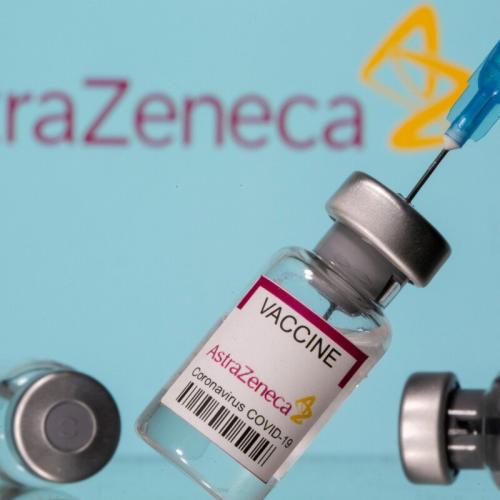
Covid vaccines could be partly to blame for the rise in excess deaths since the pandemic. Researchers from The Netherlands analysed data from 47 Western countries and discovered there had been more than three million excess deaths since 2020, with the trend continuing despite the rollout of vaccines and containment measures. Writing in the BMJ Public Health, the authors ... said: “Although Covid-19 vaccines were provided to guard civilians from suffering morbidity and mortality by the Covid-19 virus, suspected adverse events have been documented as well. “Both medical professionals and citizens have reported serious injuries and deaths following vaccination.” The study found that across Europe, the US and Australia there had been more than one million excess deaths in 2020, at the height of the pandemic, but also 1.2 million in 2021 and 800,000 and 2022. Researchers said the figure included deaths from Covid-19, but also the “indirect effects of the health strategies to address the virus spread and infection”. They warned that side effects linked to the Covid vaccine had included ischaemic stroke, acute coronary syndrome and brain haemorrhage, cardiovascular diseases, coagulation, haemorrhages, gastrointestinal events and blood clotting. German researchers have pointed out that the onset of excess mortality in early 2021 in the country coincided with the rollout of vaccines, which the team said “warranted further investigation”.
Note: While mainstream narratives emphasize how rare these injuries are, the numbers speak for themselves. The Vaccine Adverse Event Reporting System (VAERS) is a voluntary government reporting system that only captures a portion of the actual injuries. Vaccine adverse event numbers are made publicly available, and currently show 1,640,416 COVID vaccine injury reports, 37,647 COVID Vaccine Reported Deaths, and 216,757 COVID Vaccine Reported Hospitalizations. Explore our nuanced, uncensored investigation about this important issue.
One ALS drug made $400 million in sales for its maker. It doesn’t work. A cancer treatment brought in $500 million. That one turned out to have no effect on survival. A blood cancer medication made nearly $850 million before being withdrawn for two of its uses. That drug had been linked to patient deaths years prior. All of them were allowed to be sold to Americans because of the US Food and Drug Administration’s drive to get new drugs to patients quickly — sometimes even before they’re done testing. Drug companies are profiting, though. Since 2014, they’ve made at least $3.6 billion in global sales of medications that have either later been shown to be ineffective or had most or all of their uses withdrawn in the US. There are a number of ways a drug company can get its treatment to patients faster: There’s the “priority review” pathway, then “fast track,” “accelerated approval” and “breakthrough therapy.” The majority of new drugs in the US are approved through one or more of these sped-up pathways. Last year two thirds of all new drugs reached the market this way. One of the problems is that sometimes drugmakers resist pulling a drug off the market, even after it’s obvious it doesn’t work. Makena, a drug to reduce the risk of premature birth, received a sped-up approval in 2011. Eight years later, a large trial found it didn’t work. Yet it took another four years for the FDA to force it off the market. Makena ... generated over $1.6 billion in sales.
Note: The US spends the most on health care but has the worst health outcomes among high-income countries. More than half of children now have chronic health conditions. What is behind this? For more along these lines, see concise summaries of important news articles on Big Pharma corruption and health from reliable media sources.
Ultra-processed foods are industrially formulated with added sugar, artificial sweeteners, additives and flavorings to be highly rewarding and even addictive. They can alter the brain’s reward pathways the same way that other addictive substances do, making them challenging to consume in moderation. In fact, a body of scientific research has emerged in recent years to show that some ultra-processed foods (UPFs) can be as addictive as cigarettes and cocaine. Several major food brands were once owned by the world’s largest tobacco companies. Evidence suggests the same tactics used to formulate and market cigarettes were used in the creation of food products. Manufacturers of ultra-processed foods often seek to find ... “the bliss point,” a term coined by American market researcher and food scientist Howard Moskowitz in the 1990s. The bliss point triggers dopamine – a neurotransmitter in the brain that is responsible for feelings of pleasure and well-being – to spike, then crash. This brings about good feelings, then bad feelings, and generates the craving to feel good once more. Food companies not only research taste, but also consumers’ responses to color, smell, and “mouth feel” of products. “Measured in milliseconds, and the power to addict, nothing is faster than processed food in rousing the brain.” “Ultraprocessed foods … were consistently more associated with [the Yale Food Addiction Scale] indicators than were naturally occurring, minimally processed foods,” according to the study ... Is Food Addictive, republished in 2021 in the Annual Review of Nutrition. About 57% of the calories American adults consume comes from UPFs. That percentage rises to 67% in American children. The food industry spends about $14 billion annually on advertising, with 80% of that devoted to highly processed foods.
Note: Eating junk food is more deadly than smoking and is linked to $50 billion in US health care costs due to how harmful it is on our bodies. Meanwhile, the NIH invests very little funding into nutrition studies and students in medical schools spend less than 1 percent of their education learning about diet. Read our latest Substack article on how the US government turns a blind eye to the corporate cartels fueling America’s health crisis.
The Environmental Protection Agency must ban the toxic weedkiller paraquat – a step more than 60 other countries have taken because of its threats to human health. Paraquat has been linked to Parkinson’s disease, non-Hodgkin lymphoma, childhood leukemia and more. While the EPA says paraquat is too toxic for use on U.S. golf courses, it still allows use of the herbicide on farms. This threatens the health of the people who apply it, other farmworkers and those who live or work near crop fields where it’s used. More than 10 million pounds of paraquat were sprayed in 2018 alone, twice as much as has been sprayed since 2014. While much of the paraquat applied winds up in the soil for years, the chemical can also drift through the air or linger in dust. Syngenta makes paraquat in China and the United Kingdom. The Swiss-based company, which was acquired by a Chinese state-owned chemical conglomerate, has long understood the chemical’s health risks. But it spent decades hiding this knowledge from the public and the EPA. Ironically, Chinese, U.K. and Swiss farmers are prohibited by their respective governments from using paraquat due to potential health risks from exposure. But the weedkiller isn’t prohibited in the U.S. Ingesting even tiny amounts of paraquat can be lethal. Recently, findings from researchers at UCLA show paraquat sprayed within 500 meters ... of where people lived and worked could more than double a person’s odds of developing Parkinson’s.
Note: Read more about the dangers of paraquat. For more along these lines, see concise summaries of deeply revealing news articles on health from reliable major media sources.
Common consumer products may contain hundreds of chemicals that could increase our risk of developing breast cancer, scientists have warned. While some chemicals are known to directly cause cancer, many others indirectly promote the cancer by increasing our susceptibility to the establishment and growth of certain tumors. Breast cancer occurs when cells in the breast tissue grow out of control. Among the many risk factors associated with this disease is over-exposure to estrogen, progesterone and hormonal disruption. And it's not just hormonal contraception that can influence our body's hormone levels; numerous synthetic chemicals have been shown to disrupt our hormones, with potential impacts on our risk of developing various diseases. "Breast cancer is a hormonal disease, so the fact that so many chemicals can alter estrogen and progesterone is concerning," Jennifer Kay, a research scientist at Silent Spring Institute, said. In a new study, published in the journal Environmental Health Perspectives, Kay and colleagues searched through multiple international and U.S. government databases to identify chemicals that had been found to cause mammary tumors in animals. In total, the team identified 921 chemicals that could potentially promote the development of breast cancer, 90 percent—or 829—of which are commonly included in consumer products, food, drinks, pesticides, medications and workplaces.
Note: For more along these lines, see concise summaries of deeply revealing news articles on health and corporate corruption from reliable major media sources.
If you’ve ever found yourself absentmindedly humming the “oh-oh-oh-Ozempic” jingle, you have David Paton to blame. The singer-songwriter ... co-wrote “Magic” — the 1975 hit for his band Pilot that he reworked and sang for the trendy weight-loss drug’s TV commercials, which play incessantly. “I have heard from doctors about patients not remembering the names of drugs but singing the songs,” a former product manager for drug companies that include Merck and Pfizer, [said]. It can cost billions of dollars to develop a pharmaceutical, so promoting it is essential. And that all starts with the name. “We try to craft a name that [has] five to nine letters and two to four syllables.” But it even comes down to the exact letters. “Let’s say there is an oral drug instead of an injectable, we’ll explore something that sounds liquidy or has an O in it,” Fernando Fernandez, managing director of BX: Brand Experience Design Group, [said]. “If we expect a product to have an extra level of efficacy, we might put an X in the name.” Consumers like taking drugs with the letter Z, which may have played a role in the naming of Ozempic and Zepbound. According to the Canadian Medical Journal, the letters X, Y and Z all impart a “high tech, sciency” [sic] feeling to drugs such as the sleeping medication Xanax. “People have hesitancy about taking drugs,” a medical advertising veteran told The Post. “If they don’t have diabetes, they wonder why they are taking a diabetes drug to lose weight. The weight-loss drug has to be called something different, even though it is very close to being the same thing. The name Wegovy is playful and memorable and obviously works.”
Note: The money behind the makers of weight-loss drugs is staggering, while concerns grow about the significant adverse effects of these drugs. For more along these lines, see concise summaries of deeply revealing news articles on Big Pharma profiteering from reliable major media sources.
Drugmaker Novo Nordisk paid U.S. medical professionals at least $25.8 million over a decade in fees and expenses related to its weight-loss drugs [Wegovy and Saxenda], a Reuters analysis found. It concentrated that money on an elite group of obesity specialists who advocate giving its powerful and expensive drugs to tens of millions of Americans. Those payments are part of a campaign to convince U.S. doctors to make Wegovy one of the most widely prescribed drugs in history – and to persuade skeptical insurers to pay for it. Overall, at least 57 U.S. physicians each accepted at least $100,000 from Novo in payments associated with Wegovy or Saxenda. They were an influential group: Forty-one were obesity specialists who run weight-management clinics, work at academic hospitals, write obesity-treatment guidelines or hold top positions at medical societies, according to a Reuters review. "As sales grow, Medicare and the insurance industry come under intense pressure to pay for these hugely expensive drugs,” [Former dean of the US military's medical school Dr. Arthur] Kellermann said. “The end result is that everybody's healthcare costs go up.” U.S. and European regulators are studying whether GLP-1 drugs can cause suicidal thoughts. Reuters reported in September that at least 265 reports have been filed with the FDA since 2010 describing suicidal ideation or behavior in patients taking these drugs. Thirty-six reports described a death by suicide or suspected suicide.
Note: The money behind these obesity drug makers is staggering. The economic value of Novo Nordisk soared to over $420 billion, which exceeds the entire GDP of Denmark, its home country. As Lee Fang reports in this investigative piece on the issue, “The company is growing so fast, bringing in so many American dollars, that the Danish central bank recently devalued its currency to keep it in line with the euro.” For more along these lines, read the growing reports of concerning adverse side effects from these weight-loss drugs.
The Board of Representatives in Stamford, Connecticut, earlier this month voted to reject a model agreement that would have allowed AT&T and Verizon to install 5G equipment on city-owned utility poles. In a bid to get 5G swiftly installed in his state, Gov. Ned Lamont’s office created a template contract between the nation’s top two telecommunication carriers and the state’s five major cities. Stamford, the state’s second-largest city, is the only city so far to have voted against using the contract. [City] representatives were largely persuaded by presentations by six independent experts on the scientific evidence of harm from radiofrequency (RF) radiation, including 5G. The experts, including toxicologist and epidemiologist Devra Davis, Ph.D., MPH, said there were many documented health and environmental impacts of wireless radiation, including brain damage, memory loss, decline in reproductive function, DNA damage and harm to insects. “Confronted with overwhelming, independent scientific information about the real and present dangers of bringing electromagnetic fields closer to humans than ever before, Stamford voted to protect people,” [said Davis]. Some representatives, like City Rep. Don Mays, worried that rejecting the pact would mean AT&T and Verizon would sue the city. A 2018 ruling by the Federal Communications Commission (FCC) blocks states and municipalities from taking actions that would impede or delay the rollout of 5G technology.
Note: For more along these lines, see concise summaries of deeply revealing news articles on the risks and dangers of wireless technologies from reliable major media sources.
Important Note: Explore our full index to revealing excerpts of key major media news articles on several dozen engaging topics. And don't miss amazing excerpts from 20 of the most revealing news articles ever published.