














Related Stories
The Government Uses Targeted Advertising to Track Your Location. Here's What We Need to Do.
Key Excerpts from Article on Website of Electronic Freedom Foundation

Posted: April 6th, 2026
https://www.eff.org/deeplinks/2026/03/targeted-advertising-g...
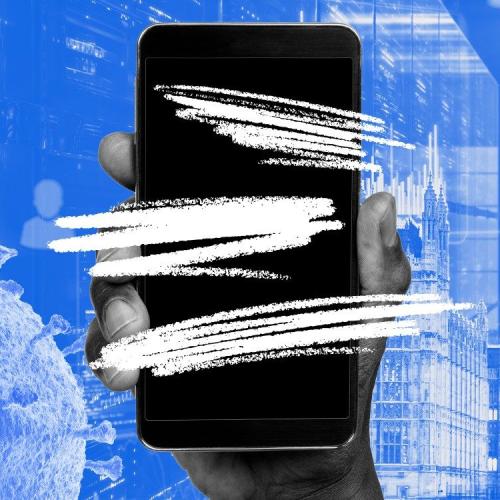
In the absence of strong privacy laws, surveillance-based advertising has become the norm online. Companies track our online and offline activity, then share it with ad tech companies and data brokers to help target ads. Law enforcement agencies take advantage of this advertising system to buy information about us that they would normally need a warrant for, like location data. They rely on the multi-billion-dollar data broker industry to buy location data harvested from people’s smartphones. We’ve known for years that location data brokers are one part of federal law enforcement's massive surveillance arsenal. But a document recently obtained by 404 Media is the first time CBP has acknowledged the location data it buys is partially sourced from the system powering nearly every ad you see online: real-time bidding (RTB). As CBP puts it, “RTB-sourced location data is recorded when an advertisement is served.” Apps for weather, navigation, dating, fitness, and “family safety” often request location permissions to enable key features. But once an app has access to your location, it could share it with data. Here are two basic steps you can take to better protect your location data: 1. Disable your mobile advertising ID, and 2. Review apps you’ve granted location permissions to. If you can’t disable location access completely for an app, limit it to only when you have the app open or only approximate location instead of precise location.
Note: The owner of a data broker company once bragged about having highly detailed personal information on nearly all internet users. For more along these lines, read our concise summaries of news articles on Big Tech and the disappearance of privacy.
Related Stories
Latest News


Key News Articles from Years Past