





















Health News Stories
Below are key excerpts of revealing news articles on health from reliable news media sources. If any link fails to function, a paywall blocks full access, or the article is no longer available, try these digital tools.
For further exploration, delve into our comprehensive Health and Food Corruption Information Center.

A push to restrict agricultural pesticides appears to be stalling, and a draft of a report obtained by ABC News does not signal any intention to eliminate them. This comes as a separate landmark study links negative effects of certain pesticides on children's brains. Pesticides are ubiquitous in our food supply. Numerous studies over the years have shown the detrimental effects of various chemicals on neuro development, but this is the first study to follow a large sample of children from pregnancy and get precise brain measurements. For the first time, researchers can tell you exactly how pesticides can cause harm in the offspring of exposed pregnant women. CHLA and Columbia University researchers said pesticides trigger inflammation and oxidative stress, which harms neurons and slows down how energy flows through the brain. "So that would be evident in things like penmanship, and spelling, and motor speed, performance," said [study author Dr. Bradley] Peterson. Researchers studied 270 children from birth up to 14 years old. Their mothers had been exposed to pesticides from having their homes fumigated and from using commercial sprays, but researchers say these moms were also exposed to chemicals in the produce and grains they ate. Peterson ... recommends more eco-friendly ways to eliminate pests and eating organic produce and grains when possible. "If you're able to afford it and can find it, we would recommend that," he said.
Note: Our Substack, "The Pesticide Crisis Reveals The Dark Side of Science. We Have The Solutions to Regenerate," uncovers the scope of the widespread conspiracy to poison our food, air, and along with the powerful remedies and solutions to this crisis. For more along these lines, read our concise summaries of news articles on government corruption and toxic chemicals.
Jacquie Sullivan, the longest serving member of the City Council in Bakersfield history, is now in retirement, battling a foe tougher than any she faced in seven elections: Parkinson’s disease. Kern County [is] the largest consumer of the deadly herbicide Paraquat in California. Over a five year period, 2017 to 2021, Kern County farmers sprayed 1.2 million pounds of the stuff on local ag land, along with tons of other herbicides. No wonder Kern County is also No. 1 in the state for Parkinson’s disease, an incurable neurodegenerative disorder. Loss of smell and shoulder pain are among the early symptoms. Tremors, slowing of movement, difficulty sleeping and stiffness can come later. Then in more advanced stages, loss of cognitive ability. An estimated 117,000 Californians are living with the disease — the highest per capita level in the country. Those who work directly with certain chemicals, including herbicides, face even higher risks, up to 400% higher. But you don’t have to be in direct contact with the spray to suffer harmful exposure. Drinking well water in certain agricultural areas increases risk by 70 to 90%. In 2024, the State Assembly approved a “moratorium” on paraquat use that would have taken effect this past January, giving state regulators an opportunity to reevaluate paraquat and potentially reapprove the chemical with or without new restrictions. But state Senate amendments killed all the restrictions.
Note: The 1982 neurotoxic contaminant MPTP case was a turning point in showing how a single toxin could instantly trigger Parkinson’s by destroying a specific part of the brain. Scientists later discovered that paraquat — a widely used US pesticide banned in over 70 countries — attacks the brain in much the same way. As rates of Parkinson’s have tragically surged especially among the farming community, neurologists now say the disease is largely environmentally caused, driven by long-term exposure to chemicals like paraquat. A 2024 Politico article put it bluntly: “Parkinson’s is a man-made disease.”
Vermont is the first US state to ban the weedkilling pesticide paraquat, backed by lawmakers who cited concerns about research showing the chemical substantially increases the risk of the incurable brain ailment known as Parkinson’s disease. Phil Scott, the governor, signed the legislation on Tuesday. The new law takes effect on 1 November, though it contains a provision allowing state regulators to issue special permits for paraquat use on fruit-producing tree orchards, berries and other “small fruit” crops up until 31 December 2030. Early versions of the law pointed to multiple studies by the National Institutes of Health have demonstrated that paraquat exposure substantially increases the risk of Parkinson’s disease in those exposed to the herbicide. Lawmakers also noted that other NIH studies have linked paraquat to non-Hodgkin lymphoma and childhood leukemia. Ray Dorsey, a neurologist who directs research into environmental causes of brain diseases at Atria Health and Research Institute, said Vermont’s action was “another step toward preventing this largely man-made disease”. He said that many countries had banned paraquat and said it “is long overdue for the US to do the same”. Numerous scientific studies have found that paraquat damages cells in the brain in ways that can lead to Parkinson’s, and more than 8,000 lawsuits are pending in US courts over the Parkinson’s allegations.
Note: The 1982 neurotoxic contaminant MPTP case was a turning point in showing how a single toxin could instantly trigger Parkinson’s by destroying a specific part of the brain. Scientists later discovered that paraquat — a widely used US pesticide banned in over 70 countries — attacks the brain in much the same way. As rates of Parkinson’s have tragically surged especially among the farming community, neurologists now say the disease is largely environmentally caused, driven by long-term exposure to chemicals like paraquat. A 2024 Politico article put it bluntly: “Parkinson’s is a man-made disease.”
For decades, regulators viewed chlorpyrifos — a pesticide widely used in the U.S. and around the world — primarily as a neurotoxin that disrupts signaling in the brain and nervous system. Growing evidence suggests chlorpyrifos may damage the brain, hormones, liver, gut microbiome, muscles, reproductive organs, and bones. Studies also link the pesticide to DNA damage and lasting changes in gene activity that may increase the risk of chronic disease. Together, the findings portray chlorpyrifos as what the reviewers call a “multi-system toxicant” that poses a more significant threat to public health than previously understood. It suggests the pesticide acts on the body in ways far beyond disrupted nerve signaling or obvious poisoning. Pregnancy and early childhood are especially sensitive periods for chemical exposure. “What has genuinely evolved over time is our understanding that chlorpyrifos causes harm in ways that go beyond its effects on the nervous system including damage to DNA, changes in how genes are switched on or off, interference with hormones, and disruption of the healthy bacteria that live in the gut,” said Dr. Dana Boyd Barr. current regulatory systems may not fully capture the complexity of chlorpyrifos’ dangers to the body. Many occur at levels too low to be detected by current safety testing, which looks for the disruption of an enzyme involved in nerve cell communication.
Note: Did you know that chlorpyrifos was originally developed by Nazis during World War II for use as a nerve gas? Read more about the history and politics of chlorpyrifos, and how U.S. regulators relied on falsified data to allow its use for years.
Many people don’t think of pesticides when they look at a bouquet of flowers. But they’re full of them. Buying from your local supermarket won’t necessarily put you at risk, say experts – that falls to the growers and florists who handle what the charity describes as “toxic bombs”. Chemicals protect flowers from disease and pests and, as customers want perfect blooms year-round, keep them looking uniform. But research shows they can easily be absorbed through skin contact or inhalation by people exposed for hours every day. Unlike food, there is no upper limit on pesticide residue levels in flowers in the EU, UK or US. Handling flowers every day may well have consequences we don’t yet understand. “There’s a whole group [of pesticides] that cause cancer, or are recognised to probably cause cancer, and [florists] are probably being exposed to them. There’s a whole group that affects reproductive health. They’re probably being exposed to them too,” says [clinical toxicology professor Michael] Eddleston. “What I would worry about as a florist is long-term chronic exposure to multiple pesticides … which are simply not being controlled and that can’t be safe.” Many florists only hear about the risks through word of mouth. Roisin Taylor ... who has mostly worked with locally grown stems, says the chalky film that covers her hands when she touches imported flowers is obvious. And she knows to wash her hands thoroughly before she eats lunch.
Note: For more along these lines, read our concise summaries of news articles on health and toxic chemicals.
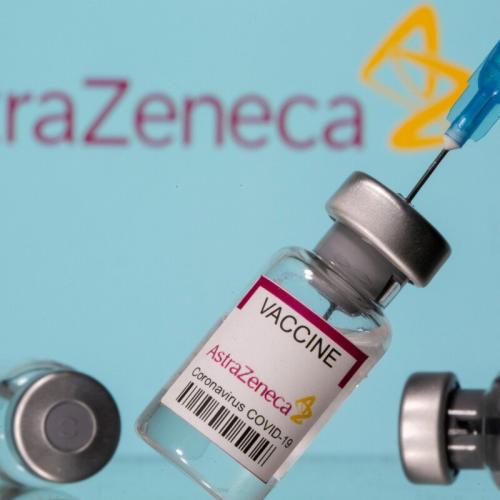
This interim report highlights records the Subcommittee has reviewed regarding HHS’s awareness of and response to cases of myocarditis—a type of heart inflammation—following COVID-19 vaccination. [Some] documents ... have remained hidden from the public and Congress for years. U.S. health officials knew about the risks of myocarditis; Those officials downplayed the health concern; and U.S. health agencies delayed informing the public about the risk of the adverse event. The records [show]: The Israeli Ministry of Health notifying officials at the CDC in late February 2021 of “large reports of myocarditis, particularly in young people, following the administration of the Pfizer vaccine.” Discussions among CDC officials in May 2021 on whether to issue a HAN [Health Alert Network message] on myocarditis, noting that health care professionals across the nation may not be aware of the risk because “providers aren’t reporting these cases to VAERS [Vaccine Adverse Event Reporting System].” A CDC official providing up-to-date information on the status of the HAN to Pfizer Inc. (“Pfizer”) and Moderna, Inc. (“Moderna”) representatives, indicating CDC’s preference to keep the vaccine companies more informed about vaccine adverse events, rather than the American people. Draft meeting notes from late May 2021 exchanged between U.S. public health officials which included the question: “Is VAERS signaling for myopericarditis now?”; and the answer: “For the age groups 16-17 years and 18-24 years, yes.”
Note: Our Substack investigation, The Nuanced View on COVID Vaccine Injuries and Lawsuits, examines how whistleblowers, FDA advisers, and vaccine-injured people exposed irrefutable evidence of COVID vaccine harms, data integrity issues, and failures within the VAERS reporting system. The investigation also explores how Big Tech platforms, pharmaceutical companies, and health organizations engineered the information environment around COVID through censorship and media manipulation.
The Modern Ag Alliance, launched by Bayer in 2024, enables the company to lobby and campaign through an entity that looks like a coalition of farm organizations, not a single giant chemical corporation. MAA represents itself as a “diverse coalition, founded by Bayer, that today represents more than 110 agricultural organizations.” But public records suggest it functions as a front group for Bayer’s interests. Tax records reveal that a Bayer vice president sits on the board of directors, and nearly all of its budget has gone to a public relations firm that also works for Bayer. Bayer itself describes the MAA as a key part of its lobbying. The company has portrayed the MAA – whose tagline is “Pesticides power America’s ag” – as its strategy for “fighting back” against glyphosate concerns and lawsuits. MAA is a 501(c)(4) nonprofit organization, a structure that allows it to raise unlimited funds for advocacy or lobbying while keeping donors secret. Disclosed members of the Modern Ag Alliance include large agribusiness trade groups, and national and state commodity crop growers’ groups. Many of these groups have financial relationships with Bayer and other pesticide firms, via sponsorships, partnerships or direct funding, though these ties are often opaque. The MAA lobbies for legislation that ... would make it harder for Americans to use state-law failure-to-warn claims to sue pesticide manufacturers for cancer and other injuries.
Note: Our Substack, "The Pesticide Crisis Reveals The Dark Side of Science. We Have The Solutions to Regenerate," uncovers the scope of Bayer/Monsanto's media propaganda machine and the widespread conspiracy to poison our food, air, and along with the powerful remedies and solutions to this crisis. For more along these lines, read our concise summaries of news articles on corporate corruption and toxic chemicals.
A new study suggests a common weed killer may be linked to the mysterious global rise of young colorectal cancer. The first-of-its kind study published Tuesday in the journal Nature Medicine, suggests that picloram — a herbicide used globally to kill woody plants and shrubs while keeping grasses intact — could explain the rising incidence of colon and rectal cancer cases in people under 50. [Senior study author Jose] Seoane's team found that certain "fingerprints" appeared in the DNA of young colorectal cancer tumors they studied, and those fingerprints were linked back to exposures, including: Smoking; Poor diets, lacking fresh vegetables, beans, nuts and other "Mediterranean" staples; Obesity; Educational attainment (which is also linked to poorer diets); and finally, the weed killer picloram. His team checked to see if this same pattern persisted across populations, comparing the incidence of young colorectal cancer in seven US states, including California, Connecticut, Georgia, Iowa, New Mexico, Utah, and Washington, to the level of county-wide pesticide use. The strongest pesticide signal of all tied to higher rates of young colon cancer was for picloram. (In second place was glyphosate.) Picloram, which was developed in the 1960s, was one of many herbicides used in the "agents" the US Military used to clear forest during the Vietnam War. It works by disrupting the way plant hormones normally function, and can persist in the soil for years.
Note: Our Substack, "The Pesticide Crisis Reveals The Dark Side of Science. We Have The Solutions to Regenerate," uncovers the scope of the widespread conspiracy to poison our food, air, and along with the powerful remedies and solutions to this crisis. For more along these lines, read our concise summaries of news articles on health and toxic chemicals.
A major new study published in Nature Health has found a strong connection between environmental exposure to agricultural pesticides and an increased risk of cancer. Pesticides are commonly found in food, water, and the surrounding environment, often as complex mixtures rather than single substances. This has made their health effects difficult to measure. Most previous research has focused on individual chemicals in controlled settings, which does not reflect how people are exposed in real life. By combining environmental monitoring, national cancer registry data, and biological research, scientists from the IRD, Institut Pasteur, University of Toulouse, and the National Institute of Neoplastic Diseases (INEN) in Peru provide new insight into how pesticide exposure may contribute to the development of certain cancers. Peru ... includes regions with intensive agriculture, diverse climates and ecosystems, and significant social and geographic inequalities. "We first modeled the dispersion of pesticides in the environment over a six-year period, from 2014 to 2019, which allowed us to create a high-resolution map and identify areas with the highest risk of exposure," explains Jorge Honles, PhD in epidemiology at the University of Toulouse. The team then compared these exposure maps with health data from more than 150,000 cancer patients recorded between 2007 and 2020. Regions with higher environmental pesticide exposure also had higher rates of certain cancers. In these areas, the likelihood of developing cancer was about 150% greater on average. The research also highlights how pesticide exposure may affect the body long before cancer is diagnosed. Molecular studies conducted at the Institut Pasteur, led by Pascal Pineau, show that pesticides can interfere with processes that maintain normal cell function and identity. These disruptions occur early and may accumulate over time without obvious symptoms. Vulnerable populations, including Indigenous and rural communities, may face the greatest risks.
Note: This landmark study demonstrates a significant link between pesticide exposure on a national scale and biological changes that increase the risk of cancer. Our Substack, "The Pesticide Crisis Reveals The Dark Side of Science. We Have The Solutions to Regenerate," uncovers the scope of the widespread conspiracy to poison our food, air, and along with the powerful remedies and solutions to this crisis. For more along these lines, read our concise summaries of news articles on food system corruption and toxic chemicals.
The indictment Tuesday of a top adviser to former NIAID Director Anthony Fauci on charges of conspiring against the United States casts a spotlight on years of efforts to subvert public records laws and conceal key COVID-era communications from the public. The adviser, David Morens ... is accused by federal prosecutors of using private email accounts to conduct government business, deleting records and coordinating with others to conceal communications related to COVID origins, high-risk coronavirus research and grant funding. According to the indictment, Morens and others agreed in writing to “intentionally hide” their communications from public records requests. Morens ... discussed strategies to “make emails disappear” to evade FOIA searches and avoided creating written records altogether – actions that Morens later admitted and apologized for during congressional testimony. Other records show Morens in ongoing contact with [Peter] Daszak and a small circle of allies after the pandemic’s onset. Their communications include strategizing about how to restore EcoHealth Alliance’s standing with federal funders, counter scrutiny from Congress and the media, and shape public narratives around the origins of COVID-19. While [Anthony] Fauci is not a direct participant in the communications cited in the indictment, the document refers to a “Senior NIAID Official 1” whose description corresponds with the former director.
Note: Watch our 15-minute video on the cover-up of COVID origins. For more along these lines, read our concise summaries of news articles on government corruption and the COVID cover-up.
The single biggest predictor of how happy you are at any given moment isn’t your income, your relationship status, your health, your career, or the city you live in. It’s whether your mind is focused on what you’re doing right now or wandering somewhere else. That’s the whole finding. Present equals happy. Absent equals unhappy. Everything else is details. In 2010, Harvard psychologists Matthew Killingsworth and Daniel Gilbert published a paper in the journal Science with a title that sounds like a Buddhist proverb: “A Wandering Mind Is an Unhappy Mind.” They developed an iPhone app that pinged 2,250 people at random intervals throughout the day, asking three questions: What are you doing? What are you thinking about? How happy are you? People’s minds wandered from what they were doing 46.9 percent of the time. And when their minds wandered, they were consistently less happy than when they were focused on whatever was in front of them. This held true regardless of the activity. What you’re thinking about matters more than twice as much as what you’re doing. You could have the perfect life — the career, the partner, the health, the house — and spend most of it mentally somewhere else, and the somewhere else would make you miserable. We don’t struggle with presence during peak experiences. Nobody’s mind wanders during their wedding or the birth of their child or the moment they land the job they wanted. Those moments are vivid enough to command attention. They handle presence for you. The problem is that peak experiences make up maybe two percent of your life. The other ninety-eight percent ... is ordinary, and your capacity to be present during ordinary moments determines the quality of your entire existence. That’s where happiness actually lives. In the ninety-eight percent. In the ability to be present in an ordinary moment without wishing it were something else.
Note: Explore more positive stories like this in our comprehensive inspiring news articles archive focused on solutions and bridging divides.
When incarcerated people face abuse and mistreatment, they can typically file a formal complaint with jail or prison administrators. In federal prisons, the system for resolving these complaints is known as the “Administrative Remedy Program,” but it’s more commonly referred to as a “grievance system” in state prisons and local jails. Grievance systems are supposed to provide incarcerated people with a way to challenge issues they face behind bars — such as inadequate medical care, harassment by corrections officers, or unsanitary living conditions — and (hopefully) receive some kind of relief. In practice, however, incarcerated people who turn to grievance systems are forced to run a gauntlet of rules and regulations just to be heard, and very rarely succeed. This is especially true when it comes to medical complaints: our analysis of a decade of data from the Data Liberation Project finds that, between 2014 and 2024, a startling 98% of medical grievances were rejected for reasons ranging from the bureaucratic (such as using the wrong size sheet of paper) to the substantive (actually being denied on the merits of the complaint). Less than 1% of medical cases ended in a grant of relief. Conditions are so bad on the inside that since 2000, roughly half of all state prison systems have been court-ordered to improve mental and medical healthcare. In practice ... the grievance system is a black hole, a time-waster, and a deterrent to complaining at all.
Note: For more along these lines, read our concise summaries of news articles on prison system corruption and inspiring articles on prison system reform.
Pfizer subsidiaries in multiple countries, including Italy and Russia, were accused by the SEC in 2012 of paying bribes over about a decade to foreign officials to secure regulatory and formulary approvals, boost sales, and increase prescriptions, [an] SEC complaint shows. In China, one subsidiary allegedly created “points programs” that let doctors earn gifts based on prescribing its medications, according to the SEC, while in Croatia, another offered a “bonus program” that reportedly rewarded doctors with cash, international travel, or free products. Pfizer and an indirect subsidiary agreed to pay more than $45 million in separate settlements, without admitting or denying the allegations, the SEC reported. In a parallel action, Pfizer H.C.P., an indirect, wholly-owned healthcare-focused subsidiary, agreed to pay a $15 million penalty to resolve its investigation of FCPA violations after admitting to improper payments to foreign government officials, according to the U.S. Department of Justice. And in Greece, Poland, and Romania, Johnson & Johnson subsidiaries, employees, and agents were accused by regulators of using slush funds, sham contracts, and off-shore companies in the Isle of Man to reward doctors and administrators who ordered or prescribed its products, including surgical implants. The 2011 SEC complaint also accused the company of paying kickbacks in Iraq to obtain business.
Note: For more along these lines, read our concise summaries of news articles on Big Pharma profiteering.
Some top US lobbying firms are simultaneously working both sides of the Pfas “forever chemicals” issue, raising serious conflict of interest questions and concerns that their activity is slowing states’ efforts to rein in the public health threat. The review of six states’ lobbying records conducted by the non-profit F-Minus found a range of scenarios in which firms lobbied both sides. Most common Pfas are linked to cancer. The lobbying firm Holland & Knight works for the American Chemistry Council, which represents the nation’s largest Pfas makers, and aggressively opposes most regulations. Simultaneously, Holland & Knight lobbies for the American Cancer Society. The review found 26 healthcare systems, 11 public school systems, 15 wildlife groups and 132 local governments that share lobbying firms with Pfas makers or trade groups, including the American Chemistry Council and Cookware Sustainability Alliance. The lobbyists work across 36 states. The report comes amid a broad effort at all levels of the government that aims to rein in Pfas pollution and exposures. The chemicals are widely used in consumer goods and industry, and are linked to a range of health problems like cancer, birth defects, decreased immunity, kidney disease and hormone disruption. The public health effort has drawn an intense lobbying operation in opposition by the chemical industry, which has killed most Pfas legislation in recent years.
Note: For more along these lines, read our concise summaries of news articles on toxic chemicals.
People’s connection to nature has declined by more than 60% since 1800, almost exactly mirroring the disappearance of nature words such as river, moss and blossom from books, according to a study. The study by Miles Richardson, a professor of nature connectedness at the University of Derby, accurately tracks the loss of nature from people’s lives over 220 years by using data on urbanisation, the loss of wildlife in neighbourhoods and, crucially, parents no longer passing on engagement with nature to their children. In the research published in the journal Earth, Richardson also identified the disappearance of natural words from books between 1800 and 2020, which peaked at a 60.6% decline in 1990. The modelling predicts an ongoing “extinction of experience” with future generations continuing to lose an awareness of nature because it is not present. Increasing the availability of biodiverse green spaces in a city by 30% may look like radical positive progress for wildlife and people but Richardson said his study suggested a city may need to be 10 times greener to reverse declines in nature connection. Measures to increase popular engagement with the natural world were not effective at reversing long-term declines in nature connectedness. More effective, according to the study, are measures instilling awareness and engagement with nature in young children and families, such as forest school nurseries.
Note: For more along these lines, read our concise summaries of news articles on mental health and environmental destruction.
Tiny pieces of plastic, widely found in food, water, and air, can harm the development and function of specialized brain cells that regulate reproduction, new research reports. These cells, called gonadotropin-releasing hormone (GnRH) neurons, act like main switches for puberty and fertility. During early development, they must travel to the right place in the brain and then release hormones in a precise rhythm throughout life. However, in a study recently published in the journal Small, researchers found that polystyrene nanoplastics — fragments thousands of times smaller than a grain of sand — were able to slip into these cells through an unusual “side door.” Once inside, the particles reduced hormone levels, slowed cell movement, and altered genes required for reproductive health. The particles also accumulated in the GnRH neurons, increasing the potential for long-term effects. The results point to plastic pollution as a plausible environmental contributor to disorders such as GnRH deficiency, which is associated with conditions such as delayed puberty and infertility that cannot be fully explained by genetics alone. “These results suggest that [polystyrene nanoplastics] disrupt key physiological functions of GnRH neurons and may act as novel endocrine disruptors, contributing to the pathogenesis of reproductive disorders,” the researchers wrote. Even small disruptions can delay puberty, disrupt menstrual cycles, reduce sperm production or impair fertility.
Note: For more along these lines, read our concise summaries of news articles on health and toxic chemicals.
Poisonous dust falls from the sky over the town of Ogijo, near Lagos, Nigeria. It coats kitchen floors, vegetable gardens, churchyards and schoolyards. The toxic soot billows from crude factories that recycle lead for American companies. With every breath, people inhale invisible lead particles and absorb them into their bloodstream. The metal seeps into their brains, wreaking havoc on their nervous systems. It damages livers and kidneys. Toddlers ingest the dust by crawling across floors, playgrounds and backyards, then putting their hands in their mouths. As the United States tightened regulations on lead processing ... finding domestic lead became a challenge. So the auto industry looked overseas to supplement its supply. In doing so, car and battery manufacturers pushed the health consequences of lead recycling onto countries where enforcement is lax, testing is rare and workers are desperate for jobs. Seventy people living near and working in factories around Ogijo volunteered to have their blood tested. Seven out of 10 had harmful levels of lead. Every worker had been poisoned. More than half the children tested in Ogijo had levels that could cause lifelong brain damage. Manufacturers that use Nigerian lead make batteries for major carmakers and retailers such as Amazon, Lowe’s and Walmart. All this is avoidable. Lead batteries can indeed be recycled as cleanly as advertised. But that requires millions of dollars in technology.
Note: This exposé reveals a brutal human and environmental toll behind cobalt used in batteries for phones and electric vehicles, where men, women, and children in the Democratic Republic of the Congo dig toxic, uranium-laced earth with bare hands and face deadly tunnel collapses, widespread disease, miscarriages, birth defects, sexual violence, and extreme poverty—while much of this suffering remains hidden within global supply chains. For more along these lines, read our concise summaries of news articles on toxic chemicals.
The U.S. spends more on healthcare than any country in the world [yet] consistently ranks near the bottom of high-income nations for life expectancy, chronic disease burden and preventable deaths. While many drugs are lifesaving and essential, prescription medications are now recognized as the third leading cause of death in industrialized countries, behind only heart disease and cancer. Research consistently shows that up to 80% of chronic conditions, including cardiovascular disease, Type 2 diabetes and certain cancers, could be prevented or significantly reduced through natural health approaches such as nutrition, lifestyle change, supplements and other preventive interventions. If this is the case, why are these approaches not more central to chronic disease prevention and care? Health outcomes ... are shaped by who writes the rules, who controls the market and by whom health information is controlled. Natural health is constrained at the level of evidence, where money determines what qualifies as “science.” In 1991, about 80% of industry-funded clinical trials were conducted in academic medical centers; by 2004, that figure had fallen to 26%, replaced by for-profit research organisations contracted by drug companies. This shift has untold impact: Study designs, publications, regulations and medical education reflect pharmaceutical interests, leaving natural therapies — without comparable capital — unable to produce the forms of evidence regulators, insurers and clinicians are structurally conditioned to demand. Following the Myriad case, naturally occurring substances are largely excluded from patent protection, leaving high research costs with little legal protection. Without intellectual property protection, investors see little upside, research dries up and innovation slows. Combined with regulatory capture and heavy pharmaceutical lobbying, control of money and markets systematically prioritises pharmaceutical over natural health and substances long before consumers are offered a real choice.
Note: Watch an educational presentation by WantToKnow.info director Amber Yang on the deepest challenges facing our media and public health systems today, including real world solutions that move beyond disease-care. For more along these lines, check out our Substack, Inspiring Remedies to the Chronic Illness Crisis.
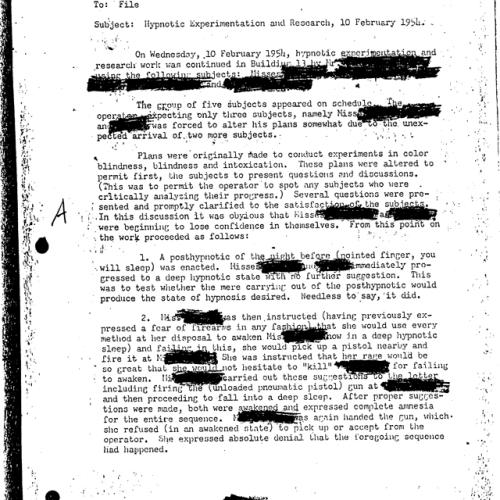
A newly released CIA document reveals a chilling blueprint to manipulate minds through covert drugging experiments. The report, added to the CIA's reading room in 2025, details the government's once top-secret Project Artichoke that ran from 1951 to 1956, focusing on behavior control, interrogation techniques and psychological manipulation. The seven-page document, titled 'Special Research for Artichoke,' with an attachment labeled 'Suggested Fields for Special Research Relative Artichoke,' outlines proposals to develop chemicals capable of altering human behavior. It discusses drugs designed for both immediate effects, like truth serums and long-term influence, potentially administered through food, water, alcohol or cigarettes. Researchers also suggested that such substances could be disguised in medical treatments such as vaccinations or injections. The CIA was also looking into methods beyond chemicals, listing hypnosis, sensory deprivation, gases and other psychological methods for interrogation and behavioral control. Artichoke served as a precursor to the CIA's MKUltra program, which later broadened mind-altering experiments on a larger scale. The researchers involved in the secret program emphasized that long-term compounds should be capable of producing 'an agitating effect (producing anxiety, nervousness, tension, etc.) or a depressing effect (creating a feeling of despondency, hopelessness, lethargy, etc.).'
Note: Learn more about the CIA's MKUltra Program and the mind control techniques perfected by Nazi scientists through disturbing WWII experiments in concentration camps. For more, read our concise summaries of news articles on intelligence agency corruption and mind control.
New York City's public hospital system is paying millions to Palantir, the controversial ICE and military contractor. Since 2023, the New York City Health and Hospitals Corporation has paid Palantir nearly $4 million to improve its ability to track down payment for the services provided at its hospitals and medical clinics. Palantir, a data analysis firm that's now a Wall Street giant thanks to its lucrative work with the Pentagon and U.S. intelligence community, deploys its software to make more efficient the billing of Medicaid and other public benefits. That includes automated scanning of patient health notes to “increase charges captured from missed opportunities,” contract materials reviewed by The Intercept show. It's Palantir's work with U.S. Immigration and Customs Enforcement that is drawing the most protest today. The company provides a variety of services to help the federal government find and deport immigrants. ICE's Palantir-furnished case management software, for example, “plays a critical role in supporting the daily operations of ICE, ensuring critical mission success,” according to federal contracting documents. Palantir's contract with New York's public health care system allows the company to work with patients' protected health information, or PHI. With permission from New York City Health and Hospitals, Palantir can “de-identify PHI and utilize de-identified PHI for purposes other than research,” the contract states.
Note: Listen to an audio clip of Jeffrey Epstein promoting Palantir to Ehud Barak. Read how Palantir helped the NSA spy on the entire planet. For more along these lines, read our concise summaries of news articles on Big Tech and the disappearance of privacy.
Important Note: Explore our full index to revealing excerpts of key major media news stories on several dozen engaging topics. And don't miss amazing excerpts from 20 of the most revealing news articles ever published.